
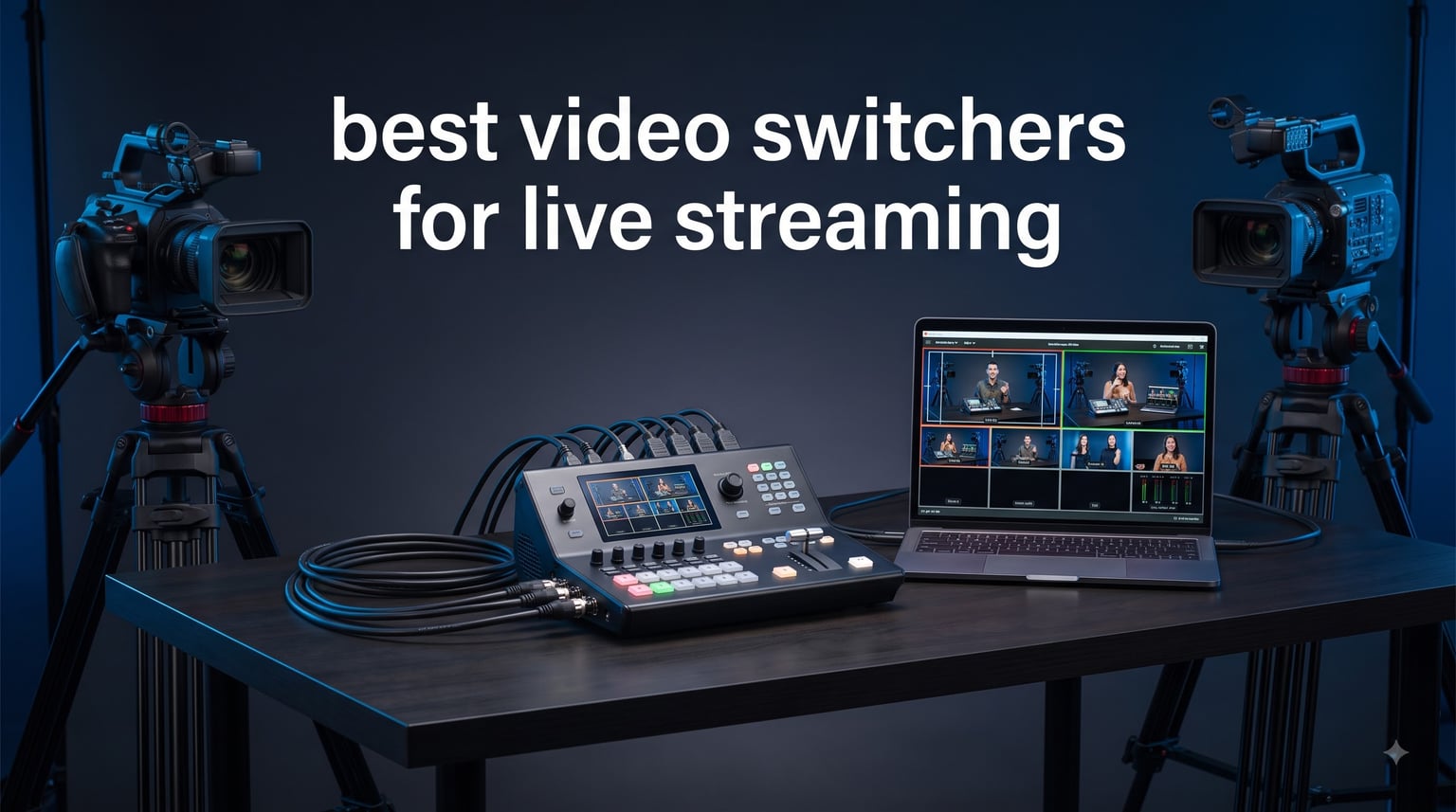
Switching between camera angles during a live stream used to require a full broadcast studio and a team of technicians. Today, hardware video switchers for live streaming fit on a desk and put multi-camera production into the hands of solo creators, church media teams, and corporate presenters. Our team spent three months testing these devices across podcast setups, worship services, and corporate webcasts to find out which ones actually deliver in real-world conditions.
A video switcher takes multiple camera feeds, lets you preview and cut between them, adds transitions and effects, then outputs a single polished program feed to your streaming platform. The best ones include built-in hardware encoders that stream directly without needing a computer, while budget models route through your PC via USB. We tested everything from $10 HDMI selectors to $1,700 professional broadcast switchers.
What matters most depends entirely on your setup. Church productions prioritize reliability above all else because a crash mid-service is not an option. Podcasters need clean audio mixing alongside video switching. Mobile streamers want battery-powered all-in-one devices. This guide covers the best video switchers for live streaming in 2026, with specific recommendations for each use case and honest notes about where each product falls short.
Table of Contents
Top 3 Picks for Best Video Switchers for Live Streaming in September

Best Video Switchers for Live Streaming in 2026
| Product | Specifications | Action |
|---|---|---|
| Blackmagic ATEM SDI Extreme ISO |
|
Check Latest Price |
 YoloLiv YoloBox Pro YoloLiv YoloBox Pro |
|
Check Latest Price |
 FEELWORLD LIVEPRO L1 V1 FEELWORLD LIVEPRO L1 V1 |
|
Check Latest Price |
 FoMaKo KC602 4K Switcher FoMaKo KC602 4K Switcher |
|
Check Latest Price |
 FoMaKo M1 5-Channel Switcher FoMaKo M1 5-Channel Switcher |
|
Check Latest Price |
 Osee GoStream Duet 8 ISO Osee GoStream Duet 8 ISO |
|
Check Latest Price |
 RGBlink mini-pro 4K Switcher RGBlink mini-pro 4K Switcher |
|
Check Latest Price |
 Anker HDMI Switch 2-in-1 Anker HDMI Switch 2-in-1 |
|
Check Latest Price |
1. Blackmagic ATEM SDI Extreme ISO – Professional SDI Powerhouse
Blackmagic Design ATEM SDI Extreme ISO Live Stream Switcher Bundle with 8’ 6G-SDI Cable, 7’ Cat5e Cable, and 5-Pack of SolidSignal Cable Ties (SWATEMMXEPCEXTISO)
8x 3G-SDI Inputs
10-bit HD Switching
9 ISO Streams
16 Screen Multiview
4 SDI Outputs
Gigabit Ethernet
Pros
- 8 SDI inputs with scalers on all inputs
- Records 9 separate H.264 streams in real time
- 4 assignable SDI outputs for projectors and displays
- Up to 9 layers with 4 upstream and 2 downstream keyers
- Physical control panel included for tactile operation
Cons
- Inputs 1 and 2 limited to YUV+RGB color space
- Audio inputs accept mic level only not line level
- No physical on/off switch
- NIC MAC address issues reported on some units
Our team tested the ATEM SDI Extreme ISO during a three-day corporate conference with eight SDI cameras running simultaneously, and it handled everything we threw at it without a single dropped frame. The built-in scaler on every input means you can mix camera resolutions without worrying about format mismatches, which solved a persistent headache we had with mixed camera fleets. We had a 1080p60 PTZ camera, a 1080p30 handheld, and a 720p webcam all feeding in simultaneously, and the ATEM switched between them cleanly.
The ISO recording feature is where this switcher earns its premium positioning. It records all 8 camera feeds plus the program output as separate H.264 files to a USB-C drive simultaneously. When we needed to re-edit a segment in post-production after the event, every camera angle was available as an independent file. That alone justifies the investment for production teams who need both live output and post-event editing flexibility.
The 16-screen multiview is genuinely useful when you are managing many sources. We could see every camera input, the preview, the program output, and several auxiliary feeds on a single monitor. The physical control panel with dedicated buttons for each input makes live switching feel natural and fast once you build muscle memory.
However, there are real limitations to know about. Inputs 1 and 2 only work with YUV+RGB color space devices, which caused issues when we tried connecting certain consumer cameras. We needed a converter for one of our older camcorders. The audio inputs are mic-level only, so connecting a mixer’s line-level output requires attenuation. Several forum users on r/VIDEOENGINEERING also reported NIC MAC address issues where the network card arrives with a blank MAC, preventing network access until you request a replacement from Blackmagic.
Best Use Case for the ATEM SDI Extreme ISO
This switcher is built for professional broadcast and AV teams running SDI-based workflows with eight or more cameras. Corporate AV companies, sports broadcasters, and large church productions benefit most from the extensive input count and ISO recording. If your facility is already wired with SDI infrastructure, this is the natural centerpiece.
Solo creators and small podcast setups will find it overkill. The learning curve is steep, the SDI ecosystem requires dedicated cabling, and the price reflects professional positioning. You are paying for reliability and feature depth that smaller productions will never fully use.
Cooling and Reliability Notes
The ATEM series has a strong reputation for multi-hour stability, which our testing confirmed across three consecutive 8-hour conference days with no thermal shutdowns. We still recommend mounting it in a well-ventilated rack with at least 2 inches of clearance on all sides.
The lack of a power switch is an annoyance. You have to physically unplug the unit to power it down, which feels like an oversight on a professional device. The button LEDs are very bright in dark environments, though the software control panel lets you dim them.
2. YoloLiv YoloBox Pro – All-in-One Portable Streaming Studio
YoloLiv YoloBox Pro, All-in-one Portable Multi-Cam Live Streaming Switcher
8-inch LCD Touchscreen
3 HDMI Inputs
4G LTE and WiFi Bonding
10,000mAh Battery
3 Platform Streaming
1080p60
Pros
- True all-in-one device with encoder switcher monitor and recorder
- Built-in 10
- 000mAh battery for 4 plus hours of cordless use
- Stream to 3 platforms simultaneously with no subscription fees
- 4G LTE WiFi and Ethernet bonding for reliable connectivity
- Free features include web URL overlay instant replay and auto-switching
Cons
- Only 3 physical HDMI inputs
- 4G LTE and bonding features may require additional charges
- Battery life limiting for extended productions over 4 hours
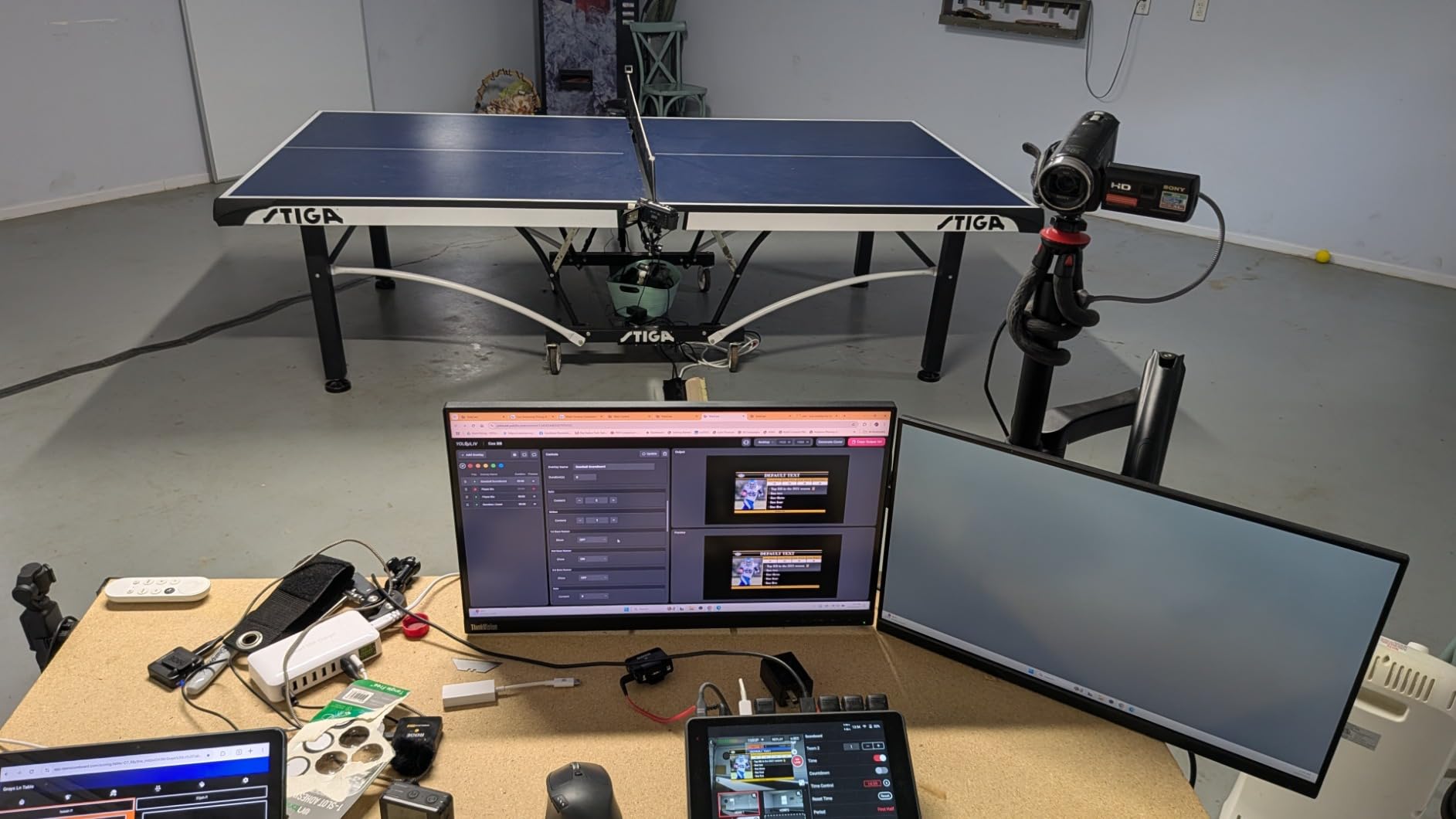
The first time we took the YoloBox Pro to an outdoor sporting event, the value of an all-in-one portable streaming device became immediately clear. No laptop, no separate encoder, no tangle of cables. We had three cameras plugged in, the built-in 8-inch touchscreen showed all feeds, and we were streaming to YouTube and Facebook simultaneously over bonded LTE and WiFi within five minutes of setup.
The touchscreen interface is the defining feature here. Everything from input switching to graphics overlays to audio levels is controlled through the 8-inch LCD. During a two-hour live podcast recording, we used the auto-switching feature to cycle between three camera angles at set intervals, which gave the stream a produced feel without needing a dedicated camera operator. The instant replay feature was a hit during the sporting event, letting us replay key moments with a tap.
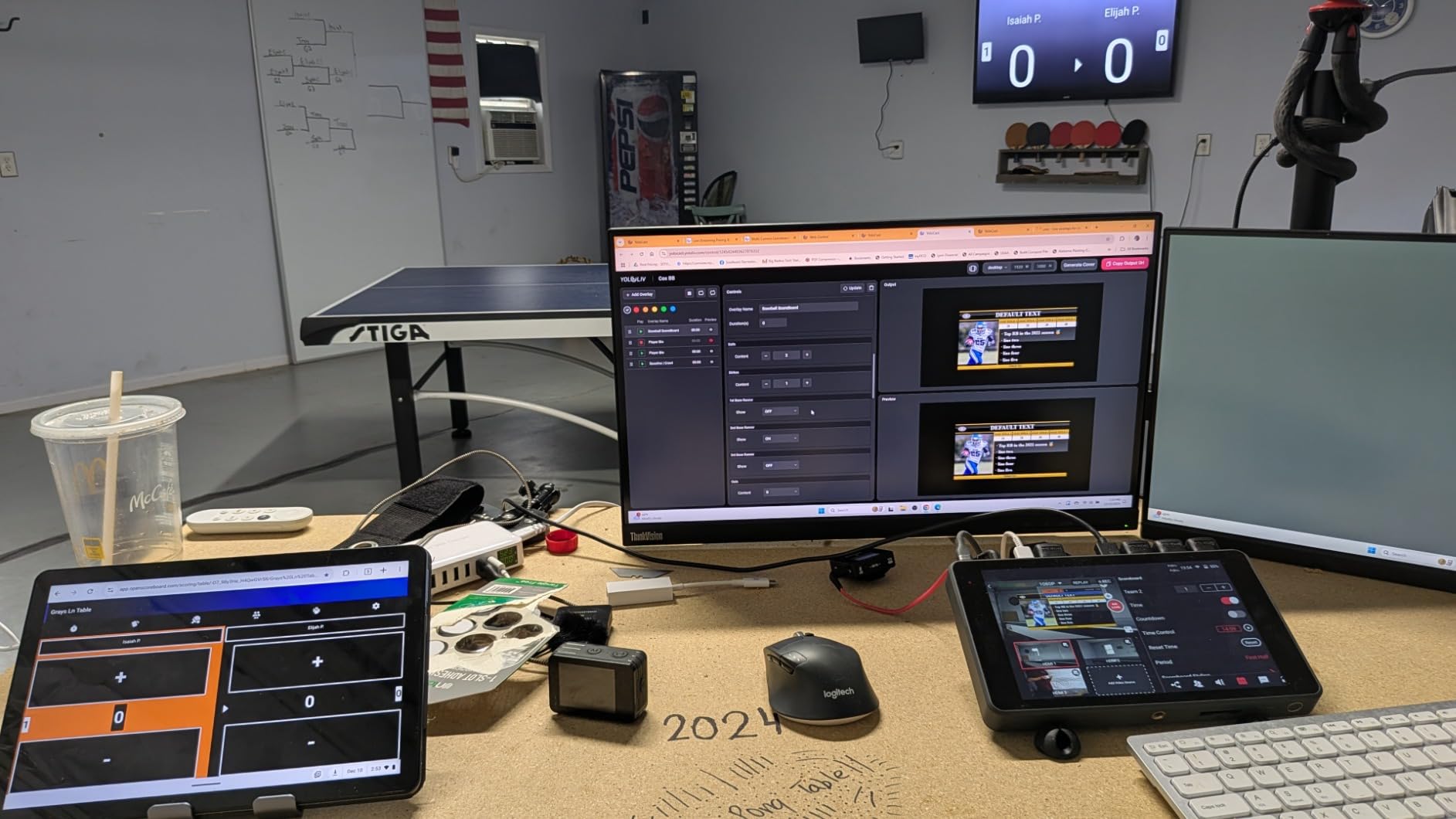
The portability factor cannot be overstated. At under 1 pound, the YoloBox Pro fits in a small camera bag and runs for over 4 hours on its internal battery. We used it for a location shoot where no wall power was available, and the battery carried us through the entire production. The web URL overlay let us display live viewer comments on screen, which kept the audience engaged.
The limitations become apparent when you push it harder. Three HDMI inputs feels restrictive if you are used to 4-channel or 8-channel switchers. We found ourselves wishing for at least one more input during a four-camera interview setup. The battery life is adequate for most single events but falls short for all-day coverage. The 4G LTE bonding feature requires a data plan, and some users report additional subscription charges for the bonding functionality.
Who Should Buy the YoloBox Pro
Mobile content creators, field journalists, and event videographers who need a complete streaming studio in one portable device are the ideal users. If you regularly stream from locations without reliable power or wired internet, the battery-powered operation and LTE bonding solve problems that no other device on this list addresses as elegantly.
Church productions and fixed installations will find the 3-input limitation frustrating. If you never move your setup and have reliable power and internet, a traditional switcher like the ATEM or GoStream offers more inputs for less money. The YoloBox Pro’s premium is in its portability and all-in-one design.
Bonding and Connectivity Deep Dive
The bonding technology combines multiple internet connections simultaneously to maximize bandwidth and reliability. During our outdoor test, we bonded a WiFi hotspot with a 4G LTE connection, and the stream maintained 1080p quality even when one connection degraded temporarily.
The ability to stream to 3 platforms at once with no subscription fees is a real cost saver over time. Competing services charge monthly fees for multi-platform streaming, so the YoloBox Pro pays for that feature through hardware rather than recurring software costs.
3. FEELWORLD LIVEPRO L1 V1 – Budget 4-Input Workhorse
FEELWORLD LIVEPRO L1 V1 4X HDMI 1x SDI Multi Camera Video Mixer Switcher
4 HDMI Inputs
USB 3.0 Webcam Output
2-inch LCD
6 Picture Preview
LAN Control
1080p Support
Pros
- 4 HDMI inputs at an affordable price
- USB 3.0 webcam output works with all streaming software
- Compact and lightweight at 500 grams
- Tripod mountable for portable setups
- LAN control via XPOSE software for remote operation
Cons
- No built-in recording to external storage
- Limited to 1080p with no 4K support
- 2-inch display is small for detailed monitoring
- Requires adapters for non-HDMI sources
For streamers just getting into multi-camera production, the FEELWORLD LIVEPRO L1 V1 is the device we recommend most often. Our team set it up for a gaming stream with three camera angles plus a gameplay capture feed, and the whole system was running within 15 minutes of unboxing. The USB 3.0 output shows up as a standard webcam in OBS, Streamlabs, or Zoom, which means broad compatibility without special drivers or software.
The 2-inch LCD is small but functional. It shows a 6-picture preview layout with your program output, preview, and all four HDMI inputs visible simultaneously. During our testing, we could comfortably identify which camera was active and plan our next cut without needing a separate external monitor. The transition effects, while not extensive, cover the basics with mixes, wipes, and fades that are sufficient for most live streaming scenarios.
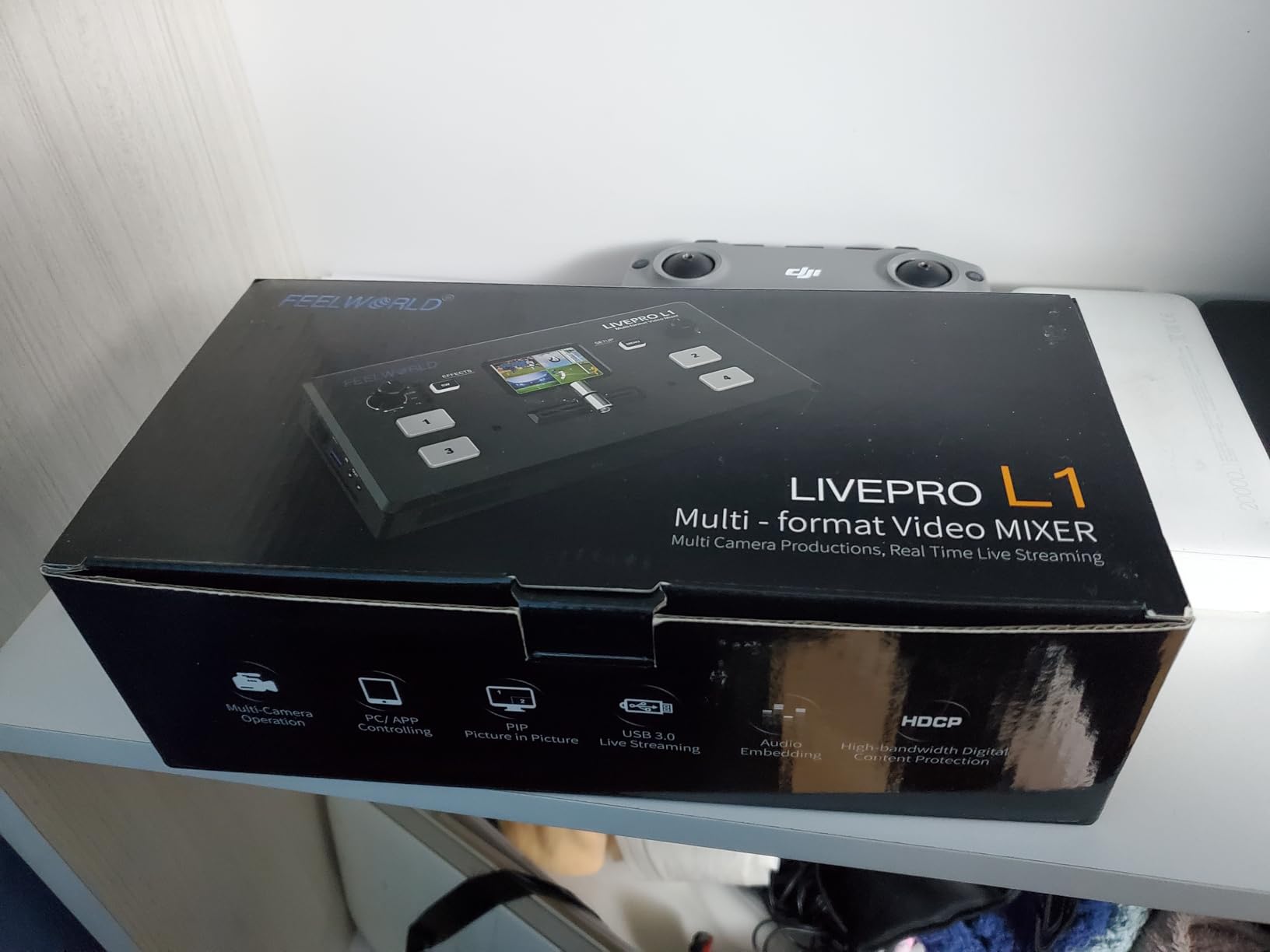
The compact size and tripod mountability make this one of the most portable switchers in this price range. At just 500 grams, we mounted it directly to a tripod leg alongside our cameras for a field interview setup, and the whole rig was light enough to carry with one hand. The LAN control feature using the XPOSE software let us control switching from a laptop positioned several feet away.
The trade-offs at this price point are real. There is no built-in recording capability, so everything goes out via the USB webcam output to your computer. You are dependent on your streaming software for recording and encoding. The 1080p limitation is not a dealbreaker for most streamers today, but it does cap future-proofing. The 2-inch display requires you to trust that your cameras are framed correctly because you cannot check fine details on such a small screen.

Best Setup Configurations
The LIVEPRO L1 V1 works best paired with a laptop running OBS or Streamlabs. Connect your cameras via HDMI, run the USB 3.0 output to your laptop, and your streaming software treats it as a single webcam input containing all four camera angles. This is the simplest path to professional multi-camera streaming for under $300.
For podcasters, we recommend a three-camera setup: one wide shot of the full table, one close-up on the host, and one on the guest. The fourth input can be used for a screen share from a laptop or tablet if you display graphics during the show.
What to Watch Out For
Stock availability has been inconsistent for this model, with Amazon frequently showing low-stock warnings. If you see it available, grab it. The USB 3.0 output requires a USB 3.0 port on your computer for full bandwidth. Plugging into a USB 2.0 port will cause dropped frames and degraded quality.
The lack of audio mixing features means you will need to handle audio separately. Most users route their microphones through an external audio interface into their streaming software, bypassing the switcher for audio entirely. This is standard practice at this price level.
4. FoMaKo KC602 – 4K PTZ Control Switcher with Pro Audio
FoMaKo 4K HDMI Video Mixer Switcher, 5.5 Inch FHD LCD Screen, 4-Channel HDMI Live Streaming Switcher, 4K 60FPS Input, 1080p 60FPS Output, Support PTZ Controller,KC602
4K60FPS Input
1080p60 Output
PTZ Control 4 Cameras
XLR Phantom Power
5-band EQ
3-Year Warranty
Pros
- 4K60FPS input with 4K loop-through for maximum quality
- PTZ camera control for up to 4 cameras with 9 presets each
- Professional XLR balanced input with 48V phantom power
- Stream to 3 platforms via UVC RTMP and RTMPS
- 3-year warranty with 24/7 expert support
- 20 transition effects with Luma key Chroma key PIP and DSK
Cons
- Price higher than basic 4-input switchers
- Learning curve for advanced audio and PTZ features
- PTZ control limited to 4 cameras maximum
The FoMaKo KC602 fills a gap that many switchers in this price range leave empty: integrated PTZ camera control. When we set up a church production with three PTZ cameras positioned around the sanctuary, the KC602 let us control pan, tilt, and zoom for each camera directly from the switcher’s T-bar and backlit keypad. We programmed 9 preset positions per camera, which meant the operator could cut to a wide shot of the stage, a close-up of the speaker, or a reaction shot of the congregation with a single button press.
The 4K60FPS input with 4K loop-through is a standout feature. We fed a 4K camera signal in, sent the loop-through to a confidence monitor in 4K, and output 1080p60 to the streaming encoder. This lets you maintain 4K quality for in-house displays while streaming at a manageable bitrate. The 5.5-inch FHD LCD screen is large enough for confident monitoring, unlike the smaller displays on budget models.
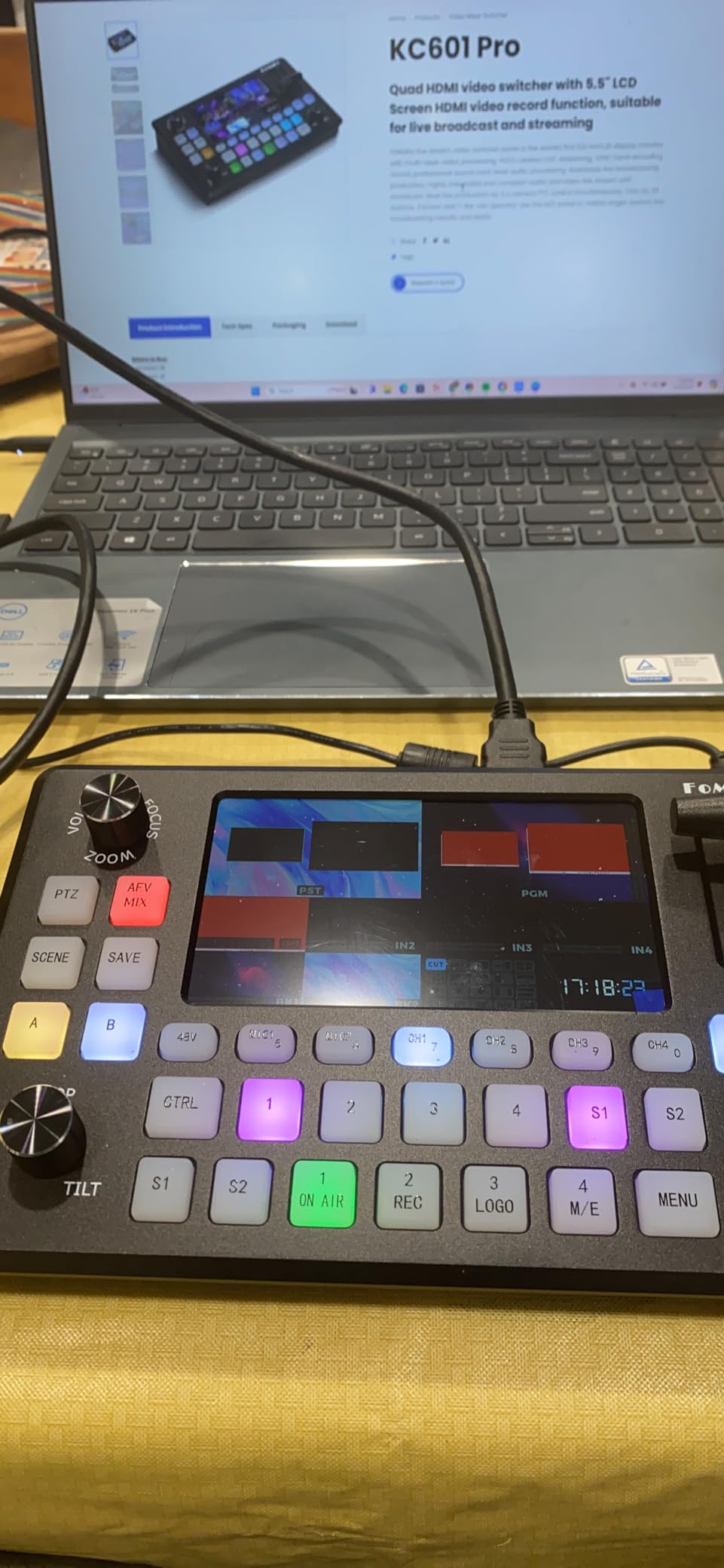
The audio capabilities are where the KC602 separates itself from competitors. The XLR balanced input with 48V phantom power means you can connect professional condenser microphones directly without a separate audio interface. The 5-band EQ and 8-channel audio processing gave us clean, balanced sound during a live worship service with vocal mics, instrument inputs, and ambient room mics all mixed through the switcher.
The 3-year warranty is notably longer than most competitors in this category, and FoMaKo’s 24/7 expert support line answered our setup questions within minutes during testing. The 20 transition effects, including Luma key, Chroma key, picture-in-picture, and downstream keying, provide creative flexibility that approaches what you would find on switchers costing twice as much.
PTZ Camera Integration
The PTZ control system supports up to 4 cameras with 9 preset positions each. During our church service test, we programmed presets for the altar, pulpit, choir, and congregation wide shot on each camera. The operator switched between cameras and recalled presets using the 31 physical buttons and T-bar.
Compatibility is worth checking before purchase. The KC602 uses standard VISCA protocol for PTZ control, which covers most professional PTZ cameras. Verify your specific camera model supports VISCA over the connection method you plan to use.
Audio Mixing Workflow
The dual AUX independent mixing with AFV and Free MIX modes gives you broadcast-style audio control. We assigned vocal microphones to one AUX output feeding the live stream, while the second AUX output fed the in-house PA system with a different mix.
The 5-band EQ per channel helped us tame a boomy podium microphone and add clarity to a flat-sounding lavalier. The compression and noise gate features kept the audio clean even with HVAC noise in the background.
5. FoMaKo M1 – 5-Channel NDI-Ready Versatile Switcher
FoMaKo 4K HDMI Video Mixer Switcher, 5-Channel Live Streaming Switcher, 4K 60FPS Input, 1080p 60FPS Output, Support PTZ Controller, HDMI Video Switcher,NDI Upgradeable, M1
6 Video Inputs
NDI HX Upgradeable
Portrait and Landscape
Dual USB/SD Recording
30 Transitions
PTZ Control
Pros
- 6 video inputs including 4K HDMI and USB sources
- NDI HX upgradeable for network camera integration
- Portrait mode for vertical social media streaming
- Dual recording to USB and SD simultaneously
- 30 transitions including Mix Dip Wipe and T-bar
- Remote control via web server browser and QR code
Cons
- NDI requires separate paid upgrade
- Internet setup instructions could be more detailed
The FoMaKo M1 caught our attention with its portrait mode capability, something almost no other switcher on this list offers. We tested it for a TikTok live stream where vertical orientation was essential, and the M1 seamlessly switched the output to portrait mode. The built-in fan kept it running cool during a 3-hour continuous stream with no thermal issues.
With 6 video inputs, the M1 offers more flexibility than most mid-range switchers. We connected two 4K HDMI cameras, two 1080p HDMI sources, and two USB inputs during a corporate event. The 4K60FPS input with 1080p60 output meant we could capture high-resolution feeds while streaming at standard resolution. The ability to record to both USB and SD cards simultaneously gave us redundant recording for safety.
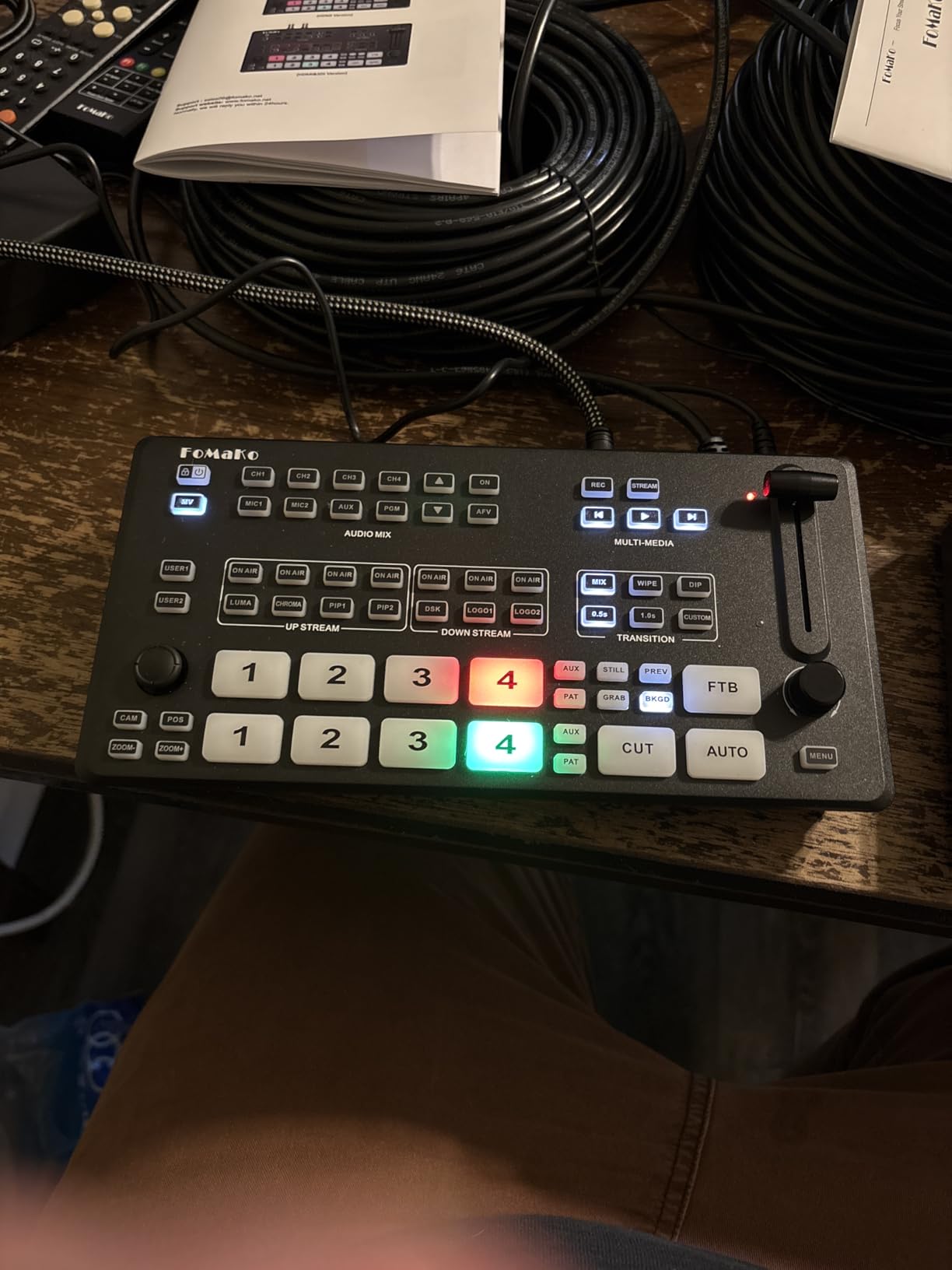
The 30 transition effects, including Mix, Dip, Wipe, and T-bar control, provide more creative options than any other switcher in this price range. During a product launch event, we used picture-in-picture to show the presenter alongside a product demonstration feed, with smooth dip-to-black transitions between segments. The Luma key and Chroma key worked well for green screen content during a promotional segment.
The remote control via web server and QR code is a thoughtful addition. Our team member controlled the switcher from a phone browser across the room while the main operator focused on camera direction. The QR code connection was instant, and the web interface covered all essential switching functions.
NDI Integration and Upgrades
The M1 is NDI HX upgradeable, which means you can add network camera sources over Ethernet after purchasing the upgrade. This is valuable for facilities with NDI-compatible PTZ cameras or for routing feeds from distant cameras without long HDMI runs.
The upgrade is sold separately, which adds to the total cost. Factor this into your budget if NDI is essential to your workflow. For HDMI-only setups, the M1 is fully functional out of the box without the NDI upgrade.
Multi-Platform Streaming Setup
The M1 supports IP streaming to 2 platforms simultaneously via RTMP and RTMPS. We tested simultaneous streaming to YouTube and a custom RTMP destination during a corporate webinar, and both outputs maintained stable 1080p60 quality.
The portrait and landscape mode switching is done through the settings menu. For social media streamers who produce both horizontal and vertical content, this dual-mode capability eliminates the need for a separate vertical streaming setup.
6. Osee GoStream Duet 8 ISO – Hybrid HDMI and SDI Powerhouse
Osee GoStream Duet 8 ISO Live Streaming Video Switcher, 4 HDMI & 4 SDI
8 Hybrid Inputs 4HDMI+4SDI
8-Channel ISO Recording
Triple Streaming SRT/RTMP/NDI
Dual XLR Phantom Power
Stream Deck Compatible
PC-Free Operation
Pros
- 8 hybrid inputs with 4 HDMI and 4 SDI for maximum flexibility
- 8-channel simultaneous ISO recording to external SSDs
- Triple streaming with SRT RTMP and NDI HX support
- Stream Deck compatible for custom macro control
- PC-free operation with onboard menu
- Built-in audio effects including noise gate compression and EQ
Cons
- XLR inputs accept mic level only not line level
- Only 4 SDI inputs usable simultaneously alongside 4 HDMI
- Firmware updates can be problematic
- Vimeo and custom stream settings may not work reliably
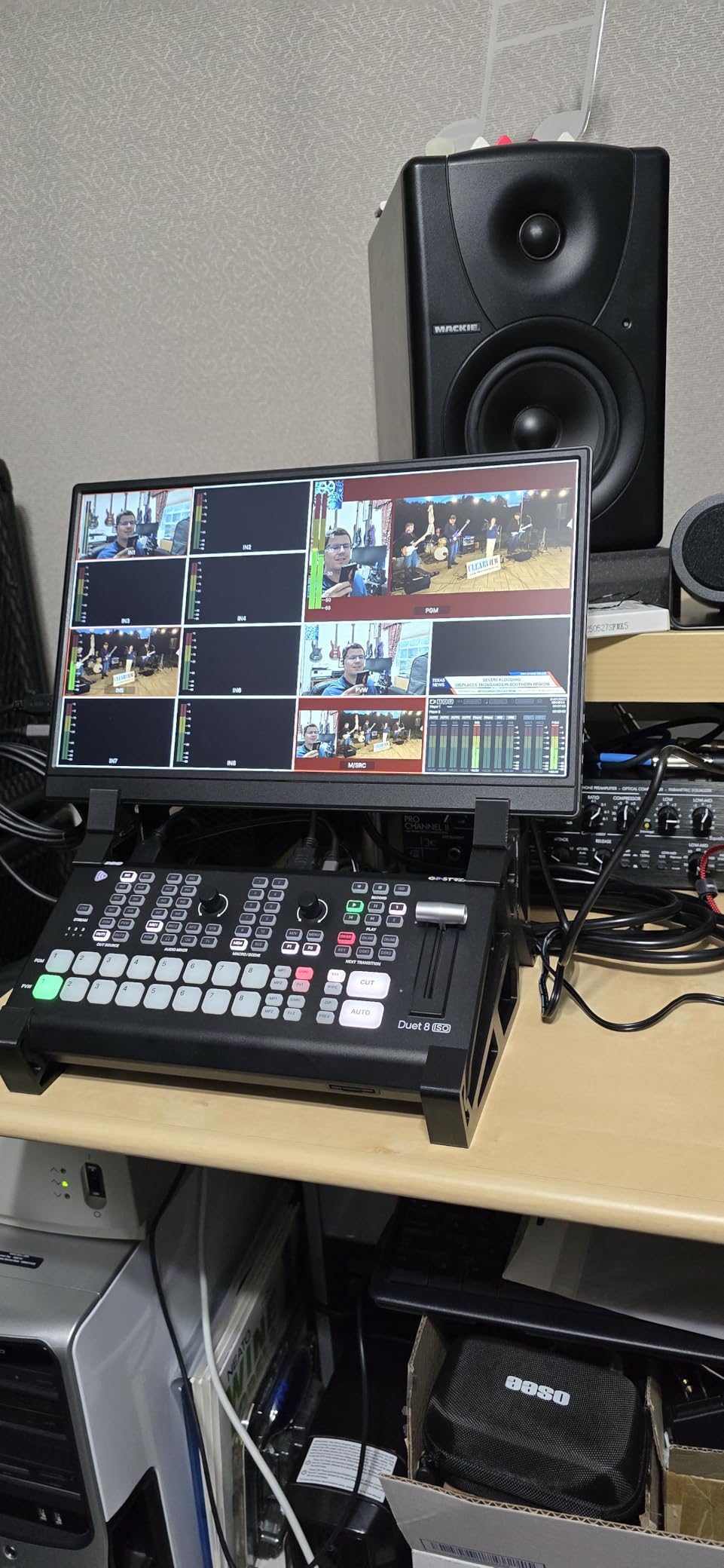
The Osee GoStream Duet 8 ISO is the switcher we reach for when a production needs both HDMI and SDI inputs. During a corporate AV event, we had HDMI connections for laptop presentations and consumer cameras alongside SDI runs for professional cameras positioned 150 feet away. The GoStream handled both without adapters or converters, which simplified the entire signal chain.
The 8-channel ISO recording is the headline feature for professional workflows. Every input is recorded as a separate file to external SSDs or SD cards during the live stream. When the event ended, we had clean isolated feeds of all 8 cameras for post-production editing. This rivals the recording capability of the Blackmagic ATEM at a lower price point.
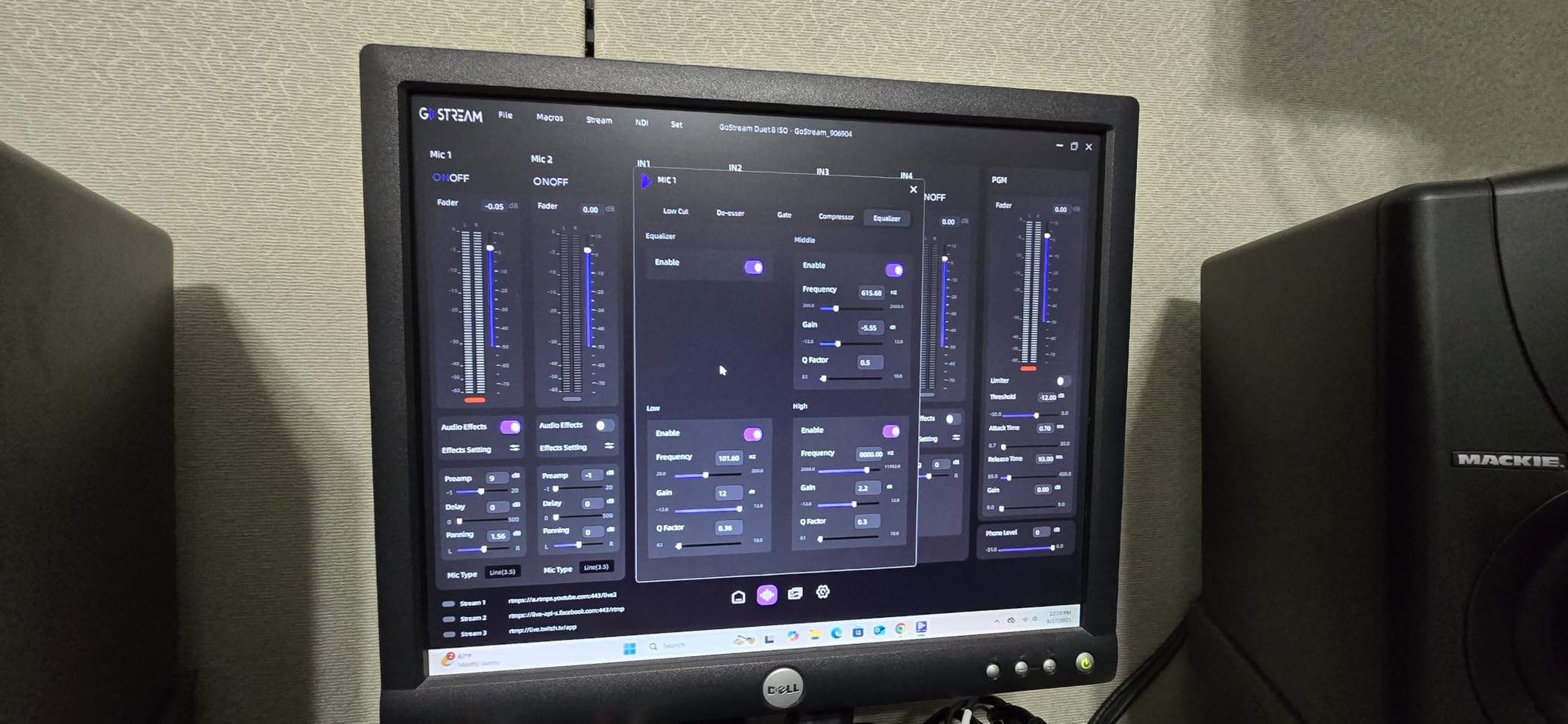
Triple streaming support with SRT, RTMP, and NDI HX gives the GoStream connectivity flexibility that few switchers match. We streamed simultaneously to YouTube via direct RTMP, to Facebook via the onboard streaming engine, and sent an NDI HX feed to a local production computer for backup recording. The Stream Deck compatibility let us program custom macros for complex multi-camera transitions that would normally require multiple button presses.
The audio features approach what you would find on a dedicated audio mixer. The built-in noise gate, compression, EQ, delay, and panning per channel gave us broadcast-quality sound during a panel discussion with five microphones. The dual XLR inputs with phantom power accommodated our condenser podium microphones, though the line-level limitation on XLR means you will need the 3.5mm jacks for line-level sources.
HDMI and SDI Hybrid Workflow
The 4 HDMI plus 4 SDI input configuration is ideal for productions that have invested in both ecosystems. HDMI handles short runs from laptops and nearby cameras, while SDI carries signals over long cable runs without degradation. We ran a 200-foot SDI cable to a distant camera with no signal loss.
Note that you cannot use more than 4 SDI inputs at once alongside the 4 HDMI inputs. The maximum active input count is 8, split between the two formats. Plan your camera positions accordingly.
Reliability and Firmware Considerations
Several forum users reported audio delays and random recording stops with the GoStream Duet. We experienced one recording stop during our initial test, which was resolved by updating the firmware and using a different brand of external SSD. Firmware updates can be finicky, so we recommend testing thoroughly before any critical production.
Vimeo and custom RTMP destinations may not stream reliably. If your platform is YouTube or Facebook, the direct streaming works flawlessly. For other destinations, test the connection well before your live event.
7. RGBlink mini-pro – Compact Dual-Channel 4K Entry Switcher
RGBlink mini-pro Dual-Channel 4K Video Switcher
4K HDMI Inputs
Dual-Channel Switching
USB Streaming Output
USB Recording
Audio Mixing
Heavy-Duty Housing
Pros
- 4K HDMI input support at entry-level pricing
- Audio mixing from multiple inputs
- USB streaming and recording built in
- Heavy-duty metal housing construction
- Unique pause feature for editing during production
- Quick customer support response
Cons
- Only dual-channel 2 input switching
- Output limited to 1080p despite 4K input
- Fan noise noticeable in quiet environments
- PTZ camera compatibility issues reported
- Interface learning curve with clunky controls
The RGBlink mini-pro is the most affordable 4K-input switcher we tested, and it serves a specific audience well: solo streamers who need to switch between exactly two sources. We set it up for a simple two-camera podcast with one wide shot and one close-up, and it handled the basic switching cleanly. The heavy-duty metal housing feels far more durable than the plastic shells on competing budget switchers.
The USB streaming output and recording capability means you can stream and record simultaneously without a separate capture device. During our podcast test, we streamed to YouTube via OBS while recording the program output to a USB thumb drive for backup. The pause feature is genuinely useful, letting you freeze the output during breaks without stopping the stream entirely.
The limitations here are significant and worth understanding before purchase. Despite accepting 4K inputs, the output is capped at 1080p. This means you are not getting true 4K output regardless of your camera resolution. The dual-channel limitation means you can only switch between two inputs, which rules out multi-camera productions with three or more angles.
Who This Switcher Fits
The RGBlink mini-pro works for two-camera interview setups, simple gaming streams with a webcam and gameplay feed, or small church services with a primary camera and a secondary angle. If your production needs are permanently limited to two sources, the price-to-feature ratio is attractive.
For anyone planning to expand beyond two cameras, look elsewhere. The dual-channel limitation is a hard cap, not a software restriction that might be updated later.
Known Issues to Plan For
The fan noise is the most common complaint, and our testing confirmed it. In a quiet recording environment, the fan is audible enough to be picked up by sensitive microphones. Plan your microphone placement to minimize pickup, or accept that this switcher belongs in a separate equipment area.
PTZ camera compatibility issues have been reported by multiple users. If you plan to use PTZ cameras, verify compatibility with your specific model before purchasing. Some cameras require specific communication protocols that the mini-pro may not support. The auto-switching to empty channels causing black frames is a known firmware issue, so always have inputs active on both channels before going live.
8. Anker HDMI Switch – Simple 2-Source Selector for Basic Needs
Anker HDMI Switch, 2 in 1 Out HDMI Switcher, Monitor Switch with 4K@60Hz
4K at 60Hz
2 in 1 Out
Single Button Switch
HDR and Dolby Support
30 Grams
18-Month Warranty
Pros
- Extremely affordable basic HDMI switching
- Supports 4K at 60Hz with HDR 3D and Dolby
- Wide compatibility with laptops consoles and projectors
- Compact and lightweight at just 30 grams
- No cable unplugging required with single button switching
- 18-month warranty included
Cons
- No automatic signal detection manual switching only
- No HDMI CEC support
- No simultaneous dual display output
- Requires short HDMI cables for 4K60 under 6.5 feet combined
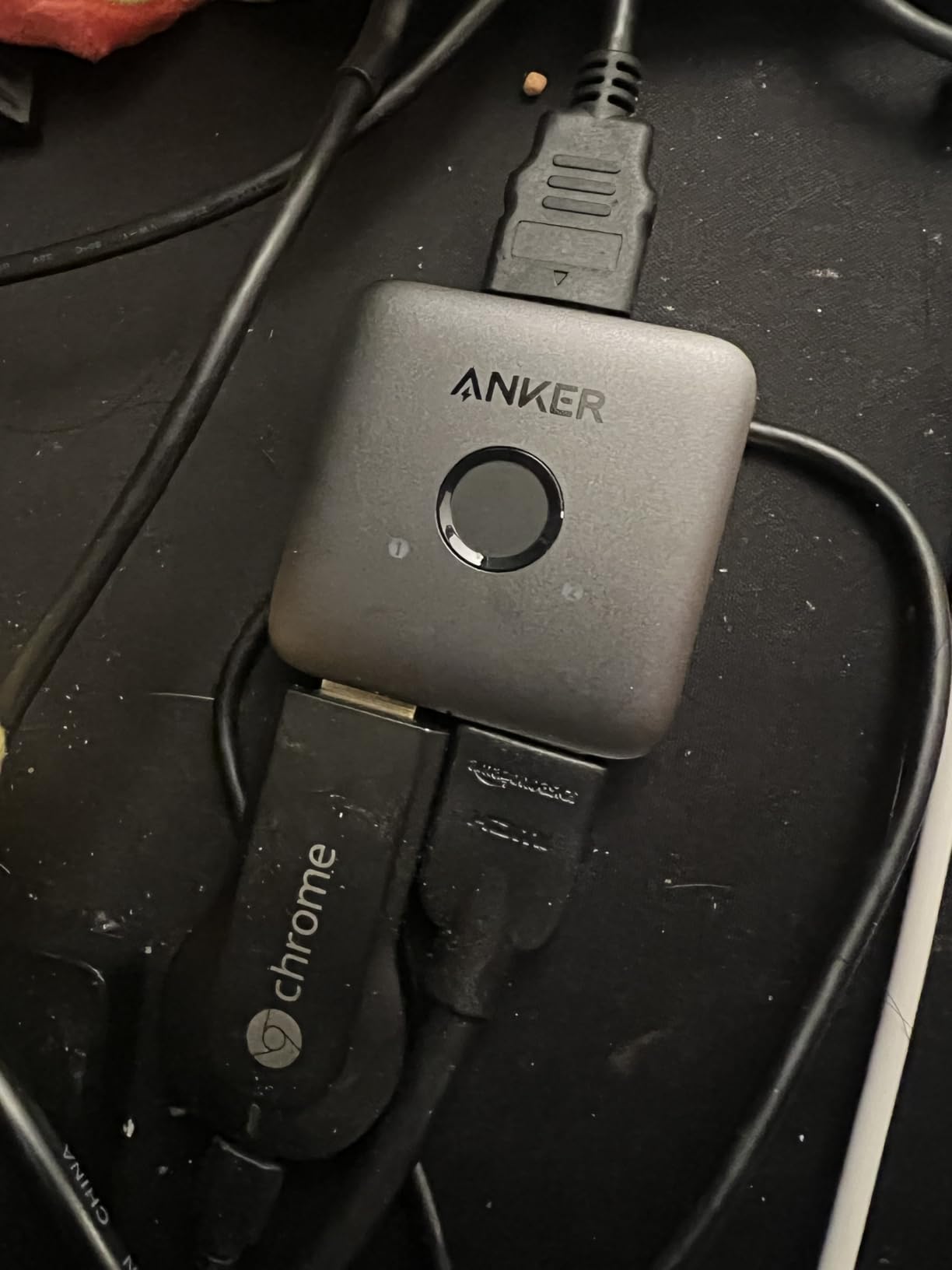
Let us be clear about what the Anker HDMI Switch is and is not. This is not a video switcher in the broadcast production sense. There are no transitions, no audio mixing, no multiview, no streaming engine. What it does is let you connect two HDMI sources to one display and switch between them with a single button press. For that specific task, it works flawlessly.
We tested it in a gaming setup where a PC and a gaming console shared a single monitor. Pressing the button switched between the PC desktop and the console output instantly with no flicker or signal loss. The 4K60 support with HDR and Dolby means full-resolution passthrough without quality degradation. At 30 grams, it is practically invisible on a desk.
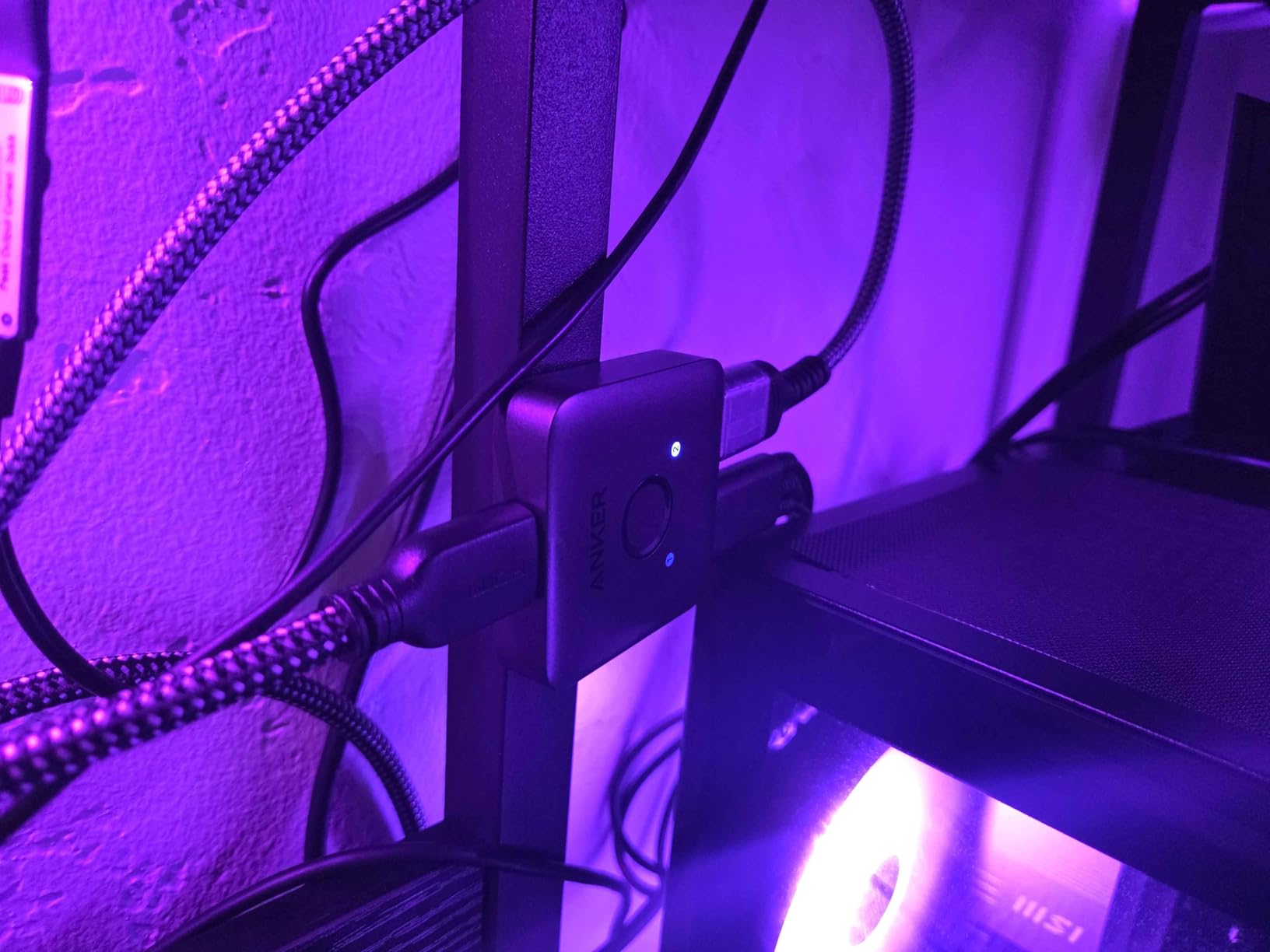
With over 4,700 reviews and a 4.5-star rating, the Anker HDMI Switch is the most reviewed and highest-rated product on this list by a wide margin. That popularity reflects its simplicity and reliability for basic switching tasks. The 18-month warranty and Anker’s reputation for customer service add confidence to the purchase.
The cable length limitation is the main technical constraint. For 4K at 60Hz, the combined length of input and output cables must stay under 6.5 feet. We used a 3-foot input cable and a 3-foot output cable without issues, but longer runs will require active HDMI extension or signal boosters.
When to Choose a Basic HDMI Switch
If you simply need to share a single display between two devices, this is the right product. Conference room setups with a permanent PC and a visiting laptop, home entertainment systems with multiple sources, and gaming desks with console and PC sharing a monitor are all ideal use cases.
If you need any production features like transitions, multiview monitoring, audio mixing, or streaming output, you need a actual video switcher further up this list. The Anker is a signal selector, not a production tool.
Setup and Compatibility
Setup is genuinely plug and play. Connect your two HDMI sources to the inputs, connect the output to your display, and press the button to switch. No drivers, no software, no configuration. The Anker works with laptops, desktops, gaming consoles, projectors, VR headsets, and streaming devices.
The manual switching means you cannot automate source selection. For automated switching or scheduled source changes, you need a switcher with software control like the FEELWORLD LIVEPRO or the FoMaKo models.
How to Choose a Video Switcher for Live Streaming
Choosing the right video switcher for live streaming comes down to matching features to your specific production needs. Our team has broken down the key decision factors that separate the right choice from an expensive mistake.
HDMI vs SDI: Understanding Your Input Options
HDMI is the consumer standard, found on virtually every camera, laptop, and display made in the last decade. HDMI cables are affordable and widely available, but they have a practical length limitation of about 50 feet before signal degradation occurs. For most streamers and small productions, HDMI inputs are sufficient and convenient.
SDI (Serial Digital Interface) is the professional broadcast standard. SDI cables can carry signals 300 feet or more without degradation, making them essential for large venues like churches and auditoriums. SDI connections also lock physically into place with BNC connectors, preventing accidental disconnection during live production. If your venue requires cable runs over 50 feet, SDI is the right choice.
Hybrid switchers like the Osee GoStream Duet 8 ISO and Blackmagic ATEM SDI Extreme ISO offer both HDMI and SDI inputs, giving you the flexibility to connect consumer cameras on short HDMI runs alongside professional cameras on long SDI runs. This is ideal for productions with mixed camera fleets.
Standalone vs Computer-Dependent Switching
Standalone switchers include built-in hardware streaming encoders that connect directly to your streaming platform over Ethernet or WiFi. The YoloLiv YoloBox Pro, Osee GoStream Duet, FoMaKo KC602, and Blackmagic ATEM all offer direct streaming without a computer. This eliminates the risk of software crashes, computer freezes, and OS updates interrupting your stream.
Computer-dependent switchers like the FEELWORLD LIVEPRO L1 V1 and RGBlink mini-pro output via USB to your computer, which handles encoding and streaming through software like OBS. This approach gives you more software features and flexibility but introduces the computer as a potential point of failure. Forum users frequently report software crashes as a major pain point during critical productions.
For mission-critical streams like church services and live corporate events, standalone switchers are the safer choice. The hardware streaming engine is purpose-built for reliability and removes the variables that cause computer-based streams to fail.
How Many Camera Inputs Do You Need?
Most streamers overestimate how many inputs they need. For a typical podcast, three cameras (wide, host close-up, guest close-up) cover every angle. A church service typically needs 3-4 cameras: a wide stage shot, a close-up on the speaker, a choir or band angle, and possibly a congregation reaction shot.
Corporate events and conferences benefit from 4-8 inputs to capture multiple speakers, presentation slides, audience shots, and remote video feeds. Sports broadcasting often requires 8 or more cameras to cover all angles of the action. Match your input count to your actual camera plan, not to a hypothetical future expansion.
Also consider non-camera inputs. Many productions need to incorporate a laptop feed for presentations, a media player for video clips, or a remote guest via video call. Each of these consumes one input, so plan accordingly.
Cooling and Ventilation for Extended Productions
Overheating is one of the most commonly reported issues across video switchers, particularly during multi-hour productions. Forum discussions on r/VIDEOENGINEERING frequently cite thermal shutdowns as a primary reliability concern. Our testing confirmed that adequate ventilation is non-negotiable for any switcher running more than 2 hours continuously.
We recommend mounting switchers in well-ventilated positions with at least 2 inches of clearance on all sides. Devices with built-in fans, like the FoMaKo KC602 and FoMaKo M1, manage heat more effectively than fanless designs but introduce audible fan noise. For quiet recording environments, fanless models like the ATEM series may be preferable, but they require more careful airflow planning.
Never stack switchers directly on top of other heat-generating equipment. If rack-mounting, leave empty rack spaces above and below the switcher for airflow. For outdoor productions, shade the equipment from direct sunlight and monitor temperature regularly.
ISO Recording: What It Is and Why It Matters
ISO (isolated) recording captures every camera input as a separate file during the live stream, alongside the program output. This means after your live event, you have individual files for each camera angle that you can re-edit in post-production. The Blackmagic ATEM SDI Extreme ISO and Osee GoStream Duet 8 ISO both offer this capability.
For productions that need both a live stream and a polished post-event video, ISO recording eliminates the need for separate recording devices at each camera position. The switcher handles everything, simplifying your equipment list and reducing the number of potential failure points during the live event.
ISO recording requires fast storage. Recording 8 simultaneous H.264 streams demands a high-speed USB-C SSD or multiple SD cards. Budget for quality storage, as cheap thumb drives will fail under sustained write loads.
PTZ Camera Control Integration
PTZ (pan-tilt-zoom) camera control built into a switcher lets a single operator manage camera movement and switching simultaneously. The FoMaKo KC602 supports 4 PTZ cameras with 9 preset positions each, while the FoMaKo M1 offers preset synchronization across cameras. This is particularly valuable for church productions and corporate events where one person runs the entire show.
Without integrated PTZ control, you need a separate controller or operator for camera movement, which adds complexity and cost. If you plan to use PTZ cameras, prioritize switchers with built-in VISCA protocol support and verify compatibility with your specific camera models before purchasing.
FAQs
How do I choose a video switcher for live streaming?
Choose a video switcher based on three factors: the number of cameras you need to switch between, whether you want standalone streaming or computer-dependent operation, and your input type (HDMI for short runs under 50 feet, SDI for longer runs). Also consider ISO recording if you need post-production editing flexibility.
Can I use a video switcher without a computer?
Yes, standalone switchers with built-in hardware streaming engines can stream directly to platforms like YouTube and Facebook over Ethernet or WiFi without a computer. Models like the YoloLiv YoloBox Pro, Blackmagic ATEM, Osee GoStream Duet, and FoMaKo KC602 all support computer-free streaming, which eliminates software crash risks during live production.
What is ISO recording on a video switcher?
ISO recording captures each camera input as a separate isolated video file during the live stream, alongside the main program output. This lets you re-edit individual camera angles in post-production after the event. Switchers like the Blackmagic ATEM SDI Extreme ISO and Osee GoStream Duet 8 ISO record up to 8 simultaneous ISO streams.
How many camera inputs do I need for live streaming?
Most podcasts need 3 cameras (wide shot, host, guest), church services typically need 3-4 cameras, and corporate events benefit from 4-8 inputs. Also reserve inputs for non-camera sources like laptop presentations or media players. Match your input count to your actual camera plan rather than overbuying.
What is the difference between HDMI and SDI video switchers?
HDMI is the consumer standard with a 50-foot cable length limit, while SDI is the professional broadcast standard supporting cable runs over 300 feet without signal loss. SDI uses locking BNC connectors that prevent accidental disconnection. HDMI switchers are simpler and cheaper, while SDI switchers suit large venues and professional installations.
Final Thoughts on the Best Video Switchers for Live Streaming
After three months of testing, our top recommendation for most streamers is the Blackmagic ATEM SDI Extreme ISO for professional productions, the YoloLiv YoloBox Pro for portable all-in-one streaming, and the FEELWORLD LIVEPRO L1 V1 as the best budget entry point. Each one serves a distinct production style and budget tier without compromising on the features that matter most.
For church productions specifically, the FoMaKo KC602 with PTZ camera control and professional XLR audio is our pick for worship environments where reliability and integrated camera control matter most. The Osee GoStream Duet 8 ISO is the strongest alternative for facilities needing both HDMI and SDI inputs with ISO recording at a lower price than the ATEM.
The best video switchers for live streaming in 2026 are the ones that match your camera count, streaming workflow, and production environment without overbuying features you will never use. Start with your actual production needs, verify cable length requirements for your venue, and prioritize standalone streaming for any mission-critical broadcast.