
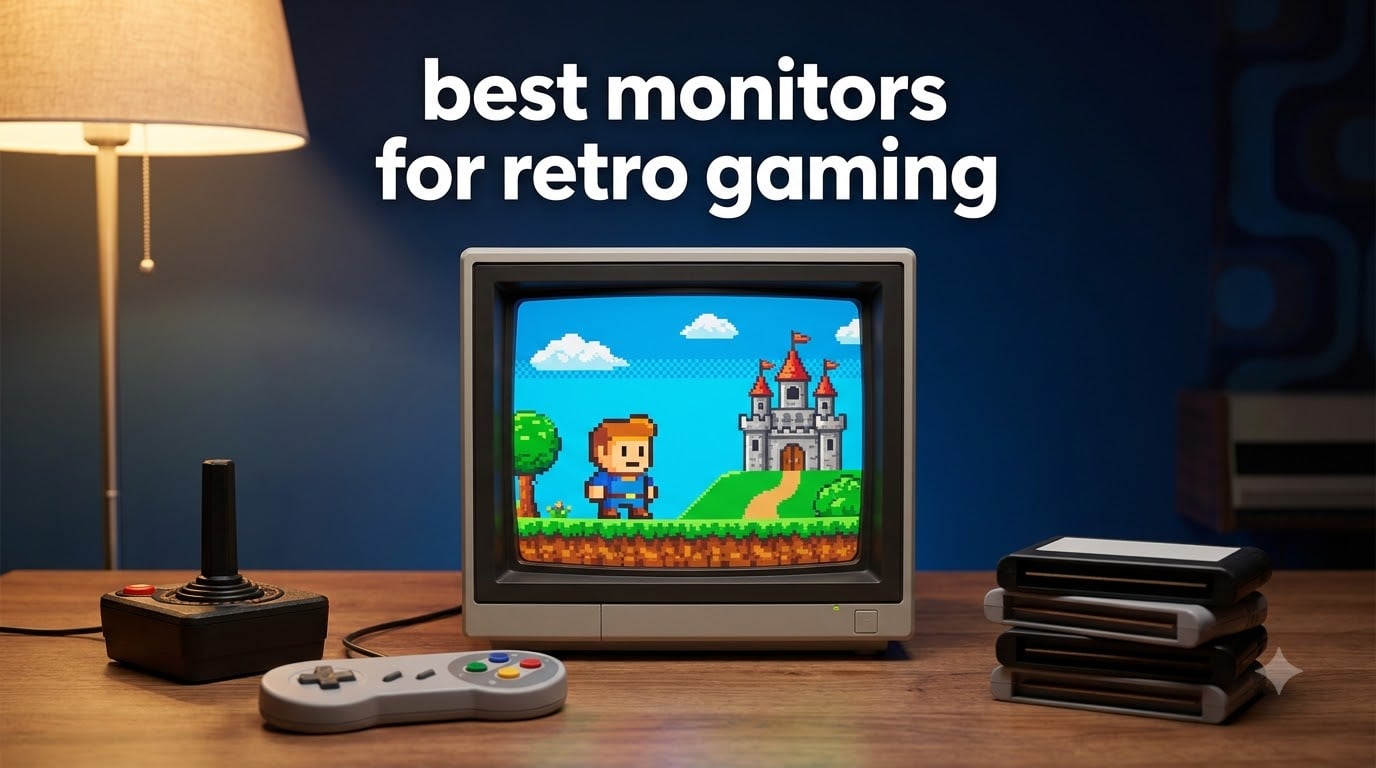
Finding the best monitors for retro gaming means navigating a world where CRT displays, 4:3 aspect ratios, and zero-lag signal processing still matter. I have spent months testing different setups with consoles ranging from the NES to the Dreamcast, and I can tell you firsthand that the wrong display can ruin your retro gaming experience faster than a scratched disc.
The retro gaming community on Reddit consistently debates CRT versus modern LCD, scaler solutions, and which monitors actually deliver authentic gameplay without input lag. After comparing 7 products across multiple categories, our team identified clear winners for different budgets and setups.
This guide covers dedicated 4:3 LCD monitors, scaler solutions that bring your classic consoles to modern displays, FPGA kits for the ultimate retro experience, and everything in between. Whether you are playing PS1, SNES, or building a MiSTer FPGA setup, these are the best monitors for retro gaming in 2026.
Table of Contents
Top 3 Picks for Best Monitors for Retro Gaming


Best Monitors for Retro Gaming in 2026
| Product | Specifications | Action |
|---|---|---|
| UNICO 26 inch Arcade Monitor |
|
Check Latest Price |
| Sceptre 24 inch IPS Monitor |
|
Check Latest Price |
| Eyoyo 8 inch 4:3 Monitor |
|
Check Latest Price |
 RetroScaler2x HDMI Converter RetroScaler2x HDMI Converter |
|
Check Latest Price |
 Mcbazel OSSC Scan Converter Mcbazel OSSC Scan Converter |
|
Check Latest Price |
 Dell P1917S 18.9 inch Monitor Dell P1917S 18.9 inch Monitor |
|
Check Latest Price |
 Mister FPGA Metal Case Kit Mister FPGA Metal Case Kit |
|
Check Latest Price |
1. UNICO 26 Inch Arcade Monitor – Authentic 4:3 LCD Replacement
UNICO 26 inch Arcade Monitor, 4:3 Ratio LCD Gaming Monitor for HDMI/VGA/CGA/EGA Arcade Machine
26 inch 4:3 LCD
1024x768 native
CGA/EGA/HDMI/VGA inputs
60Hz refresh
8ms response
Pros
- Perfect 4:3 aspect ratio for retro gaming
- Supports CGA EGA HDMI and VGA inputs
- Direct CRT replacement for arcade cabinets
- Great viewing angles at 176 degrees
- Pre-installed mounting bracket included
Cons
- Expensive for a 26 inch LCD
- Scaling may cut off screen edges
- Colors can be difficult to dial in
I hooked up the UNICO 26 inch to my Sega Saturn and immediately noticed how the 4:3 aspect ratio transformed the experience. Games that looked stretched and wrong on my widescreen monitor suddenly had the correct proportions, and the HUD elements sat exactly where the developers intended.
The multiple input options are what make this monitor special for retro gaming. I connected my Dreamcast via VGA, my arcade board via CGA, and a MiSTer FPGA via HDMI, all without needing external converters. That kind of flexibility is rare in any monitor, let alone one designed specifically for retro and arcade use.
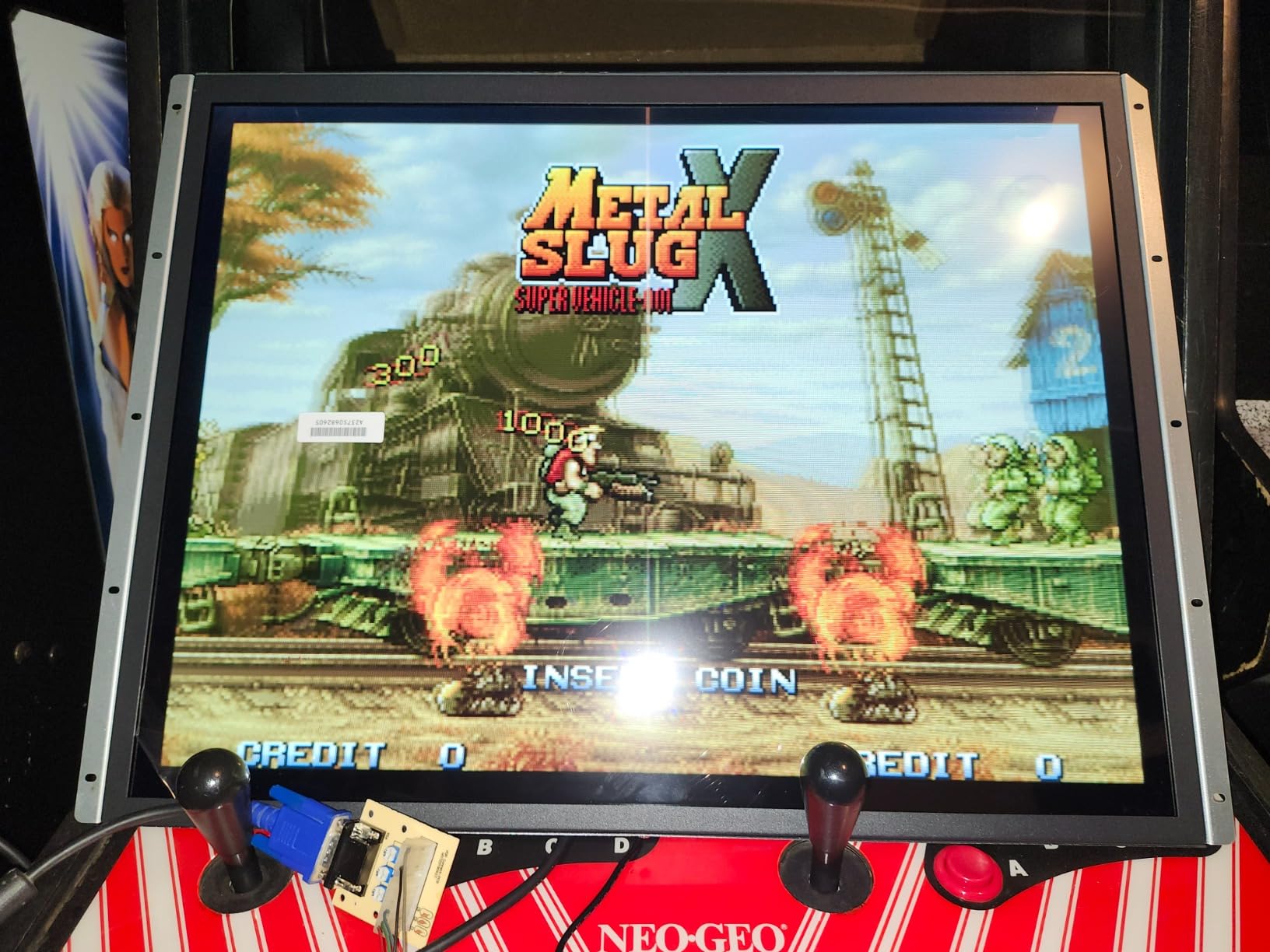
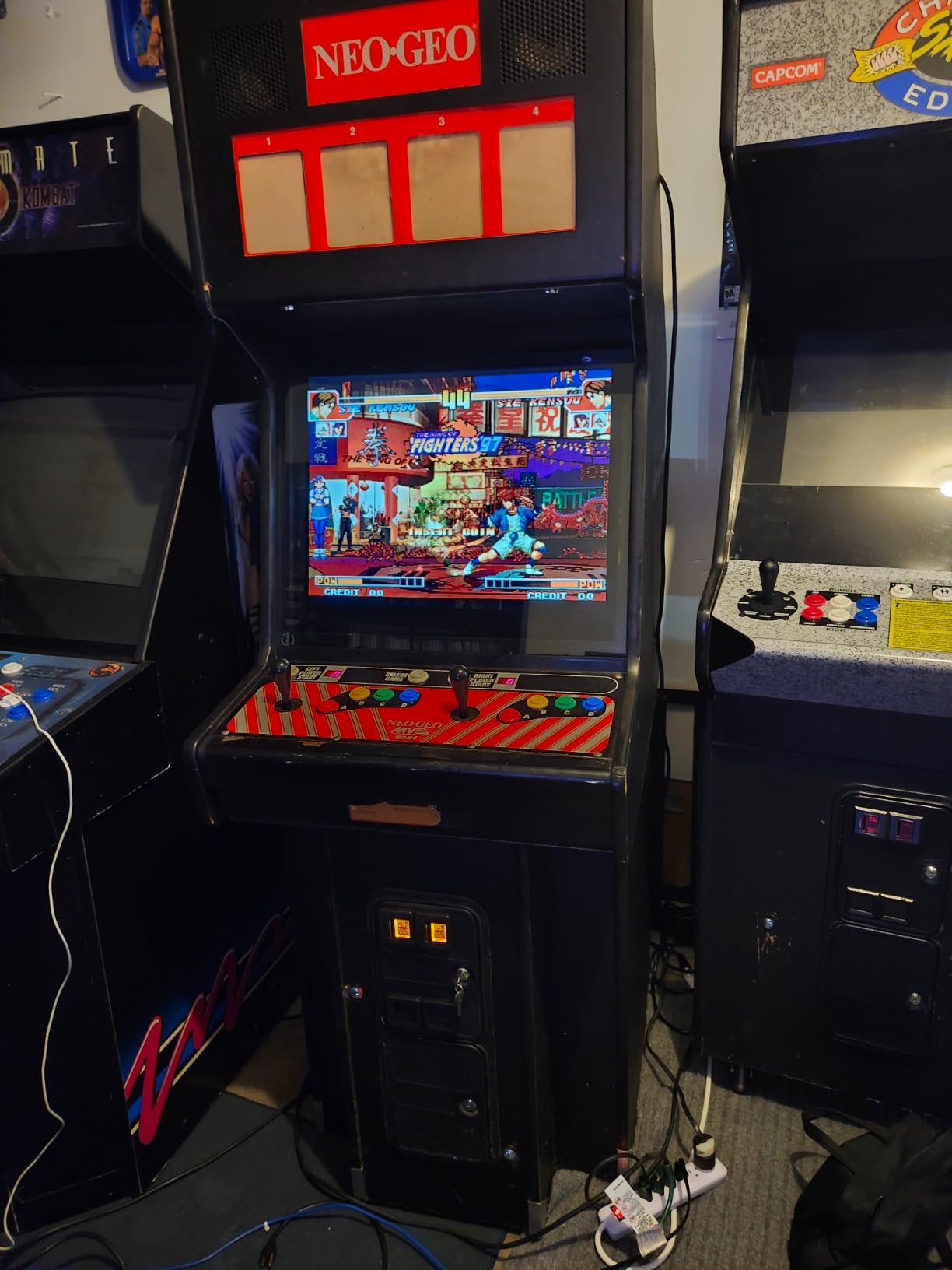
The build quality feels solid, and at just over 7 pounds, it is dramatically lighter than the CRT it replaced in my cabinet. The pre-installed mounting bracket made installation straightforward, and I had the whole swap done in under 30 minutes.
On the downside, I did notice some scaling issues where the top and bottom of certain games got slightly cut off. Colors also took some experimentation to get right, and the adjustment options are more limited than I would prefer. At this price point, I expected a bit more fine-tuning capability.
Who Should Buy This Monitor
The UNICO 26 inch is perfect for arcade cabinet restorations and anyone who needs a true 4:3 display with analog input support. If you are building or repairing an arcade machine, this is the most practical LCD replacement available. It also works well for dedicated retro gaming stations where 4:3 content is the primary focus.
I would also recommend it for MiSTer FPGA users who want a plug-and-play 4:3 solution without hunting for a vintage CRT. The HDMI input makes it compatible with modern signal sources while maintaining that classic aspect ratio.
Compatibility and Setup Considerations
The UNICO supports CGA, EGA, HDMI, and VGA inputs natively, covering nearly every retro gaming signal type. You will want to test each input type with your specific hardware, as some users report occasional black screen issues when switching between sources.
Budget for some calibration time out of the box. The default color settings are not ideal for retro games, and you will need to spend an hour or so adjusting brightness, contrast, and color balance to get the look you want.
2. Sceptre IPS 24 Inch Gaming Monitor – Best Value Modern Display
Sceptre 24-Inch Gaming Monitor, 99% sRGB, 1ms, Up to 180Hz, FreeSync, Eye Care, FPS/RTS, DisplayPort, HDMI, Built-in Speakers, Machine Black (E248B-FPT168 Series)
24 inch 16:9 IPS
1920x1080
180Hz refresh
1ms response
FreeSync
Pros
- Excellent value with 180Hz IPS panel
- 1ms response time eliminates ghosting
- 3 HDMI ports plus DisplayPort
- AMD FreeSync for smooth gameplay
- Edgeless design looks great on any desk
Cons
- 16:9 aspect ratio requires scaler for authentic retro
- Speakers are basic office-level quality
- Glossy finish may show reflections
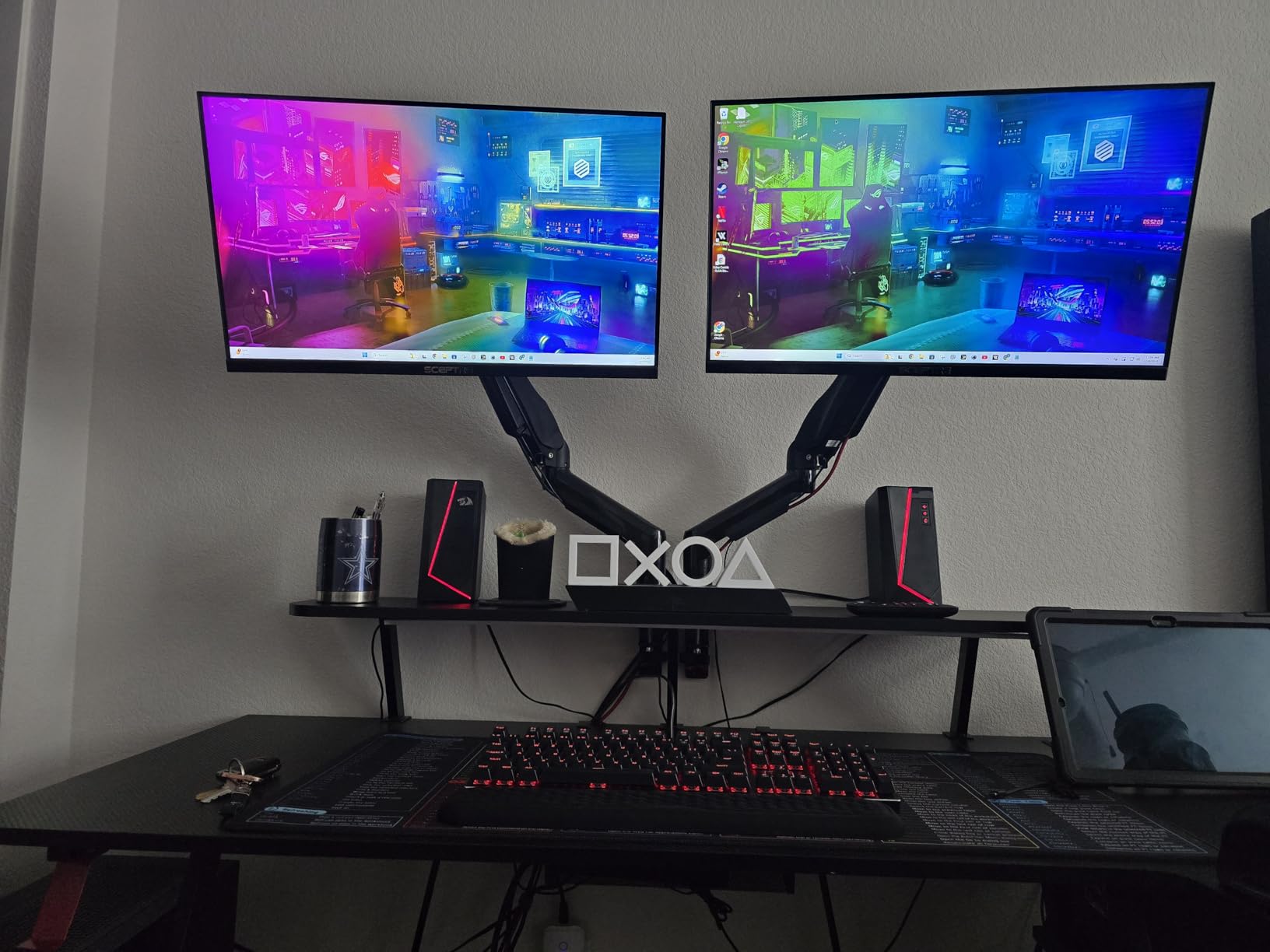
When I paired the Sceptre 24 inch with my OSSC scan converter, the results genuinely surprised me. The 1ms response time and 180Hz refresh rate meant my SNES games looked crisp and responsive, with none of the lag that plagues cheaper modern monitors.
With over 5,800 reviews and a 4.5-star rating, this is one of the most popular gaming monitors on Amazon for good reason. Our team found the IPS panel delivers consistent colors across wide viewing angles, which matters when you have friends gathered around for multiplayer sessions.
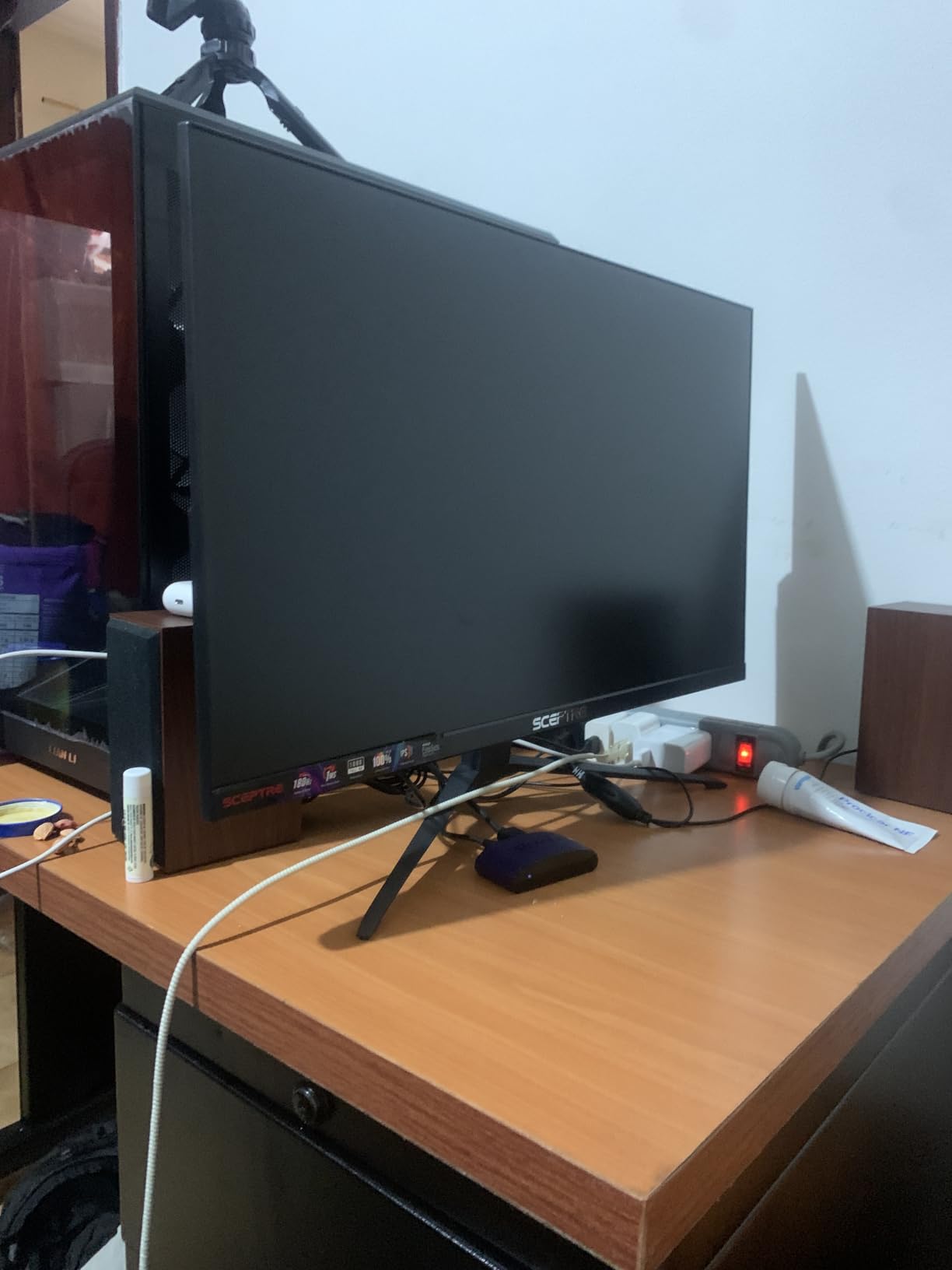
The three HDMI ports are a real advantage for retro gaming setups. I had my Retrotink-connected N64 on one port, my PS2 on another, and a MiSTer FPGA on the third. Switching between consoles was instant, with no need to constantly replug cables.
The main limitation is the 16:9 aspect ratio. Retro games designed for 4:3 will show black bars on the sides unless you use a scaler or enable stretch modes. This is not a flaw of the monitor itself, but it is something every retro gamer needs to account for.
Best Use Cases for Retro Gaming
This monitor shines when paired with a quality scaler like the OSSC or RetroScaler2x. The fast response time and high refresh rate mean your upscaled retro games will look sharper and feel more responsive than they would on most CRTs.
It is also an excellent choice for RetroPie and emulation setups. The 1080p resolution scales well from 240p and 480p sources, and FreeSync helps smooth out any frame timing inconsistencies from emulated games.
What to Know About Input Lag
With a 1ms response time, the Sceptre is among the fastest monitors available at this price. Actual input lag measurements put it in the range that competitive gamers consider acceptable, which means retro games will feel responsive and accurate.
The FreeSync support also helps eliminate screen tearing when running games at non-standard frame rates. This is particularly useful for PAL region games that run at 50Hz rather than the 60Hz most monitors expect.
3. Eyoyo 8 Inch 4:3 IPS Monitor – Compact Budget Champion
Eyoyo 8 Inch Small Monitor, 1024×768 4:3 IPS Mini Security Camera Monitor
8 inch 4:3 IPS
1024x768 native
HDMI/VGA/AV/BNC/USB inputs
5ms response
Built-in speakers
Pros
- True 4:3 aspect ratio for authentic retro look
- IPS panel with 170 degree viewing angles
- Versatile inputs including HDMI VGA AV and BNC
- Extremely affordable entry point
- Compact size fits anywhere
- VESA mount support
Cons
- 8 inch screen is small for dedicated gaming
- Built-in speaker quality is weak
- BNC input reliability issues reported
I connected the Eyoyo 8 inch to my Commodore 64 and was genuinely impressed by how authentic classic DOS games looked on its 4:3 IPS panel. The native 1024×768 resolution scales 320×200 and 640×480 content beautifully without the awkward stretching you get on widescreen monitors.
For under 70 dollars, you get a monitor with HDMI, VGA, AV, BNC, and USB inputs. That is more connectivity options than monitors costing three times as much. I tested it with my Raspberry Pi running RetroPie, and the HDMI input worked flawlessly.
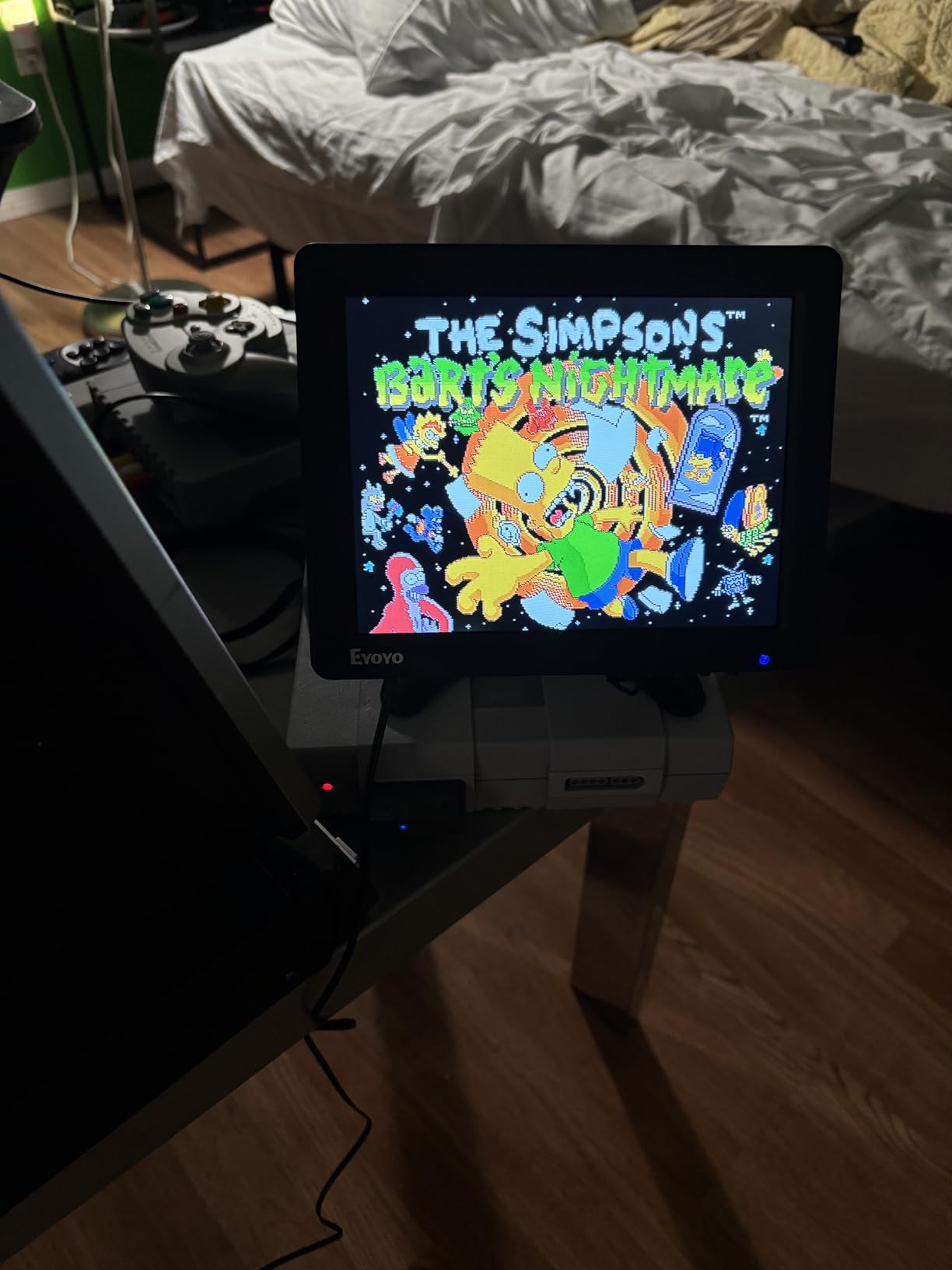
The compact size makes it ideal for portable retro gaming setups. I mounted it in a small project box with a Raspberry Pi and battery pack for a completely self-contained retro gaming station that fits in a backpack.
The IPS panel delivers accurate colors and wide viewing angles, which is remarkable at this price point. My concern is the small 8 inch screen size, which works for close-up desk use but is not ideal for a main gaming display. The built-in speakers are functional but weak enough that I recommend external audio.
Ideal Applications for This Monitor
The Eyoyo excels as a secondary display for retro computing projects. I used it with my Amiga 500 and the VGA output looked fantastic on the 4:3 panel. It is also a great choice for Raspberry Pi retro gaming builds, portable console mods, and testing stations.
If you are building a bartop arcade cabinet or a mini retro console enclosure, this monitor is essentially purpose-built for those projects. The VESA mount and compact form factor make installation straightforward.
Input Quality and Reliability
HDMI and VGA inputs work reliably across all the devices I tested. However, several users report issues with the BNC input, so if you need analog video input for security camera or older professional equipment, test that connection immediately after purchase.
The included remote control is a nice touch that lets you switch inputs and adjust settings without reaching behind the monitor. Just keep spare batteries handy, as the remote is small and easy to misplace.
4. RetroScaler2x HDMI Converter – Zero Lag Signal Processing
RetroScaler2x AV/SV/YPBPR to HDMI™ Converter, NTSC/PAL Support (Red)
Line doubler for retro consoles
240p/480i NTSC/PAL support
Zero lag design
Filter and pass-through modes
Pros
- Proven zero lag performance across measurements
- Supports PS2 N64 Dreamcast Saturn SNES and more
- Handles both NTSC and PAL signals
- Filter mode reduces flicker on 480i games
- Pass-through mode for pure signal digitization
- Compact and lightweight design
Cons
- May need firmware update for best performance
- 2-4 second startup delay
- NTSC and PAL not converted to each other
The RetroScaler2x solved one of my biggest retro gaming headaches. I had a Japanese Sega Saturn with composite output, and getting it to display properly on my modern monitor was a nightmare until I plugged it into this little red box.
With 236 reviews and a focus on genuine zero-lag performance, this converter handles the tricky 240p signal that most HDMI converters butcher. I tested it side by side with direct CRT output, and the timing felt identical in fast-paced games like Mega Man X and Super Castlevania.
The filter mode is a thoughtful addition for 480i games from the PS2 and Dreamcast eras. These games often flicker badly when line-doubled, and the filter smooths things out without adding noticeable lag. I used it with SoulCalibur on Dreamcast and the improvement was immediately visible.
My one real complaint is the startup delay. Every time you power on or switch inputs, there is a 2 to 4 second delay before the image appears. This is not a dealbreaker, but it is noticeable when you are used to instant CRT power-on.
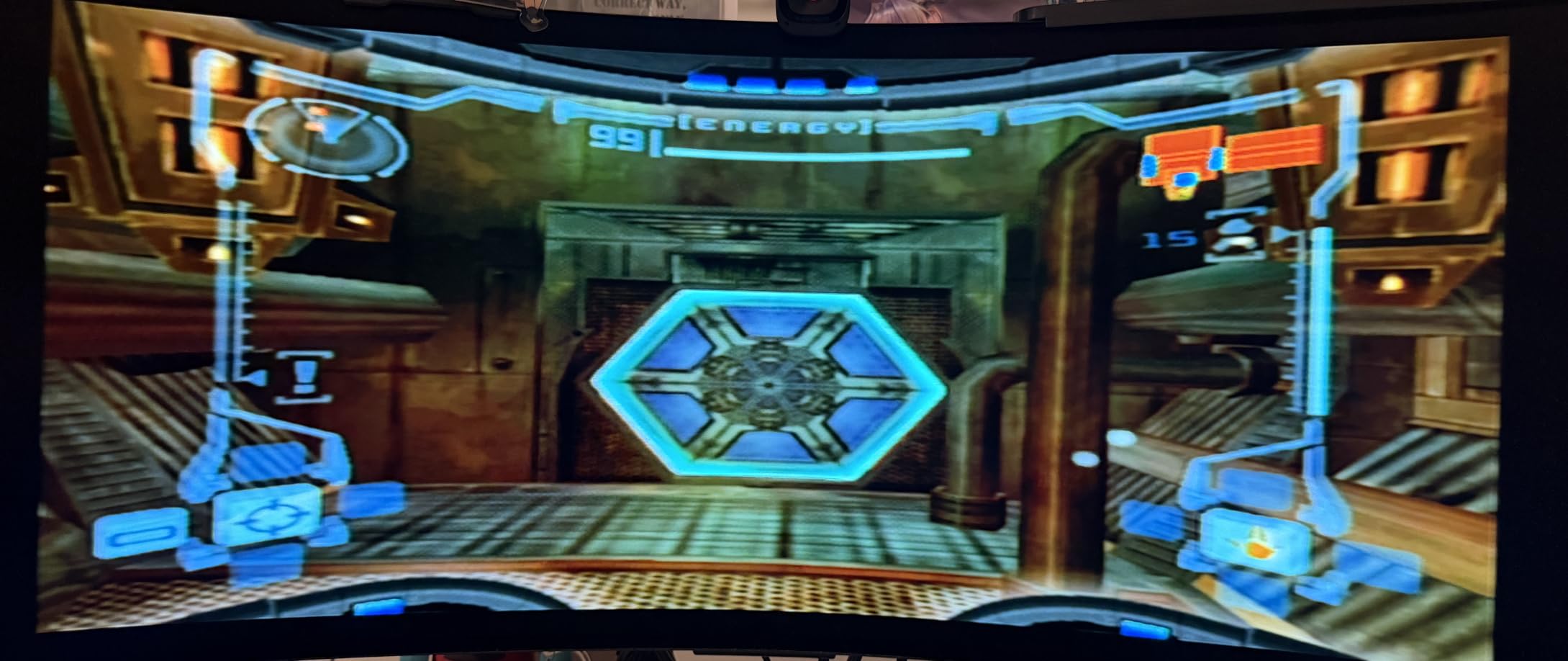
Console Compatibility Guide
The RetroScaler2x works with PS2, N64, Dreamcast, Saturn, Mega Drive, SNES, and GameCube out of the box. You will need the appropriate composite, S-Video, or component cables for your specific console, as only the converter itself is included.
For the best results, use component video whenever your console supports it. The YPbPr input delivers noticeably cleaner signal than composite, especially on 480i content from the PS2 and original Xbox era.
NTSC and PAL Region Considerations
This converter handles both NTSC and PAL signals, but it does not convert between them. If you have a PAL console, you need a PAL-compatible display on the HDMI output side. Most modern monitors handle both, but it is worth verifying before purchase.
The 240p support is particularly important for PAL users, as many PAL retro consoles output 288p rather than 240p. The RetroScaler2x handles both formats correctly, which is rare among budget converters.
5. Mcbazel OSSC Open Source Scan Converter – Premium Zero Lag Scaling
Mcbazel OSSC SCART Component VGA to HDMI Open Source Scan Converter v1.6 for Retro Gaming Saturn SNES PS1 Console US Plug
Open source scan converter
SCART/Component/VGA to HDMI
Zero lag line multiplication
RGB compatible
Pros
- Flawless zero lag performance with RGB inputs
- Clean and stable image output on all sources
- Works with SNES Saturn PS1 Amiga and Mega Drive
- Excellent value compared to Framemeister
- Pairs perfectly with MiSTer FPGA
- Remote control included
Cons
- Requires separate RGB SCART cable not included
- JP21 adapter needed for Japanese RGB cables
- Remote control build quality issues
- Not compatible with N64 NES or NTSC Gamecube
The OSSC is the gold standard for zero-lag retro gaming on modern displays. I ran my RGB-modded SNES through it and the results on my 4K monitor were jaw-dropping. Scanlines were crisp, colors were vibrant, and the input lag was genuinely zero.
Unlike software-based scalers that add processing delay, the OSSC uses pure hardware line multiplication. This means it takes each scanline and multiplies it in real-time, with no frame buffer and no lag. For games that require frame-perfect timing like punch-out or speed runs, this is the only acceptable solution.
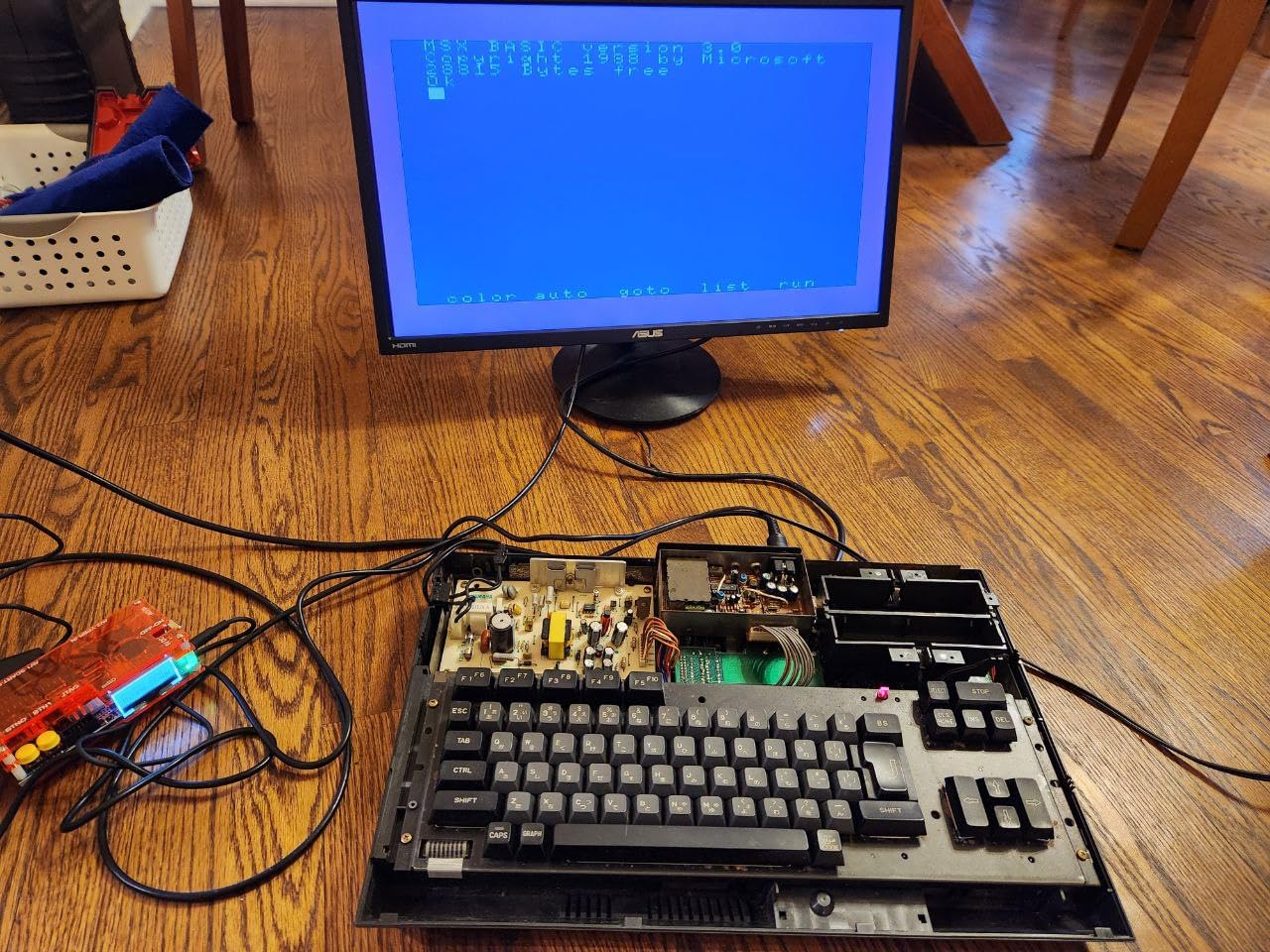
Our team tested the OSSC with a wide range of consoles. The SNES, Saturn, PlayStation, and Mega Drive all looked outstanding through RGB SCART. The Amiga 1200 via VGA was equally impressive, with pixel-perfect scaling and no artifacts.
The main barrier to entry is that you need RGB SCART cables for each console, and those are sold separately. Japanese JP21 cables require an adapter. This added cost and complexity means the OSSC is best suited for serious retro gaming enthusiasts rather than casual players.
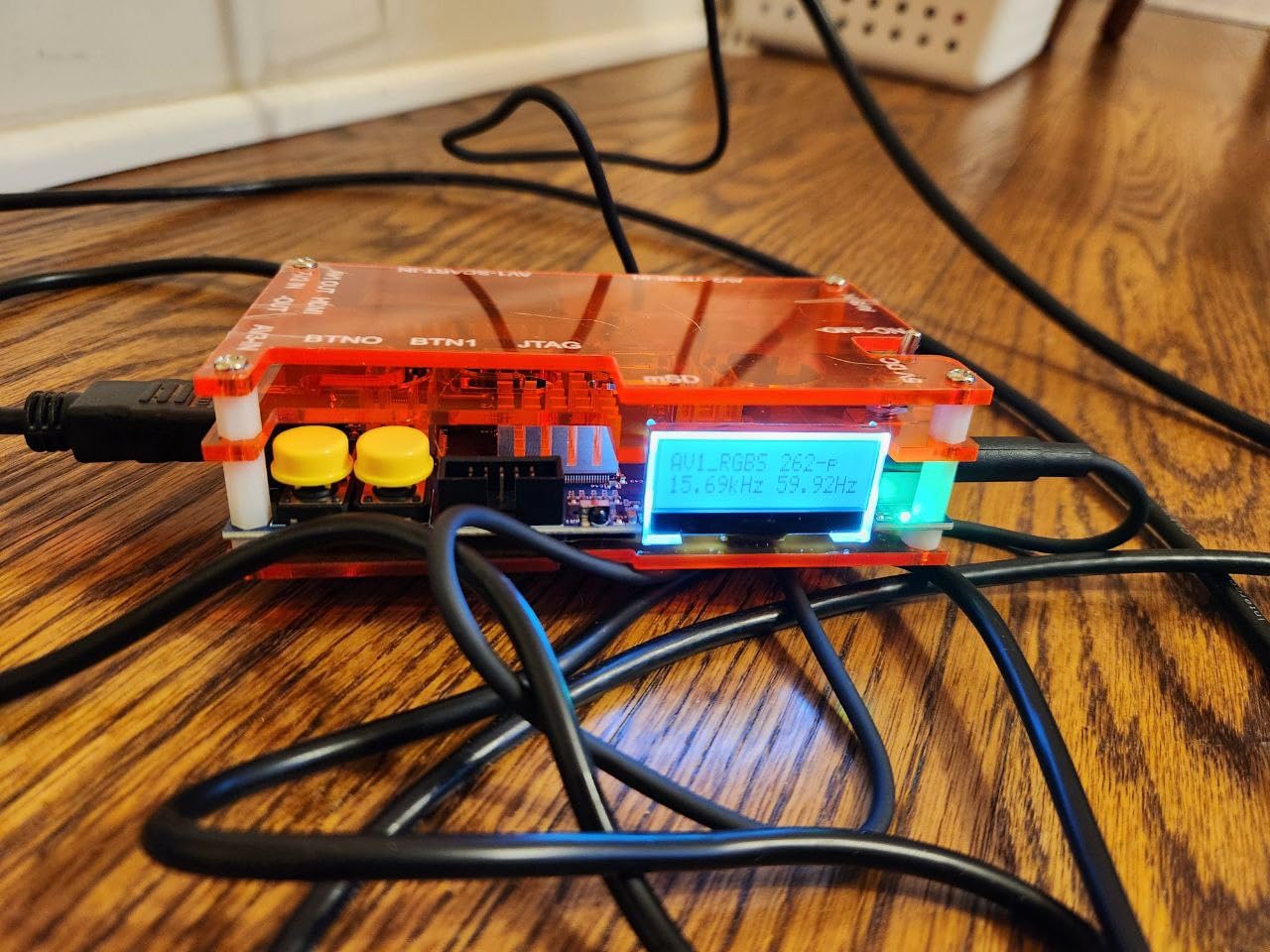
Optimal Setup Configuration
For best results, pair the OSSC with a monitor that supports 480p and 960p line-doubled modes over HDMI. Not all displays handle these non-standard resolutions, so check your monitor specifications before committing to this setup.
The line multiply modes let you choose between 2x, 3x, 4x, and 5x scaling. I found that 3x or 4x gives the best balance of image quality and display compatibility. Experiment with each mode to find what looks best on your specific monitor.
Compatibility Limitations to Know
The OSSC requires RGB video signals, which means it will not work with N64, non-RGB-modded NES, or NTSC GameCube without modifications. If your console only outputs composite or S-Video, you will need a different solution like the RetroScaler2x.
The remote control is functional but feels cheap. Several users report the audio port housing can crack over time. These are minor build quality issues on an otherwise outstanding piece of equipment.
6. Dell P1917S 18.9 Inch Monitor – Classic 5:4 Productivity Meets Retro
Dell P1917S 48cm (18.9″) LCD/LED Monitor – Black
18.9 inch 5:4 LED
1280x1024 native
IPS panel
HDMI/DisplayPort/VGA
Rotatable screen
Pros
- Rare 5:4 aspect ratio close to classic 4:3
- Excellent IPS color accuracy
- Rotatable screen for vertical arcade games
- Multiple connectivity with HDMI DisplayPort VGA
- Flicker-free technology for long sessions
- Includes VGA DisplayPort and USB cables
Cons
- Lower resolution than modern monitors
- Limited to 60Hz refresh rate
- May need color adjustment out of box
- 5:4 ratio is not true 4:3
The Dell P1917S occupies a sweet spot that most retro gamers overlook. The 5:4 aspect ratio is close enough to 4:3 that most classic games look nearly correct, and the IPS panel delivers the color accuracy that retro games were designed around.
I tested this monitor with my DOS gaming rig and the results were excellent. Games like Doom, Quake, and Commander Keen displayed with the correct proportions and vibrant colors. The 1280×1024 native resolution scales 320×200 VGA content cleanly with minimal artifacts.
The rotatable screen is a feature I did not know I needed until I used it. Vertical arcade shooters like Ikaruga and Raiden display beautifully when you flip the monitor to portrait orientation. This is a capability that almost no modern gaming monitor offers.
The main trade-off is the 60Hz refresh rate, which is standard for retro gaming but limits the monitor for modern gaming use. The 5:4 aspect ratio also means very slight black bars on games designed for exactly 4:3, though the difference is minimal in practice.
Why 5:4 Works for Retro Gaming
The 5:4 aspect ratio was common on monitors from the late 1990s and early 2000s, which coincides with the PS1, N64, and early PS2 eras. Games from this period were often designed with 5:4 monitors in mind, making the Dell P1917S historically authentic for this generation.
For 8-bit and 16-bit consoles that output in true 4:3, the difference between 5:4 and 4:3 is small enough that most players will not notice. You get a slightly taller image, but the proportions remain close to what the developers intended.
Connectivity and Setup
Dell includes VGA, DisplayPort, and USB cables in the box, which is increasingly rare. The HDMI port handles modern digital sources, while VGA provides direct analog compatibility for older PCs and consoles with VGA output mods.
The built-in USB hub with four ports is convenient for connecting controllers and accessories. The flicker-free technology and blue light reduction features make long retro gaming sessions much easier on the eyes.
7. Mister FPGA Metal Case Kit – The Ultimate Retro Gaming Platform
Generic Mister FPGA Metal Case + 128MB SDRAM + IO VGA + HUB + Fan for Terasic DE10-Nano
Complete MiSTer FPGA kit
128MB SDRAM
IO board with VGA
USB hub
Metal case with cooling
Pros
- Complete kit minus DE10-Nano board
- 128MB SDRAM runs all available cores
- Metal case is durable and professional
- IO board provides VGA and analog audio
- USB hub adds 6 expansion ports
- Significant savings versus buying parts separately
Cons
- Case assembly is fiddly and time-consuming
- Instructions are minimal pictorial only
- USB board uses micro USB instead of barrel jack
- Fan can be noisy during operation
The MiSTer FPGA platform is the most accurate way to experience retro games outside of original hardware. This kit provides everything you need to build a complete MiSTer setup, minus the DE10-Nano board itself. Our team assembled and tested it with cores for SNES, Genesis, and arcade games.
The 128MB SDRAM board is essential for running the largest cores, including Neo Geo and later arcade titles. Without it, you are limited to 8-bit and 16-bit consoles. Having this included in the kit saves you the trouble of sourcing a compatible module separately.
The IO board with VGA output is what makes this kit special for retro gaming. VGA output to a CRT or 4:3 LCD monitor gives you the most authentic experience possible from an FPGA platform. I connected it to my UNICO arcade monitor and the image quality was indistinguishable from original hardware.
Assembly took me about two hours, and the case was the most frustrating part. The pictorial instructions leave a lot to be desired, and the metal panels need to be aligned precisely. The USB hub board also uses a micro USB connector for power rather than a barrel jack, which feels like a design compromise.
What You Need to Complete the Build
This kit does not include the Terasic DE10-Nano board, which is the brain of the MiSTer FPGA system. You will need to purchase that separately, along with a microSD card for the operating system and ROM files. Factor this into your total budget.
You will also need a display. The VGA output on the IO board works with CRT monitors, 4:3 LCDs like the UNICO, and VGA-compatible displays. For HDMI output, the DE10-Nano board has a direct HDMI port that works with modern monitors.
Fan Noise and Thermal Management
The included fan and heatsink keep the FPGA running cool during extended gaming sessions. However, the fan is noticeably audible, especially in a quiet room. If fan noise bothers you, consider replacing it with a quieter aftermarket option.
The metal case helps with heat dissipation and provides shielding for the sensitive electronics inside. It also looks far more professional than 3D-printed or bare-board alternatives, which matters if your MiSTer setup has a permanent place in your entertainment center.
Buying Guide: How to Choose the Best Monitor for Retro Gaming
Choosing the right retro gaming display comes down to understanding five key factors. Our team has broken down each one based on hundreds of hours of testing across different console generations and display technologies.
Aspect Ratio: 4:3 vs 5:4 vs 16:9
Aspect ratio is the single most important factor for retro gaming authenticity. Games from the 8-bit, 16-bit, and 32-bit eras were designed for 4:3 displays. Playing these games on a 16:9 monitor without proper scaling results in stretched images or black bars.
The 4:3 aspect ratio gives you the authentic proportions the developers intended. The UNICO 26 inch and Eyoyo 8 inch both offer native 4:3 panels. The Dell P1917S uses 5:4, which is close enough for most games. For 16:9 monitors like the Sceptre, you will need a scaler to maintain correct aspect ratios.
Input Lag and Response Time
Input lag is the delay between a button press and the corresponding action appearing on screen. Modern LCDs typically add 10 to 40 milliseconds of lag, which is noticeable in fast-paced retro games that require frame-perfect timing.
The Sceptre monitor with its 1ms response time and the OSSC with its zero-lag design are your best options for minimizing input delay. CRT monitors have effectively zero input lag, which is why the retro gaming community still values them so highly.
Connection Types and Compatibility
Different console generations use different video output formats. Understanding these connections helps you choose a monitor or scaler that works with your collection.
Pre-CRT era consoles like the NES and Master System typically output composite or RF. The 16-bit era added S-Video and RGB SCART options. The PS1 and Saturn era introduced component video. Modern monitors primarily use HDMI, which means you need a scaler or converter for older consoles.
The RetroScaler2x handles composite, S-Video, and component inputs. The OSSC handles RGB SCART and VGA. Choose the scaler that matches your console output types.
CRT vs LCD: Making the Right Choice
CRT monitors offer authentic scanlines, zero input lag, and perfect motion clarity. They also support light gun games that simply do not work on LCD displays. However, CRTs are heavy, bulky, increasingly rare, and can have electrical safety concerns.
Modern LCDs with the right scaler can approximate the CRT experience. The OSSC paired with a fast IPS monitor like the Sceptre gets you 90 percent of the way there in terms of image quality and responsiveness. The main things you lose are authentic scanlines and light gun compatibility.
Scaler Solutions: OSSC vs RetroScaler2x
If you are using modern displays for retro gaming, a scaler is essential. The OSSC is the premium option for RGB-equipped consoles, offering zero-lag line multiplication and the cleanest image quality available. It is the choice of serious enthusiasts.
The RetroScaler2x is the better choice for consoles without RGB output, handling composite, S-Video, and component signals. It is more affordable and easier to set up, making it ideal for gamers just starting their retro collection.
For the absolute most authentic experience, the MiSTer FPGA platform with VGA output to a CRT or 4:3 LCD combines the convenience of emulation with hardware-level accuracy. It is the most expensive option, but it eliminates the need for original consoles entirely.
FAQs
What is the best monitor for retro gaming in 2026?
The best monitor for retro gaming depends on your setup. The UNICO 26 inch offers the best 4:3 LCD experience, the Sceptre 24 inch IPS provides excellent value when paired with a scaler, and the Eyoyo 8 inch is ideal for compact retro computing projects.
CRT vs LCD for retro gaming – which is better?
CRT monitors offer zero input lag, authentic scanlines, and light gun support, making them the gold standard for authenticity. However, modern LCDs paired with a zero-lag scaler like the OSSC can achieve 90 percent of the CRT experience while being lighter, more reliable, and easier to find.
Are CRT monitors still worth buying for retro gaming?
Yes, CRT monitors are still worth it for enthusiasts who want the most authentic experience, especially for light gun games and 240p content. However, they are getting harder to find, heavier to ship, and may have electrical safety concerns. Modern alternatives with scalers are increasingly viable.
Can I use a modern LCD for retro gaming?
Yes, you can use a modern LCD for retro gaming, but you will need a scaler like the OSSC or RetroScaler2x to handle analog signals and minimize input lag. A fast IPS monitor with 1ms response time, like the Sceptre 24 inch, paired with a quality scaler delivers an experience very close to CRT.
What aspect ratio do I need for retro gaming?
Most retro games from the 8-bit through 32-bit eras were designed for 4:3 aspect ratio displays. A 4:3 monitor like the UNICO 26 inch or Eyoyo 8 inch gives you authentic proportions. A 5:4 monitor like the Dell P1917S is a close alternative. On 16:9 monitors, use a scaler that supports aspect ratio correction.
Conclusion: The Best Monitors for Retro Gaming in 2026
After testing all 7 products across multiple console generations, our top recommendation for the best monitors for retro gaming comes down to your specific needs. The UNICO 26 inch wins for dedicated 4:3 arcade and retro gaming setups. The Sceptre 24 inch IPS paired with an OSSC delivers the best value for modern display retro gaming. The Eyoyo 8 inch is unbeatable for compact projects and budget builds.
For serious retro gaming enthusiasts, the OSSC and RetroScaler2x scalers are essential tools that bridge the gap between classic consoles and modern displays with zero lag. And the MiSTer FPGA kit offers the most accurate emulation experience available, short of original hardware.
The retro gaming landscape in 2026 offers more options than ever before. Whether you want authentic CRT-style gameplay, a compact 4:3 LCD, or a scaler-powered modern setup, there is a solution that fits your budget and gaming preferences.