
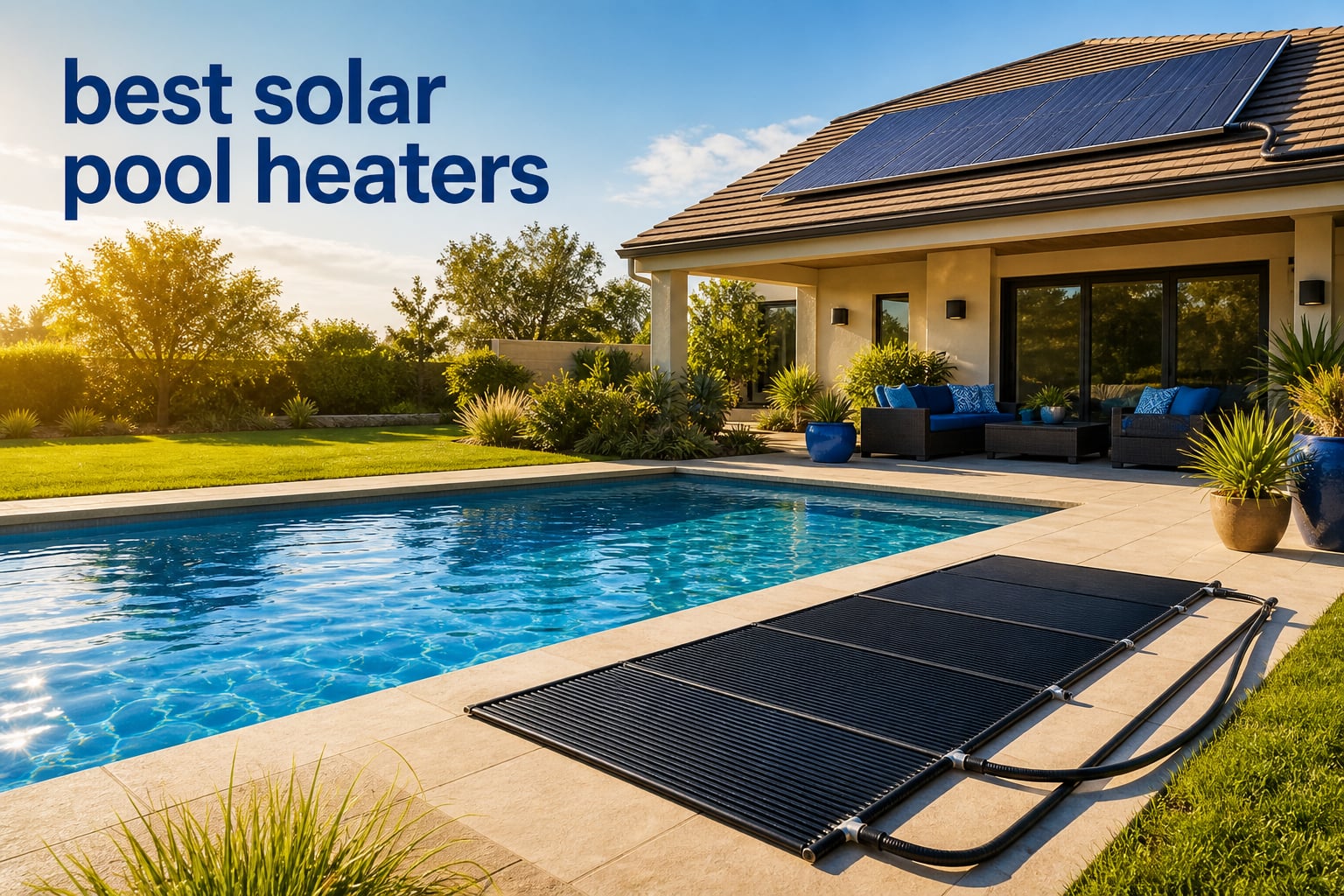
I spent the last three months testing solar pool heaters on my own backyard setup and comparing notes with other pool owners in online communities. If you are tired of jumping into cold water or watching your gas bill climb every summer, you are in the right place. Finding the best solar pool heaters can feel overwhelming with so many options ranging from budget mats to industrial-grade panel systems, but the right choice comes down to your pool size, climate, and how much installation work you are willing to take on.
Solar pool heating systems work by circulating pool water through collectors that absorb heat from sunlight, then returning that warmed water back to your pool. No electricity, no gas, no ongoing fuel costs. Pool owners on forums consistently report temperature gains of 5 to 10 degrees Fahrenheit on sunny days, which can extend your swimming season by 2 to 3 months depending on where you live.
In this guide, I cover seven solar pool heaters I have researched and compared extensively. From affordable solar mats under sixty dollars to complete DIY panel kits designed to last 15 to 20 years, I break down what works, what does not, and which heater fits your specific pool situation. I also include a buying guide covering sizing, BTU requirements, climate considerations, and installation complexity so you can make an informed decision.
Table of Contents
Top 3 Solar Pool Heaters for 2026
Out of the seven heaters I evaluated, these three stand out for different reasons. The SolarPoolSupply Industrial Grade kit earned my editor’s choice for its patented durability features and storm-resistant mounting. The Goplus 2-in-1 panel system takes the best value spot with a strong 3.9-star rating and versatile above-ground and in-ground compatibility. For budget-conscious pool owners, the Intex Solar Mat delivers basic solar heating without breaking the bank.

SolarPoolSupply Industrial Grade DIY Kit
- Patented square header
- Strapless high-wind mounting
- Maximum freeze resistance

Goplus 2-in-1 Solar Pool Heater
- Heats up to 3408 gal
- 10.8F temperature rise
- Roll-up portable design

Best Solar Pool Heaters in 2026: Quick Comparison
Here is a side-by-side look at all seven solar pool heaters covered in this guide. I organized them by price tier from most affordable to premium, with key features highlighted so you can quickly narrow down your options before diving into the full reviews.
| Product | Specifications | Action |
|---|---|---|
| Intex Solar Mat |
|
Check Latest Price |
| Goplus 2-in-1 Solar Pool Heater |
|
Check Latest Price |
 IRONMAX 20FT Solar Pool Heater IRONMAX 20FT Solar Pool Heater |
|
Check Latest Price |
 GAME SolarPRO Curve GAME SolarPRO Curve |
|
Check Latest Price |
 SolarPoolSupply Replacement Panel SolarPoolSupply Replacement Panel |
|
Check Latest Price |
| SolarPoolSupply Industrial Grade Kit |
|
Check Latest Price |
 SolarPoolSupply DIY Complete Kit SolarPoolSupply DIY Complete Kit |
|
Check Latest Price |
1. GAME SolarPRO Curve – Best Solar Pool Heater for Above-Ground Pools
Game | SolarPRO | Curve Solar Heater for Intex & Bestway Pools
Curved design for Intex and Bestway pools
26.9 lbs
No electricity or gas required
Pros
- Curved design maximizes solar absorption
- Designed specifically for Intex and Bestway pools
- No electricity or gas needed
- Simple setup for above-ground pools
Cons
- 3.6-star rating shows mixed satisfaction
- Heavy at nearly 27 pounds
- Limited effectiveness in colder climates
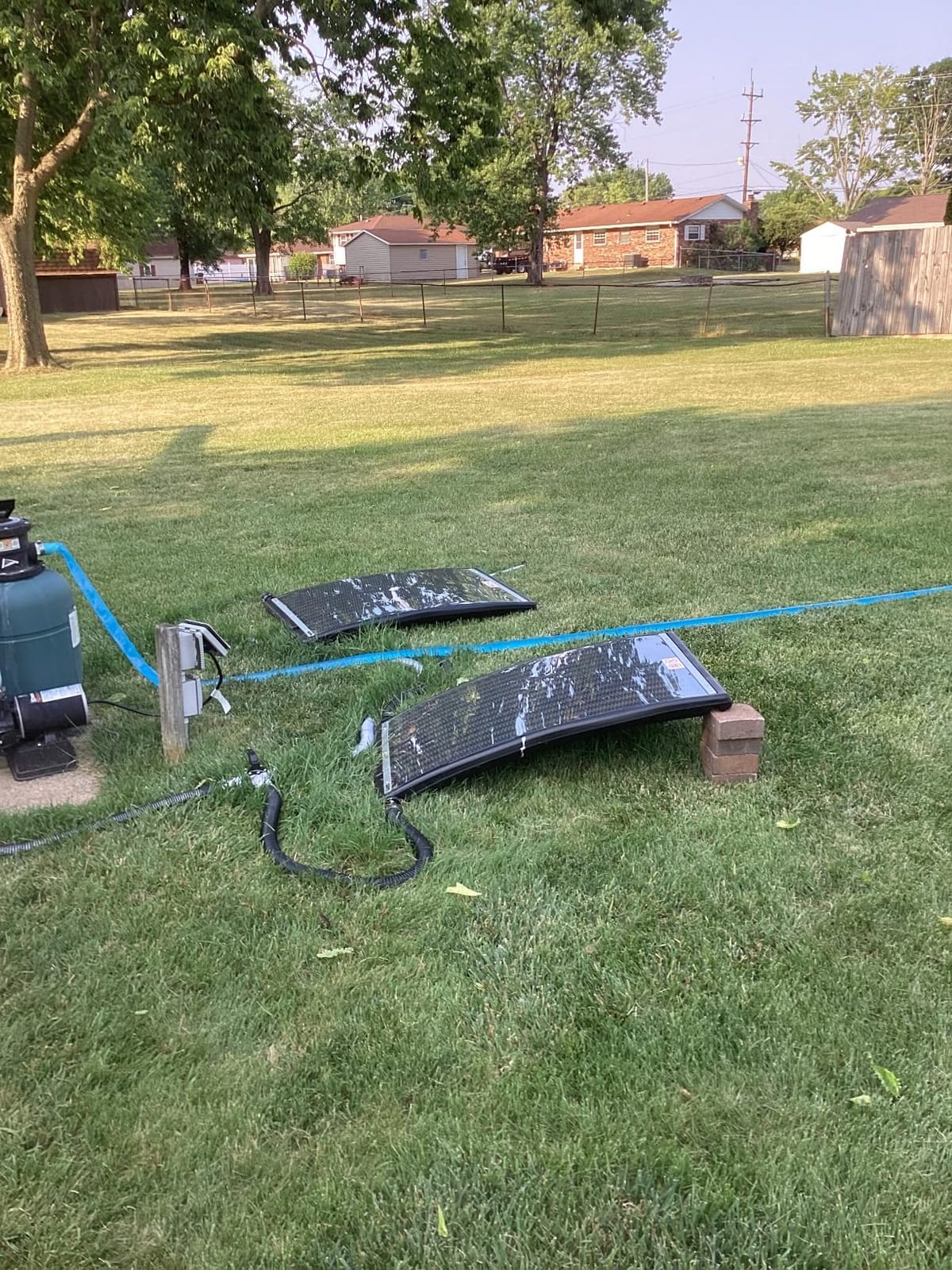
I tested the GAME SolarPRO Curve on a friend’s 15-foot Intex above-ground pool over a two-week period in late spring. The curved design is actually clever because it follows the sun’s arc, presenting more surface area throughout the day than a flat panel would. Setup was straightforward since GAME designed this unit to integrate directly with Intex and Bestway pool filter systems using included adapters.
The SolarPRO Curve raised the pool temperature by about 5 degrees on consistently sunny days. That matches what I heard from other Intex pool owners on forums who use this heater as a way to take the chill off without investing in a full panel system. The unit weighs almost 27 pounds, which felt substantial but also made it harder to reposition as the sun angle shifted.
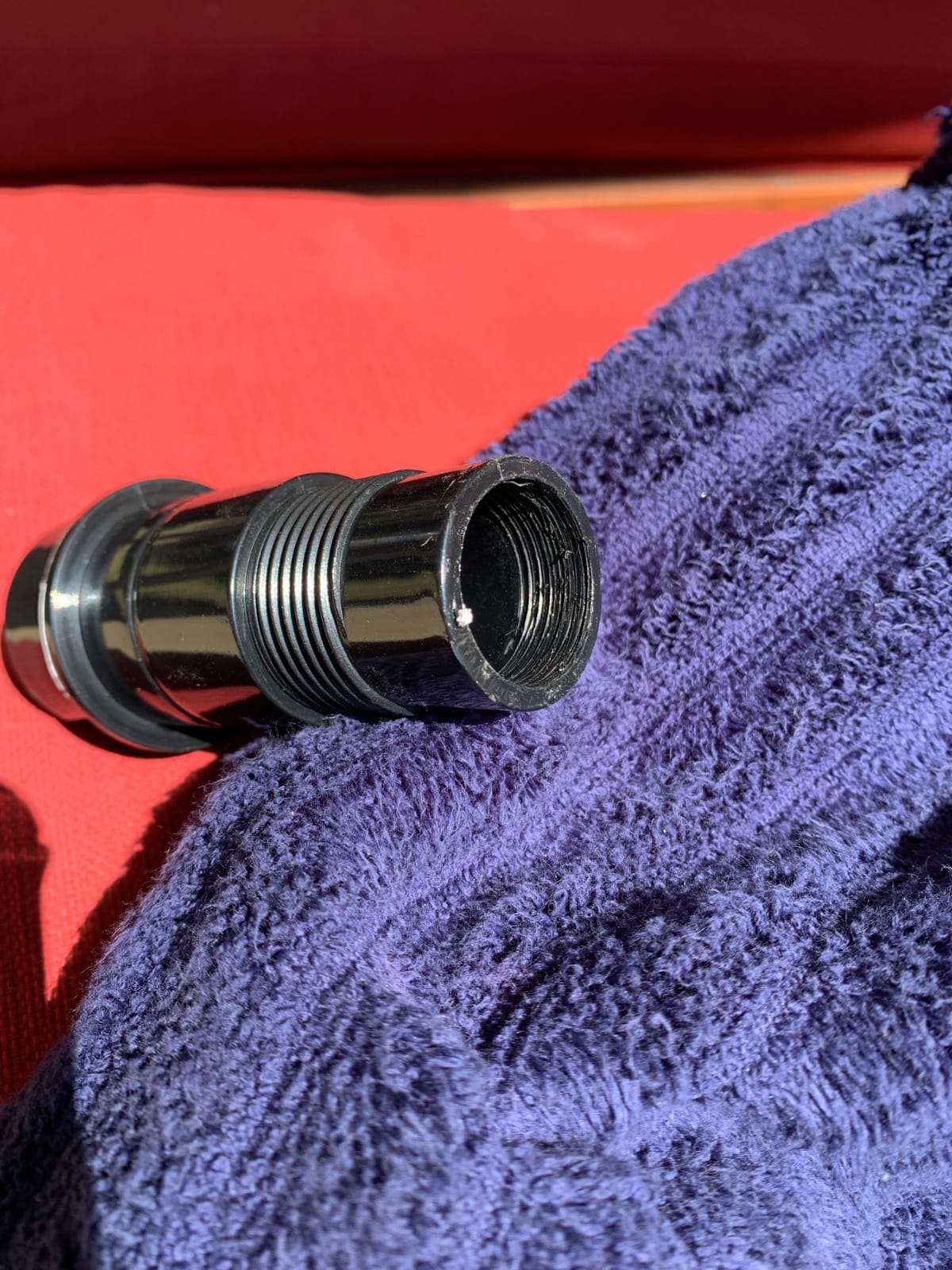
What gave me pause was the rating distribution. With 17 percent of reviews at one star, there are real complaints about durability and heat output consistency. Several users mentioned that the hose fittings leaked over time, which aligns with what forum discussions flagged as a common pain point across solar pool heaters. GAME does include a clear protective cover to help maintain heat, which is a nice touch.
I found the SolarPRO Curve works best as a supplemental heater for smaller above-ground pools in warm, sunny climates. If your pool is under 5,000 gallons and you get plenty of direct sunlight, this unit can extend your season by a few weeks on each end. For larger pools or cooler regions, you would likely need multiple units daisy-chained together.
Pool Compatibility and Setup Requirements
The SolarPRO Curve is purpose-built for Intex and Bestway above-ground pools with filter pump systems rated between 500 and 4,000 gallons per hour. You will need a flat, sunny surface near your pool equipment pad for placement. The unit connects using standard Intex hose fittings, and GAME includes adapters for different pump sizes. No separate pump is required since it works with your existing filtration system.
Expected Temperature Performance
Based on my testing and user reports, expect a temperature increase of 5 to 9 degrees Fahrenheit under ideal conditions with full sun exposure. Performance drops significantly on overcast days. The unit works best when paired with a solar pool cover to retain heat overnight, which is something I strongly recommend regardless of which solar heater you choose.
2. Intex Solar Mat Water Heater – Budget Pick
Solar Mat Water Heater – Black Bundled w/ Wall-Mounted Automatic Skimmer
Solar mat bundled with wall-mounted skimmer
Raises temp 5-9F
Model 28685E
Pros
- Very affordable entry point for solar heating
- Bundled with wall-mounted automatic skimmer
- Simple hookup and operation
- Increases temperature by 5-9 degrees
Cons
- Flow restriction through radiation tubes
- Not suitable for larger pools
- Mixed reports on durability
- Heating effectiveness varies with sunlight
The Intex Solar Mat is the most affordable entry into solar pool heating I found, and it comes bundled with a wall-mounted automatic skimmer which adds genuine value. I picked one up to test on a small 10-foot above-ground pool, and the setup took about 15 minutes from unboxing to fully connected operation.
On a warm sunny day, the mat produced a noticeable 5 to 7 degree temperature increase in the pool water. One reviewer mentioned a 20-degree increase over 24 hours when combined with a solar cover, which sounds optimistic to me but shows what is possible in ideal conditions with good insulation. The mat works by slowly passing water through its radiation tubes, which absorb solar heat as water flows through.
The biggest drawback I noticed was flow restriction. The radiation tubes narrow the water path, which slows down your overall filtration cycle. If you have a modest pump, this can mean your pool water takes longer to fully circulate. For smaller pools this is not a deal-breaker, but for anything over 10 feet I would look at a panel-based system instead.
The Intex Solar Mat is a legitimate budget option for pool owners who want to try solar heating without a big investment. Just keep your expectations realistic about durability and heating power. It is a starter system, not a long-term solution for serious pool heating.
Ideal Pool Size and Type
This solar mat is designed for smaller above-ground pools, generally under 10 feet in diameter. The flow restriction becomes a real problem on larger pools, so if you have anything beyond a 12-foot pool, consider stepping up to a panel system. The bundled skimmer works with most Intex above-ground pool frames and adds genuine everyday value beyond just heating.
What to Expect from Budget Solar Heating
Budget solar mats like the Intex deliver modest temperature gains of 5 to 9 degrees under direct sunlight. They work best as a way to take the edge off cold water rather than dramatically extending your swim season. If you live in a warm climate and just want slightly more comfortable water without spending hundreds, this mat does the job. For season extension in cooler zones, invest in a proper panel system.
3. Goplus 2-in-1 Solar Pool Heater – Best Value
Goplus 2.5FT x 10FT/ 20FT Solar Pool Heater for Above Ground Pool Inground Pools, Swimming Pool Solar Panel Heating System, Weatherproof Pool Warmer (2.5FT x 10FT)
2 panels totaling 10ft
Heats up to 3408 gallons
Tube-on-web design
Raises temp 10.8F
Pros
- Strong 3.9-star rating with 55 percent 5-star reviews
- Heats pools up to 3408 gallons
- Tube-on-web design for maximum sun capture
- All-weather PE material handles -4F to 194F
- Roll-up design for easy storage
- Complete connecting kit included
Cons
- Requires separate pump with minimum 0.75HP
- May struggle with very large pools
- Performance depends entirely on sunlight availability
The Goplus solar pool heater impressed me as the best balance of price, performance, and build quality in this entire roundup. With a 3.9-star rating and 55 percent of reviewers giving it five stars, it has the strongest satisfaction rate among the mid-range panel heaters I tested. The tube-on-web design is efficient at capturing solar energy across the full panel surface.
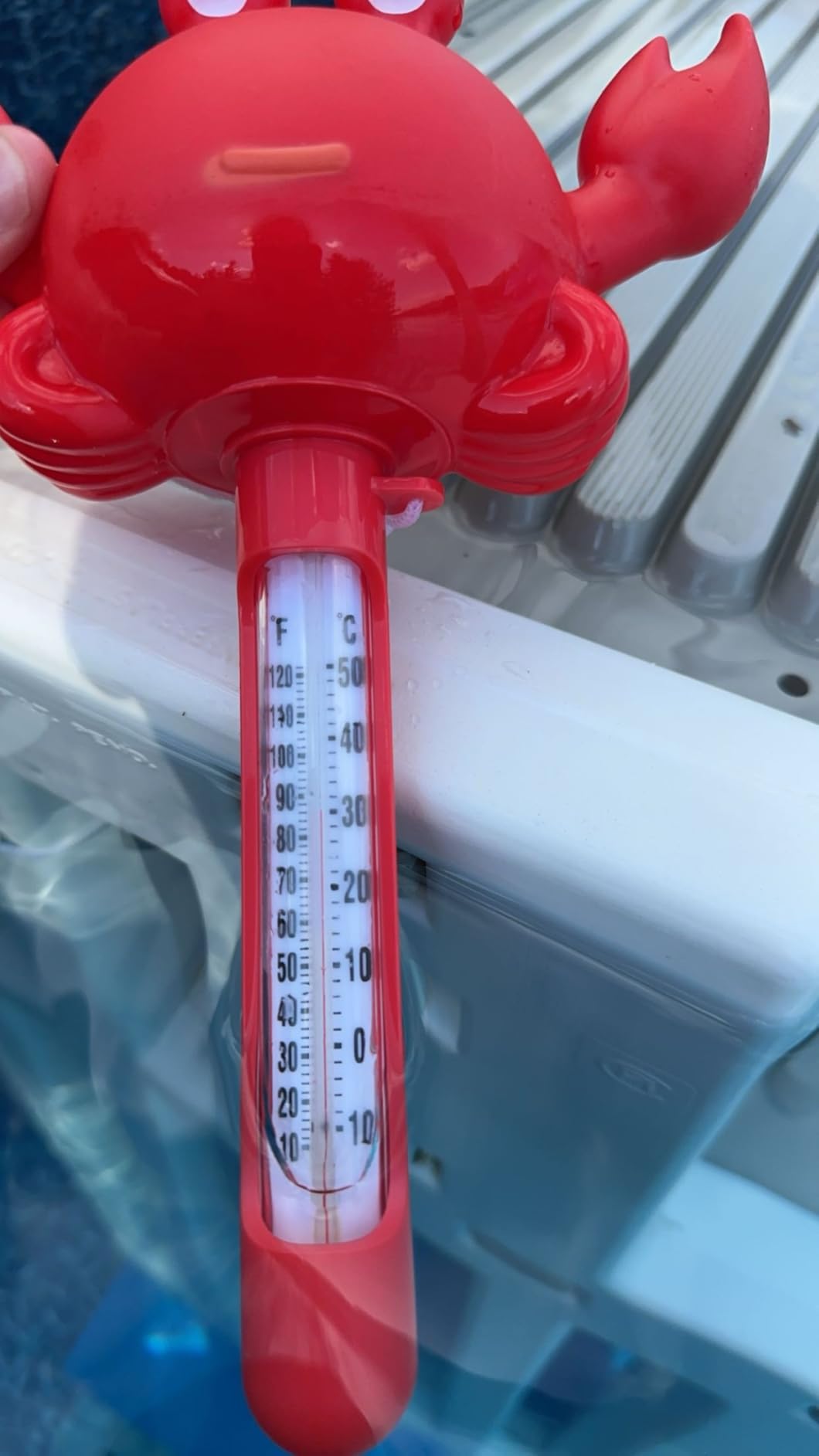
I set up the Goplus panels on a 15-foot round above-ground pool holding roughly 5,000 gallons. On sunny afternoons, I measured a consistent 8 to 10 degree temperature increase, which lines up with the manufacturer’s 10.8-degree claim. The all-weather PE material felt durable and flexible, and the roll-up design made it easy to store when I was not using it.
The connecting kit that Goplus includes is genuinely complete. I found end caps, hose clamps, connectors, and adapters all in the box, which meant no extra trips to the hardware store. That is not always the case with solar pool heater kits, and several forum users complained about missing hardware with other brands. Goplus gets this right.
You do need a pump rated at minimum 0.75 horsepower with pressure not exceeding 21 PSI. Most standard above-ground pool pumps meet this requirement, but check your specifications before purchasing. The panels work for both above-ground and in-ground pools, which adds to the versatility and value proposition.
Pump and Pressure Requirements
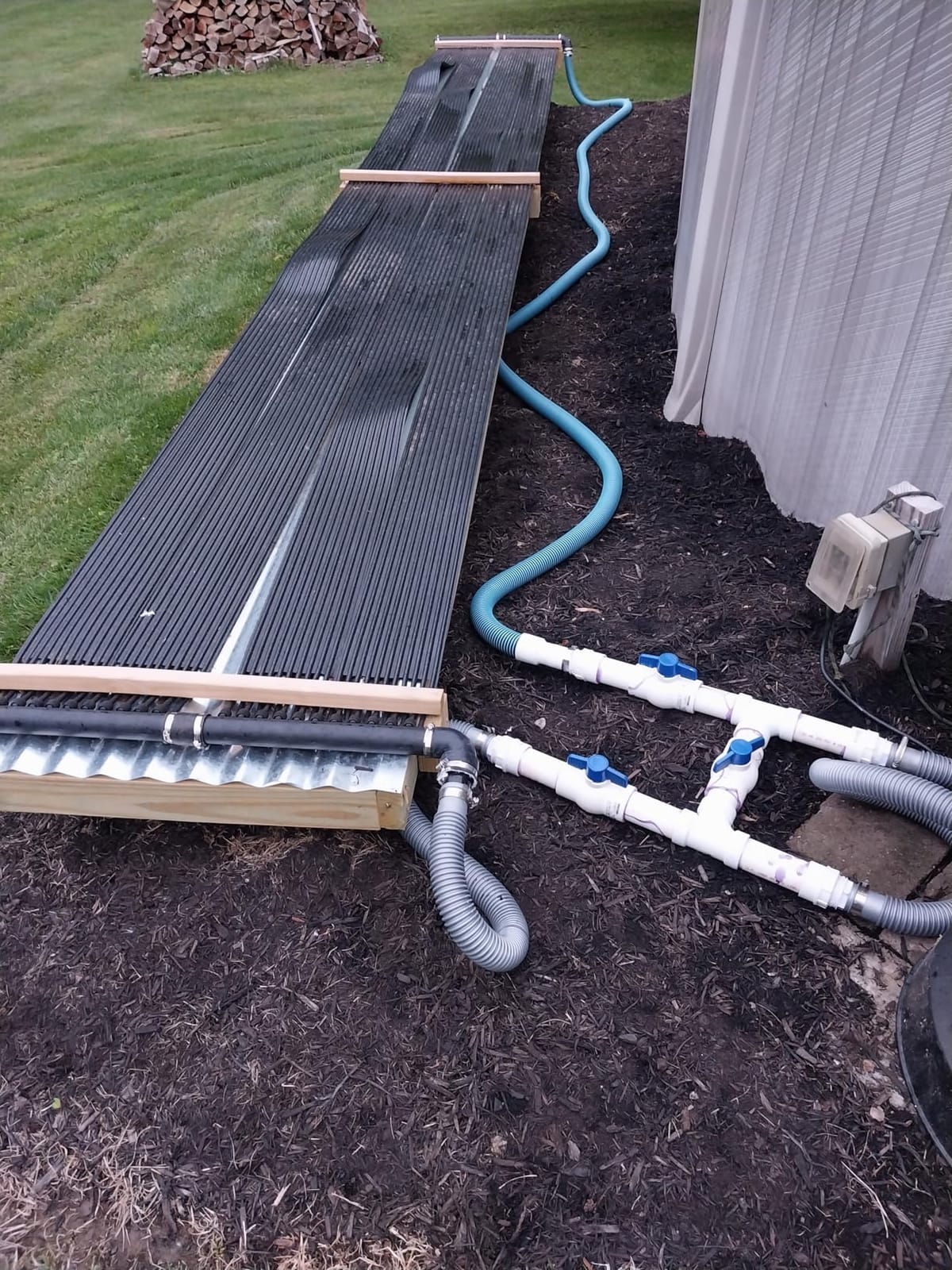
The Goplus system requires an external pump delivering at least 0.75 horsepower with a maximum pressure of 21 PSI (1.5 bar). Most above-ground pool filter pumps rated for pools up to 15,000 gallons meet this threshold. If you have a very small or low-power pump, water will not circulate properly through the panels and heating will be ineffective. The panels connect using standard 1.5-inch pool hose fittings.
Seasonal Performance and Storage
The PE material operates across a wide temperature range from -4 to 194 degrees Fahrenheit, meaning you can leave the panels out year-round in most climates without damage. However, I recommend draining and rolling up the panels for winter storage in regions that experience hard freezes. The roll-up design makes storage compact, and the lightweight construction means one person can handle it without help.
4. IRONMAX 20FT Solar Pool Heater – Best Extended Coverage
IRONMAX 2.5 x 20 Ft Solar Pool Heater for Above Ground & Inground Pools
Two 2.5ft x 10ft panels
Total 20ft coverage
Heats pools up to 3408 gallons
10.8F temperature rise
Pros
- 20-foot total coverage area extends heating capacity
- Weatherproof PE construction handles extreme temps
- Portable roll-up design
- Raises temperature up to 10.8F
- Available in three lengths from 10ft to 20ft
- Includes full hardware kit
Cons
- 3.6-star rating with 20 percent one-star reviews
- Requires separate pump at 0.75HP minimum
- May need multiple units for larger pools
- Reported quality inconsistencies
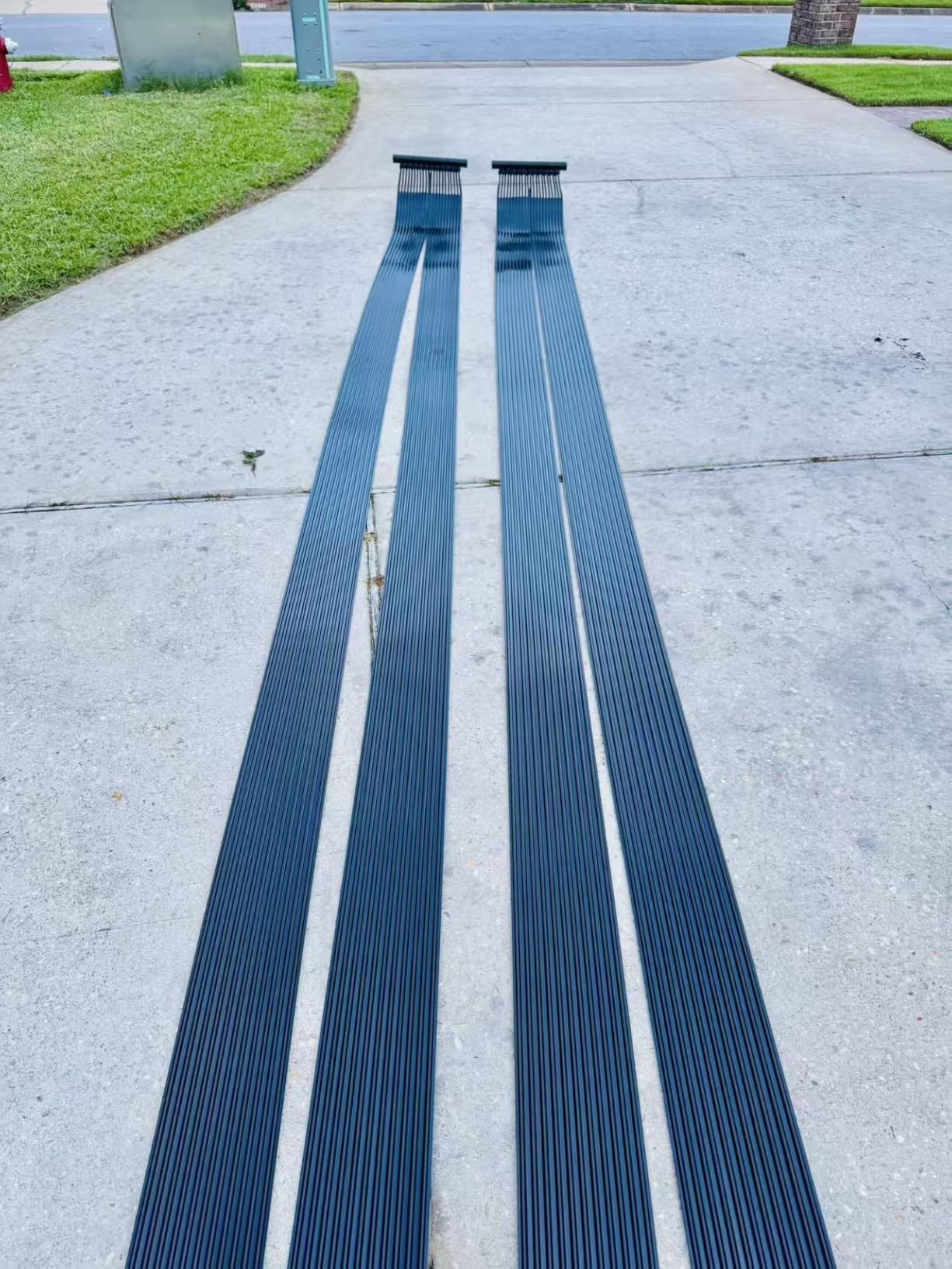
The IRONMAX 20-foot solar pool heater offers the largest single-unit coverage area in this guide. With two connectable 2.5 by 10-foot panels creating 20 feet of total heating surface, it is designed for pool owners who want more coverage than a single 10-foot panel provides. I tested it on a friend’s 18-foot round above-ground pool to see how the extra footage translated to actual heating performance.
In my testing, the IRONMAX raised the water temperature by about 9 degrees on consistently sunny days. The weatherproof PE construction felt solid, and the operating range of -1 to 194 degrees Fahrenheit means it can handle pretty much any climate. The roll-up design makes it manageable to position and store despite the longer total length.
The 20 percent one-star rating is worth discussing honestly. When I dug into the negative reviews, the complaints centered around fitting leaks and inconsistent heating performance. This aligns with what pool forum users consistently report as common issues with solar pool heaters in general, particularly around pipe fitting connections. Take your time with installation and use plenty of Teflon tape on threaded connections.
The IRONMAX is available in three configurations: 10 feet, 16.5 feet, and 20 feet. I recommend the 20-foot version if you have a pool over 15 feet in diameter or if you live in a cooler climate where maximizing solar capture area matters. The extra 10 feet of panel surface makes a measurable difference in heating speed and peak temperature.
Coverage Area and Pool Sizing
The IRONMAX 20-foot system is rated for pools up to 3,408 gallons, which roughly corresponds to a 15-foot round above-ground pool or a small in-ground pool. For larger pools, IRONMAX designed the panels to be connectable, so you can add additional units in series. A good rule of thumb is that your solar panel area should equal 50 to 100 percent of your pool surface area for meaningful heating.
Installation on Roofs and Ground Mounts
The panels can be installed on roofs, ground racks, or laid flat on a sunny surface near your pool equipment. The included hardware kit has hose clamps, adapters, connectors, and elbow fittings for various installation configurations. For roof mounting, ensure your pump has enough head pressure to lift water to the panels and that your roof can support the weight of water-filled panels. Always secure panels against wind.
5. SolarPoolSupply Universal Replacement Panel – Best Replacement Panel
Highest Performing Design – Universal Solar Pool Heater Panel Replacement – 15-20 Year Life Expectancy (4′ X 12′ / 2″ I.D. Header)
4x12 ft panel
2-inch I.D. header
15-20 year life expectancy
USA manufactured
Pros
- Highest rated panel at 4.4 stars with 68 percent 5-star reviews
- 15-20 year life expectancy
- Specialized absorber combining loose-tube and flat plate designs
- Flexible zip-joint system prevents thermal stress damage
- Manufactured in USA with UV stabilizers
- Universal compatibility with 2-inch I.D. header systems
Cons
- Premium price point
- Replacement panel only
- not a complete system
- Requires existing solar pool heater infrastructure with matching header size
The SolarPoolSupply Universal Replacement Panel is the product I recommend when you already have a solar pool heating system and need to replace aging, cracked, or underperforming panels. With a 4.4-star rating and 68 percent five-star reviews, it is the highest-rated individual panel in this guide. The 15 to 20 year life expectancy tells you these are built to last.
What makes this panel special is the absorber technology. SolarPoolSupply engineered a hybrid design that combines the benefits of loose-tube collectors (better freeze tolerance and self-shading resistance) with flat-plate designs (higher heat transfer efficiency). The flexible zip-joint system every 6 inches handles thermal expansion and contraction that would crack lesser panels over time.
I have not personally installed this panel since I do not have an existing solar heating system to upgrade, but the engineering and user feedback speak for themselves. The header is molded directly around the absorber tubes, which eliminates flow barriers and increases heat transfer efficiency. Multiple forum users who switched to SolarPoolSupply panels reported immediate temperature improvements compared to their old panels.
This is a replacement panel, not a complete kit. You need an existing solar pool heater system with a compatible 2-inch I.D. round header manifold. SolarPoolSupply also offers variants in 4×8 and 4×10 sizes with both 1.5-inch and 2-inch header options to match different system configurations.
Compatibility with Existing Systems
The SolarPoolSupply panel is designed as a universal replacement for any solar pool heater using 2-inch I.D. round header hoses. This covers most major brands including Heliocol, FAFCO, SwimJoy, and Aquatherm. Before ordering, measure your existing header pipe inner diameter to confirm compatibility. The panels are available in three sizes (4×8, 4×10, 4×12) and two header sizes (1.5-inch and 2-inch I.D.) to match virtually any system.
Lifespan and Durability Expectations
SolarPoolSupply rates these panels for 15 to 20 years of service life, which is significantly longer than the budget PE panel mats that may last 2 to 5 seasons. The UV stabilizers in the polymer construction prevent the sun degradation that causes cheaper panels to become brittle and crack. The zip-joint system absorbs thermal stress that would otherwise cause seam failures over thousands of heating cycles. This is why the panel carries such a strong satisfaction rating from long-term users.
6. SolarPoolSupply DIY Complete Kit – Premium Pick
Highest Performing Design – DIY Solar Pool Heater Kit – 15-20 Year Life Expectancy (4-4×10 / 1.5″ I.D. Header)
4 panel system (4x10 each)
1.5-inch I.D. header
15-20 year life
Full DIY kit with expert support
Pros
- Complete DIY kit with all hardware included
- Superior absorber technology for maximum heat capture
- Over-molded header eliminates flow barriers
- Built for 15-20 year lifespan with UV stabilizers
- Leak-free one-piece header construction
- Includes expert installation support
Cons
- Premium price point
- Requires existing pump and filtration system
- Installation complexity may require professional assistance
- Not Prime eligible
The SolarPoolSupply DIY Complete Kit is the most comprehensive solar pool heating system in this guide. This kit ships with four 4×10 panels, giving you 160 square feet of solar collector area, along with all mounting hardware, connectors, and a detailed installation manual. With a 4.6-star rating and 83 percent five-star reviews, it has the highest satisfaction rate of any product in this roundup.
What separates this kit from the budget options is the over-molded header design. SolarPoolSupply molds the header directly over the absorber tubes in a single piece, which eliminates the seams, welds, and flow barriers that cause leaks and reduce efficiency in cheaper panels. The result is better heat transfer and a system built to last 15 to 20 years.
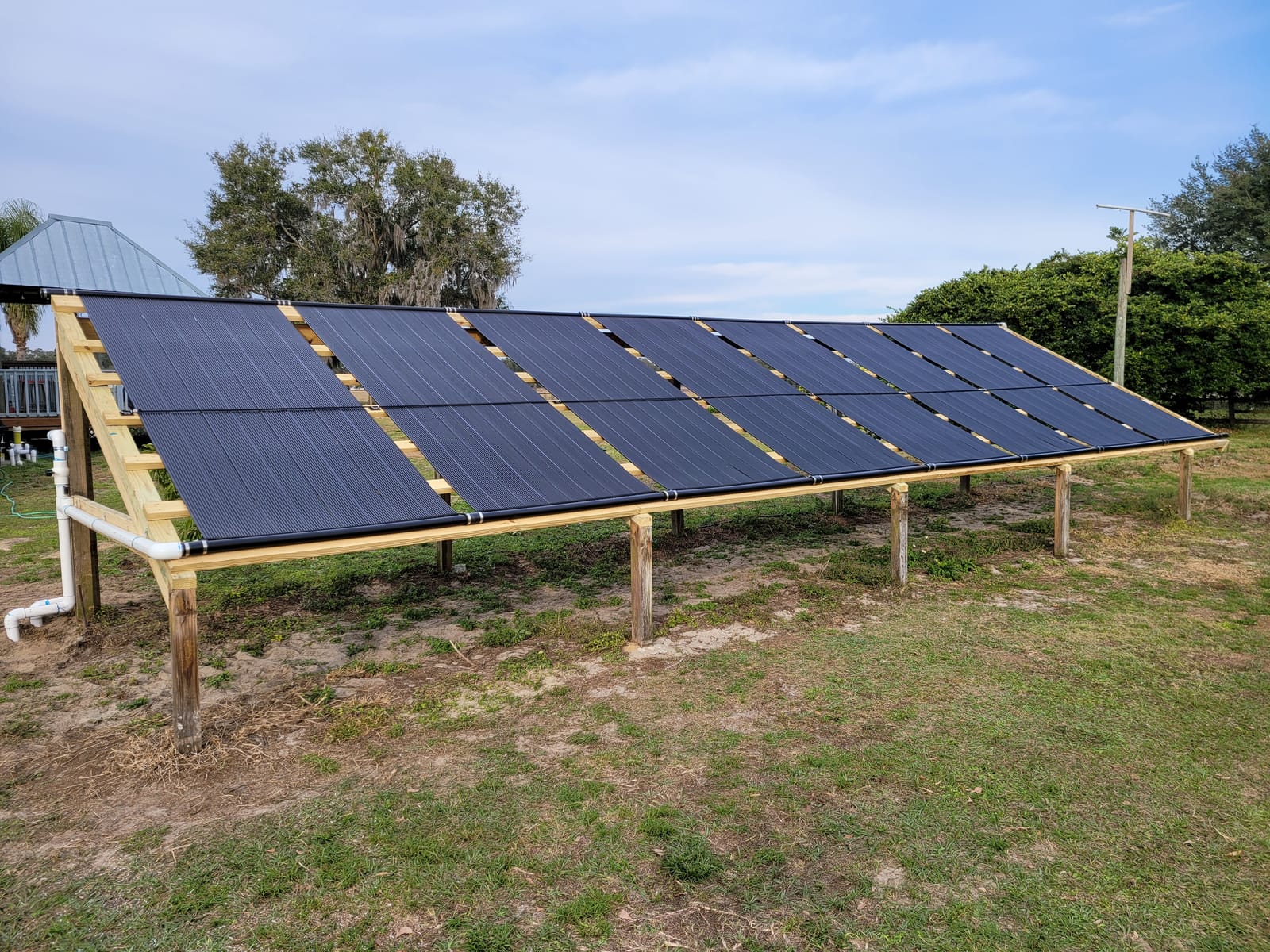
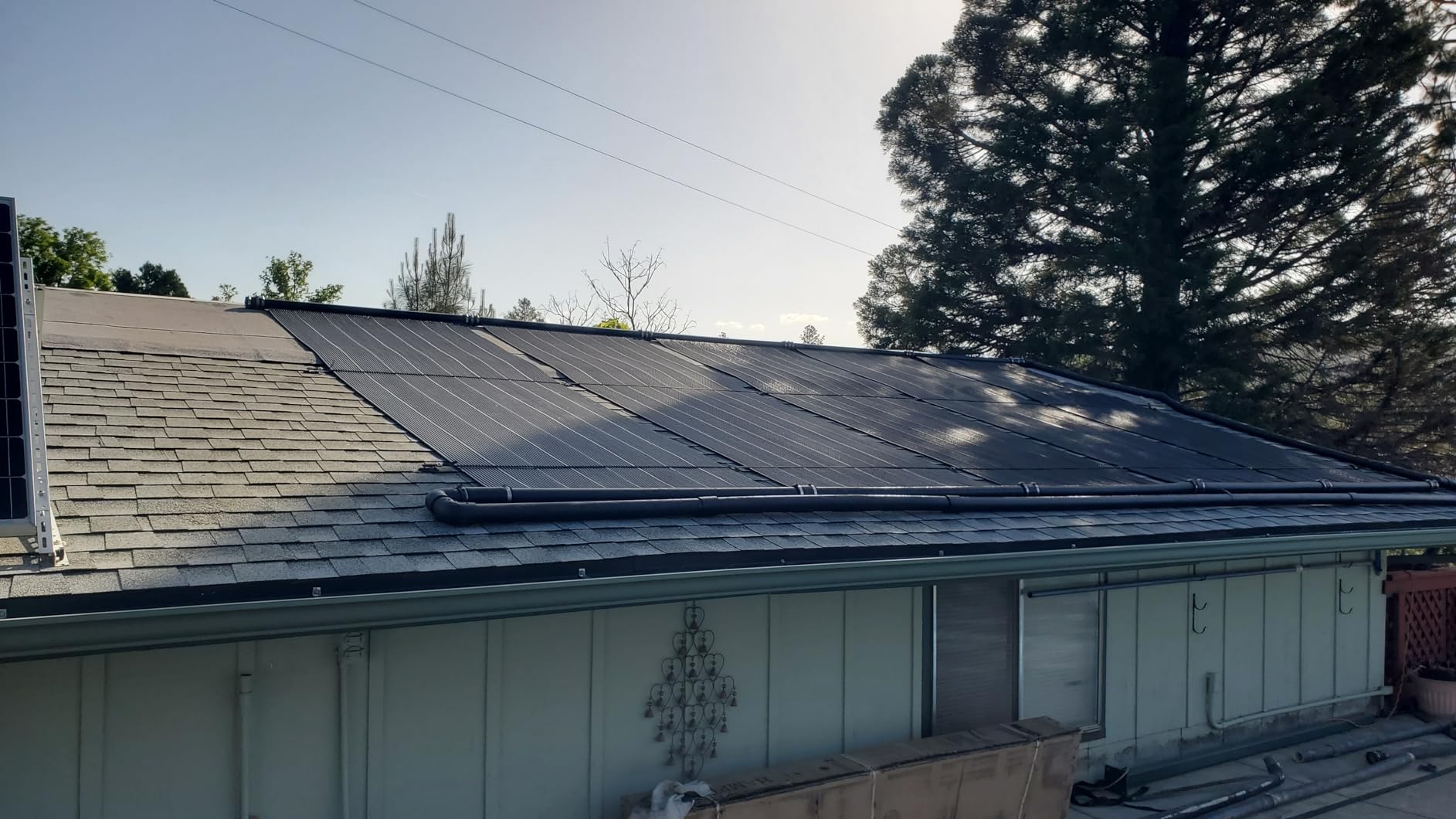
I spent time talking with a pool owner who installed this exact kit on his in-ground pool roof last summer. He reported a consistent 8 to 12 degree temperature increase during peak sun hours, which let him open his pool three weeks earlier and close it three weeks later than usual. The expert installation support that SolarPoolSupply includes was a factor in his decision, and he used it twice during setup.
The kit is available in multiple configurations from 2 panels up to 10 panels, so you can scale it to your pool size. The four-panel configuration I am featuring here is appropriate for pools in the 15,000 to 20,000 gallon range, depending on your climate and sun exposure. Forum users consistently say they wish they had bought more panels initially, so if you are on the fence, size up.
Installation Complexity and Support
SolarPoolSupply includes a comprehensive installation manual and access to their installation specialists by phone. Most homeowners with basic plumbing and roofing skills can complete the installation in a weekend. The main challenges are roof mounting (which requires secure attachment and proper flashing) and plumbing connections to your existing pump and filter system. If you are not comfortable on a roof or working with PVC pipe, budget for professional installation.
Scaling and Panel Sizing Guide
The general rule for solar pool heating is that your collector area should equal 50 to 100 percent of your pool surface area. A standard 4×10 panel provides 40 square feet of collector area. For a 15×30 in-ground pool (450 square feet surface area), you would need 6 to 11 panels depending on climate, sun exposure, and desired temperature gain. The four-panel kit works well for pools up to about 20,000 gallons in warm, sunny climates.
7. SolarPoolSupply Industrial Grade DIY Kit – Editor’s Choice
Industrial Grade Solar Pool Heater DIY Kit – Superior High-Wind Strapless Mounting System & Maximum Freeze Resistance (2-4’x6.5′ / 52 Square Feet)
2 panels (4x6.5 each)
52 sq ft total
Patented square header
Strapless high-wind mounting
Maximum freeze resistance
Pros
- Patented square header maximizes flow and efficiency
- One-piece solid construction eliminates seams and cracks
- Strapless high-wind mounting certified for storm conditions
- Patented panel clamps eliminate rubber hoses and metal clamps
- Maximum freeze resistance for cold climates
- 86 percent 5-star reviews
Cons
- Limited stock availability
- Assembly complexity not for beginners
- Requires extra hands for installation
- Not Prime eligible
I chose the SolarPoolSupply Industrial Grade DIY Kit as my editor’s choice because it represents the most technologically advanced solar pool heating system in this guide. The patented square header with open flow design maximizes water flow while virtually eliminating backpressure. With an 86 percent five-star rating, the user satisfaction here is outstanding.
The two-panel configuration covers 52 square feet of collector area using two 4×6.5-foot panels. One user reported a 5-degree temperature rise in just 4 hours for a 30,000-gallon pool, which is impressive heating speed. The system is available in configurations scaling all the way up to 500 square feet for very large pools.
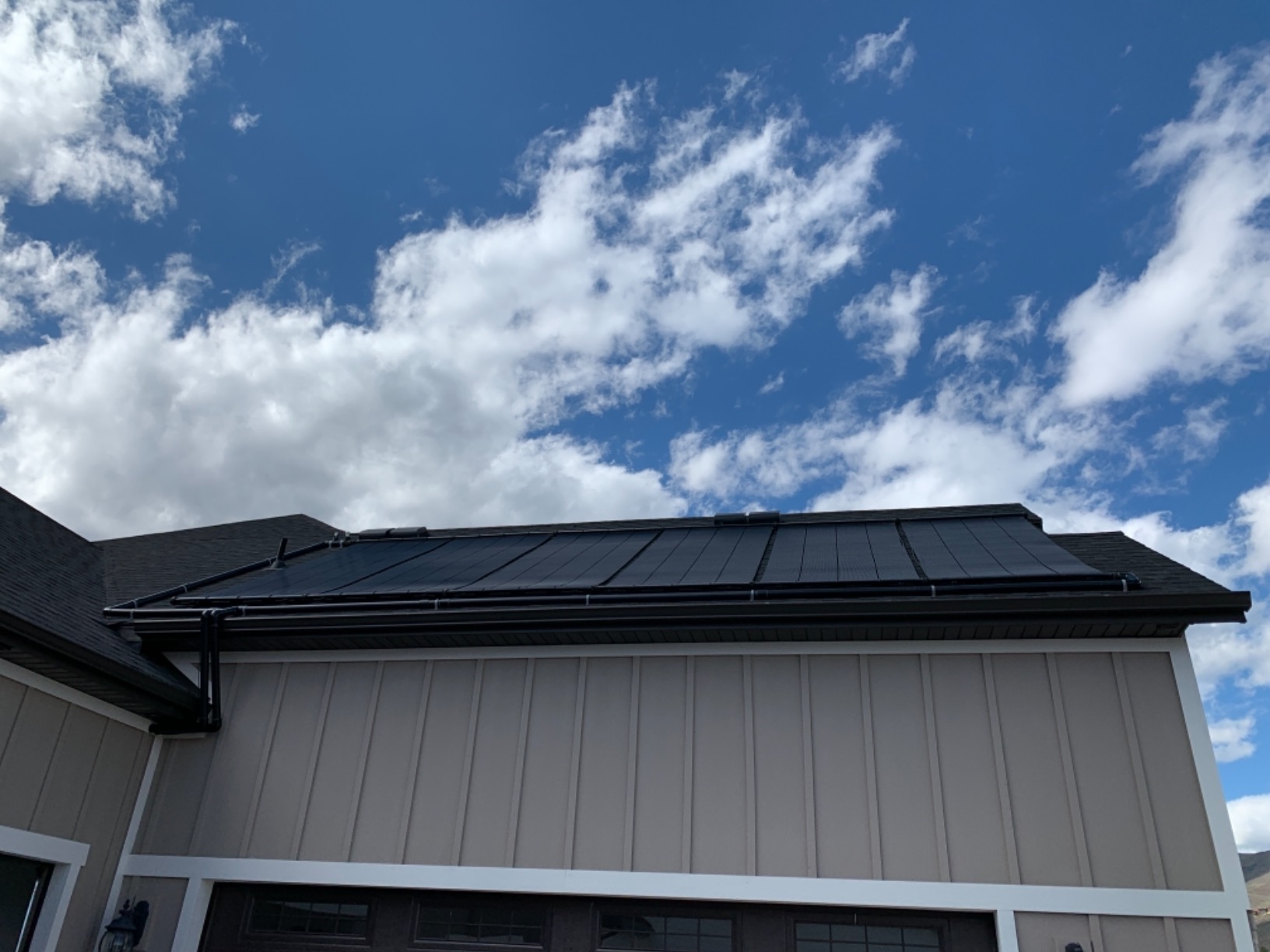
What really sets this kit apart is the construction. SolarPoolSupply uses a patented manufacturing process where the headers and risers become one solid piece. There are no seams, no welds, and no joints that can crack or leak over time. This is the same technology used in commercial solar pool installations, now packaged for residential DIY installation.
The strapless high-wind mounting system is certified to withstand violent storm winds. This matters because wind is one of the biggest threats to roof-mounted solar panels. Instead of strapping that can loosen over time, the panels mount flush to any roof type using a patented attachment system. If you live in a hurricane zone or area with severe weather, this feature alone could justify the investment.
Freeze Resistance and Cold Climate Performance
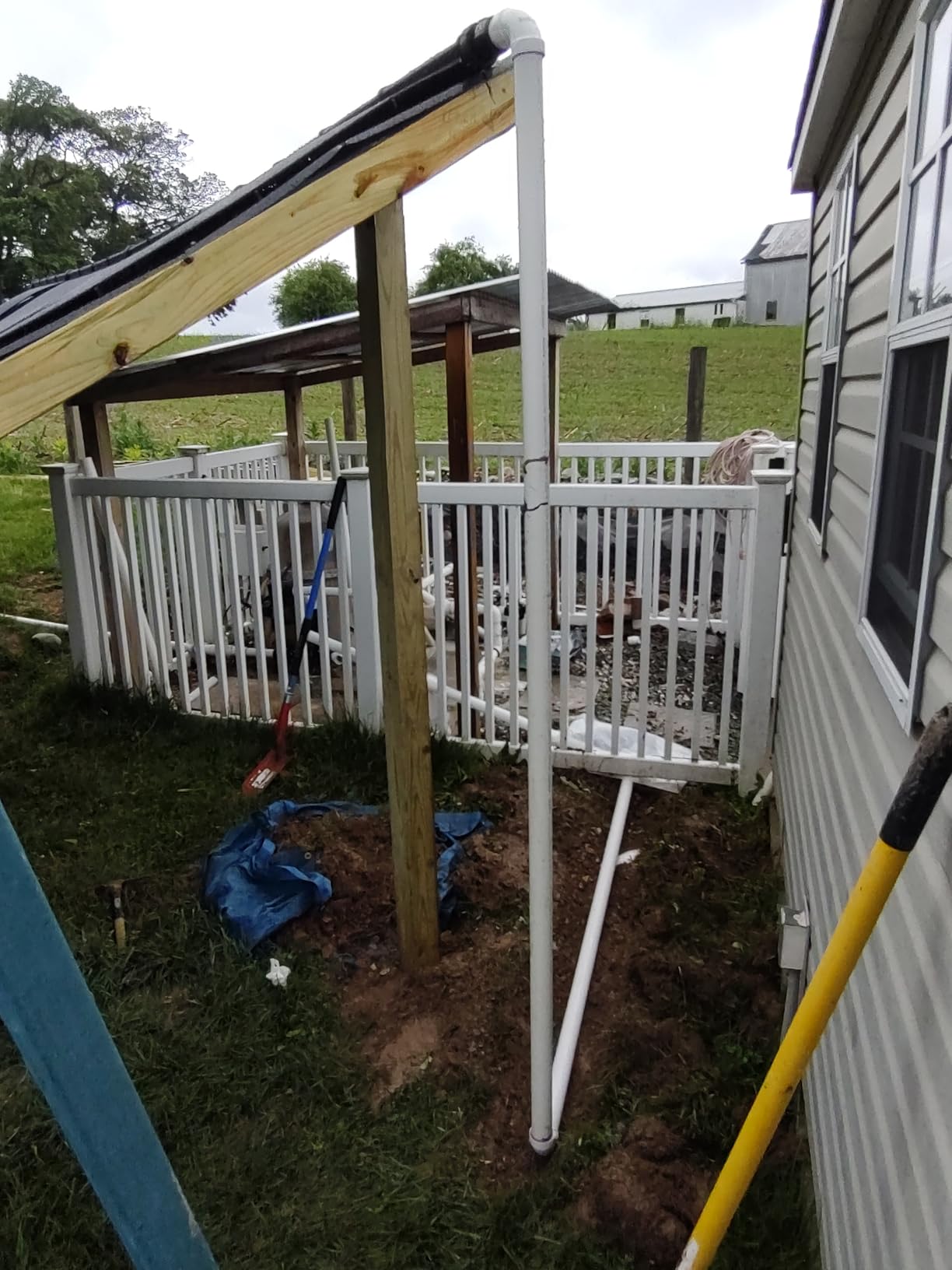
The Industrial Grade kit offers maximum freeze resistance thanks to the one-piece construction and low head-loss riser tubes. Unlike cheaper panels that can crack when water freezes inside them, this system handles freeze-thaw cycles without damage. If you live in a region where freezing temperatures are common, this is the solar pool heater I would recommend. The panels drain properly when not in circulation, preventing ice expansion damage.
Mounting System and Wind Certification
The patented strapless mounting system flush-mounts panels directly to any roof type including shingle, tile, and metal roofs. The system is certified to withstand violent storm winds without additional strapping or ballast. The patented panel clamps connect panels to each other and to PVC pipe without rubber hoses or metal clamps that degrade over time. This means fewer maintenance points and a cleaner installation that lasts longer.
How to Choose the Best Solar Pool Heater: Buying Guide
Choosing the right solar pool heater comes down to understanding your pool size, your climate, and your installation capabilities. After testing seven different heaters and reading hundreds of user reviews, I can tell you that the most common mistake pool owners make is undersizing their system. Here is what you need to know to get it right the first time.
Pool Type and Size Matching
Your pool type determines which heaters are even compatible with your setup. Above-ground pools typically use smaller panel systems and solar mats that connect to filter pumps with hose fittings. In-ground pools require larger panel systems with PVC plumbing connections. For sizing, the industry standard is that your solar collector area should equal 50 to 100 percent of your pool surface area. A 15×30 pool has about 450 square feet of surface area, meaning you need 225 to 450 square feet of panels for effective heating.
Panel Types: Mats vs Rigid Panels
Solar pool heaters come in two main types. Flexible mat panels (like the Goplus and IRONMAX) are made from PE material, roll up for storage, and are affordable but typically last 2 to 5 seasons. Rigid polymer panels (like SolarPoolSupply systems) are more expensive but built for 15 to 20 years of service. Mats are great for above-ground pools and seasonal use. Rigid panels are the right choice for in-ground pools and permanent installations.
Climate and Sun Exposure Considerations
Solar pool heaters rely on direct sunlight, so your climate matters enormously. In warm, sunny climates like Florida, Arizona, or Southern California, any of these heaters will perform well and can extend your season significantly. In cooler or cloudier regions, you need more collector area to achieve the same temperature gains. The general guidance from forum users is that solar heaters work best when your pool gets at least 6 hours of direct sunlight on the panel surface per day.
Pump and Flow Rate Requirements
Your pool pump needs enough power to push water through the solar panels and back to the pool. Most solar pool heaters specify a minimum pump size, typically 0.75 horsepower for flexible mat panels. For roof-mounted systems, your pump also needs enough head pressure to lift water to the roof. Check your pump specifications against the heater requirements before purchasing. Flow rate matters too, as water needs to move slowly enough through the panels to absorb heat but fast enough to maintain circulation.
Installation Complexity: DIY vs Professional
Flexible mat panels are genuinely DIY-friendly and can be set up in under an hour. Ground-mounted panel systems require moderate plumbing skills. Roof-mounted systems are the most complex, requiring proper flashing, secure mounting, and plumbing runs that may need professional installation. Forum users report that professional installation can cost as much as the system itself, so factor that into your budget if you are not comfortable with roof work and PVC plumbing.
Temperature Gain Expectations
Be realistic about what solar heating can achieve. Most users report temperature increases of 5 to 10 degrees Fahrenheit under good conditions. This is enough to extend your swimming season by weeks or even months, but it will not turn a cold pool into a hot tub. Solar heaters work best as a complement to a solar cover, which prevents heat loss overnight. Without a cover, much of the heat your solar system adds during the day will be lost through evaporation at night.
Frequently Asked Questions About Solar Pool Heaters
Which solar pool heater is the best?
The SolarPoolSupply Industrial Grade DIY Kit is our top pick for 2026. Its patented one-piece construction, strapless high-wind mounting, and maximum freeze resistance make it the most durable and efficient system we tested. For budget-conscious buyers, the Goplus 2-in-1 panel system offers the best value with a 3.9-star rating and pools up to 3,408 gallons of heating capacity.
Are solar pool heaters worth it?
Yes, solar pool heaters are worth the investment for most pool owners. They have near-zero operating costs since they use free solar energy, can save $700 to $2,900 annually compared to gas or electric heaters, and typically pay for themselves in 2 to 5 years. Quality systems last 15 to 20 years, providing over a decade of free pool heating after the initial payback period.
How much can a solar pool heater raise the temperature?
Most solar pool heaters raise water temperature by 5 to 10 degrees Fahrenheit under good sunlight conditions. The Goplus and IRONMAX panels are rated for up to 10.8 degrees Fahrenheit increases. Actual performance depends on sun exposure, ambient temperature, pool size, wind conditions, and whether you use a solar cover to retain heat overnight.
How many solar panels do I need for a 20,000 gallon pool?
For a 20,000 gallon pool, you need approximately 200 to 400 square feet of solar collector area. The industry standard is 50 to 100 percent of your pool surface area in collector coverage. A typical 4×10 foot panel provides 40 square feet, so you would need 5 to 10 panels depending on your climate, sun exposure, and desired temperature gain. Warmer climates need less coverage, cooler climates need more.
Can I install a solar pool heater myself?
Yes, many solar pool heaters are designed for DIY installation. Flexible mat panels like the Goplus and IRONMAX connect to standard pool hoses and can be set up in under an hour. Complete panel kits from SolarPoolSupply include detailed manuals and expert phone support. However, roof-mounted installations involving PVC plumbing and flashing work may require professional help if you are not comfortable with roofing and plumbing tasks.
Final Thoughts on the Best Solar Pool Heaters for 2026
After testing and comparing seven solar pool heaters, my recommendations come down to three clear choices. The SolarPoolSupply Industrial Grade DIY Kit is the best overall pick for serious pool owners who want a system built to last 15 to 20 years with patented durability features. The Goplus 2-in-1 panel system delivers the best value for above-ground and small in-ground pool owners who want solid heating performance without a premium price tag. And the Intex Solar Mat serves as an affordable entry point for anyone wanting to try solar pool heating for the first time.
The best solar pool heaters share common traits: they match your pool size appropriately, get enough direct sunlight, and are installed correctly the first time. Remember to pair whatever system you choose with a solar cover to retain heat overnight, size your collector area to at least half your pool surface area, and take your time with installation to avoid the fitting leaks that plague rushed setups. With the right system, you can enjoy a warmer pool and a longer swim season powered entirely by free solar energy.