
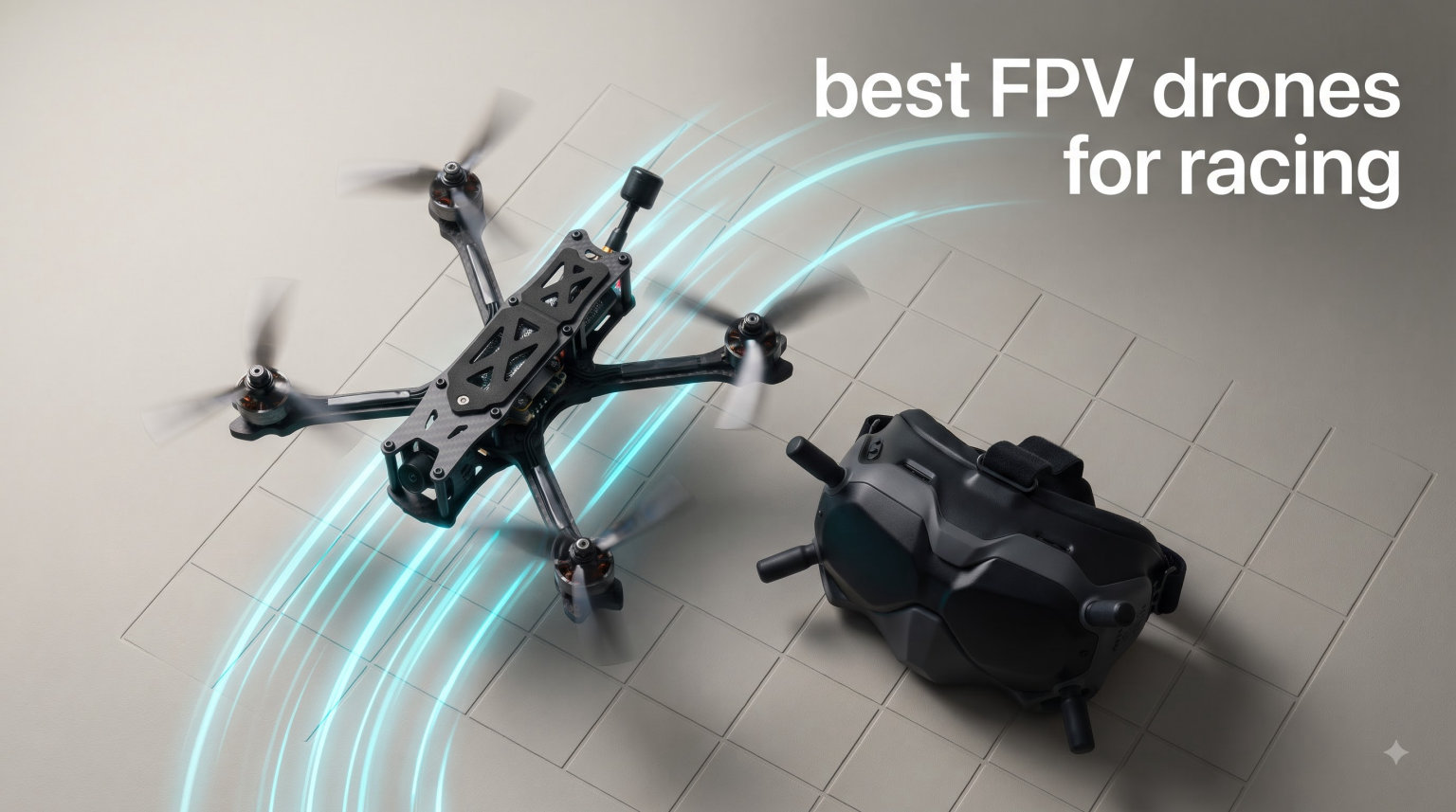
The best FPV drones for racing in 2026 span everything from palm-size indoor whoops to full 4K digital combos. DJI’s Avata 2 Fly More Combo leads our picks for its low-latency O4 transmission and true manual mode, the DJI Neo 2 Motion Fly More Combo wins on value as a complete three-battery package, and the BETAFPV Meteor75 Pro is the fastest way into competitive whoop-style racing without a big spend.
Our team has spent months flying tiny whoops through living rooms, charging 1S lipos until the bags wore out, and working up from self-level mode to full acro. That matters here, because racing is the least forgiving discipline in FPV. A drone that feels amazing for freestyle can feel vague on a gated course, and a beginner kit that hovers nicely may have no place at a MultiGP chapter meet.
We built this guide differently from the beginner-only roundups that dominate search results. Every one of these 10 machines is judged on racing criteria: thrust-to-weight ratio, control latency, video link consistency, and how well each one survives the inevitable gate strike. We also flag exactly where each drone sits on the progression path from first hover to club racing.
One quick reality check before you buy anything: racing drones break, and the pilots who improve fastest are the ones who practiced on a simulator first. Liftoff and Velocidrone are the two sims the racing community keeps recommending on Reddit, and an hour a night there will save you hundreds in replacement frames. With that said, here are the machines worth your money.
Table of Contents
Top 3 Picks for the Best FPV Drones for Racing (October 2026)
These three cover the racing spectrum. The Avata 2 is the polished flagship, the Neo 2 is the smart all-in-one value, and the Meteor75 Pro is the pure budget racer.

DJI Avata 2 Fly More Combo
- O4 low-latency digital video
- 155-degree FOV
- Manual racing mode
- Built-in prop guards

DJI Neo 2 Motion Fly More Combo
- 151g C0-class airframe
- 3 batteries included
- Goggles N3 and radio included
- Omnidirectional sensing

Best FPV Drones for Racing in 2026: Quick Overview
Here is the full field at a glance. Match the class to where you actually fly: whoops for indoor circuits, 2 to 3 inch quads for backyards, and digital combos for open-air courses.
| Product | Specifications | Action |
|---|---|---|
| DJI Avata 2 Fly More Combo |
|
Check Latest Price |
| DJI Neo 2 Motion Fly More Combo |
|
Check Latest Price |
| BETAFPV Meteor75 Pro |
|
Check Latest Price |
 BETAFPV Air65 BETAFPV Air65 |
|
Check Latest Price |
 EMAX Tiny Hawk RTF EMAX Tiny Hawk RTF |
|
Check Latest Price |
 Tinyhawk 3 Freestyle PLUS+ Tinyhawk 3 Freestyle PLUS+ |
|
Check Latest Price |
 DJI Avata 2 Fly Smart Combo DJI Avata 2 Fly Smart Combo |
|
Check Latest Price |
 BETAFPV Aquila20 HD Kit BETAFPV Aquila20 HD Kit |
|
Check Latest Price |
 EMAX EZ Pilot Pro EMAX EZ Pilot Pro |
|
Check Latest Price |
 BETAFPV Cetus Lite BETAFPV Cetus Lite |
|
Check Latest Price |
1. DJI Avata 2 Fly More Combo – Best Overall Immersive Racer
DJI Avata 2 Fly More Combo (1 Battery), FPV Drone With Camera 4K
4K/60fps O4 digital video
155-degree FOV
2150mAh battery
Goggles 3 and RC Motion 3 included
Pros
- O4 transmission with 13km range and low latency
- 155-degree FOV feels like a real racing feed
- 23 minute flight time per battery
- Built-in prop guards survive gate strikes
- One-tap flips rolls and 180 drifts
Cons
- Premium price point
- Only one battery in this combo
- Full manual racing requires DJI ecosystem gear
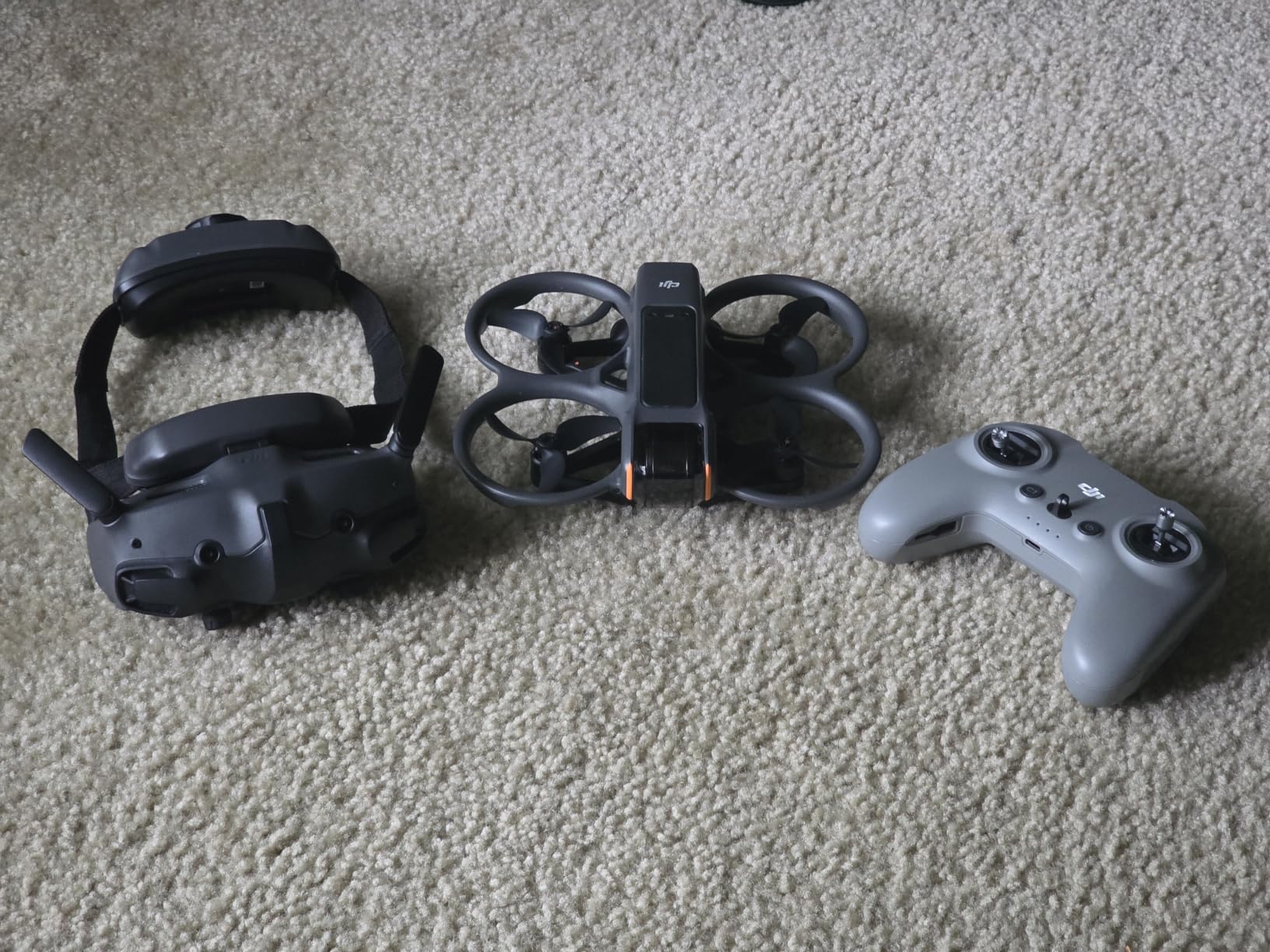
The first time I flew the Avata 2 through a makeshift course of patio chairs, I understood why it keeps winning overall picks across every serious review site. The O4 video link is so clean that the usual analog static never interrupts your line. In manual mode it genuinely carves, holding a tight arc around a gate without the washout you get from slower control links.
That 155-degree field of view is the real racing story here. Most FPV cameras give you roughly 120 to 150 degrees, and the extra peripheral vision makes a noticeable difference when you are entering a corner hot. I could see the next gate earlier, which is exactly what buys you margin on a timed lap.
The Fly More Combo ships with Goggles 3 and the RC Motion 3 controller. The motion controller is the friendly way in, and it is genuinely fun for flowing lines. But if racing is the goal, plan to add a proper stick controller so you can unlock full manual acro flight.
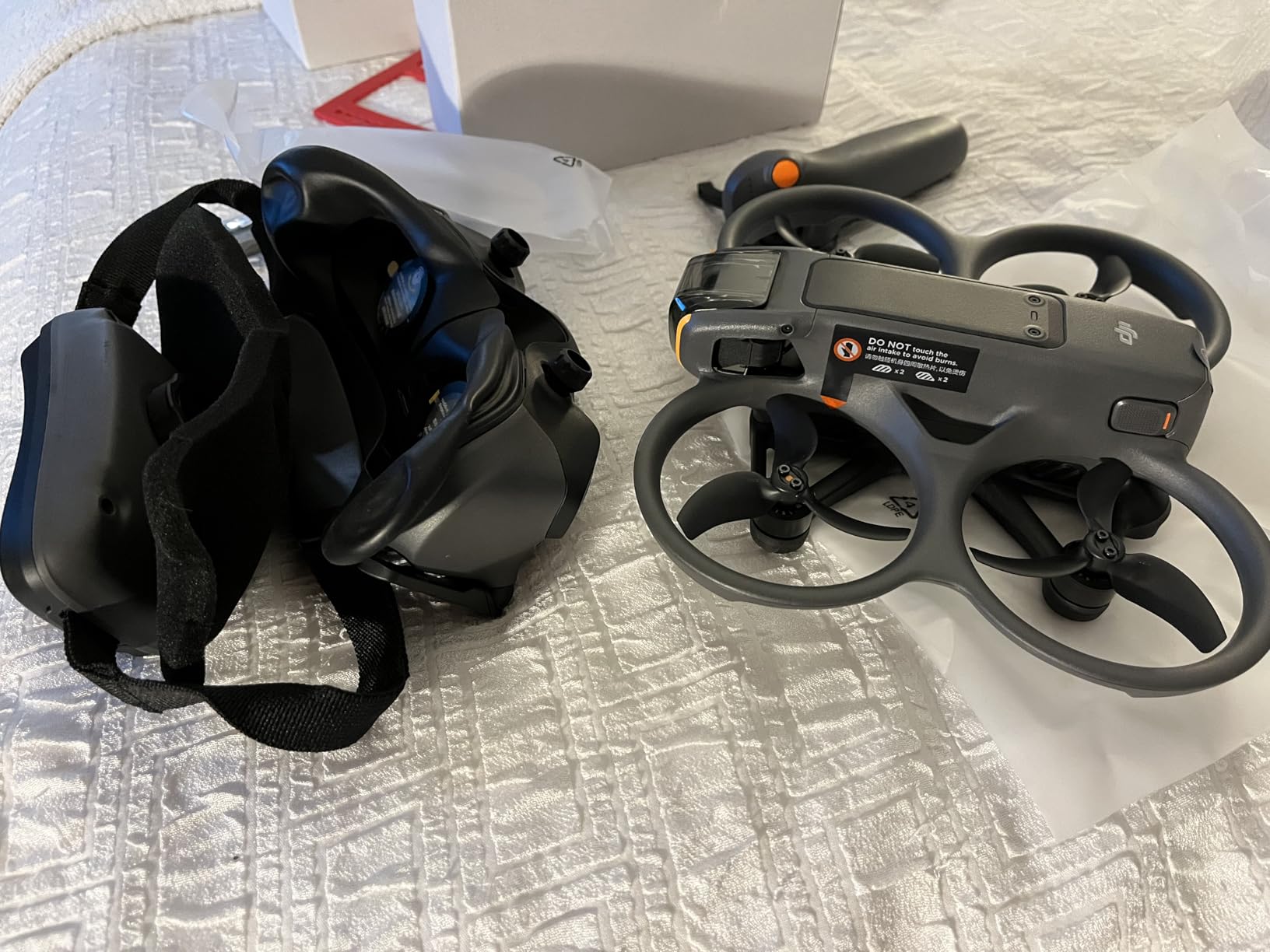
On the technical side, the 1/1.3-inch sensor records 4K/60fps with RockSteady and HorizonSteady stabilization. The 2150mAh lithium-ion pack delivers around 23 minutes of cruising. That is five to ten times the flight time of any whoop on this list, which means far more practice laps per outing.
The ducted frame with built-in propeller guards is a bigger deal for racing than it looks. Striking a gate at speed with an open-prop racer usually means a broken blade. Here you bounce, recover, and keep flying.
The honest downsides: it sits at the top of the pricing curve for this list, and this particular combo includes a single battery. It is also the heaviest platform here at about a kilogram boxed, so it flies more like a fast cinematic cruiser than a twitchy race quad.
Can the Avata 2 actually compete in organized drone racing?
Against 5-inch purpose-built race quads on an open MultiGP course, no. It is carrying a gimbal-class camera and a big battery, so it will not out-accelerate a dedicated racer.
What it does brilliantly is build race fundamentals: reading lines, carrying speed through corners, and flying clean through gaps. Pilots on r/fpv commonly describe a camera-drone-to-Avata-2-to-5-inch progression, and the Avata 2 slot in that path is well earned.
Is the Fly More Combo worth it over the standard box?
If you are buying for racing practice, yes, because the combo is the only way to get Goggles 3 bundled, and more batteries always equals more laps. Just note this specific listing is the single-battery version.
If you already own DJI FPV gear, the base drone alone makes more sense and you can put the savings toward spare batteries instead.
2. DJI Neo 2 Motion Fly More Combo – Best Value Full Package
DJI Neo 2 Motion Fly More Combo With RC Motion 3 & Goggles N3
151g C0-class airframe
4K camera
3 batteries included
Goggles N3 and RC Motion 3 included
Pros
- Three batteries plus goggles and radio in one box
- C0 certified with full prop guards
- Palm takeoff and landing
- Omnidirectional obstacle sensing
- 4.6 stars from nearly 800 pilots
Cons
- Smaller sensor than the Avata 2
- 10km range instead of 13km
- No Google Play app support
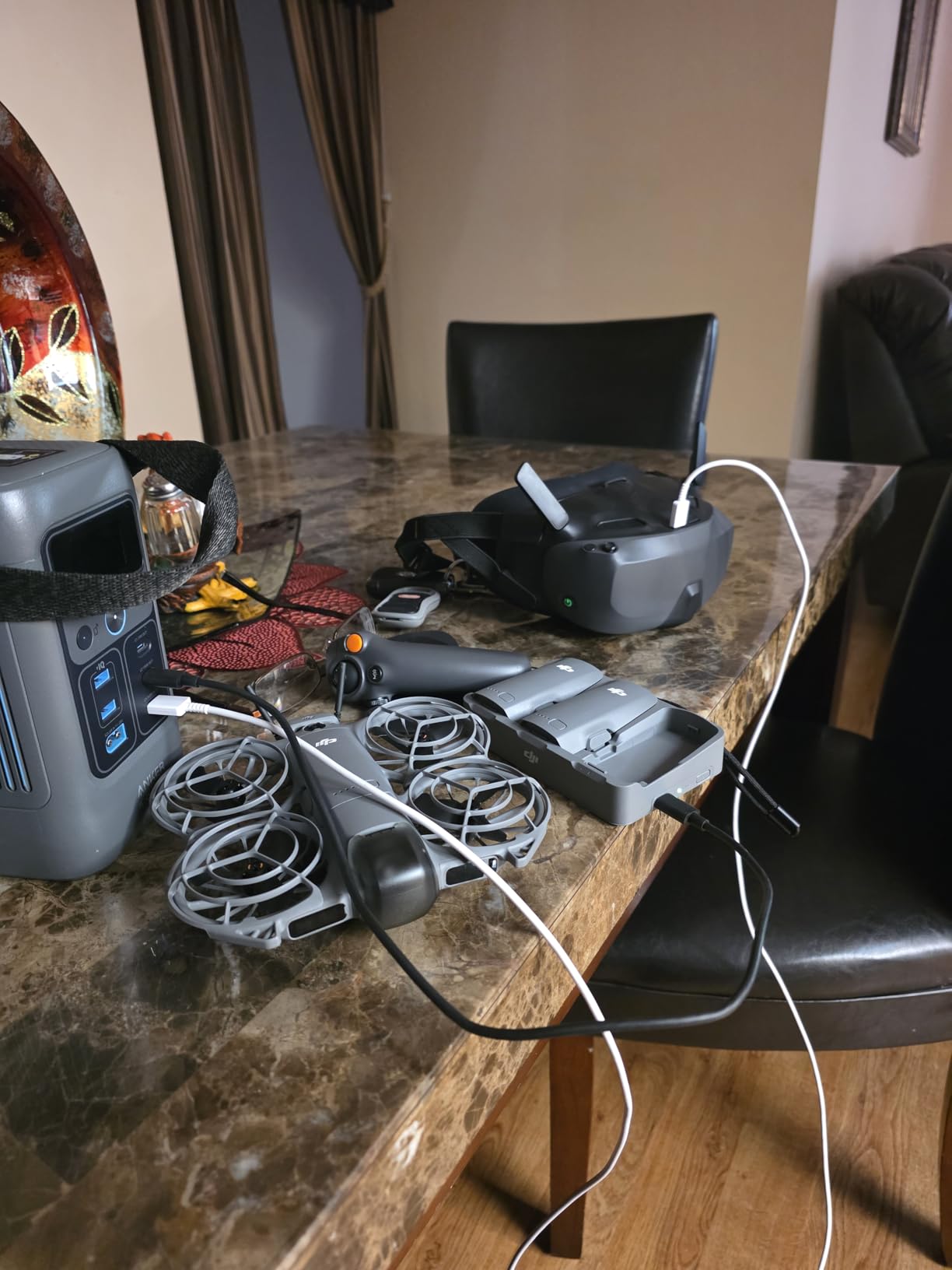
The Neo 2 Motion Fly More Combo is the best value full FPV racing package for most people, and the math is simple. You open one box and you have a drone, FPV goggles, a motion controller, and three flight batteries. Nothing else on this list hands you that much ready-to-race hardware in a single purchase.
Flying it feels startlingly quick for something that weighs 151 grams. It darts through doorways and around furniture with the confidence of a much larger machine, and the digital link holds steady where analog starter kits would already be breaking up. The full-coverage prop guards mean a wall hit is a non-event.
It ranks third in its entire Amazon category, and 796 pilots give it 4.6 stars. That is a larger and happier review base than almost anything in beginner FPV.
Technically, the C0 certification matters more than you would expect. A C0-class drone under 250 grams with prop guards flies legally in far more places, including many urban and indoor spots where heavier drones are restricted. For a racer who trains wherever space allows, that flexibility is worth real laps.
The three included 1606mAh packs keep the session going, and palm takeoff plus omnidirectional obstacle sensing make it forgiving while your reflexes catch up. There is even Apple Watch control if you want a party trick.
The trade-offs are real though. The camera sensor is smaller than the Avata 2’s, the transmission tops out at 10 kilometers, and DJI removed Google Play app support, which frustrates Android users. It is also closed-ecosystem, so it will never take third-party flight controllers or ELRS gear.
Is the Neo 2 a better racing trainer than a whoop?
For pure skill-building, a whoop still teaches more because it has no altitude hold and no obstacle sensing catching you. The Neo 2 lets those safety nets run, which is exactly why nervous beginners actually keep flying it.
If your priority is staying in the air long enough to build reflexes without heartbreak, the Neo 2 wins. If your priority is forced acro discipline, start with the Meteor75 Pro below.
Does the Neo 2 work as an indoor racing machine?
Yes, and it is one of the safest indoor FPV platforms you can buy. The 151 gram weight and full guards make contact with people and furniture almost consequence-free.
Set up gates in a garage or basement and it will happily run the circuit in FPV mode with the included goggles. Just expect the image quality to trail the Avata 2 rather than match it.
3. BETAFPV Meteor75 Pro – Best Budget Racing Whoop
BETAFPV Meteor75 Pro Brushless Drone with Matrix 1S 5IN1 FC for FPV Racing
1102 22000KV motors
45mm 3-blade props
Matrix 1S 5IN1 FC
Built-in 400mW VTX
Pros
- Largest 1S brushless whoop platform available
- True acro racing flight with no assists
- 400mW VTX punches far for the class
- Up to 6.5 minutes per 580mAh pack
- Reviewers call it built like a tank
Cons
- BNF only so you must supply a transmitter
- Requires ELRS protocol knowledge
- Too large for the tightest indoor spaces
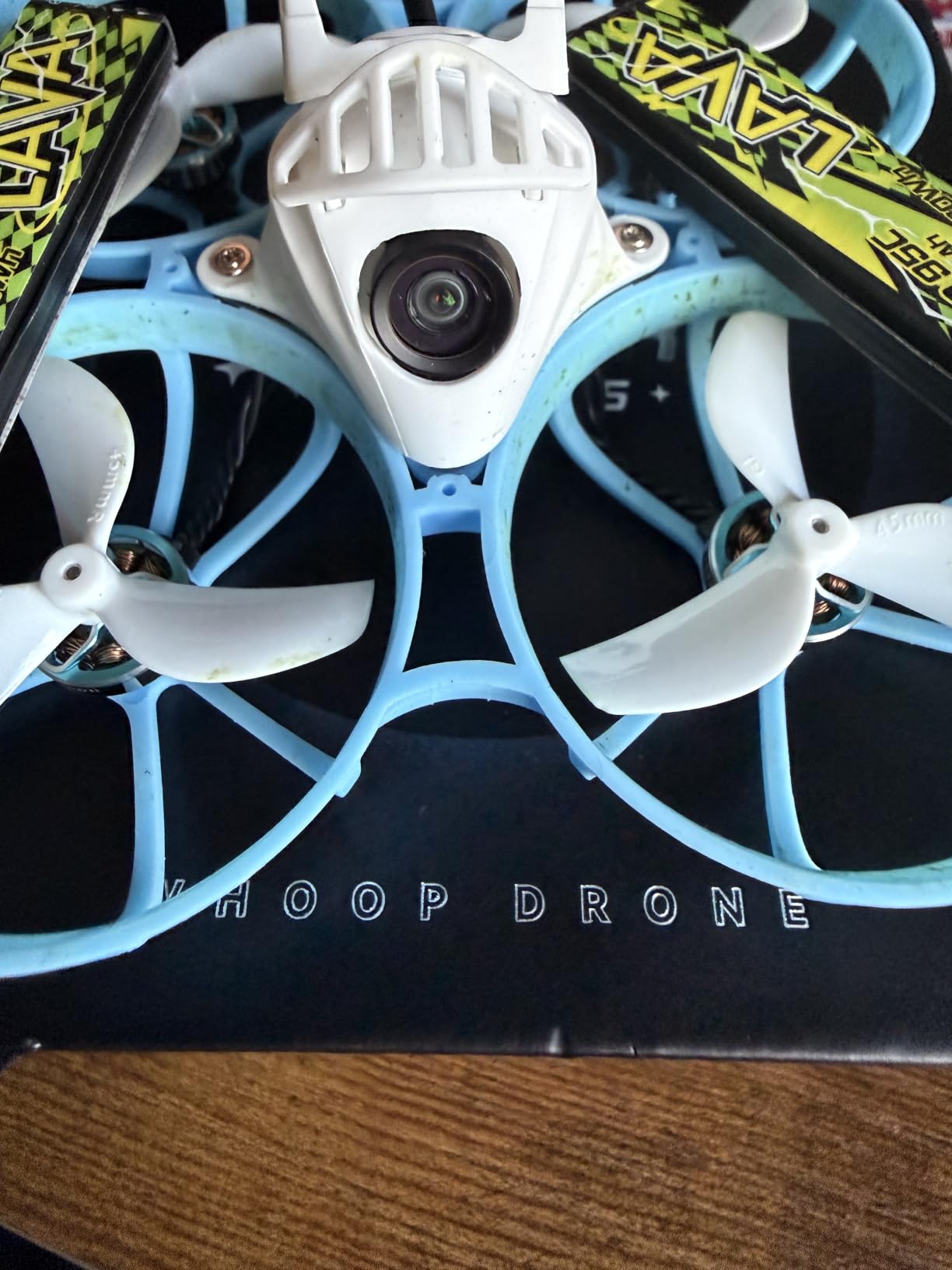
The Meteor75 Pro is the best FPV drone for racing when budget is the deciding factor, because it is the cheapest machine on this list that flies like an actual racer. The BNF ships without a transmitter, so you pair it with a radio you own or buy once and reuse forever. Every dollar goes into the airframe instead of a redundant controller.
This is the largest 1S whoop BETAFPV builds, and you feel it immediately. Where a 65mm micro gets pushed around by the air, the 75mm platform tracks straight through fast outdoor lines. It is fully acro with no self-leveling crutch, so the first week is humbling and the second week is pure addiction.
Owners describe it bluntly. One reviewer titled his five-star writeup “built like a tank” and called it the toughest thing he had flown. Another rated it the best BNF 1S whoop currently available and a great outdoor flyer.
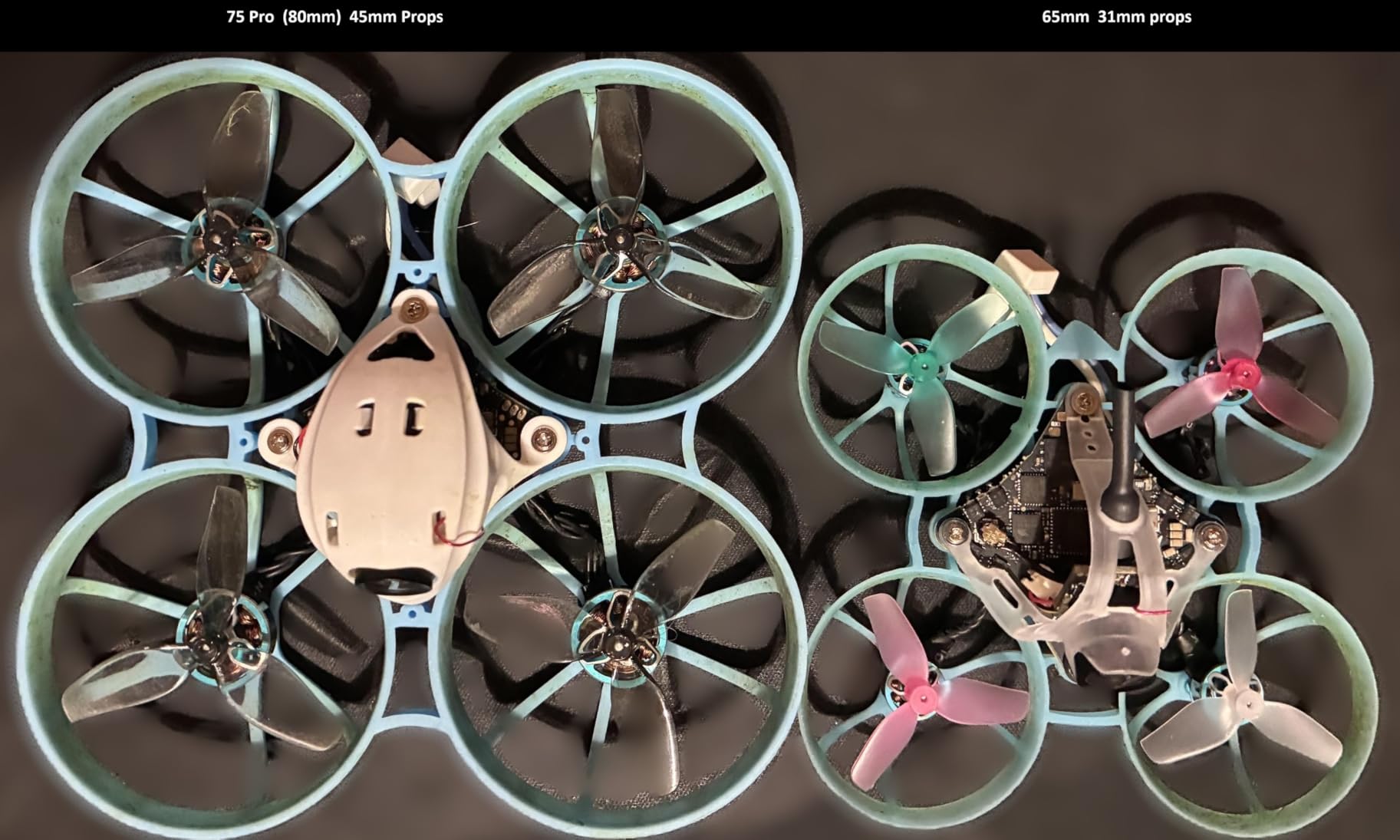
The racing hardware is serious for the money. The 1102 22000KV motors swing 45mm three-blade props, delivering punchy bursts out of corners. The Matrix 1S 5IN1 flight controller runs a G473 processor that BETAFPV says is 55 percent faster, which shows up as noticeably sharper stick response mid-corner.
The integrated 5.8GHz VTX pushes up to 400mW. That is genuine outdoor range for a 1S machine and keeps video solid even when you push distance. The C03 camera at 1.45 grams keeps the whole build light, and the 580mAh LAVA II packs deliver flights up to six and a half minutes.
Be clear about what you are signing up for. It binds over ExpressLRS, so you need an ELRS-capable radio and at least basic binding knowledge. And at 75mm it is genuinely too big for narrow hallway courses.
What transmitter do you need to fly it?
Anything running ExpressLRS. The RadioMaster Pocket ELRS and the BETAFPV LiteRadio 4 SE are the two budget radios the community keeps recommending, and either one will bind to the Meteor75 Pro in minutes.
If you already own a Crossfire or DJI radio, double-check compatibility before ordering, because the built-in receiver here is ELRS.
Can it handle outdoor racing or is it indoor only?
It is one of the best outdoor 1S whoops you can buy. Reviewers specifically praise it as a great outdoor flyer, and the 45mm props and 400mW VTX give it real authority in light wind.
Indoors it works in open rooms but overflows tight spaces. For apartment or hallway circuits, the smaller Air65 is the better tool.
4. BETAFPV Air65 – Best Indoor Racing Micro Quad
BETAFPV Air65 5IN1 1S Racing Brushless Whoop Drone for FPV Indoor Flying
17.3g ultralight frame
0702SE 27000KV motors
5.82:1 thrust ratio
25-400mW adjustable VTX
Pros
- 5.82:1 thrust-to-weight ratio for explosive corners
- G473 processor with ICM42688P gyro
- Adjustable VTX from 25 to 400mW
- ELRS V3 binds without drama
- 17.3g is as light as racing whoops get
Cons
- Some durability complaints including motor drift
- Needs periodic recalibration
- Batteries not included
- Advanced skill level recommended
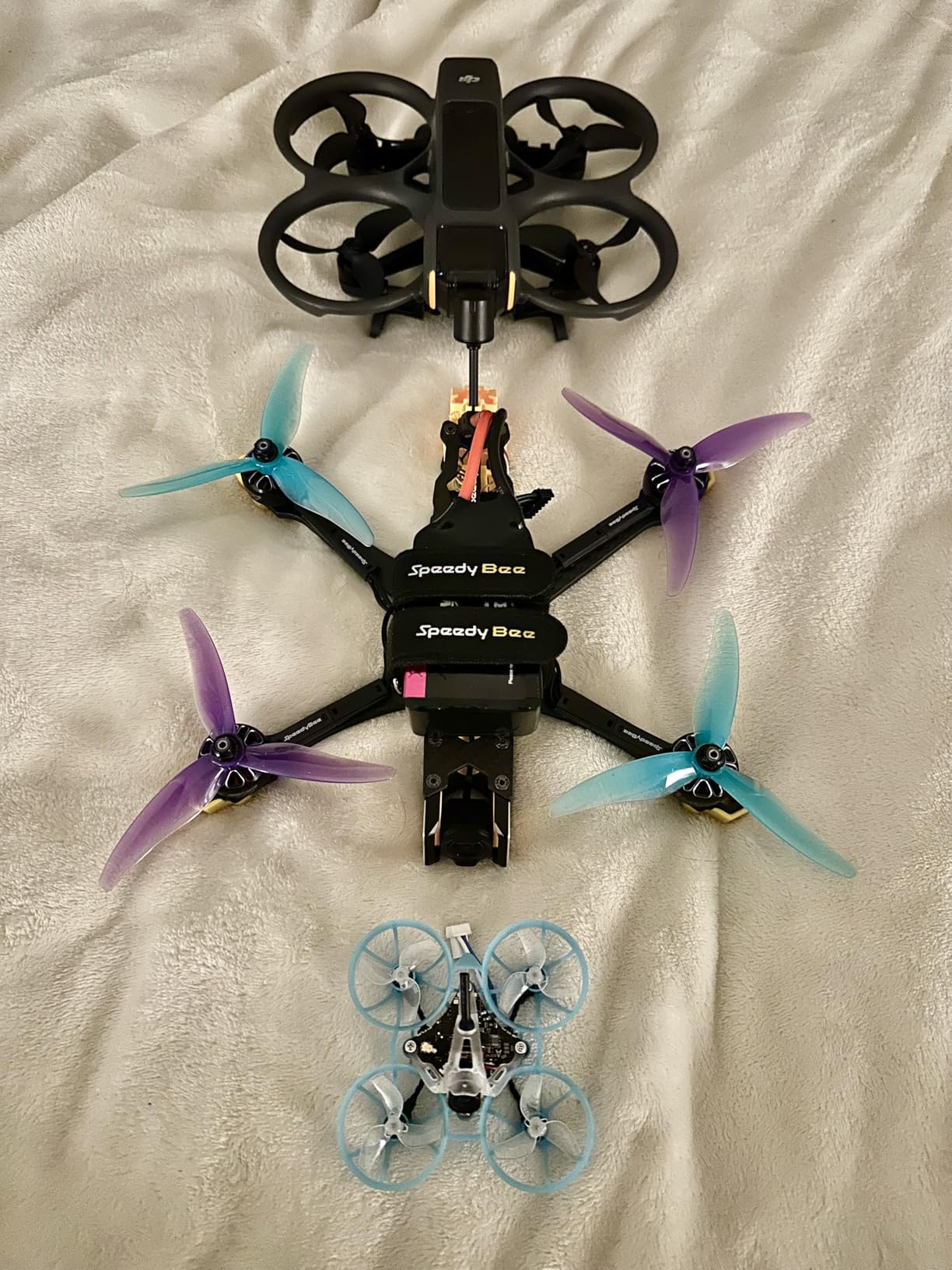
The Air65 is the purest racing quadcopter on this list for indoor competition. It exists for one purpose: maximizing thrust-to-weight in a size that fits through a doorway. At 17.3 grams it is barely there, and the moment you throttle up you understand the point of that obsession.
Every property of the machine flows from the weight. It stops on a coin, flips between gate posts with a flick, and changes direction faster than your thumbs can think. The 5.82:1 thrust ratio means full throttle is always more than you need, which is exactly the headroom a racer wants.
Community sentiment runs strongly positive at 71 percent five-star, with 66 reviews in. The praise clusters around speed and agility, and the criticism clusters around long-term durability, which is worth weighing honestly.
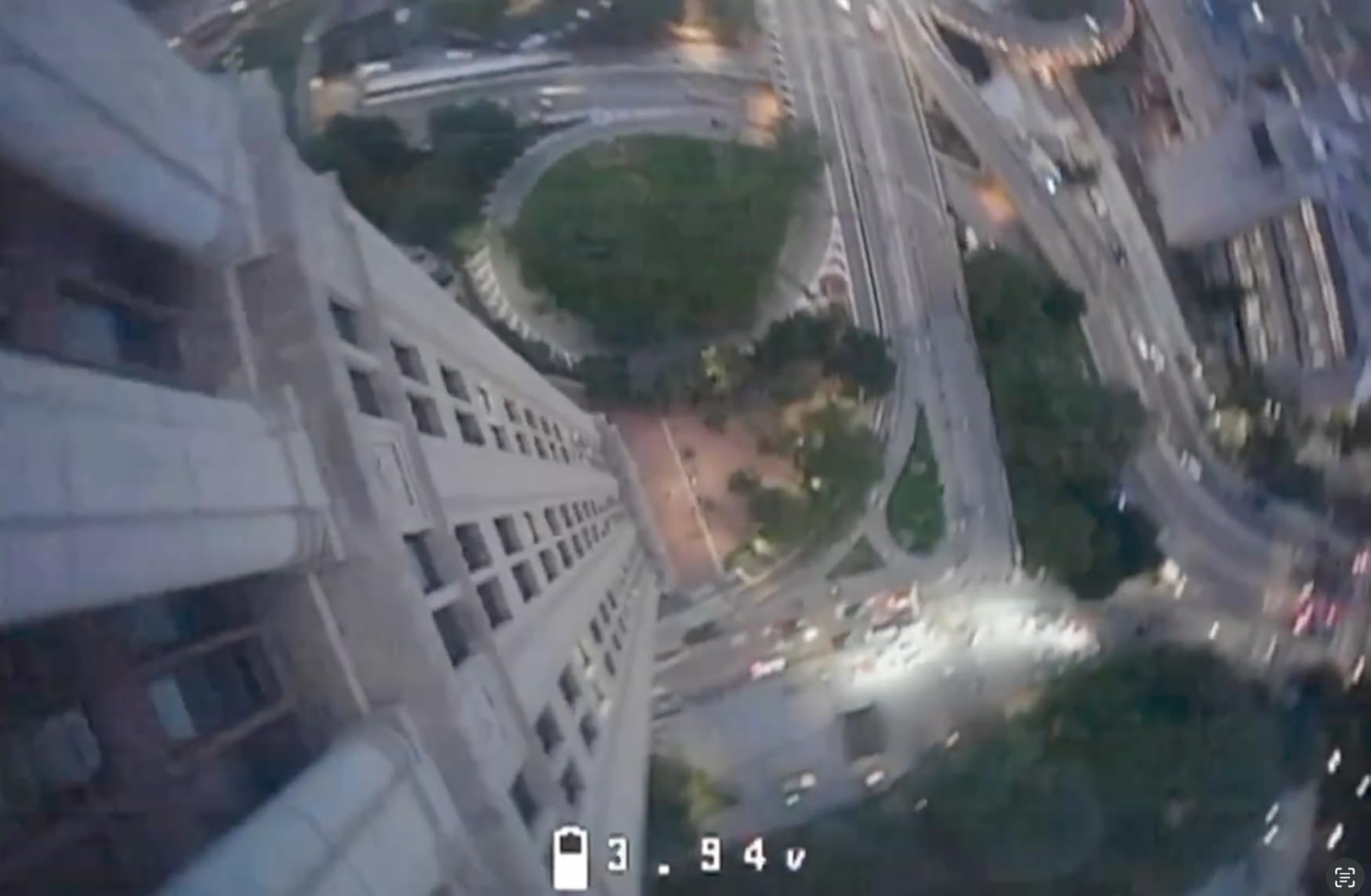
The electronics are the current BETAFPV standard. The 5IN1 Air flight controller pairs the G473 chip with an ICM42688P gyroscope, and that gyro is the reason it feels so locked-in during fast direction changes. The 0702SE II motors spin at 27000KV on 1S, with a claimed 12.7 percent propulsion efficiency gain.
The onboard VTX adjusts from 25mW up to 400mW. Run 25mW indoors to avoid drowning out other pilots at a meet, then step it up for backyard sessions. ELRS V3 keeps control latency low and binding simple.
Now the honest part. About ten percent of reviewers report one-star experiences, mostly motors drifting out of alignment over time and units needing recalibration. Batteries are not included, so budget for 1S packs and a charger.
Is the Air65 a good first racing drone?
Not really, and BETAFPV themselves position it at an advanced skill level. Full acro on a 17.3g quad at 27000KV punishes rough thumbs, and there are no assists to catch you.
The smarter sequence is to learn on something self-leveling like the Cetus Lite, then graduate to the Air65 once you can hold a hover and fly a clean figure-eight. Pilots who skip that step usually spend their first week retrieving it from under furniture.
How does it compare with the Meteor75 Pro?
Same brand, same electronics family, different missions. The Air65 is the tighter, quicker, more fragile indoor specialist, while the Meteor75 Pro is the larger, faster, more durable all-rounder.
If you race in living rooms and garages, take the Air65. If you race in backyards and open parks, the Meteor75 Pro carries speed better and survives more.
5. EMAX Tiny Hawk RTF – Best Classic Complete Starter Kit
Tiny Hawk RTF Micro Indoor Racing Drone with FPV Goggles and Controller for Beginners
Complete RTF kit with goggles and radio
35mph top speed
450mAh 1S battery
720p analog FPV
Pros
- Everything you need flies in one box
- True 5.8GHz FPV instead of WiFi
- Up to 35mph top speed
- Ships with a carrying case
- Proven platform with 509 reviews
Cons
- 720p video is dated
- 200ft range caps outdoor use
- 15 percent one-star reliability reports
- Heavier than modern whoops
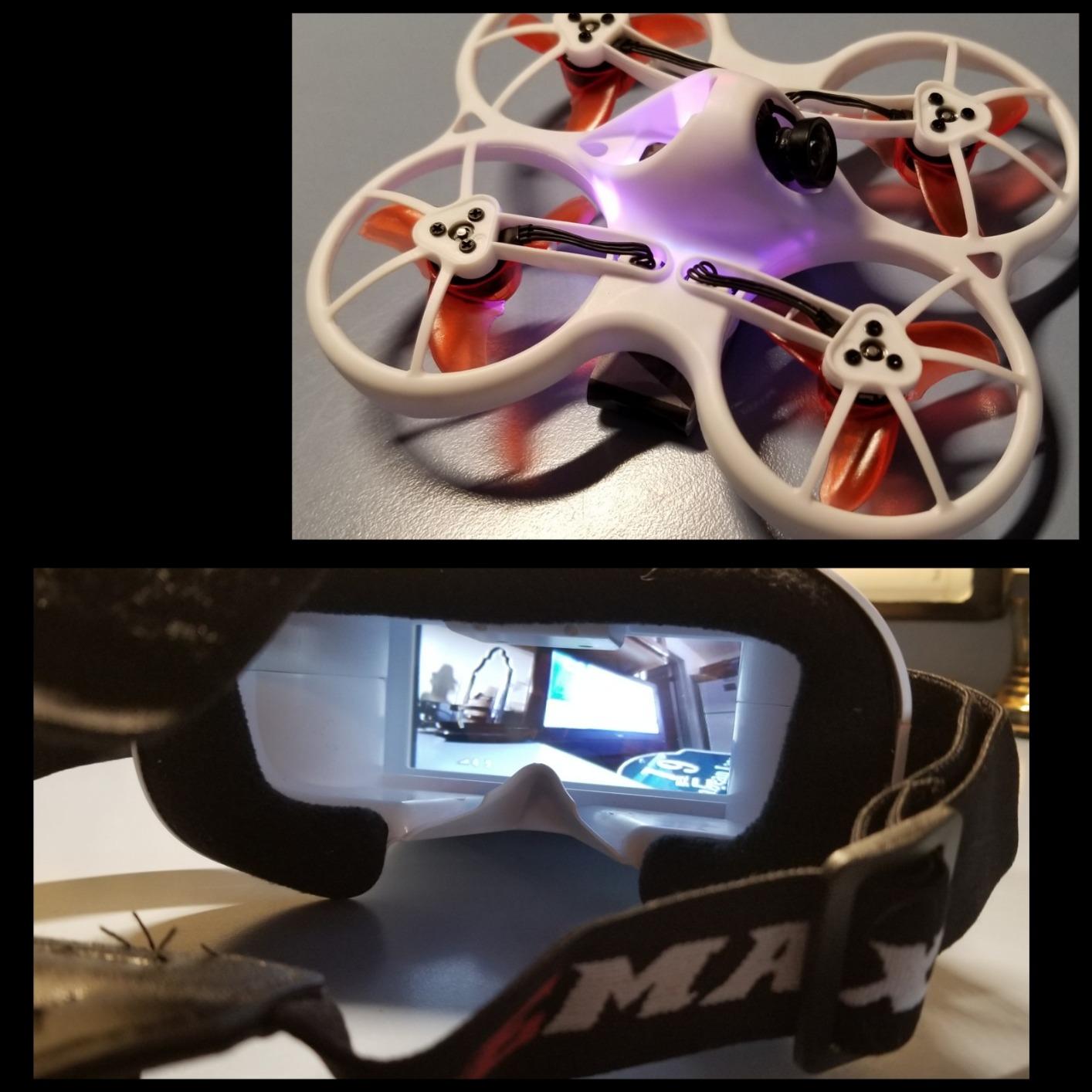
The original Tiny Hawk RTF is the kit that introduced thousands of pilots to racing, and it still earns a spot as a complete, no-complications entry point. Open the box, charge the 450mAh pack, and you are flying first-person view within the hour. There is no binding, no firmware, and no protocol research.
The critical detail is that this is real 5.8GHz FPV, not the WiFi-video app experience of toy drones. That means real low-latency goggles flight, which is the entire point of learning to race. Top speed reaches 35mph, which is genuinely quick for this class and fast enough to demand real respect.
With 509 reviews it is one of the most-flown starter kits ever sold. The 4.0-star average tells you the story is good with reservations.
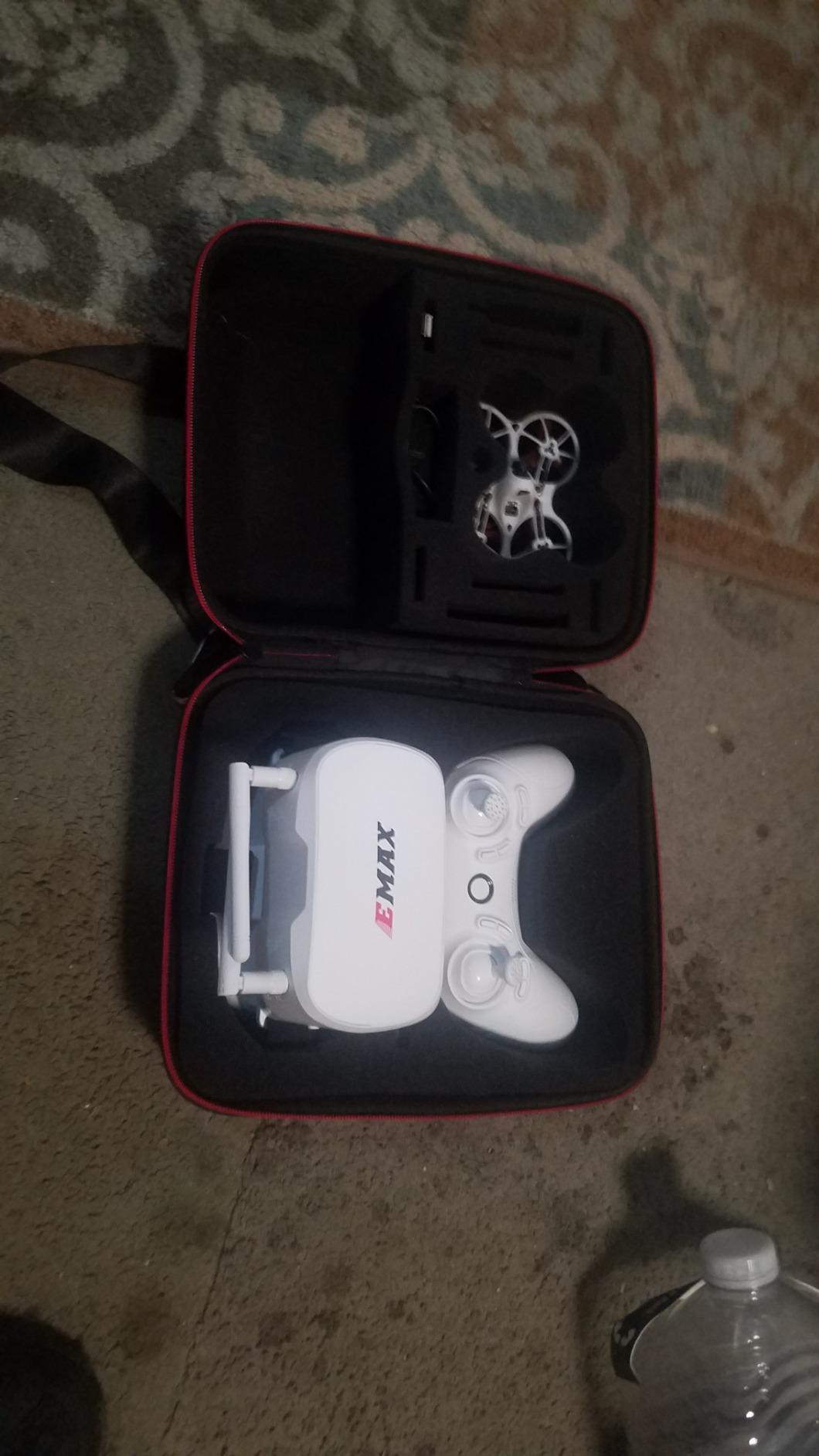
Everything in the kit is reusable, which is the hidden value. When you outgrow the drone, the radio and goggles still work for other analog builds, so nothing is wasted. The included carrying case has survived plenty of trips in my gear pile.
The 720p analog camera is the obvious weak point. Image quality looks dated next to any digital system, and the 200-foot control range confines you to indoor halls and small yards.
Reliability is the other concern. Fifteen percent of reviewers leave one star, often citing early failures. EMAX support generally handles these, but temper expectations for a budget-class kit.
Is the Tiny Hawk still worth buying next to newer kits?
Yes, if your absolute priority is one-box simplicity at a mid-market spend and you accept older video tech. The complete package with case remains a turnkey, gift-friendly option.
If you can stretch the budget, the Tinyhawk 3 Freestyle PLUS+ later in this list is the modern successor with ELRS control. And if digital video is non-negotiable, skip straight to the Neo 2 or Aquila20.
Can you actually learn race technique on it?
You can learn every fundamental: hovering, figure-eights, racing gates, and basic acro. The 35mph ceiling gives you room to grow for months before it feels slow.
Where it runs out is the last mile. Analog lag and short range eventually limit lap precision, and that is the natural moment to move up to an ELRS or digital platform.
6. Tinyhawk 3 Freestyle PLUS+ – Best Crash-Tolerant Trainer
Tinyhawk 3 Freestyle PLUS+ RTF Kit Ready To Fly ELRS Analog FPV Drone Mini Racing Quadcopter Durable Carbon FIber Frame with Controller and Goggles for Beginners Brand: Tiny Hawk
Carbon fiber frame
2.5 inch props
ELRS control link
RTF with goggles and radio
Pros
- Carbon frame takes repeated crashes
- 2.5 inch props bridge whoop and full-size racing
- ExpressLRS for low-latency control
- Complete kit for beginners
- Enhanced transmission power over earlier Tinyhawks
Cons
- 480p analog video is the weakest on this list
- Analog is prone to interference
- Limited range versus digital
- Some durability complaints on peripherals
The Tinyhawk 3 Freestyle PLUS+ occupies a smart middle ground that almost no other starter kit covers. Its 2.5-inch props sit between whoop and 5-inch classes, so it flies with more authority outdoors than any 1S micro while staying manageable for a newer pilot.
The carbon fiber frame is the headline for racing. Learning to race means crashing, repeatedly, and this platform is built to shrug off exactly that. I would rather learn gate timing on a rigid carbon frame than on a flexible whoop shell any day.
Control runs over ExpressLRS, which is the modern low-latency standard and a genuine upgrade over the original Tiny Hawk’s link. At 3.8 stars across 44 reviews, sentiment is positive but mixed, and the reasons why are consistent.
Technically, the fine-tuned analog system gets enhanced transmission power for better response, and the 450mAh packs keep flights short and focused. The whole package ships ready to fly with goggles and a radio, so there is nothing to source separately.
The weak point is impossible to ignore: 480p video. It is the lowest resolution on this list, it is susceptible to interference, and there is no HD digital recording. For a pilot who only cares about control feel, that is livable. For anyone who wants to review their laps on video, it is a real limitation.
Some buyers also report peripheral quality issues, so buy from a source with straightforward returns.
Why choose 2.5 inch over a whoop or a 5-inch?
A 2.5-inch quad is the honest middle of the progression. It has enough thrust to fly outdoors in light wind, unlike most whoops, but it is far cheaper to crash than a 5-inch build.
That makes it the ideal second drone, or the first drone for someone who will mainly fly a backyard rather than a living room. You learn real throttle management and real energy carry without the intimidation or repair costs of a full-size racer.
Is the 480p camera a dealbreaker for racing practice?
For lap timing and skill building, no. Plenty of competition pilots trained on worse analog feeds, and control latency matters far more than resolution.
For capturing your flying or analyzing footage afterward, yes. If onboard HD recording matters to you, put that budget toward the Aquila20 HD kit or the Neo 2 instead.
7. DJI Avata 2 Fly Smart Combo – Best Premium Entry Point
DJI Avata 2 Fly Smart Combo (Single Battery), FPV Drone With Camera 4K
4K/60fps on 1/1.3-inch CMOS
155-degree FOV
10km O4 range
377g airframe with Goggles N3
Pros
- Best image quality of any racing-capable drone here
- 155-degree FOV for maximum peripheral awareness
- One-tap acrobatics including 180 drifts
- Prop guards protect airframe and obstacles
- Lighter 377g body with Goggles N3 kit
Cons
- Only one battery in this combo
- Motion controller has a learning curve
- Locked to the DJI ecosystem
- Premium tier pricing
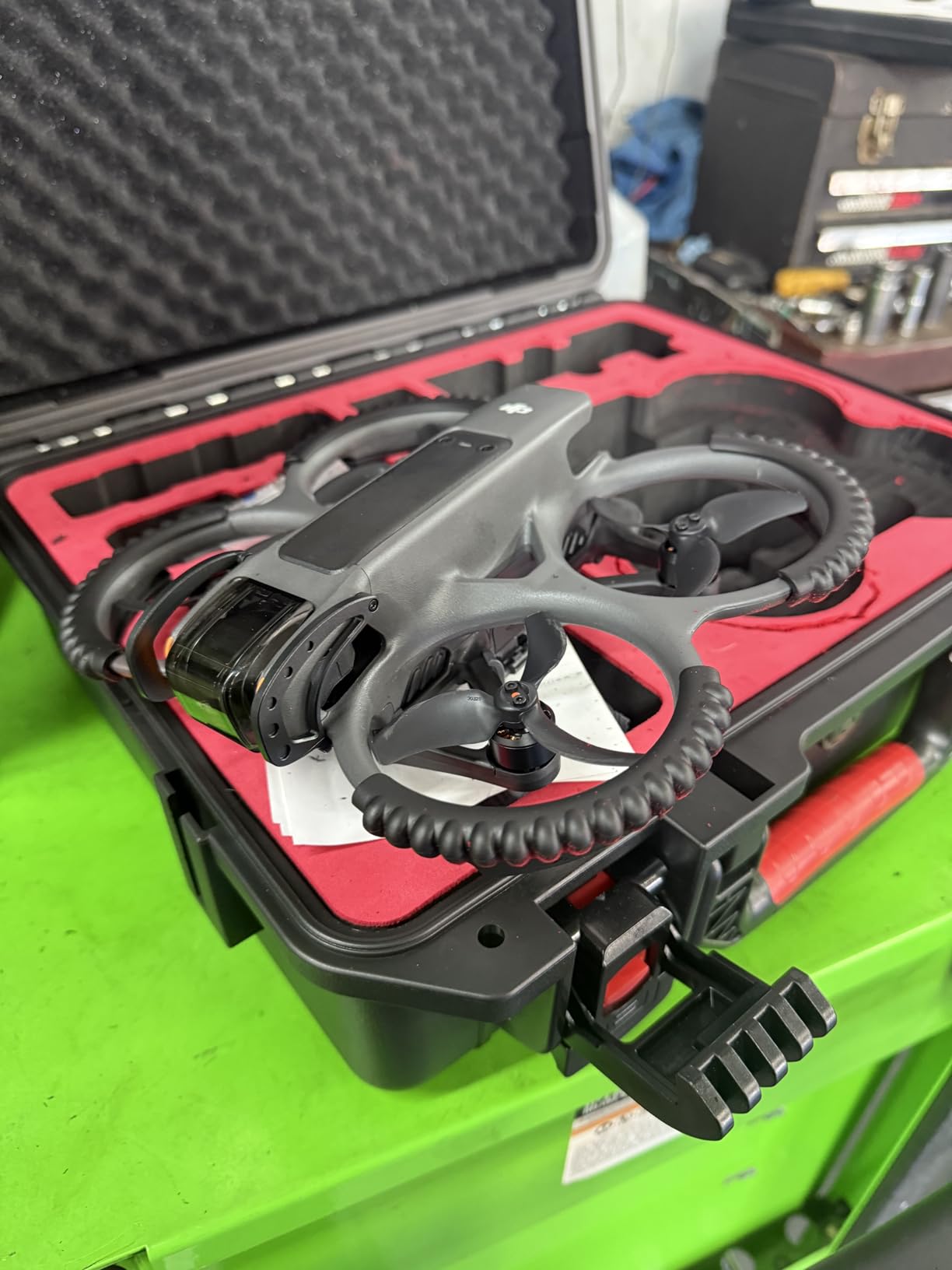
The Fly Smart Combo packages the same Avata 2 airframe as our top pick with lighter and more affordable gear: Goggles N3 replace the Goggles 3, and the single-battery format trims the upfront cost. For a lot of pilots this is actually the smarter buy, because the flight experience is nearly identical and the savings go straight into spare batteries.
The racing-relevant numbers all carry over. The 1/1.3-inch CMOS sensor shoots 4K/60fps, the 155-degree field of view keeps upcoming gates in frame, and the O4 link holds up to 10 kilometers. In practice the video feed feels instant, which is what lets you commit to a line instead of second-guessing it.
Reviewers back this up with an 84 percent five-star rate across 110 reviews, praising exactly the 4K image and immersive field of view.
The 377-gram airframe sits well under the weight class of full racers while keeping a ducted, guarded design. One-tap acrobatics handle flips, rolls, and the 180-degree drift that makes racing footage look professional.
RockSteady and HorizonSteady stabilization keep footage smooth even during aggressive maneuvers, so your practice laps double as shareable video. That matters for pilots who want to review their lines or post runs.
It shares the flagship’s weaknesses in a slightly different mix. You get one battery here, the motion controller rewards practice before it feels natural, and every component is DJI-proprietary, so there is no mixing in third-party flight controllers or receivers.
Fly Smart or Fly More: which Avata 2 combo should racers buy?
The Fly Smart Combo wins if you want to enter the ecosystem for less and upgrade incrementally, since Goggles N3 still deliver the full O4 experience. Add batteries as budget allows.
The Fly More Combo wins if you want Goggles 3’s higher-spec display and can use the extra flight time immediately. For pure training value per dollar, Fly Smart plus two spare batteries is the stronger play.
How does it handle tight racing lines versus a whoop?
It is faster and far more stable in open air, but physically bigger through gaps. A 377-gram ducted frame will not squeeze the literal doorway lines a 17-gram Air65 can thread.
Think of it as the open-course and outdoor trainer, and pair it with a small whoop for indoor circuits if you race both venues.
8. BETAFPV Aquila20 HD Kit – Best Digital HD RTF Kit
BETAFPV Aquila20 HD Kit Built-in HD Digital VTX P1 FPV Drone Advanced RTF
1080p60 digital HD VTX
2S power system
170-degree FOV
Full kit with VR04 goggles and LiteRadio 4 SE
Pros
- 1080p at 60fps digital video in a complete kit
- Three flight modes create a built-in progression
- Turtle mode flips you upright after crashes
- Up to 10 minutes on an 1100mAh 2S pack
- Includes goggles with DVR and a radio with 8-hour battery
Cons
- Around 60ms latency trails premium digital
- 400m range is short for a digital system
- 3.6 rating suggests reliability variance
- Only 15 reviews so far
The Aquila20 HD Kit solves a problem no other affordable kit addresses: digital HD video in a true build-your-skills racing platform. The ArtLynk P1 digital system delivers 1080p at 60fps, which completely changes how you read a course compared with any analog feed on this list.
The 2S power system is what makes it a racer rather than a camera drone. Acceleration is aggressive for the class, and the inverted duct design adds thrust and stability that shows up as tighter corner exits. The 170-degree field of view is the widest spec here, even wider than the Avata 2.
The three flight modes are a genuine progression system. Normal mode self-levels, Sport mode loosens the leash, and Manual mode is full acro. A beginner can start in N and be racing in M within the same aircraft.
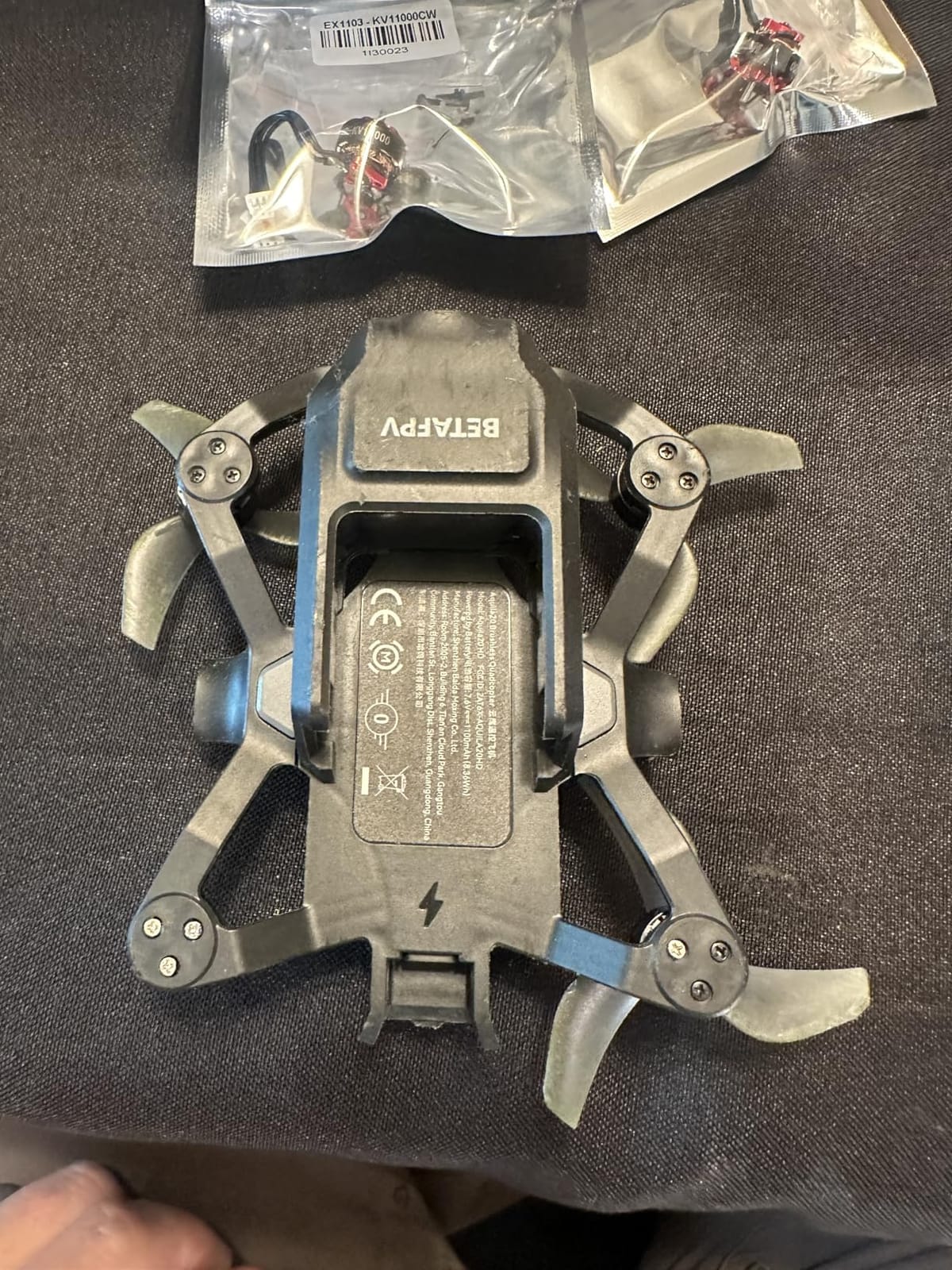
Turtle mode is the underrated racing feature. When you clip a gate and land upside down, you can flip upright remotely instead of walking out to the course. Anyone who has raced knows how many minutes that saves per session.
The included gear is genuinely good. The VR04 goggles carry one-button DVR recording so you can review laps, and the LiteRadio 4 SE transmitter runs over eight hours per charge and works with sims and future ELRS builds.
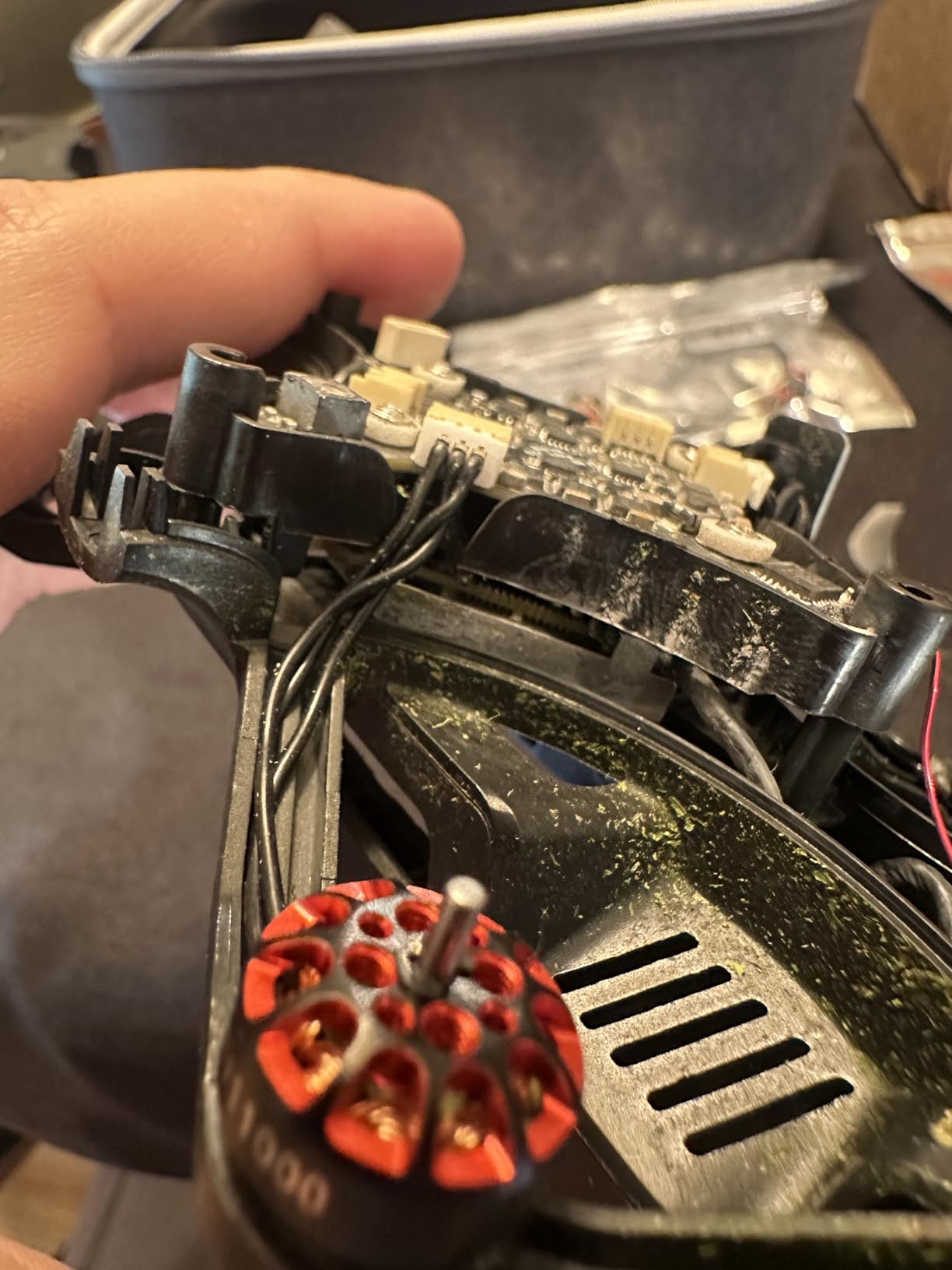
The drawbacks are consistent across the 15 reviews. Latency is about 60 milliseconds, which trails DJI’s O4 and matters at the highest level. Range is 400 meters, and the 3.6-star average signals real reliability variance between units.
Can you race seriously with 60ms latency?
Yes, up to a point. Sixty milliseconds is entirely workable for club racing, casual MultiGP chapters, and skill-building. You adapt within a few sessions and stop noticing it.
At the competitive margins, pilots chasing national-level times will feel the difference against analog or HDZero-class latency. If that is you, treat this as the stepping stone and budget for a low-latency digital system later.
What makes this better than a cheaper analog starter kit?
Image clarity. Reading gate edges, shadows, and course detail in 1080p is a genuine advantage, and analog noise simply hides information your eyes need at speed.
The bundled radio also outlasts the kit. Once you move to a faster quad, the LiteRadio 4 SE and even the goggles keep serving as sim and bench gear.
9. EMAX EZ Pilot Pro – Best Family-Friendly Starter Set
EMAX EZ Pilot Pro FPV Drone Set for Kids and Adult Beginners with Real 5.8g Goggles and Controller Easy to Fly Quadcopter
1080p FPV camera
Detachable goggle screen
5.8GHz analog link
Flexible crash-resistant frame
Pros
- Detachable screen works as goggles or a shared monitor
- Genuinely easy first-week learning curve
- 360-degree flips for instant fun
- Complete kit for kids and adults
- Real 5.8GHz FPV feed rather than WiFi
Cons
- 3.5 stars with 28 percent one-star reviews
- Durability complaints including early failures
- Analog signal breaks up with interference
- Range trails digital alternatives
The EZ Pilot Pro earns its place as the friendliest possible first FPV experience, especially for younger pilots or a family shared setup. The detachable goggle screen is the clever part: clip it in for solo FPV, or pull it out as a handheld monitor so everyone can watch the flight.
As a trainer it works. The controls are forgiving, the learning curve is one of the gentlest here, and the 1080p feed is sharper than you expect from analog at this level. The 360-degree flip button delivers instant gratification for riders who are not yet racing gates.
The flexible frame is designed to flex rather than shatter on impact, which is the right instinct for a first drone that will meet every wall in the house.
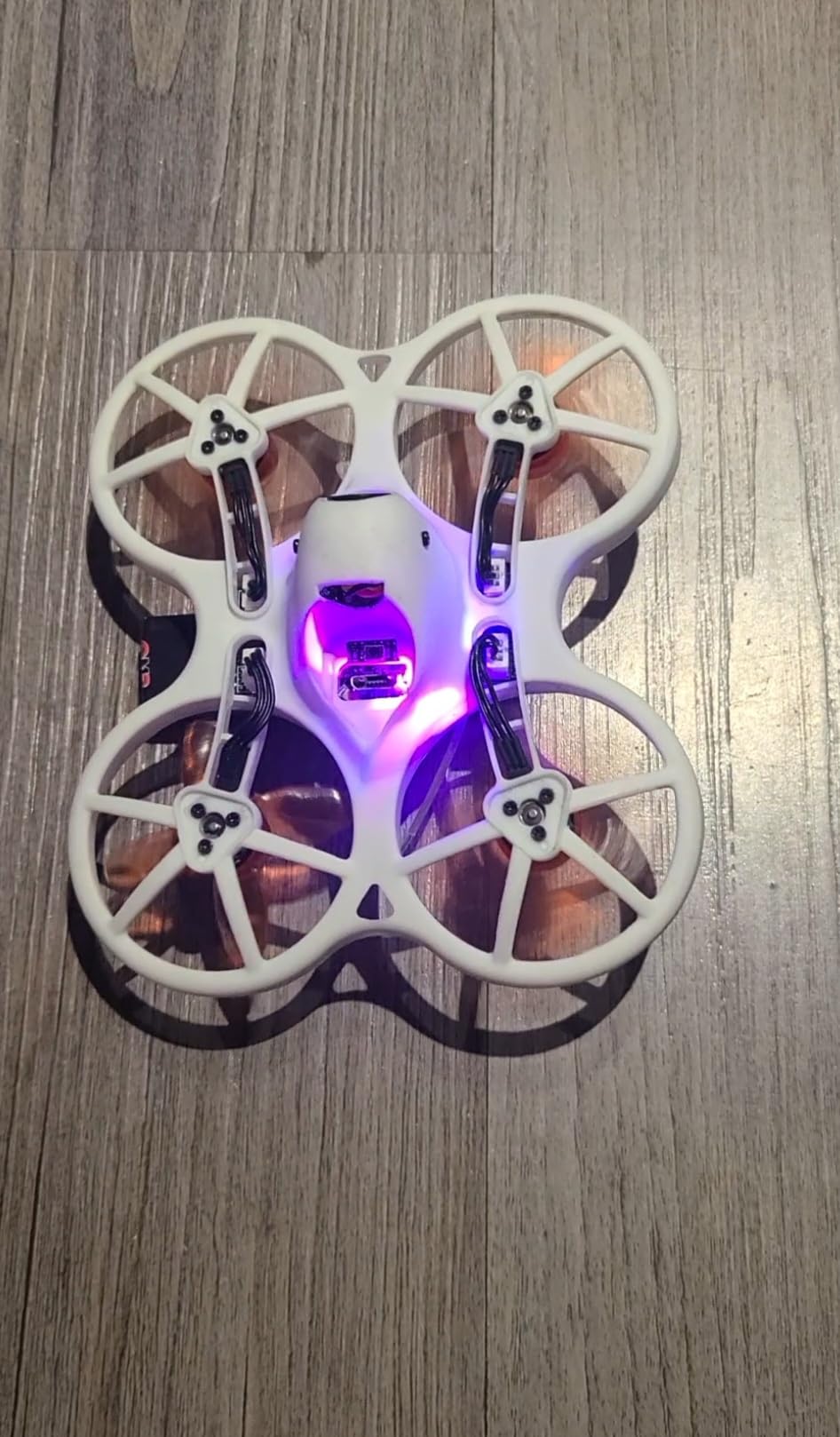
Technically it transmits real 5.8GHz FPV, so latency is far better than the WiFi-app drones it competes with at this tier. That single fact is what makes actual racing technique learnable here.
The 450mAh battery keeps flights short and in beginner territory, and the radio uses standard radio-wave control rather than a proprietary app, so there is no phone dependency.
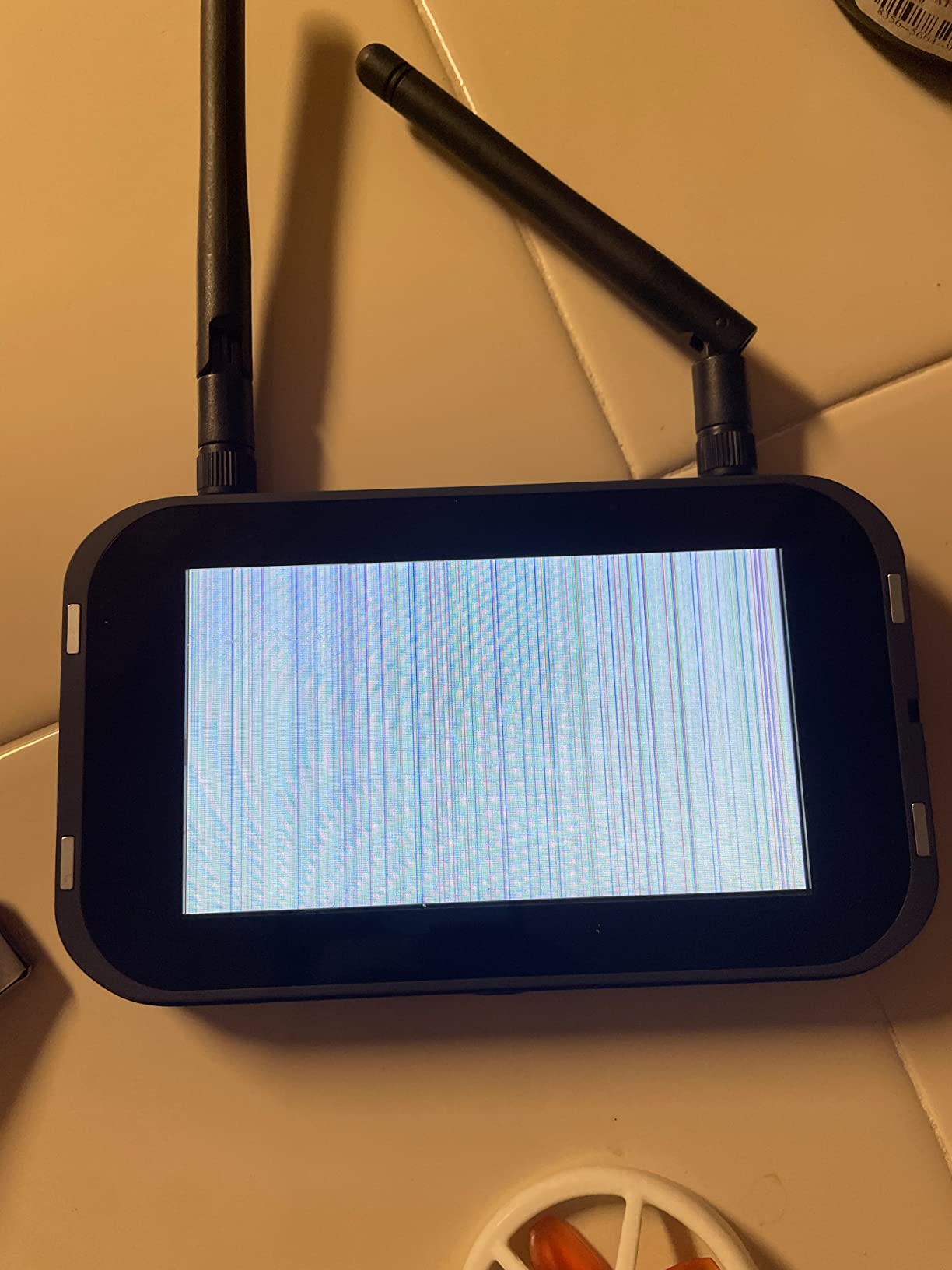
The downsides need to be stated plainly, because the numbers say so. The rating sits at 3.5 stars with 28 percent one-star reviews, a notable share of which cite short lifespan and durability problems. Analog interference is also a factor indoors near WiFi congestion.
Is this a real racing drone or a toy?
It is a gateway, not a racer. It teaches the FPV concept, basic stick discipline, and gate flying at slow speed, and its durable frame and detachable screen make it ideal for supervised use.
Pilots who catch the racing bug usually outgrow it within weeks. Consider it a low-risk test of whether FPV racing hooks you, before committing to the Meteor75 Pro or Air65.
How does it compare with the BETAFPV Cetus Lite?
The Cetus Lite is the more serious trainer with altitude hold, simulator support, and a sturdier reputation at a lower price. The EZ Pilot Pro counters with 1080p video, the detachable screen, and broader appeal for kids.
For a young pilot or a shared family gift, the EZ Pilot Pro is the easier sell. For a focused adult beginner with racing intent, take the Cetus Lite.
10. BETAFPV Cetus Lite – Best First FPV Trainer
BETAFPV Cetus Lite FPV Drone Kit with LiteRadio 1 VR02 Goggles-Mode 2
Altitude hold trainer
LiteRadio 1 and VR02 goggles included
300mAh 1S battery
Frsky D8 protocol
Pros
- Cheapest true FPV kit on this list
- Altitude hold makes the first hour survivable
- Plugs into Liftoff DRL and DCL simulators
- Self-protection disarms motors on impact
- Most-reviewed kit here with 143 reviews
Cons
- 720p video is basic
- 80m range is very short
- 300mAh pack limits flight time
- Not a machine you will race seriously
The Cetus Lite is the best FPV drone for racing beginners who want the safest possible first step, and it is the least expensive complete kit in this roundup. For the price of a video game you get a drone, FPV goggles, and a radio that doubles as a simulator controller.
Altitude hold is what makes it special for newcomers. The quad maintains its height while you concentrate on steering, which cuts the hardest part of FPV learning. Combine that with three flight modes across two speed settings and you have a built-in difficulty ladder.
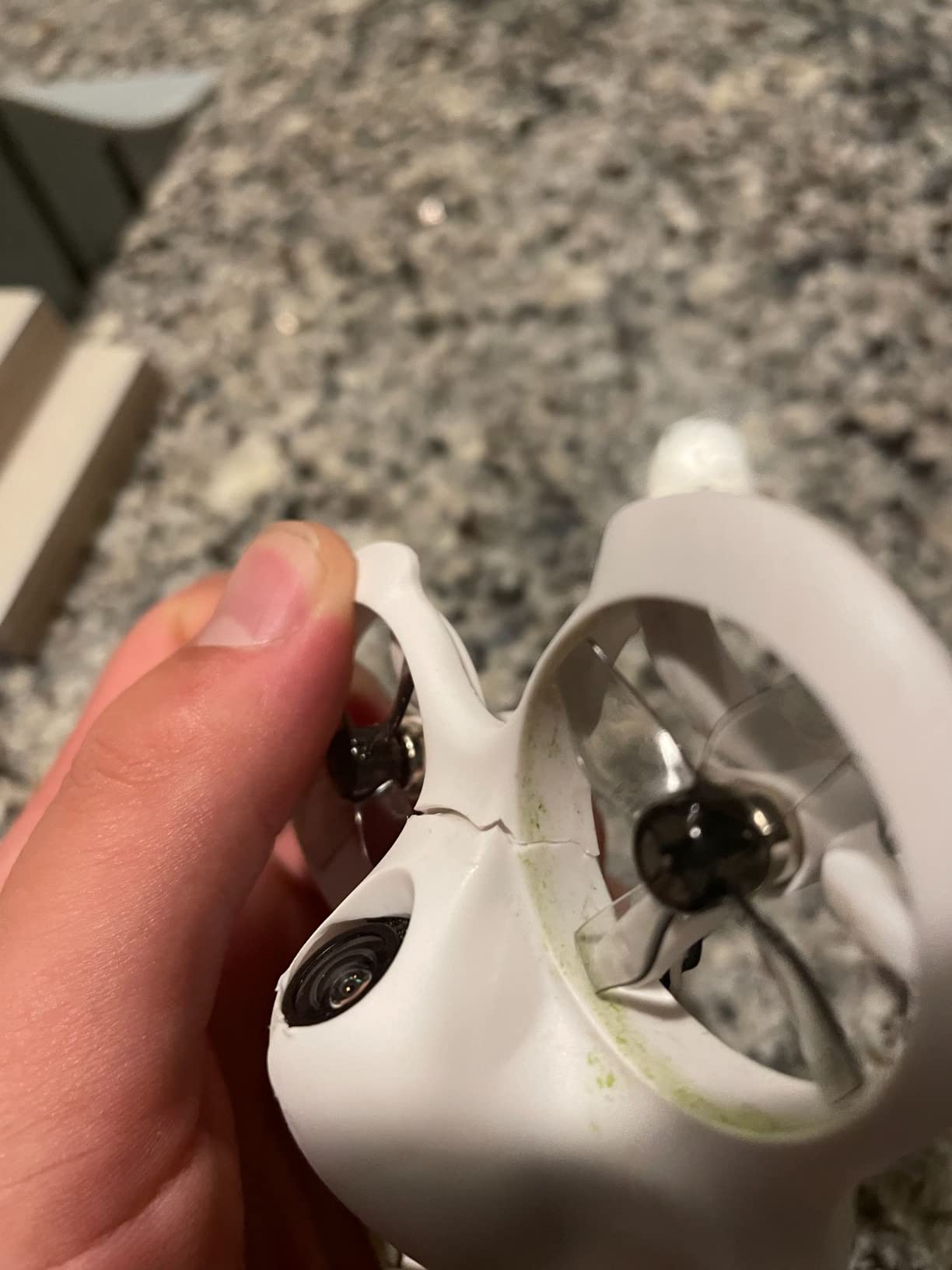
The self-protection system is the feature parents and cautious beginners should know about. On collision, the motors disarm automatically, so a crash into a wall costs nothing instead of shredding props.
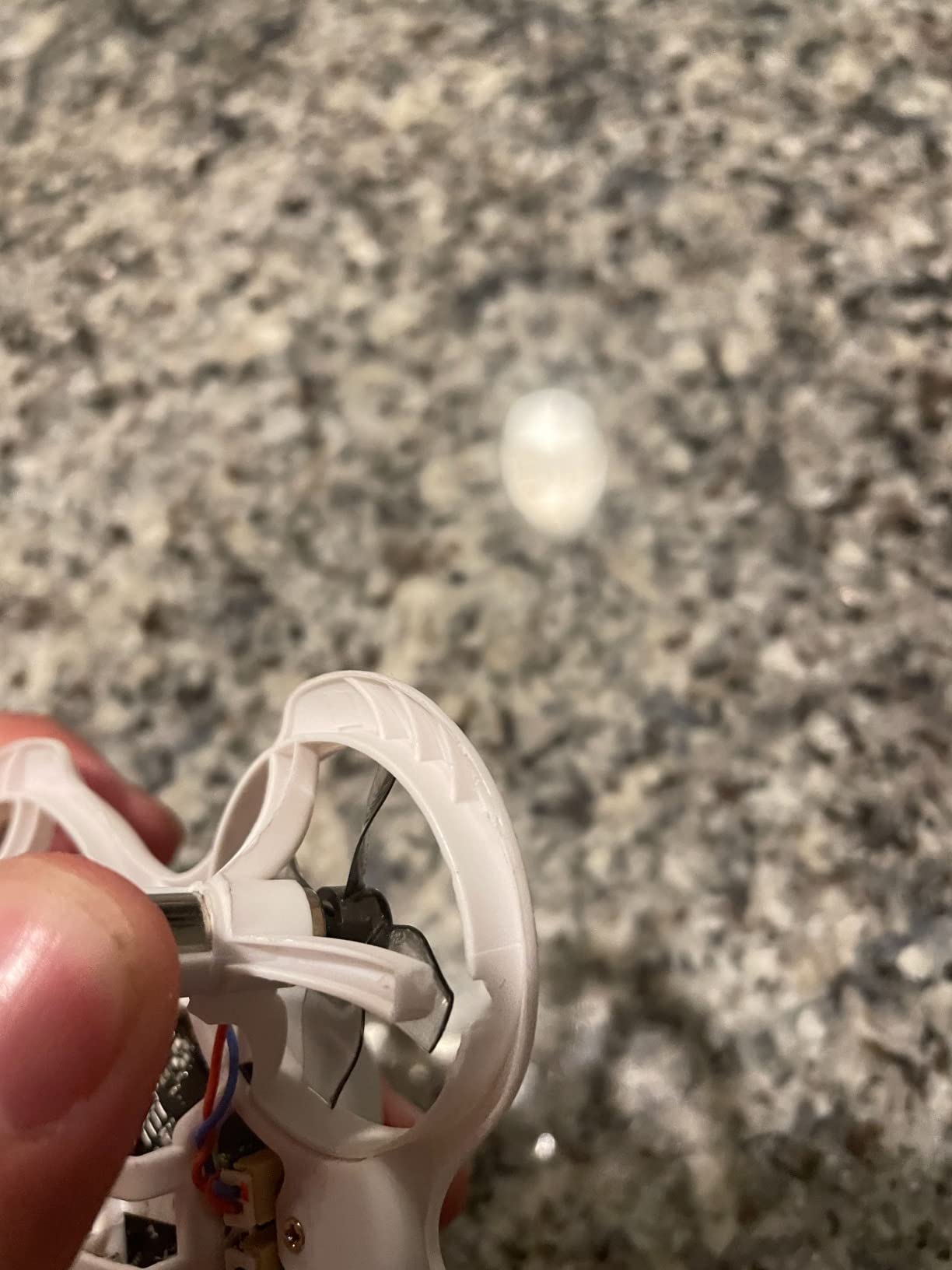
The simulator support is the smartest part of the package. The included LiteRadio 1 plugs into your computer and works with Liftoff, DRL, DCL, and Uncrashed, which are exactly the sims the racing community recommends. You can log hours of muscle-memory training before risking the aircraft at all.
The PA12 polyamide frame is tough for its class, and the VR02 goggles include an OSD display. With 143 reviews, it is the most-purchased kit on this list, and 44 percent of pilots rate it a full five stars.
The limits are what you would expect at this tier. The 720p feed is basic, 80 meters of range confines you to a room or a small yard, and the 300mAh battery keeps flights brief.
Can the Cetus Lite actually prepare you for racing?
As a first rung on the ladder, absolutely. It teaches orientation, throttle discipline, and the FPV sight-picture with almost no risk, and the radio’s simulator support bridges directly into real training.
What it cannot do is acro. For self-level-free flight, graduate to the Meteor75 Pro or Air65, both of which use skills you built here.
Why choose this over the EMAX Tiny Hawk RTF?
Price and safety. The Cetus Lite costs less, and its altitude hold plus auto-disarm make early sessions far less punishing.
The Tiny Hawk RTF counters with more speed, longer range, and a carrying case. If you are confident and patient, it is the more rewarding long-term starter; if you are cautious or buying for a teen, the Cetus Lite is the safer opening move.
How to Choose the Right FPV Racing Drone
Picking a racing drone comes down to four honest questions: what comes in the box, how do you want your video delivered, what does the drone physically need to do, and how much total budget you have once accessories are counted.
RTF vs BNF vs DIY: Where to Start
RTF means ready to fly. Everything is in the box: drone, radio, goggles, often batteries. The Neo 2, Tiny Hawk RTF, Tinyhawk 3, Aquila20, EZ Pilot Pro, and Cetus Lite are all RTF kits, and they are the right call for a first drone.
BNF means bind and fly. You get the aircraft only and supply your own transmitter, which is how the Meteor75 Pro and Air65 ship. You save money and keep one radio across many drones, but you need protocol compatibility knowledge.
DIY means building from parts. It teaches you to repair, which racers eventually must do, but it is a poor first step. Buy RTF or BNF first, learn to fly, then build your second quad.
Analog vs Digital FPV Video
Analog sends a 5.8GHz signal that degrades as static before failing. It is cheap, has very low latency, and remains the choice of many serious racers. The Tiny Hawk, Tinyhawk 3, Meteor75 Pro, Air65, and EZ Pilot Pro all use analog.
Digital sends an encoded HD picture that stays clean and then drops out more abruptly. DJI’s O4 on the Avata 2 and Neo 2 is the polished consumer example, while Walksnail and HDZero dominate the enthusiast racing side. The Aquila20’s ArtLynk system is the budget digital route at 1080p60.
For pure lap-time advantage, low latency still favors analog or HDZero. For enjoying the view and reviewing your flying, digital wins comfortably.
Racing Specs That Actually Matter
Thrust-to-weight ratio predicts acceleration out of corners better than any other number. The Air65’s 5.82:1 figure is why it feels explosive despite its size.
Motor KV, propeller size, and frame class define the flight character. A 65mm whoop is a living-room tool, 75mm splits indoor and outdoor, 2.5 inch handles backyards, and 5 inch is the outdoor racing standard. Match the class to your actual flying space.
Control protocol is the sleeper spec. ExpressLRS delivers low latency with excellent range at a budget price, and every ELRS radio you buy works across future builds.
Budgeting the Full Setup
Budget for more than the drone. If you buy BNF, add a radio, goggles, batteries, and a charger. On the forums, pilots repeatedly quote a total of roughly $600 to $1,000 for a proper complete starter setup, and you can start for far less with a small indoor kit.
Our advice is to spend more on the radio than feels reasonable. Good radios outlast several drones, work with simulators, and hold their value.
Also set aside a repair budget. Racing means crashing, and a spare set of props on day one is not optional.
Train on a Simulator First
The single most repeated advice across r/fpvracing and intofp.com is to buy a sim before buying a drone. Liftoff and Velocidrone are the two everyone names, and both make you a dramatically safer pilot.
The Cetus Lite’s bundled radio plugs straight into these sims, which is why it makes so much sense as a first purchase. An hour a night for two weeks saves most beginners several crashes’ worth of parts.
Sims do not replace real flight entirely. Wind, depth perception, and nerves still need real airtime, but they accelerate everything else.
Frequently Asked Questions
What is the fastest FPV drone you can buy?
Dedicated 5-inch racing builds are the fastest FPV drones available, routinely exceeding 100mph in competitive trim. Among ready-to-buy options in this guide, the DJI Avata 2 tops out around 60mph in manual mode, while the EMAX Tiny Hawk RTF reaches 35mph in the micro class. For outright speed, a purpose-built racing quad remains unbeatable.
What is the best drone for FPV racing?
The DJI Avata 2 Fly More Combo is the best overall FPV drone for racing thanks to its low-latency O4 video, 155-degree field of view, and true manual flight mode. Beginners on a budget should start with the BETAFPV Cetus Lite or BETAFPV Meteor75 Pro, while experienced pilots chasing lap times will get more from an ELRS whoop like the Air65.
How much does an FPV racing drone cost?
FPV racing drones cover a wide price range. Bind-and-fly whoops are the cheapest way into real racing since you supply your own radio, ready-to-fly kits with goggles and a transmitter included cost more upfront, and premium digital combos like the DJI Avata 2 sit at the top of the market. On racing forums, most pilots quote a total budget of roughly $600 to $1,000 for a complete starter setup, and you can spend far less if you begin with a small indoor kit.
Is it legal to fly FPV racing drones?
Yes, FPV racing drones are legal to fly in most countries under recreational rules, but requirements vary. In the US, drones over 250 grams need Remote ID compliance and most pilots fall under the recreational exemption, while heavier or commercial use can require registration. C0-class drones under 250 grams with prop guards, like the DJI Neo 2, face the fewest restrictions, so always check local rules before racing.
What is the difference between RTF and BNF racing drones?
RTF (ready to fly) kits include the drone, radio transmitter, and often FPV goggles in one box, so nothing else is needed to start flying. BNF (bind and fly) drones ship without a transmitter, so you bind them to a compatible radio you already own. BNF suits pilots upgrading or consolidating around one quality transmitter, while RTF is the simpler path for beginners.
Final Verdict: The Best FPV Drones for Racing
After flying everything from 17-gram whoops to 4K digital combos, our verdict on the best FPV drones for racing is straightforward. The DJI Avata 2 Fly More Combo is the top overall machine for 2026, the DJI Neo 2 Motion Fly More Combo delivers the best value full package, and the BETAFPV Meteor75 Pro is the budget racer that actually flies like one.
Start where you honestly are, not where you wish you were. A Cetus Lite and a simulator will make you faster within a month than an Avata 2 flown cautiously ever will. Then climb the ladder from whoop to 2.5-inch to digital, and get out to a local MultiGP chapter once you can hold a line. Pick your drone, charge your packs, and go fly.