

A bookcase that bends under a row of hardcovers is not a storage problem, it is a physics problem. Shelf sag is driven by three variables: the thickness of the board, the unsupported span between supports, and the load sitting on top. Change any one of them and the same weight behaves completely differently. That is why the best bookcases for heavy books are not the units with the biggest stated weight rating, but the ones that combine a thick board with a short span and a real anchor system.
We compared 12 floor-standing bookcases built for loaded shelves, weighing every listing against the same criteria: pounds per shelf, board thickness, span width, material, and whether anti-tip hardware is actually in the box. Some of the best-performing units publish a per-shelf number. Others leave you to guess, and that missing figure is the most useful signal a buyer can act on.
Three rules decide whether a heavy-book shelf holds, and they matter more than any brand name:
Board thickness of at least 3/4 inch. Anything thinner deflects under a densely packed row.
Span under 30 inches. A featured answer on Houzz recommended adding support roughly every 24 inches, because deflection climbs sharply as the span grows.
An anti-tip kit, screwed into studs. A 70-inch unit loaded with books is a falling-object hazard, and the hardware is worthless in a box you never open.
One more factor catches first-time buyers. Old books weigh roughly double modern ones, according to that same Houzz discussion, because of heavier paper, thicker boards and acid-degraded glue. A shelf that felt solid when you packed it with recent paperbacks can bow within a year of being filled with a used-book shop haul. If your collection includes art books, comic omnibuses or oversized art trades, size for the heaviest volume you own, not the average one.
If you want the broader picture of bookcase styles first, our guide to the best bookcases overall covers the furniture-design side, and the best ladder shelf bookcases cover leaner open-frame designs. This roundup is strictly about load capacity.
Table of Contents
Top 3 Picks for Heavy Book Collections in 2026

IRONCK 70 inch 6-Tier 2-Pack
- Two 70.87 inch units
- Backing panels in frame
- Anchors included

Best Bookcases for Heavy Books at a Glance (October 2026)
Every unit below is floor-standing and sized for books rather than decor. The features column is the short version; the full reasoning sits in each section.
| Product | Specifications | Action |
|---|---|---|
| IRONCK 70 inch 6-Tier 2-Pack |
|
Check Latest Price |
 Camaflexi Solid Pine 72 inch Camaflexi Solid Pine 72 inch |
|
Check Latest Price |
 HOMISSUE 84 inch 7-Tier HOMISSUE 84 inch 7-Tier |
|
Check Latest Price |
 IRONCK Triple Wide 5-Tier IRONCK Triple Wide 5-Tier |
|
Check Latest Price |
 HSH 4 Tier Solid Wood HSH 4 Tier Solid Wood |
|
Check Latest Price |
| OtterOasis 5 Tier Industrial |
|
Check Latest Price |
 International Concepts Solid Wood International Concepts Solid Wood |
|
Check Latest Price |
 Tribesigns 70.8 inch 5-Tier Tribesigns 70.8 inch 5-Tier |
|
Check Latest Price |
 AY-AOYUAN 5 Tier Solid Wood AY-AOYUAN 5 Tier Solid Wood |
|
Check Latest Price |
 CONSDAN 5 Tier Poplar CONSDAN 5 Tier Poplar |
|
Check Latest Price |
 Jazipic 5 Tier Steel Jazipic 5 Tier Steel |
|
Check Latest Price |
 CBNTKI 69 inch Steel CBNTKI 69 inch Steel |
|
Check Latest Price |
What Is the Maximum Weight a Bookshelf Can Hold?
There is no single number, because capacity depends on the shelf rather than the bookcase. A well-built 3/4 inch solid wood shelf spanning 24 inches between supports holds 100 lbs comfortably; the same board spanning 36 inches may bow at half that load. Use the published per-shelf rating as the ceiling and plan on staying under half of it for a densely packed shelf, because stated ratings assume evenly distributed weight rather than a solid row of hardcovers. For a full bookcase, multiply the per-shelf figure by the number of shelves, then check that the frame and joints can carry the total.
Why Heavy Book Shelves Sag
Sag is deflection, not breakage, and collectors describe both failure modes. A bowed shelf still holds its books; a cracked shelf drops a wall of them. Understanding which variable you are fighting decides which product you buy and which modification you make.
Span is the biggest lever. Deflection under load increases steeply with the span, so going from a 24-inch span to a 36-inch span roughly triples the bend for the same weight. This is why the 47-inch and 48-inch-wide units below can publish impressive per-shelf numbers and still need a center upright if you fill them edge to edge. A featured answer in a Houzz shelf discussion made the same point, recommending support roughly every 24 inches and shelves in the 24 to 36 inch range in 3/4 inch hardwood.
Board thickness is the second lever. Where the listings publish a board thickness, the figures in this roundup run from 30 millimeters to 1.49 inches. The 3/4 inch mark is the practical floor, which is why the CONSDAN, with 0.75 inch poplar boards, clears the bar despite being the thinnest solid-wood option here.
Material decides how long deflection stays cosmetic. Particleboard and MDF are dimensionally stable and inexpensive, and both compress under sustained load. Solid pine, fir, poplar and parawood are softer but spring back, so a small bow in wood often disappears when you unload the shelf. A tall unit also needs a back panel, because a closed back acts as a rigid diaphragm; the backless designs in this group rely on the frame alone.
Ageing books change the math. Paper thickens, glue browns and boards swell as books age, so a used hardback can carry close to twice the mass of a new one of the same size. A row of hardbacks also concentrates weight toward the front of the shelf, which is the worst case structurally, and owners frequently pack a shelf to the back baffle rather than distributing it. A good shelf is loaded from front to back, not in a single forward block.
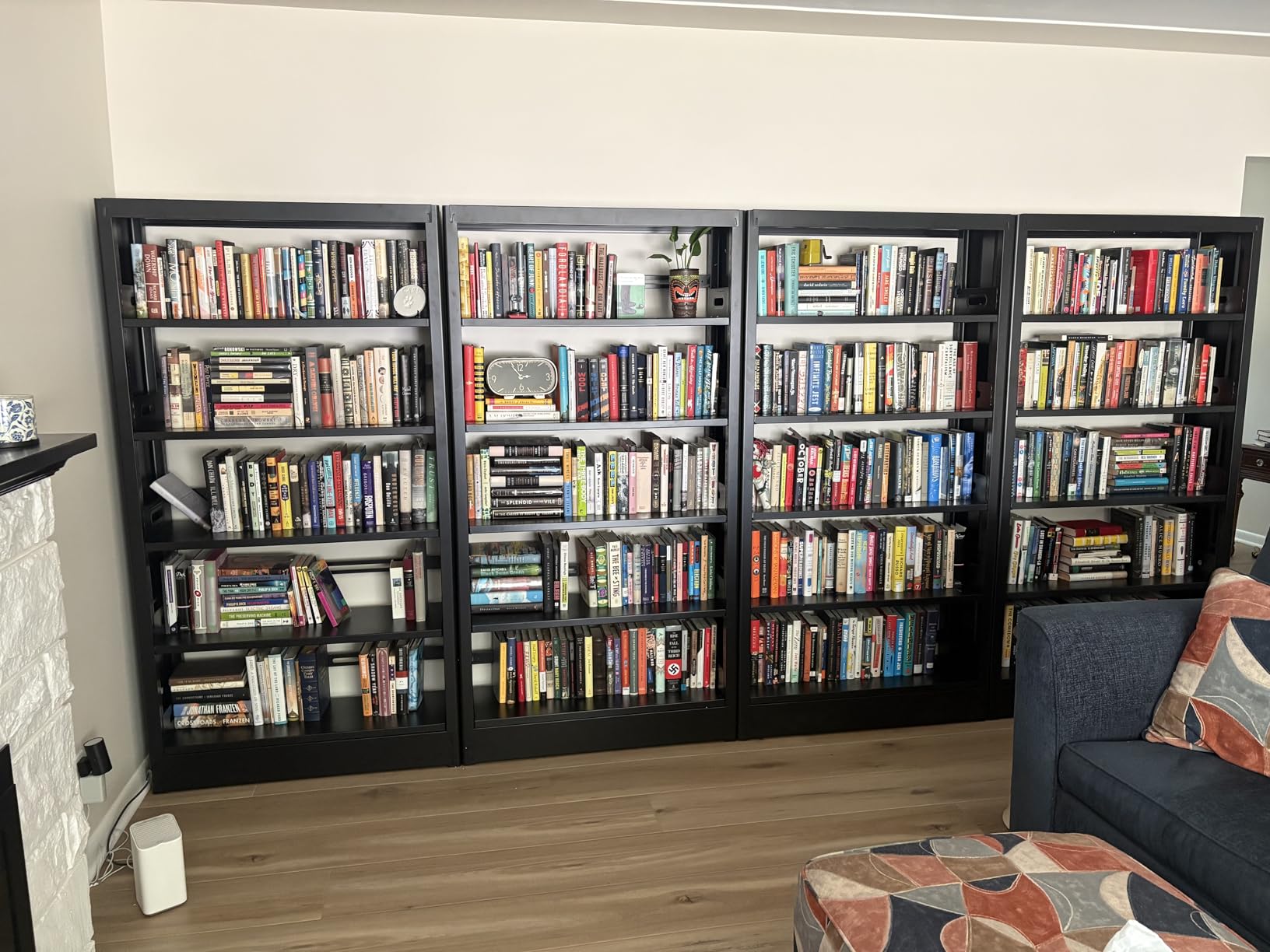
1. IRONCK 70 Inch 6-Tier Bookcase 2-Pack – Editor’s Choice for a Large Library Wall
IRONCK Bookshelf and Bookcases 70″ Tall, 6 Tiers Display Storage Shelves
Engineered wood with P2 MDF surface
22 lbs per shelf
6 tiers at 23.82 in W by 70.87 in H
2-pack listing
Pros
- Backing panels slide into the frame and feel substantial
- Two 70.87 inch units create a built-in library wall
- Wall brackets and a tipover device included
- Labeled parts with clear instructions
- Water-resistant surface wipes clean
Cons
- 22 lbs per shelf is the lowest stated rating in this group
- Shelf heights are fixed and not adjustable
- Backing pieces chip easily
- Only one anchor bracket per unit
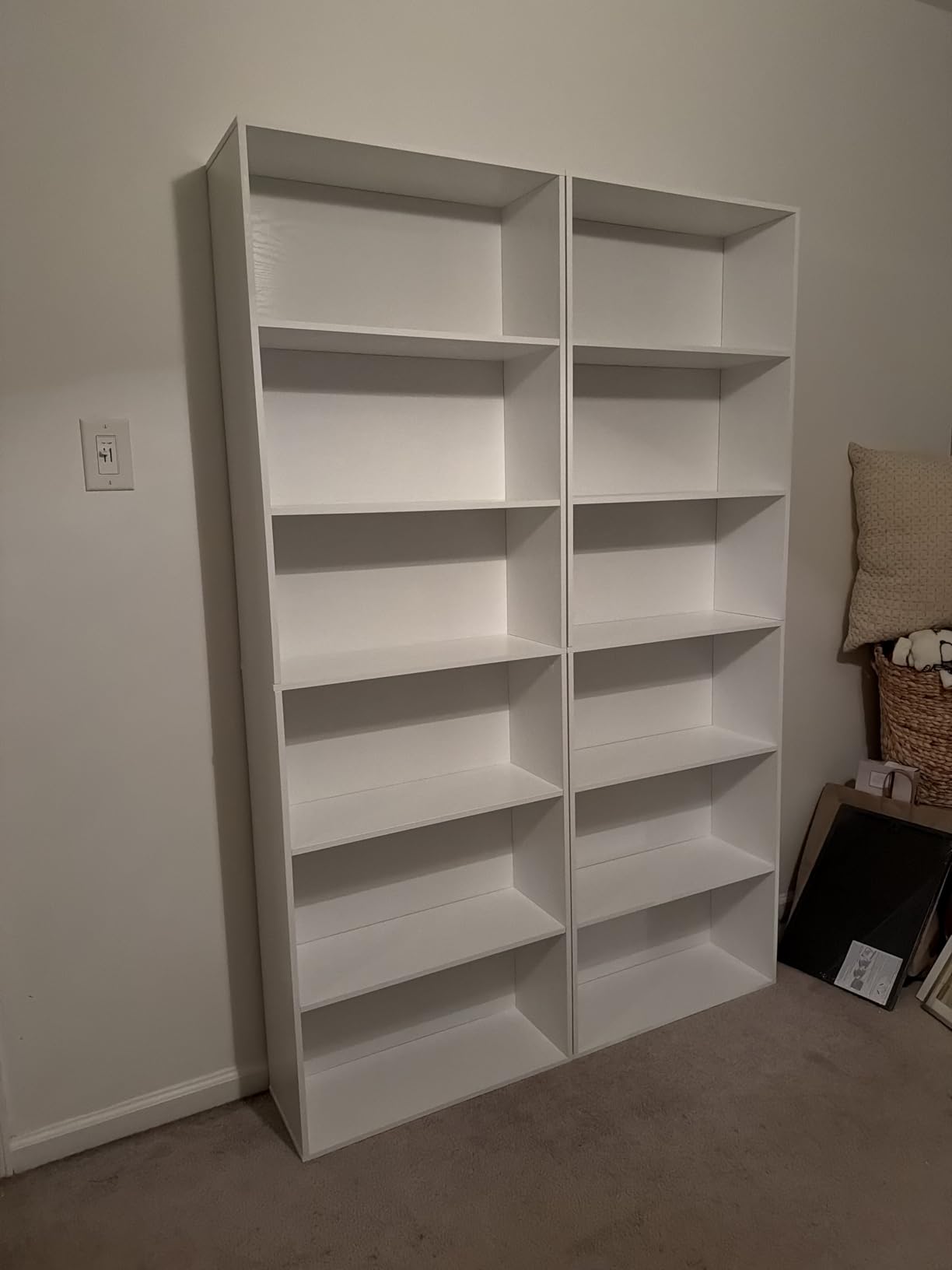
This listing comes as a pair of 70.87-inch-tall units, and that pairing is the reason it tops our list. Most people looking for shelving for a heavy collection are filling a wall, not buying one tower, and two matched units avoid the awkward footprint of a single tall frame. Owners overwhelmingly use them side by side for exactly that.
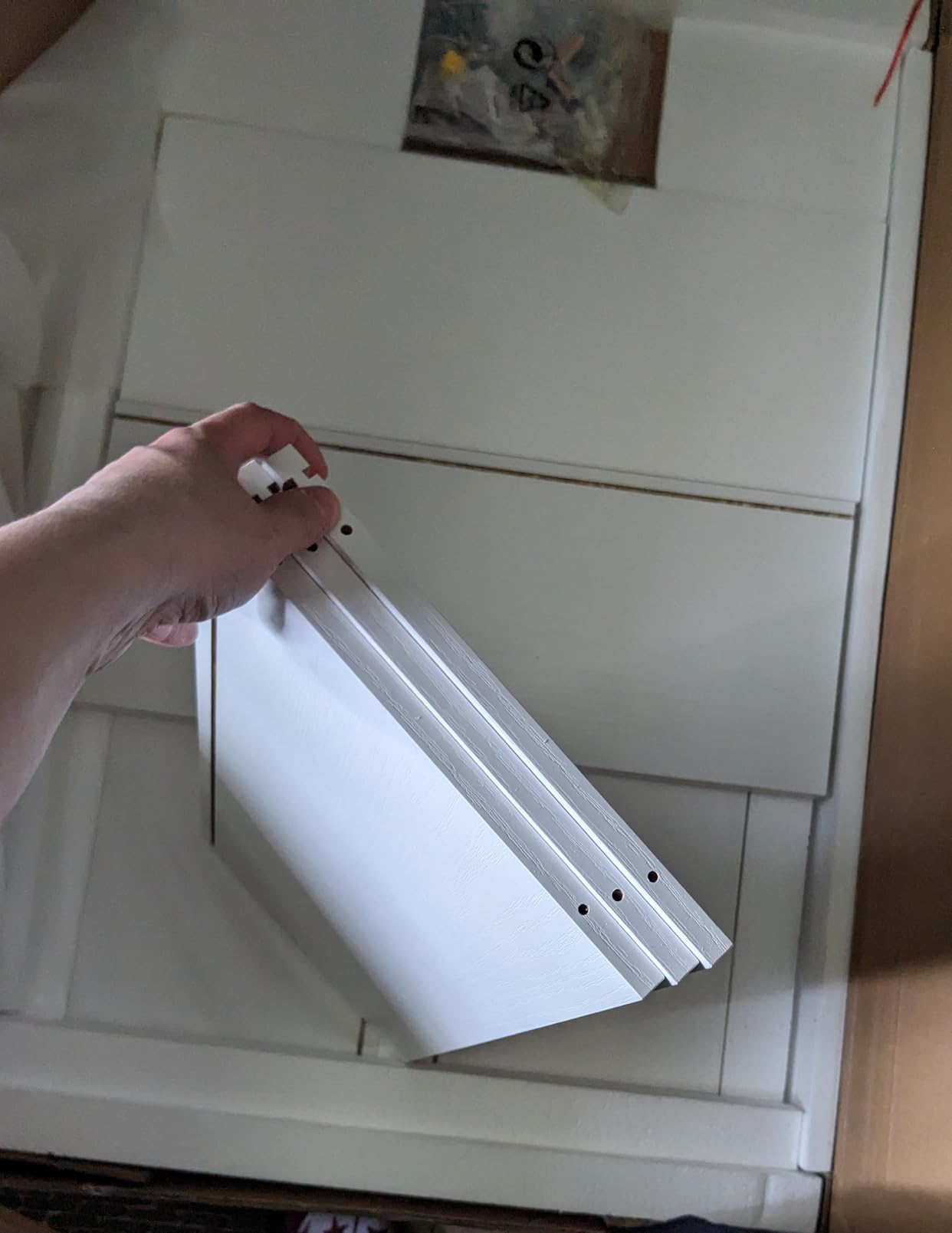
The construction detail that matters most here is the backing. These panels slide into the frame and sit flush behind the shelf line, which turns the back into a continuous diaphragm instead of a thin decorative skin. That is the single most effective anti-sag feature you can get from a flat-pack bookcase at this level, and it is why a 22-pound-per-shelf rating on paper still performs well in practice for mixed collections.
The honest limitation is that stated rating. Twenty-two pounds per shelf is the lowest published figure in this roundup, and it assumes a 23.82-inch width. We would not load a single shelf of one unit with 11-inch art books and call it stable; this pick is for dense rows of novels, paperbacks and trade-sized hardcovers, spread across two units.
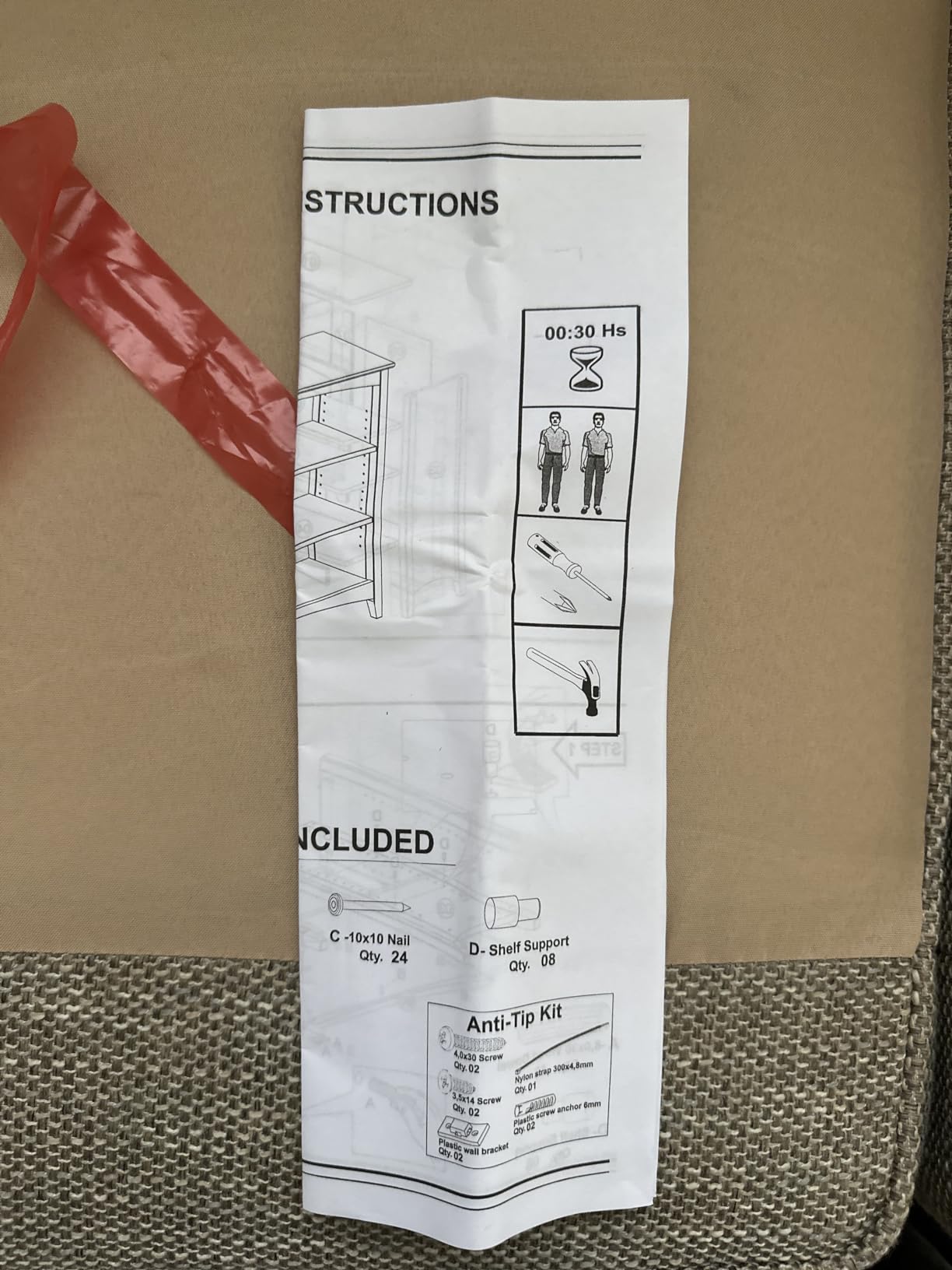
Assembly is the easy part. Parts are labeled, the instructions are clear, and the hardware and wall-mount brackets are included. The only awkwardness is that a single anchor bracket comes with each unit, so plan two anchor points per tower if you are fixing them into studs.
What you get in real use
Owners report that the shelves feel thick and rigid once loaded, and that the backing panels genuinely stiffen the frame. The 6 tiers per unit give 12 shelves of storage in a footprint that is only 23.82 inches wide, which matters in a room where a wider unit would jam the walkway.
The oak brown country-rustic finish is neutral enough to sit in a living room, a den or a home office without looking like storage furniture. Because the surface is P2 MDF board, it wipes clean, which is a real advantage if you are handling dusty used-book shop stock.
Who should skip it
Skip this if your collection is dominated by oversized art books, comic omnibuses or record albums. At 9.25 inches of shelf depth and 22 pounds per shelf, those volumes are the edge case where a stiffer board and a higher rating matter more than the width of the wall you are filling.
Also skip it if you need adjustable shelf heights. The shelves are fixed at their screw-in positions, so a short novel row and a tall reference row cannot share a unit. Buyers who wanted that flexibility are the ones who end up returning it.
2. Camaflexi Shaker Style Solid Pine Bookcase – Best for Adjustable Shelves and Dust Control
Camaflexi Shaker Style 6 Shelf Bookcase / Solid Wood / 72 inch Tall / Adjustable Shelving / Closed Back / Display Bookshelf for Living Room, Bedroom, Home and Office, Cherry
Milled solid pine with plywood back
40 pounds rated
6 shelves, 4 adjustable
30 in W by 72 in H
anti-tip kit included
Pros
- Genuine milled solid pine rather than pressed board
- Plywood back panel adds rigidity and blocks dust
- Four adjustable shelves suit oversized books
- Closed back and included anti-tip kit control tall loads
- Units place side by side for a built-in wall
Cons
- Occasional fit and alignment problems with misaligned dowels
- Pocket holes lack pilot holes so screws can split the wood
- The back panel is MDF and needs time to off-gas
- Tight protective packaging makes unpacking difficult
Four adjustable shelves out of six is the most flexible layout in this roundup, and for a mixed collection that is worth more than raw tonnage. The shelves are milled solid pine, not pressed board, and the 11.5-inch depth is the deepest shelf in the group, which is exactly what oversized art books and album-sized volumes need.
The plywood back panel is the detail that separates this from cheaper pine units. It stiffens the frame, stops dust settling on spines and lets two units stand side by side without looking like two separate bookcases.
Owners also praise the solid-wood feel, the adjustable shelf heights and the quality of the plywood backing, and many describe pairing two units into a built-in wall. That pairing, plus the wall-mounted anti-tip kit, makes a 72-inch tall loaded unit as safe as it is practical.
The manufacturing precision is where the 4.4 average comes from. Critical reviews mention missing pilot holes in the pocket holes, which can split the wood as you drive screws, along with occasional misaligned dowels and small gaps. Unpacking is genuinely difficult because the protective packaging is very tight.
What you get in real use
The 11.5-inch depth is the practical winner for oversized collections. An art book, a large trade or a record album can stand upright or lie flat without overhanging the front edge, which removes the cantilever effect that bows so many wide shelves.
With a 30-inch width, two units side by side fill a 60-inch wall with a closed back and no visible gap, and the Shaker styling is neutral enough for a living room, bedroom or office rather than looking like garage storage.
Who should skip it
Skip it if you assemble furniture reluctantly. The missing pilot holes, the tight packaging and the alignment complaints are all fixable, but they add friction to a build that other units here complete without incident.
Also skip it if you need a specific heavy-load number per shelf. The 40-pound rating is not broken out by shelf, and at 4.4 stars with a mixed response to build quality, the HSH solid fir unit is a steadier choice for the same category of books.
3. HOMISSUE Industrial Double Wide 84 Inch Bookshelf – Best for Tall Rooms and Oversized Collections
HOMISSUE Bookshelf, Industrial Double Wide 7-Tier Bookshelves, 84″ Tall Bookcase with Open Shelves, Heavy Duty Bookcases with Storage for Living Room Home Office, Rustic Brown
MDF shelves on an industrial iron frame
1 inch shelf thickness
7 tiers at 47.44 in W by 83.6 in H
cross back
Pros
- 84 inch height uses vertical wall space and works as a room divider
- Owners report it holding 250 plus books without movement
- Dark neutral brown avoids orange wood tones
- Adjustable feet handle uneven floors
- Tipover device and wall anchoring hardware included
Cons
- Must be anchored into studs rather than drywall when heavily loaded
- Some pieces arrived dented in a flimsy outer box
- Assembly is slow given the number of screws
At 83.6 inches tall, this is the tallest unit in the group, and its 4.8 rating is tied with the IRONCK Triple Wide for the highest here. That combination makes it the natural answer for a two-story wall, a stairwell landing or a room divider where floor space is tight and you want storage to go up rather than out.
The frame is industrial iron with a high-density MDF core, and the shelves are listed at 1 inch thick. One owner reports loading the unit with more than 250 books and describes it as still and steady afterward, which is the kind of real-world report that matters more than a catalogue number.
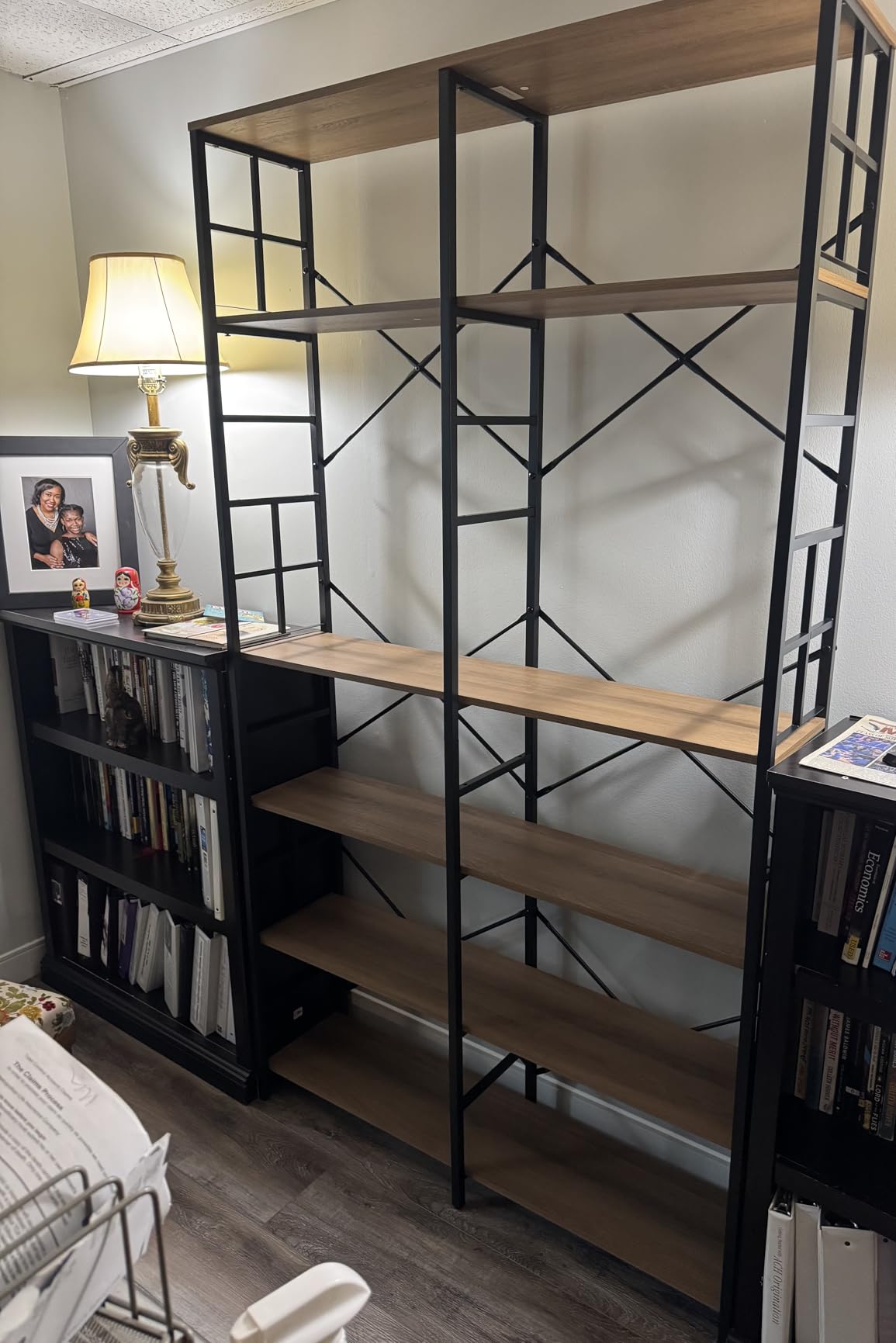
The finish deserves a mention because it solves a recurring problem. Many wood-tone bookcases in this style come out with a strong orange cast that fights warm walls; this one is a dark neutral brown that sits quietly against most paint colors.
Height cuts both ways. An 84-inch loaded unit is a genuine tipover candidate, and the recurring advice from owners is to fasten the brackets into wall studs rather than drywall. Our own instruction is the same: anchor this one, do not just lean it.
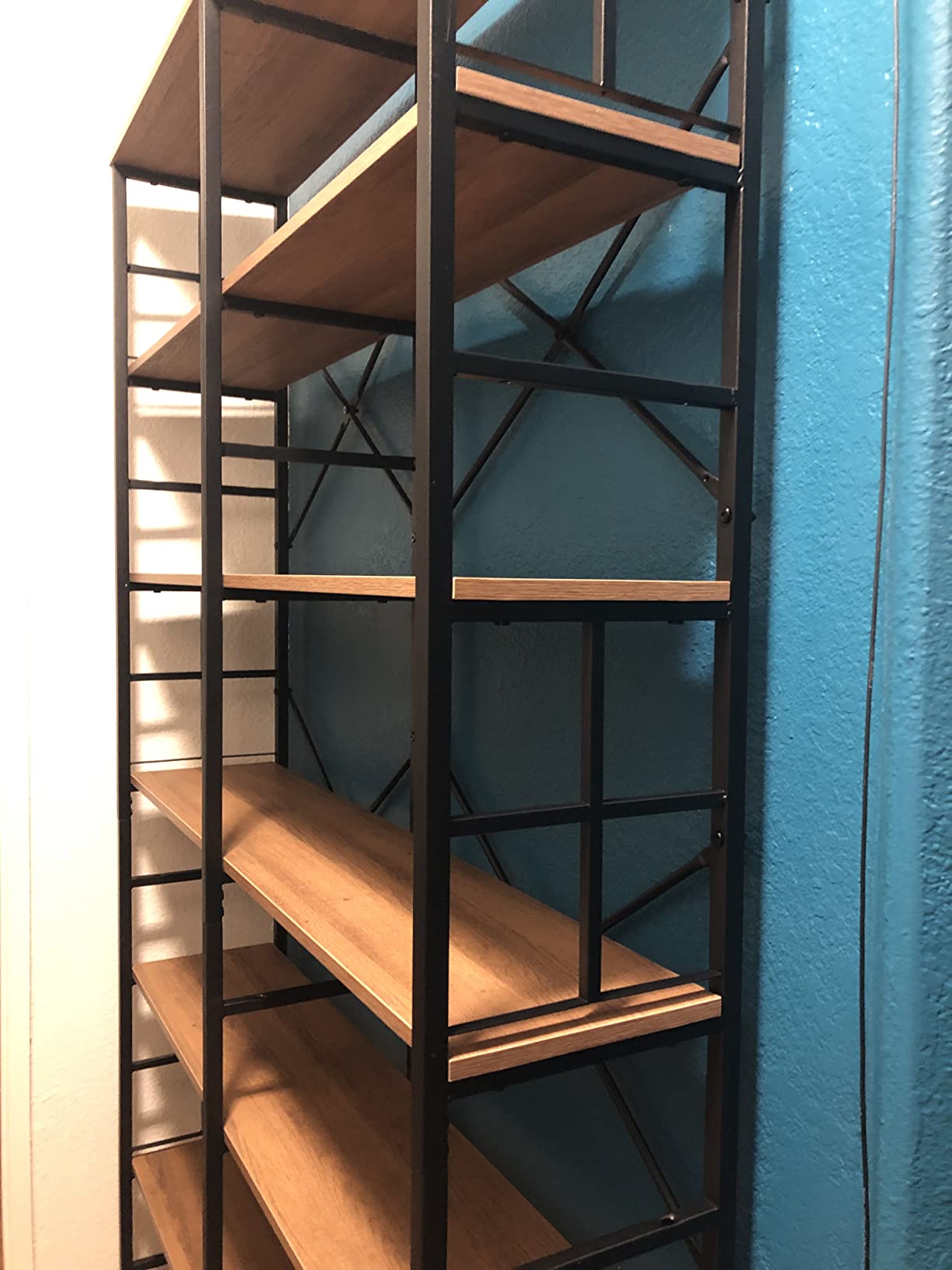
What you get in real use
Seven open tiers across 47.44 inches of width means you can shelve a very large collection in a single footprint, and the adjustable feet keep it level on carpet or an uneven floor. Assembly is straightforward but slow, so budget an evening rather than an afternoon.
Because it doubles as a divider, the open design is an advantage in a loft or a finished basement, where a closed back would make the unit look like a wall. Plan the shelf layout before you fill it, because the lower tiers are the sturdiest point on the frame.
Who should skip it
Skip it in a room with young children unless you are fully prepared to anchor it into studs on the first day. The height is the entire value proposition, and the height is also the risk.
It is also the wrong choice for a small apartment, where a 47.44-inch-wide, 84-inch-tall unit dominates a wall. If your load is real but your footprint is tight, the triple-wide IRONCK or a pair of narrower towers will serve you better.
4. IRONCK Triple Wide 5-Tier Bookshelf – Best for Textbooks and a 66 Pound Per Shelf Rating
IRONCK Triple Wide 5-Tier Bookshelf with Metal Frame, Vintage Brown
MDF shelves with an iron frame
66 lbs per shelf
5 tiers across 14 shelves total
69.3 in W by 69.3 in H
Pros
- Very high 66 lb per shelf rating across a triple-wide footprint
- Holds large textbooks
- binders and genealogy volumes
- Back panels stop books sliding off the rear
- X-shaped brackets resist bending and wobbling
- Adjustable feet level the unit
Cons
- Large and slow to assemble
- usually a two-person job
- Frame pieces can be fitted the wrong way without clear cueing
- The outer box is oversized and awkward to carry
- 11.8 inch depth is shallower than some buyers expect
A stated 66 pounds per shelf is a solid published figure on MDF shelves, and the 4.8 star average sits alongside it. Owners specifically call out holding large textbooks, binders and genealogy volumes, which are the volumes that break lesser shelves because they are heavy, deep and often stored for years without being moved.
The structure is MDF shelves carried by an iron frame with X-shaped brackets and 2.8-inch back baffles. Those baffles matter more than they sound: they stop a heavy hardback from migrating backward and eventually falling off the rear, which is a slow failure that most people do not notice until a shelf is empty.
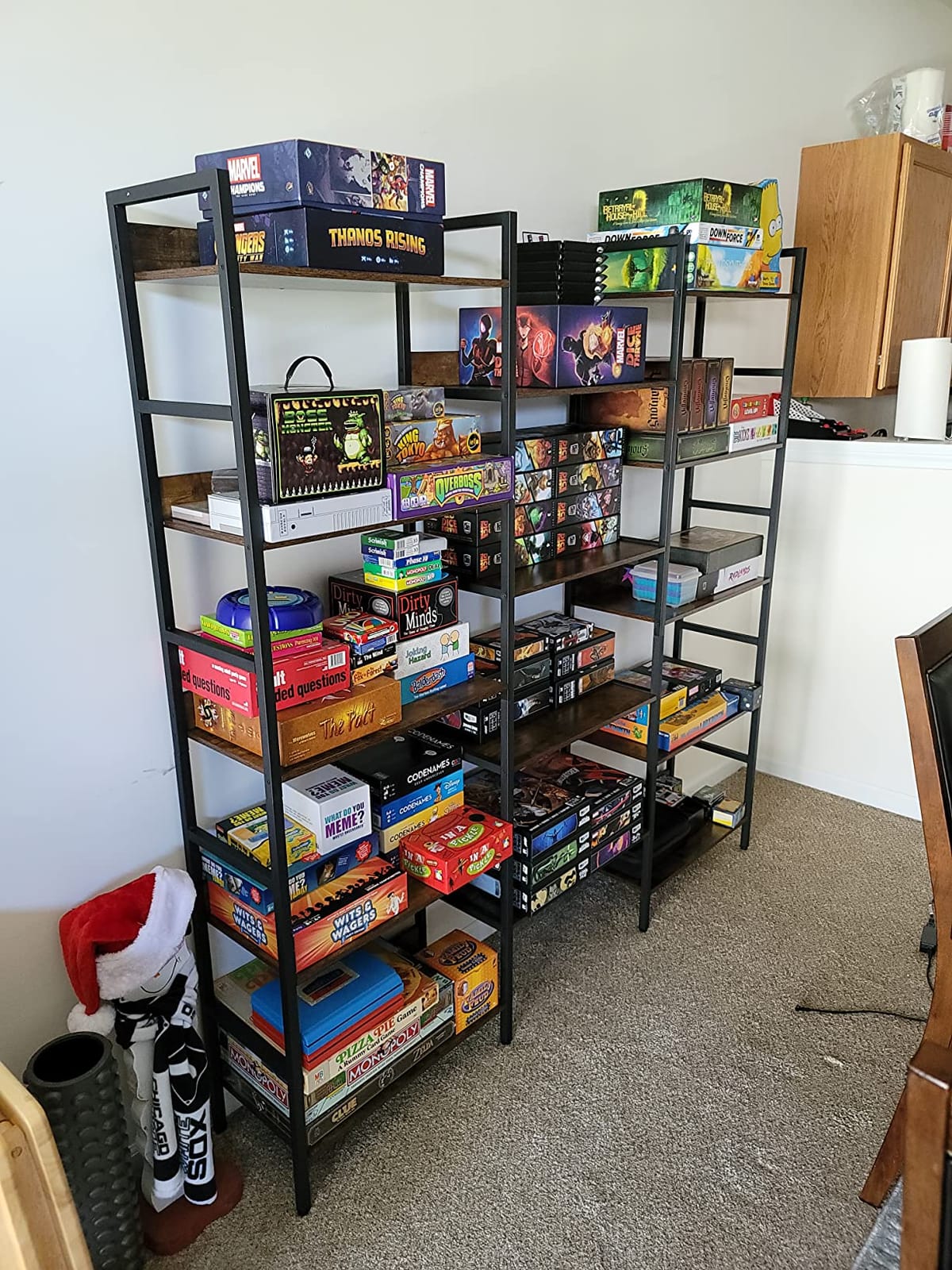
The trade-off is assembly, and it is a real one. This is a large unit that reviewers describe as a two-person, multi-hour job. Part numbers are printed on the pieces and the step-by-step instructions help, but a few owners fitted frame pieces the wrong way because the parts look similar in the box.
Set aside two people and an afternoon. If you are assembling this in a hurry or alone, the Camaflexi or the HSH will get you to a finished bookcase far faster.
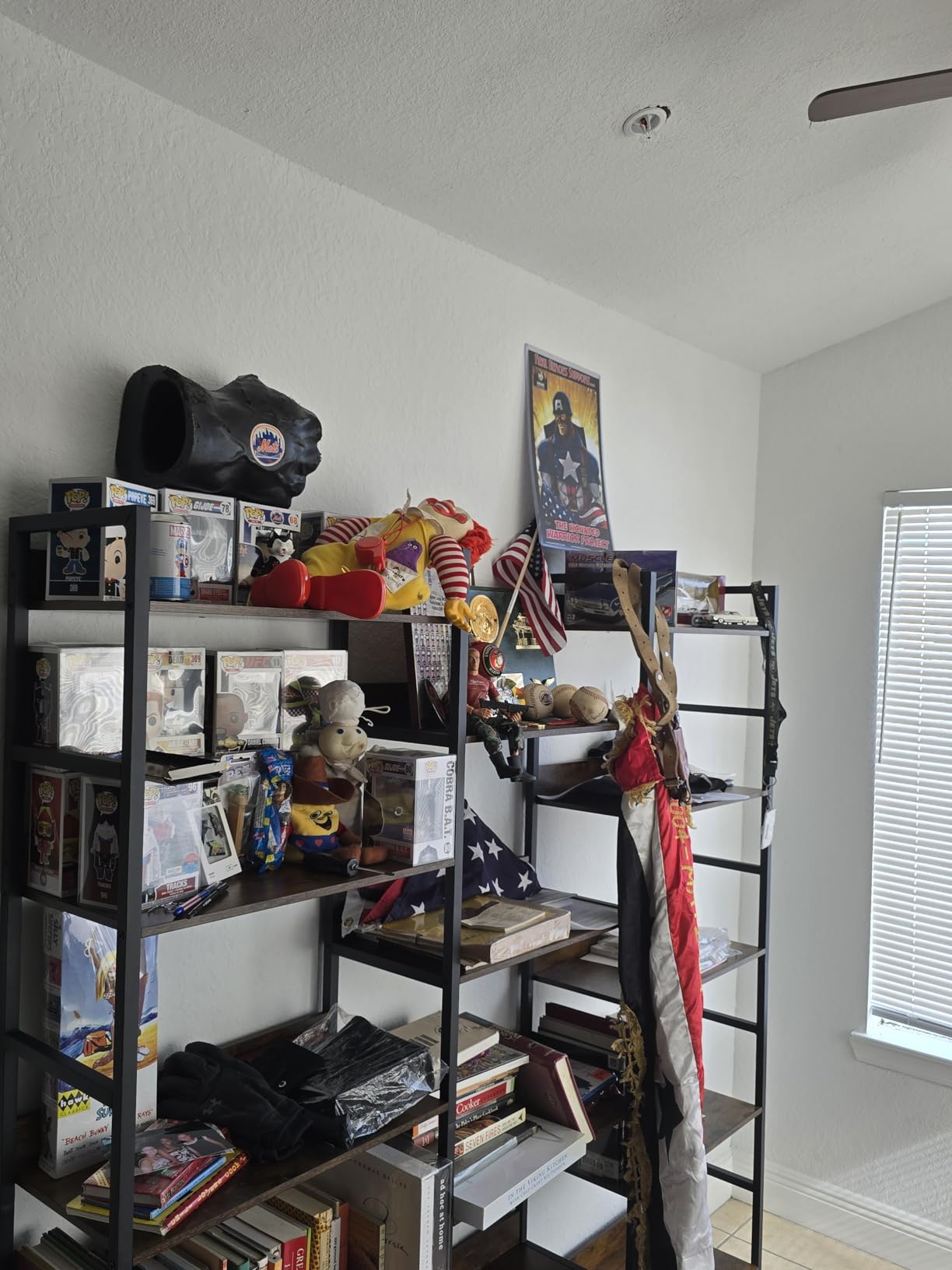
What you get in real use
Five tiers across a triple-wide layout means you can hold a large reference library without stacking towers against a wall. The adjustable feet handle uneven ground, and the frame does not visibly flex when you lean on it, which is the small test most buyers apply before trusting a shelf with a full shelf of hardcovers.
This is the pick for a home office or a study that has to look presentable while being packed. The vintage brown finish and industrial styling read as furniture rather than storage, and the wide footprint means a single unit can serve an entire wall.
Who should skip it
Skip it if you have oversized art books. At 11.8 inches of depth, a large folio or a stacked oversized trade will overhang the front edge, and overhanging weight is exactly what drives the front edge down on a long shelf.
Also skip it if the assembly window is tight. We would rather you bought a unit you can put together on a Sunday evening than one that sits in a box for three weeks. For oversized collections specifically, the AY-AOYUAN at 31.5 inches wide is a safer bet than one long run of shelf.
5. HSH 4 Tier Industrial Solid Wood Bookshelf – Best Proven Performer for Loaded Shelves
HSH 4 Tier Industrial Solid Wood Bookshelf, Distressed Brown
Real fir wood shelves on steel tube frame
1 inch shelf thickness
4 tiers at 41.3 in W by 55 in H
backless design
Pros
- Genuine solid fir boards rather than particleboard or MDF
- Thick shelves that hold heavy loads without sagging
- Assembles in about 20 minutes with tools included
- Adjustable leg levelers for uneven floors
- Distressed brown suits farmhouse and industrial rooms
Cons
- Black steel uprights are lighter gauge than ideal for heavy loads
- Backless design gives no dust protection or tip support
- Rear crossbars can block screw access during assembly
- A wood stain odor lasts the first day or two
With more than 2000 ratings behind it, this is the most long-proven unit in the group, and the reports cluster around one word: solid. Owners consistently call out that the shelves are real fir rather than particleboard or MDF, and that the 1-inch boards stay flat under load. That is the combination buyers ask for most often when they want to avoid bowed shelves without moving to premium furniture pricing.
The steel tube frame is square and thick, braced with X-shaped brackets at the back, and the leg levelers let you level the whole thing on an uneven floor. A 55-inch height also means this is short enough to be genuinely stable when fully loaded, which matters more than height for most collections.
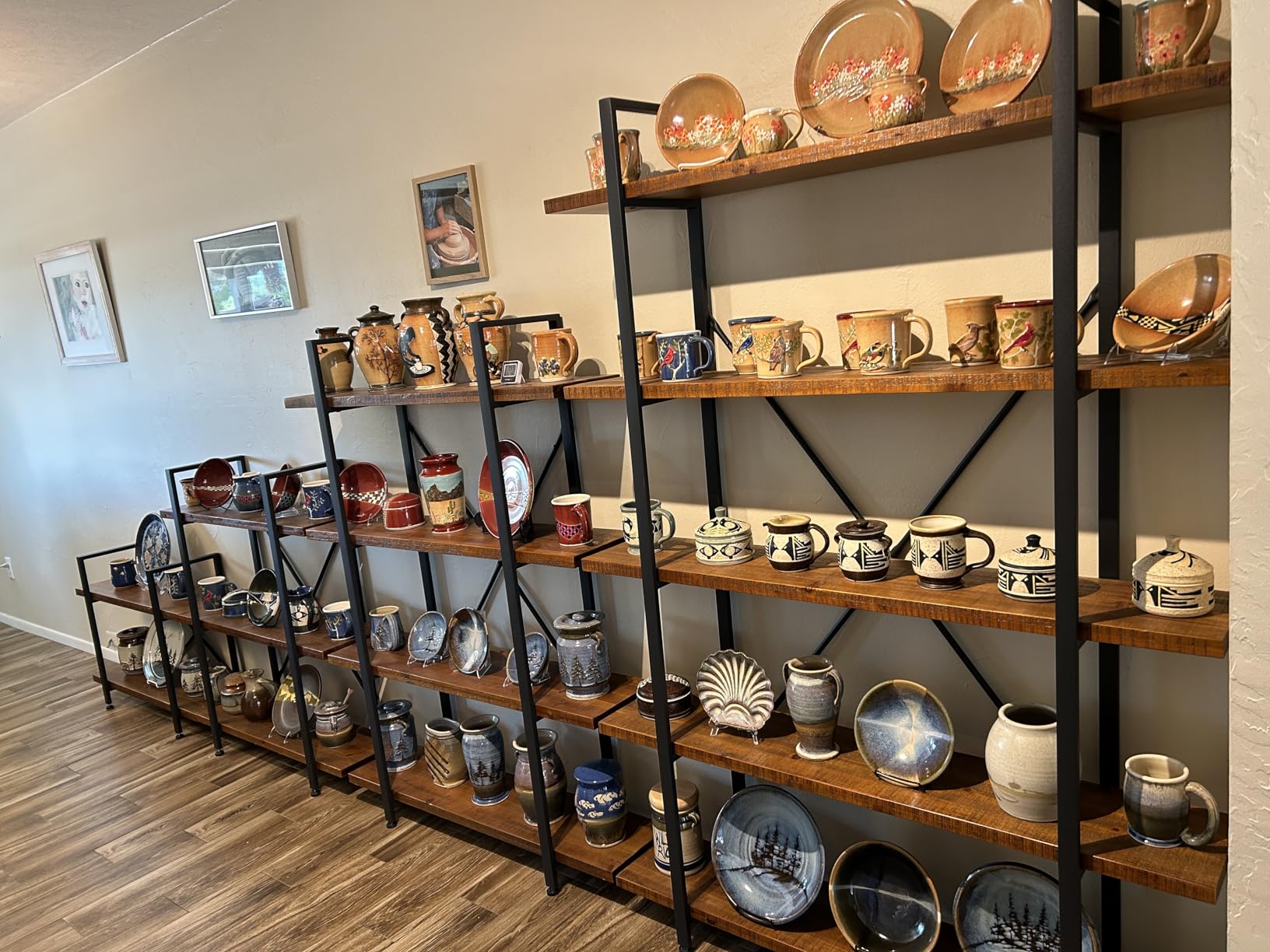
Assembly is the standout. Roughly 20 minutes, all hardware included, and most owners finish it without recruiting help. That speed is unusual for a 41-inch-wide unit and it is a large part of why this model has accumulated so much long-term feedback.
Two caveats come up repeatedly. The steel uprights are lighter gauge than we would like for a heavy-duty frame, and the backless design means nothing stops a hardcover from sliding off the rear or catching dust. Owners who load it heavily report upgrading their wall anchors, which is exactly the move we would make.
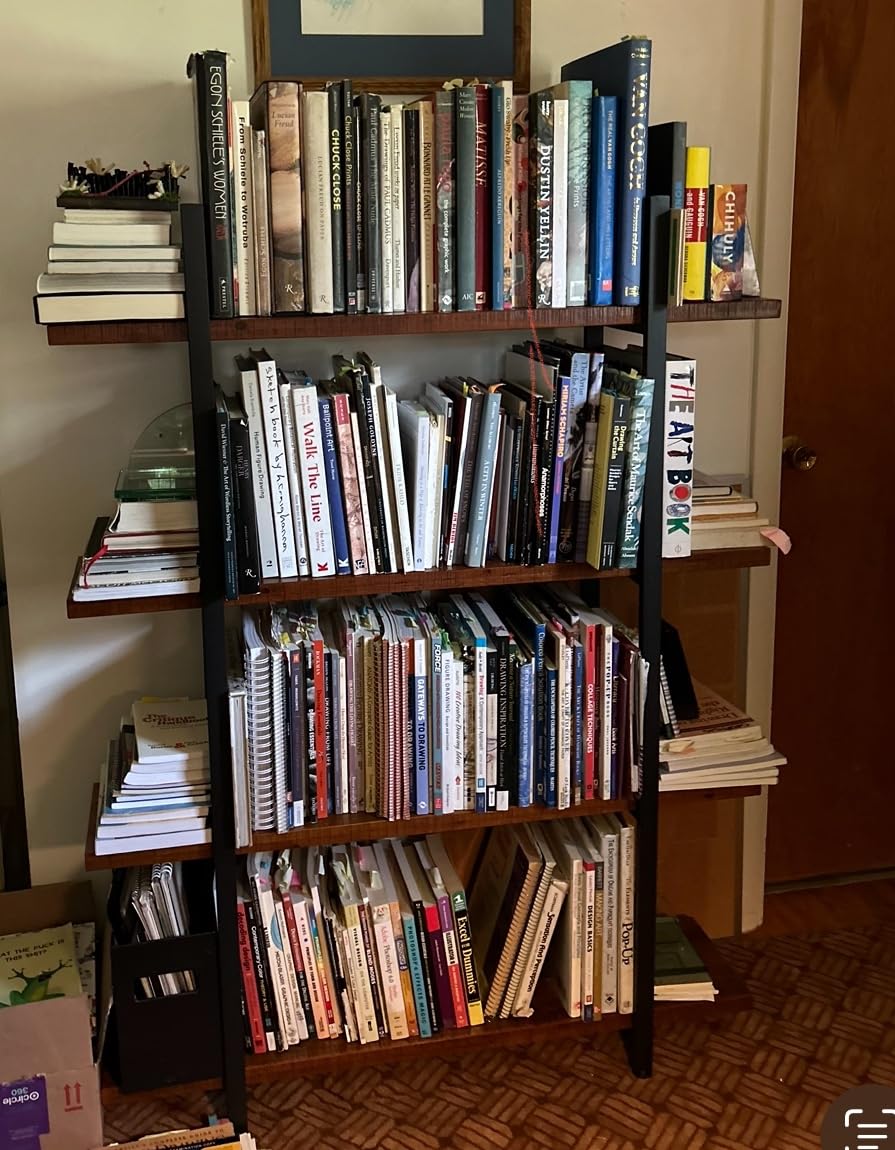
What you get in real use
This is the unit we would put in front of a family room where children walk past. At 55 inches tall it cannot tip onto anyone, it assembles fast enough that a Saturday morning is realistic, and the backless open design makes it easy to see every shelf and reach a book without climbing.
The distressed brown finish has a real farm and workshop look, and the 10.6-inch shelf depth suits novels, paperbacks and standard hardcovers with room to spare. Expect a genuine wood stain smell for the first day or two; it clears.
Who should skip it
Skip it if dust is a concern, because a backless frame leaves every book spine exposed. It is also the wrong shape for oversized art books, since a 10.6-inch depth will not take a folio laid flat or an oversized trade standing up.
Buyers who want a taller unit or a closed back should look at the Camaflexi or the International Concepts instead. Neither of those is wrong, but both take longer to assemble and both cost more in time than they do in raw capability.
6. OtterOasis Heavy Duty 5 Tier Industrial Bookcase – Best for a 120 Pound Per Shelf Rating
Heavy Duty 5 Tier Industrial Bookcase for Home Office, Rustic Brown
Matte black steel frame with X-bracing
120 lbs per shelf
5 tiers at 47.2 in W by 12.6 in D
30mm shelf boards
Pros
- Generous 120 lb per shelf capacity for heavy book loads
- 3cm upgraded boards add rigidity over typical shelving
- 47.2 inch width reduces the need for multiple units
- Matte black steel frame with X-bracing and two anti-tip devices
- Open design makes contents easy to see and reach
Cons
- 47 inch span is longer than most units here
- so a center support helps at full load
- 30mm boards are thinner than the 1.19 and 1.49 inch wood rivals
- Smaller review base of 277 ratings than the established models
At 120 pounds per shelf, this is the highest per-shelf rating attached to a wood-and-steel build in this group, and it is the number to compare the other MDF-and-iron units against. The frame is matte black steel with X-shaped support braces, adjustable feet and two anti-tip devices, which is more anchoring hardware than most units in this roundup include.
Shelf boards are listed at 30 millimeters, roughly 1.18 inches, and the manufacturer positions them as an upgrade over standard retail shelving. That is a reasonable claim: 30mm sits comfortably above the 3/4 inch minimum and below only the thickest rivals here.
The 12.6-inch shelf depth is the most useful measurement on this listing. It is deep enough for oversized trade paperbacks and thick art books without the shelf becoming a cantilever, and it is the second-deepest option in the group after the Camaflexi.
Because the footprint is 47.2 inches wide, this is one unit doing the work of two. Owners like that it consolidates a large collection into a single frame rather than requiring a pair of towers, which also halves the number of units you have to anchor.
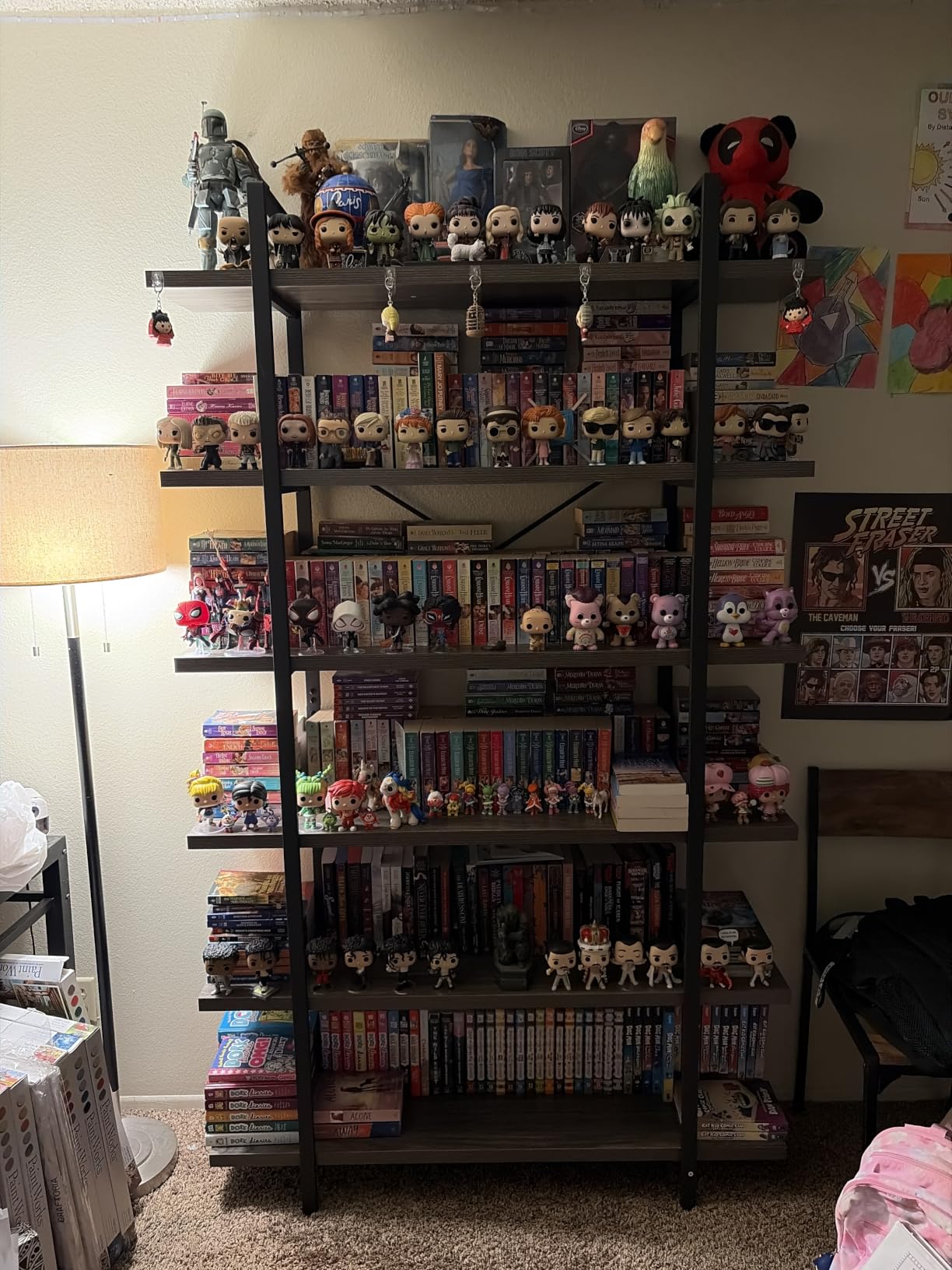
What you get in real use
Guided assembly with all hardware included keeps the build straightforward, and the open design means every shelf is visible and reachable without a ladder. That visibility is a genuine advantage for a collection you actively use rather than store.
Two anti-tip devices is the detail we would single out for a home with children. Combined with a 120-pound rating, it makes this the pick we would trust for a schoolroom-style reference library where books come off the shelf daily.
Who should skip it
Skip it if you will fill the shelves front to back with the heaviest volumes you own. A 47-inch unsupported span is long, and while the rating is generous, adding a center upright under the middle shelf costs very little and removes most of the bow risk at full load.
Also skip it if you want a long record of owner feedback. With 277 ratings, this is a smaller and newer listing than the established models here, and fewer long-term reports means fewer confirmed years of service.
7. International Concepts Solid Parawood Bookcase – Best Solid Wood for Furniture-Grade Rooms
International Concepts, Solid Wood Bookcase 60″ High, Adjustable Shelves, Solid, Sturdy Parawood Construction, Eco Friendly, Easy Assembly, Kitchen/Dining Furniture, Espresso
Solid parawood construction
150 lbs rated
5 shelves with 2 adjustable
32 in W by 60 in H
closed back
Pros
- Genuine solid parawood rated to 150 lbs
- Two adjustable shelves for oversized books and decor
- Classic traditional profile for dining
- living and office rooms
- Closed back keeps books free of dust
- Sustainably sourced materials
Cons
- The 150 lbs rating is not broken out per shelf
- 32 inch span is longer than the shorter solid-wood units
- Traditional styling does not suit industrial or modern rooms
Parawood is a dense hardwood, and this is the only traditional-style piece in the group built entirely from it. The 150-pound rating is among the highest published figures among the solid-wood options, and at 60 inches tall and 78.5 pounds empty, the unit has the mass of real furniture rather than flat-pack board.
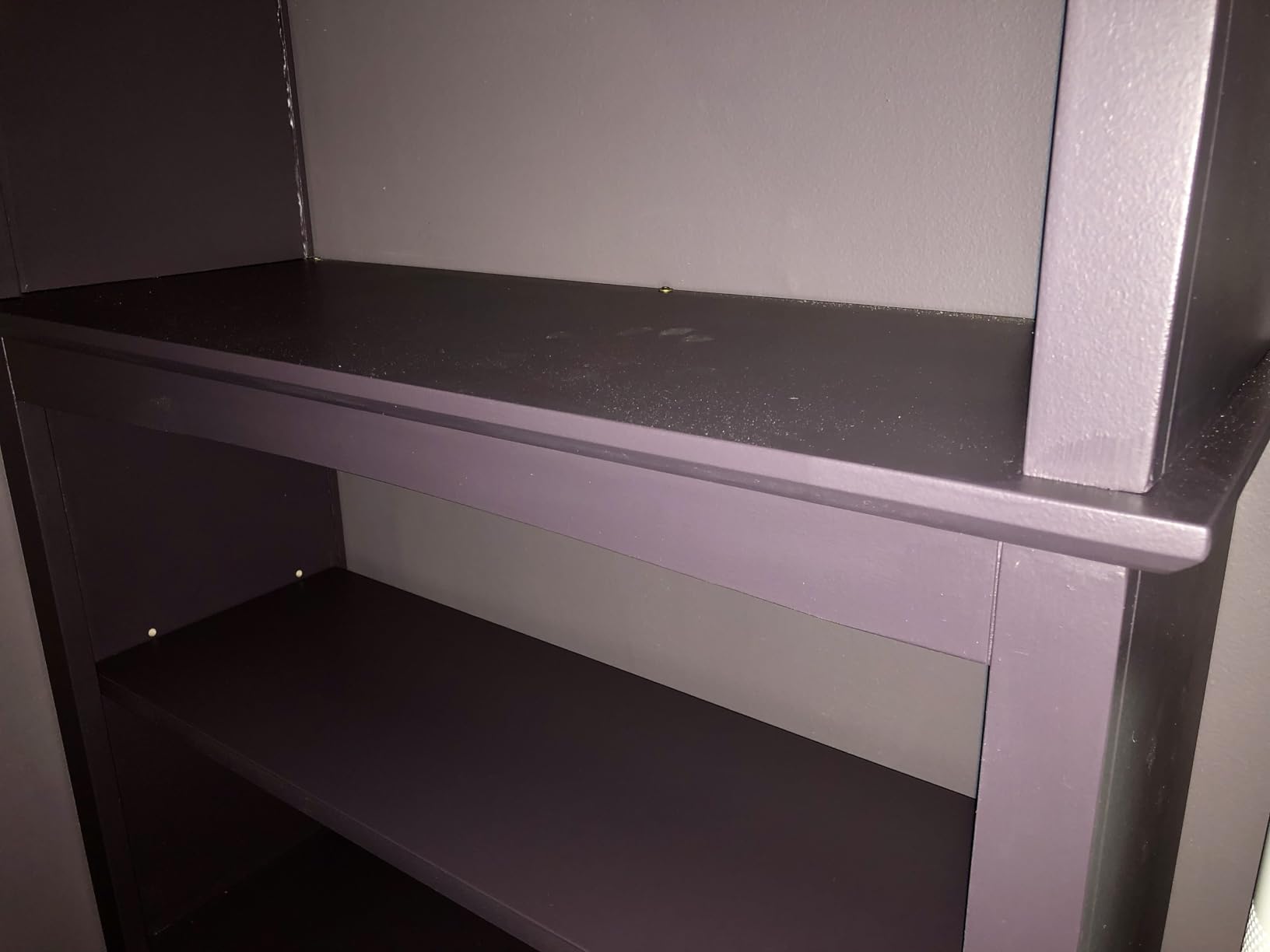
Two of the five shelves adjust, which matters when a collection mixes 9-inch paperbacks with oversized hardbacks. The 12-inch depth is generous, and the closed back panel keeps dust off the spines while adding rigidity to the frame as a whole.
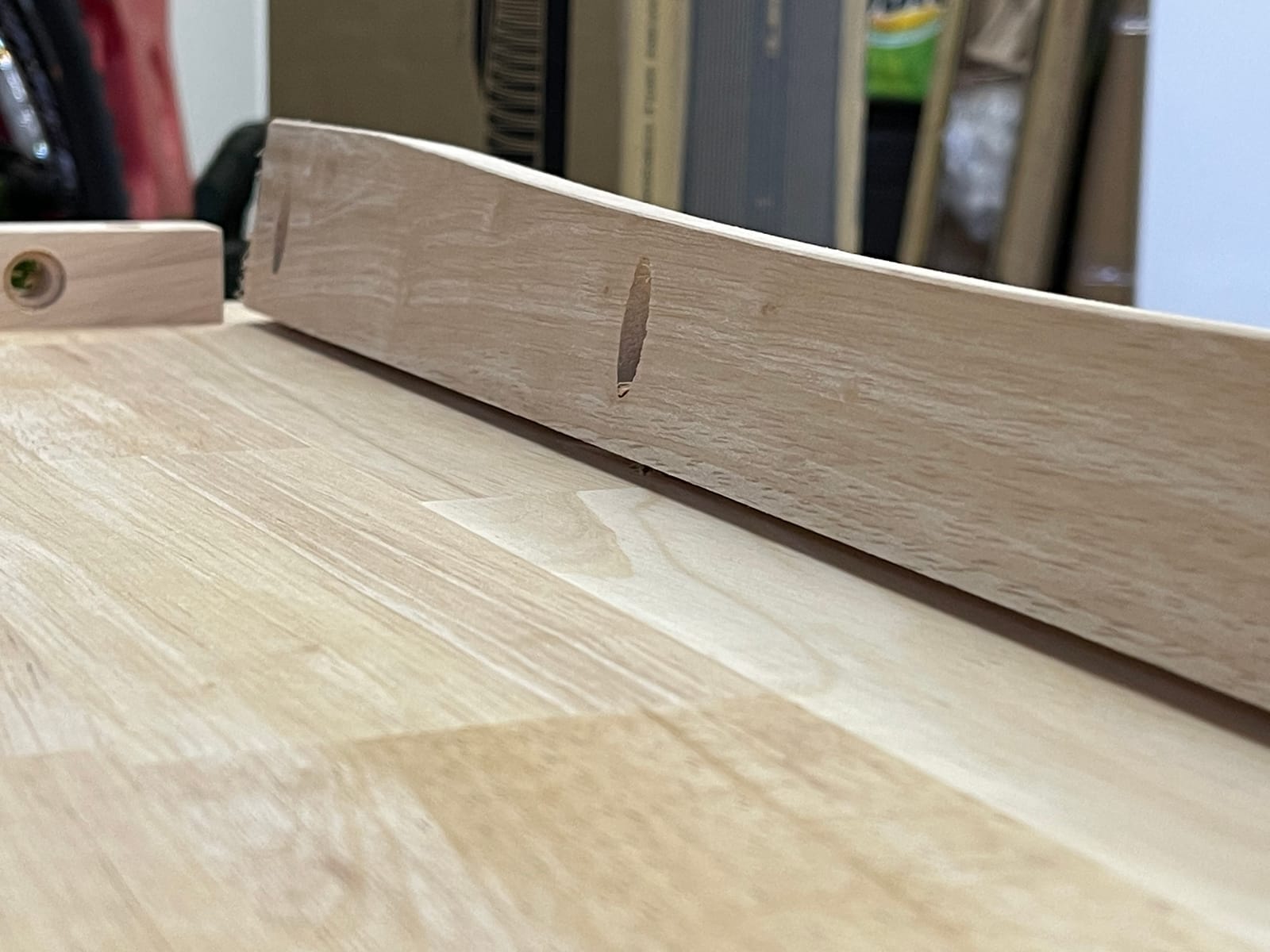
Where this piece separates itself is appearance. The espresso traditional profile looks correct in a dining room or a formal study, and it is the pick here if the bookcase has to sit in a space where an industrial metal frame would look out of place.
One caveat on the spec sheet. The 150-pound figure is not broken out per shelf, so you cannot compute a per-shelf rating from the listing alone. If a precise number matters to you, treat 150 pounds as a total capacity figure and keep each individual shelf comfortably under half of the evenly distributed equivalent.
What you get in real use
The construction is the point here. Solid wood shelves return slightly to flat after being unloaded, so a small bow under a heavy shelf-load is recoverable in a way that compressed particleboard is not. For a collection that will be in the house for decades, that durability compounds.
Owners also note that the closed back keeps the spines clean, which is a real quality-of-life benefit in a room with heating vents or a working fireplace. Assembly is simple, with instructions included.
Who should skip it
Skip it if your style is industrial, modern or minimalist. The traditional profile is the reason to buy it and the reason to pass if that is not your aesthetic. It is also the heaviest unit here empty, so moving it into place before you load it is not optional.
Skip it if you need hard per-shelf numbers to plan a dense load. The listing gives a single rating rather than a per-shelf breakdown, and collectors with albums and oversized trades usually want that certainty before they commit.
8. Tribesigns Tall 70.8 Inch Bookcase – Best for a Stated Total Load on a Single Unit
Tribesigns Tall Bookcase and Bookshelf, 70.8” Large Bookcases Organizer with 5-Tier Storage Shelves, Heavy Duty Free-Standing Library Bookshelf Shelving Unit for Living Room, Bedroom (Dark Walnut)
Powder-coated metal frame with particleboard
88 lbs per shelf, 529 lbs total
5 tiers, 1.49 inch shelf listing
closed back with anti-dumping kit
Pros
- Frame stands perpendicular to the floor rather than leaning forward
- Stated 88 lbs per shelf across 5 tiers
- Deep 11.81 inch shelves fit large books and dictionaries
- Closed backboard shields books from dust
- 4 adjustable feet and an 18-month warranty
Cons
- Lowest average rating in this roundup at 4.3
- Particleboard is less durable than solid wood under long-term heavy loads
- Bulky footprint for a single unit
This is the only unit here that publishes a per-shelf and a total figure together: 88 pounds per shelf and 529 pounds total across five tiers, on a powder-coated metal frame with a closed backboard and an included anti-dumping kit. That transparency is worth something on its own.
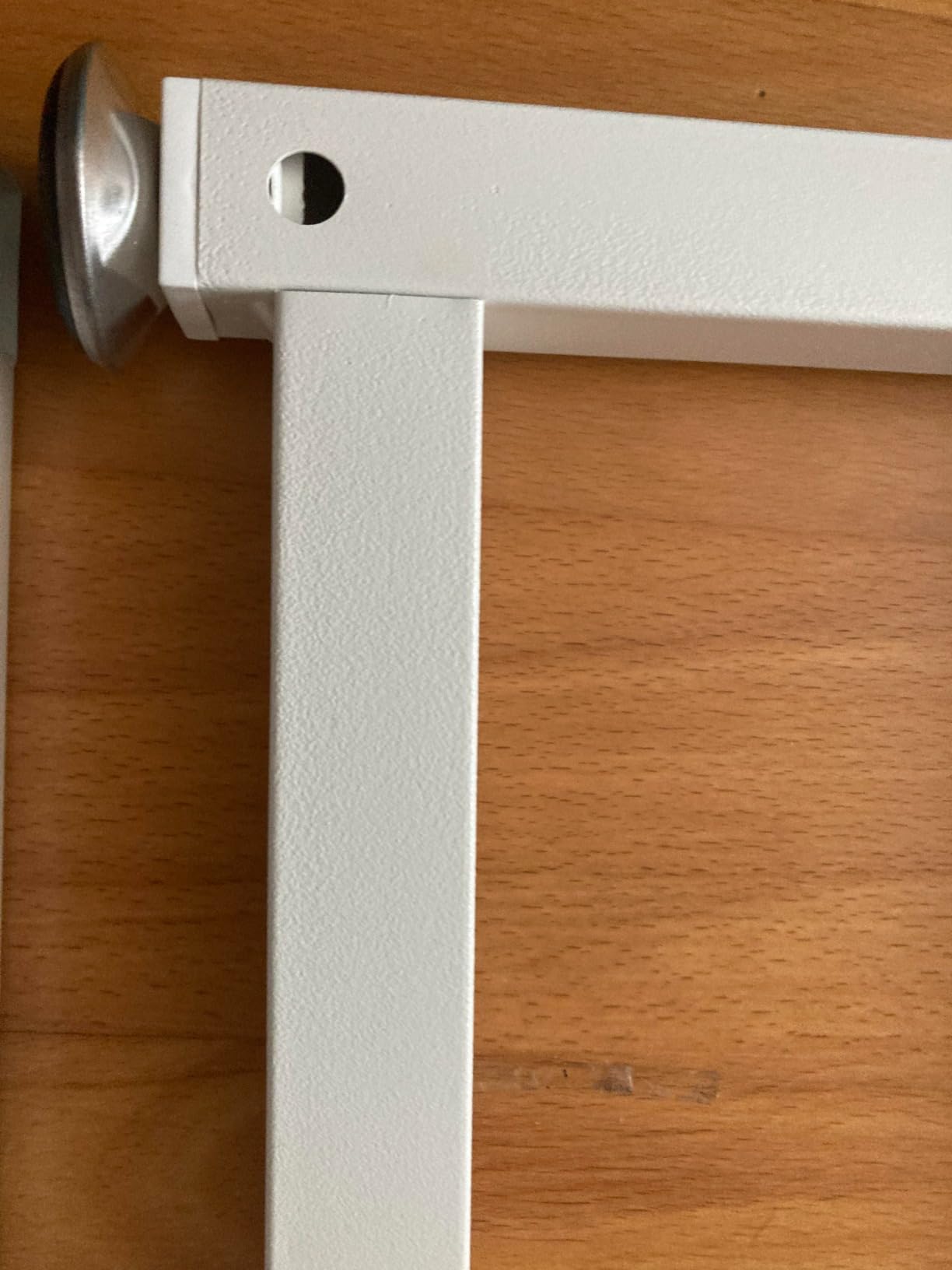
Buyers like the frame geometry. It stands perpendicular to the floor rather than leaning forward, which keeps a heavy load from pushing the unit into a slow forward drift, and the four adjustable feet compensate for uneven floors and rugs, a surprisingly common failure point in carpeted rooms.
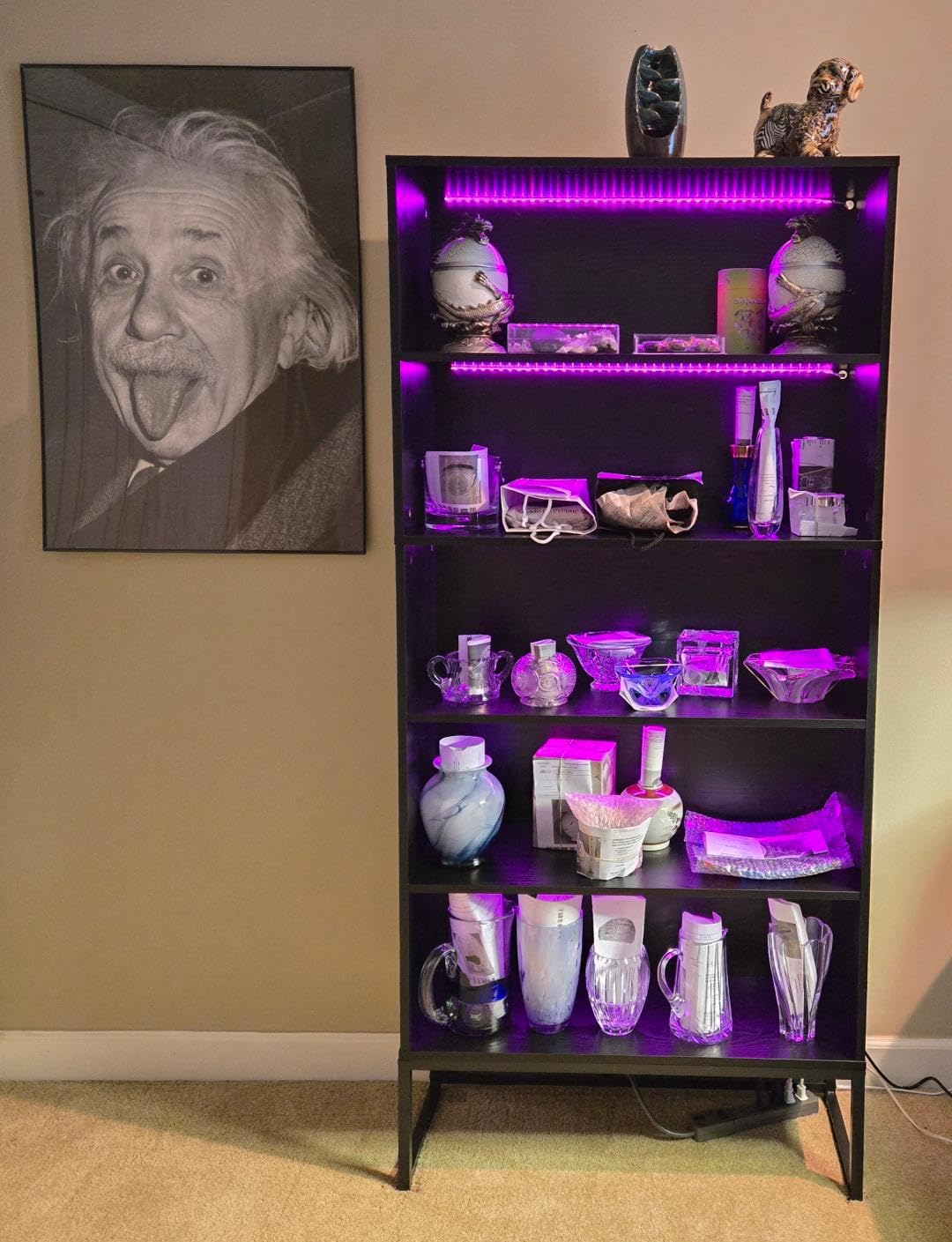
The 11.81-inch shelf depth is deeper than most and fits large books, dictionaries and display models without crowding. With a closed back, dust stays off the spines and the back panel acts as a stiffening diaphragm across the whole frame.
Where the trade-off sits is the material. These are thick particleboard shelves on a metal frame, and particleboard is dimensionally stable but compresses permanently under sustained heavy load. For a collection that is being moved and shelved regularly, that is fine. For a collection that will be packed once and left for a decade, solid wood is the safer long-term answer.
What you get in real use
The listed shelf thickness of 1.49 inches is the deepest figure published in this roundup, and the anti-dumping kit plus four leveling feet make this a stable unit in a room with children or pets, provided you fix it to the wall.
There is an 18-month warranty on this one, which is longer than most of the units in the group, and the 70.87-inch height gives five generous tiers without the extreme verticality of the 84-inch model.
Who should skip it
Skip it if your collection is mostly used hardbacks. Particleboard is the weak point in an otherwise strong build, and the 4.3 average rating in this roundup reflects exactly that kind of durability complaint from buyers.
Skip it if floor space is tight. The footprint is bulky for a single unit, and at this width the same spend often buys a narrower solid-wood shelf that will outlast it. It is a good buy for a first bookcase with a mixed collection, not a final answer for a lifetime collection.
9. AY-AOYUAN 5 Tier Real Solid Wood Industrial Bookshelf – Best Solid Wood for 200 Pounds Per Shelf
AY-AOYUAN 5-Tier Real Solid Wood Bookshelf, Industrial Metal Etagere
Real solid wood shelves, no MDF
200 lbs per shelf, 600 lbs total
1.19 inch shelf thickness
31.5 in W by 63 in H
Pros
- 100 percent real solid wood with no MDF
- particleboard or veneer
- Very high 200 lb per shelf rating on 1.19 inch boards
- Low formaldehyde emissions from a non-toxic finish
- Adjustable feet maintain balance on uneven floors
- Open etagere design keeps rooms spacious
Cons
- 31.5 inch span sits between uprights
- so a center support helps at full load
- Review base of 145 ratings is thinner than the established models
- At 63 inches it offers fewer tiers than the taller units
This is the highest verified per-shelf rating among the solid-wood builds in this roundup: 200 pounds per shelf and 600 pounds total, on 1.19-inch solid wood boards carried by a matte black powder-coated iron frame. For a collector with a real weight problem, that combination of stated capacity and genuine solid wood is rare.
The finish deserves its badge. Reviewers specifically call out the absence of chemical smell, and the non-toxic protective coating is a genuine advantage for a home with a newborn, a shared bedroom or anyone who is sensitive to formaldehyde off-gassing from engineered board.
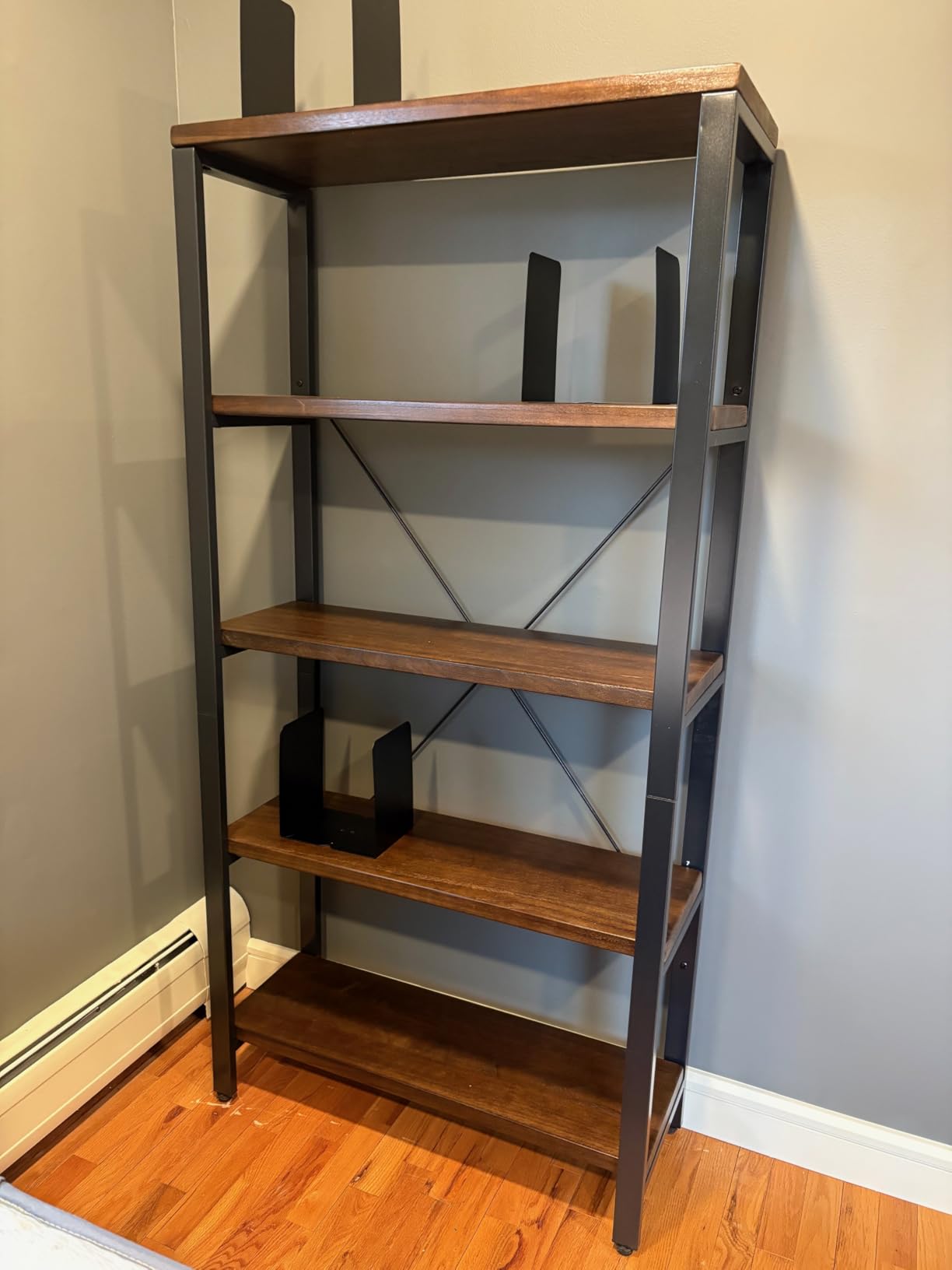
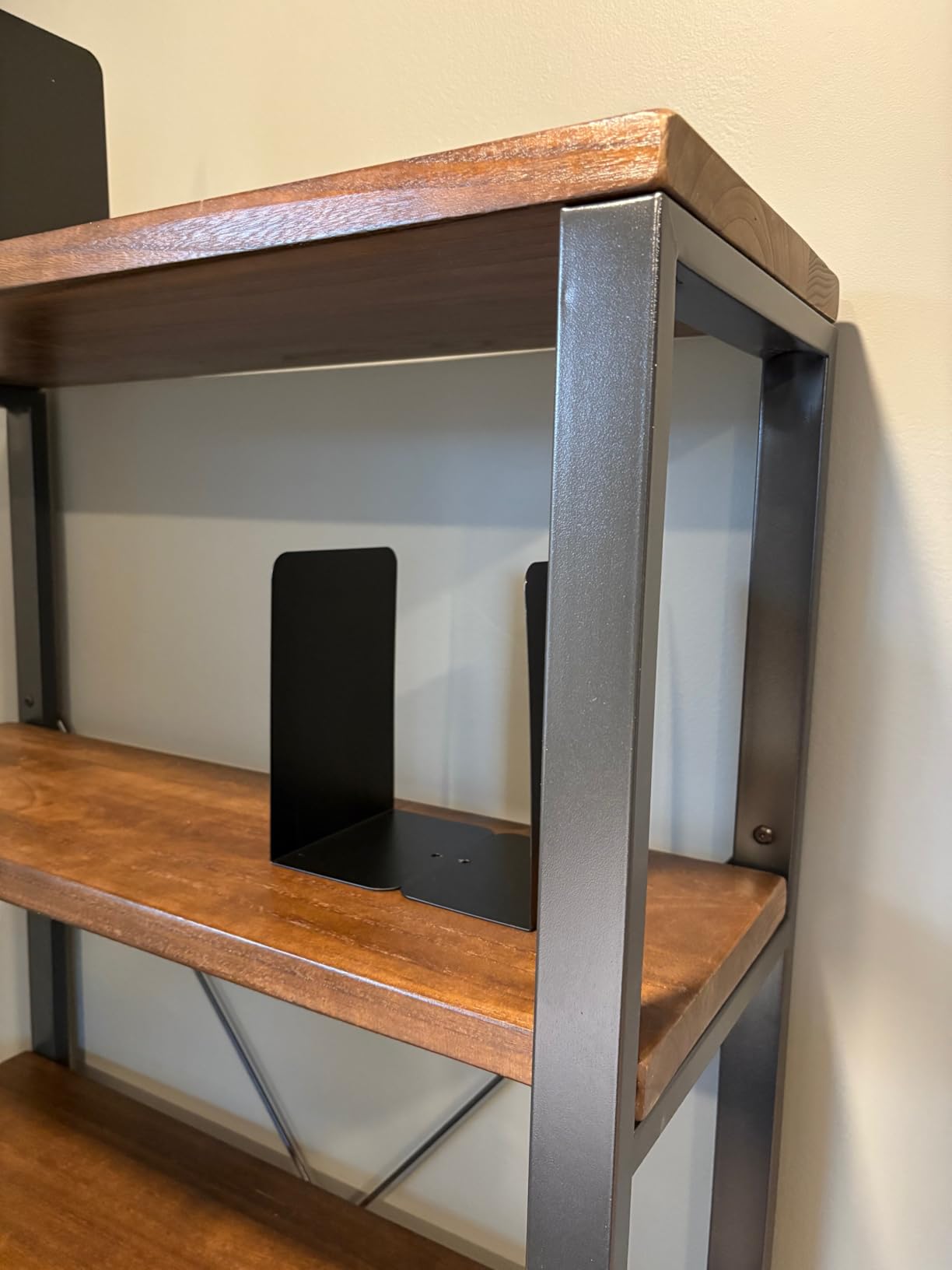
The 31.5-inch width is the useful number here, and it is shorter than the wide industrial units in this group. A shorter span is the single best structural feature of this listing: less distance between uprights means less deflection for the same load, which is why a 200-pound rating over 31.5 inches is more believable than a 350-pound rating over 48 inches.
At 63 inches tall and 35 pounds empty, the unit is light for its capacity, which makes it far easier to reposition than a solid-wood bookcase that weighs 78 pounds before a single book goes on it.
What you get in real use
Five tiers of open etagere shelving suit a loft, a den or an office where you want the room to read as open. Adjustable feet handle uneven floors, and X-shaped frame bracing keeps the uprights square under load.
If your books include art monographs or oversized trades, this is one of the two or three units here we would trust with them. The board thickness and the span are both on the right side of the lines we drew at the start of this roundup.
Who should skip it
Skip it if you need a long record of independent long-term use. With 145 ratings, this is one of the smaller review bases in the group, so the confidence here comes from the specification rather than from years of owner reports.
Skip it if you need more than five shelves in a small footprint, or if you want a closed back. This is an open etagere, which means dust settles on the spines and nothing supports the rear of a heavy hardback.
10. CONSDAN Industrial Bookshelf in USA Grown Poplar – Best for the Highest Stated Load Rating
CONSDAN Industrial Bookshelf, USA Grown Hardwood, Real Wood Bookshelves, Modern Open Rustic Bookcase, Storage Shelf, Display Shelf, Poplar Solid Wood-5 Tier Shelf
USA-grown poplar solid wood
350 lbs per shelf
0.75 inch shelf boards
48 in W by 70 in H
wall anchors included
Pros
- Real USA-grown poplar hardwood
- explicitly not MDF
- Highest stated per-shelf capacity in this roundup
- Natural vegetable oil and wax finish with no chemical odor
- Assembles in 20 to 30 minutes with a screwdriver
- Wall anchoring kit included
Cons
- 48 inch span is the longest in the group and the highest bow risk
- 0.75 inch boards are the thinnest solid-wood option here
- One owner reported missing screw holes on a leg set
- A second person helps when aligning the rear legs
At 350 pounds per shelf, this carries the highest stated capacity of anything we looked at. The shelves are USA-grown poplar solid wood, finished with natural vegetable oil and wax, and several owners compare the wood quality favourably to costlier furniture. The 0.75 inch thickness sits exactly at the minimum we consider acceptable.
Structurally, the question with this unit is the same one that applies to every wide design here: at 48 inches of width, the shelf spans nearly 4 feet between uprights. Deflection over that distance is substantial, which is why a U-channel along the back or a center upright is close to mandatory once the shelves are full.
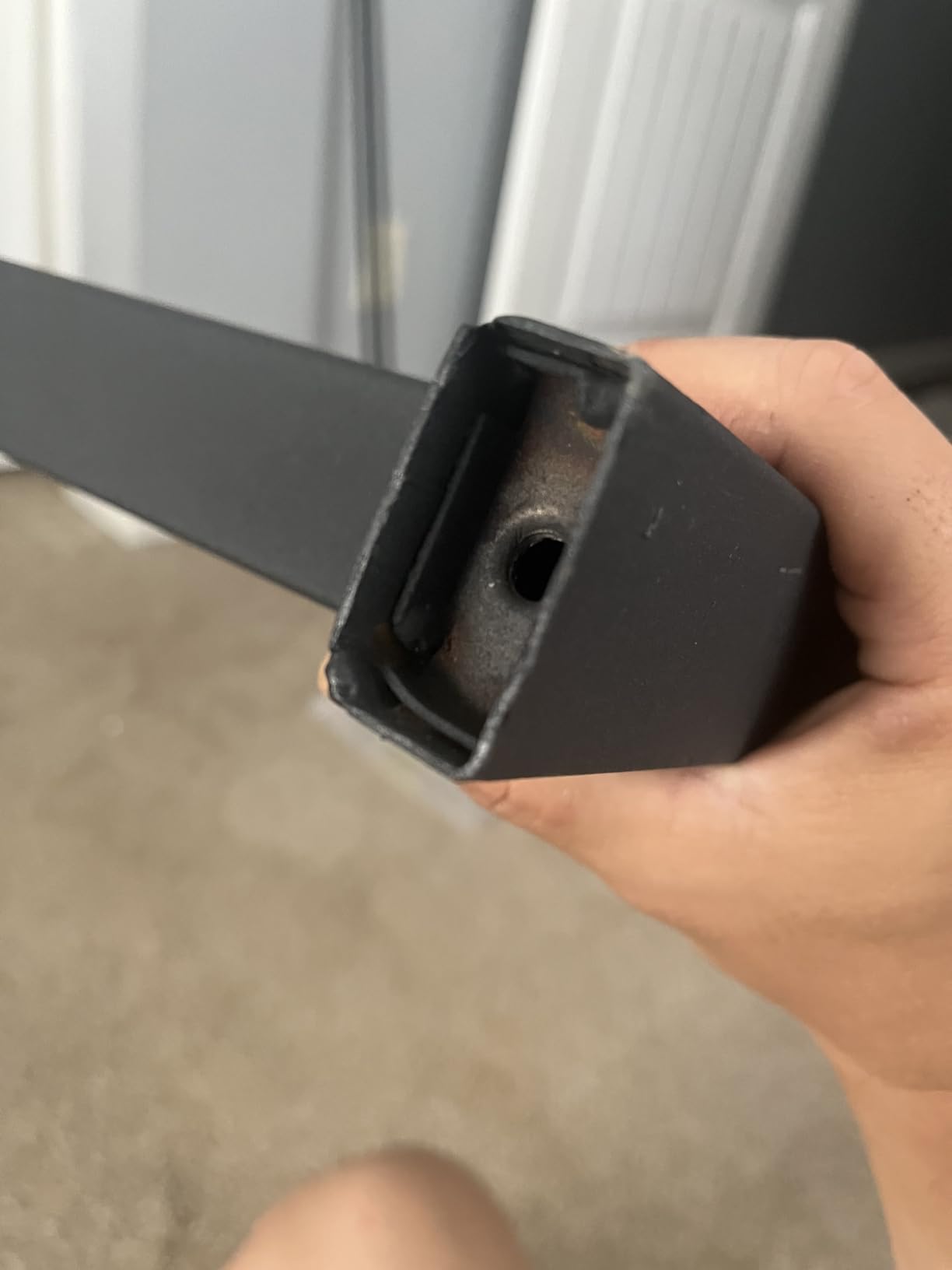
Owners also like the assembly time. Twenty to thirty minutes with a screwdriver, and the wall anchoring kit is in the box, which is not something we can say about every tall unit in this roundup.
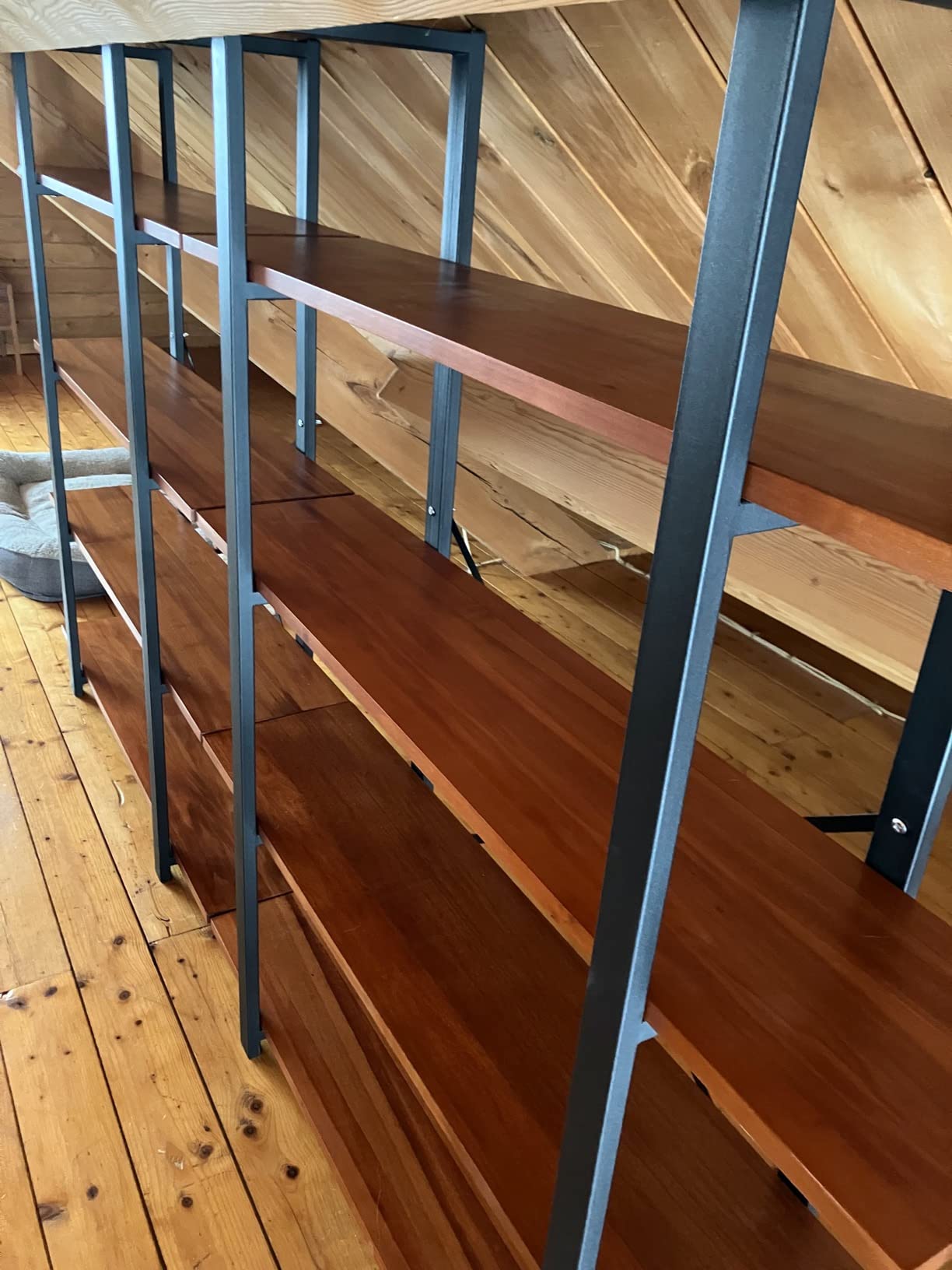
Two real-world notes. A second person makes aligning the rear legs much easier on a 70-inch frame, and one reviewer reported a leg set arriving with missing pre-drilled screw holes for two shelves, which is a quality-control issue rather than a design fault.
What you get in real use
The finish is a genuine differentiator. Vegetable oil and wax finishes have no solvent odor and no formaldehyde off-gassing, and reviewers describe the wood as brighter and more open than the stained options in this group, which also means a light hardwood room does not get darkened.
At 70 inches tall with a bright open look, this is a good fit for a study, an office reference library or a homeschool room where the shelves will be used daily and the material needs to be safe around children.
Who should skip it
Skip it if you intend to fill every shelf fully and refuse to add a center support. A 48-inch span with a 0.75 inch board is the most demanding combination here, and the stated rating is only meaningful if the load is distributed rather than concentrated.
Skip it if you want tall storage in a small room. At 48 inches wide and 70 inches tall, this is a wall-consuming unit, and the HOMISSUE is the taller alternative while the AY-AOYUAN is the narrower one.
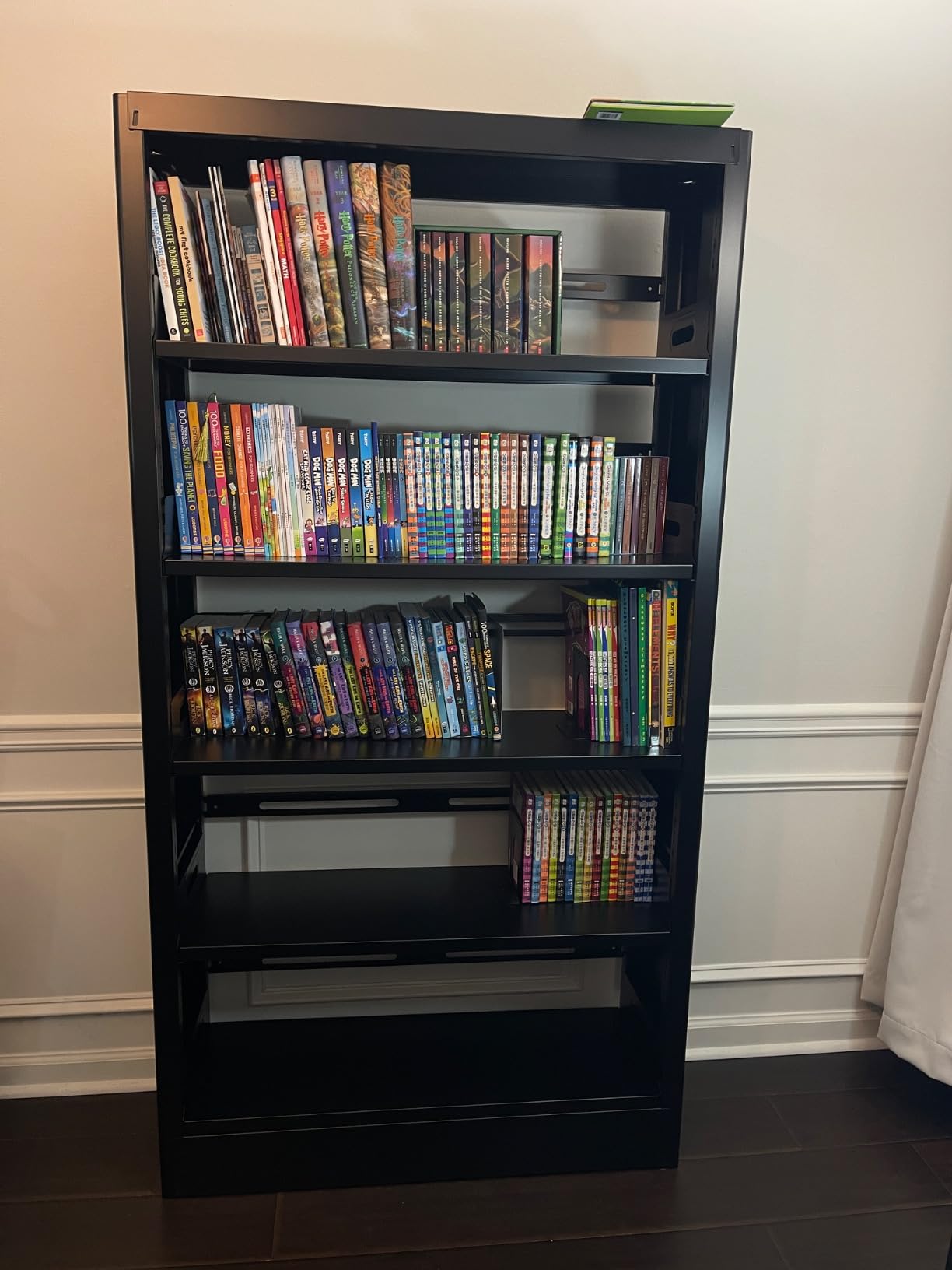
11. Jazipic 5 Tier Metal Bookshelf – Best All-Metal Frame for a Small Space
Jazipic 5-Tier Bookcase with Adjustable Storage Shelves, Heavy Duty Bookcase, Metal Bookshelf with Book Stopper, Black Bookcase Shelf for Library, Office, Living Room
All-metal steel frame
5 tiers at 37.4 in W by 70.9 in H
adjustable at assembly
anti-tip kit included
Pros
- Steel frame avoids the sagging and joint failure common in wooden units
- Shelf heights adjustable during assembly to suit book sizes
- Built-in book stoppers keep books and files upright
- Waterproof anti-rust coating wipes clean
- Anti-tip wall anchoring kit included
Cons
- Some pieces arrive bent and need straightening
- Identical-looking cartons make assembly confusing
- Interlocking holes require a hammer
An all-steel frame is the cleanest answer to the sag problem, because there is no particleboard to compress. Reviewers who bought this for books rather than decor report strong satisfaction with how the frame holds hardcovers, and the steel carries a waterproof anti-rust coating that makes cleaning a spilled coffee trivial.
The shelf positions are adjustable at assembly rather than after it, which is a compromise worth understanding before you buy. Measure your tallest book and your shortest, then decide the layout before you start. The built-in book stoppers are a nice touch that keeps files and paperbacks from splaying.
At 37.4 inches wide and 70.9 inches tall, this is one of the narrower tall units, which makes it a good fit for an apartment or a home office where a 47-inch footprint would crowd the room.
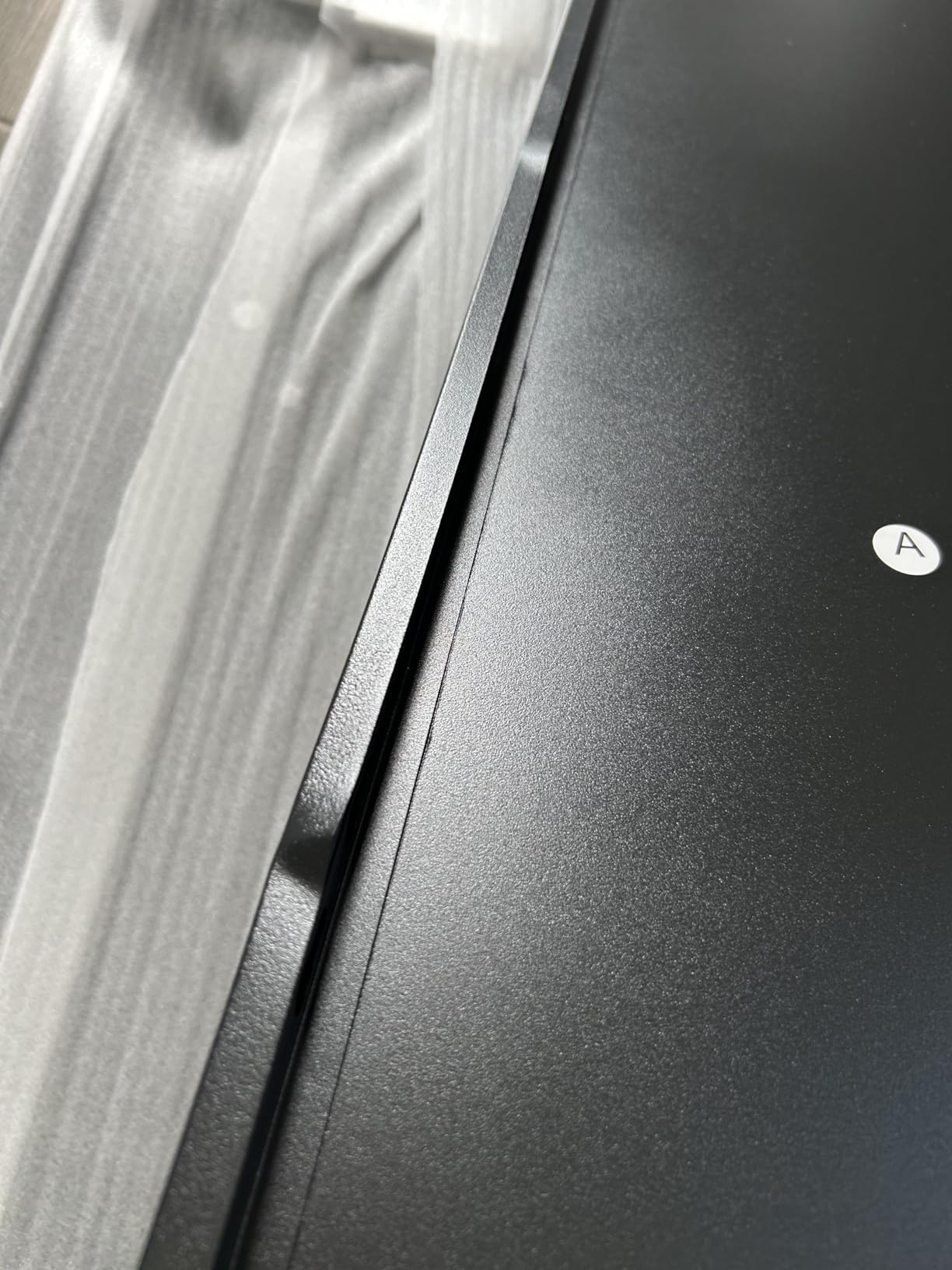
The honest weakness is packaging. Owners report bent sheet metal on arrival and multiple identical-looking cartons that are hard to sort during assembly. The interlocking hole construction also means a hammer is part of the build, so check the pieces over before you start rather than discovering a problem halfway through.
What you get in real use
At 73.9 pounds empty, this has real mass in the frame, and the anti-tip kit is included, so anchoring it into studs is straightforward. A metal unit in a basement or garage also tolerates humidity better than engineered board, which is a real advantage in unfinished spaces.
For a mixed collection of novels, work manuals and a few oversized references, the adjustable-at-assembly layout lets you put the tall volumes where the clearance is greatest and fill the shorter spans with paperbacks, which is the practical version of load distribution.
Who should skip it
Skip it if you want a matte finish that disappears into a room. The black powder-coated steel reads industrial, and if your space is soft and domestic it will look like equipment rather than furniture.
Also skip it if you are not comfortable assembling sheet metal. The interlocking joints need a hammer and a fair amount of alignment, and the packaging issues mean you may be straightening a bent side panel before you can even start.
12. CBNTKI 5 Tier Metal Bookshelf – Best for the Fastest Build and Modular Expansion
CBNTKI 5 Tier Metal Bookshelf, Black 69″ Tall Bookcase, Large Heavy Duty Book Shelves, Industrial Wide Book Shelves, Display Storage Shelves for Library Bedroom Living Room Office
Cold-pressed steel plate
150 lbs per shelf
5 tiers at 34 in W by 69 in H
toolless interlocking assembly
Pros
- Toolless interlocking design assembles in under 10 minutes
- Modular design lets units be combined and expanded
- High stated weight limits with no fixed shelf positions
- Bookend design keeps books from tipping
- Sleek minimalist look for offices and dens
Cons
- Some owners report thin sheet metal and shelves that bow under heavy books
- Shelves are not adjustable after assembly
- The base can splay apart on carpet
- Black-on-black assembly makes screws hard to see
Nothing else here goes together as fast. The cold-pressed steel plates interlock without bolts and the unit is claimed to assemble in under ten minutes, which makes this the pick if you need a bookcase standing today rather than this weekend.
The modular design is the more interesting feature. Because the units connect, you can build a single 5-tier tower during a move and add a second unit later, which is a practical answer to the question collectors keep asking: how do I size a bookcase for a collection that is still growing?
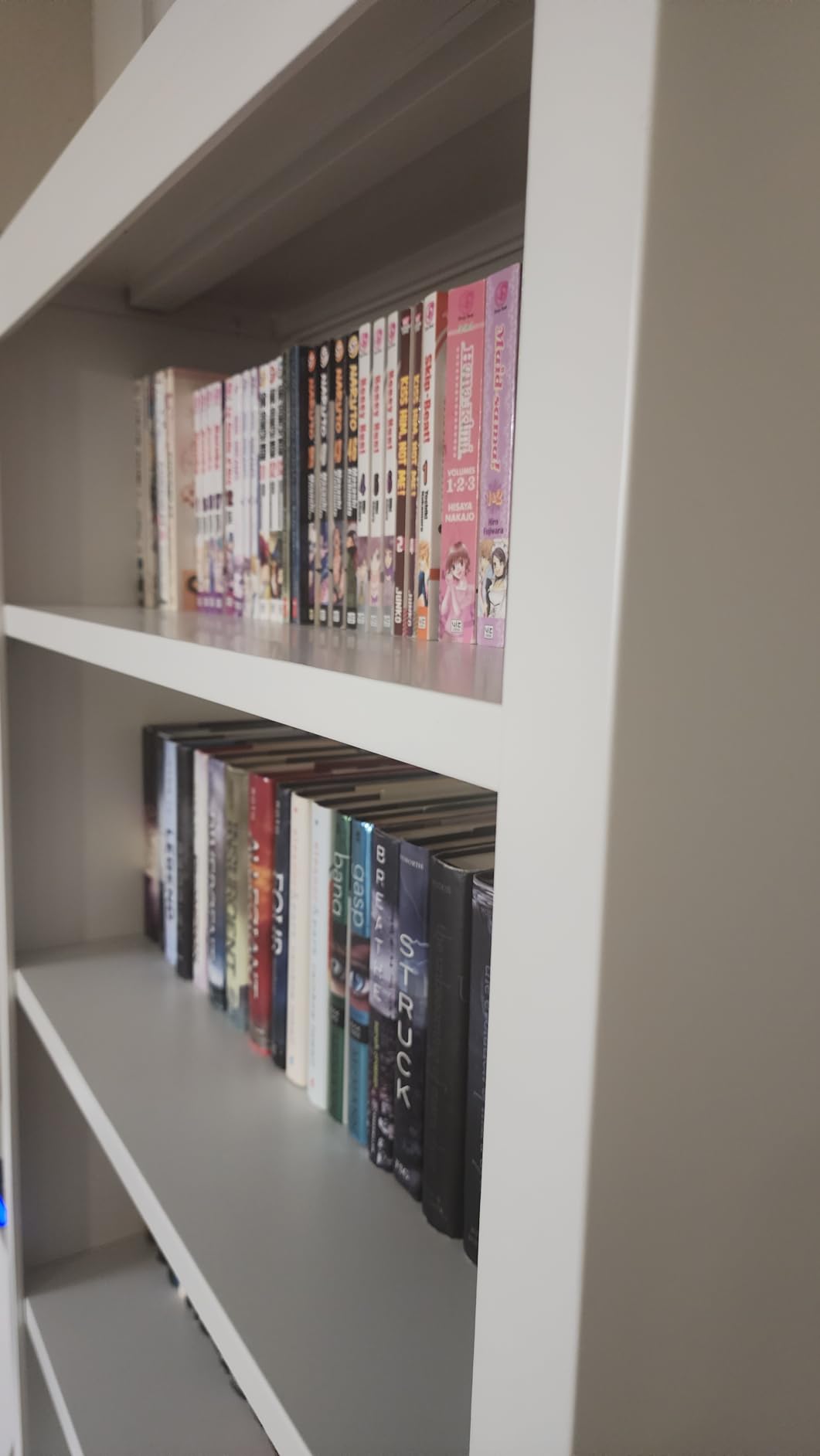
The stated rating is 150 pounds per shelf, and the shelves are listed at 1 inch thick. But here is the caveat that matters for this particular roundup: several owners report thin sheet metal and shelves that bow under heavy book loads specifically. That is the one failure mode we are shopping for, and it appears in the reviews.
Two other practical notes. The base can splay apart on carpet, which matters if your bookcase lives in a carpeted bedroom, and the all-black assembly makes screws very hard to see, so a second pair of hands saves real time.
What you get in real use
The integrated bookend design keeps books from tipping over, which is small but genuinely useful in a collection that is shelved tightly. The minimalist silhouette works well in a home office or a den where you want storage to recede.
At 40 pounds empty, this is also one of the easier units to move and reposition, which matters if you are still deciding where the library goes. Mounting gloves are included, a small touch that tells you the manufacturer expects a fight with the panels.
Who should skip it
Skip it if your priority is heavy books. That is not a criticism of the unit, which is a competent general bookcase, but reports of bowing sheet metal under heavy loads make it the wrong tool for this specific job. The IRONCK Triple Wide or the OtterOasis is the better bet for the same spend.
Skip it if you want adjustable shelf heights after the build. Positions are fixed once the panels interlock, so the layout has to be right the first time.
How to Choose a Bookcase for Heavy Books
Five decisions account for almost all of the difference between a shelf that holds a decade of books and one that bows in a year. Work through them in order.
1. Read the per-shelf rating, and discount it. Published numbers assume evenly distributed weight across a full shelf. A solid row of hardcovers concentrates load at the front, so plan to stay under half the stated figure. If a listing gives only a total rating with no per-shelf figure, treat that as a structural number rather than a per-shelf one and ask yourself whether the span makes it believable.
2. Measure the span, not the width. The number that governs sag is the unsupported distance between uprights, not the overall width of the case. Anything over 30 inches needs a center support. Three of the units in this roundup measure 47 inches or more across, which is why we flagged a center upright for each of them.
3. Check board thickness against the 3/4 inch floor. Where listings publish a figure, this roundup ranges from 0.75 inch poplar to a 1.49 inch listed board. Anything at or above 0.75 inch in solid wood is workable; anything in engineered board should be at least an inch to feel confident, and it should be paired with a closed or braced back.
4. Choose the material for your timeline. Solid pine, fir, poplar and parawood are softer and spring back, so small deflection is recoverable. Particleboard and MDF are stiff when empty and compress permanently under sustained load, so they are better suited to a collection that gets moved than one that gets packed once. Metal frames eliminate the compression problem entirely, and are the strongest option when the style suits.
5. Plan the anchoring before delivery. Every tall unit in this group includes anti-tip hardware of some kind, and some include more than one device. A 70-inch unit carrying several hundred pounds is a tipping hazard in any room with a child or a pet. If you are holding heavy books, a plastic drywall anchor is not enough; find a stud or use a proper structural anchor. Our guide to moving straps for heavy furniture also covers getting tall empty units into position before they are loaded.
Two secondary decisions are worth a sentence each. Glass and tempered glass shelves are frequently rated for far less weight than solid board, and glass doors add swing weight to a frame that is already carrying a load. For oversized art books, albums and coffee-table photography volumes, a deeper shelf matters more than a higher rating: our guide to coffee table books covers the format, and the Camaflexi and International Concepts are the two deepest units here.
On floor-standing versus wall-mounted: collectors consistently prefer floor-standing units for heavy loads, and the reasoning is structural. A floor-standing bookcase transfers the load into the floor through four or six points, while a wall-hung shelf transfers it into a single run of wall fasteners. For hardcovers, oversized trades and anything above roughly 30 inches, go freestanding and anchor it.
One last sizing rule. Multiply your book count by an average volume weight, then add 50 percent if the collection is largely used hardbacks, since aged volumes can approach twice the mass of new ones of the same size. That gives you a total weight to divide across shelves, and if the number exceeds what your chosen unit can carry across its full width, buy two narrower units instead of one wider one.
How to Reinforce an Existing Bookcase
If the unit you own is bowing, you can often fix it rather than replace it. A back cleat is the recurring recommendation in homeowner forums, and it works because it turns a one-dimensional board into a beam that resists bending in the direction you care about.
For a center upright, cut a length of hardwood or 3/4 inch plywood to the internal height of the cabinet, notch the underside to sit over the two side panels, and screw it to the shelf edges every 6 to 8 inches. This splits the span in half and is the single most effective upgrade to any wide shelf.
Steel U-channel along the back edge of a bowed shelf is the second option owners recommend. Screw the channel to the underside of the shelf and to the side panels, and the shelf gets a rigid edge that resists the twist that causes bowing in the first place.
For a closed-back unit, a horizontal cleat screwed across the back panel at mid-height adds rigidity to the whole carcass. Add a front-edge lip if books tend to slide forward, because a downward lip converts a cantilever into a contained load.
Finally, redistribute before you add hardware. Move the heaviest volumes to the lower shelves, spread each row front to back instead of packing it forward, and leave air gaps at the ends. Owners who do this alone often stop noticing the bow entirely. For overflow that no shelf will hold, our guide to heavy duty storage bins covers low-shelf alternatives for magazines and flat files.
Frequently Asked Questions
What is the maximum weight a bookshelf can hold?
It depends on board thickness, span and material rather than the bookcase itself. As a working rule, treat the published per-shelf rating as a ceiling and load no more than half of it densely. A 3/4 inch solid wood shelf spanning 24 inches holds 100 lbs comfortably, while the same board across 36 inches may bow at half that load. For a whole unit, multiply the per-shelf figure by the shelf count and confirm the frame can carry the total.
Do Billy bookcases sag with heavy books?
Wide Billy shelves are widely used despite bowing, and most owners accept a slight bend as long as the shelf does not break. The recurring fix among owners is a steel U-channel along the back edge or an added vertical support to split the span. Collectors of oversized trades report outright shelf failure on lighter-grade units rather than gradual bow, so if your books are oversized, choose solid wood or a metal frame instead of reinforcing pressed board.
How can I prevent my bookshelf from sagging?
Keep the unsupported span under 30 inches, use shelf boards at least 3/4 inch thick, and prefer solid wood or a metal frame over particleboard. Load the heaviest books on the lowest shelves, spread each row from front to back rather than packing it forward, and add a center upright if the span is wider than 30 inches. Anchoring the unit to a wall stud protects against tipping, which is the more serious failure mode.
What are some good bookcases that won’t sag?
Among the units we compared, the strongest anti-sag picks were the IRONCK Triple Wide at 66 lbs per shelf with back baffles, the OtterOasis at 120 lbs per shelf, the AY-AOYUAN at 200 lbs per shelf on 1.19 inch solid wood boards, and the CONSDAN at 350 lbs per shelf on 0.75 inch poplar. Solid wood also returns to flat after unloading, while engineered board compresses permanently under sustained load.
What are the best heavy-duty wall shelves for books?
For heavy books, floor-standing units beat wall-mounted shelves because the load transfers into the floor through multiple points instead of a single run of wall fasteners. If you want wall-mounted storage, use solid hardwood or steel brackets anchored into studs, keep each run under 24 inches, and distribute the weight across at least three brackets per shelf. Glass and tempered glass shelves are typically rated for far less than solid board.
How do I know if a bookcase is overloaded?
The signs are visible before failure: a shelf that curves when you press the middle with a heavy hardcover, gaps opening where the shelf meets the side panels, bowing that does not spring back after you unload it, and screws pulling slightly out of the uprights. Any of those mean remove books from that shelf immediately. Permanent bowing in particleboard or MDF is structural and will not recover, whereas solid wood usually flattens again once the load is removed.
Final Verdict
For most people filling a wall with books, the IRONCK 70-inch 6-tier 2-pack is the best bookcase for heavy books in this group: two matched towers, backing panels that stiffen the frame, anchors in the box, and the lowest-friction assembly of the large options. Its 22-pound-per-shelf rating is modest, so treat it as the pick for dense mixed collections rather than a shelf of oversized art books.
When raw capacity is the deciding factor, the AY-AOYUAN at 200 pounds per shelf on 1.19-inch solid wood gives you the shortest span and the highest verified solid-wood rating in the set, and the CONSDAN at 350 pounds per shelf is the top stated number with a chemical-free finish. The HSH is the one with two thousand ratings behind it and a 20-minute build, and the OtterOasis is the most generously rated wood-and-steel unit with two anti-tip devices.
Whatever you choose, check the span, keep loads under half the stated rating, put the heaviest books low, and anchor the unit into a stud. Those four steps prevent more shelf failures than any brand name on the box.