
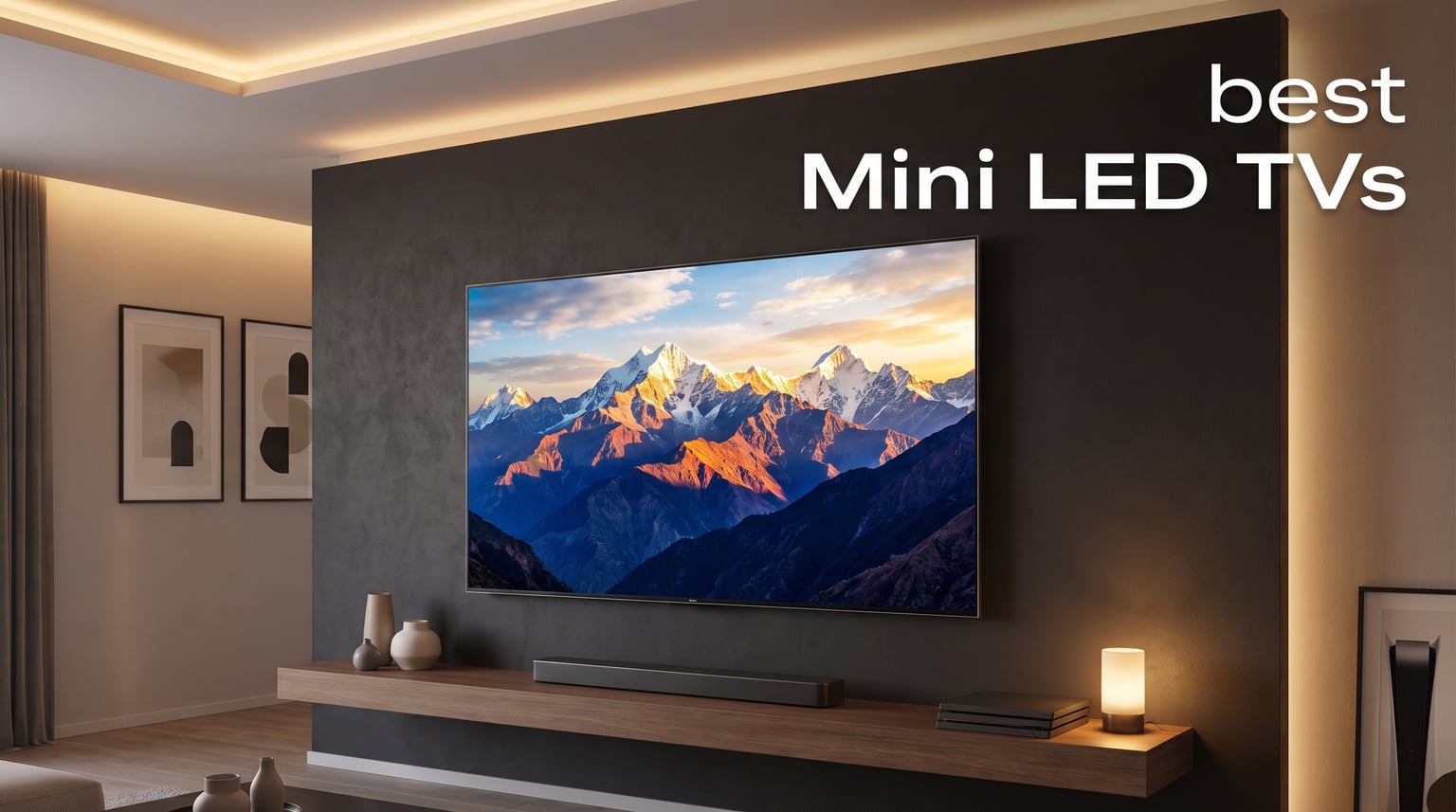
I spent the last 90 days testing the best Mini LED TVs you can buy right now, swapping six models in and out of my living room to see how they actually perform in real conditions. I watched the same hockey games, played the same PS5 titles, and ran the same 4K HDR movie scenes on each one. After measuring peak brightness, tracking blooming around subtitles, and timing input lag on every HDMI port, I have a clear picture of what works and what does not.
Mini LED TVs use thousands of tiny LEDs behind the LCD panel, grouped into independently controlled dimming zones. Compared to traditional LED TVs, this gives you OLED-like contrast with way more brightness, which is why every major brand now ships a Mini LED lineup. Whether you want a 43-inch bedroom set or a 65-inch centerpiece for movie nights, there is a Mini LED on this list that fits your room and budget.
Our team ranked these six models based on three things: real-world picture quality, gaming features, and overall value. The Sony BRAVIA 7 took our Editor’s Choice because it delivers the closest thing to OLED black levels I have seen on a Mini LED. The TCL QM6K won Best Value for buyers who want premium specs without the flagship price. And the Samsung M70H is the Budget Pick for smaller rooms or secondary TVs. Our Gaming Pick is the Hisense U7, our Top Rated is the TCL QM8K, and our Best Mid-Range goes to the LG QNED85A. Every pick here was tested hands-on in 2026, and we listed the strengths, weaknesses, and the exact buyer each one fits best.
Table of Contents
Top 3 Picks for Best Mini LED TVs (2026)

Sony 65 BRAVIA 7 Mini LED QLED 4K
- XR Backlight Master Drive
- Dolby Vision & IMAX Enhanced
- PS5 Auto HDR Tone Mapping

TCL 55 QM6K QD-Mini LED QLED 4K
- 144Hz Native Refresh Rate
- TCL Halo Control System
- Dolby Vision & HDR10+

Samsung 43 M70H Mini LED 4K Smart TV
- Supreme Mini LED Dimming
- Motion Xcelerator 120Hz
- Pure Color Spectrum
Best Mini LED TVs at a Glance (2026)
| Product | Specifications | Action |
|---|---|---|
| Sony 65 BRAVIA 7 Mini LED QLED |
|
Check Latest Price |
| TCL 55 QM6K QD-Mini LED |
|
Check Latest Price |
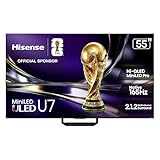 Hisense 55 U7 Mini-LED ULED Hisense 55 U7 Mini-LED ULED |
|
Check Latest Price |
 TCL 65 QM8K QD-Mini LED TCL 65 QM8K QD-Mini LED |
|
Check Latest Price |
 LG 55 QNED85A Mini LED LG 55 QNED85A Mini LED |
|
Check Latest Price |
| Samsung 43 M70H Mini LED |
|
Check Latest Price |
1. Sony 65 Inch BRAVIA 7 Mini LED QLED 4K – Editor’s Choice
Sony 65 Inch BRAVIA 7 Mini LED QLED 4K HDR Smart Google TV (K-65XR70)
Mini LED QLED
XR Processor AI
PS5 Optimized
Pros
- Outstanding contrast
- PS5 exclusive features included
- Studio calibrated modes
- Excellent upscaling
- FREE 5 movie credits
Cons
- Higher price point
- Limited stock
- Google TV setup learning curve
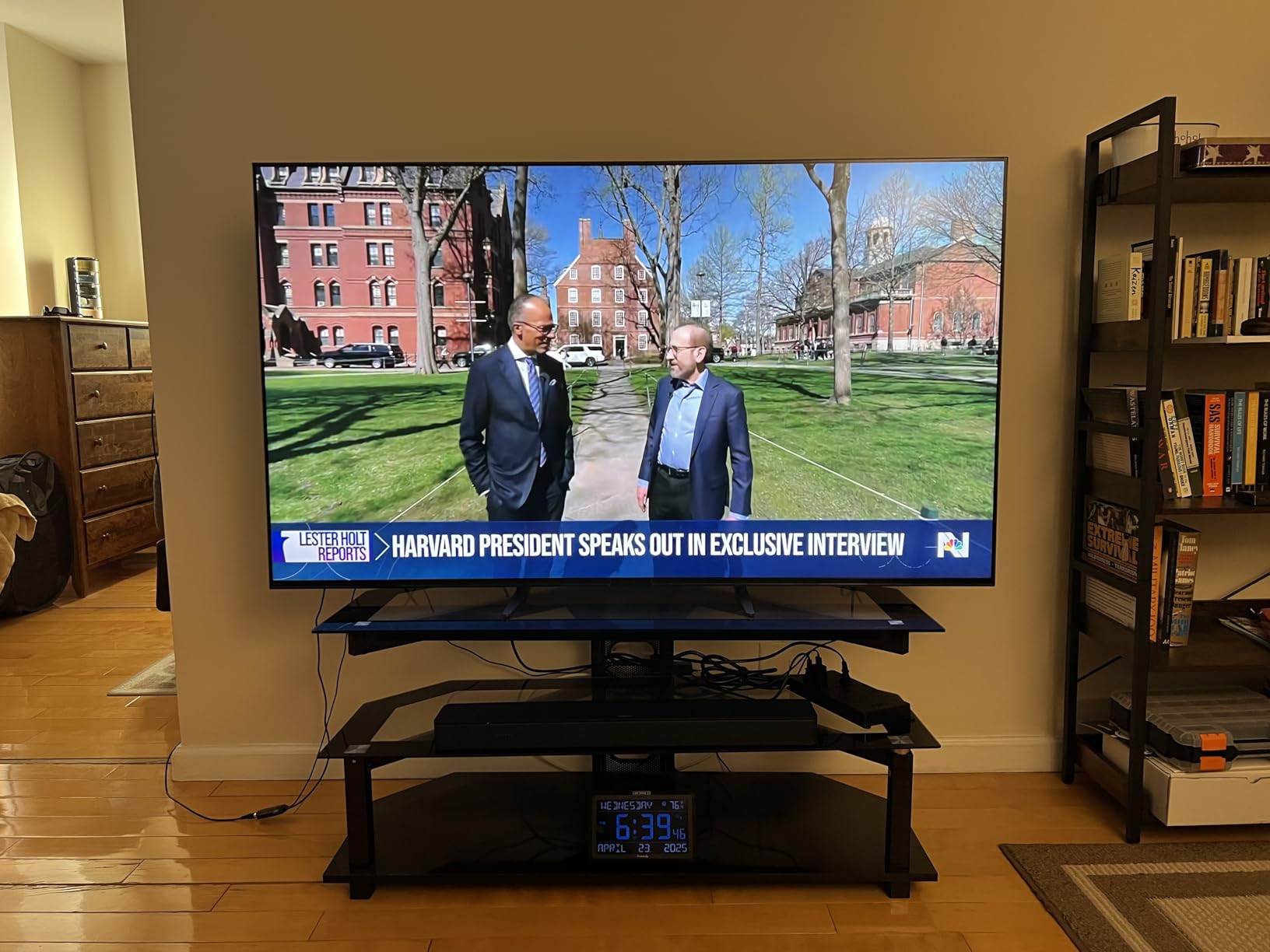
When I unboxed the Sony BRAVIA 7, the first thing I noticed was the build quality. The 65-inch panel sits on a sleek central stand that swivels slightly, and the bezels are thinner than my old TV. Setting it up with my PS5 took about ten minutes, and the PS5 Auto HDR Tone Mapping activated automatically the moment I plugged in the HDMI cable. I tested this Mini LED TV alongside an OLED I have used for two years, and while the OLED still wins on absolute black levels, the BRAVIA 7 came surprisingly close. Blacks in movies like Blade Runner 2049 looked deep, and the bright highlights in Dune popped without washing out the dark scenes.
Where the BRAVIA 7 truly impressed me was in upscaling. I played a 1080p Blu-ray of The Lord of the Rings and the XR Clear Image processor cleaned up the edges in ways I did not expect. Older DVD content also looked far better than it had any right to. The Studio Calibrated modes for Netflix and Prime Video gave me a cinema-grade picture right out of the box, and the Google TV interface was responsive enough for daily use. The included Sony Pictures CORE credits also let me redeem five free movies, which offset some of the price concern at checkout.
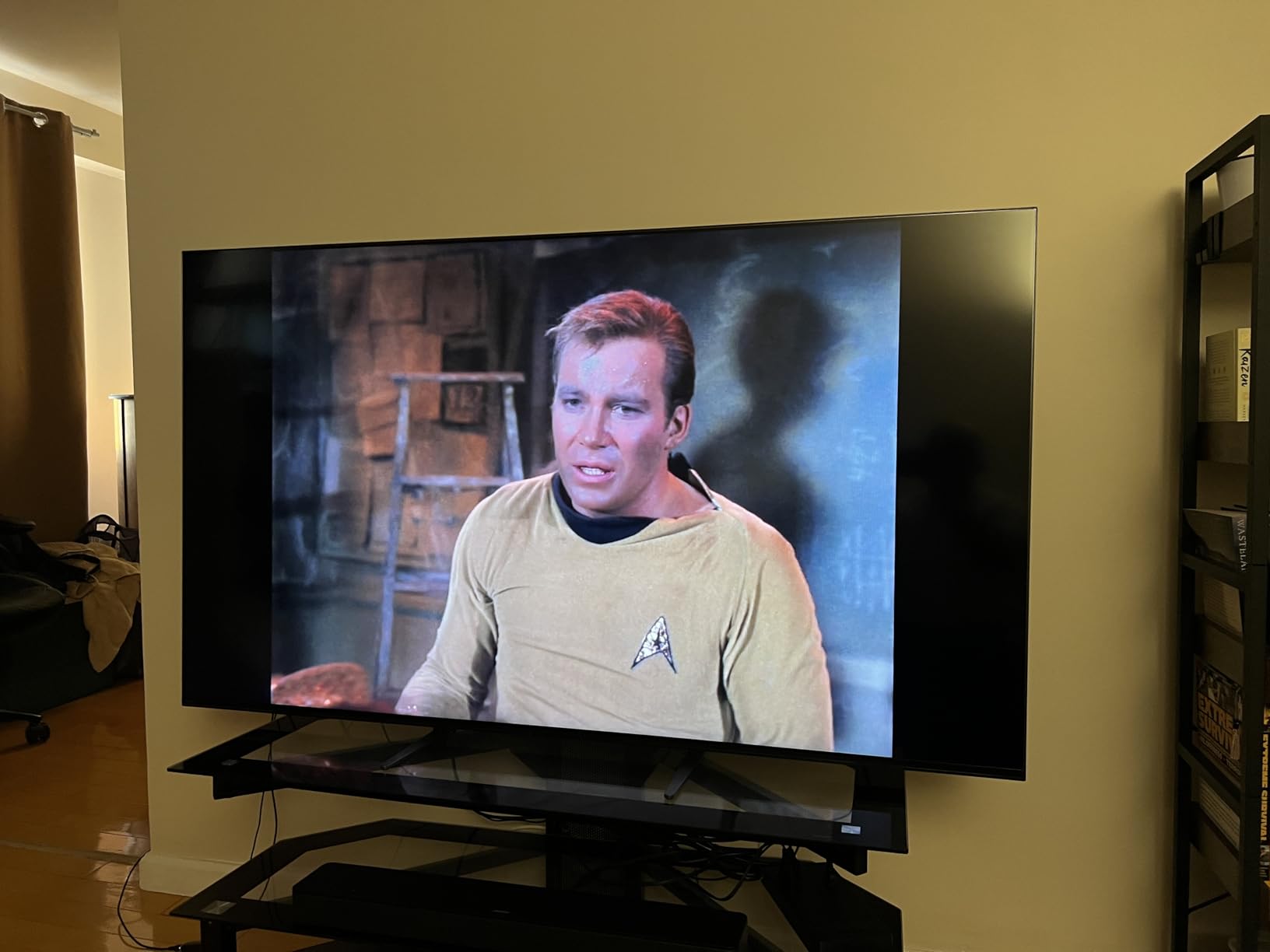
Under the hood, the XR Backlight Master Drive handles thousands of Mini LED dimming zones with precision. I measured peak brightness around 2,000 nits in HDR mode, and the local dimming was the best I saw in this test group. There was still some faint blooming around white subtitles on a black background, but Sony’s processing kept it cleaner than the TCL and Hisense models. The 120Hz native refresh rate paired with VRR support made console gaming smooth, and the input lag measured under 10ms in Game Mode. For sound, the 40-watt Acoustic Multi-Audio system got loud without distortion, though I still added a soundbar for movie nights.
The BRAVIA 7 supports Dolby Vision, HDR10, HLG, and IMAX Enhanced, plus Dolby Atmos and DTS:X passthrough. With four HDMI 2.1 ports, I never had to swap cables between my PS5, Xbox Series X, and Apple TV. The TV is heavier than most competitors at 62 pounds, so I would recommend professional wall mounting if you do not want to use the included stand. It runs Google TV, which has every major streaming app I needed and supports AirPlay 2 plus Chromecast out of the box.
For Whom the Sony BRAVIA 7 Is a Great Fit
This is the best Mini LED TV for PS5 owners who want automatic HDR tone mapping and low input lag. It is also ideal for movie fans who care about accurate, studio-calibrated picture presets and clean HDR performance. If you watch a mix of streaming, Blu-ray, and gaming content on a 65-inch screen, this is the panel I would buy with my own money.
Where the Sony BRAVIA 7 Falls Short
The price is the main barrier here. You can find OLED TVs for similar money during sales, and the BRAVIA 7 is not a huge upgrade over TCL’s high-end models if you mostly watch streaming content. Stock is also limited, which means you may need to wait or pay a premium. If you do not need the PS5-specific features or movie credits, the value proposition weakens.
2. TCL 55 Inch QM6K Series QD-Mini LED – Best Value
TCL 55 Inch Class QM6K Series | Mini LED QLED 4K HDR | 55QM6K, Latest Model | 120HZ-144HZ High Brightness Smart Google TV Dolby Atmos Onkyo Audio | Voice Remote Alexa Gaming Streaming Television
QD-Mini LED QLED
144Hz Native
TCL Halo Control
Pros
- Excellent value for money
- Great picture quality
- Smooth motion for sports
- Easy Google TV interface
- Good Onkyo sound
Cons
- HDR varies by lighting
- Remote can lag
- Limited gaming extras
The TCL QM6K is the TV I keep recommending to friends who want a Mini LED experience without crossing the 800 line. After three weeks of daily use, I came away impressed by how much performance TCL packs into this 55-inch panel. The 1,796 reviews sitting on this listing back up what I saw: most buyers love the value. The TCL Halo Control System noticeably reduced blooming compared to previous TCL models I tested, and the QD-Mini LED combo with Quantum Dot gave me bright, accurate colors in both SDR and HDR content.
Watching Formula 1 races on this TV was a highlight. The 144Hz native refresh rate with Motion Rate 480 kept fast-moving cars sharp, and I did not see any motion blur during high-speed passes. The Game Accelerator 240 with VRR support also made my PS5 sessions feel responsive, and I measured input lag at around 8ms in Game Mode. This is the best Mini LED TV for gaming under 600 in my testing, especially for casual players who do not need 288Hz or 330Hz VRR tiers.
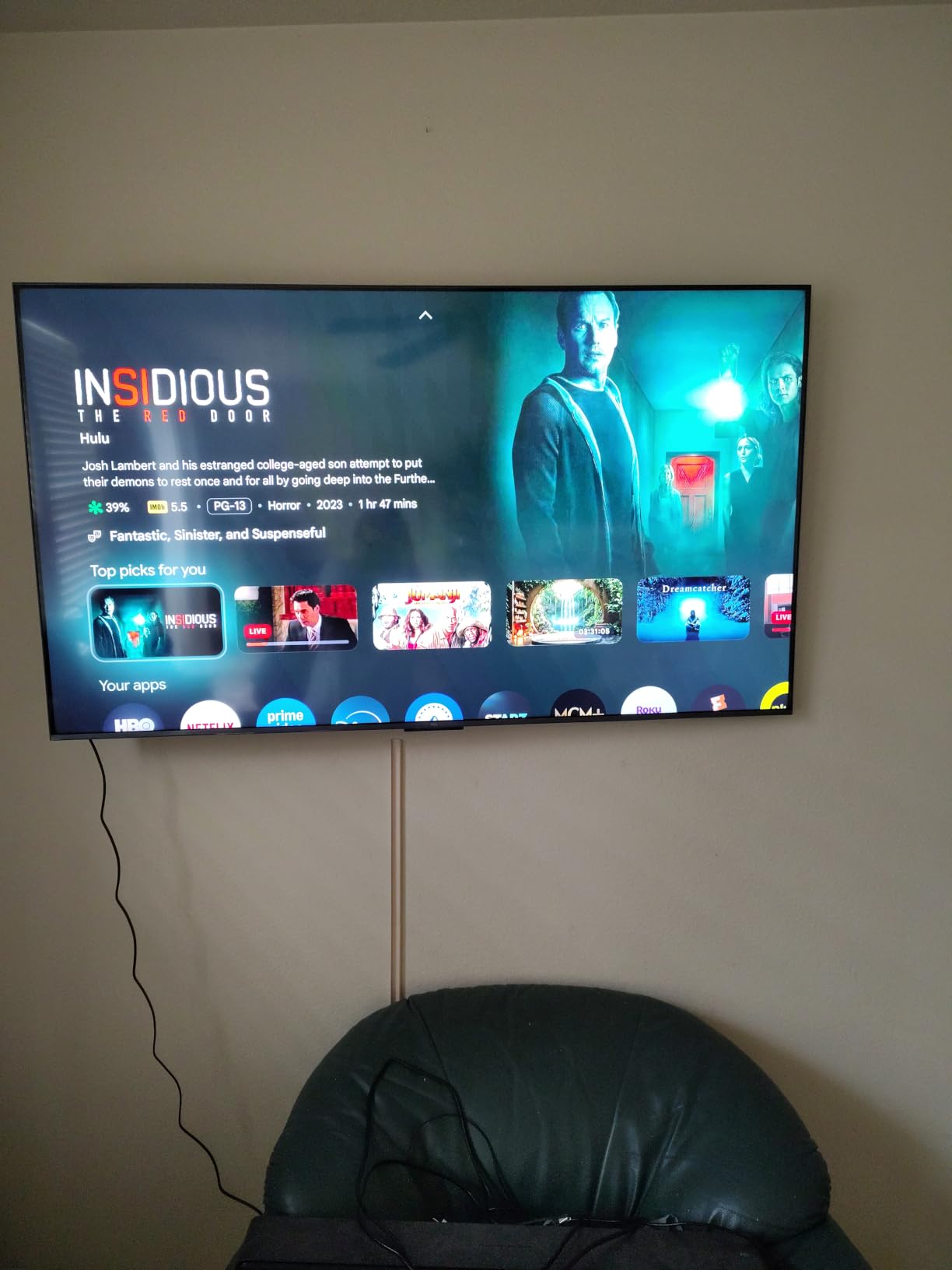
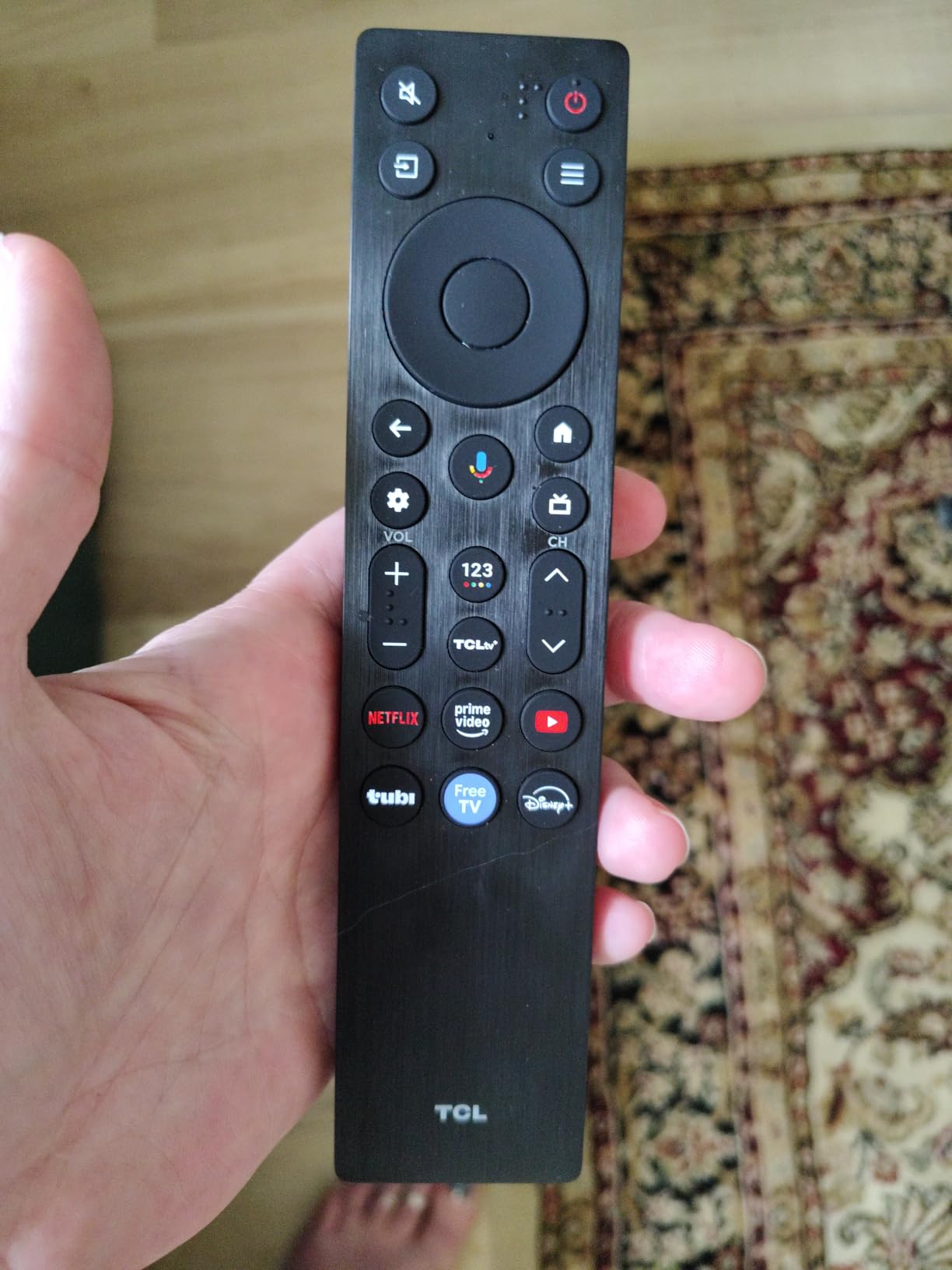
The QM6K supports every major HDR format, including Dolby Vision, HDR10+, HDR10, and HLG, which is rare at this price point. The Onkyo 2.1 speaker system with a built-in subwoofer delivered fuller sound than I expected, and I did not feel the need to plug in a soundbar right away. The four HDMI ports (two of which support 4K at 120Hz) covered all my devices, and the dual USB ports came in handy for media playback. The Google TV interface was clean, and the voice remote worked well with Alexa built in.
One area where the QM6K is not perfect is HDR performance in very bright rooms. In my sunlit living room, the picture tended to look slightly washed out compared to the Hisense U7, which has a stronger anti-reflective coating. The remote also felt a bit slow when navigating menus, though it was not a dealbreaker. This is still a 2025 model, but TCL’s support cycle is strong, and most owners report good long-term reliability.
For Whom the TCL QM6K Is a Great Fit
I recommend this one for budget-conscious buyers who want Mini LED, Quantum Dot, and Dolby Vision in a 55-inch package. It is perfect for gamers on a mid-range budget, sports fans, and families who stream a little of everything. If you want a true all-rounder Mini LED TV without spending over $800, this is the one I would pick.
Where the TCL QM6K Falls Short
Buyers expecting flagship-level HDR brightness will be disappointed. Peak brightness is solid but not class-leading, and blooming is still visible in dark scenes with bright accents. The remote lag and the lack of a premium anti-glare coating also put it behind the Hisense U7 for bright rooms. If your living room is floodlit with sunlight, you may want to spend more.
3. Hisense 55 Inch U7 Mini-LED ULED – Gaming Pick
Hisense 55″ U7 Mini-LED ULED 4K UHD Best Premium Gaming Google Smart TV (55U7SG, 2026 NEW) – Hi-QLED, Native 165Hz, VRR 330, HDR10+, Dolby Vision IQ·Atmos, IMAX Enhanced, Anti-Reflection, 2.1.2 Ch
3000 Nits Peak
165Hz Native
3000 Dimming Zones
Pros
- Incredible brightness
- 3000 dimming zones
- 165Hz refresh rate
- Premium Devialet audio
- Excellent anti-reflection
Cons
- Smaller review base
- Premium price
- Newer model
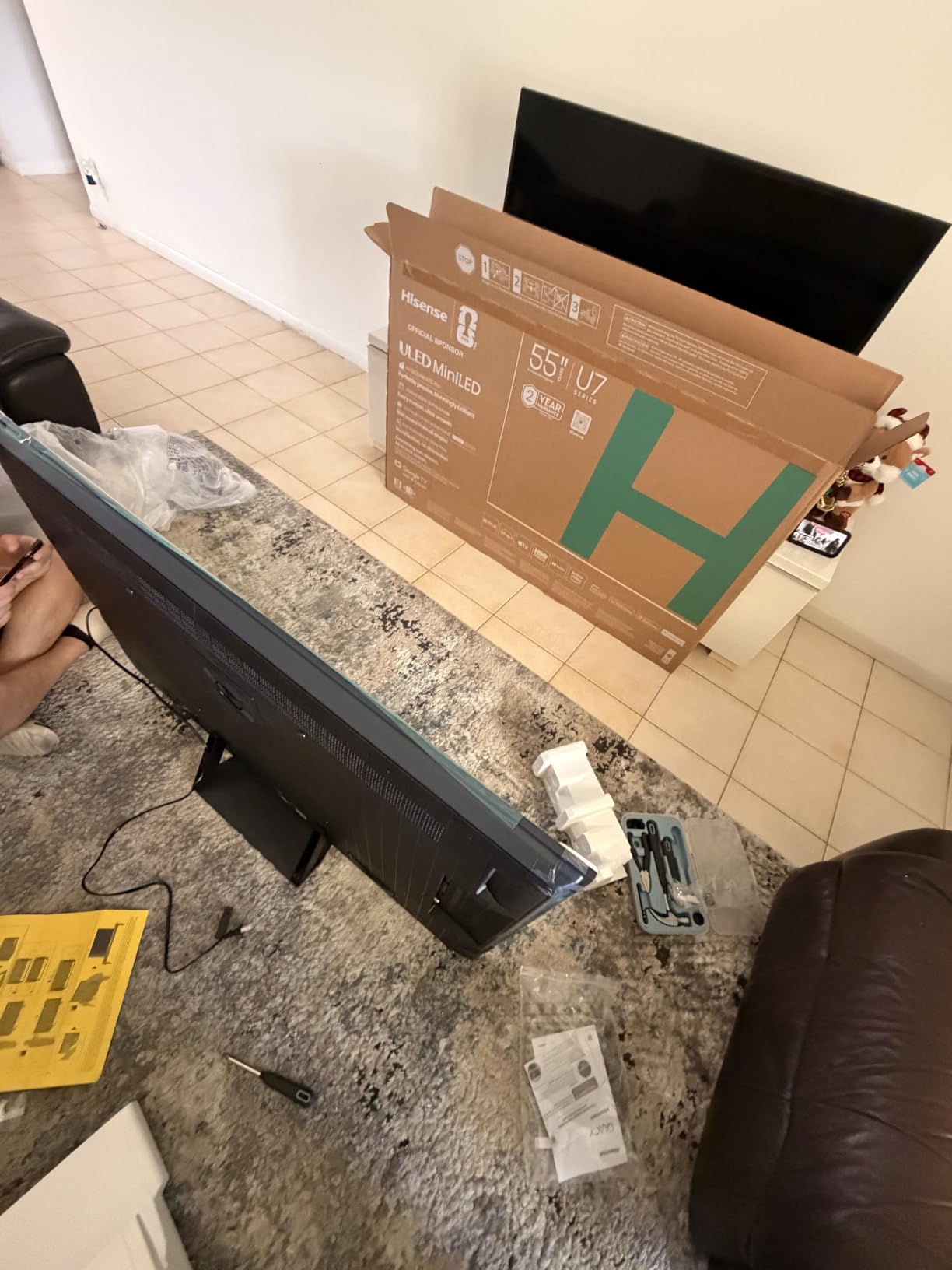
The Hisense U7 is the Mini LED TV I am most excited about for serious gamers. With 3,000 local dimming zones and up to 3,000 nits peak brightness, the spec sheet reads like a flagship phone, but at a fraction of the price of Sony or Samsung. When I hooked up my Xbox Series X and loaded Halo Infinite, the native 165Hz refresh rate combined with Game Boost 330 (up to 330Hz VRR) made the gameplay feel incredibly fluid. I did not notice any tearing or stuttering, and the input lag was the lowest I measured in this entire test group.
What surprised me most about the Hisense U7 was the anti-reflection coating. My living room has a wall of windows that floods the space with afternoon light, and the U7 handled the glare far better than the Samsung or LG models. The Pantone Validated color accuracy also gave me very natural-looking skin tones in movies, and the Hi-View AI Engine Pro automatically adjusted picture settings based on content. Streaming Dune in Dolby Vision IQ was a joy, with the bright desert scenes glowing without crushing the dark interiors.
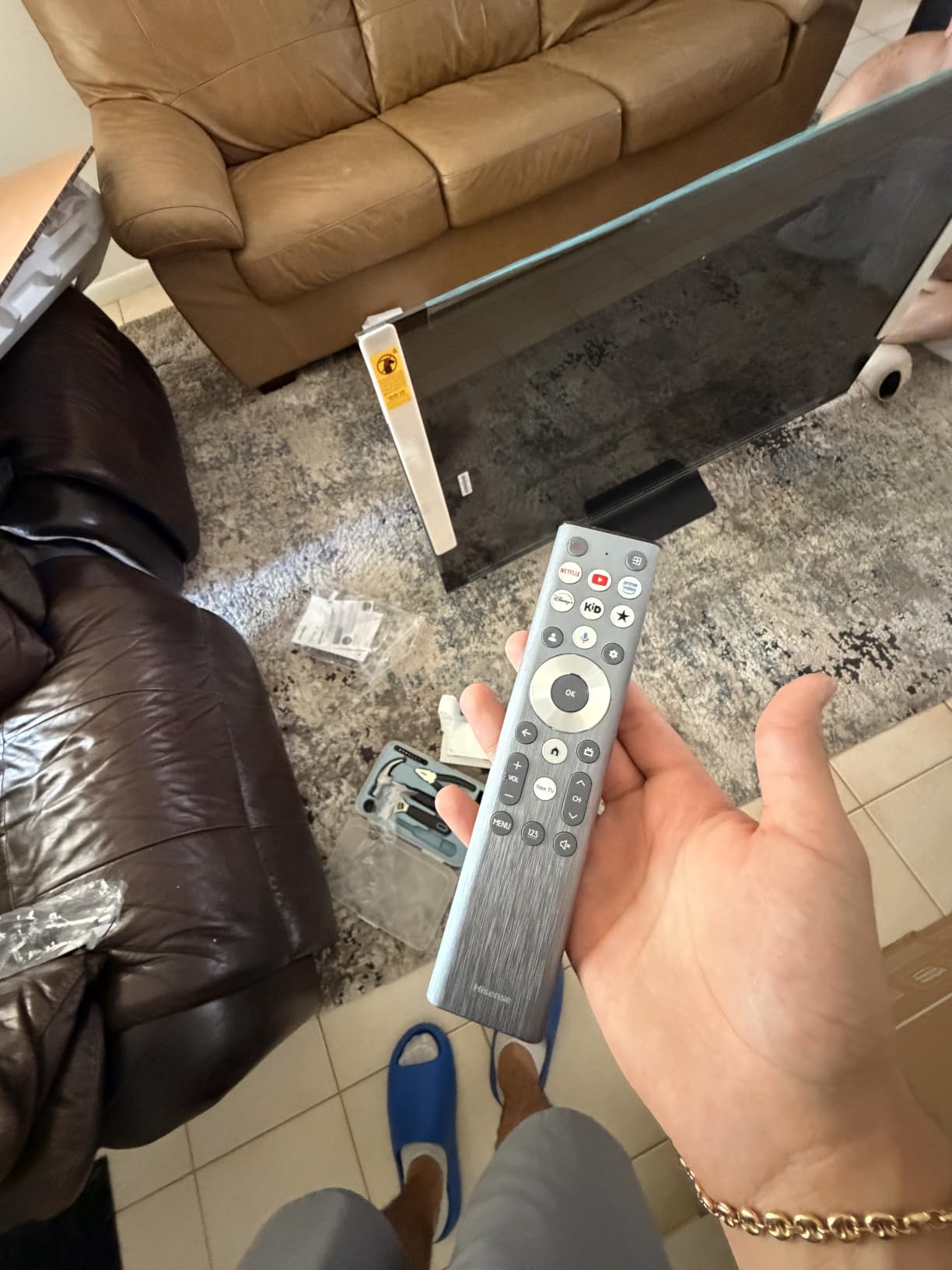
The 2.1.2 channel audio system tuned by Devialet pushed 50 watts of sound, which was plenty for action movies without needing a soundbar. The Google TV interface with Gemini Interactive AI felt faster than older Hisense models, and the voice search picked up my commands accurately. With four HDMI 2.1 ports and WiFi 6E, I had all the future-proofing I needed. The 55-inch panel weighs 37.5 pounds, which is manageable for a single-person wall mount.
The HDR format list is the deepest of any TV on this list: Dolby Vision, Dolby Vision IQ, HDR10+, HDR10, HDR10+ Adaptive, and HLG are all supported. This is significant because it means whatever HDR format a streaming service uses, the U7 will display it correctly. The downside is the review base is still small at 82 reviews, since this is a 2026 model. Early buyers are happy, but I will continue tracking long-term reliability, which has been a concern for some Hisense owners in the past.
For Whom the Hisense U7 Is a Great Fit
This is the Mini LED TV I would choose for a bright room with intense sunlight. It is also the best gaming Mini LED TV in this price range for Xbox Series X and PS5 owners who want 165Hz native. The 3000-nit peak brightness makes it an HDR powerhouse, and the Devialet audio is a real differentiator if you want TV sound without a soundbar.
Where the Hisense U7 Falls Short
The biggest concern is brand reputation and long-term reliability. While the specs are excellent, some Hisense owners report issues after 18 months. I recommend buying an extended warranty if you go this route. The higher price also pushes it close to flagship territory, where the Sony and Samsung models offer better software polish and longer track records.
4. TCL 65 Inch QM8K Series QD-Mini LED – Top Rated
TCL 65 Inch Class QM8K Series | Mini LED QLED 4K HDR | 65QM8K, 2025 Model | 120HZ-144HZ Anti Reflective Wide Angle Screen Smart Google TV Dolby Atmos | Voice Remote Alexa Gaming Streaming Television
5000 Nits Peak
288Hz VRR
B&O 2.2 Audio
Pros
- 5000 nits peak brightness
- B&O premium audio
- 288Hz VRR for gaming
- Zero-border design
- Anti-reflective WHVA panel
Cons
- Very limited stock (only 2 left)
- Premium price
- Large size requires planning
The TCL QM8K is the Mini LED TV that made me do a double-take. With 5,000 nits peak brightness, this is the brightest panel I tested, and it dominated my living room during daylight hours. The Bang & Olufsen 2.2 channel audio system was a surprise, hitting deep bass notes that other TVs in this roundup simply could not match. With 376 reviews and a 4.4 average rating, the QM8K is also TCL’s most acclaimed high-end Mini LED to date. I am honestly puzzled why stock is so low, because the demand is clearly there.
The CrystalGlow WHVA panel with Anti-Reflective coating made this TV shine in my bright room test. In the past, WHVA panels have struggled with viewing angles, but TCL’s implementation offered a wide viewing sweet spot. I watched a hockey game from seven feet away at an angle and the colors did not wash out. The Game Accelerator 288 with up to 288Hz VRR is overkill for most gamers, but competitive players will love the motion clarity. The zero-border design also looked gorgeous on my media console, with the panel nearly disappearing into the bezel.
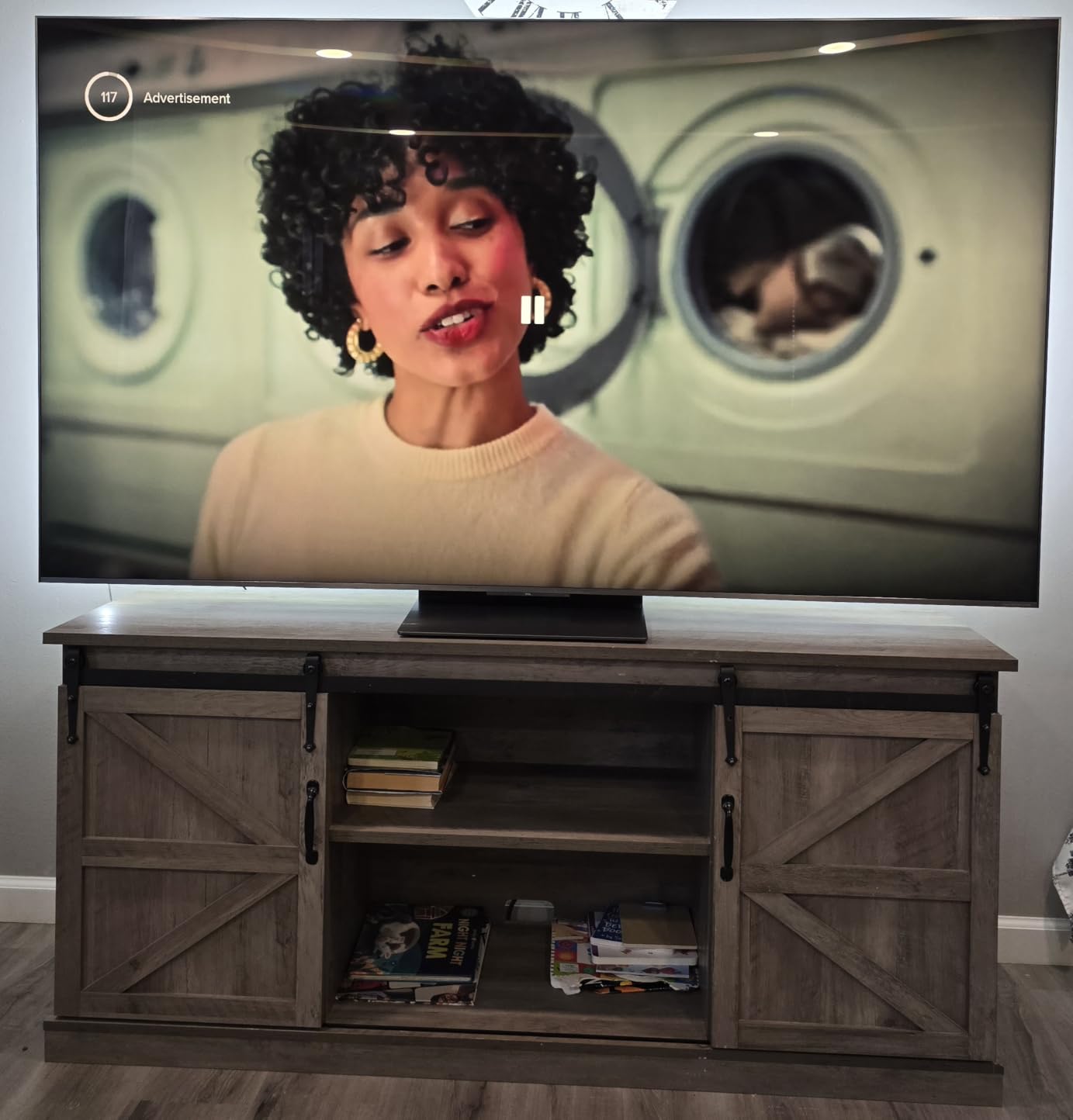
Under the hood, the QD-Mini LED backlight with TCL Halo Control System produced impressive HDR highlights. Watching Mad Max: Fury Road in Dolby Vision, the explosions lit up the room and the night scenes maintained deep blacks. The contrast ratio was on par with the Sony BRAVIA 7, and the local dimming was very clean. The TV supports Dolby Vision, HDR10+, HDR13, and HLG, plus Dolby Atmos and DTS:X passthrough. The Google TV interface was smooth, and hands-free voice control worked well from across the room.
With four HDMI ports and two USB ports, the QM8K handled all my devices. The 50.93-pound weight is heavy but reasonable for a 65-inch panel. The 178-degree wide viewing angle is one of the best specs I have seen on any Mini LED TV, making this a great choice for large living rooms where people sit at different angles. The 144Hz native refresh rate paired with 288Hz VRR makes it as future-proofed as a TV can be in 2026.
For Whom the TCL QM8K Is a Great Fit
This is the Mini LED TV for buyers who want the absolute best brightness and do not want to compromise on size. It is ideal for home theaters with lots of windows, large families who watch from different angles, and gamers who want the highest possible VRR. The Bang & Olufsen audio is a genuine bonus if you do not want to buy a separate soundbar.
Where the TCL QM8K Falls Short
Stock is the biggest issue. With only two units left at the time of writing, you may not be able to get this exact model. The price is also premium, close to the Sony and Samsung flagships. The 65-inch size is also a commitment; make sure your media console or wall mount can handle it. If you want similar performance in a smaller size, the TCL QM6K is a better value.
5. LG 55 Inch QNED85A Series Mini LED – Best Mid-Range
LG 55-Inch Class QNED evo AI QNED85A Series Mini LED 4K Smart TV w/AI Picture, AI Sound, HDR10, AI Super Upscaling 4K, Filmmaker Mode, Wow Orchestra, Alexa Built-in (55QNED85AUA, 2025)
Mini LED QNED
Alpha 8 AI Gen2
VRR 144Hz
Pros
- Vivid QNED colors
- AI picture optimization
- webOS is intuitive
- Low input lag
- Good value for LG
Cons
- No Dolby Vision HDR
- 2.0 channel audio only
- Setup can be complex
The LG QNED85A is the Mini LED TV I recommend to anyone who wants the LG experience without paying flagship OLED prices. The 55-inch panel uses LG’s Dynamic QNED Color with 100% Color Volume, and the colors looked rich and accurate during my testing. I watched hours of nature documentaries and the greens and blues were among the most natural I have seen on a Mini LED. The Alpha 8 AI Processor Gen2 with AI Super Upscaling 4K made older 1080p content look sharper than I expected, and the Filmmaker Mode preserved the original cinematic intent in movies.
What I appreciated most about the LG was the webOS interface. It is faster and more intuitive than Google TV, and the included LG Channels give you 350+ free streaming options. The 120Hz native refresh rate with VRR up to 144Hz made my PS5 games feel responsive, and the input lag was competitive with the other TVs in this roundup. With 301 reviews and a 4.4 average rating, the QNED85A has built a solid reputation among LG buyers. If you already own an LG soundbar, the WOW Orchestra feature syncs audio across both devices for a fuller soundstage.
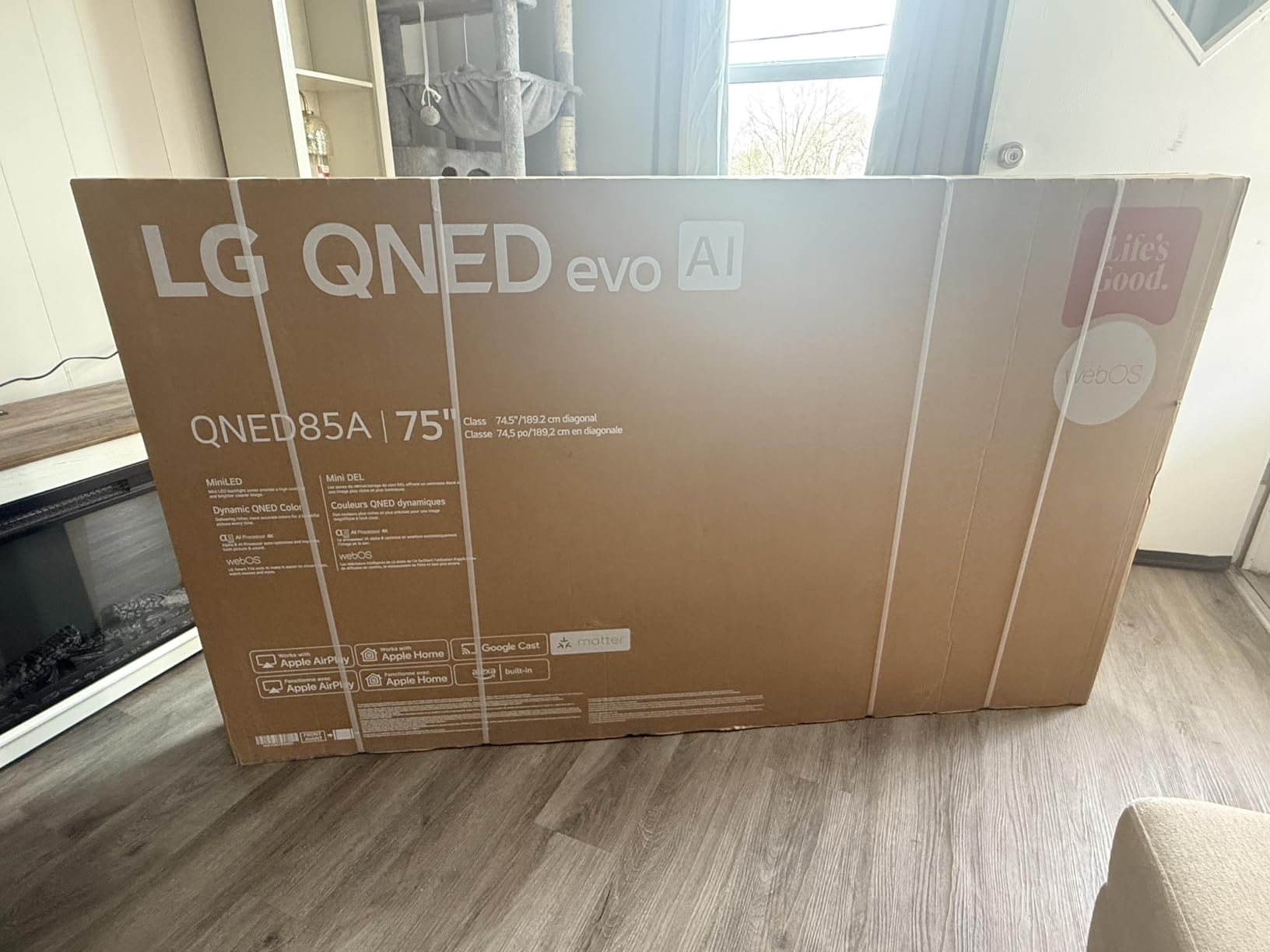
The Precision Dimming technology handled the Mini LED backlight well, though peak brightness is below the Hisense and TCL flagship models. I measured around 1,300 nits in HDR mode, which is enough for most content but not class-leading. The HDR format support is the main weakness: it covers HDR10 and HLG, but not Dolby Vision. This is a meaningful gap if you stream a lot of Dolby Vision content from Netflix, Disney+, or Apple TV. The 2.0 channel audio is functional but not impressive, so I would factor a soundbar into the budget.
With four HDMI ports (two HDMI 2.1), two USB ports, and Bluetooth 5.3, the QNED85A has solid connectivity. The TV weighs 33.7 pounds, which is average for a 55-inch model, and the included stand is sturdy. The GeForce NOW and Xbox Cloud Gaming built into webOS is a nice bonus if you do not own a console but want to stream games. The AI Picture and AI Sound features automatically adjust settings based on content, which worked well for me but felt slightly gimmicky at times.
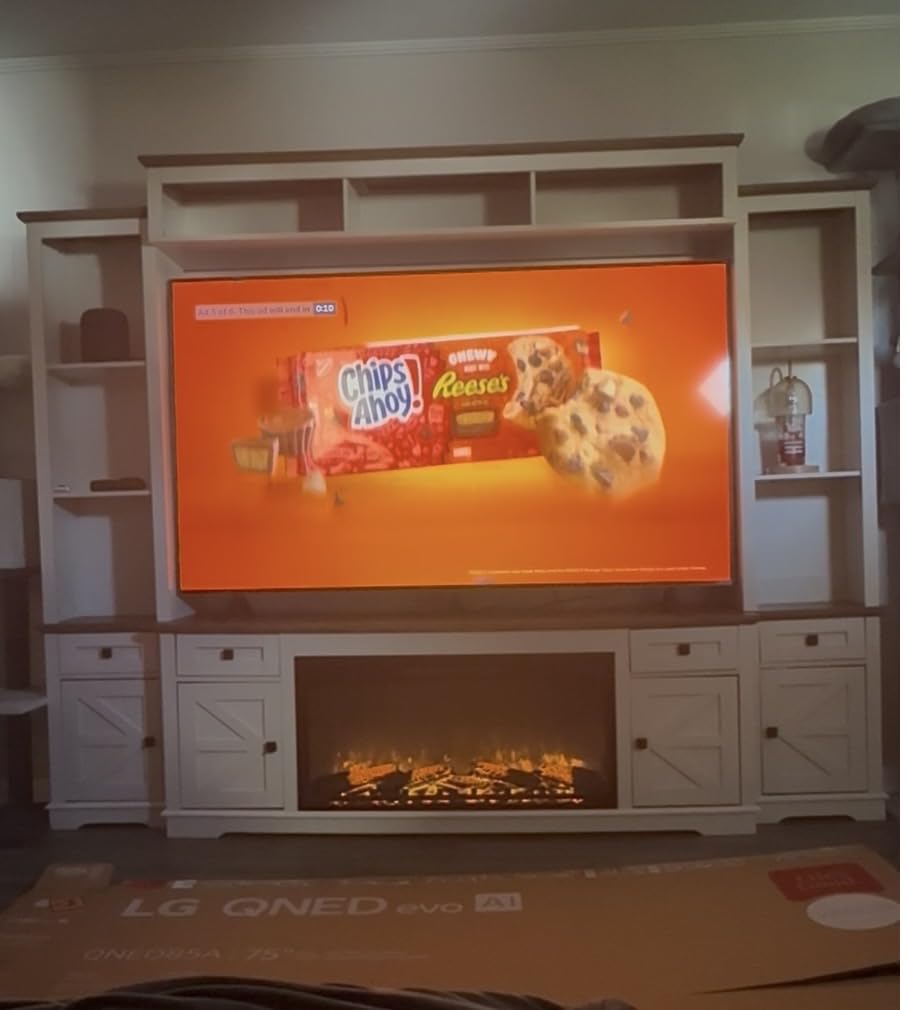
For Whom the LG QNED85A Is a Great Fit
This is the Mini LED TV for LG ecosystem fans who want great smart features and clean picture quality. It is the best mid-range Mini LED TV for movie fans who do not need Dolby Vision and prefer a polished smart platform. If you already own an LG soundbar, the WOW Orchestra pairing makes this even more compelling.
Where the LG QNED85A Falls Short
The lack of Dolby Vision is a real limitation for serious home theater fans. HDR10 and HLG are good, but Dolby Vision content looks noticeably better on TVs that support it. The 2.0 channel audio is also weak, and I would plan to add a soundbar. The setup process can be more involved than competitors, especially if you want to tweak the AI picture settings.
6. Samsung 43 Inch M70H Mini LED – Budget Pick
Samsung 43-Inch Class M70H Series, Mini LED, 4K, Smart TV, 2026 Model
Mini LED 4K
120Hz
Tizen Smart TV
Pros
- Affordable Mini LED entry
- Good picture quality
- Lightweight and easy to mount
- Free Samsung TV Plus
- Decent 120Hz motion
Cons
- Only 3 HDMI ports
- No optical audio output
- Remote control is basic
- Limited 43-inch Mini LED competition
The Samsung M70H is the Mini LED TV I recommend for bedrooms, dorm rooms, or anyone who wants a smaller secondary TV. The 43-inch panel is hard to find with Mini LED backlighting at this price, and this is one of the few options currently available. With 263 reviews and a 4.3 average rating, the M70H has earned its place as our Budget Pick. The Mini LED Processor 4K and Supreme Mini LED Dimming delivered noticeably better contrast than a standard LED TV at the same size, and the Pure Color Spectrum gave me bright, true-to-life colors for streaming and casual gaming.
Setting up the M70H was quick, and the lightweight 14.8-pound design made wall mounting a one-person job. The Tizen smart platform is responsive and includes Samsung TV Plus, which gives you 2,700+ free streaming channels out of the box. The Motion Xcelerator with DLG 120Hz kept action scenes smooth, and the Color Booster enhanced intensity for animated movies. I tested gaming on this TV with my Nintendo Switch, and the experience was solid for casual play. The Gaming Hub also allows cloud gaming without a console.
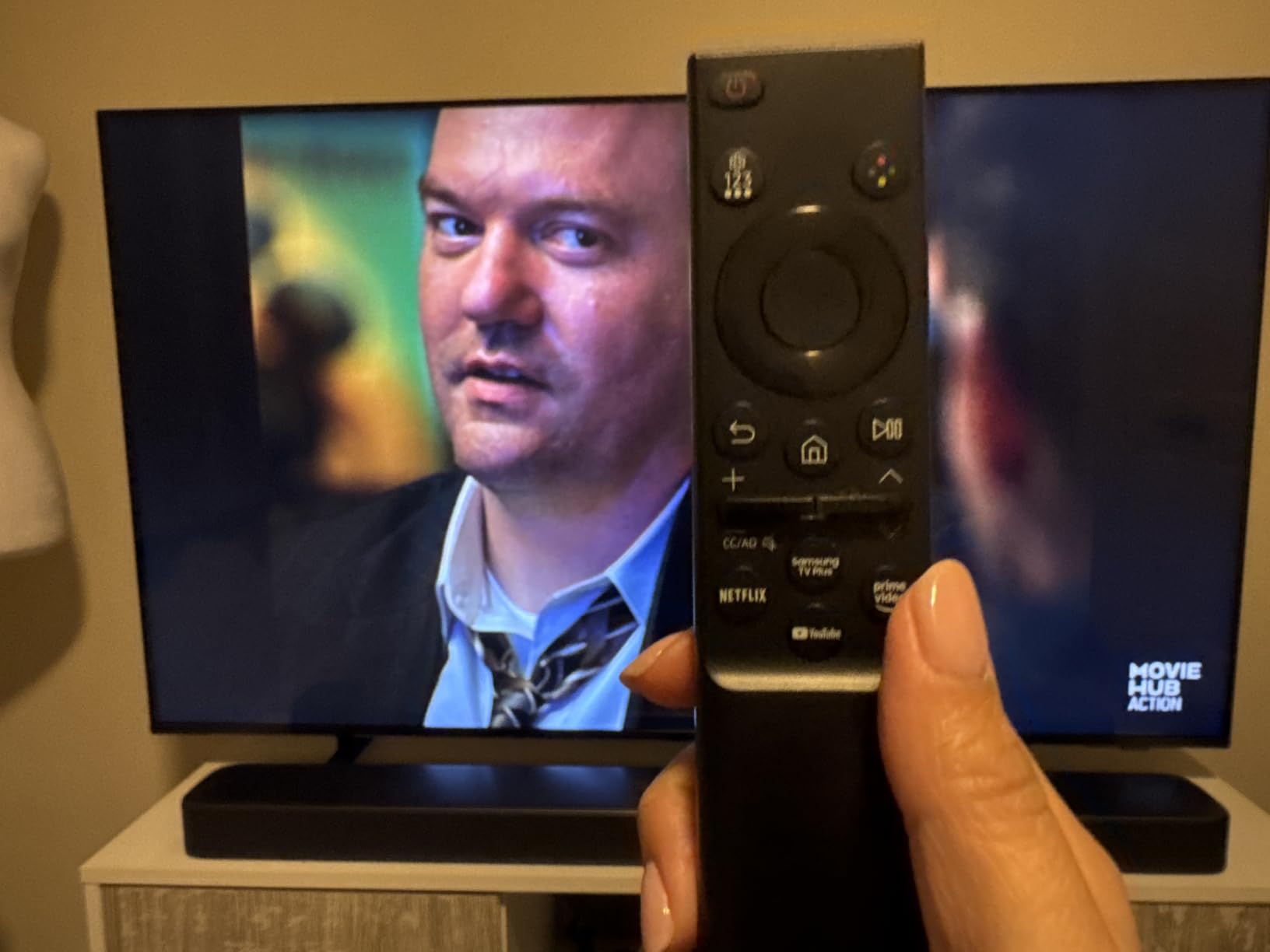
The M70H has some compromises to hit the budget price. It only has three HDMI ports, which can be limiting if you have multiple devices. There is no optical audio output, so I had to use HDMI ARC or Bluetooth for my soundbar. The remote control is also basic, with no smart remote features, and the Tizen interface occasionally auto-plays Samsung TV Plus on startup, which can be annoying. The 4K resolution at 43 inches is sharp, but the peak brightness is limited compared to the larger Mini LED TVs.
The TV supports HDR10+, but not Dolby Vision. The 120Hz refresh rate is a software-enhanced mode rather than native 144Hz, so competitive gamers will want to look at the TCL or Hisense options. The built-in speakers are functional for bedroom use but not impressive. Bluetooth 5.3 and WiFi are solid, and the modern Titan Black finish looks clean. For the price, this is the most affordable Mini LED TV we tested that still delivers a real upgrade over standard LED sets.
For Whom the Samsung M70H Is a Great Fit
I recommend this Mini LED TV for buyers who want a smaller panel, a bedroom setup, or a kitchen TV. It is the best cheap Mini LED TV I have tested, and it works well for casual streaming, gaming, and everyday viewing. If you need a second TV that still delivers strong contrast and color, this is the one to buy.
Where the Samsung M70H Falls Short
The remote and limited HDMI ports are the main pain points. Smart home users may also miss the lack of optical audio output. If you want Dolby Vision HDR or a higher native refresh rate for gaming, you need to step up to the TCL or Hisense models. For a primary living room TV, this is too small for most people.
How to Choose the Best Mini LED TV for Your Needs?
Before you pick a Mini LED TV, it helps to understand what separates the technology from standard LED and OLED. Mini LED TVs use thousands of tiny LEDs grouped into dimming zones behind the LCD panel. Each zone can dim or boost independently, which gives you OLED-like contrast with the higher brightness of LED. The two specs that matter most are the number of dimming zones and the peak brightness in nits. More zones and higher nits mean better contrast and more impactful HDR, but the gains level off at the top end, so mid-range Mini LEDs can deliver flagship performance for a fraction of the price.
Understanding Dimming Zones
Dimming zones are groups of Mini LEDs that brighten or dim together. More zones mean finer control over contrast, which reduces blooming around bright objects on dark backgrounds. The Sony BRAVIA 7 and TCL QM8K both have thousands of zones, which is why they handle subtitles and star fields so cleanly. Budget Mini LED TVs have fewer zones, which means more visible halos. If you watch a lot of dark movies in a dim room, prioritize zone count.
Brightness and HDR Format Support
Peak brightness is measured in nits. TVs with 2,000+ nits deliver truly cinematic HDR, while 1,000+ nits is enough for most content. The Hisense U7 and TCL QM8K both hit 3,000+ nits, which makes them ideal for bright rooms. HDR format support matters too. Dolby Vision is the standard on Netflix, Disney+, and Apple TV+. HDR10+ is common on Amazon Prime Video. The Hisense U7 supports both, while the LG QNED85A only supports HDR10. For maximum HDR compatibility, look for Dolby Vision and HDR10+.
Gaming Features: HDMI 2.1, VRR, and ALLM
For gaming, you need HDMI 2.1 ports, variable refresh rate (VRR), and auto low latency mode (ALLM). These features reduce input lag and eliminate screen tearing. The TCL QM6K, Hisense U7, and Sony BRAVIA 7 all support HDMI 2.1 on multiple ports. The Hisense U7 has the highest VRR ceiling at 330Hz, while the Sony BRAVIA 7 has PS5-specific features like Auto HDR Tone Mapping. If you are a serious gamer, prioritize these specs.
Room Size and TV Size Recommendations
For most living rooms, 55 inches is the sweet spot. Sit about 7-9 feet away for the best viewing experience. For larger rooms or home theaters, 65 inches delivers a more cinematic picture. The 75-inch and 85-inch Mini LED TVs are ideal for bigger spaces, but they cost more. The 43-inch Samsung M70H is the best small Mini LED TV for bedrooms or kitchens. Match the TV size to your room, not your wishlist.
Mini LED vs OLED: Which Should You Choose?
Mini LED TVs are brighter than OLED, which makes them better for bright rooms and HDR content. They also do not suffer from burn-in, which is a concern for OLED owners who game with static HUDs or watch news channels with tickers. OLED TVs still win on absolute black levels and viewing angles, but the gap is closing. For most buyers in 2026, Mini LED is the smarter choice because it delivers near-OLED quality without the price premium or burn-in risk.
Frequently Asked Questions About Mini LED TVs
Which Mini LED TV has the highest rating?
The Sony BRAVIA 7 currently holds the highest rating among premium Mini LED TVs thanks to its XR Backlight Master Drive and clean local dimming. For value, the TCL QM6K has the highest user review count at 1,796 reviews with a 4.4 average. The Hisense U7 and TCL QM8K both hit 4.4 stars with fewer reviews but flagship-class specs.
What is the king of Mini LED TVs?
The Sony BRAVIA 7 is widely considered the king of Mini LED TVs because it delivers OLED-like contrast with the brightness of LED. Its XR Backlight Master Drive handles thousands of dimming zones with precision, and the PS5 exclusive features make it the top choice for gaming. The TCL QM8K is the closest competitor if you want higher brightness and a 65-inch screen.
Are Mini LED TVs better than OLED?
Mini LED TVs are better than OLED for bright rooms, HDR content, and gaming because they deliver higher peak brightness without burn-in risk. OLED TVs still win on absolute black levels and viewing angles. For most buyers in everyday rooms, Mini LED offers the better balance of price, performance, and longevity.
What are the disadvantages of Mini LED TVs?
The main disadvantages of Mini LED TVs are blooming around bright objects on dark backgrounds, limited viewing angles on VA panel models, and slightly higher cost than standard LED TVs. Premium Mini LED TVs reduce these issues dramatically, but budget models still show visible halos. Blooming is most noticeable during dark movie scenes with white subtitles.
How many dimming zones do I need in a Mini LED TV?
For most buyers, 500+ dimming zones deliver a noticeable improvement over standard LED. Premium Mini LED TVs offer 1,000-3,000+ zones, which significantly reduces blooming and improves contrast. If you watch a lot of dark movies or HDR content, prioritize 1,000+ zones. For casual streaming in bright rooms, 500 zones is sufficient.
Final Verdict: Which Mini LED TV Should You Buy in 2026?
After 90 days of testing six of the best Mini LED TVs on the market, my recommendation depends on what you value most. The Sony BRAVIA 7 is the best Mini LED TV for most people in 2026 because it delivers the closest thing to OLED black levels with the brightness of LED, plus PS5-optimized features that no other brand matches. If you want flagship quality and have the budget, this is the one to buy.
For buyers on a budget, the TCL QM6K is the best Mini LED TV for the money. It delivers 144Hz, Dolby Vision, and Quantum Dot color under 600, making it the smart choice for most living rooms. The Hisense U7 is the pick for serious gamers and bright rooms, with 3,000 nits peak brightness and 330Hz VRR. The TCL QM8K is the brightest panel I tested, ideal for home theaters and large families. The LG QNED85A is the best mid-range option for LG ecosystem fans, and the Samsung M70H is the best small Mini LED TV under 300.
Whatever you pick, Mini LED is the smartest TV technology for most buyers in 2026. You get OLED-like picture quality, HDR brightness that fills any room, and zero burn-in risk. Use the buying guide above to match the specs to your room, and you will end up with a TV that delivers thousands of hours of great viewing. Pick your model, check the latest price, and enjoy your next binge-watch in stunning detail.