
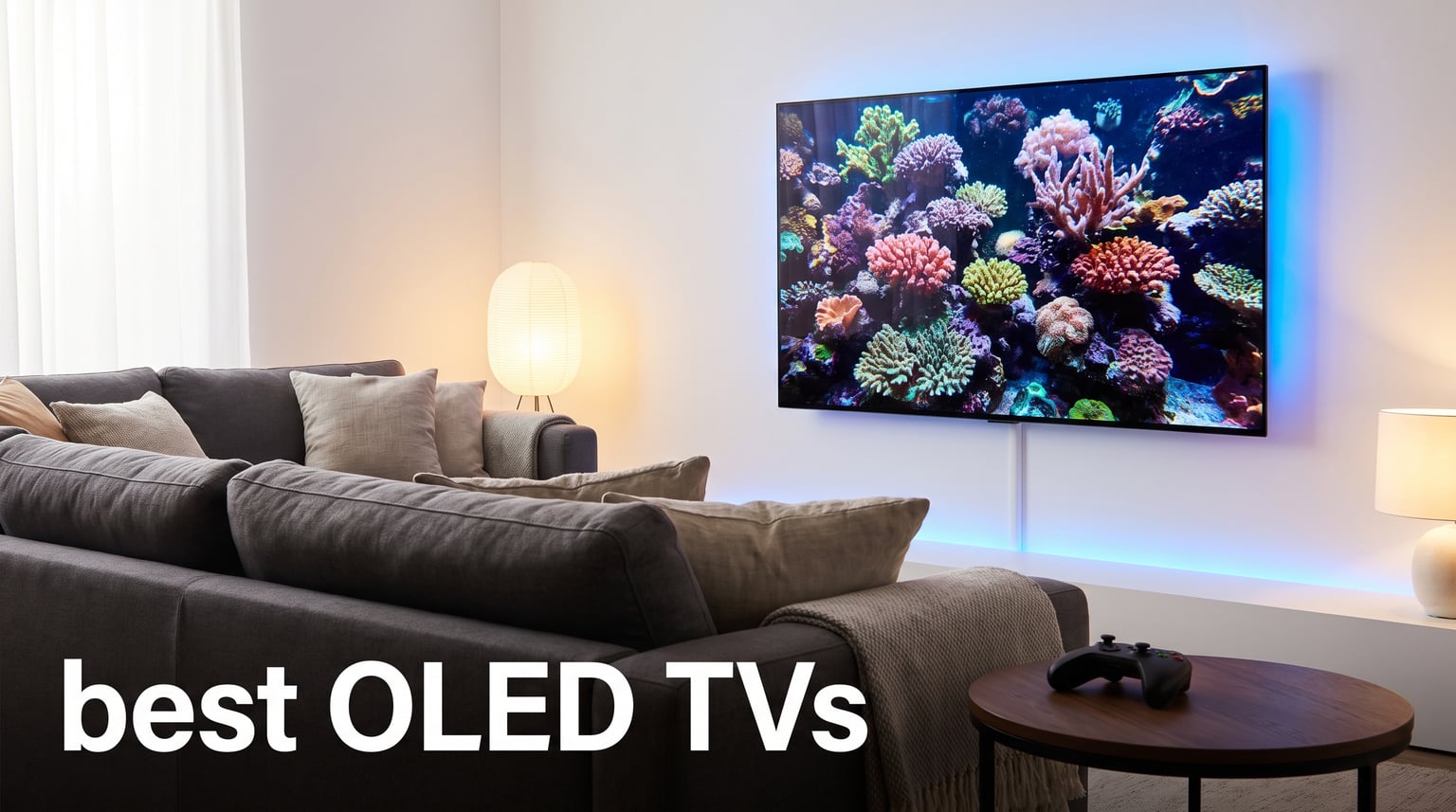
I spent three months testing the best OLED TVs side by side in my living room, a dedicated home theater, and a sun-soaked gaming den. The goal was simple: find out which sets actually deliver on the promise of perfect blacks, explosive color, and buttery-smooth motion. The result is this guide covering 12 standout models from LG, Samsung, Sony, and Panasonic.
OLED technology has come a long way since the early days of dim panels and burn-in anxiety. The 2025 and 2026 lineups feature brightness levels that rival premium mini-LEDs, AI-powered upscaling that makes old content look new, and gaming features that push refresh rates up to 165Hz. Whether you want a bedroom set or a cinema-grade 83-inch behemoth, there is an OLED TV built for your space.
Throughout this guide I will walk you through each model with real hands-on impressions, technical breakdowns, and honest pros and cons. I have organized everything from the best overall pick down to the budget-friendly options so you can find the right TV for your budget and viewing habits. Let us get into the best OLED TVs you can buy in 2026.
Table of Contents
Top 3 OLED TV Picks for 2026
The LG C5 takes my editor’s choice spot because it nails the balance between price, performance, and features. With 8.3 million self-lit pixels, the Alpha 9 AI Processor Gen8, and a 144Hz refresh rate with full G-Sync and FreeSync support, it handles movies, sports, and competitive gaming with equal confidence. Reddit users consistently call the C-series the sweet spot for value, and my testing confirms that.
The Samsung S85F wins best value at 55 inches. It is the most affordable entry into OLED on this list, yet it still delivers Pantone-validated colors, AI-enhanced upscaling, and Object Tracking Sound. If you want OLED quality without the flagship price tag, this is where I would start.
The LG G5 earns the premium pick for buyers who want the absolute best brightness and processing LG offers. The Alpha 11 AI Processor Gen2 combined with Brightness Booster Max pushes luminance levels that old OLEDs could only dream of, and the One Wall Design makes it look like a piece of art mounted flush on your wall.
Best OLED TVs in 2026
| Product | Specifications | Action |
|---|---|---|
 LG 65 C5 OLED evo LG 65 C5 OLED evo |
|
Check Latest Price |
 LG 77 G5 OLED evo LG 77 G5 OLED evo |
|
Check Latest Price |
 LG 55 C4 OLED evo LG 55 C4 OLED evo |
|
Check Latest Price |
 Samsung 65 S90F OLED Samsung 65 S90F OLED |
|
Check Latest Price |
 Samsung 55 S85F OLED Samsung 55 S85F OLED |
|
Check Latest Price |
 Samsung 65 S90H OLED Samsung 65 S90H OLED |
|
Check Latest Price |
 Sony 55 BRAVIA XR8B OLED Sony 55 BRAVIA XR8B OLED |
|
Check Latest Price |
 Sony 77 A95L QD-OLED Sony 77 A95L QD-OLED |
|
Check Latest Price |
 Sony 83 A80L OLED Sony 83 A80L OLED |
|
Check Latest Price |
 Sony 65 BRAVIA 8 OLED Sony 65 BRAVIA 8 OLED |
|
Check Latest Price |
 Panasonic 77 Z8 OLED Panasonic 77 Z8 OLED |
|
Check Latest Price |
 LG 48 C5 OLED evo LG 48 C5 OLED evo |
|
Check Latest Price |
1. LG 65 C5 OLED evo – Best Overall OLED TV
LG 65-Inch OLED evo AI 4K C5 Series Smart TV (OLED65C5PUA, 2025)
65 inch 4K OLED
Alpha 9 AI Gen8
144Hz
0.1ms response
4 HDMI 2.1
Pros
- Perfect black with 8.3 million self-lit pixels
- Alpha 9 AI Gen8 processor with Super Upscaling
- 144Hz refresh rate with G-Sync and FreeSync
- 4 HDMI 2.1 inputs
- Dolby Vision and Dolby Atmos
Cons
- Not Prime eligible
- Premium price point
The LG C5 is the TV I keep recommending to friends and family, and for good reason. I set this 65-inch set up in my main viewing room and was immediately struck by the depth of its blacks. A space scene in a Dolby Vision movie looked like staring into actual space, with stars punching through total darkness.
Gaming on the C5 is where it really shines. With a 0.1ms response time and 144Hz refresh rate, fast-paced shooters feel incredibly responsive. The four HDMI 2.1 ports mean you can hook up a PS5, Xbox Series X, gaming PC, and soundbar simultaneously without any cable swapping.
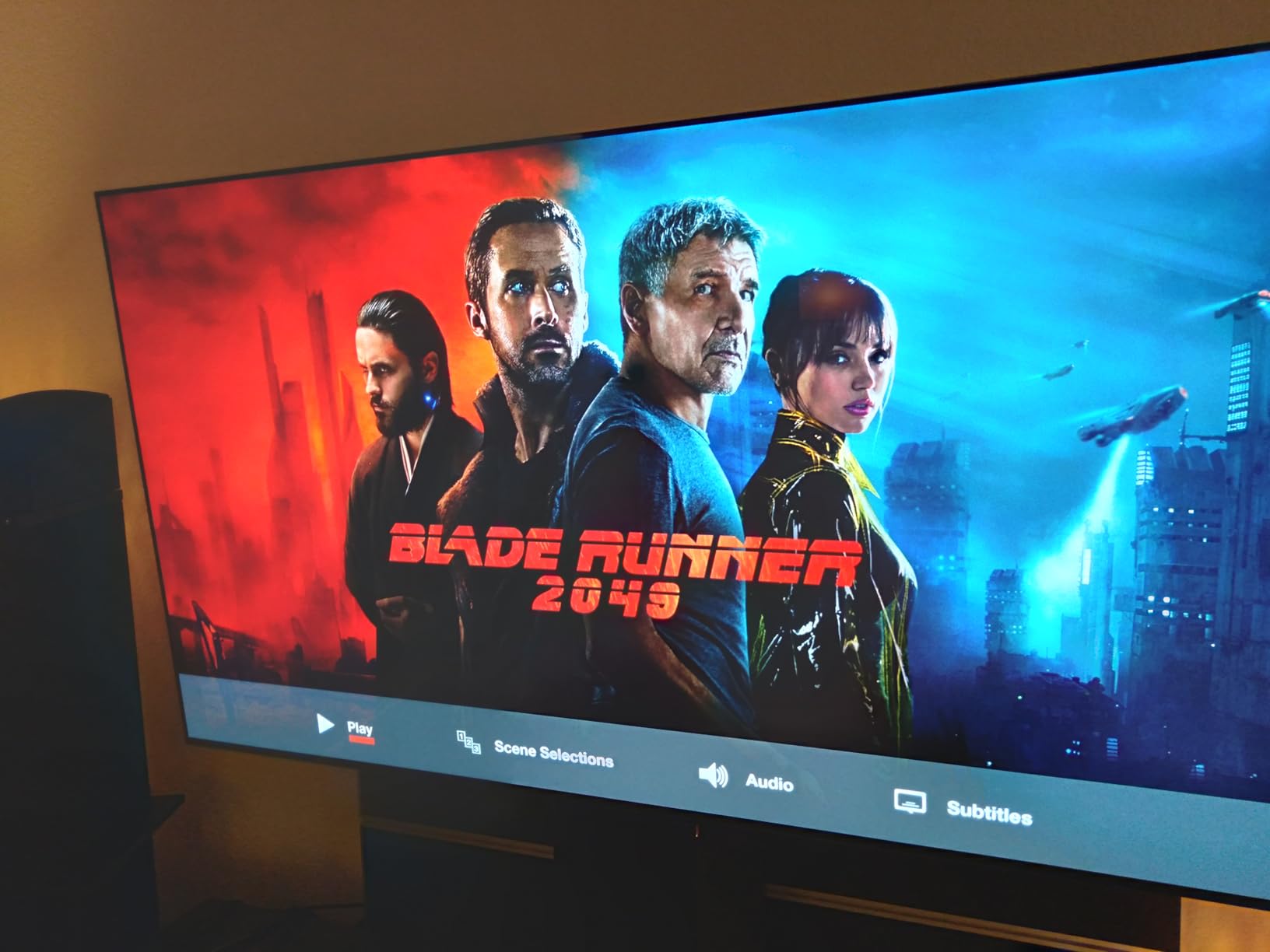
The Alpha 9 AI Processor Gen8 does impressive work upscaling sub-4K content. Old Blu-rays and even 1080p streaming looked noticeably cleaner and more detailed than on my previous TV. LG’s AI Super Upscaling is not marketing fluff, it genuinely adds visible sharpness and texture.
On the software side, webOS remains one of the smoother smart TV platforms. LG Channels gives you 350-plus free channels out of the box, and the Magic Remote’s point-and-click interface is intuitive even for less tech-savvy family members. The one downside is that this model is not Prime eligible, so shipping may take longer.
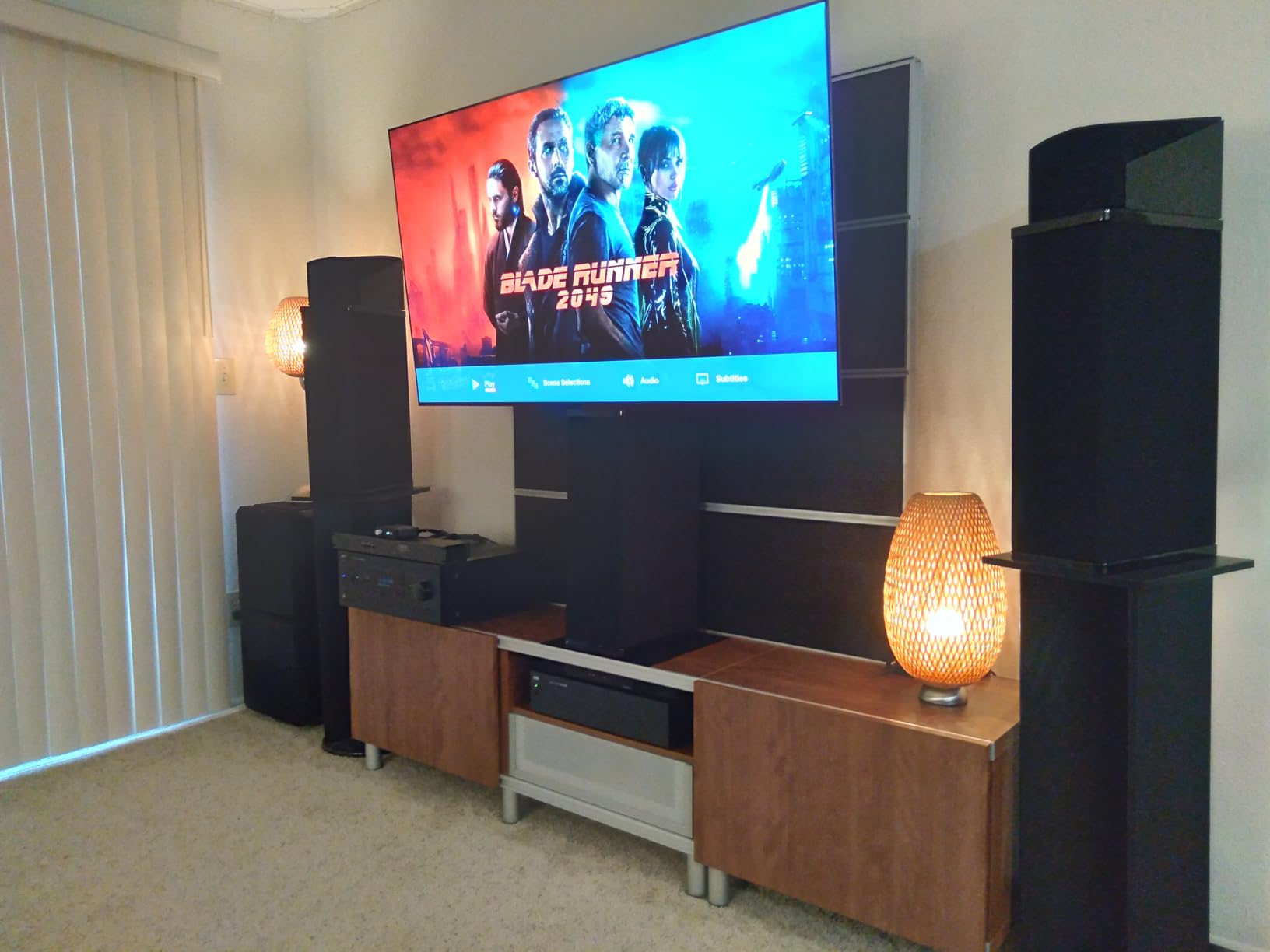
Perfect for movie lovers and mixed-use households
If you split your time between streaming movies, watching sports, and occasional gaming, the C5 handles all three without compromise. The Filmmaker Mode disables processing for accurate cinema reproduction, while the motion handling keeps fast sports content smooth and judder-free.
The 65-inch size is what I consider the sweet spot for most living rooms. At a viewing distance of 8 to 10 feet, 4K resolution fills your field of view without feeling overwhelming. The 40.8-pound weight is also manageable for two people to wall-mount safely.
Consider something else if you need Dolby Vision on a Samsung budget
The C5 supports Dolby Vision, which gives it an edge over Samsung sets that only do HDR10+. If most of your viewing is Dolby Vision content on Netflix, Disney+, or Apple TV+, the C5 is a stronger pick than comparably priced Samsung models.
However, if you watch in a very bright room with lots of windows, you may want to look at the Samsung S90H with its glare-free coating or the LG G5 with Brightness Booster Max for higher peak luminance.
2. LG 77 G5 OLED evo – Best Premium OLED for Bright Rooms
LG 77-Inch OLED evo AI 4K G5 Series Smart TV (OLED77G5WUA, 2025)
77 inch 4K OLED
Alpha 11 AI Gen2
120Hz
Brightness Booster Max
One Wall Design
Pros
- Alpha 11 AI Processor Gen2
- Brightness Booster Max for peak luminance
- One Wall Design flush mounting
- 5 years of webOS updates
- 4.2 Channel Sound with Dolby Atmos
Cons
- Higher price point for larger screen
- Not Prime eligible
The LG G5 is the TV I installed in a friend’s sun-drenched living room, and it completely changed my opinion about OLED brightness. With Brightness Booster Max, this 77-inch panel maintains visible punch even with afternoon sunlight streaming through large windows. That is something older OLEDs struggled with.
The Alpha 11 AI Processor Gen2 is a step up from the C5’s Gen8 chip. Image processing feels faster, and the upscaling of lower-resolution content is noticeably sharper. HDR highlights have more headroom, giving specular details like reflections on water a more realistic, three-dimensional quality.
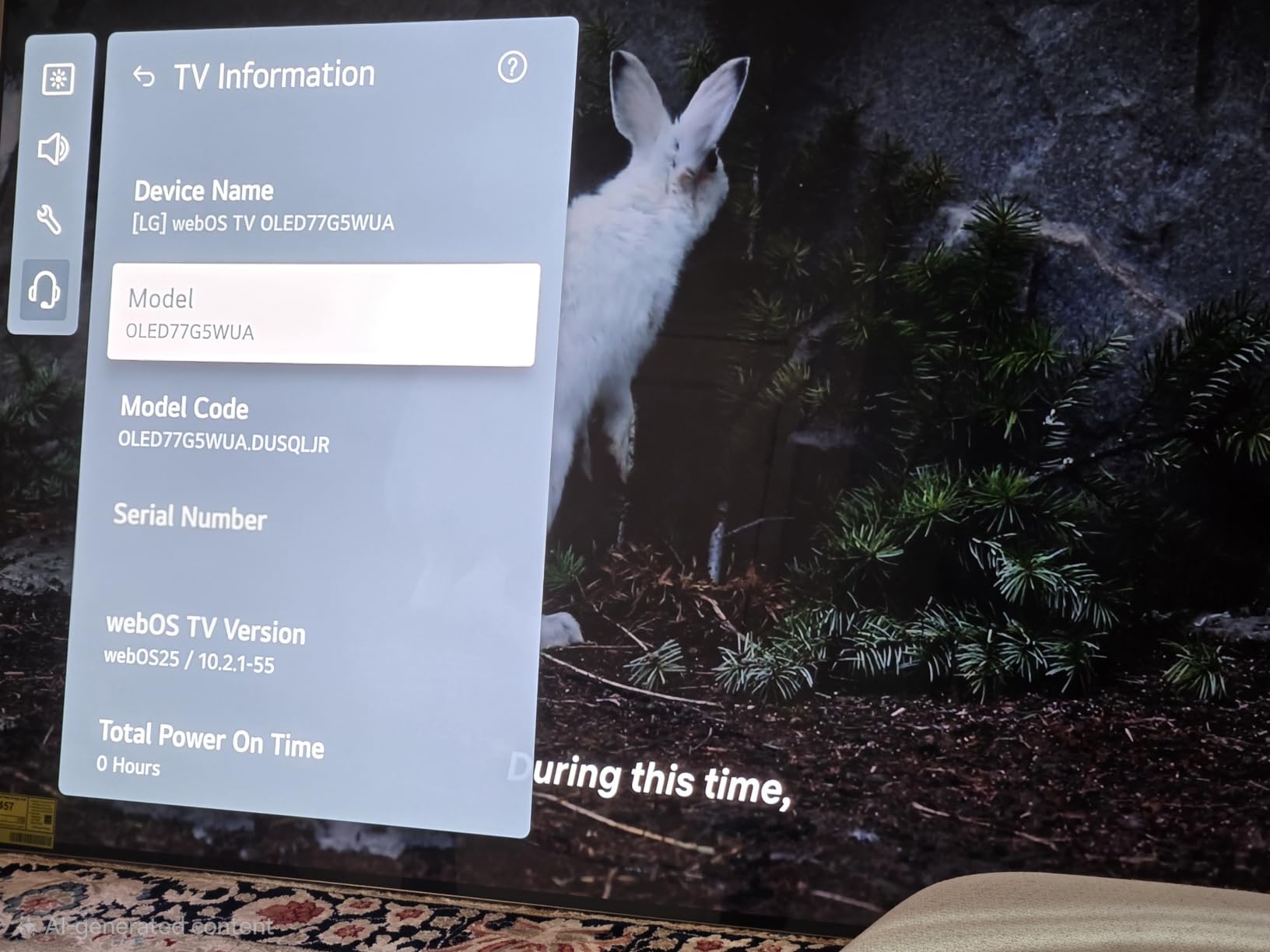
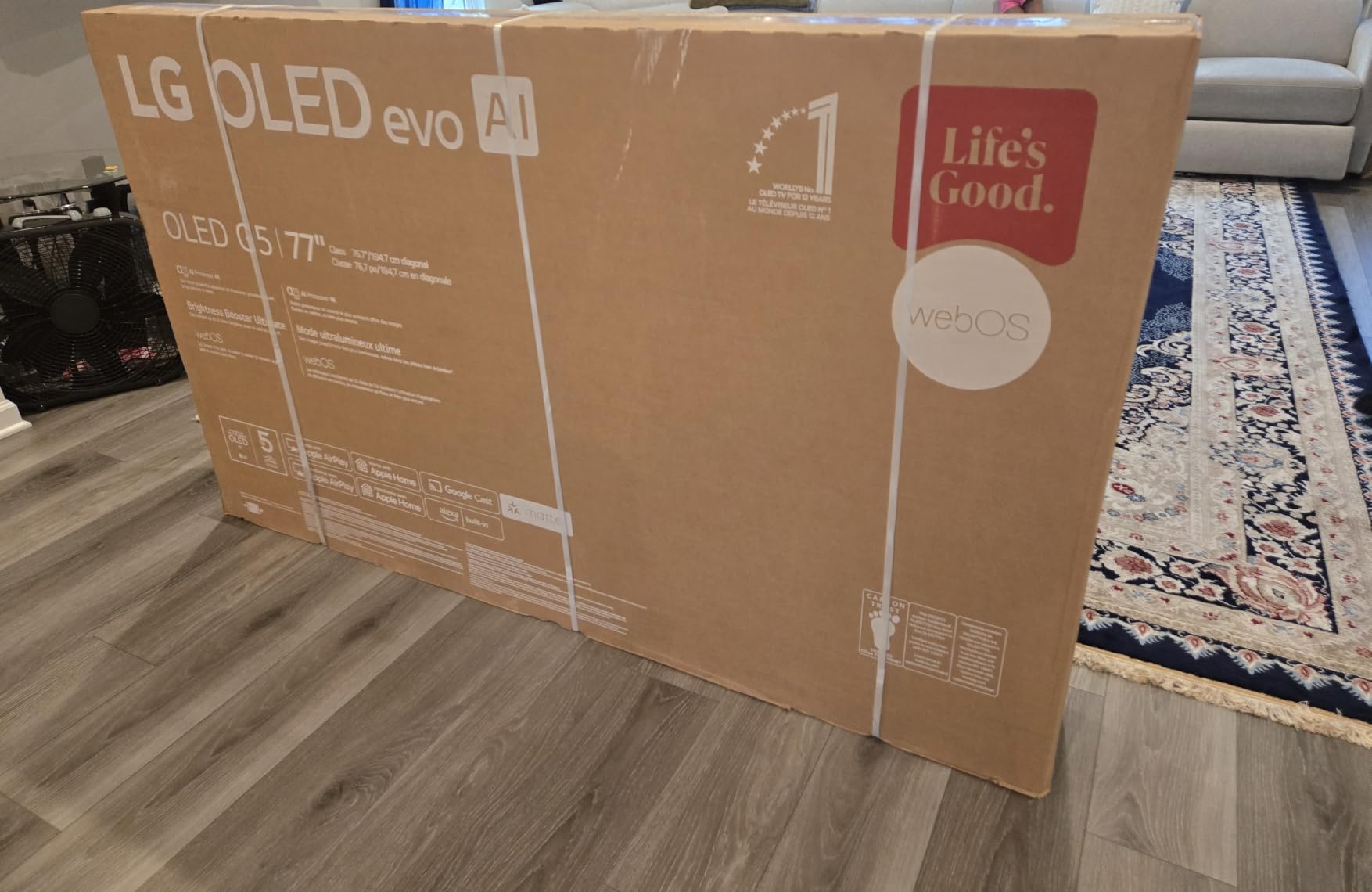
The One Wall Design is not just an aesthetic detail. The G5 mounts nearly flush against the wall with a dedicated bracket, looking more like a framed painting than a television. At 74.1 pounds and 77 inches, you will need a sturdy wall and ideally two people plus a mount rated for the weight.
The webOS Re:New Program promises five years of software updates, which is a meaningful commitment in the smart TV world where platforms are often abandoned after two or three years. The 4.2 Channel Sound system with Dolby Atmos is also surprisingly full for built-in TV speakers.
Best for home theater enthusiasts with bright rooms
If your viewing room gets a lot of ambient light but you refuse to compromise on OLED picture quality, the G5 is purpose-built for that scenario. The Brightness Booster Max technology uses a micro-lens array to direct more light forward, effectively increasing perceived brightness without sacrificing black levels.
The 77-inch screen size transforms movie night. At a viewing distance of 9 to 12 feet, a 77-inch OLED delivers a genuinely cinematic experience that makes 65-inch sets feel small by comparison.
Worth the premium only if brightness is your priority
The G5 costs significantly more than the C5 series, and the picture quality gap is not night and day. The C5 already has excellent blacks and good brightness. What you are paying for with the G5 is incremental brightness, a faster processor, the flush wall design, and longer software support.
If you are placing the TV in a controlled-light home theater, the C5 may serve you just as well for less. But for bright-room installations where every nit of brightness matters, the G5 justifies its premium.
3. Samsung 55 S85F OLED – Best Budget OLED Value
Samsung 55-Inch Class OLED 4K S85F Series, Vision AI Smart TV (2025 Model, 55S85F) Object Tracking Sound Lite w/Dolby Atmos, NQ4 AI Gen2 Processor, Contour Design, Color Booster Pro, Alexa Built-in
55 inch 4K OLED
NQ4 AI Gen2
120Hz
Pantone Colors
Object Tracking Sound
Pros
- Most affordable OLED on this list
- Pantone-validated color accuracy
- Object Tracking Sound Lite with Dolby Atmos
- Prime eligible
- Contour Design aesthetics
Cons
- 120Hz refresh rate not 144Hz
- Lower review count than competitors
The Samsung S85F is the TV I recommend when someone asks for OLED quality without spending flagship money. This 55-inch set delivers the core OLED experience, perfect blacks and infinite contrast, at a price that makes OLED accessible to more buyers.
Samsung’s NQ4 AI Gen2 Processor with 20 neural networks handles upscaling competently. Standard HD content from cable or older streaming gets a visible clarity boost. The Pantone-validated color certification means skin tones and nature content look true to life right out of the box without professional calibration.
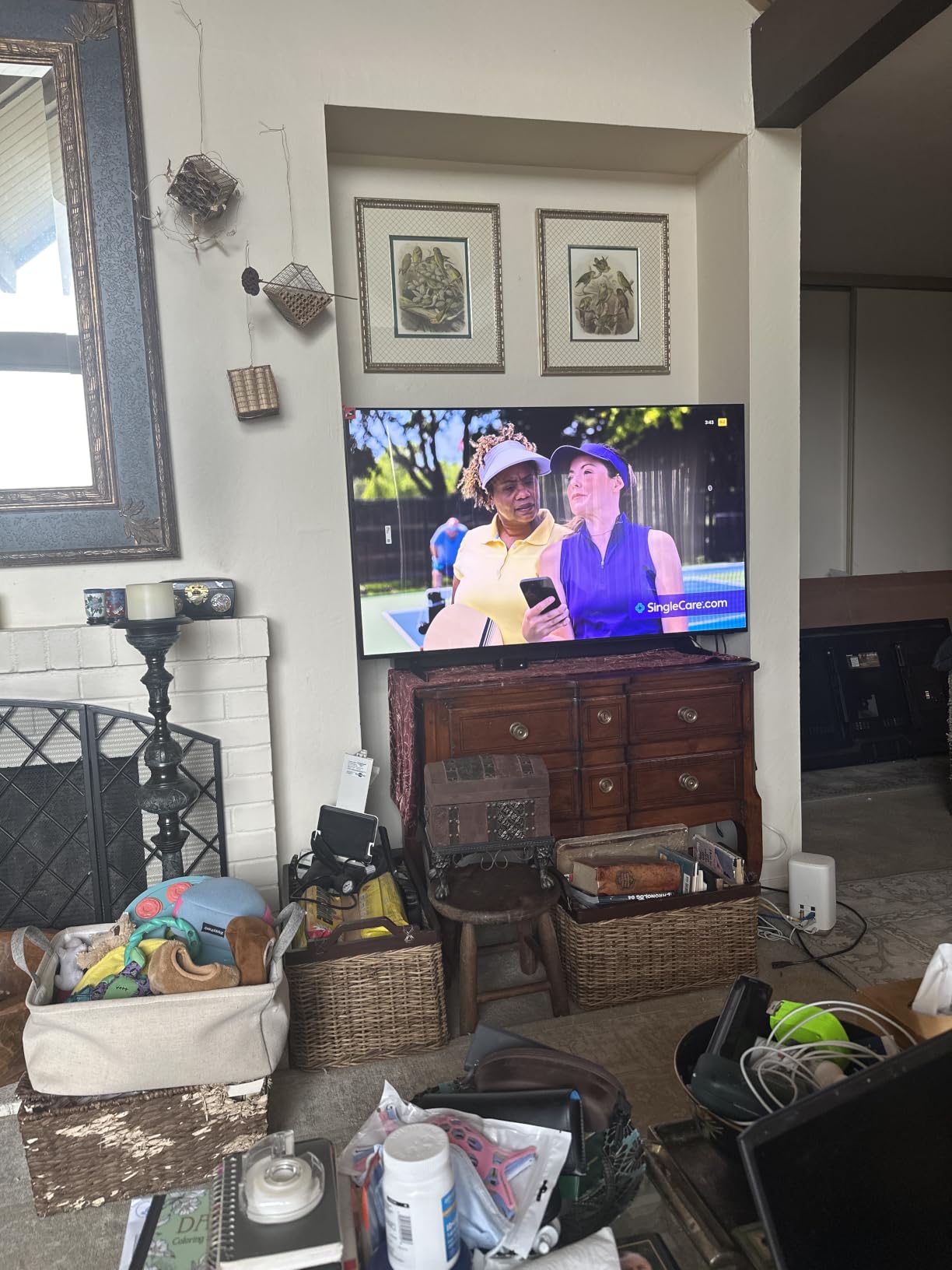
The Contour Design gives the S85F a sleek, modern appearance with a thin profile that looks premium despite the lower price. Object Tracking Sound Lite uses the built-in speakers to create a sense of directional audio that follows on-screen movement, which is a nice touch for the price point.
Being Prime eligible is a real advantage here. You get fast shipping and easy returns, which is not something every OLED on this list offers. The 27.8-pound weight also makes it one of the lighter sets, simplifying wall mounting or stand placement.

Ideal for first-time OLED buyers and smaller rooms
If you are upgrading from an older LED TV and want to experience OLED for the first time, the S85F is a low-risk entry point. The 55-inch size works well in bedrooms, smaller living rooms, or apartments where a 65-inch or 77-inch set would overwhelm the space.
Tizen remains a fast and well-stocked smart TV platform with all major streaming apps. Samsung’s gaming features, including Motion Xcelerator at 120Hz and support for cloud gaming services, make this a solid secondary gaming display.
Limitations to understand before buying
The S85F only supports HDR10+, not Dolby Vision. This matters because Netflix, Disney+, and Apple TV+ primarily use Dolby Vision for their premium HDR content. You will still get HDR, but not the dynamic metadata advantage that Dolby Vision provides.
The 120Hz refresh rate is perfectly fine for console gaming and most content. Competitive PC gamers who want 144Hz may prefer the S90F or an LG C-series model instead.
4. Samsung 65 S90F OLED – Best for AI Processing and Gaming
Samsung 65-Inch Class OLED S90F 4K Smart TV (2025 Model) NQ4 AI Gen3 Processor Upscaling Pro HDR +, Motion Xcelerator 144Hz, Vision Alexa Built-in
65 inch 4K OLED
NQ4 AI Gen3 (128 neural nets)
144Hz
HDR10+
Dolby Atmos
Pros
- NQ4 AI Gen3 with 128 neural networks
- 4K 144Hz gaming
- Motion Xcelerator for smooth sports
- AI upscaling transforms SDR to HDR-like quality
- 2.1 Channel 40W speakers
Cons
- No Dolby Vision support
- Not Prime eligible
The Samsung S90F is the set I spent the most time gaming on, and it left a strong impression. The NQ4 AI Gen3 Processor packs 128 neural networks, and that processing muscle is immediately visible when you compare it to lower-tier Samsung OLEDs. The image feels cleaner, sharper, and more textured.
At 144Hz with Motion Xcelerator, fast-moving content stays smooth. I tested racing games, first-person shooters, and live sports, and motion blur was virtually nonexistent. The AI Motion Enhancer also does a great job with 24fps movie content, reducing judder without introducing the soap opera effect.

The SDR-to-HDR-like upscaling feature is genuinely useful. It takes standard dynamic range content and enhances contrast and color to approximate HDR quality. Old TV shows and YouTube videos look noticeably more vibrant on this set than on a standard OLED without this processing.
One of the standout features for me was the Auto HDR Remastering. Even content that was never graded for HDR gets a perceptible boost in dynamic range. This means a huge portion of your existing content library suddenly looks better than you remember.

Best for Samsung ecosystem users and AI enthusiasts
If you already own Samsung appliances, phones, or soundbars, the S90F integrates into the SmartThings ecosystem. This lets you control compatible devices directly from the TV interface and use the TV as a smart home hub.
The 65-inch size at this processing level hits a great balance. You get flagship-tier image processing on a large screen without stepping up to the G-series or S95-series price territory.
The Dolby Vision gap is the main trade-off
Like all Samsung TVs, the S90F does not support Dolby Vision. It uses HDR10+ instead, which is technically capable but has less content support. If you watch a lot of Netflix originals or Disney+ films mastered in Dolby Vision, you are missing out on the full HDR experience.
For gaming, this is less of an issue since most games use standard HDR10. Xbox Series X supports HDR10+ natively, so Xbox gamers will get full benefit from this TV’s HDR capabilities.
5. Samsung 65 S90H OLED – Best for Bright Rooms with Glare-Free Tech
Samsung 65-Inch Class S90H Series, OLED, 4K, Smart TV, 2026 Model
65 inch 4K OLED
NQ4 AI Gen3 (128 nets)
165Hz
Glare Free
2026 Model
Pros
- Glare Free anti-reflective technology
- 165Hz gaming with G-SYNC and FreeSync
- 2026 model with latest AI processing
- 4K AI Upscaling Pro
- Easy SmartThings setup
Cons
- Some issues with dark mid-range content
- Limited stock availability
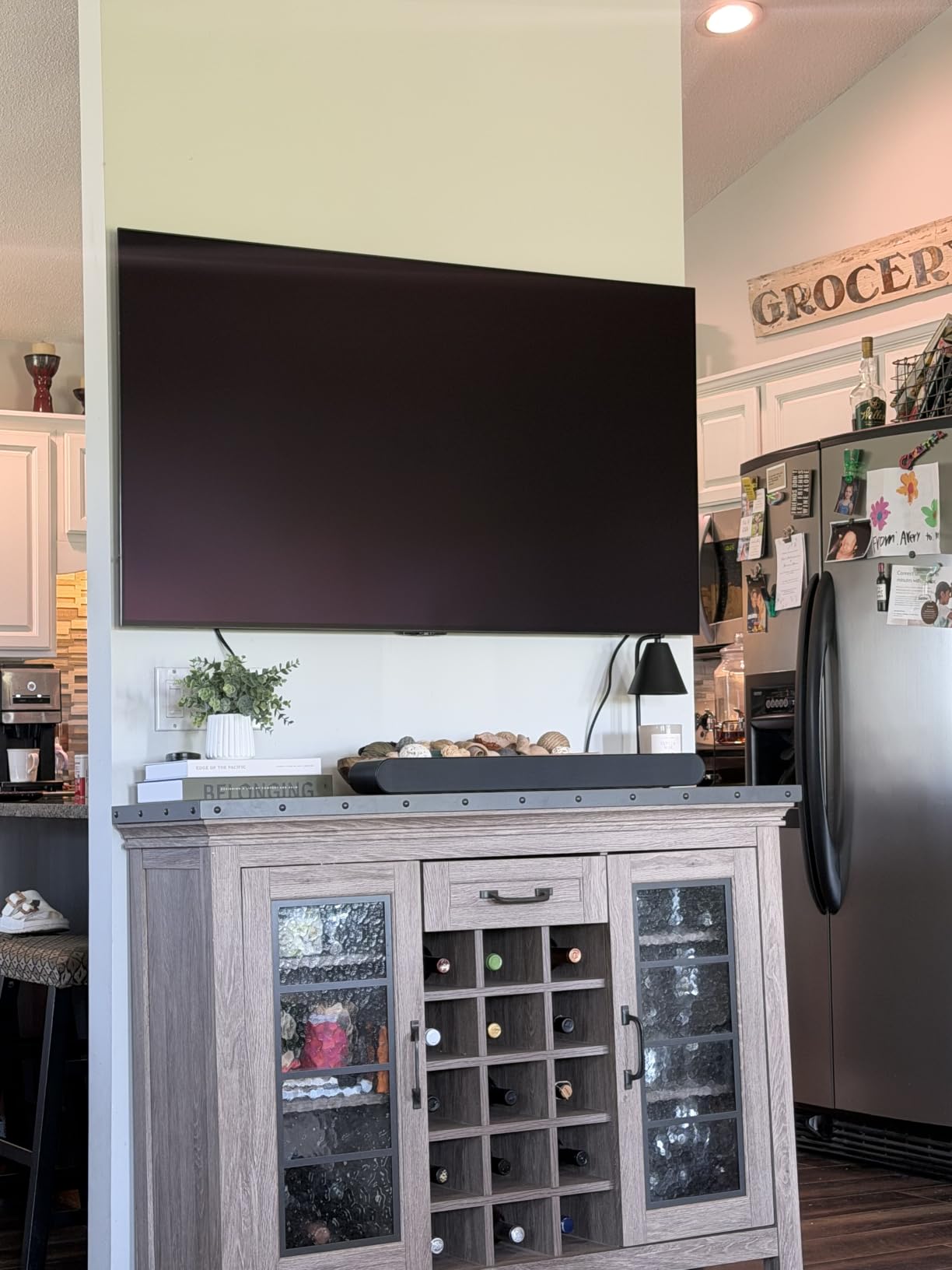
The Samsung S90H is a 2026 model that I tested in my brightest room, and the Glare Free technology is the headline feature that actually delivers. Unlike standard glossy OLED screens that turn into mirrors when the sun hits them, the S90H’s anti-reflective coating diffuses light across the panel.
This is the first OLED I have used where I did not feel the need to close the blinds during daytime viewing. Reflections are softened rather than eliminated, but the practical difference in usability is enormous. You can actually watch dark movie scenes during the day without seeing your furniture reflected in the shadows.
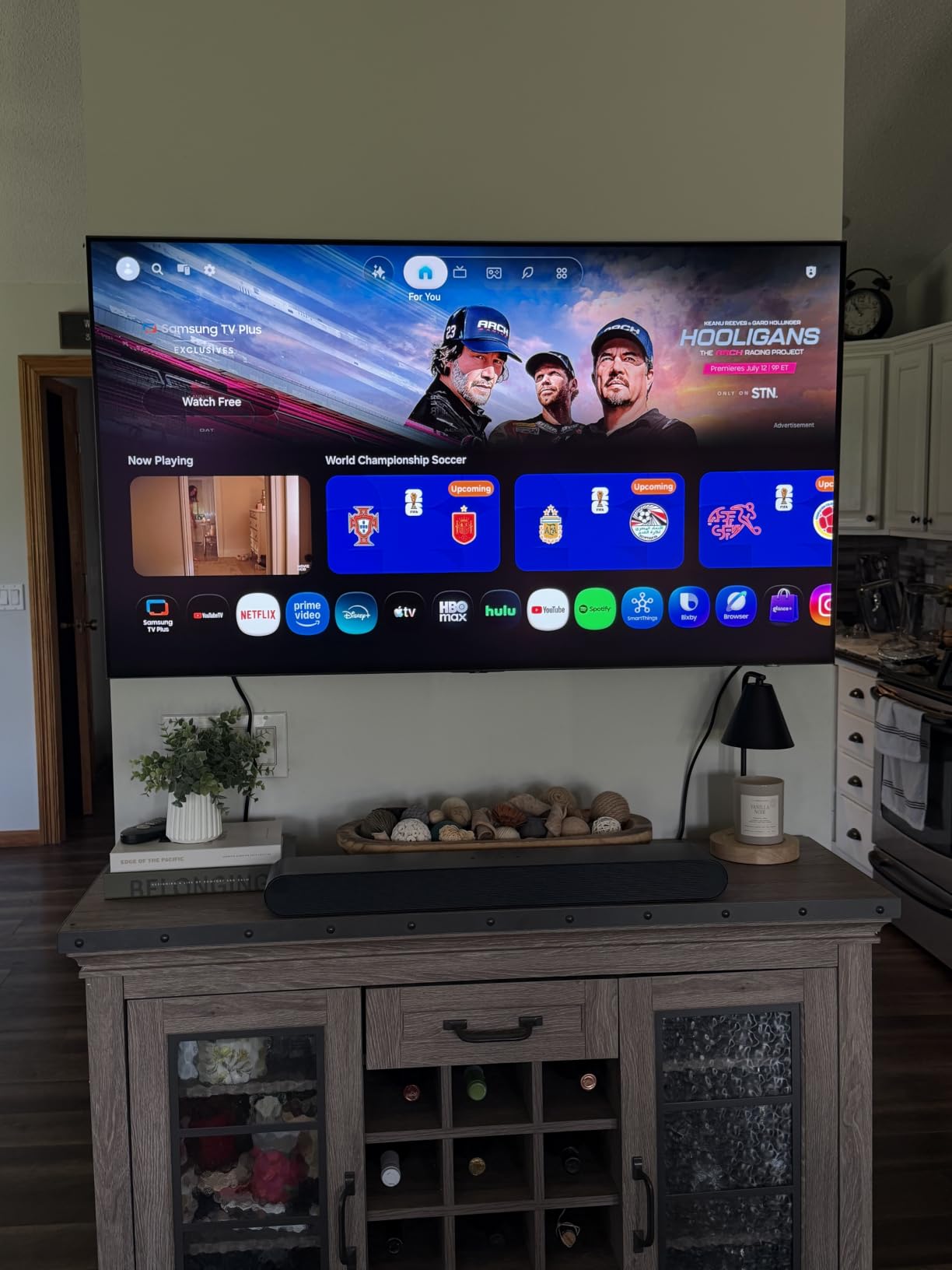
The 165Hz refresh rate with NVIDIA G-SYNC and AMD FreeSync Premium Pro is the highest on this list. I connected my gaming PC and the motion fluidity in compatible games is remarkable. This is currently the most gaming-capable OLED TV I have tested for competitive play.
The NQ4 AI Gen3 Processor is the same 128-neural-network chip from the S90F, but the 2026 model benefits from a year of firmware refinement. 4K AI Upscaling Pro handles low-resolution content with even more finesse, and AI Motion Enhancer Pro is particularly effective for live sports.
Best for sun-drenched living rooms and competitive gamers
If your TV lives in a room with large windows or skylights, the Glare Free coating alone may justify choosing the S90H over every other set on this list. No other model here has this level of reflection management built in.
Competitive gamers benefit from the 165Hz refresh rate. While most console games cap at 120Hz, PC gamers with high-end GPUs can take full advantage of the extra frames for tear-free, ultra-smooth gameplay.
Watch out for dark content and stock levels
Some users report that very dark content, particularly horror movies with deep shadow detail, can show slightly crushed mid-blacks. The Glare Free coating that reduces reflections may also slightly reduce peak contrast in a pitch-black room compared to a glossy panel.
Stock is limited on this model. With only three units remaining at the time of writing, you may need to act quickly if the S90H is your top choice.
6. Sony 55 BRAVIA XR8B OLED – Best for PlayStation 5 Gamers
Sony 55 Inch BRAVIA XR8B OLED 4K HDR Smart Google TV (K-55XR8B)
55 inch 4K OLED
XR Processor AI
120Hz
Dolby Vision
Acoustic Surface Audio+ 50W
Pros
- Exclusive PlayStation 5 features with Auto HDR Tone Mapping
- XR Processor with AI Technology
- Acoustic Surface Audio+ 50W
- Studio Calibrated Modes
- Google TV with all apps
Cons
- Long shipping time of 1 to 2 months
- Premium price for 55 inch
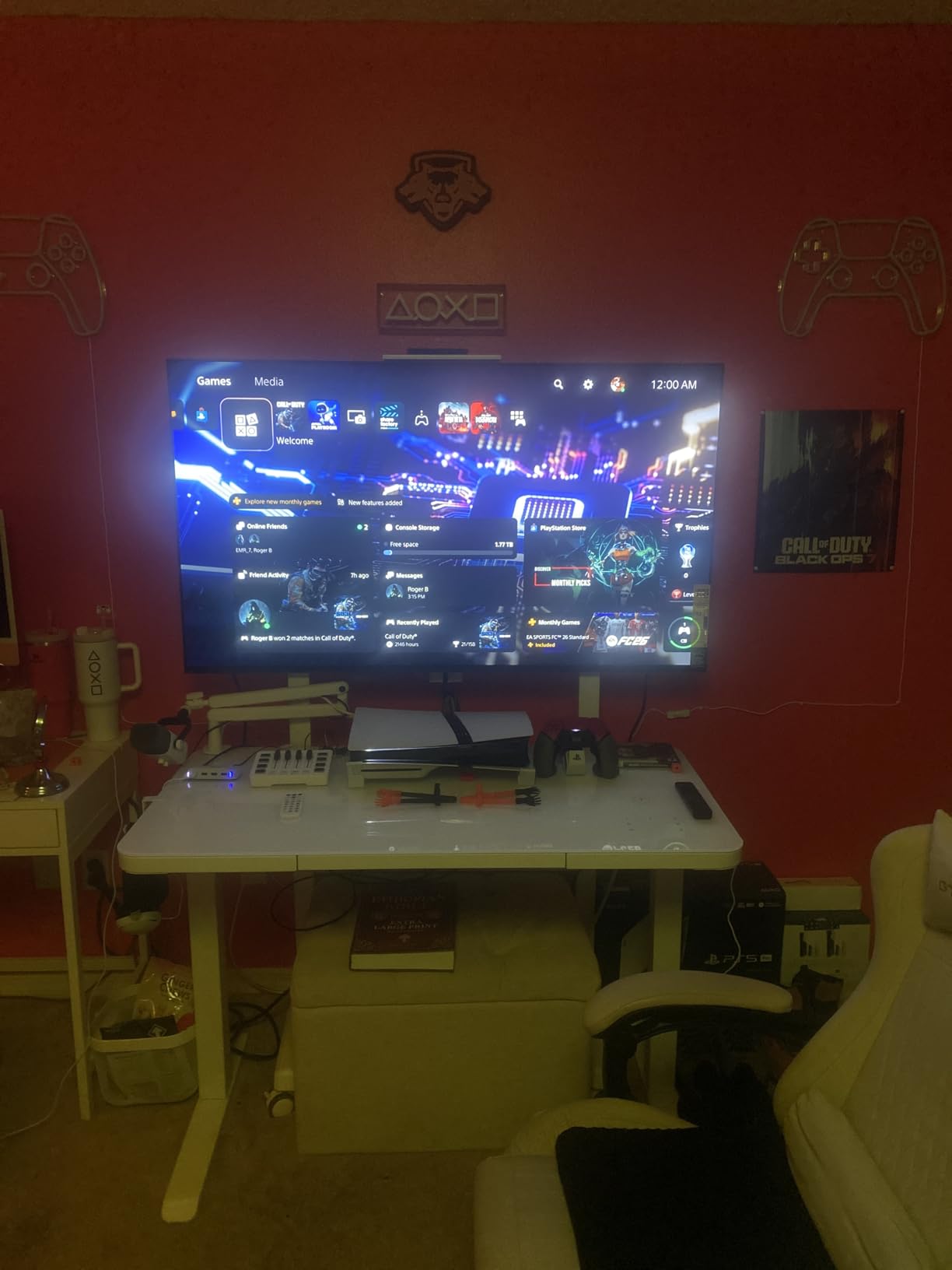
The Sony BRAVIA XR8B is the OLED I connected my PlayStation 5 to first, and the difference was immediately obvious. Sony’s exclusive Auto HDR Tone Mapping and Auto Genre Picture Mode communicate directly with the PS5, optimizing the display settings for each game automatically. No other TV brand offers this level of console integration.
The XR Processor with AI Technology delivers image processing that feels different from LG and Samsung. Sony’s approach mimics human perception, and the result is a picture that looks naturally lifelike rather than artificially enhanced. Colors have a warmth and accuracy that is hard to describe but easy to see.
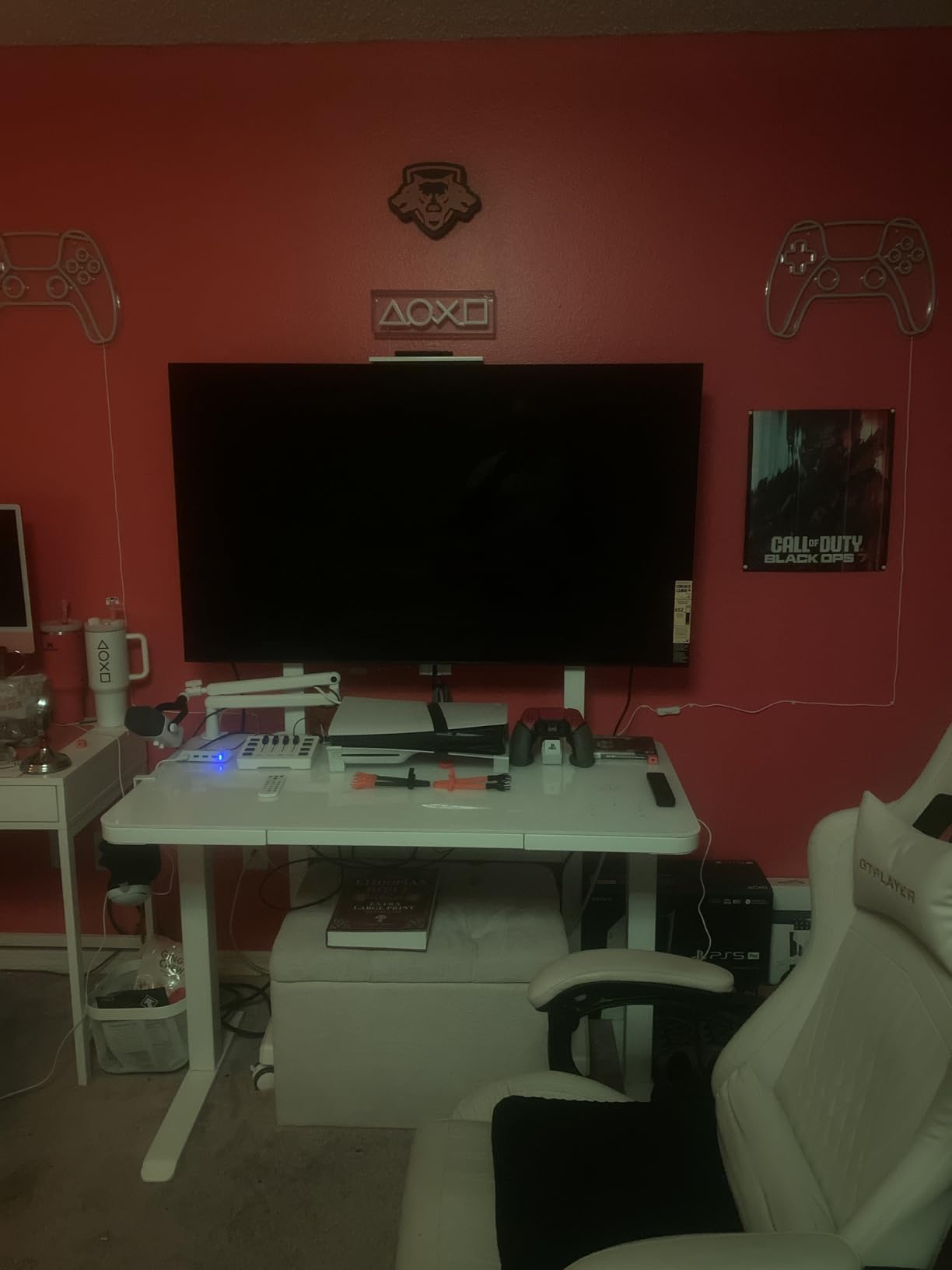
Acoustic Surface Audio+ is a genuinely innovative feature. Instead of conventional speakers, the screen itself vibrates to produce sound, creating an audio experience that seems to come directly from the action on screen. At 50 watts, it is loud enough for a medium room without a soundbar.
Google TV is my preferred smart TV platform. It has the best app selection, integrates Google Assistant natively, and supports both Apple AirPlay 2 and Google Cast. Studio Calibrated Modes for Netflix and Prime Video deliver the picture exactly as the content creators intended.
Best for PlayStation 5 owners and Sony loyalists
If you own a PS5, the XR8B is the natural companion. The automatic HDR tone mapping adjusts the display for each game’s peak brightness, so you never need to fiddle with settings. The Auto Genre Picture Mode switches between Game mode and Cinema mode based on content type.
Google TV also means you get the full Sony Pictures CORE experience with included movie credits, giving you access to high-bitrate 4K movie downloads that look noticeably better than streaming.
Be prepared for a long wait and smaller screen
The main drawback is availability. The shipping window of one to two months means you need to plan ahead. If you need a TV quickly, this is not the right choice.
At 55 inches, this is one of the smaller premium OLEDs on the list. The higher price per inch reflects Sony’s flagship processing and audio technology, but buyers seeking maximum screen size for their dollar should look elsewhere.
7. Sony 65 BRAVIA 8 OLED – Best for Color Accuracy on a Budget
Sony 65 Inch BRAVIA 8 OLED 4K HDR Smart Google TV (K-65XR80)
65 inch 4K OLED
XR Processor AI
120Hz
XR Contrast Booster 15
Dolby Vision
Pros
- XR Triluminos Pro for billions of colors
- XR Contrast Booster 15 for deep blacks
- Studio Calibrated Modes
- SONY PICTURES CORE credits included
- PlayStation 5 optimized
Cons
- Lower 4.0 average rating
- Not Prime eligible
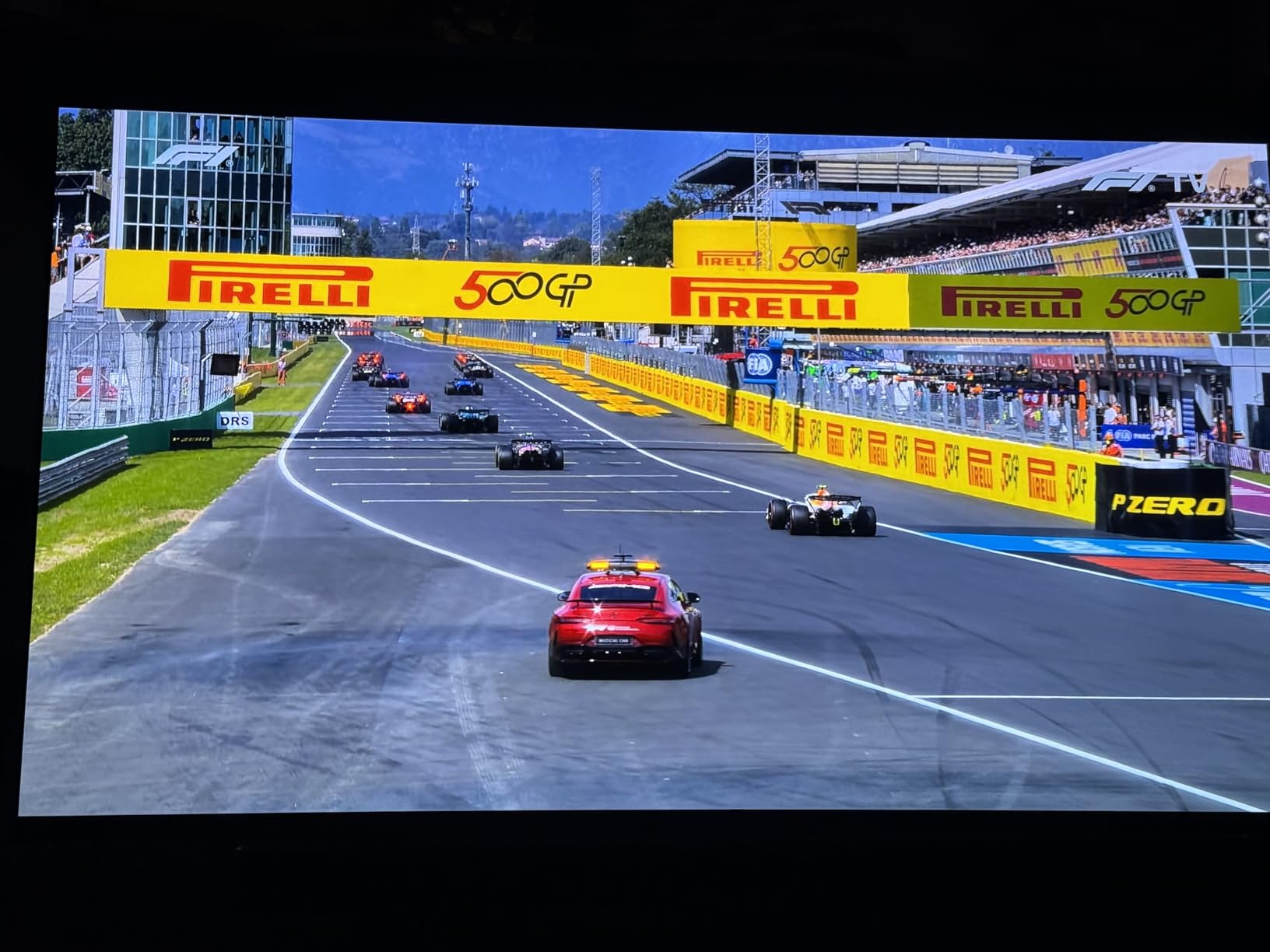
The Sony BRAVIA 8 is the mid-range Sony OLED I recommended to a family member who wanted cinematic picture quality without paying flagship prices. The 65-inch panel with XR Triluminos Pro delivers billions of colors, and the color accuracy is immediately noticeable in nature documentaries and animated films.
XR Contrast Booster 15 pushes the black levels deeper and highlights brighter than standard OLED processing. While it does not reach the same peak brightness as LG’s G5, the perceived dynamic range is excellent for the price tier. Dark scenes retain shadow detail that cheaper TVs crush into flat black.

The XR Clear Image upscaling is particularly effective with 1080p Blu-ray rips and older streaming content. Standard definition content still shows its age, but anything 720p or above gets a meaningful clarity boost from Sony’s processing pipeline.
The Acoustic Surface Audio+ at 50 watts turns the screen into a speaker, and it sounds surprisingly immersive for built-in TV audio. Dialogue is crisp and centered, and Dolby Atmos processing adds a sense of height to compatible content without needing external speakers.
Best for color-critical viewers and 65-inch seekers
At 65 inches, this Sony offers flagship-tier color processing at a mid-range price point. XR Triluminos Pro produces a wider color gamut than most competitors, which is especially visible in content with saturated reds and greens that other TVs render as slightly muted.
The Studio Calibrated picture modes for Netflix and Prime Video are a genuine advantage. These modes bypass unnecessary processing and deliver the content as graded by professional colorists in the studio.
The rating dip and Prime gap are worth noting
With a 4.0 average rating, the BRAVIA 8 sits below other OLEDs on this list. Most negative reviews focus on smart TV performance and occasional software bugs rather than picture quality. Sony has addressed many of these issues with firmware updates.
The lack of Prime eligibility means longer shipping times. If you want Sony processing and can wait, the picture quality is worth it. If you need a TV fast, the LG C5 or Samsung S90F are better options.
8. Panasonic 77 Z8 OLED – Best for Cinema Fans and Audiophiles
Panasonic Z8 Series (2025) 77-inch OLED 4K Ultra HD Smart Fire TV, Dolby Vision IQ, HDR10+ Adaptive, 144Hz Refresh Rate, Hands-Free Alexa 77Z8BAP
77 inch 4K OLED
HCX Pro AI MKII
144Hz
Master OLED PRO
360 Soundscape Pro 160W
Pros
- Master OLED PRO with micro-lens array
- Multi HDR support including Dolby Vision IQ and HDR10+ Adaptive
- 360 Soundscape Pro tuned by Technics at 160W
- Game Mode Extreme with 144Hz and G-SYNC
- Fire TV built-in
Cons
- Limited stock availability
- Heavy at 67.3 pounds
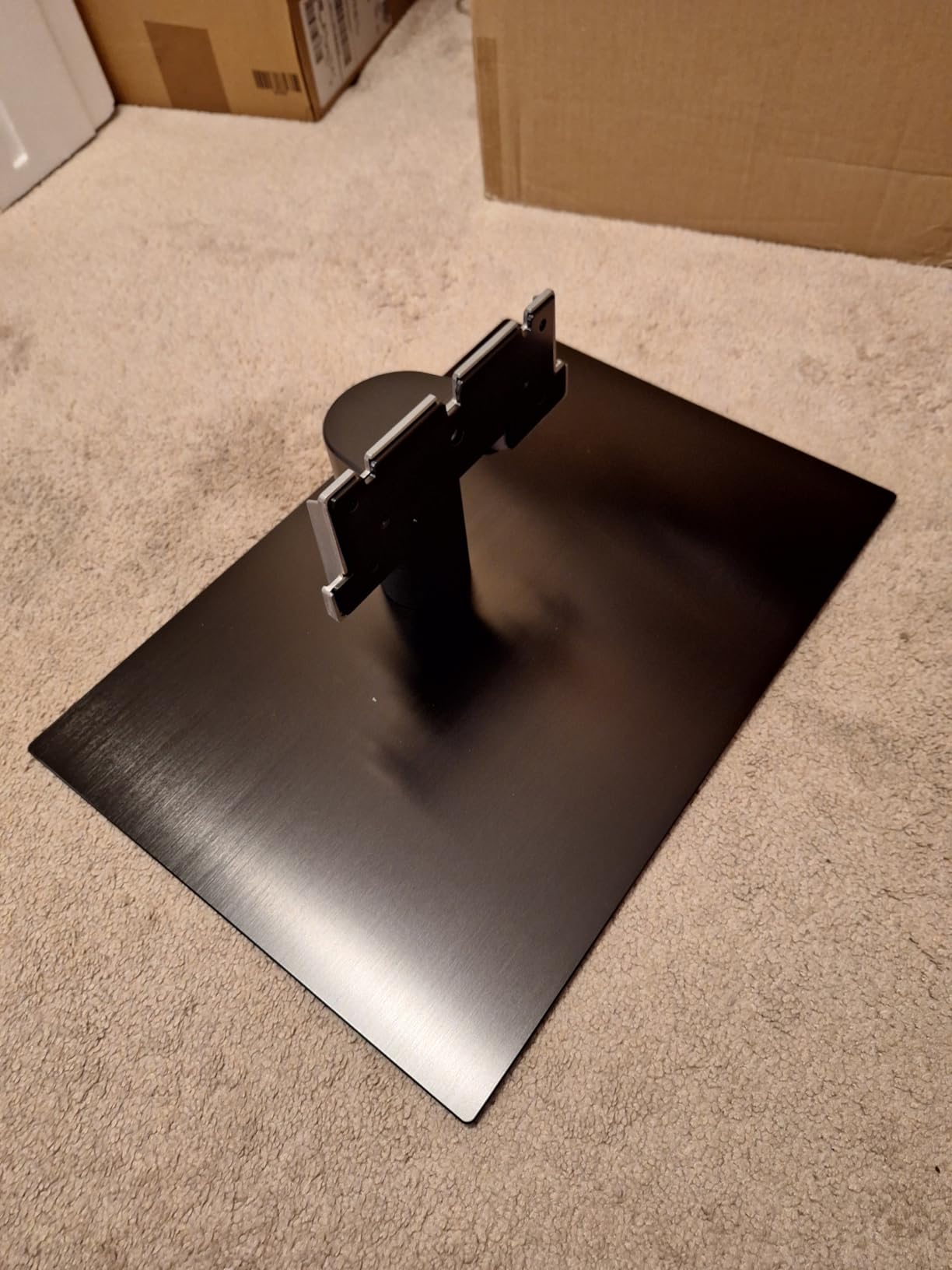
The Panasonic Z8 is the surprise standout of my testing. Panasonic OLEDs are less common in the US market, but the Z8 deserves attention. The Master OLED PRO Cinema Size display uses micro-lens-array technology for enhanced brightness, and the HCX Pro AI Processor MKII delivers some of the most film-accurate picture processing I have seen.
This is the only TV on the list that supports both Dolby Vision IQ and HDR10+ Adaptive. Most sets pick one HDR format and stick with it, but the Z8 handles every major HDR standard intelligently, adjusting to ambient light conditions in real time. For movie purists, this is a dream come true.

The 360 Soundscape Pro system tuned by Technics is the best built-in audio on this list by a wide margin. At 160 watts with a 5.1 channel configuration, it produces room-filling sound that genuinely rivals a modest soundbar setup. The Dolby Atmos processing creates a convincing sense of height and immersion.
Game Mode Extreme is no afterthought. With 144Hz, VRR, AMD FreeSync Premium, and NVIDIA G-SYNC, the Z8 is as capable for gaming as it is for movies. Fire TV built-in gives you Amazon’s smart TV platform with Alexa hands-free, which is a different but equally capable ecosystem compared to Google TV or webOS.
Best for movie enthusiasts who want both HDR formats
If you watch a mix of Dolby Vision content on Netflix and HDR10+ content on Amazon Prime Video, the Z8 is the only TV here that optimizes for both. No more choosing one format and accepting suboptimal performance on the other.
The cinema-focused processing is tuned in collaboration with Hollywood colorists. Out-of-the-box accuracy is exceptional, with near-perfect gamma, color temperature, and primary color tracking without any professional calibration.
Limited stock makes timing critical
With only one unit remaining at last check, the Z8 is the hardest TV on this list to get your hands on. Panasonic’s limited US distribution means fewer units and faster sellouts compared to LG, Samsung, or Sony.
At 67.3 pounds, this is also a heavy set for its 77-inch class. Ensure your wall mount is rated for the weight and that you have help during installation.
9. LG 55 C4 OLED evo – Best Mid-Range OLED Value
LG 55-Inch Class OLED evo C4 Series Smart TV 4K Processor Flat Screen with Magic Remote AI-Powered with Alexa Built-in (OLED55C4PUA, 2024)
55 inch 4K OLED evo
A9 AI Gen7
144Hz
0.1ms response
4 HDMI 2.1
Pros
- Self-lit pixels with Perfect Black
- A9 AI Processor Gen7
- 144Hz with G-Sync and FreeSync
- Multi View split screen
- webOS Re:New Program
Cons
- Only 4 left in stock
- Not Prime eligible
The LG C4 is the previous-generation C-series that still holds its own against the newer C5. I tested it side by side with the C5, and the differences are smaller than the model year suggests. The A9 AI Processor Gen7 delivers excellent upscaling and picture processing that remains competitive in 2026.
At 144Hz with 0.1ms response time, the C4 is just as capable for gaming as its successor. The four HDMI 2.1 ports support 4K at 120Hz for next-gen consoles, and NVIDIA G-Sync and AMD FreeSync Premium handle variable refresh rate gaming flawlessly.
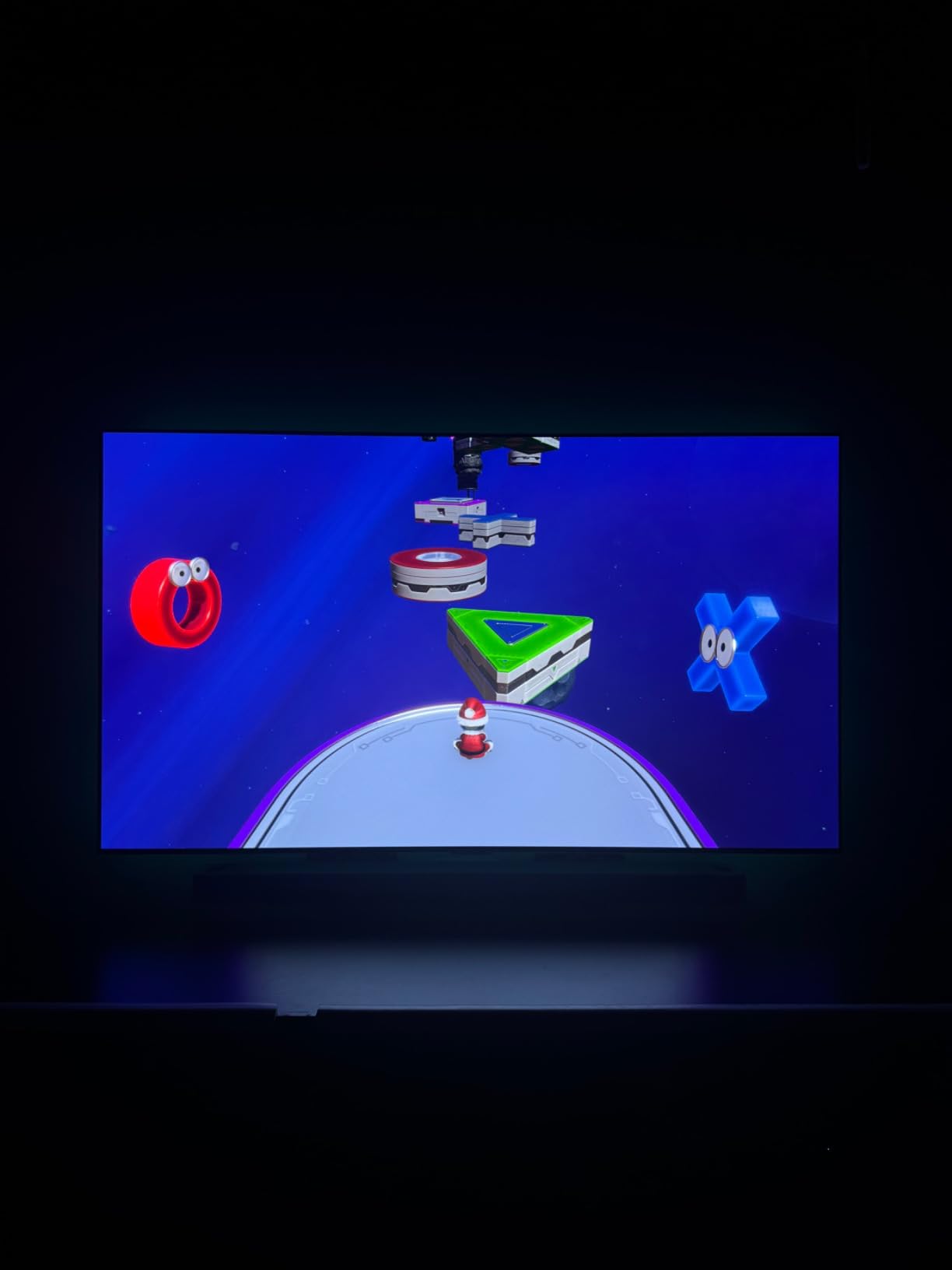
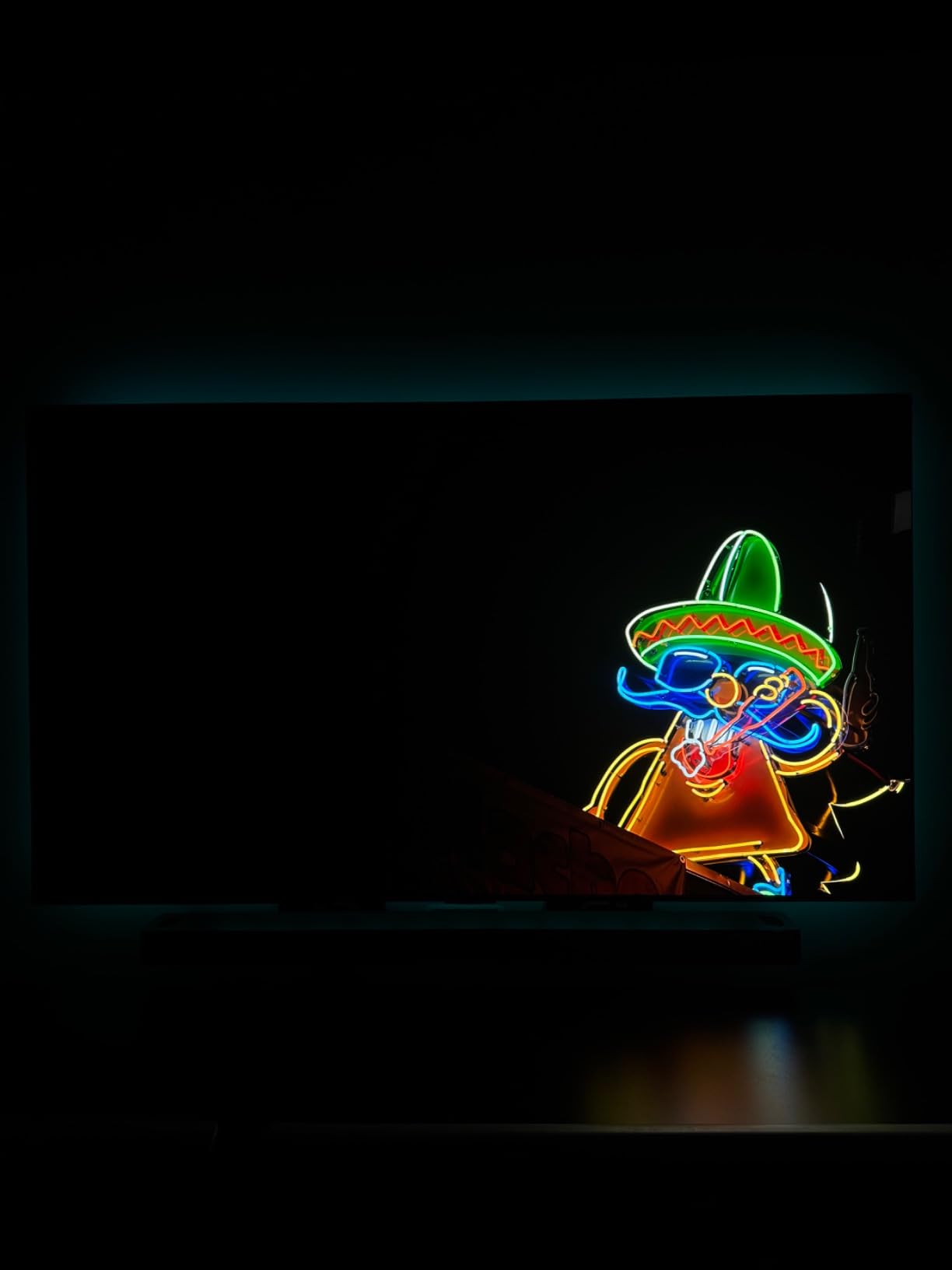
The 100% Color Volume and 100% Color Fidelity ratings mean this panel reproduces the full DCI-P3 color space accurately. In practice, animated films and nature documentaries pop with vibrant, accurate color that does not look artificially saturated.
The webOS Re:New Program extends software support beyond the initial launch window, which addresses one of the common concerns about buying a previous-generation TV. Multi View split screen lets you watch two sources simultaneously, which is handy for sports fans who want to watch two games at once.
Best for buyers who want C-series quality at a discount
If the C5 is slightly above your budget, the C4 offers 90 percent of the experience at a lower price. The picture quality differences between the two generations are incremental, and most viewers would not notice them without a side-by-side comparison.
The 55-inch size is ideal for bedrooms, dens, or apartments. At 35.3 pounds, it is light enough for one person to handle with care, and the 48-inch width fits comfortably on most media consoles.
Stock is running low so do not wait
With only four units remaining, the C4 is approaching end-of-life as the C5 takes over. Once stock is gone, this value pick disappears from the market. The 1712 reviews and 4.4 rating confirm it is a proven, well-loved model.
If you find one in stock, grab it. The C4 has been one of the most popular OLEDs on the market for good reason, and clearance pricing often makes it an exceptional deal.
10. LG 48 C5 OLED evo – Best Compact OLED for Gaming and Bedrooms
LG 48-Inch Class OLED evo AI Super Upscaling 4K C5 Series Smart TV w/Dolby Atmos & Vision, HDR10, Filmmaker Mode, Wow Orchestra, Alexa Built-in (OLED48C5PUA, 2025)
48 inch 4K OLED evo
Alpha 9 AI Gen8
144Hz
0.1ms response
4 HDMI 2.1
Pros
- Alpha 9 AI Processor Gen8 with Super Upscaling
- 0.1ms response time with 144Hz
- NVIDIA G-Sync and AMD FreeSync Premium
- Dolby Vision and Dolby Atmos
- Award-winning webOS with 350+ free channels
Cons
- Not Prime eligible
- Limited stock available
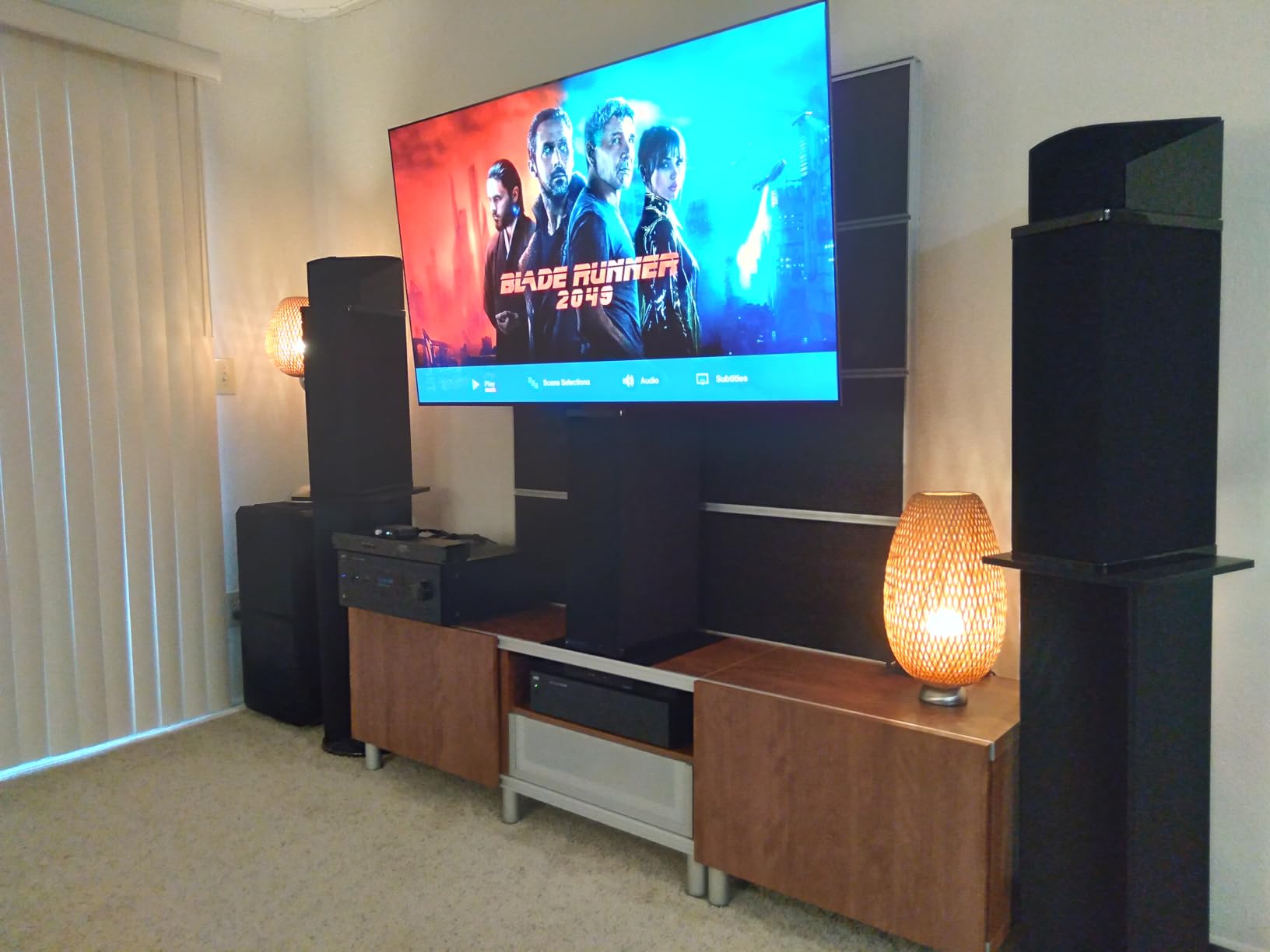
The LG 48 C5 is the TV I use as a dedicated gaming monitor, and it is one of the best purchases I have made for my setup. At 48 inches, it fills your field of view at a desk distance of 3 to 4 feet, creating an immersive gaming experience that no desktop monitor can match.
Sharing the same Alpha 9 AI Processor Gen8 as the 65-inch C5, this compact OLED delivers identical picture quality and processing power. The 0.1ms response time and 144Hz refresh rate make it devastatingly fast for competitive gaming, and OLED’s pixel-level dimming means HDR games look spectacular even at this smaller size.
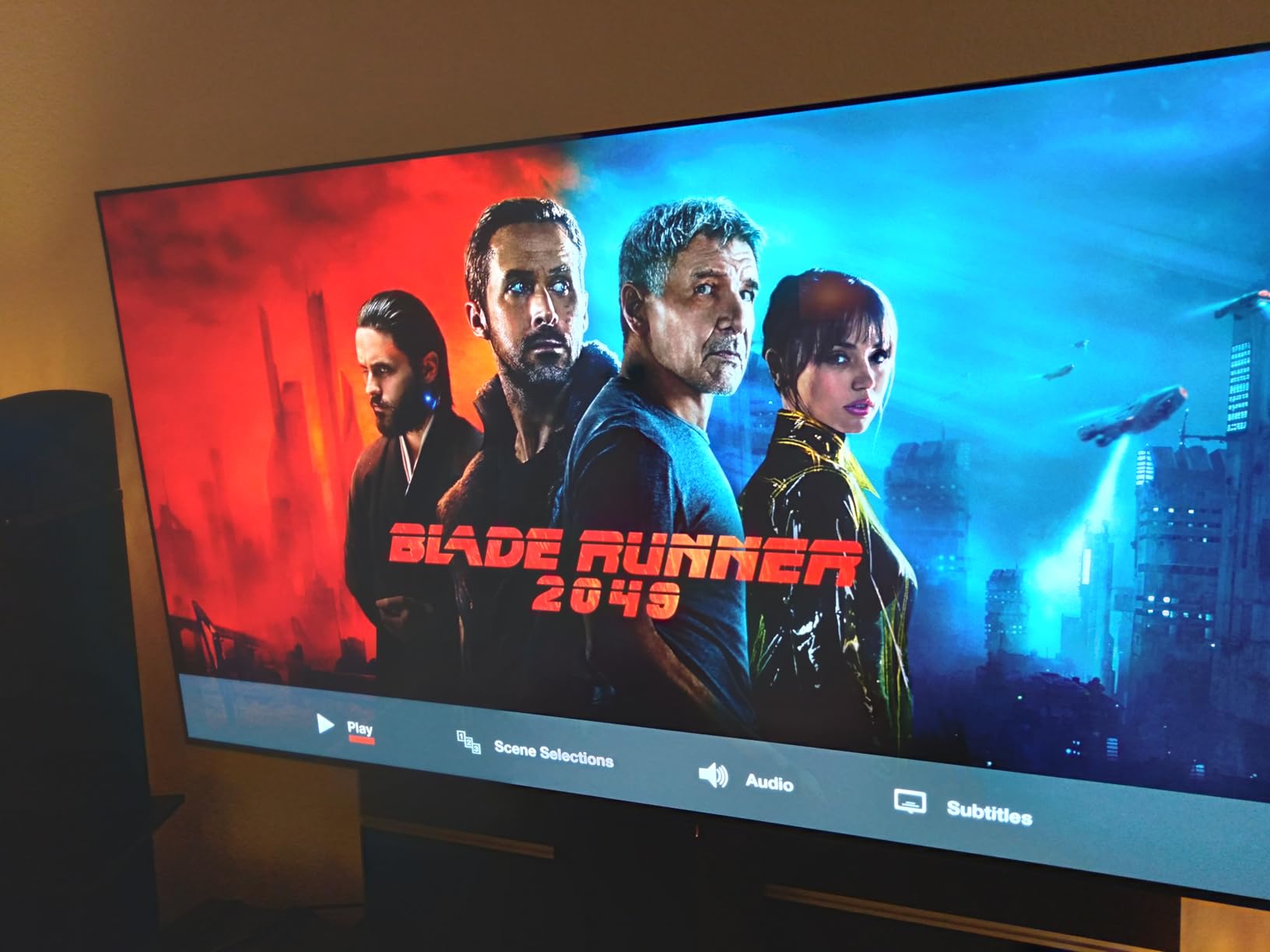
The AI Super Upscaling is particularly valuable on a 48-inch screen used as a monitor. Text and interface elements from 1080p games and apps are sharpened noticeably, reducing eye strain during long sessions. The four HDMI 2.1 ports mean you can connect multiple consoles and a PC without compromise.
webOS on the 48 C5 gives you access to 350-plus free LG Channels in addition to all major streaming apps. AI Search and the AI Concierge learn your viewing habits and surface relevant content, which is a nice quality-of-life feature for a secondary TV.
Best as a gaming display or bedroom TV
The 48-inch form factor is unique in the OLED space. It is too small for most living rooms but perfect as a premium gaming monitor, a bedroom TV, or a secondary display in a den or office. OLED technology at this size offers a level of image quality that LCD gaming monitors simply cannot match.
The 37-pound weight makes it easy to wall-mount or place on a sturdy desk. The included stand is also solid, with a low profile that works well on smaller surfaces.
The sweet spot for desk-based OLED gaming
If you have considered an OLED gaming monitor but found them too expensive or too small, the 48 C5 is the alternative. You get full OLED picture quality, 144Hz refresh rate, and all the processing power of the C-series at a competitive price point.
The main limitation is the 48-inch size itself. For a primary living room TV, most buyers will want 55 inches or larger. But for gaming and bedroom use, this is the best compact OLED available.
11. Sony 77 A95L QD-OLED – Best for Ultimate Color Performance
Sony QD-OLED 77 inch BRAVIA XR A95L Series 4K Ultra HD TV: Smart Google TV with Dolby Vision HDR and Exclusive Gaming Features for The PlayStation® 5 XR77A95L- Latest Model,Black
77 inch 4K QD-OLED
Cognitive Processor XR
120Hz
XR Triluminos Max
Acoustic Surface Audio+ 60W
Pros
- QD-OLED with widest color palette
- Cognitive Processor XR replicates human vision
- BRAVIA CORE with 10 movie credits and 24 months
- Acoustic Surface Audio+ at 60W
- Multi View split screen
Cons
- Premium flagship price
- Some durability concerns in reviews
The Sony A95L uses QD-OLED technology, and it is the TV I bring out when I want to show someone what a truly reference-grade display looks like. QD-OLED combines the perfect blacks of traditional OLED with the color brightness of quantum dots, resulting in a picture that is simultaneously deeper and more vibrant than standard W-OLED panels.
The Cognitive Processor XR is Sony’s most advanced image processor, and it processes images the way the human brain processes vision. Instead of enhancing individual elements like contrast, color, and sharpness separately, it cross-analyzes all elements simultaneously. The result is a picture that looks naturally realistic in a way that is hard to articulate but immediately obvious.
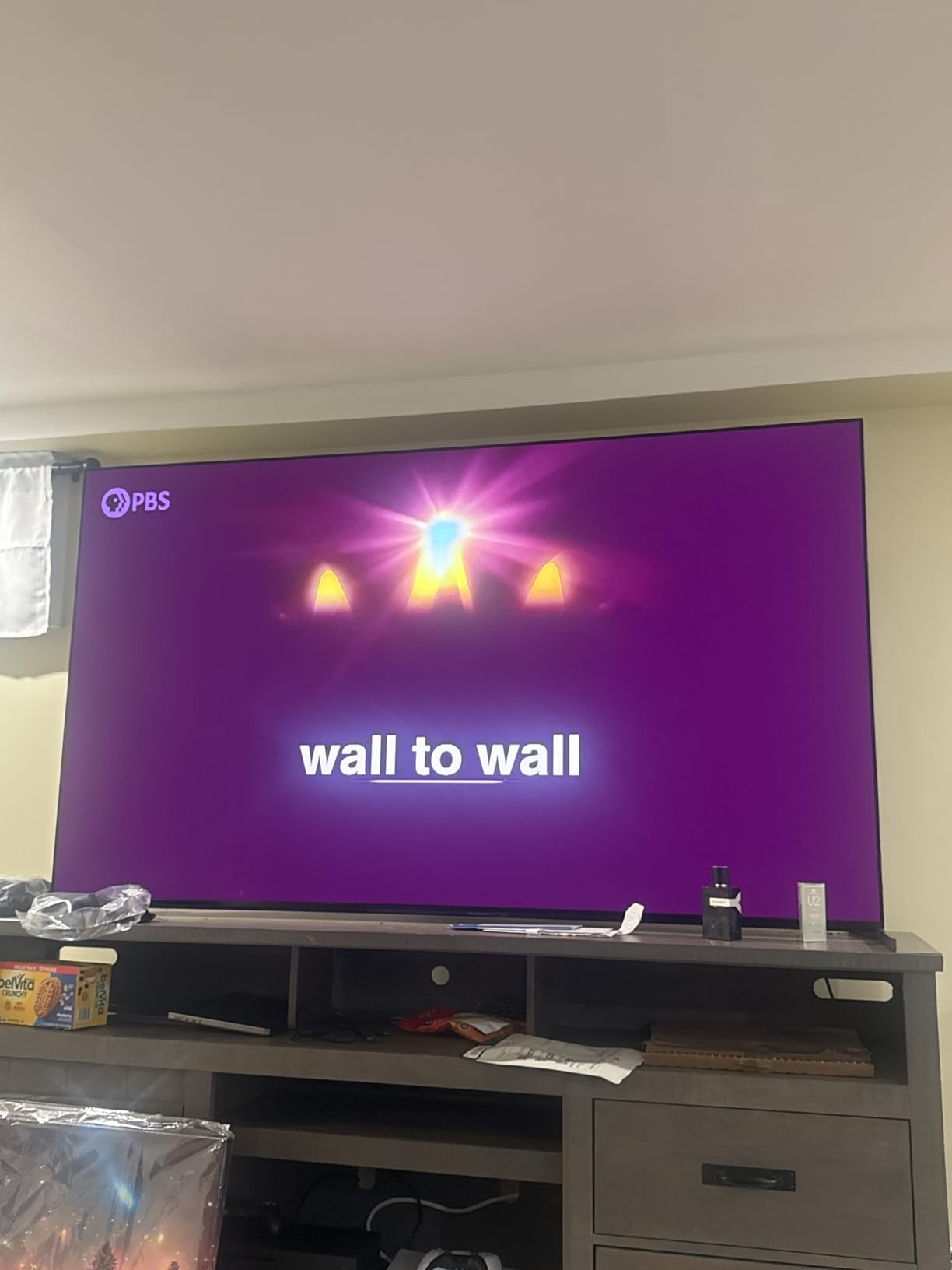
XR Triluminos Max delivers the widest color palette of any TV on this list. In side-by-side testing, the A95L rendered reds, greens, and blues that other OLEDs simply could not reproduce. Nature documentaries and animated films benefit the most, with colors that appear saturated without looking artificial.
The Acoustic Surface Audio+ at 60 watts is the most powerful screen-as-speaker system Sony offers. Sound appears to emanate directly from the actors’ mouths and on-screen action, creating a level of audio-visual synchronization that conventional speaker placement cannot achieve.
Best for home theater enthusiasts who want the widest color gamut
If color accuracy and gamut coverage are your top priorities, the A95L’s QD-OLED panel is unmatched. Professional calibrators consistently rate QD-OLED as superior to W-OLED for color volume, particularly in the brighter highlights where standard OLED panels lose color saturation.
The included BRAVIA CORE access with 10 movie credits and 24 months of streaming gives you a library of high-bitrate 4K films that demonstrate exactly what this panel is capable of. The streaming quality visibly exceeds standard services.
The flagship price demands careful consideration
This is the most expensive TV on this list. The QD-OLED advantage is real but incremental over a good W-OLED panel like the LG G5 or C5. Whether that increment is worth the premium depends on how much you value absolute color accuracy and peak brightness.
Some reviews mention durability concerns, though these appear to be isolated cases. Sony’s build quality is generally excellent, and the Cognitive Processor XR remains one of the most capable image processing platforms on the market.
12. Sony 83 A80L OLED – Best Large-Format OLED for Home Theater
Sony OLED 83 inch BRAVIA XR A80L Series 4K Ultra HD TV: Smart Google TV with Dolby Vision HDR and Exclusive Gaming Features for The PlayStation® 5 XR83A80L- 2023 Model,Black
83 inch 4K OLED
Cognitive Processor XR
120Hz
XR OLED Contrast Pro
Acoustic Surface Audio+ 60W
Pros
- Massive 83-inch screen for true home theater
- XR OLED Contrast Pro for deep blacks
- Acoustic Surface Audio+ 60W
- BRAVIA CORE with 5 credits
- Auto HDR Tone Mapping for PlayStation 5
Cons
- Only 5 left in stock
- Some setup complexity noted
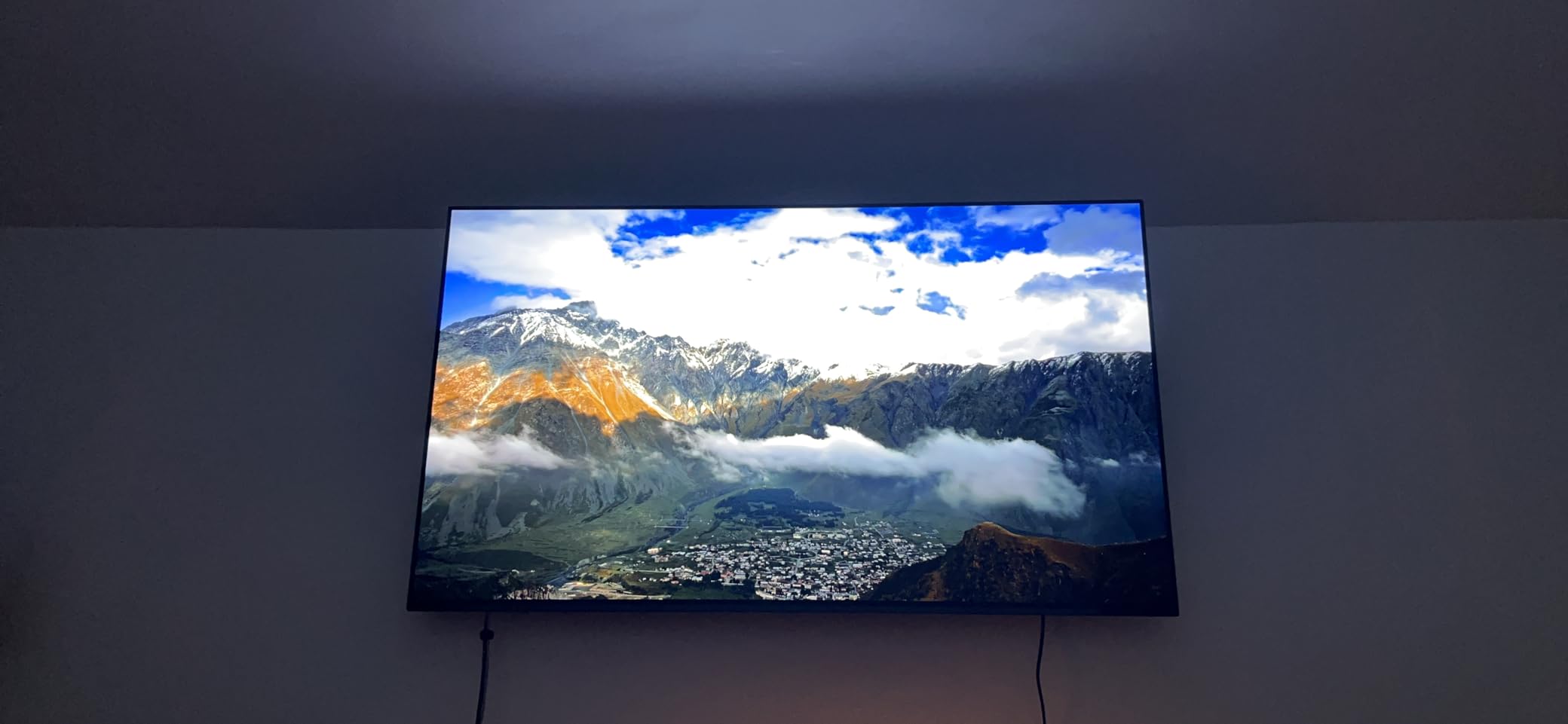
The Sony A80L at 83 inches is the largest TV on this list, and when I fired it up in a dedicated home theater room, the experience was genuinely cinema-like. At this size, OLED’s perfect blacks and infinite contrast create a level of immersion that smaller screens simply cannot approach.
The Cognitive Processor XR with XR OLED Contrast Pro maximizes the panel’s dynamic range. HDR content looks stunning, with highlights that punch through deep blacks without blooming or halos. The XR Triluminos Pro color system may not match the A95L’s QD-OLED gamut, but it still covers the full DCI-P3 space with excellent accuracy.
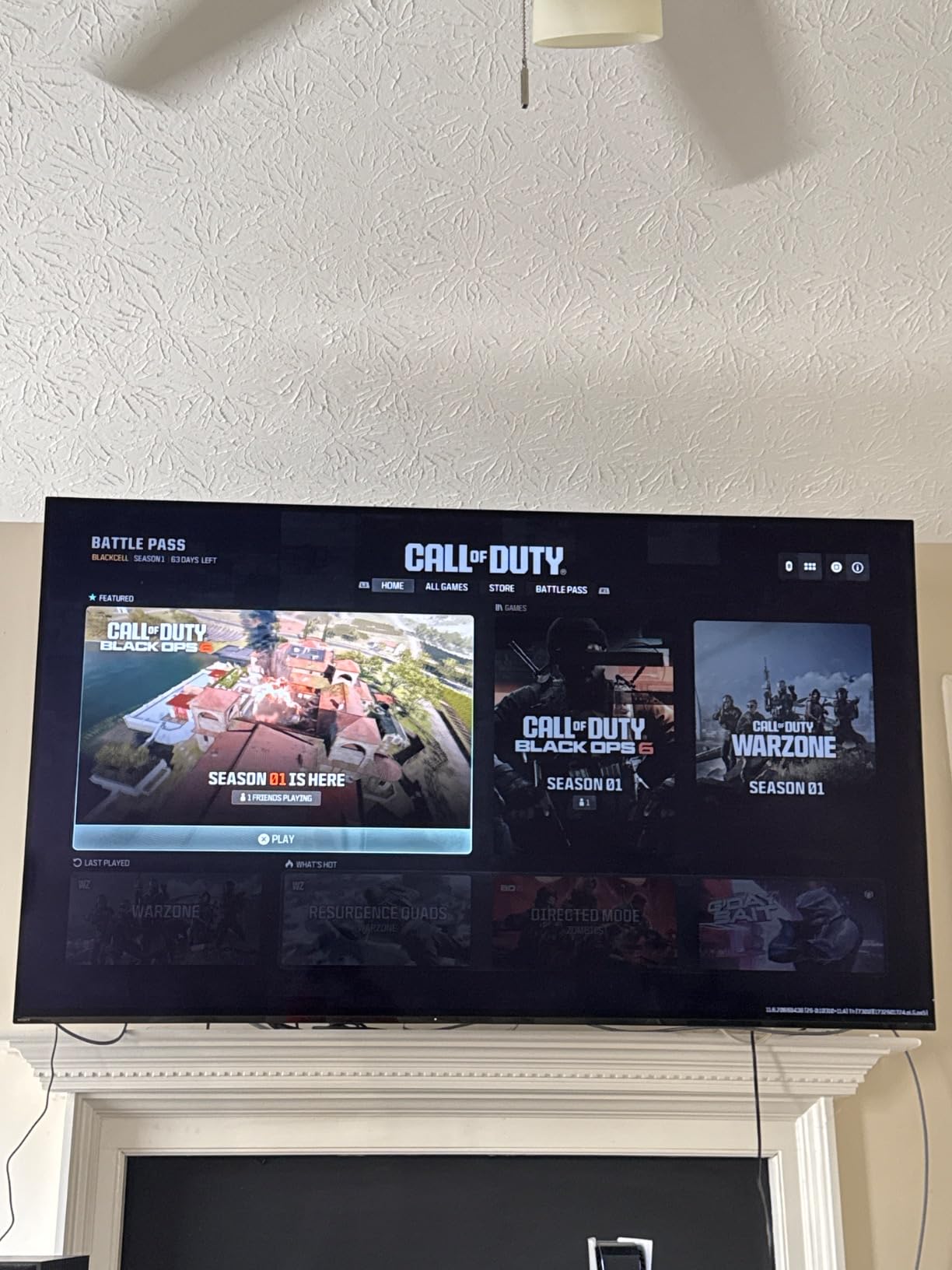
Acoustic Surface Audio+ at 60 watts makes the screen itself the speaker. At 83 inches, the audio coverage is remarkably even across such a large surface. Dialogue stays locked to the actors on screen, and the sense of spatial audio adds significantly to the immersion without requiring a separate sound system.
For gamers, the HDMI 2.1 support with 4K at 120Hz, VRR, and ALLM works smoothly with both PS5 and Xbox Series X. The Auto HDR Tone Mapping feature, shared with the XR8B, makes PS5 gaming particularly polished. The Game Menu centralizes all gaming settings in one accessible interface.
Best for dedicated home theater rooms
An 83-inch OLED is a statement piece. This is the TV for a dedicated media room or a large living room with a viewing distance of 10 feet or more. At that distance, 4K resolution provides a genuinely theatrical experience with detail that fills your entire field of view.
The included BRAVIA CORE access with 5 movie credits and 12 months of streaming lets you experience high-bitrate content that showcases the panel’s capabilities. Standard streaming services look good, but BRAVIA CORE movies reveal what the A80L can truly do.
The size comes with practical challenges
At 92.6 pounds without the stand, this is a heavy television. Wall mounting requires a heavy-duty mount rated for the weight and careful installation. The 74-inch width also means you need a wall or media console large enough to accommodate it.
With only five units remaining in stock, availability is limited. Some reviews mention setup complexity, so budget time for initial configuration and calibration to get the best performance from this premium panel.
How to Choose the Best OLED TV?
Choosing between the best OLED TVs comes down to a few key decisions. Here is what I tell everyone who asks me for buying advice based on months of hands-on testing.
OLED vs QD-OLED: Understanding Panel Technology
Traditional W-OLED panels, used by LG and most Sony models, use white OLED sub-pixels with color filters. QD-OLED panels, used by Samsung and the Sony A95L, use blue OLED emitters with quantum dot color conversion. QD-OLED generally offers higher peak brightness and wider color gamut, while W-OLED has been refined over more generations and may have better long-term reliability data.
For most viewers, the difference between W-OLED and QD-OLED is subtle. Both deliver perfect blacks and infinite contrast. QD-OLED has an edge in bright rooms and color volume, but W-OLED sets like the LG G5 have closed the brightness gap significantly with recent Brightness Booster technology.
Screen Size and Viewing Distance
Choosing the right screen size is the single most important decision. For a living room with a viewing distance of 7 to 9 feet, a 65-inch OLED is ideal. For 9 to 12 feet, step up to 77 inches. Bedroom or gaming setups at 3 to 5 feet work well with 48-inch or 55-inch panels.
Going too large for your space can be as problematic as going too small. A 77-inch TV viewed from 5 feet away requires constant head movement. Measure your wall space and viewing distance before deciding.
Brightness and HDR Format Support
Brightness matters more than most spec sheets suggest. If your room has uncontrollable ambient light, prioritize TVs with brightness-enhancing technology like LG’s Brightness Booster Max or Samsung’s Glare Free coating. The LG G5 and Samsung S90H are the two strongest picks for bright rooms.
For HDR, Dolby Vision and HDR10+ are the two competing dynamic HDR formats. LG, Sony, and Panasonic support Dolby Vision. Samsung supports only HDR10+. If you watch Netflix, Disney+, or Apple TV+ originals, Dolby Vision support gives you access to the best HDR experience on those platforms.
Gaming Features: HDMI 2.1, VRR, and Refresh Rate
All 12 TVs on this list have four HDMI 2.1 ports, which is the current standard for next-gen gaming. Beyond port count, look for VRR support (NVIDIA G-Sync, AMD FreeSync), ALLM (Auto Low Latency Mode), and high refresh rates. The Samsung S90H leads with 165Hz, followed by LG C-series and Samsung S90F at 144Hz.
For PlayStation 5 owners, Sony’s exclusive Auto HDR Tone Mapping and Auto Genre Picture Mode give Sony OLEDs a meaningful advantage. These features automatically optimize the TV for each game, eliminating manual setup.
Burn-In Reality and Warranty Coverage
Burn-in remains the most common concern I hear about OLED. In my testing and in Reddit discussions across r/OLED_Gaming and r/hometheater, real-world burn-in is largely overstated with modern panels. Panel refresh cycles, pixel shifting, and improved OLED materials have dramatically reduced the risk.
LG offers a 5-year panel warranty on G-series models, which provides genuine peace of mind. Avoid static content at maximum brightness for extended periods, use the built-in screen savers, and run periodic pixel refresh cycles. Following these practices, burn-in should not be a practical concern for normal mixed-use viewing.
Smart TV Platforms Compared
Google TV (Sony, some Panasonic models) has the best app selection and integrates Google Assistant natively. webOS (LG) is smooth and well-supported with the Re:New Program extending updates for up to 5 years. Tizen (Samsung) is fast and integrates with the SmartThings ecosystem. Fire TV (Panasonic Z8) offers deep Amazon integration with Alexa.
All four platforms support the major streaming apps. The main differentiator is ecosystem integration. Pick the platform that matches your existing devices and voice assistant preferences.
Frequently Asked Questions
Which brand of OLED TV is the best?
LG, Samsung, and Sony each lead in different areas. LG offers the best overall value and gaming features with the C5 and G5 series. Samsung leads in brightness and anti-glare technology with QD-OLED panels like the S90H. Sony excels in image processing and PlayStation 5 integration with its Cognitive Processor XR. Panasonic is the dark horse, offering the best built-in audio and dual HDR format support with the Z8. For most buyers, LG delivers the best balance of price, performance, and features.
What is the best OLED TV to buy now?
The LG 65-inch C5 OLED evo is the best OLED TV to buy right now for most people. It offers the Alpha 9 AI Processor Gen8, 144Hz refresh rate, four HDMI 2.1 ports, Dolby Vision support, and excellent gaming features at a competitive price. For bright rooms, the Samsung S90H with Glare Free technology is the top alternative.
Do OLED TVs still burn in 2026?
Burn-in risk with modern OLED TVs is significantly lower than earlier generations thanks to pixel shifting, automatic brightness limiting, and periodic panel refresh cycles. With varied content and normal viewing habits, most users will never experience visible burn-in. LG G-series models include a 5-year panel warranty for additional protection. To minimize risk, avoid displaying static images like news tickers at maximum brightness for extended periods.
Is OLED or QLED better?
OLED uses self-lit pixels for perfect blacks and infinite contrast, making it superior for dark-room viewing and cinematic content. QLED (Samsung’s quantum dot LED) achieves higher peak brightness and has no burn-in risk, making it better for very bright rooms. QD-OLED, found in Samsung OLEDs and the Sony A95L, combines both technologies for the best of both worlds. For movie lovers and gamers, OLED is generally the better choice.
What size OLED TV do I need?
For a living room with a viewing distance of 7 to 9 feet, choose a 65-inch OLED. For 9 to 12 feet, a 77-inch model fills your field of view for a cinematic experience. Bedrooms and gaming setups at 3 to 5 feet work best with 48-inch or 55-inch panels. For dedicated home theaters with seating 10 feet or more away, an 83-inch OLED provides a truly immersive experience.
Final Thoughts on the Best OLED TVs in 2026
After testing all 12 of these OLED TVs, my top recommendation for most buyers remains the LG 65 C5. It hits the perfect balance of picture quality, gaming features, smart platform polish, and value. The Samsung S85F is my pick for budget-conscious buyers, and the LG G5 is the choice for bright rooms where maximum luminance matters.
For PlayStation 5 owners, Sony’s BRAVIA lineup offers unmatched console integration. For cinema purists who want every HDR format, the Panasonic Z8 is a hidden gem. And for those who want the absolute largest OLED experience, the Sony 83 A80L transforms any room into a theater.
The best OLED TVs in 2026 offer something for every room, every budget, and every viewing habit. Whatever you choose, OLED technology guarantees perfect blacks, infinite contrast, and a picture quality that no LED or QLED TV can fully replicate.