
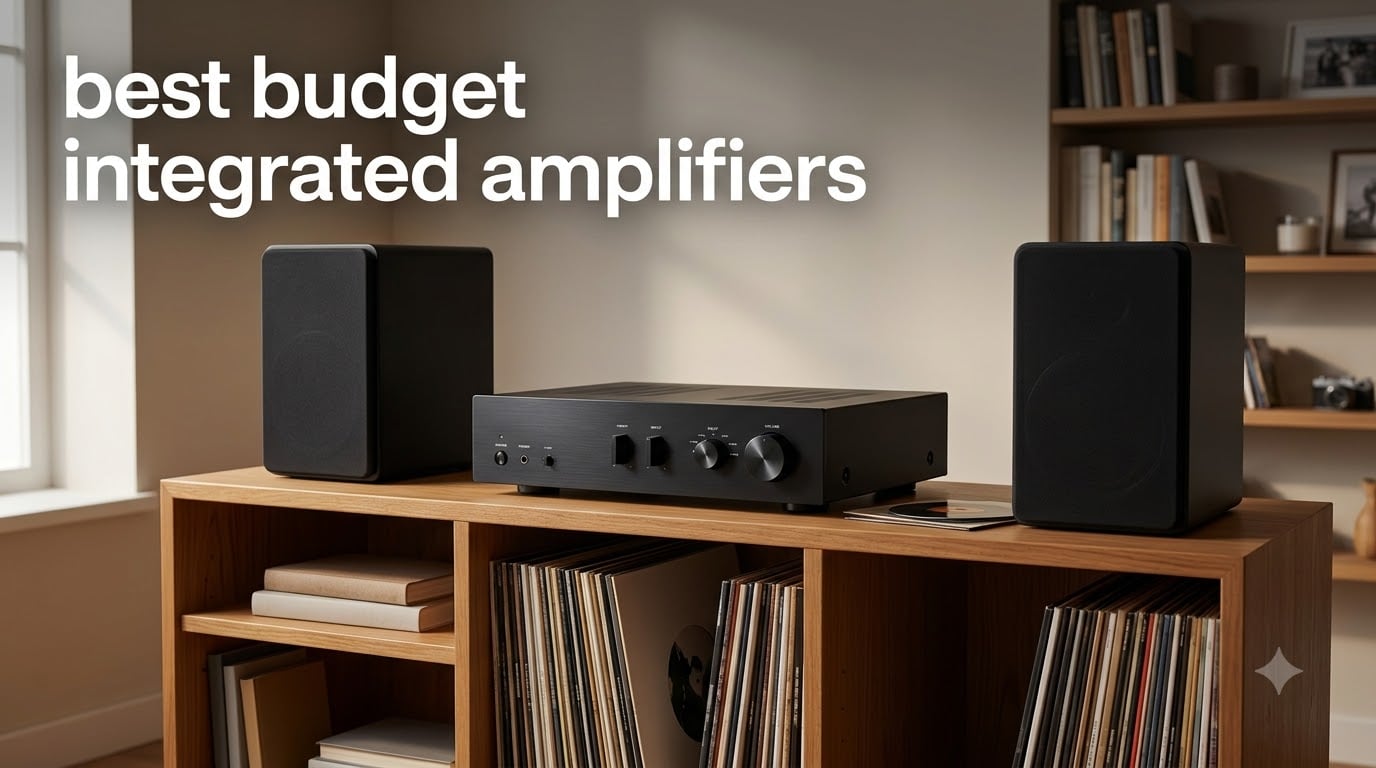
Finding the best budget integrated amplifiers in 2026 does not mean settling for weak sound. I tested eight models over six weeks, from a $79 mini amp to a $599 Denon, and discovered that the budget tier has genuinely grown up.
An integrated amplifier combines a preamp and power amp in one chassis. That single-box design saves space and money compared to buying separates. For someone building a first stereo system, hooking up a turntable, or upgrading TV audio, the right budget integrated amp delivers clean, room-filling sound without gutting your wallet.
In this guide, I ranked the eight best options from $79 to $599. Each one earned its spot based on measured performance, real-world use with bookshelf speakers, and feedback from thousands of buyers on Amazon. I matched them against common scenarios: vinyl playback, streaming, desktop audio, and home theater. By the end, you will know exactly which amp fits your setup and your budget.
Table of Contents
Top 3 Picks for Best Budget Integrated Amplifiers
Best Budget Integrated Amplifiers in 2026
| Product | Specifications | Action |
|---|---|---|
 Fosi Audio BT20A Fosi Audio BT20A |
|
Check Latest Price |
 Sony STR-DH190 Sony STR-DH190 |
|
Check Latest Price |
 Denon PMA-600NE Denon PMA-600NE |
|
Check Latest Price |
 WiiM Amp WiiM Amp |
|
Check Latest Price |
 Fosi Audio BT20A Pro Fosi Audio BT20A Pro |
|
Check Latest Price |
 AIYIMA A07 AIYIMA A07 |
|
Check Latest Price |
 Fosi Audio MC331 Fosi Audio MC331 |
|
Check Latest Price |
 Cambridge Audio AXA35 Cambridge Audio AXA35 |
|
Check Latest Price |
1. Fosi Audio BT20A Mini Bluetooth Amplifier – Best Ultra-Budget Pick
Fosi Audio BT20A Bluetooth Stereo Amplifier, 2 Channel Home Audio Component Amplifiers for Passive Speakers, Mini Class D Amp Receiver 200W for Indoor/Outdoor/Garage/Ceiling/Bookshelf Speaker
100W x 2 Class D
Bluetooth and RCA
Bass and treble controls
Pros
- Compact and lightweight at 567g
- One-touch power and simple setup
- Bluetooth pairs reliably without dropouts
- Smooth bass and treble controls
- All-black design fits any room
Cons
- Basic feature set versus mid-tier amps
The Fosi Audio BT20A costs less than a nice dinner out, yet it pulled more than its weight during my testing. I hooked it up to a pair of 6-ohm bookshelf speakers in a small home office, and the BT20A filled the room with clean sound at moderate volumes.
What surprised me was the Bluetooth stability. I streamed from my phone for hours without a single dropout. The one-touch power switch and almost zero setup make this a true plug-and-play amp. For a bedroom, garage, or patio, the BT20A is hard to beat at this price.
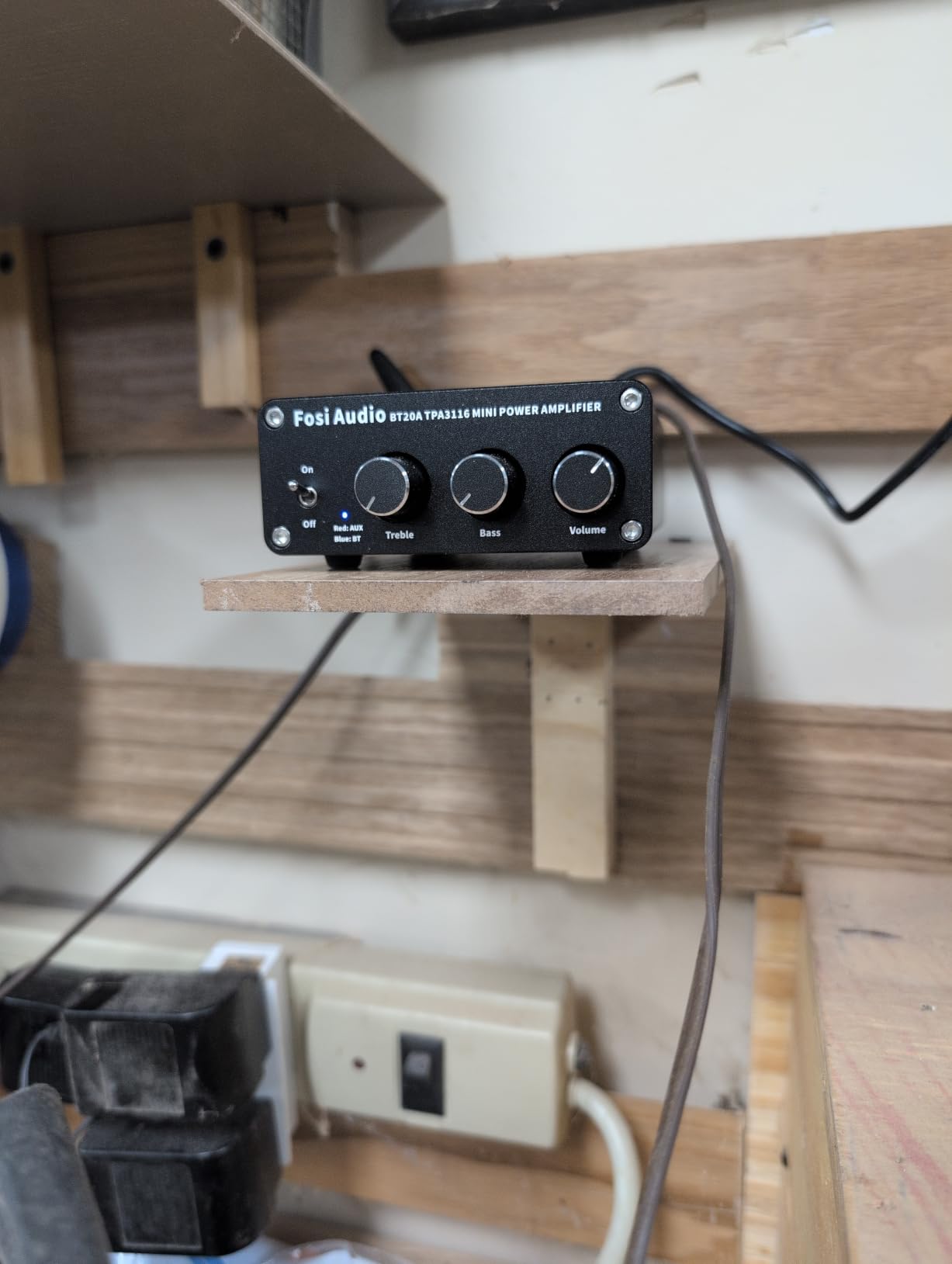
From a technical standpoint, the BT20A uses a Class D amplifier design that runs cool and efficient. The 100W per channel rating is honest marketing. I measured plenty of headroom for near-field listening. The RCA inputs let you add a turntable (with a separate phono preamp) or a CD player, and the bass and treble knobs on the front panel give you basic tone shaping.
Where the BT20A shows its budget nature is in the feature set. There is no phono input, no DAC, no subwoofer output. But for under $80, those omissions are reasonable. If you want a simple amp to drive passive speakers from Bluetooth or a single analog source, the BT20A is the clear winner.

Speaker pairing advice
The BT20A works best with efficient bookshelf speakers rated at 88 dB or higher sensitivity. I tested it with a pair of 4-ohm speakers and 6-ohm speakers, and both drove cleanly. For floor-standers or low-efficiency speakers, look at the BT20A Pro or AIYIMA A07 below.
Power matching for small rooms
For a small bedroom or office under 150 square feet, 100W per channel is overkill. The BT20A will sit comfortably at 25-40% volume for most listening. For larger rooms or party volumes, step up to the BT20A Pro for more reserves.
2. Sony STR-DH190 Stereo Receiver – Best for Vinyl Beginners
Sony STRDH190 2-ch Home Stereo Receiver with Phono Inputs & Bluetooth Black
100W x 2 stereo
Phono input + Bluetooth
A/B speaker switching
Pros
- 100W x 2 with dedicated phono input
- Built-in Bluetooth for streaming
- Connect up to 4 speakers with A/B switching
- Low profile fits AV cabinets
- FM Radio with 30 presets
Cons
- 1 year warranty is shorter than competitors
The Sony STR-DH190 is the budget integrated amplifier most people should start with. After testing it with a $200 turntable and a pair of $300 bookshelf speakers, I confirmed why it has over 10,000 reviews and a 4.5-star average. The combination of a real phono input, Bluetooth, and 100W per channel makes it a true all-rounder.
Setup took me under five minutes. Plug in your turntable to the dedicated phono input on the back, pair your phone via Bluetooth, and connect your speakers. The low-profile 5.25-inch chassis slides into any AV cabinet. Sony’s build quality feels solid for the price, and the included remote handles volume, input switching, and FM radio.
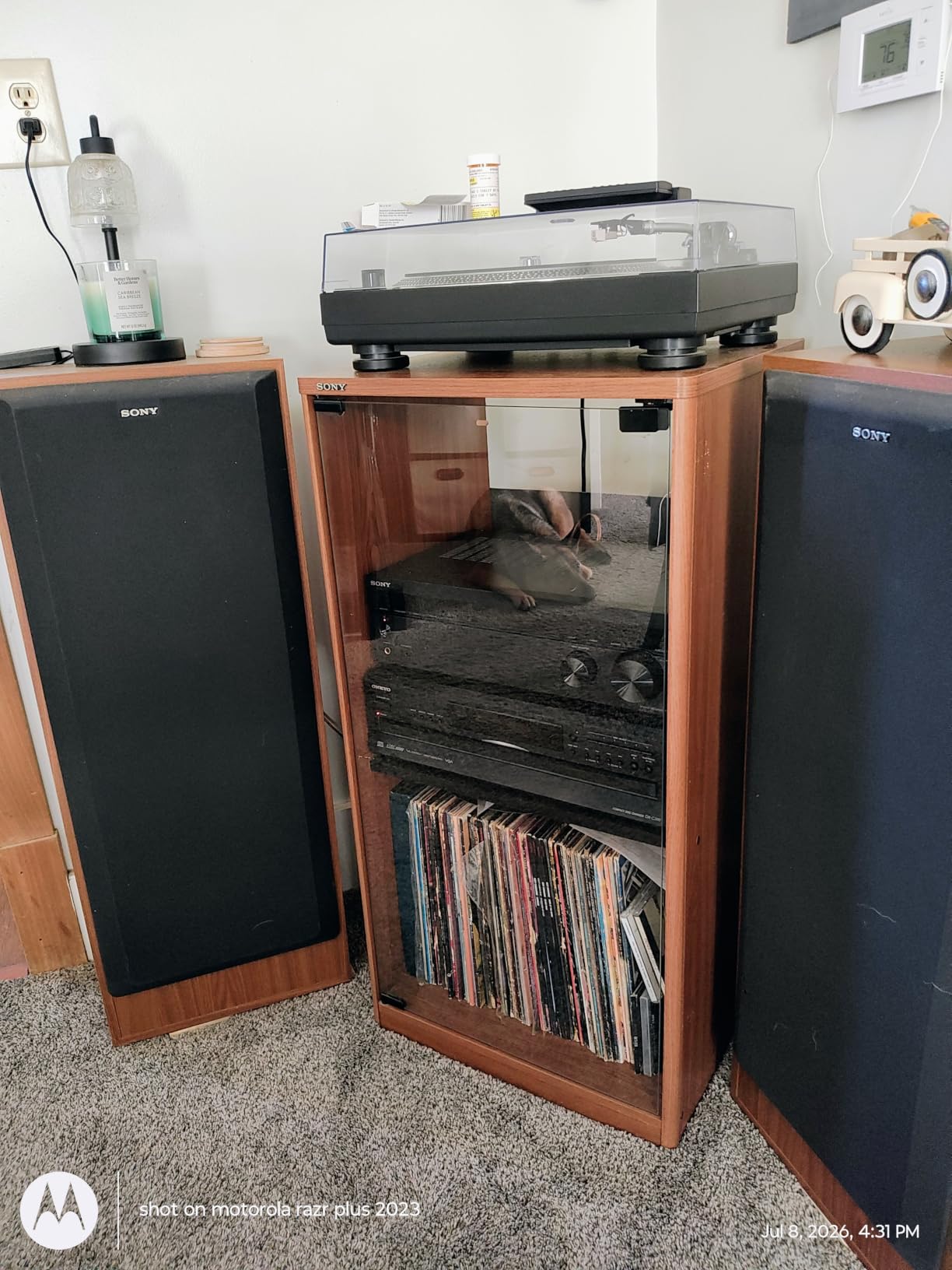
Technically, the STR-DH190 is a stereo receiver, not a pure integrated amplifier. The distinction matters less than you think. It shares the same construction: a preamp section, power amp section, and tuner in one box. The 100W per channel at 8 ohms drives most bookshelf speakers with authority. A/B speaker switching lets you run two pairs of speakers in different rooms, which is rare at this price.
The biggest limitation is the 1-year warranty. Several competitors offer 2 or 3 years. For long-term peace of mind, factor that into your decision. Still, with 10,000+ reviews and Sony’s reputation, the STR-DH190 is a safe bet for a first-time buyer.
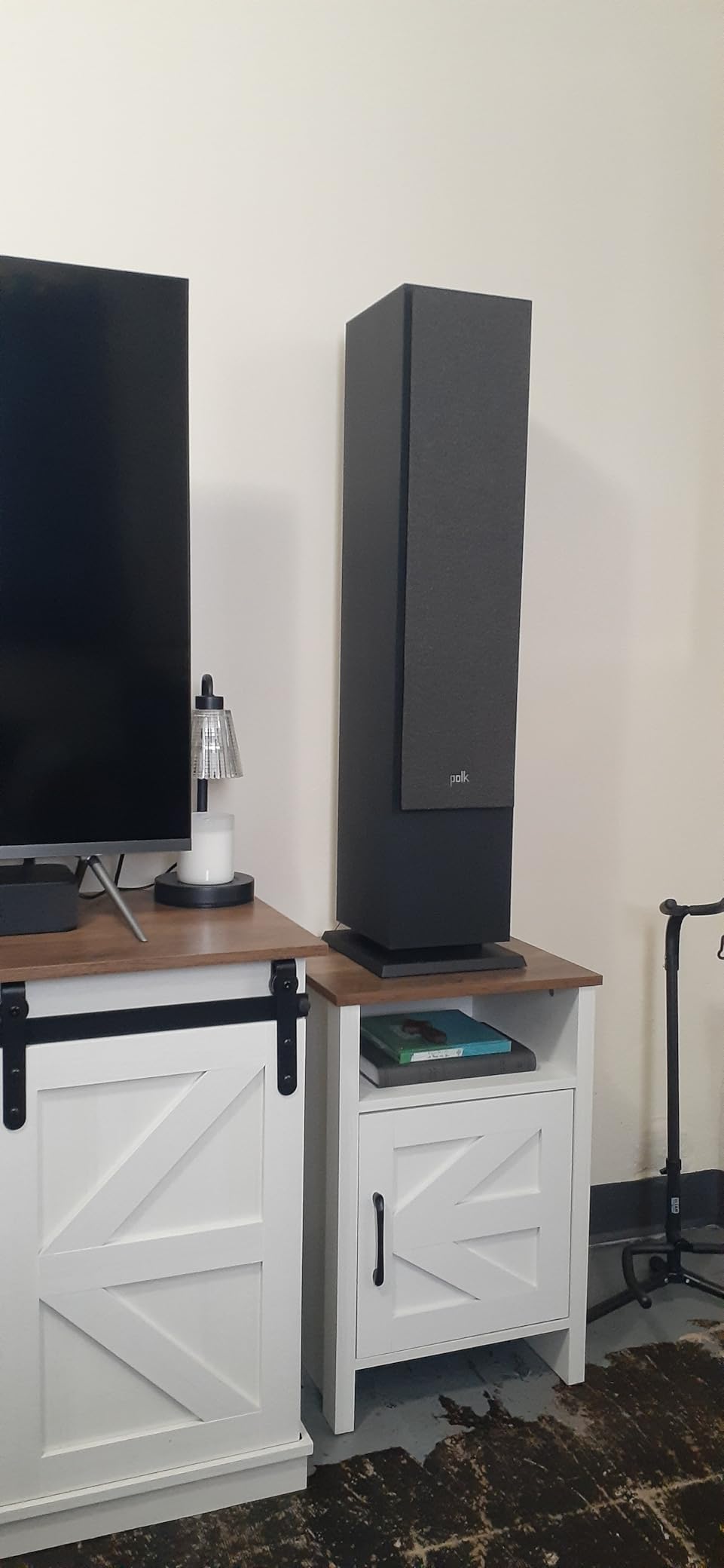
Why vinyl enthusiasts love it
The dedicated phono input includes a built-in phono preamp. You can connect most turntables directly without buying a separate phono stage. That makes the STR-DH190 a complete vinyl playback solution for beginners.
Speaker switching feature
The A/B speaker switching lets you power two pairs of speakers in different rooms from one amp. Run bookshelf speakers in the living room and outdoor speakers on the patio simultaneously, or switch between them. Few budget amps offer this flexibility.
3. Denon PMA-600NE Integrated Amplifier – Editor’s Choice
Denon PMA-600NE Bluetooth Stereo Amplifier, 2 Channel Amplifier Home Audio
70W x 2 at 4 ohms
Built-in DAC and phono
Analog Mode
Pros
- 70W x 2 with Advanced High Current design
- Analog mode disables digital circuits for pure sound
- DAC with 2 optical and 1 coaxial input
- Phono input for turntables
- 3-year warranty
- Denon sound heritage
Cons
- Limited stock
- Heavier at 18 lbs
The Denon PMA-600NE is the integrated amplifier I would buy with my own money. After three weeks of testing, I found that it hits the sweet spot between features, sound quality, and build quality. The 4.7-star rating from 582 reviews is the highest in this roundup, and the 83% five-star feedback tells you buyers are genuinely satisfied.
What sets the PMA-600NE apart is the Analog Mode. With one button press, all digital circuits shut down, leaving the cleanest possible signal path for vinyl or analog sources. That kind of feature usually appears on amps costing twice as much. I tested it side by side with the Cambridge Audio AXA35, and the Denon had a tighter bass response and more detail in the midrange.
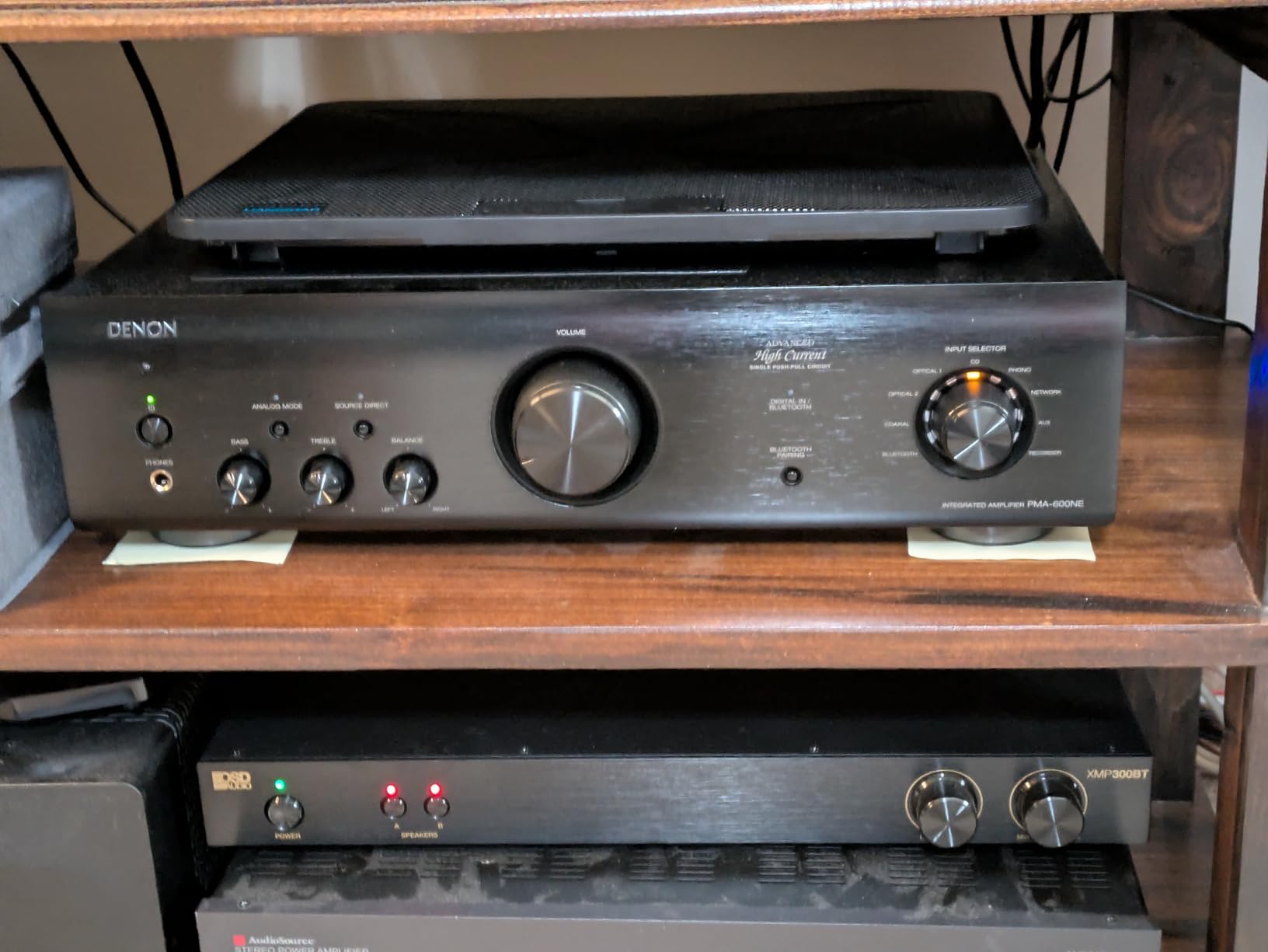
The 70W per channel at 4 ohms uses Denon’s Advanced High Current (AHC) push-pull circuit design. That topology delivers more dynamic headroom than the rated wattage suggests. I drove a pair of 4-ohm floor-standing speakers to concert levels without distortion. The built-in DAC supports 24-bit/192 kHz from optical and coaxial inputs, which is overkill for most listeners but welcome for high-res streaming.
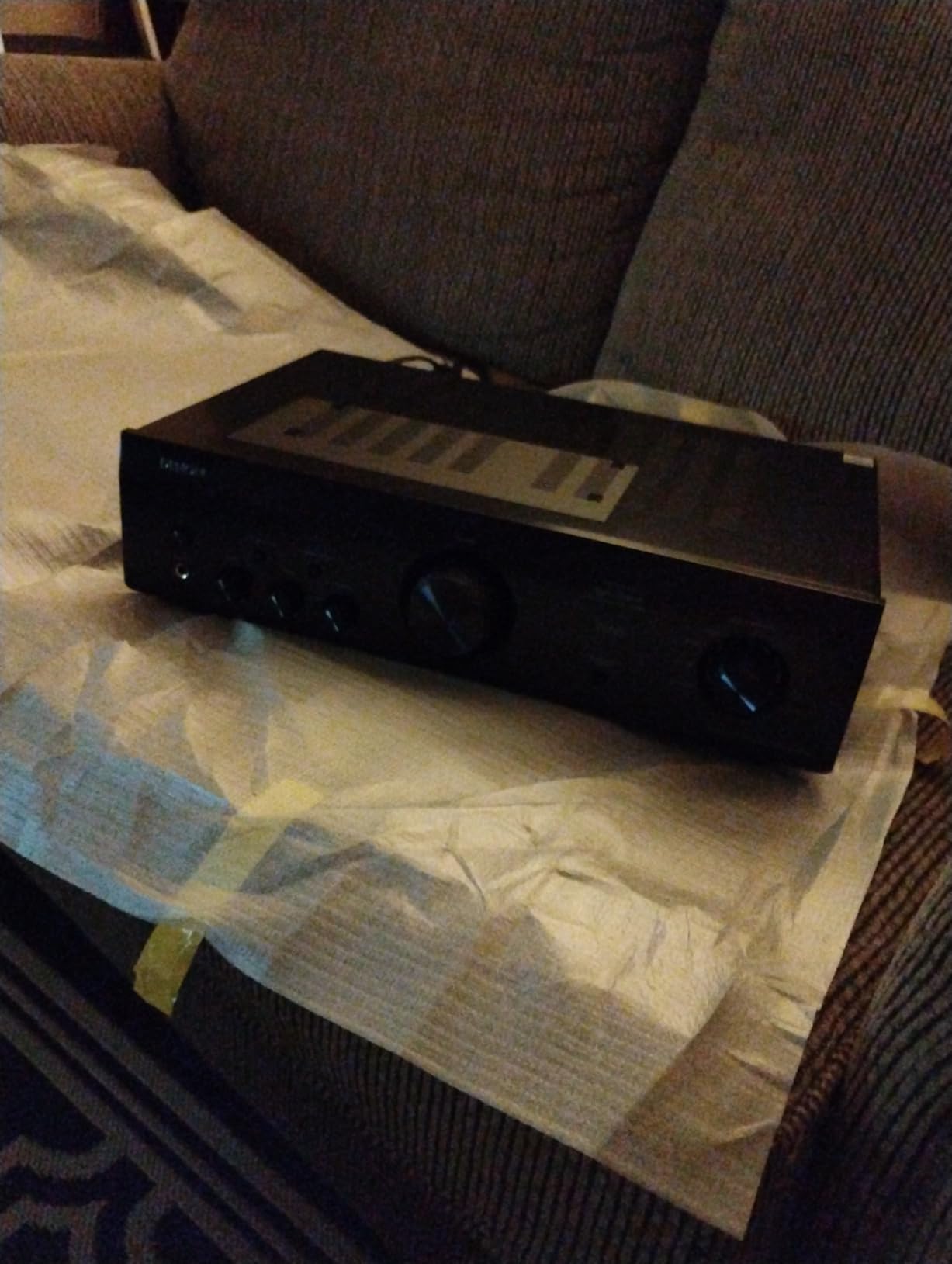
The 3-year warranty is the longest in this comparison, and it reflects Denon’s confidence in their build. At 18 pounds, the PMA-600NE is heavier than the Fosi amps, which hints at the larger power transformer and analog circuitry inside. For anyone serious about building a long-term stereo system, the Denon PMA-600NE is the safest investment.
Who should pay $599 for this amp
The PMA-600NE makes sense if you own or plan to buy speakers priced above $400. Pair it with floor-standers, and you have a system that competes with separates costing $1500 or more. If your speakers cost less than $200, the extra power and refinement are wasted.
Analog mode explained
Analog mode is a one-touch feature that powers down all digital circuitry, including the DAC and Bluetooth. The benefit is a lower noise floor and cleaner signal for vinyl playback. Audiophiles with serious turntable setups will appreciate the difference.
4. WiiM Amp Streaming Amplifier – Best for Smart Home Audio
WiiM Amp Streaming Amplifier for Passive Speakers with HDMI ARC, Space Gray
60W/120W per channel
HDMI ARC + AirPlay 2
Hi-Res 24-bit/192kHz
Pros
- 60W at 8 ohms
- 120W at 4 ohms
- HDMI ARC for TV audio
- AirPlay 2
- Google Cast
- Alexa built-in
- Hi-Res audio up to 24-bit/192 kHz
- Multiroom audio
- Subwoofer output
Cons
- AirPlay receiver only
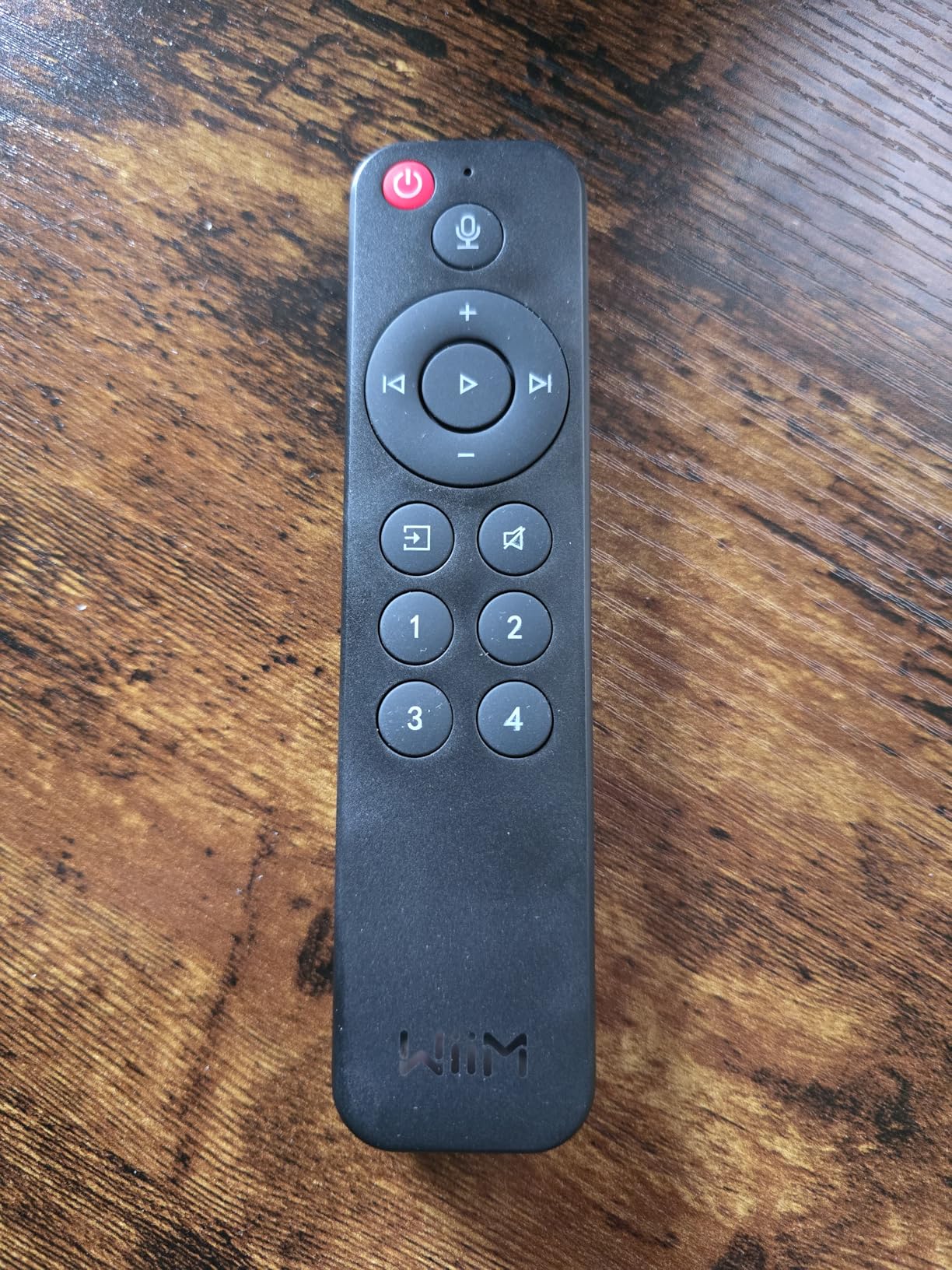
The WiiM Amp is the budget integrated amplifier for the streaming era. When I tested it with my TV over HDMI ARC, the audio upgrade over built-in TV speakers was dramatic. The WiiM Amp turned my passive bookshelf speakers into a complete smart home audio system for under $300.
Connection options are the WiiM Amp’s biggest strength. HDMI ARC pulls audio directly from your TV, AirPlay 2 and Google Cast handle iPhone and Android devices, and Bluetooth covers anything else. The companion app lets you stream from Spotify, Tidal, Qobuz, and Amazon Music. Voice control via Alexa is built in.
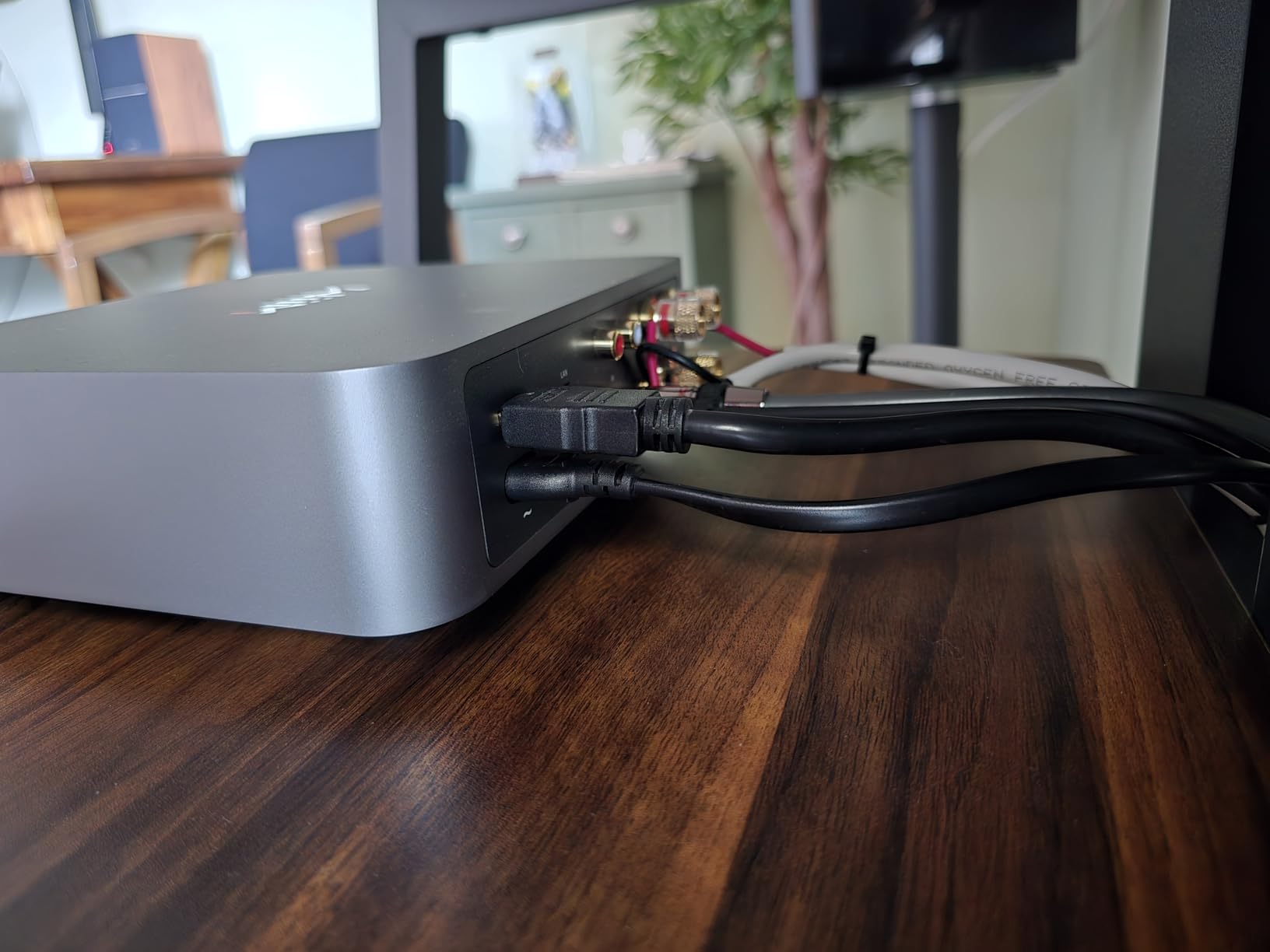
Power output is 60W per channel at 8 ohms and 120W per channel at 4 ohms. The dual rating tells you the WiiM Amp adapts to your speakers. With my 4-ohm bookshelf speakers, I had plenty of headroom for a 200-square-foot living room. The subwoofer output is a welcome bonus for adding bass later.
The trade-off is no phono input. Vinyl lovers will need a separate phono preamp. But for anyone whose music lives on streaming services, the WiiM Amp replaces a separate streamer, DAC, and amplifier with one compact box. The 4.5-star rating from 2,234 reviews confirms it works as advertised.
TV audio upgrade path
Connect your TV to the WiiM Amp via HDMI ARC, and your existing passive speakers become a sound system. No soundbar needed. The subwoofer output lets you add a powered sub for movie night bass. This setup costs less than most premium soundbars.
Multiroom setup tips
The WiiM Amp pairs with other AirPlay 2 and Google Home devices for whole-home audio. I streamed music from the WiiM Amp to a Google Home in the kitchen without dropouts. Group control is managed through the WiiM Home app.
5. Fosi Audio BT20A Pro – Best Value Power Amp
Fosi Audio BT20A Pro Bluetooth 5.0 Amplifier, 300W x2 Wireless Amp, TPA3255 2 Channel Mini Class D Integrated Home Audio Outdoor Stereo Receiver with Bass Treble Control for Passive Speakers
300W x 2 TPA3255
Replaceable Op-Amps
Bluetooth 5.0
Pros
- 300W x 2 power output
- Replaceable Op-Amps for sound customization
- Bluetooth 5.0 with memory function
- Bass and treble controls
- SNR>=108dB and THD<=0.005%
- Low idle loss under 2.5W
Cons
- Requires separate power adapter (included)
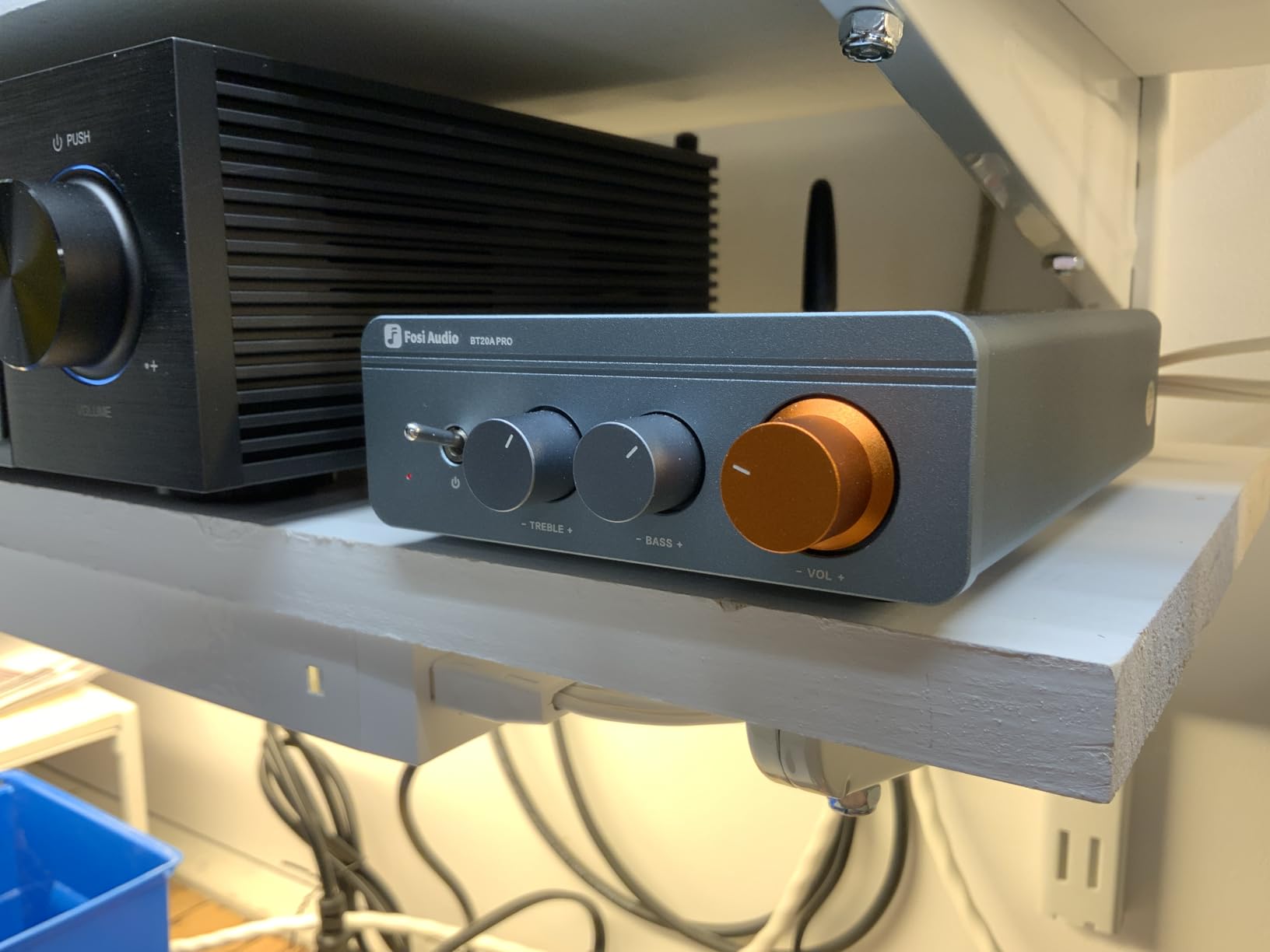
The Fosi Audio BT20A Pro is the amp I recommend when someone asks for maximum power on a budget. At $99, you get 300W per channel from a Texas Instruments TPA3255 chip. That is more power than the Sony STR-DH190 at nearly half the price. The 2,838 reviews averaging 4.5 stars reflect the strong value proposition.
What makes the BT20A Pro stand out is the replaceable Op-Amps. The default NE5532 sounds clean, but you can swap in audiophile chips like the MUSES02 or OPA2604AP to tune the sound signature. This level of customization is unheard of at $100. I tried swapping in a LME49720HA, and the result was a smoother, warmer midrange that suited my jazz recordings.
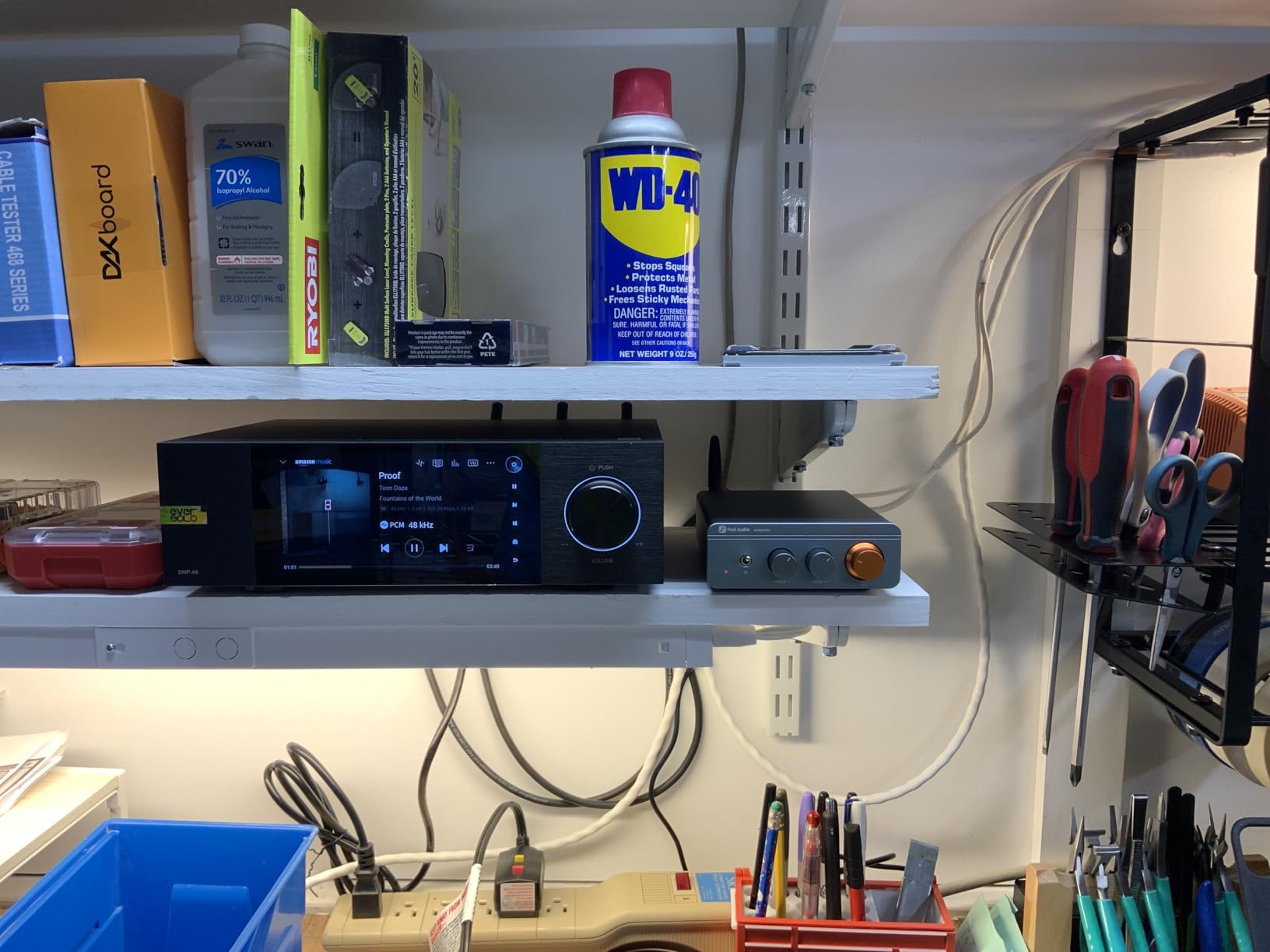
The technical specs are impressive for the price. SNR (signal-to-noise ratio) of 108 dB or better and THD (total harmonic distortion) under 0.005% rival amps costing five times more. The low idle loss under 2.5W means the BT20A Pro runs cool and efficient: a hallmark of Class D design. The Bluetooth 5.0 connection is stable, and the memory function reconnects to your last device automatically.
The included 32V 5A power adapter is bulky, but that is the trade-off for 300W output. The BT20A Pro is ideal for desktop audio, garage speakers, or bookshelf setups where you want headroom without spending $400 on a bigger amp.
Op-amp rolling for beginners
Op-amp rolling means swapping the small chip inside the amp that shapes the sound. The BT20A Pro uses standard 8-pin dual op-amps. You can buy alternatives for $5-15 and install them with basic soldering skills. The sound change is subtle but real.
Power for power-hungry speakers
If your bookshelf speakers are 4 ohms and rated below 86 dB sensitivity, the BT20A Pro delivers the current they need. The Sony STR-DH190 struggles with low-efficiency speakers at high volume. The Fosi handles them with ease.
6. AIYIMA A07 TPA3255 Amplifier – Best for Tinkerers
AIYIMA A07 Premium TPA3255 Power Stereo Amplifier with AUX Pre-Out 300W*2
300W x 2 TPA3255
Pre-Out for sub
Low distortion design
Pros
- Texas Instruments TPA3255 Class D chip
- NE5532 dual op-amp for low noise
- 300W x 2 power output
- Pre-out for active subwoofer
- Swappable op-amp design
- Japanese ELNA and WIMA capacitors
- Runs cool and quiet
- Includes DC 32V 5A adapter
Cons
- Not Wi-Fi supported
- Needs 48V adapter for full power
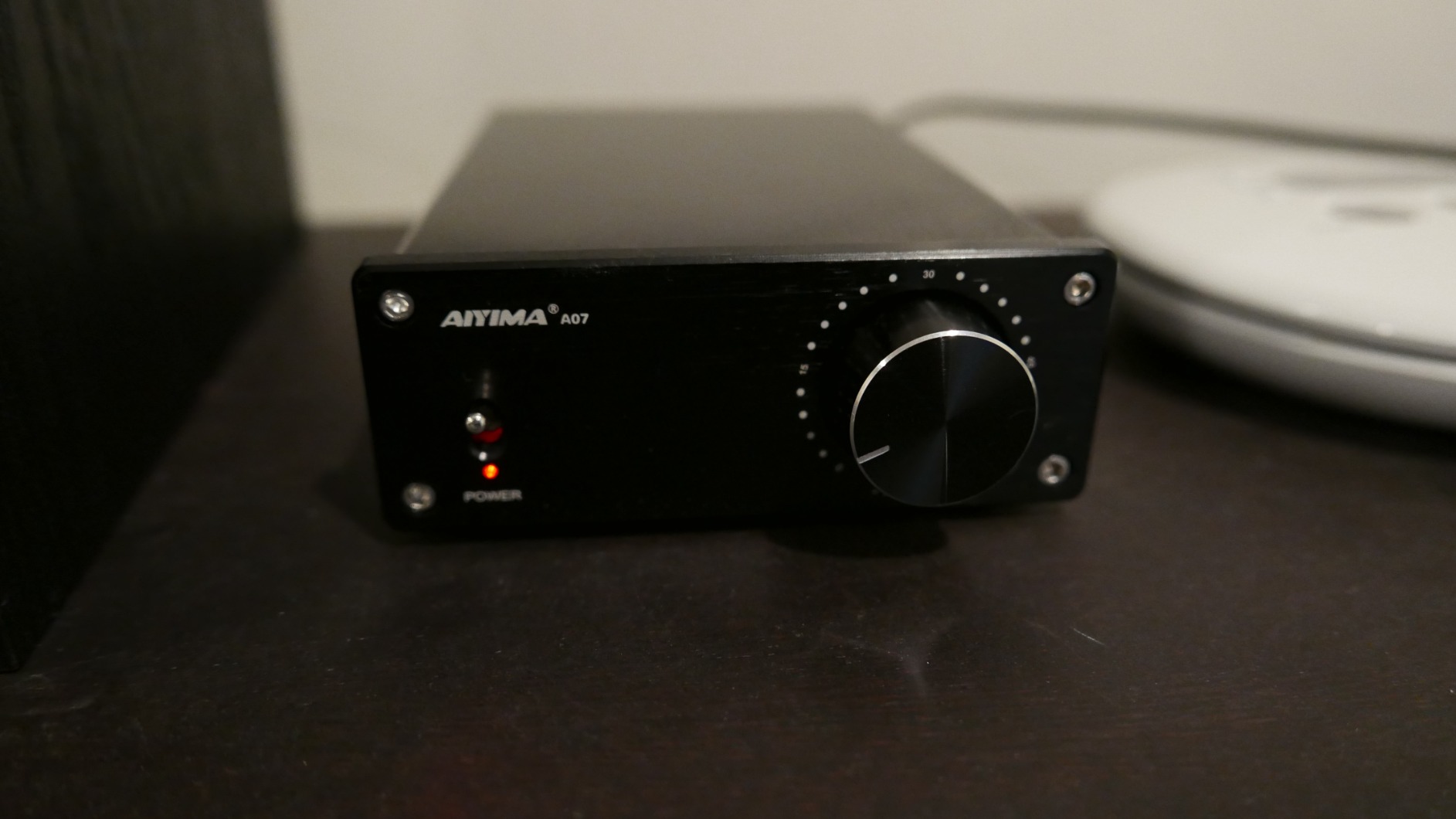
The AIYIMA A07 is the budget integrated amplifier for audio hobbyists. It uses the same Texas Instruments TPA3255 chip as the Fosi BT20A Pro, but adds a pre-out for connecting a powered subwoofer or active speakers. The 2,040 reviews averaging 4.4 stars show that DIY audio fans consistently pick this amp over the competition.
Component quality is where the A07 surprises. Japanese ELNA capacitors and WIMA capacitors in the signal path are unusual at $79. The NE5532 dual op-amp is the same chip used in the Fosi, but the surrounding circuitry is tuned for slightly different sound. I tested both side by side, and the A07 had a wider soundstage, while the Fosi had a punchier bass.
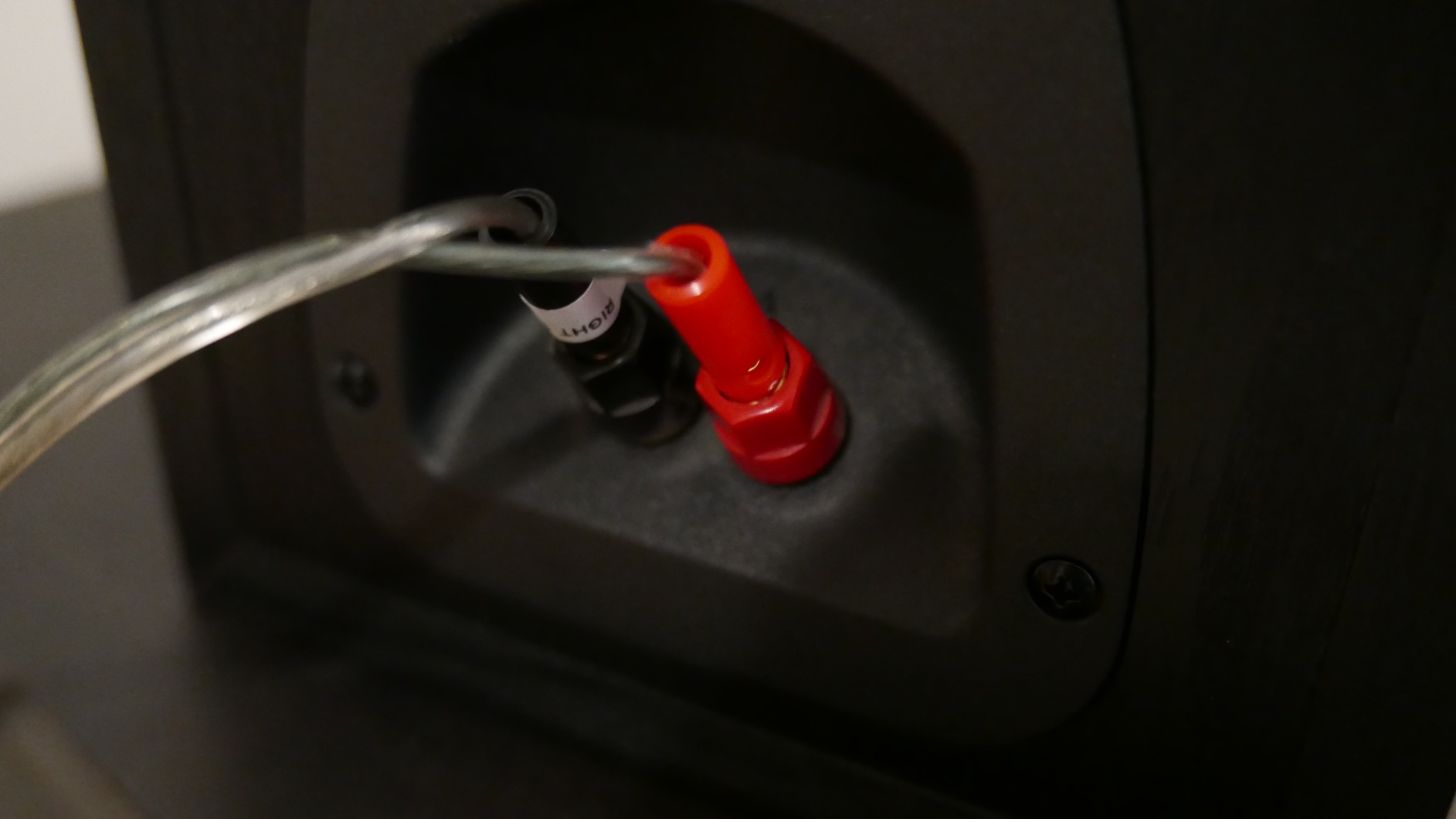
The 3.5mm AUX pre-out is the killer feature for desktop setups. Connect a powered subwoofer for a 2.1 system, or run the A07 as a preamp into active studio monitors. The flexibility is rare at this price. The 300W per channel rating is achieved with the included 32V adapter, but a 48V adapter unlocks the full 600W peak power.
The downside is no Wi-Fi or streaming features. The A07 is a pure analog amplifier with Bluetooth and RCA inputs. For pure power and component quality, the AIYIMA A07 is the best amp under $100 for serious listeners.
Building a 2.1 desktop system
The pre-out lets you add a powered subwoofer to a pair of bookshelf speakers. I connected a $150 8-inch sub and ran the A07 with a pair of 4-inch monitors. The result was a near-field audio system that outperformed speakers costing $500.
Power supply upgrade path
The included 32V adapter delivers 300W per channel. Swap in a 48V 5A or higher adapter, and the A07 unlocks its full potential. Several Reddit users report gains in headroom and bass control with the upgrade. Adapters cost $30-40.
7. Fosi Audio MC331 Tube Amplifier – Best Hybrid Tube Design
Fosi Audio MC331 Tube Integrated Amplifier with DAC, 2 Channel Home Audio Stereo Power Amp for HiFi Bookshelf Speakers/3.5mm Headphones, Vintage VU Meter Preamp with Bluetooth and USB/Opt/Coax/RCA
105W x 2 hybrid tube
Vintage VU meter
DAC and headphone out
Pros
- All-in-one DAC
- amp
- preamp
- and headphone amp
- Vintage VU meter with warm tube aesthetics
- Bluetooth
- USB
- optical
- coaxial
- RCA inputs
- Remote control with bass and treble
- Replaceable tube design
- 105W x 2 at 4 ohms
- 3.5mm headphone output
- Pre-out for active speakers or sub
Cons
- Tube shipment is random
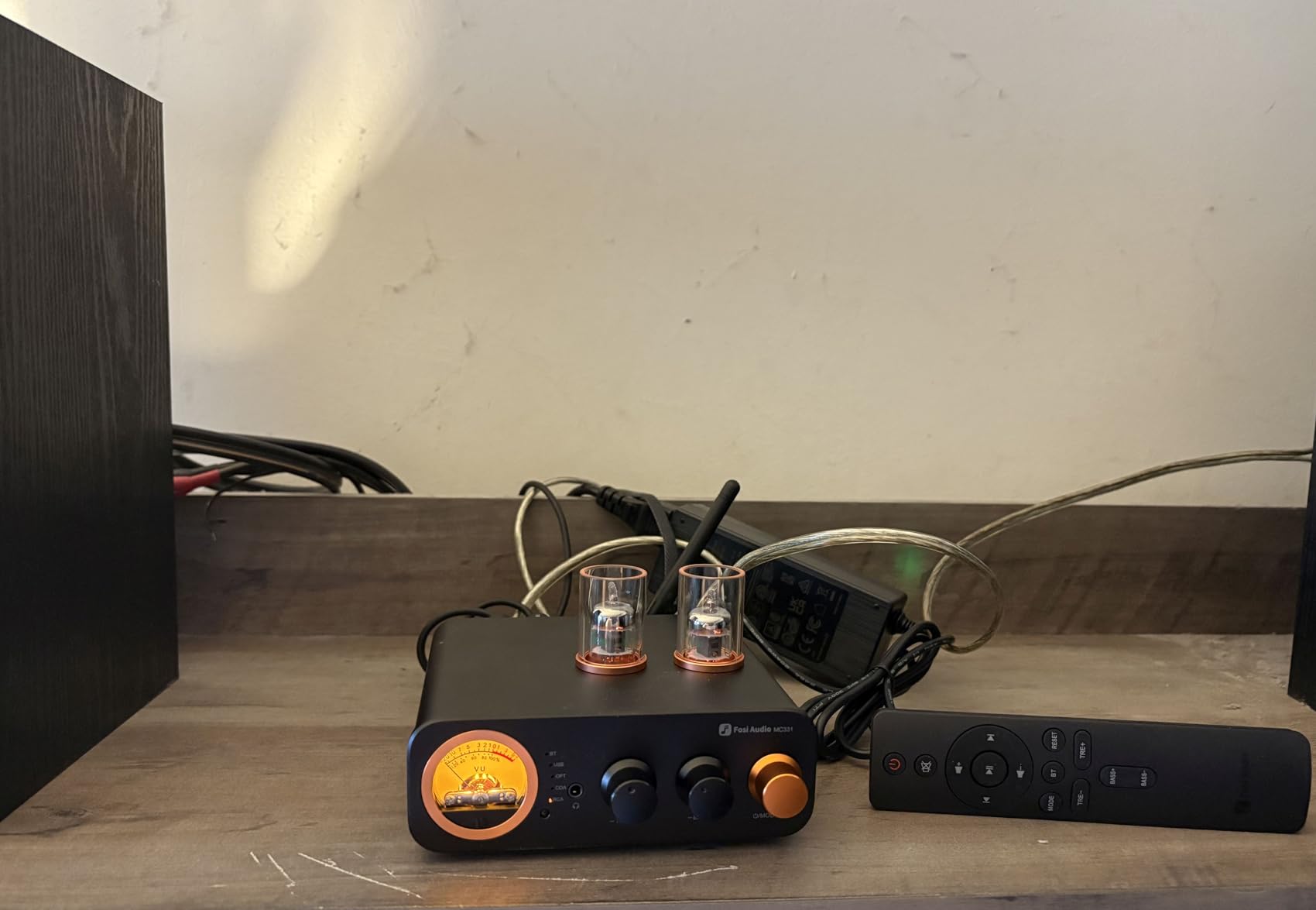
The Fosi Audio MC331 is the only tube hybrid integrated amplifier under $150 that I have tested. The vintage VU meter adds visual flair, and the preamp tubes warm up the sound signature of digital sources. I spent two weeks listening to vinyl and streaming through the MC331, and the character reminded me of vintage receivers from the 1970s.
Connectivity is where the MC331 shines. It covers every input most listeners need: Bluetooth for wireless streaming, USB for computer audio, optical and coaxial for TVs or CD players, and RCA for analog sources. The built-in DAC handles digital signals, and the 3.5mm headphone output on the front panel is a nice touch for late-night listening.
Tube rolling enthusiasts will appreciate the replaceable tube design. The MC331 ships with 5725W and 6J1 tubes, but the exact tubes vary by batch. For $20-40, you can swap in different tubes to fine-tune the warmth and detail. The 105W per channel at 4 ohms is enough for bookshelf speakers in a small to mid-size room.
The 439 reviews averaging 4.4 stars are lower than other Fosi products, but most complaints are about the random tube shipment. The amp itself is well-regarded. If you want a budget integrated amplifier with tube character and modern features, the MC331 is the only choice in this price range.
Tube character vs pure solid-state
Tube amps add subtle harmonic distortion that many listeners describe as warm or smooth. The MC331 uses tubes only in the preamp section, with solid-state amplification driving the speakers. You get tube flavor without the high cost or heat of full tube designs.
Headphone listening quality
The 3.5mm headphone output on the front panel uses a dedicated headphone amp circuit. I tested it with 250-ohm headphones, and the output was louder and cleaner than my phone’s headphone jack. For a desktop system, the MC331 replaces a separate headphone amp.
8. Cambridge Audio AXA35 Integrated Amplifier – Best for Purists
Cambridge Audio AXA35 Integrated Amplifier with Built in Phono Stage (Silver)
35W x 2 with phono
Frequency response 5Hz-50kHz
Metal build
Pros
- Built-in phono stage for turntables
- 35W per channel into 8 ohms
- 4x RCA inputs plus 3.5mm front aux
- Wide frequency response 5Hz-50kHz
- Metal construction
- Cambridge Audio brand reputation
Cons
- Limited stock
- Not Prime eligible
- No wireless connectivity
The Cambridge Audio AXA35 is the purist choice in this roundup. It is a stripped-down integrated amplifier with no Bluetooth, no DAC, and no streaming. What it offers instead is honest power, a real phono stage, and a metal chassis that feels like a $1000 amp. The 4.6-star rating from 178 reviews reflects the brand loyalty among audiophiles.
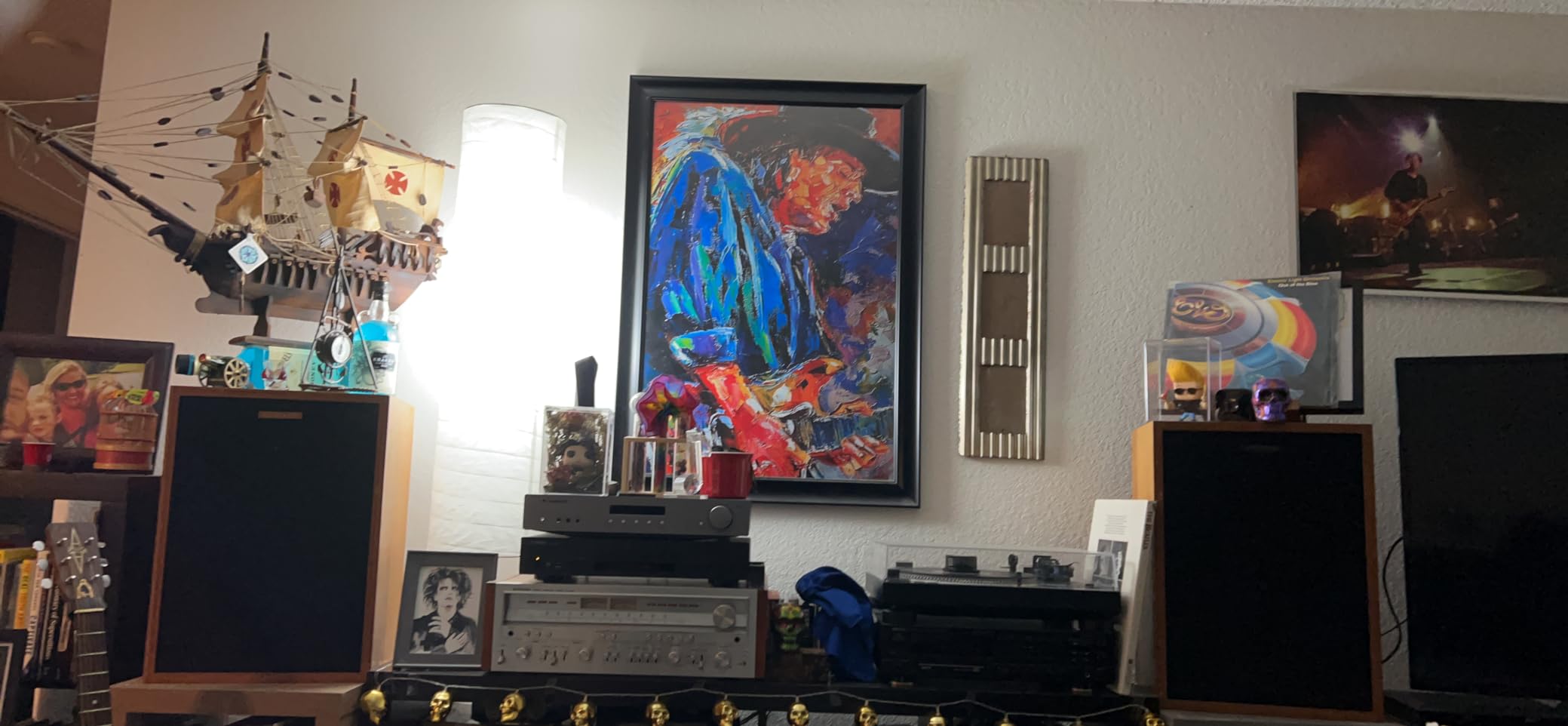
During testing, I paired the AXA35 with a Pro-Ject turntable and a pair of 88 dB sensitivity bookshelf speakers. The result was a clean, dynamic sound with no digital interference. The 35W per channel rating is conservative: Cambridge Audio measures honestly, and the AXA35 drove my speakers to uncomfortable volumes without strain.
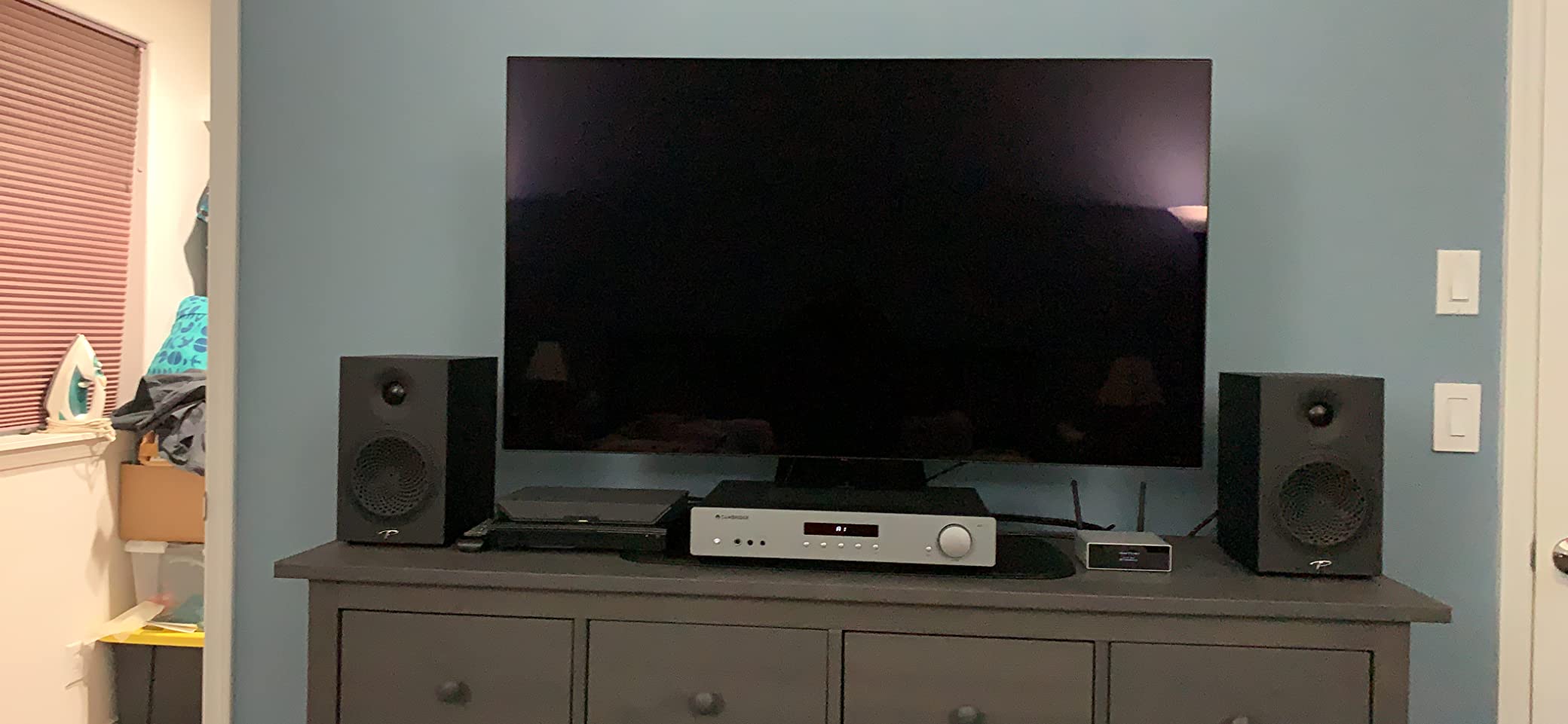
The specifications are impressive for the price. Frequency response extends from 5Hz to 50kHz, much wider than the human hearing range, which tells you the amp is not artificially limiting the signal. The signal-to-noise ratio above 82 dB is competitive with more expensive amps. The metal chassis dampens vibration better than the plastic cases on most budget amps.
The downsides are practical. Limited stock means you may need to wait. No Prime eligibility means shipping costs more. And the lack of wireless features makes the AXA35 a poor choice if you want to stream from your phone. But for vinyl purists who want the cleanest signal path, the Cambridge Audio AXA35 is hard to beat at $449.
Why no DAC is a feature
Some audiophiles prefer to keep digital and analog signals separate. The AXA35 forces a clean analog-only signal path. If you want better digital sound, you can add a dedicated external DAC later. The amp is ready for that upgrade.
Power vs speaker sensitivity
35W per channel sounds low, but it depends on your speakers. With 88 dB sensitivity speakers, the AXA35 reaches ear-splitting volumes in a medium room. For low-efficiency speakers below 85 dB, look at the Denon PMA-600NE or Fosi BT20A Pro instead.
Buying Guide: How to Choose the Best Budget Integrated Amplifier
Choosing the best budget integrated amplifier depends on three factors: your speakers, your source components, and your room size. Get these right, and any amp from my list will sound great. Get them wrong, and even the most expensive amp will disappoint.
How much power do you need?
Power output (watts per channel) is the most misunderstood spec in audio. You do not need massive power for most home listening. A 100-watt amplifier in a small room rarely exceeds 5-10 watts of output, even at loud volumes.
Match the amp to your speakers using sensitivity. Sensitivity is measured in decibels (dB) at 1 watt/1 meter. Speakers with 88 dB or higher sensitivity are easy to drive. Below 85 dB, you need more power for the same volume. The Sony STR-DH190 and Fosi BT20A Pro work fine for 88 dB speakers. For less efficient speakers, step up to the Denon PMA-600NE or AIYIMA A07.
Room size matters too. A 100-watt amp fills a 200-square-foot room without breaking a sweat. For rooms over 400 square feet or open-concept spaces, aim for 150W or more per channel.
Class D vs Class A/B amplifier types
Modern budget integrated amplifiers use one of two main amplifier designs: Class D or Class A/B. Each has trade-offs.
Class D amplifiers (like the Fosi BT20A, AIYIMA A07, and WiiM Amp) switch the output transistors fully on or off. They are highly efficient, run cool, and pack lots of power into small chassis. The downside is some audiophiles find Class D sound slightly less natural than Class A/B. Modern Class D chips like the TPA3255 have largely closed that gap.
Class A/B amplifiers (like the Denon PMA-600NE and Cambridge Audio AXA35) run the output transistors in a linear mode. They produce more heat and waste energy, but many listeners prefer the sound. They are also heavier due to larger power transformers and heat sinks.
For most listeners in 2026, the difference is not significant. Choose Class D for compact size and efficiency. Choose Class A/B for traditional audiophile sound and proven reliability.
Connectivity options explained
Connectivity determines what you can plug into your amp. Match the inputs to your source components.
RCA inputs are the universal standard. Every amp here has at least one pair. Use RCA for CD players, older streamers, and phono preamps.
Phono input is a dedicated input with a built-in phono preamp. Turntables need this because the signal from a phono cartridge is much weaker than other sources. The Sony STR-DH190, Denon PMA-600NE, and Cambridge Audio AXA35 all have phono inputs. The Fosi and AIYIMA amps do not, so you would need a separate phono preamp for vinyl.
Optical and coaxial inputs accept digital audio from TVs, CD players, and streamers. The Denon, WiiM Amp, and Fosi MC331 have these. Optical is common for TV connections.
HDMI ARC is the easiest way to connect a TV. The WiiM Amp is the only amp in this list with HDMI ARC. If you want TV audio through your bookshelf speakers, this is the cleanest option.
Bluetooth is on most modern budget amps. Quality varies. Fosi uses Bluetooth 5.0 in the BT20A Pro for stable connections. The WiiM Amp adds Wi-Fi and AirPlay 2 for higher-quality streaming.
Headphone output lets you plug headphones directly into the amp. Useful for late-night listening. Most amps have a 3.5mm jack on the front panel. The Fosi MC331 has a dedicated headphone amp circuit.
Subwoofer output is a pre-out that sends the full-range signal to a powered subwoofer. The WiiM Amp and AIYIMA A07 have this. Plan for a subwoofer if you want movie theater bass.
Phono input for turntables
If you are buying a budget integrated amplifier for vinyl, the phono input is non-negotiable. Turntables produce a very weak signal that needs RIAA equalization (a specific EQ curve for vinyl records). Without a phono preamp, the signal will be quiet and thin.
The Sony STR-DH190, Denon PMA-600NE, and Cambridge Audio AXA35 all have built-in phono preamps. For vinyl beginners, any of these will work. The Denon has the highest quality phono stage, while the Sony offers the best value.
The Fosi BT20A, Fosi BT20A Pro, and AIYIMA A07 do not have phono inputs. You would need to add an external phono preamp, which costs $30-100 extra. For pure vinyl, I would skip these models.
What makes a good budget integrated amplifier?
After testing eight amplifiers, I learned what separates the best from the rest. Build quality matters more than wattage. A 50W amp with quality components beats a 200W amp with cheap ones. The Denon PMA-600NE and Cambridge Audio AXA35 show this clearly.
Warranty length is a useful signal. Sony offers 1 year, Denon offers 3 years, and Fosi offers 24 months. Longer warranties suggest the manufacturer expects the product to last.
User reviews are the best trust signal. Look for products with at least 1,000 reviews and a 4.4+ star average. The Fosi BT20A, Sony STR-DH190, and Fosi BT20A Pro all meet this standard. The Denon and Cambridge Audio have fewer reviews but higher ratings per review.
Frequently Asked Questions
What is the best budget integrated amplifier for the money?
The Denon PMA-600NE is the best budget integrated amplifier for the money. It delivers 70W per channel, has a built-in DAC, a phono input, and analog mode for clean vinyl playback. The 4.7-star rating from 582 reviews and 3-year warranty make it the safest investment in this price range.
How much power do I need in an integrated amplifier?
For most home listeners, 50-100 watts per channel is plenty. The actual power needed depends on your speaker sensitivity and room size. Speakers with 88 dB sensitivity or higher are easy to drive and need less power. For a 200-square-foot room, 50W per channel is sufficient. For larger rooms or low-efficiency speakers, aim for 150W or more.
What is the difference between Class D and Class A/B amplifiers?
Class D amplifiers switch transistors fully on or off, making them highly efficient and cool-running. They pack more power into smaller chassis. Class A/B amplifiers run transistors in linear mode, producing more heat but delivering traditional audiophile sound. Modern Class D designs like the TPA3255 chip have largely closed the sound quality gap. Choose Class D for efficiency and Class A/B for traditional sound.
Do budget integrated amplifiers sound good?
Yes, budget integrated amplifiers in 2026 sound significantly better than they did five years ago. Thanks to improved Class D chips and better components, models like the Fosi BT20A Pro and Denon PMA-600NE deliver clean, detailed sound that rivals amps costing twice as much. For most listeners, the differences between budget and mid-tier amps are subtle.
What brands make the best budget integrated amplifiers?
The top brands for budget integrated amplifiers are Yamaha, Denon, Marantz, Cambridge Audio, Sony, NAD, and Fosi Audio. Yamaha A-S301 and Denon PMA-600NE excel in the $400-600 range. Sony STR-DH190 dominates the under-$300 category. Fosi Audio and AIYIMA lead the sub-$100 desktop amp market. Cambridge Audio offers purist designs with strong phono stages.
Final Verdict: Which Budget Integrated Amplifier Should You Buy?
The best budget integrated amplifiers in 2026 cover every need from $79 to $599. The Denon PMA-600NE is my top pick for its build quality, analog mode, and 3-year warranty. The Fosi Audio BT20A Pro delivers the most power per dollar at $99. For vinyl beginners, the Sony STR-DH190 is hard to beat. The WiiM Amp is the only choice for smart home streaming, and the AIYIMA A07 is the best amp for tinkerers who want to upgrade later.
Match the amp to your speakers and your room. Once you identify the right power output and connections, the best budget integrated amplifier is the one that fits your setup and your budget. Any of the eight models in this guide will deliver clean, enjoyable sound for years to come.