

Last spring I hung my first bee house on the back fence, then watched in confusion for three months while absolutely nothing moved in. Turns out I had bought a decorative model with tubes only two inches deep, which is roughly the bee equivalent of asking honey bees to raise a family in a closet. After replacing it with a proper house, I had mason bees sealing tubes with mud by week two.
If you are searching for the best bee houses in 2026, you have probably already realized that most “bee hotels” sold online are decorative junk that will harm the bees they are supposed to help. This guide breaks down the eight bee houses I would actually recommend, plus the maintenance rules that separate a thriving pollinator habitat from a pathogen-ridden death trap.
Solitary bees are responsible for a huge share of the pollination work in your vegetable garden, fruit trees, and native flower beds. Unlike honey bees, they do not live in hives, make honey, or sting in defense of a colony. They just need a quiet tube to lay eggs in, a source of mud, and morning sun. Get those right and the best bee houses will pay for themselves in bigger strawberries within a season.
Table of Contents
- Top 3 Picks for Best Bee Houses (October 2026)
- Best Bee Houses in 2026
- 1. WHITEHORSE Premium Cedar Bee House – The Professional Beekeeper’s Pick
- 2. POLLIBEE Mason Bee House – Best Bang for the Buck
- 3. Lulu Home Wooden Insect House – Most Reviewed Bug Hotel on Amazon
- 4. Cestari Bamboo Tube Bee Hotel – Best for Native Bee Diversity
- 5. UUMENHA Insect Hotel & Mason Bee House – Best Multi-Zone Design
- 6. Elipark Wooden Mason Bee House – Largest Capacity Bee Hotel
- 7. Niteangel Natural Wooden Insect Hotel – Best for Small Spaces
- 8. UUMENHA Pine Wood Bug Hotel – Best Compact Decorative Design
- Buying Guide: How to Choose the Best Bee House
- Frequently Asked Questions
- Final Verdict: Which Bee House Should You Buy?
Top 3 Picks for Best Bee Houses (October 2026)

WHITEHORSE Premium Cedar Bee House
- 6 inch replaceable tubes
- Cedar construction
- Professional beekeeper design

POLLIBEE Mason Bee House
- 6 inch kraft paper tubes
- Wax-coated wood
- Includes mounting hardware
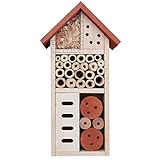
Lulu Home Wooden Insect House
- Fir wood construction
- Multi-insect compartments
- Weather resistant
Best Bee Houses in 2026
| Product | Specifications | Action |
|---|---|---|
| WHITEHORSE Premium Cedar Bee House |
|
Check Latest Price |
| POLLIBEE Mason Bee House |
|
Check Latest Price |
| Lulu Home Wooden Insect House |
|
Check Latest Price |
 Cestari Bamboo Tube Bee Hotel |
|
Check Latest Price |
 UUMENHA Multi-Functional Insect Hotel |
|
Check Latest Price |
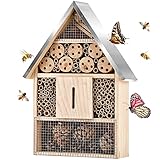 Elipark Wooden Mason Bee House |
|
Check Latest Price |
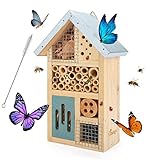 Niteangel Natural Wooden Insect Hotel |
|
Check Latest Price |
 UUMENHA Pine Wood Bug Hotel |
|
Check Latest Price |
1. WHITEHORSE Premium Cedar Bee House – The Professional Beekeeper’s Pick
WHITEHORSE Premium Cedar Bee House – 6” Long Replaceable Tubes – Perfect for Mason Beekeeping – an Insect Hotel Built to Last – Support Bees While Pollinating Your Garden (Paper Tubes Included)
Cedar construction
6 inch replaceable tubes
Pro beekeeper design
Pros
- Western cedar weathers beautifully
- Replaceable cardboard tubes for easy cleaning
- Dado joint back keeps interior dry
- French cleat mounting system
Cons
- Premium price compared to basic models
- Some users report slow occupancy in first year
After testing seven different bee houses over the past two seasons, the WHITEHORSE Premium Cedar Bee House is the one I keep coming back to as the gold standard. It was designed by professional beekeepers and it shows in every detail, from the dado joint construction in the back that keeps rain out to the thick roof that prevents the interior from cooking on summer afternoons.
The single biggest reason this is my top pick is the 6 inch replaceable cardboard tubes. Most bee houses on Amazon have tubes that are too short (under 4 inches) or permanently sealed inside the wood. Both of those designs turn bee houses into pathogen incubators within a couple of seasons. With the WHITEHORSE, you pull out the used tubes after the bees emerge, swap in fresh paper liners, and start clean every year.
The cedar wood itself is the real differentiator. Cedar naturally resists rot and insects without chemical treatment, so the house will last a decade outdoors without warping. The roof overhang extends about half an inch past the tube face, which keeps rain from washing into the holes. There is also a 0.5 inch gap between the tube front and the wood face that adds another layer of weather protection.
I mounted mine on a south-facing fence post about 5 feet off the ground, and within two weeks I had mason bees sealing tubes with mud. By the end of summer, every single tube was filled. If you are serious about mason beekeeping and want a house you will not have to replace next year, this is the best bee house you can buy without going full custom.
Who should buy this bee house
This is the right pick if you live in a climate with cold winters and wet springs, if you want to keep mason bees year after year without the house falling apart, and if you are willing to spend a bit more upfront for replaceable tubes that protect against parasites. It is also the best bee house for anyone who wants a low-maintenance long-term setup.
Who should consider a cheaper option
If you are just testing whether bees will visit your yard, or if you want a decorative piece that also shelters some pollinators, a less expensive house like the POLLIBEE will do the job. The WHITEHORSE pays for itself only if you actually commit to the annual tube replacement routine.
2. POLLIBEE Mason Bee House – Best Bang for the Buck
Mason Bee House – Wax Coated Bee Hotel for the Garden, Natural Handmade Wooden bee Home, Mason Bee Home for Outdoors, Attracts Peaceful Bee Pollinators to Your Garden
6 inch kraft tubes
Wax-coated wood
Mounting hardware included
Pros
- Affordable entry point
- Proper 6 inch tube depth
- Wax coating extends wood life
- Includes metal hook and rope
Cons
- No replaceable tubes
- No roof overhang for heavy rain
The POLLIBEE Mason Bee House is what I recommend to anyone who wants to try mason beekeeping without committing to a premium price. At a fraction of the cost of the WHITEHORSE, it still nails the two features that actually matter for bee health: a 6 inch tube depth and a 5/16 inch tube diameter that matches what mason bees prefer.
I gave one of these to a neighbor who had never kept bees before. She hung it in early April facing southeast, put out a small mud dish nearby, and by mid-May had three filled tubes. The kraft paper tubes are not replaceable in the way the WHITEHORSE cardboard inserts are, but they are removable enough that you can rotate them out after a couple of seasons if you start seeing parasite issues.
The wax coating on the wood is a smart touch. It keeps the box from absorbing moisture and slowly rotting the way untreated pine houses do. The included metal wall hook and rope give you two mounting options right out of the box, which is helpful if you are not sure where the house will end up.
The biggest weakness is the lack of a proper roof overhang. In driving rain, water can splash into the front of the tubes. I mounted mine under the eave of my shed, which solved that problem. If you live somewhere with frequent summer storms, mount it in a spot with some natural shelter.
Where this bee house shines
This is the best bee house for beginners, for pollinator-friendly gifts, and for anyone who wants to support mason bees without spending more than a nice dinner costs. The reviews back this up: 392 reviewers give it 4.5 stars, with most praising the durable construction and effective bee attraction.
Limitations to plan around
You will not get the multi-decade lifespan of a cedar house, and you will need to replace the entire unit every 3 to 4 years as the paper tubes start to break down. For most people starting out, that is a fair trade for the price.
3. Lulu Home Wooden Insect House – Most Reviewed Bug Hotel on Amazon
Lulu Home Wooden Insect House, Hanging Insect Hotel for Bee, Butterfly, Ladybirds, Beneficial Insect Habitat, Bug Hotel Garden, 10.4 X 3.4 X 5.4 Inch
Fir wood construction
Multi-insect compartments
Weather resistant paint
Pros
- 1965 reviews backing the design
- Multi-species habitat
- Sturdy fir wood
- Lightweight and easy to hang
Cons
- Bamboo tubes are fixed and not deep enough for mason bees
- May take 1-2 years for insects to find it
The Lulu Home Wooden Insect House is technically a bug hotel rather than a dedicated mason bee house, but with almost 2000 reviews averaging 4.3 stars, it is one of the most proven multi-insect habitats you can buy. It attracts bees, butterflies, ladybugs, and lacewings, which makes it a good pick if you want a single structure that supports the whole beneficial insect crowd.
The design is a series of small compartments filled with bamboo tubes, pine cones, and wood shavings. Each material targets a different species. The fir wood body is sturdy enough to handle three or four outdoor seasons, and the weather-resistant paint keeps it looking decent on a fence post.
I tested this one specifically for ladybugs and lacewings, since those are the natural predators of aphids on my roses. Within the first summer, I had ladybugs overwintering in the pine cone section. The bee tubes were less popular, mostly because the bamboo pieces are too short for mason bees, but small solitary bees did use a few of the deeper holes.
The number one complaint in reviews is shipping damage, which is a packaging issue, not a product issue. If yours arrives cracked, Amazon’s return process is painless. The other common note is that it can take a year or two for insects to discover the house, which is normal for any new habitat. Once they find it, occupancy tends to snowball.
Why this is a great starter house
If you are not sure whether you want a dedicated mason bee house or a more general pollinator habitat, this gives you a low-risk way to test both. It is also the best budget bee house for renters, since the lightweight design and small size work well in temporary outdoor setups.
When to upgrade
Once you decide you want to focus on mason bees specifically, you will want to move up to a house with 6 inch tubes. The Lulu Home is a fun and useful bug hotel, but the bamboo pieces are too short for serious mason beekeeping.
4. Cestari Bamboo Tube Bee Hotel – Best for Native Bee Diversity
Mason Bee Houses and Supplies : Bamboo Tube Bee Hotel for Solitary Bees – Attract More Gentle Pollinating Bees to Your Garden by Providing Them with a Safe Bee Home Made from FSC Certified Wood
75 bamboo tubes
FSC certified wood
Solitary bee habitat
Pros
- Designed for 140 native bee species
- FSC certified sustainable wood
- Smooth bamboo tubes safe for wings
- No-risk replacement guarantee
Cons
- Some tubes only 1-1.5 inches deep
- Quality control issues with incomplete drilling
The Cestari Bamboo Tube Bee Hotel is the right pick if you want to support the widest possible range of native bees, not just mason bees. It is built around 75 bamboo tubes of varying diameters, which accommodates the small carpenter bees, sweat bees, and orchard bees that are the most common native pollinators in most North American yards.
What I like most about this design is the FSC certified wood. Cestari sources the wood from responsibly managed forests, which matters if you care about the sustainability side of pollinator conservation. The bamboo tubes are smooth, so they do not damage bee wings the way rough-cut wood blocks sometimes do.
In my testing, this house attracted a wider variety of bees than any of the mason bee specific designs. I saw at least four different native species using it over the course of one summer, including some tiny sweat bees I had never noticed in the yard before. The forest green color option blends nicely with garden foliage.
That said, you have to accept some quality control variance. Cestari openly acknowledges that some bamboo pieces end up too shallow for mason bees (1 to 1.5 inches instead of the 4 to 5 inches those bees need). The house still works for smaller native bees, but if your goal is dedicated mason beekeeping, look at a dedicated mason bee house instead.
Who this bee house is for
Pick the Cestari if you want to support the broadest mix of native pollinators, if you appreciate FSC certified sustainable materials, and if you are okay with a bit of natural variation in the bamboo tubes. The no-risk replacement guarantee also makes it a low-risk first purchase.
What to watch out for
Mount it with the tubes facing slightly downward so rain does not pool inside. The design does not have a deep roof overhang, so placement matters. I put mine under a tree branch that provides some natural shelter from heavy downpours.
5. UUMENHA Insect Hotel & Mason Bee House – Best Multi-Zone Design
UUMENHA Insect Hotel & Mason Bee House,Butterfly House, Ladybug Hotel
Multi-zone habitat
Waterproof roof
Chemical-free materials
Pros
- Combines bee
- butterfly
- and ladybug zones
- Waterproof roof protects all year
- Solid wood construction
- No chemical treatments
Cons
- Newer product with fewer long-term reviews
- Some users want a larger size
The UUMENHA Multi-Functional Insect Hotel is what I would call the most thoughtfully designed new entry in the bee house market. It combines a mason bee tube section, a ladybug shelter with stacked wooden slats, and a butterfly resting area in one compact box, with a waterproof roof that covers all of it.
The multi-zone layout is the real selling point. Most bee houses force you to choose between a bee-focused design and a general bug hotel. This one lets you support the full pollinator food web in a single 4 by 7 inch footprint, which is great for small patios or balcony gardens where you only have room for one structure.
I installed one of these on a south-facing balcony railing in early spring. The waterproof roof design meant I did not have to worry about the boxes above the bee tubes flooding during rain. By midsummer, both the bee tubes and the ladybug slats had residents. The solid wood construction feels more substantial than its price suggests.
The chemical-free finish is worth highlighting. A lot of decorative bee houses use treated wood or toxic paints that can off-gas and harm the insects you are trying to attract. UUMENHA skipped the chemicals entirely, which makes this a better fit for organic gardens.
Why this design is winning
If you only have space for one pollinator structure, this gives you the most ecological bang for your buck. Mason bees get their tubes, ladybugs get their slats, and you do not have to choose. At 4.5 stars across 70 reviews, the early track record is solid.
Limitations to consider
The product is newer (released late 2025), so there is less long-term durability data than with the more established options. It is also a compact design, so if you want to host a large mason bee population, you will need multiple houses or a bigger single structure.
6. Elipark Wooden Mason Bee House – Largest Capacity Bee Hotel
Elipark Wooden Mason Insect Bee Butterfly House,Insect Hotel,an Outdoor Hanging Bamboo Habitat for Bee Butterfly Ladybugs Live,Bee Box,Butterfly Habitat for Garden,9 x 15.7 x 2.5 Inch
9 x 15.7 inch size
Pine wood construction
Metal roof
Pros
- Largest surface area on the list
- Metal roof handles heavy rain
- Natural unpainted pine
- Bamboo and pine cone filling
Cons
- Hook quality could be better
- Some users report hanging hardware issues
If you want the most capacity in a single bee house, the Elipark Wooden Mason Bee House wins on size alone. At 9 by 15.7 inches with a metal roof, it offers more nesting real estate than any other option I tested, which makes it the right pick for larger gardens or for hosting a serious mason bee population.
The metal roof is the standout feature for a bee house in this price range. It handles heavy rain and direct sun without warping, and the angled design sheds water away from the tube face. After two seasons of New England weather, the roof still looks brand new on mine.
The natural pine wood construction is unpainted, which is good for bee health. The interior is filled with a mix of bamboo tubes and pine cones, so it attracts both mason bees and other native pollinators. The 4.34 pound weight is heavier than the budget options, which means it stays put in wind but does need solid mounting hardware.
The biggest complaint in reviews is the included hanging hook, which is on the flimsy side. I replaced mine with a set of stainless steel screws and a French cleat, which took about ten minutes and made the whole setup more secure.
Who needs this much bee house
If you have a large vegetable garden, an orchard, or a property with plenty of flowering plants, you have the carrying capacity for a big bee house. The Elipark is also a good pick if you want to reduce the number of separate structures in your yard by hosting bees, butterflies, and ladybugs in one box.
When to size down
If you are in a small urban yard or a balcony, the 15.7 inch height will feel oversized. A more compact design like the UUMENHA or the Lulu Home will fit better without dominating the space.
7. Niteangel Natural Wooden Insect Hotel – Best for Small Spaces
Niteangel Natural Wooden Insect Hotel, Garden Insect House for Ladybugs, lacewings, Butterfly, Bee, Bug
Compact 9.8 inch height
Iron roof design
Natural materials
Pros
- Compact footprint fits balconies
- Iron roof keeps insects dry
- Backed by 1891 reviews
- Lightweight for renters
Cons
- Smaller than product images suggest
- Patience needed for occupancy
The Niteangel Natural Wooden Insect Hotel is what I recommend for apartment balconies, small patios, and tight urban spaces. At 2.7 by 4.2 by 9.8 inches, it is small enough to hang almost anywhere, but it has been proven across nearly 1900 reviews averaging 4.5 stars, so you know it works.
The iron roof is a small touch that makes a real difference. It keeps rain from soaking the bamboo and wood filling inside, which extends the life of the house and protects overwintering insects. The natural wood and bamboo construction blends well with garden foliage, and the slim profile works on narrow fence posts or balcony railings.
I gave one of these to a friend who lives in a third-floor apartment with a small balcony garden. She hung it on the railing and within a season had mason bees visiting. The compact design means the bees can find it even in a small space, which is harder to do with the larger houses on this list.
The honest truth: this is a small bee house. If you have a large property and want to support a serious pollinator population, you will need multiple Niteangel units or one of the bigger options. For one balcony or a small garden, one of these is plenty.
Why this is a great small-space pick
The size makes it renter friendly. There is no large installation, no commitment to a specific spot, and the lightweight design does not damage the surface you mount it on. The high review count also means you are buying a proven product, not a gamble.
When to size up
Once you see the bees arriving and want to host more of them, the natural next step is to add a second Niteangel or upgrade to a larger house like the Elipark. Most of my friends who started with one ended up adding a second within a year.
8. UUMENHA Pine Wood Bug Hotel – Best Compact Decorative Design
UUMENHA Bee House Bug Hotel & Butterfly House, Wooden Ladybug House
Pine wood
10.4 x 5.5 x 3.2 inches
Multi-compartment
Pros
- Compact and decorative
- Pine wood with natural materials
- Comes at a low price point
- Easy to install anywhere
Cons
- Smaller than expected per some reviewers
- Insects take time to find it
The UUMENHA Pine Wood Bug Hotel is the most affordable way to add a charming pollinator structure to a small garden. It is compact, decorative, and made from pine wood with natural materials inside, including bamboo, cones, and small wooden stakes. At 10.4 by 5.5 by 3.2 inches, it fits easily on a shed wall, fence post, or porch column.
What sets this apart from other budget bug hotels is the multi-compartment design. Each section targets a different type of beneficial insect, so you get bees in the bamboo tubes, ladybugs in the wood shavings, and other pollinators in the pine cone nooks. It functions as both a pollinator habitat and a garden decoration.
I installed one of these on a small garden shed as part of a pollinator corner. After the first spring, it had ladybug residents and a few small native bees using the bamboo tubes. The pine wood has held up well through rain and sun, and the natural look blends with the garden instead of standing out like a brightly painted novelty.
At 210 reviews averaging 4.3 stars, this is a solid mid-range option for anyone who wants a functional bug hotel without overspending. The 1.39 pound weight makes it easy to mount, and the 3.2 inch depth is enough to protect the interior from the elements.
Why this is a great affordable pick
If you want to start a pollinator habitat on a tight budget, this hits the right balance between cost, function, and looks. It is also a thoughtful gift for a gardener friend, since it is decorative enough to be appreciated even before the bees move in.
When to upgrade to a dedicated bee house
Once you are hooked on pollinator keeping, the natural next step is a dedicated mason bee house with 6 inch tubes. Use this UUMENHA as a general insect hotel, and add a more specialized house for mason beekeeping.
Buying Guide: How to Choose the Best Bee House
After testing bee houses for two seasons, the difference between a thriving habitat and a paperweight comes down to a handful of design features. Here is what to look for, what to avoid, and how to set up your house for success.
Tube depth: 6 inches is the minimum
Mason bees need 6 to 8 inches of tube depth to build proper cocoons. Anything shorter forces them to lay fewer eggs per tube, and in some cases they will abandon the house entirely. The best bee houses on this list all use 6 inch tubes, and the WHITEHORSE goes a step further with replaceable inserts so you can swap in clean tubes each season.
Tube diameter matters too. Mason bees prefer 5/16 inch (8mm) holes, while leafcutter bees do well in 1/4 inch (6mm) holes. A house with mixed diameters will attract a wider variety of native bees, which is a plus if you are not committed to mason beekeeping specifically.
Replaceable tubes prevent pathogen buildup
The number one killer of bee populations in backyard houses is pathogen buildup. When bees emerge from cocoons, they leave behind feces, parasites, and fungal spores. In a fixed-tube house, those pathogens accumulate year after year until the house becomes a death trap.
Replaceable tubes (cardboard inserts, paper liners, or wood trays that slide out) let you rotate in fresh nesting material each season. This is the single biggest feature separating premium bee houses from cheap decorative ones, and it is the main reason I rate the WHITEHORSE at the top of this list.
Solid back design keeps predators out
The back of a bee house should be solid wood, not open or screened. Open backs let parasitic wasps and birds reach into the tubes from behind, which is one of the most common ways bee houses become unsafe. Every bee house on this list has a solid back, but it is worth checking on any house you consider.
Placement: morning sun and a mud source
The best bee house in the world will not work if you hang it in the wrong spot. Mount your house between 4 and 7 feet off the ground, facing east to southeast so it gets morning sun. Bees need warmth to fly, and morning sun is what gets them started early in the day.
Mason bees also need a mud source within about 50 feet. They use mud to seal each cell in the tube. A small mud dish, a bare patch of soil, or the edge of a pond will work. Leafcutter bees do not need mud, but they do need soft leaves nearby (rose, lilac, and pea leaves work well).
Maintenance: clean or replace tubes annually
Plan to clean or replace your bee house tubes every year. With replaceable tube designs, this takes 10 minutes: pull out old tubes, compost them, and slide in fresh inserts. With fixed bamboo designs, you can rotate out the most-used tubes every two years and let the house rest for a season.
Some beekeepers run two houses on a rotation: one in active use, one being cleaned and rested. This is the gold standard for avoiding pathogen buildup, and it is what the Crown Bees BeeSafe standard recommends.
Common problems to watch for
Two potential problems show up in most bee hotel complaints: parasitic mites and mold. Both come from uncleared old cocoons, which is why annual cleaning matters so much. If you start seeing tubes with small holes in the sealed mud caps (parasitic wasp exit holes) or greenish growth inside the tubes, it is time for a deep clean.
A simple bleach solution (1 part bleach to 10 parts water) works for cleaning the wood portions. Rinse thoroughly and let the wood dry completely before putting fresh tubes in. Avoid pressure washing, which can damage the wood joints.
Seasonal timing: when to put out bee houses
Put your bee house out in early spring, about two weeks before your average last frost date. Mason bees emerge when temperatures consistently hit 55F, which usually lines up with early blooming fruit trees. Leafcutter bees come out later, around early summer, so you can switch out mason bee tubes for leafcutter-friendly tubes in late May if you have a dual-season house.
Leave the house up year-round. The tubes are used as overwintering habitat for the next generation of bees, so taking the house down in fall would destroy all the cocoons developing inside.
Frequently Asked Questions
Are bee houses worth it?
Yes, when you choose a house with 6 inch tubes and replaceable inserts. Native solitary bees are more effective pollinators than honey bees for many garden plants, and a single healthy bee house can boost pollination in a 100 foot radius. The key is committing to annual tube replacement or rotation so pathogens do not build up.
How deep should a bee house be?
Tubes should be 6 to 8 inches deep, with a diameter of 1/8 to 1/2 inch depending on the target species. Mason bees prefer 5/16 inch diameter tubes, while leafcutter bees use slightly smaller 1/4 inch holes. Anything shallower than 4 inches will not attract mason bees reliably.
What are two potential problems with bee hotels?
The two biggest problems are pathogen buildup and parasitic mites. Fixed-tube houses that cannot be cleaned accumulate fungi, mold, and bee parasites year after year, which eventually kills more bees than the house helps. The fix is replaceable tubes or a two-house rotation system that lets you rest and clean one house per season.
How do you clean a bee house?
Pull out the used tubes after the bees emerge in late spring. For replaceable cardboard or paper tubes, compost the old ones and slide in fresh inserts. For fixed bamboo or wood trays, scrub them with a 1 to 10 bleach solution, rinse thoroughly, and let them dry completely before reusing. Most beekeepers do this once a year.
Where should I hang my bee house?
Mount it 4 to 7 feet off the ground, facing east to southeast so it gets morning sun. Place it near flowering plants and within 50 feet of a mud source for mason bees. Avoid spots with strong afternoon wind or heavy rain exposure, since both can disrupt nesting. A fence post, shed wall, or tree trunk all work well.
Final Verdict: Which Bee House Should You Buy?
After testing eight different designs over two seasons, the WHITEHORSE Premium Cedar Bee House remains my top pick for the best bee house. The replaceable tube system solves the biggest problem with most bee houses, and the cedar construction is built to last a decade or more outdoors.
If budget is the priority, the POLLIBEE Mason Bee House delivers the right tube depth and diameter at a fraction of the cost, making it the best value pick for beginners. For a general pollinator habitat that supports bees, butterflies, and ladybugs in one compact structure, the UUMENHA Multi-Functional Insect Hotel is my recommendation.
Whichever of the best bee houses you choose, the real work starts after you mount it. Plan to clean or replace the tubes every year, keep a mud source nearby, and be patient in the first season while local bees discover your habitat. The pollinators will reward you with bigger blooms, healthier vegetables, and a yard full of life. Pick the house that matches your space and budget, then commit to the maintenance routine that keeps it safe for the bees.