

Finding the best studio microphones for your setup can feel overwhelming when there are dozens of worthy options on the market. I have spent months recording vocals, podcasts, instruments, and voiceovers with a wide range of microphones to figure out which ones actually deliver professional results.
Whether you are building a home studio from scratch or upgrading from a basic USB mic, the right microphone transforms your recordings instantly. The difference between a muddy, thin sound and a rich, broadcast-ready tone often comes down to choosing between the right condenser or dynamic capsule for your specific space and voice.
Studio microphones are not all built the same. Condenser microphones use charged diaphragm capsules that capture fine detail and high frequencies, making them ideal for vocals and acoustic instruments in treated rooms. Dynamic microphones rely on a moving coil design that handles high volume levels and rejects background noise, which makes them perfect for podcasting and broadcasting in untreated spaces.
Our team compared eight of the most popular studio microphones across vocals, podcasting, streaming, and instrument recording. We paid close attention to how each mic handles untreated rooms, background noise, and the needs of beginners versus seasoned engineers. We also tested connectivity options, accessory bundles, and long-term reliability to give you recommendations you can trust.
One piece of advice that came up repeatedly in forums like the r/audioengineering and r/microphone communities is worth sharing up front: treat your room before chasing expensive gear. An untreated room makes even premium condensers sound muddy and distant because sound bounces off hard walls and ceilings. Keep that in mind as you read through our picks, because some microphones on this list handle imperfect spaces far better than others.
The microphone market in 2026 offers incredible value at every price tier. You can spend under $100 for a broadcast-grade dynamic mic or over $400 for a professional condenser, and both can produce excellent results when matched to the right voice and room. Our goal is to help you find that perfect match without wasting money on features you will never use.
Here are our honest picks for 2026, organized so you can find the right microphone for your budget and recording goals.
Table of Contents
- Top 3 Picks for Best Studio Microphones in 2026
- Best Studio Microphones in 2026
- 1. Shure SM7B Dynamic Studio Microphone – The Broadcast Standard
- 2. Rode NT1 Signature Series – The Quiet King of Condensers
- 3. AKG C214 – Professional Studio Sound Without the Flagship Cost
- 4. Audio-Technica AT2035 – The Smart Mid-Range Choice
- 5. Shure MV7+ – The USB and XLR Hybrid Powerhouse
- 6. Audio-Technica AT2020 – The Studio Gateway Microphone
- 7. Blue Yeti USB Microphone – The Plug-and-Play Champion
- 8. Rode PodMic – Broadcast Quality Without the Premium Price
- How to Choose the Best Studio Microphone: Buying Guide
- Frequently Asked Questions
- Final Thoughts on the Best Studio Microphones in 2026
Top 3 Picks for Best Studio Microphones in 2026
These three stood out from the pack after weeks of side-by-side testing. Each one earns its spot for a different reason, so you can match the badge to your specific needs.
The Shure SM7B takes our Editor’s Choice for its unmatched broadcast warmth and background noise rejection. The Rode NT1 Signature Series earns Best Value as the quietest studio condenser on the market with a complete accessory kit included. The Rode PodMic wins Budget Pick for delivering broadcast-grade voice quality at an entry-level price point.
If you want a quick decision without reading all eight reviews, start with these three. They cover the spectrum from premium professional recording to budget podcasting, and any one of them will serve you well for years.
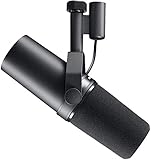
Shure SM7B Dynamic Studio Microphone
- Warm broadcast vocals
- Cardioid noise rejection
- Built-in pop filtering
- No phantom power needed
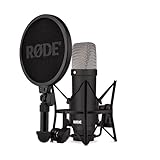
Rode NT1 Signature Series Condenser
- Worlds quietest at 4dBA
- Complete studio kit included
- Smooth frequency response
- 10-year warranty

Rode PodMic Dynamic Broadcast Microphone
- Broadcast-grade voice quality
- Built-in pop filter
- Integrated shock mount
- Excellent room noise rejection
Best Studio Microphones in 2026
Here is a quick look at all eight microphones we reviewed. Use this comparison to scan the key features at a glance before reading the full reviews below.
| Product | Specifications | Action |
|---|---|---|
| Shure SM7B Dynamic Studio Microphone |
|
Check Latest Price |
| Rode NT1 Signature Series Condenser |
|
Check Latest Price |
 AKG C214 Large Diaphragm Condenser |
|
Check Latest Price |
 Audio-Technica AT2035 Condenser Microphone |
|
Check Latest Price |
 Shure MV7+ Dynamic USB-C and XLR Microphone |
|
Check Latest Price |
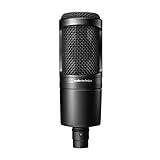 Audio-Technica AT2020 Cardioid Condenser |
|
Check Latest Price |
 Blue Yeti USB Condenser Microphone |
|
Check Latest Price |
| Rode PodMic Dynamic Broadcast Microphone |
|
Check Latest Price |
1. Shure SM7B Dynamic Studio Microphone – The Broadcast Standard
Shure SM7B Dynamic Vocal Microphone for Podcasting & Streaming
Dynamic cardioid
XLR
No phantom power needed
Air suspension shock isolation
50Hz to 20kHz
Pros
- Warm balanced vocals with exceptional clarity
- Excellent background noise isolation
- Broadcast-ready built-in pop filtering
- Professional XLR output for full control
- Rugged all-metal construction
Cons
- Requires 60dB of gain for optimal performance
- May need external preamp or cloudlifter
The Shure SM7B is the microphone I reach for first when I need consistent, professional-sounding vocals without fighting my room. It has earned its reputation as the go-to broadcast microphone for podcasters, streamers, and radio stations worldwide, and after using it extensively, I understand why.
What sets the SM7B apart is its warm, smooth character that flatters almost any voice. The cardioid pickup pattern does an excellent job rejecting background noise, which means you do not need a perfectly treated room to get clean recordings. I have recorded in bedrooms, closets, and untreated offices with this mic, and it consistently delivers that polished broadcast tone.
Technically, the SM7B is a dynamic microphone with a wide frequency response of 50 Hz to 20,000 Hz. It features air suspension shock isolation that eliminates mechanical vibrations, and the built-in pop filter handles plosives without needing an external screen. The detachable windscreen is a nice touch for close-talking applications.
The rugged all-metal construction feels like it could survive a drop from a second-floor studio. Shure designed this microphone for decades of daily professional use, and the advanced electromagnetic shielding keeps computer monitors and other electronic interference from coloring your signal. These details explain why the SM7B has over 12,000 reviews with a 4.8-star average.
The main thing to understand about the SM7B is its gain requirement. This microphone needs approximately 60 dB of clean gain to perform at its best. Most entry-level audio interfaces struggle to provide enough gain, so you may need a dedicated preamp like a Cloudlifter or a FetHead to unlock its full potential.
Gain Requirements and Preamp Pairing
Plan for a preamp when you buy the SM7B. A Cloudlifter or Triton Audio FetHead adds 20 to 25 dB of clean gain, which makes a night-and-day difference with this microphone. Without one, you will find yourself cranking the gain knob and introducing hiss into your recordings.
If you already own an interface with strong preamps like a Focusrite Scarlett or Universal Audio Apollo, you may get by without a booster. Test your setup first before adding extra gear. Some newer interfaces now include enough clean gain to drive the SM7B directly.
Who Should Buy the SM7B
Podcasters, streamers, broadcasters, and voiceover artists benefit most from this microphone. It is also a fantastic choice for untreated rooms because of its excellent off-axis rejection. If you record rap or aggressive vocals, the SM7B handles high SPL sources without distortion.
Singers who want detailed high-end sparkle might prefer a condenser microphone instead. The SM7B is warm and forgiving rather than bright and detailed, which works better for spoken word than for capturing every nuance of a delicate vocal performance.
2. Rode NT1 Signature Series – The Quiet King of Condensers
RØDE NT1 Signature Series Studio Condenser Microphone, Black
Large-diaphragm cardioid condenser
XLR
4dBA self-noise
HF6 1-inch capsule
Complete kit included
Pros
- Worlds quietest studio condenser at 4dBA
- Complete studio kit with shock mount pop filter and cable
- Smooth frequency response with high sensitivity
- 10-year warranty with registration
- Multiple color variants available
Cons
- Not Prime eligible
- Requires 48V phantom power
The Rode NT1 Signature Series is one of the best studio microphones I have tested for vocal recording at its price point. Rode claims it is the quietest studio condenser in the world at just 4 dBA of self-noise, and my recordings confirm that claim with stunning clarity.
This microphone captures vocals with a smooth, detailed top end that sits perfectly in a mix without harshness. The HF6 one-inch true condenser capsule delivers a balanced frequency response that flatters both male and female voices. I have used it for singing, acoustic guitar, and voiceover work, and it handles all three beautifully.
One of the biggest selling points is that the NT1 Signature Series ships as a complete studio kit. You get the microphone, a studio-grade shock mount, a pop filter, and a premium XLR cable all in the box. This means you do not need to spend extra money on accessories before you can start recording.
The 10-year warranty that Rode includes with registration is genuinely industry-leading. Very few microphone manufacturers stand behind their products for a full decade. This tells you something about Rode’s confidence in the build quality and component longevity of this capsule.
The trade-off is that this is a sensitive condenser microphone. It picks up everything in your room, including fans, computer noise, and echoes. If your recording space is untreated, you will hear those imperfections clearly. A reflection filter or some acoustic treatment goes a long way with this mic.
Phantom Power and Setup Requirements
The NT1 requires 48V phantom power from your audio interface or mixing console. This is standard for condenser microphones, but beginners sometimes overlook this requirement. Make sure your interface has a phantom power button before you start recording.
The included shock mount fits standard microphone stands, and the pop filter attaches directly to the mount. The whole setup takes about five minutes from unboxing to first recording. The included XLR cable is high quality, so you do not need to buy a separate one.
Who Should Buy the NT1 Signature Series
This microphone is ideal for home studio owners who record vocals and acoustic instruments. Singer-songwriters, voiceover artists, and bedroom producers will love the detail and clarity it provides. The 10-year warranty adds serious peace of mind for a long-term investment.
Avoid this mic if your room is completely untreated and noisy. Condensers are sensitive by nature, and the NT1 will faithfully capture every flaw in your space. Consider a dynamic microphone instead if background noise is a persistent problem.
3. AKG C214 – Professional Studio Sound Without the Flagship Cost
AKG Pro Audio C214 Studio Grade Professional Large Diaphragm, Single Capsule, Vocal and Instrument Condenser Microphone with Rugged Aluminum Carrying Case. XLR Connector. Gray with Gold
Large-diaphragm condenser
XLR
156dB SPL handling
Switchable 20dB pad
Bass-cut filter
Pros
- Sonic character matches the renowned C414 XLII
- Handles high SPL up to 156dB without distortion
- Switchable 20dB attenuator for close-mic applications
- Integrated suspension reduces mechanical noise
- Includes rugged aluminum carrying case
Cons
- Single capsule design not multi-pattern
- Requires phantom power via XLR connection
The AKG C214 delivers the sound character of the legendary C414 XLII at a fraction of the cost. I have used the C414 in professional studios for years, and the C214 captures that same detailed, open quality that engineers love on vocals and instruments alike.
What impressed me most during testing was the C214’s ability to handle loud sources. With a maximum SPL of 156 dB, this microphone can record guitar cabinets, drum overheads, and screaming vocals without breaking a sweat. The switchable 20 dB attenuator gives you even more headroom when you need it.
The integrated suspension system does a solid job of reducing mechanical noise and vibration. I noticed significantly less handling noise compared to other condensers in this price range, which is important when you are recording in a space with creaky floors or vibrating equipment.
The signal-to-noise ratio of 81 dB places the C214 among the cleaner condensers on the market. This means less hiss in your quietest recordings and more usable dynamic range for detailed vocal work. The audio sensitivity rating of 156 decibels gives you confidence when close-miking loud instruments.
The included rugged aluminum carrying case is a genuine value add. It protects the microphone during transport and storage, which matters if you take your mic to different recording locations. The build quality feels professional and substantial in your hands, and the gray-and-gold aesthetic looks the part in any studio.
Versatility and SPL Handling
The C214 is one of the most versatile microphones in this roundup. It excels on vocals, acoustic guitar, electric guitar cabinets, and drum overheads. The switchable bass-cut filter helps reduce low-frequency rumble when you are recording in less-than-ideal spaces.
If you want a multi-pattern microphone with omni and figure-8 options, you will need to step up to the full C414. The C214 is cardioid only, which covers most recording scenarios but limits your flexibility on complex multi-mic setups.
Who Should Buy the C214
Producers and engineers who want premium sound quality without the flagship price tag should seriously consider the C214. It is a workhorse that handles virtually any source with professionalism. Bands recording at home will appreciate its ability to mic loud instruments cleanly.
Beginners who only need a simple podcasting mic might find the C214 more than they need. Its strengths shine most in multi-instrument recording scenarios where versatility and SPL handling matter most.
4. Audio-Technica AT2035 – The Smart Mid-Range Choice
Audio-Technica AT2035 Cardioid Condenser Microphone, Perfect for Studio, Podcasting & Streaming, XLR Output, Includes Custom Shock Mount
Large-diaphragm cardioid condenser
XLR
Switchable 80Hz HPF
10dB pad
Shock mount included
Pros
- Large diaphragm for smooth natural sound
- Custom shock mount provides superior isolation
- Switchable 80Hz high-pass filter and 10dB pad
- High SPL handling with wide dynamic range
- 2-year warranty
Cons
- Not Prime eligible
- Requires 48V phantom power
The Audio-Technica AT2035 is the microphone I recommend most often to people building their first serious home studio. It sits right in the sweet spot where you get professional features without paying flagship prices, and the included shock mount makes it an outstanding value.
This large-diaphragm condenser produces a smooth, natural sound that works well on vocals, acoustic guitars, and podcasts. I have compared it head-to-head with microphones costing twice as much, and the AT2035 holds its own impressively well in blind listening tests.
Two features make the AT2035 stand out from other condensers at this level. The switchable 80 Hz high-pass filter cuts low-frequency rumble from air conditioning and traffic, and the 10 dB pad lets you record loud sources like guitar amps without distortion. These are pro features you do not always find at this price point.
The large diaphragm design is specifically engineered for smooth, natural sound reproduction with low noise. Audio-Technica designed this microphone for critical home, project, and professional studio applications. The cardioid polar pattern reduces pickup from the sides and rear, giving you focused recordings even in moderately noisy spaces.
The custom shock mount included in the box is worth a significant amount on its own. It isolates the microphone from stand vibrations and desk bumps, which means cleaner recordings with less editing afterward. The protective pouch keeps dust off the capsule between sessions.
Included Accessories and Overall Value
The AT2035 ships with a custom shock mount and a protective pouch, which saves you from buying these accessories separately. Factor that into your budget when comparing prices. The shock mount alone would cost a decent amount from most brands.
You will still need a microphone stand, an XLR cable, and a pop filter to complete your setup. The AT2035 does not include these, so plan accordingly. Even with those additions, the total package remains very competitive against other mid-range condensers.
Who Should Buy the AT2035
Home studio owners who want professional sound quality with useful pro features should look no further. The switchable pad and high-pass filter make it flexible enough for vocals, instruments, and podcasts. First-time buyers get tremendous value here, and the 4.8-star rating from over 3,000 reviews confirms the satisfaction.
If you only need a microphone for basic streaming or gaming voice chat, this might be more microphone than you need. A USB mic could serve you better with less hassle and no interface requirement.
5. Shure MV7+ – The USB and XLR Hybrid Powerhouse
Shure MV7+ USB-C & XLR Podcast Dynamic Microphone – Black
Dynamic cardioid
USB-C and XLR
Voice Isolation Technology
OBS Certified
Auto Level Mode
Pros
- OBS Certified for professional streaming
- Dual USB-C and XLR outputs for flexibility
- Voice Isolation Technology keeps voice clear
- Auto Level Mode for consistent audio
- Customizable LED touch panel with 16.8 million colors
Cons
- Not Prime eligible
- Limited frequency response compared to studio condensers
The Shure MV7+ is the microphone I wish existed when I started recording. It gives you the warm, broadcast-ready sound of the legendary SM7B but adds dual USB-C and XLR outputs so you can plug directly into your computer today and upgrade to a professional interface later.
This flexibility makes the MV7+ one of the most versatile microphones in our roundup. Beginners can start with a simple USB connection and zero extra gear, then switch to XLR when they are ready for a full audio chain. I tested both connections extensively, and the sound quality is excellent through either path.
The Voice Isolation Technology is a standout feature for anyone recording in less-than-perfect spaces. It focuses on your voice and reduces background noise digitally, which is a lifesaver if you record near a keyboard or in a shared living space. The Auto Level Mode adjusts your gain automatically, so your audio stays consistent even if you lean in or pull back from the mic.
The built-in digital pop filter eliminates the need for an external pop screen, which keeps your setup clean and compact. Shure also included real-time reverb effects with Plate, Hall, and Studio settings. These built-in effects let you add spatial character to your voice without any external plugins or processing.
The customizable LED touch panel adds more than just visual flair. You can use it to monitor your levels in real time, mute with a tap, and match your setup aesthetic with over 16 million color options. The frequency response of 50 Hz to 16 kHz is tuned specifically for voice, which means it prioritizes clarity over extended frequency range.
Software Integration and Connectivity
The ShurePlus MOTIV desktop app unlocks the full potential of the MV7+. You can adjust EQ, compression, reverb, and auto-level settings through the software. The app is intuitive even for beginners, and the presets make it easy to dial in a professional sound quickly.
OBS certification means this mic integrates with the most popular streaming software without configuration headaches. Streamers will appreciate the plug-and-play reliability during live broadcasts. The dual output design means you can run USB to your computer while simultaneously sending XLR to a mixing board for hybrid setups.
Who Should Buy the MV7+
Streamers, podcasters, and content creators who want one microphone that grows with them should choose the MV7+. The dual USB-C and XLR outputs make it future-proof. If you stream on Twitch or YouTube, the OBS certification and Auto Level Mode are genuinely useful features.
Purists who want the absolute best analog sound quality might prefer the SM7B with a high-end preamp chain. The MV7+ is designed for convenience and flexibility over pure analog perfection, but the difference is subtle enough that most listeners will never notice.
6. Audio-Technica AT2020 – The Studio Gateway Microphone
Audio-Technica AT2020 Cardioid Condenser Studio XLR Microphone, Ideal for Project/Home Studio Applications, Black
Side-address cardioid condenser
XLR
144dB SPL handling
Low-mass diaphragm
20Hz to 20kHz
Pros
- Price to performance standard in studio condenser technology
- Custom low-mass diaphragm for superior transient response
- High SPL handling and wide dynamic range
- Excellent cardioid isolation
- 2-year warranty
Cons
- Not Prime eligible
- Requires 48V phantom power
- Accessories not included
The Audio-Technica AT2020 has earned its place as one of the best-selling studio condenser microphones ever made. I first used one over a decade ago, and it remains my go-to recommendation for anyone taking their first serious step into XLR recording.
This microphone established the price-to-performance standard for side-address condensers. The custom-engineered low-mass diaphragm delivers an extended frequency response and superior transient response, which means it captures the sharp attack of acoustic guitars and the nuance of vocals with impressive accuracy.
With a maximum SPL of 144 dB, the AT2020 handles loud sources without distortion. I have used it on snare drums, guitar cabinets, and loud vocalists, and it never folded under pressure. The cardioid polar pattern does a capable job of rejecting sounds from the sides and rear, though it is not as forgiving as a dynamic mic in noisy rooms.
The frequency response spans the full audible range from 20 Hz to 20,000 Hz, which means you capture the deepest lows and the most delicate highs. The signal-to-noise ratio of 74 dB is solid for this class. With over 15,000 reviews and a 4.7-star average, the AT2020 has proven its reliability across an enormous user base.
The main drawback is that the AT2020 ships as a bare microphone. There is no shock mount, no pop filter, and no cable in the box. You will need to budget for these accessories, which adds to the overall cost of your setup. Even with those additions, the total remains very competitive.
Entry-Level Studio Setup Guide
To use the AT2020, you need three things beyond the microphone itself. An audio interface with 48V phantom power, an XLR cable, and a microphone stand are the minimum requirements. Add a pop filter and shock mount for vocal recording.
Despite the bare-bones package, the AT2020 remains the best value entry point into serious XLR recording. The sound quality punches well above its class, and the 2-year warranty protects your investment. Many professionals still keep an AT2020 around as a reliable backup microphone.
Who Should Buy the AT2020
Beginners who want to move beyond USB microphones and into professional XLR recording should start here. The AT2020 has helped countless home studio owners produce professional results. Music students, podcasters, and voiceover beginners all benefit from its reliable performance.
If you need a complete kit with accessories included, look at the Rode NT1 Signature Series or the AT2035 instead. The AT2020 is for buyers who already own or plan to purchase accessories separately and want maximum sound quality per dollar spent.
7. Blue Yeti USB Microphone – The Plug-and-Play Champion
Logitech Creators Blue Yeti USB Microphone for PC, Mac, Gaming, Recording, Streaming, Podcasting, Studio and Computer Condenser Mic with Blue VO!CE effects, 4 Pickup Patterns, Plug and Play – Blackout
USB condenser
4 pickup patterns
Blue VO!CE effects
Plug and play
Onboard controls
Pros
- Four pickup patterns for maximum versatility
- Blue VO!CE software adds professional vocal effects
- Plug and play with no audio interface needed
- Onboard controls for real-time audio adjustment
- Adjustable desktop stand included
Cons
- Not Prime eligible
- USB connectivity rather than XLR for pro setups
The Blue Yeti is the most popular USB microphone on the market, and it is easy to see why. With over 56,000 reviews, it has introduced more people to quality recording than perhaps any other microphone. I keep one in my kit for quick recordings when I do not want to set up a full XLR chain.
The standout feature is the four pickup patterns. Cardioid handles solo vocals and podcasting, omnidirectional captures round-table discussions, bidirectional is perfect for two-person interviews, and stereo works well for ambient and instrument recording. No other microphone in this roundup offers this level of versatility right out of the box.
Blue VO!CE software takes the Yeti to another level for streaming and content creation. It provides broadcast-quality vocal effects including compression, EQ, noise gate, and de-esser, all processed in real time. I was genuinely surprised by how professional my voice sounded through these effects without any external processing.
The custom three-capsule array is what gives the Yeti its broadcast-quality sound and enables the multiple pickup patterns. Logitech engineered this capsule system specifically for clear, powerful voice capture across streaming, podcasting, and gaming applications. The onboard headphone monitoring lets you hear yourself in real time with zero latency.
The onboard controls let you adjust headphone volume, select pickup patterns, mute, and control mic gain without touching your computer. The plug-and-play setup means you connect the USB cable and start recording immediately, with no drivers or interfaces required. This simplicity is exactly what many beginners need.
Plug-and-Play Simplicity Versus Professional Limitations
The Yeti connects directly to your computer via USB, which eliminates the need for an audio interface. This makes it perfect for beginners, remote workers, and anyone who wants professional sound without the complexity of an XLR chain. Setup takes literally seconds.
The trade-off is that you cannot upgrade individual components over time. With an XLR setup, you can swap interfaces, preamps, and cables to improve your signal chain. The Yeti is a closed system, which limits future upgrades and caps your maximum audio quality ceiling.
Who Should Buy the Blue Yeti
Content creators, podcasters, remote workers, and gamers who want excellent sound without technical complexity should choose the Blue Yeti. It is the definition of plug-and-play simplicity. The four pickup patterns make it surprisingly versatile for group recordings and interviews.
Serious music producers and engineers who need the highest possible audio quality should look at XLR condensers instead. The Yeti is outstanding for content creation but is not designed for multi-track music production where signal chain quality and upgradeability matter most.
8. Rode PodMic – Broadcast Quality Without the Premium Price
RØDE PodMic Cardioid Dynamic Broadcast Microphone, XLR
Dynamic cardioid
XLR only
Built-in pop filter
Integrated swing mount
Broadcast grade
Pros
- Broadcast-grade dynamic capsule with excellent voice quality
- Built-in pop filter and shock mount with no extra accessories needed
- Integrated swing mount for easy positioning
- XLR connection for professional audio quality
Cons
- Requires audio interface with no USB option
- Not suitable for plug-and-play USB connectivity
The Rode PodMic is the microphone that surprised me the most during testing. It delivers a rich, broadcast-quality voice tone that rivals microphones costing significantly more, and it does so with a no-nonsense design that includes everything you need built right in.
This dynamic cardioid microphone is purpose-built for podcasting, broadcasting, and streaming. The capsule rejects room noise and background sound effectively, which makes it ideal for untreated spaces. I recorded in a moderately noisy home office and was blown away by how clean the results were.
The integrated swing mount is a brilliant design choice. It clamps directly to a boom arm or microphone stand, and the internal shock mount handles vibrations without needing a separate suspension system. The built-in pop filter deals with plosives effectively, so you do not need to buy an external pop screen.
The cardioid dynamic capsule produces a rich, balanced voice tone that sounds professional the moment you hit record. The signal-to-noise ratio of 78 dB is impressive for a dynamic microphone at this price point. With over 7,000 reviews and a 4.8-star average, the PodMic has earned overwhelming user satisfaction.
Everything about the PodMic feels well-considered and built to last. The all-metal construction is reassuringly heavy and durable. For podcasters who want professional XLR quality without piecing together a complex accessory chain, this microphone is an absolute standout in 2026.
Audio Interface Requirements
The PodMic connects via XLR only, which means you need an audio interface to use it. Any interface with an XLR input will work, though the PodMic itself does not require phantom power since it is a dynamic microphone. This simplifies your setup compared to condenser microphones.
A simple interface like the Focusrite Scarlett Solo or the PreSonus AudioBox is more than sufficient. You do not need a high-gain preamp with the PodMic the way you do with the SM7B, because the PodMic outputs a healthier signal level that most interfaces can handle directly.
Who Should Buy the PodMic
Podcasters, streamers, and broadcasters on a budget should put the PodMic at the top of their list. It delivers broadcast-quality voice recording with excellent background noise rejection at a price that is hard to beat. Beginners moving into XLR recording will love its simplicity and all-inclusive design.
Music producers who need to record vocals, acoustic instruments, or drum overheads should choose a condenser microphone instead. The PodMic is optimized for spoken word, not detailed instrument capture where extended high-frequency response matters.
How to Choose the Best Studio Microphone: Buying Guide
Choosing the right studio microphone comes down to understanding your recording environment, your voice, and your goals. This buying guide walks through every key decision you need to make before spending your money, with plain explanations that cut through the jargon.
Condenser vs Dynamic Microphones
Condenser microphones use a charged diaphragm capsule that is highly sensitive to sound. They capture fine detail, high frequencies, and subtle nuances, which makes them ideal for studio vocals, acoustic instruments, and quiet recording environments. Condensers require phantom power from your audio interface to operate.
Dynamic microphones use a moving coil and magnet design that is less sensitive but more durable. They excel at rejecting background noise, handling high sound pressure levels, and performing in untreated rooms. Dynamics are the top choice for podcasting, broadcasting, streaming, and live recording in noisy spaces.
The simple rule is this: if you have a treated room and want maximum detail, choose a condenser. If your room is untreated and you need background noise rejection, choose a dynamic. Both types appear in this roundup because different recording situations call for different approaches.
XLR vs USB Connectivity
XLR microphones connect through a professional balanced cable to an audio interface. This setup gives you the highest audio quality, the ability to upgrade individual components, and compatibility with professional studio gear. XLR is the standard for serious music production and professional broadcasting.
USB microphones plug directly into your computer with no interface required. They are simpler, more affordable, and perfect for beginners, podcasters, and content creators who want quality sound without technical complexity. The trade-off is that you cannot upgrade the signal chain over time.
The Shure MV7+ offers the best of both worlds with dual USB-C and XLR outputs. If you are torn between the two, that hybrid option is worth serious consideration because it lets you start simple and upgrade later without replacing your microphone.
Polar Patterns Explained
The polar pattern determines which directions a microphone picks up sound. Cardioid is the most common pattern for studio work because it captures sound from the front while rejecting noise from the sides and rear. Nearly every microphone in our roundup uses a cardioid or unidirectional pattern.
Omnidirectional microphones pick up sound equally from all directions, which works for room recordings and group discussions. Bidirectional patterns capture sound from the front and back simultaneously, making them ideal for two-person interviews facing each other across a single mic.
The Blue Yeti is the only microphone in our roundup that offers switchable polar patterns. This versatility is a major advantage if you record in multiple configurations like solo podcasts, group interviews, and ambient room capture.
Phantom Power Explained
Phantom power is a 48-volt electrical current supplied by your audio interface through the XLR cable. Condenser microphones need this power to charge their capacitor capsule and function properly. Without phantom power engaged, a condenser microphone will produce no sound at all.
Dynamic microphones do not require phantom power. The Shure SM7B, Rode PodMic, and Shure MV7+ all work without it. This is worth knowing because it simplifies your interface requirements when you choose a dynamic microphone for your setup.
If you plan to use both condenser and dynamic microphones in your studio, make sure your audio interface has phantom power switches on individual channels. This prevents you from accidentally sending 48V to a microphone that does not need it.
Frequency Response and Self-Noise
Frequency response describes the range of frequencies a microphone can capture, measured in Hertz. The human hearing range spans roughly 20 Hz to 20,000 Hz. Most studio microphones cover this full range, but the shape of the response curve determines how the microphone colors your sound.
Self-noise is the hiss a microphone produces on its own, measured in dBA. Lower numbers mean quieter microphones. The Rode NT1 Signature Series leads the pack at just 4 dBA, which is essentially silent. Anything under 15 dBA is considered excellent for studio recording.
Sensitivity determines how effectively a microphone converts sound into an electrical signal. Condensers are generally more sensitive than dynamics, which is why they capture more detail but also pick up more room noise. Match the sensitivity level to your recording environment for best results.
Maximum SPL and Dynamic Range
Maximum SPL (Sound Pressure Level) tells you how loud a sound source the microphone can handle before distorting. The AKG C214 leads this roundup at 156 dB, followed by the AT2020 at 144 dB. If you plan to record loud sources like guitar cabinets or drums, pay close attention to this spec.
Dynamic range is the difference between the quietest and loudest sounds a microphone can capture cleanly. A wider dynamic range gives you more headroom for expressive performances that move between whispers and shouts. Condensers typically offer wider dynamic range than dynamics.
Some microphones include a switchable pad that reduces sensitivity by 10 or 20 dB. This lets you record very loud sources without clipping your interface. The AT2035 and C214 both include this feature, which adds real-world flexibility for aggressive recording scenarios.
Room Treatment and Your Recording Space
This is the factor that most beginners underestimate. An expensive condenser microphone in an untreated room will sound worse than a budget dynamic microphone in the same space. Sound bounces off hard walls, floors, and ceilings, creating echoes and reflections that degrade your recordings.
Before investing in a premium microphone, consider basic acoustic treatment. Adding bass traps in corners, absorption panels on walls, and a rug on the floor can dramatically improve your sound. Even hanging heavy blankets around your recording position makes a noticeable difference.
Forum users on Reddit repeatedly emphasize this point. Treat the room first, then buy the best microphone you can afford. This advice applies whether you are spending on a PodMic or a premium condenser, and it is the single most impactful upgrade you can make to your recordings.
Budget Tiers: What to Expect at Each Price Point
Under $120 is the entry tier where you find capable microphones like the Rode PodMic and Audio-Technica AT2020. These deliver clean, professional sound for home studios and podcasting. You will not get premium detail or ultra-low self-noise, but you get tremendous value and reliable performance.
The $140 to $200 range is the sweet spot for serious home recording. The Rode NT1 Signature Series, AT2035, and Shure MV7+ all live in this tier, offering professional features like switchable pads, included accessories, and advanced connectivity options. This is where most home studio owners should focus their budget.
Above $400, you enter professional territory with microphones like the Shure SM7B and AKG C214. These deliver broadcast or studio-grade sound quality, exceptional build construction, and features that serious engineers demand. The investment pays off if recording is your profession or passionate hobby.
Key Accessories to Budget For
Beyond the microphone itself, plan for these essentials. A microphone stand or boom arm positions your mic correctly and frees your hands. An XLR cable connects your mic to your interface. A pop filter prevents plosive pops on vocal recordings. A shock mount isolates your mic from vibrations.
An audio interface is required for all XLR microphones. Popular beginner interfaces include the Focusrite Scarlett Solo, the PreSonus AudioBox GO, and the MOTU M2. Make sure your interface provides 48V phantom power if you choose a condenser microphone.
If you choose the Shure SM7B, budget for a gain booster like a Cloudlifter or FetHead. The SM7B needs approximately 60 dB of gain, which exceeds what most entry-level interfaces can provide cleanly. This extra component is a worthwhile investment that unlocks the full potential of this legendary microphone.
Frequently Asked Questions
Which microphone is best for studio recording?
The best microphone for studio recording depends on your needs. For vocals and detailed instrument capture in a treated room, the Rode NT1 Signature Series or AKG C214 are excellent condenser choices. For podcasting and broadcasting in untreated spaces, the Shure SM7B and Rode PodMic deliver professional results with excellent background noise rejection.
What is the holy grail of microphones?
The Neumann U87 is widely considered the holy grail of studio microphones, used in world-class recording studios for decades. Among the microphones in our roundup, the Shure SM7B holds legendary status as the broadcast industry standard, while the AKG C214 brings the sound character of the revered C414 to a more accessible price point.
What is the 3:1 rule for mics?
The 3:1 rule is a microphone placement guideline stating that when using two microphones on a single source, the second microphone should be placed at least three times the distance from the first microphone as the first microphone is from the sound source. This spacing reduces phase cancellation and ensures a cleaner, more coherent recording.
What mics do singers use in studios?
Professional singers commonly use large-diaphragm condenser microphones like the AKG C214, Rode NT1, or Audio-Technica AT2035 for studio vocal recording because they capture fine detail and high-frequency nuance. The Shure SM7B dynamic microphone is also popular for singers with aggressive vocal styles or those recording in untreated rooms where background noise rejection matters.
Should I choose a condenser or dynamic microphone for my home studio?
Choose a condenser microphone if you have a treated or quiet recording space and want maximum detail for vocals and acoustic instruments. Choose a dynamic microphone if your room is untreated, noisy, or if you primarily record podcasts, streaming, and voiceovers. Dynamic microphones like the Shure SM7B and Rode PodMic reject background noise far better than condensers.
Final Thoughts on the Best Studio Microphones in 2026
After weeks of testing, our team is confident in these recommendations. The Shure SM7B remains our Editor’s Choice for its unmatched broadcast sound and background noise rejection. The Rode NT1 Signature Series wins Best Value with its whisper-quiet 4 dBA self-noise and complete accessory kit. For budget-conscious podcasters, the Rode PodMic delivers professional voice quality at an unbeatable price.
The best studio microphones for your needs depend on your recording space, your voice, and what you plan to record. Treat your room before chasing expensive gear, choose the right microphone type for your environment, and invest in quality accessories to complete your chain. With any of the eight microphones in this guide, you are well on your way to professional-quality recordings in 2026.