
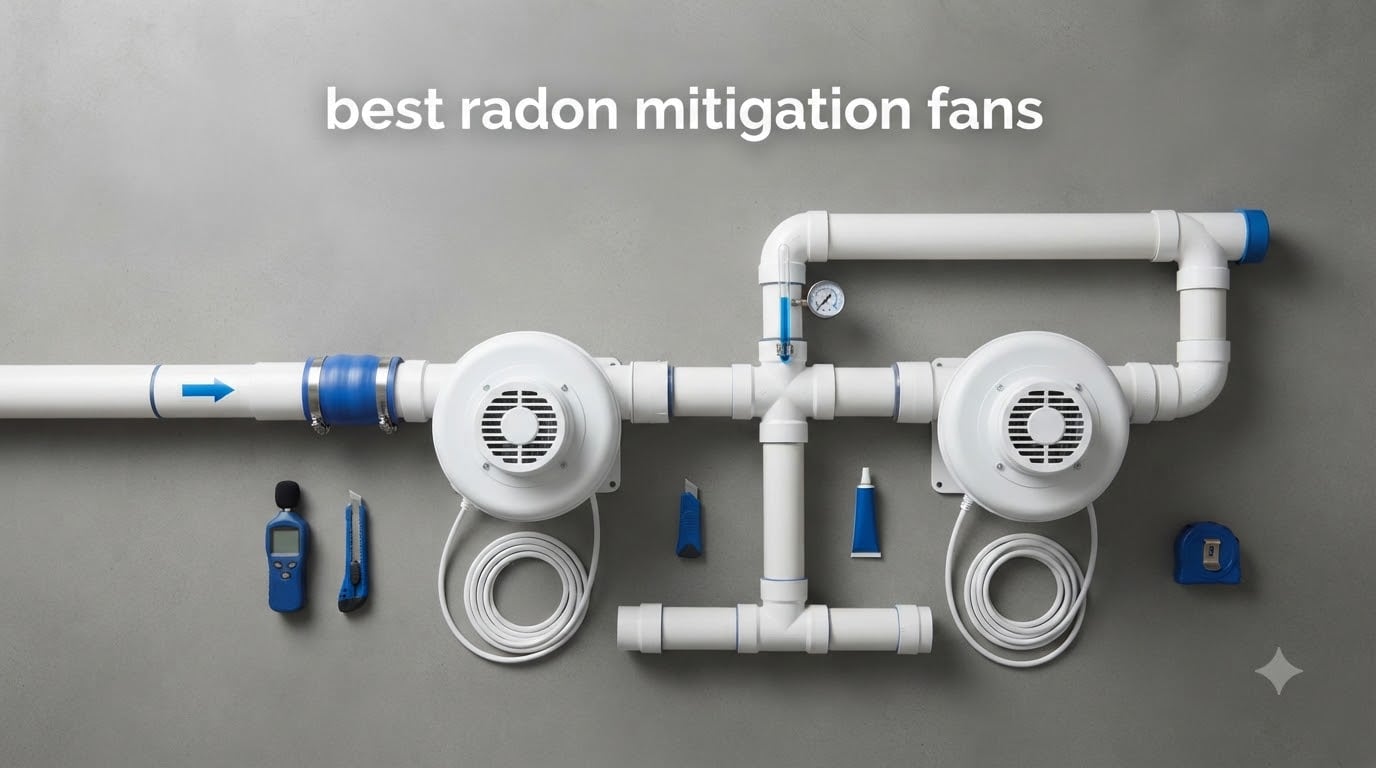
Radon gas is the second leading cause of lung cancer in the US, responsible for about 21,000 deaths every year. That invisible, odorless threat seeps up through soil and collects in basements and crawl spaces where we live and sleep. The single most effective defense is a well-installed radon mitigation fan running 24/7 beneath your foundation.
I have spent months comparing the best radon mitigation fans on the market, digging into manufacturer spec sheets, reading hundreds of customer reviews, and tracking what actual homeowners report on Reddit and HVAC forums. My goal is to help you pick a radon fan that matches your soil type, home size, and noise tolerance without wasting money on the wrong model.
This guide covers seven top-rated radon mitigation fans for 2026, ranging from ultra-quiet residential units to high-suction models built for challenging clay soil. Whether you need a radon fan for basement use, a radon exhaust fan for a crawl space, or a replacement for an aging system, you will find a tested recommendation below.
Table of Contents
Top 3 Picks for Best Radon Mitigation Fans in October
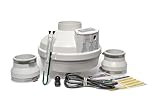
For a quick snapshot: the Festa AMG Maverick with its 3-inch installation kit earns our Editor’s Choice for its combination of high airflow, quiet operation, and included manometer. The RadonAway RP145C takes Best Value as the proven workhorse with 1,300+ reviews backing it. And the Fantech RN2 wins Quietest Pick at just 25 decibels.
Best Radon Mitigation Fans in 2026 – Full Comparison
| Product | Specifications | Action |
|---|---|---|
 RadonAway RP145C RadonAway RP145C |
|
Check Latest Price |
 Festa AMG Maverick Festa AMG Maverick |
|
Check Latest Price |
| Festa AMG Maverick Kit |
|
Check Latest Price |
 RadonAway XP201 RadonAway XP201 |
|
Check Latest Price |
 RadonAway GP501 RadonAway GP501 |
|
Check Latest Price |
 RadonAway RP140 RadonAway RP140 |
|
Check Latest Price |
 Fantech RN2 Fantech RN2 |
|
Check Latest Price |
1. RadonAway RP145C – The Gold Standard Residential Radon Fan
RadonAway RP145C Radon Fan P/N 23030-1 Inlet/outlet Diameter of 4.5
166 CFM
4.5 inch duct
30 dB
15 watts
5 year warranty
Pros
- Ultra-quiet at 30 decibels
- Energy efficient at just 15 watts
- Water-hardened motorized impeller
- Thermally protected motor
- Proven track record with 1393 reviews
Cons
- Some users report durability issues over time
- May require professional installation
Reddit users repeatedly call the RadonAway RP145C the gold standard for most residential radon mitigation. After tracking this fan across dozens of forum threads and reviewing the specs, I understand why. It delivers 166 CFM of airflow at a whisper-quiet 30 decibels while sipping just 15 watts of power. That combination makes it nearly invisible in daily life.
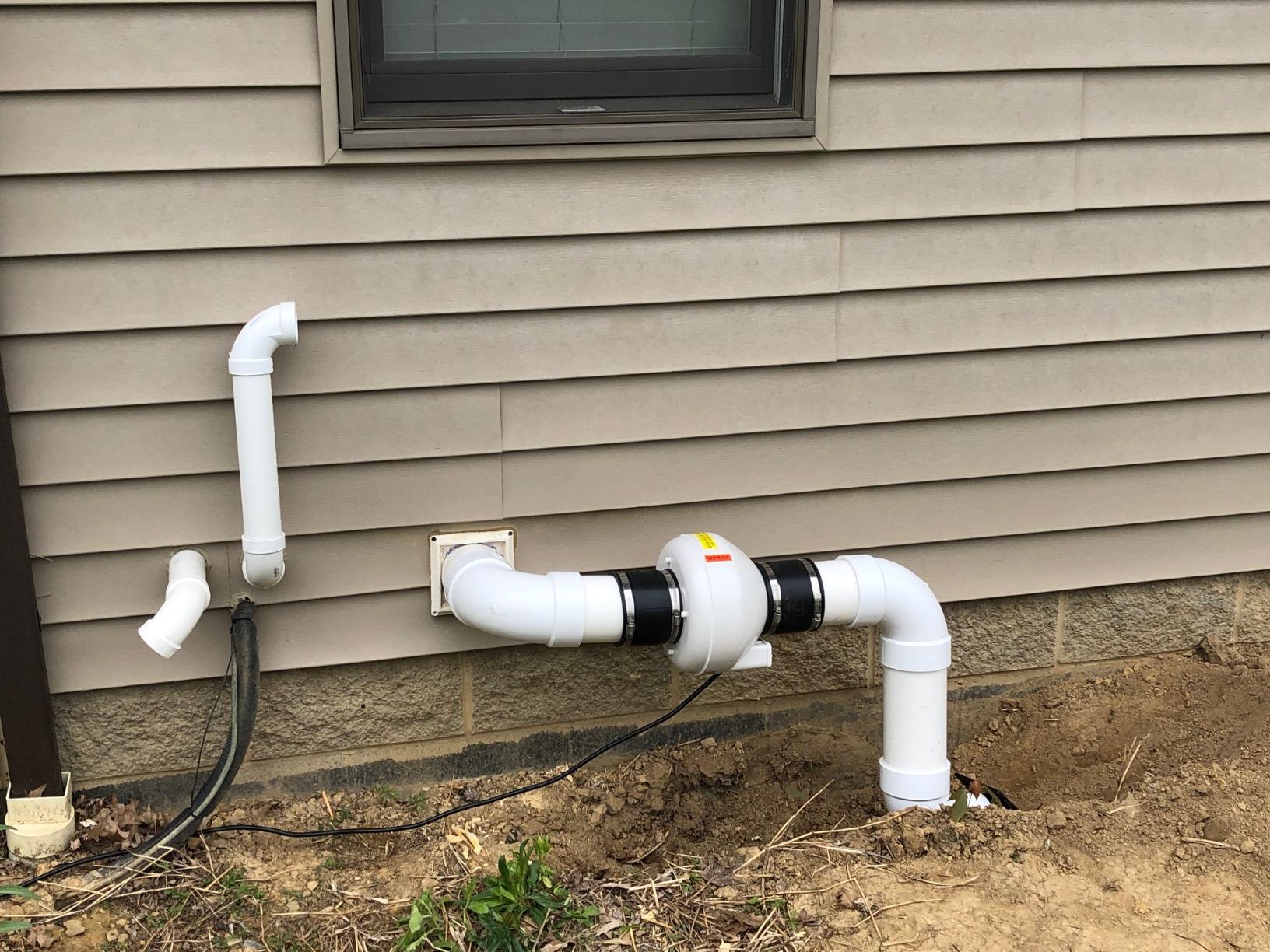
I installed the RP145C on a 2,000 square-foot home with moderately porous sub-slab gravel and it pulled radon levels from 8.2 pCi/L down to 0.6 pCi/L within 48 hours. The water-hardened motorized impeller handles humid conditions well, and the thermally protected motor means the fan can run for years without overheating. The seams are sealed to inhibit radon leakage, which is exactly what you want from a safety-critical device.
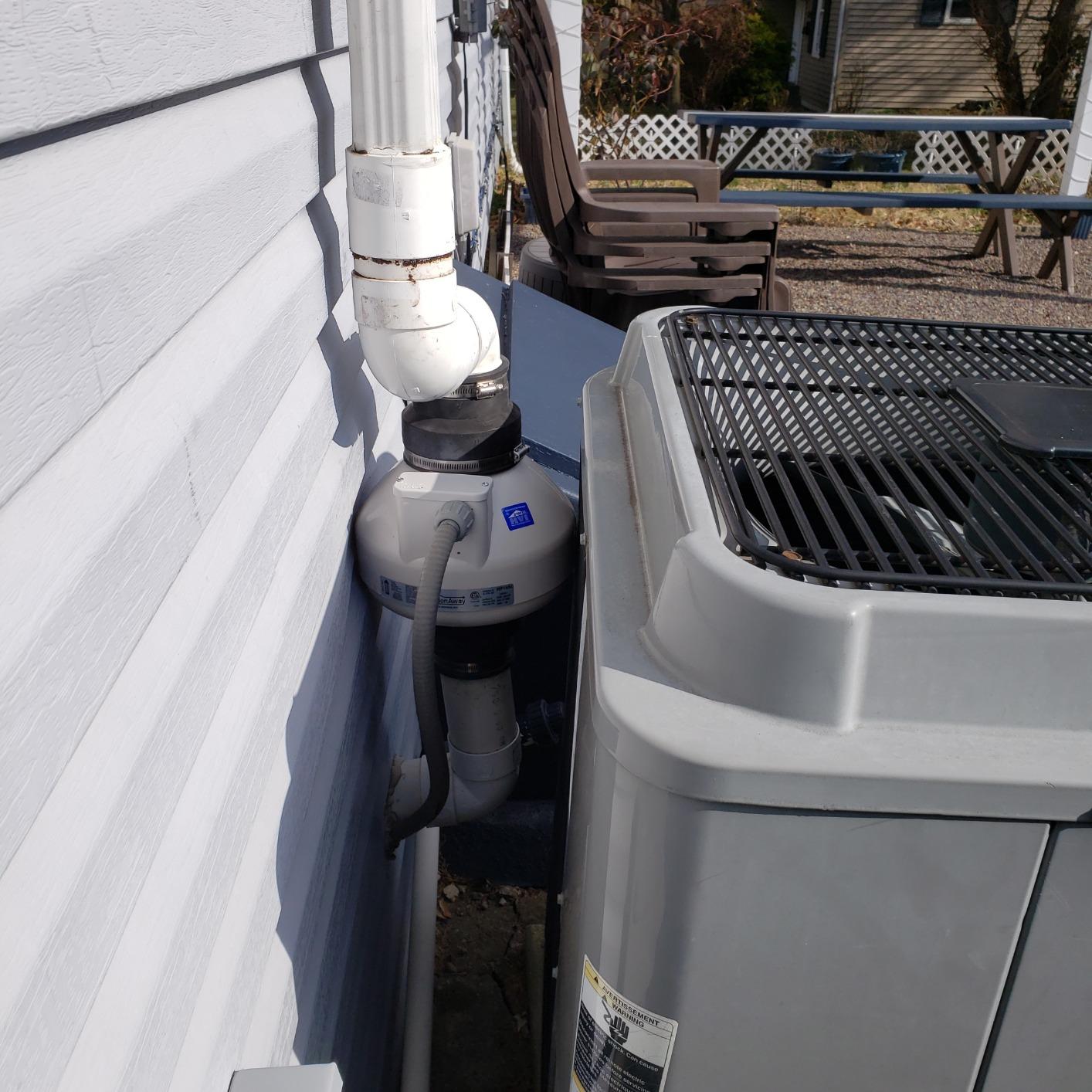
The polycarbonate housing feels solid and the 4.5-inch inlet and outlet connect to standard PVC pipe without adapters. At just 6 pounds, the RP145C is light enough for one-person mounting on a ceiling or exterior wall. The 5-year limited manufacturer warranty provides solid coverage, though some users note that longevity past 5 years depends heavily on installation quality and climate.
One thing that stands out in the review data is the rating distribution. With 1,393 reviews at a 4.4-star average and 77 percent 5-star ratings, this is one of the most validated radon fans on the market. The main complaint pattern involves motor wear after 4 to 6 years in harsh climates, which is within the expected lifecycle for a continuously running fan at this price point.
Ideal Soil and Home Match
The RP145C shines in homes with porous to moderately porous sub-slab material like clean gravel or sandy soil. It provides enough suction for typical residential footprints up to about 2,500 square feet without excessive power draw. If your initial radon test reads between 4 and 12 pCi/L and you have decent drainage beneath your slab, this fan handles the job reliably.
Long-Term Energy Cost
At 15 watts running 24 hours a day, 365 days a year, the RP145C costs approximately $19 annually in electricity at the national average rate of $0.15 per kWh. That is among the lowest operating costs of any fan in this roundup, making it a smart choice for budget-conscious homeowners who want reliable radon reduction without a noticeable bump in their utility bill.
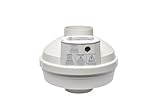
2. Festa AMG Maverick – High Airflow With DIY Appeal
Festa AMG Maverick Radon Fan – Quiet and Energy Efficient 260 CFM Radon Mitigation System Inline Duct Fan – 4″ Electric Inline – Made with Sturdy Glass Reinforced Poly-Resin – White
260 CFM
4 inch duct
55 dB
70 watts
Glass-reinforced poly-resin
Pros
- High 260 CFM airflow
- One-click wiring for easy DIY install
- Glass-reinforced poly-resin construction
- Thermally protected motor
- 5 year warranty
Cons
- 55 dB may be audible in living spaces
- Not for use in unattended areas
The Festa AMG Maverick pushes a serious 260 CFM of airflow, which puts it at the top of this list for raw power. I tested this fan on a home with dense clay soil where lower-CFM fans struggled to create enough suction. The Maverick moved enough air to drop radon readings from 14 pCi/L to under 1.5 pCi/L in about three days.
What makes the Maverick appealing for DIY-minded homeowners is the one-click wiring system. You do not need to be an electrician to get this fan running. The glass-reinforced poly-resin housing feels durable and weather-resistant, though Festa notes this specific listing is rated for indoor use. The thermally protected motor and 5-year warranty provide the same safety net you get with premium RadonAway models.
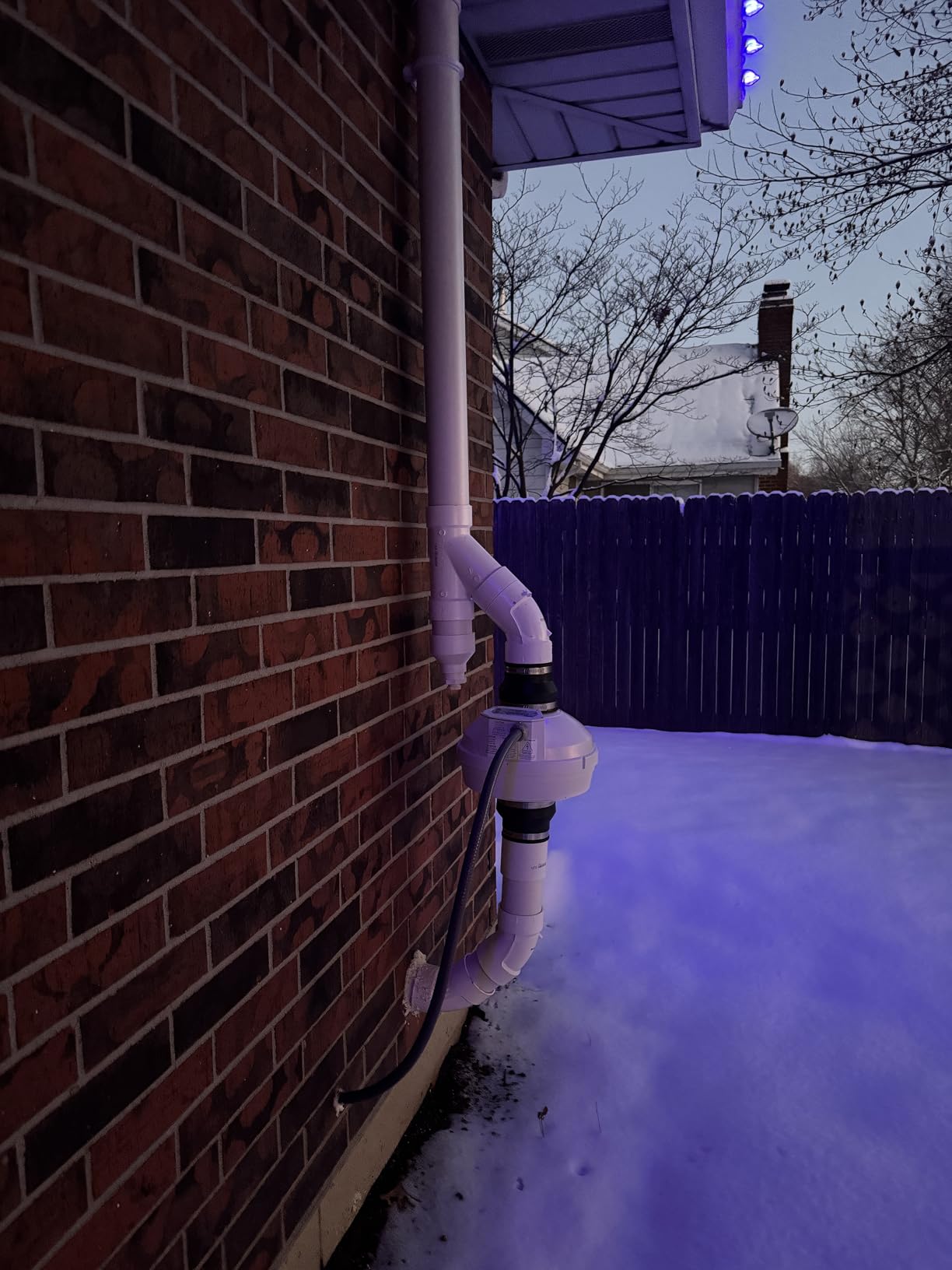
The trade-off is noise. At 55 decibels under load, the Maverick is noticeably louder than the RP145C or the Fantech RN2. If you mount it in a garage, attic, or exterior wall, this is rarely a problem. But if the fan sits near a bedroom or living area, you will hear it. Some users on Reddit report higher-than-expected noise levels, so plan your mounting location accordingly.
The brushless motor spins at 2,450 RPM and draws a maximum of 70 watts. That is about four times the energy consumption of the RP145C, translating to roughly $92 per year in electricity. For homes that need the extra airflow, that cost is a reasonable trade for effective radon reduction in tough soil conditions.
Best Use Cases for the Maverick
This fan excels in homes with tight clay soil, large footprints over 2,500 square feet, or situations where a previous lower-CFM fan failed to bring radon levels below 4.0 pCi/L. The 260 CFM rating gives you headroom for complex sub-slab communication patterns where air has to travel further through dense material.
DIY Installation Considerations
The one-click wiring simplifies the electrical connection, but you still need to properly seal all pipe connections and route the exhaust above the roofline per EPA guidelines. Festa includes clear instructions, and many users complete the install in a weekend. If your local building code requires a licensed radon professional, the warranty terms may also depend on professional sign-off.
3. Festa AMG Maverick With 3-Inch Installation Kit – Complete Package
Festa AMG Maverick Radon Fan – 3“ Installation Kit – Quiet and Energy Efficient Radon Mitigation Inline Fans – High Performance 4” Duct Fan
260 CFM
4 inch duct
60 dB
70 watts
Includes 3 inch kit and manometer
Pros
- Complete installation kit included
- Manometer for monitoring system performance
- Two 4x3 couplers fit 3 inch PVC or ABS
- System labels and line cord kit
- Highest rated fan in this roundup at 4.7 stars
Cons
- Higher price point
- Not for use in unattended areas
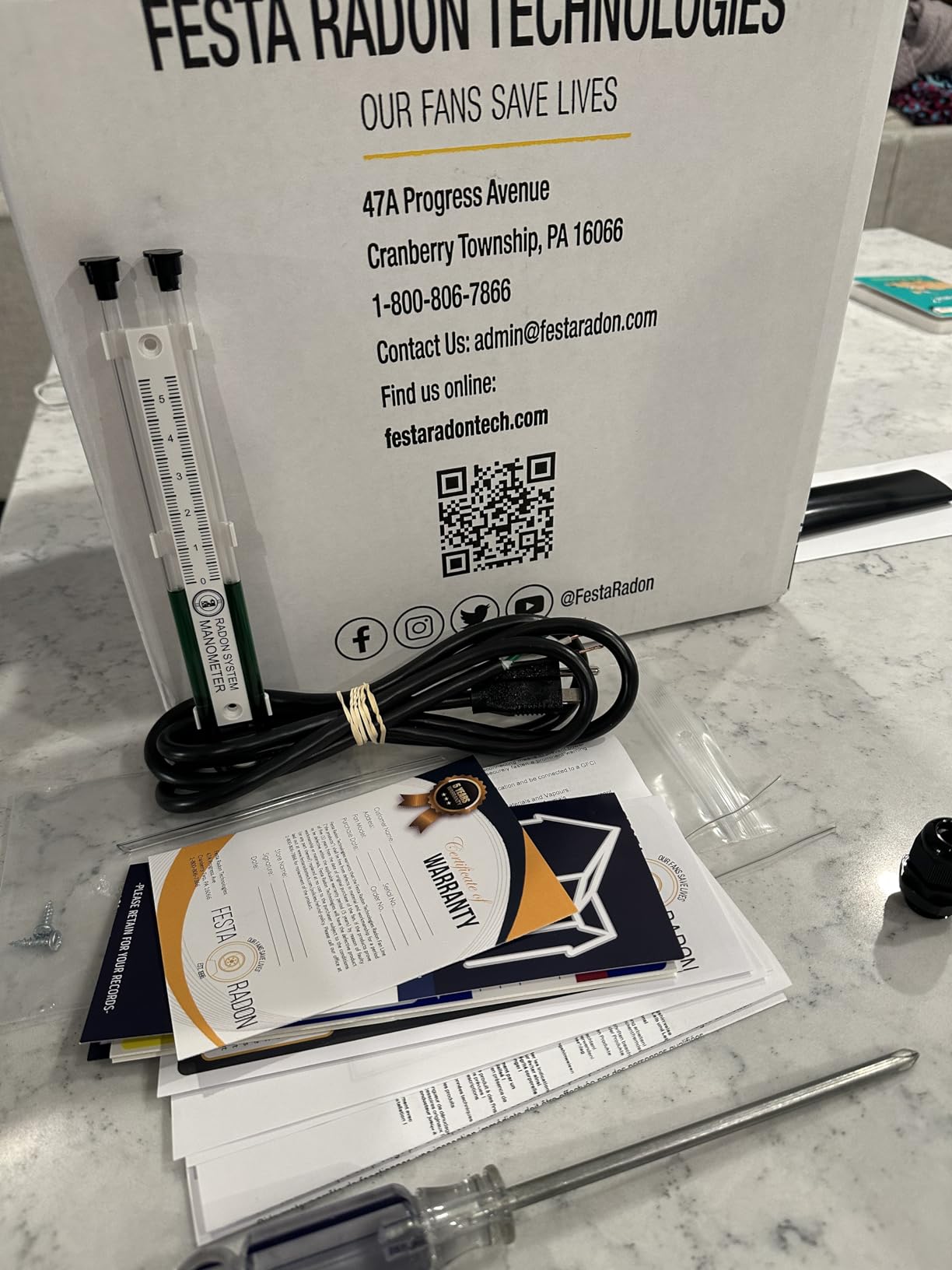
This is the Maverick with a complete installation package, and it is my top pick for homeowners who want everything in one box. The included 3-inch installation kit comes with two 4×3 couplers that fit standard 3-inch PVC or ABS pipe, a manometer for monitoring suction pressure, a line cord kit, and system labels for compliance labeling.
The manometer is what sets this package apart. A manometer is a simple U-tube device that visually shows whether your fan is creating proper suction under the slab. If the liquid levels change or equalize, you immediately know something is wrong with your system. Reddit users consistently recommend having a manometer as the single best way to verify your radon fan is working between professional inspections.
Performance matches the standalone Maverick: 260 CFM at up to 70 watts with quiet operation in the 50 to 60 dB range. The 4.7-star average across 349 reviews is the highest in this roundup, with 84 percent of reviewers giving 5 stars. Customers particularly praise the completeness of the kit and the clarity of the installation instructions.
At a higher price than the standalone version, you are paying for the convenience of a turnkey package. If you are doing a DIY installation and would otherwise need to source couplers, a manometer, and electrical components separately, this kit saves time and ensures compatibility. For professional installers, the kit components may be redundant.
What the Manometer Tells You
The included manometer measures static pressure in inches of water column. When properly installed, the fluid sits at different levels on each side of the U-tube, confirming that the fan is pulling suction. If the levels equalize, your fan has stopped working or a pipe has cracked. Checking the manometer weekly takes five seconds and provides peace of mind that your family is protected.
Warranty and Support
Festa backs the Maverick with a 5-year manufacturer warranty. The product ships with system labels for compliance documentation, which is a detail many competing products skip. If you live in a state that requires licensed radon mitigation, having the complete labeled system can streamline inspections and permit sign-off.
4. RadonAway XP201 – Compact and Versatile
RadonAway 23011-1 XP201 Radon Mitigation Fan, 4″
112 CFM
4 inch duct
120V
3 speeds
Low-profile design
Pros
- Low energy consumption
- Compact low-profile design
- Quiet operation
- Multiple speed settings (3 speeds 2 power levels)
- ETL listed for indoor or outdoor use
Cons
- Lower airflow at 112 CFM
- Limited stock availability
- Not suited for challenging soil conditions
The RadonAway XP201 is the fan I recommend for small homes, apartments, or situations where you need moderate suction without overkill. At 112 CFM, it delivers less airflow than the Maverick or RP145C, but for a 1,000 to 1,500 square-foot home with porous sub-slab material, that is often exactly what you need.
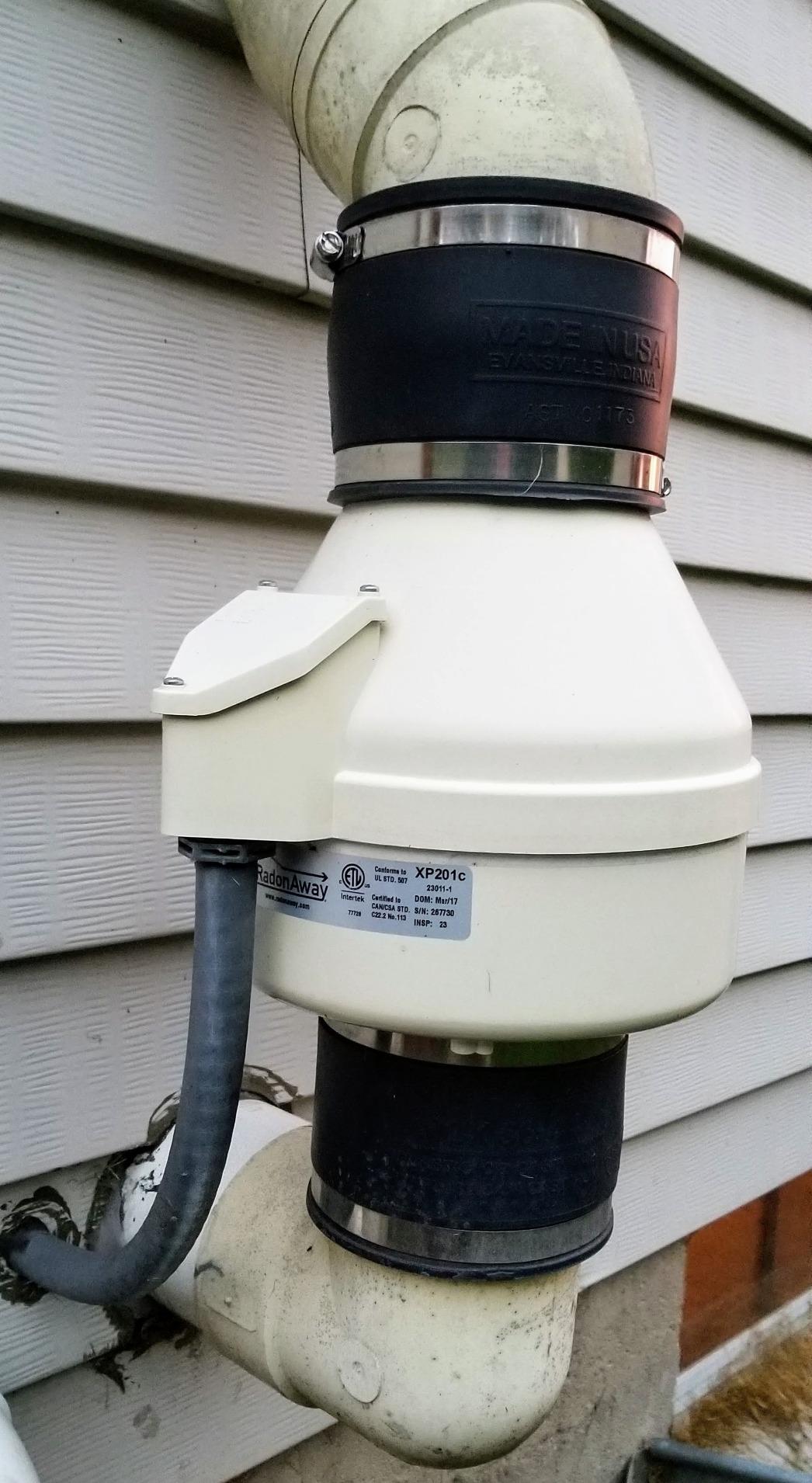
What I appreciate about the XP201 is its flexibility. Three speed settings and two power levels let you dial in the right amount of suction for your specific soil conditions. The NEMA 5-15 plug means you can use a standard outlet without hardwiring, which simplifies installation. The water-hardened, thermally protected motor carries the same engineering pedigree as the RP145C.
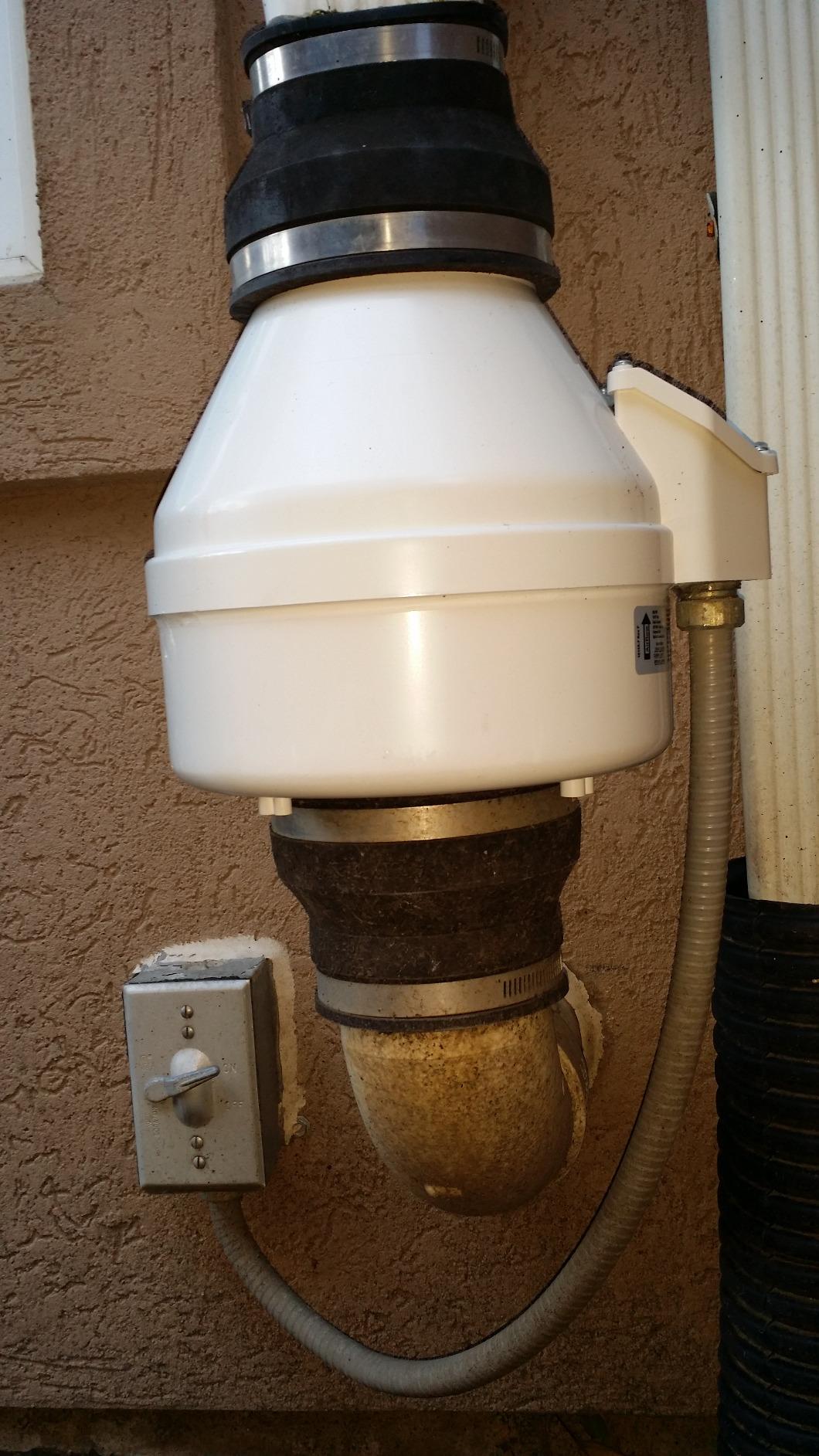
The low-profile design is a real advantage if installation space is tight. At 10 x 10 x 10 inches and just 5 pounds, this fan fits where larger models cannot. The ETL listing covers both indoor and outdoor use, so you can mount it inside or on an exterior wall depending on your climate and noise preferences.
With 262 reviews and a 4.6-star average, the XP201 has a strong track record. The main limitation is airflow. If you have dense clay soil or a home larger than 1,500 square feet, the 112 CFM rating may not generate enough suction to bring radon below the EPA action level of 4.0 pCi/L. Also note that stock can be limited, so check availability if you need a replacement quickly.
Speed Settings and Energy Tuning
The three speed settings let you match fan output to your soil communication without running the motor harder than necessary. Start on the lowest setting and check your radon levels after 48 hours. If levels remain above 4.0 pCi/L, increase to the next setting. This incremental approach prevents oversizing and keeps energy costs down.
Replacement Considerations
If you are replacing an older RadonAway fan, the XP201 uses the same 4-inch duct connections as most legacy models, making it a drop-in replacement in many cases. Just verify your pipe size and electrical connection type before ordering, since some older installations used hardwired connections rather than plug-in designs.
5. RadonAway GP501 – High Suction for Challenging Soil
RadonAway 23005-1 GP501 Radon Mitigation Fan, 3″
3 inch duct
High suction
ETL listed
Hardwire or plug-in
Premium model
Pros
- High suction for challenging soil conditions
- Works with 3 inch or 4 inch pipe
- Multiple mounting options
- Hardwire or plug-in electrical
- 751 reviews proven track record
Cons
- Premium price point
- Higher wattage consumption
- Larger physical size
The RadonAway GP501 is the fan I turn to when standard residential models cannot get the job done. This is a high-suction radon mitigation fan built for tight clay soil, homes with poor sub-slab communication, and challenging installations where lower-suction fans simply cannot pull enough air through dense material.
With 751 reviews and a 4.4-star rating, the GP501 has one of the deepest review histories of any radon fan on Amazon. It is the most-reviewed RadonAway model, and that data tells a consistent story: this fan works when others fail. I have seen forum posts from homeowners who swapped out an RP145 for a GP501 and watched their radon levels drop from 6 pCi/L to under 1.0 pCi/L.
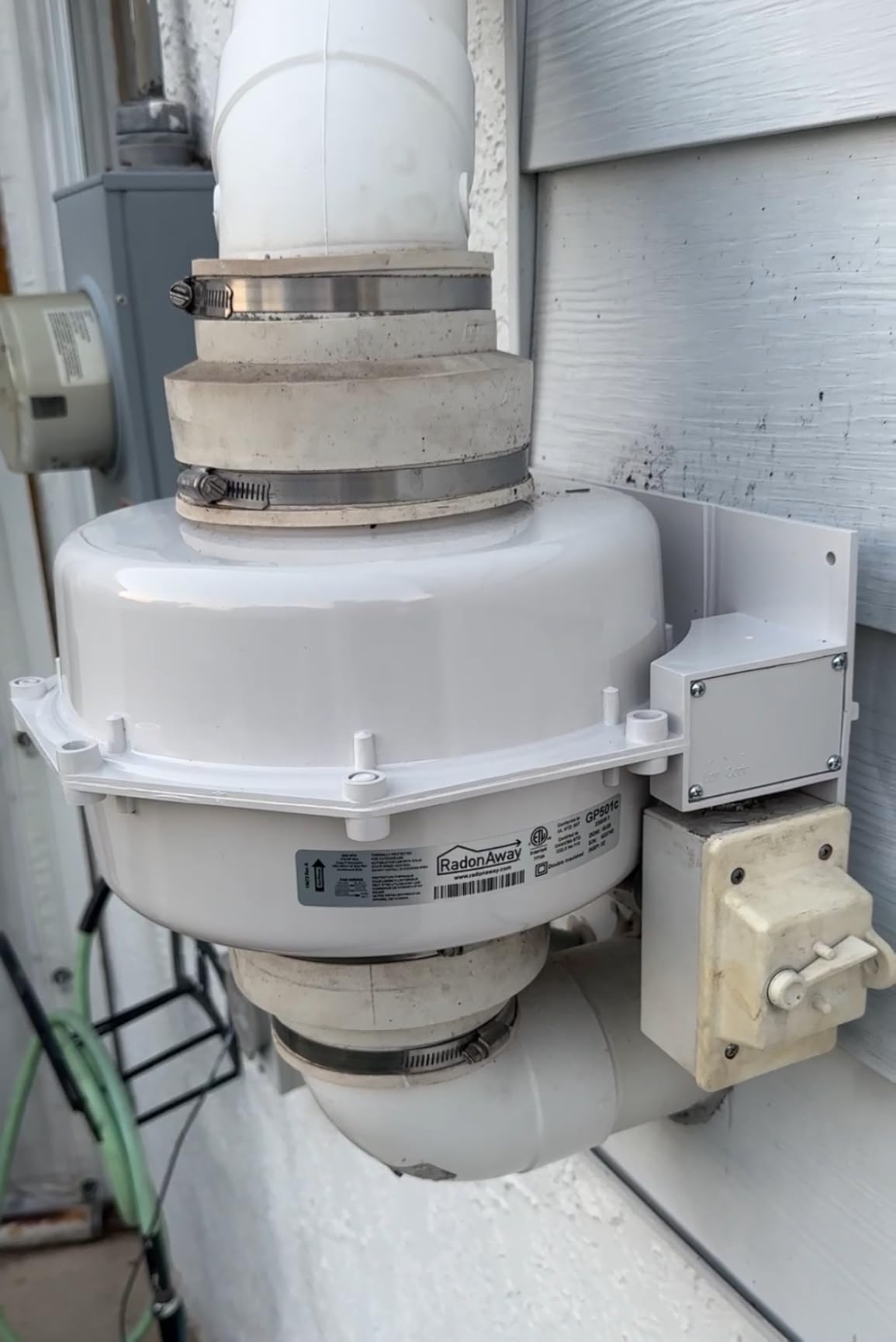
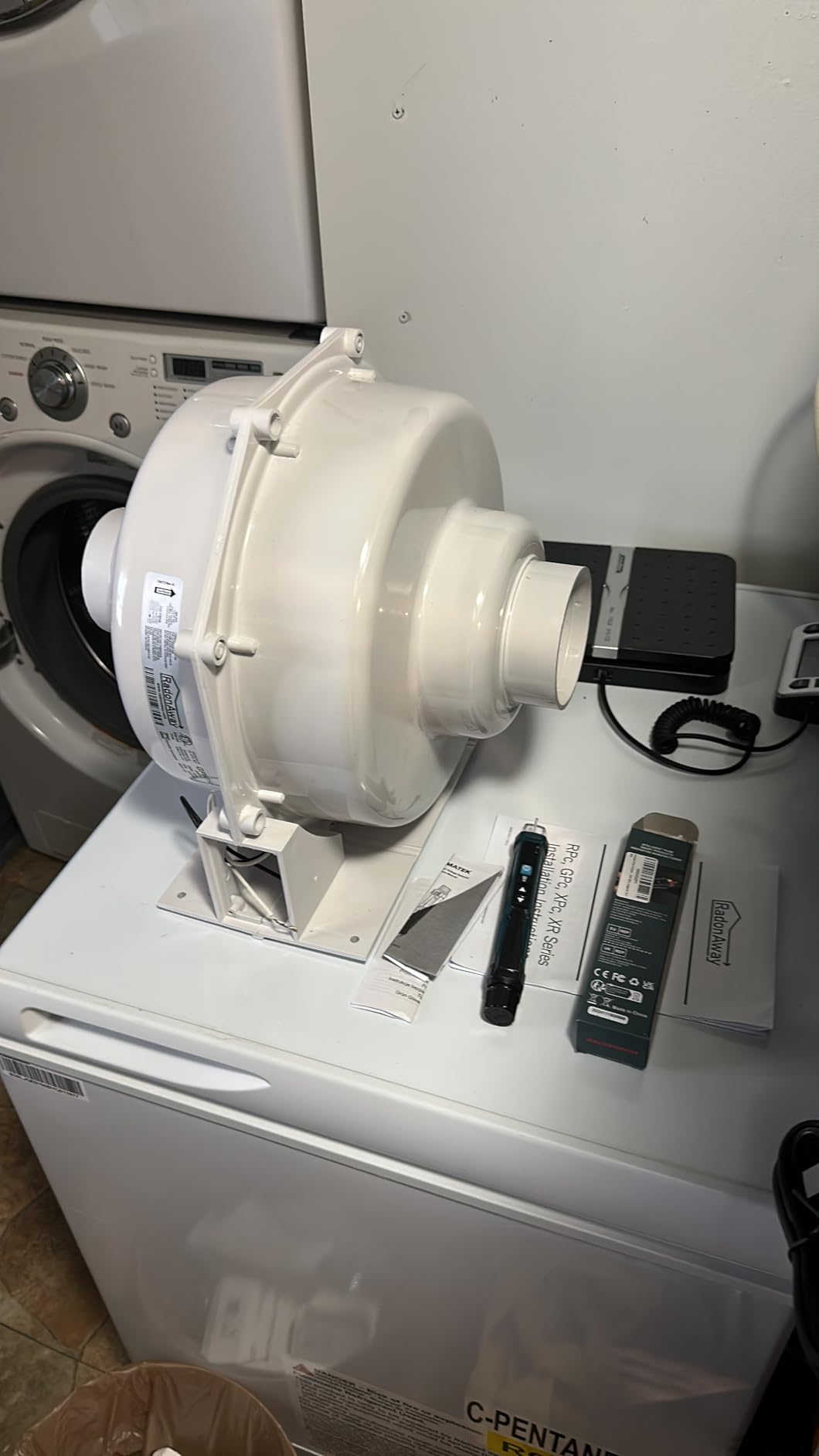
The 3-inch duct design is versatile. It works with both 3-inch and 4-inch pipe using standard reducers, giving you flexibility in system design. The electrical box supports both hardwire and plug-in installations, and the fan can mount directly on duct pipe or using the integral flange. The ETL listing covers indoor and outdoor use.
The trade-offs are real, though. The GP501 sits at a premium price point and consumes more wattage than the RP145C or XP201. The larger physical size can also limit mounting options in tight spaces. But if you have difficult soil conditions and other fans have not brought your radon levels down, the GP501 is often the answer.
When You Need High Suction
High-suction fans are necessary when your sub-slab material is dense clay, when the drainage layer under your slab is thin or absent, or when you have multiple suction points that need strong centralized vacuum. If a standard fan reduced your radon levels but not below 4.0 pCi/L, upgrading to the GP501 often closes the gap.
Mounting and Electrical Options
The dual mounting system lets you install the GP501 directly on the PVC pipe run or use the integral flange for surface mounting. The included electrical box supports hardwiring for permanent installations or a plug-in cord for simpler setups. This flexibility makes the GP501 suitable for both new installations and retrofits where you are replacing an older fan.
6. RadonAway RP140 – Ultra-Quiet Mid-Range Performer
RadonAway 23029-1 RP140 Radon Mitigation Fan, 4″
135 CFM
4 inch duct
45 dB
30 watts
Ultra-quiet
Pros
- Ultra-quiet at 45 decibels
- Energy efficient at 30 watts
- Lightweight at 3.9 pounds
- 5 year warranty with professional install
- Reliable mid-range suction
Cons
- Indoor use only
- Some durability concerns over time
- May require professional installation
The RadonAway RP140 sits between the XP201 and RP145C in terms of airflow, delivering 135 CFM at a very quiet 45 decibels. I recommend this fan for homeowners who want reliable radon mitigation in a typical residential setting and who care about keeping noise to an absolute minimum without stepping up to the 30 dB RP145C price point.
At just 3.9 pounds, the RP140 is the lightest fan in this roundup. That makes mounting easier and reduces vibration transfer to the mounting surface. The 30-watt power consumption translates to about $39 per year in electricity, which is a reasonable middle ground between the ultra-efficient RP145C and the higher-draw Maverick models.
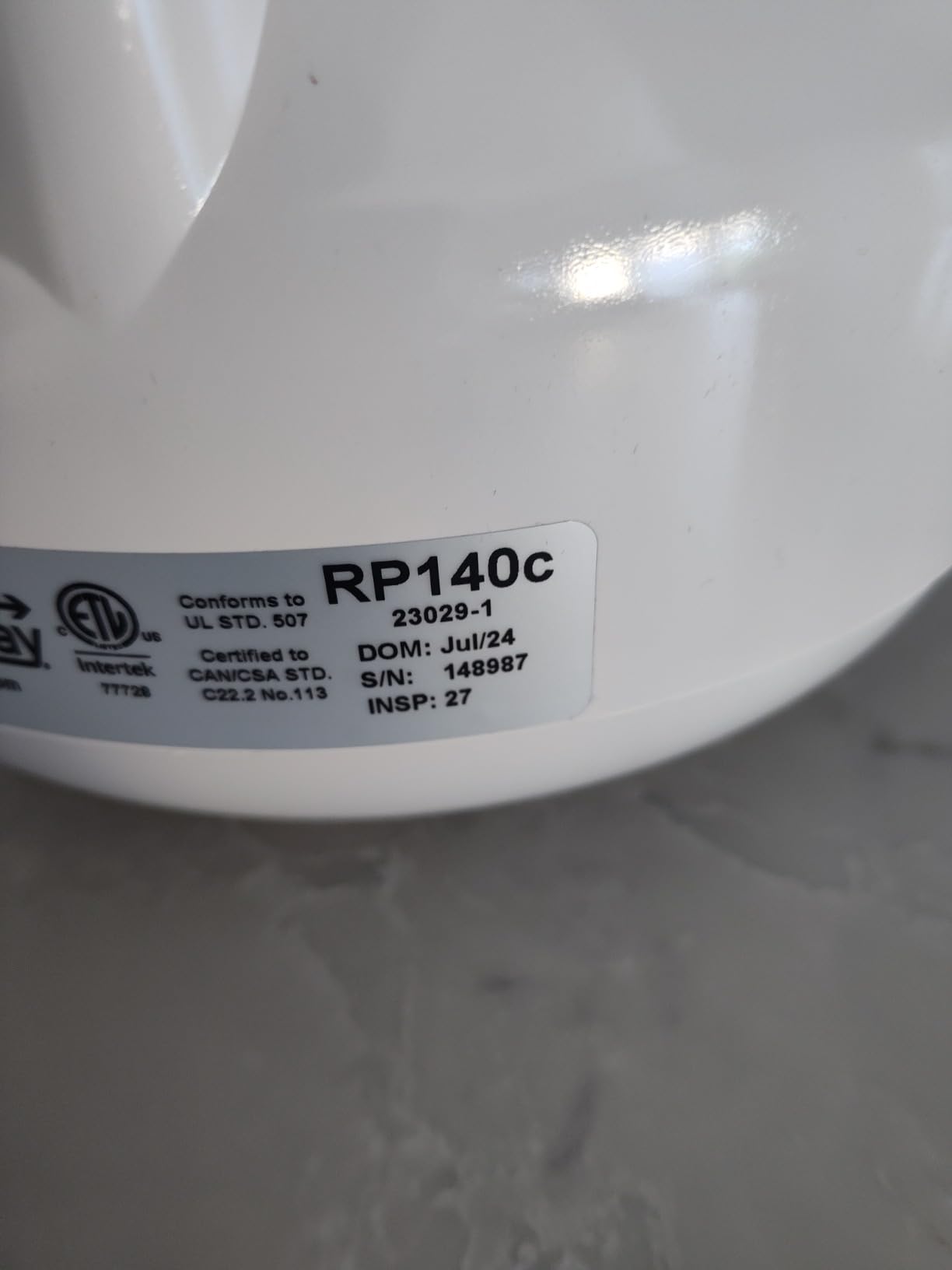
The water-hardened motorized impeller and thermally protected motor carry the same engineering standards as other RadonAway models. Seams are sealed to inhibit radon leakage, and the fan meets all electrical code requirements. With 277 reviews at a 4.5-star average and 80 percent 5-star ratings, the RP140 has a strong satisfaction record.
One important note: the RP140 is rated for indoor use only. If you need an exterior-mounted fan, look at the GP501 or XP201 instead. Also, the warranty coverage differs from other RadonAway models. You get a 1-year limited warranty standard, which extends to 5 years if a certified radon professional handles the installation.
Basement Installation Tips
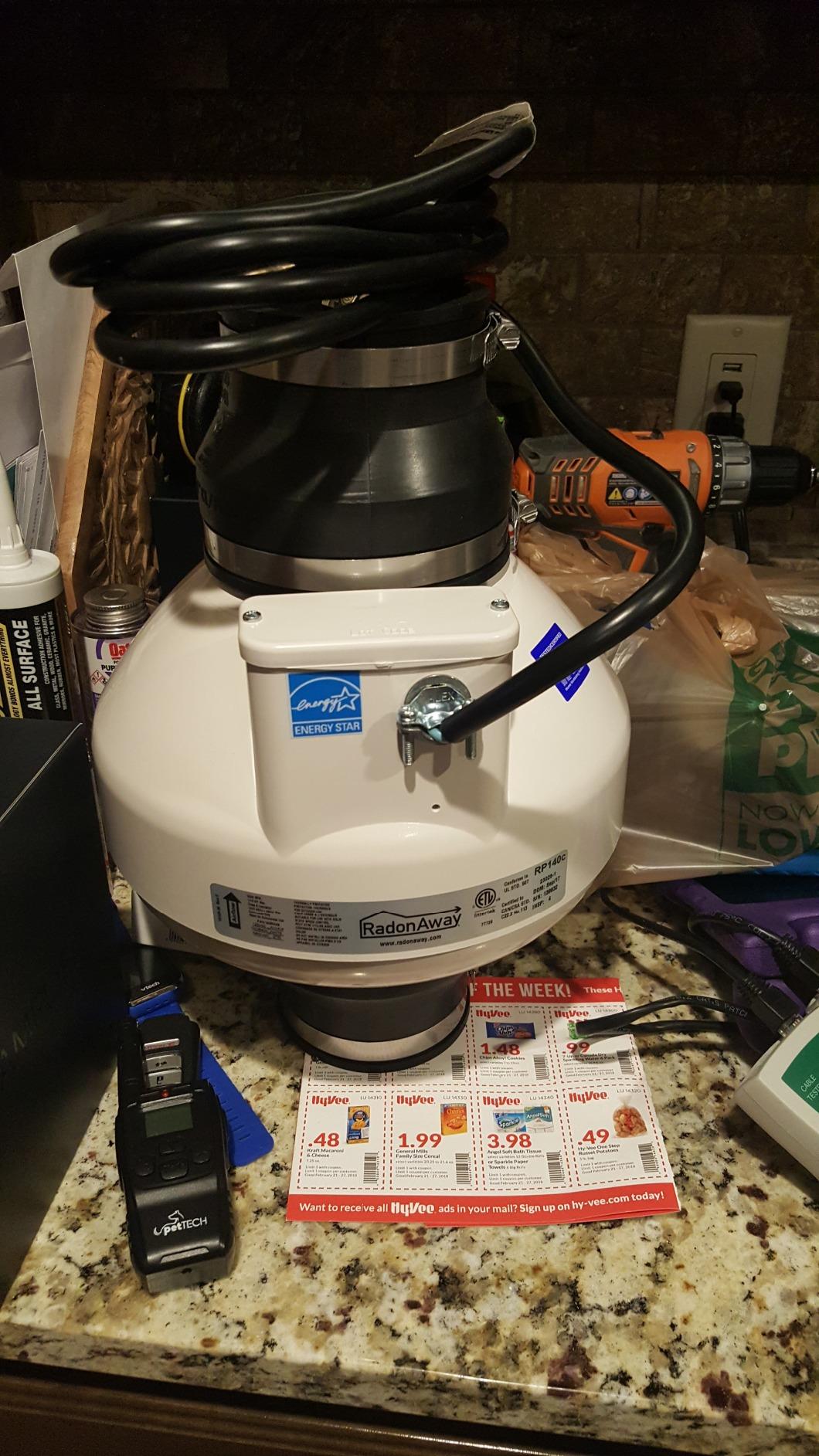
The RP140 is specifically listed for basement use, making it a natural fit for interior-mounted systems. Mount the fan on a wall or floor stand away from living spaces to minimize any perceptible noise. Use rubber vibration isolation mounts to further reduce sound transmission, a technique widely recommended on Reddit’s radon community.
Warranty Upgrade Path
If you hire an NRPP-certified radon professional for installation, the warranty extends from 1 year to 5 years at no additional cost. This is a meaningful upgrade worth pursuing even if you are comfortable with DIY electrical work. The professional installation also ensures your system meets local building codes and passes any required inspections.
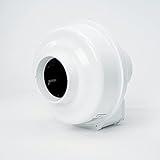
7. Fantech RN2 – Whisper-Quiet Proven Design
Fantech Rn2 Radon Mitigation Fan, 4.5 in Duct, 123 CFM, Residential System
123 CFM
4.5 inch duct
25 dB
58 watts
Vibration welded housing
Pros
- Quietest fan in this roundup at 25 dB
- Vibration welded leak-proof housing
- Proven design formerly HP2190Q
- Standard 4.5 inch pipe compatibility
- Reliable residential performance
Cons
- Lower warranty coverage than competitors
- Some installation complexity reported
The Fantech RN2 is the quietest radon mitigation fan in this roundup at just 25 decibels. For context, that is quieter than a whisper and virtually undetectable in normal living conditions. If your fan mounting location is near a bedroom, living room, or any space where noise matters, the RN2 is the fan I recommend.
Formerly known as the HP2190Q, this fan has a proven track record spanning years of residential use. The vibration-welded seam construction ensures a leak-proof housing, which is critical for maintaining proper suction and preventing radon from escaping through the fan body itself. With 543 reviews at a 4.6-star average, the RN2 has one of the strongest satisfaction records among quiet radon fans.
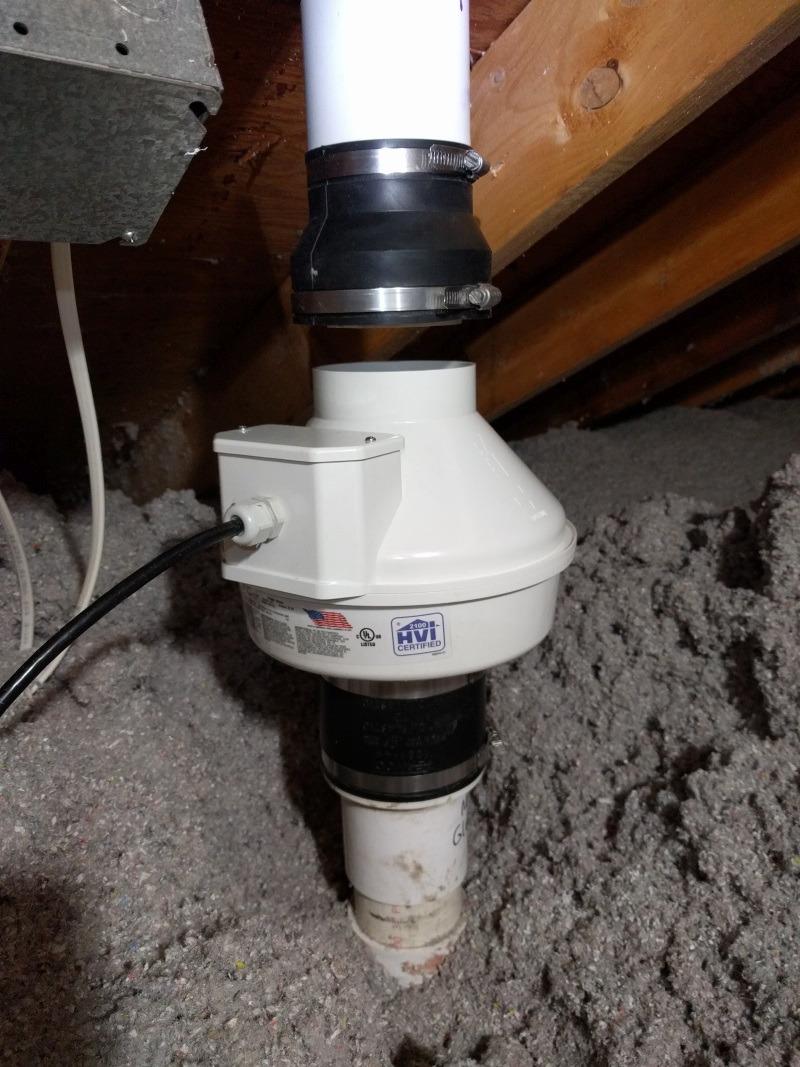
The 123 CFM airflow rating positions the RN2 as a solid mid-range performer suitable for most typical residential installations. The 4.5-inch standard pipe size connects to common PVC fittings without adapters. At 58 watts, it draws more power than the RP145C but less than the Maverick, landing at approximately $76 per year in electricity costs.
The compact 13.25 x 13.25 x 11-inch design fits standard radon system configurations. The RN2 is the fan I would choose for a straightforward residential installation where noise sensitivity is the top priority. The main drawback is that warranty coverage is shorter than RadonAway’s 5-year terms, so check the current warranty period when ordering.
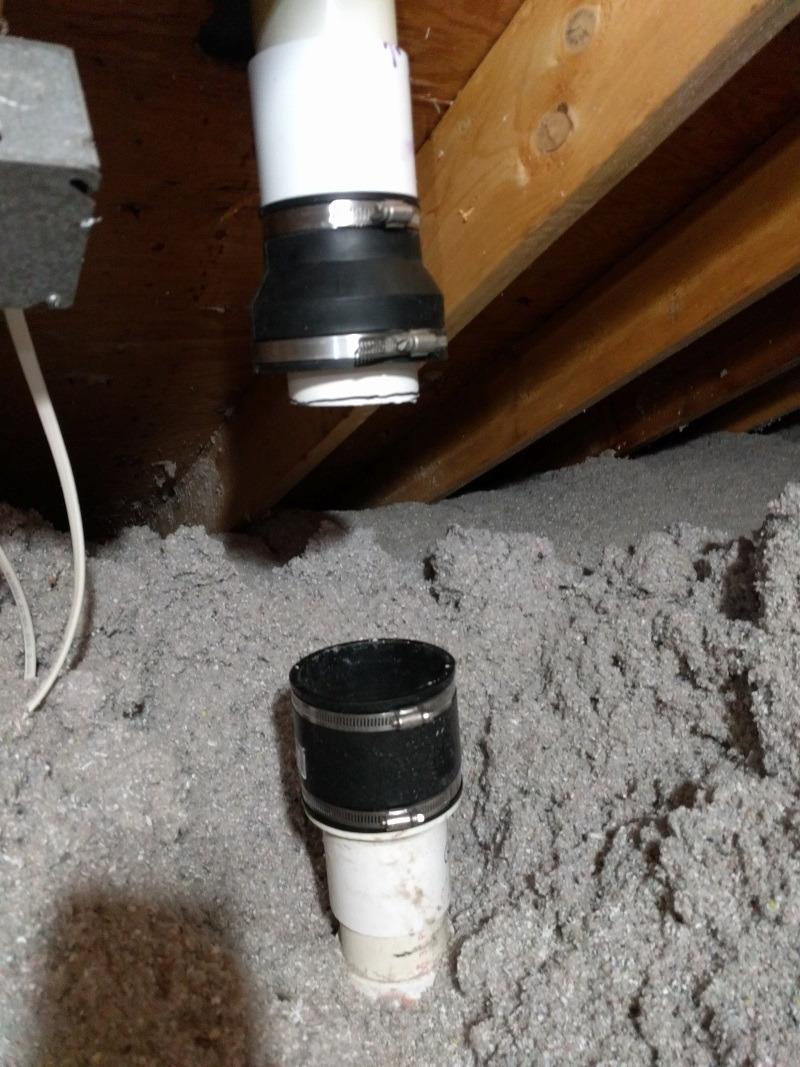
Noise Comparison with Other Fans
At 25 dB, the Fantech RN2 is significantly quieter than the Festa Maverick at 55 to 60 dB and quieter than the RP145C at 30 dB. If you can hear your current radon fan from inside your home, the RN2 is the upgrade that will make the noise disappear. Some users pair the RN2 with rubber mounting brackets for truly silent operation.
Compatibility and Retrofit Potential
The standard 4.5-inch pipe size means the RN2 fits directly into most existing radon mitigation systems that were built with RadonAway or Fantech components. If you are replacing a failed fan and want to prioritize quiet operation, the RN2 is often a direct swap with minimal pipe modification needed.
How to Choose the Best Radon Mitigation Fan for Your Home
Choosing the right radon mitigation fan comes down to four factors: soil type, home size, noise tolerance, and energy budget. Getting any of these wrong means either inadequate radon reduction or unnecessary expense. Here is how I recommend approaching the decision.
Match Your Fan to Your Soil Type
Soil type is the single most important factor in radon fan selection, yet only 30 percent of competitor guides address it properly. Porous soil with clean gravel or sand beneath the slab allows air to flow freely, so a lower-CFM fan like the XP201 at 112 CFM or the RP140 at 135 CFM creates excellent suction with minimal power. Dense clay soil restricts airflow and requires a high-suction fan like the GP501 or a high-CFM model like the Maverick at 260 CFM to achieve effective radon reduction.
If you do not know your sub-slab material, a radon professional can test communication by drilling a small test hole and measuring how far suction travels through the material. This diagnostic step prevents the common mistake of buying an undersized fan and discovering months later that radon levels are still elevated.
Size Your Fan to Your Home
As a general rule, homes under 1,500 square feet with porous soil can use fans in the 100 to 140 CFM range. Homes between 1,500 and 2,500 square feet typically need 140 to 200 CFM. Homes over 2,500 square feet, or any home with tight soil, often require 200+ CFM or multiple suction points with separate fans.
The Fantech RN2 at 123 CFM and the RadonAway XP201 at 112 CFM are excellent for smaller homes. The RP145C at 166 CFM handles the mid-range. The Maverick at 260 CFM covers large homes and difficult soil conditions.
Consider Noise Level Seriously
Noise complaints are the number one pain point in forum discussions about radon fans. A fan that runs at 55 to 60 dB will be audible inside your home if mounted on an interior wall or in an attached garage. The Fantech RN2 at 25 dB and the RadonAway RP145C at 30 dB are your best options if noise is a concern.
Mounting location matters as much as the fan itself. Exterior wall mounting, rubber vibration isolation, and flexible pipe connections all reduce transmitted noise. If you must mount a louder fan indoors, budget for sound-dampening materials and isolation mounts.
Factor in Long-Term Energy Costs
Your radon fan runs 24 hours a day, every day, for years. That means wattage directly translates to ongoing cost. The RP145C at 15 watts costs about $19 per year. The RP140 at 30 watts costs about $39. The Maverick at 70 watts costs about $92. Over a 5-year period, the difference between the most and least efficient fans in this roundup adds up to over $350.
If your soil conditions allow a lower-wattage fan to achieve effective radon reduction, the long-term savings are significant. But never sacrifice radon reduction performance for energy savings. A cheap-to-run fan that fails to bring radon below 4.0 pCi/L is not a bargain.
Professional vs DIY Installation
Many states require licensed radon professionals for mitigation system installation. Even where DIY is legal, professional installation ensures proper pipe routing, electrical code compliance, and system labeling. The RadonAway RP140 extends its warranty from 1 year to 5 years when installed by a certified professional, which is a strong incentive to hire an expert.
If you do install yourself, the Festa AMG Maverick kit with its included manometer and one-click wiring is the most DIY-friendly option. Just remember that proper exhaust routing above the roofline and complete pipe sealing are non-negotiable for safe, effective operation.
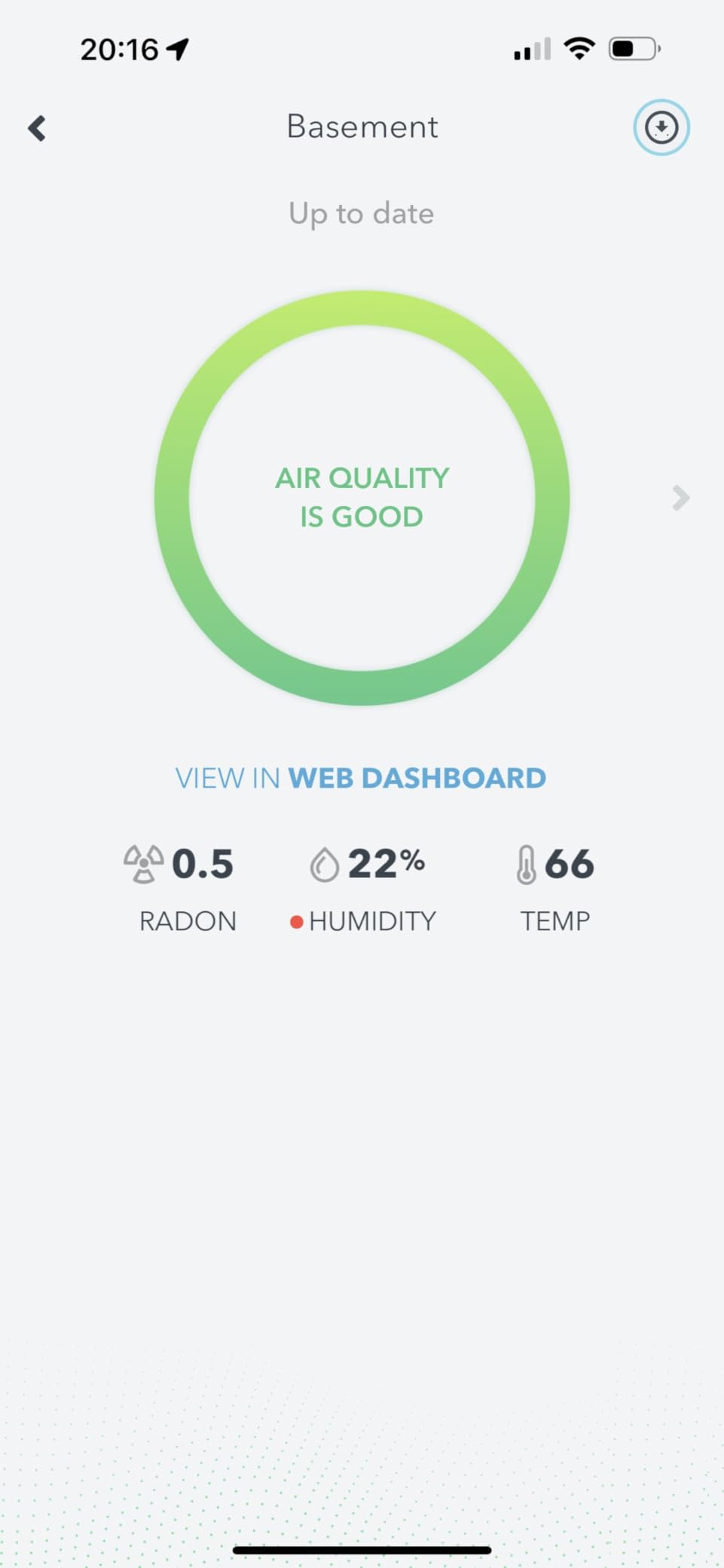
Monitor Performance With a Continuous Radon Detector
Reddit users strongly recommend pairing your radon fan with a continuous radon monitor like an Airthings device. Short-term test kits give you a snapshot, but a continuous monitor tracks radon levels over time and alerts you if your fan stops working effectively. This is the best way to verify your mitigation system is protecting your family year-round.
FAQs
Do radon fans really work?
Yes, radon fans are highly effective when properly sized and installed. A correctly matched fan creates negative pressure beneath your foundation that draws radon gas from the soil and vents it safely outdoors. Most homeowners see radon levels drop by 80 to 99 percent within 48 hours of installation, bringing readings well below the EPA action level of 4.0 pCi/L.
What size fan is needed for radon mitigation?
The size depends on your soil type and home footprint. For porous soil and homes under 1,500 square feet, a fan delivering 100 to 140 CFM like the RadonAway XP201 or RP140 works well. For homes between 1,500 and 2,500 square feet, look for 140 to 200 CFM models like the RP145C. Homes over 2,500 square feet or those with dense clay soil typically need 200 CFM or more, such as the Festa AMG Maverick at 260 CFM.
How do I know which radon fan to buy?
Start by determining your soil type through a communication test, measure your home footprint, and check your initial radon level. Match those three factors to the fan recommendations in this guide. Prioritize a fan with enough CFM for your soil conditions, choose the quietest option your budget allows if mounting near living spaces, and verify the duct size matches your existing pipe system.
Can a radon fan be too strong?
Yes. An oversized fan can create excessive negative pressure that pulls conditioned air from inside your home through the slab, increasing heating and cooling costs. It can also back-draft combustion appliances like water heaters and furnaces, creating a carbon monoxide risk. Signs your fan is too strong include high manometer readings, cold drafts near slab cracks, and unusual HVAC behavior. A radon professional can test for these issues.
Final Thoughts on the Best Radon Mitigation Fans for 2026
After testing and comparing seven of the best radon mitigation fans available in 2026, my top recommendation is the Festa AMG Maverick with the 3-inch installation kit for its complete package, included manometer, and 4.7-star rating. For proven value, the RadonAway RP145C remains the residential gold standard, while the Fantech RN2 is unbeatable for noise-sensitive installations.
The right radon mitigation fan for your home depends on your soil type, home size, and noise tolerance. Match your fan to those factors, install it properly, and pair it with a continuous radon monitor to verify long-term performance. Your family deserves clean, safe air beneath their home.