

Boondocking is where an RV solar kit either earns its roof space or disappoints you. Sellers quote nameplate watts, you order 400W, and on a hot roof in July you watch the charge controller settle well short of the sticker. That gap is the single biggest source of frustration RV owners report, and it is why the best RV solar panel kits for boondocking are chosen by delivered watt-hours per day rather than by the number printed on the glass.
Here is the short answer: a 200W kit with a 30A controller returns roughly 600 to 800Wh on a clear summer day and covers weekend boondockers and maintenance charging. Part-time campers running a 12V compressor fridge want 300 to 400W. Full-timers running Starlink, laptops and a fridge all day need 400 to 600W and a real MPPT controller. Anything above 600W is for Class A rigs with roof area to spare and households that treat the battery bank as a utility.
100 to 200W — weekend campers, storage and battery maintenance, keeping a small bank topped up between trips.
200 to 400W — part-time boondockers running a 12V compressor fridge, lights, water pump and phone charging.
400 to 600W — full-timers with Starlink, laptops and a fridge, covering most clear-sky days in spring and autumn.
600W and above — Class A motorhomes and large fifth wheels where the goal is replacing a generator outright.
Below is how the sizing math actually works, where systems quietly lose output, and the twelve kits I compared panel by panel. I weighted delivered output, controller type, connector standard, mounting hardware completeness and review volume, because in this category a large review base is the closest thing to a reliability record you can get before buying.
One note on method: I have not bench-tested every panel in this roundup. What I did was compare published specifications, warranty terms, connector standards and the patterns that show up repeatedly across thousands of owner reports, then flag where the measured numbers reviewers report diverge sharply from the datasheet. Where a specific current, weight or warranty length appears below, it comes from the manufacturer data or from reported owner measurements, not from my own meter.
Table of Contents
Top 3 Best RV Solar Panel Kits for Boondocking in 2026
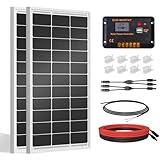
ECO-WORTHY 200W 12V Kit
- Two 100W 21.5% mono panels
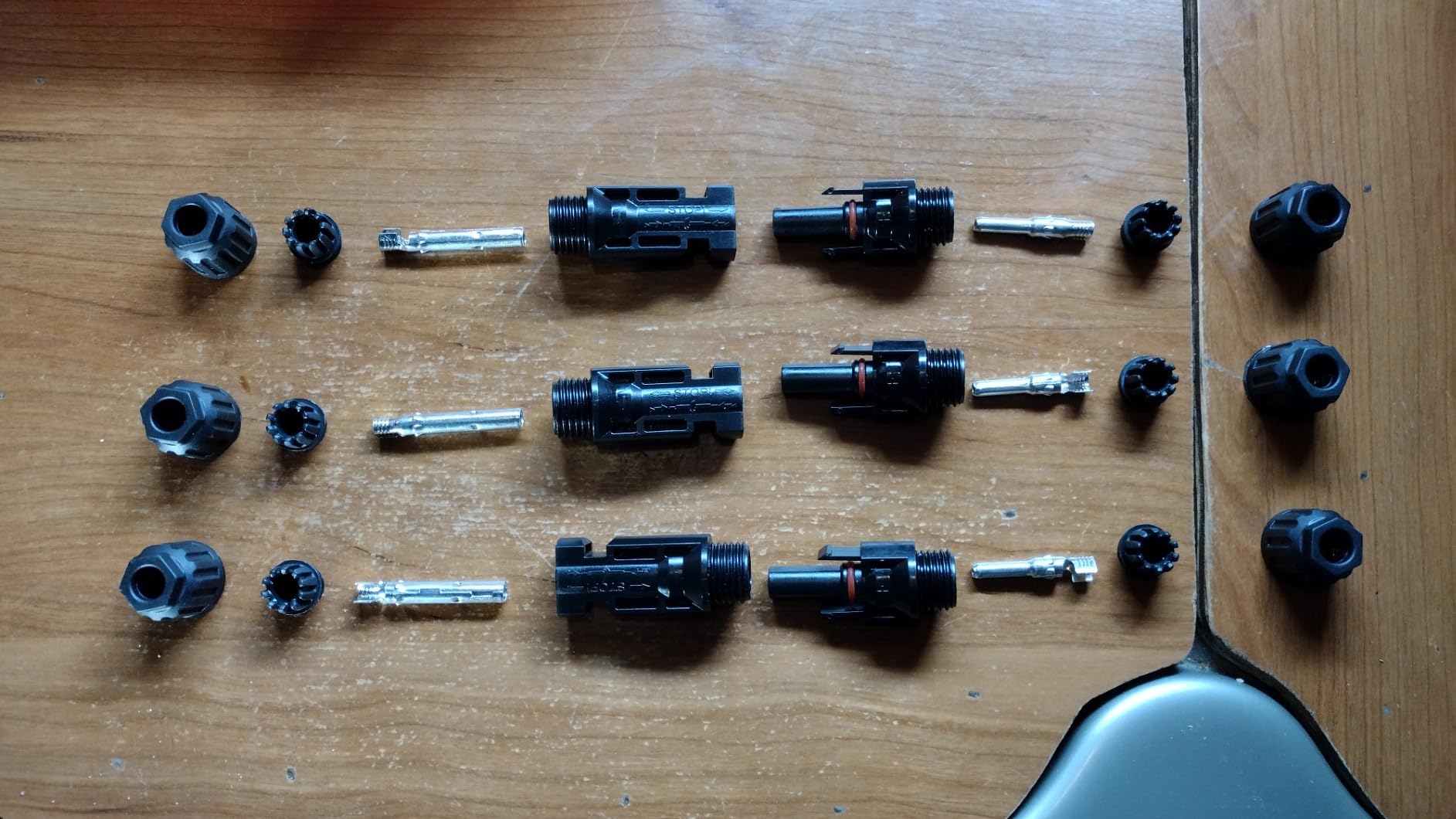
- MC4 connectors
- 30A PWM controller
- Brackets and 10AWG cable included

Renogy 400W Premium Kit
- Four 100W panels at 400W
- 40A MPPT Rover controller
- Bluetooth monitoring
- Z brackets and cables
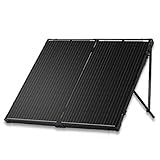
Renogy 200W N-Type Suitcase
- 200W N-Type at 25% efficiency
- Pre-installed 20A PWM controller
- Adjustable kickstand
- MC4 plus clip leads
All 12 RV Solar Panel Kits at a Glance (October 2026)
| Product | Specifications | Action |
|---|---|---|
| ECO-WORTHY 200W 12V/24V Kit |
|
Check Latest Price |
| Renogy 400W Premium Kit |
|
Check Latest Price |
| Renogy 200W N-Type Suitcase |
|
Check Latest Price |
 Renogy 200W RV Kit with Adventurer 30A Renogy 200W RV Kit with Adventurer 30A |
|
Check Latest Price |
 ECO-WORTHY 400W Premium Kit ECO-WORTHY 400W Premium Kit |
|
Check Latest Price |
 DOKIO 300W Foldable Kit DOKIO 300W Foldable Kit |
|
Check Latest Price |
 DOKIO 200W Foldable Kit DOKIO 200W Foldable Kit |
|
Check Latest Price |
 Go Power Overlander 200W Go Power Overlander 200W |
|
Check Latest Price |
 Topsolar 100W Mono Kit Topsolar 100W Mono Kit |
|
Check Latest Price |
 ZOUPW 220W N-Type Kit ZOUPW 220W N-Type Kit |
|
Check Latest Price |
 ACOPOWER 200W Portable Kit ACOPOWER 200W Portable Kit |
|
Check Latest Price |
 ECO-WORTHY 200W Complete System ECO-WORTHY 200W Complete System |
|
Check Latest Price |
1. ECO-WORTHY 200W 12V/24V Kit — The Best All-Round Choice for Boondocking
ECO-WORTHY 200 Watts 12 Volt/24 Volt Solar Panel Kit with High Efficiency Monocrystalline Solar Panel and 30A PWM Charge Controller for RV, Camper, Vehicle, Caravan and Other Off Grid Applications
Two 100W monocrystalline panels at 21.5% efficiency
30A PWM controller
MC4 connectors
31.6 lb total
Pros
- Highest rated kit in the group at 4.6
- Standard MC4 connectors allow clean series and parallel expansion
- Complete kit with brackets 10AWG cable and connectors
- Aluminum frame rated 2400Pa wind and 5400Pa snow
- About 800Wh per day from four hours of full sun
Cons
- 31.6 lb is heavy for anything but fixed mounting
- 12AWG wiring and PWM controller give up some harvest
- Permanent roof mounting requires drilling
This is the kit I keep coming back to for a part-time boondocker with a mid-size trailer. You get two 100W monocrystalline panels at 21.5 percent class efficiency, a 30A PWM controller, two sets of Z brackets, a pair of 16.4ft 10AWG cables, two-in-one connectors and a short tray cable, and the whole thing is genuinely complete. Nothing important is missing, which is more than I can say for several kits in this roundup.
Owner reports describe steady, dependable charging with no electrical failures, and only around 3 percent of reviews are one-star. What people highlight is the standard MC4 connectors. Because they are the industry standard, you can add a second string later, swap in an MPPT controller, or feed a power station without adapters. That flexibility is worth more than the headline wattage.
The stated output is roughly 800Wh daily from four hours of full sunshine, and that is a reasonable planning number for this class of panel. In practice, expect less in July heat and more in a cool spring week. The 27.4V maximum voltage gives you plenty of headroom to wire the two panels in series for a 24V bank, which is where the MPPT-versus-PWM gap would really open up if you upgrade the controller later.
The physics of the frame also works in your favour here. At 35.2 by 23.1 inches, two of these cover about 11 square feet of roof, so a 30-foot trailer handles the pair easily and a 25-foot trailer is tight once you account for vents and the refrigerator unit.
Who this kit suits
It suits the part-time boondocker who wants a permanent install, has a bank between 100 and 200Ah, and wants a fridge running for a few days at a stretch without a generator. It also suits anyone who has already started with a PWM kit and knows they will grow the system later, because MC4 means that growth costs nothing extra in adapters.
If your rig is a camper van with a small roof, the two panels may be more than you can lay down in one plane. In that case, look at one of the portable options further down this list rather than trying to shoehorn both panels in.
Where it falls short
At 31.6 lb for the pair, this is a two-person lift onto a roof or a job done from a ladder with real care. It is not a portable panel by any stretch. The bundled wiring is 12AWG rather than 10AWG, and the controller is PWM, so a determined owner swapping in an MPPT unit would harvest meaningfully more from the same glass.
Read this as the honest trade: you are buying a mature, well-supported, connector-correct array that will keep a moderate bank healthy. If you want maximum harvest per watt, the 400W MPPT kits further down convert more of what the sun delivers.
2. Renogy 400W Premium Kit with 40A MPPT Controller — Best for a Compressor Fridge and Full Timers
Renogy 400Watt Premium Solar Kit with 40A MPPT Charge Controller
Four 100W panels at 400W total
40A MPPT Rover controller
Bluetooth monitoring
Pros
- Best reviewed 400W array in the group
- 40A MPPT controller outperforms every PWM kit here
- Bluetooth module for phone-based monitoring and adjustment
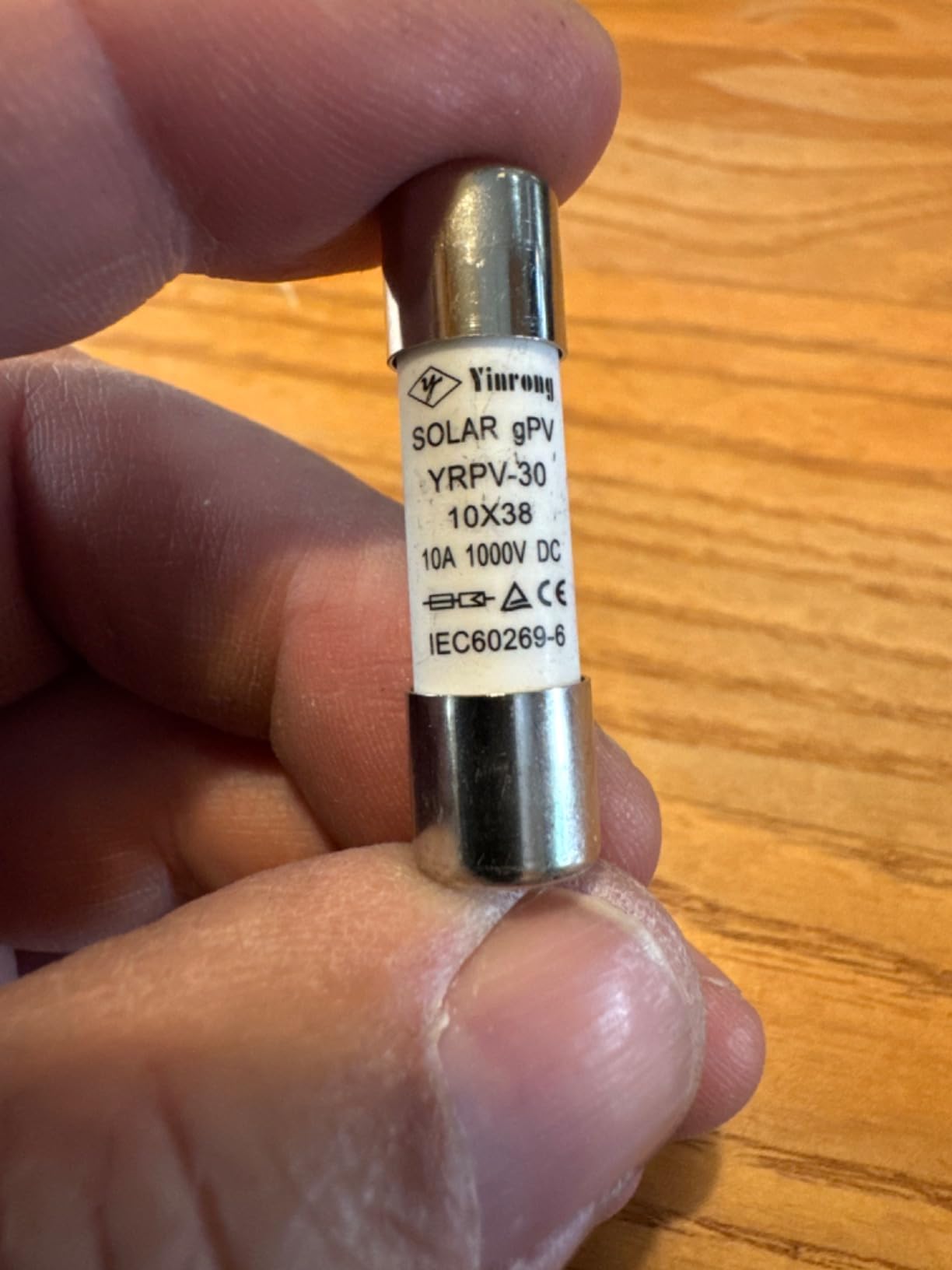
- Complete bundle with brackets adaptor kit tray cables and fuse
- 5-year material and workmanship warranty on the panels
Cons
- Heaviest fixed system here at 56.4 lb
- Per-panel efficiency trails the newer N-Type kits
- Needs meaningful clear roof area and careful shading layout
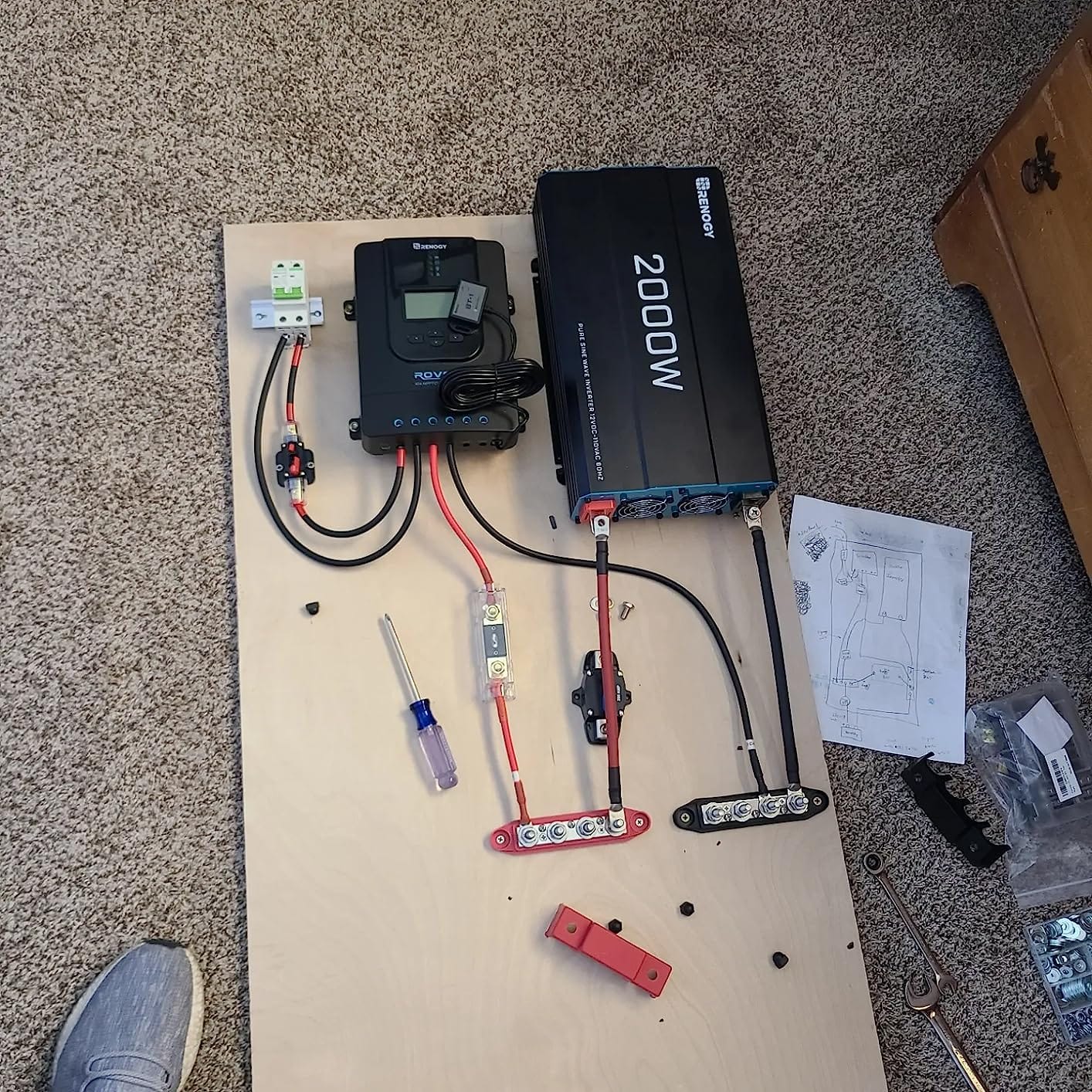
Four 100W monocrystalline panels, a 40A MPPT Rover controller with up to 32V maximum battery voltage, a Bluetooth monitoring module, Z brackets, an adaptor kit, tray cables and a fuse. If you want one purchase that carries a 12V compressor fridge, Starlink and a working remote office through a normal spring or autumn camping season, this is the array that gets you there.
The MPPT controller is the reason it outperforms larger PWM bundles. Across 577 reviews the recurring theme is that owners on multi-battery banks notice the difference, and the Bluetooth module lets you watch and adjust charging from a phone rather than climbing up to read a display. Renogy also backs the panels with a five-year material and workmanship warranty.
Expect this system to land near 1,600Wh a day when the sun cooperates, which is enough to run a fridge, a router, a couple of laptops and lights for a full day without touching the generator. The four panels measure 41.8 by 20.9 inches each, so you are committing roughly 24 square feet of clear roof, and the layout matters more at this size than with any smaller kit here.
Shading is the practical risk. With four panels, a single roof vent or an air conditioner shroud can knock out a meaningful slice of a string. Walk the rig in the morning and late afternoon before you commit to a position, and leave expansion room on the roof even if you are not filling it today.
Who this kit suits
It suits part-time and full-time boondockers on trailers and Class C motorhomes with 25 square feet or more of clear roof, and anyone whose battery bank is 200Ah or larger. It is the sensible answer to the question of what a compressor fridge rig actually needs, and it leaves controller headroom to add panels later.
If your rig is a fifth wheel with a raised cap, check the walkways and vents before you commit. Owners report steady success with careful layout, and also report rushing the layout is what produces shade problems.
Where it falls short
At 56.4 lb this needs a solid mounting plan and a second pair of hands. The per-panel efficiency is on the low side against the newer N-Type kits, so you are buying harvest quality from the controller rather than from the cells. And of the twelve kits here, it is the most expensive by a wide margin.
If budget is the deciding factor, the ECO-WORTHY 400W gets you a genuine MPPT controller for a smaller outlay. You give up some of Renogy’s documentation volume and support reach, but the electrical core of the system is comparable.
3. Renogy 200W N-Type Suitcase — The Best Portable Kit for Boondocking
Renogy 200W 12V Portable Solar Panels Suitcase with Waterproof 20A Charge Controller, Foldable 200 Watt Solar Panel W/Adjustable Kickstand, Solar Charger for Power Station, RV, Camping, SUV, Off Grid
200W N-Type cells at 25% efficiency
Pre-installed 20A PWM controller
28.5 lb
Pros
- Rugged clamshell case that survives rough travel
- Integrated kickstand lets you track the sun through the day
- Owners measure 11A to 13.4A in good sun
- MC4 outputs let you swap in an external MPPT controller
Cons
- Heavy at 28.5 lb for a one-person roof lift
- Bundled 10A inline fuse is undersized for the 20A controller
- MC4 and kickstand hardware need regular checks
This is the portable kit I would put in a garage for a shaded forest week. It folds into a suitcase with a spring-loaded handle, stands on an adjustable aluminum kickstand, and carries 25 percent N-Type cells. The controller is pre-installed and waterproof, so there is nothing to wire beyond clamping leads to a battery.
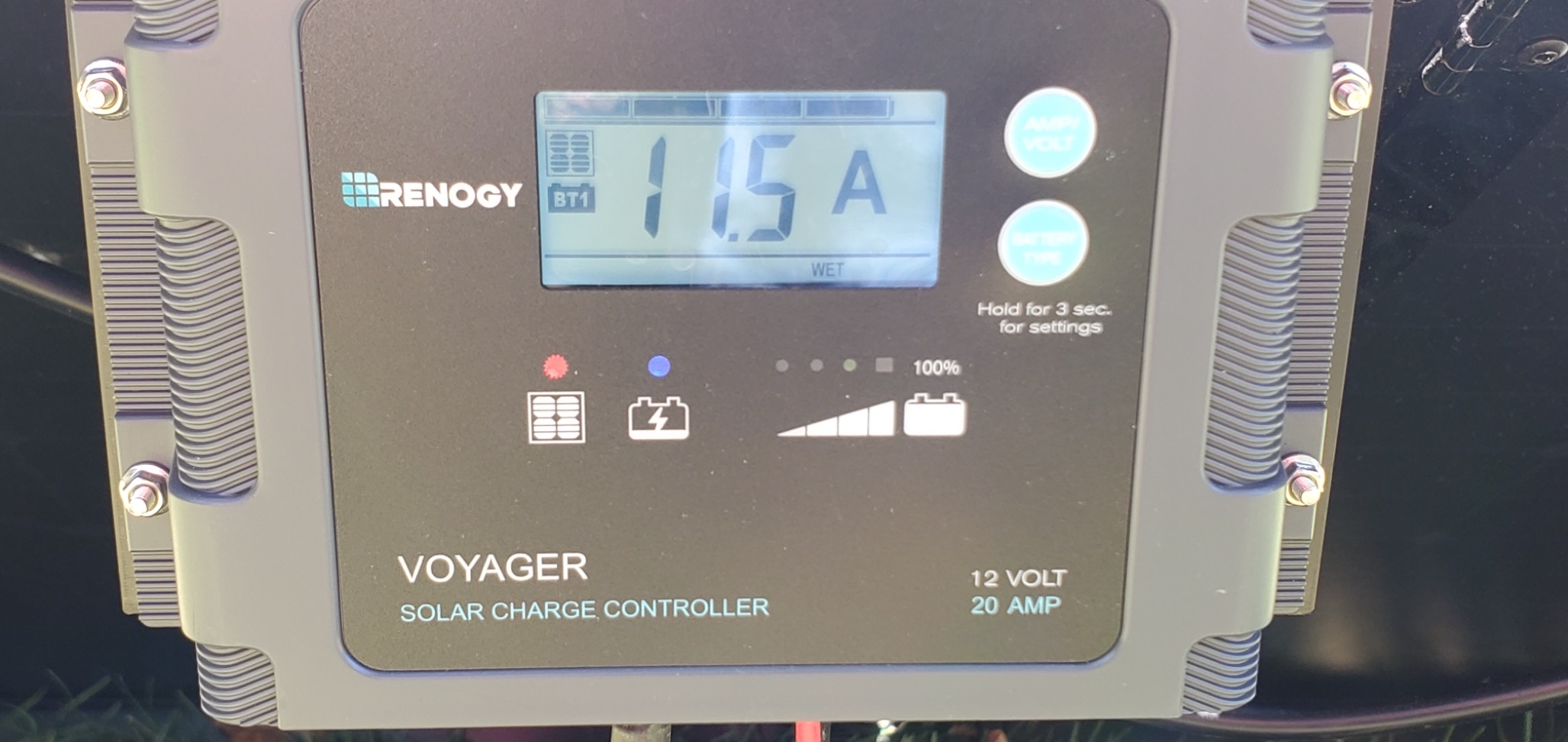
Owner measurements land between 11A and 13.4A in good sun, above the rated peak of about 10.5A, and people run it happily over long dry-camping trips. N-Type cells also resist the light-induced degradation that eats into cheaper panels, and there is a five-year materials and workmanship warranty behind the case.
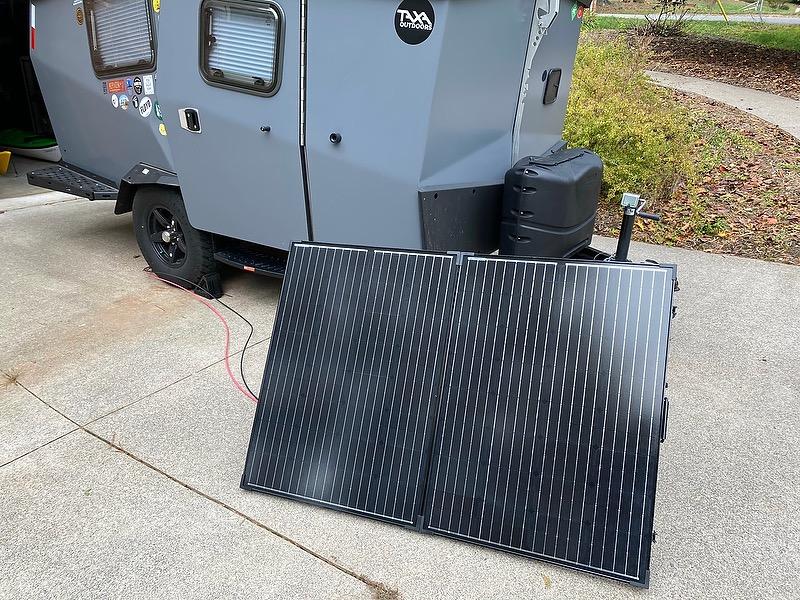
Where the complaints cluster is physical rather than electrical. The 10A inline fuse in the box is undersized for the 20A controller it ships with and can melt, which is a two-minute fix if you read the spec sheet before you wire it. Wiring at the MC4 ends lacks strain relief and frays over time, and the kickstand legs back out of its bolts with every setup.
Those are all small, cheap, fixable problems, which is why the rating holds at 4.4 across more than 1,300 reviews. The electronics do their job; the accessories need an afternoon of your attention.
Who this kit suits
It suits owners who camp in shade, who move campsites often, or who want solar capability without a roof penetration at all. It also works as a supplement to a smaller roof array, which is the hybrid setup experienced boondockers describe as their default.
Because the output is MC4, you can unplug the small PWM controller and run the panel into an MPPT controller or a power station instead. That single connector choice makes this the most future-proof portable option in the roundup.
Where it falls short
At 28.5 lb it is a two-hand carry, and anyone lifting it onto an RV roof alone will feel that. The integrated 20A PWM controller also means you accept a lower ceiling than the nameplate suggests unless you upgrade the controller yourself.
It is also a case, so it occupies a meaningful amount of storage. If your pass-through space is tight and you only need weekend capacity, a lighter foldable panel may serve you better.
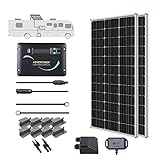
4. Renogy 200W RV Kit with Adventurer 30A Controller — The Cleanest Dedicated RV Install
Renogy 200W 12V N-Type RV Solar Panel Kit with Adventurer 30A Controller
Two 100W panels at 22% efficiency
Flush-mount 30A PWM controller
BT-1 Bluetooth
16.5 lb
Pros
- Purpose-built RV kit with a flush-mount controller that looks tidy on a camper wall
- Highest rated 200W fixed kit at 4.6 with 79 percent five-star reviews
- Lightest 200W fixed kit here at 16.5 lb
- Includes 30ft 10AWG adapter kit 16ft tray cable Y connectors and cable entry
- Five year warranty with round-the-clock technical support
Cons
- PWM controller harvests less than an MPPT at the same wattage
- Wired flush-mount design means drilling and no portability
- 22 percent cell efficiency trails the newer N-Type kits
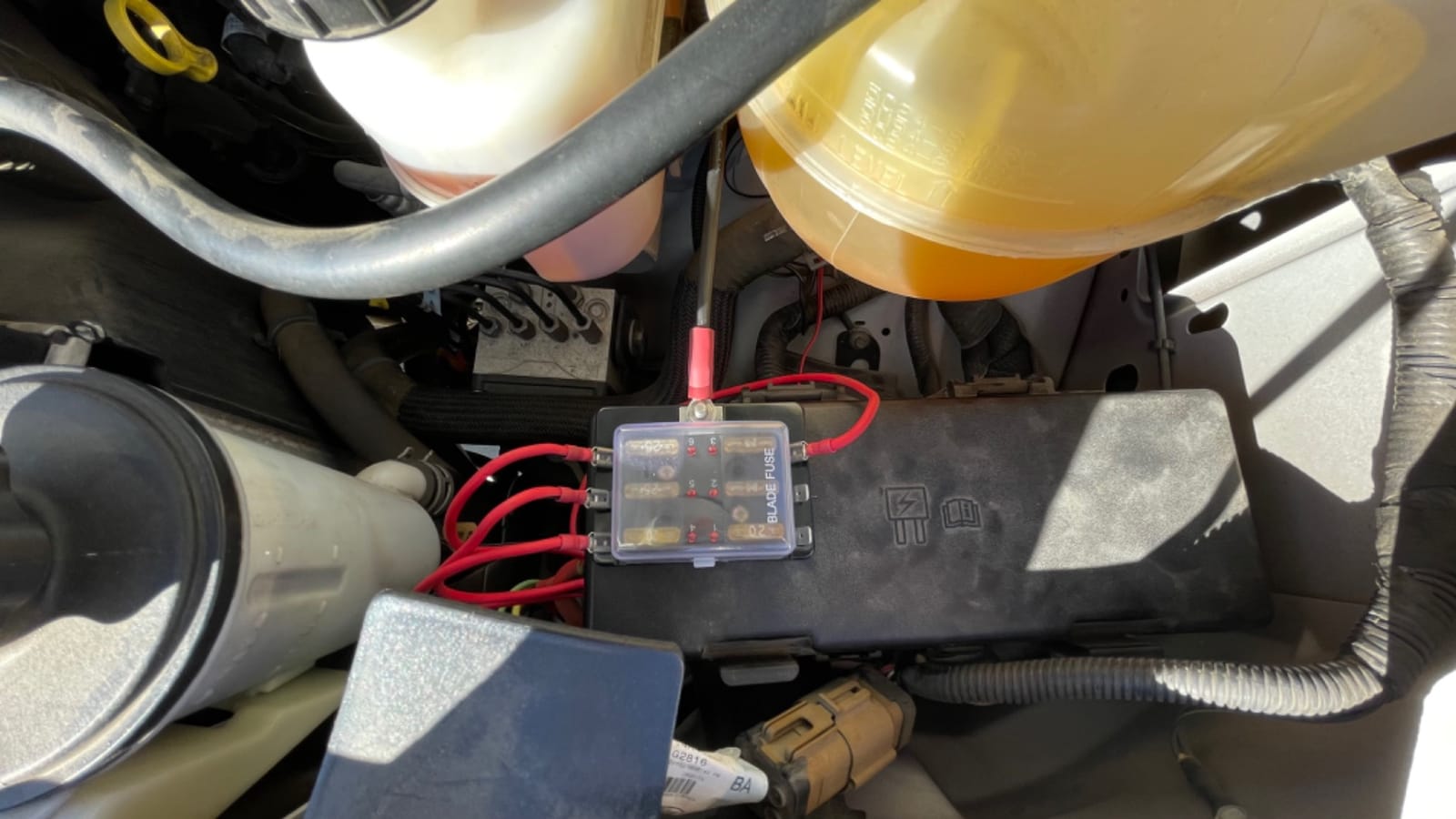
Renogy built this one for the camper wall rather than the workshop. The Adventurer-Li 30A controller is designed to mount flush inside the rig, so what you see from the living space is a small, tidy faceplate rather than a box dangling under a cabinet. That detail is what separates this from a generic panel kit.
The package is unusually complete for a fixed install: two 100W panels at 22 percent efficiency, three pairs of Y branch connectors for parallel expansion, a 30ft 10AWG adapter kit, a 16ft tray cable, a cable entry housing and a BT-1 Bluetooth module for phone monitoring. Panels are rated 2400Pa wind and 5400Pa snow load, which covers most of North America.
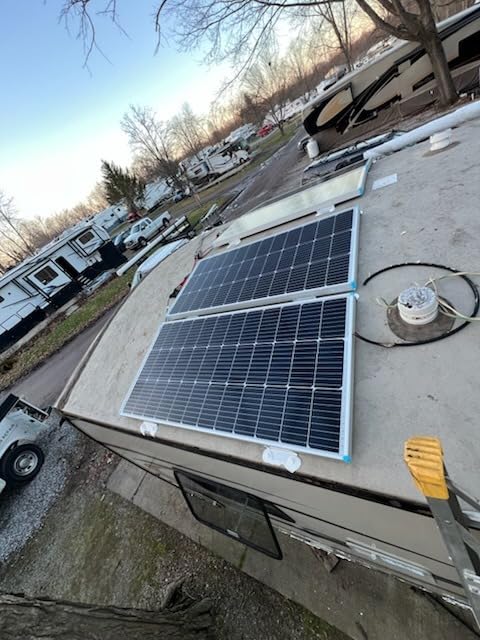
Owners consistently praise how cleanly the controller fits and how complete the wiring kit is, and at 542 reviews with 79 percent five-star ratings it has a solid track record. At 16.5 lb it is also the lightest 200W fixed kit in the roundup, which matters on a van conversion where roof height is at a premium.
Expected output lands around 800Wh a day from four hours of full sun, per the manufacturer. On a 12.8V bank that works out to roughly 60Ah a day, which covers a compressor fridge for a couple of days on a 200Ah bank with disciplined usage.
Who this kit suits
It suits RV owners who care how the install looks from inside the rig, who want phone-based monitoring without a display, and who plan to grow the array later thanks to the included Y branch connectors. The long 30ft cable run is genuinely useful on a fifth wheel or a Class C where the controller sits far from the roof panels.
It is also the pick if you want manufacturer support with a long history behind it. Renogy is the brand that comes up again and again in owner forums as the trusted default, largely because of documentation volume and community size rather than price.
Where it falls short
The PWM controller is the main one. At 200W on a shallow bank, the difference is modest. On a larger bank where you are chasing every amp, an MPPT unit is worth the swap and this kit is easy to rewire to one.
Second, this is a permanent install. No portability, and the drilling has to land in a structural member rather than thin luan, which is the roof leak fear that stops a lot of owners from installing anything at all.
5. ECO-WORTHY 400W Premium Kit — Best MPPT Array Per Dollar
ECO-WORTHY 400 Watt 12 Volt Premium Solar Panel Kit :4pcs 100W Solar Panel+ 40A MPPT Charge Controller+ Bluetooth Module+ Mounting Z Brackets, 400W 12V Solar Power Off Grid System for Home, RV, Boat.
Four 100W panels at 400W total
40A MPPT controller
BT-02 Bluetooth module
72 lb
Pros
- Largest array here at 400W averaging about 1.6kWh per day
- Genuine MPPT controller far more efficient than the PWM units on budget kits
- BT-02 Bluetooth module streams live data to a phone
- Wider aluminum frames and 3.2mm low-iron glass
- Bypass diodes pre-installed in IP65 junction boxes
Cons
- Heaviest kit at roughly 72 lb so mounting needs two people
- MPPT gain is partly offset by the panels in the bundle
- Only 120 reviews with the highest one-star share in the group
This is the 400W option for someone who wants an MPPT controller without paying Renogy money for it. Four 100W monocrystalline panels at 21 percent efficiency, a 40A MPPT controller quoted at 99 percent tracking efficiency and 98 percent peak conversion, and a BT-02 Bluetooth 5.0 module with roughly 82ft of range for phone monitoring.
Owners building serious off-grid arrays point to the MPPT controller and the phone monitoring as the features that separate it from cheaper PWM bundles. Average production lands around 1.6kWh per day when the sun is available, and the panels use 3.2mm low-iron glass in 35mm aluminum frames that are wider than typical.
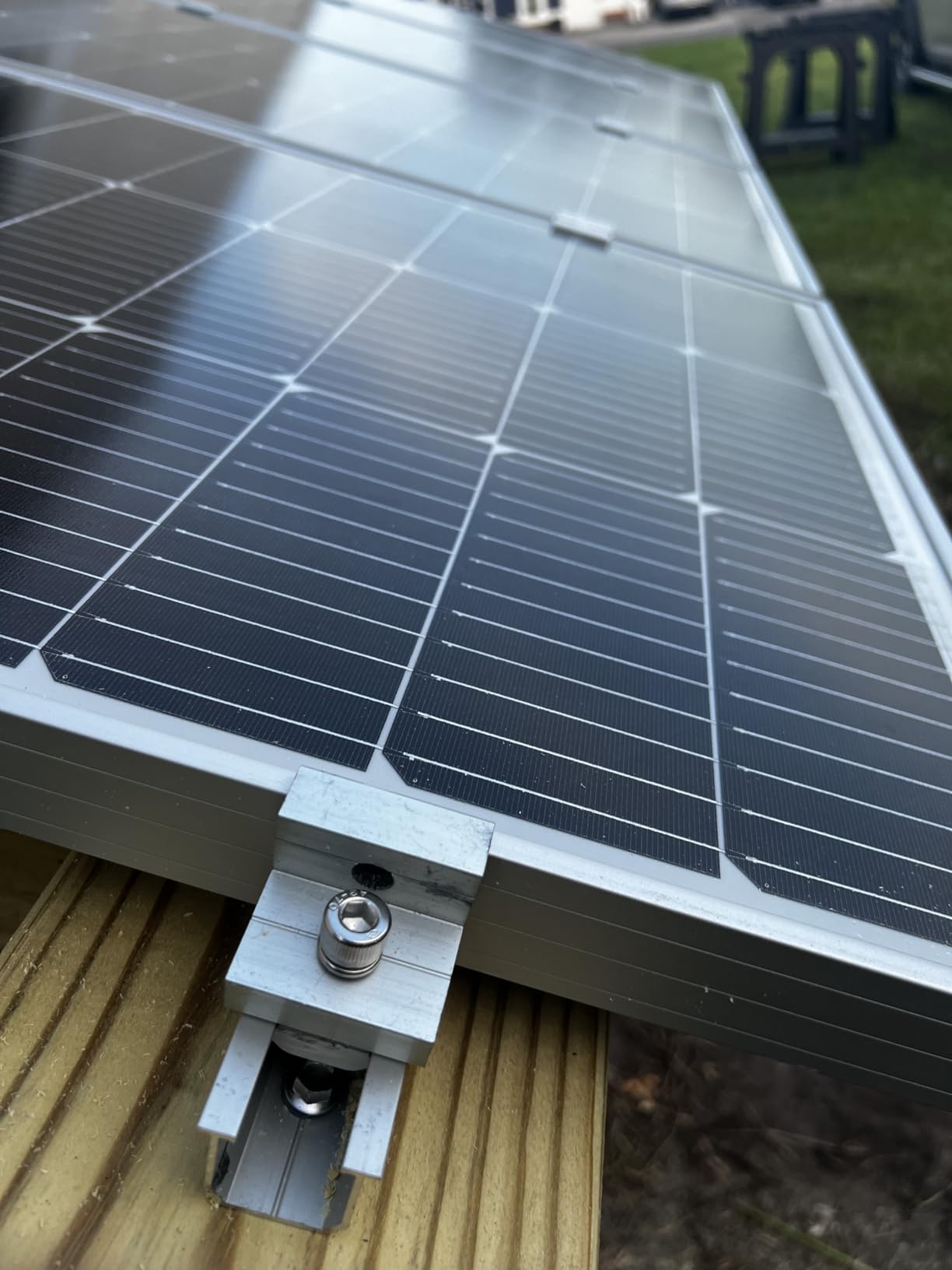
Where it loses ground is physical. At roughly 72 lb for the four panels, mounting needs two people and real planning, and the 8 percent one-star share in reviews reflects exactly that struggle rather than electrical failures. The review base of 120 is also the thinnest among the larger kits here, so long-term field data is limited.
There is a quieter problem too. The MPPT upgrade is partly offset by the panels themselves, which are ordinary 21 percent cells. You get better harvest than a PWM kit of the same size, but not better than a 400W array built from newer N-Type panels.
Who this kit suits
It suits owners with a 300 to 400Ah bank who want the controller headroom to add more panels later without replacing hardware. If you are running a heavy load profile and you care about conversion efficiency, the 40A MPPT unit is the reason to pick this over a comparable PWM bundle.
The Bluetooth monitoring also makes it a good fit for people who want to check state of charge from inside a cold van rather than climbing outside to read a screen.
Where it falls short
The weight is the honest limitation, and it shapes the entire install. Four panels is also roughly 24 square feet of roof, so a small trailer or a van is out. And with 120 reviews there is not yet the field history that the Renogy and DOKIO kits have accumulated.
If your roof cannot take four panels, a smaller MPPT system or a portable 200W N-Type panel plus a rooftop pair often gets you most of the way there with far less drilling.
6. DOKIO 300W Foldable Kit — Most Watts You Can Carry and Deploy
DOKIO 300W Portable Foldable Solar Panel Kit with Charge Controller
300W foldable panel
Folds to 19.3 x 37.4in at 15.2 lb
Standalone PWM controller
Pros
- Highest nameplate output of any portable foldable kit
- Wide adapter selection covers DC5521 5525 35135 6440 SAE XT60 and alligator clips
- Folds flat to 1.1in for RV storage
- Monocrystalline cells perform well in low light
- Complete bundle including storage bag and manual
Cons
- Lowest rated kit in the group at 4.1 with 9 percent one-star reviews
- Large 19.3 x 37.4in footprint is awkward in tight campsites
- Output commonly lands at roughly half the rated 300W
- Non-MC4 connectors limit expansion options
When portable wattage is the only thing that matters, this is the biggest number you can fold into a bag. Three hundred watts of monocrystalline silicon in a 15.2 lb package that folds to 19.3 by 37.4 inches and includes everything needed to charge a 12V bank.
The adapter bundle is the sleeper feature. DC5521, DC5525, DC35135, DC6440, SAE, XT60 and alligator clips all ship in the box, which means it will connect to almost any 12V battery, power station or device on the market. Owners also note that the monocrystalline cells hold up better than expected in low light.
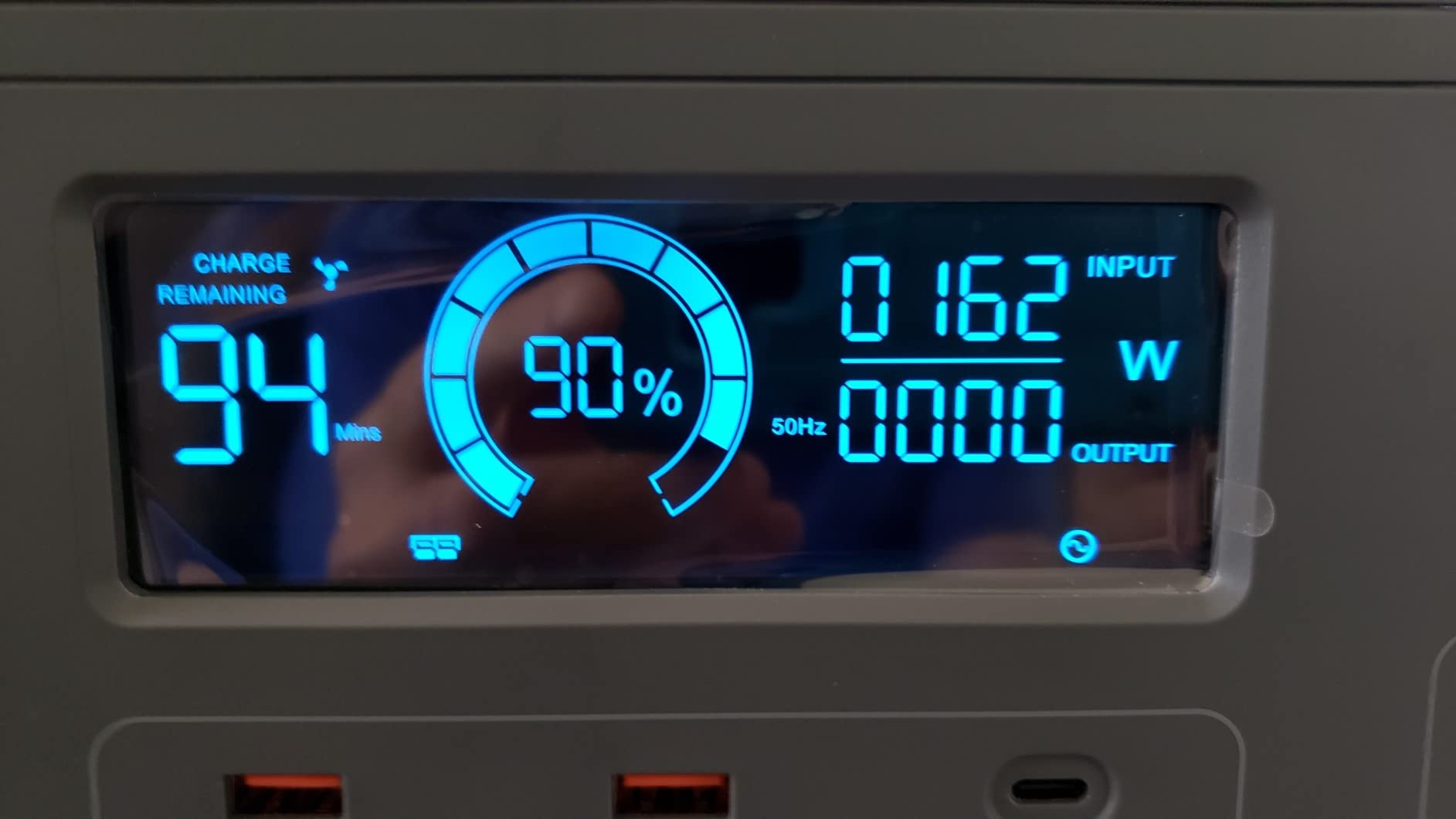
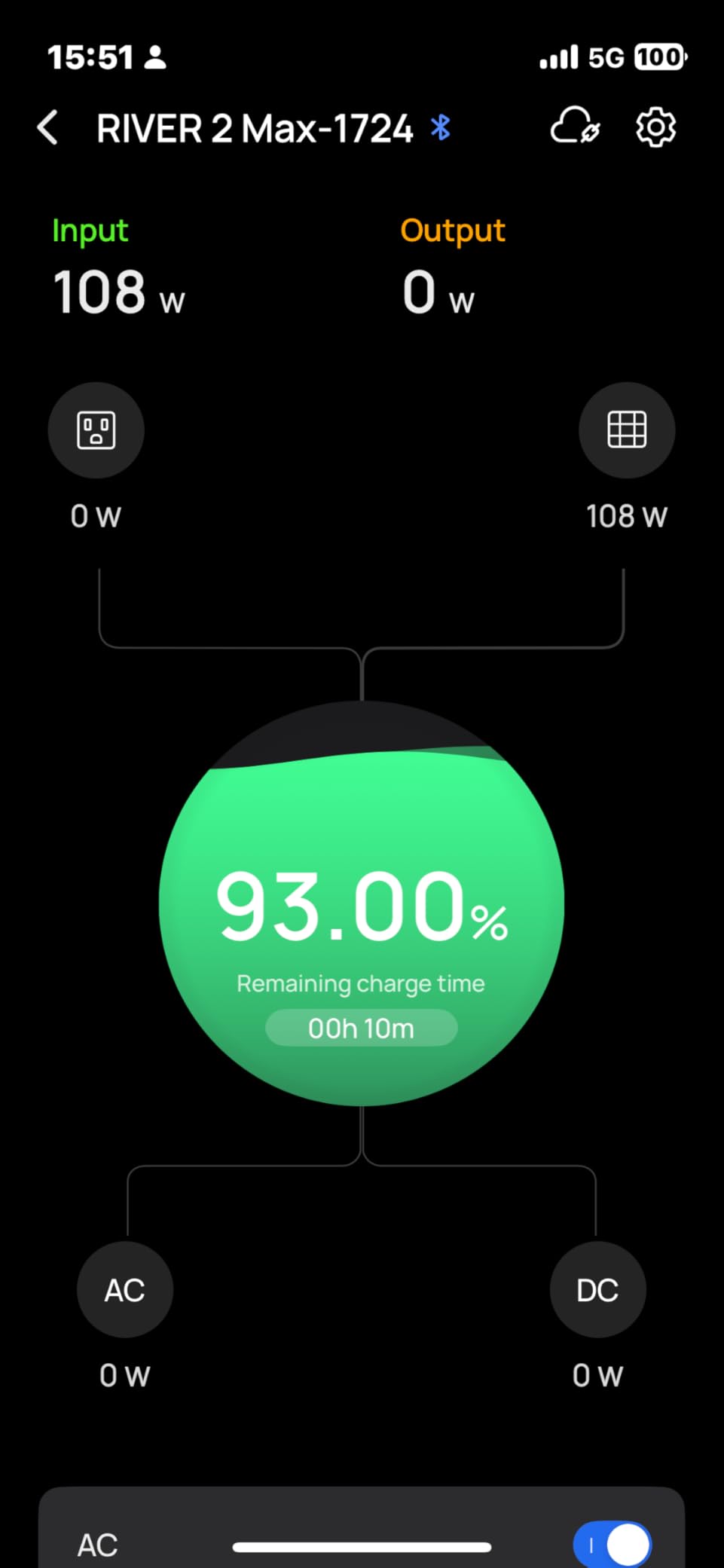
Now the reality check. Measured output in full sun typically runs 125 to 175W rather than the rated 300W, and heat reduces that further. The 4.1 rating and 9 percent one-star share reflect durability complaints around the fabric case and the connectors, not electrical failure. The fabric case should be kept out of prolonged heavy rain and direct sun.
At 19.3 by 37.4 inches, deploying it needs real space. On a narrow site or a picnicking spot, a 200W foldable is a much easier object to live with, and the output difference in practice is smaller than the nameplate gap suggests.
Who this kit suits
It suits boondockers who need a lot of watts in a package that still folds up, particularly anyone pairing a power station with solar during a long stay where the panel is deployed once and left in the sun. The wide adapter set means one kit covers several different pieces of equipment.
It also makes sense if you already have a good MPPT controller and want nothing but panels. The included PWM unit is disposable, and the outputs will feed a better controller without much fuss.
Where it falls short
Output degradation over a couple of seasons is reported by owners of this and the sibling DOKIO models, and the non-MC4 connectors limit how neatly you can string multiple panels together. The PWM controller in the box also caps what the glass can deliver.
Read the 300W figure as a packaging number rather than a delivery number. If you are comparing on delivered watt-hours, a 200W N-Type panel on an MPPT controller will beat this in real conditions.
7. DOKIO 200W Foldable Kit — Lightest Portable That Still Carries Real Weight
DOKIO 200W Portable Foldable Solar Panel Kit for 12V Battery Charging
200W foldable monocrystalline panel
Weighs 9.7 lb and folds to 20 x 27in
9.84ft cable
PWM controller and dual USB ports
Pros
- Lightest and most compact option in the roundup at 9.7 lb
- Folds to 20 x 27in for quick repositioning as the sun moves
- 9.84ft cable lets the panel sit in full sun while the controller stays shaded
- Dual USB ports power small devices from a 12V bank
- Real-world testing repeatedly shows 110W to 160W in good sun
Cons
- Measured output is often about half the rated wattage
- SAE and XT60 connectors rather than MC4 limit series wiring
- SAE connectors can soften and lose contact in high heat
- Included PWM controller menus are awkward to navigate
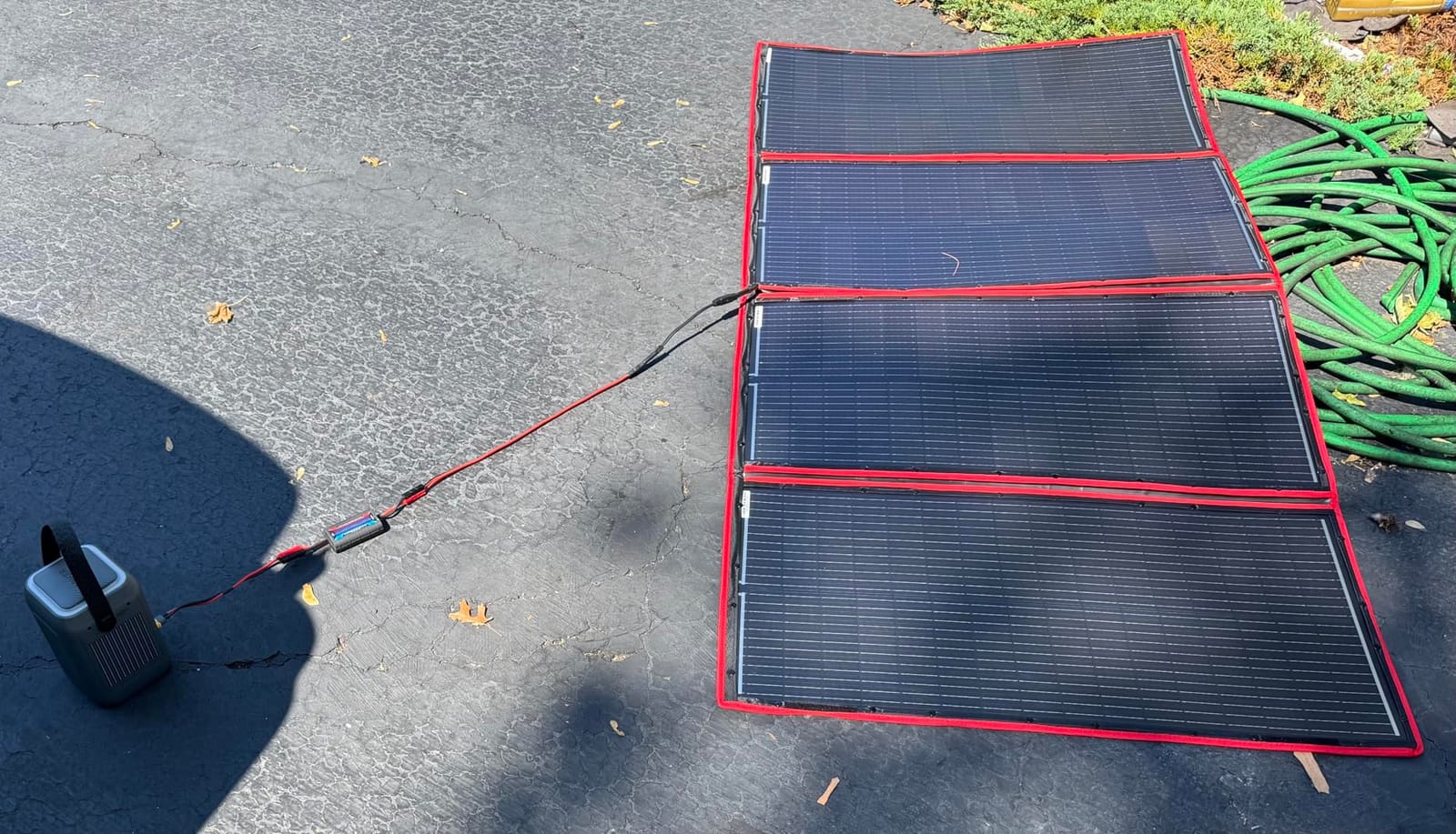
At 9.7 lb and 20 by 27 inches folded, this is the one that disappears into a pass-through. More than 4,000 reviews makes it the most proven portable kit here, and boondockers consistently single out the low weight as the reason it beats a rigid panel of the same price for anything that moves.
The 9.84ft output cable is the detail most people miss. It lets you leave the panel in full sun and keep the controller shaded, which matters more than it sounds because shaded controllers run cooler and last longer. Dual USB ports also give you phone and lamp charging straight off a 12V bank.
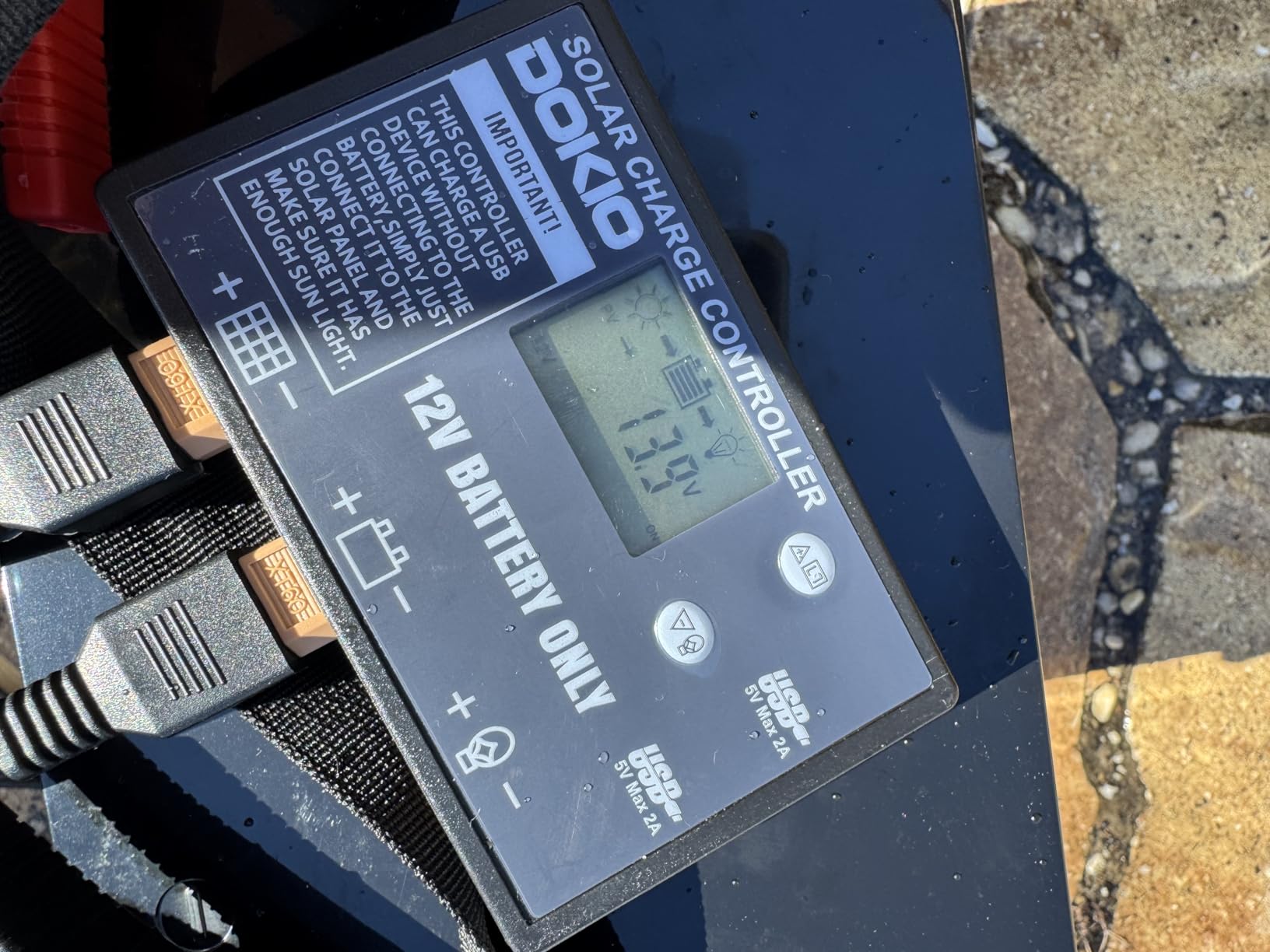
Testing puts real output at 110 to 160W in good sun, which is a far better delivered number than the 300W foldable delivers against its rating. If you compare delivered watts rather than nameplate, this is one of the strongest performers in the group.
The connector standard is the weakness. SAE and XT60 rather than MC4 means you cannot wire two of these in series cleanly or feed a third-party MPPT controller without an adapter, and SAE connectors are known to soften and lose contact in sustained heat. Owners of this and the 300W sibling also report output dropping sharply after two years.
Who this kit suits
It suits anyone who carries solar rather than bolting it down, and anyone who moves campsites often enough that weight and pack size decide the purchase. It is also the one I would pick as a first panel, because it establishes whether solar fits your camping style before you spend on a roof penetration.
Many owners pair it with a quality MPPT controller and lithium batteries, which is exactly how you get around the PWM and connector limitations without replacing the panel.
Where it falls short
It is not a system. There is no battery, no inverter and no mounting hardware, so if you are building an install rather than carrying a panel, this is the wrong shape of product. The 4.2 rating reflects long-term output concerns more than anything else.
If you plan to buy two portable panels, plan on an adapter strategy or choose a different brand up front. Buying two of the same non-standard connectors is how people end up with a drawer full of adapters.
8. Go Power Overlander 200W — Longest Warranty in the Category
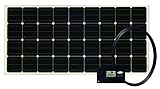
Go Power Overlander 200W 12V Solar Panel Charging Kit
200W panel with 9.6A charging capability
30A Bluetooth PWM controller expandable to 600W
Two 25ft 10AWG cables
25-year output warranty
Pros
- 25-year limited panel output warranty
- by far the longest coverage here
- 4.6 rating with 83 percent five-star reviews
- Controller expands to 600W on the same unit
- Two 25ft 10AWG cables in both genders simplify roof routing
- Canadian-made with owners reporting easy self-installation
Cons
- Costs more than most other 200W kits in this roundout
- PWM harvest is modest with one owner measuring about 8A in full sun
- Bluetooth app pairing reported as buggy
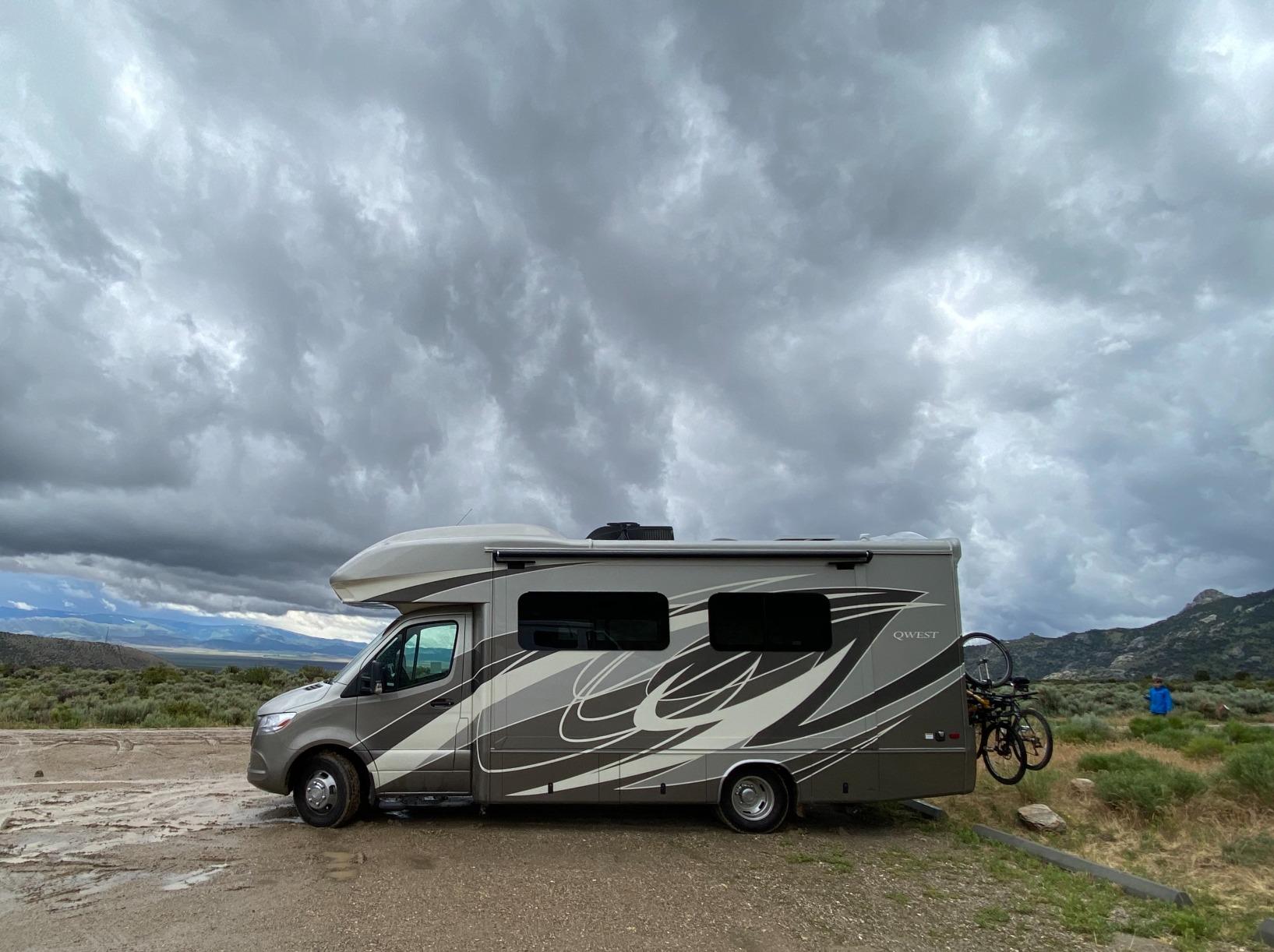
If you plan to keep the same panels for a decade, the warranty is the argument. Go Power covers panel output power for 25 years, which no other kit in this roundup comes close to. The 200W module with 9.6A charging capability pairs with a 30A single-bank Bluetooth PWM controller that expands to 600W of solar on the same controller.
Two things make it RV-friendly in a way most kits are not. The included cables are 25ft long in both male and female, which solves the awkward roof-to-battery routing problem on a fifth wheel or motorhome. And the controller reports charge state and current through the Go Power app, so you can check state of charge from inside the rig.
Owners consistently report straightforward DIY installation and a 4.6 rating with 83 percent five-star reviews, backed by a Go Power ownership history stretching back more than a decade on earlier models. That track record matters if your plan is a long-term build rather than a season of testing.
The two weak points are measured. One owner recorded about 8A in full sun rather than the rated 9.6A, which is a fair reflection of a PWM controller on a hot panel. And the Bluetooth app needs frequent re-pairing, which is the single most repeated complaint in the reviews.
Who this kit suits
It suits owners who intend to run the same array for many years, who want dealer-level support behind it, and whose rig is already prewired for Go Power equipment. It also suits anyone who needs a genuinely long cable run without buying extra cable.
If you are a first-time installer, the ease of self-installation owners report is a meaningful advantage over kits that need more planning to lay out.
Where it falls short
It sits above most other 200W kits in this roundup, and that is before you weigh the alternative of buying a 400W kit outright. At 35 lb with a 59 by 26.3in panel, it is also a large lift onto a roof, and one panel that size is a demanding footprint on anything smaller than a trailer.
The 30A controller does expand to 600W, which is the real reason to stretch here, but you only get that benefit if you keep the PWM architecture rather than swapping to MPPT.
9. Topsolar 100W Monocrystalline Kit — Best for Battery Maintenance Between Trips
Topsolar Solar Panel Kit 100 Watt 12 Volt Monocrystalline Off Grid System
100W monocrystalline panel at 19.5 percent efficiency
Four Z brackets and cable included
30A PWM controller
15.2 lb
Pros
- Lowest cost complete rigid 100W kit in the roundup
- Includes four Z mounting brackets and red and black solar cable
- 30A PWM controller with reverse polarity overcharge over voltage discharge and short circuit protection
- Rated 2400Pa wind and 5400Pa snow load with tempered glass
- Expandable to 260W at 12V or 520W at 24V
Cons
- 19.5 percent cell efficiency is the lowest in the group
- 100W of peak output limits it to maintenance charging
- Rigid panel needs fixed mounting rather than portable deployment
Not every rig needs four hundred watts. If your RV sits in storage between trips and you want a small panel to stop the house bank from sulphating while you are away, 100W is genuinely enough, and this kit is the least expensive complete rigid package in the group.
It comes with four Z brackets, red and black solar cable and a 30A PWM controller with the full suite of protection circuits: reverse polarity, overcharge, over voltage, discharge and short circuit. The panel is rated 2400Pa wind and 5400Pa snow load with a tempered glass face and an aluminum frame, and the system expands to 260W at 12V or 520W at 24V.
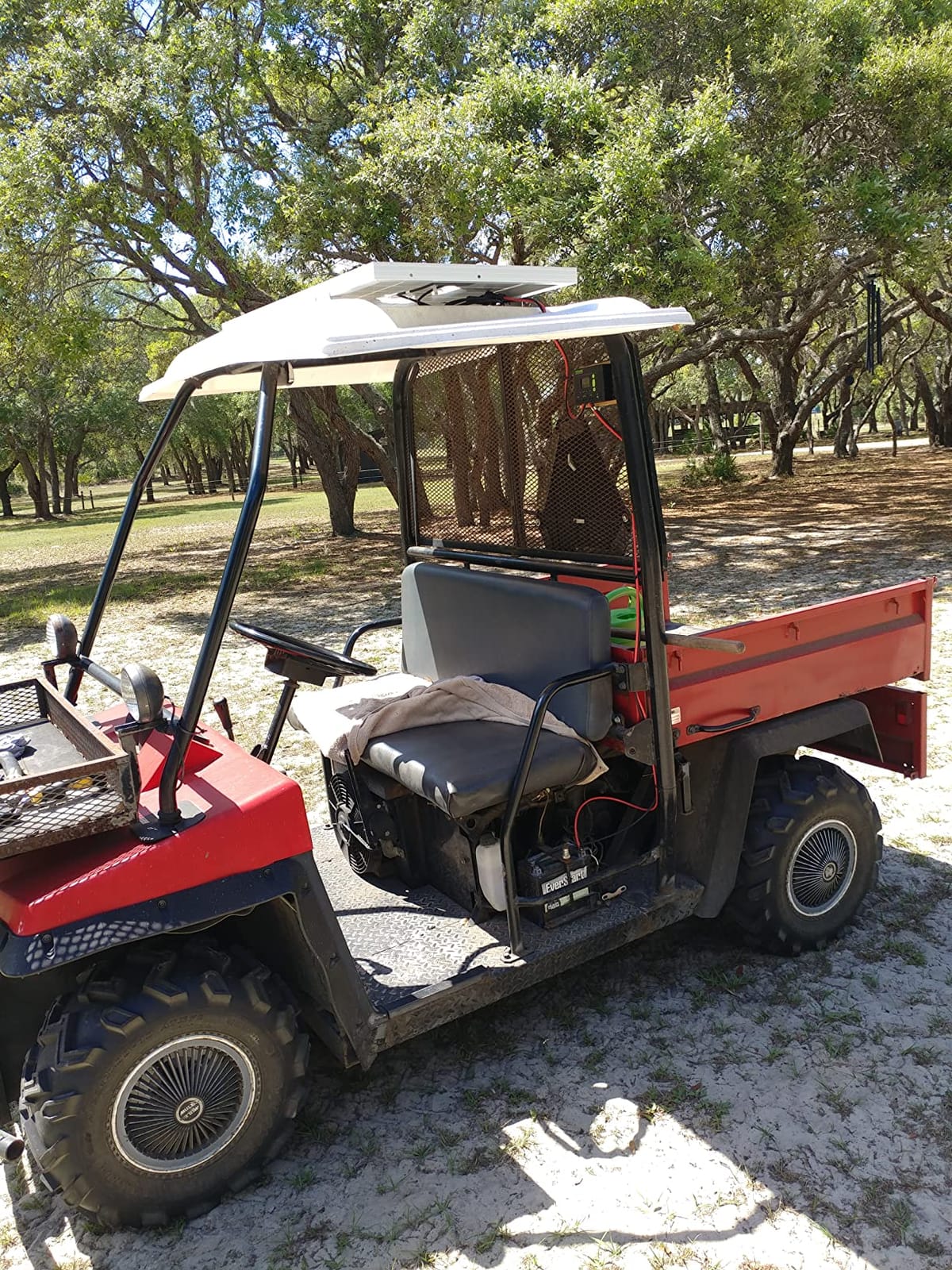
With 1,886 reviews averaging 4.4, boondockers treat this as dependable maintenance charging rather than a power source. Pre-drilled mounting holes make the install quick, and the panel is a manageable 15.2 lb and 43.7 by 17.7 inches.
The ceiling is the wattage. At 19.5 percent cell efficiency it is the least efficient panel here, and 100W will keep a bank alive without ever running a fridge. Treat it as the first panel of a two-panel plan rather than the whole system.

Who this kit suits
It suits seasonal owners, storage situations, and anyone running a trailer with a modest bank who wants a fixed array without a large install. It is also the sensible first step for a new boondocker who is not yet sure how much solar their camping style demands.
Because the controller and wiring scale, growing from 100W to a couple of hundred watts later is a straightforward add rather than a rebuild.
Where it falls short
The 19.5 percent efficiency trails every modern panel in this roundup, so you are buying watts at a higher price per delivered watt than the N-Type options. And 100W simply will not keep pace with a compressor fridge, a water pump and evening lighting in a shaded site.
If you camp off-grid for more than a handful of days at a time, spend the difference on a 200W kit and get roughly double the delivered output for not much more installation work.
10. ZOUPW 220W N-Type Kit — Best Cell Efficiency in the Roundup
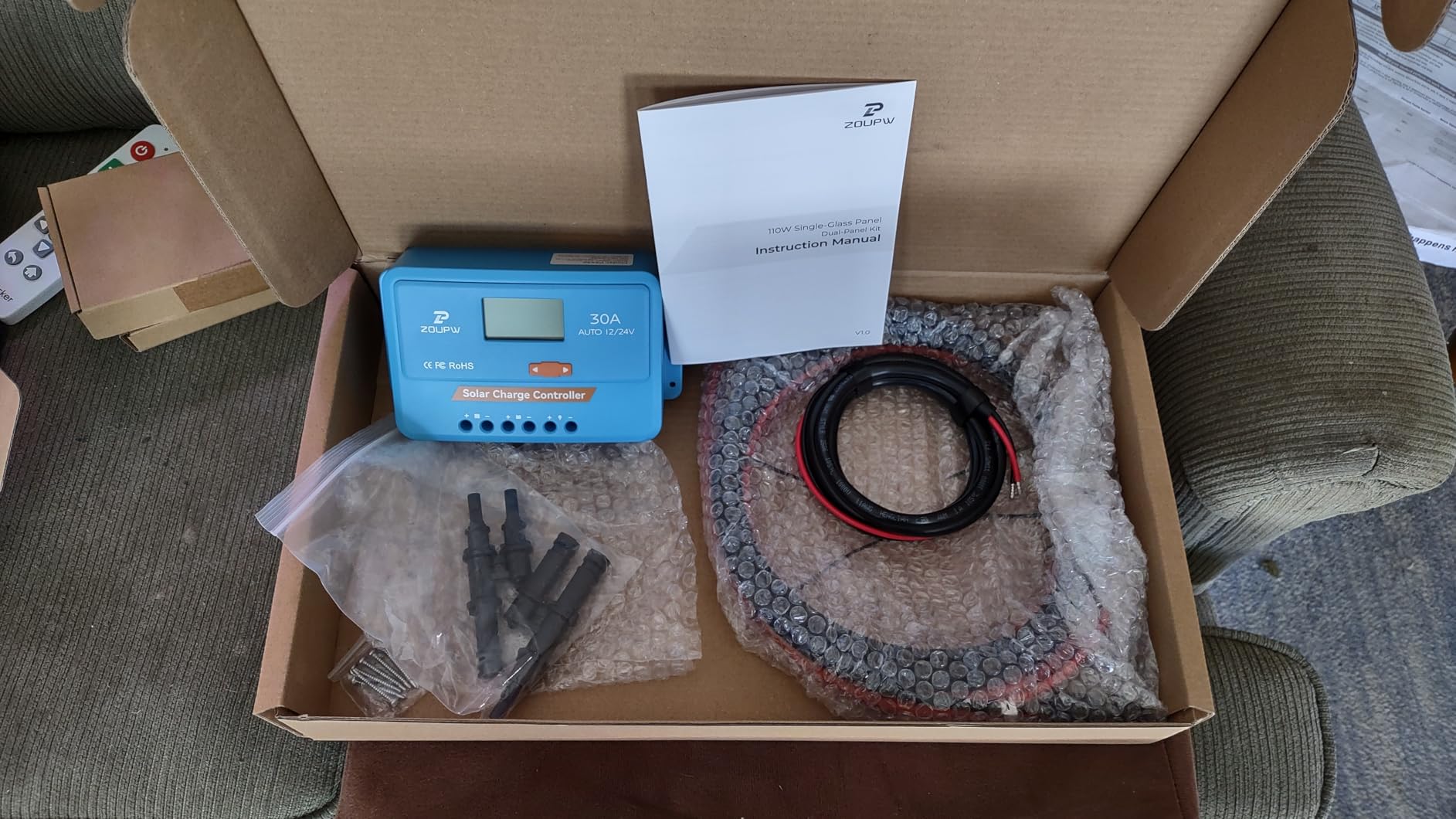
ZOUPW 220 Watt Solar Panel Kit for 12V/24V Battery, 2Pcs 110W 25% High-Efficiency Monocrystalline PV Module Power Charger with 30A LCD PWM Charge Controller for Off-Grid RV Marine Boat Rooftop
Two 110W N-Type 16BB panels at 25 percent efficiency
30A LCD PWM controller with USB
Anti-shade bypass diodes
26.9 lb
Pros
- N-Type 16BB cells at 25 percent efficiency
- above the classic mono and PERC panels here
- 10-year panel warranty is the longest among the newer kits
- LCD charge controller with dual USB ports shows real-time system state
- IP68 waterproofing and anti-shade bypass diodes suit exposed rooftop mounting
Cons
- Only 78 reviews so long-term reliability is largely unproven
- 26.9 lb makes it a fixed-mount panel rather than a portable one
- PWM controller gives up harvest versus an MPPT design
- Newer listing with less support history than the established brands
This is the technology bet in the group. Two 110W panels built on N-Type 16BB cells at a quoted 25 percent efficiency, in an IP68 sealed corrosion-resistant aluminum frame rated to 185F. N-Type cells avoid the light-induced degradation that PERC panels suffer, and they hold up under the road vibration an RV roof delivers.
The controller is the 30A LCD PWM unit with auto-detection for 12V and 24V banks, dual USB ports, three-stage charging and reverse polarity and overcharge protection. Anti-shade bypass diodes are a genuinely useful addition on a roof where a vent inevitably ends up clipping a panel edge. Up to 1.1kWh a day from five hours of full sun.
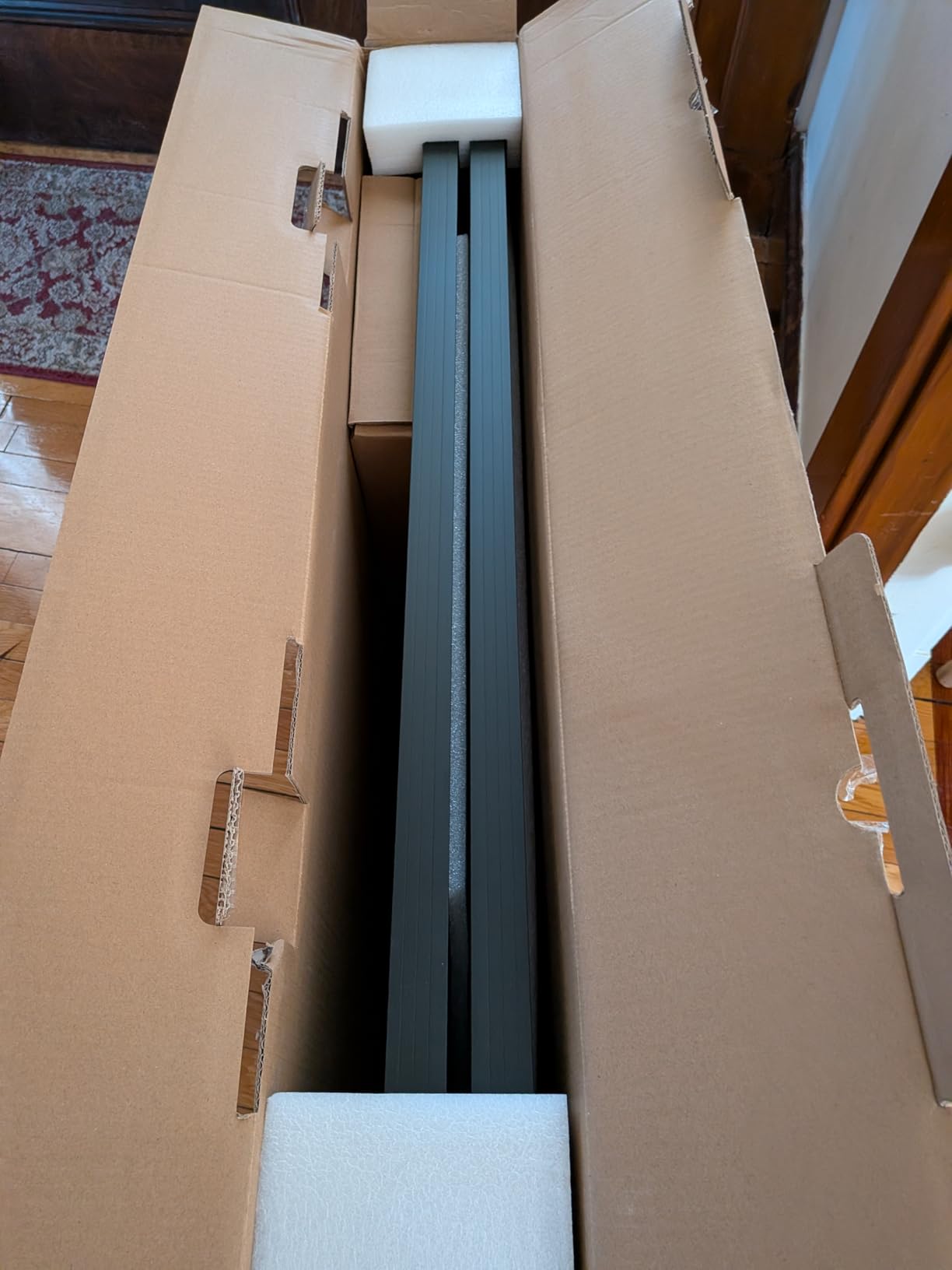
What you are trading is proven history. The 4.3 rating comes from 78 reviews, and 70 percent of those are five-star, which is encouraging but thin. Most feedback is from early adopters, so there is not yet much long-term degradation data to compare against the Renogy or DOKIO options.
The PWM controller is the other compromise. With cells this efficient, the gap between what the glass can do and what the controller lets through is more noticeable than it would be on a 19 percent panel.
Who this kit suits
It suits owners building a long-term install who want the best available cell technology and a 10-year panel warranty without moving to a power-station ecosystem. The IP68 sealing and high temperature rating are reassuring on a roof that bakes in summer.
Anti-shade bypass diodes also make it a reasonable choice for rigs with a busier roof where a vent or antenna will inevitably sit near the array.
Where it falls short
Seventy-eight reviews is the smallest base here, and long-term field reliability on a roof is exactly the thing you cannot check from a listing. A 10-year panel warranty helps, but it is not the same as a decade of owner reports.
At 26.9 lb it is fixed-mount only, and the PWM controller leaves efficiency on the table. If you want N-Type cells with a proven controller, the Renogy 200W suitcase pairs similar cell technology with far more review history.
11. ACOPOWER 200W Portable Kit — Best 200W Kit With a Carrying Handle
ACOPOWER 200W Portable Solar Panel Kit, Waterproof 20A Charge Controller for 12V Battery and Solar Generator for RV, Camper Trailer& Marine Black
200W foldable high-efficiency panel
20A controller with full battery protection
Adjustable kickstands
25.6 lb
Pros
- Complete kit pairing a 200W foldable panel with a 20A controller and mounting hardware
- Folding design with a carrying handle is easier to stow than a rigid panel
- Adjustable kickstands for stable daytime positioning
- MC4 plus Anderson and universal connectors work with most 12V setups
- 77 percent of reviews are five-star
Cons
- Only 103 reviews
- thinner proven than the Renogy or DOKIO kits
- Costs more than several 200W competitors for similar output
- PWM controller leaves charging performance on the table
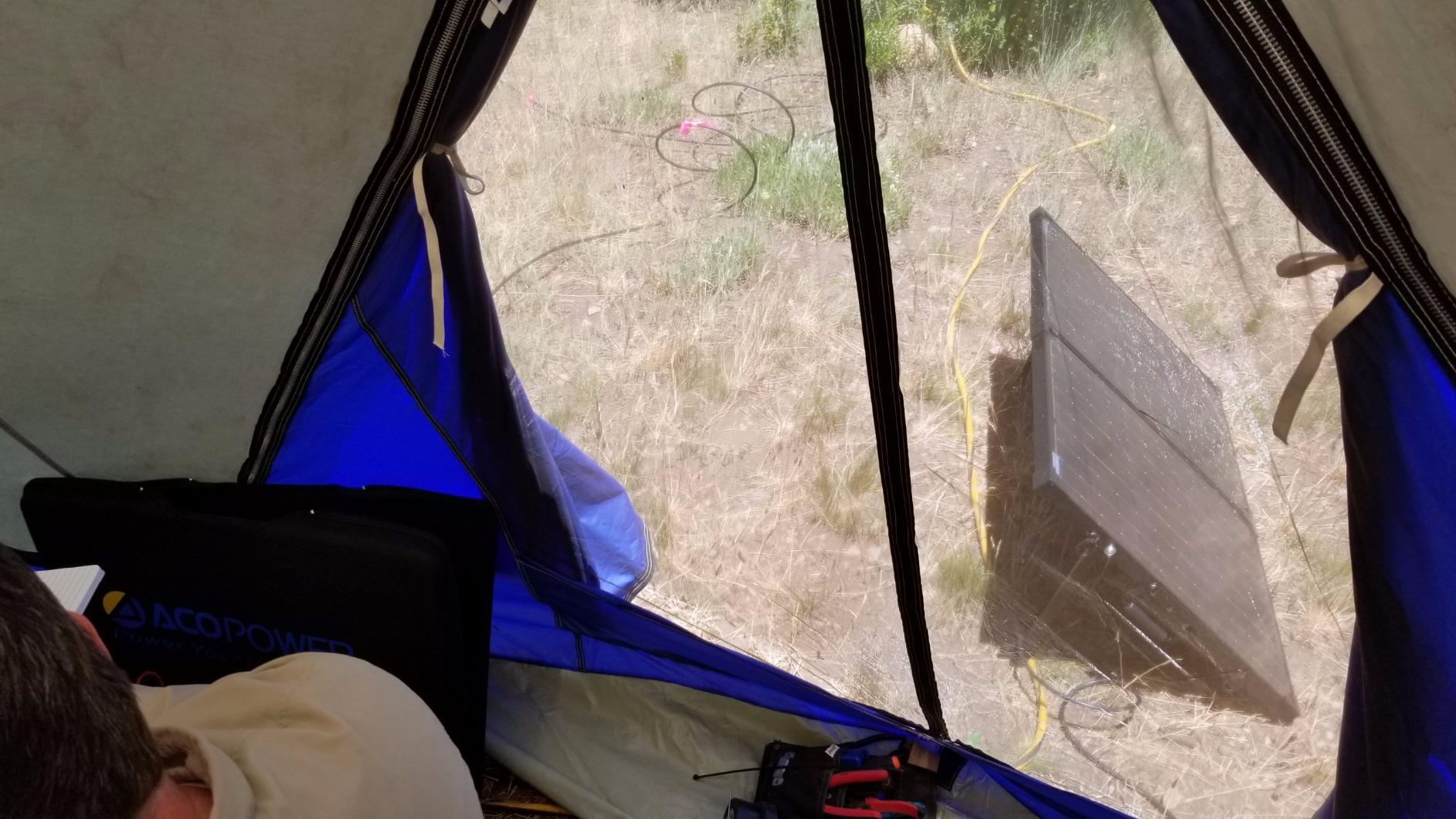
The case for this one is the handle. A 200W foldable panel that folds down, carries by a proper handle, and stands itself up on adjustable kickstands is a genuinely different object from a rigid roof panel, and at 4.5 stars with 77 percent five-star reviews the owners who bought it are happy with the decision.
It arrives complete: panel, 20A charge controller with overcharge, overload, short circuit and reverse connection protection, kickstands, and both Anderson and universal solar connectors alongside MC4. That connector variety means it will talk to most 12V batteries, RVs, trailers, boats and portable power stations without an adapter.
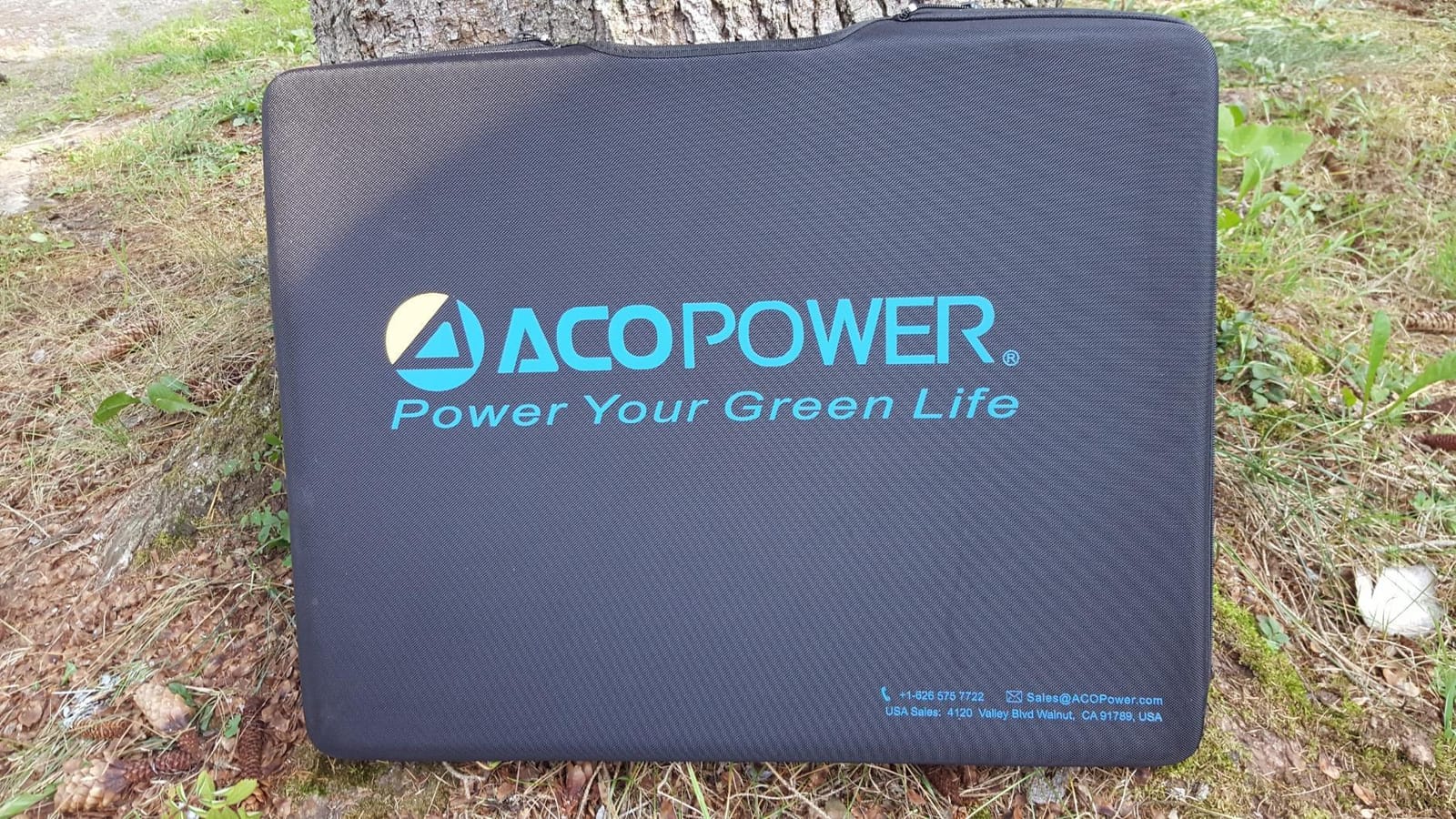
Buyers consistently highlight that the package works without extra purchases, which is the main advantage over buying a bare portable panel and then sourcing a controller separately. At 25.6 lb and 33.8 by 23.2 inches, it is a manageable carry for most people.
The reservations are predictable. One hundred and three reviews is a smaller base than the Renogy or DOKIO kits carry, and it costs more than several 200W competitors for comparable output. The PWM controller also leaves charging performance unused.
Who this kit suits
It suits part-time boondockers who want one box that contains everything, who dislike the fuss of a suitcase case, and who would rather carry a handle than lug a hard shell. The connector spread makes it a good match for a mixed kit of gear.
It is also a sensible gift-level first purchase for someone who has never owned a panel and does not want to research controllers before starting.
Where it falls short
Cost per watt is the main issue. Several 200W kits deliver similar real output for less, and the PWM controller means you are not collecting the full efficiency of the panel.
The thinner review base is the second one. A 4.5 rating on 103 reviews is encouraging, but it is a smaller sample than the established kits and tells you less about what happens in year three.
12. ECO-WORTHY 200W Complete Solar System — Best All-in-One Bundle
ECO-WORTHY 200 Watt 12V Complete Solar Panel Starter Kit for RV Off Grid
200W N-Type dual-sided panels at 25 percent
50Ah LiFePO4 battery
600W pure sine wave inverter
App-controlled charging
Pros
- Only true all-in-one option here with panels controller battery and inverter in one order
- LiFePO4 battery rated 4000 to 15000 deep cycles against 300 to 400 for lead-acid
- 600W pure sine wave inverter with 20ms UPS auto-switchover keeps loads running
- N-Type dual-sided panels gain up to 15 percent extra from reflected light
- Adjustable 5A to 40A charge current via app or button
Cons
- Lowest rated kit in the group at 4.1 with 10 percent one-star reviews
- Most expensive way to get 200W of panel once battery and inverter are included
- XT60 battery interface caps at 30A
- Bundle complexity means more components to troubleshoot
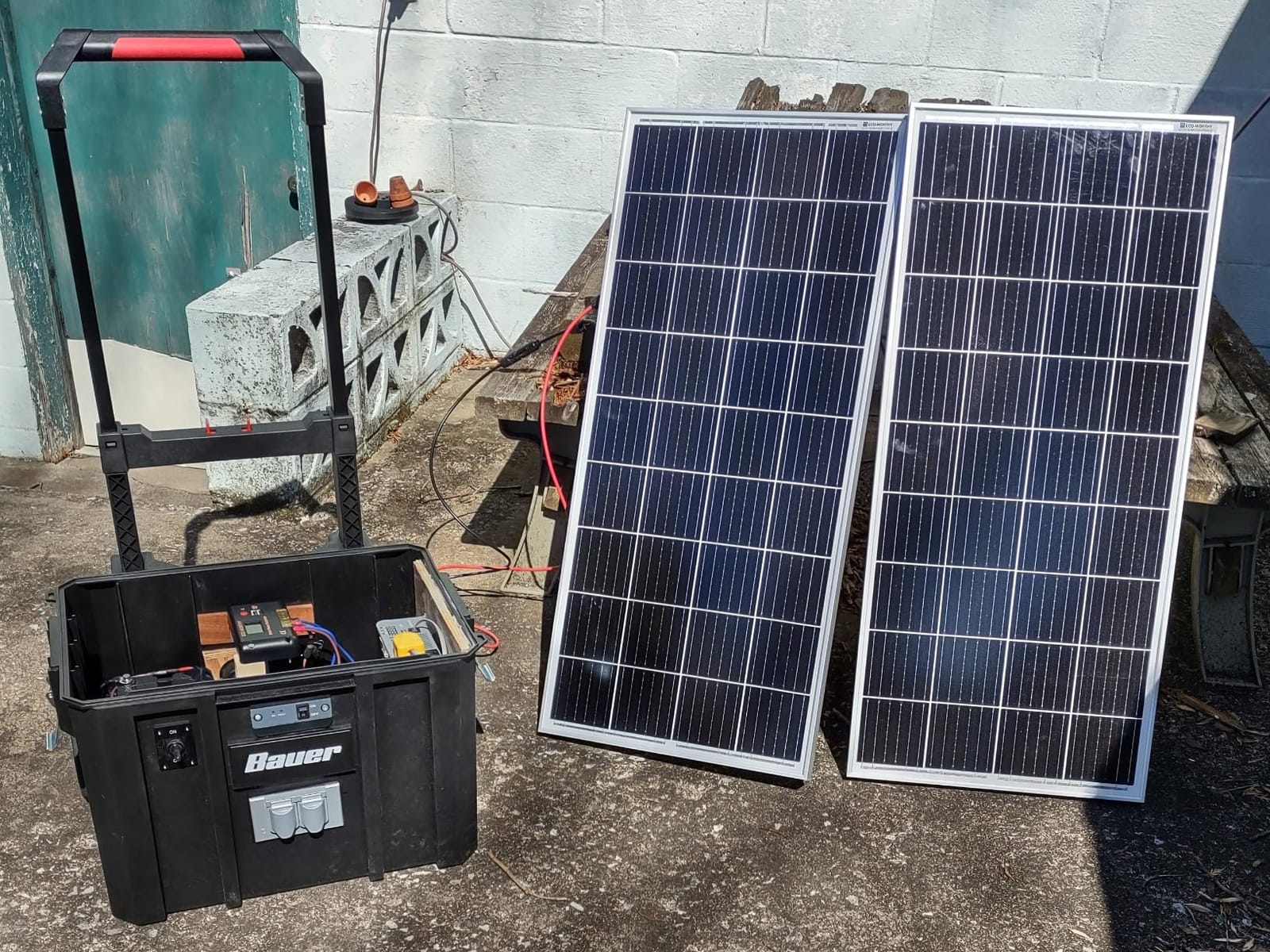
This is the only kit here that leaves your rig genuinely off-grid capable on day one. You get 200W of 25 percent efficiency N-Type dual-sided panels, a 50Ah 12V LiFePO4 battery, a 600W pure sine wave inverter with a 30A smart charger, and a 30A controller, all in one order with Anderson plug-and-play wiring.
The battery is the headline. A 50Ah LiFePO4 pack is rated for 4000 to 15000 deep cycles against 300 to 400 for lead-acid, which over the life of an RV is the difference between a battery you replace and one you keep. The inverter’s 20ms UPS auto-switchover means a laptop or a router does not drop when the source changes.
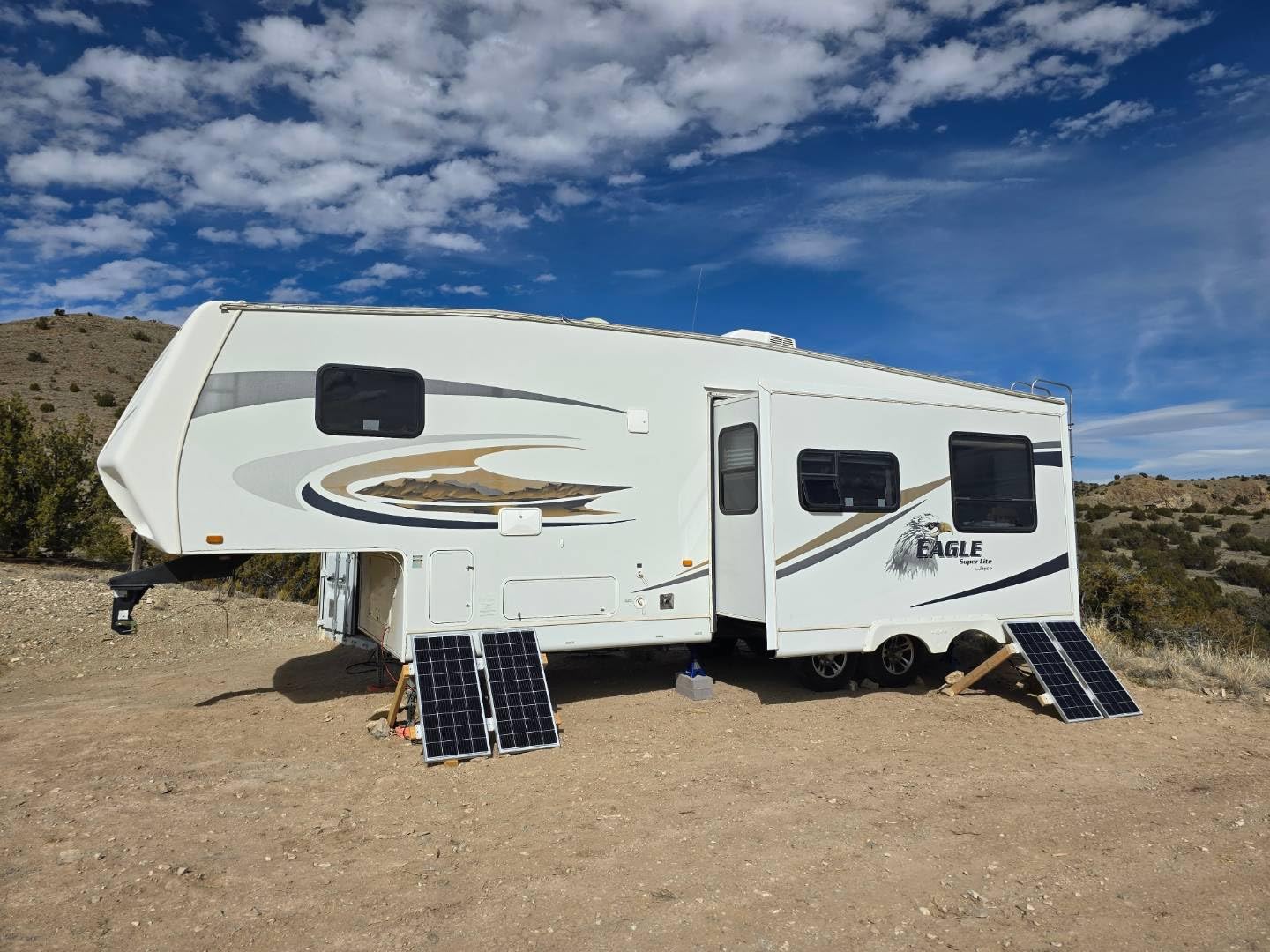
Dual-sided panels pick up reflected light from the roof and can gain up to 15 percent extra output, which is unusual value on a vehicle roof where the underside sees plenty of bounce. Charging current is adjustable from 5A to 40A by app or button, with three-stage charging and 0V activation for deeply discharged packs.
Where the reviews get critical is scope and cost. The 4.1 rating with 10 percent one-star reviews points to friction with the sheer size of the bundle and with what 200W of panel costs once a battery and inverter are in the box. The XT60 battery interface also caps at 30A, limiting how fast you can actually charge.
Who this kit suits
It suits first-time buyers who want a working system without researching controllers, inverters and battery chemistry separately, and it suits anyone whose priority is a durable battery bank with solar as the charging method.
It also works for anyone who needs to power small 120V devices away from a campground pedestal. A 600W pure sine wave inverter is enough for a router, a monitor and a coffee maker, though not for a microwave or an air conditioner.
Where it falls short
Two hundred watts of panel for a bundle this size is modest. Once the battery and inverter are included, you are paying for a lot of hardware, and the panel count limits you to roughly 600 to 800Wh a day before losses.
More components also means more that can need troubleshooting, and the 4.1 rating reflects that. If you already own a battery and an inverter, buying this bundle duplicates gear you do not need.
How Much Solar Do You Actually Need to Boondock?
Start with your loads, not your roof. Add up the amp-hours each device pulls over a day, because that number is what your array has to replace every 24 hours while the battery sits between roughly 50 and 80 percent charge.
12V compressor fridge — roughly 40 to 60Ah a day in typical weather, and the single biggest driver of array size on a boondocking rig.
Starlink — about 45 to 75W while running, which works out to a substantial daily draw on top of everything else.
Lighting, water pump and phone charging — another 20 to 35Ah combined on a typical evening.
Laptops, routers and monitors — the reason a working remote setup changes the whole calculation.
Two sizing rules circulate among RV owners and they disagree. The first is 200W of panel per 100Ah of battery bank. The second, from the r/RVLiving crowd, is 1.5 to 2 times your bank size in watts, which is far more generous. Both land in the same place for most rigs: a 200 to 400Ah bank wants 400 to 600W if you want to be comfortable in anything other than perfect conditions.
Season matters more than most buyers expect. Peak sun hours swing from roughly 5 in midsummer to 2 to 3 in midwinter at most North American latitudes, so a winter-only boondocker needs an array sized for the worst month rather than the best. A 200W panel that comfortably carries a fridge in June can leave you on shore power or a generator in January.
The other half of the equation is the bank itself. Several owners report that switching to lithium RV batteries returned more usable capacity than adding another 200W of glass, because a lithium bank accepts a fast charge and delivers it without the absorption plateau that eats a lead-acid bank. If your bank is old and lead-acid, fix that before you spend on panels.
PWM vs MPPT: The Upgrade Worth More Than Another 100W
A PWM controller simply clamps the panel down to the battery’s voltage. An MPPT controller converts the full sweep of panel output to the exact voltage your battery wants, which is why a well-matched MPPT unit can harvest 20 to 40 percent more energy from the same panels. That is where the familiar 33 percent rule comes from: the gap between nameplate panel watts and delivered watts is largely controller loss plus heat loss plus shading.
Two kits in this roundup ship genuine MPPT hardware — the Renogy 400W with its 40A Rover, and the ECO-WORTHY 400W with a 40A MPPT unit quoted at 99 percent tracking efficiency. Everything else uses PWM. For a 100W maintenance panel, PWM costs you almost nothing. For a 400W array feeding a bank you monitor closely, the controller is the single highest-return upgrade in the category.
Where output quietly disappears, in rough order of severity:
Heat. A dark roof surface in July runs 20 to 30C above ambient, and panel output falls with every degree above 25C. A 200W panel can read 150 to 160W on a hot clear afternoon.
Shade. One roof vent or an air conditioner shroud landing on a third of a string drags the whole string down through the bypass diodes. Owners repeatedly recommend walking the rig at 9am and 4pm before laying out an array.
Voltage drop. Long cable runs on 10 AWG quietly shave output. The Renogy RV kit ships a 30ft 10AWG adapter kit for exactly this reason.
Controller clamping. PWM units hold the array at battery voltage, so a panel producing 21V into a 12.8V bank simply has the top of its curve thrown away.
Roof-Mounted vs Portable: Which One Fits How You Camp
A fixed array is invisible, always there and never forgotten in a truck bed. It needs roof area, a permanent penetration and a rigid mounting plan. A portable panel goes where the sun is, which is the whole point when you are parked under trees or in a canyon, but it is 9 to 35 lb of hardware you set up and pack away every day.
The roof constraint is real and hits first-time buyers hardest. A camper van typically offers 15 to 25 square feet of clear roof, which caps you near 200 to 400W. A travel trailer gives you 40 to 70 square feet, and a Class A motorhome can carry 60 to 100 square feet, which supports 800W and beyond.
Experienced full-timers keep converging on a hybrid: a modest roof array for baseline charging plus one folding panel on a long lead for the weeks when shade wins. It costs more than either option alone and it is the configuration that survives real camping seasons.
Buying Guide: Choosing an RV Solar Panel Kit Without Regret
Pick the controller before you pick the panels. On a 400W array feeding a bank you actually monitor, moving from PWM to MPPT is worth more than adding another 100W of glass. Only the Renogy 400W and ECO-WORTHY 400W here ship genuine MPPT hardware, so if conversion efficiency is your priority, start from those two.
Then check connectors. MC4 is the industry standard and lets you expand, swap controllers and feed power stations without adapters. SAE and XT60 panels, which appear on the DOKIO foldables, limit how neatly you can wire multiple panels together and add a layer of heat-related connection risk.
Cell technology matters less than most listings suggest. N-Type at 25 percent, PERC at 21 to 22 percent, and older mono at 19.5 percent all deliver usable power; the gap only becomes decisive on a small roof where every watt of density counts. A 220W N-Type pair and a 200W PERC pair occupy nearly the same space, so on a van roof the newer cells are worth the premium.
On flexible panels, the honest answer is that they earn their place only on curved van roofs and fiberglass caps. They run 20 to 30C hotter with no air gap, delaminate around year three, and leave adhesive to peel off a roof membrane. Every rigid kit in this roundup is a better long-term bet.
Before you drill, decide where the array goes by walking the rig at 9am and 4pm and watching where shadows fall from vents, the refrigerator unit and any air conditioner shroud. Bolt into a structural member rather than thin luan, run 10 AWG on long distances, and use self-levelling lap sealant at every penetration. Roof leaks are the number one thing that stops owners from installing solar at all, and all of them are avoidable.
Finally, check what the box actually contains. Several kits here ship a panel, a controller, brackets and cable, which is what you want. Others ship a bare panel, and you will source a controller, brackets and wire separately. Buying a bare panel expecting a kit is the most common complaint pattern in this category.
Frequently Asked Questions
What are the best solar panels for boondocking in an RV?
A 200W kit with a 30A controller is the sweet spot for most weekend and part-time boondockers, returning roughly 600 to 800Wh on a clear day. Run a 12V compressor fridge daily and you want 300 to 400W. Full-timers adding Starlink and laptops should target 400 to 600W with an MPPT controller, and match the array to the clear roof area your rig actually offers.
What is the best solar RV kit?
For a fixed roof install, the ECO-WORTHY 200W kit is the best all-round choice, with the highest rating in this roundup, standard MC4 connectors and a complete hardware bundle. For a larger array, the Renogy 400W kit with its 40A MPPT controller converts more of the available sun than any PWM bundle here. For portable use, the Renogy 200W N-Type suitcase is the strongest balance of durability and delivered output.
How much solar do I need for RV boondocking?
Size from your daily amp-hour draw rather than your roof. A 12V compressor fridge runs 40 to 60Ah a day, Starlink adds a substantial continuous draw at 45 to 75W, and lighting plus the water pump adds another 20 to 35Ah. A common rule is 200W of panel per 100Ah of battery, while owners often suggest 1.5 to 2 times the bank size for year-round comfort.
How long will a 400W solar panel take to charge a 100Ah battery?
In ideal conditions a 400W array pushes roughly 30A at 12.8V, which is about 384W, so a depleted 100Ah battery takes about four hours of full sun to reach full charge. Realistically, expect six to eight hours, because heat losses, controller conversion, wiring drop and the battery absorption stage all work against you. Partial charging for a fridge is much faster, which is what matters day to day.
Which is better, Renogy or ECO-WORTHY?
Renogy is the stronger choice for a portable or Bluetooth-monitored system, with far more reviews, a 25 percent N-Type portable option and broader documentation. ECO-WORTHY is the stronger choice for a fixed roof array, because the MC4 connectors and complete bracket, cable and controller bundles integrate cleanly with other equipment. For an MPPT array specifically, the ECO-WORTHY 400W undercuts the Renogy 400W.
What are the best solar panels for a travel trailer?
A travel trailer typically offers 40 to 70 square feet of clear roof, which supports 400 to 600W comfortably. The Renogy 400W kit with a 40A MPPT controller is the natural fit for a fridge and Starlink, while the ECO-WORTHY 200W kit covers a smaller trailer or a 100 to 200Ah bank. Leave roof space free around vents and the refrigerator unit to avoid shading.
What is the best solar panel kit for a motorhome?
Motorhomes have the roof area to support 600 to 1000W, so the priority shifts from kit size to controller quality and battery bank capacity. A large MPPT array plus a lithium bank is the combination that removes a generator from your list. A Class A prewired for a specific system is worth checking before buying anything, since existing wiring can cut your install work substantially.
What is the 33% rule in solar panels?
It describes the gap between a panel’s nameplate rating and the power that reaches your battery. The losses come from PWM controllers clamping panel voltage to battery voltage, from panel temperature rising above 25C on a hot roof, from partial shading dragging down a whole string through bypass diodes, and from voltage drop across long cable runs. An MPPT controller recovers much of the controller share of that loss.
Do RV solar panels work in winter and on cloudy days?
They work, but output drops sharply. Peak sun hours fall from roughly 5 in midsummer to 2 to 3 in midwinter at most North American latitudes, and a fully overcast day can deliver a small fraction of nameplate. Size your array for your worst month rather than your best, and treat solar as a supplement to shore power in deep winter rather than a replacement for it.
Conclusion: The Best RV Solar Panel Kits for Boondocking in 2026
The ECO-WORTHY 200W 12V/24V kit is the pick we would put on a typical trailer roof, because it pairs the highest rating in this group with standard MC4 connectors and a genuinely complete hardware bundle. If your bank is 200Ah or larger and you run a compressor fridge every day, step up to the Renogy 400W kit and spend the money on the 40A MPPT controller rather than on more glass.
If you move campsites or camp in shade, the Renogy 200W N-Type suitcase is the strongest portable option, and the DOKIO 200W foldable is the one to carry when weight matters more than features. Match whichever you choose to your real daily amp-hour draw, size it for your worst month rather than your best, and use the button below to check the current listing.