
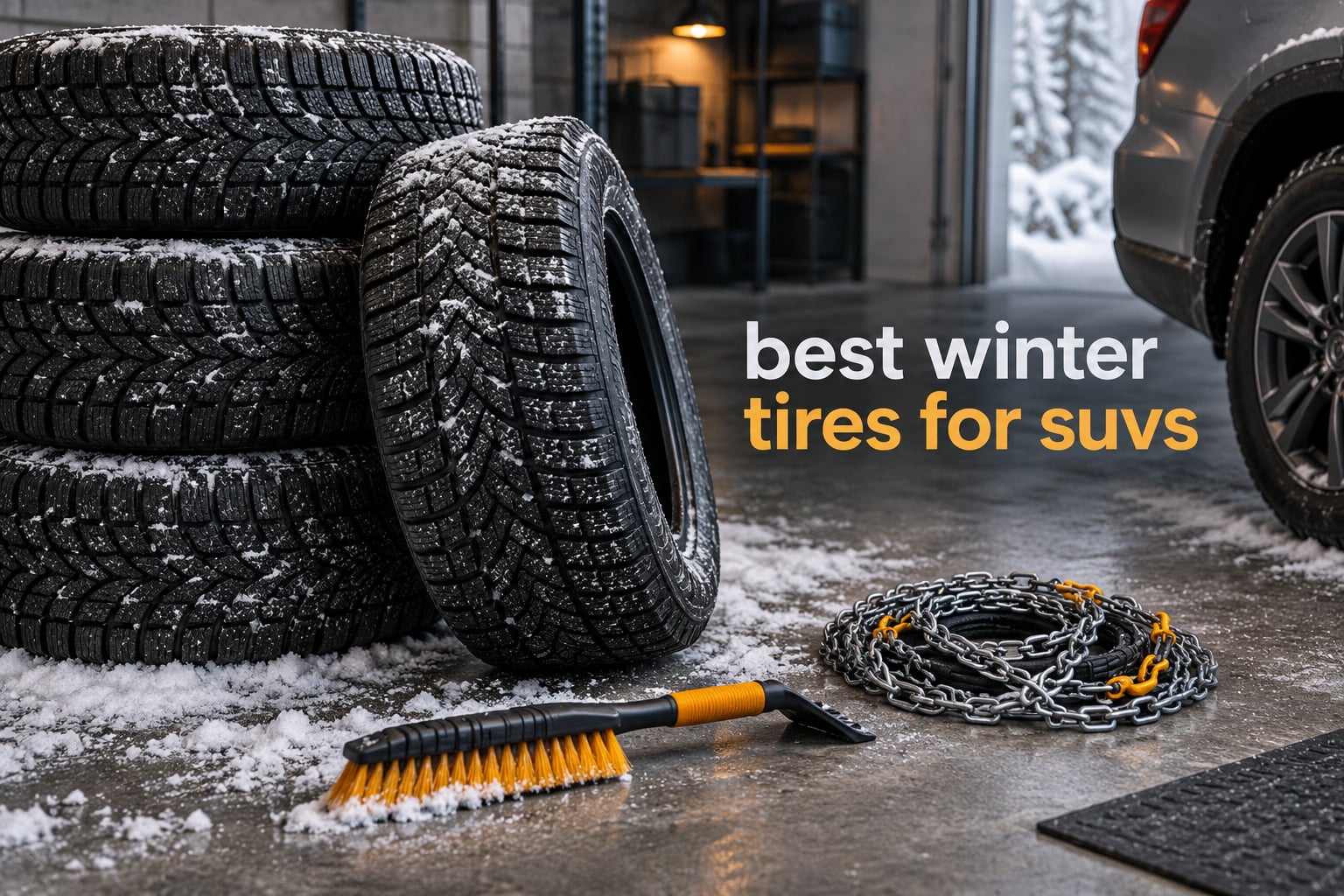
The best winter tires for SUVs are the ones rated for the coldest road surface you will actually meet, not the ones with the deepest marketing claim on the sidewall. Below 7°C (45°F) an all-season compound stiffens, the contact patch shrinks, and an SUV carries more mass and more body roll than a sedan, so the penalty for the wrong rubber is bigger than it is on a car.
We spent the last few months reading independent winter test data and thousands of owner reviews across these nine tire lines, then matched each one to the kind of SUV it was built for. Most of them carry Three-Peak Mountain Snowflake certification, and we flag the ones whose listings do not claim it. Every tire here is sold as a single tire, so plan on four.
Our quick answer: the General Tire Altimax Arctic 12 is the all-round pick for most crossovers and mid-size SUVs, the Cooper Discoverer True North is the sweet spot for snow and slush, and the Bridgestone Blizzak DM-V2 is the reference tire for pure black ice. Keep reading for the load index and ply details that actually matter on a heavier vehicle, because most buyers pick on size alone.
Before you fit anything, it is worth checking that your tire pressure gauge and inflator are accurate. We rated the best tire inflators for RV tires and the best portable air compressors for tires because cold weather is exactly when a marginal gauge turns into a real safety problem.
Table of Contents
Top 3 Picks for Best Winter Tires for SUVs (October 2026)

General Tire Altimax Arctic 12
- 225/65R17 106T XL
- Directional studdable tread
- 72-month treadwear coverage
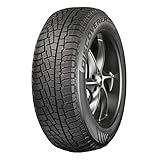
Cooper Discoverer True North
- 265/65R18 114T 10-ply
- 3PMSF severe weather rated
- Asymmetrical studless design
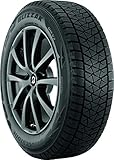
Bridgestone Blizzak DM-V2
- 265/70R17 115R 8-ply
- Multi-Cell compound for ice
- 15 percent more block edges
Quick Overview: All 9 Winter Tires for SUVs Compared
| Product | Specifications | Action |
|---|---|---|
| General Tire Altimax Arctic 12 225/65R17 |
|
Check Latest Price |
| Cooper Discoverer True North 265/65R18 |
|
Check Latest Price |
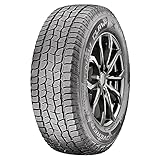 Cooper Discoverer Snow Claw 265/70R16 Cooper Discoverer Snow Claw 265/70R16 |
|
Check Latest Price |
 Hankook Winter ipike X SUV 265/70R18 Hankook Winter ipike X SUV 265/70R18 |
|
Check Latest Price |
 Armstrong Ski-Trac S 235/55R19 Armstrong Ski-Trac S 235/55R19 |
|
Check Latest Price |
 Firestone Winterforce 2 UV 225/65R17 Firestone Winterforce 2 UV 225/65R17 |
|
Check Latest Price |
 Sumitomo Ice Edge 235/65R18 Sumitomo Ice Edge 235/65R18 |
|
Check Latest Price |
| Bridgestone Blizzak DM-V2 265/70R17 |
|
Check Latest Price |
| Sumitomo Ice Edge Studable 235/60R18 |
|
Check Latest Price |
1. General Tire Altimax Arctic 12: Best Overall Winter Tire for Most SUVs
General Tire Altimax Arctic 12 Studable-Winter Radial Tire-225/65R17 106T XL-ply
225/65R17 106T XL
Directional studdable winter tread
26.6 lb tire weight
Pros
- Exceptional grip and stability in low temperatures
- Reliable braking on wet snowy and ice-covered roads
- Precise steering response on dry roads
- 72-month limited treadwear coverage
Cons
- Studdable design adds noise on bare pavement
- Heavy 26.6 lb casing is harder to mount
This is the tire we keep coming back to because it does the unglamorous things right. The Altimax Arctic 12 in 225/65R17 carries a 106 load index on an XL extra-load construction, which gives it 2094 pounds of capacity per tire and a 51 psi maximum cold pressure. On a mid-size crossover running 3500 to 4500 pounds that headroom matters more than people realise.
Owners consistently describe grip and stability in low temperatures as the standout, with braking that stays predictable on wet, snowy and ice-covered roads. One of the more useful details in the listing is the 45-day trial period, which lets you run it through a real Canadian February and judge for yourself rather than trusting a brochure.
Where it impresses me most is the dry side of the ledger. A lot of winter tires feel vague the moment the pavement dries out, and the Arctic 12 gets specific praise for precise steering response and solid dry-road handling. That matters in a place like Minnesota where you spend half of January on bare, salted highway.
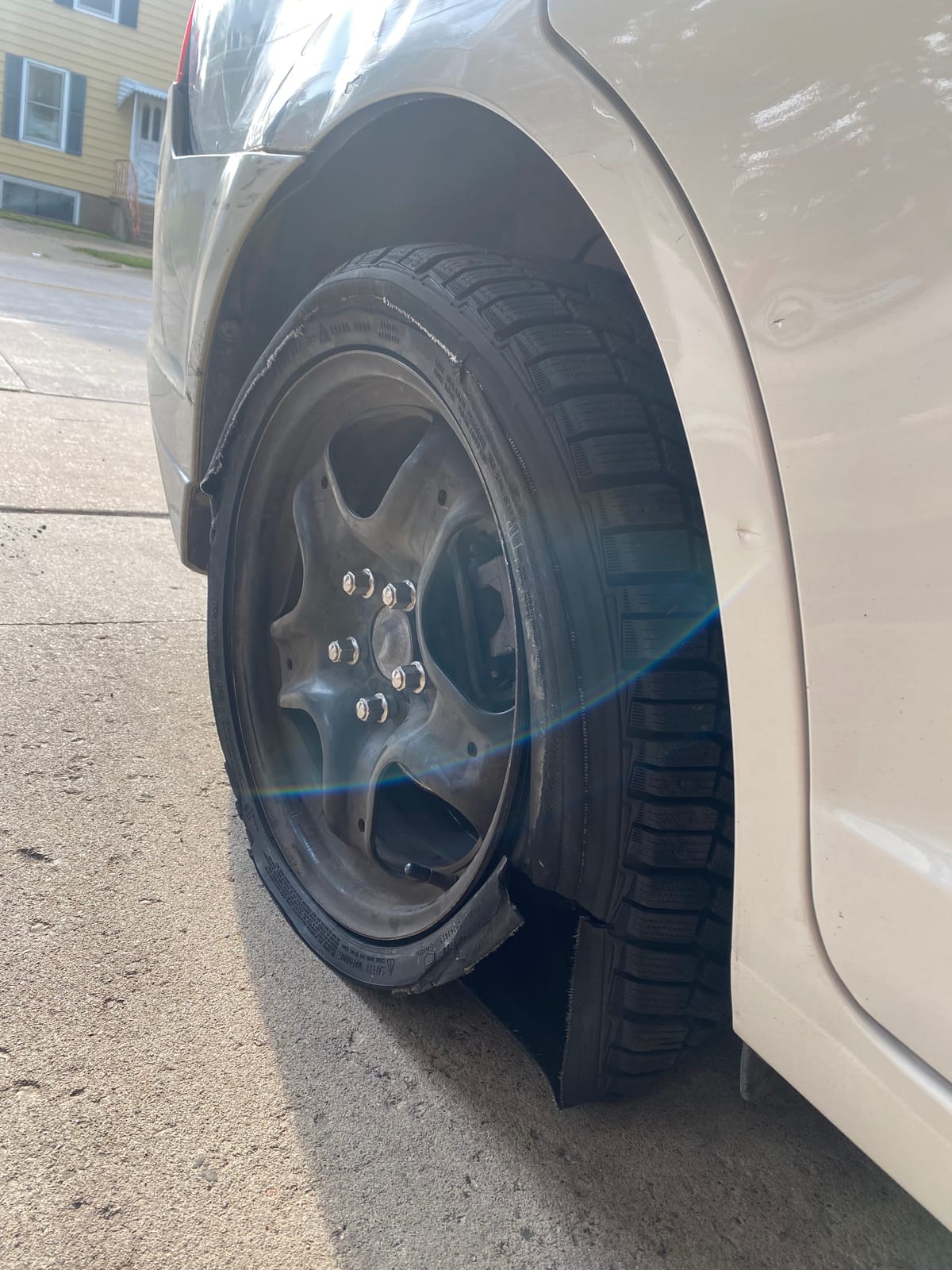
The construction is directional, which is the single biggest thing to understand about this tire. Directional tread does the best snow work because it pushes slush out of the way instead of letting it sit under the contact patch. The trade is that you cannot rotate front to rear; the rotation pattern becomes rear-left to rear-right to front-left to front-right on the same axle.
It is also a studdable platform. In a province or state where studs are legal, the Altimax Arctic 12 accepts pins, which is a genuine advantage for anyone who lives on unplowed rural roads and faces packed snow rather than city slush. If you do not need studs, the same casing runs perfectly well without them and stays quieter on bare pavement.
The honest drawback is weight. At 26.6 pounds per tire this is a chunky carcass, and mounting four of them on your own rims is a longer job than fitting a set of lighter passenger-car touring winter tires. If you are paying a shop to install, that labour is the same regardless of tire weight, so buy the grip.
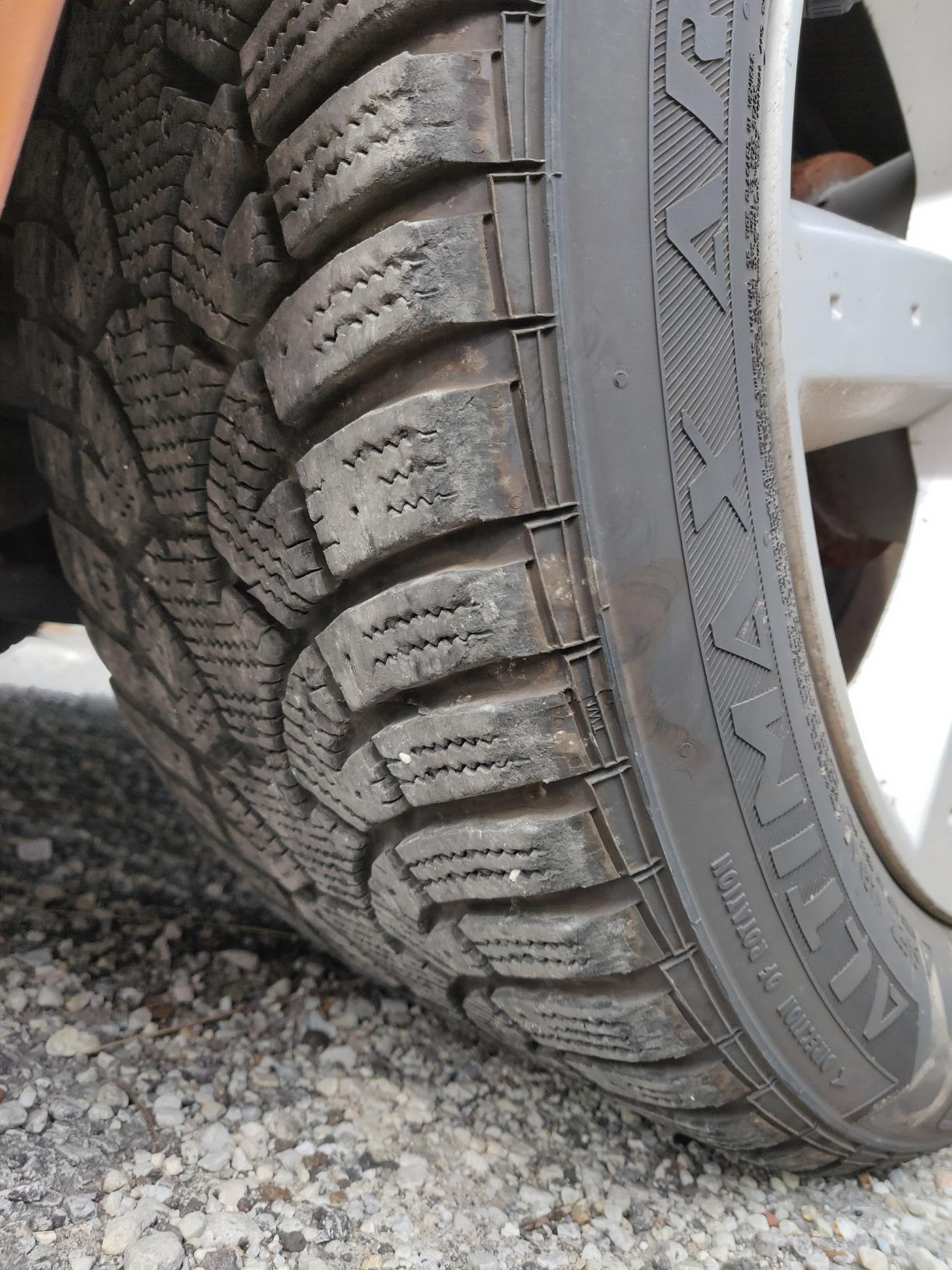
Check the load index before you order
The 106T XL rating is the reason this tire works so broadly across SUV classes. A 225/65R17 is a very common crossover fitment, and the XL construction here carries more weight per tire than a standard-load 102 index would. If your door jamb placard calls for a higher load index than 106, go up rather than down, because an under-rated tire on a heavy SUV is a blowout risk rather than a grip problem.
Buy all four at once and check the DOT date code on the sidewall before you fit them. Rubber ages whether it is on the road or in a garage, and a set that has been sitting for a season in a warehouse is already a year old when it arrives. Most buyers who regret a winter tire regret the age, not the model.
Where this tire is not the right call
If you drive almost entirely in a mild climate and see snow only a handful of days a year, this is more tire than you need, and a good all-weather or all-season crossover tire will serve you better for the money. The same goes for electric SUVs on short winter commutes, where the higher rolling resistance of a soft winter compound works against range.
It is also a directional design without a strong crossover-specific marketing story, so drivers who rotate religiously and expect long tread life should note that winter compounds of this type simply wear faster than all-season rubber. Budget for three or four seasons and rotate every 3000 to 5000 miles.
2. Cooper Discoverer True North: Best Value Studless Winter Tire for Snow and Slush
Cooper Discoverer True North Winter 265/65R18 114T Tire
265/65R18 114T 10-ply
2601 lb load capacity
3PMSF severe weather rated
Pros
- Shortest snow stopping distance in the Cooper lineup
- Incredible grip on snow slush and black ice
- Exceptionally quiet for a studless tire
- Good highway commute manners in winter
Cons
- Wide 265/65R18 size needs matching rims
- Listings show shallower tread than actual
The True North is the one to look at if your winters are snow, slush and salted highway rather than deep unplowed drifts. It is a 265/65R18 114T on a 10-ply light-truck construction, rated to 2601 pounds per tire at 44 psi, and it carries 3PMSF severe weather certification. That combination of truck-rated build and studless quietness is unusual and it is why this tire keeps showing up on owner recommendation lists.
The headline claim from owners is the snow braking. Multiple reviewers describe it as having the shortest stopping distance in Cooper’s winter lineup, with grip that holds up on snow, slush and black ice alike. Several owners also mention how differently their vehicle behaves after the swap, with no fishtailing on the highway and smooth, controlled acceleration.
What surprised me reading the reviews is the quietness. Studless winter tires are usually loud, and one of the most common complaints across every brand is road noise. This one draws repeated praise for being exceptionally quiet for a studless winter design, which matters if you commute 40 miles each way in a heavy SUV with three rows of seats.
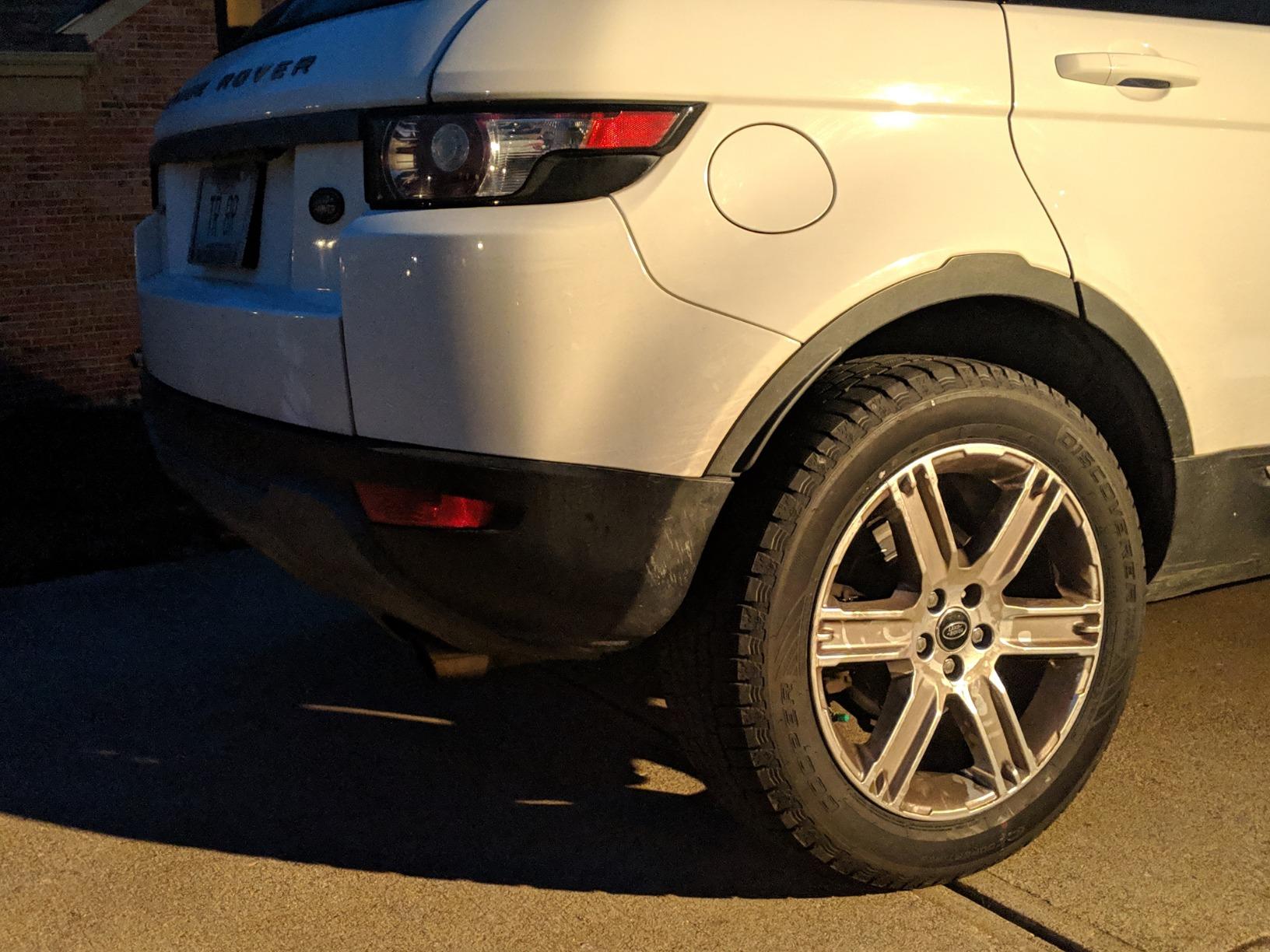
Longevity is the other thread owners keep pulling on. One set reportedly reached roughly 60,000 miles, and multiple reviewers mention strong value compared with local tire-shop pricing for the same size. On a 265 section width the compound is working with a lot of rubber volume, and the 11/32 inch starting depth gives it room to run.
The obvious complication is fitment. A 265/65R18 is a wide tire on an 18-inch rim, and if your SUV came on a narrower factory size you need the correct wheels to run it. Widening the section width can also nudge fuel economy down and change steering feel, which is a real trade for a vehicle used as a family hauler.
One small but useful heads-up on the listing photos: several reviewers note the tread looks shallower in the pictures than it is in person. Judge the actual tread depth when the box arrives rather than trusting the images on the page.
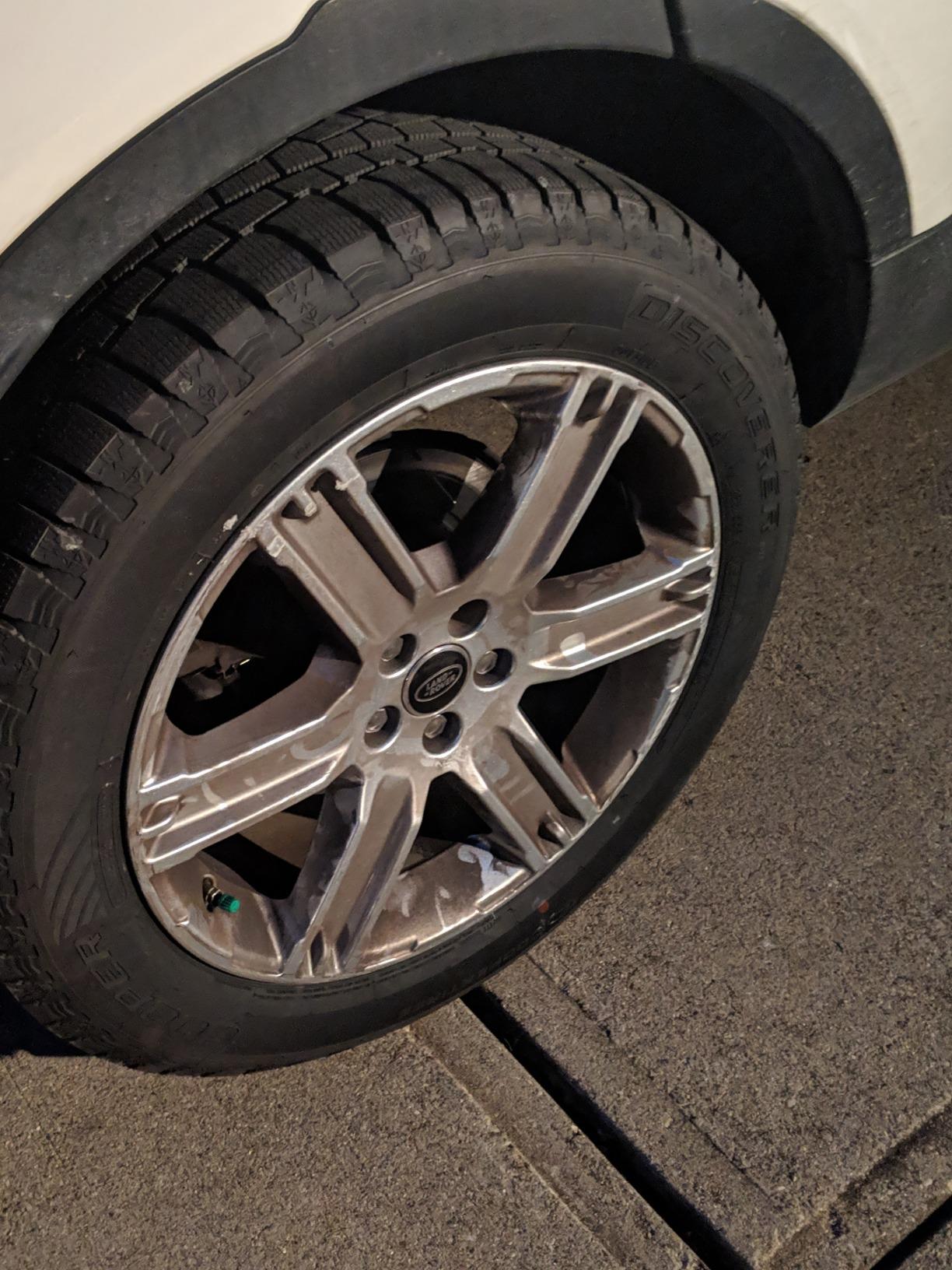
Why the 10-ply build matters on an SUV
A 10-ply light-truck casing is stiffer and heavier than a 4-ply passenger-car winter tire, and that stiffness is exactly what keeps the contact patch from folding under the weight of a loaded SUV. When a full-size vehicle is carrying passengers, cargo and a battery pack, a tire that flexes too much loses braking grip even if its compound is excellent.
On a family SUV this tire is close to ideal for daily winter use. It is not a deep-snow specialist, so if you regularly climb unplowed mountain roads or run a road through a rural valley that stays packed all winter, look at a studdable design from this guide instead.
Where owners report being disappointed
The wide size is the most cited drawback, and it is a practical one. If your rims are not wide enough for a 265 section, this tire will not seat properly, and forcing it creates uneven wear. Check your rim width against the section width before ordering rather than after mounting.
Secondary complaints focus on the extra rolling mass of a 38.7 pound tire and the modest fuel economy penalty that comes with a wide footprint. On a highway commuter that is acceptable, on a smaller hybrid crossover driving mostly in town it may not be.
3. Cooper Discoverer Snow Claw: Best for Deep Snow on a 4×4 Pickup or Older SUV
Cooper Discoverer Snow Claw Winter 265/70R16 112T Tire
265/70R16 112T 12-ply
2469 lb load capacity
Stud-pinned construction
Pros
- Snow Groove Technology traps snow for traction and stopping power
- Compound stays flexible in bitter cold
- Stud-pinned construction where studs are legal
- 3PMSF severe weather certified
Cons
- Non-directional pattern gives up some deep-snow bite
- 16-inch wheel is smaller than many current SUV fitments
Cooper built the Snow Claw for a specific job: getting a pickup or an older truck through snow that nobody has plowed. The patented Snow Groove Technology runs through the tread and traps snow, then uses that trapped snow for additional traction, handling and stopping power. It is a mechanical trick rather than a compound trick, and it is why this tire behaves well where other tires bog down.
This one is a 265/70R16 112T on a 12-ply construction, rated to 2469 pounds per tire at 44 psi. Twelve plies is the heaviest build in this roundup, which tells you immediately that Cooper designed it for a vehicle carrying real weight through winter. The sidewall is also tall, at 70 percent aspect ratio, and a tall sidewall is the classic advantage in deep snow because more rubber flexes into the snow bank.
It is stud-pinned by design, so owners in regions where studs are permitted can add them for severe conditions. It also carries 3PMSF severe weather certification and comes under a standard limited warranty. The compound is formulated to stay flexible when the weather turns bitter, which is the specific failure mode that catches out-season tires on a January morning.
Starting tread depth is 13/32 inch, the deepest of the group, and that depth is doing real work here. Deep snow eats tread fast, and owners who run this tire through a full season in real conditions still have usable block left at season end.
Studded capability is the deciding factor in many regions
If you are in a place where studs are legal, the ability to pin this tire is worth more than most compound differences. Studs bite into ice that no amount of rubber friction would overcome, and on a steep unplowed driveway on a cold morning that is the difference between moving and not moving. Just be honest about the costs: studs are loud on bare pavement and they chew through the tread blocks faster.
Where studs are restricted or banned, this tire still works well as a studless design, and the Snow Groove concept carries over without pins. Drivers on salted highways who mostly want quiet will not get that here.
Know what a non-directional pattern costs you
The clearest reservation in owner reviews is that a non-directional tread pattern gives up some of the snow performance a directional design would deliver. Non-directional patterns are more versatile because you can rotate the tire in any position, but they are less efficient at evacuating slush, and slush on a highway is its own kind of hazard.
The second limitation is fitment age. A 265/70R16 is an older truck and SUV size, so if you drive a current-generation crossover or a three-row SUV that came on 19-inch or 20-inch wheels, this tire is not available in your fitment. Check the size on your door placard first, because the 16-inch rim diameter is the constraint.
4. Hankook Winter ipike X SUV: Best Studdable CUV and Light Truck Tire
HANKOOK Winter ipike X SUV W429A 265/70R18 116T
265/70R18 116T directional
2756 lb load capacity
Studdable with TSMI number 12
Pros
- Wide center tread block improves snow and ice traction
- New compound boosts strength and durability
- Can be pinned with TSMI number 12 studs
- Built specifically for CUVs SUVs and light trucks
Cons
- Directional pattern prevents front-to-back rotation
- Studding depends on local laws
Hankook designed the Winter ipike X specifically for CUVs, SUVs and light trucks rather than adapting a passenger-car tire upward. That intent shows in the numbers. This 265/70R18 carries a 116 load index, which at 2756 pounds per tire is the highest capacity of any tire in this roundup, and it accepts TSMI number 12 studs for severe ice and snow.
The wide block in the centre of the tread is the feature owners notice first. A broad, stiff centre section gives the tire a stable platform for snow and ice traction, which is what keeps it from wandering on a plowed-but-icy highway. Three-Peak Mountain Snowflake certification is present, so it clears the standard for severe-weather use.
Durability is the other headline. Hankook built this one on a newer rubber compound chosen for strength and longer tread life, and a 12.5/32 inch starting depth backs that up. On a vehicle that carries a lot of weight, a compound that does not go soft and greasy in the second month of the season is genuinely valuable.
Check the load index against your vehicle weight
A 116 index makes this the right pick for heavier three-row SUVs, full-size trucks and tow-capable vehicles that stretch a 265/70R18. If you tow a trailer in winter or carry a permanent rear load, that extra capacity is the difference between a tire that wears flat under pressure and one that keeps its shape on the road.
The constraint is the wheel. An 18-inch rim at 265 section width needs to be at least 8 inches wide, and if your factory setup is a narrower tire on the same diameter you would be moving up a size. Confirm the rim width before you commit.
What the direction pattern means for you
This is a directional tread, and that is the main thing to plan around. Directional patterns deliver the cleanest snow and slush evacuation, but you cannot rotate the tire front to rear. Plan a same-side rotation every 3000 to 5000 miles and you will get most of the tread life the compound is capable of.
Owner feedback also points to a small but real gap: a few buyers wanted more bite in deep, unplowed snow. That is expected from a highway-oriented directional pattern, and it is the trade for the quieter ride and better slush performance. For a weekend cabin road buried under a metre of snow, look to the Snow Claw or a studded setup instead.
5. Armstrong Ski-Trac S: Best Touring Winter Tire on 19-Inch Wheels
Armstrong Ski-Trac S 235/55R19 105T XL Touring 19 inch Tire
235/55R19 105T XL 4-ply
2039 lb load capacity
Studdable touring construction
Pros
- Studdable winter traction for trucks and SUVs
- XL rating supports 2039 lb per tire
- Symmetrical tread is rotation friendly
- 19-inch fitment suits many modern crossovers
Cons
- Shallower listed tread than most competitors
- 4-ply XL build is lighter than truck-rated tires
- Tire only
- rim not included
Most winter tire lineups thin out at 19 inches and above, which is why the Armstrong Ski-Trac S is worth a look. It is manufactured for trucks and SUVs in 235/55R19, a size that fits a large share of current crossovers and mid-size SUVs that came on big factory wheels. Owners describe it as dependable in snow and ice with quiet, predictable handling.
The XL extra-load rating supports 2039 pounds per tire at 51 psi, and the speed rating T certifies to 118 mph. That is enough for a family SUV carrying five people and luggage across a northern highway without drama, though it is not the tire for a full-size pickup working a tow trailer every day.
The symmetrical tread pattern is a genuine practical advantage over directional designs. You can rotate this tire front to rear in a conventional four-way rotation, which spreads the wear across the whole face and extends usable life. That matters more than it sounds because a winter compound wears fast regardless of which pattern it wears on.
It is also a studdable touring design, so in a stud-legal region you have the option to add pins when a winter turns severe. Out of the box it runs studless, which suits most buyers who never leave plaved roads.
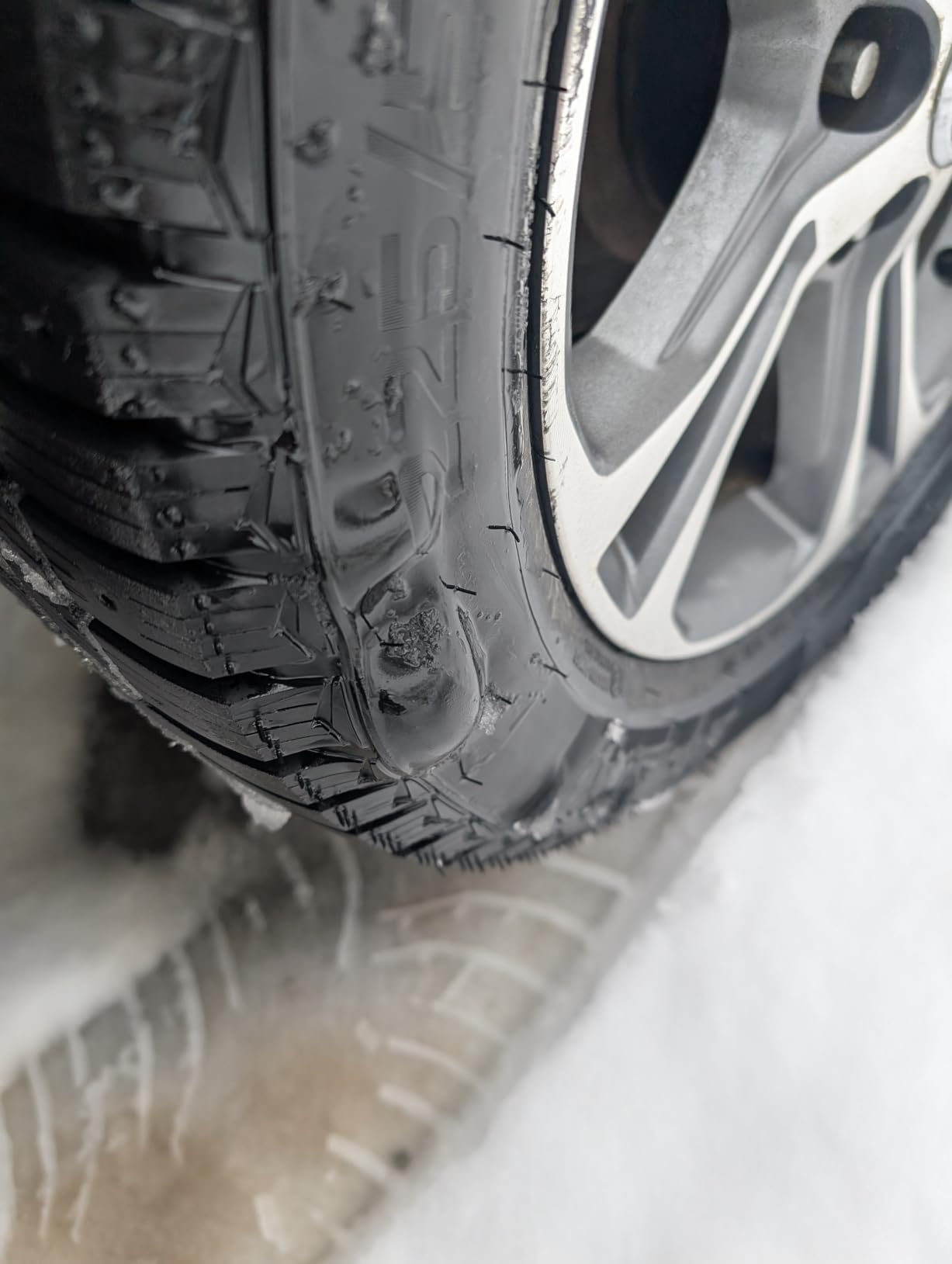
Know exactly what an XL 4-ply build can and cannot do
This is the specification to understand before you buy. A 4-ply XL tire carries the same weight class as a heavier-ply standard-load tire on paper, but the sidewall is thinner and the casing is less stiff. On a mid-size crossover that is entirely adequate. On a 5,000-pound full-size SUV running a 5000 series code it is not, and the correct move is a truck-rated LT tire instead.
Starting tread depth is listed at 9.53 millimeters, which is shallower than the 12 to 14/32 inch starting depths of the truck-rated tires in this guide. That gap shows up in unplowned snow, where a deeper block has more material to lose before you reach the wear bars.
It is tire only, so you need compatible 19-inch wheels. That is normally not an issue if your SUV is already on 19s, but it does mean you are not buying a package.
Who should and should not buy this tire
Buy it if you drive a late-model crossover or mid-size SUV on factory 19-inch wheels, want a tire that can be rotated properly, and mostly see plowed or salted winter roads. It fits that job cleanly and owners rate it well above average for consistency.
Skip it if you tow, if you routinely drive deep unplowed snow, or if your vehicle is heavy enough that a truck-rated construction is the safer choice. The lighter build is the honest limitation, and the value compared with other premium touring winter tires is the reason it makes the list at all.
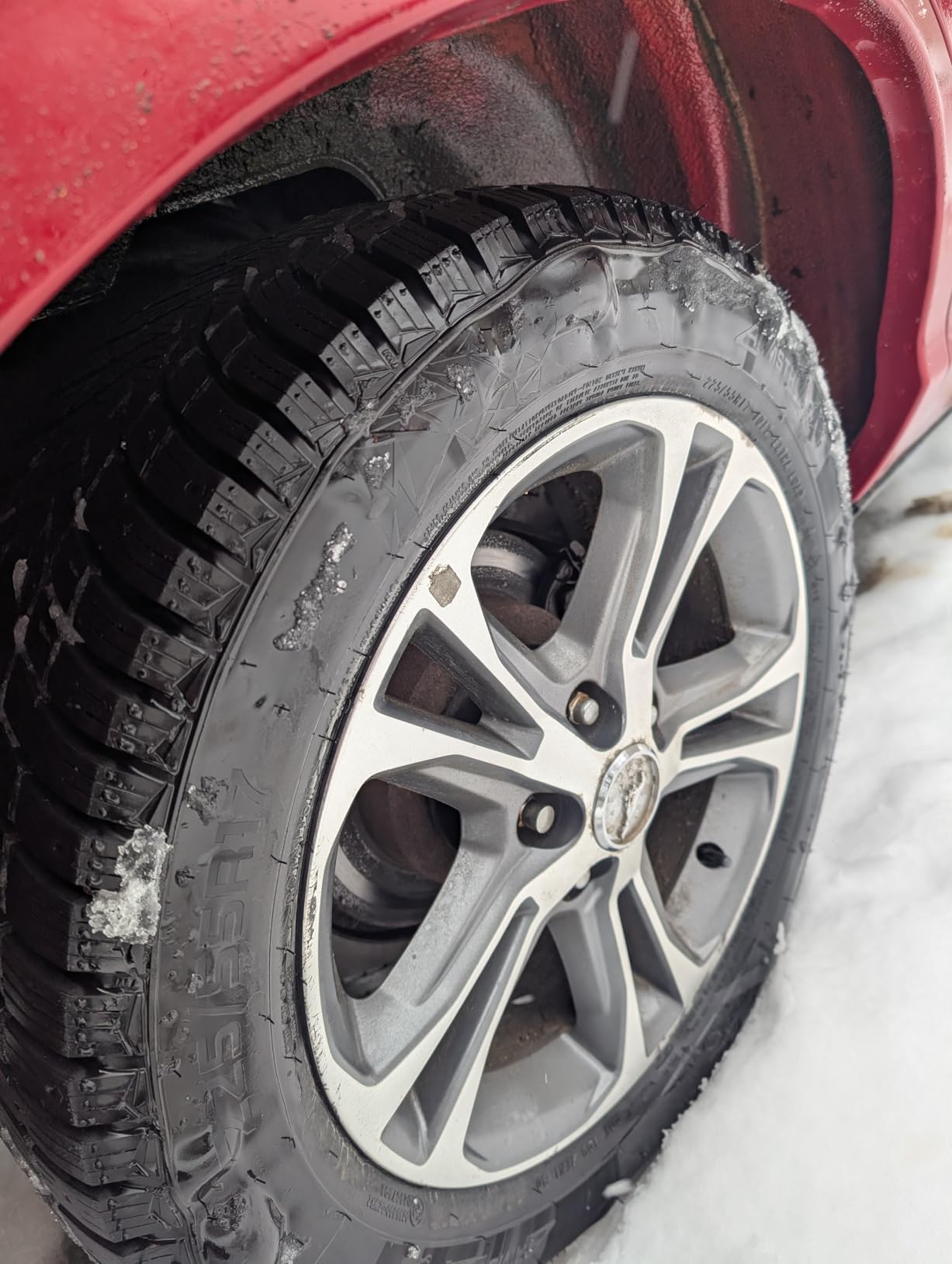
6. Firestone Winterforce 2 UV: Best Winter Tire for a Daily Commute
Firestone Winterforce 2 UV Winter/Snow SUV Tire 225/65R17 102 S
225/65R17 102S
12/32 inch starting tread
Studdable platform
Pros
- Dependable grip on snow and slush commutes
- Built for sustained winter use with long-lasting tread
- Good perceived value from an OEM brand
- Studdable where studs are permitted
Cons
- S speed rating is lower than competing 225/65R17 tires
- Standard-load 102 index limits maximum weight
The Winterforce 2 UV is made by Bridgestone and sold under the Firestone name, which means you get an OEM-brand winter tire at a price that usually undercuts the equivalent in the premium house labels. In 225/65R17 102S it covers an enormous share of crossover fitments, and owners rate it well for the job most people need a winter tire to do.
Owner feedback centres on dependable winter grip for snow and slush-covered commutes, plus long-lasting performance across sustained winter use. That is the correct priority for a city and suburban driver: predictable braking on treated roads, no drama in a snowbank, and a tread that survives to the end of March.
Starting tread depth of 12/32 inch is competitive, and the platform is studdable in regions that permit it. Reviewers generally treat it as good value for an OEM winter tire, which is the practical reason to choose it over a European or Japanese nameplate.
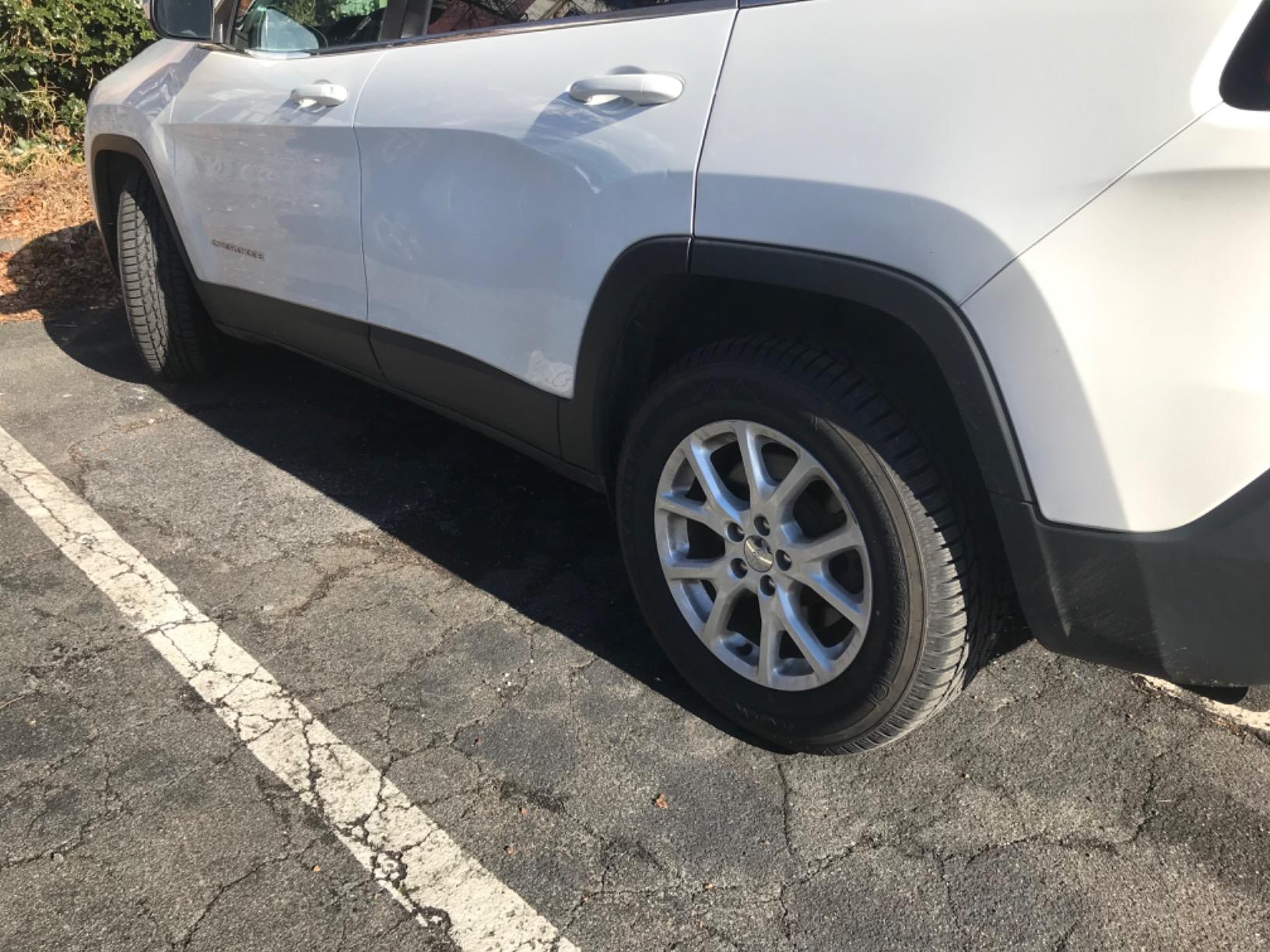
What the S speed rating tells you
This tire’s speed rating is S, which caps it at roughly 150 mph. Almost nobody drives an SUV at that speed on a winter tire in January, so in practice this is a non-issue. It does mean the tire is not homologated for higher speeds the way an H or V rated winter tire would be, and on autobahn-oriented setups in parts of Europe that would matter.
The load index is the more practical consideration. A 102 index on standard-load construction gives 1874 pounds per tire at 44 psi. That covers most compact and mid-size crossovers. If you drive a heavier three-row SUV and the placard asks for 104 or above, choose a tire with a higher index rather than accepting this one.
Check the tread description carefully before ordering
There is a real inconsistency in how this size is listed: some listings describe a directional tread and others describe an asymmetrical pattern. That is not a minor packaging detail. If the tire you receive is directional, the rotation pattern changes, and you will want to know that before you start logging mileage.
Ask the retailer to confirm the tread pattern from the model number on the sidewall before you buy a full set, and check the DOT date code at the same time. Beyond that, the common complaint is simply that the S rating and the 102 index trail the heavier XL and truck-rated options in this roundup, which is the cost of buying into a lighter-duty size.
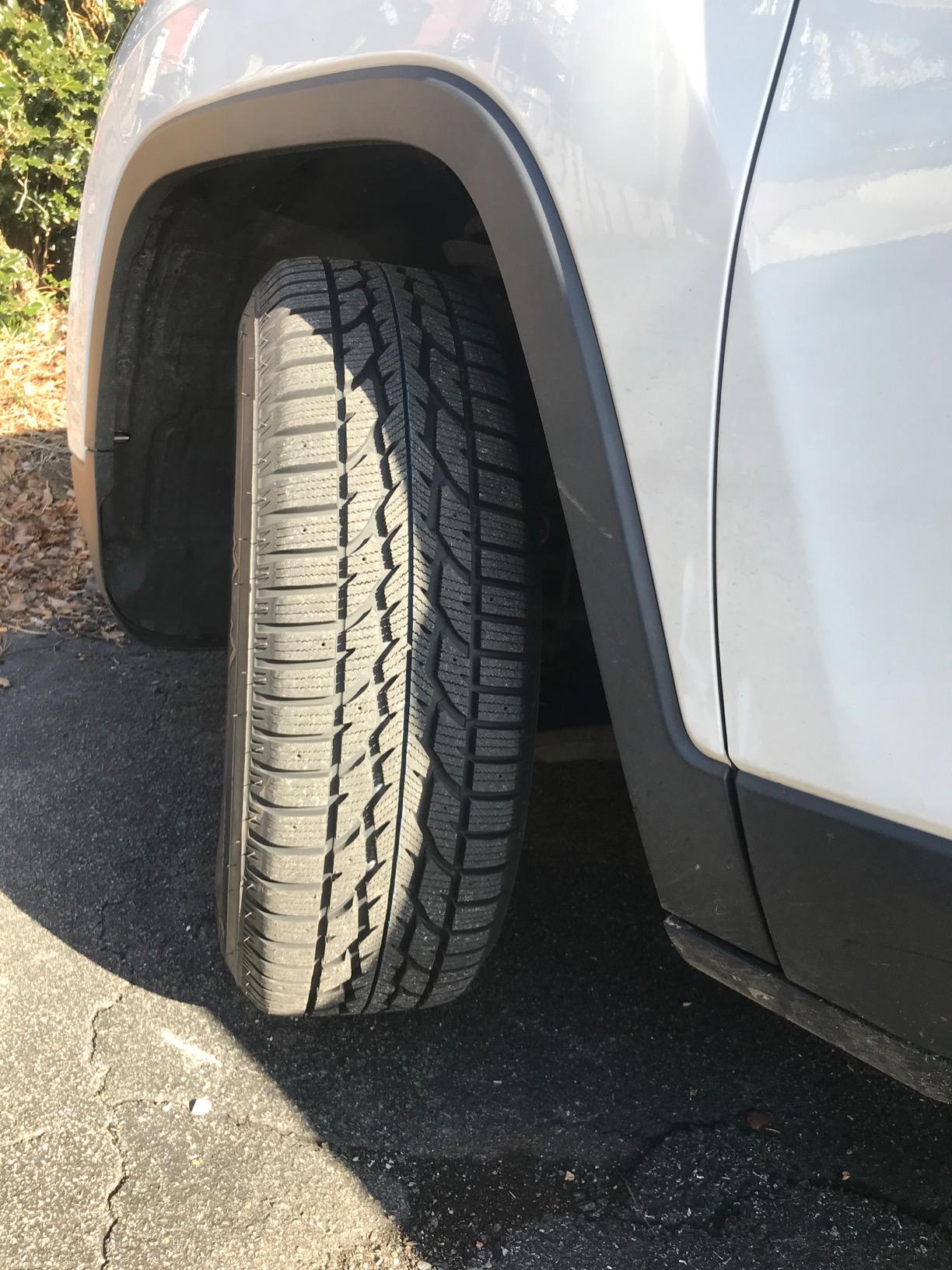
7. Sumitomo Ice Edge 235/65R18: Best Budget Winter Tire for a Crossover
Sumitomo Ice Edge Snow Radial Tire-235/65R18 106T
235/65R18 106T directional
12.9/32 inch tread depth
3D sipe winter design
Pros
- Cold-weather compound tuned for low-temperature grip
- 3D sipe technology for bite on snow and ice
- Wide serrated channels evacuate slush quickly
- Smooth ride comfort with stable handling
Cons
- 4-ply standard-load build is lighter than truck-rated winter tires
- Less winter testing history than the big Japanese brands
The Ice Edge in 235/65R18 is the pick when you want a proper dedicated winter tire without paying a premium nameplate premium. Sumitomo developed it with their most advanced cold-weather technology, and the result is a compound tuned specifically for grip at low temperatures with a tread built to bite into snow and ice.
The 3D sipe technology is the part worth understanding. Sipes are narrow cuts in the tread blocks that open under load and give the rubber extra edges to grab with. The three-dimensional version adds a locking element so the sipes stay open longer under braking, which is exactly the moment you need the extra bite.
Wide serrated tread channels handle the slush problem, moving water, snow and grit out of the contact patch faster than a conventional pattern. That detail is more relevant than it sounds in cities where plowed snow turns into a wet slurry that sprays up into the wheel wells and coats the road surface.
Owners describe confident grip on snow and ice along with a comfortable ride, and the 235/65R18 fitment is one of the most common on mid-size crossovers. Directional tread, 12.9/32 inch starting depth, a 106 load index and 2094 pounds per tire at 44 psi round out a well-balanced spec sheet.
What you give up compared with a premium brand
The main limitation is the 4-ply standard-load construction. It carries 2094 pounds per tire, which is plenty for a mid-size crossover, but it is a thinner casing than the 8-ply, 10-ply and 12-ply tires in this roundup. On a heavier vehicle, or one that tows, step up to a truck-rated option.
The second gap is testing history. Sumitomo does not have the same volume of independent winter test data behind the Ice Edge as the established Japanese and German brands, so you are relying more on owner feedback than on published braking comparisons. That feedback is generally good, but the sample is smaller.
When it is the right economical choice
This is the tire for a commuter who lives somewhere with real winters but modest snowfall, and who wants a dedicated studless winter design rather than stretching an all-season through the season. A crossover on 235/65R18, an owner who parks outdoors, and a budget that will not stretch for a European badge is the exact use case.
Some three-star feedback points to less impressive performance in very deep or unplowed snow relative to the premium Japanese brands. That is the honest limit of the budget tier: it is more than capable on treated and lightly covered roads, and it is not the tire for a season spent in deep snow.
8. Bridgestone Blizzak DM-V2: Best Winter Tire for Black Ice
Bridgestone Blizzak DM-V2 Winter/Snow SUV Tire 265/70R17 115 R
265/70R17 115R 8-ply
2679 lb load capacity
14/32 inch starting depth
Pros
- Multi-Cell compound dispels water from ice for better braking
- 15 percent more block edges increase snow shear
- Enhanced contact patch spreads pressure evenly
- 8-ply build suits heavier SUVs and trucks
Cons
- Soft compound wears faster and needs frequent rotation
- Alignment errors cause uneven wear quickly
The Blizzak DM-V2 is the ice specialist of this roundup, and the technology behind that is unusually clever. It uses a next-generation Multi-Cell compound, a sponge-like structure with microscopic channels that draws water out from between the tire and the ice. Water is what makes ice slippery, so evacuating it directly improves braking in a way that a harder conventional compound cannot.
The tread pattern adds 15 percent more block edges than the outgoing design, which increases the shear force the tire can generate in snow and slush. Bridgestone also reshaped the contact patch to disperse pressure uniformly across the road surface, which is what keeps the steering predictable when you are braking and turning on a frozen lake road.
In 265/70R17 115R it is an 8-ply tire rated to 2679 pounds per tire, with a starting tread depth of 14/32 inch, the second deepest here. That depth and a symmetrical tread pattern make it well suited to heavier SUVs and light trucks that need both ice grip and load capacity.
Owner feedback describes the tire as transformative on snow and ice. Ratings here are the highest in the set at 4.8 with 89 percent five-star, though the review base of 26 owners is small, so treat the enthusiasm as directionally useful rather than statistically settled.
Why the Multi-Cell compound is the deciding factor on ice
Rubber friction on ice is low because water film forms between the two surfaces. The Multi-Cell structure wicks that film away as the tire rolls, exposing more rubber to the ice and raising the effective friction coefficient. This is why the DM-V2 tends to outperform on clear black ice rather than only in snow, and it is the single most transferable fact about this tire.
One long-term reviewer also praised getting five years of service life out of a previous DM-V2 set, which suggests the wear concern is not universal. Tire life depends far more on rotation discipline, alignment and road treatment than the model name.
Plan your rotation schedule before you fit them
The most common complaint is that the soft winter compound wears faster than a hard all-season tread and needs rotation every 3000 to 5000 miles. That is physics, not a defect. A compound that stays pliant in deep cold gives up some tread life, so build the rotation into your service routine from day one.
The second complaint is uneven wear when alignment drifts, which is common on an eight-ply truck-rated tire carrying real weight. Check your alignment when you mount them. Both issues are cheap to prevent and expensive to ignore, and the symmetrical pattern means a straightforward four-way rotation is available to you.
9. Sumitomo Ice Edge Studable: Best 3PMSF Studded Tire in an XL Crossover Size
Sumitomo Ice Edge 235/60R18 107T XL
235/60R18 107T XL
2149 lb load capacity
RMA 3PMSF certified
Pros
- RMA 3PMSF certified for severe snow performance
- Low-temperature compound for cold grip
- 3D sipe bite on snow and ice
- Optimized stud pin distribution
- XL rating at 2149 lb per tire
Cons
- Small review base limits long-term data
- Directional tread limits rotation options
This second Sumitomo Ice Edge covers 235/60R18 107T, a narrower and lower-profile size than the 235/65R18 version, and it is the option to consider when you want studded capability without leaving the fitment of a current-generation crossover. The XL extra-load rating supports 2149 pounds per tire at 50 psi.
It is certified with the RMA 3PMSF symbol for severe snow performance, which is the certification that separates a real winter tire from an all-season with M+S on the sidewall. Owners report strong snow and ice grip and stable handling in cold conditions, with a rating of 4.8 and 93 percent five-star.
The tread design does three things at once. Wide serrated channels enhance snow grip and speed the evacuation of slush and ice, an optimized 3D serrated sipe pattern maximizes bite on winter road surfaces, and triangular centre tread blocks expand the contact footprint for stability and handling. That combination is what makes it predictable rather than merely grippy.
Optimized stud pin distribution means that in a stud-legal region, adding pins is a designed-in capability rather than a workaround. Studs are the single most effective option for steep icy drives, at the cost of noise on bare pavement and faster block wear.
What the small review base means for you
With 24 reviews, the long-term durability picture here is thin, and that is the fairest caveat on this tire. The absence of one-star ratings is encouraging, but a small sample cannot tell you how the tread looks after three winters of highway slush.
The directional tread pattern also limits rotation options. Plan a same-side rotation, check the tread depth at the start of each season, and replace rather than run them down to the bars.
Choose this size when the wheel diameter is the priority
Many modern crossovers came on 18-inch wheels with a 235/60 tire, and matching that size keeps your wheel-and-tire setup intact through the winter swap instead of forcing a rim change. If you are already running 18s, this is the least disruptive dedicated winter option in the guide.
If your vehicle came on 19-inch or 20-inch wheels, go back to the Armstrong Ski-Trac S for a 19-inch option, or check the placard for a 20-inch alternative. None of the tires in this roundup cover 20 inches, which is worth knowing before you start shopping.
How to Choose Winter Tires for Your SUV
The first step is the size and load index, and it is the step most people get wrong. Read the tire information placard inside your driver’s door or on the door frame, not the tire currently on the car. The number that follows the size is the load index, and every number above corresponds to a fixed weight capacity. You need at least the placard figure, and you need the speed rating to be equal or higher.
Step two is the construction type. A standard-load or XL passenger tire is engineered for lighter vehicles, while a truck-rated tire carries a light-truck casing with more plies and a stiffer sidewall. Three-row SUVs, full-size trucks and anything towing a trailer should be on a truck-rated or XL build. Electric SUVs fall into the same logic, since the battery pack adds weight behind the rear axle.
Step three is the certification. Three-Peak Mountain Snowflake, marked 3PMSF, means the tire passed the same grip testing on a 3Pico mountain snow surface that an M+S tire does not. In many European markets the Alpine symbol is a legal requirement from November through March, and M+S alone is no longer accepted. If a tire has no 3PMSF mark at all, it is not a winter tire regardless of the label.
Step four is the climate match, which matters more than most people expect. If you have a heavy snow belt with unplowed roads, prioritise deep tread blocks, a tall sidewall and studdable capability. If you are on an ice belt with freeze-thaw cycles and little accumulation, prioritise the ice compound, because snow clearance matters less than the ability to shed water from the road surface. In mixed conditions a directional studless design with 12/32 inch or more of tread is the balanced choice.
Step five is the ownership maths. Winter compounds are soft, and they wear faster than all-season rubber in every brand on the market. Set your expectations at three or four seasons, rotate on schedule, and check tread depth each winter before fitting the set back on. If you tow, add a conservative margin to your rotation interval.
You also need a plan for pressure and storage. Cold weather drops tire pressure roughly 1 psi for every 10°F of temperature drop, which is why a morning top-up on cold tires matters. Set pressures to the placard figure when the tires are cold, not after a highway drive. And store summer tires out of sunlight at stable temperature, off the ground if you can, with the pressure topped up so the casing holds its shape.
One practical note on TPMS: if you keep the same wheels through the summer and swap tires on them, no relearn is needed. If you use a separate winter wheel set, your shop will have to pair the sensors to the vehicle and program them, which is standard work and worth asking about before you book. If your SUV has no sensor locations in the steel or alloy winter wheels, ask whether TPMS-capable wheels are available in your finish.
Finally, buy from an authorised retailer rather than a general marketplace, and always check the DOT date code. A tire manufactured more than a year or two earlier has already begun to harden whether it has been mounted or not. If you buy used winter tires, inspect for uneven wear across the tread, cracks in the sidewall, and any repairs in the shoulder area, and confirm the tires still have 4/32 inch or more of tread with the wear bars visible.
For anyone still deciding between a dedicated winter tire and a good all-weather, the practical test is frequency. If your region regularly dips below 7°C and you see snow or ice on more than a handful of days between November and March, dedicated winter tires are the correct choice. If winters are mostly wet and cold with occasional light snow, a high-quality all-weather or all-season crossover tire is a defensible choice and saves you a second set of wheels.
A word on studded versus studless, since the topic comes up constantly. Studded tires are dramatically better on bare ice and on steep unplowed grades, and they are restricted or banned in many jurisdictions, so check the law for where you drive and where you park before buying. Studless designs are quieter, gentler on pavement and legal everywhere, and modern studless compounds have closed most of the ice gap. For most SUV drivers the decision is simply legal availability followed by how much genuine ice they meet.
Whatever you choose, count your costs per season rather than per tire. A set of four that lasts four seasons costs a quarter as much per winter as a set that needs replacing every year, and treadwear coverage of 40,000 miles or more is worth something real. The General Tire Altimax Arctic 12’s 72-month limited treadwear coverage is the kind of term that changes the arithmetic, though check what the warranty actually excludes before you rely on it.
Frequently Asked Questions
What is the best winter tire for an SUV?
For most crossover and mid-size SUV drivers, the General Tire Altimax Arctic 12 in 225/65R17 is the best all-round winter tire, with a 106 load index on XL construction, strong low-temperature grip and a 72-month treadwear coverage window. Drivers facing deep unplowed snow should look at the Cooper Discoverer Snow Claw, and drivers who meet a lot of clear black ice should choose the Bridgestone Blizzak DM-V2, whose Multi-Cell compound removes water from the ice surface for shorter braking distances.
What is the 7-7 rule for winter tires?
The 7-7 rule means you should fit winter tires when the average daily temperature drops below 7°C, or 45°F, which is where all-season rubber begins to stiffen and lose grip. On an SUV the penalty arrives earlier because the vehicle is heavier and sits higher, so braking distance and body roll both increase. Some people use a second 7 as the morning test: if your car is parked outside overnight at 7°C or colder, winter tires are the right call.
What tires should you stay away from?
Avoid any tire without a Three-Peak Mountain Snowflake or Alpine symbol, because M+S alone only indicates a tread design and says nothing about grip in actual snow. Also avoid standard-load passenger tires on a heavy three-row SUV or anything that tows, since the casing flexes under load and loses braking grip. Finally, avoid tires older than about two years by DOT date code, and be cautious of tires sold through general marketplaces where storage conditions are unknown.
Are all-season tires good for winter weather?
All-season tires are acceptable where winters are mild, wet and mostly snow-free, but they lose grip sharply once temperatures fall below 7°C because their compound hardens. That threshold matters more on an SUV, where the extra mass and higher centre of gravity multiply the stopping distance. If your region regularly sees snow, slush or ice between November and March, dedicated 3PMSF winter tires are the safer and better-performing choice.
Can I use 2 winter tires on my SUV?
You should never mix winter and non-winter tires on the same vehicle, and two winter tires on an all-wheel-drive SUV can be worse than four winter tires. On a part-time four-wheel-drive system, two winter tires on the rear axle with two all-seasons on the front will fight each other on ice as the vehicle changes traction between axles. If you only need winter grip occasionally, a good all-weather or all-season tire on all four corners is a safer compromise than a partial winter setup.
Final Verdict: Which Winter Tires for SUVs Should You Buy?
After working through all nine, the best winter tires for SUVs come down to your climate and your vehicle’s weight. For the typical family crossover on plowed winter roads, the General Tire Altimax Arctic 12 is the pick: a 106 XL load rating, strong low-temperature grip, precise dry-road steering and the longest treadwear coverage in the group.
When snow and slush dominate, the Cooper Discoverer True North delivers the shortest snow braking distances in this lineup while staying unusually quiet for a studless tire, and its 10-ply build takes weight without complaint. For deep unplowed roads where studs are legal, the Cooper Discoverer Snow Claw’s trapped-snow tread concept and 12-ply carcass earn their place.
For black ice, nothing here beats the Bridgestone Blizzak DM-V2, whose Multi-Cell compound physically clears water off the ice surface. Heavy three-row SUVs and tow-capable vehicles should be looking at the Hankook Winter ipike X SUV for its 116 load index, at the Armstrong Ski-Trac S if your crossovers run 19-inch wheels, and at the Sumitomo Ice Edge Studable in 235/60R18 for a certified studded option that keeps your existing wheels.
Whatever you fit this 2026, match the load index to your door placard, confirm 3PMSF certification, check the DOT date code on arrival, and build a 3000 to 5000 mile rotation into your winter schedule. If you also tow or carry a rear load in winter, add a set of mud flaps rated for your vehicle to keep road spray off the bodywork, and for the kids, a proper winter coat matters more on a cold school run than most parents expect.