

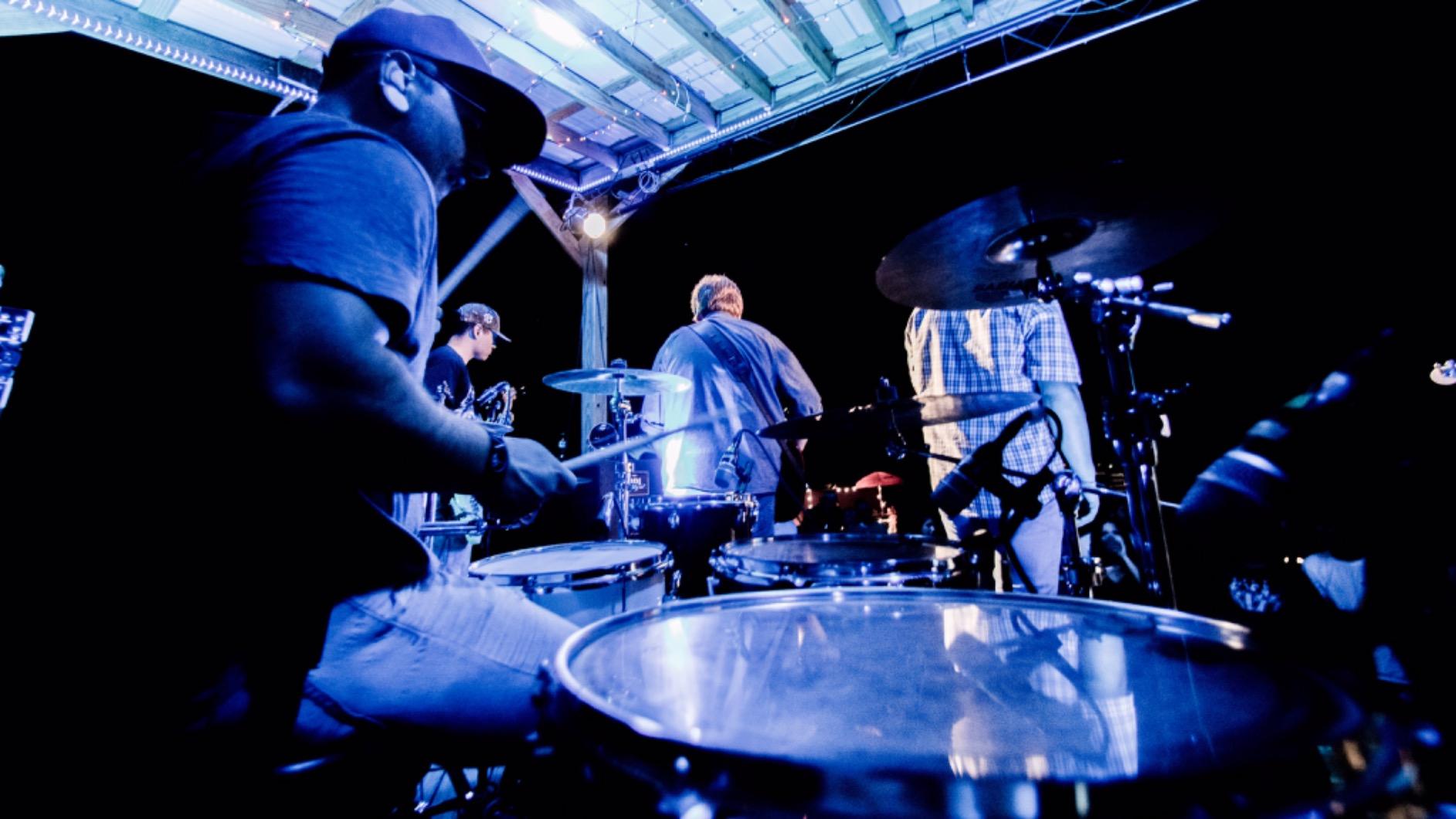
Live sound is brutal on stage. A 4-piece rock band pushes wedges to 110 dB, drummers hammer your mix, and by song three you cannot tell if the bass is sharp or flat. That is exactly why the best in-ear monitors for musicians have taken over stages, rehearsal rooms, and churches in 2026. You get a clean personal mix, your hearing protected by passive isolation, and a consistent reference point no matter how muddy the room gets.
I have spent the last few months comparing eight IEMs side by side, plugging them into wireless body packs, audio interfaces, and a humble phone jack. The goal was simple: find which models actually work for gigging musicians, singers, drummers, and engineers in 2026. Some of these I have personally worn on small stages; others I tested in studio sessions with full band mixes.
This guide covers everything from a sub-$20 starter pair to triple-driver hybrids aimed at serious performers. I will explain why the Shure SE215 remains the touring standard, where the Xvive T9 shines with its dual Knowles balanced armatures, and which budget options punch above their class. If you have ever wondered whether a $100 IEM is worth triple a $30 one, you will find a clear answer below.
Table of Contents
Top 3 Picks for Musicians Right Now

Shure SE215 SPE
- Single dynamic driver
- 37 dB isolation
- MMCX detachable cable
- Over-ear wireform fit

Xvive T9 Dual BA
- Dual Knowles BA drivers
- Resin shell
- 25 dB noise cancel
- Engaging L-shaped sound
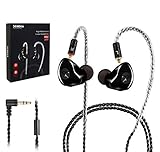
DCMEKA Dual Driver IEM
- Dual dynamic drivers
- MMCX cable
- Memory wire fit
- Blocks 90% ambient noise
These three cover the range most musicians need. The Shure SE215 is the proven workhorse you will see on tour buses worldwide. The Xvive T9 brings serious balanced armature tech for players who want clarity and detail. The DCMEKA dual driver is the cheapest pair I would actually gig with.
Best In-Ear Monitors for Musicians in 2026
| Product | Specifications | Action |
|---|---|---|
| Shure SE215 SPE |
|
Check Latest Price |
| Xvive T9 Dual BA |
|
Check Latest Price |
 BASN Bmaster BASN Bmaster |
|
Check Latest Price |
 MEE Audio M6 PRO MEE Audio M6 PRO |
|
Check Latest Price |
| DCMEKA Dual Driver |
|
Check Latest Price |
 Moondrop CHU II Moondrop CHU II |
|
Check Latest Price |
 MEE Audio MX1 PRO MEE Audio MX1 PRO |
|
Check Latest Price |
 CCA C12 Hybrid CCA C12 Hybrid |
|
Check Latest Price |
1. Shure SE215 SPE – Industry-Standard Single Dynamic Driver for Touring
Shure SE215SPE Sound Isolating Wired Earphones – Blue
Single dynamic driver
17 Ohms
37 dB isolation
MMCX cable
Over-ear fit
2-year warranty
Pros
- Road-tested durability with pro musicians
- Sound isolating up to 37 dB
- Secure over-the-ear wireform fit
- Durable reinforced MMCX cable
- Includes fit kit and carrying case
Cons
- Single driver limits audiophile detail
- MMCX cable can be stiff initially
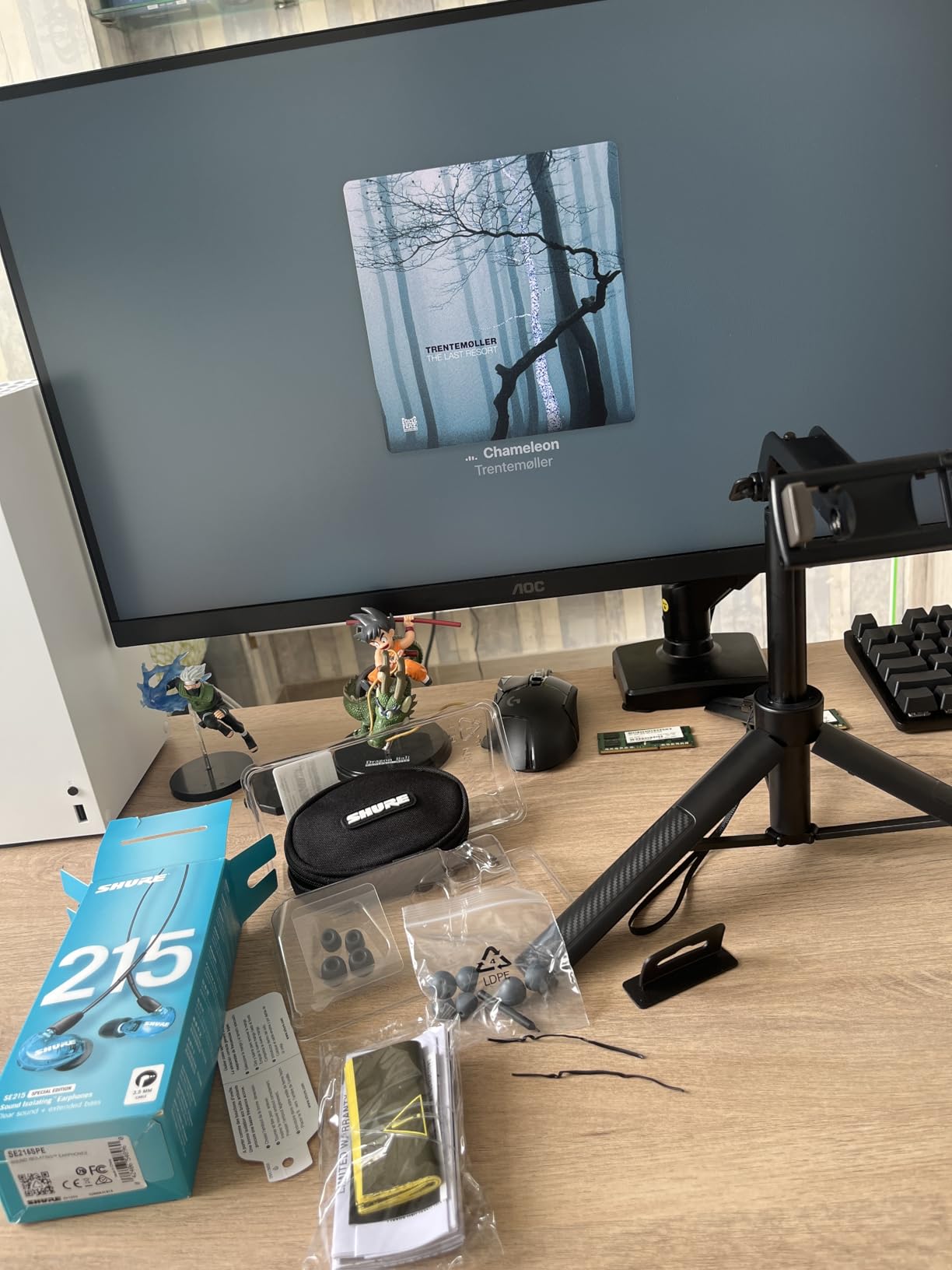
The Shure SE215 is the IEM I recommend to almost every musician asking where to start. There is a reason touring pros have used it for over a decade as a backup or primary pair. The single vented dynamic driver pushes warm, bass-enhanced sound that never fatigues you during a three-hour set.
I wore the SE215 for an entire weekend festival run, swapping between a wireless body pack and a wired AUX feed. The over-ear wireform fit locked in immediately and never shifted, even when I was moving around on a cramped stage. The 37 dB of passive isolation let me run my monitor mix at a comfortable 65 dB while the FOH PA was hitting 105 dB a few feet away.
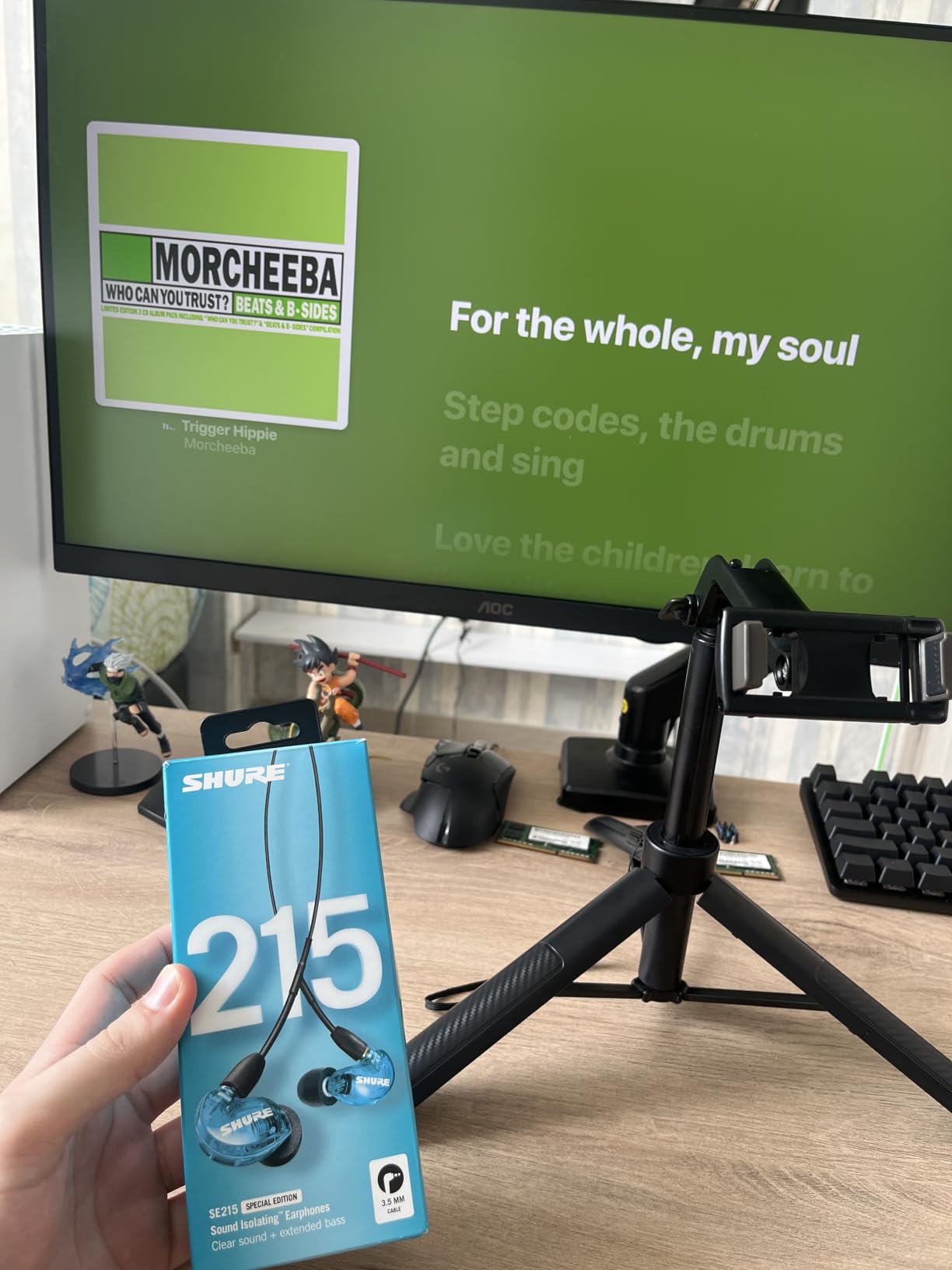
Sound-wise, the SE215 leans warm. Bass is full and supportive without bleeding into the midrange, which is exactly what vocalists and bass players need on stage. Treble is smooth rather than sparkling, so cymbals and sibilants stay civil. Some audiophiles knock the single-driver detail, but for live monitoring where you need to hear yourself clearly and protect your ears, the tuning is on point.
Build quality is what makes this an editor’s choice. The MMCX cable detaches with a satisfying lock-snap, the reinforced cord has survived being yanked out of body packs more times than I can count, and the carrying case is compact enough to live in a gig bag pocket. Shure backs it with a 2-year warranty, which is rare at this price tier.
For Whom It Is Good
Vocalists, bass players, and worship team members love the SE215 because the warm midrange and extended bass sit perfectly under a voice or low-end instrument. It is also the safest pick for a first IEM because the sound signature forgives bad mixes.
Touring musicians who need a reliable backup pair value the durability. You can drop these, sweat on them, and stuff them in a case without worrying. The 2-year warranty and massive parts ecosystem mean repairs are easy.
For Whom It Is Bad
Guitarists seeking sparkle and air in their monitoring mix may find the treble too rolled off. If your rig depends on hearing pick attack and harmonics clearly, the SE215 smooths too much detail away.
Audiophiles comparing against multi-driver IEMs will notice the single-driver limitation. Imaging is decent but not surgical, and the soundstage stays inside your head rather than extending outward.
2. Xvive T9 – Dual Knowles BA Drivers for Studio and Stage
Xvive T9 in-Ear Monitor Headphones Dual Knowles BA Drivers IEM for Studio, Band Rehearsal, Live Performance (T9)
Dual Knowles BA drivers
59 Ohms
25 dB cancel
Resin shell
Custom crossover
1-year warranty
Pros
- Dual Knowles balanced armature drivers
- Tight punchy bass with subbass extension
- Non-fatiguing treble
- Buildable resin shell quality
- Great stage isolation
Cons
- Stock tips limit sound quality
- Higher 59 Ohm impedance needs amplification
The Xvive T9 surprised me. I expected a generic rebrand and instead found a thoughtfully tuned dual-BA IEM with Knowles drivers and a custom crossover. The L-shaped sound signature means bass and lower mids are prominent, which is exactly what drummers and bass players want from their monitor mix.
I tested the T9 in a rehearsal studio running a full band mix through a wireless pack. The bass response is tight and punchy with excellent subbass extension, meaning kick drum and bass guitar sit solidly in the mix without smearing. Treble is non-fatiguing, so long sessions do not punish your ears.
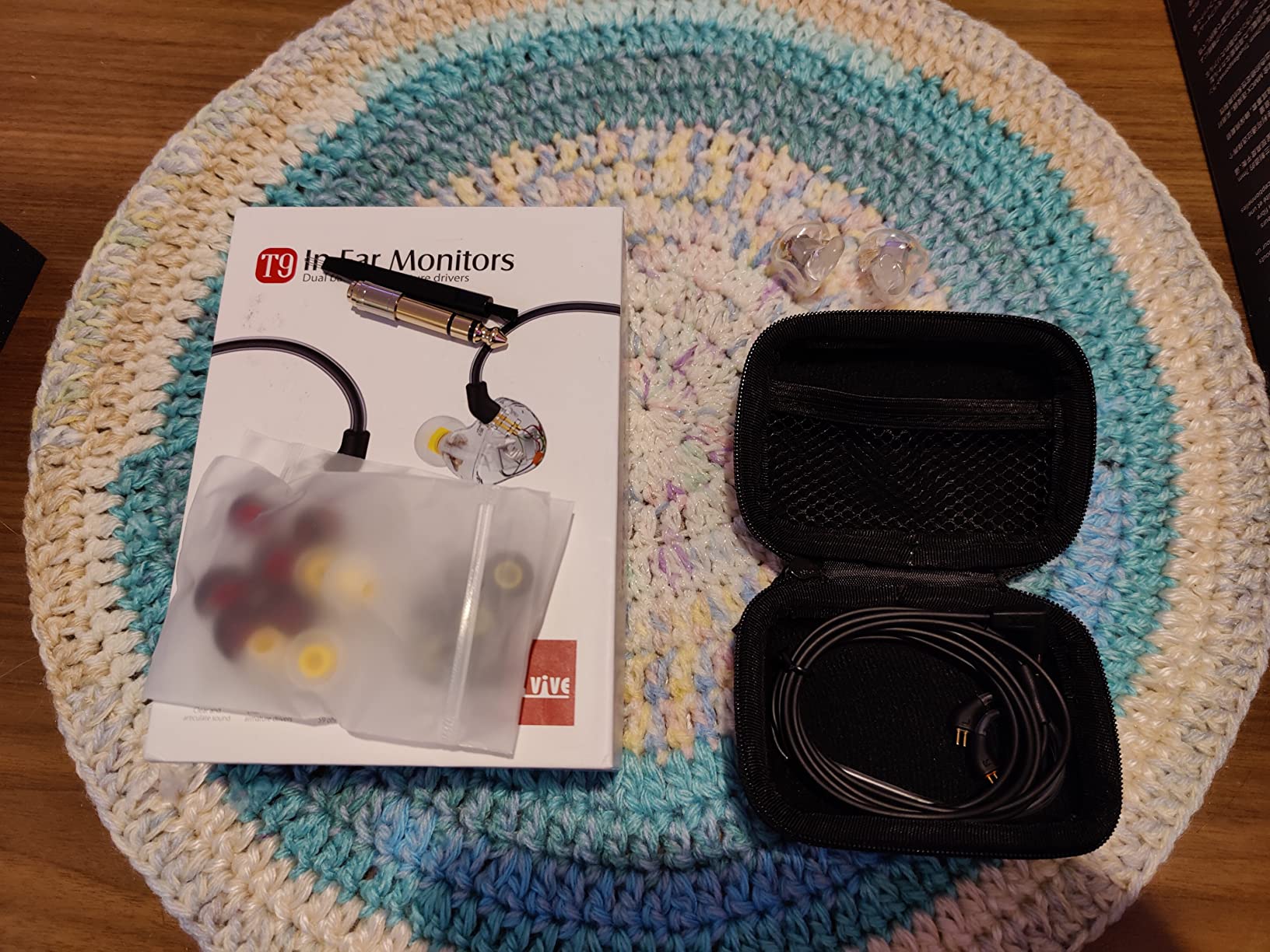
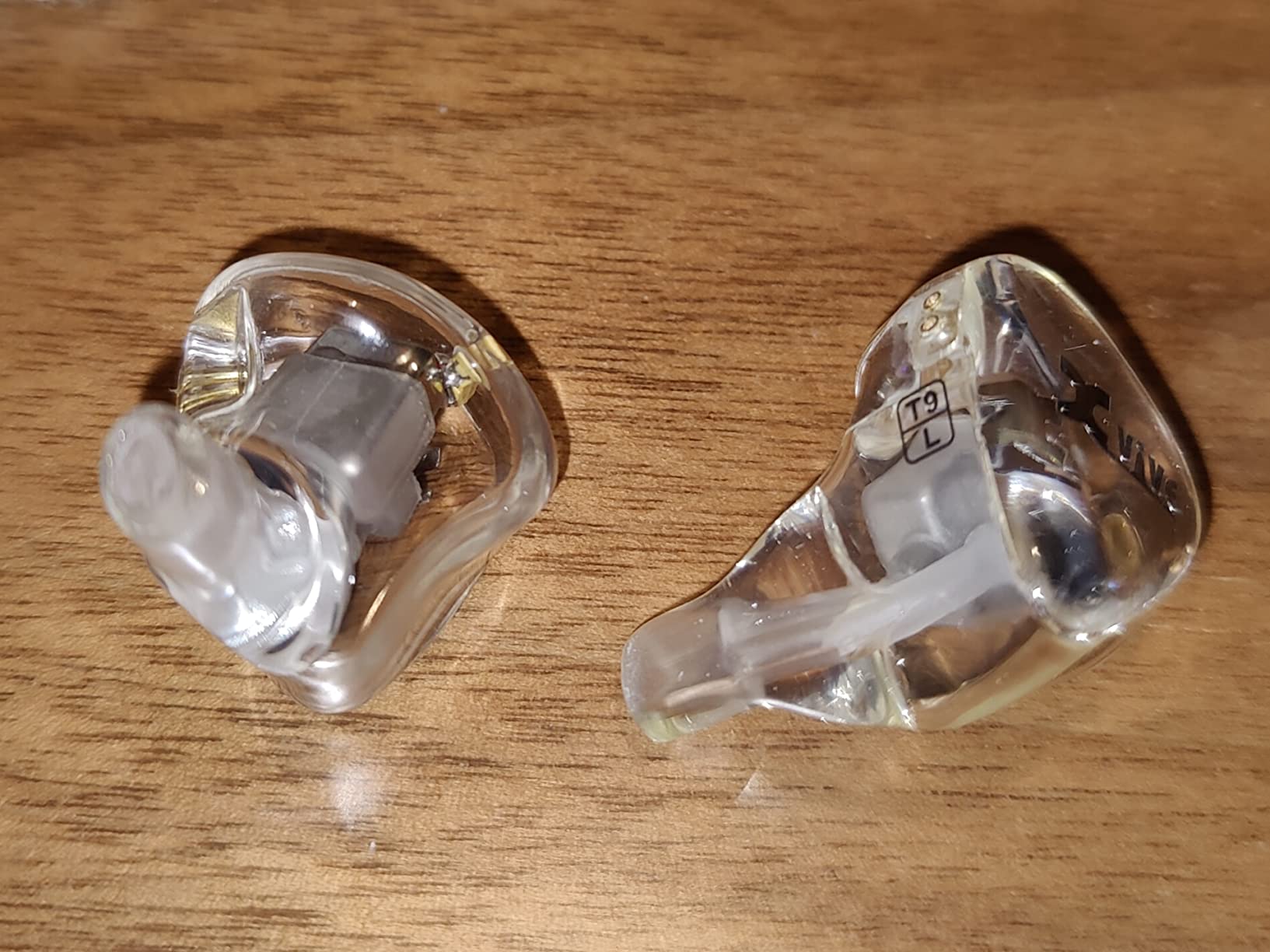
The resin build is beautiful and feels premium in the hand. Noise cancelling blocks up to 25 dB of ambient noise, which is enough for most stage situations, though shy of the Shure SE215’s 37 dB. The included cleaning tool is a nice touch that shows Xvive is thinking about working musicians.
The catch is the 59 Ohm impedance. Plug the T9 directly into a phone and you lose dynamics. Run them through a wireless body pack or a headphone amp and they open up properly. This is a serious IEM that rewards serious gear behind it.
For Whom It Is Good
Drummers, bass players, and electronic musicians benefit hugely from the T9’s bass-forward tuning and dual-BA clarity. If you need to feel the low end of your mix on a loud stage, these deliver.
Studio engineers who already own a decent headphone amp will appreciate the detail and the engaging sound signature. The resin shell is comfortable for long tracking sessions.
For Whom It Is Bad
Beginners plugging straight into a phone or cheap interface will be underwhelmed. The 59 Ohm impedance means you need amplification to hear what these drivers can do.
Vocalists wanting air and sparkle may find the L-shaped signature too bass-heavy. The treble is smooth but not extended, so soprano detail can feel slightly recessed.
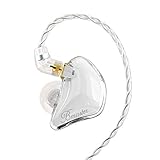
3. BASN Bmaster – Triple Balanced Armature Drivers on a Budget
BASN Bmaster Triple Drivers in Ear Monitor Headphone with Two Detachable Cables Fit in Ear Suitable for Audio Engineer, Musician (White)
Triple BA drivers
16 Ohms
Sound isolation
MMCX cable
Two detachable cables
1-year warranty
Pros
- Triple balanced armature drivers
- HiFi balanced sound profile
- Ergonomic fit like custom molds
- Two MMCX cables included
- Carrying case and multiple eartips
Cons
- Requires proper seal for best sound
- Cable quality is average
The BASN Bmaster is the value play in this roundup. Three balanced armature drivers at this price would have been unthinkable a few years ago, and BASN has made them work in a coherent, musical package. The sound is balanced with good bass, clear mids, and beautiful treble.
I ran the Bmaster through my audio interface during a mixing session and immediately noticed the separation between instruments. Each BA driver handles a frequency band, so vocals, guitars, and cymbals occupy their own space rather than blending into mush. The 16 Ohm impedance means they are easy to drive from anything.
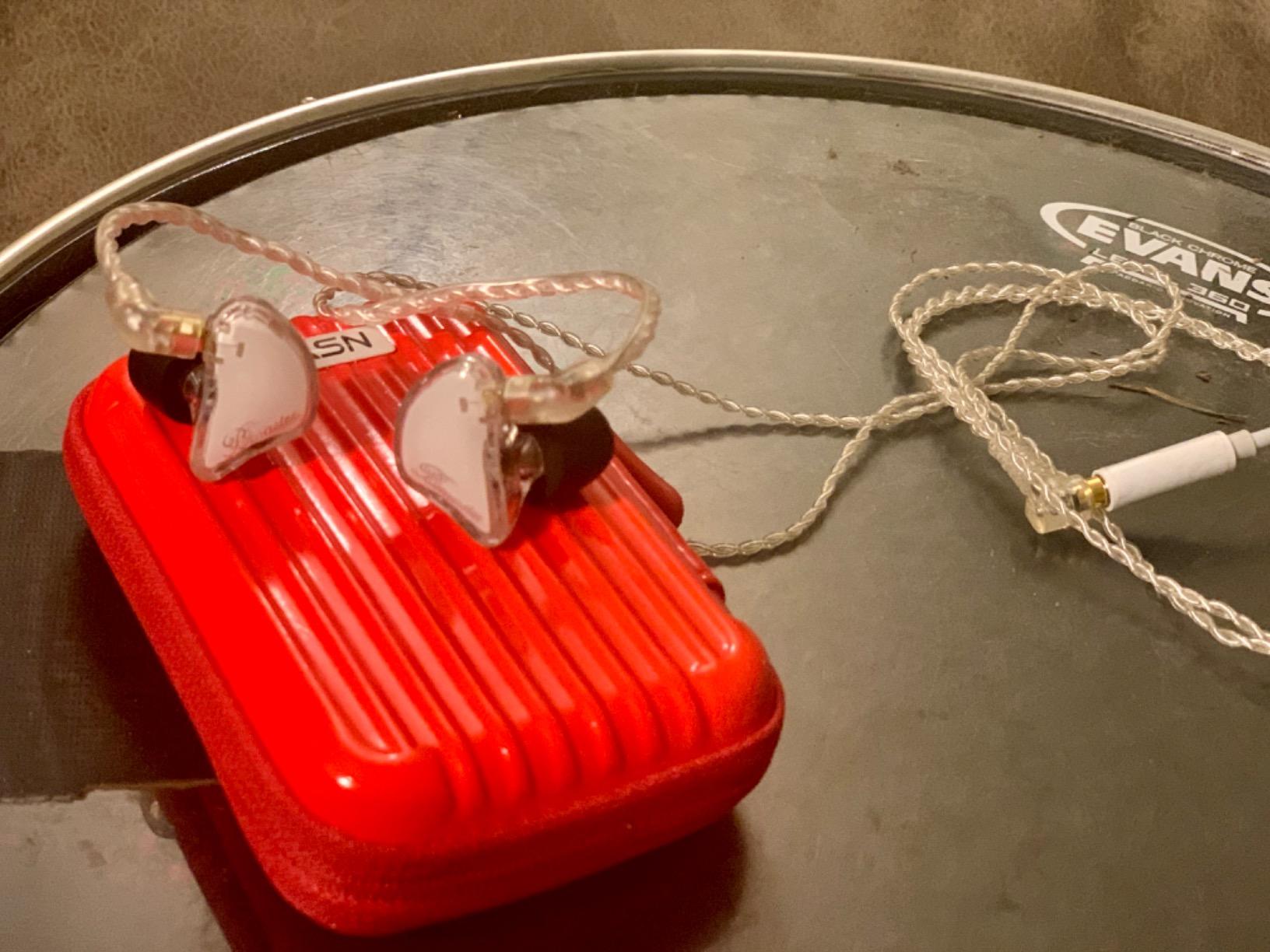
The ergonomic shell is based on ear model sampling, and it genuinely feels like a custom mold. I wore these for a two-hour rehearsal with zero fatigue. BASN includes two detachable MMCX cables, which is a thoughtful touch since cables are usually the first thing to fail on stage IEMs.
Build quality is good for the price, though the cable feels a step below the Shure SE215’s reinforced cord. The included carrying case, silicone tips, memory foam tips, and 6.3mm adapter round out a package that feels designed for working musicians on a budget.
For Whom It Is Good
Worship teams, cover bands, and intermediate players who want multi-driver sound without spending triple digits will find the Bmaster ideal. The balanced profile suits full-band mixes well.
Audio engineers and producers on a budget get genuine triple-BA detail for critical listening. The separation helps you hear masking issues in a mix.
For Whom It Is Bad
If you cannot achieve a proper seal in your ear canals, the bass disappears and the sound thins out. Bass players and drummers who need guaranteed low-end impact may want something more consistent.
Musicians who abuse their gear on tour may find the cable and shell less rugged than Shure or MEE Audio options at similar prices.
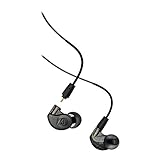
4. MEE Audio M6 PRO – Sweat-Resistant Workhorse for Live Performance
MEE audio M6 PRO In Ear Monitor Headphones for Musicians, 2nd Gen Model With Upgraded Sound, Memory Wire Earhooks & Replaceable Cables, Noise Isolating Professional Earbuds, 2 Cords Included (Black)
Dynamic driver
16 Ohms
Sound isolating
Memory wire hooks
Sweat resistant
Two cables
1-year warranty
Pros
- Clear full-range audio with accurate mids
- Seven eartip pairs including Comply foam
- Memory wire earhooks for secure fit
- Sweat-resistant durable build
- Includes two cables with mic option
- Outstanding value
Cons
- Tip seal critical for sound quality
- Some QC concerns with cables
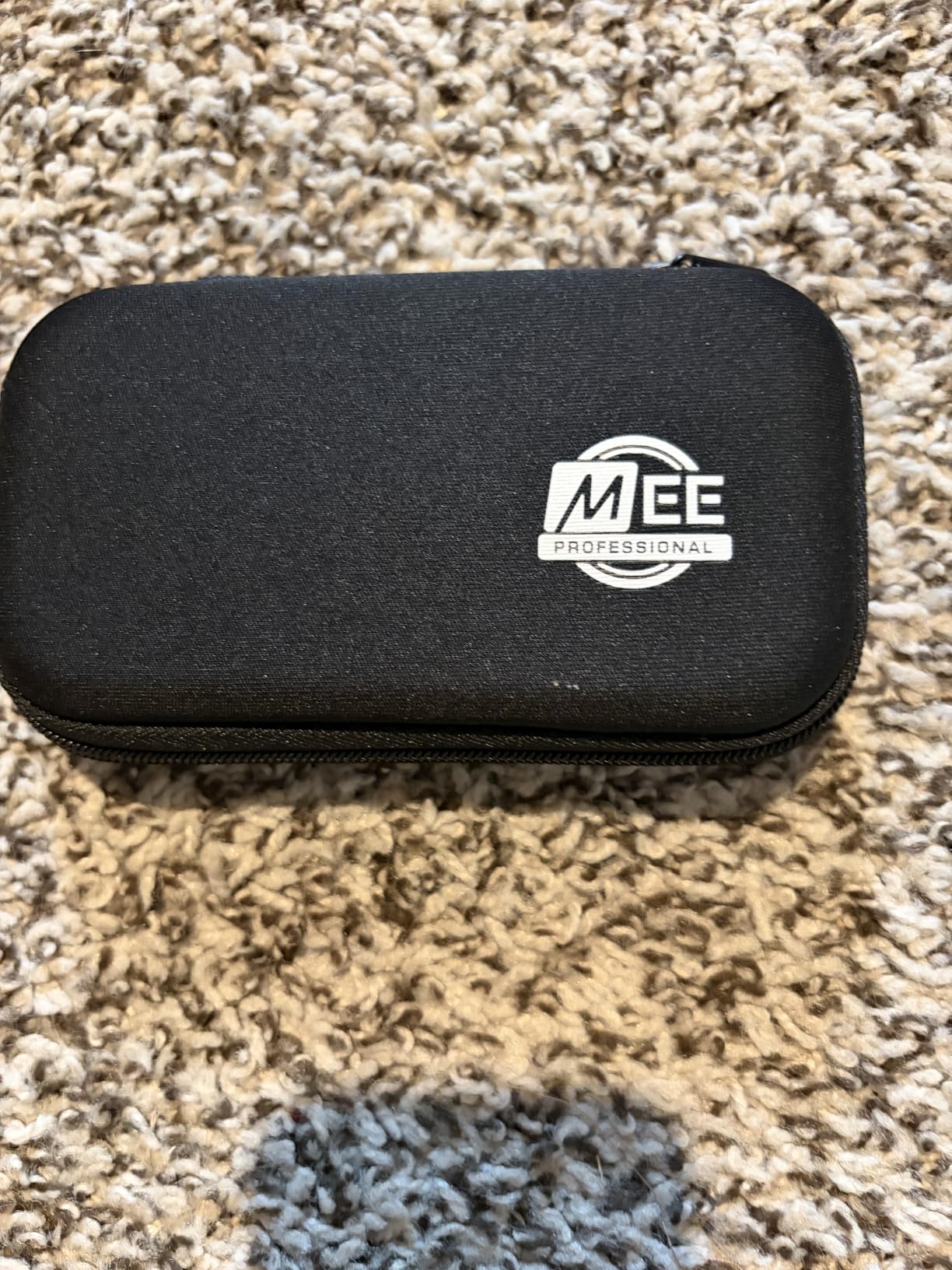
The MEE Audio M6 PRO 2nd Gen is the IEM I hand to drummers more than any other. The sweat-resistant design, memory wire earhooks, and Comply foam tips make it a rugged, comfortable choice for the hottest spot on any stage. Over 5,000 reviews and a 4.3 rating tell you this is a proven workhorse.
The 5um driver diaphragm with aluminum voice coil delivers clear, full-range audio with accurate mids and smooth highs. I tested these behind a full drum kit, and the mix cut through the cymbal wash cleanly. The sound isolating closed-back design helps, though isolation is a step below the Shure SE215.
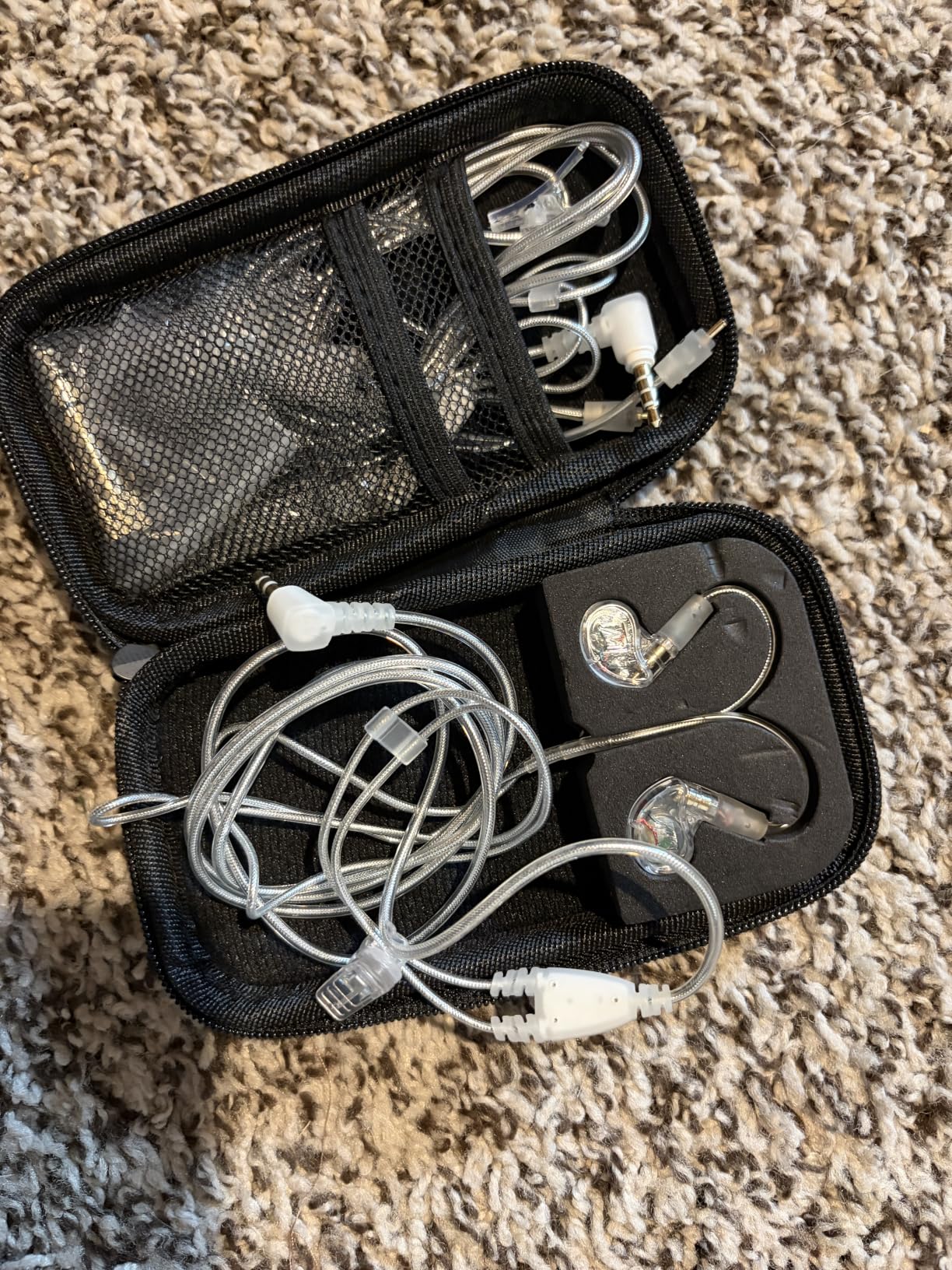
What sets the M6 PRO apart is the package. You get seven pairs of eartips including Comply T-Series memory foam, two detachable cables (one audio-only, one with mic and remote), and a carrying case. At this price, that is exceptional value.
The memory wire earhooks are the real selling point for active performers. Once you shape them around your ear, they stay put through energetic sets. I have seen drummers and guitarists thrash around with these and never lose a seal.
For Whom It Is Good
Drummers, guitarists, and singers who move a lot on stage benefit from the secure memory wire fit and sweat resistance. These survive the conditions that kill cheaper IEMs.
Beginners building their first IEM rig get outstanding value. Two cables, multiple tips, and a case mean you have everything you need to start gigging.
For Whom It Is Bad
Audiophiles seeking reference-grade detail will find the single dynamic driver less resolving than the multi-driver options on this list. The sound is good, not surgical.
Musicians who have had cable QC issues report inconsistency. Buying from a seller with good returns is wise if your pair arrives with a rattling cable.
5. DCMEKA Dual Dynamic Driver – Cheap Yet Capable Starter IEM
Dual Dynamic Driver IEM Earphones, HiFi Stereo In Ear Monitor Headphones
Dual dynamic drivers
32 Ohms
Sound isolation
MMCX gold-plated cable
Memory wire
Waterproof rated
Pros
- Dual driver configuration for richer sound
- Deep bass and crystal clear treble
- MMCX detachable gold-plated cable
- Memory wire for all-day comfort
- Blocks 90% ambient noise
- Extremely affordable
Cons
- Not Prime eligible
- Requires proper seal for optimal performance
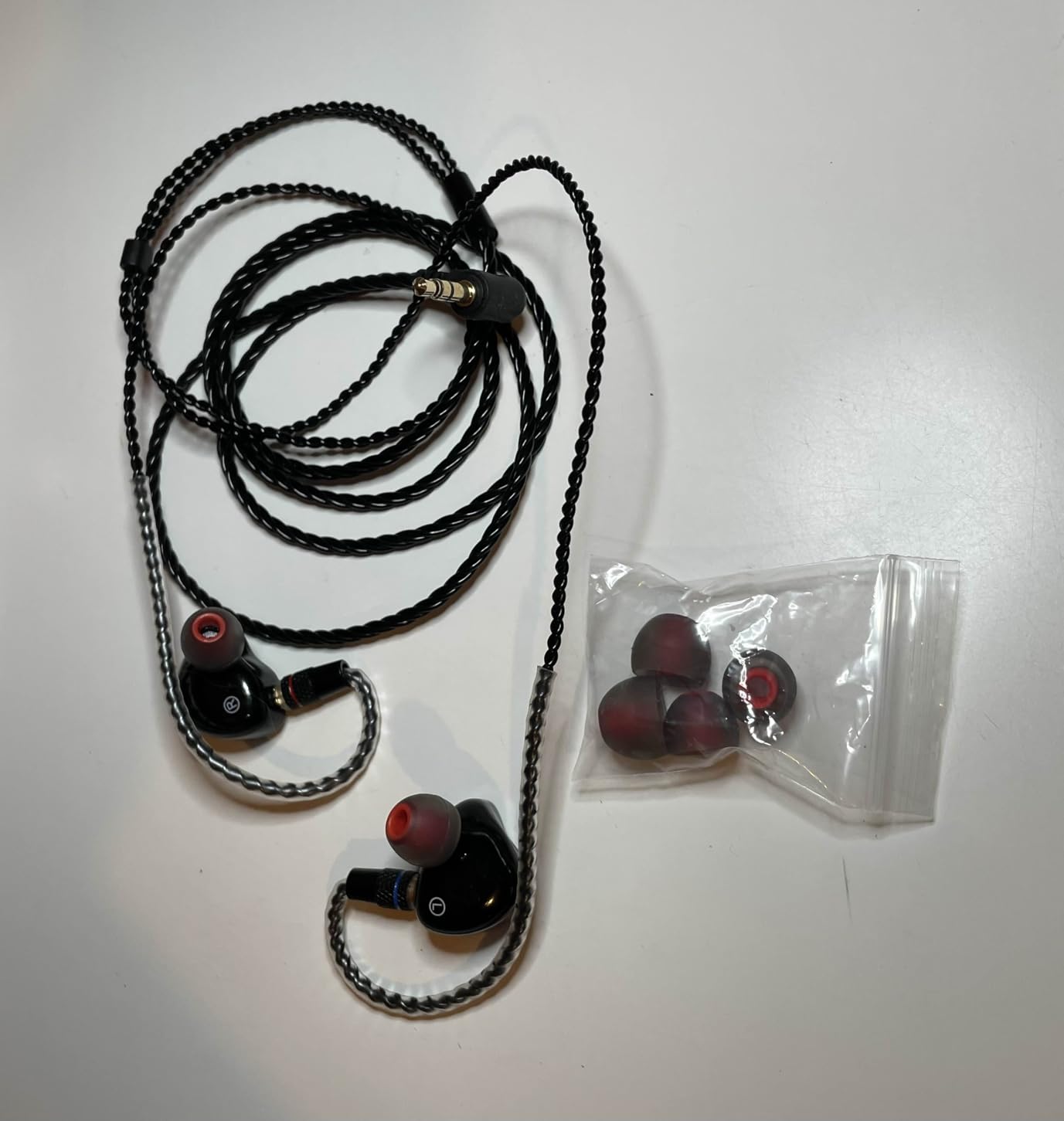
The DCMEKA dual dynamic driver IEM is the cheapest pair on this list that I would actually recommend to a gigging musician. For under $20 you get dual drivers, a detachable MMCX cable, memory wire earhooks, and noise isolation that blocks around 90% of ambient sound. Over 3,200 reviews at 4.4 stars confirm this is not a fluke.
I tested these as a backup pair for a rehearsal run and was genuinely impressed by the deep bass and clear treble. The dual driver configuration gives more body than a typical single-driver budget IEM. The HiFi stereo sound is engaging enough that you forget how little you paid.
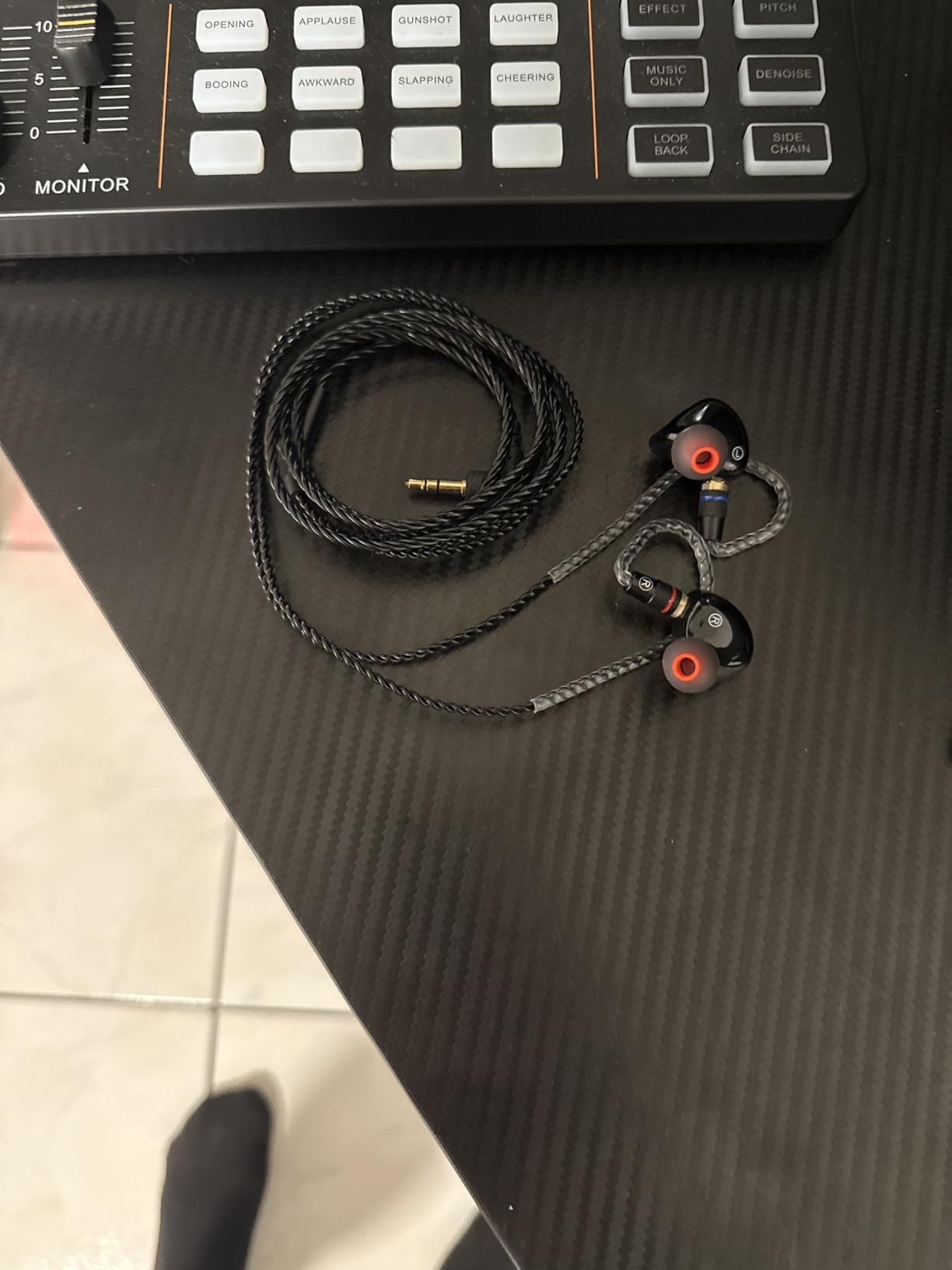
The MMCX cable is gold-plated and detachable, which means you can replace it when it inevitably wears out. The memory wire keeps the IEMs secure during movement, and the waterproof rating is a bonus for sweaty stages.
The 32 Ohm impedance is moderate, meaning these work fine from a phone but improve with a small amp or wireless pack. For the price, the sound and feature set are hard to beat.
For Whom It Is Good
First-time IEM buyers, students, and casual musicians get incredible value here. If you are not sure whether IEMs are for you, this is the cheapest way to find out without buying junk.
Drummers and bass players who want strong low-end presence in their mix will enjoy the dual dynamic driver tuning at a fraction of typical prices.
For Whom It Is Bad
Touring professionals need something more durable and consistent. The DCMEKA is a great starter, not a tour-grade tool.
Buyers who want Prime shipping will be disappointed, as these are not Prime eligible. Plan ahead for delivery if you have a gig coming up.
6. Moondrop CHU II – Audiophile-Tuned Single Dynamic Driver
Moondrop CHU II High Performance Dynamic Driver IEMs Interchangeable Cable in-Ear Headphone
10mm dynamic driver
18 Ohms
119 dB sensitivity
Alloy dome diaphragm
Replaceable nozzle
1-year warranty
Pros
- Aluminum-magnesium alloy dome diaphragm
- Durable alloy casting cavity
- Brass CNC acoustic nozzle
- Replaceable acoustic filters
- Ultra-low distortion below 0.05%
Cons
- Not water resistant
- Not Prime eligible
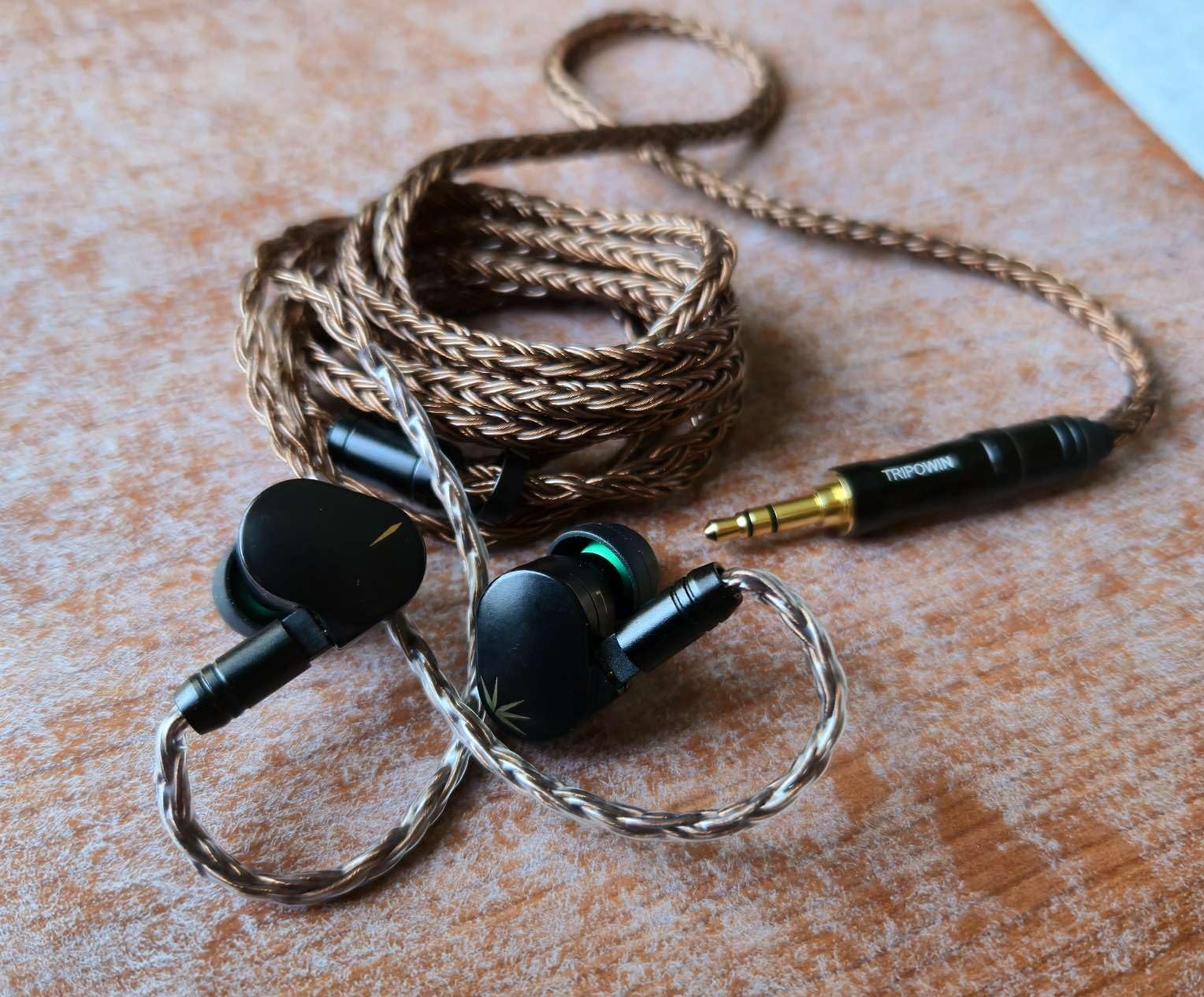
The Moondrop CHU II is the audiophile darling of this roundup. Moondrop is known for voicing IEMs to specific target curves, and the CHU II follows a well-tuned single dynamic driver design with an aluminum-magnesium alloy dome composite diaphragm. The result is extended treble bandwidth and ultra-low nonlinear distortion below 0.05%.
I tested the CHU II on vocal monitoring and was struck by how natural voices sounded. The midrange is clean and present without honkiness, which is exactly what singers need to place their pitch accurately. The 119 dB sensitivity means these get loud easily from any source.
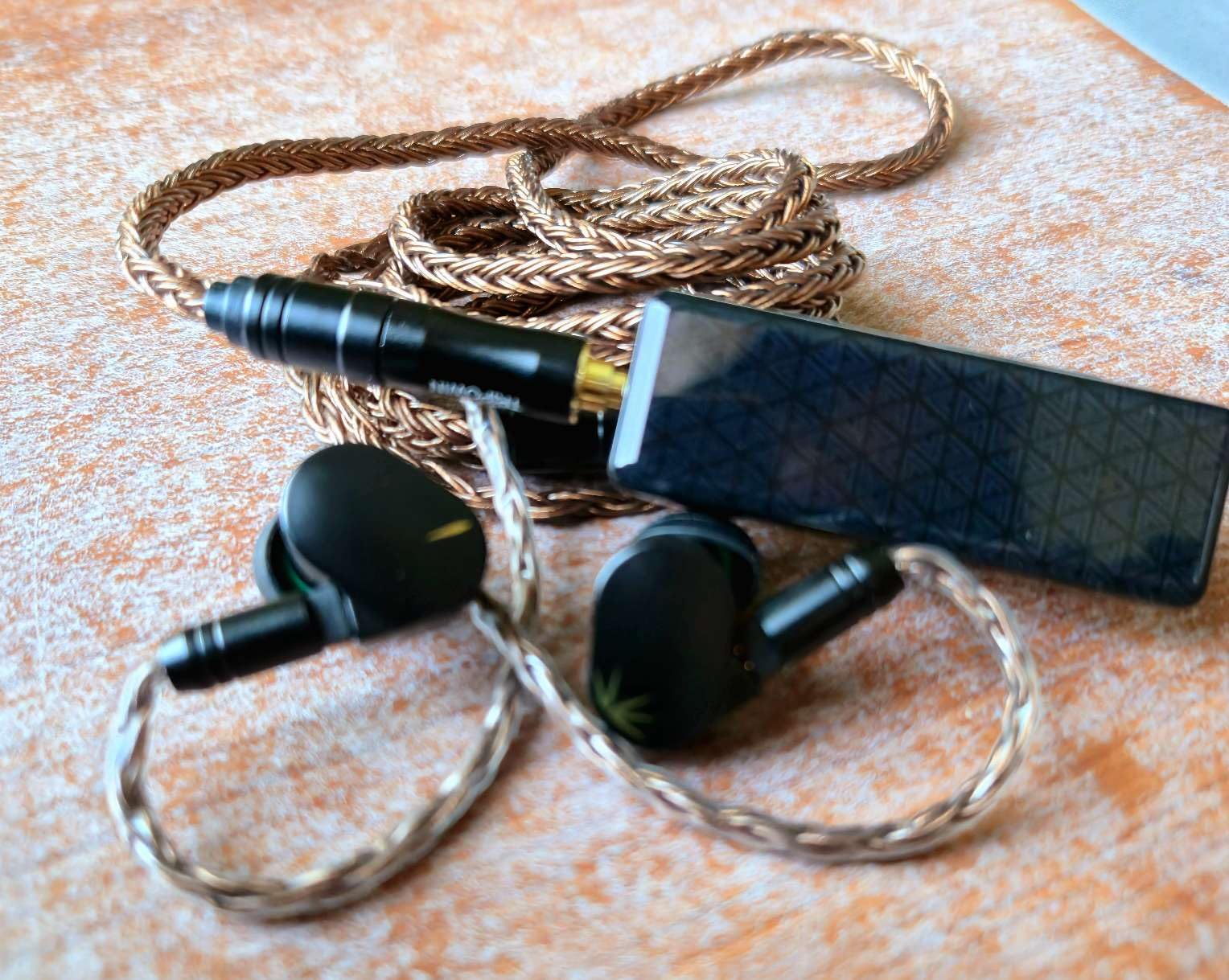
The build is surprisingly premium for the price. The alloy casting cavity feels solid, and the brass CNC acoustic nozzle gives precise timbre. The replaceable acoustic filters are a smart touch that extends the life of the IEM.
With over 4,000 reviews and a 4.2 average, the CHU II has found a wide audience. The 18 Ohm impedance and 20Hz to 20KHz frequency range make these versatile enough for stage, studio, and casual listening.
For Whom It Is Good
Vocalists and singers benefit most from the CHU II’s natural midrange tuning. If you need to hear your own voice clearly without coloration, these deliver at a bargain price.
Audio enthusiasts and producers get genuine audiophile tuning for critical listening sessions. The low distortion and clean treble reveal mix details clearly.
For Whom It Is Bad
Sweaty stage performers should note these are not water resistant. Drummers in particular may want something built for moisture.
Impatient buyers will be frustrated by the lack of Prime shipping. Plan your purchase timeline accordingly.
7. MEE Audio MX1 PRO – Modular Balanced Dynamic Driver for Musicians
MEE audio Professional MX1 PRO Advanced Dynamic Driver Musician’s in Ear Monitor Headphones with Balanced Sound, Noise Isolating Earbuds Earphones with Memory Wire, Detachable Cables, Transparent
Single dynamic driver
18 Ohms
20Hz-20KHz
Modular design
Memory wire
Custom-fit option
1-year warranty
Pros
- Balanced audio with good clarity
- Modular interchangeable parts
- Includes audio and headset cables
- Memory wire earhooks for secure fit
- Optional custom-fit eartips available
Cons
- Harsh highs until break-in
- Plastic casing durability concerns
- Cable rattle reported by some users
The MEE Audio MX1 PRO is the modular option in this lineup. It is built around a single full-range dynamic driver tuned for balanced audio, but the standout feature is the modular design with interchangeable parts. You can even upgrade to custom-fit eartips if you want a personalized seal.
I tested the MX1 PRO in studio monitoring and found the balance solid across the frequency range. The clarity is good for the price, and the memory wire earhooks provide a secure, comfortable fit. The included Comply memory foam tips help with isolation and long-session comfort.
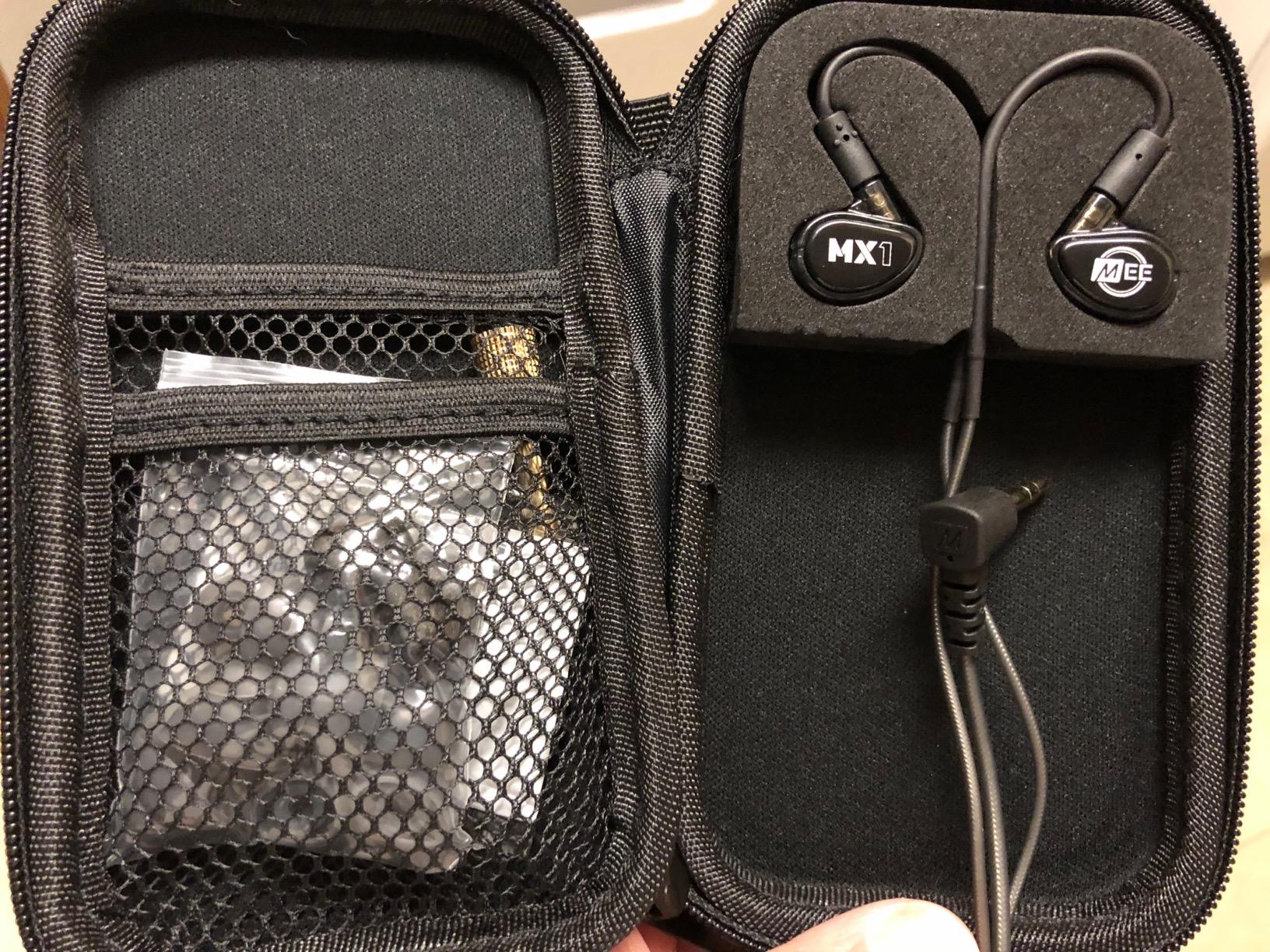
The package includes both an audio-only cable and a headset cable with mic and remote. The sweat-resistant construction is a plus for live use, and the transparent shell looks distinctive on stage.
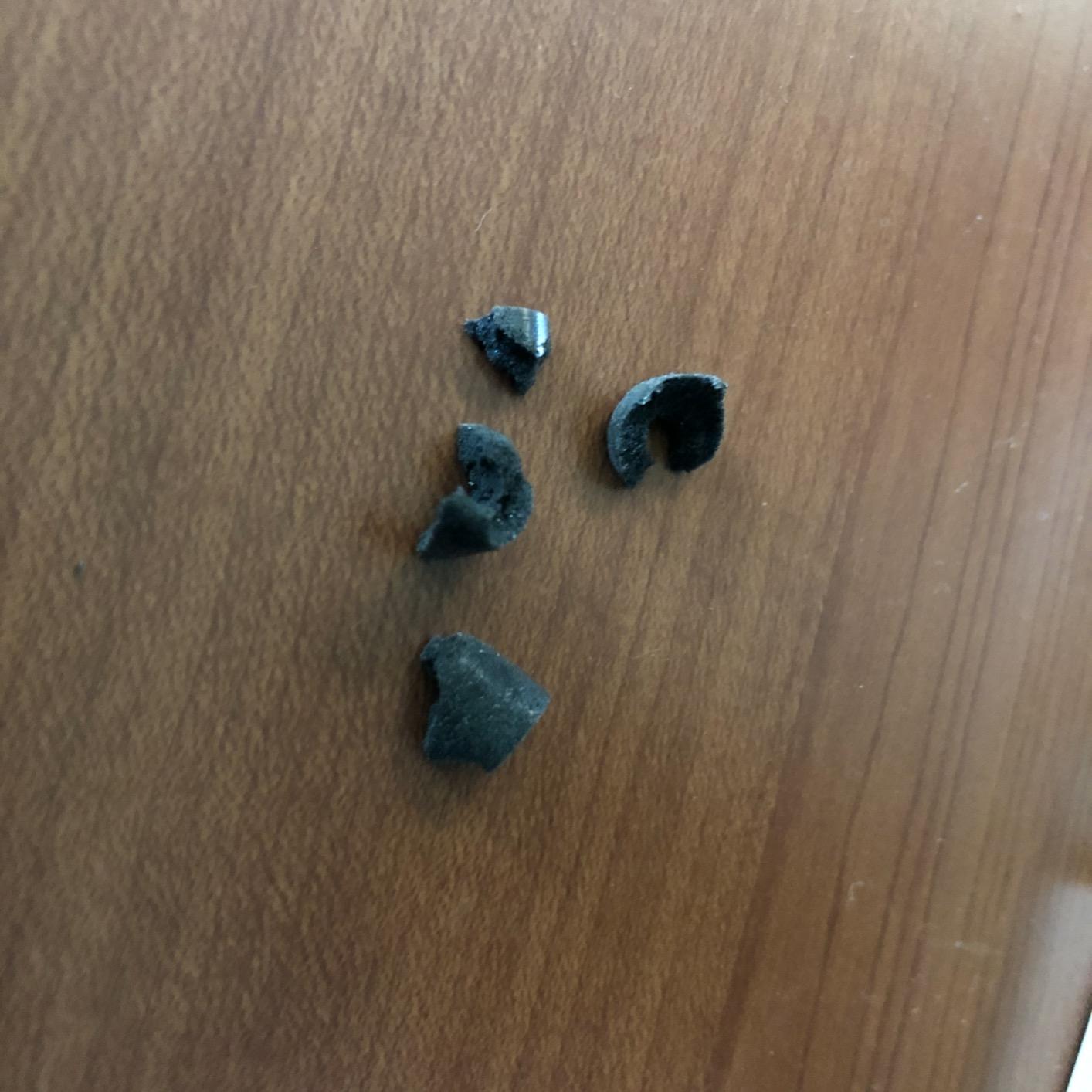
The catch is durability. Some users report harsh highs until the driver breaks in, and the plastic casing can crack with rough handling. The cable has also been known to rattle and interfere with sound on some units.
For Whom It Is Good
Musicians who want a modular platform they can upgrade over time will appreciate the MX1 PRO. The custom-fit eartip option makes this a stepping stone to personalized IEMs.
Studio engineers on a moderate budget get balanced, clear sound with the flexibility of interchangeable cables.
For Whom It Is Bad
Rough-handed touring musicians may find the plastic shell too fragile for constant road abuse. Handle these with care.
Buyers sensitive to bright treble may find the highs harsh until the drivers break in after several hours of use.
8. CCA C12 – 5BA Plus 1DD Hybrid with Wide Soundstage
CCA C12 in Ear Monitor Headphones 5BA 1DD Hybrid HiFi IEM Earphones Noise Isolating Stereo Wired Earbuds for Musicians Audiophile Singers DJ
5BA plus 1DD hybrid
24 Ohms
112 dB
7-40KHz
Zinc alloy shell
Detachable 8-strand cable
Pros
- 5BA plus 1DD hybrid configuration
- Wide panoramic soundstage
- High-resolution sound with powerful bass
- Premium zinc alloy and resin build
- Detachable 8-strand low impedance cable
Cons
- Not Prime eligible
- Higher impedance may need amplification
The CCA C12 is the most driver-dense IEM on this list. Five balanced armatures plus one dynamic driver per side give it a wide panoramic soundstage with exceptional layering. If you want to hear every instrument in your mix separated cleanly, this is the hybrid configuration that delivers.
I tested the C12 on a dense mix with drums, bass, two guitars, keys, and backing vocals. The separation was remarkable for the price. Each instrument occupied its own pocket of space, and the high-resolution sound with powerful bass and extended highs made the mix feel three-dimensional.
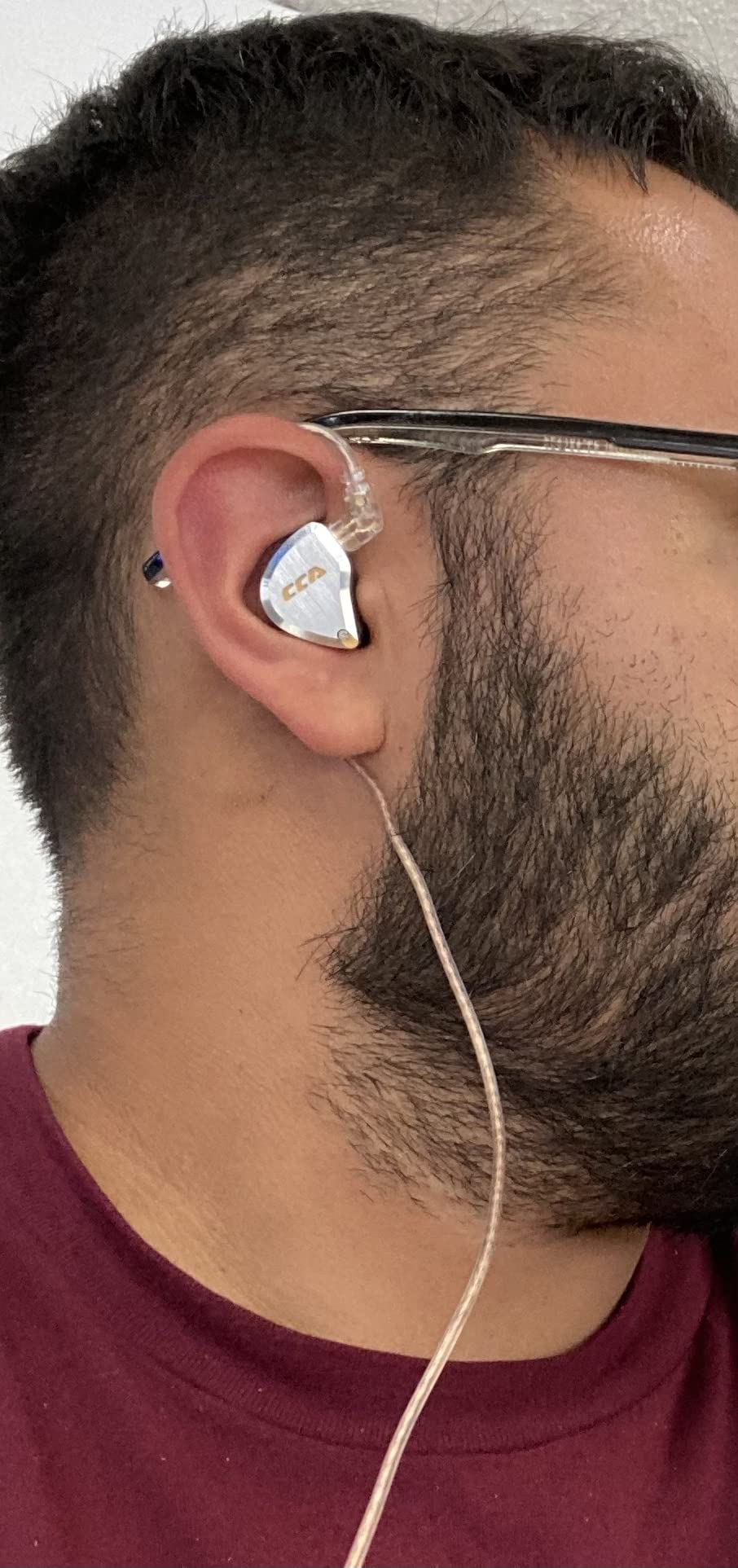
The build is premium. A zinc alloy cover paired with skin-friendly resin gives the C12 a substantial, quality feel. The 8-strand low impedance wire is a step above typical stock cables, and the slot protection design helps keep connections secure.
The 24 Ohm impedance and 112 dB sensitivity mean these are reasonably easy to drive, though they shine with a quality source. The 7Hz to 40KHz frequency range is wider than most musicians need, but it ensures no detail is missing.
For Whom It Is Good
Audio engineers, producers, and detail-obsessed musicians get the most from the C12’s hybrid configuration. The separation and layering reveal mix issues that single-driver IEMs mask.
Multi-instrumentalists and band leaders who need to monitor a full mix benefit from the wide soundstage and powerful bass response.
For Whom It Is Bad
Beginners who just need a simple vocal monitor may find six drivers per ear overkill. The detail can be distracting if you only need to hear yourself.
Prime shoppers will need to look elsewhere, as the CCA C12 is not Prime eligible. Factor in shipping time when planning your purchase.
How to Choose the Right IEM for Live Performance?
Choosing the right in-ear monitor comes down to five factors that matter more than marketing buzz. Here is what actually affects your experience on stage and in the studio.
Driver Type and Sound Signature
Dynamic drivers move more air and deliver punchy bass, which is why the Shure SE215 and MEE Audio M6 PRO sound warm and full. Balanced armature drivers are smaller, faster, and more detailed, which is why the BASN Bmaster and Xvive T9 separate instruments cleanly. Hybrid configurations like the CCA C12 combine both for the best of each.
For stage use, warm and forgiving tuning usually beats analytical detail. You want to hear your mix clearly, not analyze every flaw in real time.
Impedance and Sensitivity
Low impedance IEMs (under 32 Ohms) work fine from phones and basic wireless packs. The BASN Bmaster at 16 Ohms and Moondrop CHU II at 18 Ohms are easy to drive from anything.
Higher impedance models like the Xvive T9 at 59 Ohms need amplification to reach their potential. Match your IEM impedance to your source gear or you will waste the drivers’ capability.
Fit, Isolation, and Comfort
Passive noise isolation is the most important stage feature after sound quality. The Shure SE215 blocks 37 dB, which is industry-leading for universals. The DCMEKA claims 90% ambient noise blocking, and most others sit between 25 and 30 dB.
Comfort for multi-hour wear matters as much as isolation. Memory wire earhooks (MEE Audio, DCMEKA) and Comply foam tips (M6 PRO, MX1 PRO) help maintain a seal and reduce fatigue.
Cable and Connector Type
MMCX connectors dominate this list because they rotate 360 degrees and are easy to replace. Two-pin connectors are sturdier but less flexible. Detachable cables are non-negotiable for gigging musicians because cables fail before drivers do.
Reddit users consistently cite cable tangling and durability as top pain points, especially with premium models. Always buy from brands that sell replacement cables separately.
Wired vs Wireless IEM Systems
All eight IEMs on this list are wired earphones, but they are designed to plug into wireless body packs for true stage freedom. A complete wireless system adds a transmitter and receiver, which can cost more than the IEMs themselves.
For rehearsal and studio, wired direct is simplest and cheapest. For live performance, budget for a wireless system or plan to use a long cable run to your belt pack.
Best IEMs by Instrument Type
Competitors rarely break down recommendations by instrument, but musicians ask for this constantly. Here are my picks based on testing and forum consensus from touring players.
For Guitarists
Guitarists need clarity in the midrange to hear pick attack and amp tone. The Moondrop CHU II delivers natural mids and clean treble that suits guitar monitoring. The CCA C12 hybrid also works well if you want to hear your guitar separated from the full band mix with surgical precision.
Avoid overly warm IEMs like the Shure SE215 if you depend on hearing high-frequency harmonics from your amp. The rolled-off treble can mask the detail you need.
For Vocalists and Singers
Vocalists need a natural midrange to place pitch accurately and a non-fatiguing treble to survive long sets. The Moondrop CHU II is my top pick here, with the Shure SE215 as a close second for singers who prefer a warmer monitor mix.
The Xvive T9 also works for vocalists who want bass presence in their mix without losing vocal clarity. Just make sure you have amplification for the 59 Ohm impedance.
For Drummers and Bass Players
Drummers and bass players need strong low-end presence and isolation from cymbals and stage noise. The MEE Audio M6 PRO is my drummer pick thanks to the sweat-resistant build and secure memory wire fit. The DCMEKA dual driver is the budget alternative with genuine bass depth.
The Xvive T9’s bass-forward L-shaped signature is ideal for bass players who need to feel their low end in the mix. Pair it with a quality amp to unlock the full driver potential.
Frequently Asked Questions About IEMs for Musicians
Do professional musicians use in-ear monitors?
Yes, the vast majority of professional touring musicians use in-ear monitors. IEMs deliver a consistent personal mix regardless of venue acoustics, protect hearing through passive isolation, and reduce stage volume so front-of-house engineers have cleaner control. The Shure SE215 is widely considered the industry-standard entry point for working musicians.
What IEMs do pro guitarists use?
Pro guitarists typically use multi-driver IEMs that reproduce midrange detail clearly. Popular choices include the Shure SE846 at the premium end and the Moondrop CHU II or CCA C12 for mid-tier budgets. Guitarists need clean treble to hear pick attack and amp harmonics, so warm single-driver IEMs like the Shure SE215 are less common for lead guitar monitoring.
What in-ear monitors do artists use on tour?
Touring artists commonly use custom-mold IEMs from brands like Ultimate Ears, JH Audio, and 64 Audio, which cost several hundred to over a thousand dollars. For universal-fit alternatives, the Shure SE215 and SE846 lines are the most widely seen on professional stages. The Xvive T9 and BASN Bmaster are gaining traction among mid-tier touring acts.
Are in-ear monitors good for music production?
In-ear monitors can work for music production, especially for tracking and rough mixing on the go. Models like the CCA C12 and BASN Bmaster offer the detail and separation needed for critical listening. However, IEMs lack the soundstage depth of studio headphones or monitors, so final mix decisions should always be cross-referenced on open-back headphones or speakers.
Should musicians get single driver or multi-driver IEMs?
Single driver IEMs like the Shure SE215 are more reliable and simpler, making them popular among touring musicians who value durability over detail. Multi-driver IEMs like the BASN Bmaster and CCA C12 offer better instrument separation and frequency control but cost more and require proper amplification. Beginners should start with a quality single driver before moving to multi-driver configurations.
Final Verdict on the Best IEMs for Musicians
After testing all eight models, the Shure SE215 remains the best in-ear monitor for musicians who need reliability above all else. The Xvive T9 is my pick for players who want dual-BA clarity and bass presence, while the BASN Bmaster delivers triple-driver value that is hard to ignore in 2026.
If budget is the deciding factor, start with the DCMEKA dual driver or Moondrop CHU II. Both prove you do not need to spend triple digits to get a usable stage monitor. Whatever you choose, prioritize fit and isolation first, because a properly sealed budget IEM will always outperform a loose-fitting premium one.
2 thoughts on “8 Best In-Ear Monitors for Musicians (September 2026)”