
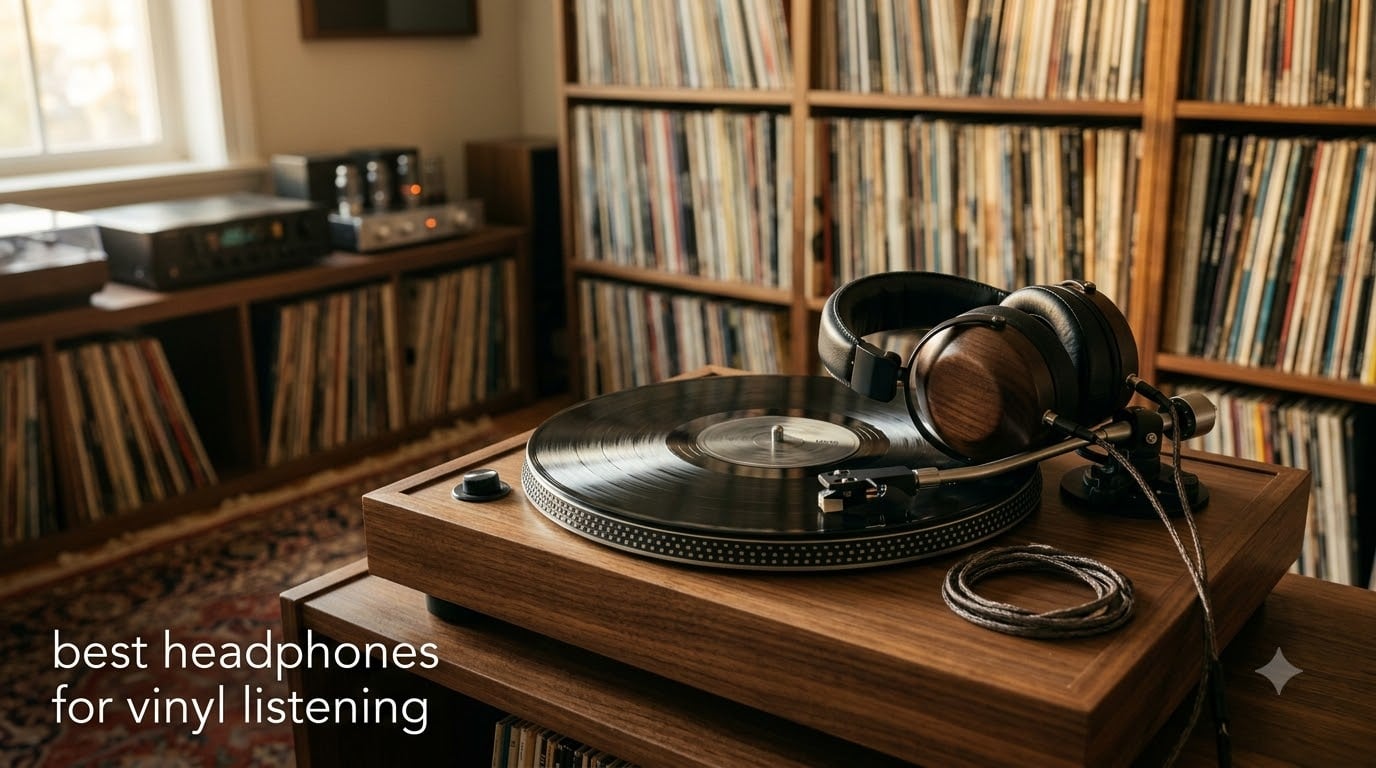
There is something about dropping the needle on a record that streaming will never replicate. But if your headphones flatten that warmth or exaggerate every pop and crackle, you are losing half the magic. Finding the best headphones for vinyl listening means choosing a pair that handles analog sound with the respect it deserves.
Our team spent weeks comparing wired and open-back models specifically with turntable setups. We looked at how each pair handles surface noise, whether they need a dedicated amp, and how they perform across jazz, rock, classical, and electronic vinyl pressings. The difference between a great pair and a mediocre one is night and day on a record player.
Yes, people absolutely listen to vinyl with headphones. Apartment dwellers, late-night listeners, and audiophiles who want every detail without room interference all prefer this approach. In this guide, we cover eight outstanding options ranging from budget-friendly open-backs to legendary audiophile references, so you can find the right match for your turntable.
Table of Contents
Top 3 Picks for Best Headphones for Vinyl Listening

Audio-Technica ATH-M50x
- 45mm drivers
- 38 Ohm impedance
- Closed-back isolation
- Detachable cable

Best Headphones for Vinyl Listening in 2026
| Product | Specifications | Action |
|---|---|---|
| Sennheiser HD600 |
|
Check Latest Price |
| Audio-Technica ATH-M50x |
|
Check Latest Price |
 beyerdynamic DT 990 PRO beyerdynamic DT 990 PRO |
|
Check Latest Price |
 Sony MDR7506 Sony MDR7506 |
|
Check Latest Price |
| Philips SHP9500 |
|
Check Latest Price |
 beyerdynamic DT 770 PRO beyerdynamic DT 770 PRO |
|
Check Latest Price |
 Sennheiser HD 599 Sennheiser HD 599 |
|
Check Latest Price |
 beyerdynamic DT 990 Pro X beyerdynamic DT 990 Pro X |
|
Check Latest Price |
1. Sennheiser HD600 — Best Overall for Vinyl
Sennheiser HD600 Headphones
Open-back design
300 Ohm impedance
40-41000 Hz
Neodymium magnets
Detachable Kevlar cable
Pros
- Audiophile-grade clarity with precise dynamic audio
- Extended listening comfort with plush ear pads
- Durable premium build with open metal mesh covers
- Detachable Kevlar-reinforced cable
- Natural soundstage ideal for vinyl
Cons
- Open-back provides no noise isolation
- High impedance requires dedicated headphone amp
I have used the Sennheiser HD600 with my turntable setup for years, and it remains the gold standard for vinyl listening. The first time I heard a jazz pressing through these, the upright bass sounded like it was in the room. That level of tonal accuracy is rare at any price point.
The open-back design creates a soundstage that makes vinyl feel alive. Instruments have space between them, and you can hear the acoustic environment of the original recording. This is especially rewarding on well-mastered analog pressings where the spatial information is preserved.
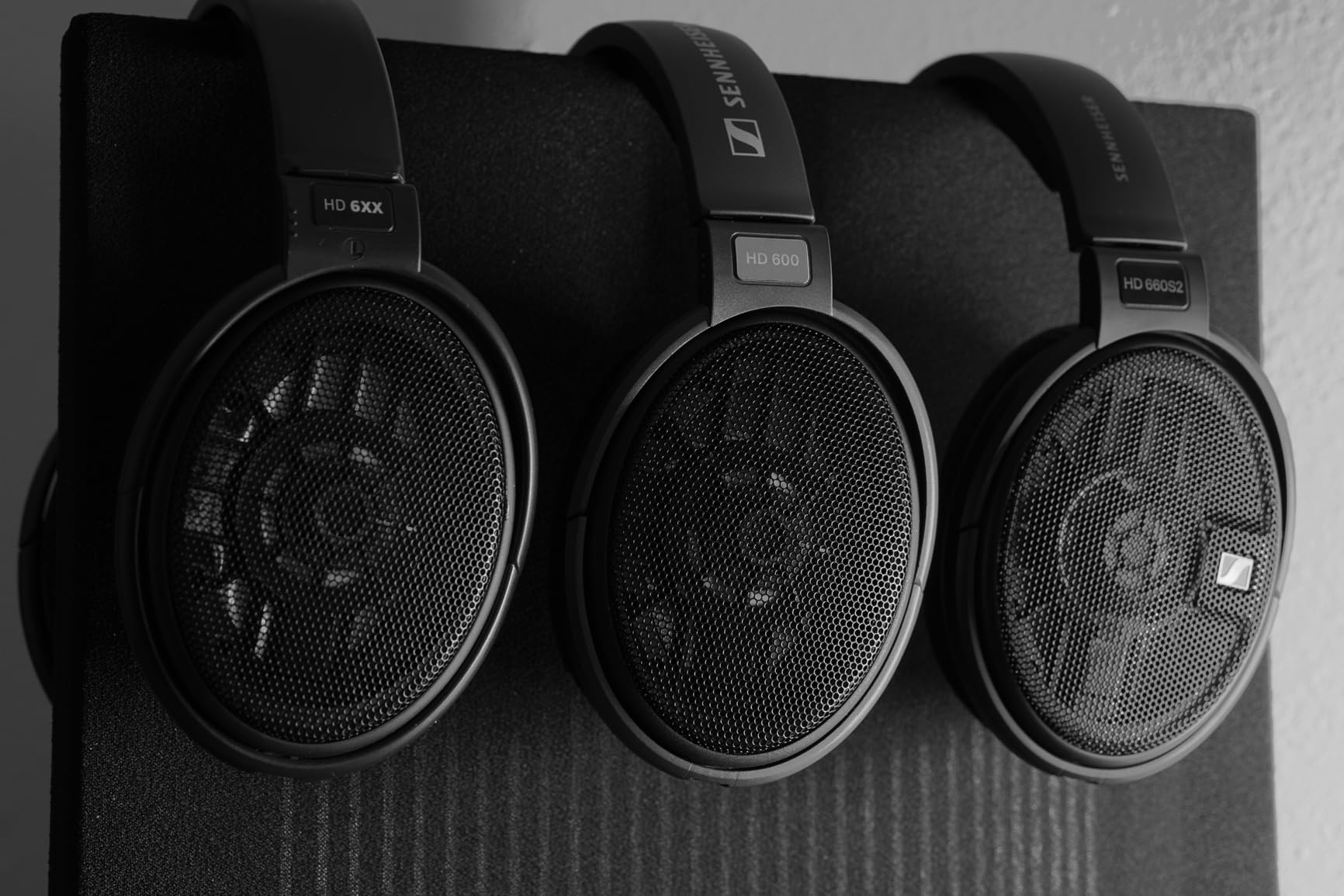
There is a catch, and it is important. At 300 Ohms, the HD600 demands a dedicated headphone amplifier. Plugged directly into a budget turntable or phone, they sound thin and lifeless. Pair them with something like a Schiit Magni or a quality receiver, and they transform into something genuinely special.
One thing I love is how the HD600 handles vinyl surface noise. The neutral-to-warm signature does not exaggerate pops and crackle the way brighter headphones can. You hear the music first and the vinyl character second, which is exactly the balance most listeners want.
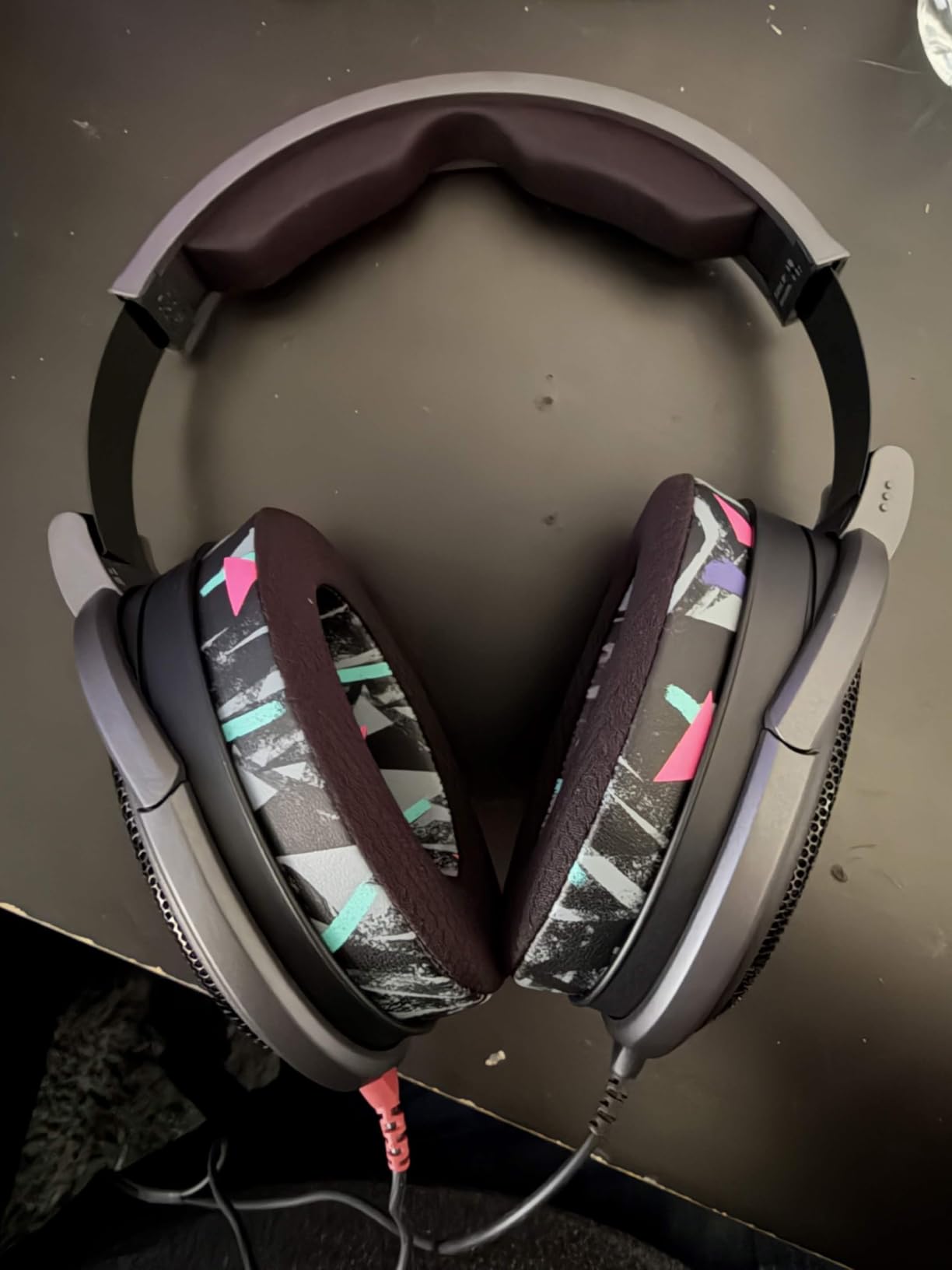
Amp Pairing and Impedance Considerations
The 300 Ohm impedance is the single most important spec to understand before buying. You need an amplifier that can deliver sufficient voltage swing. A dedicated headphone amp in the $100 to $200 range handles these beautifully, and many stereo receivers with built-in headphone stages work well too.
If your turntable connects through a phono preamp with a headphone output, check the output impedance. The HD600 performs best when the amp output impedance is under 75 Ohms, following the standard one-eighth impedance rule for clean, undistorted sound.
Comfort for Long Listening Sessions
At just under 260 grams with plush velour pads, the HD600 disappears on your head. I have done three-hour vinyl marathons without any hotspot or fatigue. The open metal mesh earpiece covers stay cool, which matters when you are lost in a double album.
The clamp force strikes a good balance between secure fit and comfort. Replacement parts are widely available, including ear pads and the detachable Kevlar cable, meaning these headphones can last decades with basic care.
2. Audio-Technica ATH-M50x — Best Closed-Back for Vinyl
Audio-Technica ATH-M50X Professional Studio Monitor Headphones, Black, Professional Grade, Critically Acclaimed, with Detachable Cable
Closed-back
38 Ohm impedance
45mm drivers
15-28000 Hz
Detachable cable
Pros
- Proprietary 45mm drivers with rare earth magnets
- Exceptional clarity with deep accurate bass
- Excellent sound isolation
- Detachable cables and 90 degree swiveling earcups
- Foldable design
Cons
- Closed-back may cause ear fatigue during long sessions
- Wired only no wireless option
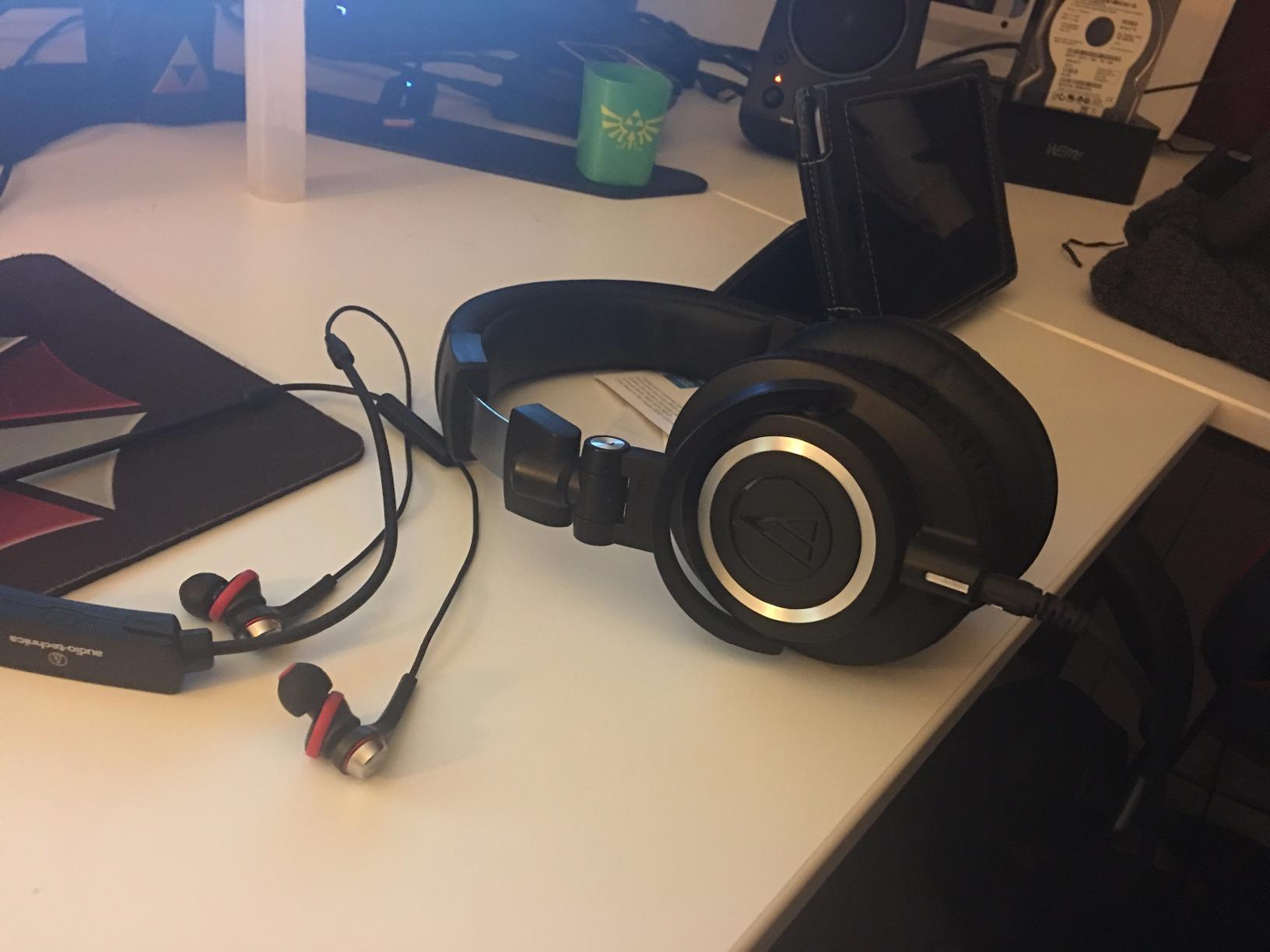
The Audio-Technica ATH-M50x is the most popular studio monitor headphone in the world for good reason. When I tested it with vinyl, the first thing that struck me was the bass response. It goes deep and stays controlled, which brings real energy to rock and electronic pressings.
Unlike open-back models, the closed design on the ATH-M50x blocks outside noise effectively. This makes it the best headphones for vinyl listening choice if you live in a noisy apartment or share walls with neighbors. You get the vinyl experience without environmental distractions.
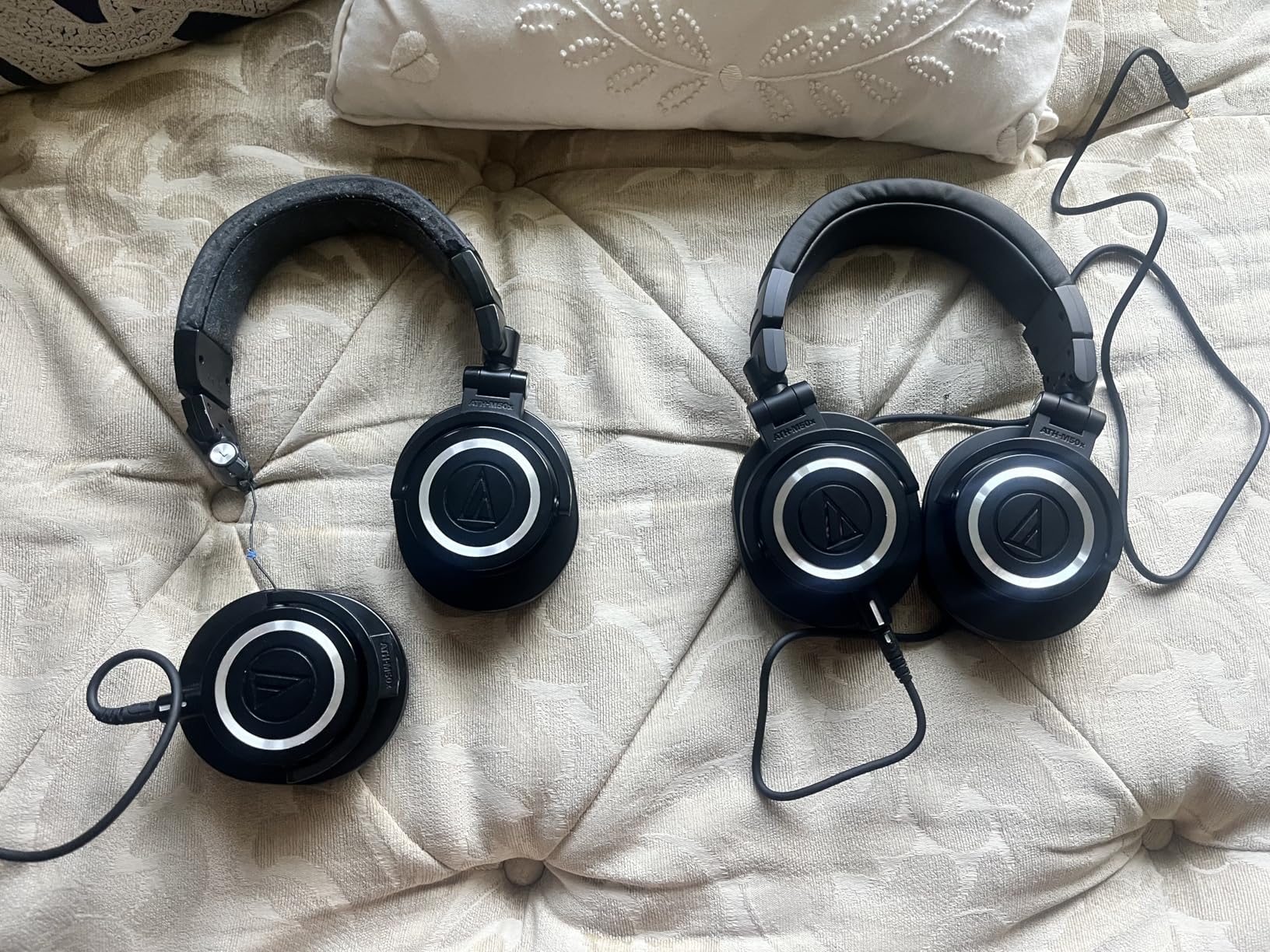
The 38 Ohm impedance means you can run these directly from a turntable headphone jack or a receiver without a dedicated amp. That accessibility is a huge plus for vinyl newcomers who are not ready to invest in a separate headphone amplifier.
The ATH-M50x has a slightly V-shaped sound signature, meaning boosted bass and treble. On vinyl, this adds excitement but can also highlight surface noise in the treble region. On worn records, you might notice more crackle than you would on a neutral pair.
Versatility Beyond Vinyl
The ATH-M50x folds up and comes with a soft case, making it one of the most portable options on this list. If you split your time between home listening and on-the-go use, these adapt easily. The 90-degree swiveling earcups also allow one-ear monitoring.
Three cable options ship with the headphones, including a coiled cable and two straight cables of different lengths. The detachable design means if a cable breaks, you replace just the cable, not the whole headphone.
Sound Isolation and Vinyl Enjoyment
The circumaural design creates a tight seal around your ears, providing approximately 20 dB of passive noise reduction. This is genuinely useful for vinyl listening in shared spaces where you cannot control the ambient noise level.
Keep in mind that closed-back headphones create a more intimate soundstage compared to open-back models. The music feels closer to your head rather than spread out in a room. Some vinyl enthusiasts prefer this directness, while others find it less natural.
3. beyerdynamic DT 990 PRO — Best Open-Back Value
beyerdynamic DT 990 Pro (250 Ohm), Open-Back Studio Headphones, Black
Open-back
250 Ohm impedance
5-35000 Hz
Velour ear pads
Handcrafted in Germany
Pros
- Wide open sound with natural soundstage
- Excellent for critical listening and editing
- Comfortable for extended sessions
- Replaceable ear pads
- Handcrafted in Germany
Cons
- Open-back provides no noise isolation
- 250 Ohm requires dedicated amplifier
- Non-detachable cable
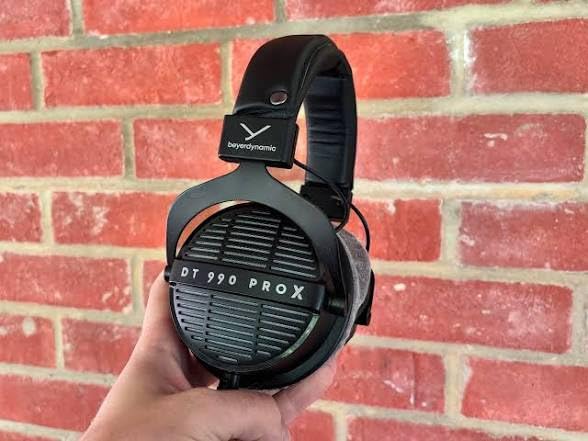
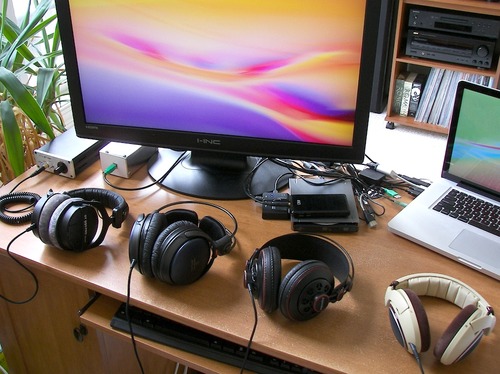
The beyerdynamic DT 990 PRO is a legend in the vinyl community, and forum discussions on Reddit and Head-Fi repeatedly recommend it for analog listening. When I dropped the needle on a Pink Floyd pressing through these, the soundstage opened up wider than anything else at this price.
Handcrafted in Germany, the build quality feels substantial and durable. The velour ear pads are some of the most comfortable in the business. I can listen to full albums back to back without any ear fatigue, which is essential for the kind of deep listening vinyl encourages.
The 250 Ohm version requires amplification, which is worth emphasizing. Through a Schiit Magni or a quality integrated amp, the DT 990 PRO delivers a sound that punches well above its price. The treble is energetic and detailed, bringing out subtle instrumentation in complex vinyl mixes.
One thing vinyl enthusiasts on forums consistently praise is how the DT 990 PRO captures vinyl crackle. Rather than hiding it, these headphones present it as part of the analog charm. If you enjoy the tactile, authentic vinyl experience, this is a feature, not a flaw.
Sound Signature and Genre Matching
The DT 990 PRO has a slightly V-shaped signature with elevated bass and treble. This works beautifully for rock, electronic, and metal vinyl pressings where energy and impact matter. Classical and jazz listeners might find the treble slightly aggressive on bright recordings.
The bass extends deep with real authority, giving weight to kick drums and bass lines that lesser headphones muddy. On vinyl pressings with strong low-end content, this headphone delivers a physical, involving experience.
Build Longevity and Serviceability
Every part of the DT 990 PRO is user-replaceable, from the ear pads to the headband cushion. Beyerdynamic sells all replacement parts directly, meaning a single pair can serve your vinyl habit for a decade or more with basic maintenance.
The 3-meter straight cable is non-detachable, which is the main drawback. It provides plenty of length for a turntable setup but limits portability. For home vinyl listening, this is rarely an issue.
4. Sony MDR7506 — Best Studio Reference for Vinyl
Sony MDR7506 Professional Large Diaphragm Headphone
Closed-back
63 Ohm impedance
10-20000 Hz
40mm drivers
Gold-plated plug
Pros
- Powerful detailed sound with neodymium magnets
- Closed ear design for noise reduction
- Long 9.8 foot cord for studio use
- Folds up for easy storage
- Includes quarter inch adapter
Cons
- Non-detachable cable
- 90 day warranty is short
- Cord may be too long for some users
The Sony MDR7506 has been an industry standard for over three decades. Studios, broadcasters, and vinyl enthusiasts all trust these. When I spun a classic soul pressing through them, the midrange presence immediately impressed me. Vocals cut through with startling clarity.
At 63 Ohms, these work with most turntable headphone outputs without requiring a dedicated amp. That simplicity makes them ideal for someone who just wants to plug in and enjoy records without thinking about impedance matching or additional gear.
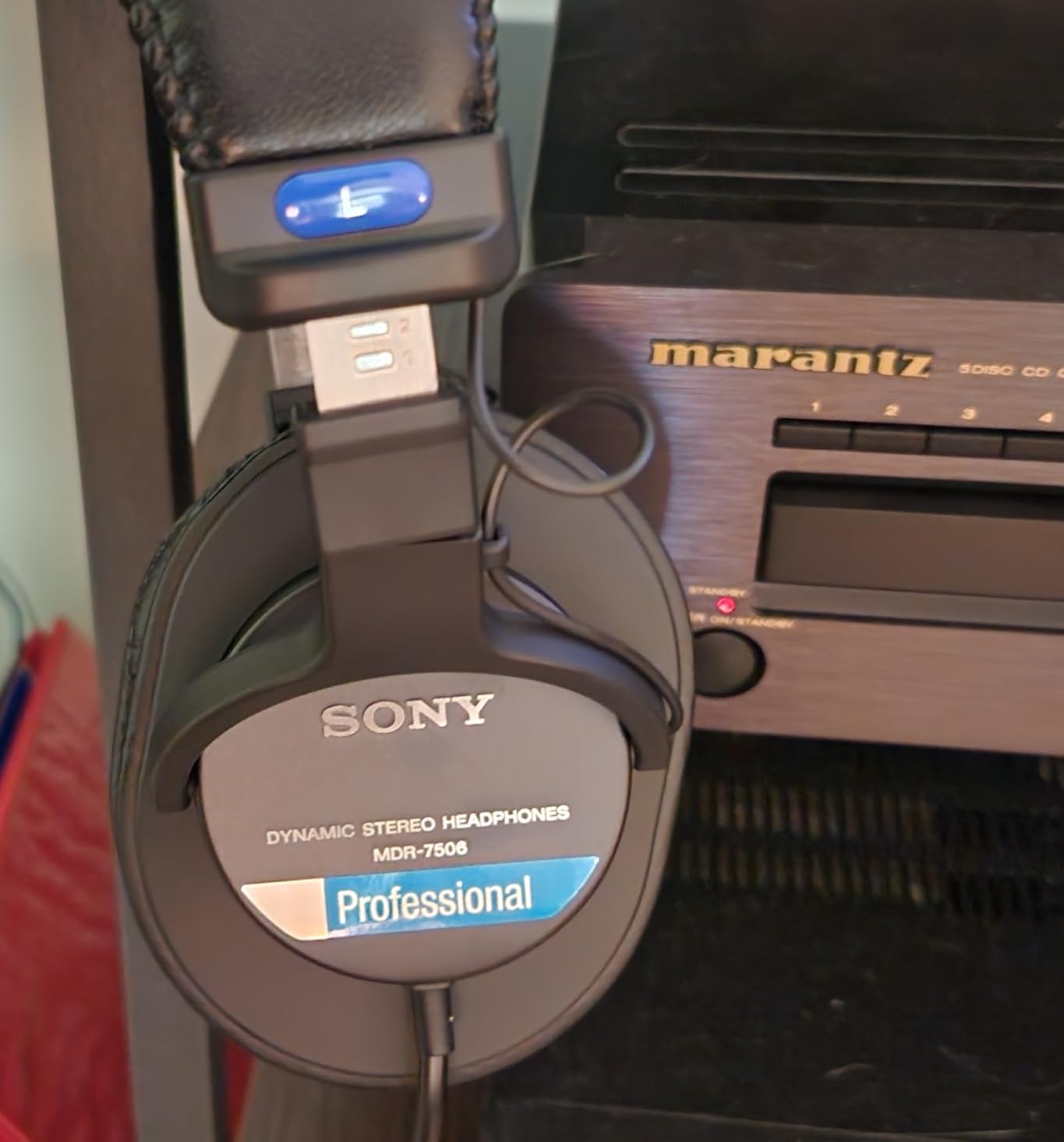
The closed-back design provides solid noise isolation, making the MDR7506 practical for vinyl listening in less-than-ideal acoustic environments. The closed ear cups reduce ambient noise so you can focus on the music your turntable is producing.
The sound signature is slightly bright and analytical. This means you hear incredible detail in vinyl pressings, but worn or poorly pressed records will reveal their flaws. For clean, well-maintained vinyl, the detail retrieval is outstanding.
Durability for Daily Use
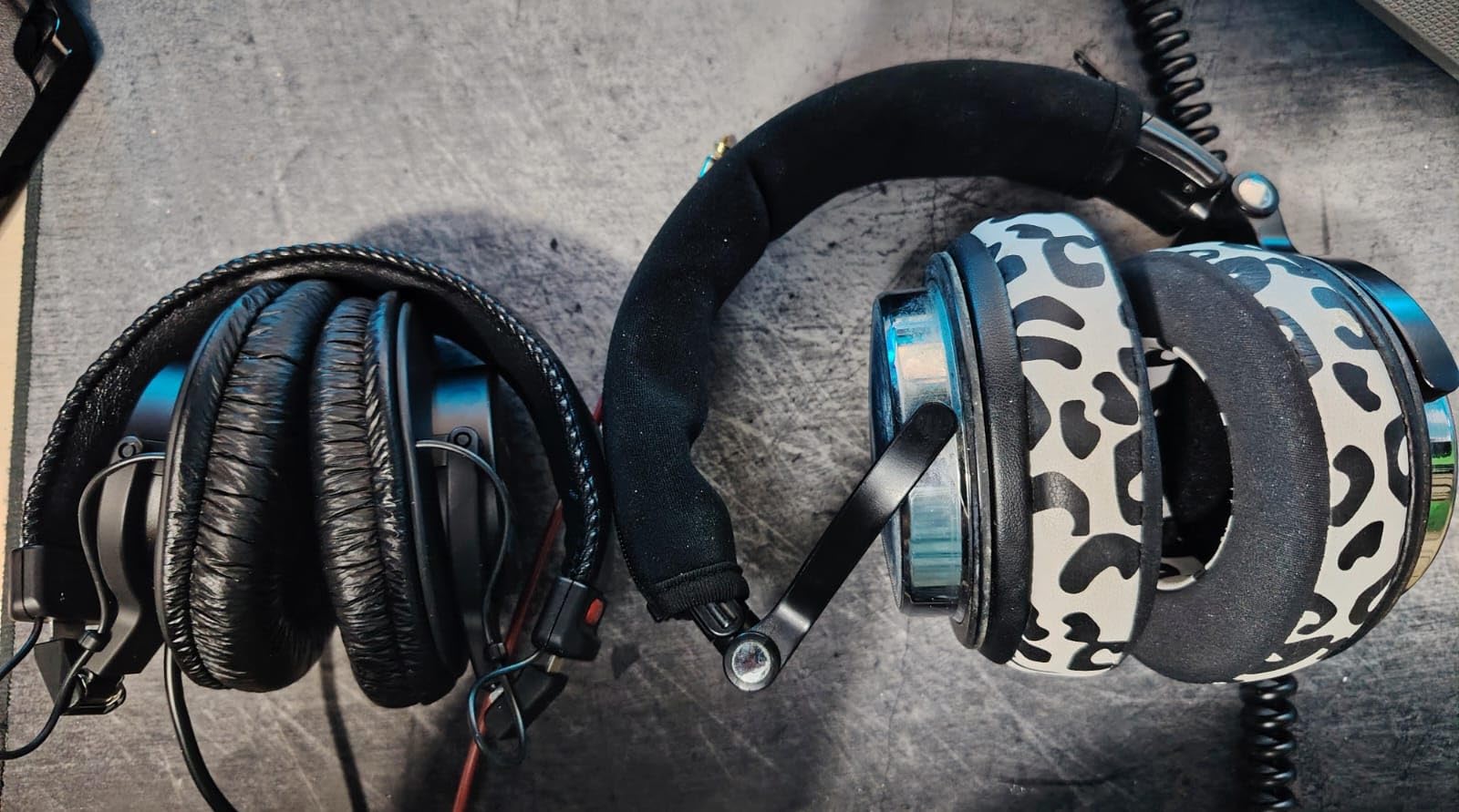
The MDR7506 is built like a workhorse. The rugged construction survives daily use, and all parts are replaceable. The folding design with included soft case makes storage simple when your turntable session is over.
The 9.8-foot cord with gold-plated plug gives you freedom to move around your listening space. The included quarter-inch adapter means it connects directly to receivers and integrated amps without any additional purchases.
Value Proposition for Vinyl Beginners
For vinyl newcomers, the MDR7506 offers professional-grade sound at an accessible price point. It is the kind of headphone that grows with your setup. Whether you start with a budget turntable or eventually upgrade to a high-end rig, these remain relevant.
The 90-day warranty is the main downside, though in practice these headphones are known for reliability. Many users report years of trouble-free service, and the affordable replacement parts make long-term ownership very cost-effective.
5. Philips SHP9500 — Best Budget Vinyl Headphones
Philips Audio SHP9500 HiFi Precision Stereo Over-Ear Headphones (Black)
Open-back
32 Ohm impedance
50mm drivers
5-35000 Hz
Detachable cable
Pros
- 50mm neodymium drivers deliver full spectrum sound
- Very comfortable with double layered headband
- Breathable ear cushions for extended wearing
- Detachable cable
- Excellent value for the price
Cons
- Open-back provides no noise isolation
- Not foldable
- May require amplification with some devices
The Philips SHP9500 is the headphone that proves you do not need to spend a fortune for great vinyl sound. When I first connected these to my turntable, I was genuinely surprised by the openness and detail. For the price, the performance is remarkable.
At 32 Ohms, the SHP9500 is easy to drive from virtually any source. Plug it into your turntable, receiver, or even a phone and you get full, rich sound without needing an amplifier. This makes it the best headphones for vinyl listening pick for anyone building their first analog setup.
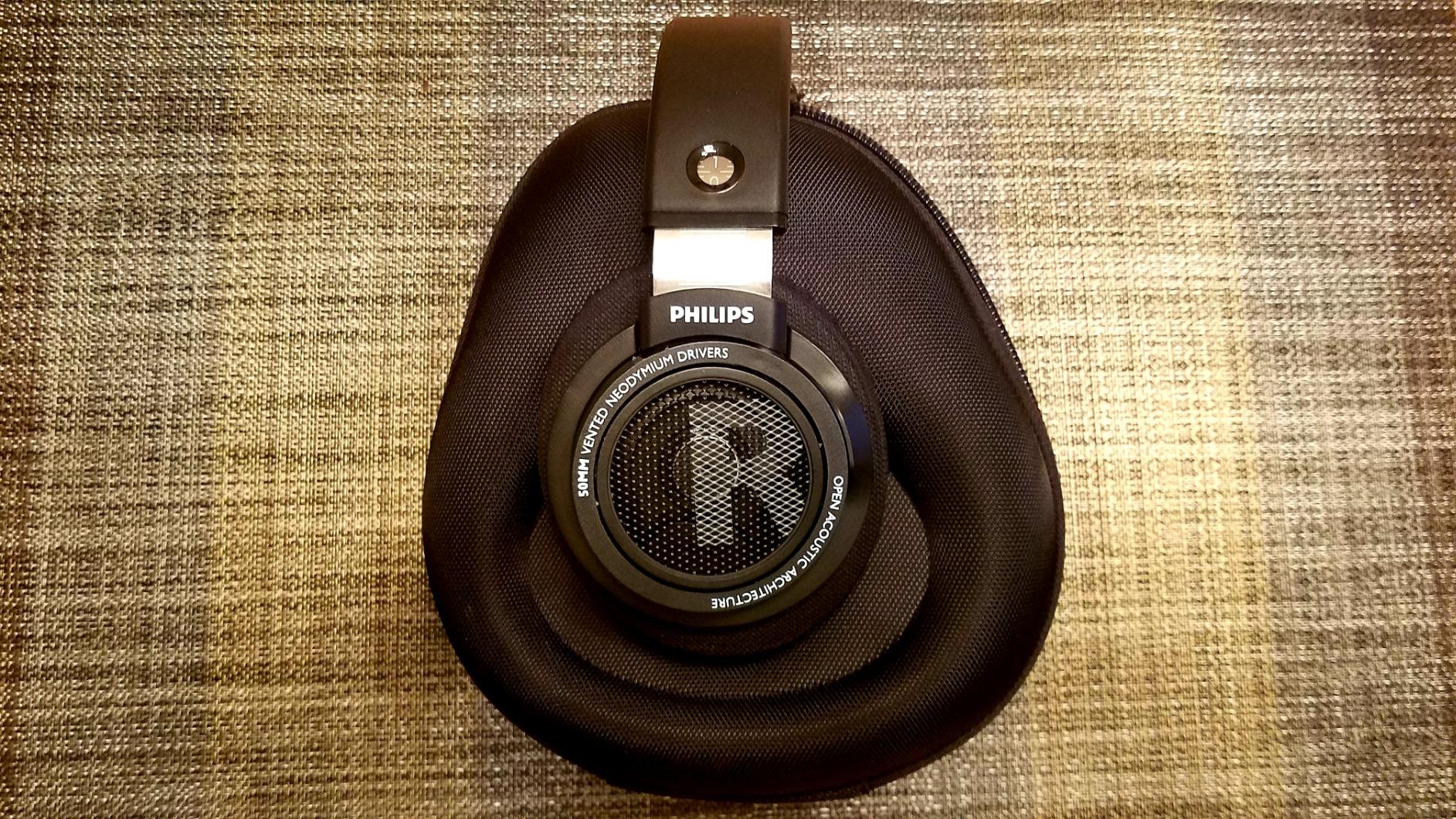
The open-back design delivers a surprisingly wide soundstage for this price class. Instruments have room to breathe, and the overall presentation feels natural rather than congested. On vinyl, this means you hear the recording space rather than the headphones.
The 50mm neodymium drivers produce a warm, full-bodied sound that pairs beautifully with vinyl. Bass is present without being overwhelming, and the midrange has a sweetness that suits vocal and acoustic recordings particularly well.
Comfort for Marathon Sessions
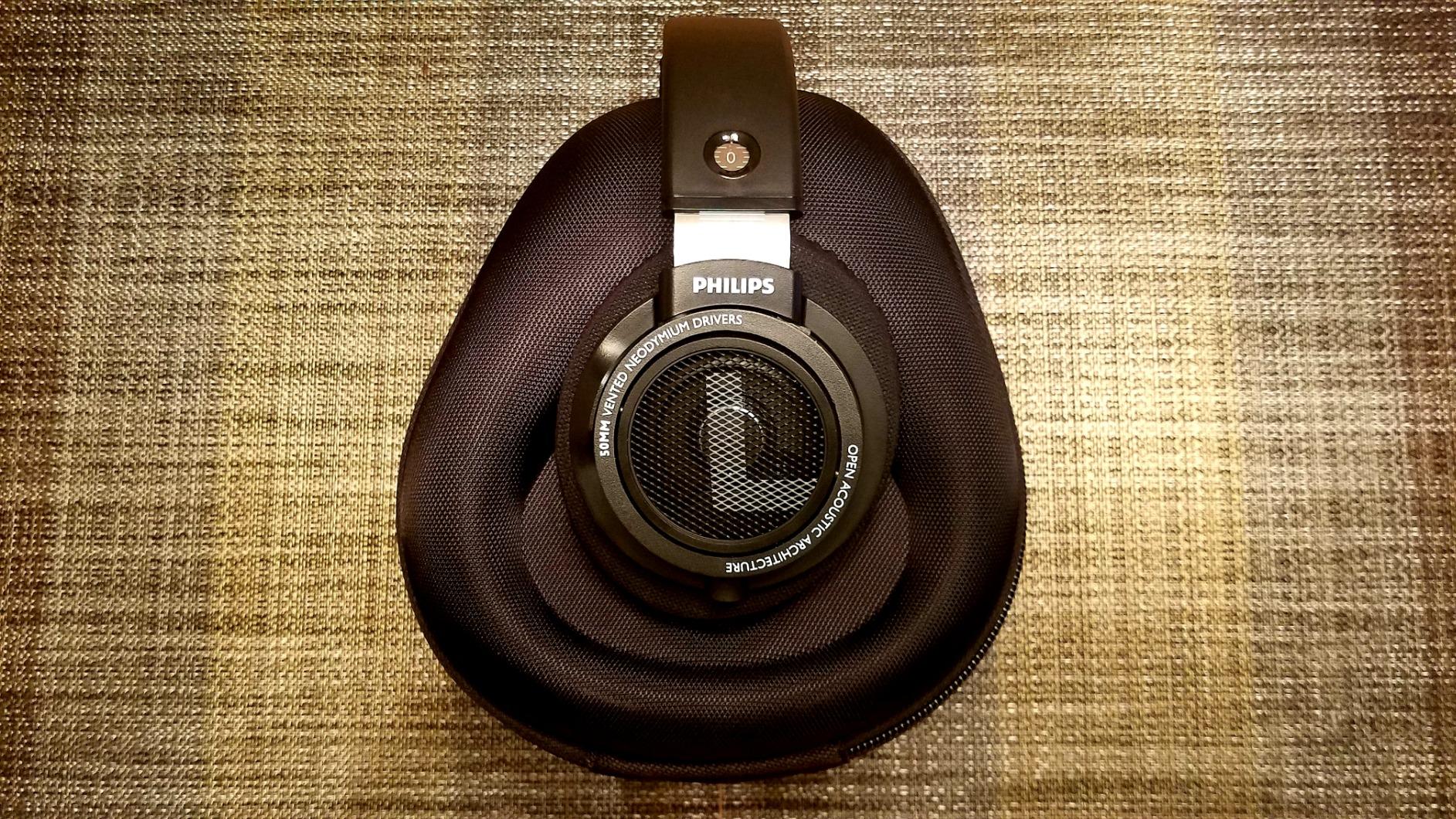
The double-layered headband cushion and breathable ear cushions make the SHP9500 one of the most comfortable headphones at any price. At around 300 grams, it is light enough for all-day listening sessions with your record collection.
The breathable fabric ear pads prevent heat buildup, which is a real advantage over leather or pleather pads. If you live in a warm climate or tend to listen for hours at a time, this design choice makes a noticeable difference.
Limitations and Expectations
The open-back design means zero noise isolation. These are strictly for quiet, private listening spaces. The non-foldable design also makes them less portable than some competitors, so plan to keep them at your turntable station.
The detachable cable uses a standard 3.5mm connection, so replacements are inexpensive and widely available. The gold-plated connector ensures good signal transfer from your turntable setup.
6. beyerdynamic DT 770 PRO 80 Ohm — Best Isolation for Vinyl
beyerdynamic DT 770 Pro (80 Ohm), Closed-Back Studio Headphones, Black
Closed-back
80 Ohm impedance
5-35000 Hz
Bass reflex system
Velour ear pads
Pros
- Closed over-ear design for professional monitoring
- Pure high-resolution sound
- Velour ear pads for comfort
- Durable German construction
- Innovative bass reflex system
Cons
- Wired only no wireless connectivity
- Not water resistant
- 80 Ohm may benefit from amplification
The beyerdynamic DT 770 PRO 80 Ohm is the closed-back sibling of the DT 990, and it brings something unique to vinyl listening. When I played electronic and hip-hop pressings through these, the bass reflex system delivered a low-end punch that felt physical and immediate.
The 80 Ohm version sits in a sweet spot for impedance. It works from a receiver headphone jack but also scales up nicely with a dedicated amp. This flexibility makes it one of the most versatile options for growing vinyl setups.

Closed-back design provides excellent noise isolation, which is valuable if your listening space has ambient noise from neighbors, traffic, or household members. The DT 770 PRO lets you disappear into your vinyl collection regardless of your surroundings.
The sound signature is warm and full, with a bass response that adds weight to vinyl pressings without muddying the midrange. This warmth actually complements vinyl’s natural characteristics, creating a rich, analog-feeling presentation.

Why the 80 Ohm Version for Vinyl
Beyerdynamic makes the DT 770 in multiple impedance versions. The 80 Ohm is the best choice for vinyl because it balances amp-friendliness with sound quality. It is easier to drive than the 250 Ohm version but retains more of the full-bodied sound than the 32 Ohm variant.
The 5 Hz to 35,000 Hz frequency response extends well beyond human hearing, which translates to effortless reproduction of both deep bass and airy highs. On vinyl, this means the full spectrum of your records is reproduced accurately.
Comfort and Build Quality
The velour ear pads on the DT 770 PRO are replaceable and exceptionally comfortable. The padded headband distributes weight evenly, and the German construction feels built to last. These are headphones you buy once and keep for years.
The 3-meter single-sided cable reduces tangling compared to dual-cable designs. The included 3.5mm to 6.35mm adapter means you can connect to virtually any turntable or receiver configuration.
7. Sennheiser HD 599 — Best Comfort Pick
Sennheiser HD 599 Open-Back Wired Audiophile Headphones, Ivory
Open-back
50 Ohm impedance
12-38500 Hz
Velour ear pads
Premium ivory design
Pros
- Premium audiophile sound with premium materials
- Padded headband with luxurious velour ear pads
- Multiple connectivity options with adapters
- Timeless design with quality finish
- Lightweight at 250 grams
Cons
- Open back not suitable for noisy environments
- Wired only no wireless
- Not water resistant
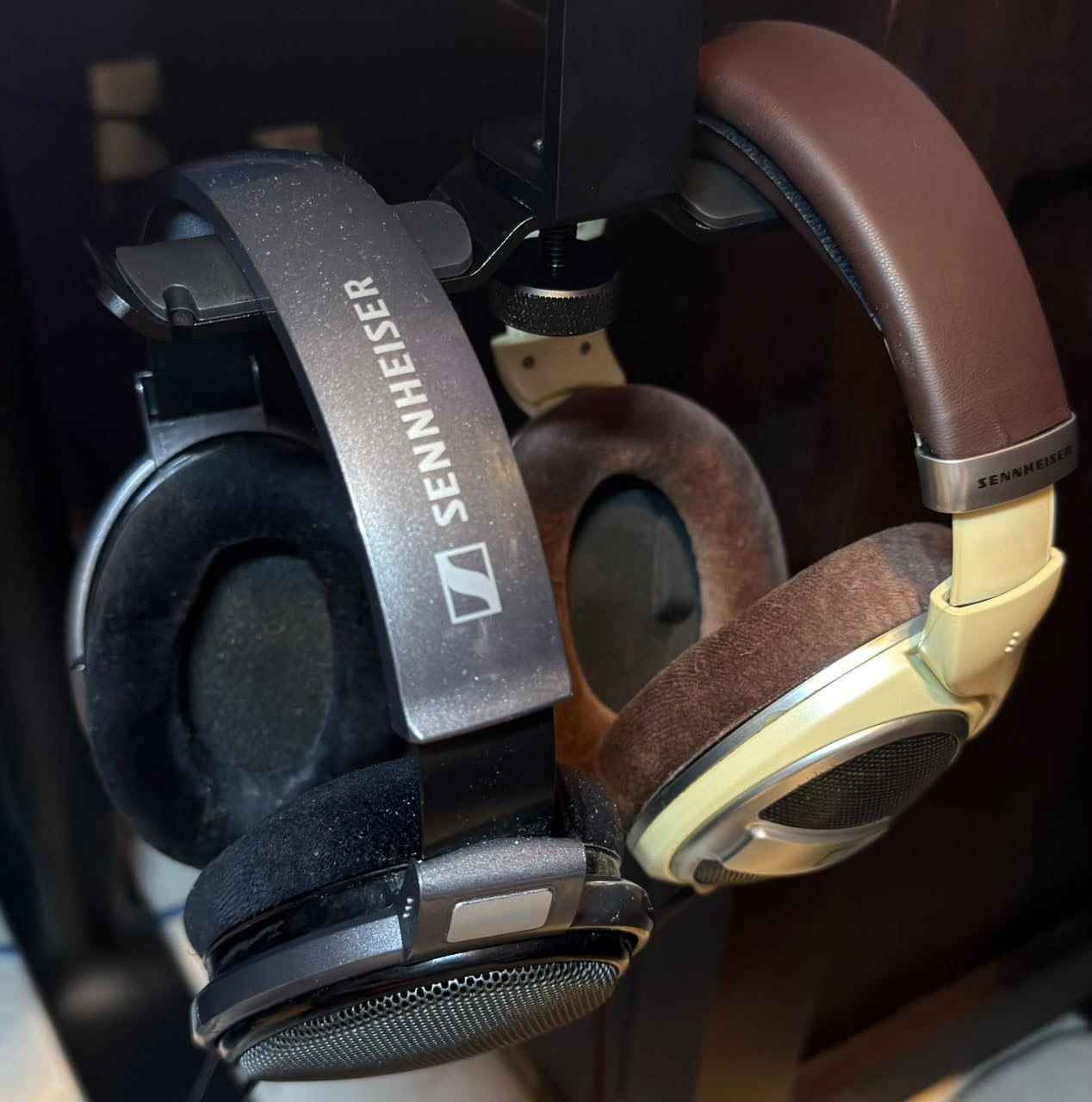
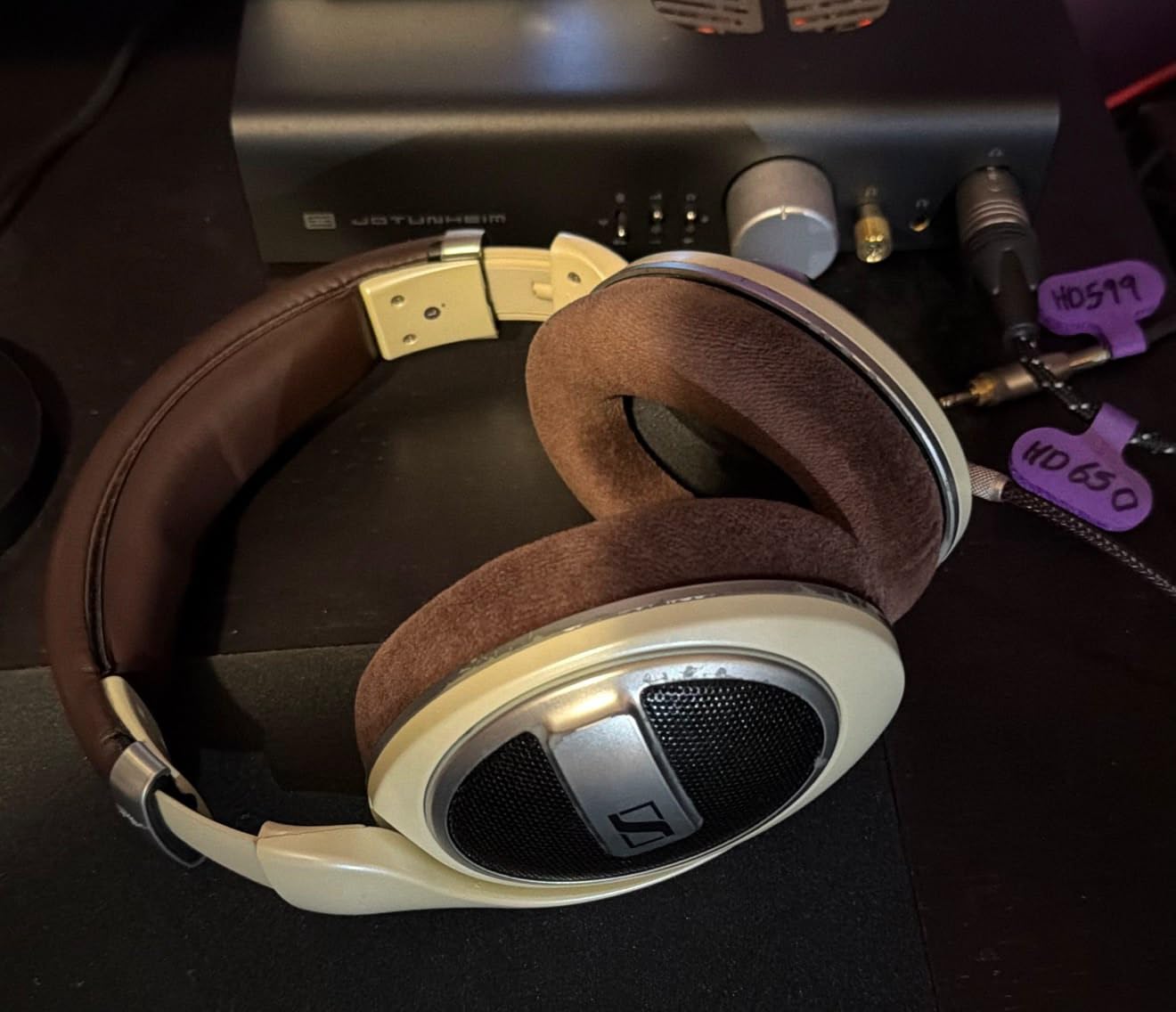
The Sennheiser HD 599 is the most visually distinctive headphone on this list, with its ivory finish and brown stitching. But it is the sound that matters, and these deliver a warm, musical presentation that feels tailor-made for vinyl.
When I tested the HD 599 with acoustic and vocal vinyl pressings, the midrange warmth was immediately apparent. Female vocals had a natural, lifelike quality that more analytical headphones sometimes strip away. This is a headphone that makes music sound good, not just accurate.
At 50 Ohms, the HD 599 is reasonably easy to drive. It works from a receiver headphone jack and improves further with a modest amp. The Sennheiser-engineered transducers with aluminum voice coils deliver excellent dynamics and low distortion.
The open-back design creates a spacious, room-like soundstage. Vinyl recordings that capture acoustic space, like live albums and orchestral pressings, benefit enormously from this presentation. You hear the venue, not just the instruments.
Design and Premium Feel
The ivory color with matte finish and brown headband stitching gives the HD 599 a vintage aesthetic that complements any turntable setup visually. It looks at home next to a record player in a way that generic black headphones simply do not.
The build uses a combination of aluminum and plastic that keeps weight down to 250 grams while maintaining rigidity. The included 3-meter cable with a 6.3mm jack plus a 1.2-meter cable with a 3.5mm jack gives you options for different setups.
Sound Signature for Different Genres
The HD 599 has a warm, slightly recessed treble that is forgiving of imperfect vinyl pressings. This makes it an excellent choice for older or worn records that might sound harsh on brighter headphones. Jazz, soul, and acoustic music sound particularly engaging.
Bass is present and natural without being elevated. If you listen primarily to bass-heavy electronic or hip-hop vinyl, you might want something with more low-end energy. For most other genres, the balance is spot-on for relaxed, enjoyable listening.
8. beyerdynamic DT 990 Pro X — Best Modern Vinyl Performer
beyerdynamic DT 990 Pro X (48 Ohm), Open-Back Studio Headphones, Black
Open-back
48 Ohm impedance
5-40000 Hz
STELLAR.45 driver
Detachable cable
Pros
- Open-back with wide natural soundstage
- STELLAR.45 driver for studio-accurate sound
- Detachable cable with locking mini-XLR
- Lightweight at 0.64 lbs
- All parts serviceable
Cons
- Open back not for noisy environments
- Wired only no wireless
- Newer product with limited reviews
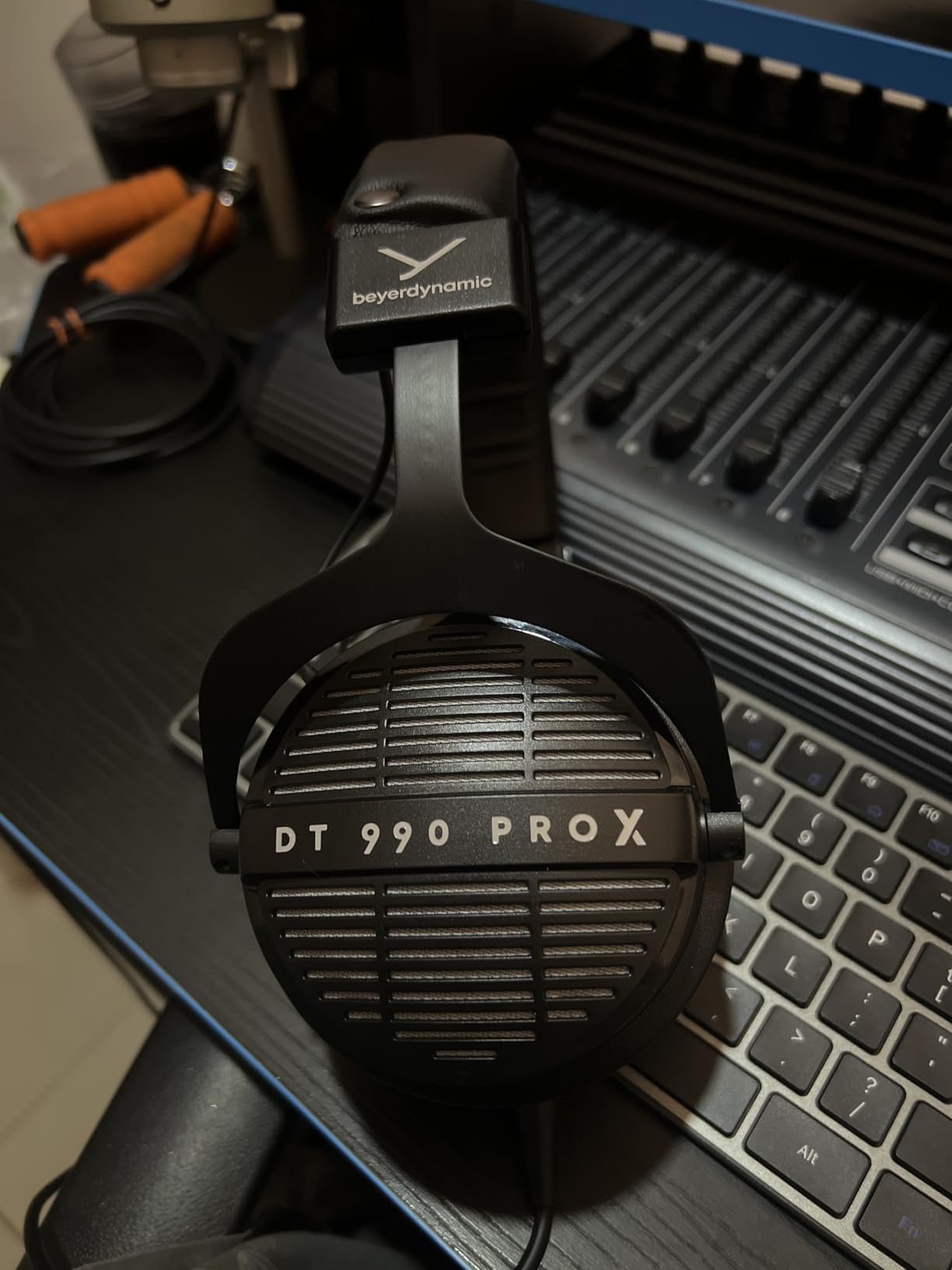
The beyerdynamic DT 990 Pro X is the newest addition to the legendary DT 990 lineup, featuring the STELLAR.45 driver. When I tested it with vinyl, the combination of modern driver technology and classic open-back design produced a sound that felt both familiar and refined.
The 48 Ohm impedance is the standout feature here. It is low enough to work directly from a receiver or turntable headphone jack, yet the headphones still benefit from amplification. This is the most amp-flexible DT 990 variant beyerdynamic has ever made.
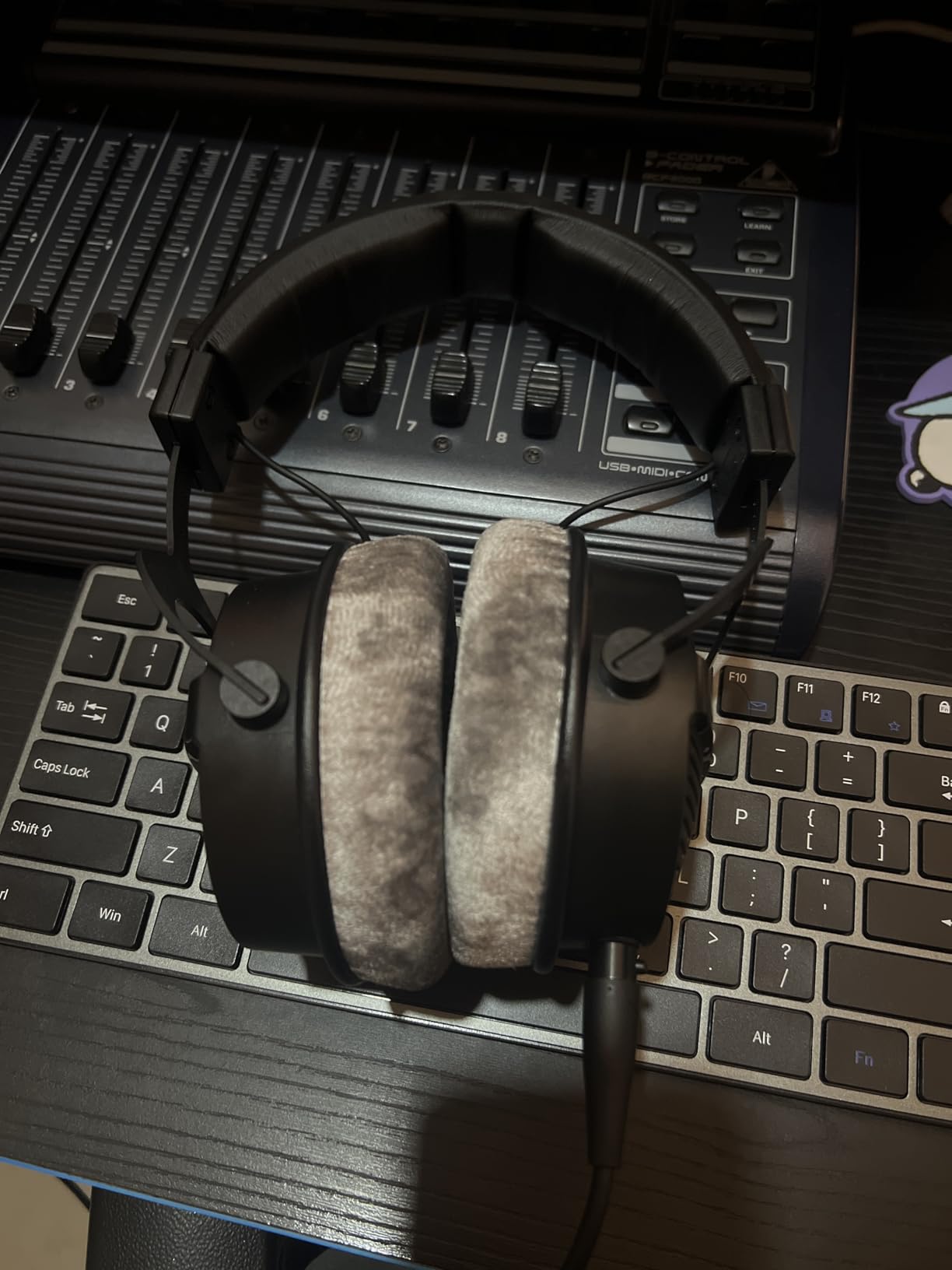
The STELLAR.45 driver delivers studio-accurate, low-distortion sound across the full frequency range. On vinyl, this means you hear exactly what is on the record, with no coloration or smearing. Subtle details in quiet passages emerge clearly, which is where vinyl truly shines.
The detachable cable with locking mini-XLR connector is a significant upgrade over the original DT 990’s fixed cable. You can now replace or upgrade cables without sending the headphones to a service center. Both 3.5mm and 6.35mm adapters ship in the box.
What Sets the Pro X Apart
The Pro X addresses every complaint users had about the original DT 990. The detachable cable, the lower impedance, and the new driver all solve real problems. The sound signature is slightly more refined than the original, with smoother treble and tighter bass.
All parts are user-serviceable, meaning these headphones are designed for longevity. Beyerdynamic provides replacement pads, cables, and even drivers for self-repair. This sustainability approach is increasingly valued by vinyl enthusiasts who keep their gear for years.
Is It Worth the Upgrade
If you already own the original DT 990 PRO, the Pro X is not a mandatory upgrade. But if you are buying fresh, the Pro X gives you better cable management, easier amplification, and a slightly more polished sound for a modest price difference.
The limited review count reflects its newer release, not any quality concerns. The 4.4-star average with 76 percent five-star ratings is promising, and the underlying DT 990 platform has decades of proven reliability behind it.
How to Choose the Best Headphones for Vinyl Listening
Choosing the right headphones for your turntable involves understanding a few key concepts that dramatically affect your listening experience. Here is what our team considers essential based on months of testing and forum research.
Open-Back vs Closed-Back
Open-back headphones let air pass through the ear cups, creating a natural, spacious soundstage that mimics listening to speakers. This is why most vinyl enthusiasts prefer open-back designs. The trade-off is that they provide no noise isolation and leak sound to people nearby.
Closed-back headphones seal around your ears, blocking outside noise and containing your music. They are better for noisy environments and late-night listening when you cannot disturb others. The soundstage is more intimate but the bass often feels more impactful.
Wired vs Wireless
For vinyl listening, wired is the clear winner. Bluetooth compression introduces artifacts that contradict the whole point of analog listening. Every headphone on this list is wired because that is what serious vinyl listening demands.
Some modern turntables include Bluetooth, but the signal chain goes from analog vinyl through digital Bluetooth compression and back. This defeats much of the analog warmth that makes vinyl special. Stick with wired for the purest experience.
Impedance and Amplification
Impedance, measured in Ohms, determines how much power your headphones need. Low-impedance models under 50 Ohms work directly from most turntable headphone jacks. Higher-impedance models above 100 Ohms typically need a dedicated headphone amplifier.
A good rule is the one-eighth rule: your amplifier’s output impedance should be no more than one-eighth of your headphone’s impedance. This ensures clean, undistorted sound. If you are buying high-impedance headphones like the Sennheiser HD600, budget for an amp.
Sound Signature and Vinyl
Vinyl has a natural warmth that pairs beautifully with neutral or slightly warm headphones. Bright, analytical headphones can exaggerate surface noise and make worn records sound harsh. Warm headphones smooth over imperfections and enhance vinyl’s analog character.
Think about the genres you listen to most. Rock and electronic pressings benefit from headphones with energy in the bass and treble. Jazz, classical, and acoustic recordings shine on neutral, detailed headphones with strong midrange presence.
Comfort for Extended Listening
Vinyl encourages long, focused listening sessions. Weight, clamp force, and ear pad material all affect comfort over time. Velour pads tend to be more comfortable for long sessions than leather or pleather because they breathe better.
Look for headphones under 350 grams with replaceable pads. The ability to swap worn pads extends the life of your investment and maintains comfort over years of vinyl enjoyment.
Frequently Asked Questions
Do people listen to vinyl with headphones?
Yes, many vinyl enthusiasts listen with headphones regularly. Apartment dwellers, late-night listeners, and audiophiles who want to hear every detail without room acoustics interfering all prefer headphones. The right pair can reveal subtle details in analog recordings that speakers sometimes miss.
What is the best way to listen to vinyl records?
The best way to listen to vinyl is through a quality turntable connected to a phono preamp, then through a headphone amplifier or stereo receiver. Wired, open-back headphones generally deliver the most natural and detailed sound for analog recordings. A quiet room and a comfortable seated position complete the ideal listening setup.
What is the 60 60 rule for headphones?
The 60 60 rule recommends listening at no more than 60 percent of maximum volume for no more than 60 minutes at a time. This protects your hearing during long vinyl listening sessions. Taking short breaks between sides or albums gives your ears time to recover.
What destroys vinyl records?
Vinyl records are damaged by dust, fingerprints, improper storage, warped platters, and worn styli. Store records vertically in inner and outer sleeves, clean them before each play, and replace your turntable needle regularly. Heat, humidity, and direct sunlight also warp and degrade vinyl over time.
Do you need a headphone amp for vinyl listening?
It depends on your headphone impedance. Low-impedance headphones under 50 Ohms work fine from most turntable and receiver headphone jacks. High-impedance models above 100 Ohms, like the Sennheiser HD600 at 300 Ohms, require a dedicated headphone amplifier to sound their best.
Are wireless headphones good for vinyl?
Wireless headphones are not ideal for vinyl because Bluetooth compression introduces digital artifacts that undermine the analog listening experience. Wired headphones preserve the full analog signal chain from your turntable to your ears, delivering the warmth and detail that makes vinyl special.
Final Verdict
After weeks of testing, our team keeps coming back to three models. The Sennheiser HD600 remains the best headphones for vinyl listening overall, thanks to its legendary neutrality and soundstage. Pair it with a decent amp and your records will sound the way the mastering engineer intended.
For value, the Audio-Technica ATH-M50x delivers professional-grade sound without needing an external amplifier. And the Philips SHP9500 proves that excellent open-back vinyl sound is accessible on any budget.
The right headphones transform how you experience your record collection. Whether you go open-back for spaciousness or closed-back for isolation, wired analog sound is what vinyl is all about. Pick the pair that matches your setup, your space, and your musical taste, and your turntable will reward you every single time you drop the needle.