

I have spent the better part of three years deep in the audiophile rabbit hole, and if there is one technology that completely changed how I listen to music, it is planar magnetic headphones. The first time I heard a properly amped pair, the soundstage alone made me question every dollar I had ever spent on conventional dynamic drivers. The bass was tighter, the mids were cleaner, and details I never knew existed in my favorite tracks suddenly appeared out of nowhere.
Our team set out to find the best planar magnetic headphones available in 2026 by testing models across every price tier, from budget-friendly entry points to statement-level reference gear. We compared sound quality, comfort, build construction, amplification needs, and long-term reliability. We also dug through hundreds of real owner reviews on Reddit’s headphone communities to factor in long-term ownership experiences that spec sheets never reveal.
What surprised us most was how much the planar landscape has shifted recently. HiFiMan continues to dominate the value conversation, but brands like FiiO and ASUS are pushing into territory that used to belong exclusively to Audeze and Dan Clark Audio. Meanwhile, Audeze is bringing planar magnetic technology to wireless gaming headsets, which would have sounded absurd just a few years ago. Whether you are looking for the best planar magnetic headphones for critical listening, studio mixing, gaming, or just want to experience what all the hype is about, we have a recommendation for you.
Table of Contents
Top 3 Picks for Best Planar Magnetic Headphones
Before we get into the full reviews, here are our three standout picks. These are the headphones that impressed us most across different budgets and use cases, and they represent the best of what planar magnetic technology can deliver in 2026.

HIFIMAN Arya Stealth Magnet
- Stealth Magnet Technology
- 32 Ohm Impedance
- 8Hz-65kHz Frequency Range
The HIFIMAN Arya took our Editor’s Choice spot for its reference-grade sound that scales beautifully with better amplification. The Edition XS earned Best Value by delivering 80% of the Arya’s performance at roughly a third of the price. And the HE400SE is our Budget Pick because it proves you do not need to spend a fortune to experience genuine planar magnetic sound.
Best Planar Magnetic Headphones in 2026
Here is a quick overview of all eight headphones we tested. The comparison table below highlights the key features of each model so you can narrow down your options before diving into the detailed reviews.
| Product | Specifications | Action |
|---|---|---|
| HIFIMAN Arya Stealth |
|
Check Latest Price |
 HIFIMAN HE1000 Stealth HIFIMAN HE1000 Stealth |
|
Check Latest Price |
 FiiO FT7 Open-Back FiiO FT7 Open-Back |
|
Check Latest Price |
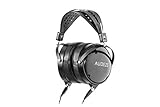 Audeze LCD-XC Audeze LCD-XC |
|
Check Latest Price |
 ASUS ROG Kithara ASUS ROG Kithara |
|
Check Latest Price |
 Audeze Maxwell 2 Audeze Maxwell 2 |
|
Check Latest Price |
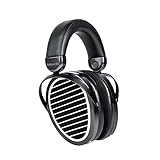 HIFIMAN Edition XS HIFIMAN Edition XS |
|
Check Latest Price |
 HIFIMAN HE400SE HIFIMAN HE400SE |
|
Check Latest Price |
1. HIFIMAN Arya Stealth Magnet Version – Reference-Grade Sound
HIFIMAN Arya Stealth Magnet Version Full-Size Over-Ear Planar Magnetic Headphone for Audiophiles/Studio
Impedance: 32 Ohms
Sensitivity: 94 dB
Freq: 8Hz-65kHz
Weight: 430g
Open-Back
Pros
- Acoustically Invisible Stealth Magnet design
- Nanometer thickness diaphragm for full-range accuracy
- Lightweight metal and high-grade plastic build
- User-replaceable 3.5mm connector design
- Classic HE1000-style shape at a lower price
Cons
- Wired only with no Bluetooth option
- Not water resistant
The HIFIMAN Arya Stealth Magnet Version is the headphone that made me truly understand what people mean when they talk about a holographic soundstage. I spent over a month with these as my daily driver, and the imaging is so precise that I could pinpoint exactly where each instrument sat in the mix. The stealth magnet design eliminates wave diffraction interference, which means you hear the diaphragm’s output with almost nothing getting in the way.
What struck me most about the Arya is how effortless everything sounds. Complex orchestral passages that sound congested on lesser headphones stay separated and clear here. The bass extends deep with that characteristic planar tightness, the midrange has a natural warmth that makes vocals feel present and real, and the treble is detailed without ever crossing into harsh territory.
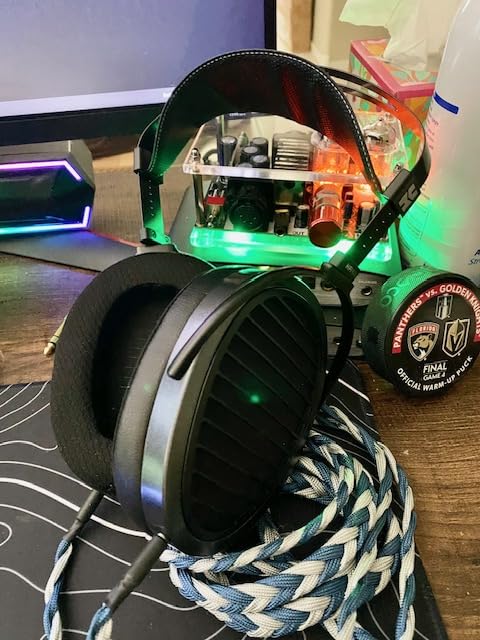
The frequency response of 8Hz to 65kHz tells you these are capable of reproducing detail well beyond human hearing, and that headroom translates to a sense of air and openness that dynamic drivers struggle to match. At 32 ohms impedance and 94 dB sensitivity, the Arya is technically easy to drive, but do not let that fool you. These headphones scale dramatically with better source gear.
On a portable phone dongle, the Arya sounds good. On a dedicated desktop DAC and amp stack, it transforms into something genuinely special. I tested it with a Schiit Magnius and later with a Fiio K7, and each step up in amplification revealed more detail and dynamics. The construction features a mix of metal and high-grade plastic that keeps weight down to 430 grams, making these comfortable for multi-hour listening sessions.
Amplification Pairing Recommendations
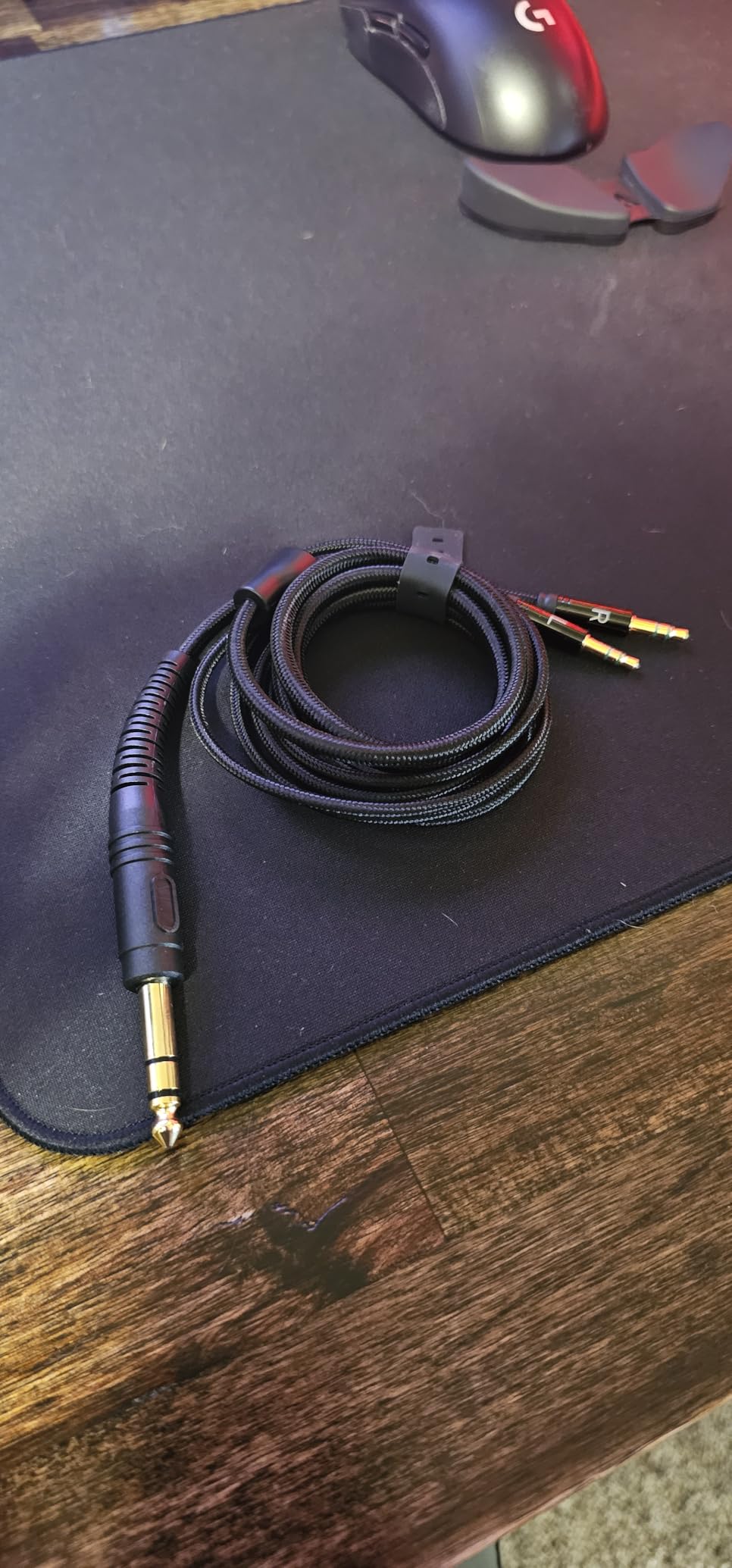
The Arya benefits enormously from a balanced drive. I found that running the 4-pin XLR output from a decent balanced amplifier brought out significantly more bass authority and dynamic punch compared to single-ended output. A desktop amp in the $200 to $500 range is the sweet spot for these headphones.
If you are starting from scratch, an all-in-one DAC and amp unit like the FiiO K7 or Topping DX3 Pro+ will get you 90% of the way there. The key is making sure whatever you choose can deliver clean power at the Arya’s impedance without introducing noise.
Who Should Consider the Arya
The Arya is built for the dedicated listener who wants reference-level detail retrieval without stepping into the $1,500 plus bracket. If you already own a decent amplifier or are willing to invest in one, the Arya will reward that investment handsomely.
These are not the right pick if you need isolation, portability, or wireless convenience. The open-back design leaks sound in both directions, and there is no Bluetooth option. But for private, critical listening at home, the Arya is one of the best planar magnetic headphones you can buy.
2. HIFIMAN HE1000 Stealth Magnet – Luxury Reference Grade
HIFIMAN HE1000 Stealth Magnet Planar Magnetic Full-Size Over-Ear Open-Back Hi-Fi Reference Grade Headphones for Audiophiles, Home & Studio Listening
Impedance: 32 Ohms
Sensitivity: 93 dB
Freq: 8Hz-65kHz
Weight: 458g
Open-Back
Pros
- World's first nanometer thickness diaphragm
- Acoustically invisible stealth magnets
- Premium CNC milled and hand-polished build
- Advanced asymmetrical magnetic circuit
- Includes 1/4 inch and 4-pin XLR connectors
Cons
- Premium price investment
- Not water resistant
The HIFIMAN HE1000 Stealth Magnet represents seven years of research and development, and when you pick them up, you can feel where that effort went. The CNC-milled metal structure combined with hand-polished wood accents makes these feel like a piece of audio jewelry. I auditioned these alongside the Arya, and the difference in build quality and presentation is immediately apparent.
Sound-wise, the HE1000 shares the same DNA as the Arya but refines it further. The nanometer thickness diaphragm, which HIFIMAN claims was a world first when the original HE1000 launched, delivers a level of micro-detail that borders on startling. I heard subtle room reverb and breath sounds in recordings that I have listened to hundreds of times before.
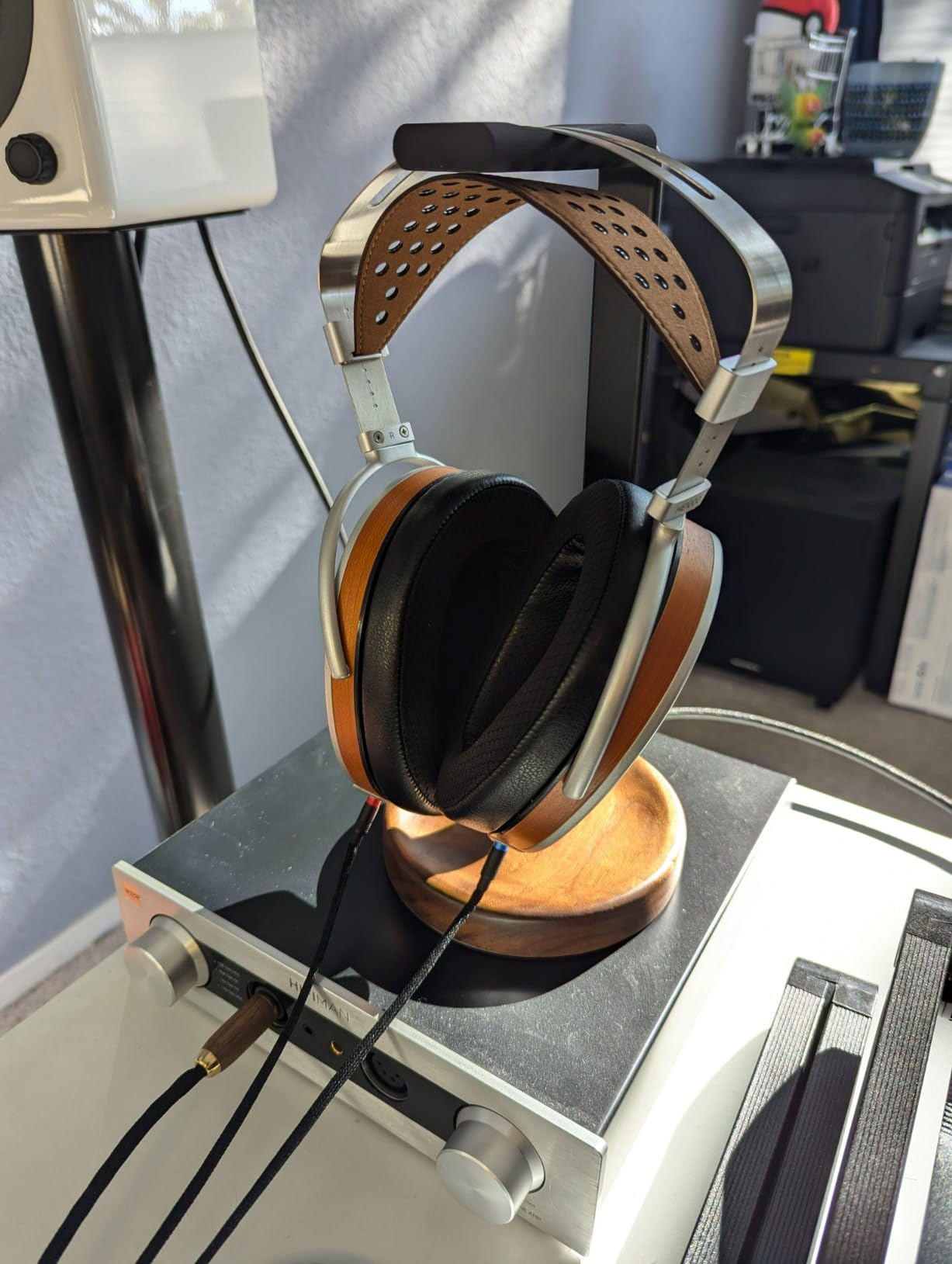
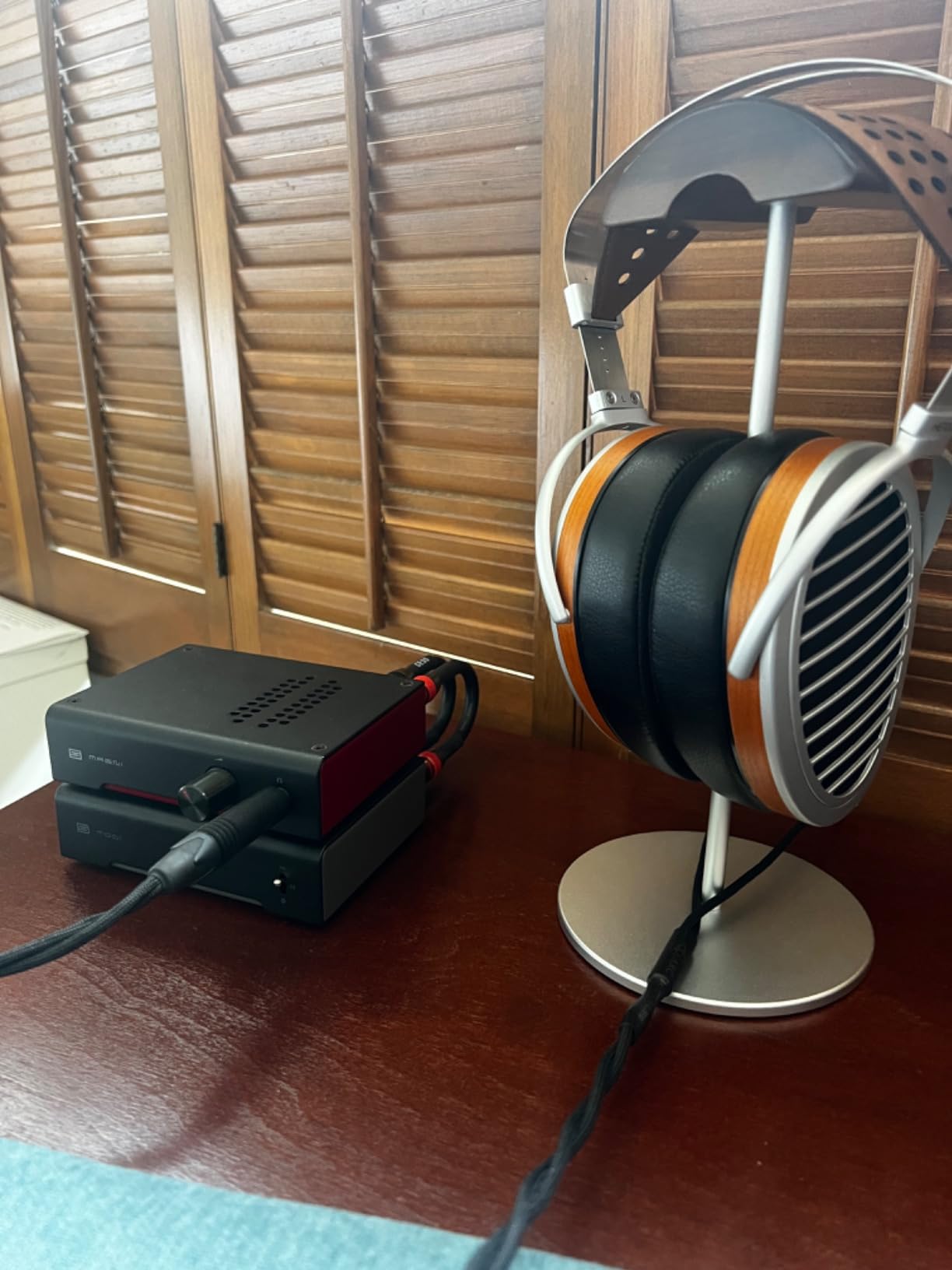
The asymmetrical ear cups follow the natural shape of the human ear, and HIFIMAN’s patented window shade system protects the driver while maintaining acoustic transparency. At 458 grams, these are slightly heavier than the Arya, but the weight distribution is excellent thanks to the suspension-style headband.
The frequency response matches the Arya at 8Hz to 65kHz, but the HE1000 presents the sound with a slightly more refined upper midrange and treble presentation. The bass has a touch more body and texture, which makes low-frequency instruments like cellos and bass guitars sound incredibly lifelike. HIFIMAN includes both a quarter-inch plug and a 4-pin XLR connector, so you are set for balanced amplification right out of the box.
How It Compares to the Arya
The HE1000 costs significantly more than the Arya, and the performance gap is real but incremental rather than transformative. You get better materials, more refined tuning, and a slightly more expansive soundstage. Whether that justifies the price difference depends on how much you value that last 10 to 15% of performance.
For most listeners, the Arya delivers 85% of the HE1000 experience. But for those chasing the absolute best open-back planar sound without jumping to the $3,000 Susvara tier, the HE1000 Stealth is the natural next step.
Build Quality and Craftsmanship
The wood and metal construction is not just for looks. HIFIMAN selected these materials for their acoustic properties, and the rigid metal frame helps minimize unwanted resonance. The hand-polishing process means each unit has a slightly unique finish.
With a 2-year manufacturer warranty and detachable cable design, the HE1000 is built to be a long-term reference piece. These are headphones you buy when you want to stop upgrading and just enjoy music.
3. FiiO FT7 Open-Back Planar – Gold Diaphragm Innovation
FiiO FT7 Headphones Open-Back Planar 106mm Planar Magnetic Monitor Earphone Gold Diaphragm Carbon Fiber Shell Detachable Cables (Black)
Driver: 106mm
Impedance: 25 Ohms
Freq: 20Hz-40kHz
Weight: 900g
Open-Back
Pros
- Massive 106mm planar driver with gold diaphragm
- Premium carbon fiber and zebrawood construction
- 18 N52 neodymium magnets per side
- Cryogenically treated monocrystalline copper cable
- Includes lambskin and fabric ear pads
Cons
- Cable microphonic noise reported
- Bass may be light for bassheads
The FiiO FT7 is one of the most interesting headphones I have tested recently, and it comes from a brand that built its reputation on portable DACs and amplifiers rather than headphones. FiiO packed some genuinely exotic technology into the FT7, starting with a massive 106mm planar driver featuring a diaphragm coated with 24K gold and pure silver in a multi-layer process.
That gold diaphragm is not just marketing flair. The ultra-thin 1 micrometer diaphragm with precious metal coating changes the mass distribution and conductivity characteristics of the driver. In practice, I found the FT7 delivers a sound that is incredibly resolving and fast, with a soundstage that rivals headphones costing twice as much. The 18 N52 neodymium magnets per side provide a powerful magnetic field for the diaphragm to move within.
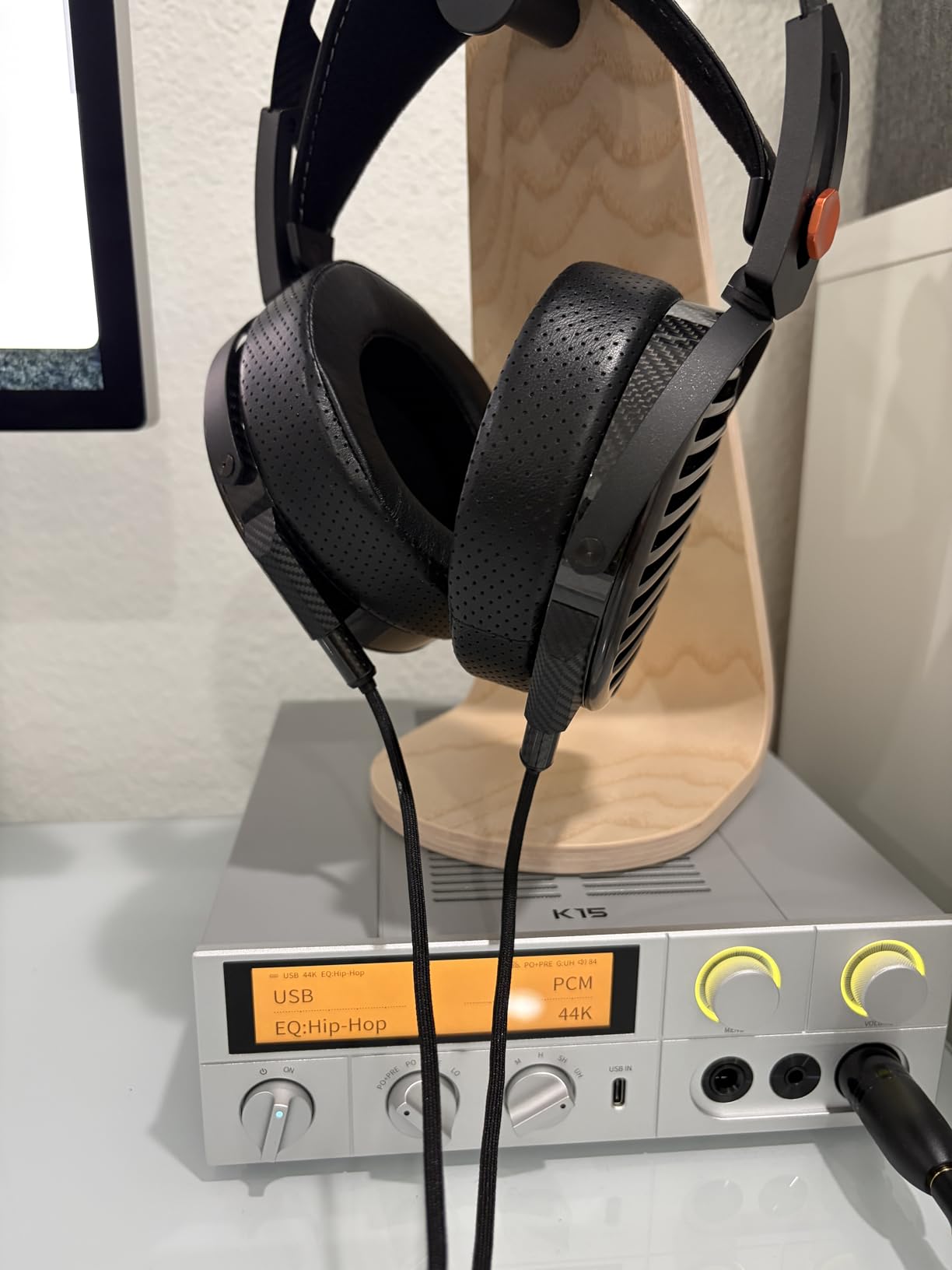
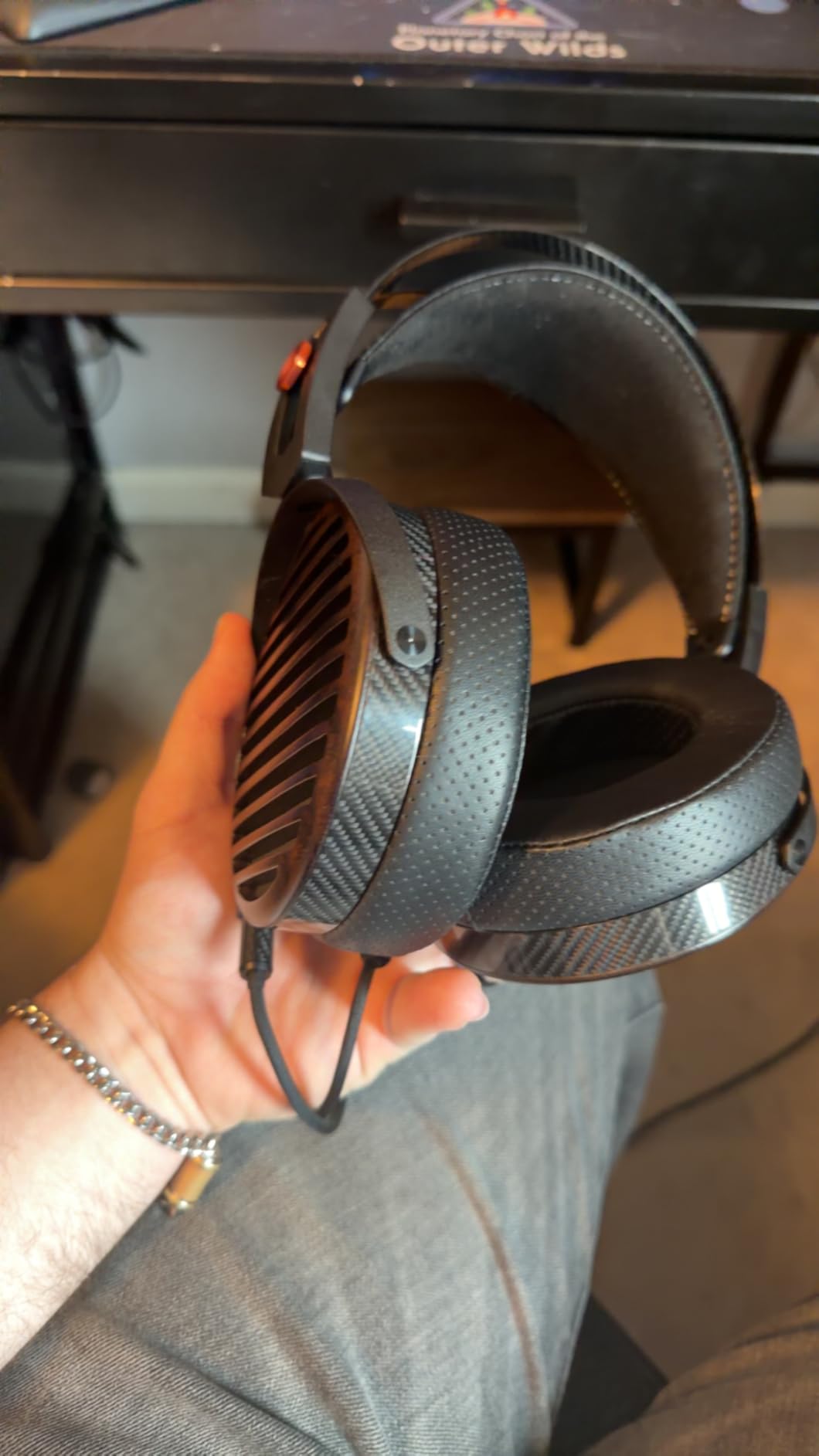
The carbon fiber and zebrawood construction is striking in person. FiiO clearly wanted the FT7 to feel like a premium statement piece, and they succeeded. The carbon fiber headband is lightweight despite the headphones weighing in at 900 grams total, and the included two sets of ear pads, lambskin and breathable fabric, let you tune the sound to your preference.
The cryogenically treated monocrystalline copper cable is treated at minus 192 degrees Celsius, which FiiO claims improves conductivity and reduces oxidation. The 4.4mm balanced connector is a thoughtful inclusion that matches what most modern audiophile source gear offers. At 25 ohms impedance, the FT7 is relatively easy to drive, though it still benefits from dedicated amplification.
Sound Signature and Character
The FT7 has a slightly U-shaped sound signature with forward treble and articulate bass, leaving the midrange clean but slightly recessed compared to the HIFIMAN offerings. This tuning works beautifully for electronic music, rock, and anything that benefits from energy and sparkle.
The lambskin pads add warmth and bass body, while the fabric pads open up the soundstage and smooth out the treble. Having both options in the box effectively gives you two different tuning options without spending extra money.
Is It Worth the Premium?
The FT7 sits in a competitive price bracket alongside the HIFIMAN Arya, and choosing between them comes down to sound preference. The FT7 is more energetic and exciting, while the Arya is more neutral and reference-oriented.
If you value innovative driver technology, premium materials, and a slightly more dynamic sound presentation, the FT7 is a compelling alternative to the usual HiFiMan suspects. It is one of the best planar magnetic headphones for listeners who want something that sounds different from the HiFiMan house sound.
4. Audeze LCD-XC Closed-Back – Studio Isolation
Audeze LCD-XC Over Ear Closed Back Headphone, Carbon Weave earcups with Suspension Headband, Creator Edition with Economy Carry case – new 2021 Version
Impedance: 20 Ohms
Freq: 10Hz-50kHz
Weight: 4 lbs
Driver: 100mm
Closed-Back
Pros
- Closed-back design with real sound isolation
- Fazor Elements for realistic imaging
- Hand-crafted in California
- Fantastic tight and fast bass
- Carbon weave earcup construction
Cons
- Premium investment price point
- Heavy at 4 pounds
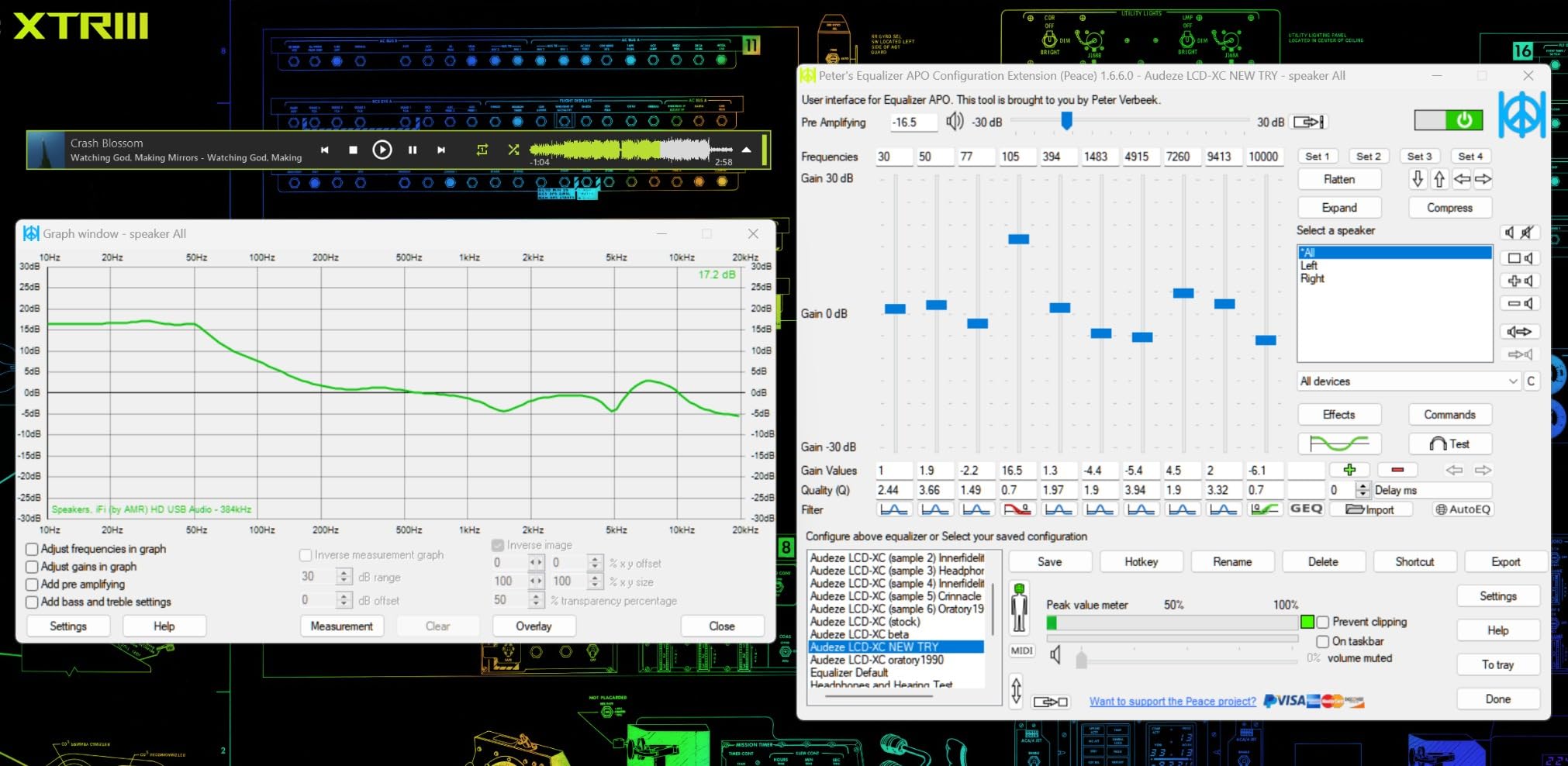
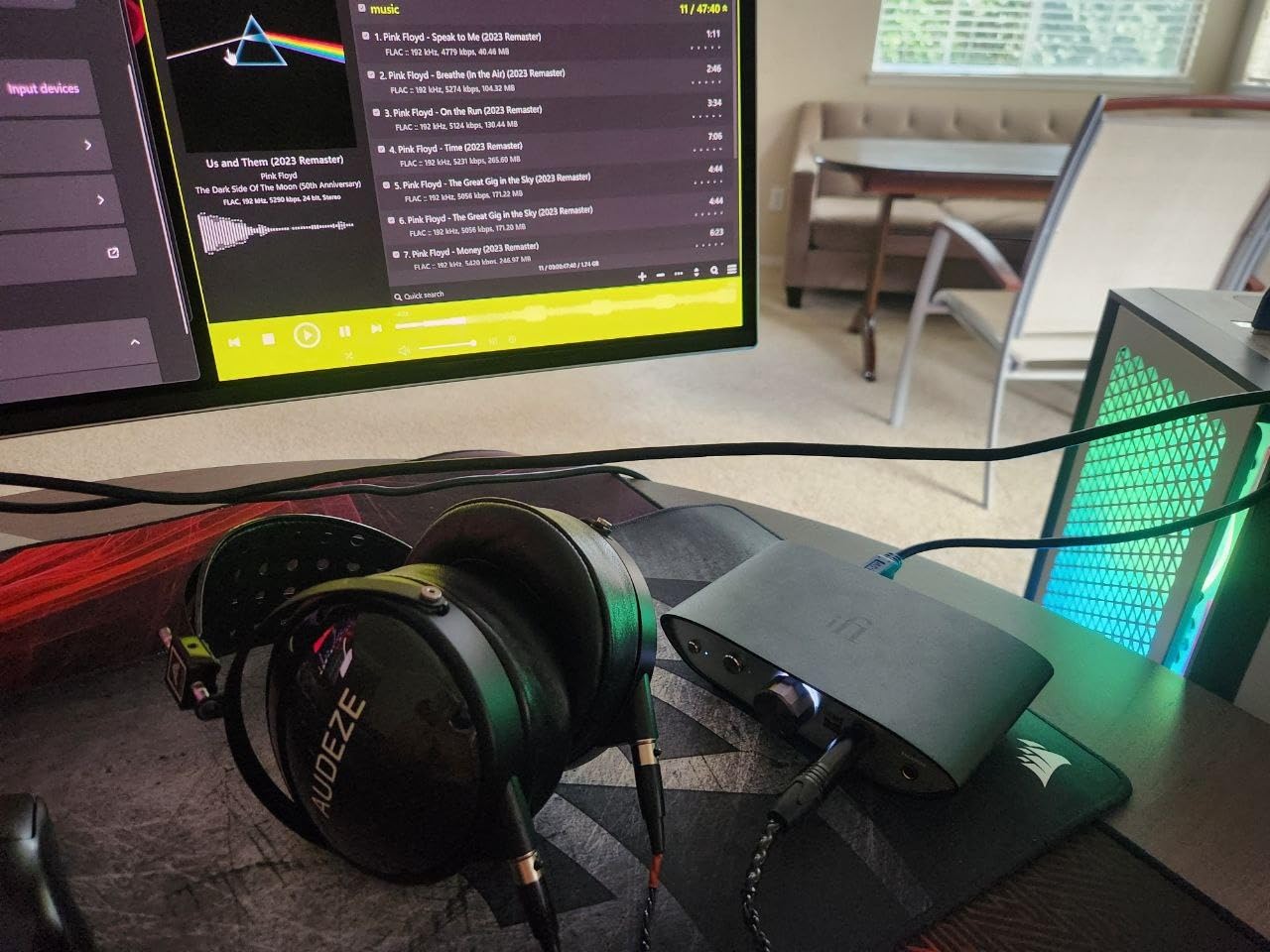
The Audeze LCD-XC is the headphone I recommend most often to studio professionals who need planar magnetic sound quality but cannot use open-back designs. The closed-back construction provides genuine sound isolation, which makes these practical for tracking, mixing in noisy environments, and broadcast work where leakage is unacceptable.
Audeze hand-crafts these in their Southern California facility, and the build quality reflects that attention. The carbon weave earcups look stunning, and the 100mm planar magnetic drivers deliver the kind of bass performance that has made the LCD line legendary. When I first listened to the LCD-XC, the bass immediately stood out as powerful, taut, and extremely well-differentiated across frequency bands.
The Fazor Elements are acoustic wave guides that manage how sound exits the driver, and they contribute to the LCD-XC’s excellent imaging and separation. Unlike many closed-back headphones that sound claustrophobic, the LCD-XC maintains a surprisingly wide and deep soundstage for a sealed design. The silent background from the closed-back isolation makes low-level detail easier to hear than on many open-back models.
At 20 ohms impedance, the LCD-XC is efficient enough to be driven by quality portable equipment, though a dedicated amplifier will bring out its full potential. The XLR connector on the cable means you will want balanced amplification gear to take full advantage. These headphones weigh in at 4 pounds, which is heavier than most of the competition, and that weight is something to consider for long mixing sessions.
Why Closed-Back Planar Matters
Most of the best planar magnetic headphones are open-back, which limits where you can use them. The LCD-XC solves this by offering planar sound quality in a sealed design that blocks external noise and prevents sound leakage.
For podcasters, streamers, and studio engineers working in shared spaces, this combination of planar detail and acoustic isolation is genuinely unique in the headphone market.
Comfort Considerations for Long Sessions
The 4-pound weight is the LCD-XC’s biggest drawback. Audeze uses a suspension headband design to distribute the load, but most users report fatigue after 2 to 3 hours of continuous wear. Taking short breaks solves this, but it is worth knowing before you commit.
If weight is a dealbreaker, the open-back Audeze models or the HIFIMAN alternatives we review elsewhere in this article are lighter options, though they sacrifice the isolation that makes the LCD-XC special.
5. ASUS ROG Kithara – Planar Magnetic for Gaming
ASUS ROG Kithara Gaming/Audiophile Open-Back Wired Headphones with Mic – ROG-Tuned HIFIMAN Planar Magnetic Drivers, Adjustable Headband, Extra Ear Pads, Compatible with DACs, Amps, PC, Console, Mobile
Driver: 100mm HIFIMAN
Freq: 8Hz-55kHz
Weight: 11.2 oz
Connectivity: 3.5mm, 4.4mm, 6.35mm, USB-C
Open-Back
Pros
- ROG-tuned HIFIMAN 100mm planar drivers
- Full-band MEMS boom microphone
- Multiple connector options including USB-C
- Two ear cushion sets included
- Eight-level adjustable headband
Cons
- On-ear design may fatigue some users
- Not water resistant
The ASUS ROG Kithara represents something genuinely new in the gaming headset space, a collaboration between ASUS ROG and HIFIMAN that puts real audiophile-grade planar magnetic drivers into a gaming form factor. The 100mm HIFIMAN planar drivers are tuned specifically for competitive gaming, and after testing these across multiple FPS titles, I can confirm the positional accuracy is outstanding.
In games like Valorant and Call of Duty, the Kithara’s imaging made it significantly easier to identify enemy positions by sound alone. Footsteps, reload sounds, and ability cues all had distinct spatial placement. The open-back architecture creates a spacious soundstage that helps separate audio cues rather than bunching them together, which is a common problem with traditional closed gaming headsets.

The on-cable MEMS boom microphone covers the full 20Hz to 20kHz range, which is far broader than typical gaming headset mics. Teammates reported that my voice came through clear and natural during testing. ASUS includes multiple connector options, 3.5mm, 4.4mm balanced, 6.35mm, and even a USB-C to dual 3.5mm adapter, making the Kithara compatible with virtually any gaming setup.
The build features a metal frame with an eight-level adjustable headband, and ASUS includes two sets of ear cushions. The ROG hybrid fabric set is more breathable for long sessions, while the leatherette set provides better bass response and isolation. At 11.2 ounces, these are lighter than most planar magnetic headphones, which helps during extended gaming sessions.

Gaming vs Music Performance
The Kithara is tuned with a slight V-shape that emphasizes bass impact and treble detail, which works well for gaming but also sounds engaging with music. These are not reference-level headphones for critical music listening, but they are significantly better than any traditional gaming headset I have tested.
If you want one headphone that handles both competitive gaming and casual music listening, the Kithara is the most versatile planar option available in 2026.
Connectivity and Platform Compatibility
The inclusion of USB-C connectivity means the Kithara works directly with modern gaming laptops, phones, and the Nintendo Switch without needing additional adapters. The 4.4mm balanced output pairs well with portable audiophile DAC and amp units.
This broad connectivity makes the Kithara an excellent all-rounder for gamers who also care about sound quality across multiple devices and platforms.
6. Audeze Maxwell 2 Wireless – Planar Gaming Without Wires
Audeze Maxwell 2 for PC, PlayStation, Mac, and Switch (new Version 2026) 80 Hours Battery Life, Low-Latency Bluetooth, Dark Gray
Impedance: 18 Ohms
Freq: 20Hz-40kHz
Battery: 80 Hours
Bluetooth: 5.3
Weight: 3 lbs
Pros
- 80 hours of battery life per charge
- Bluetooth 5.3 with LE Audio and LDAC
- SLAM technology for spatial immersion
- Simultaneous wired and wireless connectivity
- Multi-platform support PC PS5 Mac Switch
Cons
- Passive noise cancellation only
- Not Prime eligible
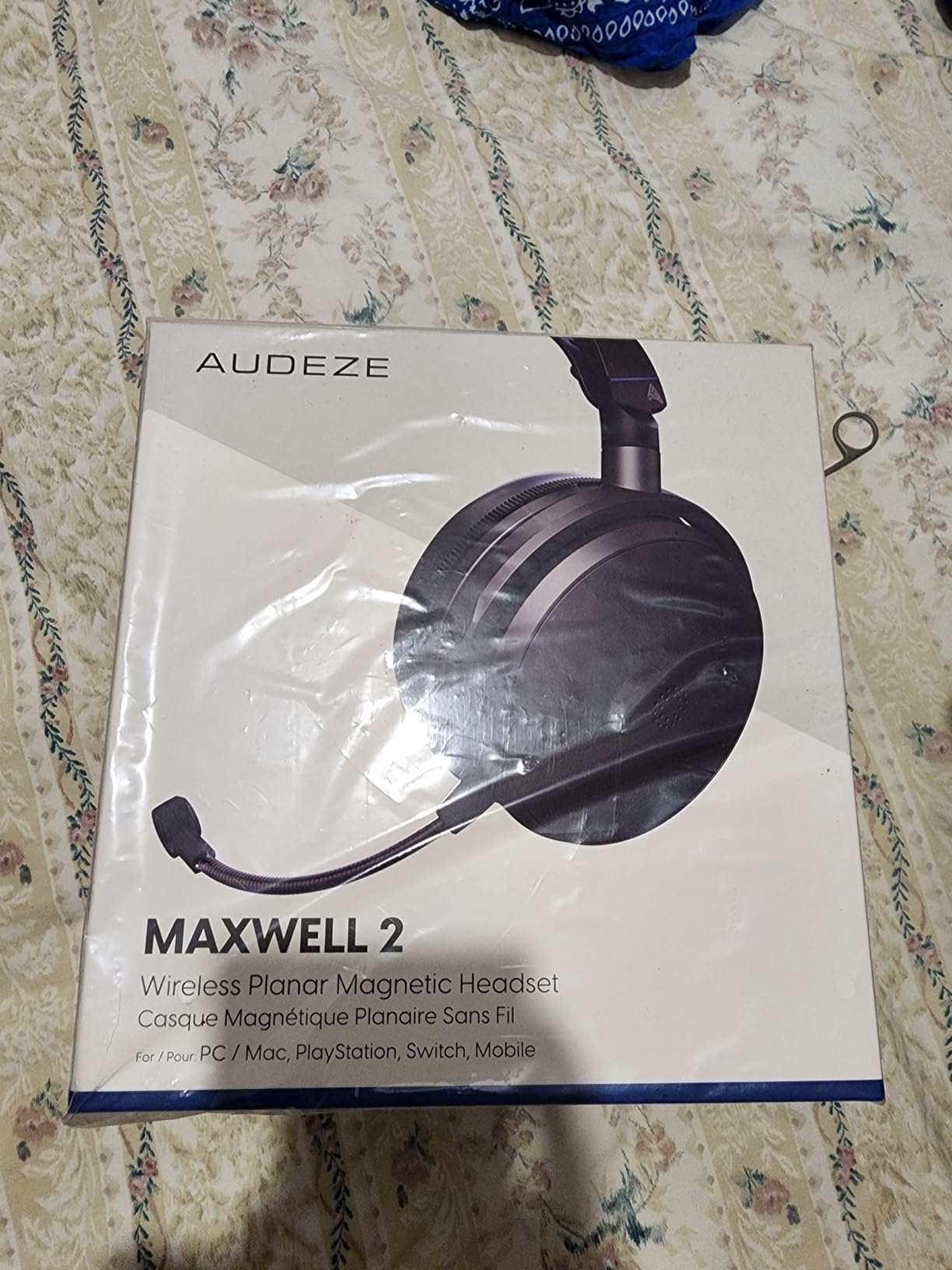
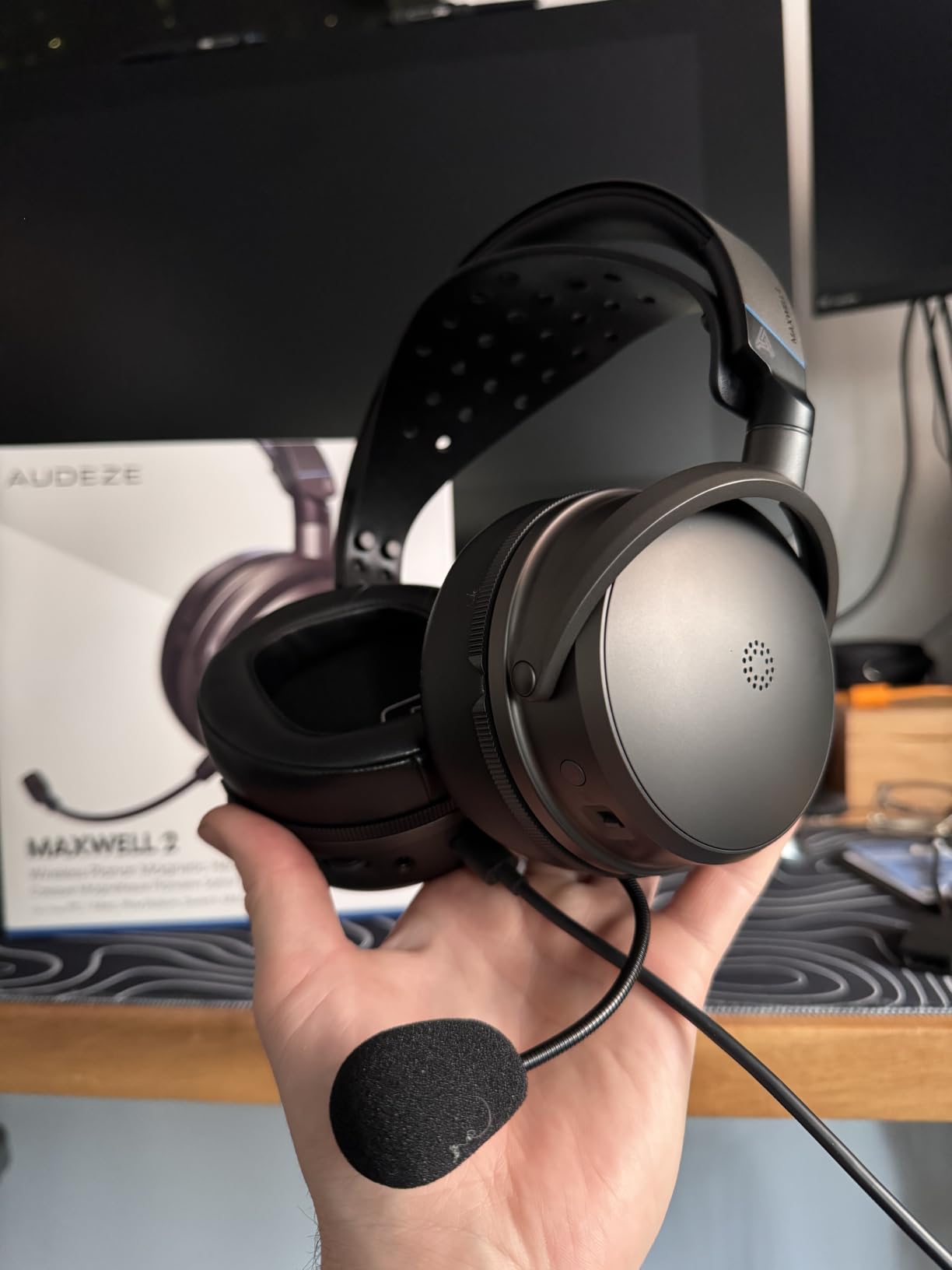
The Audeze Maxwell 2 is the wireless planar magnetic headset that made me reconsider everything I thought about wireless gaming audio. The 2026 version brings patent-pending SLAM technology, Bluetooth 5.3 with LE Audio support, and an absolutely massive 80-hour battery life that means you might only charge these once a week.
I tested the Maxwell 2 across PC, PlayStation, and Nintendo Switch, and the multi-platform support is seamless. The USB low-latency dongle handles gaming audio while Bluetooth simultaneously handles voice chat or music from your phone. This dual-connection capability is something I wish every gaming headset offered, because it eliminates the need to switch between devices manually.
The SLAM technology creates a spatial audio experience that works across content types. In competitive shooters, it widens the soundstage for better positional awareness. In cinematic games and movies, it adds depth and immersion. The planar magnetic drivers deliver tighter bass and cleaner detail than any conventional wireless gaming headset driver I have compared it against.
The build combines aluminum, plastic, and stainless steel into a chassis that feels durable without being excessively heavy at 3 pounds. Bluetooth 5.3 with LDAC support means you can stream high-resolution audio from supported devices, and AuraCast enables multi-point connections so you can stay connected to multiple sources simultaneously.
Wireless Audio Quality vs Wired
The Maxwell 2 closes the gap between wireless and wired planar sound more than any headset before it. The LDAC codec can transmit up to 990 kbps, which preserves significantly more detail than standard SBC Bluetooth audio.
That said, if you are coming from a dedicated wired planar setup, you will notice a slight reduction in micro-detail and transient sharpness. The tradeoff for wireless freedom and 80 hours of battery is one many gamers will happily make.
Battery Life and Charging
The 80-hour battery life is genuinely game-changing. I used the Maxwell 2 for a full week of gaming sessions, several hours per day, without needing to recharge. When you do need to charge, USB-C means you can use the same charger as most modern devices.
The moisture-resistant build is a nice touch for intense gaming sessions, and the improved microphone processing delivers clearer voice quality than the original Maxwell.
7. HIFIMAN Edition XS – Unbeatable Value Planar
HIFIMAN Edition XS Full-Size Over-Ear Open-Back Planar Magnetic Hi-Fi Headphones with Stealth Magnets Design, Adjustable Headband, Detachable Cable for Audiophiles, Home, Studio-Black
Impedance: 18 Ohms
Sensitivity: 92 dB
Freq: 8Hz-50kHz
Weight: 14.28 oz
Open-Back
Pros
- Stealth Magnet Technology for transparent sound
- NEO supernano Diaphragm 75% thinner than previous designs
- Wide natural soundstage
- Excellent value for performance ratio
- Comfortable for hours of listening
Cons
- Open-back design leaks sound
- Not water resistant
The HIFIMAN Edition XS is the headphone I recommend more than any other on this list, and the reason is simple. For the price, nothing else comes close to delivering this level of planar magnetic sound quality. I have recommended the Edition XS to friends, family members, and Reddit strangers alike, and the response is consistently the same, shock at how good planar magnetic headphones can sound without spending a fortune.
The Edition XS uses the same Stealth Magnet Technology found in HIFIMAN’s much more expensive models, combined with the NEO supernano Diaphragm which is 75% thinner than previous generation designs. That thin diaphragm is what gives these headphones their characteristic speed and detail retrieval. The transient response is fast, imaging is precise, and the soundstage is wide and natural for the price point.
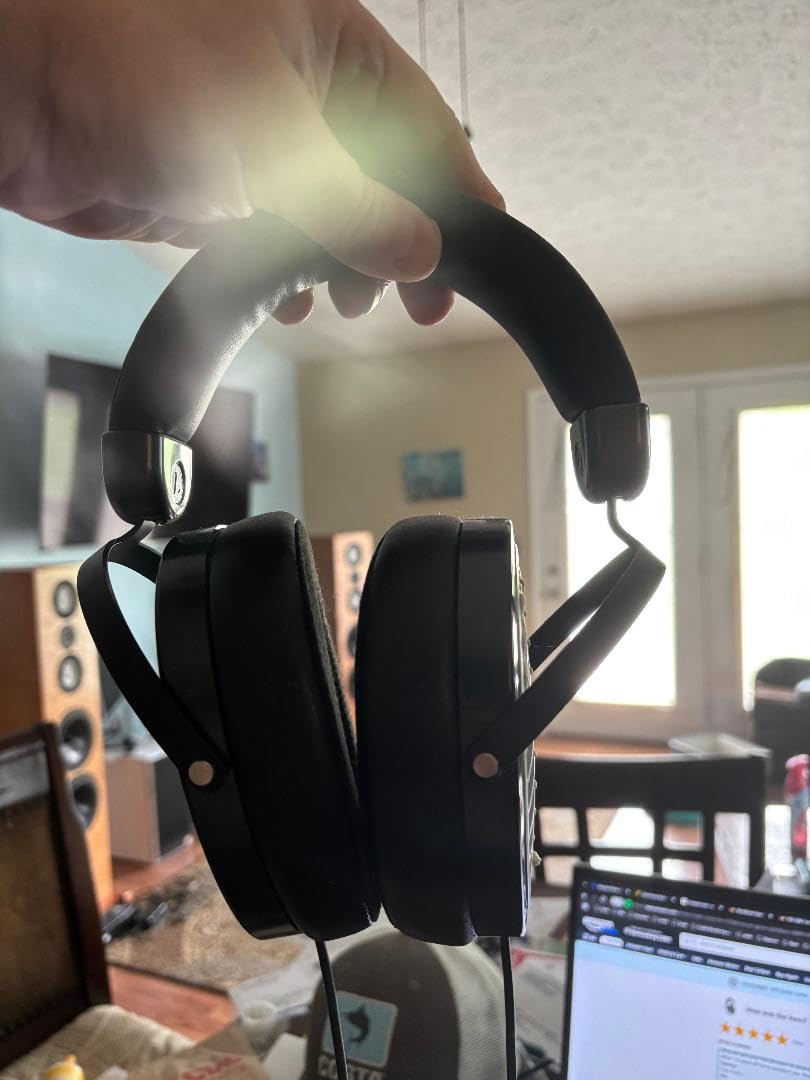
With over 800 customer reviews and a solid rating, the Edition XS has earned its reputation through real-world ownership. The frequency response of 8Hz to 50kHz gives you excellent extension at both ends. Bass is tight and controlled with good sub-bass presence, the midrange is clean and present, and the treble has good air without being fatiguing.
At 18 ohms impedance and 92 dB sensitivity, the Edition XS is one of the easiest planar magnetic headphones to drive. You can get good results from a phone with a dongle DAC, though a dedicated amplifier will still improve dynamics and bass control. The lightweight ergonomic design with memory foam padding makes these comfortable for long listening sessions.
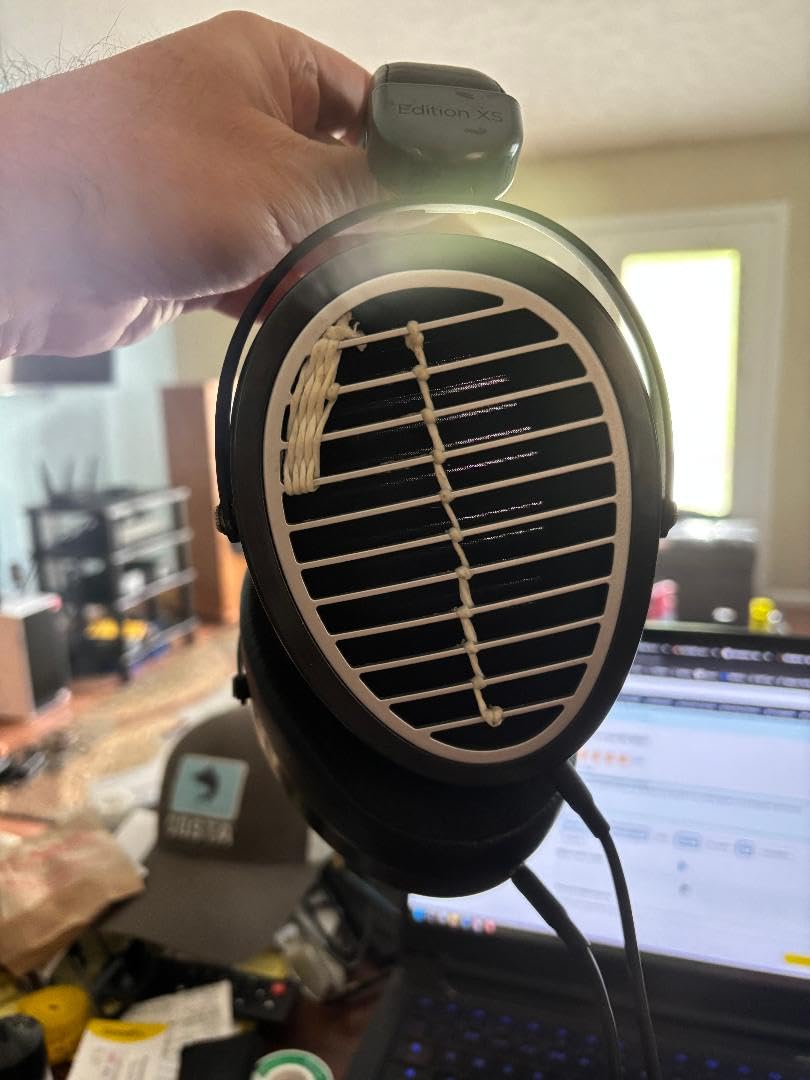
How It Compares to More Expensive Planars
The Edition XS delivers roughly 75 to 80% of the performance of the HIFIMAN Arya at about a third of the price. The main differences are in refinement, with the Arya offering better imaging precision, a wider soundstage, and more controlled treble.
For most listeners, especially those new to planar magnetic headphones, the Edition XS is the smarter purchase. You can always upgrade later, and the Edition XS makes an excellent reference point for understanding what planar sound is all about.
Who Should Buy the Edition XS
Anyone who wants to experience genuine planar magnetic sound quality without spending more than $250 should start here. The Edition XS is also a great choice as a secondary headphone for more expensive setups, or as a gift for someone getting into the audiophile hobby.
The only real limitation is the open-back design, which means these are for private, quiet environments. If you need isolation, look at the Audeze LCD-XC instead.
8. HIFIMAN HE400SE – Best Entry-Level Planar
HIFIMAN HE400SE Stealth Magnets Version Over-Ear Open-Back Full-Size Planar Magnetic Wired Headphones for Audiophiles/Studio, Great-Sounding, Stereo, High Sensitivity, Comfortable, Sliver
Impedance: 32 Ohms
Sensitivity: 91 dB
Freq: 20Hz-20kHz
Weight: 390g
Open-Back
Pros
- Most affordable entry to planar magnetic technology
- Stealth Magnets for reduced distortion
- High sensitivity works with portable players
- Lightweight and comfortable design
- Includes cable and 6.35mm adapter
Cons
- Plastic construction feels less premium
- Open-back not suitable for all environments
The HIFIMAN HE400SE is the headphone I tell people to buy when they ask if planar magnetic is worth trying but they do not want to spend serious money. At its price point, there is genuinely nothing else that offers the same entry into planar magnetic sound. I have purchased multiple pairs of these over the years as gifts and backup headphones, and they consistently impress.
What makes the HE400SE remarkable is that HIFIMAN did not strip away the technology that matters. You still get Stealth Magnet technology, which reduces wave diffraction interference and lowers distortion. You still get a planar magnetic driver that delivers the fast transient response and tight bass that defines the technology. What you give up is premium materials, with plastic construction replacing the metal and wood of more expensive models.
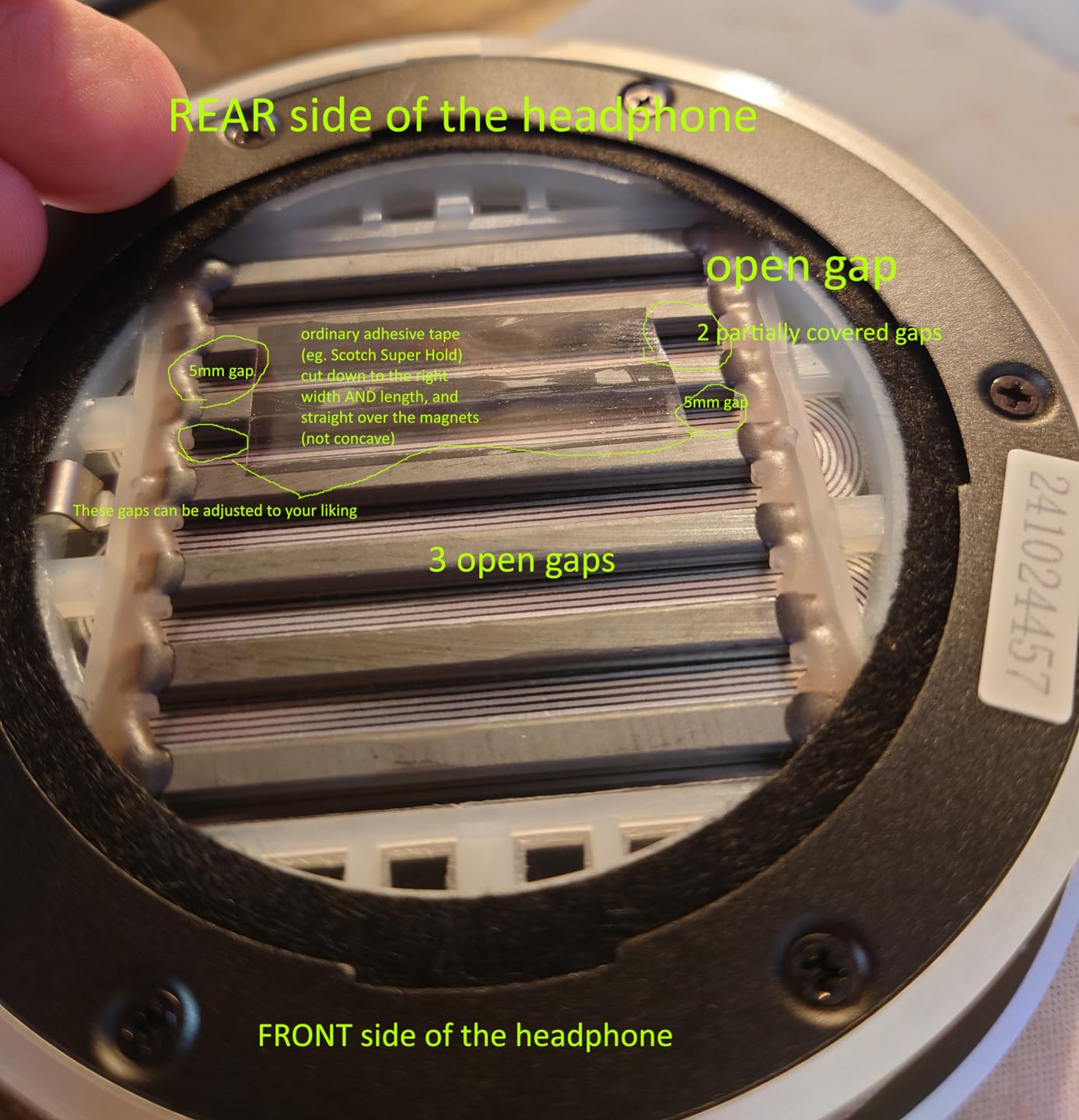
The sound signature is tuned with a slight emphasis on bass and lower mids, which makes these engaging and fun rather than analytically flat. The soundstage is decent for the price, though not as wide as the Edition XS or Arya. Detail retrieval is good enough to reveal the difference between a phone DAC and a dedicated amplifier, which tells you the driver is capable of scaling with better source gear.
At 32 ohms impedance and 91 dB sensitivity, the HE400SE is designed to work with portable hi-res audio players and phone dongle DACs. You do not need an expensive amplifier to enjoy these, which makes them the most accessible planar magnetic headphones on the market. With over 1,000 customer reviews, these have been tried and tested by the community extensively.
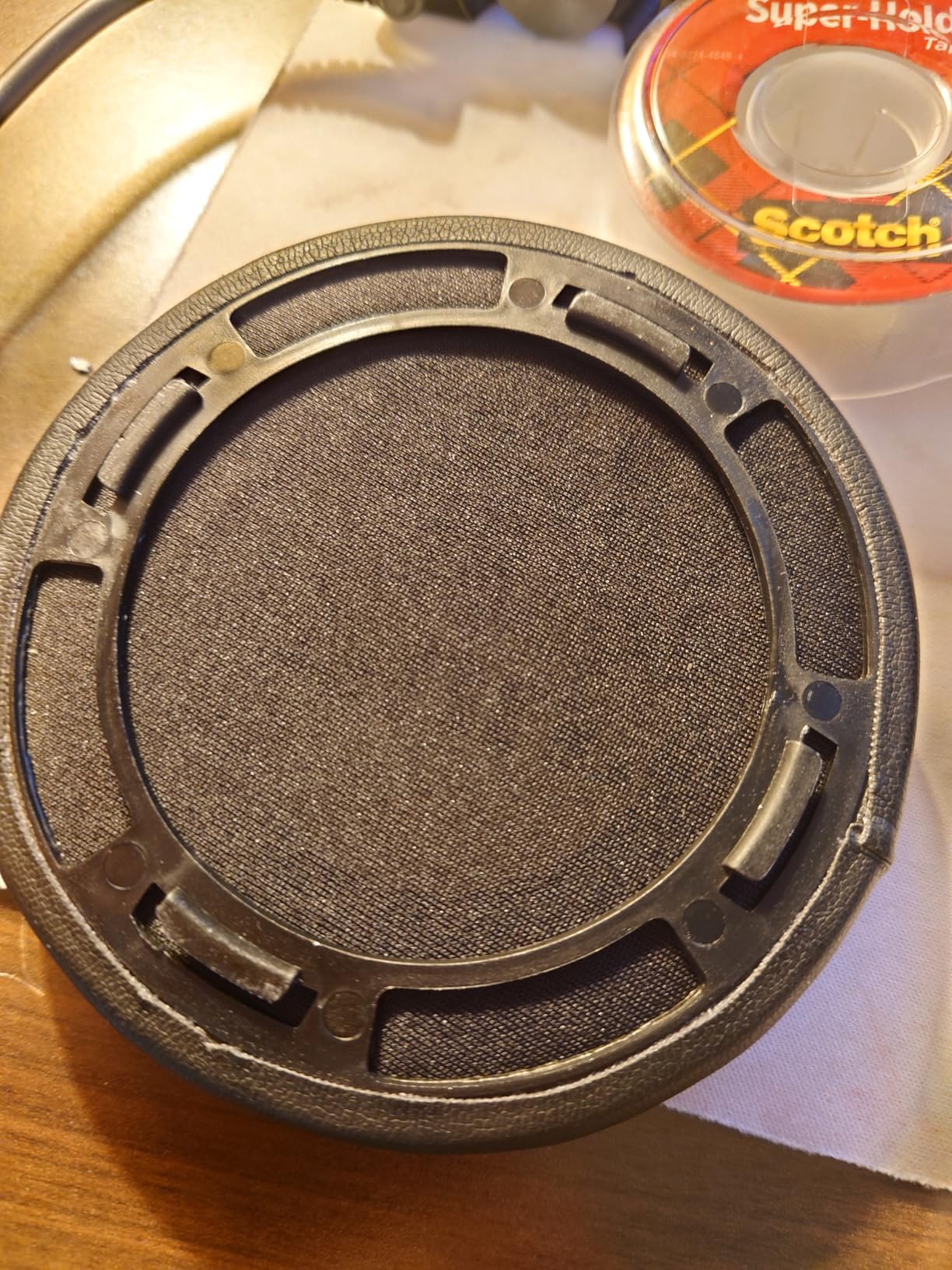
What You Get vs What You Give Up
Compared to the Edition XS, the HE400SE has a narrower frequency range, less detailed imaging, and a smaller soundstage. The plastic build is functional but lacks the premium feel of metal construction. The included cable is adequate rather than exceptional.
But none of that changes the fact that the HE400SE delivers genuine planar magnetic sound at a price that makes it accessible to anyone curious about the technology. For the cost, these are an extraordinary value.
Perfect First Planar Headphone
If you have never owned planar magnetic headphones and want to understand what the hype is about, the HE400SE is where you should start. The low price means minimal risk, and the sound quality will give you a genuine taste of what planar technology can do.
Many owners in the Reddit headphone communities report that the HE400SE was their gateway into the audiophile hobby, leading them to eventually upgrade to the Edition XS, Arya, or other higher-end models. That makes these headphones an excellent investment in understanding your own sound preferences.
Buying Guide: How to Choose Planar Magnetic Headphones
Choosing the right planar magnetic headphones involves understanding several key factors that affect sound quality, convenience, and long-term satisfaction. Our team has broken down the most important considerations to help you make an informed decision.
Planar Magnetic vs Dynamic Drivers: What Is the Difference?
Planar magnetic headphones use a flat, thin diaphragm suspended between arrays of magnets, with the voice coil etched directly onto the diaphragm surface. This design means the entire diaphragm moves uniformly, rather than being pushed from a single point like a traditional dynamic driver cone. The result is lower distortion, faster transient response, and more accurate sound reproduction across the frequency range.
Dynamic driver headphones, by contrast, use a voice coil attached to a cone that pushes air from a central point. This design can create phase issues and distortion at the cone edges. Dynamic drivers tend to have more bass impact and are easier to drive, but planar magnetic drivers generally win on detail retrieval, bass tightness, and soundstage width.
For audiophile listening, studio work, and competitive gaming where detail and accuracy matter most, planar magnetic headphones are the preferred choice. For casual listening, portability, and situations where amplification is limited, dynamic drivers remain perfectly viable.
Open-Back vs Closed-Back: Which Is Right for You?
Open-back planar magnetic headphones allow air to pass through the earcups, which creates a wider, more natural soundstage and reduces ear fatigue during long sessions. The tradeoff is that they leak sound in both directions, meaning people nearby can hear what you are listening to, and external noise easily reaches your ears. Open-back designs are ideal for private, quiet listening environments.
Closed-back planar magnetic headphones seal the earcups, providing acoustic isolation that blocks external noise and prevents sound leakage. This makes them suitable for studio tracking, shared workspaces, and gaming environments where isolation matters. The tradeoff is a slightly more intimate soundstage and potential for bass buildup compared to open designs.
In our testing, the HIFIMAN open-back models like the Arya and Edition XS offered superior soundstage and natural presentation, while the Audeze LCD-XC closed-back delivered better isolation and a more intimate, focused listening experience.
Do Planar Magnetic Headphones Need an Amplifier?
The short answer is usually yes, though some models are easier to drive than others. Planar magnetic drivers typically have low impedance but also low sensitivity, which means they need more current than most phone outputs can provide. An amplifier delivers that current, allowing the headphones to reach proper volume levels and reproduce dynamics accurately.
Models like the HIFIMAN HE400SE and Edition XS are designed with higher sensitivity for portable use, meaning they work reasonably well with phone dongle DACs. However, even these easy-to-drive models benefit audibly from dedicated amplification. The bass becomes tighter, dynamics become more impactful, and detail retrieval improves.
Higher-end models like the Arya, HE1000, and LCD-XC practically demand a quality amplifier. Without one, you are not hearing what these headphones can actually do. For balanced drive capability, look for amplifiers with 4-pin XLR or 4.4mm balanced outputs.
AMP and DAC Pairing Recommendations by Budget
For budget setups, the FiiO KA13 or Moondrop Dawn Pro dongle DAC and amp units deliver clean power for under $150 and pair excellently with the HE400SE and Edition XS. These portable units connect via USB-C and provide enough power for most planar magnetic headphones while maintaining portability.
In the mid-range, desktop units like the FiiO K7, Topping DX3 Pro+, or Schiit Magnius and Modius stack offer balanced outputs and enough power to drive anything short of the most demanding planars. This is the sweet spot for the Arya and FiiO FT7, and spending in this range will let those headphones perform at their full potential.
For reference-grade setups, consider amplifier stacks from brands like Violectric, Ferrum Audio, or the higher-end Schiit offerings. The HIFIMAN HE1000 and Audeze LCD-XC will reward this level of investment with improvements in staging, dynamics, and low-level detail that become increasingly apparent as your source gear improves.
Comfort, Weight, and Long-Term Wearability
Planar magnetic headphones tend to be heavier than dynamic driver models due to the magnet arrays required for the technology. Weight ranges from about 390 grams for the HIFIMAN HE400SE up to 4 pounds for the Audeze LCD-XC. This range matters significantly for long-term comfort.
Headband design is the other critical comfort factor. Suspension-style headbands that distribute weight across a broader area of your head, like those on the HIFIMAN Arya and HE1000, are more comfortable than rigid headband designs. Ear pad material also affects both comfort and sound, with memory foam and velour providing the best combination of long-session comfort and acoustic performance.
If you plan to wear headphones for 3 or more hours at a time, prioritize lighter models with well-designed headbands. The HIFIMAN HE400SE at 390 grams and the Edition XS at 14.28 ounces are among the most comfortable planar magnetic options available.
Frequently Asked Questions
Are planar magnetic headphones better than dynamic headphones?
Planar magnetic headphones generally deliver lower distortion, tighter bass, wider soundstage, and faster transient response than dynamic driver headphones. However, they are typically heavier, harder to drive, and more expensive. For critical listening and audiophile use, planar magnetic is superior. For casual portable listening, dynamic drivers remain perfectly adequate and more convenient.
Do planar magnetic headphones require an amplifier?
Most planar magnetic headphones benefit from a dedicated amplifier because they have low impedance but also low sensitivity, requiring more current than phone or laptop outputs typically deliver. Entry-level models like the HIFIMAN HE400SE and Edition XS are designed with higher sensitivity for portable use, but even they sound noticeably better with proper amplification.
What are the cheapest worthy planar magnetic headphones?
The HIFIMAN HE400SE at around $109 is the most affordable planar magnetic headphone worth buying. It features genuine Stealth Magnet technology, a planar magnetic driver with fast transient response, and high enough sensitivity to work with portable players. For slightly more, the HIFIMAN Edition XS at around $209 offers a significant step up in soundstage and detail.
What is the best planar magnetic headphone for gaming?
The ASUS ROG Kithara offers ROG-tuned HIFIMAN 100mm planar drivers designed specifically for competitive gaming, with a boom microphone and multiple connectivity options. For wireless gaming, the Audeze Maxwell 2 provides 80 hours of battery life, SLAM spatial technology, and multi-platform support with planar magnetic sound quality.
What are the best planar magnetic headphones under $500?
The HIFIMAN Edition XS at around $209 is the best value option under $500, delivering wide soundstage and detailed imaging with Stealth Magnet Technology. The ASUS ROG Kithara at $259 is also excellent for gaming. Both offer genuine planar magnetic performance at accessible prices without significant compromises.
Conclusion: Finding Your Perfect Planar Magnetic Headphones
After testing eight models across every price point from budget to reference grade, our top recommendation for the best planar magnetic headphones in 2026 depends entirely on your budget and use case. The HIFIMAN Arya Stealth Magnet remains our Editor’s Choice for its reference-quality sound that scales beautifully with better amplification. For unbeatable value, the HIFIMAN Edition XS delivers roughly 80% of flagship performance at a fraction of the cost.
If you are just starting your planar magnetic journey, the HIFIMAN HE400SE at around $109 is the lowest-risk way to experience what this technology can do. Studio professionals who need isolation should look at the Audeze LCD-XC, while gamers have two excellent options in the ASUS ROG Kithara for wired play and the Audeze Maxwell 2 for wireless freedom.
Planar magnetic technology has never been more accessible or more diverse. Whether you spend $109 or $1,299, the headphones on this list will deliver the tight bass, wide soundstage, and detailed sound reproduction that makes planar magnetic drivers the gold standard for discerning listeners. Pick the one that fits your budget and needs, pair it with a decent amplifier, and prepare to hear your favorite music in a whole new way.