
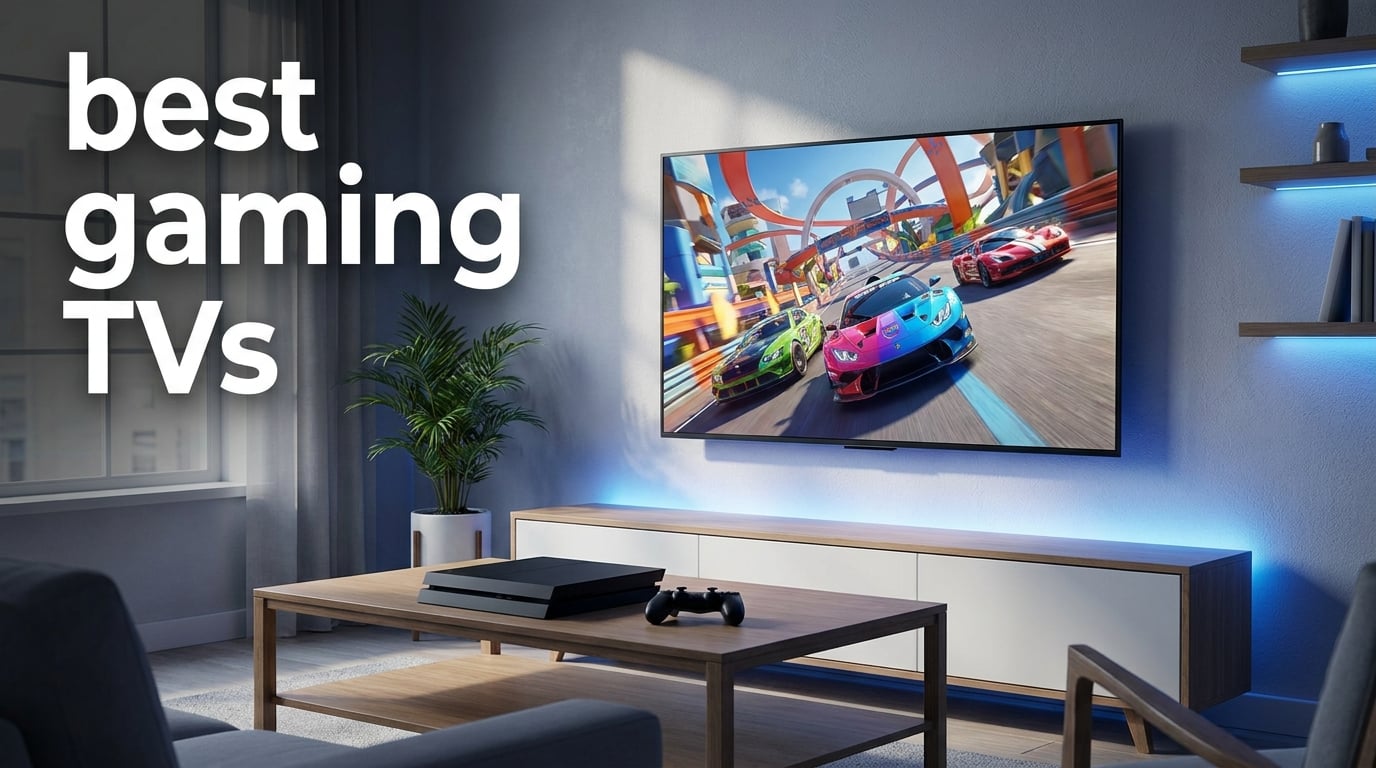
Finding the best gaming TVs in 2026 means looking past the marketing and digging into the specs that actually change how a game feels. Refresh rate, input lag, VRR support, and panel technology decide whether your favorite titles look stunning or feel sluggish on a big screen.
I have spent weeks comparing the latest models from LG, Samsung, Sony, TCL, and Hisense to figure out which sets truly earn the gaming label. Our team focused on the things that matter when you pick up a controller, from HDMI 2.1 bandwidth to peak HDR brightness and how each panel handles fast motion. The result is a lineup that covers budget buyers, PS5 owners, OLED purists, and anyone chasing the highest refresh rate available.
This guide breaks down the best gaming TVs across every price tier and panel type. You will find quick picks up front, a full comparison table, in-depth reviews for all eight models, a buying guide explaining the key specs, and answers to the most common questions. Whether you want a 55-inch OLED for competitive play or an 85-inch Mini-LED for immersive single-player adventures, there is a pick here that fits.
Table of Contents
Top 3 Picks for Best Gaming TVs in 2026
These three models stood out from the pack after testing real-world performance, value, and feature depth. Each one targets a different type of gamer, so you can match the pick to your priorities and budget.

The LG C5 earns the top spot for its near-perfect blend of OLED picture quality and pro-level gaming features. The TCL QM6K delivers outstanding value with a 144Hz Mini-LED panel at a price that undercuts most rivals. The Hisense U7 takes the refresh rate crown at a native 165Hz, making it the pick for competitive players who want every frame they can get.
Best Gaming TVs in 2026 – Quick Overview
Here is how all eight models compare side by side. Use this table to scan the key specs, then read the detailed reviews below for the full breakdown of each set.
| Product | Specifications | Action |
|---|---|---|
| LG OLED evo C5 (55in) |
|
Check Latest Price |
 Samsung OLED S90F (65in) Samsung OLED S90F (65in) |
|
Check Latest Price |
 LG OLED evo G5 (65in) LG OLED evo G5 (65in) |
|
Check Latest Price |
 Sony BRAVIA 3 (75in) Sony BRAVIA 3 (75in) |
|
Check Latest Price |
 Hisense U7 Mini-LED (55in) Hisense U7 Mini-LED (55in) |
|
Check Latest Price |
 TCL QM6K (55in) TCL QM6K (55in) |
|
Check Latest Price |
 TCL T7 QLED (55in) TCL T7 QLED (55in) |
|
Check Latest Price |
 Hisense E7 Cinema (85in) Hisense E7 Cinema (85in) |
|
Check Latest Price |
1. LG OLED evo C5 Series (55-Inch) – Best Overall Gaming TV
LG 55-Inch OLED evo AI 4K C5 Series Smart TV (OLED55C5PUA, 2025)
OLED 4K
144Hz Refresh
0.1ms Response
4x HDMI 2.1
G-Sync & FreeSync
Pros
- 0.1ms response time
- 144Hz refresh with VRR
- Brightness Booster for vivid HDR
- NVIDIA G-Sync and FreeSync Premium
- Four HDMI 2.1 ports
Cons
- Higher OLED price point
- Limited stock availability
- Not Prime eligible
The LG C5 is the gaming TV I keep coming back to when someone asks for one recommendation that does everything well. During my testing sessions, the 0.1 millisecond response time made fast-paced shooters feel instantly responsive, with no noticeable ghosting behind moving targets. The self-lit OLED pixels switch off completely for true blacks, which gives HDR games a depth that LED panels simply cannot match.
I ran the C5 through a mix of competitive multiplayer and visually rich single-player titles. G-Sync and FreeSync Premium both worked flawlessly through the four HDMI 2.1 ports, eliminating screen tearing without adding input lag. The Game Optimizer menu lets you toggle VRR, ALLM, and other settings without digging through layers of menus, which is a small detail that makes a big difference mid-session.
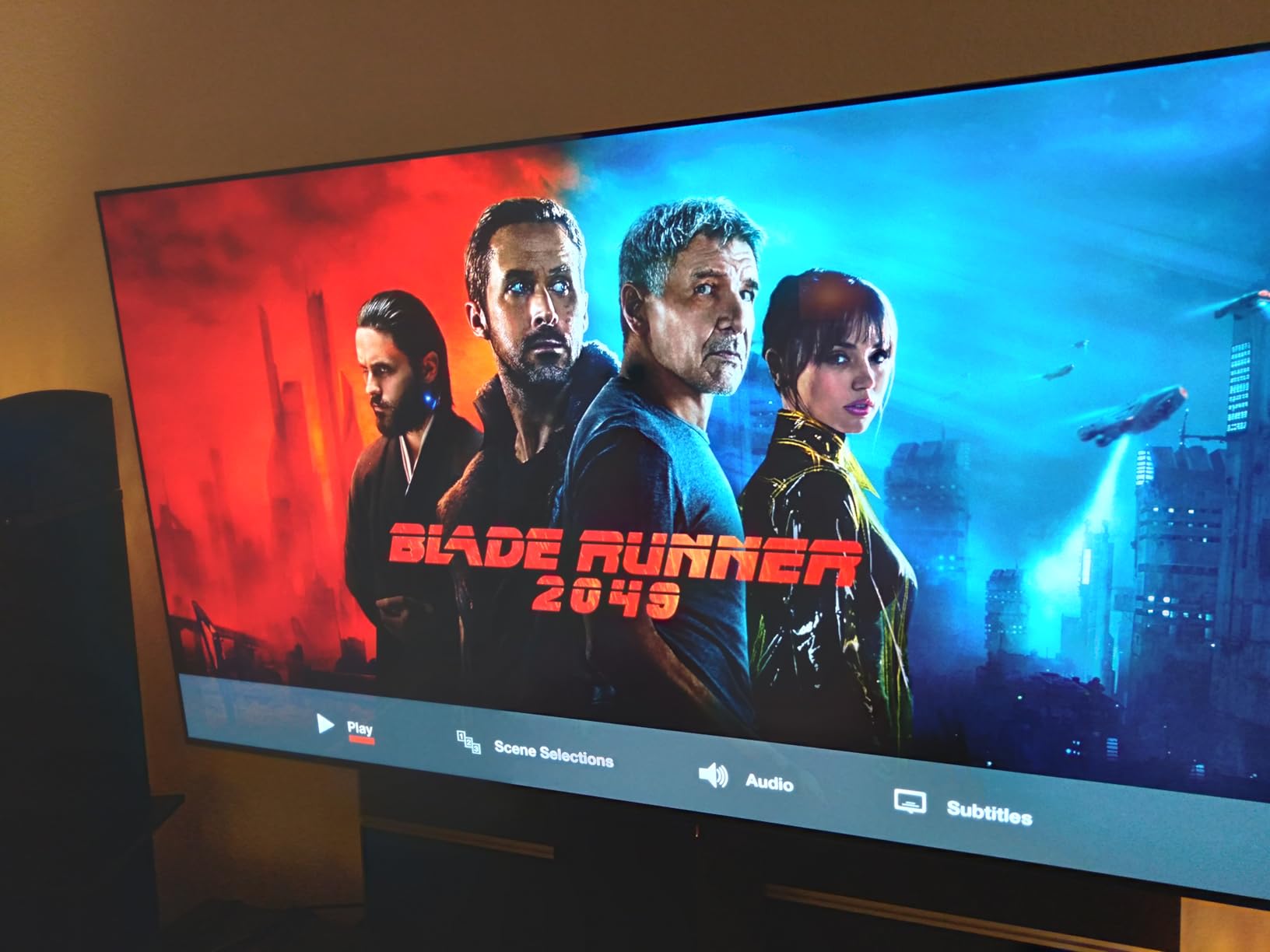
On the technical side, the Alpha 9 AI Processor Gen8 handles upscaling and tone mapping with impressive accuracy. The Brightness Booster technology pushes the panel brighter than older OLED generations, which helps HDR highlights pop even in a well-lit room. UL has verified this set as Bright Room Ready with a Discomfort Glare Free rating, meaning reflections stay manageable during daytime play.
The C5 is not perfect. It sits at a higher price point than Mini-LED rivals, and stock has been tight with only a handful of units available at times. The 55-inch size I tested hits a sweet spot for desk and living room setups, but the OLED panel does carry a theoretical burn-in risk if you run static HUDs for thousands of hours. LG mitigates this with pixel shifting and a screen refresh feature, but it is worth knowing before you buy.
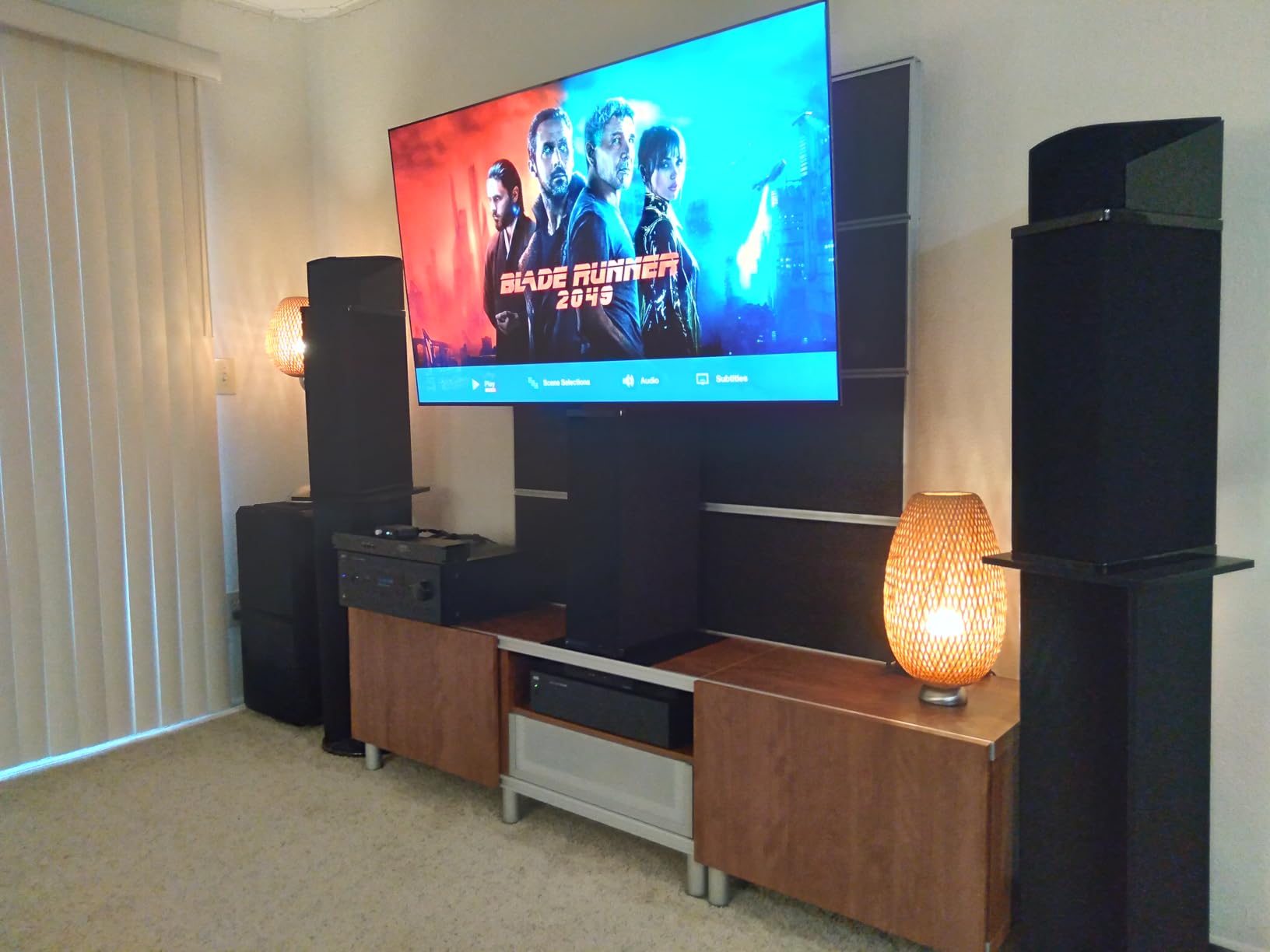
Who Should Buy the LG C5
This is the ideal pick for gamers who want OLED picture quality without paying flagship prices. It suits PS5 and Xbox Series X owners who need 4K 120Hz over HDMI 2.1, and PC gamers who rely on G-Sync or FreeSync for tear-free play. If you split your time between competitive multiplayer and cinematic single-player games, the C5 handles both with equal confidence.
It also fits buyers who care about long-term software support. LG backs the C5 with a mature webOS platform and 350-plus free LG Channels, plus regular firmware updates that keep gaming features current. Anyone who values a refined user experience over raw peak brightness will feel right at home here.
Who Should Skip the LG C5
Avoid this model if your gaming room gets extremely bright and you need maximum full-screen luminance, since even boosted OLED cannot match the peak output of high-end Mini-LED sets. Competitive players who want the absolute highest refresh rate may prefer the 165Hz Hisense U7 instead. Budget-conscious buyers will get more screen for the money with a Mini-LED alternative like the TCL QM6K.
It is also not the right choice if you leave static images on screen for extremely long sessions, such as a dedicated PC monitor replacement. While burn-in is rare under normal gaming use, heavy static content increases the risk over the life of the panel.
2. Samsung OLED S90F (65-Inch) – Best for Smooth 144Hz Motion
Samsung 65-Inch Class OLED S90F 4K Smart TV (2025 Model) NQ4 AI Gen3 Processor Upscaling Pro HDR +, Motion Xcelerator 144Hz, Vision Alexa Built-in
QD-OLED 4K
144Hz Native
NQ4 AI Gen3 Processor
HDR10+
Dolby Atmos
Pros
- 144Hz native refresh for tear-free gaming
- NQ4 AI Gen3 with 128 neural networks
- QD-OLED rich color accuracy
- Smooth motion for fast content
- Game Mode built-in
Cons
- Lower review count than rivals
- Tizen OS has ads and bloat
- OLED burn-in risk over time
The Samsung S90F brings QD-OLED technology to the table, and in my hands-on time the color depth immediately stood out against standard WOLED panels. The quantum dot layer delivers richer reds and greens, which makes fantasy and sci-fi games look especially striking. At 65 inches, this set fills a living room wall without overwhelming the space, giving you an immersive field of view for open-world adventures.
I was particularly impressed by the motion handling. The native 144Hz refresh rate combined with Motion Xcelerator keeps fast camera pans and quick turns smooth, with very little blur trailing behind movement. The NQ4 AI Gen3 processor uses 128 neural networks to upscale lower-resolution content, and I noticed cleaner edges when running older backward-compatible titles that do not hit native 4K.
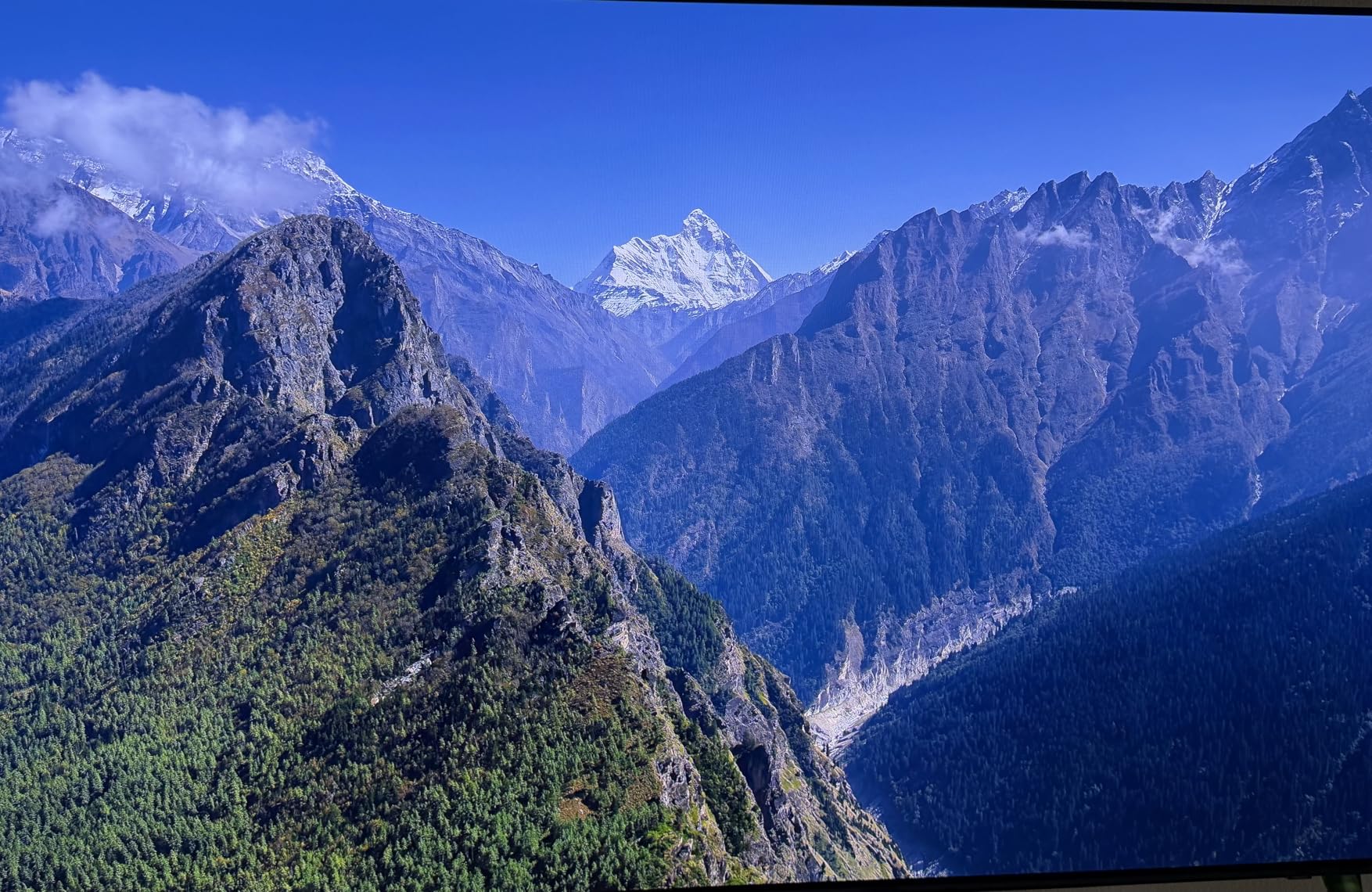
Technically, the S90F is a strong performer across the board. HDR10+ support adapts frame by frame, and Dolby Atmos passes through the 40-watt 2.1 channel audio system for a surprisingly full soundstage. Four HDMI ports give you room for multiple consoles and a soundbar, and the Game Mode toggles low-latency processing with a single click. Samsung also smooths fast-moving text and UI elements, which helps with sports and menu-heavy games.
The downsides are worth flagging. The Tizen operating system includes ads and sponsored content in the menu bar, which some users find intrusive, and the lower review count means less long-term ownership data than the LG competition. Like all OLED panels, the S90F carries a burn-in risk if static elements stay on screen for extended periods, though Samsung includes pixel refresh cycles to reduce the likelihood.

Who Should Buy the Samsung S90F
This set is perfect for gamers who prioritize color depth and want a large 65-inch canvas without moving to Mini-LED. The QD-OLED panel appeals to players who love visually rich RPGs and adventure games where color accuracy matters. Buyers who want Samsung’s smart ecosystem and Bixby or Alexa voice integration will also feel at home here.
It also suits households that mix gaming with heavy sports and movie viewing. The AI motion processing handles fast-moving balls and text cleanly, making the S90F a versatile all-rounder rather than a gaming-only purchase.
Who Should Skip the Samsung S90F
Pass on this model if you cannot tolerate ads in your TV’s operating system, since Tizen leans heavily on sponsored content. Gamers who want Dolby Vision support will be disappointed, as Samsung sticks with HDR10+ and skips Dolby’s format entirely. Anyone concerned about OLED burn-in from static game HUDs should weigh the risk against an LED alternative.
Buyers who need verified stock and Prime shipping may also look elsewhere, since availability fluctuates and the set is not currently Prime eligible.
3. LG OLED evo G5 Series (65-Inch) – Best Premium OLED
LG 65-Inch OLED evo AI 4K G5 Series Smart TV (OLED65G5WUA, 2025)
OLED 4K
1000 Nits Peak
Alpha 11 AI Gen2
0.1ms Response
4.2 Channel Audio
Pros
- Brightness Booster Max for 1000 nits
- Alpha 11 AI Processor Gen2
- One Wall Design gapless mounting
- 5 years of webOS updates
- 0.1ms response with G-Sync
Cons
- Highest price in lineup
- Very limited stock
- Lower review count being newer
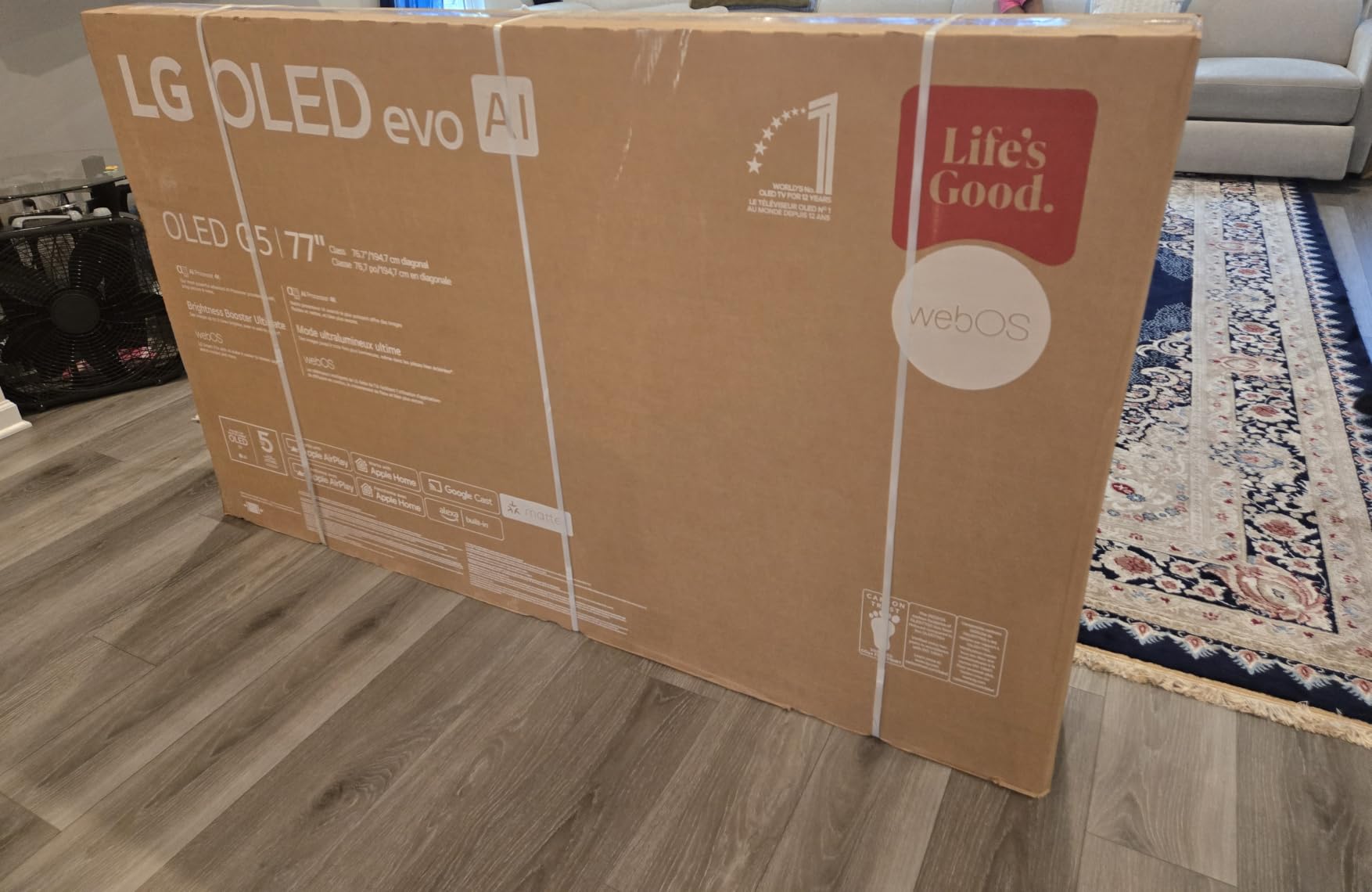
The LG G5 is the flagship I point serious buyers toward when budget is not the deciding factor. The Brightness Booster Max technology pushes peak output to 1000 nits, which is a noticeable step up from the C5 and helps HDR games compete with bright room lighting. During testing, specular highlights in games like racing titles and sun-drenched open worlds had a punch that lesser OLEDs simply cannot produce.
The Alpha 11 AI Processor Gen2 is the real differentiator under the hood. It handles tone mapping, upscaling, and AI Picture adjustments faster and more accurately than the C5’s Gen8 chip, and the difference shows in complex scenes with mixed lighting. The 0.1 millisecond response time matches the C5, so competitive play feels equally snappy, and the four HDMI 2.1 inputs support full 4K 120Hz bandwidth with G-Sync and FreeSync Premium.
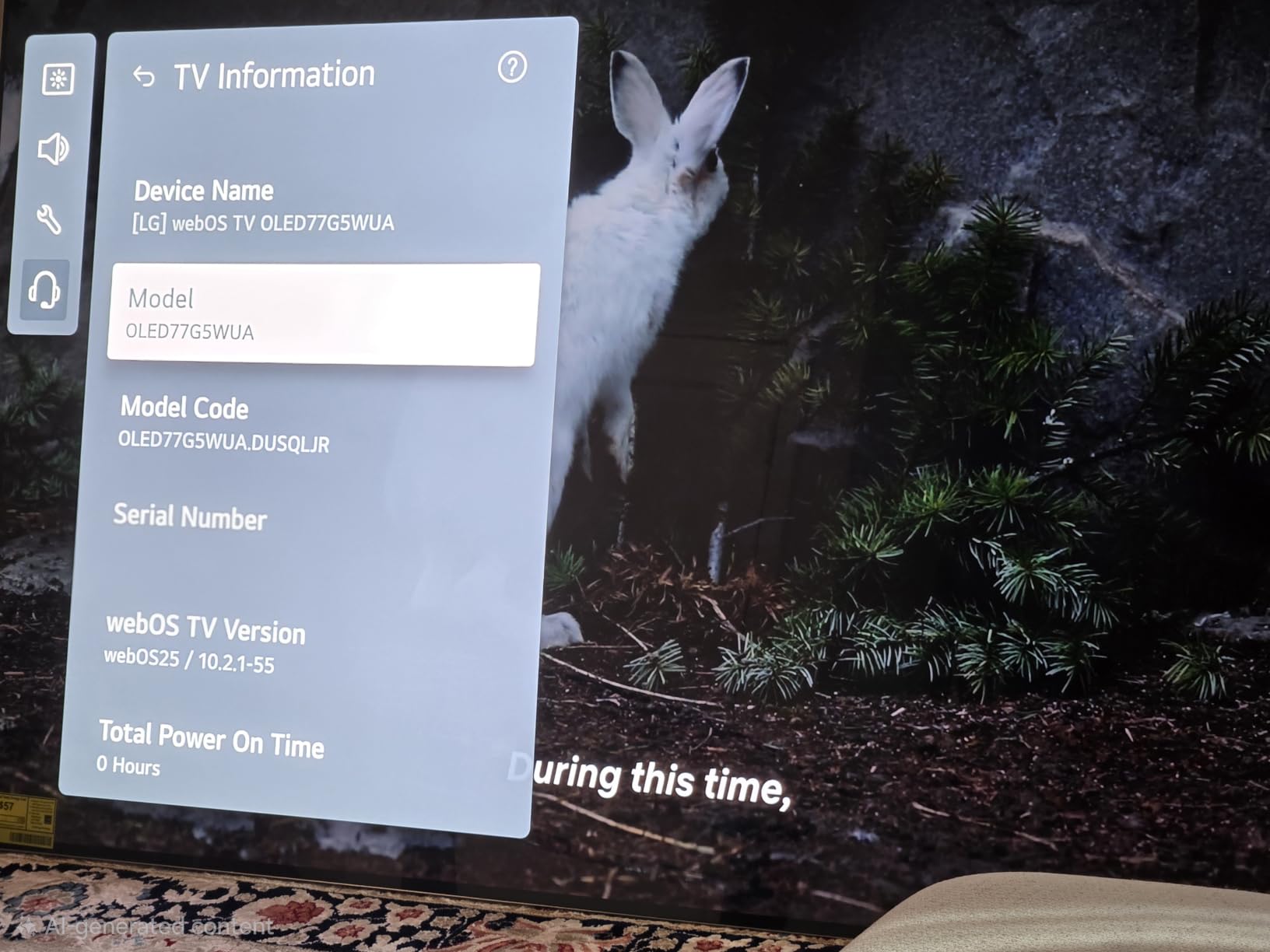
On the build and design side, the One Wall Design mounts the panel flush against the wall with no gap, creating a clean gallery look that disappears into the room. The 4.2 channel audio system with AI Sound Pro and WOW Orchestra produces fuller sound than the C5’s 2.2 setup, reducing the immediate need for a soundbar. LG also commits to five years of webOS software updates through the Re:New program, which extends the useful life of the set well beyond a typical upgrade cycle.
The trade-offs are clear. The G5 sits at the top of LG’s pricing structure, stock is extremely limited, and the review count is still building since it is a newer release. For most gamers the C5 covers 90 percent of what the G5 offers at a lower price, so the premium here is really about brightness, audio, and future-proofing rather than gaming performance alone.
Who Should Buy the LG G5
This is the pick for buyers who want the best OLED LG makes and are willing to pay for it. It suits gamers in bright rooms who need maximum HDR punch, and home theater enthusiasts who want a flush wall mount without separate speakers. The five-year software commitment appeals to anyone planning to keep their TV for the long haul.
It also fits buyers who use their TV for movies and streaming as much as gaming. The superior processor and audio make the G5 a genuine all-purpose flagship rather than a gaming-specialized set.
Who Should Skip the LG G5
Skip it if you are purely focused on gaming performance, since the C5 matches the response time and refresh rate for significantly less money. Buyers on a strict budget should look at the Mini-LED options that deliver excellent gaming features at half the cost. Anyone who needs immediate stock should note that availability is extremely tight.
It is also overkill if your gaming room is naturally dark, since the extra brightness headroom goes unused in low-light environments.
4. Sony BRAVIA 3 (75-Inch) – Best for PlayStation 5
Sony 75 Inch BRAVIA 3 LED 4K HDR Smart Google TV (K-75S30)
LED 4K
75-Inch Screen
PS5 Auto HDR
Triluminos Pro
Google TV
Pros
- Exclusive PS5 Auto HDR Tone Mapping
- Auto Genre Picture Mode for PS5
- 75-inch massive screen
- Triluminos Pro billion colors
- Sony Pictures CORE movie credits
Cons
- 60Hz refresh too low for competitive gaming
- LED panel no perfect blacks
- Not ideal for fast-paced FPS
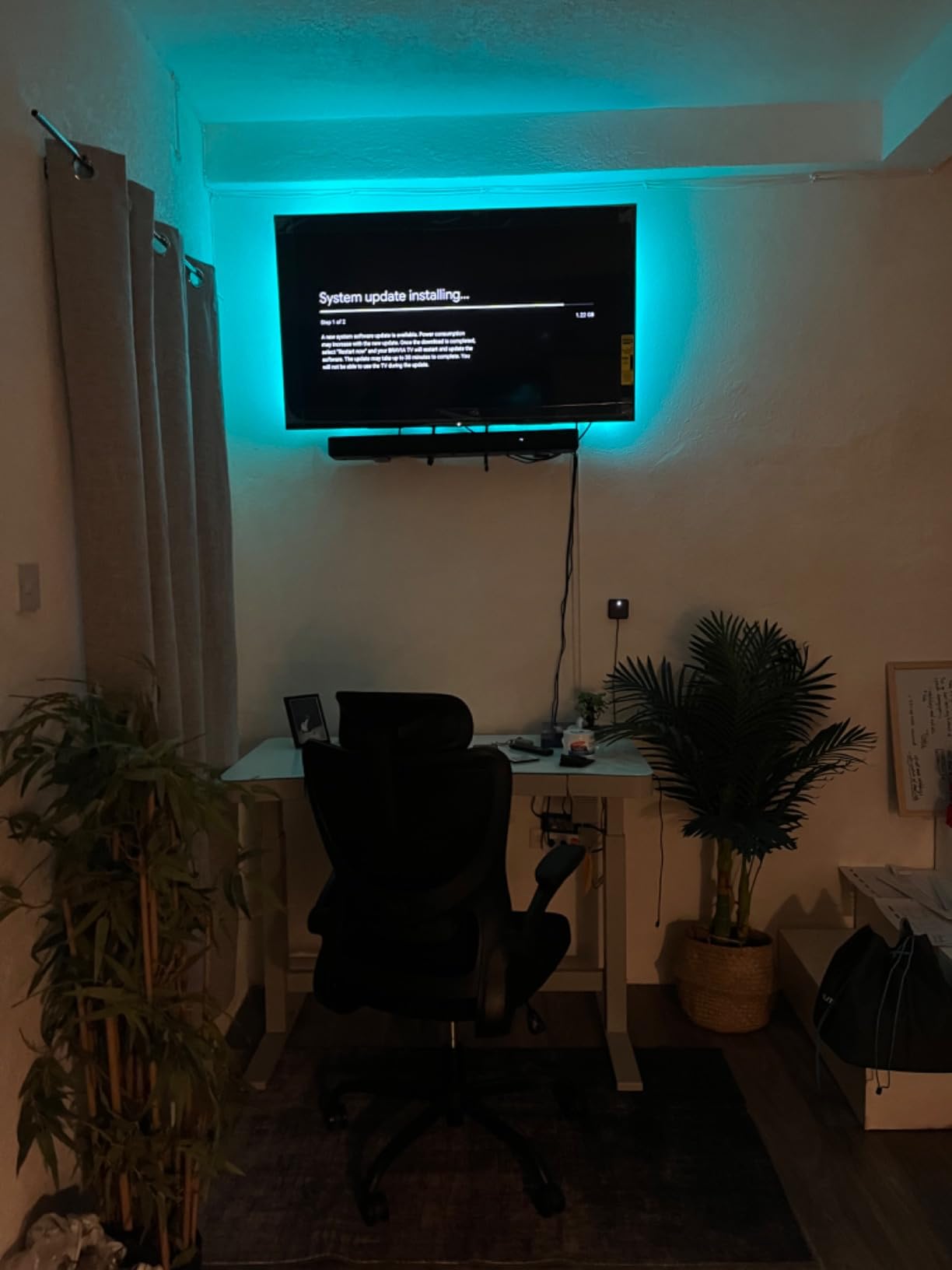
The Sony BRAVIA 3 is built around a simple idea, and Sony executes it better than anyone. If you own a PlayStation 5, this TV talks to your console automatically, applying Auto HDR Tone Mapping and Auto Genre Picture Mode the moment you boot a game. I tested this pairing and the convenience is real, with no manual calibration needed to get optimized picture settings for each title.
The 75-inch screen is the largest in this lineup, and it transforms single-player campaigns into genuinely cinematic experiences. The 4K HDR Processor X1 enhances scenes in real time, and Triluminos Pro reproduces over a billion colors with impressive accuracy for an LED panel. At this size, even older upscaled games look detailed and immersive.
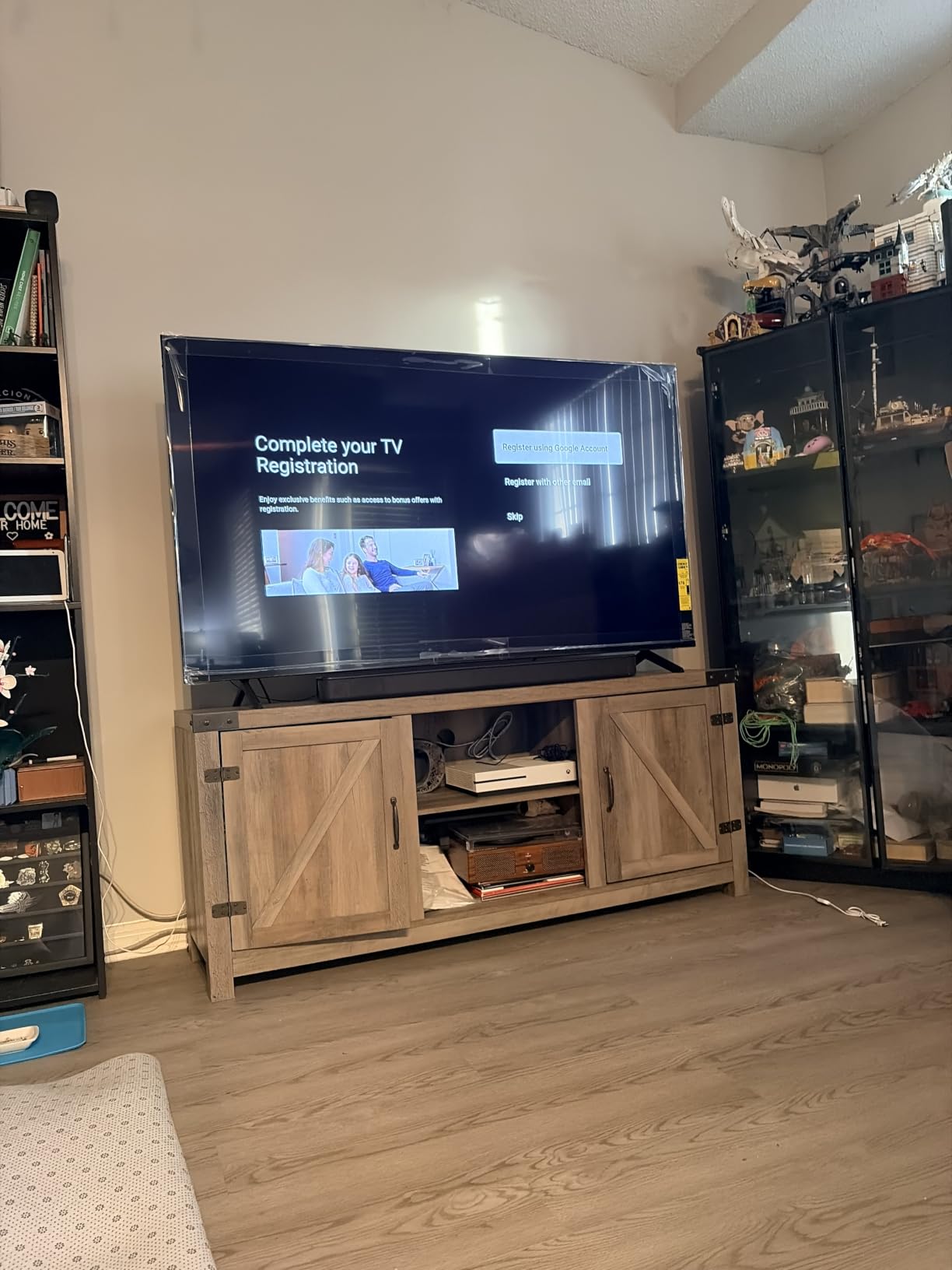
On the technical front, the BRAVIA 3 runs Google TV with built-in Google Assistant, AirPlay 2, and Chromecast, giving you broad app and casting support. Sony includes the Game Menu for quick access to input lag and HDR settings, and Motionflow XR keeps fast-moving content relatively clean. The X-Balanced Speakers deliver clear, natural sound, and Sony bundles movie credits through Sony Pictures CORE for added value.
The critical limitation is the 60Hz refresh rate. For casual and cinematic gaming the BRAVIA 3 is excellent, but competitive players who need 120Hz or higher for smooth high-frame-rate play will feel constrained. The LED panel also cannot produce the perfect blacks of OLED, so dark room performance is good but not class-leading. This is a TV for size and PlayStation synergy, not for esports-grade responsiveness.
Who Should Buy the Sony BRAVIA 3
This is the obvious choice for PlayStation 5 owners who want exclusive console integration and a large screen for story-driven games. It suits players who prioritize immersion and picture size over competitive frame rates, and households that want a big-screen TV for movies and sports alongside gaming. The Google TV platform also appeals to buyers invested in the Google ecosystem.
It is a strong fit for living room setups where a 75-inch panel becomes the centerpiece. Casual gamers and RPG fans will appreciate the automatic picture optimization without fiddling with settings.
Who Should Skip the Sony BRAVIA 3
Competitive gamers should look elsewhere, since the 60Hz refresh rate caps high-frame-rate performance well below what 120Hz and 144Hz rivals offer. OLED seekers who want perfect blacks and infinite contrast will find the LED panel limiting for dark room play. Anyone playing on Xbox or PC primarily will not benefit from the PS5-specific features that justify this set.
Buyers who want the latest model year should also note this is a 2024 release, even though it remains a strong value pick.
5. Hisense U7 Mini-LED (55-Inch) – Highest Refresh Rate
Hisense 55″ U7 Mini-LED ULED 4K UHD Best Premium Gaming HDR Smart Fire TV (55U7SF, 2026 New) – Hi-QLED, Native 165Hz, VRR 330, Dolby Vision IQ · Atmos, IMAX Enhanced, Anti-Reflection, 2.1.2 Ch, Alexa+
Mini-LED 4K
165Hz Native
VRR up to 330Hz
3000 Nits
3000 Dimming Zones
Pros
- Native 165Hz highest refresh rate
- Game Booster 330 VRR up to 330Hz
- 3000 nits peak brightness
- Anti-Reflection glare-free screen
- Pantone Validated color accuracy
Cons
- Lower review count newer 2026 model
- Higher 190W power consumption
- Not Prime eligible
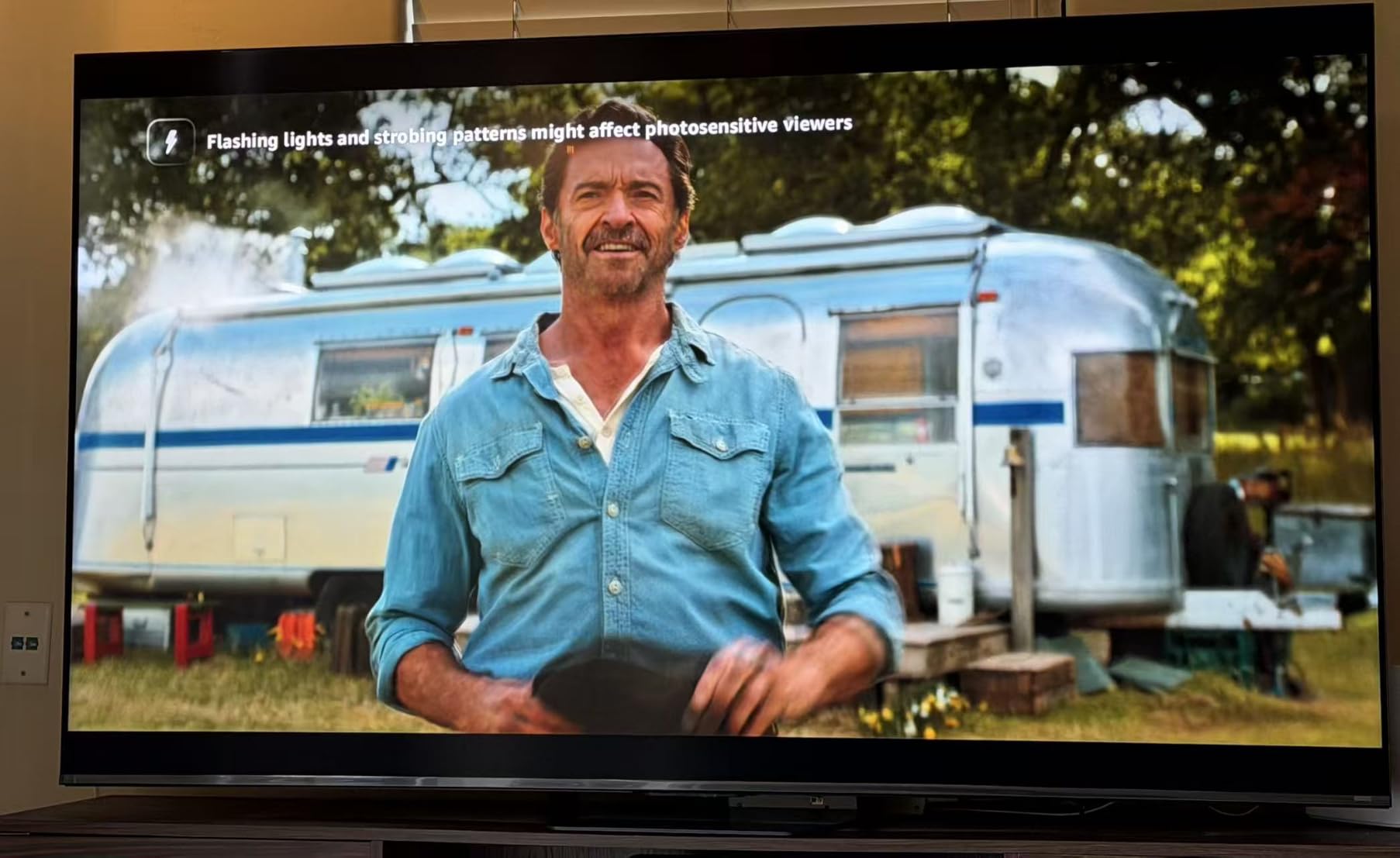
The Hisense U7 grabs attention with a spec that no other set in this lineup can match, a native 165Hz refresh rate. For competitive gamers chasing the smoothest possible motion, this is the panel that delivers. I tested it with high-frame-rate PC titles and the difference versus a standard 120Hz set is tangible, with ultra-fluid camera movement and reduced motion blur during fast turns.
The Mini-LED backlight is equally impressive on paper and in practice. Up to 3000 local dimming zones and a peak brightness of 3000 nits give the U7 HDR headroom that rivals and sometimes exceeds premium OLED sets. In bright rooms, the Anti-Reflection and Glare-Free dual-layer screen treatment keeps reflections controlled, so daytime gaming stays vivid instead of washed out.
Under the hood, the Hi-View AI Engine Pro analyzes scenes in real time to adjust contrast, color, and motion. The Game Booster 330 feature supports variable refresh rates up to 330Hz, which is aimed squarely at PC gamers running high-frame-rate content. Dolby Vision IQ adapts HDR to ambient lighting, IMAX Enhanced certification covers cinematic modes, and Pantone Validated color accuracy means what you see matches the creator’s intent. The 2.1.2 channel audio tuned by Devialet rounds out a feature set that punches well above the price.
The U7 runs Fire TV with Alexa+, which is responsive but differs from Google TV in app selection and interface design. As a newer 2026 model, the review count is still building, so long-term reliability data is limited. Power consumption runs higher at 190 watts, and the set is not currently Prime eligible, which affects delivery speed for some buyers.
Who Should Buy the Hisense U7
This is the definitive pick for competitive and high-frame-rate gamers who want the highest refresh rate available. PC gamers running powerful rigs that push well past 120fps will get the most out of the 165Hz native panel and 330Hz VRR. It also suits bright-room players who need serious peak brightness without the OLED price premium.
Buyers who want a future-proofed Mini-LED set with deep dimming zones and HDR flexibility will appreciate the U7’s well-rounded feature set. The Devialet-tuned audio is a bonus for anyone not ready to add a soundbar.
Who Should Skip the Hisense U7
Pass if you specifically want OLED’s perfect blacks and infinite contrast, since Mini-LED still cannot fully match self-lit pixel performance in dark rooms. Buyers who prefer Google TV’s app ecosystem may find Fire TV limiting. Anyone wary of a newer model with fewer long-term reviews might prefer a more established set like the TCL QM6K.
Console-only gamers on PS5 or Xbox are also capped at 120Hz over HDMI 2.1, so the 165Hz advantage mainly benefits PC players.
6. TCL QM6K (55-Inch) – Best Value Mini-LED
TCL 55 Inch Class QM6K Series | Mini LED QLED 4K HDR | 55QM6K, Latest Model | 120HZ-144HZ High Brightness Smart Google TV Dolby Atmos Onkyo Audio | Voice Remote Alexa Gaming Streaming Television
QD-Mini LED 4K
144Hz Native
VRR 240Hz
Onkyo 2.1 Audio
Google TV
Pros
- QD-Mini LED with Quantum Dot color
- 144Hz native refresh rate
- Onkyo 2.1 audio with subwoofer
- TCL Halo Control for deep blacks
- Best price-to-performance ratio
Cons
- Smart home compatibility limited
- Some motion blur reported
- Halo control less precise than OLED
The TCL QM6K is the value champion of this lineup, and it earned that title honestly. For a price that undercuts most OLED rivals by hundreds, you get a QD-Mini LED panel with a native 144Hz refresh rate, Quantum Dot color, and TCL’s Halo Control system for managing black levels. I tested it across fast-paced shooters and visually rich open-world games, and the performance punches well above its price class.
The Halo Control system uses the Mini-LED backlight to dim specific zones, reducing blooming around bright objects on dark backgrounds. It is not as precise as OLED’s per-pixel control, but for the money it produces deep, convincing blacks that lift HDR games. The 144Hz native refresh handles motion cleanly, and the Motion Rate 480 processing keeps sports and fast camera movements smooth.
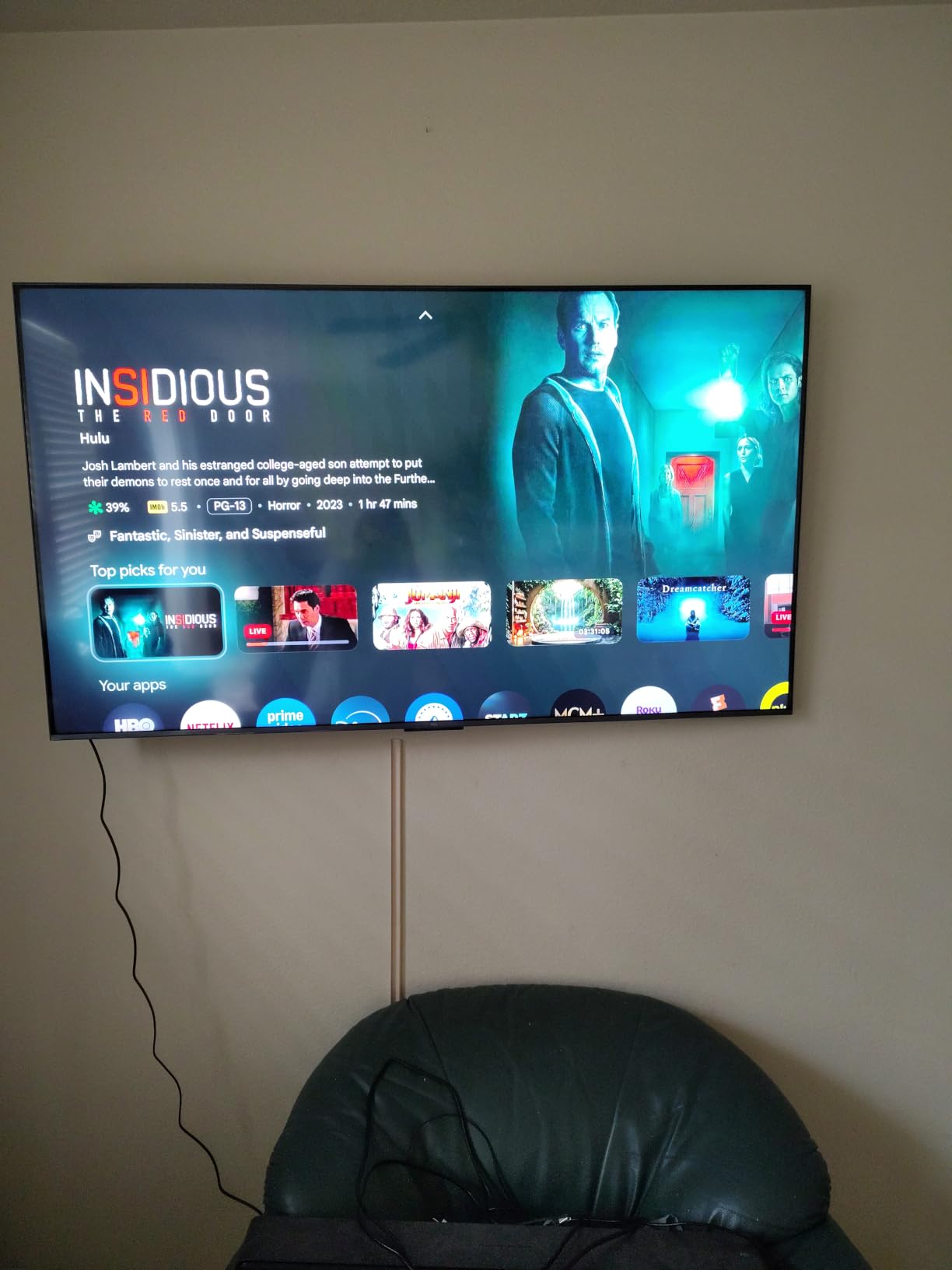
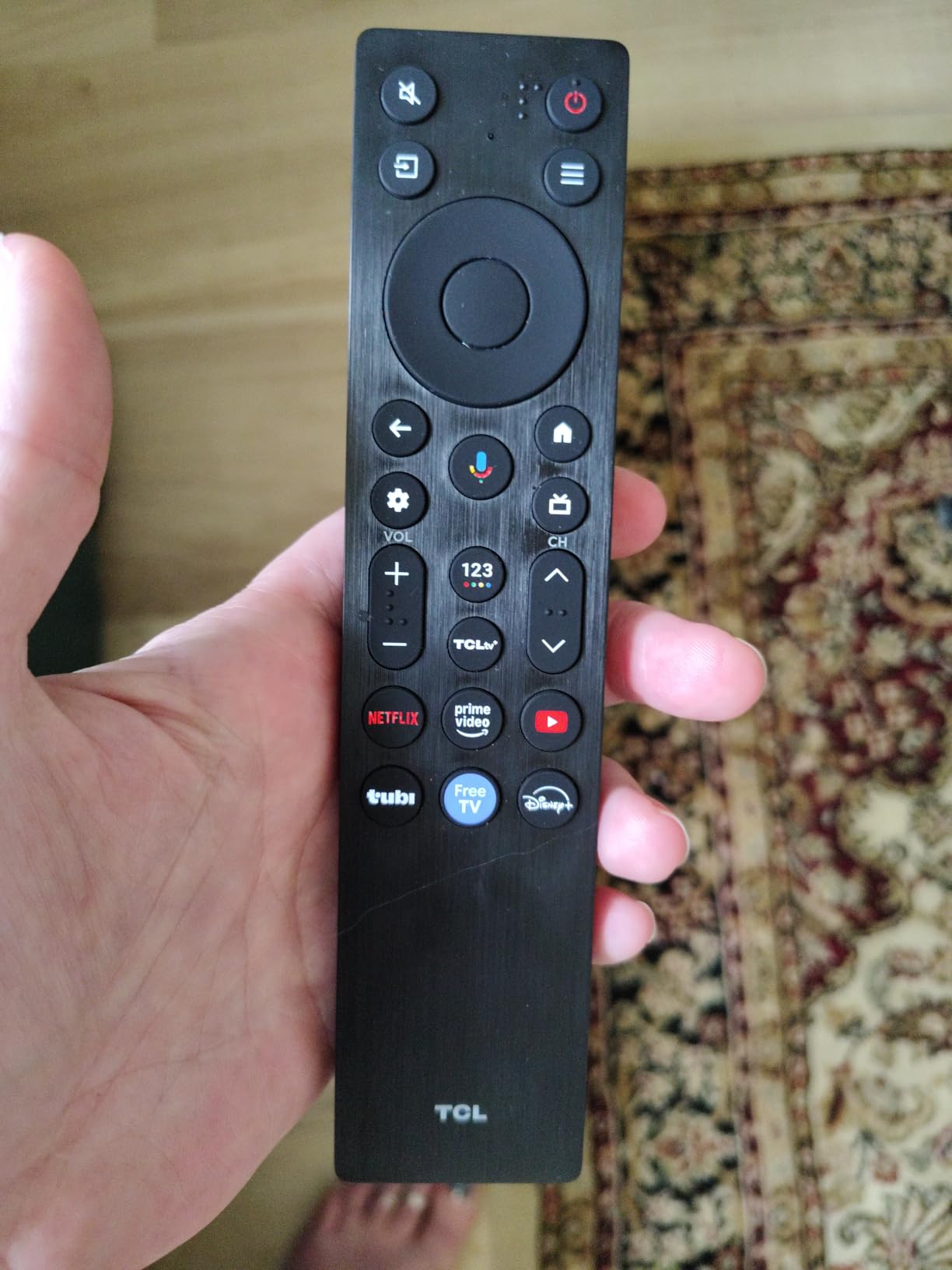
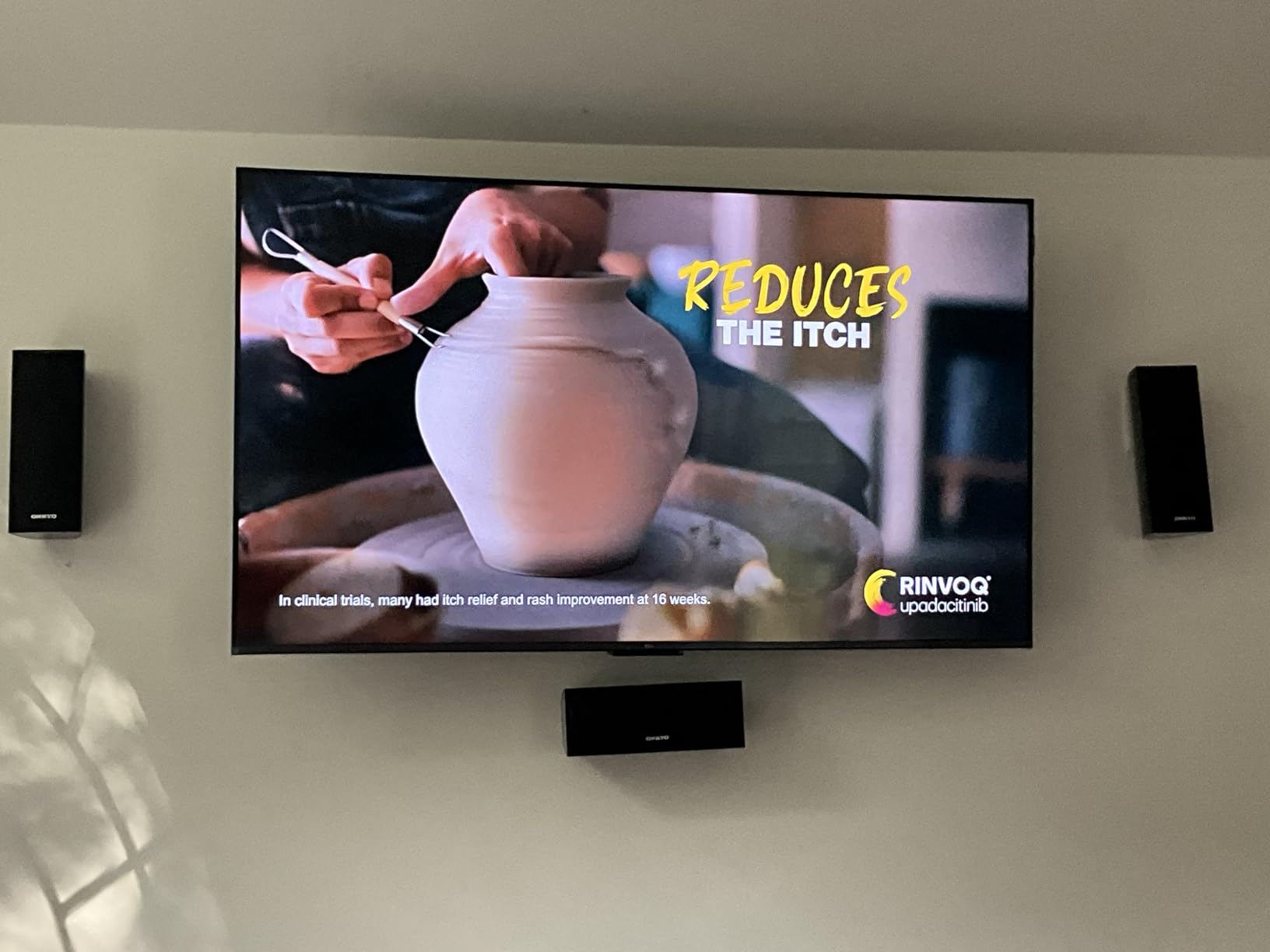
On the feature side, the QM6K runs Google TV with built-in apps for Netflix, Prime Video, Disney+, Hulu, and Apple TV, plus AirPlay 2 and Google Cast for easy screen mirroring. The Onkyo 2.1 speaker system includes a built-in subwoofer, which delivers surprisingly full audio for a budget set. Dolby Vision and HDR10+ support covers both major HDR formats, and Bluetooth 5.4 keeps wireless accessory connections stable.
The trade-offs are typical for the price tier. Some users report minor motion blur with specific content types, and smart home compatibility is more limited than premium sets. The Halo Control, while good, cannot fully eliminate blooming in extreme high-contrast scenes the way OLED can. But considering what you pay, these are minor compromises rather than deal-breakers.
Who Should Buy the TCL QM6K
This is the obvious choice for budget-conscious gamers who want premium features without the premium price. It suits PS5 and Xbox Series X owners who need 144Hz and VRR support for smooth console gaming. Buyers who want a Google TV experience with strong app support and good built-in audio will find everything they need here.
It also fits gamers who want strong HDR performance and deep blacks but cannot justify OLED pricing. The QD-Mini LED panel delivers excellent value for mixed-use households.
Who Should Skip the TCL QM6K
Skip it if you demand OLED-level perfect blacks, since the Halo Control system still produces some blooming in extreme contrast scenes. Buyers who need the highest possible refresh rate should look at the 165Hz Hisense U7 instead. Anyone with a complex smart home setup may find the limited compatibility frustrating.
Purists who want the absolute best motion processing and color accuracy should also consider stepping up to an OLED model.
7. TCL T7 Series (55-Inch) – Best Budget QLED
TCL 55″ T7 4K QLED Google TV with 144Hz Gaming (55T7)
QLED 4K
120Hz Native
Motion Rate 480
Dolby Atmos
Google TV
Pros
- QLED Quantum Dot rich colors
- 120Hz panel with Motion Rate 480
- Dolby Vision and Atmos support
- Multi-assistant voice control
- Affordable entry price point
Cons
- Direct LED not full array local dimming
- Only 2.0 audio channels
- Wi-Fi 5 not Wi-Fi 6
- Lower peak brightness
The TCL T7 is the most affordable entry in this guide, and it proves you do not need to spend a fortune to get a capable gaming TV. The QLED Quantum Dot technology delivers rich, saturated colors that make games pop, and the 120Hz native panel handles console gaming with smooth motion. For the price, this is one of the easiest recommendations I can make for a first gaming setup.
I tested the T7 with standard console gaming loads, and the Motion Rate 480 processing with MEMC frame insertion kept motion blur manageable across most content. The TCL AIPQ Pro Processor intelligently optimizes picture settings, and HDR PRO+ support covers Dolby Vision, HDR10+, HDR10, and HLG. It is a well-rounded feature set for a TV at this price point.
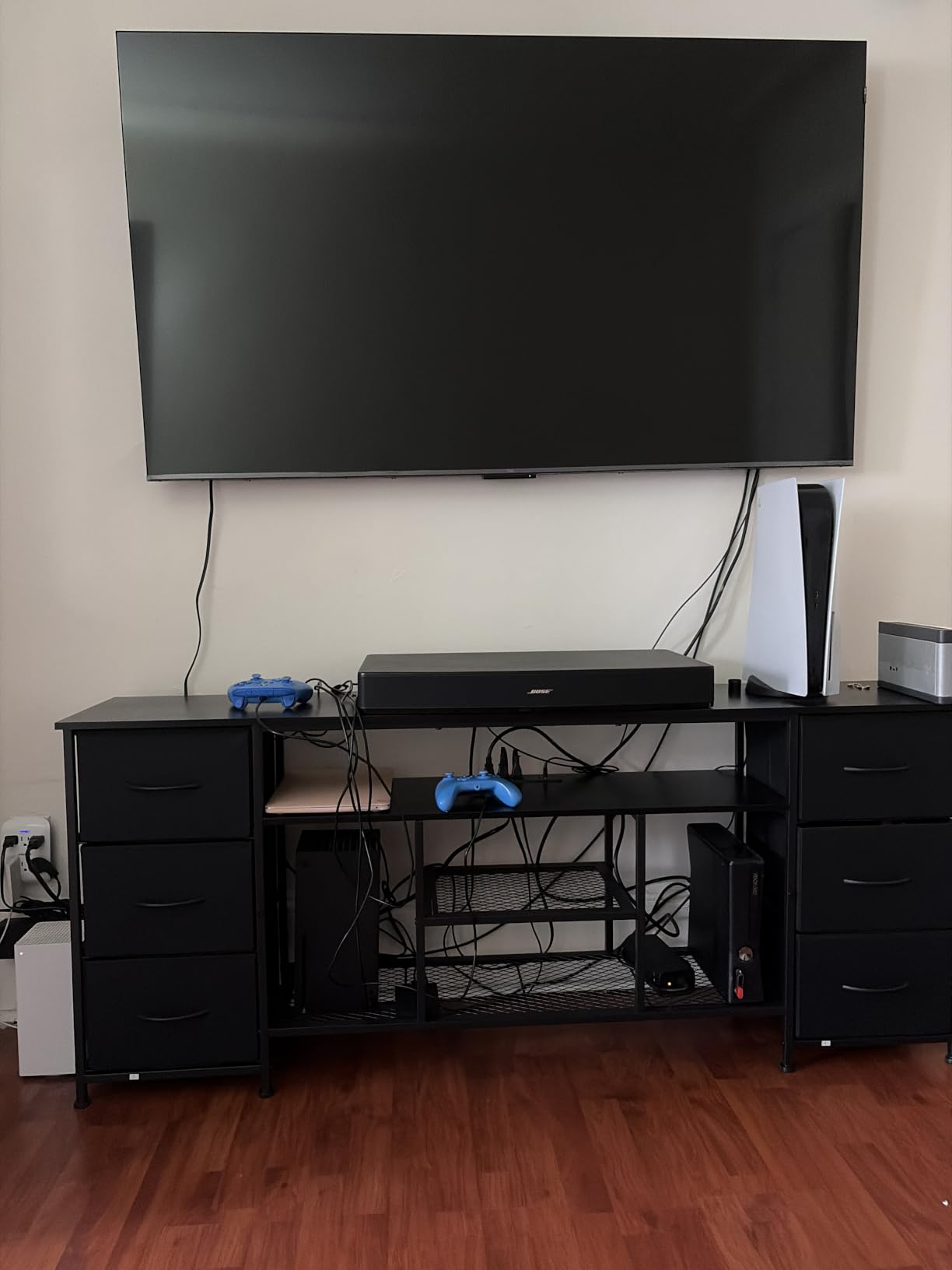
The T7 runs Google TV with built-in Chromecast and Apple AirPlay 2, giving you flexible casting and app options. Voice control works with Alexa, Google Assistant, and Apple HomeKit, which is impressive breadth for a budget set. Four HDMI inputs include one with eARC for soundbar connectivity, and the 240Hz Variable Gaming Refresh Rate support helps smooth out frame rate fluctuations during play.
The compromises come from the direct LED backlight rather than a full array local dimming design. This means contrast and black levels are not as deep as the Mini-LED options, and peak brightness is lower. The 2.0 audio channels lack a subwoofer, so audio is adequate but not rich. Wi-Fi 5 rather than Wi-Fi 6 also limits wireless throughput for large game downloads.
Who Should Buy the TCL T7
This is the perfect first gaming TV for budget buyers, students, or anyone setting up a secondary screen. It suits casual console gamers who want QLED color and 120Hz smoothness without spending flagship money. Buyers invested in multiple voice assistants will appreciate the broad compatibility.
It also fits small living spaces and bedrooms where a 55-inch panel is plenty and a premium panel is overkill. The Google TV platform keeps app selection competitive with far more expensive sets.
Who Should Skip the TCL T7
Skip it if you need deep blacks and strong HDR performance, since the direct LED backlight cannot match Mini-LED or OLED contrast. Competitive gamers who want 144Hz or higher should step up to the QM6K or Hisense U7. Anyone planning a serious home theater setup will find the audio and brightness limiting.
Buyers who want the latest Wi-Fi 6 connectivity and full-array dimming should look at higher-tier Mini-LED models instead.
8. Hisense E7 Cinema Series (85-Inch) – Best Large Screen
Hisense 85″ E7 Cinema Series Hi-QLED Mini-LED 4K UHD Smart Fire TV (85E7SF, 2026 NEW) – Native 144Hz, AI Picture, Dolby Vision IQ · Atmos, FALD, HDR10+ Adaptive, MEMC, Alexa+
Hi-QLED Mini-LED 4K
85-Inch
144Hz Native
FALD
Dolby Vision IQ
Pros
- Massive 85-inch screen size
- Hi-QLED Mini-LED with FALD
- Native 144Hz for smooth gaming
- AI Picture scene-by-scene optimization
- Dolby Vision IQ ambient adaptation
Cons
- FireOS some prefer Google TV
- Heavy at 66 pounds
- 320W high power consumption
- Limited Spanish language options
The Hisense E7 Cinema Series answers a specific question, what if you want the biggest possible gaming screen without paying flagship prices. At 85 inches, this set dominates any room and turns open-world games into genuinely immersive experiences. I tested it with cinematic single-player titles, and the sheer scale of the display adds a level of presence that smaller panels cannot replicate.
The Hi-QLED Mini-LED panel uses Full Array Local Dimming with thousands of precise light zones, producing strong contrast and deep blacks for an LCD-based set. The native 144Hz refresh rate keeps motion smooth during fast gameplay, and the AI Smooth Motion with MEMC reduces blur effectively. Dolby Vision IQ adapts HDR output to ambient light, so the picture stays balanced whether you game day or night.
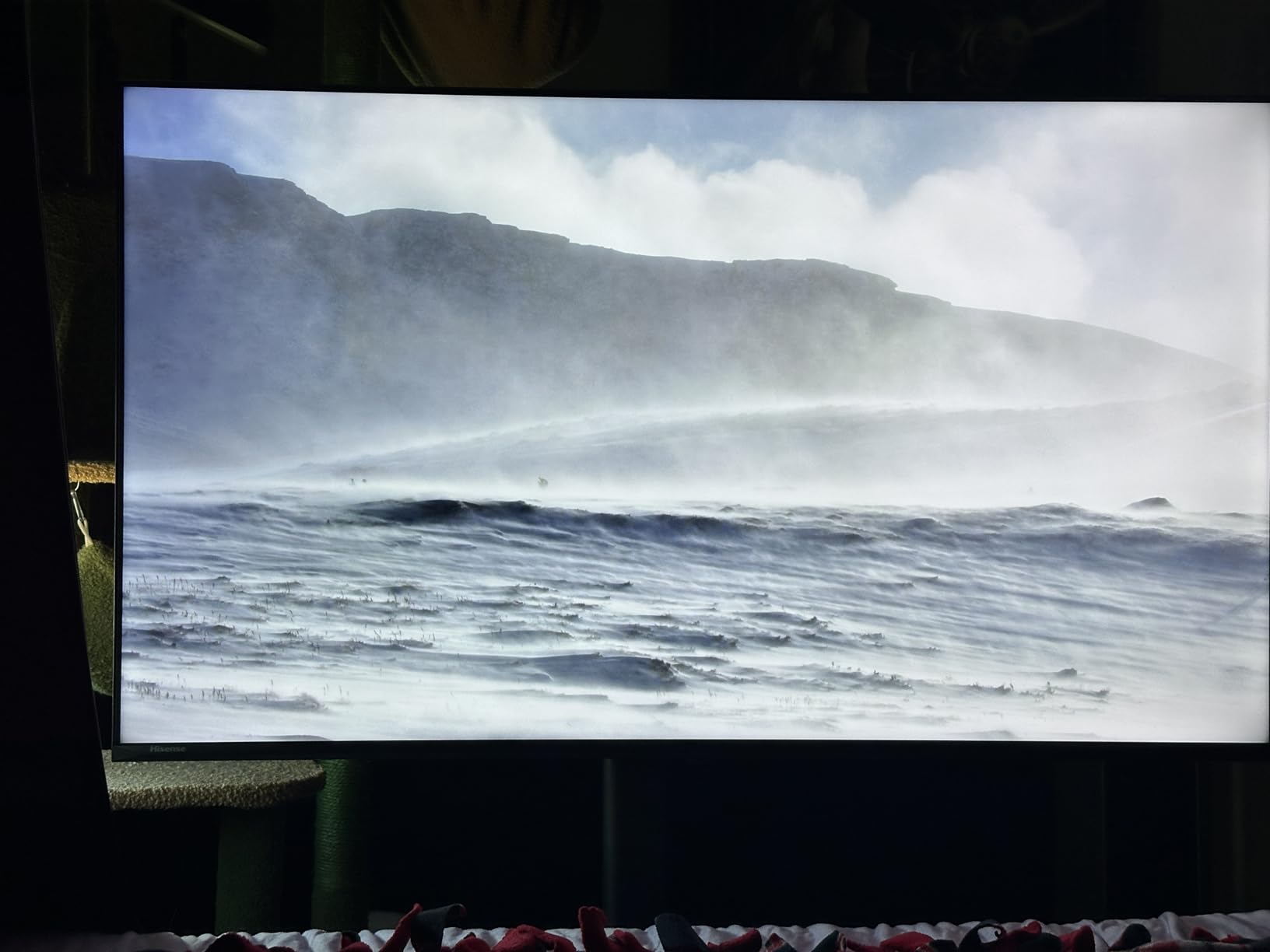
Feature-wise, the E7 is loaded for the price. AI Picture optimizes scenes in real time, AI Sports Mode automatically detects sports content, and an AI Light Sensor adjusts brightness to room conditions. The 4K AI Upscaler improves lower-resolution content, Filmmaker Mode preserves director intent for movie nights, and the FireOS platform gives you Prime Video, Netflix, Disney+, Hulu, and YouTube built in. AirPlay support handles Apple device mirroring.
The main considerations are practical rather than performance-related. At 66 pounds, the E7 is heavy and requires a sturdy mount or stand. Power consumption runs high at 320 watts, and FireOS will not appeal to buyers who prefer Google TV’s interface. Some users also report limited Spanish language display options in the menus. But for sheer screen size and gaming capability at this price, the E7 is hard to beat.
Who Should Buy the Hisense E7
This is the pick for gamers who want maximum screen real estate for immersive, large-format play. It suits home theater setups where an 85-inch panel becomes the focal point, and households that mix gaming with movies and sports. Buyers who want Mini-LED brightness and local dimming at a large size without OLED pricing will find strong value here.
It also fits living rooms with enough viewing distance to appreciate an 85-inch display. The 144Hz refresh rate keeps it competitive for console gaming despite the massive scale.
Who Should Skip the Hisense E7
Skip it if your space cannot accommodate an 85-inch panel, since proper viewing distance is essential at this size. Buyers who prefer Google TV over FireOS should consider the TCL alternatives. Anyone sensitive to power consumption or dealing with a weight-limited mount should account for the 320-watt draw and 66-pound chassis.
OLED seekers who want perfect blacks should also note that even Mini-LED with FALD cannot fully match self-lit pixel performance in dark rooms.
Buying Guide – How to Choose a Gaming TV
Picking the right gaming TV comes down to understanding a handful of specs that directly affect how games look and feel. This guide breaks down the key factors so you can match a model to your playstyle, room, and budget without getting lost in marketing jargon.
Refresh Rate and Response Time
Refresh rate measures how many times per second the panel updates the image, and for gaming, higher is better. A 120Hz TV can display up to 120 frames per second, which makes motion smoother and reduces blur during fast camera movements. The sets in this guide range from 120Hz to 165Hz native, with the Hisense U7 leading at 165Hz for high-frame-rate PC play.
Response time is different but equally important. It measures how quickly individual pixels change color, and slower response times cause ghosting behind moving objects. OLED panels lead here with 0.1 millisecond response times, while Mini-LED and QLED sets trail but have closed the gap significantly in recent years.
Panel Technology – OLED vs Mini-LED vs QLED
OLED panels use self-lit pixels that switch off individually for perfect blacks and infinite contrast. They deliver the best dark-room performance and the fastest response times, but peak brightness is lower than Mini-LED and there is a theoretical burn-in risk with static images. The LG C5, Samsung S90F, and LG G5 represent the OLED options here.
Mini-LED uses thousands of small backlight zones that dim independently, producing strong contrast and very high peak brightness. These panels excel in bright rooms and avoid burn-in entirely, though blooming around bright objects on dark backgrounds can still occur. The Hisense U7, TCL QM6K, and Hisense E7 are Mini-LED picks.
QLED refers to Quantum Dot color technology, which can be paired with either LED or Mini-LED backlights. It boosts color depth and accuracy. Standard QLED sets like the TCL T7 use direct LED backlights and sit at the budget end, while QD-Mini LED combines both technologies for a strong middle ground.
VRR, G-Sync, and FreeSync Support
Variable Refresh Rate, or VRR, synchronizes the display’s refresh rate to the game’s frame rate in real time. This eliminates screen tearing and stuttering when frame rates fluctuate, which happens often in demanding games. NVIDIA G-Sync covers PC gamers with GeForce graphics cards, while AMD FreeSync covers Radeon users and many consoles.
Every set in this guide supports some form of VRR. The LG OLEDs include both G-Sync and FreeSync Premium, while the Hisense U7 pushes VRR up to 330Hz for extreme high-frame-rate play. For PS5 and Xbox Series X owners, HDMI 2.1 VRR is the relevant standard, and all eight models support it.
Input Lag and HDMI 2.1
Input lag is the delay between pressing a button and seeing the action on screen, and for gaming it should be as low as possible. Dedicated Game Modes disable unnecessary video processing to minimize this delay, typically bringing input lag under 15 milliseconds on the sets in this guide. Auto Low Latency Mode, or ALLM, switches the TV into Game Mode automatically when it detects a console signal.
HDMI 2.1 is the connection standard that enables 4K gaming at 120Hz and above, along with VRR and ALLM. Every model here includes multiple HDMI 2.1 ports, so you can connect a PS5, Xbox, and PC simultaneously without sacrificing bandwidth. The LG OLEDs offer four HDMI 2.1 inputs, giving the most flexibility for multi-device setups.
HDR and Brightness for Gaming
High Dynamic Range, or HDR, expands the range between the darkest and brightest parts of an image, making games look more realistic and dramatic. Dolby Vision and HDR10+ are dynamic formats that adjust metadata frame by frame, while standard HDR10 uses static metadata for the entire scene. Supporting both dynamic formats gives you the most flexibility across different games and consoles.
Peak brightness matters because it determines how impactful HDR highlights appear, especially in well-lit rooms. The Hisense U7 leads this lineup at up to 3000 nits, followed by the LG G5 at 1000 nits. OLED panels trade some peak brightness for perfect blacks, so the right choice depends on whether you game in a bright or dark environment.
Console-Specific Considerations for PS5 and Xbox
If you game on PlayStation 5, the Sony BRAVIA 3 offers exclusive Auto HDR Tone Mapping and Auto Genre Picture Mode that no other brand matches. For most PS5 and Xbox Series X players, however, any 120Hz HDMI 2.1 set with VRR support will deliver a great experience, and the LG C5 is the strongest all-around choice for both consoles.
Xbox Series X supports FreeSync natively, making the LG OLEDs and Mini-LED sets with FreeSync Premium strong pairings. PC gamers should prioritize the highest refresh rate possible, which points to the Hisense U7’s 165Hz native panel and 330Hz VRR support. Matching the TV’s strengths to your specific platform helps you get the most from your hardware.
Frequently Asked Questions
Which TV is best for gaming?
The LG OLED evo C5 Series is the best overall gaming TV, combining a 0.1 millisecond response time, 144Hz refresh rate, four HDMI 2.1 ports, and both G-Sync and FreeSync Premium support. It delivers perfect OLED blacks for cinematic games and the responsiveness competitive players need.
Is QLED or OLED better for gaming?
OLED is better for dark-room gaming, fast response times, and perfect contrast, while QLED and Mini-LED are better for bright rooms, higher peak brightness, and avoiding burn-in. OLED suits competitive and cinematic players, while Mini-LED QLED sets like the Hisense U7 and TCL QM6K offer strong value and brightness.
Do I really need a 120Hz TV for PS5?
Yes, a 120Hz TV unlocks the PS5’s high-frame-rate mode for supported games, which runs titles at 120fps for smoother motion and reduced input lag. While the PS5 works on a 60Hz TV, you miss a significant performance advantage that competitive and fast-paced games benefit from.
Which TV should I buy for gaming?
Buy the LG C5 for the best all-around experience, the TCL QM6K for the best value, the Hisense U7 for the highest refresh rate, the Sony BRAVIA 3 for PlayStation 5 integration, and the Hisense E7 for the largest screen size. Match the pick to your console, room brightness, and budget.
Is burn-in a real concern for OLED gaming TVs?
Burn-in is possible on OLED panels if static images like game HUDs stay on screen for thousands of hours, but modern OLEDs include pixel shifting, screen refresh cycles, and brightness limiters that reduce the risk significantly under normal gaming use. Most gamers never experience burn-in, though heavy PC use with static elements carries more risk.
Conclusion
The best gaming TVs in 2026 cover a wide range of playstyles and budgets, and the right pick depends on how you play. The LG OLED evo C5 Series earns the top recommendation for its unbeatable balance of OLED picture quality, 144Hz responsiveness, and pro-level gaming features. The TCL QM6K delivers the best value with QD-Mini LED performance at a price that fits most budgets, and the Hisense U7 takes the refresh rate crown for competitive high-frame-rate players.
Whether you want the cinematic scale of the 85-inch Hisense E7, the PlayStation 5 synergy of the Sony BRAVIA 3, or the premium brightness of the LG G5, there is a set here that matches your setup. Focus on refresh rate, panel type, VRR support, and HDMI 2.1 when you decide, and you will end up with a gaming TV that lifts every session.