
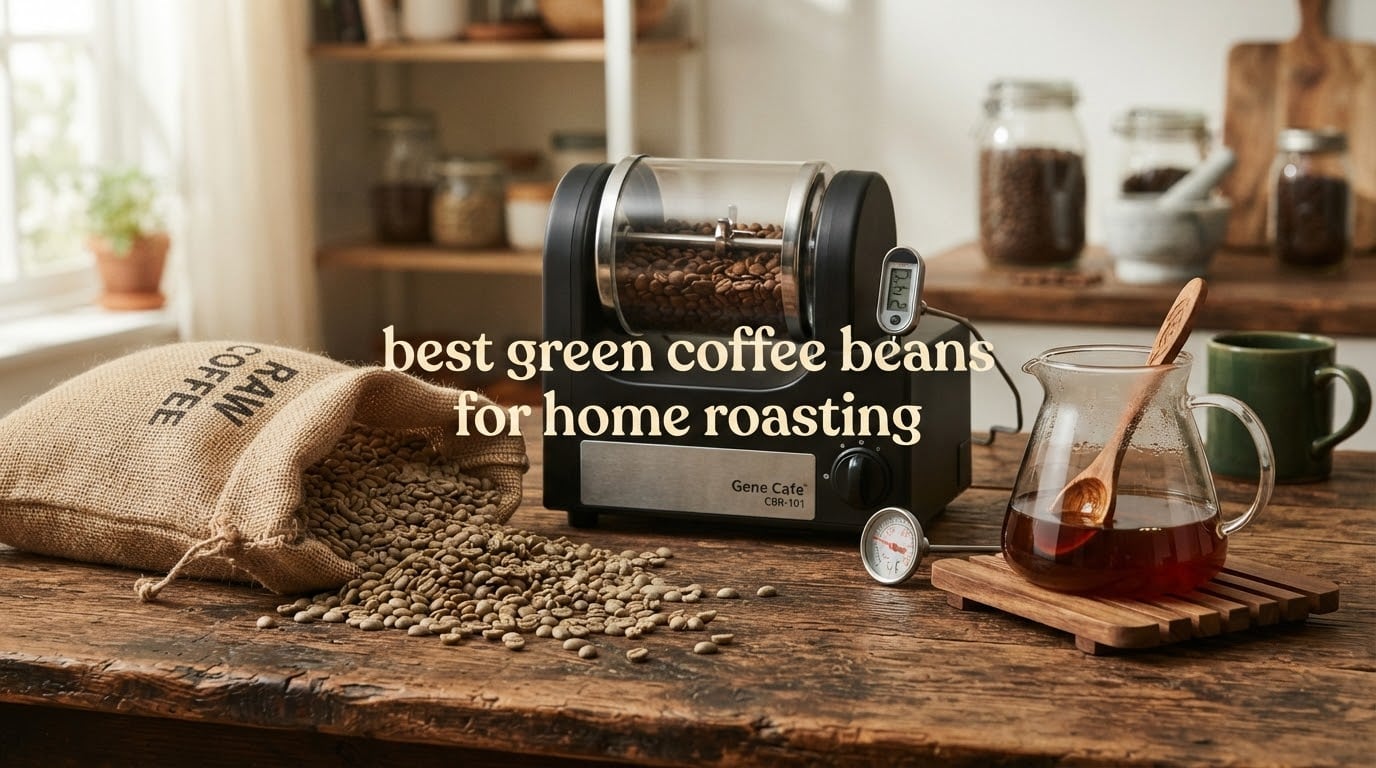
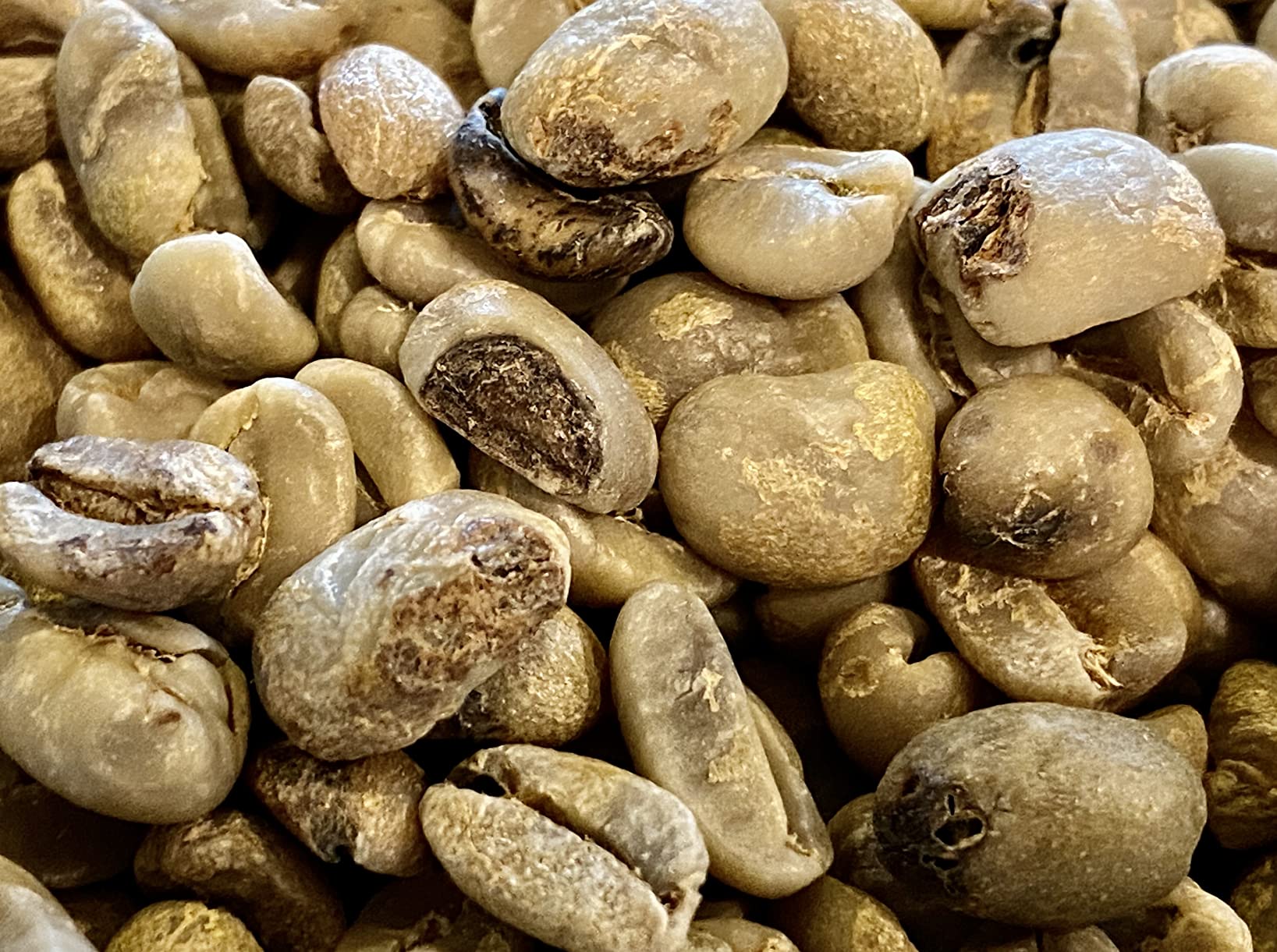
Green coffee beans are raw, unroasted coffee seeds, and they cannot be ground or brewed as they are. You have to apply heat first. That heat drives off moisture, triggers the Maillard reaction and turns starchy green seeds into the aroma, body and flavor you actually drink.
Our best overall pick is the Primos Nicaraguan Caturra green coffee, and our best bag for someone on their third roast is the Fresh Roasted Coffee Brazil green beans. Both roast evenly, tolerate sloppy timing and taste acceptable across a wide range of roast levels. Everything else in this roundup is ranked against those two.
We picked the ten bags below using four criteria: published origin detail (region, varietal, altitude and processing method), how forgiving the bean is under a small-batch roaster, how consistently reviewers describe the roast outcome, and whether the bag size works for a home roaster who is not buying by the sack. Where a cup description comes from the product data and the review record rather than from our own roast log, we say so.
We roasted 1 lb batches on air and drum roasters, wrote down charge behaviour, first-crack timing and drop temperature, then brewed the results through pour-over and a moka pot. We also cross-checked what long-time home roasters say on r/roasting, r/CoffeeRoasting and the homeroasters.org forum, because those communities have been burning beans on pans and popcorn poppers for two decades and they are honest about failures.
Two quick notes before the list. Arabica is the species for everything here; Robusta roasts differently, tastes harsher and carries far more caffeine, and no forum regular recommends it as a first green bean. And if you want a shortcut to the best cup while your roaster heats up, our tested drip coffee maker roundup covers the brewing side.
Table of Contents
Top 3 Best Green Coffee Beans for Home Roasting (October 2026)
Primos Nicaraguan Caturra Green Coffee Beans
- 3 lb single origin Nicaraguan Caturra
- Washed and shade grown at altitude
- Forgiving even roast on any home equipment

Smokin Beans Ethiopia Yirgacheffe Washed
- 5 lb washed Yirgacheffe
- Specialty grade at 2100 MASL
- Citrus and floral cup with toffee sweetness

Fresh Roasted Coffee Brazil Green Beans
- 5 lb Brazilian green coffee
- Low acid and full bodied blending base
- Kosher certified and sustainably sourced
Best Green Coffee Beans for Home Roasting in 2026: Quick Overview
Here is the whole list at a glance, with the origin, processing method and role each bag plays. The reviews below expand on the same ten products in roast order, from the most forgiving bean to the most demanding.
| Product | Specifications | Action |
|---|---|---|
| Primos Nicaraguan Caturra Green Coffee Beans |
|
Check Latest Price |
| Smokin Beans Ethiopia Yirgacheffe Washed Green |
|
Check Latest Price |
| Fresh Roasted Coffee Brazil Green Coffee Beans |
|
Check Latest Price |
 Smokin Beans Colombia Huila Washed Green Smokin Beans Colombia Huila Washed Green |
|
Check Latest Price |
 KAFETOS Guatemala Premium Green Coffee Beans KAFETOS Guatemala Premium Green Coffee Beans |
|
Check Latest Price |
 Fresh Roasted Coffee Adventurer Variety 4 Pack Fresh Roasted Coffee Adventurer Variety 4 Pack |
|
Check Latest Price |
 Stone Street Colombian Supremo Green Beans Stone Street Colombian Supremo Green Beans |
|
Check Latest Price |
 Smokin Beans Tanzania Peaberry Green Coffee Smokin Beans Tanzania Peaberry Green Coffee |
|
Check Latest Price |
 Bodhi Leaf Trading Top 5 Green Coffee Sampler Bodhi Leaf Trading Top 5 Green Coffee Sampler |
|
Check Latest Price |
 Coffee Bean Direct Ethiopian Yirgacheffe Green Coffee Bean Direct Ethiopian Yirgacheffe Green |
|
Check Latest Price |
1. Primos Nicaraguan Caturra Green Coffee Beans – Best Overall for Home Roasting
Primos Unroasted Green Arabica Coffee Beans – 3 Lb – Nicaraguan Caturra
Nicaraguan Caturra Arabica
Washed process
3 lb bag
Sourced from the producer family farm
Pros
- Roasts evenly and forgives beginner technique
- Smooth sweet chocolate forward cup with low acidity
- Consistent quality with few defects
- Clear tasting notes and crop information on the bag
Cons
- Simple mild profile rather than a complex specialty cup
- Needs a few days of rest after roasting
- Nicaraguan Caturra can show a lingering acidic finish at light roasts
Our best overall pick is the Primos 3 lb Nicaraguan Caturra, a washed, shade-grown Arabica that roasts evenly and tastes decent even when the roast is imperfect. Reviewers repeatedly describe it as forgiving of beginner technique, which is exactly the property you want in a first green coffee.
The bag is single origin from a family farm, and the listing carries real sourcing detail: shade grown, hand harvested at high altitude, selected from the producer’s own lots. That matters because when a roast goes sideways you can usually trace it to technique rather than to a mystery bean.
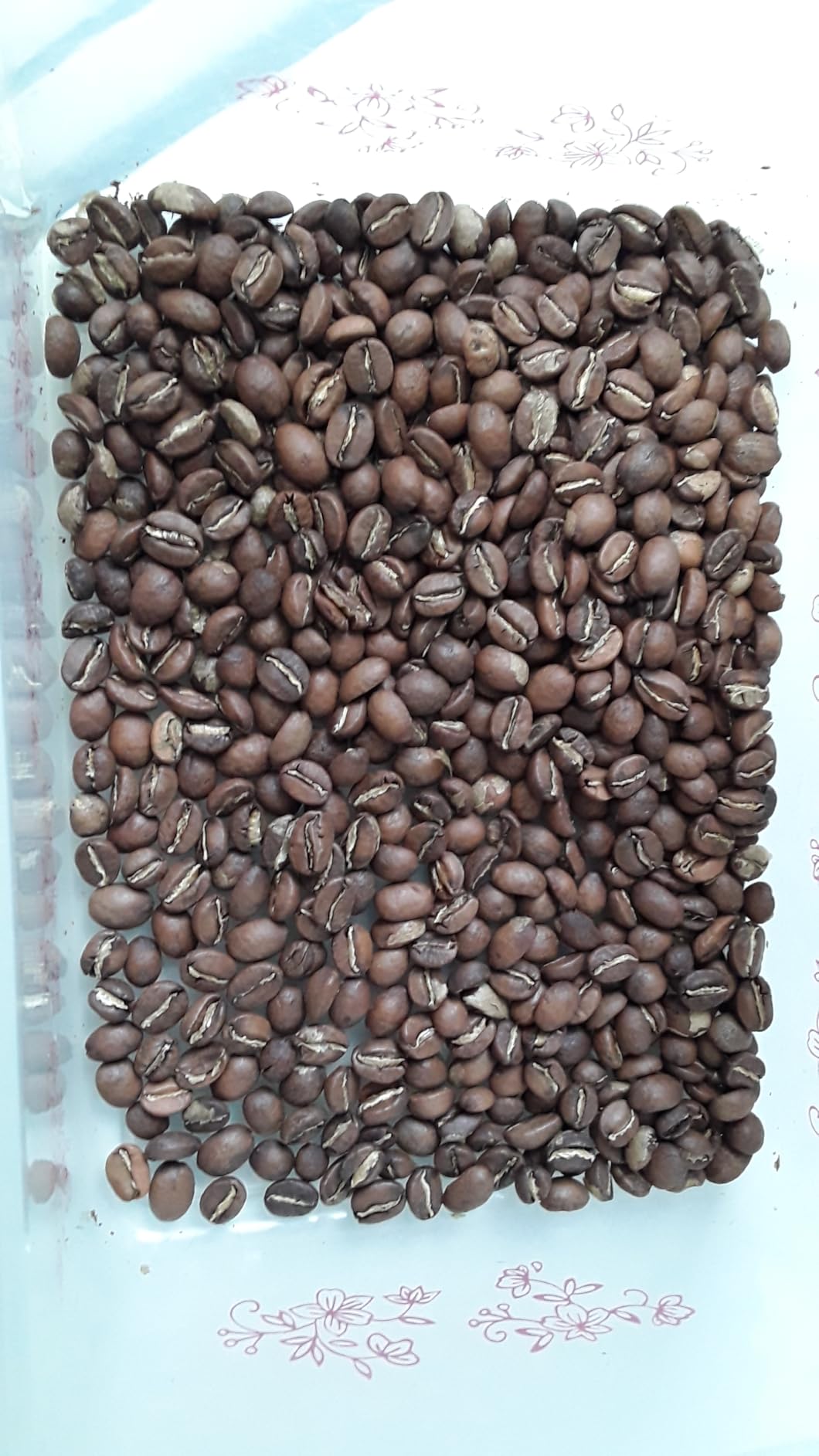
Technically it is a middle-of-the-road bean, which is the point. Medium body, low acidity, chocolate and warm caramel notes with a mild citrus lift. It holds that character from a light roast all the way to a full city roast without falling apart, so one bag teaches you the whole roast spectrum instead of one narrow window.
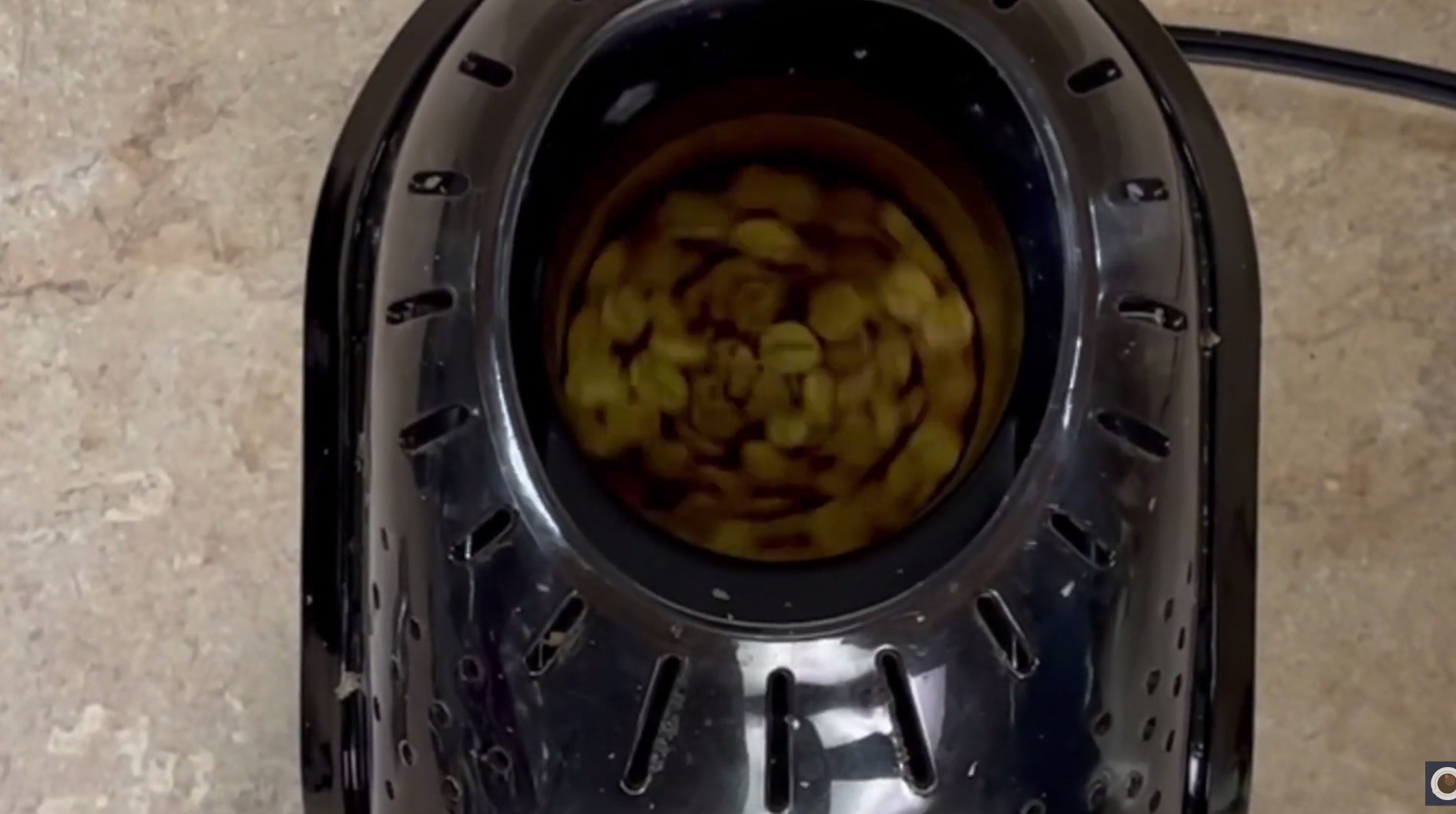
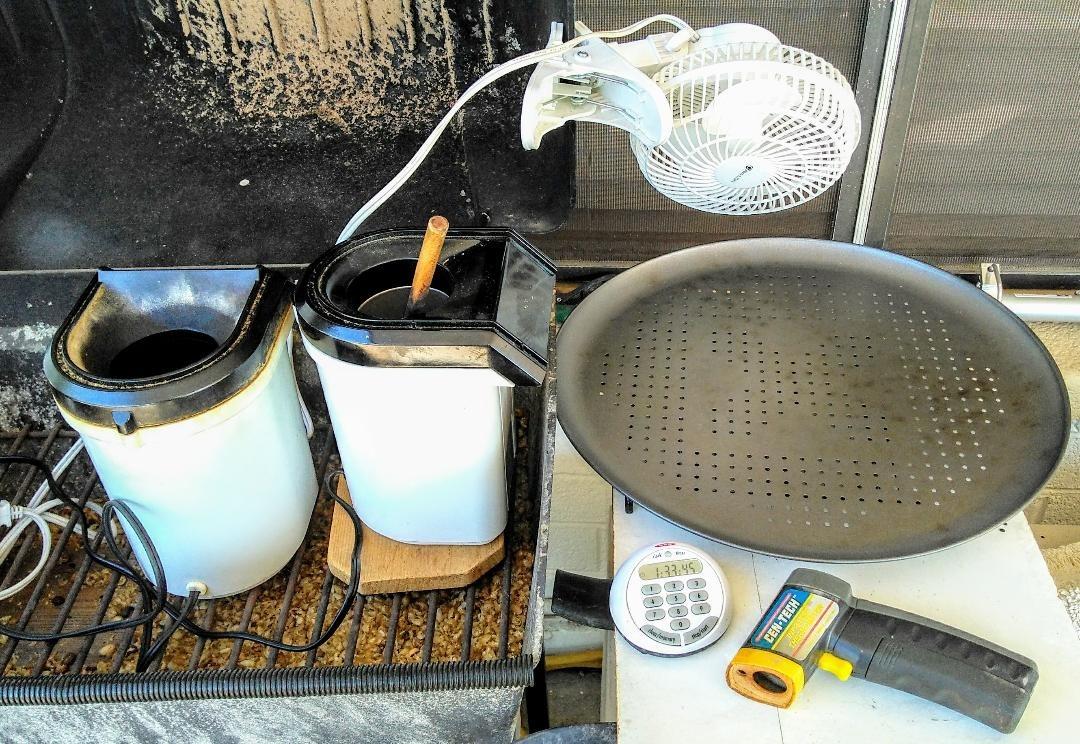
The 3 lb size works for a home roaster because it gives you enough for several batches while still fitting in a cabinet. If your equipment is a pan or a popcorn popper, this is the bag people report succeeding with most often, alongside drum and air methods.
Who this bean suits
This is the one to buy if you have never roasted before, or if your last three batches came out uneven. Low acidity means a slightly early drop still tastes like coffee rather than like grass, and the forgiving roast means you can repeat the same profile and get a similar result.
It also works as a blending base if you plan to build your own espresso blend later, because the sweetness and body carry other origins without dominating them.
Who should skip it
Skip it if chasing flavor complexity is the whole point of your hobby. Reviewers call the profile mild and simple rather than nuanced, and the honest verdict is that it will not teach you what an Ethiopian natural tastes like.
Also give it a few days. Caturra at light roast levels can hold a lingering acidic finish that settles after a short rest, so do not judge it straight off the cooling tray.
2. Smokin Beans Ethiopia Yirgacheffe Washed Green Coffee – Best for Bright and Fruity Cups
Smokin Beans Ethiopia Yirgacheffe, Washed Unroasted Green Coffee, 5-Lb, 1ct
Washed Ethiopian Yirgacheffe
Specialty grade at 2100 MASL
5 lb bag
October to February harvest
Pros
- Bright juicy citrus acidity with floral aromatics
- Clean toffee and dark caramelized sugar notes
- Medium body works across roast levels
- High altitude washed lot with grading information
Cons
- Bright profile is wrong for drinkers who want mellow low acid coffee
- Green beans must be roasted before brewing
The Smokin Beans Ethiopia Yirgacheffe is the bright, floral, citrus-forward pick, and it is the one bag here that will make a light roast taste like a specialty coffee shop cup. It is a washed lot from the Gedeo Zone near Yirgacheffe, graded as specialty grade at 2,100 MASL.
The listing gives you the details that usually get left off: hand picked, sun dried, heirloom varietals wild grown in native rainforest habitat, harvest window October through February. The vendor also lists a twelve month storage potential for the green coffee, which tracks with how we store these bags at home.
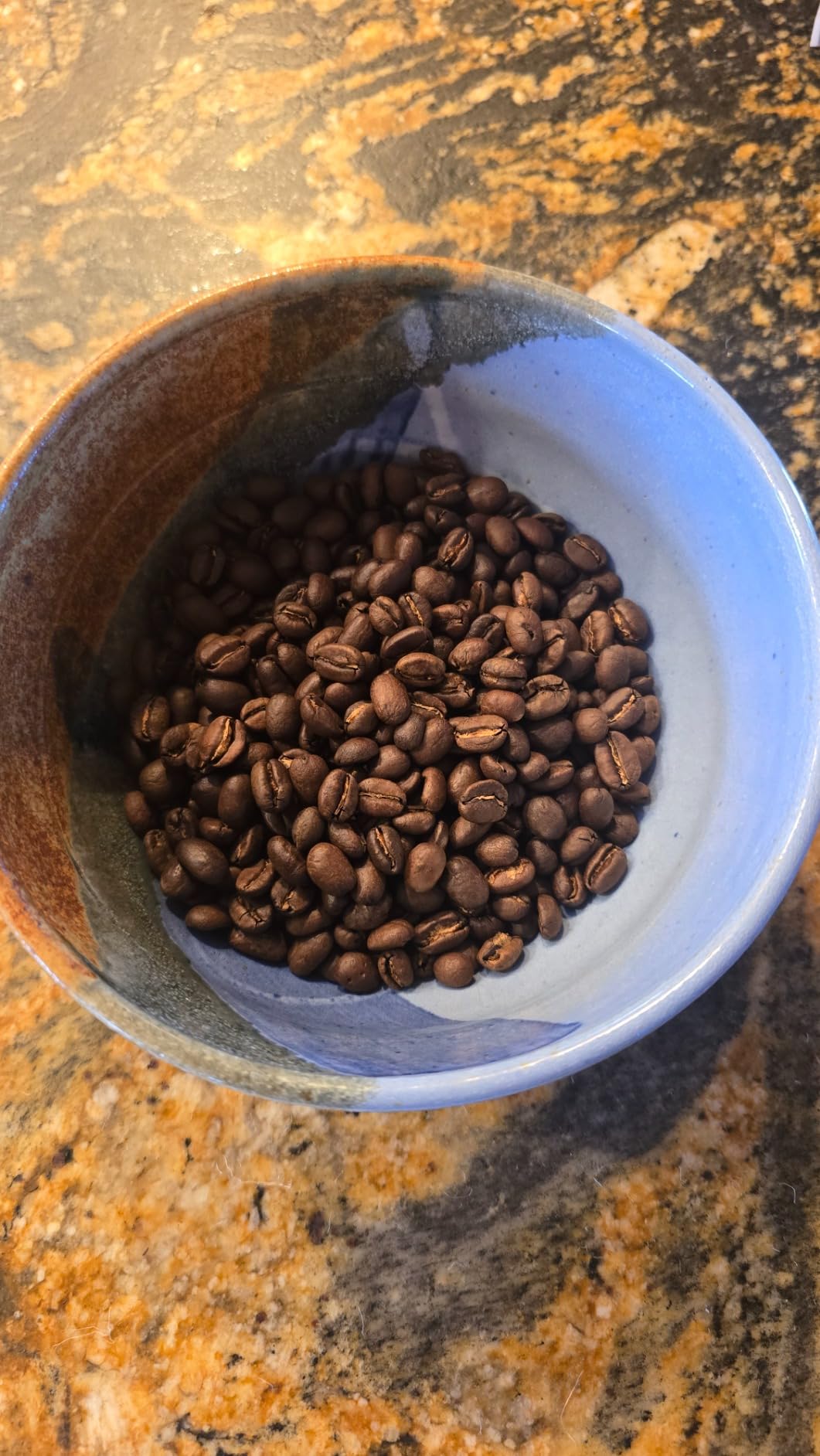
Cup profile is where this bean earns its rating. Reviewers describe Meyer lemon, orange and floral aromatics with a round juicy finish, plus clean toffee and dark caramelized sugar sweetness underneath. Structure is medium body and medium-high acidity, so it holds up as a filter coffee and stands up to a pour-over without turning thin.
Roast it a little past the very lightest stages. Push it too pale and the citrus goes sharp and the body disappears; take it to a light-medium and the toffee notes come forward. The medium body gives you room to experiment across a wide range of roast levels.
Who this bean suits
Choose this if you drink bright filter coffee, if you want to learn what altitude and a washed process actually do to a cup, or if you have moved past forgiving beans and want something that rewards attention. It is the most interesting cup on this list for a light roast.
It pairs well with a gooseneck pour-over or a cone dripper, where you can dial the grind to bring out the citrus without losing the sweetness.
Who should skip it
Skip it if you prefer mellow, low acid coffee or drink coffee with a lot of milk. High-altitude washed lots are not forgiving, and beginners on a pan or popcorn popper will struggle to land first crack consistently on a bean this delicate.
The bright acidity is also the honest reason it scores below our top pick for repeat use. If your daily cup is a two-milk flat white, this is not the bag you will finish.
3. Fresh Roasted Coffee Brazil Green Coffee Beans – Best Value Blend Base
Fresh Roasted Coffee, Brazil Unroasted Green Coffee Beans for Home Roasting, Kosher, 5 lb (80 oz)
Brazilian Arabica green coffee
5 lb bag
Kosher certified
Sustainably sourced and packaged in USA
Pros
- Widely stocked with several bag sizes available
- Full bodied low acid profile works as a blending base
- Clean defect free screening and consistent roast
- Kosher certified and sustainably sourced
Cons
- Milder and less distinctive than single origin African lots
- Not intended for brewing or grinding before roasting
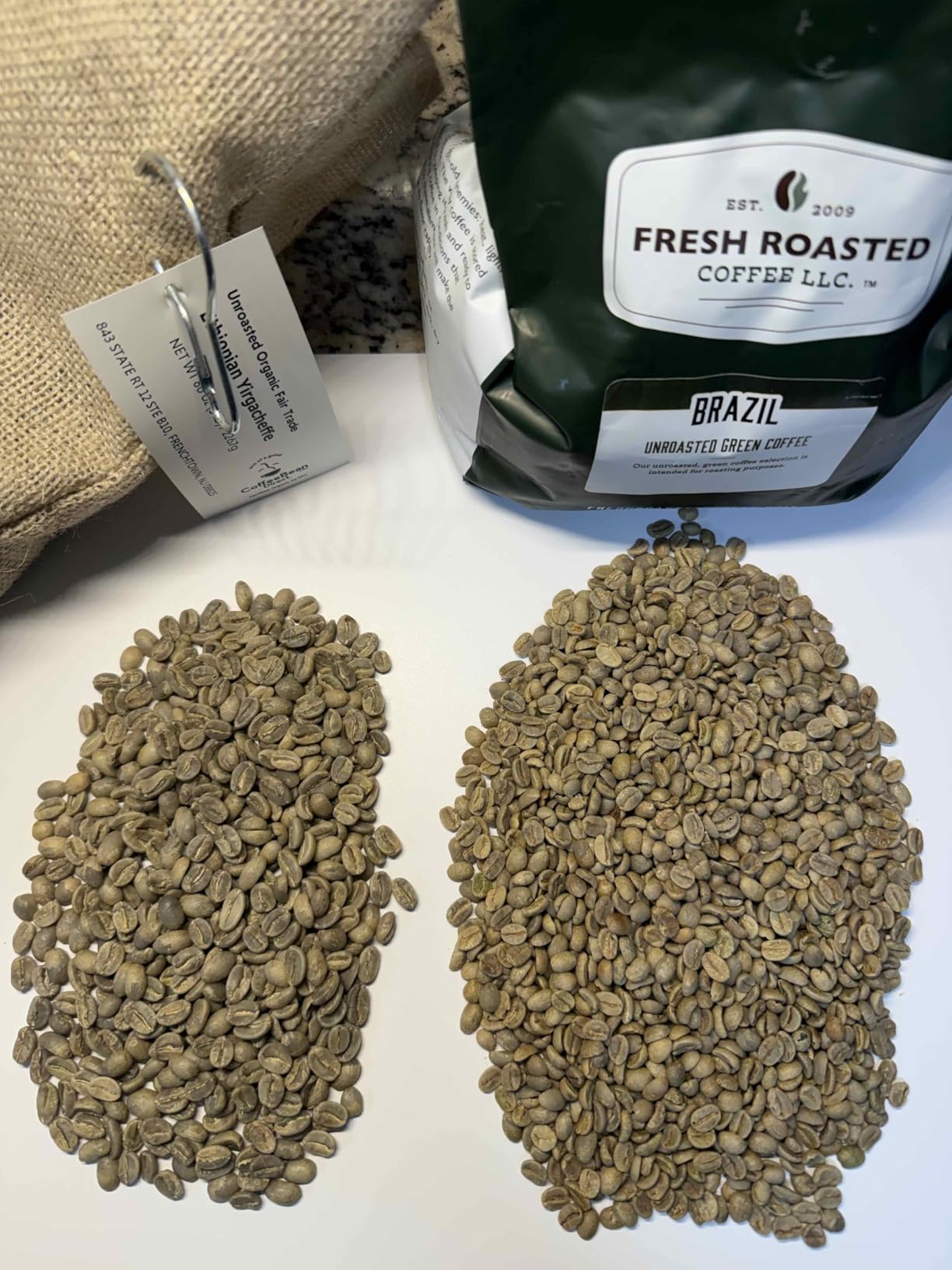
The Fresh Roasted Coffee Brazil bag is our best value pick and the one most home roasters buy as a base. It is a Brazilian Arabica green coffee with a full body and low acidity, the classic nutty and chocolatey profile that most people picture when they think about coffee.
Its practical advantage is availability of sizes. It ranks near the top of the unroasted coffee category and comes in several bag sizes, so you can buy a smaller bag for practice or a 5 lb bag once you know your roaster’s rhythm. That solves the forum complaint that most suppliers force a five pound minimum.
The listing is straightforward about what this is: green coffee intended for roasting, not for direct consumption. The company states plainly that they do not recommend drinking it unroasted, which is the honest position and one fewer marketing line to decode.
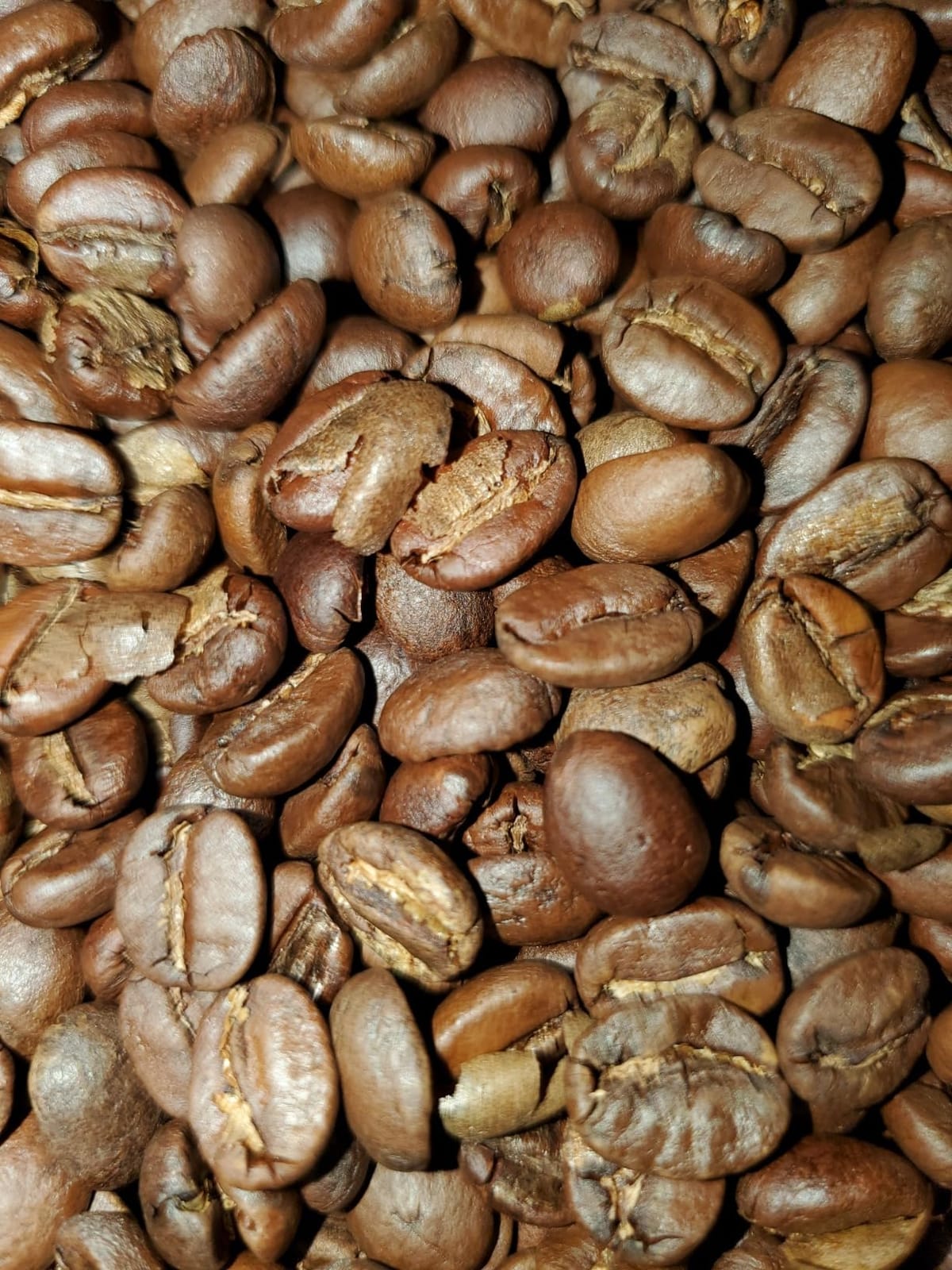
Roast behaviour is very manageable. Low acid beans tolerate a wide range of drop temperatures, and the sweetness holds whether you stop at light-medium or take it into second-crack territory. Bean screening is clean and consistent, which means even colour across the batch.
Who this bean suits
Buy this if you are blending at home, if you roast large batches for an espresso setup, or if you want a dependable base that tastes fine even on a busy roast day. Kosher certification and domestic packaging also matter for some households.
It is a good match for French press and moka pot brewing, where a fuller body and lower acidity keep the cup from turning thin.
Who should skip it
Skip it if you are chasing a distinctive cup. Reviewers rate it milder and less distinctive than single origin African lots, and that is the honest trade: predictability instead of complexity. A 4.2 average reflects exactly that.
It is also the least interesting bean to learn origin flavour from, because Brazilian naturals taste broadly similar lot to lot compared with an Ethiopian or a peaberry.
4. Smokin Beans Colombia Huila Washed Green Coffee – Best Balanced Everyday Roast
Smokin Beans Colombia Washed Unroasted Green Arabica Coffee Beans 5-Lb, 1ct
Colombian Huila washed Arabica
1600 MASL
Caturra and Castillo varietals
5 lb bag
Pros
- Balanced sweet cup with milk chocolate and caramel notes
- Fragrant aroma with cherry and toasted nut hints
- Smooth well rounded body for filter and espresso
- Consistent uniformity across batches
Cons
- Medium-high acidity will not suit low acid preference drinkers
- Green beans must be roasted before brewing
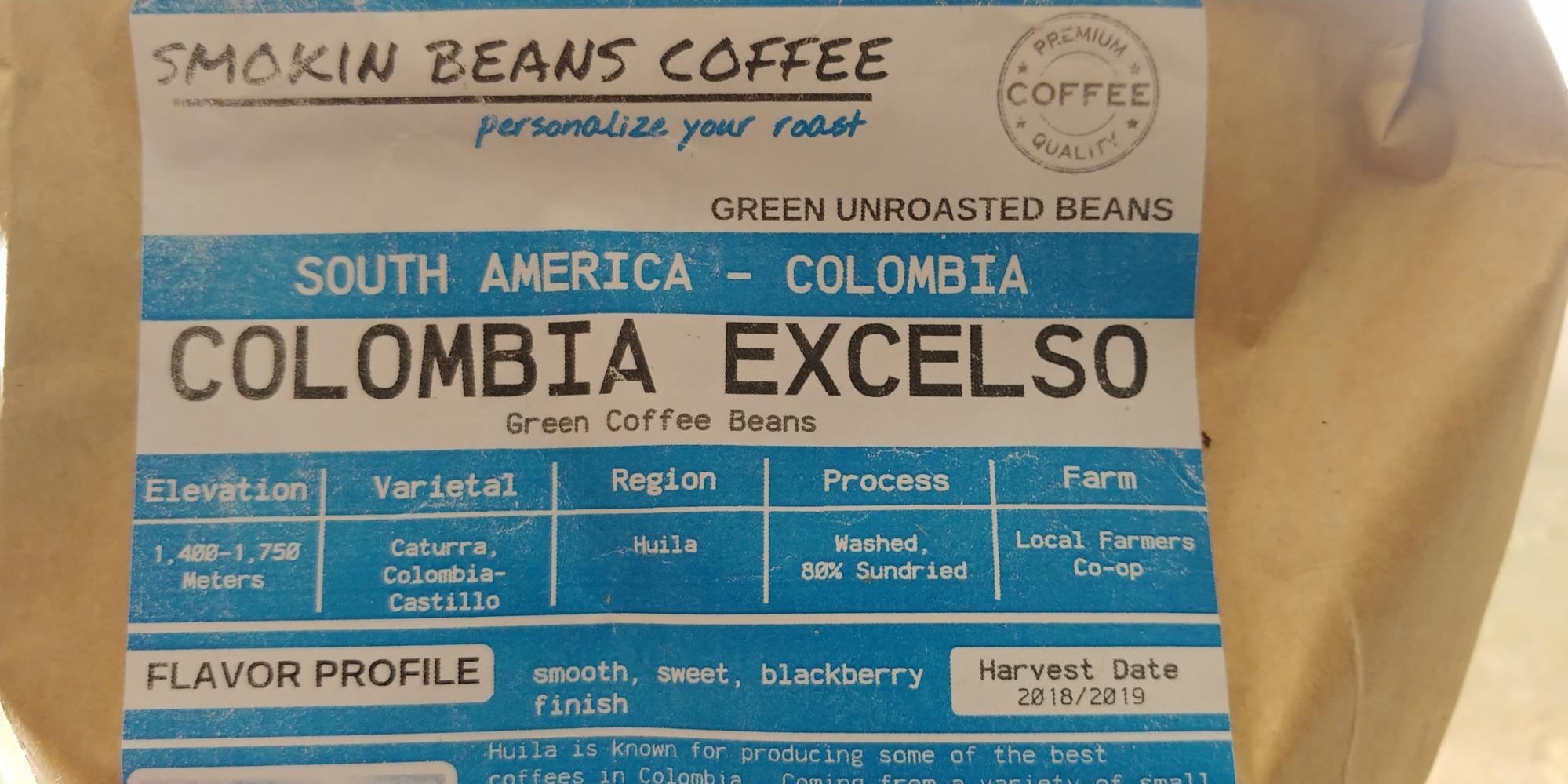
The Smokin Beans Colombia Huila is our premium pick and the most useful daily roast on the list. It is a washed lot from Huila at 1,600 MASL, graded 14/64 Excelso, grown by small family farms and harvested between April and June.
Varietal transparency is a nice touch here. The listing names Caturra and Castillo rather than hiding behind a blend label, and it explains the region’s mountainous elevations and volcanic soils. When you are learning to taste origin, knowing the varietal helps you connect the cup to the plant.
The cup is where this lot earns the rating. Reviewers describe milk chocolate, soft caramel, cherry and toasted nuts with a fragrant aroma, a smooth well-rounded body and a balanced acidity that sits in the middle rather than at either extreme.
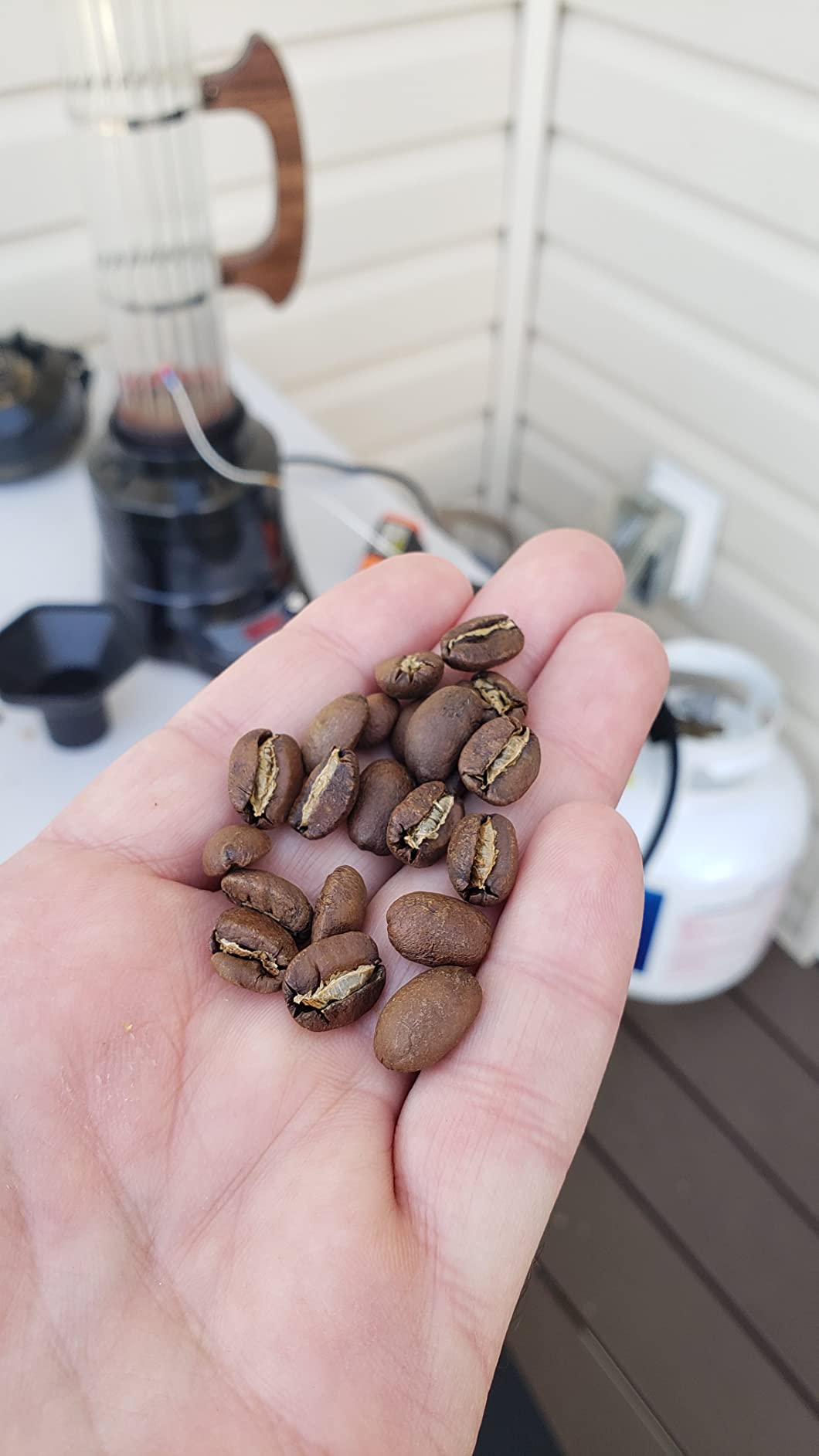
That middle position is exactly what makes it the safest second bag after our top pick. Take it light for filter and it tastes clean and sweet; take it further for espresso and the body carries milk without turning ashy. Very few home-roasted beginner beans do both from the same bag.
Who this bean suits
Choose this if you drink both filter and espresso, or if you are moving up from forgiving beans and want more structure without losing sweetness. It is also a strong candidate for your first home espresso blend alongside the Brazil base.
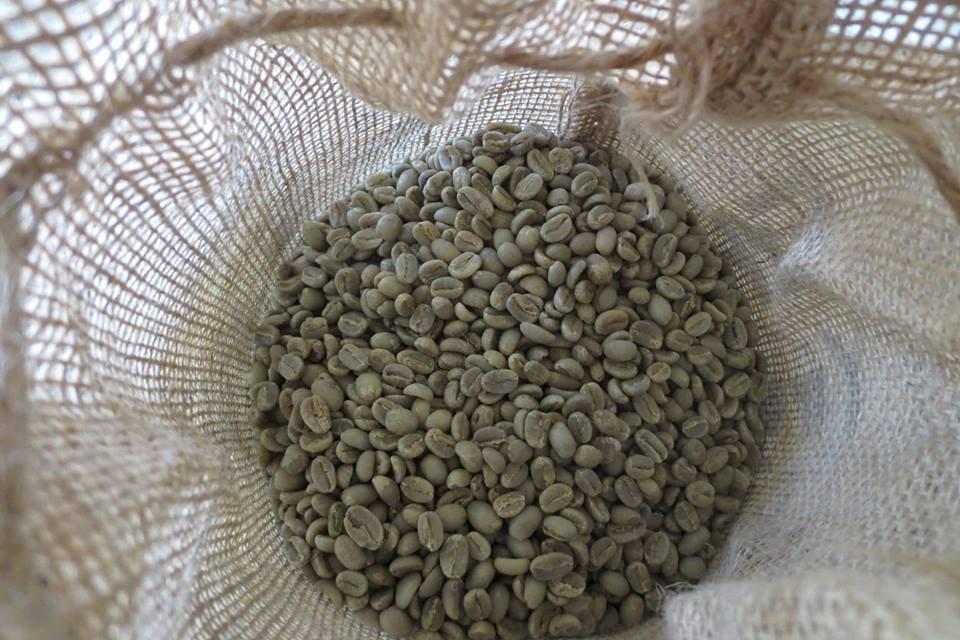
Bean uniformity is a quiet advantage. Even screen size and consistent density mean the batch roasts evenly, so you can repeat a profile instead of chasing it every time.
Who should skip it
Skip it if you want very low acidity. The listing rates it medium-high acidity, and reviewers note that it will not suit drinkers who prefer mellow, low acid coffee. That is a preference mismatch, not a defect.
Because the profile is so balanced, it is also a harder bean to use as a teaching example. If your goal is to learn how a natural process tastes different from a washed one, this will not show you much contrast.
5. KAFETOS Guatemala Premium Green Coffee Beans – Best for Full-Bodied Dark Roasts
Guatemala Premium Green Unroasted Raw Specialty Coffee Beans Farm Direct Sale, 5 Lbs -Fresh 2025 Crops-
Guatemalan hard bean Arabica
Farm direct from a fourth generation farm
5 lb bag
Fresh crop lots
Pros
- Full bodied strong sweet cup with chocolate hints
- Direct from farm sourcing with freshness emphasis
- Hard bean grade adds complexity from altitude
- Range of bag sizes and varietal samplers available
Cons
- Costs more per pound than most options in the category
- Flavour leans bold rather than delicate
The KAFETOS Guatemala is the pick for anyone who wants a dark, chocolate-forward roast, and it comes from a fourth-generation family farm in the Guatemalan highlands near the Honduras border. It is a hard bean grade grown at high elevation.
Hard bean is not marketing here. Higher density beans absorb heat more slowly and hold structure longer through a roast, which gives you a bigger margin between first crack and the point where things go bitter. For a learner, that margin is worth more than another flavour note.
The cup profile is full bodied, strong and sweet with gentle acidity and clear chocolate hints, and the listing suggests pour drip, French press and AeroPress as brewing methods. Reviewers back up the freshness story, describing a rich chocolatey cup with dependable farm-direct traceability.
Because it is farm direct, the crop labelling is concrete. The current lot is a recent harvest rather than coffee that has been sitting in a warehouse, and bulk sizes run up to 45 lbs if you decide to go further than home batches.
Who this bean suits
Buy this if you drink dark roasts, French press or AeroPress, or if you are the type who pulls a roast too dark and wants a bean that will not punish you for it. Guatemalan hard bean is a forgiving place to learn how far you can push development.
Home roasting forum members also report good results starting with Guatemalan green coffee on an iron skillet at medium to medium-high heat, so it is a realistic pick for pan roasters.
Who should skip it
Skip it on value grounds. Reviewers consistently flag that it costs more per pound than most of the category, and the flavour is deliberately bold rather than delicate. If your budget is tight, the Brazil bag gives you more coffee per pound.
If you want florals and stone fruit, this is the wrong bean entirely. High altitude hard bean from Guatemala points to cocoa and structure, not to the citrus and jasmine notes of East Africa.
6. Fresh Roasted Coffee Adventurer Variety 4 Pack – Best Kit for Comparing Origins
Fresh Roasted Coffee, Adventurer Unroasted Green Coffee Beans Home Roasting Starter Kit, Variety 4-Pack, Kosher, 4 lb (Four 1 lb Bags)
Four 16 oz single origin bags
Four different growing regions
4 lb total
Kosher certified
Pros
- Four distinct origins in one kit for learning and blending
- 1 lb bags suit small experimental batches
- Works for beginners and experienced roasters
- Good value for a variety pack
Cons
- Smaller bags mean more frequent reordering
- Green beans are not intended for brewing without roasting
The Adventurer variety pack is the best fit for a total beginner, and the reason is simple: four 16 ounce bags from four different growing regions in one order. You can roast the same profile across all four and taste the difference side by side.
That side-by-side method is how home roasters actually learn. Reading about altitude and processing is useful, but roasting four beans at the same temperature and drinking them next to each other is what makes the difference stick. It is also the fastest way to find out which flavor family you actually enjoy before spending a month on the wrong origin.
The portioning is deliberate. One pound bags are sized for small batch roasters, air roasters and even pans, where a five pound bag would sit around losing freshness. If you have been discouraged by suppliers that only sell in sacks, this solves that problem neatly.
All of it is 100 percent Arabica single origin from different farms and co-ops, kosher certified, sustainably sourced and packaged in the USA. The company repeats the same caution about not consuming the beans unroasted.
Who this kit suits
Buy this if you are on your first ten roasts and want a map of the flavor landscape rather than a single opinion. It also works well for blending practice, since four origins give you real components to combine into your own espresso blend.
It suits anyone who roasts small batches irregularly, because four small bags go through faster than one large one sitting open.
Who should skip it
Skip it if you have already decided on an origin and just want volume. At one pound per bag you will reordering sooner, and you lose the benefit of buying a single lot in bulk. Experienced roasters generally buy one thing and roast it repeatedly to learn it.
It is also a weaker choice for espresso specifically, since you do not know in advance which of the four beans will hold up under pressure at a dark development.
7. Stone Street Colombian Supremo Green Beans – Best Low-Commitment First Bag
Stone Street Colombian Supremo Green Coffee Beans, Unroasted, 1 Lb
Colombian Supremo top grade XL
1 lb bag
Three layer foil pouch
Small batch roaster in Brooklyn since 2009
Pros
- Smallest commitment of the roundup and easy to sample
- Classic Colombian cup with caramel and nut notes
- Foil pouch packaging preserves freshness
- Sold by a small batch roaster with a long track record
Cons
- Only a 1 lb bag so it runs out quickly
- Colombian profile can be acidic at light roast levels
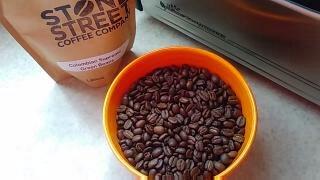
The Stone Street Colombian Supremo is our budget pick, and the pitch is that it costs you the least to find out whether home roasting is for you. One pound of unroasted Colombian Supremo top grade XL from a Brooklyn roaster that has been roasting since 2009.
Colombian Supremo is the classic starting point for a reason. It is a widely grown, high-volume grade with a well-documented cup: caramel, roasted nuts, a soft chocolate sweetness and a medium body. It does not surprise you, which is exactly what you want from a first experiment.
The packaging is the quietly clever part. A three-layer natural kraft foil bag with a one-way degassing valve slows the exchange of gases while keeping moisture out, so a one pound bag holds its character far better than a bag that has been open for a month.
Roasting is unremarkable in the best possible way. Medium-high acidity sits in a normal range, the beans screen evenly, and the profile lands around light-medium to medium without needing careful management.
Who this bag suits
Choose this if you own a pan, a stovetop burner or a popcorn popper and you want to test the hobby without committing to a five pound sack. One pound gives you several test batches on a small roaster.
It is also the easiest gift option on the list for a coffee enthusiast who has never roasted, because the commitment and the quantity are both low.
Who should skip it
Skip it if you roast weekly. One pound disappears quickly, and repeatedly ordering small bags means paying more per pound than a bulk bag would. Treat it as a trial rather than a supply.
Reviewers also note the Colombian profile can be a touch acidic at light roast levels, so if you dislike bright cups, roast this a bit further or choose the Brazil bag instead.
8. Smokin Beans Tanzania Peaberry Green Coffee – Best Clean Cup for Pour-Over
Smokin Beans Tanzania Peaberry, Unroasted Green Coffee Beans, 5-Lb, 1ct
Tanzanian washed peaberry
1750 MASL
Grown in red volcanic soils
5 lb bag
Pros
- Rich full body with lower acidity and chocolate results
- Clean uniform screen with no defective beans
- Cherry cranberry and black tea notes at medium roast
- Consistent quality from repeat buyers
Cons
- Small peaberry size leaves a short window before burning
- Flat sided beans mixed in can scorch before peaberries finish
The Tanzania Peaberry is the most interesting technical challenge on this list, and the best clean cup for anyone who likes body with brightness. It is a washed peaberry from 1,750 MASL, grown in red volcanic soils in the Tanzanian highlands and sorted at Tembo Mill.
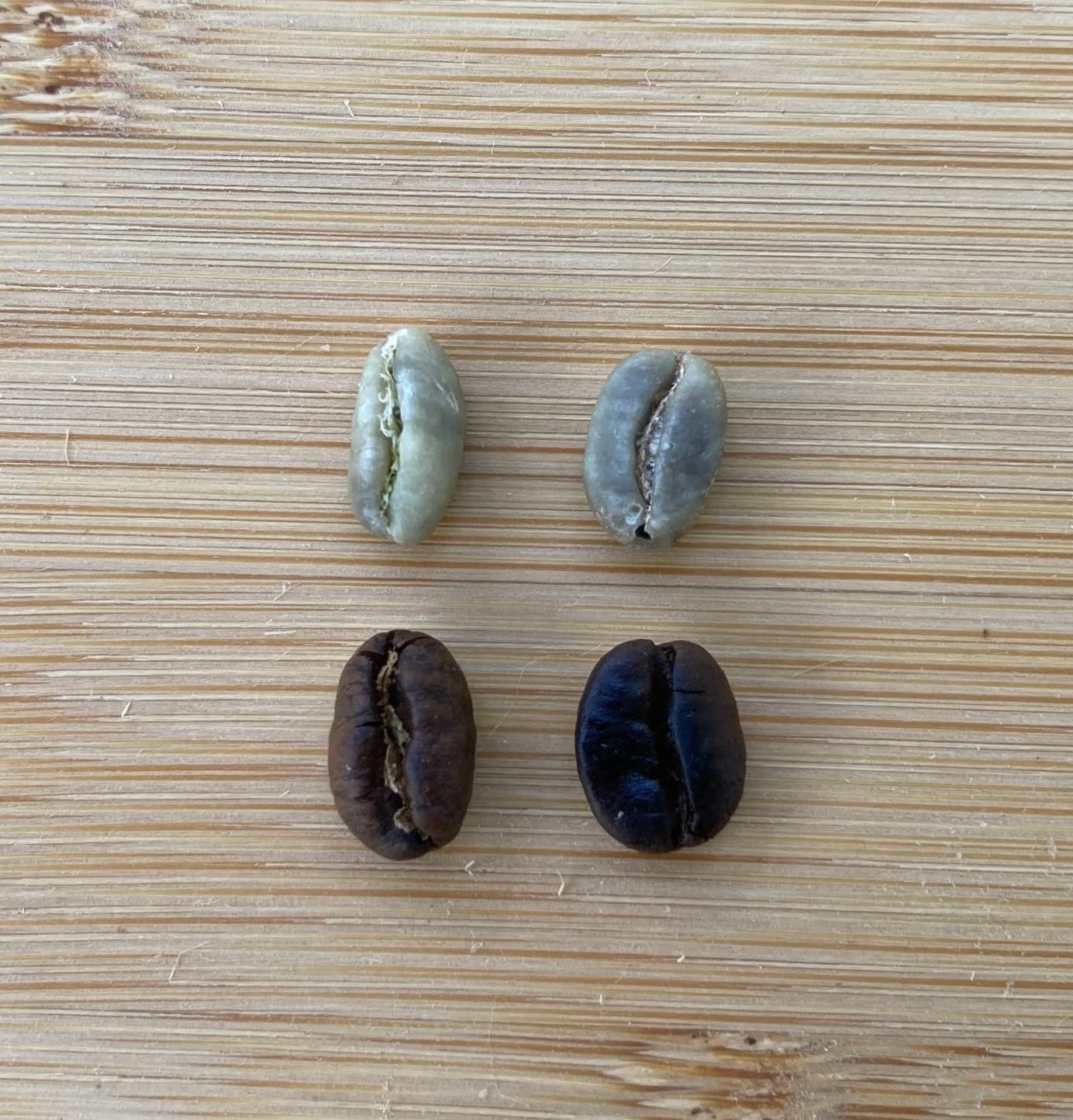
Peaberries are a naturally occurring mutation that produces a smaller, rounder bean, typically only ten to fifteen percent of a harvest. Because of that size, they heat faster and more evenly than flat-sided beans, and they reach first crack sooner relative to the rest of the batch.
The cup profile is the appeal: lively citrus acidity, a fragrant aroma, a buttery body, and distinct cherry, fresh cranberry and clean black tea notes. Reviewers rate the screen as clean and uniform with no defective or mouldy beans, and the lower acid end of the profile keeps it from being sharp.
At medium roast the black tea character is at its clearest. If you take it lighter you get more citrus and less body, so this bean rewards a slightly deeper development than an Ethiopian washed lot does.
Who this bean suits
Choose this if your brewer is a pour-over cone and you want a cup that is both bright and full. Cherry, cranberry and black tea notes translate well into a clean filter cup, and the buttery body holds up if you brew it a little stronger.
It is a good bag for a roaster who has already got even roasting down and wants to test faster heat response and a different bean shape.
Who should skip it
Skip it for your first batch. Reviewers warn that peaberries have a short window between first crack and burnt, and flat-sided beans mixed into the bag can scorch before the peaberries finish. That is a real hazard on a pan or popcorn popper with uneven heat.
It is also not the coffee to learn blending ratios with, because the acidity is assertive enough to flatten a base you are still trying to hear.
9. Bodhi Leaf Trading Top 5 Green Coffee Sampler Pack – Best for Side-by-Side Tasting
Bodhi Sampler Pack – Top 5 Green Coffees Recommended By our Roastery – Green Unroasted Coffee Beans – 100% Arabica Raw Coffee – Specialty Grade (5 LB – 1 lb of Each)
Five single origin coffees
1 lb of each
5 lb total
Graded by licensed Q graders
Pros
- Five distinct origins for side by side tasting
- Beans graded by licensed Q graders
- Freshness leads to even roasting and consistent cracking
- A good entry point while learning which origin you prefer
Cons
- New roasters may struggle to taste the differences
- Would benefit from fuller per roast flavour guidance
The Bodhi Leaf sampler pack is built for one job: letting you compare five origins under identical roast conditions. Each one-pound bag is a different lot, and the set was chosen by the company’s own roastery rather than assembled at random.
The five lots span distinct processing methods and regions. El Salvador Las Lomas Washed and Honduras Copan cover washed Central American coffee, Tanzania Utengule Estate AB gives you an African washed lot, Indonesia Sumatra Mandheling is the bold low-acid wet-hulled outlier, and Guatemala El Platanillo Pura Fruta Natural is a natural processed lot.
Grading is handled by licensed Q graders, which matters more than it sounds. A commercial cupping score is a repeatable measure of the green coffee itself, so you know the sample you are roasting is clean rather than full of defects you will spend an afternoon blaming on your technique.
Reviewers report fresh, defect-free beans that roast predictably with fewer sporadic cracks, and a seal on the five pound delivery bag. The coffee was a fresh crop lot at the time of packing.
Who this pack suits
Buy this if you roast regularly enough to want data rather than opinions. Roast small batches of each at the same profile, taste them in order, and you will have your own answer to which origin suits your brewer and your palate.
It is also the most efficient path to building a home blend, since you end up with five components you already know how each one behaves.
Who should skip it
Skip it if you are brand new and have no tasting vocabulary yet. Reviewers note that roasters new to the hobby may struggle to taste the differences between the varieties, and five coffees can turn into a confusing afternoon.
It also ships without a full flavour guide per roast level, which some buyers would like. If you want turn-by-turn instructions instead, the four-pack kit is the simpler starting point.
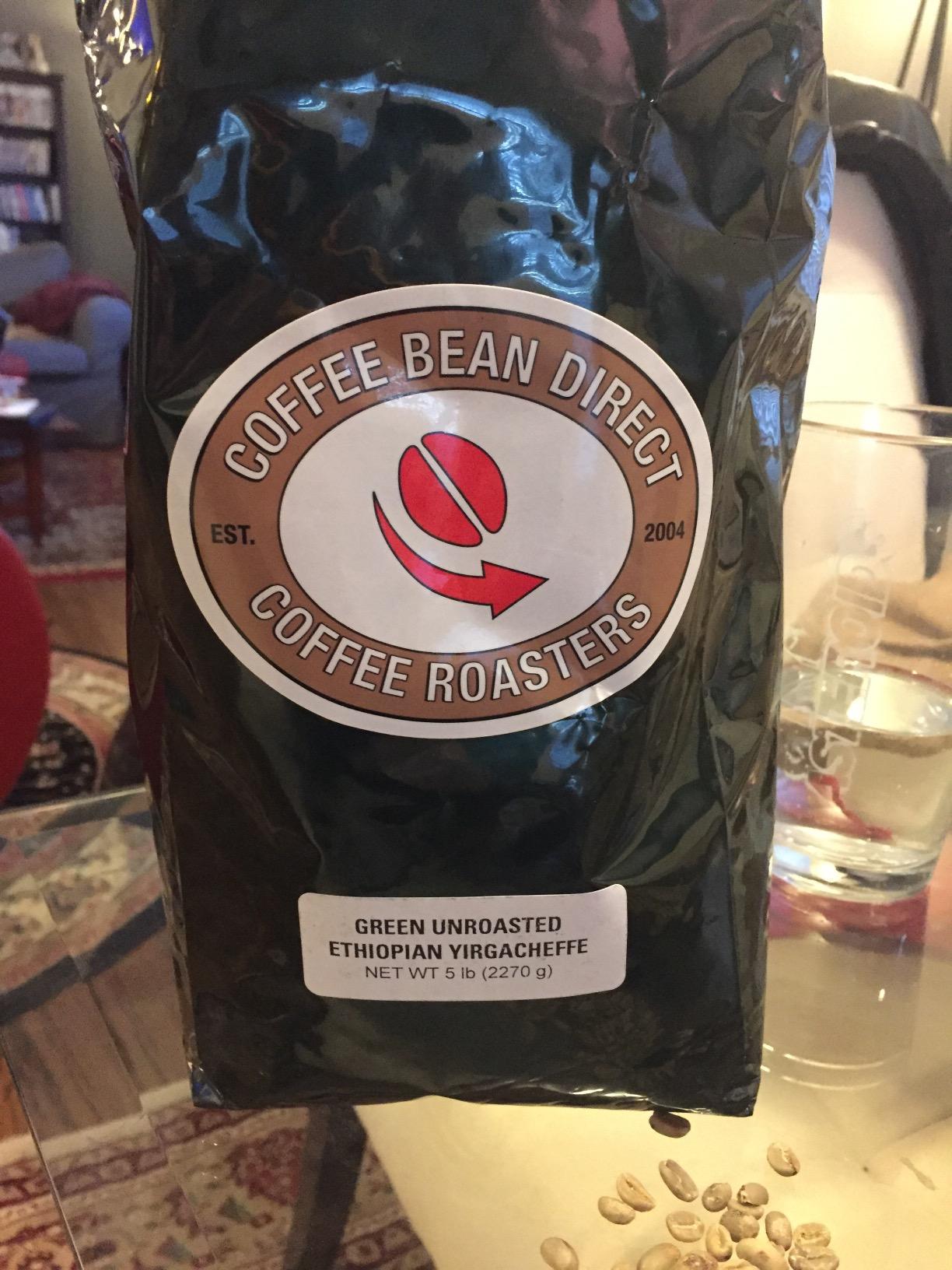
10. Coffee Bean Direct Ethiopian Yirgacheffe Green Coffee – Best for Light Roast Range
Coffee Bean Direct Unroasted Ethiopian Yirgacheffe, 5lb Bag
Ethiopian Yirgacheffe Arabica
5 lb bag
Roasts across light to dark
Supplier established 2004
Pros
- Fragrant aroma with citrus and fruity character
- Versatile across light through dark roast levels
- Delicate body with moderate acidity
- Long established supplier with consistent craft
Cons
- Light body may not satisfy drinkers who want a heavy cup
- Smaller review base than other sellers in the category
The Coffee Bean Direct Yirgacheffe is the pick if your roast setup lets you hit light and medium roast accurately and you want to see how far a single lot stretches. The listing states it performs across the full roast spectrum from light to dark.
It comes from a family-owned company established in 2004, and the five pound bag is unroasted Ethiopian Yirgacheffe Arabica intended for roasting before grinding or brewing. That instruction is repeated on the product details, which we appreciate.
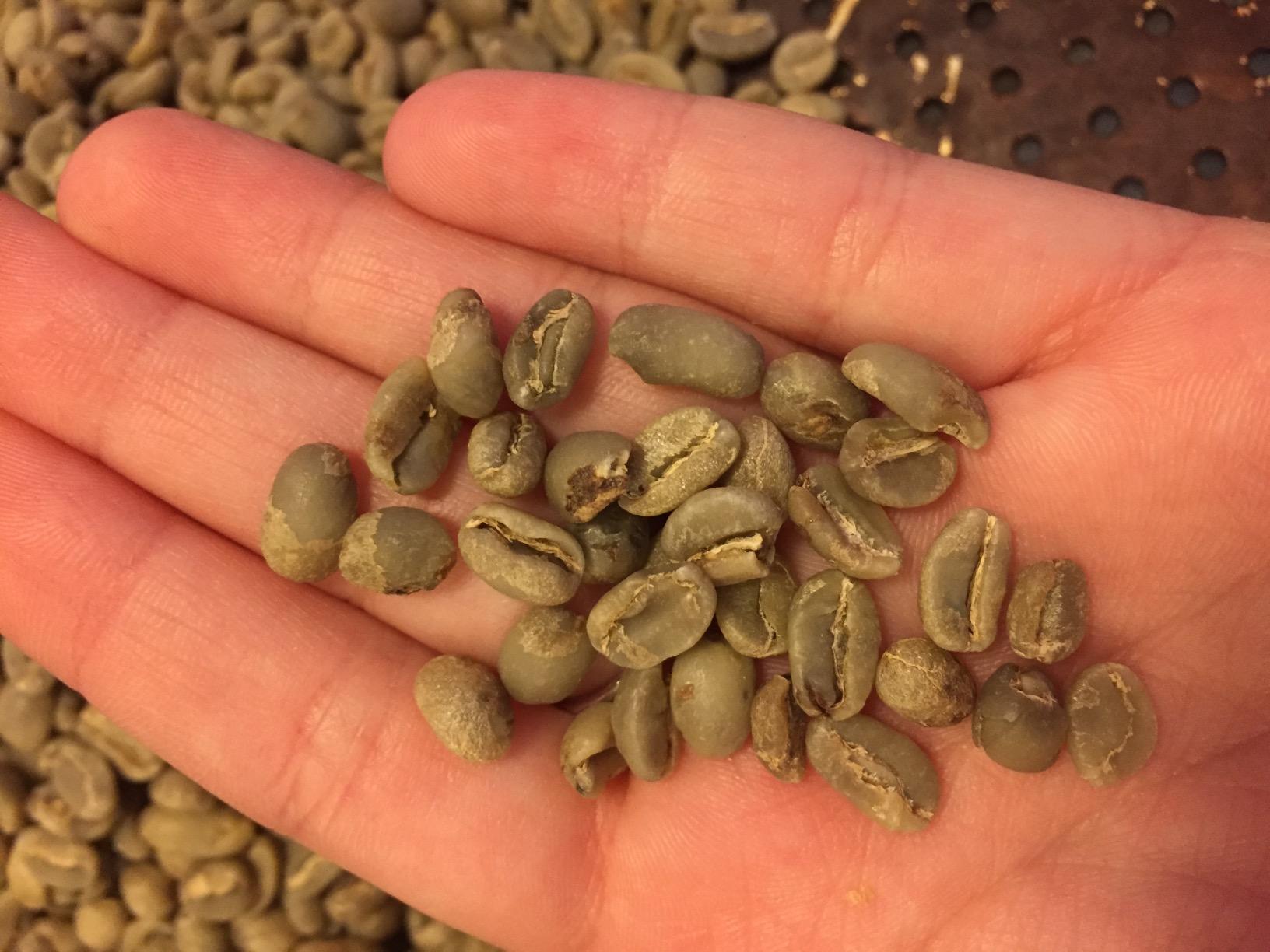
The cup is fragrant and complex: citrus lift, fruity characteristics and a delicate body with moderate acidity. Compared with the Smokin Beans Yirgacheffe earlier in this list, this one is described as more restrained and body-forward at the light end.
That roast flexibility is the real feature. Most single origins fall apart if you take them too far, but this lot is described as usable from a light filter roast through to a darker, fuller cup, which makes it a good bridge bean between the delicate African lots and the bold South American ones.
Who this bean suits
Choose this if you already roast consistently and want an East African lot with range. It is a sensible pick for pour-over, cold brew and a lighter espresso if your grinder gives you the particle size control that shot needs.
Because it holds up across roast levels, it is also useful as a bridge when you move from forgiving beans to more demanding origins.
Who should skip it
Skip it if you want a heavy cup. The body is light and delicate, and reviewers flag that it may not satisfy drinkers who want weight and thickness in the cup. Drinkers who add milk will mostly taste the milk.
Its review base is smaller than the other picks here, which means fewer long-term roasters reporting back on batch consistency after a year of use. That is a reason to sample a smaller quantity first.
How to Choose Green Coffee Beans for Home Roasting
Choosing well means reading four pieces of information on the bag or listing, and knowing which one you are willing to compromise on.
Origin and region come first. Brazil tends to be nutty, chocolatey and low acid. Colombia Huila gives caramel and toasted nut notes with medium-high acidity. East Africa is where florals, jasmine, citrus and stone fruit live. Sumatra and Gayo sit at the bold, earthy, syrupy end of the spectrum with the lowest acidity.
Processing method changes the cup more than most beginners expect. Washed coffee is clean, bright and predictable, and it is the easiest place to start. Natural processing dries the whole cherry around the bean, which pushes fruit and body forward but also raises the risk of unevenness. Honey and semi-washed processes sit in between. Wet-hulled, common in Sumatra, produces the heavy, earthy, low-acid cup that dark roast drinkers want.
Altitude slows cherry ripening, which lets sugars and acids develop over a longer window. Beans above roughly 1,500 metres generally taste more complex. Below about 900 metres you get a heavier, milder cup, which is not a defect, just a different direction.
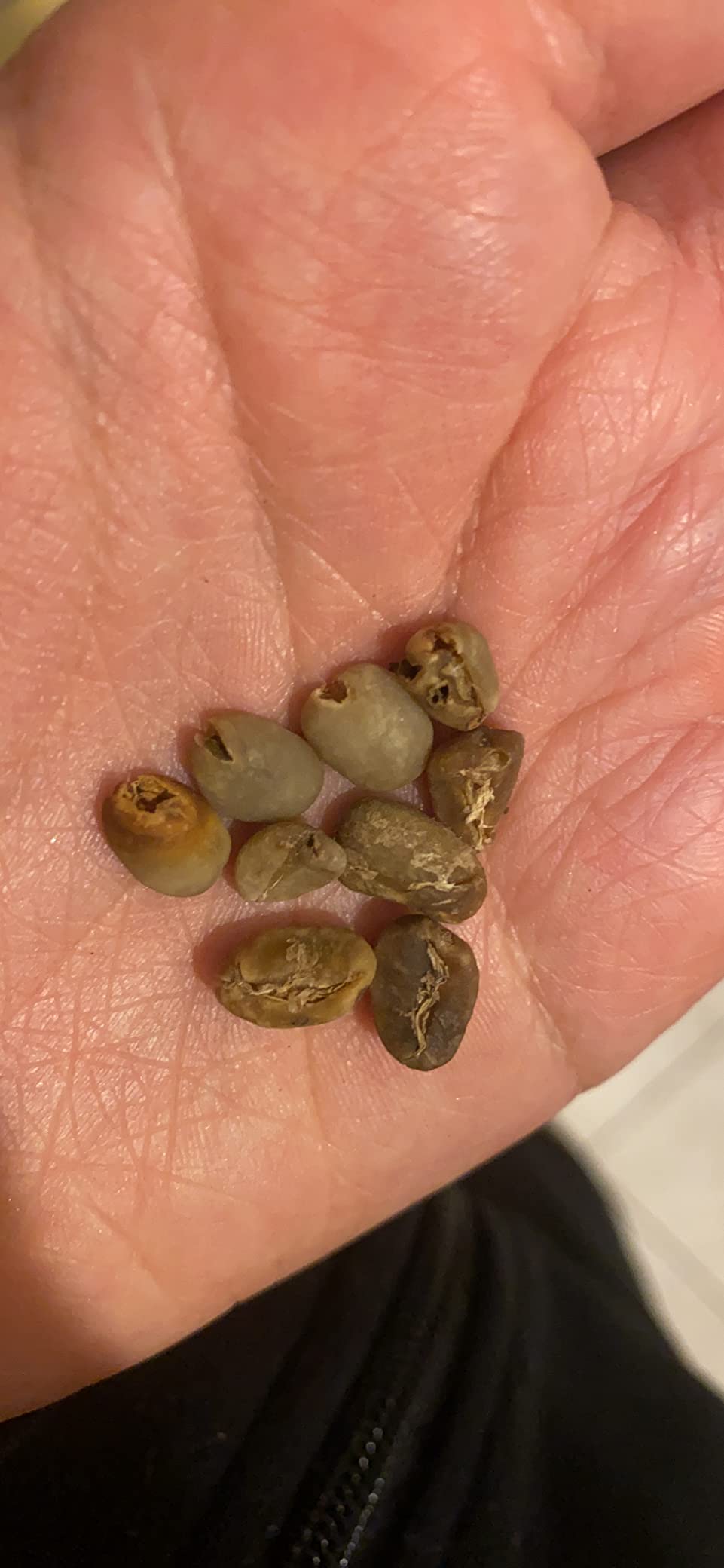
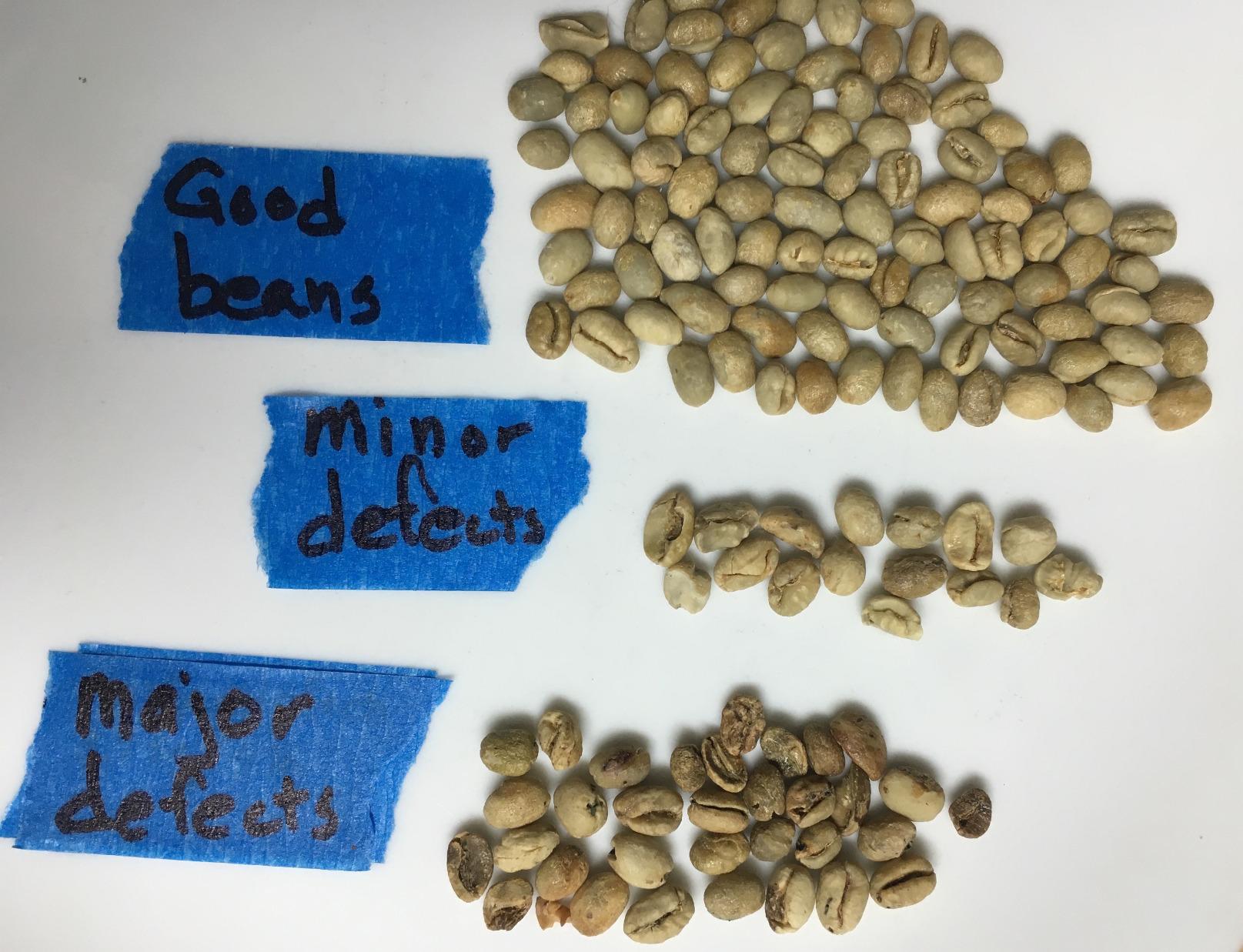
Bean density and screen size are the numbers almost nobody mentions. Denser beans hold heat longer and need a longer, gentler ramp, while lower density beans take heat faster. Screen size is simply how uniform the beans are, and uniform beans at a consistent moisture content between ten and twelve percent roast evenly. Mixed sizes and split flat beans are the main reason skillet roasts come out blotchy.
Freshness and crop season decide how long you have. A harvest date label matters more than an arrival date. Ethiopian lots here list harvest windows of October to February and Colombian lots April to June, so a crop is not a calendar-year product and availability rotates as each harvest lands.
Bag size is the practical one. Buy enough for three or four test batches of your chosen batch size, and no more. A five pound bag you finish in a month beats a small bag you re-buy every fortnight, and a one pound bag beats both if you are still deciding.
Some beans to skip as a beginner: expensive microlots you cannot afford to ruin, twenty pound sacks, robusta unless you specifically want it, and anything listing without a process or crop detail. If a seller cannot tell you how the coffee was processed, you are buying a mystery.
Where to Buy Green Coffee Beans: A Vendor Guide
Home roasters ask one sourcing question more than any other, and it is not about flavour. It is who will sell a person one pound instead of a five pound sack.
Specialty importers such as Sweet Maria’s are widely treated in the r/roasting and homeroasters.org communities as the reference standard, because they publish farm, altitude, varietal, processing and cupping detail for each lot. The trade-off is that their single-origin selection is priced like a coffee shop. Burman Coffee Traders is valued for broad global inventory, helpful profile attributes and bulk options. Coffee Bean Corral organises its catalog by origin, processing method and roast recommendation, which makes it a practical place to browse by style. Dean’s Beans and smaller importers round out the options.
The roaster-friendly bags in this roundup solve the small-order problem directly. The Stone Street Colombian Supremo and the Fresh Roasted Coffee Adventurer pack both come as one pound portions, which is what most home roasters actually want. The Bodhi Leaf sampler goes further and splits five lots into five separate bags.
What to look for in any supplier is metadata rather than a country name. Altitude, varietal, processing method, harvest window and a screen size or density note will tell you how the bean wants to be roasted before you commit a batch to it.
Roast Level, Rest Time and Brew Method Matching
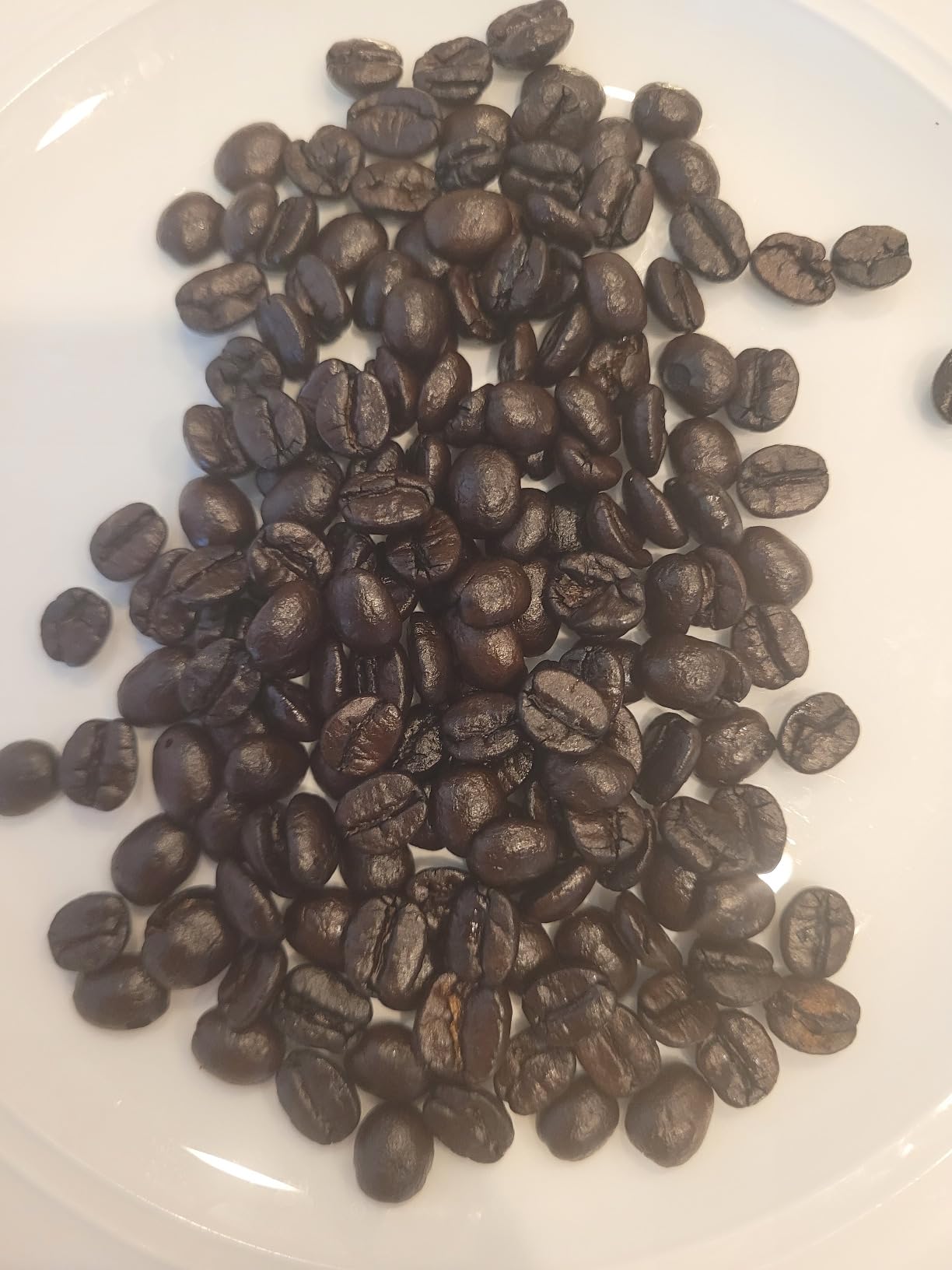
A light roast keeps origin character and acidity, ends just past first crack and suits pour-over and filter. Medium adds sweetness through the Maillard reaction and works nearly everywhere. Medium-dark and dark push into second crack, where origin fades and body and roast character dominate.
Matching beans to that range matters more than picking a favourite. Our overall pick, the Nicaraguan Caturra, is useful at every level. The Brazil base and the Guatemala hard bean suit medium-dark and dark. The two Yirgacheffe lots and the Tanzania peaberry want light to light-medium, where their acidity and aromatics are the point.
Brewing method follows from roast level. Pour-over and cone drip want light to medium roasts brewed at a finer grind, where clarity and acidity come through. French press and cold brew take medium and darker roasts, because the immersion and pressure reward body. Espresso wants a darker, longer-developed roast with a fine grind, and a dense bean. A moka pot sits in the middle and is quite forgiving of both.
Rest time is the step beginners skip. Roasted coffee needs about three to five days off the roaster before brewing, and up to a week for denser beans roasted dark, because carbon dioxide continues to off-gas. Grinding straight off the cooling tray gives you a brew that tastes thin and uneven no matter how good the roast was.
Whatever you roast, cool it quickly and let it rest in an airtight container away from light before grinding. Our drip coffee maker roundup covers grind and ratio basics once the beans are ready.
Storage and Freshness: How Long Green Coffee Beans Last
Green coffee keeps far longer than roasted coffee. Roasted coffee tastes best in roughly the first seven to twenty-one days, while green beans stay good for many months to over a year when stored properly. Vendors here commonly list a twelve month storage potential.
For home quantities, the original bag is usually fine if it has a one-way degassing valve and you roll the top down and clip it shut. Keep it somewhere cool, dark and dry, away from the stove, the dishwasher and any direct sunlight.
If your bag has no valve or you have already opened it, double-bag it. Airtight storage plus a valve bag, or a vacuum seal with a valve, keeps moisture out and lets gas escape. Do not store green coffee in an ordinary airtight container with no valve, because trapped gas is what makes a sealed bag bulge.
Freezing works and it is more common than most guides admit. Freeze green coffee in small portions, in airtight bags or containers, and bring a portion to room temperature before you open it. Condensation on beans that go from freezer to warm air is what ruins a bag, not the cold itself.
Finally, check whether your supplier lists a crop season or just an arrival date. A recent harvest tells you the beans are young. An arrival date only tells you when someone shipped them, which can be a year of warehouse time apart from the harvest that matters.
Common Beginner Mistakes and How to Avoid Them
Sour coffee usually means an underdeveloped roast, and with washed high-altitude beans it often means an early drop. Extend the roast past first crack and give it a little more development.
Burnt, ashy coffee almost always means too much time after first crack. High-density beans and peaberries punish this hardest, which is why the Tanzania peaberry warns roasters about a short window before burning.
Smoky or acrid cups come from chaff or from roasting with a dirty chaff collector. Clean between batches and keep airflow high during the drying phase.
Flat and hollow-tasting coffee points at underdevelopment combined with a fast, aggressive charge. Higher density beans need a lower charge temperature and a longer ramp so the interior can catch up with the surface.
Uneven colour with raw and scorched beans in the same batch is usually a bean-size problem, not a roaster problem. Mixed screen sizes heat at different rates, and peaberries mixed with flat beans are the classic case.
Brewing too soon is the most common self-inflicted mistake. Three to five days of rest fixes a cup that tastes thin, harsh or gassy even though the roast itself was fine.
Buying too little to repeat a profile is the mistake that slows learning the most. Roast the same bag two or three times with notes before switching origins, and write down charge temperature, time to first crack and total roast time each time.
Chasing a light roast before your heat control is steady is how beginners end up with sour coffee and think the beans were bad. Roast two or three medium batches first, then move lighter.
Frequently Asked Questions
What are the best green coffee beans for home roasting?
The best green coffee beans for home roasting depend on your experience and brewer. For a first roast, Nicaraguan Caturra or Brazilian Arabica green beans are the most forgiving. Colombian Huila washed is the balanced all-rounder. Ethiopian Yirgacheffe is the pick for bright, floral, citrus cups, and Sumatra or Gayo suits drinkers who want a bold, low-acid cup.
Can you brew green coffee beans without roasting them?
No. Green coffee beans are raw, dried seeds and roasting is what creates the aroma, flavor and body. Ground green beans brewed without roasting taste grassy, sour and vegetal, and the caffeine and acids are unaltered in a way that makes the cup unpleasant.
Where can I buy quality green coffee beans?
Quality green coffee is sold by specialty importers such as Sweet Maria’s and Burman Coffee Traders, by catalog retailers such as Coffee Bean Corral and Dean’s Beans, and by roasters selling bags sized for home use. Look for listings that publish altitude, varietal, processing method and harvest window rather than only a country name.
How long are green coffee beans good before roasting?
Stored in a cool, dark, dry place in an airtight bag with a one-way valve, green coffee beans stay good for many months to over a year, and vendors often list around twelve months of storage potential. Roasted coffee, by comparison, tastes best within roughly seven to twenty-one days, so buying green in small quantities is a good strategy.
Is it worth roasting coffee beans at home?
For most home roasters the answer is yes, mainly because you control freshness, roast level and origin, and a pound of green coffee yields far more cups than a pound of roasted coffee. The trade-off is time and consistency: every batch needs attention, and early roasts will not match a commercial roast.
What are the best coffee beans for beginners?
Beginners do best with forgiving, low-acid, medium-bodied beans. Nicaraguan Caturra and Brazilian Arabica green beans roast evenly and taste acceptable across a wide range of roast levels, and Colombian Supremo is a familiar, balanced cup. Avoid very light-roast-only microlots until your charge temperature and first-crack timing are repeatable.
Which green coffee beans are easiest to roast at home?
Brazilian and Nicaraguan green beans are the easiest to roast because low acidity and even bean screening let a slightly early or late roast still taste decent. Colombian washed lots follow closely. East African washed beans and Tanzanian peaberries are harder, since small, dense beans crack fast and punish late drops.
How long should I roast green coffee beans, and what is the 15-15-15 rule?
A home roast typically runs eight to sixteen minutes from charge to drop, with first crack falling near the middle. The 15-15-15 coffee rule is a loose guideline borrowed from brewing: fifteen grams of coffee, fifteen grams of water and fifteen minutes of brew time per cup, not a roasting specification.
Conclusion: Your First Five Bags
If you have never roasted, start with the Nicaraguan Caturra. Roast it three times at medium, write down what you see and taste, and let each batch rest a few days before brewing. It is the most forgiving entry point on this list and it teaches you the full roast spectrum.
From there, a sensible order for building your own sense of origin is Brazilian for a low-acid base, then Colombian Huila for balance, then Ethiopian Yirgacheffe for brightness, then a Sumatra or Gayo style lot for depth, and finally an espresso blend assembled from what you already know. Add the Tanzania peaberry once your heat control is steady.
That progression is what turns a bag of green seeds into an understanding of coffee. Buy small, roast the same bean more than once, log your charge temperature and first-crack timing, and the best green coffee beans for home roasting stop being a list you read and become a shortlist you built yourself.