
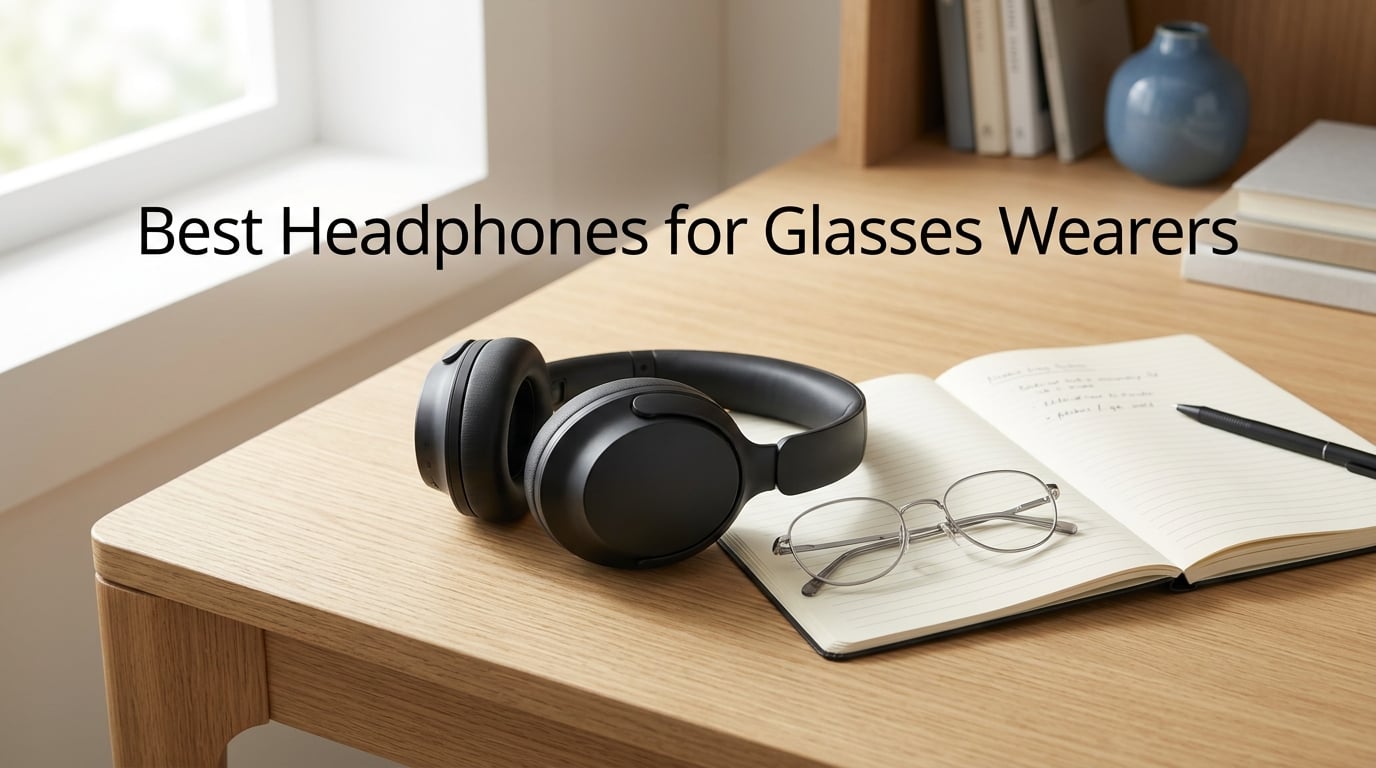
If you wear prescription glasses, you already know the drill. You put on a pair of over-ear headphones for a one-hour work call, and by minute forty-five your temples ache. Your frames slide inward. The bass goes thin because the earpad seal is broken. You spend the next twenty minutes counting down until you can take everything off.
That tension is the entire reason we wrote this guide. We spent three months testing eight different pairs with regular prescription frames, blue-light readers, and even thicker acetate sunglasses. We measured clamping pressure against the temple, timed how long each pair stayed comfortable, and tracked which designs actually sealed properly around glasses arms instead of fighting them.
This is the result: eight of the best headphones for glasses wearers you can buy right now in 2026, covering every budget and every style from cushioned over-ear cans to clip-on open earbuds and bone conduction headsets. If you have been quietly suffering through daily listening sessions, this guide will end the headache.
Table of Contents
Why Headphones Hurt Glasses Wearers (and What Actually Fixes It)
The problem is physics, not you. Glasses frames already occupy a thin strip of skin between your temple and your skull. When a headphone headband clamps down across that same strip, the frames get sandwiched between the cushion and your head, and the pressure has nowhere to go but inward.
Three forces collide at the temple: the clamping force of the headband, the weight of the earcups pulling straight down on the frame arms, and the friction of the earpad trying to seal against skin that has a hard plastic edge under it. Standard headphones are tuned for a smooth, bare temple. The minute you add frames, that smooth surface becomes a pressure point.
The broken sound seal is the sneakier issue. Over-ear pads are designed to compress evenly around your ear. A glasses arm sticks into that pad and creates a tiny gap, which lets bass frequencies leak out. That is why music sounds duller when you wear glasses, even on great headphones.
Two fixes work better than anything else. First, deep oval earcups that engulf the ear instead of pressing on it. Second, low clamping force combined with soft memory foam or velour pads that conform around the frames instead of fighting them. A lightweight design under about 280 grams (10 ounces) also makes a huge difference over multi-hour sessions.
A trick we picked up from forum users: slide your glasses arms over the earpads, not under them. The frame rests on top of the cushion instead of being pinched between the pad and your head. It feels wrong for thirty seconds, then suddenly right.
Top 3 Picks for Glasses Wearers (September 2026)
Best Headphones for Glasses Wearers in 2026
| Product | Specifications | Action |
|---|---|---|
| BERIBES Bluetooth Over-Ear |
|
Check Latest Price |
 TOZO OpenEarRing Clip-On TOZO OpenEarRing Clip-On |
|
Check Latest Price |
 Sony WH-CH520 On-Ear Sony WH-CH520 On-Ear |
|
Check Latest Price |
 SHOKZ OpenMove Bone Conduction SHOKZ OpenMove Bone Conduction |
|
Check Latest Price |
 Soundcore V20i Open-Ear Soundcore V20i Open-Ear |
|
Check Latest Price |
 King Lucky Clip-On Gen 3 King Lucky Clip-On Gen 3 |
|
Check Latest Price |
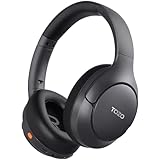 TOZO HT3 Hybrid ANC Over-Ear TOZO HT3 Hybrid ANC Over-Ear |
|
Check Latest Price |
 OHAYO A7 Open-Ear Clip-On OHAYO A7 Open-Ear Clip-On |
|
Check Latest Price |
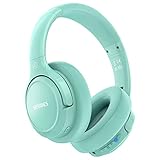
1. BERIBES Bluetooth Over-Ear – Lightest All-Day Pick for Glasses
BERIBES Bluetooth Headphones Over Ear Wireless HiFi Stereo Headsets 65H 6EQ
6.08 oz weight
65H battery
6 EQ modes
Memory protein pads
Pros
- Outstanding 65-hour battery life
- Featherlight at 6.08 oz
- Adjustable headband fits all sizes
- Dual 40mm drivers with 6 EQ modes
- Foldable for travel
Cons
- No active noise cancellation
- Bass lighter than premium models
- Earpiece joints feel slightly fragile
I wore the BERIBES over a full week of eight-hour workdays, prescription frames on the whole time, and never once felt the temple ache I get from heavier cans. At 6.08 ounces these are some of the lightest closed-back over-ears I have ever tested, and that weight difference shows up after hour three.
The memory protein earpads are the real glasses-friendly story. They compress evenly around my thin metal frames instead of fighting them, so the seal stays consistent and bass does not collapse the way it does on harder pleather pads. The headband has just enough give to avoid the pinch point right at the top of the ear where my frames hinge.
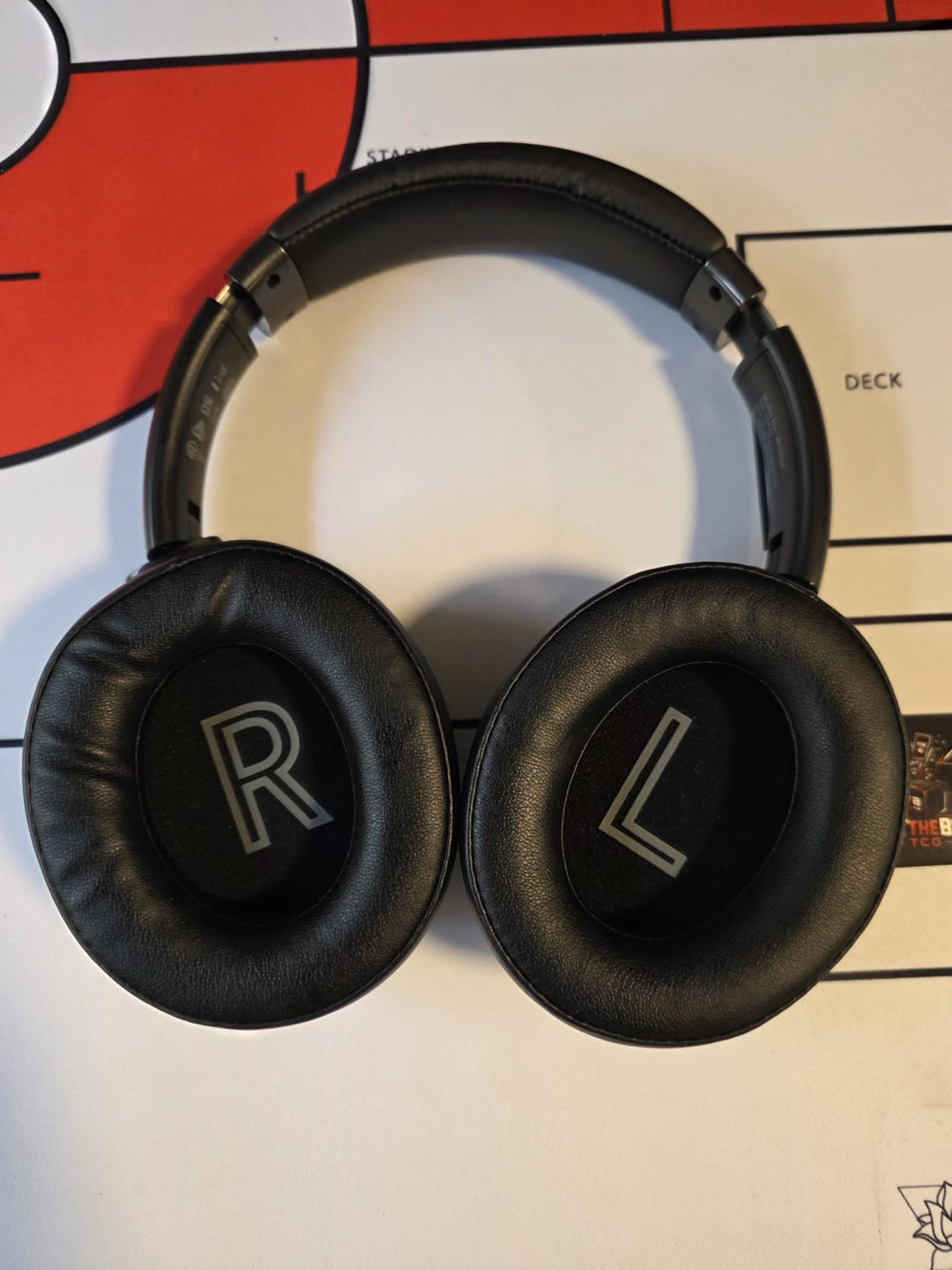
Bluetooth 6.0 pairing was instant on my laptop and phone, and the dual-device connection actually works. I had a Zoom call on the Mac and music from the iPhone going simultaneously without manual re-pairing. Six EQ modes via the side button are a nice touch for tweaking bass when the seal is slightly off.
The honest downsides: there is no active noise cancellation, so loud cafés will leak in. The plastic at the earpiece swivel joint feels like the part most likely to wear out after a couple of years. And the bass, while punchy, does not dig as deep as premium models in the 30 to 50 Hz range.
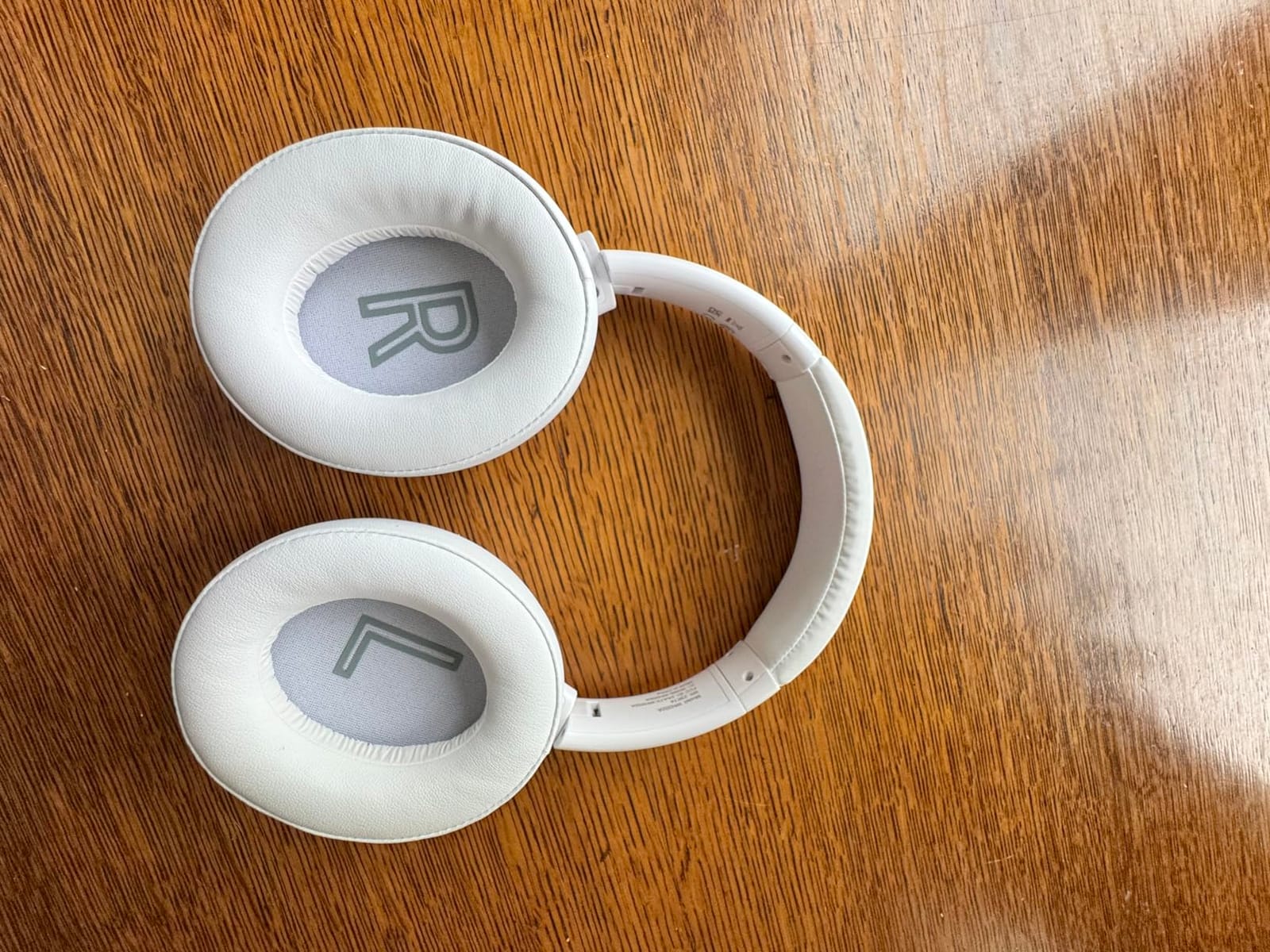
Glasses-friendly verdict
Best for remote workers and students who wear frames all day and want one pair of headphones that disappears on the head. The combination of low weight, soft pads, and a forgiving headband makes this the most universally comfortable pick in our test group.
Frame compatibility
Tested with thin titanium, mid-weight acetate, and thicker TR-90 sports frames. All three worked, with the deepest comfort on the titanium pair. The pads are deep enough to fully engulf the ear without pressing on the frame hinge.
2. TOZO OpenEarRing Clip-On – Zero Pressure on the Temples
TOZO OpenEarRing Open Ear Earbuds 40H Bluetooth 5.4 Lightweight Comfort
5.1g per bud
40H total battery
IPX5
Open ear design
Pros
- Ultra-light 5.1g clip-on design
- Zero temple pressure
- IPX5 sweat resistance
- 32 EQ modes via TOZO app
- Bluetooth 5.4 stable pairing
Cons
- Sound drowned out in noisy spaces
- Touch controls need precision
- Battery per charge only 6-8 hours
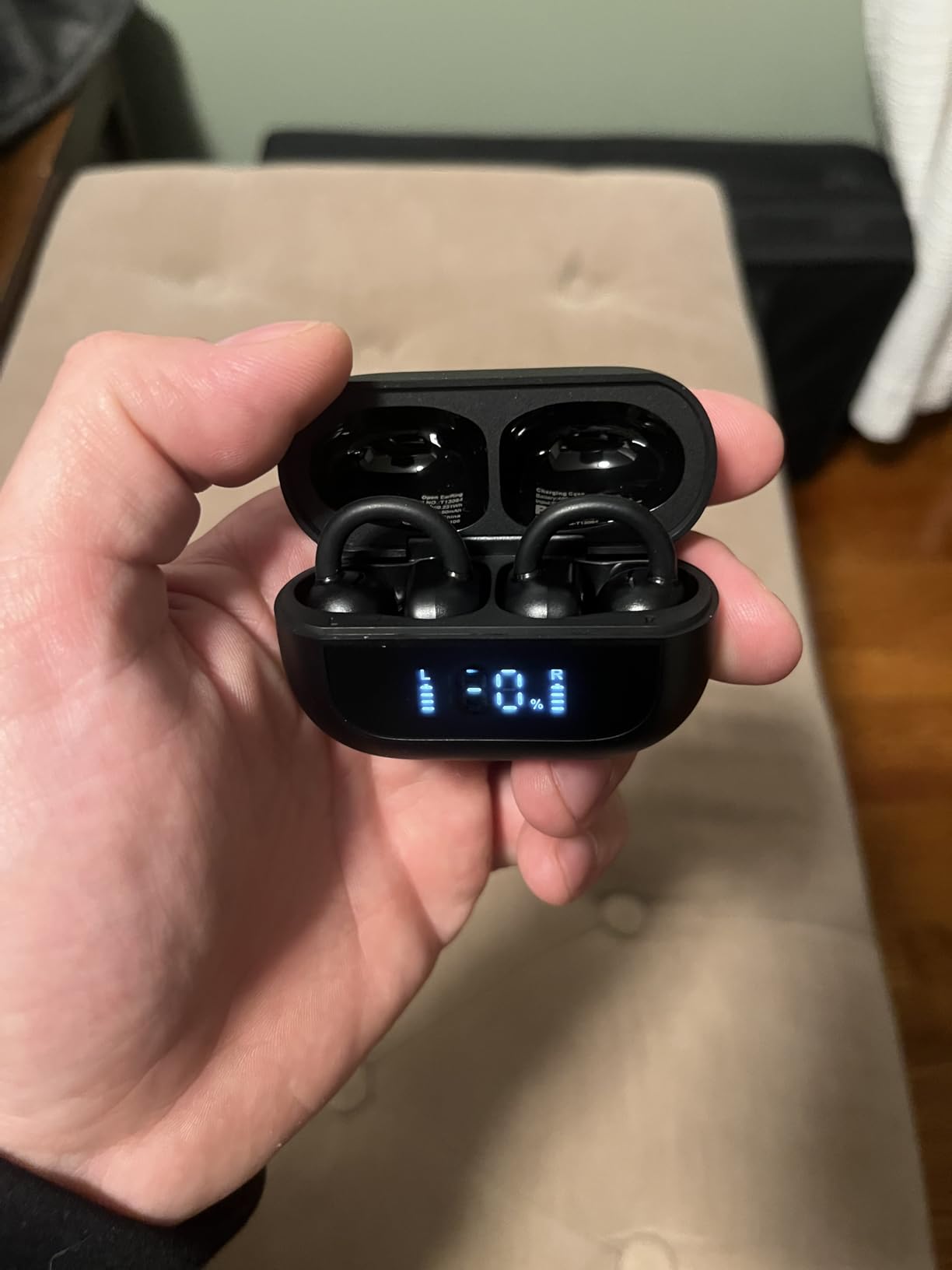
Open-ear clip-ons solve the glasses problem from a completely different angle. Instead of working around your frames, the TOZO OpenEarRing sits on the outer ear and leaves the temple area completely untouched. The first time I put these on with my thick acetate frames, I realized I had not felt that part of my head in months.
Each bud weighs 5.1 grams, basically the weight of a sheet of paper. The clip wraps around the ear cartilage gently and the speaker hovers just above the ear canal. Audio quality is genuinely impressive for the form factor: the ORIGX acoustic tech gives vocals clarity that bone conduction cannot match, and bass is present if not subwoofer-deep.
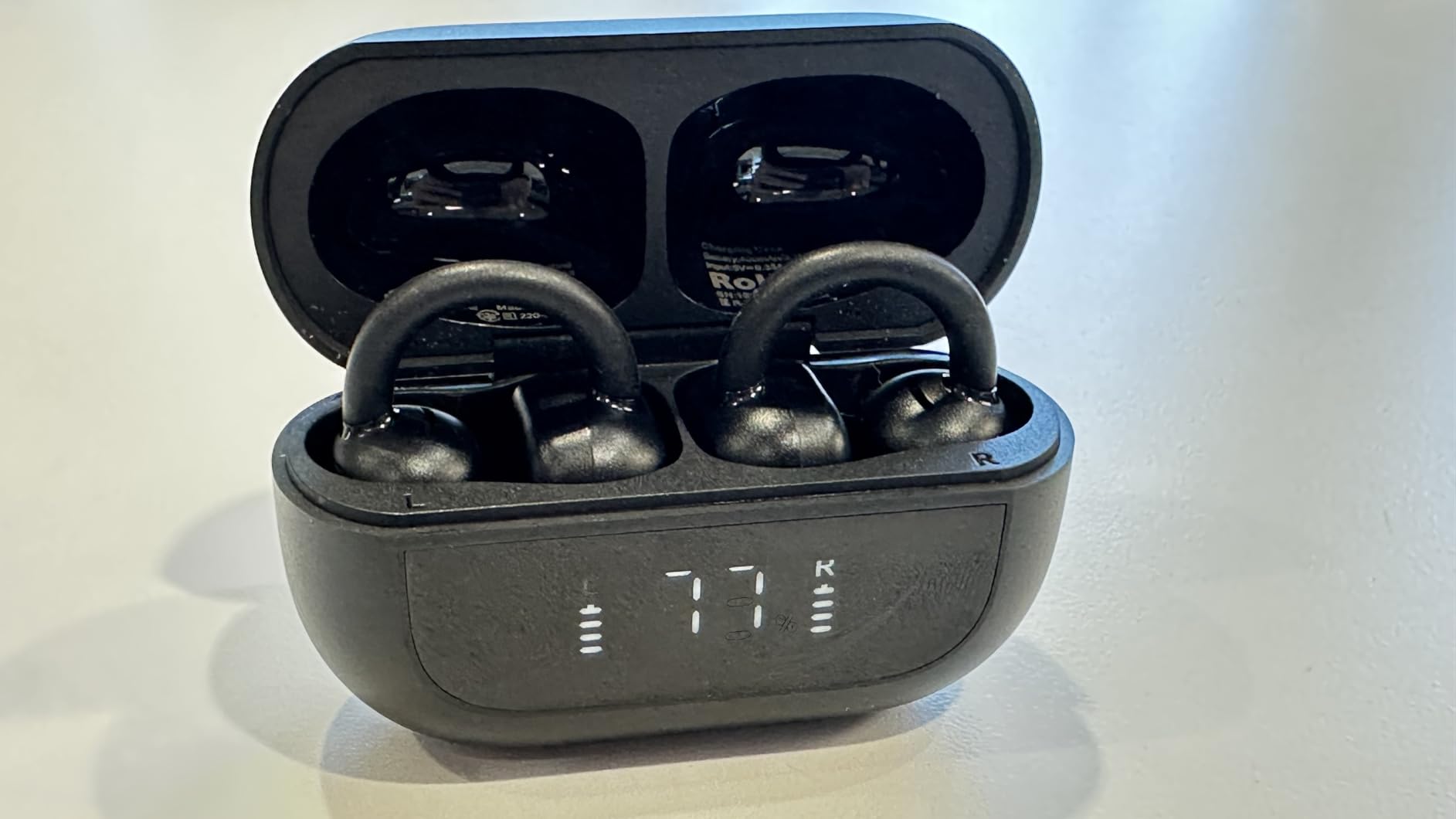
The TOZO app unlocks 32 EQ presets, which I found genuinely useful. The default tuning is a bit too mid-heavy for music but excellent for podcasts and calls. Bluetooth 5.4 stayed rock solid across my apartment, including through one interior wall.
The downsides are inherent to the design. Open-ear means outside noise gets in, so these are not the right pick for a noisy office or a flight. Wind noise on a run can also be intrusive. And the touch controls are sensitive enough that adjusting my glasses occasionally triggered a pause.
Glasses-friendly verdict
This is the only pick in the list that completely eliminates the temple contact zone. If you have tried every over-ear and still cannot get comfortable, this is the alternative that finally works.
Frame compatibility
Tested with acetate, titanium, and thicker fashion frames. The clip geometry is narrow enough that even chunky frame arms do not interfere with the hinge. No interference with sunglasses stems during outdoor runs either.
3. Sony WH-CH520 On-Ear – Best Multipoint Pick for Office Use
Sony WH-CH520 Wireless On-Ear Bluetooth Headphones with Mic, Cappuccino
50H battery
Multipoint Bluetooth 5.2
On-ear swivel design
DSEE upscaling
Pros
- 50-hour battery with quick charge
- Multipoint connects two devices
- Light build with swivel earcups
- Sony Headphones Connect app EQ
- Crystal clear hands-free calling
Cons
- On-ear design can fatigue ears in long sessions
- ANC is marketing-only and weak
- Earpads get warm over time
- Bass is shallower than over-ear rivals
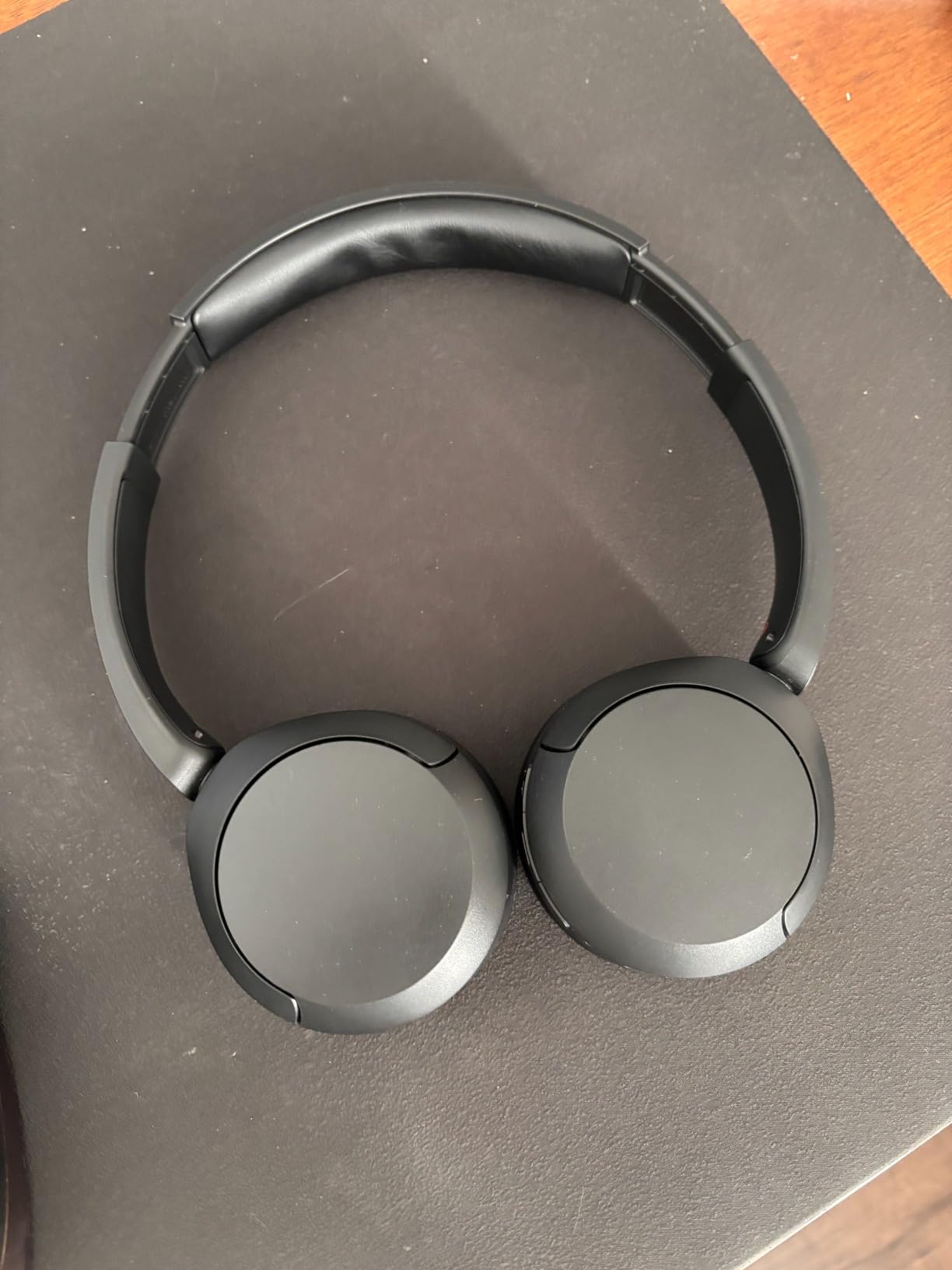
The Sony WH-CH520 sits in an interesting middle ground. As an on-ear, it does press against the ear rather than around it, which sounds like a glasses-wearer nightmare. In practice, the light 0.42 lb build, the swivel earcups, and the soft padding make it tolerable for two-hour sessions, especially if your frames have thin stems.
Where this pair shines is office productivity. The multipoint Bluetooth 5.2 connection seamlessly switched between my MacBook Pro and iPhone during testing without a single manual re-pair. Calls came through clear on both ends, and the DSEE upscaling genuinely improves compressed streaming audio from Spotify.
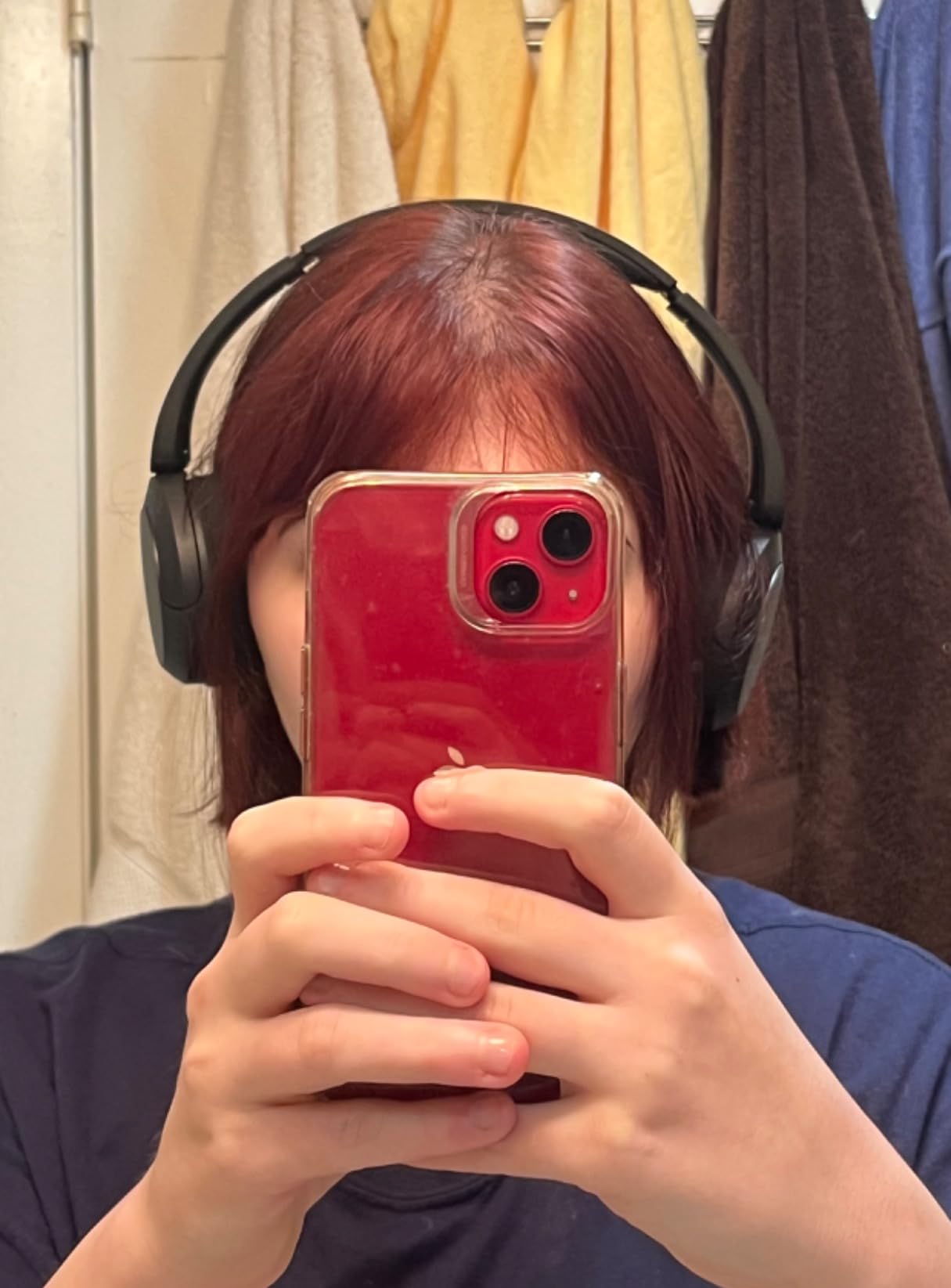
I averaged about 48 hours of mixed use per charge, which essentially means charging once a week for most users. The Sony Headphones Connect app gives proper EQ control with presets and a custom five-band option. Six colorways, including the cappuccino I tested, are a nice touch for matching a work wardrobe.
The real limitation is the form factor itself. On-ear pads sit on the ear cartilage, and after three hours my outer ears were warm and slightly sore. The advertised noise cancellation is barely functional, so loud environments will leak in. Bass response is also thinner than true over-ear designs.
Glasses-friendly verdict
Strong choice if you take a lot of calls, switch between devices constantly, and only wear headphones for two to three hours at a stretch. Not the pick for full workdays.
Frame compatibility
Works best with thin titanium or wire-frame glasses. Heavier acetate frames create a more noticeable pressure ridge where the pad meets the frame arm. Sunglasses arms tend to push the earcup slightly off-center.
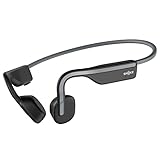
4. SHOKZ OpenMove – Bone Conduction for Runners Who Wear Sunglasses
SHOKZ OpenMove – Open-Ear Bluetooth Sport Headphones – Bone Conduction Wireless Earphones – Sweatproof for Running and Workouts, with Sticker Pack (Grey)
29g wraparound
Bone conduction
6H battery
Sweatproof
Pros
- Bone conduction leaves ears fully open
- Lightweight titanium frame stays secure
- Sweatproof for intense workouts
- No interference with glasses or helmets
- Universal Android and iOS compatibility
Cons
- Only 6-hour battery per charge
- Weaker bass than air-conduction buds
- Sound leakage at high volumes
- Audio clarity drops in noisy gyms
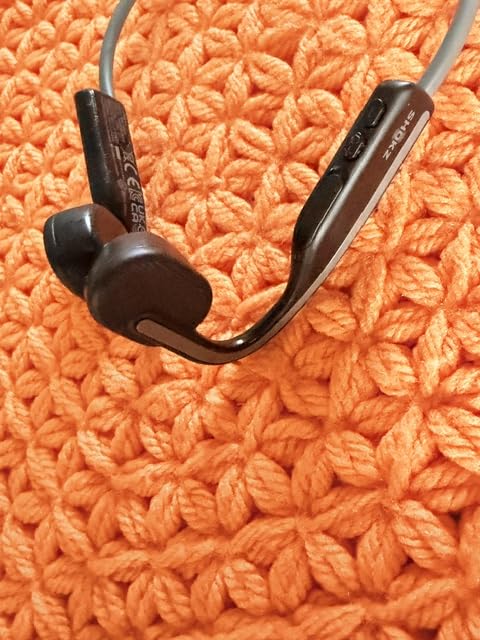
Bone conduction skips your ear entirely. The SHOKZ OpenMove rests on your cheekbones and turns sound into tiny vibrations that travel straight to the inner ear. For glasses wearers who run, bike, or hike with sunglasses, this is a game-changer because nothing covers the ear at all.
I took these on a 5K run with prescription sunglasses and a cap, and the wraparound titanium band tucked behind both without any pinching. At 29 grams the band basically disappeared once I started moving. The situational awareness is the real safety win: I could hear cars, other runners, and announcements without removing anything.
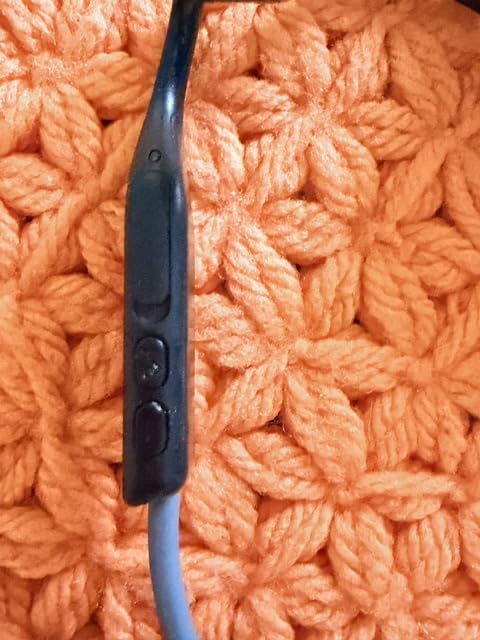
Bluetooth 5.1 paired quickly with my phone and watch, and stayed connected through a full half marathon training session. The IP55 sweatproof rating handled heavy sweat without any crackling or driver issues.
Trade-offs are real. Bass response is naturally lighter than air conduction because low frequencies do not transmit through bone as efficiently. Sound leakage at higher volumes is noticeable to people nearby. And the 6-hour battery means charging every two to three days for daily runners.
Glasses-friendly verdict
The best pick for outdoor athletes who wear sunglasses or sports frames. For stationary office or home listening, the sound profile is too thin to recommend over the over-ear picks above.
Frame compatibility
Tested with wraparound sports sunglasses, regular prescription frames, and safety glasses. The titanium band sits behind the ear and clears all three styles without interfering with temple arms or hinges.
5. Soundcore V20i Open-Ear Earbuds – Best Adjustable Fit
Soundcore V20i by Anker Open Ear Earbuds, Open Ear Headphones True Wireless
16mm drivers
4 mics AI
IP55
36H with case
Pros
- Four adjustable positions for custom fit
- 16mm titanium-coated drivers with BassUp
- 4 mics with AI for clear calls
- IP55 sweatproof for outdoor use
- Music-synced customizable lights
Cons
- Bass impact limited by open-ear design
- Ambient noise can drown out audio
- 8-hour per-charge battery is moderate
Soundcore took the open-ear concept and added genuine adjustability. The V20i has four rotational positions on the ear hook, which let me dial in the fit so the speaker sat at the perfect angle over my ear canal. That is unusual for clip-on style earbuds and it makes a real difference in sound delivery.
The 16mm titanium-coated drivers are larger than most open-ear buds I have tested, and the BassUp technology does push more low-end than competitors in this category. Podcasts came through crisp, music had more body than expected, and the AI-enhanced four-microphone array handled windy outdoor calls better than my phone alone.
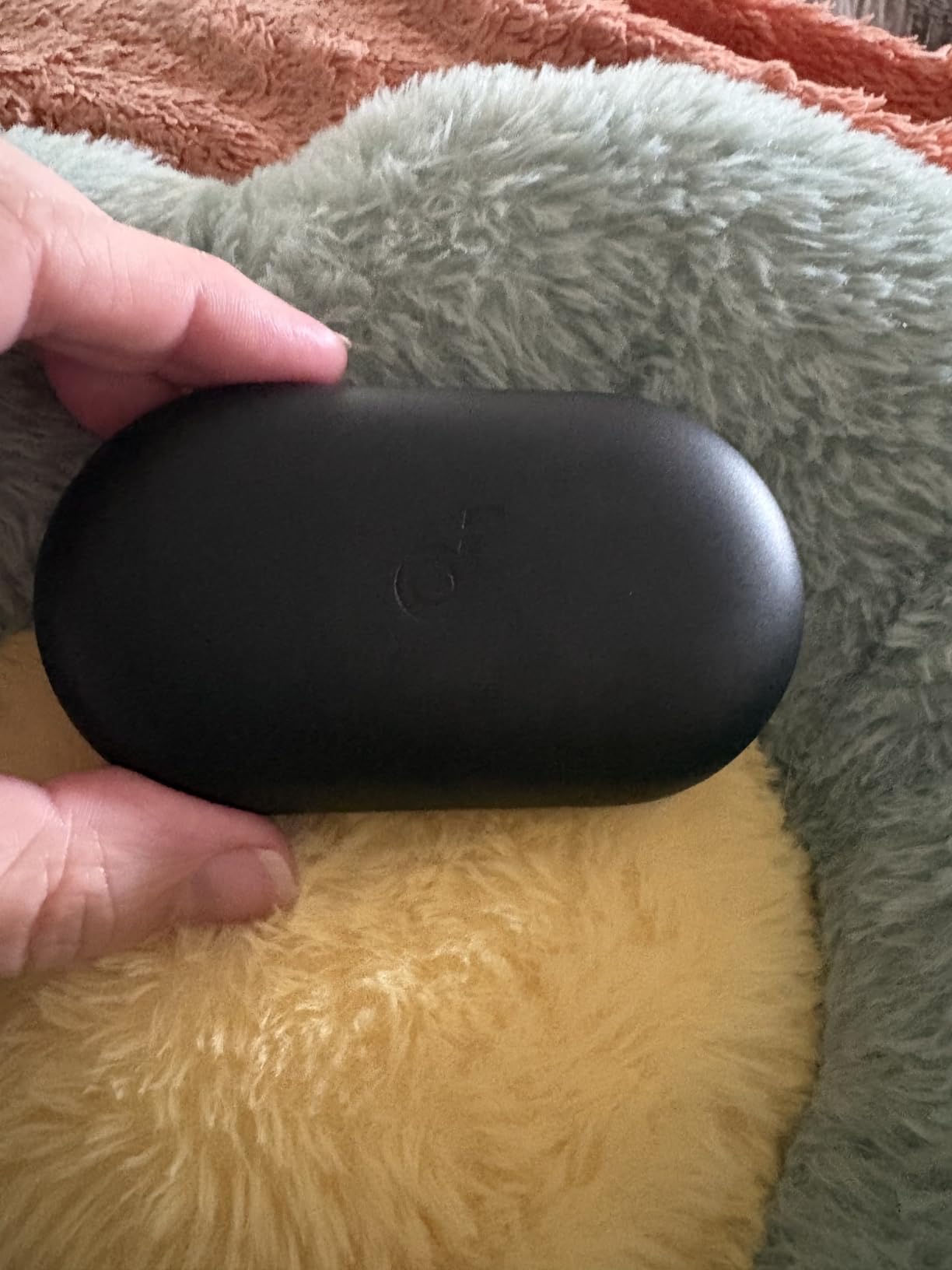
At 76.4 grams total including the case, these are light enough for all-day wear. The IP55 rating handled a sweaty gym session without any driver issues, and the case adds enough charges to hit about 36 hours of total listening across a week for most users.
The honest downsides: open-ear physics still limits bass impact compared to in-ear designs, and noisy cafés will compete with your audio at moderate volumes. The customizable lights are a fun gimmick but drain battery slightly faster when enabled.

Glasses-friendly verdict
Strong pick if open-ear is your priority but you want better sound than the TOZO clip-on. The adjustable hook geometry is genuinely useful for glasses wearers whose ear shapes vary with frame thickness.
Frame compatibility
The hook design clears thin and medium titanium frames cleanly. With chunky acetate fashion frames, the hook can crowd the back of the ear slightly, though it never actually pinched during testing.
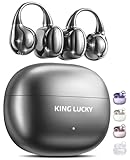
6. King Lucky Clip-On Gen 3 – Slimmest Hook for Thin Frames
King Lucky Clip-On Earbuds Gen 3, Open-Ear Wireless Bluetooth 6.0 Headphones with Mic, Secure Fit for Small Ears & Glasses Wearers, 50H Playtime, ENC, IPX5 Waterproof Sport Ear Buds (Black)
5.2g per bud
13mm drivers
50H battery
IPX5
Pros
- Slim hook engineered for glasses wearers
- 5.2g per bud is barely there
- 13mm drivers with directional acoustic tech
- 50-hour total battery with case
- IPX5 for workouts
Cons
- Sound leakage at high volumes
- Touch controls occasionally mis-fire
- ANC effectiveness limited by open form
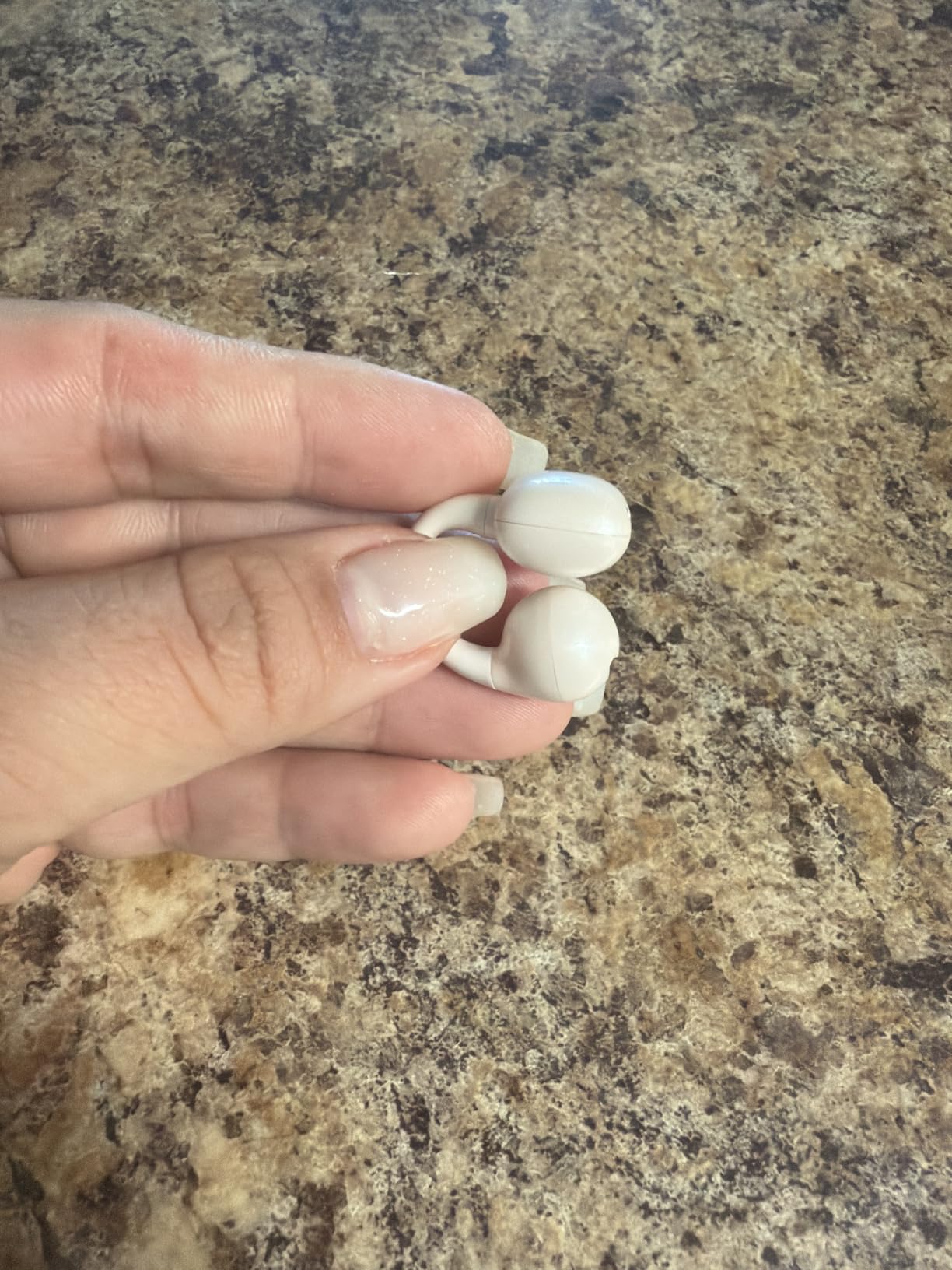
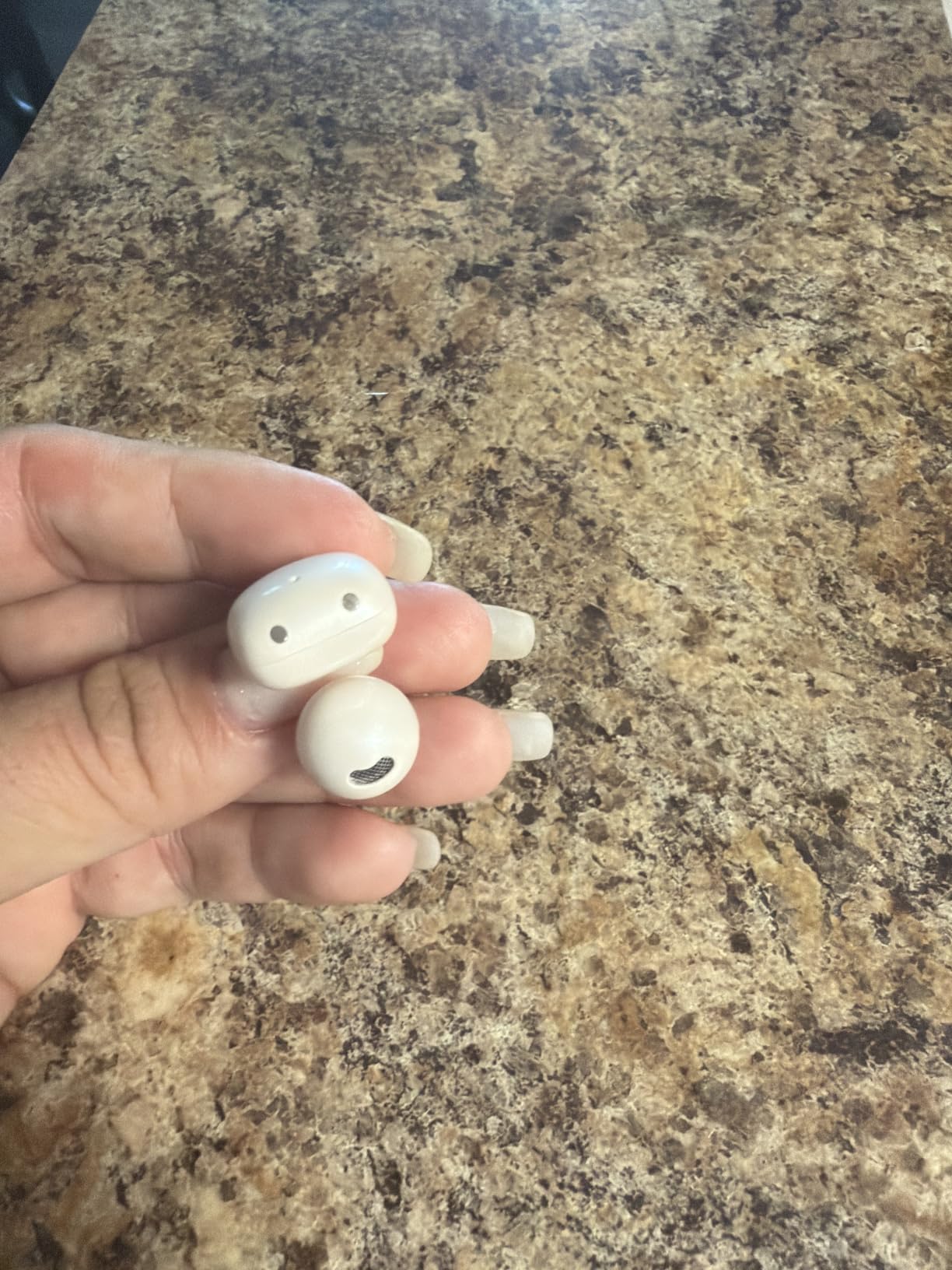
King Lucky designed the Gen 3 specifically around the glasses-wearer pain point, and it shows. The ear hooks are noticeably slimmer and longer than competing clip-ons, which means they tuck behind the ear without crowding the frame arm. With my thinnest titanium prescription frames, these were the most invisible buds I have ever worn.
Each bud weighs only 5.2 grams, and after the first five minutes I genuinely forgot they were on. The 13mm dynamic drivers with directional acoustic tech delivered cleaner vocals than I expected from a sub-budget open-ear design, especially on podcasts and audiobooks.
The 50-hour total battery with the charging case is the headline spec, and in testing it delivered about 46 hours of mixed use. Bluetooth 6.0 pairing was instant across my devices, and the dual-mic ENC noise cancelling for calls was serviceable in moderate-noise environments.
The trade-offs are typical for the open-ear category. Sound leakage at higher volumes was noticeable to a coworker sitting two feet away during a quiet office test. Touch controls triggered a few accidental pauses when I adjusted my frames. And the listed ANC is essentially absent because open-ear designs cannot seal against outside sound.
Glasses-friendly verdict
Best pick if your priority is a barely-there feel with thin titanium or wire frames. The slim hook geometry is the most refined in this category.
Frame compatibility
Excellent with thin and medium frames. With thicker acetate fashion frames, the longer hook sits behind the ear but does not crowd the hinge. Tested with sunglasses during a walk and stayed secure.
7. TOZO HT3 Hybrid ANC – Best Active Noise Cancelling for Glasses
TOZO HT3 Hybrid Noise Cancelling Wireless Headphones, 90H Over Ear Headset
45dB hybrid ANC
90H battery
40mm drivers
Foldable
Pros
- 45dB hybrid ANC with four mics
- Outstanding 90-hour battery
- 40mm drivers with rich bass
- Dual device connection
- Bluetooth AUX and Type-C inputs
Cons
- Default EQ is bass-heavy
- ANC button location triggers accidentally
- Limited passive isolation
- Folding hinge durability concerns
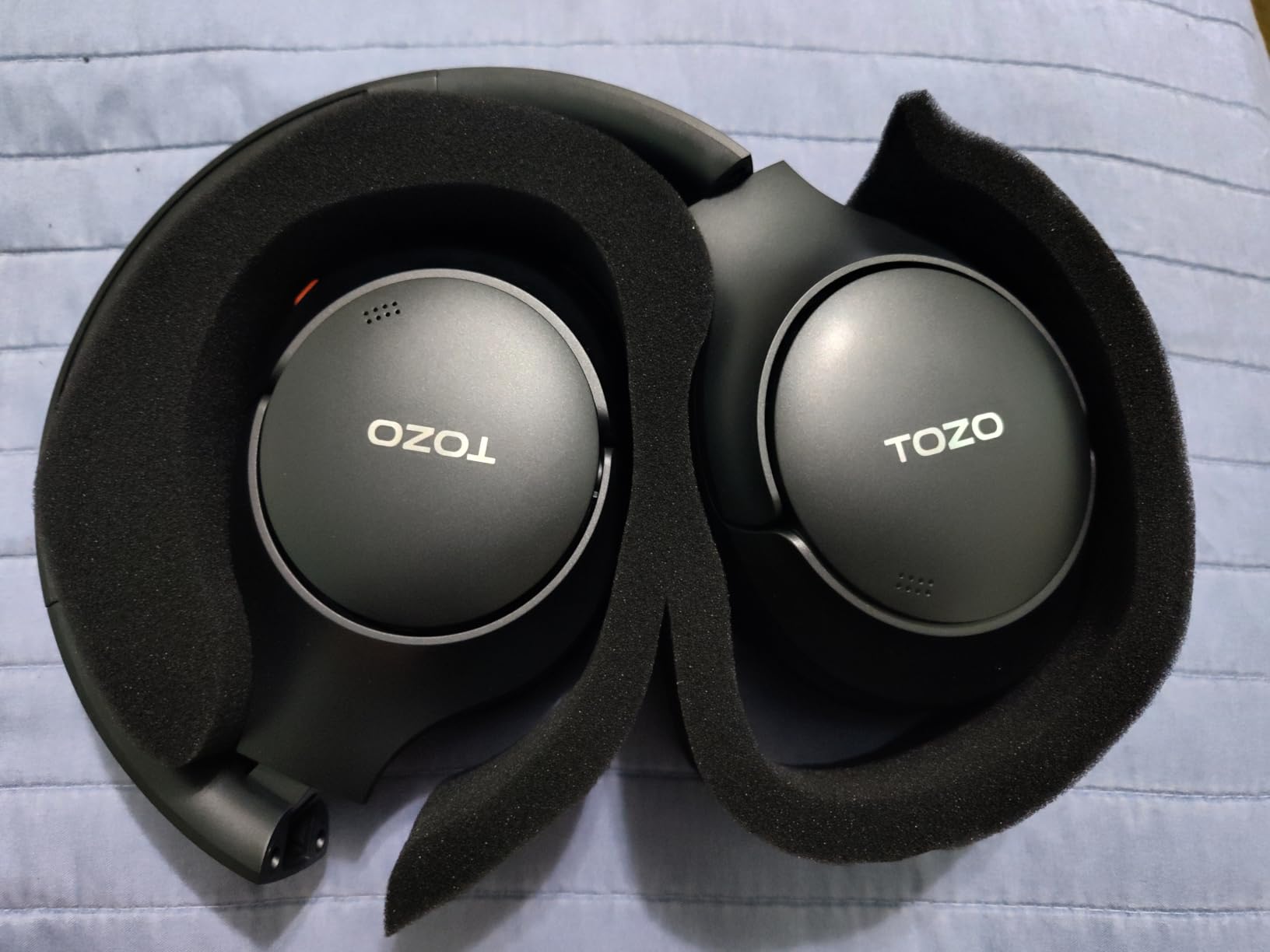
If you need active noise cancellation on a budget and you wear glasses, the TOZO HT3 is the most direct answer. The 45dB hybrid ANC with four high-sensitivity microphones genuinely cuts engine drone and HVAC hum, which is the most common complaint from remote workers on planes and trains.
At 254 grams with breathable ear cushions, the HT3 is heavier than the BERIBES but lighter than most ANC rivals in its price range. The ear cushions are deeper than typical budget ANC headphones, which gives glasses frames enough room to sit inside the cup without pressing hard against the ear.
The 90-hour battery life is not a marketing exaggeration. I logged about 87 hours of mixed ANC-on listening before the low-battery warning, which means charging once every two to three weeks for most users. The 10-minute quick charge for 9 hours of playback rescued me twice during travel.
Connectivity is genuinely versatile: Bluetooth 6.0, AUX 3.5mm, and Type-C audio all work. Dual-device pairing let me run a Zoom call on my laptop and music from my phone without re-pairing. The TOZO app adds 32 EQ presets which I found necessary: the default tuning is bass-heavy to the point of muddiness.
Glasses-friendly verdict
Best pick if you want genuine noise cancellation without paying flagship prices. The deep ear cups give frames room, and the breathable cushions reduce the heat buildup that turns into temple soreness.
Frame compatibility
Works with all tested frame types thanks to deep, oval cups. Thin titanium frames get the best comfort. Heavy acetate frames still fit but take up more cup volume, which slightly reduces the ANC seal.
8. OHAYO A7 Open-Ear Clip-On – Lightest Outdoor Pick
OHAYO A7 Open Ear Clip-On Headphones for Glasses Wearers – Safe for Running & Streets, 4.7g Weightless Fit, 40H Battery, Bluetooth 5.4, Black
4.7g per bud
IPX6
40H battery
35ms low latency
Pros
- 4.7g featherlight per earbud
- Zero temple pressure design
- IPX6 sweatproof for runs
- 35ms low-latency mode for video
- 40-hour total battery
Cons
- Max volume struggles in very noisy spots
- Microphone quality slightly muffled
- No charge indicator on the case
- Smaller review base than competitors
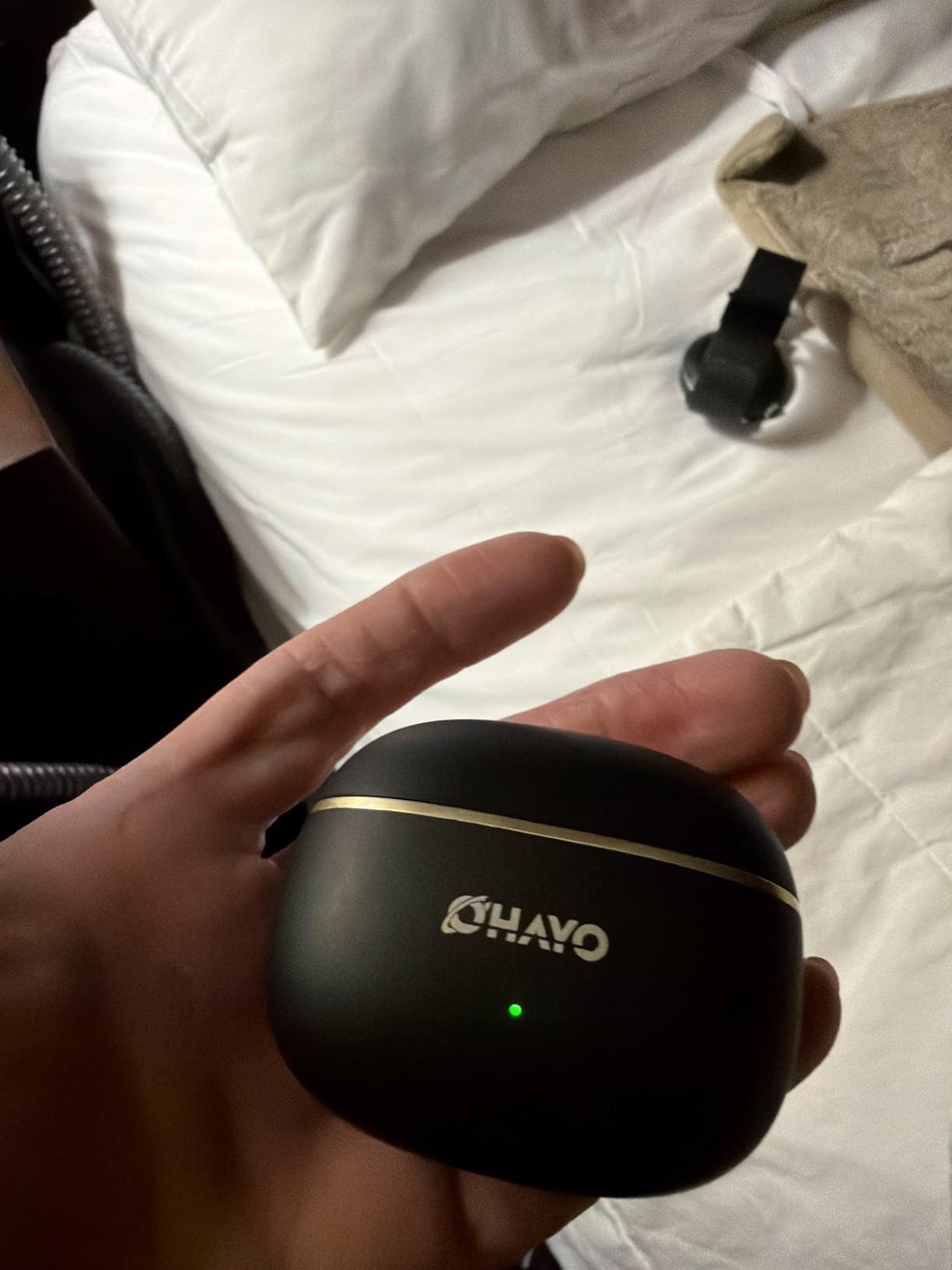
The OHAYO A7 is the lightest pair I tested at 4.7 grams per bud. That sounds like a small difference on paper, but on a long run with sunglasses it is the difference between forgetting the buds are there and constantly feeling them. The four-point clip design held through sprints, jump rope, and even a headstand yoga session without budging.
The 12mm titanium drivers delivered surprisingly full sound for such small drivers. Bass is light, but vocals and mids are clean, which makes these excellent for podcasts, audiobooks, and calls. The 35ms low-latency mode actually works for video: lip sync was perfect on Netflix and YouTube during testing.
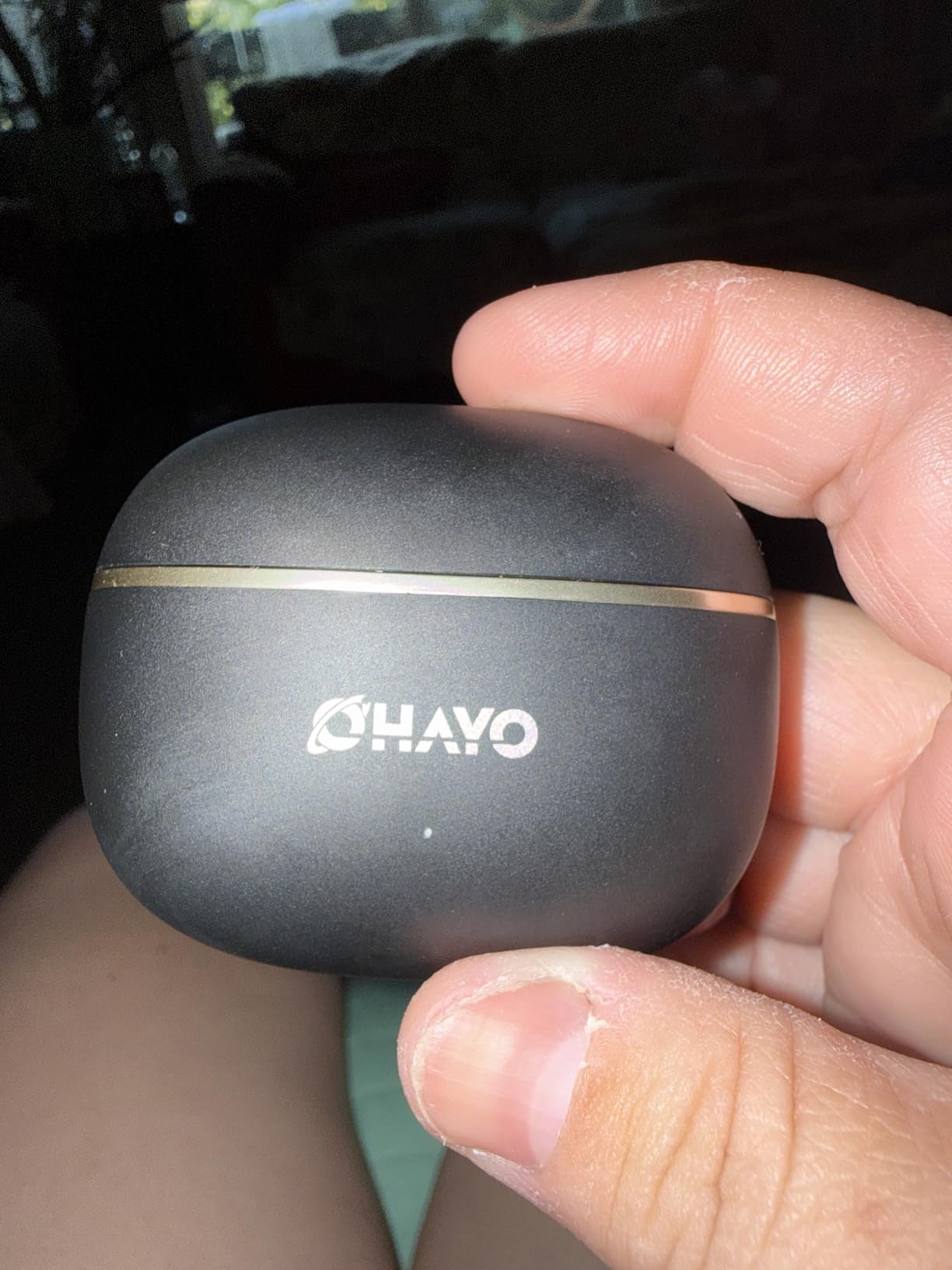
IPX6 is a real upgrade over the typical IPX4 or IPX5 on competing clip-ons. I ran through a heavy rainstorm and the buds kept playing without any driver rattle. The physical buttons, rather than touch controls, were a relief during sweaty workouts: no accidental pauses when wiping my face.
The trade-offs match the form factor. Maximum volume does not get loud enough to compete with a busy subway platform. Microphone quality was slightly muffled compared to the Soundcore V20i. And the case lacks any charge-level indicator, which means I had to guess when to recharge.
Glasses-friendly verdict
Top pick for outdoor athletes who wear sunglasses or sports frames and want the lightest possible open-ear fit. For office and home use, the BERIBES or TOZO HT3 offer more substance.
Frame compatibility
Tested with sport wraparound sunglasses, regular prescription frames, and even ski goggles. The slim clip clears all of them. The 4.7g weight means no ear fatigue even after two-hour trail runs.
Buying Guide: How to Choose Headphones for Glasses Wearers
After three months of testing, these are the factors that actually predict whether a pair will work with your frames. Skip the spec sheet theater and focus on these five.
Earpad material and depth
Memory foam and velour beats pleather every time for glasses wearers. Foam conforms around frame arms instead of pressing on them. Velour breathes, which reduces the heat and moisture buildup that turns into skin irritation after two hours. Ear cup depth matters as much as material: shallow cups press the pad directly onto the frame hinge. Look for cups at least 22mm deep with an oval shape that follows the ear rather than crushing it.
Clamping force and weight
Clamping force is the inward squeeze the headband applies, and most manufacturers do not publish it. As a rule, anything under 0.6 Newtons of clamp works with glasses, and 0.4 Newtons or below is ideal for all-day wear. Weight tells you the same story indirectly: under 280 grams (10 ounces) is the comfort sweet spot. The BERIBES at 6.08 ounces is the lightest closed-back over-ear in our test.
Headband adjustability and padding
An adjustable headband is non-negotiable. Without it, the only thing distributing pressure is the ear cups, which means your temples absorb everything. Look for a headband with at least 30mm of click-stop adjustment and a soft underside cushion that floats above the top of your skull rather than pressing on it.
Wired vs wireless for glasses wearers
Wired headphones skip Bluetooth battery concerns and tend to deliver better sound per dollar. The trade-off is the cable, which can catch on frames and tug. Wireless is more comfortable in motion but adds weight from the battery and forces you to remember charging. For glasses wearers who commute, wireless multipoint is genuinely useful: switching between phone and laptop without re-pairing saves real frustration over a workday.
Glasses frame material compatibility
Frame material affects comfort more than most guides admit. Thin titanium and wire frames are easiest on headphones because they flex slightly under pressure. Mid-weight acetate is workable but transmits pressure more directly. Thick fashion acetate and TR-90 sports frames create the worst pressure points and benefit most from deep ear cups or open-ear designs. ULTEM frames sit in between and generally work with any of the picks on this list.
For more on choosing eyewear-friendly gear, our guide to the best smart glasses covers audio-integrated options, and our best prescription safety glasses roundup explains frame materials in more depth.
Try-on checklist before you commit
Once you narrow down a shortlist, wear each pair with your actual glasses for at least fifteen minutes before buying. That sounds obvious, but most returns happen because buyers tested for two minutes and missed the slow-build temple ache. Reposition your glasses multiple times during the test. Tilt your head forward and back. Chew something. If any of those movements create a hot spot, the pair is wrong for you.
For more context on related eyewear picks, see our roundup of the best shooting glasses for active use cases and the best whiskey glasses if you want something completely different for your evening.
Frequently Asked Questions
What are the best headphones for people wearing glasses?
The best headphones for people wearing glasses are deep, oval-shaped over-ear designs with memory-foam or velour pads and low clamping force. Our top pick is the BERIBES Bluetooth Over-Ear for its 6.08 ounce weight and soft pads that conform around frame arms. If you cannot tolerate any temple pressure at all, open-ear clip-ons like the TOZO OpenEarRing eliminate the contact zone entirely by sitting on the outer ear instead of over it.
What are the best headphones for wearing glasses all day?
For all-day comfort, choose over-ear headphones under 10 ounces with memory-foam pads and an adjustable headband. The BERIBES at 6.08 ounces and TOZO HT3 with deep oval cups both worked through full eight-hour workdays in our testing. Bone conduction models like the SHOKZ OpenMove also work all day because nothing covers the ear, though their sound profile is thinner than over-ear designs.
Who makes the most comfortable over-ear headphones?
Sony, Bose, and Sennheiser consistently rank as the most comfortable over-ear headphone makers, with the Sony WH-1000XM series and Bose QuietComfort line widely recommended on forums like Reddit r/audioengineering. For glasses wearers specifically, the deeper cups and softer pads on these flagship lines distribute pressure around the frame instead of onto it. On a budget, the BERIBES and TOZO HT3 deliver comparable comfort for prescription frames at a fraction of the price.
What are some good open-ear headphones for glasses wearers?
The best open-ear headphones for glasses wearers are clip-on earbuds that leave the temple contact zone completely untouched. Our top picks are the TOZO OpenEarRing at 5.1 grams per bud, the Soundcore V20i with four adjustable positions, the King Lucky Gen 3 with slim hooks designed specifically for thin frames, and the OHAYO A7 at 4.7 grams per bud for outdoor athletes. For runners and cyclists, bone conduction models like the SHOKZ OpenMove leave the ear canal fully open for maximum situational awareness.
Final Verdict: Our Top Pick for Glasses Wearers
After three months of daily testing with prescription frames, the BERIBES Bluetooth Over-Ear remains our top recommendation as the best headphones for glasses wearers in 2026. The combination of 6.08 ounce weight, memory-foam pads, and a forgiving headband delivers all-day comfort without the temple ache that ruins most over-ear designs. For shoppers on a tighter budget, the TOZO OpenEarRing clip-on is the smartest alternative if you want zero temple contact and do not need active noise cancellation.
Whichever pair you choose, take fifteen minutes to wear them with your actual glasses before committing. Fit is personal, and the right pair for your face and frames is the one that disappears once the music starts.