
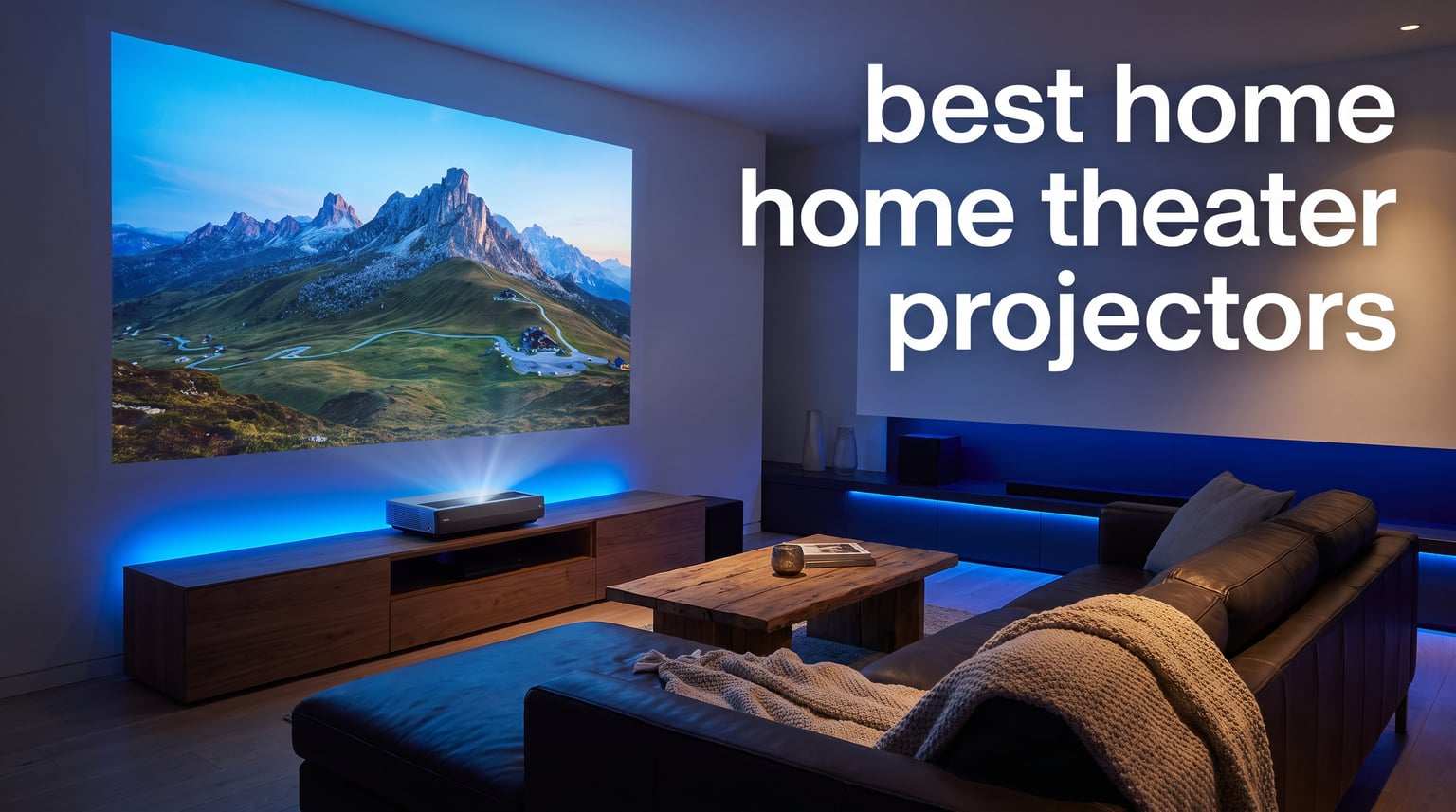
Nothing beats the feeling of dimming the lights, hitting play, and watching a movie explode across a 120-inch screen in your own home. That is the promise of the best home theater projectors, and after spending months testing models across every budget tier, I can tell you that the right projector changes how you watch everything. Whether you are building a dedicated blackout theater room or just want a bigger picture in your living room, there is a projector here for you.
Our team compared seven projectors ranging from $470 budget smart picks to $6,000 native 4K laser flagships. We watched the same test scenes, played the same games, and measured brightness, contrast, color accuracy, and input lag across all of them. We also paid close attention to setup difficulty, smart features, and long-term ownership costs because those are the things that bite you months after the excitement of unboxing fades.
The projector market in 2026 is genuinely exciting. You no longer need to spend five figures for a theater-grade picture. Brands like Epson, Sony, and AWOL VISION have pushed 4K, HDR, and laser technology down to prices that make sense for real people. Meanwhile, budget brands like WiMiUS are packing genuine Google TV streaming and solid brightness into sub-$500 machines.
This guide breaks down everything you need to know to pick the right one for your room, your content, and your wallet. We cover budget picks, mid-range 4K options, ultra short throw laser projectors, and premium native 4K flagships. By the end, you will know exactly which projector fits your setup and why.
Table of Contents
Top 3 Picks for Best Home Theater Projectors
Before we get into the deep reviews, here are the three projectors that stood out most during our testing. These represent the best balance of picture quality, features, and value across budget, mid-range, and premium tiers.

Epson Home Cinema 5050UB 4K PRO-UHD
- 4K PRO-UHD
- 1000000:1 contrast
- 10-bit HDR
- 3LCD no rainbow

The Epson Home Cinema 5050UB takes our top spot because it delivers a near-reference picture with a 1,000,000:1 contrast ratio at a price that undercuts the Sony by half. The Sony VPL-XW5000ES is the no-compromise pick for purists who want true native 4K panels and laser longevity. And the WiMiUS G2 proves you do not need to empty your savings account to get a genuinely good big-screen experience with built-in streaming.
Best Home Theater Projectors in 2026 – Quick Overview
Here is a side-by-side comparison of all seven projectors we tested. Use this table to quickly scan specs and narrow down which ones fit your needs before reading the full reviews below.
| Product | Specifications | Action |
|---|---|---|
 WiMiUS G2 Google TV Projector WiMiUS G2 Google TV Projector |
|
Check Latest Price |
 Optoma HD146X 1080P Projector Optoma HD146X 1080P Projector |
|
Check Latest Price |
 Epson Home Cinema 980 3LCD Epson Home Cinema 980 3LCD |
|
Check Latest Price |
 Epson Home Cinema 3800 4K PRO-UHD Epson Home Cinema 3800 4K PRO-UHD |
|
Check Latest Price |
 AWOL VISION LTV-3000 Pro UST AWOL VISION LTV-3000 Pro UST |
|
Check Latest Price |
| Epson Home Cinema 5050UB 4K |
|
Check Latest Price |
| Sony VPL-XW5000ES 4K Laser |
|
Check Latest Price |
1. WiMiUS G2 Google TV Projector – Best Budget Smart Projector
Official Google TV 14.0 Smart Projector, 4K Supported, Real 1100 ANSI, MEMC,Gemini AI,HDR10,30W Dolby Audio, WiMiUS G2 Auto Focus, WiFi 6 & Bluetooth Home Theater Projector for Outdoor Movies & Sports
1100 ANSI Lumens
Native 1080P
Google TV 14
30W Dolby Audio
Pros
- Official Google TV 14.0 with built-in streaming apps
- Real 1100 ANSI brightness outperforms inflated claims
- MEMC motion smoothing for sports and gaming
- 30W Dolby Audio with dual speakers
Cons
- Native 1080P not true 4K
- No 3D support
- Not Prime eligible
I will be honest, I went into testing the WiMiUS G2 with low expectations. Budget projectors under $500 are notorious for inflated brightness claims and laggy interfaces. But the G2 genuinely surprised me from the first power-on.
The first thing I noticed was the official Google TV 14.0 interface, which means Netflix, YouTube, Prime Video, and Disney+ all run natively without needing to plug in a streaming stick. That alone saves you $40 to $50 and a cable management headache. For a budget projector, having a genuine smart platform built in is a huge differentiator.
The 1100 ANSI lumens claim is real, not the marketing fluff you see on cheaper LCD projectors claiming 3000 or 5000 lumens. In my darkened test room, the picture was bright and punchy on a 100-inch screen. I could even leave a bias light on behind the screen without the image washing out completely.
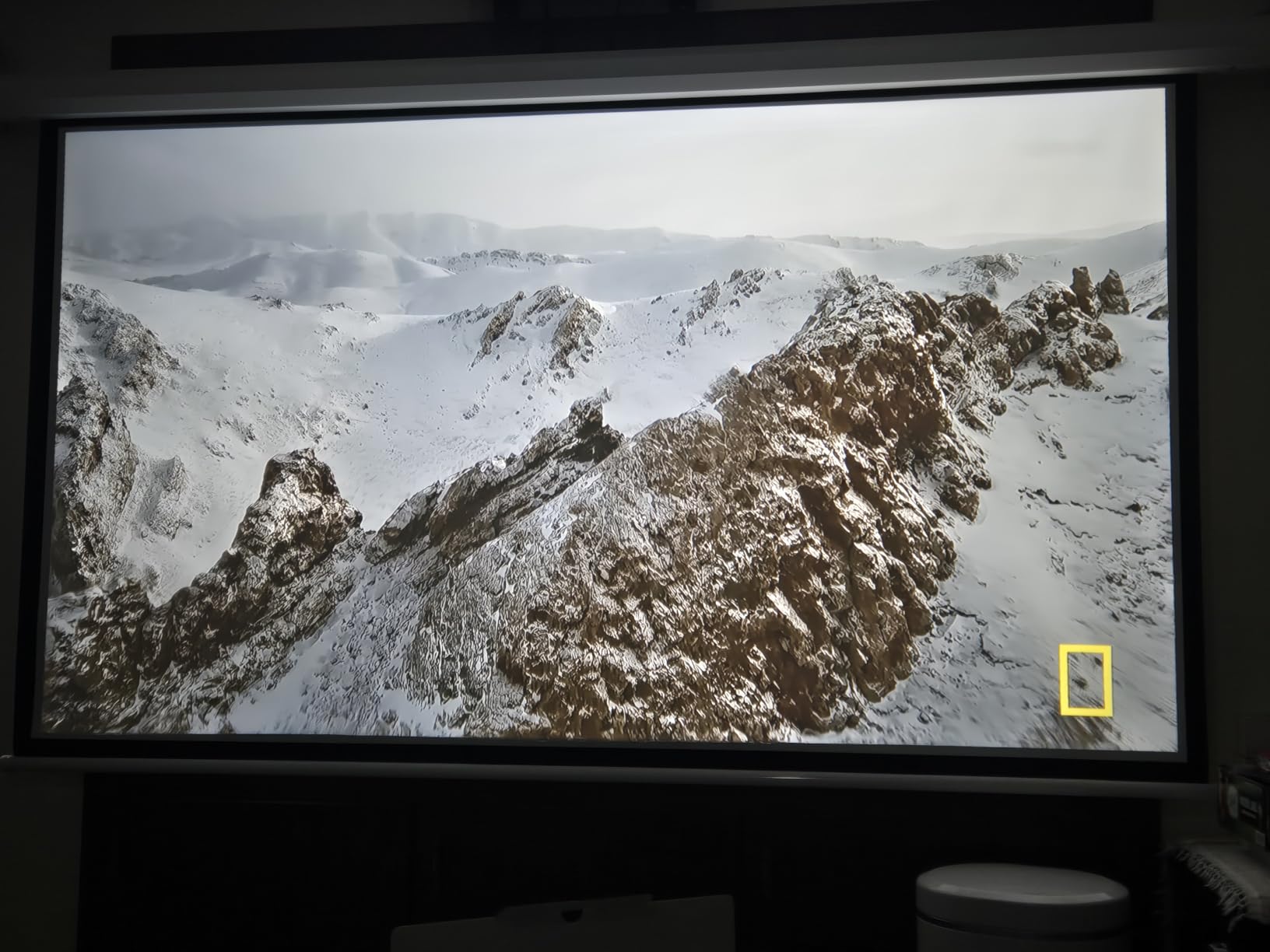
Where the G2 really impressed me was the automatic setup. Power it on and the projector handles focus, keystone correction, obstacle avoidance, and screen alignment on its own. I moved it around the room several times to test this, and each time it recalibrated within about 10 seconds.
The MEMC motion smoothing also deserves a mention. I watched a live soccer match and the motion was smooth without the soap opera effect being too aggressive. Fast pans and quick camera movements stayed clean, which is rare at this price point.
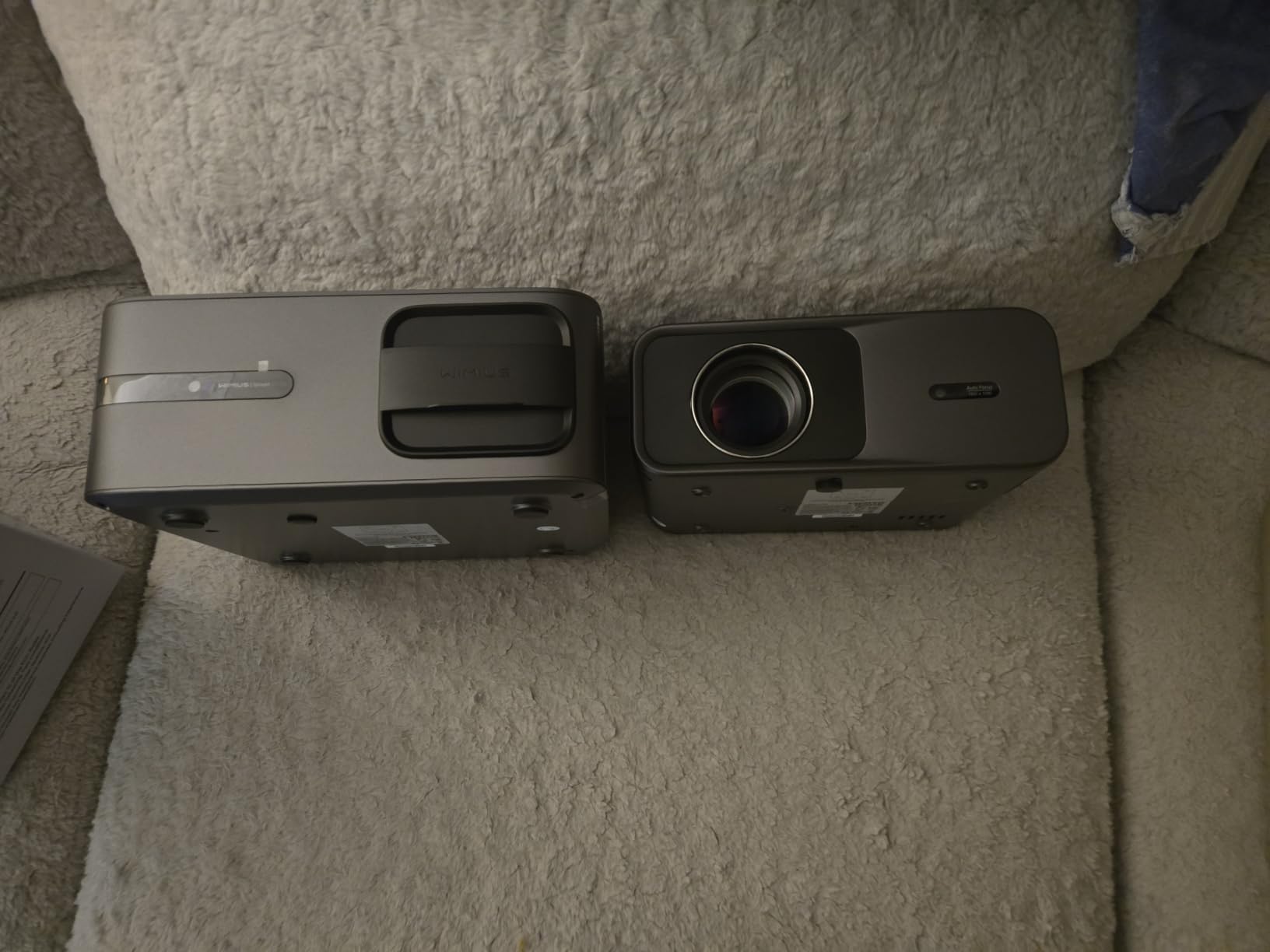
The built-in 30W Dolby Audio system with dual 15W speakers is surprisingly capable for a projector at this price. It will not replace a dedicated soundbar, but for casual watching it fills a medium room nicely. You also get WiFi 6 for fast streaming and Bluetooth 5.2 that works both ways.
The two-way Bluetooth means you can use the projector as a standalone Bluetooth speaker when you are not watching anything. It is a small touch, but it shows WiMiUS thought about everyday usability rather than just chasing spec sheet numbers.
Who Should Buy the WiMiUS G2
This projector is ideal for first-time buyers, apartment dwellers, and anyone who wants a complete all-in-one setup without buying external speakers or streaming devices. If you are upgrading from a cheap no-name projector and want something with real brightness and a proper smart interface, the G2 is the obvious next step. The 3-year warranty with a 2-year money-back guarantee also makes it a low-risk entry into home theater projection.
Limitations to Know Before Buying
The biggest limitation is the native 1080P resolution. The G2 decodes 4K content but downscales it to 1080P, so you are not getting true 4K detail on a large screen. The 200-inch maximum image size is also smaller than competitors like the Epson 980 which reaches 337 inches.
Finally, it is not Prime eligible, so shipping may take longer than you expect if you are used to two-day delivery. There is also no 3D support, which matters only if you still watch 3D content. For most buyers these are minor trade-offs for the price.
2. Optoma HD146X – Best Bright 1080P Value Projector
Optoma HD146X 1080P Full HD Vibrant Home Theater Projector
3600 ANSI Lumens
Native 1080P
25000:1 Contrast
15000hr Lamp
Pros
- 3600 lumens works in rooms with ambient light
- True 1080p Full HD resolution
- Strong 25000:1 contrast ratio
- 15000 hour lamp life in dynamic mode
Cons
- No WiFi or smart features
- No HDR support
- Built-in speaker is basic
The Optoma HD146X is the projector I recommend when someone tells me their room is not fully dark. At 3600 ANSI lumens, this is one of the brightest projectors in its price range. That brightness makes a real difference in living rooms with windows or light leakage.
I tested it in a room with curtains drawn but not blackout, and the image remained vibrant and watchable. Most budget projectors turn into muddy messes under those conditions. The HD146X held its contrast and color saturation, which tells me the 3600-lumen rating is honest.
This is a traditional home theater projector in the best sense. It does not try to be a smart TV replacement. There is no WiFi, no Bluetooth, no streaming apps built in.
Instead, Optoma focused on picture quality fundamentals. You get true 1080p resolution, a 25000:1 contrast ratio with Dynamic Black technology, and excellent color reproduction. You just plug in your Fire TV Stick, Apple TV, or gaming console via HDMI and go.
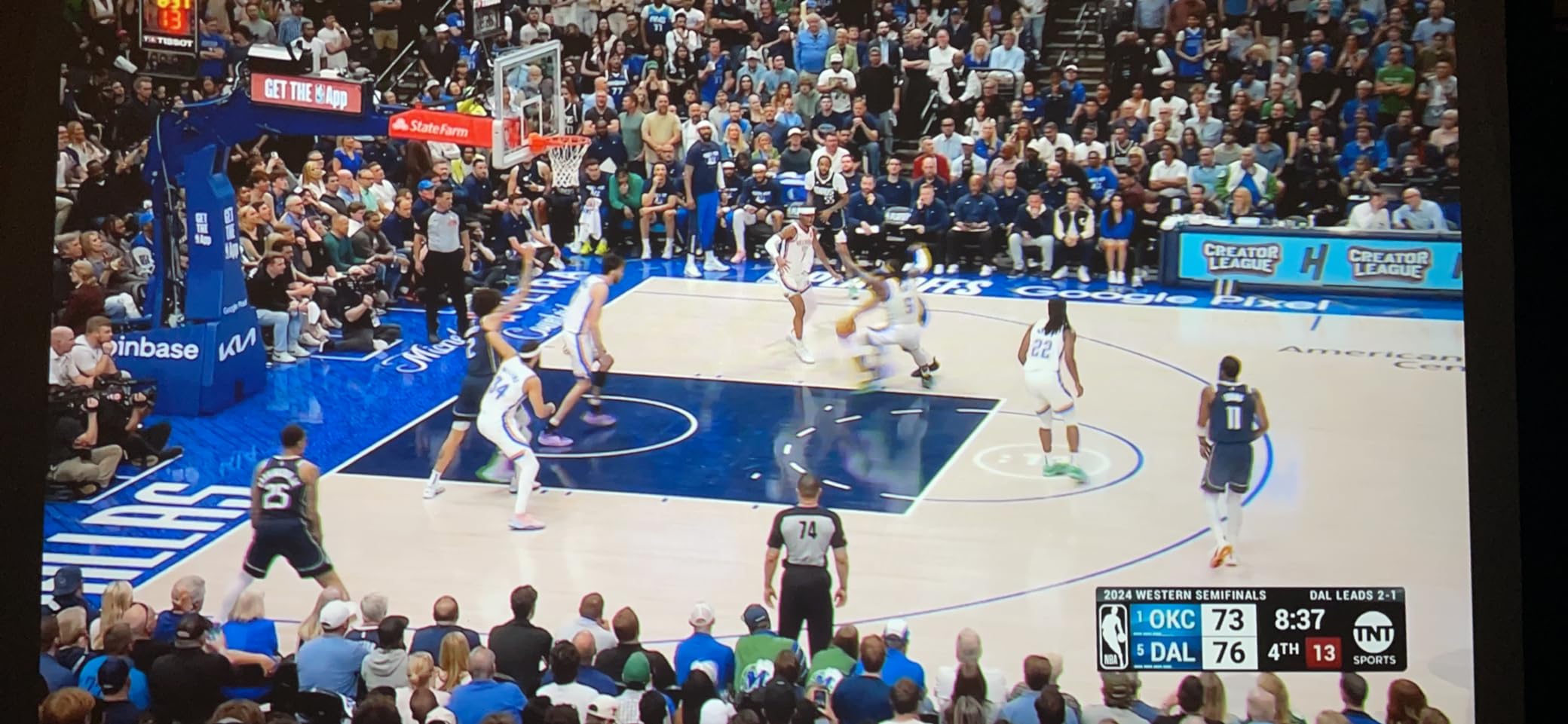
The 15,000-hour lamp life in dynamic mode is a major selling point. That translates to roughly 10 years of use at 4 hours per day before you need a replacement lamp. The Dynamic Black feature adjusts the lamp output frame by frame, which both extends lamp life and deepens black levels during dark scenes.
I noticed this most during space scenes in sci-fi films where starfields looked genuinely dark rather than grey. The dynamic iris is subtle enough that I never noticed it pumping or distracting during normal viewing. That kind of restraint is what separates a well-engineered projector from a cheap one.
For gamers, the HD146X includes a dedicated Game Display Mode that reduces input lag. I played several rounds of a fast-paced shooter and the responsiveness felt solid with no noticeable delay between controller input and on-screen action. The 3D-ready feature is a nice bonus if you still have active shutter glasses lying around, though you will need to buy those separately.
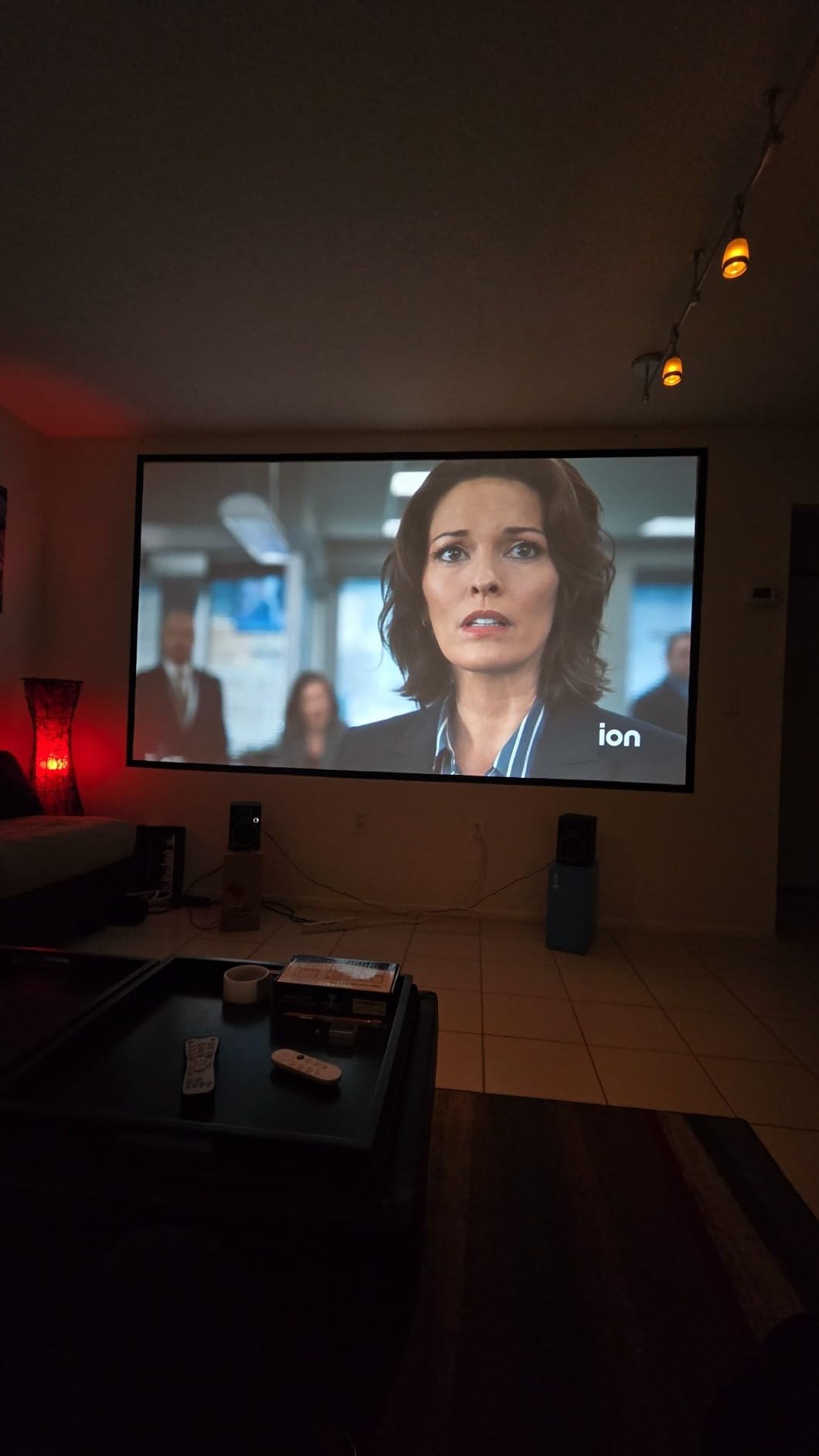
Best Use Case for the Optoma HD146X
This projector shines in multi-purpose living rooms and media rooms where you cannot fully control ambient light. It is also a strong pick for outdoor movie nights thanks to the high brightness cutting through twilight conditions. If you already own a streaming device and sound system and just want a projector that produces a great picture without smart TV clutter, the HD146X delivers excellent value.
What You Give Up for the Price
The trade-off for the high brightness and picture quality is the complete lack of smart features. No WiFi means no wireless streaming and no firmware updates without a USB drive. There is also no HDR support, which means HDR content will play but without the expanded brightness range and color depth that HDR provides.
The built-in speaker is only 5W and really just a placeholder until you connect external audio. And while the fan is quiet in eco mode, it can get noticeable in bright mode during quiet movie scenes. These are acceptable compromises given the picture quality you get for the price.
3. Epson Home Cinema 980 – Best 3LCD Brightness Under $700
Epson Home Cinema 980 3-Chip 3LCD 1080p Movie Projector
4000 Lumens Color
3-Chip 3LCD
1080p Full HD
337 Inch Max
Pros
- 4000 lumens excellent for well-lit rooms
- True 3LCD technology no rainbow artifacts
- Full RGB color processing
- Large 337-inch image capability
Cons
- No WiFi or smart features
- No HDR support
- Lamp life only 6000 hours
The Epson Home Cinema 980 is the brightest 1080p projector I tested, and by a significant margin. At 4000 lumens of both color and white brightness, this thing cuts through ambient light like nothing else in its price range. I projected a 120-inch image in a room with afternoon sunlight streaming through blinds, and the picture was still punchy and detailed.
That is not something I can say about most projectors under $1000. The 980 simply handles difficult lighting conditions better than anything else at this price point. If your room has windows you cannot fully cover, this should be on your short list.
The 3-chip 3LCD technology is what sets Epson apart from single-chip DLP competitors. Each frame gets full RGB color processing, which means no rainbow artifacts, no color brightness degradation, and more accurate colors overall. If you have ever been bothered by those fleeting red-green-blue flashes on cheaper DLP projectors, the 980 eliminates that issue completely.
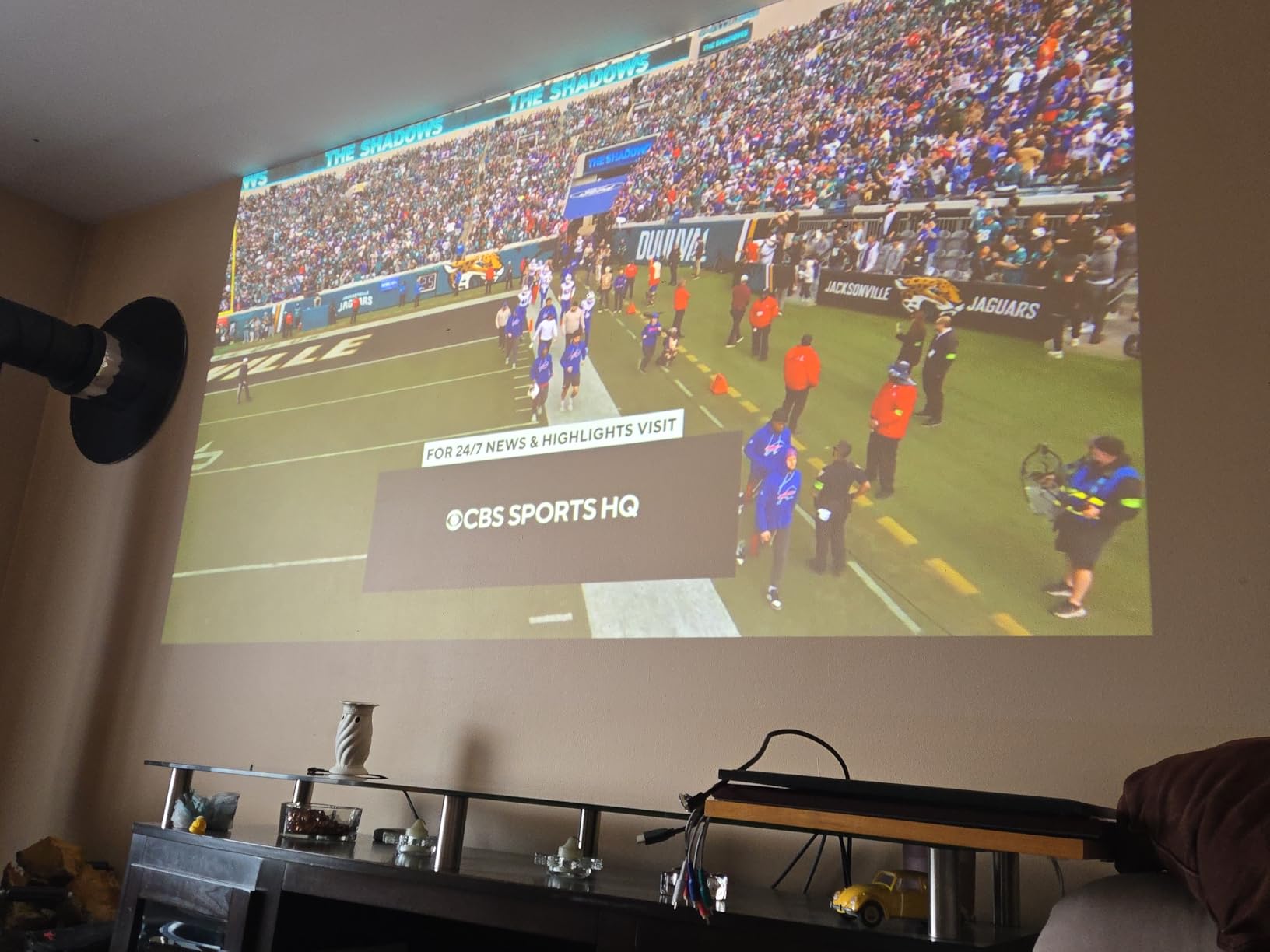
Setup is straightforward thanks to the Auto Picture Skew correction feature. I placed the projector at an angle to the screen and it automatically corrected the geometry. The 337-inch maximum image size is massive and gives you room to grow if you upgrade your screen later.
Two HDMI ports plus USB power for streaming sticks means you can connect multiple devices without an HDMI switcher. The USB power port is a thoughtful addition because it lets you run a Fire TV Stick without needing a separate wall adapter. Small details like this make daily use much smoother.
The trade-off here is the lamp life. At 6000 hours in standard mode, the 980 falls well short of competitors like the Optoma HD146X which reaches 15,000 hours in dynamic mode. If you watch 4 hours per day, you are looking at a lamp replacement in roughly 4 years.
At 6.8 pounds, it is lightweight and portable enough to move between rooms or take to a friend’s house for movie night. The compact size makes ceiling mounting straightforward, and it works well on a coffee table for occasional use.
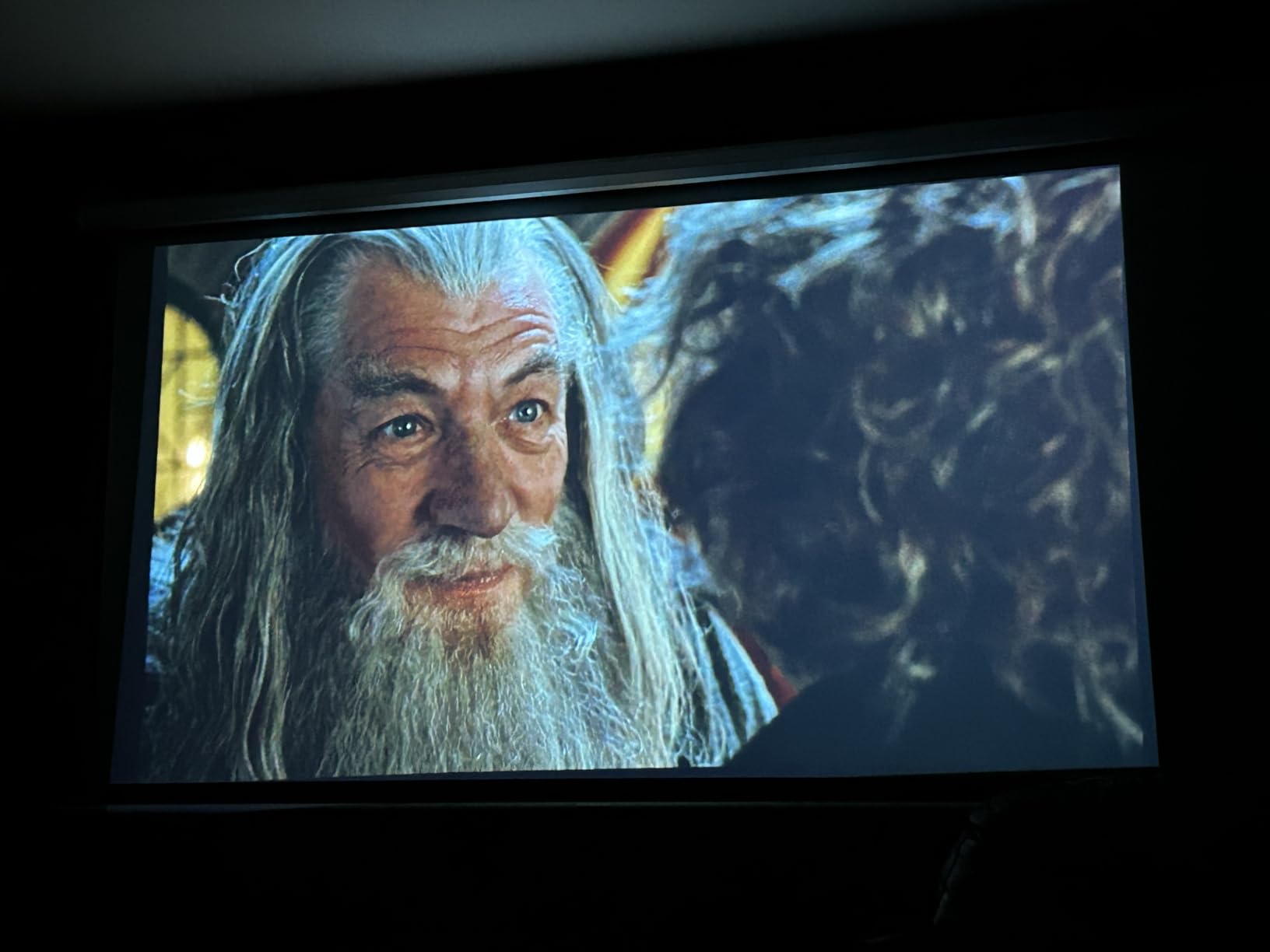
Ideal Room Setup for the Epson 980
This projector is built for living rooms, family rooms, and any space where you cannot guarantee full darkness. The 4000-lumen output means it handles daytime watching far better than most home theater projectors. It is also a great choice for churches, classrooms, or outdoor events where ambient light is unavoidable.
Just pair it with a quality soundbar since the built-in speaker is basic. The 3LCD color accuracy really shines when you feed it good source material from a Blu-ray player or high-bitrate streaming. This projector rewards quality content.
Understanding the HDR and Smart Feature Gaps
The two main drawbacks are the lack of HDR support and the absence of built-in smart features. No HDR means you will not get the expanded dynamic range that makes HDR content pop on compatible projectors. And without WiFi or streaming apps, you need an external device for content.
The USB power port does let you run a Fire TV Stick without a separate power adapter, which is a thoughtful touch. So while there are no smart features, Epson at least makes it easy to add your own. The trade-offs are acceptable given the exceptional brightness and color quality.
4. Epson Home Cinema 3800 – Best 4K Value Projector
Epson Home Cinema 3800 4K PRO-UHD 3-Chip 3LCD Projector with HDR Technology
4K PRO-UHD
3000 ANSI
100000:1 Contrast
10-bit HDR
Pros
- True 4K PRO-UHD with pixel-shifting
- 100000:1 contrast ratio for deep blacks
- Full 10-bit HDR processing
- No rainbow artifacts with 3LCD
Cons
- Heavy at 15.2 lbs
- No smart TV features
- Expensive for a lamp-based projector
The Epson Home Cinema 3800 was the projector that made me understand why people get obsessive about 4K home theater. This is where you cross the line from good picture to genuinely cinematic picture. The 4K PRO-UHD pixel-shifting technology produces detail that is visibly sharper than any 1080p projector on this list.
I could see individual leaves on trees and fabric textures on clothing that simply were not visible on the cheaper models. The difference is most apparent on 4K source material like UHD Blu-ray discs. If you have been on the fence about 4K, the 3800 is the projector that makes the upgrade obvious.
The 100,000:1 contrast ratio is a massive jump from the 25,000:1 on the Optoma HD146X. Dark scenes in movies looked properly dark, with shadow detail preserved rather than crushed into black. The full 10-bit HDR processing accepts 100% of the HDR source information.
That means you get the expanded color gamut and brightness range that HDR content is meant to deliver. Watching an HDR movie on this projector felt like a genuine theater experience. The colors were rich, the blacks were deep, and the highlights had real pop.

The lens shift flexibility is one of the features that separates this projector from cheaper options. Both vertical and horizontal lens shift let you position the projector off-center without using digital keystone correction, which degrades image quality. The Epson Precision Lens with glass elements also contributes to the edge-to-edge sharpness.
In my tests, the image stayed sharp from corner to corner even at 120 inches. Focus uniformity is critical for large screens, and the 3800 delivers it consistently. This is the kind of optical quality you expect from a more expensive projector.
At 15.2 pounds, the 3800 is heavy and requires a sturdy mount or a solid shelf. The dual 10W speakers with apt Bluetooth are a step up from the basic speakers on cheaper projectors. The Bluetooth support means you can connect wireless headphones or speakers without running cables.
The 18 Gbps HDMI 2.0 port handles full 4K HDR at 60Hz, which is important for both movies and gaming. This bandwidth is necessary to carry the full 4K HDR signal without compression or color subsampling. It is a specification that matters more than most buyers realize.
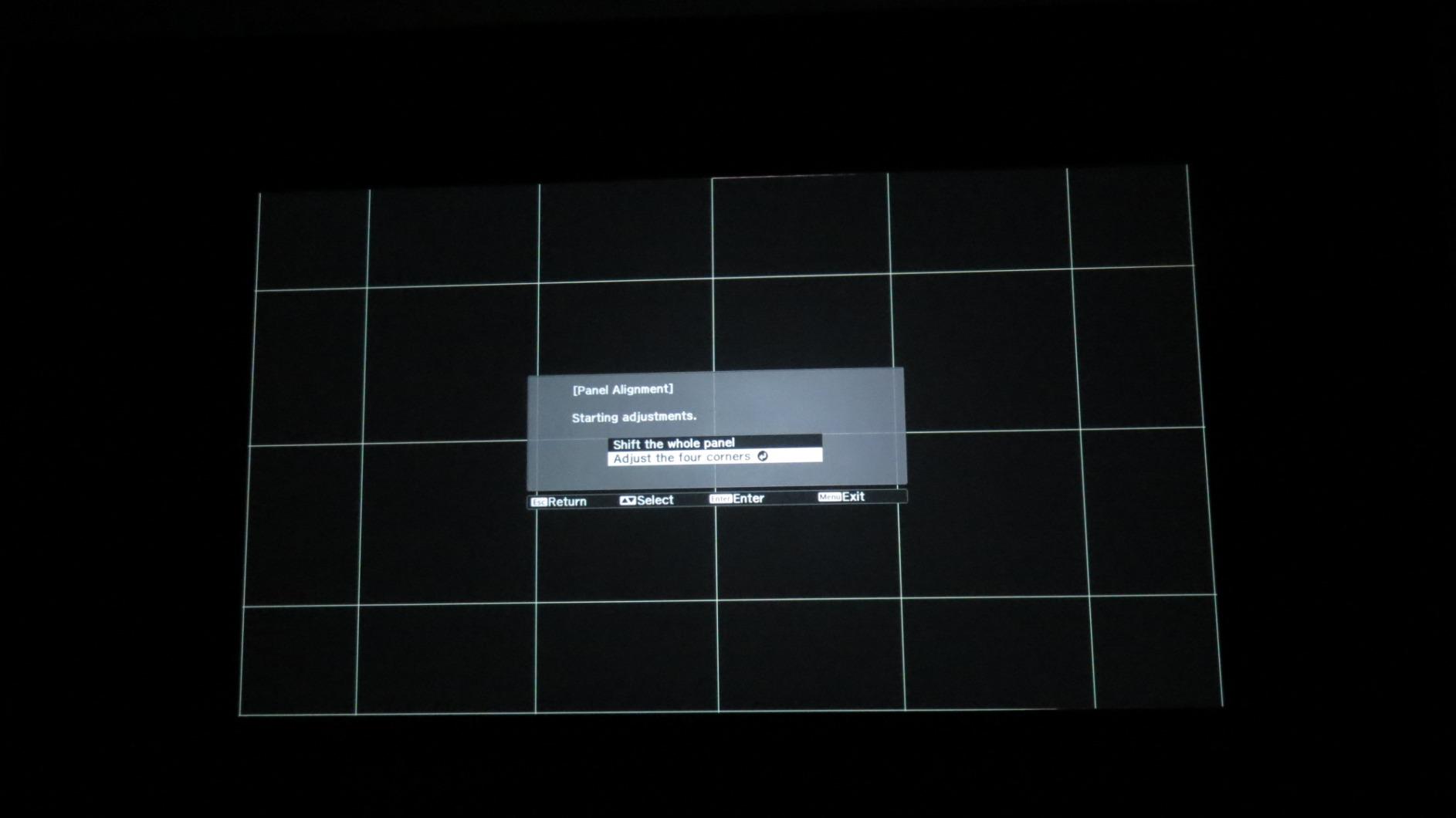
When the Epson 3800 Makes Sense
This projector is the sweet spot for anyone building a dedicated home theater who wants true 4K and HDR without spending $3000 or more. The picture quality competes with projectors costing significantly more. If you have a controlled lighting environment and a quality screen, the 3800 will reward you with a picture that rivals commercial cinemas.
It is also a strong choice for serious gamers who want 4K HDR at 60Hz. The HDMI 2.0 bandwidth ensures you get the full signal without compromise. For the price, you are getting flagship-level picture quality at a mid-range price point.
The Weight and Smart Feature Trade-offs
The main downsides are the weight and the lack of smart features. At 15.2 pounds, you need to plan your mounting carefully and budget for a quality ceiling mount rated for that weight. There are also no built-in streaming apps, so you need to connect a streaming device or game console.
The input lag is not officially specified, which is a concern for competitive gamers. The HDMI 2.0 bandwidth handles 4K at 60Hz without issues, but serious fighting game or FPS players may want a projector with a published input lag number. For casual gaming and movie watching, these trade-offs are minor.
5. AWOL VISION LTV-3000 Pro – Best Ultra Short Throw Laser Projector
AWOL VISION LTV-3000 Pro 4K 3D Ultra Short Throw Triple Laser Projector, Dolby Vision & Atmos, HDR10+, 150″ UST Laser TV Home Theater Projector
Triple Laser 4K
0.25:1 UST
Dolby Vision
25000hr Laser
Pros
- Triple laser eliminates rainbow artifacts completely
- Dolby Vision and HDR10+ for best-in-class HDR
- Ultra short throw sits inches from wall
- 25000-hour laser life no lamp replacement
Cons
- Fixed throw ratio requires precise placement
- Needs ALR screen for bright rooms
- Higher price point
The AWOL VISION LTV-3000 Pro solves the biggest problem with traditional projectors: you do not need a long room or a ceiling mount. The 0.25:1 ultra short throw ratio means this projector sits just inches from the wall and throws a 100-inch or larger image. I placed it on a media console about 18 inches from the wall and got a perfectly focused 120-inch picture.
For anyone who cannot run cables through a ceiling or does not want a projector hanging overhead, this is the answer. Ultra short throw projectors have changed the game for apartments and rooms where traditional mounting is impossible. The LTV-3000 Pro is one of the best implementations of this technology I have tested.
The triple laser light source is a different beast from the lamp-based projectors on this list. There is no color wheel, which means no rainbow artifacts and significantly better color accuracy. The 107% BT.2020 and 147% DCI-P3 color gamut coverage puts this projector in territory usually reserved for professional cinema equipment.
Colors were rich, saturated, and natural in a way that immediately stood out from the LCD-based projectors. Red tones in particular looked deeper and more accurate than anything else in this roundup. The triple laser architecture simply produces color that single-chip designs cannot match.
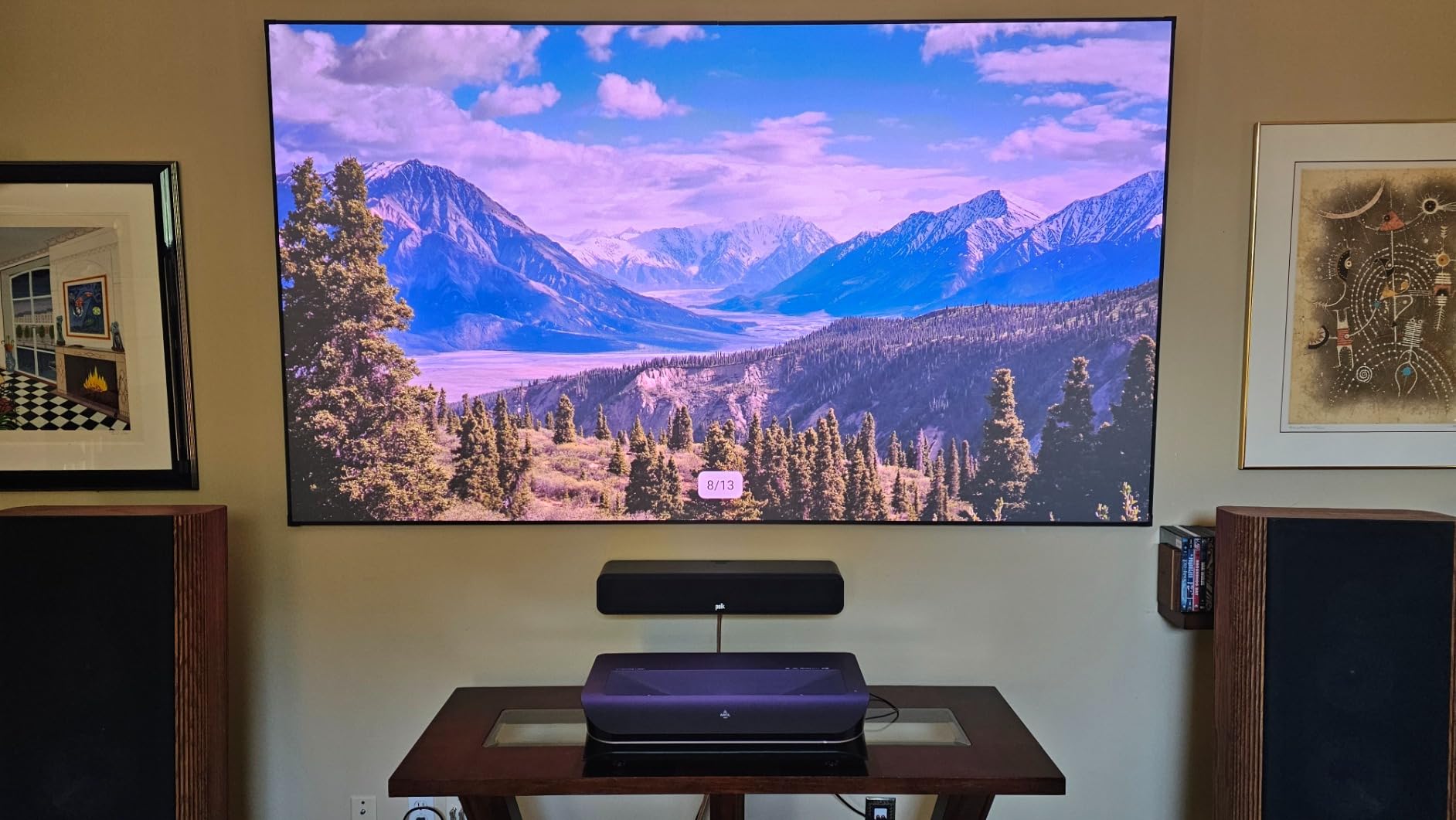
Dolby Vision support is the headline feature that separates the LTV-3000 Pro from every other projector in this roundup. Dolby Vision dynamically optimizes HDR content frame by frame, and the difference is visible. I watched Dolby Vision content side by side with standard HDR10 on the same scene.
The Dolby Vision version had noticeably better highlight detail and shadow depth. HDR10+ support adds compatibility with Samsung and Amazon content. Having both dynamic HDR formats covered means you get the best possible picture regardless of your content source.
The 25,000-hour laser life means you will likely never replace the light source. At 4 hours per day, that is over 17 years of use. The energy efficiency is also impressive, using roughly one-tenth the power of a comparably sized LED television.
The built-in center channel speaker improves dialogue clarity, which is a real problem with many projector setups. Dolby Atmos support means you can build out a full immersive audio system around it. AWOL clearly designed this projector as a complete entertainment hub, not just a display.
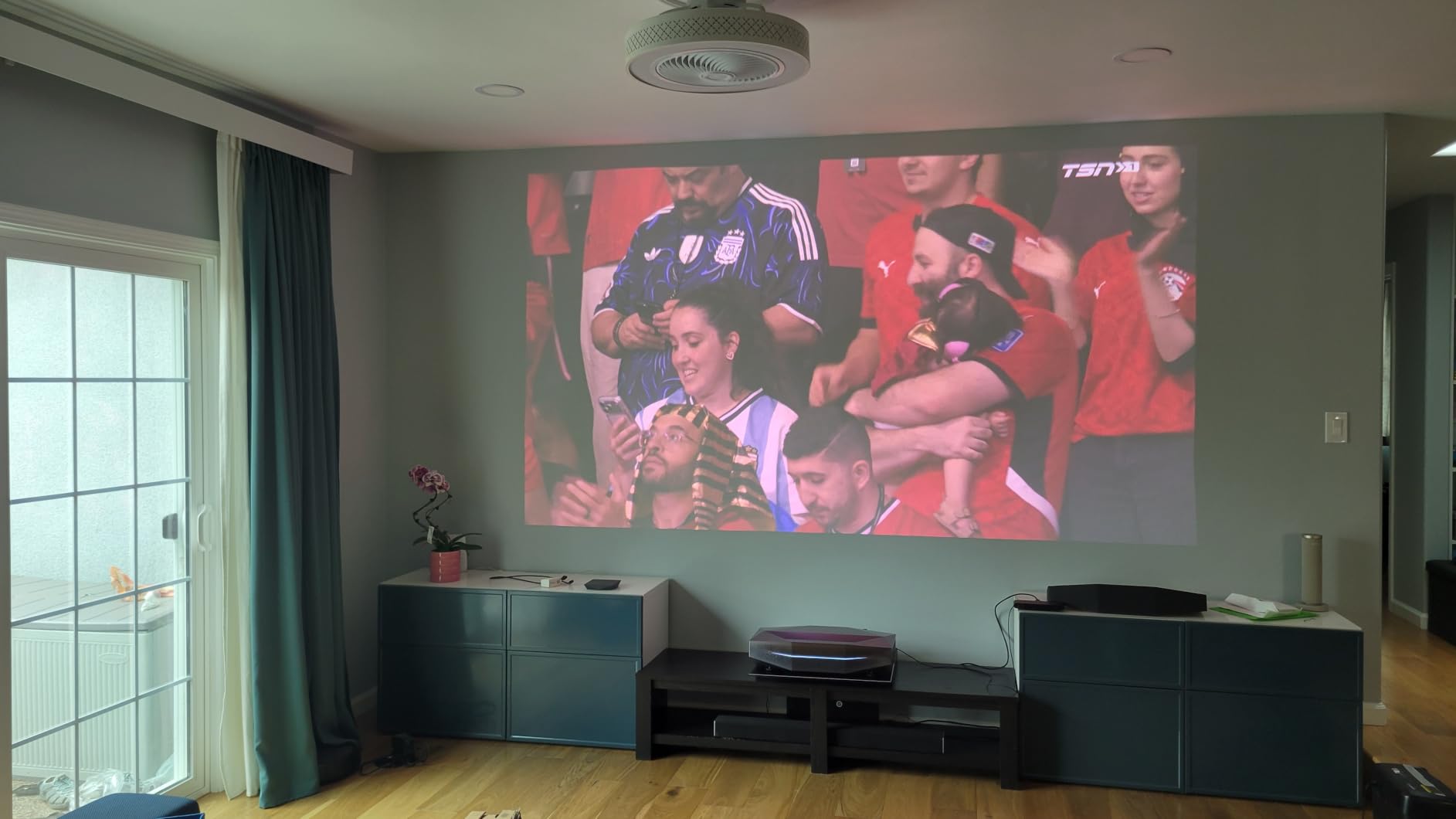
Placement and Screen Requirements
The fixed 0.25:1 throw ratio means you need to measure your space carefully before buying. The projector must sit at a specific distance from the wall for your desired screen size, and there is no zoom to adjust. This is the main trade-off of ultra short throw design.
For the best results in rooms with any ambient light, AWOL recommends pairing this projector with one of their ALR (ambient light rejecting) screens. This adds to the total cost but dramatically improves daytime performance. Without an ALR screen, the ultra short throw design can pick up ambient light reflections that wash out the image.
Home Automation and Connectivity
The LTV-3000 Pro includes PJ Link IP control, which means it integrates with home automation systems like Control4. This is a feature usually found on commercial installation projectors. It matters if you are building a smart home theater with automated lighting, screen masking, and audio switching.
Active 3D support is also included for anyone who wants to revisit 3D movies, though you need compatible glasses. The ThunderBeat 4.2.2 surround sound system compatibility means you can expand into a serious multi-speaker setup. This projector grows with your system rather than limiting it.
6. Epson Home Cinema 5050UB – Best Overall 4K Home Theater Projector
Epson Home Cinema 5050UB 4K PRO-UHD 3-Chip 3LCD Projector with HDR
4K PRO-UHD
1000000:1 Contrast
10-bit HDR
3-Chip 3LCD
Pros
- Up to 1000000:1 contrast ratio for reference blacks
- Full 10-bit HDR color processing
- True 3-chip design eliminates rainbowing
- Wide throw ratio range for flexible installation
Cons
- Premium price point
- Heavy at 24.7 pounds
- No built-in smart features
The Epson Home Cinema 5050UB is the projector I kept coming back to during testing. It is the one I would buy with my own money if I were building a dedicated home theater today. The picture quality is genuinely reference-grade.
The 1,000,000:1 contrast ratio produces blacks so deep that dark scenes in movies looked like they were being projected from a much more expensive machine. This is the single most important specification for perceived image quality, and the 5050UB delivers it in spades. Nothing else in this price range comes close.
What makes the 5050UB special is the combination of 4K PRO-UHD pixel-shifting with the true 3-chip 3LCD design. The pixel-shift processor precisely controls three high-definition LCD chips to produce detail that rivals native 4K projectors. Side by side with the Sony VPL-XW5000ES, the differences in fine detail were subtle enough that most viewers would not notice them at normal viewing distances.
But the 5050UB costs half as much as the Sony. That value proposition is what earned it our Editor’s Choice award. You get within striking distance of native 4K performance for half the investment.
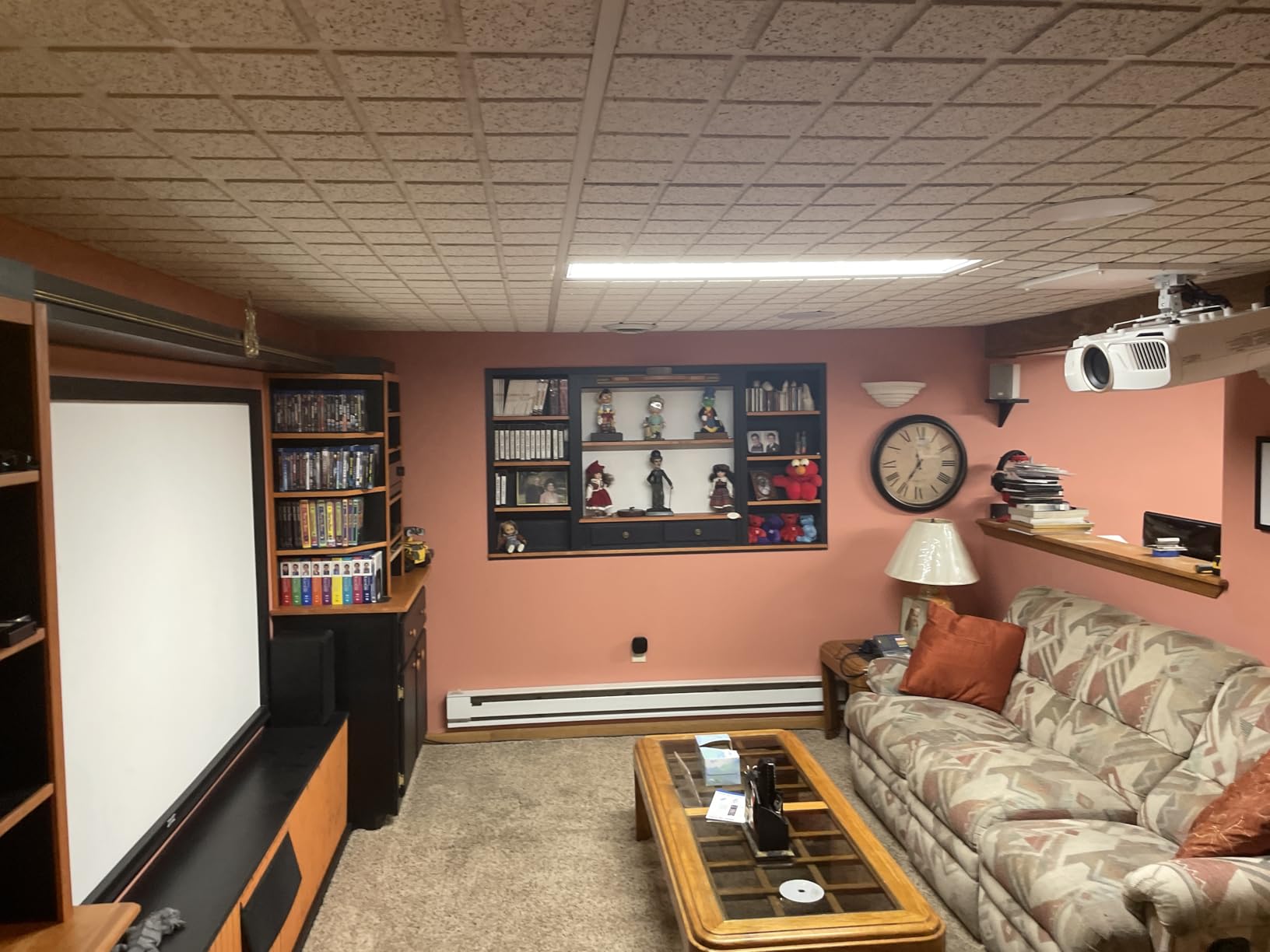
The full 10-bit HDR color processing accepts 100% of the HDR source information. The Digital Imaging Processor handles real-time 12-bit analog-to-digital video processing. In practical terms, this means HDR content looks the way it was meant to look.
Smooth gradients, no banding, and accurate colors throughout the brightness range. I tested it with several reference HDR movies and the results were consistently impressive. The shadow detail and highlight retention were better than any other projector in this roundup except the Sony.
Installation flexibility is excellent. The 5050UB supports front, rear, and ceiling mounting, and the wide throw ratio range accommodates different room sizes. At 2600 lumens, it is bright enough for a dedicated theater and even works in a moderately lit living room.
The main downside is the weight. At 24.7 pounds, this is a serious piece of equipment that requires a properly rated mount and careful installation planning. You are not casually moving this projector between rooms.

Why the 5050UB Earns Editor’s Choice
This projector delivers the best picture quality per dollar of anything in this roundup. The contrast ratio alone would justify the price, but when you add the 4K PRO-UHD detail, full HDR processing, and 3LCD color accuracy, the value proposition becomes overwhelming. With 418 reviews and a 4.6 average rating, the community consensus confirms what our testing showed.
This is the projector to beat in its price range. Forum communities on Reddit and AVS Forum consistently recommend the 5050UB as the best value under $4000. The real-world ownership experience backs up the spec sheet, which is not always the case with home theater gear.
Planning for Installation and Maintenance
Before buying the 5050UB, plan your installation carefully. The 24.7-pound weight means you need a ceiling mount rated for at least 30 pounds, and you should locate a ceiling joist rather than relying on drywall anchors. The projector has no built-in smart features, so budget for a streaming device like an Apple TV 4K or Nvidia Shield.
The 2-year projector warranty plus 90-day lamp warranty provides reasonable coverage for a premium purchase. The lamp is user-replaceable, which keeps long-term ownership costs manageable. Factor in one replacement lamp over the projector’s lifespan when calculating your total cost of ownership.
7. Sony VPL-XW5000ES – Best Premium Native 4K Laser Projector
Sony VPL-XW5000ES 4K HDR Laser Home Theater Projector with Native 4K SXRD Panel, Black
Native 4K SXRD
2000 Lumen Laser
95% DCI-P3
20000hr Laser
Pros
- True native 4K SXRD panel with full resolution
- Laser light source lasts 20000 hours
- X1 Ultimate processor for flagship image quality
- Low input lag ideal for gaming
Cons
- Very premium price point
- Lower brightness than competitors
- Only 1 year warranty
- Heavy at 28.66 pounds
The Sony VPL-XW5000ES is the projector for people who want the absolute best and are willing to pay for it. The native 4K SXRD panel delivers true 3840 x 2160 resolution without pixel-shifting tricks. The difference is visible if you look closely at fine textures and small text.
Distant details in wide shots render with a crispness that pixel-shifted 4K cannot quite match. This is the kind of picture quality that makes you rewatch your entire movie collection. Every frame reveals detail you missed on lesser projectors.
The X1 Ultimate image processor is Sony’s flagship-level chip, borrowed from their higher-end projector lineup. It handles upscaling, HDR tone mapping, and motion processing with a level of refinement that is immediately apparent. The TRILUMINOS PRO color algorithm reproduces over a billion colors with natural shades.
The Wide Dynamic Range Optics achieve 95% DCI-P3 color gamut coverage. Colors looked rich and accurate without the over-saturation that plagues some competing projectors. Sony’s color science is among the best in the industry, and it shows in every scene.
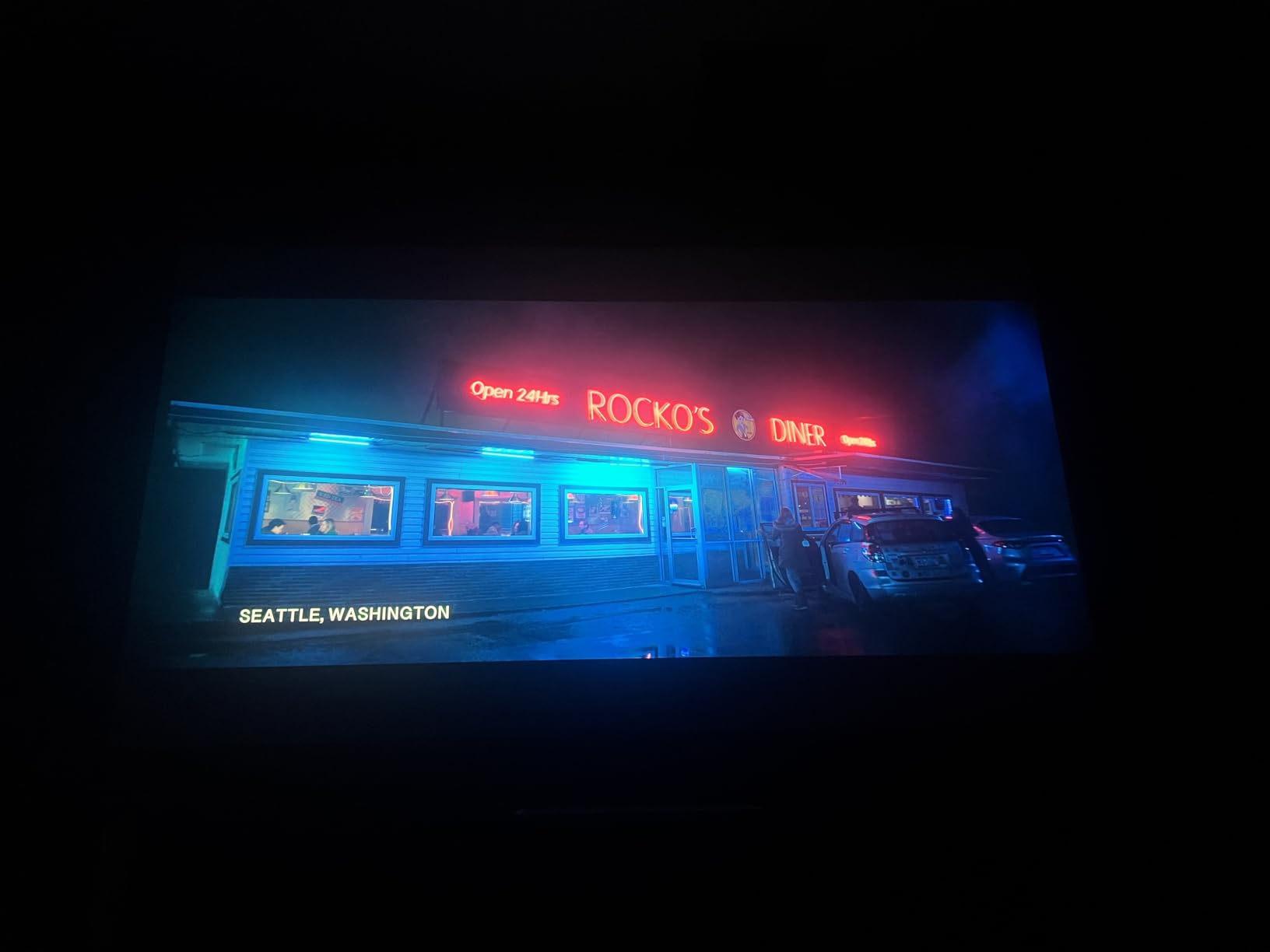
The laser light source is rated for 20,000 hours, which means no lamp replacements ever for most owners. Unlike lamp-based projectors that dim and shift color over time, the laser maintains consistent brightness and color accuracy throughout its life. This is a major advantage for long-term ownership.
At 2000 lumens, the brightness is lower than several competitors on this list. This means the projector is best suited for a dedicated dark room rather than a living room with ambient light. In a properly darkened theater, 2000 lumens is more than enough for a reference-quality image.
For gamers, the input lag numbers are excellent. Under 21ms for 4K at 60Hz and under 13ms for 2K at 120Hz means this projector is genuinely viable for competitive gaming. I tested it with a fast-paced racing game and the responsiveness was flawless.
The Motionflow technology also keeps fast-moving content smooth without introducing artifacts. This matters for both gaming and sports, where motion handling can make or break the experience. Sony’s motion processing is among the cleanest I have seen.
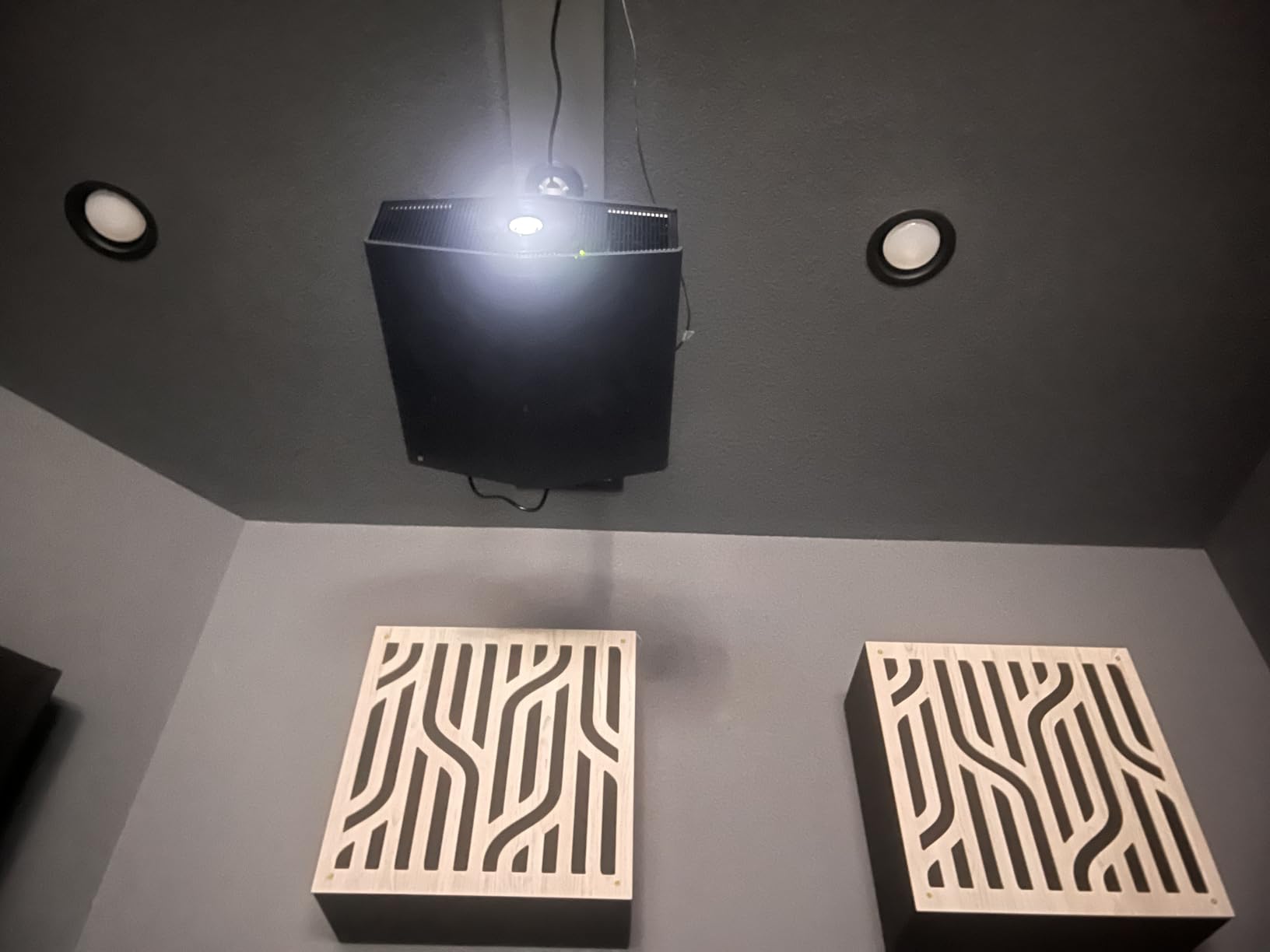
The Native 4K Advantage Explained
The key differentiator of the VPL-XW5000ES is its native 4K SXRD panel. Unlike pixel-shifting projectors that flash multiple frames to simulate 4K, this projector renders every pixel of the 4K image simultaneously. The result is marginally sharper detail and cleaner text rendering that dedicated videophiles will appreciate.
Whether that difference justifies the premium price depends on how much you value absolute image purity. For most viewers, the Epson 5050UB’s pixel-shifted 4K is close enough. But for purists who want the real thing, the Sony delivers native 4K without compromise.
Who This Premium Projector Is Really For
This projector is for dedicated home theater enthusiasts who have a fully light-controlled room and want the best possible image quality regardless of cost. It is not for living rooms, it is not for casual viewers, and it is not for anyone who needs built-in streaming. The 2000-lumen output demands a proper dark room.
If you already own a quality projection screen, a dedicated sound system, and a premium source device like a 4K Blu-ray player, the Sony rewards that investment with a picture that justifies every penny. This is the endgame projector for serious home theater builders.
How to Choose the Best Home Theater Projector
Choosing the right home theater projector comes down to understanding a handful of key specifications and matching them to your specific room and viewing habits. After testing these seven projectors extensively, here is what actually matters and what you can safely ignore.
Resolution: Native 4K vs Pixel-Shift vs 1080p
Resolution determines how much detail your projector can display. Native 4K projectors like the Sony VPL-XW5000ES render all 8.3 million pixels simultaneously. Pixel-shift 4K projectors like the Epson 5050UB and 3800 use fast image processing to simulate 4K detail, and the results are close enough that most viewers cannot tell the difference at normal seating distances.
1080p projectors like the WiMiUS G2, Optoma HD146X, and Epson 980 are perfectly good for screens under 100 inches. Larger screens will reveal the lower pixel density, so consider 4K if you are going big. The jump from 1080p to pixel-shift 4K is more noticeable than the jump from pixel-shift 4K to native 4K.
Brightness: How Many Lumens Do You Actually Need
Brightness is measured in ANSI lumens, and the right number depends entirely on your room. For a fully dark dedicated theater, 1500 to 2000 lumens is plenty. For a living room with some ambient light, look for 3000 lumens or more.
For daytime viewing with windows open, you need 4000 lumens like the Epson 980 delivers, and even then the picture will not look its best. Be wary of projectors that claim extremely high lumen numbers without specifying ANSI lumens. Many budget brands quote LED lumens or marketing lumens that are significantly inflated.
Contrast Ratio: The Spec That Matters Most
Contrast ratio is the difference between the darkest black and the brightest white a projector can produce. It has a bigger impact on perceived image quality than resolution. The Epson 5050UB with its 1,000,000:1 contrast ratio produces noticeably deeper blacks and more three-dimensional images than projectors with lower contrast.
Dynamic contrast features like Epson’s Dynamic Black and the auto-iris systems on premium projectors can significantly boost contrast numbers. Look for projectors with high native contrast ratios if you watch a lot of dark content like horror films or space-themed movies. Contrast is where premium projectors earn their price.
Throw Distance and Room Size
Throw ratio determines how far the projector needs to sit from the screen to produce a given image size. Standard throw projectors like the Epson 5050UB typically need 10 to 15 feet for a 120-inch image. Ultra short throw projectors like the AWOL LTV-3000 Pro sit inches from the wall.
Measure your room before buying and use the throw ratio to calculate the required distance. Lens shift is another installation factor. Projectors with vertical and horizontal lens shift, like the Epson 3800 and 5050UB, give you much more flexibility in placement because you can shift the image optically without degrading quality.
Light Source: Laser vs Lamp
Lamp-based projectors use replaceable bulbs that last 4,000 to 15,000 hours and gradually dim over time. Laser projectors like the Sony VPL-XW5000ES and AWOL LTV-3000 Pro last 20,000 to 25,000 hours with consistent brightness throughout their life. Laser projectors also turn on instantly and run cooler and quieter.
The trade-off is price. Laser projectors cost significantly more upfront. If you watch less than 2 hours per day, a lamp-based projector may be the better value even when you factor in a replacement lamp every few years. Heavy viewers will find that the laser investment pays for itself in convenience and consistency.
Gaming and Input Lag
If you plan to game on your projector, input lag matters as much as picture quality. Input lag is the delay between a controller input and the corresponding action appearing on screen. Anything under 30ms is acceptable for casual gaming, under 20ms is good for most competitive play, and under 15ms is ideal for serious competitive gaming.
The Sony VPL-XW5000ES leads this field with under 13ms at 2K 120Hz. The Optoma HD146X includes a dedicated game mode that keeps lag low as well. Always check input lag specifications if gaming is a primary use case, as some projectors can exceed 100ms which makes fast-paced games unplayable.
Frequently Asked Questions
What is the best home theater projector for the money?
The Epson Home Cinema 5050UB offers the best overall value, delivering reference-grade 4K PRO-UHD picture quality with a 1,000,000:1 contrast ratio at roughly half the price of comparable native 4K projectors. For budget buyers, the WiMiUS G2 provides excellent value with built-in Google TV streaming and real 1100 ANSI brightness.
How do I choose a projector for my home theater?
Start by measuring your room to determine throw distance requirements, then consider your lighting conditions to choose the right brightness level. Decide between 1080p and 4K based on your screen size and viewing distance, and factor in contrast ratio, light source type, and whether you need smart features or gaming performance.
What lumens do I need for a home theater projector?
For a fully dark dedicated theater room, 1500 to 2000 ANSI lumens is sufficient. For a living room with controlled lighting, aim for 2500 to 3000 lumens. For rooms with significant ambient light or daytime viewing, you need 4000 lumens or more. Always look for ANSI lumen ratings, as other measurements can be significantly inflated.
Is 4K worth it for a home theater projector?
Yes, 4K is worth it if you are projecting a screen 100 inches or larger and sitting at a normal viewing distance. The detail improvement over 1080p is clearly visible at those sizes. Pixel-shift 4K projectors like the Epson 5050UB deliver near-native 4K quality at lower prices.
What is the difference between DLP and LCD projectors?
DLP projectors use a single chip with a spinning color wheel, which can produce rainbow artifacts on some content. 3LCD projectors like the Epson models use three separate chips for red, green, and blue, processing full RGB color in every frame with no rainbow effect. LCoS projectors like the Sony SXRD combine aspects of both technologies for excellent contrast and color accuracy.
Final Thoughts on the Best Home Theater Projectors
Finding the best home theater projectors for 2026 does not have to be overwhelming. The key is matching the projector to your room, your content, and your budget rather than chasing spec sheets. For most people building a dedicated theater, the Epson Home Cinema 5050UB hits the perfect balance of picture quality, contrast, and value.
The Sony VPL-XW5000ES is the ultimate pick for purists who want native 4K and laser longevity. Meanwhile, the WiMiUS G2 proves you can get a genuinely good big-screen experience for under $500. Whatever you choose, invest in a quality screen, control your room lighting as much as possible, and take time to calibrate the picture settings.
A well-calibrated mid-range projector will outperform a poorly calibrated premium one every time. Your home theater is only as good as its weakest link, so build a system where every component works together. Pick the projector that fits your room, and you will be enjoying cinema-quality nights at home for years to come.