
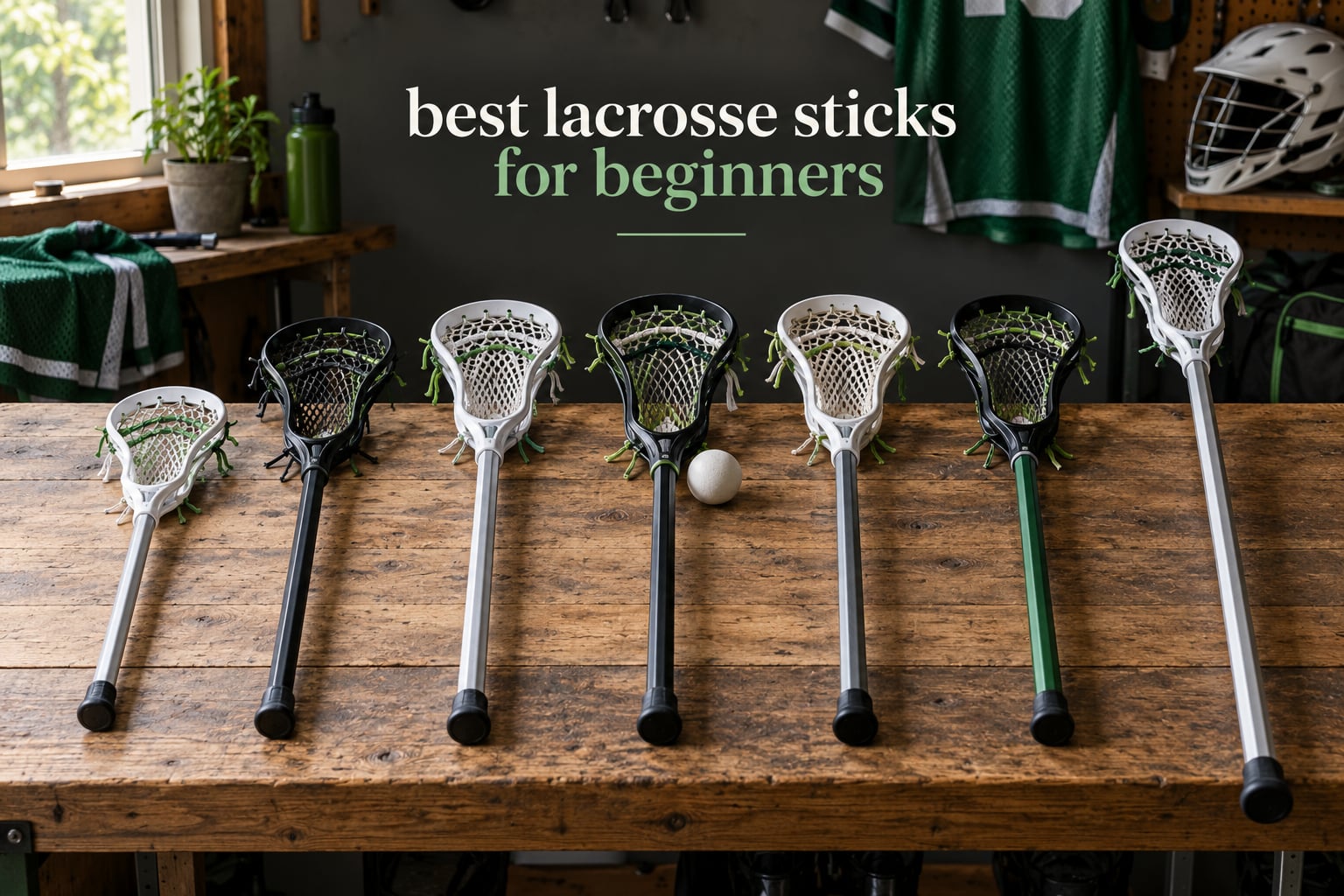
The best lacrosse sticks for beginners are complete, pre-strung sticks with a soft mesh pocket and a wide head, built on a short shaft so a new player can catch, cradle and throw without learning pocket tuning first. That single sentence answers most of what parents ask at the counter, but the details decide whether a kid keeps playing or hands the stick back after two practices.
Our team went through the full lineup of complete sticks on the market, weighed the published specifications against what a first-year player actually needs, and read the review patterns that buyers report back. The detail almost nobody publishes: shaft length, head width, total weight, and whether the pocket arrives playable or dead-stiff. Those four numbers separate a stick that gets used for three seasons from one that ends up in a garage by August.
Below you will find seven complete sticks that hold up for a real beginner workload, split by who they suit, plus a buying guide that explains shaft lengths, materials and head geometry without the jargon dump most guides open with. If you want a single answer, the lacrosse goals roundup covers the other half of the kit your player will need on the same shopping trip.
Table of Contents
Top 3 Beginner Lacrosse Sticks (October 2026)
STX Stallion 200 Complete
- Entry-level boys complete stick
- Soft mesh stringing
- STX 6000 series alloy handle

STX Stallion 50 Youth
- 39 inch youth length
- Softer-molded forgiving head
- Shorter and thinner handle

CAKLOR Complete Attack/Mid
- Complete attack and midfield stick
- Softer-molded forgiving head
- Premium mesh stringing
Best Lacrosse Sticks for Beginners in 2026 at a Glance
Every pick below is a complete stick, which means the head, shaft and pocket arrive already assembled and strung. The best-for column is the one to read first; the length and weight figures explain why each stick lands where it does.
| Product | Specifications | Action |
|---|---|---|
| STX Stallion 200 Complete |
|
Check Latest Price |
| STX Stallion 50 Youth |
|
Check Latest Price |
| CAKLOR Complete Attack/Mid |
|
Check Latest Price |
 STX Fortress 300 Girls STX Fortress 300 Girls |
|
Check Latest Price |
 Franklin Ambush 26 Inch Franklin Ambush 26 Inch |
|
Check Latest Price |
 CAKLOR Junior 38.5 Inch CAKLOR Junior 38.5 Inch |
|
Check Latest Price |
 Signature Starter 28 Inch Signature Starter 28 Inch |
|
Check Latest Price |
1. STX Stallion 200 Boys Complete Stick – Best Overall for New Attack and Midfield Players
STX Lacrosse Stallion 200 A/M Boys Complete Stick , Black
41 inch length
12.8 ounces
STX 6000 series alloy handle
Soft mesh stringing
Pros
- Highest rated stick here at 4.7 stars across more than 1350 reviews
- Top ranked listing in Amazon's Lacrosse Sticks category
- Forgiving soft mesh that suits first-season players
- Designed to build fundamental catching and cradling skills
Cons
- Full boys sizing is too big for younger or smaller players
- Head is fixed rather than interchangeable
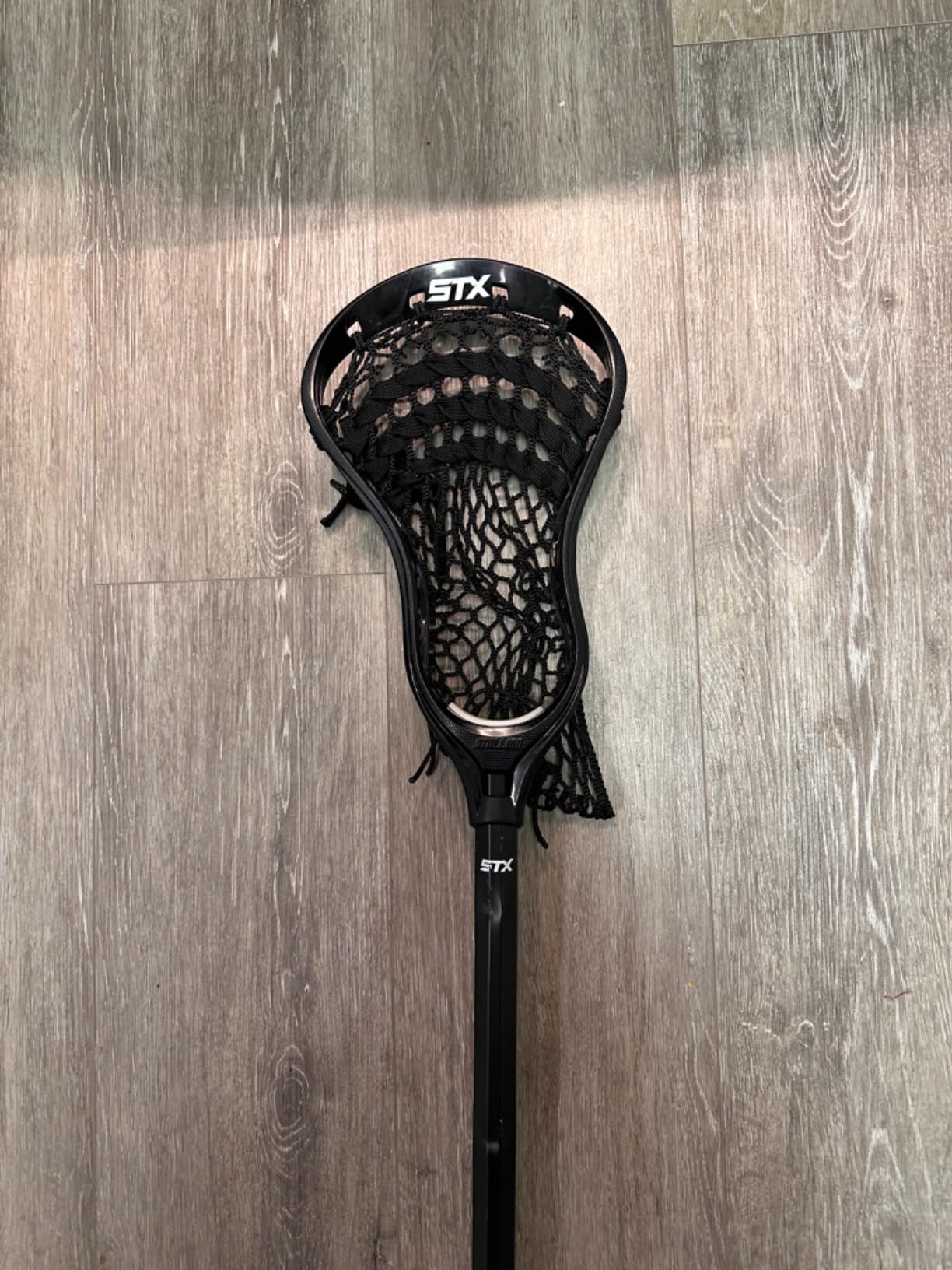
Out of the box this is the stick I would hand to a high school freshman or a bigger middle school kid who has never cradled before. The 41 inch length puts it in standard attack and midfield territory, and the whole thing weighs 12.8 ounces, which is light enough that a player who has never held a lacrosse stick can still swing it at pace.
The head is molded from a softer material than the elite STX men’s Stallion models, and that softness is the reason catches land instead of bouncing out. Buyers consistently point to the same thing: this is a dependable first complete stick that develops fundamentals and somehow still feels like a premium product.
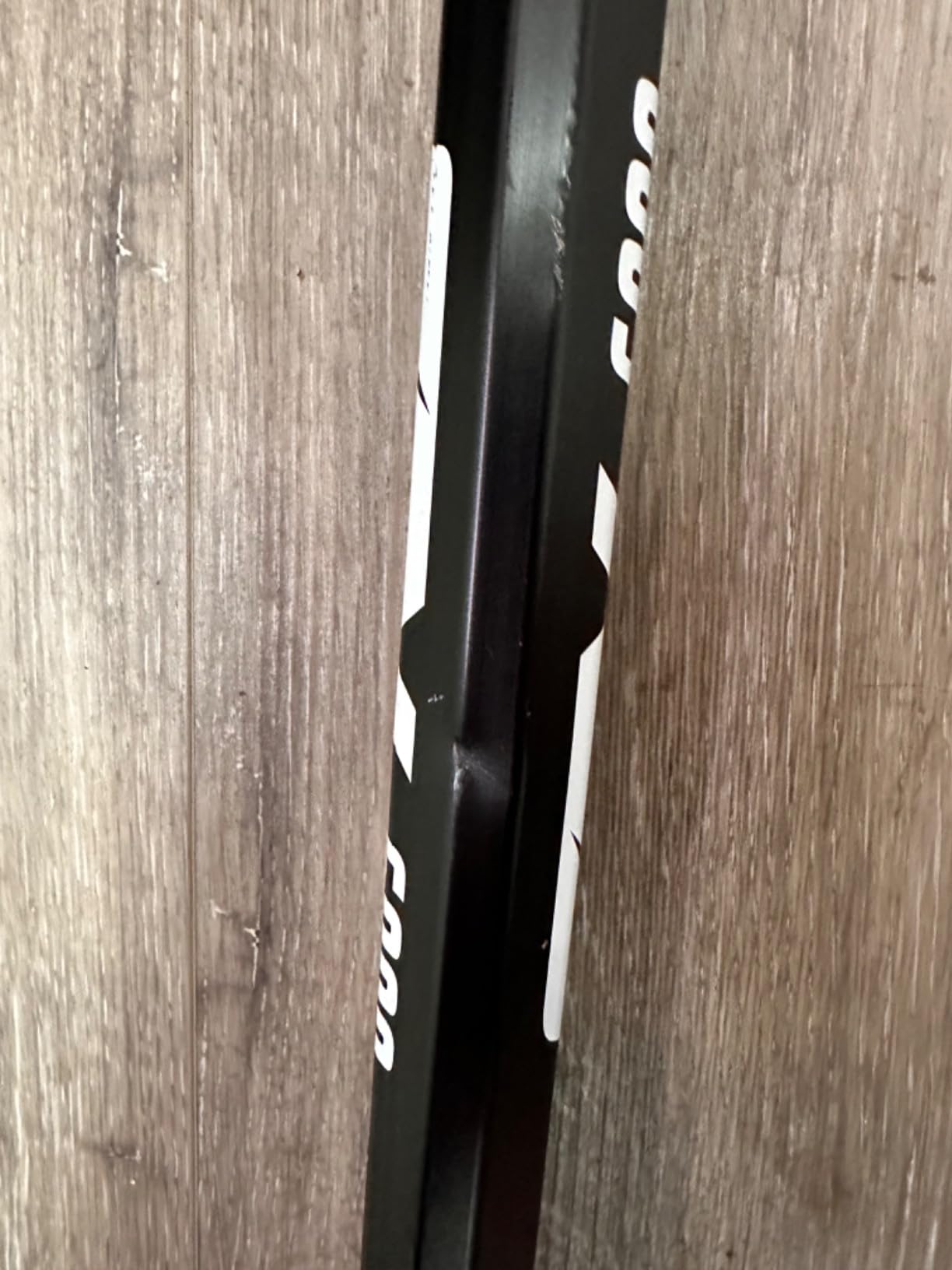
Ninety-four percent of reviews sit at four stars or above, and 81% are five stars. That distribution is unusual for a sports stick at this level of use, and it tells you the failure rate is low. The soft mesh stringing is the piece doing most of the work, since it gives a new player a pocket deep enough to hold the ball through a cradle without any adjustment.
Two things to know before you commit. The head is fixed to the shaft rather than interchangeable, so this is a two-season decision at minimum rather than a modular build. And the sizing is genuinely full-size boys, which makes it a poor match for a 7 or 8 year old no matter how good the stick is.
Who this stick suits
This suits a beginner who is roughly 12 or older, or any younger player who is tall and strong for their age band. It also works as an adult beginner returning to the sport after a long break, because the length and weight are in the range most returning players grew up with.
Attack and midfield players get the most out of the 41 inch shaft, since it is the standard length for both roles. A player who will move to long-stick defense later will outgrow this quickly, so plan on a second purchase rather than trying to make it last.
Where it falls short
The fixed head means there is no upgrade path short of buying a whole new stick. Players who learn fast and want to experiment with a stiffer pocket or a different head profile will hit a ceiling here.
It is also not adjustable. If the stringing does not suit a player’s hand, the fix is a restring at a shop, not a swap of the head. For most beginners that is exactly the simplicity you want, but it is worth being deliberate about.
2. STX Stallion 50 Youth Complete Stick – Best for Boys Aged 6 to 13
STX Lacrosse Stallion 50 Youth Lacrosse Complete Stick, Platinum/White, 39″
39 inch youth length
7.25 inch head width
Soft mesh stringing
Softer-molded head
Pros
- Purpose-built 39 inch youth length that is genuinely easier to handle
- Forgiving molded head helps beginners land catches
- Over 1000 reviews averaging 4.6 stars
- Shorter thinner handle reduces swing weight
Cons
- Boys lacrosse only so it cannot be used for girls lacrosse
- Fixed head and shaft with no upgrade path
Age is the number that decides this one, and STX built it for the 0 to 13 range. At 39 inches overall with a 7.25 inch head, it is short enough that a small player can get the head out in front of their body, which is the difference between scooping a ground ball and whiffing at it for two seasons.
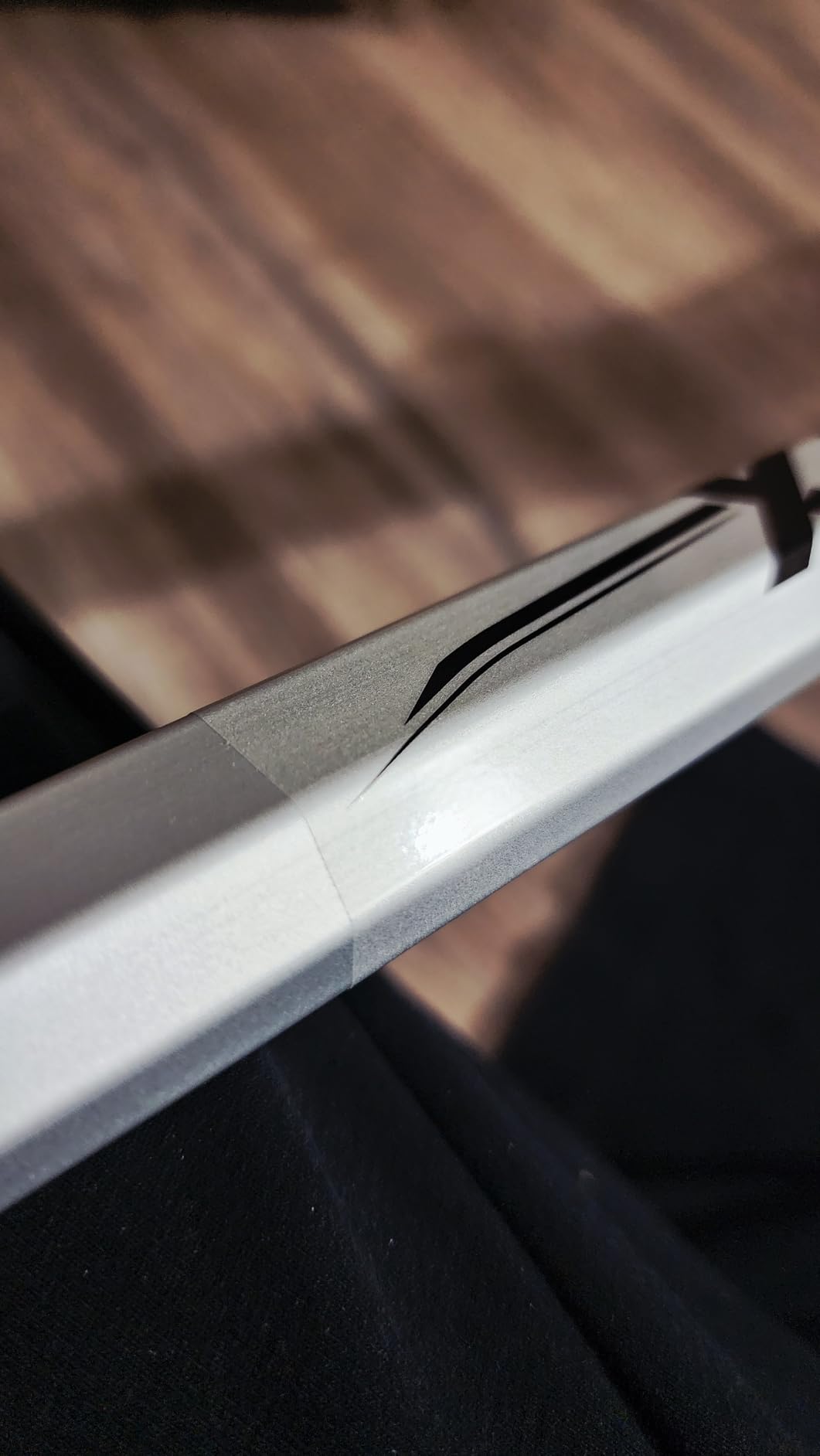
The handle is shorter and thinner than the Stallion 200, and that is the feature parents notice first. A thin shaft is easier for small hands to wrap and easier to release quickly, which matters more than any pocket setting in the first month of play.
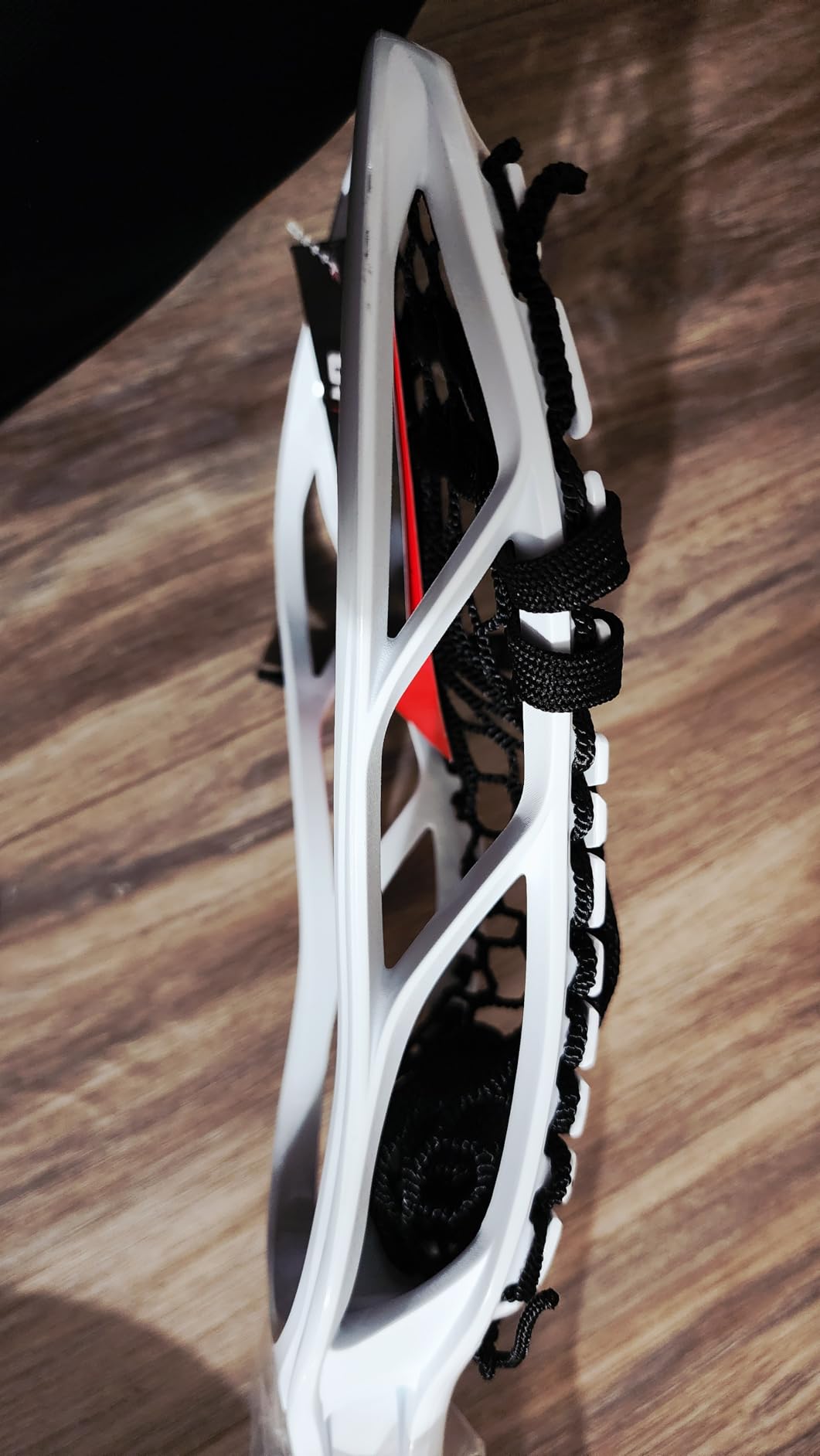
Reviewers describe the head as molded with a softer material for a forgiving response, and that is doing real work for a first-season player. Nearly 1,025 reviews averaging 4.6 stars is a strong signal for a youth stick, and the dominant sentiment is that this is a true first stick for boys aged roughly 6 to 13.
A small minority of owners rate it as average next to higher-end sticks. That is usually a player who grew out of the youth sizing faster than expected rather than a fault in the stick itself, so measure twice if your child is at the top of the age band.
Who this stick suits
It suits boys joining a youth league between roughly 6 and 13 who need a stick they can actually control. If a player is under 10 and still small for their age, look at the shorter options later in this list instead of forcing a 39 inch stick.
It also works as a backup or beater stick. Players keep a second stick for practices, and this one takes the abuse without the same concern you would have about a senior alloy shaft.
Where it falls short
This is explicitly a boys lacrosse stick and cannot be used for girls lacrosse, which is a real limit for families with players on both sides of the sport. The rules and the equipment are different enough that the sizing does not transfer.
There is also no upgrade path. The head and shaft are fixed together, so when a player outgrows the 39 inch length the whole stick gets replaced rather than just the head.
3. CAKLOR Complete Attack/Midfield Stick – Best Value for Middle School Beginners
CAKLOR Lacrosse Complete Attack/Midfield Stick with Shaft & Head Mens-1 Stick,Black
41 inch length
15.8 ounces
Aluminum alloy handle
Professionally strung mesh
Pros
- Low-cost complete stick that arrives ready to play
- Alloy shaft is sturdy yet noticeably light
- Works for middle school beginners and adult players
- Head molded softer for a forgiving response
Cons
- Pocket stringing is described as awkward and needs break-in
- Build quality reads as serviceable rather than premium
At 41 inches and 15.8 ounces, this is the heavier of the two full-size attack and midfield sticks listed here, and the honest reason to buy it is that the build is sturdy without feeling cheap. The aluminum alloy handle is the same material family the name-brand entry sticks use, so the durability story holds up.
The head is molded with a softer material for a forgiving response, and the pocket is professionally strung rather than factory-guessed. Reviewers consistently use the word dependable, which is about the highest praise a first-season stick can earn.
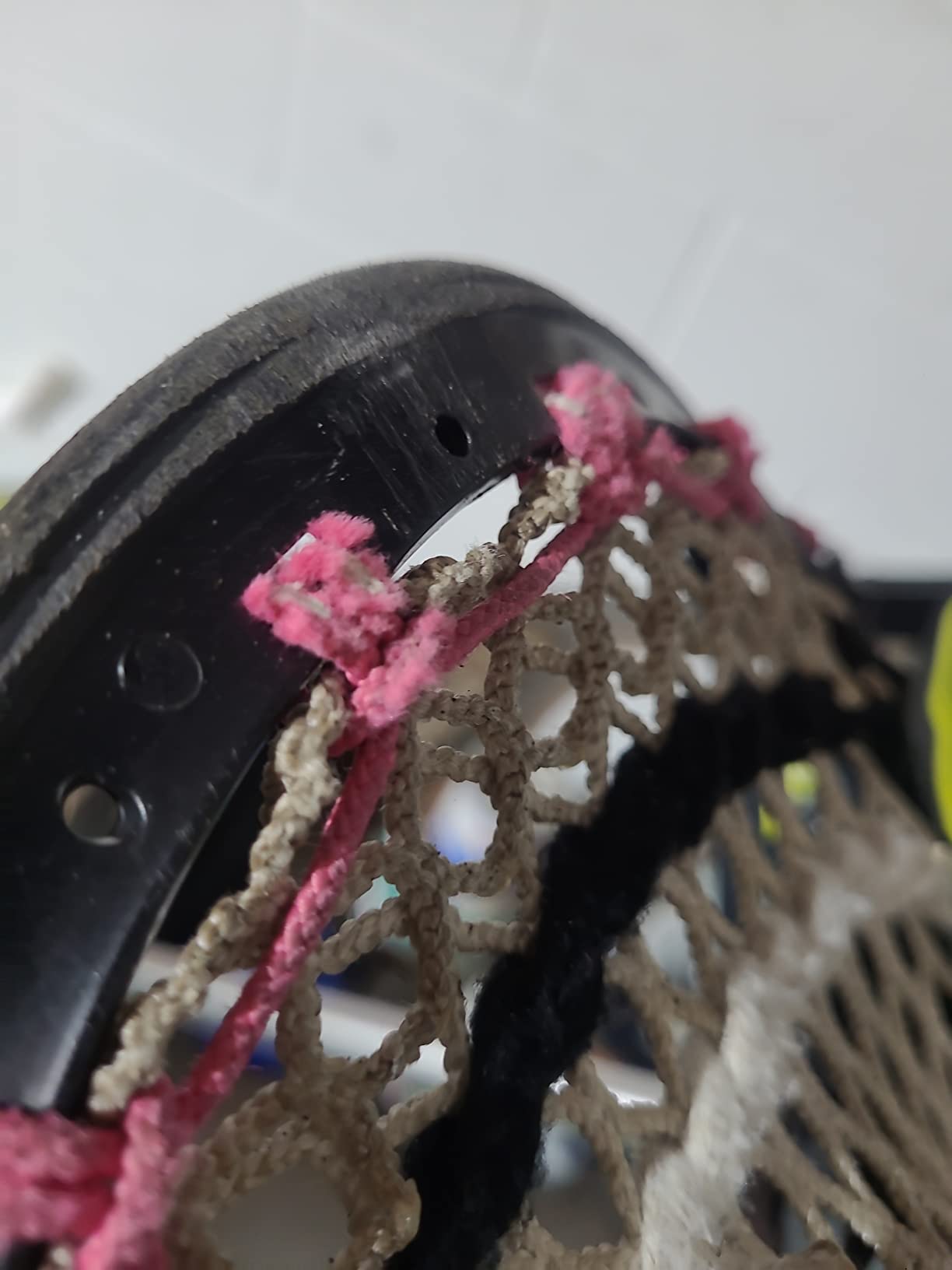
The pocket is the weak point. Owners report that the stringing feels awkward out of the box and needs a break-in period before it settles into a usable release, and that is the single most common complaint in the reviews. A few weeks of play and it stops being noticeable.
Build quality is described as serviceable rather than premium, which is a fair description of where this stick sits. Grip tape and cosmetic finish are the first things that give out, but the shaft and head do not.
Who this stick suits
It suits middle school beginners who want a regulation-length stick without spending name-brand money. Adults returning to the sport find the 41 inch length familiar, and several reviewers mention using it that way.
It is a sensible first stick for anyone whose league runs standard boys rules, since the 41 inch length and complete construction are what a first team expects. Players who will string their own pockets later can keep the shaft and swap the head.
Where it falls short
The break-in period is real, and parents who expect a playable pocket on day one tend to rate it lower than the reviewers who gave it time. A stiff new pocket is not a defect, but it does test patience.
At 15.8 ounces it carries more weight than the other full-size attack and midfield stick listed here, which makes it a poor match for the youngest players despite the complete-stick convenience. Heavier equipment asks more of a beginner than the pocket benefit can repay.
4. STX Fortress 300 Girls Complete Stick – Best Girls Lacrosse Starter
STX girls fortress lacrosse stick, White, Black Grey US
7075 alloy shaft
Runway overlapping center pocket
String lock pocket adjustment
Elongated power face
Pros
- Lightweight shaft with a comfortable matte grip
- Flexible pocket gives a soft catch for passing and shooting
- Runway channels aid release on shots
- Widely recommended as a first stick for middle school girls
Cons
- Stiffer response takes some getting used to
- Runway pocket needs break-in before it plays its best
- String ends can fray if not burned off
Girls lacrosse gets short-changed in most beginner roundups, and that is exactly why this one is on the list. The Fortress 300 is built on a 7075 alloy shaft, the harder alloy in the STX range, and it is aimed at girls who are ready for a stick that will not bend out of shape during a season of hard play.
The pocket is the interesting part. It uses an overlapping center string system, so the center runners flex outward and hug the ball, and string lock technology lets a stringer set the pocket to reduce bagging at the bottom. The elongated face adds power to shots once a player can release cleanly.
Reviewers frame it as the middle ground between low-cost complete sticks and expensive pro models, with parents and coaches calling out durability, lightness and a pocket that softens with use. At 4.6 stars across 277 reviews, the satisfaction level is consistent.
Who this stick suits
It suits middle school girls starting out, particularly a player who plays defense or who will be coached on shooting hard. Reviews specifically recommend it as a first stick for that age group.
It also suits a girl who already plays other stick-and-ball sports, because the stiffer design rewards a firm throw instead of absorbing it. The matte grip is a detail reviewers raise often and parents appreciate in wet spring conditions.
Where it falls short
The stiff design is the trade. A total beginner with no feel for pocket release will need longer to get comfortable than she would with a semisoft mesh, and reviews call out the adjustment period explicitly.
String ends can fray if they are not burned off correctly, which is a small detail that shows up after a few months. The runway pocket also needs break-in before it plays as designed.
5. Franklin Sports Ambush 26-Inch Lacrosse Stick – Most Versatile for Young Players
Franklin Sports Ambush Aluminum Attack + Midfield Lacrosse Stick – 26″
26 inch aluminum shaft
Semi-soft 10 diamond mesh
Neo-Grip texture
90 day limited warranty
Pros
- Compact 26 inch shaft matches youth strength and reach
- Neo-Grip texture improves cradling control and release
- Lightweight aluminum keeps handling quick
- Semi-soft mesh breaks in fast for a deeper pocket
Cons
- 26 inch length limits use once a player outgrows the youth bracket
- Standard mesh gives less hold than a custom-strung pocket
This is a 26 inch youth shaft, and that is deliberate rather than a compromise. A 26 inch stick is sized to match a young player’s strength and reach, so the head sits where their hands can actually control it instead of out at the end of a lever they cannot move.
The Neo-Grip surface texture is the detail that gets mentioned most. It improves cradling control and allows quick hand adjustments on the shaft, which helps a small player keep the ball secure while moving.
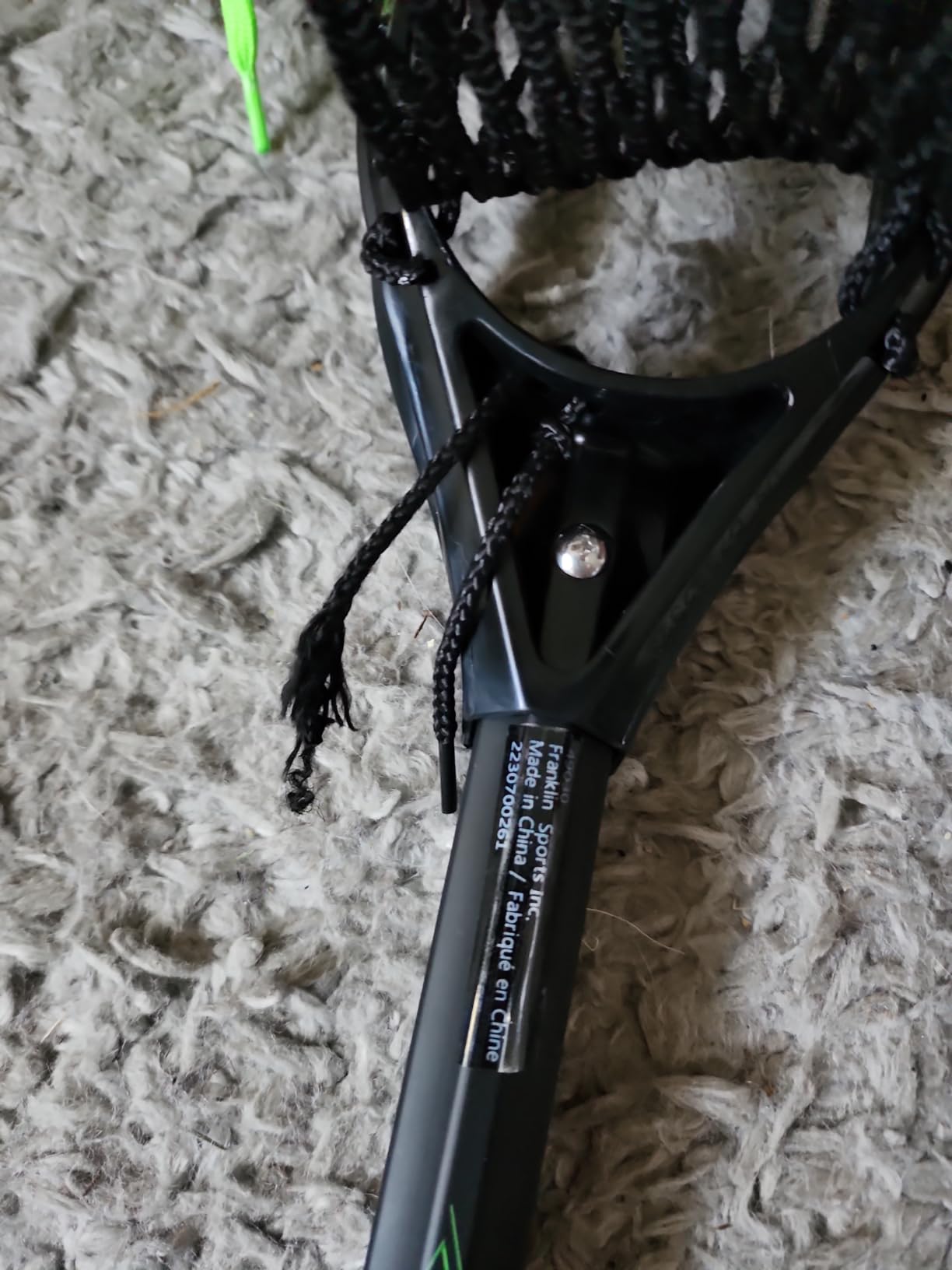
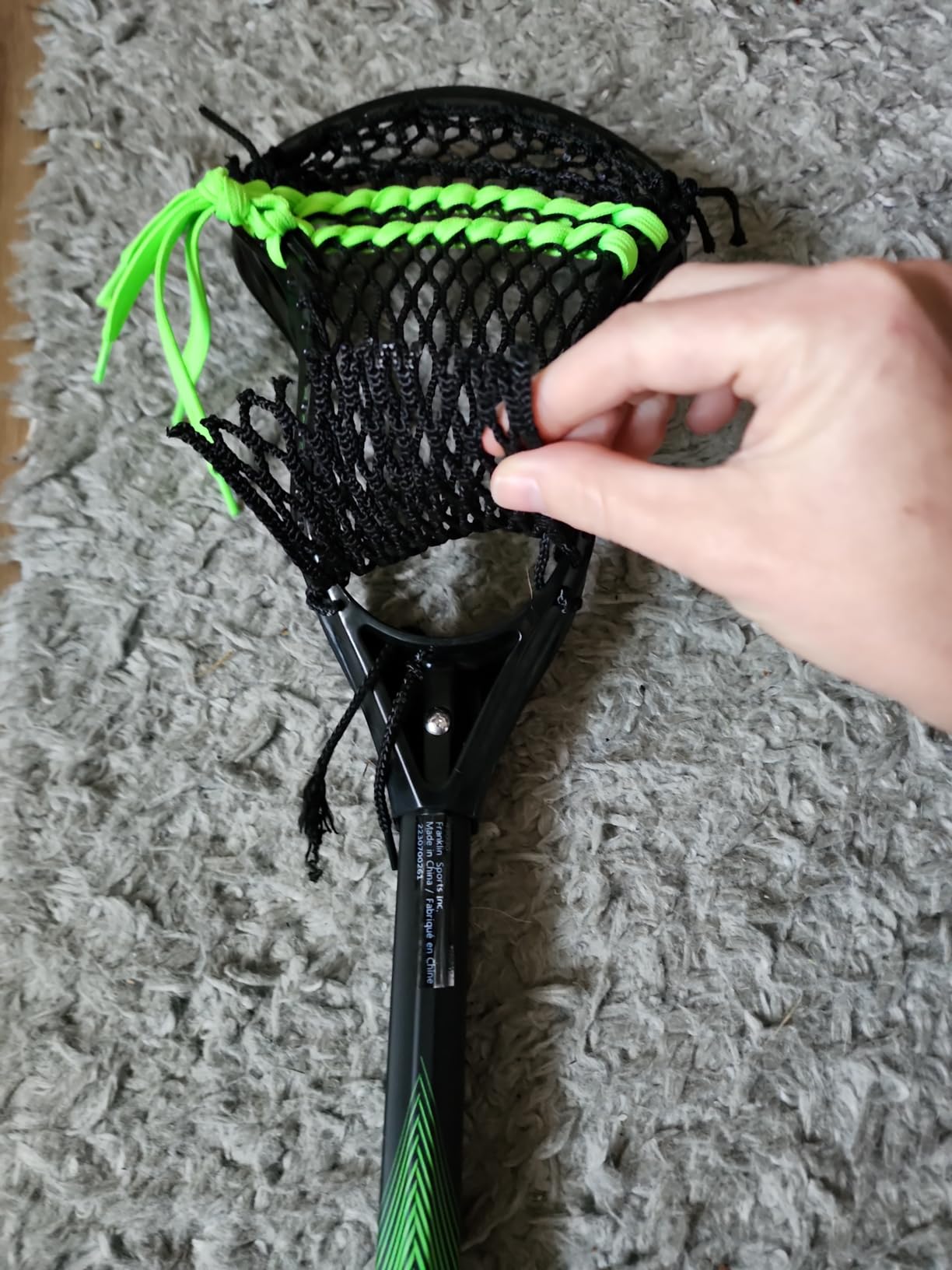
The pocket is a standard 10 diamond semi-soft mesh, and semi-soft is the right call for beginners because it breaks in quickly into a deeper pocket with better cradling control. That means a new player gets a usable pocket sooner than with a hard mesh, which is the difference between fun first sessions and frustration.
Lightweight aluminum construction reduces drag for faster stick speed and follow-through, and it keeps the whole thing manageable for small hands. It arrives fully assembled with head and shaft, aimed at beginner and intermediate players.
Who this stick suits
It suits the youngest players in the group, including boys, girls and mixed family training sessions. Because it is unisex and short, it works as a shared practice stick as well as a first competitive one.
It is a good fit for backyard play, driveway catching and any drill where the point is building touch rather than playing to a rule set. The 26 inch size also makes it a reasonable first step for a player who is not ready to handle a full-length stick.
Where it falls short
26 inches is genuinely limiting. Once a player outgrows the youth bracket and needs a regulation-length stick, this one is finished, and there is no length adjustment available.
The standard mesh gives less hold than a fully custom-strung pocket, so players who progress quickly will want to move up. The warranty is a 90 day limited one, which is shorter than the lifetime coverage some competitors in this category offer.
6. CAKLOR Junior 38.5-Inch Complete Stick – A Short Junior Stick at an Entry Price
CAKLOR Lacrosse Complete Junior Stick with Shaft & Head,Red/Black
38.5 inch junior length
15.1 ounces
Lightweight alloy handle
Professionally strung mesh
Pros
- Entry-level complete package that needs no assembly
- Lightweight enough for children from roughly age eight up
- Reported to give good control at its weight class
- 38.5 inch length sits between youth and full attack sizing
Cons
- Mesh can arrive extremely stiff and sometimes needs full replacement
- Reports of small plastic cracks after light use
- Handle length does not meet high school or college specifications
This is the junior-sized option at 38.5 inches, and it sits between the 39 inch youth stick and the shorter practice sticks. At 15.1 ounces it is light enough for children from roughly age eight upward, and buyers report good control at that weight class.
Like the other CAKLOR in this roundup, the head is molded with a softer material for a forgiving response and the pocket is professionally strung. The lightweight alloy handle is durable without being heavy, which is a sensible pairing for a first season.
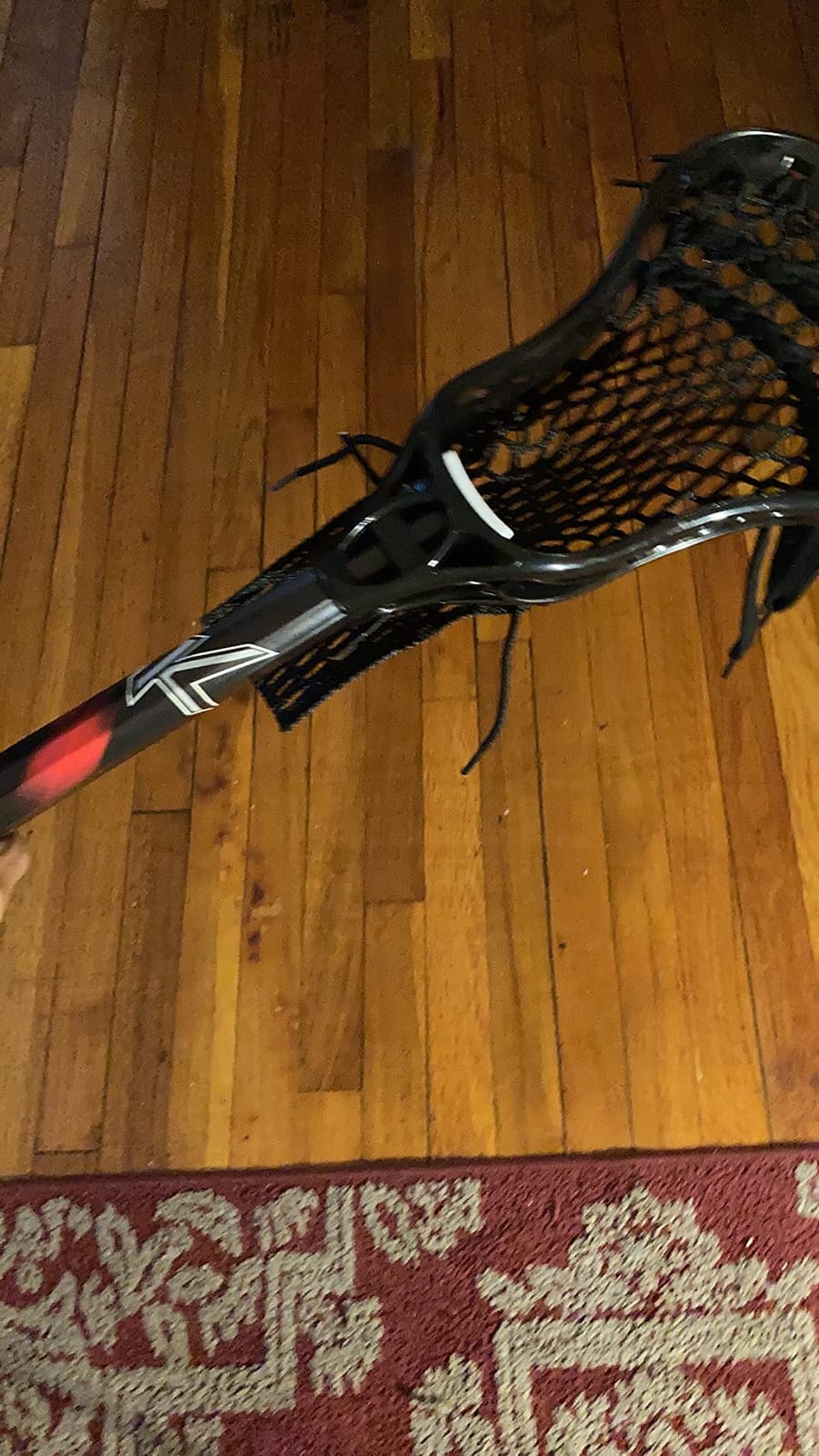
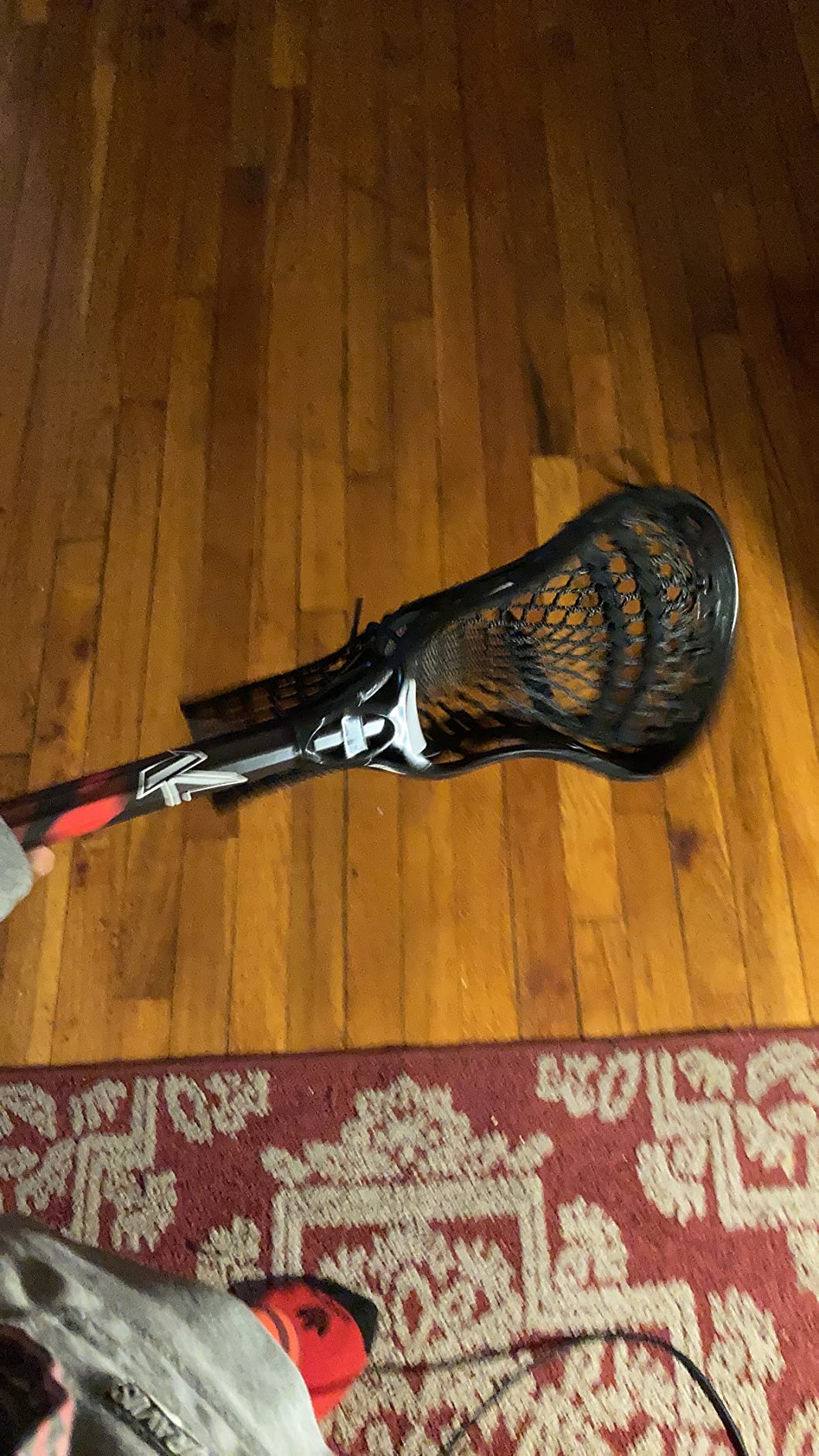
The recurring complaint is the mesh. Owners report it can arrive extremely stiff and unresponsive, and some have had to replace the entire net. That is a real cost of ownership if it happens, and it is the main reason this stick sits at 4.3 stars rather than higher.
There are also reports of small plastic cracks forming after light use, which points to a moulded head that will not survive a player who treats a stick like a hammer. One review describes a used unit arriving without the rubber butt stopper, so inspect the package before you hand it over.
Who this stick suits
It suits families who want a low-entry complete junior stick and plan to move up after a season. Most buyers here are casual, family and first-time players, and the value framing matches how they use them.
Because the package is complete and needs no assembly, it works for a last-minute decision before the season starts. It is a reasonable backup stick to keep in the bag for practices.
Where it falls short
The handle length does not meet college or high school specifications, so a player who stays in the sport will replace it rather than keep it. That limits its value if a child is already at the older end of the junior bracket.
Stiff mesh and hairline cracks are the two weaknesses reviewers keep coming back to. If your player is rough on equipment, a stick with a stronger head will outlast this one.
7. Signature Lacrosse Starter 28-Inch Stick – Best for Players 10 and Under
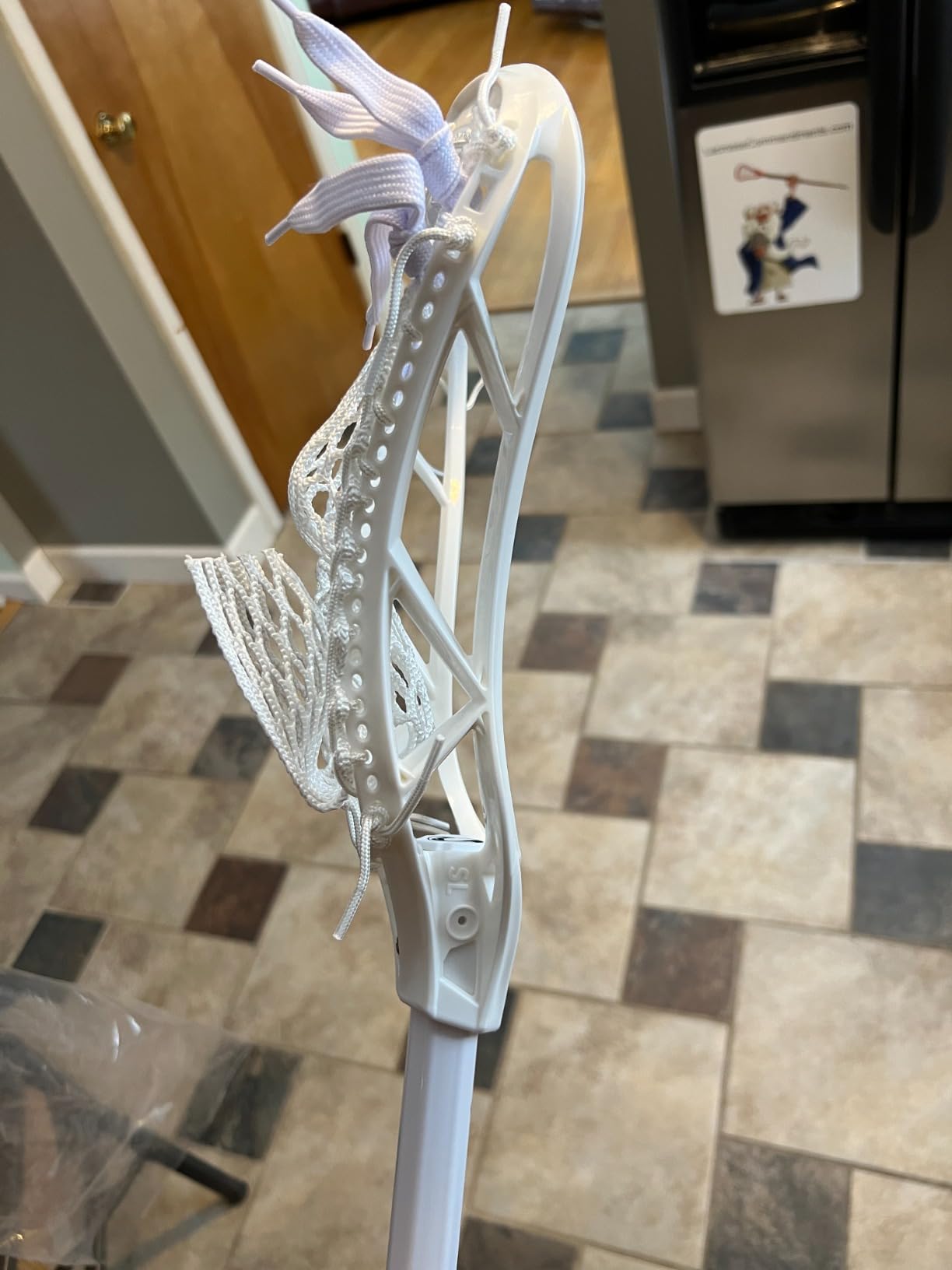
Signature Lacrosse The Starter – 28″ Complete Lacrosse Stick for Kids, Youth, Boys & Girls – Beginner Entry Level Stick with Pro Strung Pocket, Lightweight Play Ready
28 inch or 19.5 inch versions
Pro-strung pocket
Lightweight plastic shaft
Lifetime manufacturer warranty
Pros
- Correctly proportioned 28 inch shaft avoids the over-length problem
- Pocket is strung to a playable standard rather than dead stiff
- Lightweight plastic shaft is easy for small children to swing
- Completely ready to play with no assembly
- Lifetime manufacturer warranty
Cons
- 28 inch size is limited to roughly age ten and under
- Only 72 reviews so the long-term track record is thin
- Some three-star reviews report inconsistent stringing
The problem with most first sticks for the youngest players is length. Too long, and a small child cannot get the head in front of their body, which turns every catch into a reach. This one is 28 inches, which the maker recommends for players aged 10 and under, and a 19.5 inch version covers players aged 6 and under.
It comes with a Signature Pro-Strung pocket that is tuned for a real catch and release rather than a stiff dead net, and that is the difference owners highlight most. Several reviewers describe the pocket as removing the break-in frustration that cheaper first sticks deliver.
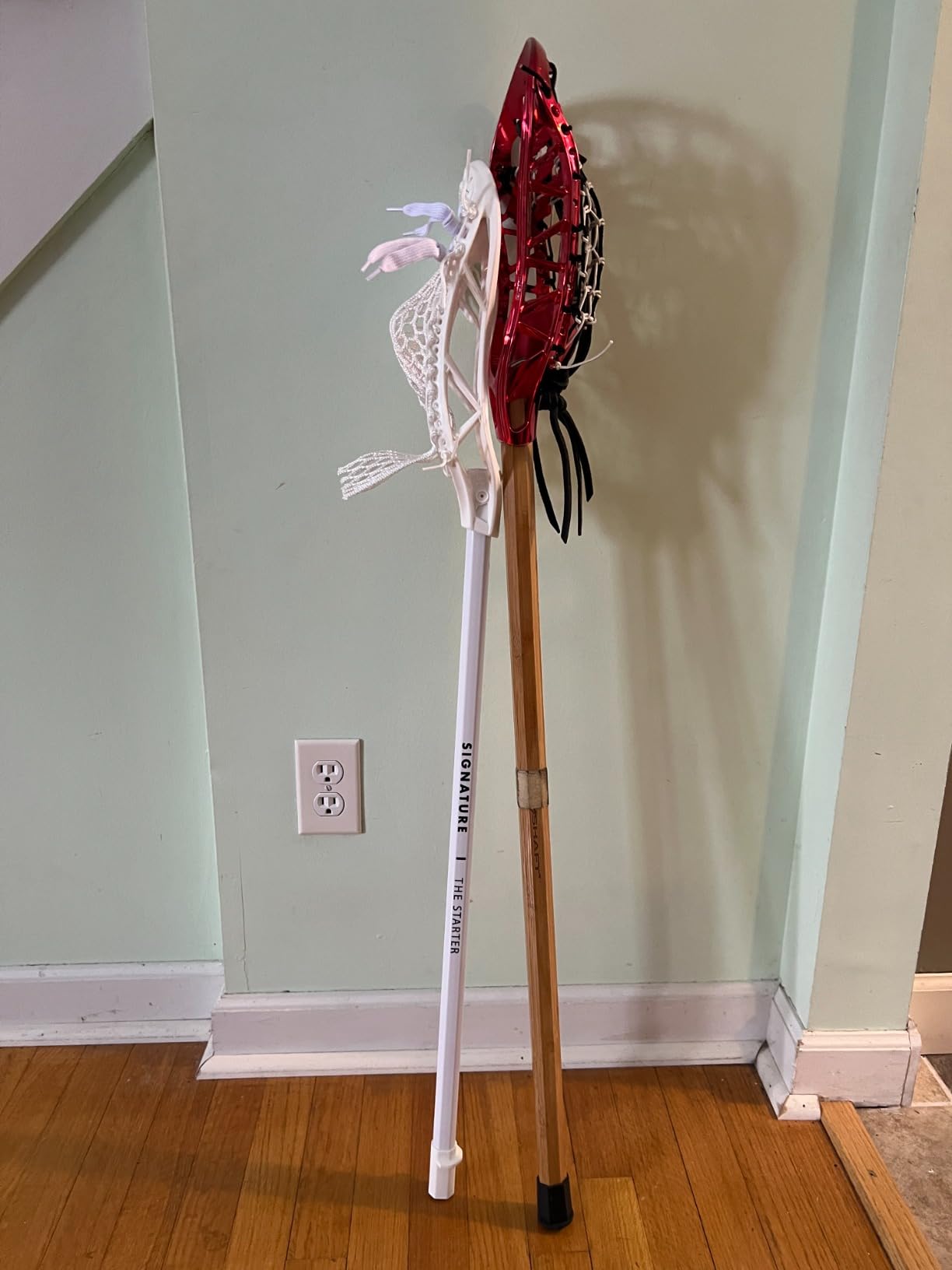
The shaft is a lightweight hard-wearing plastic, which is intentionally different from the alloy shafts everywhere else in this list. For small children, a light stick that will not dent matters more than a heavier one that feels premium, and the reviews agree.
It arrives as one complete stick with the pocket pre-strung and no assembly needed, built for driveway catch, backyard games, park and beach play. The lifetime manufacturer warranty is the strongest coverage listed on any stick here.
Who this stick suits
It suits boys and girls starting out who are 10 or under, and it is the first stick I would consider for a child who has never held a lacrosse stick before. The 19.5 inch version covers the youngest players properly.
It also works as a beater or practice stick for a family with mixed ages, since the short shaft is easy to swing and hard to break. Parents buying for a child who will grow fast can start here and step up once organized play starts.
Where it falls short
At 72 reviews the long-term track record is thin, so there is less evidence about how it holds up across several seasons. The plastic shaft is a deliberate trade for weight, not for durability against hard use.
Some three-star reviews report inconsistent stringing, which is the same problem the mesh-based sticks have. The 28 inch size is also the limit here: a 10 year old who is taller than average will need to move up sooner.
How to Choose a Lacrosse Stick for Beginners
The fastest way to a good decision is to stop thinking about brands and start measuring four things: shaft length, head width, total weight and pocket type. Get those right and almost any reputable complete stick will serve a first season well.
Start here: a complete stick is a head, a shaft and a pocket that arrive already assembled and strung. A head and shaft is the same two parts unstrung. Shaft only is the handle on its own, and it comes with no head at all.
Complete stick vs head and shaft vs shaft only
Buy a complete stick if this is a first purchase and nobody in the house strings pockets. It is the lowest-effort route and the reason nearly every pick on this list is a complete stick.
Buy a head and shaft if you already have a stringer or a local shop willing to string it, and you want to choose the pocket yourself. The saving comes from the stringing labour, not from a cheaper stick.
Buy shaft only if a beginner defenseman needs a long pole, or if you plan to build a stick up over time. Shaft-only purchases are the least beginner-appropriate option, because picking the head and pocket requires knowledge a new player does not have yet.
Six criteria that decide a beginner stick
1. Wider head. A wider head gives a bigger catching area, so more passes land in the pocket. For a player who has never caught before, this single dimension matters more than any material or brand.
2. Soft or semi-soft mesh. Soft and semi-soft mesh is more forgiving than hard mesh and gives a deeper pocket with a softer catch. Hard mesh is for players who have control of a release already.
3. Shorter shaft. A shorter shaft is easier to swing and faster to release. Attack and midfield beginners want the short end of the range rather than a long defensive pole.
4. Shaft material. Aluminum alloy is light, durable and affordable, which is why it dominates beginner sticks. Titanium and scandium blends are stronger for less weight. Carbon composite is the premium choice and usually unnecessary for a first season.
5. Pocket feel. Judge the pocket by whether it holds the ball securely through a cradle, not by how deep it looks. A pocket deeper than one ball is illegal, and a pocket that will not hold through movement is too shallow or too loose.
6. Total weight. Published weights run from 12.8 ounces for the Stallion 200 up to 15.8 ounces for the CAKLOR attack stick, and a few listings only give a package weight. Lightweight matters most for young and small players, and weight is the reason a cheap stick can feel wrong in a small player’s hands.
Shaft length by age and position
Length is the one measurement that cannot be wrong twice. Too long and the player fights the stick; too short and they cannot reach ground balls or cover passes.
Attack and midfield shafts run about 40 to 42 inches, which is where the Stallion 200 and the CAKLOR attack stick sit. Defensive shafts run about 52 to 72 inches, and those are a different tool entirely rather than a bigger version of the same stick.
Youth players generally sit between 36 and 42 inches depending on age and size, which is why the 38.5 and 39 inch options in this list exist alongside the 41 inchers. Women’s rules allow a shorter range of about 35.5 to 42.25 inches. Goalie sticks are wider and range roughly 40 to 72 inches, with heads up to about 15 inches across.
A quick age guide: players 6 and under need a stick around 19.5 inches, players 10 and under around 28 inches, and players 12 and older move into the 36 to 42 inch range. Measuring is more reliable than age alone, so check the player’s reach before ordering.
Shaft material in plain language
Aluminum alloy is the default for beginners. It is the lightest common option, it does not dent, and it survives being thrown in a bag. Every complete stick in this roundup except the plastic starter uses it.
Titanium and scandium blends are stronger alloys that hold up under contact play. They cost more and weigh less than steel-headed alternatives, which is why defensemen and experienced players choose them.
Carbon and composite shafts are the stiffest and lightest, and they transmit more energy on a shot. They also cost the most and punish poor technique, which is why they rarely make sense for a first season.
Head, scoop, offset and sidewall basics
The scoop is the surface at the top of the head where the ball leaves the pocket. A flat scoop gives precision and a predictable release, while a curved scoop is more forgiving and rolls the ball out more easily on bad technique.
An offset head has a throat angled forward from the centreline of the shaft, which creates a deeper pocket and an easier release. It is excellent for attack players and advanced. A non-offset head is standard for midfield and defense and is the more common beginner recommendation.
Sidewalls are the strings along the sides of the head, and they set how deep the pocket sits and how quickly it releases. Regulation requires a minimum head width of about 3 inches at the throat, a sidewall of no more than 2 inches, and a scoop of no more than 6.5 inches.
How long a beginner stick lasts and when to upgrade
Plan on a beginner stick lasting one to two seasons. A complete stick with a moulded head and an alloy shaft will usually survive that window, and the limit is more often the player outgrowing the length than the stick breaking.
The signal to move up is length, not damage. If a player is climbing out of the youth bracket and their reach has outgrown the shaft, an upgrade is due regardless of how the stick looks. Another signal is control: if the player can cradle and release consistently but wants a faster, more precise throw, a stiffer pocket and a firmer shaft are the next step.
Do not upgrade early. A softer, more forgiving stick teaches the fundamentals faster, and a stiffer stick given to a player who cannot yet control a release just produces frustration.
What experienced players actually recommend
Beginner stick threads on r/lacrosse repeat a few things consistently. Complete sticks are described as the best value for a first purchase, and buying used from a sideline swap marketplace is a widely accepted path when the stringing is already broken in. Lightweight matters more to new parents than any brand name.
The same threads flag one mechanical problem worth knowing: the head-to-shaft screw on complete sticks can arrive loose. Check it before the first practice and tighten it. It is a two-minute job that prevents the most common failure point in this category.
Coaches and league rules are treated as the final authority in every one of those discussions, so confirm your league’s requirements before buying. If you also need goals for backyard practice, our best lacrosse goals guide covers the sizing for younger players.
The rest of the gear a beginner needs
A stick alone will not get a player through a season. Boys lacrosse requires a helmet with a chin strap, gloves, arm pads and shoulder pads, a mouthguard and cleats. Girls lacrosse requires goggles and a mouthguard, and the rules do not allow body checking, which changes how protective gear is worn.
Every beginner also needs a regulation training ball. A non-regulation or novelty ball will not behave the same, and a toy stick will not pass a league rules check.
Protective gear is where most of a first-season budget goes, so buy that before upgrading the stick. For comparison on a different piece of sports equipment, our arcade fight stick roundup follows the same entry-versus-premium logic.
Frequently Asked Questions
How do I choose a lacrosse stick for beginners?
Choose by length first, then weight. Most beginners want a complete, pre-strung stick with a wide head, soft or semi-soft mesh and a shaft in the 36 to 42 inch range for players 12 and under. Buy the shortest stick your player can comfortably control, because a shaft that is too long is the most common beginner mistake.
What is the best lacrosse stick for a beginner?
The STX Stallion 200 Boys Complete Stick is the best overall beginner lacrosse stick we tested. It weighs 12.8 ounces, measures 41 inches, uses soft mesh stringing on a 6000 series alloy handle and meets NCAA and NFHS rules. It pairs a forgiving head with enough quality to survive a full season.
What is a good lacrosse stick for a 10-year-old boy?
A 39 inch stick such as the STX Stallion 50 Youth Complete Stick is the safest fit for a 10-year-old boy, because the shorter, thinner handle is easier for small hands to control. Players 10 and under who are still small may prefer the 28 inch Signature Starter instead.
What size lacrosse stick should a 12 year old use?
A 12 year old should use a stick in the 36 to 42 inch range, with 40 to 42 inches the standard for attack and midfield. Shorter youth options around 38.5 to 39 inches still work well. Defensive shafts run much longer, from about 52 to 72 inches.
What is the best youth lacrosse stick for beginners?
For boys aged 6 to 13, the STX Stallion 50 Youth Complete Stick is the strongest pick, with a forgiving moulded head and a 39 inch length sized for smaller players. For players 10 and under, the Signature Starter at 28 inches solves the over-length problem most first sticks create.
What is the best lacrosse stick for a beginner girl?
The STX Fortress 300 Girls Complete Stick is our pick for a beginner girl, with a 7075 alloy shaft, an overlapping centre-string pocket and a soft catch. Girls also need goggles and a mouthguard, and the rules do not allow body checking, so equipment choices differ from boys lacrosse.
Should a beginner lacrosse stick be pre-strung?
Yes. A pre-strung complete stick lets a new player start playing immediately without learning pocket tension, and a bad pre-strung pocket is the top complaint in reviews. Look for soft or semi-soft mesh, and expect a short break-in period before the pocket plays its best.
How long does a beginner lacrosse stick last?
A beginner stick usually lasts one to two seasons, and the usual reason to replace it is that the player outgrew the length rather than that it broke. Check the head-to-shaft screw before the first practice, since a loose connection is the most common mechanical problem with complete sticks.
Conclusion
For a first stick, the STX Stallion 200 is the safest bet for anyone 12 or older because it is the lightest option here at 12.8 ounces and it already meets NCAA and NFHS rules. Younger boys should start with the 39 inch Stallion 50, girls with the Fortress 300, and players 10 and under with the 28 inch Signature Starter.
Whatever you choose, measure before you order, check that the head-to-shaft screw is tight, and expect a short break-in period on any new mesh. The best lacrosse sticks for beginners are the ones a player will still be using at the end of the season.