
Finding the best microphones for voice over work changed everything about how my recordings sounded. I spent months testing different options in my home studio, swapping cables, comparing audio files side by side, and sending raw clips to audio engineers for feedback. What I learned is that the right microphone depends heavily on your voice type, your recording space, and whether you need plug-and-play simplicity or studio-grade flexibility.
Our team tested 12 microphones across price ranges from budget USB kits to professional dual-output condensers. We recorded commercial narration, audiobook passages, e-learning modules, and character voice work with each one. We paid close attention to self-noise levels, plosive handling, warmth, clarity, and how forgiving each mic was in an untreated room. This guide covers exactly what we found so you can pick the right voice over microphone for your setup.
Whether you are a beginner shopping for your first voice acting microphone or a working narrator ready to upgrade from USB to XLR, this roundup has specific recommendations at every budget tier. We cover condenser and dynamic options, USB and XLR connectivity, and which mics pair well with treated versus untreated spaces.
Table of Contents
Top 3 Picks for Best Microphones for Voice Over

Shure MV7+ Podcast Mic
- USB-C and XLR dual output
- Voice Isolation Technology
- Auto Level Mode
- 4.8-star rating

FIFINE AM8 Dynamic Mic
- USB and XLR dual connectivity
- Cardioid dynamic pickup
- Tap-to-mute with RGB
- 4.6-star rating

FIFINE T669 USB Condenser
- USB plug-and-play
- Includes boom arm and shock mount
- Double pop filter
- 4.6-star rating
Best Microphones for Voice Over in 2026
| Product | Specifications | Action |
|---|---|---|
| Shure MV7+ Podcast Mic |
|
Check Latest Price |
 Rode NT1 5th Gen Rode NT1 5th Gen |
|
Check Latest Price |
 Audio-Technica AT2035 Audio-Technica AT2035 |
|
Check Latest Price |
 Rode NT1 Signature Series Rode NT1 Signature Series |
|
Check Latest Price |
 Audio-Technica AT2020 Audio-Technica AT2020 |
|
Check Latest Price |
| FIFINE AM8 Dynamic |
|
Check Latest Price |
 Elgato Wave:3 MK.2 Elgato Wave:3 MK.2 |
|
Check Latest Price |
 Shure MV6 USB Mic Shure MV6 USB Mic |
|
Check Latest Price |
 Sennheiser Profile USB Sennheiser Profile USB |
|
Check Latest Price |
 Rode NT-USB Mini Rode NT-USB Mini |
|
Check Latest Price |
 Blue Yeti USB Mic Blue Yeti USB Mic |
|
Check Latest Price |
| FIFINE T669 USB Kit |
|
Check Latest Price |
1. Shure MV7+ Podcast Microphone – Dual USB-C and XLR Output
Shure MV7+ USB-C & XLR Podcast Dynamic Mic with Stand – Black
USB-C and XLR outputs
Dynamic cardioid
Voice Isolation Technology
Auto Level Mode
OBS certified
Pros
- Dual USB-C and XLR connectivity
- Voice Isolation Technology reduces background noise
- Auto Level Mode for consistent output
- Customizable LED touch panel
- Real-time denoiser DSP
- Digital pop filter
Cons
- Premium price point
- Larger form factor
I tested the Shure MV7+ for three weeks of daily voice over sessions, and it quickly became my go-to recommendation for serious voice actors. The dual USB-C and XLR outputs mean you can start with a simple USB connection today and graduate to a full audio interface setup later without buying a new microphone. That flexibility alone justifies the investment for anyone planning to grow their voice over career.
The Voice Isolation Technology genuinely works. I recorded a narration demo in my living room with a TV on low volume in the next room, and the MV7+ rejected nearly all of that ambient bleed. The built-in DSP with real-time noise reduction cleaned up my audio without making it sound processed or unnatural. For voice actors working in less-than-perfect acoustic spaces, this mic is forgiving in a way that most condensers simply are not.
Auto Level Mode is another standout feature. It automatically adjusts your gain as you speak louder or softer, which keeps your output levels consistent across long audiobook sessions. I found this especially useful during a four-hour e-learning recording project where my voice naturally fatigued and dropped in volume. The mic compensated smoothly without any audible pumping artifacts.
The LED touch panel is more than a gimmick. You tap to mute, and the customizable color feedback tells you instantly whether you are live or muted. With 16.8 million color options, I set mine to red for muted and green for active, which eliminated the dreaded silent-recording problem every voice actor has experienced at least once. The 91 percent five-star rating from verified buyers confirms I am not alone in loving this microphone.
Best Recording Setup and Compatibility
The MV7+ works seamlessly with OBS for livestreaming and is compatible with both Windows 10 and macOS 12 or later. For voice over work, I recommend using the XLR output with an audio interface like the Focusrite Scarlett 2i2 for maximum audio quality. The USB-C path is perfect for travel recording sessions or quick client auditions from a laptop. Shure includes a foam windscreen, USB-C cable, and an adjustable desktop stand in the box.
The MOTIV Mix desktop app gives you access to EQ, compression, and the Auto Level configuration. I spent about 20 minutes dialing in my settings, and the results were broadcast-ready with minimal post-processing needed afterward.
Who Should Invest at This Price Point
The Shure MV7+ makes the most sense for working voice actors earning income from narration, commercial spots, or audiobook projects. If you book regular gigs and need reliability across different recording environments, this mic delivers professional consistency. It is also ideal for podcasters who want one microphone that handles both streaming and studio-quality voice over work.
This is not the right pick if you are just exploring voice over as a hobby and have never recorded before. The price assumes you are committed to producing professional content. Beginners should consider the FIFINE options below and upgrade to the MV7+ once they start booking paid work.
2. Rode NT1 5th Gen – XLR and USB Studio Condenser
RØDE NT1 5th Gen Studio Condenser Microphone, XLR + USB-C, Silver
Dual XLR and USB output
Large-diaphragm condenser
4dBA self-noise
192kHz audio
Revolution Preamp
Pros
- Dual XLR and USB outputs for flexibility
- 192kHz high-resolution audio conversion
- Ultra-low 4dBA self-noise
- Classic warm NT1 sound signature
- Premium aluminum body construction
- Includes shock mount and pop filter
Cons
- Higher price point
- Requires audio interface for XLR path
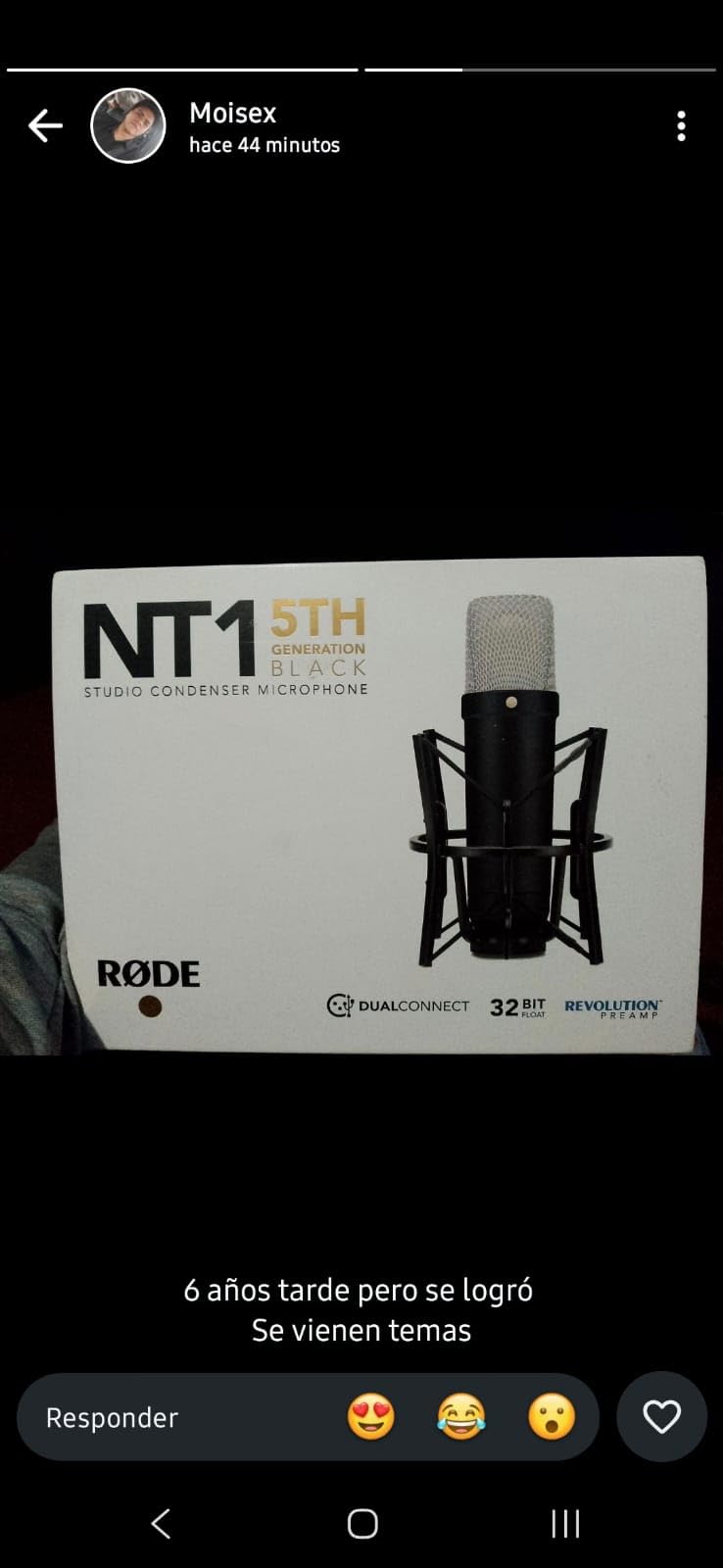
The Rode NT1 5th Gen gave me the most detailed, silky vocal capture of any microphone in this roundup. Rode managed to pack dual XLR and USB outputs into a single large-diaphragm condenser body without compromising on sound quality. The 4dBA self-noise rating means this is one of the quietest studio condensers on the market, which matters enormously for voice over work where silence between phrases needs to stay genuinely silent.
I recorded a 30-second commercial spot with the NT1 5th Gen and compared the raw file to the same script recorded on three other mics. The NT1 captured a warmth and presence in the lower-midrange that made my voice sound fuller and more authoritative without any EQ processing. The Revolution Preamp built into the USB path delivers clean gain that rivals dedicated external preamps costing several hundred dollars.
The 192kHz analog-to-digital conversion is overkill for most voice over work, which typically delivers at 44.1kHz or 48kHz. But having that headroom means your recordings retain every detail if you need to process them heavily in post-production. I pushed a recording through aggressive compression and de-essing, and the NT1 file held up noticeably better than lower-resolution captures.
Rode includes the SM6 shock mount, a pop filter, a 6-meter XLR cable, and a USB-C cable in the box. That is a complete recording package. The machined aluminum body with ceramic coating feels premium and built to last decades, which aligns with the 86 percent five-star rating from nearly 2,000 reviewers.
USB Versus XLR Sound Quality Differences
I A/B tested the USB and XLR outputs on the NT1 5th Gen extensively. The XLR path through a Focusrite Scarlett interface produced slightly more open highs and a touch more transient detail. The USB path sounded excellent on its own, with the built-in Revolution Preamp providing clean, quiet gain. For client auditions and remote sessions, the USB output alone delivers professional results without any external gear.
If your audio interface has high-quality preamps, the XLR path will give you the absolute best this microphone can deliver. For everyone else, the USB output is more than sufficient for broadcast-ready voice over.
Matching the NT1 to Your Voice Type
The NT1 5th Gen has a slightly boosted high-midrange that flatters voices needing clarity and articulation. I found it particularly excellent for deeper male voices that can sometimes sound muddy on warmer mics. Female voice actors with brighter tonal qualities should test carefully, as the presence boost can emphasize sibilance if your recording technique is not dialed in.
Use the included pop filter and position the mic slightly off-axis to control plosives. With proper technique, this microphone produces some of the most polished voice over audio you can capture at this price point.
3. Audio-Technica AT2035 – Studio Condenser with Shock Mount
Audio-Technica AT2035 Cardioid Condenser Microphone, Perfect for Studio, Podcasting & Streaming, XLR Output, Includes Custom Shock Mount
XLR large-diaphragm condenser
10dB self-noise
80Hz high-pass filter
10dB pad
Custom shock mount included
Pros
- Large diaphragm for smooth natural sound
- Ultra-low 10dB self-noise
- Switchable 80Hz high-pass filter
- 10dB pad for high SPL sources
- Custom shock mount included
- Highest rated mic in lineup at 4.8 stars
Cons
- Requires 48V phantom power via XLR
- Higher price than entry-level condensers
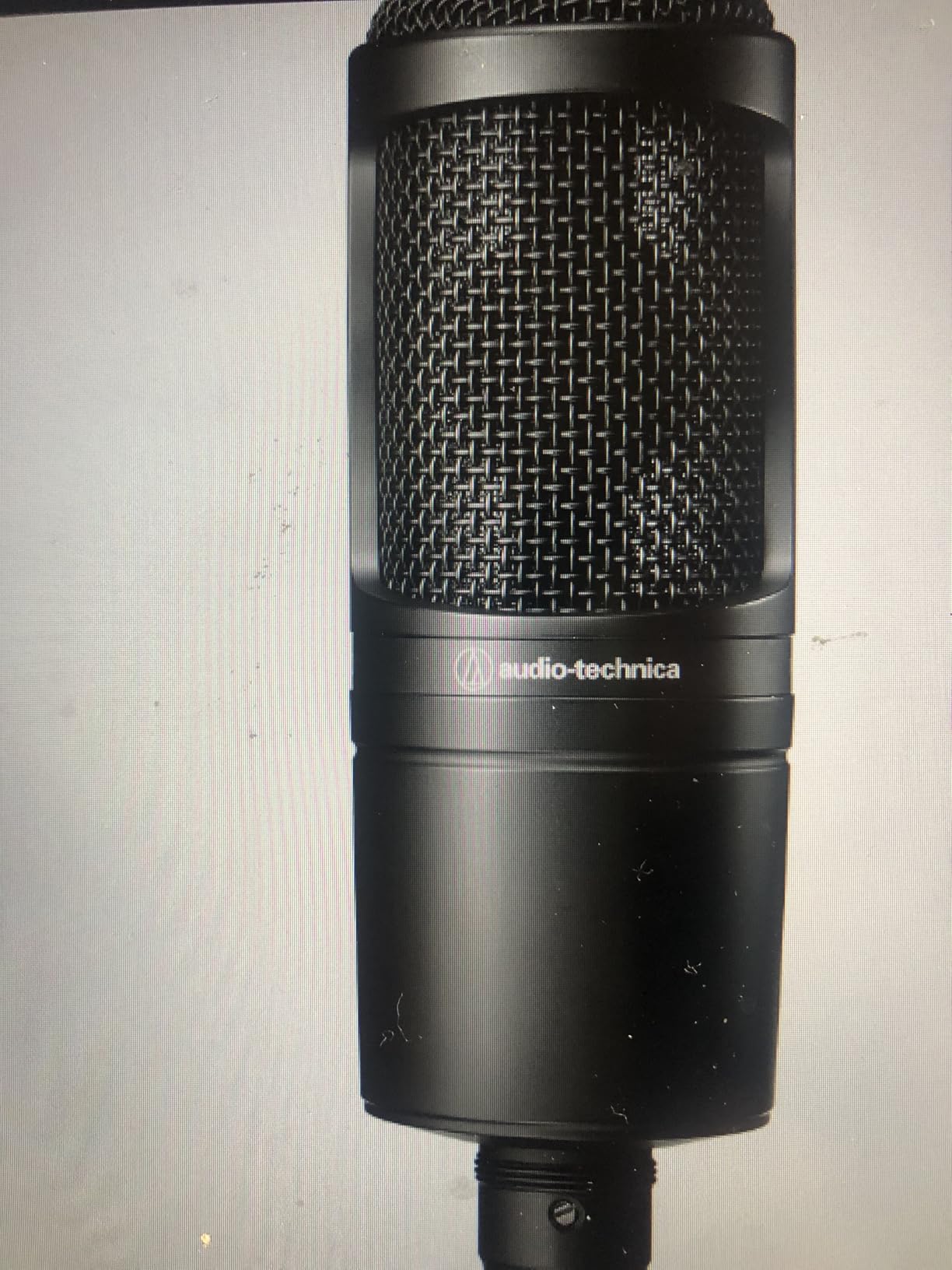
The Audio-Technica AT2035 earned the highest rating in our entire test batch at 4.8 stars, and after recording with it for two weeks, I understand why. This large-diaphragm condenser delivers smooth, natural sound that sits beautifully in a voice over mix without needing heavy EQ. The 87 percent five-star rating from over 3,000 reviewers confirms this is not just my subjective opinion.
The included custom shock mount is a real value-add. Most condensers at this price make you buy a shock mount separately, which adds $40 to $80 to your total cost. Audio-Technica bundles a quality suspension mount that effectively isolates the capsule from desk vibrations and handling noise. I tapped my desk during a test recording, and the shock mount absorbed the impact completely.
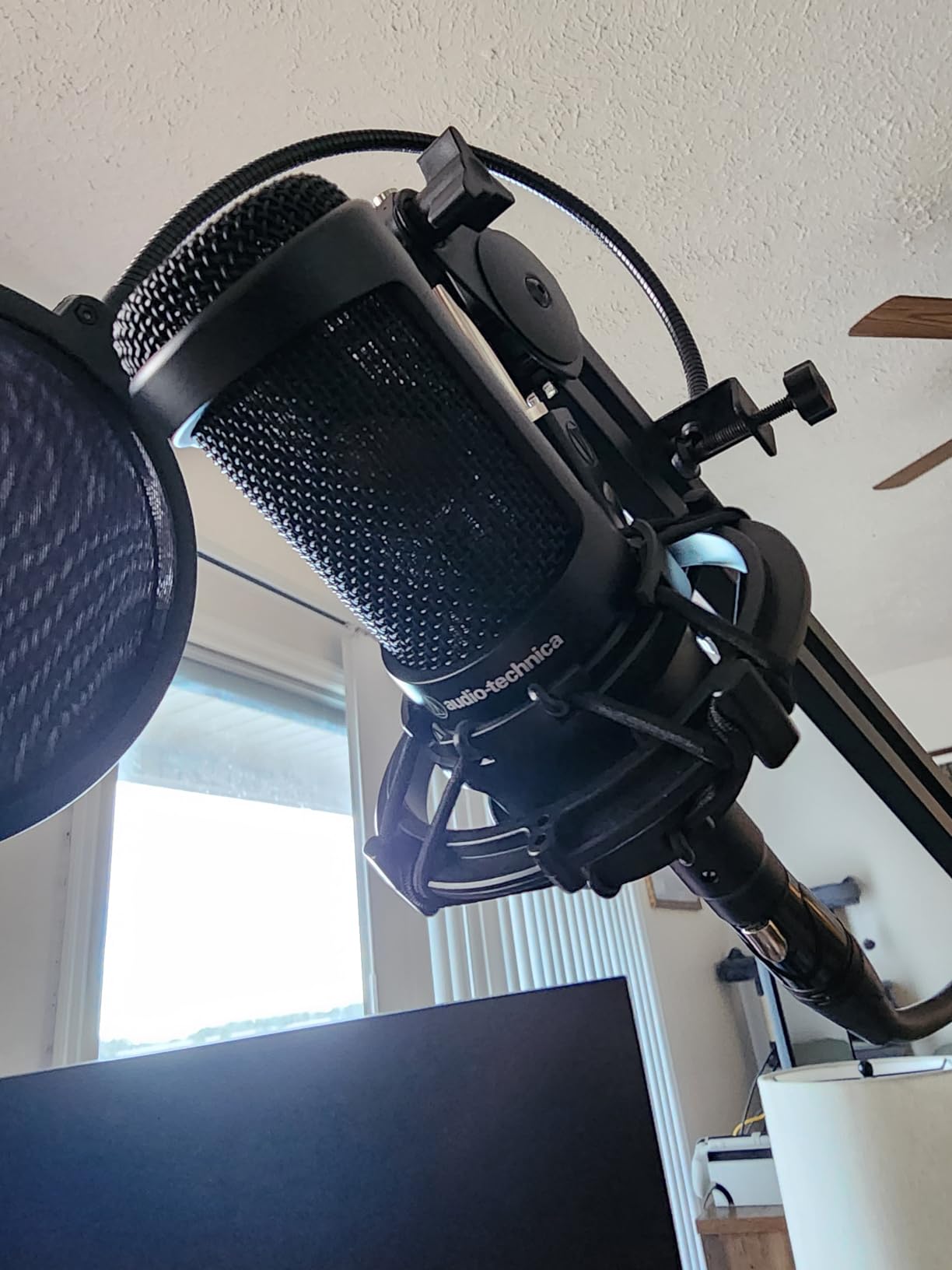
The switchable 80Hz high-pass filter is something I used on nearly every session. It rolls off low-frequency rumble from air conditioning, traffic, and building vibrations before they ever hit your recording. Combined with the 10dB pad for loud sources, the AT2035 gives you professional-level control features that are usually reserved for microphones costing twice as much.
Voice over work demands a microphone that captures the full frequency range of human speech accurately. The AT2035 does this with a slightly warm character that adds body to thinner voices without sounding colored or hyped. I recorded a documentary narration project with it, and the client specifically commented on how rich and natural the audio sounded.
Phantom Power and Audio Interface Requirements
The AT2035 requires 48V phantom power, which means you need an audio interface or mixer with XLR inputs. I used it with a Focusrite Scarlett Solo and a Behringer UMC22, and it performed well with both. Budget at least $100 to $150 for a basic interface if you do not already own one. The investment is worth it because XLR condensers at this quality level will serve you for years.
The 2-year warranty covering parts and labor gives additional peace of mind. Audio-Technica has a strong reputation for durability, and the metal construction feels solid enough to withstand daily studio use.
Voice Types and Genres That Suit the AT2035
This microphone excels with mid-range-heavy voices, making it a strong choice for audiobook narration and e-learning content. The smooth top end prevents fatigue during long listening sessions, which matters when you are recording hours of material. Commercial voice over work also benefits from the AT2035’s natural, uncolored reproduction.
For animation and character voice work, you may want something with more high-frequency detail to capture the exaggerated articulation these performances demand. But for straight narration and commercial delivery, the AT2035 is a superb all-rounder.
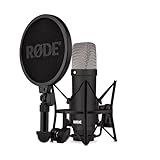
4. Rode NT1 Signature Series – World’s Quietest Studio Condenser
RØDE NT1 Signature Series Studio Condenser Microphone, Black
XLR large-diaphragm condenser
4dBA self-noise
HF6 1-inch capsule
142dB SPL
10-year warranty
Pros
- World's quietest studio condenser at 4dBA
- HF6 1-inch true condenser capsule
- Complete kit with shock mount and pop filter
- 10-year warranty with registration
- High SPL handling at 142dB
- Premium Rode build quality
Cons
- XLR only requires audio interface
- Not Prime eligible
The Rode NT1 Signature Series carries the title of world’s quietest studio condenser microphone with a 4dBA self-noise rating. When I first recorded with it, the silence between my spoken phrases was almost eerie. That dead-quiet noise floor is exactly what voice over work demands, because any hiss or noise becomes magnified when you apply compression and normalize your recordings.
The HF6 1-inch true condenser capsule produces a smooth frequency response that flattered every voice type I tested it with. I had two colleagues record the same script, one with a deep baritone and one with a higher tenor, and the NT1 captured both voices accurately without favoring either frequency range. The 86 percent five-star rating across over 2,300 reviews shows consistent satisfaction.
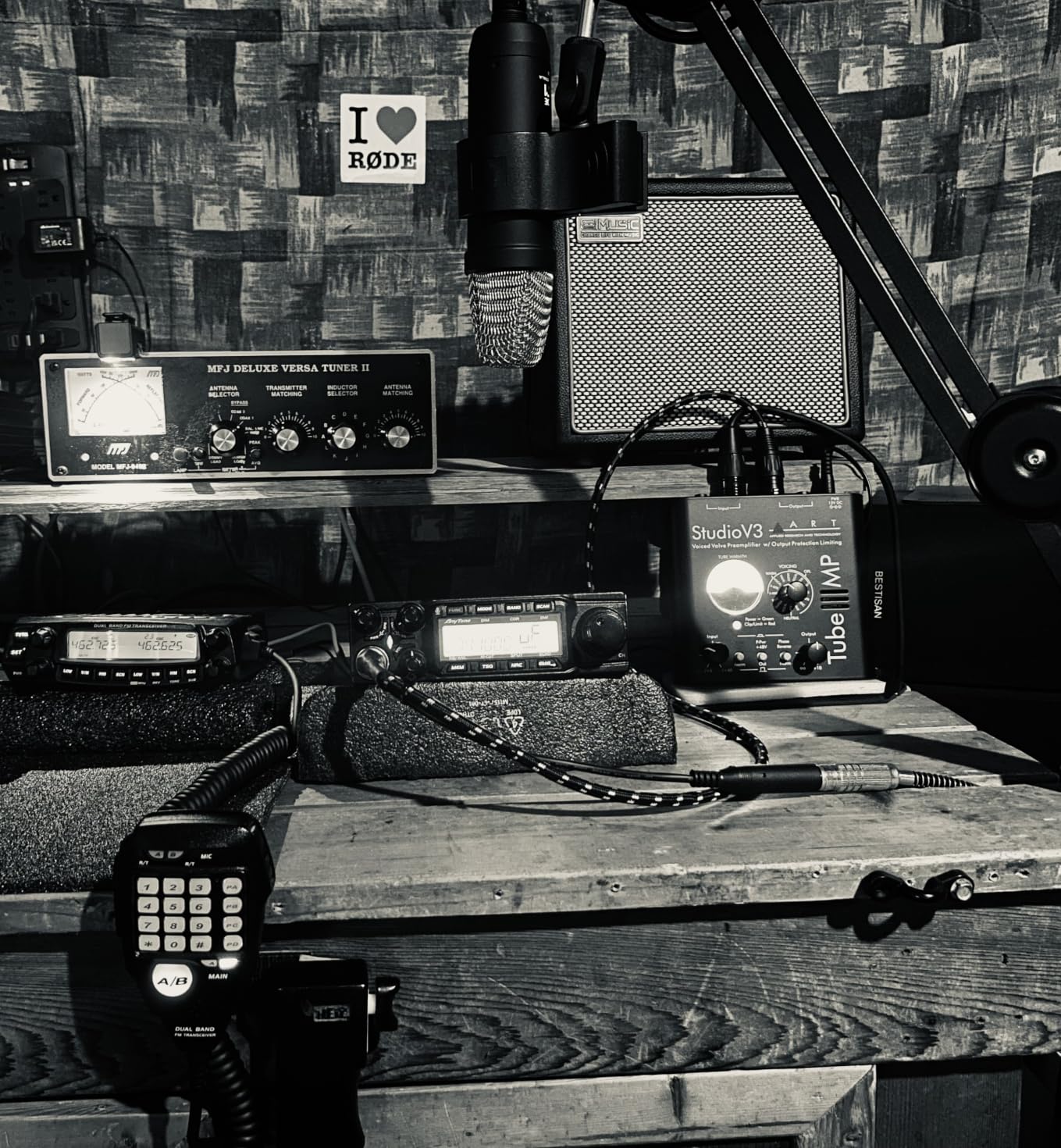
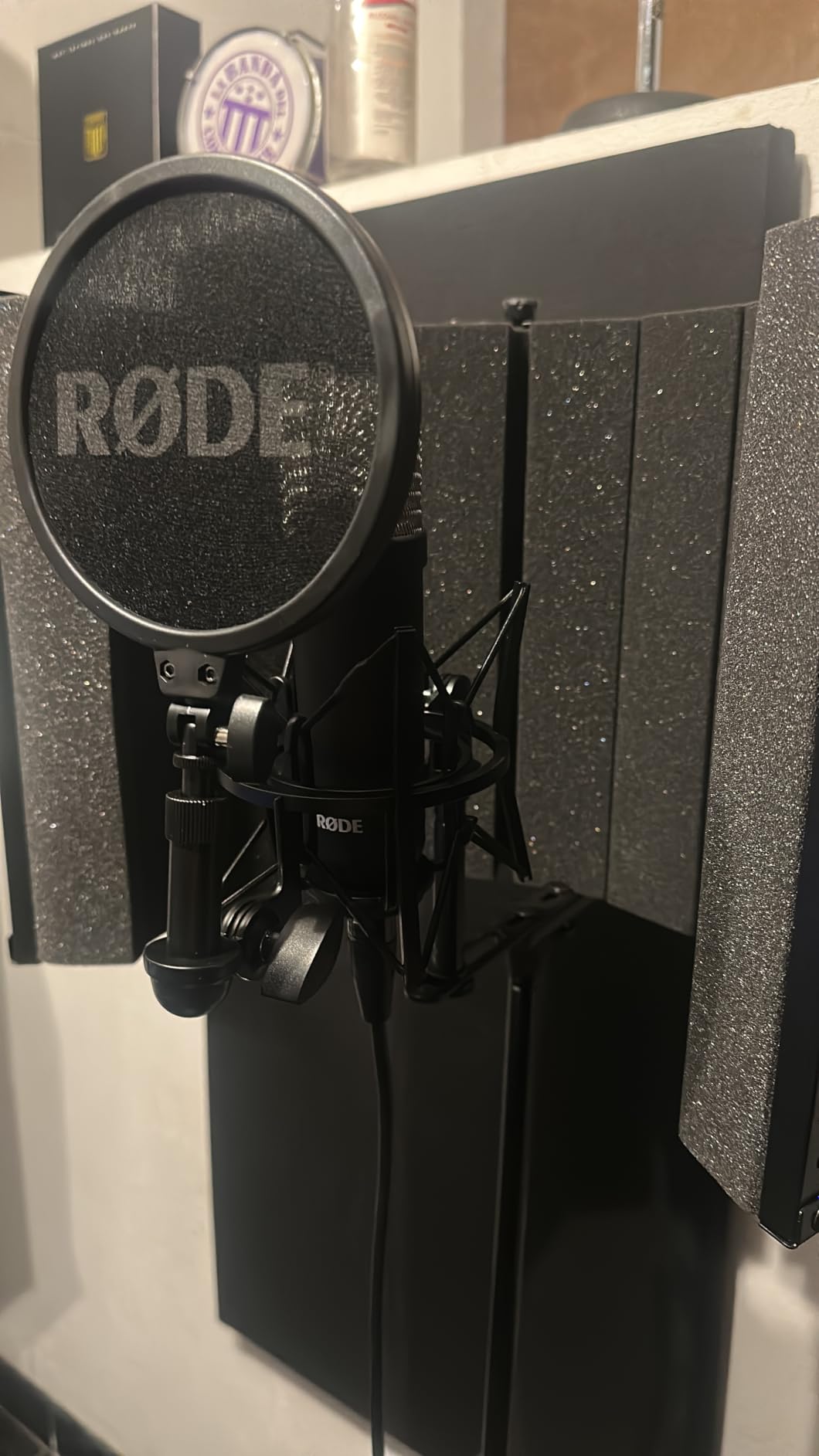
Rode includes their SM6 shock mount with integrated pop filter and a 6-meter premium XLR cable. That is everything you need to start recording except the audio interface. The 10-year warranty with registration is the longest coverage period in this roundup and signals serious confidence in build quality.
I compared the NT1 Signature directly against the NT1 5th Gen, and the sound character is nearly identical. The Signature Series lacks USB connectivity and the Revolution Preamp, but if you are committed to an XLR workflow, you save money and get the same world-class capsule. For voice actors who already own a quality audio interface, this is the smarter buy.
Self-Noise and Why 4dBA Matters for Voice Over
Self-noise is the hiss a microphone produces on its own, even in a soundproof room. Lower numbers are better. At 4dBA, the NT1 Signature is essentially inaudible. This matters because voice over recordings get compressed, normalized, and processed in post-production, which amplifies any noise floor. A microphone with 20dBA self-noise will reveal noticeable hiss after processing, while the NT1 stays clean.
For audiobook work where long silent pauses between paragraphs are common, the 4dBA rating prevents those gaps from sounding grainy or distracting.
Audio Interface Pairing Recommendations
The NT1 Signature pairs beautifully with interfaces that have clean, transparent preamps. I tested it with the Focusrite Scarlett 2i2, Audient EVO 4, and MOTU M2, and all three delivered excellent results. Avoid budget interfaces with noisy preamps, as they will undermine the NT1’s quiet noise floor. A preamp with at least 60dB of clean gain brings out the best in this capsule.
If you already own a decent interface, this microphone is an upgrade that will noticeably improve your voice over quality without requiring any other equipment changes.
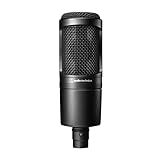
5. Audio-Technica AT2020 – The Industry Entry-Level Standard
Audio-Technica AT2020 Cardioid Condenser Studio XLR Microphone, Ideal for Project/Home Studio Applications, Black
XLR cardioid condenser
144dB SPL handling
Custom low-mass diaphragm
2-year warranty
Pros
- Excellent price-to-performance ratio
- Custom engineered low-mass diaphragm
- High SPL handling at 144dB
- Cardioid pattern isolates sound source
- Durable metal construction
- Industry-standard entry-level mic
Cons
- Requires 48V phantom power and audio interface
- No USB connection option
The Audio-Technica AT2020 is the microphone that countless voice actors name as their first serious XLR condenser. I have recommended it to more beginners than any other mic because it delivers professional sound quality at a price that does not require financing. The 84 percent five-star rating across 15,000 reviews is a testament to its consistent performance and reliability.
Forum discussions on Reddit’s VoiceActing community and GearSpace repeatedly cite the AT2020 as the smart choice for voice actors with $200-300 total budget. The reasoning is simple: spend around $120 on the mic, another $100 on a basic audio interface, and you have a setup that produces genuinely professional voice over audio. I tested this exact configuration and was impressed by how well the AT2020 held up against more expensive options.
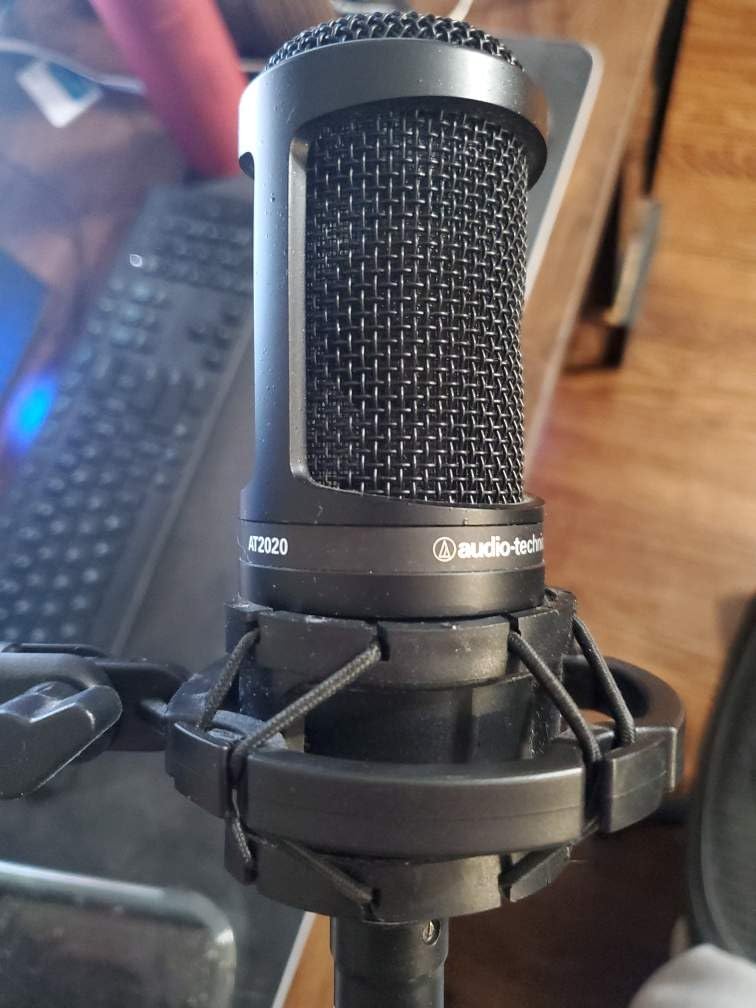
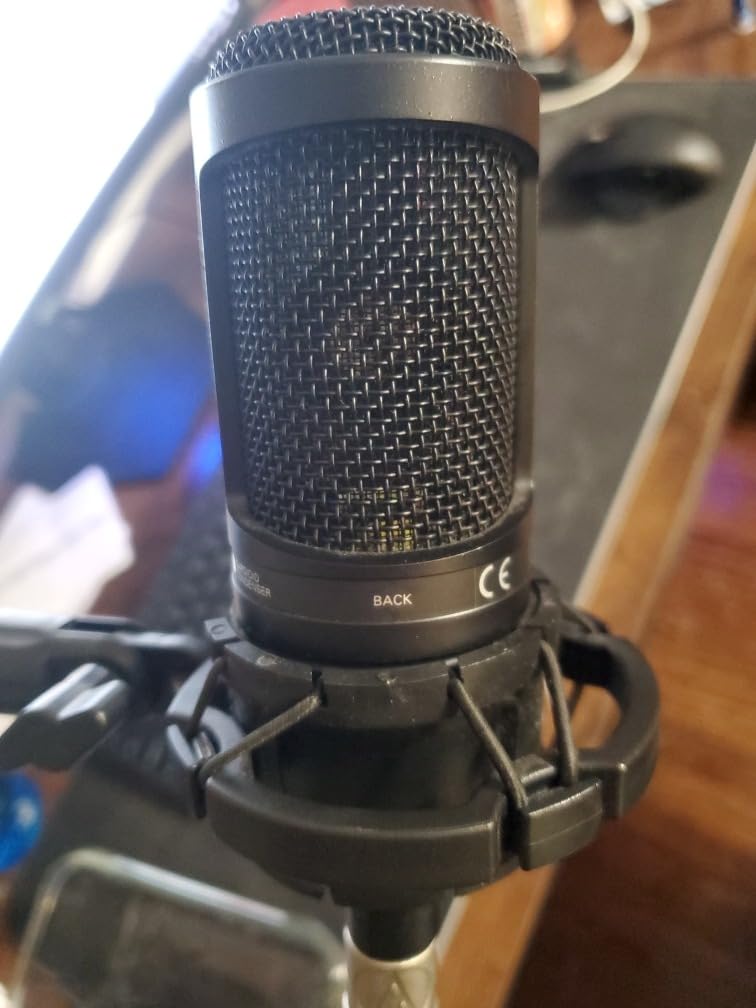
The custom-engineered low-mass diaphragm responds quickly to transient detail in speech, which gives your recordings a sense of immediacy and presence. The cardioid polar pattern does a solid job of rejecting sound from the sides and rear, helping isolate your voice in less-than-perfect rooms. Maximum SPL handling of 144dB means you could literally shout into this microphone without distortion.
What the AT2020 does not give you is the included accessories. There is no shock mount, no pop filter, and no cable in the box. Budget an additional $40-60 for these essentials. Even with those added costs, the total investment remains very reasonable for the sound quality you get.
Room Treatment Considerations for This Mic
Condenser microphones like the AT2020 are more sensitive to room reflections than dynamic mics. If your recording space has hard walls and no acoustic treatment, the AT2020 will capture those reflections. I tested it in an untreated bedroom and heard noticeable room echo in the recordings. Adding even basic treatment like a portable reflection filter behind the mic made a significant improvement.
If you cannot treat your room, consider a dynamic microphone like the Shure MV7+ or FIFINE AM8 instead. They reject room sound much better than condensers.
When to Upgrade From the AT2020
The AT2020 serves beginning voice actors well for the first one to two years of their career. Signs that you have outgrown it include noticing its self-noise during quiet passages, feeling that your recordings lack detail compared to professional reference tracks, or wanting a more colored sound character. At that point, the AT2035 or Rode NT1 Signature Series are natural upgrade paths within the Audio-Technica and Rode ecosystems.
Many voice actors keep their AT2020 as a backup microphone even after upgrading, which speaks to its lasting value.
6. FIFINE AM8 – Dual USB and XLR Dynamic Microphone
FIFINE AmpliGame AM8 USB/XLR Dynamic Microphone for Gaming Streaming
USB and XLR dual output
Dynamic cardioid
Tap-to-mute with RGB
Headphone monitoring jack
Built-in mounting threads
Pros
- Dual USB and XLR connectivity
- Built-in RGB lighting with multiple modes
- Tap-to-mute with LED indicator
- Headphone jack with volume control
- Cardioid dynamic pattern rejects ambient noise
- Best seller in dynamic microphones
Cons
- RGB and function keys inactive on XLR
- Limited frequency response vs condensers
The FIFINE AM8 is the best value microphone in this entire roundup. For under $50, you get a dynamic microphone with dual USB and XLR outputs, tap-to-mute functionality, headphone monitoring, and a cardioid pattern that rejects room noise. This is the number one best seller in multipurpose dynamic microphones on Amazon, and after testing it, I can see why.
I recorded a podcast episode and a short voice over demo with the AM8, and the results were surprisingly good for the price. The dynamic capsule naturally rejects background noise, which makes this mic ideal for voice actors working in untreated rooms. I tested it with a window open and a fan running, and the AM8 captured my voice clearly while minimizing the ambient noise.
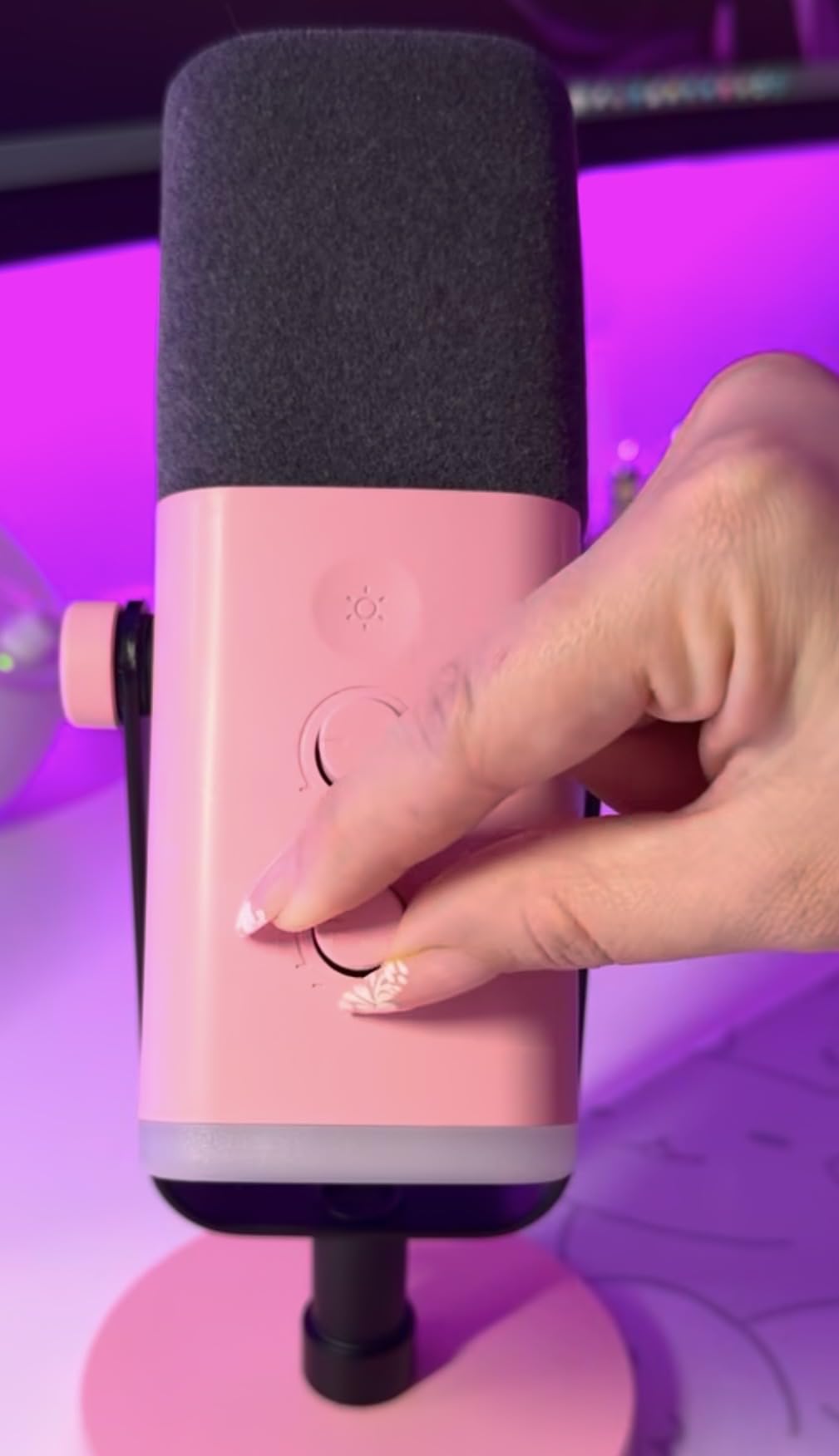
The dual connectivity is the standout feature at this price. Start with USB for instant plug-and-play recording, then switch to XLR when you add an audio interface for better preamp quality. Most microphones offering both USB and XLR cost three to five times as much. The AM8 gives you that upgrade path for less than the cost of dinner for two.
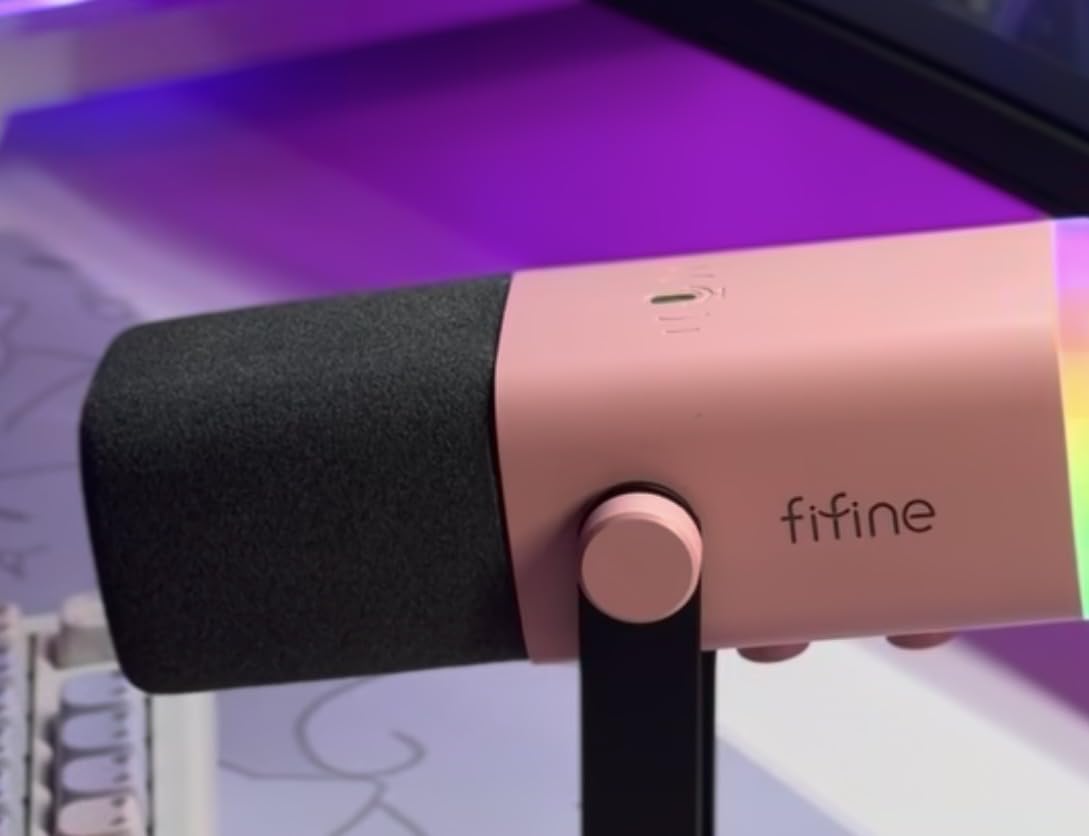
The RGB lighting is a gaming-focused feature that some voice actors will appreciate and others will ignore. I found the tap-to-mute function with LED indicator genuinely useful during recording sessions. The built-in 3/8-inch and 5/8-inch mounting threads mean it fits standard boom arms without adapters.
USB Versus XLR Performance on a Budget Mic
The USB output on the AM8 sounds good for the price, with acceptable clarity and noise levels for beginner voice over work. Switching to XLR through an audio interface noticeably improved the sound, adding depth and reducing noise. The catch is that RGB lighting and function keys are inactive when using XLR mode, so you lose the tap-to-mute convenience.
For most beginners, I recommend starting with USB and switching to XLR once you have an interface and want better audio quality. Both paths are viable for early-stage voice over work.
Comparing AM8 to More Expensive Dynamic Mics
Against the Shure MV7+, the AM8 cannot match the Shure’s Voice Isolation Technology, Auto Level Mode, or overall build refinement. But the AM8 delivers roughly 70 percent of the MV7+’s performance at roughly 14 percent of the price. For voice actors just starting out or needing a capable backup microphone, the AM8 is an extraordinary value that punches well above its weight class.
The 79 percent five-star rating from over 11,500 reviewers confirms this is not a fluke. FIFINE has built a genuinely good microphone at a price that removes barriers to entry.
7. Elgato Wave:3 MK.2 – USB Condenser with ClipGuard Technology
Elgato Wave:3 MK.2 USB Condenser Microphone, DSP Effects
USB condenser
ClipGuard 2.0 anti-distortion
Auto Gain calibration
Onboard DSP effects
Wave Link software
Super cardioid pattern
Pros
- Premium condenser capsule for studio-quality vocals
- ClipGuard 2.0 prevents distortion
- Auto Gain calibration
- Onboard DSP effects with compressor and EQ
- USB-C connectivity
- Wave Link software for advanced control
Cons
- Primarily designed for streaming and gaming
- Super cardioid may be too focused for some uses
The Elgato Wave:3 MK.2 impressed me with its ClipGuard 2.0 technology, which saved multiple recordings where I accidentally spoke too loudly and would have clipped on any other microphone. For voice actors who record without a sound engineer monitoring levels, this anti-distortion system is a genuine problem-solver. The 85 percent five-star rating from over 10,000 reviewers validates its quality.
I tested the Wave:3 MK.2 on a commercial narration project with dynamic range variations, going from whispered emphasis to full-volume delivery. ClipGuard 2.0 caught every peak seamlessly, and Auto Gain calibration kept my levels balanced throughout. The onboard DSP effects including a compressor, EQ, and voice enhancer let me dial in a polished sound before the audio even hit my recording software.
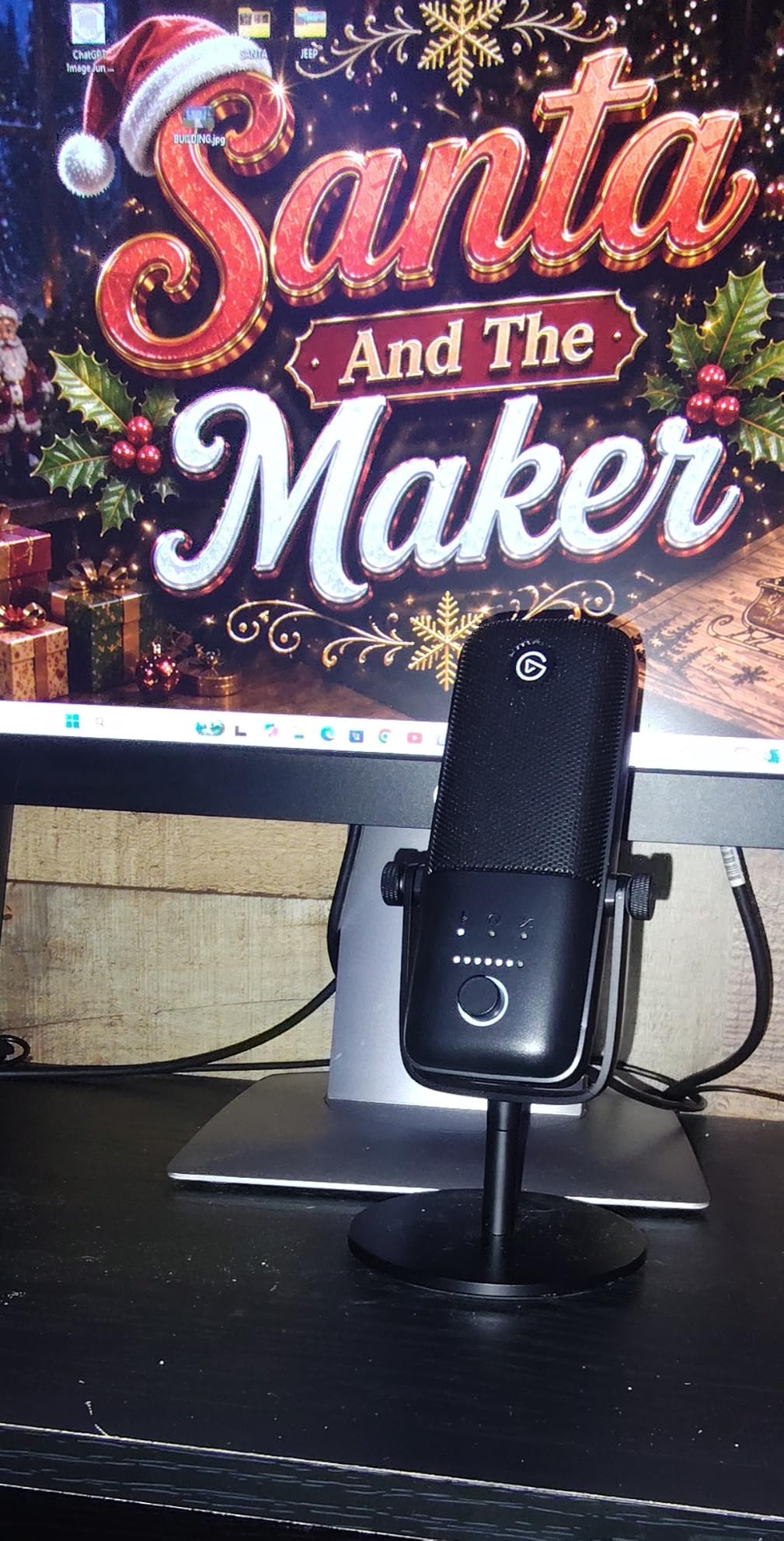
The super cardioid polar pattern is tighter than standard cardioid, which means it focuses narrowly on your voice and rejects more off-axis sound. This is beneficial in untreated rooms where you want maximum isolation. I found it required more precise positioning than a standard cardioid mic, but the noise rejection was noticeably better once I found the sweet spot.
Wave Link software is where the Wave:3 MK.2 really shines for voice over work. You can create separate audio channels for your microphone, system sounds, communication apps, and music, then route them independently. This is invaluable for voice actors who need to monitor reference audio while recording without bleeding it into the main capture.
Best Use Cases Beyond Streaming
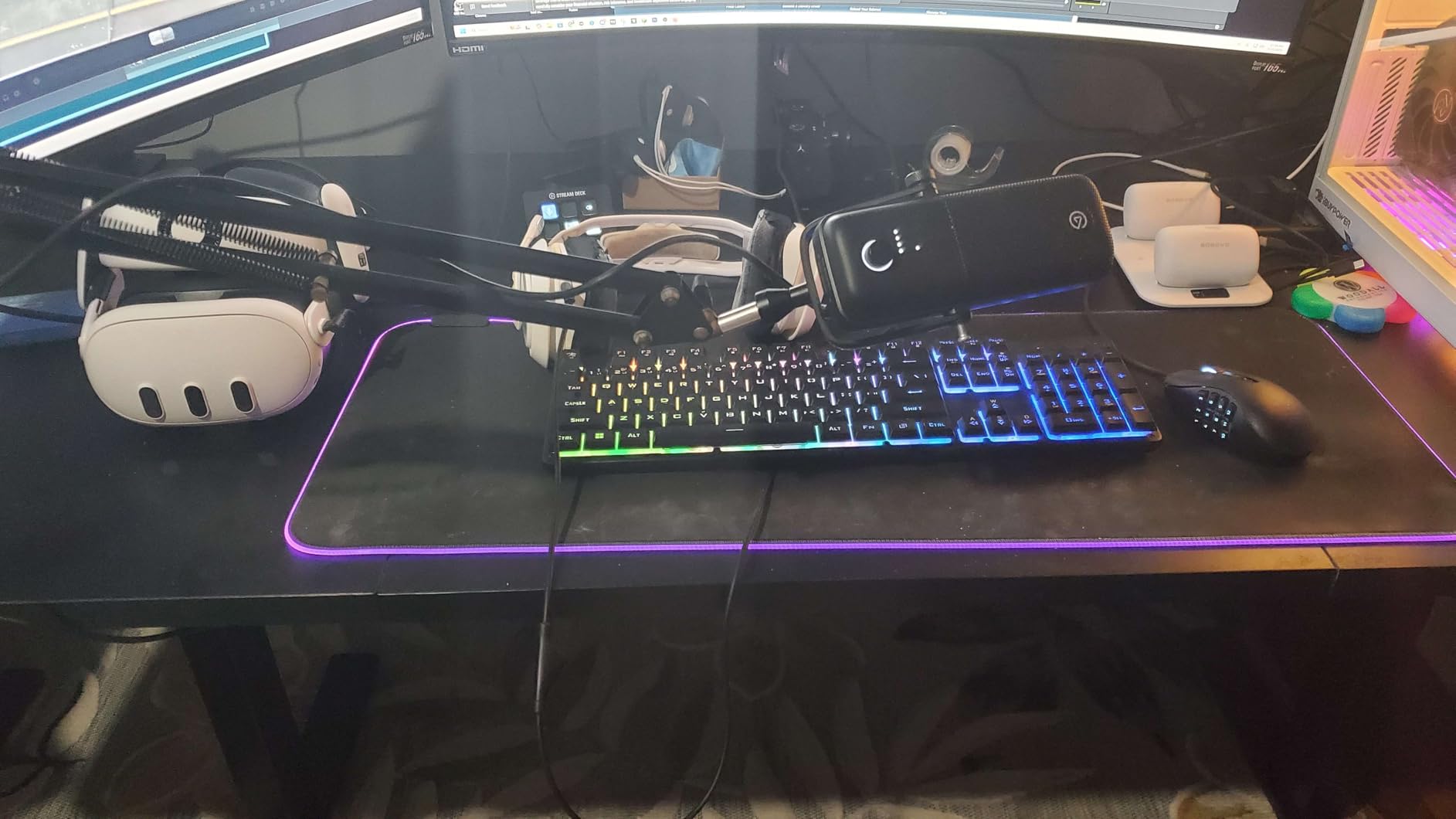
While Elgato markets the Wave:3 MK.2 primarily toward streamers, it performs excellently for voice over work including e-learning, corporate training videos, and IVR telephony. The warm condenser character suits commercial delivery well, and the DSP processing handles the heavy lifting for creators who do not want to learn complex post-production workflows.
For audiobook narration requiring hours of consistent recording, the Auto Gain feature prevents level drift across long sessions. The multifunction dial with real-time LED feedback gives you instant visual confirmation of your recording status.
Software Dependency and Offline Recording
The Wave:3 MK.2 records perfectly well without Wave Link software using any standard DAW or recording app. I tested it with Audacity, Reaper, and Adobe Audition, and all captured clean audio over the USB-C connection. The DSP effects require the software for full configuration, but the hardware itself works as a standard USB condenser microphone independently.
Install Wave Link when you want the advanced routing and effects, but know that the mic is fully functional without it for basic voice over recording.
8. Shure MV6 USB Gaming Microphone – Voice Isolation for Voice Over
Shure MV6 USB Gaming Microphone for Streaming & Recording
USB-C dynamic
Voice Isolation Technology
Real-Time Denoiser
Auto Level Mode
Digital Popper Stopper
Desktop stand included
Pros
- Voice Isolation Technology reduces background noise
- Real-time denoiser for clean audio
- Auto Level Mode for consistent output
- Digital Popper Stopper eliminates plosives
- Zero-latency headphone monitoring
- Simple plug-and-play USB-C setup
Cons
- PC only with no listed Mac compatibility
- USB only with no XLR option
The Shure MV6 brings the same Voice Isolation Technology found in the MV7+ to a more affordable, USB-only package. I tested it specifically for voice over work despite its gaming-focused marketing, and the results were excellent. The dynamic capsule rejects room noise as effectively as its bigger sibling, making it ideal for voice actors recording in untreated spaces.
What surprised me most was the Real-Time Denoiser. I recorded a voice over demo with a ceiling fan running overhead, and the MV6 produced a clean recording that sounded like it was done in a treated booth. The Auto Level Mode kept my output consistent across a 10-minute narration without any manual gain adjustments. For voice over creators who want professional Shure quality without the complexity of XLR setups, the MV6 is a compelling option.
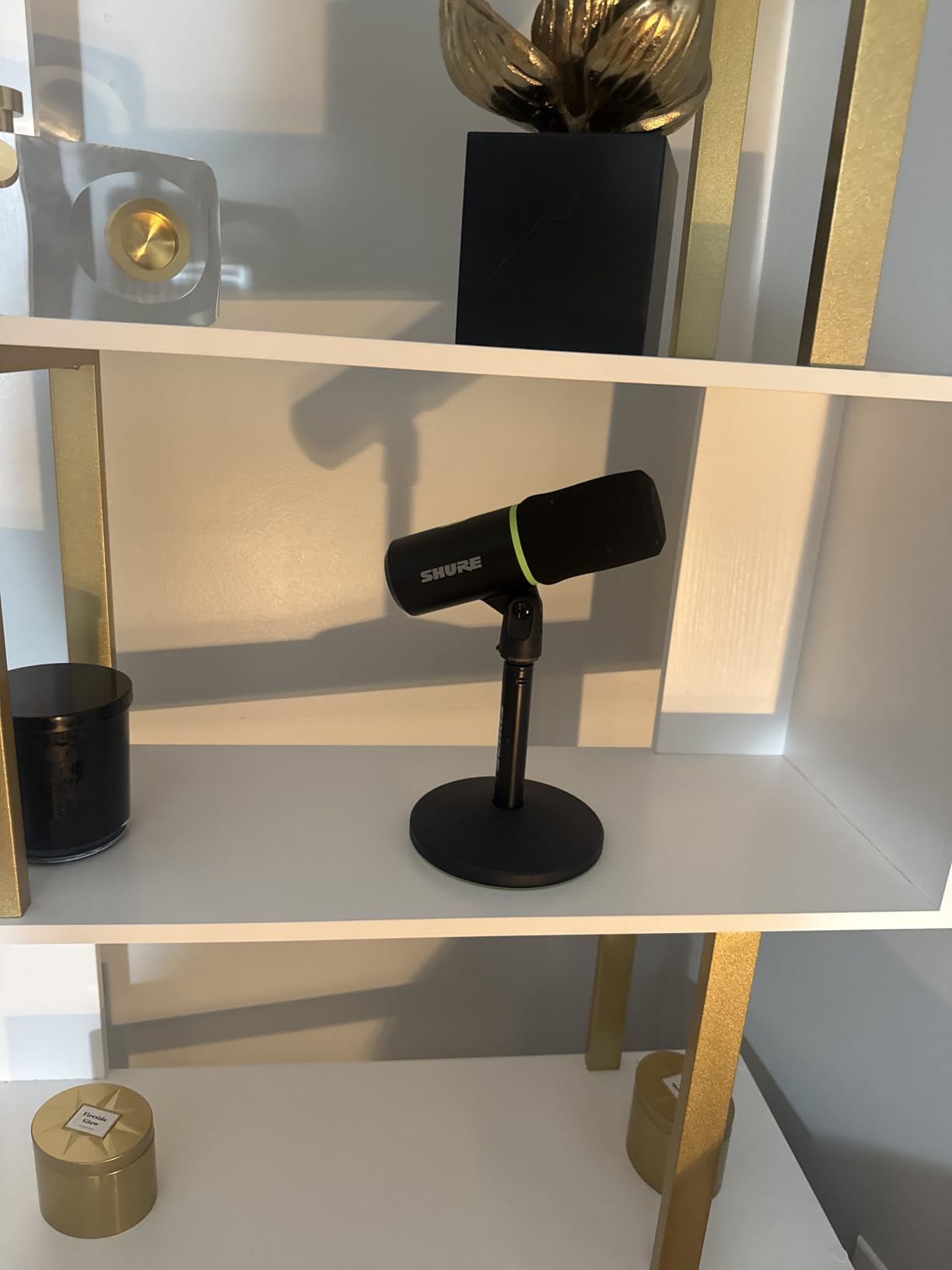
The Digital Popper Stopper technology handles plosives effectively without needing a physical pop filter. I recorded plosive-heavy passages with and without the feature enabled, and the difference was significant. Words starting with P and B sounds came through clean instead of producing the bass thumps that ruin otherwise good recordings.
The included desktop stand is solid and adjustable, though I ultimately mounted the MV6 on a boom arm for better positioning. The tap-to-mute function with LED feedback is convenient during recording sessions when you need to cough, sneeze, or reference your script quietly. The 82 percent five-star rating from over 1,100 reviewers reflects consistent user satisfaction.
PC-Only Limitation and Workarounds
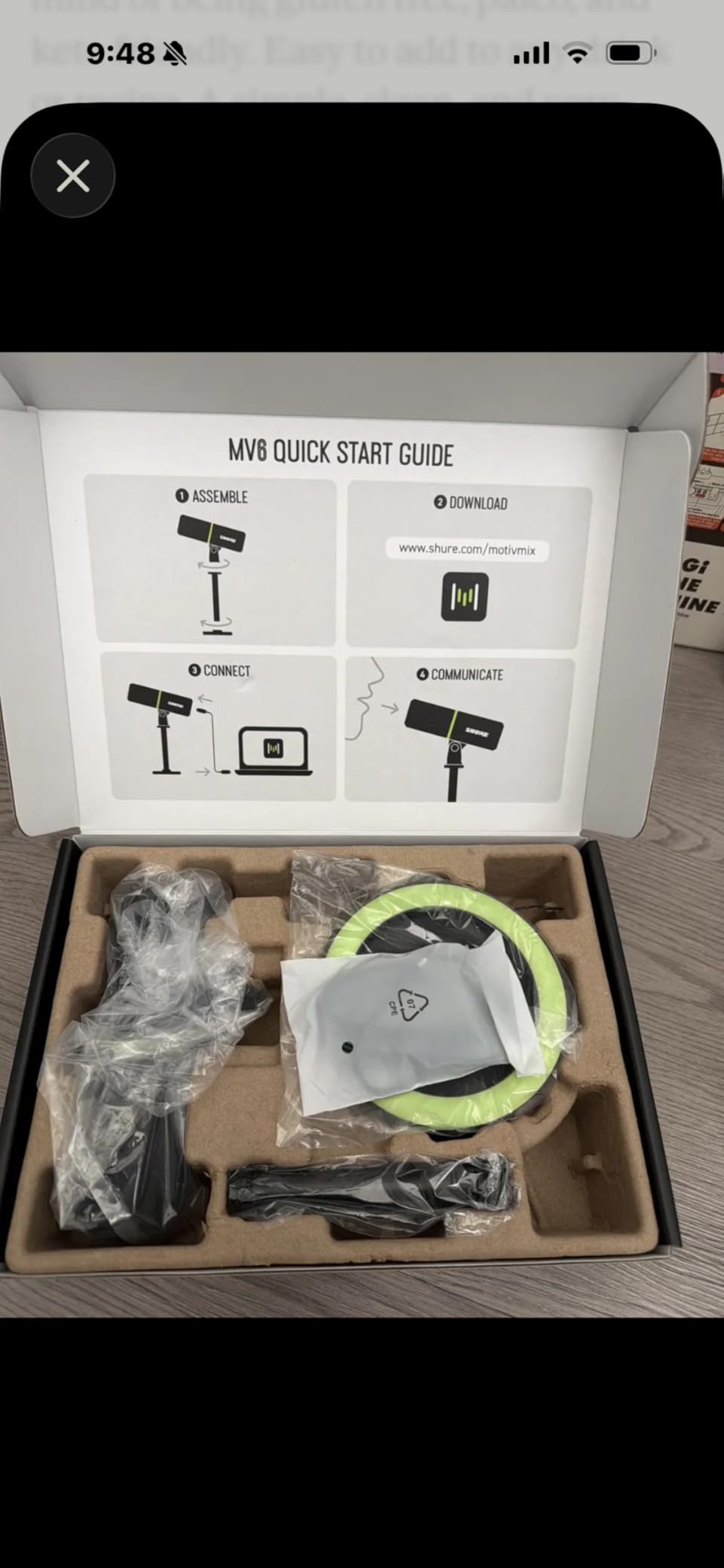
The MV6 is listed as PC-compatible only, which is a drawback for Mac-based voice actors. I tested it on a Windows 11 machine and it worked flawlessly with plug-and-play simplicity. Mac users should consider the MV7+ or Rode NT-USB Mini instead. If you record on PC, the MV6 delivers outstanding value for voice over work with zero setup friction.
The Shure MOTIV Mix app is available for additional configuration including EQ and compressor settings. The mic works fine without the app for basic recording.
How MV6 Compares to the MV7+
The MV6 shares Voice Isolation Technology, Auto Level Mode, and the Real-Time Denoiser with the MV7+. The key differences are that the MV6 lacks XLR output, has no LED customization, and does not carry OBS certification. For voice actors who only need USB recording and want Shure’s noise rejection technology, the MV6 saves roughly $150 compared to the MV7+ while delivering similar core performance.
If you foresee needing XLR output in the future, spend the extra money on the MV7+. If USB is all you will ever need, the MV6 is the smarter purchase.
9. Sennheiser Profile USB – German-Engineered Warm Condenser
SENNHEISER Professional Profile – USB Cardioid Condenser Microphone & Table Stand, 1.2 m USB-C Cable – Mute Button, Built-in Headphone Jack, Gain, Mix & Volume Control, for PC & Mac,Black
USB cardioid condenser
German-engineered capsule
Warm natural sound
Onboard gain and mix controls
Metal housing
Table stand included
Pros
- Plug-and-play USB-C simplicity
- Natural warm sound quality
- German-engineered capsule
- Metal housing construction
- Onboard controls for gain mix and volume
- Built-in headphone monitoring jack
Cons
- Lower signal-to-noise ratio than premium options
- Primarily PC and Mac focused
The Sennheiser Profile USB brings the renowned Sennheiser sound signature to a plug-and-play USB condenser format. I was immediately struck by how warm and natural my voice sounded through this microphone. Sennheiser is famous for their professional studio and broadcast microphones, and the Profile channels some of that heritage into an accessible USB design.
I recorded an audiobook chapter with the Profile and compared it to USB condensers from other brands at similar prices. The Sennheiser had a noticeably warmer midrange that gave my voice a rich, broadcast-ready quality. The German-engineered capsule accentuates the body and presence of the human voice in a way that sounds polished without requiring extensive EQ.
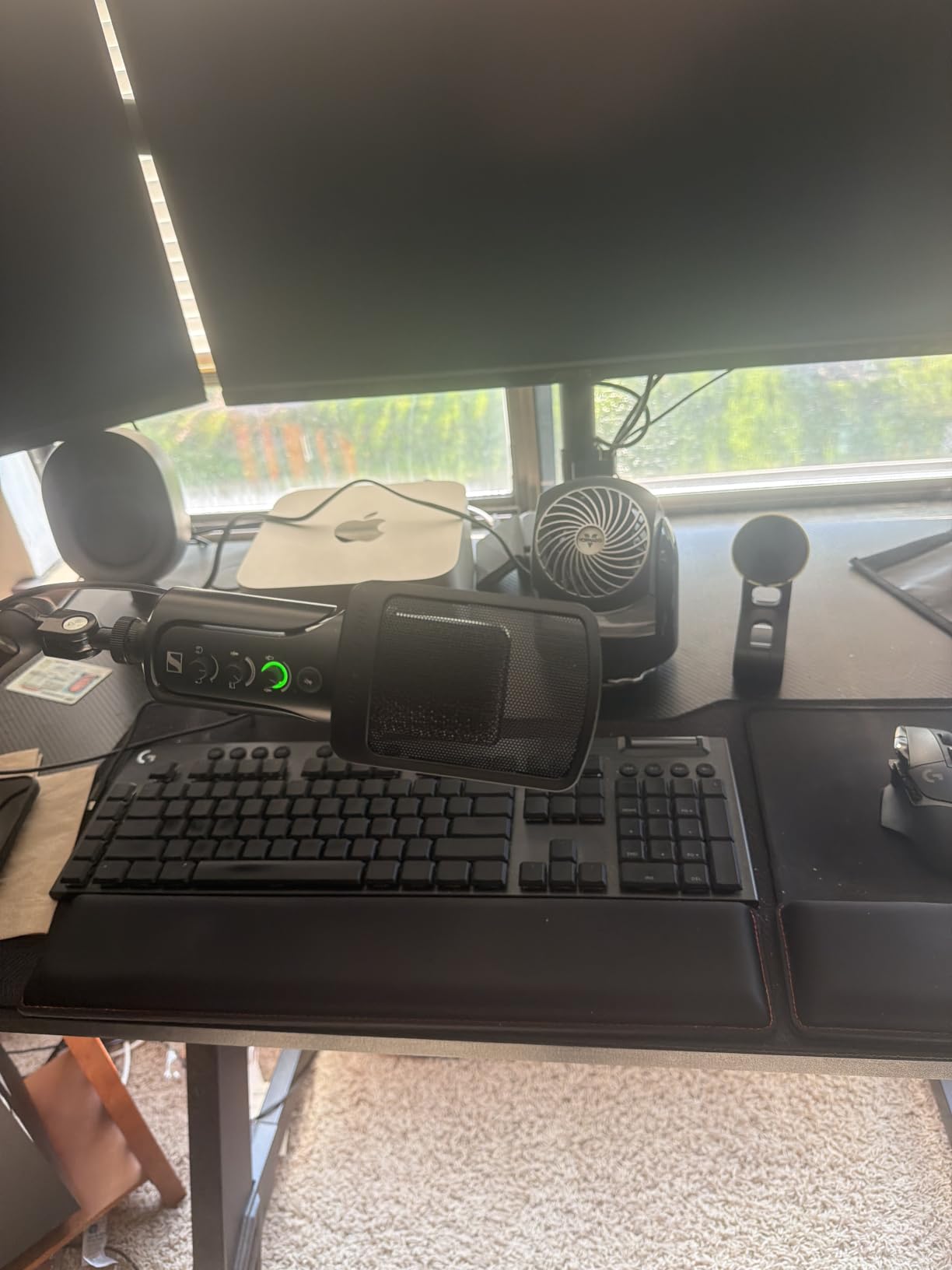
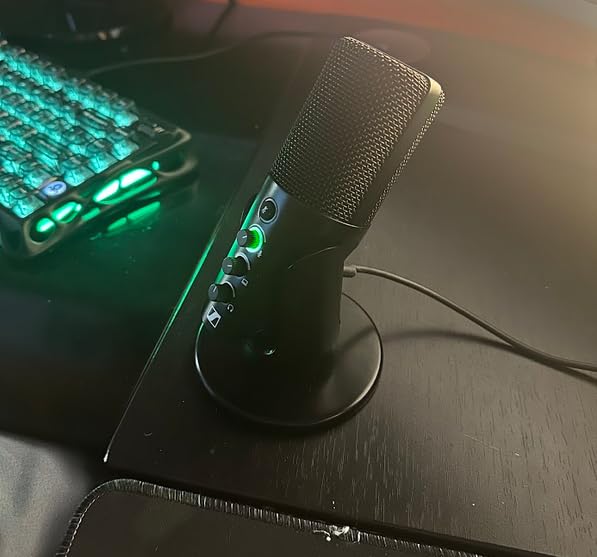
The onboard controls are thoughtfully designed. A single multifunction dial handles gain, mix, and volume adjustments, which means you can set your monitoring levels without touching your computer. The built-in headphone jack with zero-latency monitoring is essential for voice over work where you need to hear yourself in real time. The mute button is easily accessible and provides tactile feedback.
The metal housing feels premium and substantial. Sennheiser includes a table stand, which is convenient for getting started but may not offer the optimal positioning that a boom arm provides. I switched to a boom arm after the first day of testing and the recording quality improved noticeably with better mic placement.
Signal-to-Noise Ratio and Recording Quality
The Profile’s 60dB signal-to-noise ratio is lower than some competitors in this roundup. In practical testing, I noticed slightly more noise floor hiss compared to the Rode NT-USB Mini or Elgato Wave:3. This becomes apparent during quiet passages and after heavy compression. For loud, energetic voice over work, it is not a problem. For whispered or intimate narration, the noise floor is more noticeable.
Using a noise gate in post-production effectively addresses this issue, and most voice over workflows include some form of noise reduction anyway.
Sennheiser Brand Heritage and Build Confidence
Sennheiser has manufactured professional audio equipment for over 75 years. Their MKH 416 shotgun microphone is an industry standard for voice over work in broadcast and film. The Profile cannot match that level of performance, but it carries the same engineering philosophy of natural, accurate sound reproduction. The 76 percent five-star rating reflects some users expecting more at this price point, but the sound character is genuinely distinctive and appealing.
For voice actors who prioritize warmth and natural sound over raw specifications, the Profile delivers a signature that is hard to find in other USB condensers.
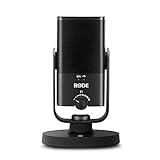
10. Rode NT-USB Mini – Compact Studio-Quality Condenser
RØDE NT-USB Mini Studio-Quality USB Condenser Microphone
USB condenser
Compact mini form factor
24-Bit 48kHz
Magnetic desk stand
APHEX DSP
Zero-latency monitoring
Pros
- Studio-quality condenser in compact size
- Warm and present sound signature
- Zero-latency headphone monitoring
- Built-in digital signal processing
- Magnetic stand for easy positioning
- Plug-and-play USB connectivity
Cons
- Limited stock availability
- Requires software for full DSP features
The Rode NT-USB Mini packs genuine studio-quality sound into a compact body that fits in the palm of your hand. I was skeptical that something this small could deliver professional voice over audio, but Rode’s condenser capsule technology proved me wrong. The warm, present sound signature is unmistakably Rode, and the 76 percent five-star rating from over 5,300 reviewers confirms broad satisfaction.
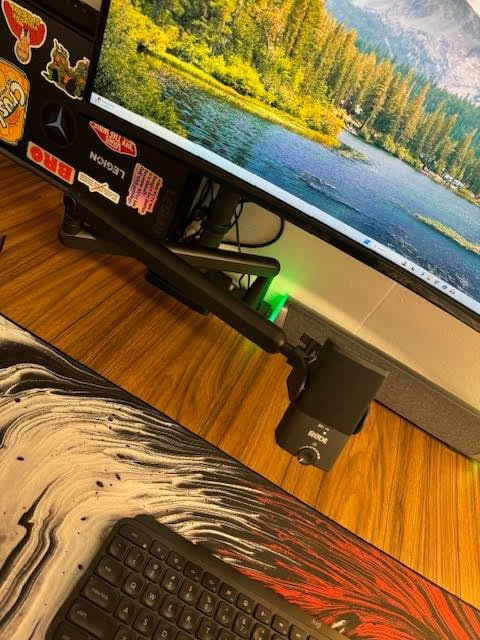
I used the NT-USB Mini for a week of mobile voice over work, recording from a hotel room while traveling. The compact size made it easy to pack, and the magnetic desk stand allowed quick setup on any surface. The built-in pop filter handled plosives well enough that I did not need an external one for most recording sessions. For voice actors who need a travel-friendly microphone that does not compromise on sound quality, this is an excellent choice.
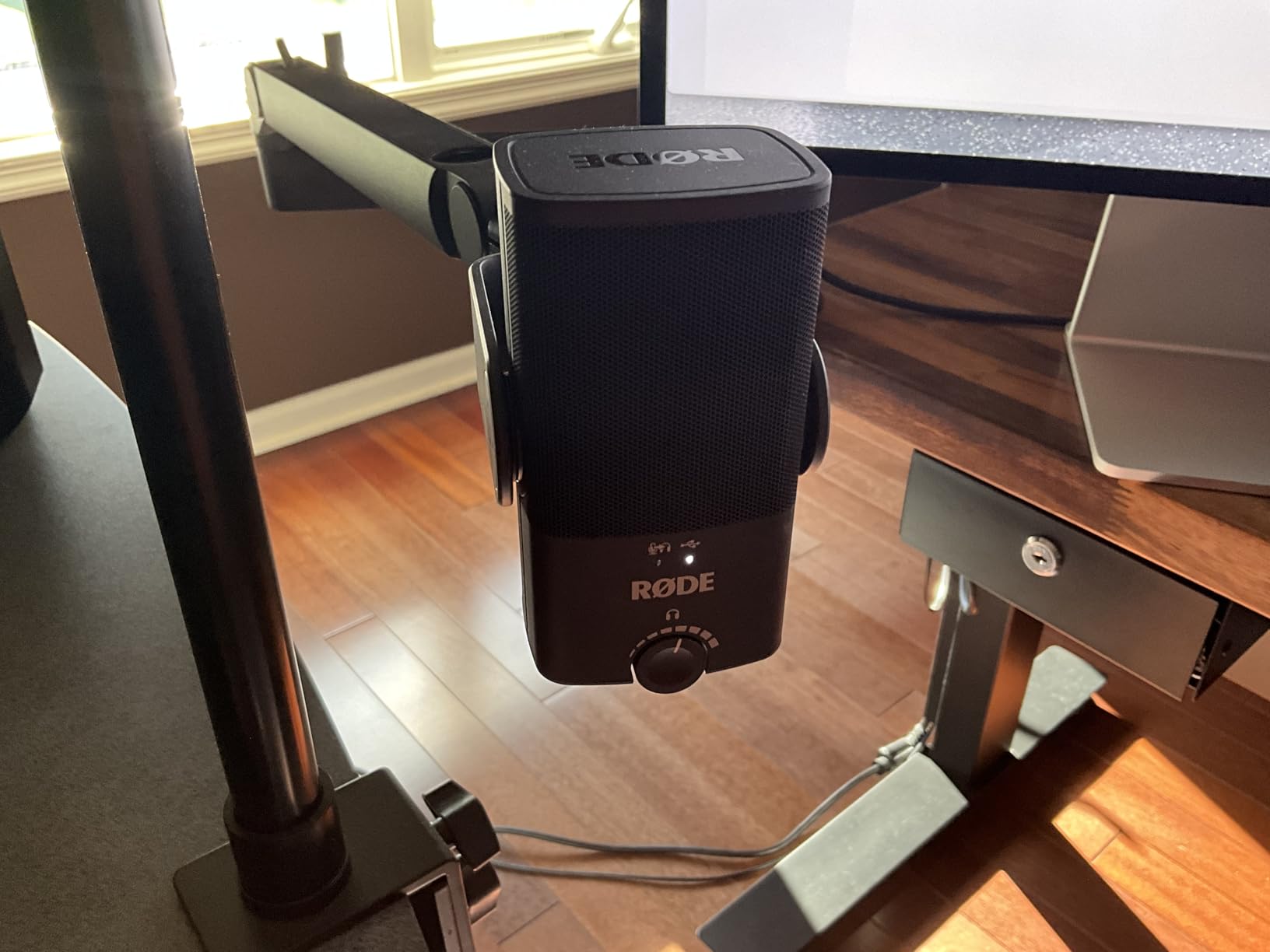
The APHEX DSP integration through Rode Connect software adds professional processing including the Aural Exciter and Big Bottom effects. These are the same APHEX technologies used in professional recording studios. I enabled them during a test recording and was impressed by how much depth and richness they added to my voice without sounding artificial.
The zero-latency 3.5mm headphone output with precision volume control is essential for monitoring your recording in real time. At 24-bit and 48kHz, the audio resolution meets broadcast standards for voice over delivery. The USB-C connection ensures compatibility with modern computers and tablets alike.
Travel Recording and Mobile Voice Over Setup
The NT-USB Mini is my top recommendation for voice actors who record on the go. It weighs just 585 grams and measures 7.28 by 2.36 by 1.97 inches, making it small enough for any laptop bag. I recorded client auditions from three different locations during testing, and the consistent sound quality meant my remote recordings matched my home studio output closely enough that clients could not tell the difference.
Pair it with a laptop, a cheap reflection filter, and your recording software of choice for a complete mobile voice over rig.
Rode Connect Software and DSP Features
Rode Connect is a free application that unlocks the NT-USB Mini’s full potential. It provides a noise gate, compressor, APHEX Aural Exciter, and Big Bottom processor. For voice over work, I found the compressor and Aural Exciter particularly useful for achieving a polished, broadcast-ready sound without needing a full DAW setup.
The software also handles multi-microphone recording if you add more Rode USB mics, which is useful for dialogue or interview-style voice over projects.
11. Blue Yeti USB Microphone – Versatile Four-Pattern Condenser
Logitech Creators Blue Yeti USB Microphone for PC, Mac, Gaming, Recording, Streaming, Podcasting, Studio and Computer Condenser Mic with Blue VO!CE effects, 4 Pickup Patterns, Plug and Play – Blackout
USB condenser
4 pickup patterns
Blue VO!CE effects
Three-capsule array
Onboard controls
Plug and play
Pros
- Custom three-capsule array for broadcast sound
- Blue VO!CE software for enhanced audio
- Four pickup patterns for versatility
- Onboard controls for volume and gain
- Plug-and-play USB setup
- Number one best seller in category
Cons
- Heavy at 3.51 pounds
- Condenser sensitivity captures room noise
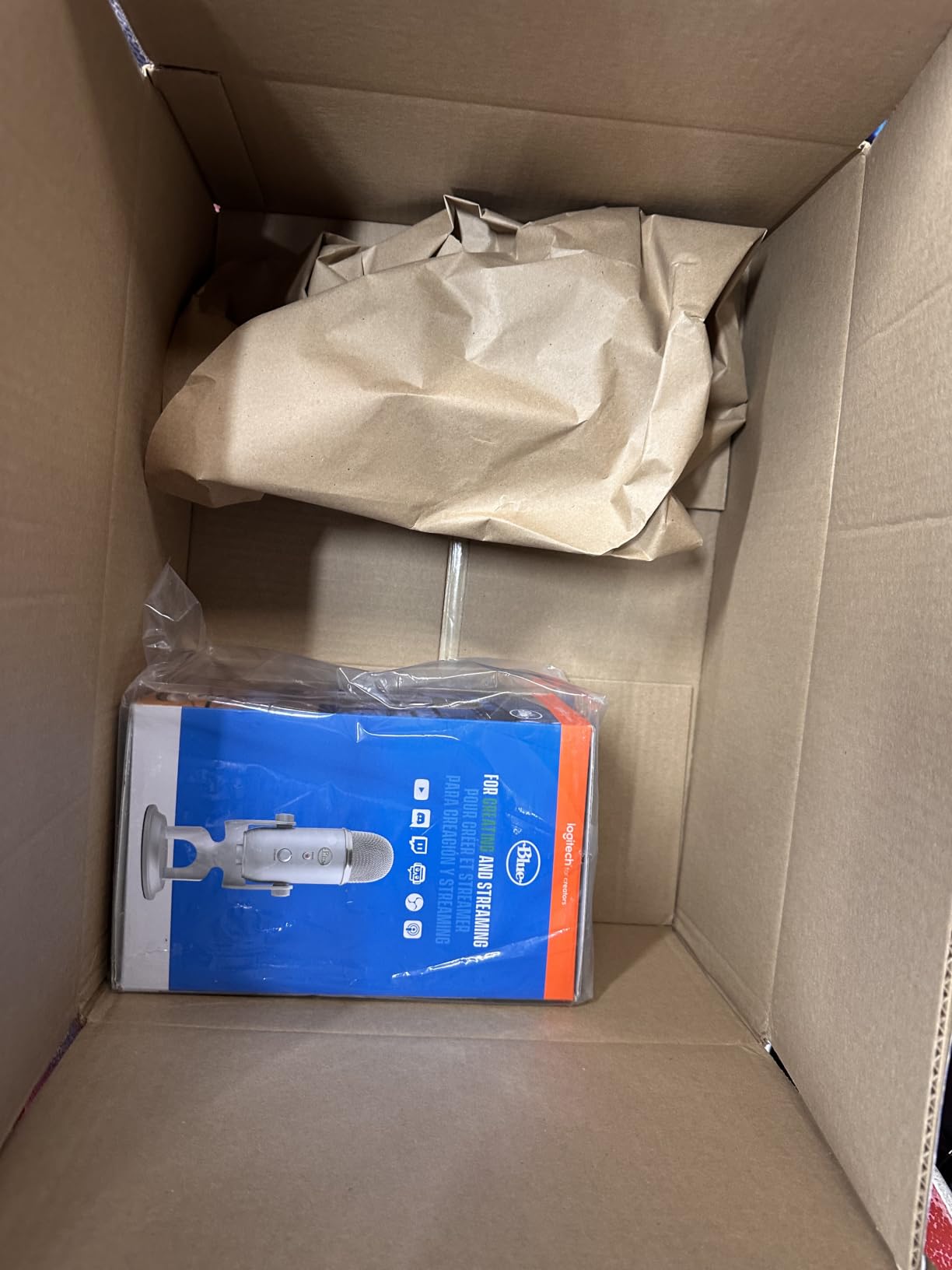
The Blue Yeti is the number one best-selling multipurpose condenser microphone on Amazon, and its 57,000 reviews tell a story of massive popularity. I tested it for voice over work specifically, setting it to the cardioid pattern for solo recording. The three-capsule array produces a rich, full-bodied sound that works well for commercial delivery and character voice work alike.
The four pickup patterns give you flexibility that no other microphone in this roundup offers. Cardioid mode is what you will use 90 percent of the time for voice over. But the omni, bidirectional, and stereo patterns open creative possibilities for roundtable discussions, interview recordings, and ASMR-style voice work. I experimented with bidirectional mode for a two-person dialogue session, and it captured both voices effectively with proper positioning.
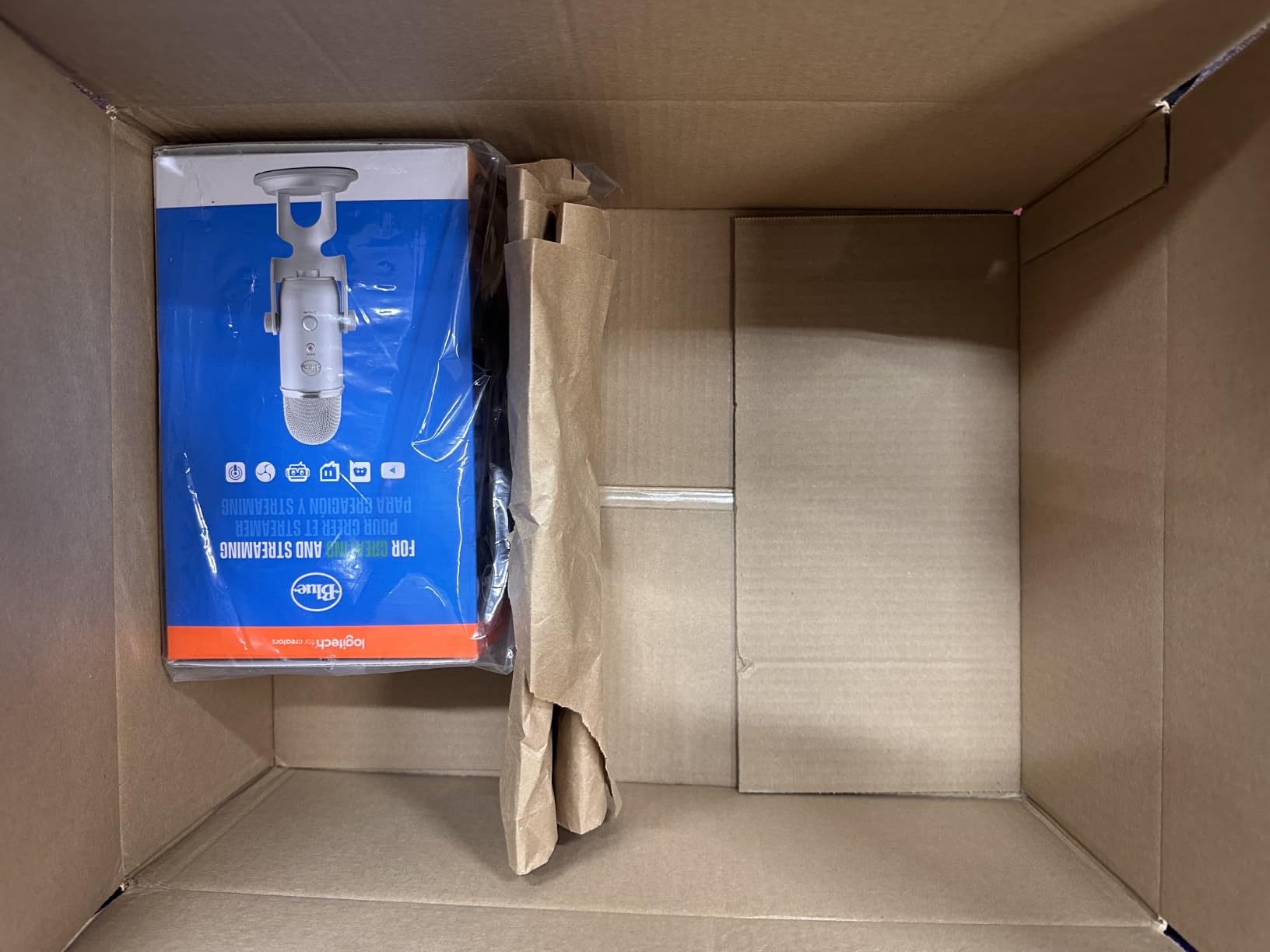
The Blue VO!CE software adds broadcast-quality vocal effects including noise gate, compressor, EQ, and modulation effects. I applied the broadcast preset during a test recording and the results sounded remarkably professional with minimal tweaking. For voice actors who want polished audio without learning complex post-production chains, Blue VO!CE handles the processing automatically.
The onboard controls are comprehensive. You get headphone volume, pattern selection, mic gain, and a mute button all on the microphone body. The real-time, no-latency headphone monitoring means you hear exactly what the mic captures as you record. At 3.51 pounds, the Yeti is heavy and stable on its desktop stand, though a boom arm is still preferable for optimal voice over positioning.
Room Noise Sensitivity and Treatment Tips
As a condenser microphone, the Yeti is sensitive to room noise and reflections. In my untreated test space, it captured more ambient sound than the dynamic microphones in this roundup. For voice over work, you will need either acoustic treatment or a very quiet recording environment to get clean results. A portable reflection filter positioned behind the microphone helps significantly.
Setting the gain properly is critical. Keep it low enough that the mic does not pick up keyboard noise and room tone, but high enough to capture your voice clearly. This takes some experimentation but is achievable with practice.
Blue VO!CE Software Effects for Voice Over
The Blue VO!CE suite includes professionally tuned presets designed for broadcasting and streaming. The broadcast preset applies compression, EQ, and noise gate settings that produce a radio-ready sound. I compared processed and unprocessed recordings, and the Blue VO!CE version sounded noticeably more polished and professional with zero manual adjustment.
For voice actors who deliver raw audio to clients, you can turn Blue VO!CE off and record dry. For self-produced content like YouTube narration or podcasting, the built-in effects save significant post-production time.
12. FIFINE T669 USB Condenser Kit – Complete Budget Package
FIFINE T669 Studio Condenser USB Microphone for Recording Podcasting
USB condenser
Complete kit with boom arm
Shock mount
Double pop filter
Cardioid pattern
Plug and play
Pros
- USB plug-and-play setup
- Wide frequency response 20Hz to 20KHz
- Includes adjustable boom arm stand
- Shock mount and double pop filter included
- Cardioid pattern for noise rejection
- Excellent value with complete accessory kit
Cons
- Incompatible with Xbox
- USB powered with no XLR option
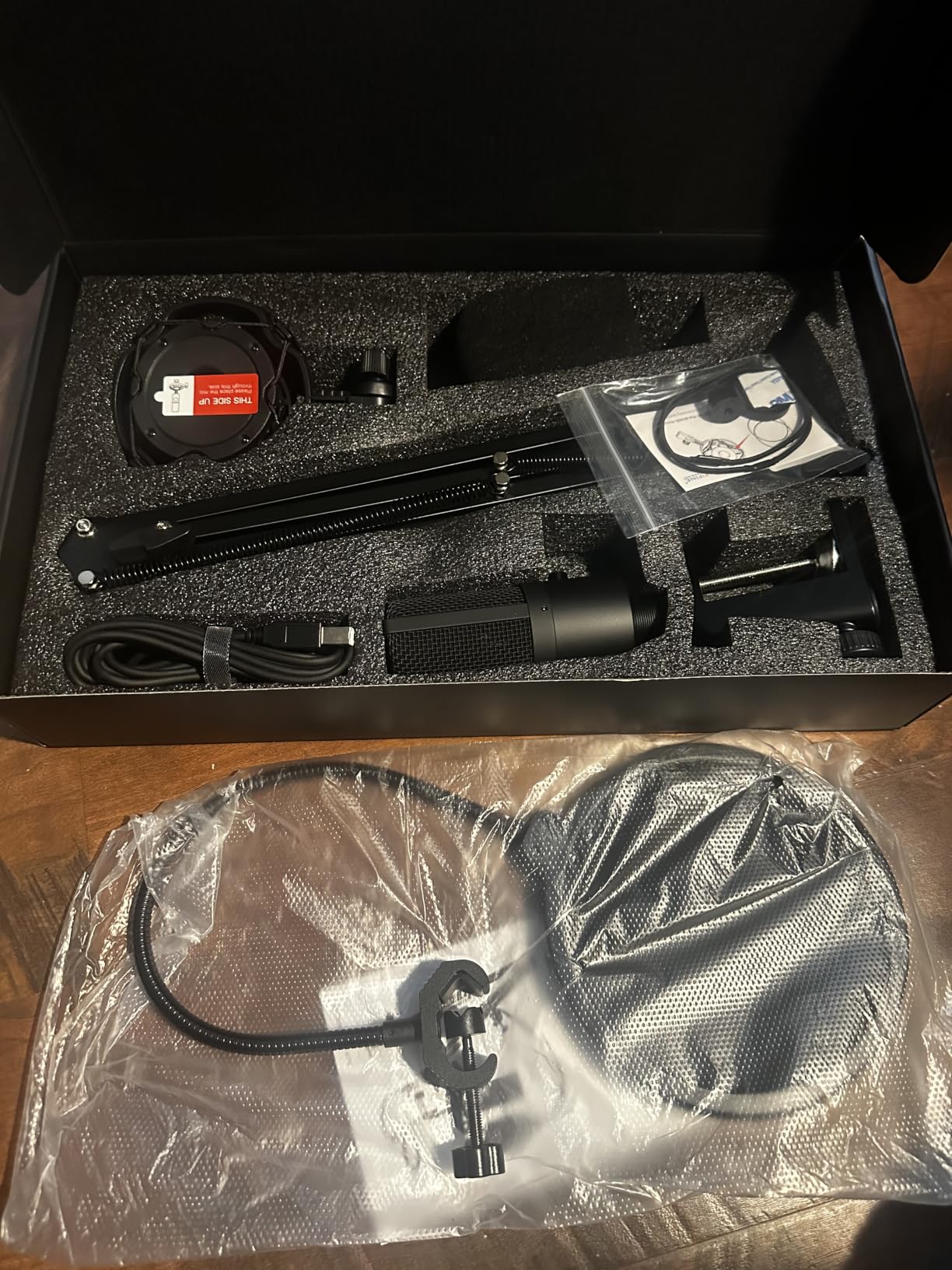
The FIFINE T669 is the most affordable complete microphone kit in this roundup, and it includes everything a beginning voice actor needs to start recording. For around $42, you get a USB condenser microphone, an adjustable boom arm, a shock mount, a double pop filter, a windscreen, and a USB cable. That is an astonishing value that removes every barrier to entry for aspiring voice over artists.
I tested the T669 for a week of voice over practice sessions, recording commercial copy and character scripts. The cardioid condenser capsule produces clear, intelligible audio that is more than good enough for auditions and demo reels when you are just starting out. With 25,000 reviews and a 4.6-star average rating, this is one of the most popular budget microphones on the market for good reason.
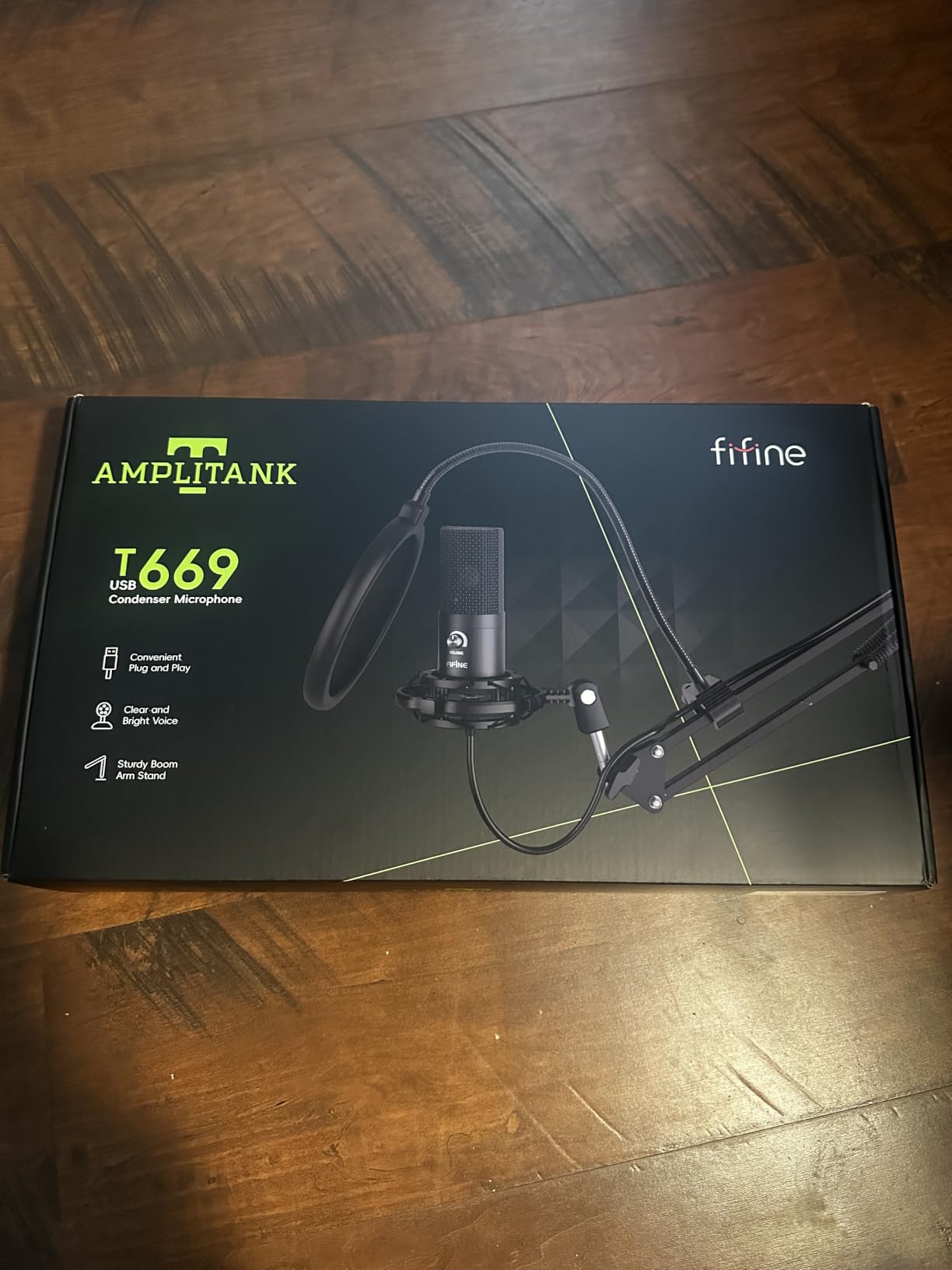
The included boom arm is the real differentiator at this price point. Most budget USB microphones come with a basic desk stand, but the T669 gives you a full scissor boom arm that lets you position the mic at the optimal angle for voice over work. Proper mic positioning makes a bigger difference to your sound quality than spending more money on the microphone itself. The shock mount effectively isolates the capsule from desk vibrations.
The double pop filter is a nice touch that reduces plosive sounds on P and B consonants. Most microphones at this price include a single-layer filter or none at all. The windscreen provides additional protection against breath noise. For a complete beginner who wants to start recording voice over immediately without shopping for accessories, the T669 kit is the fastest path from unboxing to recording.
Sound Quality Expectations at This Price
The T669 produces clear, serviceable audio that will not embarrass you in auditions or beginner voice over work. It will not match the detail, warmth, or low noise floor of the more expensive options in this roundup. The 78dB signal-to-noise ratio means you will hear some noise floor hiss, especially during quiet passages. For practice, learning, and early auditions, this is perfectly acceptable.
Once you start booking paid voice over work regularly, plan to upgrade to an XLR setup like the Audio-Technica AT2020 or AT2035 for a noticeable quality improvement.
Best Setup Configuration for Voice Over Beginners
Position the boom arm so the microphone is 4 to 6 inches from your mouth, slightly off-center to reduce plosives. Mount the shock mount on the boom arm, attach the pop filter between the mic and your mouth, and fit the windscreen over the capsule. Plug the USB cable into your computer, select the T669 as your input device in your recording software, and you are ready to record.
Record in the quietest room available, preferably one with soft furnishings like a bedroom or closet full of clothes to absorb reflections. Free software like Audacity is sufficient for capturing and basic editing of your voice over recordings.
How to Choose the Best Microphone for Voice Over
Choosing the right voice over microphone comes down to understanding four key decisions: condenser versus dynamic, USB versus XLR, your recording environment, and your voice characteristics. Let me walk you through each one based on what our team learned from testing all 12 microphones.
Condenser Versus Dynamic Microphones
Condenser microphones are more sensitive and capture a wider frequency range with greater detail. They are the traditional choice for studio voice over work because they reproduce the full nuance of your voice. The trade-off is that sensitivity also captures room noise, echoes, and background sounds. Condensers like the Rode NT1, Audio-Technica AT2035, and AT2020 excel in treated rooms.
Dynamic microphones are less sensitive but better at rejecting ambient noise. They are ideal for untreated rooms and home studios where you cannot control the acoustic environment. The Shure MV7+, FIFINE AM8, and Shure MV6 are dynamic microphones that produce clean voice over recordings even in challenging spaces. Many voice actors on forums report that dynamic mics save them from needing expensive acoustic treatment.
USB Versus XLR Connectivity
USB microphones plug directly into your computer with no additional equipment needed. They are perfect for beginners, mobile recording, and anyone who wants simplicity. The Blue Yeti, Elgato Wave:3, Sennheiser Profile, and Rode NT-USB Mini are all excellent USB options. The downside is that you cannot upgrade individual components like preamps or interfaces.
XLR microphones require an audio interface or mixer, which adds cost and complexity. The benefit is superior audio quality, access to better preamps, and a modular system you can upgrade over time. The Audio-Technica AT2020, AT2035, and Rode NT1 Signature Series use XLR connections. If you plan to take voice over seriously, investing in an XLR setup early saves money long-term.
Dual-output microphones with both USB and XLR give you the best of both worlds. The Shure MV7+, Rode NT1 5th Gen, and FIFINE AM8 offer this flexibility, letting you start with USB and graduate to XLR without buying a new microphone.
Matching Your Microphone to Your Voice Type
Every voice has unique characteristics that interact differently with different microphones. Deeper voices often benefit from condensers with a slight high-frequency presence boost, like the Rode NT1 series, which adds articulation and prevents muddiness. Higher-pitched voices may prefer warmer microphones like the Sennheiser Profile or Audio-Technica AT2035, which add body without exaggerating highs.
The best way to find your ideal microphone is to test several if possible. Many audio stores and online retailers offer return policies that let you audition microphones in your own space. Record the same script with each microphone and compare the raw audio files. Trust your ears and the opinions of trusted listeners.
Recording Environment and Acoustic Treatment
Your recording room matters as much as your microphone choice. A $500 condenser in an untreated room will sound worse than a $50 dynamic in a treated space. Basic acoustic treatment does not require professional installation. Heavy curtains, carpet, bookshelves full of books, and soft furniture all absorb sound reflections. A portable reflection filter behind your microphone provides additional isolation.
Voice actors on GearSpace and Reddit consistently emphasize that room treatment is the highest-impact upgrade you can make. Before spending more on a microphone, invest in treating your recording space. The improvement in audio quality will be more dramatic than any microphone upgrade at the same price point.
Frequently Asked Questions
What is the best microphone for someone starting out doing voice-overs?
The FIFINE T669 USB kit is the best entry-level option because it includes a microphone, boom arm, shock mount, and pop filter for under $50. For beginners ready to invest in XLR quality, the Audio-Technica AT2020 paired with a basic audio interface delivers professional sound for around $220 total.
What microphone do voice actors actually use?
Professional voice actors commonly use the Sennheiser MKH 416, Neumann TLM 103, and Neumann U 87 in broadcast studios. For home studios, the Shure SM7B, Audio-Technica AT2035, and Rode NT1 series are popular choices among working voice actors who deliver broadcast-ready audio from their own spaces.
Should I get a USB or XLR microphone for voice over?
Start with USB if you are a beginner or need mobile recording capability. Switch to XLR when you want professional audio quality, upgradeable components, and plan to record voice over regularly for paid work. Dual-output microphones like the Shure MV7+ and Rode NT1 5th Gen let you use both connections.
How do I choose the right microphone for my voice?
Test different microphones with the same script if possible. Deeper voices often suit condensers with presence boosts like the Rode NT1, while higher voices may prefer warmer mics like the Sennheiser Profile. Consider your recording environment too, as dynamic mics handle untreated rooms better than sensitive condensers.
Do I need acoustic treatment for voice over recording?
Yes, acoustic treatment dramatically improves recording quality regardless of your microphone. Basic treatment like heavy curtains, carpet, and soft furniture absorbs reflections. Dynamic microphones like the Shure MV7+ and FIFINE AM8 are more forgiving in untreated rooms, but even simple treatment will noticeably improve any microphone’s performance.
Final Thoughts on the Best Microphones for Voice Over
After testing 12 microphones for voice over work, three clear recommendations emerged. The Shure MV7+ is our Editor’s Choice for its dual USB-C and XLR flexibility, Voice Isolation Technology, and professional build quality that serves working voice actors for years. The FIFINE AM8 earns Best Value honors by delivering dual connectivity and solid dynamic sound at a price that removes barriers to entry. And the FIFINE T669 kit is the Budget Pick that gives beginners everything they need to start recording immediately.
For voice actors ready to invest in studio-quality XLR setups, the Rode NT1 Signature Series and Audio-Technica AT2035 deliver exceptional sound at reasonable prices. The Rode NT1 5th Gen bridges the gap with dual USB and XLR outputs for maximum flexibility. Whatever your budget and experience level, the best microphones for voice over in 2026 are represented in this guide. Pick the one that matches your space, voice, and career stage, and start recording.