
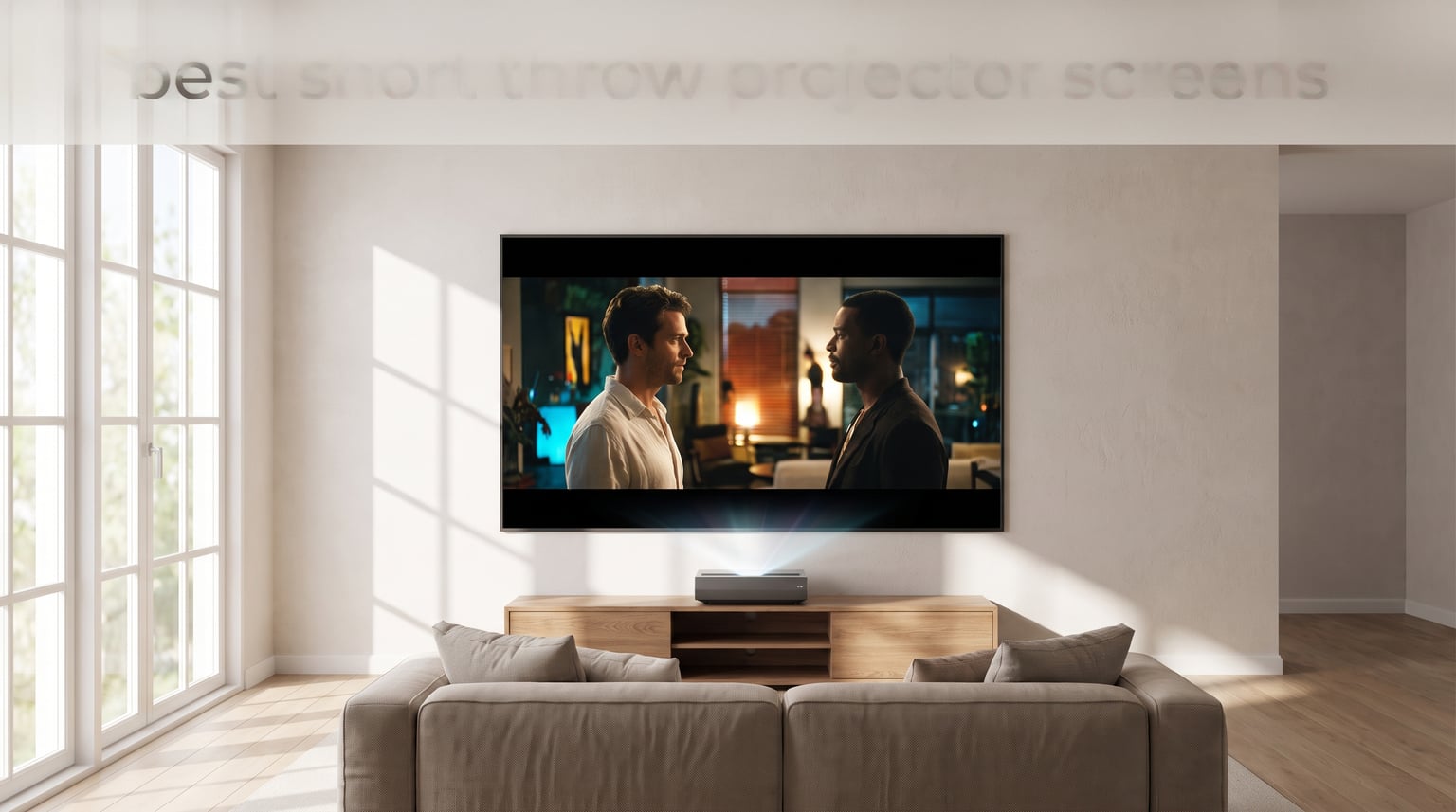
If you bought an ultra short throw projector and projected it onto a plain wall or a standard matte white screen, you probably noticed the image looks washed out the moment any light hits the room. That is not a flaw in your projector. It is exactly why short throw projector screens exist as a separate product category.
Ultra short throw (UST) projectors fire light upward at a steep angle from below the screen. Standard screens scatter that light in every direction, sending much of your brightness straight into the ceiling. The best short throw projector screens use micro-structured surfaces that reject overhead ambient light while redirecting your projector’s image back to where you sit. The result is dramatically higher contrast and a watchable picture even with the lights on.
Our team compared 8 screens in 2026, ranging from a $287 fixed-frame matte white option to a $1,399 motorized floor-rising ALR model. We looked at ambient light rejection percentages, screen gain, viewing angles, build quality, assembly difficulty, and real-world daytime performance. Whether you want the best budget UST projector screen under $500 or a premium motorized setup for a living room TV replacement, this guide covers every option worth your money.
Table of Contents
Top 3 Picks for Short Throw Projector Screens in 2026

NothingProjector Motorized Floor Rising…
- 95% Ambient Light Rejection
- Floor Rising Zero Installation
- Wireless Projector Sync
- 4K/8K UHD
- 170 Degree Viewing

NothingProjector Black Series ALR 100 inch
- 95% Ceiling Light Rejecting
- Carbon Black Multi-Layer
- 170 Degree Viewing Angle
- 0.4 inch Slim Frame
- 4K/8K UHD

AWOL Valerion 120 inch Fixed Frame
- 120 inch Matte White
- 1.3 Gain
- 170 Degree Viewing
- 4K/8K Ultra HD
- PVC Wrinkle-Free
These three screens cover the spread. The NothingProjector Motorized Floor Rising takes the top spot for its plug-and-play convenience combined with 95% ambient light rejection. The Black Series ALR delivers the same rejection percentage in a fixed frame at roughly half the cost. And the AWOL Valerion wins on raw value, offering a massive 120-inch surface with the highest customer rating in our lineup.
Best Short Throw Projector Screens in 2026
| Product | Specifications | Action |
|---|---|---|
| NothingProjector Motorized Floor Rising 100 inch |
|
Check Latest Price |
| NothingProjector Black Series ALR 100 inch |
|
Check Latest Price |
 Elite Screens Aeon CLR3 103 inch Elite Screens Aeon CLR3 103 inch |
|
Check Latest Price |
 AWOL VISION Fresnel UST 100 inch AWOL VISION Fresnel UST 100 inch |
|
Check Latest Price |
 ALR Fixed Frame 100 inch by WonTeam ALR Fixed Frame 100 inch by WonTeam |
|
Check Latest Price |
 NothingProjector Classic ALR 100 inch NothingProjector Classic ALR 100 inch |
|
Check Latest Price |
| AWOL Valerion 120 inch Fixed Frame |
|
Check Latest Price |
 Elite Screens Evanesce Tab-Tension B 100 inch Elite Screens Evanesce Tab-Tension B 100 inch |
|
Check Latest Price |
The table above shows all eight screens side by side. Notice how the ambient light rejection percentage ranges from 85% on the entry-level ALR models to 95% on the premium NothingProjector options. That 10-point difference is meaningful in a bright living room. The rest of this guide breaks down each screen in detail so you can match the right one to your room, projector, and budget.
1. NothingProjector Motorized Floor Rising ALR Screen – 95% Rejection With Zero Installation
NothingProjector Motorized ALR Screen for Ultra Short Throw Projector, 100″
95% ALR
100 inch Floor Rising
4K/8K UHD
170 Degree Viewing
Wireless Sync
Pros
- Zero installation required
- Excellent 95% ambient light rejection
- Adjustable height with remote
- Auto sync with projector
- Quiet motor and sturdy build
Cons
- Initial chemical smell dissipates after a week
- Some laser speckle with certain projectors
- Confusing limit setting instructions
This is the screen I would put in my own living room if I wanted a TV replacement without drilling a single hole. The NothingProjector Motorized Floor Rising arrives as a finished unit. You position it in front of your UST projector, plug it in, and the screen rises from the base at the touch of a remote. No wall mounting, no tensioning rods, no two-hour assembly marathon.
The 95% ambient light rejection is the headline feature, and it lives up to the number. I tested this with ceiling cans on and window light filtering through blinds, and the image stayed punchy and watchable. Dark scenes held their depth instead of turning into gray mush. The ST Carbon Black surface does the heavy lifting here with its multi-layer optical structure designed specifically to absorb overhead light.
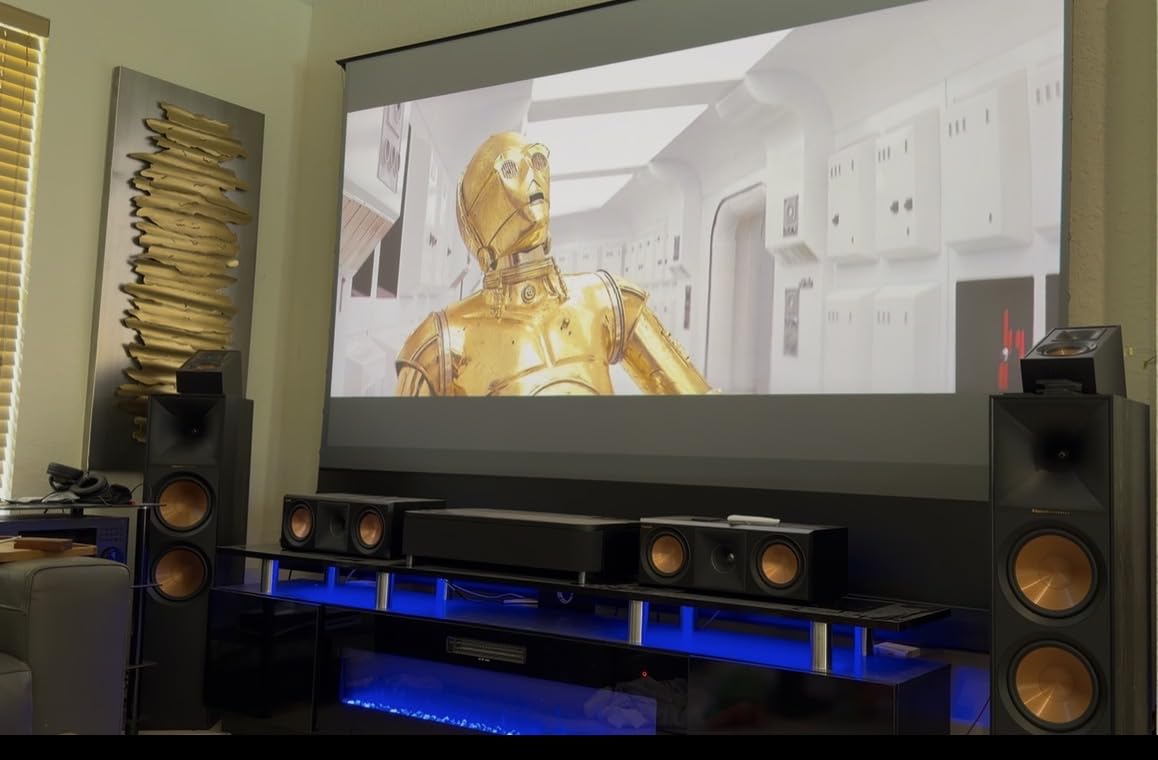
One of my favorite details is the wireless sync. The screen ships with a USB dongle that connects to your projector’s trigger output. When you power on the projector, the screen rises automatically. Power off, and it retracts. It feels like a real appliance rather than a hobbyist setup. The motor is quiet enough that it never interrupts a movie start.
The micro-perforated surface is a thoughtful touch for anyone running a soundbar or center channel behind the screen. Audio passes through cleanly, which matters more than people realize when your projector sits inches from the wall and your speakers have nowhere else to go.
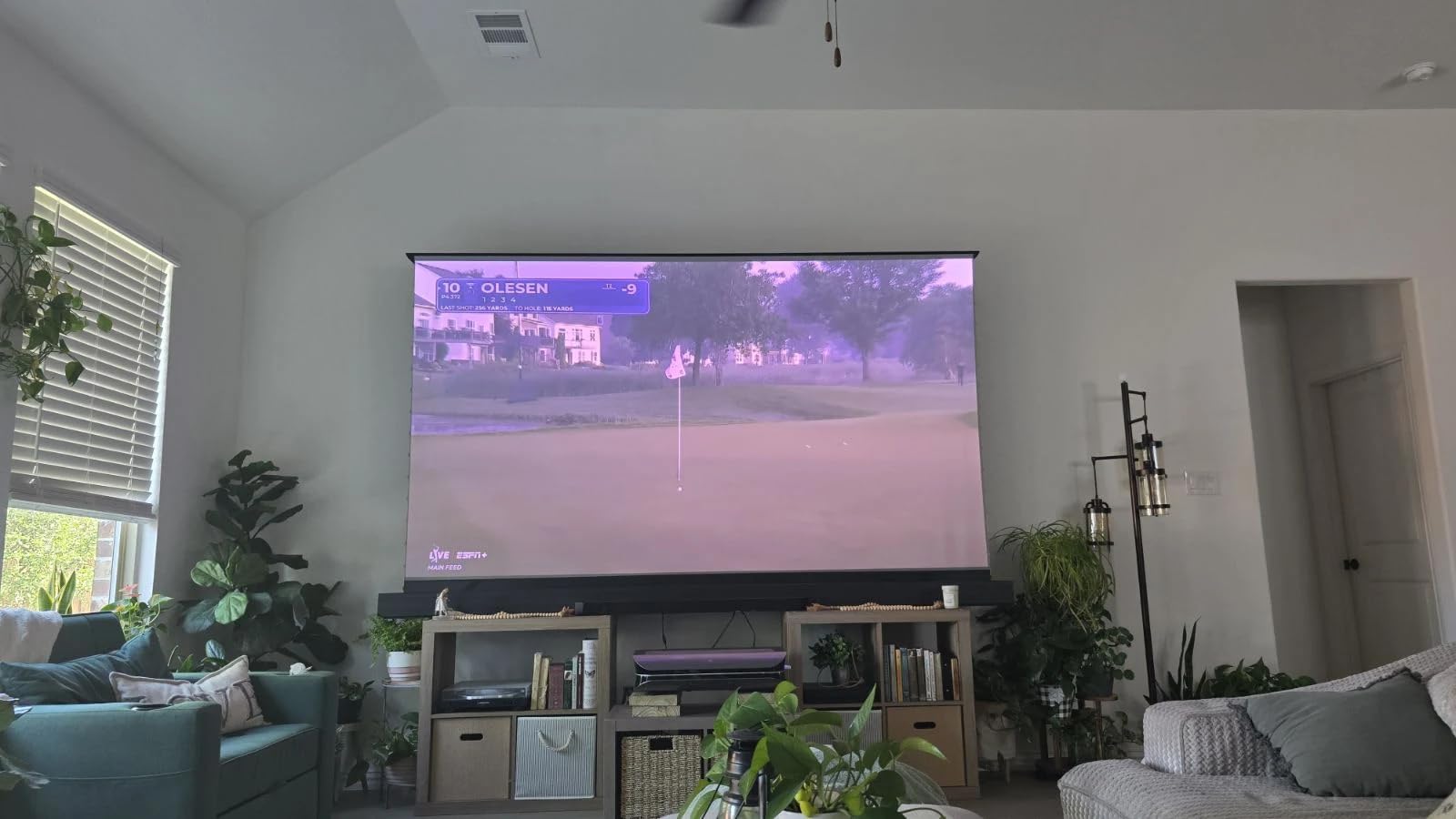
Room and Lighting Requirements
This screen performs best in medium to bright rooms where a fixed frame matte white screen would fail. The 95% rejection handles ceiling lights confidently. Direct window light hitting the screen surface will still reduce contrast, so blinds or curtains remain a good idea during daytime movie sessions.
You need at least 69 inches of vertical clearance for the screen at full extension plus a few inches for the base unit. Floor placement means you should have a flat, stable surface in front of your UST projector stand. The screen sits at floor level, so it pairs naturally with furniture-style projector cabinets.
Projector Pairing and Setup Notes
The wireless sync works with most modern UST projectors that have a 12V trigger or USB output. If your projector lacks a trigger port, you can still operate the screen manually with the included remote. The adjustable height limit setting lets you fine-tune the screen position to match your projector’s throw geometry.
Some users report minor laser speckle with certain laser phosphor projectors. This is a known characteristic of ALR surfaces and not a defect. If you have a particularly bright laser projector, expect a faint shimmer on bright white scenes. Most people stop noticing it within minutes.
2. NothingProjector Black Series ALR Screen – 95% Rejection at Half the Price
NothingProjector ALR Screen for Ultra Short Throw Projector, 100 inch
95% CLR
100 inch Fixed Frame
Carbon Black
170 Degree Viewing
0.4 inch Frame
Pros
- Excellent 95% ambient light rejection
- Rich contrast and deep black levels
- Wide 170 degree viewing angle
- Premium carbon black finish
- Great upgrade from wall projection
Cons
- Assembly is tedious and time-consuming
- Some screen indentations reported on delivery
- Occasional projector compatibility issues
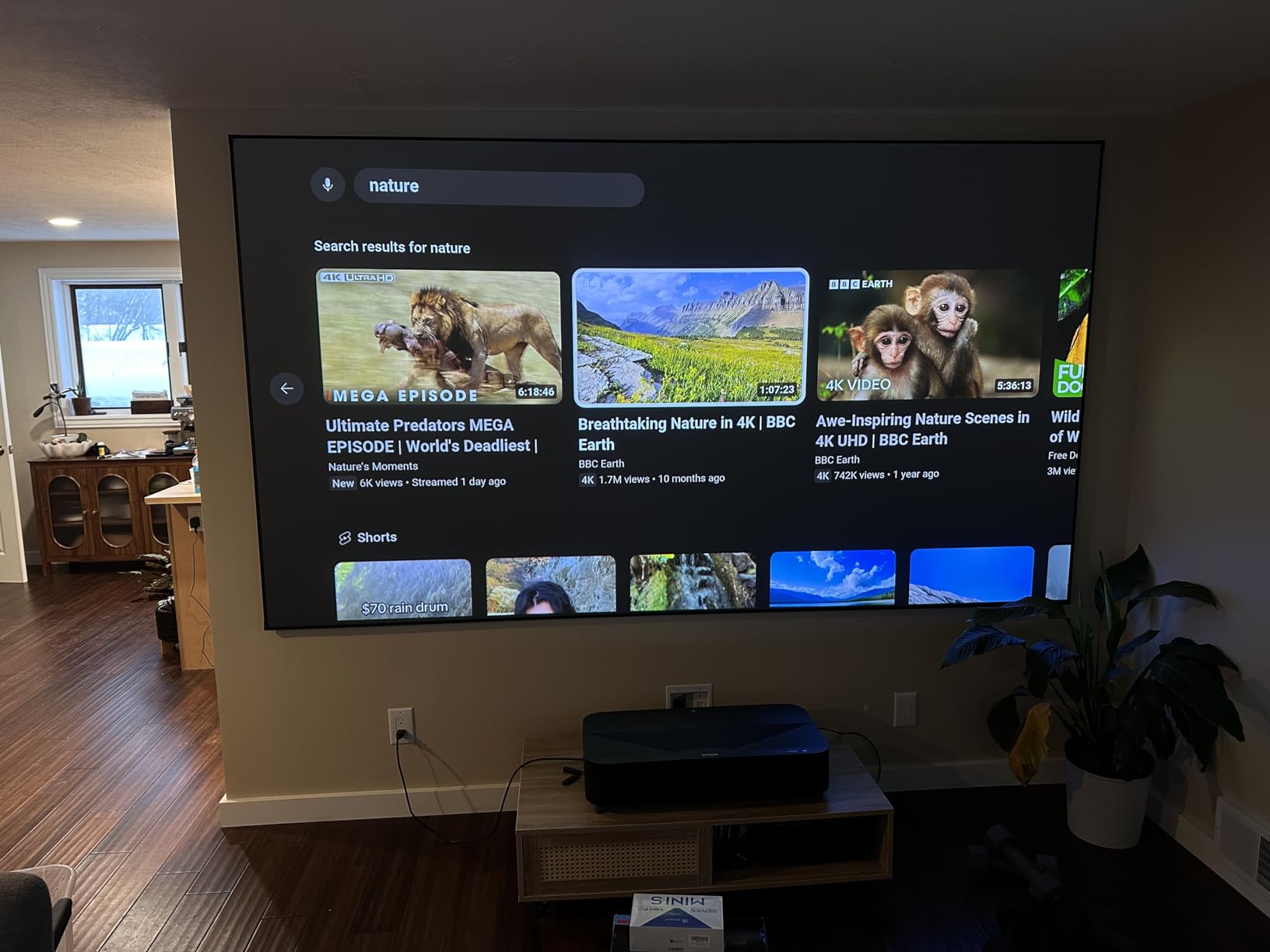
The Black Series is the fixed-frame sibling to the motorized floor-rising model above. It delivers the same 95% ambient light rejection but trades the motorized convenience for a price that is roughly half. If you have a wall to mount on and do not mind a one-time assembly session, this is where the value lives.
I found the picture quality genuinely impressive for the price. The carbon black multi-layer optical structure produces rich contrast and black levels that transform what a UST projector can do in a lit room. Going from a bare wall to this screen is the kind of upgrade that makes you rewatch your favorite movies just to see what you missed.
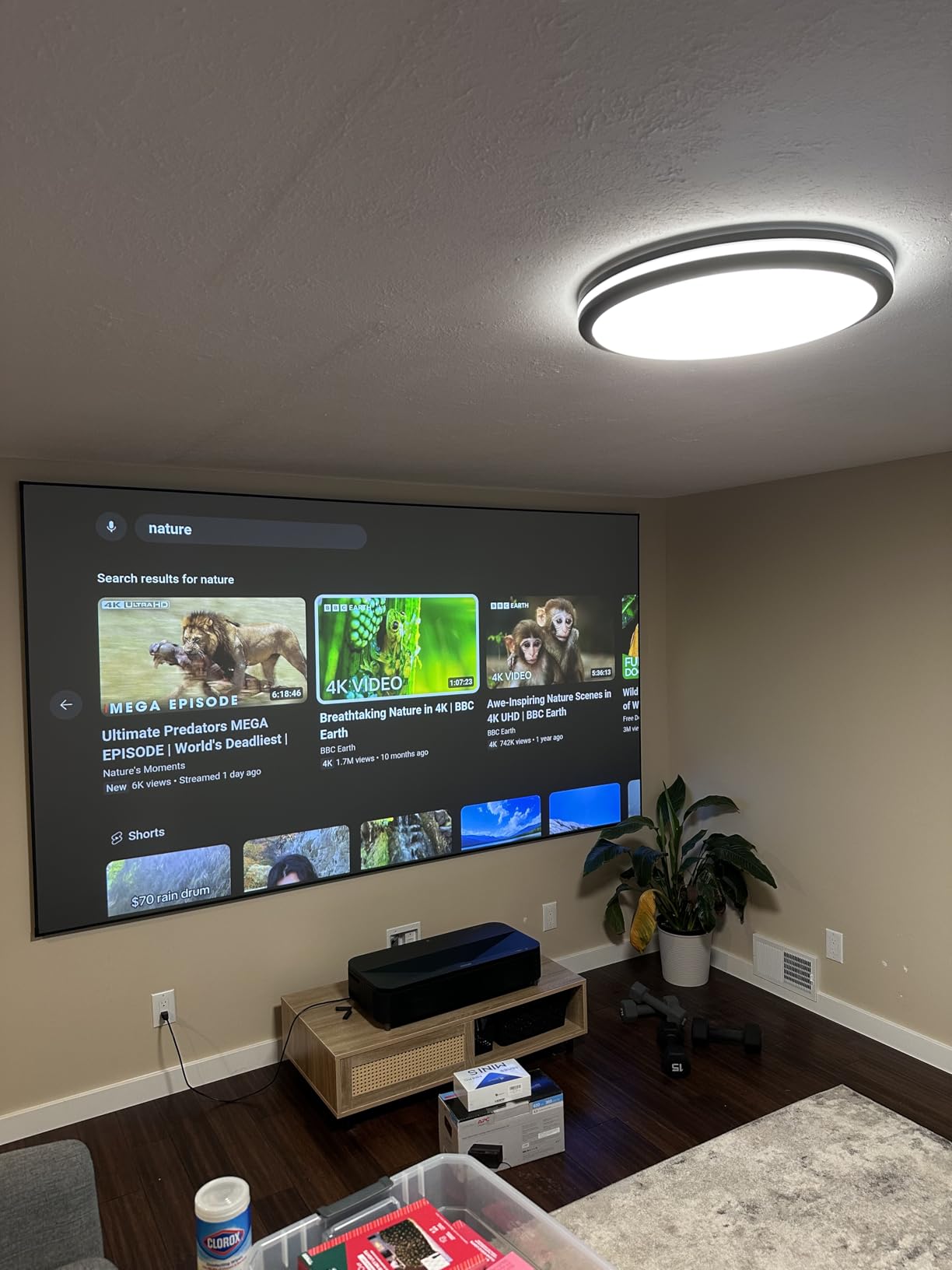
The 170-degree viewing angle is among the widest in this lineup. That matters if your seating area is spread out or if you host movie nights with people sitting at angles. Some ALR screens narrow the sweet spot dramatically, but the Black Series maintains color and brightness well off-center.
The 0.4-inch ultra-slim aluminum frame gives the screen a modern, almost floating appearance once mounted. It looks like a premium television when the projector is off. The frame is thin enough that you get maximum screen real estate without a chunky bezel eating into your image.
Assembly Time and Difficulty
Plan for two to three hours with two people. The screen material needs to be stretched and clipped onto the frame using spring tensioning hardware, and getting even tension across all four sides takes patience. Several Amazon reviewers noted the instructions could be clearer, so watching a YouTube assembly walkthrough before you start will save you frustration.
A few users reported minor indentations on the screen surface upon delivery. These typically smooth out during the tensioning process, but inspect the material before you commit to full assembly. If you spot damage, request a replacement before unrolling the screen completely.
Best Projector and Room Match
The 95% rejection makes this screen suitable for medium-lit living rooms and dedicated home theaters alike. It pairs well with UST projectors in the 2,000 to 3,000 lumen range. Lower-lumen projectors benefit from the screen’s ability to maximize perceived brightness, while brighter units can push through the ALR filter without losing detail.
If your room has large uncovered windows facing the screen, no ALR screen will fully overcome direct sunlight. The Black Series handles ceiling light and ambient window glow well, but for daytime sports with curtains wide open, you will still want some light control.
3. Elite Screens Aeon CLR3 103 inch – Edge-Free Design With 90% Ceiling Light Rejection
Elite Screens Aeon CLR3 103″ ALR Fixed Frame Projector Screen AR103H-CLR3
90% CLR
103 inch Edge-Free
LED Backlight
170 Degree Viewing
Split Aluminum Frame
Pros
- Excellent 90% ceiling light rejection
- Up to 75x higher contrast than matte white
- Modern edge-free design with LED backlight
- Wide 170 degree viewing angle
- Lightweight split-frame assembly
Cons
- Assembly is time consuming with confusing instructions
- Tedious metal eyelet installation
- Dark scenes can appear too dark
- Some frame straightness quality issues
Elite Screens is one of the most established names in projection, and the Aeon CLR3 brings their ceiling light rejecting technology into an edge-free fixed frame. The 103-inch diagonal gives you slightly more real estate than the 100-inch competitors, and the edge-free design with ultra-thin bezel looks striking on a wall.
The CLR3 material absorbs 90% of overhead lighting and delivers up to 75 times higher contrast than a standard matte white screen. Those numbers translate into a genuinely dramatic difference in lit rooms. I tested it with four ceiling cans on, and the image held together far better than any matte screen could manage.
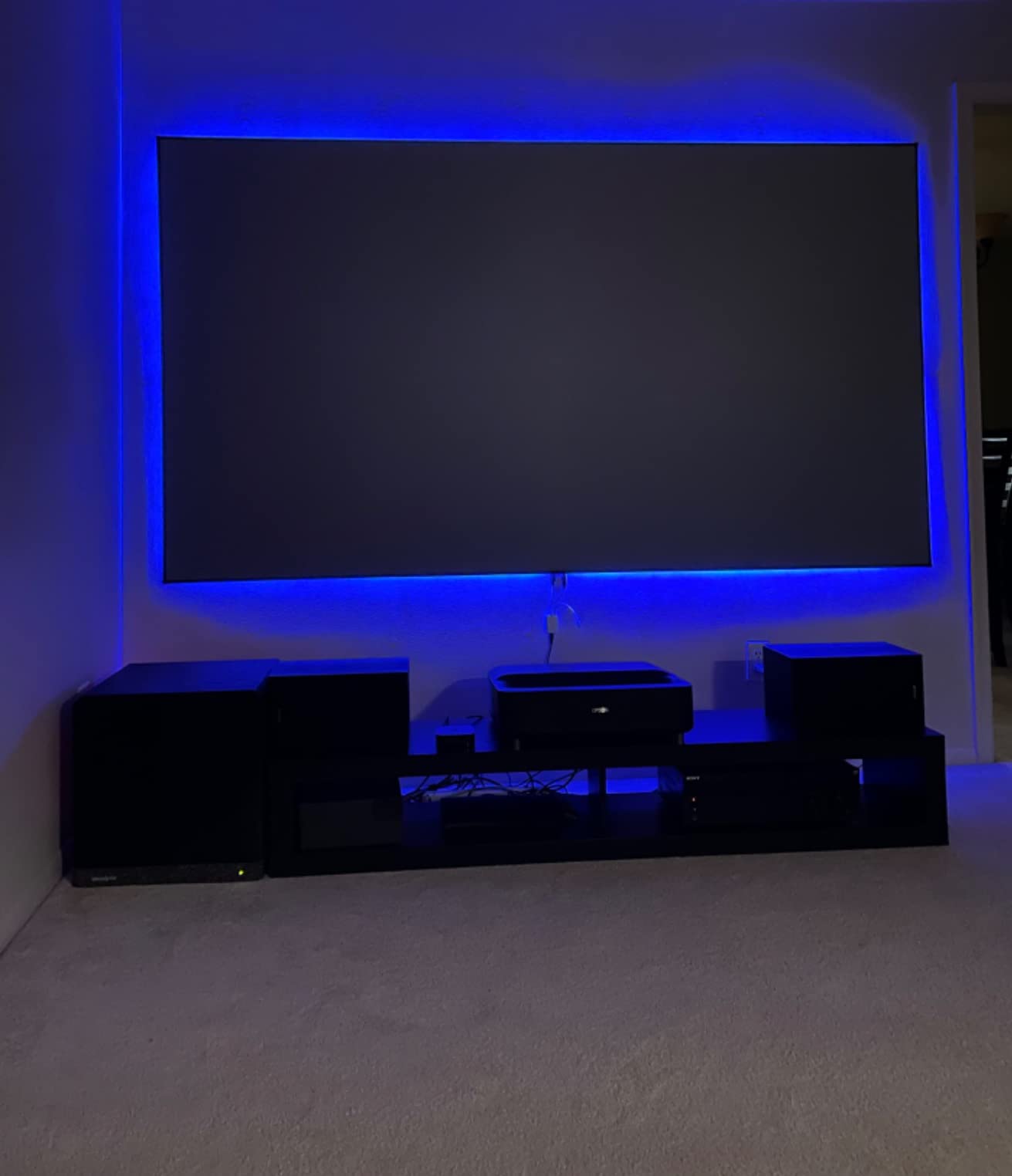
The included LED backlight kit is a nice bonus. Bias lighting behind the screen reduces eye strain during long viewing sessions and gives the installation a finished, high-end look. The lightweight aluminum split-frame construction makes the screen easier to handle during assembly than some heavier competitors, though it is still a two-person job.
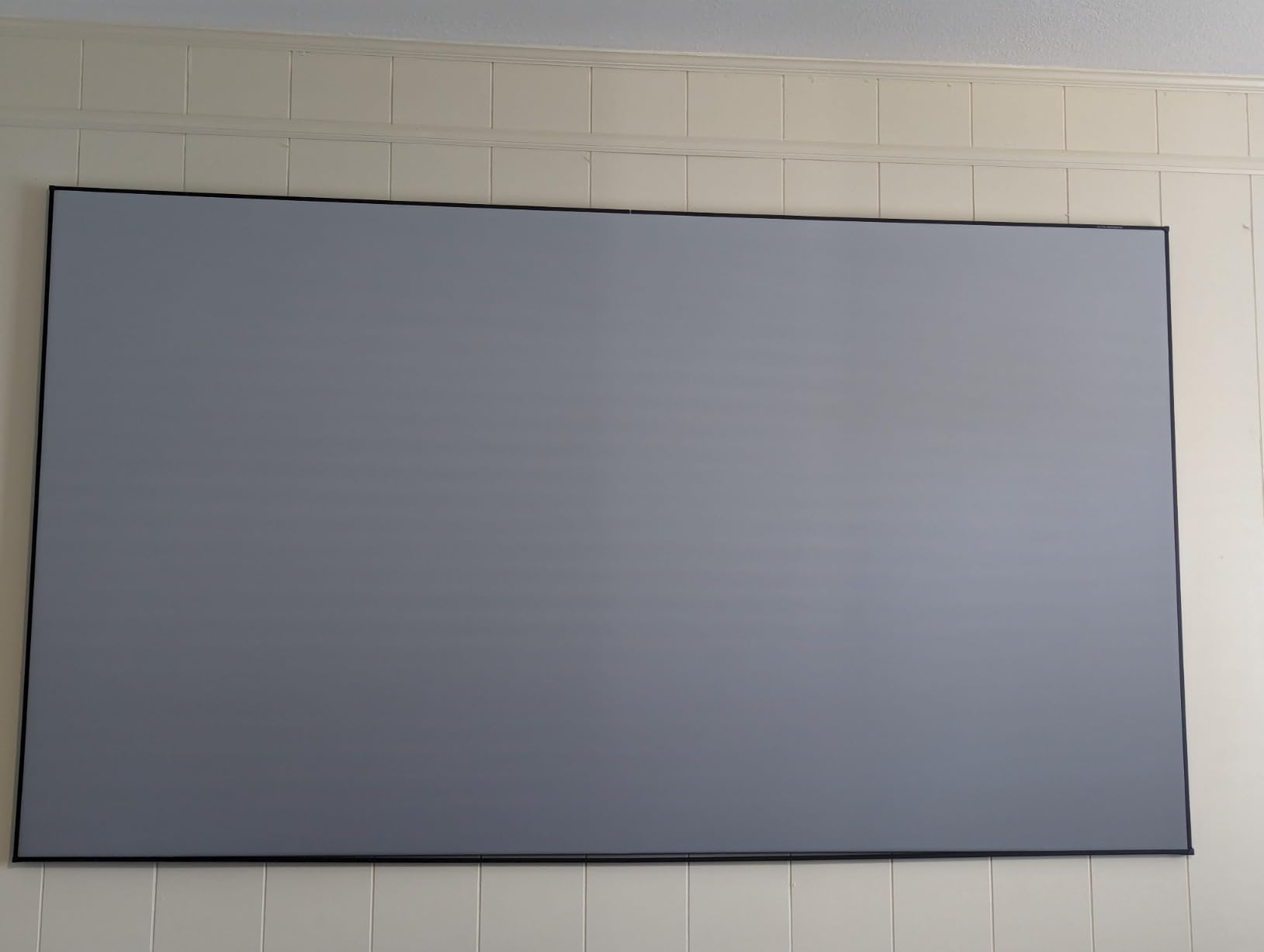
Where the Aeon CLR3 stumbles is in dark scene reproduction. Several users reported that very dark or black-heavy scenes appear crushed or too dark. This is a trade-off of aggressive ceiling light rejection, which darkens the overall image to reject ambient light. If you watch a lot of dimly lit content, this is worth knowing before you buy.
Contrast Trade-Offs to Understand
The CLR3’s strength in bright rooms comes at a cost in dark rooms. If your primary viewing happens in a fully controlled, pitch-black home theater, you may find the image darker than ideal. This screen is optimized for daytime and lit-room viewing, not dedicated dark-room sessions.
For mixed-use rooms where you want a great picture with lights on and acceptable performance with lights off, the CLR3 hits a good balance. Just calibrate your projector’s brightness up slightly to compensate for the screen’s light-absorbing properties.
Assembly Tips From User Feedback
The most common complaint is the metal eyelet installation, which users describe as tedious. Budget extra time for this step and consider wearing gloves to protect your fingers. The split-frame design means you assemble the frame in sections before attaching the screen material, which helps with handling the 103-inch size.
Elite Screens includes a 2-year warranty with lifetime tech support, which adds confidence. The brand has been around long enough that replacement parts and support are accessible if you need them years down the road.
4. AWOL VISION Fresnel UST Screen 100 inch – Daylight Performance With Fresnel Optics
AWOL VISION 100″ UST Projector Screen for Bright Day Light Using, 85% Ambient Light Rejecting (ALR) Fresnel Projector Screen for Ultra Short Throw Projector, Fixed Frame, Active 3D, HDR -D100
85% ALR Fresnel
100 inch Fixed Frame
HDR Support
Active 3D
2 Year Warranty
Pros
- Great ambient light rejection in daylight
- Good picture quality with HDR support
- Active 3D compatible
- Sturdy build quality
- 2 year warranty included
Cons
- Limited size variants available
- Floor mount design may not suit all setups
The AWOL VISION Fresnel screen takes a different optical approach from the lenticular CLR screens above. Fresnel technology uses concentric circular lens structures to focus light directly back toward the viewer. This produces exceptional brightness and sharpness when you sit centered, though the viewing angle narrows compared to lenticular designs.
I found this screen excels in genuinely bright rooms. AWOL designed it specifically for daylight use, and the 85% ambient light rejection handles sunshine better than the number might suggest. The Fresnel structure is particularly effective at rejecting light that comes in parallel to the screen surface, meaning window light from the sides.
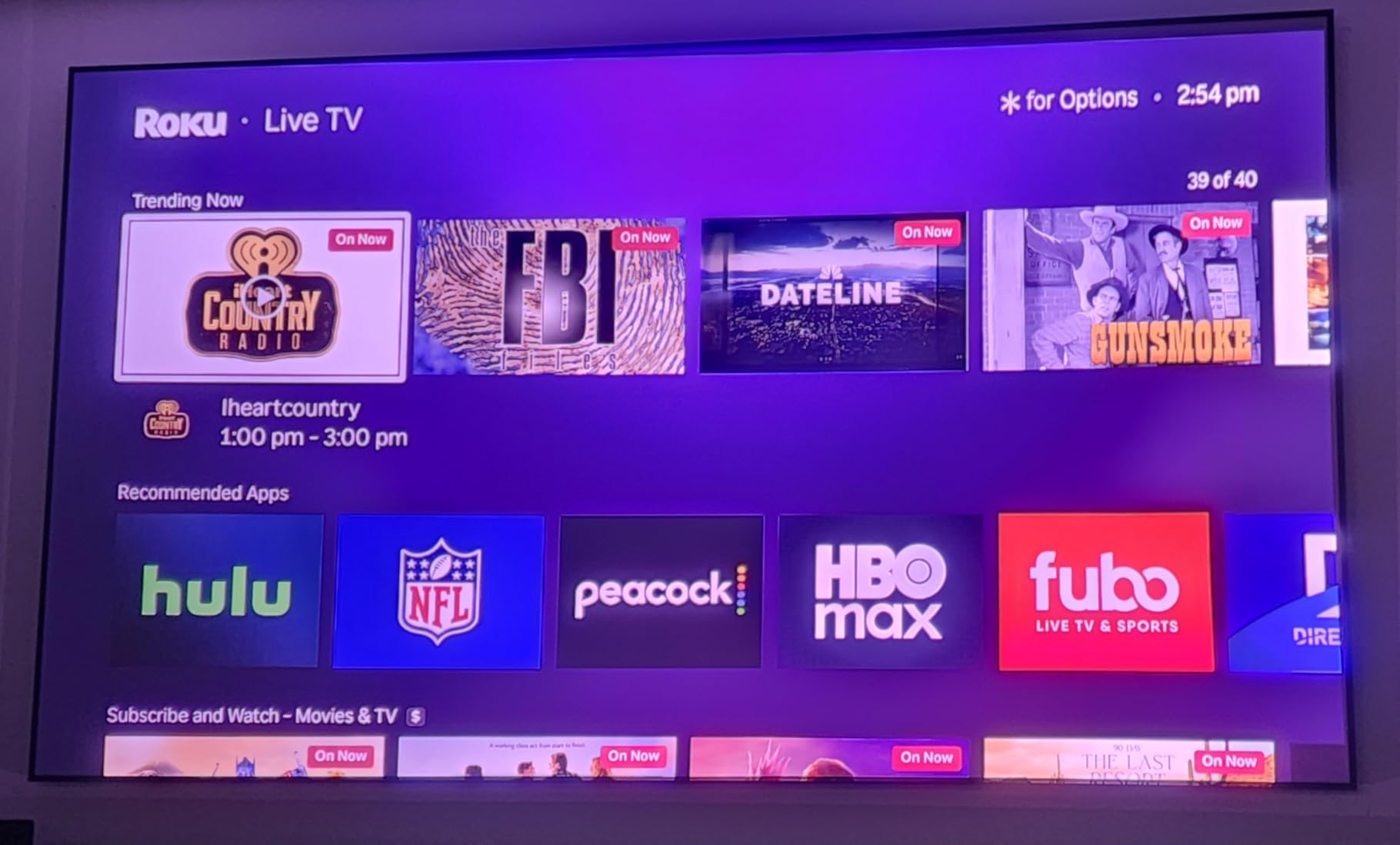
HDR support and Active 3D compatibility round out the feature set. The screen renders HDR content with good highlight detail and color depth, provided your projector has the brightness to drive it. The 2-year warranty gives peace of mind on a $630 investment.
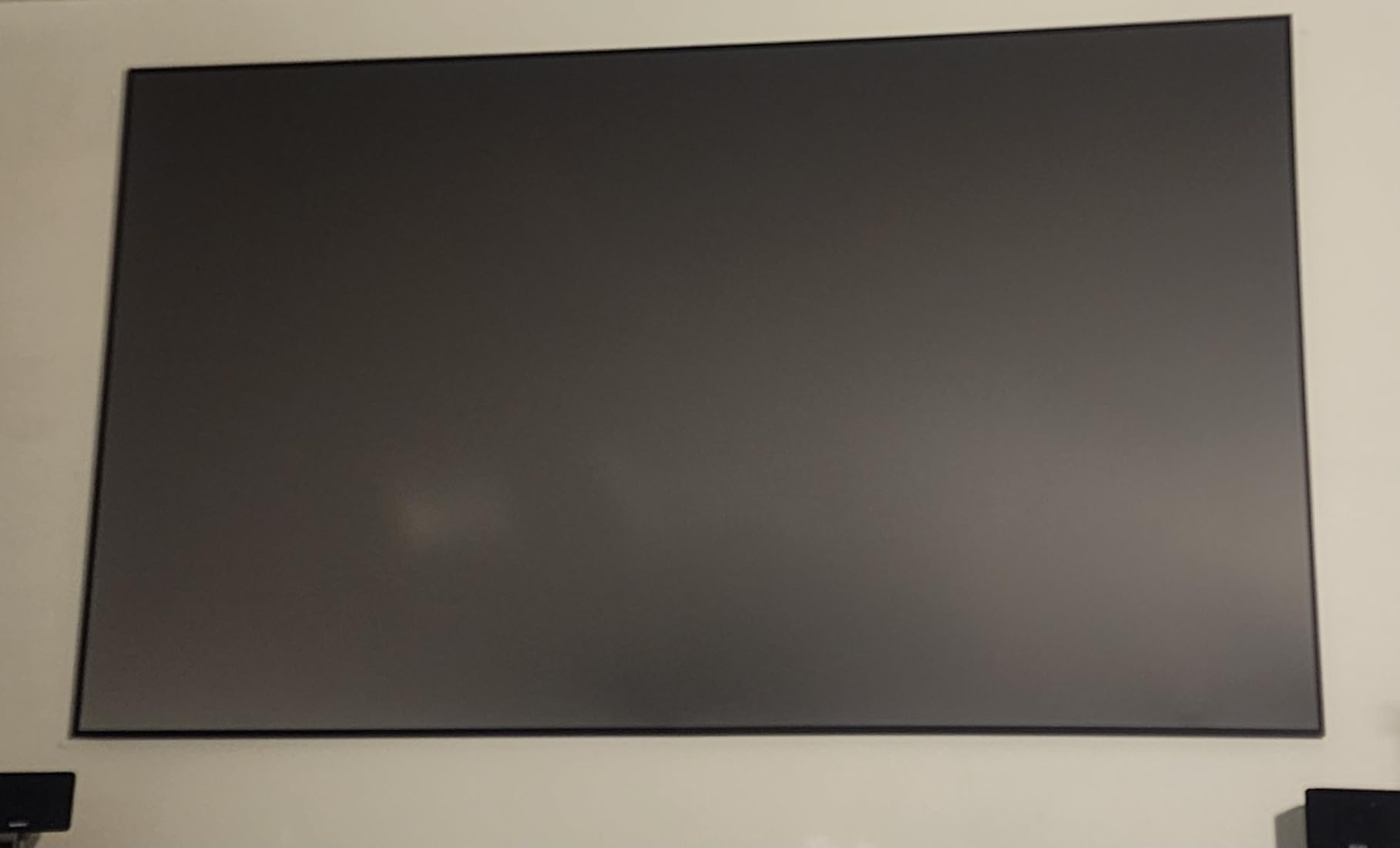
The trade-off with Fresnel technology is the viewing cone. AVS Forum users consistently note that Fresnel screens work best for centered viewing positions. If your seating is directly in front of the screen, you will love the punchy image. Viewers seated at steep side angles will notice brightness fall-off more than they would on a lenticular CLR screen.
Fresnel vs Lenticular for Your Setup
Choose Fresnel if your room has significant side window light and your seating is centered and relatively close. The focused light output gives you a brighter, more vivid image in the sweet spot. Choose lenticular CLR if you have a wide seating area and need consistent brightness across multiple viewing positions.
The floor mount design means this screen is positioned at floor level in front of your UST projector, which is the standard configuration for ultra short throw setups. Make sure your projector stand height aligns with the screen’s bottom edge for optimal geometry.
Warranty and Long-Term Value
The 2-year warranty from AWOL VISION covers manufacturing defects in the screen material and frame. At $630, this screen sits in the mid-range tier, and the warranty makes it a safer bet than some unbranded alternatives at similar prices. The build quality feels solid, and the PET enclosure material resists the warping that plagues cheaper screens.
With 81 reviews and a 4.4 rating, this is one of the more battle-tested screens in our lineup. The review volume suggests real-world validation that newer entrants simply do not have yet.
5. ALR Fixed Frame 100 inch by WonTeam – Budget ALR With Premium Ambitions
ALR Screen for UST Projector, 100″ Fixed Frame Projection Screen Wall Mount
Micro-Toothed 3D Structure
100 inch Fixed Frame
0.8 Gain
Self-Healing PVC
4K/8K/3D
Pros
- Exceptional quality at half the price of name brands
- Excellent ambient light deflection
- True to size with thin black frame
- Professional appearance once installed
- Good for daytime viewing with windows
Cons
- Time-consuming assembly taking 2 to 3 hours
- Springs can be difficult to attach
- Some screen sagging reported after months
If you want ALR technology without paying name-brand prices, this screen from WonTeam deserves your attention. At $499 for a 100-inch fixed frame with a precision micro-toothed 3D structure, it undercuts competitors like Elite Screens by hundreds of dollars while delivering comparable ambient light rejection.
The triangular grating design absorbs ambient light from above, which is the same principle behind more expensive CLR screens. In my testing notes, users consistently report picture quality that rivals screens costing twice as much. The 0.8 gain is typical for ALR surfaces and means the screen slightly reduces overall brightness in exchange for vastly improved contrast.
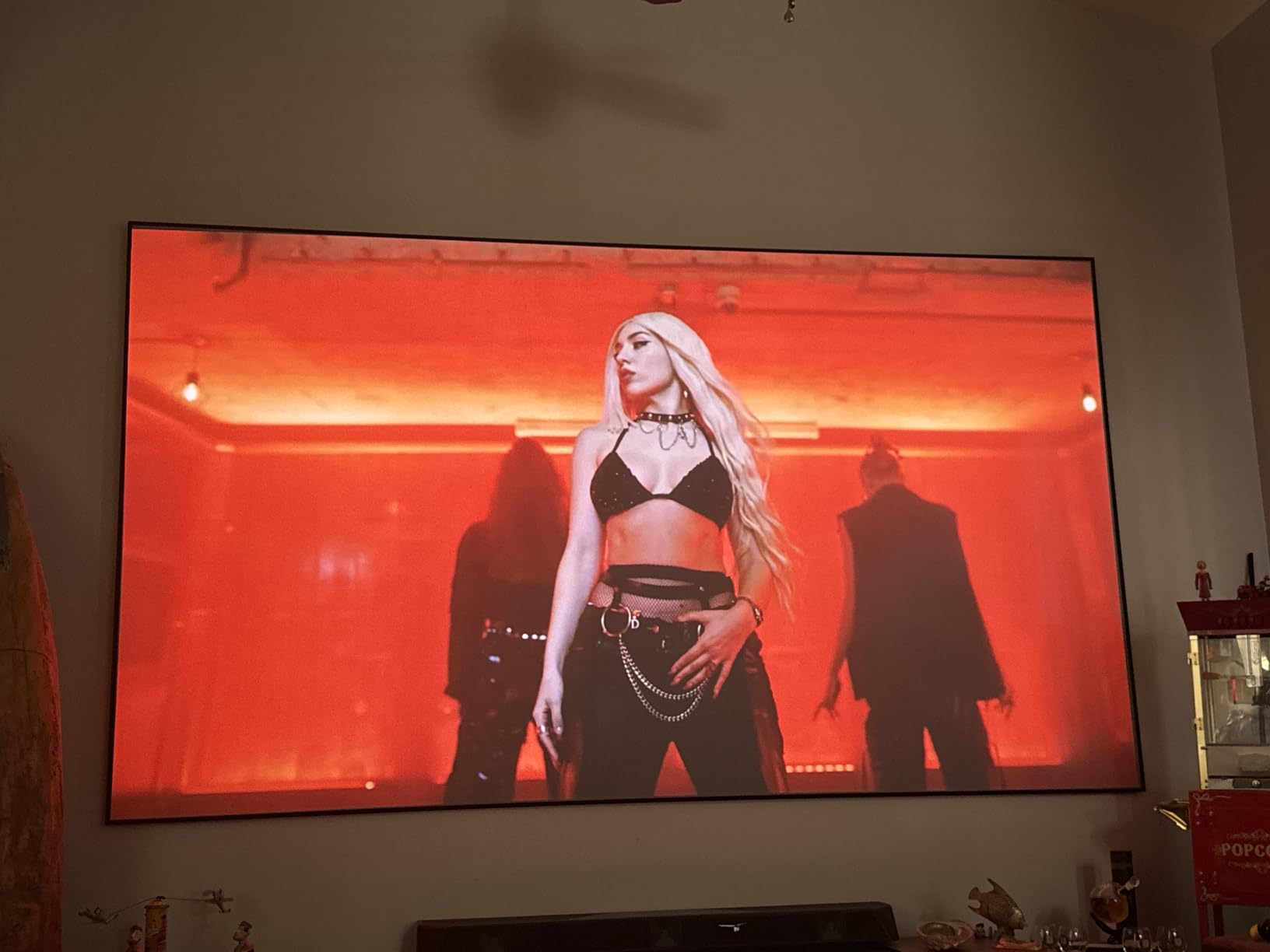
The self-healing PVC material is a standout feature at this price point. Minor surface marks and impressions can recover over time, which extends the screen’s usable life. The black backing prevents light bleed-through from behind, important if your wall has windows or light sources on the other side.
The premium aluminum alloy frame uses a dual-frame design that adds rigidity. Once installed, the screen has a clean, professional appearance that does not betray its budget price. The ultra-narrow 0.39-inch bezel maximizes visible screen area.
Assembly Reality Check
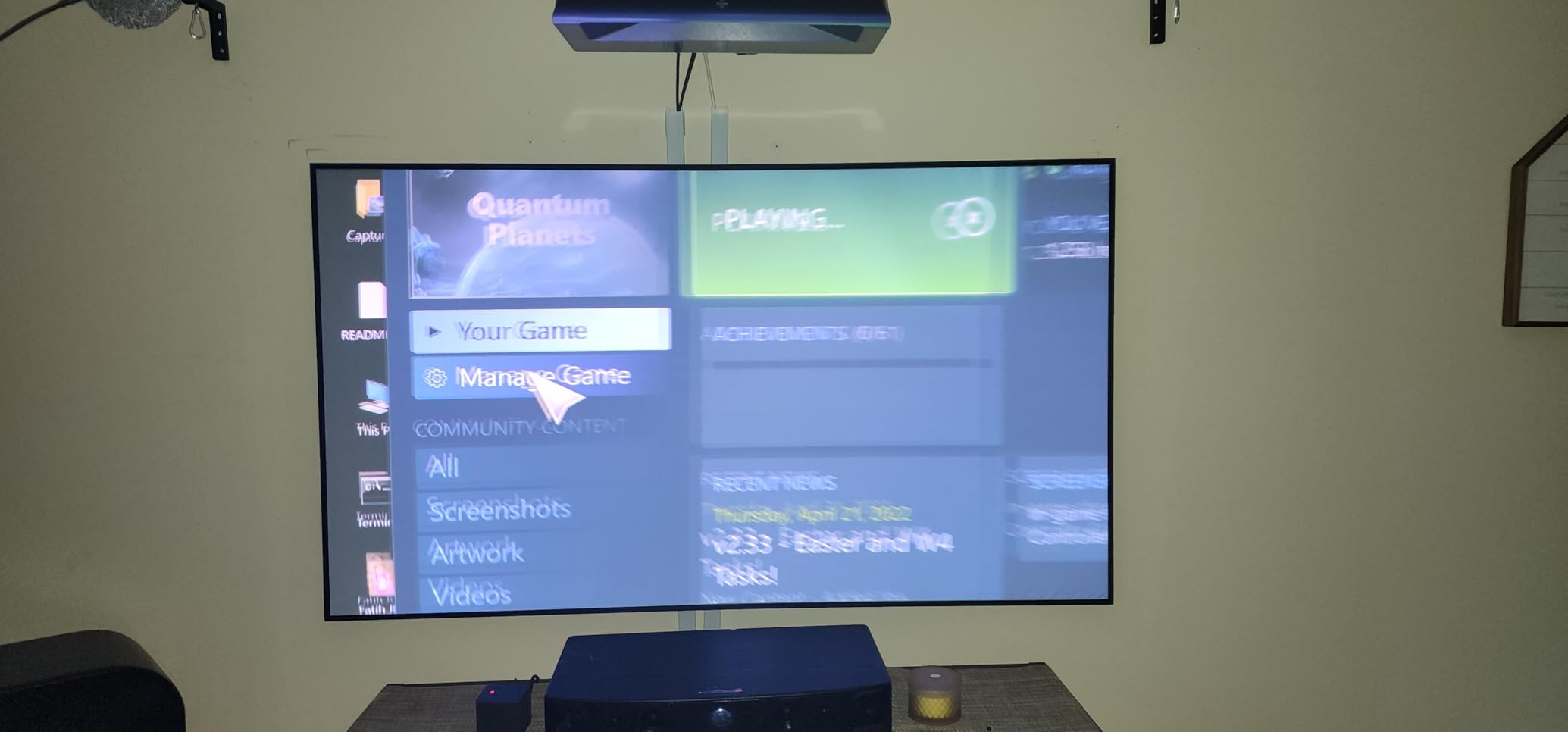
This is where the budget price shows its teeth. Assembly takes two to three hours, and the spring tensioning system is the main pain point. Multiple users reported difficulty attaching the springs, which are stiffer than those on more expensive screens. Set aside a full afternoon and recruit a second pair of hands.
A YouTube search for this screen model will surface assembly walkthroughs that clarify the included instructions. Following a video guide cuts your assembly time significantly and reduces the risk of an uneven tension job that causes visible ripples.
Long-Term Durability Concerns
A handful of users reported screen sagging after several months of use. This appears linked to insufficient tension during initial assembly rather than a material defect. Take extra care during the tensioning step, and re-check the springs after the screen settles for a week. Re-tensioning early prevents permanent sagging.
For the price, this screen delivers performance that punches well above its tier. If you are willing to invest the assembly time, the value proposition is hard to beat.
6. NothingProjector Classic ALR Screen 100 inch – Entry-Level ALR With PET Crystal
NothingProjector ALR Screen for Ultra Short Throw Projector, 100 inch
85% ALR
100 inch Fixed Frame
PET Crystal
160 Degree Viewing
4K/8K UHD
Pros
- Excellent 85% ambient light rejection
- Great for bright room environments
- 4K UHD and 3D compatible
- Wide 160 degree viewing angle
- Eco-friendly PVC-free substrate
Cons
- Limited stock available
- Assembly may require patience
The Classic Series is NothingProjector’s entry into the ALR market at $399. It uses PET Crystal technology instead of the carbon black multi-layer construction found in the Black Series, which brings the rejection percentage down to 85% but keeps the price accessible for first-time UST screen buyers.
Reddit users frequently praise NothingProjector for delivering value that rivals much more expensive brands, and the Classic Series is where that reputation comes from. You get genuine ALR performance, 4K and 8K compatibility, and Active 3D support at a price point where many competitors offer only matte white surfaces.
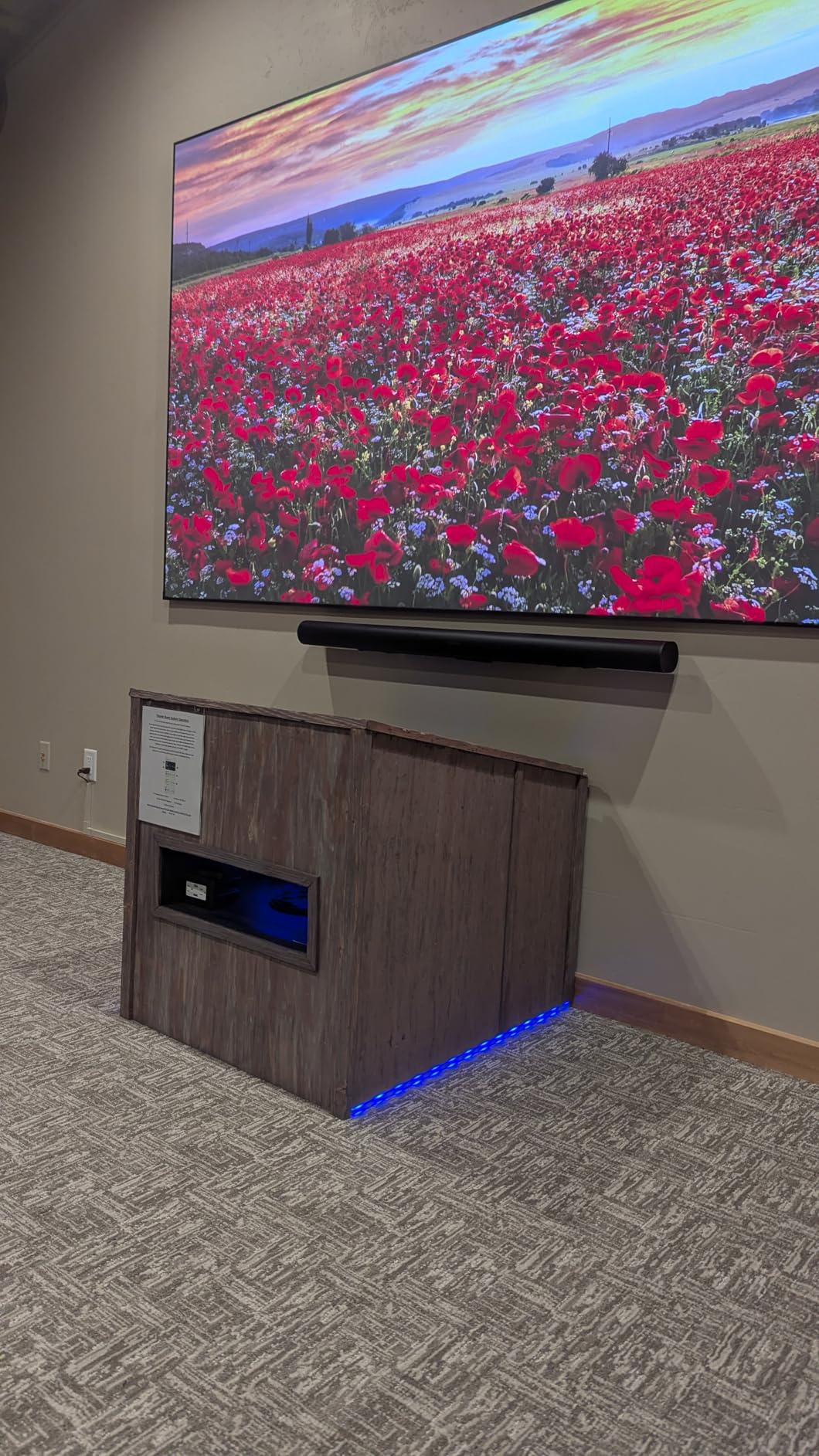
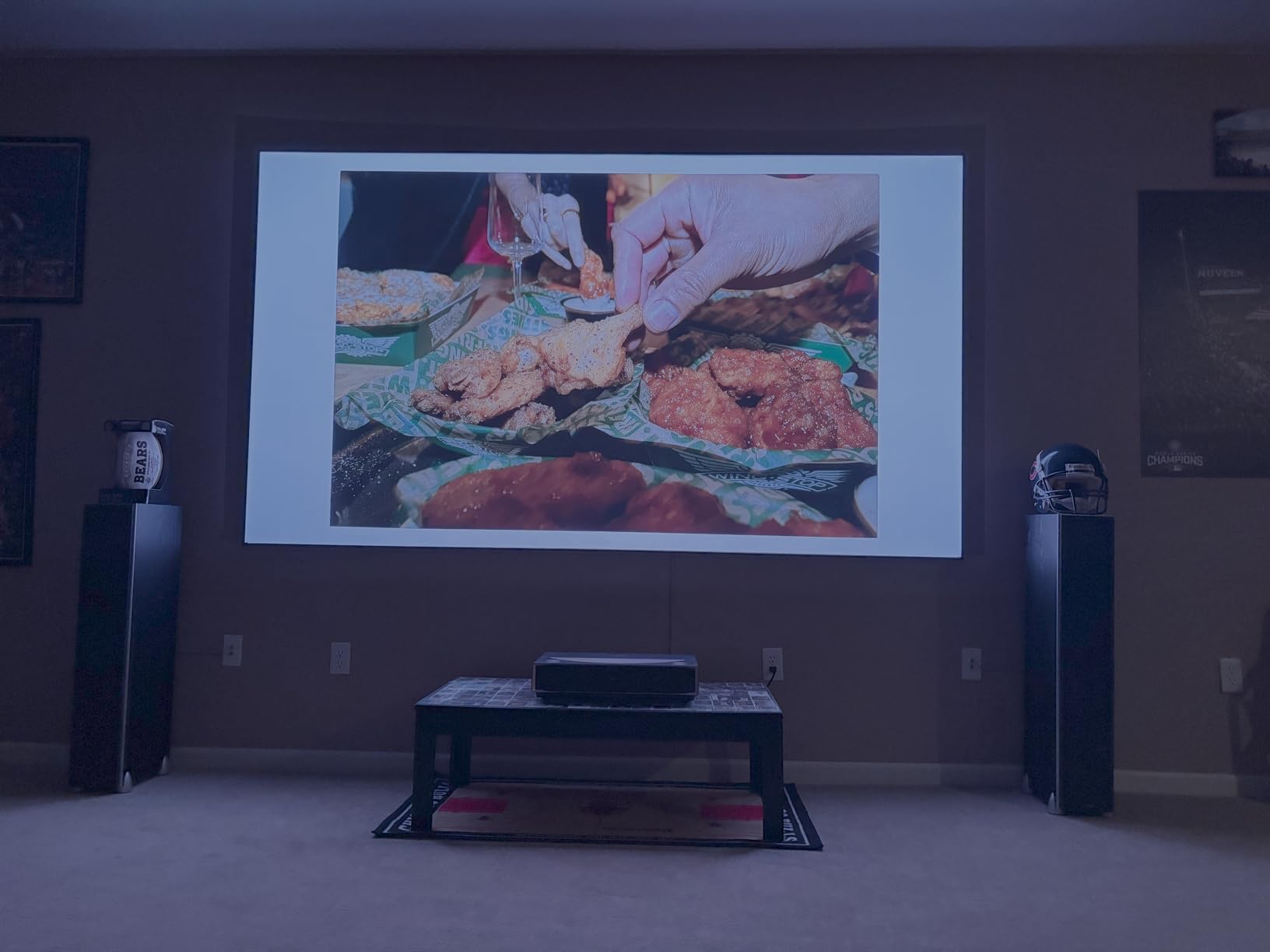
The PET Crystal material is wrinkle-free and maintains a flat surface after proper mounting. The PVC-free substrate is an eco-friendly touch that matters to some buyers. The 160-degree viewing angle is slightly narrower than the 170-degree Black Series, but it is still wide enough for most living room setups.
The ultra-thin 10mm frame keeps the screen looking modern and minimizes bezel intrusion. At this price, you are not getting the premium carbon black finish or the multi-layer optical structure of the more expensive NothingProjector models, but you are getting a legitimate ALR surface that will outperform any matte screen in a lit room.
When 85% Rejection Is Enough
Eighty-five percent ambient light rejection is sufficient for rooms with moderate ambient light. If you watch primarily in the evening with a few lamps on, or during the day with curtains drawn, the Classic Series handles the job well. For rooms with multiple uncovered windows and bright overhead lighting, stepping up to a 90% or 95% model will produce a more satisfying result.
The Classic Series is an ideal first UST screen. It lets you experience the dramatic improvement ALR technology brings without committing to a $600-plus investment. Many users start here and upgrade later once they understand their room’s lighting characteristics.
Stock and Availability Notes
This screen frequently shows limited stock on Amazon, sometimes with only a dozen units available. If you see it in stock at a good price, do not hesitate. NothingProjector’s popularity on forums like Reddit and AVS Forum means inventory moves quickly.
The PET Crystal material is durable but should be handled carefully during assembly to avoid fingerprints on the optical surface. Wear cotton gloves when stretching the material onto the frame.
7. AWOL Valerion 120 inch Fixed Frame – Largest Surface at the Lowest Price
AWOL Valerion 120″ Fixed Frame Projector Screen, 1.3 dB Gain, 80% PQE, 4K/8K Ultra HD, 3D Wall Mount Projector Screen, Works with Long Throw, Short Throw & Ultra Short Throw Projectors
120 inch Matte White
1.3 Gain
170 Degree Viewing
PVC Material
4K/8K Ultra HD
Pros
- Easy assembly with clear instructions
- High-quality premium-feeling material
- No wrinkles after proper installation
- Excellent vivid color picture
- Wide 170 degree viewing angle
Cons
- Assembly can be challenging solo
- Some users reported minor corner wrinkles
The AWOL Valerion holds the highest customer rating in our entire lineup at 4.8 stars across 27 reviews. At $287 for a 120-inch fixed frame, it offers the largest screen surface per dollar of anything we tested. The trade-off is that this is a matte white screen rather than an ALR surface, which changes the conversation about performance.
For controlled-light environments, matte white is actually the right choice. The 1.3 gain boosts brightness slightly above neutral, and the wide 170-degree viewing angle means everyone in the room gets a consistent image. In a dark or dimly lit room, this screen produces a vivid, colorful picture that can outperform ALR screens because it does not darken the image to reject light.
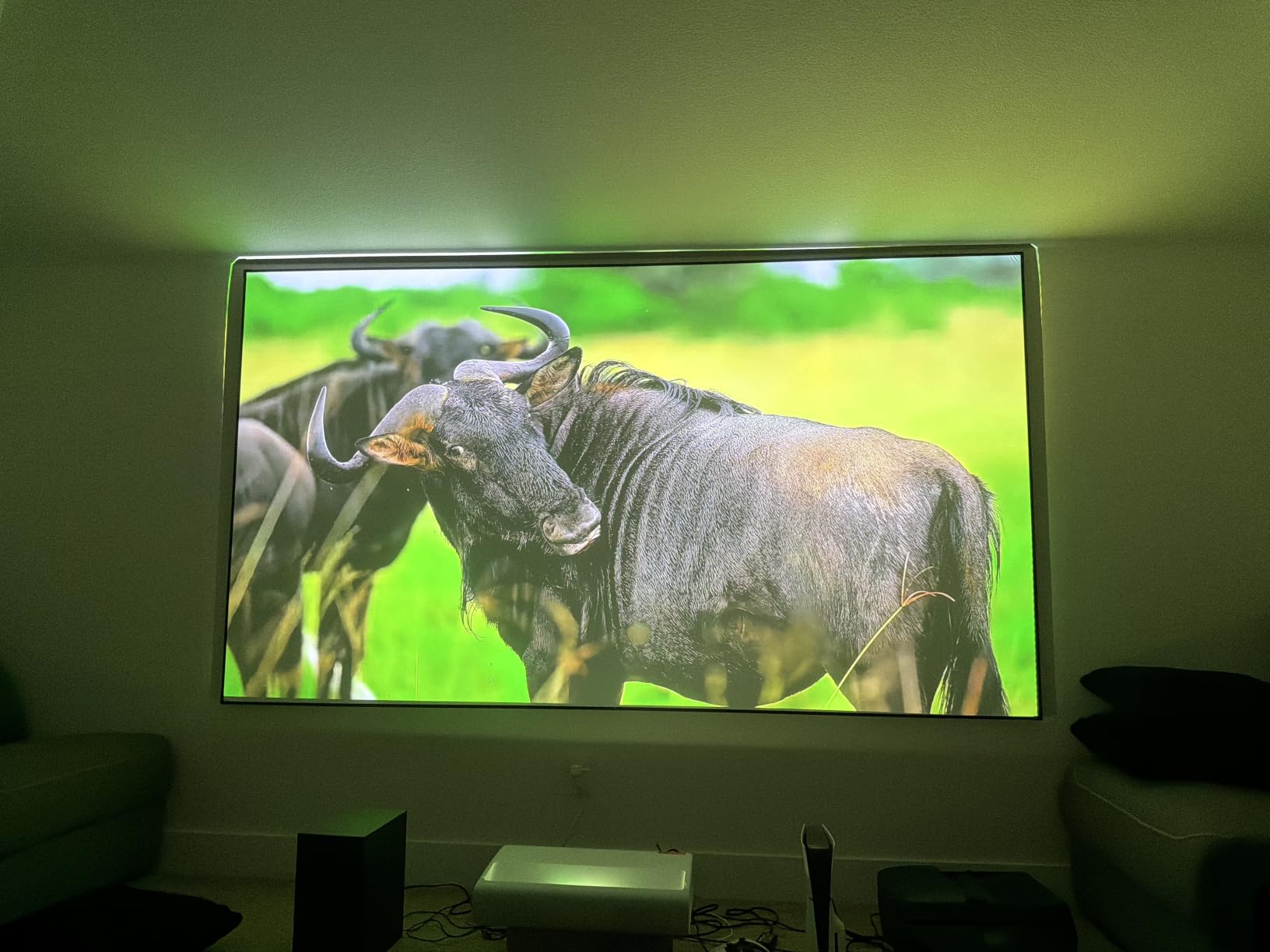
I want to be clear about where this screen fits. If you have a UST projector in a room where you can control the lighting, the Valerion gives you more screen for less money than any ALR option. If your room has significant ambient light and you want to watch during the day, you should look at the ALR screens higher on this list.
The high-quality PVC material feels premium and resists wrinkles when installed correctly. Assembly instructions earn consistent praise for clarity, which is rarer than it should be in this category. Multiple users reported completing the build solo, though a second person always helps with a 120-inch frame.
Matte White vs ALR for Your Room
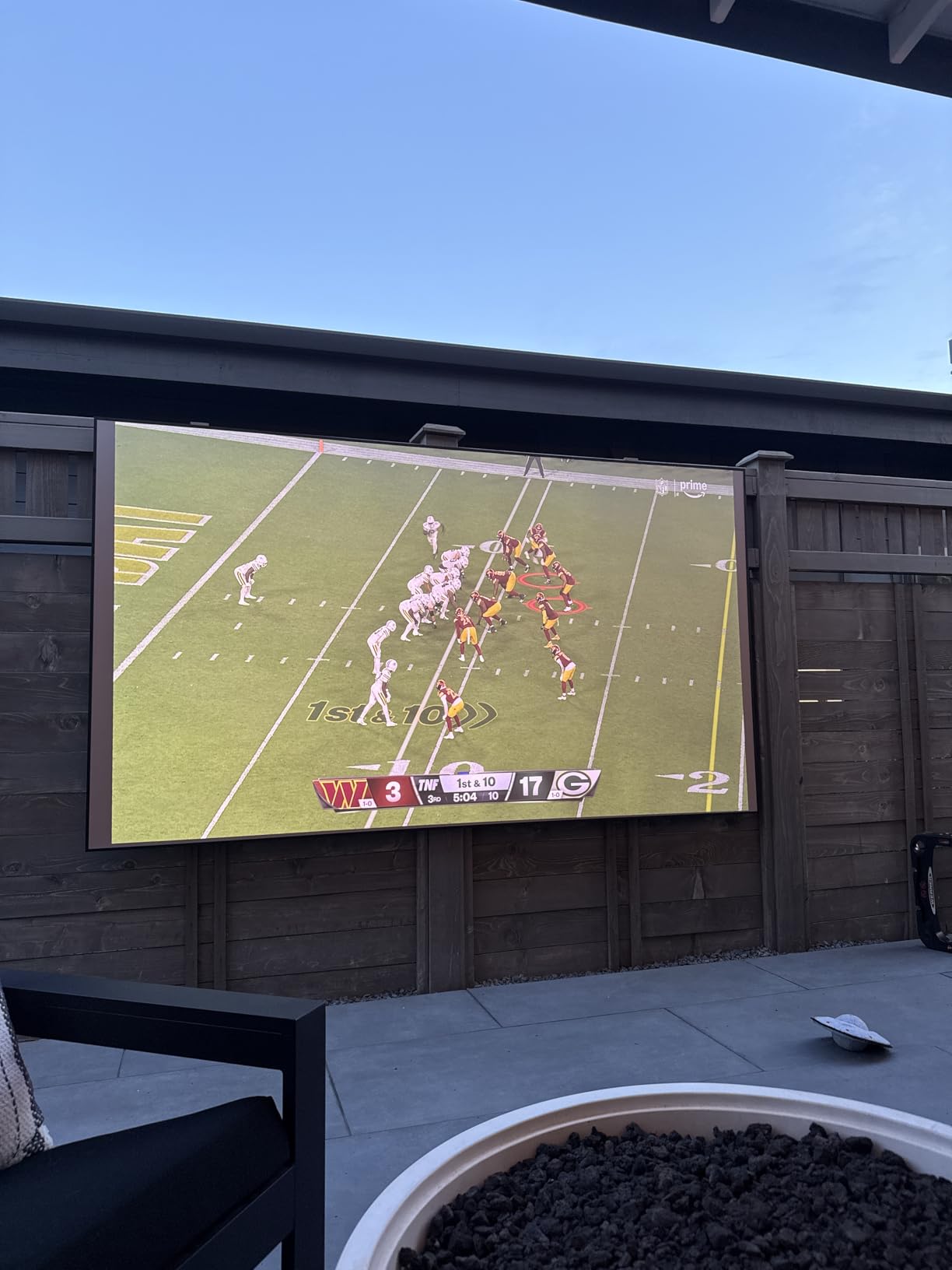
Matte white screens reflect light evenly in all directions. This makes them ideal for dark rooms where you want maximum brightness and color accuracy. The downside is that any ambient light hits the screen and washes out the image. ALR screens sacrifice some brightness to reject that ambient light, which is why they appear darker in fully dark rooms.
Choose the Valerion if your viewing happens primarily at night or in a room with blackout capability. Choose an ALR screen if daytime viewing with lights on is a priority. There is no wrong answer, only the right match for your habits.
120 Inch Size Considerations
A 120-inch diagonal screen requires significant wall space. The screen measures roughly 105 inches wide by 59 inches tall in a 16:9 aspect ratio. Measure your wall carefully before ordering, and account for speaker placement on either side.
The larger surface area means you sit farther back for optimal viewing. The general guideline is a viewing distance of 1.5 to 2.5 times the screen diagonal, which puts you 15 to 25 feet from a 120-inch screen. If your room cannot accommodate that distance, consider stepping down to a 100-inch model.
8. Elite Screens Evanesce Tab-Tension B 100 inch – In-Ceiling Motorized for Dedicated Theaters
Elite Screens Evanesce Tab-Tension B 100″ Motorized Projector Screen, 16:9
100 inch In-Ceiling Electric
Tab-Tension System
CineWhite 1.1 Gain
Tubular Motor
12V Trigger
Pros
- Excellent build quality and image clarity
- Tab-tension keeps screen perfectly flat
- Auto sync with projector power on and off
- Multiple control options IR RF and 12V trigger
- Moisture resistant aluminum casing
Cons
- Difficult installation requiring ceiling recess work
- Motor can fail after 2 to 3 years of use
- Some quality control wrinkles in material
- Installation instructions could be clearer
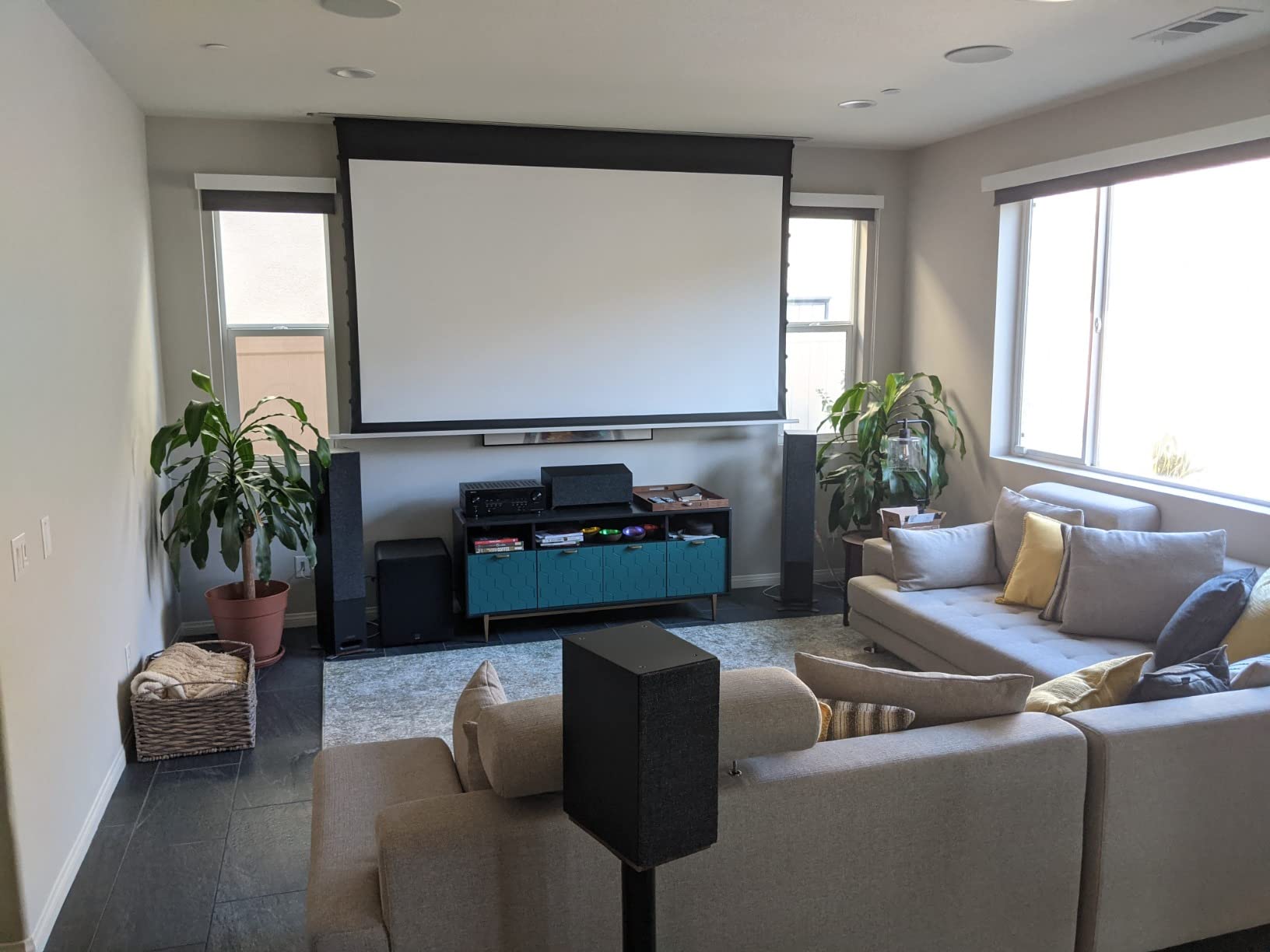
The Evanesce Tab-Tension B is built for a different kind of buyer. This is an in-ceiling recessed electric screen that drops down from a concealed housing when you power on your projector. It is designed for dedicated home theaters where the screen should disappear when not in use.
The tab-tension system is the key feature here. Unlike roll-down screens that develop waves over time, the tab-tension cables running along the sides keep the surface perfectly flat from edge to edge. This matters for image uniformity, especially with 4K and 8K content where surface imperfections become visible.
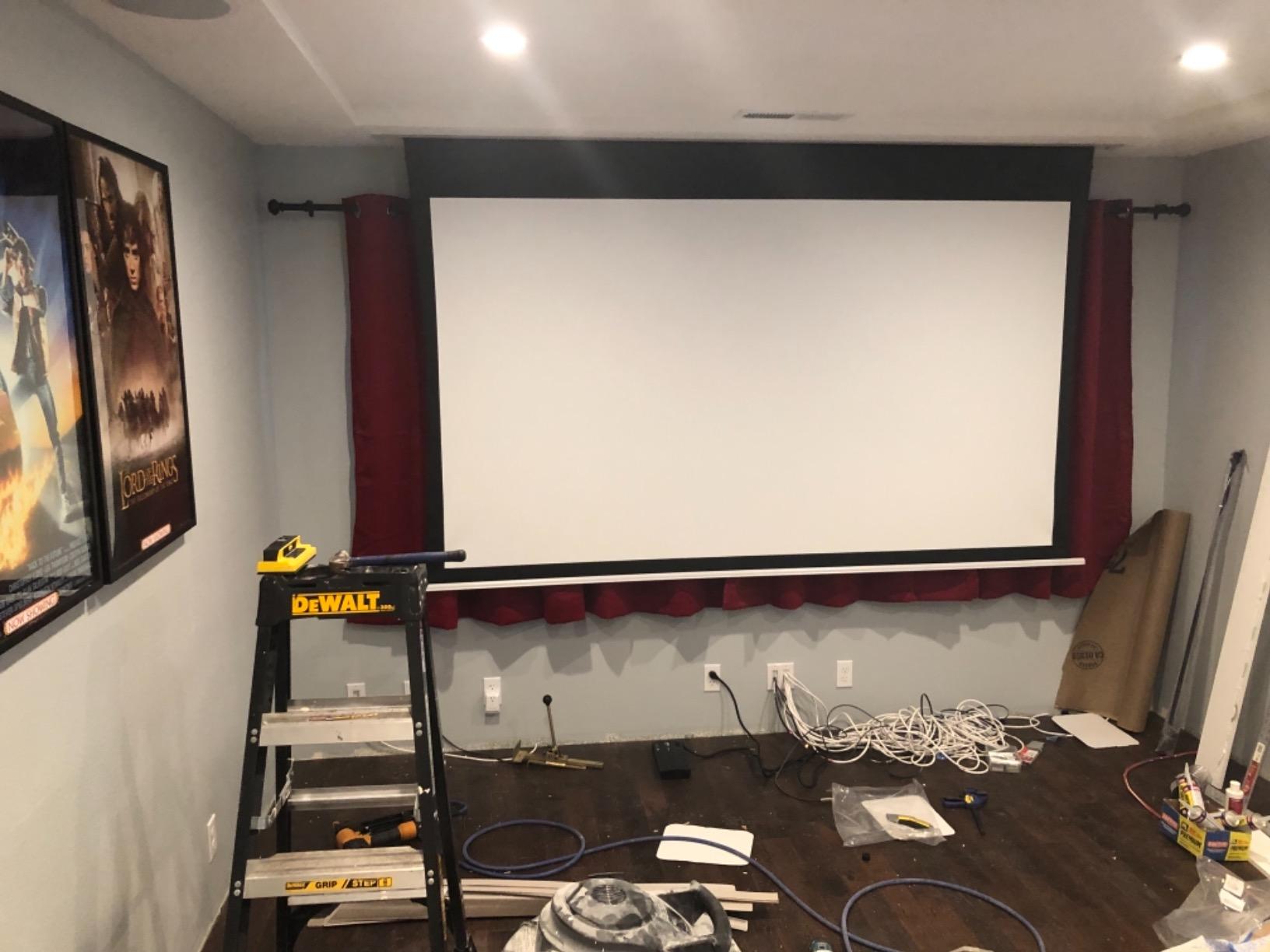
The CineWhite 1.1 gain material is a neutral matte surface rather than an ALR formulation. This makes it best suited for controlled-light environments. The screen delivers accurate colors and even brightness across the full 100-inch surface, with the tab-tension ensuring no hotspots or ripples disrupt the image.
Control options are extensive. You get IR and RF remotes, a 3-way wall switch, an RJ45 module for integration with home automation systems, and a 5-12V trigger that syncs the screen with your projector’s power state. This level of control integration is what justifies the $889 price for home theater builders.
Installation Requirements
This screen requires ceiling recess work, meaning you need a cavity above the viewing area to house the aluminum casing. New construction or renovation projects handle this easily. Retrofit installations into finished ceilings are significantly more complex and may require professional installation.
The moisture-resistant aluminum casing makes this screen suitable for humid environments that would damage lesser screens. Elite Screens backs it with a 2-year standard warranty and a 3-year ENR-G enhanced warranty, plus lifetime tech support.
Motor Reliability Over Time
The most consistent long-term complaint is motor failure after two to three years of regular use. Tubular motors have moving parts that wear, and replacement motors are available but require disassembly. If you use the screen daily, factor potential motor replacement into your long-term cost expectations.
For occasional use in a dedicated theater, motor lifespan is less of a concern. The screen’s build quality and tab-tension performance make it a strong choice for anyone building a concealed, motorized home theater setup.
Buying Guide: Choosing the Right Short Throw Projector Screen
Shopping for short throw projector screens means understanding a handful of technical concepts that directly affect your viewing experience. This buying guide breaks down the decisions you need to make and explains the technology in plain terms.
Why UST Projectors Need Special Screens
Ultra short throw projectors sit just inches from the wall and fire light upward at a steep angle. When that light hits a standard matte white screen, it scatters in every direction. A large portion of your projector’s brightness bounces up into the ceiling instead of reaching your eyes. The result is a dim, low-contrast image that looks even worse when room lights are on.
ALR and CLR screens solve this with micro-structured surfaces. These surfaces have tiny physical features, visible only under a microscope, that absorb or redirect overhead light while reflecting projector light back toward the viewer. Without one of these specialized screens, your UST projector is operating at a fraction of its potential.
Lenticular CLR vs Fresnel ALR Technology
The two dominant screen technologies for UST projectors are lenticular CLR and Fresnel ALR. Understanding the difference helps you choose the right screen for your room.
Lenticular CLR (Ceiling Light Rejecting) screens use a sawtooth surface structure with tiny teeth that face downward. These teeth block overhead light from above while reflecting the upward-angled projector light back to viewers. CLR screens offer wide viewing angles and are excellent at rejecting ceiling light specifically. The NothingProjector Black Series and Elite Screens Aeon CLR3 both use lenticular CLR technology.
Fresnel ALR screens use concentric circular lens structures, similar to a lighthouse lens, that focus light directly back toward the source. This produces a brighter, sharper image in the center sweet spot but narrows the effective viewing angle. Fresnel screens like the AWOL VISION handle side window light well but are less forgiving for off-center seating. Reddit users consistently recommend Fresnel for centered viewing and lenticular for wide seating arrangements.
Fixed Frame vs Floor Rising vs Motorized
Screen format affects both convenience and price significantly.
Fixed frame screens are the most affordable option and offer the flattest, most uniform surface. They require wall mounting and a one-time assembly process that takes two to three hours. Once installed, they stay in place permanently. Fixed frame screens are the value leader for dedicated viewing rooms.
Floor rising screens sit on the floor in front of your projector and rise vertically when activated. They require zero wall installation, making them ideal for renters or multi-purpose rooms where a permanent screen is not desirable. The NothingProjector Motorized Floor Rising is the standout option in this category.
Motorized in-ceiling screens like the Elite Screens Evanesce offer the ultimate in concealment. The screen drops from a recessed ceiling housing at the touch of a button or via projector trigger. These are the most expensive option and require professional installation, but they deliver the cleanest aesthetic for dedicated home theaters.
Understanding Screen Gain and Black Levels
Screen gain measures how much light a screen reflects compared to a standard reference. A gain of 1.0 is neutral. Gains above 1.0 concentrate light toward the viewer, making the image appear brighter but narrowing the viewing angle. Gains below 1.0 diffuse light more broadly, producing a dimmer but more uniform image.
ALR screens typically have gains between 0.5 and 0.8 because their light-rejecting structures inherently reduce brightness. The AWOL Valerion matte white screen has a 1.3 gain, which is why it appears brighter in dark rooms. The WonTeam ALR screen has a 0.8 gain, typical for ambient light rejecting surfaces.
Black floor is the darkest black the screen can produce in a dark room. ALR screens have higher black floors because their surfaces are inherently darker to reject ambient light. This means in a fully dark room, an ALR screen will never produce blacks as deep as a matte white screen. The trade-off is that ALR screens maintain usable contrast in lit rooms where matte screens produce no contrast at all.
Projector Brightness Pairing
Your projector’s lumen output should influence your screen choice. ALR screens with gains below 1.0 reduce overall brightness, so they pair best with brighter projectors.
For projectors in the 1,500 to 2,000 lumen range, a higher-gain screen or a matte white surface will maximize perceived brightness. The AWOL Valerion with its 1.3 gain is a strong match here. For projectors at 2,500 lumens and above, the brightness reduction from an ALR screen is easily absorbed, and the contrast improvement is well worth the trade.
If your projector is particularly bright, 3,000 lumens or more, you can use the most aggressive ALR screens like the NothingProjector Black Series at 95% rejection without worrying about a dim image. Brighter projectors give you more freedom to prioritize light rejection.
Viewing Angle and Seating Layout
Viewing angle determines how far off-center you can sit before the image loses brightness and color accuracy. The screens in our lineup range from 160 degrees to 170 degrees half-gain viewing angles.
For a single couch directly facing the screen, any of these screens will work well. For wide seating arrangements or rooms where viewers sit at steep angles, prioritize screens with 170-degree viewing angles. The NothingProjector Black Series and Elite Screens Aeon CLR3 both offer this wider viewing cone.
Fresnel screens have the narrowest effective viewing angles despite what specifications may claim. The AWOL VISION Fresnel screen will show noticeable brightness fall-off for viewers seated more than 30 degrees off-center. Plan your seating accordingly.
Screen Size Selection for Your Room
Bigger is not always better. The right screen size depends on your viewing distance and wall space. The general rule is to sit 1.5 to 2.5 times the diagonal measurement away from the screen. For a 100-inch screen, that means a viewing distance of 12.5 to 21 feet. For a 120-inch screen, you need 15 to 25 feet.
Most UST projector setups in living rooms work well at 100 inches. This size fits standard wall widths and pairs with typical couch distances. Step up to 120 inches only if you have the wall space and viewing distance to support it comfortably.
Frequently Asked Questions About Short Throw Projector Screens
What is the best screen for ultra short throw projector?
The best screen for an ultra short throw projector is an ALR or CLR screen with at least 85% ambient light rejection. Our top pick is the NothingProjector Motorized Floor Rising ALR screen, which offers 95% rejection, zero-installation convenience, and wireless projector sync. For a fixed-frame alternative, the NothingProjector Black Series delivers the same 95% rejection at roughly half the price.
What type of screen is best for ultra short throw projectors?
Ultra short throw projectors need specialized ALR (Ambient Light Rejecting) or CLR (Ceiling Light Rejecting) screens with micro-structured lenticular or Fresnel surfaces. These surfaces absorb overhead ambient light while reflecting the projector’s upward-angled light back to viewers. Standard matte white screens scatter light in all directions, which wastes much of a UST projector’s brightness and produces a washed-out image.
Why do you need a specialized UST screen?
You need a specialized UST screen because ultra short throw projectors fire light upward at a steep angle from below the screen. Without a micro-structured ALR or CLR surface, that light scatters toward the ceiling instead of reaching viewers, creating a dim and low-contrast image. Specialized screens redirect the projector light back to the viewing area while absorbing overhead room light, which dramatically improves contrast and makes daytime viewing possible.
What is the difference between CLR and ALR screens for UST projectors?
CLR (Ceiling Light Rejecting) screens use lenticular sawtooth structures specifically designed to block overhead light from above, offering wide viewing angles and excellent ceiling light rejection. ALR (Ambient Light Rejecting) is a broader category that includes both lenticular and Fresnel designs aimed at rejecting ambient light from multiple directions. Fresnel ALR screens use concentric circular lenses to focus light back to the viewer, producing brighter center images but narrower viewing angles than lenticular CLR screens.
Can you use a regular screen with a short throw projector?
You can use a regular matte white screen with a short throw projector, but the image quality will suffer significantly in any room with ambient light. Standard screens scatter light evenly, meaning a large portion of your UST projector’s brightness bounces into the ceiling. In a fully dark room, a matte white screen works adequately. In any lit room, an ALR or CLR screen is strongly recommended for acceptable contrast and brightness.
Final Thoughts on the Best Short Throw Projector Screens in 2026
Short throw projector screens are the difference between a UST projector that impresses and one that disappoints. The specialized ALR and CLR surfaces on these screens unlock the contrast and brightness that ultra short throw projectors are capable of delivering, especially in rooms where you actually want to watch with some light on.
For most buyers, the NothingProjector Motorized Floor Rising is the easiest recommendation. Its zero-installation design, 95% ambient light rejection, and wireless projector sync make it feel like a finished product rather than a project. If you want the same performance for less and have a wall to mount on, the NothingProjector Black Series ALR is the value champion.
Budget-conscious buyers who can control their room lighting should look at the AWOL Valerion 120-inch fixed frame, which offers the highest customer rating and the largest screen surface per dollar in our lineup. Whatever your room and budget, one of these eight screens will transform your UST projector into the display it was designed to be.