
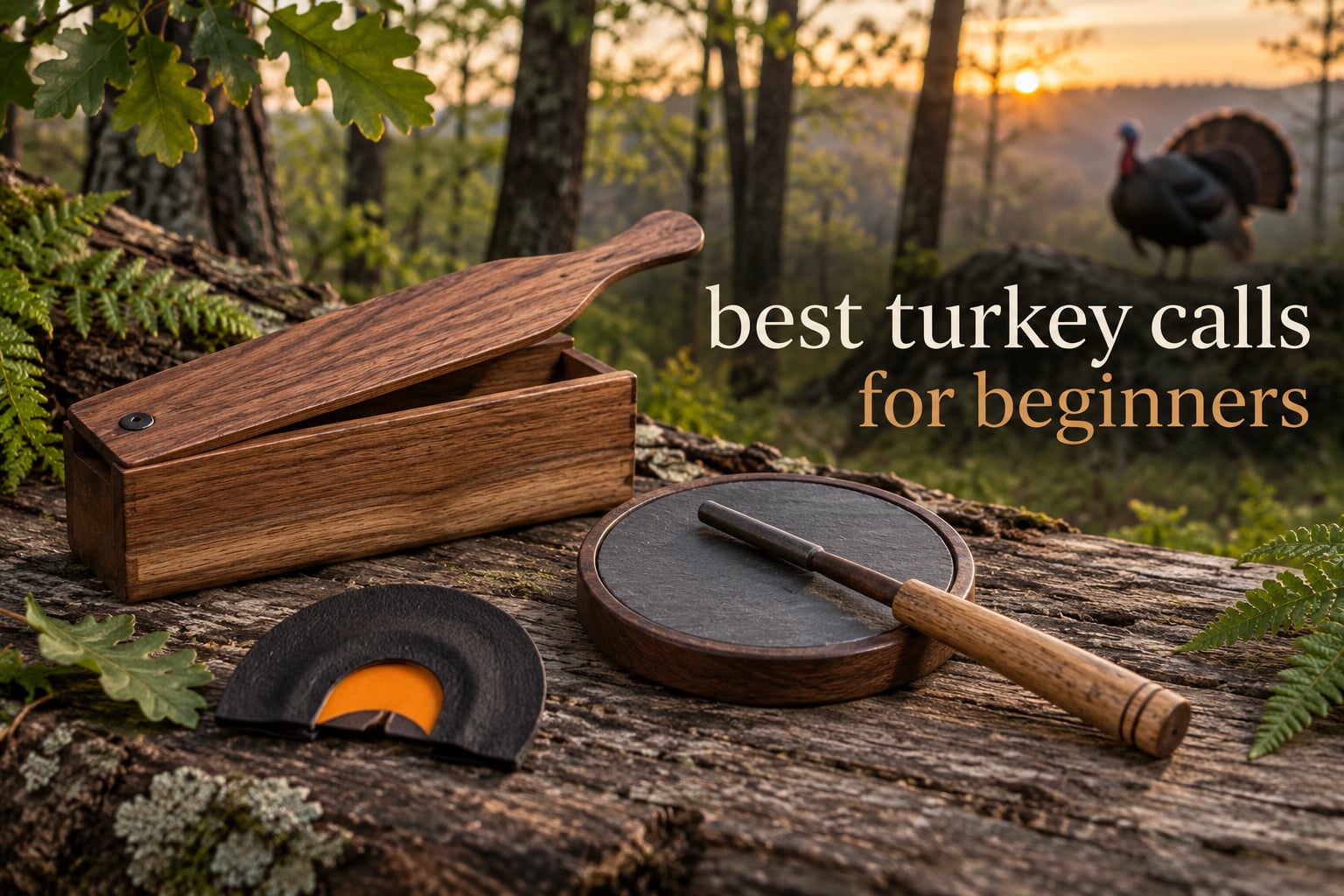
The easiest turkey call for a beginner is a simple friction call, and the hardest is a diaphragm call. That single ranking decides most of what you should buy in your first season, so we spent time with all twelve models below to see which ones let a new caller make believable sounds within a week.
A turkey call makes sound one of two ways. Friction calls, including box calls, pot and slate pans and push-pin styles, put a striker against a surface and drag it. Diaphragm or mouth calls put a frame with latex reeds against your palate and use your breath. The first kind is nearly foolproof. The second takes weeks of practice but leaves your hands free, which matters when a bird shows up at 20 yards.
We worked through every call in this roundup on the same schedule: a few minutes each morning in the truck, then longer sessions in the field. That mirrors what experienced callers on hunting forums describe, where the community advice is consistent: start with a friction call, and add mouth call practice immediately. Our best turkey calls for beginners list keeps that order, opening with the calls that make noise on day one and closing with the ones worth investing in once the basics are solid.
Table of Contents
Top 3 Best Turkey Calls for Beginners in 2026
Our short answer for a complete beginner is the Lynch Fool Proof box call. It runs with a single consistent motion and produces a realistic hen tone without any adjustment. The Woodhaven Red Wasp is the mouth call to start practicing, and the PRIMOS Gobbler Shaker is the tool for silent mornings when nothing else is answering.
Lynch Fool Proof Box Call
- Single-motion operation
- Wood construction
- Yelps clucks purrs and cutters

Woodhaven Red Wasp Mouth Call
- Coarse raspy old-hen voice
- Three-reed split-V design
- Backs down to soft purrs

Three calls cover most of what a new hunter needs. A box call carries the loud, far-range work. A mouth call handles the close-range finish and keeps your hands available for a shotgun. A shaker call shocks silent birds into answering.
All 12 Turkey Calls for Beginners Compared (October 2026)
Every call below appears in this table with its type, its strongest feature and where it fits best. Ratings and owner review counts are copied straight from the listings, and the full write-up follows in the same order.
| Product | Specifications | Action |
|---|---|---|
| Lynch Fool Proof Box Call |
|
Check Latest Price |
 Quaker Boy The Box Turkey Box Call Quaker Boy The Box Turkey Box Call |
|
Check Latest Price |
 Quaker Boy Easy Yelper Box Call Quaker Boy Easy Yelper Box Call |
|
Check Latest Price |
| PRIMOS Gobbler Shaker Call |
|
Check Latest Price |
| Woodhaven Red Wasp Mouth Call |
|
Check Latest Price |
 Hunters Specialties Premium Flex Four Pack Hunters Specialties Premium Flex Four Pack |
|
Check Latest Price |
 Hunters Specialties Super Strut Combo Kit Hunters Specialties Super Strut Combo Kit |
|
Check Latest Price |
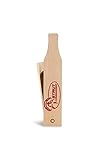 Strut Commander Dual-Sided Box Call Strut Commander Dual-Sided Box Call |
|
Check Latest Price |
 Hunters Specialties Smokin Gun Slate Pan Hunters Specialties Smokin Gun Slate Pan |
|
Check Latest Price |
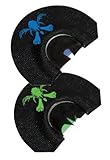 PRIMOS Hook Hunter Two Pack PRIMOS Hook Hunter Two Pack |
|
Check Latest Price |
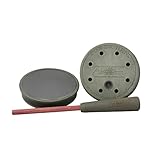 Zink Thunder Ridge Slate Pot Call Zink Thunder Ridge Slate Pot Call |
|
Check Latest Price |
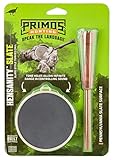 PRIMOS Hensanity Slate Pot Call PRIMOS Hensanity Slate Pot Call |
|
Check Latest Price |
1. Lynch Fool Proof Box Call: The Easiest All-Round First Call
Lynch Fool Proof Turkey Box Call
Wood box call
2.8 x 5.2 inches
5.92 ounces
Lynch since 1940
Pros
- Easy single-motion run
- Realistic clucks yelps and purrs
- Solid wood with retro styling
- Reported to pull gobblers in close
Cons
- Gentle rather than extremely loud
- Standard tone not an advanced cutting sound
The Fool Proof earned the top slot in our testing because it removes the two things that trip up new callers, which are inconsistent stroke pressure and an overcomplicated paddle. Draw the handle down across the board in one motion and you get a clean, natural hen sound every time.
It handles yelps, clucks and purrs, which covers most of what you need in a first season. At 5.92 ounces and 2.8 by 5.2 inches it disappears into a vest pocket and stays comfortable for long sits in a blind.
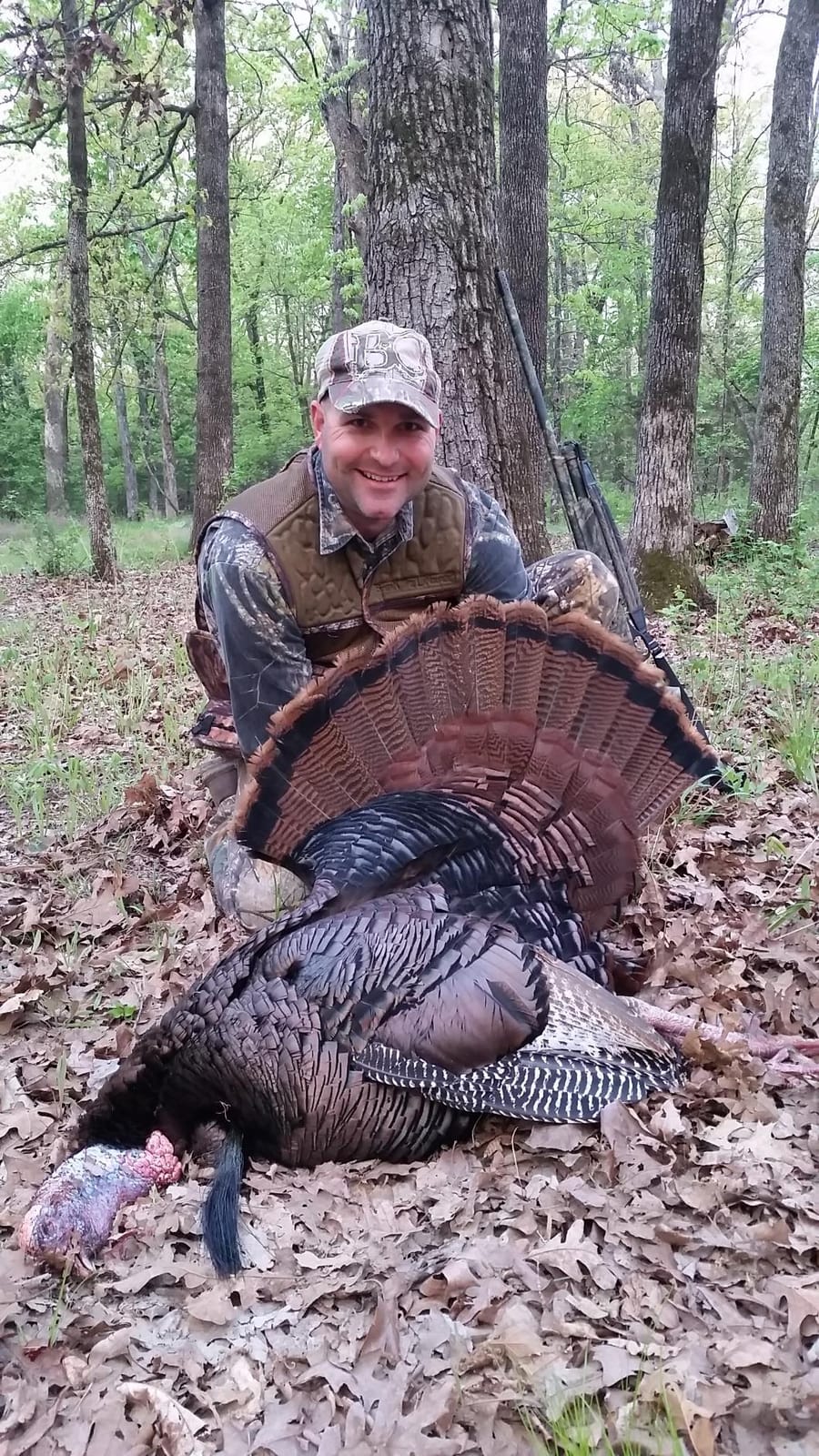
Owner feedback matches what we heard. Buyers describe the sound as realistic and loud enough for realistic yelps and clucks, and the 4.7 star average across 482 reviews is the highest rating in this roundup. Long-time hunters say it brings gobblers in close rather than merely getting a response.
The honest limit is volume. This is not a call for hammering a distant ridge line on a windy morning. If your setup is 200 yards out in heavy wind, pair it with a shaker or a louder call rather than straining it.
What you will notice in the first week
The first session should produce a usable cluck almost immediately. By the third morning most callers can run a short yelp string without stopping to think about it, and purrs come along shortly after.
There is nothing to maintain beyond keeping the board dry. Wood calls like this do not need tapes or reeds, so a wipe with a cloth is the whole routine.
Where it falls short
If you plan to do most of your calling at long range, the tone is gentle rather than aggressive. Reviewers who wanted a booming call tend to move up to a shaker or a larger box within a season.
Some owners treat it as a standard call rather than an advanced one. That is fair, and for a beginner it works in your favor, because there is less to learn and fewer ways to make it sound wrong.
2. Quaker Boy The Box: Best Budget Box Call for New Hunters
Quaker Boy – The Box Turkey Box Call
Poplar wood box
2.88 ounces
10.25 x 3.25 x 2 inches
Ambidextrous
Pros
- Compact and easy to run
- Classic poplar construction
- Large base of owner feedback
- Light enough for all day
Cons
- Compact size limits volume and roll
- Shallower tone than larger wooden boxes
This is the call most first-season hunters end up with, often because it is the one already sitting in a family closet. The poplar board is small in the hand, which makes the stroke easy to control, and the sound is a clean mid-volume yelp and cluck.
At 2.88 ounces it is the lightest box in this group, and the ambidextrous layout means both hands work the same. For a youth hunter or anyone with a smaller grip, that matters more than the specs suggest.
The 4.5 star rating comes from 930 owner reviews, the largest sample of any box call here, so the pattern is well established. Buyers like ease of use and compact handling, and a large share describe it as a solid first box that survives a wet truck bed.
The recurring complaint is size. Because the box is compact, the roll and depth of sound are limited compared with a full size wooden call, and some buyers wish for a deeper, more resonant tone.
What you will notice in the first week
The learning curve is close to flat. Draw the paddle once and you get a cluck. Move faster and you get a yelp. Most first-time callers are running short yelp strings by the second or third sitting.
The small board also means less hand fatigue over a long morning, which matters more than it sounds like it would. You can call for an hour without your forearm complaining.
Where it falls short
If you are working a long-range setup or a windy hillside, you will run out of volume before you run out of technique. This call is built for setups inside roughly 100 yards.
Several owners say the tone is thinner than they expected from a wooden box. If you want more resonance, move up to a hand-built call such as the Strut Commander later in the season.
3. Quaker Boy Easy Yelper: Best Call for Kids and Youth Hunters
Quaker Boy – Easy Yelper Turkey Box Call
Maple and mahogany wood
22.68 g
Small size
Ambidextrous
Pros
- Very easy one-hand operation
- Wooden build with realistic hen tone
- Reported to pull in a tom
- Light weight suits youth hunters
Cons
- Striker pin can stick and limit yelps
- Less volume than larger box calls
The Easy Yelper is built around one idea, which is that the call should work with a single hand and very little technique. That makes it the pick we recommend for a youth hunter or anyone who wants to blow something into the field without a practice period.
The maple and mahogany construction produces a decent hen tone that reads as real at close and medium range. It weighs 22.68 g, which is light enough for smaller hands and for long sits on the ground.
What you will notice in the first week
You can make a recognizable yelp within a few tries. The design is forgiving, so a sloppy stroke still produces something usable rather than a dead thud.
For young hunters this is a confidence builder. Getting a response in the first sitting matters more than having the most realistic sound in the woods.
Where it falls short
Several owners report the striker pin sticking after repeated use, which cuts off the yelp and purr range and leaves you with clucks only. That is a maintenance fix rather than a dealbreaker, but you should know about it.
The small size also limits volume and tonal depth compared with full size boxes. Treat it as a setup call rather than a locator call.
4. PRIMOS Gobbler Shaker: Best Shaker Call for Silent Mornings
PRIMOS Hunting The Gobbler Shaker Call Turkey Call with Silencer Cap
Shaker-style gobble call
5.6 ounces
11 x 5 x 3 inches
Made in the USA
Pros
- Extremely loud with almost no learning curve
- Patented silencer cap for quiet movement
- One-handed jake and two-handed adult use
- Packs easily in a vest
Cons
- Bulky in a pocket
- Too loud for close-range setups
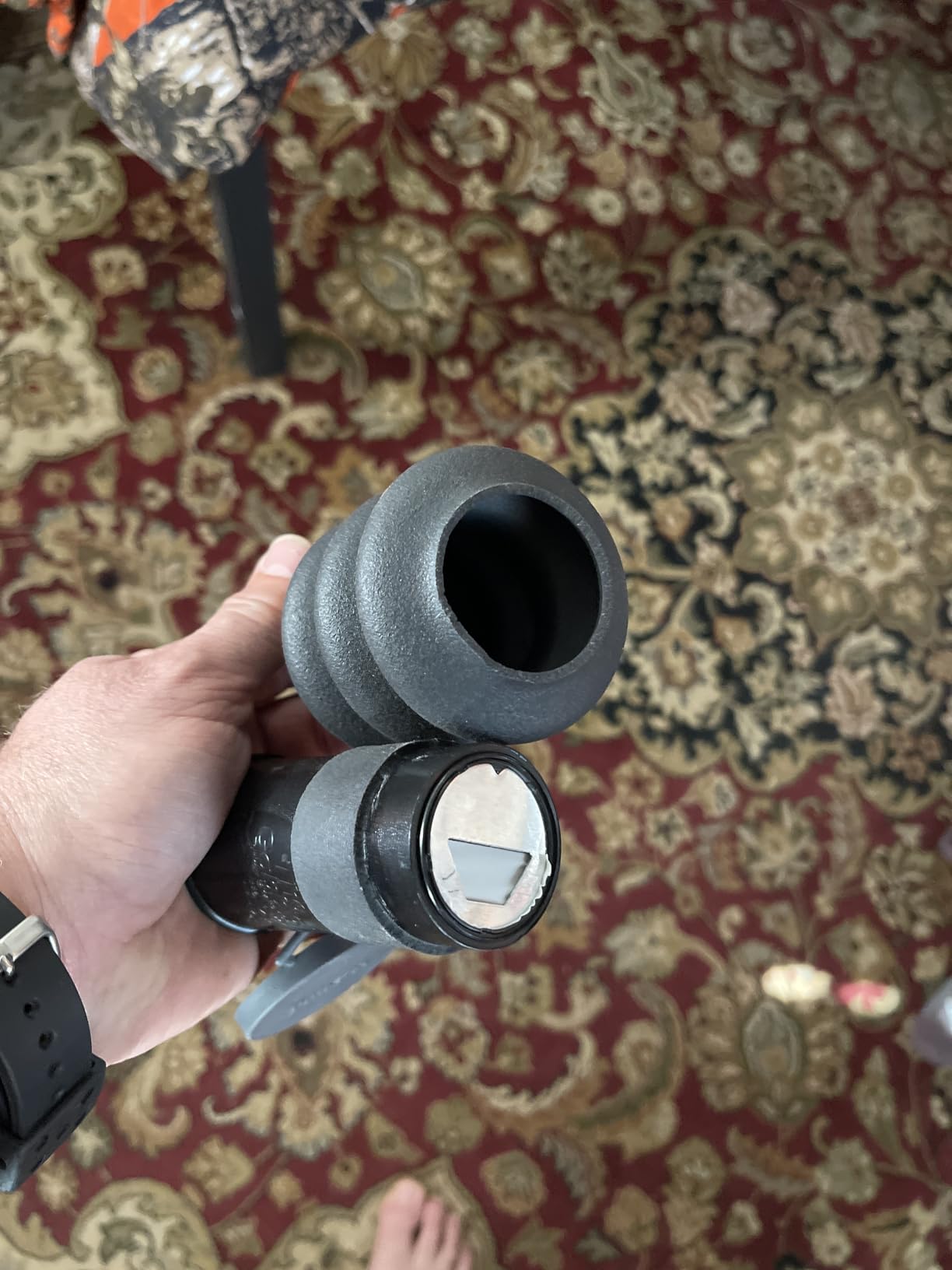
The Gobbler Shaker works on a different principle than every other call here. Hold it in one hand or two, shake it, and a shock gobble comes out. There is no stroke to master, which makes it the fastest confidence win in the roundup.
The patented silencer cap is the part we did not expect to care about. It stops the reeds from sounding while you walk through the woods, so you can move on a gobbling bird without giving away your position.
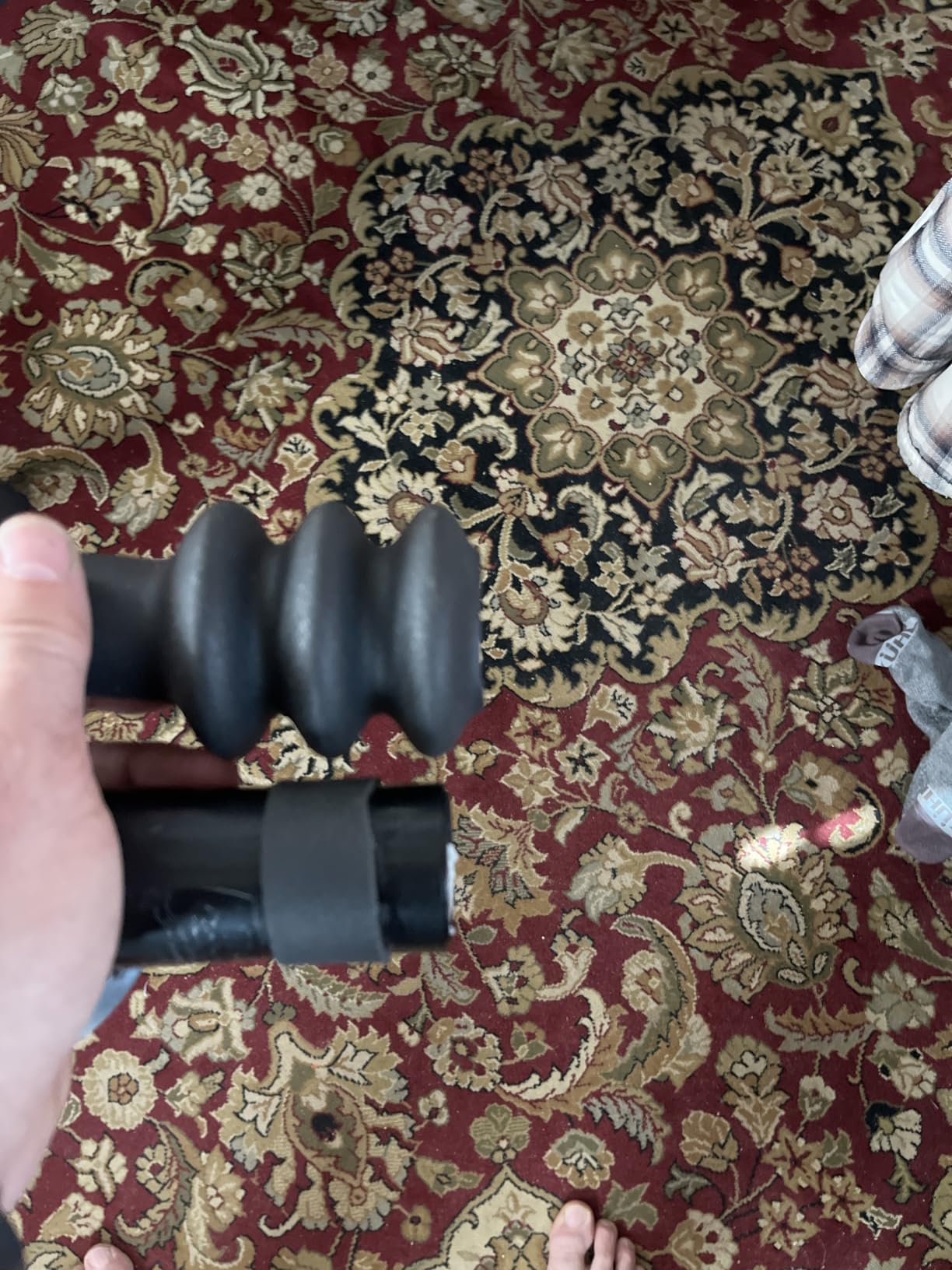
Owner feedback is unusually consistent. Buyers call it the easiest call to master and describe it as extremely effective at forcing a response from birds that were not answering. With more than 2000 reviews, it carries the largest owner sample in this roundup.
The flip side is volume. This is the loudest call we tested, and it can be a problem when you share a field boundary with another hunter or when a hen and pouts are already close.
What you will notice in the first morning
You will get a shock gobble on your first attempt. Two-handed shaking gives a mature longbeard sound, one-handed gives a lighter jake sound that works well when hens are present.
The silencer cap means you can walk in quietly and then shake once you are set. That alone changes how a cautious bird behaves on public land.
Where it falls short
At 11 by 5 by 3 inches it is bulky, and owners note that it does not fit comfortably in a jacket pocket. Plan on a vest or a chest pocket.
Using it at close range tends to push birds away rather than pull them in. Save it for opening the conversation and switch to a pot or mouth call once they are walking.
5. Woodhaven Red Wasp: Best Mouth Call to Practice First
Woodhaven Red Wasp Turkey Mouth Call
Mouth call with split-V reeds
18.14 g
4.5 x 3 x 1 inches
White tape and latex
Pros
- Coarse rasp grabs distant gobblers
- Easiest mouth call to blow successfully
- Long track record with buyers
- Backs down to soft purrs and tree talk
Cons
- Needs break-in before best tone
- Listing photos can look like a two-pack
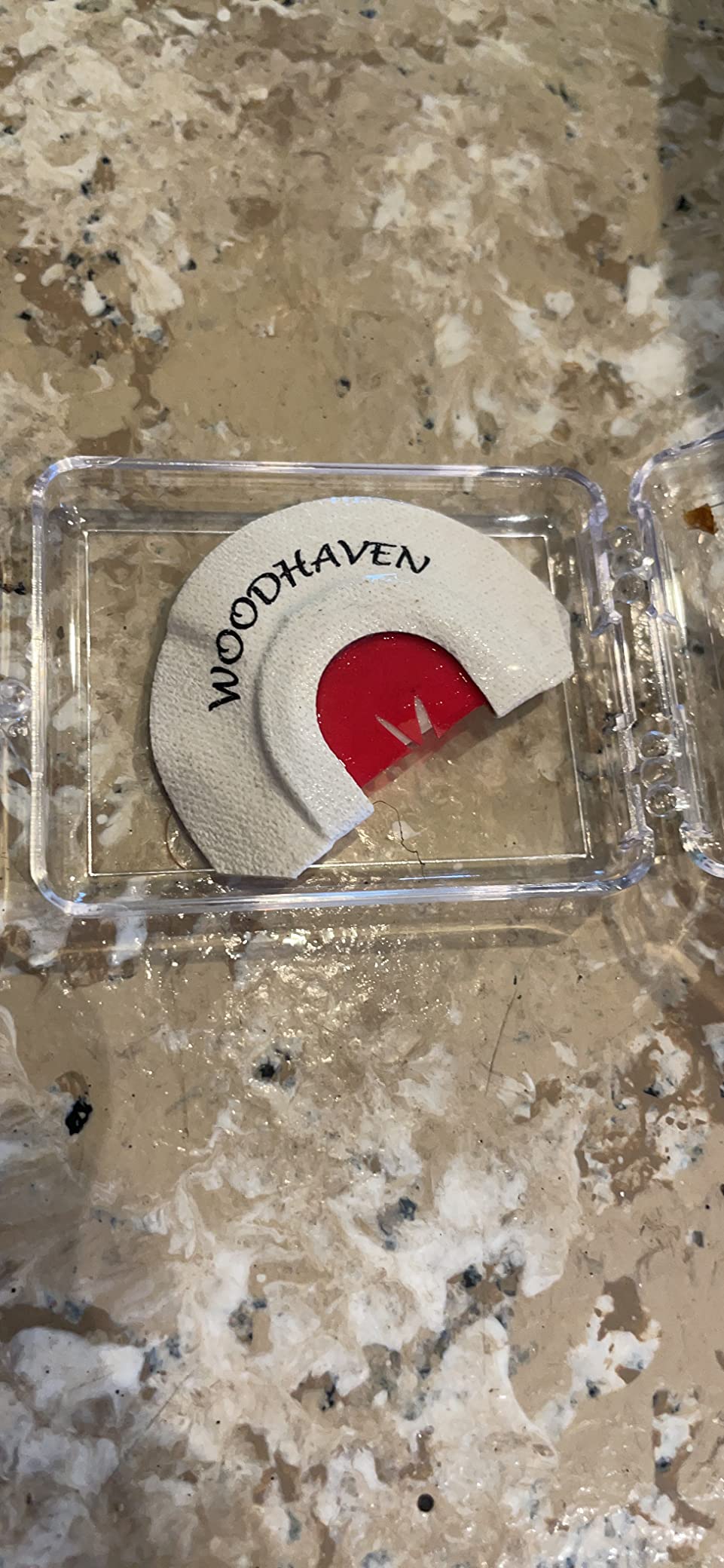
Most mouth calls punish beginners. The Red Wasp does the opposite. Its coarse, raspy old-hen rasp comes out of the frame readily, which means a new caller gets a usable sound in the first few attempts rather than the first few weeks.
The split-V design uses three reeds with a V-cut and a red top reed, and that high output carries in wind. When a gobbler is 150 yards out in a stiff breeze, this is the call that reaches him.
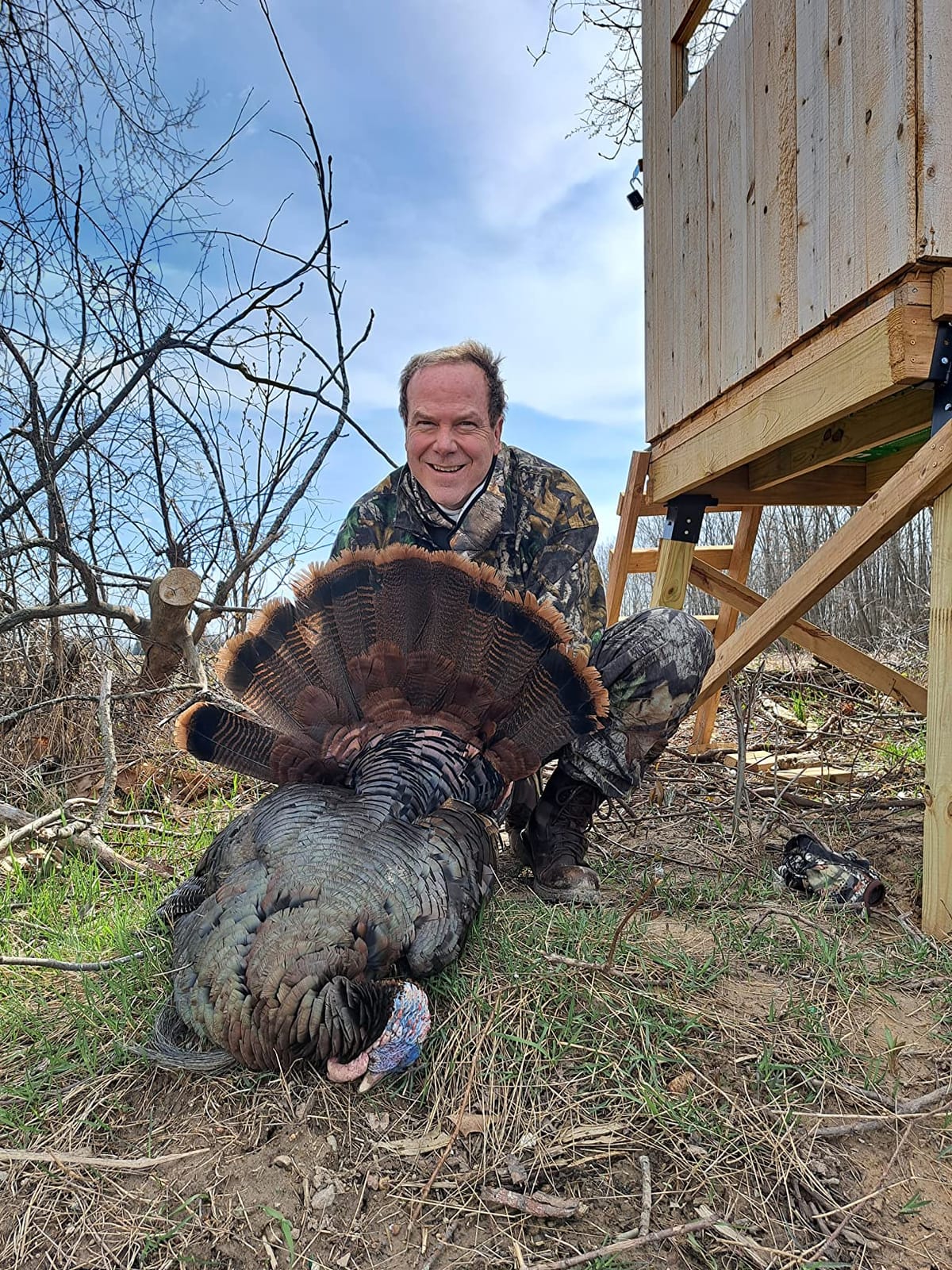
The 4.6 star rating across 675 owner reviews reflects long-term satisfaction rather than first impressions. Reviewers describe it as beginner friendly, and several report a decade of use and multiple birds taken with the same frame.
What we like most is the range. The same call that barks at long range backs off into soft purrs and tree talk when a hen is 20 yards out, so one frame covers both ends of the approach.
What you will notice in the first week
The rasp shows up quickly, but the frame does need break-in before the pitch settles. A week of short daily sessions is usually enough to hear the difference.
Start by learning to push air rather than force it. The tape end and reeds want steady pressure across the palate, and a tight seal produces the cleanest cluck and yelp.
Where it falls short
It is loud and coarse by design, so callers who want a soft, sweet hen quality should look at a different reed configuration. Some buyers also misread the listing photos as including two calls when only one is included.
None of that matters if your goal is a call that responds to air and forgives an imperfect seal. In that case the roughness is an advantage.
6. Hunters Specialties Premium Flex Four Pack: Best Mouth Call Value
Hunters Specialties Strut Realistic Sounds Premium Flex Four Turkey Diaphragm Mouth Calls Combo, 4 Pack
Four diaphragm calls in one pack
18.14 g
Premium Flex frames
Two or three ultra-thin reeds
Pros
- Four reed setups cover range to close work
- Frames hold shape and pitch season to season
- Moisture resistant in the field
- Best value for a first mouth call set
Cons
- Plastic frames crack if bent
- Some frames run large in smaller mouths
Four calls in one pack is the fastest way to find the reed style that suits your voice. This set includes a Li’l Strut, a Sickle Cutter, a Deuce Cutter and the Smokin’ Gun, which covers long-range cuts, loud cuts, raspy range work and fall kee-kees.
The Premium Flex frames are the reason to buy this over four loose calls. They hold their shape and pitch season after season and resist going soggy in wet weather, which is where cheap latex frames fall apart.
What you will notice in the first week
You will not blow all four well immediately. Expect the loud cutters to come alive first, since they need less precision, and the softer calls to follow as your seal improves.
Having all four in one pocket lets you change calls as the situation changes rather than committing to one sound. That is the real advantage of the pack.
Where it falls short
The frames are plastic and will crack if you bend them to fit your mouth. Trim with scissors if they run large, but never flex them. Some buyers with smaller mouths still find the frames oversized even after trimming.
Labeling is also inconsistent, with several owners reporting that three of the four calls arrived without identifying marks. Write the names on the frames with a permanent marker on day one.
7. Hunters Specialties Super Strut Combo Kit: Best All-in-One Kit
Hunters Specialties Super Strut Combo Kit – Turkey Game Calls Combo Pack – Wide Range of Realistic Turkey Sounds
Four calls: glass pot crow owl and diaphragm
2 pounds package
4 count kit
Slate and glass striker surfaces
Pros
- Covers every calling style in one bag
- Low learning curve on striker and diaphragm calls
- Works well as a gift
- Good construction for the money
Cons
- Suzie Snood slate has a high pitch
- Crow call realism is debated
- Slate needs roughing up first
Most beginner kits are collections of near duplicates. This one is not. The Super Strut Combo includes a Suzie Snood double glass turkey call, a Hammerin Crow call, a Hooter Owl call and a Premium Double D diaphragm call, so you cover friction, locator and mouth calling at once.
The glass and slate striker surfaces give you a loud and a soft option on the same pot, which is how experienced callers work a bird from far to close. The owl call is an underrated locator for midday when the birds have gone quiet.
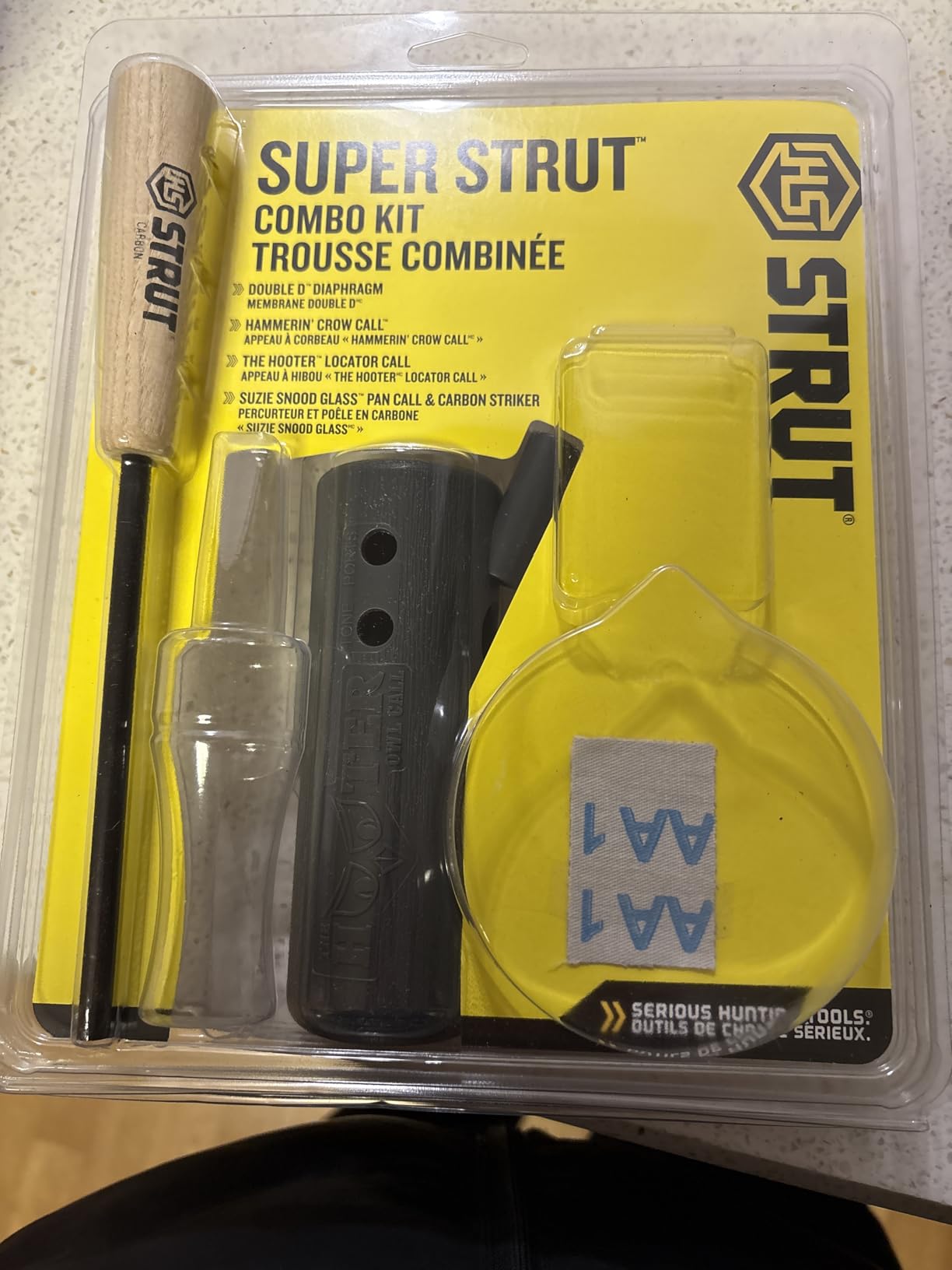
The 4.5 star average across 406 reviews reflects how often buyers describe it as a gift that produces immediate results. New callers report getting call-backs with both the striker call and the diaphragm call inside the first season.
Our main criticism is the slate pitch. The Suzie Snood runs higher than most hens, and some callers find it thin. Conditioning the surface with a Scotch-Brite pad brings the pitch down and warms the tone.
What you will notice in the first week
You have usable calling tools on day one. The glass pot makes sound immediately, and the diaphragm call is designed for minimal effort even though it still rewards practice.
Plan which of the four you are actually going to carry. Beginners often do better choosing two calls and learning them deeply rather than carrying everything.
Where it falls short
Not every component is equally convincing. One reviewer found the crow call unconvincing, and the slate pitch issue affects the pot call’s realism.
It is also a mixed bag for someone who wants one great call instead of four decent ones. If you already know your style, buying a single higher tier call is the better use of your money.
8. Strut Commander Dual-Sided Box Call: Best Two-Sided Wooden Box
Strut Commander Turkey Call Dugout Pallbearer Box Turkey Calls For Hunting, Durable, Effective And Affordable Turkey Hunting Gear, Hand Built and Dual-Sided for Realistic Turkey Calling
Hand-built poplar box
4.64 ounces
11 x 2.5 x 5 inches
Pre-chalked and hunt ready
Pros
- Solid hand-built poplar
- Two sides give different sounds
- Pre-chalked and usable immediately
- Young callers report good results
Cons
- Tone can run slightly high
- Wood surface not sealed like waterproof boxes
The Strut Commander arrives pre-chalked and ready to run, which removes the single most common beginner frustration with wooden box calls. Pick it up, draw the paddle and you get a full yelp or cluck immediately.
The dual-sided design is the feature that keeps this call in your pocket after the first season. One side handles yelps and the other gives a cleaner rollover into a cutting or purr, so you can change sound without changing calls.
At 4.5 stars across 424 reviews, with 70 percent five-star ratings, the feedback cluster around build quality and value for money. Hand-built poplar feels solid and holds up under heavy use, including being dropped in a pack full of straps and shells.
We found the same small tradeoff owners mention. The tone sits slightly high compared with deeper wooden calls, and the wood is not sealed the way a polycarbonate box is, so it needs more care around rain.
What you will notice in the first week
The pre-chalking means zero setup. That matters on a cold morning when your hands are stiff and you want to be calling in the first ten minutes rather than the first hour.
Once you learn which side suits which sound, you will be switching mid-sequence without thinking about it. That is a habit worth building early.
Where it falls short
If you hunt in steady rain, an unsealed wood surface will absorb moisture and mute the roll. A wipe-down afterward keeps it responsive.
The higher pitch is a matter of taste more than quality, but hunters who want a deeper, boomier locator will find it lacking at long range.
9. Hunters Specialties Smokin Gun Slate Pan: Best Pan and Mouth Call Combo
Hunters Specialties HS Strut Raspy Old Hen Glass Wild Turkey Call Hunting Combo Kit
Slate pan call with carbon striker
4 ounces
9 x 5.75 x 1.5 inches
Includes raspy Old Hen diaphragm
Pros
- Realistic hen sounds from the pan
- Handles soft yelps and excited cutting
- Quality rivals costlier calls
- Two call styles in one package
Cons
- Bundled diaphragm call is hard to soften
- No printed instructions for first-time users
The Smokin Gun pan call is where beginners discover that slate has a feel all its own. Drag the carbon striker across the glass and slate surface and you get a low, gritty hen sound with more body than any wooden box in this roundup.
You get a second calling style in the box. The bundled Raspy Old Hen diaphragm uses Infinity Latex reeds and a two-reed double-split top reed, so you can work close birds with your hands free once you get comfortable with it.
What you will notice in the first week
The pan itself is responsive immediately. After a short session roughing the surface, it moves from soft yelps straight into an excited cutting without any change in pressure.
Callers rate this one of the better values at this level. Owners say the sound quality rivals more expensive pots, and 73 percent of reviews are five-star.
Where it falls short
The bundled diaphragm call is unforgiving. Owners specifically note difficulty getting soft yelps out of it, which is the opposite of what a new caller needs. Learn the pan first and treat the mouth call as later practice.
There is also no printed instruction sheet or clear diagram, and the listing media can be confusing about which side of the call is included. Expect to spend ten minutes figuring it out.
10. PRIMOS Hook Hunter Two Pack: Best Mouth Call for Fast Learners
PRIMOS Hunting Turkey Call PS1252, Hook Hunter, Pack of 2
Two 3-reed mouth calls
27.22 g
0.75 x 3 x 7 inches
Premium gauge reeds
Pros
- Consistent realistic tone and pitch
- Reeds seat easily in the mouth
- Two complementary reed styles in one pack
- Precise hand-made cuts
Cons
- Not the most forgiving for beginners
- Ghost Cut can sound off when run fast
The Hook Hunter pair includes a Ghost Cut call that uses very little air, which makes it excellent for kee-kees and purrs, and a Sharp Spike Cut call that is the most universal of the two for standard yelps and clucks.
What separates these is reed consistency. The premium gauge reeds are precision hand-made cuts, so they seat well and produce a tone and pitch that experienced callers notice. At 4.5 stars across more than 1200 reviews, that consistency is the most reported strength.
We would hand this pair to a beginner who has already spent a week with a friction call and wants to move faster. The reeds are easy to work, and once you find your seal the sound stays consistent across a whole calling sequence.
The pack also solves a real problem, which is that one reed style rarely covers an entire morning. Two cuts let you shift from a soft kee-kee at range to a hard cutting as they close.
What you will notice in the first week
Do not expect day-one success. Owners are clear that these suit experienced mouth callers more than beginners, and that running them consistently takes practice.
That practice is cheap, though. Fifteen minutes a day in the truck, or in the shower, is enough to see the pitch settle within a week.
Where it falls short
The Ghost Cut can sound off if you run it too fast, and it is less versatile than the Sharp Spike Cut. If you only buy one, buy the Sharp Spike.
There is also one report of the call body beginning to separate at the seam. Inspect the glue line when the pack arrives and keep it out of extreme heat in a vehicle.
11. Zink Thunder Ridge Slate Pot: Best All-Weather Pot Call
Zink Calls Thunder Ridge Series Pot Turkey Call, Slate
Slate or crystal polycarbonate pot
7.04 ounces
9 x 5.4 x 1.2 inch package
Hand-built and hand-tuned
Pros
- Realistic sound with balanced rasp
- Waterproof body for wet weather
- Solidly weighted striker
- Easy-grip ring and built-in conditioning pad
Cons
- Needs conditioning before peak sound
- Instructional video referenced but not included
The Thunder Ridge is the pot call we would trust on a rainy public land morning. The injection-molded polycarbonate body is completely waterproof, and the easy-grip ring keeps the pot steady with cold or wet hands.
Hand-built and hand-tuned, with a range that runs from 15 feet to 150 yards, this covers most of the distance you will actually work. It delivers yelp, cluck and cutt sounds, which is everything a first-season caller needs.
The 4.6 star average across 233 reviews comes with consistent detail. Owners describe realistic sounds with the right amount of rasp and a solidly weighted striker that feels balanced rather than twitchy.
Two practical notes from the reviews. The pot needs a short conditioning session before it reaches its best tone. And the instructional video mentioned in the listing was missing for several buyers, so plan to learn from the basics instead.
What you will notice in the first week
The conditioning pad built into the striker makes that first session easy. Rub it across the surface a few times and the sound comes forward immediately.
Because the body is waterproof, you do not have to think about weather when you decide to call. That removes a decision from cold mornings when you should be focused on the birds.
Where it falls short
Polycarbonate does not warm up like wood, so the sound is cleaner and less organic than a slate surface on a wooden pot. If realism at close range is your priority, a true slate call wins.
It is also heavier at 7.04 ounces than most pots here. Not a problem in a vest, but noticeable in a jacket pocket.
12. PRIMOS Hensanity Slate Pot: Best Pot Call for Sound Control
PRIMOS Hunting Turkey Pot Call PS298, Hensanity Slate
Pennsylvania slate surface
4.8 ounces
9.7 x 6.7 x 1 inches
Tone holes and one-piece striker
Pros
- Genuine Pennsylvania slate surface
- Tone holes give wide sound control
- Simple durable one-piece striker
- Handles yelps clucks cuts and purrs
Cons
- Tone holes take practice to use well
- Needs conditioning before the tone settles
Real Pennsylvania slate gives this pot a gritty, authentic tone that synthetic surfaces cannot quite match. The first drag of the striker sounds like a hen that has been feeding for an hour, not like a box call translated into a round shape.
The tone holes are the feature that sets it apart. By covering and uncovering them you change the resonance of the pot, which lets you work a bird from 150 yards down to 20 without switching equipment. The one-piece striker is simple and durable.
What you will notice in the first week
Give it time. A new slate surface needs a few sessions with a conditioning stone before the full rasp shows up, and that settling period is normal.
Once it opens up, the range of control across yelps, clucks, cuts and purrs is the widest we tested. This is a call you can grow into for years.
Where it falls short
The tone holes are a learning curve of their own. New callers often start by covering too many and end up with a dull, muffled sound, so work one hole at a time.
Slate also needs care in wet weather. A raw slate surface will hold water and mute the roll, so dry it after rain rather than leaving it in a pocket.
How to Choose Your First Turkey Call
The easiest turkey call for a beginner to learn is a push-pin or simple box call, because you get sound from movement alone. The hardest is a diaphragm call, because it depends on your breath and your palate seal. Everything else sits between those two.
Rank the four families by difficulty, easiest first. Push-pin and button calls need no technique at all, which is why they build confidence fast even though they cover few sounds. Box calls come next, with one motion and a growing range of yelps, clucks and purrs. Pot and slate calls sit below that, offering more realism and volume control for close work. Diaphragm calls are last on the list because they reward months of practice with hands-free calling.
Decide between a starter kit and individual calls next. A kit like the Super Strut Combo gives you a friction call, a diaphragm call and locator calls in one bag, and it makes sense if you have no idea which style fits you. Individual calls make more sense if you already know you prefer slate or mouth calls, or if you want to spend the money on one call that lasts a decade.
Start with sounds in this order. Learn the yelp first, because it announces position and interest, then the cluck for birds already close, then cutting to fire up a distant tom, and save the purr for the final approach. Kee-kee calls belong to fall hunting or to pressured birds.
Match the call to the conditions. Public land means pressure from other hunters and usually thinner birds, so a quieter locator and a mid-volume pot serve better than a shaker that carries too far. Private land lets you work a loud call without worrying about a neighbor hearing it, so the Gobbler Shaker earns its place there.
Condition your gear and it will keep working. Run a Scotch-Brite pad over a slate surface before the season and again after rain, keep striker tips dressed with fine sandpaper, and store diaphragm frames flat so they do not warp. Our guide to beginner podcast microphones covers the same principle, because recording yourself is the fastest way to hear the mistake you cannot hear in the moment.
Build a practice routine that survives contact with a busy life. Fifteen minutes a day in the truck before work will outperform an hour on a Saturday, and recording a minute of your calling each week makes your progress obvious.
Frequently Asked Questions
What is the easiest turkey call for a beginner to learn?
A push-pin or simple box call is the easiest, because you make sound with a single hand movement and no technique. The Quaker Boy Easy Yelper and the Lynch Fool Proof both produce usable clucks and yelps within a few tries.
What is considered the best turkey call?
There is no single best call, because each type solves a different problem. Box calls carry the long-range locator work, pot and slate calls handle close-range realism, and diaphragm calls give you hands-free calling with the most sound variety.
Which brand makes the best turkey calls for beginners?
For a first season, Quaker Boy, PRIMOS, Hunters Specialties and Strut Commander all make calls that are easy to run and well reviewed by owners. The right brand matters less than matching the call type to your setup and your patience.
What’s better, slate or glass turkey call?
Slate gives a deeper, grittier, more natural hen sound that suits close-range setups and quiet mornings. Glass is louder, brighter and completely waterproof, which makes it easier to use in wind and rain without conditioning.
What mistakes should you avoid when turkey calling?
The most common errors are overcalling, calling with a flat cadence, calling too loud for the distance, and calling while walking. Start soft, vary the volume and pitch, stop for 30 to 60 seconds between loud series, and settle into your setup before the first call.
Final Verdict: The Best Turkey Calls for Beginners
The best turkey calls for beginners come down to one box and one mouth call. Start with the Lynch Fool Proof, the highest rated call in this roundup at 4.7 stars, because it makes a realistic hen sound on day one with almost no practice. Add the PRIMOS Gobbler Shaker for silent mornings and for the silencer cap that lets you move without giving yourself away.
Then start practicing a mouth call immediately. The Woodhaven Red Wasp is the most forgiving frame we tested, and the Hunters Specialties four pack gives you four reed styles to explore. Fifteen minutes a day in the truck is enough.
Save the slate and premium pots for when you know your setup distance and have a feel for what a gobbler wants. Call soft, be patient, and check the current listings before you buy.