
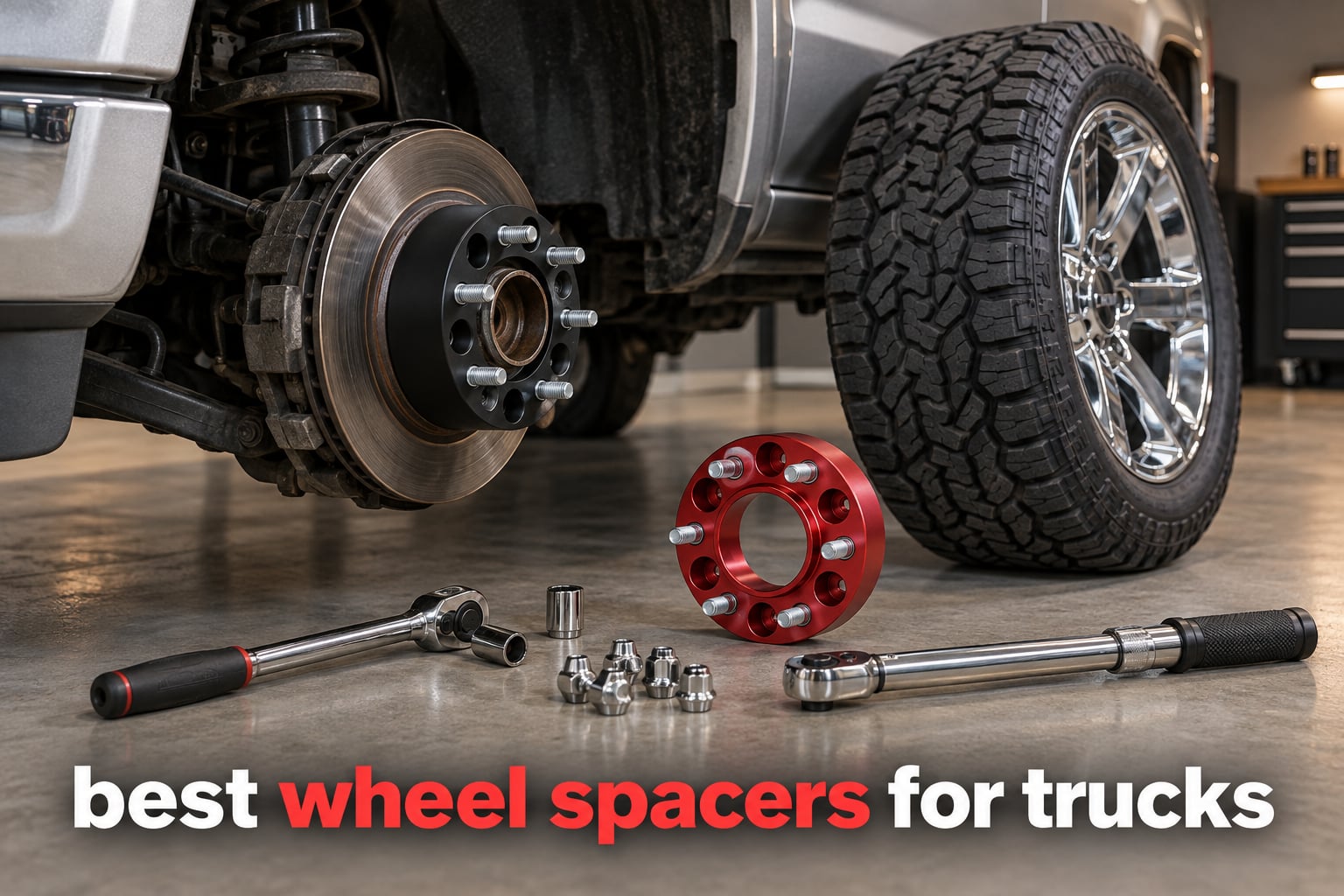
Wheel spacers bolt between the hub and the wheel to push the wheel outboard, correcting negative offset and stopping tire rub on a lifted or leveled truck. They are one of the cheapest ways to fix a tucked-in look and widen your track width without a custom wheel build.
Are wheel spacers safe on trucks? Yes, when they are hub-centric, forged, vehicle-specific, and torqued to spec. The ones that fail come from three mistakes: a lug-centric spacer with no centering lip, cast aluminum instead of forged 6061-T6, and studs that are too short for full thread engagement.
We compared 12 spacers across the bolt patterns that actually show up on pickups: 6×5.5, 6×135, 8×180, and 8×6.5. Every kit below is rated on the things that matter on a truck: how it centers the wheel, what grade the studs are, whether you have to trim factory studs, and whether it ships as a pair or a full set of four.
Our team also spent time reading what owners report after living with these parts, since the first 200 miles are where installation mistakes show up. We still keep an 8 best wheel cleaning brushes tested and compared guide handy, because fresh spacers and fresh tires always show road grime at the same time.
Table of Contents
Top 3 Picks for Best Wheel Spacers for Trucks (October 2026)
Our editor’s choice is the OMT 6×5.5 set: forged T6 aluminum, 24 Dacromet-coated studs in the box, and by far the largest review base in this roundup at 4.6 stars across 5479 reviews. The KSP 1 inch 6×5.5 Toyota kit is the best value pick for Tacoma, 4Runner, and Tundra owners, and the SCITOO 8×180 set is our heavy-duty pick for Silverado and Sierra HD.

OMT 6×5.5 Set of 4
- 6061-T6 billet aluminum
- 108mm hub bore
- 24 M14x1.5 studs included
- Widens track by 4 inches
KSP 1 inch 6×5.5 Toyota
- 1 inch 25mm thickness
- 6061-T6 billet
- 6061 billet with 10.9 hardware
- Broad Toyota and Lexus fitment

SCITOO 8×180 Set of 4
- Hot-forged aluminum
- 124.1mm hubcentric bore
- 1 inch thickness
- ISO/DIN 10.175 studs
Best Wheel Spacers for Trucks in 2026: Full Comparison
Here is every spacer in the roundup with the specs that decide fitment. Thickness is per corner, so a 2 inch spacer adds 2 inches on each side of the truck and 4 inches to overall track width.
| Product | Specifications | Action |
|---|---|---|
| OMT 6×5.5 Wheel Spacers Set of 4 |
|
Check Latest Price |
| KSP 1 inch 6×5.5 for Toyota |
|
Check Latest Price |
| SCITOO 8×180 Wheel Spacers Set of 4 |
|
Check Latest Price |
 KSP 2 inch 8×6.5 for Ram 2500 3500 KSP 2 inch 8×6.5 for Ram 2500 3500 |
|
Check Latest Price |
 KSP 6×135 1.5 inch Hubcentric for F150 KSP 6×135 1.5 inch Hubcentric for F150 |
|
Check Latest Price |
 dynofit 2 inch 6×5.5 for Silverado Ram 1500 dynofit 2 inch 6×5.5 for Silverado Ram 1500 |
|
Check Latest Price |
 Rough Country 2 inch 6×5.5 for Chevy GMC 1500 Rough Country 2 inch 6×5.5 for Chevy GMC 1500 |
|
Check Latest Price |
 KAX 1 inch 6×5.5 Lug-Centric for Silverado KAX 1 inch 6×5.5 Lug-Centric for Silverado |
|
Check Latest Price |
 dynofit 2 inch 6×135 Hubcentric for F150 dynofit 2 inch 6×135 Hubcentric for F150 |
|
Check Latest Price |
 ECCPP 2 inch 6×5.5 Hubcentric ECCPP 2 inch 6×5.5 Hubcentric |
|
Check Latest Price |
 FLYCLE 2 inch 8×6.5 for Ram and Ford E-Series FLYCLE 2 inch 8×6.5 for Ram and Ford E-Series |
|
Check Latest Price |
 Torchbeam 0.5 inch 6×5.5 for Tacoma Torchbeam 0.5 inch 6×5.5 for Tacoma |
|
Check Latest Price |
1. OMT 6×5.5 Wheel Spacers with 108mm Hub Bore, Set of 4
OMT 6×5.5 Wheel Spacers with 108mm Center Hub Bore, Set of 4
6061-T6 billet aluminum
108mm hub bore
24 M14x1.5 Dacromet studs
Set of 4, 18.3 lb
Pros
- Machined from solid T6 aluminum for strength and low weight
- Widens track for better cornering and stability
- Rear-face slots make removal easy
- 24 studs plus hardware and adhesive included
- Very broad Chevrolet and GMC fitment
Cons
- Not hub-centric on this 6x5.5 variant so centering rings may be needed
- 18.3 lb kit is awkward to handle during install
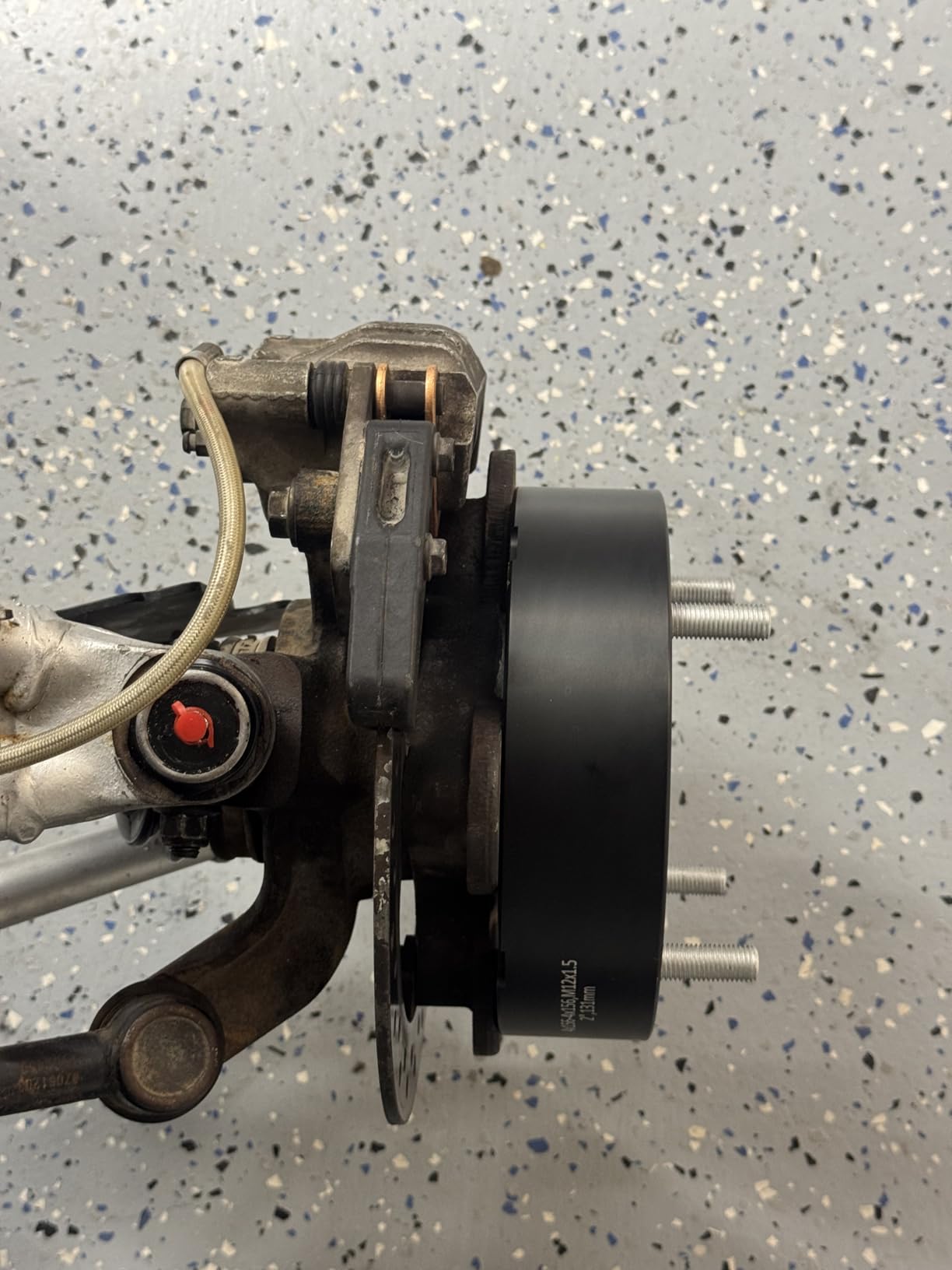
This is the kit we keep coming back to because the numbers back it up: 4.6 stars across 5479 reviews, roughly 80 percent five-star. Owners on Silverado, Sierra, Tahoe, Yukon, and Suburban platforms consistently describe a clean bolt-on fit and a wider stance that does not change how the truck rides.
The body is machined from solid 6061-T6 aluminum, and the kit includes 24 M14x1.5 studs with Dacromet coating rated by the manufacturer as 7 to 10 times more corrosion resistant than competing hardware. That coating matters a lot for anyone in a winter salt state, and it is one reason this set holds up better than cheaper zinc-only hardware after a winter of road spray.
One thing to plan for is weight. At 18.3 pounds for the set, the front corners take two hands and the rear is a careful single-corner job. The rear-face slots are designed for exactly this, letting you knock the spacer off the hub with a screwdriver instead of fighting it.
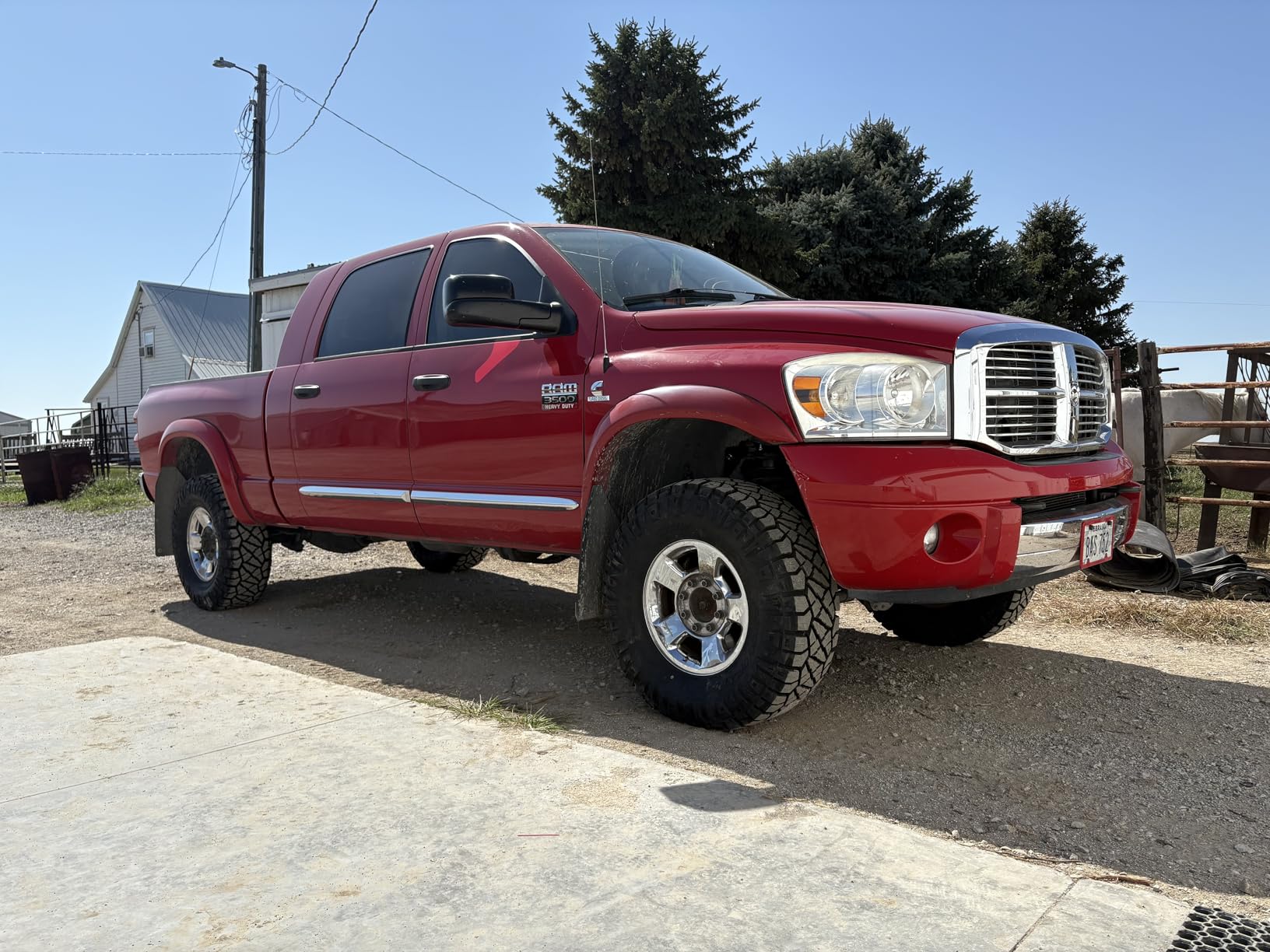
Dimension-wise, the manufacturer lists this set at adding 4 inches to axle track across the truck, or 2 inches per corner. On a leveled Silverado running 33-series tires, that is usually the difference between clearing the fender lip and rubbing on the first compression bump.
Owners also like that the instructions and adhesive tube are in the box, because the studs are pressed in and the joint needs a proper thread preparation to stay put. The torque spec to aim for is 95 to 105 lb-ft at the spacer-to-hub bolts and 130 to 150 lb-ft for the wheel-to-spacer nuts, with a re-torque after 50 to 100 miles.
Why this one works for daily-driven trucks
The review volume matters here more than any single spec. A 5479-review base means the failure modes have already been found by other people, and what shows up is consistent across the thread: fit is correct, the finish holds, and the only recurring complaint is that the non-hubcentric variant leaves the wheel slightly off-center on heavy vehicles.
If your truck is a daily driver or a work truck that tows, that centering note is the one thing to solve. Buy a set of centering rings or pair it with a hubcentric design, and everything else about this kit is a proven quantity.
Where it is the wrong choice
Skip it if your truck uses an 8-lug pattern. This set is a 6×5.5 kit, and trying to stretch it to a 6×135 or 8×6.5 hub is the classic fitment mistake. It is also the wrong pick for a dually or for anyone who wants a narrow, conservative correction; at a full inch per side it is a fairly aggressive stance change.
If your priority is a vibration-free wheel and you have not verified your exact year and bolt pattern, a hubcentric kit with a precision lip like the dynofit 6×135 or the SCITOO 8×180 is a calmer place to start.
2. KSP 1 inch 6×5.5 Wheel Spacers for Tacoma, 4Runner, Tundra and Land Cruiser
KSP 1 inch 6X5.5 Wheel Spacers for Tacoma 2016-2023, 6×139.7 mm to 6×139.7 mm Thread Pitch M12x1.5 Hub Bore 108mm Adapters for 6 Lugs Tacoma 2005-2015, 4Runner Tundra FJ Land Cruiser, Not Hubcentric
1 inch 25mm thickness
108mm hub bore, no lip
M12x1.5 studs
6061-T6 billet with 10.9 grade hardware
Pros
- Broad Toyota fitment spanning 4Runner Tacoma Tundra and Land Cruiser
- 6061-T6 billet aluminum with 10.9 grade geomet bolts
- Works with standard M12x1.5 lug nuts in black or chrome
- Thread locker supplied in the box
- 30-day refund and 12-month replacement
Cons
- Not hubcentric so the wheel can sit slightly off-center
- Older body style fit limited to 6-lug Tacoma 2005-2015
This is the set most Tacoma, 4Runner, and Tundra owners in our comparison end up on, and the 2572 reviews at 4.5 stars back that up. Roughly 79 percent are five-star, and the installs we read about describe a tougher, wider stance with a clean fit against common aftermarket wheels.
The fitment list is the real story. It covers 1989 to 2023 4Runner, 2007 to 2023 FJ Cruiser, 2005 to 2015 six-lug Tacoma, 2016 to 2023 Tacoma, 2000 to 2006 Tundra, 1980 to 1997 Land Cruiser, several Lexus GX variants, and the Canyon. One inch of thickness at 108mm hub bore on a M12x1.5 stud pattern is the standard correction for a factory wheel with a tucked stance.
Body is 6061-T6 aircraft-grade aluminum billet with 10.9 grade geomet bolts, which is why it resists cracking and rusting when a wheel takes a curb hit. Recommended torque is 72 to 80 ft-lbs, lower than the 6-lug GM kits because of the smaller M12 hardware.
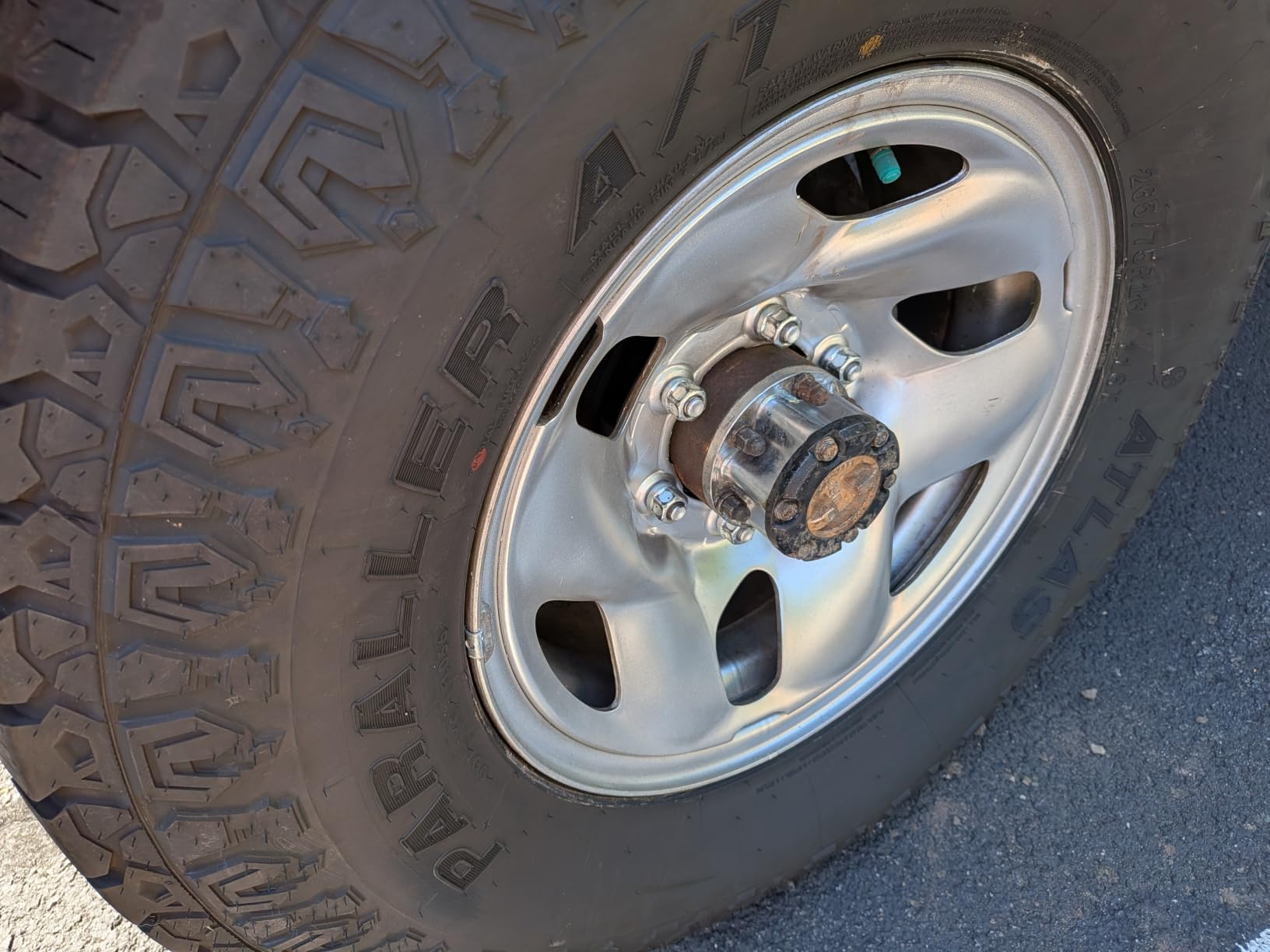
Because the studs are M12x1.5, your factory lug nuts still fit, so there is no need to buy extended nuts unless your wheel has a very shallow lug seat. That saves a step compared with many 1 inch kits on the market, where the extended hardware is an extra thing to get right.
The 7 percent one-star share is mostly install technique and hub lip expectations rather than broken parts. Owners who skipped proper torque and centering report vibration. If you order a thread locker from the box and follow a star pattern on a torque wrench, that complaint largely disappears.
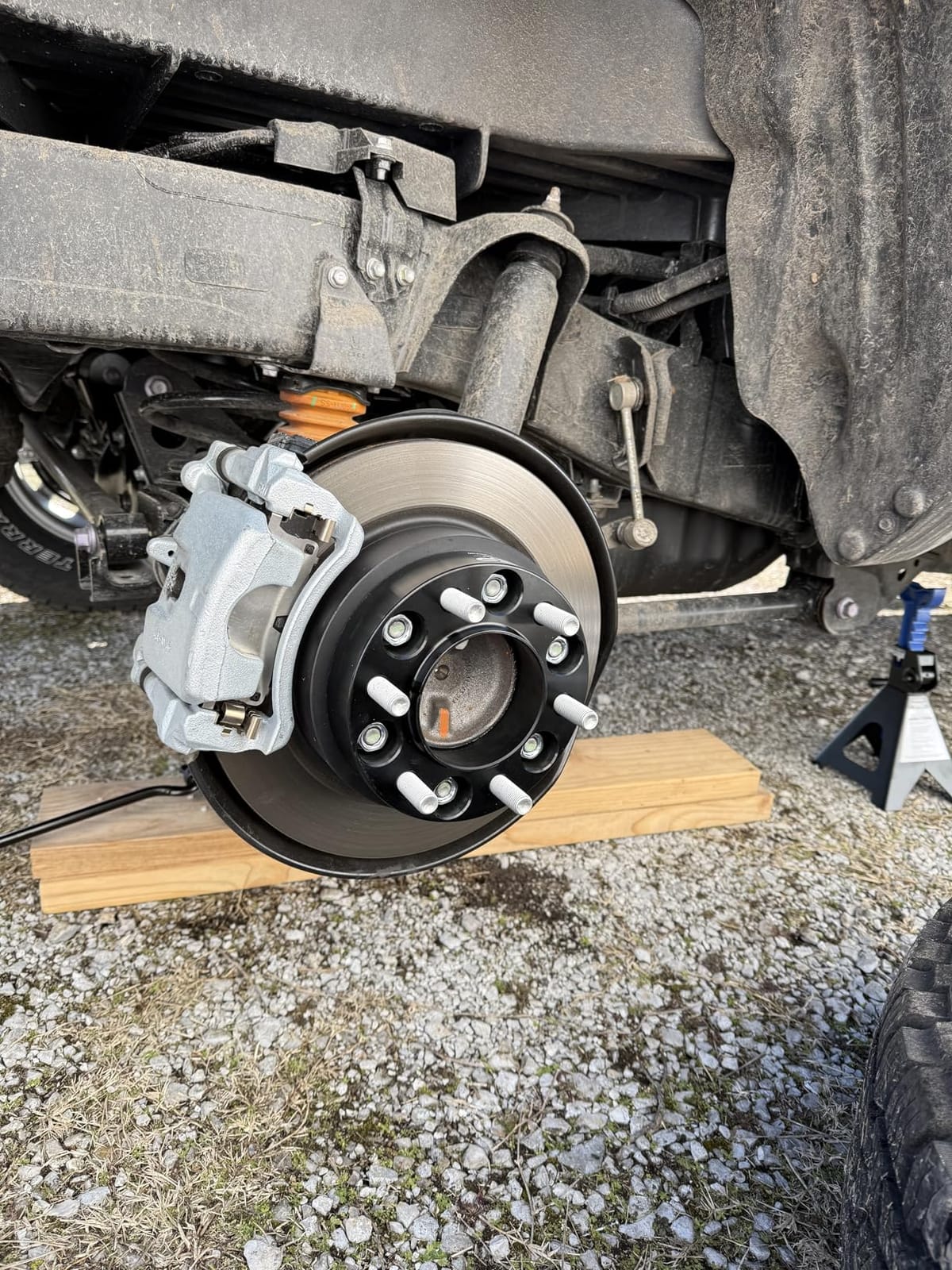
Why this is the right pick for a Tacoma or 4Runner
The bolt pattern and thread pitch match what comes under the fender on those trucks, and the M12x1.5 setup keeps your existing lug nuts in play. For someone who wants the aggressive stance without a hubcentric precision lip, it is a straightforward, well-supported choice with a fitment list long enough to cover most older Toyotas.
It is also one of the easiest to handle. The set is not heavy enough to fight at the front corners, so one person can get all four corners done in a single sitting. That matters if you do not have a second pair of hands or a lift.
When you should buy something else
If tire rub is severe or you are running 33-inch or larger tires, one inch may not be enough to clear, and two inch hubcentric options exist for the same platforms. The other limit is the lugcentric design: if you notice any shimmy at highway speed, that is the design talking, not the hardware, and a hubcentric kit is the fix.
Also note this is not a dually or 8-lug part. If you tow a heavy trailer with a 6×5.5 Toyota and want the load rating of a heavier spacer, look at the SCITOO 8×180 or KSP 8×6.5 sets instead.
3. SCITOO 4-Piece 8×180 Wheel Spacers with 124.1mm Hubcentric Bore
SCITOO 4Pcs 8×180 Wheel Spacers 1″ Bore 124.1mm Studs 14×1.5 Fit for GMC Sierra 2500 HD Sierra 3500 HD for Chevrolet Silverado 2500 Silverado 2500 HD Silverado 3500 Silverado 3500 HD
Hot-forged aluminum
124.1mm hubcentric bore
1 inch thickness
ISO/DIN 10.175 studs
Pros
- Hot-forged aluminum gives a better strength-to-weight ratio than cast
- Hubcentric 124.1mm bore centers the wheel and cuts vibration
- Wide 8x180 coverage across 2011-2022 GMC and Chevrolet HD trucks
- Forged hardened studs with knurled edges for grip
- Installs in minutes with clean machining
Cons
- Some variants in the range are not hubcentric so centering varies by bolt pattern
- Longer studs can need trimming on some factory wheels
- A minority report center bore paint needing a light clean
If you run a heavy-duty truck with the 8×180 pattern, this is the one to look at first. It is a hot-forged aircraft-grade aluminum body with heat-treated hardened ISO/DIN 10.175 studs, and at 4.3 stars across 1289 reviews it holds up with a solid middle of the pack at 73 percent five-star.
Coverage is 2011 to 2022 GMC Sierra 2500 and 3500 HD, Chevrolet Silverado 2500 from 2011 to 2018, 2500 HD from 2011 to 2022, 3500 from 2011 to 2013 and 2015 to 2018, and 3500 HD from 2019 to 2022. Owners on these trucks say the forged studs and hubcentric bore do exactly what they should, and many mention the clearance gained for 35-series tires.
Knurled stud edges are a small detail that matters on an 8-lug install. You have eight nuts per corner going on by hand, and knurling keeps them from spinning. At 17.73 pounds for four spacers plus hardware, this is still a manageable lift with the rear wheels off.
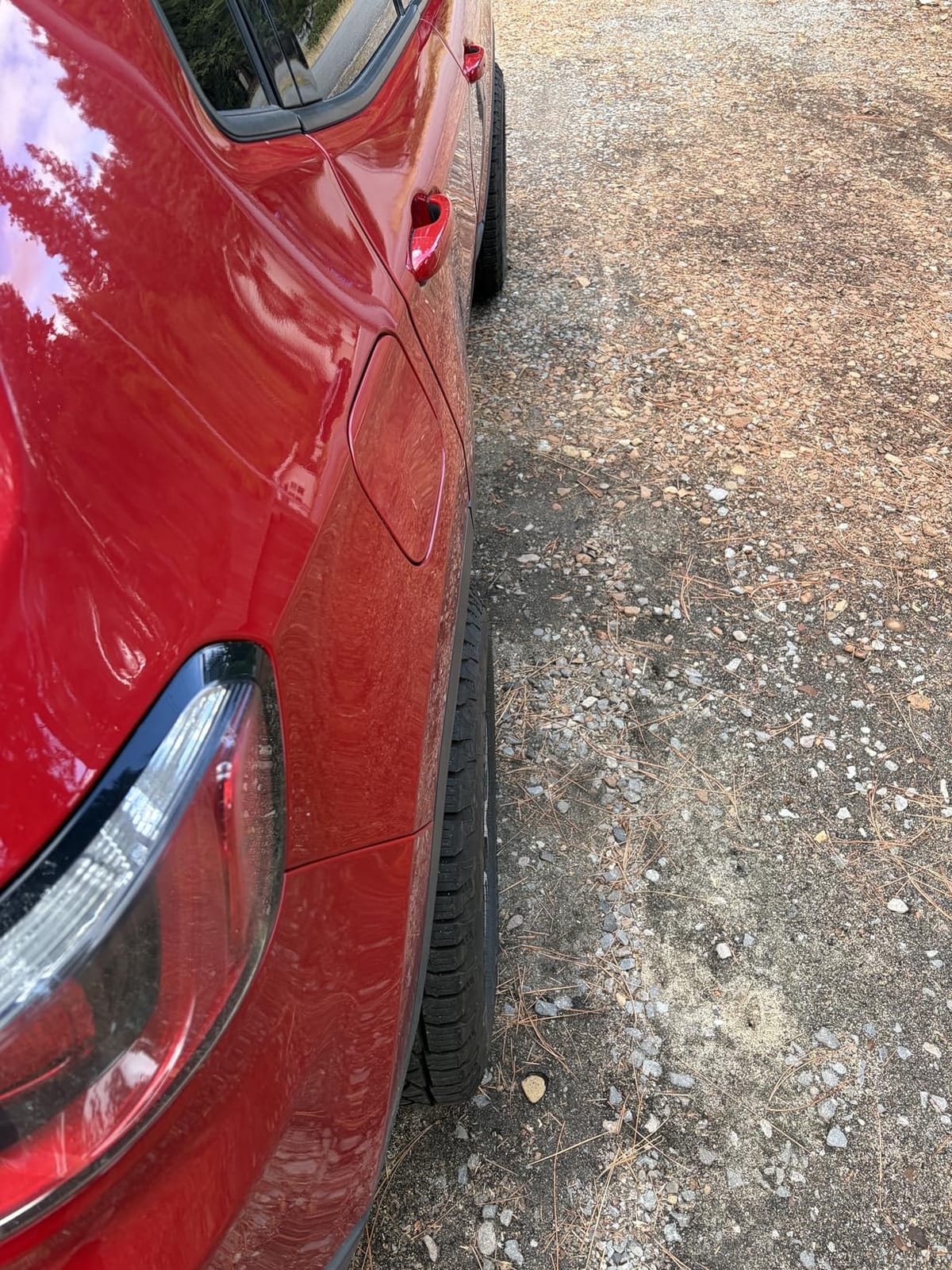
At one inch thick with a 124.1mm center bore and 14×1.5 thread pitch, this fits a lot of factory wheel and tire combinations without stud trimming, which is the number one installation complaint on heavy trucks. That saves you from the awkward half-measure of cutting studs to length before they mount.
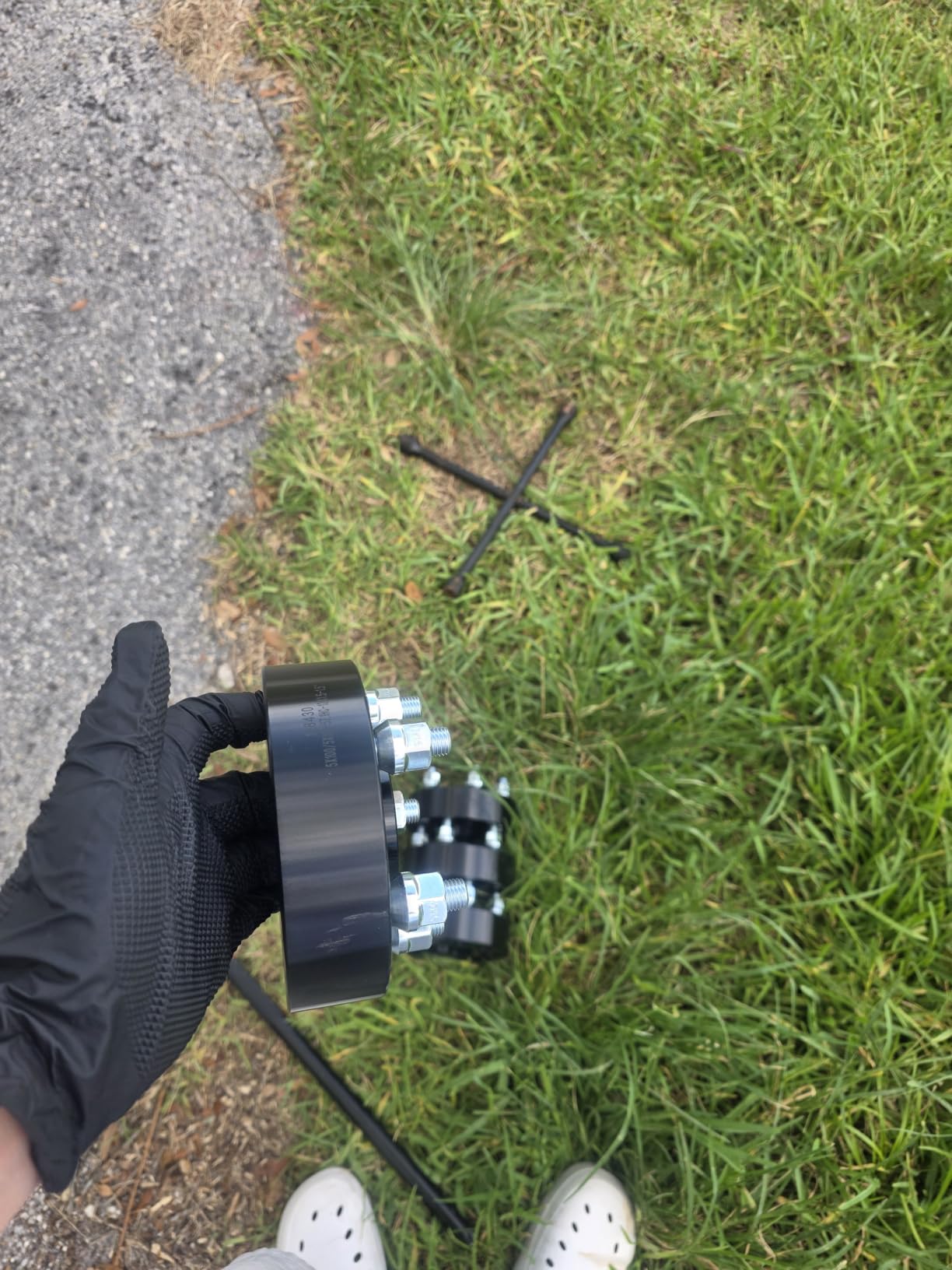
The lower end of the reviews flags fitment nuance rather than build quality. With a very large variant range in this listing family, mismatched hub bore sizing, paint in the center bore, and non-centric variants come up. Verify your exact year and bolt pattern in the garage before the box arrives.
Why this suits a heavy-duty work truck
The hubcentric 124.1mm bore is the deciding factor on an HD truck carrying payload. A centering lip means the wheel is located by the hub instead of by stud friction, which is what keeps a loaded truck from developing a shimmy on the highway at highway speeds with a tall tire.
The forged body also holds its threads better than a cast ring under repeated impact loads, and the ISO/DIN 10.175 studs are pressed in rather than threaded through the aluminum, so there is no thread strip risk in the spacer itself.
When it is not the right part
If your truck runs 8×6.5 rather than 8×180, this is the wrong bolt pattern entirely, and the FLYCLE 8×6.5 kit covers those older Ram and Ford E-Series applications. If your studs are a different pitch than 14×1.5, verify before ordering, since 8×6.5 trucks frequently run a coarser thread.
Also expect to re-torque. HD trucks see more load cycling on the wheel studs, and a check after 50 to 100 miles plus one more at 1000 miles keeps the joint honest.
4. KSP 2 inch 8×6.5 Wheel Spacers for 2013+ Ram 2500 and 3500
KSP 2inch 8×6.5 Wheel Spacers for 2013+ Ram 2500 3500, 8 Lug Forged Spacer
2 inch 50.8mm thickness
126.15mm hub bore
M14x1.5 studs
6061-T6 aluminum, black anodized
Pros
- Hubcentric design centers the wheel so there is no vibration after install
- Heat-treated 10.9 grade bolts and black anodized finish resist corrosion
- Owners report no loosening or vibration after thousands of miles
- Fixes brake caliper clearance and tucked look on 8-lug trucks
- Thread locker and hardware included
Cons
- Packaged as a 2-piece pair so you need two sets for all four
- Studs may need trimming on some factory setups
This is the big-stance pick for modern Ram HD owners, and at 4.6 stars across 910 reviews it sits near the top of the ratings table. Owners of Ram, Silverado, and Silverado HD trucks report a bolt-on fit, no vibration over bumps, and a noticeably more aggressive stance.
Two inches per corner is a serious track width change. It fits 2013 and newer Ram 2500 and 3500, 2012 and newer Ram 3500, plus Chevrolet C/K 2500 to 3500 from 1988 to 2014, Express, Silverado 1500 HD, GMC Sierra HD, Savana, and the Nissan NV trucks.
The construction is 6061-T6 aluminum with a black anodized finish and heat-treated 10.9 grade geomet bolts, with a recommended torque of 85 to 95 ft-lbs and thread locker included. Owners commonly mention that replaceable studs are a plus, since a pressed-in stud can be swapped rather than replacing the whole spacer.
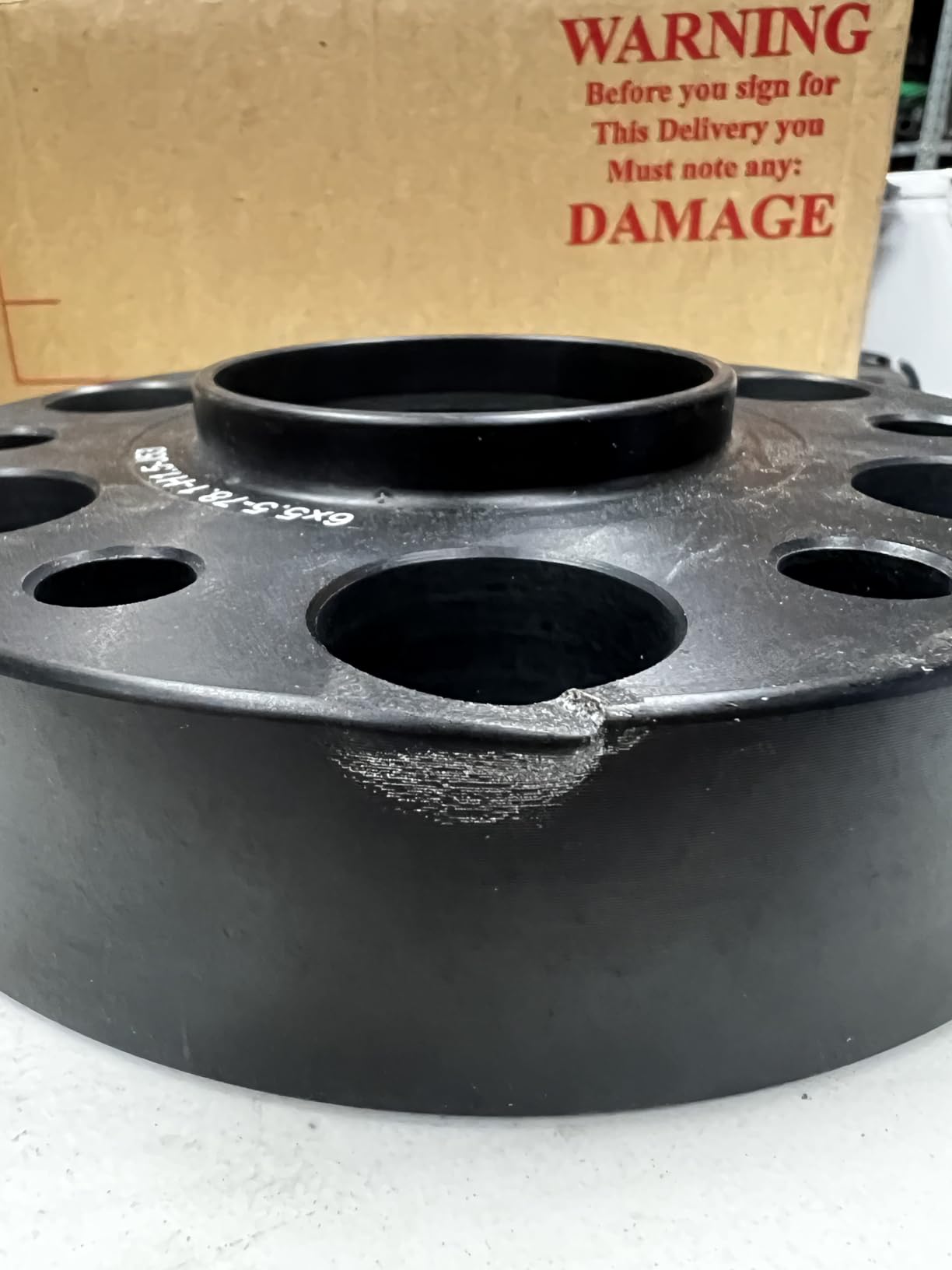
The hubcentric design is what keeps this from vibrating. The spacer carries the wheel on a locating lip rather than letting it clamp against the studs, and several reviewers specifically call out that the vibration that plagued their previous lugcentric spacers simply was not there after this install.
Quality feedback skews positive in a way that matches the rating. At 82 percent five-star and 5 percent one-star, most of the negative feedback is about packaging rather than the part itself.
Why this works for a stance build on a Ram HD
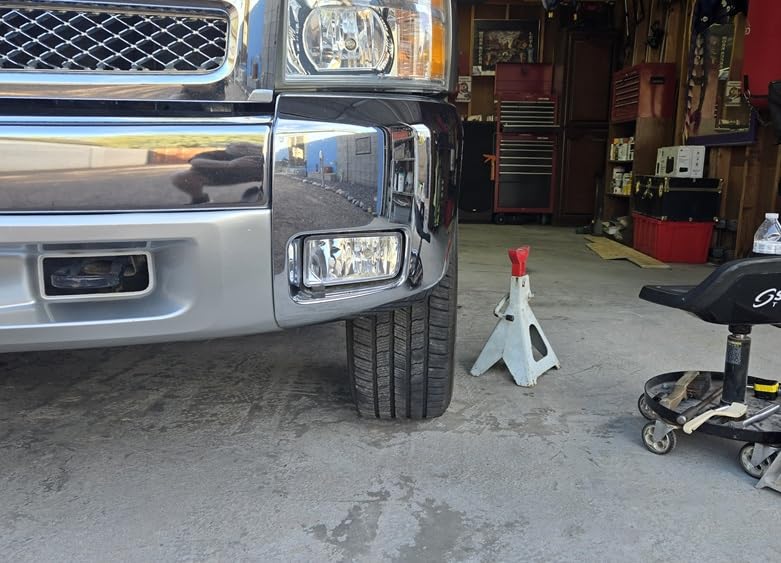
Two inches solves clearance problems that one inch cannot. If your factory wheel and tire combination is rubbing the brake caliper at full lock or the fender at ride height, this is the jump that opens it up without needing a different wheel offset.
Black anodized 6061-T6 also hides brake dust well, which is a practical advantage on a truck that gets muddy. If you tow regularly, check that your total width stays inside your fender flare at full compression, because 4 inches across the truck is not a small change.
When to pick a different option
Read the quantity carefully. This configuration is a 2-piece set, so you need two of them for a full truck, and that confusion is the single most repeated complaint in the reviews. Same story with the Rough Country 2 inch kit and the FLYCLE 8×6.5 kit further down.
If you want a subtler correction, one inch is plenty for most leveling kits. If you are on a dually or run a 5-lug half-ton, this bolt pattern is not your truck.
5. KSP 6×135 Hubcentric 1.5 inch Wheel Spacers for 2015-2026 F150
KSP 6×135 to 6×135 Wheel Spacers for F150, 1.5in 38mm Hubcentric 6 Lug Wheel Adapters for 2015-2026 F150 Expedition,Navigator with M14x1.5 Studs and 87.1mm Hub Bore, 4pcs Black
1.5 inch 38mm thickness
87.1mm hubcentric bore
M14x1.5 studs
Black anodized forged 6061-T6
Pros
- Forged 6061-T6 aluminum is stronger and more corrosion resistant than cast
- Hubcentric 87.1mm bore with lip keeps the wheel centered and vibration-free
- Heat-treated 10.9 grade geomet bolts with thread locker
- Laser engraving makes sizing and part numbers easy to identify
- Includes 24 open-end lug nuts and an instruction manual
Cons
- Does not fit pre-2015 F150 models that use M14x2.0 studs
- Not compatible with dually setups
- 19.52 lb kit weight is on the heavy side
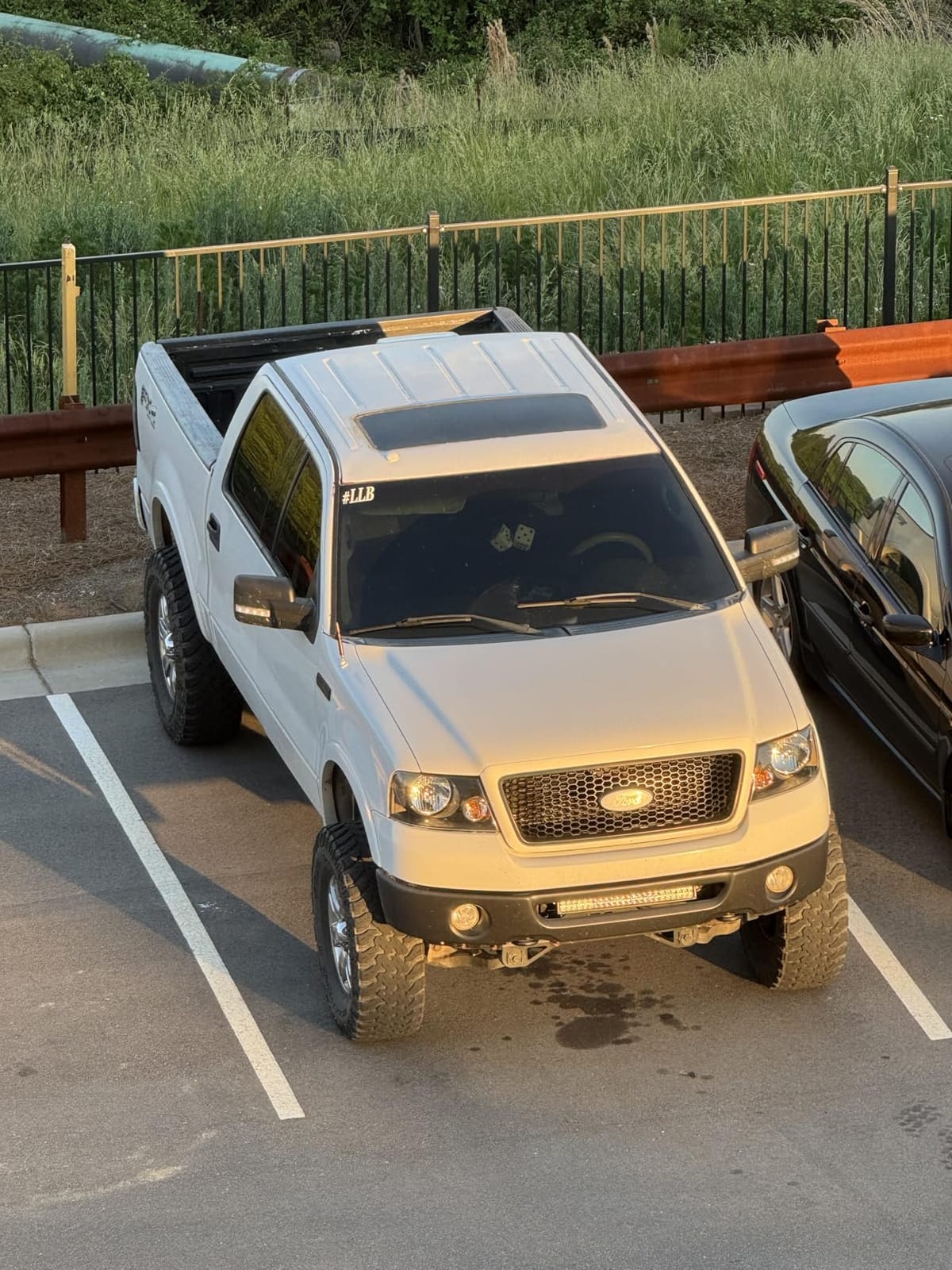
For a current-generation F150, this is the kit we would put on a truck. It is forged 6061-T6 aluminum, CNC machined, black anodized, and rated 4.5 stars across 997 reviews with 82 percent five-star. Owners on 2015 and newer trucks consistently report correct fit and clean centering.
The hubcentric 87.1mm bore with a lip is the feature that matters most on a Ford, because it keeps the wheel located on the hub and holds it vibration-free once torqued. Recommended torque is 85 to 95 ft-lbs, and heat-treated 10.9 grade geomet bolts come with thread locker.
At 1.5 inches per corner it is a middle-ground thickness. It clears the caliper and stops fender rub on a leveled truck without pushing the front wheels as wide as a 2 inch spacer would.
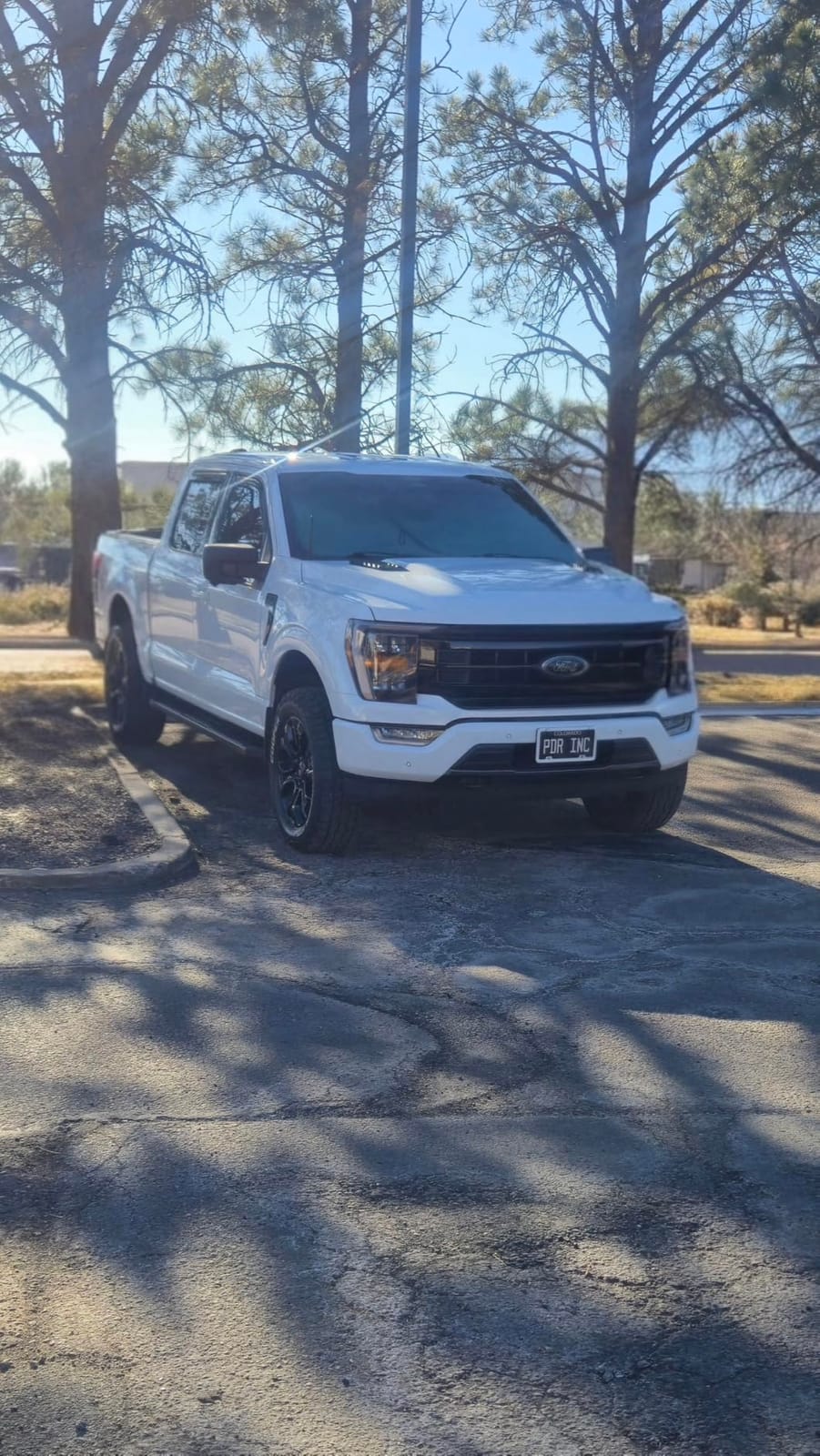
Kits like this that include 24 open-end lug nuts are easier to live with than the ones that do not. The extended nuts match the new stud length so the wheel seats properly, and open-end nuts are faster on and off than the closed-end variety, which matters when you are torquing 20 of them.
Laser engraving on the spacer body is a small quality signal. Being able to read the size and part number off the metal instead of guessing from the box saves a trip to the garage when you have four nearly identical rings in your hands.
Why F150 owners pick this one
Pre-2015 trucks use M14x2.0 studs and current trucks use M14x1.5, and mixing them up is the number one reason these kits get returned. Once you match the pitch, this spacer goes on cleanly and does what a Ford owner wants: fixed clearance, a flush stance, and no highway vibration.
For anyone who spends time on the trail rather than just in the parking lot, we also suggest pairing a proper wheel and tire choice with the right kind of trail accessories. Our 8 best wheel chocks tested picks for trailers and RVs guide is worth a look if you tow to the trailhead.
When it does not fit
If you own a pre-2015 F150, stop here and read the dynofit 6×135 M14x2.0 kit later in this roundup. It exists specifically for that generation. Dually owners should also look elsewhere, since this kit is not designed for dual rear wheel setups.
The 19.52 pound weight is the other limitation. Plan on a two-person install at the front corners, or drop the front wheel on the ground after loosening the lug nuts so you are not supporting the full weight of the corner.
6. dynofit 2 inch 6×5.5 Wheel Spacers for Silverado, Sierra, and Ram 1500
dynofit 2in 6×5.5 Wheel Spacers for 1999-2026 Silverado Siera1500 Yukon | 2019-2026 Ram 1500, Forged Aluminum Spacers Set Kit Compatible with Chevrolet GMC Cadillac M14x1.5 Stud 108mm Center Bore
2 inch 50.8mm thickness
108mm hub bore
M14x1.5 thread pitch
Forged anodized 6061-T6 aluminum
Pros
- Forged 6061-T6 aluminum outlasts cheaper cast spacers
- Covers an extremely broad range of Chevrolet GMC and Cadillac trucks and SUVs
- Cleans up tire rub on the upper control arms with 35-series tires
- CNC machining and pre-shipment inspection give consistent quality
- No stud trimming needed on many factory wheel setups
Cons
- Center bore paint can make the wheel sit tight on first fit
- Some orders in this range contain only 2 spacers
- Requires re-torquing after 50 to 100 miles
This is the broadest-ranging 2 inch spacer in the roundup. It holds a 4.6 rating across 783 reviews with 80 percent five-star, and owners report it holding up through months of commuting, towing, and off-road driving. Several mention buying this brand repeatedly across vehicles.
The fitment list covers 1999 to 2026 Silverado 1500, 2001 to 2026 Tahoe, 2023 to 2026 Colorado, 1999 to 2026 Sierra 1500, 1991 to 2026 Yukon, 2019 to 2026 Ram 1500, 1999 to 2026 Escalade, and several older body styles. That reach is unusual for a spacer and it is the reason this one keeps showing up in truck forums as a repeat purchase.
Body is forged 6061-T6 aluminum with a black anodized finish, CNC machined, with SGS test approved higher-hardness corrosion-resistant bolts. The bolts and the re-torque recommendation in the instructions are both part of the package, which is more guidance than most kits of this type provide.
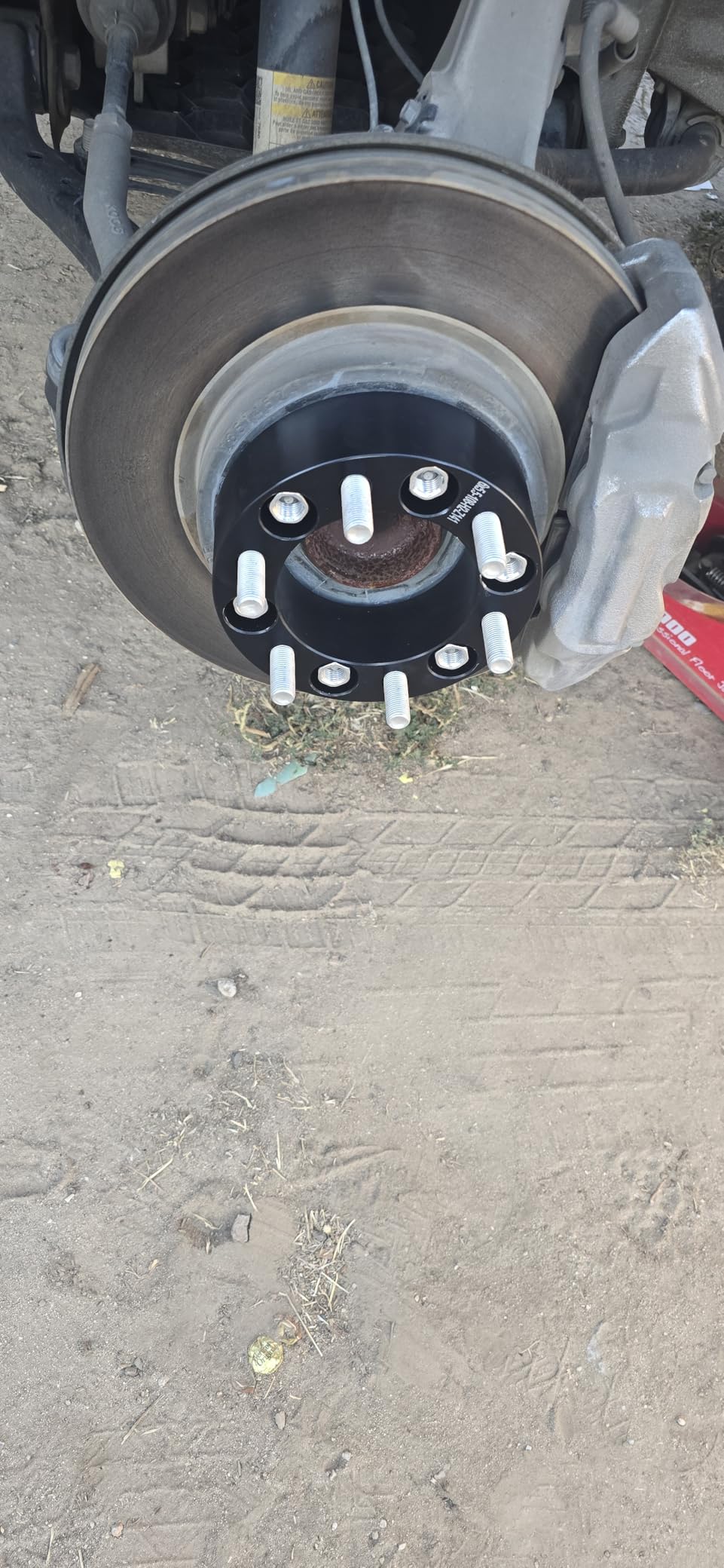
Fitment is described as perfect with no stud trimming on factory wheels, which is the single biggest time saver in an install. CNC machining and pre-shipment inspection also mean the bore is consistent, so the wheel finds center without fighting it.
The recurring minor issue is paint in the center bore. A light sand with 120 or 180 grit on the mating surface takes about a minute and removes the tight-fit-on-first-try complaint that shows up in a handful of reviews.
Why this is the one for clearing tire rub on a half-ton
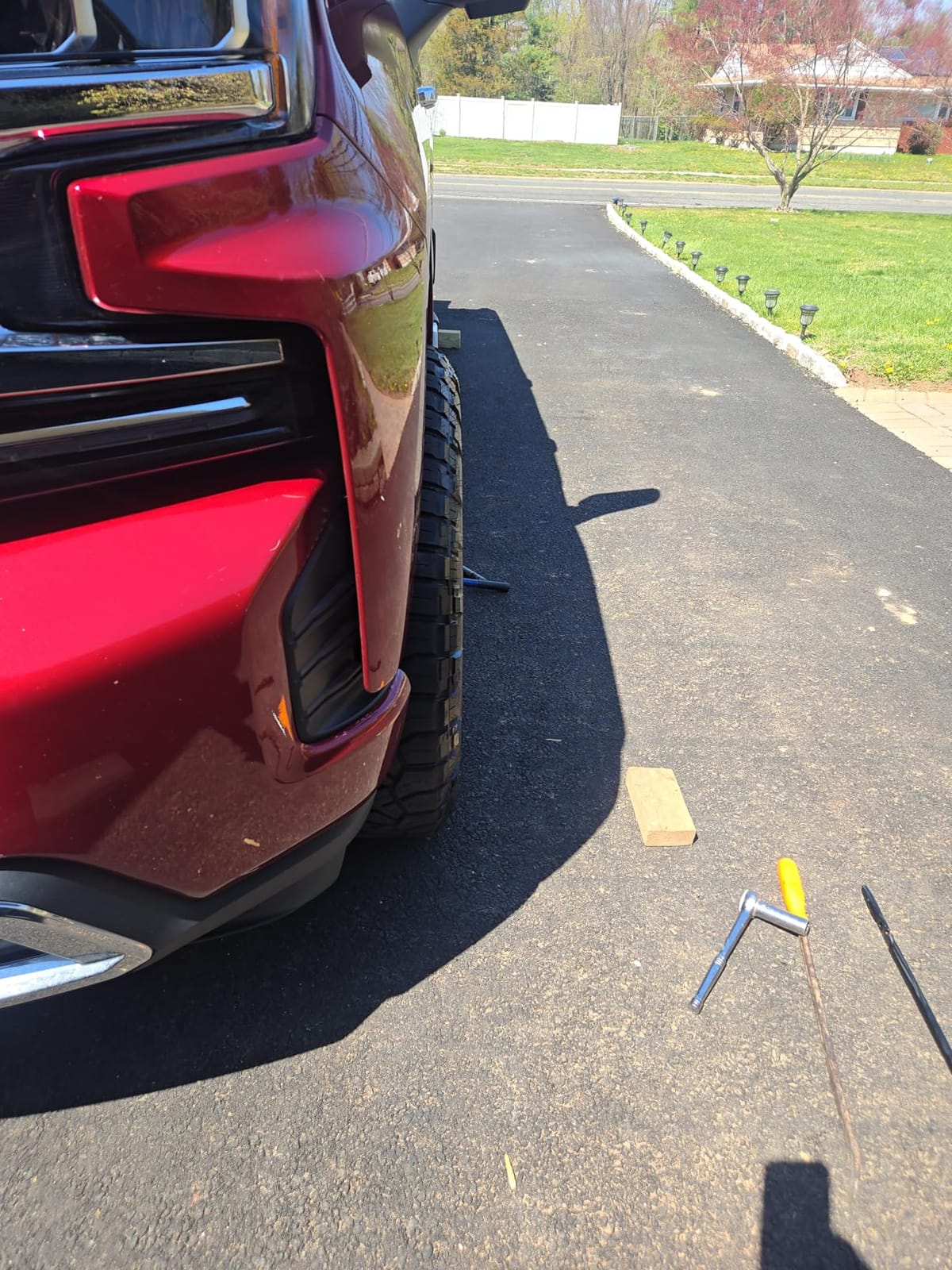
Two inches per corner on a 6×5.5 half-ton is the amount that reliably clears a 35-series tire on the upper control arms. Owners running those tires report the rub disappears, which is a cheaper fix than swapping to a lower-profile wheel.
For a truck that doubles as a tow vehicle, the combination of forged construction, SGS approved hardware, and a broad fitment list across both Chevrolet and Ram platforms makes this a straightforward one-kit solution for a lot of builds.
When to choose something else
Two inches is aggressive. If you want a subtle correction on a mildly leveled truck, one inch will do the same job with less change to steering feel and less chance of rubbing the front tires at full steering lock on some suspensions.
Verify the quantity in your order before you start. A small number of orders in this range arrived with only 2 of the 4 spacers, so open the box and count before the truck goes back together.
7. Rough Country 2 inch Wheel Spacers for Chevy and GMC 1500
Rough Country 2″ Wheel Spacer (fits) 88-20 Chevy Silverado GMC Sierra 1500 | 92-20 Tahoe | Yukon Suburban | 6×5.5 | 1101,Aluminum
2 inch thickness
6x139.7mm bolt pattern
3.08 in bore with centering collar
M14x1.5 thread pitch
Pros
- Centering collar keeps the wheel properly located and safe
- Precision-machined 6061-T6 aluminum holds up under aggressive off-road use
- Preinstalled studs make install a straightforward job at all four corners
- Backed by Rough Country limited lifetime warranty
- Effective for matching front and rear wheel offset on lifted trucks
Cons
- Packaged as a pair so two sets are needed for a full truck
- Can rub at full steering lock on some wheel and tire setups
Rough Country earns its place in this roundup on two things: a 4.7 rating across 754 reviews with 84 percent five-star, and a limited lifetime replacement warranty that few competitors in this category offer. Owners report a tight fit, the exact muscle-truck look they wanted, and stud durability even after jumping off-road.
The centering collar is what makes this a strong pick for a truck that gets driven hard. Rather than relying on stud friction to locate the wheel, the collar extends the hub so the wheel indexes against a machined surface. Buyers consistently credit that with an absence of vibration.
It fits 1988 to 2020 Chevrolet Silverado and GMC Sierra 1500, 1992 to 2020 Tahoe, Yukon, and Suburban, on the 6×5.5 bolt pattern with a 3.08 inch center bore and M14x1.5 threads. No drilling is required.
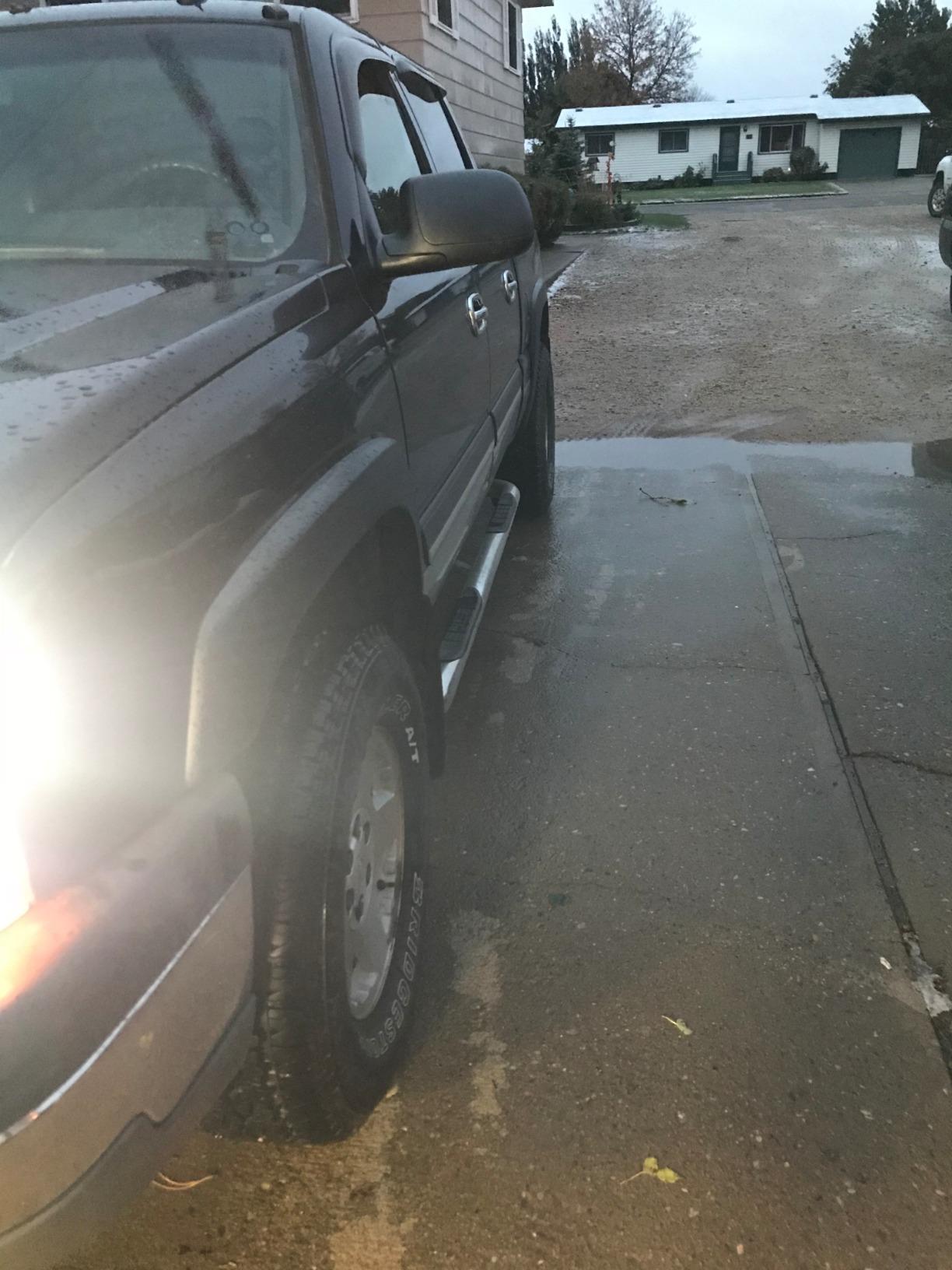
Preinstalled wheel studs make this one of the faster installs in the group. There is no pressing operation to complete before the spacer goes on, and owners describe the whole corner as a straightforward bolt-on job with the hardware already in place.
Several multi-year owners report zero problems with theirs. For an off-road truck that sees rocks, ruts, and hard landings, that durability record is the reason many people in the truck communities treat this brand as the default when a warranty matters.
Why this suits a built truck
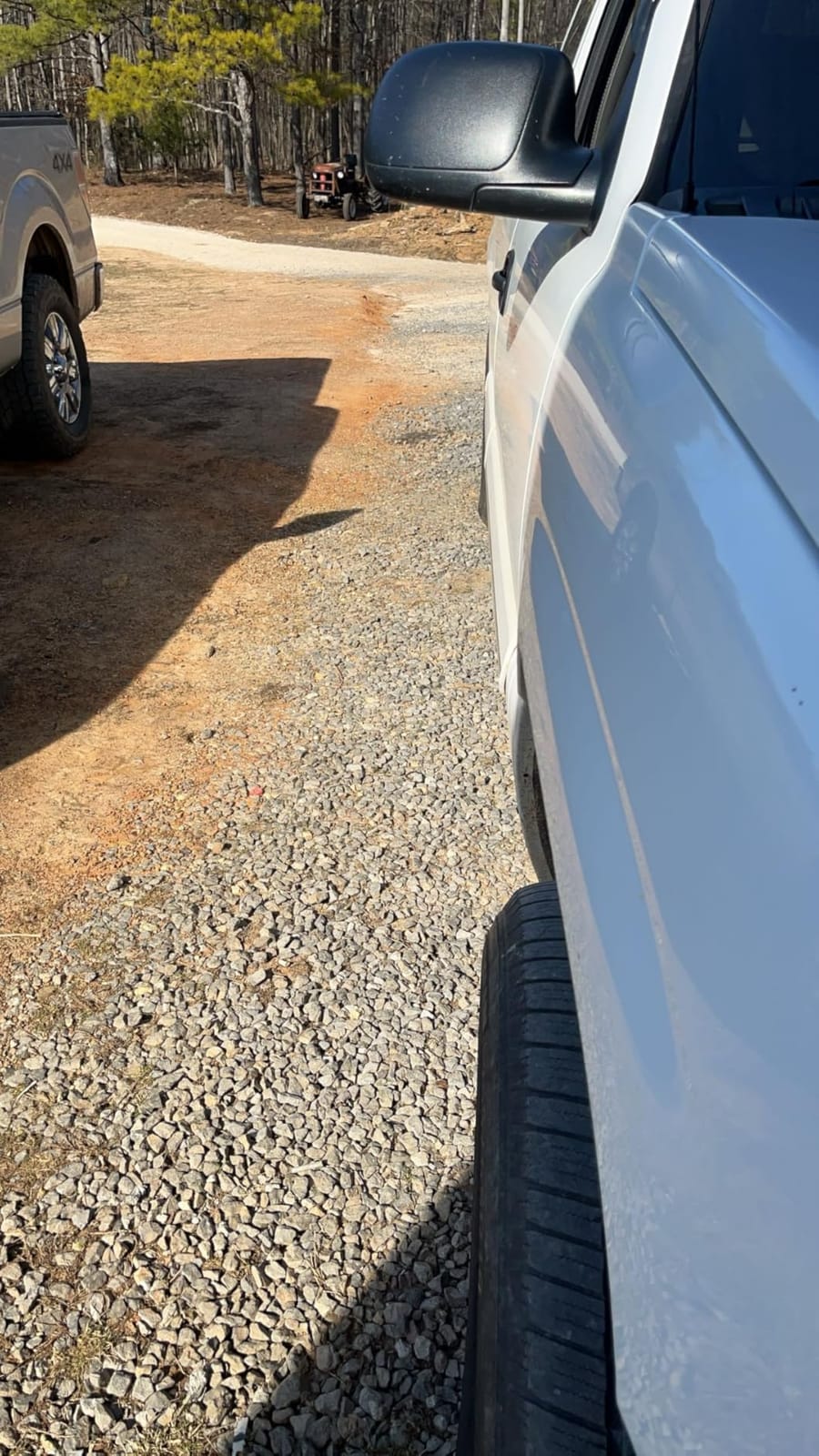
Matching front and rear wheel offset on a lifted truck is what this spacer is built for. When the front sits tucked under the fender and the rear looks aggressive, an outer position spacer on the front equalizes the stance and pushes the tire outboard of the caliper.
The limited lifetime replacement warranty is the differentiator. If a spacer cracks from a rock strike, that is covered, which is a real consideration on a trail truck that sees more abuse than a daily driver.
When to look elsewhere
The most important thing to know before buying: this is a pair, not a set of four. Most complaints on this product are simply surprise about quantity, so plan on ordering two kits for a complete truck.
A few buyers mention rubbing when turning with aftermarket wheel and tire combos. That is a steering lock clearance issue rather than a defect, and it is usually solved by a slightly shorter spacer or a wheel with more offset, not by replacing the part.
8. KAX 1 inch 6×5.5 Lug-Centric Wheel Spacers for Silverado 1500
KAX 6×5.5 Wheel Spacers 1 inch, 6 Lug-Centric Spacer for Silverado 1500
1 inch 25.4mm thickness
108mm hub bore, no lip
M14x1.5 studs
Forged 6061-T6, 12.9 grade hardware
Pros
- Forged 6061-T6 billet aluminum with 12.9 grade hardware for solid durability
- Very broad GM fitment covering Silverado Sierra Tahoe Yukon Suburban and Escalade
- Adds an inch per side to clear larger tires and stop fender rub
- Backed by a 2-year warranty and 30-day return
- CNC machined to tight tolerances with clean workmanship
Cons
- Lugcentric with no hub lip so centering is on the lugs
- Longer studs often mean buying longer lug nuts
- Some buyers report rear hub bore mismatches on certain variants
The KAX kit is a straightforward one inch correction for GM trucks with 12.9 grade hardware, which is a higher stud grade than most of the 6×5.5 kits in this roundup. It holds a 4.3 rating across 571 reviews with 76 percent five-star.
Fitment is broad: 1999 to 2025 Silverado 1500 and Sierra 1500, 1995 to 2024 Tahoe, 1992 to 2025 Yukon, 2000 to 2014 Suburban and Yukon XL, 2015 to 2025 Suburban and Yukon XL, 1988 to 1999 K1500, and 2002 to 2025 Escalade. The body is forged 6061-T6 billet, CNC machined, with a 2-year limited warranty.
Owners report clean workmanship and a noticeably wider stance after 500-plus miles with a re-torque. The set is four pieces at 12.61 pounds, which is on the lighter side for a four-spacer kit and easy to handle solo.
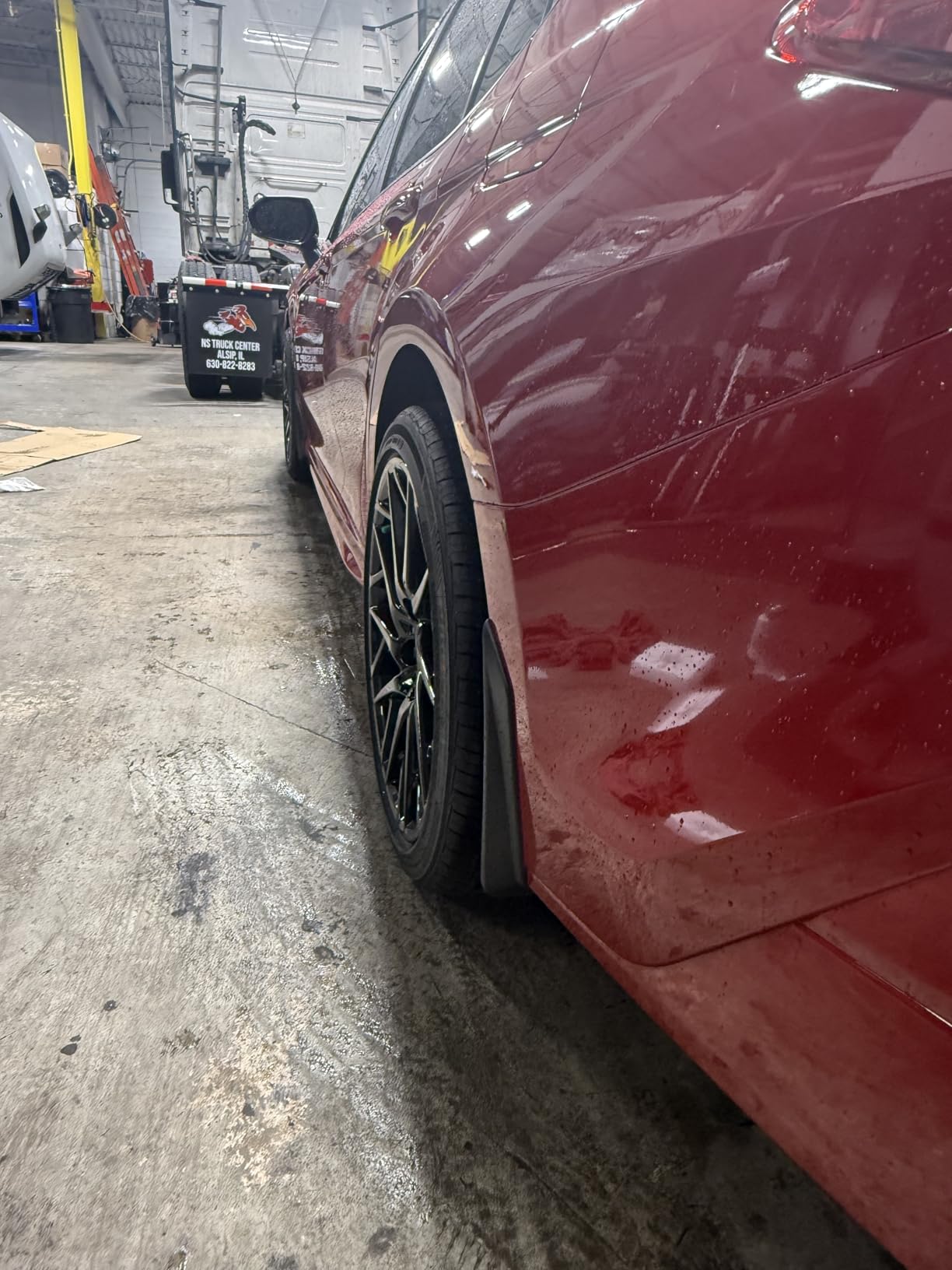
The design is lugcentric with no hub lip, so the wheel centers on the studs. That is fine for most setups, but it is the reason some owners describe the truck as feeling slightly less planted than a hubcentric install. If your wheel has a lot of manufacturing tolerance, that difference is measurable.
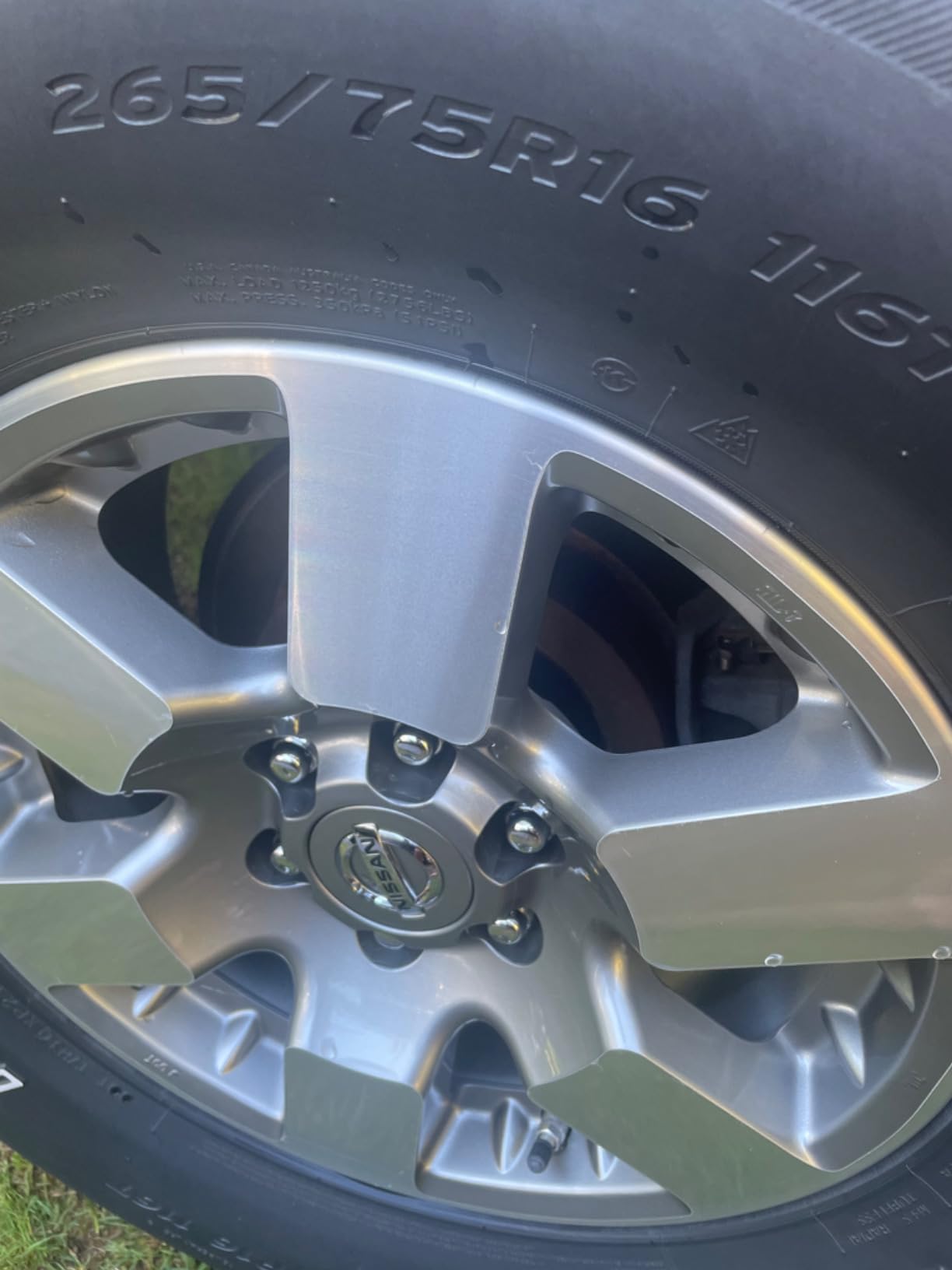
The practical note that comes up most: the supplied studs run longer than factory, so longer lug nuts are needed for the wheel to seat and look right. Budget for a set of extended nuts, and check that your wheel has enough lug seat depth before you order.
Why this works for a GM daily driver
One inch is the conservative sweet spot for an unmodified or mildly leveled GM truck. It adds 2 inches across the vehicle, which usually stops a small rub on the fender without changing steering feel or requiring wheel alignment changes at a meaningful level.
The 12.9 grade hardware is the quiet strength here. On a daily-driven truck that also sees highway miles, higher-grade studs have more margin before they deform, and the CNC machined bore keeps the wheel face consistent across all four corners.
When to choose a hubcentric design instead
Skip this if you drive long highway stretches at speed and are sensitive to vibration. A lugcentric spacer relies on clamping friction rather than a machined lip to locate the wheel, and that is where most post-install shimmy complaints originate.
Also verify the rear bore before ordering. One-star reviews cluster around specific variants where the rear hub bore does not match, so confirm your bolt pattern and hub bore for every axle rather than assuming front and rear are identical.
9. dynofit 2 inch 6×135 Hubcentric Wheel Spacers for 2004-2014 F150
dynofit 2inch 6×135 Wheel Spacers for 2004-2014 Ford F150, 87.1mm HubCentric, M14x2.0 Thread Tire Spacers for 2003-2014 Expedition/Lincoln Navigator, 2005-2014 Lincoln Mark LT, 4Piece
2 inch 50mm thickness
87.1mm true hubcentric bore
M14x2.0 stud thread
Grade 10.9 Dacromet studs
Pros
- Forged 6061-T6 aluminum resists fracture far better than cast alternatives
- Grade 10.9 Dacromet M14x2.0 studs deform under extreme stress instead of snapping
- True 87.1mm hubcentric bore eliminates wobble and transfers load safely
- Full-length studs give maximum thread engagement to resist loosening
- Adds 2 inches per side for larger tires and caliper clearance
Cons
- Only fits 2004-2014 F150 with M14x2.0 studs
- Not compatible with dually setups
- About 18 lb for the set makes install a two-person job
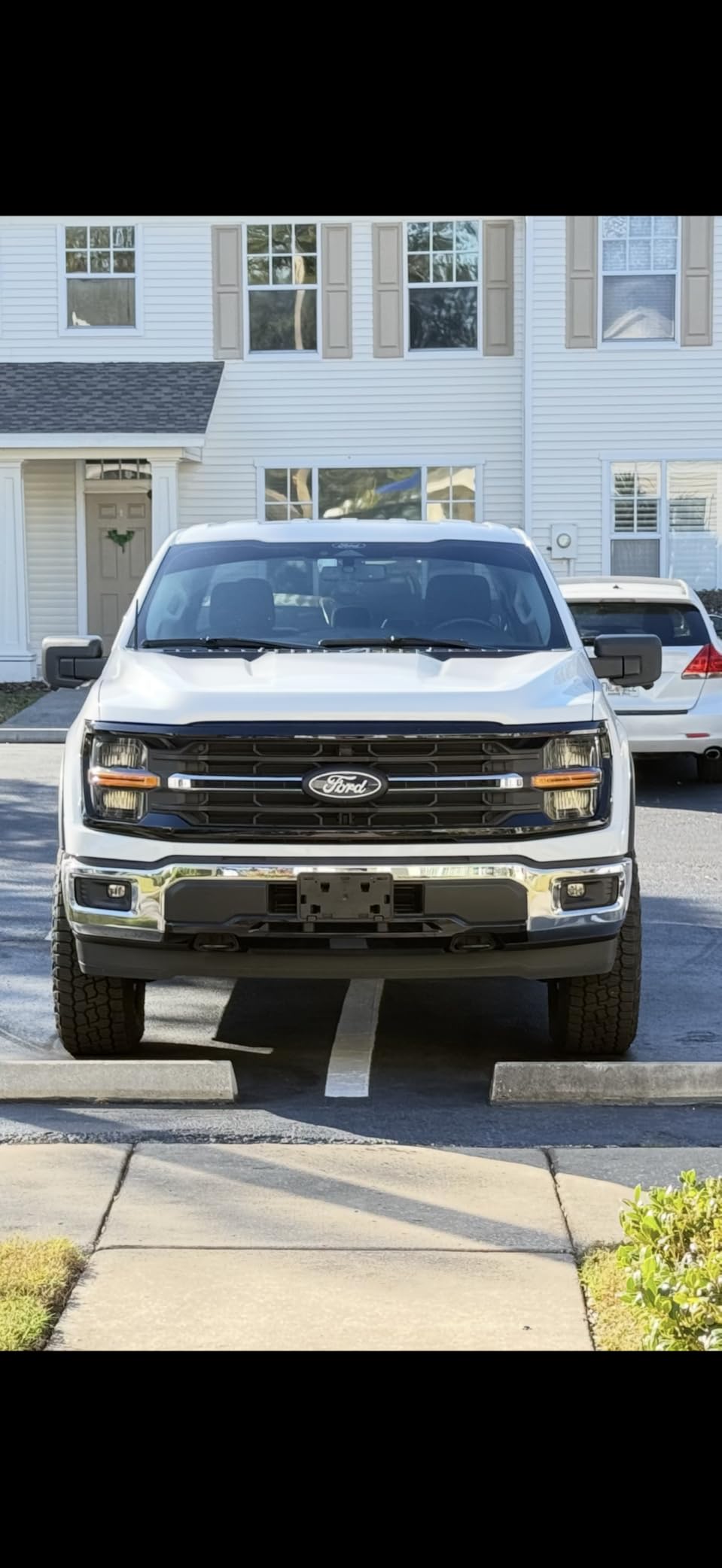
If you own a pre-2015 F150, this is the kit, and it is one of the highest rated products here: 4.7 stars across 460 reviews with 85 percent five-star. F150, Expedition, and Navigator owners report a clean hubcentric install with no vibration and a noticeably wider stance.
It is the M14x2.0 version, which is the whole point. Trucks from 2004 to 2014 use the coarser 2.0 pitch, and buying a 1.5 pitch kit for one of these trucks is the fastest way to a return shipment. The kit fits 2004 to 2014 F150, 2003 to 2014 Expedition, 2005 to 2014 Lincoln Mark LT, and 2003 to 2014 Lincoln Navigator.
The body is forged 6061-T6 aluminum with Grade 10.9 Dacromet studs, and the bore is described as a true 87.1mm hubcentric fit for a vibration-free mount and full stud thread engagement.
Reviewers single out the forged construction and the Dacromet studs as the reason they trust this kit over cheaper cast spacers. Dacromet gives a zinc flake and organic coating layer that resists road salt far better than plain zinc, which is a real advantage through a northern winter.
The full-length studs also matter for safety. Longer studs mean more turns of thread engagement past the spacer face, which is what keeps the wheel from loosening under cornering load on a heavy truck.
Why older F150 owners need this specific kit
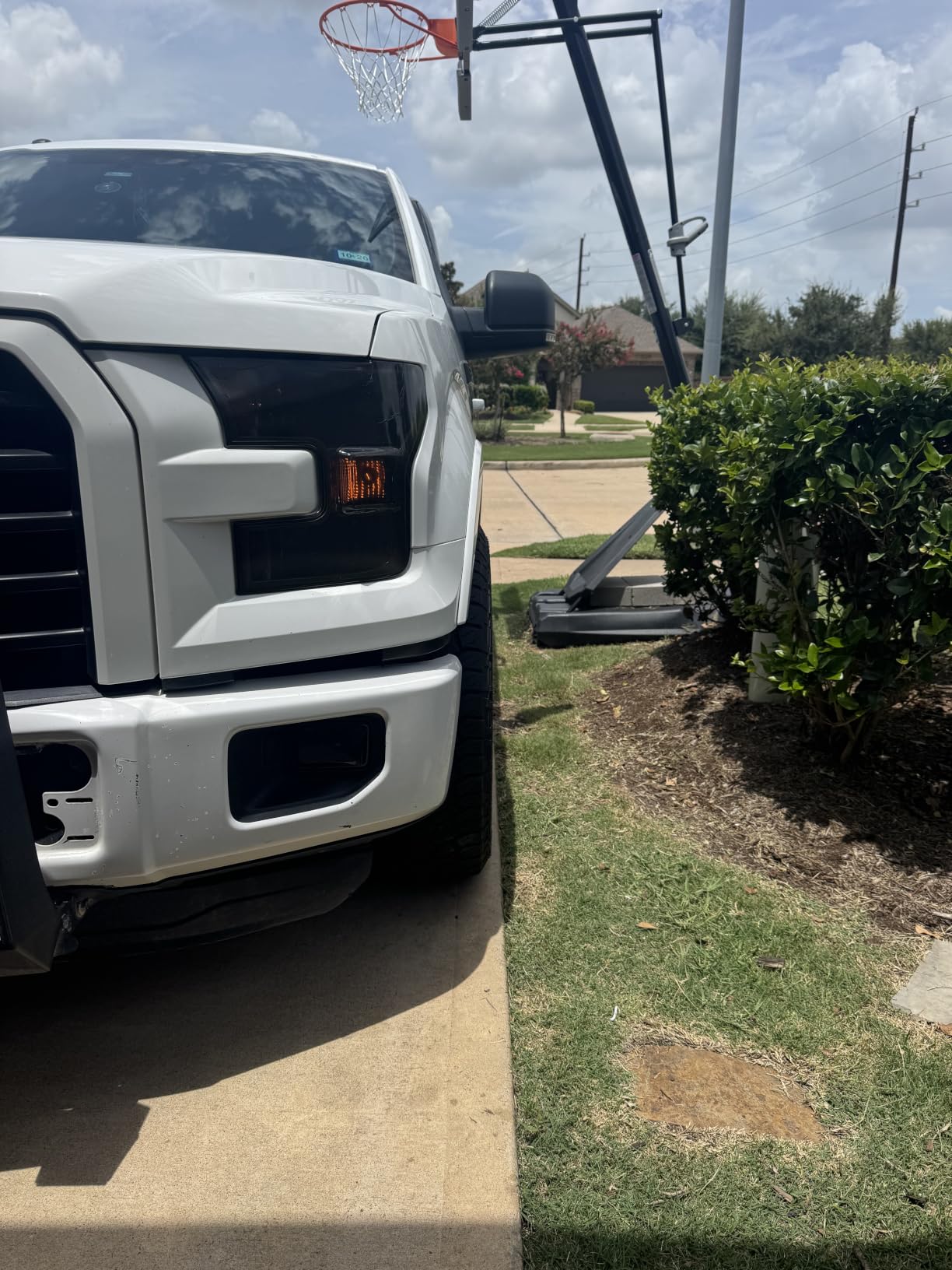
Two inches per corner clears a lot on a 2004 to 2014 F150 running 33 or 35-series tires, and the true hubcentric bore is the difference between a truck that tracks straight and one that develops a shake at highway speed. This is the combination we want on an older Ford that is still being used daily.
It also pairs well with a leveling kit. When a front level adds height and pushes the wheel under the fender, moving it back outboard restores the factory relationship between the tire and the fender lip.
When to look elsewhere
Do not fit this to a 2015 or newer F150, a dually, or a truck with M14x1.5 studs. The thread pitch mismatch means the hardware simply will not fit, and forcing it is how threads get damaged.
At about 18 pounds for the set, plan a two-person install at the front. Dropping the corner onto a stack after loosening the lugs makes the difference between a ten-minute job and a frustrating one.
10. ECCPP 2 inch 6×5.5 Hubcentric Wheel Spacers
ECCPP 2PCS 50mm 2 inch Hubcentric Wheel Spacers 6×5.5 to 6×5.5 6×139.7mm 78.1mm 14×1.5 Studs fit for 1999-2019 for Chevrolet Silverado 1500| 2001-2013 for Chevrolet Suburban 1500
2 inch 50mm thickness
78.1mm inner diameter
14x1.5 studs
CNC machined, 10.9 grade studs
Pros
- Heavy solid feel with 10.9 grade studs rated to 1000MPa tensile strength
- Hubcentric design with centering collar that functions as an extension of the axle hub
- Holding torque at 140 ft-lbs with no thread stripping reported
- Ideal for matching front and rear offset after a lift or spindle lift
- Ride quality unchanged after installation
Cons
- Packaged as a 2-piece pair so two sets are needed for all four wheels
- Factory studs often need trimming for the wheel to sit flush
- One mechanic reviewer reported snapped studs after four months
This is our budget pick and one of the strongest ratios in the roundup: 4.7 stars across 307 reviews with 83 percent five-star and only 1 percent one-star, which is the lowest one-star share of any kit we reviewed. Owners on Silverado and lifted Suburbans report a perfect fit and an easy install.
The design is hubcentric with an additional centering collar that functions as an extension of the axle hub, and that is why buyers report no vibration. Body is CNC machined with 10.9 grade studs rated to 1000MPa tensile strength, at 2 inches thick on a 6×5.5 bolt pattern with a 78.1mm inner diameter.
Fitment covers 1999 to 2019 Silverado 1500, 1999 to 2016 Sierra 1500, 1992 to 2016 Yukon, 2001 to 2013 Suburban 1500, and 2003 to 2016 Express 1500.
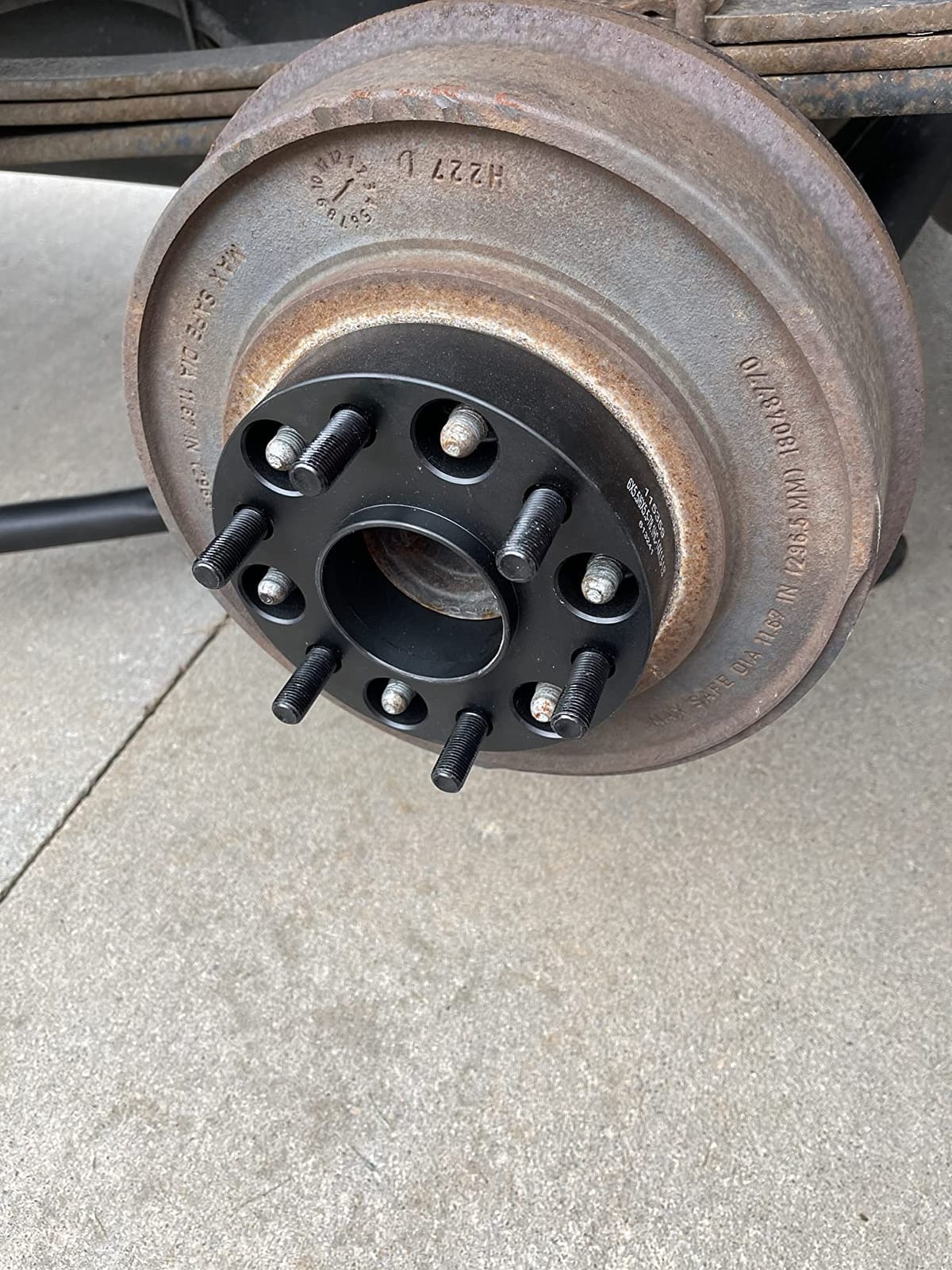
The standout caution in the reviews is stud durability. One licensed mechanic reported snapped studs after four months on their truck, while other buyers report holding 140 ft-lbs with zero complaints. That split is worth knowing about: if you tow heavy or run large tires, spend the extra money on a 12.9 grade kit such as the FLYCLE 8×6.5 or KAX.
Factory studs often need trimming for the wheel to sit flush, so plan on a cutoff wheel and a file before you start. Ten minutes of stud prep is better than discovering the problem with the wheel halfway onto the studs.
Why this works for a value build
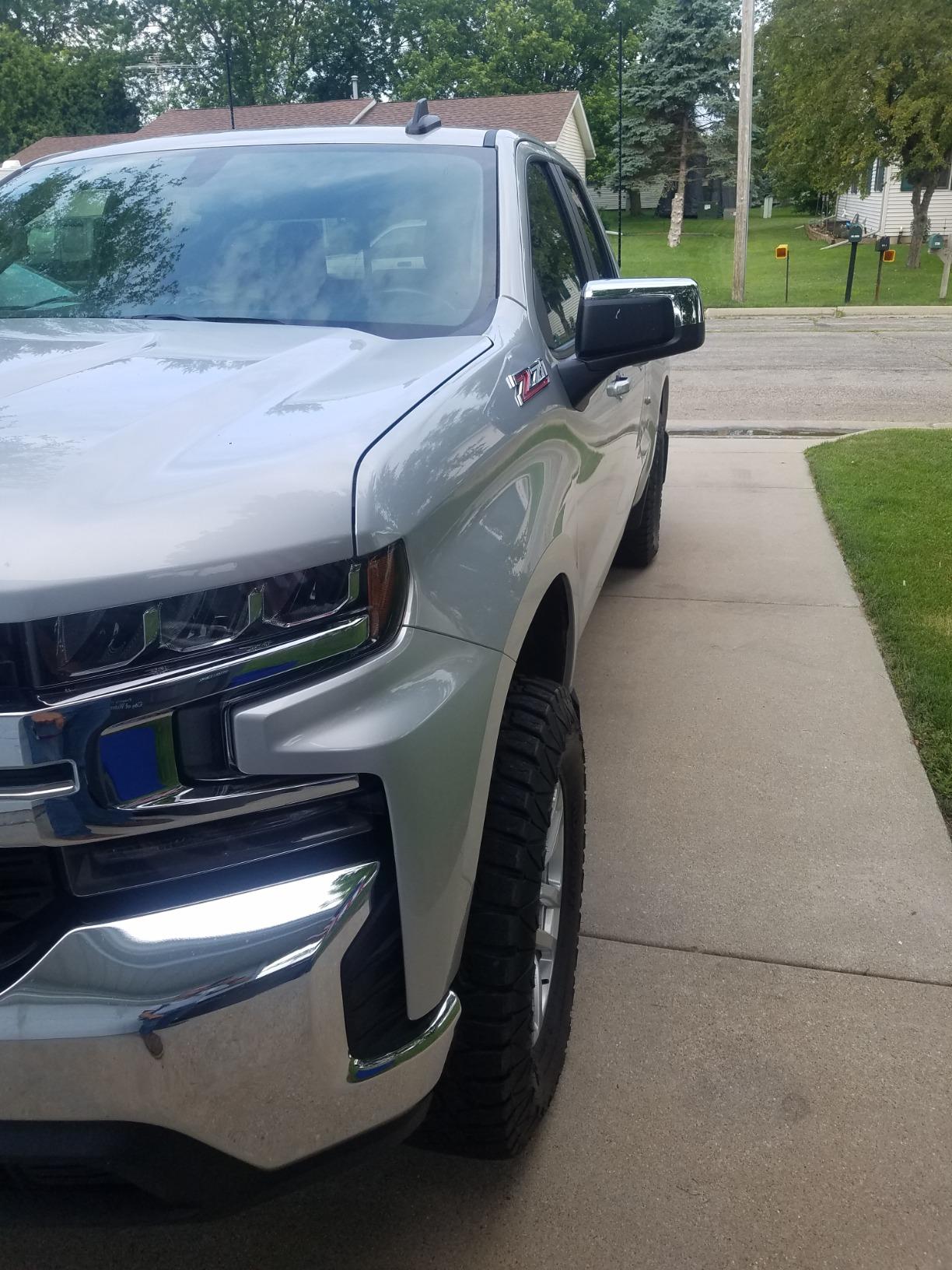
The centering collar is the reason this performs like a part from a higher tier. Many entry-level spacers are pure lugcentric with no lip, and this one indexes the wheel against the hub the same way a much more expensive part does.
Owners also report that ride quality is unchanged after installation, which is what you want from a spacer. The point is to change the wheel position, not the truck’s behavior.
When to choose a different option
Two pieces come in the box, so plan on two sets for all four corners. And if stud failure under load is a scenario you cannot accept, move up to 12.9 grade hardware where it is available in your bolt pattern.
This kit is also 6×5.5 with a 78.1mm bore, so it is not a fit for 6×135, 8×180, or 8×6.5 trucks. Check your bolt pattern before anything else.
11. FLYCLE 2 inch 8×6.5 Wheel Spacers for Ram 2500 and 3500 and Ford E-Series
FLYCLE 8×6.5 Wheel Spacers 2” for 1994-2011 Ram 2500 3500, 8×165.1mm 8 Lug Forged Wheel Spacer for 1988-1996 F250,1992-1997 F350 with 9/16-18 Studs & 126.15mm Bore
2 inch 50.8mm thickness
126.15mm center bore
9/16-18 thread pitch
12.9 class studs, anodized
Pros
- Forged 6061-T6 aluminum with heat-treated 12.9 grade studs for solid durability
- Targets hard-to-find 8x6.5 applications on older Ram and Ford E-Series trucks
- Anodized surface and CNC machining give accurate corrosion-resistant parts
- Thread-locking compound and manual included in the box
Cons
- Smallest review base of the 8-lug options with a higher one-star share
- Packaged as 2 pieces so two sets are needed for a full axle
- Only fits 9/16-18 stud trucks
Older 8×6.5 trucks are the hardest fitment gap to fill, and the listings that cover them are far fewer than for 6×5.5 or 6×135. This one fits 1994 to 2011 Ram 2500 and 3500, 1988 to 1996 F-250, 1992 to 1997 F-350, 2007 to 2014 E-150, and 1992 to 2019 E-250 and E-350 Econoline.
The build is forged 6061-T6 aluminum with heat-treated 12.9 class studs, an anodized surface, and CNC machining at 126.15mm center bore and 2 inch thickness. Recommended torque is 135 to 145 ft-lbs, which reflects the coarser 9/16-18 hardware on these trucks.
The package includes 2 spacers, a high-strength thread-locking compound, and a user manual. Owners of older Ram and Ford E-Series trucks report a straightforward install and the wider stance they were after, with the forged aluminum and included thread locker noted as solid.
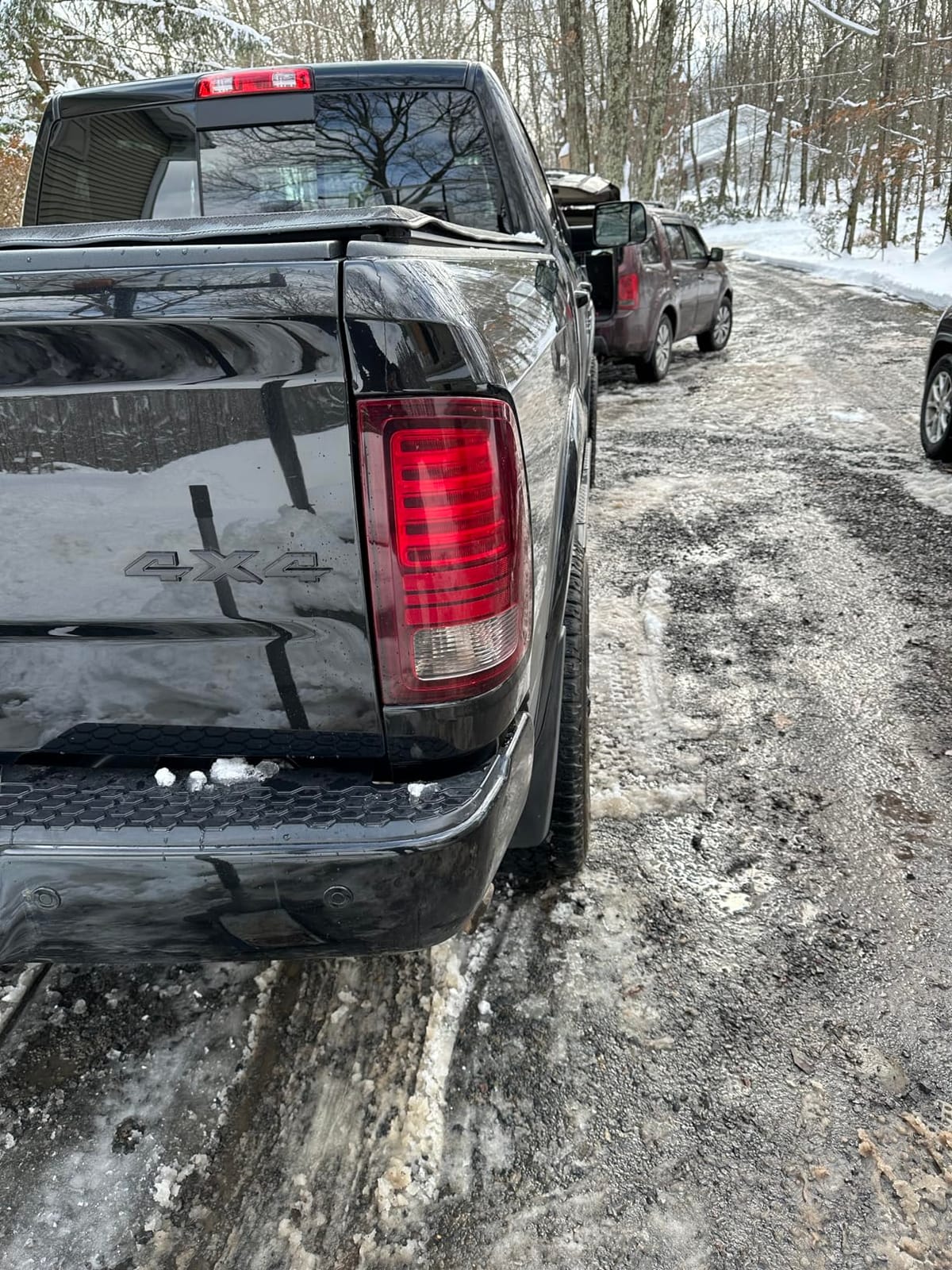
With 201 reviews the sentiment is more mixed than the mainstream kits: 74 percent five-star but 11 percent one-star, the highest one-star share in this group. That is a small sample, and the negative feedback clusters around stud thread variant confusion rather than the parts themselves.
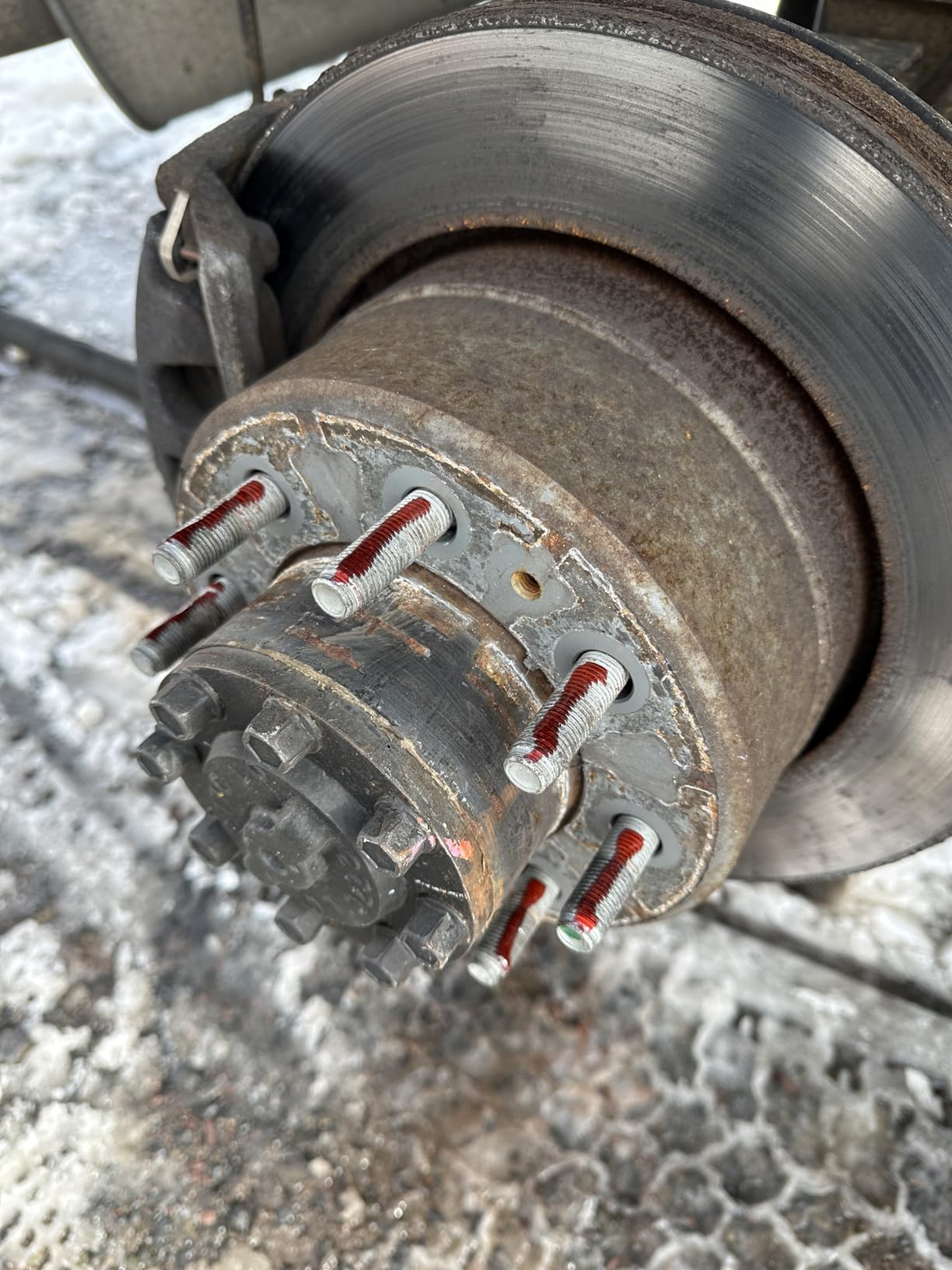
That confusion is real and worth taking seriously. Many 8×6.5 trucks run 14×1.5 studs rather than 9/16-18, and the two are not interchangeable. Count your studs or check a service manual before ordering, because a mismatch means the spacers simply will not go on.
Why this suits an older heavy-duty truck
Twelve-point-nine grade studs are the headline here, and on a truck that tows trailers for a living that is the right call. Twelve-point-nine hardware is rated for higher tensile strength than 10.9 hardware, which is meaningful on a wheel carrying several thousand pounds of tongue weight.
The anodized surface and CNC machining also matter on an older truck that lives outside. Anodizing does not chip like paint on a cast surface, and it keeps corrosion from starting at the machined edges where a spacer usually fails first.
When to choose something else
If your truck uses 14×1.5 studs on an 8×6.5 pattern, this is the wrong variant. Look for the matching thread pitch in a different 8×6.5 listing, or check whether an 8×180 kit applies to your generation.
Two pieces are in the box, so a full axle needs two kits. The included thread-locking compound is genuinely useful here, and we would use it even on a kit that does not come with any.
12. Torchbeam 0.5 inch 6×5.5 Lug-Centric Wheel Spacers for Tacoma
Torchbeam 6×5.5 Lug-Centric Wheel Spacers 0.5 inch for Toyota Tacoma
Half inch thickness
6x139.7mm bolt pattern
108mm hub bore
6061-T6 billet with 12.9 grade bolts
Pros
- Lightest kit in the roundup at 2.24 lb
- 6061-T6 billet aluminum with 12.9 grade geomet bolts rather than weak pressed parts
- Anodized coating protects against environmental erosion
- Half inch thickness corrects offset without changing ride feel
- Very broad GM and Toyota fitment list for a small spacer
Cons
- Lugcentric with no hub lip so the wheel centers on studs alone
- Only half inch of extra track so the visual change is subtle
- Smallest review base in the roundup at 124 reviews
Not every truck needs two inches. If you have a factory wheel with a slightly tucked offset and a tire that touches the fender lip at full compression, half an inch per side is usually enough, and this is the lightest kit we tested at 2.24 pounds.
The body is 6061-T6 aircraft-grade aluminum billet with 12.9 grade geomet bolts, CNC precision machined with an anodized surface coating. The fitment list is unusually broad for a half-inch spacer, covering 1999 to 2021 Silverado and Sierra 1500, 2004 to 2020 F-150, 1995 to 2023 Tahoe, 2003 to 2020 Expedition, and 1995 to 2023 Tacoma at the front.
At 4.4 stars across 124 reviews, this listing carries a higher share of four-star reviews than the others, which reads as buyers finding it adequate rather than outstanding. Seventy percent five-star, 18 percent four-star, 3 percent one-star.
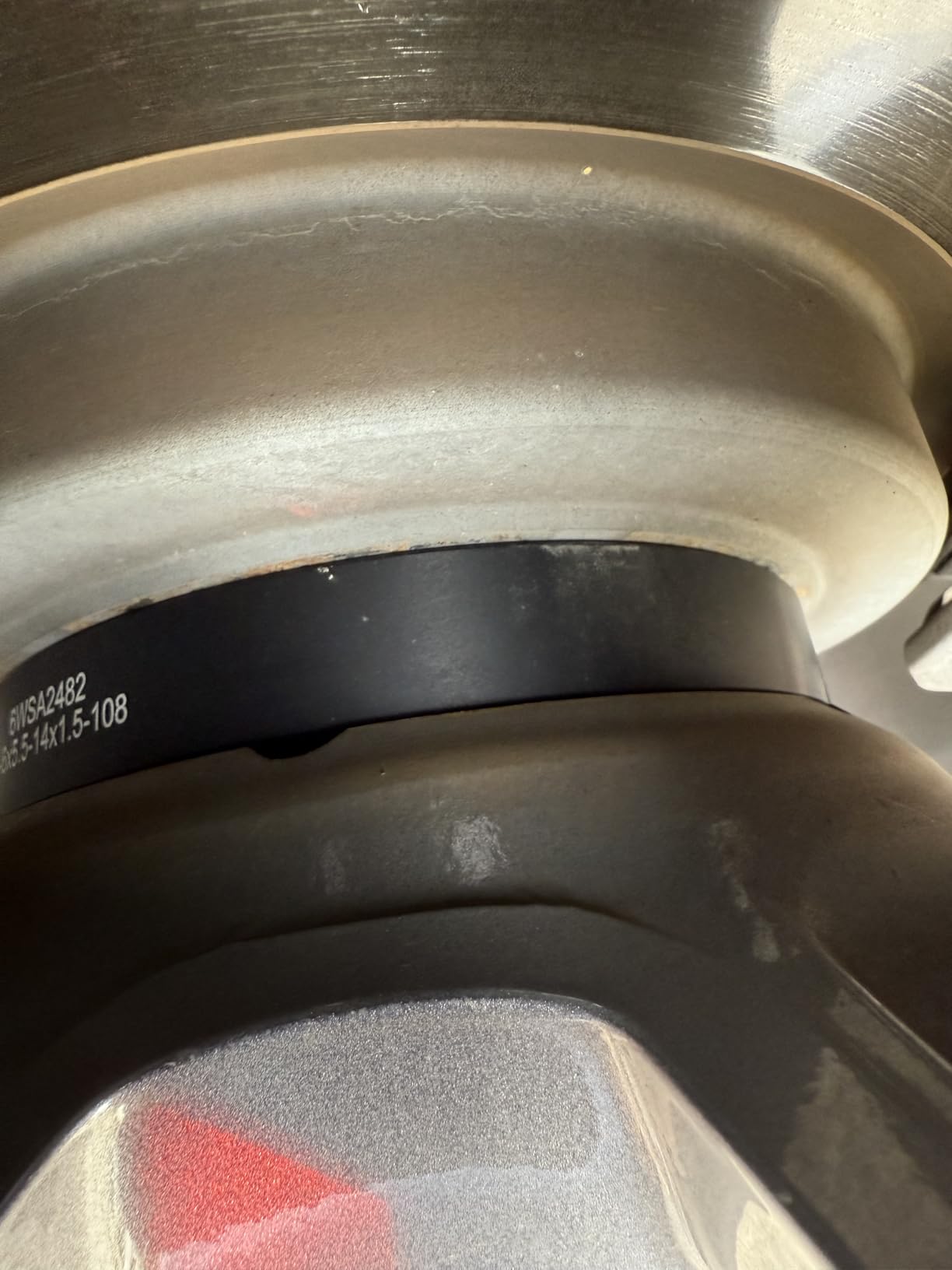
Owners use this spacer mainly to tuck tire poke back inside the fender or to correct minor offset on Tacoma and GM trucks, and they report that it does the job without changing the ride. At half an inch, the steering feel and body roll stay essentially the same as factory.
The design is lugcentric with no hub lip, so the wheel centers on the studs alone. At this thickness the practical difference between lugcentric and hubcentric is smaller, which is why it works as a mild correction rather than a stance change.
Why this works for a small correction
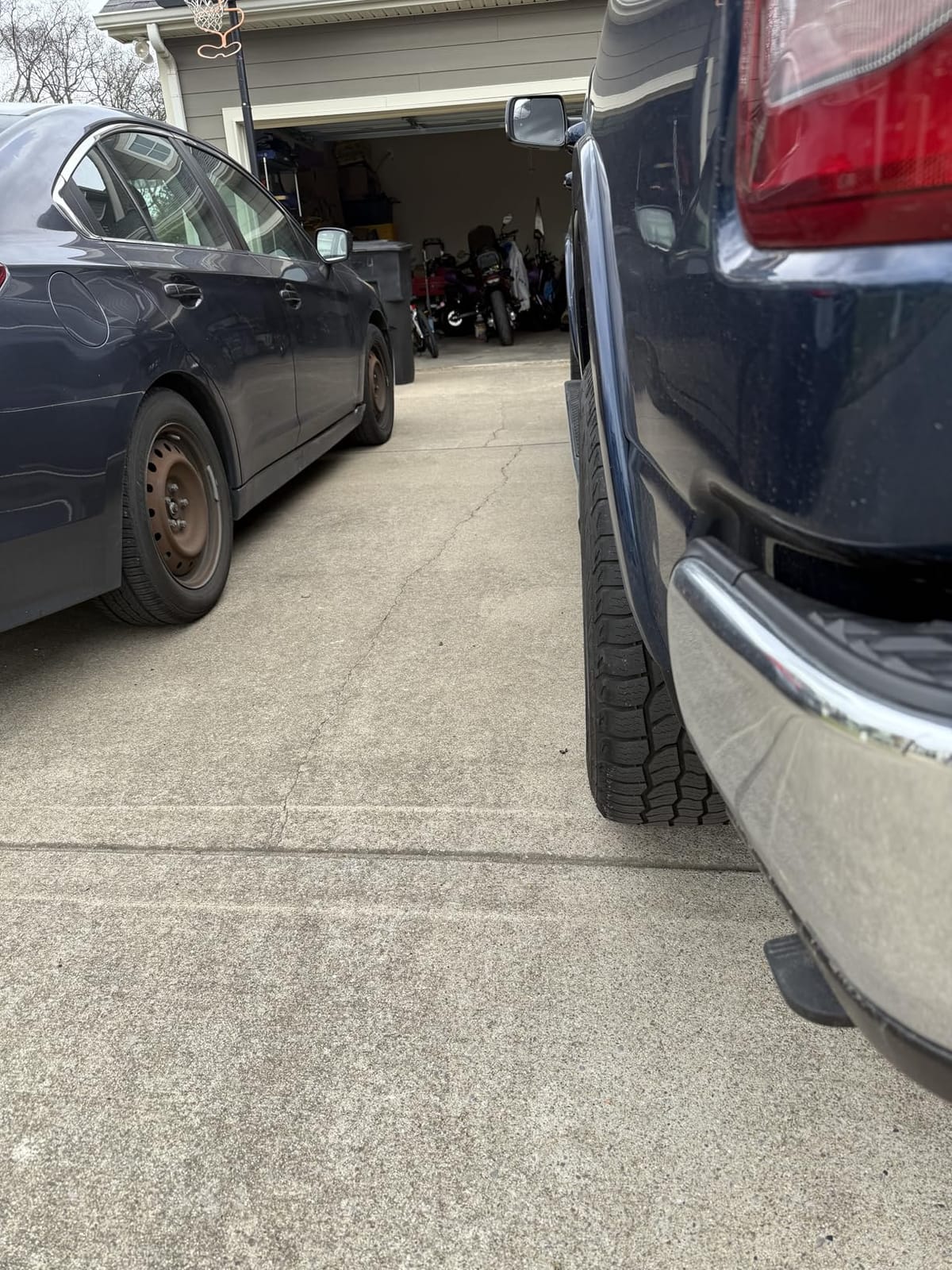
Half an inch adds one inch across the truck, which is enough to clear a fender lip on an unmodified truck and not enough to change how the truck drives. For a commuter that occasionally brushes paint on a steep driveway, that is a proportionate fix.
The 12.9 grade geomet bolts are a genuine bonus at this level, since many entry spacers use weaker hardware. The anodized coating also matters for anyone whose truck sits outside in winter conditions.
When to pick a thicker spacer
Do not expect a visible stance change. Half an inch is a correction, not a transformation, and if the goal is a wider look or clearance for 33-inch tires, move up to one or two inches in the same bolt pattern.
It is also worth noting that this is a lugcentric design with the smallest review base in the roundup. For a truck that spends most of its life at highway speed, a hubcentric kit with a precision lip is the more predictable choice.
How to Choose Wheel Spacers for Trucks: The Buying Guide
What kind of wheel spacers are best? Hub-centric spacers made from forged 6061-T6 aluminum with a vehicle-specific hub bore and 10.9 grade or better studs. Everything else is a compromise, and the compromises show up as vibration, loose studs, or cracked aluminum within a year.
Hub-centric versus lug-centric: the difference that decides everything
A hubcentric spacer has a machined lip that fits inside the wheel center bore and rests against the hub face. The wheel is located by two machined surfaces meeting precisely, so the wheel does not shift under load. A lugcentric spacer has no lip, so the wheel is located only by the clamping force of the nuts and studs.
Lugcentric designs work, and many owners run them for years without a problem. But every bit of cornering load and impact goes through friction at the mounting face instead of a machined surface, which is exactly the condition that produces the highway vibration people try to fix with spacers in the first place. If you drive long highway stretches, pay for hubcentric.
The exception is a very small correction. At half an inch, with a light truck and short commutes, the difference in centering between the two designs is minor. At one inch and above on a heavy truck, we would not choose lugcentric.
Forged 6061-T6 versus cast aluminum
Forging compacts the aluminum structure and leaves it stronger and less prone to fracture than a cast equivalent of the same size. This matters most at two inches thick on a truck that takes hits from rocks, curbs, and potholes, which is exactly the failure mode cast spacers show.
Cast aluminum is not automatically bad, but at the same thickness it is heavier and its grain structure is less consistent. Every spacer in this roundup is specified as forged 6061-T6 or hot-forged aircraft-grade aluminum, and that specification is the single best predictor of how these parts hold up over time.
Thickness: how much track width do you actually need
One inch per corner adds 2 inches across the truck and is the most common correction. It resolves a modest tuck and stops light fender rub without meaningfully changing handling. It is also the thickness at which factory studs usually still clear the wheel.
One and a half inches is the middle ground for a leveled truck with 33-series tires. Two inches is the big change, and it reliably clears 35-series tires on a half-ton, but it is aggressive enough that front tires can rub the fender or the back of the wheel at full steering lock on some suspensions.
Measure before you order. Put a straightedge against the tire and fender lip, then check clearance at full compression with someone in the cab. If you plan to run larger tires than you have now, size for the tire, not the wheel.
Verify fitment in four steps before you buy
First, confirm the bolt pattern. Count the studs and measure the circle, or look it up by year, make, and model. The common truck patterns here are 6×5.5, 6×135, 8×180, and 8×6.5, and they are not interchangeable.
Second, confirm the hub bore. The bore on the spacer must match the hub, and a spacer with a larger bore than the hub cannot center the wheel. Third, confirm the stud thread pitch, which is where most returns happen. Pre-2015 F150 trucks use M14x2.0, current ones use M14x1.5, and many 8×6.5 trucks run 9/16-18.
Fourth, check the quantity. Several kits in this roundup come as a 2-piece pair rather than a set of four. Finally, measure your factory stud length and compare it against the spacer thickness plus the lug nut length. You want 6.5 to 8 full thread rotations past the spacer face, and if you fall short, you trim the studs.
Stud grade, torque, and the re-torque schedule
Ten-point-nine grade studs rated to 1040 MPa are the minimum we would accept, and twelve-point-nine at roughly 1220 MPa is better where available. Stud grade matters more than most buyers realize because studs are the failure path on a heavy truck carrying a load.
Torque values differ by application. Smaller M12 hardware on the KSP Toyota kit runs 72 to 80 ft-lbs, M14 kits typically call for 85 to 105 lb-ft at the spacer-to-hub bolts, and 8-lug applications run higher at 130 to 145 lb-ft. Always follow the figure in the instructions for your specific kit rather than a generic value.
Re-torque after 50 to 100 miles, then again at a thousand. Thread locker on the studs matters, and so does the torque sequence: tighten in a star pattern, moving around the circle, so the spacer seats evenly instead of pulling to one side.
Do spacers shorten wheel bearing life?
A spacer moves the wheel outboard of its factory position, which increases the leverage arm on the bearing and can shorten bearing life slightly. The effect is modest on a half-ton at one inch, and more meaningful on a heavy truck running two inches with a payload.
The practical mitigation is alignment. If the spacers change your track width, the alignment geometry changes with it. Schedule a four-wheel alignment after the install, and check bearing feel and play at every oil change. This is the one question we get asked most often, and the honest answer is that the effect is real but manageable when the spacer is correct for the truck.
The mistakes that cause post-install problems
Vibration at highway speed almost always traces back to a non-hubcentric fit, a mismatched center bore, or bad torque sequence. Wheel shake under cornering load usually means the spacer is not seating evenly, which is a star pattern issue.
Corrosion in winter salt states is a hardware problem, not a spacer problem. Dacromet and geomet coatings hold up far better than plain zinc, and cleaning the studs with a wire brush before applying fresh thread locker at each re-torque keeps the joint from seizing.
Tight fits on first install are usually paint in the center bore. A light sand takes care of it. Missing pieces in the box, loose hardware, and hardware that strips during install all trace back to checking the contents and using the correct tool size before you start.
The weight of this four-piece set is worth planning around. Kits in the 12 to 20 pound range are awkward at the front corners. If you do not have a second pair of hands or a lift, a best hand trucks guide comes in handy for moving parts and tools around the garage rather than carrying them one at a time.
Winter salt states deserve their own note. Hardware coating is the deciding factor after a full season of road spray, with Dacromet and geomet coatings holding up where plain zinc studs show corrosion at the spacer face. Clean the studs with a wire brush before each re-torque and reapply thread locker, and the joint stays clean through the season.
Dually trucks need caution. None of the kits in this roundup are rated for dual rear wheel setups, and running spacers on a dually changes the track width in a way that affects handling more than it does on a single rear wheel truck. Stick with factory spacing on a dually, or consult a dually-specific product built for that configuration.
Off-road models carry their own exclusions. Wide-track factory packages such as the Raptor and similar hardware use offset wheels deliberately, and pushing them further outboard with a spacer can interfere with suspension travel geometry. Measure at full droop and full compression before adding anything. Our best RC trucks guide covers the smaller-scale version of the same fitment logic for anyone testing the idea on a smaller platform first.
If your truck spends its weekends off pavement rather than commuting, wheel choice matters as much as spacer choice for how it handles obstacles. Our best racing wheel pedal sets for beginners guide covers the other end of the equation for drivers who spend time at track days.
Frequently Asked Questions
Are wheel spacers safe on trucks?
Yes, when they are vehicle-specific, forged 6061-T6 aluminum, hubcentric where possible, and installed with the correct torque. Spacers do not change how the wheel is held beyond adding length outboard of the hub. Problems come from mismatched bolt pattern or hub bore, short studs, lugcentric design on a heavy truck, or skipping the re-torque after the first 100 miles.
What kind of wheel spacers are best?
Hubcentric spacers machined from forged 6061-T6 aluminum, matched to your exact bolt pattern and hub bore, with 10.9 grade or better studs and a vehicle-specific fitment list. One inch is the most common correction; one and a half to two inches suits leveled trucks running larger tires.
Which spacer is best?
In this roundup the OMT 6×5.5 set of four is the best all-around choice, with 4.6 stars across 5479 reviews, 24 included M14x1.5 studs, and wide GM fitment. Best value is the KSP 1 inch 6×5.5 Toyota kit, and the best heavy-duty option is the SCITOO 8×180 hubcentric set.
What are the best brands of 1 inch wheel spacers?
For 1 inch kits, the strongest options across the truck platforms we reviewed are the OMT 6×5.5 set of four, the KSP 1 inch 6×5.5 Toyota kit, the KSP 6×135 1.5 inch hubcentric for late F150, and the Torchbeam half-inch 6×5.5 for minor corrections. Choose on bolt pattern and hub bore first, then on whether you want a hubcentric lip.
Are Spidertrax wheel spacers good?
Spidertrax is widely regarded as a top-tier truck spacer brand for its forged construction and hubcentric design, though owners in the truck communities frequently note it sits well above KSP or dynofit for similar core specifications. In this roundup we compared dynofit, KSP, and OMT offerings that cover the same truck platforms a tier lower.
How good are BORA wheel spacers?
BORA is also treated as a benchmark brand in truck spacer communities, mainly for forged aluminum construction, vehicle-specific hub bores, and long warranties. The trade-off owners report is cost, typically well above generic and mid-tier brands for the same thickness and bolt pattern.
What is the best brand of wheel spacers for trucks?
There is no single answer, because fitment comes first. Among the products we reviewed, KSP and dynofit cover the widest range of truck bolt patterns across 6×5.5, 6×135, and 8×6.5, OMT leads on review volume for 6×5.5 GM trucks, and SCITOO covers 8×180 heavy-duty applications with a hubcentric bore.
Do wheel spacers cause issues?
They can, and the usual issues are vibration from a non-hubcentric fit, studs that are too short for full thread engagement, hardware loosening without thread locker or a re-torque, and fender or steering clearance rub if you go too thick. All four are avoidable by matching bolt pattern, hub bore, and thread pitch before ordering.
What is the downside of wheel spacers?
The main downsides are added leverage on the wheel bearings, which can shorten bearing life slightly, the need for a wheel alignment afterward, the possibility of rubbing at full steering lock on thick spacers, and extra stud length that can require trimming. Two inch spacers on a heavy truck push all of these harder than one inch on a half-ton.
How often should I re-torque wheel spacers?
Re-torque after the first 50 to 100 miles, then again around 1000 miles, then at every tire service thereafter. Always follow the torque figure printed in the kit instructions, since values range from about 72 to 80 ft-lbs for M12 hardware up to 135 to 145 ft-lbs for 8-lug applications. Clean the studs before applying thread locker again.
Final Verdict: Best Wheel Spacers for Trucks in 2026
After working through 12 kits across four truck bolt patterns, the OMT 6×5.5 set of four is our pick for the best wheel spacers for trucks in 2026. A 4.6 rating across 5479 reviews, forged 6061-T6 aluminum, 24 Dacromet-coated M14x1.5 studs in the box, and the broadest review history we saw give it the strongest combination of proven fitment and value on a half-ton GM truck.
If your truck is a Toyota, take the KSP 1 inch 6×5.5 kit for the fitment range and the fact that your existing lug nuts still work. If you tow a heavy trailer on an 8-lug, the SCITOO 8×180 hubcentric set is the more settled choice, with a 124.1mm centering bore and forged ISO/DIN 10.175 studs.
Whichever kit you choose, the four fitment checks and the re-torque schedule decide whether the install goes smoothly. Match the bolt pattern, hub bore, and stud thread pitch, use thread locker, torque in a star pattern, and check again after 100 miles. Get those right and the spacer simply does its job.