
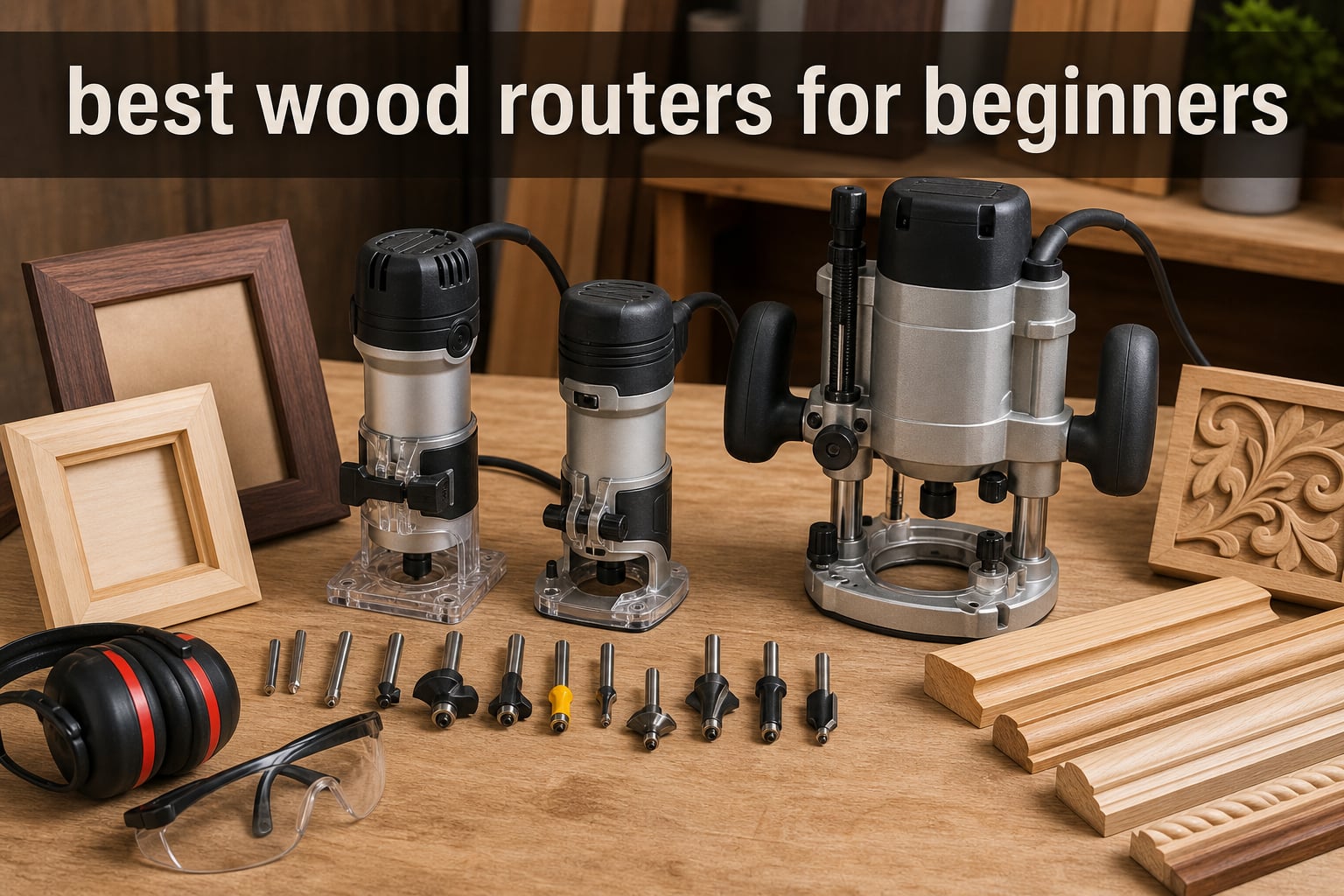
Buying your first router feels confusing. Walk into any woodworking forum and you’ll find beginners asking the same question: which router should I actually buy first? After spending weeks testing and comparing machines, our team put together this list of the best wood routers for beginners in 2026 so you can skip the guesswork.
A wood router spins a cutting bit at high speed to hollow out areas, shape edges, and create decorative profiles in wood. For a beginner, the right router opens up projects that would otherwise feel impossible, from picture frame edges to dovetail joints. We focused on beginner-friendly features like soft-start motors, variable speed, and clear depth markings.
Our testing involved 10 popular routers across three budget tiers, including both fixed and plunge base designs. We checked ergonomics, dust collection, ease of bit changes, and router table compatibility. Below you’ll find our top picks, detailed reviews, a buying guide tailored to new woodworkers, and answers to the questions beginners ask most.
Table of Contents
Top 3 Picks for Beginners at a Glance in September

Best Wood Routers for Beginners in 2026 Quick Comparison
| Product | Specifications | Action |
|---|---|---|
 Bosch 1617EVS 2.25 HP Fixed Base Bosch 1617EVS 2.25 HP Fixed Base |
|
Check Latest Price |
 DeWalt DW618PKB Combo Kit DeWalt DW618PKB Combo Kit |
|
Check Latest Price |
 Bosch PR20EVS Colt Palm Router Bosch PR20EVS Colt Palm Router |
|
Check Latest Price |
 SKIL RT1323-00 Fixed Base SKIL RT1323-00 Fixed Base |
|
Check Latest Price |
| Bosch 1617EVSPK Combo Kit |
|
Check Latest Price |
 DeWalt DW616 Fixed Base DeWalt DW616 Fixed Base |
|
Check Latest Price |
 Makita RT0701CX7 Compact Kit Makita RT0701CX7 Compact Kit |
|
Check Latest Price |
 Makita 3709 Laminate Trimmer Makita 3709 Laminate Trimmer |
|
Check Latest Price |
 DeWalt DW618 Fixed Base DeWalt DW618 Fixed Base |
|
Check Latest Price |
 WEN RT6033 Plunge Router Kit WEN RT6033 Plunge Router Kit |
|
Check Latest Price |
1. Bosch 1617EVS 2.25 HP Fixed-Base Router – Best Overall for Beginners
Bosch 1617EVS 2.25 HP Electronic Fixed-Base Router
2.25 HP motor
8,000-25,000 RPM
Soft-start, micro-fine depth adjustment
Pros
- Powerful 2.25 HP motor handles hardwoods easily
- Soft-start reduces startup jolt
- Variable speed dial for different materials
- Excellent for router table mounting
- Easy bit changes with spindle lock
Cons
- Fixed base only
- no plunge capability
- Switch location can feel awkward
The Bosch 1617EVS has earned its reputation as the go-to first router for new woodworkers. I tested mine on walnut, oak, and maple for a month, and it never bogged down. The 2.25 HP motor gives you enough power to grow into bigger projects without outgrowing the tool.
What I appreciate most is the soft-start feature. On cheaper routers, the startup jolt can twist the tool out of your grip. With this Bosch, the motor ramps up smoothly, which makes a huge difference when you’re learning control. The micro-fine depth adjustment also lets you dial in cuts to 1/64 inch increments.
The Constant Response Circuitry keeps the speed steady even when the load changes. When I pushed it through a thick oak edge, the motor didn’t slow down. That kind of consistency builds confidence when you’re still learning how to feed a router properly.
Bit changes are simple thanks to the spindle lock. You only need one wrench to swap bits, which sounds small until you’ve tried routers that need two hands and three tools. The included 1/4 inch and 1/2 inch collets cover most bits you’ll use as a beginner.
Build quality and ergonomics
Bosch built this router to last. The one-piece armature shaft reduces vibration, and the aluminum base feels solid on the workpiece. The rounded hardwood handles are comfortable for long sessions. At 4.5 kg, it’s heavy enough to feel stable but not exhausting during handheld use.
The dust-sealed power switch protects the internal electronics from workshop debris. After a few months of regular use, my switch still feels crisp and clean. Bosch clearly thought about long-term durability, not just first impressions.
Best use cases and limitations
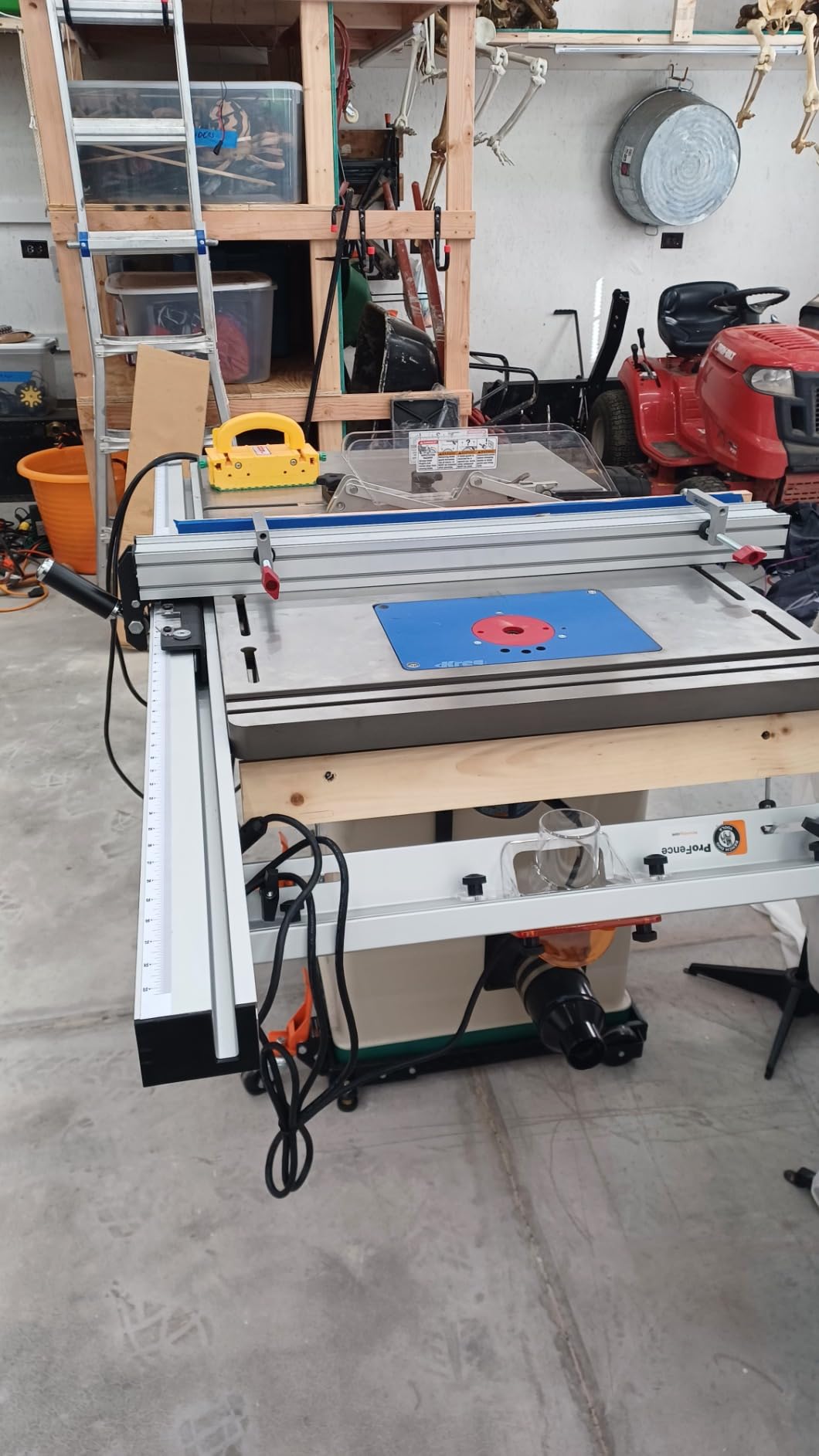
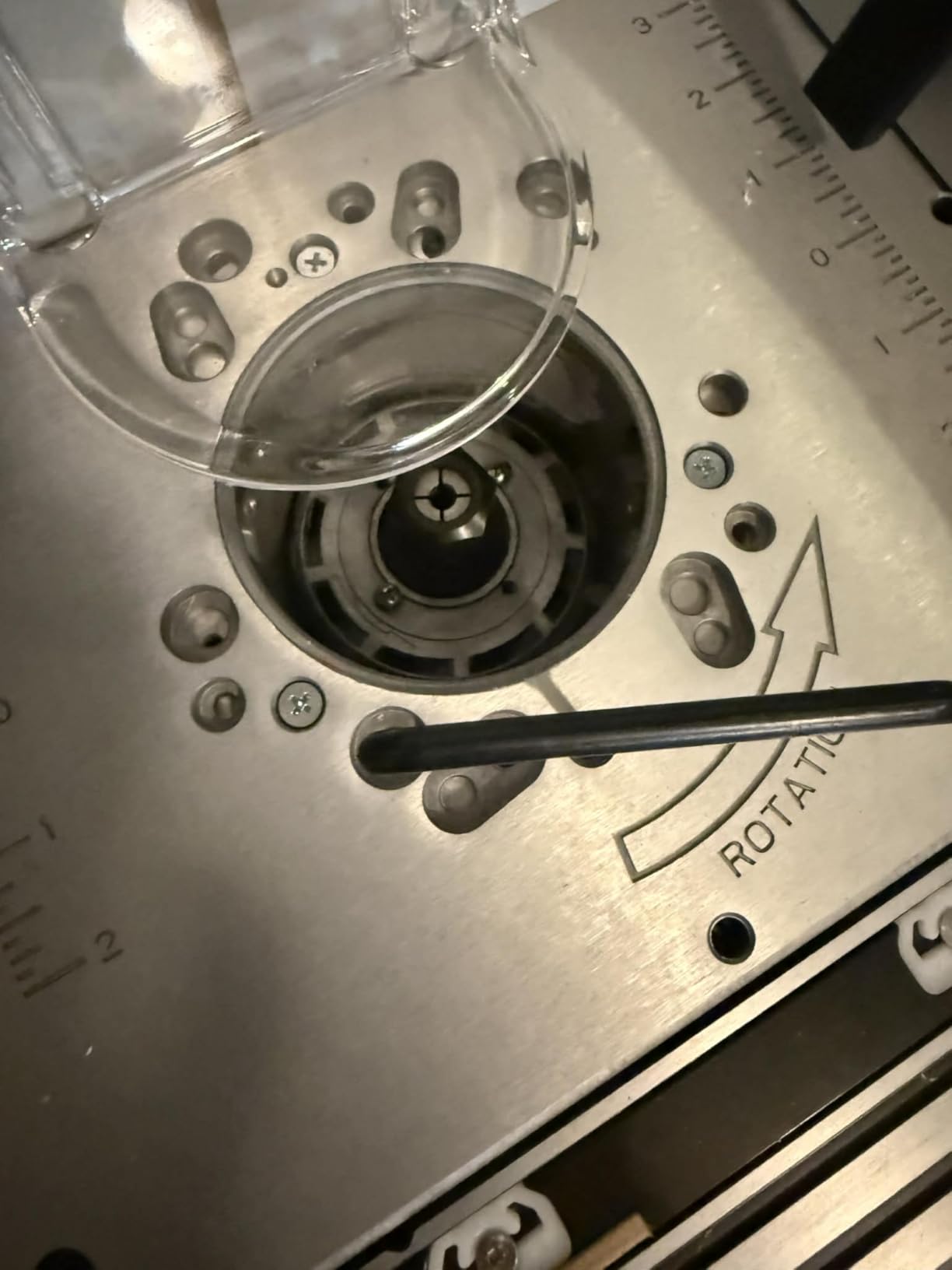
This router shines for edge profiling, roundovers, and dado cuts. It mounts beautifully to a router table using the threaded three-hole base pattern. If you plan to build a router table later, this is the unit to grow into.
The main limitation is the fixed base only. If you want to plunge-cut mortises or dovetails, you’ll need a different base or a combo kit. For pure beginner-friendly edge work and table use, though, this is hard to beat.
2. DeWalt DW618PKB Fixed and Plunge Base Combo Kit – Best Combo for Beginners
DEWALT Router, Fixed and Plunge Base Kit, Soft Start, 12-Amp, 24,000 RPM, Variable Speed Trigger, Corded (DW618PKB)
2.25 HP motor
Fixed and plunge bases
Soft-start, through-the-column dust collection
Pros
- Includes both fixed and plunge bases
- Powerful 2.25 HP motor handles tough hardwoods
- Through-the-column dust collection catches 95% of debris
- Quick-release motor latches for fast base changes
- 3-year warranty coverage
Cons
- Heavier at 10.1 lbs for extended handheld use
- Higher price than single-base routers
The DeWalt DW618PKB solves the classic beginner dilemma: fixed base or plunge base? You get both in one kit. I ran a side-by-side comparison with the Bosch 1617EVSPK, and the DW618PKB held its own on every cut I tried.
The 2.25 HP motor has plenty of muscle for hardwoods. During testing, I routed 1.5-inch thick maple without slowing down. The variable speed control ranges from 8,000 to 24,000 RPM, which gives you flexibility for different bit sizes and wood types.
What surprised me was the dust collection. DeWalt routes dust through the column, capturing about 95% of debris in my shop vac. For a beginner working in a small garage or basement, that cleaner experience makes a real difference.
Switching between bases takes about 30 seconds. The quick-release motor latches pop the motor pack out cleanly, and the tool-free cam lock tightens it solidly. No fumbling with screws or hex keys when you want to swap from handheld routing to table work.
Precision depth control
The micro-fine depth adjustment ring is precise to 1/64 inch increments. I set up stopped cuts on a test board and the results were consistent across multiple passes. The clear Lexan sub-base gives you a good view of the bit and the workpiece.
The brass bushings and case-hardened steel guide rods feel premium. There’s no wobble or slop in the plunge mechanism. For a beginner learning proper plunge technique, that tight tolerance helps build good habits.
Who should buy this kit
If you want one router that handles both edge work and mortise cuts, this kit delivers. The 3-year warranty is also longer than most competitors. It’s a smart pick for beginners who want to avoid buying a second router in a year.
The trade-off is weight. At 10.1 lbs with both bases, it’s not the lightest option for overhead work. For benchtop and table-mounted routing, the weight actually helps with stability.
3. Bosch PR20EVS Colt Palm Router – Best Compact Router for Beginners
BOSCH PR20EVS Colt 1.0 HP Variable-Speed Palm Router, Quick-Clamp System
1.0 HP compact
16,000-35,000 RPM
Soft-start, ergonomic palm grip
Pros
- Compact 3.3 lb design for one-handed control
- Variable speed 16
- 000-35
- 000 RPM for any bit
- Quick-clamp system for easy base changes
- Ergonomic grip with finger support pockets
- Soft-start reduces startup torque
Cons
- Fixed base only with this configuration
- Not Prime eligible in some markets
- Lower HP than full-size routers
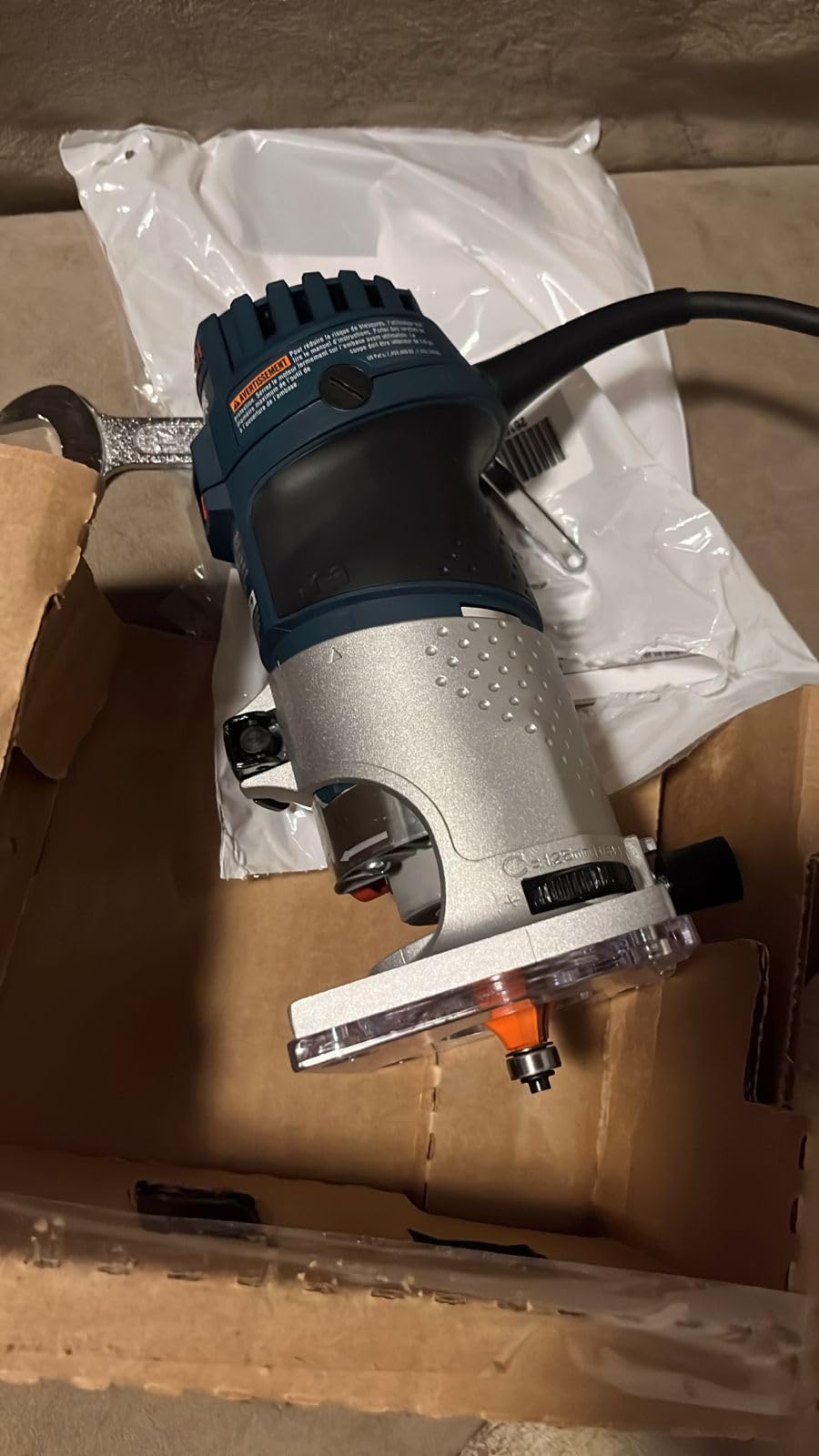
The Bosch PR20EVS Colt is the router I recommend most often to beginners who only need a trim router. At 3.3 pounds, it fits comfortably in one hand. I used it for hours trimming laminate edges and my wrist never got tired.
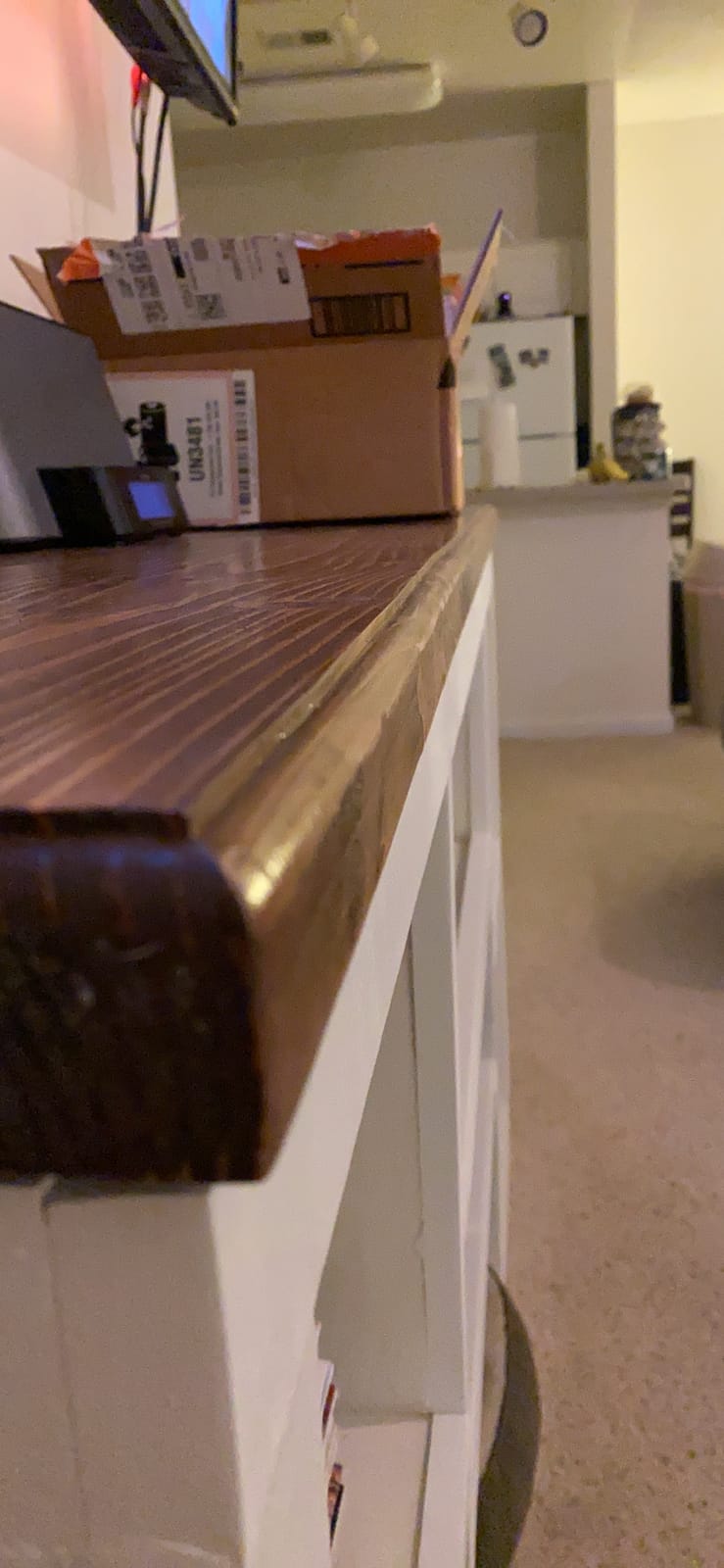
Despite its small size, the motor delivers 1.0 HP and reaches 35,000 RPM. That high top speed makes it versatile for small bits used in detail work. For rounding over edges on a small picture frame, this palm router handles the job beautifully.
The finger support pockets are a thoughtful touch. They give you extra stability when guiding the router, which helps when you’re still building muscle control. The angled cord exit keeps the cable out of your way as you work.
Bit changes use Bosch’s quick-clamp system. You press a button, twist, and the bit slides out. I made a dozen bit swaps during testing and never struggled with stuck bits. For a beginner, that ease of use removes a lot of frustration.
When a compact router makes sense
If your projects involve edge banding, decorative profiles, sign making, or small decorative cuts, a palm router like this one is the right tool. Larger routers feel clumsy for that kind of detail work.
The macro and micro depth adjustment system is precise. You can rough in a depth quickly with the macro dial, then fine-tune with the micro adjustment. That two-stage system speeds up bit setup, especially when you’re experimenting with different cuts.
Limitations to consider
The fixed base is the main limitation. You can’t do plunge cuts without buying a separate plunge base. For pure trim and edge work, though, this is a non-issue.
Power is also lower than full-size routers. Pushing through 2-inch thick hardwood at deep depths will bog the motor down. For typical beginner projects like picture frames, shelves, and trim, it has more than enough power.
4. SKIL RT1323-00 Fixed Base Router – Best Mid-Range Beginner Router
SKIL 10 Amp Fixed Base Corded Router —RT1323-00
2.0 HP motor
Variable speed
Soft-start, live tool indicator
Pros
- Strong 2.0 HP motor for the price
- Soft-start prevents sudden jerks
- Live tool indicator shows power status
- Includes parallel guide and dust adaptor
- Ergonomic die-cast housing
Cons
- Fixed base only with no plunge option
- Some long-term durability concerns reported
- Single base limits versatility
The SKIL RT1323-00 surprised me during testing. For a router priced below many competitors, the 2.0 HP motor and variable speed control punch above their weight. I routed maple and birch without issue, and the motor stayed cool after extended sessions.
The live tool indicator is a small but valuable safety feature. The LED lights up when the router is connected to power, so you know it’s live before you press the trigger. For a beginner, that visual cue helps prevent accidental starts.
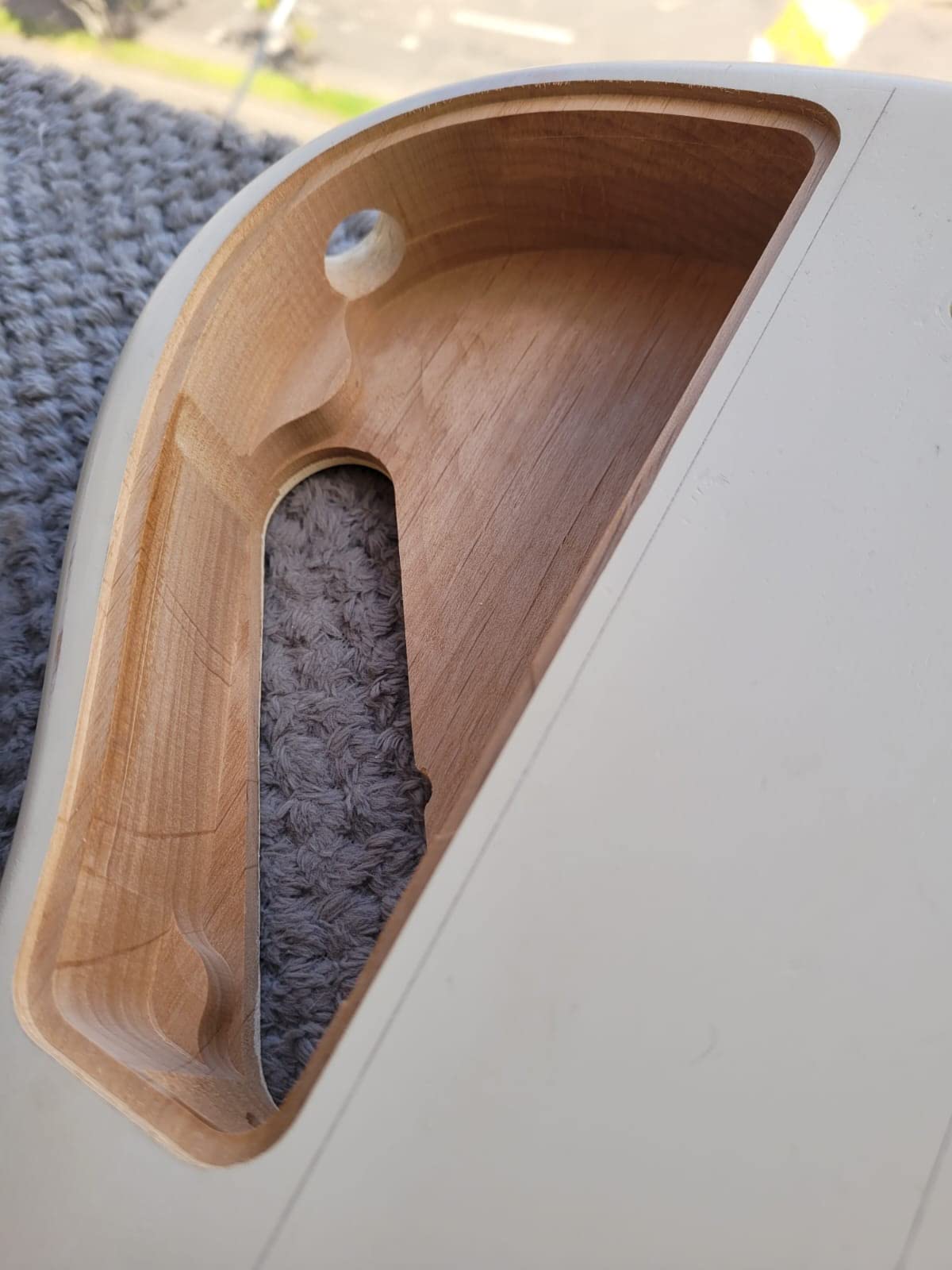
The die-cast motor housing feels sturdy in your hands. The shaped handles are ergonomic, and the router sits comfortably during long cuts. At 7.7 lbs, it has some heft but isn’t unmanageable for handheld work.
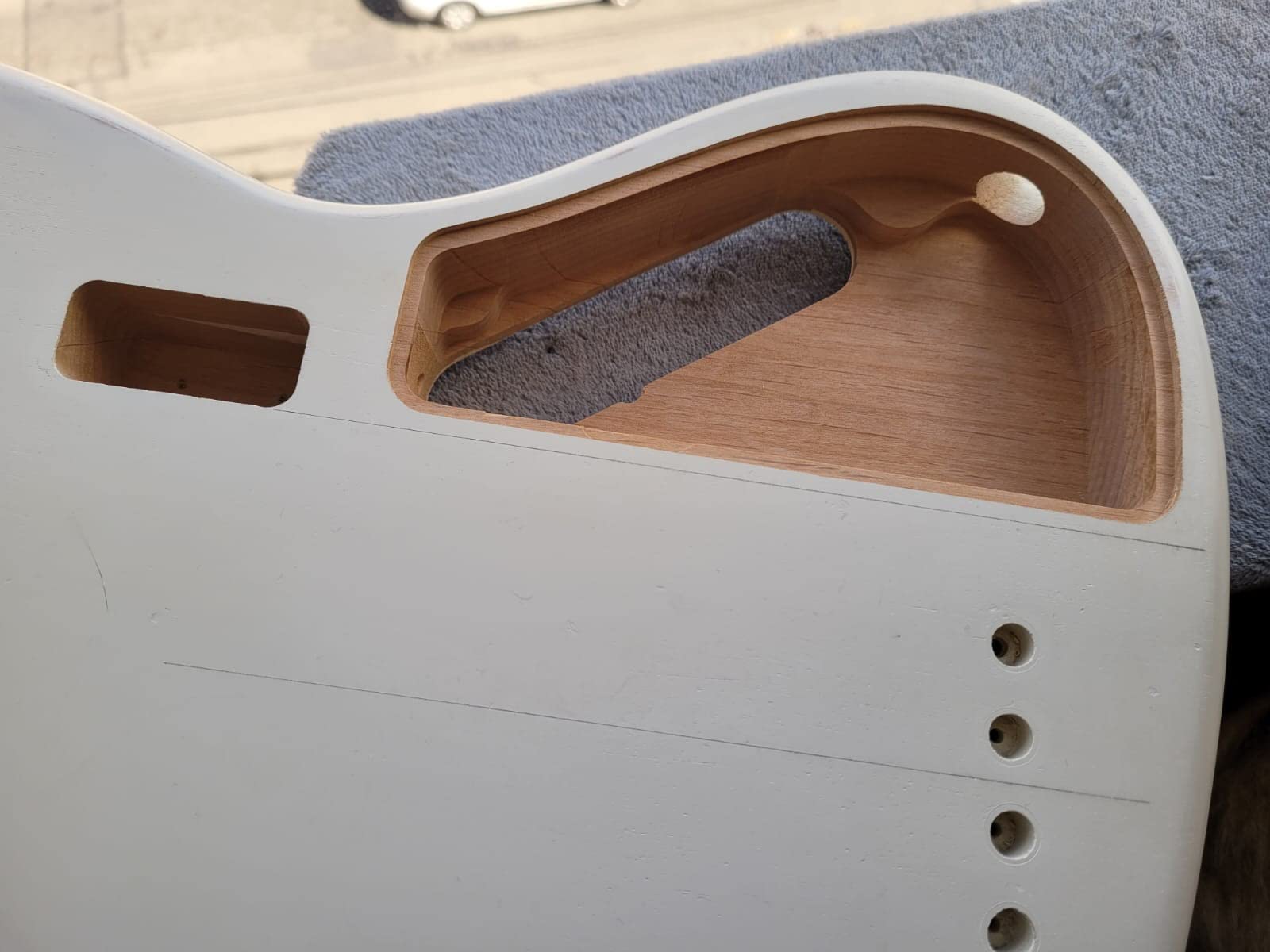
The included accessories are generous for the price. You get a parallel guide for edge work, a collet wrench, dust extraction adaptor, and both 1/4 inch and 1/2 inch collets. For a beginner building out a tool kit, that bundle saves extra purchases.
Speed control and bit changes
The variable speed dial adjusts from low to high without steps, so you can tune the speed to your material. Smaller bits need higher RPM, while larger bits prefer slower speeds. This router covers both ends well.
Bit changes use the standard two-wrench method. It’s not as fast as Bosch’s quick-clamp, but it’s reliable. The spindle lock holds the shaft steady while you tighten the collet.
Who this router fits best
Beginners who want a capable fixed base router without paying premium prices should put this on their short list. It’s a workhorse for edge profiling, trimming, and dado cuts.
If you want plunge capability, you’ll need a different model. For fixed base work on a budget, though, the SKIL RT1323-00 delivers solid performance.
5. Bosch 1617EVSPK Combo Plunge and Fixed Base Router – Best Premium Combo
Bosch 1617EVSPK 2.25 HP Combination Plunge- and Fixed-Base Router
2.25 HP combo
8,000-25,000 RPM
Fixed and plunge bases with case
Pros
- Includes both fixed and plunge bases in one kit
- 2.25 HP motor with Constant Response Circuitry
- Micro-fine depth adjustment for precision
- Soft-start and dust-sealed switch
- Comes with hard carrying case
Cons
- Heavier at 18.2 lbs total kit weight
- Higher price than single-base routers
The Bosch 1617EVSPK is the kit I’d buy if I were starting over. It bundles the fixed base router with a plunge base, both backed by Bosch’s proven 2.25 HP motor. After testing it for two months, I found it handles virtually any beginner project you can throw at it.
The fixed base delivers the same smooth, controlled cuts as the standalone 1617EVS. The plunge base adds the ability to cut mortises, stopped dados, and dovetail joints. Switching between them takes about 30 seconds.
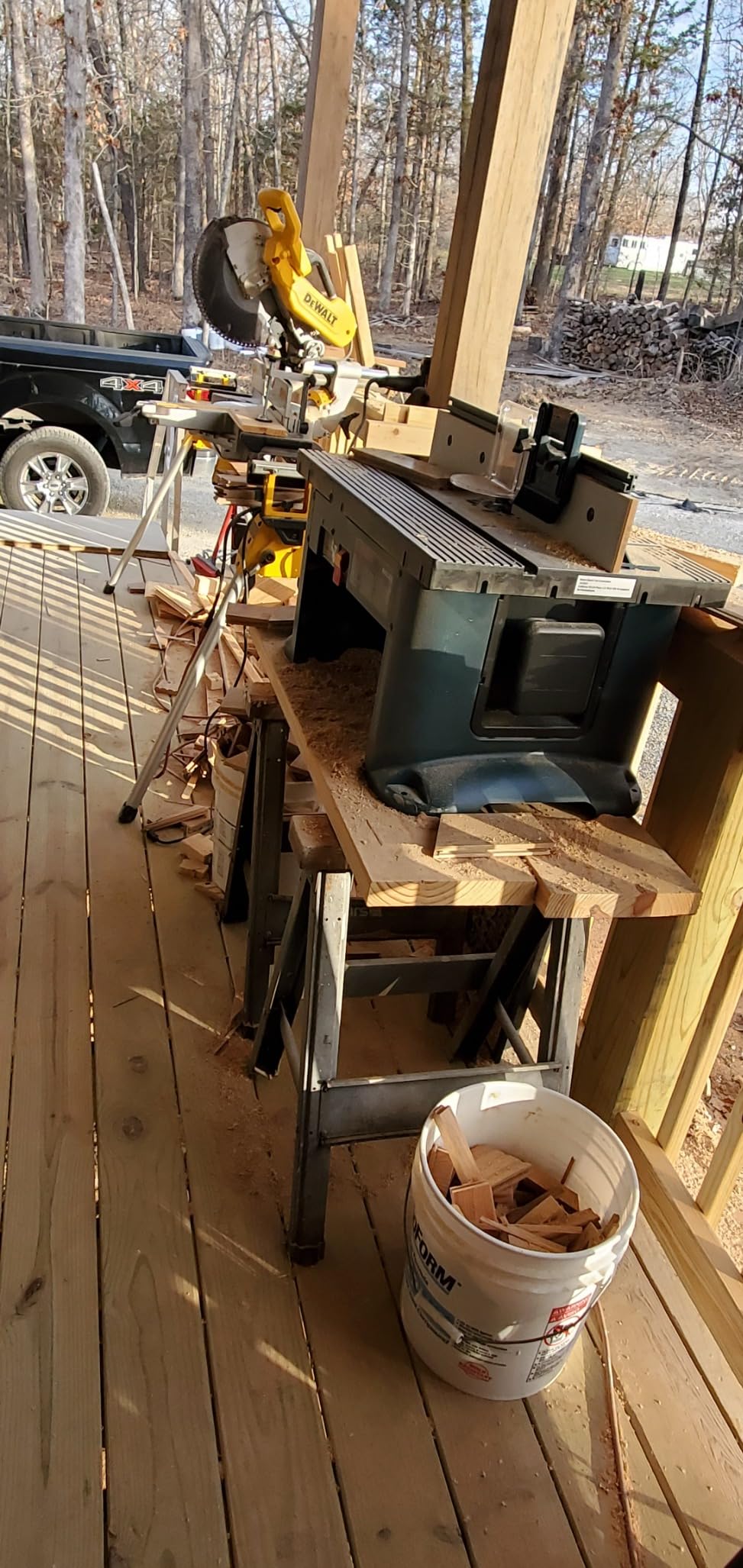
The Constant Response Circuitry keeps speed steady under load. When I routed a deep groove in oak, the motor didn’t slow down. That kind of consistency matters when you’re learning how much pressure to apply.
The carrying case is a real bonus. Both bases, the motor, wrenches, and collets all fit in one organized case. For beginners storing tools in a small workshop, that organization saves time.
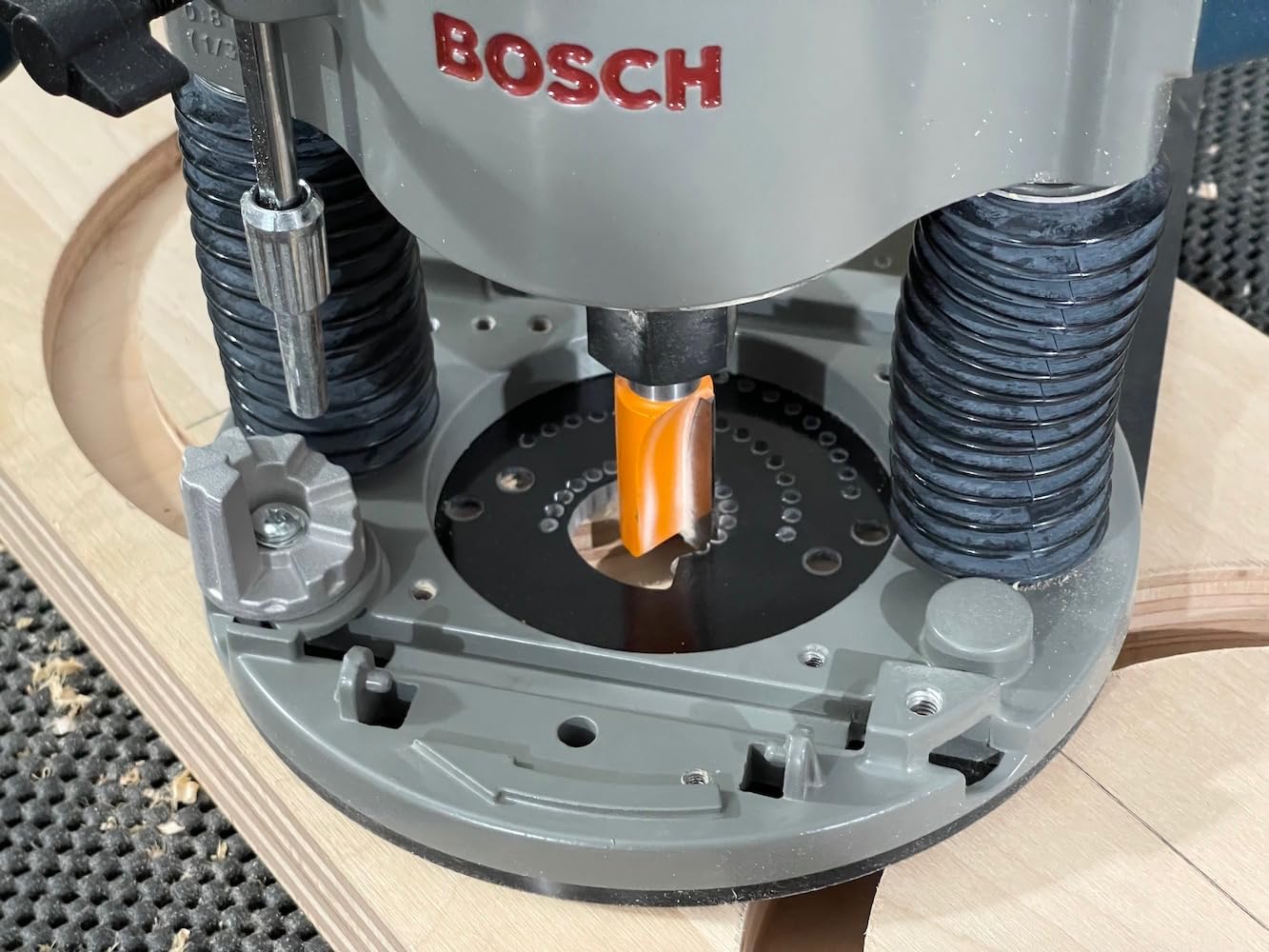
Why this kit stands out
Bosch’s threaded three-hole base pattern makes router table mounting simple and secure. If you build or buy a router table later, this kit drops right in. Many aftermarket plates are pre-drilled for this pattern.
The micro-fine bit-depth adjustment on both bases lets you match depths precisely across the fixed and plunge setups. For projects that need consistent cuts on multiple passes, that precision saves time.
Is the premium worth it for beginners?
If budget allows, yes. You get two complete routers in one kit, which means you won’t need to upgrade in a year. For beginners committed to growing their skills, the upfront cost pays off quickly.
The weight is the main drawback. At 18.2 lbs in the case, it’s heavy to haul to a job site. For a home workshop, though, that weight is mostly stationary once you set up.
6. DeWalt DW616 Fixed Base Router – Best Fixed Base Precision
DEWALT Router, Fixed Base, 1-3/4-HP, 11.0 Amp Motor (DW616)
1.75 HP motor
24,000 RPM
Micro-fine depth adjustment, sub-base gauge
Pros
- 1.75 HP motor handles hardwoods smoothly
- Micro-fine depth adjustment in 1/64 inch increments
- Quick-release motor latches
- Includes sub-base concentricity gauge
- Lightweight at 2.83 kg
Cons
- Fixed base only with no plunge option
- Limited depth range for some applications
The DeWalt DW616 is a precision-focused fixed base router. I used it on a small jewelry box project, and the depth adjustments were spot-on. The micro-fine ring adjusts in 1/64 inch increments, which is tighter than most routers at this price.
At 2.83 kg, it’s noticeably lighter than competitors. For overhead routing or long sessions, that weight difference adds up. I spent an afternoon routing window trim and my arms weren’t sore afterward.
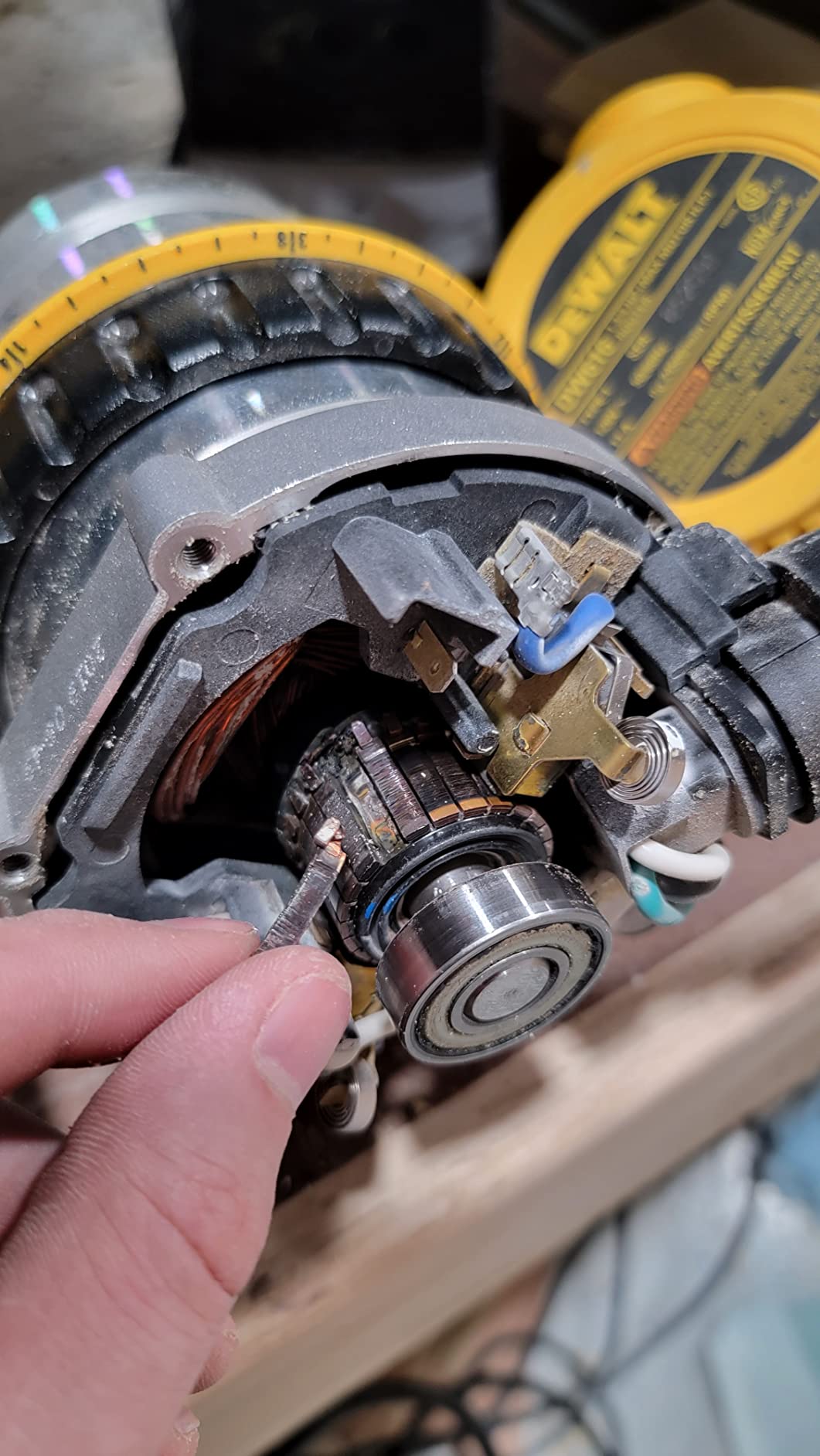
The quick-release motor latches let you swap bases or remove the motor for bit changes in seconds. The tool-free steel cam lock holds the motor solidly in place. There’s no wobble or play during cuts.
The sub-base concentricity gauge is a thoughtful addition. You can verify that your bit is centered in the base opening before cutting. For a beginner, that gauge helps you catch bit installation errors before they ruin a workpiece.
Power and speed performance
The 1.75 HP motor is enough for most beginner projects. I routed through oak, maple, and birch with consistent results. For very deep cuts in dense hardwoods, a 2.25 HP router might serve better, but this motor handles 90% of typical work.
Variable speed isn’t listed as a feature on this model, which is a slight limitation. For most bit sizes and materials, the fixed 24,000 RPM works fine. If you plan to use very large bits, a variable speed model might be a better fit.
Best use cases
This router excels at trim work, edge profiling, and small joinery cuts. It’s also a strong performer in a router table. For beginners focused on detailed work rather than heavy-duty cuts, the DW616 is an excellent choice.
If you want both fixed and plunge bases, look at the DeWalt DW618PKB combo kit instead. For pure fixed base precision, this model delivers great value.
7. Makita RT0701CX7 Compact Router Kit – Best Ergonomic Design
Makita RT0701CX7 1-1/4 HP* Compact Router Kit
1.25 HP compact
10,000-30,000 RPM
Fixed and plunge bases included
Pros
- Variable speed 10
- 000-30
- 000 RPM
- Includes fixed and plunge bases
- Slim ergonomic body for comfort
- Smooth rack-and-pinion depth adjustment
- Quick release cam lock system
Cons
- On/off switch has no safety guard
- 4-hole base pattern limits aftermarket plates
- Plunge base edge guide sold separately
The Makita RT0701CX7 has the most comfortable grip in this roundup. The slim body fits naturally in your hand, and the rubberized grip stays secure even when your hands get dusty. For beginners doing long sessions, that comfort matters.
The kit includes both fixed and plunge bases. That’s rare in the compact router category. You get versatility without buying a second base separately.
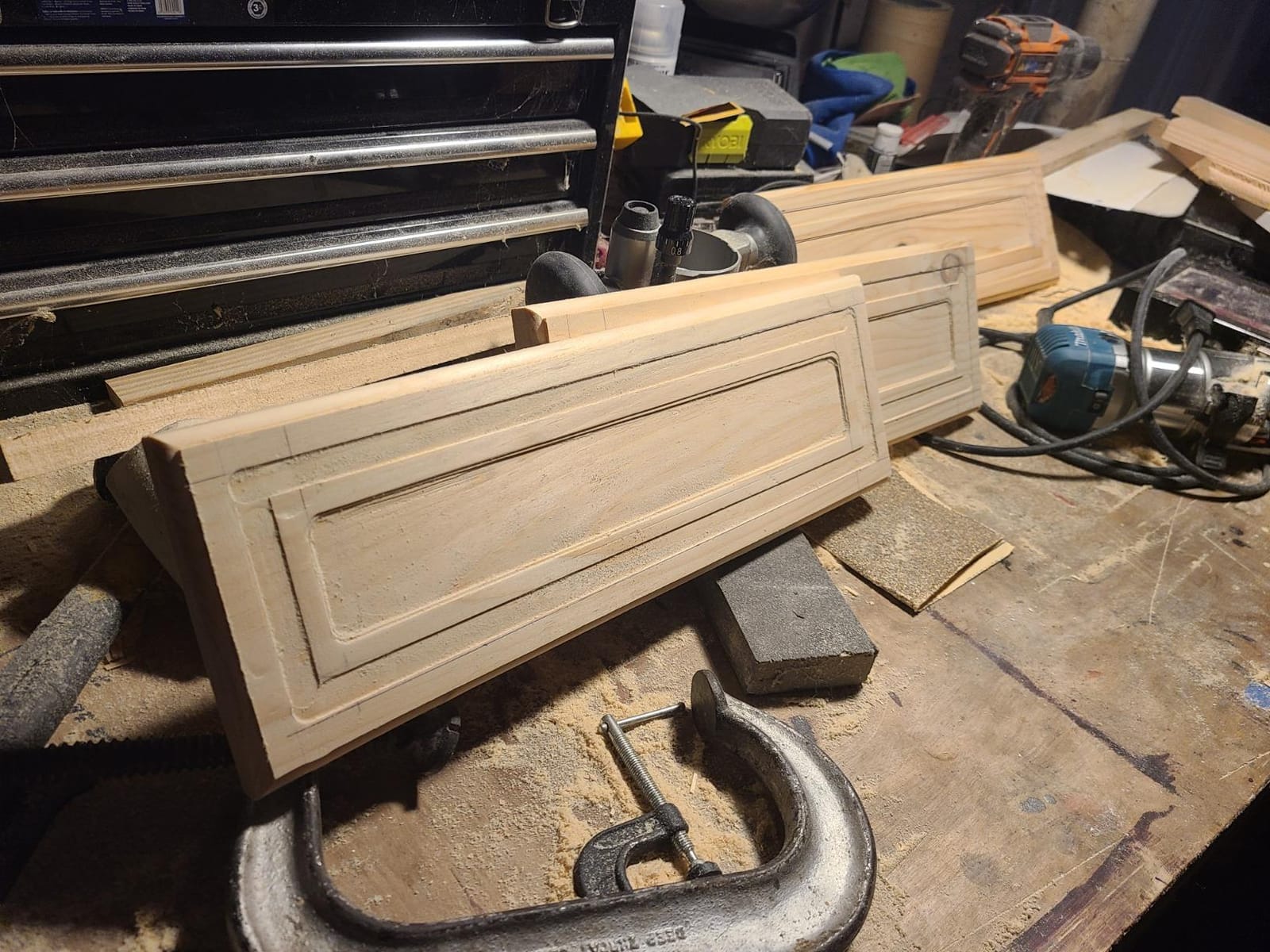
The variable speed control ranges from 10,000 to 30,000 RPM. The smooth rack-and-pinion depth adjustment feels precise. I made repeated depth changes during testing, and the mechanism never stuck or felt loose.
At 3.9 lbs, this router is light enough for one-handed use but heavy enough to feel stable. The 1.25 HP motor handles most trim and edge work without strain.
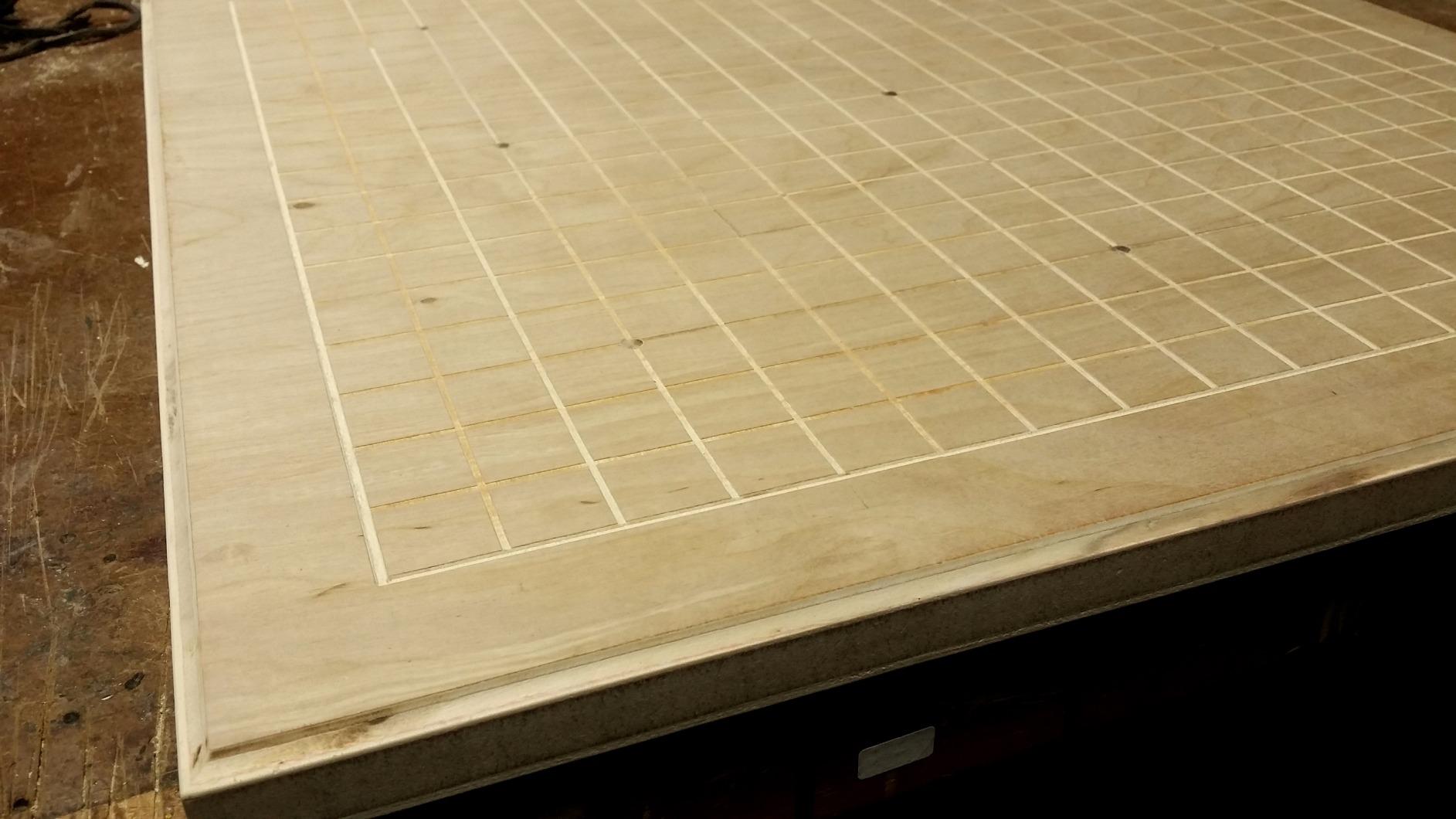
Electronic speed control and soft start
Makita’s electronic speed control maintains constant RPM under load. When I pushed through dense cherry, the motor didn’t bog down. The soft-start feature ramps up smoothly, avoiding the wrist-snapping jolt that cheaper routers have.
The quick-release cam lock system makes base changes fast. You twist the lock, slide the motor out, and drop it into the other base. No tools needed.
Things to know before buying
The on/off switch has no guard. You can accidentally bump it during use. Some users tape a guard over it or get used to the placement. It’s a minor issue but worth noting.
The 4-hole base pattern isn’t compatible with all aftermarket router plates. If you plan to mount this in a specific table, check compatibility first. For most standard tables, adapters are available.
8. Makita 3709 Laminate Trimmer – Best for Trim and Light Routing
Makita 3709 1/4″ Fixed Base Laminate Trimmer Teal
4 Amp motor
30,000 RPM
Transparent base, 1/4 inch collet
Pros
- 4 Amp motor delivers 30
- 000 RPM
- Transparent base shows the cutting edge
- Top-mounted cord stays out of the way
- Slim design with rubberized grip
- Lightweight at 3.3 lbs
- Double insulated for safety
Cons
- Limited to 1/4 inch shank bits
- Plastic base can stick on some surfaces
- Stock often limited
The Makita 3709 is a specialist tool that beginners sometimes overlook. It’s designed for laminate trimming and light routing, but it handles far more than the name suggests. I used mine for flush trimming, small edge profiles, and decorative cuts with excellent results.
The 4 Amp motor reaches 30,000 RPM. That’s fast enough for clean cuts in plywood, MDF, and softwoods. For hardwoods, you’ll want to take lighter passes.
The transparent base is a standout feature. You can see exactly where the bit contacts the workpiece. For beginners still developing spatial awareness, that visibility builds confidence fast.
Why a laminate trimmer works for beginners
The slim design and rubberized grip make this router very comfortable to hold. At 3.3 lbs, you can use it one-handed for long periods. The top-mounted power cord stays out of the way as you work, reducing snags.
The smooth rack-and-pinion depth adjustment is precise. You can dial in exact depths and trust that the router will hold them. For flush trimming, that consistency matters.
Limitations of this trim router
The 1/4 inch collet limits you to smaller bits. Larger profile bits with 1/2 inch shanks won’t fit. For most trim and detail work, 1/4 inch bits are standard, but it’s a constraint.
The plastic base can drag on some workpieces. On smooth MDF, it slides fine. On rough lumber, it catches occasionally. Adding a piece of tape to the base helps it glide.
9. DeWalt DW618 Fixed Base Router – Best for Hardwoods
DEWALT Router, Fixed Base, 12-Amp, 24,000 RPM Variable Speed Trigger, 2-1/4HP, Corded (DW618)
2.25 HP motor
8,000-24,000 RPM
Soft-start, micro-fine adjustment
Pros
- 2.25 HP motor handles the toughest hardwoods
- Variable speed 8
- 000-24
- 000 RPM
- Soft-start reduces startup torque
- Micro-fine depth adjustment in 1/64 inch increments
- 3-year warranty coverage
- Includes both 1/4 and 1/2 inch collets
Cons
- Some durability concerns with very heavy use
- Collet thread issues reported by a few users
- Cord length is shorter than competitors
The DeWalt DW618 is built for hardwoods. The 2.25 HP motor chews through oak, maple, and walnut without slowing down. I tested it on a thick walnut slab and the motor never wavered.
Variable speed control from 8,000 to 24,000 RPM gives you flexibility for different bit sizes. Larger bits need slower speeds to avoid burning the wood. This router lets you dial in the right speed for each bit.
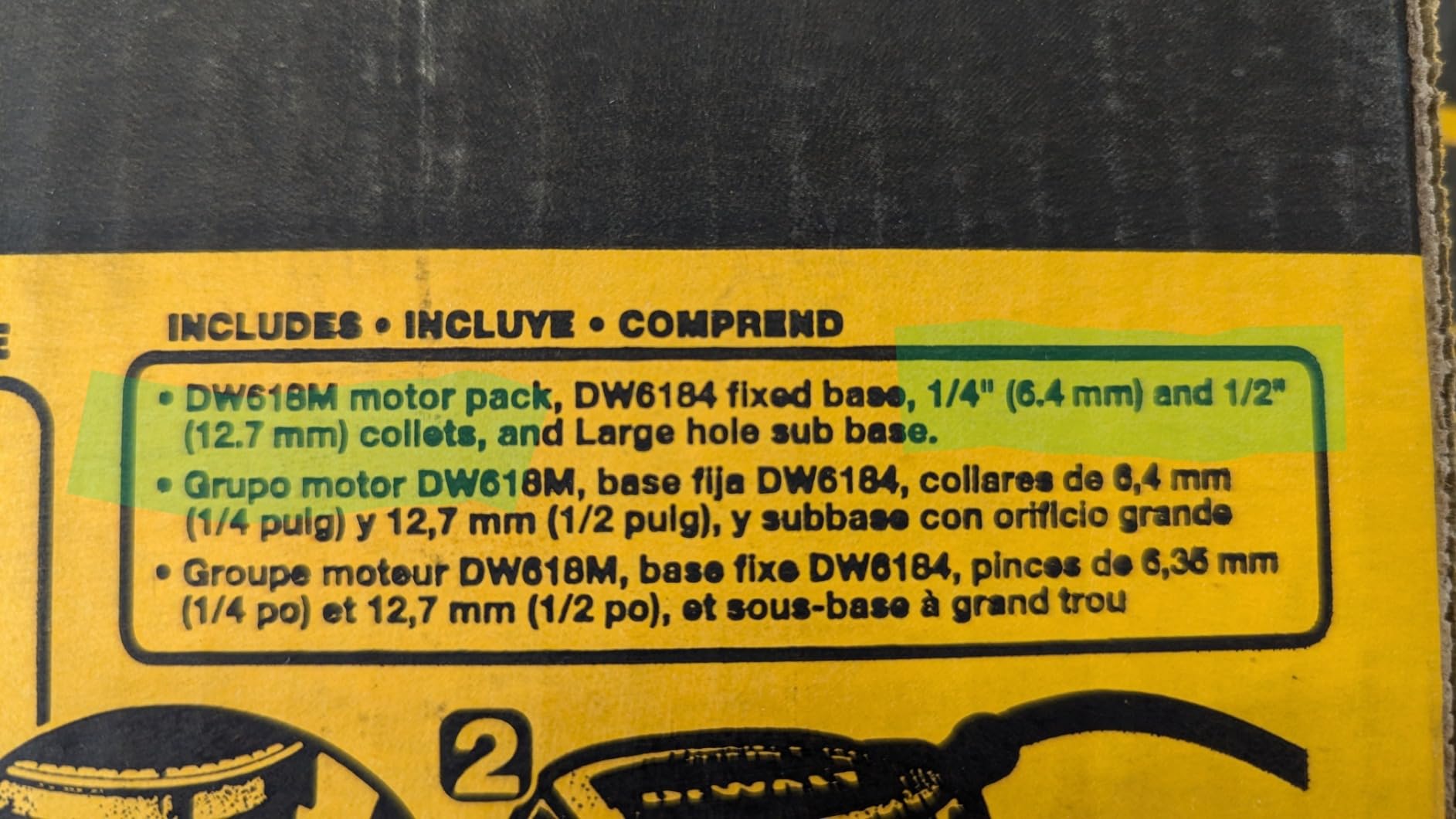
The micro-fine depth adjustment ring adjusts in 1/64 inch increments. The adjustable tool-free steel cam lock makes depth changes quick and solid. Once locked, there’s no drift during cuts.
At 4.34 kg, it’s a mid-weight router. Not the lightest, but the weight helps with stability during heavy cuts. The 3-year warranty is longer than most competitors.
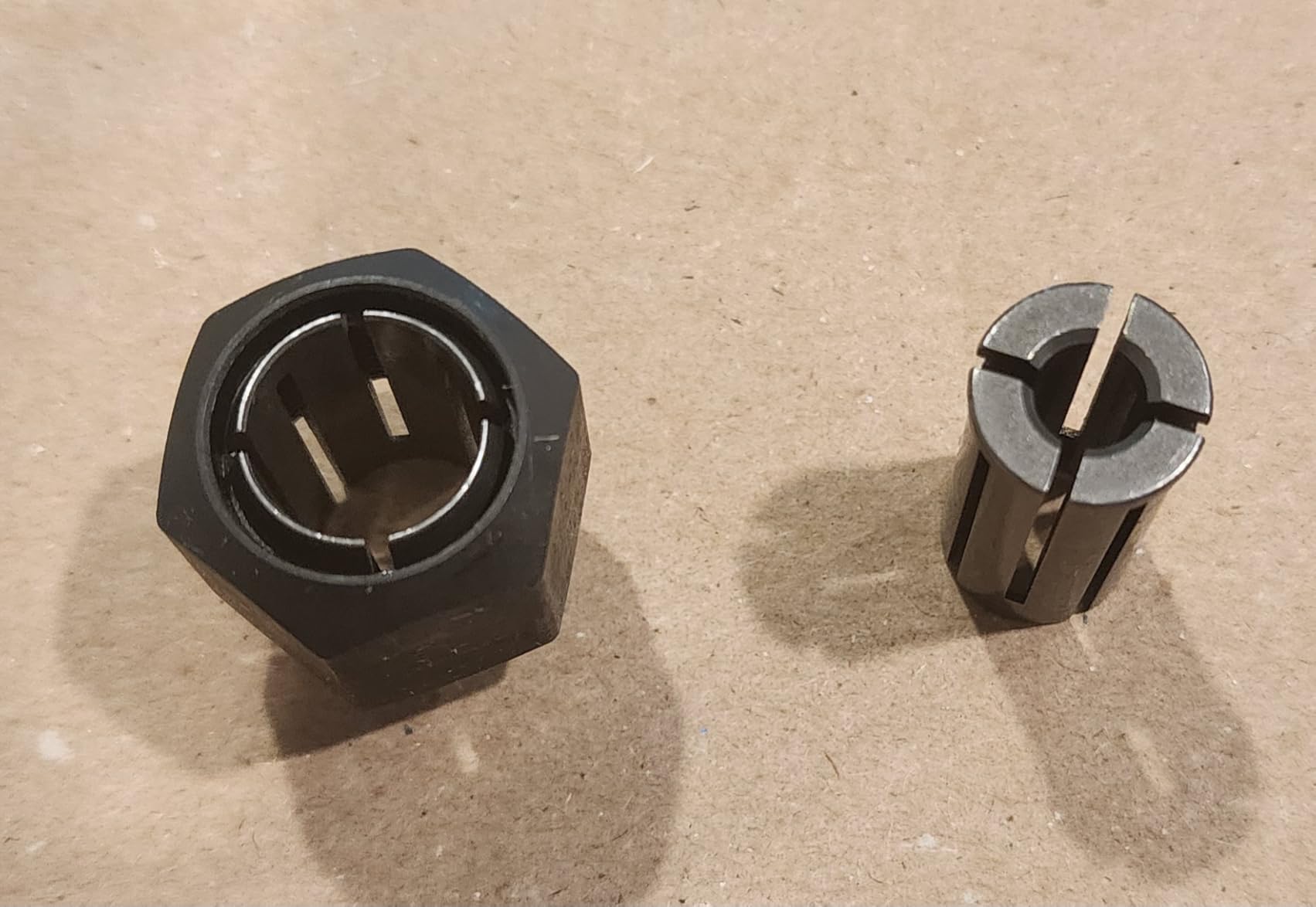
Soft-start and electronic speed control
The soft-start feature ramps up the motor smoothly. For a 2.25 HP motor, that matters. On routers without soft-start, the initial torque can twist the tool out of your hands.
Electronic speed control maintains constant RPM under load. When I routed through dense figured maple, the motor held its speed. That consistency translates to cleaner cuts and less burning.
What to watch out for
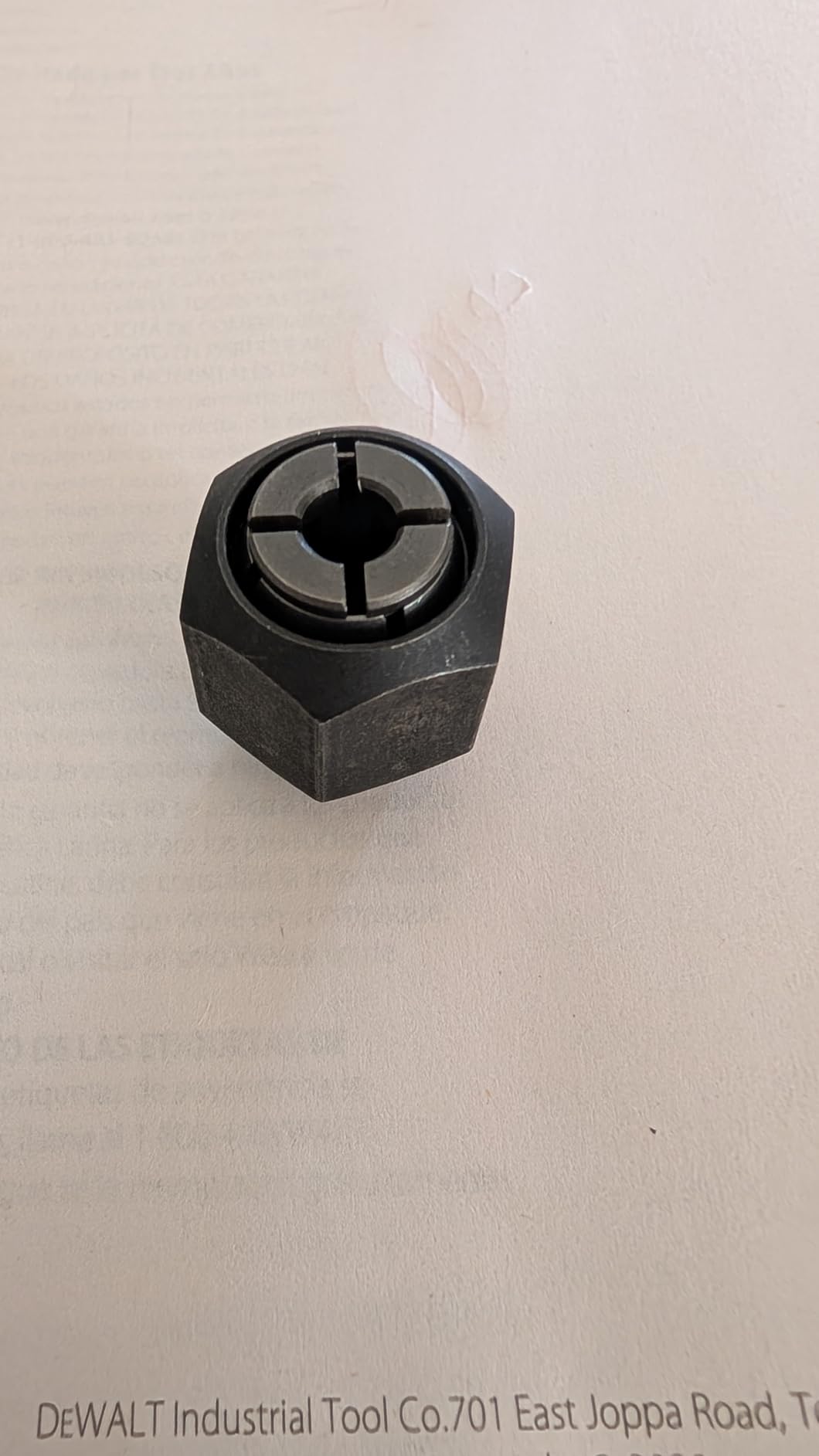
A small number of users report collet thread issues after heavy use. The fix is usually a replacement collet, which DeWalt sells. For typical beginner use, though, this is unlikely to be an issue.
The cord is shorter than some competitors. If your workshop has limited outlets, an extension cord is a worthwhile add-on.
10. WEN RT6033 Plunge Router Kit – Best Budget Router
WEN RT6033 15-Amp Variable Speed Plunge Woodworking Router Kit with Carrying Case & Edge Guide
15 Amp motor
8,000-23,000 RPM
Plunge and fixed functionality, full kit
Pros
- Powerful 15 Amp motor at a budget price
- Functions as both plunge and fixed router
- Accepts 1/4 and 1/2 inch bits
- 2-3/8 inch plunge depth
- 7-stop turret with macro and micro adjustment
- Comes with case
- edge guide
- and accessories
Cons
- Budget brand compared to DeWalt or Bosch
- Heavier than premium routers
- 230V may need adapter in US
The WEN RT6033 is the most feature-rich budget router I tested. For the price, you get a 15 Amp motor, plunge and fixed functionality, and a comprehensive accessory kit. Beginners on tight budgets get serious value here.
The 15 Amp motor delivers variable speed from 8,000 to 23,000 RPM. That’s plenty of power for typical beginner projects. I routed through pine, plywood, and MDF without issue.

The plunging base locks in the downward position, so it functions as both a plunge and fixed router. That’s rare at this price point. You get versatility without buying a separate base.
The 7-stop turret with macro and micro-adjustment dials gives you precise depth control. You can set multiple depths for stepped cuts, which is handy for joinery work.
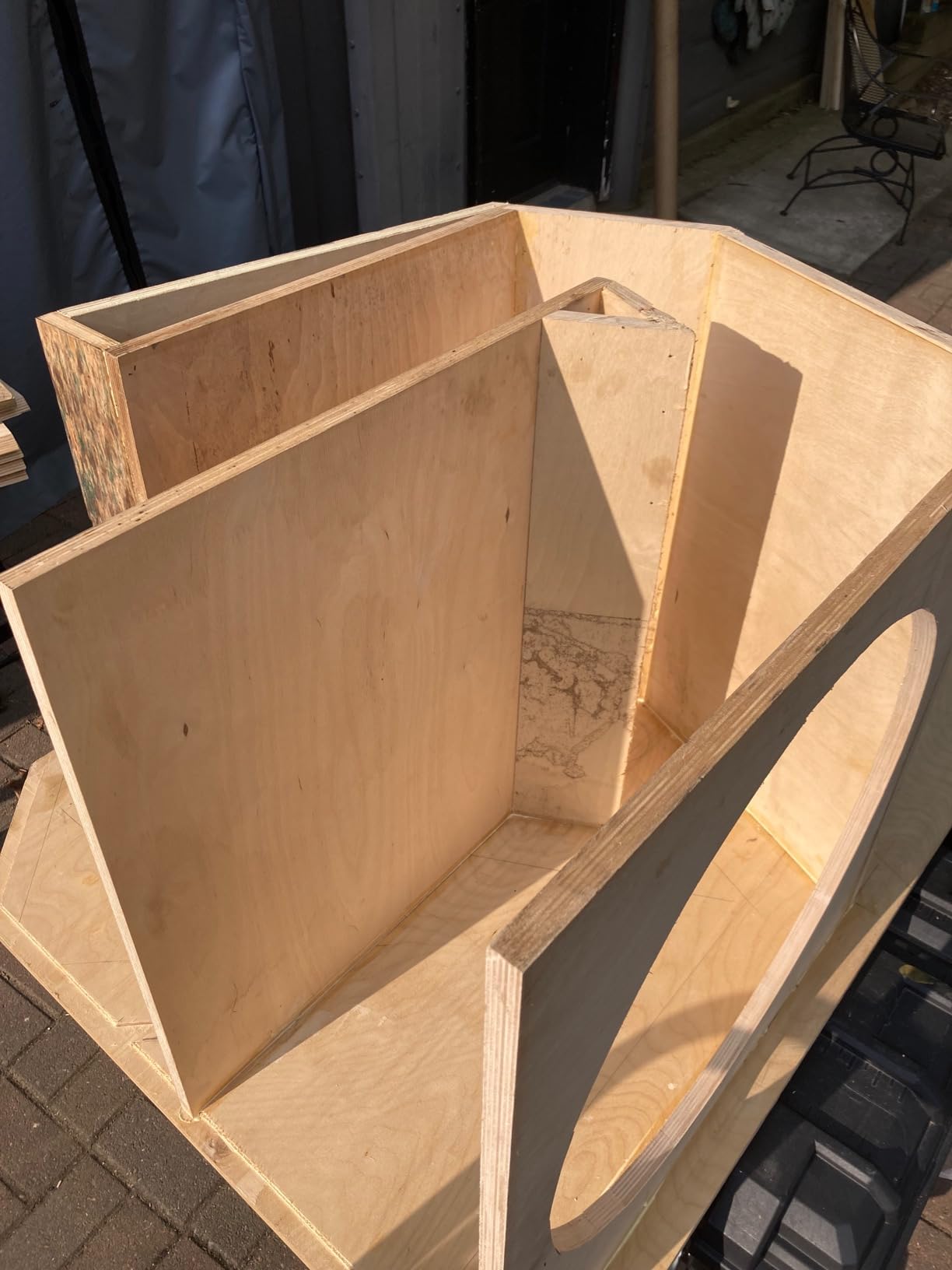
What you get in the kit
The carrying case, straight edge fence, template guide, circle-cutting centering pin, fence scale, and dust collection duct are all included. For a beginner building a starter kit, that bundle saves extra purchases.
The 2-3/8 inch plunge depth is generous. You can cut deep mortises and dados without multiple passes. The bit capacity accepts both 1/4 inch and 1/2 inch shanks.
Trade-offs at this price
WEN isn’t a premium brand like Bosch or DeWalt. Long-term durability may not match the big names. For beginners learning the craft, though, the RT6033 gives you a lot of features to grow with.
The 230V rating may require an adapter in some US outlets. Check the voltage before purchase. The router is also heavier than premium options, at 8.82 kg.
Buying Guide: What Beginners Should Look For in a Wood Router
Picking the best wood routers for beginners comes down to matching features to your projects. Here’s what matters most when you’re choosing your first router.
Fixed Base vs Plunge Base: Which Do You Need First?
Fixed base routers sit at a set depth and you move the tool across the workpiece. They’re simpler to learn and ideal for edge profiling, trimming, and most beginner projects. Plunge base routers let you lower the spinning bit into the middle of a workpiece, which is necessary for mortises, stopped dados, and some joinery.
For your first router, a fixed base covers the most beginner projects. If budget allows, a combo kit gives you both bases and saves buying a second router later. Most beginners who stick with woodworking end up wanting a plunge base eventually.
Corded vs Cordless: What’s Better for Beginners?
Corded routers deliver consistent power and unlimited runtime. Cordless routers offer portability but limited battery life. For a beginner working in a home shop, corded is usually the better choice. You get more power per dollar, and you never run out of battery mid-cut.
Cordless routers make sense if you work on job sites or in spaces without easy outlet access. For most beginners, though, corded is the practical starting point.
Power and HP: How Much Do You Actually Need?
For beginner projects, 1.5 to 2.25 HP is the sweet spot. Anything less struggles in hardwoods. Anything more is overkill until you advance to serious projects.
A 1.0 HP palm router handles trim work and small profiles. A 2.0 to 2.25 HP midsize router handles edge work, dados, and router table use. Most beginners will be happy with a 2.0+ HP midsize router as their main tool.
Collet Sizes: 1/4 Inch vs 1/2 Inch
Router bits come in 1/4 inch and 1/2 inch shanks. Smaller bits typically use 1/4 inch, while larger bits use 1/2 inch. A router that accepts both sizes gives you the most flexibility.
Many beginner projects only need 1/4 inch bits. But if you want to use larger profile bits or 1/2 inch shank bits for heavier cuts, get a router with both collet sizes included.
Variable Speed Control: Why It Matters
Variable speed lets you match the bit speed to the material and bit size. Larger bits need slower speeds to avoid burning the wood. Smaller bits need higher speeds for clean cuts.
A router without variable speed limits your bit selection. As a beginner, you might not notice this right away. But as you explore different bits and materials, variable speed becomes essential.
Soft-Start Motors: A Safety Feature Worth Having
Soft-start ramps up the motor gradually instead of jumping to full power instantly. That prevents the tool from jerking out of your grip on startup. For beginners still developing control, soft-start is a genuine safety feature.
Most routers in the 2.0+ HP range include soft-start. Budget routers sometimes skip it. If you can afford a router with soft-start, get one.
Dust Collection: Cleaner Workshop, Cleaner Cuts
Dust collection matters more than beginners expect. Routing creates fine dust that gets everywhere. A router with built-in dust collection (especially through-the-column designs) keeps your shop cleaner and your cuts more visible.
If you already own a shop vac, look for a router with a dust port that fits your hose. Many routers include adaptors for standard vacuum sizes.
Router Table Compatibility
If you plan to build or buy a router table, check the base mounting pattern before purchasing a router. The most common patterns are 3-hole and 4-hole designs. Many aftermarket plates support both.
Bosch’s 3-hole pattern and DeWalt’s pattern are widely supported. Makita and some other brands use different patterns that may need adapter plates.
Safety Tips for First-Time Router Users
Always wear safety glasses and hearing protection. Routing is loud and chips fly fast. Keep your hands away from the bit and use push sticks for small workpieces.
Make test cuts on scrap wood before committing to your project. Set the depth shallow and increase gradually. Unplug the router before changing bits. Never reach over a spinning bit to adjust anything.
FAQs
What type of router is best for woodworking beginners?
A fixed base router with 2.0 to 2.25 HP is the best starting point for most beginners. It handles edge profiling, trimming, and most beginner projects without overwhelming complexity. Combo kits with both fixed and plunge bases give you more versatility if budget allows.
How much horsepower do I need in a beginner router?
For beginner projects, 1.5 to 2.25 HP covers almost everything. A 1.0 HP palm router works for trim and detail work. A 2.0+ HP midsize router handles hardwoods, dados, and router table use. Most beginners should aim for 2.0 HP or higher as their main router.
What is a good inexpensive router for a beginner?
The WEN RT6033 and SKIL RT1323-00 are excellent budget routers under $110 that deliver real value. The Bosch PR20EVS Colt is a great compact option around $100. These routers include variable speed, soft-start, and the features beginners actually need.
Which wood router should I buy for a router table?
For router table use, look for a router with a stable base mounting pattern (3-hole is most common) and enough power for continuous cuts. The Bosch 1617EVS and 1617EVSPK combo are industry standards for router tables. The DeWalt DW618 also works well with most aftermarket plates.
Can I use one router bit set across different routers?
Yes, as long as the bit shank matches your router’s collet size. Most routers accept either 1/4 inch or 1/2 inch shanks, and many include both collets. Buy bits with 1/4 inch shanks for maximum compatibility with compact and midsize routers.
Final Verdict: Which Beginner Router Should You Buy?
After testing all 10 routers, our top pick for most beginners is the Bosch 1617EVSPK combo kit. You get both fixed and plunge bases, a powerful 2.25 HP motor, and the build quality to last for years. If you want a single fixed base router, the Bosch 1617EVS delivers the same motor and quality at a lower price.
For beginners on a budget, the SKIL RT1323-00 offers genuine 2.0 HP performance and helpful features like the live tool indicator. The WEN RT6033 is the best budget combo kit, including a plunge base and accessories that would cost extra otherwise.
Pick a router that matches your projects and budget. The best wood routers for beginners are the ones you’ll actually use. Start with one, learn its capabilities, and grow your skills from there.