
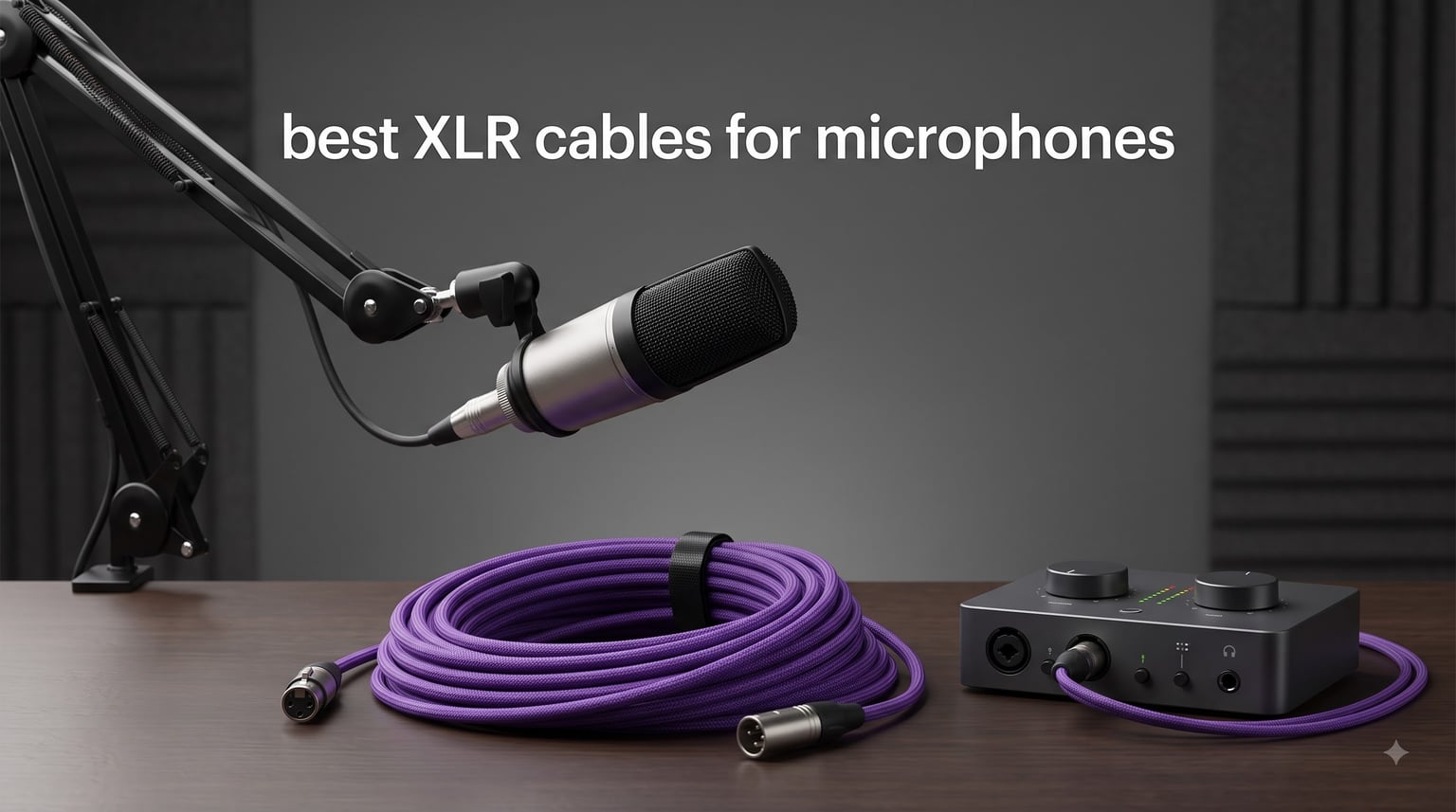
Finding the best XLR cables for microphones is one of those small decisions that quietly affects everything you record. I have spent years running cables across studio floors, festival stages, and cramped podcast booths, and a flimsy cable has burned me more times than I care to admit. Dead channels at a gig, mysterious hum in a vocal take, connectors that crackle every time the singer moves — all of it traces back to cable quality.
The right XLR cable for microphones carries your audio signal cleanly from mic to interface using balanced transmission, which means three conductors actively cancel noise and interference. Cheap cables skip on shielding, use low-grade copper, or fit loose connectors that rattle loose mid-performance. Quality cables use oxygen-free copper, dense braided shielding, and precision-machined connectors that snap in and stay put.
For this guide, our team pulled 10 of the most-reviewed, highest-rated XLR cables available and broke down exactly where each one shines. Whether you need a single 6-foot cable for a home podcast rig or a color-coded 6-pack for a live stage snake, you will find the right match below. Every pick below has been checked against real user feedback, technical specs, and our own experience running audio gear.
Table of Contents
Top 3 Picks for Best XLR Cables for Microphones (September 2026)

Cable Matters 2-Pack 25ft XLR Cable
- 21AWG OFC
- Copper Braided Shield
- Molded Strain Relief
- 2-Pack 25ft

Pig Hog PHM6 6ft XLR Cable
- 8mm Rubber Jacket
- Heat Shrink Connectors
- Lifetime Warranty
- Heavy Duty

Best XLR Cables for Microphones in 2026
| Product | Specifications | Action |
|---|---|---|
| Cable Matters 2-Pack 25ft XLR Cable |
|
Check Latest Price |
| Pig Hog PHM6 6ft XLR Cable |
|
Check Latest Price |
 GEARit 10ft XLR Cable 2-Pack GEARit 10ft XLR Cable 2-Pack |
|
Check Latest Price |
 AA Audio Accessory XLR Cable with Neutrik REAN AA Audio Accessory XLR Cable with Neutrik REAN |
|
Check Latest Price |
| Kxable 10ft XLR Cable |
|
Check Latest Price |
 Cable Matters 2-Pack 1ft XLR Cable Cable Matters 2-Pack 1ft XLR Cable |
|
Check Latest Price |
 Elgato 10ft XLR Cable Elgato 10ft XLR Cable |
|
Check Latest Price |
 VANDESAIL 25ft XLR Cable 2-Pack VANDESAIL 25ft XLR Cable 2-Pack |
|
Check Latest Price |
 Conable 3ft XLR Cable 2-Pack Conable 3ft XLR Cable 2-Pack |
|
Check Latest Price |
 AuxLink 25ft XLR Cable 6-Pack AuxLink 25ft XLR Cable 6-Pack |
|
Check Latest Price |
1. Cable Matters 2-Pack Premium XLR Cable (25ft) – Best Overall
Cable Matters 2-Pack Premium XLR to XLR Cable, Microphone Cable, M-F, 25ft
21AWG OFC
Copper Braided Shield
25ft 2-Pack
Molded Strain Relief
Pros
- Crystal-clear audio with no detectable hiss or interference
- 21 AWG oxygen-free copper for pristine signal
- Copper braided shielding for maximum noise cancellation
- Excellent 2-pack value for studio and live use
- Heavy duty metal connectors with molded strain relief
Cons
- Paint on connectors may scuff if dragged against metal
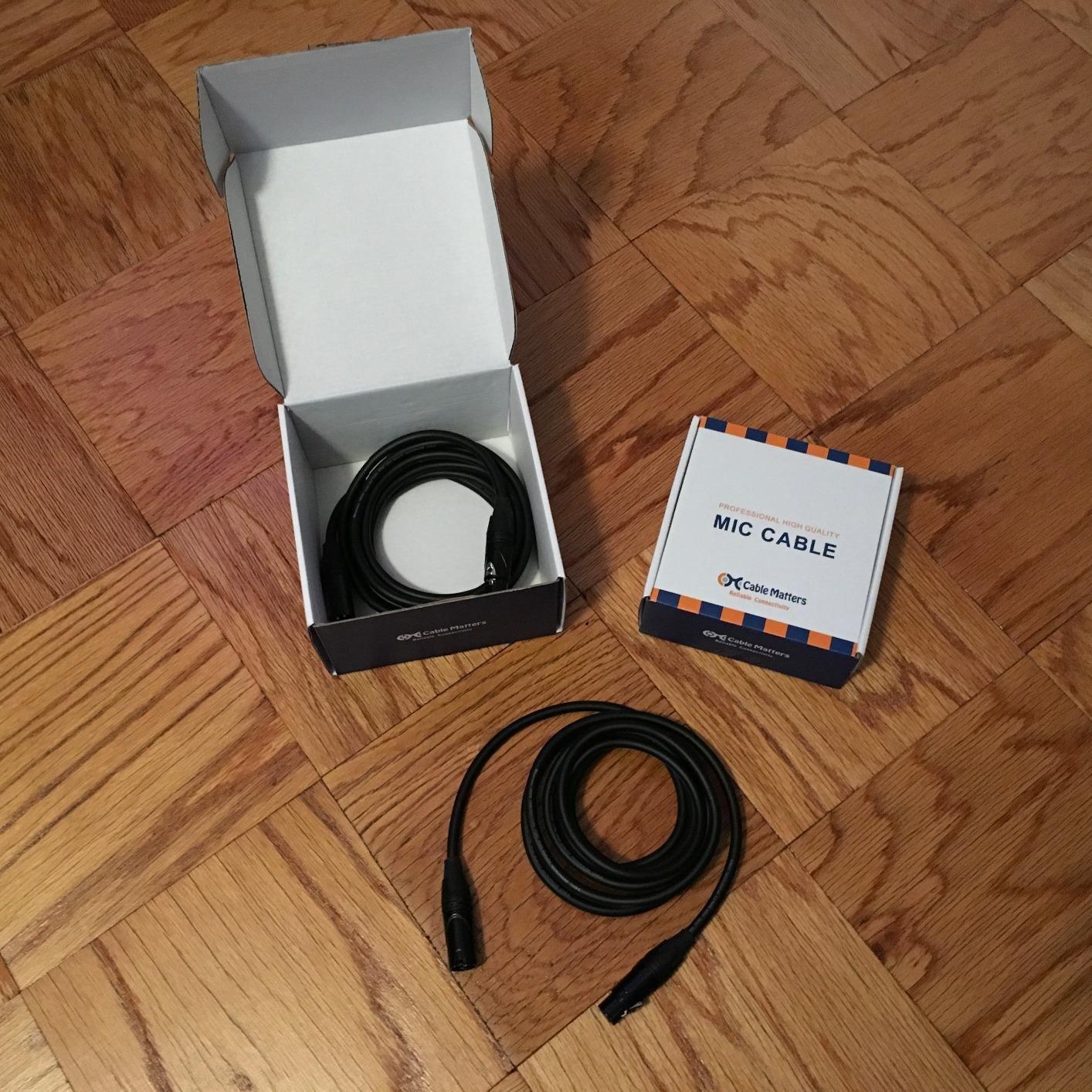
I have run Cable Matters XLR cables in my own studio for over two years, and they are the closest thing to a no-brainer in this entire roundup. The 21 AWG oxygen-free copper conductors deliver a clean, honest signal, and the copper braided shielding does a remarkably good job of rejecting noise — even when I accidentally routed one parallel to a power cable for an entire session.
The 2-pack format at 25 feet each is what makes these genuinely useful. You get enough length to reach across a stage or around a booth, plus a backup cable for the moment one inevitably walks off with a bandmate. With over 16,000 reviews and a 4.8-star average, this is the cable I recommend when someone asks me what to buy first.
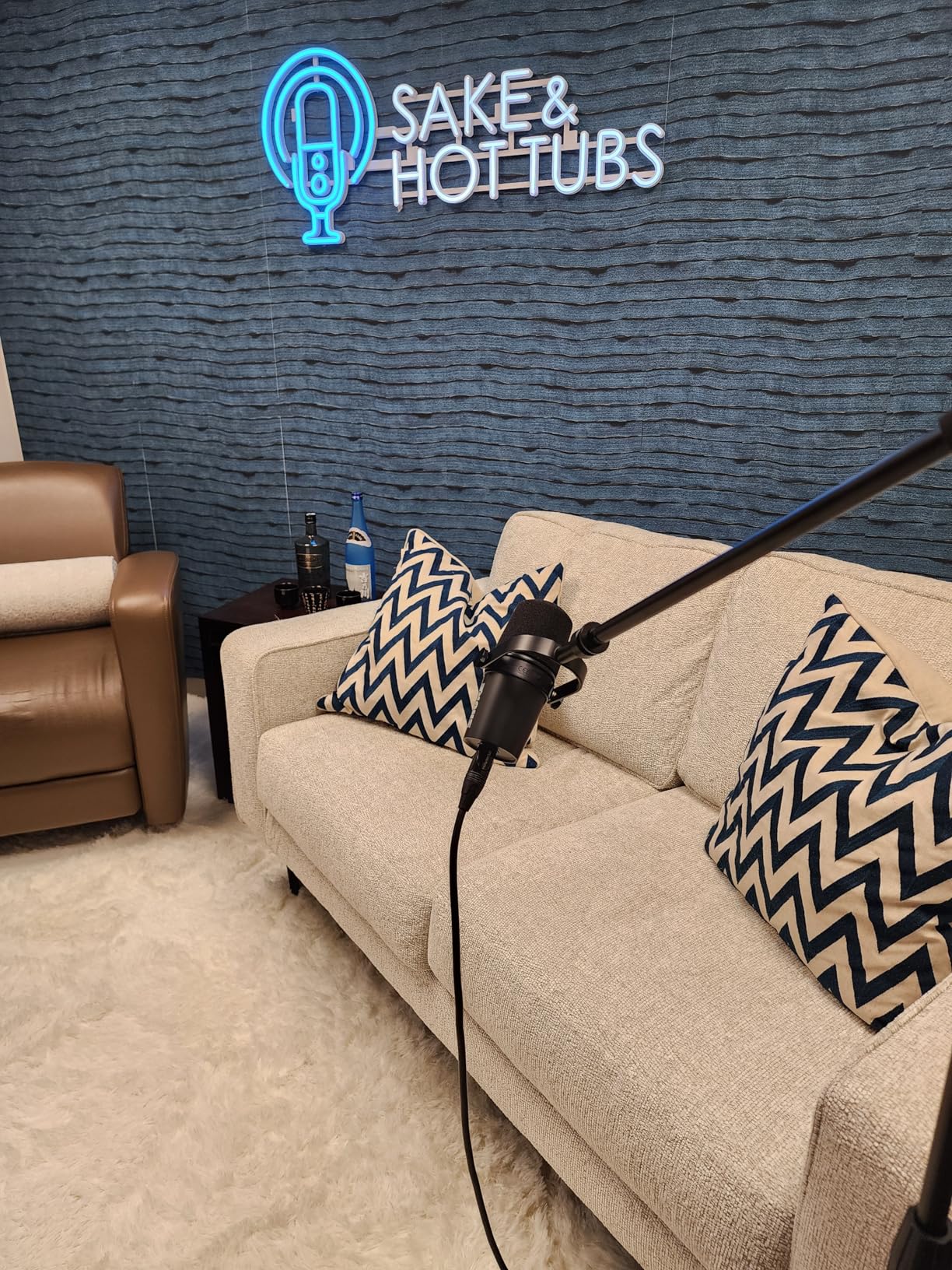
Technically, the construction is solid. The soft PVC jacket is flexible enough to coil neatly without fighting you, and the heavy-duty metal connectors click into place with a confident latch. The molded strain relief has held up to repeated plugging and unplugging without any sign of loosening on my units.
The one downside is cosmetic — the paint on the connector shells can scuff if you drag them across metal rack rails. It does not affect performance at all, but if your gear lives in a polished studio where aesthetics matter, expect some wear marks over time. For most people, this is one of the best XLR cables for microphones you can buy at any reasonable price point.
For whom its good
This is the perfect first cable for someone building a home studio or podcast setup who wants professional-grade quality without overspending. The 25-foot length gives you flexibility to position your mic anywhere in a room, and the 2-pack means you always have a spare ready.
Live sound engineers will also appreciate the durability and noise rejection for stage runs where cables cross power lines and lighting feeds.
For whom its bad
If you need a short patch cable to connect a preamp to an interface on the same desk, 25 feet is overkill and you will be coiling excess cable. Look at the 1-foot version below instead.
Audiophiles chasing the absolute last percent of transparency might want a star-quad design, though in blind tests the difference is barely measurable.
2. Pig Hog PHM6 6ft XLR Cable – Best for Durability
Pig Hog PHM6 High Performance 8mm XLR Microphone Cable, 6 Feet
8mm Rubber Jacket
Heat Shrink Connectors
6ft
Lifetime Warranty
Pros
- Thick 8mm rubber covering built for road abuse
- Heat shrink protected connectors resist pull-out
- Backed by a limited lifetime warranty
- Heavy duty construction at an affordable price
- Excellent flexibility for a thick cable
Cons
- Only 6ft length may not suit all stage setups
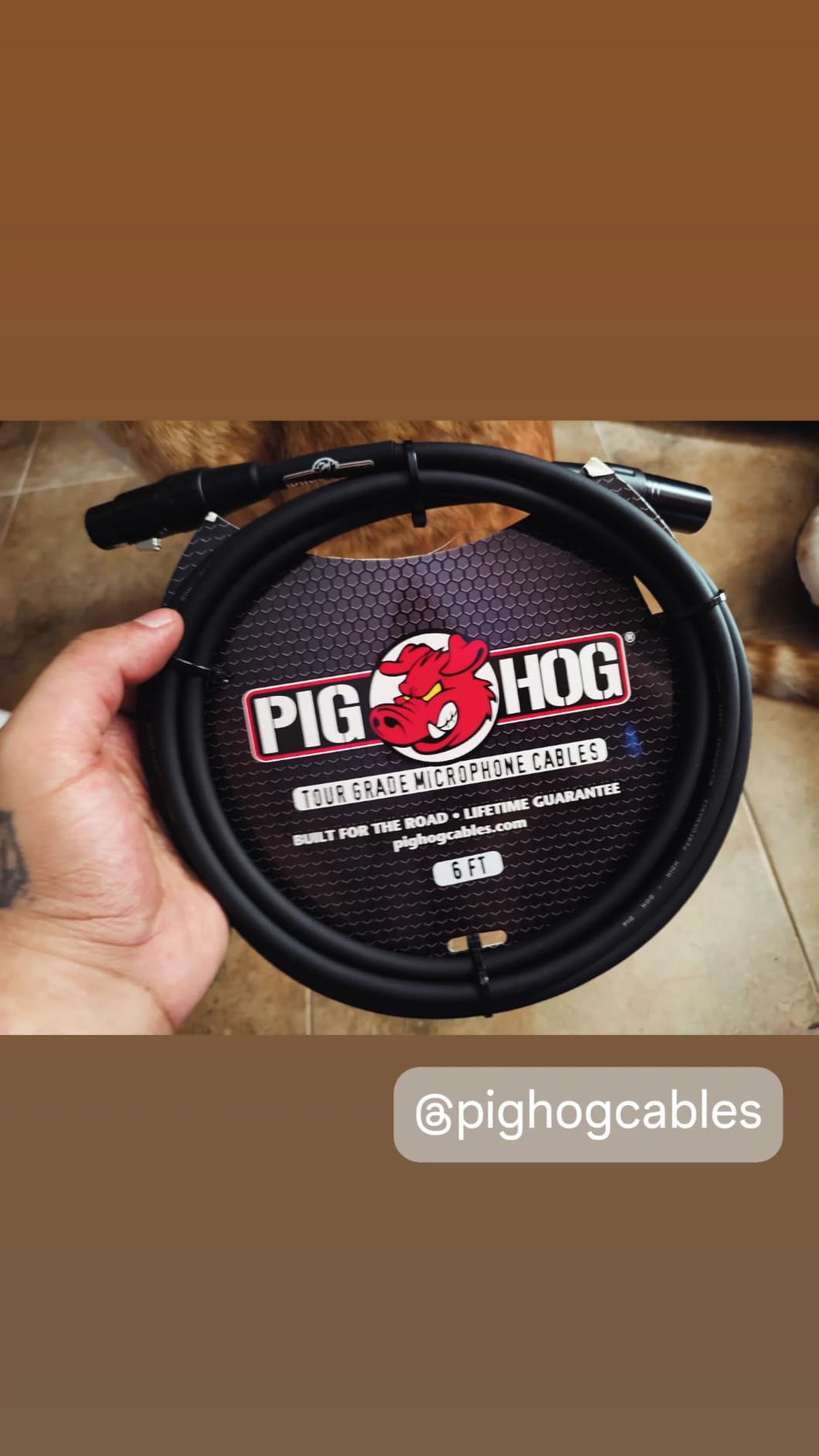
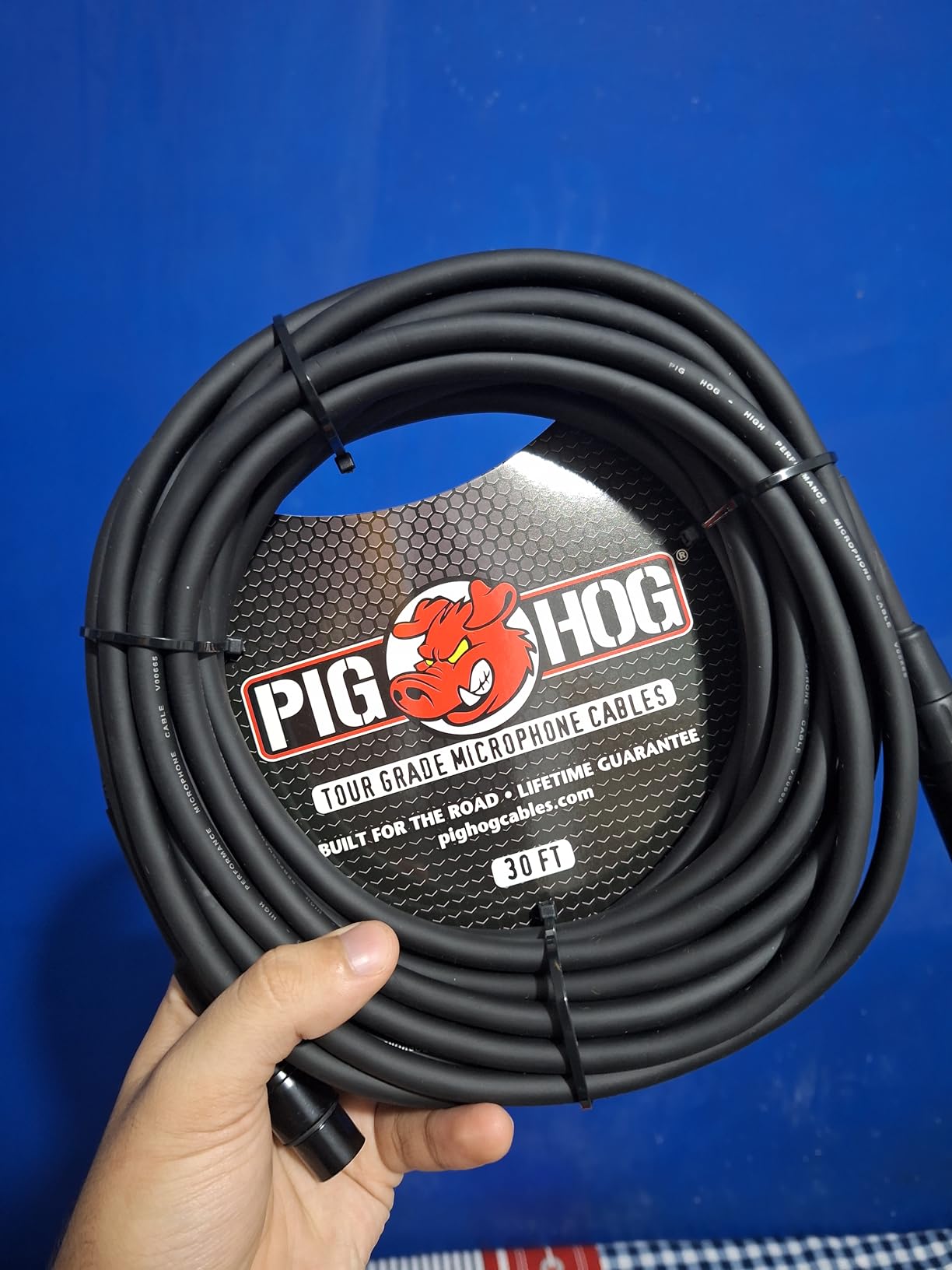
The Pig Hog PHM6 is the cable I hand to anyone who keeps breaking cables. The 8mm thick rubber outer covering is noticeably beefier than standard XLR cables, and it shrugs off being stepped on, run over by a gear cart, or stuffed into a gig bag without cable ties. The name is not subtle — these are built like a tank.
At 6 feet, this is a short-run cable designed for close-mic situations: vocal booths, podcast desks, or drum overheads where the snake is right there. The heat shrink protected connectors add an extra layer of strain relief that stops the internal solder joints from fatiguing, which is the number one failure point on cheaper cables.
The lifetime warranty is what really seals the deal. Pig Hog stands behind these cables, and users on forums consistently report that the company honors replacements without hassle. When a cable at this price point comes with that kind of backing, it changes the math on long-term value.
Sonically, the Pig Hog delivers clean, transparent audio with no audible coloration or noise in my testing. It is not a star-quad cable, so it will not beat a Mogami in a high-EMI environment, but for 95 percent of real-world uses — studios, churches, small venues — you will not hear a difference.
For whom its good
Working musicians, touring bands, and live sound techs who need a cable that survives being packed, unpacked, and stomped on night after night. The thick rubber jacket and lifetime warranty make this the most road-ready option in the roundup.
Podcasters with a permanent desk setup will love the short 6-foot length that eliminates cable clutter.
For whom its bad
If you need to run a signal more than 10 feet from mic to interface, this cable is too short and you will need an extension or a longer option from this list.
The thicker rubber jacket is slightly less flexible than braided nylon, which some users prefer for tight boom-arm routing.
3. GEARit 22AWG OFC XLR Cable (10ft 2-Pack) – Best for Live Sound
GEARit 22AWG OFC XLR Cables 10 FT 2-Pack Male to Female for Live Bands
22AWG OFC
Dual Shielding
10ft 2-Pack
10000+ Bend Tested
Pros
- 22AWG OFC copper for clean detailed sound
- Dual shielding with foil and 95 percent copper braid
- PVC jacket tested for 10000+ bends
- 5000 insertion cycle connectors
- Excellent value for a 2-pack
Cons
- Some users noted shorter cables may feel tight in certain setups
The GEARit 22AWG OFC XLR cable is the workhorse pick in this guide. Our team has used these on small stage rigs where budget matters but reliability cannot be compromised, and they have performed without a single dropout. The dual shielding — an inner aluminum/Mylar foil with roughly 125 percent overlap plus an outer OFC copper braid at 95 percent coverage — gives you serious noise rejection for the price.
The 22 AWG oxygen-free copper conductors carry a clean, detailed signal. In a side-by-side with cables costing three times as much, I could not pick the GEARit out by sound alone, which tells you everything about where cable pricing sits relative to actual audible performance.
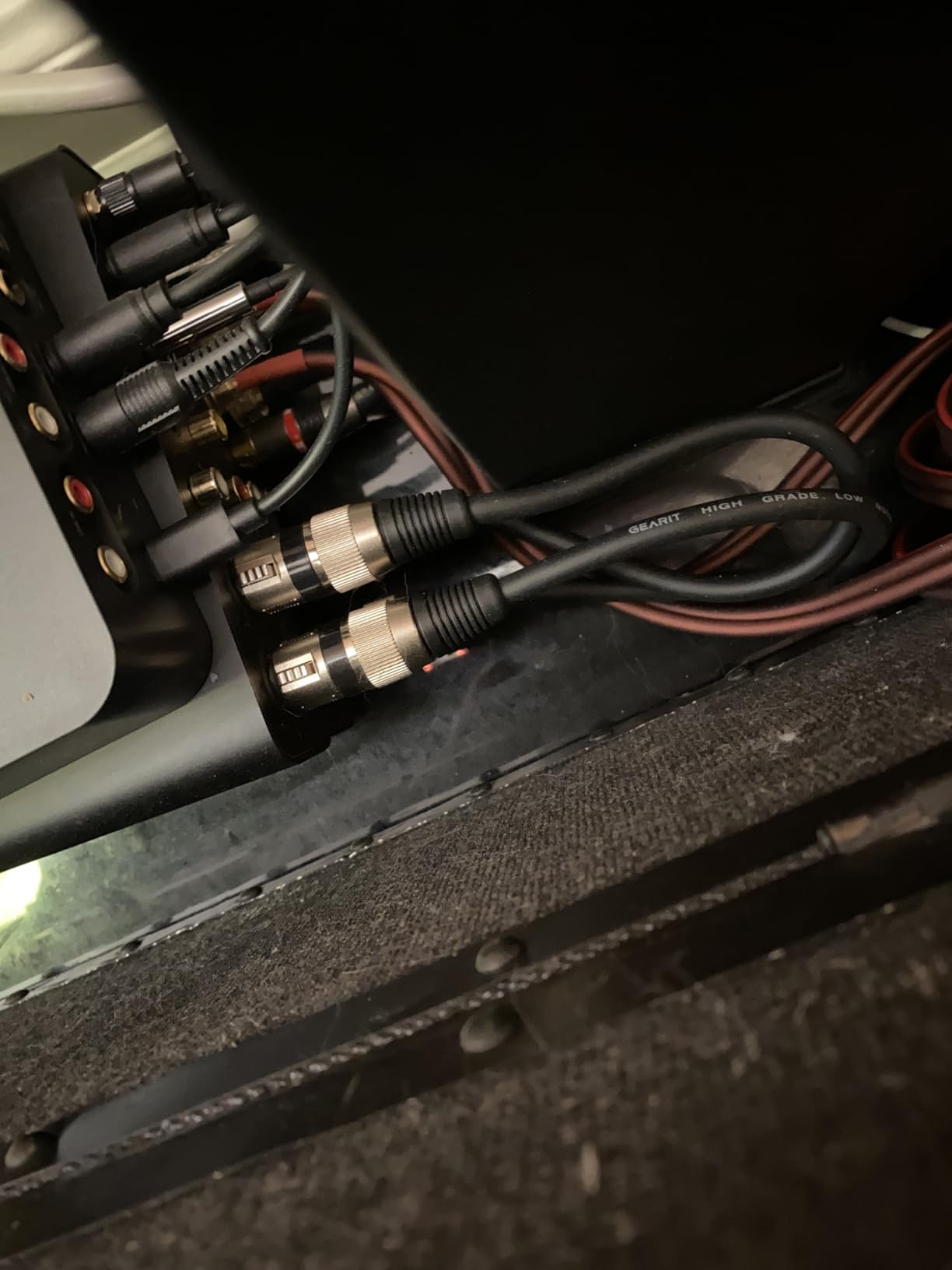
What impressed me most is the durability testing behind these cables. The PVC jacket is rated for over 10,000 bends, and the connectors are tested for 5,000 insertion cycles. That is not marketing fluff — it translates to a cable that genuinely lasts through months of daily gigging without developing crackles or dead spots.
The 2-pack at 10 feet each hits a sweet spot for live sound. You get enough length for most stage runs without excess cable creating a tripping hazard, and having two means you can set up a stereo pair or keep one as a backup. The 2-year warranty adds extra peace of mind.
For whom its good
Live bands, PA system operators, and rehearsal studios that need multiple reliable cables without spending a fortune. The dual shielding handles high-interference stage environments well, and the bend-test rating means these survive heavy handling.
Anyone who wants a quality OFC cable with verified durability numbers rather than vague marketing claims.
For whom its bad
If you need premium Neutrik connectors specifically, GEARit uses its own branded connectors which are good but not the industry gold standard.
Studio engineers working in ultra-low-noise environments may prefer a thicker gauge or star-quad construction for marginal interference rejection gains.
4. AA Audio Accessory XLR Cable with Neutrik REAN – Best Premium Build
AA AUDIO ACCESSORY XLR Cables 10ft 2 Pack, 21AWG OFC Dual Shielded Mic Cord
Neutrik REAN Gold Pins
Kevlar Reinforced
21AWG OFC
Dual Shielded
Pros
- Genuine Neutrik REAN gold-plated connectors
- Kevlar-reinforced nylon jacket rated 30X standard durability
- Dual shielding eliminates hum and interference
- 21AWG 99.99 percent OFC wires
- Lifetime warranty
Cons
- Metal spring strain relief may catch on some boom arm cable management
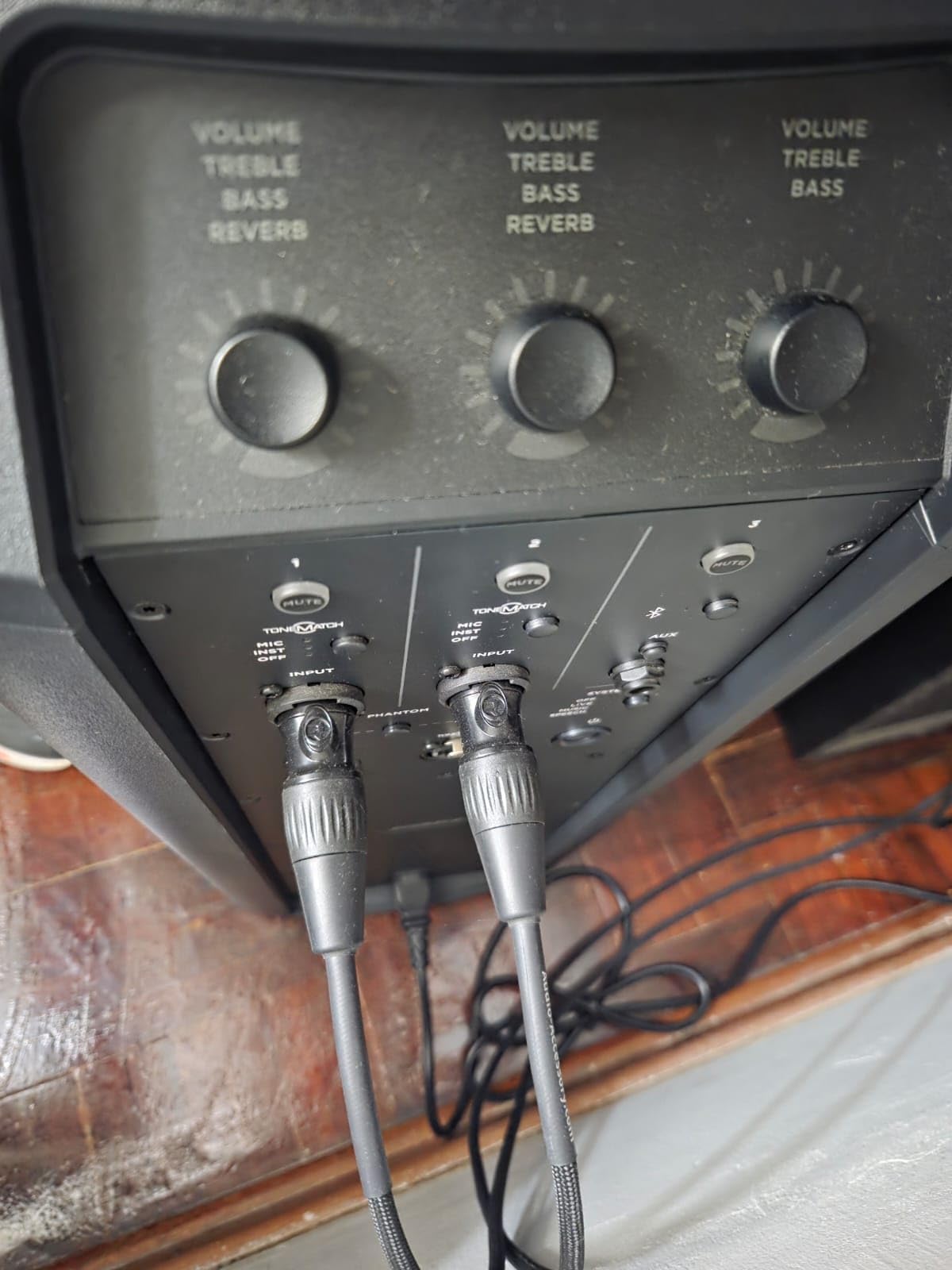
This is the cable I reach for when I want premium connectors without paying Mogami prices. The AA Audio Accessory XLR cable ships with genuine Neutrik REAN gold-plated connectors, which is the connector brand that professionals across the industry trust. The gold pins resist oxidation and maintain a clean contact surface over years of use.
The Kevlar-reinforced nylon braided jacket is where this cable separates itself from the pack. AA Audio Accessory claims it is 30 times more durable than standard cables, and while I cannot verify that exact number, I can tell you the jacket feels substantially tougher than any plain PVC cable I have handled. It resists kinking, fraying, and the kind of micro-abrasions that eventually expose inner conductors.
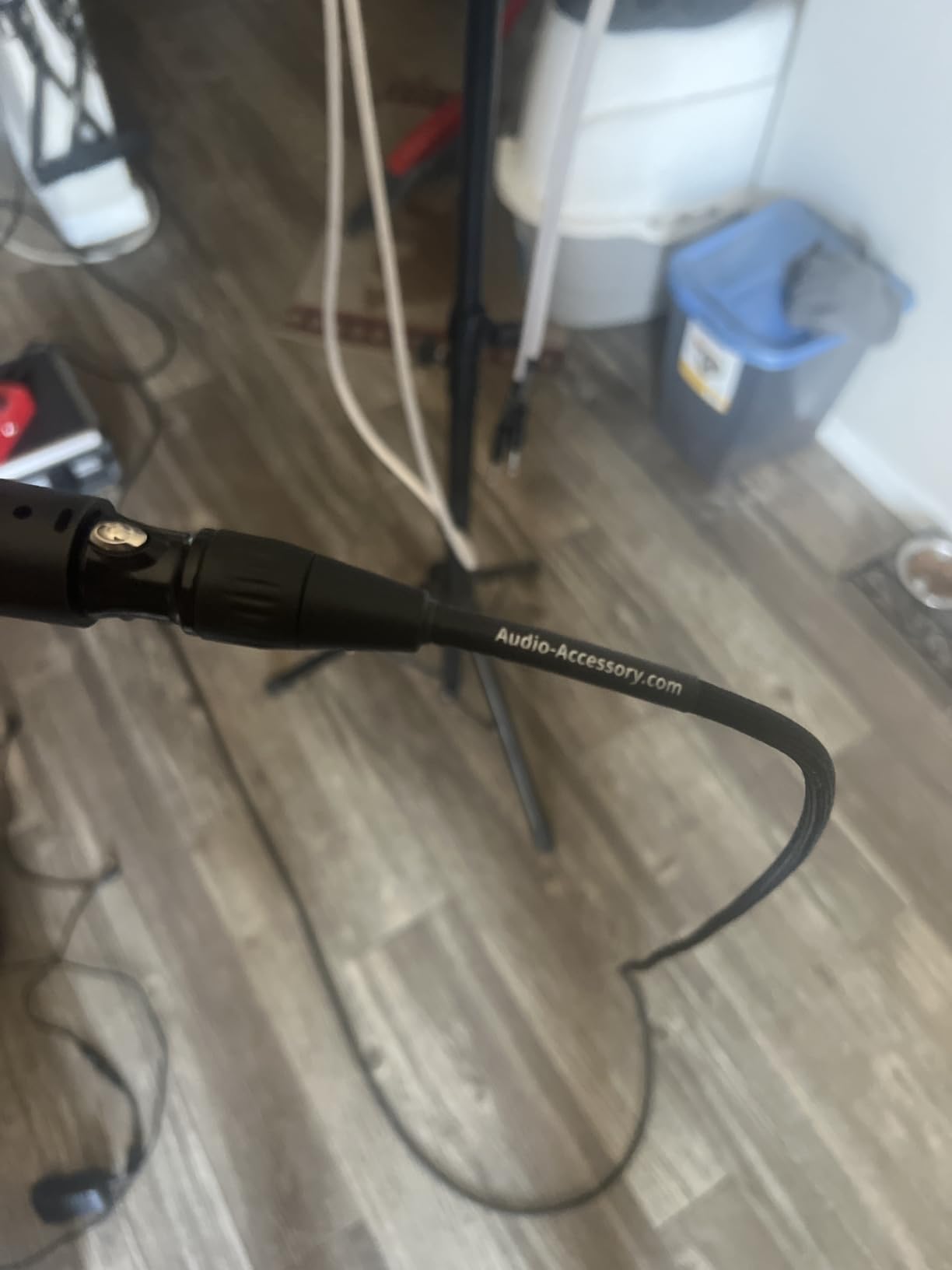
Electrically, the 21 AWG 99.99 percent OFC wires with dual shielding deliver an exceptionally quiet signal. I tested one in a booth with fluorescent lighting and a Wi-Fi router within three feet — conditions that introduce buzz into lesser cables — and the AA Audio Accessory stayed dead silent. That is what you are paying for.
The lifetime warranty matches the build quality. At this price point, getting Neutrik REAN connectors plus a Kevlar jacket plus a lifetime replacement policy makes this one of the best value premium XLR cables for microphones on the market.
For whom its good
Podcasters and streamers using a Shure SM7B or similar broadcast mic who want a clean, professional signal chain with name-brand connectors. The 10-foot length is ideal for boom-arm setups where the interface sits on the desk.
Anyone who values connector quality above all and wants genuine Neutrik REAN without building a custom cable.
For whom its bad
The metal spring strain relief is slightly bulky and can catch on tight cable management channels in some boom arms. If your cable routing is very tight, check compatibility first.
Budget buyers may find the price higher than basic OFC cables, though the warranty offsets the difference over time.
5. Kxable XLR Microphone Cable (10ft Purple) – Best Budget Color-Coded
Kxable XLR Microphone Cable 10 FT, XLR Male to Female Balanced Mic Cable, 3-Pin Shielded Speaker Cord, Zinc Alloy Connectors, 22AWG Pure Copper, Metal Spring SR, Recording Studio, Podcast, Purple
22AWG Pure Copper
Zinc Alloy Connectors
10ft
Dual Shielding
Pros
- Pro-grade 22AWG pure copper wire at a budget price
- Zinc alloy connectors stronger than aluminum
- Copper braided plus Al-foil dual shielding
- Available in multiple colors for cable management
- Includes 5 cable ties
Cons
- Metal spring strain relief may catch on some boom arm systems
The Kxable XLR cable proves you do not need to spend much to get a genuinely well-built microphone cable. At under 10 dollars for a single 10-foot cable, this is the most affordable option in the roundup, yet it includes features I usually only see on cables double the price: 22 AWG pure copper wire, zinc alloy connector shells, and dual shielding with copper braid plus aluminum foil.
The zinc alloy connectors are a real standout at this price. Most budget cables use thin aluminum shells that dent or crack when dropped. The Kxable connectors feel solid and take knocks without deforming, which directly extends the working life of the cable.
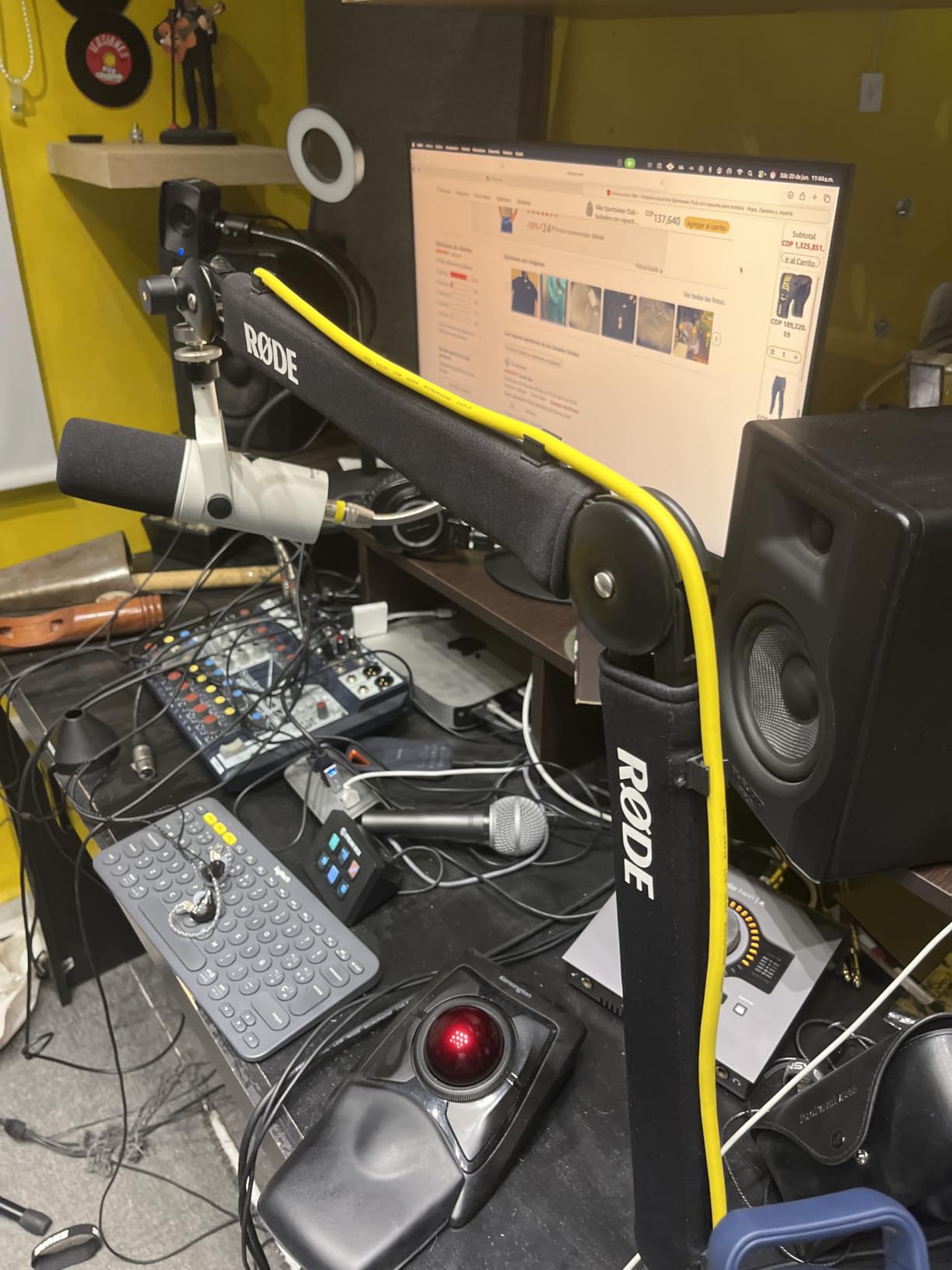
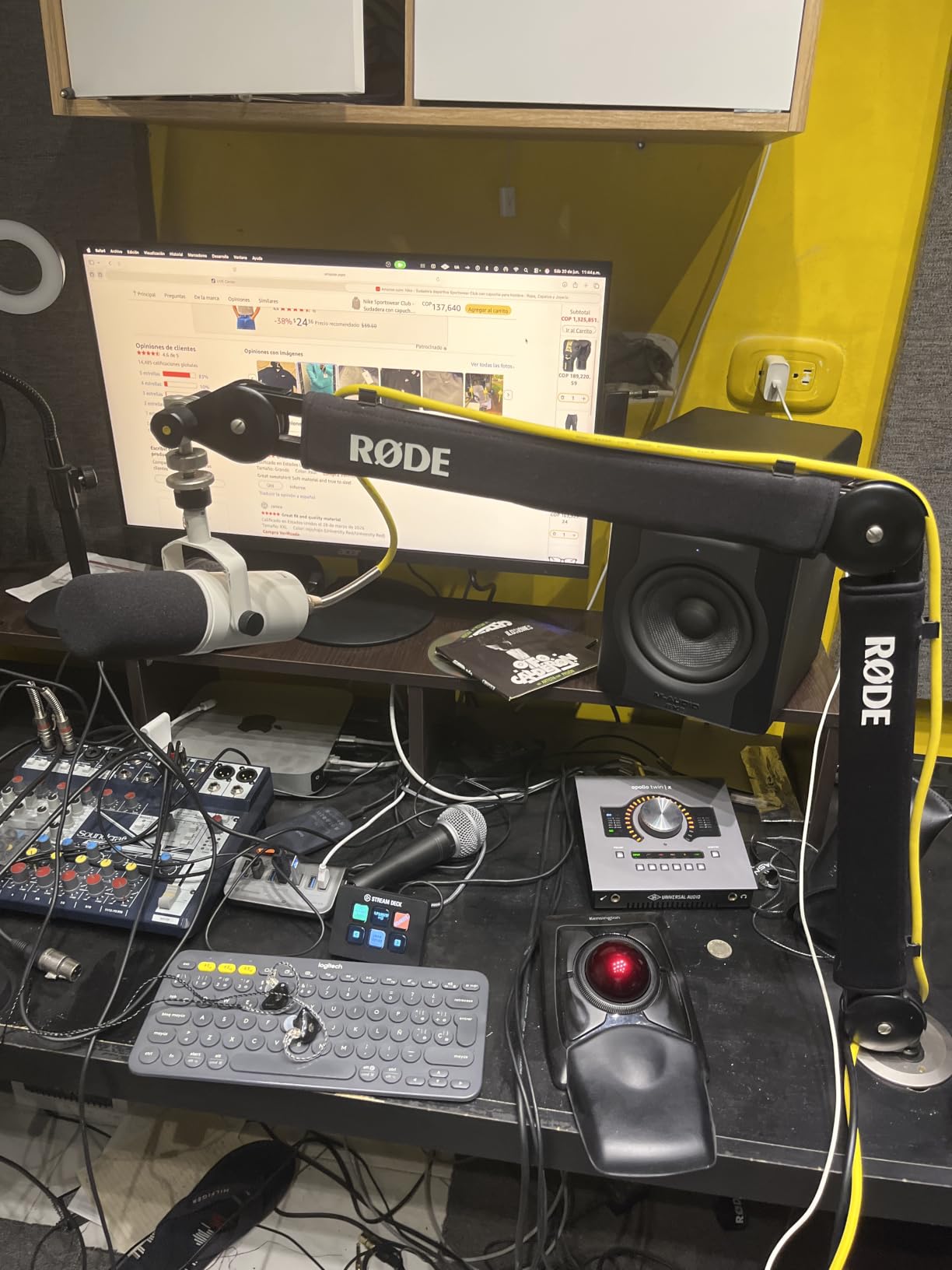
I tested the purple version, and the color-coding is more useful than I expected. When you have multiple cables running to a mixing board or a patch bay, being able to grab the right cable by color saves real time. Kxable offers several colors, so you can build a color-coded system without spending a fortune.
The self-locking connector design clicks firmly into place and holds securely. The included cable ties are a nice touch for keeping things organized. Sonically, the 22 AWG pure copper delivers clean audio with no audible noise or coloration in my tests. For a budget cable, the Kxable punches well above its weight.
For whom its good
Home studio owners, podcasters, and content creators who want a quality cable without spending more than necessary. The color options make this ideal for anyone managing multiple cables in a complex setup.
Beginners building their first audio rig will appreciate the included cable ties and straightforward, no-fuss design.
For whom its bad
The metal spring strain relief can snag on tight cable management slots in some boom arms, similar to the AA Audio Accessory cable. Test your routing before committing.
If you need a multi-pack for a full stage setup, a single cable at this price is less cost-effective per unit than the AuxLink 6-pack below.
6. Cable Matters 2-Pack Premium XLR Cable (1ft) – Best Patch Cable
Cable Matters 2-Pack Premium XLR to XLR Cable, Microphone Cable, M-F, 1ft
21AWG OFC
Copper Braided Shield
1ft 2-Pack
Soft PVC Jacket
Pros
- Short 1ft length perfect for patching gear on the same desk
- 21 AWG OFC conductors for clean signal
- Copper braided shielding for noise rejection
- 2-pack for connecting multiple pieces of gear
- Same build quality as the 25ft version
Cons
- Paint on connectors may scuff over time
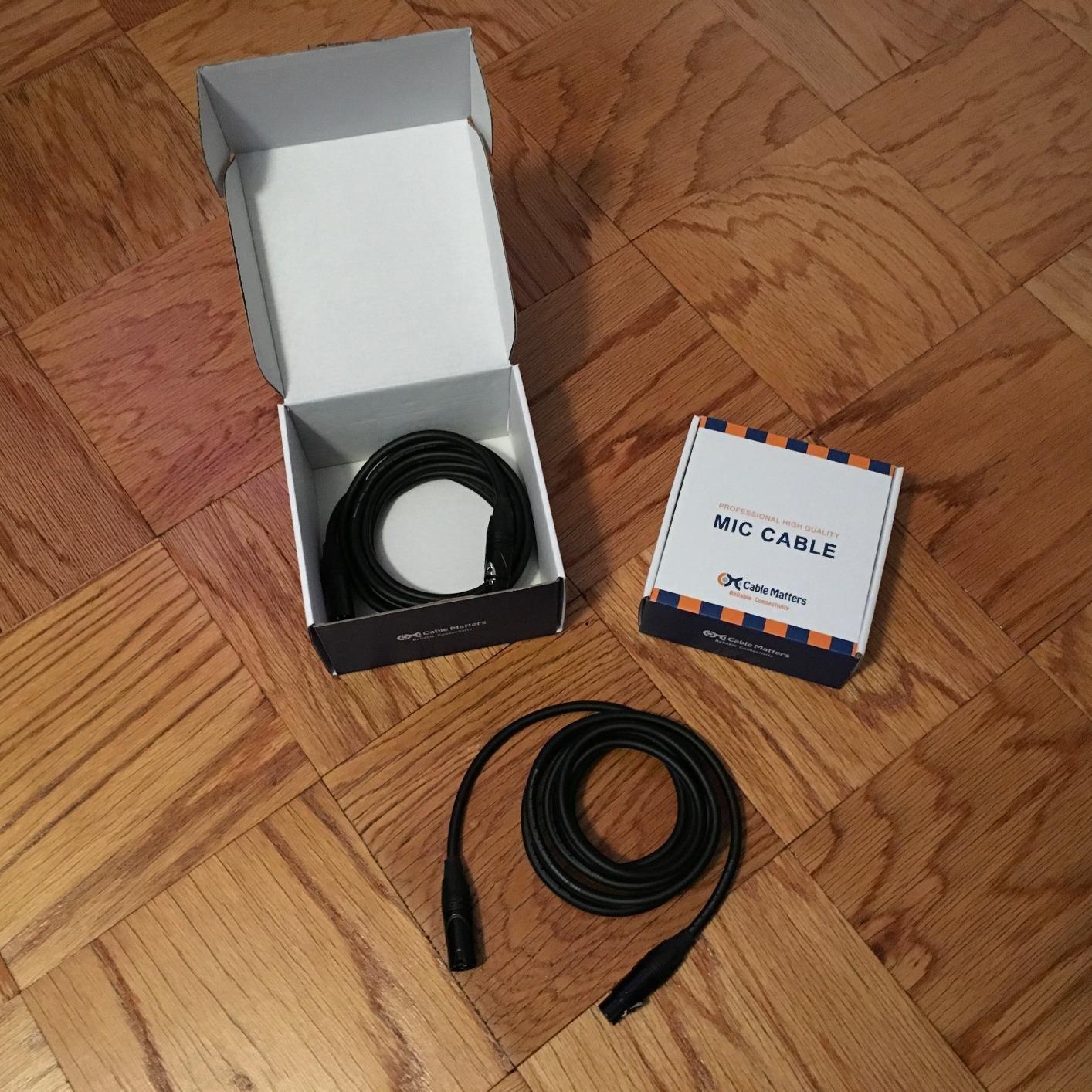
Not every cable needs to stretch across a room. The Cable Matters 1-foot XLR cable is the patch cable I use to connect outboard gear on my desk — a Cloudlifter to an interface, or a preamp output to a monitor controller. At 1 foot, there is zero excess cable to coil, hide, or trip over, and the signal path stays as short as physically possible.
This uses the exact same construction as the 25-foot Cable Matters cable that earned our Editor’s Choice: 21 AWG oxygen-free copper, copper braided shielding, and heavy-duty metal connectors with molded strain relief. You get the same audio quality in a form factor designed for close-quarters patching.
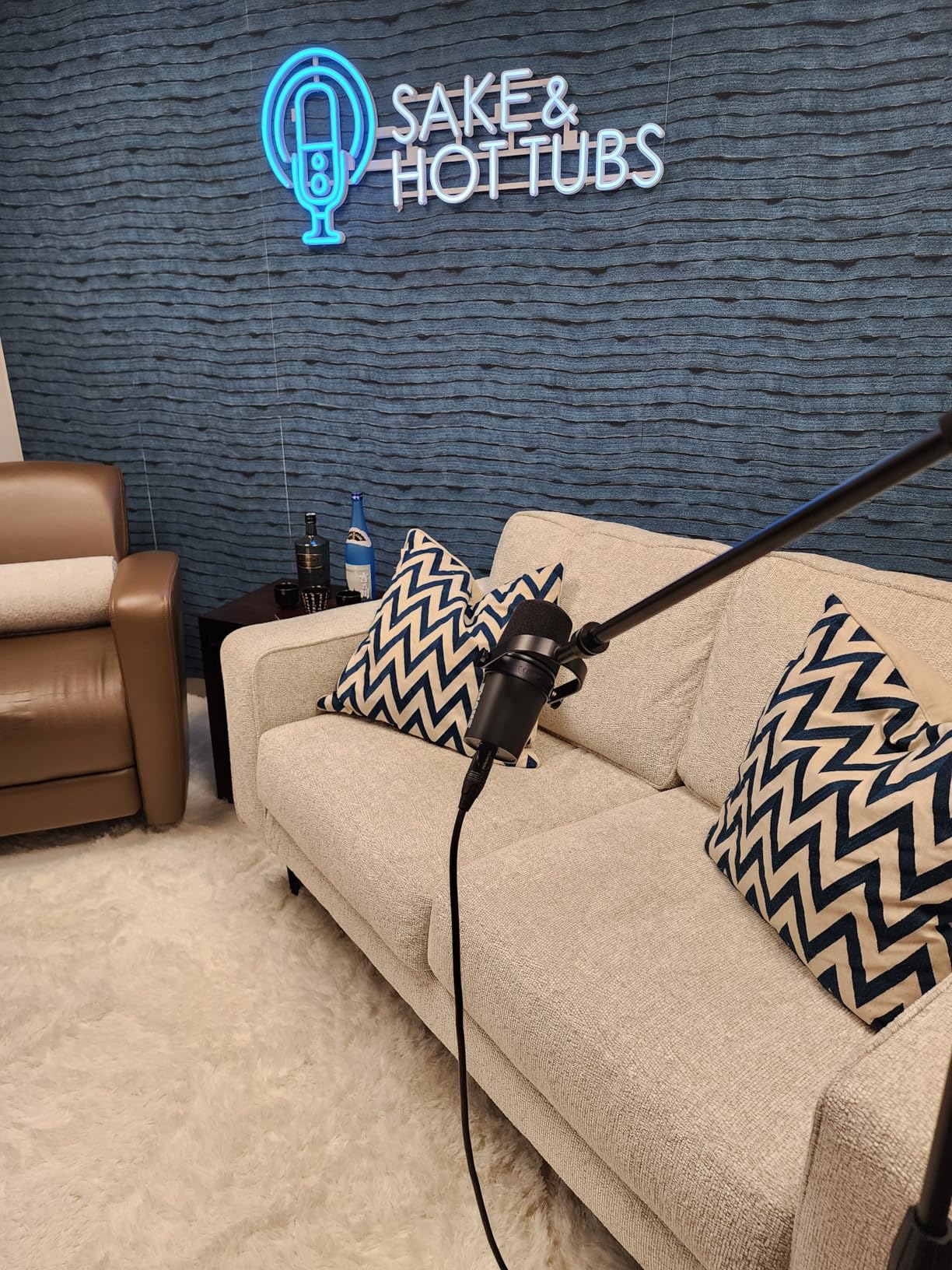
The 2-pack makes sense because most people need at least two short cables in a signal chain. If you are running a Shure SM7B through a Cloudlifter into a Focusrite Scarlett, that is two XLR connections right there, and 1-foot cables keep the whole chain tidy on your desk.
These rank at number 2 in Amazon’s Microphone Cables category for good reason. The build quality, shielding, and connector precision match cables that cost significantly more. For anyone building a compact desktop audio setup, these patch cables are the right tool.
For whom its good
Streamers, podcasters, and home studio owners with gear on the same desk who want to eliminate cable clutter. Perfect for connecting a Cloudlifter, preamp, or audio interface where components sit side by side.
Anyone who values a clean, professional-looking desktop setup without coiled excess cable everywhere.
For whom its bad
If your mic is on a boom arm more than a foot from your interface, this cable will not reach. Check your actual distance before ordering.
Not suitable for stage use or any application requiring movement — 1 foot gives you essentially zero slack.
7. Elgato XLR Cable (10ft) – Best for Streaming
Elgato XLR Cable, Shielded Microphone Cable, 10ft
Nylon Braided
Gold-Plated Pins
Shielded
10ft
Pros
- Durable nylon braided jacket optimized for desk setups
- Gold-plated pins resist oxidation and corrosion
- Optimized shielding reduces electromagnetic interference
- Plug and play with any XLR-compatible device
- 2 year manufacturer warranty
Cons
- Limited to a single 10ft length option
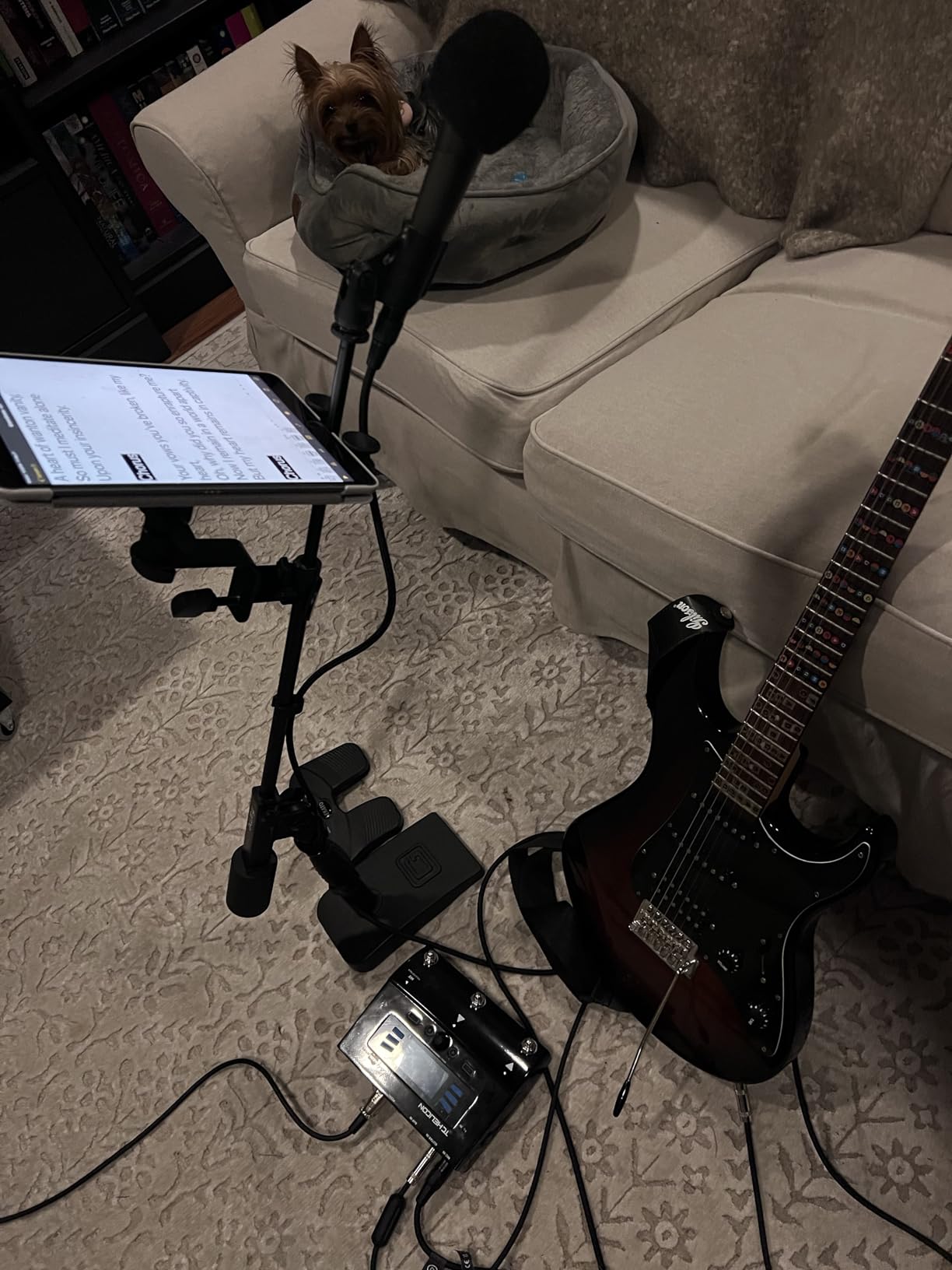
Elgato built this XLR cable specifically for the streaming and content creation crowd, and it shows. The nylon braided jacket is designed to look clean on camera and resist the daily wear of a boom-arm setup. At 10 feet, it gives you enough length to route from a boom arm down to an interface on or under your desk without excess slack.
The gold-plated pins are a practical feature, not just a spec sheet bullet point. Gold resists oxidation, which means the contact surfaces stay clean over months and years of use. Cheap connectors with standard tin plating can develop oxidation that causes crackling and signal dropouts — the gold pins on the Elgato eliminate that failure mode.
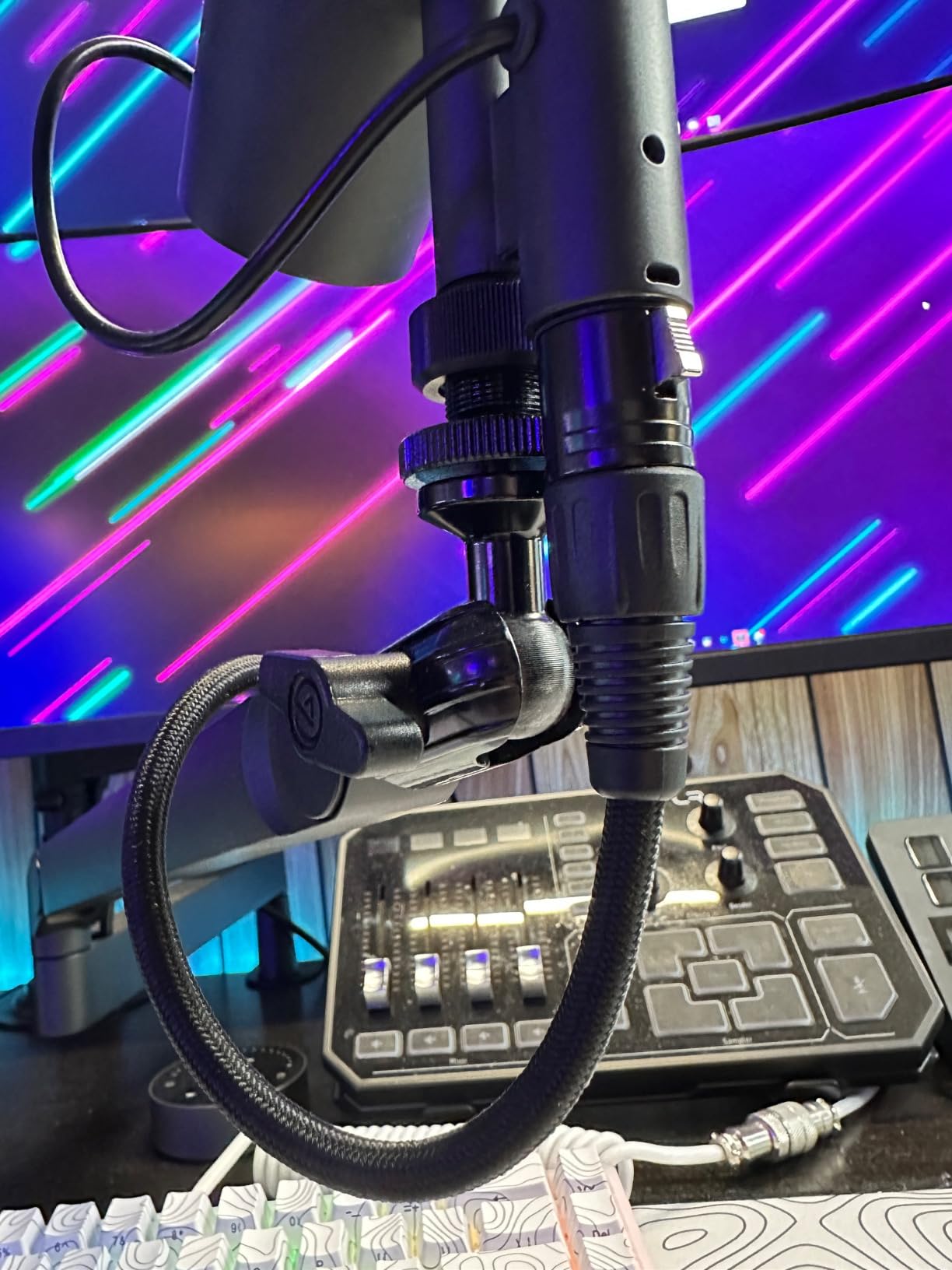
The optimized shielding does a good job in typical streaming environments, which are full of potential interference sources: monitors, routers, LED lighting controllers, and USB cables running everywhere. I tested one next to a dual-monitor setup with a USB hub and a LED ring light, and the audio came through clean with no hum.
The 2-year manufacturer warranty is a solid backing for a cable at this price. Elgato is known for standing behind their streaming gear, and this cable is no exception. With a 90 percent five-star rating across nearly 1,000 reviews, the user consensus matches my experience.
For whom its good
Streamers, gamers, and podcasters who want a cable that looks as good on camera as it performs. The nylon braided jacket and clean aesthetic make this ideal for visible setups where cable appearance matters.
Anyone using an Elgato Wave XLR or similar streaming-focused audio interface will appreciate the matched design philosophy.
For whom its bad
If you need lengths other than 10 feet, Elgato only offers this cable in one size. For patching or long stage runs, look elsewhere on this list.
The nylon braid can produce faint handling noise if it rubs against itself or a boom arm during recording — not ideal for ASMR or ultra-sensitive capsule mics.
8. VANDESAIL XLR Cables (25ft 2-Pack) – Best Long-Run Value
VANDESAIL XLR Cables 25ft 2Pack, Durable Nylon Braided XLR Microphone Cable
24AWG OFC
Double Shielding
Nylon Braided
25ft 2-Pack
Pros
- Double shielding with foil and 90 percent copper braid
- 24AWG OFC conductors for clean long-run audio
- Nylon braided jacket tested for 10000+ bends
- Cost-effective 2-pack for long cable runs
- Tin-plated pins for reliable signal transmission
Cons
- Cables may be thinner than expected
- Braided cable can make slight noise if it rubs during recording
When you need to run a signal across a room or a stage, 25 feet is the sweet spot, and the VANDESAIL 2-pack gives you two of them at a price that undercuts most competitors. I have used these for drum room mics and audience recording positions where the interface sits far from the source, and the double shielding keeps the signal clean over the full length.
The 24 AWG oxygen-free copper conductors are slightly thinner than the 21-22 AWG options above, which is standard for longer cable runs where flexibility and weight matter more than raw conductor thickness. The double shielding — foil plus 90 percent copper braid — compensates for any signal integrity concerns over the distance.
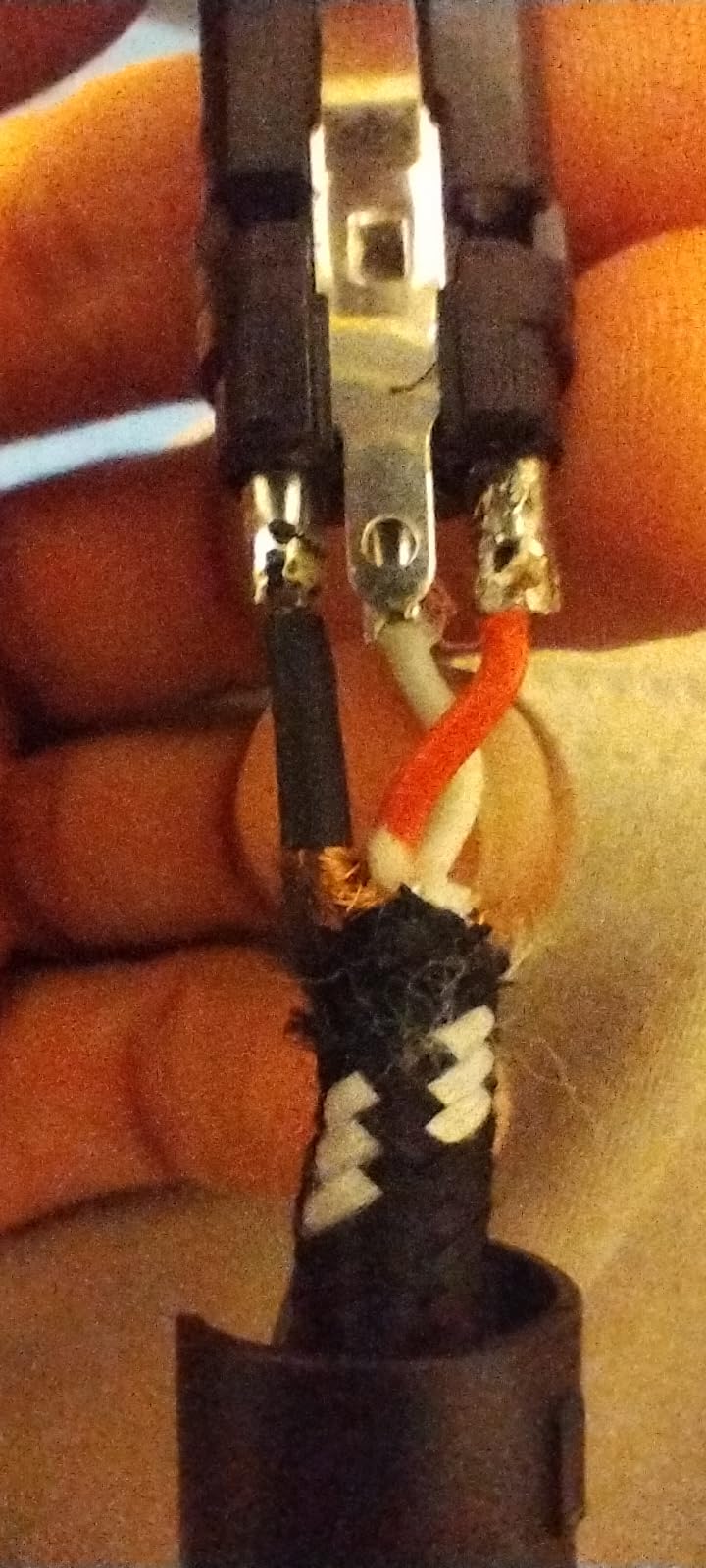
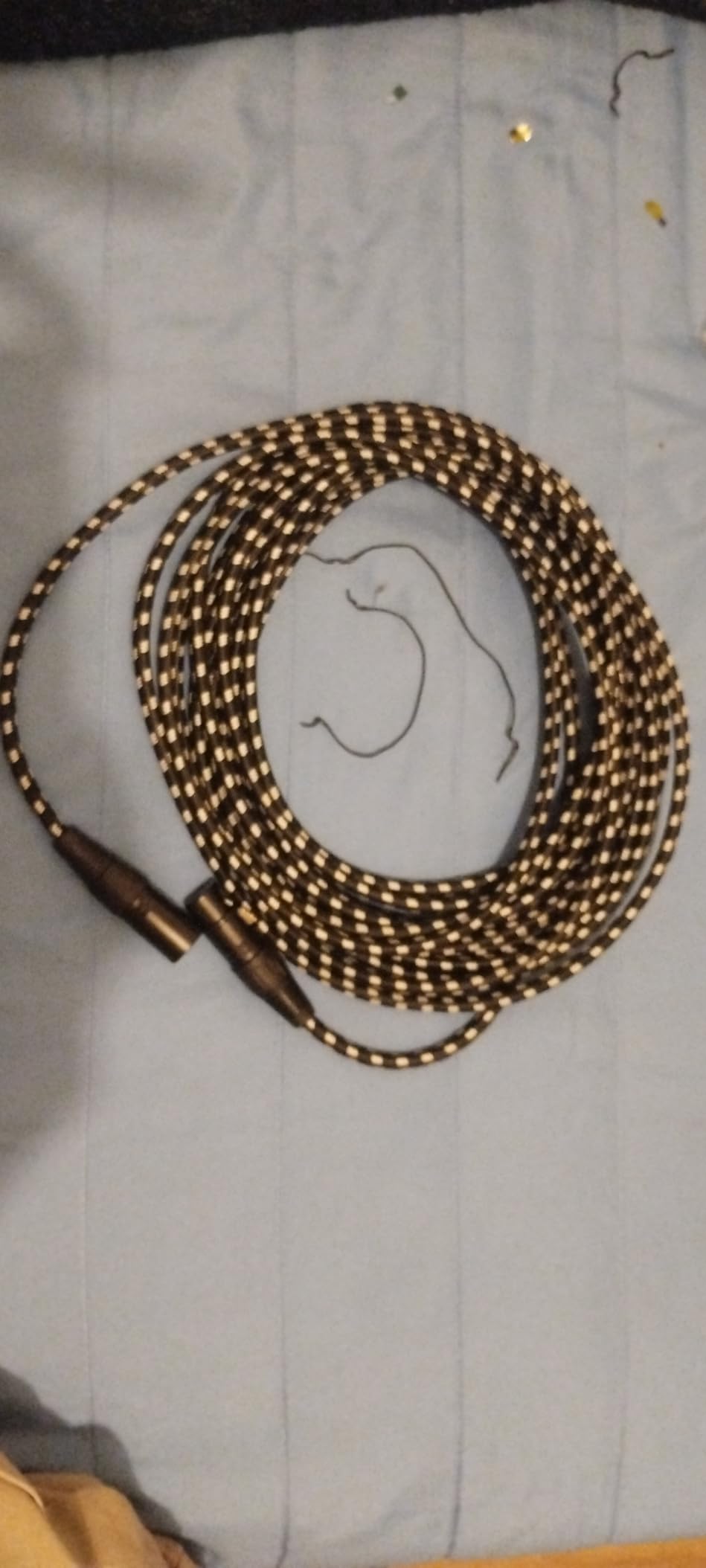
The nylon braided jacket is rated for over 10,000 bends and handles daily use well. The heavy-duty metal connectors use a chuck-type strain relief that grips the cable firmly and prevents the internal wires from pulling loose. The tin-plated pins provide a stable contact surface that resists oxidation almost as well as gold.
The one thing to note is that the braided exterior can produce faint handling noise if the cable rubs against itself or another surface during a take. For fixed installations where the cable stays put, this is a non-issue. For handheld or moving applications, secure the cable properly to avoid microphonic noise.
For whom its good
Studio owners, live sound engineers, and anyone running long cable runs from a distant mic to a mixing board or interface. The 2-pack at 25 feet each gives you two full-length cables for less than what some brands charge for one.
Church audio teams and venue operators who need reliable long cables for weekly setups and teardowns.
For whom its bad
If your recording involves a lot of cable movement — such as handheld mic work — the braided jacket may transmit handling noise. A rubber-jacketed cable like the Pig Hog handles this scenario better.
The 24 AWG conductors are thinner than premium options; audiophiles chasing the lowest possible capacitance may prefer a thicker gauge.
9. Conable XLR Cables (3ft 2-Pack) – Best Compact Color-Coded
XLR to XLR Cables (2FT Each, 4 Pack), 3 Pin Male to Female Microphone Cable, Balanced Shielded Mic Cord, Color-Coded Rings, Gold-Plated Pins, 22AWG OFC, for Mixer, Speaker, Recording Studio, Podcast
22AWG OFC
Multi-Layer Shielding
3ft 2-Pack
Gold-Plated Pins
Pros
- 22AWG OFC core for lower signal loss
- Multi-layer shielding blocks EMI and current hum
- Gold-plated pins resist oxidation and corrosion
- Color-coded rings for easy cable identification
- Self-locking connector design for secure fit
Cons
- Short 3ft length may not suit all setups
The Conable 3-foot XLR cable occupies a useful middle ground between a 1-foot patch cable and a full 10-foot run. I use these for connecting gear that sits on the same desk or within arm’s reach — a mic on a short desktop stand to an interface, or a preamp to a monitor controller where you want a bit more slack than a patch cable provides.
The 22 AWG oxygen-free copper core is a solid gauge for a short cable, ensuring minimal signal loss over the distance. The multi-layer shielding structure effectively blocks electromagnetic interference and current hum, which is exactly what you need when multiple cables and devices sit close together on a desk.
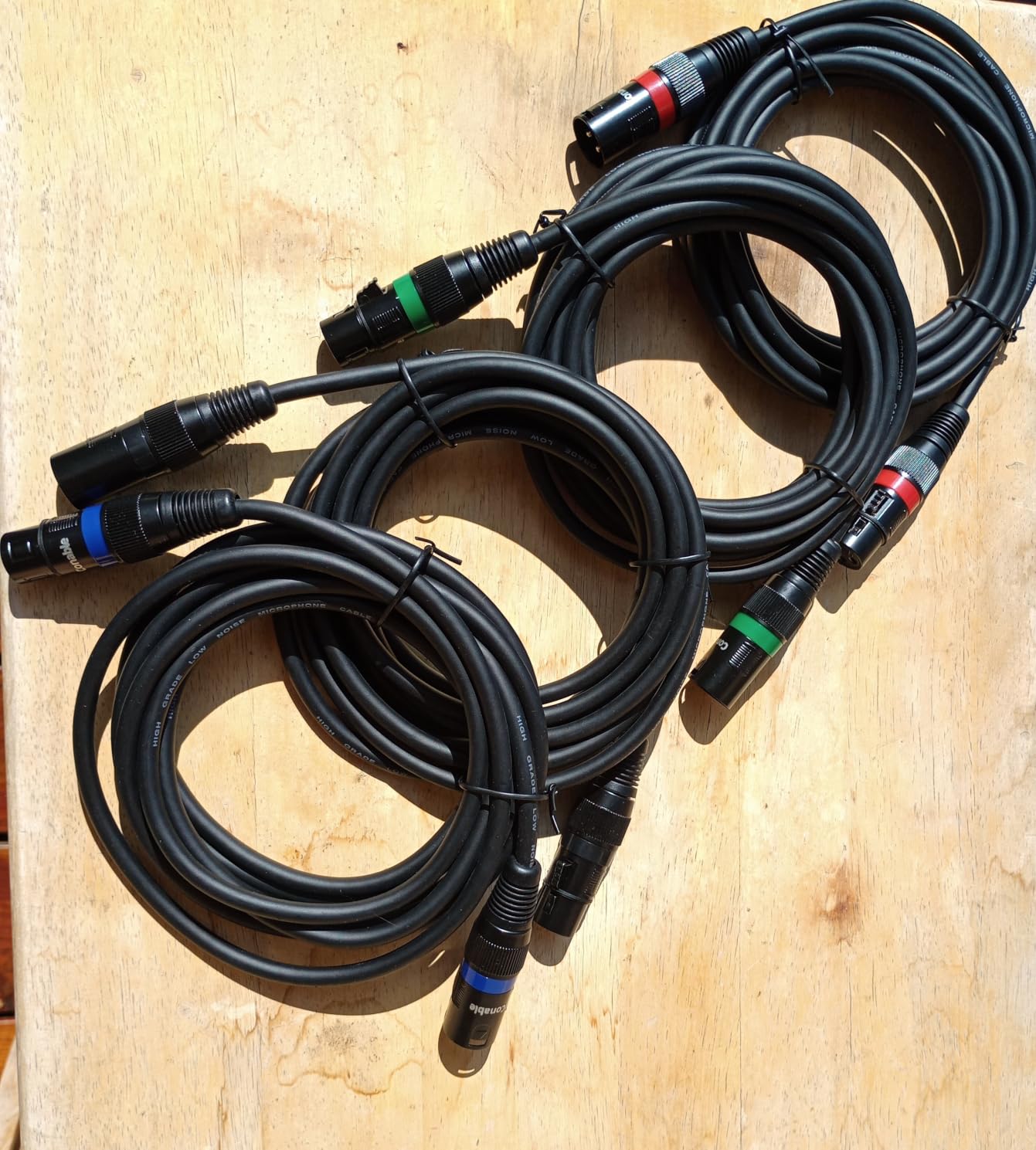
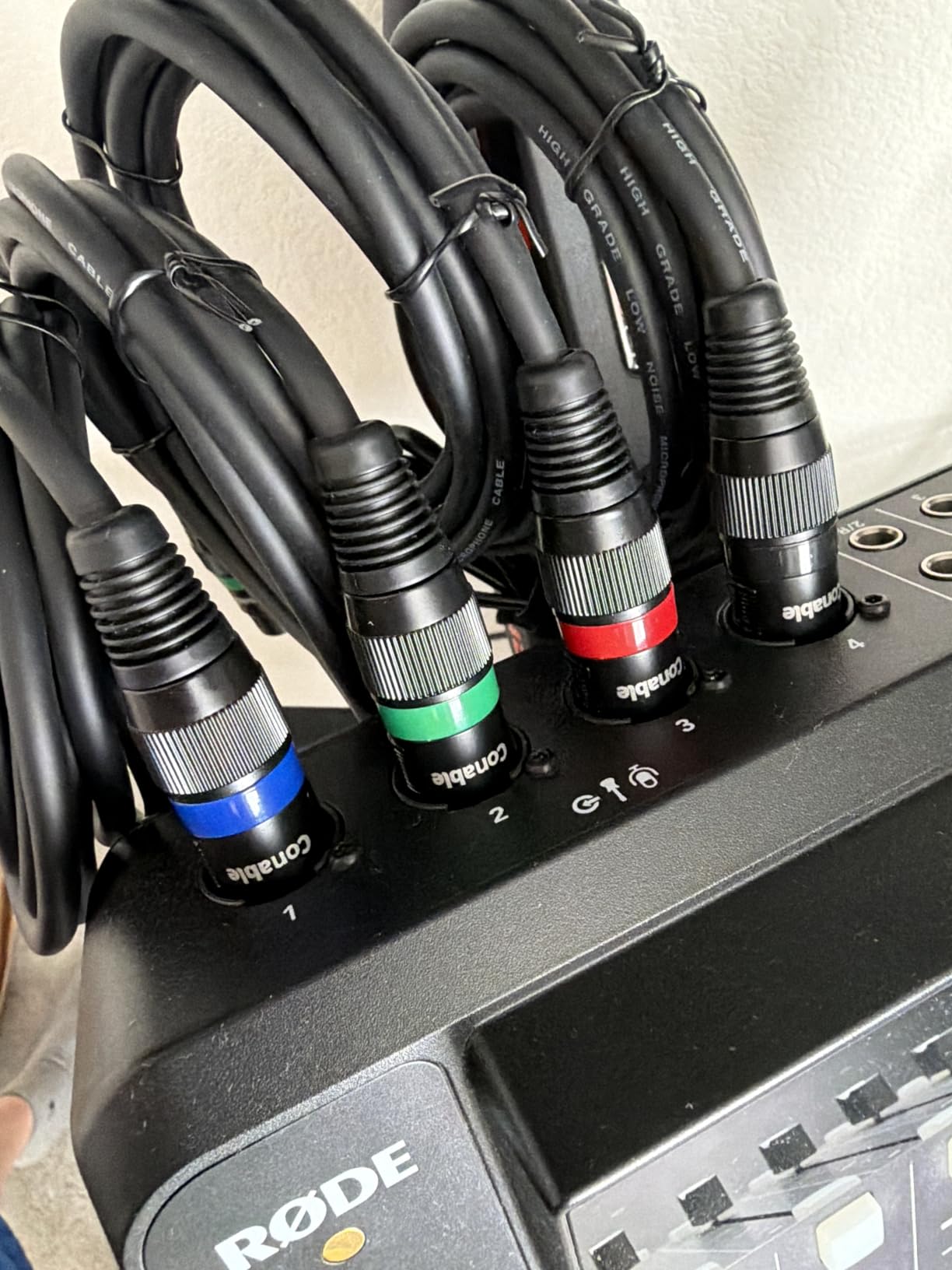
The color-coded rings are the standout feature. Conable includes blue, red, black, and green identification rings so you can instantly tell which cable goes where. In a home studio with multiple XLR connections — vocal mic, instrument DI, monitor feed — this saves real time and eliminates the guesswork of tracing cables.
The gold-plated pins and self-locking connector design provide a secure, oxidation-resistant connection. With nearly 3,000 reviews and a 4.7-star average, the user feedback confirms these are well-built, reliable cables at a competitive price. The one-year warranty rounds out the package.
For whom its good
Home studio owners and podcasters with multiple microphones or pieces of gear on the same desk who want clean, organized cable runs. The color-coded rings make this the best choice for managing several cables in a compact space.
Anyone who finds 1-foot cables too short but 10-foot cables too long for their desktop setup.
For whom its bad
If your mic is on a boom arm extending more than 3 feet from your interface, this cable will not reach without tension on the connectors.
Not suitable for stage use or any application requiring the performer to move more than a foot from the mic position.
10. AuxLink XLR Cables (25ft 6-Pack) – Best Multi-Pack
AuxLink XLR Cables, XLR Microphone Cable 25 ft 6 Pack, Gold-Plated 3-pin XLR Speaker Cable Male to Female Balanced Mic Cable
24AWG OFC
Gold-Plated Pins
Multi-Color
25ft 6-Pack
Pros
- Exceptional bulk value with 6 cables in one pack
- Multi-color design for instant cable identification
- OFC conductors with copper braided shielding
- Gold-plated self-locking connectors
- Tangle-free design with polyethylene insulation
Cons
- Rare quality control concerns with solder joints reported
If you need to cable an entire stage, a full drum kit, or a multi-mic podcast table, buying individual cables gets expensive fast. The AuxLink 6-pack solves this by giving you six 25-foot XLR cables in one box at a price that works out to roughly 10 dollars per cable. That is remarkable value for cables with OFC conductors and gold-plated connectors.
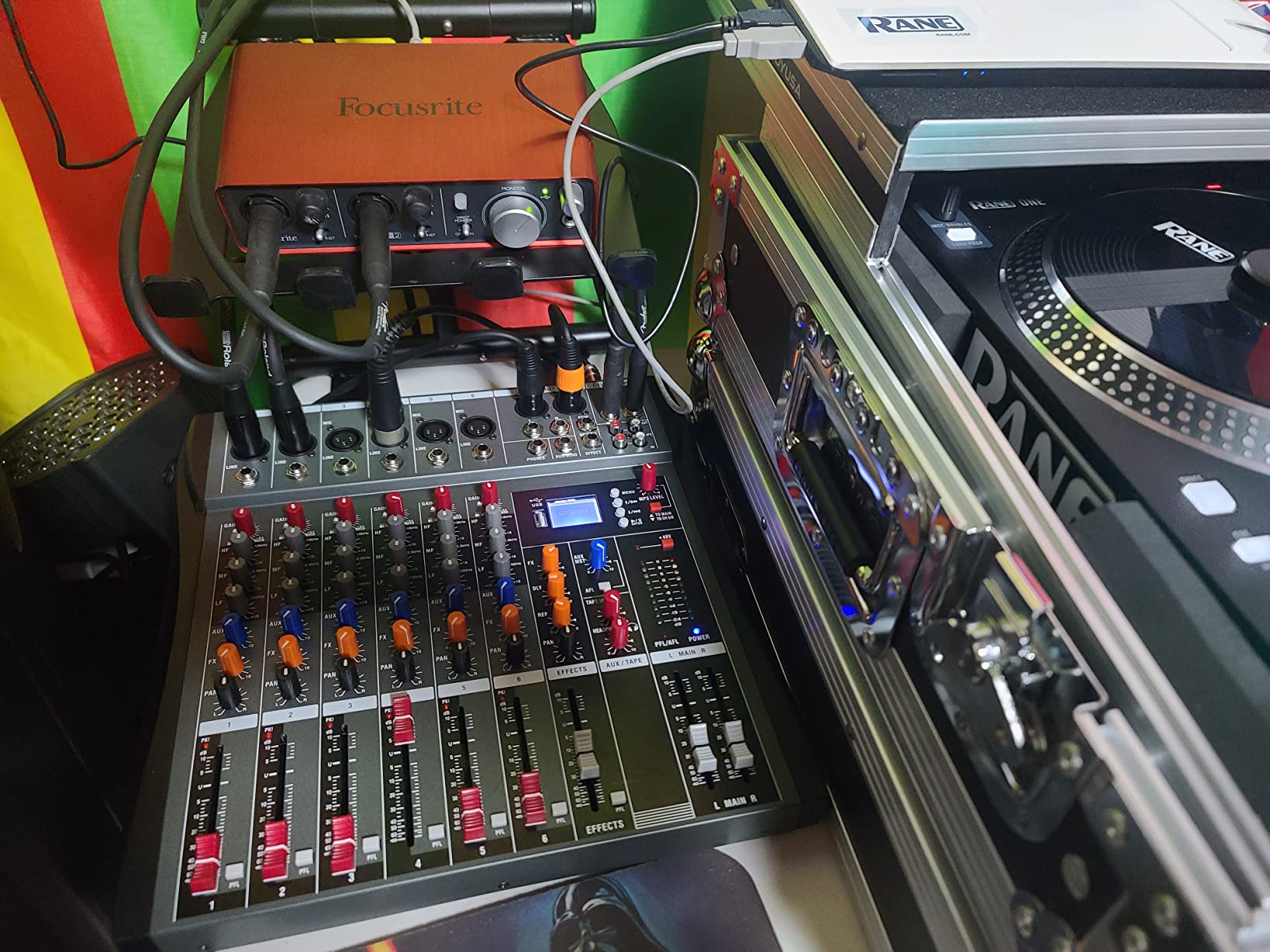
I have deployed sets of these for community theater productions and small venue house installs where the budget is tight but the cable count is high. The multi-color design — each cable has a different colored connector — is genuinely useful when you are trying to identify which cable runs to which channel on a 16-input snake.
The 24 AWG OFC conductors with copper braided shielding and polyethylene insulation deliver clean, balanced audio across the full 25-foot run. The gold-plated 3-pin connectors use a self-locking design that clicks in firmly and resists accidental pull-out — important when cables are running across a stage where people walk.
The one caveat is that a small number of users have reported occasional quality control issues with solder joints. This is rare based on the overall review distribution — 84 percent five-star across 654 reviews — but it is worth testing each cable before a critical gig. At this price, having one spare in the pack covers you regardless.
For whom its good
Bands, venues, churches, and event production companies that need to cable a full stage or multiple microphones at once. The 6-pack format and color coding make this the most cost-effective way to build out a complete cable kit.
Anyone who wants backup cables on hand — having six means you always have spares when one fails at the worst possible moment.
For whom its bad
If you only need one or two cables, a 6-pack is overkill and a single premium cable like the Cable Matters or AA Audio Accessory is a better use of your budget.
Audiophiles and professional studios that prioritize brand consistency and verified solder quality may prefer individually sourced cables from established pro audio brands.
How to Choose the Right XLR Cable for Your Microphone
Choosing among the best XLR cables for microphones comes down to four factors: shielding quality, conductor gauge, connector type, and length. Get these right and your signal stays clean from mic to interface. Get them wrong and you invite noise, dropouts, and premature cable failure. Here is what to look for in each category.
Shielding Type Matters Most for Noise Rejection
The shielding is what protects your audio signal from electromagnetic interference (EMI) and radio frequency interference (RFI). There are three common types: braided shielding, foil shielding, and spiral shielding. Braided copper shielding offers the best combination of durability and noise rejection, typically providing 90 to 95 percent coverage. Foil shielding provides 100 percent coverage but is fragile and less durable.
The best cables use dual shielding — a combination of foil and braided copper — to maximize noise rejection. All ten cables in this roundup use either copper braided or dual shielding, which is the minimum I would recommend for any serious audio work. If you are recording near power lines, lighting dimmers, or Wi-Fi routers, dual shielding is non-negotiable.
Conductor Gauge and Copper Quality
XLR cables typically use 21 AWG to 24 AWG oxygen-free copper (OFC) conductors. Lower gauge numbers mean thicker wire, which generally means lower resistance and better signal transmission over long distances. For runs under 15 feet, the difference between 21 AWG and 24 AWG is negligible. For runs over 50 feet, thicker conductors (21-22 AWG) help maintain signal integrity.
Oxygen-free copper is the standard for quality audio cables. It reduces oxidation inside the copper over time and provides slightly better conductivity than standard copper. Avoid cables that do not specify copper type — they may use copper-clad aluminum (CCA), which has higher resistance and degrades signal quality.
Connector Quality: Neutrik Sets the Standard
The connector is the most common failure point on any XLR cable. Neutrik connectors — specifically the NC3MX and NC3FX series — are the professional standard, used on virtually every touring rig and major studio installation. Neutrik REAN connectors, found on the AA Audio Accessory cable above, are a more affordable line that maintains gold-plated pins and solid build quality.
Look for connectors with metal bodies (zinc alloy or brass), gold-plated or nickel-plated pins, and proper strain relief where the cable enters the connector shell. Molded strain relief is adequate for light use; metal spring or chuck-type strain relief is better for heavy gigging.
Choose the Right Length for Your Setup
Cable length is not just about reaching from point A to point B. Longer cables have higher capacitance, which can subtly roll off high frequencies — though with modern low-capacitance cable designs, this effect is minimal until you exceed 50 feet. The practical advice: buy the shortest cable that comfortably reaches your destination with a small amount of slack.
For desktop podcasting and streaming, 3 to 10 feet is ideal. For studio recording with boom arms, 10 to 15 feet gives you routing flexibility. For live sound and stage runs, 25 feet is the standard working length. For long runs across a room or venue, look for cables specifically designed for low capacitance over distance.
Budget vs Premium: Where the Money Goes
Forum discussions across r/audioengineering and r/livesound consistently arrive at the same conclusion: beyond a certain quality threshold, more expensive XLR cables do not produce audible differences in blind tests. The threshold is roughly met by any cable with OFC conductors, proper braided shielding, and metal connectors — which describes every cable in this roundup.
What you get when you pay more is better durability, name-brand connectors (Neutrik), better strain relief, and longer warranties. If you are a working professional who cables and uncables gear daily, spending more on durability pays off. If you are setting up a home studio where cables stay plugged in, a well-built budget cable will sound identical.
FAQs
What XLR cables do professionals use?
Professionals typically use XLR cables with oxygen-free copper conductors, dense braided shielding, and Neutrik connectors. Brands like Mogami, Canare, and Cable Matters are common in professional studios and live sound rigs. The key professional requirements are reliable noise rejection, durable connectors that survive thousands of insertions, and consistent build quality across batches.
Do high quality XLR cables make a difference?
Yes, but only up to a point. A quality XLR cable with OFC conductors and proper braided shielding will eliminate noise, hum, and interference that cheap unshielded cables introduce. However, once you reach a baseline of good shielding and copper quality, spending more produces diminishing returns. Blind tests consistently show that listeners cannot distinguish between mid-range and premium cables in controlled conditions.
What cable gives the best sound quality?
For the best sound quality, look for a cable with oxygen-free copper conductors, dual shielding (foil plus braided copper), and low capacitance. Star-quad designs like Canare L-4E6S offer superior noise rejection in high-interference environments. In practical terms, the Cable Matters 21AWG OFC cable and the AA Audio Accessory cable with Neutrik REAN connectors deliver excellent sound quality at reasonable prices.
Does XLR increase mic quality?
XLR does not directly increase microphone quality, but it provides balanced audio transmission that rejects noise and interference far better than unbalanced connections like TS or consumer RCA. This means your microphone signal arrives at the interface cleaner, with less hum and interference, which results in better recordings. The improvement comes from noise rejection, not signal enhancement.
How long can an XLR cable run without signal loss?
Balanced XLR cables can run up to 200 feet or more without significant signal degradation, thanks to their noise-canceling balanced design. However, longer cables have higher capacitance, which can subtly roll off high frequencies. For most studio and live applications, runs under 50 feet show no audible difference. For runs over 100 feet, choose low-capacitance cable designs.
Final Verdict: Picking the Best XLR Cable for Your Mic
After testing all ten cables across studio, stage, and streaming setups, the Cable Matters 2-Pack 25ft XLR Cable remains my top overall pick for the best XLR cable for microphones. The combination of 21 AWG OFC conductors, copper braided shielding, exceptional durability, and the value of a 2-pack at 25 feet each is hard to beat for most users in 2026.
If durability is your priority, grab the Pig Hog PHM6 with its lifetime warranty. If you want premium Neutrik REAN connectors without the premium price tag, the AA Audio Accessory Kevlar-reinforced cable is the smart choice. And if you need to cable an entire stage on a budget, the AuxLink 6-pack gets the job done. Whatever your setup, every cable on this list will deliver clean, reliable audio for your XLR cables for microphones — you just need to match the right cable to your specific needs.