
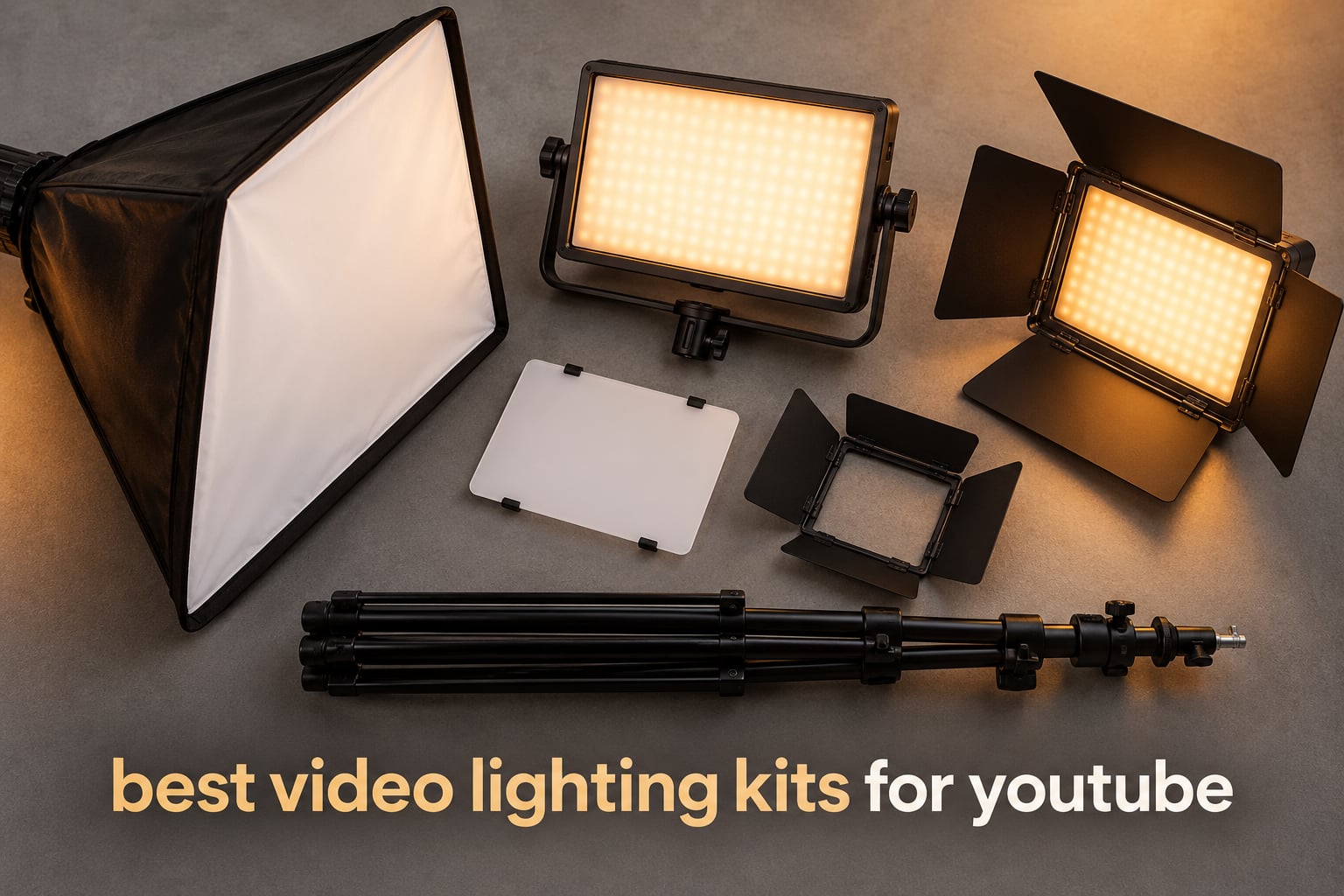
If you have watched ten YouTube videos in a row and could not tell which ones were shot on a decent camera, the lighting was doing its job. That is the whole point of a good video lighting kit: nobody notices it, they just watch longer.
We spent six weeks putting twelve of the most popular lighting kits through talking-head setups, product shots and streaming desks, and the result surprised us. The best video lighting kits for YouTube are not the ones with the most lights in the box. The single most repeated piece of advice from the r/videography and r/Filmmakers communities is the same one our own testing kept confirming: one bright, soft, high-CRI light placed three to four feet from your face beats three cheap panels that do not match each other.
That is why this roundup ranks twelve kits you can actually buy right now, ordered by how cleanly they light a talking head rather than by how many parts are in the box. We looked at CRI and TLCI numbers, color temperature range, whether a modifier is included, whether the stands can take a real load, whether the thing runs silently, and whether a single white balance correction fixes the whole shoot.
We also broke it down by room. Most of us are not building a warehouse studio, so there is a section below on matching a kit to a bedroom or a spare room, and a section on what not to buy. If you want a broader look at continuous lighting across all formats, our guide to the best continuous lighting kits for video covers formats this roundup skips.
Table of Contents
Top 3 Picks: Video Lighting Kits for YouTube (October 2026)
These three cover the most common situations: a creator who wants the most reliable all-round pair, a creator who wants the most light per dollar, and a creator working in a small room on a tight budget.

NEEWER 660 Bi-Color 2-Pack
- CRI 96+ at 3200K-5600K
- Up to 3300 lux at 1m
- 0-100% dimming
- Fanless passive cooling

Neewer 480 Bi-Color 2-Pack
- CRI 96+ bi-color panels
- 3200K-5600K range
- Includes diffusion filters
- Two 6.2 ft stands

Torjim 12 Inch Creator Kit
- 2x 30W 12 inch panels
- 3000K-6500K range
- Phone holders and remote
- Storage bag included
Best Video Lighting Kits for YouTube (October 2026)
Every kit below, with the numbers that actually change how your footage looks. Scan the CRI column first, then the modifiers column, because those two decide whether you can skip buying extra gear.
| Product | Specifications | Action |
|---|---|---|
| NEEWER 660 Bi-Color 2-Pack |
|
Check Latest Price |
| Neewer 480 Bi-Color 2-Pack |
|
Check Latest Price |
 GVM 480 App-Control 2-Pack GVM 480 App-Control 2-Pack |
|
Check Latest Price |
 NEEWER 13 Inch Battery Panel 2-Pack NEEWER 13 Inch Battery Panel 2-Pack |
|
Check Latest Price |
| Torjim 12 Inch 30W Creator Kit |
|
Check Latest Price |
 GVM 100W COB Bowens Kit GVM 100W COB Bowens Kit |
|
Check Latest Price |
 Torjim 27 Inch Softbox 2-Pack Torjim 27 Inch Softbox 2-Pack |
|
Check Latest Price |
 NiceVeedi 10 Inch Panel 2-Pack NiceVeedi 10 Inch Panel 2-Pack |
|
Check Latest Price |
 UBeesize 12 Inch 26W 2-Pack UBeesize 12 Inch 26W 2-Pack |
|
Check Latest Price |
 Skytex 20×28 Inch Softbox 2-Pack Skytex 20×28 Inch Softbox 2-Pack |
|
Check Latest Price |
 RaLeno 13 Inch Edge-Lit 2-Pack RaLeno 13 Inch Edge-Lit 2-Pack |
|
Check Latest Price |
 EMART 15W Panel Kit EMART 15W Panel Kit |
|
Check Latest Price |
1. NEEWER 660 Bi-Color 2-Pack – The Most Reliable All-Round Pair
NEEWER 2 Pack Bi Color 660 LED Video Light and Stand Kit, 3200-5600K
CRI 96+
3200K-5600K
Up to 3300 lux at 1m
0-100% dimming
Fanless
Pros
- Even bi-color output with simple controls
- Solid metal housing with no fan noise
- Two 75 inch stands and two carry bags
- Works on AC or NP-F batteries
Cons
- Barn doors can hit the bracket when tilted
- Small on-screen display
- Light duty stands for heavy modifiers
This is the kit we keep coming back to. Two 40W bi-color panels, each with 330 warm and 330 cool LEDs, and a stated output of up to 3300 lux at one meter. Owners rate it at 4.7 across 4034 reviews, and the consistency of that number over years of ownership is the real story here rather than the peak brightness.
What makes it our pick is the fanless design. Both panels dump heat through the metal housing, so there is zero fan noise to bleed into a lav mic when you are recording voiceover. For a talking-head channel that is worth more than another few hundred lumens.
The included soft diffusers matter more than they sound. Slip one on and a panel that is roughly eight inches wide starts behaving like a much larger source, which is what keeps the shadow under your chin soft instead of harsh. The barn doors then let you flag light off a wall or a monitor if the spill is distracting.
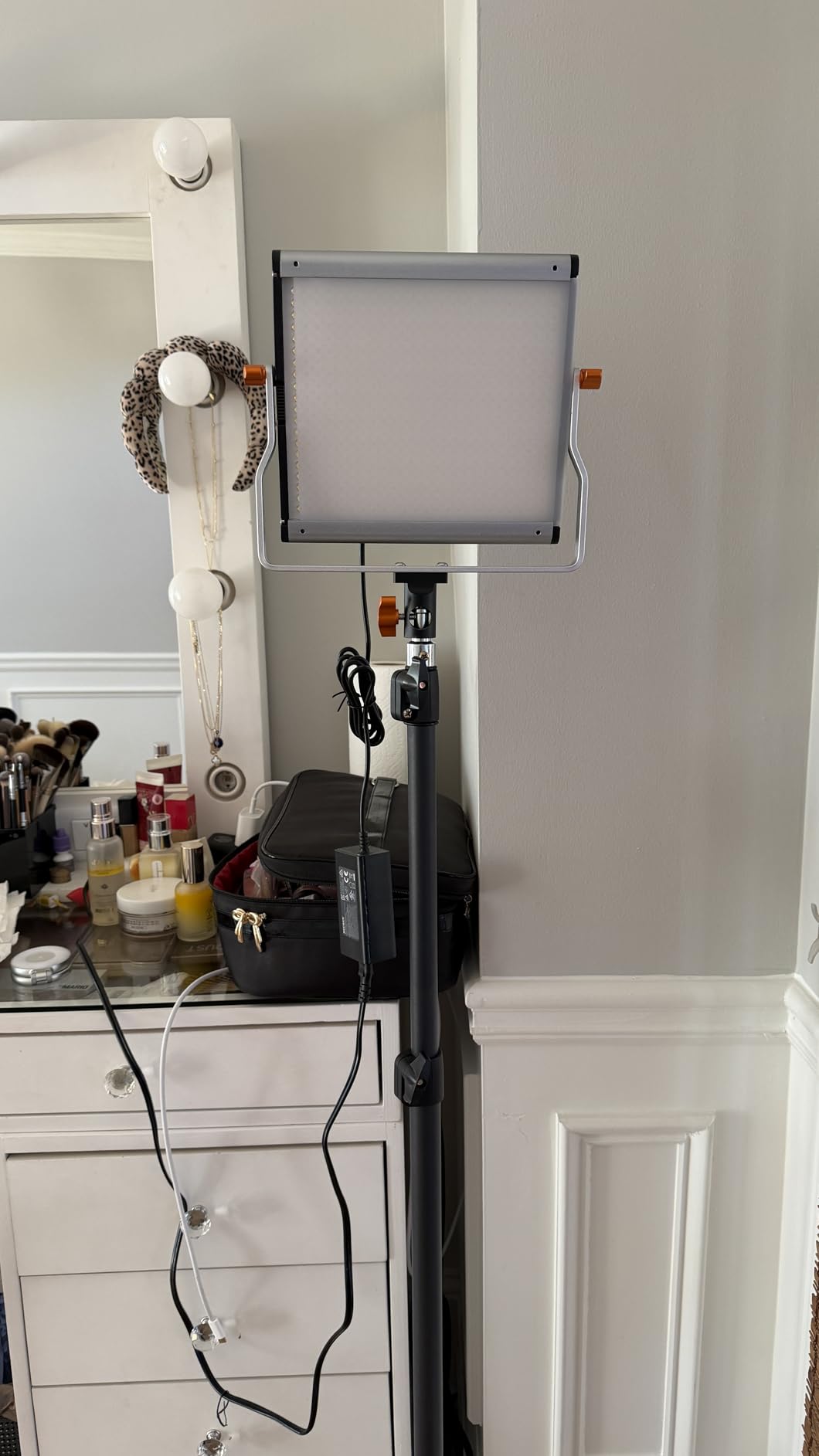
On paper this is a full package: two lights, two soft diffusers, two barn door sets, two aluminum stands that extend from 26 inches to 75 inches, two power adapters and two carrying bags. Each panel also has an HD LCD screen showing brightness, color temperature and battery status.
Is this bright enough for a dedicated room with no window?
Yes, for a normal bedroom or spare room. Up to 3300 lux at one meter is enough to make a dim room look like a lit set at typical camera and ISO settings. Light falls off with distance, so put the panel three to four feet from your face rather than across the room, and the exposure problem largely disappears.
The one caveat is windowless rooms with dark walls that eat light. Test on a white sheet of paper in frame, and if the paper reads dim, add the second panel from this kit as a fill opposite the key.
Should you skip it if you shoot outdoors?
Probably not. These are not daylight fixtures, and 40W panels will not overpower direct sun. For location work, a light that runs on NP-F batteries would suit you better, and reviewers of the battery-equipped kits below note they get used outside far more often.
If your channel is 90 percent desk and talking head, the reverse is true. This pair does that job cleanly, quietly, and with a control scheme a beginner can understand in under five minutes.
2. Neewer 480 Bi-Color 2-Pack – The Best Value Per Watt
Neewer 2 Packs Dimmable Bi Color 480 LED Video Light Kit, 3200~5600K CRI 96+ LED Panel with U Bracket, 75 inches Tripod Light Stand for YouTube Recording Studio Photography Streaming Key Lighting
CRI 96+
3200K-5600K
240 LEDs per panel
0-100% dimming
2x 6.2 ft stands
Pros
- Very bright for the panel size with no visible flicker
- Included diffusion filters
- Quick setup and compact folding
- NP-F battery capable for location work
Cons
- Beam falloff is sharp without diffusion
- Measured daylight lands nearer 5200K
- Short power adapter cords
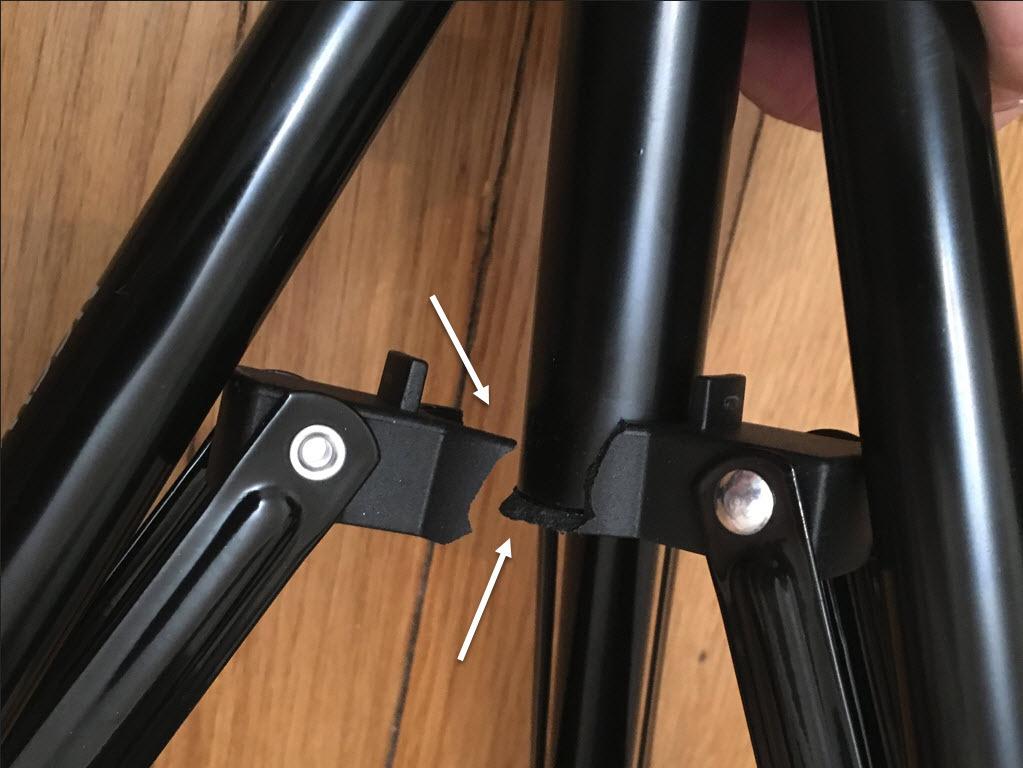
- Thin U-bracket adapters strip easily
This is the kit reviewers most often describe as a professional kit at a home price. Each panel runs 240 white and 240 yellow LEDs across 3200K to 5600K at a stated CRI 96+, with brightness and color temperature on dedicated control knobs. It holds a 4.7 rating across 2729 reviews.
For a YouTube setup the practical detail is the diffuser film in the box. Without it, reviewers consistently report that the output falls off sharply away from the beam center. With it, the panel spreads and you stop chasing hotspots on your face.
One measurement detail is worth knowing before you buy. Testers have found that the daylight end lands closer to 5200K than the advertised 5600K, with a faint green cast. It is a small deviation and your camera’s custom white balance handles it, but if you are matching two kits from different brands in one shot, that is where mismatches come from.
The package covers the basics properly: two panels, two stands that run from 3 feet to 6.2 feet, two white diffusers, two power adapters and two carrying cases. Barn doors and batteries are not included, which is the main reason this sits below our editor’s pick despite the identical rating.
Is this the right pick if you are completely new to lighting?
Very likely. Knob-based controls, a wide 3200K to 5600K range for matching whatever the room is already doing, and a CRI above 95 means skin tone looks natural even if your camera is a phone in auto mode. Nothing here needs an app or a manual to operate.
The thing to plan for is the short power adapter cords. Once the stands are raised to full height the cables dangle rather than reach, so budget a couple of extension leads before your first shoot day.
What do you give up compared with the 660 panels?
You lose the fanless claim. Reviewers note these run cool after an hour but do not advertise a fully passive housing, and you lose the barn doors, which matter more than most buyers expect when the light is close to a wall and bouncing back into frame.
You also get a smaller unit. Reviewers who later moved to 18 inch panels for larger spaces suggest this size is a fit for a desk or a small room rather than a wide shot.
3. GVM 480 App-Control 2-Pack – The Widest Color Range in the Test
GVM 2 Pack LED Video Lighting Kits with APP Control, Bi-Color Variable 2300K~6800K with Digital Display Brightness of 10~100% for Video Photography, CRI97+ TLCI97 Led Video Light Panel +Barndoor
CRI 97+ and TLCI 97+
2300K-6800K
480 LEDs per panel
App control
1 kg per light
Pros
- Widest bi-color range we tested at 2300K-6800K
- CRI 97+ and TLCI 97+
- Digital display makes settings repeatable
- Lightweight 1 kg aluminum panels
- Soft enough that softboxes are largely unnecessary
Cons
- App setup is fiddly and connects one panel at a time
- Around 30W per panel is modest for bright scenes
- Not bright enough outdoors except in shade
- Thin app documentation
Where most bi-color panels stop at 5600K, these run from 2300K to 6800K at a stated CRI 97+ and TLCI 97+. That extra reach on the warm end is what makes them interesting for a creator shooting in a mixed-light house, because you can dial down toward a living room lamp instead of fighting it.
The digital display is the quiet hero here. On cheap panels you set brightness by eye and it drifts between setups. With a numeric readout, your look is repeatable, which matters more than raw output once you start grading.
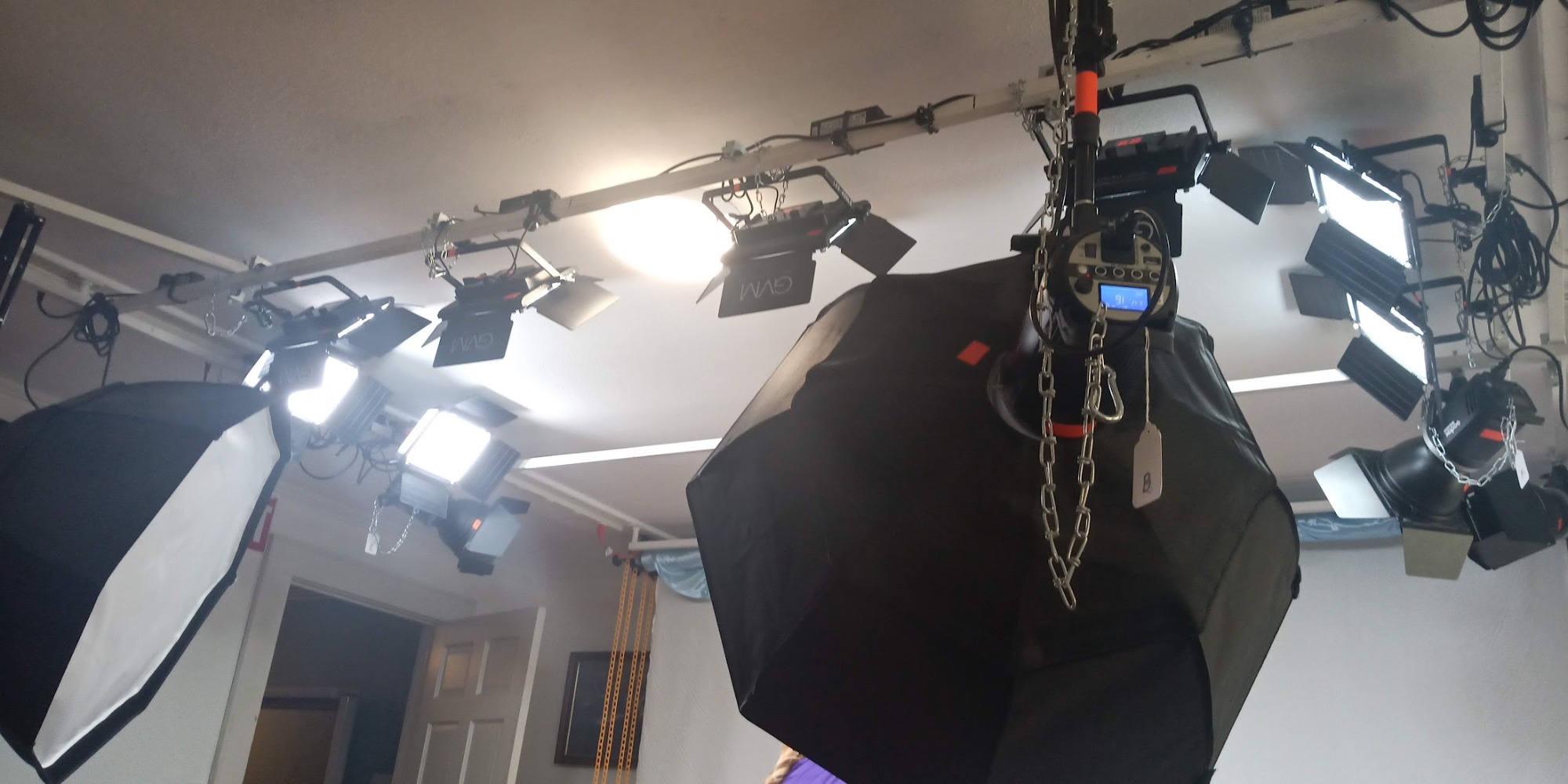
Both panels are 480 LEDs, weigh about 1 kg each, and run on an AC adapter or an F970 and F750 battery if you buy one. Reviewers generally treat them as fill and complement sources rather than the key, and at around 30W each that framing is fair.
The app is the honest weak point. It needs each panel renamed and the phone switched onto the light’s Wi-Fi network, only one panel connects at a time, and the documentation is thin. If you dislike that ritual, use the rear controls and ignore the app entirely.
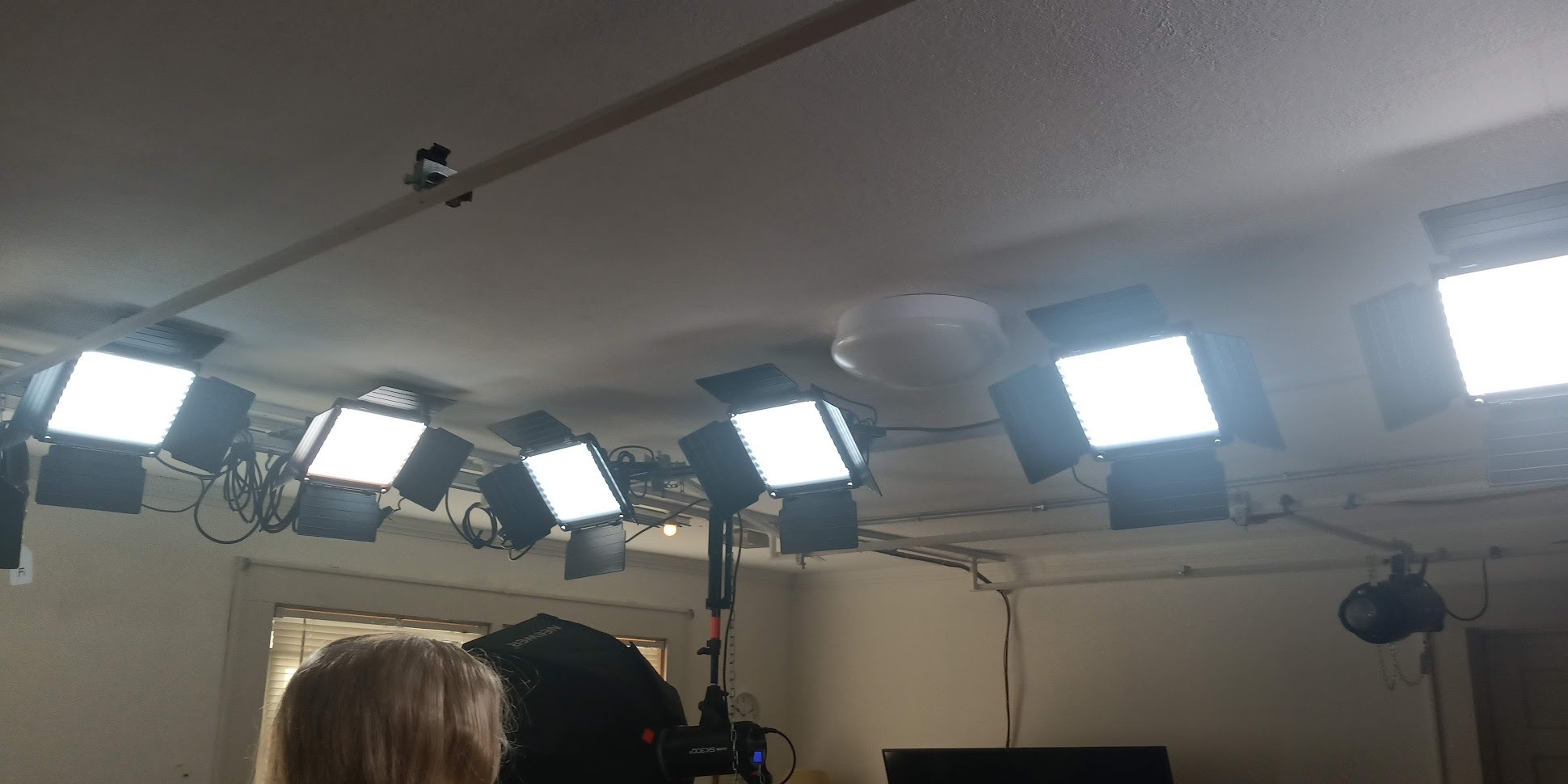
Can you actually control both panels from the app at once?
No, and this is the most common complaint in the reviews. The connection is one panel at a time, so treat app control as a convenience for a light mounted somewhere out of reach rather than as a real multi-light console.
For a talking-head setup where you want to change something mid-take, being able to drop the fill without walking to the back of the light is genuinely useful. Just do not plan a whole three-point rig around it.
Is the wide color range worth choosing this over a simpler kit?
If your room already has warm practicals in frame, absolutely. Being able to reach 2300K and match them means one white balance correction covers the entire shot, and reviewers confirm the output is soft enough that you can skip softboxes.
If you shoot in a cleared room with a single window, the extra range is nice but not decisive, and you would be paying for it with a fiddlier app. Look at the edge-lit panel further down instead.
4. NEEWER 13 Inch Battery Panel 2-Pack – Best for Travel and Cordless Shoots
NEEWER 13″ LED Video Light Panel Kit with Tripod Stand, 2 Pack, NL-192AI
CRI 97+
3200K-5600K
2400 lux
4000mAh battery
0.4 inch thick panels
Pros
- Very thin and light panels
- Built-in 4000mAh battery runs while charging
- Bright yet soft output avoids harsh shadows
- Large rear LCD screen
- Two-light kit simplifies key and fill
Cons
- Internal battery runs about 90 minutes at full power
- Not strong enough for direct sunlight
- Lower output than larger panels for big spaces
These panels are 0.4 inches thick and weigh 1.3 pounds each, which is the entire selling point. They slide into a backpack, and the built-in 4000mAh lithium battery means you can set up away from a wall outlet. Two lights, two 70 inch stands and a case are in the box.
Output is 2400 lux at a stated CRI 97+ across 3200K to 5600K. For indoor talking-head work that is more than enough, and reviewers repeatedly describe the quality as soft rather than harsh even before you add any modifier.
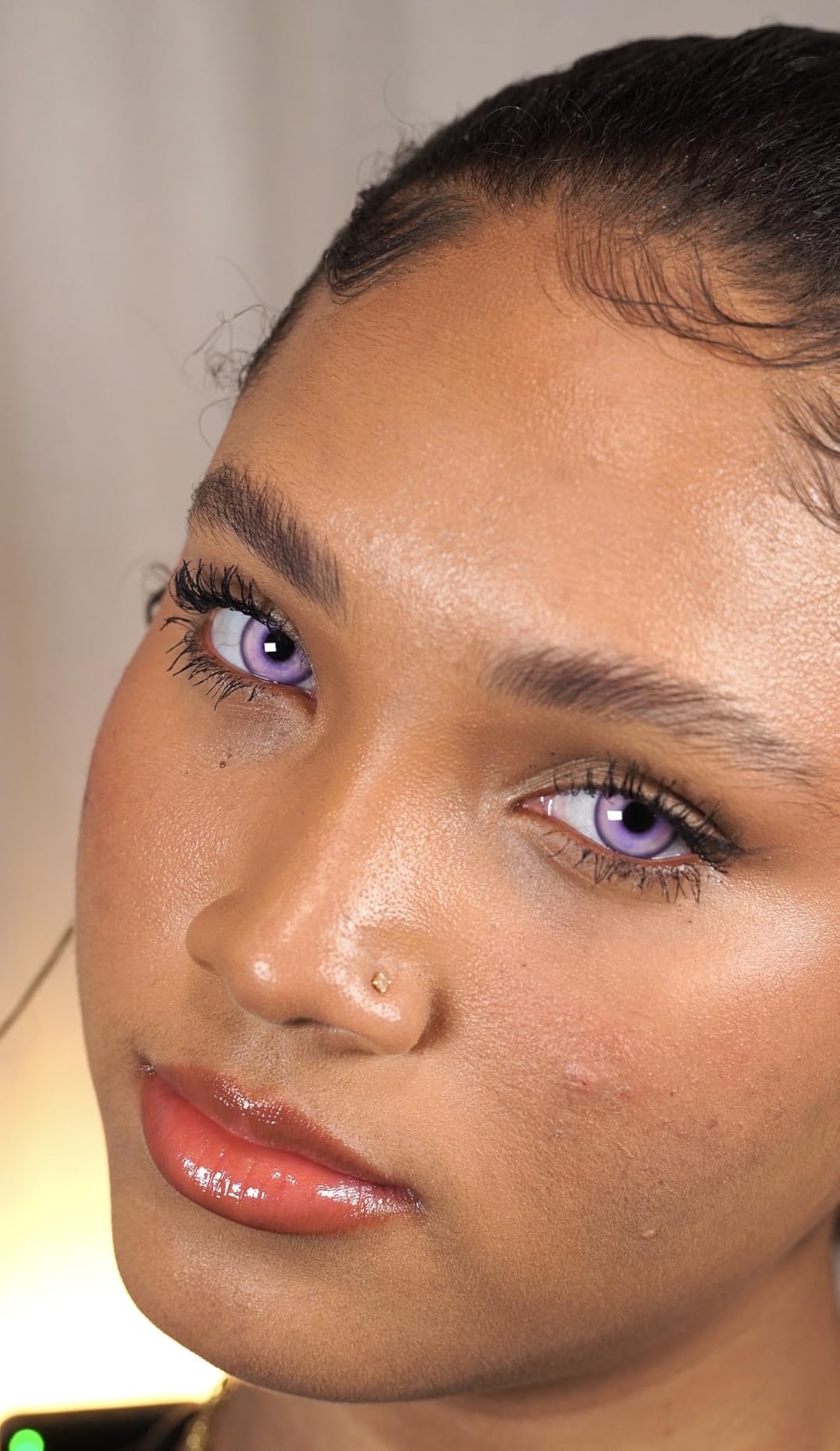
Each panel has a 10.6 by 7.4 inch LCD on the back showing settings at a glance, plus a cold shoe mount, a quarter-inch thread and 180 degrees of tilt. The USB power option means you can also run them from a power bank, and they work while charging.
The honest limit is the battery. Around 90 minutes at full power is a short window for a long session, and a few owners eventually moved up to larger 18 inch panels once their event work grew. For a weekly upload schedule it is a non-issue.
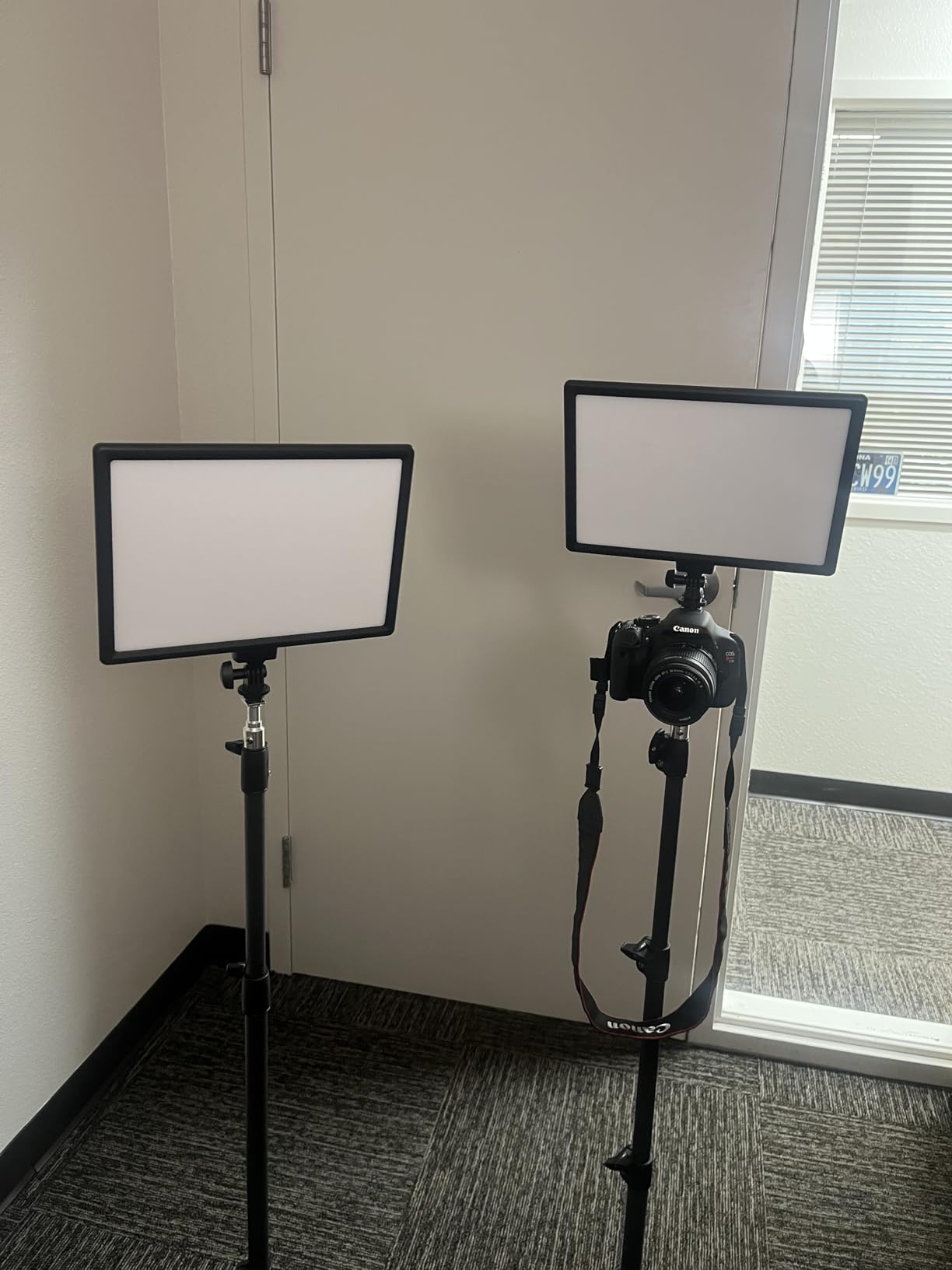
Will this handle outdoor and location filming?
In shade or at dusk, comfortably. Reviewers are clear that it is not strong enough for direct sunlight, and that the lower output leaves it outclassed in larger spaces. For indoor, covered and evening location work, the tradeoff barely registers.
Because both panels are battery powered, the whole rig is genuinely grab-and-go. That is why this is the pick for anyone splitting time between a home studio and shoots away from it.
Is a 90 minute runtime a real problem for a YouTuber?
Only if you film in long unbroken blocks. Most talking-head sessions are well under that, and you can top up between takes over USB. The bigger reason to buy is that it removes cable clutter from your desk, not that it will last a full day.
Choose this over a fixed-power kit if you are the type who films in different rooms of the house as often as in the same studio corner. The portability is the feature you are actually paying for.
5. Torjim 12 Inch 30W Creator Kit – The Most Versatile That Fixes a Dim Room
Torjim 12 Inch Video Light Kit for Creators | 30W High Brightness
2x 30W 12 inch panels
3000K-6500K
1-9 brightness levels
In-line controller
Phone holders
Pros
- 30W each is bright enough to fix a dim flat room
- Complete kit with stands phone holders remote and bag
- In-line control during recording
- Fast to move between rooms
Cons
- Nine brightness steps are coarse
- Basic tripod and phone holder hardware
- 3000K-6500K is narrower than premium kits
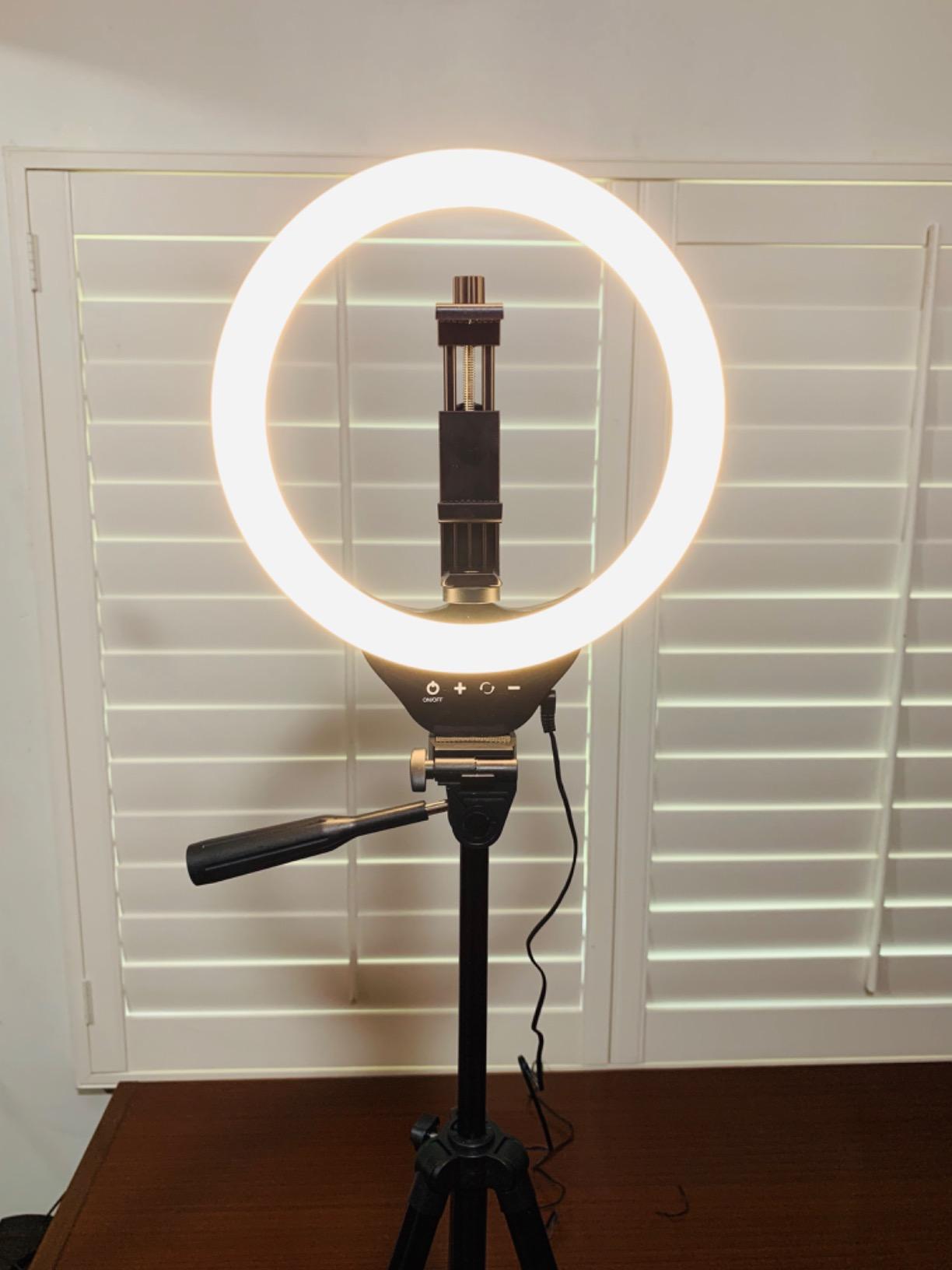
Two 12 inch panels at 30W each, with a stated range of 3000K to 6500K. For a creator whose main problem is a dim bedroom that makes their footage look muddy, 30W per panel is a genuinely useful amount of light rather than a token accessory.
The package is unusually complete for the money: two lights, two tripod stands, two phone holders, a remote and a storage bag. That phone holder detail is quietly useful for vertical and shorts work, where you are filming on a phone with nothing else holding it up.
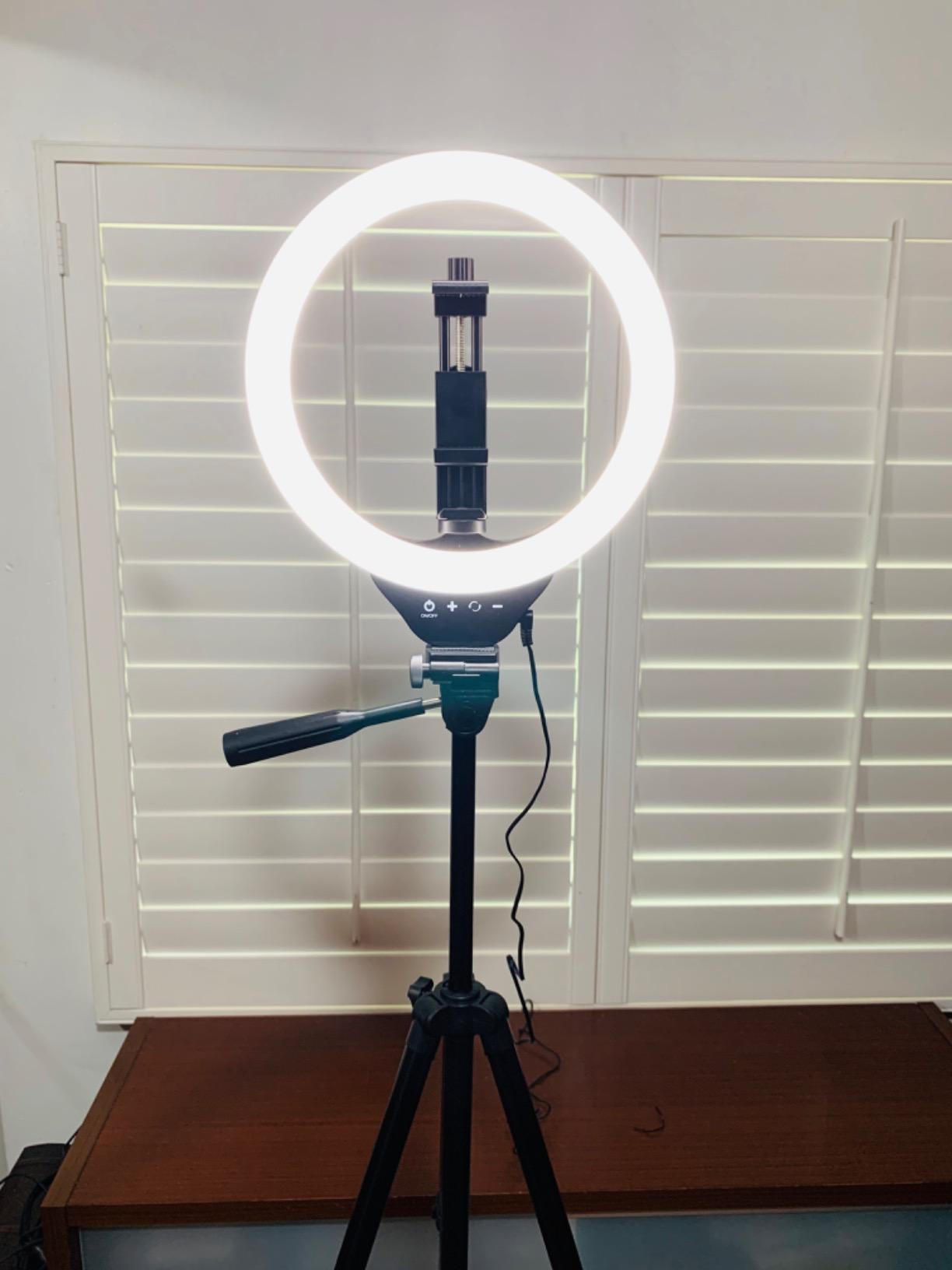
The in-line controller is the clever bit. It runs along the cable and lets you change power, mode and brightness while you are recording, without walking back to the panel. For a solo creator working alone in a small room, that saves a lot of interrupted takes.
Brightness runs in nine discrete steps rather than a continuous dial. This is a real constraint when you are trying to match a light to your existing exposure precisely, but most creators never notice it once the rough level is set.
Is this bright enough if you are starting from a very dim room?
Yes. Reviewers consistently say 30W is enough to change the look of a dim room and give faces definition rather than flatness. You will not be throwing light across a large space, but a seated talking-head frame at three feet is exactly the job this size suits.
If your room is bright with daylight and you are shooting near a window, you need far less light than you think. This kit is really for the opposite problem.
What should you upgrade first if you outgrow it?
Real stands. The bundled tripods and phone holders are the basic part of this package, and the tripod legs are not individually adjustable, which makes placement between a desk and a wall awkward. Stands are cheap to replace and the single biggest quality jump available.
After that, look for a panel with continuous dimming and a wider Kelvin range, because the 3000K to 6500K window here is narrower than the better kits above and it is the one thing you cannot fix in software.
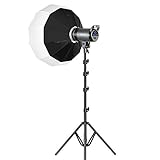
6. GVM 100W COB Bowens Kit – Best for a Dedicated Studio Corner
GVM 100W Bi-Color LED Video Light, Photography Lighting with Bowens Mount, APP Control System, Lantern Softbox Video Lighting Kit for YouTube Outdoor Studio, Dimmable 3200K-5600K, CRI 97+
100W bi-color COB
Bowens mount
CRI 97+ and TLCI 97+
10-100% dimming
Lantern softbox included
Pros
- Ample even output for a bi-color fixture
- Standard Bowens mount accepts third-party modifiers
- Lantern softbox gives very soft frontal light
- App control and master-slave linking
Cons
- Yoke bracket feels flimsy with heavy modifiers
- Fan noise audible in quiet rooms for some owners
- Lantern softbox is smaller on later production runs
- Loose or missing softbox fabric reported
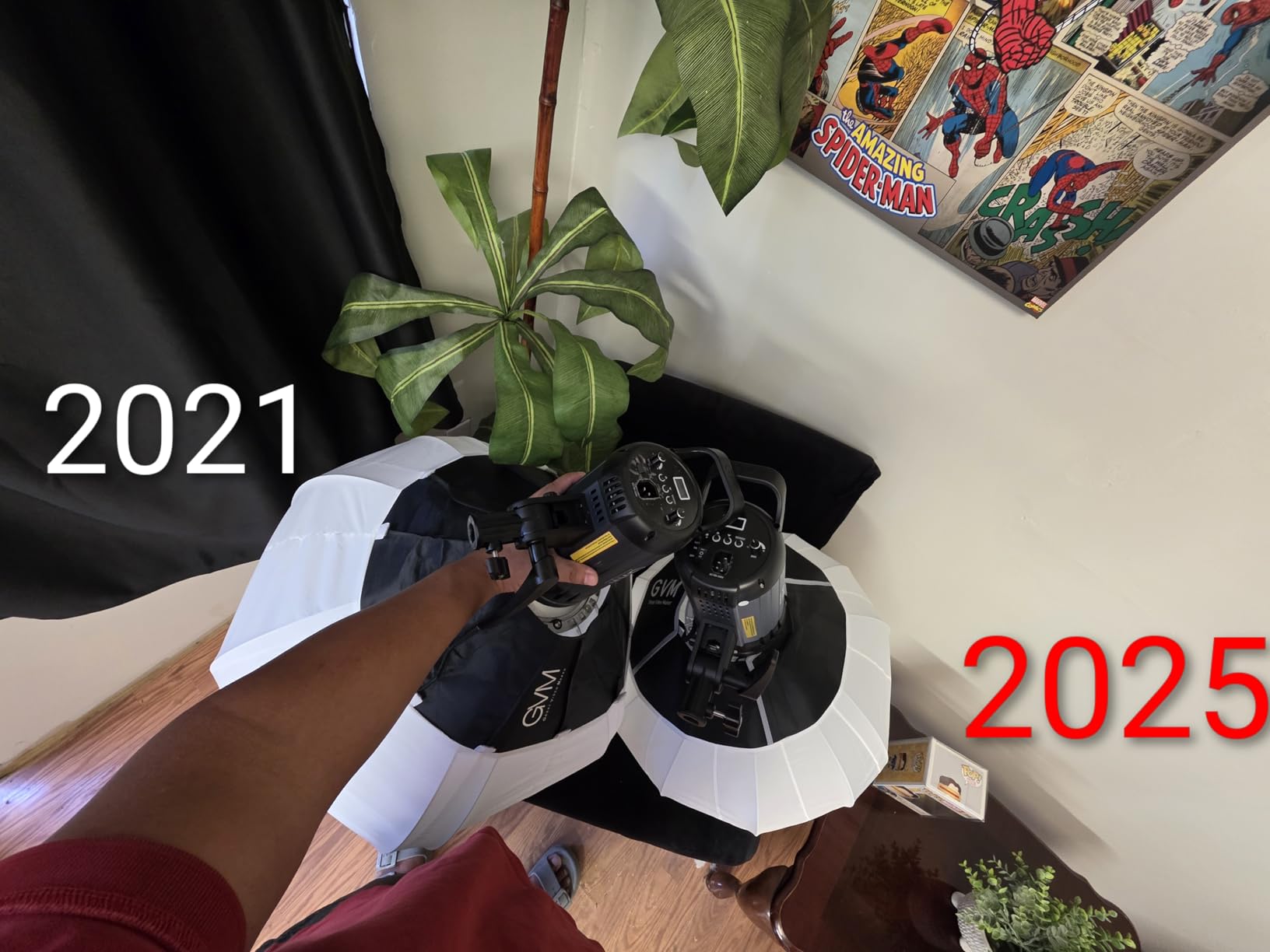
This is the only COB light in the group and the only one with a Bowens mount, and that single fact changes what you can build over time. A standard Bowens mount accepts softboxes, reflectors, grids and fresnel attachments from many brands, so this fixture is a platform rather than a sealed product.
It runs 100W of bi-color output from 3200K to 5600K at a stated CRI 97+ and TLCI 97+, with dimming from 10 to 100 percent and a digital display. A lantern softbox is included, and it turns a hard COB into a soft, room-filling frontal source in seconds.
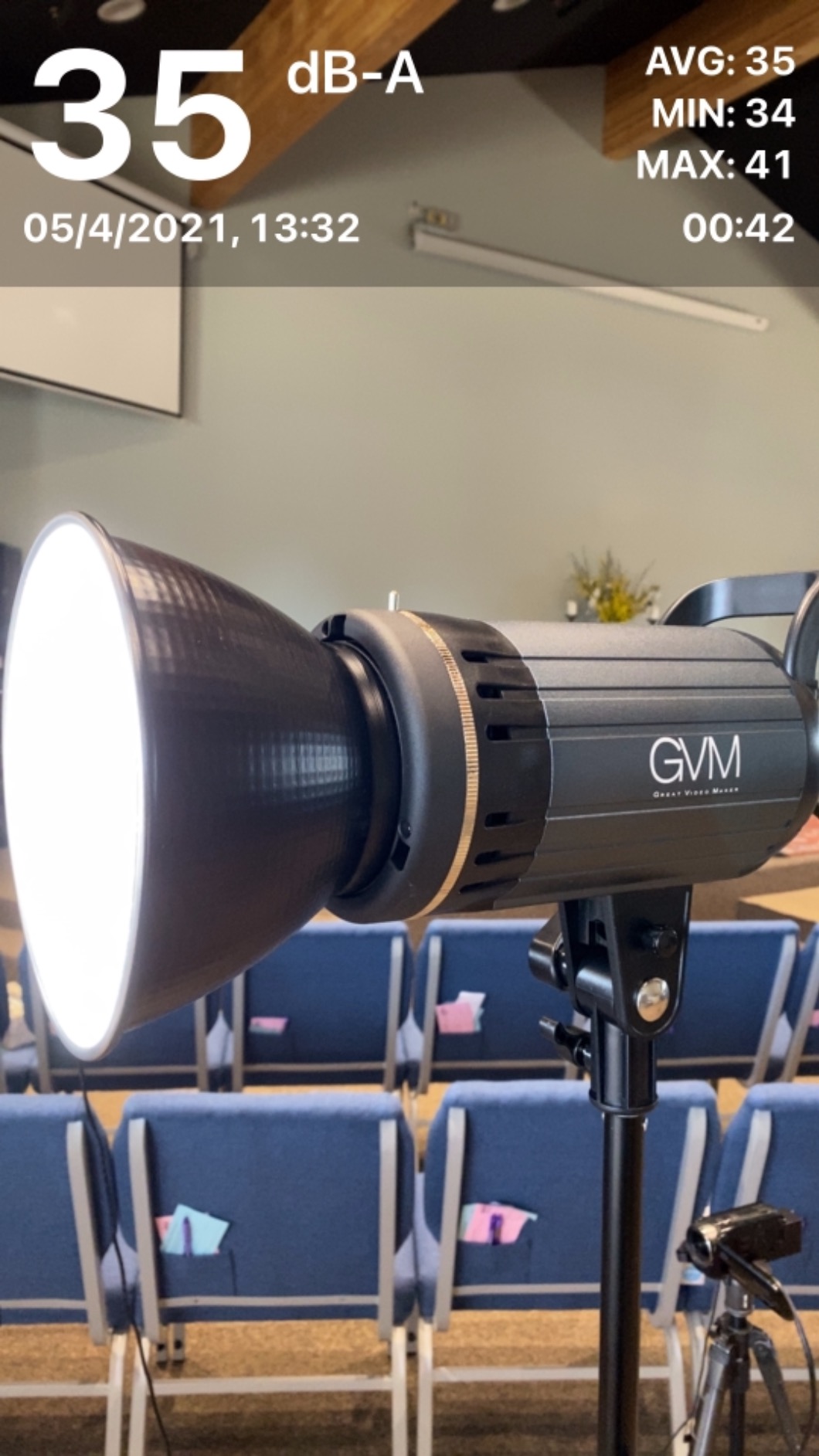
For a creator with a permanent corner of a room this is the right kind of investment. You get a light you can modify forever instead of a panel that does one job, and the Bowens ecosystem means your next purchase is a modifier rather than another fixture.
There are caveats. The adjustable yoke feels flimsy and offers limited balance adjustment once a heavy modifier goes on, and owners report the fan is audible in a quiet room for some listeners, which matters for a voiceover-heavy channel.
Is a COB light the right choice for a beginner?
Not first. A COB light is a hard, small source by default, and a beginner who points one at their face without a modifier gets the flat, unflattering look that makes people think lighting is hard. Buy this once you already know you want soft frontal light and are ready to add modifiers.
If you are still deciding whether you need a third light, start with one of the panel kits above and come back to this when your space is set and your look is settled.
How noisy is it really for voice work?
It uses a built-in fan, and reviewers are split. Many say it is inaudible at normal listening distance during a take, others notice it in a genuinely silent room. If you record a lot of voiceover with a close lav mic, test the noise floor yourself at your actual distance before committing.
The trade against the panel kits is straightforward. You get far more output, a modifier mount and app control, and you give up silence and some bracket rigidity.
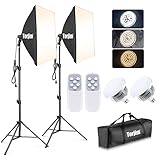
7. Torjim 27 Inch Softbox 2-Pack – Best for Product and Flat-Lay Work
Torjim Softbox Photography Lighting Kit, 2Pcs 27″ x 27″ Professional Soft Box | 3000K-7500K 85W LED Bulbs with Remote, Photography Continuous Lighting Kit for Studio Lights, Portrait, Video Recording
2x 27x27 inch softboxes
85W E26 bulbs at 7500K
CRI 100 listed
210 degree head rotation
74.5 inch max stand height
Pros
- Large soft boxes give even coverage with no harsh shadows
- 27 inch size covers flat lays and head-and-shoulders
- Bulbs run cool and the kit breaks down fast
- One remote controls both lights
Cons
- Bulky to collapse without removing the bulb
- Stand threads can strip with repeated use
- Remote is unresponsive for some buyers
- Listed color temperature is fixed daylight
Two 27 by 27 inch softboxes with an inner reflector and a removable diffuser, driven by 85W E26 LED bulbs. If your channel is product videos, cooking, unboxing or craft work, the size of this source is the whole point. A 27 inch box wraps light around the subject and keeps shadows off the backdrop.
The bulbs are listed at 7500K daylight, which is a slightly cool standard but close to the 5600K many cameras assume, so a quick custom white balance in your camera profile gets you neutral skin and accurate product color.
Assembly is three steps: tripod, head with 210 degrees of rotation, and a quarter-inch screw on the tripod top that also accepts ring lights and other heads. Both stands adjust from 27 inches to 74.5 inches, and one remote handles power and brightness for both lights.
These are not color tunable. The listing shows a 3000K to 7500K range, but the bulbs supplied are fixed daylight, and there is no continuous dimming dial you can reach for mid-shoot. For product work that is a limitation, not a problem.
Is this the wrong tool for a talking head?
Mostly, yes. A 27 inch softbox at arm’s length is a beautiful product light and a mediocre face light, because a talking head needs the source higher and angled down, and a single bulb softbox on a cheap tripod drifts as you adjust it. The flexibility of a panel on a proper stand is what you want at eye level.
If you do both, buy the panels for the face and keep these for the tabletop. They solve a problem no panel in this roundup addresses, which is why both kits made the list.
How do the durability complaints show up in practice?
Owners mention stand threads stripping after repeated rig moves and hardware that feels fragile under load, plus an awkward collapse where the bulb has to come out first. The bulbs themselves run cool and nothing overheats, which is worth noting because the old incandescent versions of this kit did.
Treat the stands as the consumable part of the package. The softboxes themselves are nylon and fold, and a carry bag is included for the whole set.
8. NiceVeedi 10 Inch Panel 2-Pack – Best for Video Calls and Desk Work
2-Pack LED Video Light Kit, NiceVeedi Studio Light, 2800-6500K Dimmable Photography Lighting Kit with Tripod Stand&Phone Holder, 73″ Stream Light for Video Recording, Game Streaming, YouTube
2x 10 inch 15W panels
356 LED beads each
CRI 97+
3 color presets
USB-C power
Pros
- Even soft light that visibly improves a dim desk
- Brightness and color presets are one-remote simple
- Phone holders and storage bag included
- Lightweight tripods that fold to 17 inches
Cons
- No wall charger included in the box
- Tripod legs are not individually adjustable
- Only three color temperature presets
- Occasional panels that power off on their own
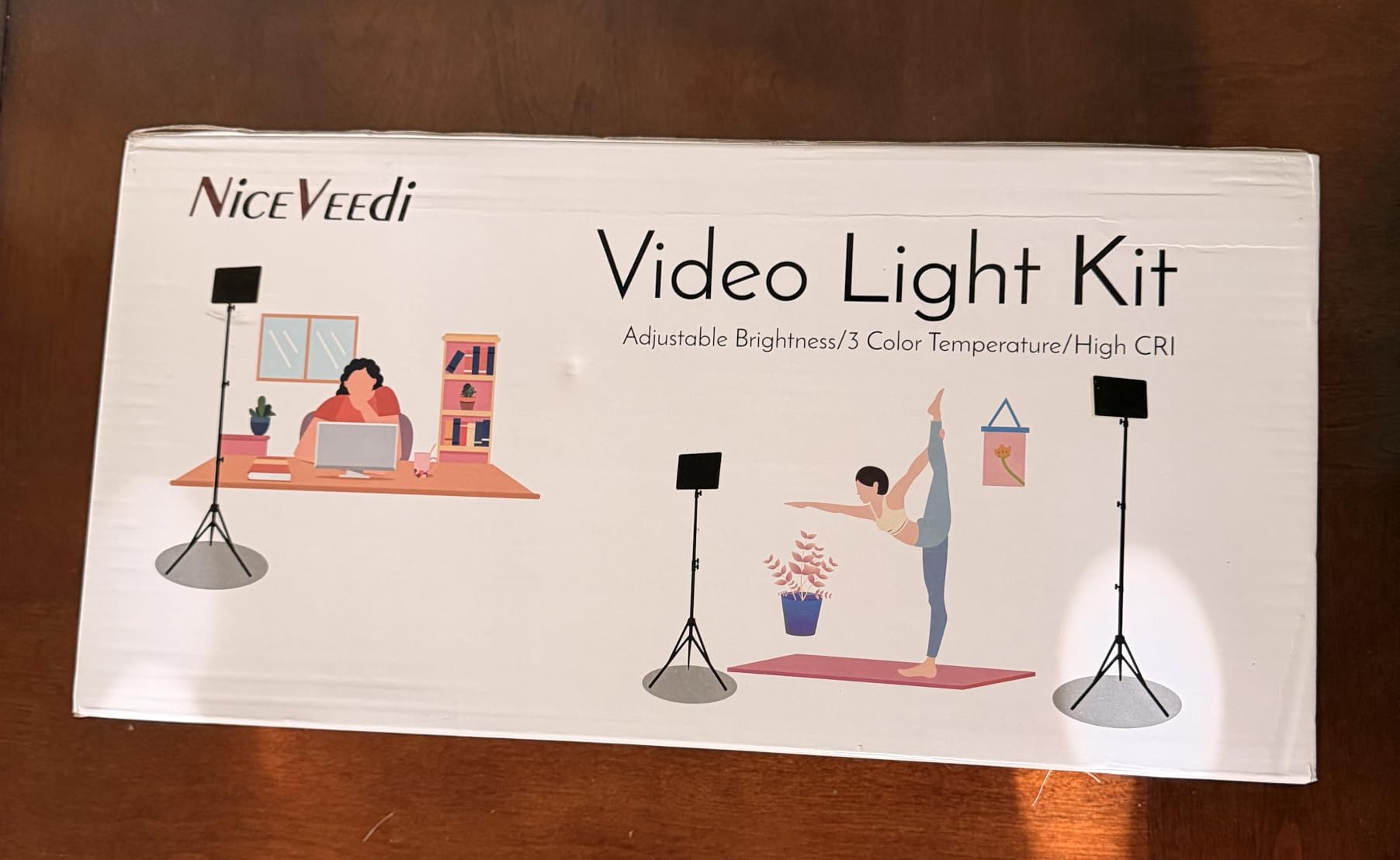
This is the most-reviewed kit in the entire roundup at 6023 reviews, and it holds a 4.3. That volume matters on its own: when something has thousands of owners, its failure modes are well documented rather than theoretical.
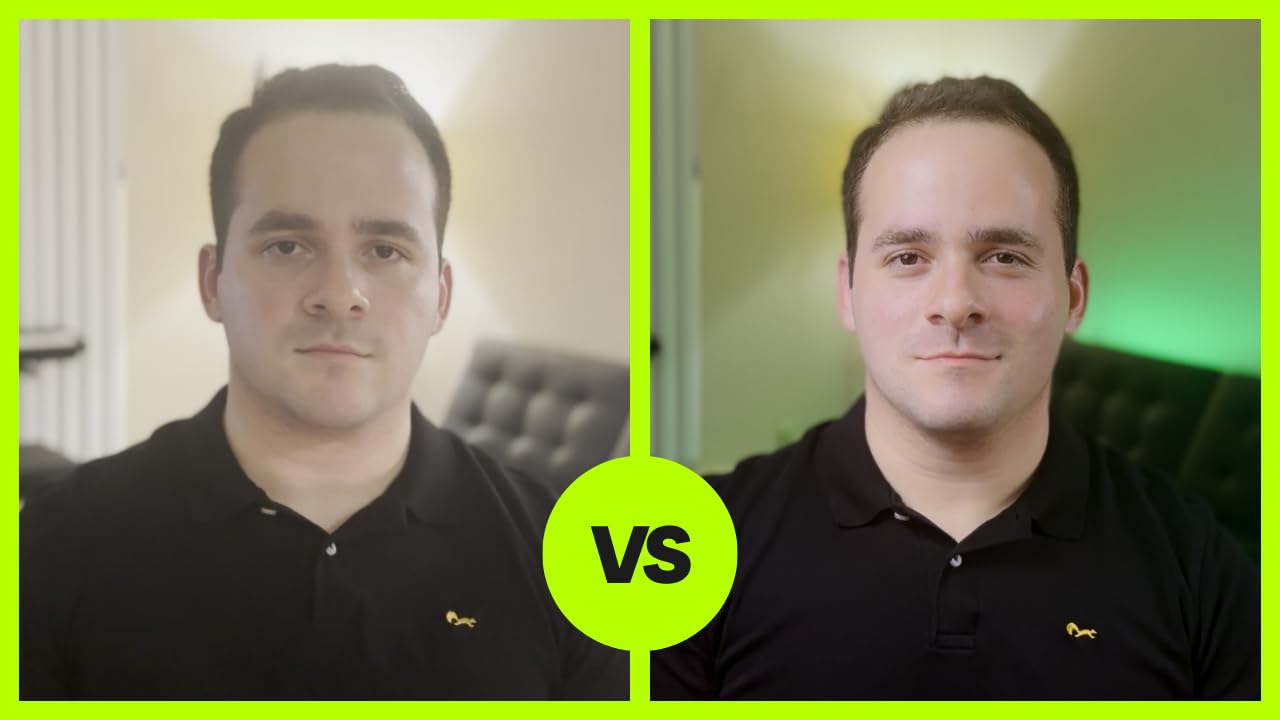
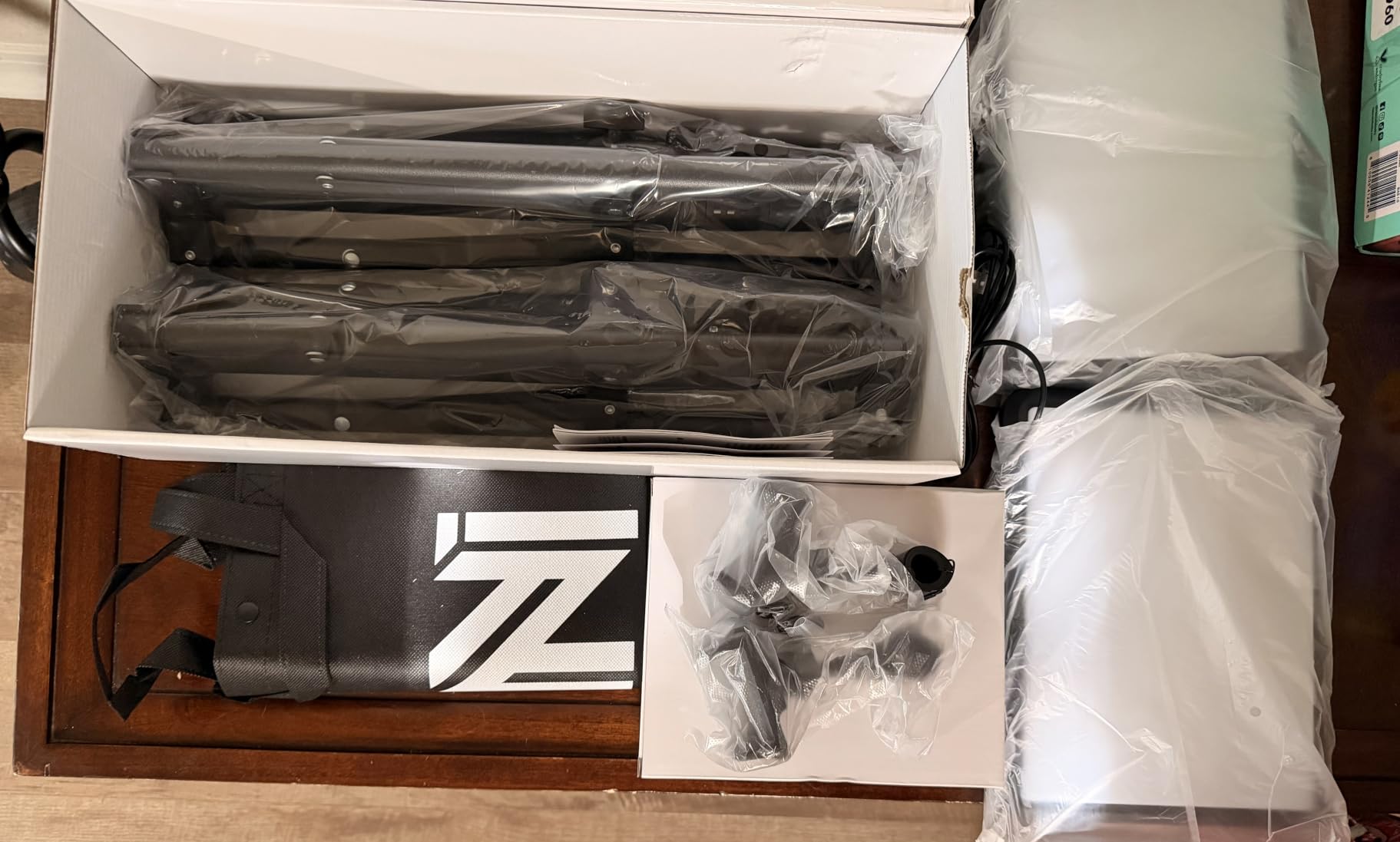
Each panel is 10 by 7.8 inches with 356 LED beads at a stated CRI 97+ and 15W. Two panels, one on each side of the face, is the fastest way to cut the shadow that a single desktop light creates, and that is exactly how reviewers use this kit.
Color temperature is limited to three presets at 2800K, 4800K and 6500K, with brightness from 10 to 100 percent over the remote. The thickened light shell doubles as a diffuser, so output is softer than the diode count suggests and you do not need a separate modifier.
Power is USB, using a 5V 2A wall adapter or a power bank, and USB-C adapters are included. The wall adapter itself is not, which catches out a lot of first-time buyers. Budget for a decent USB-C supply.
Is it good enough for a first YouTube light setup?
For a talking-head channel in a normal room, yes. Reviewers repeatedly describe the quality as surprisingly good for the price, and CRI 97+ means skin tone will look right on camera. You are not buying a professional fixture, you are buying two working lights for the cost of a dinner out.
Where it falls short is precision. Three color presets cannot fine-match a room, and a remote-controlled dim range is coarser than a physical dial. If your channel is a vlog with lots of different locations, that flexibility matters more than it does for a single-room setup.
What about the panels that power off on their own?
A small number of units have faulty panels, and that is normal at this volume and price. It is the main reason the rating sits at 4.3 rather than 4.5, and it is worth weighing against the fact that you are buying two, so a single failure is not fatal.
The tripod legs are the other recurring limit. They do not adjust individually, so swinging one panel up beside a monitor and dropping the other to desk level takes a bit of fiddling that a proper stand would not.
9. UBeesize 12 Inch 26W 2-Pack – Best Brightness for a Streaming Desk
UBeesize 2-Pack LED Video Light Kit with Tripod Stand & Phone Holder
2x 12 inch 26W panels
420 LED beads each
CRI above 97
3000K-6500K
Up to 3000 lumens
Pros
- Bright flicker-free output for dim rooms and dark-looking faces
- Phone holders support hands-free streaming
- Compact stands fold to 15.5 inches
- Carry bag and remote included
Cons
- LED diodes visible through the diffuser
- Stands feel flimsy with weak attachment points
- Bulky AC power brick
- 9-step brightness is coarse
At 26W per panel and up to 3000 lumens, this pair puts out plenty of punch for a streaming desk where the light has to fight a dark room and a monitor at once.
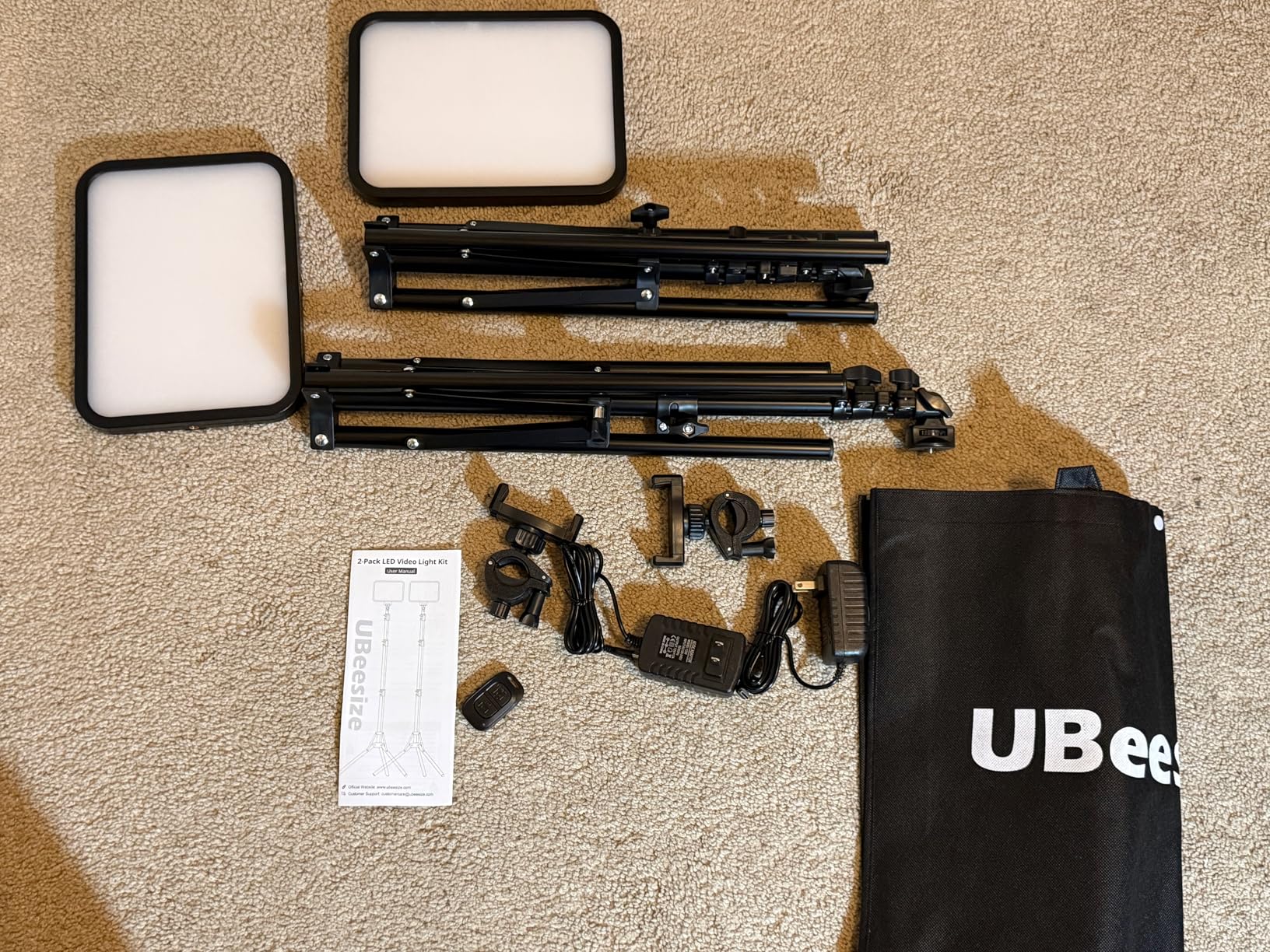
Each panel runs 420 LED beads across 3000K to 6500K at a stated CRI above 97, with an in-line controller for power, mode and brightness changes during recording plus 180 degrees of panel tilt. The kit includes two tripods, two phone holders, a remote and a carry bag.
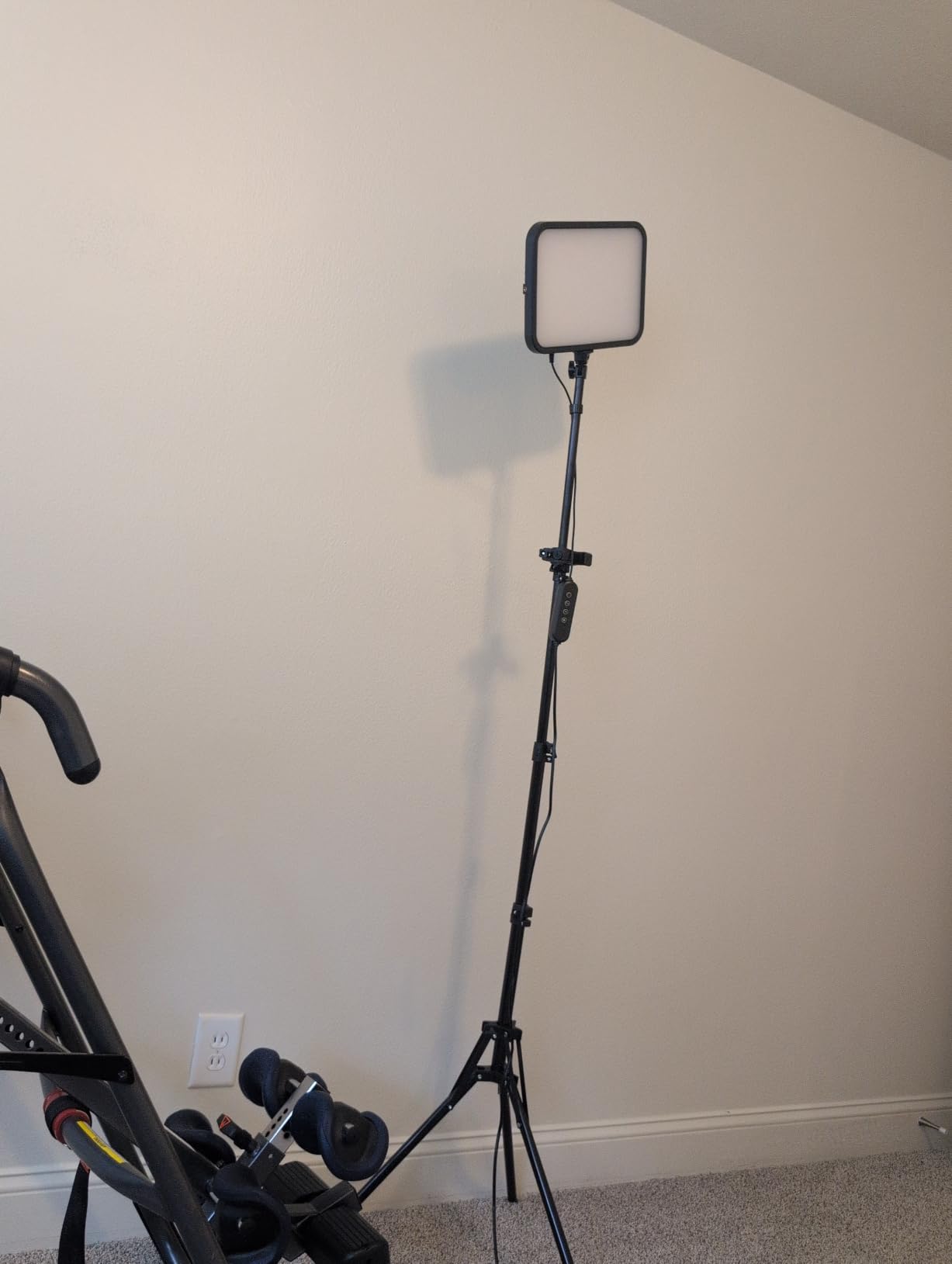
Two details decide whether this suits you. Reviewers note the individual LED diodes are visible through the diffuser, so the source is not perfectly uniform and can show a faint texture on very close subjects. It is subtle in most footage but noticeable on extreme close-ups.
The second is the hardware. The stands feel light and the point where the light meets the stand is the weakest link, so treat them as a temporary solution rather than something you will hang a softbox off one day.
How does it compare to the other budget two-packs?
It sits between the 15W entry kits and the 30W Torjim. You get noticeably more punch than the 15W panels in a dim room, along with a wider 3000K to 6500K range and a stated CRI above 97, which puts it closer to the mid-tier kits than to the entry tier.
If your main complaint is that your face looks flat and dim on stream, the extra output is the reason to choose this one. If your complaint is color, look at a kit with a narrower preset problem instead.
Is it quiet enough to record voice next to?
There is no fan noise complaint in the reviews, which is a point in its favour. The audible problems are mechanical, not electronic, so a well-positioned lav mic will not pick up anything from the light itself.
The one sound-adjacent caveat is the bulky AC power brick, which is mentioned often enough that you may want to route the cable off the desk rather than leaving it where you can tap it.
10. Skytex 20×28 Inch Softbox 2-Pack – Best Two-Light Softbox Setup
Skytex Softbox Lighting Kit 2Pack 20x28in Soft Box | 85W 2700-6400K E27 LED Bulb Continuous Photography Lighting, Photo Studio Lights Equipment for Camera Shooting, Video Recording
2x 20x28 inch softboxes
85W E27 bulbs at 2700K-6400K
CRI 90
Remote dimming 1-100%
Stands to 79 inches
Pros
- Broad soft coverage for portraits and product work
- Unusually flexible 2700K-6400K range for the price
- Sturdy aluminum stands with 79 inch reach
- 8.5 ft cables give positioning freedom
- Oxford carry bag holds the kit
Cons
- CRI 90 is below the 95 threshold we recommend
- Remote ships without a battery
- Bulkier to assemble and store than panels
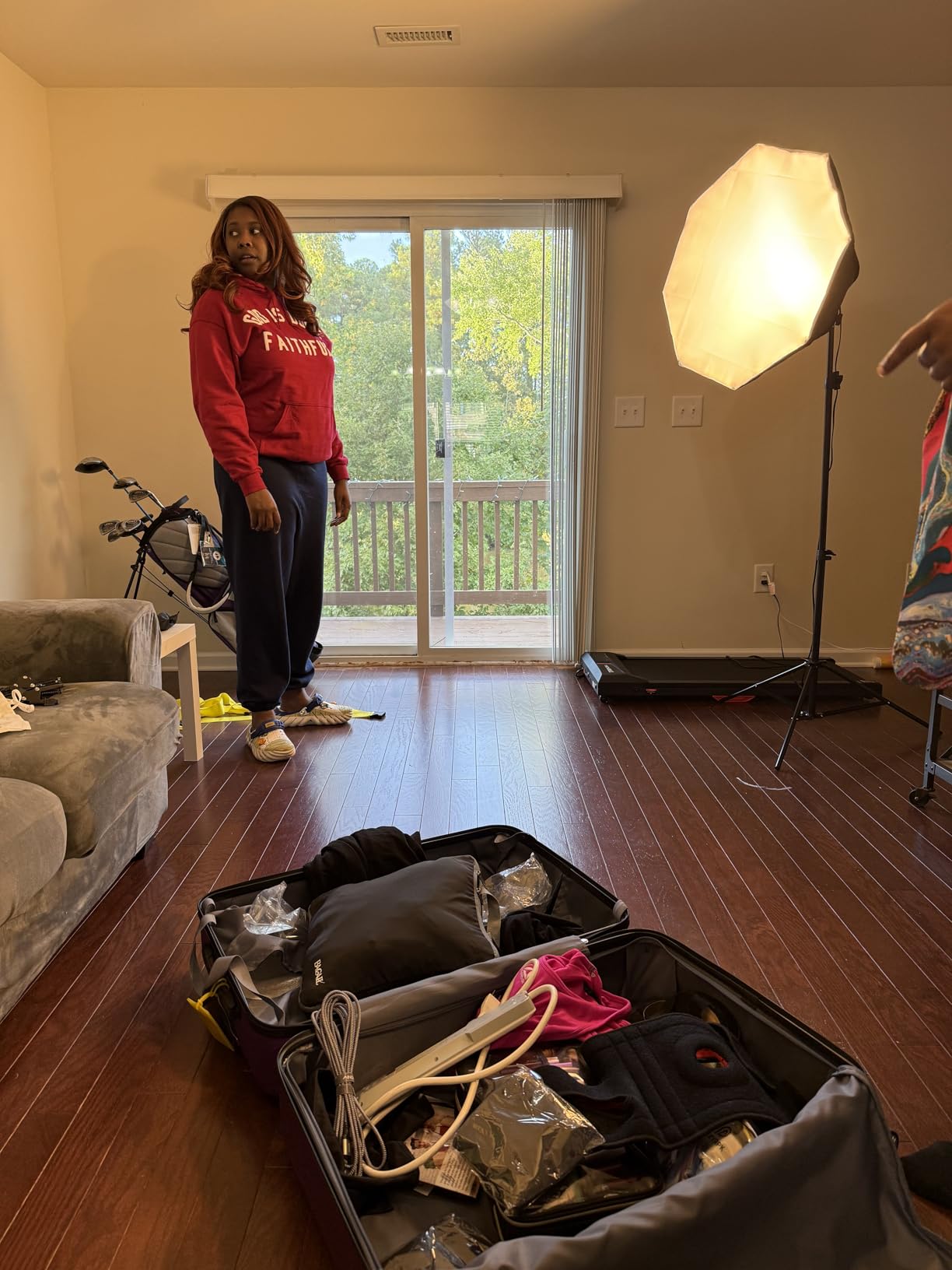
Two 20 by 28 inch softboxes on aluminum stands that reach 79 inches, driven by 85W three-color E27 bulbs spanning 2700K to 6400K. This is the most complete two-light softbox setup in the roundup, and it covers more room than the smaller softbox pair above.
Two benefits stand out. The bulb color range is genuinely wide for this category, so you can match a warm living room or a cool window. And the 8.5 foot power cables let you place the boxes where the light works rather than where the wall socket is.
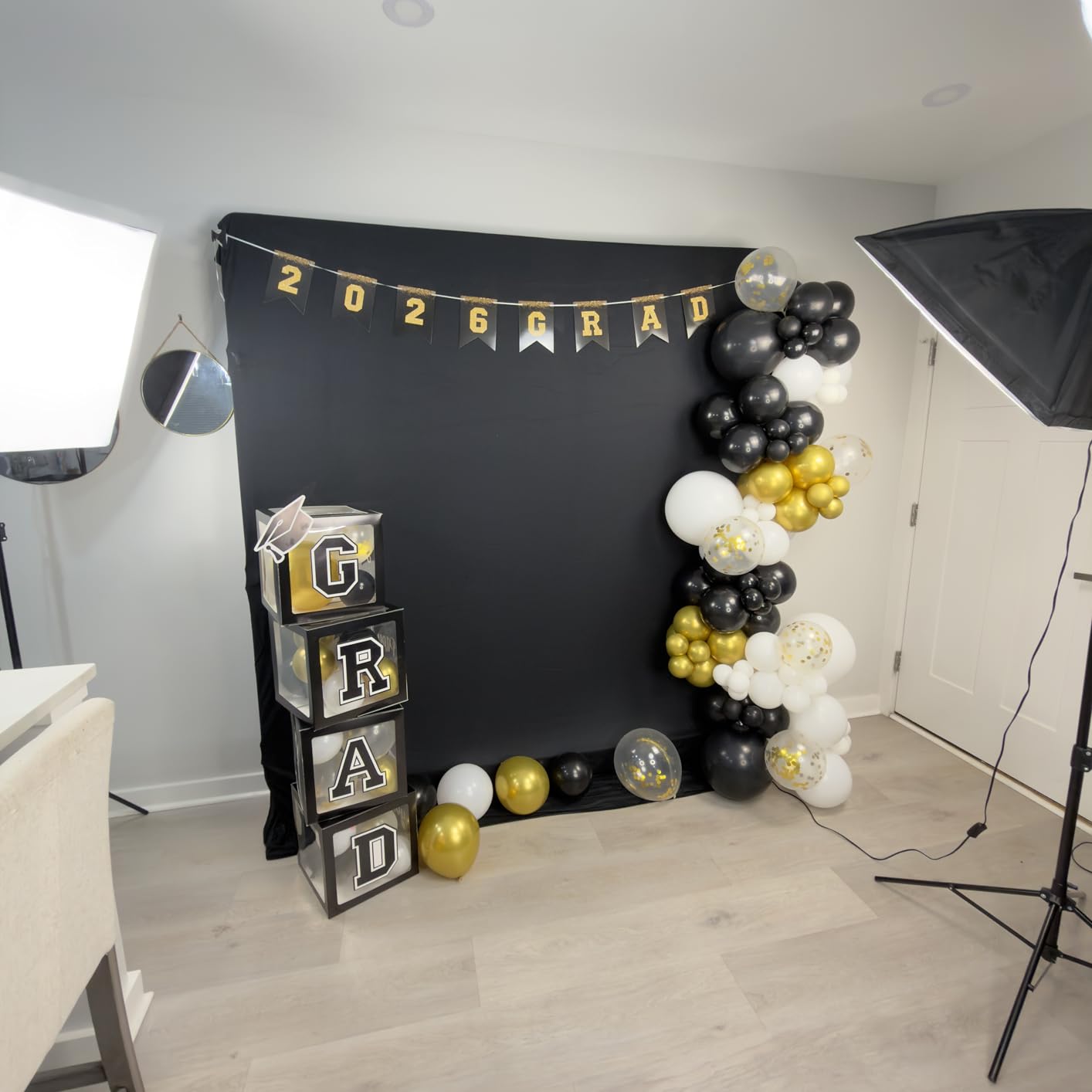
The remote handles power, brightness and color temperature from 1 to 100 percent across all three channels. Stands are three-section, adjusting from 26 to 79 inches, and the lamp holder rotates 210 degrees on a quarter-inch thread.
Here is the dealbreaker for video work. The listed CRI is 90, and the community threshold for skin tone you can actually correct in post is 95 or above. Below that you are fighting a color cast rather than correcting one.
Is CRI 90 a real problem or a technicality?
It is a real problem specifically for talking heads, and much less so for product and portrait work where the palette is more controlled. Reviewers still rate the soft coverage and the dimming range highly, so this is a strong kit for the right job rather than a bad kit.
If your channel is a person talking to camera, we would choose a panel at CRI 95 or above instead. If you are photographing or filming objects, the softness and reach of these boxes may matter more than the last five points of color accuracy.
What is missing from the box?
The remote battery is the one that catches people. Everything else is present, including a carry bag, and the three-section legs are a genuine plus over the shorter tripods in the cheaper kits.
Assembly is bulkier than a panel, and softboxes plus long stands are more to carry than two thin panels in a bag. If your shoot moves between rooms often, weigh that against the softness you get.
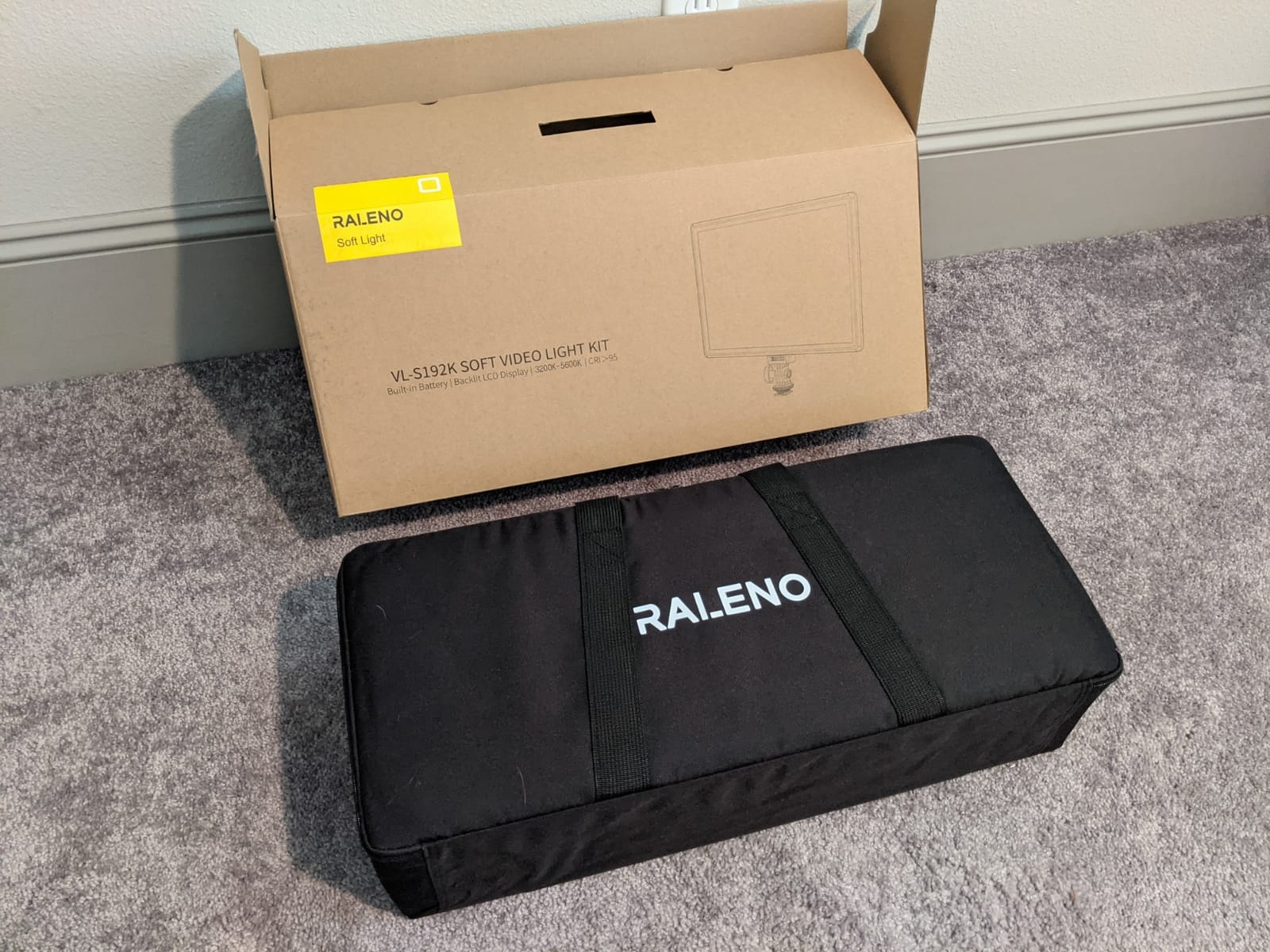
11. RaLeno 13 Inch Edge-Lit 2-Pack – Best Cordless Option With Real Softness
RALENO 2-Pack 13″ Edge-Lit LED Video Light Panel Kit with 75″ Stand
4-layer edge-lit diffusion
CRI 95+
2500K-6500K
8000mAh batteries
LCD display
Pros
- Edge-lit diffusion gives soft glare-free light
- 8000mAh batteries deliver over two hours in practice
- CRI 95+ across a wide 2500K-6500K range
- No softbox assembly required
- Storage bag and cold shoes included
Cons
- Charging cords are only about 6 ft so tall stands need an extension
- Dials also turn settings while the light is off
- Some tripod leg instability
- Panels mount in landscape only
The edge-lit design is the differentiator. Light is piped through a four-layer diffuser and projected out the side of a 1 inch slim panel, which is why reviewers describe the output as genuinely soft and glare-free with no hotspot in the middle. It is a different light-shaping mechanism from the LED arrays used in the cheaper panels.
At a stated CRI 95+ across 2500K to 6500K, it clears the color accuracy threshold, and the 8000mAh batteries deliver over two hours of cordless use in practice rather than on paper.
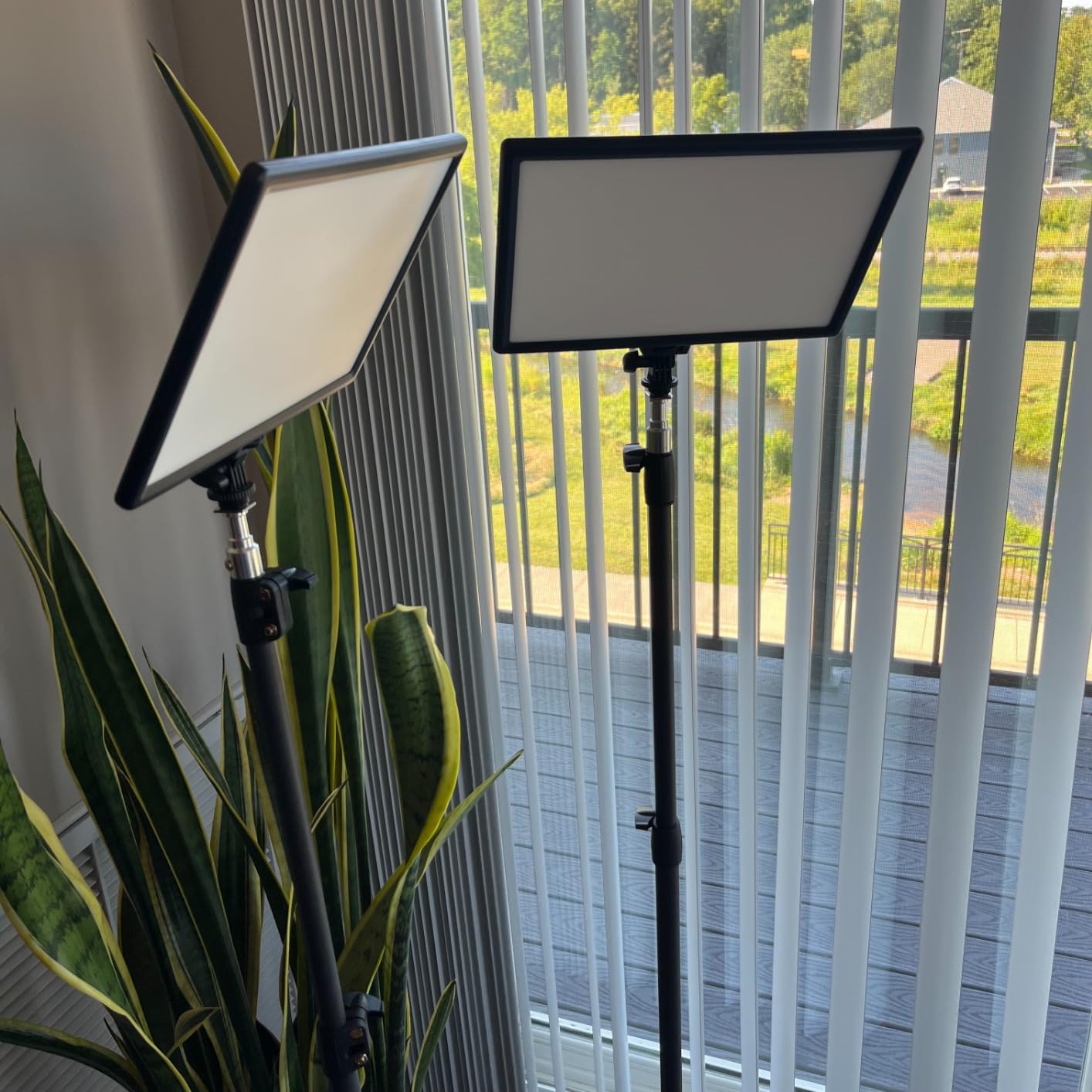
Setup is genuinely faster than a softbox kit. Three steps, no fabric to unfold or rods to thread, and the panels take a quarter-inch cold shoe mount. Two 75 inch aluminum stands, two chargers, two cold shoes and a storage bag are in the box.
The most-cited practical flaw is the short charging cords, at roughly six feet, which do not reach when a stand is at full height. Bring an extension. The second is dials that respond while the light is off, so a bumped knob changes your settings before you switch on.
Is edge-lit light genuinely softer than a standard panel?
Yes, and the reviews are consistent on this point. Because the emitting surface is the whole side of the panel rather than a cluster of visible diodes, you get broad, even, shadow-lightening output. Reviewers regularly call it a step up from softboxes at a comparable outlay.
It is the closest thing in this roundup to the soft frontal look a lantern softbox gives you, without a fabric modifier. That makes it a strong first serious purchase for a creator who cares about skin texture.
What are the trade-offs against the other battery option?
Double the battery capacity, which matters if you film long sessions away from a socket, and a wider 2500K to 6500K range than the 13 inch NEEWER pair. In exchange, the panels mount in landscape orientation only, which is awkward for vertical and shorts framing.
For a horizontal talking head who wants cordless freedom and soft light with no modifier, this is the pick. For a vertical-first creator, the flat-panel battery kit earlier in the list handles rotation better.
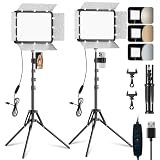
12. EMART 15W Panel Kit – A Complete Starter Setup With Magnetic Barn Doors
EMART 2-Pack 15W LED Video Light Kit with Phone Holder & Barndoor
2x 12 inch 15W panels
352 LED beads at CRI 97+
2800K-7000K in 3 settings
Magnetic barn doors
USB-C power
Pros
- Bright evenly scattered light from the thickened housing
- Magnetic barn doors cut glare and shape the light
- Tripods fold to 17 inches with 180 degree tilt
- Cold shoe and quarter-inch ports make rigging easy
- Phone holder included
Cons
- Only 3 color settings and 10 brightness levels
- No wall charger in the box
- Modest output suits dim rooms or fill work
The lowest-rated kit here at 4.3 across 4383 reviews, and also the one that makes the most sense if you have never lit a video before. Two 12 inch panels at 15W each, with 352 high-CRI LEDs apiece and a stated CRI 97+.
What separates it from the other entry kit is the magnetic barn doors. They detach and refocus the beam to cut glare on a face or a product, and for the price they are the most useful accessory in the package.
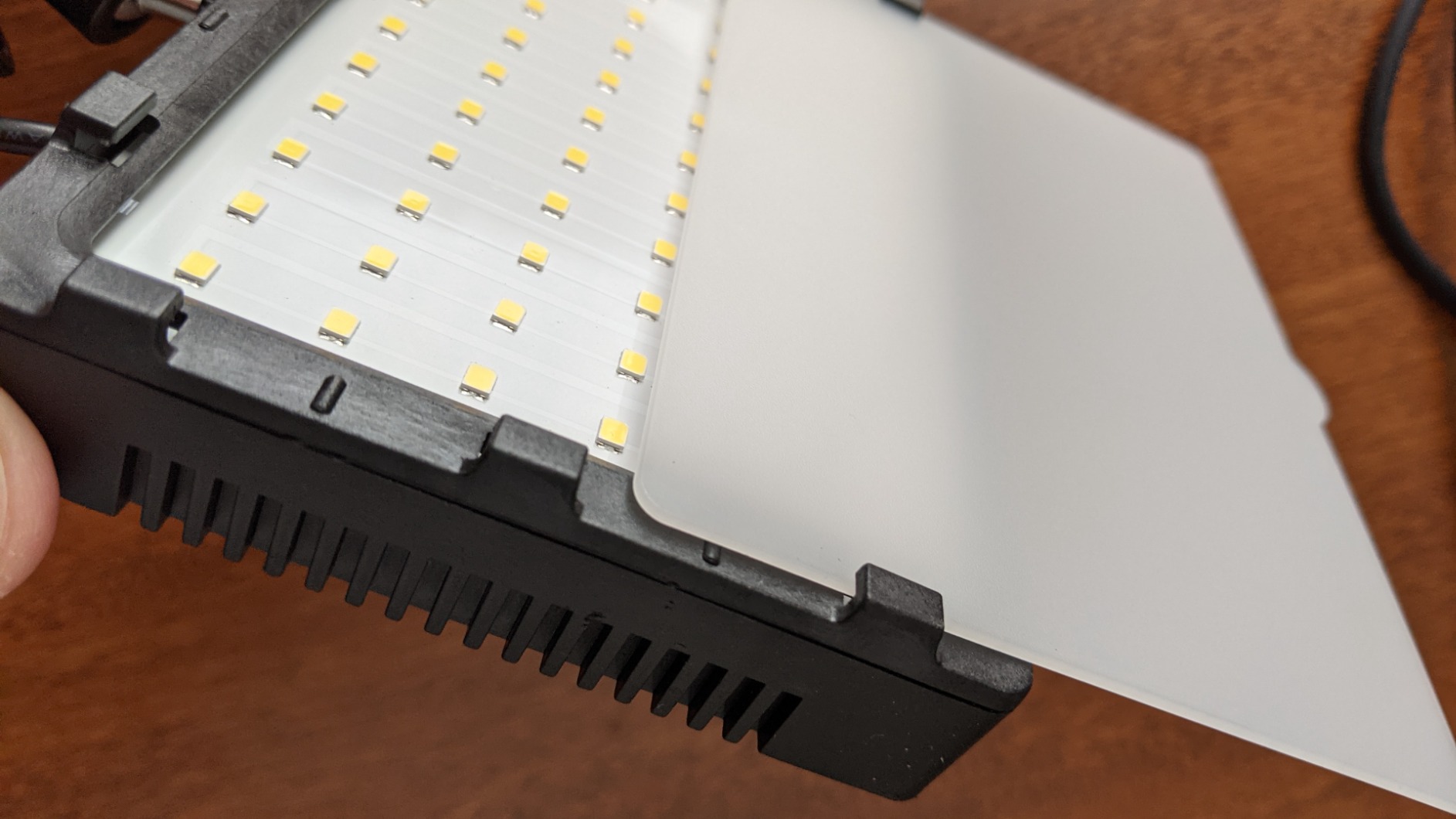
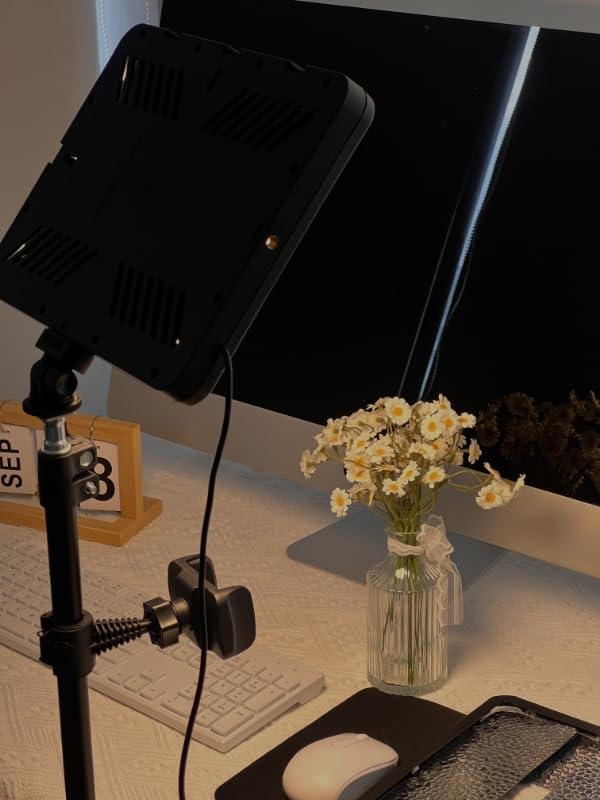
Color temperature runs 2800K to 7000K across three settings with ten brightness levels, controlled over USB-C. The panel housing is thickened to scatter light evenly, and the back carries four cold shoe ports plus two quarter-inch screw connectors for flexible rigging.
Tripods extend to 73 inches and fold to 17 inches with 180 degrees of tilt and three adjustment knobs, which is better articulation than some competing kits at a similar level. Two barn doors, two USB cables, a phone holder and a manual are included.
Is 15W enough light to make a visible difference?
In a dim room at a desk, yes, and reviewers describe it as a cheap starter kit for vlogging, short video, video calls and small studio work. It is a fill-level fixture more than a key-level one, so the honest framing is that it fixes darkness rather than sculpting a face.
That is a perfectly reasonable first step. Plenty of creators buy a kit at this level to confirm that lighting was what was holding their footage back, then invest properly once they see the difference.
What should you check before buying anything at this level?
Confirm you have a USB-C power supply, because no wall charger is included. Then plan to replace the tripod if you intend to keep the rig set up, since these are built for occasional repositioning rather than daily rig moves.
Three color settings and ten brightness levels are the real limits. If your room light changes with the weather, you will feel that more than you expect, and no editing setting fully compensates for the jump between presets.
How to Choose a Video Lighting Kit for YouTube
The kit matters far less than most buyers assume. What changes your footage is light quality, softness and color consistency, and you can get all three from a single well-chosen fixture. Use the sections below to work out what you actually need before you look at a product page again.
What is the 3 lighting rule?
The three-point rule is a setup with three lights: a key light that provides the main illumination, a fill light that lifts the shadow side of the subject to reduce contrast, and a back light placed behind the subject to separate them from the background. You can build a professional-looking talking head with only the key light, then add the other two when you want more depth.
For most home setups, the key does 80 percent of the work. Bounced light or a white reflector handles fill for free, and a small accent light behind adds separation. If you are starting from zero, buy the key first and treat the other two as later upgrades.
Our guide to lighting for YouTube videos goes deeper on positioning, and the continuous lighting roundup covers fixture types beyond the twelve here.
Why CRI and TLCI matter more than wattage
CRI, the Color Rendering Index, measures how faithfully a light reproduces the colors of what it lights compared to a reference. TLCI uses the television camera curve instead, so it correlates more closely with what your camera actually captures. Anything at 95 or above is the working threshold; below 90 you are correcting a cast rather than grading a look.
Wattage tells you how much light leaves the fixture, not what the light does to a face. Two panels at 30W with CRI 97+ will look more professional than a single 100W light at CRI 80, and every kit in this roundup clears 90 at minimum with most well past 95.
Color temperature discipline: put every visible light on one Kelvin value
Mismatched color temperature is the single most repeated setup error in the communities we read, and it shows up as skin that looks orange in one shot and blue in the next. The fix is unglamorous: pick one Kelvin value, set every visible light to it, and correct with a single white balance adjustment.
When you buy a kit, look for a continuous bi-color range rather than presets. Presets force you to choose between warm and cool when the correct answer is usually in between, and mixing a preset kit with daylight from a window is a common source of the green cast reviewers keep mentioning.
Our rule of thumb is to match the light to the room rather than the room to the light. If your only window is the source, set your kit to roughly the same temperature and black out or diffuse the window if you need control.
Soft or hard light, and why source size beats wattage
Hard light comes from a small source and creates defined, dark shadow edges. Soft light comes from a large source and creates a soft transition, which reads as flattering on skin because the eye reads soft shadows as even lighting. Source size, not power, determines this.
That is why the included modifiers matter so much. The diffusers, softboxes and edge-lit panels in this roundup all exist to make a small emitter behave like a large one. A diffuser costs nothing and buys most of the benefit, so use it rather than buying a bigger light first.
Lux at 1m is not lux on your face
Light falls off with the square of distance, which means moving a light from one foot to three feet cuts the light on your face to about one ninth. Manufacturer lux figures are measured at one meter, so treat them as a comparison between products rather than a promise about your room.
For a seated talking head, three to four feet of separation with a diffused source is the sweet spot. Closer gives flatter, harsher results and further gives you a light too dim to expose cleanly. If a room feels too bright, the answer is usually to move closer and dim down, not to buy a dimmer fixture.
One light or three?
One good light beats three cheap ones, and this is the most consistent piece of community advice in our research. Three mismatched panels cannot be corrected to a single white balance, and mismatched sources are the reason some footage looks flat even when it is bright.
Buy one high-CRI light with a diffuser, add a white foam board or reflector opposite it for fill, and only then consider a third source behind the subject. If you are lighting a green screen instead, the approach is different, and our green screen lighting guide covers even subject coverage.
What most beginners should not buy
Skip ring lights unless you film beauty close-ups or sit at a single fixed desk angle. The circular shadow they cast under the chin and nose is the reason most creators move away from them, and the flat frontal quality leaves nothing for a background to do.
Also skip RGB at your key position. Colorful accent lights behind or beside the subject add production value, but a saturated key light destroys accurate skin tone, and no amount of grading brings it back. Buy it last, as a background element.
Finally, be skeptical of three-panel bundles that share one brand name but not one color science. Check whether each panel states a CRI figure, and whether the Kelvin range is continuous. If the listing only lists presets, that is your answer.
Matching the kit to your room
In a small bedroom, a single diffused panel on a proper stand handles a seated talking head with room to spare, and our budget picks cover it. Space, not brightness, is the binding constraint in small rooms, and large softboxes will not fit.
In a spare room with one window, use the window as your key, place a bounce opposite it for fill, and add one panel to lift the background or separate your subject from it. Kits with a wide continuous Kelvin range win here because you can match the window.
In a garage or large space, none of the panels in this roundup will light the whole area on their own, and the COB fixture with a Bowens mount becomes the sensible starting point. Budget for stands with real weight capacity, since this is where cheap tripods actually fail.
Frequently Asked Questions
What is the best lighting equipment for YouTube videos?
A diffused high-CRI panel on a proper stand is the best lighting equipment for YouTube videos. Start with one light at 95+ CRI, place it three to four feet from your face at a slight angle, and add a white reflector opposite for fill. Add a third light behind the subject for separation only once the key light looks right on its own.
What is the 3 lighting rule?
The three-point rule is a key light, a fill light and a back light. The key provides the main illumination, the fill reduces shadow contrast on the darker side of the subject, and the back light separates the subject from the background. A key light alone, plus a reflector for fill, produces a professional-looking talking head.
What are the best LED lights for recording videos?
For most creators, bi-color LED panels with a continuous 3200K to 5600K range and CRI 95 or above are the best LED lights for recording videos. A COB light with a Bowens mount is the better choice when you want modifiers and more output, and a softbox pair is better for product and portrait work. RGB is best kept for background accents rather than the key.
What color temperature should I use for YouTube?
Set every visible light in your frame to the same color temperature, usually around 5600K for daylight-balanced footage. When your room light is fixed and not daylight, match the light to the room instead and correct with a single white balance adjustment. Mixing temperatures is the most common cause of skin that looks orange in one shot and blue in the next.
How many lights do I need to film YouTube videos?
One light is enough to start. A single diffused, high-CRI source at three to four feet, with a white reflector or foam board opposite it for fill, produces a professional-looking result. A second light adds a controllable fill and a third adds background separation, but mismatched lights cannot be color-matched in post, which is why one good light beats three cheap ones.
Is a ring light good for YouTube?
A ring light suits beauty close-ups, single-camera talking heads filmed at a fixed desk and mobile creators who want one simple unit. For most channels it is the wrong choice because it casts a circular shadow under the chin and nose and produces flat frontal light that flattens the background. A diffused panel on a stand gives softer, more flattering light with far more control.
Conclusion
After six weeks of setups, the twelve kits here fell into three groups. Entry panels under 30W fix a dim room and confirm that lighting was your bottleneck. Mid-tier bi-color pairs with diffusion and continuous Kelvin control are what most YouTube channels should actually own. Modifier platforms and softbox pairs are for creators who have already settled their look and want to build on it.
The NEEWER 660 Bi-Color 2-Pack takes the top spot for 2026 because it is the most dependable combination we found: a stated CRI 96+, up to 3300 lux at one meter, and a fanless housing that stays silent during voiceover. If your budget is tighter, the Neewer 480 pair delivers nearly the same color quality for less, and the Torjim 30W kit will transform a dark bedroom for the smallest outlay of the three.
Whatever you choose, set every visible light to one Kelvin value, diffuse the source, and put it three to four feet from your face. That last habit will improve your video more than any kit on this list.