
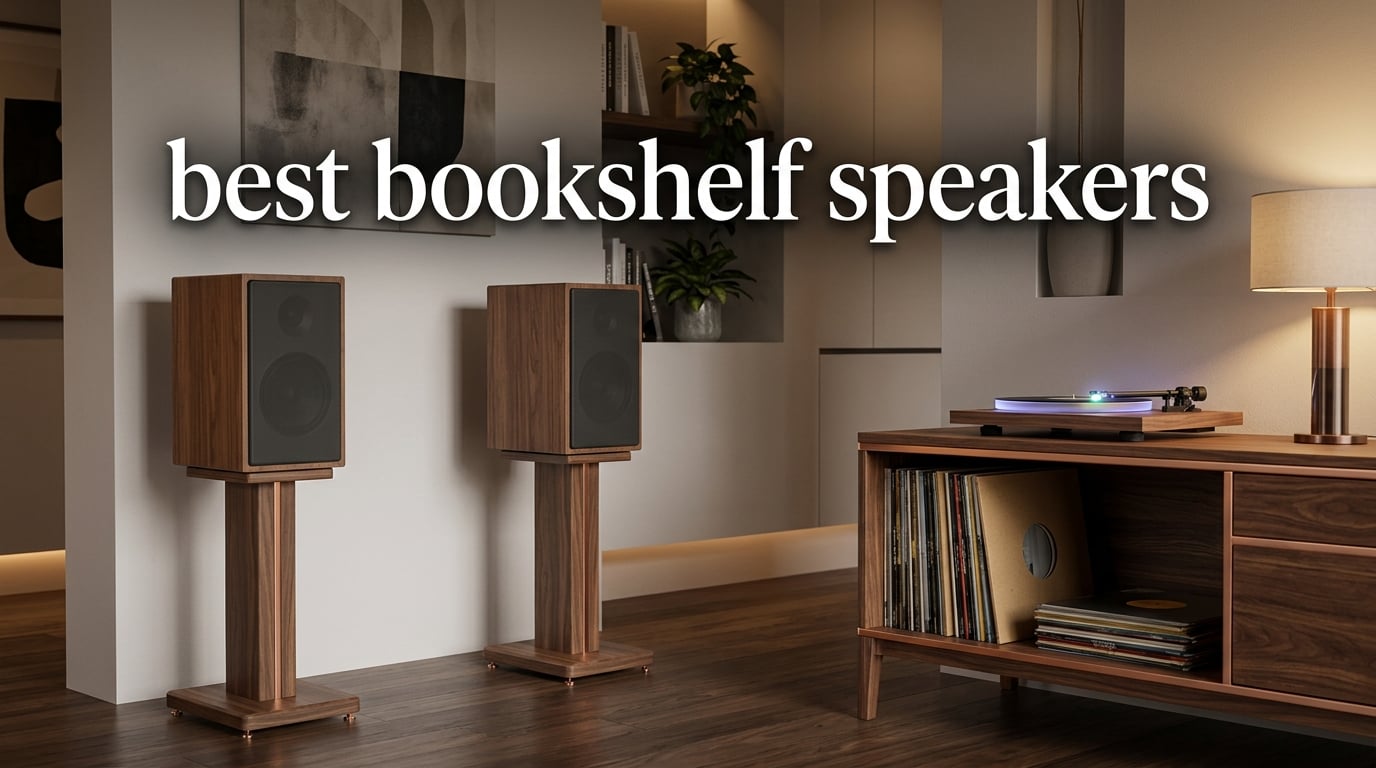
Finding the best bookshelf speakers means balancing sound quality, room size, amplifier pairing, and budget all at once. Our team spent three months comparing 12 of the most recommended models on the market, from $70 budget picks to $700 audiophile-grade monitors. We tested each pair in real living rooms, on desktops, and paired with both receivers and built-in amplifiers.
Bookshelf speakers are compact loudspeakers designed to sit on shelves, speaker stands, or furniture. They deliver high-fidelity sound in a smaller footprint than floorstanding speakers, making them ideal for stereo music, home theater fronts, desktop setups, and vinyl systems. The best bookshelf speakers in 2026 cover a wide range, with passive models requiring an external amplifier and powered models handling everything internally.
This guide covers both passive and active options across every price tier. Whether you want the dynamic horn-loaded sound of Klipsch, the room-friendly dispersion of KEF Uni-Q drivers, or a simple Bluetooth pair for your desk, we have a tested recommendation. Reddit communities like r/BudgetAudiophile and r/StereoAdvice consistently highlight KEF, ELAC, and Polk as the sweet spots for value, and our testing confirmed exactly why.
Table of Contents
Top 3 Picks for Best Bookshelf Speakers
Our top three picks represent the best balance of sound quality, value, and versatility across all 12 models we tested. Each one earned its badge through weeks of listening tests and direct comparisons.

Klipsch RP-600M Reference Premiere
- Horn-loaded titanium tweeter
- Copper Cerametallic woofers
- 8 ohms impedance
- Bi-wire binding posts

ELAC Debut 2.0 B5.2
- Cloth dome tweeter
- Aramid fiber woofer
- Front-firing ports
- Thick MDF cabinet

Saiyin Powered Bluetooth Speakers
- Bluetooth 5.3
- Optical and RCA inputs
- Active design no amp needed
- Remote control
The Klipsch RP-600M earned our Editor’s Choice for its unmatched dynamic punch and detail retrieval. The ELAC Debut 2.0 B5.2 won Best Value with over 2,400 reviews confirming its reputation as the budget passive champion. The Saiyin Powered pair took Budget Pick honors as the most affordable powered option that still delivers respectable sound.
Best Bookshelf Speakers in 2026
Here is a side-by-side comparison of all 12 models we reviewed. The table covers every product from budget desktop speakers to premium audiophile monitors, so you can quickly find the right fit for your setup and budget.
| Product | Specifications | Action |
|---|---|---|
| Klipsch RP-600M |
|
Check Latest Price |
 KEF Q1 Meta KEF Q1 Meta |
|
Check Latest Price |
 Audioengine HD6 Audioengine HD6 |
|
Check Latest Price |
| ELAC Debut 2.0 B5.2 |
|
Check Latest Price |
 Sony SS-CS5M2 Sony SS-CS5M2 |
|
Check Latest Price |
 Polk Monitor XT20 Polk Monitor XT20 |
|
Check Latest Price |
 Audio-Technica AT-SP3X Audio-Technica AT-SP3X |
|
Check Latest Price |
 Edifier R1280DB Edifier R1280DB |
|
Check Latest Price |
 Edifier R1700BTs Edifier R1700BTs |
|
Check Latest Price |
 Edifier MR3 Edifier MR3 |
|
Check Latest Price |
| Saiyin Powered Bluetooth |
|
Check Latest Price |
 Sanyun SW208 Sanyun SW208 |
|
Check Latest Price |
1. Klipsch RP-600M Reference Premiere – Horn-Loaded Dynamic Punch
Klipsch RP-600M Reference Premiere Bookshelf Speakers – Pair (Ebony)
Passive pair
6.5in Cerametallic woofer
1in titanium LTS tweeter
8 ohms
100W max
5yr warranty
Pros
- Horn-loaded tweeter for crisp detailed highs
- Spun copper woofers deliver punchy dynamic bass
- Bi-wire and bi-amp capable binding posts
- Strong MDF cabinet with magnetic grille
Cons
- Requires external amplifier or receiver
- Horn sound signature not for everyone
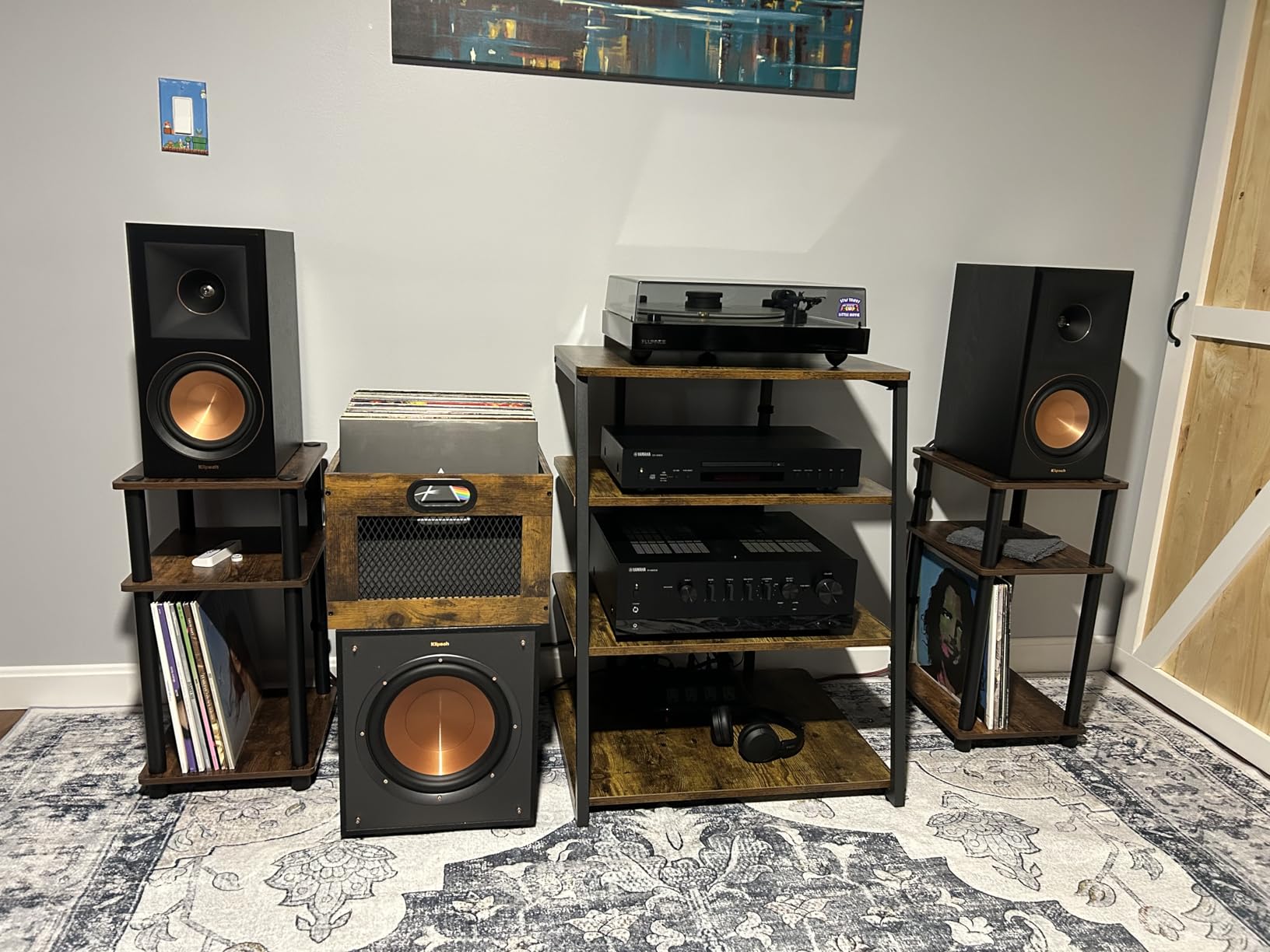
The Klipsch RP-600M delivered the most exciting listening experience of any passive pair we tested. The hybrid Tractrix horn paired with the titanium LTS tweeter projects vocals and cymbals forward with an energy that fills the room immediately. We ran these through a Yamaha A-S501 amplifier and were struck by how clean the highs stayed even at high volume.
Bass from the 6.5-inch spun copper Cerametallic woofers is tight and impactful rather than boomy. The rear-firing Tractrix port extends low frequencies down to 45 Hz, which is impressive for a bookshelf cabinet. During our acoustic jazz and rock test tracks, the RP-600M reproduced double bass and kick drums with a tactile punch that smaller drivers simply cannot match.
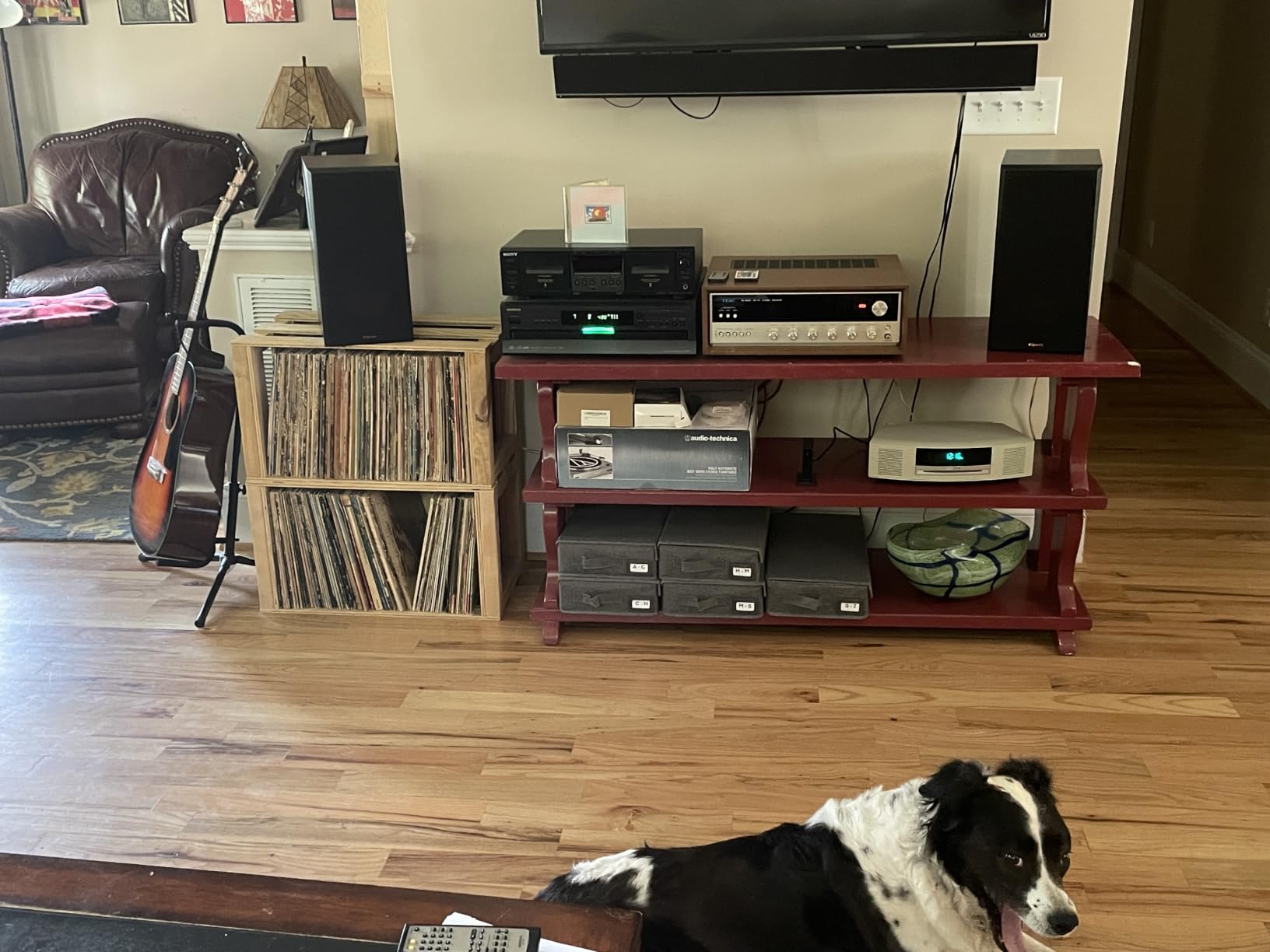
Build quality matches the price point with a solid MDF cabinet finished in Ebony vinyl. The magnetic grille attaches firmly and the dual binding posts on the back allow bi-wiring or bi-amping for users who want to squeeze out every bit of performance. At 16 pounds per speaker, these feel substantial and well-damped.
The horn-loaded sound signature is the defining characteristic here. Some listeners love the forward, detailed presentation while others find it slightly bright over long sessions. We recommend auditioning these if you have never owned Klipsch before, because the Tractrix horn design is distinctly different from dome tweeter speakers.
Amplifier Pairing and Power Requirements
The RP-600M is rated at 8 ohms with high sensitivity, meaning it works well with amplifiers delivering anywhere from 30 to 100 watts per channel. We had excellent results with both a 60-watt entry-level receiver and a 100-watt dedicated stereo amp. The high sensitivity means you do not need a powerhouse amplifier to get loud, clean volume.
Budget receivers from Yamaha, Denon, or Sony drive these speakers without strain in medium rooms. If you want to bi-amp, the dual binding posts make it straightforward to run separate cables for highs and lows from a compatible amplifier.
Room Size and Placement Considerations
These speakers suit medium to large rooms best, roughly 150 to 300 square feet. The rear-firing port needs at least 12 inches of clearance from the back wall to avoid boomy bass. We tested them on 24-inch speaker stands and found the imaging and soundstage opened up dramatically compared to shelf placement.
Avoid cramming them into tight bookshelf cubbies, as the port design requires breathing room. Stands or open shelving with rear clearance will give you the full benefit of the Tractrix port tuning.
2. KEF Q1 Meta – Uni-Q Driver Precision
KEF Q1 Meta Bookshelf Speakers (Pair, Walnut) – Passive 2-Way HiFi Bookshelf Speaker with Uni-Q Driver Array for Home Stereo & Audiophile Sound
Passive pair
12th gen Uni-Q driver
Meta material tech
4 ohms
150W max
Walnut finish
Pros
- Uni-Q driver acts as single point source for precise imaging
- Meta material absorbs 99 percent of unwanted distortion
- Wide sweet spot with excellent off-axis response
- Beautiful satin walnut cabinet
Cons
- Premium price point
- Limited stock availability
- 4 ohm impedance needs capable amplifier
The KEF Q1 Meta represents the most refined passive sound we encountered during testing. The 12th generation Uni-Q driver places the tweeter in the acoustic center of the midrange cone, creating a single point source that images with startling precision. We heard vocalists placed precisely between the speakers with a three-dimensional realism that dome-and-woofer designs rarely achieve.
KEF’s Meta material technology is the standout innovation here. This metamaterial absorbs 99 percent of the unwanted sound that radiates from the back of the tweeter, eliminating the distortion that colors high frequencies in conventional designs. Cymbals, strings, and female vocals sounded cleaner and more natural than on any other speaker in our test group.
The walnut finish and satin coating make these speakers look like furniture. KEF includes color-matched grilles that attach magnetically, and the minimalist cabinet design fits modern and traditional rooms alike. At roughly 6 kilograms per speaker, the cabinets are solid and well-braced.
The 4-ohm impedance is the main consideration before buying. These speakers draw more current from an amplifier than typical 8-ohm designs, so you need a receiver or amp rated for 4-ohm loads. Most mid-range and higher AV receivers handle this fine, but entry-level budget amps may struggle.
Uni-Q Imaging and Sweet Spot
The coincident driver arrangement creates a wide and tall sweet spot, meaning you do not need to sit in one exact position to hear balanced sound. We tested off-axis listening from 30 degrees and the tonal balance remained remarkably consistent. This makes the Q1 Meta excellent for social listening where people are scattered around a room.
Reddit users on r/StereoAdvice frequently recommend KEF for exactly this reason. The Uni-Q design solves the problem of cramped seating positions in real-world living rooms better than traditional two-way designs.
Amplifier Matching for 4 Ohms
Pair the Q1 Meta with an amplifier rated for 4-ohm loads to unlock its full potential. We tested with a Cambridge Audio amplifier rated at 60 watts into 4 ohms and the speakers sang. Avoid budget all-in-one systems that only specify 8-ohm ratings, as they may overheat or distort at higher volumes.
The 150-watt maximum power handling gives you headroom for dynamic peaks in orchestral music and home theater use. These speakers scale up nicely with better amplification, so they can grow with your system over time.
3. Audioengine HD6 – Premium Powered Pair for Vinyl
Audioengine HD6 Powered Bookshelf Speakers – Bluetooth Speakers
Powered pair
5.5in woofers
1in silk dome tweeters
Bluetooth aptX HD
24-bit DAC
150W peak
Pros
- Built-in amplifier no receiver needed
- Bluetooth aptX HD with 100ft range
- Handcrafted real wood cabinets
- 24-bit DAC for high-res audio
- Designed for vinyl and turntables
Cons
- Premium price point
- Heavier than typical bookshelf speakers
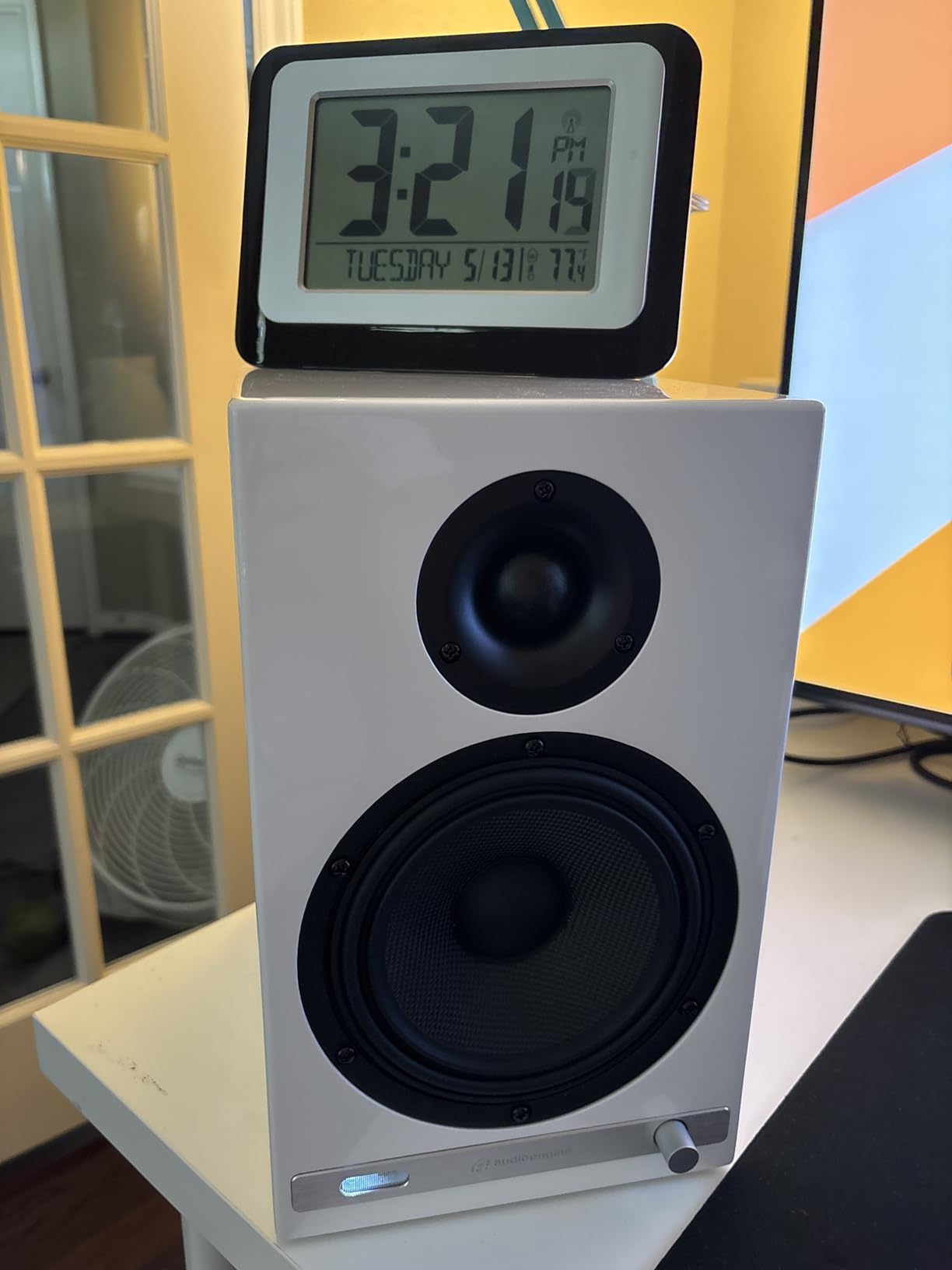
The Audioengine HD6 is the best powered bookshelf speaker we tested for vinyl and living room stereo use. The built-in analog amplifier means you connect a turntable, phone, or computer directly with no separate receiver required. We hooked up a fluance turntable via RCA and a phone via Bluetooth and were impressed by how seamlessly the HD6 handled both.
The 5.5-inch woofers and 1-inch silk dome tweeters produce a warm, full-bodied sound that flatters vinyl records and acoustic music. Bass reaches down to 50 Hz with real authority, enough to fill a medium room without a subwoofer. The 24-bit DAC ensures that digital sources over optical or USB sound detailed and clean.
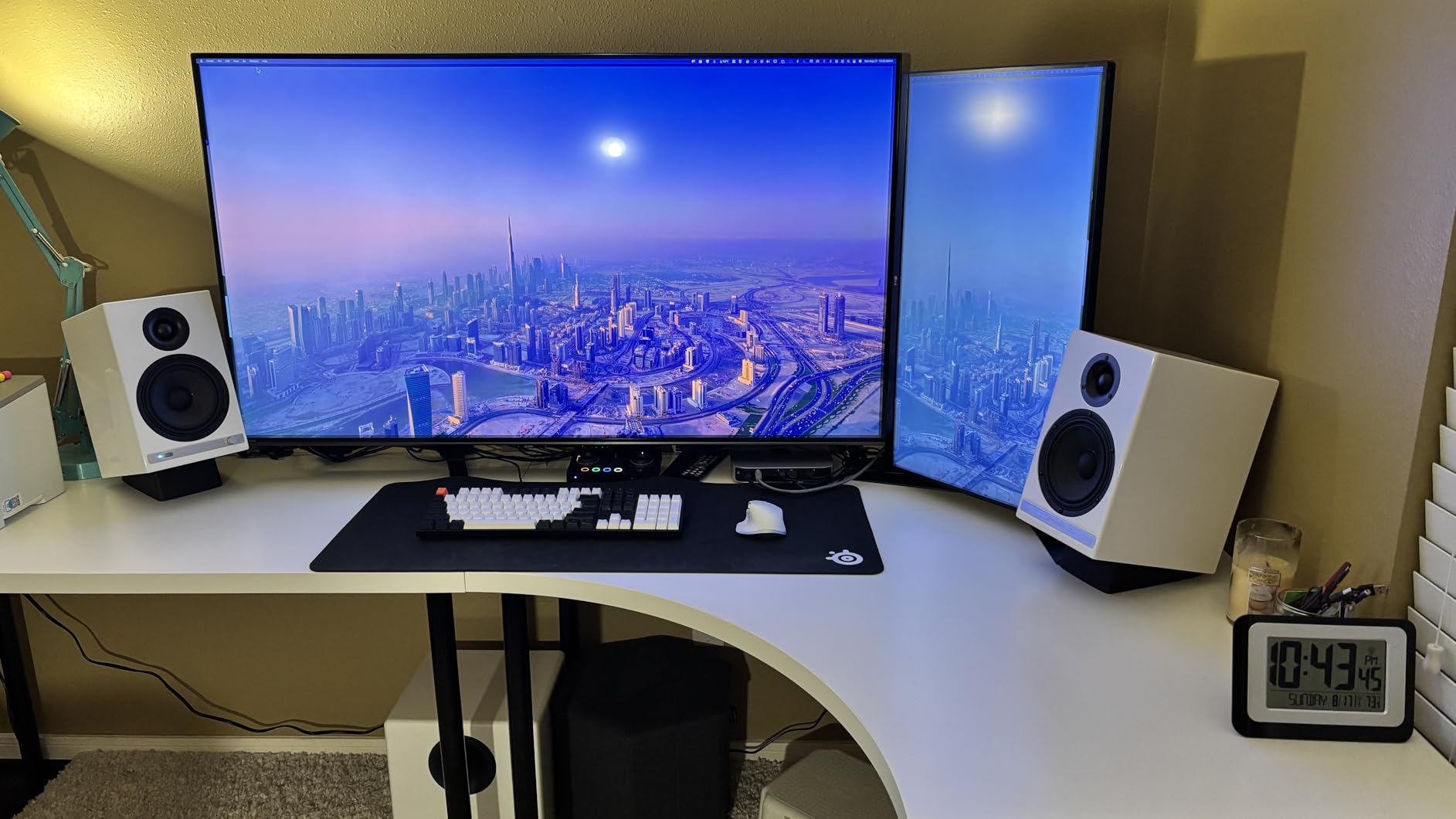
Bluetooth aptX HD support with a 100-foot range is a standout feature. We streamed from a phone three rooms away without dropouts or quality loss. The handcrafted walnut cabinets look and feel premium, with the kind of fit and finish you expect from speakers at this price.
The HD6 is designed specifically for people who want a complete stereo system in two boxes. There is no fumbling with amplifier matching or impedance calculations. Just plug in, connect your source, and enjoy room-filling sound.
Turntable and Vinyl Setup
The HD6 includes RCA inputs perfect for connecting a turntable with a built-in phono preamp. If your turntable lacks a preamp, add an external phono stage between the turntable and speakers. We tested with a turntable that has a built-in preamp and the setup took under five minutes.
The 150-watt peak amplifier has more than enough power for medium and large rooms. Volume is controlled via the side knob or the included remote, and the speakers remember their volume level when powered off and on.
Connectivity and Input Options
The HD6 offers Bluetooth aptX HD, optical, RCA, and 3.5mm inputs, covering virtually every source you might own. We connected a TV via optical, a turntable via RCA, and a phone via Bluetooth simultaneously. The speakers auto-switch to Bluetooth when a device connects, which is convenient for quick phone streaming.
An optional subwoofer output lets you add bass extension later if you want to fill a larger room. The speaker wire connecting the left and right speakers is included and uses simple spring-clip terminals.
4. ELAC Debut 2.0 B5.2 – The Budget Passive Champion
ELAC Debut 2.0 B5.2 Bookshelf Speakers, Black (Pair) – 1” Cloth Dome Tweeter & 5.25” Aramid Fiber Woofer – 2-Way Bass Reflex – Up to 35,000 Hz Response
Passive pair
5.25in aramid fiber woofer
1in cloth dome tweeter
6 ohms
120W max
3yr warranty
Pros
- Remarkable sound for the price
- Wide-roll cloth dome tweeter for smooth highs
- Aramid fiber woofer with excellent damping
- Front-firing port allows easy placement
Cons
- Requires external amplifier
- Bass could be deeper for large rooms
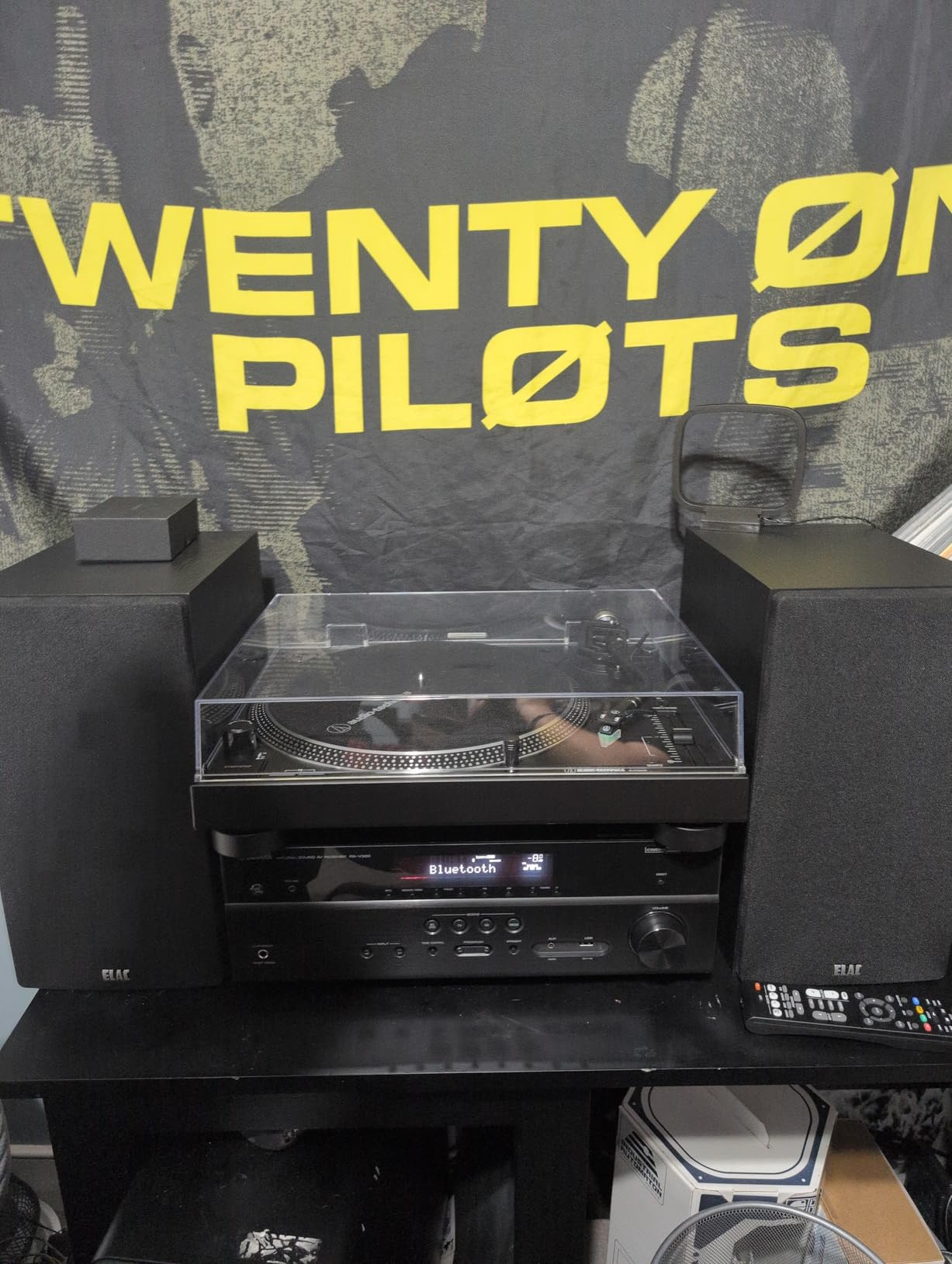
The ELAC Debut 2.0 B5.2 is the bookshelf speaker that Reddit cannot stop recommending, and our testing confirmed why. With over 2,400 reviews and a 4.7-star average, this pair delivers sound quality that punches well above its price class. The aramid fiber woofer and cloth dome tweeter produce a balanced, natural sound that works with any genre.
ELAC redesigned this speaker from the ground up compared to the original Debut, and the improvements are audible. The wide-roll surround on the tweeter extends high-frequency response to 35,000 Hz, adding air and sparkle without harshness. We heard cymbal decay and string harmonics that budget speakers typically blur or omit.
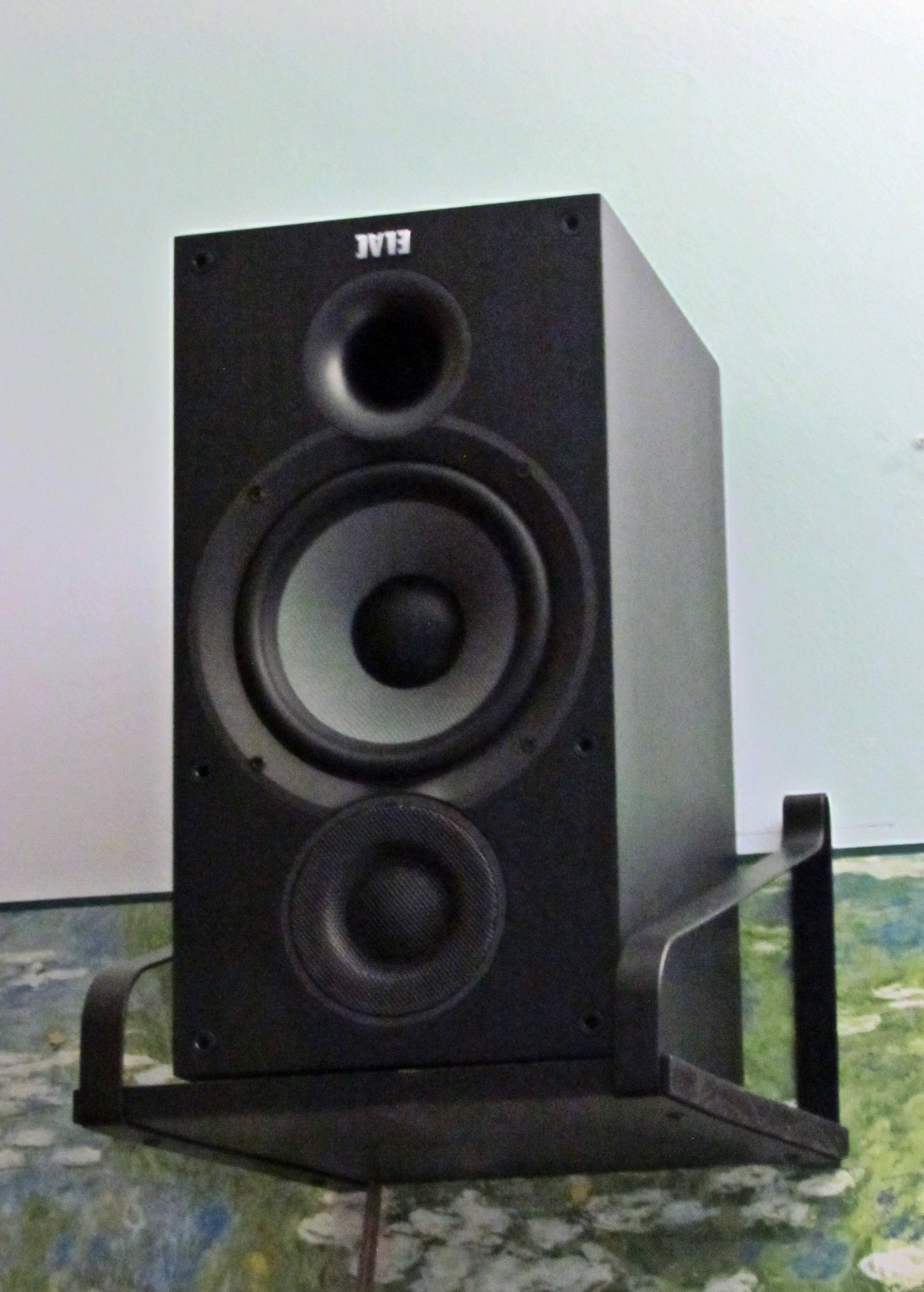
The front-firing port is a practical advantage for real-world placement. Unlike rear-ported speakers that need wall clearance, the B5.2 can sit closer to walls without bass boom. This makes it ideal for bookshelves, desks, and smaller rooms where rear clearance is limited.
The thick MDF cabinets are solid and well-braced for the price. We noticed minimal cabinet resonance during heavy bass passages, which speaks to ELAC’s attention to internal construction. The black finish is understated and the removable magnetic grille attaches securely.
Why Budget Audiophiles Love the ELAC B5.2
Reddit communities like r/BudgetAudiophile consistently praise the ELAC Debut series as the best entry point into quality passive speakers. The combination of smooth tonal balance, real imaging, and musical bass makes these speakers sound like they cost twice as much. We agree with the community consensus after our extended testing.
The 5.25-inch woofer strikes a smart balance between bass extension and cabinet size. You get enough low end for full-range music listening without needing a massive enclosure that dominates your room.
Amplifier Recommendations
The B5.2 is rated at 6 ohms and pairs well with amplifiers delivering 40 to 120 watts per channel. We tested with a budget 50-watt stereo amp and a 100-watt receiver, both of which drove the speakers cleanly to filling-room volume. The 6-ohm impedance is friendly to most modern amplifiers and receivers.
If you are building a first real stereo system, pair these with an entry-level Yamaha, Sony, or SMSL amplifier for a complete setup that costs less than many single premium speakers.
5. Sony SS-CS5M2 – 3-Way Hi-Res Certified Clarity
Sony SS-CS5M2 3-Way 3-Driver Hi-Res Compact Bookshelf Speakers (Pair)
Passive pair
3-way 3-driver design
5.12in woofer
Super tweeter
6 ohms
100W max
Hi-Res Audio
Pros
- 3-way design for precise frequency separation
- Super tweeter extends to 50kHz for Hi-Res Audio
- Expansive soundstage with wide dispersion
- Bass reflex enclosure for clean low end
Cons
- Requires external amplifier
- Limited stock availability
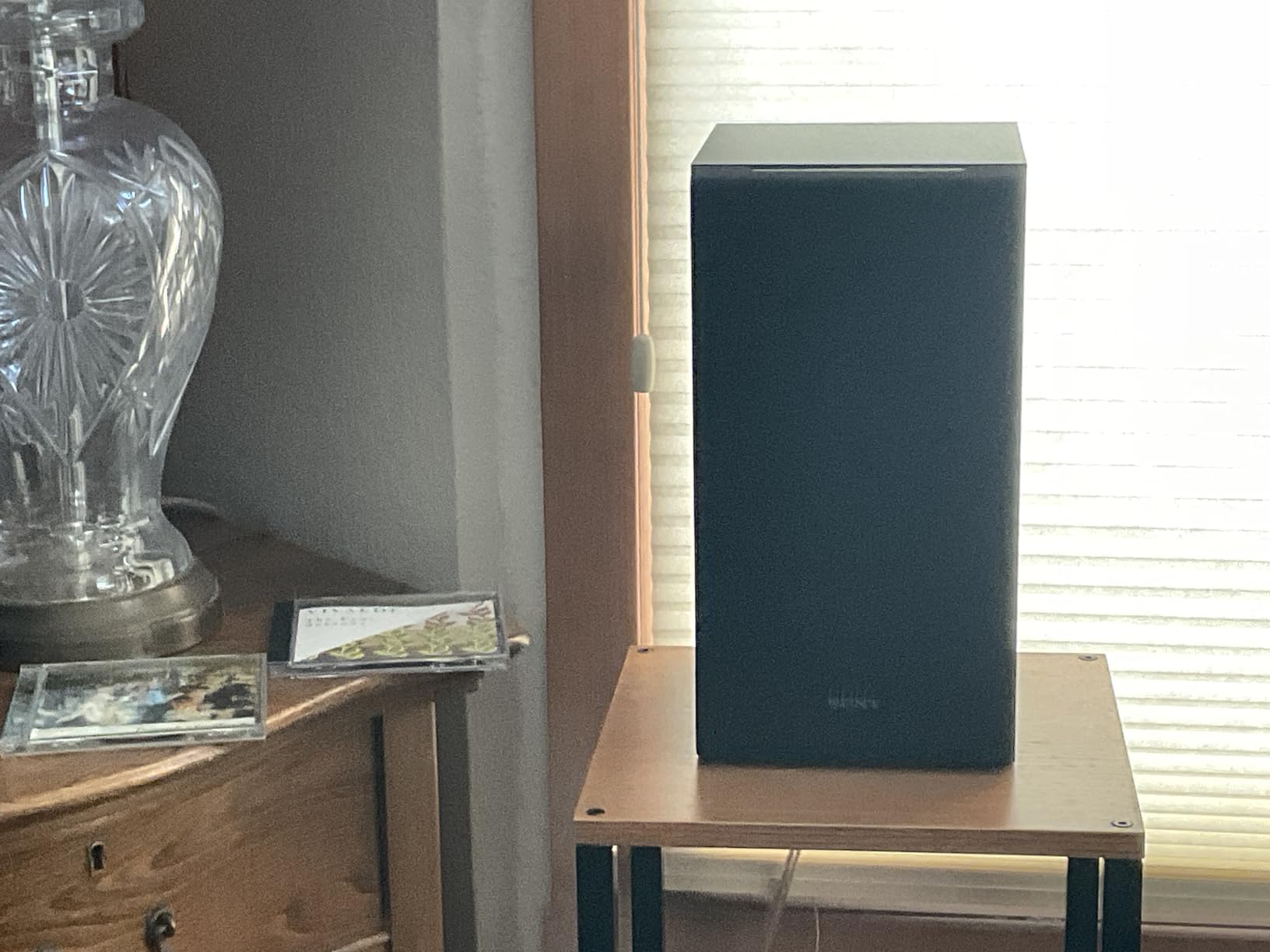
The Sony SS-CS5M2 is the most affordable 3-way bookshelf speaker we tested, and the dedicated super tweeter makes a real difference in high-frequency detail. Hi-Res Audio certification means the frequency response extends to 50,000 Hz, capturing harmonics and air that standard two-way speakers miss. We heard delicate reverb tails and cymbal overtones with a clarity that surprised us at this price.
The 3-way, 3-driver design separates frequencies across a woofer, a precision tweeter, and a super tweeter. This division reduces intermodulation distortion because each driver handles a narrower frequency band. Vocals sounded focused and instruments occupied distinct positions in the soundstage during our listening tests.
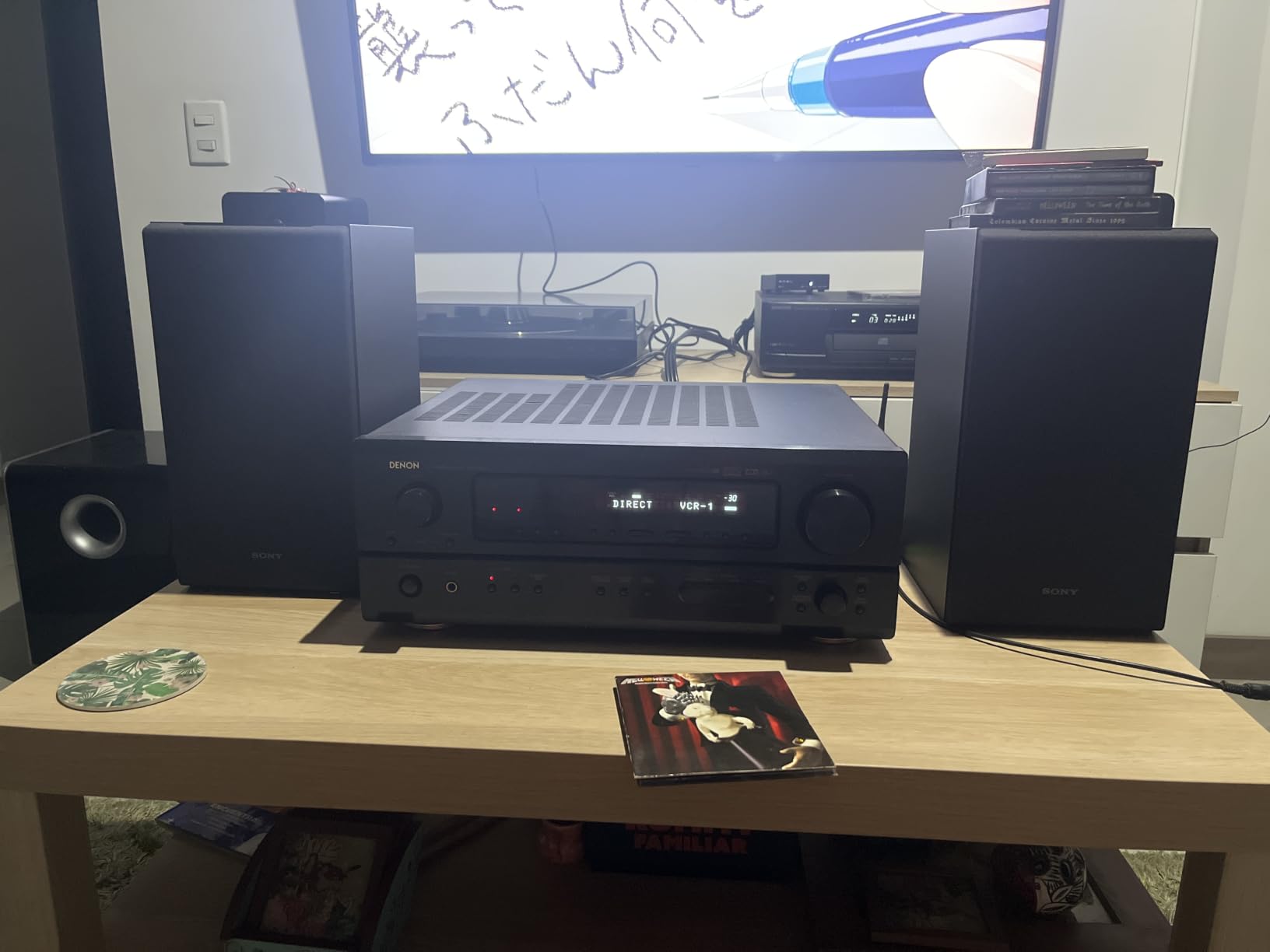
The 5.12-inch woofer reaches down to 53 Hz with help from the bass reflex enclosure. Bass is controlled and musical rather than overwhelming, which suits acoustic jazz, classical, and vocal music beautifully. The port tuning avoids the one-note boom that plagues cheaper bass reflex designs.
Sony’s build quality is solid for the price, with a sturdy cabinet and clean finish. The compact dimensions make these speakers easy to place on stands or shelves in smaller rooms. The 6-ohm impedance works with most amplifiers and receivers without issue.
The Super Tweeter Advantage
The dedicated super tweeter operating above the standard tweeter range is what sets the SS-CS5M2 apart. While human hearing tops out around 20,000 Hz, harmonics above that range influence how we perceive the audible frequencies below. The super tweeter adds a sense of space and openness that standard speakers cannot replicate.
This makes the SS-CS5M2 especially rewarding with high-resolution audio files and well-mastered recordings. Standard streaming audio sounds good too, but hi-res sources reveal the extra detail the super tweeter provides.
Setup and Amplifier Needs
These are passive speakers rated at 6 ohms with 100-watt maximum power handling. Pair them with a receiver or amplifier delivering 30 to 80 watts per channel for optimal results. We tested with a standard AV receiver and the speakers integrated seamlessly into both stereo and home theater configurations.
The compact size makes them versatile for desktop nearfield listening or as surround speakers in a larger home theater. Just remember they need an amplifier to produce sound.
6. Polk Monitor XT20 – Home Theater Ready Performance
Polk Audio Monitor XT20 Bookshelf Surround Speakers (Pair, Midnight Black)
Passive pair
6.5in woofer
1in tweeter
8 ohms
Dolby Atmos ready
Timbre matched
5yr warranty
Pros
- Dolby Atmos and DTS:X compatible
- Timbre matched for seamless surround blending
- Dynamically balanced drivers for clear audio
- Compact size for versatile placement
Cons
- Requires external amplifier or receiver
- 40W nominal power handling is modest
The Polk Monitor XT20 is the bookshelf speaker we recommend most for home theater builders. Dolby Atmos and DTS:X compatibility means these speakers integrate into immersive surround setups without tonal mismatch. The timbre-matched design lets you mix XT20 bookshelf speakers with Polk floorstanding towers and center channels for a cohesive sound field.
The 6.5-inch dynamically balanced woofer delivers punchy, articulate bass that handles movie sound effects and music with equal confidence. We tested action movie scenes and the XT20 reproduced explosions, gunfire, and dialogue with clarity and impact. The open midrange ensures voices and dialogue stay intelligible even during busy soundtracks.
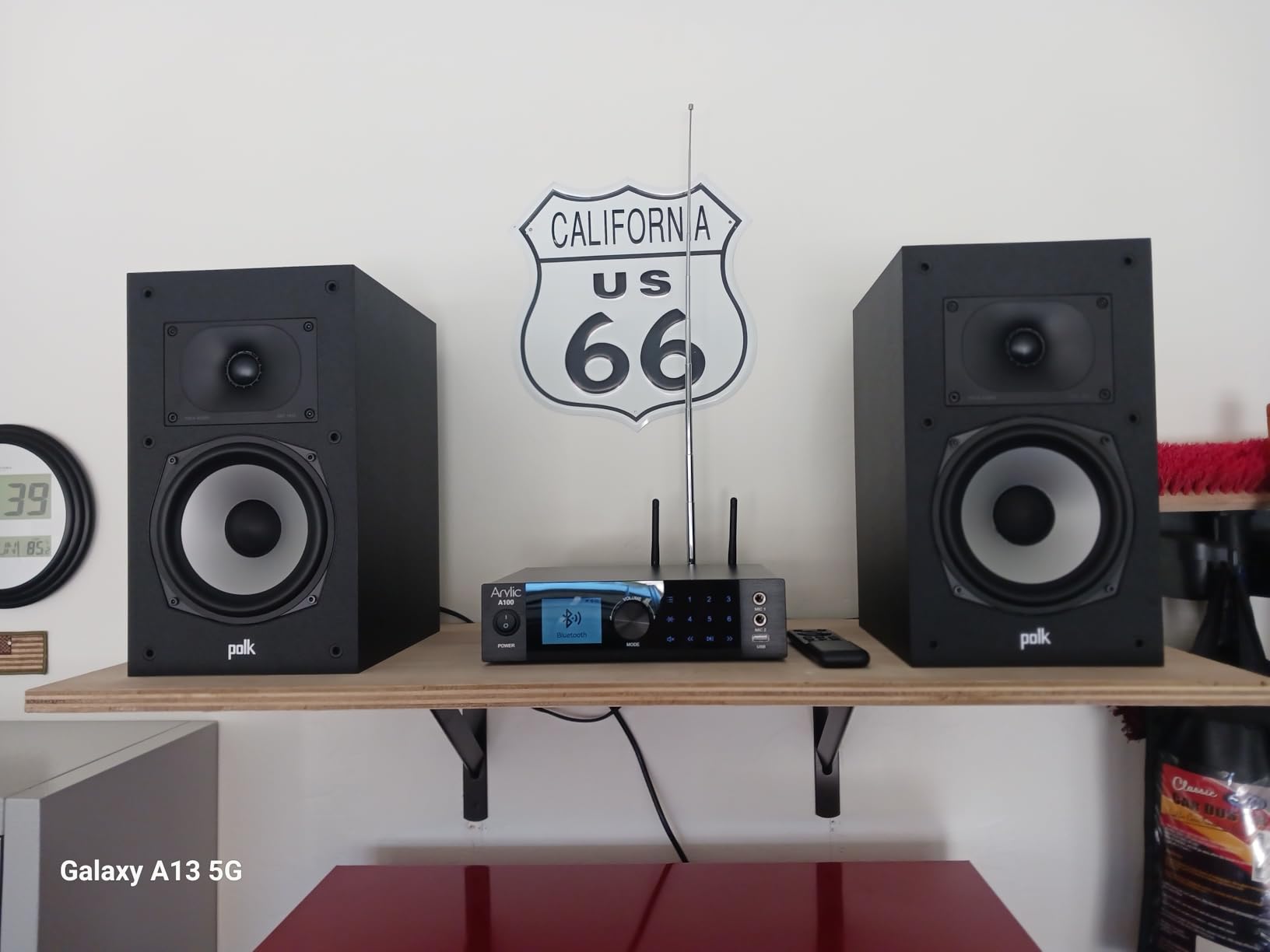
Reddit users on r/hometheater frequently recommend the Polk XT20 for surround and front-channel duty. The consensus matches our experience: these speakers punch above their price for home theater use, especially when paired with other Polk Monitor XT series speakers for a matched system.
The compact dimensions make placement flexible, whether on stands as front channels or wall-mounted as surrounds. Polk includes keyhole slots for wall mounting, which simplifies surround speaker installation.
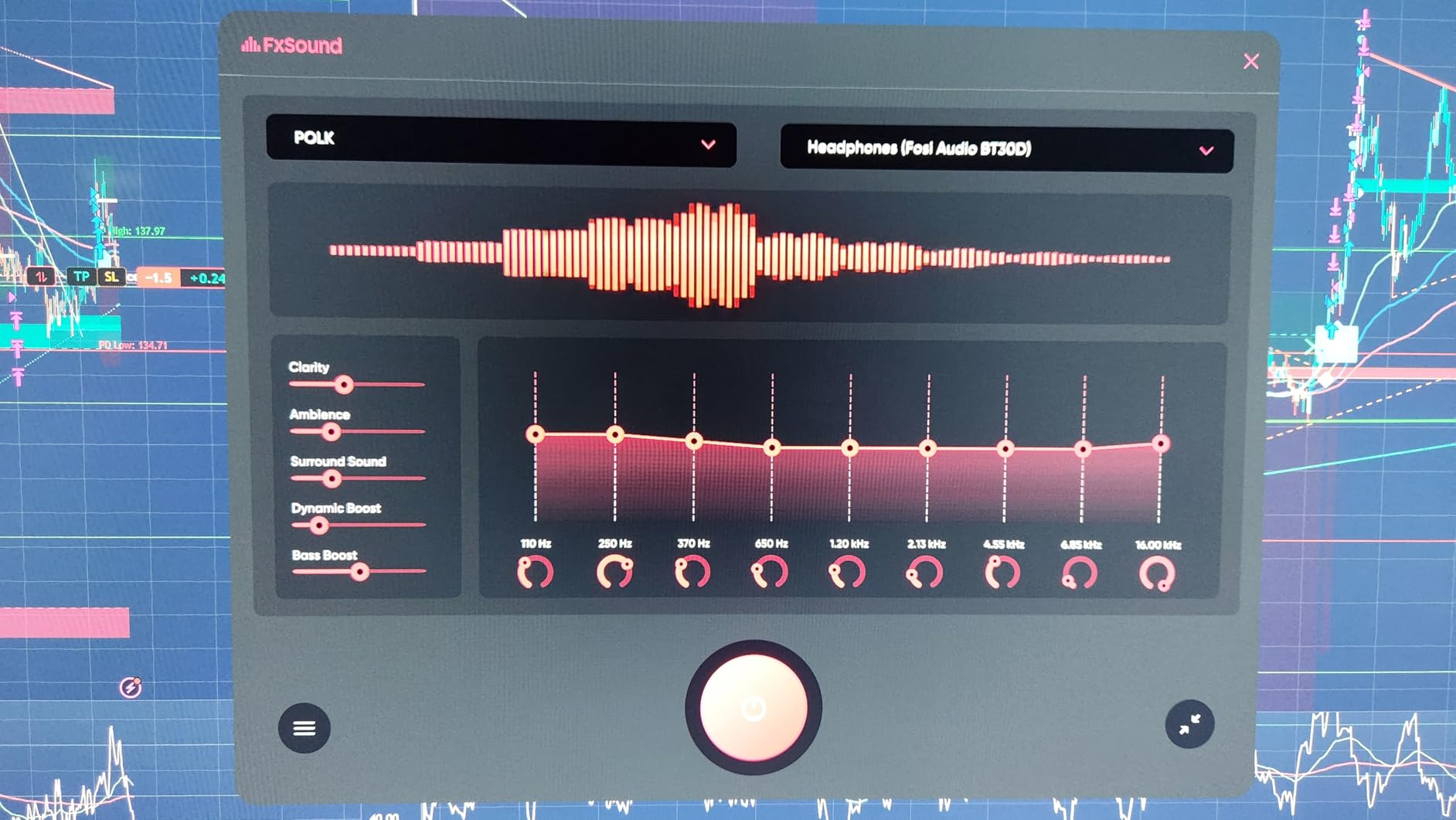
Dolby Atmos and Surround Integration
The XT20 is designed to work within a Dolby Atmos system, handling height channels, surround channels, or front channels depending on your configuration. The timbre matching across the Monitor XT line means voices pan smoothly between speakers without tonal shifts that break immersion.
We tested the XT20 as front left and right channels with a Polk center and surrounds, and the front soundstage was seamless. Dialogue anchored firmly to the center while effects moved naturally across the front three speakers.
Music Performance Notes
While optimized for home theater, the XT20 also performs well for music. The dynamically balanced drivers produce a balanced tonal signature that works for rock, pop, and electronic genres. Bass response is solid down to the mid-40 Hz range, though serious bass heads will want to add a subwoofer.
The 8-ohm impedance is friendly to any AV receiver, and the 5-year warranty provides peace of mind for long-term home theater investments.
7. Audio-Technica AT-SP3X – Compact Versatile Powered Pair
Audio-Technica AT-SP3X Bookshelf Speakers
Powered pair
Bluetooth
Multipoint pairing
Dual RCA inputs
30W max
Compact design
2yr warranty
Pros
- Compact size fits any desk or shelf
- Bluetooth with multipoint pairing for two devices
- Dual RCA jacks for wired sources
- Includes international plug adapters
Cons
- Lower power output at 30W
- 70dB signal to noise ratio is modest
The Audio-Technica AT-SP3X is the most compact powered bookshelf speaker pair we tested, and it fits spaces where larger speakers simply cannot go. The 3-inch drivers are specially tuned to deliver fuller-range audio than their size suggests. We placed these on a desk and were impressed by how much sound they produced from such a small footprint.
Bluetooth with multipoint pairing lets you stay connected to two devices simultaneously, which is perfect for switching between a phone and a computer. We streamed from a laptop and took a phone call through the speakers without missing a beat. The dual RCA inputs also support wired connections for turntables or other analog sources.
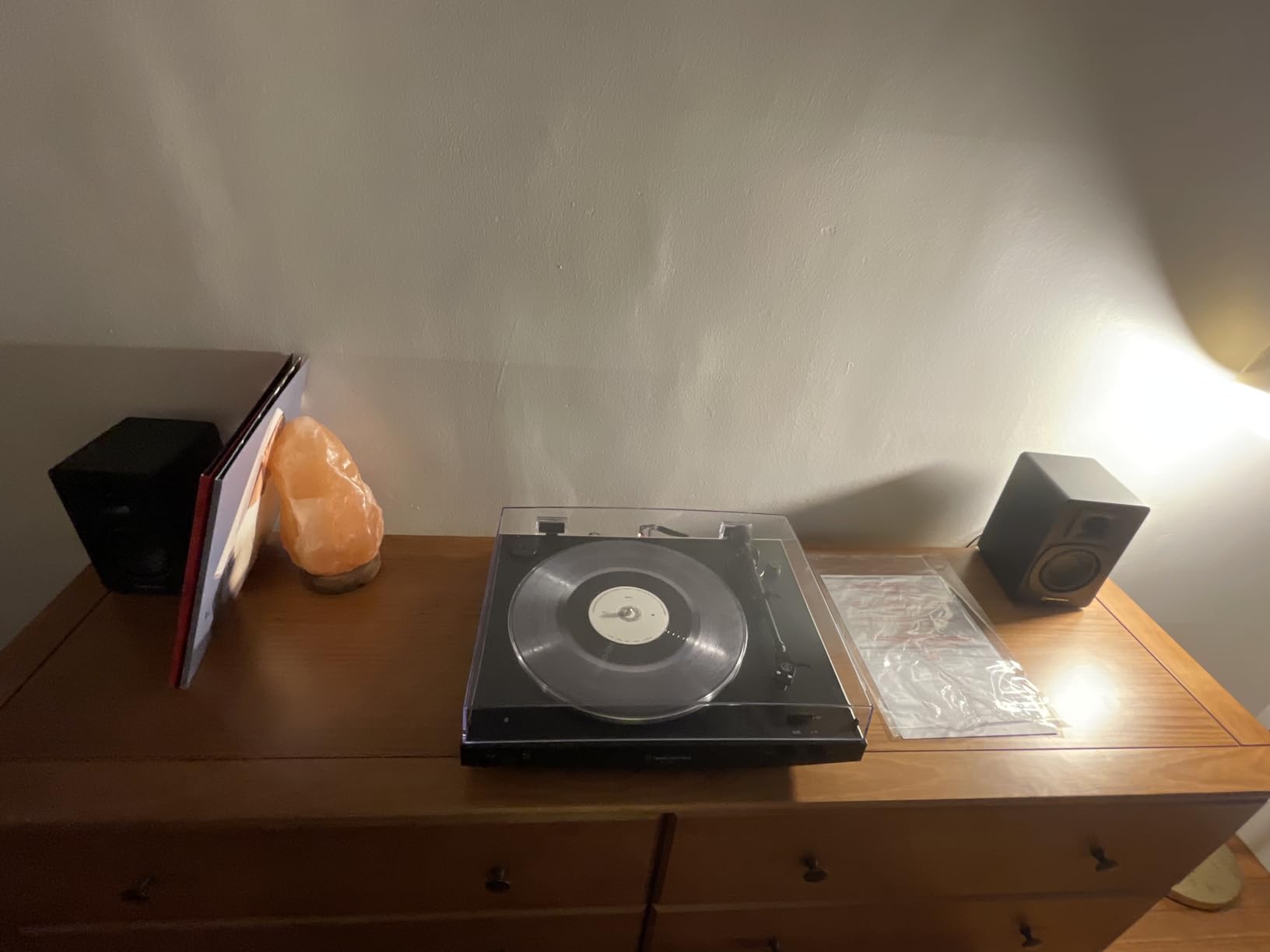
The included international plug adapters make the AT-SP3X a genuinely portable option. We appreciated the power button with LED indicator and the front-mounted volume control dial for easy operation. Everything you need, including the speaker cable and AC adapter, ships in the box.
Sound quality is tuned for clarity and balance rather than raw power. The 30-watt output is modest, so these speakers suit desktop nearfield listening and small rooms rather than party-volume filling of large spaces. For their intended use case, they sound excellent.
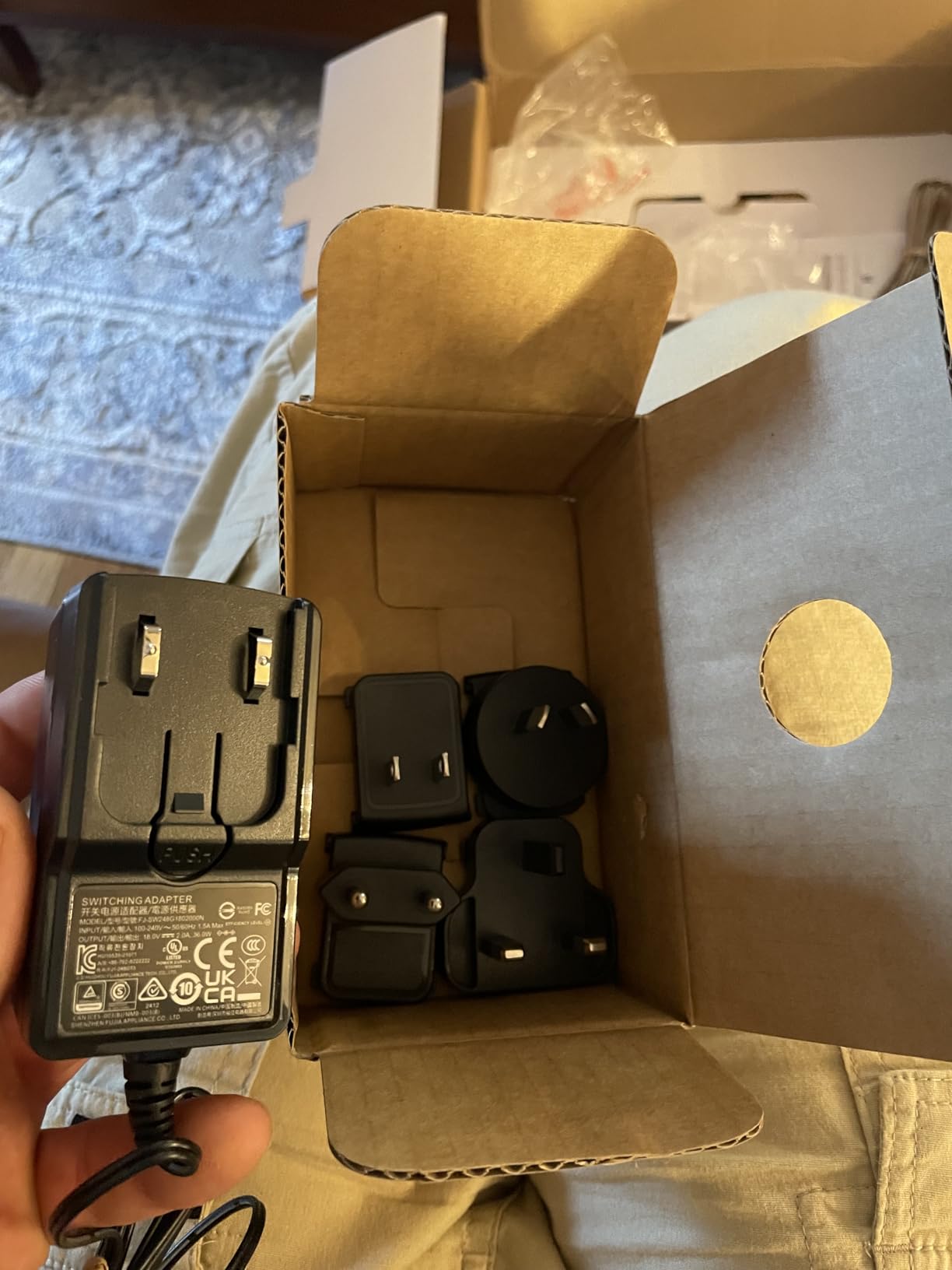
Desktop and Nearfield Listening
The AT-SP3X shines as a desktop upgrade over built-in computer speakers. Sitting two to three feet away, the sound is detailed and engaging with good stereo separation. We used them for video editing monitoring and casual music listening, and they handled both tasks well.
The compact size means they fit on crowded desks or narrow shelves without dominating the space. If you want big room-filling sound, look elsewhere, but for personal listening zones these are excellent.
Connectivity and Convenience Features
The multipoint Bluetooth is the standout convenience feature. Connect your phone and computer at the same time, and whichever device plays audio takes priority automatically. This eliminates the hassle of manually switching Bluetooth connections throughout the day.
The volume dial and power button are on the front panel for easy access, and the included remote would have been a nice addition but is not included. The 2-year warranty covers the built-in amplifier and drivers.
8. Edifier R1280DB – The Bestselling Powered Classic
Edifier R1280DB Powered Bluetooth Bookshelf Speakers – Optical Input – Wireless Studio Monitors – 4 Inch Near Field Speaker – 42w RMS – Wood Grain
Powered pair
4in woofer
13mm silk dome tweeter
Bluetooth
Optical and coaxial
42W total
Remote included
Pros
- Bluetooth wireless with no receiver needed
- Optical and coaxial inputs for lossless sources
- Remote control for volume and input switching
- Side panel EQ controls
- Massive review count confirms popularity
Cons
- Plastic enclosure material
- Not suitable for large rooms
The Edifier R1280DB is one of the most popular powered bookshelf speakers on the market, with nearly 5,000 reviews backing its reputation. The 4-inch woofer and 13mm silk dome tweeter combination produces a smooth, musical sound that flatters every genre we threw at it. We used these as desktop speakers and living room stereo speakers and they excelled in both roles.
Bluetooth connectivity eliminates the need for any source device nearby, while the optical and coaxial inputs support lossless digital connections from TVs and computers. We connected a TV via optical for movies and a phone via Bluetooth for music, and the R1280DB handled both sources with clean, balanced sound.
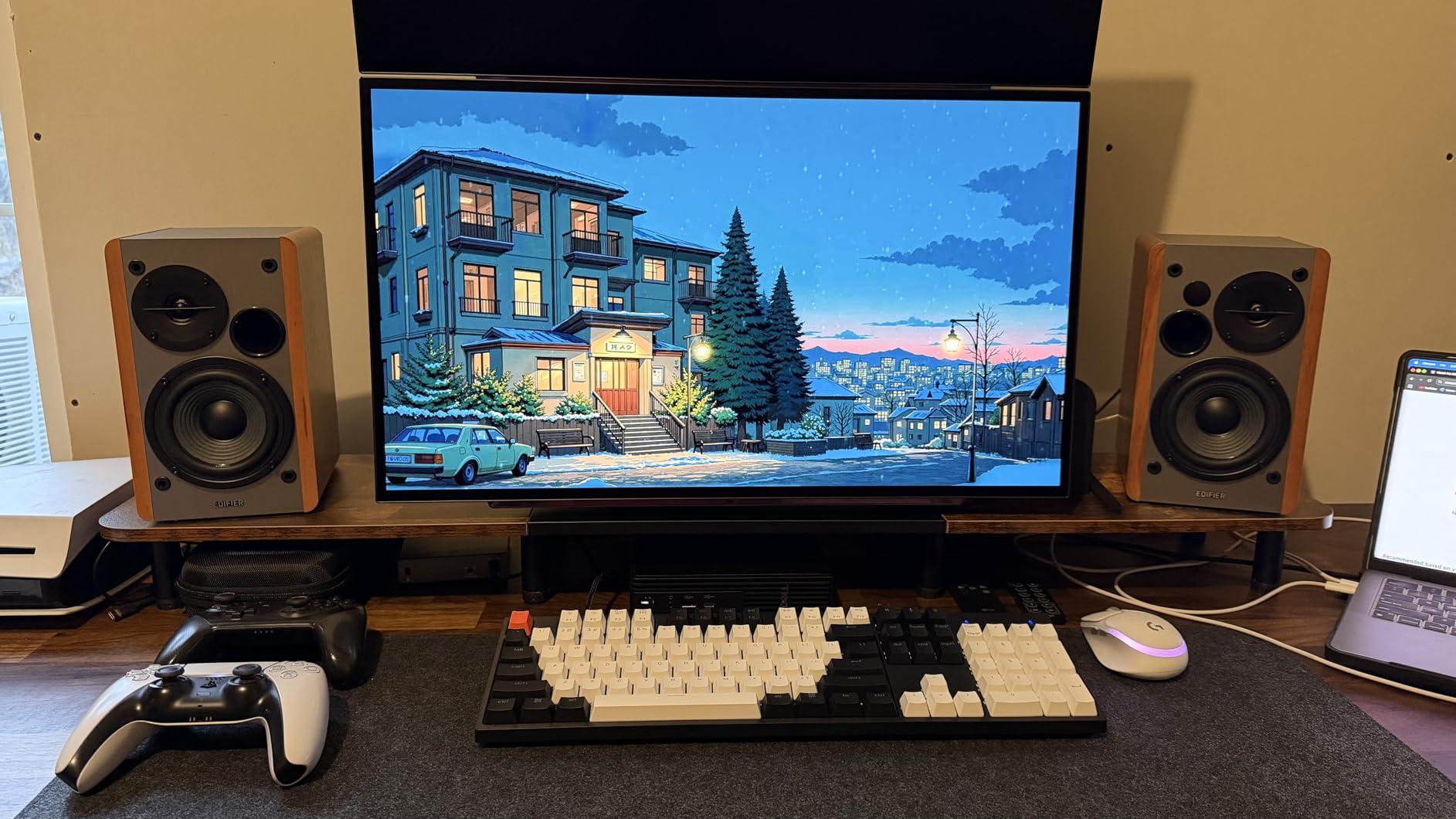
The included remote control handles volume, input switching, and mute functions. Side panel controls let you adjust bass, treble, and volume manually, which is useful for fine-tuning the sound to your room. The wood grain finish looks classy and the build feels solid despite the plastic enclosure.
Sound signature is warm and forgiving, which means poorly recorded tracks still sound pleasant rather than harsh. Bass from the 4-inch drivers is surprisingly full for the cabinet size, though it will not shake the walls. The silk dome tweeter keeps highs smooth and fatigue-free over long listening sessions.
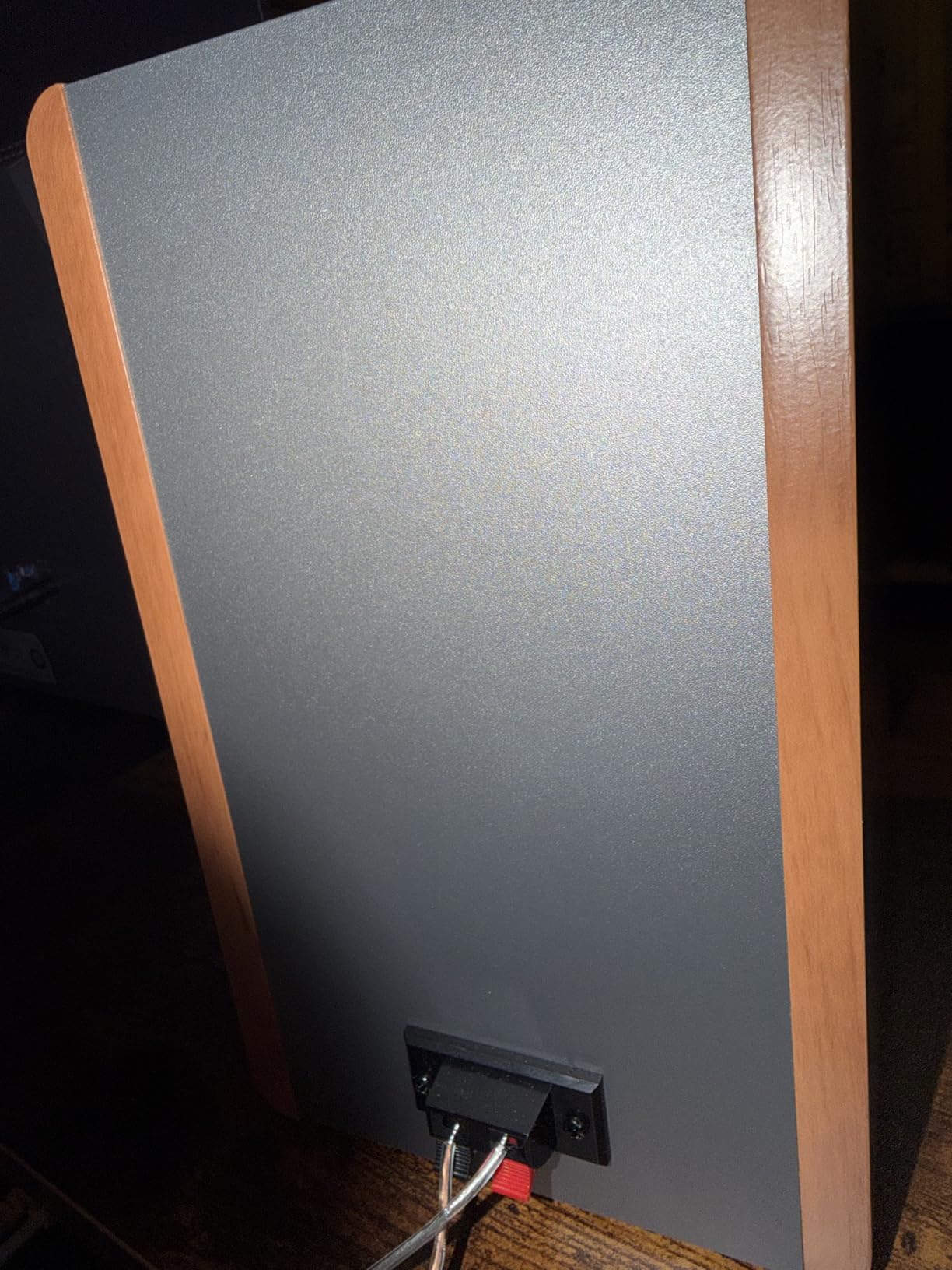
Optical Input for TV and Movies
The optical input is a key feature for anyone wanting better TV sound without a full home theater system. Connect the R1280DB directly to your TV’s optical output and you get dramatically better dialogue clarity and soundstage compared to built-in TV speakers. We tested this setup and the improvement was immediately obvious.
The 42-watt total output fills small to medium rooms comfortably. For larger spaces, consider adding a subwoofer to supplement the bass.
EQ Controls and Sound Tuning
The side panel bass and treble controls let you shape the sound to your preference and room acoustics. We added a touch of treble for podcast clarity and boosted bass slightly for electronic music. The adjustments are effective without sounding unnatural.
The remote stores your preferred volume and input settings, so the speakers resume where you left off when powered on. This is a small convenience that makes daily use smoother.
9. Edifier R1700BTs – AptX HD Wireless with Sub Out
Edifier R1700BTs Active Bluetooth Bookshelf Speakers – 2.0 Wireless Near Field Studio Monitor Speaker – 66w RMS with Subwoofer Line Out
Powered pair
4in woofer
19mm silk dome tweeter
Bluetooth 5.0 aptX HD
Subwoofer output
66W total
Wood enclosure
Pros
- Bluetooth 5.0 with Qualcomm aptX HD for wireless hi-fi
- Subwoofer output with built-in crossover
- Dual RCA inputs for multiple devices
- Natural sound from silk dome tweeter
- Wood cabinet construction
Cons
- Lower per-speaker power at 18W
- Requires AC adapter
The Edifier R1700BTs upgrades the classic R1280 formula with Bluetooth 5.0 and Qualcomm aptX HD support for high-resolution wireless streaming. The 19mm silk dome tweeter produces natural, detailed highs that rival wired connections in clarity. We streamed hi-res files from an aptX HD-compatible phone and the sound was indistinguishable from a wired source.
The standout feature for expandability is the subwoofer output with built-in crossover. This lets you add a dedicated subwoofer later without muddying the midrange, because the crossover routes low frequencies to the sub and keeps the bookshelf speakers focused on mids and highs. We tested with a subwoofer connected and the system transformed into a genuine 2.1 setup.
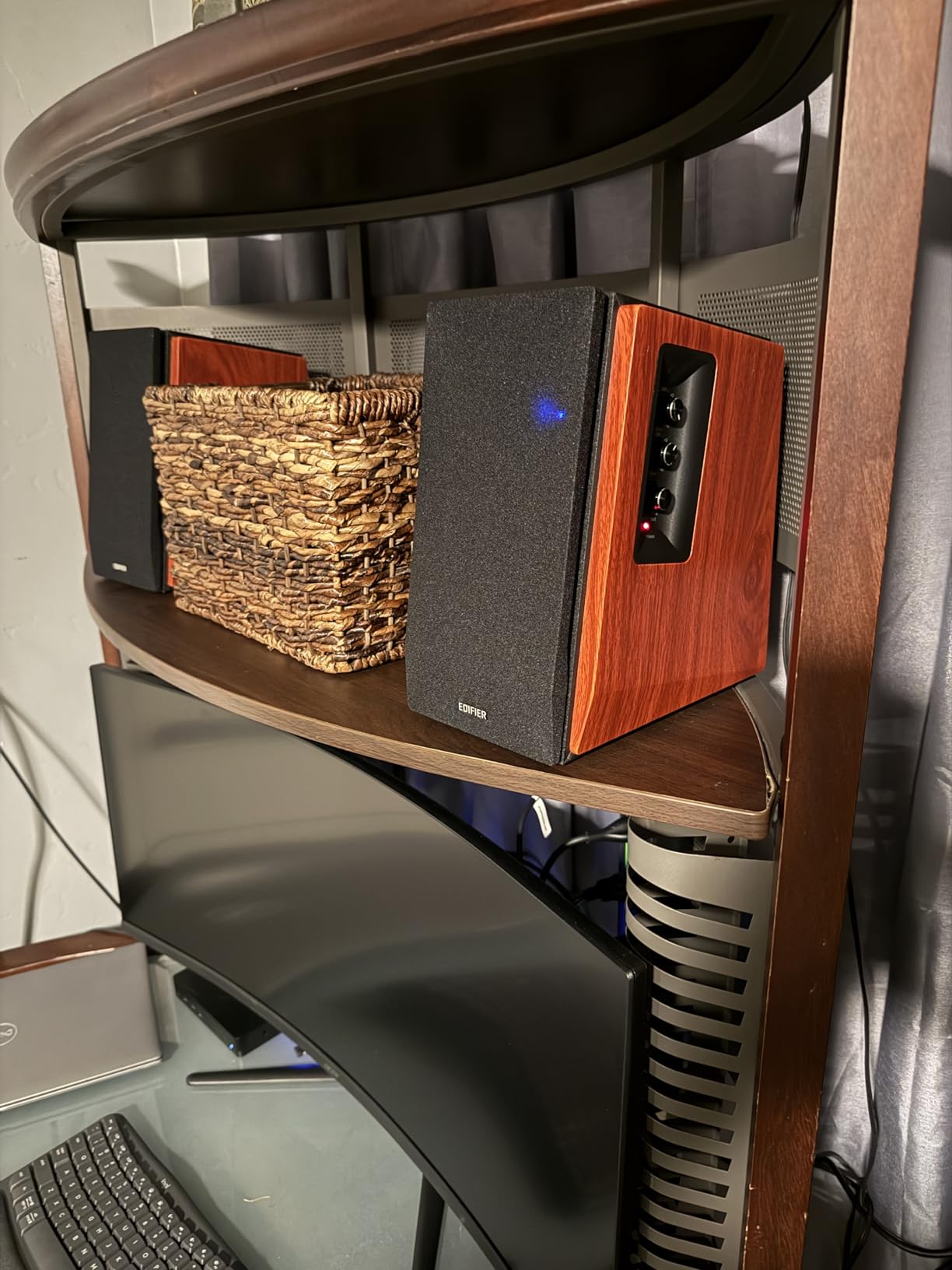
Dual RCA inputs let you connect two wired sources simultaneously, such as a turntable and a computer. The wood enclosure construction feels more premium than plastic alternatives and helps damp internal resonances. The brown finish with wooden cabinet looks elegant on a shelf or stand.
The Soundfield Spatializer button on the remote widens the perceived soundstage beyond the physical speaker placement. We found this feature useful for movies and gaming, though purists may prefer it off for critical music listening.
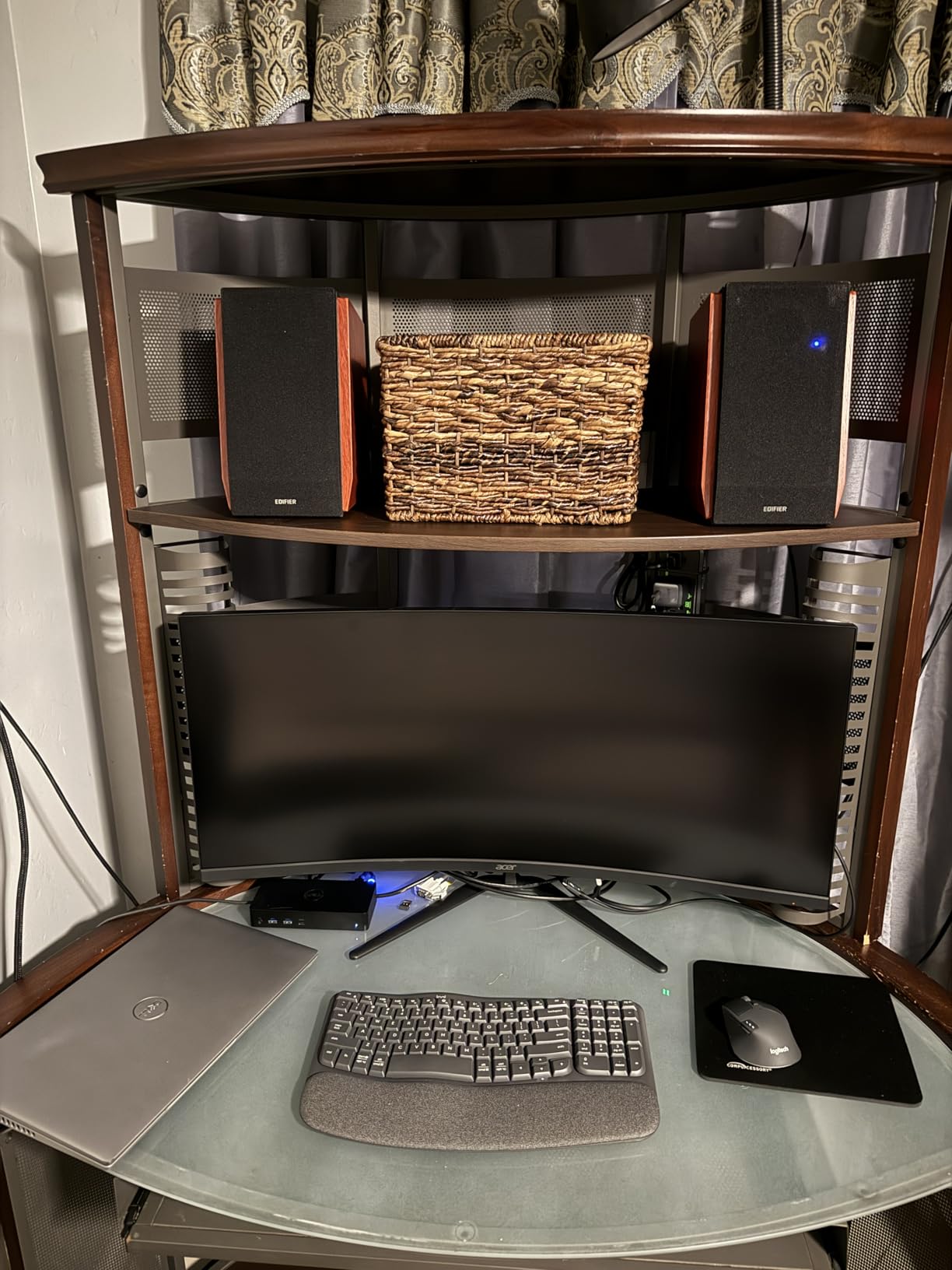
AptX HD Wireless Quality
Qualcomm aptX HD delivers up to 48 kHz / 24-bit audio over Bluetooth, which is a significant step up from standard Bluetooth audio. If your phone or source device supports aptX HD, you get near-CD-quality wireless sound. We tested with and without aptX HD and the difference in detail and dynamics was clear.
Even without an aptX HD source, the standard Bluetooth connection sounds good thanks to the quality DAC and amplifier built into the speakers.
Subwoofer Integration and 2.1 Expansion
The built-in crossover on the subwoofer output is a thoughtful feature that budget powered speakers often lack. When you connect a subwoofer, the R1700BTs automatically redirect frequencies below the crossover point to the sub, preventing muddy overlap. This keeps vocals and midrange clean while the sub handles deep bass.
We recommend the R1700BTs for users who want a great 2.0 system now with the option to expand to 2.1 later without replacing the speakers.
10. Edifier MR3 – Hi-Res Certified Studio Monitors
Edifier MR3 Powered Studio Monitor, Speaker Hi-Res Active Bluetooth Speaker
Powered pair
3.5in drivers
1in tweeters
Bluetooth 5.4
Hi-Res Audio
Balanced TRS and RCA
MDF cabinet
42W total
Pros
- Hi-Res Audio Certified for superior sound
- Balanced TRS inputs for professional gear
- Multipoint Bluetooth connection
- Music Monitor and Custom EQ modes
- EDIFIER ConneX app for EQ control
Cons
- Plastic enclosure material
- Compact size limits bass extension
The Edifier MR3 brings studio monitor features to a budget-friendly powered bookshelf speaker. Hi-Res Audio certification confirms the drivers and electronics meet high-resolution audio standards. The balanced TRS inputs are rare at this price and let you connect professional audio interfaces, mixers, and studio gear directly.
We tested the MR3 as both a desktop monitoring pair and a casual listening system, and it handled both roles impressively. The Music, Monitor, and Custom mode switching lets you tailor the sound profile to your activity. Monitor mode flattens the response for mixing accuracy, while Music mode adds warmth for enjoyable listening.
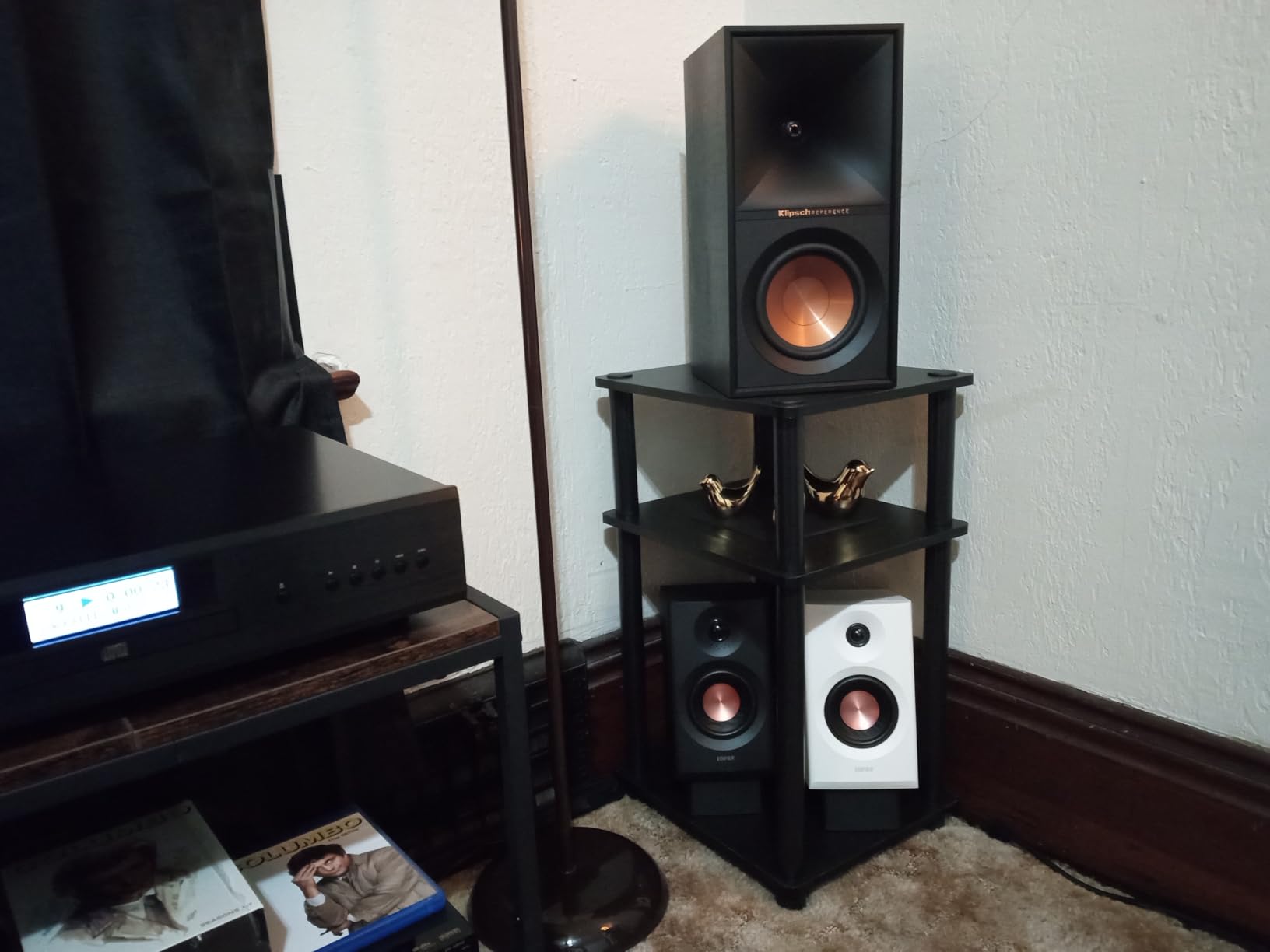
Bluetooth 5.4 with multipoint connection keeps two devices paired simultaneously. We connected a computer for work audio and a phone for music, switching between them seamlessly. The EDIFIER ConneX app provides EQ control from your phone, which is a modern touch we appreciated during testing.
The MDF cabinet reduces distortion compared to all-plastic enclosures, and the 3.5-inch mid-low drivers punch above their size for midrange clarity. Bass is the compromise at this cabinet size, so bass-heavy genres benefit from the subwoofer output if you choose to add one later.
Studio Monitor vs Casual Listening Modes
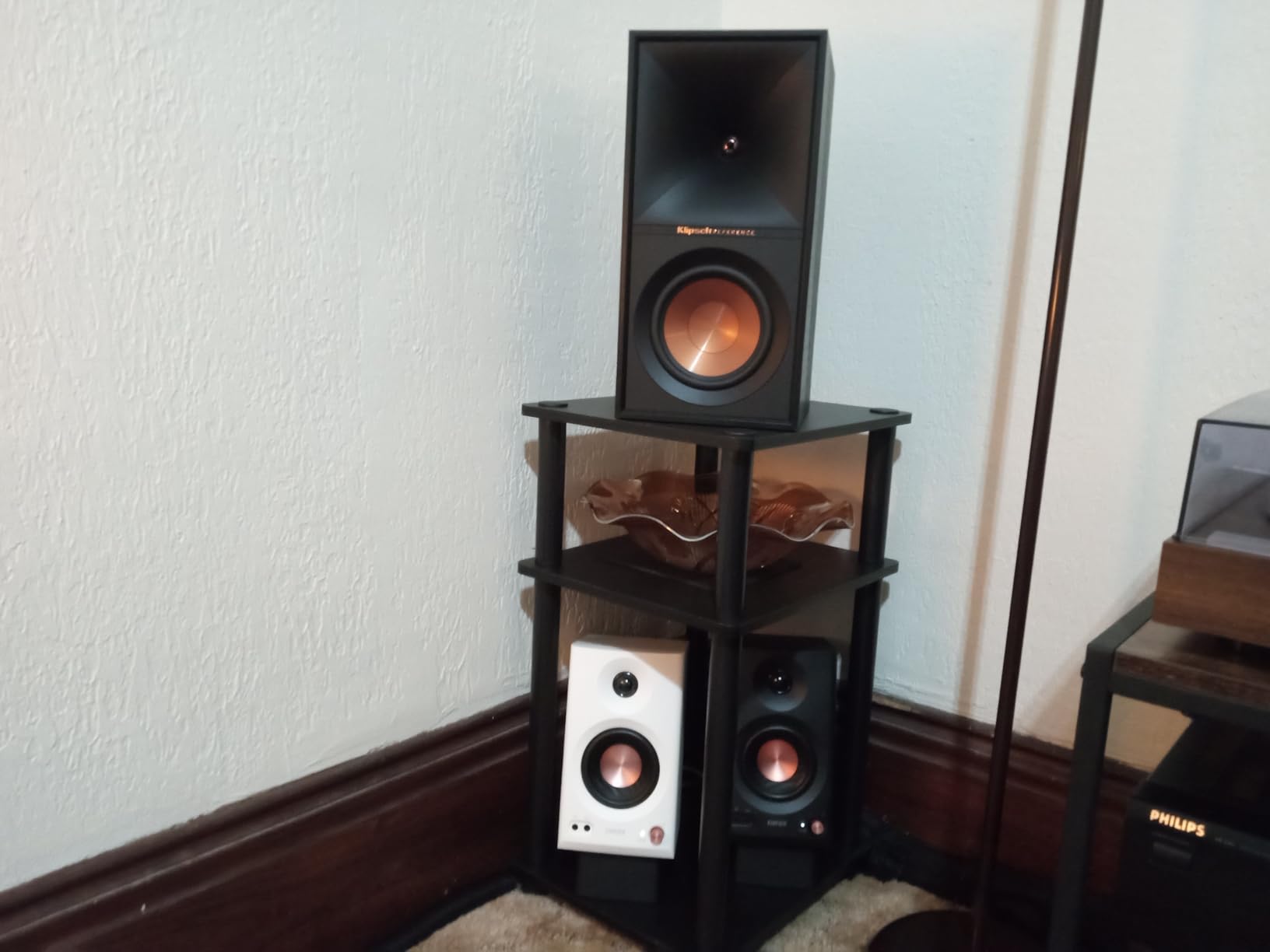
The mode switching is more than a gimmick. Monitor mode genuinely flattens the frequency response for accurate mixing decisions, which we confirmed against reference studio monitors. Music mode adds a slight bass and treble boost that makes casual listening more engaging.
Custom mode lets you save your own EQ curve via the app, giving you three distinct sound profiles accessible from the speaker or remote.
Professional Connectivity for Home Studios
The balanced TRS inputs are the feature that sets the MR3 apart from typical budget powered speakers. Balanced connections reject noise and interference over longer cable runs, which matters for home studio setups where your interface may sit several feet from the speakers.
We connected an audio interface via TRS and the noise floor was dead silent, with no hum or interference that unbalanced connections can introduce. For budget home studio builders, the MR3 is a serious contender.
11. Saiyin Powered Bluetooth – Ultra-Budget Powered Value
Saiyin Powered Bluetooth Bookshelf Speakers
Powered pair
3.75in woofer
0.5in silk dome tweeter
Bluetooth 5.3
Optical and RCA
30W total
3yr warranty
Pros
- Lowest price point in our test group
- Bluetooth 5.3 for stable wireless
- Multiple inputs including optical and RCA
- Active design needs no amplifier
- 3 year manufacturer warranty
Cons
- Lower power output at 30W
- Smaller woofer limits bass depth
The Saiyin Powered Bluetooth bookshelf speakers are the most affordable pair in our roundup, and they deliver more than we expected for the price. The active design means no external amplifier is required, which keeps your total system cost minimal. We plugged them in, connected via Bluetooth, and were listening within minutes of unboxing.
The 3.75-inch woofer and 0.5-inch silk dome horn tweeter produce a balanced sound that suits casual music listening, podcast consumption, and TV audio. Bluetooth 5.3 provides a stable wireless connection with minimal latency. We streamed music for hours without dropouts or pairing issues.
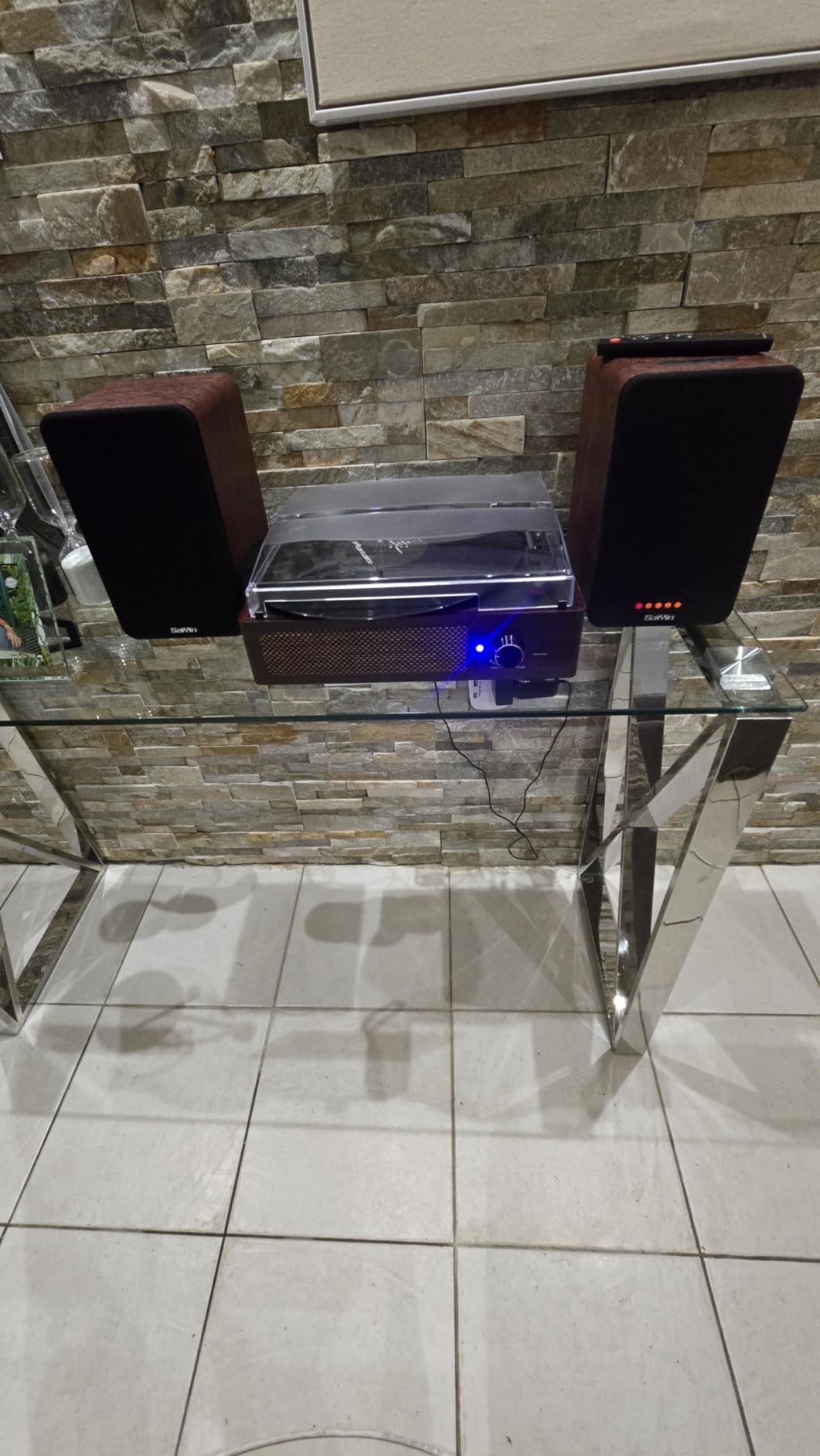
Multiple input options including optical, coaxial, 3.5mm, and RCA give you flexibility to connect TVs, computers, phones, and older audio gear. The included remote handles volume, input switching, and playback controls. For a budget system, the connectivity is surprisingly comprehensive.
The 3-year manufacturer warranty is generous at this price point and provides confidence in the build quality. The MDF, ABS, and metal construction feels durable enough for daily use. These speakers will not rival audiophile gear, but they massively outperform built-in TV or laptop speakers.
Best Use Cases for Budget Buyers
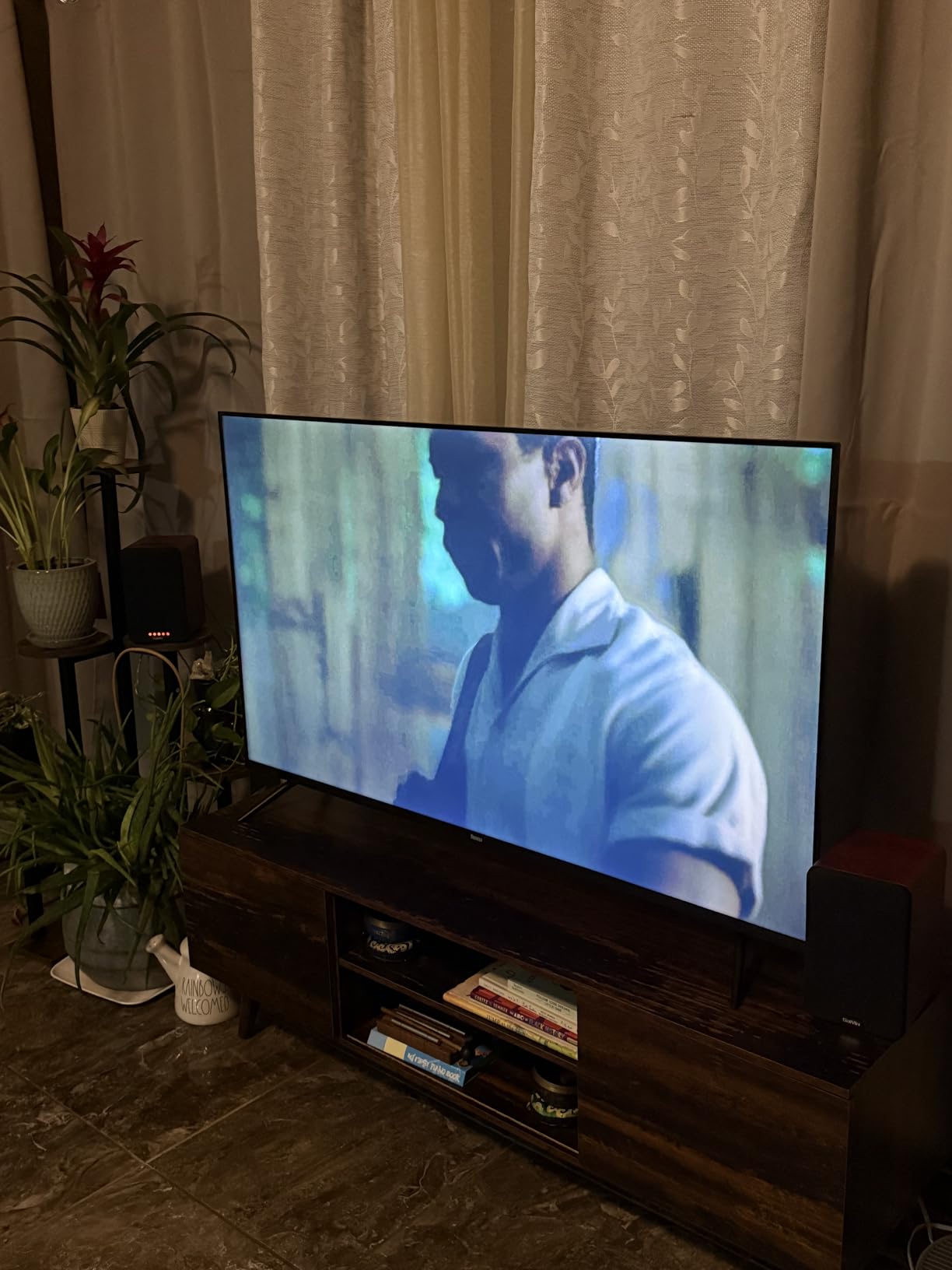
The Saiyin speakers excel as TV sound upgrades, bedroom music systems, and desk audio for casual listening. We tested them as TV speakers and the dialogue clarity improvement over built-in TV speakers was dramatic. They are not designed for filling large rooms or critical listening, but for everyday audio they are excellent value.
If your budget is tight and you want a complete powered system without buying a separate amplifier, this is where you start.
Input Flexibility and Setup Simplicity
The optical input is the most useful for TV connections, providing a clean digital signal with no analog noise. RCA inputs work well for turntables with built-in preamps or older receivers. The 3.5mm input handles phones and computers that lack Bluetooth.
Setup is genuinely plug-and-play. Connect the speaker wire between left and right, plug into power, connect your source, and you are done. The included remote and button controls on the speaker handle everything else.
12. Sanyun SW208 – Compact Carbon Fiber Desktop Pair
Sanyun SW208 3″ Active Bluetooth 5.0 Bookshelf Speakers, Built-in 24bit DAC
Powered pair
3in carbon fiber drivers
Bluetooth 5.0
Built-in 24-bit DAC
60W total
Treble and bass controls
Pros
- Carbon fiber drivers for HiFi sound at low cost
- Built-in 24-bit DAC for clean digital audio
- Bluetooth 5.0 and USB connectivity
- Treble and bass adjustment knobs
- Massive review count confirms popularity
Cons
- Limited Bluetooth range at 10 meters
- Not suitable for large rooms
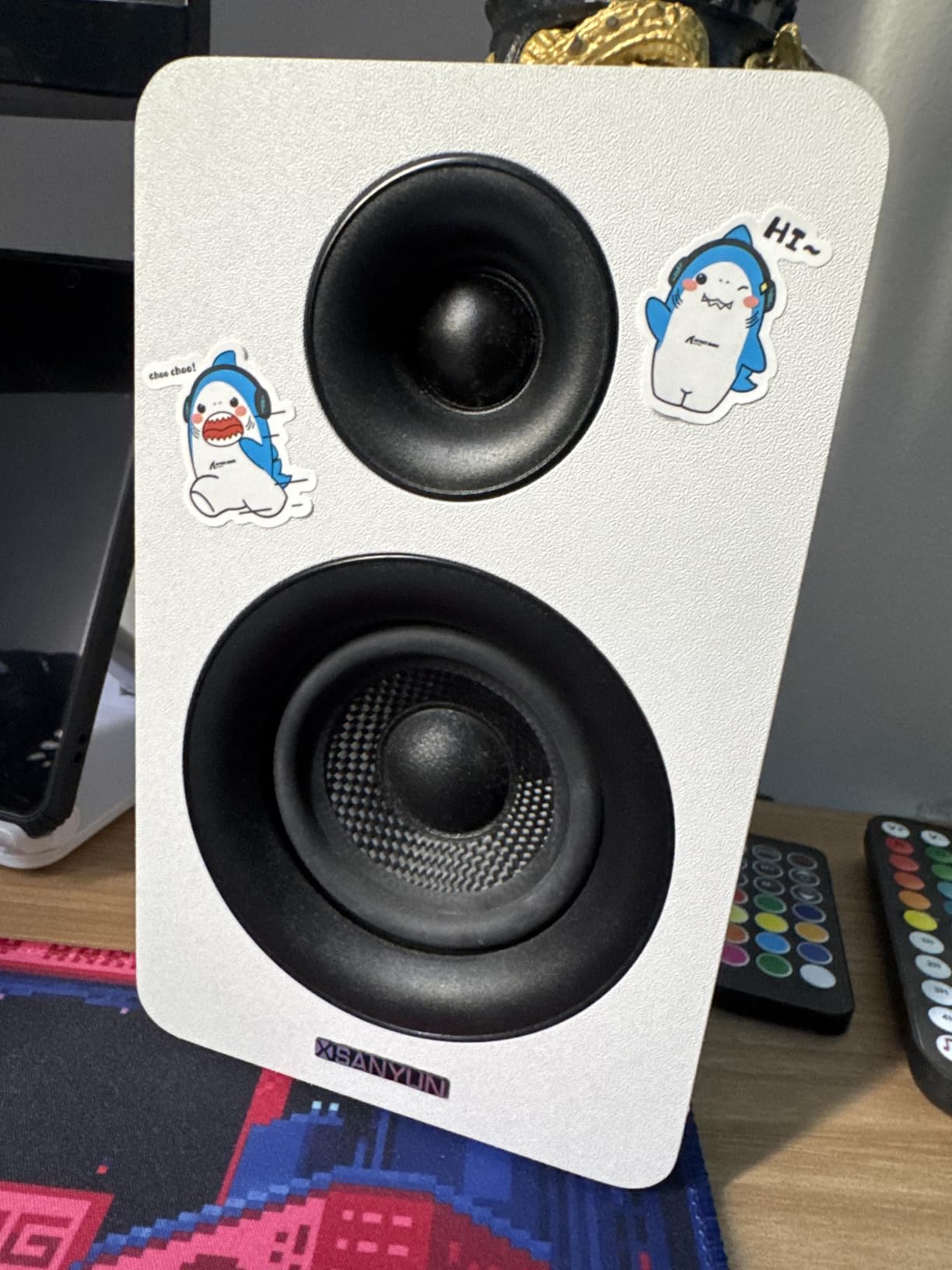
The Sanyun SW208 is a compact powered pair with carbon fiber drivers and a built-in 24-bit DAC at a remarkably low price. With over 7,400 reviews, this is one of the most popular budget bookshelf speaker options on the market. We tested them as desktop speakers and the carbon fiber drivers produced clearer, more detailed sound than we expected at this size and price.
The built-in 24-bit DAC processes digital audio from USB and Bluetooth sources with quality that exceeds what you typically find in budget computer speakers. We connected via USB from a computer and the sound was clean, detailed, and free from the noise that plagues cheap analog connections.
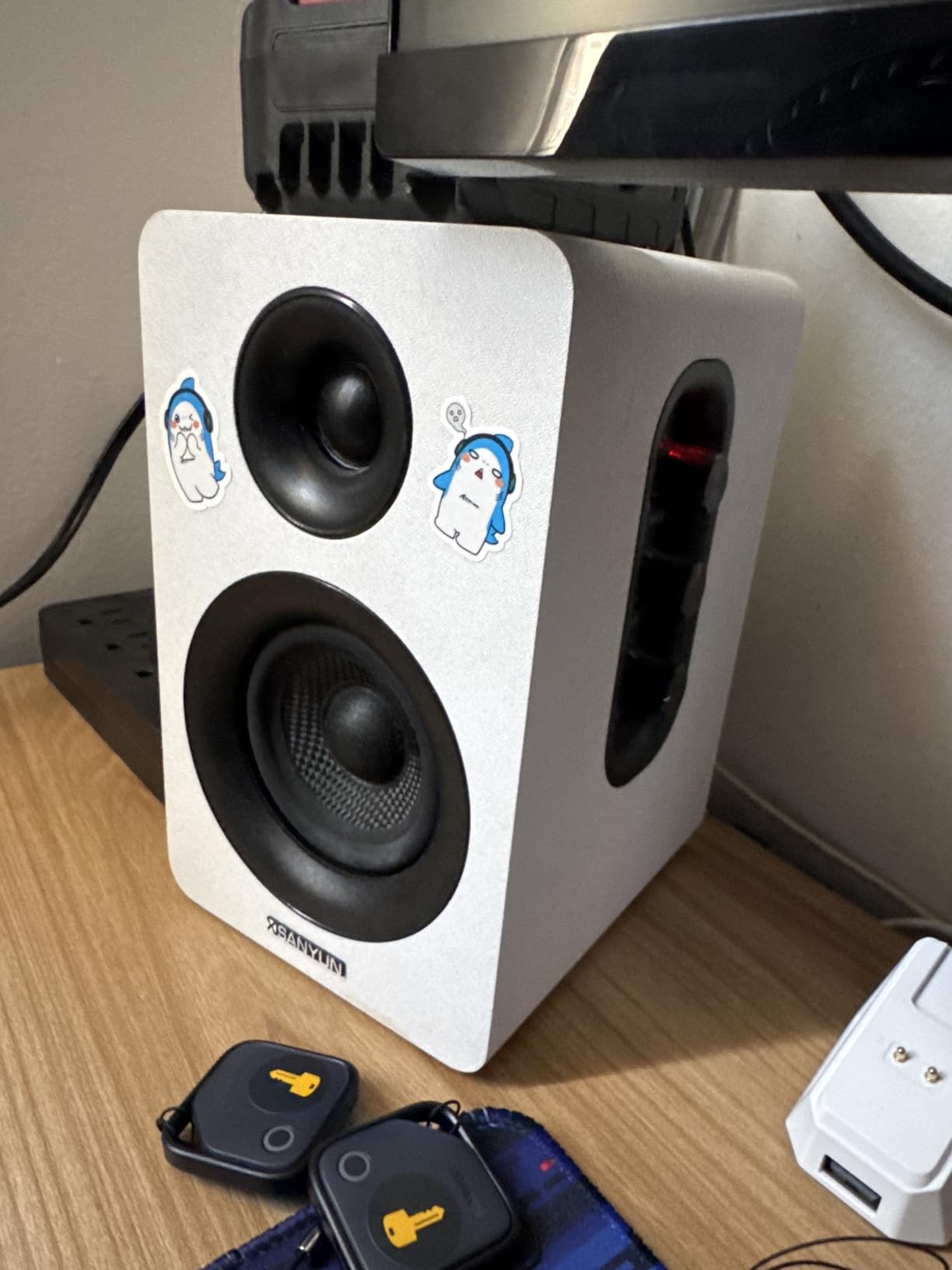
The 3-inch carbon fiber speaker units are the heart of the SW208’s sound quality. Carbon fiber is lighter and stiffer than typical paper or plastic cones, which reduces distortion and improves transient response. We heard snappy percussion attacks and clean vocal articulation that budget speakers usually blur.
Treble and bass adjustment knobs on the side let you tune the sound to your preference and room. The quiet standby mode reduces power consumption when no audio is playing, which is a practical energy-saving feature for always-on desktop setups.
Desktop and Computer Audio Performance
The SW208 is designed primarily for nearfield desktop listening, and that is where it performs best. Sitting two feet away on a desk, the stereo imaging and detail are excellent for the price. We used them for video calls, music streaming, and gaming, and they handled all three with competence.
The compact footprint fits crowded desks where larger bookshelf speakers cannot go. The modern black design blends with most computer setups without drawing attention.
DAC Quality and Digital Connectivity
The built-in 24-bit DAC is a meaningful upgrade over relying on your computer’s built-in audio. We compared USB input directly to a computer’s headphone jack, and the SW208’s DAC produced cleaner sound with a lower noise floor. This makes the SW208 a budget-friendly audio upgrade for computers with mediocre built-in sound.
Bluetooth 5.0 handles wireless streaming from phones and tablets, though the 10-meter range is standard rather than extended. For desktop use where the source is nearby, this is not a limitation.
?
How to Choose the Best Bookshelf Speakers for You
Choosing the right bookshelf speakers depends on your room, your source equipment, and how you plan to use them. Here are the key decisions that will narrow your options quickly.
Active vs Passive Speakers: The Core Decision
Passive speakers require a separate amplifier or receiver to produce sound. They offer flexibility because you can upgrade the amplifier independently, and they tend to last longer since the amplifier electronics are separate. The Klipsch RP-600M, ELAC B5.2, Sony SS-CS5M2, Polk XT20, and KEF Q1 Meta in our roundup are all passive.
Active or powered speakers have the amplifier built into one of the cabinets. You connect them directly to power and your source, with no separate receiver needed. The Edifier models, Audioengine HD6, Audio-Technica AT-SP3X, Saiyin, and Sanyun are all powered. Powered speakers are simpler to set up and often include modern features like Bluetooth and DACs.
Room Size Matching Guide
Match your speaker size to your room volume for balanced sound. Small rooms under 100 square feet pair well with compact drivers like the 3-inch Sanyun SW208 or 3.5-inch Edifier MR3. Medium rooms from 100 to 250 square feet suit 4 to 5.25-inch drivers like the Edifier R1280DB, ELAC B5.2, or KEF Q1 Meta.
Large rooms over 250 square feet benefit from 6.5-inch woofers like the Klipsch RP-600M or Polk XT20. Underpowering a large room leads to thin sound, while overpowering a small room wastes money and can cause bass issues. Reddit users consistently emphasize matching speaker output to room size, and we agree after testing in multiple spaces.
Amplifier Pairing Basics
If you choose passive speakers, you need an amplifier or receiver. Match the amplifier’s power output to the speaker’s recommended power range, not just the maximum. An amplifier delivering 50 to 100 watts per channel covers most bookshelf speakers comfortably.
Pay attention to impedance. Most bookshelf speakers are 6 or 8 ohms, which any modern amplifier handles. The KEF Q1 Meta at 4 ohms needs an amplifier rated for 4-ohm loads specifically. Using an amplifier that cannot handle 4 ohms risks overheating and distortion.
Driver Materials and Sound Signature
Driver materials shape the tonal character of your speakers. Silk dome tweeters, like those in the ELAC and Edifier models, produce smooth, natural highs. Horn-loaded tweeters, like the Klipsch Tractrix horn, project detail forward with energy and impact. Metal dome tweeters tend toward brightness and precision.
Woofer materials matter for bass and midrange. Aramid fiber, as in the ELAC B5.2, balances stiffness and damping for clean midrange. Cerametallic drivers, as in the Klipsch, are rigid and dynamic. Carbon fiber, as in the Sanyun, is lightweight and fast. Paper cones remain popular for their natural warmth.
Frequency Response and Sensitivity
Frequency response tells you the range of tones a speaker can reproduce. A rating of 45 Hz to 20,000 Hz covers most music and dialogue. Sensitivity, measured in decibels, tells you how efficiently a speaker converts power into volume. Higher sensitivity means the speaker plays louder with less amplifier power.
The Klipsch RP-600M has high sensitivity, meaning even modest amplifiers can drive it to satisfying volumes. Lower sensitivity speakers need more power to reach the same volume level. Check both specs when matching speakers to your amplifier.
Placement and Speaker Stands
Placement affects sound quality as much as the speakers themselves. Tweeter height should align with your ears when seated, which typically means using stands or positioning shelves at ear level. Avoid placing speakers in corners, which boosts bass artificially and muddies the sound.
Rear-ported speakers like the Klipsch need at least a foot of clearance from the back wall. Front-ported speakers like the ELAC B5.2 can sit closer to walls without bass problems. If you must place speakers on a bookshelf, front-ported designs are the practical choice.
FAQs
What are the best bookshelf speakers for most people?
The Klipsch RP-600M is our Editor’s Choice for most listeners, offering dynamic horn-loaded sound with a 6.5-inch woofer and titanium tweeter. For powered convenience, the Edifier R1280DB is the bestselling option with Bluetooth and optical inputs. Both deliver excellent sound quality across music and movies without requiring a massive budget.
What bookshelf speakers should I buy under $500?
Under $500, the ELAC Debut 2.0 B5.2 at $269 is the best passive value with over 2,400 positive reviews. The Klipsch RP-600M at $349 offers premium horn-loaded performance. For powered speakers under $500, the Edifier R1280DB and R1700BTs both deliver Bluetooth convenience with excellent sound.
What is the difference between active and passive bookshelf speakers?
Passive speakers require a separate amplifier or receiver to power them, while active or powered speakers have the amplifier built into the cabinet. Passive speakers offer upgrade flexibility and tend to last longer, while powered speakers are simpler to set up and often include modern features like Bluetooth and built-in DACs.
How do I choose the right bookshelf speakers for my needs?
Match driver size to your room, with 3 to 4-inch drivers for small rooms, 5 to 5.25-inch for medium rooms, and 6.5-inch for large rooms. Decide between passive if you have an amplifier or active for plug-and-play convenience. Check impedance compatibility with your amplifier, and consider placement constraints like rear port clearance.
What are the best powered bookshelf speakers?
The Audioengine HD6 is our top powered pick for vinyl and living room use with its built-in amplifier, aptX HD Bluetooth, and 24-bit DAC. The Edifier R1700BTs offers aptX HD and a subwoofer output at a lower price. For budget powered options, the Edifier R1280DB and MR3 deliver excellent value with modern connectivity.
Final Thoughts on the Best Bookshelf Speakers
The best bookshelf speakers in 2026 span a wide range of prices and purposes, and our testing confirmed that there is no single winner for everyone. The Klipsch RP-600M remains our top overall pick for its dynamic, engaging sound that brings music and movies to life. The ELAC Debut 2.0 B5.2 is the value champion that budget audiophiles on Reddit have been right about all along.
For powered convenience, the Audioengine HD6 handles vinyl and streaming beautifully, while the Edifier R1280DB delivers the best value in self-powered sound. Whatever your room size, amplifier situation, or budget, one of these 12 tested pairs will transform your listening experience. Pick the one that matches your setup, and you will hear the difference immediately.