
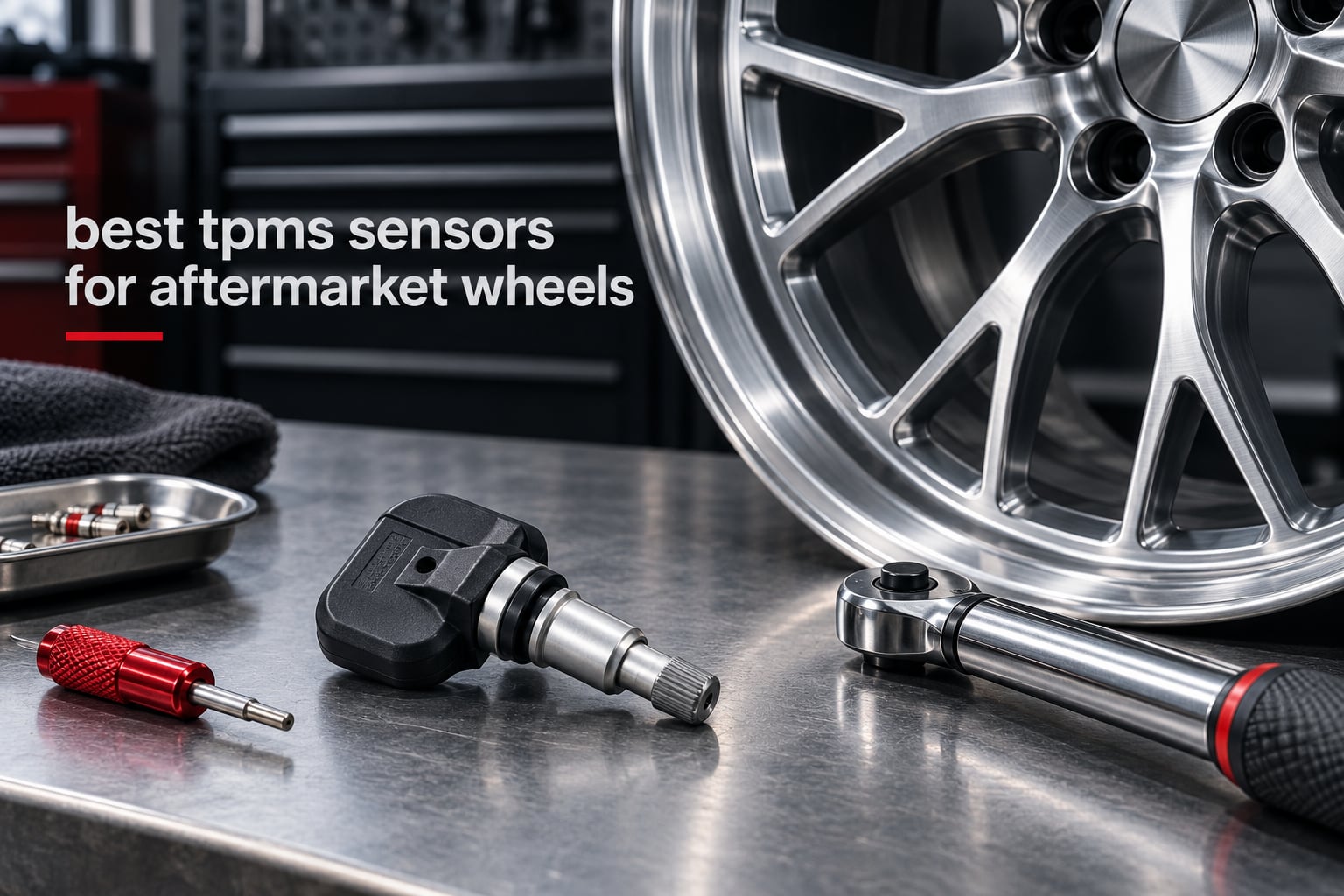
Yes, you can put TPMS sensors on aftermarket wheels, and on any 2008-or-newer vehicle sold in the US you have to. Every wheel you drive on a public road needs a working sensor, no matter what the rim looks like. You can transfer your factory sensors to the new wheels when the valve hole diameter and stem type match, or you can buy new sensors and have them programmed to your vehicle.
Picking the best TPMS sensors for aftermarket wheels comes down to three things: whether your wheel takes a rubber snap-in stem or a metal clamp-in stem, which radio frequency your car uses, and whether you already own a programming tool. Get those right and the install takes minutes. Get one wrong and you end up with a warning light that will not clear and a second trip to the shop.
Below I break down eight sensors across the budget, mid-range and brand-name tiers, including the ones built for GM, Ford and Chrysler platforms, plus the universal options that cover both frequencies. I put the whole set side by side so you can match a part number to your year, make and model before you spend anything.
Table of Contents
Top 3 Picks for Best TPMS Sensors for Aftermarket Wheels (October 2026)
CDWTPS GM 315MHz TPMS Sensor
- Pre-programmed for GM platforms
- Activation with a scan tool
- 4-pack or single
- One-year warranty

Autel MX-Sensor 315+433MHz
- 315 and 433 MHz in one SKU
- Unlimited reprogramming and cloning
- Interchangeable rubber and metal stems
- Needs an Autel tool
MORESENSOR 315MHz 4-Pack
- Pre-programmed clamp-in metal stems
- 4 sensors plus 3-year warranty
- Reprogrammable with ATEQ VT56
- Plus or minus 1.5 percent accuracy
Best TPMS Sensor Comparison in 2026
| Product | Specifications | Action |
|---|---|---|
| CDWTPS GM 315MHz TPMS Sensor 4-Pack |
|
Check Latest Price |
| Autel MX-Sensor 315+433MHz Universal TPMS Sensor |
|
Check Latest Price |
| MORESENSOR 315MHz Pre-Programmed Clamp-In TPMS Sensor 4-Pack |
|
Check Latest Price |
 Masoll GM TPMS Sensor 4-Pack with EL-50448 Relearn Tool Masoll GM TPMS Sensor 4-Pack with EL-50448 Relearn Tool |
|
Check Latest Price |
 CARORAV GM Pre-Programmed TPMS Sensor 4-Pack CARORAV GM Pre-Programmed TPMS Sensor 4-Pack |
|
Check Latest Price |
 A-Premium 315MHz Pre-Programmed TPMS Sensor 4-Pack A-Premium 315MHz Pre-Programmed TPMS Sensor 4-Pack |
|
Check Latest Price |
 RENECTIV 433MHz Pre-Programmed TPMS Sensor with Auto-Relearn RENECTIV 433MHz Pre-Programmed TPMS Sensor with Auto-Relearn |
|
Check Latest Price |
 Schrader EZ-Sensor Programmable Snap-In TPMS Sensor Schrader EZ-Sensor Programmable Snap-In TPMS Sensor |
|
Check Latest Price |
Can You Put TPMS Sensors on Aftermarket Wheels? Yes
You can, and in most cases you have to. Since 2008 every new passenger vehicle sold in the US has shipped with a direct TPMS system, and the sensors have to be present and working in each wheel you drive on public roads. NHTSA ties that rule to roughly 11,000 tire-related crashes a year, most of them traced back to underinflation.
There are only three real options, and the right one depends on your wheel and your time budget.
Transfer your factory sensors. This is the cheapest path and the one most owners should try first. You pull the sensor and its core out of the original wheel, install it in the new wheel, and the car treats it as the same sensor because the ID travels with the hardware. It only works when the new wheel accepts the same stem type. A wheel drilled for a metal clamp-in stem cannot take a rubber snap-in sensor, and vice versa.
Buy OEM replacement sensors. Order the exact part number for your year, make and model. They arrive programmed for that platform, so you only need to activate and relearn them. This is the safe choice for a truck or a car with an unusual protocol, but it is the most expensive route.
Buy a programmable universal sensor. One sensor body covers several hundred part numbers and both 315 MHz and 433 MHz platforms. It arrives unprogrammed, so it must be paired to your vehicle with a tool before it goes into the wheel. This is the most flexible option and the one most enthusiasts land on.
Whichever route you take, the warning light will stay on until the car completes a relearn. That step is not optional, and it is where most of the frustration people read about online actually comes from.
1. CDWTPS GM 315MHz TPMS Sensor: The Most Proven Replacement in the Group
CDWTPS TPMS Sensors,GM 315Mhz Tire Pressure Monitoring Sensor
Pre-programmed for GM 315MHz platforms
Accuracy plus or minus 1.5 percent
Range -40C to +125C
4-count pack
Pros
- Pre-programmed for GM so only activation is needed
- Largest review base in the group at over 5300 ratings
- Battery designed for up to 10 years
- Available as a 4-pack or a single sensor
Cons
- Restricted to 315MHz GM platforms
- A scan tool is still needed to activate
- One-year warranty is the shortest here
The CDWTPS sensor is the one I trust most for a GM truck, and it wins this roundup because the evidence behind it is deeper than anything else in the set. More than 5,300 ratings sit behind this part, which puts it in the number three spot in the replacement TPMS sensor category. That volume matters for a component you cannot see once the wheel is mounted.
It replaces OE numbers 13598771, 13598772 and 13586335, and it covers Chevy, GMC, Buick, Cadillac, Pontiac, Saturn, Hummer and Saab applications from 2006 onward. Rated accuracy is plus or minus 1.5 percent across a -40 C to +125 C range, and the listing states it uses the same parts and process as OE suppliers.
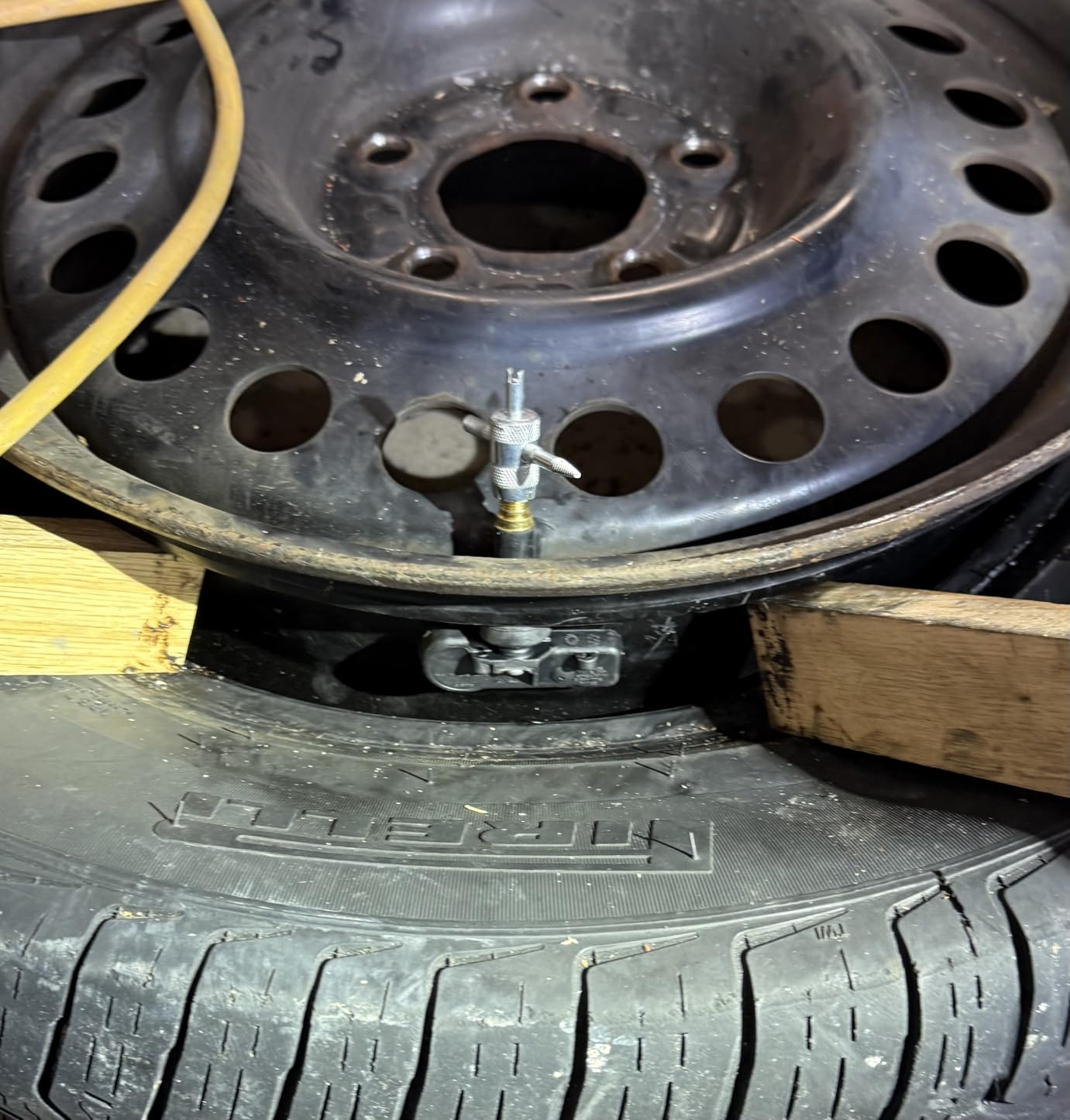
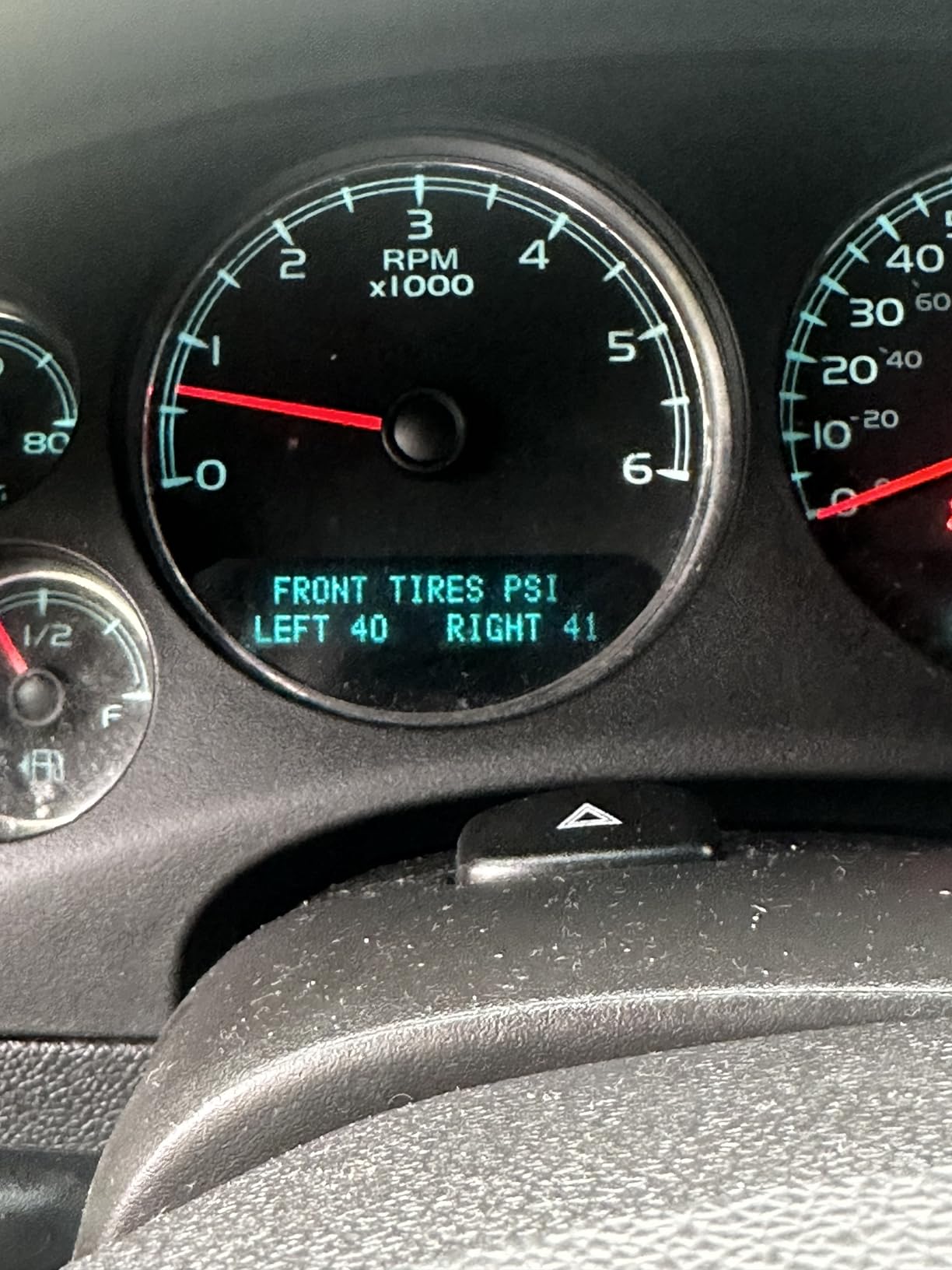
What makes this sensor easy to live with is that it arrives pre-programmed. That means you are not coding anything, you are activating and relearning, which is a shorter job and the reason buyers report the light clearing after one pass. Owners on GM pickups and sedans describe pairing it without extra steps and getting accurate readings afterwards.
It is 315 MHz only, so it covers most GM vehicles but nothing from Ford, Chrysler or the import brands. You still need a scan tool or relearn tool on hand, and its one-year warranty is shared by only one other sensor in this group.
Who this sensor suits
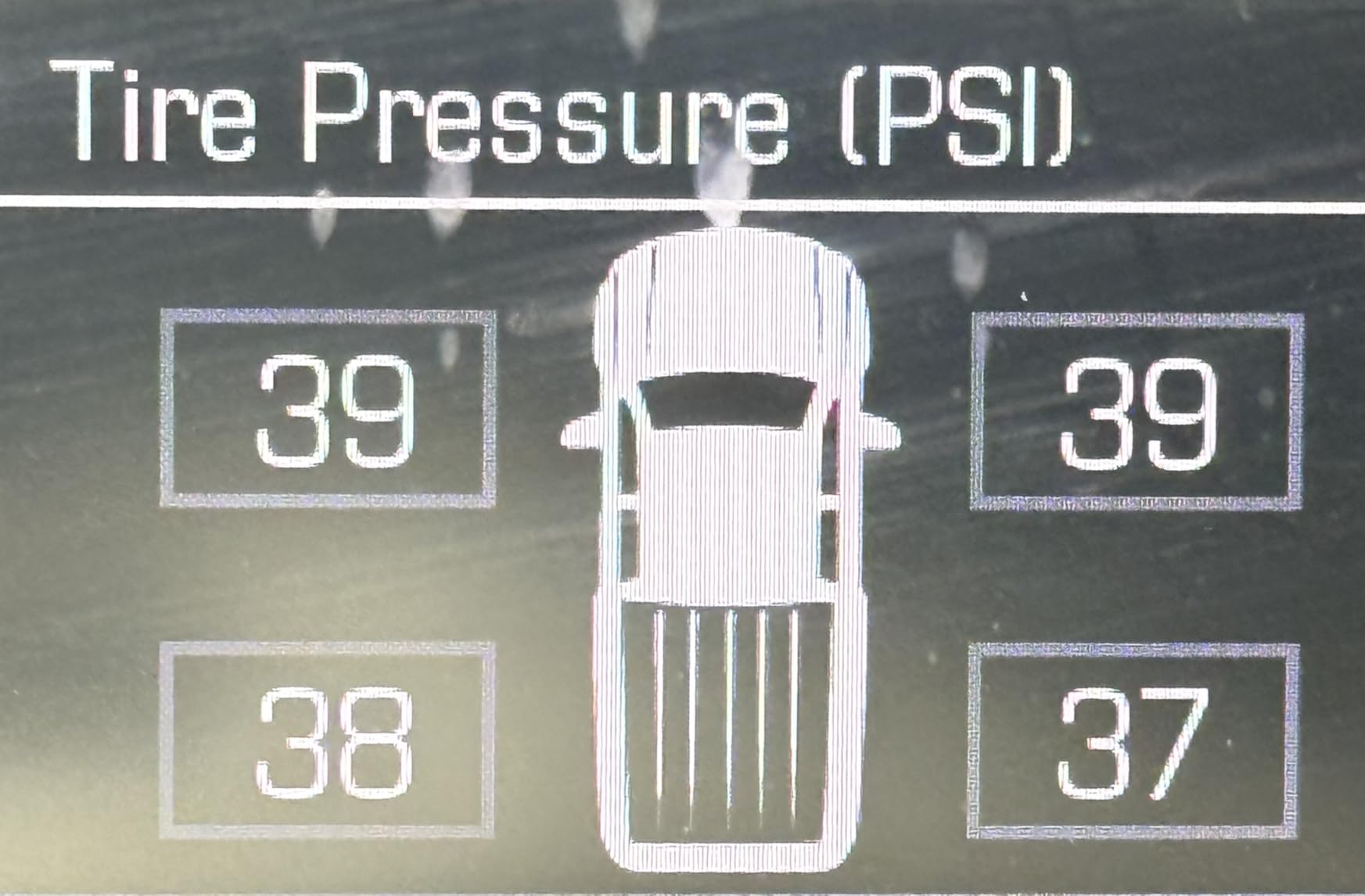
This is the pick for anyone running a Silverado, Sierra, Colorado, Tahoe, Equinox or a GM sedan on aftermarket wheels. It suits the buyer who wants the least amount of fiddling: pre-programmed, no coding step, activation with whatever scan tool the shop already owns. For a full set of four on a GM truck, it is the least risky purchase in this roundup.
Who this sensor does not suit
It does not suit a Ford, a Chrysler or any European vehicle, because those use a different frequency. It also does not suit someone who wants one sensor covering every vehicle in a multi-car household.
2. Autel MX-Sensor 315+433MHz: Best for Universal Vehicle Coverage
Autel TPMS Sensors, MX-Sensor 315+433MHz, Universal Tire Pressure Sensor
315MHz and 433MHz in one body
Unlimited reprogramming
100 percent clonable sensor IDs
SAE J1205 and J1206 tested
Pros
- One SKU covers both North American frequencies
- Clones original sensor IDs for no-relearn installs
- Rubber and metal press-in stems both included
- 2-year warranty with 24-month coverage
Cons
- Requires an Autel-branded programming tool
- Not compatible with Bluetooth TPMS systems
- Not for commercial vehicles or heavily modified setups
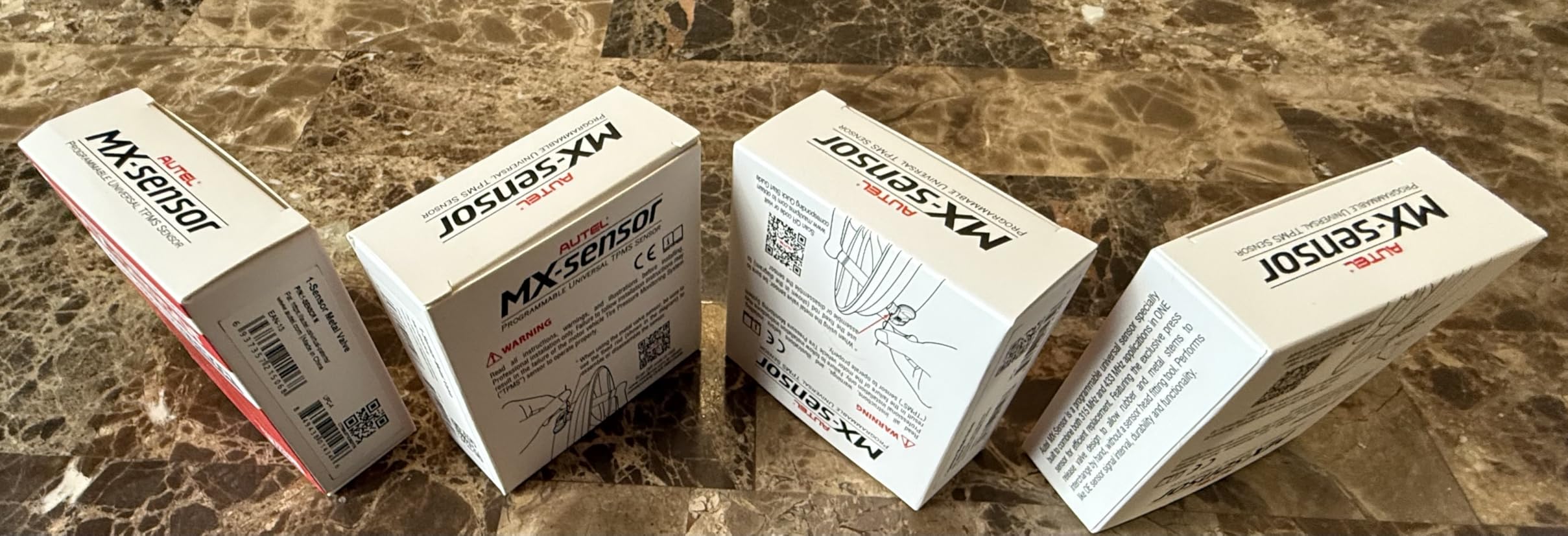
The Autel MX-Sensor is the enthusiast default and it earns that reputation with a genuinely useful feature: one part number covers both 315 MHz and 433 MHz vehicles. North American cars use both frequencies depending on the manufacturer and model year, so a single SKU removes the single most common fitment mistake people make with universal sensors.
The second thing this sensor does well is cloning. You can copy the ID from a failed sensor onto a new one, which in the right conditions means no full relearn cycle at all. Professional users report stable signal behaviour across multiple vehicles, and the sensor body ships with interchangeable rubber and metal press-in valve stems, so stem type no longer decides your purchase.
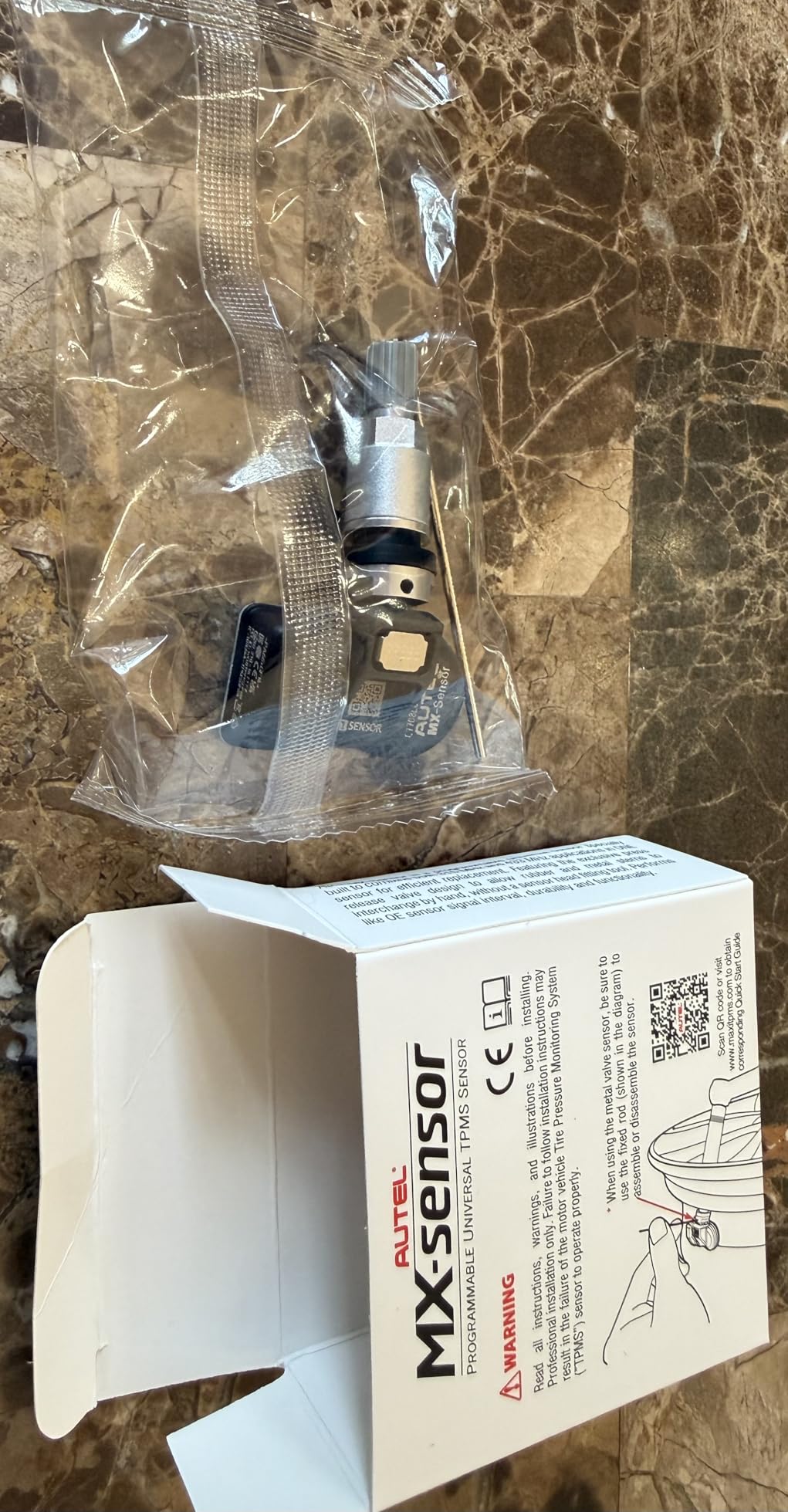
Specifications are solid for a universal part: a 100 to 900 kPa measuring range, 10 kPa accuracy, a 20-second response time and an upper temperature rating of 125 C. Each sensor body weighs about 11 grams, and the units are SAE J1205 and J1206 tested with serial-numbered quality control.
The limitation people complain about most is the tool requirement. It must be programmed with an Autel tool such as the TS408S, TS508WF, ITS600 or MX900-TS. It also will not work with Bluetooth-based TPMS systems, which rules out some electric vehicles, and it is not intended for commercial vehicles or heavily modified tire setups.
Who this sensor suits
This suits a multi-vehicle household, a tuner with mixed makes in the garage, or anyone who swaps wheels twice a year and wants one part number to cover both frequencies. It is also the strongest choice when you have more than one vehicle with failed sensors and want a single purchase that covers them.
Who this sensor does not suit
It does not suit a buyer who already owns a Snap-on, Hunter or Launch programmer and does not want to buy a second brand of tool. It also does not suit an owner of a Bluetooth TPMS vehicle or someone running heavy-duty commercial work. Plan on buying an Autel tool before you buy sensors, or this sensor sits in a drawer.
3. MORESENSOR 315MHz Pre-Programmed 4-Pack: Best Value Clamp-In Set
MORESENSOR Signature Series 315MHz Pre-Programmed TPMS Tire Pressure Sensor 4-Pack | Clamp-in | Compatible with Select 500+ American Brand Models 20925924 20922900 15268606 | NX-S024-4
315MHz pre-programmed clamp-in
4 sensors plus hardware
Accuracy plus or minus 1.5 percent
3-year manufacturer warranty
Pros
- Pre-programmed and relearn-ready for compatible vehicles
- Metal clamp-in stems are durable and low profile
- Battery life claim of 5 to 8 years
- Reprogrammable with ATEQ VT56 and Mobiletron PT46/47
Cons
- 315MHz only so 433MHz vehicles are excluded
- Not universally reprogrammable to other frequencies
- A small number reported intermittent signal loss
This four-pack is the value pick, and its strongest feature for an aftermarket wheel build is the metal clamp-in stem. Clamp-in bodies sit inside the rim and clamp from the inside of the wheel, which means the stem does not poke through a rubber snap-in hole and works on most drilled alloy wheels without any modification to the rim.
The sensors arrive pre-programmed, so they pair to compatible vehicles through a relearn rather than a coding session. They replace OE numbers 20925924, 20922900 and 15268606, which puts them on a fair number of late-model GM and Ford-adjacent applications. Owners report accurate readings and cleared warning lights after installation.
They stay flexible after purchase. Unlike a fixed pre-programmed part, this sensor can be reprogrammed with ATEQ VT56 hardware and Mobiletron PT46 and PT47 equipment, so if your frequency or vehicle list does not cover your car today, you are not stuck. Rated accuracy is plus or minus 1.5 percent and the backing is a 3-year manufacturer warranty, which beats several sensors in this group.
The catch is frequency. This version is 315 MHz only, and because it is pre-programmed it cannot be pushed onto a 433 MHz platform. That is exactly the dead end a few buyers hit, and it is why I do not rank it above the Autel for universal work.
Who this sensor suits
It suits a DIY builder on a 315 MHz vehicle who wants four matched sensors and a metal clamp-in body at a sensible outlay. The 3-year warranty and the ability to reprogram later make it the safer buy for someone who is not yet certain which vehicle will wear these wheels.
Who this sensor does not suit
It does not suit a 433 MHz vehicle, which covers a large slice of Chrysler, Dodge, Jeep and RAM models. It also does not suit someone building a second seasonal wheel set who needs an exposed serviceable valve, because a clamp-in body is buried inside the rim. Buy the frequency wrong and there is no software fix.
4. Masoll GM 4-Pack with EL-50448 Relearn Tool: Best All-In-One Kit
Masoll TPMS Sensor for GM Chevy Silverado Buick Cadillac GMC, DIY Install
Four sensors plus a relearn tool
315MHz and 433MHz combined
Plus or minus 1.5 PSI accuracy
Screw-on installation
Pros
- Bundle includes the EL-50448 relearn tool so nothing else is needed
- Dual 315MHz and 433MHz removes frequency guesswork
- Generation 2 hardware with a stronger transmission signal
- Highest average rating in the group at 4.5
Cons
- Claimed battery life of only about 2 years
- Battery is replaceable rather than sealed
- Limited to GM-family vehicles after 2006
This is the only bundle in the set that includes the programming tool, which is why it solves the problem that frustrates most first-time buyers. You get four sensors and an EL-50448 relearn tool in one box, so there is no second purchase and no afternoon spent finding out you cannot clear the light.
It covers GM, Chevy, GMC, Buick and Cadillac vehicles from 2006 onward and combines 315 MHz and 433 MHz in a single sensor, so you do not have to work out which frequency your truck uses. The Generation 2 hardware claims a stronger transmission signal and wider coverage than earlier units, specifically across Silverado and Sierra trucks. Measured accuracy is listed at plus or minus 1.5 PSI across a 0 to 100 psi range.
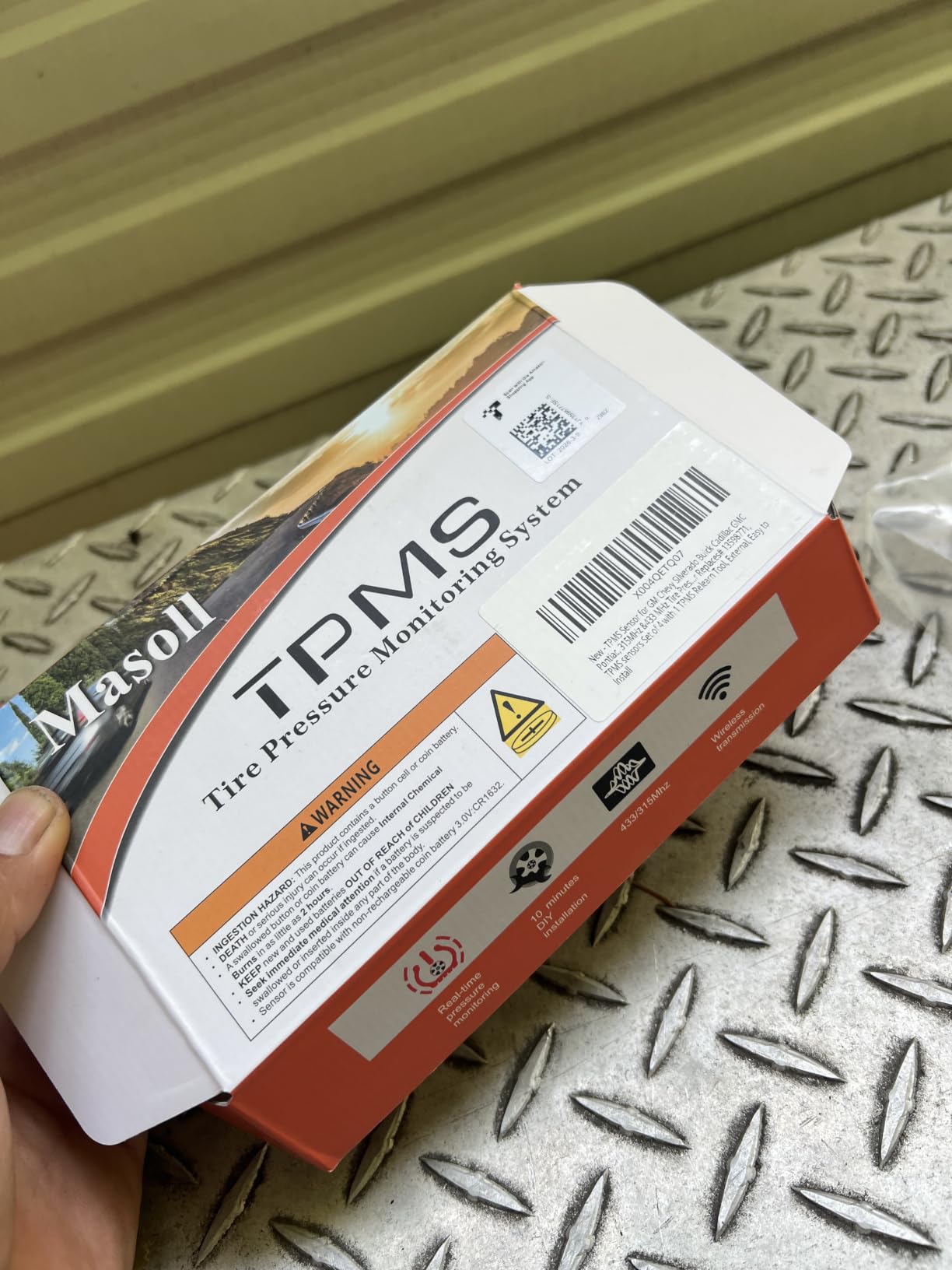
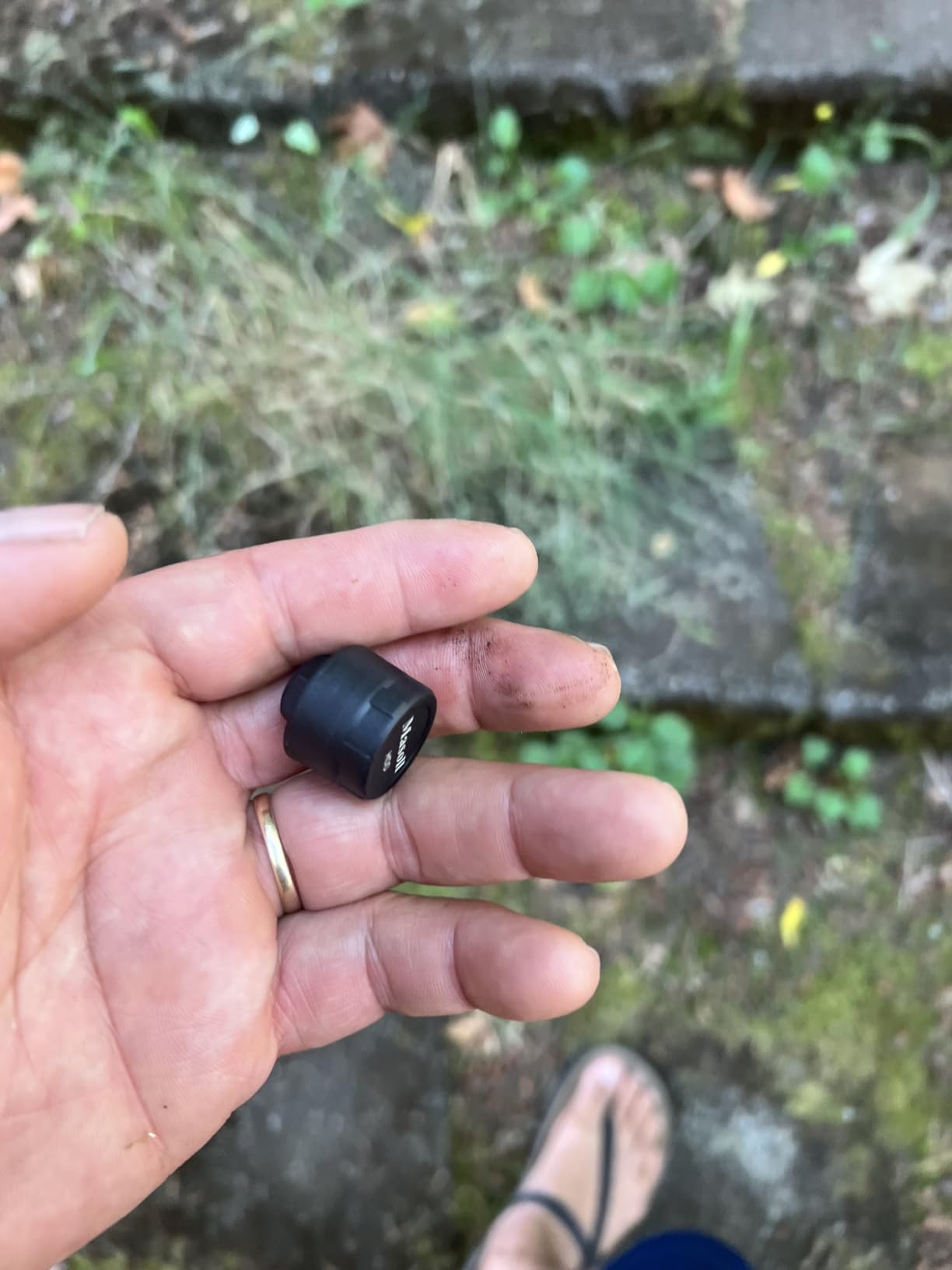
The screw-on installation is the other practical win. Owners describe fitting these in about five minutes at home without dismounting tires, which is faster than almost any clamp-in alternative and leaves the wheel balance untouched.
The trade-off is the battery. Rated life is about 2 years, and because the cell is replaceable rather than sealed, you are signing up for a maintenance item that the sealed sensors do not have. On a vehicle driven hard or in sustained cold, expect to service it sooner than a five-year sealed part.
Who this sensor suits
It suits a GM owner who has never programmed a sensor before and wants one purchase that handles the whole job. It also suits a DIY mechanic who wants to keep a spare relearn tool in the toolbox for future tire service, rather than paying a shop for the same work every time.
Who this sensor does not suit
It does not suit a non-GM vehicle, and it does not suit an owner who wants to mount the sensors once and forget them for a decade. If your driving includes a second seasonal wheel set on the same car, the two-year serviceable battery means you are replacing cells in both sets sooner than you planned.
5. CARORAV GM 4-Pack: Best for a Fast DIY GM Relearn
CARORAV TPMS Sensor GM, 4-Pack Tire Pressure Monitoring System Sensor
Pre-programmed for 27 GM part numbers
Rubber and aluminum stems included
Battery life beyond 5 years
Range -40C to +125C
Pros
- Pre-programmed against a long list of GM OE numbers
- Includes both rubber and aluminum valve stems
- DIY relearn with an EL-50448 style tool takes under a minute
- Battery life claimed at more than 5 years
Cons
- A relearn is still required even though it is pre-programmed
- Some tire shops cannot read or program these
- A minority arrive dead or fail to connect
The CARORAV pack covers the widest range of GM part numbers of anything in this group, replacing 27 listed OE references including 13586335, 13581558, 13598771, 15825475, 20925924 and 22854866. That breadth matters if you are not certain which exact sensor your truck shipped with, because you can match by the number stamped on your old sensor instead of by trim level.
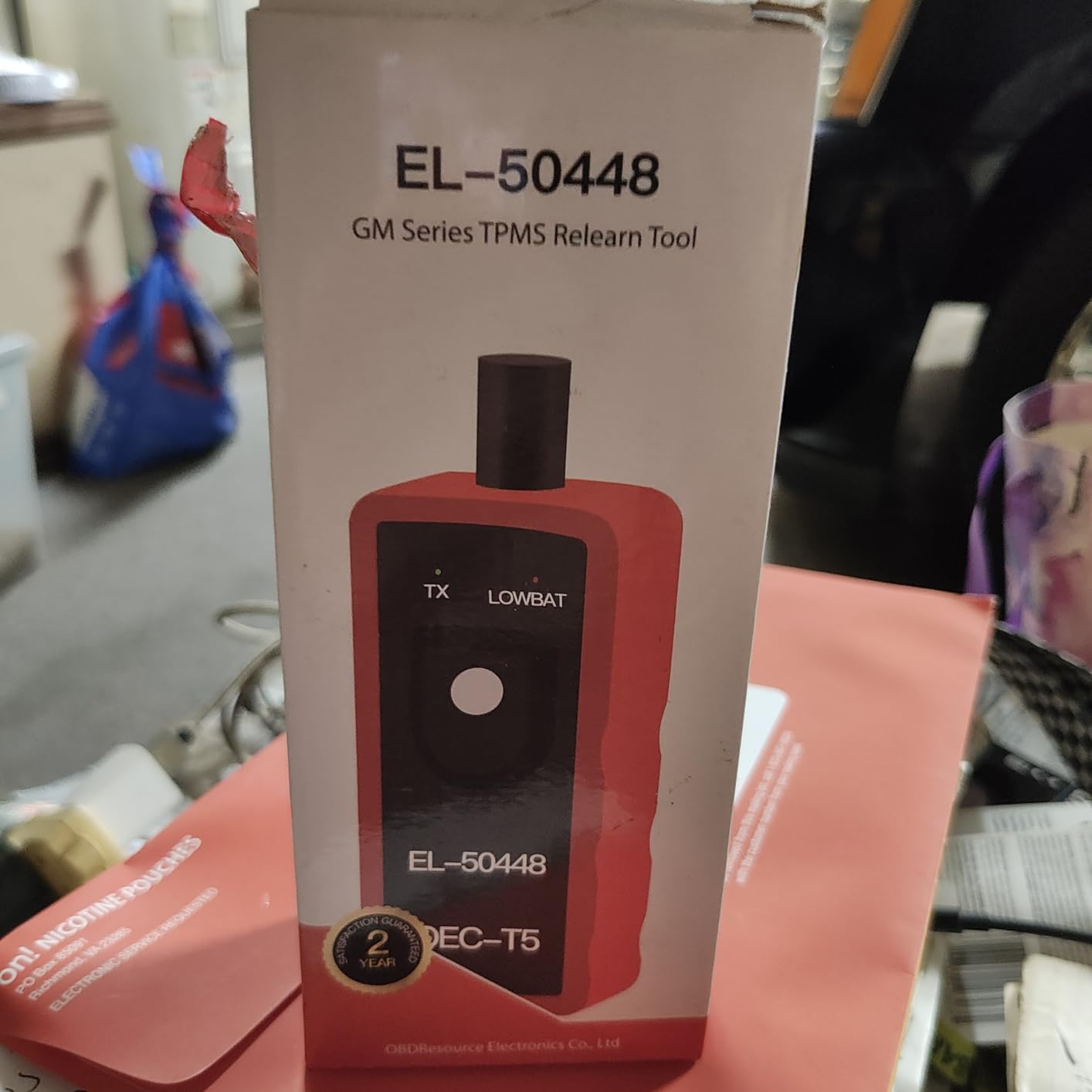
Owners report completing a GM relearn themselves in under a minute with an inexpensive EL-50448 style tool, and the package includes written instructions for both the manual and OBD-II relearn procedures. Rated battery life is more than 5 years across a -40 C to +125 C operating range.
It also includes both soft rubber and hard aluminum valve stems, so you can match the stem to your wheel rather than the other way around. Several users fit the press-in style without dismounting the tire at all, which saves the tire cost that usually dominates an aftermarket wheel change.
Two cautions are worth taking seriously. Pre-programmed does not mean automatic pairing, so a relearn is still on your list. And some tire shops report they cannot read or program these aftermarket bodies, which means you may be doing that step yourself.
Who this sensor suits
It suits a GM owner who wants the shortest possible install and who is comfortable running the relearn themselves with a low-cost tool. The included manual makes it a good choice for a first-time TPMS job where nobody at the counter wants to explain the procedure.
Who this sensor does not suit
It does not suit an owner who prefers a shop to handle every step, or anyone whose local tire store refuses to program aftermarket sensors. There are also reports of units arriving non-functional, and one engineering reviewer saw all four sensors begin failing after roughly 2.5 years, so long-term confidence is lower than the rating suggests.
6. A-Premium 315MHz 4-Pack: Best for Ford and Lincoln
A-Premium 315MHz Pre-programmed TPMS Sensor Tire Pressure Monitoring Sensor
Pre-programmed for Ford and Lincoln
NXP chip with tight accuracy
0 to 130.53 PSI range
2-year unlimited mileage warranty
Pros
- Only sensor here covering Ford and Lincoln applications
- Pre-programmed for direct fitment with no coding step
- Aluminum valve works where OE rubber valves were used
- 2-year unlimited mileage warranty
Cons
- Ford and Lincoln 315MHz platforms only
- Relearn or reset is still required after install
- Smallest review base at 477 ratings
Everything else in this roundup with a 315 MHz pre-programmed body leans heavily toward GM. This one covers Ford and Lincoln instead, which makes it the only straightforward answer here for a F-150, Bronco, Ranger, Explorer, Escape, Mustang or Mach-E on aftermarket wheels. Lincoln coverage includes the Navigator, Nautilus, Aviator and MKZ.
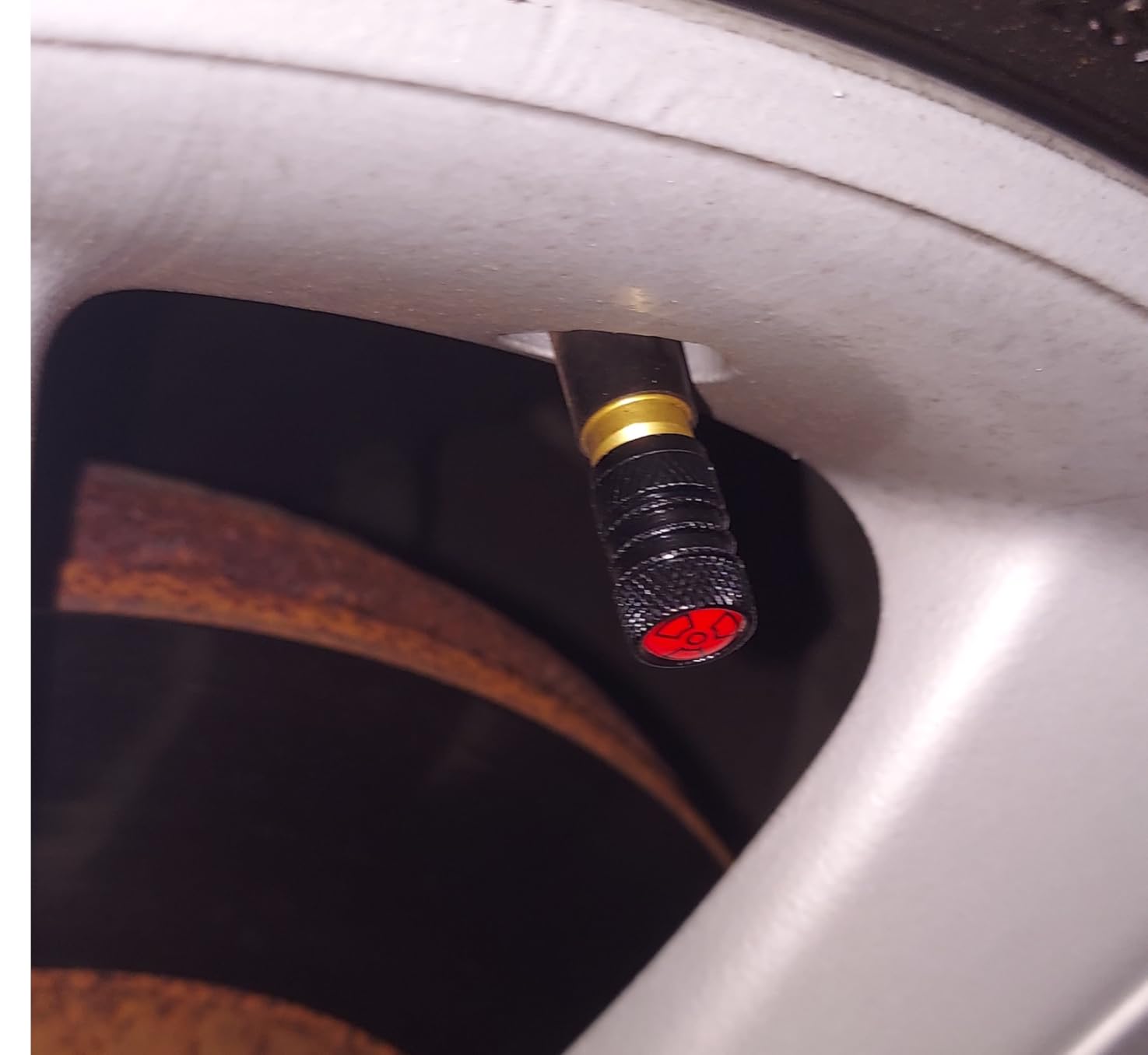
It replaces reference numbers F2GZ-1A189-A and F2GZ-1A189-D, F2GT-1A180-AB and HC3Z-1A189-A. The valve is aluminum rather than rubber, so it is a good match for a wheel drilled with a metal clamp-in hole, and it carries a CR2050 long-life cell rated from -40 C to 120 C.
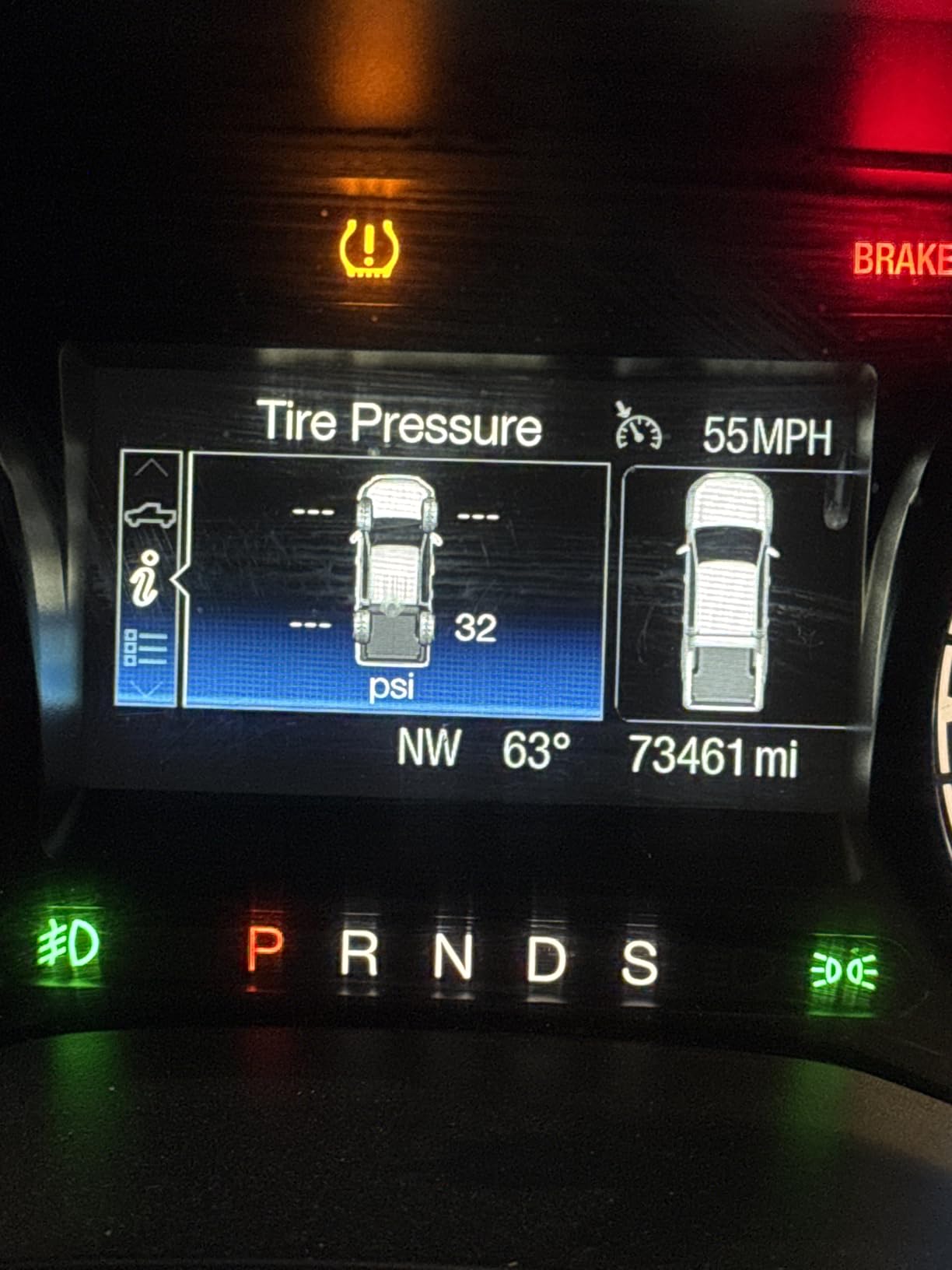
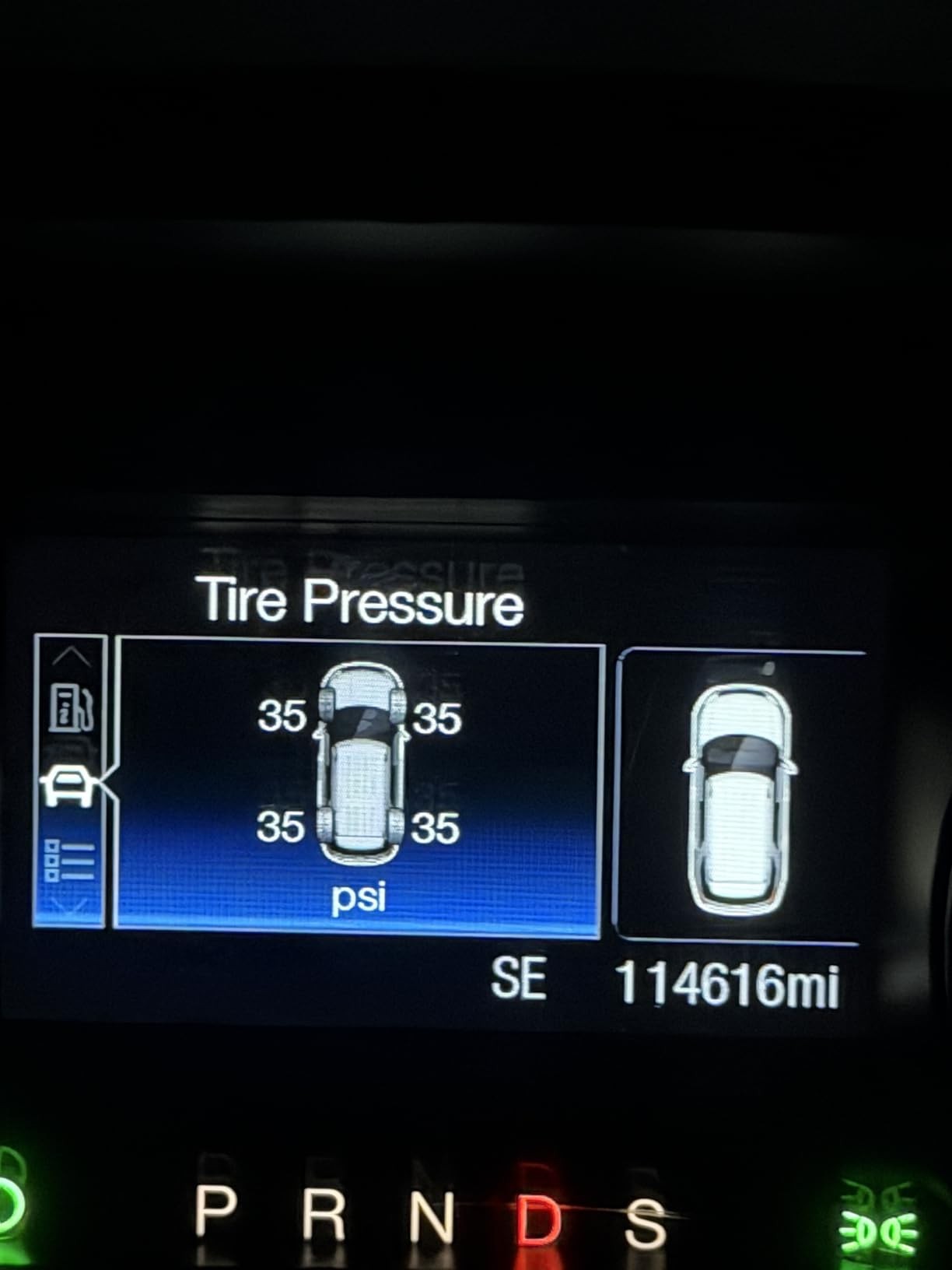
On paper the sensing hardware is the most precise here. It uses a high-precision NXP chip with plus or minus 0.06 bar accuracy over a 0 to 900 kPa range, a 1-second response time, FCC and IC certification, and in-house testing to SAE J2657. That response figure is well ahead of the 20-second figure listed for the universal option in this group.
The catch is evidence. At 477 ratings this is the smallest review base of the eight, and its one-star share is tied for the highest in the set. You are trusting the spec sheet more than the long-term owner history.
Who this sensor suits
It suits a Ford or Lincoln owner who wants a pre-programmed drop-in instead of buying a programming tool. The 2-year unlimited-mileage warranty is also the strongest written coverage here, which suits anyone planning to keep the wheels long-term.
Who this sensor does not suit
It does not suit a GM, Chrysler or Toyota owner at all. It also does not suit someone who wants a universal part for a second vehicle, since the fitment list stops at Ford and Lincoln reference numbers. Verify your OE number before ordering rather than assuming a model year is enough.
7. RENECTIV 433MHz Pre-Programmed Sensor: Best for Chrysler, Dodge, Jeep and RAM
RENECTIV TPMS Sensor,433Mhz Tire Pressure Monitoring Sensor
433MHz pre-programmed
Auto-relearn after 20 to 30 minutes
Battery usable beyond 5 years
Readings to 110 PSI
Pros
- Auto-relearn pairs sensors with no manual relearn steps
- Broad Chrysler Dodge Jeep RAM and Fiat coverage
- Battery rated beyond 5 years across -40C to 125C
- One of the lower per-sensor costs in this group
Cons
- 433MHz only so it will not cover 315MHz vehicles
- One-year warranty
- Auto-relearn needs 20 to 30 minutes of driving
The RENECTIV sensor solves the single biggest annoyance in TPMS work: the relearn. It is pre-programmed with auto-relearn, so instead of hooking up a scan tool and walking through a menu, you install the sensors and drive for 20 to 30 minutes. The car finds them and pairs them on its own.
It targets the 433 MHz side of the market, covering Chrysler 200, 300 and Town and Country, Dodge Charger, Challenger, Durango and Grand Caravan, Jeep Gladiator, Wrangler and Grand Cherokee, RAM 1500 through 5500 and several Fiat models. It replaces OE numbers 56029398AA and AB, 68241067AA and AB, 68402371AA, 56029400AD and 68464665AA.
Rated performance covers readings to 110 PSI and above across a -40 C to 125 C range, with a CR2 cell included and a claimed service life of more than 5 years. That makes it a sensible pick for a RAM or a Wrangler that tows or carries load in winter, where sustained cold puts extra stress on the battery.
Two limits are obvious. It is 433 MHz only, so it does nothing for a GM or a Toyota. And the auto-relearn is not instant, which means the light may still be on when you pull away from the driveway.
Who this sensor suits
It suits a Chrysler, Dodge, Jeep or RAM owner who has no scan tool and no interest in buying one. It also suits anyone who wants to keep the original wheel set in a closet and mount a second set without repeating a full relearn every season.
Who this sensor does not suit
It does not suit a 315 MHz vehicle, and it does not suit an owner who insists the light be off before the car leaves the driveway. There are also buyer reports of compatibility gaps on specific model years inside the listed range, so confirm the OE number rather than trusting the model name alone.
8. Schrader EZ-Sensor: Budget Pick for a Single Programmable Sensor
Schrader 33500 EZ-Sensor Single SKU (314.9 MHz, 315 MHz, and 433 MHz) Programmable Snap-in Fixed Angle Valve Tire Pressure Monitoring Sensor (TPMS), Requires Programming Before Installation
314.9 315 and 433 MHz combined
Snap-in fixed-angle valve
15 to 65 psi range
12-month warranty
Pros
- One SKU covers 314.9MHz 315MHz and 433MHz
- Once programmed it behaves like the OE sensor
- Snap-in fixed-angle valve installs without dismounting the tire
- Low-cost alternative to dealer-priced sensors
Cons
- Must be programmed with a real TPMS tool first
- A simple relearn clicker is not sufficient
- One buyer reported a sensor that would not read
The Schrader EZ-Sensor is the entry point here, and it is the only single sensor in the group that combines 314.9, 315 and 433 MHz into one part number. Once it is programmed with a compatible tool using your vehicle’s year, make and model protocol, it replicates OE functionality including auto-locate behaviour.
The snap-in fixed-angle valve is the practical detail. It installs without removing the tire from the wheel, so if your aftermarket rim has a standard rubber valve hole, this goes in quickly. The body is brass, plastic and rubber, measures 3.25 by 3 by 1.25 inches and weighs 9.07 grams.
It is also the lowest-rated sensor in this roundup at 4.1, and roughly 15 percent of ratings are one-star. Owners with a proper TPMS programmer report it works as expected and saves money compared with a tire store, while a smaller group hit programming failures or defective bodies on the first attempt.
Buy it as a single sensor to replace one dead corner, not as a set of four for a full build. The range is listed as 15 to 65 psi with a 2-second response time and an 80 C upper temperature rating, which is narrower than the others here.

Who this sensor suits
It suits a DIY owner with a working TPMS programmer who wants one cheap body to cover several frequencies. It is a sensible backup for a rim that already has a snap-in hole drilled in it and a vehicle that needs a single replacement rather than a full set.
Who this sensor does not suit
It does not suit a beginner without a programming tool, and it does not suit a heavy truck or trailer running sustained high pressures or temperatures. If your wheel is drilled for a metal clamp-in stem, a snap-in rubber body is the wrong shape for the hole.
How to Choose TPMS Sensors That Fit Your Aftermarket Wheels
The physical fitment question comes before the brand question, and getting it wrong is what turns a 30-minute job into a return trip. A rubber snap-in stem presses through a hole around 8.3 mm, while a metal clamp-in stem sits inside the rim and needs a hole closer to 11.3 mm. Measure the valve hole on your new wheel before you buy anything.
Deep-dish and forged wheels are where this bites hardest. A deeply offset rim can leave almost no clearance between the sensor body and the inner barrel, so a long-bodied clamp-in sensor will physically hit the rim even when the hole diameter is correct. Angled valve holes are the other common trap, because a fixed-angle sensor will not sit square if the hole is drilled off-axis. If you cannot get a caliper on it, take the wheel to the seller and ask before ordering.
Frequency is the second filter. North American systems run on 315 MHz or 433 MHz, and the automaker decides which, not you. GM and Ford mostly use 315 MHz, while Chrysler, Dodge, Jeep and RAM tend to use 433 MHz, though it varies by model year. A pre-programmed sensor locked to the wrong frequency cannot be saved by software, so verify before you buy.
Programming, relearn and activation are three different operations people treat as one. Programming writes your vehicle protocol into an unprogrammed sensor, relearn tells the ECU to accept a sensor ID, and activation wakes a sleeping pre-programmed sensor so it starts transmitting. Pre-programmed sensors skip the first step but never the last two.
Budget entry-level relearn tools do exist and forum users report mixed results: some cheap units come with documentation that is little help, while tools such as the Launch TPMS 5011 V2 are described as excellent once you learn the menus. Independent shops typically charge well under what a dealer quotes for the same sensor job, which is where most owners end up. For comparison on how monitoring and alerting hardware is judged outside of vehicles, see how motion sensors for smart lighting are picked and tested.
On seasonal wheel sets, the smartest move is to mount each set with its own sensors and keep the original sensors on the original wheels. Then the car always sees the same IDs on the same corners, and you relearn once rather than twice a year. For more on how sensor monitoring changes the maintenance picture in general, read how predictive maintenance sensors catch equipment failures early.
Wheel Sensors Are Not the Same as Standalone Tire Pressure Displays
Search results for this topic are full of video roundups of external tire pressure display systems, and they are a different product entirely. Those units mount on the valve stems and send readings to a small screen inside the cabin or to your phone. They do not talk to your vehicle, they do not clear a TPMS light, and they will not satisfy the legal requirement on a 2008-or-newer car.
Everything reviewed here is a wheel-mounted direct TPMS sensor, which reports to your vehicle’s own receiver and appears on the dashboard. If your goal is to replace a dead factory sensor or fit sensors to a fresh set of aftermarket wheels, this is the right category.
Frequently Asked Questions
Can you put TPMS sensors on aftermarket wheels?
Yes. Since 2008 every new passenger vehicle sold in the US requires working sensors in each wheel driven on public roads, including aftermarket wheels. Transfer your factory sensors if the new wheel takes the same stem type and valve hole diameter. If the stem type does not match, you need new sensors plus a programming and relearn step before the warning light clears.
Who makes the best aftermarket TPMS sensors?
Schrader, Autel, Continental/VDO and Huf are the four brands that supply automakers directly, and quality-brand aftermarket sensors from those makers match OEM standards. In this roundup the CDWTPS GM 315MHz sensor took the top slot for proven long-term fitment, the Autel MX-Sensor won for covering both 315 MHz and 433 MHz in one part number, and the MORESENSOR clamp-in 4-pack was the best value set.
Are aftermarket TPMS sensors as good as OEM?
For compatibility and reliability, quality-brand aftermarket sensors are equal to OEM because they are built to the same standards by the same manufacturers. What differs is fitment scope: an OEM part is pre-programmed for one platform, while a programmable sensor covers many platforms but needs a tool. No-name budget sensors with no protocol support for your vehicle are the tier where quality drops noticeably.
What is the best tool to program TPMS sensors?
The Autel TS508 and TS608 are the most widely recommended mid-range programmers, and Autel MX-Sensor sensors pair natively with them. The MaxiTPMS TS601 and the Launch TPMS 5011 V2 cover the budget and mid tiers, and entry-level relearn tools work but have a real learning curve. Snap-on and Hunter units sit at the dealer end of the range.
Does the TPMS sensor reset tool really work?
Yes, but only after the sensor is programmed and paired to the ECU. A reset or relearn tool clears the warning light when a working sensor is already transmitting under a registered ID. It cannot program an unprogrammed universal sensor onto a protocol it does not support, so if the light stays on after a reset, the sensor or the protocol is the problem, not the tool.
Final Verdict on the Best TPMS Sensors for Aftermarket Wheels in 2026
For a GM truck or crossover, the CDWTPS 315MHz pre-programmed sensor is the pick that has the most owners behind it. For one part number that works on either frequency across mixed makes, the Autel MX-Sensor covers the most ground provided you own an Autel tool. For Ford and Lincoln, the A-Premium pack is the direct fit, and for Chrysler, Dodge, Jeep and RAM the RENECTIV auto-relearn removes the hardest step.
Measure your valve hole, confirm your frequency, and buy the tool in the same order as the sensors. Those three checks decide whether the install ends with a clean dashboard or another appointment. For the wider picture on sensor selection, what occupancy sensors are covers a different system with a similar buyer’s checklist.