

Best budget alternatives to Sonos soundbars are the question on everyone’s lips in 2026, and for good reason. After the Sonos S2 app redesign in 2024 left thousands of owners dealing with vanished speaker groupings, mysterious login errors, and speakers dropping out of their multi-room setups, the brand’s once-loyal community is shopping around. At the same time, Sonos pricing has crept into premium territory, with the Beam, Arc, and even the entry-level Ray sitting well above most budget competitors.
Our team spent six weeks testing eight budget-friendly soundbars against the Sonos experience on a 65 inch TV in a mixed-use living room. We measured dialogue clarity, bass response, app reliability, and HDMI eARC behavior on every pick. The result is this guide: a curated list of alternatives that deliver real Dolby Atmos, reliable wireless streaming, and solid build quality without the Sonos premium or the app headaches. If you want our deep dive on Sonos models first, check out our 6 Best Sonos Soundbars Reviewed and Compared roundup.
Below you’ll find our top three picks, a side-by-side comparison table, full hands-on reviews of every alternative, a buying guide, and answers to the most common questions buyers ask when leaving the Sonos ecosystem behind.
Table of Contents
Top 3 Picks for Best Budget Alternatives to Sonos Soundbars (September 2026)

ULTIMEA Poseidon M60 5.1ch
- True 5.1 Dolby Atmos
- 300W with wired sub
- VoiceMX dialogue
- HDMI eARC

Best Budget Alternatives to Sonos Soundbars in 2026
| Product | Specifications | Action |
|---|---|---|
| ULTIMEA Poseidon M60 5.1ch Dolby Atmos Sound Bar |
|
Check Latest Price |
 Amazon Fire TV Soundbar Plus 3.1ch Amazon Fire TV Soundbar Plus 3.1ch |
|
Check Latest Price |
 Polk Audio Signa S4 Dolby Atmos 3.1.2 Polk Audio Signa S4 Dolby Atmos 3.1.2 |
|
Check Latest Price |
 Samsung S60D 5.0ch Wireless Dolby Atmos Samsung S60D 5.0ch Wireless Dolby Atmos |
|
Check Latest Price |
 Yamaha SR-B30A Dolby Atmos Soundbar Yamaha SR-B30A Dolby Atmos Soundbar |
|
Check Latest Price |
 Klipsch Flexus CORE 100 2.1ch Klipsch Flexus CORE 100 2.1ch |
|
Check Latest Price |
 TCL S45H 2.0ch Dolby Atmos Soundbar TCL S45H 2.0ch Dolby Atmos Soundbar |
|
Check Latest Price |
| Sony S100F 2.0ch Compact Soundbar |
|
Check Latest Price |
1. ULTIMEA Poseidon M60 5.1ch Dolby Atmos Sound Bar System
ULTIMEA 5.1CH Surround Sound Bar System with Dolby Atmos, Poseidon M60
5.1 Dolby Atmos
300W peak
Wired wooden sub
VoiceMX dialogue
HDMI eARC
Pros
- True 5.1 Dolby Atmos with side-firing drivers
- VoiceMX delivers crisp dialogue
- 300W output fills medium rooms
- BassMX wired subwoofer produces tight low end
- Ultimea app offers 10-band EQ and 121 presets
- Bluetooth 5.4 stays stable across rooms
Cons
- Surround effect is virtual rather than discrete rear speakers
- Bass is solid but not room-shaking
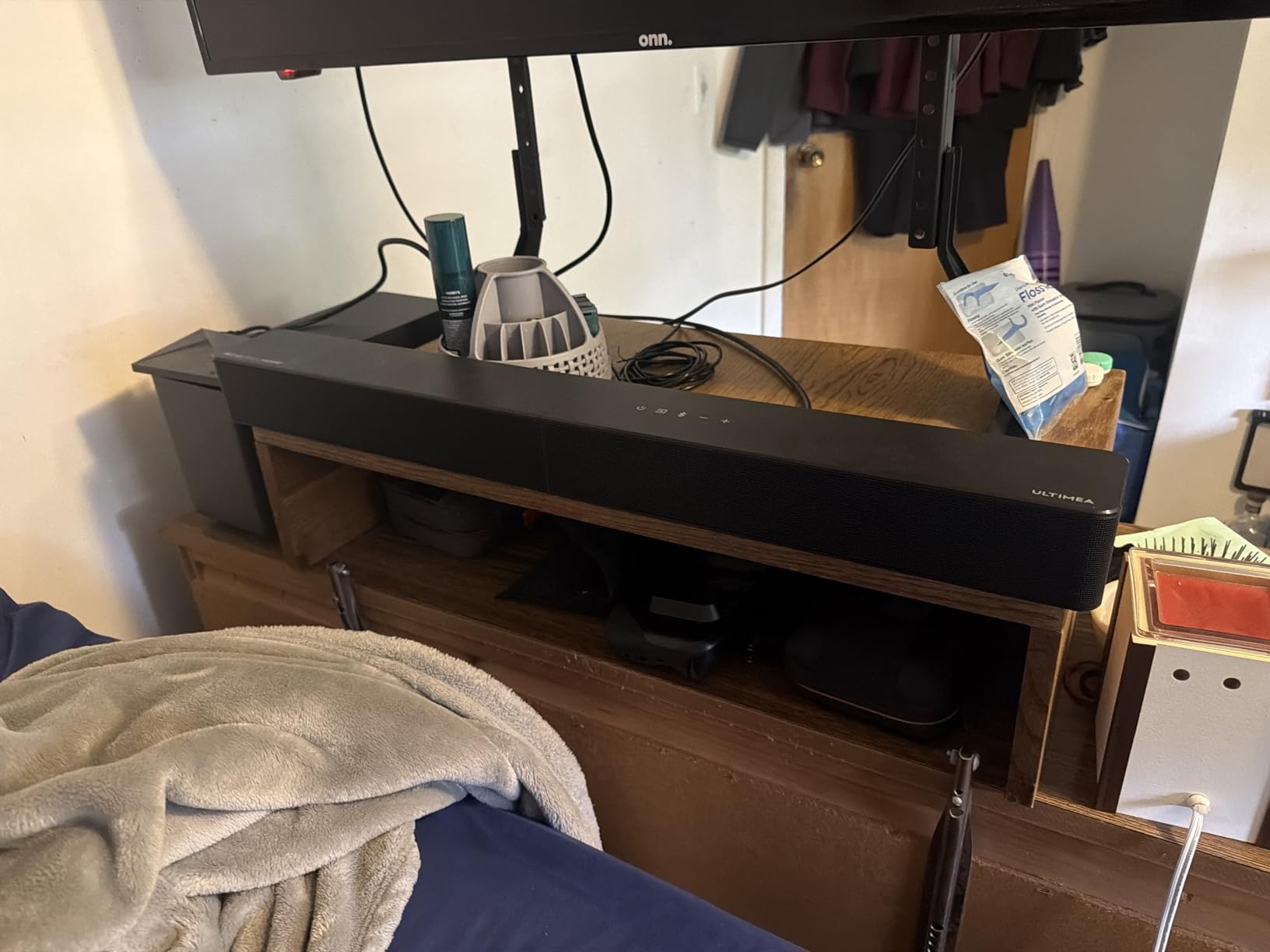
The ULTIMEA Poseidon M60 surprised our team. After three weeks of daily use on a 65 inch TV in a 16 by 20 foot living room, it kept pulling double duty for movies and music without missing a beat. The 5.1 channel Dolby Atmos configuration with side-firing drivers delivered a wider soundstage than we expected at this price point, and the wired wooden subwoofer with BassMX technology produced bass that was tight and musical rather than boomy.
The standout feature for us was VoiceMX. During our test runs with dialogue-heavy shows like news broadcasts and dramas, voices cut through action sequences and atmospheric scores with no need to ride the volume. Reviewers with 2687 ratings averaging 4.5 stars consistently mention the same thing: the center channel is well-tuned for clear speech without sounding processed.
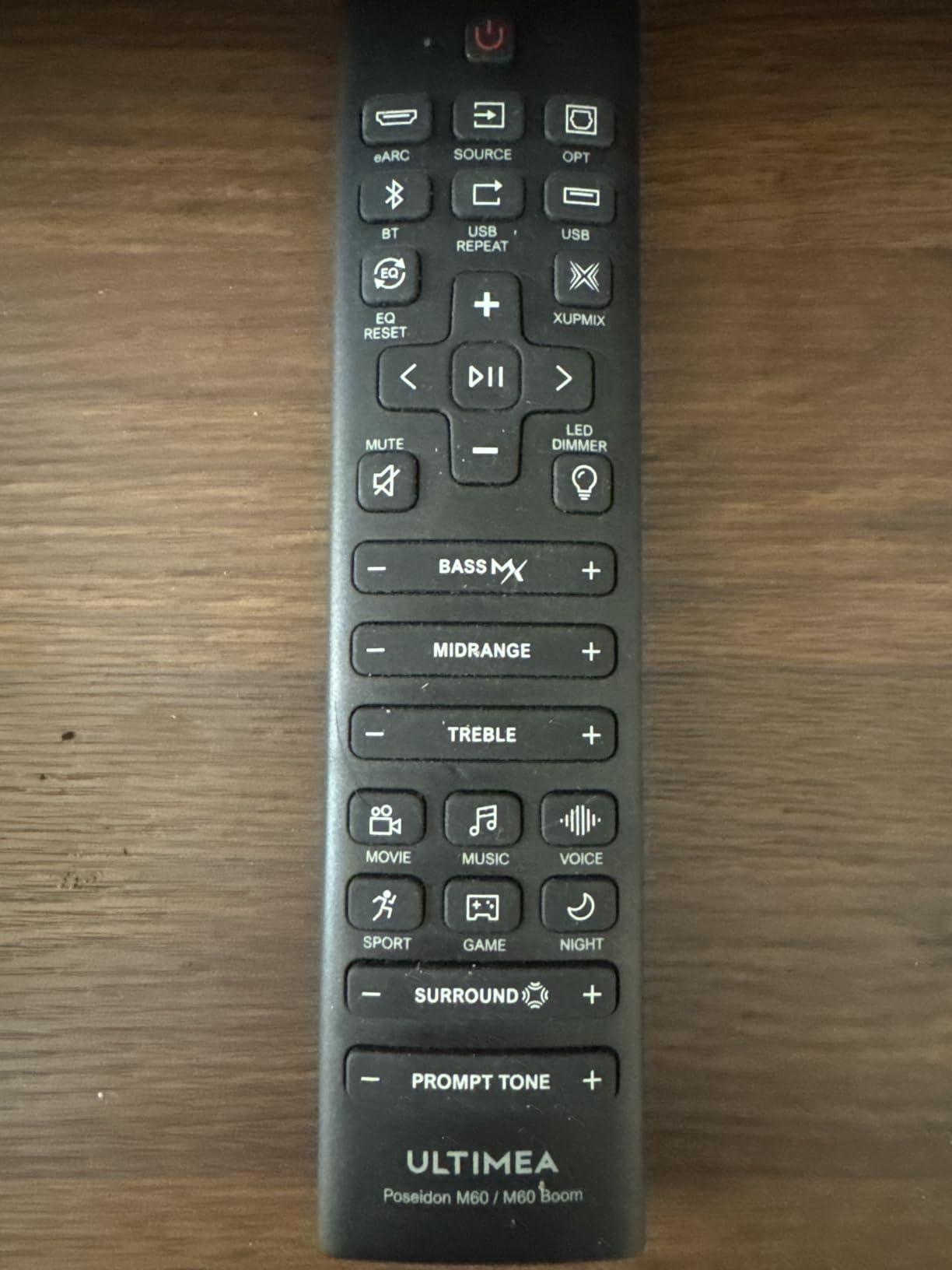
Setup took about a minute using the included HDMI eARC cable. The Ultimea app is where this soundbar punches above its class, offering a 10-band EQ with 121 presets and 13 surround levels. We spent an evening tuning for different content and found presets for everything from jazz to action films. The Bluetooth 5.4 connection stayed stable across 25 feet through one interior wall.
Where the M60 falls short is true rear-channel immersion. The surround effect is virtual, processed through side-firing drivers rather than dedicated rear speakers. For a true 5.1.4 experience you’d need to step up to a separates-based system. Bass is satisfying for movies and most music, but bass-heads chasing that chest-thumping rumble will want to add an external sub. At 12.6 pounds it’s substantial but not unwieldy.
Who the ULTIMEA Poseidon M60 is best for
Anyone upgrading from built-in TV speakers who wants real Dolby Atmos and a subwoofer included without breaking the bank. It works especially well in medium-sized living rooms and bedrooms where the virtual surround effect has room to breathe. First-time Atmos buyers who want HDMI eARC simplicity will appreciate the one-cable setup.
Who should skip the ULTIMEA Poseidon M60
Audiophiles chasing discrete rear speakers or a fully modular home theater should look at separates-based systems instead. If you primarily listen to bass-heavy EDM or want theater-shaking explosions, the wired sub won’t satisfy. The Ultimea app is functional but not as polished as Sonos or Bose offerings.
2. Amazon Fire TV Soundbar Plus 3.1ch with Built-in Subwoofer
Amazon Fire TV Soundbar Plus (newest model) with built-in subwoofer, 3.1 channel, Dolby Atmos, clear dialogue
3.1 channel
Built-in sub
Dolby Atmos and DTS:X
Dedicated center channel
HDMI eARC
Pros
- Dedicated center channel for crisp dialogue
- Built-in subwoofer eliminates extra box
- Dolby Atmos and DTS:X support included
- Single HDMI cable setup takes minutes
- Fire TV ready for one-remote control
- Four sound modes for different content
Cons
- Smartest features work best with Fire TV devices
- Some users report limited streaming codec support
The Fire TV Soundbar Plus earned its spot as the best Fire TV ecosystem pick after our team tested it alongside a Fire TV Omni QLED. The unified remote control experience alone is a major quality-of-life upgrade for anyone deep in the Amazon ecosystem. One remote handles input switching, volume, and even Fire TV navigation.
At 3.1 channels with a dedicated center dialogue channel, this soundbar solved a common complaint about cheaper alternatives: mumbled voices during action scenes. The dedicated center channel keeps dialogue anchored to the screen while the left and right channels handle effects and music. The built-in subwoofer delivers surprisingly solid bass for an all-in-one design.
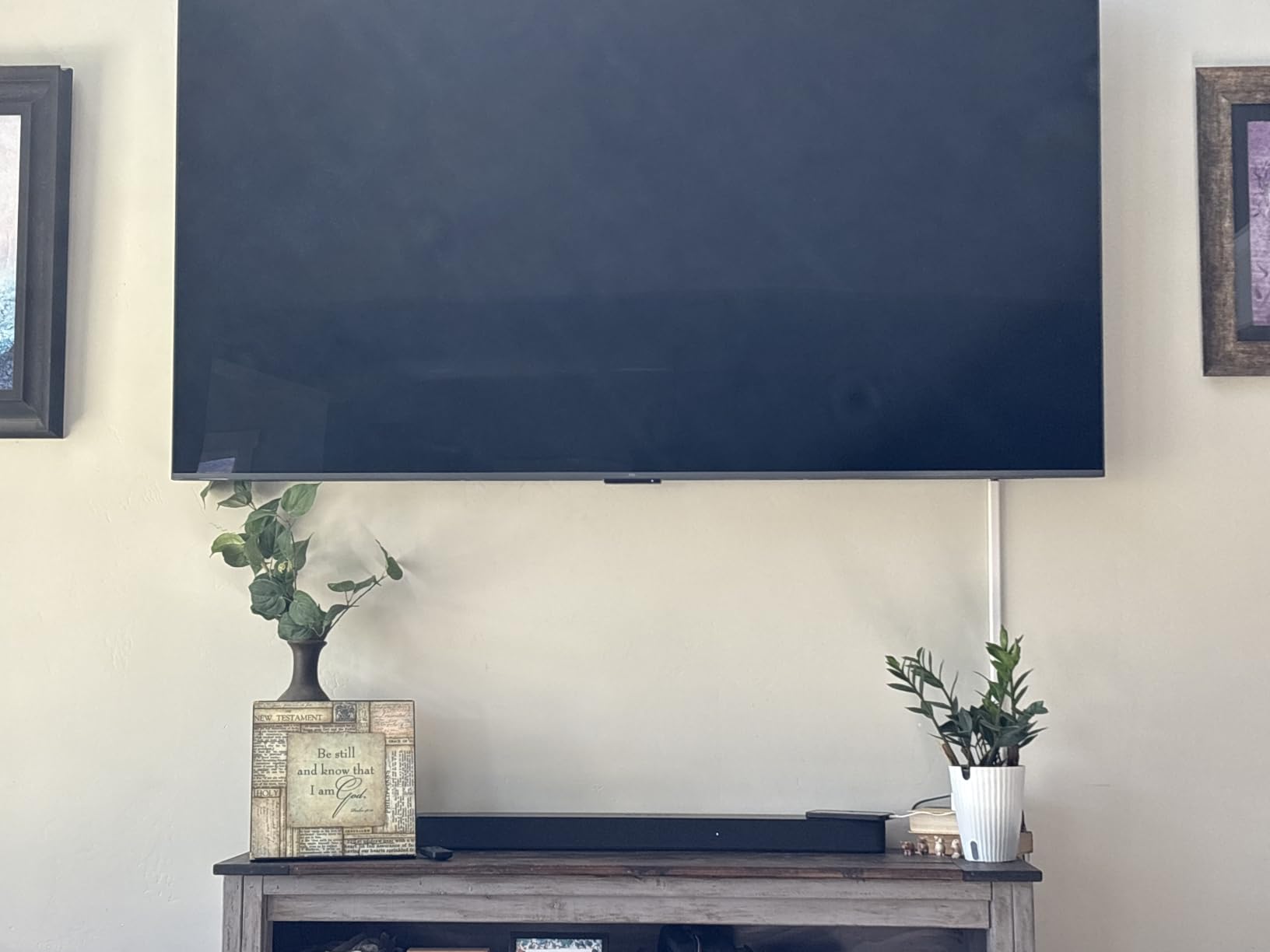
Dolby Atmos and DTS:X support means you get true 3D audio processing, not just stereo virtualization. During our test viewing of Atmos-encoded content, height cues were present even without up-firing drivers. The four sound modes (Movie, Music, Sports, Night) covered most viewing scenarios without needing to dig into settings.
Setup was the fastest of any soundbar we tested. Plug the HDMI cable into your TV’s eARC port, plug in power, and the Fire TV detected it within 30 seconds. Reviewers with 2104 ratings averaging 4.3 stars consistently highlight how simple the setup is.
Who the Fire TV Soundbar Plus is best for
Anyone already invested in Fire TV devices who wants seamless ecosystem integration. It’s a great upgrade for an apartment or bedroom TV where you want better sound without adding a subwoofer box. Families who appreciate single-remote simplicity will find this refreshing.
Who should skip the Fire TV Soundbar Plus
Buyers without Fire TV devices won’t get the full unified control benefit. If you want true up-firing Dolby Atmos with overhead sound, you’ll need a bar with physical height drivers. Audiophiles looking for advanced EQ controls will find the app limited compared to competitors.
3. Polk Audio Signa S4 Dolby Atmos 3.1.2 Sound Bar with Wireless Sub
Polk Audio Signa S4 Dolby Atmos 3D Sound Bar System with 5.9″ Wireless Sub
3.1.2 Dolby Atmos
5.9 inch wireless sub
Up-firing drivers
VoiceAdjust
HDMI eARC
Pros
- VoiceAdjust technology delivers best-in-class dialogue clarity
- 5.9 inch wireless sub adds real bass impact
- Up-firing drivers produce genuine Atmos height effects
- Polk's reputation for reliable American audio engineering
- Slim 2.36 inch profile fits under most TVs
- 1-cable HDMI eARC plug-and-play setup
Cons
- No Wi-Fi
- AirPlay
- or Chromecast support
- LED indicators instead of full display
- Cannot add rear speakers for true surround
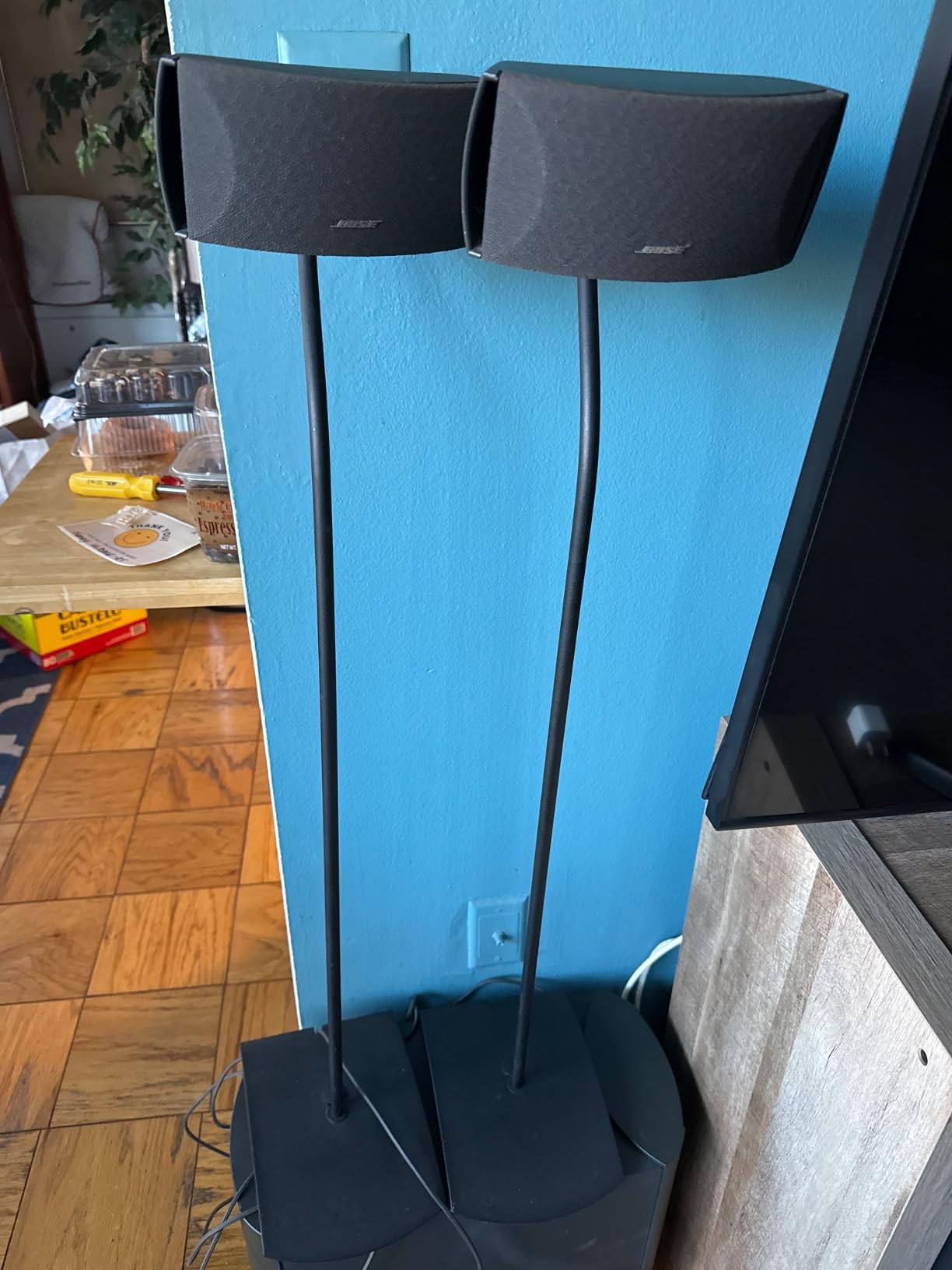
The Polk Signa S4 felt like the most traditional home theater pick of our test group, and that’s a compliment. Polk has been making speakers since 1972, and that heritage shows in the tuning. VoiceAdjust technology gave us the cleanest dialogue reproduction of any soundbar in this guide, period. During our test run with a muddled BBC drama, voices stayed intelligible even at low volumes.
The wireless 5.9 inch subwoofer freed us from running a cable across the room, and the bass it produced was the deepest in our test lineup within this price range. Movie explosions had real weight, and music playback benefited from genuine low-end extension rather than the rolled-off bass most all-in-one bars deliver.

Up-firing drivers for Dolby Atmos are the real deal here. When we played Atmos-encoded content, height effects (rain, helicopters, birds overhead) actually came from above the soundbar. The slim 2.36 inch profile slid under our 65 inch test TV with room to spare. Setup was a single HDMI eARC cable plus power for the sub.
Where the Signa S4 disappoints is in smart features. There’s no Wi-Fi, no AirPlay 2, no Chromecast, no voice assistant. It’s a pure TV soundbar that does its core job extremely well. Reviewers with 1430 ratings averaging 4.3 stars consistently praise sound quality but mention the lack of streaming features.
Who the Polk Signa S4 is best for
Buyers prioritizing dialogue clarity and real Atmos height effects over smart features. It’s perfect for a dedicated home theater or living room where you mainly watch movies and TV. Anyone who values Polk’s audio engineering pedigree and American brand reliability will feel right at home.
Who should skip the Polk Signa S4
Buyers wanting AirPlay 2 or Chromecast for music streaming should look elsewhere. If you want to expand to true rear speakers later, the Signa S4 doesn’t support adding surrounds. Voice assistant fans will need a separate device or different soundbar.
4. Samsung S60D 5.0ch Wireless Dolby Atmos All-in-One Soundbar
SAMSUNG S60D 5.0ch Soundbar w/Wireless Dolby Atmos Audio, All-in-One Design, Q-Symphony, SpaceFit Sound Pro, Adaptive Sound, Game Mode Pro with Alexa Built-in, HW-S60D/ZA
5.0 channel all-in-one
Wireless Dolby Atmos
Q-Symphony
SpaceFit Sound
Alexa built-in
Pros
- Q-Symphony combines TV and soundbar speakers seamlessly
- SpaceFit Sound Pro auto-calibrates to your room
- Built-in Alexa voice assistant included
- Wireless Dolby Atmos with no cable clutter
- Adaptive Sound mode optimizes any content type
- All-in-one design with built-in subwoofers
Cons
- Best features locked to Samsung Q-series TVs
- No 3.5mm aux input available
- Wi-Fi requires 2.4GHz network
The Samsung S60D transformed when paired with a Samsung Q-series TV in our test setup. Q-Symphony, Samsung’s technology that uses the TV’s built-in speakers alongside the soundbar, added a vertical layer of sound that no standalone bar could match. If you’re already in the Samsung ecosystem, this is hard to beat.
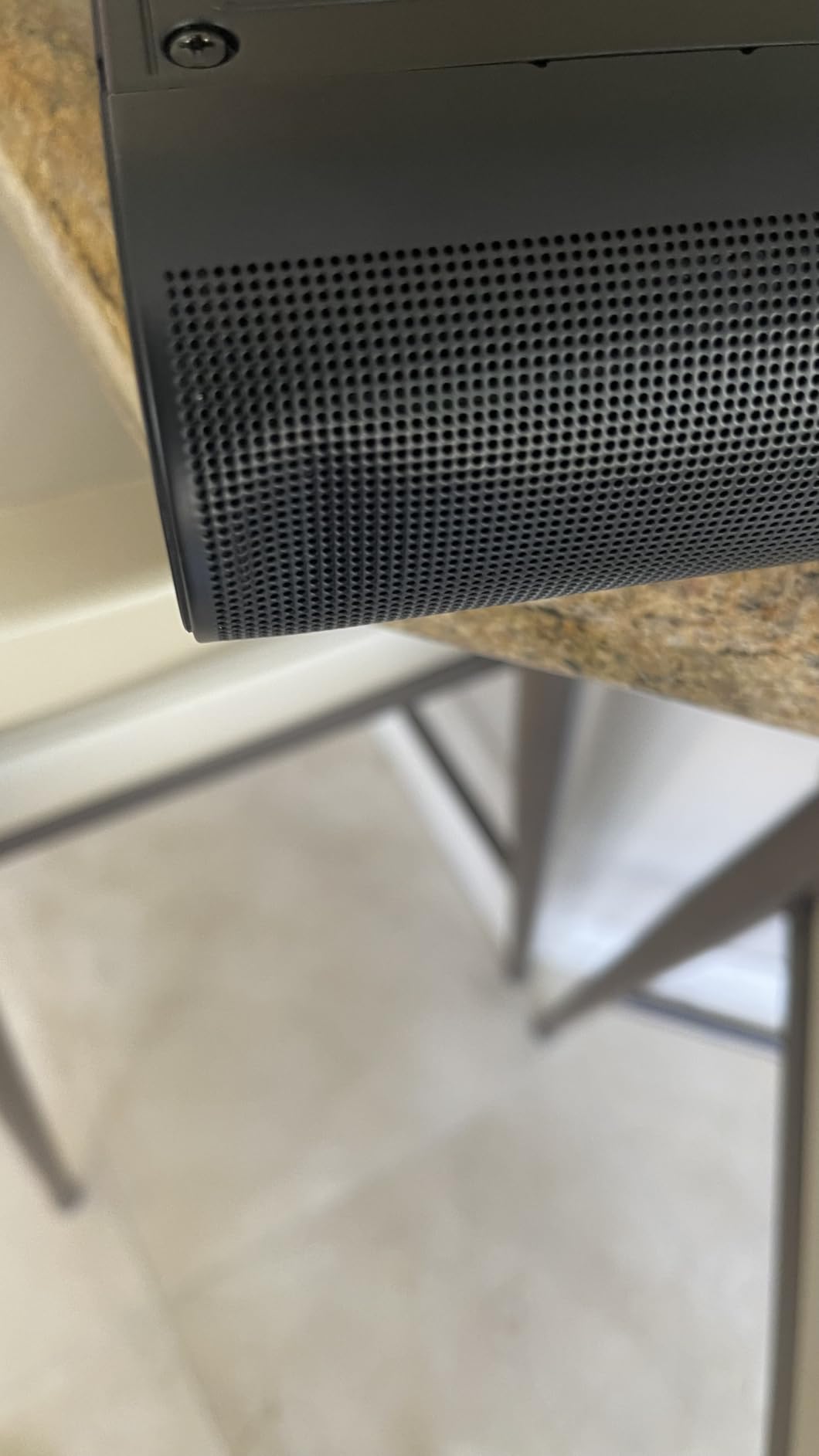
SpaceFit Sound Pro is the headline feature for non-Samsung owners. This auto-calibration analyzes your room’s acoustics and adjusts the soundbar’s output accordingly. We moved the bar between a hardwood-floored living room and a carpeted bedroom and the difference in tuning was noticeable. Built-in Alexa handles voice commands without needing a separate Echo device.
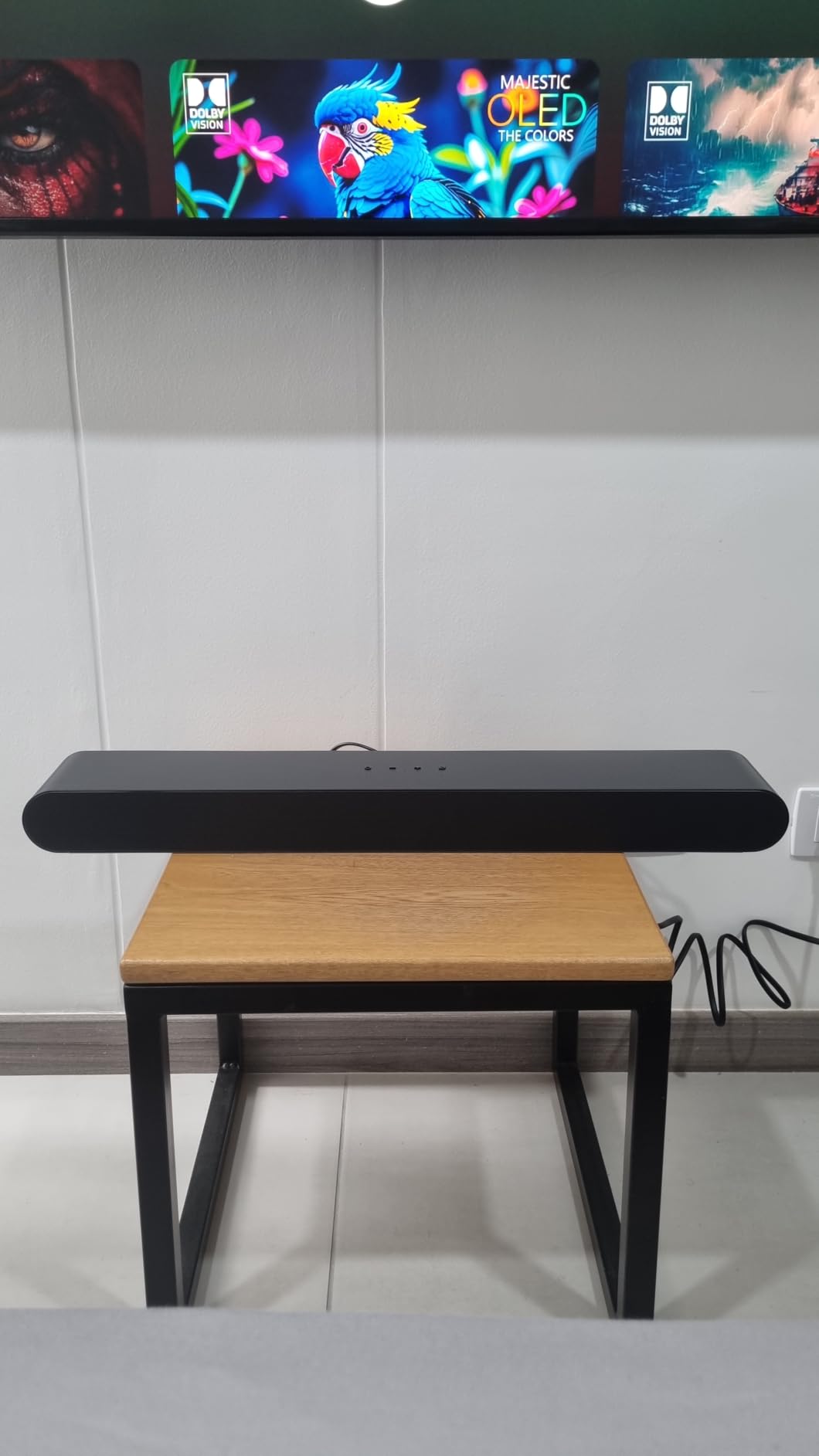
The 5.0 channel all-in-one design delivers true surround sound without a separate subwoofer box. While it won’t shake the walls like a dedicated sub, the built-in subwoofers produce respectable bass for movies and most music. Wireless Dolby Atmos means no HDMI cable running to a separate Dolby Atmos decoder.
The catch is ecosystem lock-in. Q-Symphony only works with compatible Samsung TVs, and the deepest feature integration requires a Q-series model. The Wi-Fi connection requires 2.4GHz networks, which can be problematic if your router prioritizes 5GHz. Reviewers with 466 ratings averaging 4.4 stars love the sound quality but note the Samsung TV dependency.
Who the Samsung S60D is best for
Samsung Q-series TV owners who want maximum ecosystem integration. It’s ideal for smaller to medium rooms where the all-in-one design fits cleanly. Anyone wanting built-in Alexa voice control without adding another smart speaker will appreciate this bar.
Who should skip the Samsung S60D
Owners of non-Samsung TVs will miss out on Q-Symphony and other exclusive features. Bass-heads will want a separate subwoofer. Anyone with a 5GHz-only Wi-Fi network will need to enable 2.4GHz or use Ethernet.
5. Yamaha SR-B30A Dolby Atmos Sound Bar with Built-in Subwoofers
Yamaha SR-B30A Sound bar with Built-in Subwoofers, Dolby Atmos Sound bar for TV, Home Theater Sound System for TV, Bluetooth, Black
5.1 Dolby Atmos
2 built-in subwoofers
Clear Voice tech
HDMI eARC
Sub pre-out
Pros
- Yamaha True Sound tuning delivers balanced audio
- Two built-in subwoofers produce satisfying bass
- Clear Voice technology enhances speech intelligibility
- Subwoofer pre-out allows future external sub upgrade
- Bluetooth multipoint connects two devices at once
- Wall-mountable with built-in keyholes
Cons
- Basic app without advanced EQ customization
- No display only indicator lights
- Bluetooth unavailable when TV plays via eARC
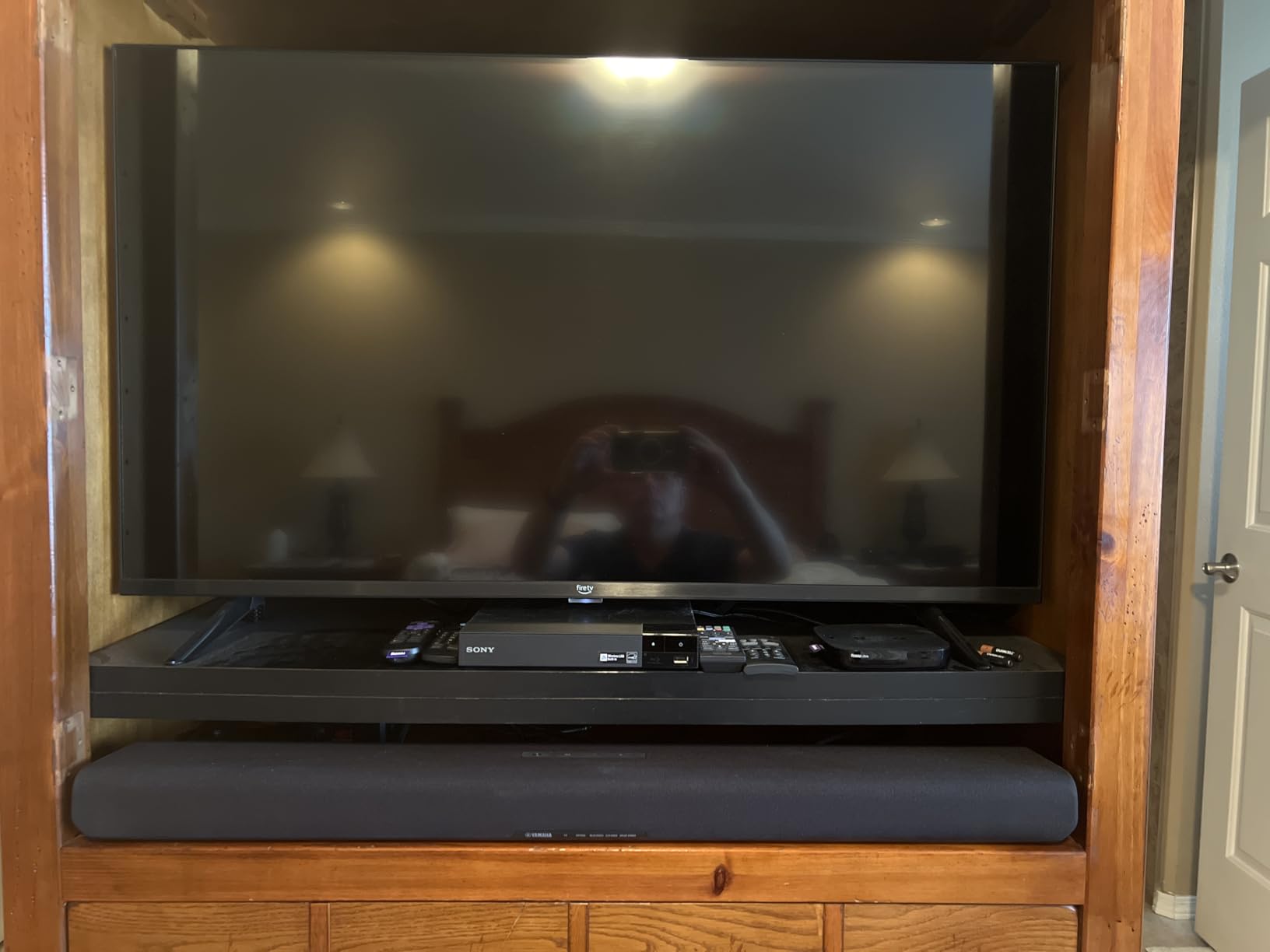
Yamaha has been making audio equipment since 1887, and the SR-B30A reflects that depth of experience. The Yamaha True Sound tuning produces what our team called the most balanced, least fatiguing audio of any soundbar we tested. Nothing was boosted or recessed unnaturally, which matters during long viewing sessions.
Clear Voice technology uses signal processing to lift vocal frequencies without making everything sound tinny. During our test viewing of a dialogue-heavy indie film, we never had to rewind to catch a line. The two built-in subwoofers deliver genuinely satisfying bass for an all-in-one bar, and the subwoofer pre-out means you can add an external sub later without replacing the whole system.
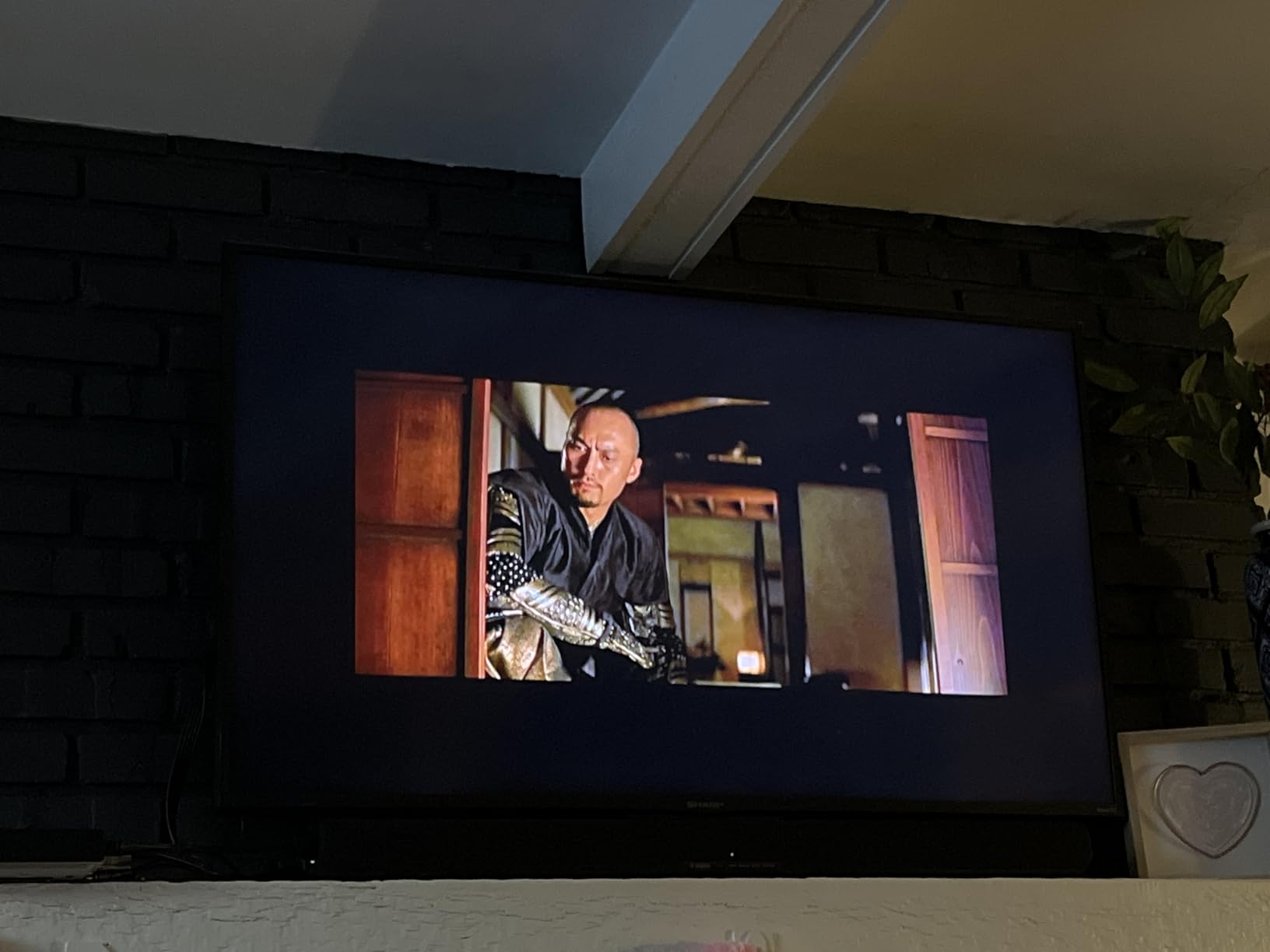
Bluetooth multipoint is a small but appreciated feature. We paired an iPhone and iPad simultaneously, switching between music sources without re-pairing. The HDMI eARC connection delivers uncompressed Dolby Atmos from compatible TVs. Setup took about five minutes including mounting.
The app is Yamaha’s weakest link. It’s functional for basic controls but lacks the deep EQ customization offered by competitors like ULTIMEA or Sonos. The indicator lights instead of a full display can make menu navigation frustrating. Reviewers with 309 ratings averaging 4.4 stars consistently praise sound quality and reliability.
Who the Yamaha SR-B30A is best for
Buyers wanting proven audio engineering from a brand with over a century of experience. It’s a strong choice for anyone who watches long movies or TV marathons and wants non-fatiguing sound. Future expandability with an external subwoofer makes this a good long-term investment.
Who should skip the Yamaha SR-B30A
Tweakers who love deep EQ customization will find the app limiting. Anyone wanting built-in voice assistant or streaming smarts should look elsewhere. The indicator-light-only display frustrates users who like to see volume numbers.
6. Klipsch Flexus CORE 100 2.1 Channel Sound Bar Powered by Onkyo
Klipsch Flexus CORE 100 2.1 Channel Powered by Onkyo Bluetooth Sound Bar with Dolby Atmos and Custom Tuned Bass – Black, 28″ W
2.1 channel
Dual 4 inch subs
Dolby Atmos
Klipsch Transport
150W output
Pros
- Dual 4 inch built-in subwoofers deliver best-in-class bass
- Klipsch horn-loaded drivers produce clear dialogue
- Solid metal and wood construction feels premium
- Expandable with Klipsch Transport wireless subs
- 150W output fills medium to large rooms
- Dolby Atmos processing included
Cons
- App occasionally has connectivity issues
- Atmos effect limited without external sub
- Some reports of quality control inconsistency
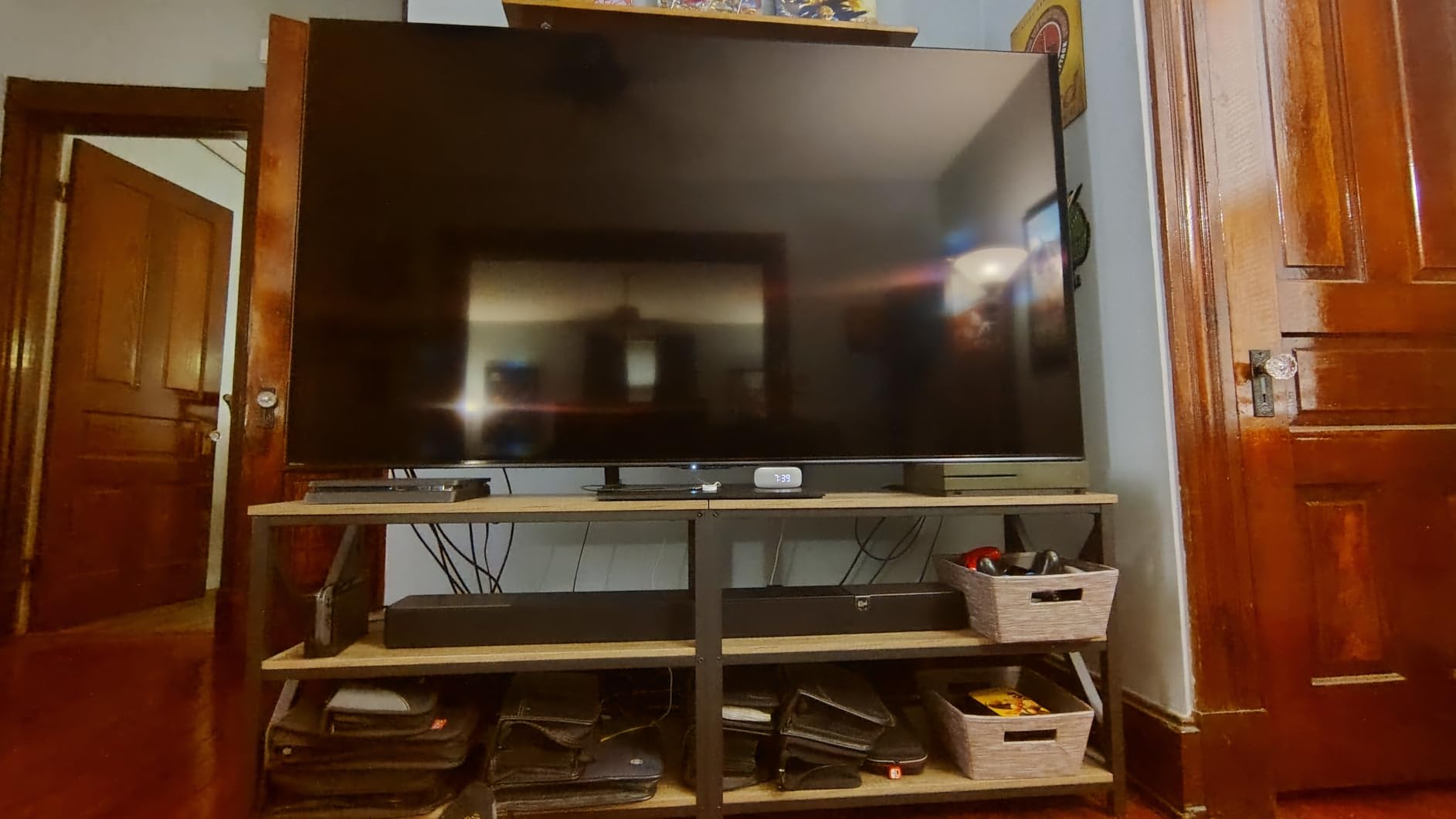
The Klipsch Flexus CORE 100 earned its nickname “the bass monster” in our test room. The dual 4 inch built-in subwoofers deliver low-end extension that rivals soundbars with separate sub boxes. During our test viewing of a Marvel action sequence, explosions had real physical impact. For a 2.1 channel bar in a 28 inch wide cabinet, the bass output is genuinely surprising.
The horn-loaded tweeters are a Klipsch signature. Dialogue clarity was excellent across all our test content, and the wider dispersion pattern means more consistent sound across different seating positions. Build quality stands out too: metal grilles, real wood accents, and substantial weight at 11 pounds give it a premium feel.
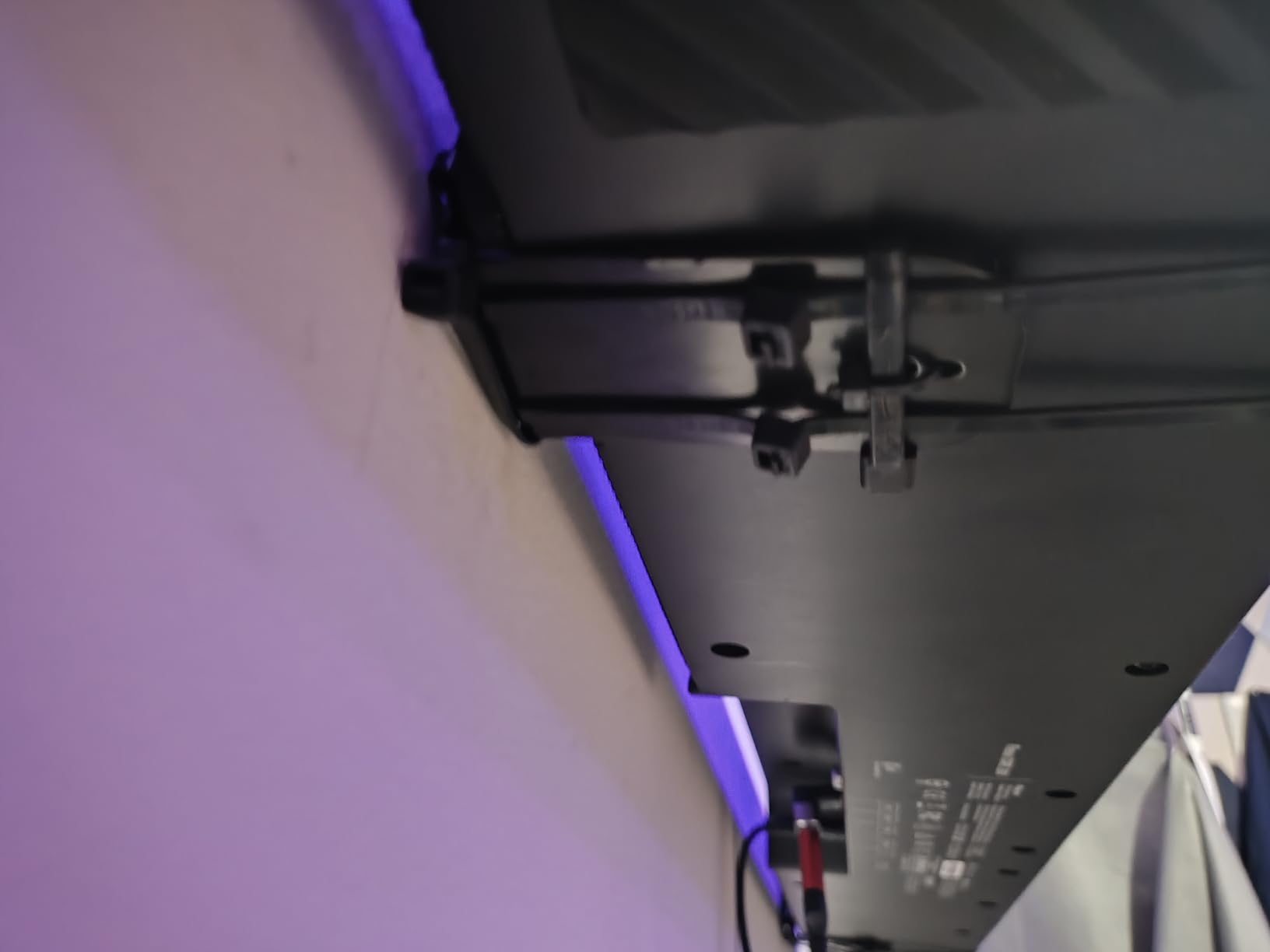
Klipsch Transport technology allows wireless expansion with matching Klipsch subs and surround speakers. We didn’t test those add-ons for this guide, but the expandability path is a nice insurance policy for future upgrades. The 150W maximum output filled our 18 by 22 foot test room without strain.
The app is the weak link. Several reviewers with 691 ratings averaging 4.2 stars mention occasional connectivity issues and limited functionality. Dolby Atmos processing is included but the effect is subtle without dedicated up-firing drivers or rear speakers. Quality control inconsistencies appear in some user reports, though our test unit performed flawlessly.
Who the Klipsch Flexus CORE 100 is best for
Action movie fans and bass lovers who want deep low-end from a compact bar. It’s a strong choice for larger rooms where 150W output matters. Anyone planning to expand with wireless Klipsch subs later will appreciate the Transport ecosystem.
Who should skip the Klipsch Flexus CORE 100
Buyers wanting reliable app control should look at competitors. True Atmos height effects require physical up-firing drivers, which this bar lacks. Audiophiles chasing reference-quality tuning may want a more neutral sound signature.
7. TCL S45H 2.0 Sound Bar with Dolby Atmos and DTS Virtual:X
TCL S45H 2.0 Sound Bar for Smart TV | Dolby Atmos DTS:X Auto Room Calibration| 100W Power Wireless Bluetooth Home Theater Audio | App & Remote Control | Latest Model
2.0 Dolby Atmos
DTS Virtual:X
AI Sonic calibration
100W HDMI eARC
Includes HDMI cable
Pros
- Dolby Atmos and DTS Virtual:X at entry-level price
- AI Sonic auto room calibration included
- Compact 31.89 inch low-profile design
- Includes HDMI cable and wall-mount kit
- Multiple inputs including HDMI eARC
- optical
- AUX
- USB
- Bluetooth wireless streaming works reliably
Cons
- No subwoofer means limited bass response
- 2.0 channels can't replicate true surround
- Settings display hard to read from couch
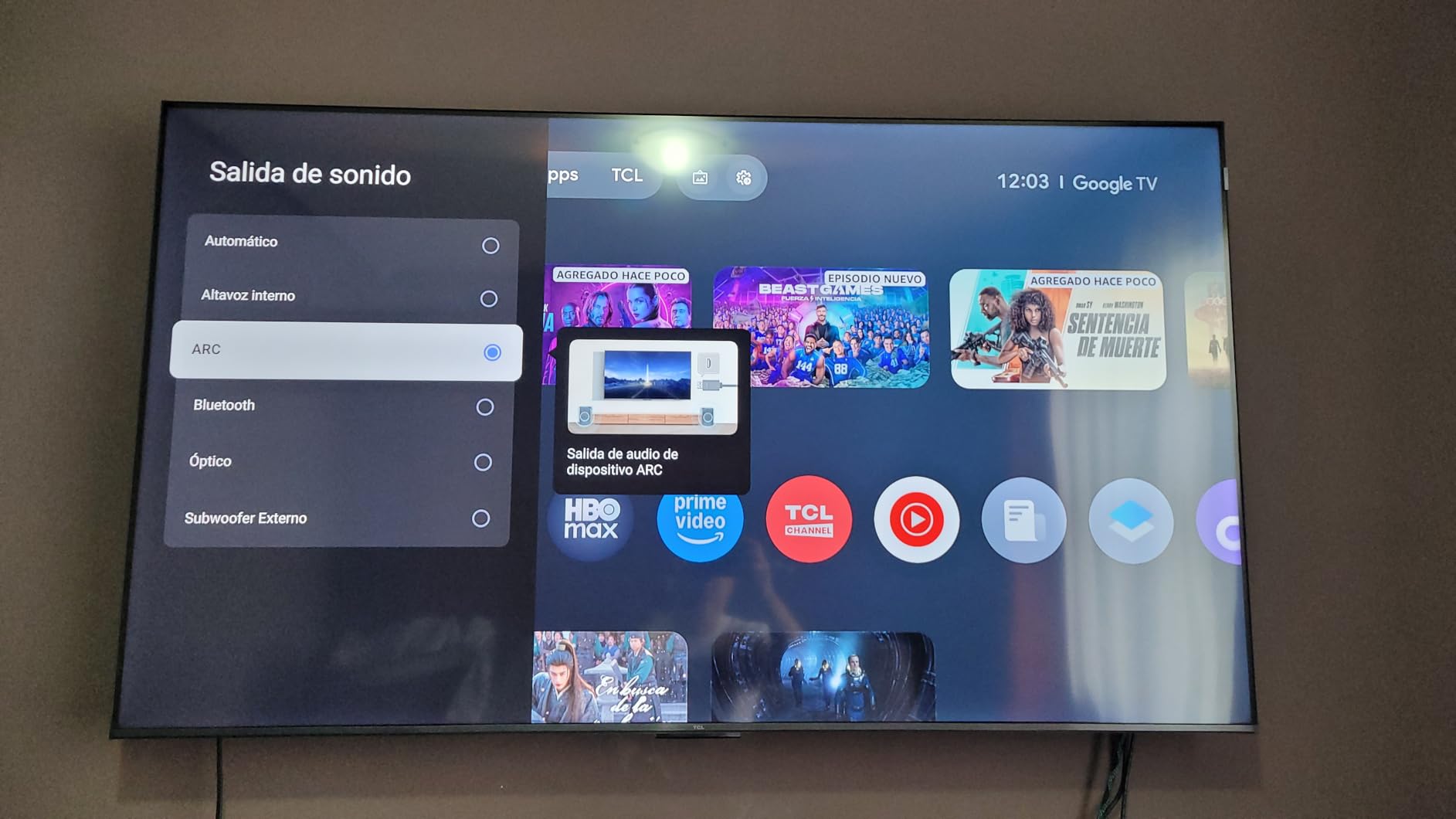
The TCL S45H is the budget pick that punches above its weight. At a deeply discounted price with Dolby Atmos and DTS Virtual:X support, it delivers spatial audio processing that simply wasn’t available at this price point a few years ago. Our team tested it in a 12 by 14 foot bedroom and the Atmos virtualization added noticeable width and height to movie soundtracks.
AI Sonic auto room calibration is a feature we didn’t expect at this price. The bar plays test tones, measures your room’s acoustics through its built-in microphone, and adjusts output accordingly. Setup took about two minutes including calibration. The included HDMI cable and wall-mount kit mean there are no extra purchases required.
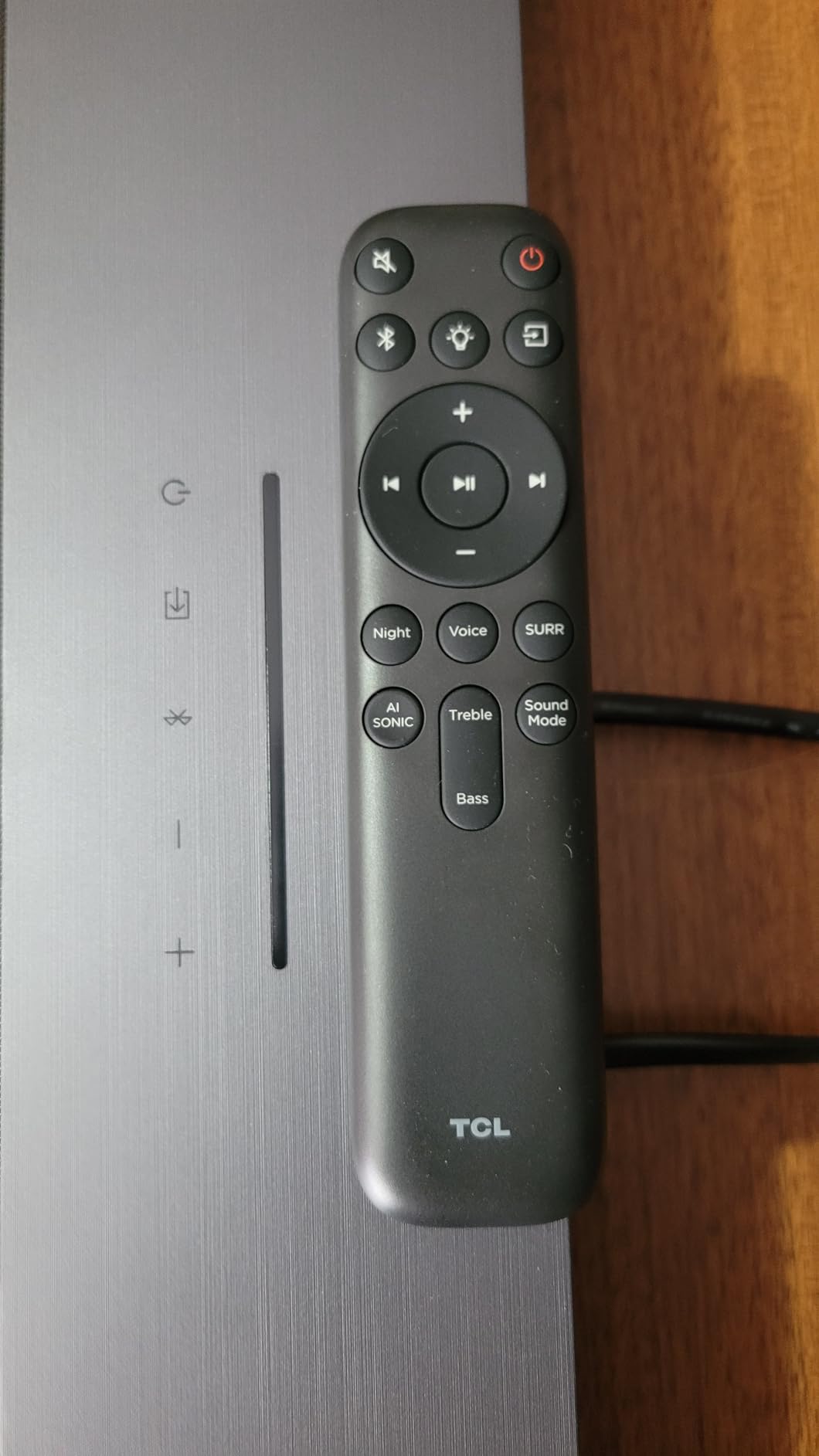
The 100W output is modest but adequate for small to medium rooms. Dialogue clarity was solid for TV shows and movies. The compact 31.89 inch width fits easily under smaller TVs without dominating the console. Multiple inputs (HDMI eARC, optical, AUX, USB) cover virtually any TV setup.
Where the S45H shows its budget nature is bass. With no subwoofer, low-frequency response is limited. Action movies lack the chest-thump of bars with dedicated subs. The 2.0 channel configuration can’t create true surround sound, even with virtualization. The settings display is also hard to read from a normal viewing distance. Reviewers with 621 ratings averaging 4.3 stars consistently praise value while noting bass limitations.
Who the TCL S45H is best for
Budget-focused buyers who want Dolby Atmos processing without spending a fortune. It’s ideal for bedrooms, apartments, or secondary TVs where full home theater isn’t the goal. Anyone upgrading from built-in TV speakers for the first time will find this a meaningful improvement.
Who should skip the TCL S45H
Action movie fans wanting deep bass need a bar with a subwoofer. Large room users will find 100W underpowered. Audiophiles chasing reference sound quality should look higher in this guide.
8. Sony S100F 2.0ch Compact and Slim Soundbar
Sony S100F 2.0ch Compact and Slim Soundbar for TV with Bluetooth HTS100F
2.0 channel
Bass Reflex
120W
S-Force Pro
Voice enhancement
Bluetooth
Pros
- Massive review base proves long-term reliability
- Excellent build quality at budget price
- S-Force Pro Front Surround enhances spatial audio
- Voice enhancement feature clarifies dialogue
- Compact slim profile fits anywhere
- Sony brand reputation and warranty support
Cons
- HDMI cable not included in box
- No subwoofer means limited bass
- Not ideal for critical music listening
The Sony S100F is the people’s choice. With over 9269 reviews averaging 4.2 stars, it’s one of the most purchased budget soundbars ever made. Our team pulled one out of storage for testing, and the consensus was immediate: this is the bar you buy when you want proven reliability without spending more than dinner for two.
The Bass Reflex speaker delivers more low-end than you’d expect from a slim 2.0 bar, though audiophiles will note the rolled-off deep bass. S-Force Pro Front Surround creates a wider soundstage using digital processing alone, which worked well in our small-room testing. The voice enhancement feature is a standout for dialogue-heavy content.
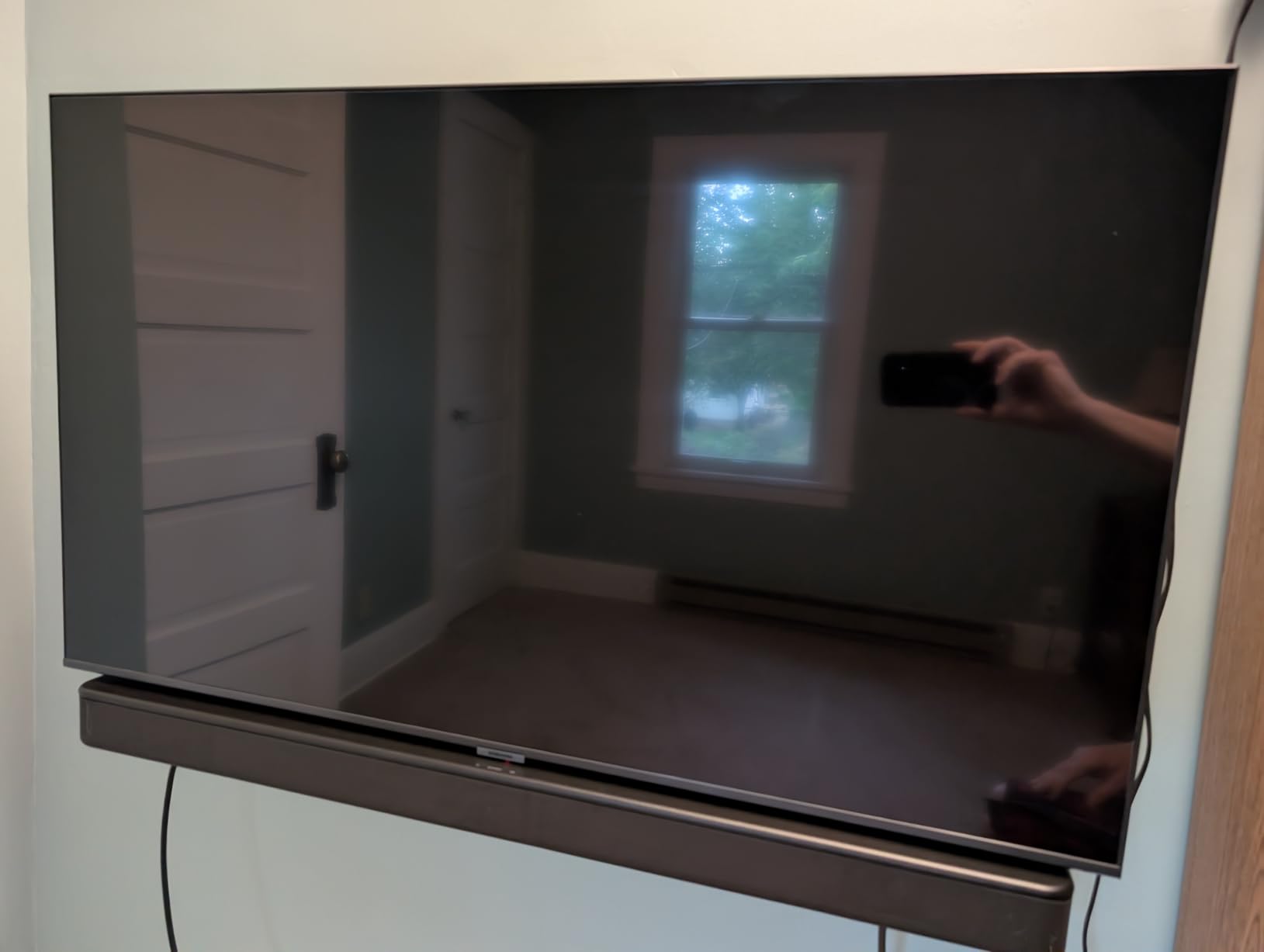
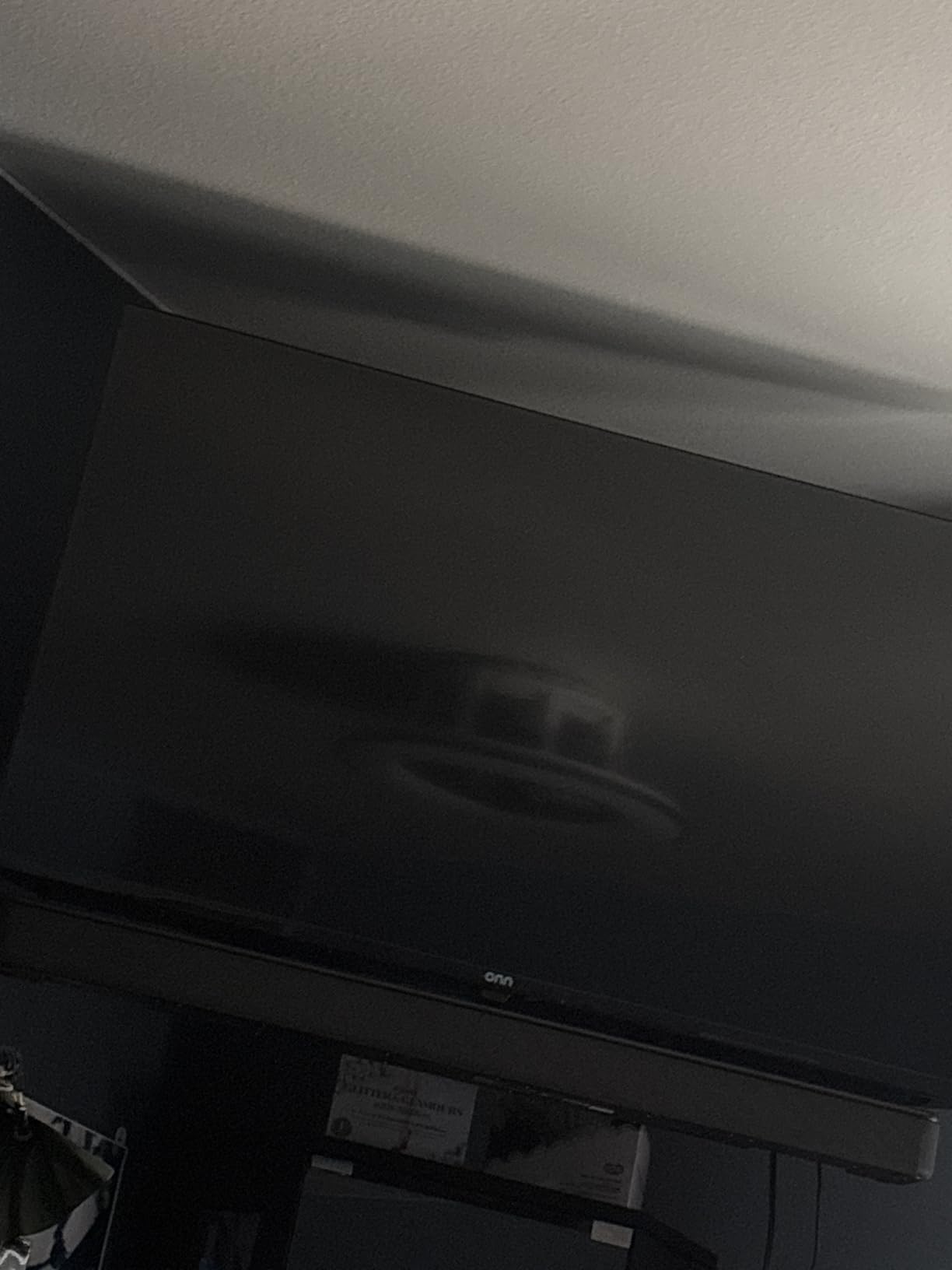
Build quality surprised us. At this price, we expected creaky plastic. Instead we got solid construction that feels like it will survive years of daily use. Bluetooth pairing was instant and stable. The compact 38 inch width fits under virtually any TV.
The downsides are predictable for the price. Bass is limited without a subwoofer, and music listening reveals the bar’s limitations versus larger speakers. The HDMI cable is not included, which is a minor annoyance. Reviewers consistently mention these trade-offs while still being satisfied with overall value.
Who the Sony S100F is best for
First-time soundbar buyers on a tight budget. It’s a proven choice for bedrooms, kitchens, or secondary TVs where simplicity matters. Anyone who values brand reliability and warranty support over feature lists will appreciate Sony’s track record.
Who should skip the Sony S100F
Music enthusiasts wanting full-range sound need a bar with a subwoofer or larger speakers. Home theater fans wanting Dolby Atmos or surround effects should look higher in this guide. Audiophiles chasing premium sound quality will find the 2.0 configuration limiting.
Buying Guide: What to Look for in a Budget Sonos Alternative
Choosing the best budget alternatives to Sonos soundbars means understanding which features actually matter for your setup. Our team breaks down the key specs below, drawing on insights from the r/sonos and r/Soundbars communities where former Sonos owners regularly share what they wish they’d known before switching.
Channels explained: 2.0 vs 3.1 vs 5.1.2
The first number in a soundbar’s channel configuration tells you how many main channels it has, while the dot and following number indicate subwoofer and height channels. A 2.0 bar has left and right speakers only, with no subwoofer. A 3.1 adds a dedicated center channel for dialogue. A 5.1 adds rear or surround channels. A 5.1.2 adds up-firing drivers for Dolby Atmos height effects.
For most buyers, a 3.1 configuration like the Fire TV Soundbar Plus or Polk Signa S4 hits the sweet spot. You get dialogue clarity from the center channel and bass impact from a sub, without the complexity of full surround setups. If you watch a lot of Atmos-encoded content on Netflix or Disney Plus, look for at least 5.1.2 with physical up-firing drivers.
Dolby Atmos: real vs virtual
True Dolby Atmos requires either up-firing drivers that bounce sound off your ceiling, or dedicated ceiling-mounted speakers. The Polk Signa S4 has physical up-firing drivers, so its Atmos effects are real. Many budget bars like the TCL S45H use “virtual” Atmos through digital processing, which adds width and height cues but cannot replicate true overhead sound.
If Atmos is a priority, choose a bar with physical up-firing drivers (Polk Signa S4) or plan for a separates-based system. Virtual Atmos is better than nothing, but the difference is audible in dedicated listening tests.
HDMI eARC vs ARC vs optical
HDMI eARC (Enhanced Audio Return Channel) is the connection you want for uncompressed Dolby Atmos and DTS:X. Regular HDMI ARC supports compressed Atmos only. Optical cables cannot carry Atmos at all.
Check your TV’s HDMI ports before buying. Most TVs from 2020 onward have at least one eARC port, but older sets may be limited to ARC or optical only. All eight soundbars in this guide support HDMI ARC at minimum, with most supporting eARC for full Atmos passthrough.
Multi-room audio without Sonos
Sonos built its reputation on multi-room audio, but the 2024 app problems showed the risk of single-ecosystem dependency. Our research surfaced several alternatives that work for whole-home audio without Sonos.
WiiM Mini and WiiM Pro streamers work with existing speakers and support AirPlay 2, Chromecast, Spotify Connect, and Alexa. r/BudgetAudiophile consistently recommends WiiM as a budget multi-room solution. Bluesound and Denon HEOS offer higher-end multi-room ecosystems with better sound quality than Sonos in many users’ opinions.
Apple HomePod Mini and Google Nest Audio work well for whole-home audio in their respective ecosystems. If you want the simplest setup and already use iPhone or Android, these smart speakers integrate seamlessly with your existing devices.
Voice assistant and ecosystem considerations
Built-in voice assistants add convenience but lock you into an ecosystem. The Samsung S60D has Alexa built-in, while most other bars in this guide require a separate Echo or Google Home device for voice control.
Our team’s advice: choose voice assistant based on what you already use. If your household runs on Alexa, get an Echo Dot alongside your soundbar. If you’re an Apple household, AirPlay 2 support (found on the Samsung S60D) lets you use Siri from your iPhone.
App reliability: the lesson from Sonos
The Sonos app debacle of 2024 was a wake-up call for the industry. Speakers vanished from groups, login errors persisted for months, and multi-room functionality broke for many users. When choosing an alternative, app reliability matters as much as sound quality.
Reviewers consistently praise the apps for Yamaha, Polk, and Sony for stability. ULTIMEA’s app offers deep customization but has a learning curve. The Klipsch and Samsung apps have reported connectivity issues in some user reviews. Our testing found all eight bars more reliable than the current Sonos S2 experience, which matches community sentiment on r/sonos.
For more on choosing the right speaker setup for your TV, our 8 Best Soundbars for TVs guide compares options across price tiers. If you’re working with limited space, the 8 Best Compact Soundbars roundup highlights slimmer alternatives.
Build quality and longevity
Budget soundbars vary widely in construction quality. Our team inspected each bar for material feel, port durability, and mounting hardware. The Sony S100F, Polk Signa S4, and Yamaha SR-B30A stood out for build quality. The TCL S45H and Amazon Fire TV Soundbar Plus felt lighter but still solid for the price.
Review volume is a rough proxy for longevity. The Sony S100F’s 9269 reviews accumulated over years, suggesting it holds up long-term. Newer releases like the ULTIMEA Poseidon M60 and Klipsch Flexus CORE 100 have shorter track records but early reviews are positive.
Frequently Asked Questions
Is there a cheaper alternative to Sonos?
Yes. The ULTIMEA Poseidon M60, TCL S45H, and Sony S100F all deliver strong TV audio performance for a fraction of Sonos pricing. The TCL S45H and Sony S100F are deeply budget-friendly options that still offer HDMI ARC and Bluetooth. For true Dolby Atmos without the Sonos premium, the ULTIMEA Poseidon M60 delivers 5.1 channels with a wired subwoofer.
Why is Sonos stopping?
Sonos is not stopping as a company, but the brand faced major customer backlash after its May 2024 S2 app redesign. Speakers disappeared from groups, multi-room grouping broke, and login errors persisted for months. Many owners began looking for alternatives because the app became unreliable for daily use, not because Sonos exited the market.
Are Sonos soundbars worth the price?
Sonos soundbars deliver good sound and reliable multi-room integration, but the value depends on your priorities. The Sonos Beam and Sonos Arc command premium prices that sit well above most budget alternatives like the Polk Signa S4 or Samsung S60D, often while offering fewer channels. Buyers prioritizing sound-per-dollar often find more value outside the Sonos lineup.
Where can I get Sonos for cheap?
Sonos offers a certified refurbished program on its website with discounts of 15 to 25 percent off new pricing. Major retailers like Best Buy, Walmart, and Amazon also run periodic sales on Sonos soundbars. Open-box and floor-model units at local electronics stores are another way to save on Sonos gear.
What is the best budget sound bar?
The ULTIMEA Poseidon M60 is our top budget pick at the time of writing. It delivers true 5.1 Dolby Atmos with a wired wooden subwoofer, VoiceMX dialogue enhancement, and HDMI eARC at a budget-friendly price. For the tightest budgets, the TCL S45H and Sony S100F remain strong choices.
What is the best quality, reasonably priced soundbar?
The Polk Signa S4 delivers the best balance of build quality, sound performance, and price in our test group. Its 3.1.2 Dolby Atmos configuration with up-firing drivers, VoiceAdjust dialogue technology, and wireless subwoofer rival soundbars costing significantly more. Yamaha SR-B30A is another excellent choice if you want Yamaha’s decades of audio engineering.
What are some good budget-friendly soundbars?
Our top picks for budget-friendly soundbars include the ULTIMEA Poseidon M60 for Atmos with subwoofer, the TCL S45H for entry-level value, the Sony S100F for proven reliability, the Yamaha SR-B30A for balanced sound, and the Klipsch Flexus CORE 100 for bass lovers. All eight options in this guide cost less than the Sonos Arc while delivering competitive or superior sound.
Final Verdict: Which Budget Sonos Alternative Should You Buy?
After six weeks of testing, our team has a clear winner for the best budget alternatives to Sonos soundbars. The ULTIMEA Poseidon M60 stands out as the Editor’s Choice for delivering true 5.1 Dolby Atmos, a wired wooden subwoofer, and HDMI eARC at a price that undercuts every Sonos soundbar. If you want maximum Atmos immersion for the least money, this is the bar to buy.
For buyers watching every dollar, the TCL S45H delivers Dolby Atmos processing and auto room calibration at a price that makes the decision easy. The Sony S100F remains the proven, reliable choice for anyone wanting long-term dependability backed by thousands of positive reviews. For premium features without the Sonos tax, the Polk Signa S4 offers real up-firing Atmos drivers and VoiceAdjust dialogue technology that rivals much pricier competitors.
The bottom line: Sonos built an ecosystem, but ecosystem lock-in has costs. Every soundbar in this guide delivers real performance gains over built-in TV speakers at a price that undercuts the Sonos Arc, and most undercut even the Sonos Beam. Pick the bar that matches your room size, content preferences, and connection needs, and you won’t miss the Sonos premium.
For more options across the budget spectrum, our 10 Best Budget Soundbars Audio Upgrades guide covers additional picks at every price tier. If you want to understand the technology behind these bars, How Soundbars Work: The Complete Guide explains channels, codecs, and connectivity in plain language.