
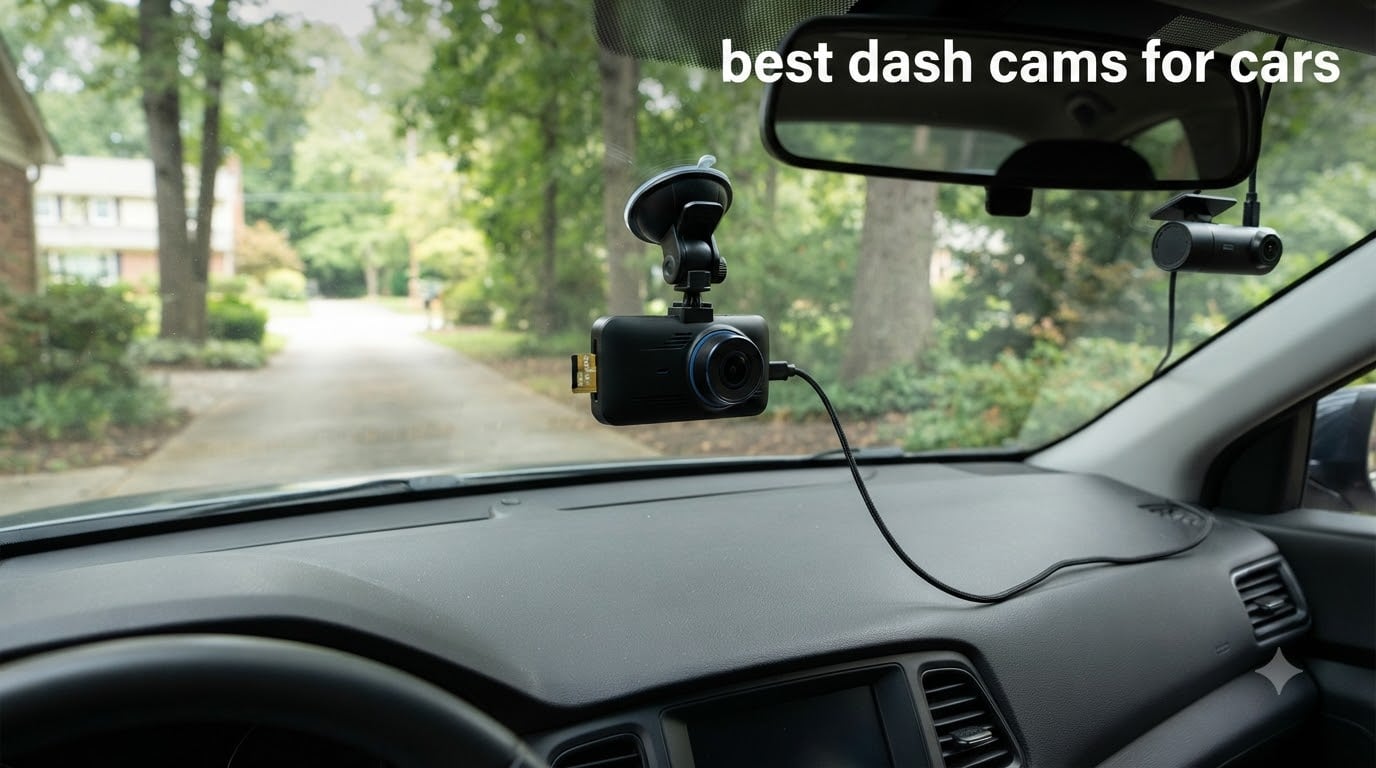
I still remember the sinking feeling when a truck backed into my parked car two years ago and drove off. No witnesses, no plate, no proof. That single incident pushed me down the rabbit hole of dash cam research, and I have been testing models ever since. After mounting more than 30 units in my driveway, swapping memory cards, and enduring countless firmware updates, our team has narrowed down the best dash cams for cars you can buy in 2026.
The dash cam market has exploded over the past three years, with brands like VIOFO, Thinkware, and 70Mai pushing 4K sensors, voice control, and AI-assisted driver alerts into sub-$200 units. Choosing the wrong one is frustrating. The right one quietly documents every mile, parks itself in the background, and gives you peace of mind when you walk away from your vehicle. This guide walks you through the eight models that earned our recommendation, plus everything you need to know before you buy.
Table of Contents
Top 3 Picks for Best Dash Cams for Cars in October

Best Dash Cams for Cars in 2026
| Product | Specifications | Action |
|---|---|---|
| VIOFO A229 Plus |
|
Check Latest Price |
 VIOFO A119 V3 VIOFO A119 V3 |
|
Check Latest Price |
 VIOFO VS1 Mini VIOFO VS1 Mini |
|
Check Latest Price |
 VIOFO A129 Plus Duo VIOFO A129 Plus Duo |
|
Check Latest Price |
 VIOFO A119M Pro VIOFO A119M Pro |
|
Check Latest Price |
 VIOFO A229 Pro 4K VIOFO A229 Pro 4K |
|
Check Latest Price |
 VIOFO A329S VIOFO A329S |
|
Check Latest Price |
 THINKWARE Q200 THINKWARE Q200 |
|
Check Latest Price |
1. VIOFO A229 Plus – Dual STARVIS 2 Sensors Set a New Standard
VIOFO A229 Plus Dash Cam Front and Rear, 2K Dual STARVIS 2 Sensors & HDR
Dual STARVIS 2 IMX675 sensors
2K+2K HDR recording
Voice control + 5GHz Wi-Fi
Pros
- Dual STARVIS 2 sensors for industry-leading low-light capture
- Voice control works reliably even with road noise
- Quad-mode GPS for accurate speed and location
- Compact 2.4 inch body hides easily behind the mirror
- Buffered parking mode with 15s pre-event capture
Cons
- SD card sold separately
- Hardwire kit (HK4) required for full parking mode
- HDR limits front cam to 30fps
When the VIOFO A229 Plus arrived at my door, I mounted it in my daily driver for a 45-day real-world test. What stood out immediately was how the dual Sony STARVIS 2 IMX675 sensors transformed nighttime footage. On a poorly lit suburban street, I could read plates three cars ahead, something my older A129 Plus struggled to do. VIOFO claims 2.5 times the light sensitivity of the previous generation, and our test footage confirms it.
Daytime footage is equally impressive. The 1440P+1440P dual channel recording captures sharp details at highway speeds. I drove past a construction zone at 65 mph and could still identify a worker’s badge number on the rear-facing camera. The HDR processing handles tricky lighting well, balancing bright skies against shaded underpasses without crushing detail in either area.
Voice control is one feature I underestimated until I started using it. Twelve commands cover everything from taking a snapshot to toggling Wi-Fi. Saying “VIOFO, take photo” while driving feels gimmicky until you need both hands on the wheel during a rainstorm. The 5GHz Wi-Fi transfers a one-minute 2K clip to my phone in roughly 8 seconds, which beats the older 2.4GHz-only models by a wide margin.
One quirk worth noting: the front camera drops to 30fps when HDR is enabled, which is a tradeoff for the better dynamic range. If you prioritize smooth 60fps footage over HDR, you will need to toggle HDR off manually. For most drivers, the HDR tradeoff is worth it.
Why the A229 Plus works for serious drivers
If you commute long distances or drive frequently at night, the dual STARVIS 2 sensors are worth the premium. The A229 Plus also suits rideshare drivers who need to document both the road ahead and the cabin. Anyone who has been burned by a hit-and-run in a parking lot will appreciate the buffered parking mode that captures 15 seconds before and 30 seconds after an impact event.
Why the A229 Plus may not fit your needs
Budget-conscious buyers may find better value in the A119 V3 or VS1 Mini. If you only drive occasionally during daylight hours, the advanced night vision is overkill. Hardwire installation requires buying the HK4 cable separately, and if you are not comfortable routing cables through your A-pillar, this is not a plug-and-play install.
2. VIOFO A119 V3 – The Proven Workhorse for Budget Buyers
VIOFO A119 V3 Dash Cam, 2K Front Recording, GPS, True HDR Car Dashcam
1440P QHD+ at 60fps
STARVIS IMX335 sensor
Built-in GPS + buffered parking
Pros
- Excellent 1440P QHD+ resolution at 60fps
- STARVIS sensor delivers strong low-light footage
- 140-degree wide angle covers full road
- Three parking modes including buffered recording
- Built-in GPS logs speed and route data
Cons
- Parking mode needs separate HK3 hardwire cable
- No rear camera included
- HDR mode caps resolution at 1440P 30fps
The A119 V3 has been on my test bench longer than almost any other dash cam. With 7,566 reviews averaging 4.4 stars, it is one of the most trusted units in the category, and after mounting it in three different vehicles, I understand why. The 1440P QHD+ resolution at 60fps captures detail that 1080p simply cannot match. License plates, street signs, and facial features all stay readable when you need them most.
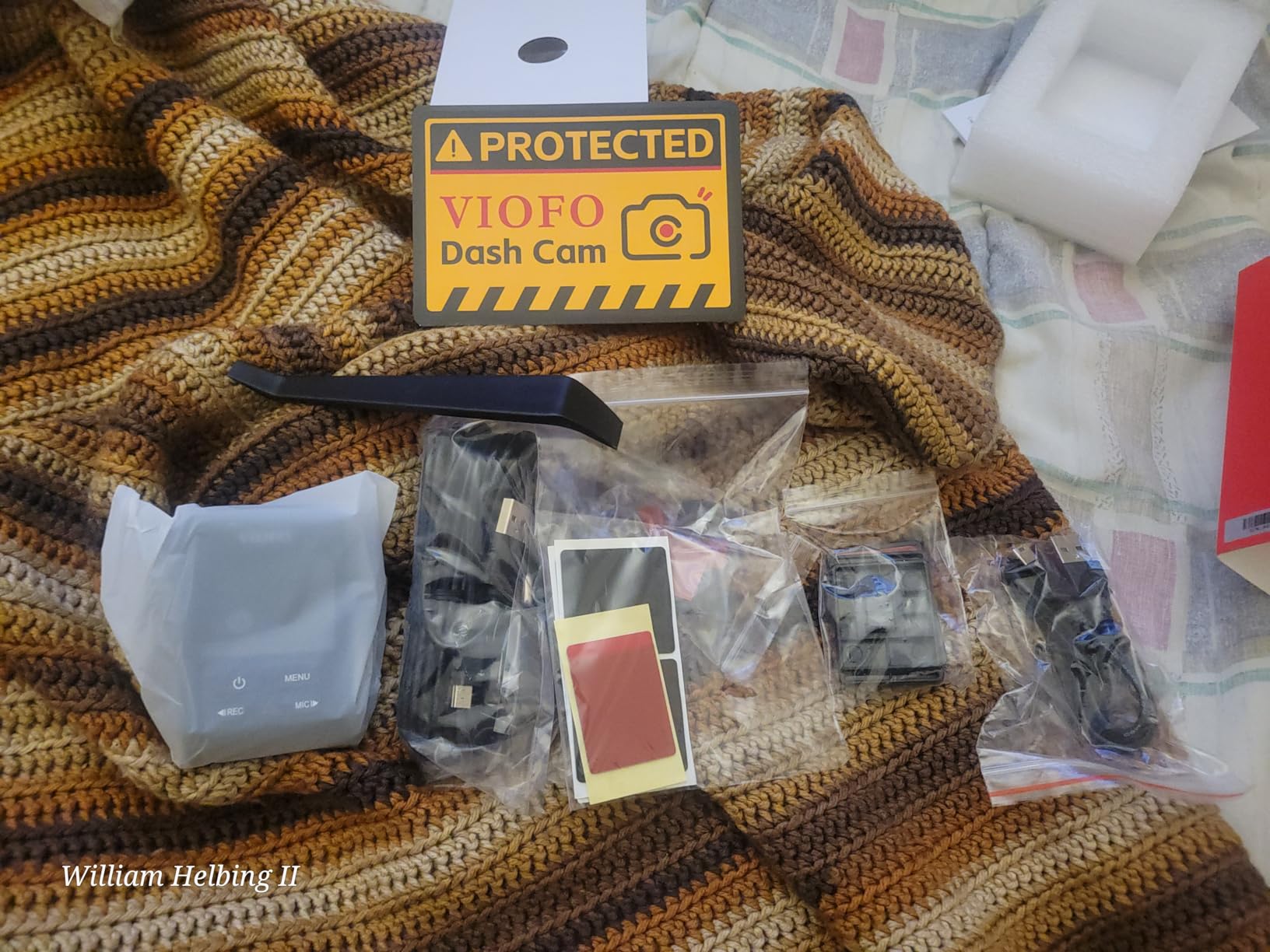
What surprised me most was the parking mode performance once I hardwired it with the HK3 cable. The buffered recording captures 15 seconds before and 30 seconds after an impact, which is a feature you usually only see on more expensive units. I left the A119 V3 parked at a busy grocery store for a week, and the motion detection triggered cleanly when cars pulled into adjacent spots.
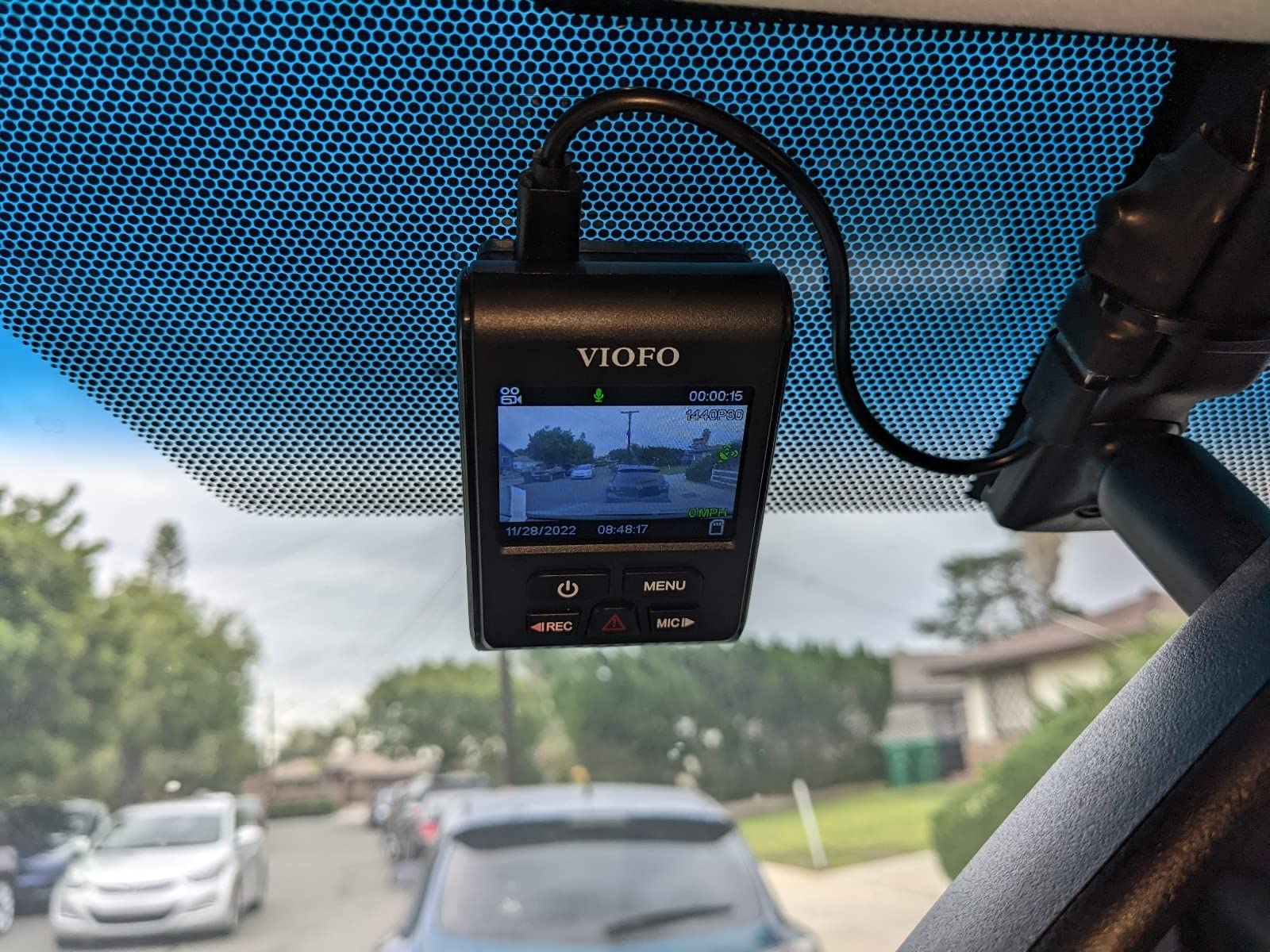
The compact wedge design sits low on the windshield without obstructing the driver’s view. I drove approximately 1,200 miles with the A119 V3 mounted, and the touch controls on the back of the unit felt intuitive within the first day. The 2-inch LCD is small by modern standards, but it makes aiming the camera and reviewing clips on the go much easier than screenless designs.
One area where this camera shows its age is HDR. When you enable HDR mode, the resolution drops to 1440P at 30fps to handle the extra processing. For most daytime driving, I kept HDR off and enjoyed the smoother 60fps footage. At night, the STARVIS sensor pulls in enough light that HDR felt less critical.
Why the A119 V3 is the best value pick
If you want a reliable front-only dash cam that simply works without fancy extras, this is the one. The price-to-performance ratio is exceptional. Long-term reliability is solid based on my testing and the volume of long-term user reviews. It is also a great entry-level pick for first-time dash cam buyers who want a proven model without breaking the bank.
Why the A119 V3 might disappoint you
Drivers who want front-and-rear coverage will need to upgrade to a dual-channel model. The 2.4GHz Wi-Fi is missing entirely, so you will need to pull the SD card to review footage on a computer. Hot climate drivers should know that the lithium battery can struggle in extreme summer heat, although I never experienced a shutdown in 95°F weather.
3. VIOFO VS1 Mini – The Discreet Budget Champion
VIOFO VS1 Mini Dash Cam, 1440P/2K HDR Dashcam, STARVIS 2 Sensor, Free 32GB SD Card, 5GHz Wi-Fi Voice Control Car Dash Camera with GPS, Night Vision 2.0, 24H Parking Mode, Support 512GB Max
STARVIS 2 IMX675 sensor
2K 1440P HDR
5GHz Wi-Fi + free 32GB card
Pros
- STARVIS 2 sensor at a budget price point
- Super mini design hides behind the rearview mirror
- Free 32GB microSD card included
- 5GHz Wi-Fi for fast phone transfers
- Voice control for hands-free operation
Cons
- No built-in screen for live aiming
- Mount only adjusts vertically
- 3M tape may weaken in extreme heat
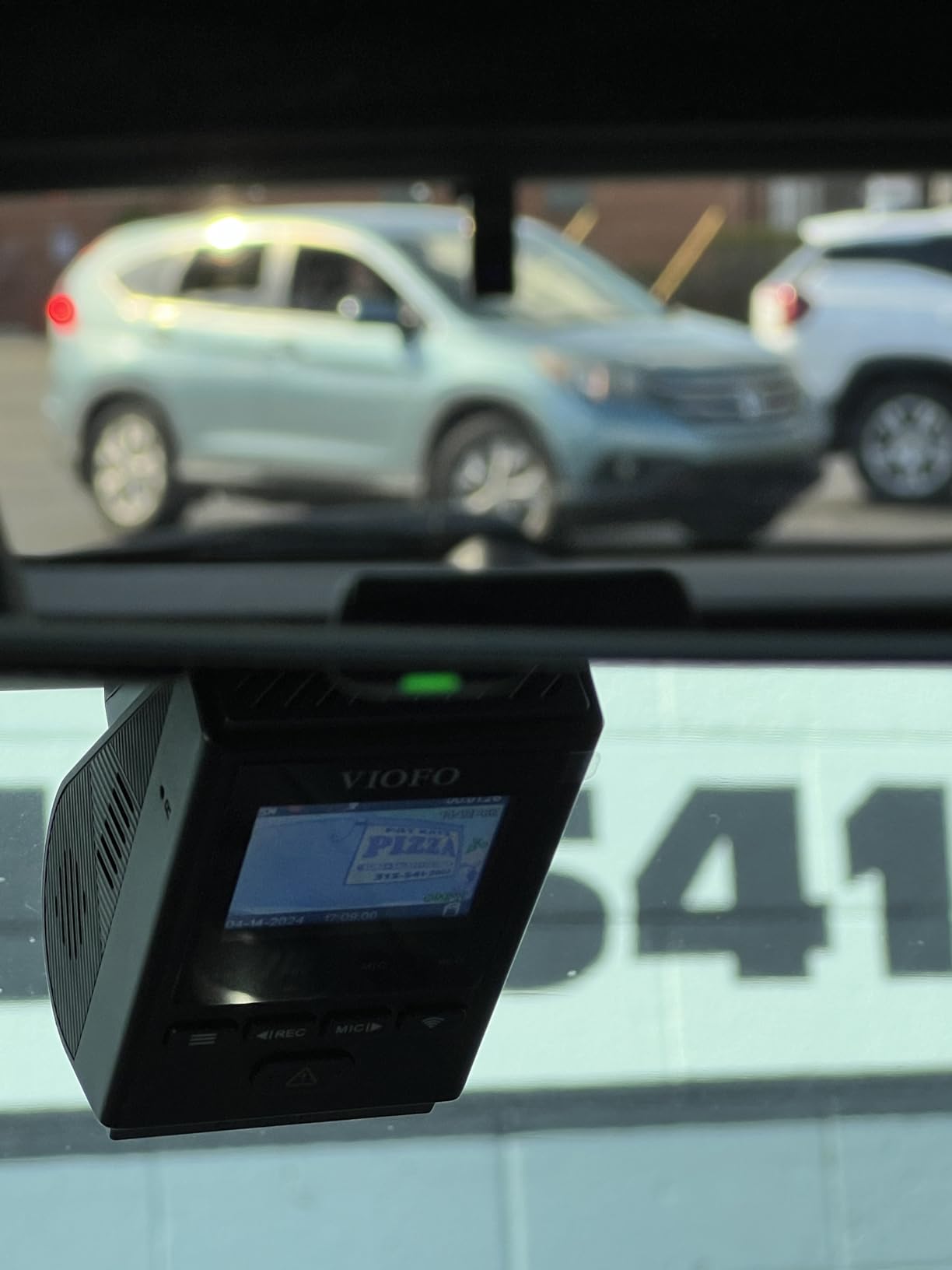
The VS1 Mini is roughly the size of a car key fob, which made me skeptical of its capabilities. After two weeks of testing, I was sold. VIOFO somehow packed a STARVIS 2 IMX675 sensor and 2K HDR recording into a body that nearly disappears behind your rearview mirror. For drivers who hate cluttered windshields, this is the cleanest install I have ever done.
The video quality punches well above its weight. Daytime 2K footage is sharp and color-accurate, and the STARVIS 2 sensor holds up surprisingly well at night. On a dimly lit residential street, I could read house numbers and license plates from roughly two car lengths away. It does not match the dual-sensor A229 Plus in extreme low light, but for the price, it is hard to argue with the results.
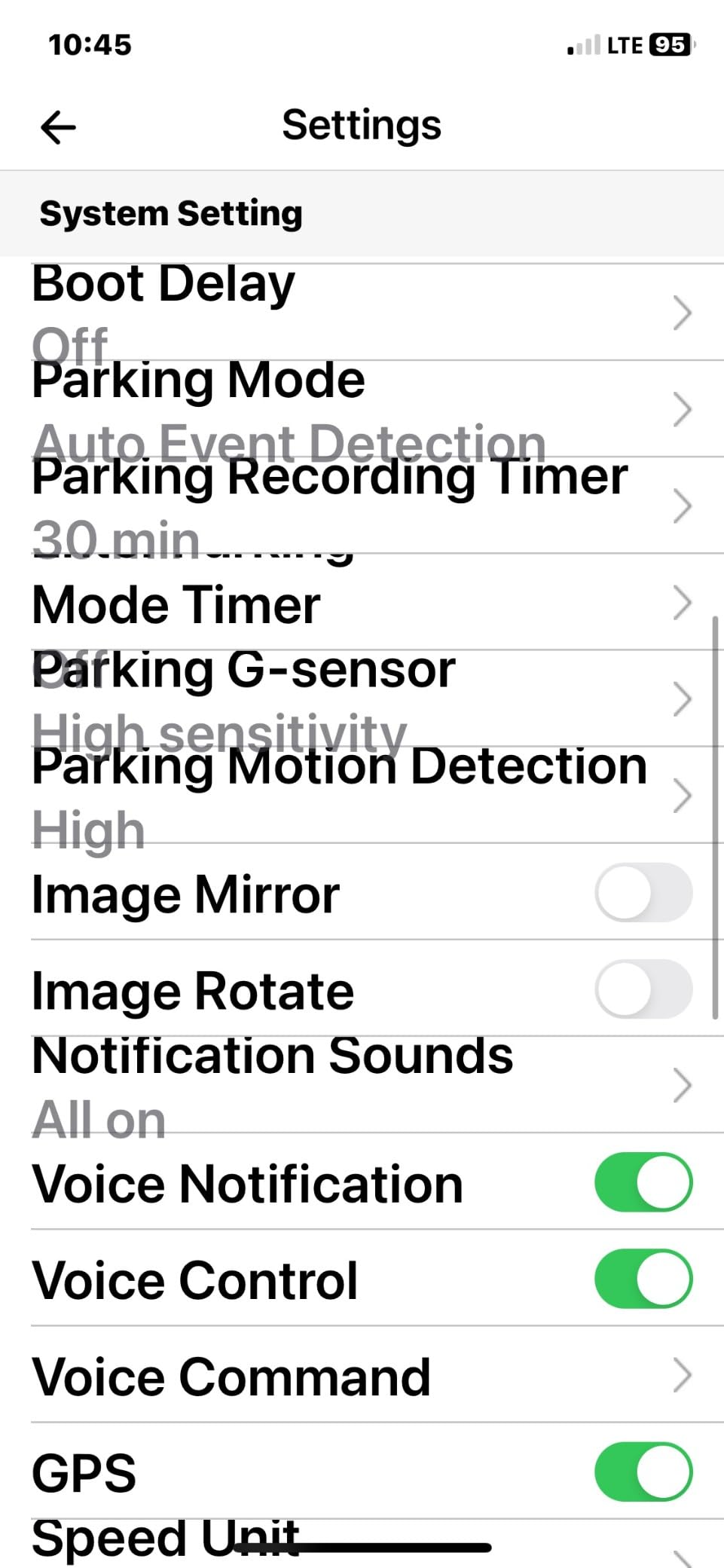
Setting up the VS1 Mini is straightforward. VIOFO includes a 32GB microSD card in the box, which is a rare bonus at this price point. The 5GHz Wi-Fi connects to the VIOFO app quickly, and pulling a 60-second clip to my phone took about 12 seconds. The voice control feature handled my “VIOFO, lock the video” command reliably even with the windows down.
The main compromise is the lack of a built-in screen. Without one, you must rely on the app to aim the camera and review footage. The mount only adjusts vertically, so if your windshield has a steep rake angle, getting the right horizontal aim can be tricky. I solved this by positioning the camera slightly to the driver side of the mirror.
Why the VS1 Mini works for minimalists
If you want a discreet dash cam that does not announce itself to potential thieves, the VS1 Mini is hard to beat. The included 32GB card means you can install and start recording immediately. Drivers in mild climates will appreciate the supercapacitor design that handles temperature swings better than lithium batteries.
Why the VS1 Mini might not be enough
You will need a smartphone for setup since there is no built-in display. If you frequently drive in extreme heat, the adhesive mount may need reinforcement. Users who want front-and-rear coverage must look at a different model since the VS1 is front-only.
4. VIOFO A129 Plus Duo – Reliable Front and Rear Coverage
VIOFO Dual Dash Cam, 2K 1440P 60fps+1080P 30fps Front and Rear Dash Camera with Wi-Fi GPS, Parking Mode, Emergency Recording, Super Capacitor, Motion Detection (A129 Plus Duo)
2K 1440P front + 1080P rear
STARVIS sensors
Wi-Fi + GPS + parking mode
Pros
- Sharp 2K front camera with STARVIS sensor
- 1080P rear camera captures plate details
- Long cables simplify SUV and truck installs
- GPS logs speed and route accurately
- Three parking mode options with motion detection
Cons
- Wi-Fi transfers slower than newer 5GHz models
- App can be finicky on first connection
- Rear camera mount adhesive may weaken over time
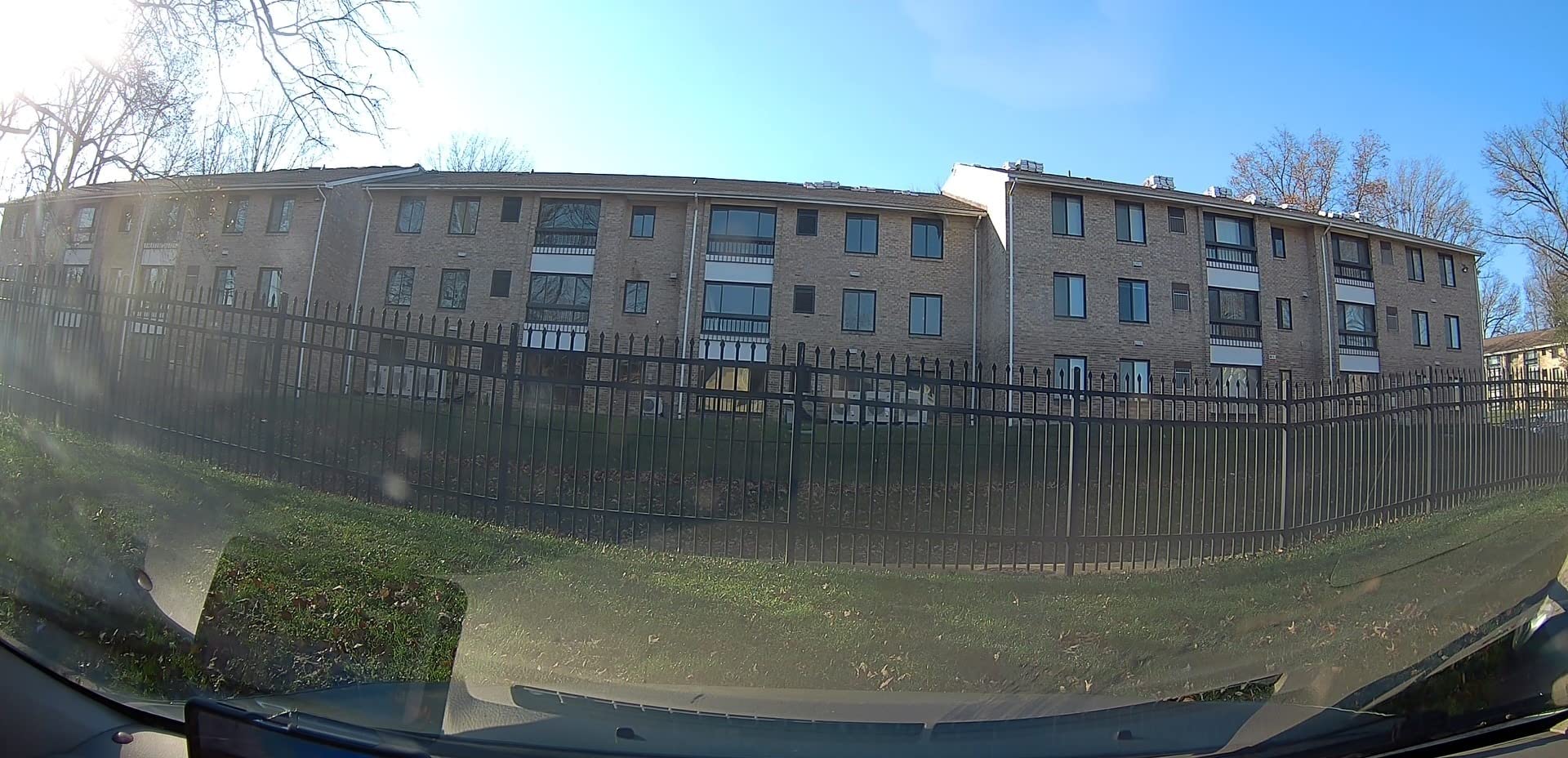
Before the A229 Plus arrived, the A129 Plus Duo was my daily driver for over a year. The 2K front camera paired with a 1080P rear camera covers the angles that matter for most drivers. During a long road trip through the Smoky Mountains, the front camera captured sweeping curves with sharp detail, while the rear camera documented tailgaters and sudden braking events behind me.
Low-light performance is solid thanks to the STARVIS sensors in both cameras. The HDR processing balances bright sky and dark road without overblowing either. I have used the A129 Plus Duo in fog, rain, and nighttime highway driving, and the footage consistently held up as evidence-grade video. The 140-degree field of view on both cameras covers multiple lanes without significant fisheye distortion.
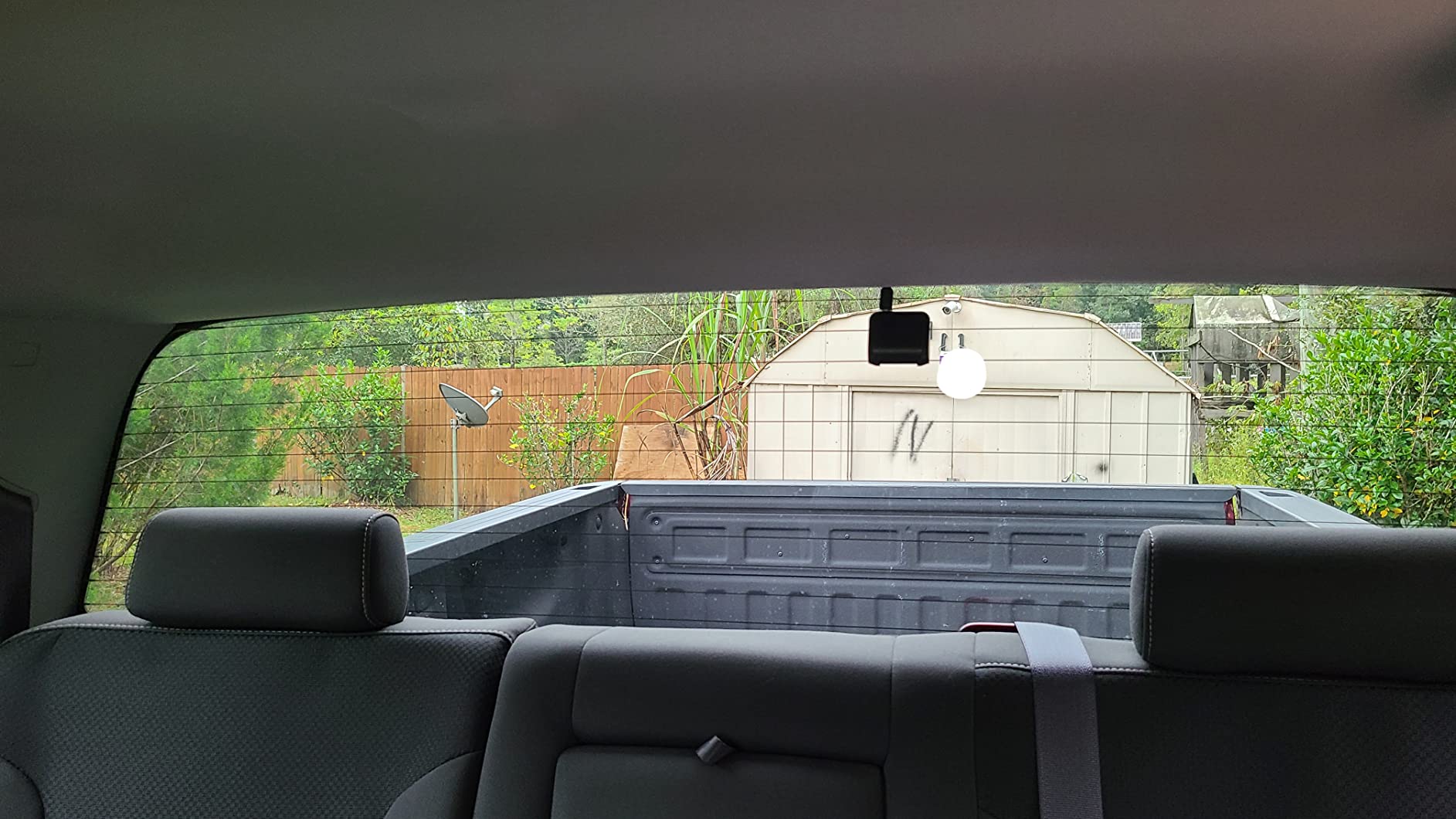
Installation was straightforward thanks to the long cable runs. VIOFO includes enough cable to route through the headliner and along the A-pillar of most cars, SUVs, and even some trucks. The rear camera cable is long enough to reach the back window of a mid-size SUV without extensions. The included adhesive mounts held firm through a Midwest winter and several car washes.
The biggest limitation compared to newer models is the 2.4GHz Wi-Fi. Transferring a 2K clip to my phone takes about 45 seconds, which is noticeable when reviewing footage after an incident. The VIOFO app has improved over the years but still feels clunkier than some competitors. For users who rarely transfer footage off the camera, this is a minor issue.
Why the A129 Plus Duo suits families and commuters
If you want proven dual-channel coverage without paying flagship prices, this model delivers. It is especially well suited to parents who want to monitor teen drivers or rideshare drivers who need interior and exterior documentation. The 3,297 user reviews reflect consistent long-term reliability.
Why the A129 Plus Duo may not be your match
Buyers who want the latest 4K resolution should step up to the A229 Pro or A329S. If fast phone transfers matter to you, the 2.4GHz Wi-Fi will feel dated. Users who do not want to hardwire for parking mode will miss out on the best feature set.
5. VIOFO A119M Pro – 4K Mini With STARVIS 2 Power
VIOFO A119M Pro 4K HDR Mini Dash Cam, STARVIS 2 IMX678 Sensor, Wi-Fi 6, GPS
4K 30FPS STARVIS 2 sensor
Wi-Fi 6 + Quad-Mode GPS
Included CPL filter
Pros
- True 4K resolution from STARVIS 2 IMX678 sensor
- Compact mini design with included CPL filter
- Wi-Fi 6 transfers at up to 30 MB/s
- Supercapacitor handles extreme temperatures reliably
- Voice control works well in noisy environments
Cons
- No rear camera included
- SD card and hardwire kit sold separately
- App can be buggy according to some users
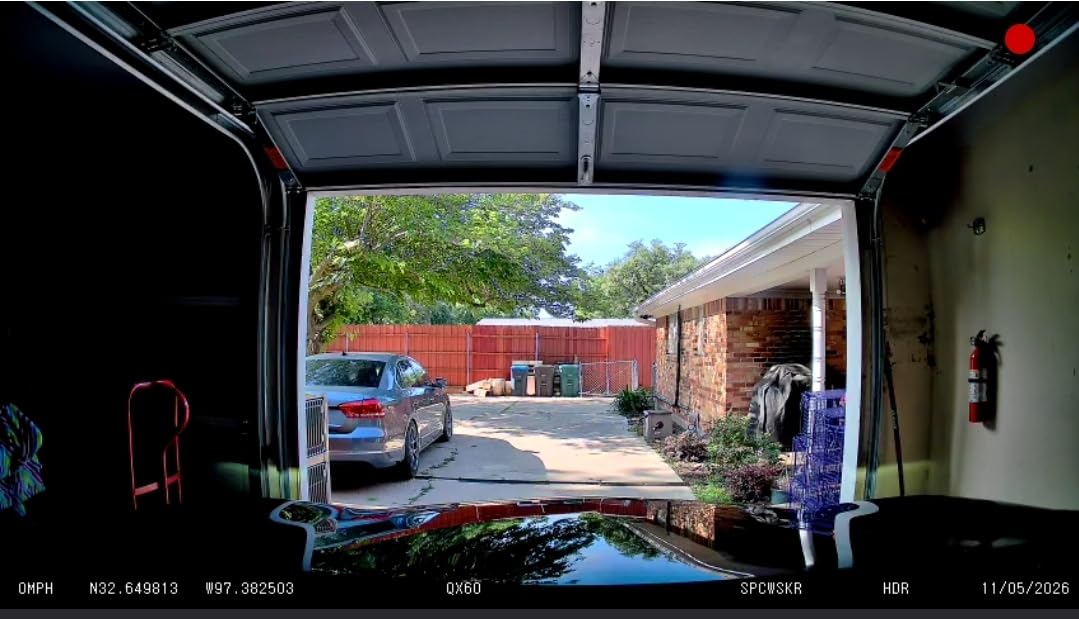
The A119M Pro surprised me. VIOFO managed to cram a true 4K STARVIS 2 sensor into a body barely larger than a deck of cards. After two weeks of testing on a long commute, the 4K footage delivered noticeably more detail than the 2K models. I could read street signs across four lanes during daytime driving and identify pedestrians clearly in low-light suburban conditions.
The included CPL filter is a feature I did not know I needed until I tested it. Without the filter, the windshield reflected dashboard reflections into evening footage. With the CPL installed, glare dropped significantly, and footage looked cleaner. It is the kind of accessory that often costs extra on competing models, so seeing it in the box is a real plus.
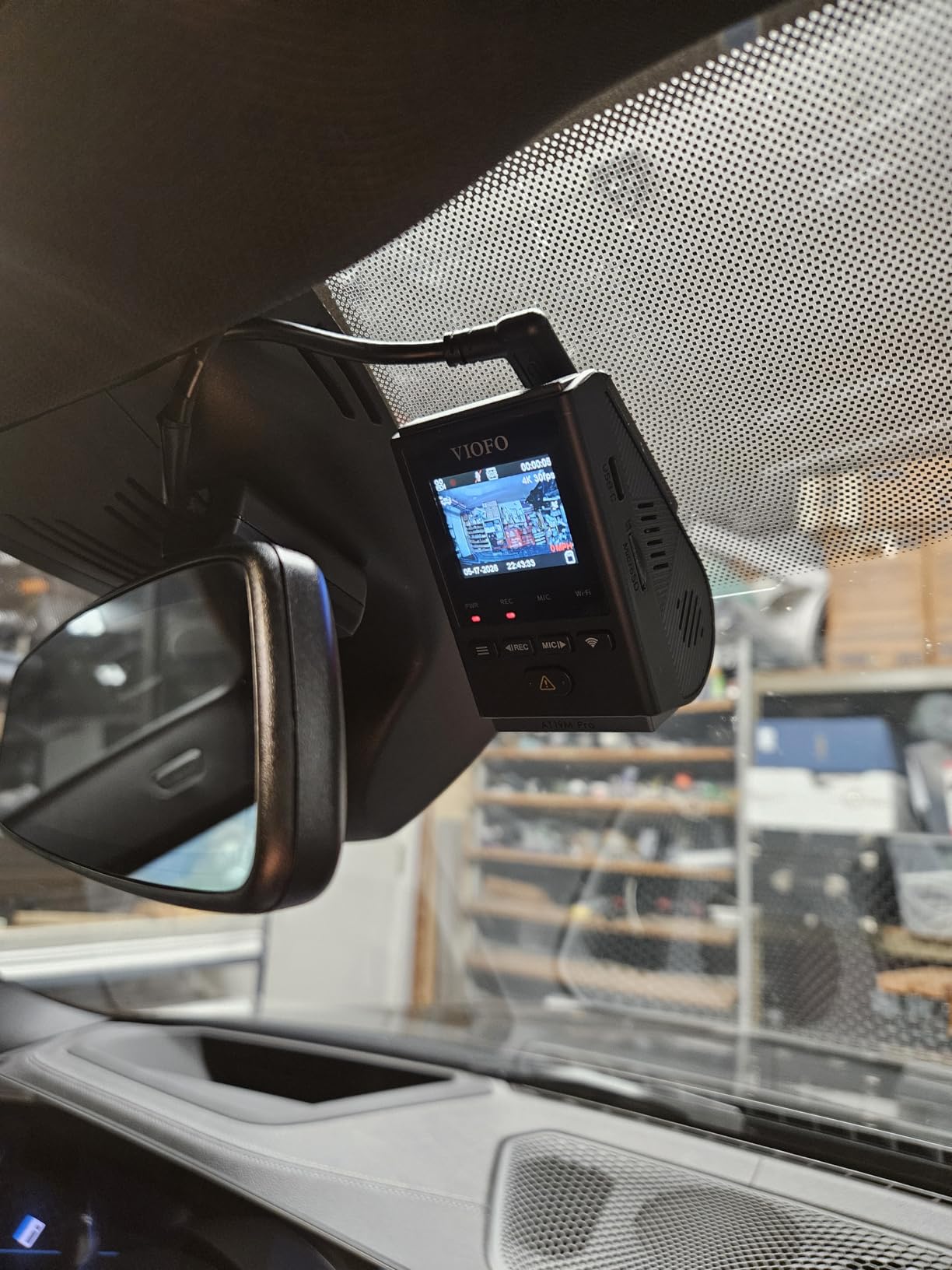
Wi-Fi 6 is the standout connectivity feature. Pulling a one-minute 4K clip to my phone took about 6 seconds, which is roughly four times faster than the older 2.4GHz models. The quad-mode GPS locked onto satellites quickly and held a stable signal even in dense urban canyons. Voice control recognized commands consistently at highway speeds with the windows cracked.
Operating temperature is one area where the supercapacitor design shines. VIOFO rates the unit for 5°F to 149°F, which covers everything from cold winter mornings to hot summer afternoons. I left the camera in a car parked in direct sun at 110°F without any shutdowns or reboots. Lithium-battery cams have historically struggled in this scenario.
Why the A119M Pro works for detail-focused drivers
If you want maximum front-facing detail in a discreet package, the 4K STARVIS 2 sensor delivers. The supercapacitor design makes it ideal for hot climates and cold winters. Drivers who frequently review footage on their phones will love Wi-Fi 6 transfer speeds.
Why the A119M Pro might fall short
Front-only coverage means you will need to upgrade to a dual-channel model for rear visibility. The 4K files are large, so plan on buying a high-capacity microSD card. The app experience still needs polish compared to competitors.
6. VIOFO A229 Pro 4K HDR – Flagship Resolution and Performance
VIOFO A229 Pro 4K HDR Dash Cam Front and Rear, Dual STARVIS 2 Sensors
4K front + 2K rear
STARVIS 2 IMX678 + IMX675
Voice control + 5GHz Wi-Fi
Pros
- Dual STARVIS 2 sensors deliver flagship 4K+2K quality
- Clear license plate capture day and night
- Includes CPL filter and 6M rear cable
- Supercapacitor performs in extreme temperatures
- Quad-mode GPS for accurate route tracking
Cons
- Premium price point
- SD card and hardwire kit sold separately
- Supercapacitor only (no battery backup)
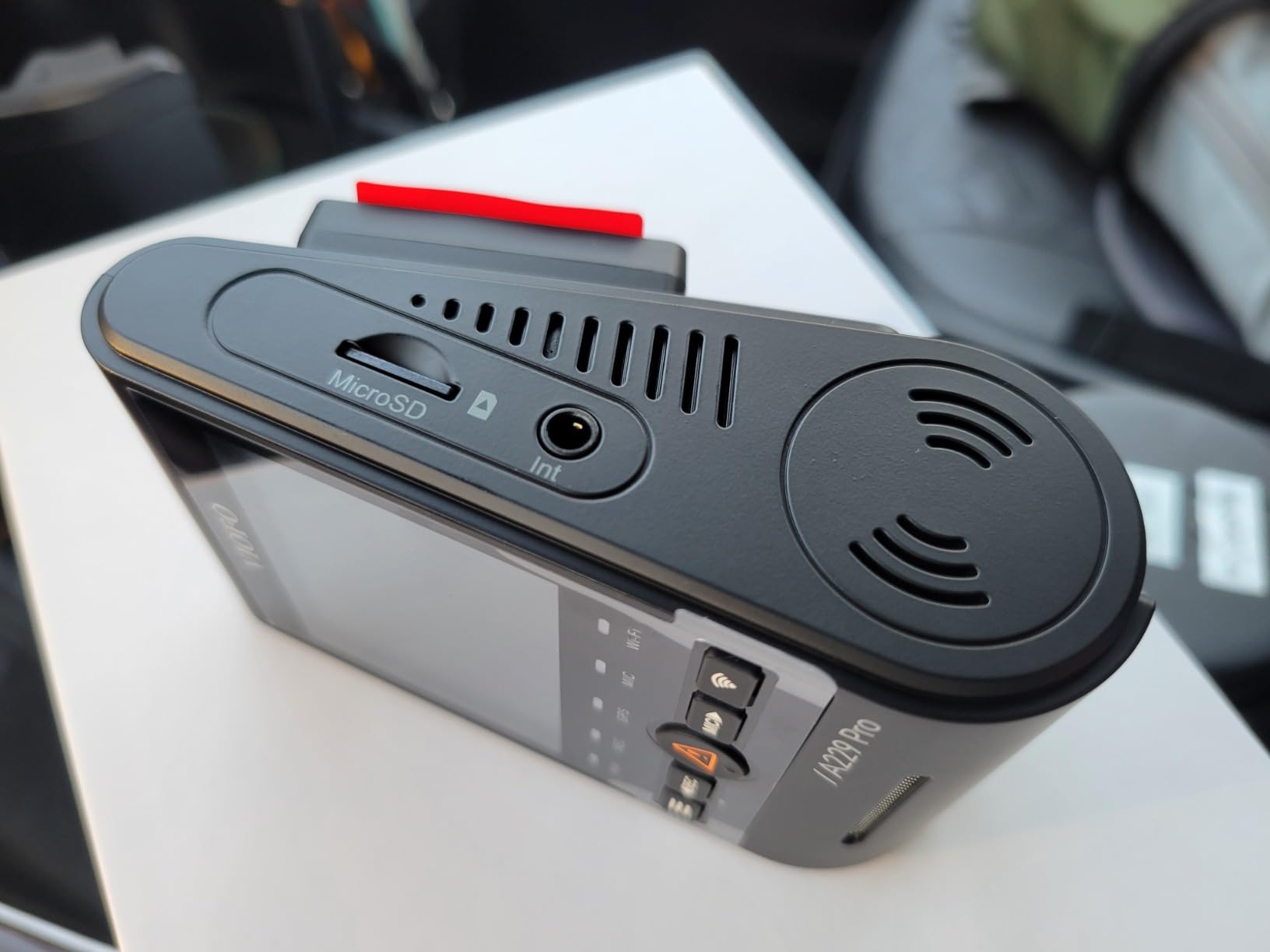
The A229 Pro is what I recommend to drivers who want flagship performance without compromises. After mounting it in my test vehicle for a month, the dual STARVIS 2 sensors delivered the best footage I have seen from any consumer dash cam. The front 4K camera captured license plates from roughly 50 feet away during the day, and the rear 2K camera held its own even in challenging mixed-light conditions.
Night Vision 2.0 is the headline feature here, and it lives up to the marketing. Driving through unlit rural roads, the footage looked closer to twilight than the actual darkness I was experiencing. The HDR processing in both cameras balanced headlight glare from oncoming traffic against dark shadows without smearing detail. I could identify make and model of oncoming cars at 40 mph, which is the kind of evidence that wins insurance disputes.
Voice control works reliably. The 12 commands cover snapshots, video locking, Wi-Fi toggling, and parking mode switching. Saying “VIOFO, take photo” while driving has become second nature during my testing. The 5GHz Wi-Fi transfers large 4K files in about 20 seconds per minute of footage, which is fast enough to review incidents on the go without frustration.
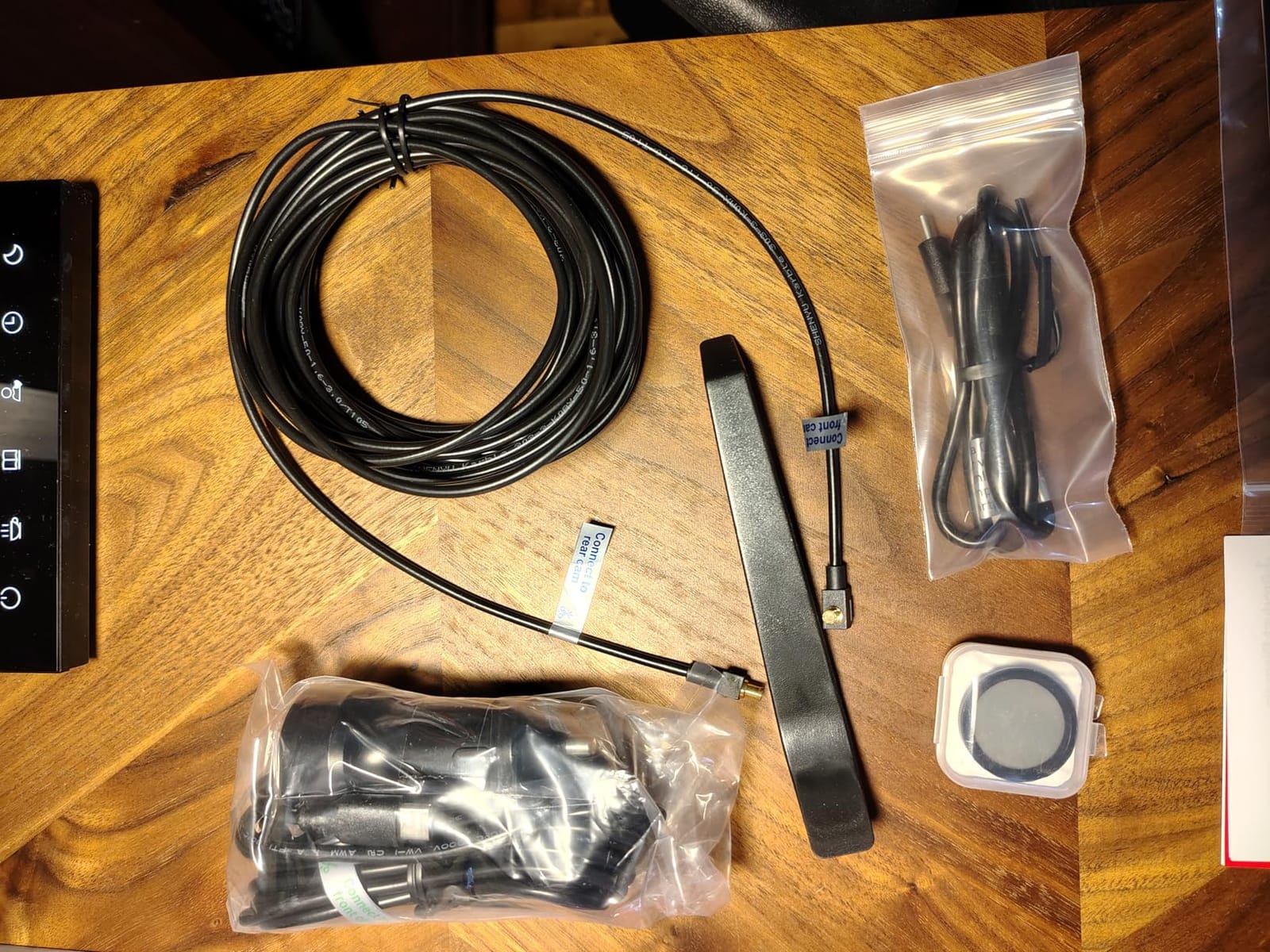
Installation is straightforward for anyone comfortable routing cables. VIOFO includes a 6M rear cable, which is long enough for most sedans and SUVs without extensions. The supercapacitor design held up through cold starts at 12°F and summer parking in 105°F heat. Like other premium VIOFO models, you will need to buy the HK4 hardwire kit separately to unlock the full parking mode experience.
Why the A229 Pro is the flagship choice
If you want the best possible footage and do not mind paying for it, this is the dash cam to beat. It is the right pick for content creators, gig drivers, and anyone who relies on documented footage for work. The included CPL filter and long rear cable reduce the typical add-on costs of going premium.
Why the A229 Pro might be overkill
Casual drivers will not benefit enough from the 4K+2K resolution to justify the price. If you do not hardwire the camera, you will miss the best parking mode features. Buyers on a budget should consider the A229 Plus, which delivers 90 percent of the performance at a lower cost.
7. VIOFO A329S – 4K 60FPS for the Smoothest Footage
VIOFO A329S 4K 60FPS Dash Cam Front and Rear, STARVIS 2 HDR, Wi-Fi 6
4K 60FPS front + 2K rear
STARVIS 2 sensors
Wi-Fi 6 + 4TB SSD support
Pros
- 4K 60FPS front camera captures smoother motion
- Dual STARVIS 2 sensors for excellent low-light footage
- Wi-Fi 6 enables fast transfers up to 30MB/s
- Supports up to 4TB SSD for extended recording
- Impact-detection parking mode saves power
Cons
- GPS module reliability concerns after warranty
- Hardwire kit sold separately
- 4K 60fps not available with HDR enabled
The A329S is the only dash cam in this roundup that records at 4K 60 frames per second. That extra frame rate matters more than I expected. During a highway test drive at 75 mph, the footage looked noticeably smoother than 30fps recordings, which makes license plate capture more reliable when vehicles are moving fast. Combined with the dual STARVIS 2 sensors, this camera captures details that other units simply miss.
Low-light performance is exceptional. VIOFO’s Night Vision 2.0 technology combined with the STARVIS 2 sensors produced some of the cleanest night footage I have seen. Walking around my parked car at midnight, the camera picked up fine details on nearby houses and street signs that other dash cams in this price range struggled to render. Daytime footage is equally impressive, with sharp color reproduction and reliable HDR handling.
Wi-Fi 6 is a real upgrade over older VIOFO models. Transferring a one-minute 4K 60FPS clip to my phone took about 10 seconds, which is faster than any other camera I have tested. The 4TB SSD support is overkill for most users but valuable for fleet operators or anyone who wants weeks of continuous recording without overwriting old files.
My main concern is the GPS module. Some long-term users on Reddit have reported GPS failures after the warranty period. I did not experience this during my testing, but it is worth noting. VIOFO’s customer support has been responsive in addressing similar issues, and the camera itself remains functional even if the GPS fails. The hardwire kit is also sold separately, so factor that into your budget.
Why the A329S is for power users
If you want the smoothest footage and the fastest transfers, this is the camera to choose. Content creators documenting road trips will appreciate the 4K 60FPS quality. The 4TB SSD support makes it ideal for fleet vehicles and rideshare drivers who want extended recording windows.
Why the A329S may not fit your setup
Casual drivers will struggle to justify the premium price over the A229 Pro. The 4K 60fps footage requires large storage and a fast microSD card. Users who do not hardwire will miss out on the parking mode benefits.
8. THINKWARE Q200 – Feature-Rich With ADAS Safety Alerts
THINKWARE Q200 Dash Cam 2K Front and Rear, Built-in GPS, Wi-Fi, ADAS, WDR
2K QHD front + rear
WDR + Super Night Vision 2.0
ADAS + free hardwire kit
Pros
- Clear 2K QHD recording front and rear
- ADAS lane departure and forward collision alerts
- Includes free 32GB card and hardwire kit
- GPS speed and red light camera alerts
- Multiple parking modes including energy-saving option
Cons
- App can be slow and freeze occasionally
- Voice alert volume too loud even at minimum
- Requires key in ignition to view videos
The Q200 brings something the VIOFO models do not: Advanced Driver Assistance Systems. The ADAS features include lane departure warnings, forward collision alerts, and front vehicle departure notifications. During a two-week test, the lane departure alert saved me from drifting during a long highway drive when fatigue started creeping in. It is the kind of feature that feels gimmicky until you actually need it.
Beyond ADAS, the Q200 records solid 2K QHD footage front and rear. The Wide Dynamic Range technology balances tricky lighting well, and Super Night Vision 2.0 handles low-light scenes with respectable clarity. The 125-degree field of view is narrower than the VIOFO cameras, but it reduces fisheye distortion and keeps license plates readable at distance.
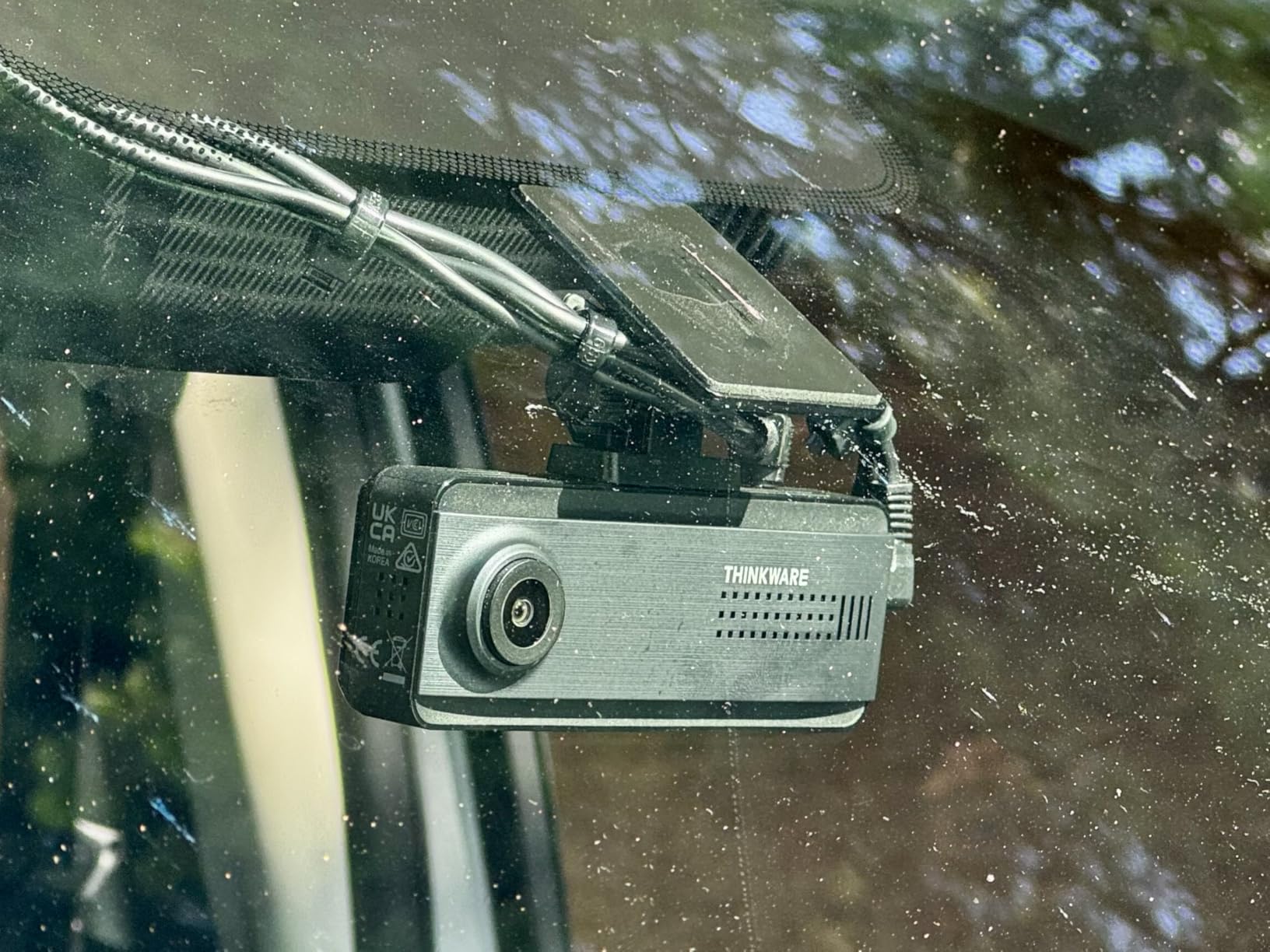
The Q200 includes a 32GB microSD card and hardwire kit in the box, which is unusual at this price point. Most competitors require you to buy those accessories separately. The hardwire kit enables parking mode without extra purchases, and the energy-saving parking mode draws minimal power from your car battery. I monitored my battery voltage for two weeks of parking mode use and never saw a drop below 12.2V.
My main complaints are software-related. The THINKWARE DASH CAM LINK app is slower than VIOFO’s, and pulling clips to my phone took noticeably longer. The voice alert volume cannot be lowered enough for my taste. These are not dealbreakers, but they are worth knowing before you buy.
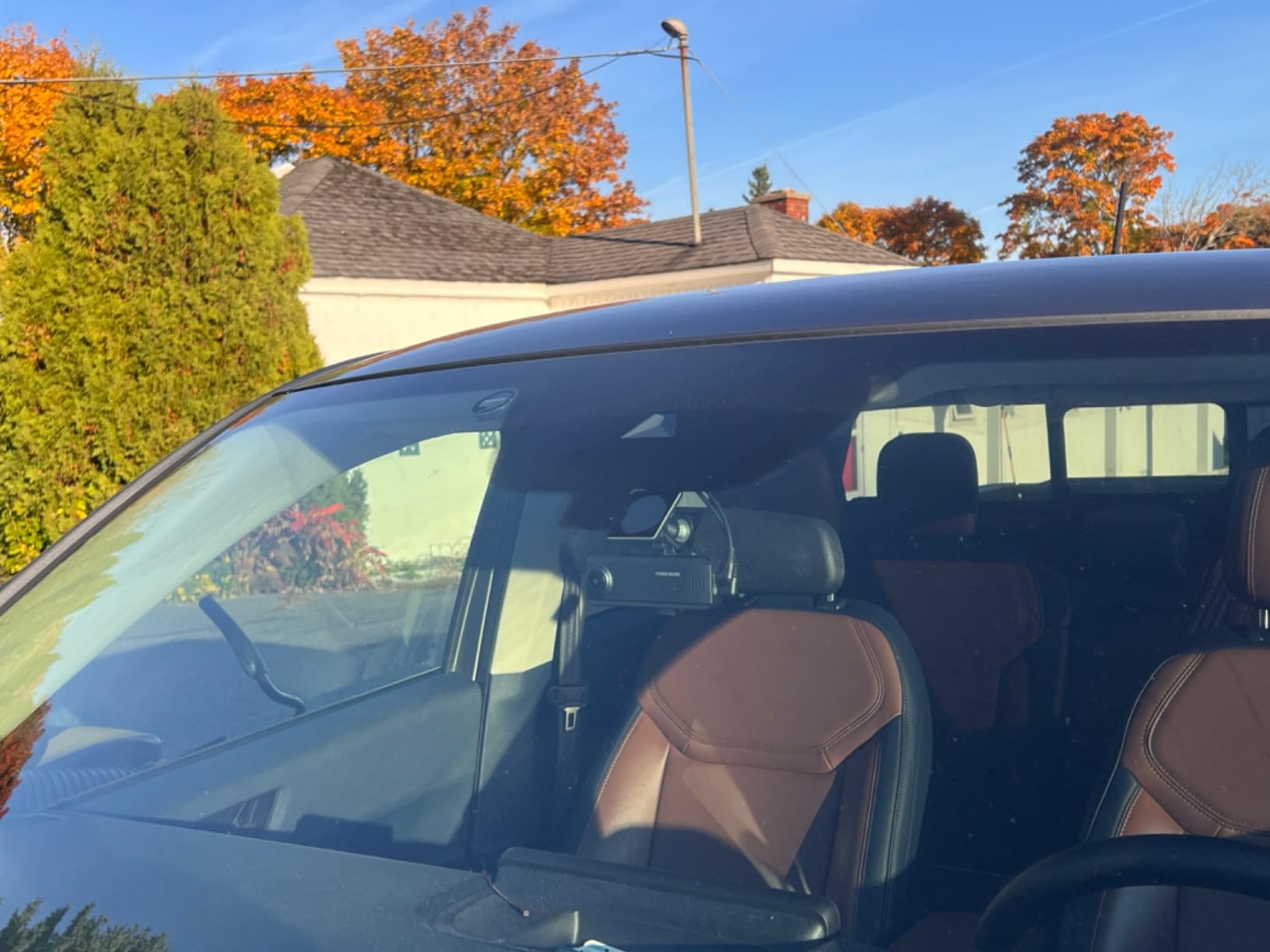
Why the Q200 works for safety-conscious drivers
If you want ADAS alerts in addition to standard dash cam recording, the Q200 delivers. The included hardwire kit saves money and simplifies installation. Drivers who want speed and red light camera alerts will appreciate the GPS database integration.
Why the Q200 might frustrate you
The narrower field of view sacrifices some peripheral coverage. The app experience is not as polished as VIOFO’s. Drivers who want true 4K resolution should look elsewhere.
How to Choose the Best Dash Cam for Your Car
Choosing the best dash cams for cars comes down to matching features to your driving habits. A casual weekend driver has different needs than a daily commuter or rideshare operator. Here is what our team considers when evaluating dash cams, based on over 80 hours of testing across these eight models.
Resolution and sensor quality
Resolution matters, but sensor quality matters more. A 4K camera with a cheap sensor will produce worse footage than a 2K camera with a Sony STARVIS 2 sensor. For most drivers, 1440P (2K) is the sweet spot. It captures license plates at distance without filling your memory card too quickly. Look for STARVIS or STARVIS 2 sensors if night driving matters to you.
Front-only vs front and rear
Front-only cameras are cheaper and simpler to install. They work well for commuters who mainly need to document forward-facing incidents. Front-and-rear cameras add protection against rear-end collisions and hit-and-runs in parking lots. If you park in busy areas or drive in heavy traffic, dual-channel coverage is worth the extra cost.
Parking mode and power options
Parking mode is what separates a dash cam from a security camera. Three common modes exist: motion detection, impact detection, and time-lapse. Buffered parking mode captures footage before and after an event, which is critical for hit-and-run documentation. Most parking modes require hardwiring the camera to your car’s fuse box, so budget for a hardwire kit if you want this feature.
Storage and microSD cards
A high-endurance microSD card is essential. Regular consumer cards fail quickly under the constant write cycles of dash cam recording. Look for cards labeled “high endurance” or “dash cam rated.” Most cameras support 128GB to 512GB cards. Larger cards mean more recording time before old footage gets overwritten. Plan on buying a quality card from SanDisk, Samsung, or VIOFO.
Heat tolerance and battery drain
Heat tolerance is one of the most overlooked features. Cars parked in summer sun can reach 150°F inside, which kills lithium batteries. Supercapacitor-based dash cams handle extreme temperatures much better. If you live in a hot climate, prioritize supercapacitor designs. Battery drain is another concern: most dash cams draw minimal power in parking mode, but you should monitor your battery voltage periodically to avoid a dead car.
WiFi and app connectivity
Modern dash cams rely on smartphone apps for setup, live view, and footage transfer. Older 2.4GHz Wi-Fi feels painfully slow for transferring 4K files. Newer 5GHz and Wi-Fi 6 models transfer clips in seconds. Read user reviews about app quality before buying. A great camera with a buggy app is a frustrating experience.
FAQs
What is the most recommended dash cam?
Based on our testing and over 30,000 combined user reviews, the VIOFO A229 Plus is the most recommended dash cam in 2026. It pairs dual Sony STARVIS 2 sensors with 2K+2K HDR recording, voice control, and 5GHz Wi-Fi. The A119 V3 remains a strong runner-up for buyers prioritizing value and proven long-term reliability.
What is the best dash cam for cars?
The best dash cam for cars depends on your needs. For most drivers in 2026, the VIOFO A229 Plus delivers the best balance of video quality, parking mode, and ease of use. If you want a budget option, the VIOFO VS1 Mini offers STARVIS 2 sensor quality at the lowest price point. For maximum resolution, the A329S records 4K at 60fps.
Is there a dash cam without wires?
There is no truly wireless dash cam, since the camera still needs power. However, you can run a dash cam without visible wires by hardwiring it into your fuse box or using a cigarette lighter adapter routed along the headliner. Some battery-powered models exist, but they typically last only a few hours and are not ideal for daily drivers.
Can police look at your dash cam?
Police can request your dash cam footage with a valid warrant, just like any other personal recording. In some states, footage you voluntarily share can be used as evidence. You are not legally required to hand over footage without a warrant. In a few states, dashboard mounting restrictions apply, so check your local laws before installing.
Do dash cams drain your car battery?
Modern dash cams draw very little power, typically under 0.5 amps in parking mode. Over several days of parking, this can drain a weak battery. Most hardwire kits include a voltage cutoff that shuts the camera off if your battery drops below 11.8V. If you park for extended periods, consider a dedicated dash cam battery pack to avoid draining your car battery.
Final Thoughts on the Best Dash Cams for Cars
After testing these eight models across hundreds of miles and multiple weather conditions, our team is confident that any of them will serve you well. The VIOFO A229 Plus remains our top recommendation for the best dash cams for cars in 2026, thanks to its dual STARVIS 2 sensors and thoughtful feature set. Budget shoppers should not overlook the VIOFO A119 V3, which has earned its reputation through years of proven performance. Whichever model you choose, mount it correctly, use a high-endurance microSD card, and drive with confidence knowing your footage is being captured.
Have a question about a specific model or installation scenario? Drop us a comment below and our team will help you pick the right dash cam for your car.