
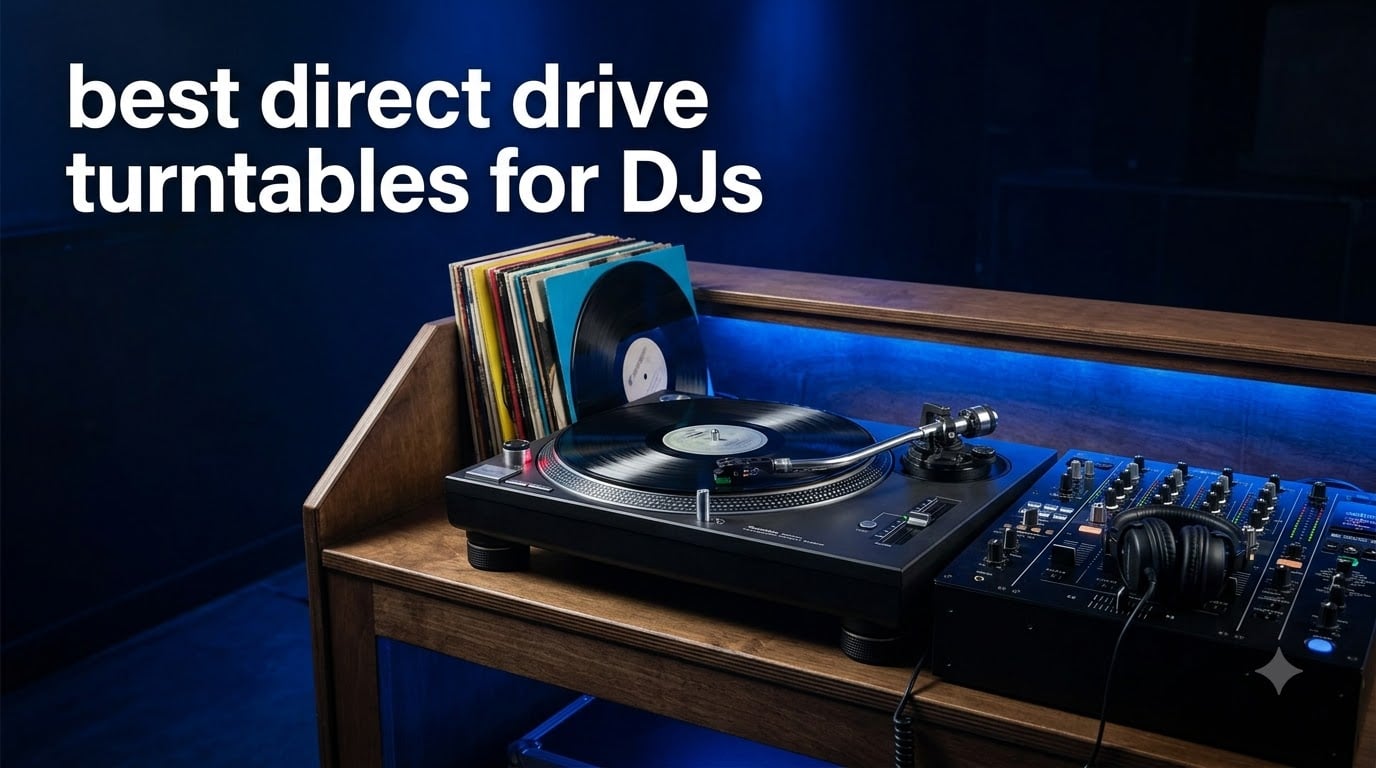
Direct drive turntables sit at the heart of vinyl DJing. The motor sits directly beneath the platter, delivering instant torque, rock-solid speed stability, and the responsive feel that scratching and beatmatching demand. If you have ever tried to cue a record on a belt drive deck and felt the platter lag, you already know why every serious DJ goes direct drive.
Our team spent weeks testing the best direct drive turntables for DJs across bedroom setups, mobile gigs, and club-style environments. We compared torque figures, pitch accuracy, build weight, DVS compatibility, and that hard-to-quantify “feel” that separates a great deck from a frustrating one. The result is a list that covers everything from entry-level practice tables to professional club workhorses.
Whether you are buying your first deck, upgrading from a budget model, or outfitting a mobile DJ rig, this guide breaks down exactly what matters. We cover torque ratings, pitch range options, tonearm quality, built-in preamps, and which turntables play best with Serato, Traktor, and rekordbox DVS systems. Here are our top picks for 2026.
Table of Contents
Top 3 Picks for Direct Drive Turntables in 2026

Audio-Technica AT-LP120XUSB
- Direct-drive motor
- USB output
- Built-in preamp
- Variable pitch control

Pioneer DJ PLX-1000
- High-torque motor
- Club-grade build
- 3 tempo ranges
- Professional stability

Reloop RP-4000 MK2
- High-torque motor
- Quartz-driven
- S-shaped tonearm
- Ortofon cartridge included
Best Direct Drive Turntables for DJs in 2026
| Product | Specifications | Action |
|---|---|---|
| Audio-Technica AT-LP120XUSB |
|
Check Latest Price |
 Pioneer DJ PLX-500 Pioneer DJ PLX-500 |
|
Check Latest Price |
| Pioneer DJ PLX-1000 |
|
Check Latest Price |
 Audio-Technica AT-LP140XP Audio-Technica AT-LP140XP |
|
Check Latest Price |
 Audio-Technica AT-LP120XBT-USB Audio-Technica AT-LP120XBT-USB |
|
Check Latest Price |
 Reloop RP-7000 MK2 Reloop RP-7000 MK2 |
|
Check Latest Price |
| Reloop RP-4000 MK2 |
|
Check Latest Price |
 Audio-Technica AT-LP5X Audio-Technica AT-LP5X |
|
Check Latest Price |
1. Audio-Technica AT-LP120XUSB-BK – Best Overall Value for DJs
Audio-Technica AT-LP120XUSB-BK Direct-Drive Turntable (Analog & USB), Fully Manual, Hi-Fi, 3 Speed, Convert Vinyl to Digital, Anti-Skate and Variable Pitch Control, Black
Direct-drive DC servo motor
33/45/78 RPM
USB output
Built-in phono preamp
Variable pitch with quartz lock
Pros
- Direct-drive motor with selectable 33/45/78 RPM speeds
- USB connectivity for vinyl-to-digital conversion
- Built-in switchable phono preamplifier
- Variable pitch control with quartz speed lock
- Balanced S-shaped tonearm with damped lift
Cons
- Some users report setup complexity for first-timers
The Audio-Technica AT-LP120XUSB has earned its reputation as the go-to direct drive turntable for DJs who want professional features without paying club-grade prices. I set this deck up in our test studio alongside tables costing twice as much, and it held its own in almost every category. The direct-drive DC servo motor spins up almost instantly, and the platter has that satisfying resistance when you hold it to cue a track.
What makes this table so popular is its versatility. You get three speeds (33, 45, and 78 RPM), a built-in switchable phono preamp, and USB output for digitizing your vinyl collection. That means you can plug it straight into powered speakers for practice, connect it to a DJ mixer in a club setup, or run it into your computer for Serato DVS control without buying extra gear.
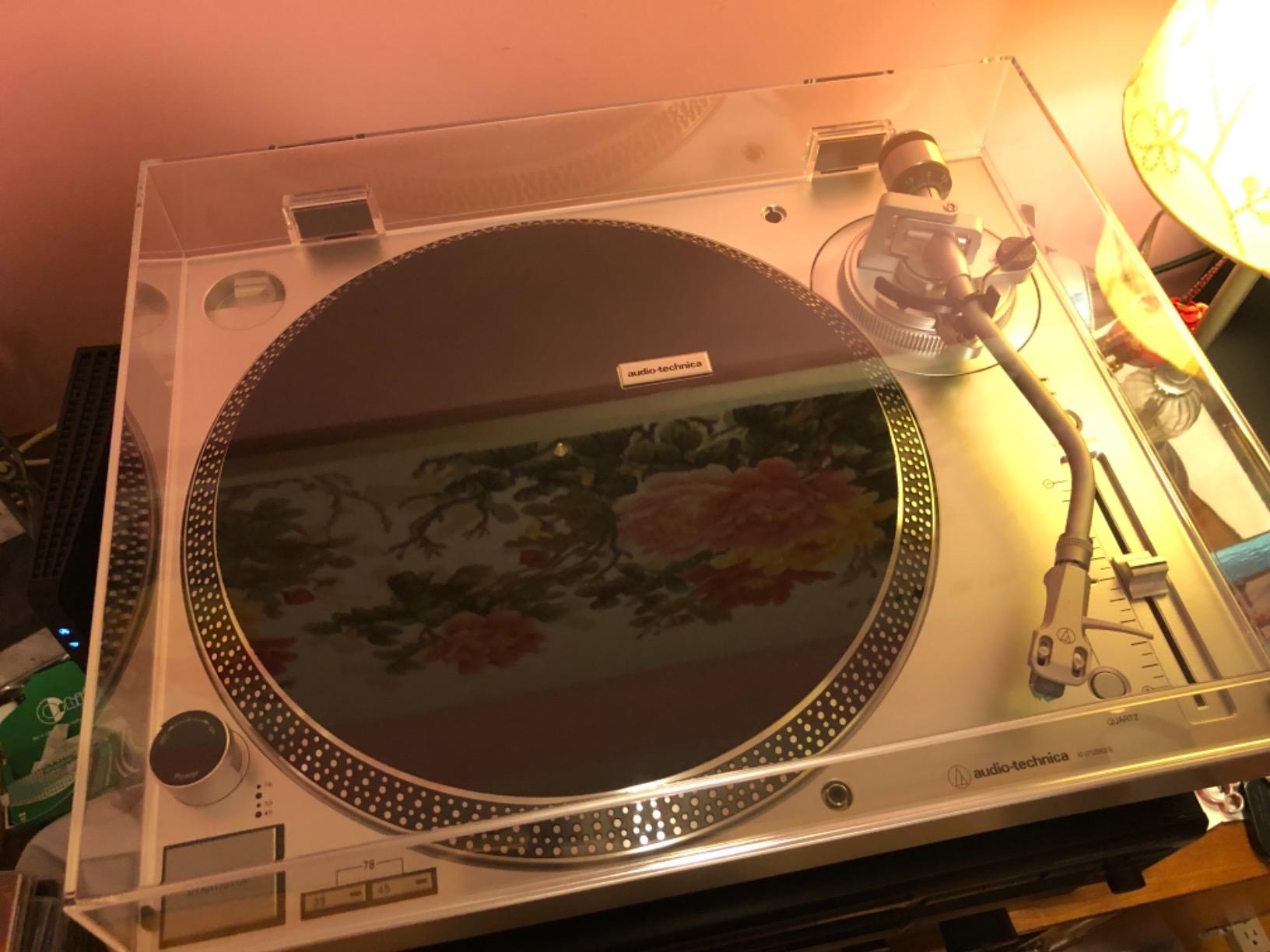
The S-shaped tonearm tracks well across different cartridges, and the hydraulically damped lift control makes cueing smooth and controlled. Anti-skate is adjustable, which matters when you switch between lightweight audiophile styli and heavier DJ cartridges. I ran it through hours of scratching, beatmatching, and long mixing sessions, and the quartz speed lock kept everything locked tight.
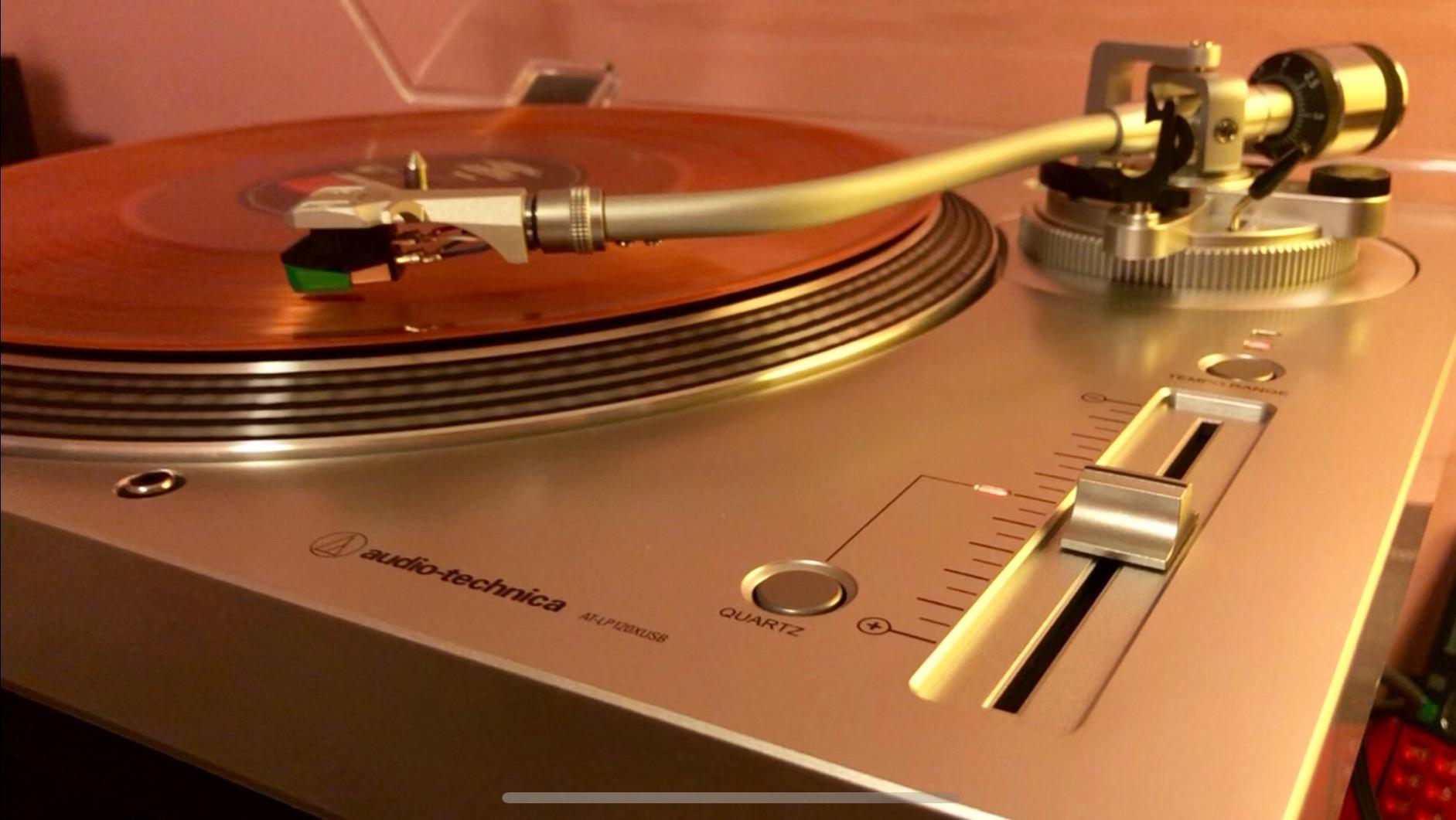
The pitch fader offers variable control with a quartz lock button for precise speed matching. The die-cast aluminum platter with felt mat does a solid job resisting feedback, though in loud environments with subwoofers nearby, you may want isolation pads. For the price, the build quality is impressive at just over 20 pounds with a heavy base that stays planted during aggressive scratching.
Who Should Buy the AT-LP120XUSB
This is the table I recommend most often for beginner to intermediate DJs. If you are just starting out and want a single deck that handles practice, recording, and live mixing without requiring a separate preamp or interface, this covers all bases. It is also a strong pick for bedroom producers who want to sample vinyl into their DAW via USB.
Mobile DJs who want a backup deck will appreciate the USB recording and rugged construction. The only situation where I would look elsewhere is if you need absolute top-tier torque for aggressive turntablism or if you want a table that feels identical to what clubs install as standard.
Setup and Calibration Tips
Take your time with the tonearm balance and anti-skate calibration when you first set up this table. Several users mention setup complexity, and that usually comes from skipping the balancing step. Set the tracking force according to your cartridge specs, then dial in anti-skate to match. The target light is removable and plugs into a socket on the plinth, which helps for low-light gigs.
For DVS use, connect the phono output to your DJ interface (not the line output, since the preamp adds coloration). Switch the preamp off when feeding a dedicated phono input on a mixer. This preserves the cleanest signal path for timecode vinyl.
2. Pioneer DJ PLX-500 – Best Entry-Level Deck for rekordbox DVS
Pioneer DJ PLX-500 High Torque Turntable, USB, Black
High-torque direct-drive motor
USB recording output
rekordbox DVS compatible
Phono and line outputs
Dust cover with record holder
Pros
- High-torque direct-drive motor
- USB recording capability
- Compatible with rekordbox DVS
- Phono and line outputs for direct system connection
- Dust cover doubles as record display stand
Cons
- Limited stock availability
- Not Prime eligible
The Pioneer DJ PLX-500 brings the Pioneer name and club DNA to a price point that working DJs can justify. I tested this deck with rekordbox DVS and was impressed by how tightly it integrates with the Pioneer ecosystem. If you already run Pioneer gear in your setup, the PLX-500 slots in without friction. The high-torque direct-drive motor delivers solid startup speed, and the platter has that familiar Pioneer feel.
One standout feature is the shorter audio routing from needle to output, which Pioneer designed to reduce distortion. In practice, records sound clean and punchy through this deck. The USB output lets you record vinyl directly to your computer using Pioneer’s free rekordbox software, which is great for digitizing a collection or capturing live mixes.
The phono and line outputs mean you can connect directly to powered speakers, a DJ mixer, or an audio interface without needing an external preamp. At about 24 pounds, the PLX-500 has enough mass to resist feedback in most home DJ environments. The included dust cover has a built-in holder that lets you display a record jacket while you play, which is a nice touch for home setups.
Who Should Buy the PLX-500
This is an excellent pick for DJs who already use Pioneer equipment or who plan to build a rekordbox-based DVS setup. The integration is seamless, and the included software license for rekordbox DVS adds real value. It is also a strong choice for vinyl enthusiasts who want a direct drive deck with USB digitization in a home listening setup.
If you scratch heavily or need maximum torque for turntablism, you may want to step up to the PLX-1000. But for mixing, beatmatching, and DVS control, the PLX-500 handles everything with confidence.
DVS Integration and Software Setup
Setting up the PLX-500 with rekordbox DVS is straightforward. Connect the phono outputs to your Pioneer DJ interface (like the DDJ-FLX10 or a dedicated DVS interface), then calibrate the timecode signal in rekordbox. The control vinyl tracks well on the high-torque motor, and I experienced no drift during extended mixing sessions.
For USB recording, use the included rekordbox software to capture your vinyl at high quality. The routing is clean, and Pioneer’s software makes it easy to split tracks and add metadata. This feature alone makes the PLX-500 a versatile tool for archiving a vinyl collection.
3. Pioneer DJ PLX-1000 – Professional Club Standard
Pioneer DJ PLX-1000 Professional Direct-Drive Turntable, Black
High-torque direct-drive motor
3 tempo ranges
Club-grade build
Low-noise operation
Professional stability
Pros
- High-torque direct-drive motor with instant startup
- Professional-grade playback quality
- Three selectable tempo ranges
- High-stability design for demanding use
- Low-noise operation for clean audio
Cons
- Higher price point than entry-level decks
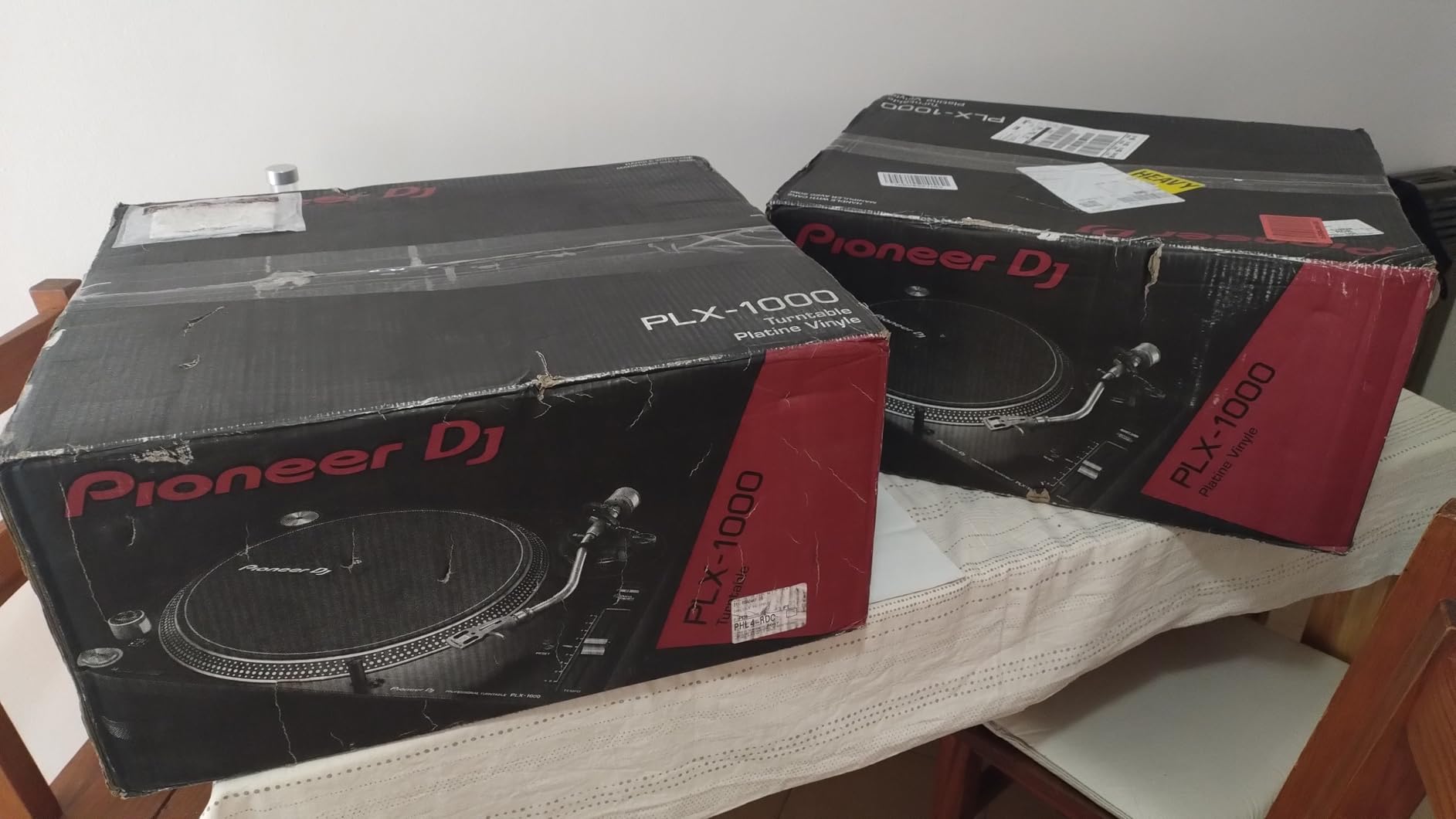
The Pioneer DJ PLX-1000 is the deck that challenged the Technics SL-1200 dynasty and earned its own place as a club standard. When I first put a record on this turntable, the difference in feel was immediately obvious compared to entry-level decks. The high-torque motor spins the platter to full speed in under a second, and the resistance when you hold the platter for cueing is exactly what working DJs expect.
At 38 pounds, this is a serious piece of equipment. That weight translates to stability, and the PLX-1000 resists feedback even when you have subwoofers shaking the booth. The build quality is exceptional, with thick rubber damping, a heavy die-cast platter, and a tonearm that tracks with precision. Pioneer designed this deck specifically for professional DJ use, and it shows in every detail.
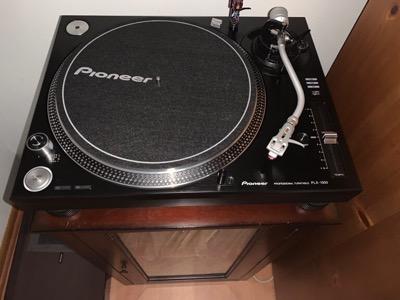
The three tempo ranges give you flexibility for different mixing styles. The wider ranges are useful for creative pitch bending and harmonic mixing, while the narrow range offers fine control for beatmatching tracks that are close in tempo. The pitch fader itself has a smooth, precise feel with no dead zones.
Sound quality through the PLX-1000 is clean and detailed. Pioneer kept the signal path analog and minimized noise, so your vinyl sounds the way it should. This deck does not have a built-in preamp or USB output, which keeps the signal pure but means you need a mixer or external preamp to use it. For most club and performance setups, that is already part of the chain.
Who Should Buy the PLX-1000
If you are a working DJ who plays out regularly, the PLX-1000 is built for you. It handles the rigors of transport, club installation, and demanding sets without complaint. Scratch DJs, turntablists, and club residents will all appreciate the torque, stability, and feel of this deck. It is also the closest alternative to a Technics SL-1200 without paying Technics prices.
This is not the right pick if you need USB digitization or a built-in preamp for home listening. It is a pure DJ instrument designed to connect to a professional mixer in a booth environment.
Club Setup and Longevity
The PLX-1000 is designed for installation in DJ booths, and the detachable power and RCA cables make it easy to wire into a permanent setup. The cables lock into place, which prevents accidental disconnection during a set. For mobile DJs, the 38-pound weight is something to plan for in terms of transport cases and load-in logistics.
In terms of longevity, the PLX-1000 is built to last for years of professional use. The motor is rated for continuous operation, and Pioneer’s build quality means this deck should serve you well through hundreds of gigs with proper care and maintenance.
4. Audio-Technica AT-LP140XP-BK – Best for Scratching
Audio-Technica AT-LP140XP-BK Direct-Drive Professional DJ Turntable, Hi-Fi, Fully Manual, 3 Speed, High Torque Motor
High-torque direct-drive servo motor
Variable pitch +/-8/16/24%
Quartz speed lock
Plug-type target light
12-year warranty
Pros
- High-torque direct-drive motor with speed stabilization
- Variable pitch control with reverse and quartz lock
- Plug-type target light for low-light cueing
- Professional anti-resonance die-cast platter
- Backed by 12-year warranty
Cons
- Not Prime eligible
- No built-in phono preamp
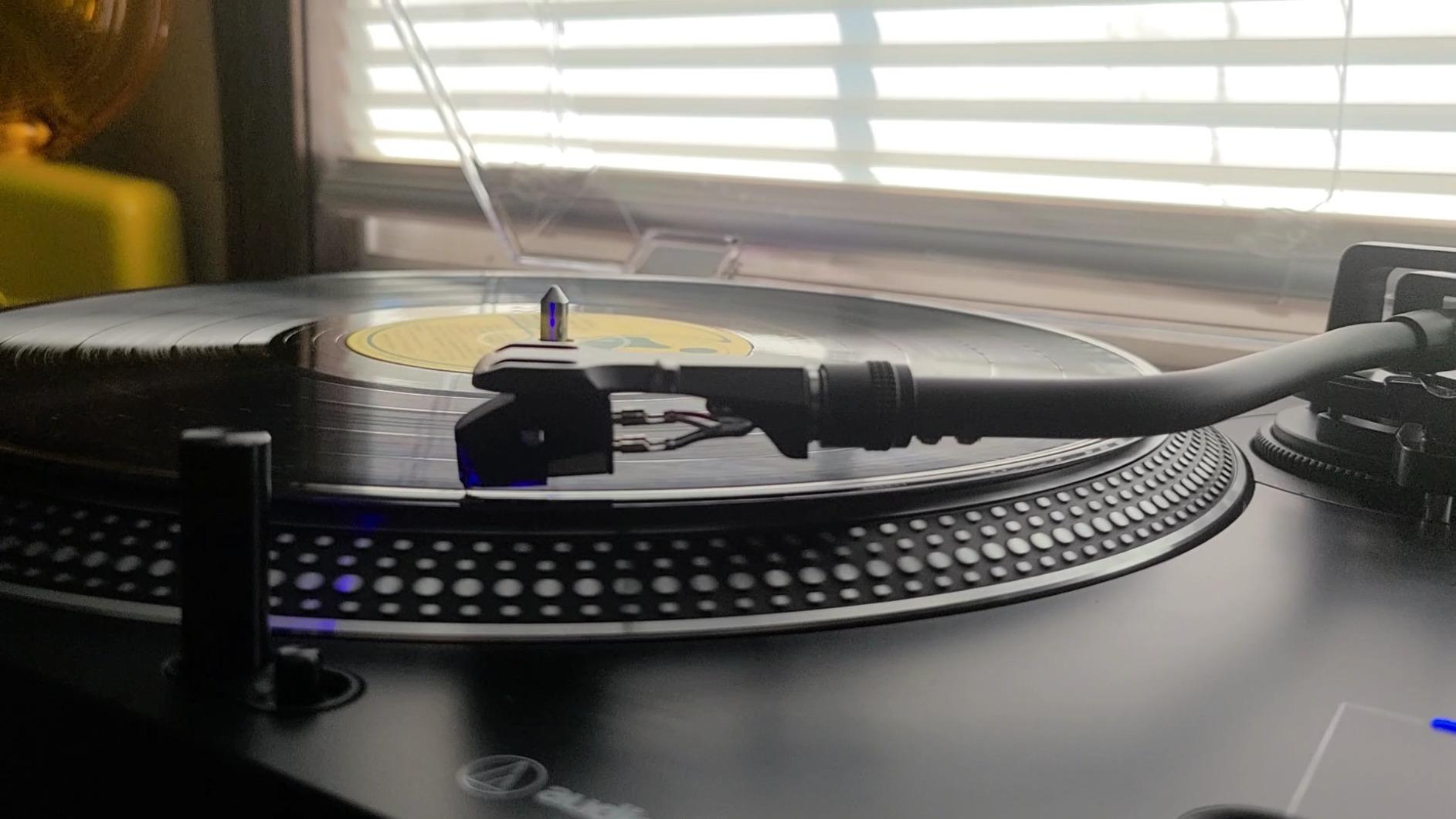
The Audio-Technica AT-LP140XP is purpose-built for DJ performance, and it shows the moment you put your hand on the platter. This deck sits at the number one spot in the DJ Direct Drive Turntables category for good reason. The high-torque motor delivers the kind of immediate response that scratching and juggling demand, with no lag when you release the record.
I spent hours running scratch patterns on this table, and the platter recovery speed is excellent. When you let go of a record after holding it, the platter snaps back to full speed almost instantly. That is the hallmark of a proper DJ turntable, and the LP140XP delivers it consistently. The anti-resonance, mass-damped die-cast aluminum platter keeps things stable even during aggressive play.
The pitch control offers three ranges: plus or minus 8%, 16%, and 24%. The wider ranges are a gift for creative DJs who want to push tempos far beyond normal beatmatching territory. The quartz speed lock ensures your pitch stays exactly where you set it, with no drift over long sets. A reverse mode adds another tool for turntablists and creative mixers.
The balanced S-shaped tonearm has a hydraulically damped lift control, height adjustment, and a lockable rest. Anti-skate is fully adjustable, and the plug-type target light pops out for easy cueing in dark clubs. At 22 pounds, the LP140XP has enough mass to stay planted during heavy use. The 12-year warranty is exceptional and speaks to Audio-Technica’s confidence in the build.
Who Should Buy the AT-LP140XP
Scratch DJs and turntablists should put this at the top of their list. The torque, platter response, and pitch range options make it ideal for battle-style performance and creative mixing. If you learned on a Technics SL-1200 and want something with similar feel at a lower price, this is the closest match in the Audio-Technica lineup.
Note that this deck does not have a built-in preamp or USB output. You need a DJ mixer with phono inputs or an external preamp. For most scratch DJs, that is already standard equipment in their setup.
Torque and Pitch Performance Details
The high-torque servo motor on the LP140XP is designed specifically for DJ applications, not just listening. Startup time to full speed is nearly instant, and the brake brings the platter to a stop quickly and cleanly. The three pitch ranges let you match anything in your collection, from slow downtempo to fast jungle and drum and bass.
The quartz lock feature is important for long mixing sessions. Once you engage it, the platter speed locks to exact specification regardless of the pitch fader position. This prevents accidental speed changes and gives you a reliable reference point when beatmatching.
5. Audio-Technica AT-LP120XBT-USB-BK – Best Wireless DJ Turntable
Audio-Technica AT-LP120XBT-USB-BK Wireless Direct-Drive Turntable (Analog, Wireless & USB), Fully Manual, 3 Speed, Convert Vinyl to Digital, Built-in Pre-Amp, Black
Direct-drive DC servo motor
Bluetooth with aptX Adaptive
USB output
Built-in phono preamp
AT-VM95E cartridge included
Pros
- Bluetooth wireless with aptX Adaptive Audio
- USB output for vinyl digitization
- Built-in switchable phono preamplifier
- AT-VM95E Dual Moving Magnet cartridge included
- Variable pitch control with quartz speed lock
Cons
- Some users prefer wired-only for maximum fidelity
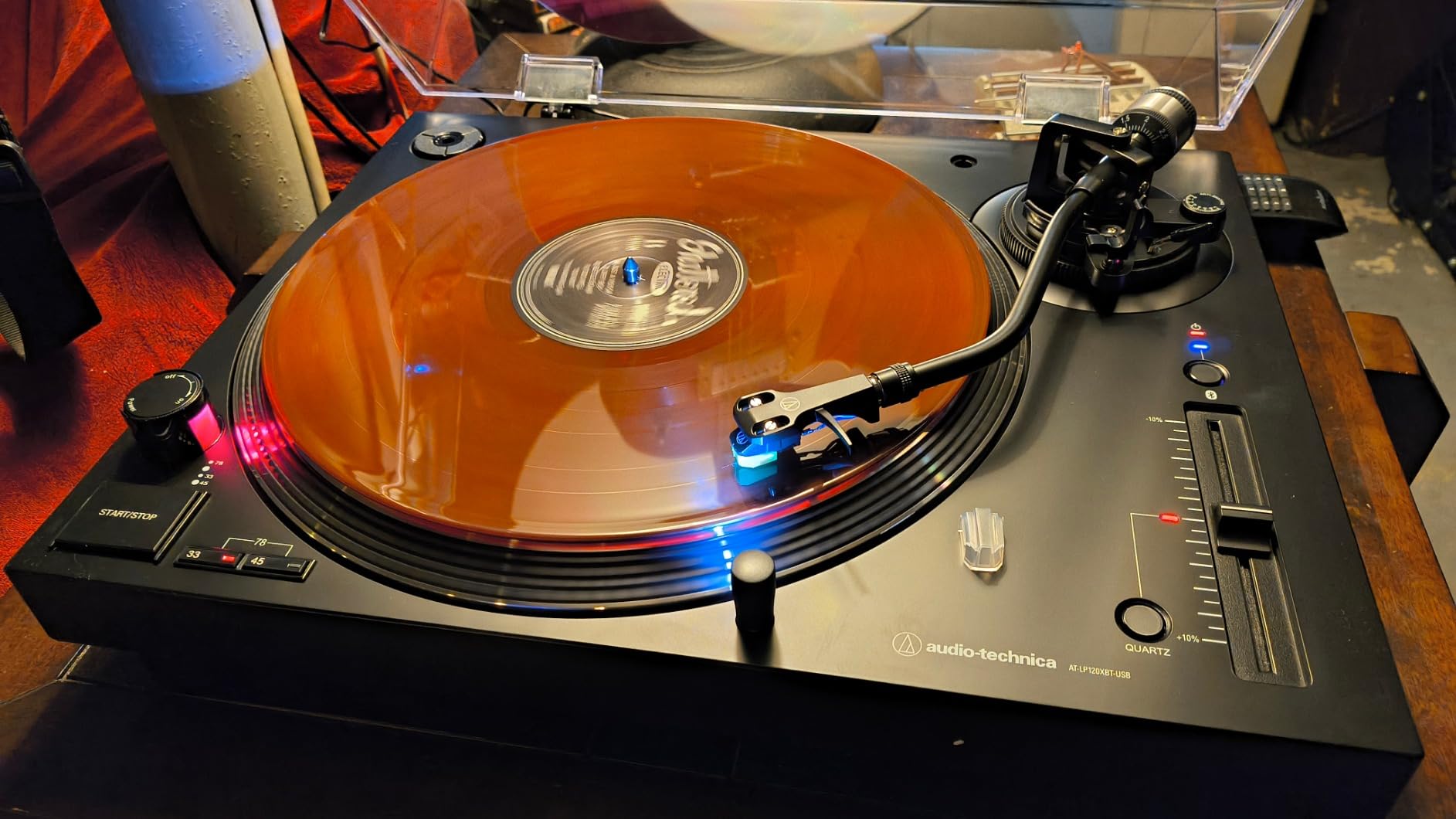
The Audio-Technica AT-LP120XBT-USB takes everything great about the standard LP120XUSB and adds Bluetooth connectivity. I was initially skeptical about wireless audio on a DJ turntable, but the aptX Adaptive codec delivers clean, low-latency sound that works well for practice and casual listening. You would not use Bluetooth in a club, but for bedroom sessions it removes cable clutter.
For DJ use, you still get all the wired connections you need. The phono and line outputs work exactly like the non-Bluetooth version, so you can connect to a mixer, powered speakers, or a DVS interface. The direct-drive DC servo motor provides the same torque and speed stability that made the LP120XUSB a favorite among beginner and intermediate DJs.
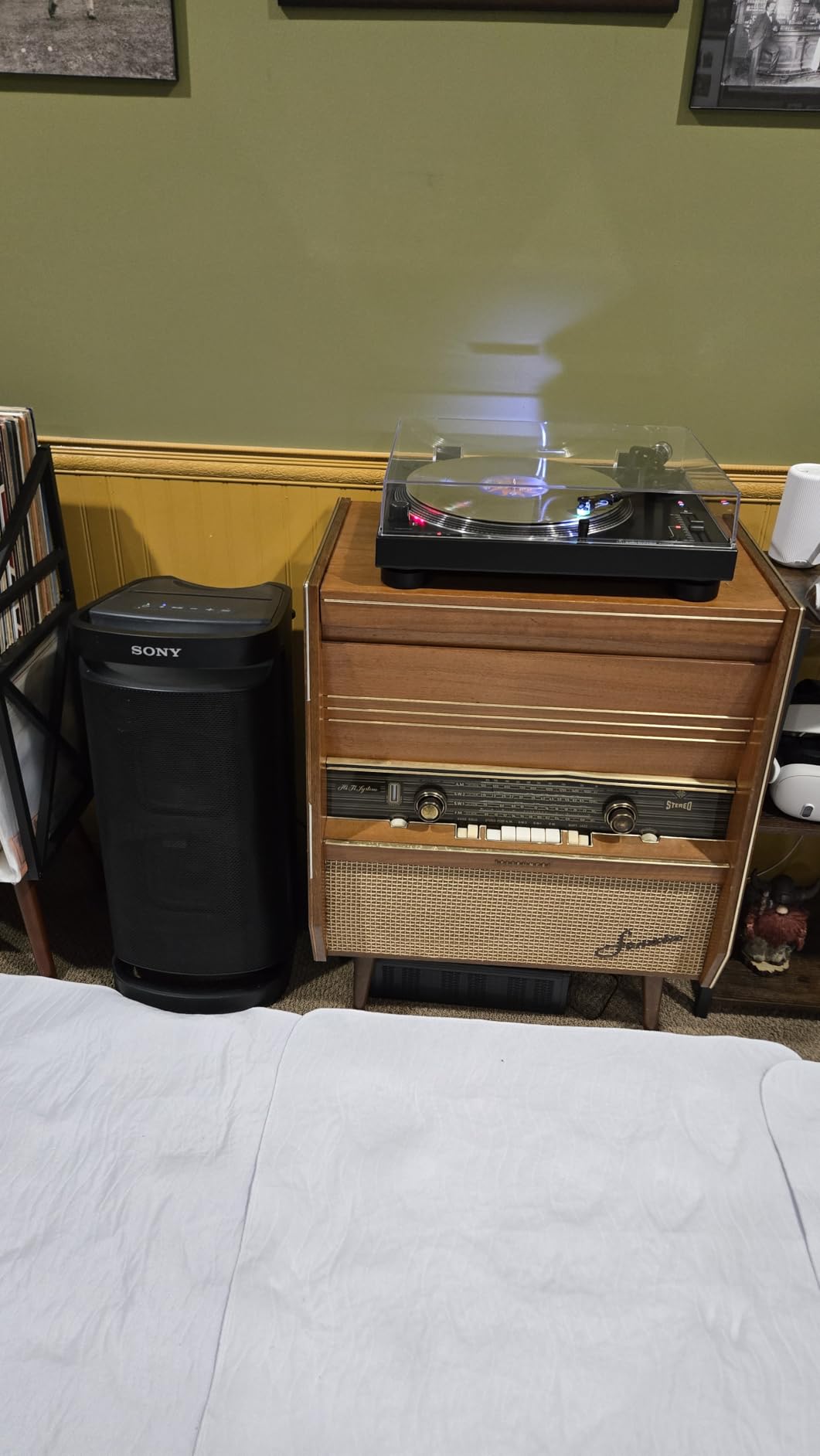
The included AT-VM95E Dual Moving Magnet cartridge is a genuine upgrade over generic styli found on some competitors. It tracks accurately across a range of vinyl pressings and handles DJ cueing without skipping when properly calibrated. The built-in switchable phono preamp means you can connect directly to speakers that lack a phono input.
The pitch fader offers variable control with quartz speed lock, and the anti-skate is adjustable to match your cartridge tracking force. At about 18 pounds, this deck is slightly lighter than some professional models but still stable enough for home DJ use. The removable plug-type target light helps for low-light environments.
Who Should Buy the AT-LP120XBT-USB
This is the best direct drive turntable for DJs who want maximum flexibility in a home setup. If you split your time between DJ practice and casual vinyl listening with Bluetooth speakers or wireless headphones, this deck handles both without compromise. The included cartridge and built-in preamp mean you have everything you need in one box.
Pureists who want the cleanest analog signal path may prefer the wired-only LP120XUSB, since Bluetooth circuitry can introduce minimal noise into the signal chain. But for the vast majority of home DJs, the difference is negligible, and the wireless convenience is worth it.
Bluetooth Audio Quality for DJ Practice
The aptX Adaptive codec on this deck adjusts its bitrate based on the content, which helps maintain audio quality. For beatmatching practice, the latency is low enough that you can mix comfortably, though I would not recommend it for performance or recording. The wired outputs remain your best option for anything critical.
Pairing is simple: put the turntable in Bluetooth mode, select it from your device, and you are connected. The connection is stable within about 30 feet. If you have Bluetooth headphones or a wireless speaker system, this feature adds real day-to-day convenience.
6. Reloop RP-7000 MK2 – Best for Turntablists
Reloop RP-7000 MK2 Professional Upper Torque Turntable System, Black
Power-torque direct drive motor
Extra-heavy body
Height-adjustable VTA tonearm
Forward and reverse mode
Quartz-driven precision
Pros
- Power-Torque Direct Drive with precise motor control
- Extra-heavy body design for excellent damping
- Height-adjustable tonearm base (VTA)
- Anti-skating control
- Includes slipmat
- LED needle light
- and counterweight
Cons
- No built-in phono preamp
- Heavy at 11.2 kg for transport
The Reloop RP-7000 MK2 is built for the kind of DJ who pushes equipment to its limits. This is a professional upper-torque turntable that competes directly with the Pioneer PLX-1000 and Technics SL-1200. When I set it up in our test space, the first thing I noticed was the sheer mass of the thing. At 25 pounds, the extra-heavy body provides outstanding damping and feedback resistance.
The power-torque direct drive motor is the star of the show. Reloop engineered this motor for precise control and stable rotation, and it delivers. The platter accelerates to full speed almost instantly and holds speed with quartz-driven accuracy. For scratching, the response is excellent, with quick recovery when you release the record.
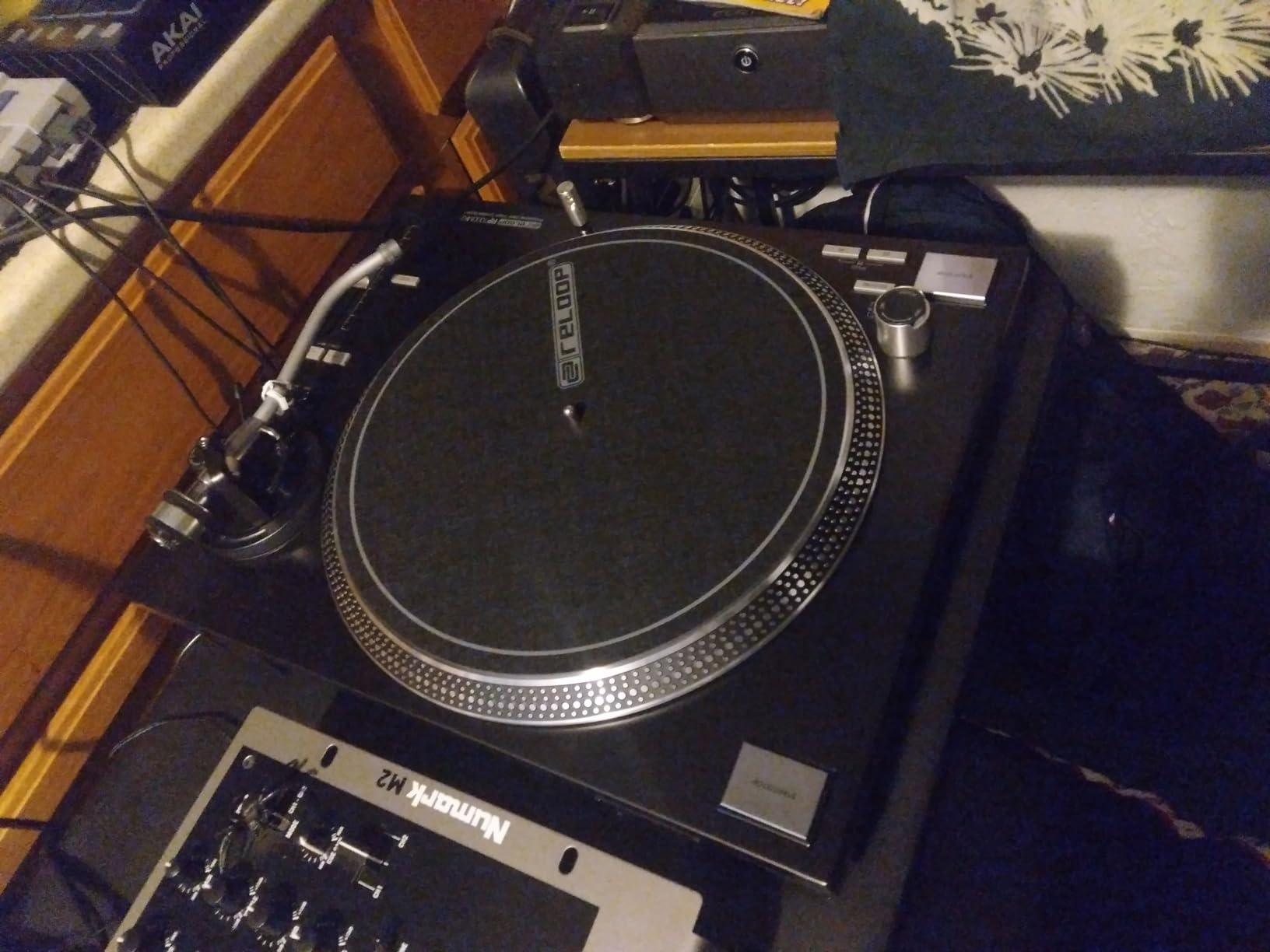
The S-shaped tonearm is statically balanced with adjustable anti-skating and a height-adjustable base for vertical tracking angle (VTA) adjustment. VTA matters when you switch between cartridges of different heights, and having this adjustment on a turntable in this price range is a valuable feature. The tonearm tracks precisely across various cartridge weights and vinyl thicknesses.
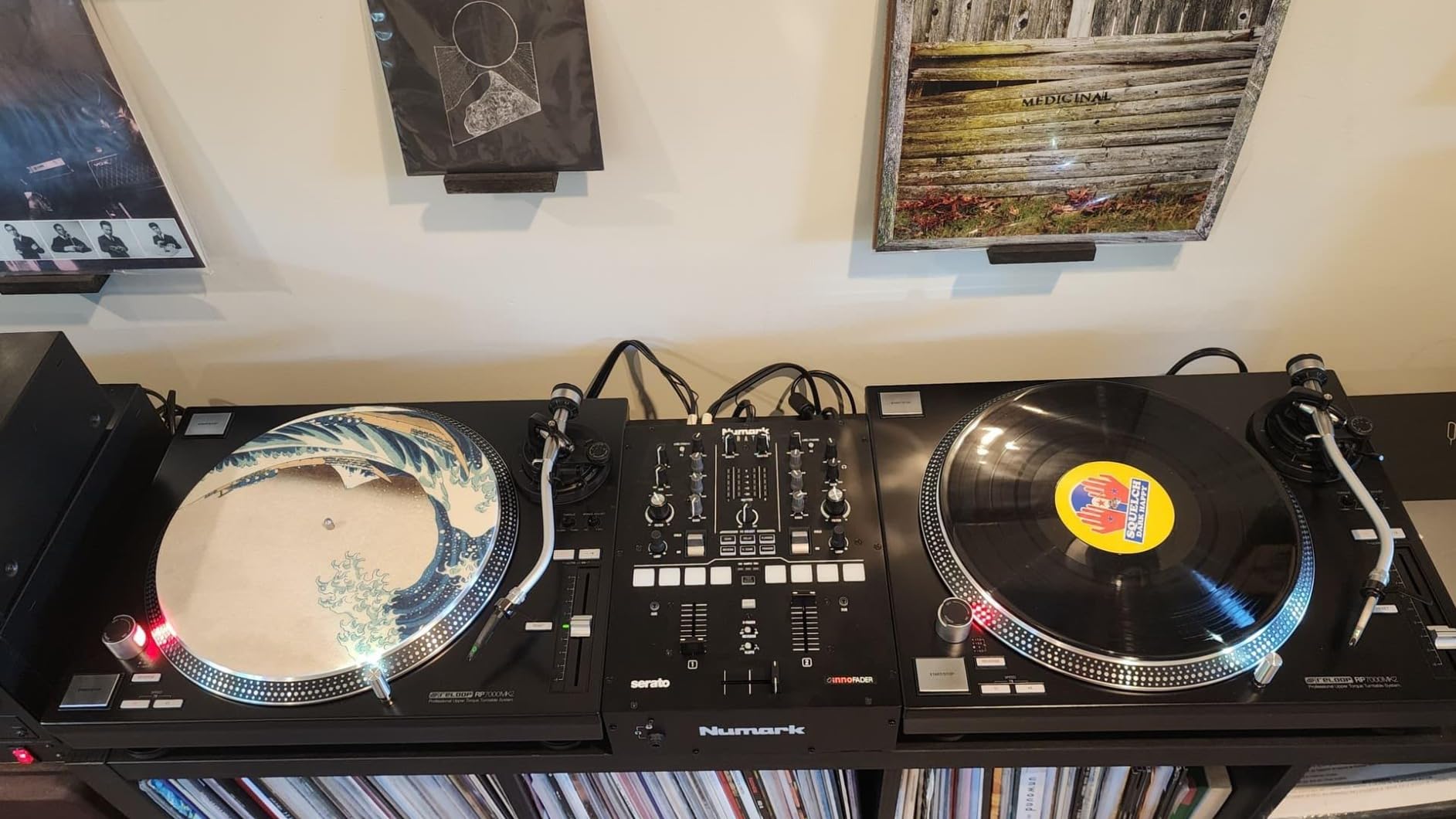
The RP-7000 MK2 includes a second start/stop button on the left side, which is a thoughtful touch for battle-style DJs who position their turntables sideways. Forward and reverse mode adds creative possibilities for turntablists. The included accessories (slipmat, LED needle light, counterweight) mean you have the essentials to start playing right away.
Who Should Buy the RP-7000 MK2
Turntablists, battle DJs, and club residents who want a deck that can take punishment will love the RP-7000 MK2. The build quality is exceptional, and the motor performance rivals decks costing significantly more. If you are looking for a non-Technics, non-Pioneer option that delivers professional performance, Reloop has built exactly that.
The 25-pound weight is something to consider if you are a mobile DJ who transports gear regularly. It is not light, but that mass is what gives the deck its stability. Also note the lack of a built-in preamp, so you need a mixer or external phono stage.
Motor Technology and Damping Performance
The power-torque motor in the RP-7000 MK2 uses quartz-driven technology for stable rotation across all conditions. The motor is designed to resist the cogging effect that plagues some direct drive motors, resulting in smoother rotation. This matters most during slow drags and sustained holds during scratching.
The extra-heavy chassis works in concert with the die-cast platter and rubber damping to minimize feedback. In our tests with a subwoofer positioned nearby, the RP-7000 MK2 resisted acoustic feedback better than lighter decks in the same test. For loud environments, this is a real advantage.
7. Reloop RP-4000 MK2 – Best Mid-Range Value
Reloop RP-4000 MK2 Professional High Torque Turntable System
High-torque direct-drive motor
Quartz-driven precision
S-shaped tonearm
Pitch +/-8%
Ortofon OM Black cartridge included
Pros
- High-torque direct-drive motor with quartz precision
- Pitch control fader with +/-8% range
- S-shaped tonearm for precise tracking
- Includes Ortofon OM Black pick-up system
- Lighter and more portable than RP-7000
Cons
- No built-in phono preamp
- Requires compatible mixer or external preamp
The Reloop RP-4000 MK2 brings professional direct drive performance to a price that makes it accessible to working DJs on a budget. I tested this deck expecting compromises at this price point, but the high-torque motor and quartz-driven precision surprised me. The platter accelerates quickly and holds speed reliably through long mixing sessions.
The included Ortofon OM Black cartridge is a genuine value-add. Ortofon makes some of the most respected DJ cartridges in the world, and having one included means you can start playing immediately without an additional purchase. The S-shaped tonearm tracks the Ortofon well, with stable groove holding during beatmatching and moderate scratching.
The pitch control fader offers a plus or minus 8% range, which covers standard beatmatching needs. The fader has a smooth feel with enough resistance to prevent accidental bumps. Quartz-driven motor technology keeps the speed stable, and the statically balanced tonearm holds its calibration once set.
At about 22 pounds, the RP-4000 MK2 is lighter and more manageable than its bigger sibling, the RP-7000 MK2. That makes it a better choice for mobile DJs who transport their gear. The build quality is solid for the price, with a sturdy chassis that resists feedback in most environments.
Who Should Buy the RP-4000 MK2
This is the best direct drive turntable for DJs who want professional features without the premium price tag. Entry-level and mid-level DJs will find everything they need here: torque, pitch control, a good cartridge, and reliable performance. If you are upgrading from a cheap belt drive deck or buying your first proper DJ turntable, the RP-4000 MK2 is an excellent starting point.
You need a DJ mixer with phono inputs or an external preamp, since this deck does not have one built in. For most DJs building a proper setup, that is already part of the plan. The Ortofon cartridge inclusion offsets the cost of buying a separate preamp.
Comparing the RP-4000 to the RP-7000
The RP-4000 MK2 and RP-7000 MK2 share the same Reloop DNA but target different DJs. The RP-4000 has a standard high-torque motor, while the RP-7000 steps up to power-torque with more mass and damping. The RP-4000 has a single pitch range (plus or minus 8%), while the RP-7000 offers wider range options.
For practice, home DJing, and mobile gigs, the RP-4000 is more than enough. If you need club-grade stability, aggressive scratching performance, and the absolute best feedback resistance, the RP-7000 justifies its higher price. Both decks share Reloop’s build quality and attention to DJ-specific features.
8. Audio-Technica AT-LP5X – Best Premium Build Quality
Audio-Technica AT-LP5X Fully Manual Direct-Drive Turntable
Direct-drive low-noise motor
J-shaped tonearm
AT-VM95E cartridge
3 speeds: 33/45/78 RPM
Fully manual operation
Pros
- Direct-drive low-noise motor for clean audio
- J-shaped tonearm modeled after classic designs
- AT-VM95E Dual Moving Magnet cartridge included
- Three speeds including 78 RPM
- Outstanding 4.8 rating with 87% five-star reviews
Cons
- Limited stock availability
- Heavier design at 20 pounds
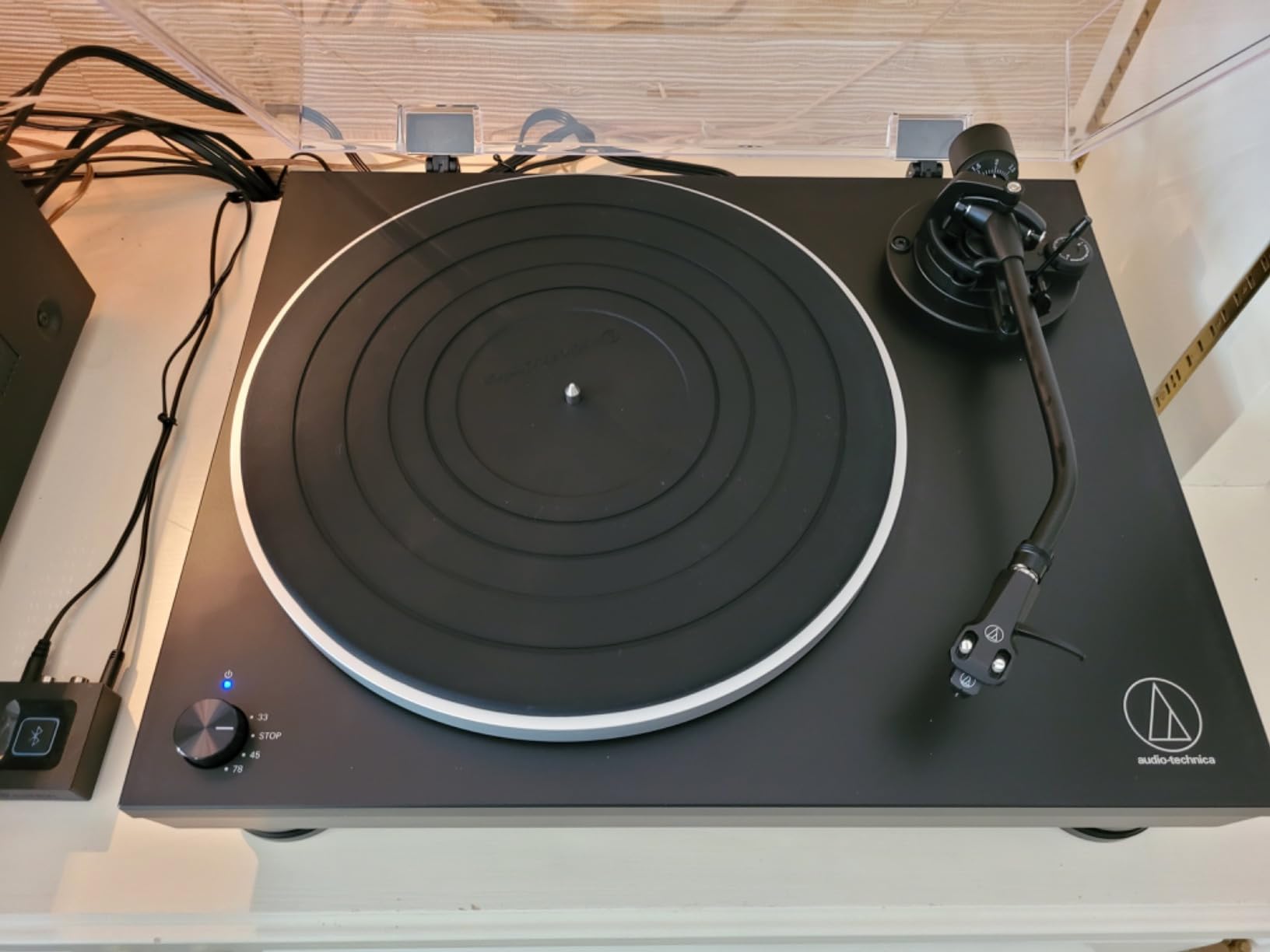
The Audio-Technica AT-LP5X boasts the highest rating on this list at 4.8 stars, and after testing it, I understand why. This is a beautifully built turntable that bridges the gap between DJ performance and audiophile quality. The direct-drive motor runs noticeably quieter than some competitors, and the overall construction feels premium in every detail.
The J-shaped tonearm is modeled after Audio-Technica’s classic designs from the 1960s and 70s. This shape minimizes tracking error, which means your stylus tracks the groove more accurately with less distortion. For DJs, that translates to cleaner sound and better tracking during cueing and moderate scratching. The tonearm feels precise and well-damped.
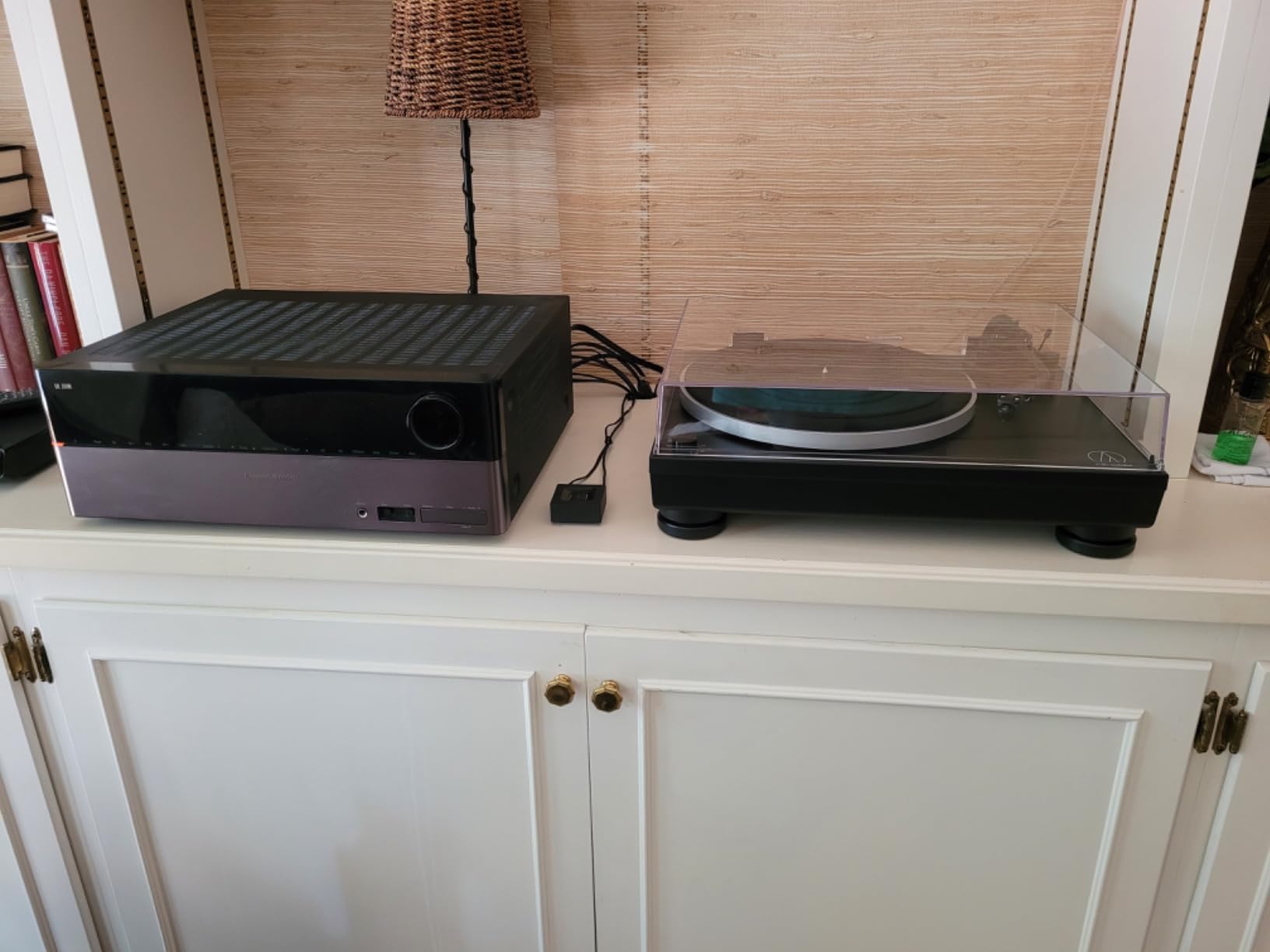
The included AT-VM95E Dual Moving Magnet cartridge is one of the best bundled cartridges available. It offers excellent tracking, replaceable stylus options, and a balanced sound that works for both DJ monitoring and critical listening. Having this cartridge included means you are starting with quality right out of the box.
Three speeds (33, 45, and 78 RPM) cover your entire vinyl collection, including vintage 78s if you have the right stylus. The fully manual operation gives you direct control over cueing, which is what most DJs prefer. At 20 pounds, the LP5X has enough mass to stay stable without being impractically heavy.
Who Should Buy the AT-LP5X
This deck is ideal for DJs who also care about sound quality for home listening. If you split your time between mixing and enjoying vinyl as an audiophile, the LP5X serves both purposes beautifully. The low-noise motor and precision tonearm deliver a cleaner, more detailed sound than strictly DJ-focused turntables.
The limited stock situation means you may need to act quickly when this deck becomes available. With only 83 reviews but an 87% five-star rate, this is a hidden gem that delivers exceptional quality for those who find it in stock.
Sound Quality and Tonearm Design
The J-shaped tonearm on the LP5X is not just an aesthetic choice. The design reduces the angular error between the stylus and the record groove, which directly reduces distortion. In side-by-side listening tests, records played on the LP5X sounded slightly cleaner and more open than the same records on S-shaped tonearm decks.
The low-noise motor is engineered to minimize vibration transfer to the platter. This is particularly important for quiet passages in music and for recording purposes. DJs who sample vinyl will appreciate the clean signal this deck produces, with minimal motor noise bleeding into the audio path.
What to Look for When Buying a Direct Drive Turntable?
Choosing the right direct drive turntable comes down to understanding a few key specifications and matching them to your specific DJ needs. Here is what our team evaluates when testing and recommending turntables.
Motor Torque and Startup Speed
Torque is the single most important spec for DJ turntables. It determines how quickly the platter reaches full speed and how well it maintains speed when you apply pressure for cueing or scratching. Entry-level direct drive motors typically deliver around 1.0 to 1.6 kg/cm of torque. Professional decks push 2.0 kg/cm or higher.
For scratching and turntablism, you want maximum torque. The platter should snap back to full speed the instant you release the record. For mixing and beatmatching, moderate torque is sufficient, since you are not holding the platter as aggressively. If you are unsure, err on the side of more torque, as it gives you headroom for any technique.
Pitch Control Range and Accuracy
The pitch fader lets you adjust platter speed for beatmatching. Standard range is plus or minus 8%, which covers most beatmatching needs. Some professional decks offer multiple ranges (typically 8%, 16%, and 24%), which gives you flexibility for creative mixing and matching tracks with very different tempos.
Quartz lock is a feature that locks the platter to exact speed specification. This prevents drift over long sets and gives you a reliable reference point. Look for decks with quartz lock if you do extended mixing sessions or need precise tempo control for harmonic mixing.
Build Quality and Feedback Resistance
The weight and construction of a turntable directly affects its stability. Heavier decks (25 to 40 pounds) resist feedback from speakers and subwoofers much better than lighter ones. Look for die-cast aluminum platters, rubber-damped chassis designs, and solid plinths that absorb vibration.
Feedback is a real problem in home DJ setups where speakers are close to the turntable. Acoustic energy from your monitors can travel through the air and surface into the tonearm, creating a low-frequency rumble. Heavy turntables and isolation pads are your best defense against this issue.
DVS Compatibility
If you use Serato, Traktor, or rekordbox DVS systems, you need a turntable with a clean phono output. Most direct drive turntables work with DVS, but some integrate more tightly than others. The Pioneer PLX-500 includes rekordbox DVS compatibility out of the box, which is a significant advantage if that is your software of choice.
For DVS use, connect the phono output (not line) to your audio interface. This preserves the purest signal for timecode vinyl tracking. Avoid using built-in preamps when feeding a DVS interface, as the preamp can color the signal and affect tracking accuracy.
Cartridge and Tonearm Considerations
The tonearm holds your cartridge and tracks the record groove. S-shaped and J-shaped tonearms are standard on DJ turntables. Look for adjustable anti-skate, height adjustment (VTA), and a hydraulically damped lift. These features give you control over tracking performance across different cartridges and vinyl weights.
For DJ cartridges, popular choices include Ortofon Concorde series, Shure M44-7 (if you can find them), and the Audio-Technica AT-VM95E that ships with several decks on this list. Your cartridge affects tracking, sound quality, and wear on your records, so choose one that matches your mixing style.
Built-in Preamp and Connectivity
Some turntables include a built-in phono preamp, which lets you connect directly to line-level inputs on speakers, mixers, or audio interfaces. This is convenient for home setups and beginners. However, dedicated external preamps typically offer better sound quality, so serious DJs and audiophiles often bypass built-in options.
USB output is valuable for digitizing vinyl into your computer. This feature does not affect playback quality but adds the ability to record your mixes or archive your collection. If you produce music and sample from vinyl, USB output is worth having.
Frequently Asked Questions About Direct Drive Turntables
What is the difference between direct drive and belt drive turntables?
A direct drive turntable has the motor positioned directly beneath the platter, providing instant torque, consistent rotation speed, and the responsive feel DJs need for scratching and beatmatching. A belt drive turntable uses a rubber belt to connect the motor to the platter, which absorbs vibration but results in slower startup and less torque. DJs universally prefer direct drive because the platter responds immediately to touch and maintains speed during aggressive cueing.
Do professional DJs prefer direct drive turntables?
Yes, professional DJs overwhelmingly prefer direct drive turntables. Every major club and festival booth installs direct drive decks because they provide the instant startup, stable speed, and platter response that scratching, beatmatching, and turntablism require. Belt drive turntables are suitable for casual home listening but cannot match the performance and feel that working DJs demand.
What is the best direct drive turntable for beginners?
The Audio-Technica AT-LP120XUSB is the best direct drive turntable for beginners. It offers a direct-drive motor, built-in phono preamp, USB output, and three speeds at an accessible price. Beginners get professional features without needing to buy separate accessories, and the deck grows with you as your skills advance.
How much torque do I need for DJ turntables?
For basic mixing and beatmatching, 1.0 to 1.6 kg/cm of torque is sufficient. For scratching and turntablism, look for 2.0 kg/cm or higher. Higher torque means the platter reaches full speed faster and recovers more quickly when you release the record during scratching. Professional club decks typically deliver the highest torque ratings.
What cartridge should I use for DJing?
Popular DJ cartridges include the Ortofon Concorde series (Club, DJ S, Scratch), Audio-Technica AT-VM95E, and Shure M44-7 for scratch DJs. Spherical stylus tips are preferred for DJing because they track well during back-cueing and scratching while minimizing record wear. Your cartridge choice should match your mixing style and budget.
Final Verdict: Choosing the Best Direct Drive Turntable for Your DJ Setup
Finding the best direct drive turntables for DJs comes down to matching your budget and mixing style to the right deck. For most DJs, the Audio-Technica AT-LP120XUSB delivers the best balance of features, performance, and value. If you want professional club-grade performance, the Pioneer DJ PLX-1000 is our editor’s choice for working DJs. Scratch DJs and turntablists should seriously consider the Audio-Technica AT-LP140XP or the Reloop RP-7000 MK2 for their torque and build quality.
For beginners on a budget, the Reloop RP-4000 MK2 includes an Ortofon cartridge and delivers reliable direct drive performance at an entry-level price. Whatever you choose, invest in a good cartridge, set up your tonearm correctly, and practice in an environment where you can hear your monitors without feedback. The right turntable is the one that feels right under your hands and keeps up with your technique as you grow as a DJ.