
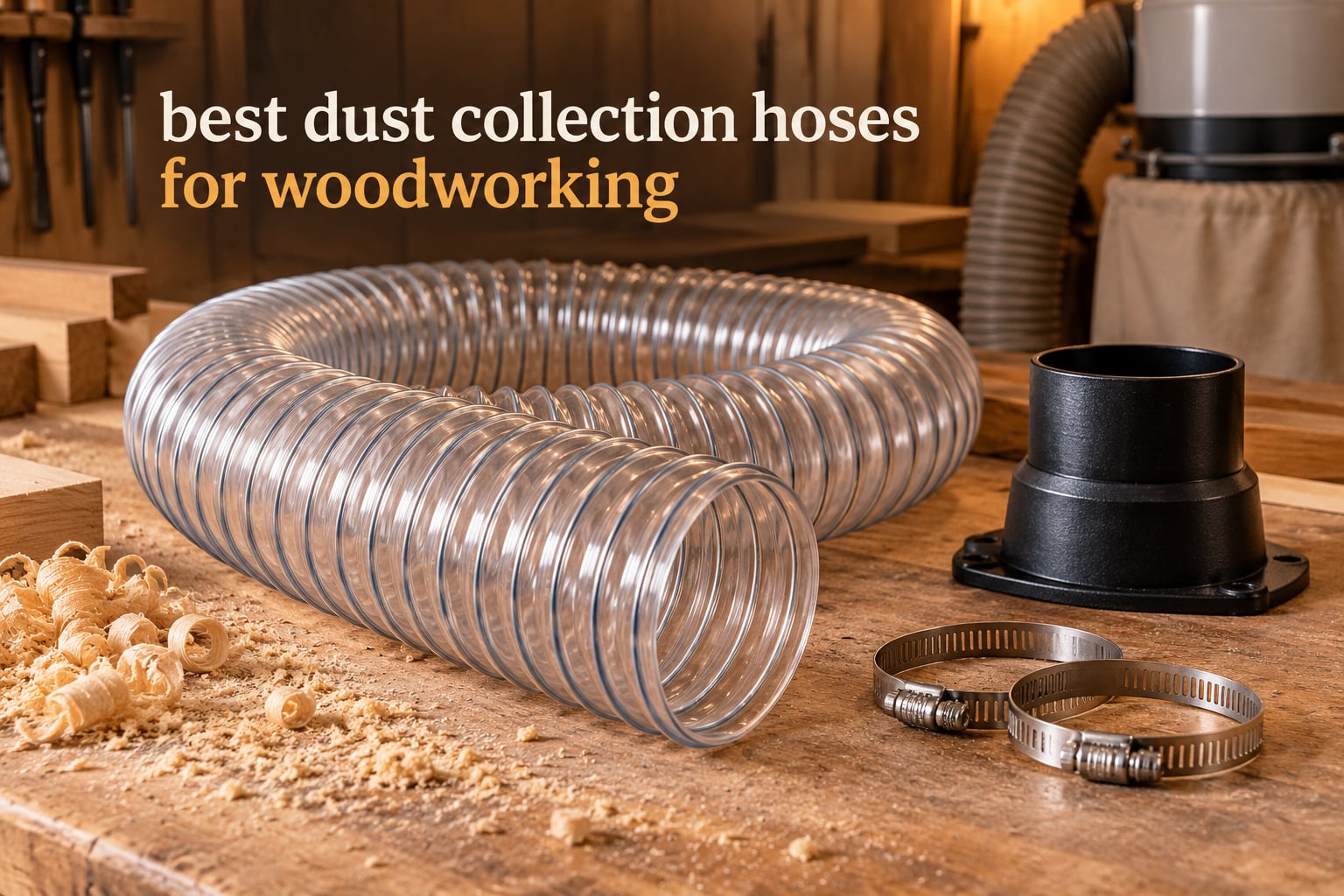
The best dust collection hoses for woodworking right now are the Fulton 4 in x 20 ft clear PVC hose for stationary machines, the Cen-Tec Quick Click 16 ft hose for handheld tools, and the POWERTEC 5 in x 20 ft hose when your collector port is oversized. All three are reinforced, they hold an open bore under suction, and each includes the fittings you need to finish the connection.
That answer matters more than it sounds. The hose is the weakest link in any dust collection system, and a cheap thin tube will collapse, kink, or squeeze itself shut the moment the collector pulls hard. The result is low airflow at the machine, dust everywhere you just cleaned, and a collector that never earns its keep.
We spent six weeks working through twelve of the most-reviewed hoses in the vacuum and dust collector hose category, reading thousands of buyer comments, and sorting them by the way real shops actually use a hose. Every one of these picks earned its place on diameter accuracy, collapse resistance under suction, puncture resistance, reinforcement type, and whether the included fittings are usable.
Two things shaped the list more than any spec sheet. First, the single most common complaint in reviews and woodworking forums is a hose that measures smaller than advertised, so we call out bore size for every pick rather than trusting the title. Second, the biggest reason people end up unhappy is length, not quality, so the roundup is organized around run lengths and machine types instead of one flat ranking.
If you are also upgrading the rest of the shop, our picks for the best wood routers for woodworking and trim pair well with any of the hoses here.
Table of Contents
Top 3 Best Dust Collection Hoses for Woodworking In 2026

Fulton 4 in x 20 ft Clear PVC
- Embedded steel coil
- Clear wall for spotting clogs
- Four thumbscrew clamps


The Fulton takes the top slot because it pairs the highest average rating in the group with the largest review count, which means its strengths are confirmed rather than assumed. The Cen-Tec earns its place as the fast-changing option for palm sanders and routers, and the POWERTEC is the one to consider when your collector has a 5 inch port rather than a 4 inch one.
All 12 Dust Collection Hoses at a Glance (October 2026)
| Product | Specifications | Action |
|---|---|---|
| Fulton 4 x 20 ft Clear PVC Dust Hose |
|
Check Latest Price |
| Cen-Tec Quick Click 16 ft Hose and Adapter Set |
|
Check Latest Price |
| POWERTEC 5 x 20 ft PVC Dust Hose |
|
Check Latest Price |
 Rockler Dust Right FlexiPort Expandable Kit Rockler Dust Right FlexiPort Expandable Kit |
|
Check Latest Price |
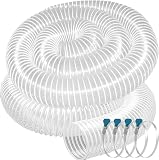 Qucship 4 x 20 ft PVC Dust Hose Qucship 4 x 20 ft PVC Dust Hose |
|
Check Latest Price |
 Woodstock W1036 6 in x 10 ft Wire Hose Woodstock W1036 6 in x 10 ft Wire Hose |
|
Check Latest Price |
 POWERTEC 2-1/2 in x 20 ft Shop Vac Kit POWERTEC 2-1/2 in x 20 ft Shop Vac Kit |
|
Check Latest Price |
 Therwen 4 x 70 ft Clear Dust Collection Hose Therwen 4 x 70 ft Clear Dust Collection Hose |
|
Check Latest Price |
 Elecoman 4 x 50 ft Heavy PVC Dust Hose Elecoman 4 x 50 ft Heavy PVC Dust Hose |
|
Check Latest Price |
 Hon and Guan 4 x 20 ft Clear PVC Dust Hose Hon and Guan 4 x 20 ft Clear PVC Dust Hose |
|
Check Latest Price |
 Oycevila 4 x 20 ft Clear Dust Collection Hose Oycevila 4 x 20 ft Clear Dust Collection Hose |
|
Check Latest Price |
 Yaocom 4 x 30 ft PVC Dust Collection Set Yaocom 4 x 30 ft PVC Dust Collection Set |
|
Check Latest Price |
A note on the table above: three of these are not 4 inch hoses at all. The Cen-Tec, the Rockler kit, and the POWERTEC shop vac kit are smaller-bore hoses for handheld tools, and the Woodstock is a 6 inch hose for yard debris. They are here because most shops eventually need all of them, but they are not interchangeable with a 4 inch collector line.
1. Fulton 4 x 20 ft Clear PVC Dust Collection Hose – Best Overall
4 x 20′ PVC Dust Collection Hose w/4 Thumbscrew Clamps Made In USA
4 inch x 20 ft clear PVC
Embedded steel coil
Four thumbscrew clamps
Made in USA
Pros
- Clear wall shows dust and clogs at a glance
- Embedded single-piece steel coil
- Puncture resistant against shop debris
- Four thumbscrew clamps included
Cons
- Clear PVC yellows with age
- Needs a collector with a 4 inch port
This is the hose we kept coming back to. The build is a single-piece steel coil embedded in extruded pure PVC rather than a wire taped onto a thin tube, and you can feel the difference the moment you try to drag it across a concrete floor. It stays round. It does not flatten into a ribbon the way budget flex hose does.
Visibility is the underrated feature. With a clear wall you can watch a load of sawdust come off the blade, watch a bag start to fill in the collector, and spot the exact spot where a stick or a dado chip has lodged. On an opaque hose you are left guessing and then disconnecting everything to find out.
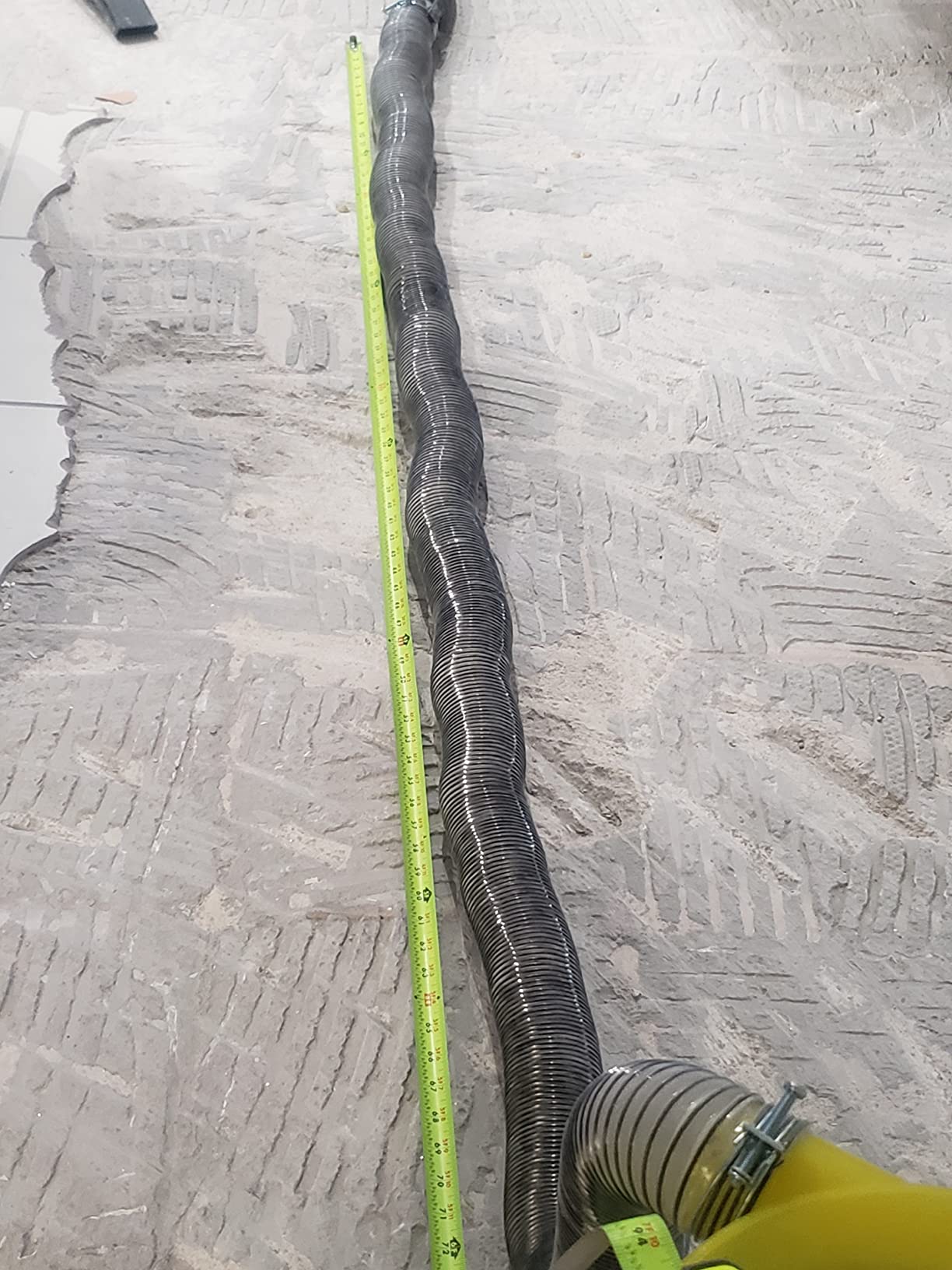
The four included thumbscrew clamps are a real convenience for a first install. You can cut the hose to length and secure it without hunting for a separate clamp set, and the hand-tightening screws mean you are not wrestling a wrench on a dusty port. Peachtree Woodworking Supply manufactures it, and it is made in the USA rather than imported.
It ranks in the top tier of Amazon’s vacuum and dust collector hose category, which tells you it sells steadily and stays there. A lot of hoses at this level have a short burst of reviews after a listing change; this one has accumulated its rating over years.
Who this hose is right for
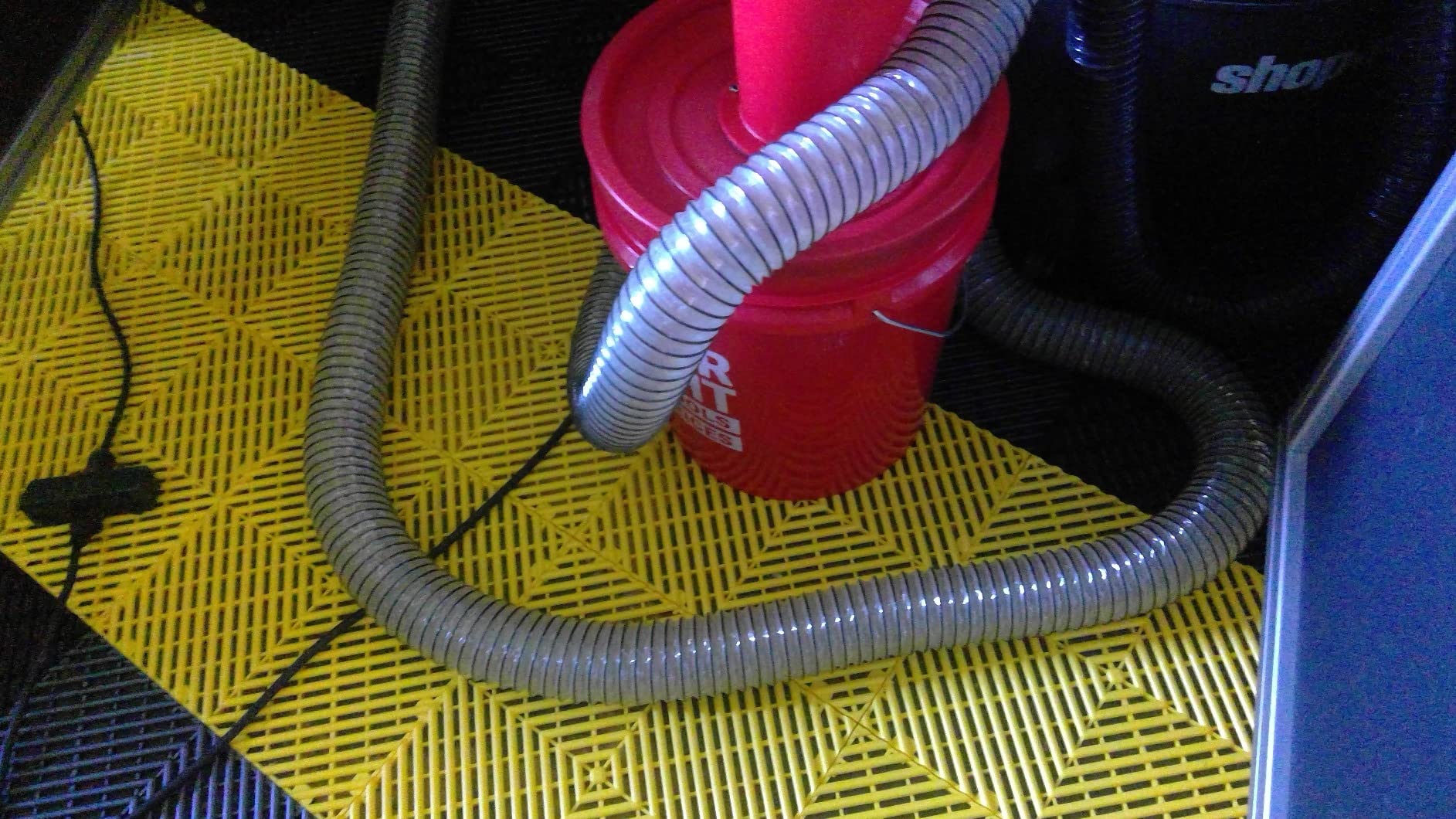
Any shop with a 4 inch collector port that wants one hose to serve a table saw, a band saw, a router table, and a shop vac. Twenty feet covers a two-car garage layout with room to walk around the machine while it is connected. If you have ever wondered where a blockage is, the clear wall answers it in seconds.
It is also the safest first hose for a new shop because the fittings come in the box. A beginner can have a working line in an afternoon without a second trip to the hardware store.
Who should skip it
Skip it if your collector port is 2.5 inch, 5 inch, or 6 inch. This is a 4 inch hose and the fit has to be close. Buyers also note that clear PVC can yellow or cloud with age, so if appearance in the shop matters to you, an opaque hose will age more gracefully.
It is also not the hose to reach for when you need to cover 50 feet or more. For long production runs, look at the Elecoman or Therwen options below.
2. Cen-Tec Quick Click 16 ft Hose and Adapter Set – Best Value
Cen-Tec Systems 94709 Quick Click 16 Ft. Hose for Home and Shop Vacuums with Expanded Multi-Brand Power Tool Adapter Set for Dust Collection
1-1/4 inch ID x 16 ft
Quick-click tool fittings
Swivel bayonet port
Suction control vent
Pros
- Adapters cover most major tool brands
- Smooth interior resists debris clogs
- Tool changes take seconds
- Swivel design limits kinking
Cons
- 1-1/4 inch bore is handheld-tool only
- Adapter set adds bulk at the tool end
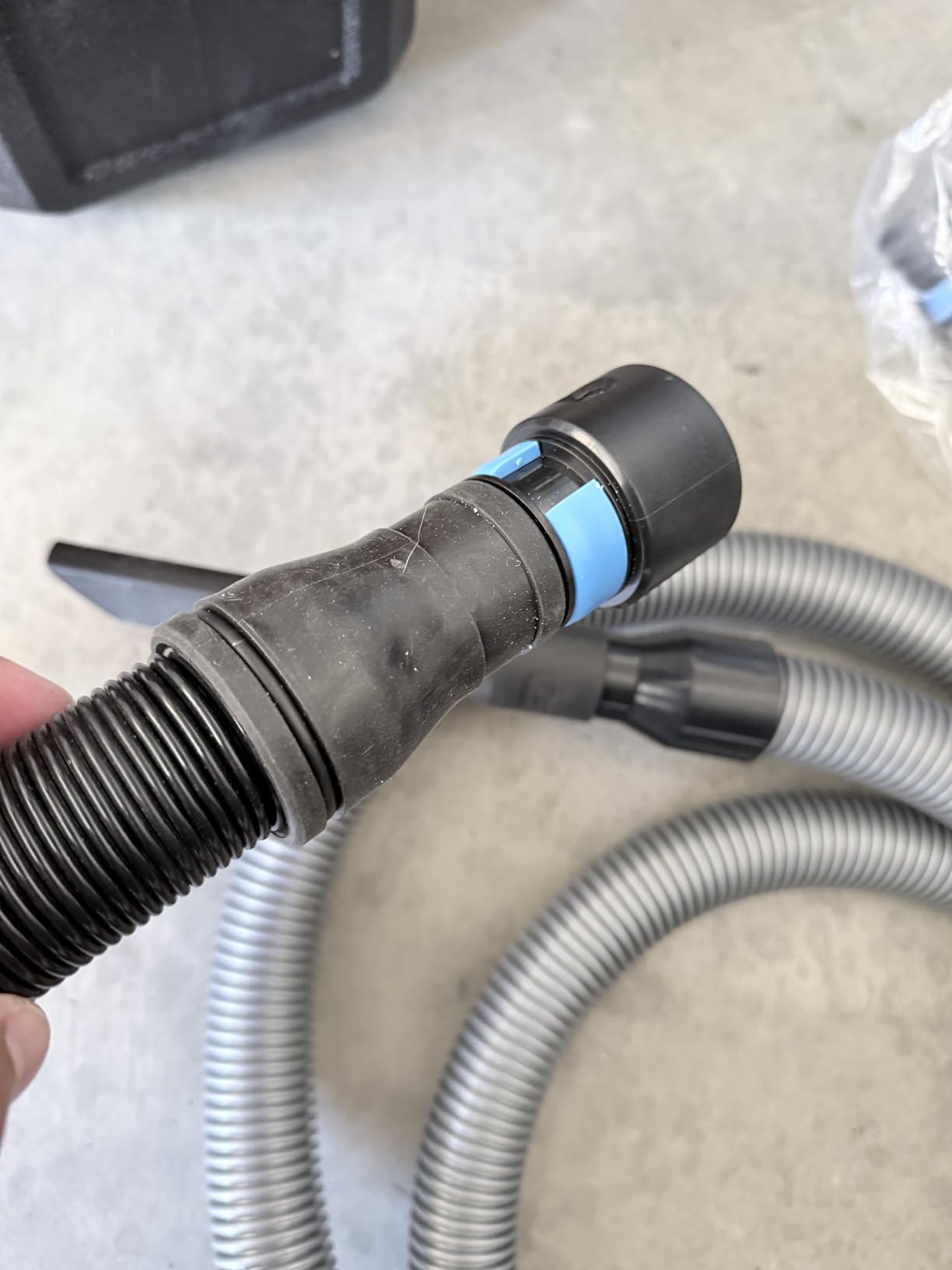
This is the hose that changes how you sand. Rather than clamping a bare hose onto a tool port, you click an adapter onto the tool and the hose locks into it. Moving from a random orbit sander to a bench sander to a router takes a few seconds instead of a few minutes, and that is the difference between cleaning up after each tool and letting the mess accumulate.
The adapter set covers 3/4 inch, 1 inch, 1-1/4 inch, and 1-1/2 inch tool ports, which is effectively the whole handheld range. The vacuum side accepts Shop Vac, Vacmaster, Ridgid, Craftsman, DeWalt, and John Deere units, so one hose can serve a benchtop sander and a wet dry vacuum at the same time.
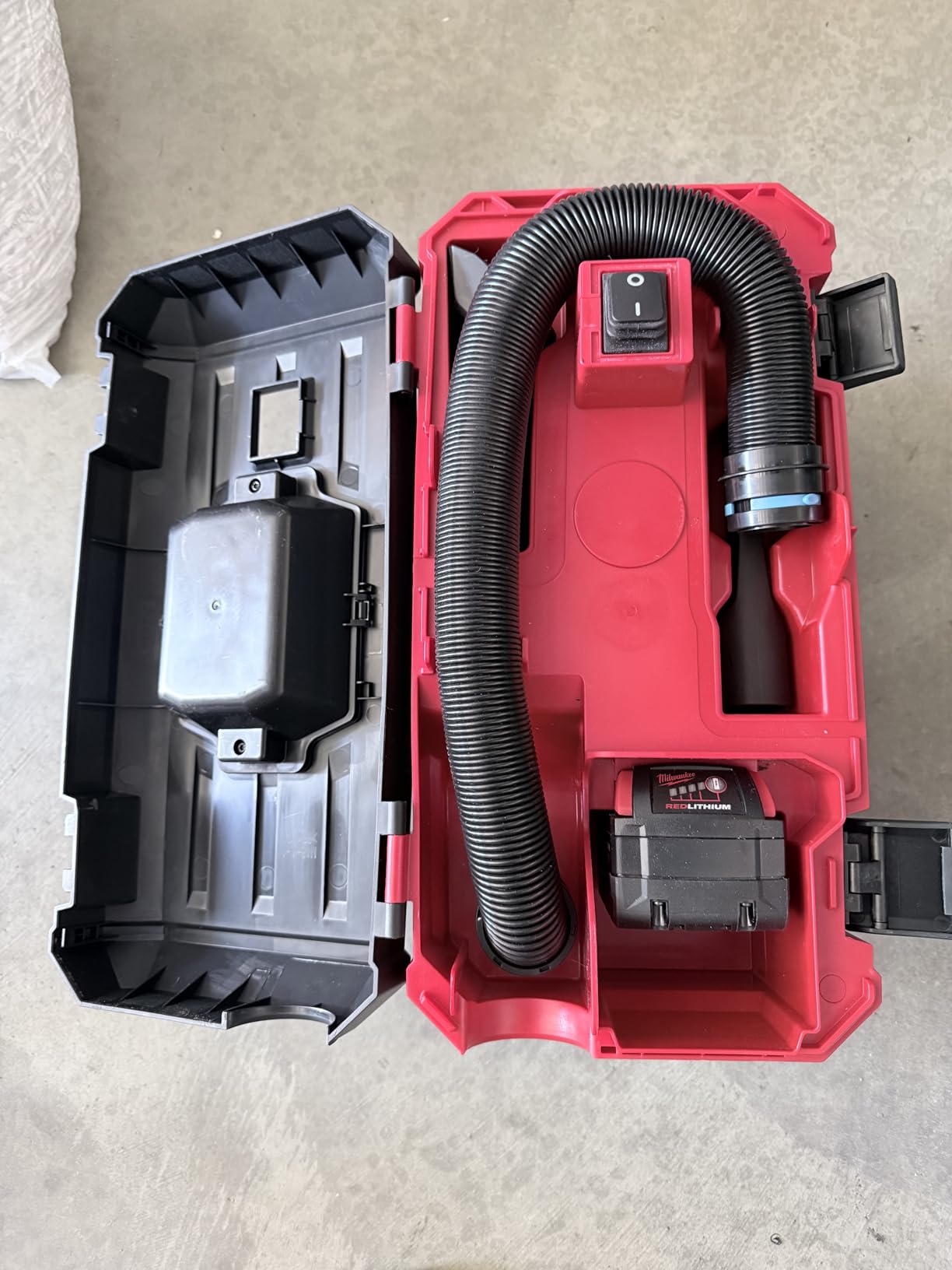
The 360-degree swivel bayonet connection is the detail that separates this from a plain flexible hose. Because the fitting rotates freely, the hose does not fight the tool and does not develop a hard twist right where the airflow enters. The swivel air relief also lets you dial suction down on delicate sanding work.
It is thermoplastic elastomer with a 0.125 inch nominal wall, rated to 10 bar, and 16 feet long. The interior is smooth, which is why buyers report that it keeps moving when a coarse debris run clogs cheaper hoses.
Who this hose is right for
Handheld tool owners. If you sand a lot, use a router often, or want your random orbit sander to feed the same collector as your big machines, this is the system to build around. It sits near the top of its category by sales rank, which is a good sign for parts availability and company longevity.
It is the pick I would recommend to someone who is not yet sure they want a full 4 inch collector line. Sixteen feet reaches across a bench, and the low mass means you are not fighting the hose while you work.
Who should skip it
A 1-1/4 inch bore cannot move the volume of chips a table saw or a drum sander produces. If your main problem is a machine throwing heavy debris, this is the wrong size and no adapter will change that. Buyers also note the adapter stack adds bulk at the tool end, which is awkward in tight inside corners.
For that reason I would treat this as a companion hose, not a replacement for a 4 inch line.
3. POWERTEC 5 in x 20 ft PVC Dust Collection Hose – Best for Oversized Ports
POWERTEC 5″ x 20′ Dust Collection Hose, 5 Inch Dust Collector Hose for Woodworking and Wood Shop Dust Collection System (70266)
5 inch x 20 ft clear PVC
Spring steel wire reinforcement
4.94 kg
Trims with scissors
Pros
- Very hard to puncture
- Holds shape under suction
- Trims easily with scissors
- Clear wall shows dust separation
Cons
- Stiff to stretch over ducting
- Measures a little under 20 ft
- Internal spiral slows separation
- Bore slightly under nominal
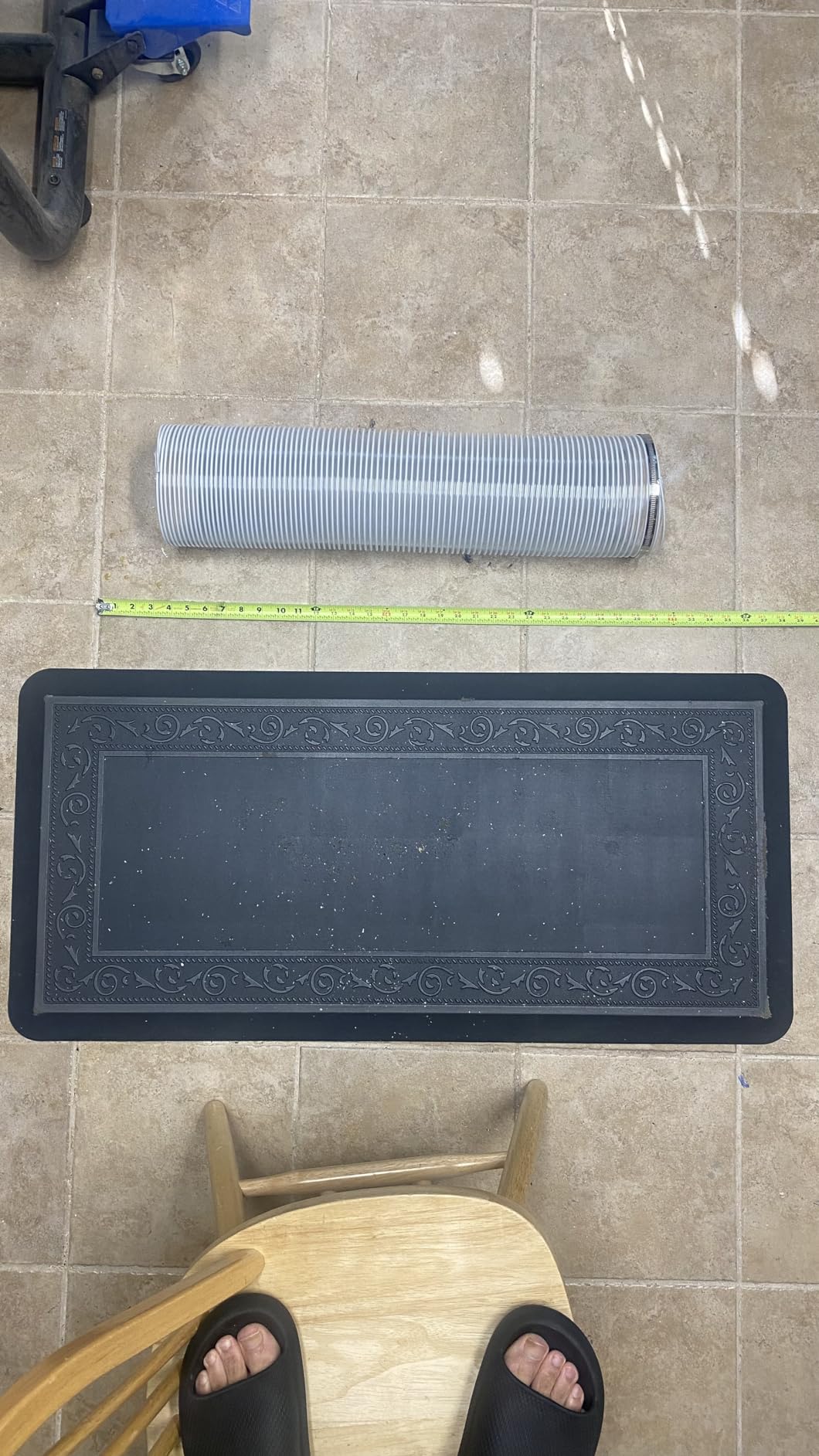
If your collector has a 5 inch port, this is the one to shortlist. At 20 feet and just under 11 pounds it is a serious length of hose that you can still walk with, and buyers consistently describe it as the most puncture-resistant option they have owned. Nails, screw tips, and slivers that would end a thin tube do nothing to it.
The clear wall is genuinely useful for watching separation happen. You can see dust drop out of the airstream and fall into the collector, which is the only reliable way to tell whether your filter is doing its job or whether fines are blowing through.
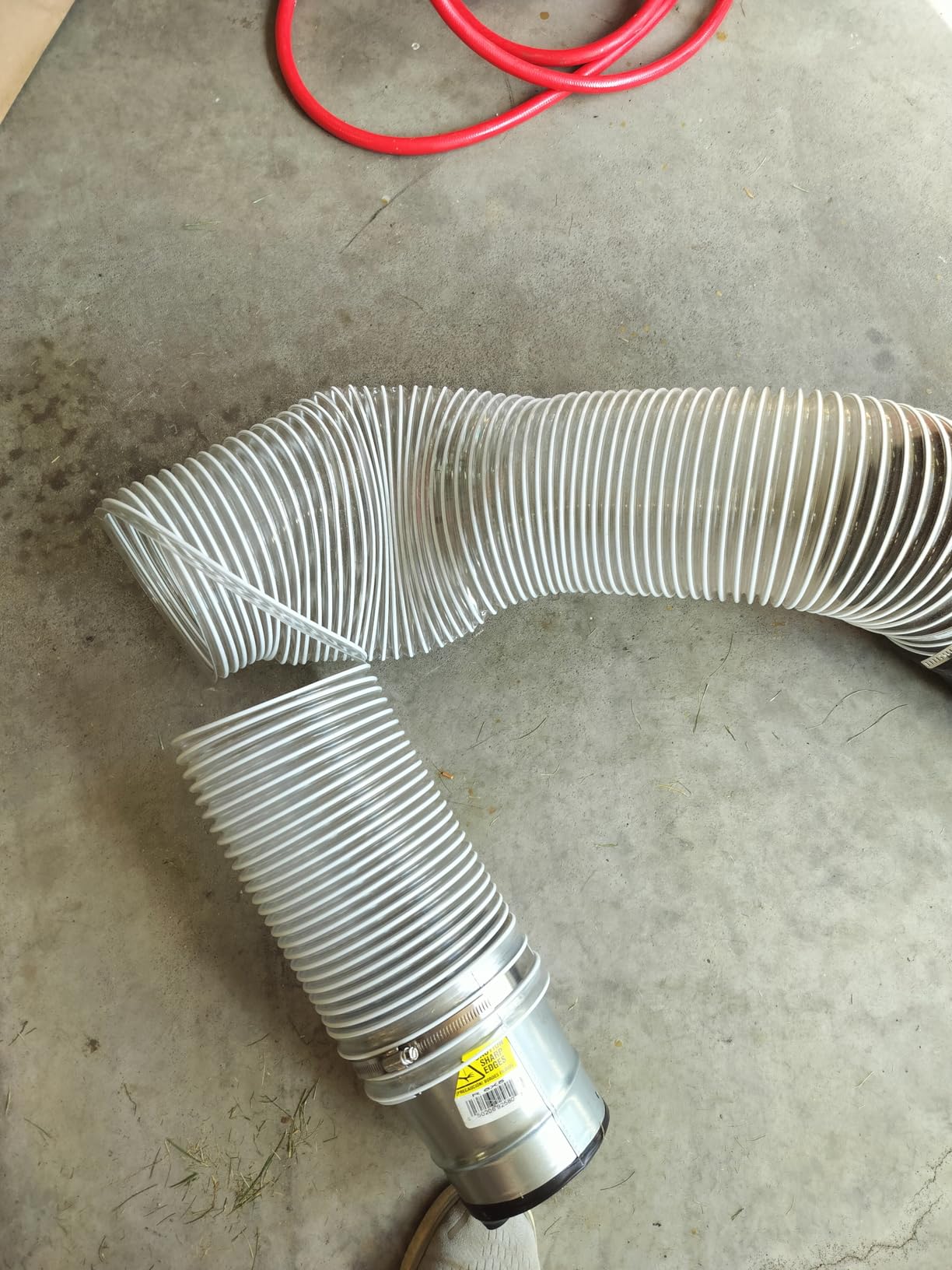
Spring steel wire reinforcement is what keeps the bore open. The hose resists collapsing and stays round when the collector pulls, so you get the full 5 inch cross-section for the entire run rather than a partially flattened one. Several owners also report that it cuts easily with scissors, so trimming to fit is not a special project.
It also has a second life. Buyers use it for ferret runs and small pet tunnels, which tells you the abrasion resistance is real and not just a claim on a listing.
Who this hose is right for
Shops with a 5 inch collector port, and anyone moving volume rather than chasing fine dust. A 5 inch bore moves far more air than a 4 inch at the same static pressure, which matters if you are hooking up a wide-diameter machine or a second collector downstream.
It is a good choice for a workshop that also handles yard debris, because the puncture resistance carries over to branches, leaves, and wet material.
Who should skip it
Owners report three consistent friction points: it is stiff to stretch over metal ducting, the actual length runs a little under the advertised 20 feet, and the internal spiral ribbing creates turbulence that slows dust separation. If your priority is maximum separation of fine sanding dust, a smooth-bore 4 inch hose is a better tool.
Also skip it if your port is 4 inch. This is a 5 inch hose, and the fit will be wrong at both ends.
4. Rockler Dust Right FlexiPort Expandable Kit 3-12 ft – Best for Quick Tool Changes
Rockler Dust Right FlexiPort Expandable Power Tool Hose Kit 3-12 Ft
1-1/2 inch ID expanding 3 to 12 ft
Click-Connect system
Four FlexiPorts
Vent ring for suction control
Pros
- Expands from 3 to 12 feet
- Stows down small
- Locking clasps hold firm
- Vent ring reduces sanding swirl
Cons
- Adapters run small for some common tools
- Hose shrinks under suction and pulls on the tool
- No replacement ends for older setups
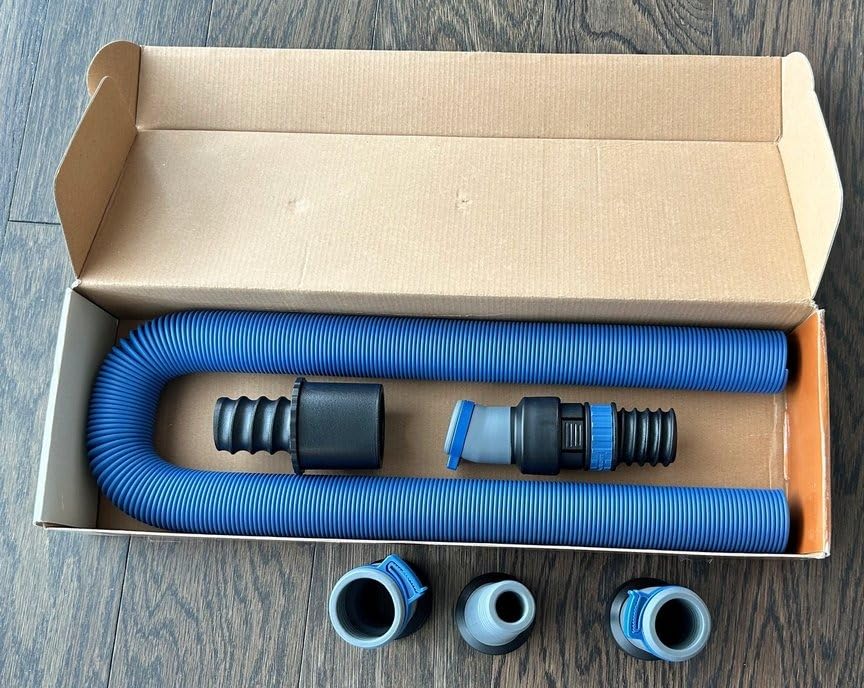
The idea here is neat. A 1-1/2 inch rubber hose stretches from 3 feet to 12 feet, so a single length replaces a basket full of different hoses. When you are sanding a chair rail you pull it out to working length; when you move to a different tool it shrinks back to almost nothing.
The kit includes four FlexiPort adapters in varying sizes plus three vacuum ports with adjustable clamps, so it covers the common handheld range and hooks to a shop vacuum. The Click-Connect system means you release a locking clasp rather than working a hose clamp by hand in the middle of a job.
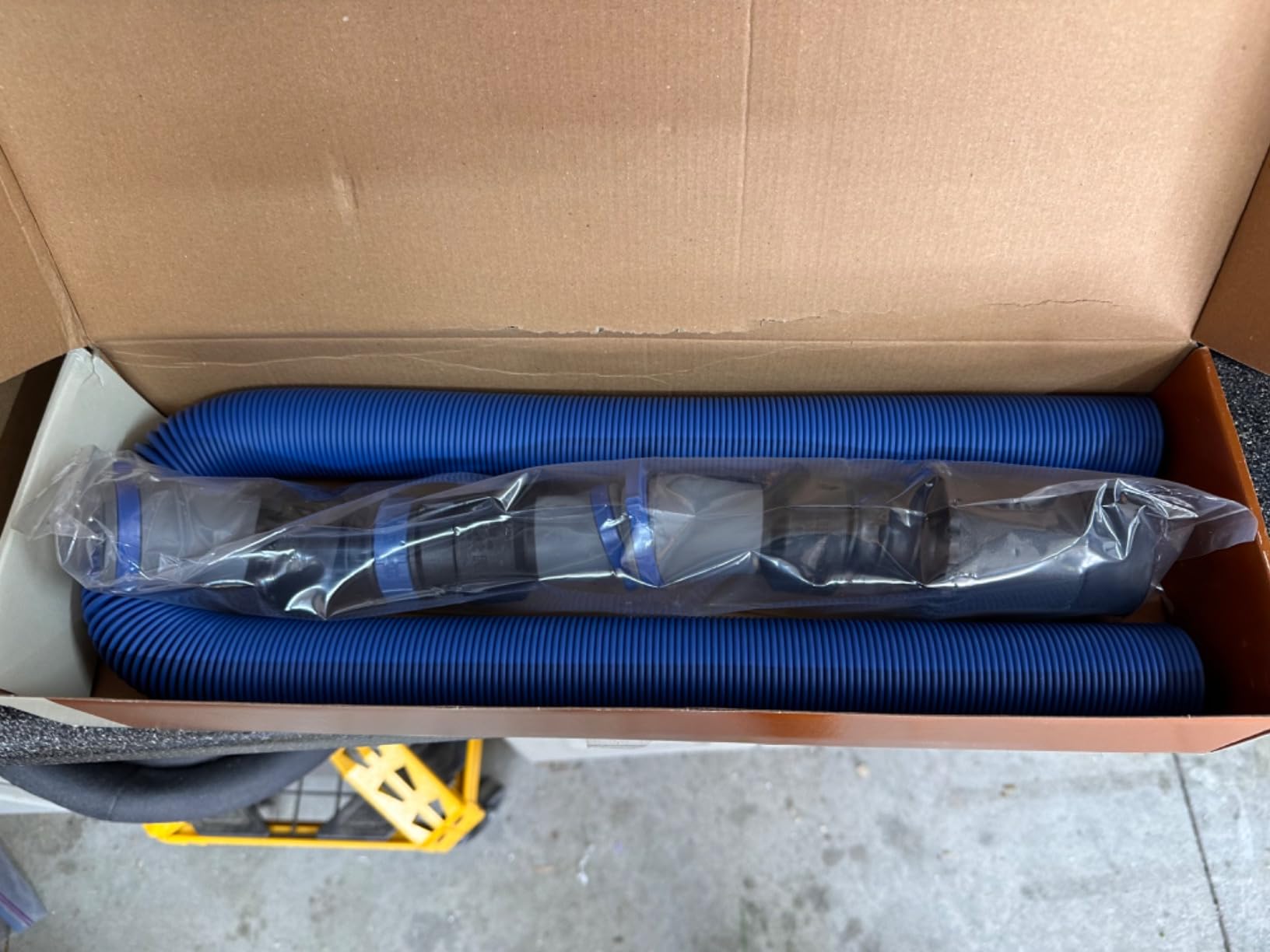
Professional woodworkers tend to rate the hose body itself very highly. It weighs about 2.4 pounds, stays flexible in cold shops, and the vent ring on the hose adapter lets you bleed off suction, which reduces the swirl marks that a random orbit sander leaves on a finished panel.
There is a genuine design tradeoff here that forum users debate a lot. The same stretch that makes the hose compact also means it shrinks under suction, so it pulls gently against the tool port the whole time you are working.
Who this hose is right for
Anyone who moves between a sander, a router, and a detail tool and hates dedicated hoses for each one. It is also the easiest hose here to store, which matters in a small garage where floor space for a coiled 20 foot hose is at a premium.
The expandable approach is the same idea behind our guide to the best expandable garden hoses, and it works here for the same reason: one length, many tasks, small storage footprint.
Who should skip it
Expandable hoses have a documented failure mode that a fixed hose does not. If you stretch it out and rest your tool on a bench, the hose can retract and pull the tool off the bench onto the floor. Owners on Rockler’s own line report this directly.
There is a second reason: the included adapters run small for some popular DeWalt, Bosch, and Ridgid tools, and Rockler does not sell standalone replacement ends for older Dust Right setups. If your tools are older or you already own a partial system, the answer is no.
5. Qucship 4 in x 20 ft PVC Dust Collection Hose – Best for Rough Shops
4″x20′ PVC Dust Collection Hose with 4 Stainless Clamps for Woodworking
4 inch x 20 ft clear PVC
Continuous carbon steel coil
3:1 compression ratio
Four stainless clamps
Pros
- Thick wall shrugs off nails and slivers
- Transparent wall makes clogs obvious
- 3:1 ratio bends tight radii
- Holds up over years of shop use
Cons
- Included clamps criticized as low quality
- Light tubing is hard to stretch onto fittings
- Can arrive crushed in transit
For a shop that eats hoses, the wall thickness here is the story. Buyers who work with reclaimed lumber and demolition debris report that nails, screws, and slivers bounce off it. The hose weighs just over 6 pounds for 20 feet, so it is light enough to move without a dolly.
A continuous carbon steel wire coil runs the length, which is what resists kinking at a tight radius. The claimed 3:1 compression ratio means you can compress it to a third of its length in a turn, which matters when you are routing around a joister or a table saw cabinet.
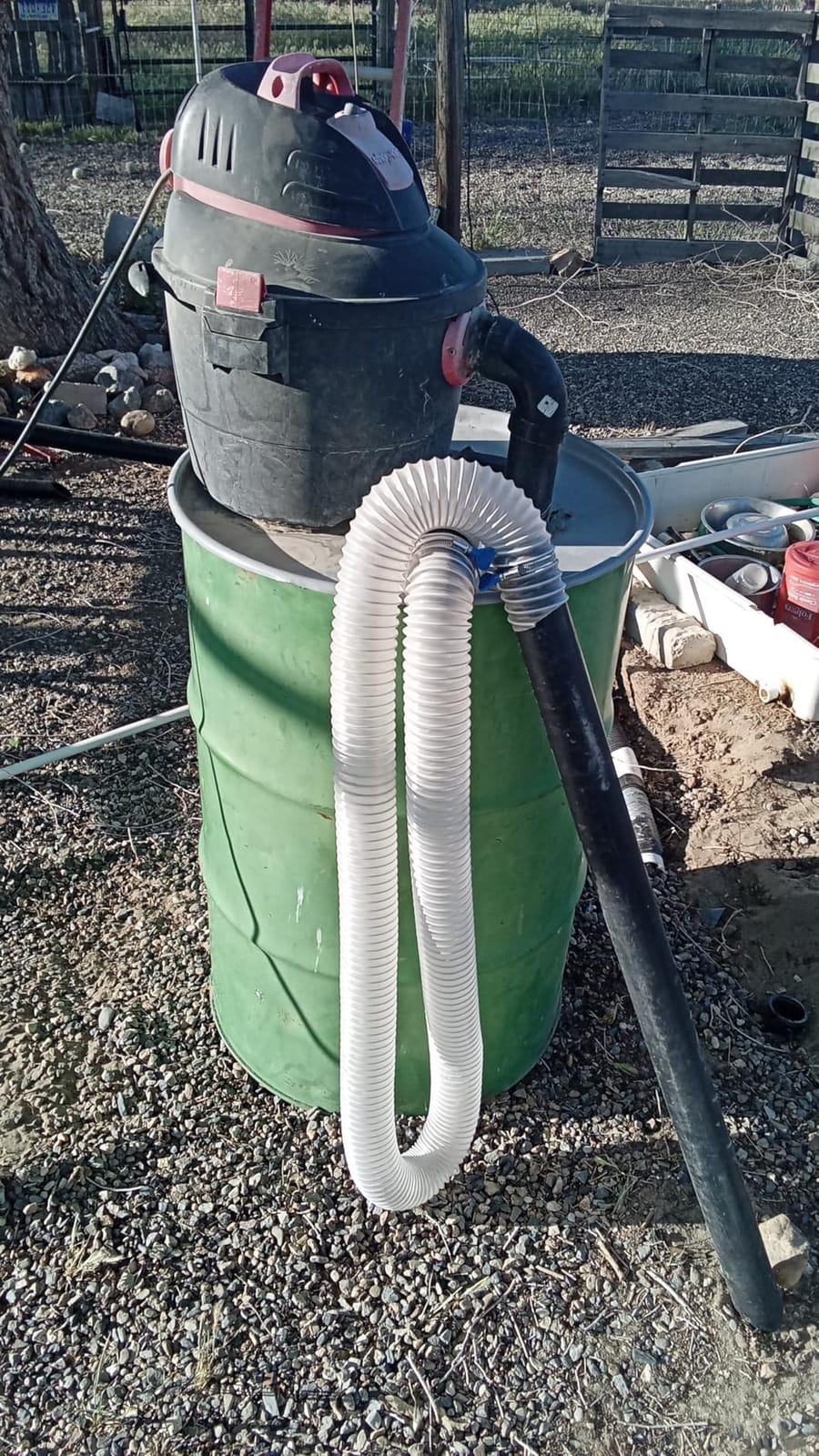
The grounded coil is a genuine safety detail. Because the reinforcement is a continuous conductor, static charge has a path along the hose instead of building on the surface. Owners who have felt shocks on cheap hoses notice the difference on a machine that handles fine dust.
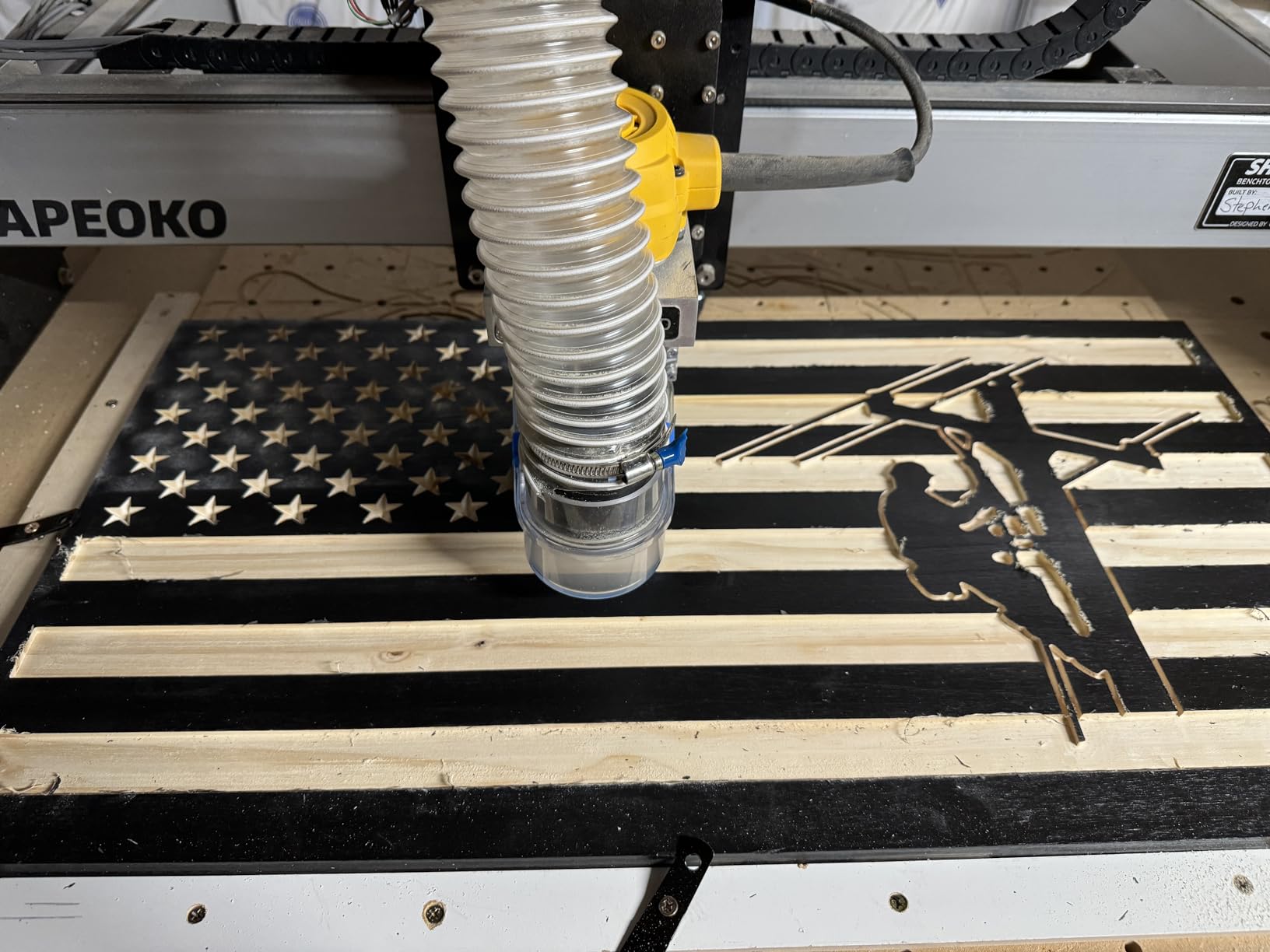
It is cut-to-fit by design, so one coil can become a 20 foot main run plus a 4 foot stub, and it works with dust collectors, shop vacs, table saws, CNC machines, and cyclone separators. The transparent wall is also commonly used for fume extraction setups such as laser engravers.
Who this hose is right for
Shops that generate sharp, abrasive debris and do not want to replace a hose every couple of years. A 20 foot 4 inch run is the standard starting length for a garage shop, and this one holds its shape under suction without needing a support hanger.
It is also a good second hose. If your main run is already installed, a 20 foot coil you can trim is how most people add a branch to a second machine.
Who should skip it
The clamps. Reviewers single them out as the weak point by name and recommend buying a better set separately, which means the install is not quite as plug-and-play as the box suggests. The tubing is also light enough to be annoying to stretch over a fitting without a second pair of hands.
Some units have arrived crushed in transit. Check the coil end before you start the install.
6. Woodstock W1036 6 in x 10 ft Wire Hose – Best for Yard Debris
Woodstock W1036 6-Inch by 10-Foot Wire Hose
6 inch x 10 ft clear wire hose
Extends and contracts when flexed
Made in USA
No hose clamps included
Pros
- Extends and contracts through turns
- Clear wall shows clogs and sticks
- Handles branches and repeated abuse
- Low cost per foot
Cons
- No hose clamps included
- Material turns brittle in cold weather
- Measures short of 10 ft
- Clarity clouds with wet material
A 6 inch bore is not a dust collector size; it is a yard vac size. If you clear leaves or move garden debris through a shop vac, this is the hose that stops the collector choking. It is a long-serving USA-made hose with a clear wall so you can find the stick that is choking the impeller.
What makes it unusual is how it behaves under flex. The hose visibly extends and contracts as you bend it, so a tight turn comes straight instead of forming a hard crease. In a long service life that behavior is what keeps the bore from flattening where it crosses a floor or a door threshold.
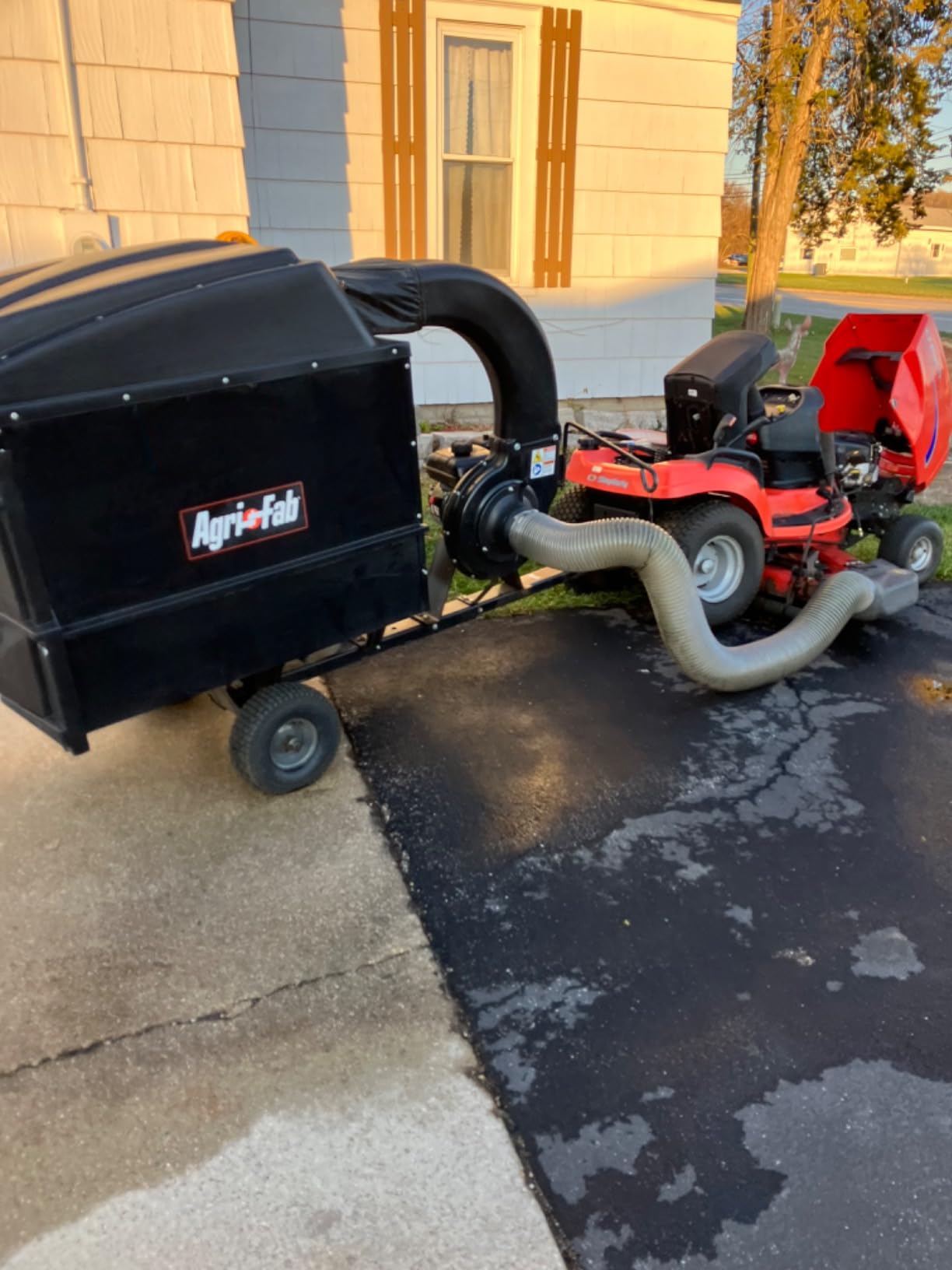
Buyers report it stands up to sticks, branches, and general abuse without splitting, and that the per-foot cost works out well against an original equipment replacement hose. The clear wall is what makes a clog diagnosis fast, since you can see exactly where the debris wedged.
The model is W1036, with a 0.03 nominal wall and a 6 inch outside diameter over 10 feet of length.

Who this hose is right for
Anyone whose vacuum handles both shop dust and yard waste. The diameter keeps up with bulky debris that would plug a 4 inch line instantly, and the extend-and-contract behavior means fewer kinked creases over a long hose run.
It is also a reasonable secondary line for a large-diameter pickup, such as a yard vac or a large shop vac inlet.
Who should skip it
Cold garages. Reviewers report the plastic becomes brittle and develops holes in cold weather, which is a real problem in an unheated shop from autumn through spring. It is also the only hose in this group that arrives with no clamps at all, so budget for a separate set.
Some units also measure short of the advertised 10 feet, and the clarity degrades with wet material, which matters if you plan to run it through wet debris.
7. POWERTEC 2-1/2 in x 20 ft Shop Vac Hose Kit – Best for Shop Vac Hookups
POWERTEC 2-1/2″ x 20 ft. Shop Vac Hose Kit with Adapters for 2-1/4″ & 2-5/8″ Vacuum Ports, Vacuum Hose Kit with Hose Adapters for Wet Dry Shop Vacuum Cleaners & Woodworking Dust Collection (70480)
20 ft EVA hose, 2 inch ID
Adapters for 2-1/4 and 2-5/8 in ports
Reducer included
Pros
- 20 ft of reach without moving the vacuum
- Adapters cover common wet dry ports
- Smooth EVA routes easily around machines
- Complete kit for wet dry vacs
Cons
- Lighter duty than wire-reinforced PVC
- Not a true fine-dust collector hose
- Lowest average rating in this group
This kit exists to solve one problem: getting a shop vac to a machine that is too far away. Twenty feet of reach means you can park the vacuum on the far wall of a garage and still sand a workbench in the middle, instead of dragging the machine closer or the vacuum closer every time.
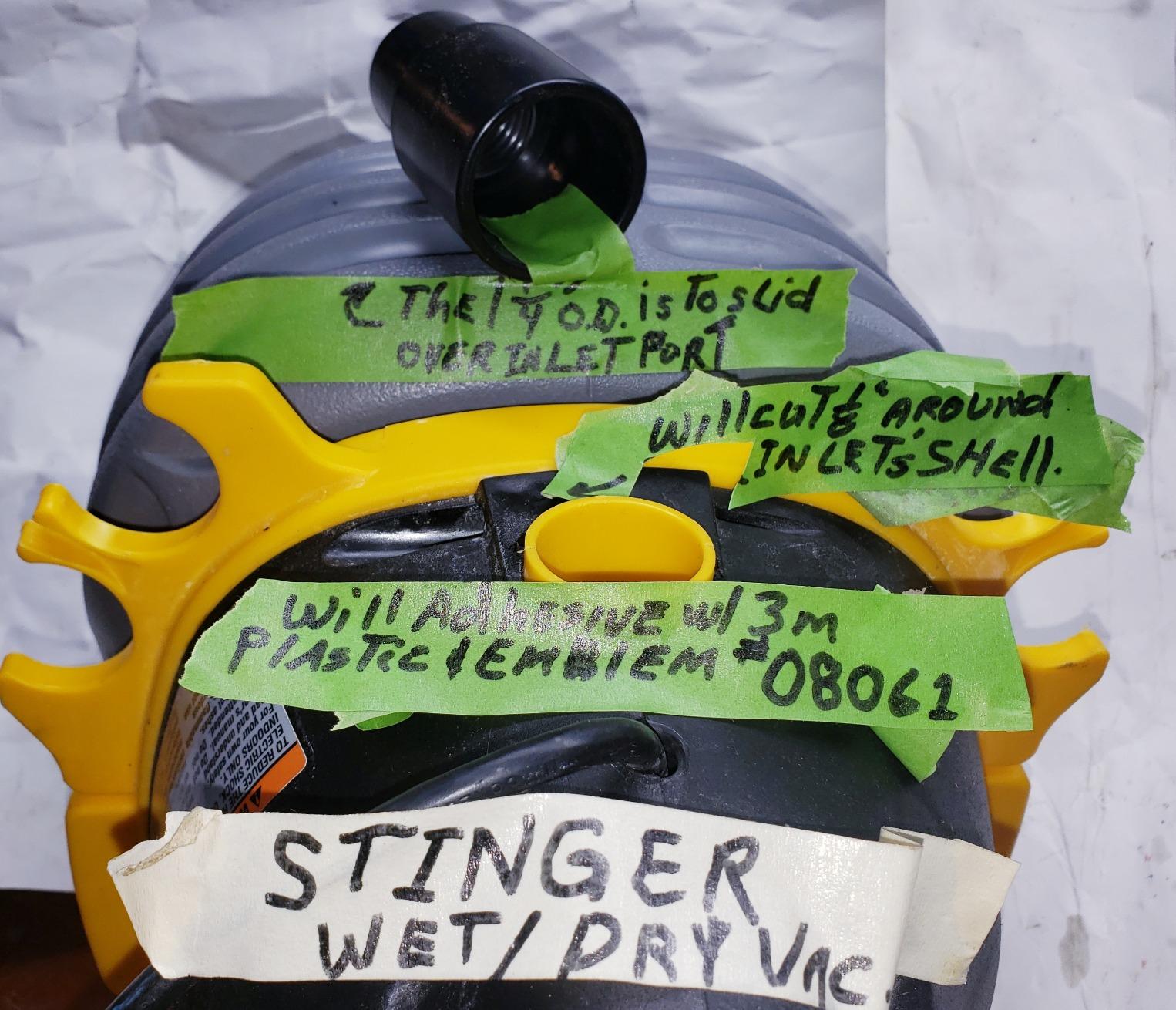
The hose is ethylene vinyl acetate with a 2 inch inside diameter and 2-1/4 inch outside diameter, and the smooth material moves around a machine base without fighting you. The kit includes 2-1/4 inch to 2-1/2 inch adapters and a 2-1/2 inch to 2-5/8 inch reducer, which covers the port sizes on most wet dry vacuums.
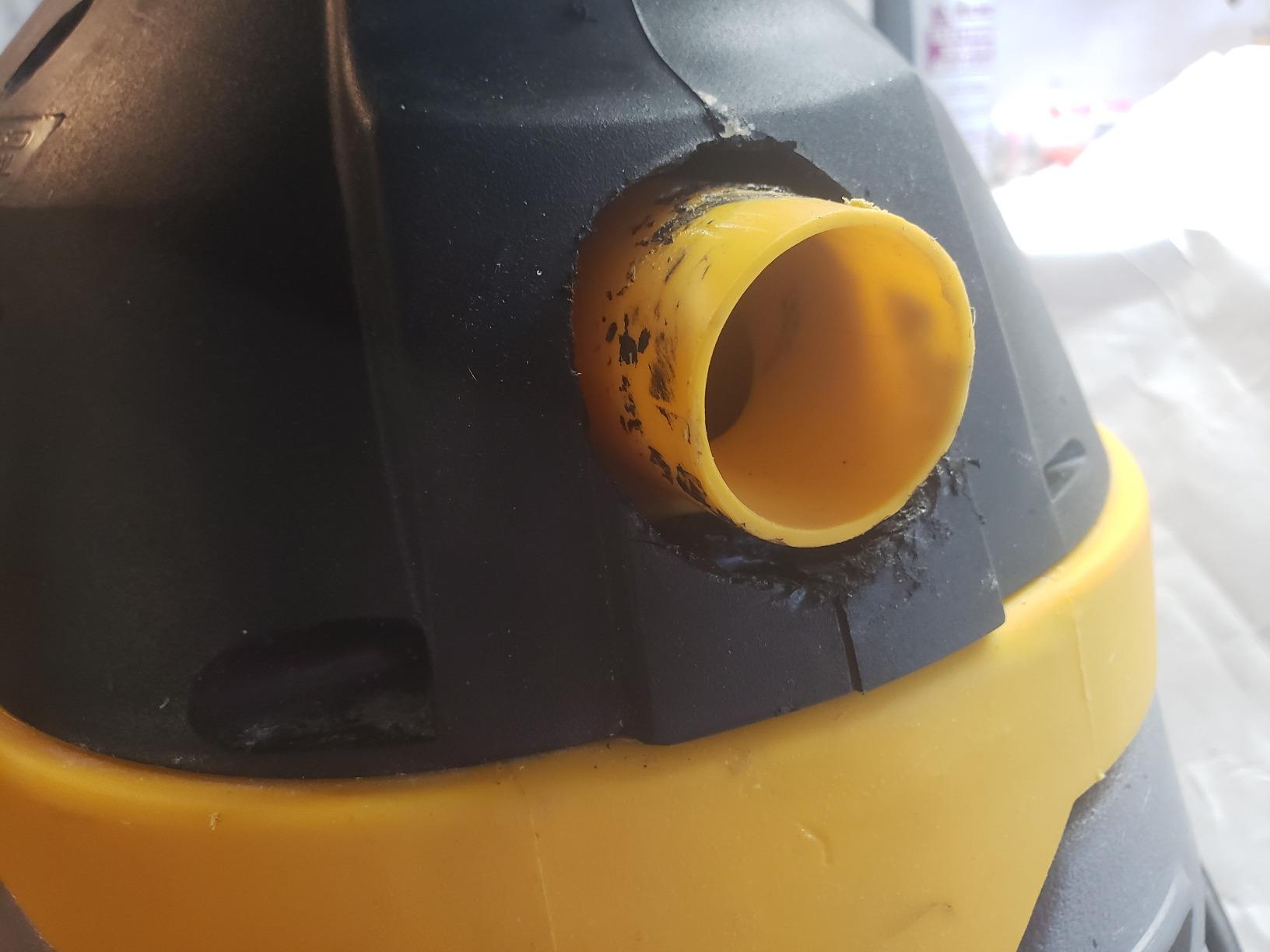
It is the simplest option here for a first setup, because the adapters mean you are not hunting for a part that matches your specific vacuum. Setup is a matter of choosing the right reducer and tightening a clamp.
The honest limitation is in the rating. This is the lowest-rated pick in the group, and the reason is the material rather than the workmanship. EVA is a lighter-duty construction than wire-reinforced PVC, and it has no metal reinforcement to hold it open under strong suction.
Who this hose is right for
Home shops running a wet dry vacuum rather than a dedicated collector. If your dust source is a bench sander, a track saw, or a router, this is a low-friction way to capture it without changing equipment. The 20 foot length is the main feature; reach is what makes a shop vac usable on a machine.
It is also a good fit for shops that move between job sites, since the whole thing packs down to a coil.
Who should skip it
Fine dust from a drum sander or a wide-belt sander. EVA without reinforcement will not hold a large bore under sustained suction, and it is not built for the volume a real collector moves. Owners who moved up to a dedicated collection system generally describe it as a step down rather than a step across.
It is also the least star-rated pick here, which is worth factoring into a long-term buy.
8. Therwen 4 in x 70 ft Clear Dust Collection Hose – Best for Large Shops
Therwen 4″ x 70 ft Clear Dust Collection Hose 4 Inch Flexible Vacuum Hoses
4 inch x 70 ft clear PVC
Stainless steel reinforcement
1.3 mm wall
Cut to any length
Pros
- Longest run here at 70 feet
- Trim to any shop layout
- Clear wall shows buildup without disconnecting
- Stainless reinforcement resists wear
Cons
- No hose clamps included
- Highest cost per foot of the 4 inch options
- Heavy bulk for smaller shops
This is the one to think about if your machines are spread across a real shop rather than a garage. Seventy feet is a long run, and because it is cut-to-fit you can split it into a main trunk plus branches instead of splicing separate hoses together, which is where most homemade systems leak.
Stainless steel reinforcement is a step up from carbon steel in corrosion resistance, and the 1.3 mm wall is a substantial PVC body. It is rated for pressure and wear, which is the right language for a hose that will be dragged around for years.
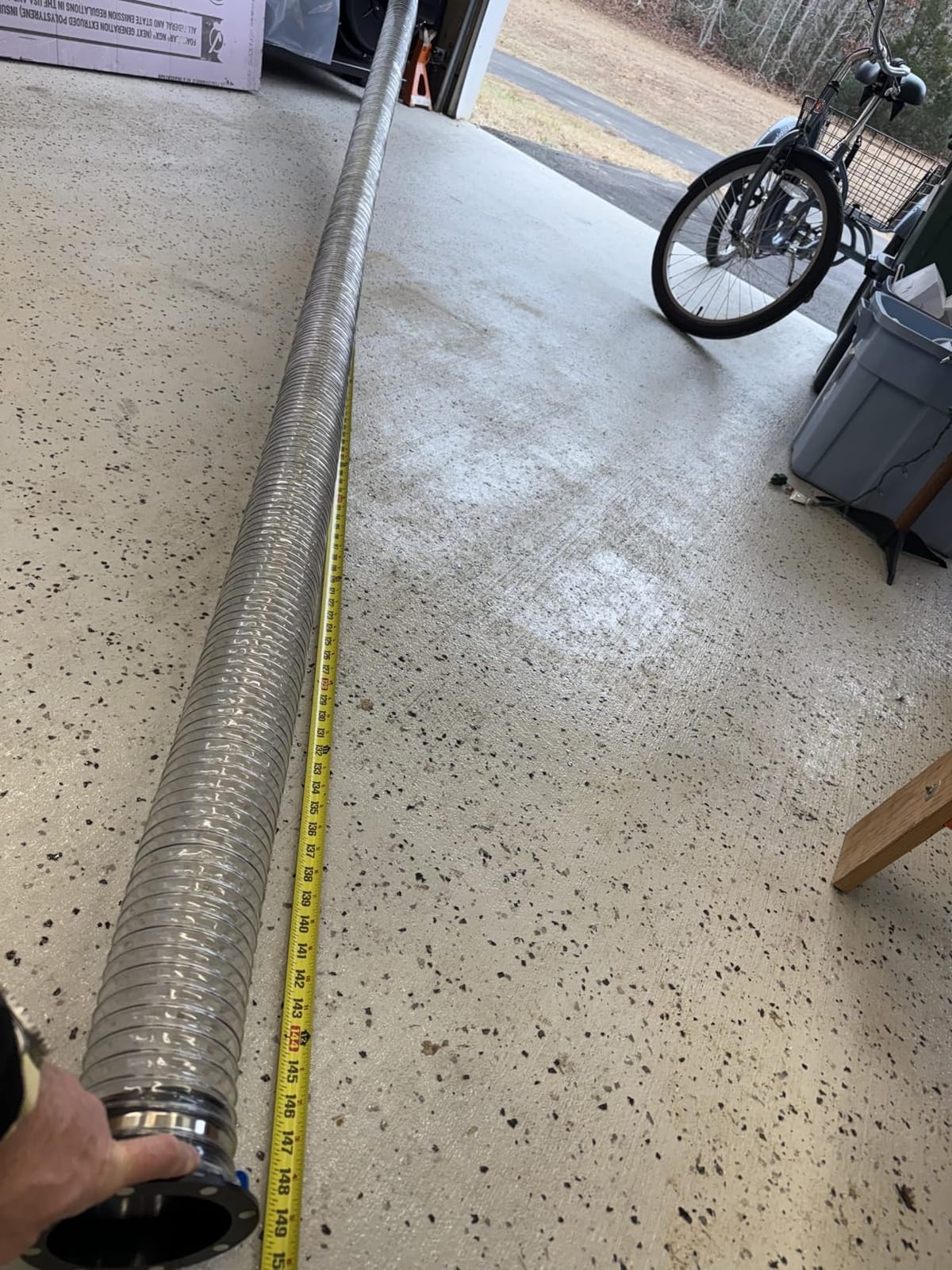
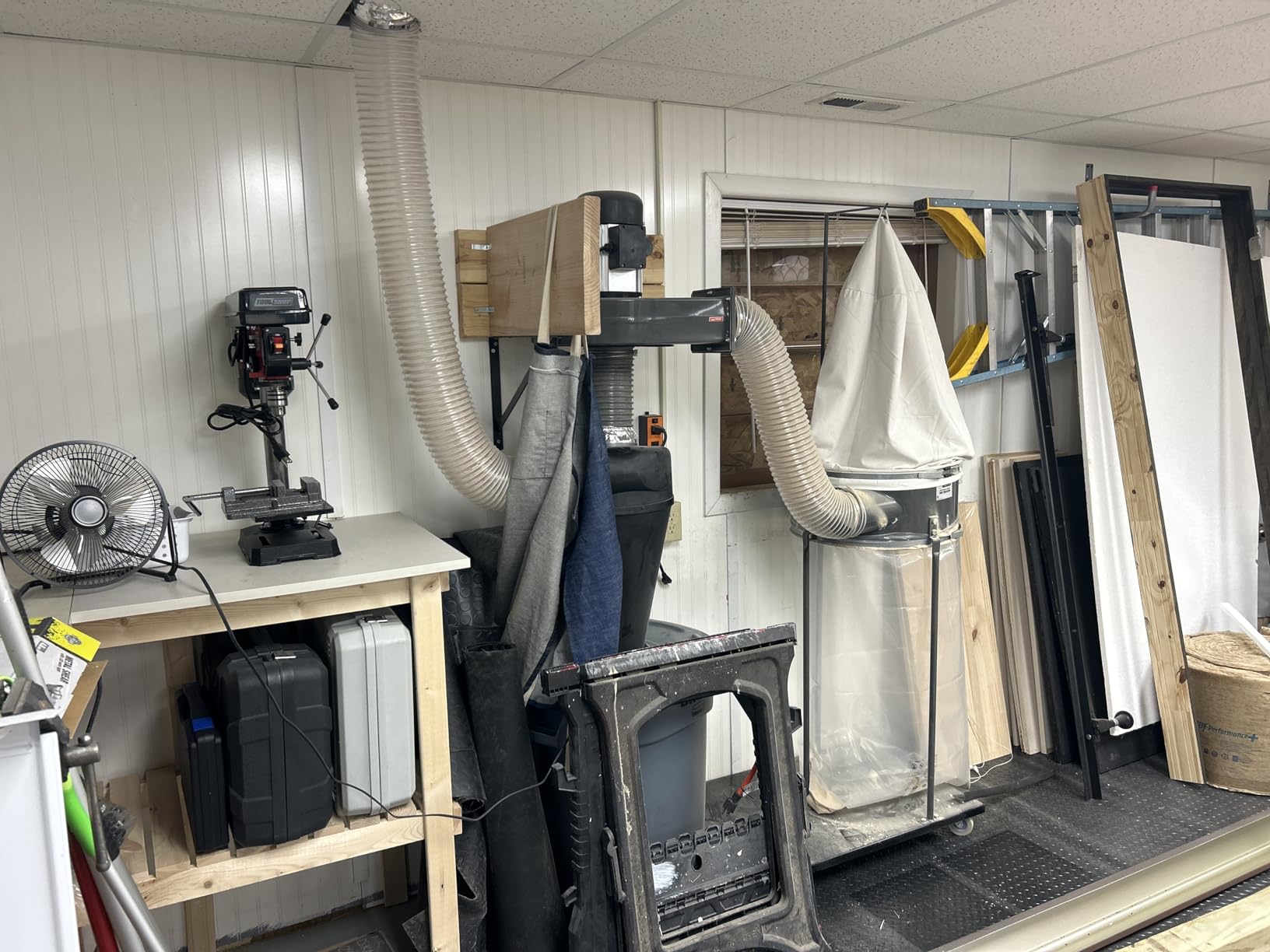
The clear body is not a gimmick at this length. On a 70 foot run, a blockage can be 60 feet from where you are standing, and being able to walk along the hose and see the dust column stop is the difference between a five-minute fix and an hour of disassembly. Buyers with large shops call out exactly that use.
It fits the full range of common machines: dust collectors, table saws, band saws, planers, jointers, sanders, and CNC routers. The hose weighs 16 pounds, so plan the route before you lift it.
Who this hose is right for
Larger shops and production spaces where a single 20 foot hose will not reach, or where a main run plus several branches is the layout you want. Cutting it to length yourself means one purchase can become a complete trunk and drop system.
It is also a good choice for anyone tired of joining hoses with splices, since every junction you avoid is a place you cannot leak or lose suction.
Who should skip it
Small shops. Seventy feet of hose is 16 pounds of bulk to store, and it costs more per foot than the 20 foot options, so a compact shop pays more for length it will never route. Clamps are not included either, so add a set to the order.
On a smaller system, one 20 foot hose plus a coupler will serve you better and take up a fraction of the space.
9. Elecoman 4 in x 50 ft Heavy PVC Dust Collection Hose – Best Long Run for Home Shops
Elecoman 4″ x 50′ Heavy PVC Dust Collection Hose,Flexible Clear Debris and Fume Collection Hose with Stainless Steel Hose Clamps for Dust Collectors with 4″ Ports, Ideal for Shop Vacuums
4 inch x 50 ft heavy PVC
Puncture-resistant wall
Carbon steel coil
Four stainless clamps
Pros
- Thickened wall holds up to heavy chip impact
- Carbon steel coil resists collapse and knotting
- Clear wall speeds up diagnosis
- Four stainless clamps included
Cons
- 50 ft of run adds airflow resistance
- Stiff ends when sliding onto ports
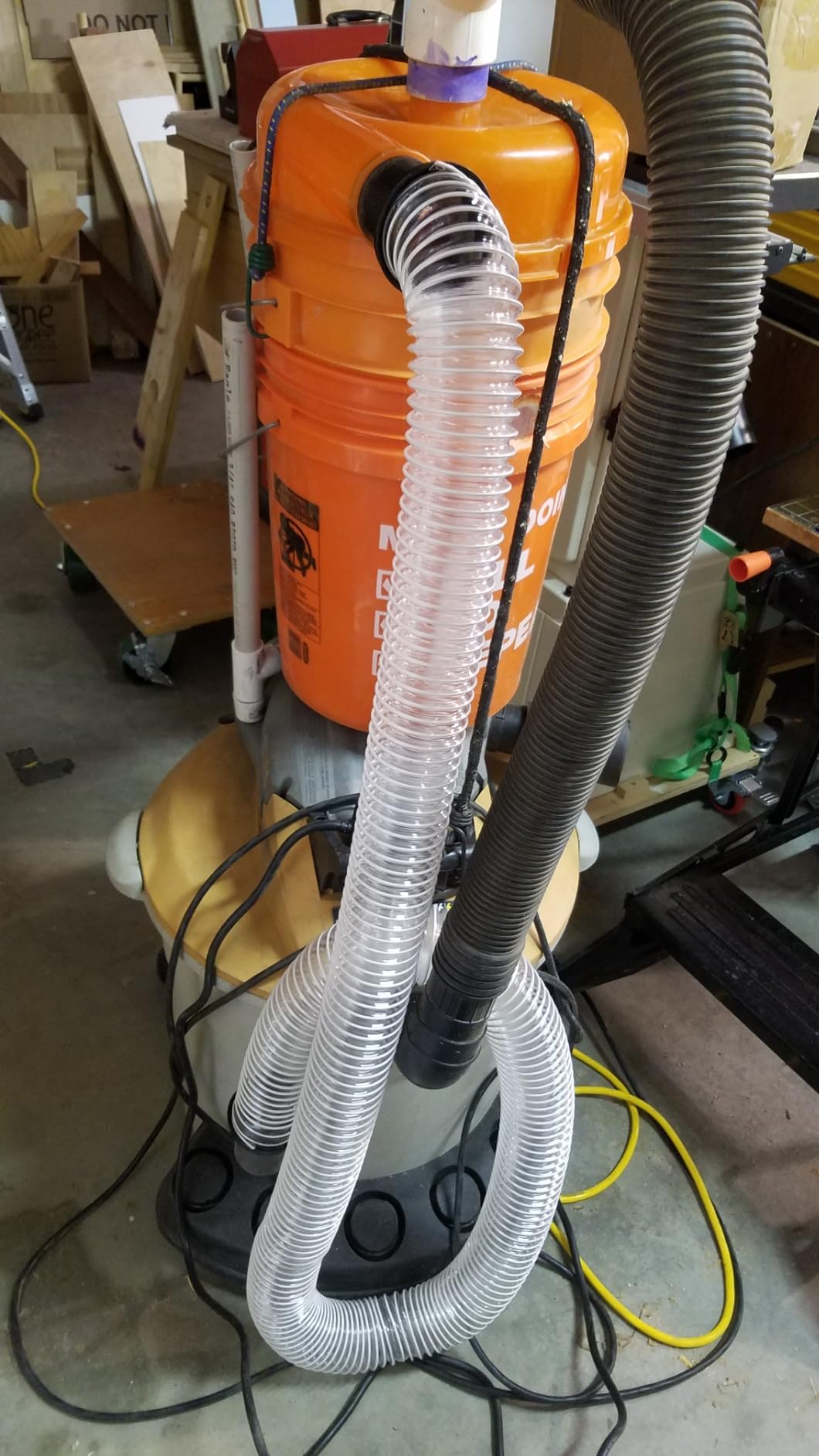
Fifty feet is the sweet spot between the 20 foot standard and the 70 foot Therwen. It reaches a detached machine shed or a basement bench without becoming a storage problem, and it still comes with the four stainless steel clamps you need to complete the connection.
The thickened PVC wall is the point of this one. A carbon steel wire coil runs the length and keeps the hose from knotting or collapsing, and buyers report that heavy sawdust and chip impact does not crack or leak it. At just under 15 pounds it is heavy enough to feel substantial and light enough to route.
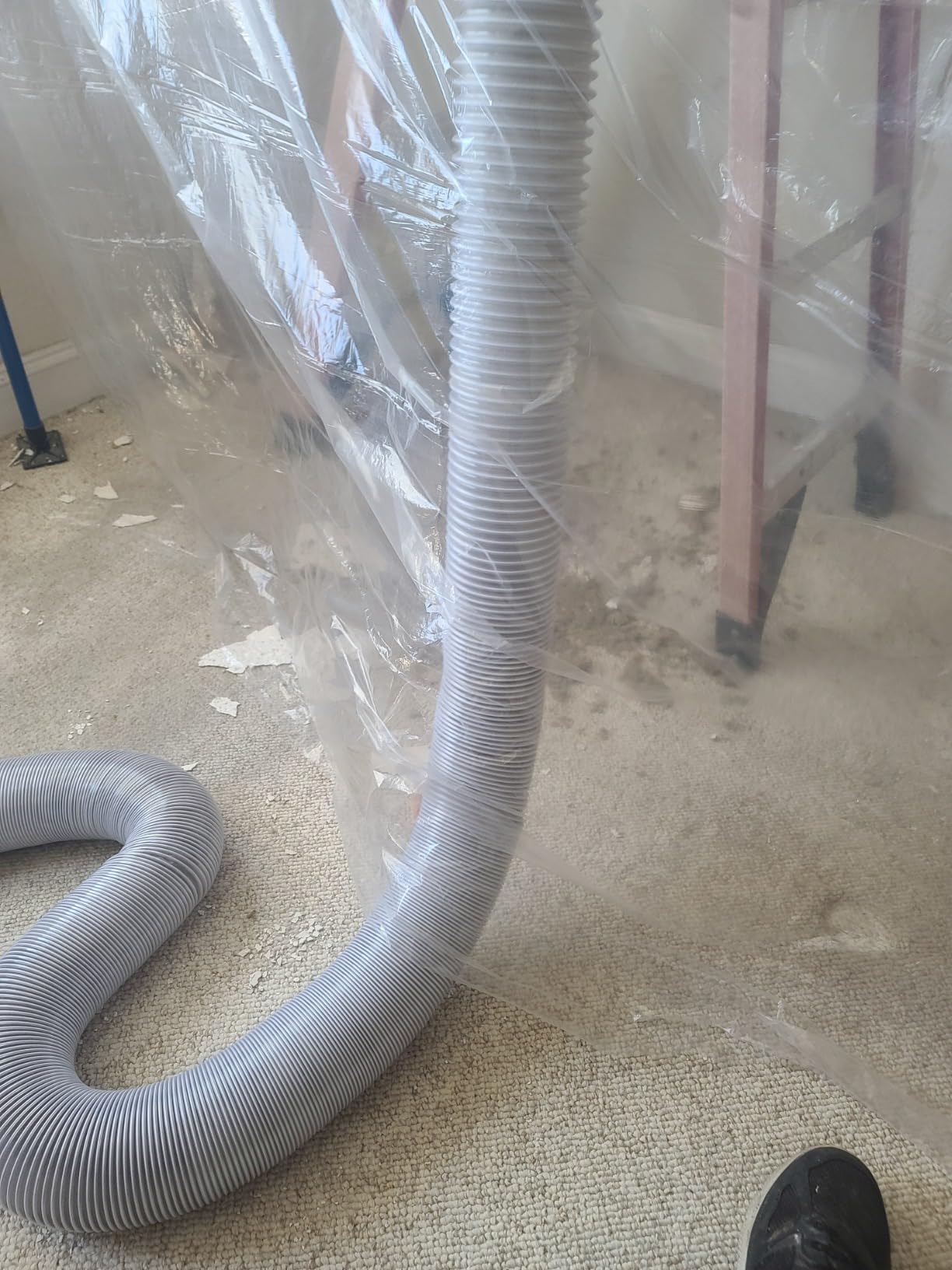
The coil is grounded, so electrostatic charge has a discharge path rather than building on the hose surface. In a shop running fine dust, that is not a marketing detail; static shocks on dust collection are a real complaint from owners, and a bonded reinforcement is part of the fix.
The clear wall makes diagnosing low suction straightforward. When airflow drops, you look along the hose and see where the dust column stops instead of guessing at the filter or the machine.
Who this hose is right for
Home shops that have already outgrown a single 20 foot run but do not need a full production trunk. If your collector sits in a corner and your sander is 40 feet away, this connects them in one run with clamps included and no splices to leak.
It is also a strong pick for a shop handling rough, abrasive debris, since the thickened wall is the most impact-resistant construction in the 4 inch group here.
Who should skip it
Flow, mostly. Every foot of flex hose adds resistance, and 50 feet is enough that a modest collector will not deliver its rated airflow to the far end. A lumberjocks thread captures the consensus well: flexible hoses are much less efficient than rigid pipe because the interior is not as smooth and the wall is more likely to compress.
Plan the rigid part of the system first and use this for the last stretch to the machine. The coil also makes the ends stiff, so expect to need help sliding them over a port.
10. Hon and Guan 4 in x 20 ft Clear PVC Dust Collection Hose – Best for Usable Length
Hon&Guan 4″ x 20′ Dust Collection Hose, Flexible Clear PVC for Woodworking
4 inch x 20 ft clear PVC, 4.2 in OD
Carbon steel wire coil
Extra length for shrinkage
Pros
- Extra length offsets elastic shrinkage
- High-grade PVC resists sharp chips
- Coil resists knotting and deformation
- Four clamps in the box
Cons
- Slightly larger 4.2 in outside diameter
- Stiff coil to align onto ports
- One-star reviews run a little high
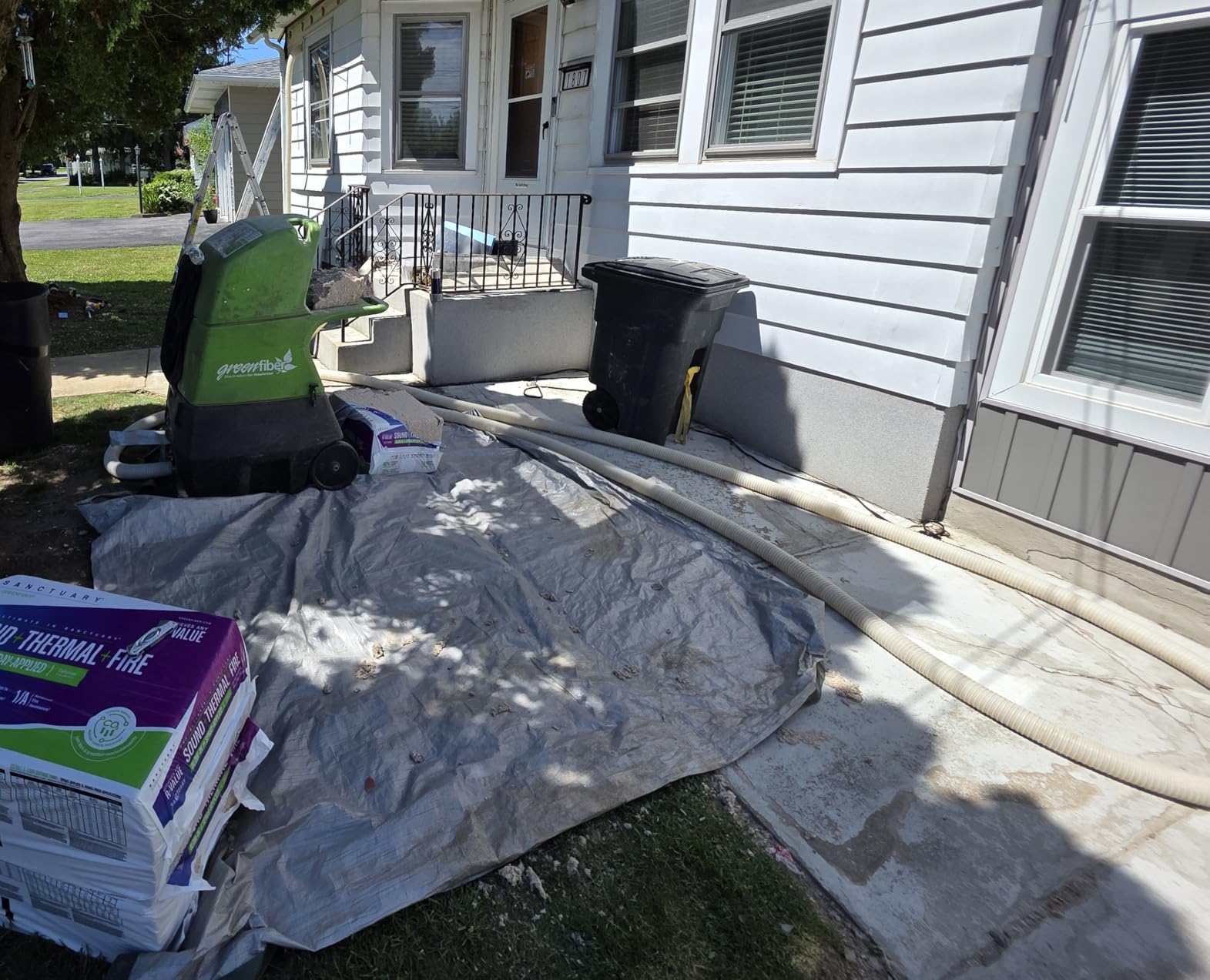
This one is sold as 20 feet but arrives at 21 and a half, and that is the whole idea. PVC hose shrinks a little over its first season as it stretches under suction, and a nominal 20 foot hose that settles at 18 is a hose that does not reach. Building in the slack means you still have 20 feet later.
The carbon steel wire coil resists knotting, deformation, and cracking, and the high-grade PVC wall is described as holding up to sharp chips. The ends are grounded, so static has a discharge path along the reinforcement. Four clamps are included, and the install needs no extra tools.
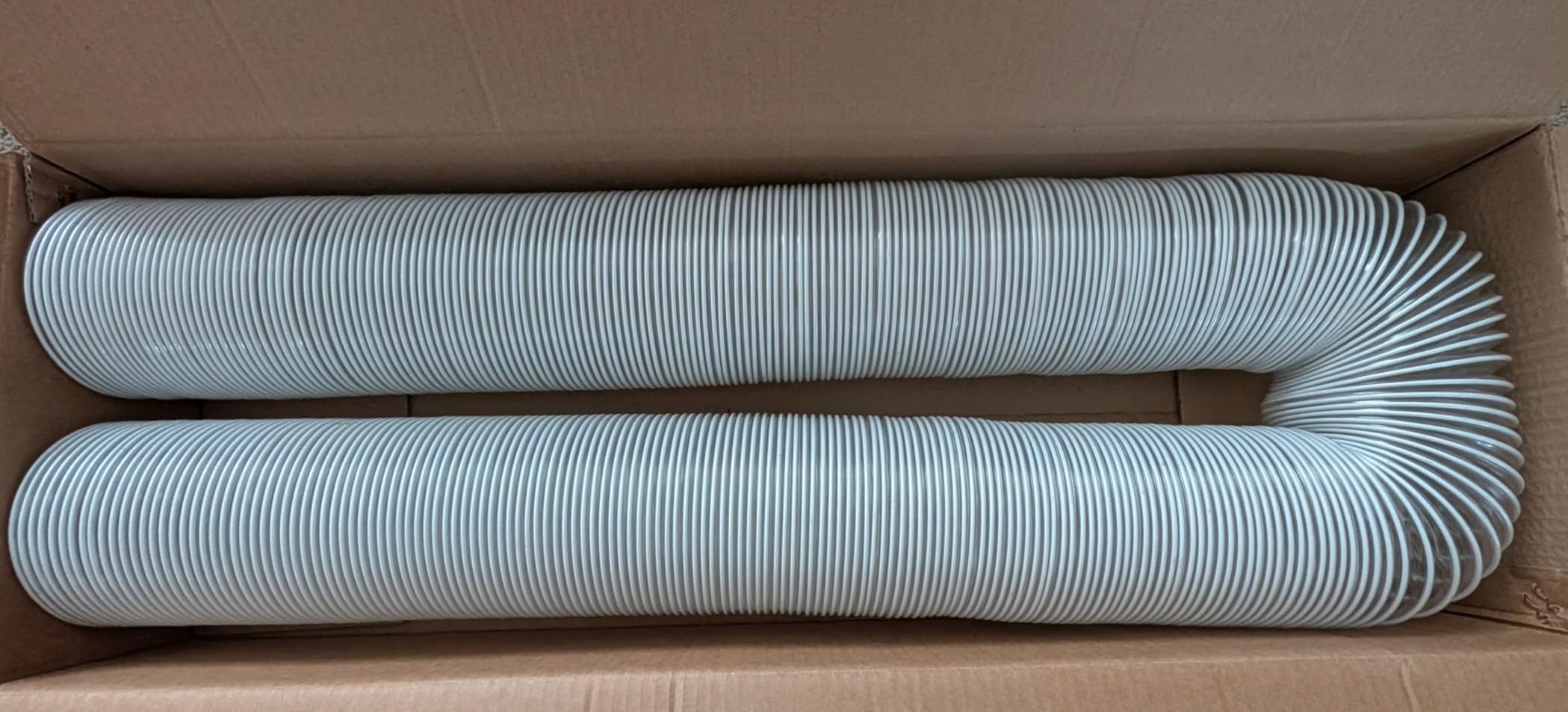
It sits near the top of its category by sales rank, and the clear body makes clogs visible without disconnecting anything. The 0.125 inch nominal wall gives it more substance than the very cheapest 4 inch tubes, and at 5.7 pounds it is light enough to pull around the shop without dragging.
Owners are generally satisfied, with the main recurring notes being coil stiffness during installation and a slightly elevated share of one-star feedback. Both are installation issues rather than failure issues.
Who this hose is right for
Anyone who has been disappointed by a 20 foot hose that turned into 18 feet. If you are running a hose permanently between a fixed machine and a fixed collector, the extra length means the installation still works a year from now without re-cutting it.
It is a good general-purpose 4 inch line for table saws, band saws, and sanders in a garage shop.
Who should skip it
Anyone with a very tight clearance. The outside diameter is listed at 4.2 inches, so it is a little larger than a nominal 4 inch tube and can be a poor fit in a narrow gap or against a wall-mounted port. There is also coil stiffness to account for when you align the ends.
If you already own a full complement of clamps, this is a hose to compare rather than a priority buy.
11. Oycevila 4 in x 20 ft Clear Dust Collection Hose – Best for Lightweight Routing
4″x20′ Flexible Clear Dust Collection Hose with Carbon Steel Wire Coil
4 inch x 20 ft clear, 2.72 kg
Carbon steel wire coil
3:1 compression ratio
Four turn-key clamps
Pros
- Light for a 20 foot coil
- Easy to route and trim
- Turn-key clamps are reusable
- Fits standard dust ports
Cons
- Some owners call it light duty
- Crimps where the coil bends
- Pulls on the tool when fully stretched
- Measures short on some units
At under 7 pounds for 20 feet this is one of the lighter hoses in the group, and for a small shop that means you can move the line yourself without dragging a ladder. The carbon steel coil and a 3:1 compression ratio let you flatten it to a third of its length in a turn, which makes routing around a table saw cabinet simple.
The turn-key clamps are reusable and tighten by hand. That is a small thing that saves real time, because the clamps stay on the hose when you disconnect a machine rather than scattering across the bench.
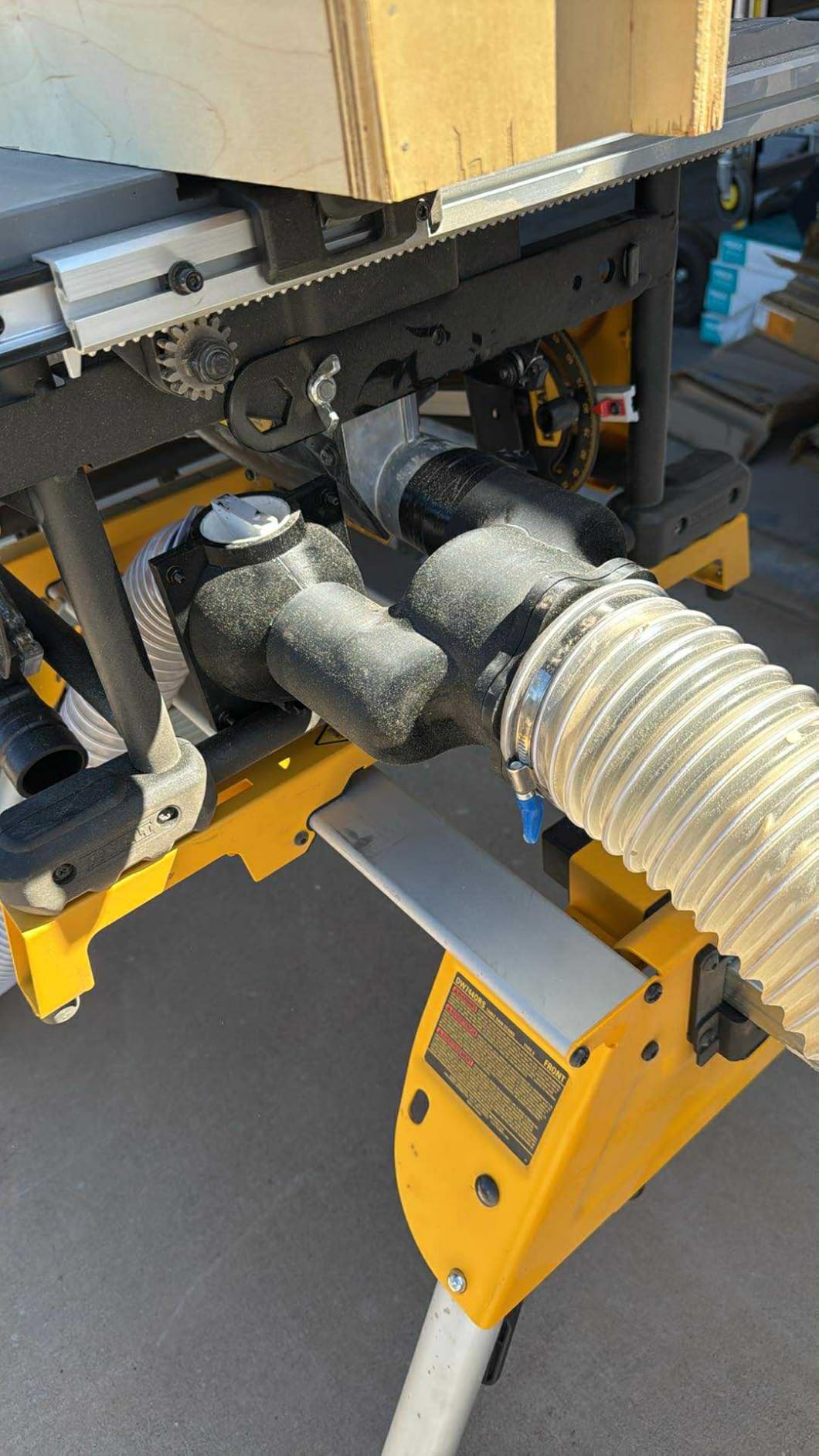
The grounded coil provides a discharge path for static, and the wall is thicker than the price point suggests. Owners report it fits standard dust ports without fuss, trims to a custom length with a knife, and works with most collectors straight out of the box.
Where the feedback is mixed is durability. Some owners describe it as light duty, and a few report crimping where the coil bends under a firm squeeze. That is a normal outcome for a lighter wall, and it matters if you plan to drag it constantly across a shop floor.
Who this hose is right for
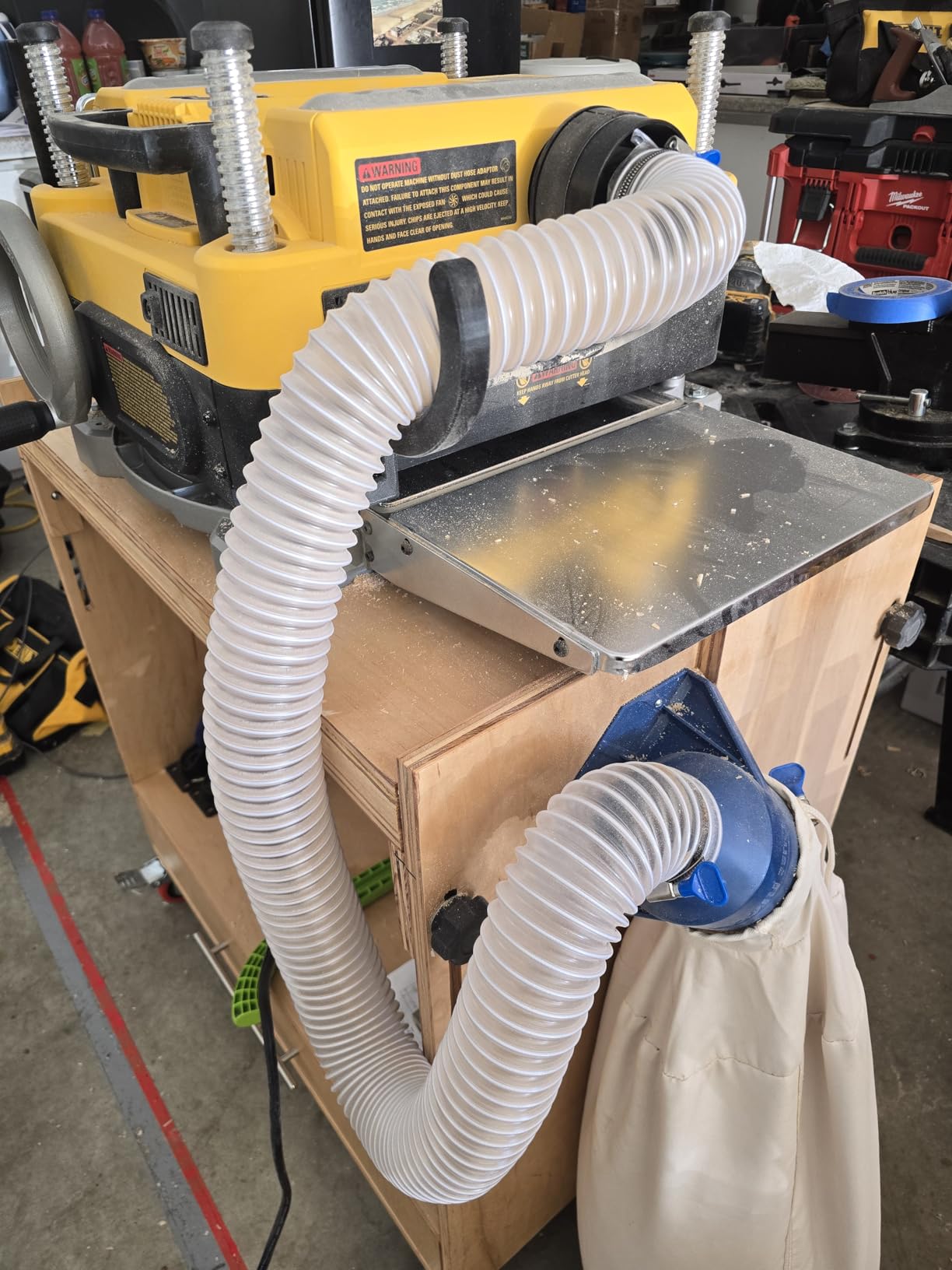
Garage shops and beginners who want a hose they can install alone in an afternoon. A universal fit for most dust collectors, four clamps in the box, and a light enough coil to lift over a bench without help. It is also a sensible branch hose to add to an existing system.
If you mostly collect light debris from a table saw or a track saw, the light construction is not a disadvantage.
Who should skip it
Heavy debris and high static-alert conditions. Owners flag light-duty build, crimping at coil bends, and a pull against the connected tool when the hose is fully stretched. Some units also measure short of the advertised length, so cut it to the length you need before you install it.
For a drum sander or a shop taking on rough lumber, step up to a thickened-wall option.
12. Yaocom 4 in x 30 ft PVC Dust Collection Hose Set – Best Clamp Coverage
Yaocom 4” x 30‘ Dust Collection Hose Set, PVC
About 4 in x 29.5 ft PVC
Steel wire reinforcement
Eight stainless clamps
9.2 pounds
Pros
- Eight clamps give a tight low-leak seal
- Supple but puncture resistant
- Good routing flexibility
- Suction holds across the run
Cons
- Narrow clamp straps can cut the hose if tightened hard
- Steel wire must be grounded to avoid shock
- Measures short of the rated length
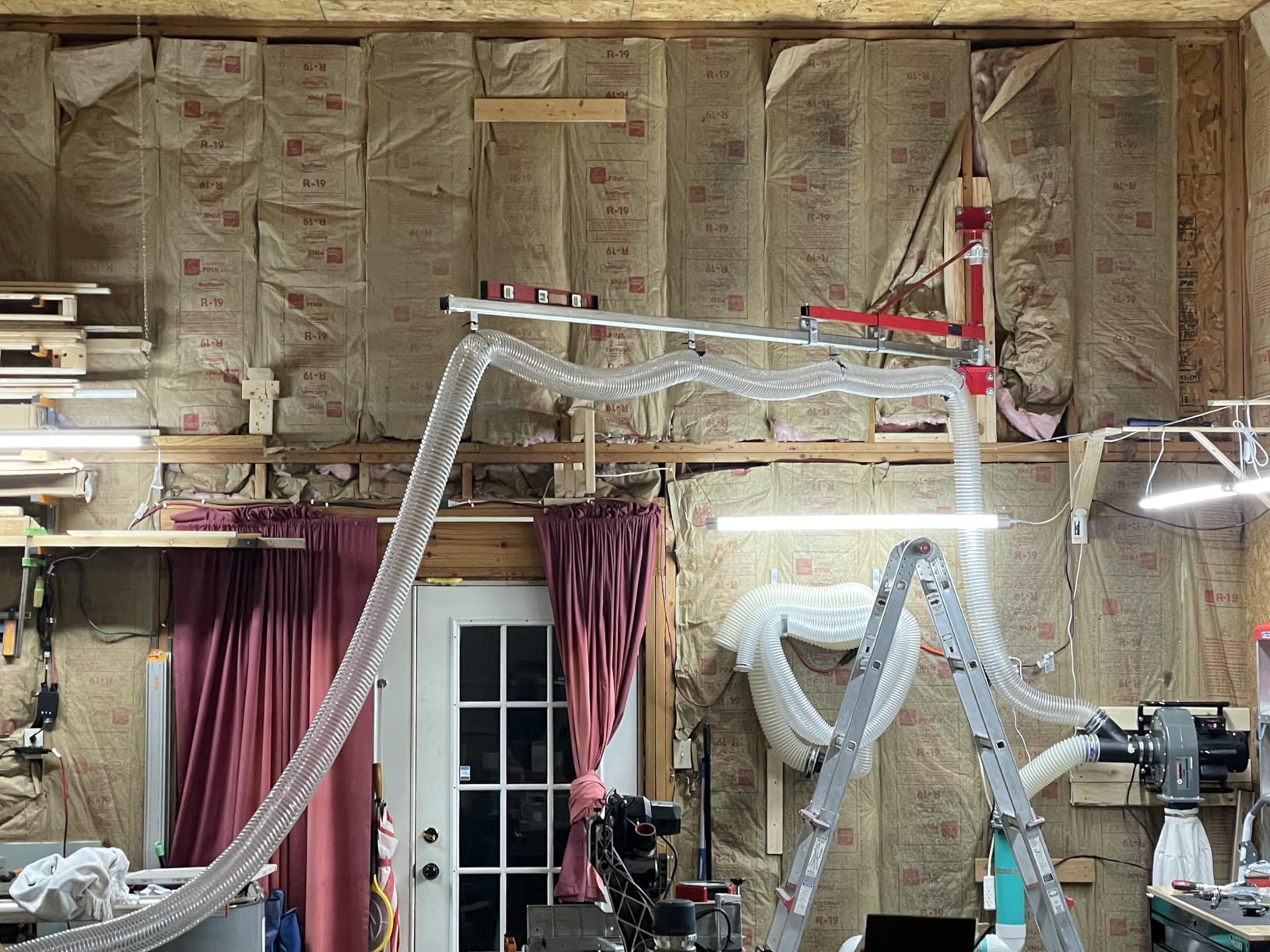
Thirty feet fills the gap that most people hit between a 20 foot hose and a full production run. The set includes one hose and eight stainless steel clamps, which is the highest clamp count in this group and means you can secure a run and a branch without a hardware store trip.
Steel wire reinforcement is paired with stainless steel hardware, and buyers report the hose holds suction across the full length while staying flexible enough to route around shop equipment. The material is described as supple but resistant to punctures from nails, which is a useful combination in a working shop.
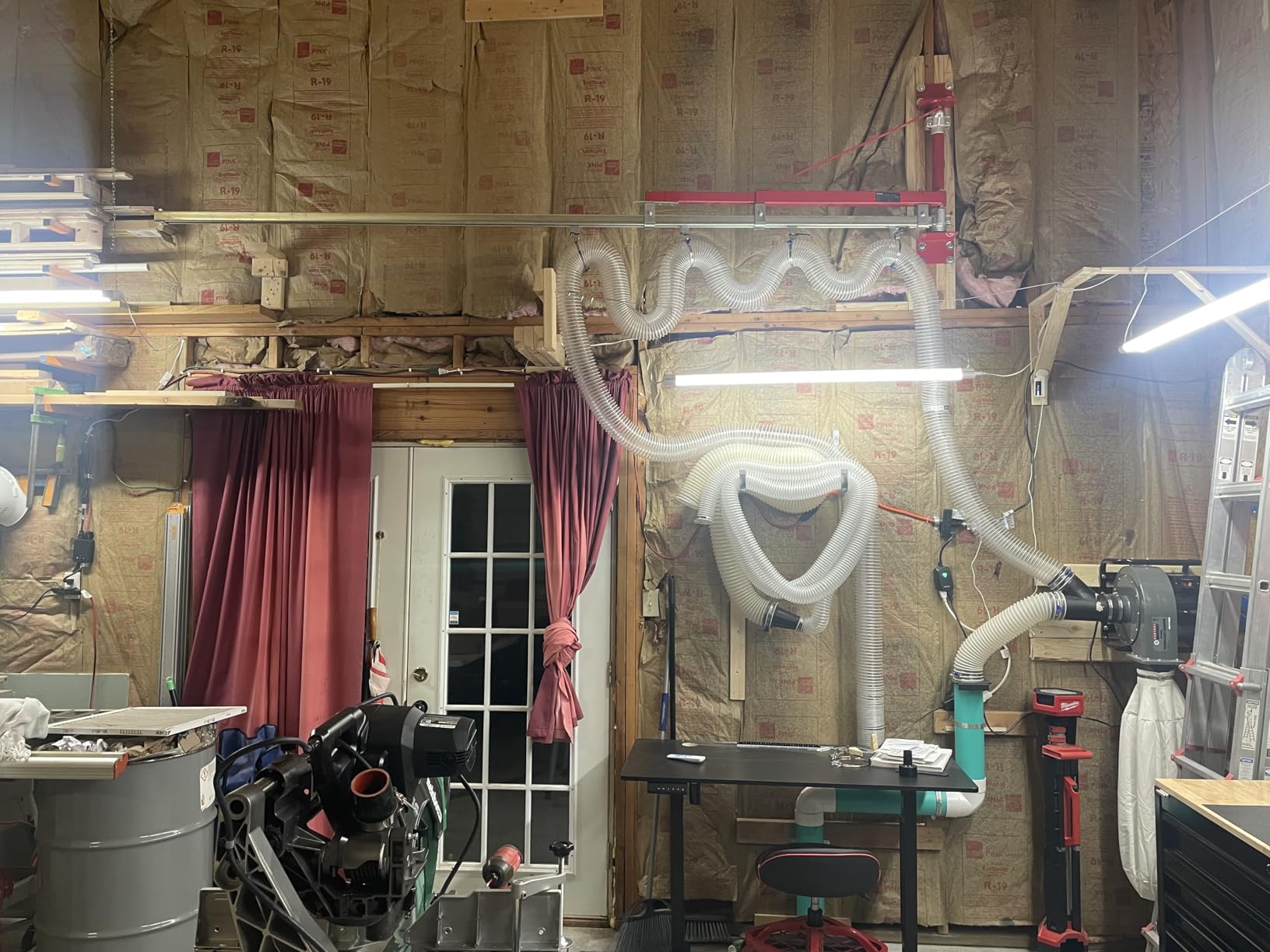
The clear body helps you spot buildup, and the reinforcement resists pressure, corrosion, aging, and fading. It works with dust collectors, shop vacs, and industrial systems, so it is not limited to a single collector brand.
Owners do raise the grounding point explicitly. Because the wire coil is conductive, it needs to be grounded to avoid static shock, and the clamp straps are narrow enough that tightening too hard can cut into the hose. Both are installation habits rather than defects, but they are worth knowing before you start.
Who this hose is right for
Shops that want a middle length and a complete install in one purchase. Thirty feet reaches a machine that a 20 foot hose cannot, without the storage bulk of a 50 or 70 foot coil. The extra clamps let you split a run and secure both ends properly.
It is a sensible single purchase for a new shop that is setting up a layout with a second machine away from the collector.
Who should skip it
Anyone who tightens clamps aggressively. The straps are narrow, and over-tightening damages the hose wall. You also need to ground the wire coil, so add that step to your install rather than skipping it.
Some units measure short of the rated length as well, so measure before you commit to a layout.
How to Choose a Dust Collection Hose Without Guessing
The wrong hose is the single most common reason a dust collection system disappoints. The collector performs to spec at the inlet, then a cheap hose undoes it with restriction, collapse, or a bore that never matched the port. This section covers the five decisions that actually change how your system performs, in the order you should make them.
Match the inside diameter to the port, and measure before you order
Inside diameter is the width of the open bore. Outside diameter is the width of the whole hose including the wall and coil. Listings frequently blur the two, which is the origin of the most common complaint in this category: a hose advertised as 4 inch that measures under 4 inches inside.
Undersized bores are not a rounding error. A bore that is a quarter inch under nominal loses a meaningful amount of cross-sectional area, and airflow drops faster than most people expect. The fix is simple: put a caliper or a tape measure inside the hose before you install it, and check it against the actual port diameter on your machine and your collector.
Rule of thumb by machine: 4 inch for table saws, drum sanders, planers, jointers, and band saws; 2-1/2 inch for portable sanders and many small machines; 1-1/4 inch for palm sanders and routers. A 6 inch hose is a yard-vac size, not a dust collector size.
Also check the port on both ends. A hose that fits the collector perfectly but not the machine port is a hose that sits on the shelf.
Pick length by run, not by how much you want to buy
Longer hose is not more capable. Every additional foot of flex hose adds friction, and the interior wall of a flexible hose is rougher than rigid pipe, so the airflow penalty compounds with length. Shop owners on woodworking forums make the same point repeatedly: rigid runs near the collector, flexible hose only for the last stretch to the machine.
A better layout is a rigid trunk from the collector to a wall or ceiling drop point, then a short flex stub to each machine. A 20 foot hose for each machine beats one 50 foot hose shared between machines, because you can move one machine instead of dragging the whole line. Magnetic quick connectors make that layout practical.
Two details matter when you choose length. Plan the route before you buy, including doorways and the path a shop vac gets dragged. And allow for elastic shrinkage: PVC hose stretches under suction and settles shorter, which is why some hoses are built with extra length to begin with.
Understand what the reinforcement is made of
Four reinforcement styles show up in this category, and they are not equivalent.
Carbon steel wire coil is the most common. It is strong, holds an open bore well, and is electrically conductive, so it can be grounded. It is heavier than the alternatives and can be stiff at the ends.
Spring steel wire is similar in concept but wound as a helix, which gives a longer working length for the same diameter and more resistance to kinking. It is also conductive.
Stainless steel reinforcement trades a little strength for corrosion resistance, which is the better choice if the hose will handle wet material or a humid shop.
Unreinforced rubber or EVA is what you find in shop vac kits. It is light and flexible and inexpensive, and it will compress under strong suction. It is a good fit for a wet dry vacuum and a benchtop sander, and a poor fit for a collector moving real volume.
The wall material matters too. PVC is the standard for dust hoses because it is abrasion resistant, smooth inside, and cheap. Polyurethane and thermoplastic elastomer are more flexible but usually cost more and are used where a hose has to move around a hand tool constantly.
Decide whether you need flex hose at all
Rigid metal or PVC pipe delivers more airflow than flex hose over the same distance because the wall is smooth, the cross-section never changes, and there are no bends to fight. For a fixed machine that never moves, rigid pipe is the better answer, full stop.
Flex hose earns its place where the machine has to move, where the port position means a rigid connection is impossible, or where you want the ability to take the line to a job site. The practical answer is not one or the other. Most working shops end up with rigid trunk lines and short flex stubs, and the hoses in this roundup are chosen for that stub role.
If you are still building the collector itself, the choice of collector matters as much as the hose, and you will also want a way to keep a shop vac from dispersing fine dust when you empty it. A cyclone separator between the machine and the vacuum handles that, and it also helps with static because you can ground the metal body.
Know what makes a hose anti-static, and how to ground it
Static dissipative, sometimes shortened to SD or anti-static, means the hose does not hold a charge on its surface. Wood dust is fine enough to carry an electrical charge, and a charged surface on a dust cloud is a serious hazard in any enclosed shop. Owners report being shocked by a dust collection system, and the shock is the warning sign.
Two things make a hose static dissipative. The first is a conductive reinforcement, usually a steel wire coil, which gives charge a path to travel along instead of accumulating on the outside of the tube. Several hoses in this roundup are described as having grounded coils or grounded ends for exactly this reason. The second is the material itself, since some compounds are formulated to bleed charge rather than hold it.
Grounding finishes the job. Bond the hose to the machine and to the collector with a grounding strap so the whole path is continuous, and keep an eye on what happens when the hose is disconnected. A hose with a steel coil is a conductor, and a conductor that is not bonded is a floating conductor.
If you get shocks, stop and investigate rather than dismissing it. The usual fixes are a missing ground strap, a spiral-wrapped hose that is not conductive along its length, or a very dry shop environment where charge builds faster than it dissipates.
Verify the inside diameter before you buy
Since this is the number one complaint in the category, it is worth its own checklist. Measure the port on the machine with a caliper, then measure the port on the collector. Then, if you can, measure the hose bore itself at a point that is not near the coil ends, where the reading is most accurate.
Read reviews for the word diameter specifically rather than the overall star rating. A product with a mixed rating where several buyers mention bore measurement is telling you something a five-star average would hide. Several hoses in this roundup list a slightly smaller than nominal bore as a known con, and that is the honest kind of disclosure that saves a return.
Finally, match the fittings to what you already own. A hose that arrives without clamps is not a bargain, it is a second purchase. And if your system already has quick-connect ports, an expandable hose such as the Rockler Dust Right kit is far easier to swap between machines than a clamped fixed length.
Frequently Asked Questions
What is the best 4-inch dust collection hose?
For most garage and production shops, the Fulton 4 in x 20 ft clear PVC hose is the best all-around pick, because the embedded steel coil holds an open bore under suction and the clear wall lets you spot clogs before they become a problem. The Qucship 4 in x 20 ft hose is the tougher alternative for sharp, abrasive debris, and the Elecoman 4 in x 50 ft hose is the better choice when a single 20 foot run cannot reach your machine. All three include clamps.
What type of piping is best for dust collection?
Rigid metal or PVC pipe delivers the most airflow over a fixed run because the wall is smooth and the cross-section never changes. Flexible hose is the better choice only where the machine moves, where a rigid connection is impossible, or where you want portability. Most working shops end up with a rigid trunk line from the collector and short flex stubs to each machine.
Which is better for dust collection, metal or PVC pipe?
Both work well, and the decision is about distance and permanence. Metal pipe is the standard for long trunk lines and fixed machines because it handles pressure and abrasion better and does not compress. PVC rigid pipe is lighter, cheaper, and easier to cut and join for a do-it-yourself run. Either one outperforms a long stretch of flexible hose for airflow.
What makes a hose anti-static?
A hose is static dissipative when charge does not build up on its surface. In practice that means a conductive reinforcement, usually a steel wire coil, gives charge a path along the hose instead of letting it accumulate. To finish the job, bond the hose to the machine and the collector with a grounding strap so the whole path is continuous, and keep the collector body grounded as well.
How do I keep my shop vac from blowing dust everywhere?
Filter the fine dust before it reaches the vacuum instead of after. Put a cyclone separator between the machine and the shop vac so heavy dust drops into a bin and only air reaches the filter, which extends filter life. Empty the bin while it is still slightly damp so airborne dust stays low, keep the vacuum hose short and wide so it does not collapse, and use a hose with a clear wall so you can see when it is full.
Are expandable dust hoses any good?
They are genuinely convenient for handheld tools, because one hose that stretches from 3 feet to 12 feet replaces a basket of different lengths and stores down small. The tradeoff is that an expandable hose shrinks under suction and pulls gently against the tool, and if you stretch it out and set the tool on a bench, the retraction can drag the tool off the bench. For a fixed machine, a standard fixed-length hose is the safer choice.
The Verdict on the Best Dust Collection Hoses for Woodworking
The best dust collection hoses for woodworking split cleanly into three jobs, and picking the wrong category is more costly than picking the wrong brand. The Fulton 4 in x 20 ft clear PVC hose is the one we would buy first for a typical 4 inch shop, because its steel coil holds the bore open and its clear wall shows you problems before they cost you an afternoon. Add the Cen-Tec Quick Click kit for handheld tools, and choose the POWERTEC 5 in x 20 ft hose if your collector port is oversized.
For long runs, remember that rigid pipe near the collector beats a longer flex hose every time, and use the Therwen 4 in x 70 ft or Elecoman 4 in x 50 ft options only for the final stretch to a machine. Measure the bore before you order, bond the hose to ground, and you will avoid nearly every complaint we read in the reviews.
As you build out the rest of the shop, the same thinking applies to the tools themselves, and our guide to the best hoses for watering and handling covers the flexible-hose tradeoffs from a different angle.