
There is a particular kind of disappointment that only shows up in northern states. The remote start worked all autumn, then the temperature dropped below 20F and the button did nothing. You walk through snow to a car with a frosted windshield, an interior you cannot defrost by hand, and a starter that cranks slowly for a few seconds. This happens because most remote start systems are sold as a convenience feature for October weather, not as cold-weather hardware. We compared the eight kits below on the things that decide whether a start actually happens in January.
Choosing among the best remote start kits for cold climates comes down to a handful of specifics: whether the fob confirms the command back to you, how far the signal carries through a parking structure, what the remote does to your battery when the car sits for a week, and whether the kit can talk to your vehicle’s immobilizer. None of that is visible in a product photo. It shows up in the range claims, the feedback type, the water-resistance ratings and the wiring requirements.
We spent six weeks reading owner feedback across the eight systems below, focusing on winter-specific reports rather than summer impressions. Along the way we kept returning to the same theme that forum owners raise: a two-way system that silently failed is worse than a one-way system that loudly did nothing, because a silent failure means you find out at the curb instead of in your driveway. We also cross-referenced what people in genuinely cold places say about the same models, including the Wrangler and F-150 owners who run these systems through full winters.
One note before the list: several of the most common cold-weather complaints trace back to the vehicle battery, not the remote. A battery that has been sitting at a partial state of charge all winter will not crank reliably no matter which kit you install, and the module itself adds a small constant drain. We cover that in the battery section below, because a starter kit cannot rescue a weak battery.
Table of Contents
Top 3 Picks for Cold-Climate Remote Starts in 2026
The three systems below cover the widest range of winter needs, from a single-die security system with the longest stated range to a dual-remote bundle built for water and diesel. Each one also carries two-way confirmation, which matters more in freezing weather than most product pages suggest.

8 Best Remote Start Kits for Cold Climates at a Glance (October 2026)
The table below lists all eight kits with the specifications that matter most in freezing conditions. Range is the stated manufacturer figure, which we treat as a ceiling rather than a guarantee in deep snow.
| Product | Specifications | Action |
|---|---|---|
| Compustar CS7900-AS |
|
Check Latest Price |
 Compustar CS4900S/CS5300-S Compustar CS4900S/CS5300-S |
|
Check Latest Price |
 Viper 5706V Viper 5706V |
|
Check Latest Price |
 Compustar CSX4900-S with Drone X1-LTE Compustar CSX4900-S with Drone X1-LTE |
|
Check Latest Price |
 Avital 5303L Avital 5303L |
|
Check Latest Price |
 Audiovox APS997E Audiovox APS997E |
|
Check Latest Price |
 Start-X Ford T-Harness Kit Start-X Ford T-Harness Kit |
|
Check Latest Price |
 MPC Jeep Wrangler Kit MPC Jeep Wrangler Kit |
|
Check Latest Price |
Why Cold Weather Breaks Remote Starts
Cold does not break a remote start system directly. It removes the margin that the system was designed around, and the first thing to go is usually the fob rather than the car. Understanding the failure modes tells you which specification to prioritize when you buy.
The remote’s own battery is the weak link first. A coin cell or rechargeable pack loses a large share of its usable output in freezing conditions, and the transmitter then transmits at reduced power. Owner reports of systems that worked all autumn and went dead in deep cold line up with this pattern, and the same reports generally recover once the remote warms back up indoors.
Ice on the glass attenuates the signal. A solid sheet of frost or snow across the windshield works like a grounded shield, and the RF energy that would normally bounce into the cabin is absorbed instead. This is why a stated one-mile range in open air can behave very differently in a snowy parking lot.
Cranking voltage is the car’s problem, not the kit’s. Lead-acid chemistry delivers less voltage as temperature falls, and a cold-soaked engine needs more amps to turn over. A system that fires the starter into a battery that has been sitting for a week at partial charge is asking the starter to do the hardest possible job.
Thermal cycling stresses connections over seasons. Repeated freeze-thaw cycles work solder joints and crimp terminals loose faster than normal. A module installed with cheap crimp connectors is more likely to develop an intermittent fault in its third winter than its first.
Shock sensors misfire in snow and ice. Sensors calibrated in a warm garage can trigger on the thump of a plow, a branch or a windshield wiper tapping ice. The Stinger Double-Guard sensor on the Avital 5303L has a Warn-Away level precisely for this, but only if the installer sets it sensibly.
Idle time and parasitic drain add up. Every minute of remote idling in deep cold loads the alternator, and the control module draws a small amount continuously even when parked. Longer warm-up cycles in winter increase both costs. If your car sits unused for a week or more, pair the kit with a battery tender rather than expecting the remote to compensate.
1. Compustar CS7900-AS – Best All-Round Kit for Sub-Zero Climates
Compustar CS7900-AS All-in-One 2-Way Remote Start and Alarm Bundle w/ 3000 Feet Range
3000-ft range
2-way T9 LCD remote
105+ dB siren
FM antenna
Pros
- 2-way LCD confirms commands visually and audibly
- 3000-ft range reaches garages and open lots
- Shock sensor
- siren and LED ship in one bundle
- Thermistor temperature sensor for cabin readings
Cons
- No wiring diagrams or install instructions included
- Extra parts sold separately on many vehicles
- Professional installation required
This is the kit we would put in a car that sits outside overnight in a place that gets genuinely cold. The 2-way T9 LCD remote gives visual and audible confirmation that your command was received, so you know the start happened before you walk toward the vehicle. That single feature removes most of the winter failure anxiety that one-way systems create.
The 3000-foot stated range handles the common case of a driveway, a shared lot or a small apartment complex. Owners also report the T9 screen is readable enough in daylight to confirm lock state, which matters when you are standing in a parking structure in gloves.
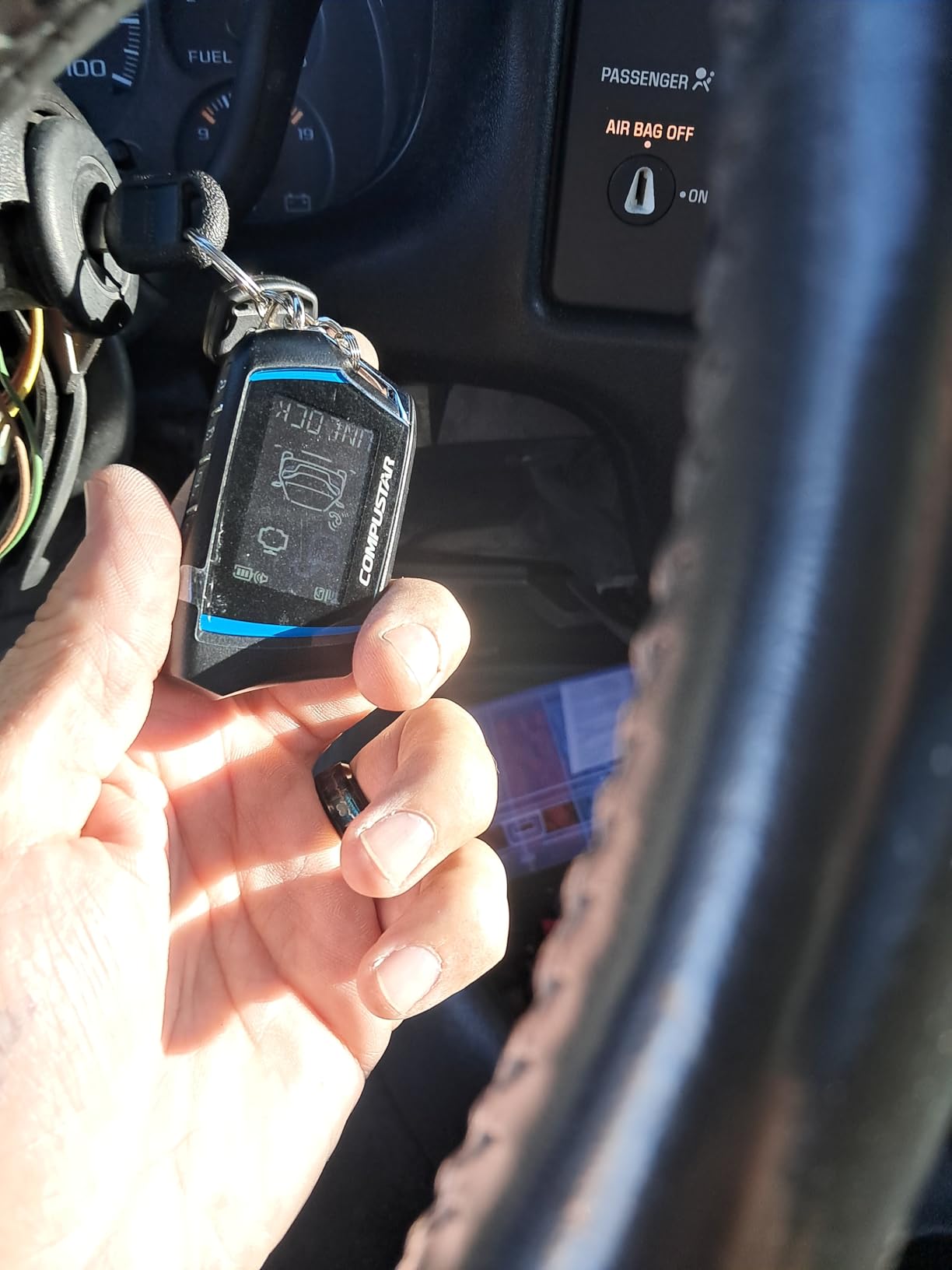
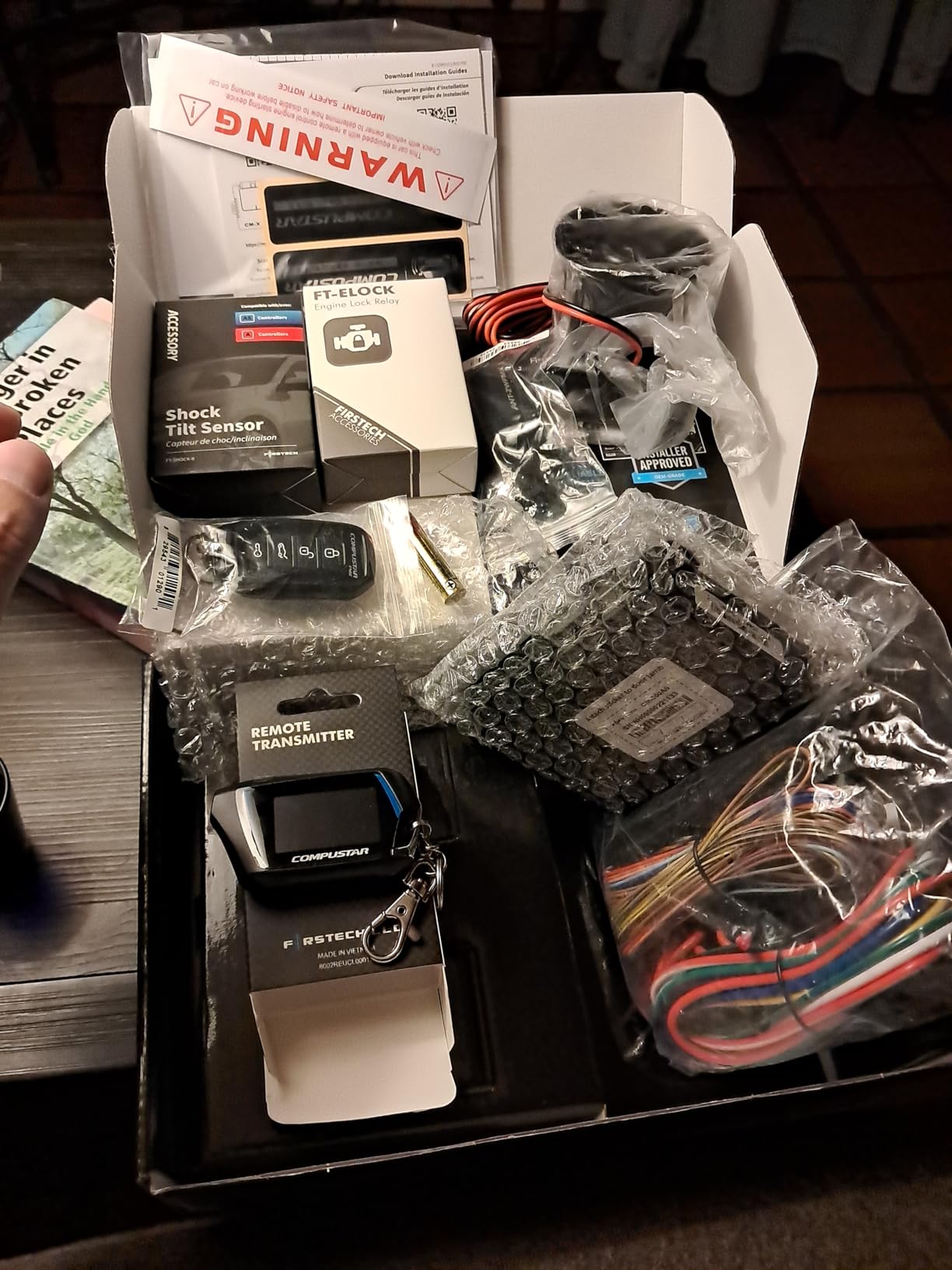
What sets this bundle apart is that the security hardware is already in the box. You get the CM900-AS control module, a dual-stage shock and tilt sensor, a 105+ dB siren and a security LED, and the sensor architecture expands to door, hood, trunk and impact inputs. A remote start alone leaves your car unlocked and unmonitored; this one is a full system.
The included thermistor temperature sensor is a smaller detail that earns its place. It gives the module a real cabin temperature reading, which is what makes scheduled pre-conditioning and runtime logic behave sensibly in winter rather than just idling until a timer expires.
What to check before you commit
Ask the installer whether your vehicle needs an extra data module or harness, because the manufacturer states some vehicles require additional parts. On modern push-to-start trucks and SUVs, the bypass or data interface part is the single most common surprise line item.
Also confirm the fob is a rechargeable type or note the replacement battery before winter. Owners who store a remote in a glovebox through January sometimes find it flat on the first genuinely cold morning, and that reads as a failed system when nothing is actually wrong.
Where it falls short
The kit does not include wiring diagrams and installation instructions, so the documentation burden sits entirely on the installer. That is fine with a professional and a problem for a first-time DIYer, and it is the main reason this is not our DIY recommendation.
Reviewers also report needing extra parts for their specific vehicle, and a few note that end-user support and programming documentation are confusing when something needs troubleshooting. Budget time for a shop visit rather than a same-afternoon install.
2. Compustar CS4900S/CS5300-S – Best Value for Water and Diesel
Compustar CS4900S/CS5300-S 2-Way All-in-One Remote Start & Keyless Entry System w/3000-ft Max Range -1x (2-Way) & 1x (1-Way), 3-Button LED Remotes, Water-Resistant Remotes Keyless Entry Remote-Start
3000-ft FMX range
2-way and 1-way remotes
Water-resistant
Diesel-engine ready
Pros
- Water-resistant G17 AM remotes
- Handles diesel with automatic transmission
- Keyless entry at extended distance
- 2-way confirmation on the primary remote
Cons
- Bypass module usually sold separately
- Only one 2-way remote in the box
- Programming support criticized by buyers
The water-resistant remote is the reason to look at this kit first if your winter includes road salt, slush and a fob that lives in a jacket pocket. Owners consistently rate the button response and the remote’s tolerance of moisture as reasons the system keeps working through a season that wears out cheaper fobs.
It is also the diesel-ready option here, and that matters more in cold climates than the spec sheet suggests. A glow-plug-equipped engine needs a warm-up delay before cranking, and a kit that starts instantly on a cold diesel can do real damage over time. The wait-to-start logic in a diesel-capable module is a safety feature, not a convenience.
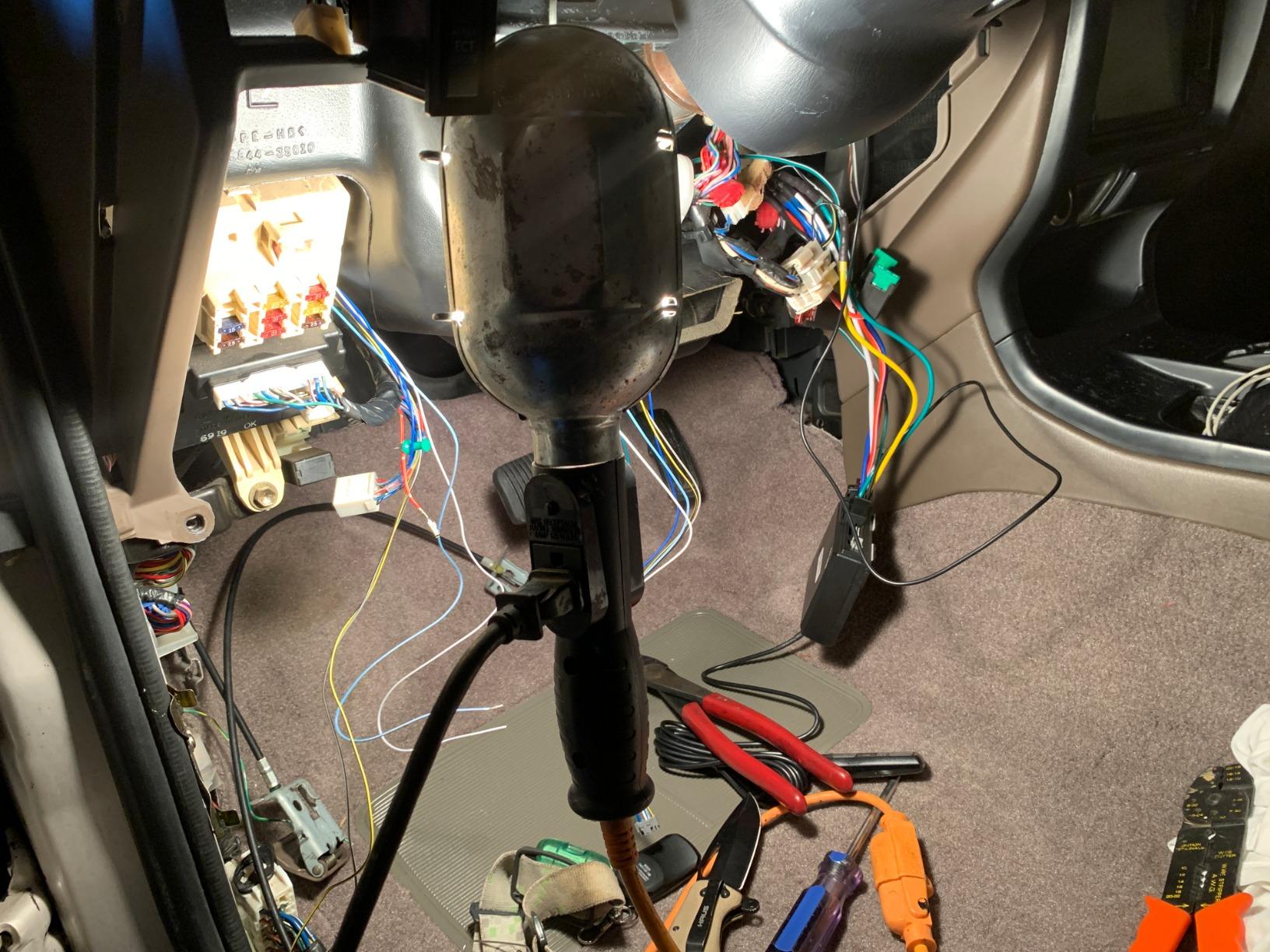
Range is a stated 3000 feet, and users report starting a truck from several blocks away or across a large lot. Hold the key button for 2.5 seconds to start, and use lock or unlock for keyless entry at distance. The controls are simple enough to operate with thick gloves on, which is a real winter consideration.
The bundle includes one 2-way and one 1-way three-button remote, so you get command confirmation plus a backup. Reviewers describe the 2-way confirmation as the feature they would not give up, since it converts a guess about whether the car started into a certainty.
What to check before you commit
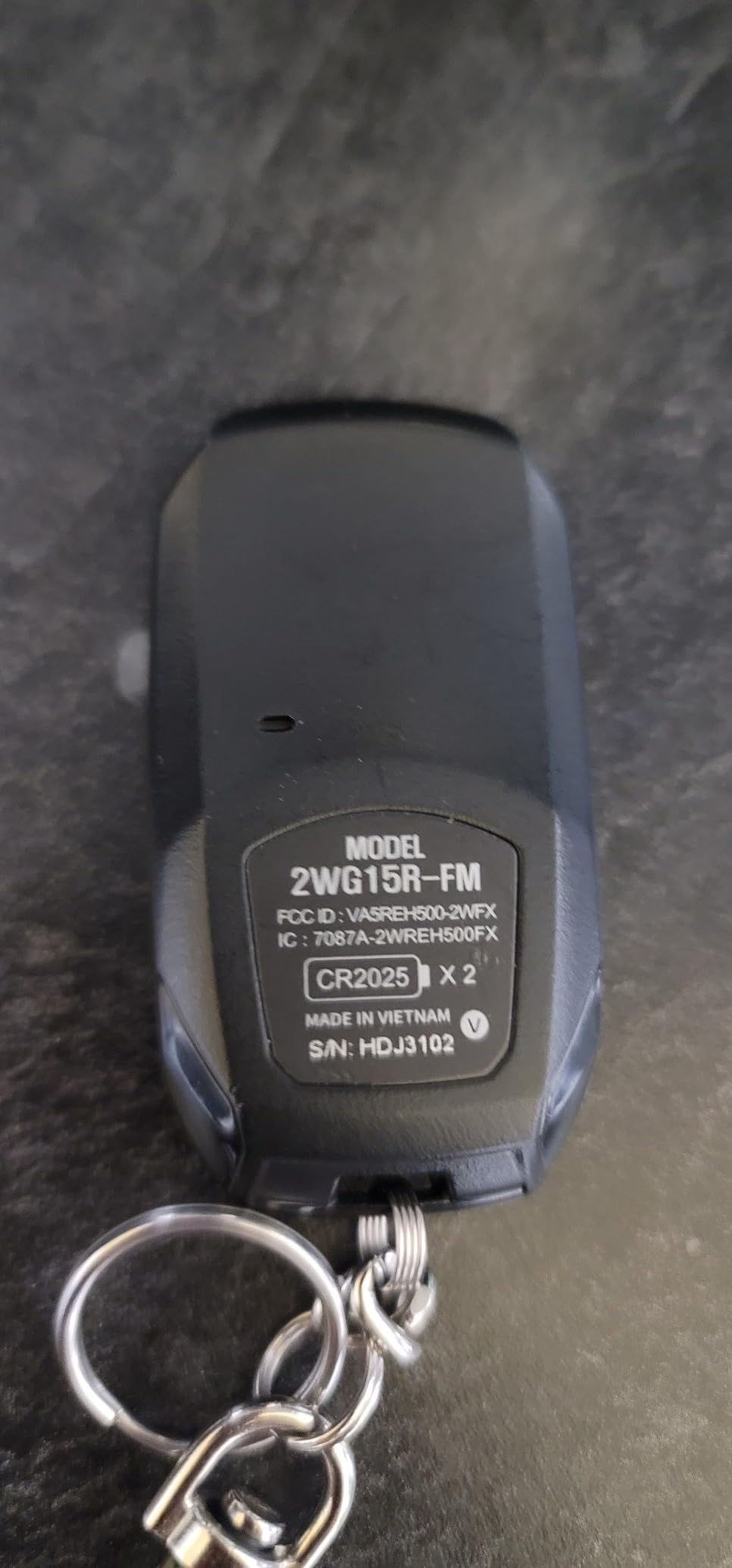
Confirm the transmission type. This kit is for automatic transmissions, and a manual-transmission vehicle needs a different kit with a neutral-safety sequence. Also ask whether your vehicle requires an iDatalink BLADE-AL or BLADE-TB bypass module, which is sold separately and is required in most vehicles.
If you can pair it with a Drone module later, you get phone control without replacing the system. That matters if you park in a structure where the RF signal is weak but cellular coverage is solid.
Where it falls short
Only one of the two remotes gives you two-way confirmation. If the primary fob fails in a frozen parking lot, the backup cannot tell you whether the start command landed, which is exactly the moment you want that information.
Owners also report that the vehicle-specific wiring diagram is not included and the installation involves a substantial number of soldered splices. Several buyers mention dissatisfaction with end-user programming support, so confirm your installer will handle the programming rather than expecting clear walkthroughs.
3. Viper 5706V – Best for Garages and Long Range
Viper 5706V 2-Way Car Security with Remote Start System
1-mile range
5-button LCD transmitter
Sidekick remote
4-channel security
Pros
- Longest stated range in this group at one mile
- Sidekick remote gives a spare in the glovebox
- Remote start plus 4-channel security in one unit
- Door and trunk triggers included
Cons
- Warranty void without authorized-installer installation
- Control unit can break during installation
- LCD remote needs regular recharging
This is the kit to look at if you park in a concrete structure, a multi-story deck or a large lot, because one mile is the longest stated range in this group and the practical difference between 3000 feet and 5280 feet decides whether you can start the car from inside the building. Users report starting from parking garages and multi-story buildings as the main reason they keep it.
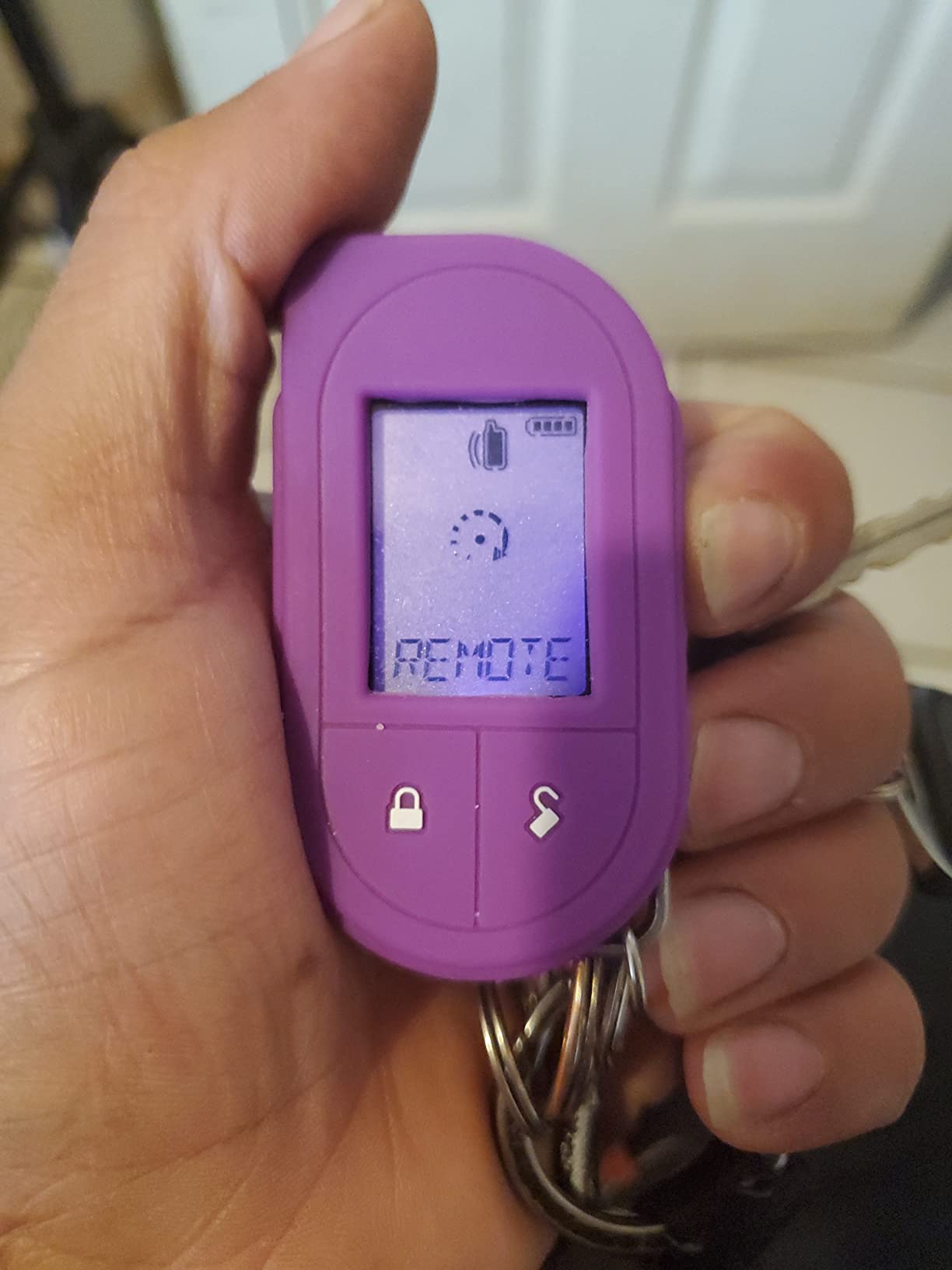
The 5-button LCD transmitter shows lock state and confirms commands, and the included sidekick remote gives you a cheap second unit you can leave in the glovebox. If the primary fob’s battery dies in a cold parking deck, the spare still works.
It is a 4-channel security system with door and trunk triggers as well as remote start, so it covers the theft-deterrent side of the job. One owner reports the system actually deterred a break-in attempt, and multiple reviewers describe consistent remote start performance over years of ownership rather than first-week impressions.
On-board programming is available without a separate programmer, which is unusual in this category and saves a step if the system ever needs to be reconfigured. It also works with add-on modules for window roll-up and bypass, so it can grow with a vehicle that needs more.
What to check before you commit
Ask who is installing it. The manufacturer warranty requires installation by an authorized retailer or installer, and a shop that cannot meet that condition turns a one-year coverage window into a much shorter conversation when something fails in February.
Confirm the recharge habit for the LCD remote. A low or out-of-sync remote battery is the most common cause of an unresponsive system on this model, and keeping it on a charger through the season is part of owning it.
Where it falls short
Several users report the antenna and control unit being fragile and damaged during installation, which is a reason to have a shop handle the wiring rather than routing cable in a cold garage yourself.
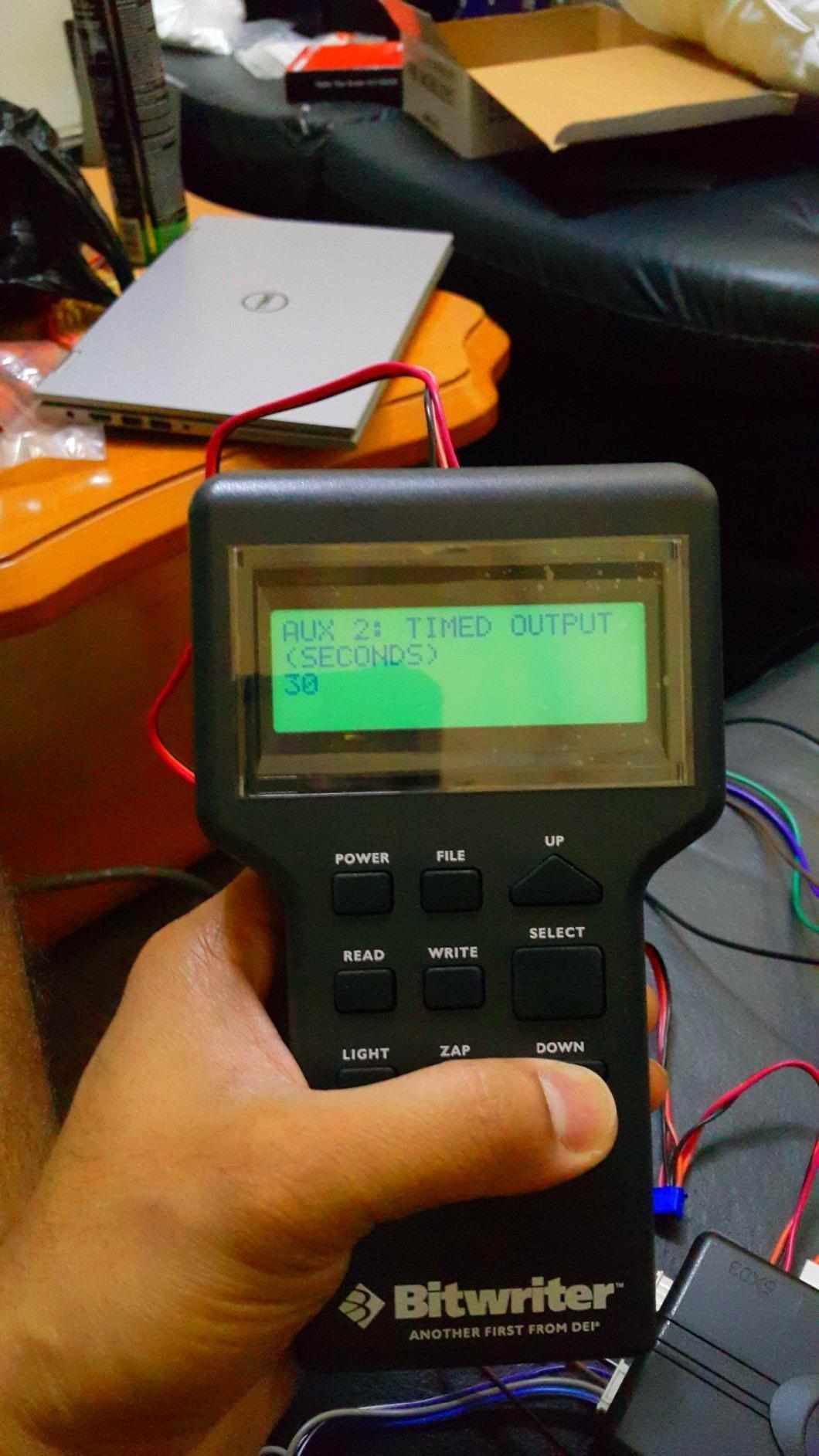
Programming beyond the basics is limited to the Bitwriter, and a few owners rate the shock sensor as mediocre. If you care more about the alarm’s detection quality than its range, the Compustar bundles are the stronger pick.
4. Compustar CSX4900-S with Drone X1-LTE – Best for Phone Control
Compustar CSX4900-S 4-Button 2-Way, 3000′ Remote Start System w/Drone X1LTE
3000-ft 2-way range
Included Drone X1-LTE
Keyless entry
Limited lifetime warranty
Pros
- RF remote plus unlimited-range phone control
- Limited lifetime system warranty
- Water-resistant 4-button LED remote
- 3X Lock Start works from the OEM fob
Cons
- Phone control needs a Drone subscription
- Compatibility confirmed through an authorized installer
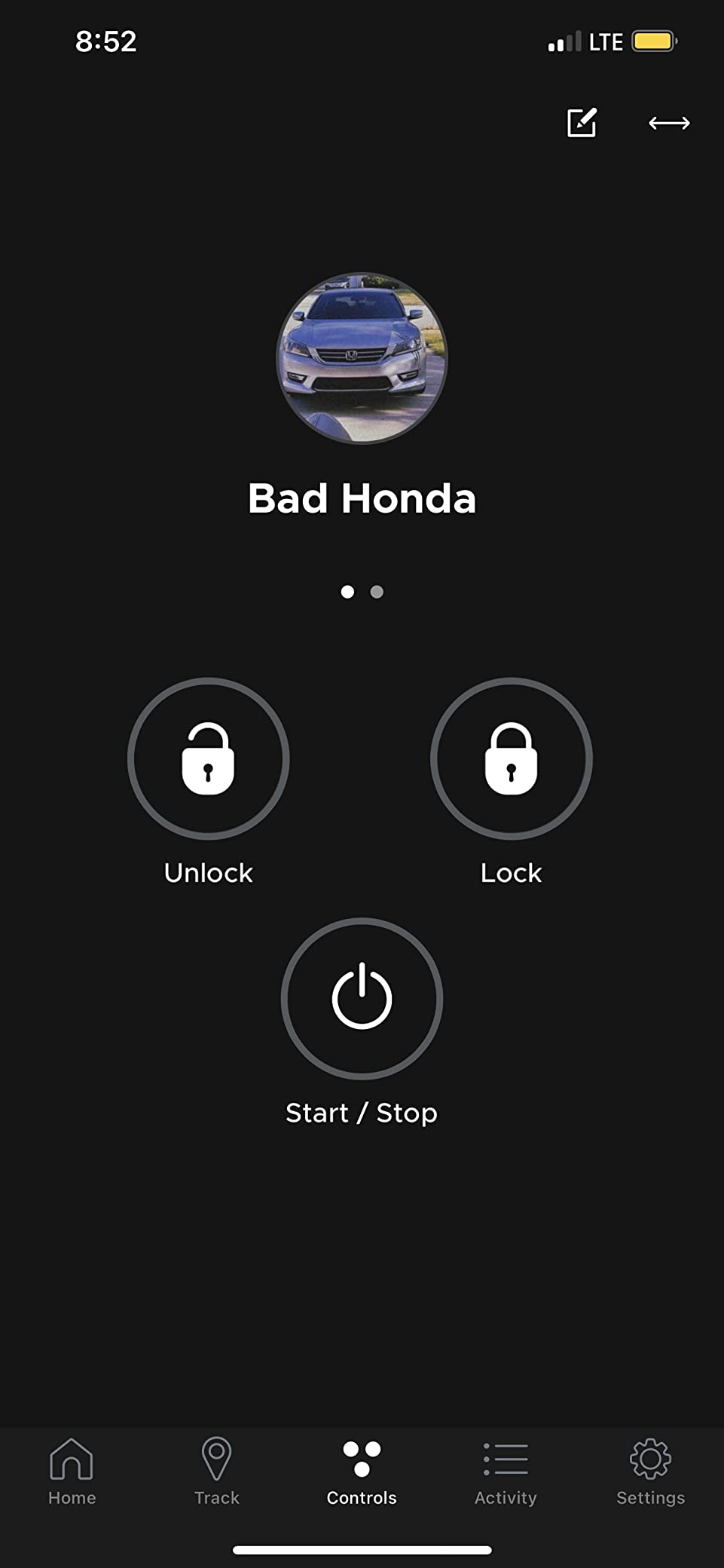
This is the answer to a specific winter problem: your parking situation needs more than 3000 feet of RF, but you do not want to give up the instant response of a physical remote. The included Drone X1-LTE module adds smartphone control at unlimited range, while the 2-way LED remote handles the everyday start with confirmation in about a second.
The distinction matters in cold weather. An app command travels over a cellular network and can take noticeably longer than an RF press, and a phone held in a gloved hand in a windy lot is not a pleasant interface. The hybrid setup keeps the fob as the daily tool and the app as the backup when you are on a trip or parked far away.
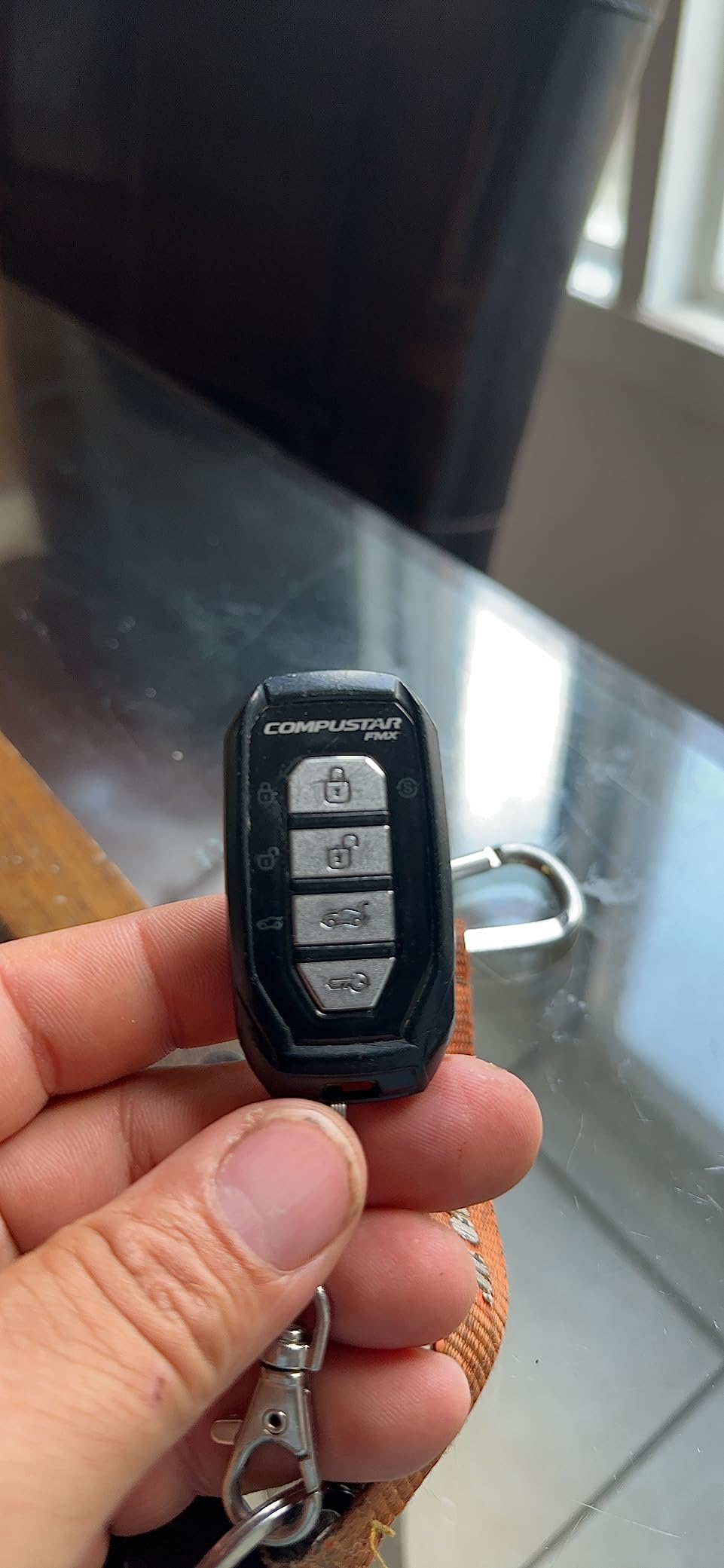
The remote itself is water-resistant with LED confirmation, so it handles slush and cold-soaked pockets better than a bare plastic fob. The CM900-S control module supports 3X Lock Start, which means the system’s locking and starting functions can work from your factory remote as an additional path.
The warranty structure stands out too: a limited lifetime system warranty on the module with a one-year remote warranty. On a system meant to survive multiple winters, longer module coverage is worth more than most buyers realize.
What to check before you commit
Factor in the subscription. The LTE hardware is included, but the smartphone control features require a Drone plan, so the multi-year total is higher than the RF-only kits. Decide up front whether you will actually use the phone control or whether you are paying for a feature you will ignore.
Have an authorized Compustar installer confirm compatibility and quote the install. This is a modern-vehicle kit and the confirmation step is where the real value lies, since it also gets you an installed price rather than a hardware-only number.
Where it falls short
If you are in a rural area with weak cellular coverage, the phone side of the system becomes less useful, and you are relying on the 3000-foot remote. That is fine, but then the LTE module is not earning its place in the vehicle.
The LED confirmation remote gives feedback without the detail an LCD screen would, so you get confirmation but not a temperature reading. Owners who want cabin climate visibility from the fob itself should look at the T9 LCD model instead.
5. Avital 5303L – Best for Alarm Functions Alongside Remote Start
Avital 5303L Car Alarm Remote Start and Keyless Entry Vehicle Security System with 2-way LCD Remote-Set
2-way remote start
Keyless entry
Multi-level arming
Fail-safe starter kill
Pros
- Two-way LCD remote plus a 1-way backup
- Multi-level arming selects active sensors
- Fail-safe starter kill and Double-Guard shock sensor
- Four AUX outputs for add-on accessories
Cons
- Older design with less review volume than leaders
- Narrower accessory ecosystem for late-model vehicles
The Avital 5303L is the most configurable system here, and that configuration flexibility is genuinely useful in winter. Multi-level security arming lets you choose which inputs and sensors stay active, so you can bypass an accessory that misbehaves in ice without disabling the rest of the system.
You get a 2-way LCD remote and a 1-way four-button remote in the box, along with remote start, keyless entry and full alarm functions in one unit. The fail-safe starter kill is a small feature with a clear purpose: it prevents the engine from being started in a way that defeats the security system.
Panic mode sounds the alarm and flashes the parking lights, which is a genuine cold-weather advantage because a car idling in a dark lot is far more visible with the lights blinking. The four AUX outputs leave room for accessories like a second siren or an add-on sensor later.
The Stinger Double-Guard shock sensor includes a Warn-Away level, and in a snowy climate that is the setting you actually want most. It gives an early chirp for a plow or a branch rather than waiting for a full break-in level.
What to check before you commit
Confirm the vehicle kit before buying, because this is a conventional wired system and modern vehicles with advanced immobilizers need a matching bypass module and harness. Ask the installer to walk you through arming levels so you are not guessing at the settings during a January morning.
Check how the alarm behaves with a hood or trunk open in winter. Snow and ice often mean a sensor is not fully seated, and a system that arms incorrectly in a frozen state will chirp all night.
Where it falls short
Older designs carry a smaller review base, which means less long-term owner feedback to draw confidence from. The practical consequence is that integration options for late-model vehicles can be narrower, and the LCD remote is dated next to the T9 unit on the leading Compustar bundle.
Before you commit to add-ons, confirm the specific part is still listed for this model. A second siren or an extra sensor that is no longer produced turns a flexible system into a fixed one, so verify availability with the installer first.
6. Audiovox APS997E – Best Budget Two-Way Starter
Audiovox APS997E Two-Way Remote Start
5-button metal transmitter
Command confirmation
Selectable run times
Time-start mode
Pros
- Metal transmitter feels solid with gloves
- Selectable run times suit short winter idling
- 24-hour time start mode for scheduled warm-ups
- Glass-mount antenna with LED indicator
Cons
- Only one remote included
- Lowest average rating in this group
The Audiovox APS997E is the entry point, and its most useful feature in a cold climate is the selectable run times. Long idle cycles are hard on a cold alternator, and being able to set a shorter warm-up for a quick cabin preheat protects the battery without giving up the convenience.
The five-button metal transmitter is a genuine advantage when you are wearing gloves. Metal buttons are easier to find through a sleeve and less likely to be missed on first press, and the 2-way LCD gives command confirmation rather than a blind guess.
The 24-hour time-start mode is a scheduled start rather than a remote one, and in deep winter it can preheat the cabin before an early departure without anyone pressing a button. For a car parked at home with a predictable schedule, that is quietly useful.
Programming is single-user or two-user with separate control outputs, and the glass-mount antenna carries a built-in LED and valet switch. Valet mode is worth knowing about in winter because it lets you leave the system disarmed in a secure garage without fully removing it.
What to check before you commit
Check that your vehicle does not need a bypass module that this package does not include. That requirement is the most common reason a budget kit turns into a more expensive project, and it should be settled before the module is ordered.
Also confirm the expected service life of a five-button metal transmitter versus the sealed plastic remotes on the pricier kits. Metal construction feels better in the hand and holds up to drops on ice, but there is no secondary remote here if it takes a hit.
Where it falls short
Only one remote is included, so a failure in a cold parking lot leaves no backup fob. On a two-way system that is a worse problem than it sounds, because you cannot confirm whether a start command was accepted.
This also carries the lowest average rating in the group, along with the smallest review base, which means less evidence of how it performs over multiple winters. It is a sensible entry purchase, not a system we would build a cold-weather recommendation around.
7. Start-X Ford T-Harness Kit – Top Rated Plug-and-Play for Ford Trucks
Start-X Remote Start Kit for Ford F-150/250/350, Expedition & Other Models
Plug-and-play T-harness
Pre-flashed module
OEM fob start
No wire splicing
Pros
- Highest rating and largest review base in this group
- T-harness removes all wire cutting
- Starts from the factory fob
- Optional extender adds remotes to 3000 ft
Cons
- Gas and automatic transmission only
- Requires a working hood pin
- Fits specific Ford models only
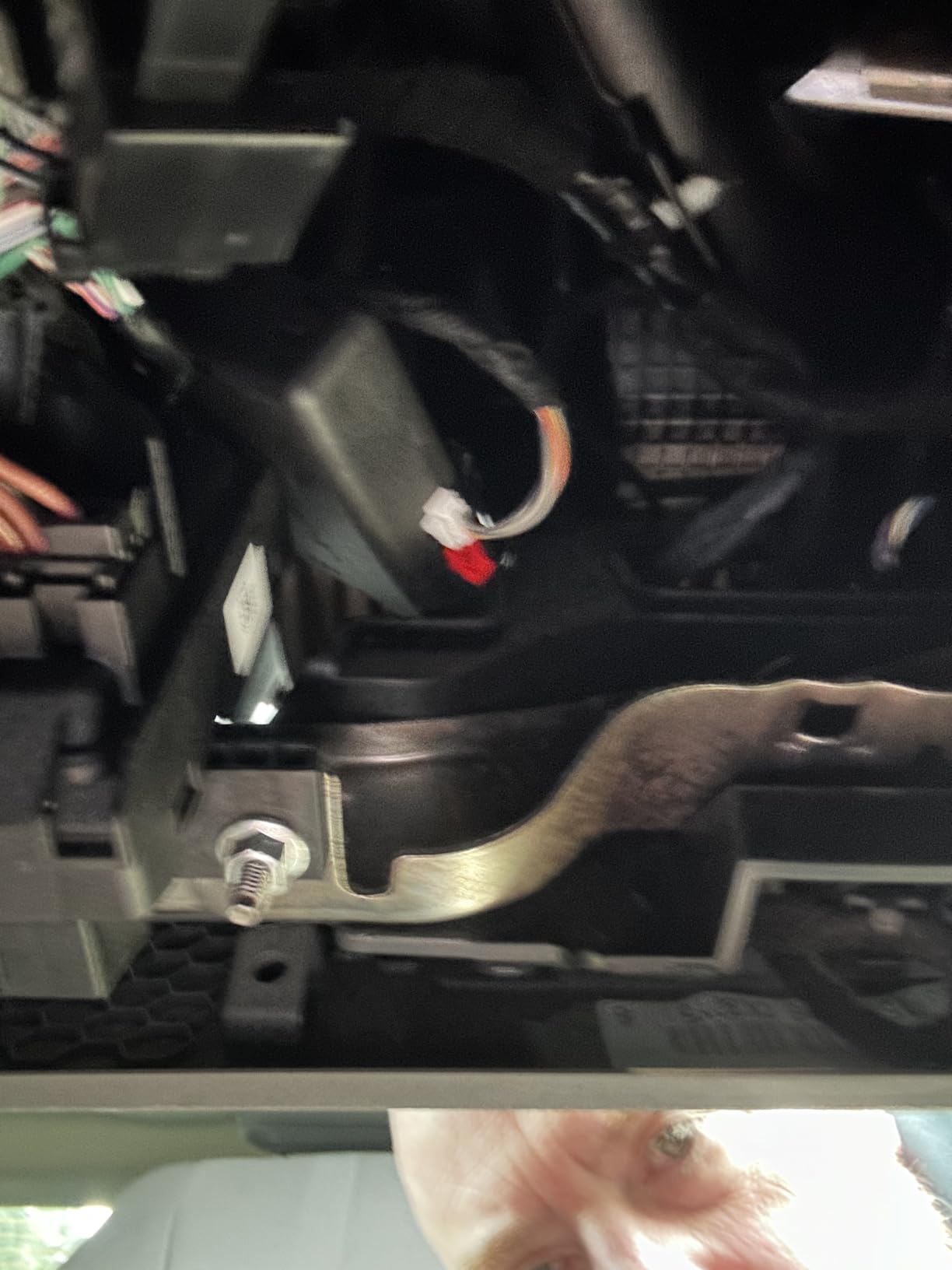
This kit carries the highest average rating and by far the largest review base of anything we analyzed, and the reason is not the remote. It is the install. The vehicle-specific T-harness eliminates wire cutting and splicing, and the module arrives pre-flashed for the target vehicle’s firmware, which removes the two steps that cause most failures on a first attempt.
Starting happens by pressing lock-unlock-lock on your existing factory key fob, so there is no second fob to carry, charge or lose. In a frozen glovebox that simplicity is worth more than an extra remote, and it is why owners describe the whole system as straightforward.
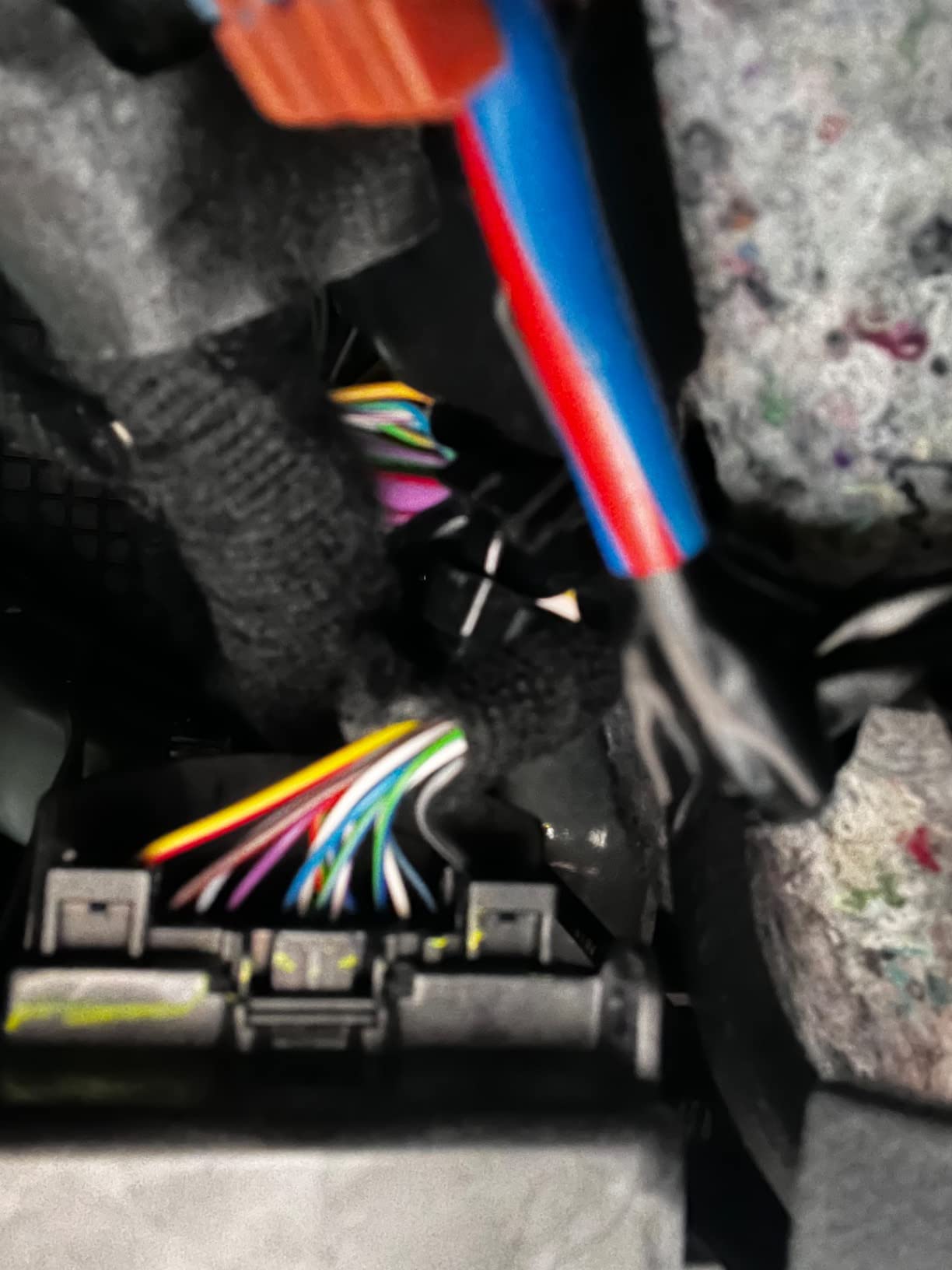
Coverage is broad across Ford trucks and SUVs, including the F-150, F-250 and F-350, Ranger, Transit, Bronco Sport, Edge, Escape, Expedition and Explorer, with both push-to-start and key-blade ignition. Because the module is preloaded per vehicle, compatibility is a matter of matching the year and model rather than guessing at wiring.
The base kit inherits your factory remote’s range, which is the main limitation in cold climates. An optional range extender kit adds two remotes, with 1-way up to 2000 feet and 2-way up to 3000 feet, which is the version to consider if you park in a large lot or a deck.
What to check before you commit
Confirm the exact year and trim of your Ford, because the fit list is specific and a mismatch means the pre-flashed firmware will not match your vehicle. Owners also need a functioning hood pin for the system to operate, and an extra one is included for that reason.
Decide whether you need the range extender before installation. Adding the fobs later means another visit, and the extender is the part that turns this from a close-range starter into a system you can use from a long-distance lot.
Where it falls short
This is a gas-and-automatic-transmission kit, so a manual-transmission truck or a diesel model is out of scope despite the Ford fit list. It is also strictly vehicle-specific and will not fit other makes, which is the trade you accept for a zero-splicing install.
Using the factory fob means you inherit the factory fob’s shortcomings too, including its battery life and its line-of-sight limitations. If your winter routine involves starting the truck from inside a building, budget for the extender kit.
8. MPC Jeep Wrangler Kit – Best for a Fully Removable Install
MPC Remote Start Kit Compatible with Jeep Wrangler 2007-2018 || 100% Plug n Play || Key-to-Start || Use Your OEM Key Fob || 15 Minute Install || USA Tech Support
Plug-and-play T-harness
Wrangler 2007-2018 firmware
OEM fob start
Removable install
Pros
- Zero cutting
- splicing or soldering
- Uses the factory key fob
- Removable without permanent changes
- Deep-cold owners report reliable starting
Cons
- Automatic transmission gas models only
- Kit includes no remotes
- Install videos conflict on one labeled wire
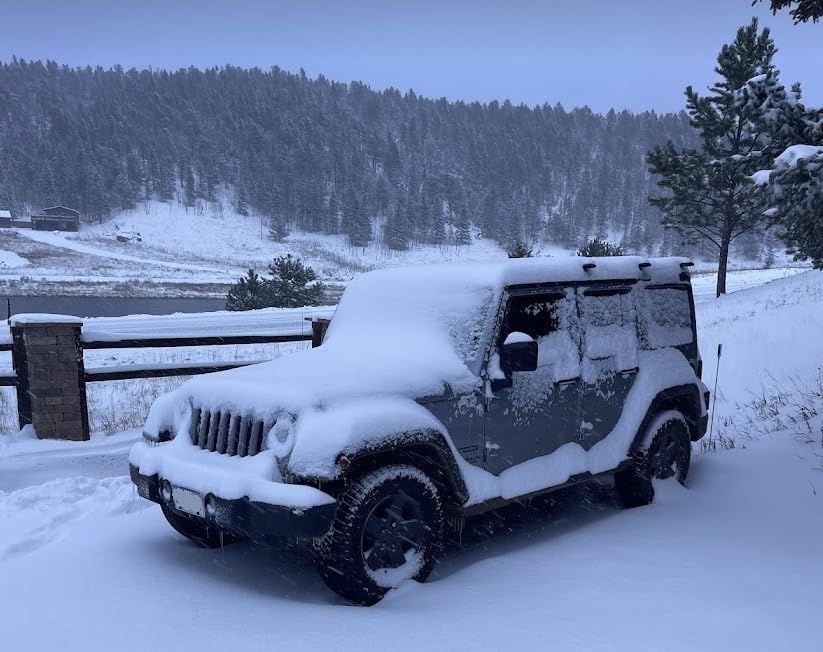
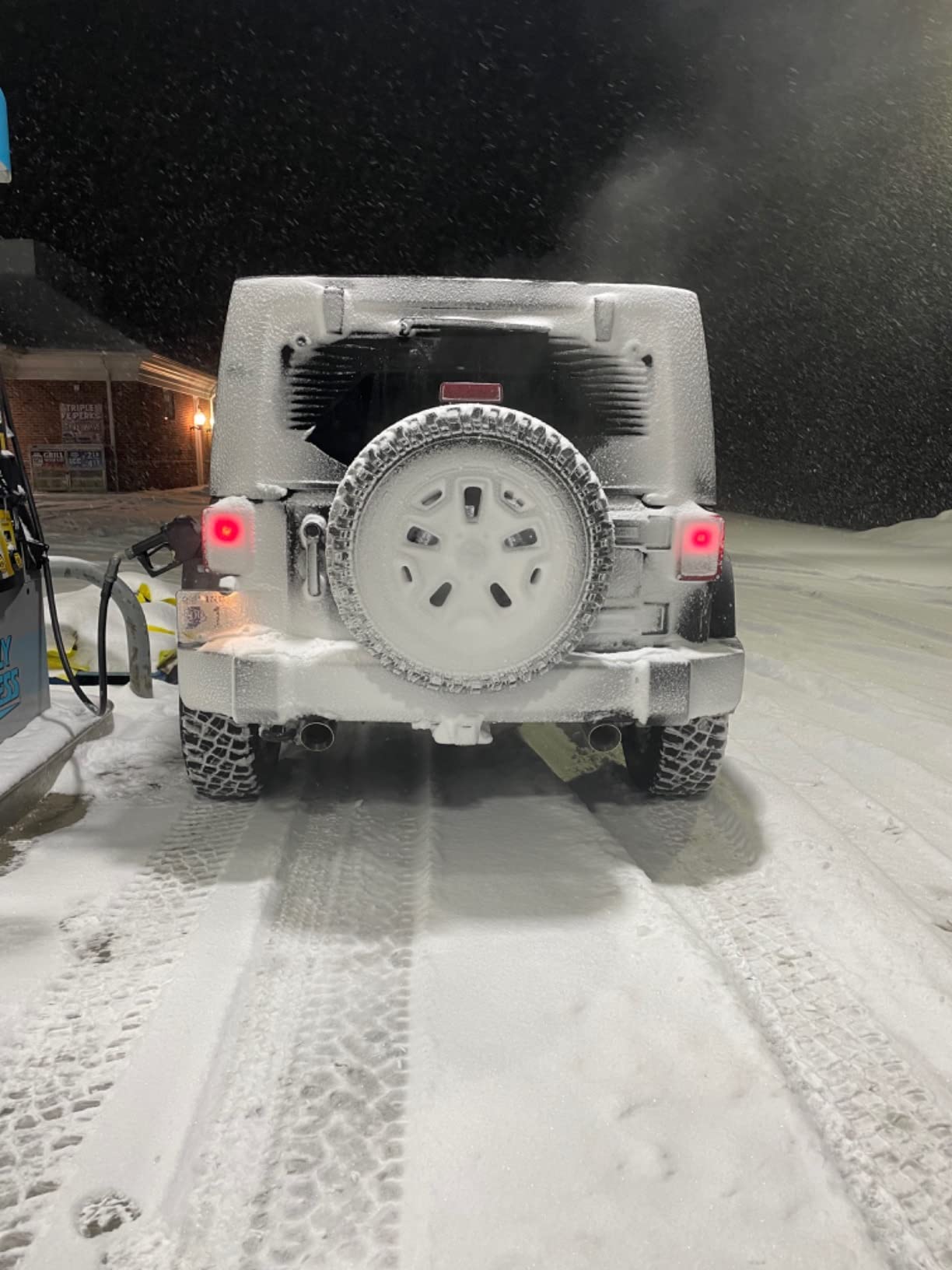
The Wrangler is one of the vehicles where a removable install matters most, and this kit delivers that. The all-in-one data interface module and T-harness plug into existing connection points with no wire cutting, splicing or soldering, and the system can be pulled out later without leaving permanent modifications to a vehicle you may sell or modify again.
Owners in genuinely extreme cold report it working reliably, which is the most direct evidence we found that a factory-fob-start system holds up in deep winter conditions. Starting is a press of the lock button three times on your existing remote, so there is no extra fob to add to an already crowded keychain.
US-based technical support and QR code instructions are part of the package, and the firmware is preloaded for Wrangler model years 2007 through 2018. Optional add-ons include a smartphone app interface module or extra button remotes that extend range to about 1500 feet.
The install itself is a genuine plug-and-play job rather than a marketing phrase, though it does require removing the lower steering column plastic to reach the connection points. That is the only physical step worth planning for in a cold garage, and a magnetic parts tray keeps fasteners from disappearing into a snowbank.
What to check before you commit
Verify transmission and fuel type first, since this is for automatic transmission gas models only. If you want the extended range, decide on the add-on remotes or the app module before installation so the wiring is set up once.
Watch the install documentation before you start. Some users report that certain MPC install videos show cutting a labeled wire that Wrangler owners say should not be cut, which can cause an immediate shut-off. Confirm the current instruction for your exact harness.
Where it falls short
Printed instructions or a working QR code link are not always included, and some buyers rely entirely on YouTube videos for the install. The conflicting video guidance is the most common complaint in reviews and is worth planning around.
Removing the lower steering column plastic can be fiddly and risks scratching or cracking it, so the savings from a DIY job are partly offset by the care the trim needs. Manual transmission Wranglers need a different kit entirely.
How to Choose a Remote Start Kit for Winter
Two-way confirmation is the feature that changes winter behavior more than any other. A one-way remote tells you the button was pressed; a two-way system tells you the command arrived and the engine started. When you are standing in a parking structure wondering whether the car is actually running, that difference decides whether you walk back inside to check.
Range claims need a reality check in cold climates. A stated 3000 feet is a manufacturer figure measured in open air, and deep snow plus a multi-level structure will reduce it. If you park inside a building, work in a large lot or live more than a quarter mile from your car, prioritize the long-range systems or add a range extender rather than trusting a mid-range figure.
Decide between an RF remote and app control based on your parking situation, not on feature lists. RF responds in about a second and needs no coverage, which makes it the right daily tool. App control reaches unlimited distance but depends on cellular service and adds a subscription, so it works best as a backup rather than a replacement. Systems that support both, like the Compustar CSX4900-S bundle, cover the two bases.
Battery voltage monitoring is worth paying attention to in a cold climate. A system that can alert you to a low-battery condition, or that reports voltage back to the fob, tells you early that the car will not crank before you are standing in the cold. A battery tender is the cheapest insurance in this whole article.
Climate integration is where the day-to-day comfort actually comes from. Heated seats, a heated steering wheel, rear defrost and heated mirrors all consume power from a cold alternator, and being able to trigger them as part of the start sequence is what turns a remote start from a gimmick into something you use every morning. If your vehicle supports CAN-bus data integration, that is a meaningful advantage.
The same comfort-versus-power tradeoff runs the other way in summer, and the office version of it is covered in our picks for mesh office chairs for hot climates, if you want the breathable-fabric reasoning in a different seat.
Brand families differ in a way that matters. Long-term owner forums consistently treat Compustar and Arctic Start as the default answer, with the Viper family, including Avital and Automate, as the accepted alternative. Forum owners also frequently single out Viper for noticeably longer real-world range, which lines up with the one-mile figure on the 5706V.
If you have heated seats and a factory climate system, you will also want to think about how the remote start module interfaces with the vehicle’s own electronics on a modern CAN-bus platform. We covered the broader climate-control side in our guide to remote controls for ceiling fans, which has the same one-button-versus-two-way logic in a different room, if you want the fundamentals of feedback systems.
Finally, consider the seasonal context of your other equipment. If you are also planning for summer cooling, the same long-idle-air-conditioning conversation applies to the opposite end of the year, and our picks for evaporative coolers for dry climates cover the room-side version of that problem.
Remote Start Installation: DIY or Professional
DIY is realistic for the vehicle-specific T-harness kits and a poor idea for universal systems. The Ford and Wrangler kits listed above are designed so the module plugs into existing connectors with no splicing, which is a job a careful owner can finish in an afternoon. The universal Compustar and Viper bundles are a different category, because they require vehicle-specific wiring diagrams that are not included in the box.
Professional installation is the stronger choice on modern vehicles. Push-to-start models, late-model trucks and anything with an advanced immobilizer needs a matched bypass module and T-harness, and a wrong choice there means the system either will not arm or will not crank. Shops also handle the safety items: a working hood pin, a neutral-safety sequence, and shock sensor calibration that will not trip on a plow.
Ask your installer directly whether connections are soldered or crimped, and whether the hood pin and hood sensor are both installed. Those two questions separate careful work from a cheap job, and both are the ones that decide whether a system still works in its third winter. Installation is also the right time to schedule the system in fall, before the first snowfall, so you are not troubleshooting a frozen module.
One safety point applies to every kit here: never remote start a vehicle in a closed or attached garage. Carbon monoxide is odorless and accumulates without warning, and no runtime limit or safety feature compensates for a closed door. If your parking situation is enclosed, the feature is not usable and no kit in this article changes that.
Vehicle Compatibility Checklist Before You Buy
Start with transmission type, because it eliminates options immediately. Most systems listed here are automatic-transmission only, and the Start-X and MPC kits are also gas-only. A manual-transmission vehicle needs a kit with a neutral-safety or park-brake sequence, which is a different product category rather than an add-on.
Next, identify the immobilizer situation. Vehicles with a transponder chip or push-to-start generally need a data interface or bypass module, and the Compustar CS4900S bundle explicitly notes an iDatalink BLADE-AL or BLADE-TB as sold separately and often required. Confirm the part exists for your vehicle before ordering the starter.
For diesel, confirm the kit is diesel-ready and that it supports a glow-plug warm-up delay. Starting a cold diesel without a wait period is the kind of shortcut that produces expensive repairs, and one owner on a heavy-duty forum describes a 60-second delay before cranking as standard practice for protecting glow plugs in winter.
Finally, check the year range of a vehicle-specific kit against your exact model, and confirm a working hood pin is present or included before ordering. Those two checks take five minutes and prevent most of the returns and non-returns that show up in reviews for these products.
Frequently Asked Questions
Does remote start work in cold weather?
Yes, a remote start system works in cold weather, and it is the reason most owners buy one. Cold is actually the strongest argument for having it, because the engine, oil and cabin all benefit from a warm-up cycle before you drive. What fails in cold weather is usually the remote’s own battery and the RF signal passing through icy glass, not the starting capability of the installed system.
What temperature is too cold to start a car?
There is no single cut-off temperature, because engine design, engine oil viscosity and battery condition decide the outcome. A healthy car with a fully charged battery will typically crank down into very low single-digit temperatures, while an older vehicle or one with a weak battery can struggle well before that. If cranking speed becomes slow and sluggish, the limit you have reached is the battery, not the remote start system.
Can you get a remote starter for any car?
Most vehicles can take a remote starter, but not every vehicle can take every kit. Manual transmission cars need a kit with a neutral-safety or park-brake sequence. Push-to-start and late-model vehicles with advanced immobilizers need a matched bypass module and T-harness, which is often sold separately. Pre-2000 vehicles generally retrofit more easily, while hybrids and some modern models have limited module availability.
Can I install a remote car starter myself?
You can install a vehicle-specific T-harness kit yourself if the kit is designed for plug-and-play connection and you are comfortable removing interior trim. Universal systems that require wire cutting and splicing need a vehicle-specific wiring diagram that is usually not included, plus a bypass module for modern vehicles. On push-to-start and late-model trucks, professional installation is the safer choice.
Will a remote starter drain my car battery?
A remote start module draws a small amount of current continuously, so a car that sits unused for a long time can lose charge from the module alone. Remote idling also loads the alternator, and repeated warm-up cycles in deep cold add up over a season. A battery tender on a vehicle that sits for weeks is the simplest fix, and monitoring battery voltage keeps you ahead of a no-start morning.
Conclusion
The Compustar CS7900-AS is our pick as the best remote start kit for cold climates overall, because the 2-way T9 LCD remote confirms the start before you leave the building and the included security hardware, siren and temperature sensor make it a complete system rather than a single-function device. For a vehicle that needs water resistance and diesel capability, the CS4900S/CS5300-S bundle is the better value. If you park inside a structure, the Viper 5706V’s one-mile range is the deciding factor. Ford owners get the cleanest install from the Start-X T-harness kit, and Wrangler owners get the only fully removable setup in the MPC kit.
Whichever system you choose for 2026, install it in fall, have a professional confirm compatibility on modern vehicles, and pair it with a battery tender if the car sits for a week or more at a time. That combination does more for a reliable winter morning than any spec on the box.