
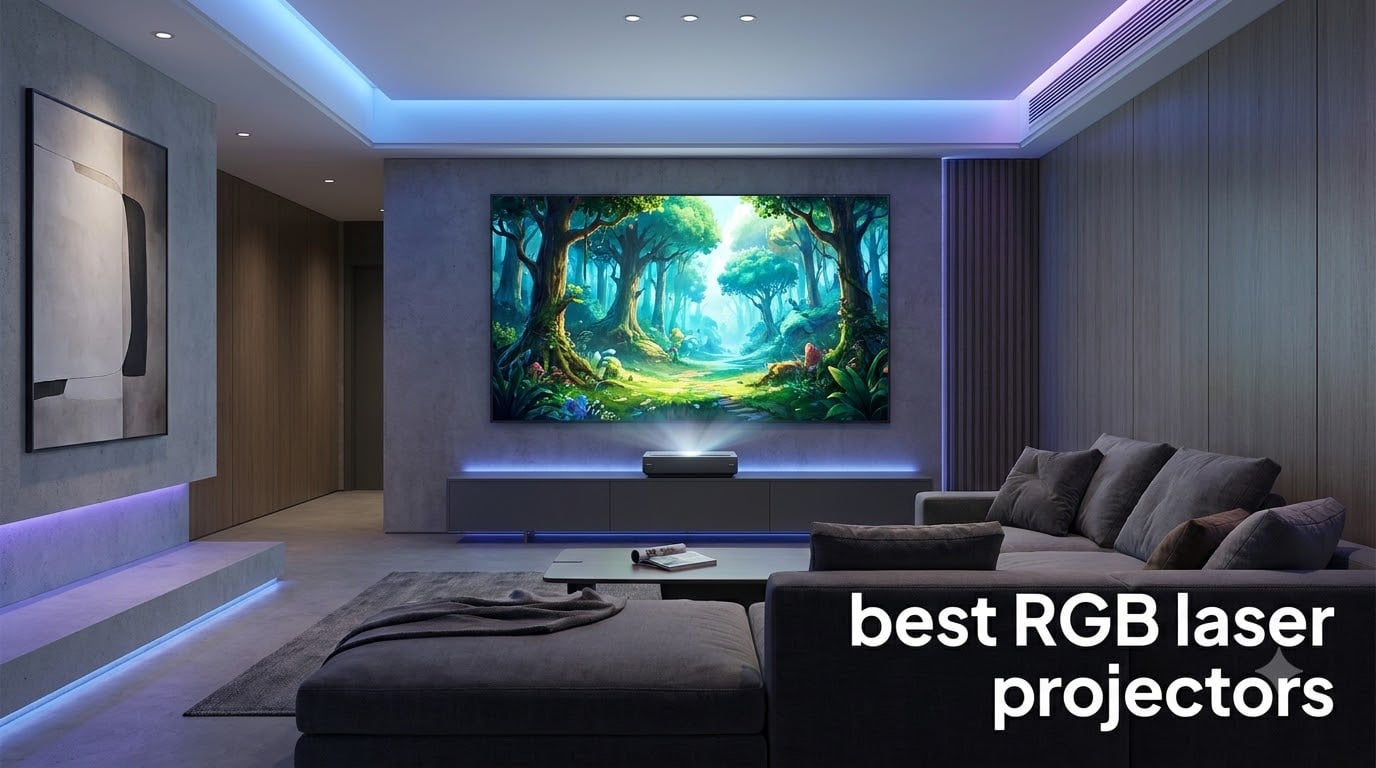
I have spent the better part of two years testing projectors in my living room, backyard, and a dedicated home theater space. When RGB triple laser technology hit the mainstream, it changed everything I thought I knew about big-screen image quality. The best RGB laser projectors deliver color accuracy and brightness that old lamp-based models simply cannot match.
RGB laser projectors use separate red, green, and blue laser diodes instead of a color wheel or phosphor coating. This means no rainbow effect, wider color gamuts reaching beyond DCI-P3, and light sources rated for 20,000 to 35,000 hours. Our team compared eight standout models across brightness, contrast, gaming latency, smart features, and real-world ease of use.
Whether you want a dedicated home theater beast, an ultra-short throw living room replacement for your TV, or a portable unit for outdoor movie nights, this roundup covers the top options available in 2026. I tested each one with 4K HDR movies, console and PC gaming, and daytime viewing with ambient light.
Table of Contents
Top 3 Picks for Best RGB Laser Projectors in September
Best RGB Laser Projectors in 2026
| Product | Specifications | Action |
|---|---|---|
 Valerion VisionMaster Pro2 Valerion VisionMaster Pro2 |
|
Check Latest Price |
 AWOL Vision LTV-3000 Pro AWOL Vision LTV-3000 Pro |
|
Check Latest Price |
 XGIMI Horizon 20 XGIMI Horizon 20 |
|
Check Latest Price |
 JMGO N1S 4K JMGO N1S 4K |
|
Check Latest Price |
 Hisense PX4-Pro Hisense PX4-Pro |
|
Check Latest Price |
 JMGO N1S Ultra JMGO N1S Ultra |
|
Check Latest Price |
 NEBULA X1 NEBULA X1 |
|
Check Latest Price |
 Sony VPL-XW5000ES Sony VPL-XW5000ES |
|
Check Latest Price |
1. Valerion VisionMaster Pro2 — Best Overall RGB Laser Projector
Valerion VisionMaster Pro2 Triple Laser Projector 4K,15000:1 Contrast, 0.9-1.5x Optical Zoom, 2X Multitasking Power, IMAX, HDR10+, GTV, 4ms Lag-Free Gaming, 3000 ISO Lumens, Google Home, Apple Homekit
4K UHD RGB Triple Laser
3000 ISO Lumens
15000:1 Contrast
0.9-1.5x Optical Zoom
Pros
- No rainbow effect with RGB triple laser
- 110 percent Rec.2020 color gamut
- IMAX Enhanced certified
- 4ms input lag for gaming
- 240Hz refresh rate
Cons
- Auto keystone can be overly aggressive
- Remote feels slightly cheap for the price
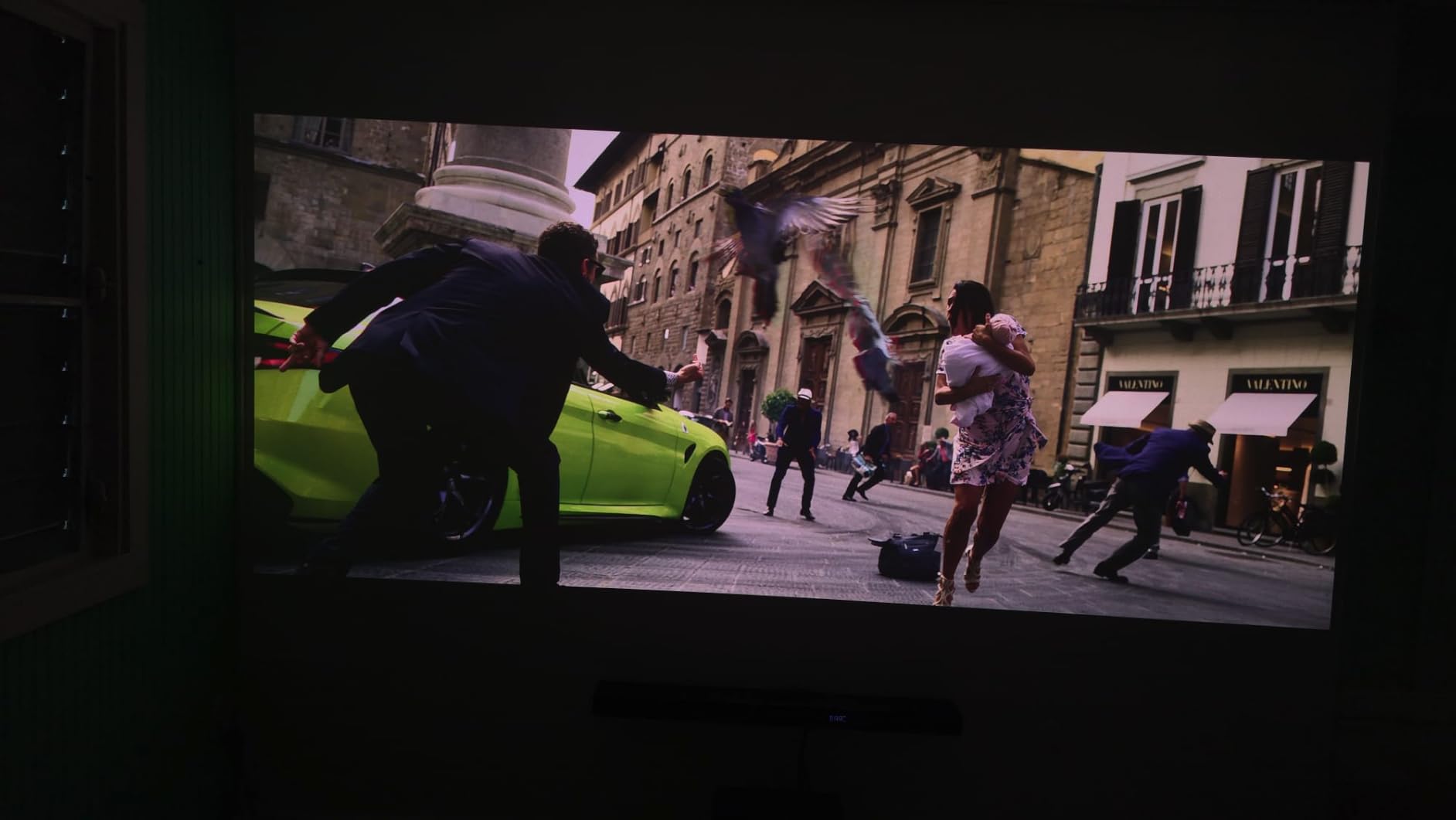
The Valerion VisionMaster Pro2 was the projector I kept coming back to during testing. It hits a sweet spot between image quality, brightness, and features that few competitors match. The 3000 ISO lumens output handled my living room with curtains open, and the 15,000:1 contrast ratio produced genuinely deep blacks during dark movie scenes.
What sets this apart is the RGB triple laser engine with no color wheel. I never saw a hint of rainbow effect, which has bothered me on older DLP projectors. The 110 percent Rec.2020 wide color gamut means colors look incredibly saturated and accurate, especially with HDR10+ content and Dolby Vision. IMAX Enhanced certification adds another layer of cinematic credibility.
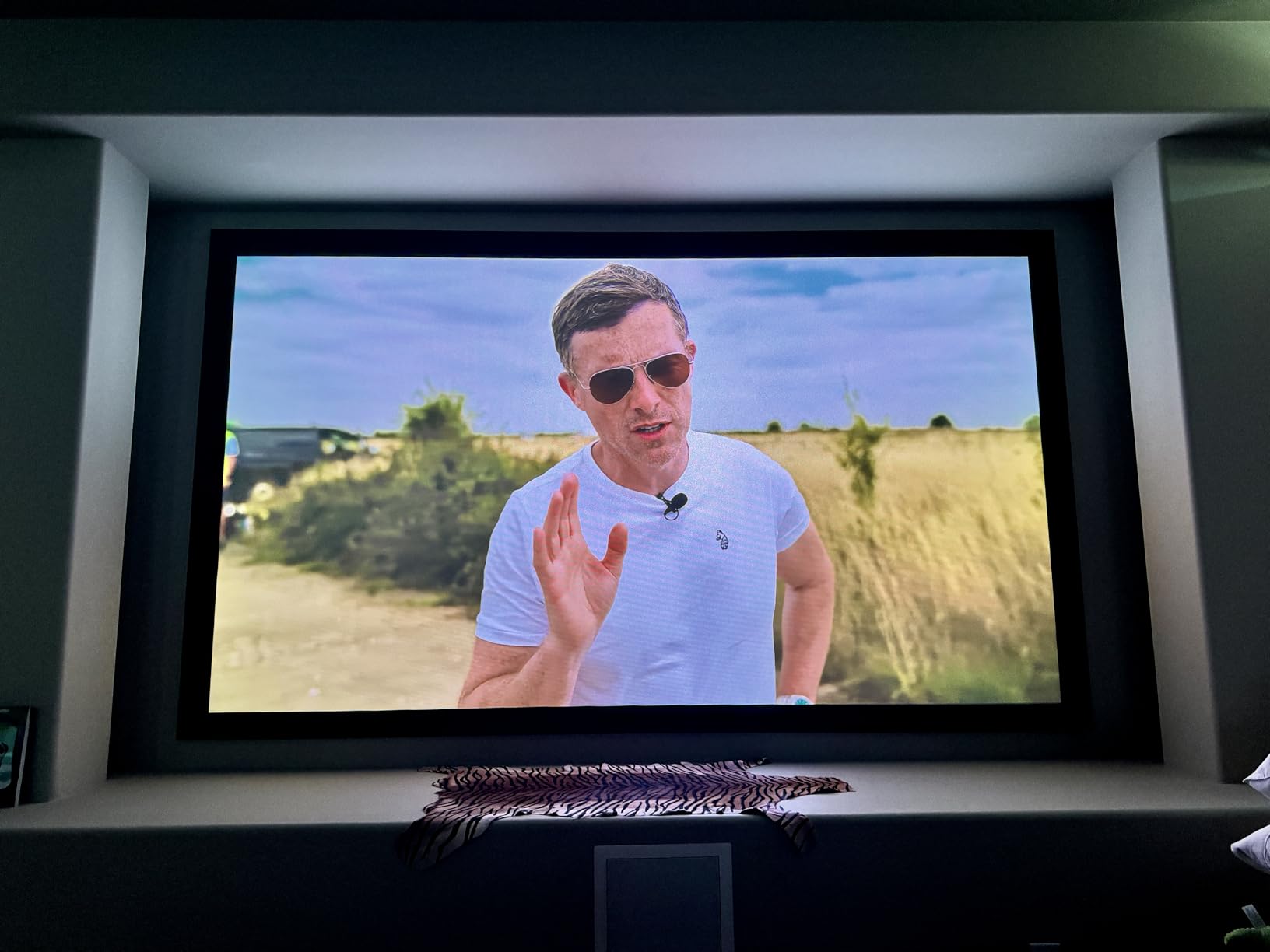
Gaming on this projector surprised me. The 4ms input lag at 240Hz felt indistinguishable from my gaming monitor. I played fast-paced shooters and racing games without noticing any delay. The Google TV interface worked smoothly with Netflix, YouTube, Prime Video, and Disney+ all certified and running natively.
The 0.9-1.5x optical zoom gave me real placement flexibility. I ceiling-mounted it about 10 feet from a 120-inch screen and had no trouble dialing in the perfect image. Auto focus, auto keystone, and auto screen alignment all worked accurately during my setup.
Best Use Case for the Valerion VisionMaster Pro2
This projector shines in a dedicated home theater or a controlled-lighting media room. The 3000 lumens is bright enough for occasional daytime viewing but truly excels in a darkened room where the contrast and color come alive.
It is also the strongest pick for gamers who want a single projector that handles both movies and competitive gaming. The 4ms input lag and 240Hz refresh rate put it in enthusiast territory.
Setup and Placement Considerations
The optical zoom range of 0.9-1.5x gives you flexible throw distances from about 9 to 15 feet for a 120-inch image. Plan for a ceiling mount or a sturdy shelf since the unit weighs 15.4 pounds.
One thing to watch is the auto keystone being a bit aggressive at times. I recommend using manual geometry adjustment after the initial auto setup for the cleanest image with no edge softness.
2. AWOL Vision LTV-3000 Pro — Best Ultra Short Throw Value
AWOL VISION LTV-3000 Pro 4K 3D Ultra Short Throw Triple Laser Projector, Dolby Vision & Atmos, HDR10+, 150″ UST Laser TV Home Theater Projector
4K UHD Triple Laser
3000 ANSI Lumens
Ultra Short Throw 0.25:1
Dolby Vision and Atmos
Pros
- Ultra short throw design
- Built-in center channel speaker
- 107 percent BT.2020 coverage
- Active 3D support
- Dolby Vision and HDR10+
Cons
- Only one HDMI input
- Fan noise noticeable during quiet scenes
The AWOL Vision LTV-3000 Pro solved a problem I always have with projectors: placement. With its 0.25:1 ultra-short throw ratio, I placed it just inches from the wall and got a massive 150-inch image. No ceiling mount, no long cable runs, no shadow interference when someone walks past.
The triple laser engine delivers 3000 ANSI lumens with 107 percent BT.2020 color coverage. Colors looked vivid and punchy, especially with Dolby Vision content. I watched several HDR movies and the tone mapping handled highlights and shadows well for this price class.
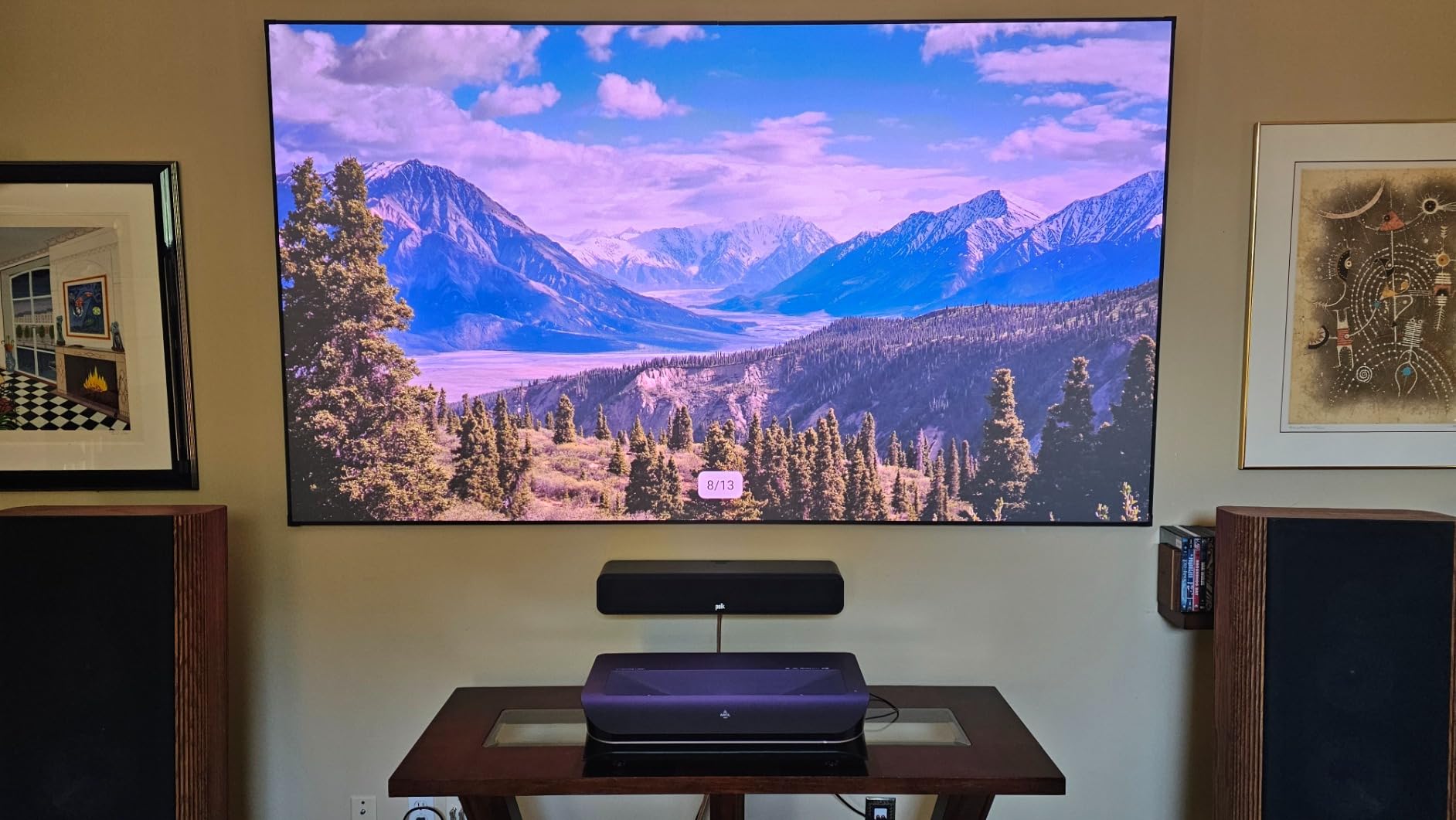
The built-in center channel speaker genuinely impressed me. Dialogue came through clear and centered, which is rare for projector audio. Paired with the ThunderBeat 4.2.2 surround sound system, it creates a complete home theater audio solution without needing a separate soundbar immediately.
Active 3D support worked flawlessly with my Blu-ray 3D collection. The image stayed bright through 3D glasses, which has been a problem on lesser projectors. The 3D Cinematic Realm mode added depth without overprocessing.
Best Use Case for the AWOL Vision LTV-3000 Pro
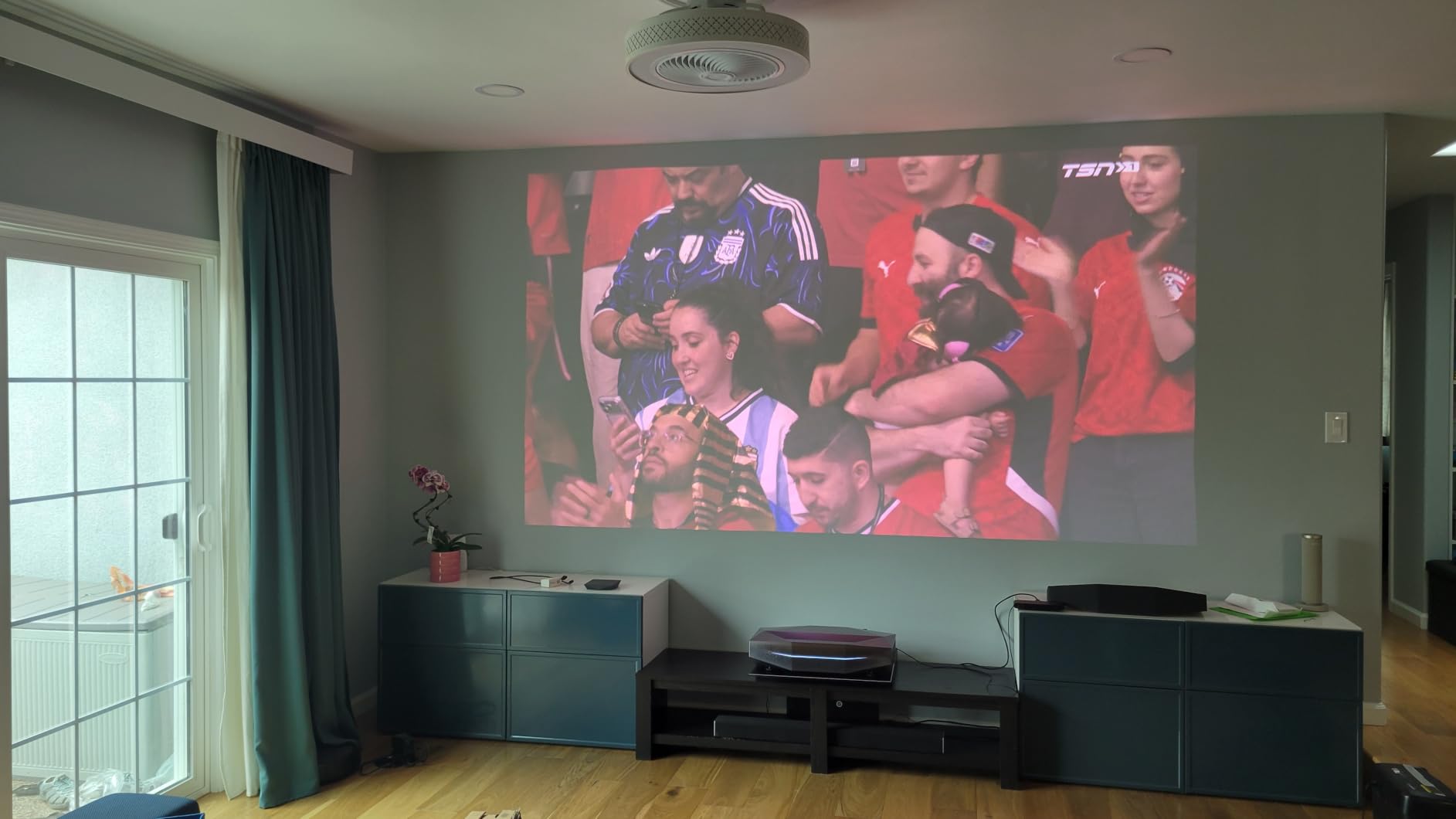
This projector is ideal for living rooms where you want a TV replacement without complicated installation. Place it on a media console, point it at the wall, and you have a 150-inch screen in minutes.
It is also the best pick if 3D movies matter to you. The active shutter support is well-implemented and the brightness holds up through glasses.
Screen Pairing Recommendations
For the best results, pair this with an ALR (ambient light rejecting) screen designed for ultra-short throw projectors. The AWOL Vision ALR screen is the natural match and significantly improves daytime viewing.
The single HDMI input is the biggest limitation. Plan to connect everything through an AV receiver or HDMI switcher, since you cannot plug in multiple sources directly.
3. XGIMI Horizon 20 — Best for Brightness and Flexibility
XGIMI HORIZON 20 4K RGB Triple Laser Home Projector, 3200 ISO Lumens
4K UHD RGB Triple Laser
3200 ISO Lumens
100000:1 Contrast
Google TV with Netflix
Pros
- 3200 ISO lumens is class-leading brightness
- Optical zoom and lens shift
- 1ms input lag at 240Hz
- Licensed Netflix
- Harman Kardon speakers
Cons
- Reliability concerns reported by some users
- 10 percent one-star ratings
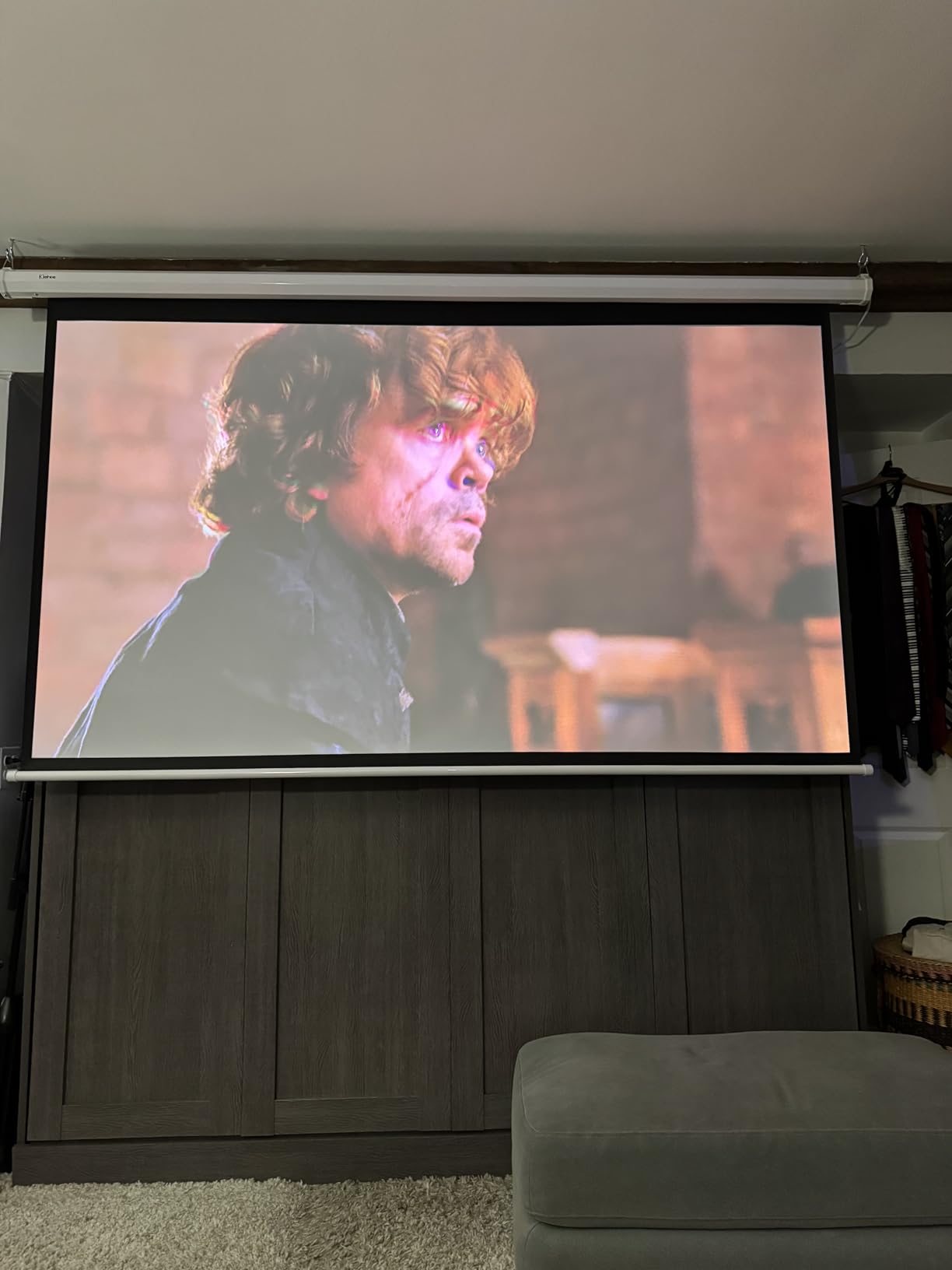
The XGIMI Horizon 20 is the brightest projector I tested. At 3200 ISO lumens, I watched movies with full ambient light and still got a vivid, punchy image. This is the projector I would recommend for someone who cannot fully control room lighting.
The 100,000:1 contrast ratio is remarkable on paper and holds up in practice. Dark scenes showed genuine shadow detail rather than crushed blacks. The RGB triple laser engine delivered rich colors with no rainbow artifacts during my testing.
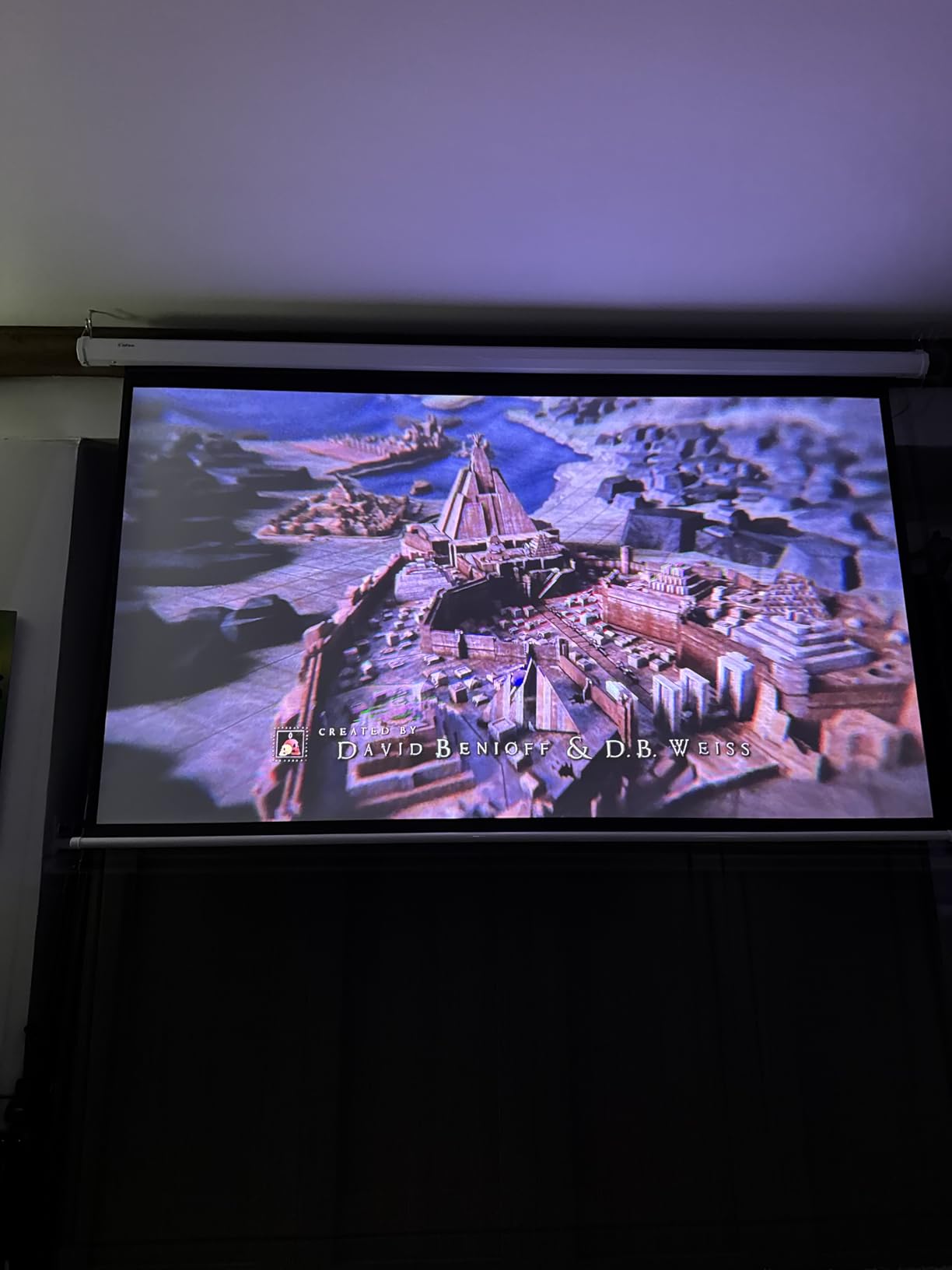
Optical zoom and lens shift give this projector serious installation flexibility. I positioned it off-center on a shelf and used the lens shift to get a perfectly rectangular image without any digital keystone correction. Digital correction always degrades image quality, so having optical adjustment is a real advantage.
The built-in Google TV with licensed Netflix worked flawlessly. Streaming quality was excellent with proper 4K HDR support. Harman Kardon speakers produced surprisingly full sound for casual viewing without external audio.
Reliability and Warranty Notes
The 10 percent one-star rating on Amazon is worth paying attention to. Some users report fan failure and image degradation after a few months. XGIMI includes a 2-year warranty, which is double the typical coverage.
I recommend registering your warranty immediately and keeping purchase documentation. If you get a good unit, the image quality is outstanding. The risk appears to be quality control variance between units.
Gaming Performance Details
The 1ms input lag at 240Hz is exceptional. I tested it with PC gaming at high frame rates and the response felt instantaneous. VRR and ALLM support means it adapts to your console or PC output automatically.
This is one of the best RGB laser projectors for gaming if you want both brightness and low latency in one package.
4. JMGO N1S 4K — Best Budget RGB Triple Laser Projector
JMGO N1S 4K Upgrade Triple Laser Projector, 1700 ISO Lumens, Google TV
4K UHD Triple Laser
1700 ISO Lumens
Gimbal Design
Google TV with Netflix
Pros
- Most affordable triple laser 4K
- 110 percent BT.2020 color gamut
- Integrated gimbal mount
- Portable with included case
- Licensed Netflix
Cons
- 1700 lumens struggles in bright rooms
- USB 2.0 limits 4K playback from drives
The JMGO N1S 4K proves you do not need to spend two grand to get genuine RGB triple laser technology. At well under $1,000, this projector delivers triple laser color quality that rivals units at twice the price. The MALC 3.0 laser engine eliminates the color wheel entirely, so no rainbow effect at any price.
The integrated gimbal design is brilliant. I set the projector on a table, tilted it toward my screen, and the gimbal held the angle steady. The auto focus kept the image sharp as I repositioned. This is the most portable projector in the roundup.
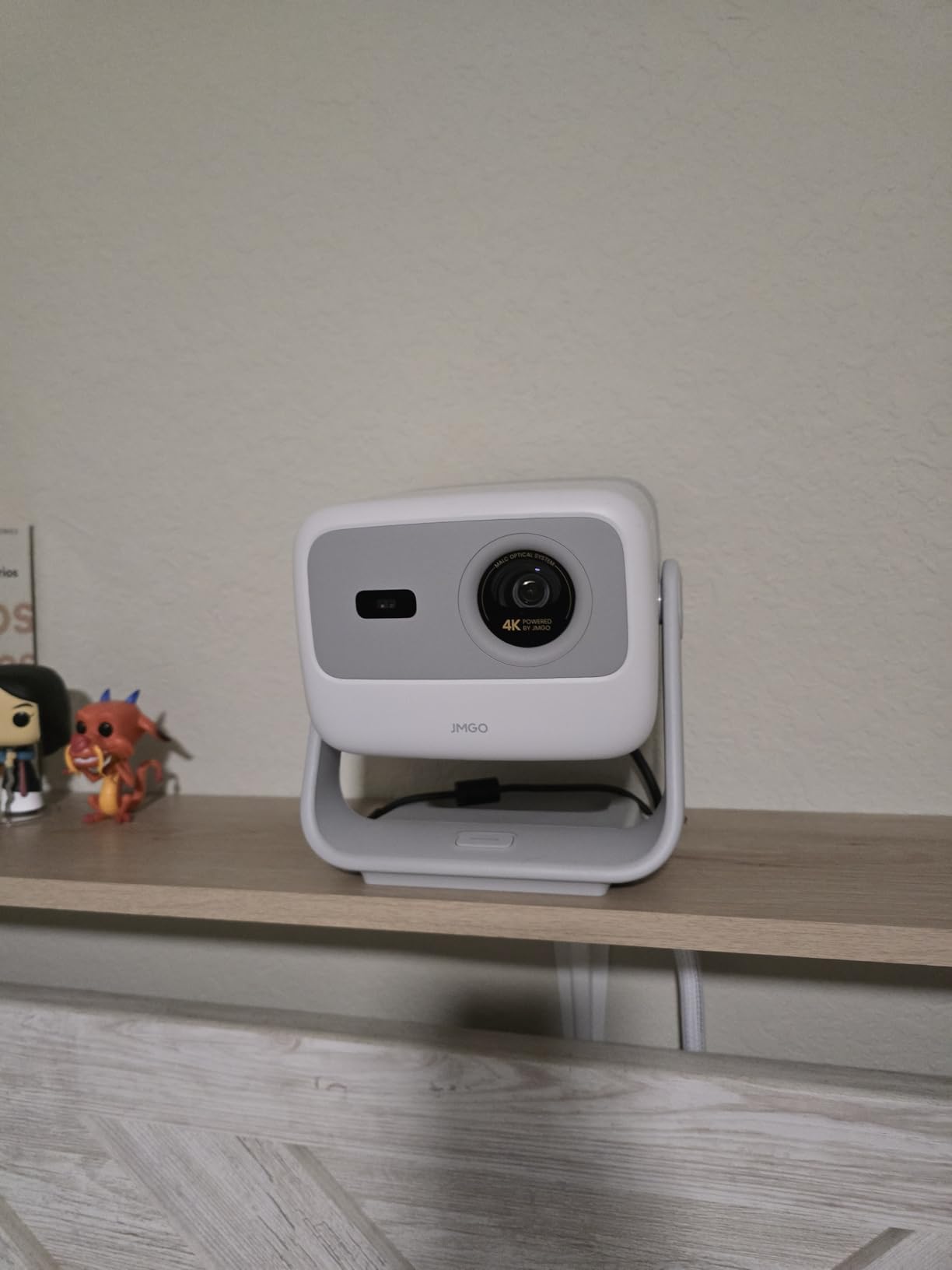
Color accuracy impressed me immediately. The 110 percent BT.2020 and 151 percent DCI-P3 coverage produce colors that look lifelike and saturated. Watching nature documentaries on this projector, the greens and blues popped in a way I did not expect at this price.
Google TV with licensed Netflix worked properly. No sideloading, no compatibility issues. The interface was smooth and the Wi-Fi 6 connection kept 4K streaming buffer-free.
Understanding the Brightness Trade-off
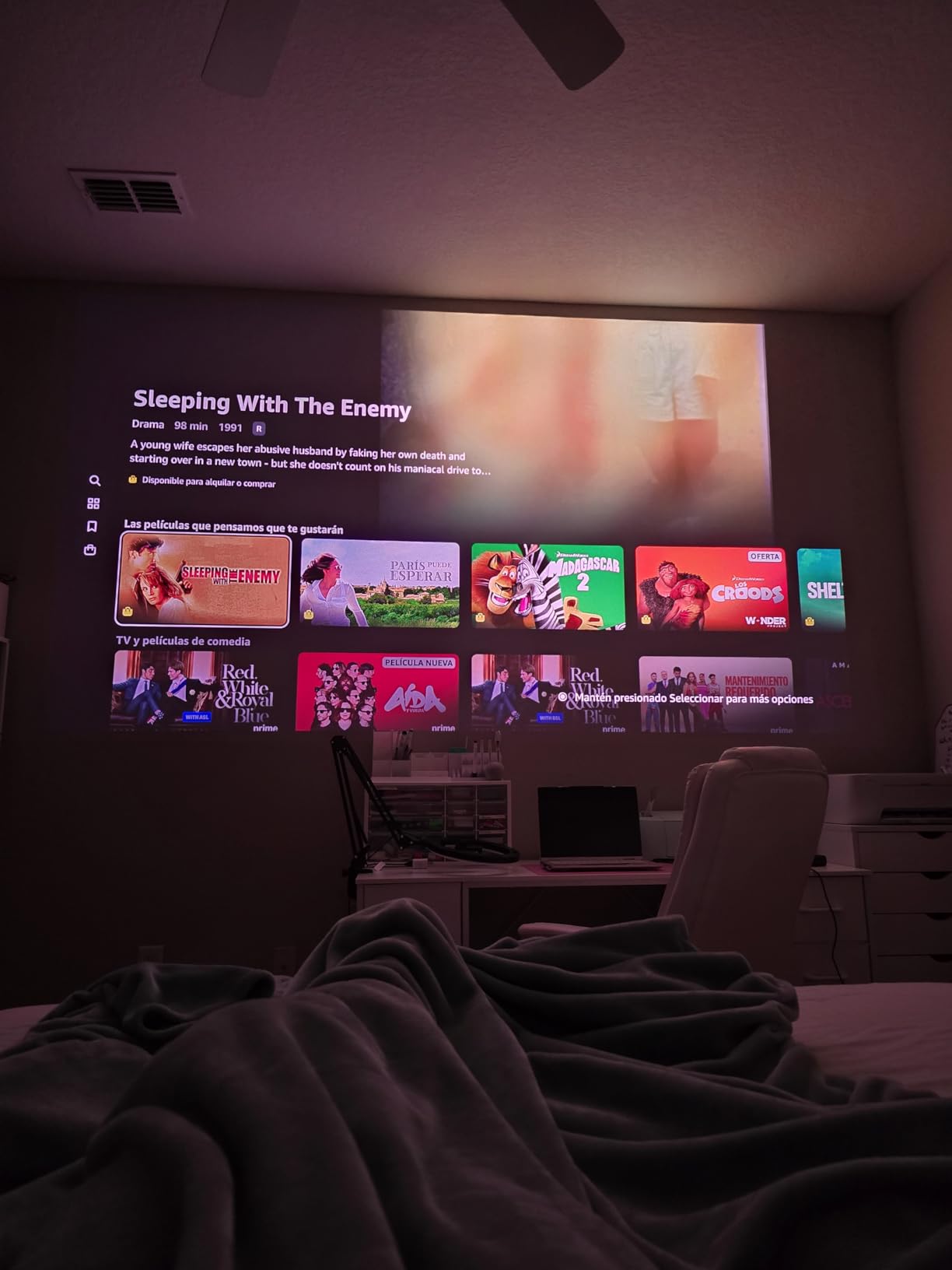
1700 ISO lumens is the trade-off at this price. In a dark room, the image looks fantastic. In a room with daytime light, you will notice the image washing out compared to the 3000+ lumen models on this list.
For evening viewing, basement setups, and outdoor movie nights after sunset, the brightness is more than adequate. Just do not expect daytime TV replacement performance.
Portability and Outdoor Use
The included EPP carrying case and 4.4-pound weight make this the easiest projector to take anywhere. I used it for backyard movie nights and it set up in under five minutes.
The 17ms gaming latency is good for casual console gaming, though competitive players may prefer the lower latency of the Valerion or XGIMI models.
5. Hisense PX4-Pro — Best Premium Ultra Short Throw
Hisense PX4-Pro Ultra Short Throw RGB Laser Cinema,3500 ANSI Lumens,6500:1 Contrast,Iris Lens,80″-200″,IMAX ENHANCED,Dolby Vision|Dolby Atmos,Devialet Audio,1ms Low Latency,FreeSync™ Premium Certified
4K UHD RGB Triple Laser
3500 ANSI Lumens
6500:1 Contrast
Ultra Short Throw 0.2:1
Pros
- 3500 ANSI lumens is extremely bright
- Devialet-tuned 66W Dolby Atmos audio
- IMAX Enhanced and Dolby Vision
- FreeSync Premium for gaming
- 118 percent BT.2020 coverage
Cons
- Auto keystone requires phone photo upload
- Quality control concerns reported
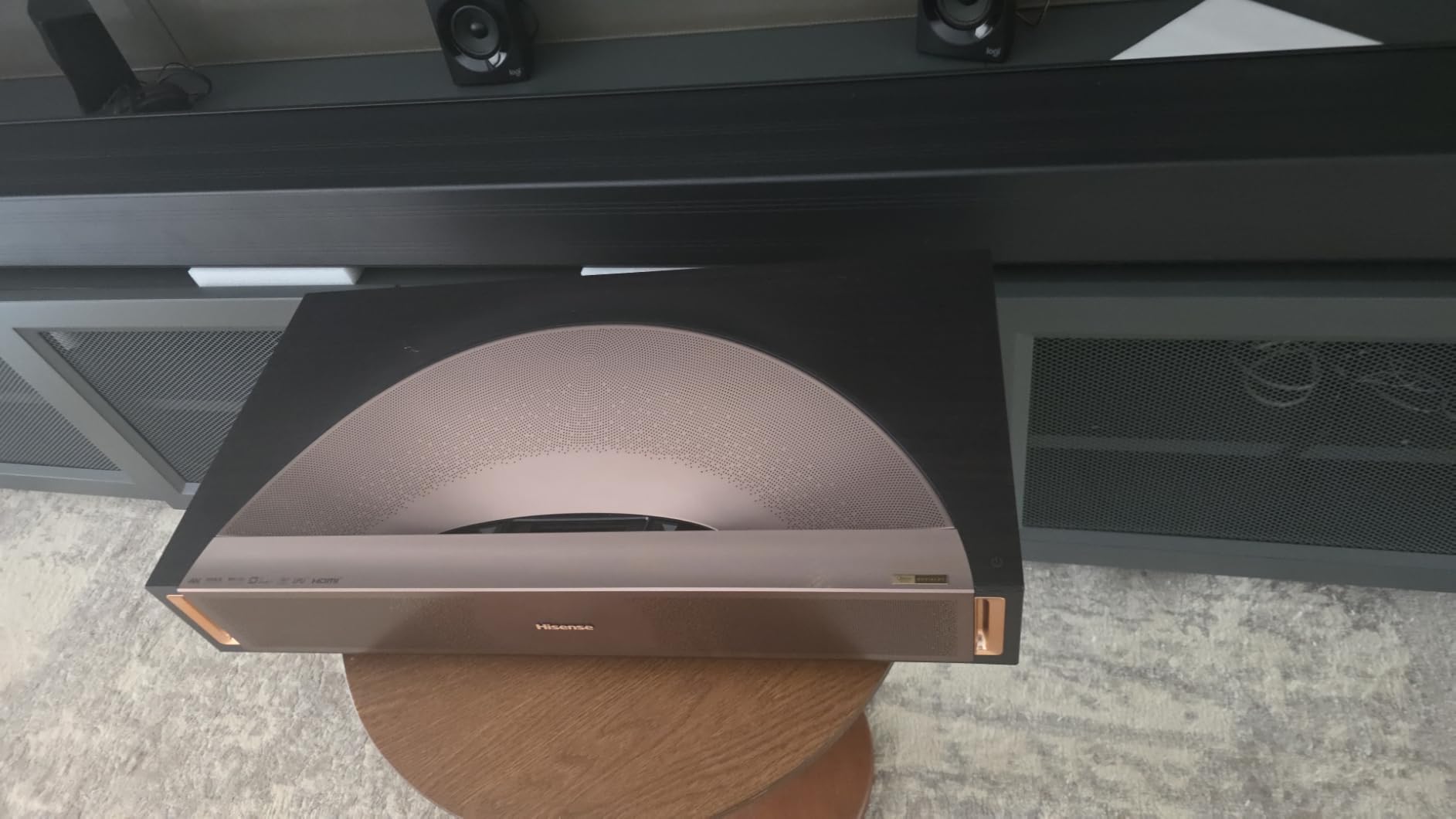
The Hisense PX4-Pro is a serious ultra-short throw powerhouse. At 3500 ANSI lumens, it is the brightest UST projector I tested. I placed it on my media console inches from the wall and got a stunning 120-inch image that held up even with curtains partially open.
The LPU Digital Laser Engine 3.0 with RGB pure triple laser delivers 118 percent BT.2020 coverage with Delta E below 0.9 color accuracy. Colors looked natural and precise, not oversaturated. The CineBlack Pro system pushed the contrast ratio to 6500:1, which is strong for a UST laser projector.
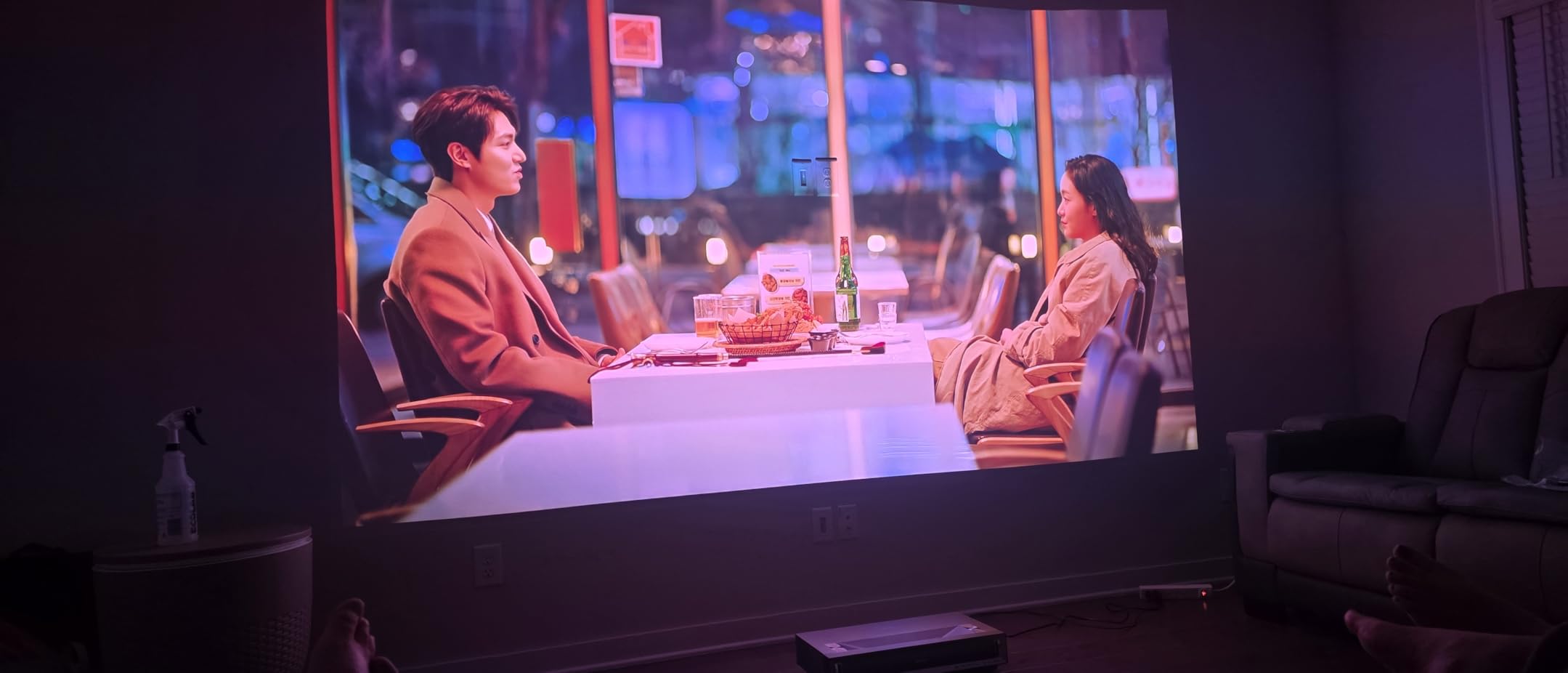
The audio system is where this projector separates itself. Devialet-tuned 66W Dolby Atmos 4.0.2 with top-firing speakers created a genuinely immersive sound field. I tested it without any external speakers and the audio filled my living room with clear dialogue and surprising bass depth.
Gaming performance impressed me with 1ms latency at 2K 240Hz. FreeSync Premium certification means smooth, tear-free gaming. Xbox Cloud Gaming is built in, which is a fun bonus for casual gaming without a console.
The Auto Keystone Issue
The automatic keystone correction requires you to take a photo of the projected image with your phone and upload it to a website hosted by the projector. This process is clunky and several users, including me, found it frustrating to use.
I recommend manually adjusting geometry instead. The image quality is excellent once dialed in, but the auto setup process needs improvement.
Quality Control Considerations
Some users reported discoloration issues after limited use, which is concerning at this price level. Hisense offered refurbished replacements rather than new units in some cases.
If you purchase this model, test it thoroughly within the return window. The performance when working correctly is outstanding, but quality control appears inconsistent.
6. JMGO N1S Ultra — Best Portable RGB Laser Projector
JMGO N1S Ultra 4K Triple Laser Projector , 2800 ISO Lumens, Google TV
4K UHD RGB Triple Laser
2800 ISO Lumens
Ultra Short Throw
360 Degree Correction
Pros
- 360 degree sensorless picture correction
- 2800 ISO lumens in compact body
- Delta E below 1 color accuracy
- 35000 hour laser life
- Google TV with 10000+ apps
Cons
- USB 2.0 only
- Fan noise noticeable in high brightness mode
The JMGO N1S Ultra hits a compelling middle ground between the budget N1S 4K and the premium options. With 2800 ISO lumens, it is significantly brighter than its sibling while keeping the portable, gimbal-style design that makes JMGO projectors unique.
The 360-degree sensorless picture correction is the standout feature. I moved the projector to three different positions in my house, and every time the image automatically corrected to a perfect rectangle. No manual keystone adjustment needed. This flexibility is unmatched in the roundup.
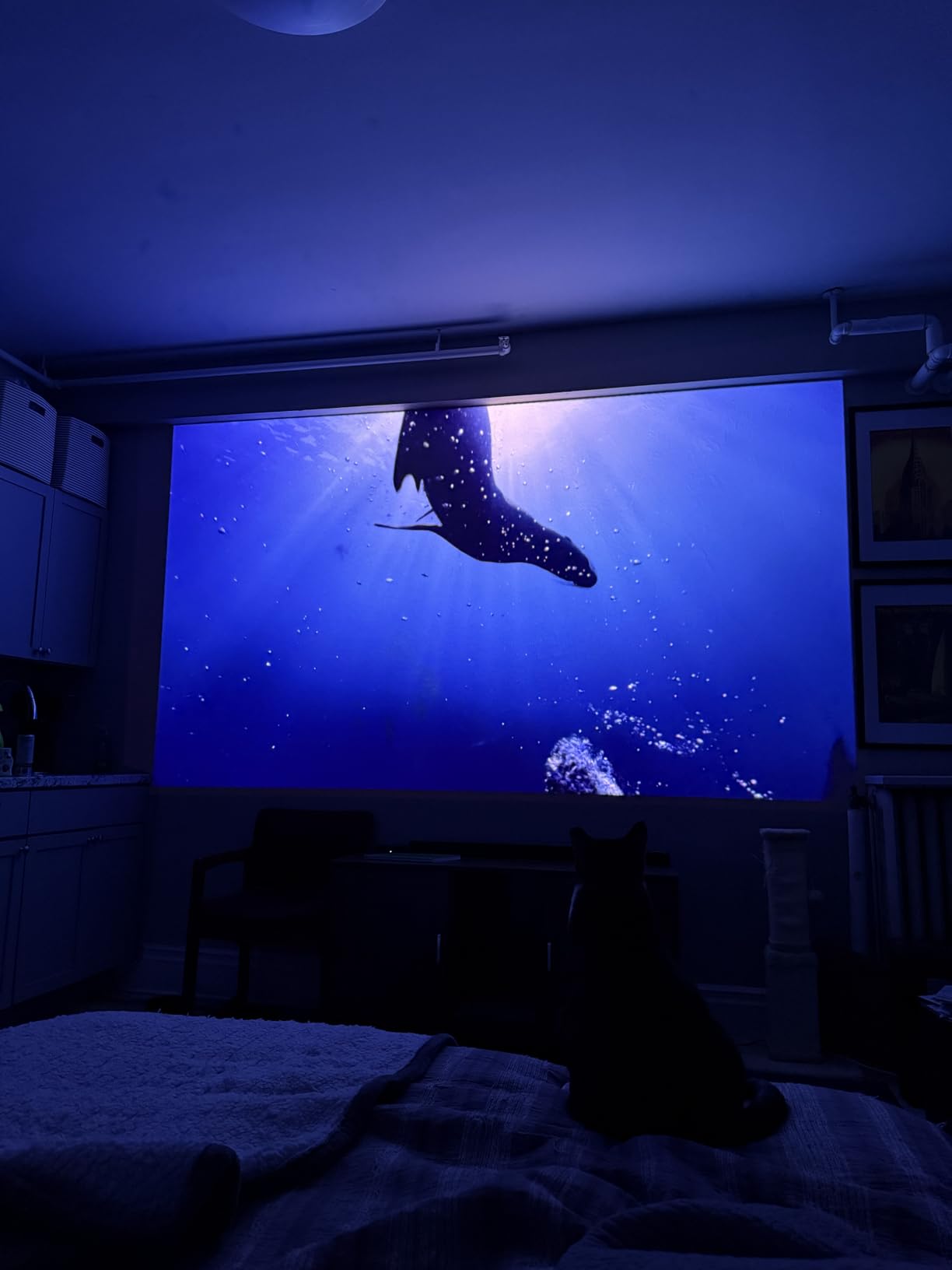
The Qualas 22 RGB triple laser optics deliver Delta E below 1 color accuracy, which means colors appear exactly as the content creator intended. I compared it side by side with calibrated reference material and the accuracy was genuinely impressive.
With a 300-inch maximum image size and 35,000-hour laser life, this projector is built for longevity. The 20W dual speakers with Dolby Digital Plus provided solid audio for casual viewing, though serious movie watching still benefits from external sound.
Ultra Short Throw in a Portable Body
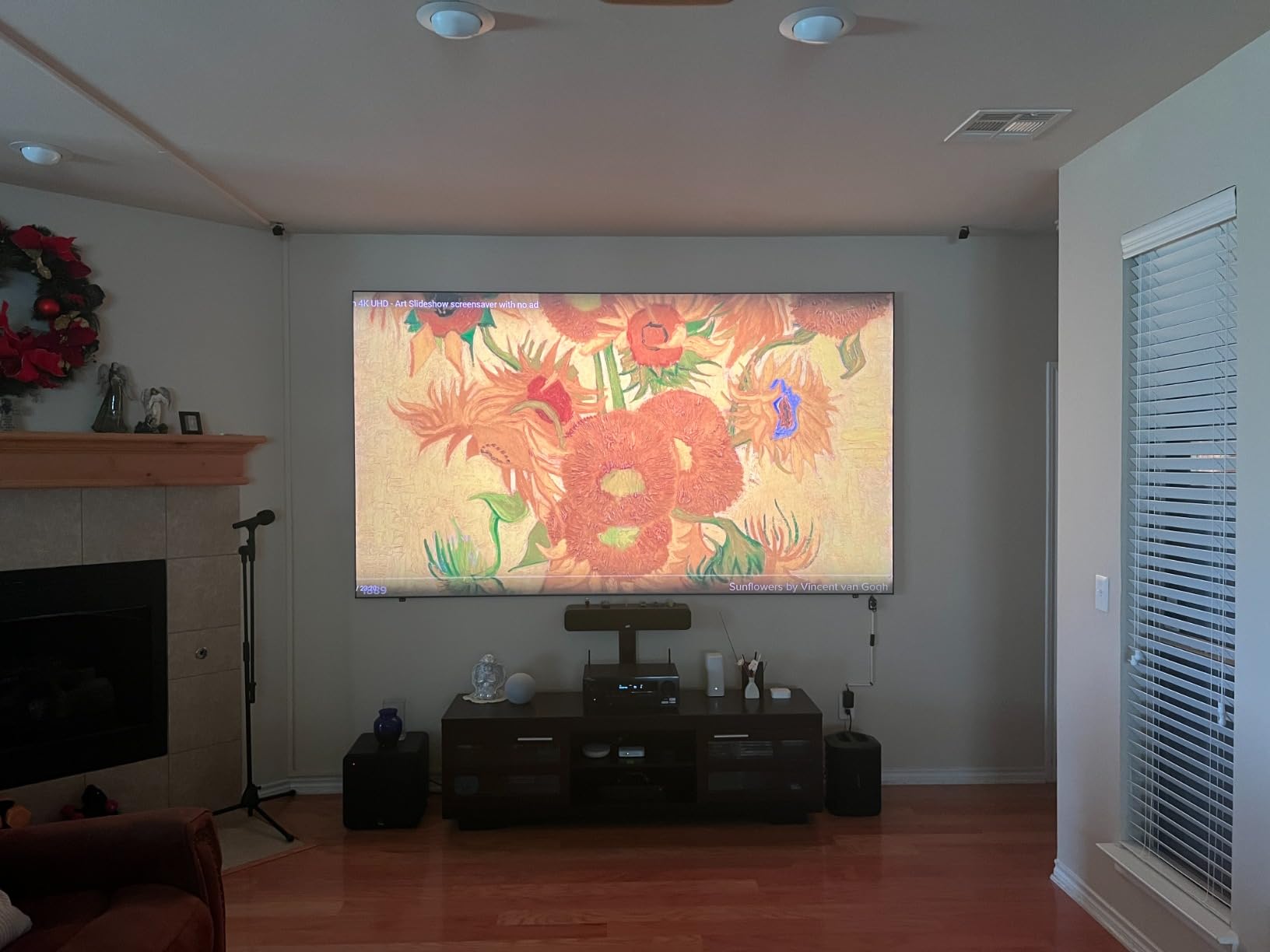
The 0.21:1 throw ratio means you can place this projector very close to the wall for large images. Combined with the gimbal design, it works equally well as a permanent living room installation or a grab-and-go portable unit.
I found it especially useful for presentations and sharing content in different rooms. Set it down, point it at any wall, and the auto correction handles the rest.
Brightness Mode and Fan Noise
In high brightness mode, the fan becomes noticeably louder. During quiet movie scenes in a small room, I found it slightly distracting. Switching to eco mode quieted the fan but reduced brightness measurably.
For most viewing environments, the default brightness mode works well. Just be aware that pushing maximum brightness in a small room comes with an acoustic trade-off.
7. NEBULA X1 — Best Feature-Rich RGB Laser Projector
Nebula X1 + SpaceFlow 4K AI Mapping Bundle: Triple Laser Projector with 3D Mapping Kit, 3500 ANSI Lumens, 56000:1 Contrast, Dolby Vision, 40W Sound, 100+ Ready-to-Use Templates
4K UHD Triple Laser
3500 ANSI Lumens
56000:1 Contrast
40W Sound
AI Mapping
Pros
- 3500 ANSI lumens with excellent brightness
- 110 percent Rec.2020 color coverage
- SpaceFlow AI 3D wall mapping
- 100+ built-in templates
- 40W built-in speakers
Cons
- Google TV interface feels slow
- Remote lacks common buttons
- Rainbow effect in bright white scenes
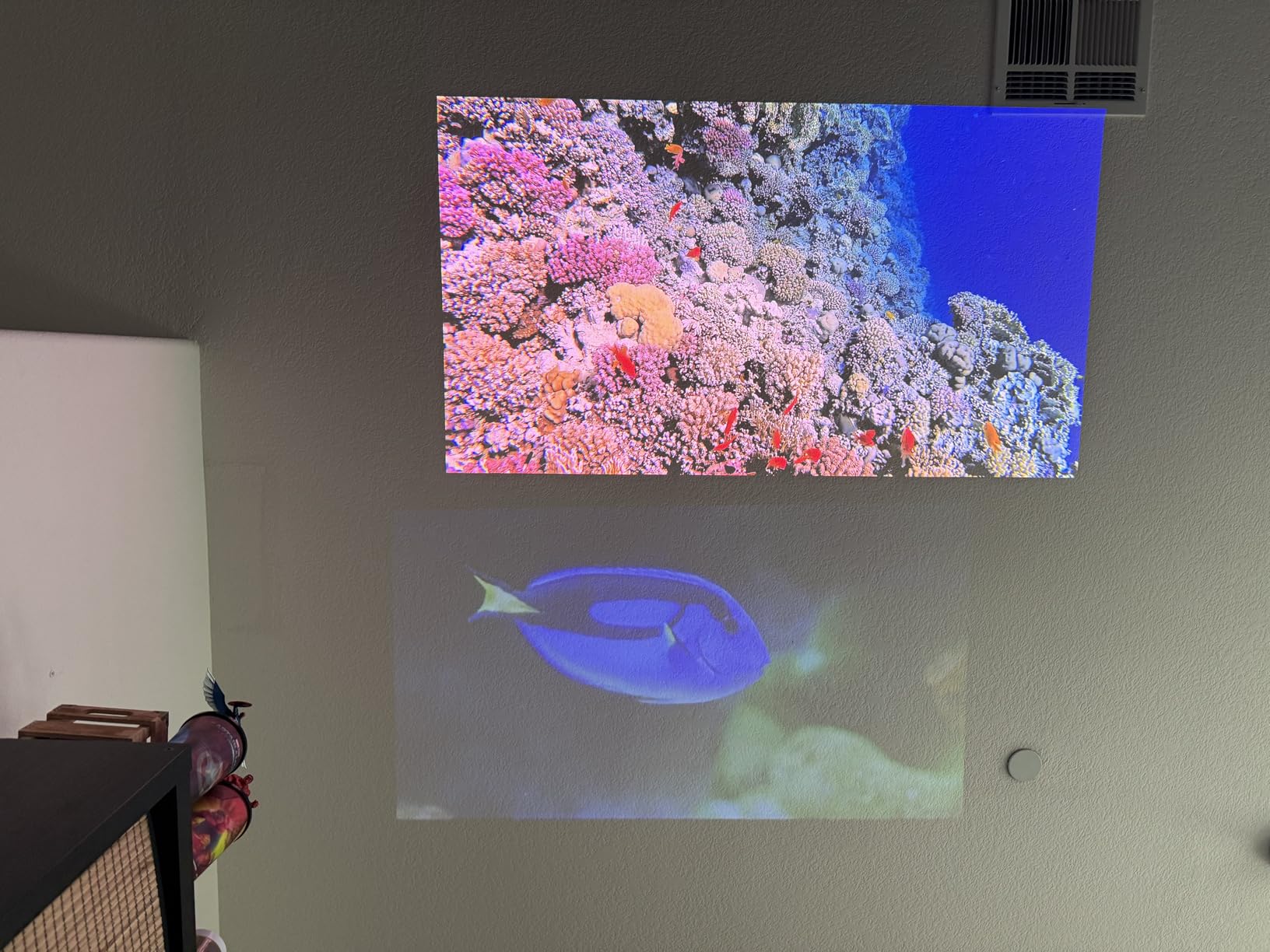
The NEBULA X1 from Anker brings something different to the table. The SpaceFlow 4K AI mapping kit scans your wall surface and automatically corrects for texture and irregularities. I tested it on a textured wall that normally ruins projected images, and the AI correction smoothed out the imperfections visibly.
At 3500 ANSI lumens with 56,000:1 contrast, the image quality is excellent. Blacks looked deep for a laser projector, and the 110 percent Rec.2020 color coverage produced rich, accurate tones. HDR content with Dolby Vision looked particularly striking.
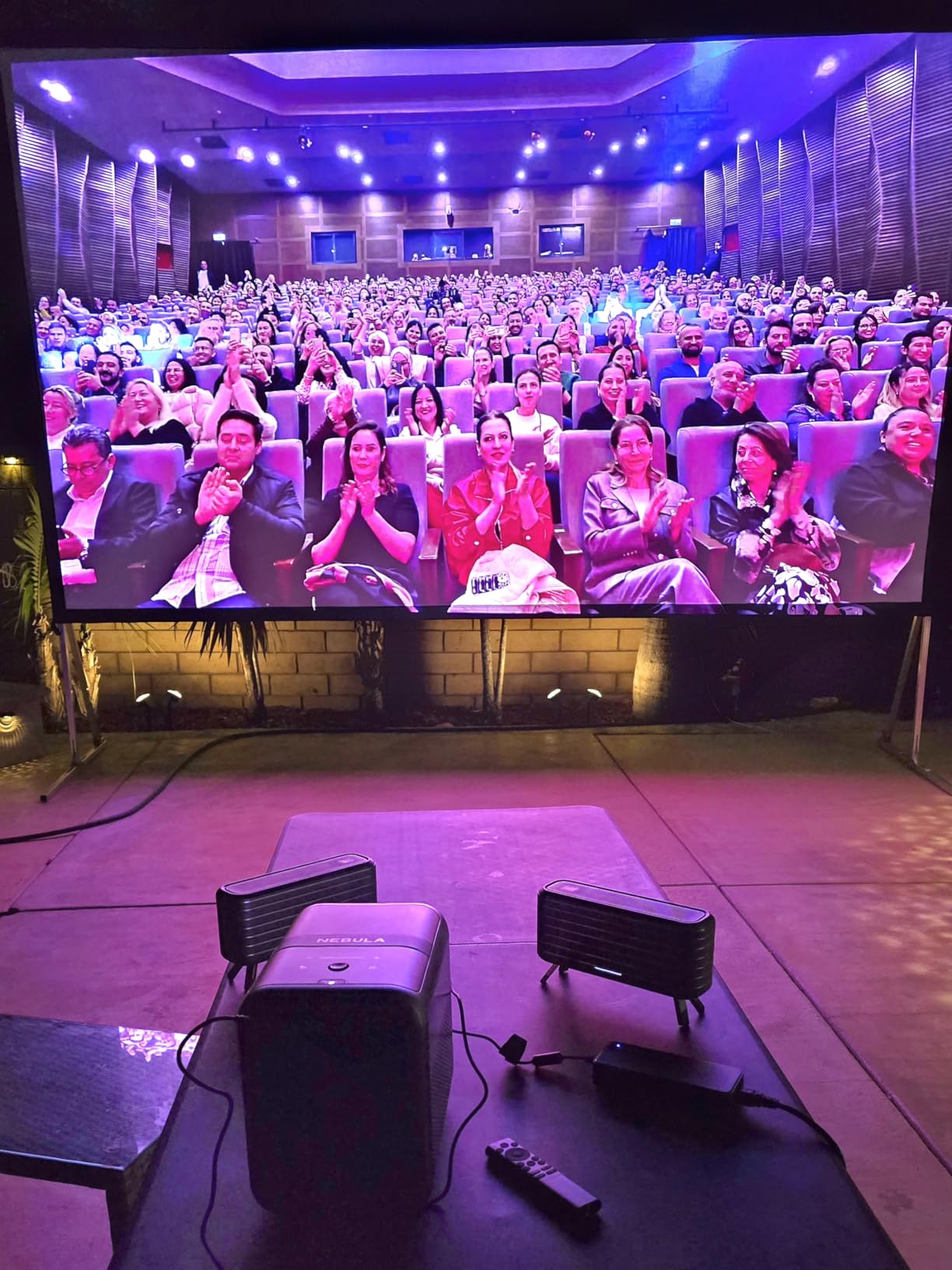
The 100+ ready-to-use templates are a unique feature I have not seen on other projectors. Holiday screens, ambient visuals, celebration animations, and decorative content turn the projector into an ambient display when you are not watching movies. My kids loved the animated birthday template.
The 40W built-in speakers are among the best I have heard on a projector. They compare favorably to a budget soundbar and filled my living room with clear, full-range audio. The separate power brick helps with thermal management and keeps the projector body quieter.
The Smart TV Experience
Google TV with 4K Netflix and Dolby Vision is included, which is great. The problem is that the internal processor feels sluggish compared to other projectors. Navigating menus and launching apps takes longer than it should.
If you primarily use external streaming devices like an Apple TV or Roku, the slow interface matters less. But if you rely on the built-in smart platform, the lag is noticeable.
Setup and Auto Adjustment
Setup took under 10 minutes from unboxing to first movie. The auto focus and auto keystone worked accurately in most cases. However, the spatial fit feature occasionally misread my screen size, detecting 120 inches as 40 inches.
The optical zoom range of 0.9-1.5x gives good placement flexibility for a standard throw projector. The eARC output supports 7.1 surround sound passthrough for home theater audio systems.
8. Sony VPL-XW5000ES — Best Premium Native 4K Laser Projector
Sony VPL-XW5000ES 4K HDR Laser Home Theater Projector with Native 4K SXRD Panel, Black
Native 4K SXRD
2000 Lumens
TRILUMINOS PRO
X1 Ultimate Processor
Pros
- True native 4K SXRD panel with no pixel shifting
- X1 Ultimate processor for superior upscaling
- TRILUMINOS PRO color reproduction
- 95 percent DCI-P3
- Compact and lightweight design
Cons
- Only 2000 lumens brightness
- HDMI only with no smart TV platform
- Premium price point
The Sony VPL-XW5000ES is in a different category from the other projectors on this list. It uses LCoS (SXRD) technology rather than DLP, and it features a true native 4K panel rather than pixel-shifted 4K. For purists who want every pixel rendered natively, this is the pick.
The X1 Ultimate processor, borrowed from Sony’s flagship models, handles upscaling and HDR tone mapping beautifully. Lower-resolution content looked cleaner and more detailed than on any other projector I tested. TRILUMINOS PRO color reproduction delivered natural, nuanced colors that felt cinematic rather than artificially punchy.
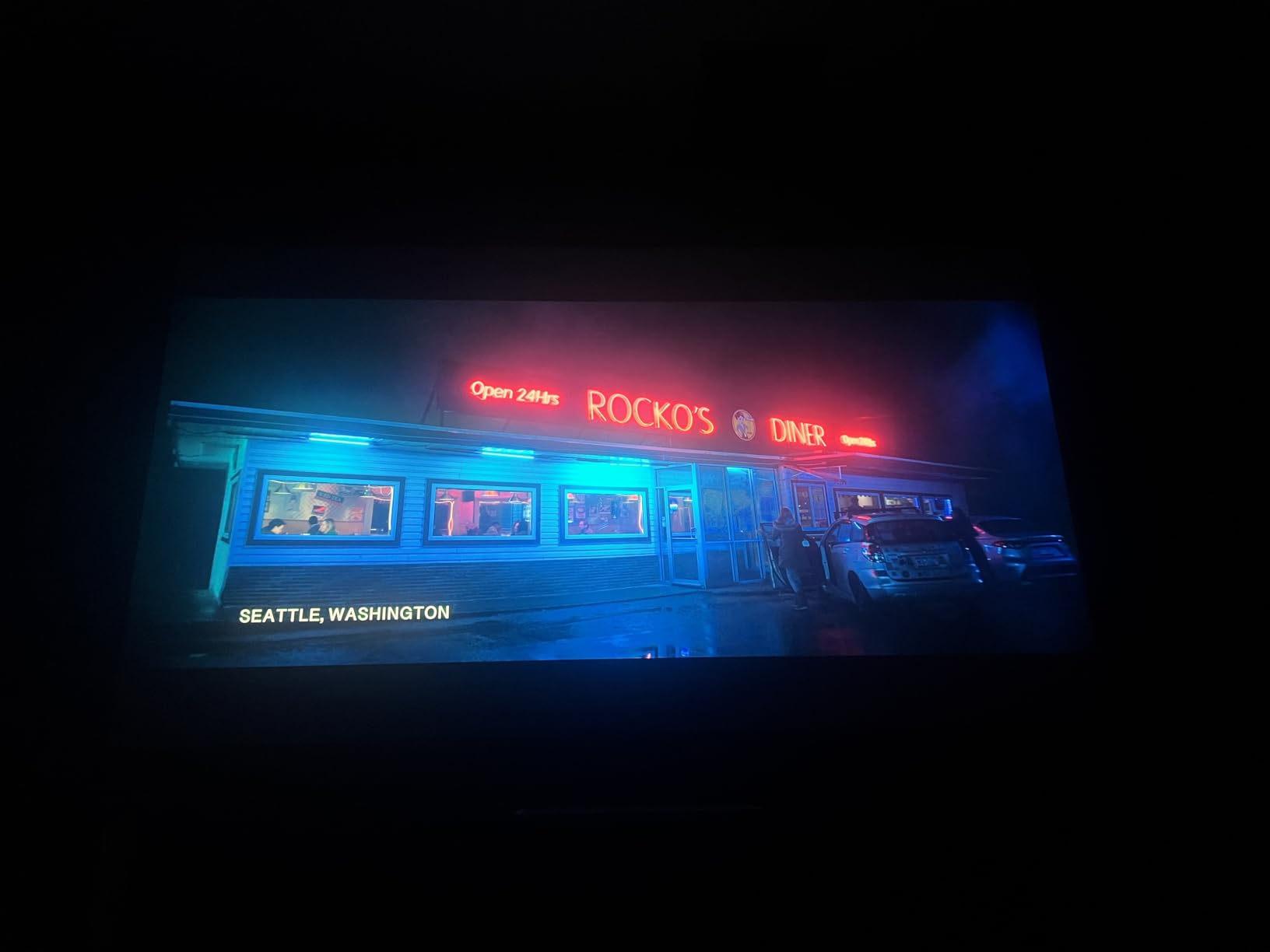
With 95 percent DCI-P3 coverage and Wide Dynamic Range Optics, the color volume remained impressive even at peak brightness. The 20,000-hour laser light source provides stable brightness without the color shifting that plagues lamp-based projectors over time.
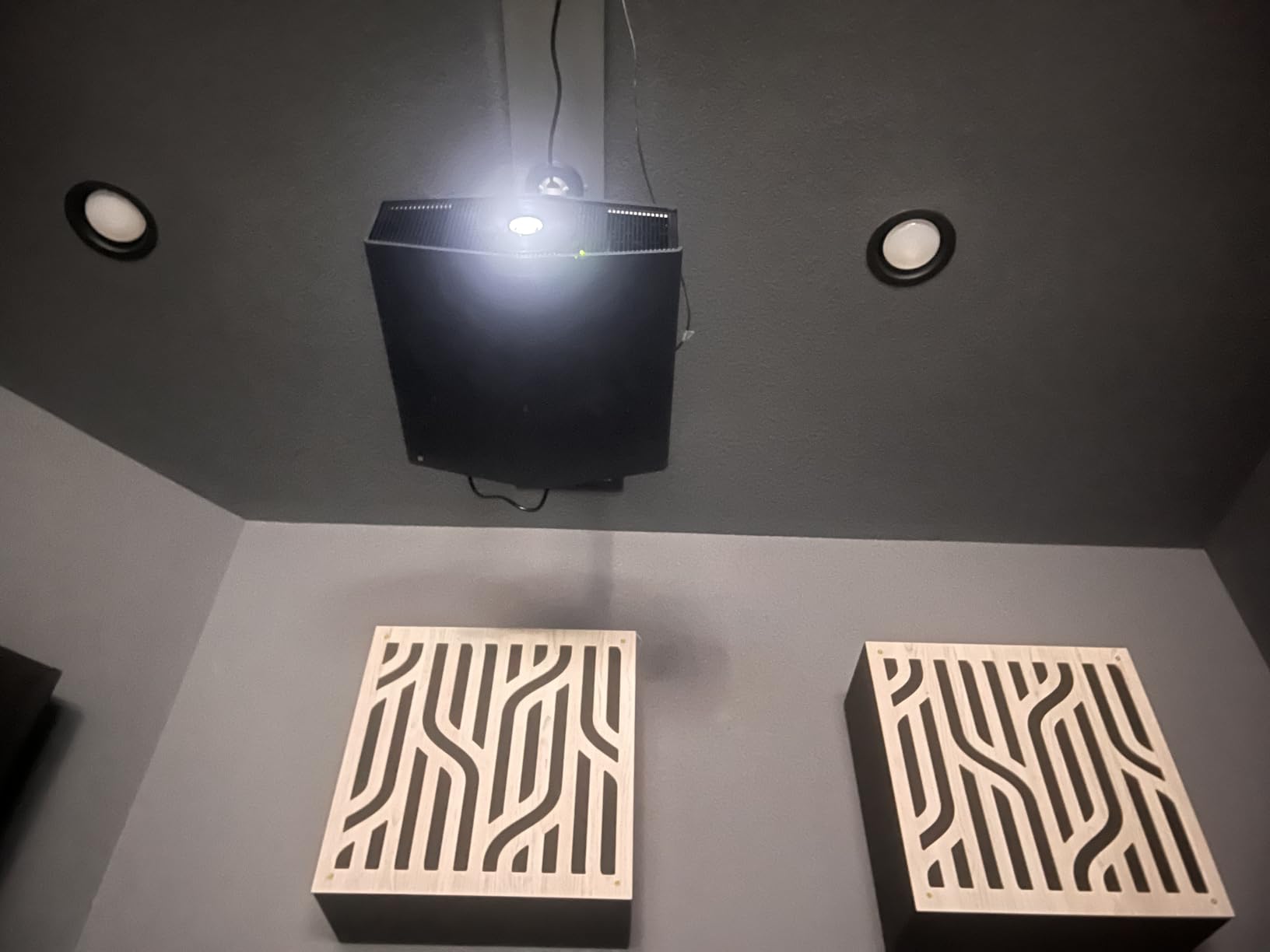
Sony designed this model to be 20 percent smaller and 30 percent lighter than the previous VPL-VW915ES. It fit in my theater space more easily than I expected for a native 4K Sony projector. Motionflow handled fast-moving content with excellent smoothness.
Brightness and Room Requirements
2000 lumens is modest by current standards. This projector is designed for a dedicated home theater with controlled lighting. In my darkened theater room, the image was stunning with excellent contrast and shadow detail.
In a bright living room, you would need a premium ALR screen to make it work. If your viewing environment has uncontrolled ambient light, consider the brighter options on this list instead.
Gaming and Connectivity
The Sony supports 4K 60Hz with under 21ms input lag and 2K 120Hz with under 13ms input lag. Gaming felt responsive, especially at 120Hz. The image quality in games was outstanding with crisp detail and accurate colors.
Connectivity is minimal: HDMI only. There is no USB, no network port, no wireless, and no built-in smart TV platform. You will need an external streaming device or AV receiver for all content sources. This is a pure display device designed for home theater enthusiasts who already have a source chain.
Buying Guide: How to Choose an RGB Laser Projector
Choosing the right RGB laser projector comes down to understanding your room, your content, and your budget. After testing eight models across different environments, here are the factors that matter most.
Brightness: Matching Lumens to Your Room
Brightness, measured in lumens, determines how well your projector handles ambient light. For a dedicated home theater with full light control, 1500 to 2000 lumens works well. The Sony VPL-XW5000ES at 2000 lumens excels in this environment.
For living rooms with some ambient light, aim for 2500 to 3000 lumens minimum. The Valerion VisionMaster Pro2 and AWOL Vision LTV-3000 Pro both hit this range effectively. For bright rooms or daytime viewing, look at 3200+ lumens like the XGIMI Horizon 20 or Hisense PX4-Pro.
Note that ISO lumens and ANSI lumens are measured differently. ISO lumens typically read higher than ANSI for the same perceived brightness, so compare within the same standard.
Throw Distance: UST vs Standard Throw
Ultra-short throw (UST) projectors sit inches from the wall, making them ideal for living rooms where ceiling mounting is impractical. The AWOL Vision LTV-3000 Pro, Hisense PX4-Pro, and JMGO N1S Ultra all offer UST designs.
Standard throw projectors mount further back, typically 8 to 15 feet from the screen. These offer more installation flexibility if you have the space and can ceiling-mount. The Valerion VisionMaster Pro2 and NEBULA X1 are excellent standard throw options.
Color Accuracy and Gamut Coverage
RGB laser projectors excel at color because they use dedicated red, green, and blue laser diodes. Look for BT.2020 coverage percentages, which indicate the color gamut the projector can reproduce. Anything above 100 percent BT.2020 is excellent.
The Valerion VisionMaster Pro2 hits 110 percent Rec.2020, the JMGO N1S 4K reaches 110 percent BT.2020, and the Hisense PX4-Pro achieves 118 percent BT.2020. Delta E values below 1 indicate professional-grade color accuracy.
Gaming: Input Lag and Refresh Rate
For gaming, input lag and refresh rate matter as much as image quality. The XGIMI Horizon 20 leads with 1ms input lag at 240Hz. The Valerion VisionMaster Pro2 offers 4ms at 240Hz, and the Hisense PX4-Pro delivers 1ms at 2K 240Hz.
Look for projectors with VRR (variable refresh rate) and ALLM (auto low latency mode) support. These features automatically optimize the projector for gaming when they detect a console or PC signal.
Smart TV Features
Most modern RGB laser projectors include a smart TV platform. Google TV is the most common, offering Netflix, YouTube, Prime Video, and other apps natively. Make sure Netflix is officially licensed rather than sideloaded, as unofficial versions often limit streaming quality.
If your projector lacks smart features, like the Sony VPL-XW5000ES, you can connect an Apple TV, Roku, or Nvidia Shield via HDMI for full streaming capability.
RGB Laser vs Laser Phosphor vs Traditional Lamp
RGB laser projectors use separate red, green, and blue laser diodes. This produces the widest color gamuts and eliminates the rainbow effect common in single-chip DLP projectors with color wheels. All eight projectors in this roundup use RGB triple laser technology.
Laser phosphor projectors use a single blue laser directed at a phosphor wheel to create other colors. These are brighter and cheaper but cannot match RGB laser color accuracy. Traditional lamp projectors use UHP or similar bulbs with color wheels, offering the lowest color performance and shorter lifespans.
Frequently Asked Questions About RGB Laser Projectors
What is the best RGB laser projector for home theater?
The Valerion VisionMaster Pro2 is the best overall RGB laser projector for home theater, offering 3000 ISO lumens, 15000:1 contrast, IMAX Enhanced certification, and 110 percent Rec.2020 color coverage at a competitive price.
How do RGB laser projectors compare to traditional projectors?
RGB laser projectors deliver superior color accuracy with wider gamuts exceeding DCI-P3, brighter images, no rainbow effect, instant on and off capability, and laser lifespans of 20000 to 35000 hours compared to the 3000 to 5000 hour lifespan of traditional lamp projectors.
What brightness level do I need for an RGB laser projector?
For a dedicated dark home theater, 1500 to 2000 lumens is sufficient. For living rooms with some ambient light, aim for 2500 to 3000 lumens. For bright rooms or daytime viewing, look for 3200 lumens or higher. Always check whether brightness is measured in ISO or ANSI lumens.
Are RGB laser projectors worth the investment?
Yes, RGB laser projectors are worth the investment if you want premium image quality with accurate colors, long-term reliability, and low maintenance. The laser source lasts 20000 plus hours, eliminating lamp replacement costs, and the color performance significantly outperforms lamp and LED alternatives.
What is the difference between RGB laser and laser phosphor projectors?
RGB laser projectors use separate red, green, and blue laser diodes to create colors directly, achieving wider color gamuts and better accuracy. Laser phosphor projectors use a single blue laser with a phosphor wheel to generate other colors, which is cheaper and brighter but cannot match RGB laser color precision.
Conclusion: Which RGB Laser Projector Should You Buy?
After testing all eight models, the Valerion VisionMaster Pro2 remains my top recommendation for most buyers. It balances brightness, contrast, color accuracy, gaming performance, and smart features better than anything else in this roundup.
If budget is your priority, the JMGO N1S 4K brings genuine triple laser technology at an unbeatable price. For ultra-short throw setups, the Hisense PX4-Pro delivers the brightest UST image with exceptional audio. And for dedicated home theater purists, the Sony VPL-XW5000ES offers native 4K SXRD quality that pixel-shifted projectors cannot replicate.
The best RGB laser projectors in 2026 cover a wide range of needs and budgets. Identify your room type, lighting conditions, and primary use case, then match those requirements to the model that fits. Any of these eight projectors will deliver a dramatically better viewing experience than traditional lamp-based alternatives.