
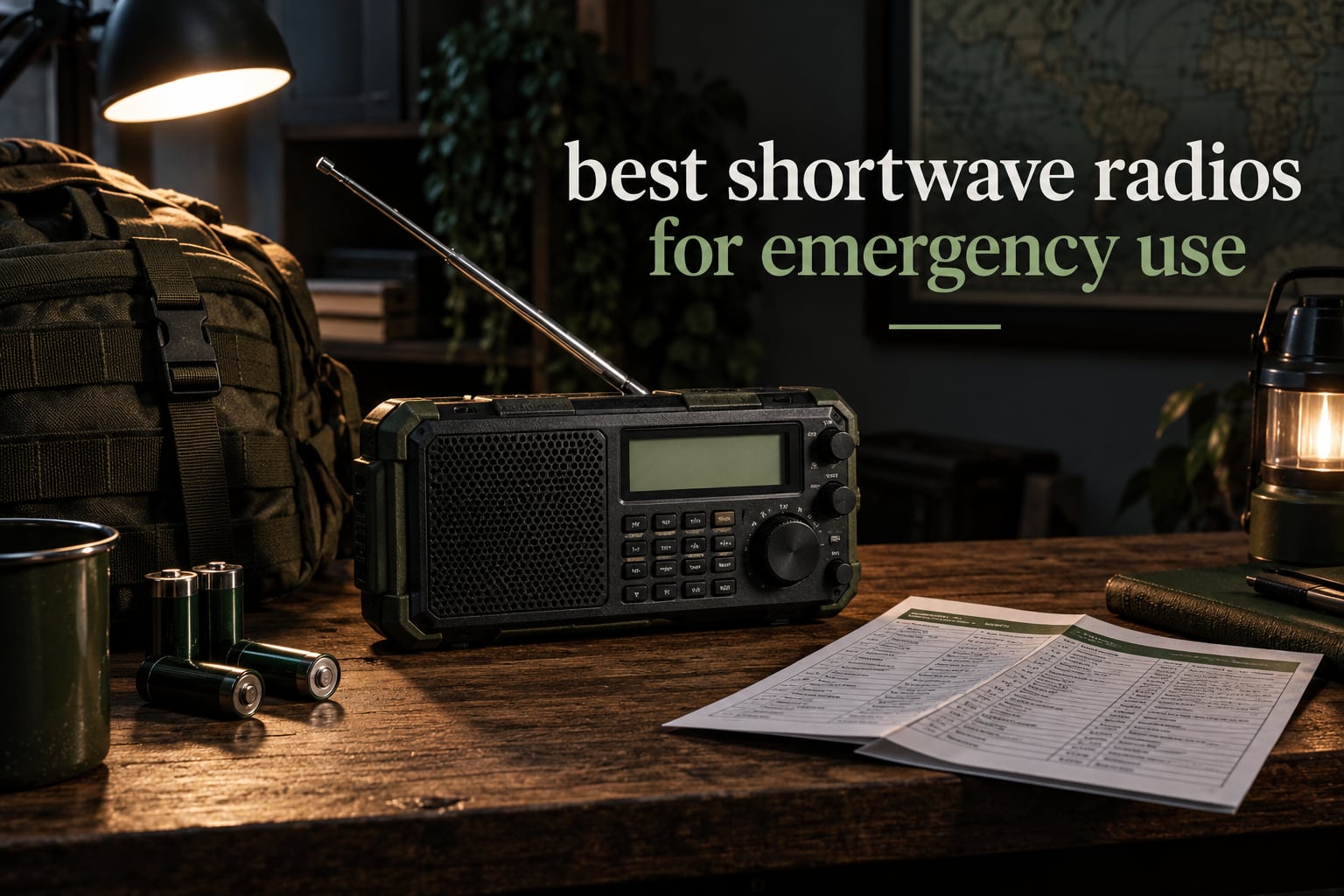
Shortwave radio is the last broadcast technology that keeps working when the grid goes down and the cell towers go dark. Signals between roughly 1.7 and 30 MHz bounce off the ionosphere and skip thousands of miles, so a station far outside your local coverage can arrive as clearly as an FM signal from across town. The catch is power: most cheap shortwave sets die with their built-in lithium pack, and that is where most emergency buyers go wrong.
The best shortwave radios for emergency use are the ones you can keep powered for days without a charger. That means user-replaceable AA or AAA cells first, NOAA and SAME weather alerting if you are in the United States, enough memory slots to pre-load stations, and secondary power sources as backup rather than as the plan. We compared 12 sets across power design, band coverage, alerting and reception to find the ones that hold up when it matters.
Our approach was battery-first. A long-running thread on r/shortwave about emergency shortwave radios with AA batteries is the top organic result for this whole category, and it reflects the loudest complaint in preparedness communities: a sealed lithium pack is a single point of failure. Once that pack ages or drains, the radio is scrap. Every pick below either runs on cells you already own or offers a genuinely useful alternative power path.
We also kept the radio side practical. If your real need is local alerts rather than world-band listening, our guide to the best weather radios covers that case honestly, and the broader emergency radio roundup covers everything that is not a shortwave set. This page is for the shortwave side only.
Table of Contents
Top 3 Picks: Emergency Shortwave Radios in 2026
These three lead the list because each solves a different part of the emergency problem: one for the widest alert coverage, one for the most independent power options, and one for readers who want the most capability per dollar spent.

Raynic CR1009Pro
- Six power sources
- NOAA alert scanning with SOS siren
- 3W flashlight and 2.5W reading lamp

Kaito KA500
- Crank plus solar plus 3 AA cells
- Two shortwave bands and 7 NOAA channels
- 14.5 inch telescopic antenna
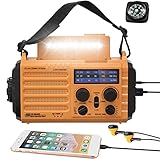
Mesqool CR1009-Y
- 5000mAh pack with 13 hour runtime
- Solar crank USB-C and 3 AAA power
- Five power sources and a 5W speaker
Best Shortwave Radios for Emergency Use in October
Every radio below appears here with its power design and band coverage. Features marked as NOAA are the ones that will wake you for a local emergency alert. Features marked shortwave are the ones that reach beyond local transmitters, which is the entire point of carrying a shortwave set in a go-bag.
| Product | Specifications | Action |
|---|---|---|
| Raynic CR1009Pro Six-Way Power NOAA Radio |
|
Check Latest Price |
| Kaito KA500 Six-Way Powered NOAA Radio |
|
Check Latest Price |
| Mesqool CR1009-Y NOAA Solar Crank Radio |
|
Check Latest Price |
 Greadio T26 AM FM Shortwave Radio Greadio T26 AM FM Shortwave Radio |
|
Check Latest Price |
 PPLEE 1009 NOAA Solar Crank Radio PPLEE 1009 NOAA Solar Crank Radio |
|
Check Latest Price |
 Tecsun PL880 SSB Dual Conversion Radio Tecsun PL880 SSB Dual Conversion Radio |
|
Check Latest Price |
 Tecsun PL-380 DSP World Band Radio Tecsun PL-380 DSP World Band Radio |
|
Check Latest Price |
 Emgykit R11 Bluetooth NOAA Shortwave Radio Emgykit R11 Bluetooth NOAA Shortwave Radio |
|
Check Latest Price |
 Tecsun PL330 Pocket SSB Worldband Radio Tecsun PL330 Pocket SSB Worldband Radio |
|
Check Latest Price |
 Jazmm 4-Band NOAA Pocket Radio Jazmm 4-Band NOAA Pocket Radio |
|
Check Latest Price |
 Sangean DT-800YL NOAA Pocket Radio Sangean DT-800YL NOAA Pocket Radio |
|
Check Latest Price |
 Tecsun PL368 Keypad SSB Worldband Radio Tecsun PL368 Keypad SSB Worldband Radio |
|
Check Latest Price |
1. Raynic CR1009Pro Is the Best Overall Emergency Shortwave Radio You Can Carry
Raynic Emergency Radio, 5000mAh/18500mWh Weather Radio, Solar Hand Crank Radio with AM/FM/SW/NOAA Alert, Cell Phone Charger, Headphone Jack, Flashlight and SOS Siren
6.8 x 3.7 x 2.9 inch and 16 oz
Six power sources including 3 AAA cells
5000mAh pack with USB phone output
Automatic NOAA alert scanning
Pros
- Six independent power paths so no single failure kills it
- Automatic NOAA scanning with loud SOS siren and red flasher
- Very bright 3W flashlight plus 2.5W reading lamp
- Light enough at 1.2 lb to live in a go-bag
- 20K+ reviews give the widest real-world track record here
Cons
- Solar and crank maintain charge rather than restore a dead battery
- Not waterproof despite the outdoor emergency positioning
- Short built-in antenna with no external antenna jack
- Shortwave band is hard to tune
The Raynic wins this list because it removes every obvious failure point at once. Six power sources mean a dead pack, a dead panel and a dead crank port can all fail without ending your reception. We put it first on the strength of six ways to stay powered, automatic alert scanning, and a review history deep enough to reveal its real weaknesses rather than its marketing ones.
At 16 ounces and just under 7 inches long, it disappears into a jacket pocket or a side pouch of a go-bag without being the reason you leave the bag behind. The 5000mAh internal pack is rechargeable over USB-C, and the AAA backup means you can keep listening with nothing but the batteries already in your flashlight.
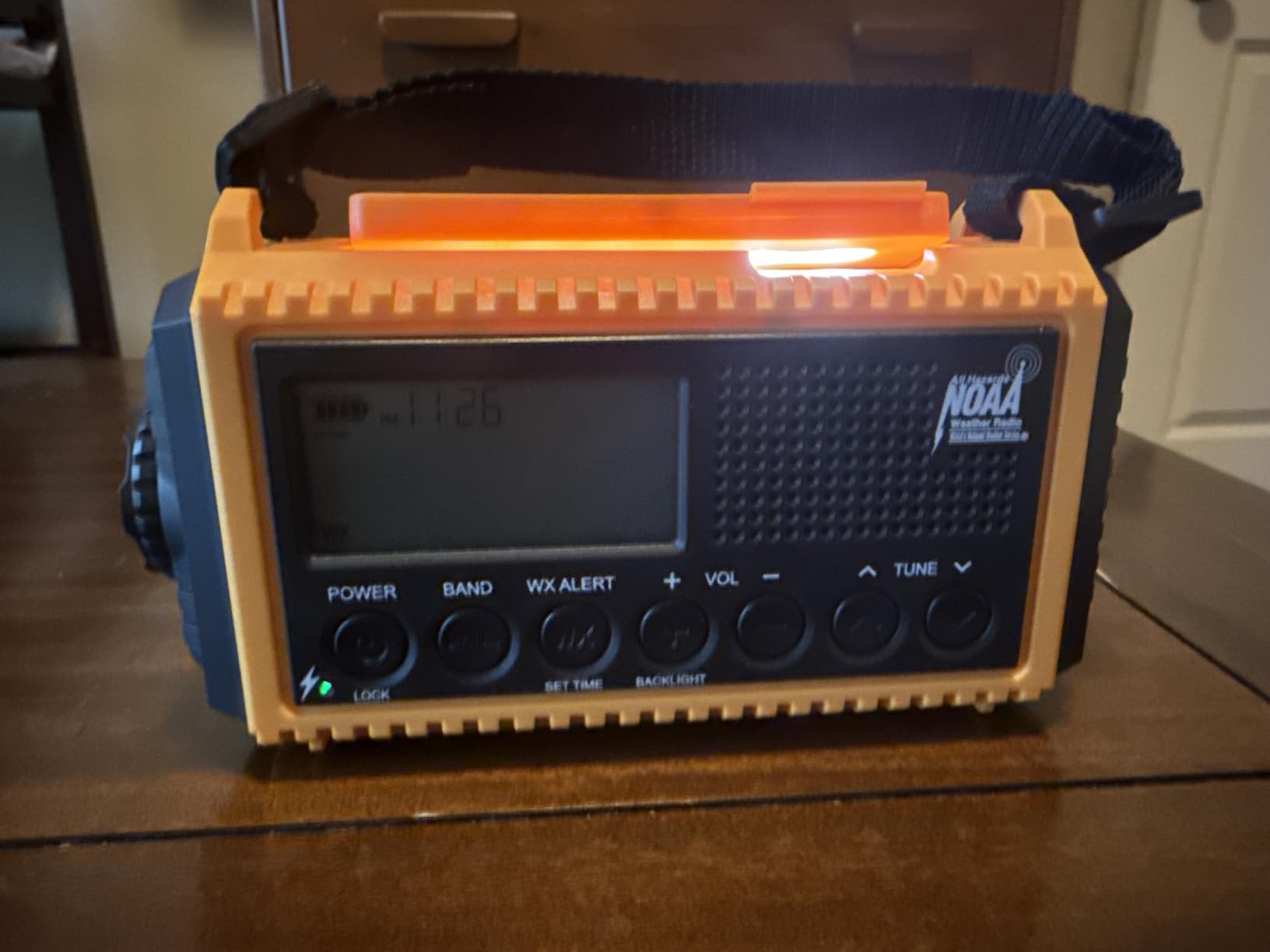
The NOAA side is the part that matters most for a US buyer. It scans the weather band on power-up and on standby, then triggers a 116dB-class siren and a red flasher when a watch or warning is issued for your area. That is the one feature here that can wake you at 3am without you touching a dial.
The 3W flashlight and separate 2.5W reading lamp turn it into a genuine outage light, and the USB output can top off a phone if your radio is more critical than your screen. A few buyers reported units arriving without the stated 5000mAh internal battery, so check the box on arrival rather than trusting the label.
What you get and what you miss
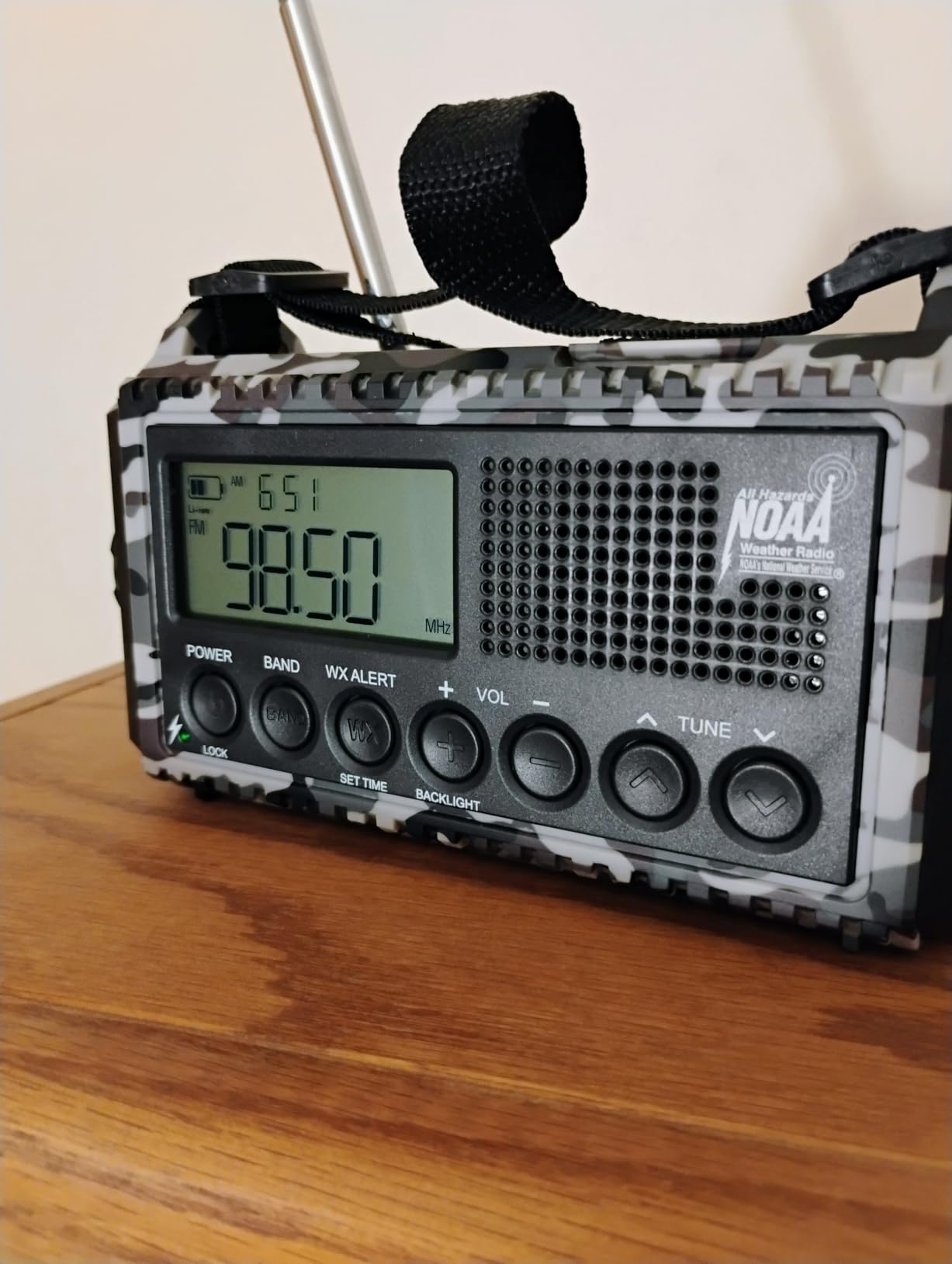
You get a metal-enclosure unit with a 3W speaker, a 3.5mm headphone jack, an IPX3 water-resistance rating and a one-year warranty. Presets exist but the memory system is basic, so this is a radio you set up in advance rather than one you explore.
What you miss is shortwave quality. The band is compressed and fiddly to tune, and the short whip limits sensitivity, with no external antenna option to fix it. In practice this is a superb local alert receiver and a backup world-band listener, not a DXing machine.
Who should skip it
Skip it if shortwave reception quality is the whole reason you are shopping, because the tuning resolution and antenna hold it back against the Tecsun sets later in this list. Buy it if you want alerts, light and phone power in one box, and you will not be tuning distant stations at night.
If you also need a proper external power setup for the rest of the house, the emergency power inverter guide covers how to keep charging gear running once the grid is gone.
2. Kaito KA500 Is the Best Radio When No Single Power Source Can Be Trusted
Kaito KA500 5-way Powered Emergency AM/FM/SW NOAA Weather Alert Radio with Solar,Dynamo Crank,Flashlight and Reading Lamp, Color Black
8.3 x 2.3 x 5.3 inch and 1.3 lb
Crank plus solar plus 3 AA cells
Two shortwave bands and 7 NOAA channels
14.5 inch telescopic antenna
Pros
- Six-way power including crank solar and 3 AA cells
- 7 pre-programmed NOAA channels with PEAS alerts
- USB output charges phones GPS and cameras
- 14.5 inch antenna with LED signal strength indicator
- Loud clear sound for a 1.3 lb body
Cons
- NOAA alert coverage is limited to the USA and Canada
- Analog dial tuning is slower and less precise than digital models
- Plastic enclosure feels less rugged than metal-bodied rivals
The KA500 has been a preparedness staple for years, and the reason is the power stack rather than the reception. Hand crank, solar panel, three AA cells, USB input, AC or DC input and a built-in NiMH pack all work independently. Prepper communities tend to buy for that redundancy and for familiarity, not for specifications.
The 14.5 inch telescopic antenna is the longest in this group, and the LED signal strength indicator lets you find a usable position in a concrete shelter or a vehicle rather than guessing. That single feature matters more in a real disruption than a higher specification number would.
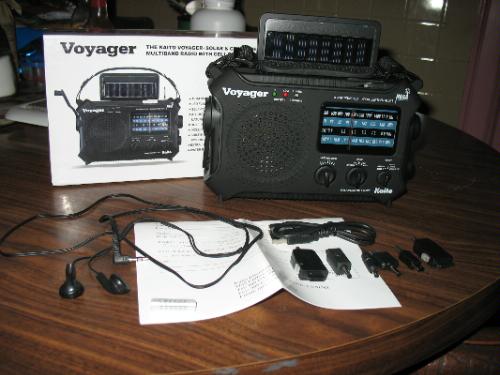
Coverage is AM, FM, two shortwave bands and seven NOAA channels with PEAS alerts, so you get world-band reception alongside local warnings. The USB output will charge a phone, a GPS unit or a camera, which makes it a small power station as much as a receiver.
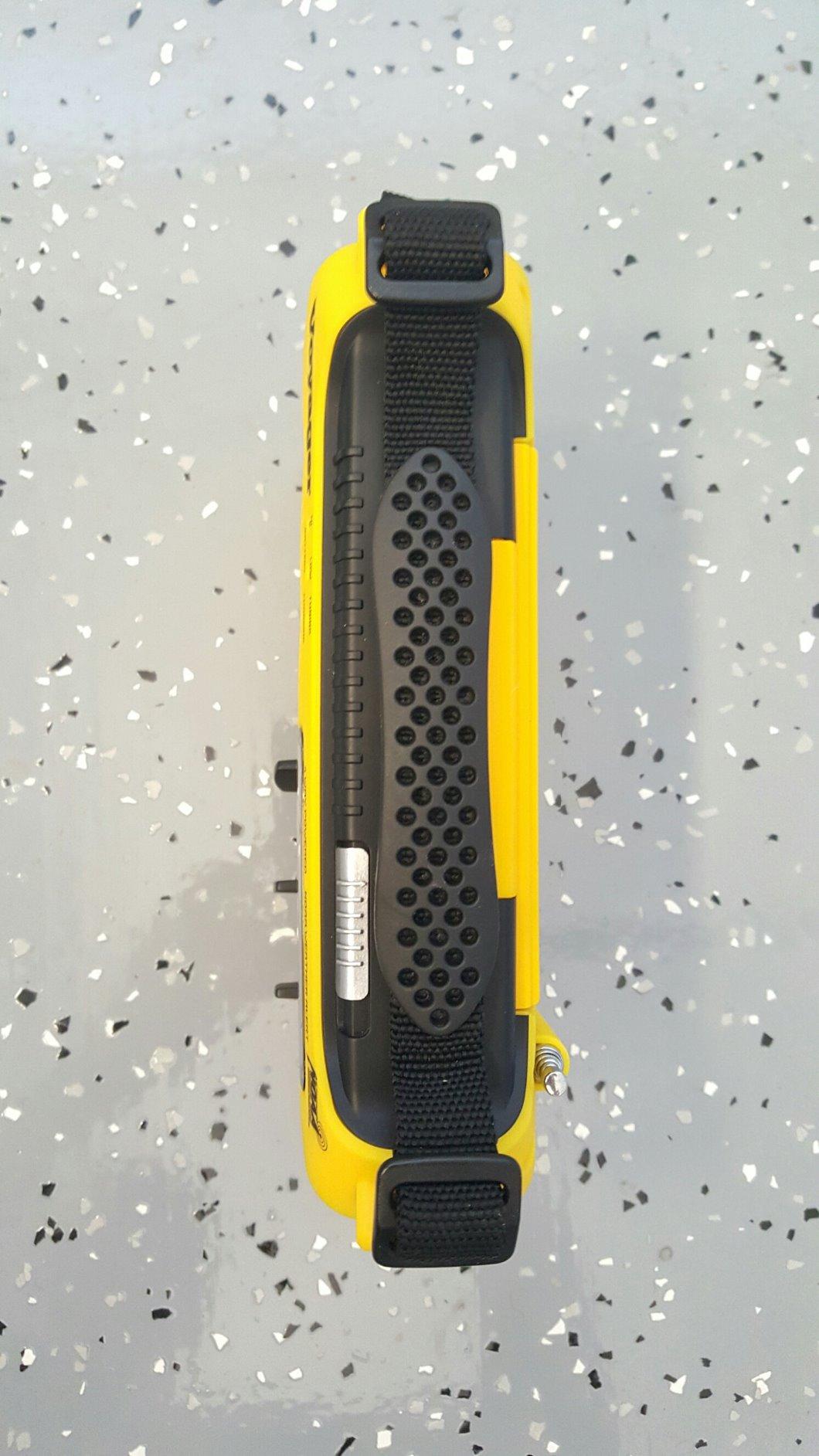
The reading lamp, flashlight and red S.O.S. beacon complete an all-in-one outage kit, and a one-year manufacturer warranty covers labor and parts. Sound quality is consistently praised as loud and clear for the size, which matters more than fidelity when the room is a dark hallway.
Where it beats the Raynic
It wins on antenna reach, on built-in NiMH charging that works off standard USB, and on the telescopic whip that makes shortwave listening practical rather than theoretical. The Raynic has the better siren and the newer screen, but the KA500 has the better radio.
It also carries a compass-free but complete lighting package and an FM wire-style antenna benefit through its long whip. If you expect to be listening in a basement, a stairwell or a car, that whip is the deciding factor.
Who should skip it
Skip it if you are outside the United States or Canada, because the weather alert system only decodes the regional network. Also skip it if precise tuning matters, since the analog dial is slower and less exact than the digital models, and if rough handling is likely, because the plastic housing is not as tough as metal.
3. Mesqool CR1009-Y Is the Best Value Pick With the Biggest Battery
NOAA Weather Radio FM AM Shortwave, Emergency Radio 5000mAh Solar Crank
6.8 x 2.9 x 3.7 inch and 12.8 oz
5000mAh pack rated up to 13 hours
Solar crank USB-C and 3 AAA power
NOAA certified with 7 channels
Pros
- 5000mAh pack rated up to 13 hours at half volume
- Five charging methods including 3 AAA cells
- Lightest serious NOAA radio in this roundup at 0.93 lb
- Three-year limited warranty against manufacturing defects
- Strap carabiner and compass included
Cons
- Entire shortwave range squeezed into one coarse 7 to 19 MHz band
- Analog dial with no display or frequency readout
- Solar panel maintains charge rather than charging from empty
- English-only instructions confused some buyers
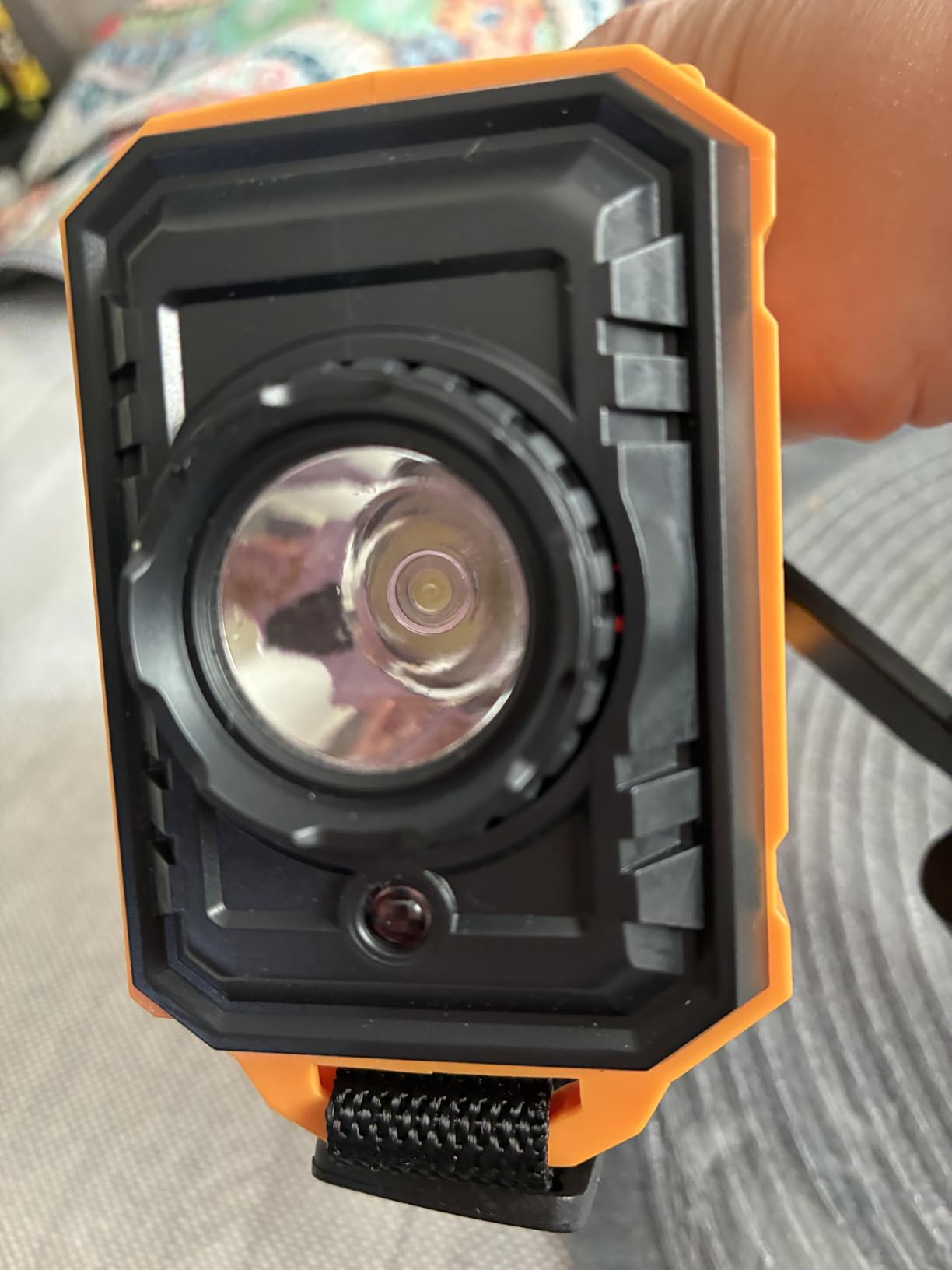
The Mesqool is the one to buy when you want the most listening time per unit of attention. At 12.8 ounces it is the lightest set here that still carries a real battery, and the 5000mAh pack is rated for up to 13 hours of listening at 50% volume. Five charging methods keep it alive, and the 3W flashlight plus 2.5W reading lamp have dual brightness settings.
It is NOAA certified with seven preset weather channels and no complicated setup, which is exactly what you want from an alert radio. The 5W speaker is unusually capable for the size, and it can charge a phone over USB when the grid is down.
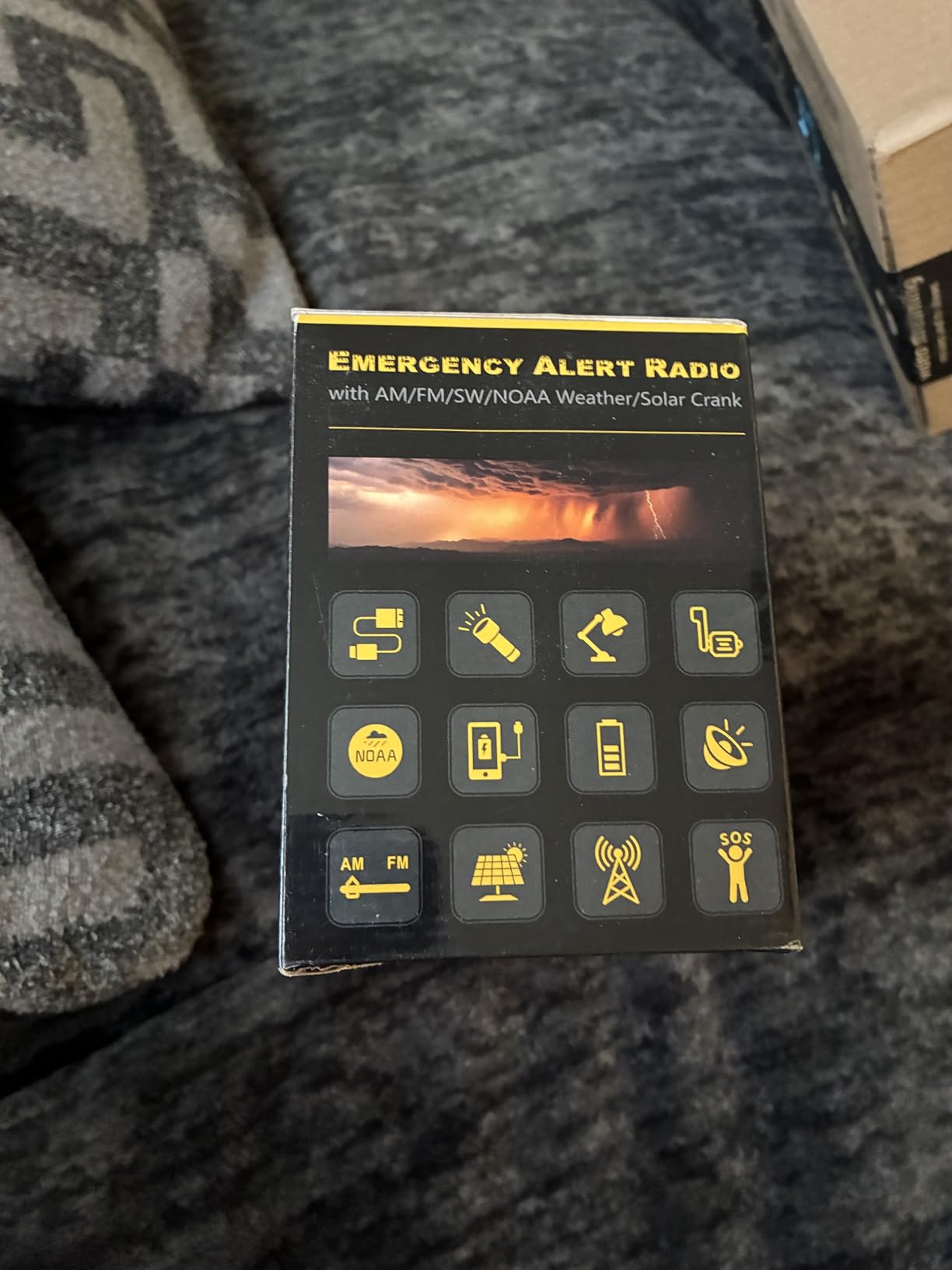
Be clear-eyed about the shortwave side, though. The entire 7 to 19 MHz range sits on one wide band with no band-spread, so the coarse analog dial makes it effectively unusable for actual shortwave listening. Reviewers who bought it for the NOAA alerts are happy; shortwave listeners are not.
There is also no display and no frequency readout, so you cannot confirm what frequency you are on, and the solar panel only maintains a charge rather than bringing a flat battery back. The three-year limited warranty is the longest in this roundup, which is a real advantage for a brand with less name recognition.
What makes it the value pick
It stacks a large battery, five power paths, dual lighting and a three-year warranty into the lightest package here. If your priority is local alerts plus lighting plus phone power, this is where the money is best spent.
The trade is straightforward: you give up band-spread tuning and any display. That is an easy sacrifice when the unit is a NOAA alert box that also happens to listen to AM and FM.
Who should skip it
Skip it if you intend to tune world-band stations, because no amount of practice fixes a single compressed band. Pick the Tecsun PL330 or the PL368 instead if reception quality is the priority, and keep this one as the alert and lighting unit.
4. Greadio T26 Is the Best Radio for Endless D-Cell Listening
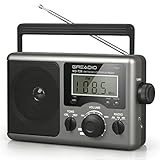
Greadio Portable Shortwave Radio, Radios Portable AM FM Transistor Radio
9.4 x 2.4 x 5.9 inch and 2 lb
Four D cells or AC adapter
Two 2W speakers with tone control
AM FM and shortwave on a large LCD
Pros
- Runs for months on a set of D cells
- Dual AC and battery operation with cord included
- Sensitivity repeatedly compared favourably to far costlier sets
- Large readable LCD with clock display
- Simple large knobs usable by elderly listeners
Cons
- Megahertz-only readout prevents dialling exact kHz frequencies
- No weather band and no external antenna socket
- Display is not backlit for night use
- Bulky 2 lb body compared with pocket portables
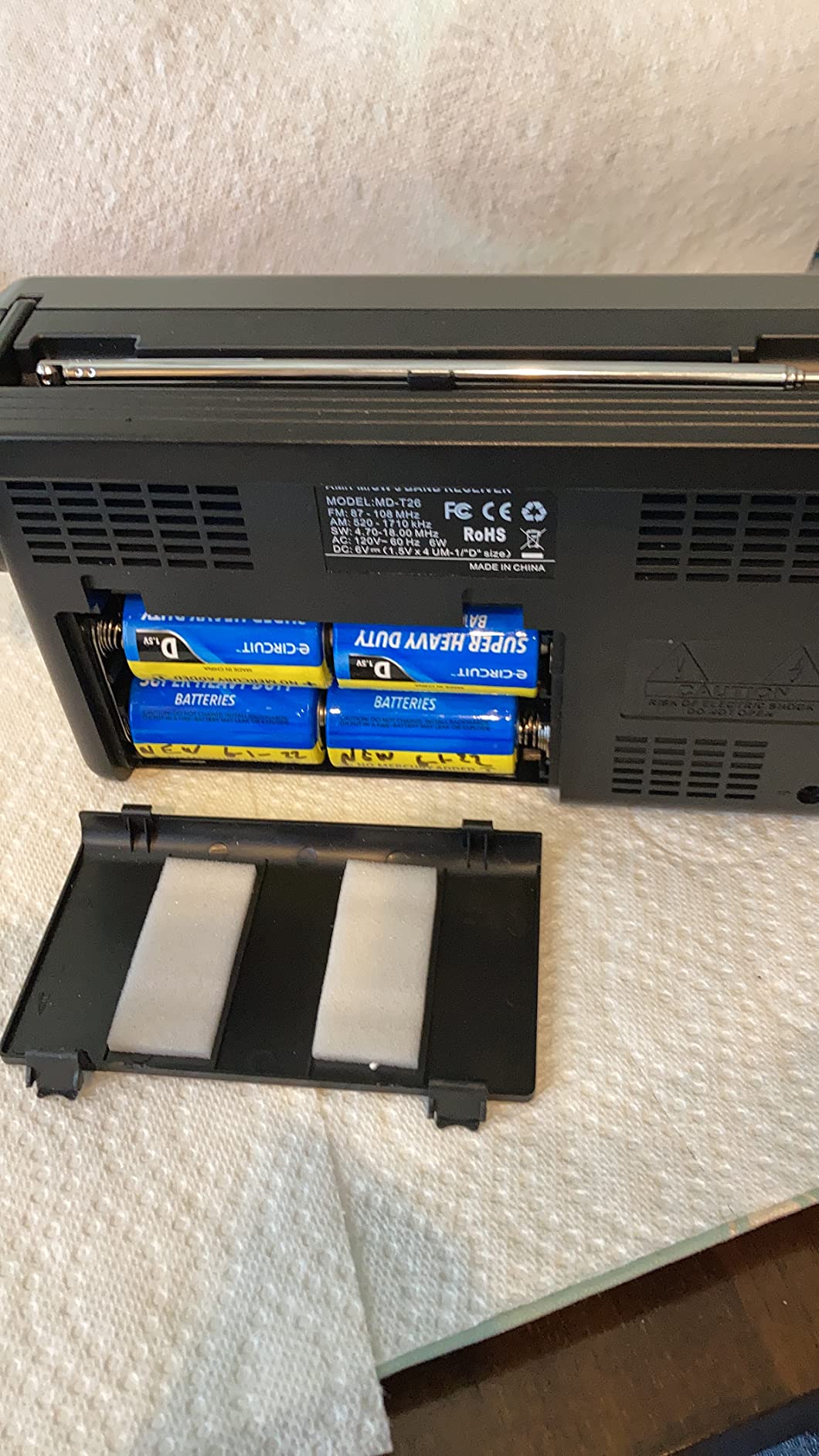
The Greadio solves the endurance problem better than anything else here. Four D cells can carry it for months of intermittent listening, and D cells are the single easiest battery to scavenge, buy in bulk or share across a household. Communities that prioritise battery interchangeability consistently rate this trait above every specification on the sheet.
Reception is genuinely strong for its class. Owners regularly compare it favourably against sets costing several times more, and the two 2W speakers with a tone control fill a room with full, unmuffled sound, which no pocket radio in this roundup manages.
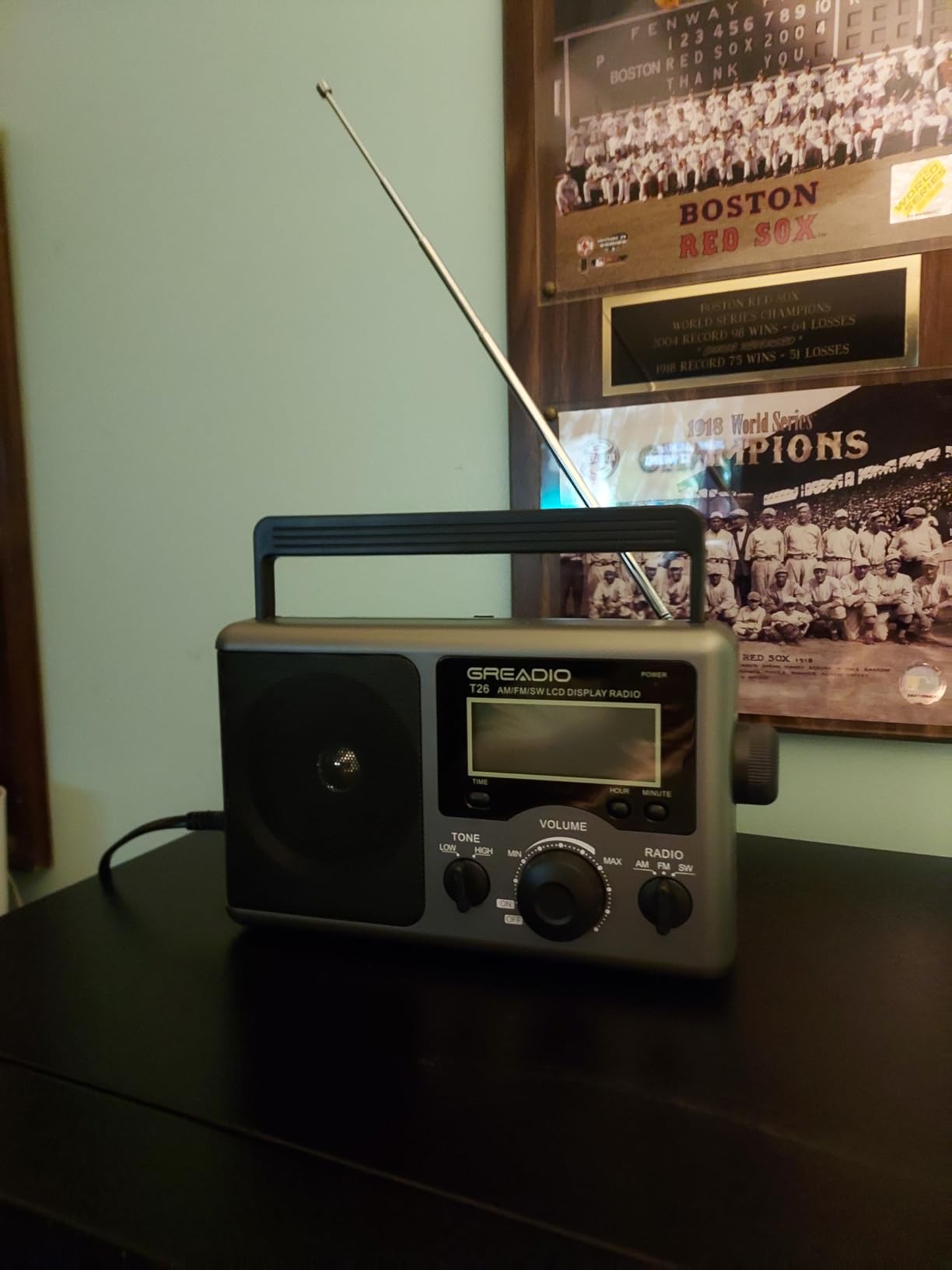
It ships with an AC adapter for normal listening and switches to batteries when the power fails, so it works as a home and car unit at the same time. The large LCD shows a clock alongside the tuned frequency, and the carry handle makes it easy to move between rooms.
The trade-offs are all about shortwave specifics rather than basic use. The readout shows whole megahertz only, so you cannot dial an exact kHz frequency, and there is no band-spread, no auto-scan, no weather band and no external antenna socket. Longwave is absent too.
Why the D cells matter
A lithium pack loses capacity with age and cold, and its charger becomes another item to keep. D cells do neither. They leak when neglected, which is the one genuine hazard, so store them in a sealed pouch inside the go-bag.
At 2 pounds this is not a walking radio. It is a shelf or vehicle radio that stays powered for the entire event, and for a household kit that is often the more useful role.
Who should skip it
Skip it if you need NOAA alerts, because there is no weather band at all, and if you need to pack light, because the 2 lb footprint is three times the Raynic. It is a reception and endurance specialist, not an alert device.
5. PPLEE 1009 Is the Best Radio When Your Phone Is the Priority
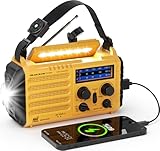
Emergency Weather Radio, Portable Solar Hand Crank Radio with NOAA/AM/FM/SW
6.69 x 2.36 x 3.74 inch and 16 oz
5000mAh battery with USB power bank output
Five power sources including 3 AAA cells
NOAA band with SOS alarm and red flasher
Pros
- 5000mAh battery doubles as a USB power bank for phones
- Five power sources including 3 AAA fallback cells
- NOAA band with 7 channels and a flashing SOS alarm
- 3W flashlight and 2.5W reading lamp for outage lighting
- 18-month extended warranty with fast refund window
Cons
- Solar and crank maintain charge rather than restore a dead battery
- Not fully waterproof despite the outdoor emergency positioning
- Analog dial with no frequency display for precise tuning
The PPLEE inverts the usual priority. Instead of treating the phone as an accessory, it treats the radio as the power source and the phone as the thing being rescued. With a 5000mAh pack and USB output, it can carry a phone through an outage that a smaller internal battery never would.
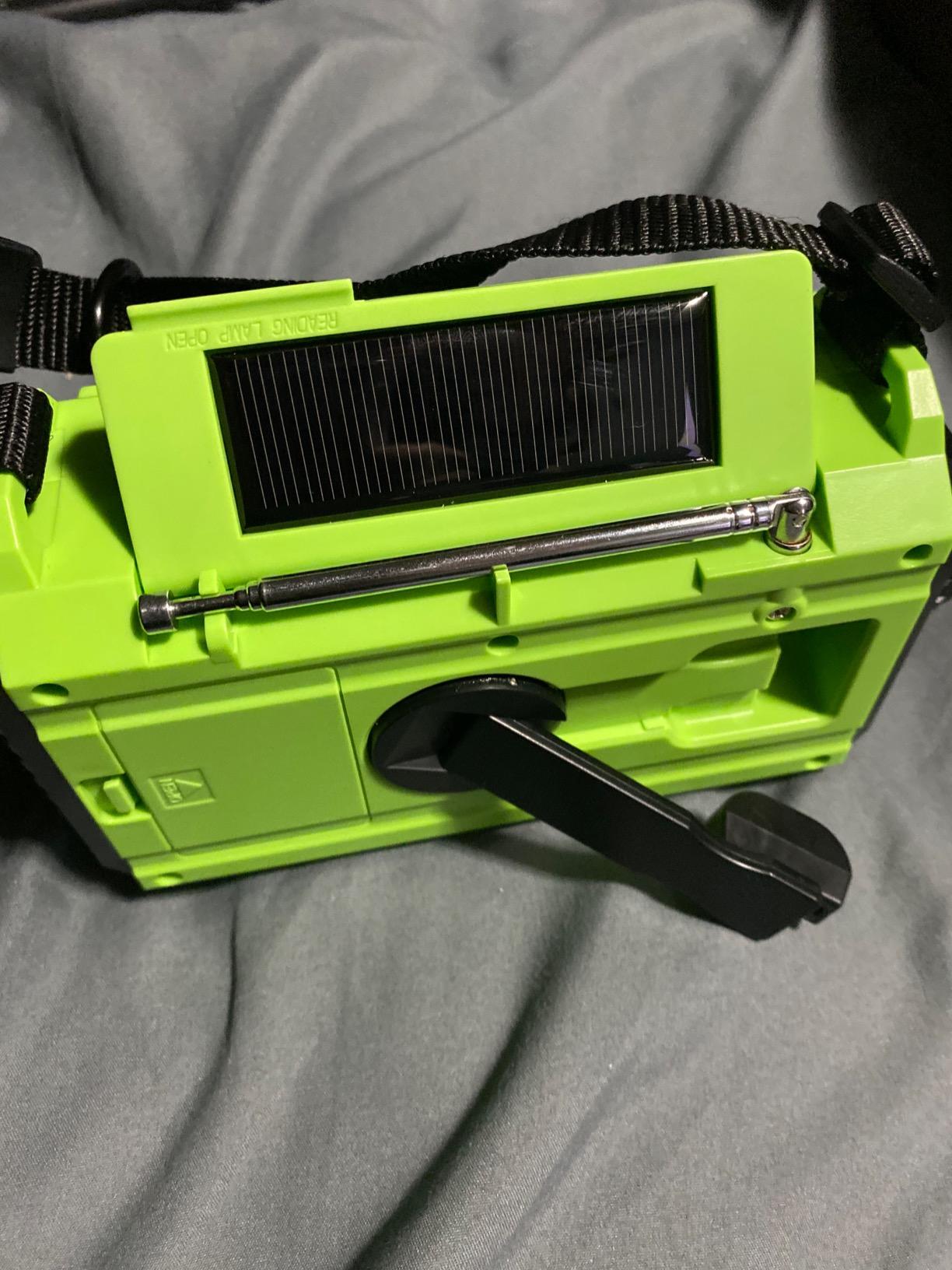
It covers AM, FM, shortwave and the NOAA weather band with seven channels, an SOS alarm and a flashing red light, so alert coverage is real rather than nominal. Five power sources cover the internal battery, solar, hand crank, 5V USB input and three AAA cells.
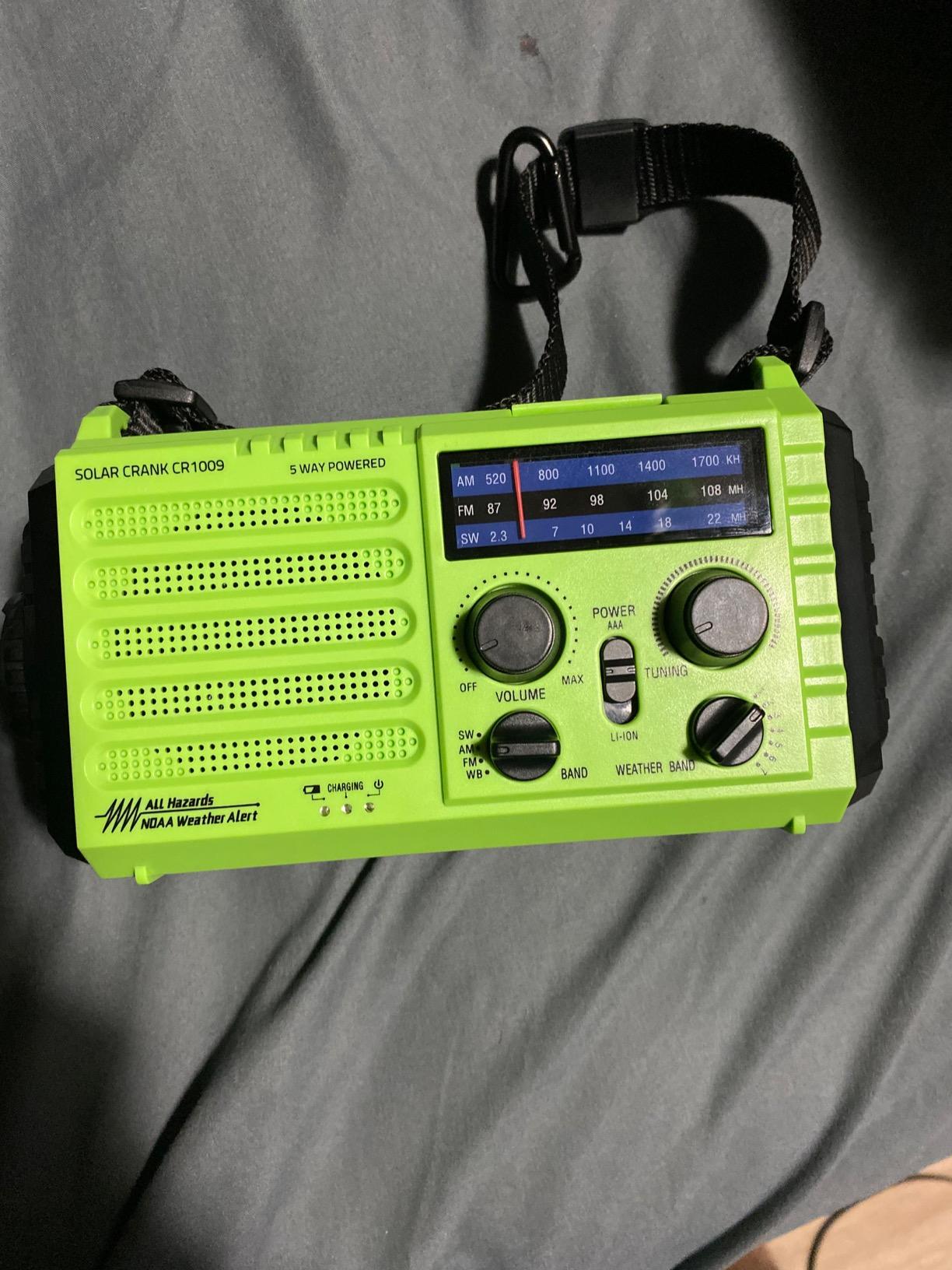
At 16 ounces it matches the Raynic on weight while adding an 18-month extended warranty and a three-month refund window, which is a meaningful comfort when buying from a less established brand. Carabiner, compass and braided carry belt come in the box.
The adjustable antenna and 3.5mm headphone jack make it usable with earphones in a shelter, and the large easy-turn knob is findable in the dark. The 3W camping flashlight and 2.5W reading light cover the two lighting jobs people actually need at night.
Best used as a shared power hub
The strongest argument for this unit is a household with several phones and one grid connection. A 5000mAh pack is not enormous, but combined with AAA cells, a car adapter and hand cranking it becomes a trickle of power across a long event rather than a single charge.
Pair it with a separate crank power bank of 10,000mAh or more, which is the common community recommendation, and the two together handle charging without a wall outlet.
Who should skip it
Skip it if fine shortwave tuning is the goal, since there is no display and the analog dial is imprecise. Also skip it for wet conditions, because the water-resistance claim stops well short of waterproof.
6. Tecsun PL880 Is the Best Radio for Real SSB and Ham Listening
Tecsun PL880 Portable Digital PLL Dual Conversion AM/FM Longwave Shortwave Radio with SSB (Single Side Band) Reception
7.5 x 1.25 x 4.5 inch and 520 g
Dual conversion PLL across five bands
SSB with 10 Hz tuning step
Four AM and five SSB bandwidth filters
Pros
- Dual conversion PLL with high sensitivity and selectivity
- Single sideband reception with a 10 Hz tuning step
- Selectable filters including four AM and five SSB bandwidths
- Full AM FM longwave and shortwave in a portable body
- Alarm clock and sleep timer up to 120 minutes
Cons
- Costs far more than entry-level DSP portables
- No NOAA weather band or alert capability
- Menu-driven operation needs time with the manual
The PL880 is here for the reader who wants to listen to utility stations and amateur traffic, not just broadcast news. Dual conversion gives it real selectivity, and single sideband reception with a 10 Hz tuning step is what makes narrow utility signals audible at all. Budget DSP portables simply cannot do this.
Selectable bandwidth filters matter in a crowded band. Four settings on AM and five on SSB let you narrow the filter until adjacent stations disappear, which is the difference between hearing a voice and hearing a wall of noise.
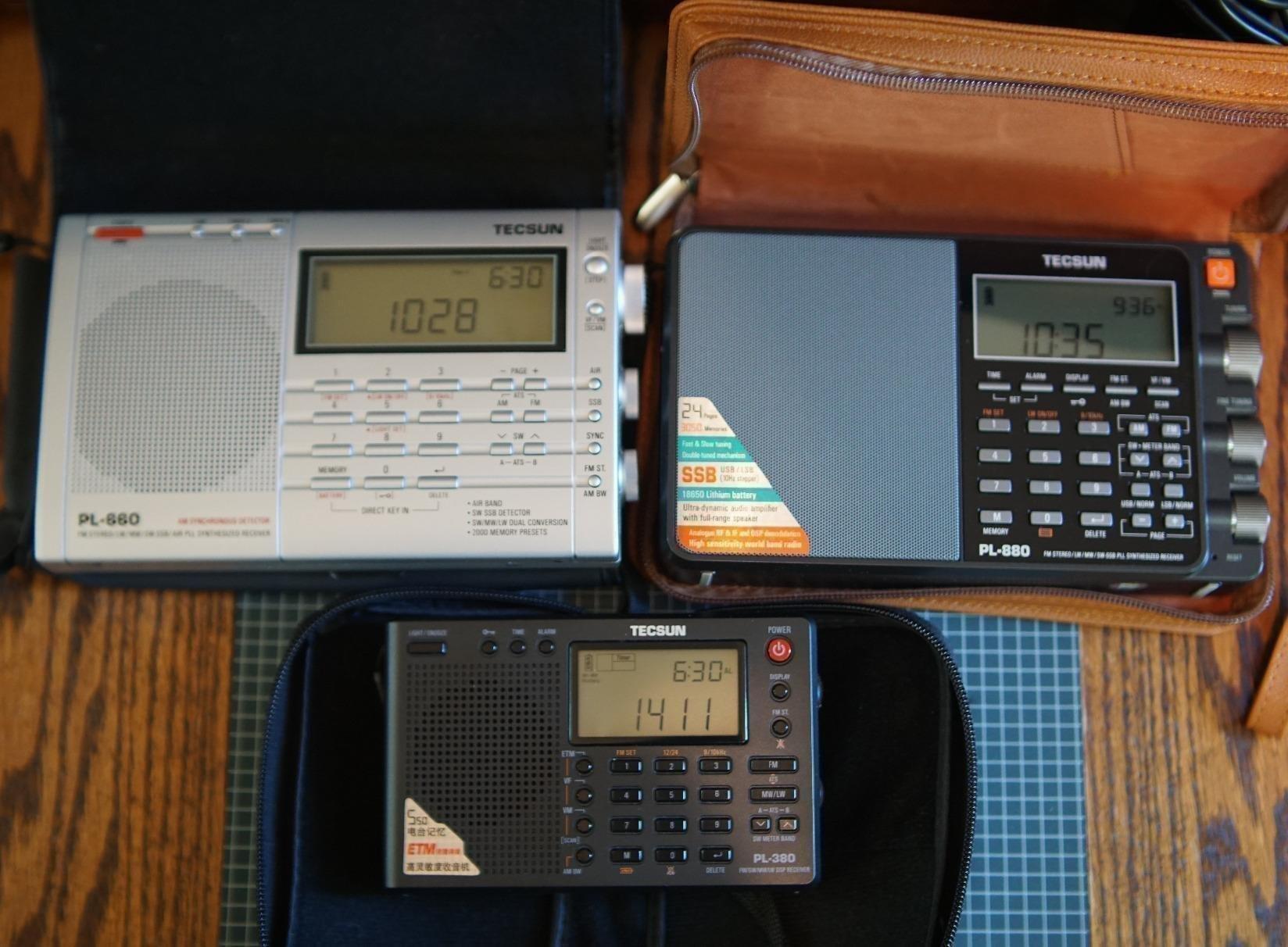
Coverage spans AM, FM, longwave and shortwave in a 520 gram body, with a 3W speaker and a one-year US warranty. The alarm clock and sleep timer are practical for a shelter where you need the radio to cut out after you sleep.
Be honest about the fit with emergency use: there is no NOAA weather band and no alert capability, so this is a poor solo choice for local warnings. It is an excellent second radio, paired with an alert unit, for a household that wants serious reception.
What SSB actually gets you
SSB removes the redundant carrier and one sideband from a voice transmission, cutting power needs at the transmitter and cutting interference at your receiver. For distance and for weak signals that is a large gain, and no AM-only set in this roundup can replicate it.
The 10 Hz tuning step is fine enough to sit on a sideband signal without drifting. Set and forget it, and the menu-driven controls stop being a problem.
Who should skip it
Skip it if you only need local alerts or if cost is the deciding factor, because it is the most expensive receiver here and has no emergency alert features. Beginners should start with the PL330 instead and move up once they know what SSB sounds like.
7. Tecsun PL-380 Is the Best Radio for Tuning Without a Manual
TECSUN PL-380 DSP FM Stereo. MW. SW. LW. World Band PLL Radio Receiver, LCD Display, ETM Function Added
5.31 x 1.02 x 3.39 inch and 7.04 oz
Si4734 DSP across MW FM SW LW
550 presets with ETM easy tuning mode
Adjustable 1 to 6 kHz bandwidth
Pros
- Si4734 DSP gives strong sensitivity on a tiny speaker
- ETM easy tuning plus auto-scan and 550 presets
- Adjustable 1 to 6 kHz bandwidth cuts crosstalk
- Signal strength and signal-to-noise meters plus band plan display
- Includes external clip-on antenna earbuds and a carry case
Cons
- No single sideband reception and no NOAA weather band
- Very small buttons are hard to operate without reading glasses
- Thirty-page manual is needed for most functions
- Weak longwave reception
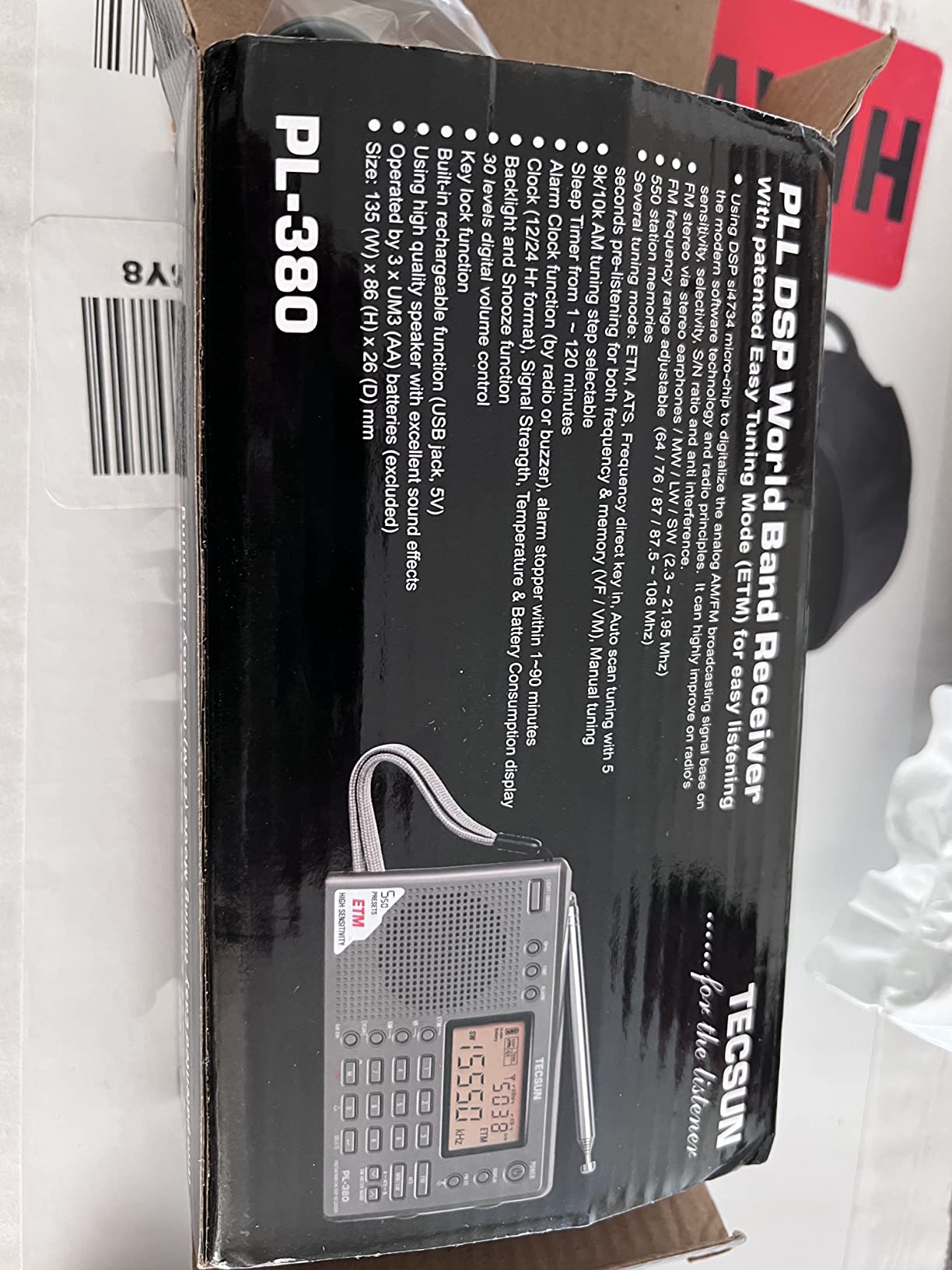
The PL-380 is the value pick among serious receivers. The Si4734 DSP chip delivers sensitivity, selectivity and audio quality that owners and amateur operators consistently praise as exceptional for the money, and it does it in a 7.04 ounce body with a stereo earbud output.
Its defining feature for emergency use is ETM, an easy tuning mode that scans a band and stops on occupied frequencies, so you end up with a working list instead of sweeping the dial. With 550 memory slots, the scan and store function builds that list in minutes.
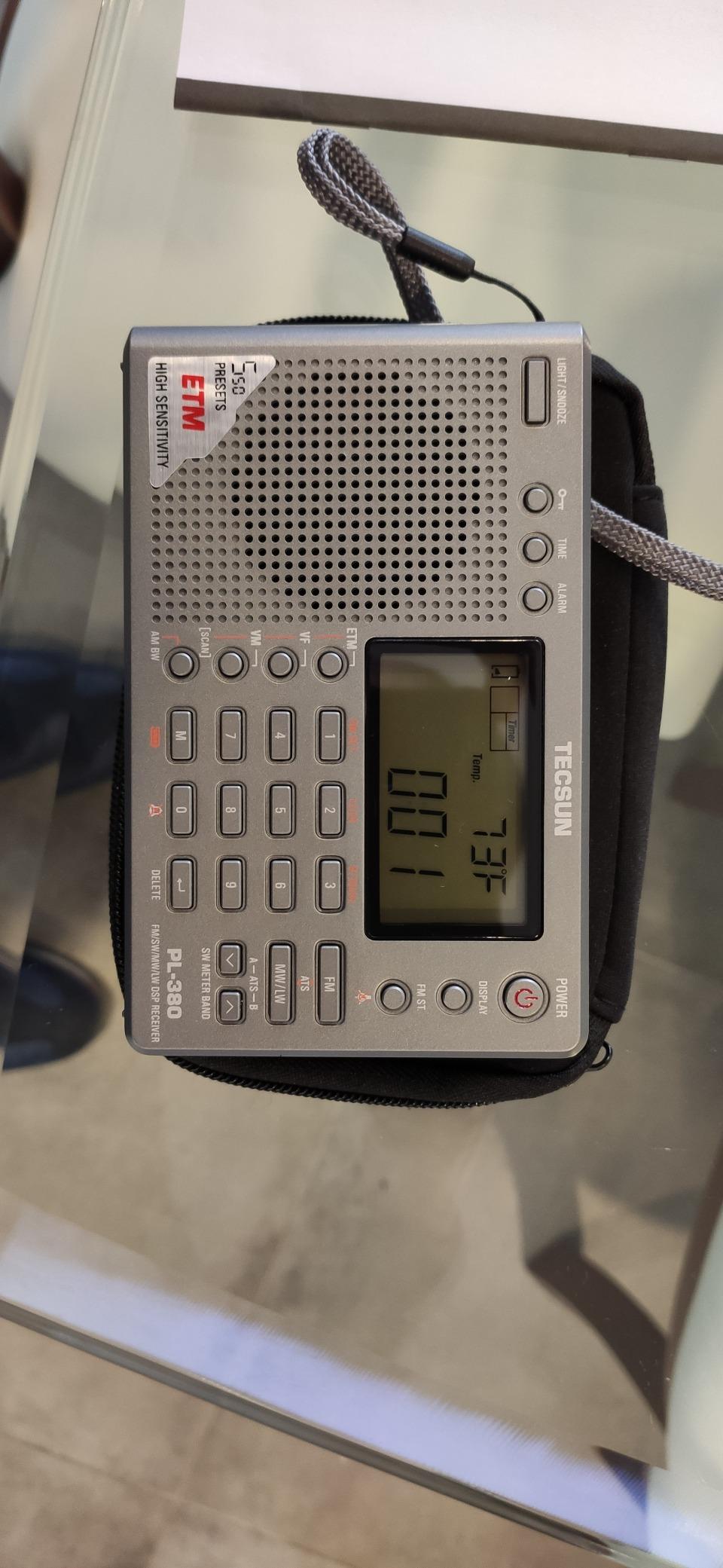
The signal strength and signal-to-noise meters and the on-screen band plan are genuinely useful in the field, because they tell you whether a quiet band is a dead band or a bad location. Adjustable 1 to 6 kHz bandwidth lets you narrow reception on a crowded channel.
Power comes from a built-in NiMH charging system with a DC 5V USB jack, and a key lock protects your settings. The included clip-on external antenna is a small addition that measurably helps on shortwave, which matters more here than on the NOAA sets.
Where it fits in a kit
This is a strong pairing with any of the NOAA units above. Let the alert radio wake you and give you the local warning, and let the PL-380 deliver the world-band detail and the station list. Two radios with different jobs is a better plan than one radio that does both poorly.
There is no NOAA band and no SSB, so it will not decode local alerts and will not follow utility sideband signals. Know that before you rely on it.
Who should skip it
Skip it if you have large hands, poor eyesight or no patience for a manual, because the buttons and labelling are very small and the printed wording is awkward English. It also has no airband coverage and noticeably weak longwave.
8. Emgykit R11 Is the Best Radio That Doubles as a Bluetooth Speaker
Portable Shortwave Radios with NOAA/SW/AM/FM, for Camping & Home
3.15 x 2 x 5.02 inch and 0.53 kg
NOAA AM FM and shortwave in one body
Bluetooth 5.0 with 5W speaker and TF slot
4000mAh battery with solar and hand crank
Pros
- NOAA alerting combined with shortwave in a single unit
- Bluetooth 5.0 playback with TF card and USB slots
- Auto scan stores up to 70 channels per band
- 4000mAh battery rated up to 32 hours of playback
- Seven white noise sounds with a 10 to 70 minute auto shut-off
Cons
- 4000mAh capacity is smaller than the 5000mAh rivals offer
- Digital scan effectiveness varies with local signal conditions
- Scan and store behaviour is separate from manual display tuning
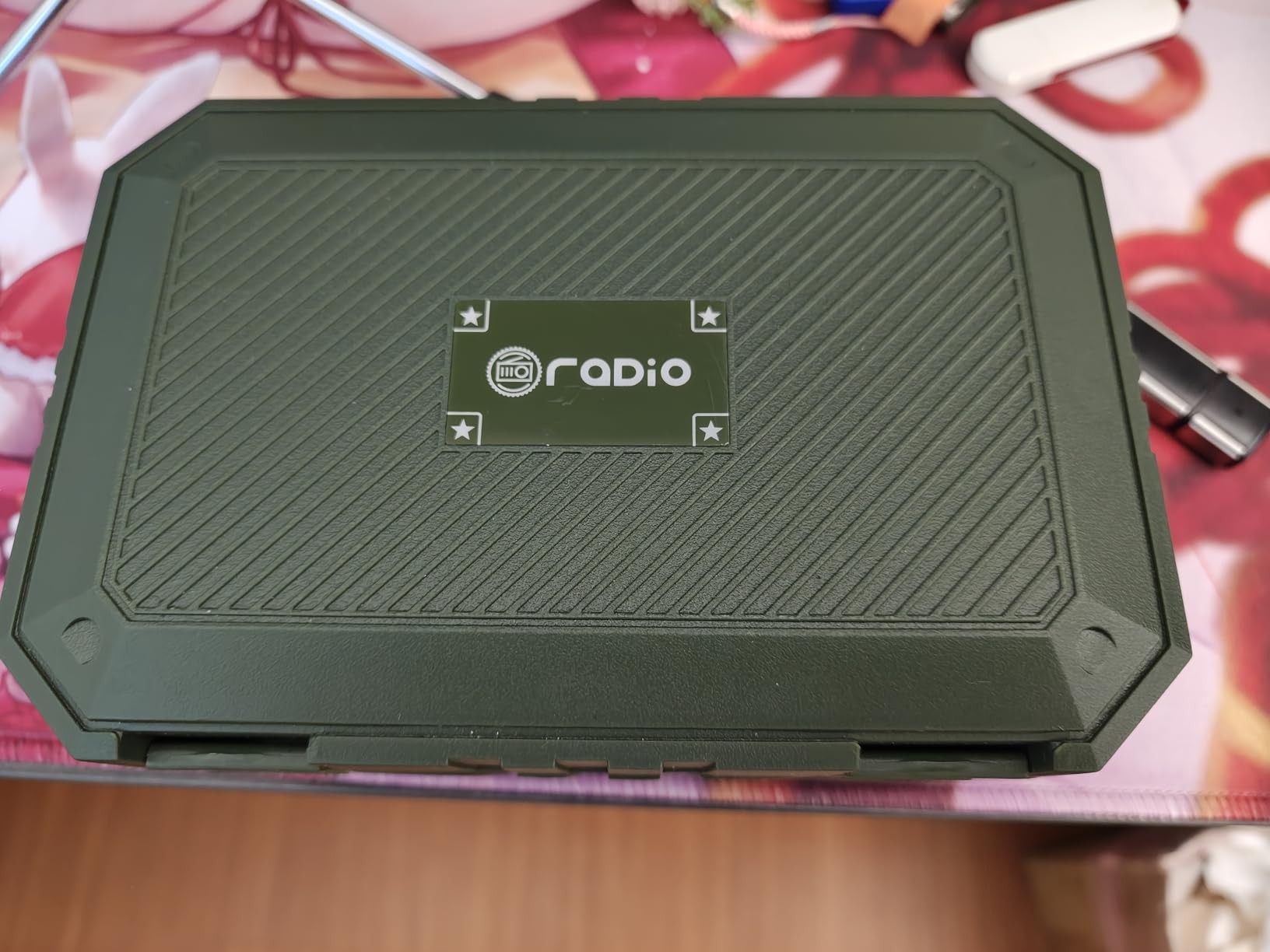
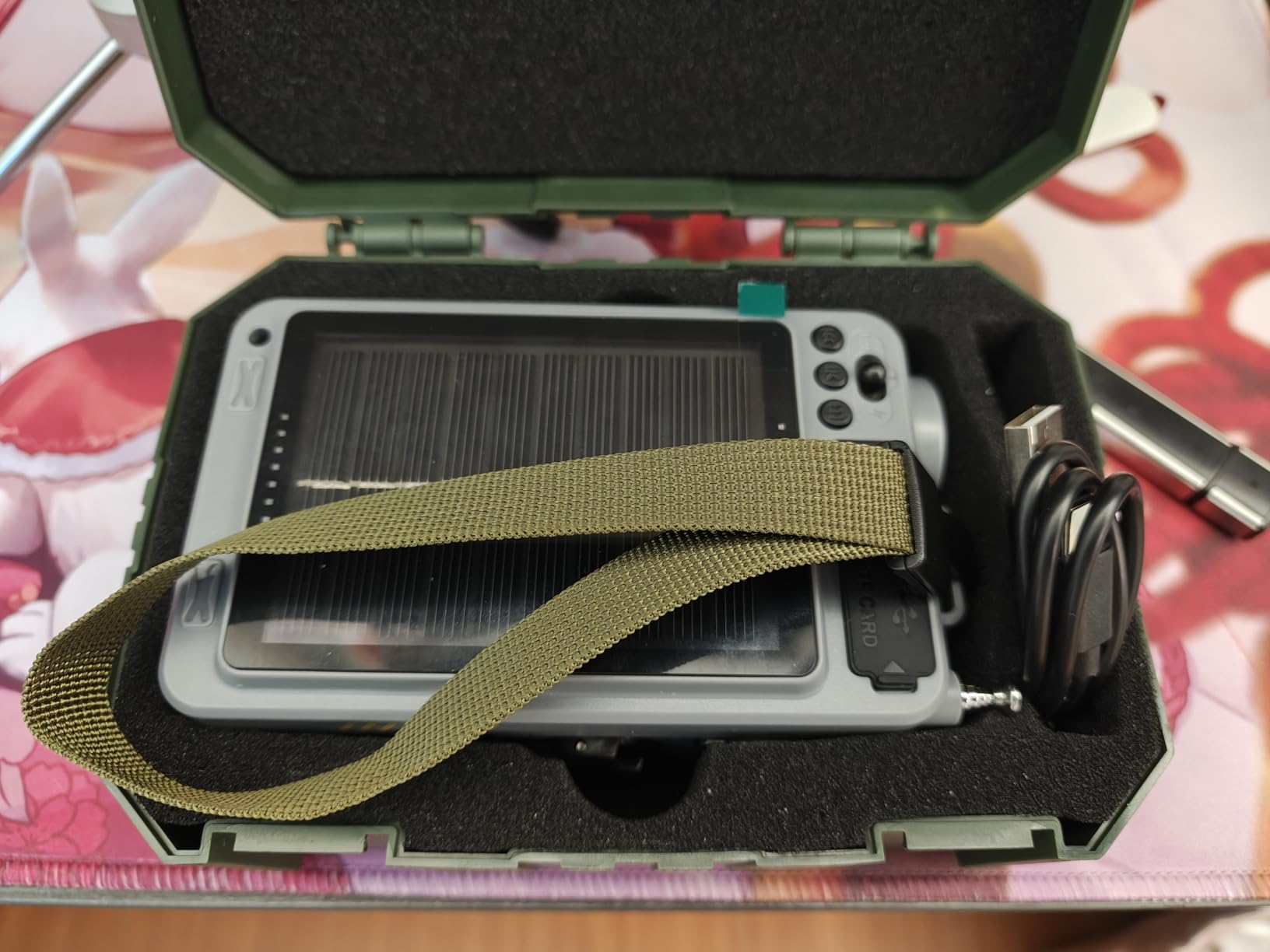
The Emgykit is the most complete single unit here for a shelter or a cabin. It carries NOAA alerting and shortwave reception in the same case, then adds Bluetooth 5.0 playback, a TF card slot, a USB drive slot and a 5W magnetic speaker. It works as a radio and as a music player from one battery.
Auto scan stores up to 70 channels per band, so the station list builds itself once there is a signal to find. Seven white noise sounds and a 10 to 70 minute auto shut-off are aimed at sleep, which in a storm shelter is a real need rather than a gimmick.
The 4000mAh battery is rated for up to 32 hours of playback, with Type-C charging plus solar and hand crank backup. A 120-lumen flashlight, compass and SOS alert round out the emergency package, and the 12-month warranty is standard.
At 0.53 kg it is heavier than a pocket set but far lighter than a desktop receiver, so it moves between a bedside table and a shelter without much thought. That portability is the main argument for it over a fixed base station.
Why the extra features matter here
A shelter with a dozen people needs a way to make noise without drawing power from a second device. The 5W speaker and Bluetooth playback turn one battery into entertainment for a group, which matters for morale over a long event.
The stored-channel feature also helps pre-loading. Build the list once at home where signals are good, and the stored channels remain available when conditions deteriorate.
Who should skip it
Skip it if reception precision is the priority, because the 4000mAh battery and the signal-dependent scan are both modest, and the digital search results vary with local conditions. It is a feature-rich generalist, not a DXer’s tool.
9. Tecsun PL330 Is the Best Pocket Radio with Single Sideband
Tecsun Digital PL330 AM/FM/LW/SW Worldband Radio with Single Side Band Receiver
5.5 x 3.5 x 1 inch and 7.4 oz
DSP with synchronized detection
SSB plus AM FM LW and SW
850 presets and external antenna input
Pros
- DSP demodulation with synchronized detection for real sensitivity
- Single sideband reception in a 7.4 oz body
- 850 memory presets with external antenna input
- Solid build that still fits a pocket
- Water resistant with a one-year warranty
Cons
- No weather band and no airband reception
- No kickstand so it tips over easily
- Small 0.2W speaker rather than loud
- Small buttons need the manual to learn
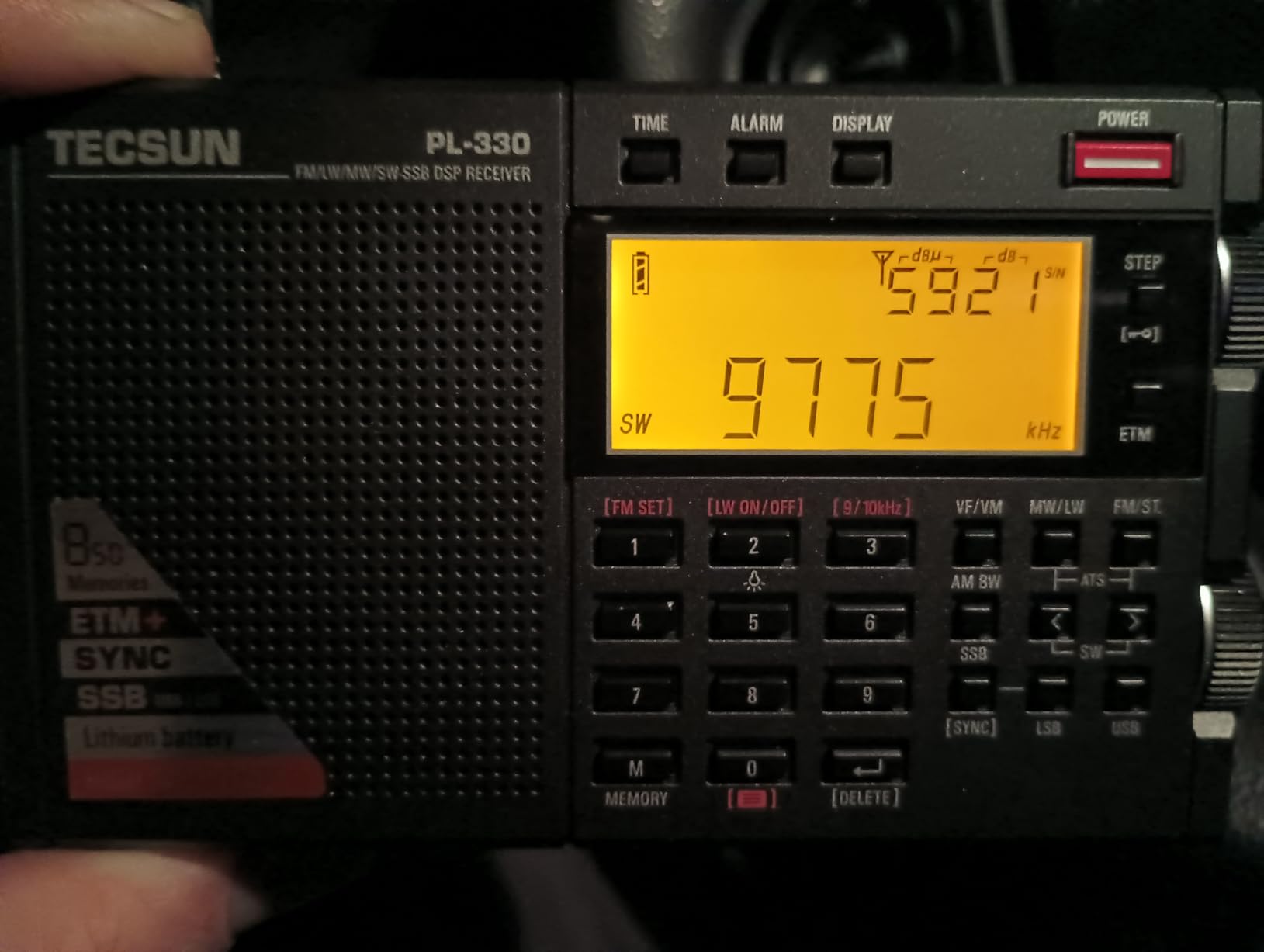
The PL330 is the most capable receiver you can put in a jacket pocket, and it is the model most often recommended as a first serious shortwave set. DSP demodulation with synchronized detection gives it sensitivity and selectivity that owners compare favourably against budget XHDATA and Retekess units costing less.
Single sideband is the feature that lifts it above every other portable here. Combined with 850 memory presets and an external antenna input, it means a pocket radio can run a serious station list through a decent wire antenna.
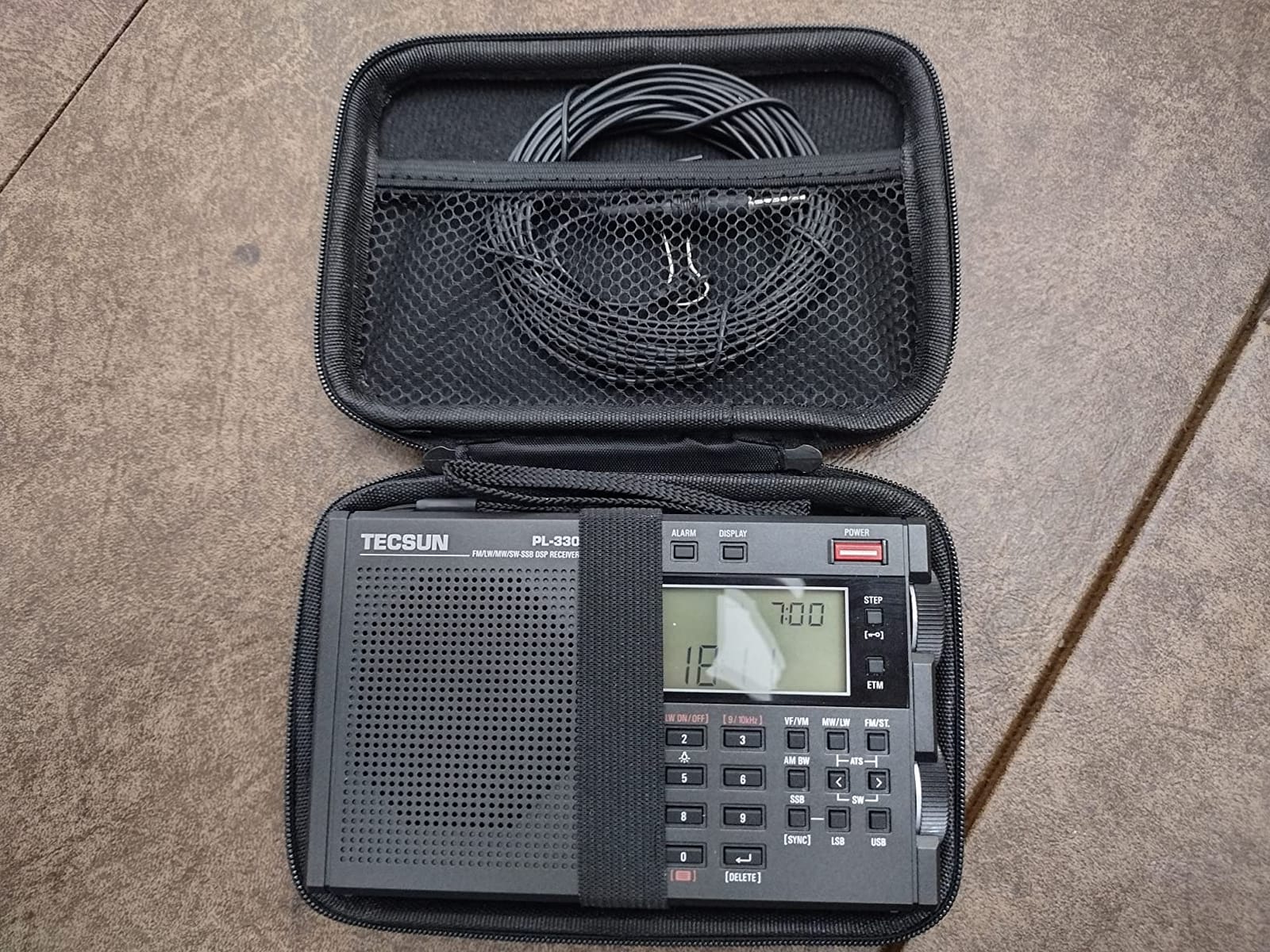
One behaviour puts off first-time listeners, and you should know about it before you buy. The soft-mute circuit drops background noise aggressively, so on a weak signal the audio can seem to vanish entirely before the station resolves. It is not a fault, and it resolves as the signal strengthens, but it makes a poor radio look broken at first contact.
The 0.2W speaker is adequate rather than loud, so this is a headphone and earbud radio. Stereo earphones are included, and the water-resistance rating makes it a reasonable travel companion.
Best used with a wire antenna
The external antenna input is where the PL330 earns its place in a go-bag. A short piece of wire run up a tree, a fence line or a window frame transforms reception, and it costs almost nothing. Without it the whip still works, just less well.
Pair it with a NOAA unit and you have a two-radio kit: one that alerts, one that listens. That combination covers the failure mode most people worry about, which is being asleep when the warning is issued.
Who should skip it
Skip it if you need local alerts, because there is no weather band, and skip it if you are not prepared to learn the control layout. The small buttons and lack of a kickstand are real friction at 3am.
10. Jazmm 4-Band Is the Best Radio for Travel and Small Bags
Bluetooth AM FM Shortwave Radio with NOAA Weather Alert,1250mAh Rechargeable Portable Pocket Radio with Best Reception,5W Big Speaker, Digital Tuner and Earphone,Support SD Card and USB MP3 Player
352 g pocket format
Four bands including NOAA weather alerts
1250mAh battery with 10 to 12 hours playback
5W speaker with Bluetooth 5.4 and TF slot
Pros
- Covers FM AM shortwave and the NOAA weather band
- 1250mAh battery with 10 to 12 hours of playback
- 5W speaker with six EQ settings and a headphone jack
- Bluetooth 5.4 playback plus TF card and USB MP3 function
- Back clip wrist strap and integrated flashlight
Cons
- 1250mAh is the smallest battery capacity in this category
- No solar or hand crank so it is not self-sufficient
- Backlit display is less legible in the dark than larger models
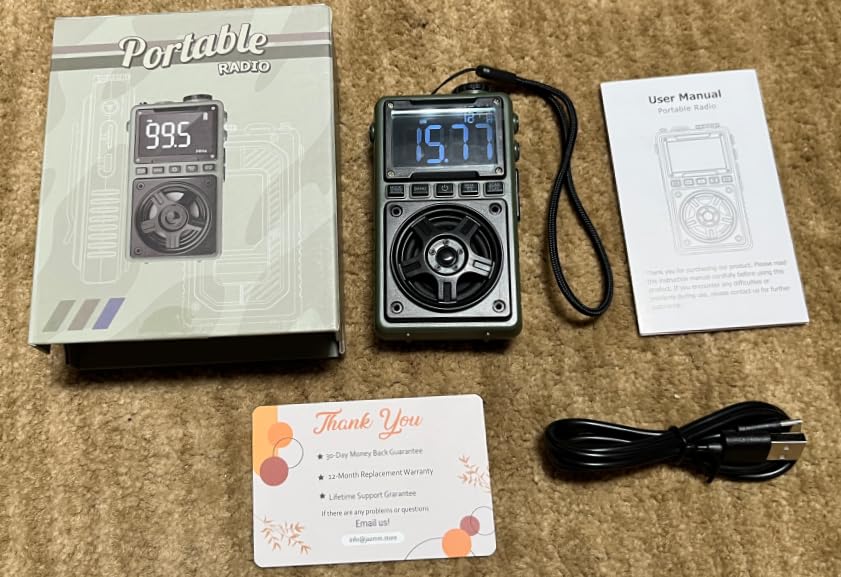
The Jazmm is built for a daypack rather than a shelter. A DSP chip covers four bands, including the NOAA weather band from 162.400 to 162.550 MHz, so you get real emergency alerting in a unit with a back clip. Two LR44 cells are included as a backup path alongside the rechargeable pack.
It is really an everyday portable that happens to do emergency duty well. The 5W speaker with six EQ settings, Bluetooth 5.4 playback, TF card slot and USB MP3 function make it a music player first, which is why it works well on a flight or a long drive.
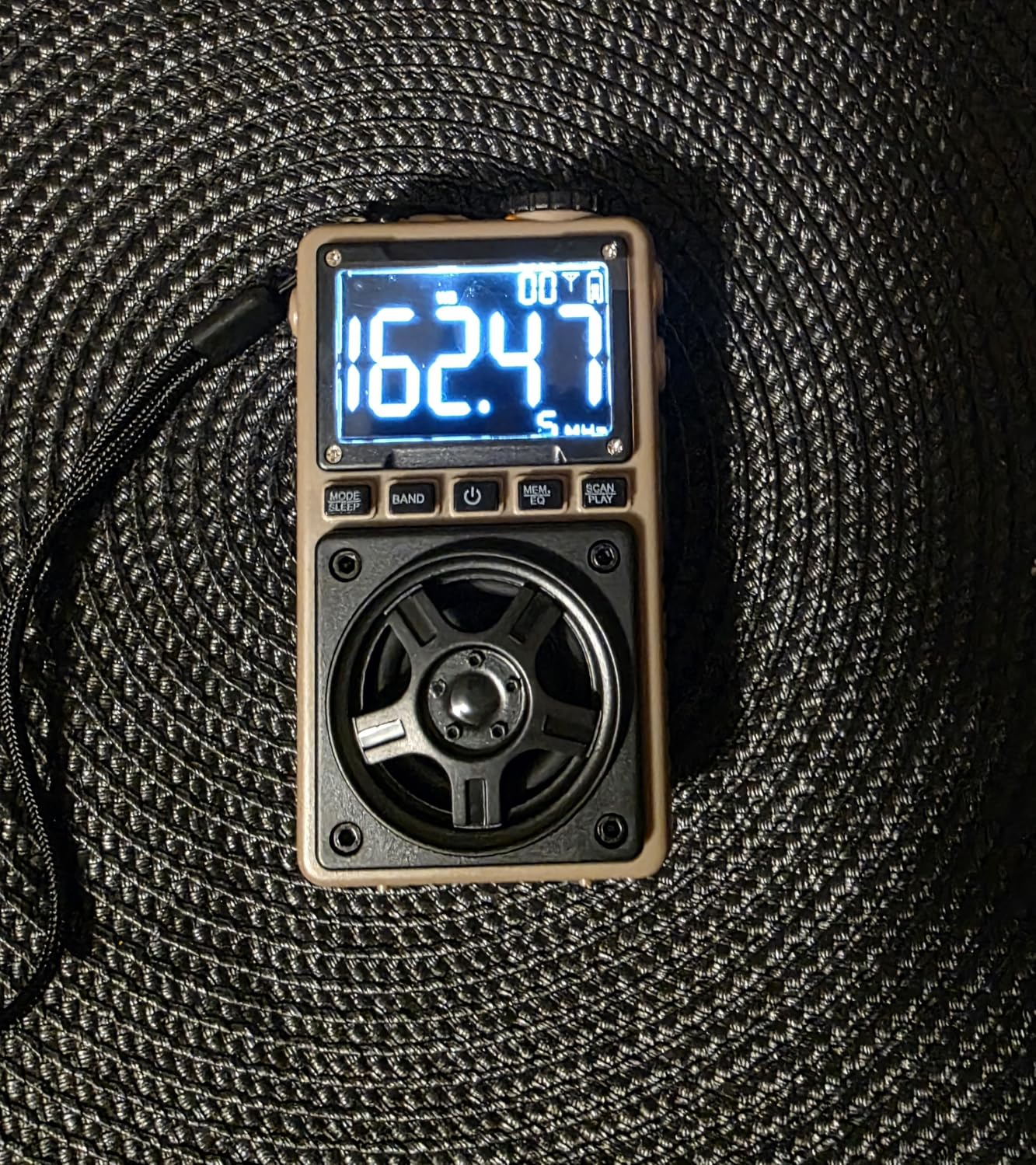
The 1250mAh rechargeable battery gives 10 to 12 hours of playback over Type-C, which is fine for a day trip and thin for a multi-day event. The integrated flashlight and wrist strap are useful additions, though the backlit display is less legible at night than the larger emergency sets.
There is no solar panel and no hand crank, so it is not self-sufficient. If your only radio is this one and the situation lasts, you are managing a small battery rather than a renewable one.
Where it beats the bigger sets
It covers more bands than some larger units in a smaller case, and the LR44 backup cells add a second power path that most pocket radios lack entirely. That combination of size and band count makes it the easiest radio here to keep on a person.
Its NOAA coverage is the differentiator. Most travel radios omit the weather band entirely, and this one does not.
Who should skip it
Skip it as a primary emergency radio because the battery is the smallest in this roundup and there is no way to top it up without mains power. Bring it as a travel and backup unit alongside something with a large cell.
11. Sangean DT-800YL Is the Best Choice When You Only Need Local Alerts
Sangean DT-800YL NOAA Weather Alert Pocket Radio, AM/FM, Yellow
4.5 x 1.04 x 2.6 inch and 4.48 ounces
Two AA cells with a built-in charger
45 presets with auto scan and bandwidth control
Automatic alert on hazardous conditions
Pros
- Excellent build quality and feel for a pocket radio
- Built-in charger works with rechargeable AA NiMH cells
- 45 presets with auto scan and adjustable bandwidth
- Control lock switch and speaker mode switch prevent accidents
- Bright 5W speaker with dynamic bass boost
Cons
- No shortwave band at all so no world-band reception
- Weather band volume is lower than the AM and FM bands
- Button durability and worn lettering reported over time
- Complex menu system for simple functions
Not every reader needs shortwave. If your actual requirement is a reliable local warning for a flood, a tornado or a wildfire, the Sangean DT-800YL is the honest answer, and this is the one pick in the list with no shortwave band at all. Including it keeps the advice complete rather than steering everyone toward a feature they do not need.
It uses two AA cells and includes a built-in charging system for rechargeable NiMH, so it accepts both alkaline and rechargeable cells. It is the smallest and lightest set here at 4.48 ounces, and it runs for a very long time on a pair of AA batteries.
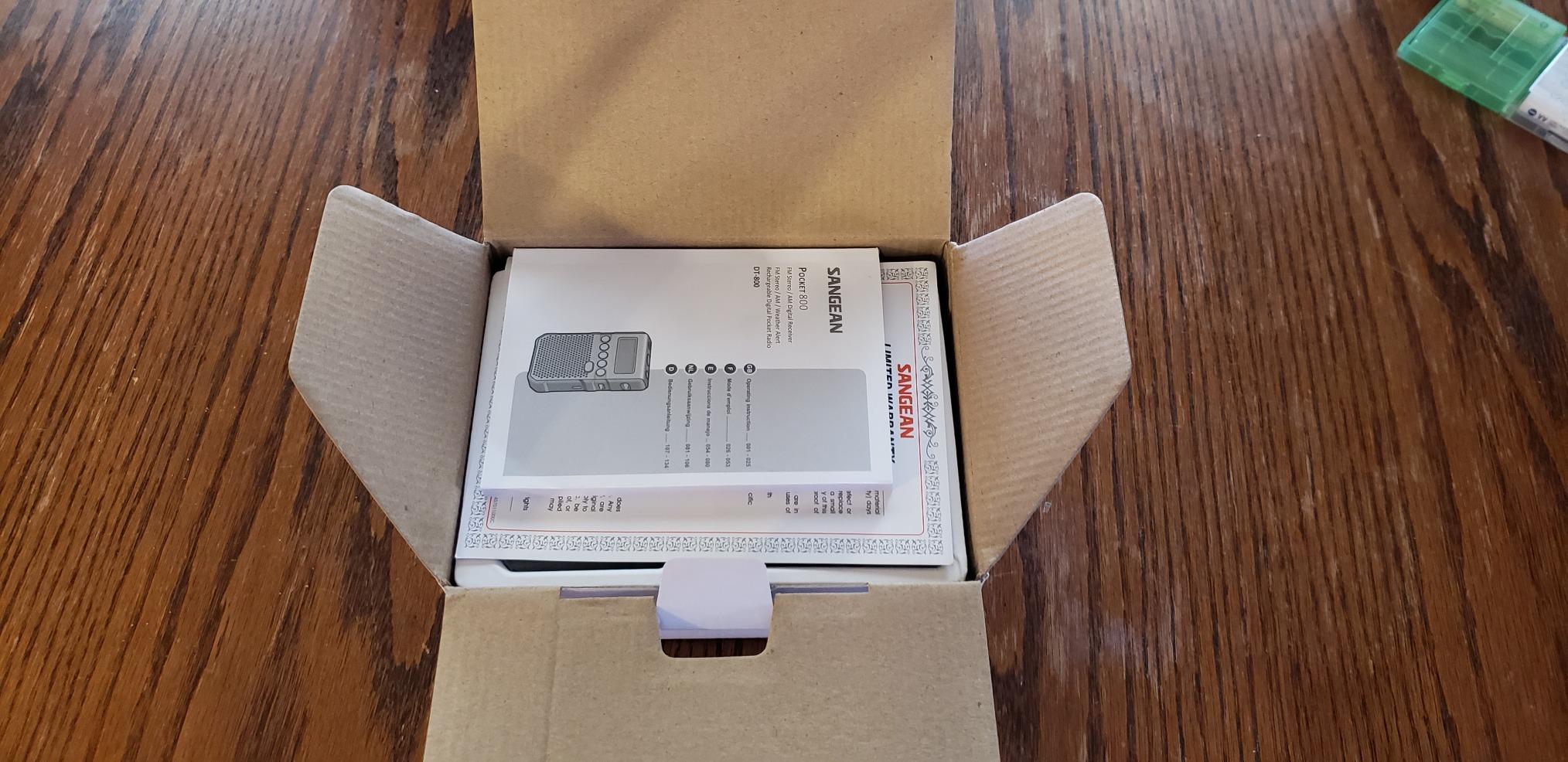
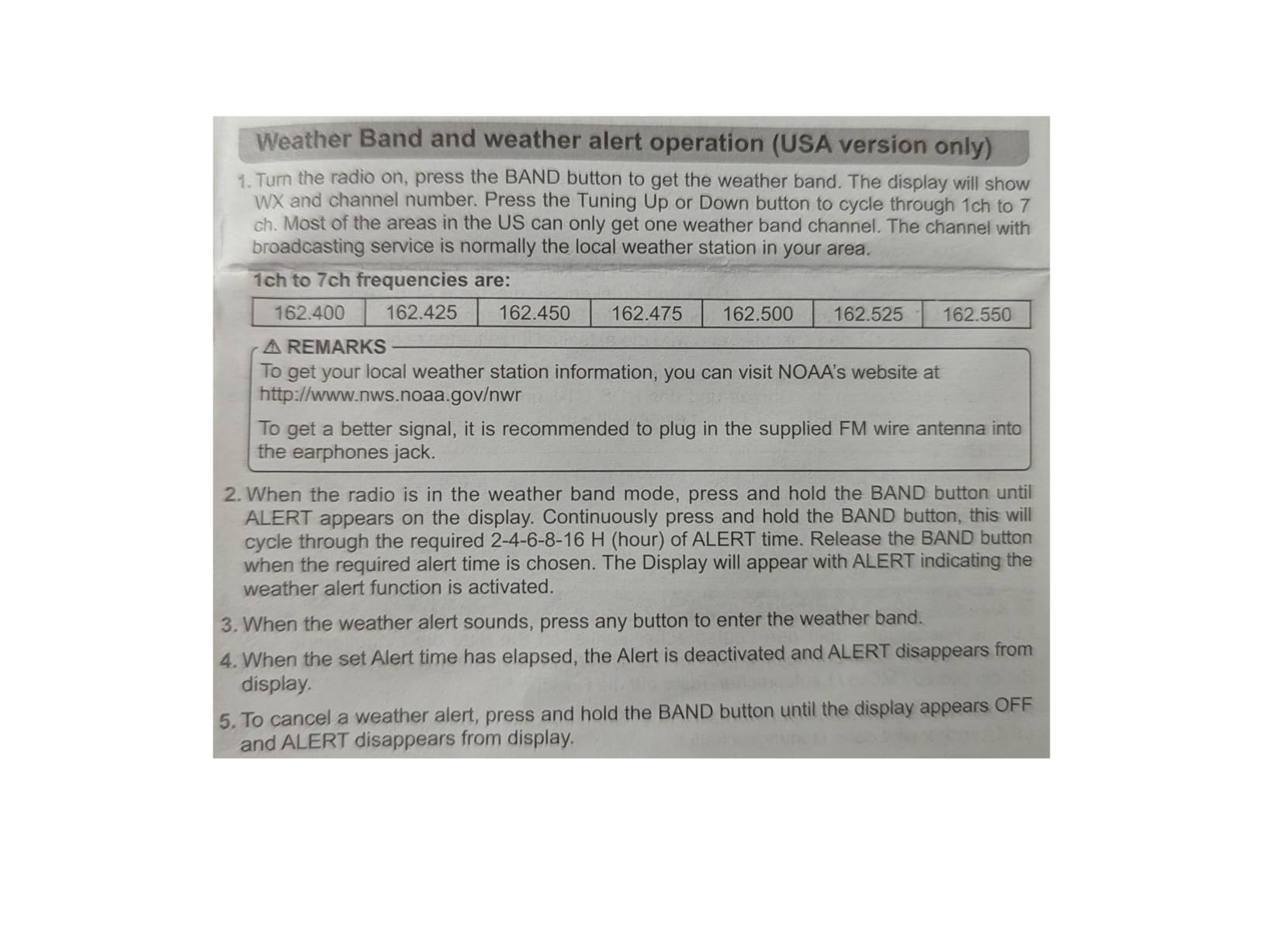
The NOAA side is thorough: all seven weather channels, an automatic alert for hazardous conditions, adjustable bandwidth on AM and FM, and 45 memory presets split across 20 FM, 20 AM and 5 weather slots with auto-scan. The control lock switch prevents accidental changes in a bag, and the speaker mode switch stops it broadcasting to a shelter full of people who did not ask for it.
Reported weaknesses are honest ones. Weather band volume sits lower than the AM and FM bands, the speaker distorts above roughly 18 of 24 volume steps, and front panel buttons and their lettering wear over years rather than months. The 90-day warranty is the shortest in this roundup.
Why local alerts beat world-band listening
Shortwave reaches far but tells you about everywhere else. NOAA tells you about the storm that is about to hit your street, and it does so automatically while you sleep. For most US households the second one is the radio that actually changes outcomes.
Keep this unit as the bedside alert radio and add a shortwave set for situational awareness. That pairing is more useful than either device alone.
Who should skip it
Skip it if you want to hear international news, aviation or utility traffic, because there is no shortwave band. Also skip it if you need the loudest possible siren, since the weather band is quieter than the music bands.
12. Tecsun PL368 Is the Best Radio for Entering Exact Frequencies Fast
Tecsun Digital PL368 AM/FM/LW/SW Worldband Radio with Single Side Band Receiver (Black)
6.38 x 2.09 x 1.02 inch and 130 g
Direct entry frequency keypad
SSB with selectable bandwidth filters
850 presets with ETM+ and a ferrite bar antenna
Pros
- Direct entry keypad removes all scrolling and hunting
- Excellent sensitivity and selectivity across every band
- Clearer and cleaner audio than earlier models in the line
- Selectable SSB bandwidth filters from 0.5 to 4 kHz
- Rotatable LW and MW ferrite bar antenna and external antenna jack
Cons
- BL-5C lithium pack only with no replaceable cell option
- Antenna can rattle against the plastic top while tuning
- Sensitive to hand contact on shortwave
- Charger not included in the box
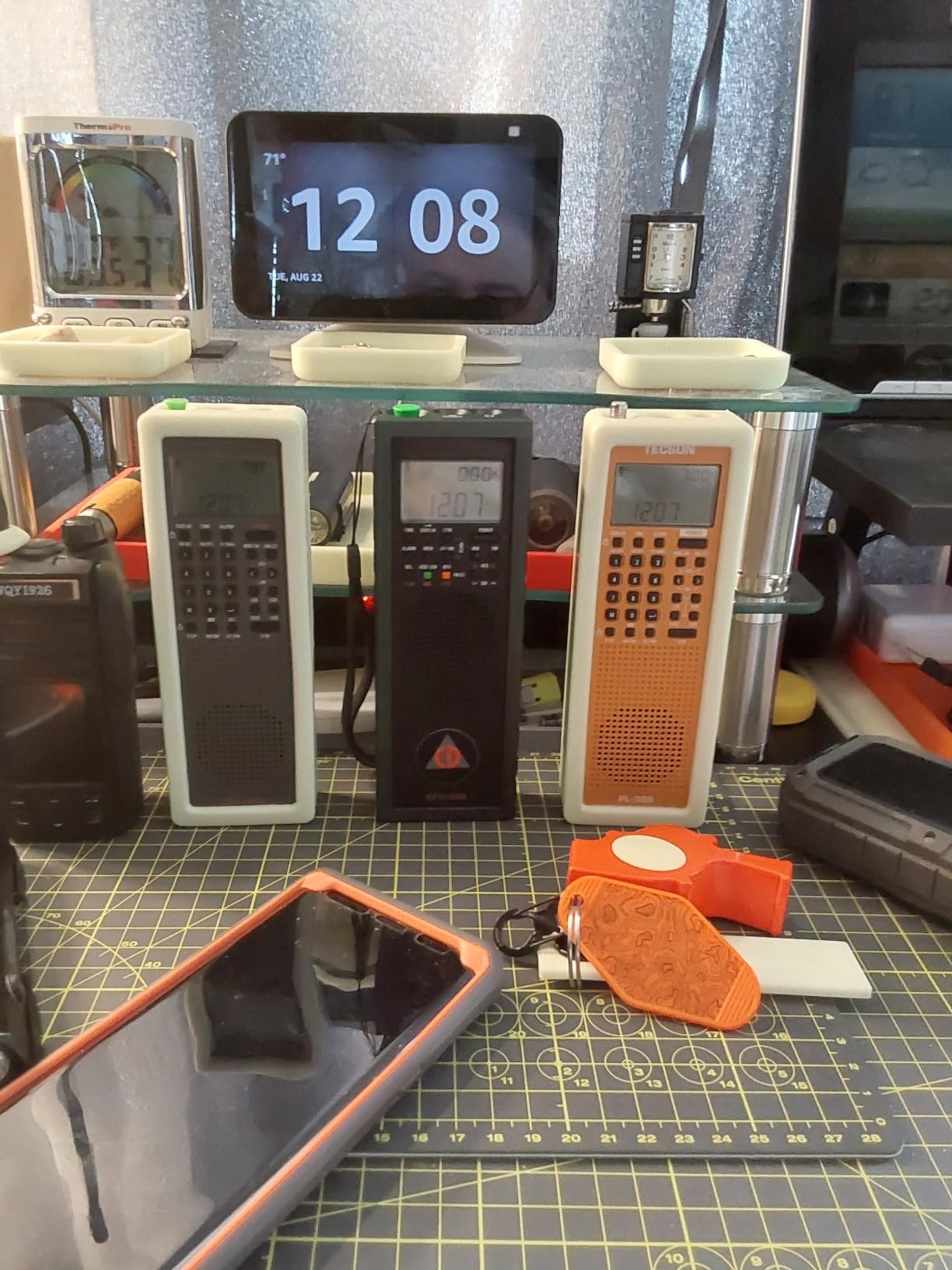
The PL368 solves a problem every other set here has: getting to a known frequency fast. A direct entry keypad means you type 7.345 rather than scrolling, which in an emergency is the difference between a working radio and a radio you are still tuning when the broadcast starts.
Reception quality is the best of the portable group. Owners describe the audio as clearer, cleaner and warmer than earlier models in the same line, and the sensitivity and selectivity hold up across AM, FM, longwave, shortwave and single sideband.
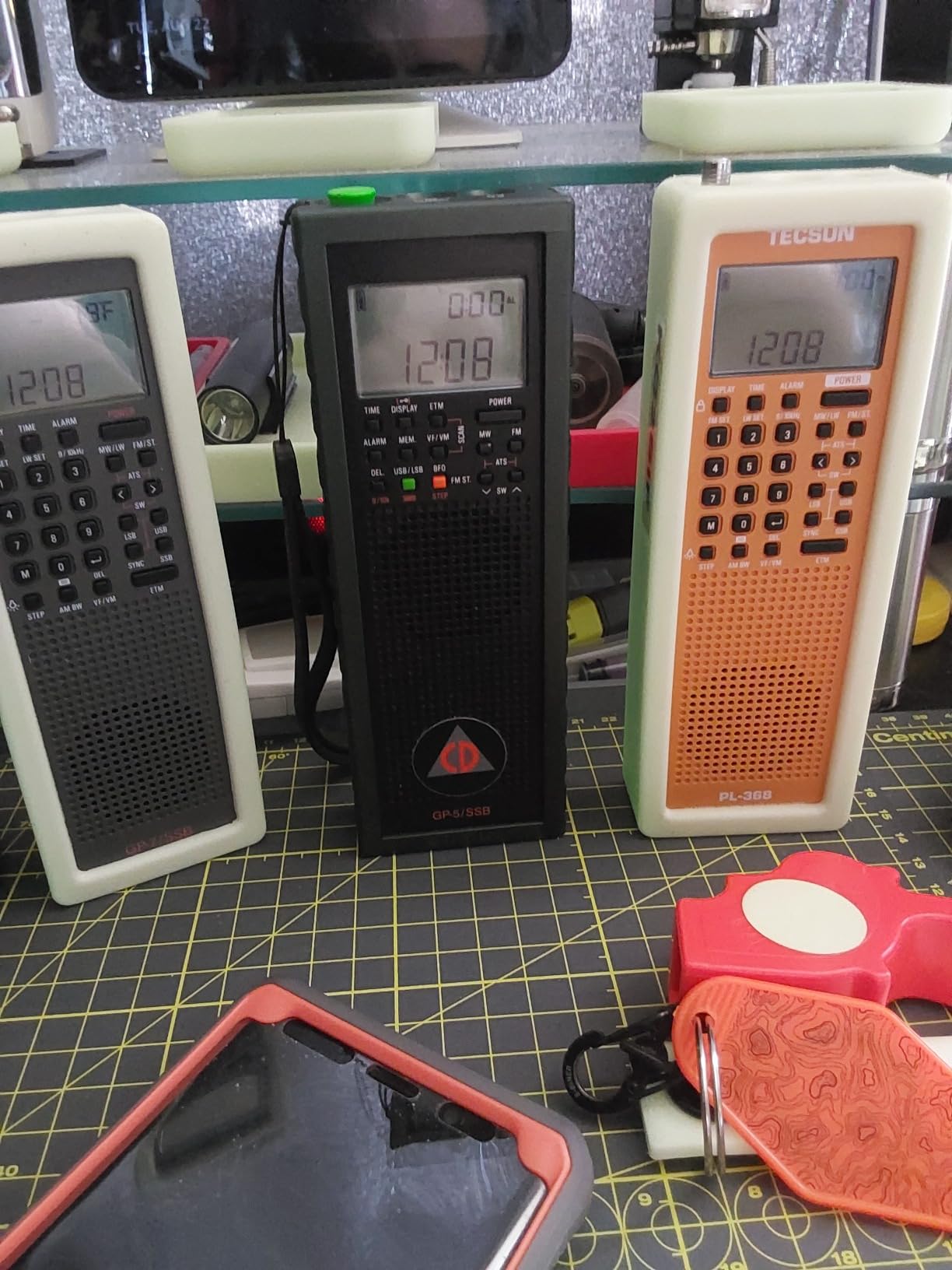
The 850 memories and ETM+ time scheduling let you store frequencies to particular time windows, so a scheduled broadcast can load on its own. Bandwidths are selectable per mode, from 0.5 to 4 kHz on SSB, and a telescopic whip plus an external antenna jack give you options.
There are real compromises. The power is a 1000mAh BL-5C lithium cell with no replaceable AA option, which is precisely the failure mode this article is about. The antenna rattles against the plastic top, and shortwave reception is sensitive to hand contact, so keep your hand off the set while tuning.
Why the keypad matters in an emergency
Every long station list is only useful if you can reach a specific entry quickly. With a keypad you can write six frequencies on an index card in your wallet, tape it inside the battery door, and be on air in seconds with no scrolling and no band plan memory required.
That single feature plus the ferrite bar antenna for medium wave makes this the easiest radio here to hand to a family member who has never used one.
Who should skip it
Skip it if you need AA or AAA cells, because the lithium pack is sealed and ages with time. Skip it if you want airband aviation coverage, which it does not have, and note that a charger is not included.
How to Choose a Shortwave Radio for Emergency Use
Brand matters far less than four things: how the radio is powered, whether it can alert you, whether you can find a known station quickly, and whether you will have practised with it. Work through these in order and the model choice makes itself.
1. Solve the battery problem first
This is the single loudest complaint in every preparedness forum we looked at, and it is worth resolving before you compare anything else. A sealed lithium pack loses capacity with age, does not tolerate cold well, and leaves you dependent on a charger that may itself be damaged. User-replaceable AA, AAA or D cells keep working for years and are batteries your household already buys for everything else.
Look for a radio that runs on cells as a backup, not only as a convenience. The Raynic, the Kaito KA500, the Mesqool and the PPLEE all accept three AAA cells, and the Greadio runs on four D cells for months. The Sangean DT-800YL uses two AA cells outright. The Tecsun PL330, the PL368, the PL880 and the Emgykit are lithium-only, which is a real limitation in a long event.
Store spare cells in a sealed pouch with the radio, because alkaline leakage will destroy a housing and it is the most common way a well-prepared radio is lost.
2. Check whether you actually need NOAA alerts
Shortwave reaches thousands of miles and tells you about everywhere else. NOAA and SAME alerting tells you about the weather over your own house, and it does so automatically while you sleep. For most US households that local warning matters more than anything on the shortwave band.
SAME, Specific Area Message Encoding, is the protocol that lets a radio ignore a warning for a county two states away and alert only for your area. Every radio in this roundup that carries the NOAA band can decode it, and the Kaito KA500 adds PEAS alerts for the US and Canada.
If you live in a hurricane, wildfire, flood or tornado zone, put an alert radio at the bedside. If you want international situational awareness as well, add a shortwave set somewhere else in the house. The weather radio guide goes deeper on the alert side alone.
3. Know that a receiver cannot transmit
Every product on this page is a receiver. None of them can talk back. If you want two-way communication with a group, a local repeater or another family, you need an amateur radio transceiver, and that is a different purchase with a licensing requirement and a learning curve.
Preparedness communities commonly program entry-level handhelds with CHIRP software and store them alongside a shortwave receiver, because repeaters often run on backup power when the grid is down. Treat that as a second project rather than a substitute, and buy the transceiver alongside one of the alert units here rather than instead of it.
The boundary is simple: shortwave broadcast listening tells you what is happening. A handheld transceiver lets you tell someone else. Most households in a disruption need the first one urgently and the second one eventually.
4. Be realistic about hand crank and solar
This is where marketing and reality diverge most. Forum users consistently report that cranking a radio for the advertised number of minutes produces very little charge, and that the solar panel on these units is sized to maintain a full battery rather than restore an empty one. The Raynic, the Mesqool and the PPLEE all have this limitation in their reviews.
Treat solar and crank as a trickle that prevents total failure over days, not as a way to run a radio for an afternoon. Your real power plan is cells you can replace, and a separate crank power bank of 10,000mAh or more for charging phones. That is the common community recommendation and it holds up.
5. Harden for surges and what people call an EMP
No consumer radio is EMP-proof, and anyone claiming otherwise is selling something. A high-altitude nuclear electromagnetic pulse would damage sensitive electronics, and a radio sitting unplugged in a drawer is not protected by anything except distance from the source.
What you can do is ordinary and worthwhile. Store the radio with removable cells taken out, because a corroded cell inside a sealed pack is a failure you never see coming. Keep the set in a metal container if you like, since a faraday-style enclosure does no harm and helps with storage humidity. Add a surge protector for anything you plug in, and keep a hand-crank or battery radio that never touches mains power as your last-resort receiver.
A faraday cage will not save a radio from a nearby strike, and a cheap unshielded model offers little practical difference from an expensive one in that scenario. Spend your money on reception and alerts instead, and treat hardening as storage discipline.
6. Pre-load your station list before you need it
This is the highest-value ten minutes you can spend on a new radio, and almost nobody does it. Saving and recalling stations is fiddly on several budget models, which is exactly the wrong time to discover it. Build the list in advance, store it in memory, and write the key frequencies on an index card inside the battery door.
Start by scanning the bands at home with good reception. The PL-380 with its ETM mode and the PL368 with its keypad are the fastest tools for this, but any set with a scan function will do. Store what you find, label the presets in order of usefulness, and leave the first four slots for national news services, a regional station, a time signal and an aviation band if you have one.
Then test it. Put the radio in a bag, leave the house, come back in the dark, and find four stations without searching. Anything that takes more than thirty seconds to tune at that point needs a better radio, not more practice.
7. Price tiers and who each one suits
Three tiers cover nearly everyone. The budget tier is the multi-power alert units: they give you NOAA scanning, several power sources, a flashlight and a phone-charging output, and they are honest about being weak at shortwave.
The mid tier is where reception starts to matter. A DSP set with hundreds of memory slots, a keypad or SSB, and an external antenna input, gives you a station list worth storing. This is the tier most readers should buy, and the PL-380, the PL330 and the PL368 all sit here.
The premium tier adds SSB, dual conversion, selectable bandwidth filters and longwave. Buy it as a second receiver for a household that already has alerts covered, not as a first purchase. For one room and one go-bag, the mid tier is the better value by a wide margin.
One more caution about the bottom of the market. Unbranded ultra-cheap DSP novelty sets are widely regarded as disposable gear, with no discoverable company, no US warranty path and frequent rebranding. Save your money and buy from a brand that will still exist when the warranty claim comes due.
8. Pack the surroundings, not just the radio
A radio is a small part of a working kit. Alongside it, pack spare cells in a sealed pouch, a set of stereo earphones since most of these are quiet on a small speaker, a short wire for an external antenna, an index card with your station list, a small crank power bank for phone charging, and a whistle.
For the non-radio half of a kit, our escape tool guide and emergency blanket guide cover the shelter and warmth side. And if the disruption lasts long enough that batteries are the least of your problems, the emergency power inverter guide covers keeping larger electronics running.
Write the frequencies on paper as well as in memory. A radio with an empty memory and no reference list is a very expensive paperweight.
Frequently Asked Questions
What kind of radio is best for emergencies?
A multi-power radio that runs on user-replaceable AA or AAA cells, scans the NOAA weather band, and includes a flashlight is the most useful single device. The Raynic CR1009Pro is our pick because it accepts three AAA cells as a backup, scans the weather band automatically, and carries a siren and red flasher. Add a serious shortwave receiver such as the Tecsun PL330 if you want world-band listening.
What is a good portable radio for an emergency?
For a go-bag, choose something under a pound with multiple power sources and NOAA alerting. Good options are the Raynic CR1009Pro at 16 ounces, the Mesqool CR1009-Y at 12.8 ounces, and the Sangean DT-800YL at 4.48 ounces for alerts only. Weight matters less than whether you can resupply the batteries, so confirm cell compatibility before buying.
What is the best radio to use during nuclear war?
No consumer radio is EMP-proof, and a high-altitude nuclear pulse would damage sensitive electronics. The practical approach is distance and discipline: store the radio unplugged with removable cells taken out, keep it in a metal container, and maintain a second radio that never touches mains power. The Kaito KA500 is a good survivor because it runs on crank, solar and three AA cells.
What radio would survive an EMP?
None reliably, at consumer level. A faraday-style metal container is cheap and harmless, but it will not protect against a nearby pulse. What actually helps is keeping removable batteries out of the set, avoiding mains-powered models as your only option, and owning a hand-crank or battery radio as a backup. Spend your budget on reception quality and NOAA alerts rather than on claimed EMP shielding.
What is the best radio for emergency preparedness?
The best radio for emergency preparedness is one you can keep powered for days without a charger. Prioritize user-replaceable AA, AAA or D cells, NOAA and SAME weather alerting in the US, plenty of memory slots so you can pre-load stations, and secondary power sources as backup only. The Raynic CR1009Pro and Kaito KA500 both meet those conditions and are the two we would own.
What is the best radio to have in an apocalypse?
Two radios beat one. Keep a NOAA alert unit at the bedside so a warning wakes you, and a shortwave receiver with SSB and a keypad elsewhere for world-band information. The Sangean DT-800YL covers alerting on two AA cells, while the Tecsun PL368 lets you type an exact frequency instead of scrolling. Add spare cells, earphones and a paper list of key frequencies.
Which shortwave radio has the best quality?
Among portables here, the Tecsun PL368 offers the best reception quality with strong sensitivity across AM, FM, longwave, shortwave and single sideband, plus a direct entry keypad and 850 presets. The Tecsun PL880 is the strongest for SSB and utility listening with dual conversion and selectable bandwidth filters. Both are premium picks rather than first purchases.
What is the best emergency shortwave radio?
The Raynic CR1009Pro is the best emergency shortwave radio overall. It combines six power sources including three AAA cells, automatic NOAA alert scanning with a loud siren and red flasher, a 3W flashlight, a 2.5W reading lamp and USB phone charging, in a 16 ounce body. Its shortwave tuning is coarse, so pair it with a serious receiver if world-band listening is a priority.
What type of radio is best for emergency communication?
For receiving information, a multi-power shortwave radio with NOAA alerting is the right type. For two-way communication with a group or a local repeater, you need an amateur radio transceiver, which is a different purchase with a licence requirement. Every product on this page is a receiver only. Most households need the receiver urgently and the transceiver later.
What is the best battery-powered radio for emergency use?
The Greadio T26 is the strongest pure battery option, running for months on four D cells with strong AM, FM and shortwave reception and a 5W speaker system. It has no NOAA band, so pair it with an alert radio. For a single all-in-one unit on AAA cells, the Raynic CR1009Pro covers alerts, lighting and phone charging.
What is the 3-3-3 rule for radios?
The 3-3-3 rule is a general survival and preparedness guideline about keeping three sources of each essential, three ways to get water, and three days of supplies. It is not radio-specific. Applied to a radio, the practical translation is three power sources, three listening positions to try, and three spare sets of batteries stored with the set.
Is shortwave radio still useful in an emergency?
Yes, for international and utility information, because shortwave needs no cell tower, no grid power and no local infrastructure. Signals between roughly 1.7 and 30 MHz skip off the ionosphere and can travel thousands of miles. The station lineup is smaller than it once was, and for local weather NOAA alerting is more useful, so most households should own one of each.
The Verdict: Which Emergency Shortwave Radio to Buy in 2026
The Raynic CR1009Pro is the winner for 2026 because it is the only set in this roundup that removes every failure point at once: six power sources including three AAA cells, automatic NOAA alert scanning with a siren and red flasher, a 3W flashlight, a 2.5W reading lamp and USB phone charging, all in a 16 ounce body. It is a receiver, not a transmitter, and its shortwave tuning is coarse by design, so treat it as your alerting and power unit rather than your listening set.
Pair it with the Tecsun PL368 if you want a keypad for exact frequencies and 850 stored presets, or the Tecsun PL330 if you want single sideband in your pocket. For pure endurance with no charging at all, the Greadio T26 on four D cells runs for months, and the Sangean DT-800YL is the honest choice for local alerts only.
Whatever you buy, do the part most people skip: pre-load your stations at home, write the key frequencies on an index card inside the battery door, and pack spare cells in a sealed pouch. A radio you can power and already know how to tune is worth more in a real disruption than a better radio you have never switched on.