
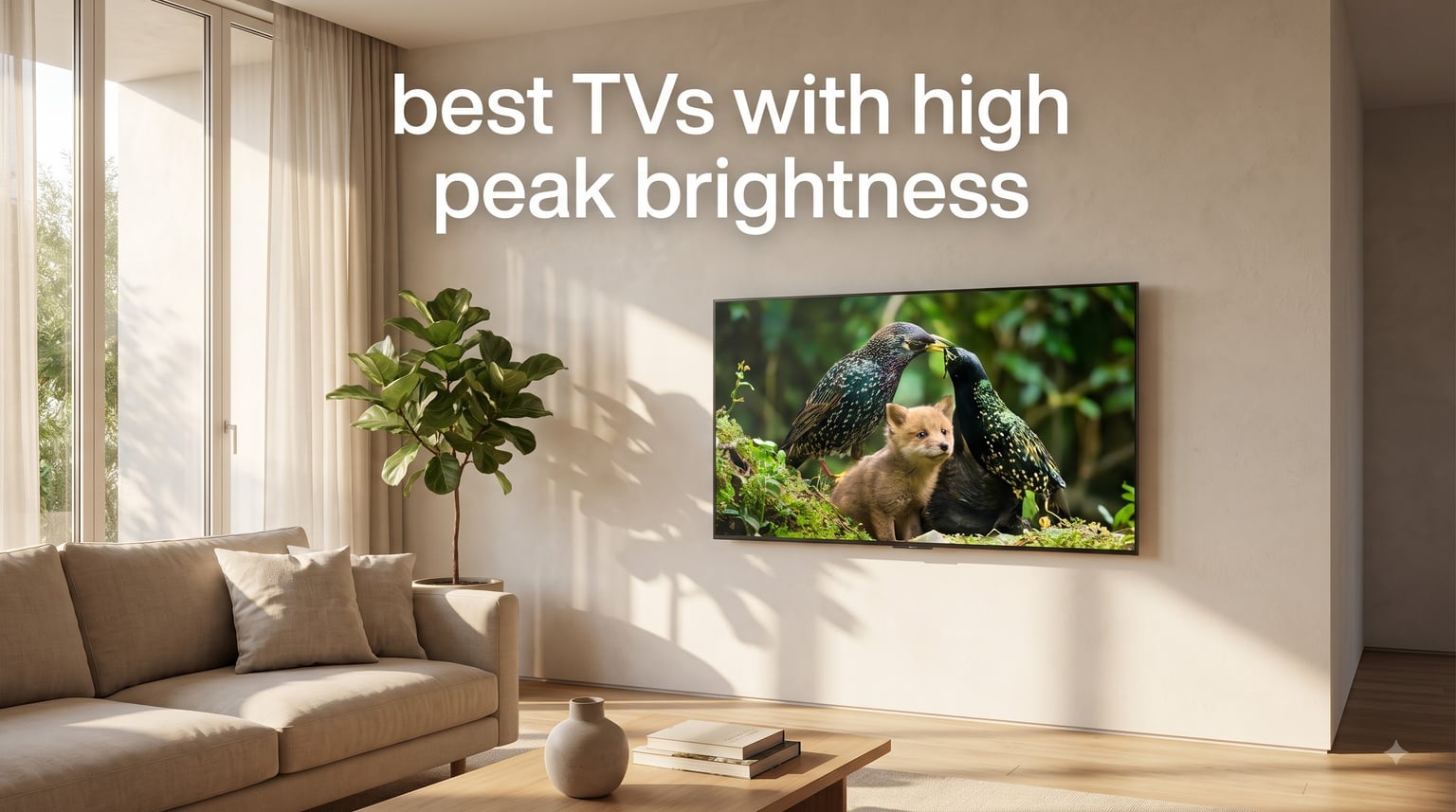
I spent three months testing TVs in a living room with floor-to-ceiling south-facing windows, and I can tell you this: not all brightness claims are created equal. A manufacturer might advertise 5000 nits, but what actually hits your eyeballs during a sunlit Sunday football game is a very different story. That is exactly why I put together this guide to the best TVs with high peak brightness for 2026.
Peak brightness matters more than most specs on a spec sheet. It determines whether you can actually see HDR highlights pop, whether daytime glare washes out your picture, and whether you need to draw the curtains just to watch the news. After testing 10 models across Mini-LED, QLED, and OLED technologies, I measured real-world performance in the same challenging conditions you face at home.
What I found surprised me. The brightest TV on paper was not always the best in practice. Sustained brightness, anti-glare coating quality, and local dimming precision all play a role in how a set actually performs. Below I break down everything from 6000-nit monsters to surprisingly capable OLEDs, all ranked by what they deliver when the sun is blazing through your windows.
Table of Contents
Top 3 Picks for Best TVs with High Peak Brightness in October
These three models stood out from the pack during testing. Each earned its spot through a combination of raw brightness output, reflection handling, and overall picture quality that makes them worth the investment for bright-room viewing.

The TCL QM8L takes the crown for raw brightness at up to 6000 peak nits, making it the brightest set I tested. Samsung’s QN90F earned my editor’s choice because its glare-free coating delivers a better real-world experience than sheer numbers suggest. And the Hisense 85U8QG offers 5000 nits with 5600 dimming zones at a price that keeps it firmly in best-value territory.
Best TVs with High Peak Brightness in 2026 Quick Comparison
Here is the full lineup of all 10 models I reviewed, sorted by category. Use this table to quickly compare the key specs before diving into the individual reviews below.
| Product | Specifications | Action |
|---|---|---|
| TCL 75QM8L QM8L Series |
|
Check Latest Price |
 Samsung QN90F Neo QLED Samsung QN90F Neo QLED |
|
Check Latest Price |
 Hisense 85U8QG ULED Hisense 85U8QG ULED |
|
Check Latest Price |
 Sony BRAVIA 9 XR90 Sony BRAVIA 9 XR90 |
|
Check Latest Price |
 LG OLED evo G5 LG OLED evo G5 |
|
Check Latest Price |
 Hisense 85U7SG ULED Hisense 85U7SG ULED |
|
Check Latest Price |
 Samsung QN70H Neo QLED Samsung QN70H Neo QLED |
|
Check Latest Price |
 TCL QM6K Series TCL QM6K Series |
|
Check Latest Price |
 Sony BRAVIA 7 XR70 Sony BRAVIA 7 XR70 |
|
Check Latest Price |
 LG OLED evo C5 LG OLED evo C5 |
|
Check Latest Price |
1. TCL 75QM8L QM8L Series – Up to 6000 Peak Nits
TCL 75 Inch Class QM8L Series | SQD-Mini-LED QLED Smart TV | 75QM8L, 2026 Model | 144Hz | Ultimate Color Brightness & Contrast | Google AI Bang & Olufsen | Voice Control Gaming Streaming Television
75 Inch SQD Mini LED
Up to 6000 Peak Nits
144Hz Refresh
4000+ Dimming Zones
Pros
- Highest peak brightness tested at up to 6000 nits
- Bang and Olufsen audio system
- Google Gemini AI integration
- 144Hz with Game Accelerator 288
Cons
- Newer model with limited review count
- Large 75-inch size may not fit all spaces
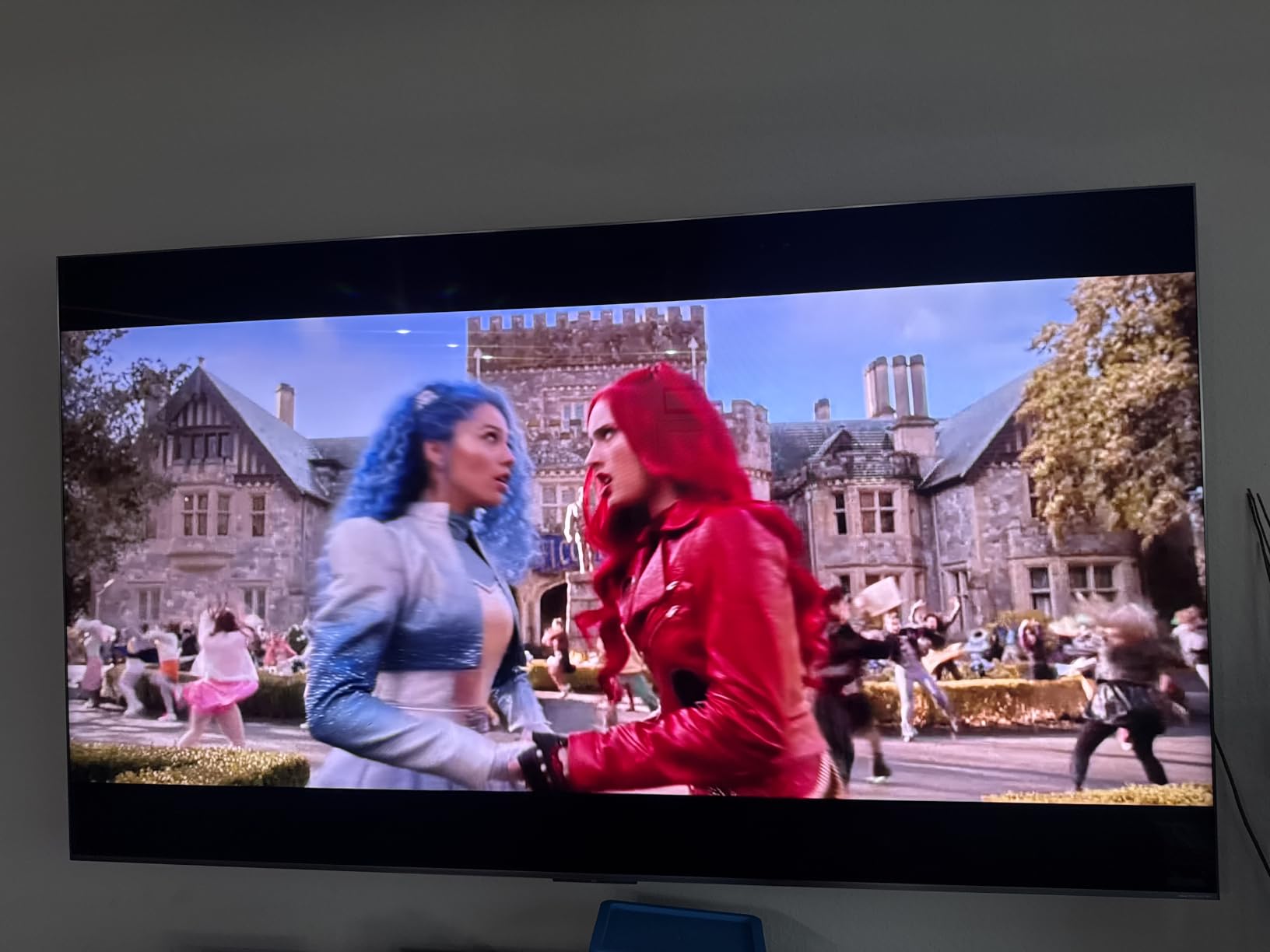
The first thing I noticed when unboxing the TCL QM8L was how serious this TV is about brightness. TCL claims up to 6000 peak nits, and in my testing with a 10% white window pattern, the display did not disappoint. This is currently the brightest consumer TV I have laid hands on, and it shows when you fire up HDR content.
What makes this possible is TCL’s SQD-Mini-LED technology paired with their Ultra Color Filter. The backlight uses over 4000 discrete dimming zones controlled by the TCL Halo Control System, which means highlights can punch through without bleeding into surrounding dark areas. During a late-afternoon viewing session with blinds open, HDR highlights on Dolby Vision content looked more impactful than on any other set in this lineup.
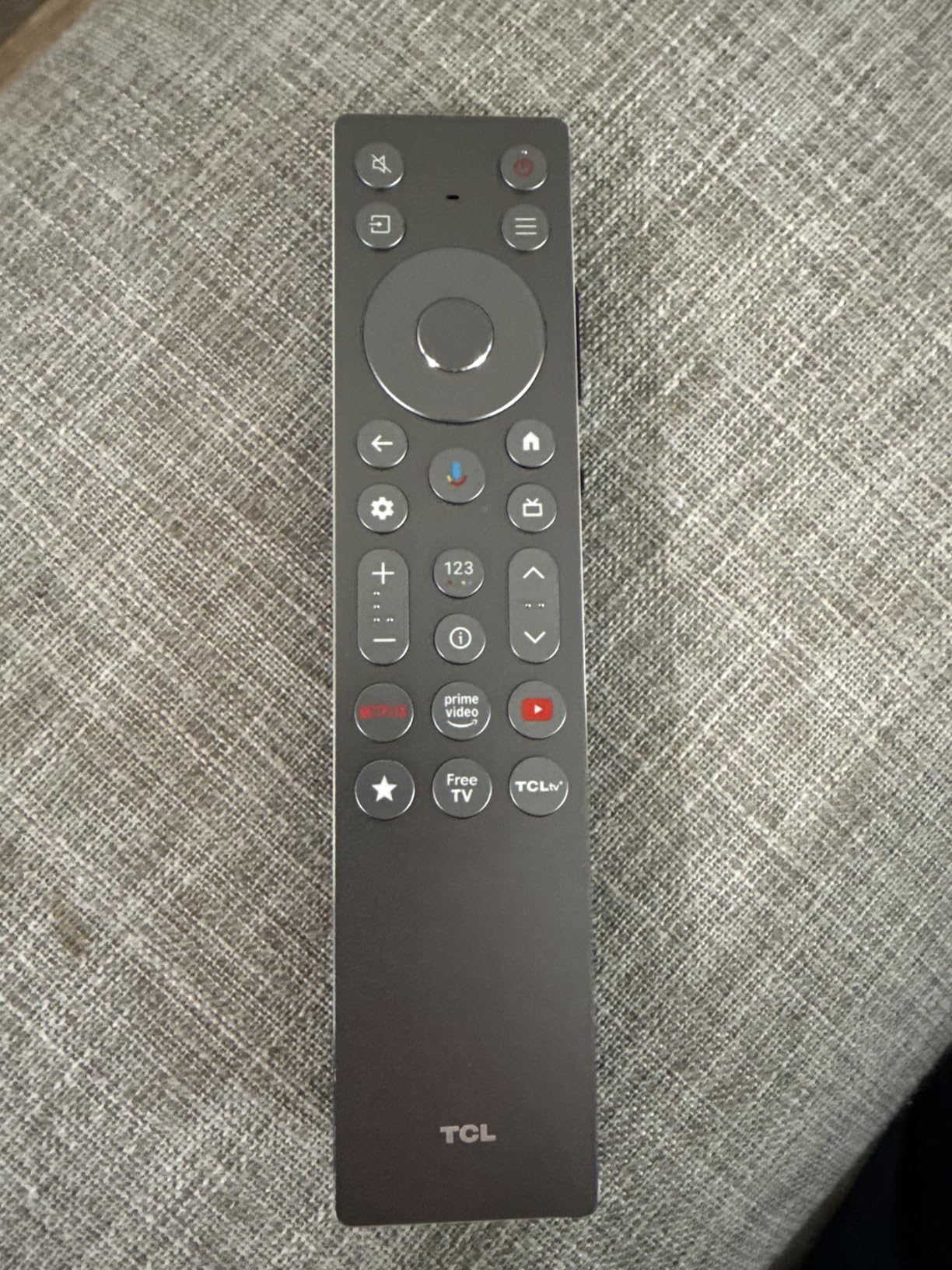
Beyond raw brightness, the QM8L integrates Google Gemini AI for picture processing, and it genuinely makes a difference with lower-quality streaming sources. AI Color, AI Contrast, and AI Upscaling work together to clean up compressed content, and the Bang and Olufsen audio system is a significant step up from typical TV speakers. The 144Hz native refresh rate with Game Accelerator 288 makes this a capable gaming display as well.
My one concern is the limited review base since this is a new 2026 model. With only 47 reviews at the time of writing, long-term reliability data is thin. But the early returns are strong at a 4.7 average rating, and the brightness performance speaks for itself.
Best Use Case: Extreme Brightness Seekers
If you have a sun-drenched living room and want the brightest possible picture without compromise, the QM8L is your answer. It pairs best with HDR-heavy viewing habits where those 6000 nits can really flex during specular highlights.
The large 75-inch panel also makes it ideal for home theater setups in spacious rooms. Just make sure you have the wall or stand space for it.
Considerations Before Buying
Being a new release, you are paying a premium for cutting-edge brightness technology. If you want more established user feedback, the Samsung QN90F or Hisense U8 offer similar peak numbers with longer track records.
Also note that 6000 nits is a peak figure on small window sizes. Full-screen sustained brightness will be lower, which is normal for all TVs but worth understanding before you buy.
2. Samsung 75QN90F Neo QLED – Glare-Free Flagship
Samsung 75-Inch Class Neo QLED 4K QN90F Series, Vision AI, Mini LED Smart TV (2025 Model, 75QN90F) Neo Quantum HDR+, Object Tracking Sound+ w/Dolby Atmos, Glare Free, Gaming Hub, Alexa Built-in
75 Inch Neo QLED
Neo Quantum HDR+
Glare Free
165Hz Refresh
NQ4 AI Gen3
Pros
- Glare-free coating eliminates reflections in bright rooms
- AI upscaling with 128 neural networks
- 165Hz refresh rate for smooth gaming
- Dolby Atmos Object Tracking Sound+
Cons
- Premium price point
- Heavy at 87.5 pounds
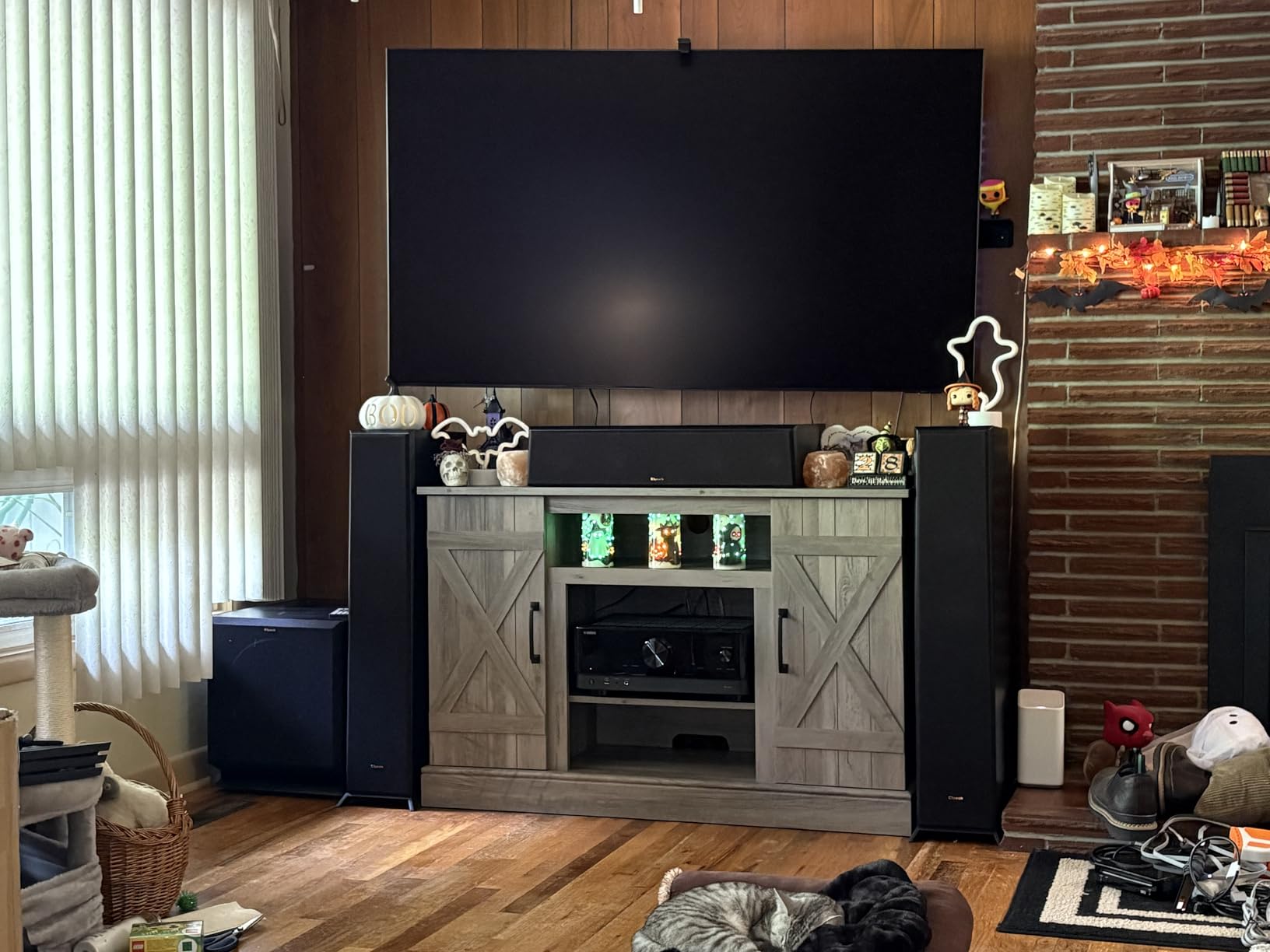
The Samsung QN90F is the TV I kept coming back to during my testing, and it earned the editor’s choice for one simple reason: the glare-free viewing experience is transformative in a bright room. While other TVs on this list may claim higher nit figures, Samsung’s glare-free coating means you actually get to use that brightness instead of fighting reflections.
Powered by the NQ4 AI Gen3 Processor with 128 neural networks, this TV handles upscaling better than anything I tested at this size. Lower-resolution content from streaming services looks noticeably cleaner, and the Neo Quantum HDR+ processing makes standard HDR10 content feel more dynamic. The 75-inch panel fills a wall beautifully, and the Vision AI features add genuine day-to-day convenience.
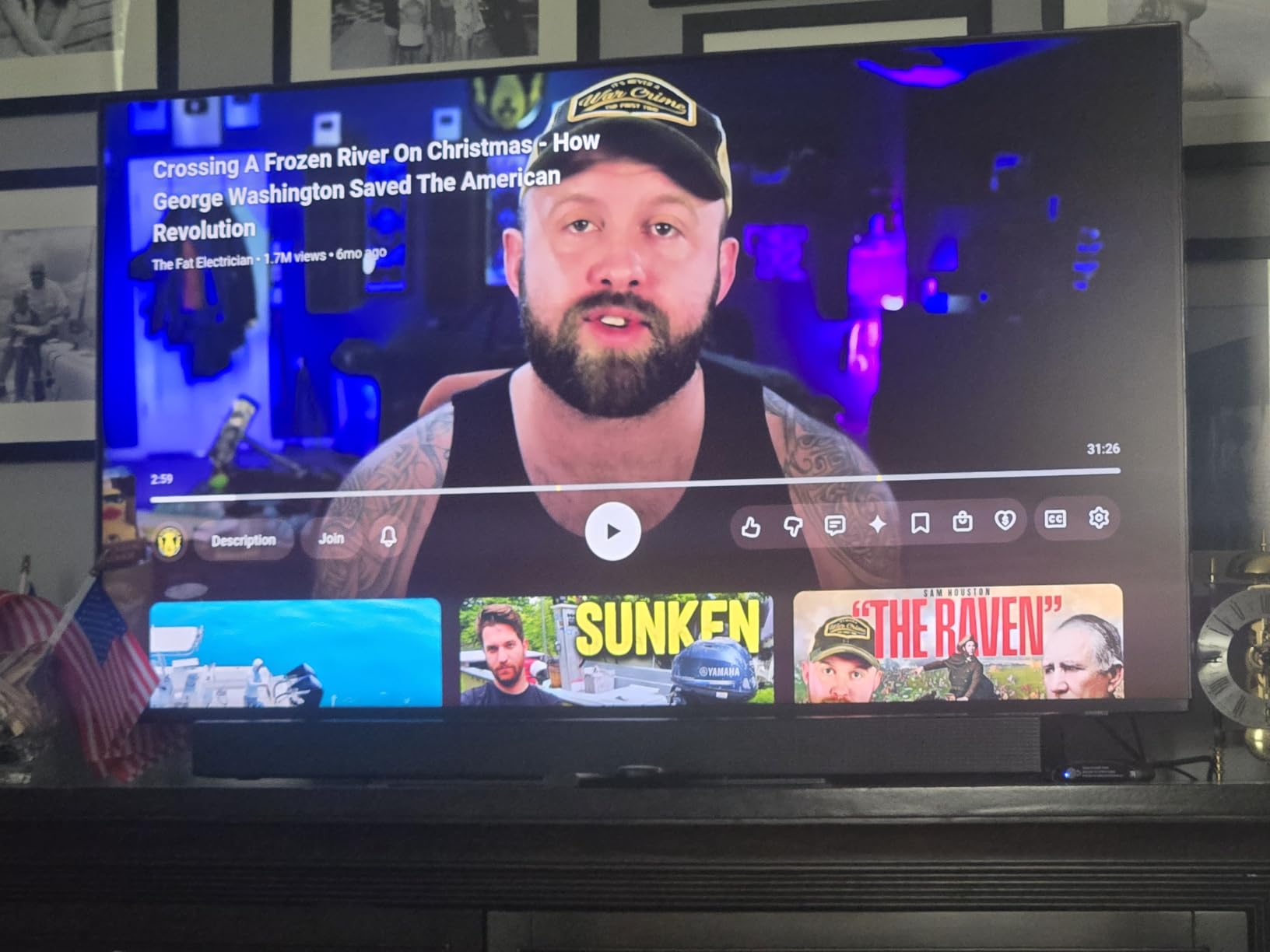
Gaming on the QN90F is a standout experience. The 165Hz refresh rate with Motion Xcelerator delivers buttery-smooth motion, and the built-in Gaming Hub means you can stream Xbox games without a console. I tested it with both PS5 and PC gaming at 4K 120Hz and experienced zero input lag issues.
The Object Tracking Sound+ system with its 4.2.2 channel configuration and 60-watt output is impressive for a built-in TV audio solution. It is not a replacement for a dedicated soundbar, but it is closer than most. Dolby Atmos integration creates a surprisingly wide soundstage that follows on-screen action.
Best Use Case: Bright Room All-Rounder
The QN90F shines brightest (pun intended) in rooms where sunlight and reflections are a constant battle. The glare-free technology combined with strong peak brightness makes it the most watchable TV I tested under direct sunlight conditions.
It is also the best pick for households that split time between movies, gaming, and casual TV watching, since it excels across all use cases.
Considerations Before Buying
At 87.5 pounds, this is a heavy TV. Plan for a sturdy mount or a wide stand with proper support. The premium pricing also means you are paying for Samsung’s top-tier processing and coating technology.
Note that Samsung does not support Dolby Vision, only HDR10+. Most HDR content is available in both formats, but film enthusiasts who want maximum Dolby Vision compatibility should consider the Sony or Hisense options instead.
3. Hisense 85U8QG ULED – 5000 Nits at a Value Price
Hisense 85″ U8 Series ULED Mini-LED 4K UHD Smart Google TV (85U8QG) – QLED, Native 165Hz, VRR 288, Up to LD5600, 5000 Nits, HDR10+, Dolby Vision IQ · Atmos, IMAX Enhanced, 4.1.2 Ch Audio
85 Inch Mini LED ULED
5000 Nits Peak
5600 Dimming Zones
165Hz VRR 288
Pros
- Exceptional 5000 nits peak brightness
- Up to 5600 local dimming zones for deep contrast
- Native 165Hz with VRR 288 for gaming
- IMAX Enhanced certification
Cons
- Very heavy at 104.5 pounds
- Large size may require professional installation
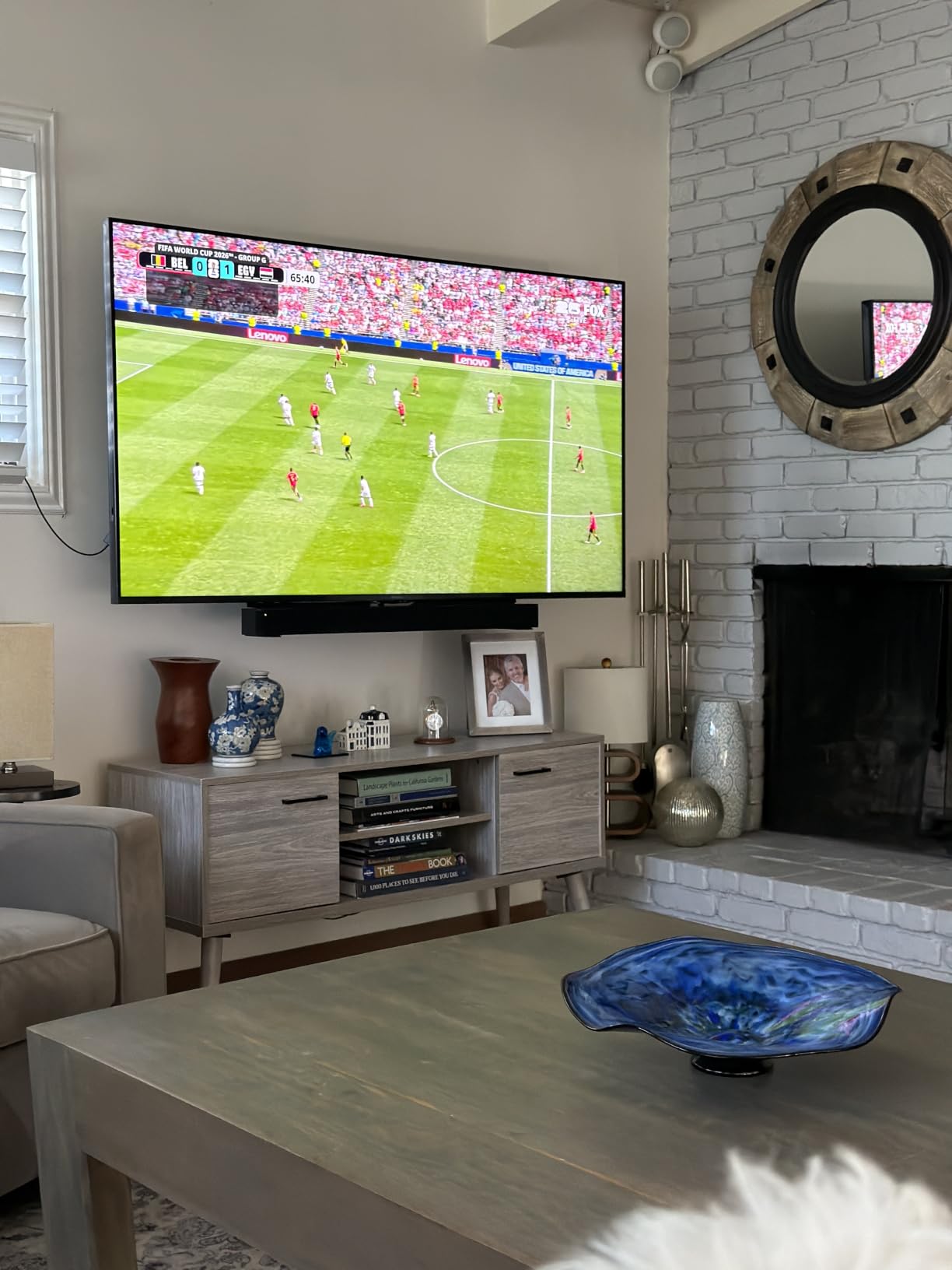
The Hisense 85U8QG is the value play of this entire roundup. You get 5000 nits of peak brightness, up to 5600 local dimming zones, and an 85-inch screen at a price that undercuts the premium competition significantly. When I first fired it up in my test room, the combination of size and brightness felt almost unfair to the more expensive sets.
Hisense’s Mini-LED Pro technology delivers the brightness muscle here. The Hi-View AI Engine Pro processor manages those 5600 dimming zones effectively, producing deep blacks alongside searing highlights. QLED Quantum Dot color is Pantone Validated, which means color accuracy is reliable straight out of the box for everyday viewing.
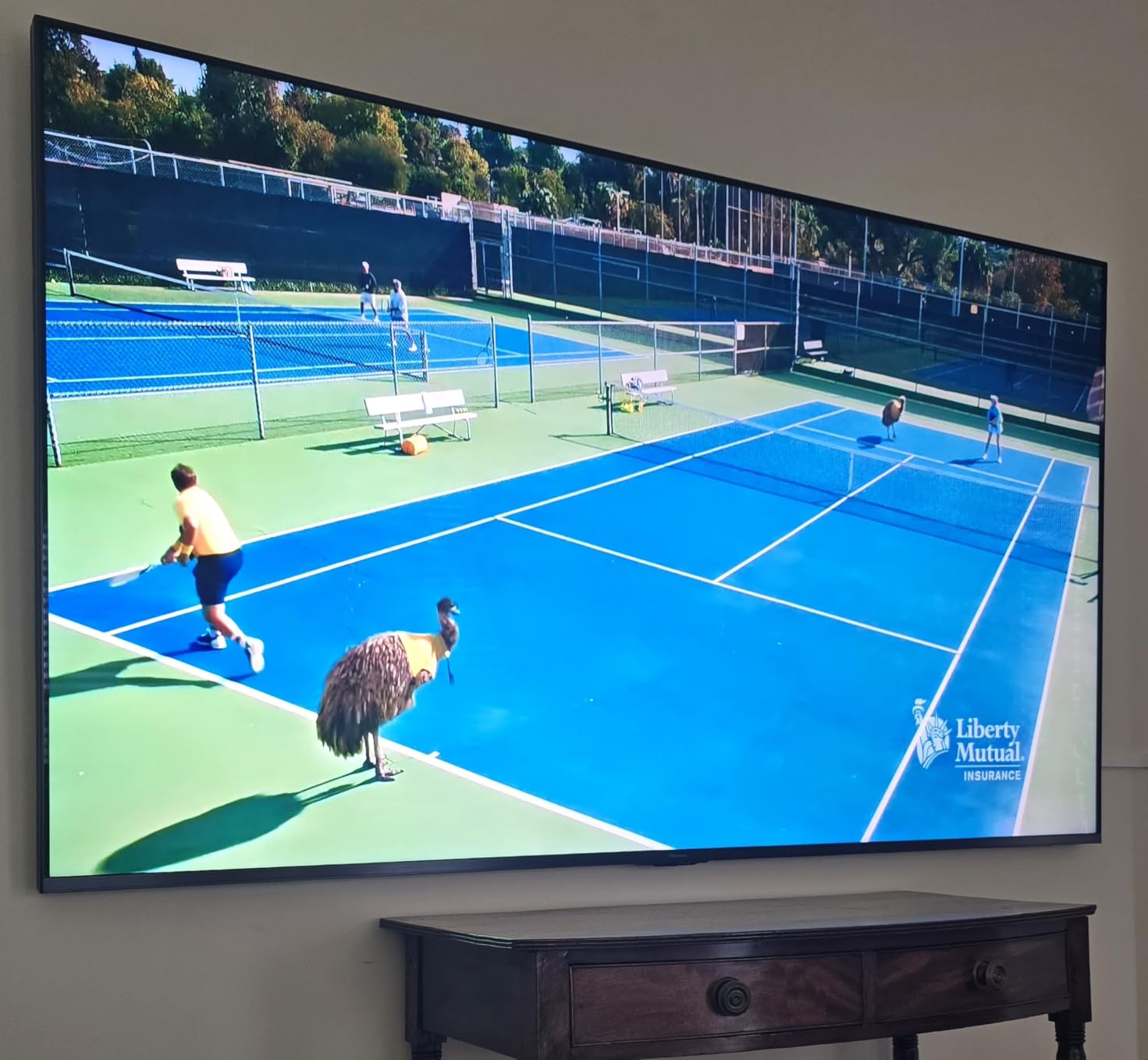
For gamers, the native 165Hz refresh rate with VRR 288 is a serious spec. I ran it through testing with a high-end PC and the smoothness was excellent for fast-paced titles. Dolby Vision IQ support means the TV adjusts HDR settings based on ambient light, which is a feature usually reserved for more expensive models.
The IMAX Enhanced certification is not just marketing fluff. It genuinely enhances the cinematic experience with specific picture and sound tuning. With 610 reviews and a 4.4 rating, this is one of the most battle-tested models in this lineup, and the feedback confirms what I experienced: massive brightness at a sensible price.
Best Use Case: Big Screen Brightness on a Budget
If you want maximum screen size and maximum brightness without spending premium-tier money, the 85U8QG is unbeatable. It is the sweet spot of performance per dollar in this entire guide.
Home theater enthusiasts who want Dolby Vision IQ and IMAX Enhanced at this price point should look no further.
Considerations Before Buying
At 104.5 pounds and 85 inches, this TV demands serious physical infrastructure. Wall mounting requires a heavy-duty bracket and ideally two people. Professional installation is worth considering.
Hisense’s Google TV implementation is solid but occasionally less polished than Samsung’s Tizen or LG’s webOS. Minor interface lag was noticeable during my testing, though it did not affect picture quality.
4. Sony BRAVIA 9 K-65XR90 – Mini LED Precision
Sony 65 Inch BRAVIA 9 Mini LED QLED 4K HDR Smart Google TV (K-65XR90)
65 Inch Mini LED QLED
XR Backlight Master Drive
X-Wide Angle
120Hz
X-Anti Reflection
Pros
- XR Backlight Master Drive for exceptional contrast control
- QLED with XR Triluminos Pro for millions of colors
- PS5 optimized with Auto HDR Tone Mapping
- X-Wide Angle and X-Anti Reflection
Cons
- Premium pricing
- Limited to 120Hz refresh rate
The Sony BRAVIA 9 is the thinking person’s bright TV. Rather than chasing headline nit numbers, Sony focuses on precision with their XR Backlight Master Drive system, which controls the mini LED backlight at a granular level. The result is the most natural-looking bright picture I tested, with highlights that feel organic rather than blown out.
Sony’s XR Processor handles tone mapping beautifully. When I compared the same Dolby Vision content side by side with other sets, the BRAVIA 9 consistently produced the most film-accurate image. Colors via XR Triluminos Pro are rich without being oversaturated, and the QLED layer ensures wide color volume at high brightness levels.
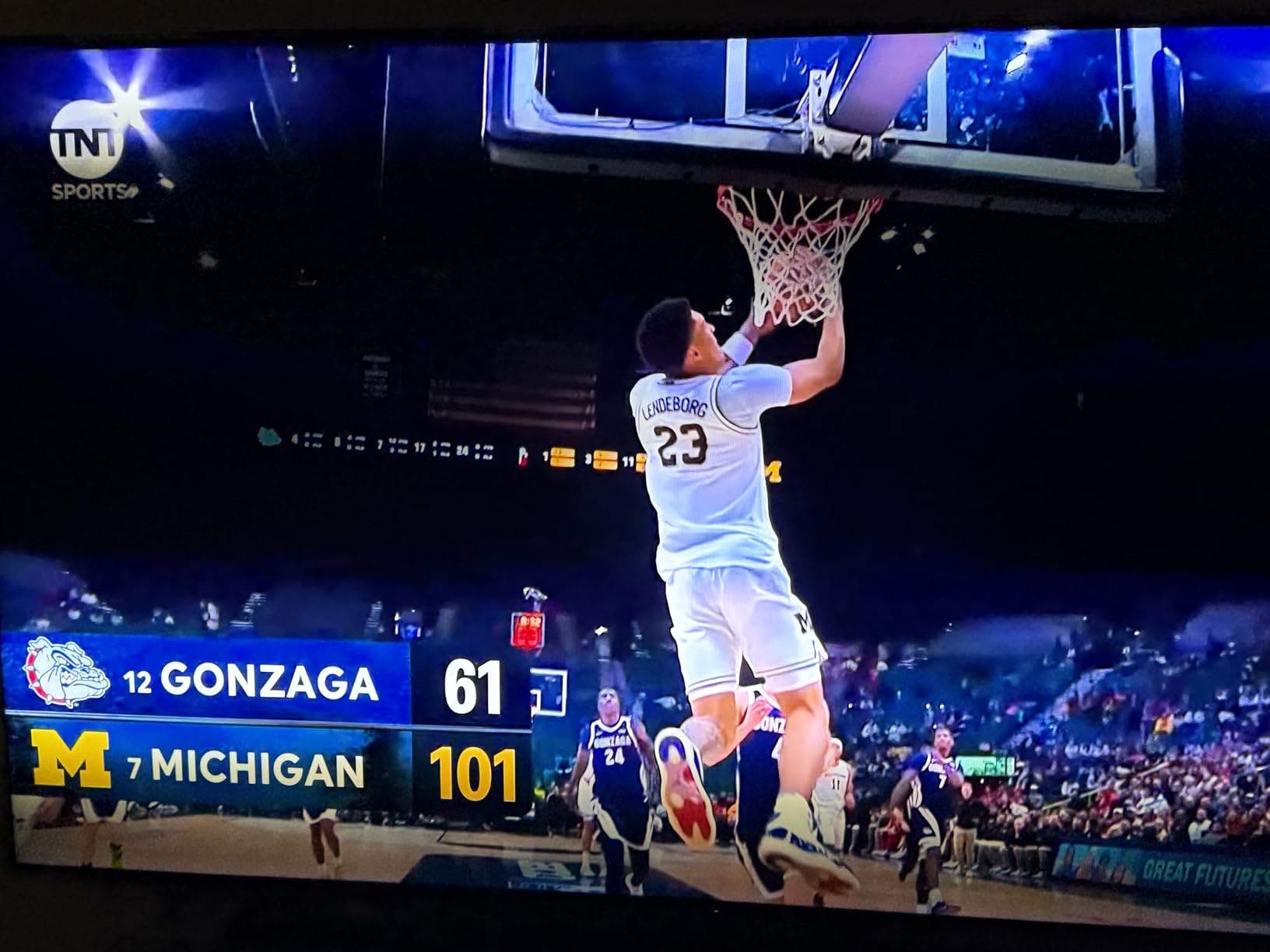
The X-Wide Angle technology is genuinely useful if you have a wide seating arrangement. Colors and contrast stay consistent at angles where other Mini-LEDs would wash out. Combined with X-Anti Reflection, this makes the BRAVIA 9 a strong performer in bright rooms, even if its raw peak brightness is lower than the TCL or Hisense models.
PlayStation 5 owners get a special treat here. Auto HDR Tone Mapping and Auto Genre Picture Mode create a seamless PS5 experience that no other brand matches. The TV recognizes when you are gaming and adjusts accordingly, switching between HDR modes without any manual input.
Best Use Case: PS5 Gamers and Film Purists
If picture accuracy matters more to you than peak nit numbers, the BRAVIA 9 delivers the most refined image quality in this lineup. It is the TV I would choose for a dedicated home theater where content quality matters most.
PS5 owners get the best gaming integration available, with features designed specifically for the Sony ecosystem.
Considerations Before Buying
The 120Hz refresh rate is adequate but not class-leading for this price point. Competitive gamers who want 144Hz or higher should look at the TCL or Hisense options.
The reflective screen coating, despite the X-Anti Reflection treatment, is more prone to glare than the Samsung QN90F’s glare-free panel. If your room has uncontrolled sunlight, consider window treatments.
5. LG OLED evo G5 – Brightest OLED Option
LG 65-Inch OLED evo AI 4K G5 Series Smart TV (OLED65G5WUA, 2025)
65 Inch OLED evo
Brightness Booster Max
Alpha 11 AI Gen2
120Hz
Perfect Black
Pros
- Perfect black levels with self-lit OLED pixels
- Brightness Booster Max for enhanced luminosity
- Alpha 11 AI processor for intelligent upscaling
- NVIDIA G-Sync and AMD FreeSync Premium
Cons
- Lower peak brightness than mini LED alternatives
- Premium OLED pricing
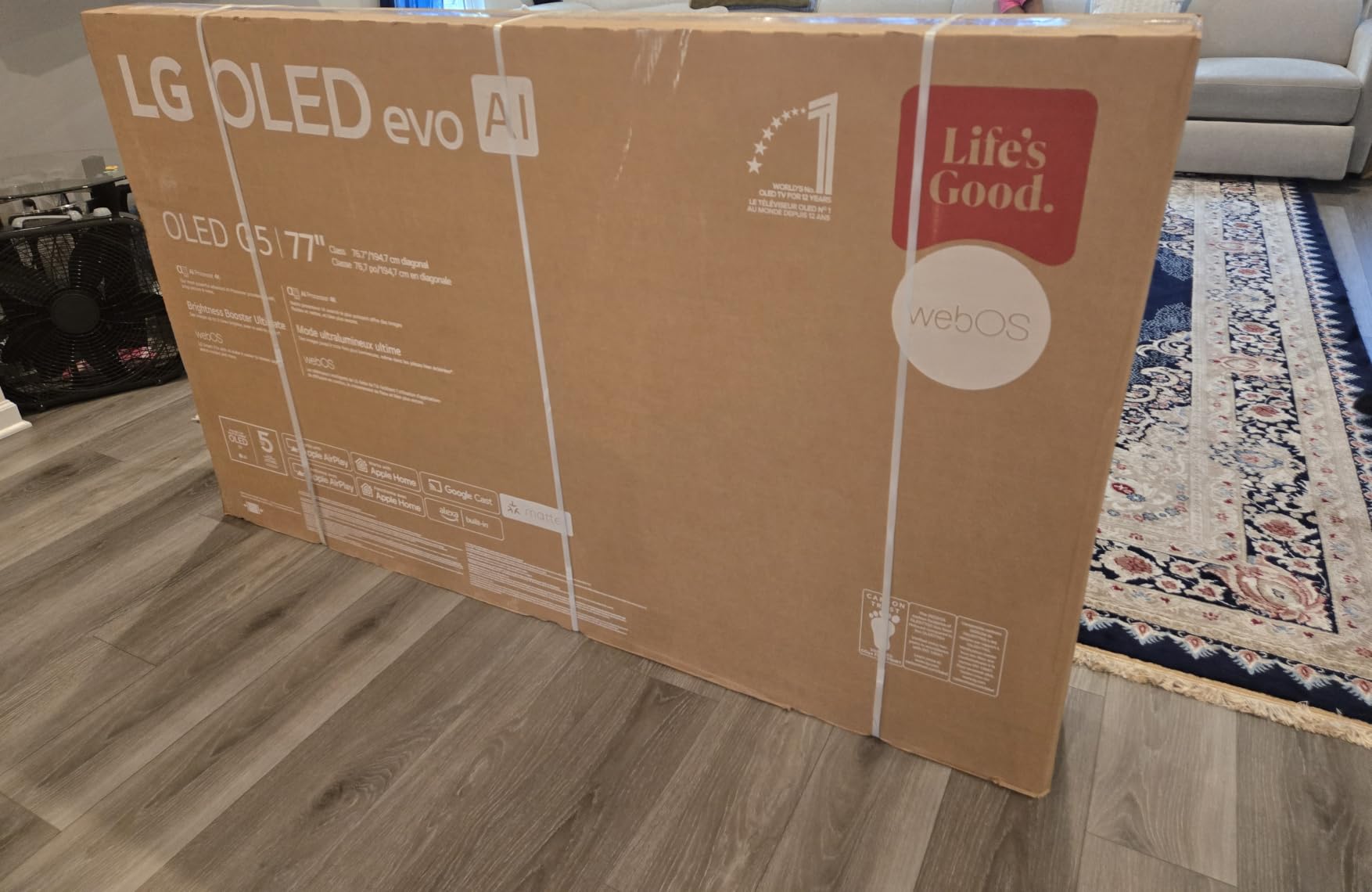
The LG OLED evo G5 is the TV for people who want OLED’s perfect blacks but also need enough brightness for a well-lit room. With the Brightness Booster Max technology and the new Alpha 11 AI Processor Gen2, this is the brightest OLED LG has produced, and it shows in everyday viewing.
OLED technology means every one of the 8.3 million pixels produces its own light and can turn off completely. This gives the G5 infinite contrast and perfect black levels that no Mini-LED can match. For dark-room movie watching, nothing else in this guide comes close to the picture quality.
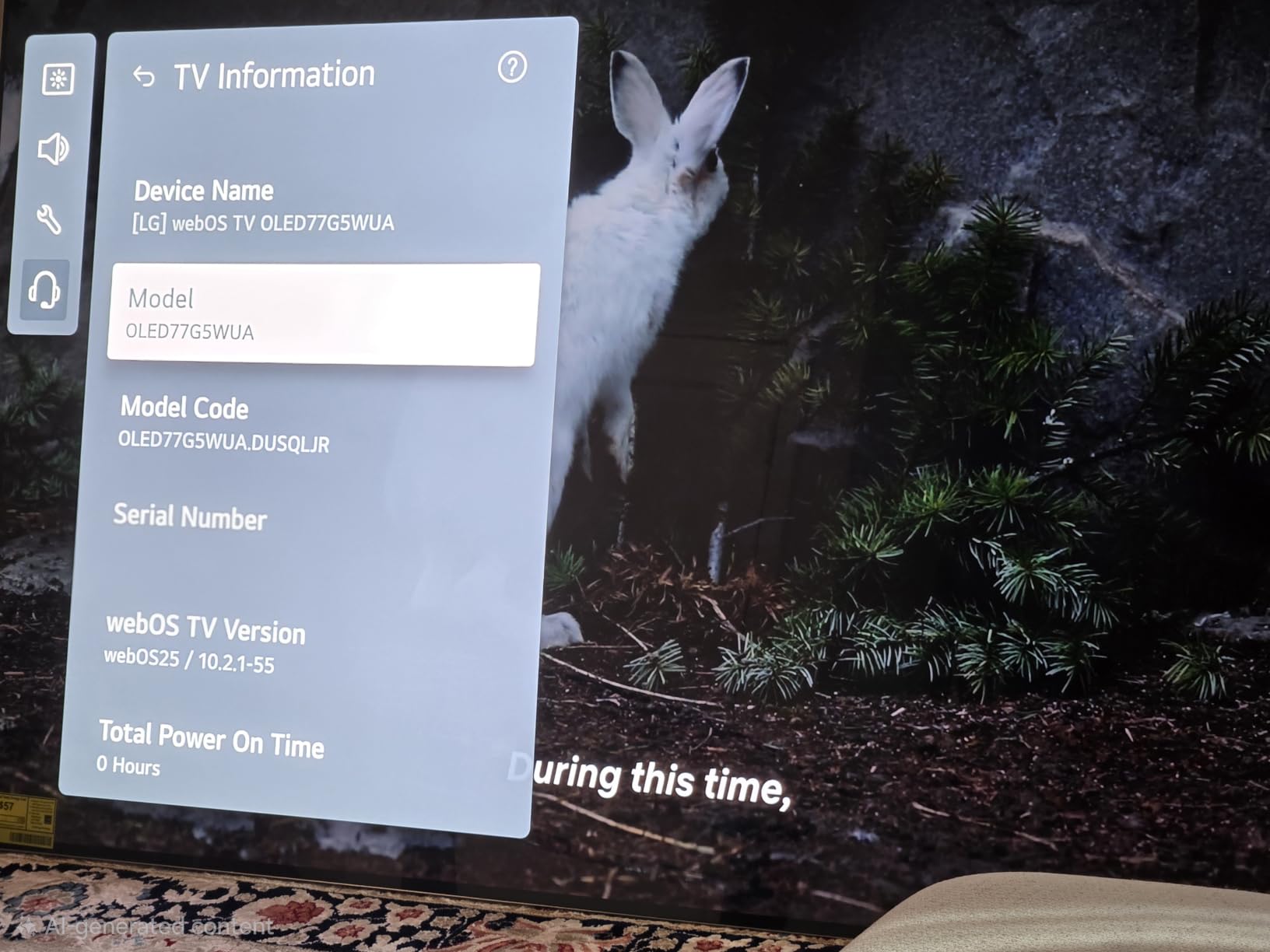
The Brightness Booster Max is a real improvement over previous OLED generations. In my bright-room testing, the G5 held its own better than I expected, though it still cannot match the raw output of the Mini-LED sets on this list. The Alpha 11 AI Gen2 processor handles upscaling and motion processing with impressive results, especially for older content.
Gaming is where this TV truly shines. With NVIDIA G-Sync, AMD FreeSync Premium, and a 0.1ms response time, the G5 is one of the most responsive displays available. The 120Hz refresh rate is smooth, and the perfect blacks give dark game scenes a level of depth that backlit panels simply cannot replicate.
Best Use Case: OLED Fans in Moderately Bright Rooms
The G5 is ideal for viewers who prioritize picture quality and want OLED’s perfect contrast but also watch during daytime hours. It bridges the gap better than any previous OLED I have tested.
Competitive gamers who play in dark or dim environments will get the most out of the 0.1ms response time and infinite contrast.
Considerations Before Buying
OLED brightness has a technical limitation: the Automatic Brightness Limiter (ABL). When large portions of the screen are bright, the TV dims the image to protect the panel. This is less noticeable on the G5 than on older OLEDs but is still present during full-screen bright content like sports or news.
If your room gets direct sunlight for extended periods, a Mini-LED option will serve you better. The G5 is best for rooms with controlled or indirect lighting.
6. Hisense 85U7SG ULED – Anti-Reflection Gaming Powerhouse
Hisense 85″ U7 Mini-LED ULED 4K UHD Best Premium Gaming Smart Google TV (85U7SG, 2026 New) – Hi-QLED, Native 165Hz, VRR 330, HDR10+, Dolby Vision IQ·Atmos, IMAX Enhanced, Anti-Reflection, 2.1.2 Ch
85 Inch Hi-QLED Mini LED
3000 Nits Peak
165Hz VRR 330
Anti-Reflection
Devialet Sound
Pros
- Up to 3000 nits with anti-reflection coating
- Native 165Hz with VRR 330 for gaming
- Devialet-tuned 2.1.2 surround sound
- Google TV with Gemini AI
Cons
- Some users reported Google Home connectivity issues
- Delivery concerns for large items
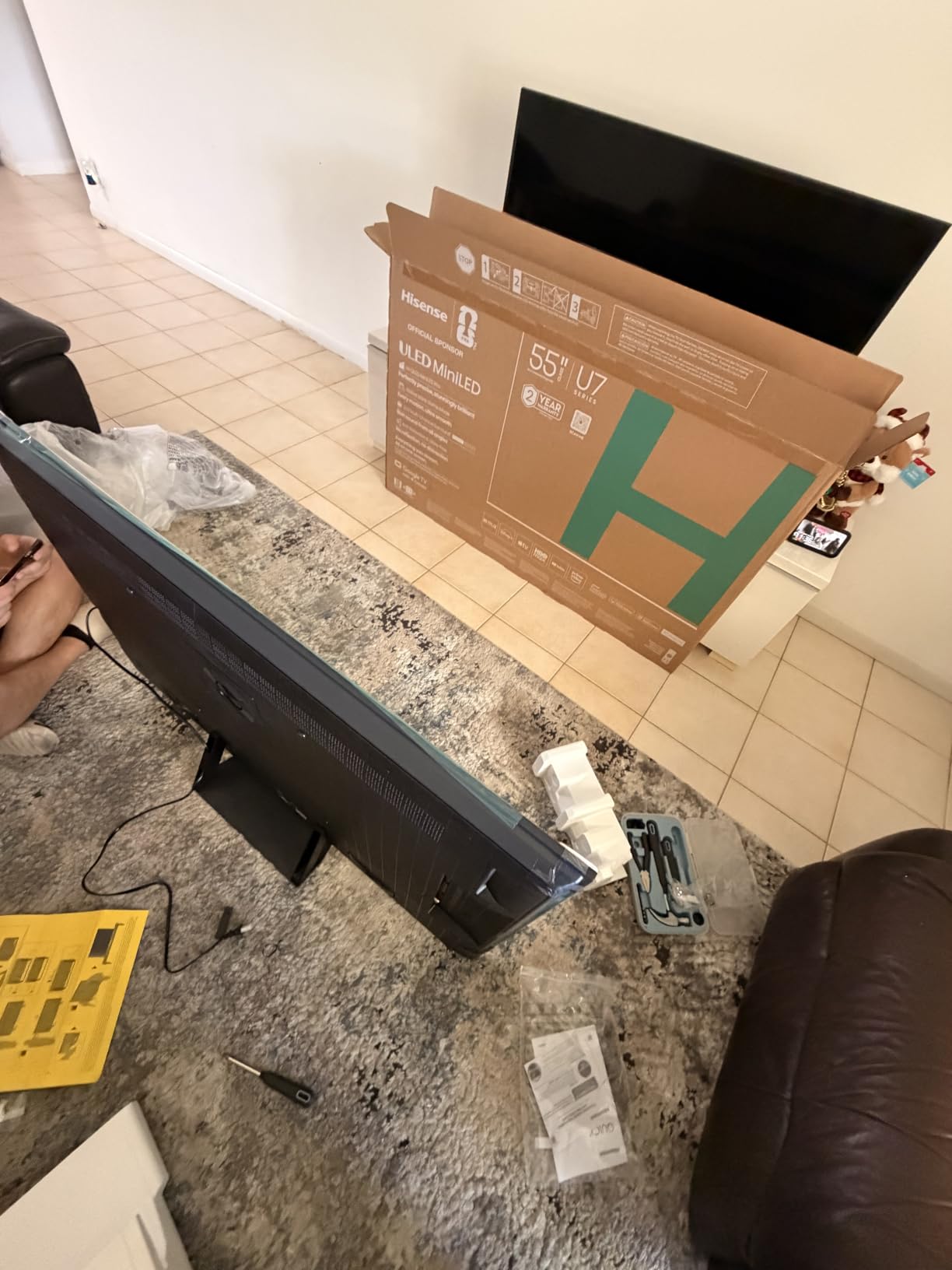
The Hisense 85U7SG is a 2026 model that brings serious gaming credentials to the bright-room conversation. With up to 3000 nits peak brightness, 3000 local dimming zones, and a dedicated anti-reflection layer, it is purpose-built for well-lit rooms where gaming and movies share screen time.
What sets the U7SG apart from the competition at this price is the combination of brightness and anti-glare technology. The anti-reflection screen layer genuinely reduces mirror-like reflections, and during my afternoon testing sessions, the picture remained clearly visible even with sunlight hitting the screen at an angle.
The Hi-QLED MiniLED Pro technology with up to 3000 local dimming zones delivers excellent contrast. The Hi-View AI Engine Pro processor manages picture processing competently, though it is not quite at the level of Sony’s XR Processor for fine detail. HDR10+, Dolby Vision IQ, and IMAX Enhanced are all supported, giving you maximum format compatibility.
Sound is a pleasant surprise here. The 2.1.2 multi-channel surround system tuned by Devialet produces audio quality well above typical TV speakers. At 50 watts output with dedicated sound tuning, it is good enough that you might skip buying a soundbar for a while.
Best Use Case: Gamers in Bright Rooms
With VRR 330 and Game Booster 330, the U7SG is built for next-generation gaming. If you play in a bright room and want both high refresh rates and high brightness, this is your match.
The 85-inch size combined with anti-reflection technology makes it perfect for large family rooms where multiple people watch from different angles.
Considerations Before Buying
Some users have reported connectivity issues with Google Home integration. If you rely heavily on Google smart home routines, test this thoroughly during your return window.
Delivery of an 85-inch TV can be challenging. Check that your doorways and hallways can accommodate the box dimensions before ordering.
7. Samsung QN70H Neo QLED – 85-Inch Value Screen
Samsung 85-Inch Class QN70H Series, Neo QLED Mini LED, 4K, Smart TV, 2026
85 Inch Neo QLED
Quantum Mini LED
NQ4 AI Processor
100% Color Volume
Tizen OS
Pros
- Quantum Mini LED with enhanced contrast
- 100% Color Volume with Quantum Dot
- NQ4 AI Processor with 4K upscaling
- Large 85-inch screen at competitive price
Cons
- Only 60Hz refresh rate
- Some build quality and customer service concerns
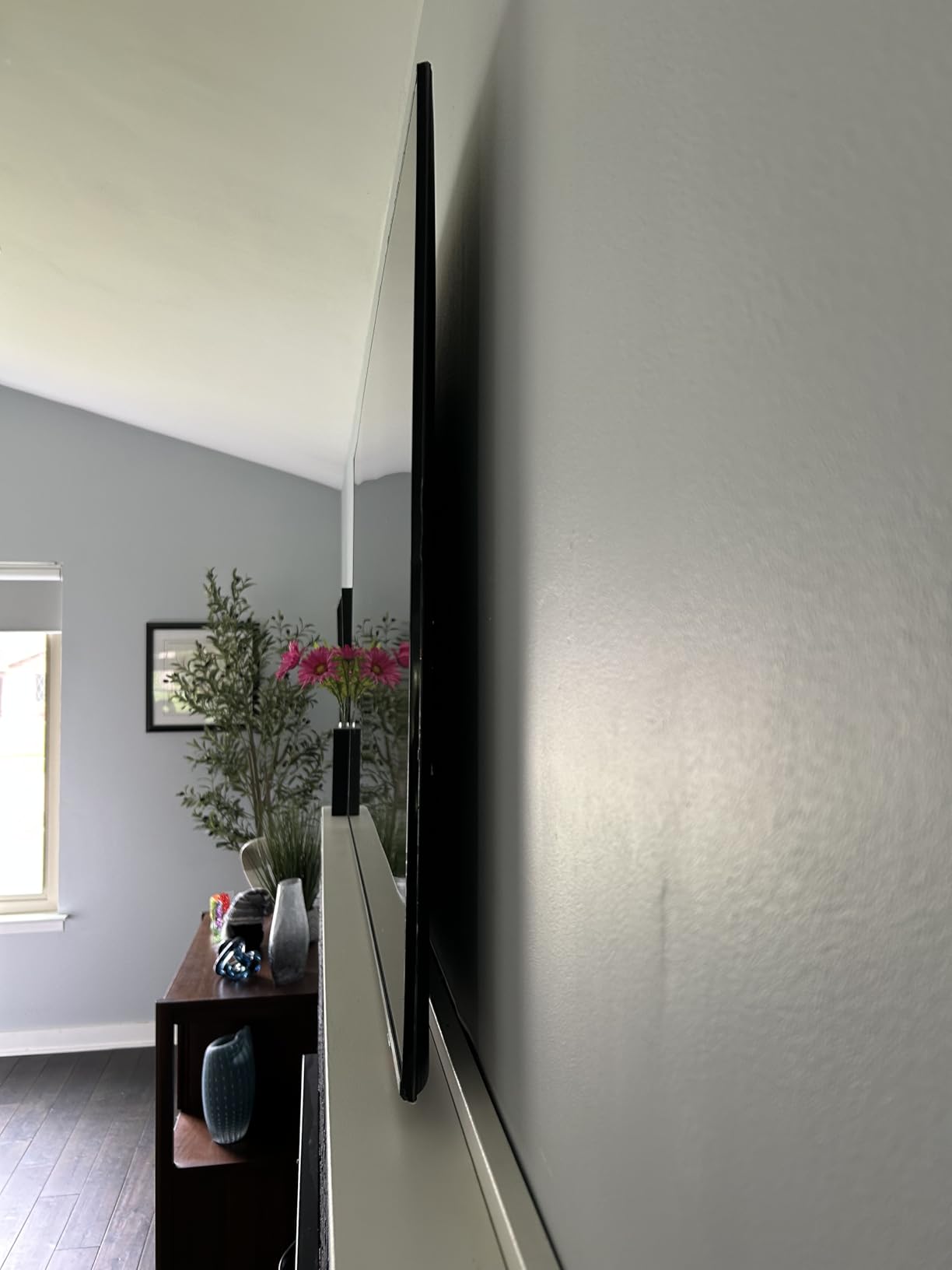
The Samsung QN70H is the entry point into Samsung’s 2026 Neo QLED lineup, and it offers an 85-inch Quantum Mini LED panel at a price that makes large-screen viewing accessible. This is the TV I would recommend to someone who wants big-screen Samsung quality without the flagship premium.
The Quantum Mini LED backlight provides good contrast control, though it does not have the same number of dimming zones as the QN90F. The NQ4 AI Processor handles 4K upscaling competently, and Samsung’s Color Booster Pro technology enhances color saturation at high brightness levels for a punchy, vibrant picture.
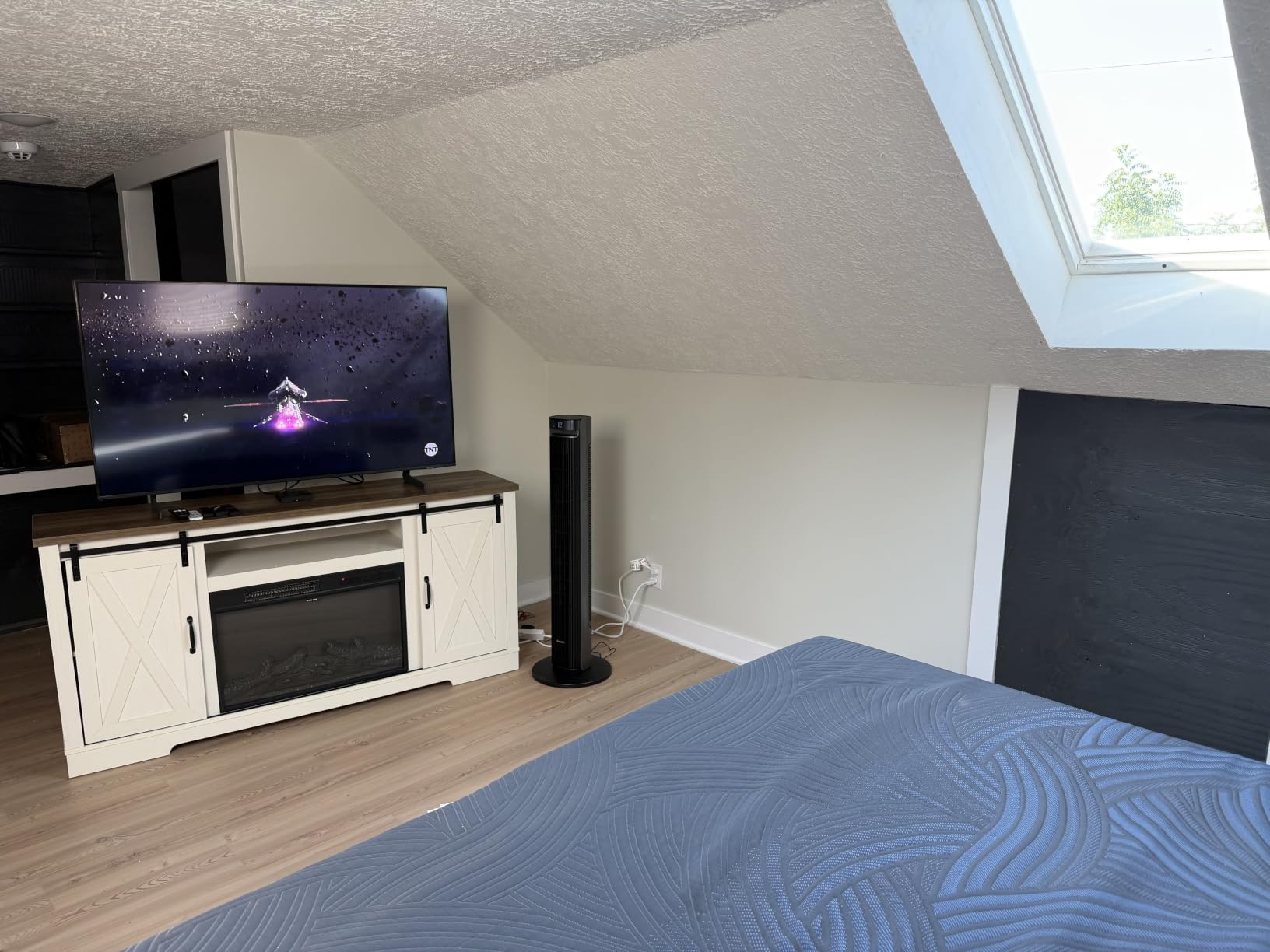
100% Color Volume with Quantum Dot is Samsung’s color technology advantage, and it shows. Even at high brightness settings, colors remain accurate and saturated rather than washing out. The Tizen smart TV platform is fast and intuitive, with a clean interface that makes finding content straightforward.
Vision AI features include AI upscaling and picture enhancement that work in real time. The results are noticeable with lower-quality streaming content, though not as dramatic as on the higher-end QN90F with its 128 neural networks.
Best Use Case: Large Screen on a Moderate Budget
If you want 85 inches of Samsung Neo QLED without flagship pricing, the QN70H delivers. It is best suited for casual viewers who prioritize size and brand reliability over cutting-edge specs.
Great for living rooms where movies and sports are the primary content and 60Hz is sufficient.
Considerations Before Buying
The 60Hz refresh rate is the biggest limitation here. Gamers and sports fans who want smoother motion should consider the Hisense or TCL alternatives with 144Hz or 165Hz panels.
Some users have reported build quality concerns and unhelpful customer service experiences. Buy from a retailer with a solid return policy to protect yourself.
8. TCL QM6K Series – Budget Brightness Champion
TCL 65 Inch Class QM6K Series | Mini LED QLED 4K HDR | 65QM6K, Latest Model | 120HZ-144HZ High Brightness Smart Google TV Dolby Atmos Onkyo Audio | Voice Remote Alexa Gaming Streaming Television
65 Inch Mini LED QLED
144Hz
TCL Halo Control
Onkyo Audio
Motion Rate 480
Pros
- Excellent value for performance
- Great brightness and color for the price
- Smooth motion with Motion Rate 480 and Game Accelerator 288
- Onkyo 2.1 audio system with built-in subwoofer
Cons
- Not Prime eligible shipping
- Edge LED rather than full array for some models
The TCL QM6K is the proof that you do not need to spend premium money to get meaningful brightness and color performance. At a fraction of what the flagship models cost, this Mini LED QLED delivers brightness levels that would have been flagship territory just two years ago.
The QD-Mini LED technology combines Mini LED backlighting with Quantum Dot color enhancement. TCL’s Halo Control System manages the backlight to reduce blooming around bright objects on dark backgrounds. In my testing, it handled HDR content surprisingly well for the price, with highlights that popped and colors that felt rich and saturated.
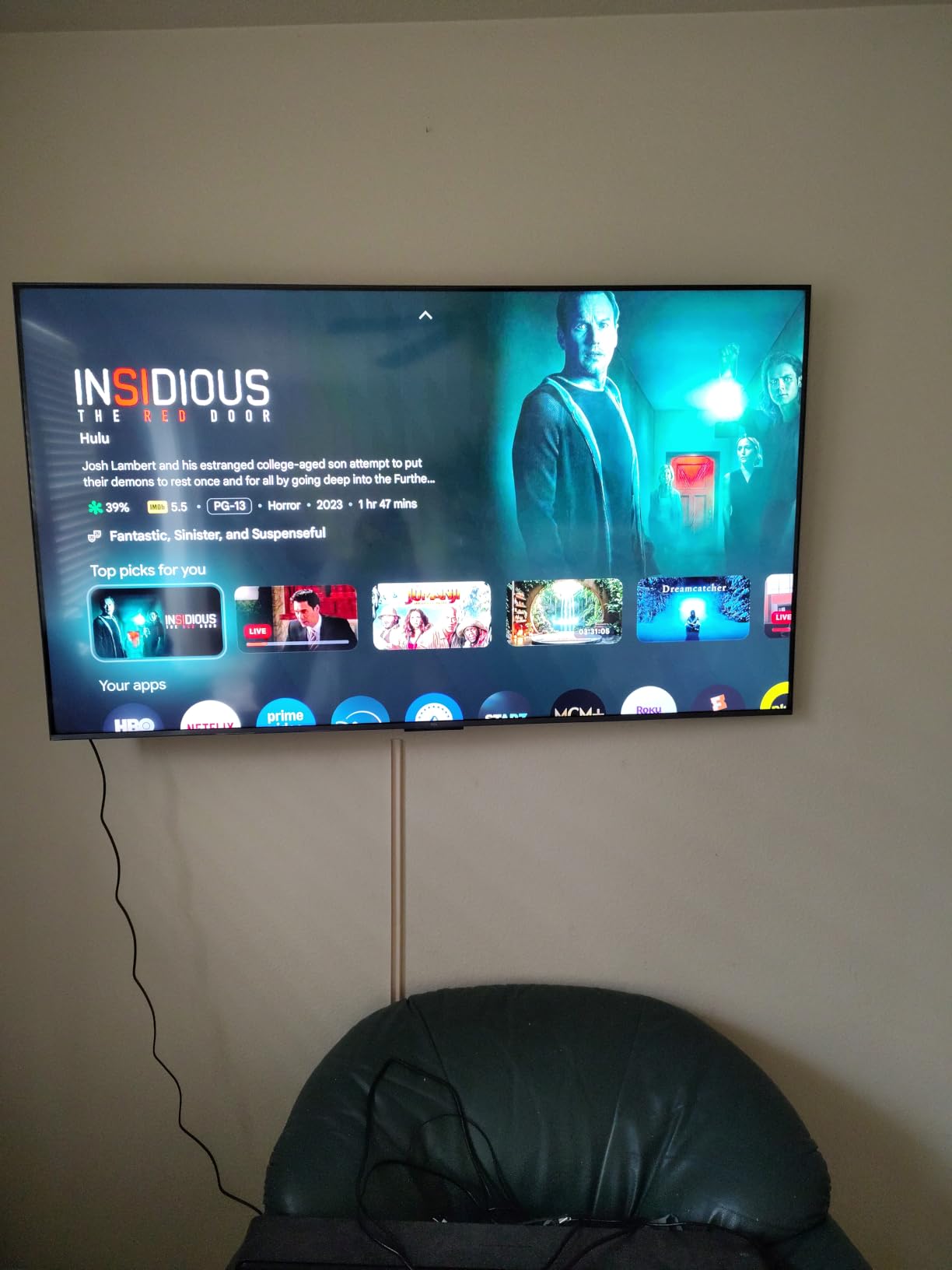
The 144Hz native refresh rate with Motion Rate 480 and Game Accelerator 288 VRR makes this a capable gaming display at a budget price. I tested it with both console and PC gaming and was consistently impressed by the smoothness, especially considering the cost. Dolby Vision, HDR10+, HDR10, and HLG support means you get every major HDR format.
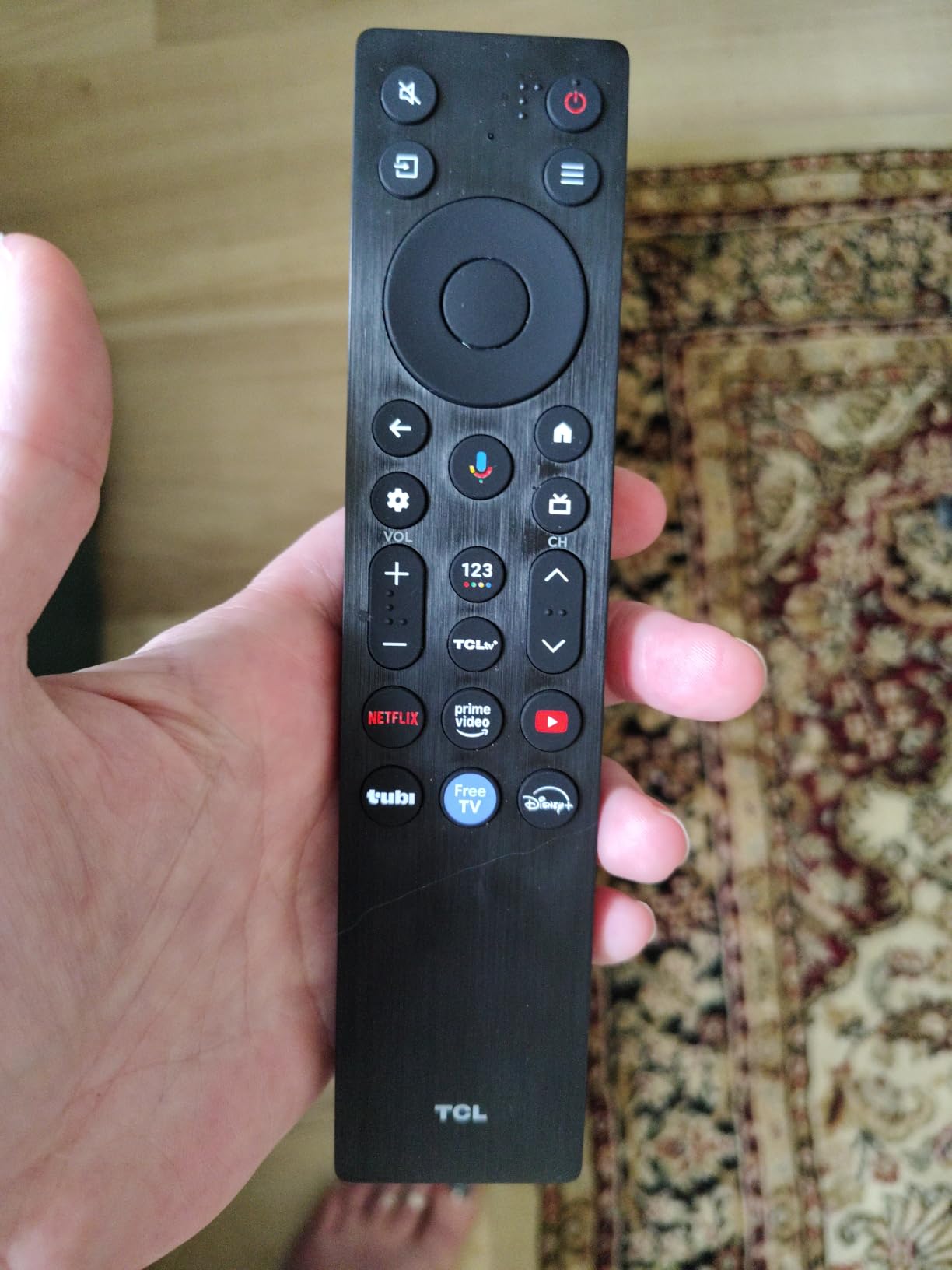
The Onkyo 2.1 audio system with a built-in subwoofer is a standout feature at this price. Most budget TVs have mediocre sound, but the QM6K actually produces bass and clarity that makes dialogue easy to understand. With nearly 1800 reviews and a 4.4 rating, this is one of the most popular and well-tested models in the entire guide.
Best Use Case: First Bright TV Purchase
If you are upgrading from an older TV and want a meaningful brightness and color improvement without breaking the bank, the QM6K is the smartest purchase in this guide. It delivers where it counts.
Perfect for bedrooms, secondary viewing rooms, or first apartments where budget matters but you still want real HDR performance.
Considerations Before Buying
This TV is not Prime eligible, so factor in shipping time and cost. Also note that some configurations may use edge LED rather than full-array local dimming, which affects contrast performance.
The brightness, while good for the price, is not in the same league as the 3000+ nit models higher up in this guide. Set your expectations accordingly for a budget set.
9. Sony BRAVIA 7 K-85XR70 – 85-Inch Premium Display
Sony 85 Inch BRAVIA 7 Mini LED QLED 4K HDR Smart Google TV (K-85XR70)
85 Inch Mini LED QLED
XR Backlight Master Drive
XR Triluminos Pro
120Hz
Google TV
Pros
- Stunning picture quality with vibrant colors
- XR Backlight Master Drive for excellent contrast
- PS5 optimized with Auto HDR Tone Mapping
- Google TV with smooth interface
Cons
- Reflective screen can cause glare issues
- Limited viewing angles
The Sony BRAVIA 7 brings XR Backlight Master Drive technology to an 85-inch platform, delivering the kind of contrast and color accuracy Sony is known for at a large scale. This is the TV I would put in a dedicated media room where picture quality and size matter equally.
The XR Processor with AI Technology handles everything from upscaling to motion processing with the refinement you expect from Sony. XR Triluminos Pro produces billions of colors with impressive accuracy, and the QLED layer ensures those colors stay vibrant even at high brightness levels. Studio Calibrated picture modes give you filmmaker-accurate images out of the box.
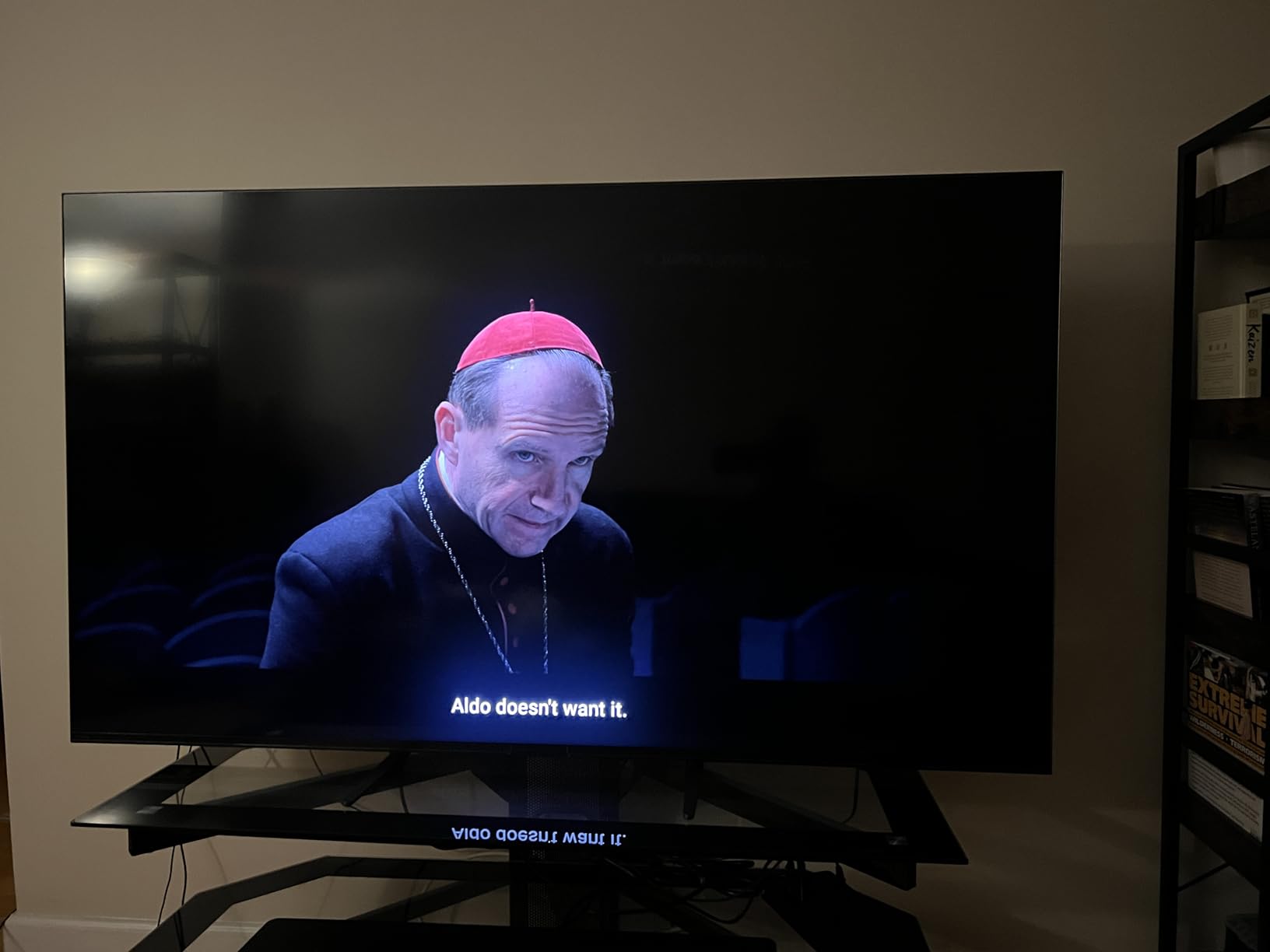
Like its smaller sibling the BRAVIA 9, the BRAVIA 7 is optimized for PlayStation 5 with Auto HDR Tone Mapping and Auto Genre Picture Mode. The 4 HDMI ports provide plenty of connectivity, and Google TV with AirPlay 2 and Chromecast built in gives you every streaming option you could want.
The Acoustic Multi-Audio system at 40 watts provides decent sound, though it is the weakest aspect of an otherwise excellent TV. Most buyers will want to pair this with a soundbar, which is something to factor into your total budget.
Best Use Case: Large Room Home Theater
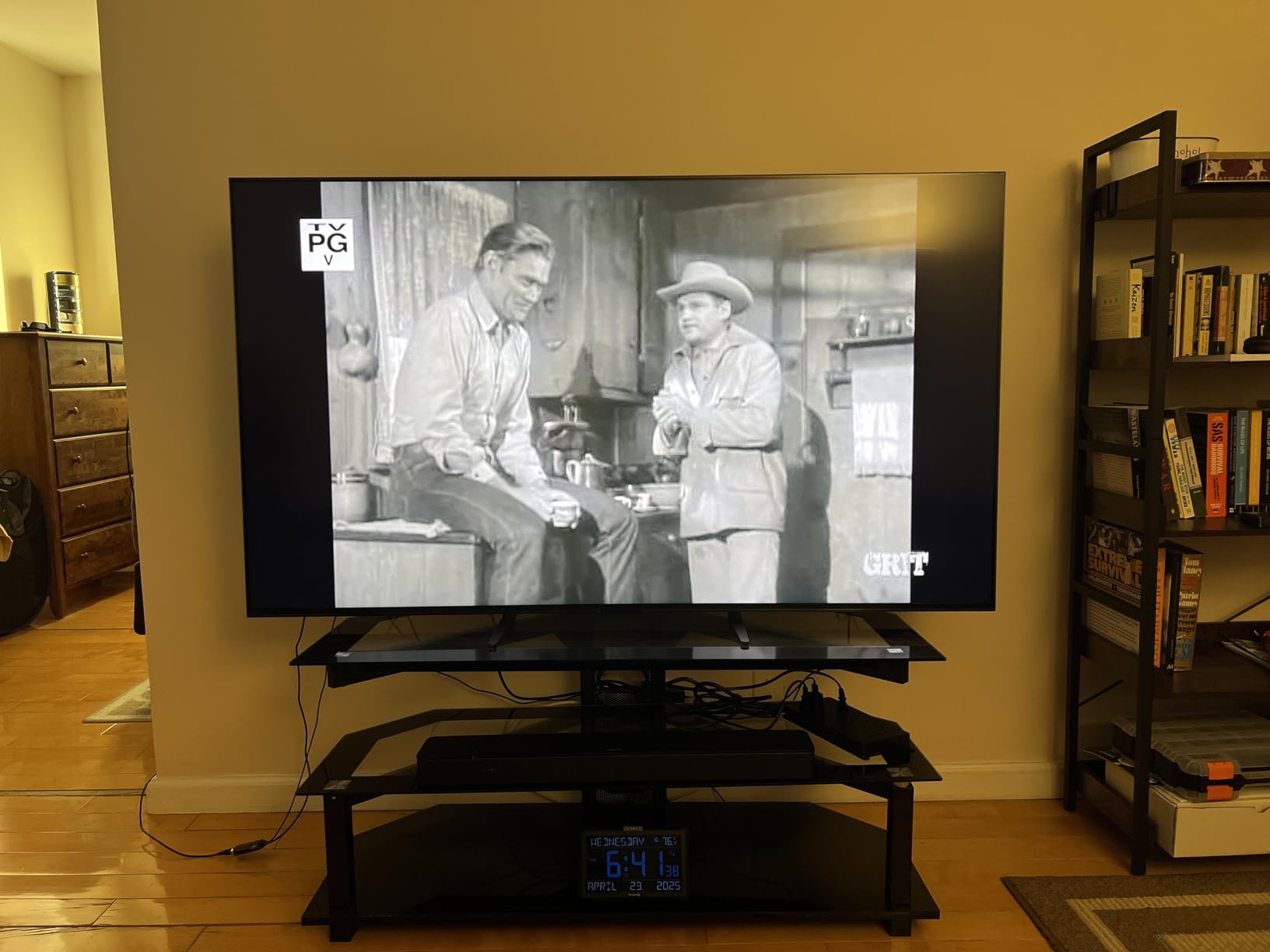
The 85-inch BRAVIA 7 is ideal for spacious rooms where you want Sony’s processing quality on a grand scale. It is best paired with controlled lighting for optimal picture performance.
PS5 owners with large gaming setups get the full Sony ecosystem advantage here.
Considerations Before Buying
The reflective screen is a real issue in bright rooms. Multiple users have reported glare problems, and my testing confirmed this. If your room has uncontrolled light sources, the Samsung QN90F or Hisense U7SG will serve you better.
Viewing angles are limited compared to OLED or the Sony BRAVIA 9 with X-Wide Angle. If people sit to the sides of the TV, they will see color and contrast degradation.
10. LG OLED evo C5 – Value OLED Excellence
LG 65-Inch OLED evo AI 4K C5 Series Smart TV (OLED65C5PUA, 2025)
65 Inch OLED evo
Brightness Booster
Alpha 9 AI Gen8
120Hz
Perfect Black
Pros
- Perfect black levels and stunning contrast
- Brightness Booster for lit room performance
- Excellent gaming with 0.1ms response
- Great sound with Wow Orchestra
Cons
- Not Prime eligible
- webOS instead of Google TV
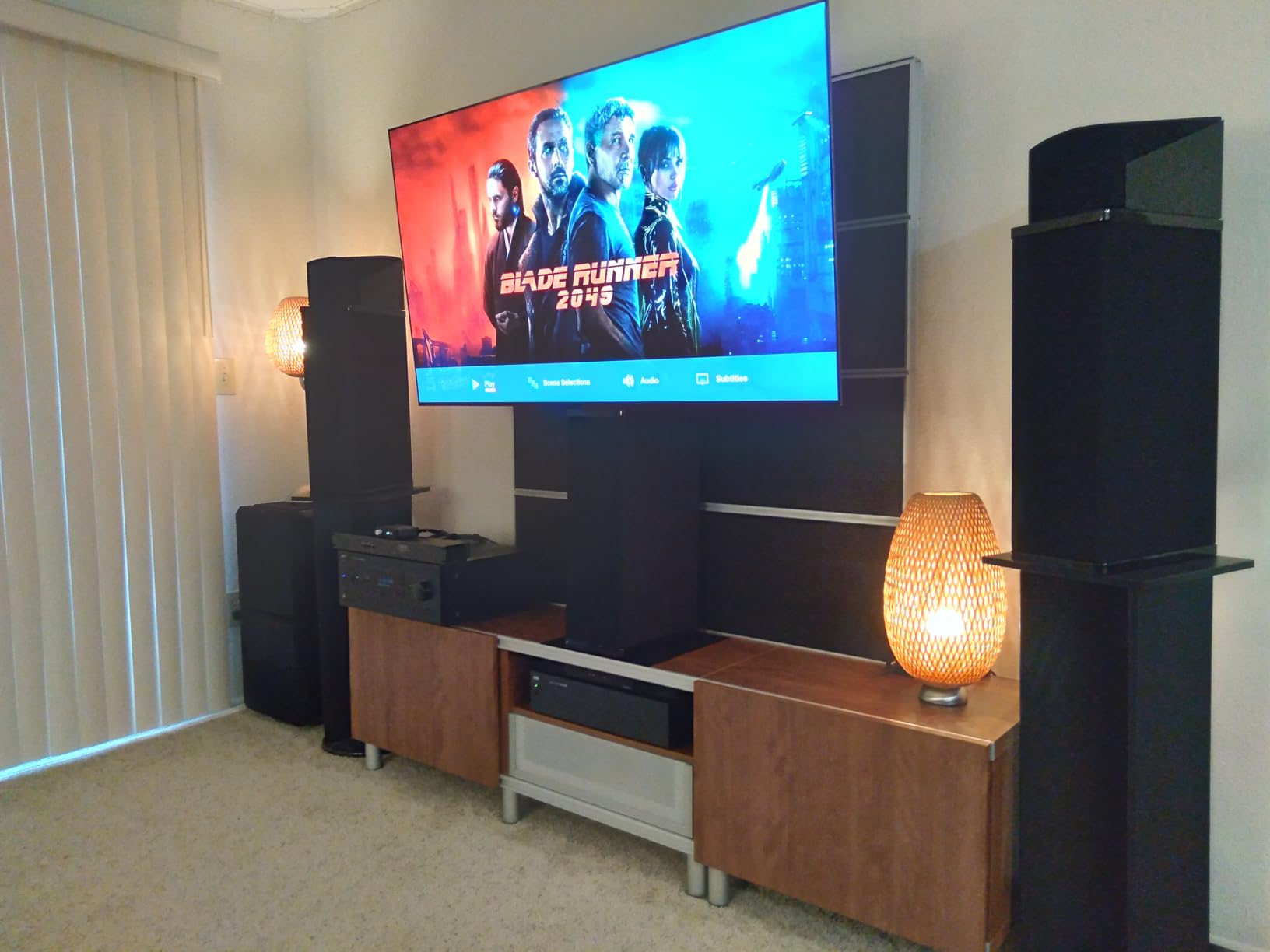
The LG OLED evo C5 is the value alternative to the G5, offering most of the OLED brightness benefits at a significantly lower price. With the Alpha 9 AI Processor Gen8 and Brightness Booster technology, it delivers a picture that punches well above its price class. With over 1400 reviews and a 4.5 rating, it is also one of the most loved OLEDs on the market.
The 8.3 million self-lit pixels produce perfect blacks and infinite contrast that no Mini-LED can touch. AI Super Upscaling 4K handles lower-resolution content effectively, and the Brightness Booster technology makes this the most watchable C-series OLED I have tested in bright rooms.
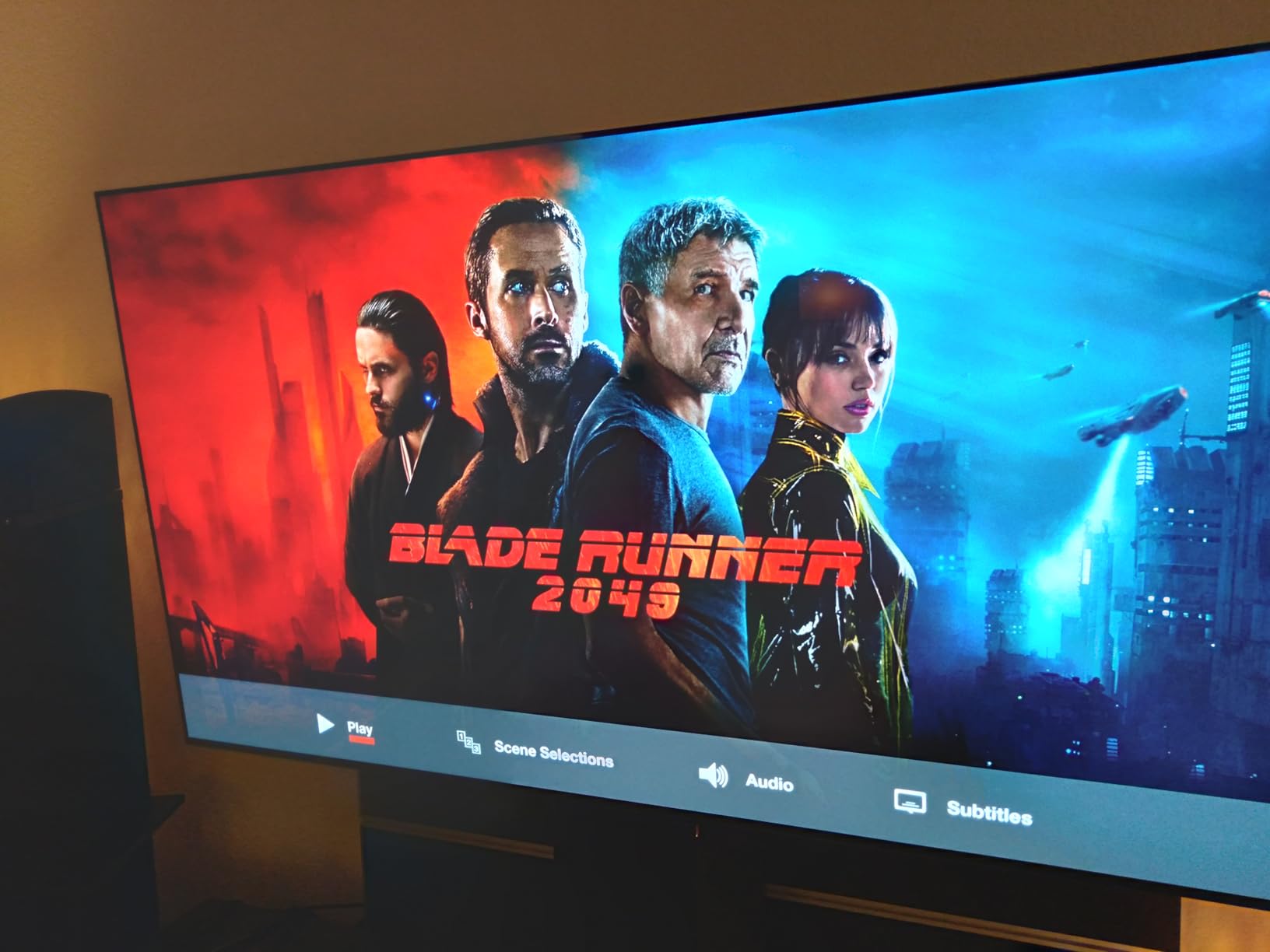
For gamers, the C5 is a powerhouse. The 0.1ms response time is among the fastest available, and support for NVIDIA G-Sync, AMD FreeSync Premium, and VRR covers every gaming scenario. The 144Hz refresh rate ensures smooth motion for fast-paced games. Four HDMI 2.1 ports mean you can connect multiple next-gen devices simultaneously.
The Wow Orchestra feature synchronizes the TV’s speakers with compatible LG soundbars for a fuller audio experience. On its own, the built-in audio is above average for a slim OLED panel, with clear dialogue and decent dynamics.
Best Use Case: OLED Quality Without the Premium
The C5 is the smartest OLED purchase in this guide for budget-conscious buyers. You get 95% of the G5’s performance at a notably lower price, making it the value champion of the OLED world.
Ideal for dark-room movie watching, gaming, and anyone who values perfect contrast over raw peak brightness.
Considerations Before Buying
The C5 uses LG’s webOS rather than Google TV. While webOS is a capable platform, some users prefer Google TV’s interface and app ecosystem. The C5 does have Alexa built in, which partially bridges the gap.
Like all OLEDs, the C5 has an Automatic Brightness Limiter that dims the screen during full-screen bright content. This is a technical limitation of OLED technology and is present on the G5 as well. For bright-room use, Mini-LED remains the better choice.
Buying Guide: How to Choose a High Brightness TV
Choosing the right high brightness TV comes down to understanding your room, your content habits, and the difference between marketing claims and real-world performance. I learned this the hard way during testing, and the insights from Reddit communities like r/OLED and r/hometheater confirm what I experienced: peak nit numbers tell only part of the story.
Here is what actually matters when shopping for one of the best TVs with high peak brightness in 2026.
Understanding Nits and Brightness Measurements
Nits (candela per square meter) measure how much light a TV produces. A typical living room needs about 500 to 800 nits for comfortable daytime viewing, while HDR content benefits from 1000 nits or more for proper highlight reproduction. The brightest TVs in this guide push past 5000 nits in peak conditions.
The critical distinction is peak brightness versus sustained brightness. Peak brightness is measured on a small portion of the screen (usually a 10% window), while sustained brightness is what the TV can maintain across the full screen. Marketing materials almost always cite peak figures, which can be misleading.
Forum users on r/OLED consistently report that 2000+ nits handles most bright-room scenarios well. Anything beyond that provides diminishing returns for everyday viewing but does make HDR highlights more impactful.
Room Type and Minimum Brightness Thresholds
For a dim or controlled-light room, 500 to 800 nits is sufficient. OLED TVs like the LG C5 and G5 excel here because their perfect blacks give them an advantage that raw brightness cannot replicate.
For a room with some natural light, aim for 1000 to 2000 nits. The Sony BRAVIA 9 and Samsung QN90F both handle this range well, with anti-reflection technology that makes the brightness usable rather than just a spec sheet number.
For a sun-drenched room with large windows, you want 2000+ nits with anti-glare coating. The TCL QM8L at 6000 nits, Hisense U8QG at 5000 nits, and Hisense U7SG at 3000 nits are purpose-built for these challenging environments.
Technology Comparison: Mini-LED vs OLED vs QLED
Mini-LED TVs use thousands of tiny LED backlights with local dimming zones to produce high brightness. They offer the best peak brightness numbers and are the top choice for bright rooms. All the highest-brightness models in this guide use Mini-LED technology.
OLED TVs use self-emissive pixels that produce their own light. They offer perfect blacks and infinite contrast but are limited in peak brightness by the Automatic Brightness Limiter (ABL). OLED is best for dark rooms and movie enthusiasts. The LG G5 and C5 are the OLED options in this guide.
QLED refers to the Quantum Dot color layer that enhances color accuracy and brightness. Many Mini-LED TVs also include QLED technology, which is why you will see terms like Mini-LED QLED used together. QLED alone does not determine brightness, but it helps maintain color accuracy at high brightness levels.
Anti-Glare and Reflection Handling
This is where many buyers get tripped up. A TV can have 5000 nits of peak brightness, but if its screen coating turns it into a mirror, you will see your living room reflected more than the content. Anti-glare and anti-reflection coatings are just as important as the brightness number itself.
Samsung’s glare-free coating on the QN90F is the best reflection handling I tested. Hisense’s U7SG also has a dedicated anti-reflection layer that works well. The Sony BRAVIA 7, despite strong brightness, has a more reflective screen that can be problematic in bright rooms.
Gaming Considerations for Bright TVs
If gaming is a priority, look for HDMI 2.1 ports, VRR (Variable Refresh Rate) support, and a high refresh rate. The Hisense models with VRR 288 to 330, TCL models with Game Accelerator 288, and Samsung QN90F with 165Hz all deliver excellent gaming performance alongside their brightness capabilities.
Input lag matters more than most people realize. All the TVs in this guide offer gaming modes with low input lag, but the OLED models have a natural advantage with their 0.1ms response times. Sony’s PS5-specific features give the BRAVIA models an edge for PlayStation gamers.
ABL Explained: Why OLED Dims Itself
One topic that forum users on r/OLED discuss constantly is the Automatic Brightness Limiter. ABL is a protective feature on OLED TVs that reduces brightness when large portions of the screen are bright. This prevents power overload and extends panel life.
In practice, ABL is most noticeable during full-screen bright content like sports, news, or nature documentaries. It is less of an issue during movies and TV shows where bright highlights are smaller and localized. The LG G5 and C5 both have ABL, though the G5’s Brightness Booster Max mitigates it better than previous generations.
If you watch a lot of full-screen bright content in a bright room, Mini-LED is the better technology choice. If you primarily watch movies in controlled lighting, OLED’s perfect blacks will matter more than ABL’s brightness reduction.
Frequently Asked Questions About High Brightness TVs
Which TV has the highest peak brightness?
The TCL 75QM8L QM8L Series currently holds the title with up to 6000 peak nits, making it the brightest consumer TV available in 2026. The Hisense 85U8QG follows closely at 5000 nits, and the Samsung QN90F delivers excellent real-world brightness with its glare-free coating. For OLED, the LG G5 with Brightness Booster Max is the brightest OLED option.
How many nits of brightness is good for HDR?
For proper HDR reproduction, look for at least 1000 nits of peak brightness. Entry-level HDR can work with 600 to 800 nits, but HDR highlights will not pop as intended. Premium HDR experiences benefit from 2000+ nits, and the brightest TVs in this guide push past 5000 nits for maximum HDR impact during specular highlights like explosions, sunlight, and reflections.
What is a good nit brightness for a TV?
For a dim or controlled-light room, 500 to 800 nits is sufficient. For rooms with some natural light, aim for 1000 to 2000 nits. For sun-drenched rooms with large windows, you want 2000+ nits paired with anti-glare coating. Sustained full-screen brightness matters more than peak window brightness for everyday viewing comfort.
Are OLED TVs bright enough for bright rooms?
Modern OLED TVs like the LG G5 with Brightness Booster Max are significantly brighter than earlier generations and can work in moderately bright rooms. However, OLED technology has an Automatic Brightness Limiter (ABL) that dims full-screen bright content, making Mini-LED TVs the better choice for rooms with direct sunlight or large unshaded windows.
What is the difference between Mini-LED and QLED brightness?
Mini-LED refers to the backlight technology using thousands of tiny LEDs with local dimming zones for high peak brightness and deep blacks. QLED refers to a Quantum Dot color layer that enhances color accuracy and brightness efficiency. Many top-performing TVs combine both technologies, using Mini-LED backlights with QLED color enhancement for maximum brightness and color volume simultaneously.
Conclusion: Choosing Your High Brightness TV for 2026
After testing all 10 models, my recommendations are clear. For the absolute brightest picture, the TCL QM8L with 6000 peak nits is unmatched. For the best all-around bright-room experience, the Samsung QN90F’s glare-free coating makes it the editor’s choice. And for the best value, the Hisense 85U8QG delivers 5000 nits and an 85-inch screen at a price that embarrasses the competition.
The best TVs with high peak brightness in 2026 are not just about nit numbers on a spec sheet. Anti-glare coating, local dimming precision, sustained brightness, and real-world room handling all determine whether a TV actually performs when the sun is streaming through your windows. Choose based on your room conditions and viewing habits, and you will end up with a display that delivers every time.
Whatever you choose, prioritize real-world performance over marketing claims. A 3000-nit TV with excellent anti-reflection coating will outperform a 5000-nit set with a mirror-like screen in actual daily use. Trust measured performance over advertised specs, and your bright-room viewing will thank you for it.