
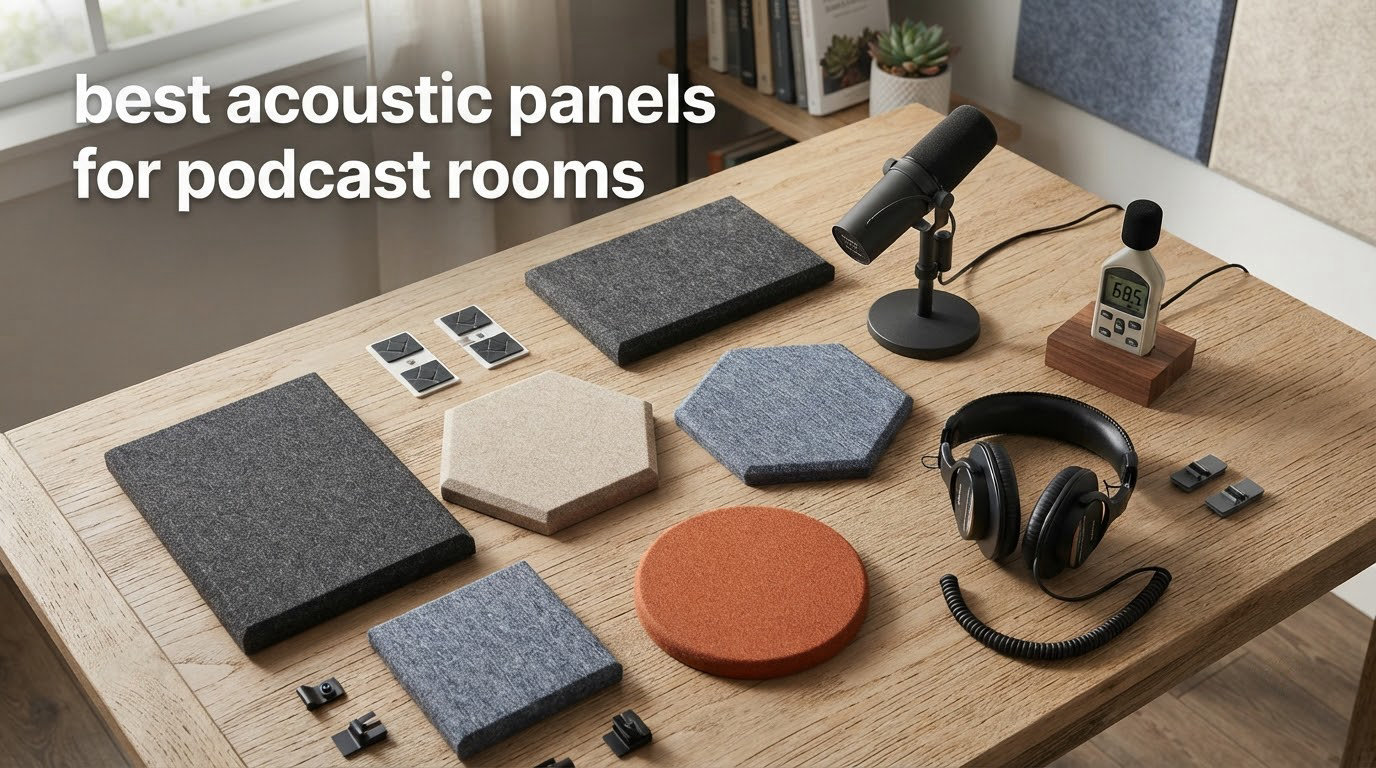
Every take you will ever record is shaped by the room before the microphone hears a single word. Hard walls, glass, a bare ceiling and a laminate floor bounce your voice back into itself, and what the mic captures is a smeared, boxy version of how you actually sound. That is the whole argument for acoustic panels, and it is why the choice of panel matters more than the microphone sitting on your desk.
We read the spec sheets, install guides and owner reviews on twelve of the highest-rated panels sold for small voice rooms, then matched each one to a specific job: first reflection points, corners, the ceiling, or the wall behind you. What follows is our best acoustic panels for podcast rooms roundup for 2026 — twelve panels, ranked by how well each one does the job it was actually built for, not by how it looks in a product photo.
One expectation to set before you read further. Panels absorb sound inside the room. They do not stop sound from leaving through the walls, and no panel on this list will. If your actual problem is traffic outside the window or a washing machine two rooms over, read the soundproofing section first, then come back.
If you are still building out the rest of the studio, our guide to the best podcast microphone kits for beginners is the natural next read.
Table of Contents
Top 3 Picks for Podcast Rooms in 2026

NeatiEase Wood Slat Panels
- Highest rated in the group at 4.7
- 33 sq ft across four 96-inch panels
- MDF and polyester fiber core
- teak veneer that holds up on camera

Art3d Walnut Slat Wall Panels
- Six fluted panels covering 31.5 sq ft
- Near-seamless 94.5-inch runs
- Low-VOC MDF and polyester backing

TONOR Dual-Layer Panels
- Thickest adhesive panel in the group at 0.72 inch
- Four 47.2 x 23.6 inch panels
- Self-adhesive backing that holds on ceilings
Our number one is the NeatiEase teak slat set because it is the only panel here averaging 4.7 stars while still covering roughly 33 square feet of wall in four pieces. The Art3d walnut set is the pick for anyone whose set has to read well on camera, and the TONOR dual-layer set is the easiest serious upgrade to install.
Best Acoustic Panels for Podcast Rooms in 2026
| Product | Specifications | Action |
|---|---|---|
| NeatiEase Wood Slat Panels, Teak, 4-Pack |
|
Check Latest Price |
| Art3d Walnut Slat Wall Panels, 6-Pack |
|
Check Latest Price |
| TONOR Dual-Layer Thickened Panels, 4-Pack |
|
Check Latest Price |
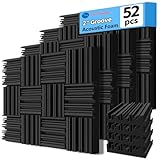 TroyStudio Grooved Foam Panels, 52-Pack TroyStudio Grooved Foam Panels, 52-Pack |
|
Check Latest Price |
 BXI Tackable Absorbers, 6-Pack BXI Tackable Absorbers, 6-Pack |
|
Check Latest Price |
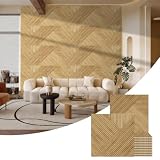 BUBOS Wood-Print Panels, 6-Pack BUBOS Wood-Print Panels, 6-Pack |
|
Check Latest Price |
 UMIACOUSTICS Walnut Panels, 6-Pack UMIACOUSTICS Walnut Panels, 6-Pack |
|
Check Latest Price |
 AudioSilk Recycled PET Panels, 4-Pack AudioSilk Recycled PET Panels, 4-Pack |
|
Check Latest Price |
 shipxinfuren Wedge Foam Panels, 4-Pack shipxinfuren Wedge Foam Panels, 4-Pack |
|
Check Latest Price |
 TO-TH Felt Laminate Panels, 10-Pack TO-TH Felt Laminate Panels, 10-Pack |
|
Check Latest Price |
 NEPIS Brick-Profile Tiles, 20-Pack NEPIS Brick-Profile Tiles, 20-Pack |
|
Check Latest Price |
 HLJ ART Printed Panels, 8-Pack HLJ ART Printed Panels, 8-Pack |
|
Check Latest Price |
What Are the Best Acoustic Panels for a Podcast Room?
The best acoustic panels for podcast rooms are thick fabric- or wood-faced broadband absorbers with an NRC of 0.80 or higher, mounted at first reflection points, in the vertical corners, and in a cloud above your listening position. Two inches of core is the practical minimum for speech. Panels control reflections inside the room. They do not block sound passing through walls, windows, or doors, and they do nothing about outside noise like traffic or HVAC.
That single paragraph is the most useful thing in this guide, so let me unpack each part here rather than in a glossary at the bottom of the page.
Do Acoustic Panels Soundproof a Room? Not Even Slightly
No. Acoustic panels absorb sound energy inside a room to reduce echo and reverb. Soundproofing blocks sound from passing through walls, floors, and ceilings, and it requires entirely different materials and construction — mass, decoupling, and sealing.
Podcasters on r/podcast describe this as the most demoralizing misconception in the hobby, and the forum consensus is blunt: true isolation is out of reach on a normal budget. That is not bad news. Reflections are almost always the bigger problem for speech, and they are the cheaper one to fix.
Here is the practical split. If your problem is a hollow, boomy, boxy voice on the recording, panels solve it. If your problem is a car passing outside, a fridge cycling next door, or a neighbor’s music bleeding through a hollow-core door, panels will not move that needle, and you would be better served by soft furnishings, seals, and a door sweep.
One number frames the entire goal. An untreated room with hard surfaces often sits above 1.0 second RT60 — the time it takes a sound to decay by 60 decibels. A properly treated voice space targets 0.3 to 0.5 seconds. That gap is the difference between a roomy voice and an intelligible one, and it is also what makes automatic transcription and clip extraction behave predictably.
1. NeatiEase Wood Slat Panels – Highest Rated Finish in the Group
NeatiEase Wood Panels for Wall, 4-Piece 96″ x 12.6″ Soundproof Wood Slat Wall Panel for Interior Wall Decor Noise Cancelling, Acoustic Wall Panels, Sound Absorbing Panel (Teak)
4 panels at 96 x 12.6 in
MDF and polyester fiber core
Teak veneer, 33 sq ft total
Pros
- Highest average rating in the group at 4.7 stars
- Substantial 33 sq ft of coverage across four 96-inch panels
- Realistic teak veneer that looks more expensive than it is
- Cuts cleanly with an oscillating tool or box cutter
Cons
- Noticeable odor for the first several weeks that slowly dissipates
- An oscillating multi-tool is advisable for cutting
- Two-person install is easier at 96 inches long
Four panels, each 96 inches long and 12.6 inches wide, covering roughly 33 square feet. That is more coverage per order than anything else in this group, and it carries the highest average rating we found across the twelve products reviewed.
The core is MDF with high-density polyester fiber, finished in a teak veneer with a warm red-orange tone. On camera it reads as a real slat feature wall rather than a studio accessory screwed to the wall behind a host.
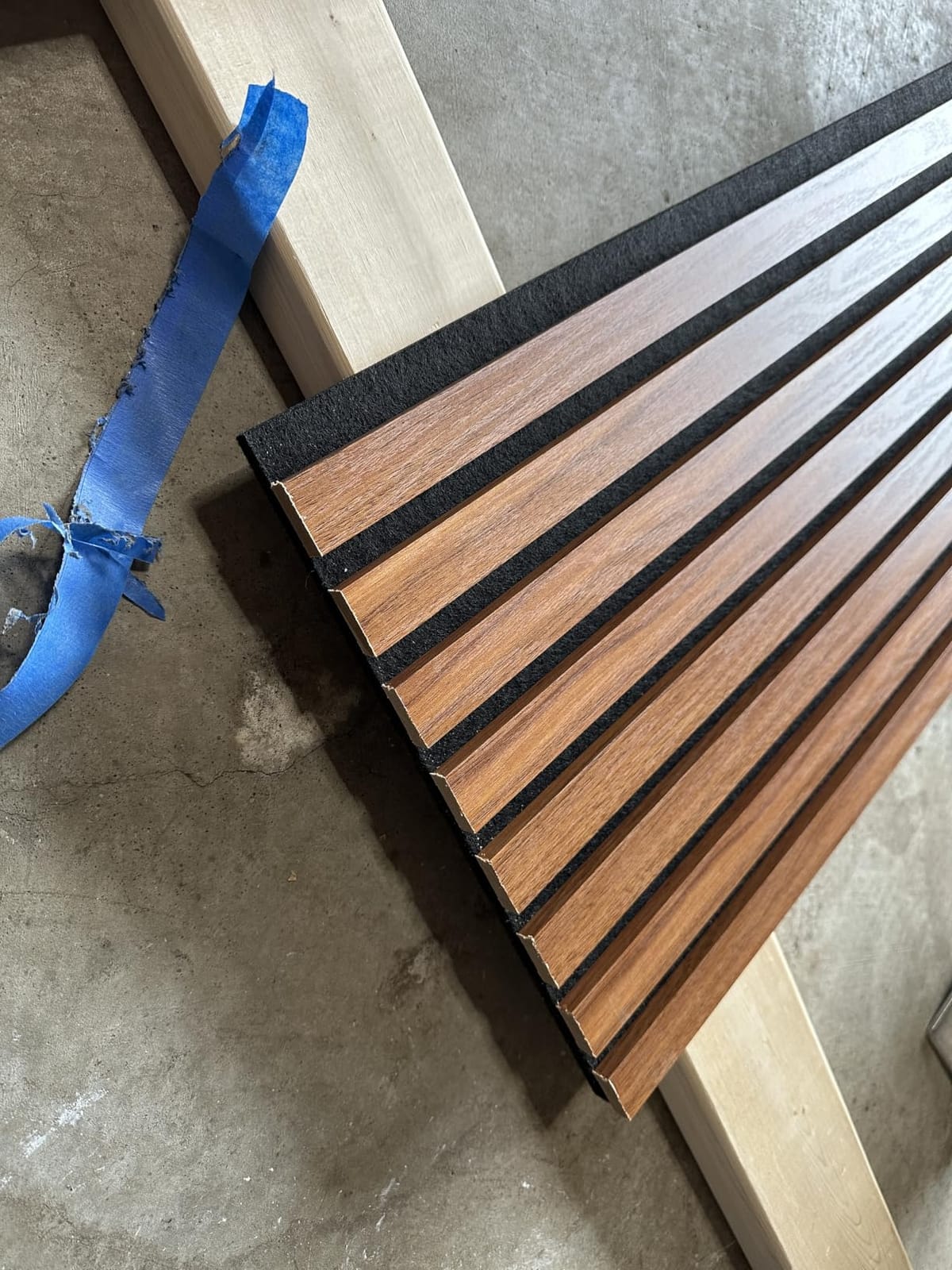
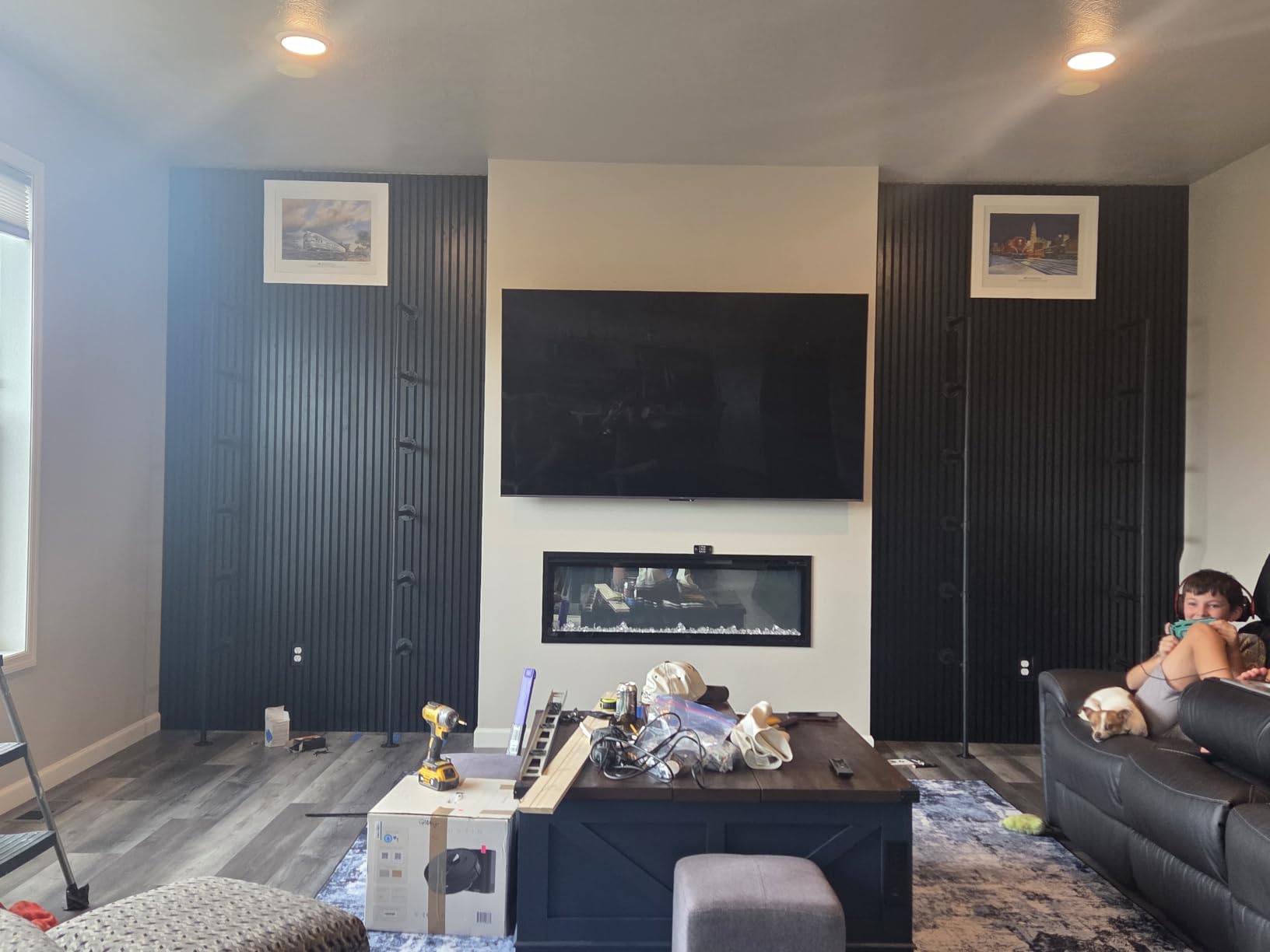
Owners consistently mention two things: the finish holds up in person, and echo drops noticeably once the panels cover a meaningful area. Installers offer practical tips in the reviews — measure and level first, cut outdoors because of the dust, and steer clear of the staple rows beneath the slats so a blade does not hit them.
The panel flexes enough to sit against an uneven wall, which matters in older houses where plaster is not flat. The stated materials are non-toxic, low TVOC, and from certified sustainable sources.
Who This Suits
A two-person interview show in a spare room, or a video podcast where the wall behind the host is part of the shot. A 4.7 rating reflects a finish that does not look improvised, and 33 square feet is enough to change the acoustics of the room rather than decorate one corner of it.
Who Should Skip It
Skip it if you record audio only and never see the set, or if you cannot get a second pair of hands. At 96 inches long these need two people or a proper support to mount properly. The initial odor is also real and lingers for several weeks, so do not hang them the week of a recorded season.
2. Art3d Walnut Slat Wall Panels – Best for Video Podcast Backdrops
Art3d 6-Pack Soundproof Wood Slat Wall Panels, 94.5 x 7.9 Inch, Walnut
6 panels at 94.5 x 7.9 in
MDF with polyester fiber backing
31.5 sq ft, walnut finish
Pros
- Strongest consistently well-reviewed slat option in the set
- Warm wood-slat look that doubles as a feature wall
- 94.5-inch length enables near-seamless floor-to-ceiling runs
- Consistent finish matching across separate orders
Cons
- Cut edges are very sharp and need sanding after trimming
- Cost per square foot adds up quickly for large coverage
- Adhesive is not included and some panels need fasteners
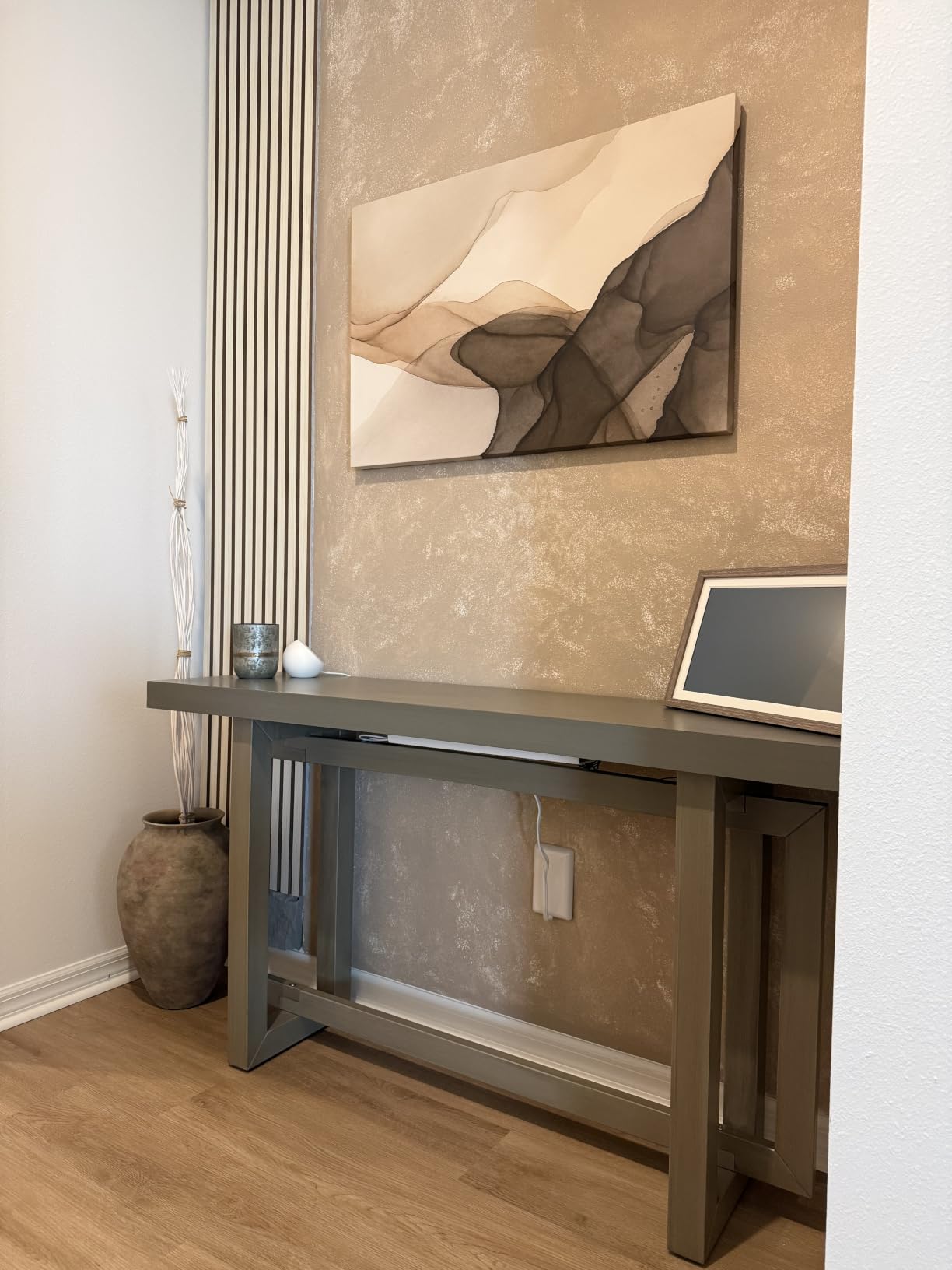
Six fluted panels, each 94.5 inches long by 7.9 inches wide, covering about 31.5 square feet. The 4.6 rating makes this the most consistently well-reviewed slat product we covered, and the length is what separates it from the crowd.
At 94.5 inches, a stack of these runs nearly floor to ceiling in a standard room with almost no visible seam. The core is quality MDF with high-density polyester fiber, and the listed materials are low-VOC with no harmful chemical emissions. They mount to walls and ceilings with basic tools.
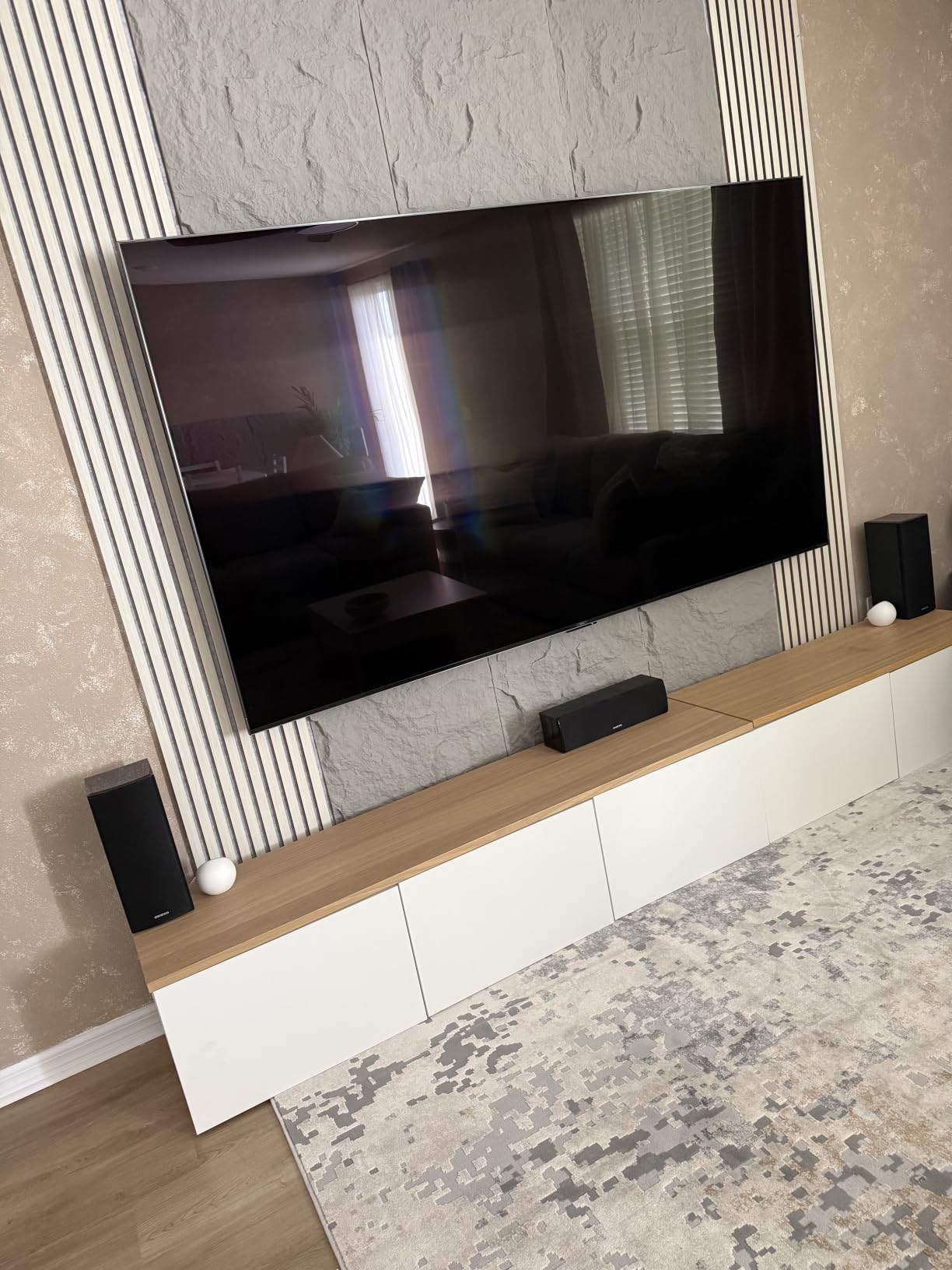
Buyers highlight the walnut finish as true to the photos, easy install with basic tools, and a real reduction in echo. A sample pack is available to confirm the finish before committing to a large order, which is the single smartest thing a first-time panel buyer can do.
The recurring caution is handling rather than performance. Cut edges are sharp enough to want sanding, and adhesive is not included, so longer panels need screws or nails rather than glue alone to stay put.
Who This Suits
Video podcasters who want a designed backdrop rather than a wall of identical squares. The vertical stripe of the fluted panel also reads as a partial diffuser to a camera, breaking up the flat plane a lens sees behind the host.
Who Should Skip It
Skip it if you need deep low-frequency control — this is a surface panel with a polyester backing, not a corner bass trap. Cost per square foot also climbs quickly once you cover full walls and ceiling, and beginners should know that sharp edges mean gloves and sanding before install.
3. TONOR Dual-Layer Thickened Panels – Thickest Adhesive Panels in the Set
TONOR Dual-Layer Thickened Acoustic Wall Panels-4 Pack 47.2″x23.6″x0.72″
4 panels at 47.2 x 23.6 x 0.72 in
100% high-density polyester
Self-adhesive, two-year warranty
Pros
- Thickest panel in the group at 0.72 inches for stronger mid-range absorption
- Self-adhesive backing holds reliably including on ceilings
- Odorless with no off-gassing reported
- Users report clear gains once coverage approaches full walls and ceiling
Cons
- Full-back adhesive is essentially permanent and can damage wall or panel on removal
- Horizontal stripe lines do not always align between rows
- A minority report little effect on low-frequency vibration
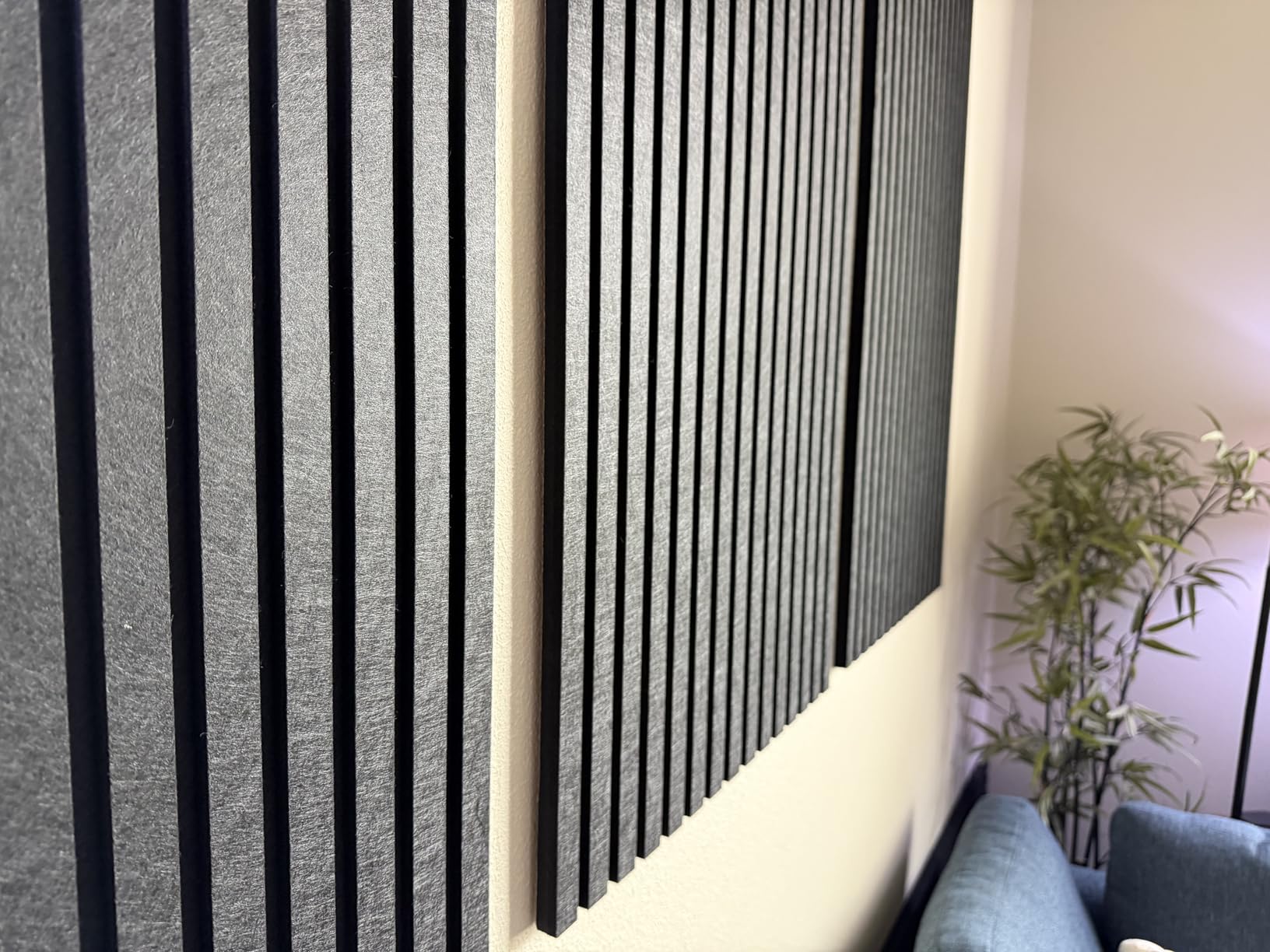
Four panels at 47.2 by 23.6 inches and 0.72 inches thick. At nearly three-quarters of an inch, this is the thickest self-adhesive panel in the group, and thickness is the variable that decides how far down into the low-mid range a panel actually works.
The construction is 100% high-density polyester in a dual-layer reinforced structure, with a peel-and-stick back and reinforced corners for transport. TONOR backs it with a two-year manufacturer warranty, the longest stated warranty among the twelve products we reviewed.
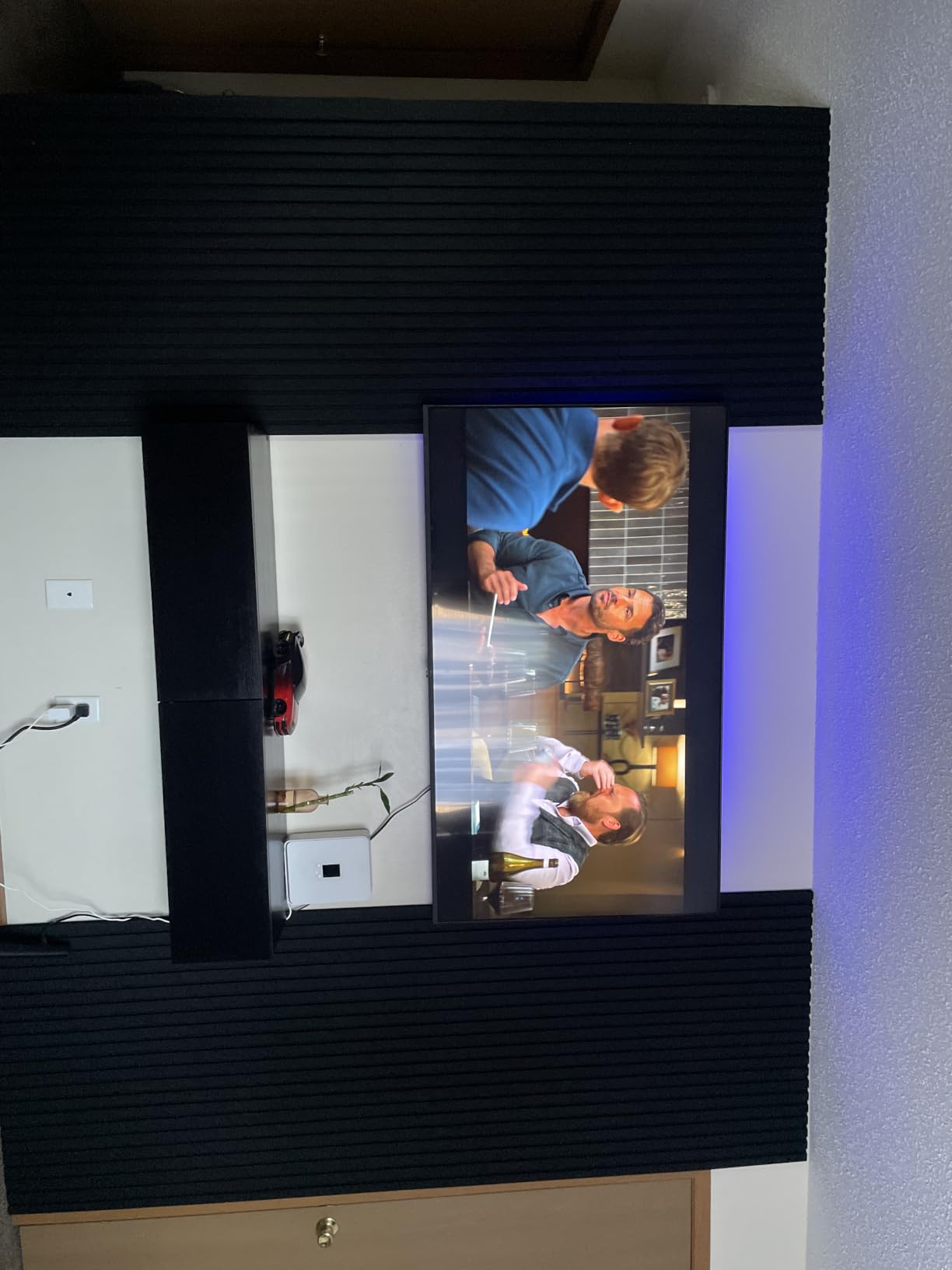
Users credit the extra thickness with meaningful noise reduction and praise the install, which needs no extra tape. Several long-form reviews describe dramatic improvements in home podcast and vocal booths once coverage extends across the walls and ceiling rather than sitting behind one chair.
Complaints center on the adhesive, which several describe as very difficult to peel off, and on stripe alignment, where rows do not always meet cleanly. A few buyers also note the panels did little for vibration-type noise carried through the structure.
Who This Suits
Podcasters in finished rooms who want strong mid-range control without tools, brackets, or a drill. If you rent, or you panic at the idea of permanent adhesive, this is the wrong panel — that is the one dealbreaker here.
Who Should Skip It
Skip it if the wall is freshly painted, textured, or belongs to a landlord. The full-back adhesive is close to permanent, and removing it can take the panel or the paint with it. It also will not stop sound coming through a wall.
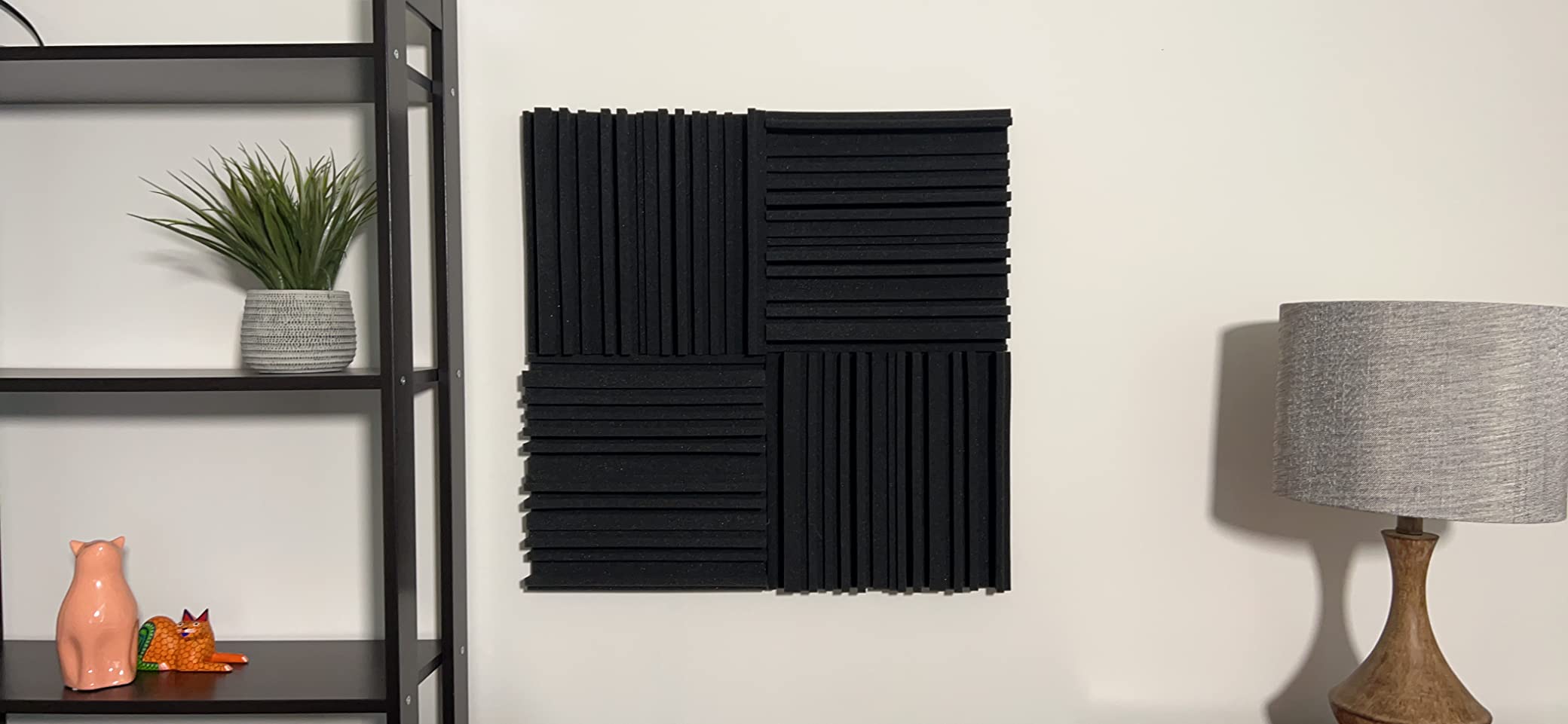
4. TroyStudio Grooved Foam Panels – Most Coverage in a Single Order
TroyStudio Thick Acoustic Foam Panels, 12 X 12 X 2 Inch 52 Pcs Broadband Sound Absorbing Foam, Dense Soundproof Padding Tile, Recording Studio Foam Absorber, Groove Decorative 3D Wall Ceiling Panel
52 panels at 12 x 12 x 2 in
NRC 0.8 polyurethane foam
Covers 52 sq ft, black
Pros
- Large 52-piece pack covering 52 square feet
- Noticeably reduces reflections and boxy echo
- Easy to cut and install with tape or screws
- Modern groove design doubles as wall decor
Cons
- Vacuum-sealed panels often arrive crushed and need hours to regain shape
- Very light low-density foam is weaker than fabric-wrapped panels
- Adhesive and mounting hardware sold separately
Fifty-two tiles at 12 by 12 by 2 inches, covering 52 square feet. With 2492 reviews behind a 4.2 rating, this is the most reviewed product in the entire group, and the coverage per order is double what most of the fabric panels here deliver.
The listed performance is NRC 0.8 with an average absorption coefficient of 0.77, from thick high-density polyurethane with a periodic groove structure that scatters rather than simply reflects. The material is flame retardant to California Technical Bulletin 117-2013, odorless, and non-toxic.
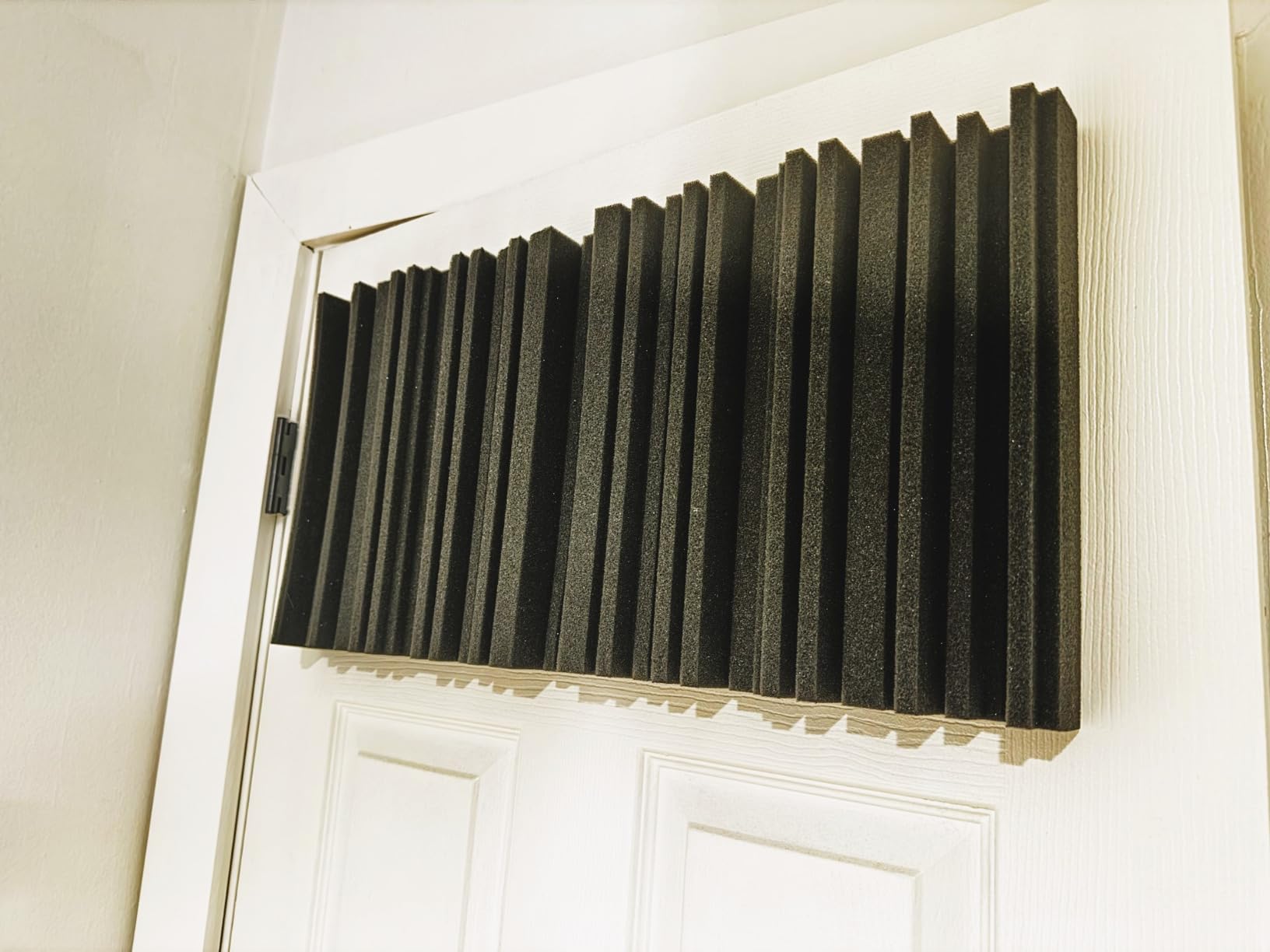
Buyers widely credit these with cutting reflections and echo quickly, and like the futuristic look. The most common complaint by far is packaging: many units arrive compressed and need soaking or a tumble cycle to fully expand. The warm-water trick circulating on r/podcasting — roughly 30 seconds in the sink — is aimed squarely at that problem.
A minority find the foam too light for serious acoustic work, and most reviewers note the important caveat themselves: this is reflection treatment, not soundproofing. Each panel weighs 0.12 pounds, which tells you most of what you need to know about how firmly it is anchored to the wall.
Who This Suits
Audio-only shows in rooms under 200 square feet where you want visible improvement this weekend for the least money and the least effort. It is also the safest way to experiment with coverage before committing to a more expensive set.
Who Should Skip It
Skip it for a video podcast. These are black foam squares, and no amount of clever framing turns them into a backdrop. Skip them too if your problem is bass buildup in a very small room — 2 inches of light foam is a mid-range treatment, not a bass trap.
5. BXI Tackable Absorbers – Best Small Panels for a Tight Room
BXI Sound Absorber – 31.5 X 23.6 X 0.4 Inches 6 Pack High Density Acoustic Absorption Panel, Sound Absorbing Panels Reduce Echo Reverb, Tackable Acoustic Panels for Wall and Ceiling Acoustic Treatment
6 panels at 31.5 x 23.6 x 0.4 in
NRC 0.95 polyester fiber at 200kg/m3
Covers 31 sq ft, warm white
Pros
- High-density polyester fiber with a strong NRC for the panel class
- Large format covers a lot of wall per tile
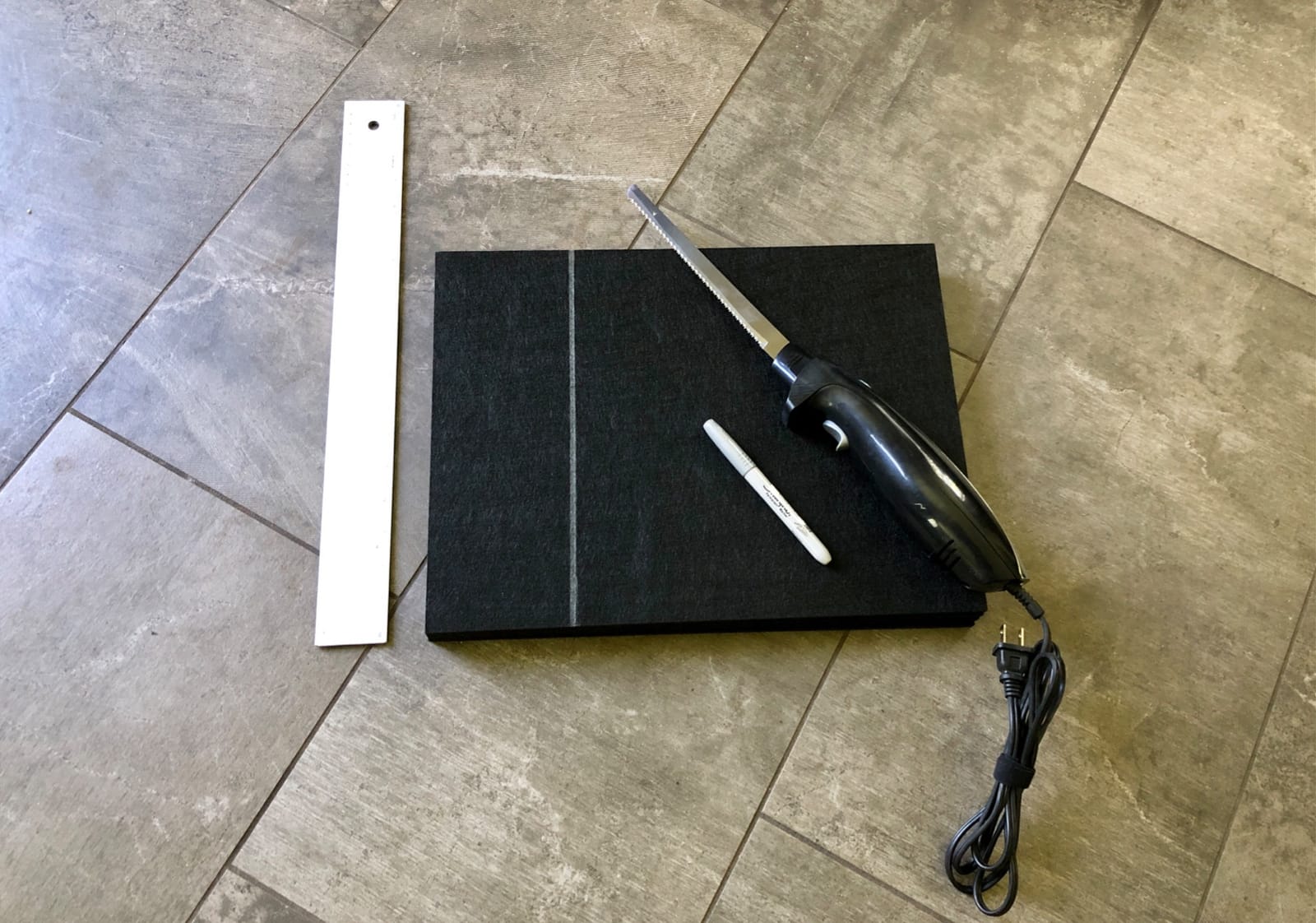
- Firm surface is cuttable with a utility knife and holds push pins
- Multiple color options and a clean fabric look
Cons
- Only 0.4 inches thick
- so it targets mid and high frequencies rather than bass
- Actual cut sizes run slightly under the stated dimensions
- Corners can arrive bent since panels are wrapped in plastic only
Six panels at 31.5 by 23.6 inches and 0.4 inches thick, covering 31 square feet. The listed absorption is NRC 0.95 with an average absorption coefficient of 0.86, from polyester fiber at 200kg/m3 density — a genuinely dense core, not the air-filled foam that gets sold under the same label.
They are Class B1 flame retardant, formaldehyde-free, odorless, and non-toxic. The firm face is tackable, so they double as wall protection against chair backs and microphone arms.
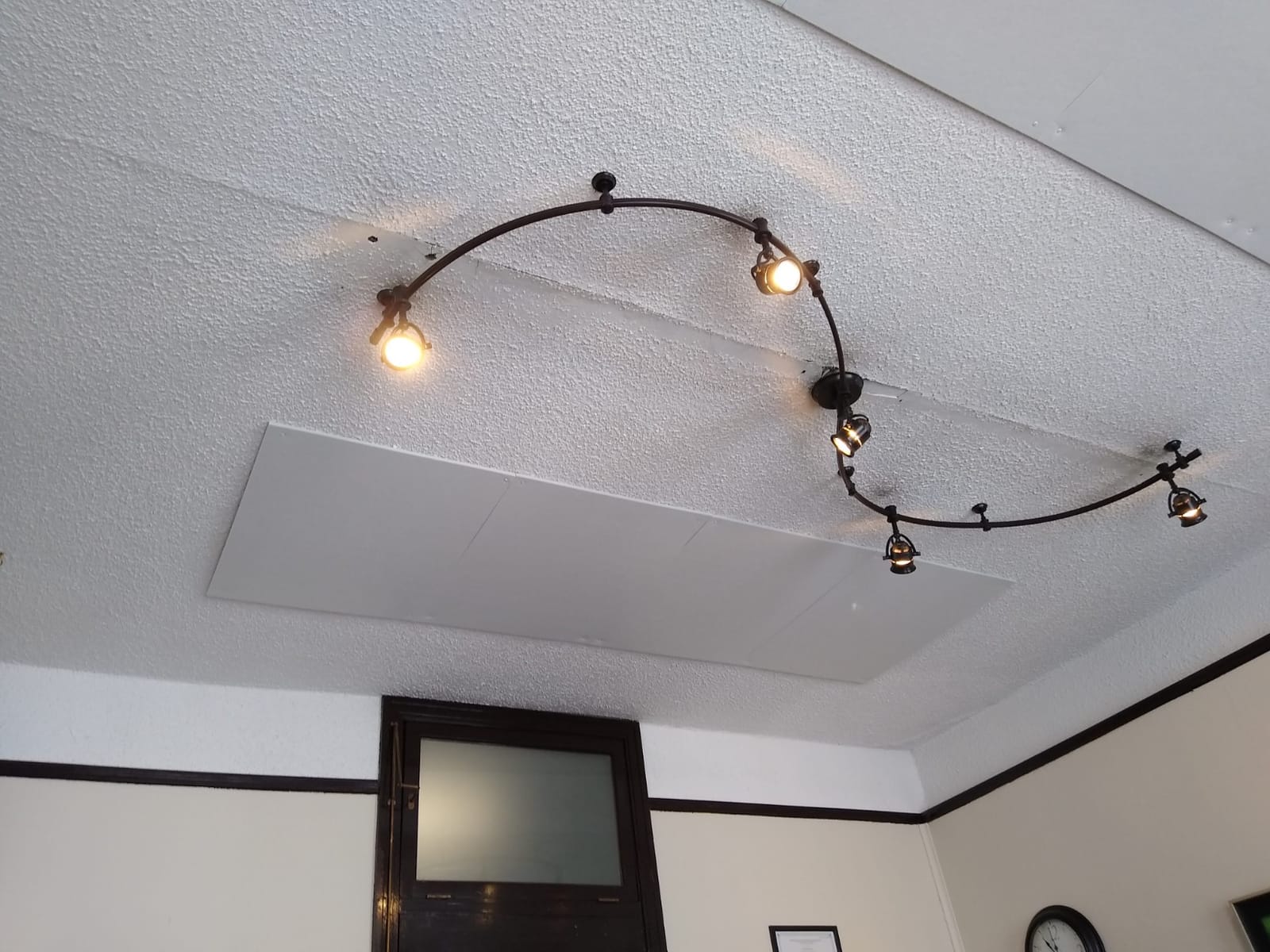
Reviewers find these effective for taming upper-frequency reflections, ringing, and flutter echo, and several note they soften noise bleeding through thin apartment walls. A minority feel the 0.4-inch thickness delivers little, especially against low-frequency or structural sound, and some say the colors look greyer in person than in the listing photos.
Two practical warnings. Actual cut sizes run slightly under the stated dimensions, so measure your wall before ordering. And because they arrive in plastic wrap only, corners sometimes arrive bent — press them flat before mounting.
Who This Suits
Home-office and voiceover booths in apartments where the neighbors are the real concern. A tackable face is genuinely useful in a room where furniture bumps walls, and the 31.5-by-23.6-inch format fits a narrow wall better than a 4-foot panel.
Who Should Skip It
Skip it as your only treatment in a bass-heavy room. At 0.4 inches these handle the upper mid and high range, and the manufacturers are honest about the limits. Pair them with something thicker in the corners, or accept the boomy low end.
6. BUBOS Wood-Print Panels – Slat Look Without the Slat Work
BUBOS 6-Pack Acoustic Panels, Wood Grain Sound Absorbing Panels, 23.6×23.6
6 panels at 23.6 x 23.6 in x 0.35 in
Light Diamond Weave wood print
High-density polyester, 1 year warranty
Pros
- Wood-grain print reads as slat wall at a fraction of the cost
- Large 23.6-inch format minimizes seams and speeds install
- Polyester resists crumbling
- odors and sagging versus foam
- Cuttable with a box cutter and vacuumable
Cons
- Adhesive tab quantity has been inconsistent across packs
- Full-back adhesive on later packs can pull paint off textured walls
- 0.35-inch thickness gives only modest low-frequency absorption
Six panels at 23.6 by 23.6 inches and 0.35 inches thick. Each one covers nearly four times the area of a standard 12-inch tile, which is why this pack gets a lot of wall treated in a single order. The finish is a Light Diamond Weave wood print over high-density polyester.
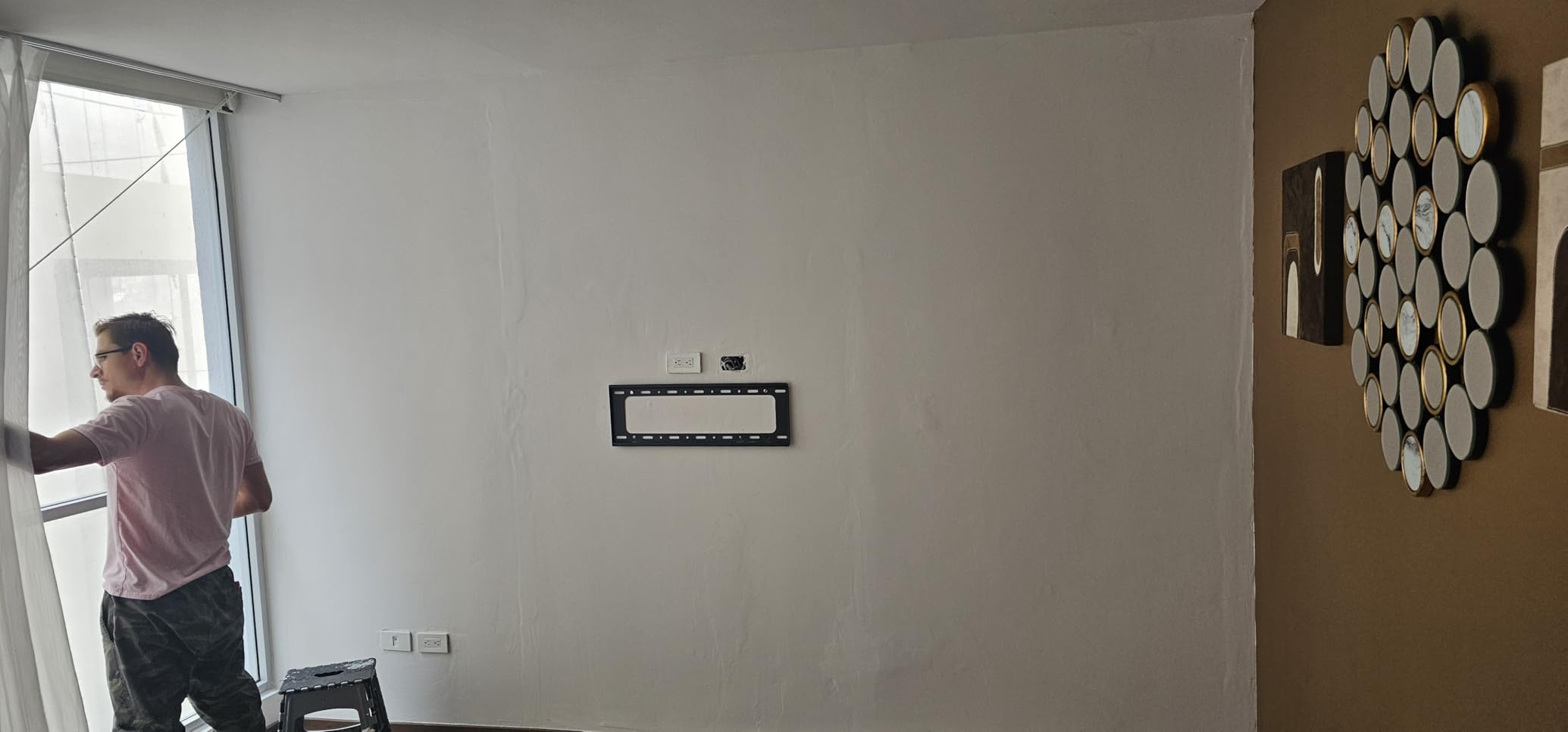
The square format matters for layout. Instead of a grid of small squares with visible seams everywhere, you are tiling large panels, so the gaps read as deliberate lines rather than a patchwork.
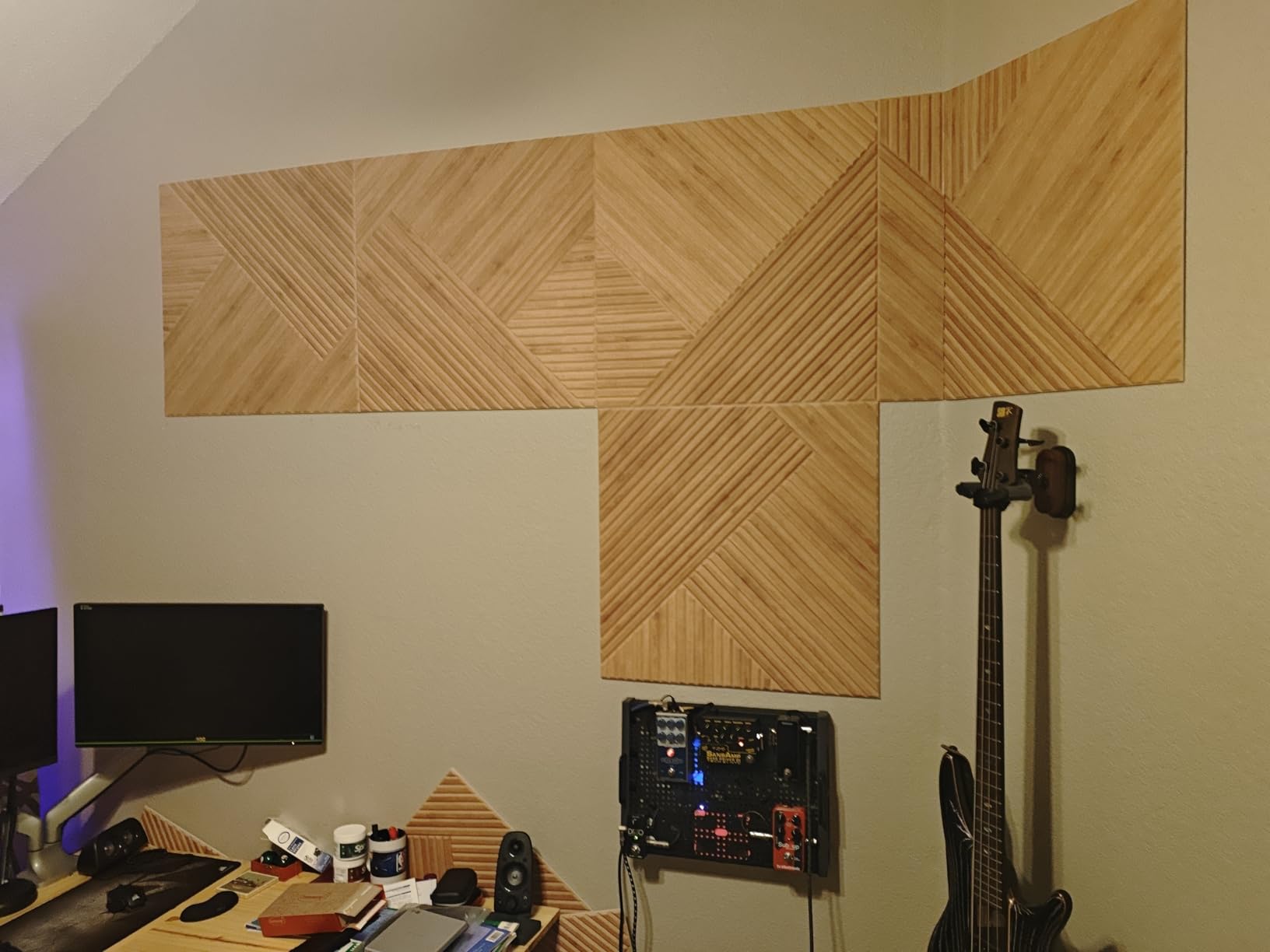
Owners praise the appearance and the moderate echo reduction, with several reporting a clearer, less boxy sound in home theaters and voice-recording spaces. The polyester construction holds its shape instead of crumbling the way foam does after a couple of years, and the surface can be vacuumed to remove dust.
The most discussed drawback is mounting. Multiple reviews note that adhesive tabs were missing or inconsistent between packs, and that the full-surface backing on some units damages wall paint when pulled off. Bring your own adhesive and you sidestep both problems.
Who This Suits
Video podcasters who want the wood-slat look on camera without the weight, cost, or cutting complexity of real slat panels. The 23.6-inch square is also the easiest format to arrange asymmetrically behind a single host.
Who Should Skip It
Skip it if your priority is low-frequency control — 0.35 inches is a surface treatment, full stop. Also skip it on freshly painted textured walls unless you are prepared to mount with your own removable fasteners.
7. UMIACOUSTICS Walnut Panels – Easiest Install in the Group
6 Pack Acoustic Panels, 47.2″ x 23.6″ Sound Proof Panels, Walnut Color
6 panels at 47.2 x 23.6 in
Wood-look veneer over polyester fiber
Walnut color, several finishes available
Pros
- Wood-look veneer gives a slat appearance without the weight of real wood
- Flexible panels are forgiving on uneven walls and simple to cut
- Six 47.2 x 23.6-inch panels offer good coverage per pack
- Rated 4.4 stars with a strong five-star majority
Cons
- Veneer surface is flexible rather than rigid
- so it can look less crisp than MDF-backed slat panels
- Adhesive or fasteners are not included
Six panels at 47.2 by 23.6 inches in walnut, part of a range that also includes black, white, and dark oak. The listed material is 100% polyester fiber with a wood-look veneer surface — and it is worth being precise that this is a veneer, not true wood slats.
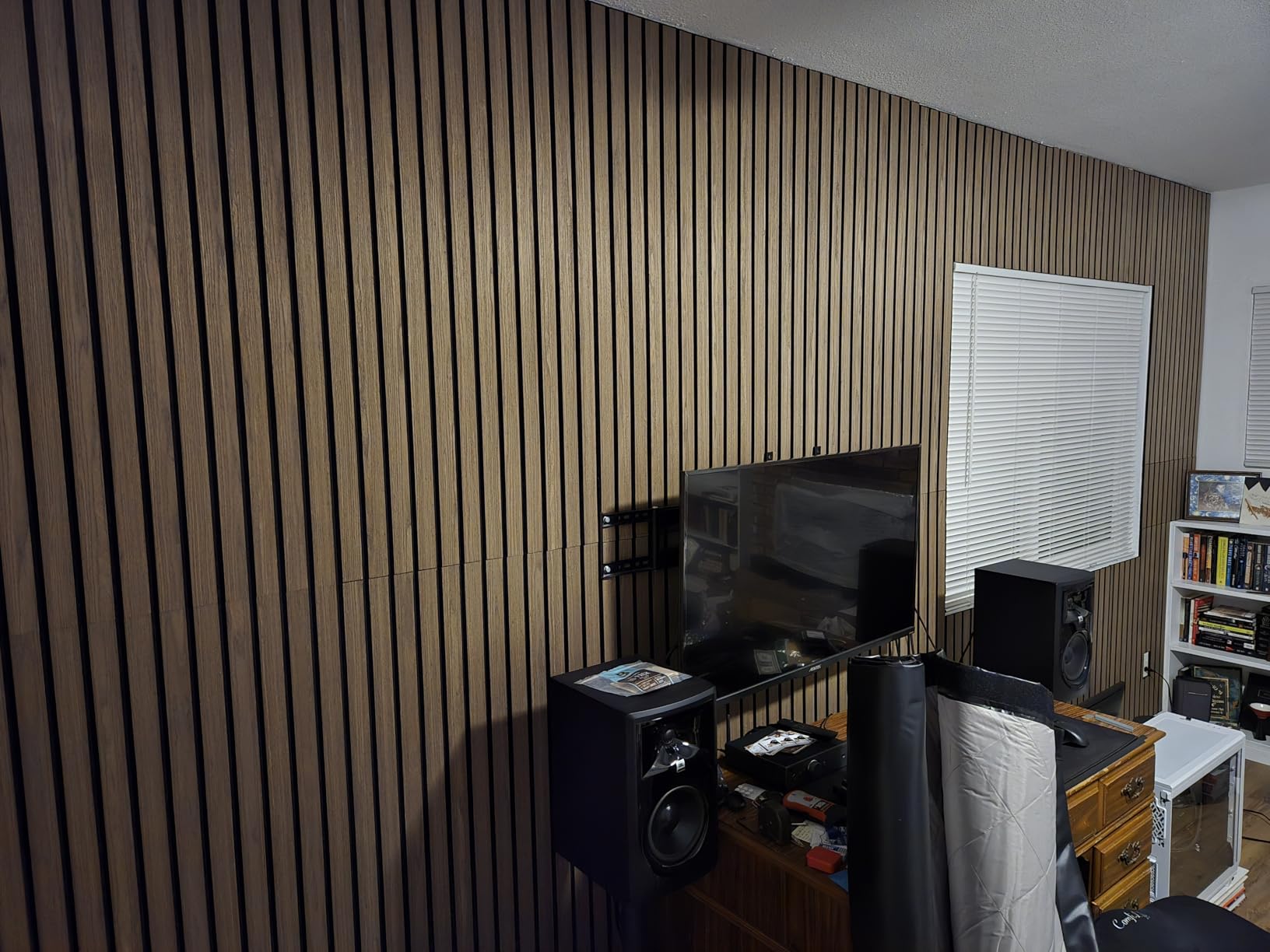
At 22.1 pounds for the full pack, these are light. They bend rather than fight an uneven wall, which in an older room is often the difference between a panel that sits flat and one that bows at the corners.
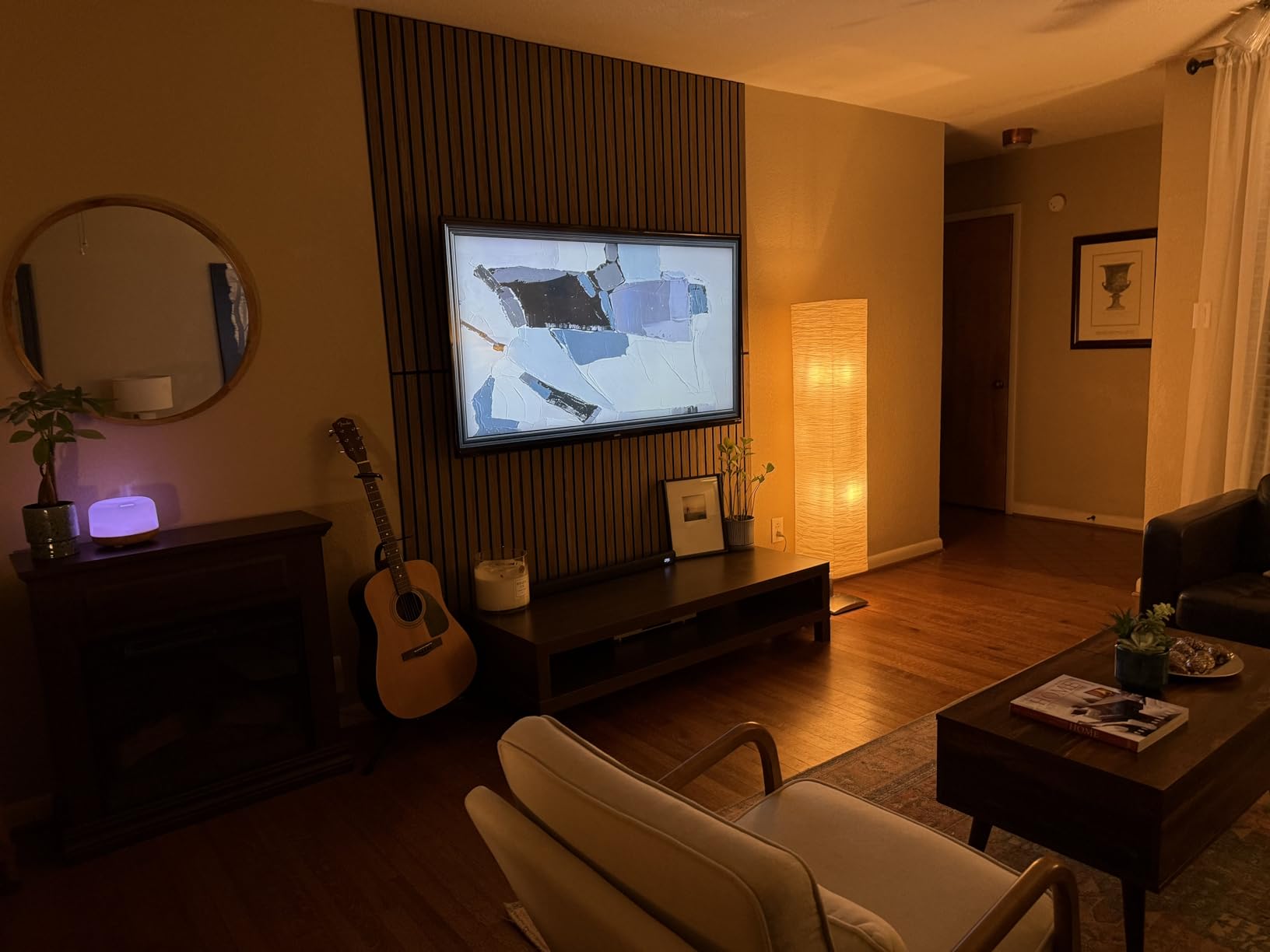
Buyers like the walnut finish and the forgiving installation, with several noting the panels are light and easy to cut with a box cutter. Install methods include construction adhesive, nails, or 3M double-sided tape, depending on how permanent you want the result to be.
The main caveat is surface rigidity. Because the veneer flexes, it reads slightly softer than the rigid MDF-backed alternatives. If you want a crisp, architectural slat look on camera, the Art3d or NeatiEase sets are a closer match.
Who This Suits
Diy installers in awkward rooms — sloped ceilings, plaster walls, a corner of a space rather than a sealed box. The flexibility tolerates surfaces that would crack or gap with a rigid panel, and the range of colors makes matching an existing room straightforward.
Who Should Skip It
Skip it if you want the sharpest possible visual on camera, or if you are treating corners for bass. These are flat wall absorbers; you will still need thicker material or corner geometry to deal with low-frequency buildup.
8. AudioSilk Recycled PET Panels – Cleanest Material and No Wait
AudioSilk Acoustic Panels, 4 Pack ROOM KIT, Large, 46″ x 23″, Natural
4 panels at 45.7 x 22.8 x 0.4 in
NRC up to 0.91
Post-consumer recycled PET, natural
Pros
- Recycled PET construction with no chemical smell and no expansion wait
- NRC up to 0.91 in a slim 0.4-inch profile
- Four large panels cover roughly 29 sq ft
- Users report shorter reverb tails and tighter recordings
Cons
- Adhesive strips are sold separately and must be bought
- Only 0.4 inches thick
- so not suited to bass trapping alone
- Panels can arrive with a corner dented from packaging
Four large panels at 45.7 by 22.8 inches and 0.4 inches thick, sold as a four-panel room kit covering about 29 square feet. Listed NRC is up to 0.91, from post-consumer recycled PET — a material that does not smell, does not compress, and does not need days to recover.
That last point matters more than it sounds. Foam panels require an expansion window after delivery. These do not, so you can mount them the day they arrive and record the same afternoon.
Users consistently prefer these to foam for a cleaner look, zero odor, and no decompression wait, and many report a measurable tightening of the room behind a vocal mic. The material is described as free of shrinkage, peeling, and harsh chemical smell, with a flat, modern look that suits both home studios and offices.
The most common caveat is the 0.4-inch thickness, especially for bass-heavy rooms where reviewers pair them with separate traps. Removable sticky strips are sold separately, with 3M Command strips recommended at 4 per panel, and a corner occasionally arrives dented from the box.
Who This Suits
Anyone sensitive to chemical odor, anyone recording immediately after a delivery arrives, and anyone mounting in a home office where a professional-looking wall matters. The manufacturer also includes free acoustic placement advice with the purchase, which is genuinely useful for a first room.
Who Should Skip It
Skip it as the whole treatment for a small hard room. A 0.4-inch profile doing the job alone is exactly the mistake r/audioengineering threads warn about — thin panels leave the low end completely untreated, and a boomy host recording still sounds boomy.
9. shipxinfuren Wedge Foam Panels – Best Coverage per Foam Piece
4 Pack Acoustic Foam Panels, 48 x 24 x 2″ Sound Proof Foam Panels for Walls
4 panels at 48 x 24 x 2 in
Fire-retardant polyester foam
Black wedge profile
Pros
- Large 48 x 24-inch panels give far more coverage per piece than standard tiles
- Recovers shape quickly compared with many vacuum-packed foam competitors
- Users report a clear reduction in echo for voice calls and recording
- Black wedge design gives a professional studio look
Cons
- Included adhesive patches are weak and often fail
- Coverage is limited for whole-room treatment
- Occasional reports of panels that stay compressed or mismatched in color
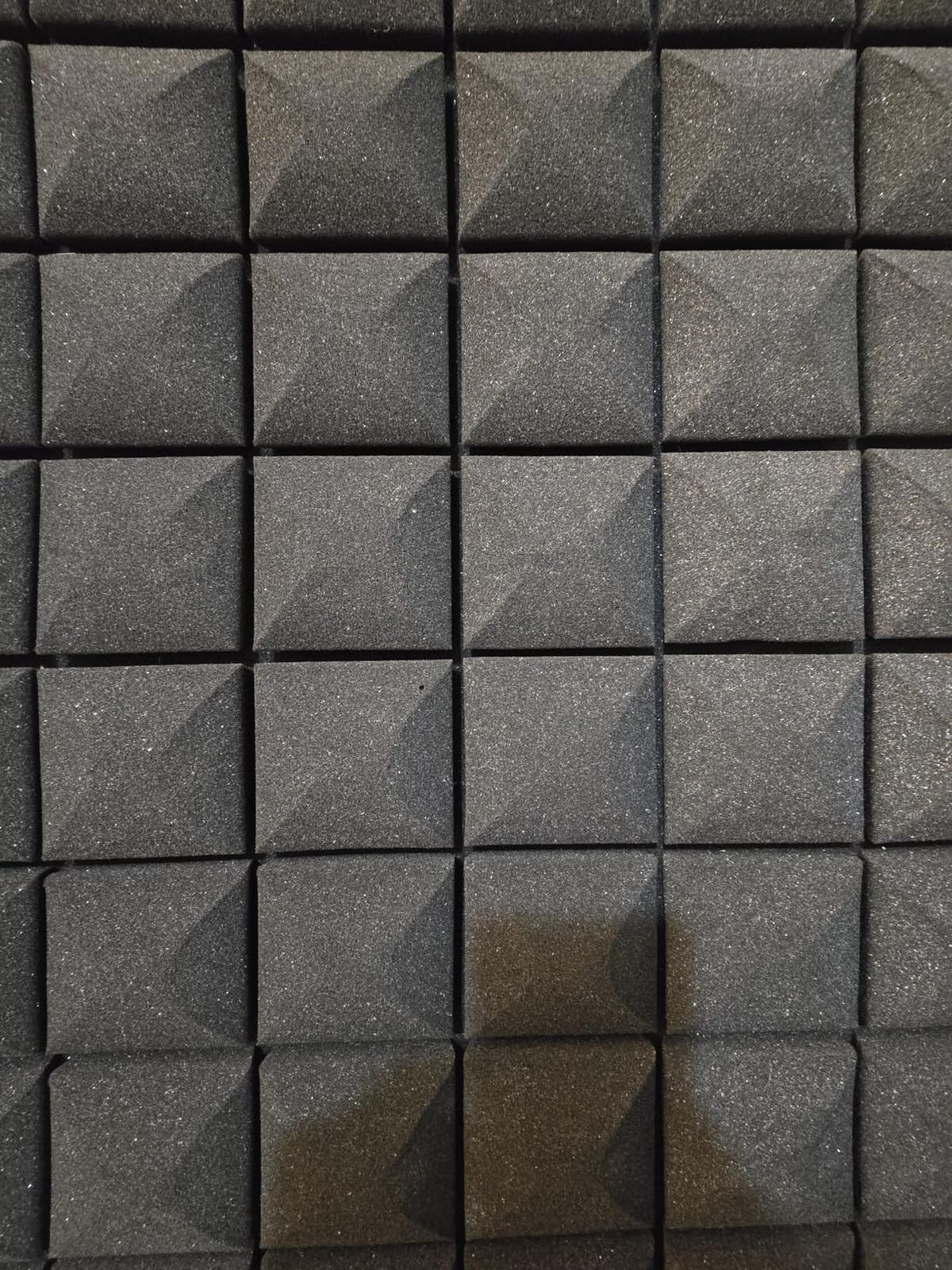
Four panels at 48 by 24 by 2 inches. Each one is equivalent to sixteen standard 12-inch tiles, which means you cover a lot of wall with four decisions instead of sixty-four. The construction is fire-retardant polyester foam in the classic black wedge profile.
The stated elasticity is the interesting claim: a high-elasticity material that regains shape within 5 seconds of opening, with 24 to 48 hours recommended for full expansion after vacuum-sealed shipping.
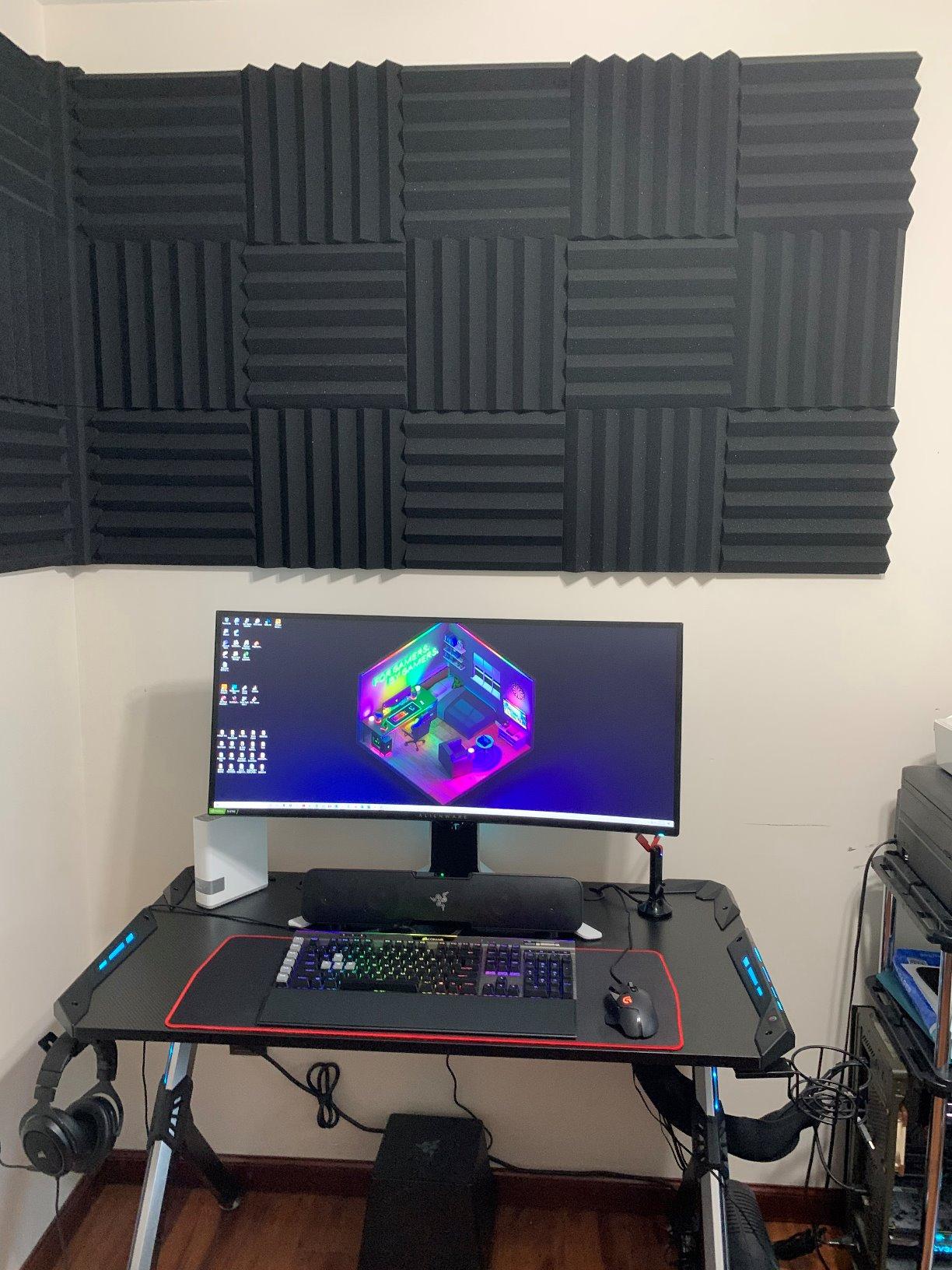
Buyers appreciate the size-to-price ratio and report a real reduction in room echo, especially in home offices and gaming rooms. Cut them with scissors and the acoustic performance is not affected, which is not true of every foam panel.
Mounting is the recurring pain point. Several reviewers found the supplied adhesive insufficient and solved it with thumb tacks, a foam-core backboard, or 3M spray adhesive. A few report panels that never fully expanded or looked inconsistently black against each other.
Who This Suits
Anyone who wants foam coverage without a mosaic of 12-inch squares. Four large pieces change the look of a room faster than any other foam option here, and the quick shape recovery avoids the multi-day decompression problem.
Who Should Skip It
Skip it for a video podcast, since these are unmistakably studio foam, and skip it if you plan to fill a whole room — 32 square feet runs out fast. Plan to source your own mounting hardware before the panels arrive.
10. TO-TH Felt Laminate Panels – Largest Pack for Whole-Wall Coverage
TO-TH Large Acoustic Panels Noise Reducing Sound Wall Panel 10 Pack, Black
10 panels at 47.2 x 23.6 in
Cocoon-shaped polyester fiber
Absorption over 0.9 above 3000Hz
Pros
- Largest pack in the group at ten 47.2 x 23.6-inch panels
- Absorption coefficient above 0.9 for high-frequency noise
- Lightweight at roughly 2 kg per square meter
- Vertical stripe finish works as treatment and decor
Cons
- Targets frequencies above 3000Hz
- so it will not address bass or isolation
- Adhesive and mounting hardware are not included
- Ten panels is a large up-front order for a first project
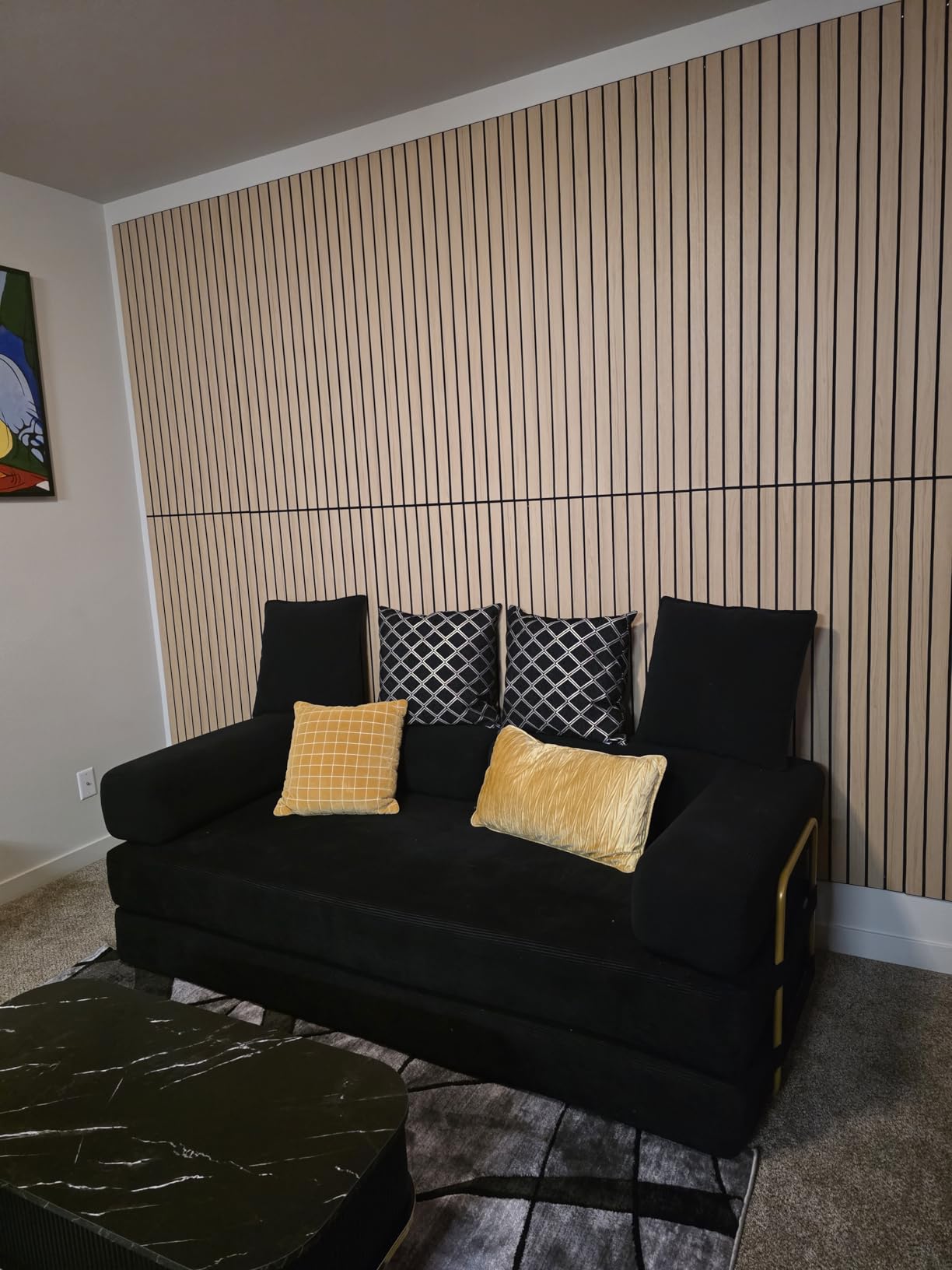
Ten panels at 47.2 by 23.6 inches. This is the largest pack in the group by piece count, and the structure is a cocoon-shaped polyester fiber made through hot-pressing, laminated with felt to create a classic vertical stripe form.
The weight figure is the reason to care: about 2 kg per square meter. On a plaster ceiling or an older wall, that matters more than another tenth of an NRC point.
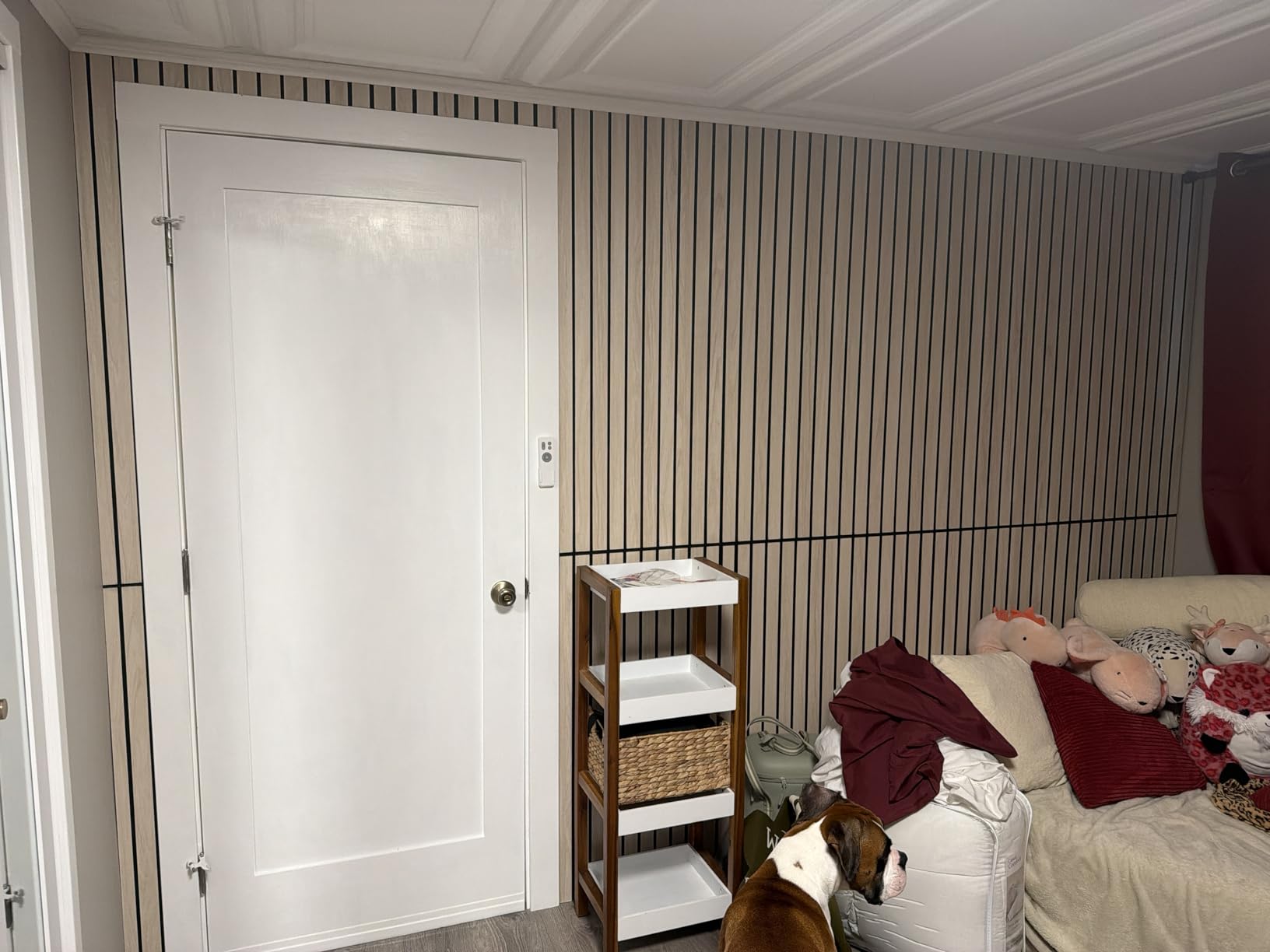
Owners rate this highly for high-frequency absorption above 3000Hz and for the polished vertical-stripe look across a large wall. The material is 100% polyester fiber, moisture and mildew resistant, easy to cut, and dimensionally stable.
The stated limitation is clear and worth repeating: this is a high-frequency panel. It is not going to address bass or isolation, and buyers who expected otherwise were disappointed. Mounting hardware must be sourced separately, and ten panels is a substantial first order.
Who This Suits
Podcasters treating an entire wall or ceiling in one purchase, and anyone mounting on a surface where weight is a concern. The vertical stripe finish is the most designed-looking of the fabric options here.
Who Should Skip It
Skip it if bass is your main problem, since 3000Hz and above leaves the entire low end untouched. Also skip it if you have not worked out your coverage math — ordering ten large panels before measuring your room is the most common first-order mistake we hear about.
11. NEPIS Brick-Profile Tiles – Most Panels in the Smallest Format
20 Pack Acoustic Panels with Self Adhesive, 11.8″ X 11.8″ X 0.36″ High Density Sound Proof Foam Panels for Wall, Soundproof Wall Panel, Brick Sound Absorbing Panel for Home Studio Office Decor – Black
20 tiles at 11.8 x 11.8 x 0.36 in
NRC above 0.95 polyester
Covers 20 sq ft, self-adhesive
Pros
- Full self-adhesive backing holds without extra tape
- Brick profile looks clean and decorative rather than industrial
- Affordable way to cover roughly 20 sq ft
- Reviewers report a genuine drop in echo
Cons
- 0.36-inch thickness delivers limited absorption and some call it decorative
- Dense material takes real effort to cut
- Adhesion is so strong that repositioning requires a heat gun
Twenty tiles at 11.8 by 11.8 inches and 0.36 inches thick, covering about 20 square feet, with a full self-adhesive kraft paper backing so you need no extra tape. The listed NRC is above 0.95 from polyester at up to 14.35 lb/ft3 density.
Six color options are offered, including black, ivory, white, gray, navy, and sage. The 3D brick profile is the reason these look more like a design choice than a studio accessory.
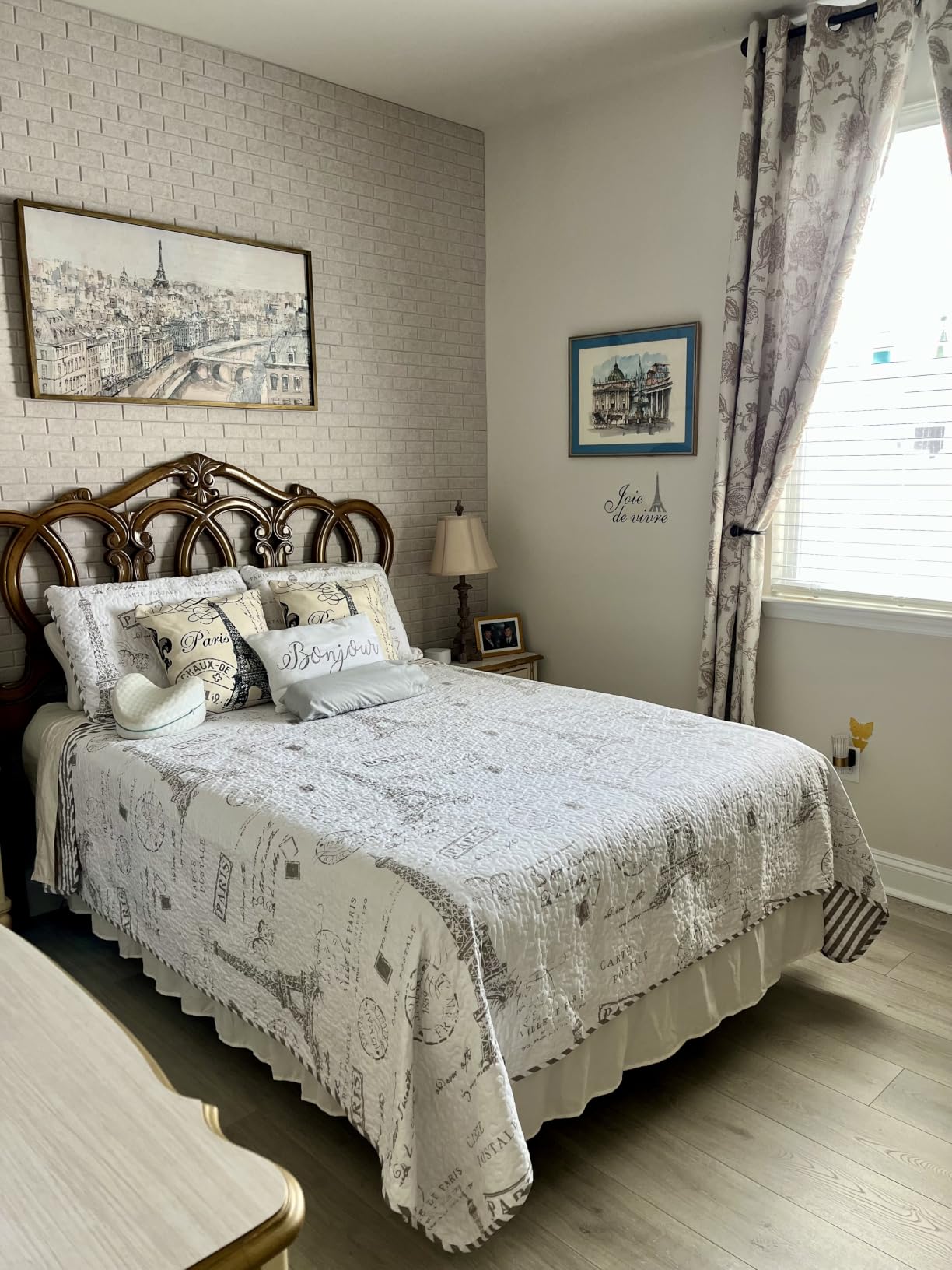
Reviews split on function versus looks. Many are delighted with the peel-and-stick install and the reported reduction in echo and general room noise, while a smaller group finds the thin profile delivers little absorption and calls it essentially decorative. Both camps are describing the same panel honestly.
Cutting is genuinely difficult because of the density, and the adhesive is strong enough that repositioning requires a heat gun. Buy the smallest quantity that will do the job and test the profile on one wall first.

Who This Suits
Budget-conscious first-time buyers who want an immediate visible change and a finished look. The adhesive backing removes tools from the equation entirely, and 20 small tiles are easy to arrange in a pattern rather than a rigid grid.
Who Should Skip It
Skip it if you need real low-mid control or genuine bass trapping. At 0.36 inches, several buyers consider it decorative, and paying a high per-panel rate for modest absorption is a real consideration when thicker fabric options exist.
12. HLJ ART Printed Panels – Treatment That Doubles as Wall Art
HLJ ART Acoustic Panels: Sound Proof Wall Padding, Noise Absorbing Panels, Decorative Acoustical Treatments for Home Office Studio – 8 Pack, 12×16
8 panels at 12 x 16 in
NRC above 0.92, absorption 0.8
9.4 lb/ft3 polyester, velcro hooks included
Pros
- Dual purpose
- real acoustic treatment that also works as wall art
- Velcro adhesive strips are included in the pack
- Buyers report a reduction in sound from an adjoining room
- Print quality and color management are praised by most reviewers
Cons
- Included adhesive strips can pull paint and wall texture off when removed
- Adhesive pads are not strong enough on all surfaces
- Some reports of blurry
- faded prints and thin material
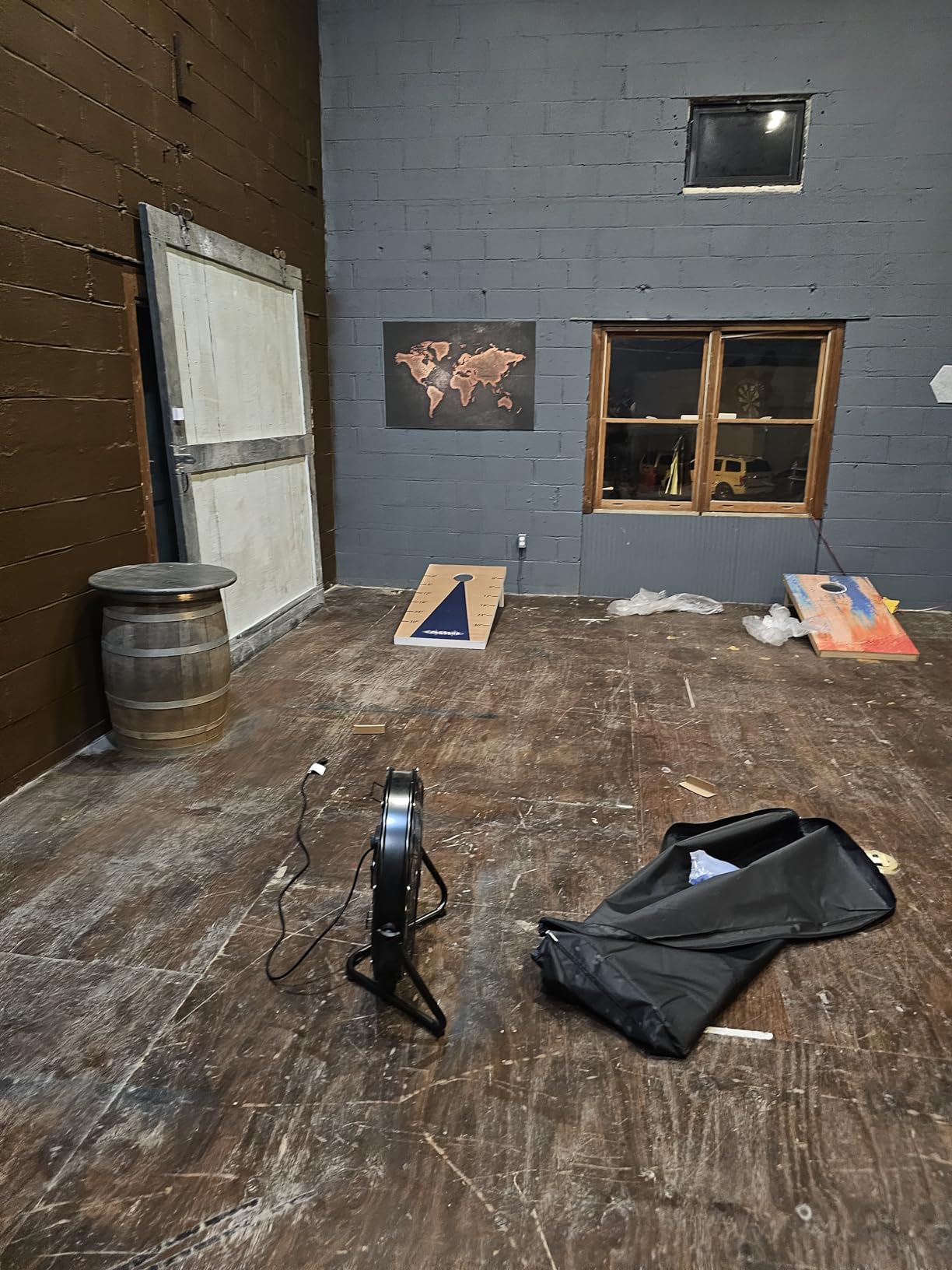
Eight panels at 12 by 16 inches in a matte, unframed finish, printed using UV-print technology with color management. The listed performance is NRC above 0.92 with an absorption coefficient of 0.8, from high-density polyester at 9.4 lb/ft3 — a real acoustic core behind a decorative face.
There are multiple scenic and abstract print designs, and a pack of velcro adhesive hooks is included, which makes this the only set in the group where the mounting hardware actually arrives in the box.
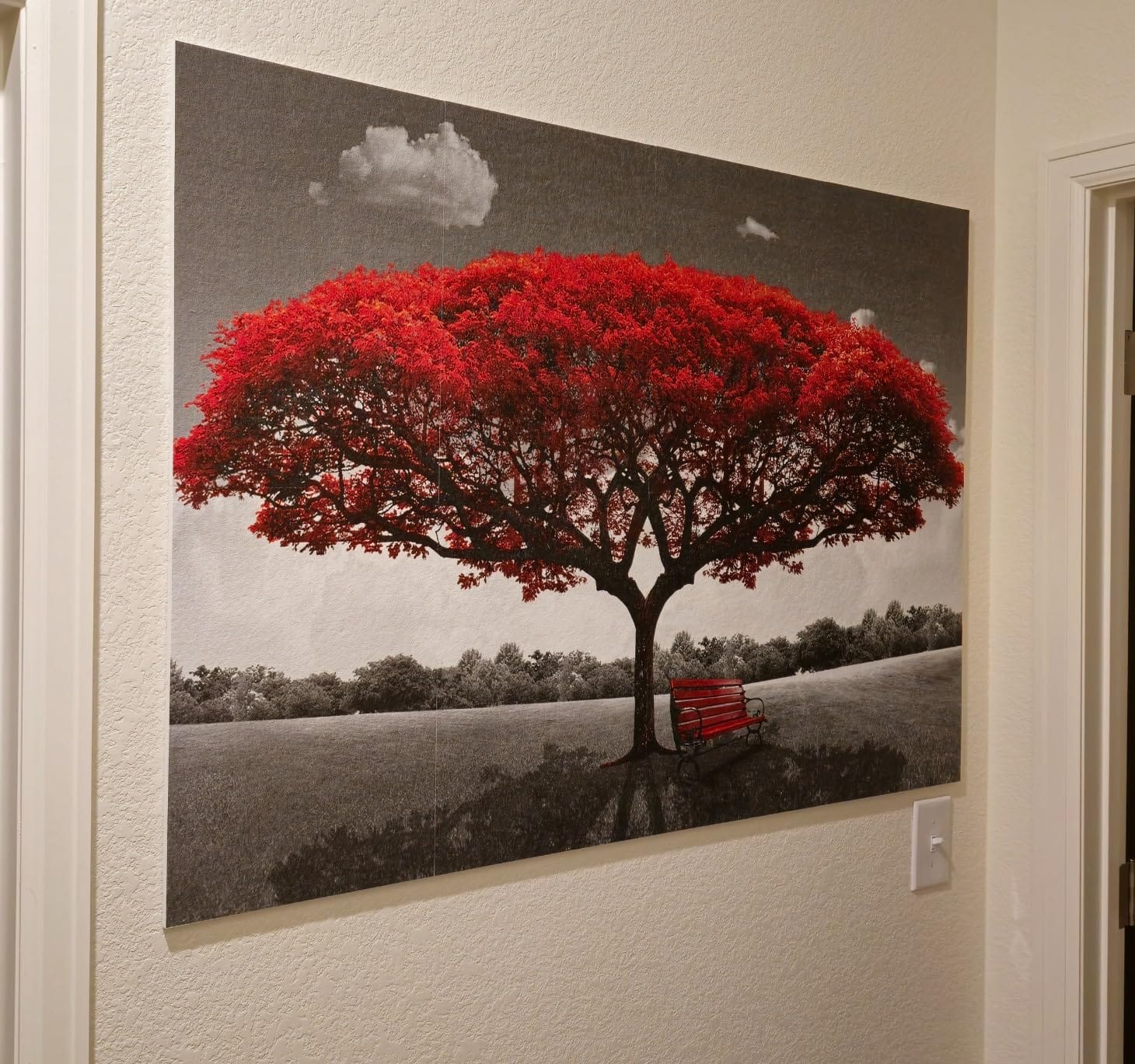
Most buyers like the combination of art and absorption, noting that the panels help with noise from an adjoining room and look good enough to hang as decor rather than hide. The material is flame retardant, non-toxic, and fade resistant.
The dominant complaint is the included velcro, which several reviewers say stripped paint and wall texture and was simultaneously too weak to hold the panels up, prompting some to add small nails. A minority also report blurry prints and thinner-than-expected material.
Who This Suits
Podcasters in shared or multi-purpose rooms where a treatment wall that looks like artwork matters. They are also a good fit for home offices, where a blank wall behind a desk needs help with both sound and morale.
Who Should Skip It
Skip them for full-wall coverage. At 12 by 16 inches, eight panels cover a modest area, and several buyers feel the cost per panel is steep relative to their size. Bring your own hooks rather than relying on the included velcro on textured walls.
How Many Panels Does Your Podcast Room Actually Need?
The honest answer: measure first, then target 25 to 35 percent wall coverage for a dedicated podcast room. A bedroom or spare home office can get away with 15 to 25 percent, which usually means four to eight panels. A dedicated podcast or living-room space is closer to ten or more. Coverage percentage matters far more than the number of panels, which is why a 4-pack of 96-inch slats can outperform a 52-pack of 12-inch tiles on the same wall.
Work through it in this order:
1. Measure the wall area. Multiply wall width by height for the surface behind and beside your host. Ignore the floor and ceiling for the first pass.
2. Pick your coverage target. 15 to 25 percent for light treatment in an office, 25 to 35 percent for a room you record in every week.
3. Convert area to panels. Divide your target area by the coverage of a single panel. The 52-square-foot foam pack and the 33-square-foot NeatiEase set handle a small room in one order; the 12-by-16-inch printed set needs several.
4. Treat corners and ceiling separately. Wall coverage does not fix low-frequency buildup. Corner traps and a ceiling cloud are separate purchases, and they are where forum users report the biggest perceived change in clarity.
5. Verify with an RT60 app. Measure reverberation before and after, from your chair, in the room. Getting from above 1.0 second down to 0.3 or 0.5 is the goal, and an app is good enough to tell whether you got there.
Where to Hang Panels in a Small or Awkward Room
Most podcasters are recording in spare bedrooms, home offices, or the corner of a shed under 200 square feet, and standard guides that assume four solid walls do not apply. Here is the order that works in an irregular room.
Start at the first reflection points. Sit in your recording chair, clap once, and listen for where the echo comes back from. Those spots — usually the side walls and the wall behind the microphone — take the first panels. Owners report that a panel placed directly ahead of the speaker to kill the reflection helps significantly.
Move to the vertical corners. Low frequencies accumulate where two walls meet and where walls meet the ceiling. That is the most consistently cited improvement in forum threads, and it is why a thick panel in a corner outperforms the same panel on a flat wall.
Add a ceiling cloud. A ceiling cloud plus a large area rug is the most commonly cited effective two-item combination in home podcast rooms. Rugs get described as a life-saver and the highest value move per dollar in the room, which is why we say it first here.
Skip the wall you never sit against. Covering the wall behind the door or the one shared with the hallway changes nothing you will hear. Spending that coverage on the window wall is usually more productive.
Watch for sloped ceilings and open walls. If one wall is missing or a corner is open to the rest of the house, plan the layout around that rather than fighting it. Flexible panels fit uneven surfaces better than rigid MDF slats.
For a video set, treat the backdrop wall and the first reflection points first, and choose finishes that hold up under lights. Wood slat and fabric-wrapped panels read as design; foam squares read as a home studio. If you are decorating with slat wall elsewhere, our best slatwall panels guide covers the finish options separately.
Frequently Asked Questions
How many acoustic panels do I need for a podcast room?
Target 25 to 35 percent wall coverage for a dedicated podcast room, and 15 to 25 percent for a spare bedroom or home office. Coverage area matters more than panel count, so a few large panels usually outperform many small ones. Treat the vertical corners and the ceiling as separate purchases, since wall coverage alone will not fix low-frequency buildup.
Can acoustic panels soundproof a room?
No. Acoustic panels absorb sound energy inside a room to reduce echo and reverb. Soundproofing blocks sound from passing through walls, floors, and ceilings, and requires entirely different materials and construction — mass, decoupling, and sealing. Expect a well-treated voice space to improve clarity dramatically without changing how much noise your neighbors can hear.
What are the best acoustic wall panels for a studio?
By panel class rather than brand: use 3 to 4 inch thick broadband panels with an NRC of 0.80 or higher at the first reflection points, tall triangular or dense panels in the vertical corners for the low end, and a suspended ceiling cloud over the listening position. Thin fabric panels rated above 0.90 are effective for upper-mid reflections, but they do not reach the bass.
What NRC rating do I need for a podcast room?
Treat 0.65 as the practical floor, 0.75 to 0.85 as the target band, and 0.85 or higher as premium. NRC is the Noise Reduction Coefficient on a 0 to 1 scale, averaged across speech frequencies. A claimed rating without a stated test standard is close to meaningless, so prefer panels that publish both the figure and the material density.
How can I soundproof my room for podcasting?
Panels will not do it, so work in this order: 1) add soft furnishings like a large rug, curtains, and filled shelving, 2) treat the first reflection points with thick broadband panels, 3) trap the vertical corners for low frequencies, 4) add a ceiling cloud over the listening position, and 5) address HVAC, windows, and doors separately, because absorption does nothing for noise that arrives from outside the room.
The Verdict: Which Podcast Room Panels to Buy in 2026
Start with the NeatiEase teak slat set if you want the best all-round result: the highest average rating in this group, about 33 square feet of coverage, and a finish that works whether or not a camera is rolling. Move up to the Art3d walnut slats for a genuinely designed backdrop, and drop to the TONOR dual-layer panels if you want the thickest core and a no-tools install on a wall you own.
For audio-only rooms on a tighter budget, the 52-pack of grooved foam and the large wedge foam tiles give you the most coverage per order. Add a rug and treat your corners before you add more flat wall panels, and remember that nothing on this list stops sound from passing through a wall — for noise from outside the room you need seals, mass, and decoupling instead. If you are still choosing your microphone, our beginner podcast kit guide is the right place to start.