
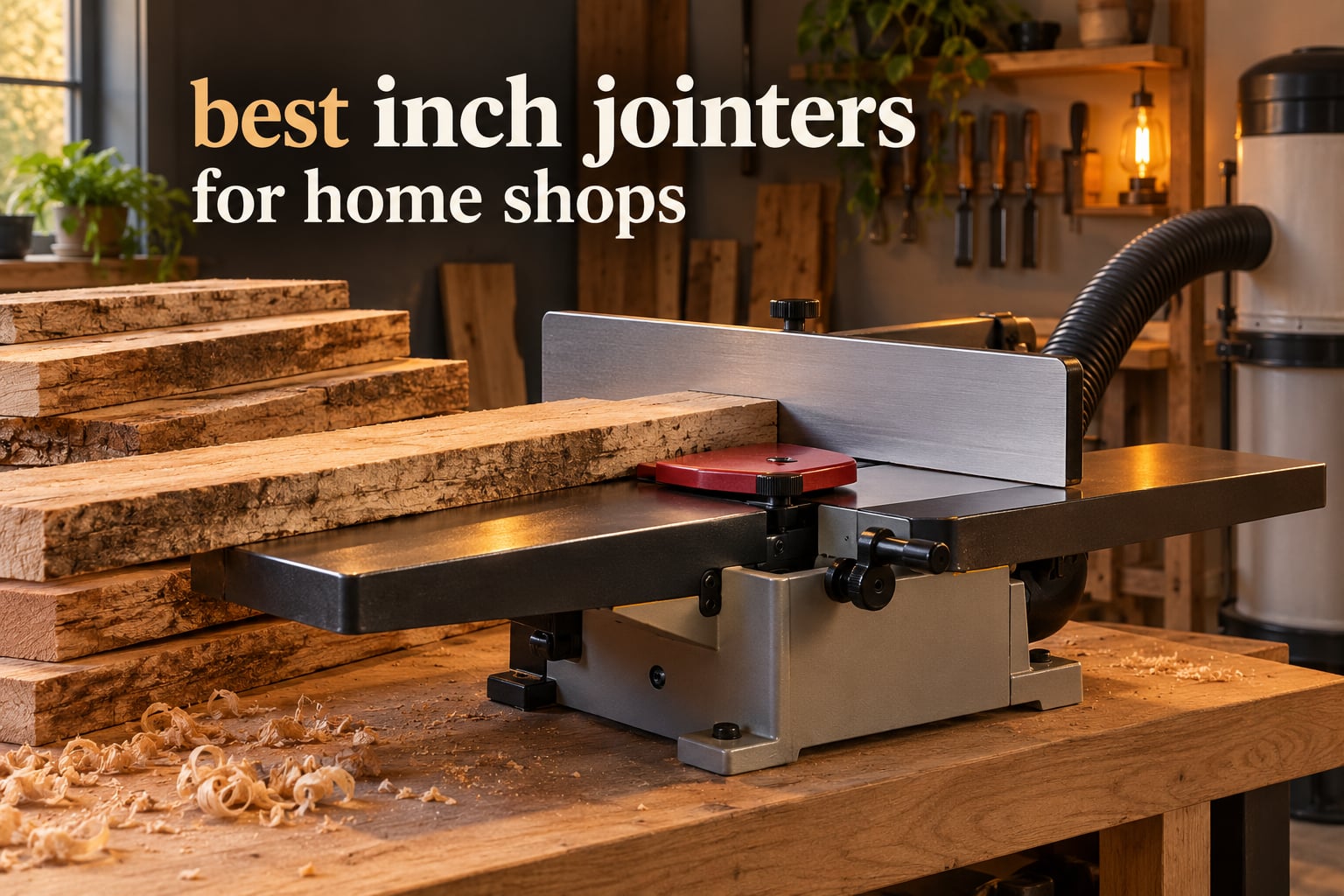
Short answer up front: you need an 8 inch jointer only if the lumber you buy is wider than 6 inches or you build panels, doors and tabletops. For everything under that width, a 6 inch machine cuts deeper per pass and a planer sled can cover the gap. This roundup covers all eight of the 8 inch machines worth shortlisting in 2026, from benchtop spirals to closed-stand helical-head models.
I spent weeks reading spec sheets and owner reports on every 8 inch jointer currently on the market, then split them by who they actually suit: a garage shop with one 15A circuit, a furniture maker who mills rough lumber, and a buyer with a 240V subpanel already in place. Nothing here is sponsored, and no pick is on this list because of a brand name.
The 8 inch jointer is the machine that flattens one face and squares one edge of a board in a single setup. A thickness planer cannot flatten a cupped or twisted board on its own, so every planer in your shop depends on a jointer reference. Overall width is what the 8 inch class buys you: a wider board through the machine in one setup instead of a wide board turned on its side and run twice. That is the whole argument, and it is why a 6 inch machine feeding a planer is a perfectly good shop.
If your lumber is milled furniture-grade and you glue up edges occasionally, a sled may genuinely be enough. If you buy rough-sawn stock, resaw timber, or reclaim old beams, an 8 inch jointer changes what you can build. Our guide to shop equipment picks covers the rest of the bench setup.
Table of Contents
Top 3 Best 8 Inch Jointer Picks for Home Shops in 2026

WEN JT833H Spiral Jointer
- 16 staggered HSS blades
- Extendable table to 51 inches
- 0 to 1/8 inch per pass
- 2-1/2 and 4 inch dust ports

Wahuda 50180CC-WHD Jointer
- 4-sided carbide spiral inserts
- Expandable cast iron tables
- 120V at 12000 RPM
- 90 to 135 degree fence

Cutech 40180HI Jointer
- 6 rows of two-sided carbide
- 24 inch aluminum fence
- 82.8 pound cast iron build
8 Inch Jointer Comparison Table (October 2026)
| Product | Specifications | Action |
|---|---|---|
| WEN JT833H 8 Inch Spiral Benchtop Jointer |
|
Check Latest Price |
| Wahuda 50180CC-WHD 8 Inch Cast Iron Jointer |
|
Check Latest Price |
| Cutech 40180HI 8 Inch Spiral Benchtop Jointer |
|
Check Latest Price |
 RIKON 20-800HSP 8 Inch Helical Jointer RIKON 20-800HSP 8 Inch Helical Jointer |
|
Check Latest Price |
 Shop Fox W1857 8 Inch Dovetail Jointer Shop Fox W1857 8 Inch Dovetail Jointer |
|
Check Latest Price |
 JET JWJ-8CS 8 Inch Long Bed Jointer JET JWJ-8CS 8 Inch Long Bed Jointer |
|
Check Latest Price |
 Powermatic 60HH 8 Inch Helical Jointer Powermatic 60HH 8 Inch Helical Jointer |
|
Check Latest Price |
 JET JWJ-8HH-BLK 8 Inch Helical Jointer JET JWJ-8HH-BLK 8 Inch Helical Jointer |
|
Check Latest Price |
Do You Really Need an 8 Inch Jointer?
Yes, if your widest common material is 7 or 8 inches. No, if it is 6 inches or narrower. An 8 inch jointer is not simply a wider 6 inch machine. It is heavier, it needs more power, and on wide boards it takes a shallower cut per pass because the cutterhead has to stay stiff enough to hold an even depth across the full width.
That last point is the one most roundups skip. The depth of cut you can safely take is tied to board width, and the practical rule is to reduce the maximum removal by roughly 1/32 inch for each inch of width beyond 6 inches. A 6 inch machine that handles 1/8 inch per pass is limited to about 1/16 inch on an 8 inch board, and a heavy pass across the full width is exactly how a jointer snipes or leaves a wave.
So the honest comparison is not width alone. A 6 inch jointer handles thicker material in a single pass and costs less to feed. An 8 inch jointer handles wider material in a single pass but wants light, repeated passes. If your material tops out at 6 inches, you are buying reach you will never use and a shallower maximum cut on the boards you already own.
The strongest case for 8 inches is panel work: tabletops, doors, wide cabinet parts, glue-up slabs and reclaimed lumber that has already weathered. The strongest case against it is a shop with a table saw sled and a track saw, plenty of flat stock, and no rough lumber. In that shop the money is better spent on a good thickness planer. Our shop tool roundups cover the other side of the bench.
One more consideration: the 12 inch and 10 inch tiers exist, but very few of them fit a home shop. Weight is the limit. Closed-stand machines in this roundup run from 373 to 489 pounds, so an 8 inch machine is already the practical ceiling for a garage unless you have a helper and a floor rated for it.
1. WEN JT833H 8 Inch Spiral Benchtop Jointer Review
WEN JT833H 10-Amp 8-Inch Spiral Benchtop Jointer with Extendable Table
8 inch width
Spiral head, 16 HSS blades
Table extends to 51 inches
0 to 1/8 inch per pass
Pros
- Extendable table reaches 51 inches for long boards
- Fine finish from the 16-blade spiral head
- Dual 2-1/2 and 4 inch dust ports
- Two push blocks and onboard depth scale included
Cons
- HSS blades need periodic sharpening
- Benchtop width limits oversize material
- 10 amp universal motor is modest on hard stock
The JT833H is the machine I would put in a garage with one available circuit and a clear floor. It flattens a face and squares an edge across 8 inches, and the 33 inch table extends on support arms to 51 inches, which is long enough for most cabinet parts without roller stands.
The spiral cutterhead runs 16 staggered HSS blades, and that blade count is why the finish is finer than a two-knife straight-knife head at the same feed rate. It is also the machine’s weakness: those blades want a sharpening service or a sharpening jig, and they nick if you run them through embedded grit in reclaimed lumber.
Owners describe it as perfectly adequate for the money, and that is the recurring verdict on r/woodworking, where one buyer reported buying an 8 inch WEN helical machine a few years back and finding it did everything needed without drama. Reviewers commonly cite the extendable table as the feature that earns the machine its place in a small shop.
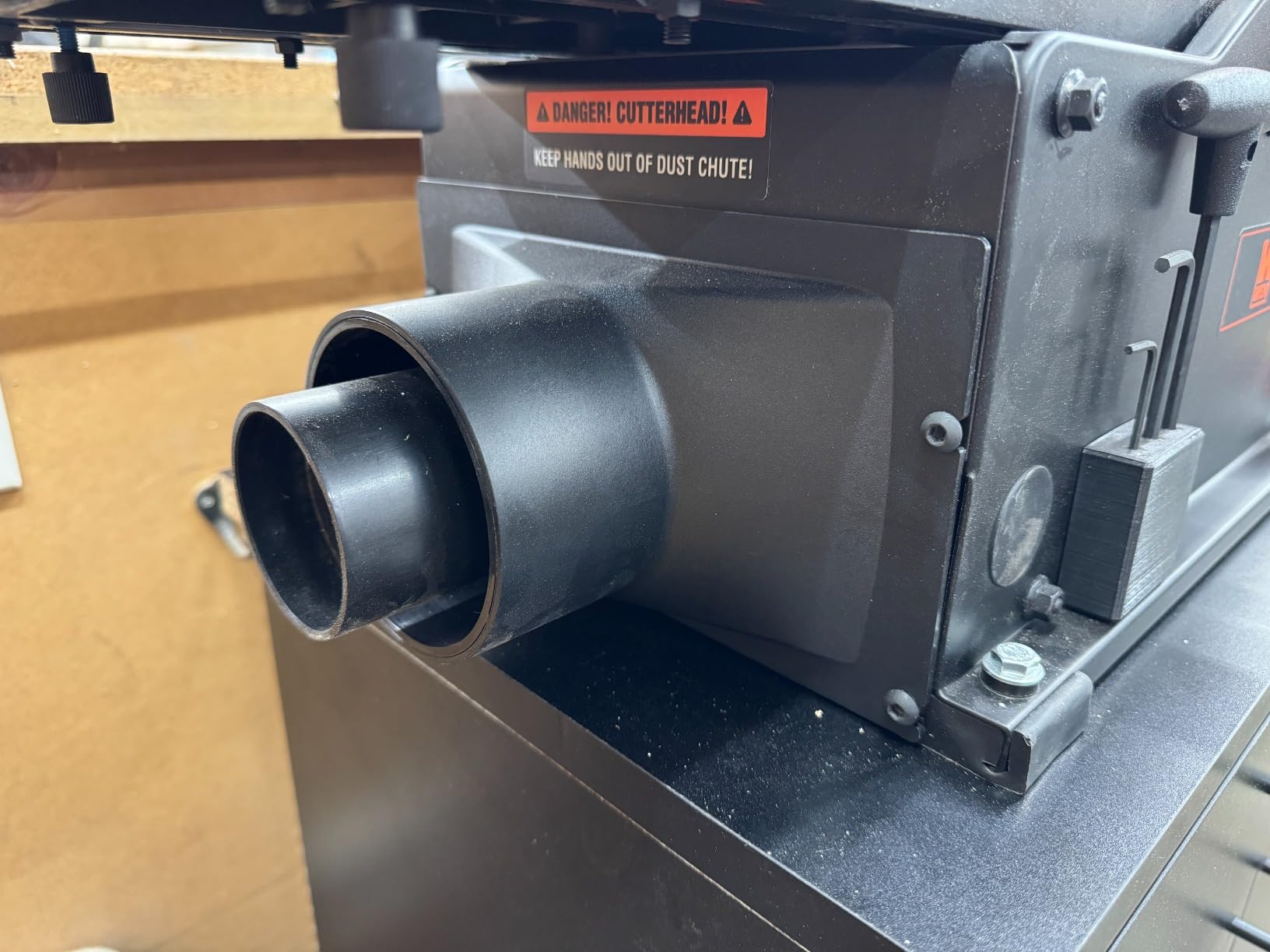
The fence is 19-3/4 by 4-1/4 inches and bevels up to 45 degrees, so rabbeted backs and simple bevels are covered. There are both 2-1/2 inch and 4 inch dust ports, and the 4 inch one matters more than it sounds because a benchtop jointer at full width pushes real chip volume.
Who the WEN JT833H Works Best For
This suits a first jointer purchase, a rough-lumber beginner, or anyone jointing boards up to about 51 inches long. The depth-of-cut scale and the two push blocks in the box mean you can start cutting the day it is assembled, and no 240V work is required.
Who Should Skip the WEN JT833H
Skip it if you work exclusively with figured, curly or reclaimed timber and cannot accept periodic sharpening, or if you plan heavy full-width passes. The 10 amp universal motor has less reserve than a premium machine when the cutterhead is taking a deep cut in dense hardwood.
2. Wahuda 50180CC-WHD 8 Inch Cast Iron Jointer Review
Wahuda Tools Jointer – 8-inch Benchtop Wood Jointer, Spiral Cutterhead Portable Jointer, Cast Iron Tables w/Pull Out Extensions, 4-Sided Carbide Tips & 10amp Motor, Woodworking Tools (50180CC-WHD)
8 inch width
4-sided carbide spiral head
Adjustable cast iron tables
Fence tilts to 135 degrees
Pros
- Carbide inserts index by rotating a blade
- Cast iron tables add mass and stability
- Over 500 owner reviews
- Easy to move between a shop and a job site
Cons
- Fence stops at 135 degrees rather than a wider range
- 10 amp universal motor is loud at no load
The Wahuda sits in the middle of the price tiers in this roundup and is the strongest all-round benchtop option on the list. You get a spiral cutterhead with 4-sided carbide inserts, which means a chipped edge is fixed by rotating the insert 90 degrees instead of sending anything out for sharpening.
The cast iron tables are adjustable and expandable, and at 49.9 pounds the machine is still light enough to walk to a job site or carry up a step. Reviewers point to the carbide spiral head as the reason the finish stays flat and clean on tough and figured wood.
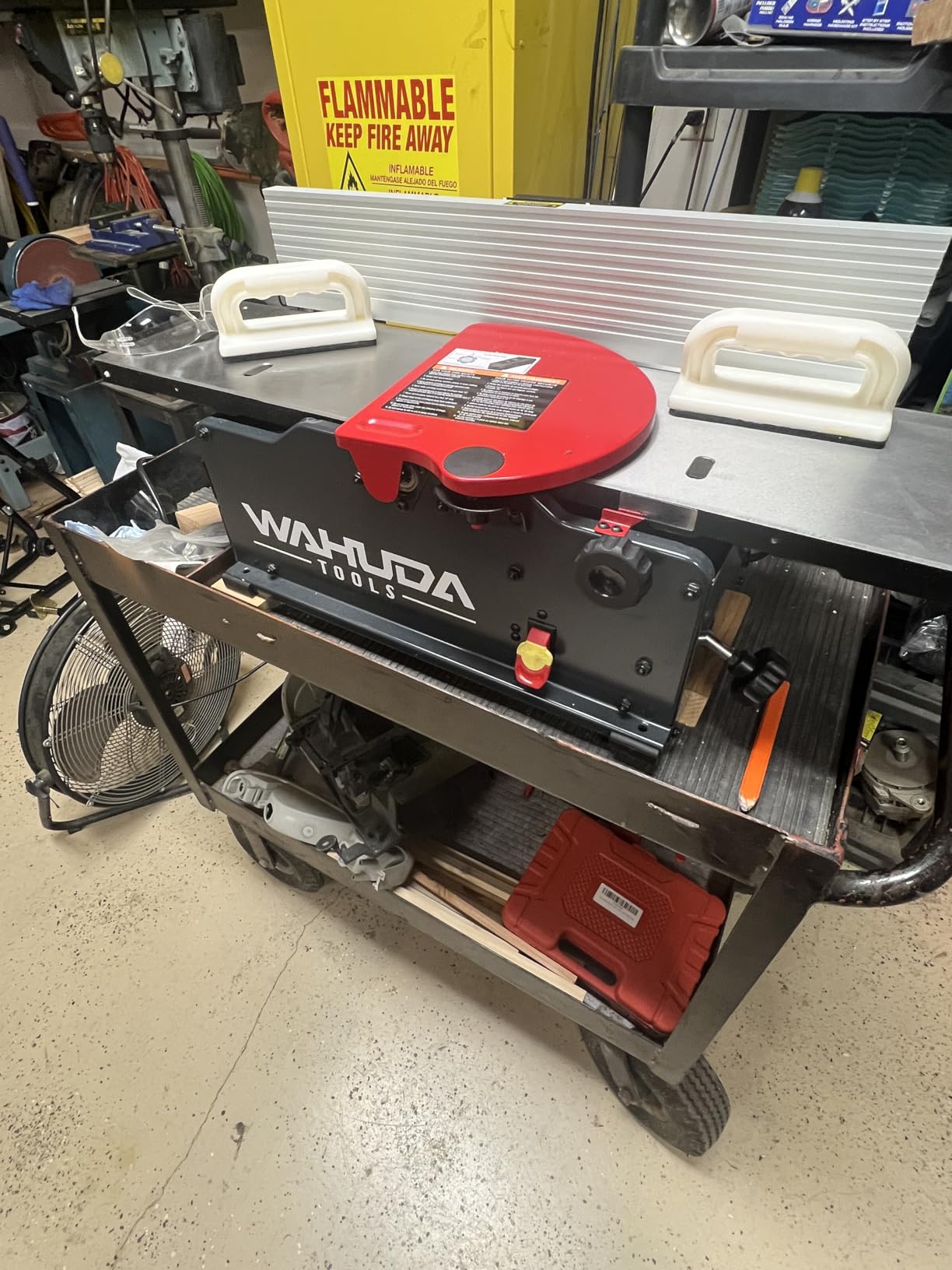
The 120V motor runs at a fixed 12000 RPM, which is plenty for edging, jointing, flattening and tapering in a home shop. Owners also like that the same machine is available in 6, 8 and 10 inch widths, so the fence and workflow habits carry over if you size up later.
The fence tilts from 90 to 135 degrees. That covers edge jointing, a bevel and a rabbet-style setup, but it will not reach the wider tilt range some floor models offer. The universal motor is also noticeably loud at no load, which is a fair trade for the simplicity of a single 15A plug.
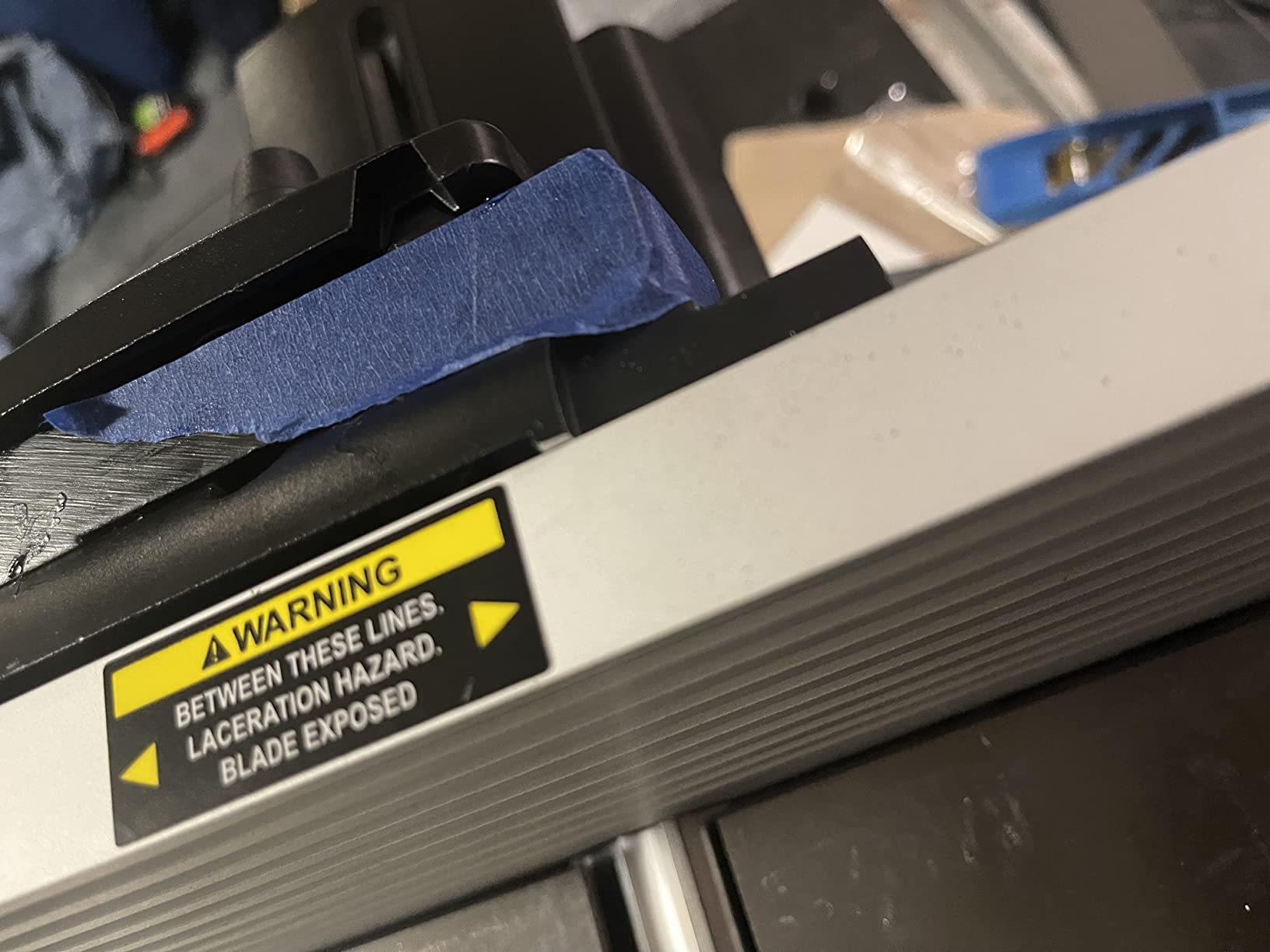
Who the Wahuda 50180CC-WHD Works Best For
Best for a furniture maker who buys rough-sawn hardwood, wants carbide that does not need sharpening, and wants a machine light enough to move. The 8 inch width covers cabinet parts, small tabletops and edge glue-ups without a second pass.
Who Should Skip the Wahuda 50180CC-WHD
Skip it if you need fence angles beyond 135 degrees, if noise at no load bothers you in a shared space, or if you plan to run very heavy cuts in dense exotics. Those jobs want a 2 HP induction motor in a closed stand, not a 10 amp benchtop unit.
3. Cutech 40180HI 8 Inch Spiral Benchtop Jointer Review
Cutech 40180HI 8-Inch Spiral Cutterhead Benchtop Jointer with Cast Iron Tables, 16 TC Inserts, Extra Long 24″ Aluminum Fence, Additional 7-3/8″ Fence Brackets, and a 10-amp Motor
8 inch width
6 rows of two-sided carbide
24 inch aluminum fence
Weighs 82.8 pounds
Pros
- Two-sided inserts have four usable edges
- Cast iron body at 82.8 pounds does not walk
- Long 24 inch fence with support brackets
- 4.5 stars from owners on Amazon
Cons
- Fence alignment mechanism is coarse for the class
- 12000 RPM motor is loud under no load
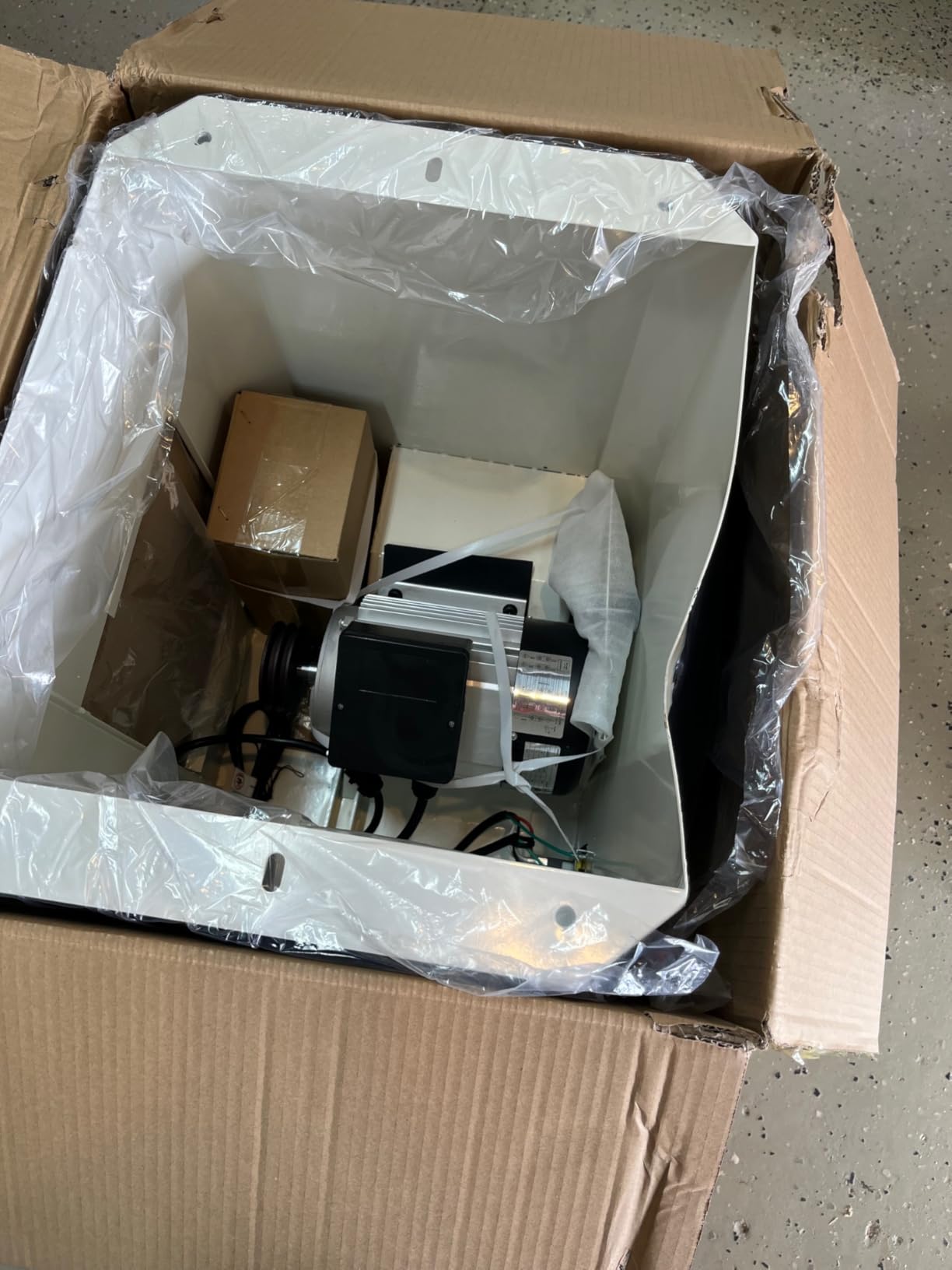
- Packaging is lighter on protection than a rigid crate
The Cutech is the benchtop machine I would pick if the workpiece is wide. Six rows of staggered two-sided tungsten carbide inserts put a lot of cutting edges near the wood at once, which lowers the load on the motor and keeps the finish consistent. It also holds a 4.5 star average while running on an ordinary household circuit, which no closed-stand machine here can do.
Two-sided inserts have a non-cutting edge that keeps them from skewing the pass, so the head stays aligned as inserts dull and rotate. That matters more on a benchtop machine than it does on a floor model, because there is less mass behind the tables to absorb a bad pass.
At 82.8 pounds on cast iron, this is a heavy benchtop machine, and reviewers say it does not walk during a cut. Multiple owners report the tables arriving coplanar with little or no adjustment, which removes the single most common first-week frustration with a new jointer.
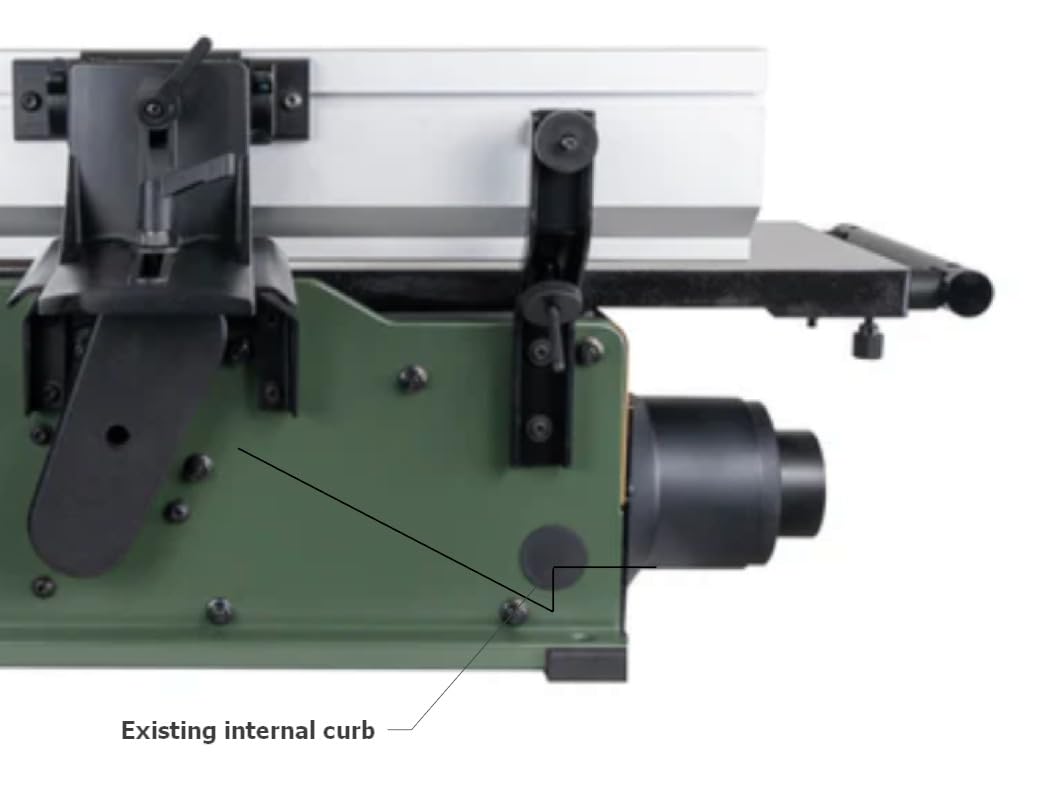
The 24 inch aluminum fence is unusually long for this class, and the included fence enhancement brackets stabilise both ends. Owners use those brackets to make a square dial-in achievable, which is the fix for the one drawback most cited: the fence alignment mechanism is comparatively crude and needs care to set.
Who the Cutech 40180HI Works Best For
Best for someone jointing full 8 inch stock and wanting four-edge carbide inserts without stepping up to a closed stand. The heavy cast iron body and long fence suit a fixed machine location rather than a portable one.
Who Should Skip the Cutech 40180HI
Skip it if you need to move the jointer regularly, since 82.8 pounds is a two-person lift in a tight shop. Skip it if the noise of a 12,000 RPM universal motor at no load will bother you, and expect to spend real time dialing the fence to 90 degrees.
4. RIKON 20-800HSP 8 Inch Helical Jointer Review
RIKON Power Tools 8″ Benchtop Jointer with Helical Style carbide Cutter Head & SP Coated Aluminum Table.…
8 inch width
Helical head, 16 two-sided carbide
Coated aluminum table
Weighs 49 pounds
Pros
- Weighs only 49 pounds for a true 8 inch machine
- Coated aluminum table resists friction and scratches
- Safety on/off switch and readable depth scale
- Helical carbide head is rare at this size and weight
Cons
- Fence attachment is plastic with no 90 degree lock-in aid
- Angle and width locking handles interfere
- Fence lacks the fine adjustments of floor models
The RIKON answers the small-shop question directly. At 49 pounds it is the lightest machine on this list, and it still has a helical cutterhead with 16 two-sided carbide inserts, which most machines at this weight do not.
The tables are synthetic polymer coated aluminum, a surface designed to reduce friction and scratches so boards glide instead of catching. The full table is 30-1/2 by 8-3/16 inches and extends to 51-1/2 by 8-3/16 inches, so it handles more length than a typical benchtop machine.
Reviewers with no jointer experience report getting even faces and reliably right-angled edges, and one owner says the helical head did not visibly outperform a straight-blade design for their work. That is a fair and useful data point: the head type is less important than the setup discipline you bring to it.
Who the RIKON 20-800HSP Works Best For
Best for a workshop where floor space is the binding constraint, or for anyone who needs to carry the jointer to a rental space or a customer’s driveway. On r/woodworking the RIKON is the machine most often named as the step up from a cheap 6 inch benchtop model.
Who Should Skip the RIKON 20-800HSP
Skip it if you want the fence to lock positively at 90 degrees. The plastic fence attachment has no lock-in aid, the angle and width locking handles interfere with each other, and there are no fine adjustments, so you will square it with a machinist square by hand.
5. Shop Fox W1857 8 Inch Dovetail Jointer Review
8 in. 230-Volt 3 HP Dovetail Jointer with Mobile Base
8 inch width
3 HP 230V single phase
Cast iron dovetail slide
Integrated mobile base
Pros
- Highest average rating in the roundup
- Flat and accurate out of the box for a floor model
- Owners report it runs quiet
- Mobile base lets you clear the floor
- Handles rabbets as well as face and edge work
Cons
- Weighs 373 pounds and needs three people to lift it
- Bed length is short for a floor model
- Chip chute is open and needs a serious collector
The Shop Fox W1857 is a dovetail jointer, and that is the whole point. A dovetail slide lets the cutterhead drop below the table for rabbets on narrow parts, which is a capability the helical machines in this roundup simply do not have.
It is also the highest rated machine here, at 4.8 stars. Owners describe it as flat and accurate straight out of the box with only a small outfeed tweak for snipe, quiet in operation, and holding up under high volume use in a professional cabinet shop.
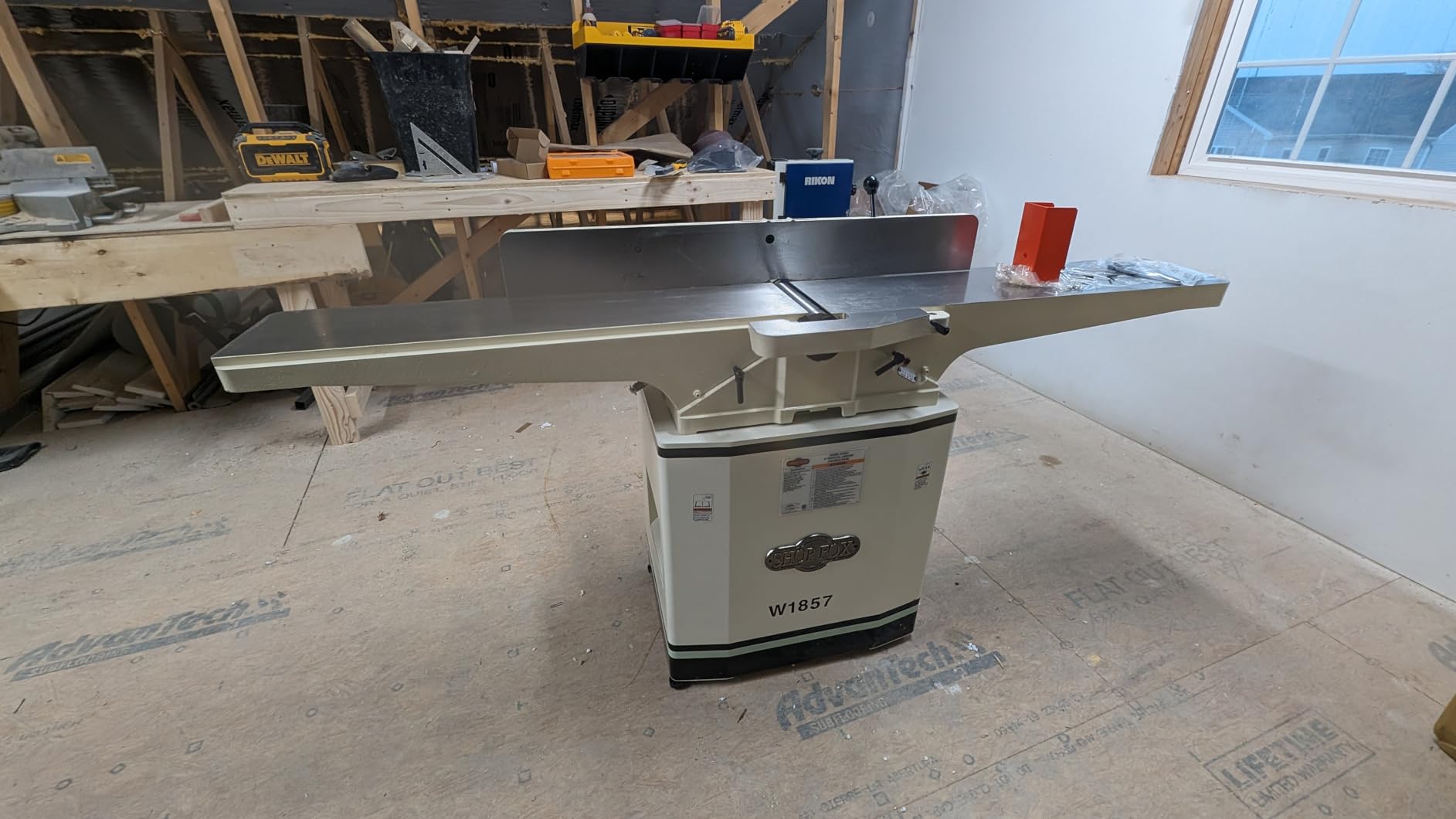
The 3 HP single phase 230V motor is real horsepower, and several reviewers note it performed as well as or better than a Powermatic they owned previously. Knives are reported to hold an edge without sharpening or replacement, and the rabbet feature works well.
The trade-offs are physical. At 373 pounds the instructions call for three people to lift it onto the integrated mobile base, the bed is shorter than some competing 8 inch floor models, and the chip chute is a simple open chute that needs a strong extraction system behind it.
Who the Shop Fox W1857 Works Best For
Best for a cabinet shop or a serious hobbyist who rabbets narrow stock regularly and already has 240V single phase service. The mobile base means you can roll it aside when the planer is the priority. Owners on r/woodworkingtools run 8 inch machines of this class as the jointer half of a jointer and planer pairing.
Who Should Skip the Shop Fox W1857
Skip it if you only joint flat stock. If rabbets are off your list, a helical machine gives a quieter cut and indexable inserts that never need sharpening. It also needs a 230V circuit and a floor that can carry 373 pounds.
6. JET JWJ-8CS 8 Inch Long Bed Jointer Review
JET 8-Inch Jointer, Straight Knife, 2 HP, 230V 1Ph (JWJ-8CS)
8 inch width
3 HSS knives at 5500 RPM
72 inch long bed
230V single phase
Pros
- 72 inch bed handles full-length material in one setup
- Cut quality on boards over 6 feet is repeatedly praised
- Tables arrive flat with knives set parallel
- Positive fence stops at 45 and 90 degrees
- 5 year warranty
Cons
- 375 pounds and typically needs a hoist or three people
- Requires a dedicated 240V 20A circuit and hardwiring
- Belt and motor wiring setup is involved
The JWJ-8CS is the long board answer. Its 72 inch bed is the longest in the roundup, and it is the machine to buy if you work with full 6 foot lumber, mouldings or frame stock.
Three high-speed steel knives at 5500 RPM give over 16,500 cuts per minute. That cut count is high for a straight-knife head, and owners upgrading from a 6 inch benchtop machine consistently praise both the accuracy and the finish.
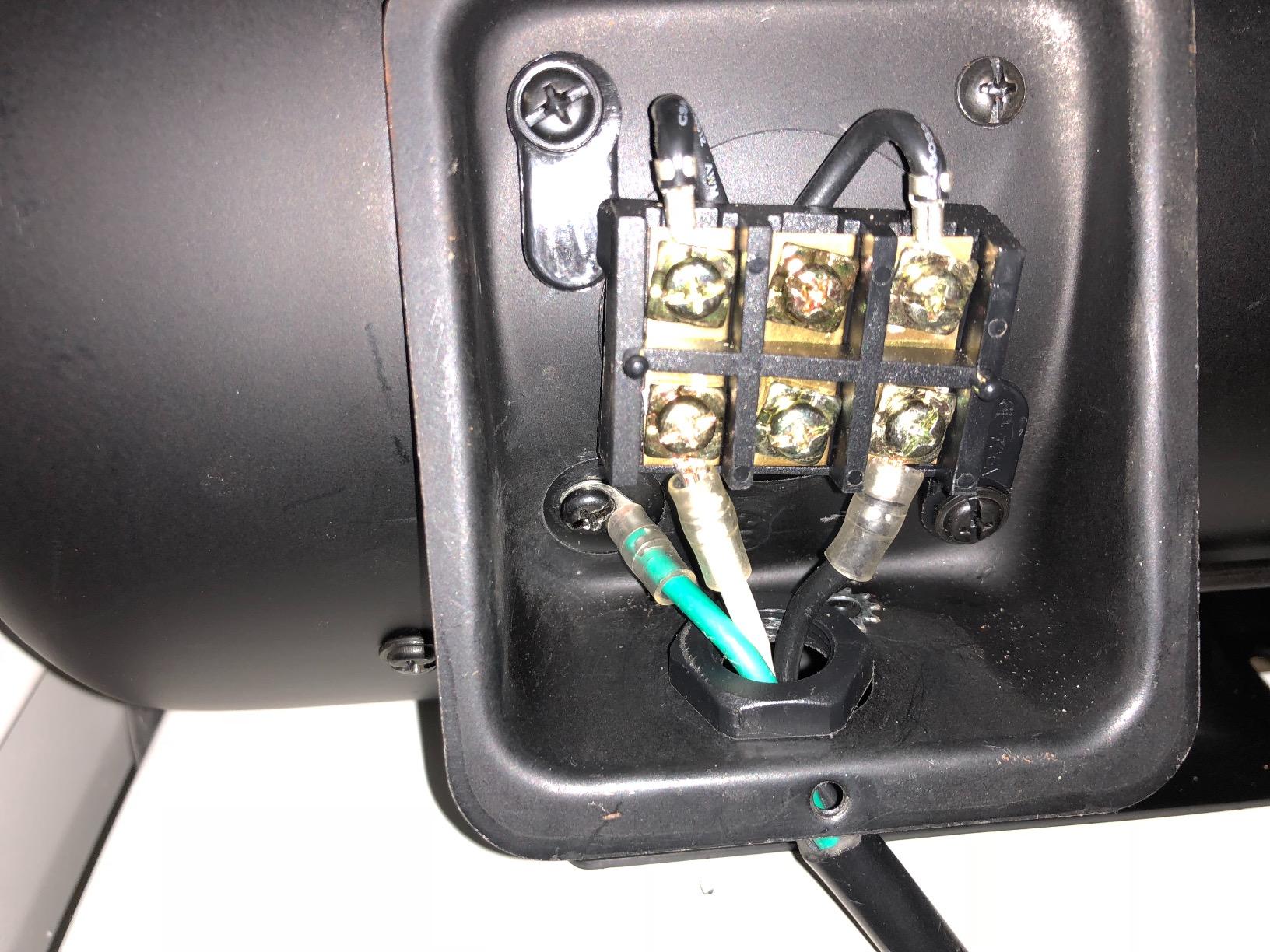
The tables arrived flat with the knives set parallel from the factory, and reviewers report straight, true cuts including bevel operations on long material. The 4 inch dust chute is properly sized for the chip load, which puts it ahead of machines with small ports.
Installation is the real story. At 375 pounds, with the table alone weighing roughly 250 pounds, this needs a hoist or three people, plus a dedicated 240V 20A circuit and hardwiring. The manual is also confusing about voltage and terminal configuration, so budget time for setup.
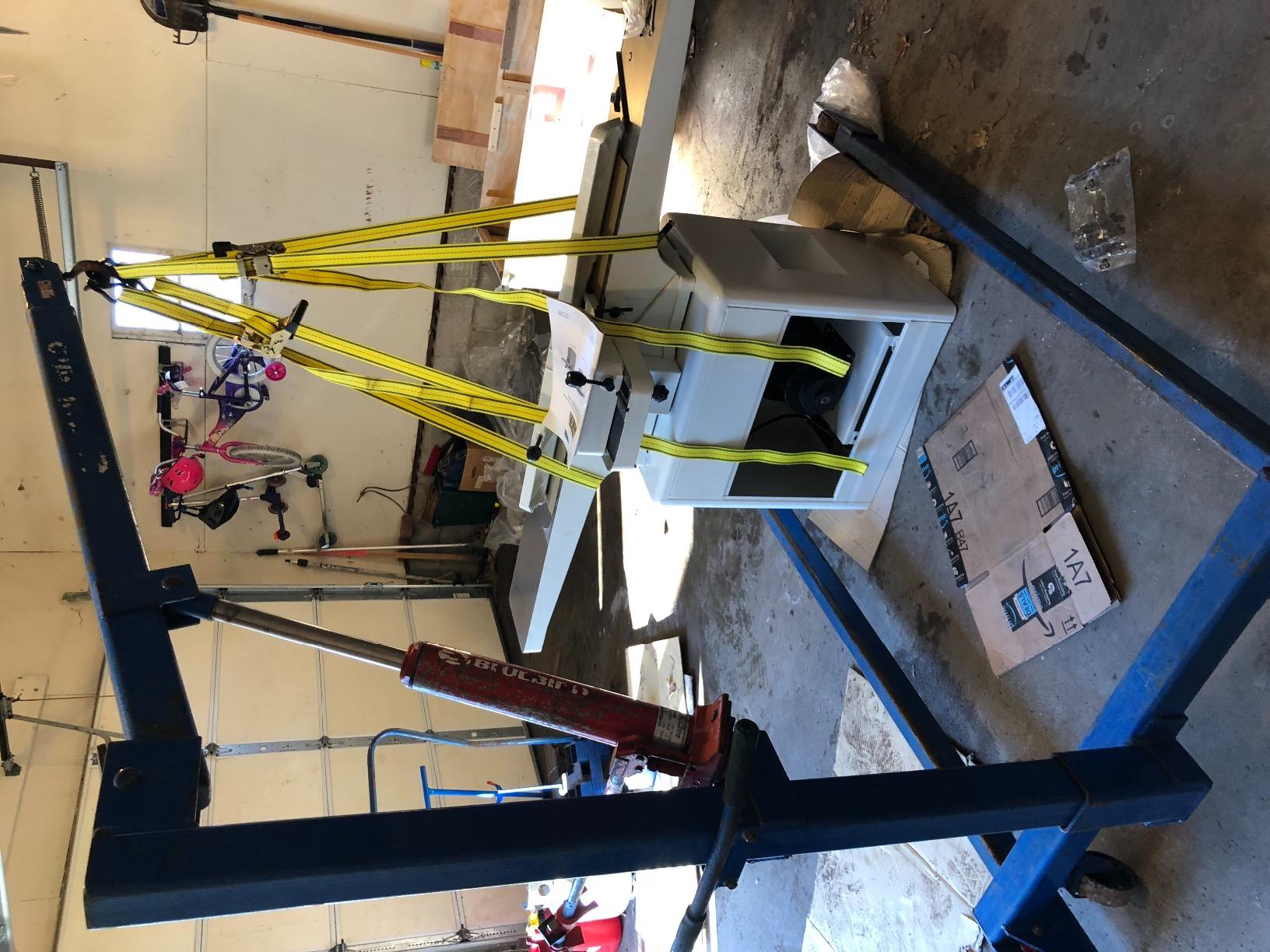
Who the JET JWJ-8CS Works Best For
Best for long-stock work and for shops that want the option to fit a helical head later. Straight knives are a lower-cost entry into the class, and aftermarket helical upgrades exist for this platform, so you are not locked in forever.
Who Should Skip the JET JWJ-8CS
Skip it if you cannot commit 240V hardwired service or if you have no help moving 375 pounds, the heaviest machine on this list. Skip it if you do not want to maintain straight knives, since they need periodic adjustment and sharpening that inserts do not.
7. Powermatic 60HH 8 Inch Helical Jointer Review
Powermatic 8-Inch Jointer, Helical Cutterhead, 2 HP, 230V 1Ph (Model 60HH)
8 inch width
54 four-sided carbide inserts
Extra long dovetailed tables
2 HP 230V single phase
Pros
- Shelix helical head is quiet with an excellent finish
- Four usable edges per insert so a nicked tip just rotates
- Cast iron tables arrive ground and nearly flat
- Plenty of power for deep cuts in hard stock
Cons
- 489 pounds means one person cannot lift the top onto the stand
- Requires 240V service and possibly a step-up transformer
- Cosmetic defects and scuffed plastic parts are reported
The 60HH is the premium end of this roundup and the reference machine for what an 8 inch helical jointer can do. Fifty-four four-sided carbide inserts spinning at 7000 RPM give a cut that owners describe as quiet and close to flawless, with far less effort on the board.
The four-sided inserts are the practical headline. A nicked insert is not a down machine: rotate it 90 degrees and it is sharp again, with no knife adjustment, no jig and no service visit. The adjustment lever also gives quick infeed positioning with fine depth control.
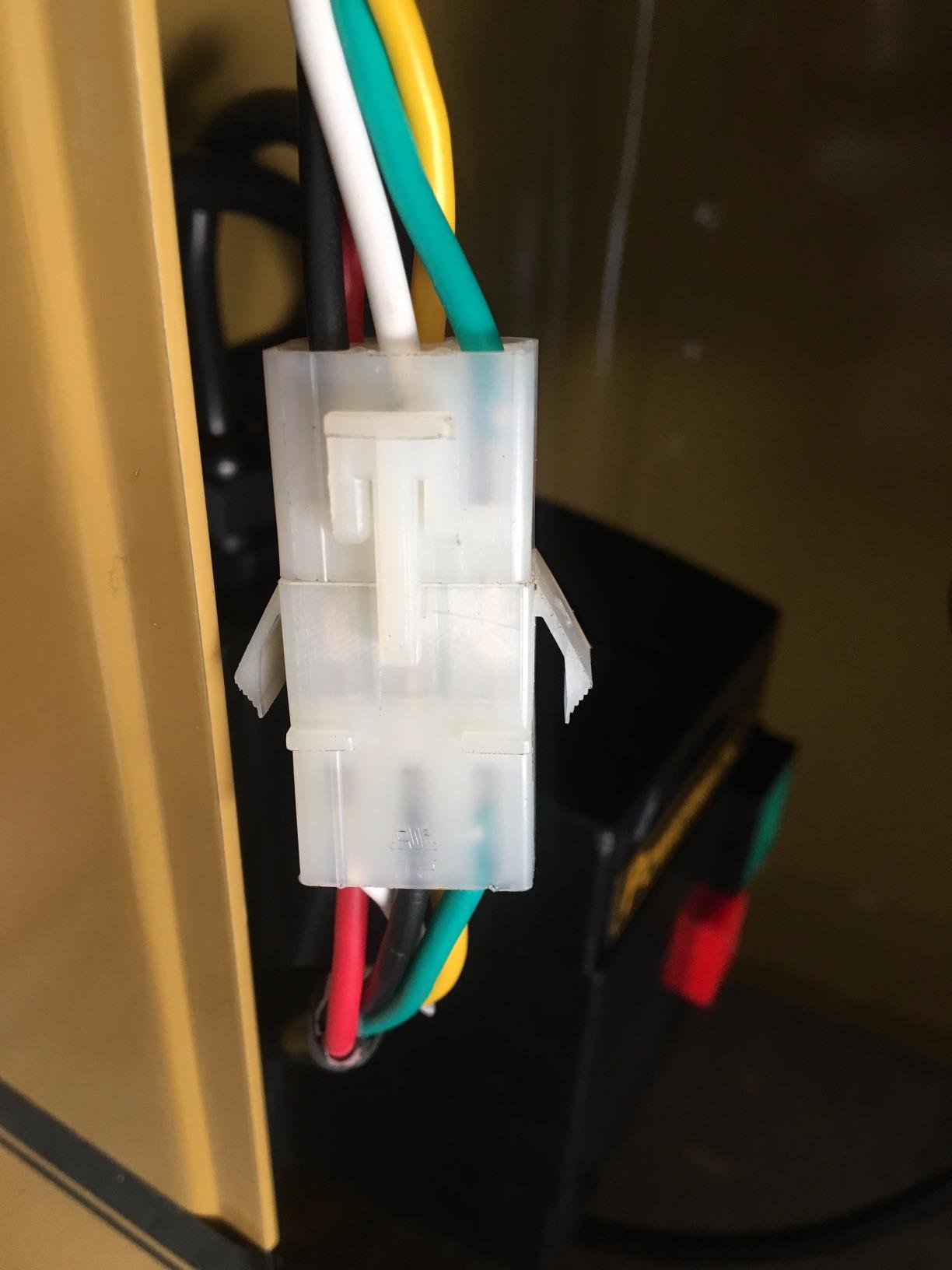
Fit and finish is widely praised, and cast iron tables typically arrive ground, polished and very close to flat. Extra long tables mounted on dovetailed ways support longer workpieces, and a handwheel worm gear system tilts the fence smoothly instead of by feel.
Against that, at 489 pounds the top is effectively impossible for one person to lift onto the stand. Owners also report units arriving with scraped or cracked plastic parts and tables that were not coplanar, which means you should plan for setup time rather than plug it in and cut.
Who the Powermatic 60HH Works Best For
Best for a shop that mills hardwood for a living or a serious builder with 240V service who wants the quietest, most forgiving cut available. It handles deep passes in hard stock, and the magnetic push blocks store on the machine.
Who Should Skip the Powermatic 60HH
Skip it if you are alone in an 8 by 10 shop with no hoist. The weight and the setup requirements are real, and a 4.2 star average reflects that a number of owners feel the premium is not fully earned after shipping problems and coplanarity corrections.
8. JET JWJ-8HH-BLK 8 Inch Helical Jointer Review
JET Black 8″ Jointer, Helical Cutterhead, 50% Less Friction (JWJ-8HH-BLK)
8 inch width
Helical head, 36 four-sided carbide
5500 RPM cutterhead
70-7/8 inch table
Pros
- Coated tables need no waxing and show layout lines better
- 36 indexable inserts across 4 rows cut quietly
- Long 70-7/8 inch table supports long material
- Magnetic control panel adds a safety layer
- Includes push blocks
- spare inserts and tools
Cons
- Lowest average rating in the roundup at 3.7 stars
- Helical cutterhead cannot rabbet
- Needs 230V
- a 400 CFM collector and a hoist for 405 pounds
The JWJ-8HH-BLK is the most polarising machine here, and the reason is a surface rather than a cutterhead. The JET Black coating on the cast iron table and fence cuts friction by up to 50 percent, needs no waxing, resists rust and makes layout lines more visible on light stock.
The helical head carries 36 four-sided carbide inserts in 4 rows at 5500 RPM, each indexing 90 degrees. The 70-7/8 inch table is long, and the two-way fence tilts 45 to 135 degrees with positive stops.
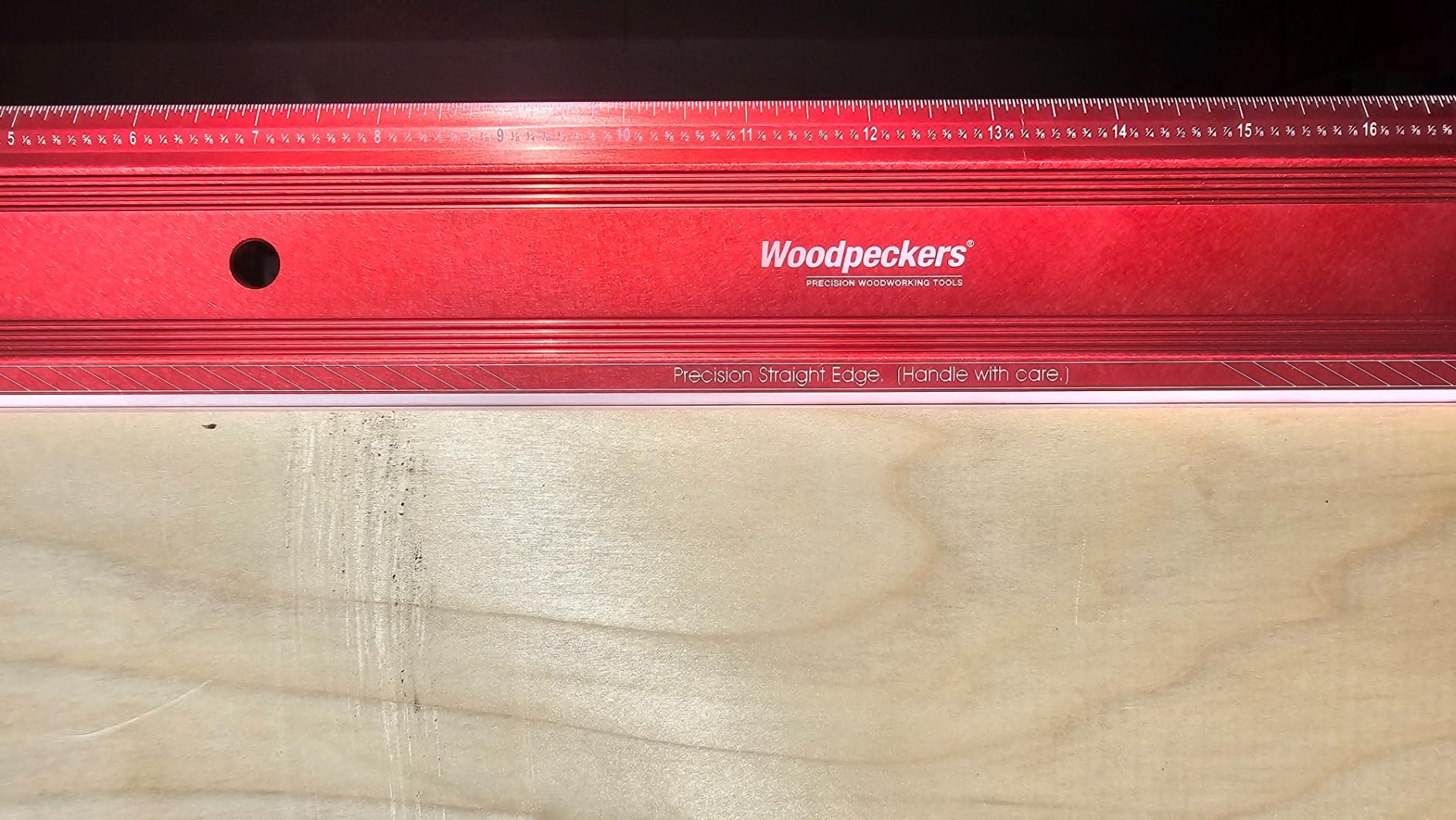
Against that, the average rating is the lowest in this roundup, with 17 percent one-star reviews. Fans point at the coating and the included hardware; critical reviews cluster in the bottom ratings. Two design limits are worth knowing before you commit: it is not built for rabbeting, and it is rated for a dust collector of 400 CFM or higher.
Material minimums also apply here: 10 inches long, 3/4 inch wide and 1/4 inch thick. At 405 pounds it needs a hoist or multiple people to set on the stand, and it requires a 230V supply, so it is firmly a planned-shop machine rather than a first purchase.
Who the JET JWJ-8HH-BLK Works Best For
Best for a dedicated shop that joints solid wood only, wants a low-maintenance table surface, and prefers push blocks and spare inserts to be included in the box. The magnetic control panel adds a shutoff layer on top of the base switch.
Who Should Skip the JET JWJ-8HH-BLK
Skip it if you rabbet narrow parts, if your extraction system cannot move 400 CFM, or if the lowest rating in the group makes you uneasy. Its long bed and coated tables do not make up for a head that cannot drop below the table.
How to Choose an 8 Inch Jointer for a Home Shop
Straight knives, spiral or helical: what actually changes
A straight-knife head has two long blades on opposite sides of the drum, and it produces the most efficient cut per tooth but the worst finish. You also pay for sharpening. Owners running straight knives long-term talk about repeated blade changes and the recurring cost of putting an edge back on them.
A spiral head mounts many inserts around the drum at an angle, so each one shears a small chip rather than slicing the full width. A true helical head sets inserts at a fixed, shallower angle around the drum, which produces the quietest cut and the most consistent surface. The practical difference in your shop is noise and finish, not throughput.
Carbide beats high-speed steel for almost every home shop. High-speed steel is cheaper and sharper out of the box, but it nicks on grit and needs a sharpening service. Four-sided carbide inserts give four usable edges per blade, so a chipped tip is fixed by rotating it 90 degrees in seconds.
Depth of cut and minimum board length
Plan on light passes. As noted earlier, reduce maximum removal by roughly 1/32 inch for every inch of width past 6 inches, so an 8 inch machine wants a light cut on a full-width board. The machines here that specify a limit list 1/8 inch per pass.
Very short pieces are a second limit. A jointer pushes a board past the knives against the fence, so the tail must clear the cutterhead before the fence drops. Plan on a minimum of about 10 inches of length and roughly 3/4 inch of width, and use push blocks for anything narrow. If your real work includes lots of small parts, that is the argument for a dovetail jointer such as the Shop Fox rather than a helical one.
Table length, material and stands
Cast iron tables add mass and stay flat under a heavy pass. Coated aluminum tables weigh less and resist friction, but you trade some of that mass away. Table length matters more than most buyers expect: the benchtop machines here run about 30 to 34 inches and extend to 51 or 51-1/2 inches, while the floor models run 70 to 72 inches.
Plan your support before delivery day. Anything over about 4 feet of table length needs roller stands at the outfeed end, and a closed-stand machine of 373 to 489 pounds needs a hoist or multiple people plus a floor that can carry the load. If you are assembling your own stand, add that to the parts list.
Dust collection is not optional at 8 inches
A 4 inch port is the practical target. A 2-1/2 inch port on a machine that can chew 8 inches of material will simply choke, and a shop vacuum is not a collector. One machine here is rated for a collector of 400 CFM or higher, which sets the ceiling for the whole class.
Budget for a dedicated collector with a flexible duct that reaches the port without kinks. If the machine has an open chip chute rather than a sealed shroud, expect visible dust no matter how good the collector is, and plan to run the machine with the guard down. Our shop equipment guide covers the supporting gear that pairs with these machines.
Motor and circuit requirements
The benchtop machines in this roundup run 120V universal motors and plug into a normal household circuit. That is the single biggest reason they fit a home shop. The downside is noise at no load and less reserve on deep cuts in dense hardwood.
The floor models need real service. A 2 HP 230V single phase machine draws around 20 amps and wants a dedicated 240V 20A circuit. The 3 HP Shop Fox runs 230V single phase as well. Three-phase power is the harder requirement, and it rules out most residential shops without a panel change, so confirm single phase before buying a premium machine. Our AC DC TIG welder roundup covers the same 240V service questions from another angle.
Total installed cost is where home shoppers get surprised. Budget the machine, plus a mobile base or stand, plus a dust collector rated for the port, plus electrical work if you need a 240V circuit run.
Railroad tracks and scallop marks, explained
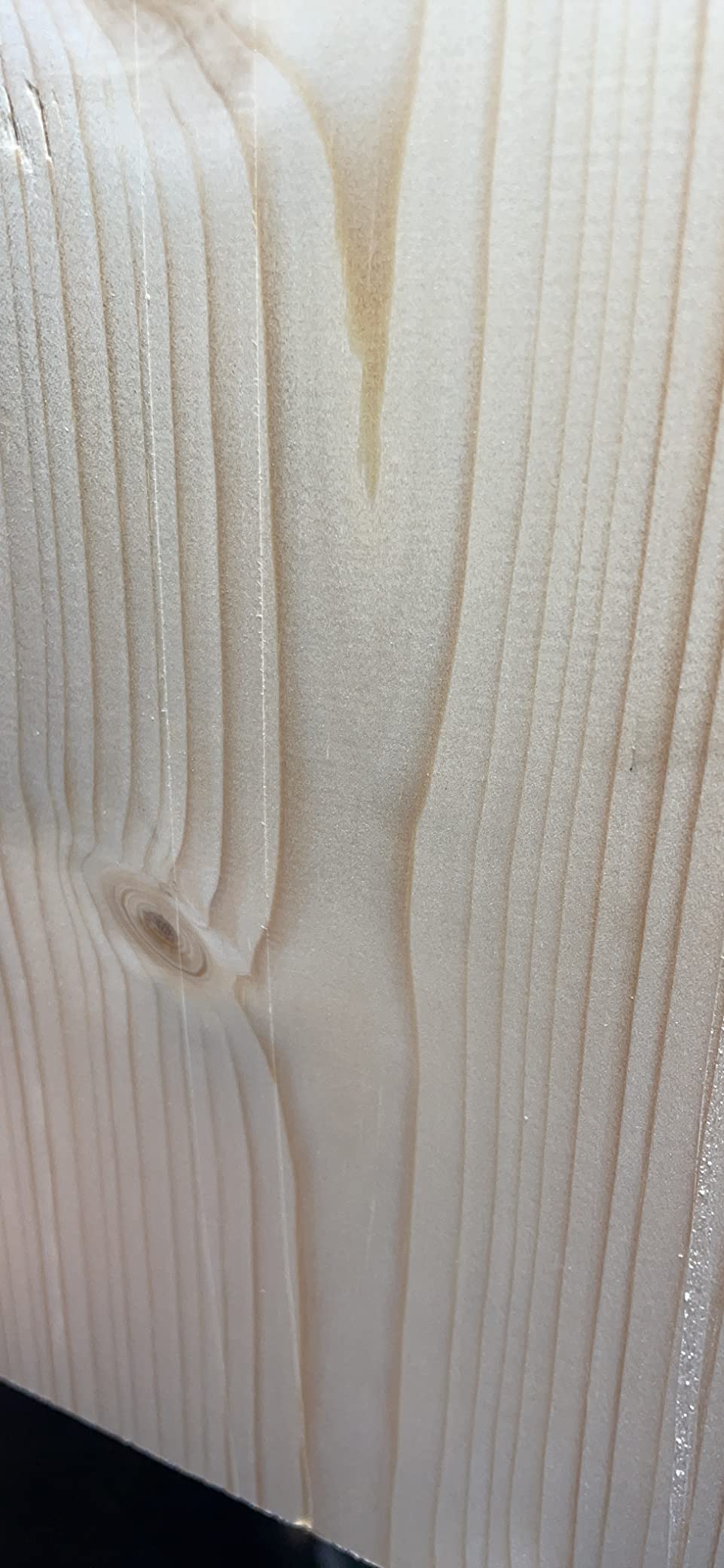
Owners call them railroad tracks or scallop marks: faint lines running along the board at regular intervals, usually visible only at a raking light angle or under a finish. They are the single most discussed jointer complaint in owner forums, so it is worth knowing where they come from before you blame a machine.
With inserts, the usual cause is a chipped or dull cutter, or inserts that were not indexed to a fresh edge. A spiral or helical head has dozens of cutters, so one damaged insert shows up as one repeated line. The fix is simple: find the mark, identify which insert left it, and rotate that insert 90 degrees to a fresh edge. Rotate a chipped cutter away from the outer edge of the cut toward the centre of the head, where it does less visible damage until it is replaced.
On a straight-knife head the same marks come from a knife that has lost its edge, or from a head that is not parallel to the table over the full width. That is a different repair: set a dial indicator across the knives and bed and re-adjust. If a straight-knife head keeps nicking, embedded grit in reclaimed lumber is the usual culprit, and inserts are the better long-term answer for that material.
One useful test before a finish goes on: hold the board so light grazes down its length under a lamp. If you see repeating lines, index the inserts before you sand the surface flat and ruin the evidence. It is much easier to solve before the finish than after.
Setting the fence before the first cut
Most jointer complaints that sound like quality problems are setup problems. A new machine commonly arrives with a fence a few thousandths off 90 degrees, and the fix takes twenty minutes with a good square and a straight edge.
Set the fence at 90 degrees to the table, then check it with a machinist square on the outfeed side and the fence face. If the square does not sit flush, work the fence adjustment until it does. On machines whose fence lacks a positive stop, this is a two-minute check every time you change the setup, not a once-only job.
Then check the table seam the same way. Lay a known-straight edge across the infeed and outfeed tables and look for a light gap at the seam. A small dip there produces snipe on every board that crosses it, and owners frequently blame the cutterhead when the cause is the table. If the Cutech, Wahuda or JET tables arrived flat, you can skip this; if the machine needed coplanarity work on arrival, check it monthly.
Once the fence and tables are true, start with a light pass, keep the guard down, use the push blocks for anything narrow, and finish each board with a full-width pass. That habit alone eliminates most of the marks new owners blame on the machine.
Joining board edges for a glue-up
Edge jointing is the workflow 8 inch jointers were designed around, and it rewards a wide table more than any other operation. Joint one face, run the wide edge across the full cutterhead, and a 3/4 inch glue line goes down instead of the thin starved line you get from a sled.
Use a single light pass rather than two heavy ones, alternate the reference face between parts, and check the batch on a flat surface before the glue goes down. A winding stick across the glue-up reveals a misaligned part in seconds; a dial indicator across the jointed edges does the same job more precisely on a small batch.
On reclaimed lumber, run every board through twice regardless of how flat it looks. Weathered stock twists as it dries, and a second pass after it has settled is the difference between a glue-up that closes and one that fights you.
Jointer plus planer, or a combination machine?
A separate jointer and planer is the more flexible setup and the better one if you already have a good planer, because you can dedicate each machine and avoid changeover time. A combo machine saves floor space and money, but you change setup every time you switch tasks and you usually give up some width or some adjustability.
If you are starting from nothing and building mostly flat, square parts rather than rough lumber, a combination machine is the sensible path. If you are milling rough stock, buy the jointer first. A planer is useless on a board that is not yet flat and square, so the jointer is the machine that unlocks everything else.
Buying used: the most repeated advice in the forums
Secondhand is the most commonly recommended route in owner discussions, and for good reason. A used closed-stand 8 inch machine in good condition often costs less than a new benchtop one and comes with a longer bed and a stronger motor.
Inspect before you commit. Check that the tables are coplanar by laying a known straight edge across the seam. Tap the fence and check it against a square for parallelism. Work the parallelogram or table adjustment and confirm the lock screws hold under load. Check the cutterhead guard spring tension and look for a sagging guard. Finally, verify what parts are available before you buy, since support is the real difference between tiers.
Frequently Asked Questions
What is the best 8 inch jointer for the money?
The WEN JT833H is the strongest value pick at the entry tier, with a spiral cutterhead using 16 staggered HSS blades, a table that extends to 51 inches, and both 2-1/2 and 4 inch dust ports. If you want carbide instead of HSS, the Wahuda 50180CC-WHD adds 4-sided inserts on cast iron tables. Owners widely report the WEN is perfectly adequate for most home shops.
What is the best jointer for a home shop?
It depends on the buyer. A rough-lumber beginner or a small garage shop is best served by a 10 amp 120V benchtop machine such as the WEN JT833H. A furniture maker working 8 inch rough stock is better served by the Cutech 40180HI or the Wahuda 50180CC-WHD. A shop with 240V service and long boards should look at the JET JWJ-8CS.
Do you really need an 8 inch jointer?
Only if your material is wider than 6 inches or you build tabletops, panels and doors. A 6 inch machine is cheaper to feed and takes a deeper pass, because depth of cut is tied to width: budget roughly 1/32 inch less removal for each inch of width past 6 inches. If you buy flat stock and glue up a few edges, a planer sled can cover it and the jointer can wait.
Should I buy a new or used 8 inch jointer?
Used is the most frequently recommended route in owner discussions, and a good closed-stand machine often costs less than a new benchtop one while giving you a longer bed and a stronger motor. Inspect the tables for coplanarity, tap the fence against a square for parallelism, test the adjustment lock screws, check the cutterhead guard spring tension, and confirm parts availability before buying.
What circuit does an 8 inch jointer need?
The benchtop machines in this class, including the WEN, Wahuda, Cutech and RIKON, run 120V universal motors and plug into a standard household circuit. The closed-stand models need 240V single phase service on a dedicated 20A circuit, and the 2 HP machines draw around 20 amps. Confirm single phase supply, not three phase, before buying a premium machine.
Is helical better than spiral or straight knife cutters?
Helical gives the quietest cut and the most consistent finish because the inserts are set at a fixed shallow angle around the drum. Spiral shears a larger chip per insert and is louder but very efficient. Straight knives cut fastest per tooth and need regular sharpening. If you run rough or reclaimed lumber, carbide inserts beat high-speed steel because a chipped edge is fixed by rotating it.
Conclusion
The best 8 inch jointer for a home shop in 2026 is the WEN JT833H, because it covers the full width, extends to 51 inches, offers both dust port sizes and plugs into an ordinary circuit. Move up to the Cutech 40180HI or Wahuda 50180CC-WHD when you want carbide inserts and cast iron tables instead of a sharpening routine.
Save the closed-stand machines, from the JET JWJ-8CS to the Powermatic 60HH, for a shop that already has 240V service, a floor that can carry several hundred pounds, and real rough lumber to mill. Check the spec lists above, dial the fence to square before the first cut, and take light passes until the machine tells you otherwise.