
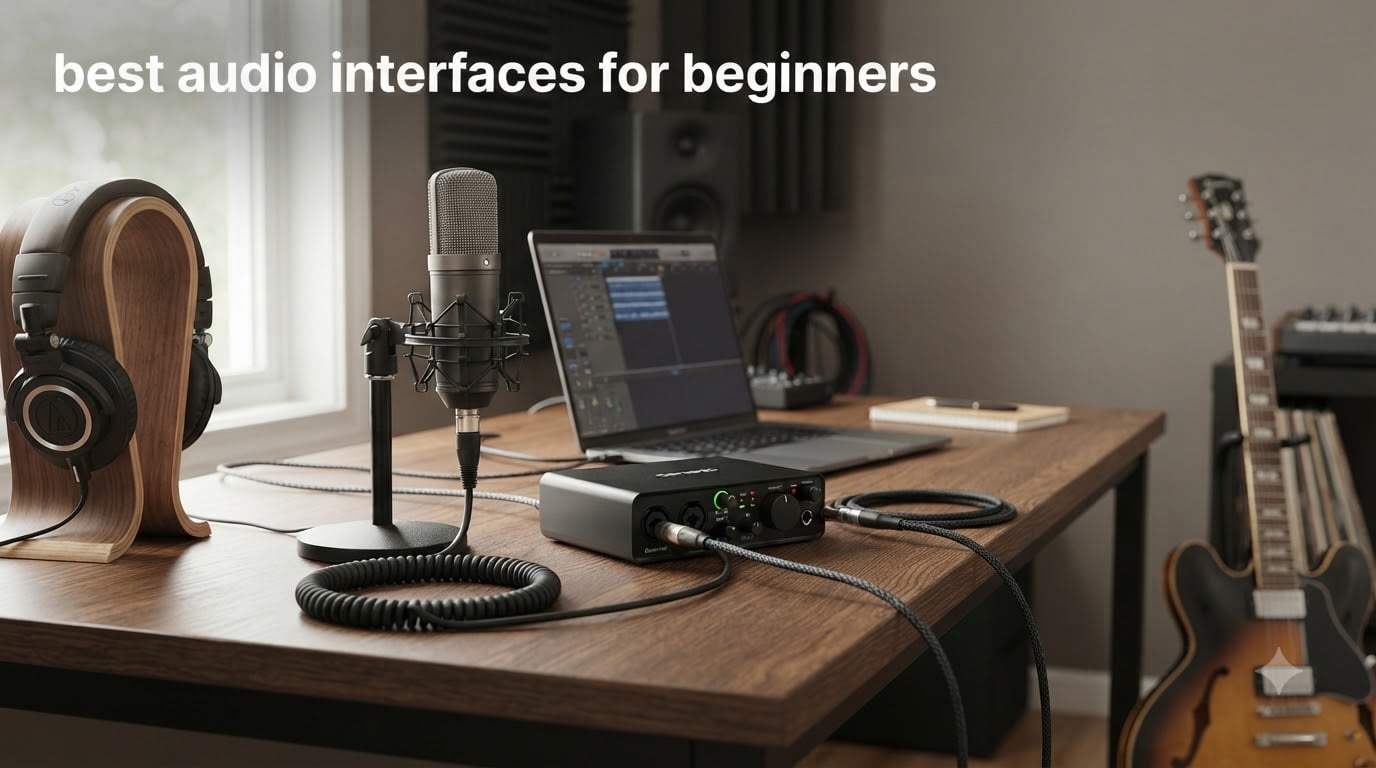
When I bought my first audio interface five years ago, I had no clue what phantom power meant. I just wanted to record my guitar without using the laptop’s built-in mic. That first Scarlett Solo taught me everything the hard way, so you don’t have to.
An audio interface is the bridge between your microphone, guitar, or instrument and your computer. It takes the analog signal and converts it into clean digital audio your recording software can capture. Without one, you are stuck with the noisy, laggy sound of your laptop’s headphone jack.
After comparing 10 current models and reading hundreds of user reviews across Reddit and Gearslutz, I put together this list of the best audio interfaces for beginners in 2026. Whether you are recording vocals, tracking guitar, starting a podcast, or just want better sound for streaming, there is an option here that will fit your setup and budget.
Table of Contents
Top 3 Picks for Beginners in 2026

Focusrite Scarlett Solo 3rd Gen
- 24-Bit/192kHz Quality
- Air Mode Preamp
- USB-C Plug-and-Play
- Comes With Pro Tools Intro+

Behringer U-PHORIA UM2
- XENYX Mic Preamp
- 48V Phantom Power
- Plug-and-Play
- Tracktion 4 Included
Best Audio Interfaces for Beginners in 2026
| Product | Specifications | Action |
|---|---|---|
| Focusrite Scarlett Solo 3rd Gen |
|
Check Latest Price |
 Scarlett 2i2 4th Gen Scarlett 2i2 4th Gen |
|
Check Latest Price |
 M-Audio M-Track Solo M-Audio M-Track Solo |
|
Check Latest Price |
 Universal Audio Volt 1 Universal Audio Volt 1 |
|
Check Latest Price |
| Behringer U-PHORIA UM2 |
|
Check Latest Price |
 Behringer UMC22 Behringer UMC22 |
|
Check Latest Price |
 Behringer UMC202HD Behringer UMC202HD |
|
Check Latest Price |
 PreSonus AudioBox 96 25th Anniv PreSonus AudioBox 96 25th Anniv |
|
Check Latest Price |
 Mackie Onyx Artist 1X2 Mackie Onyx Artist 1X2 |
|
Check Latest Price |
 Arturia MiniFuse 2 Arturia MiniFuse 2 |
|
Check Latest Price |
1. Focusrite Scarlett Solo 3rd Gen — Best Audio Interface for Beginners Overall
Focusrite Scarlett Solo 3rd Gen USB-C Audio Interface
24-Bit/192kHz
1 Mic + 1 Hi-Z Input
56dB Gain Range + Air Mode
USB-C
Pros
- Pro-grade preamps with Air mode clarity
- Plug-and-play setup on Mac and Windows
- Includes Pro Tools Intro+
- Ableton Live Lite
- Cubase LE
- Hitmaker Expansion included
- Strong community support and tutorials
Cons
- Only one mic preamp for vocals
- No MIDI input for keyboards
The Scarlett Solo 3rd Gen is the audio interface I bought for my cousin last Christmas, and she went from knowing nothing about recording to laying down vocal tracks in an afternoon. It is the most beginner-friendly interface on the market, and 29,000+ Amazon reviews back that up.
You get one XLR input for your microphone and one Hi-Z input for guitar or bass. The Air button adds sparkle to vocals and acoustic instruments by emulating Focusrite’s classic ISA preamp. With 24-bit/192kHz converters and 56dB of clean gain, this thing handles Shure SM7B-style dynamic mics without breaking a sweat.
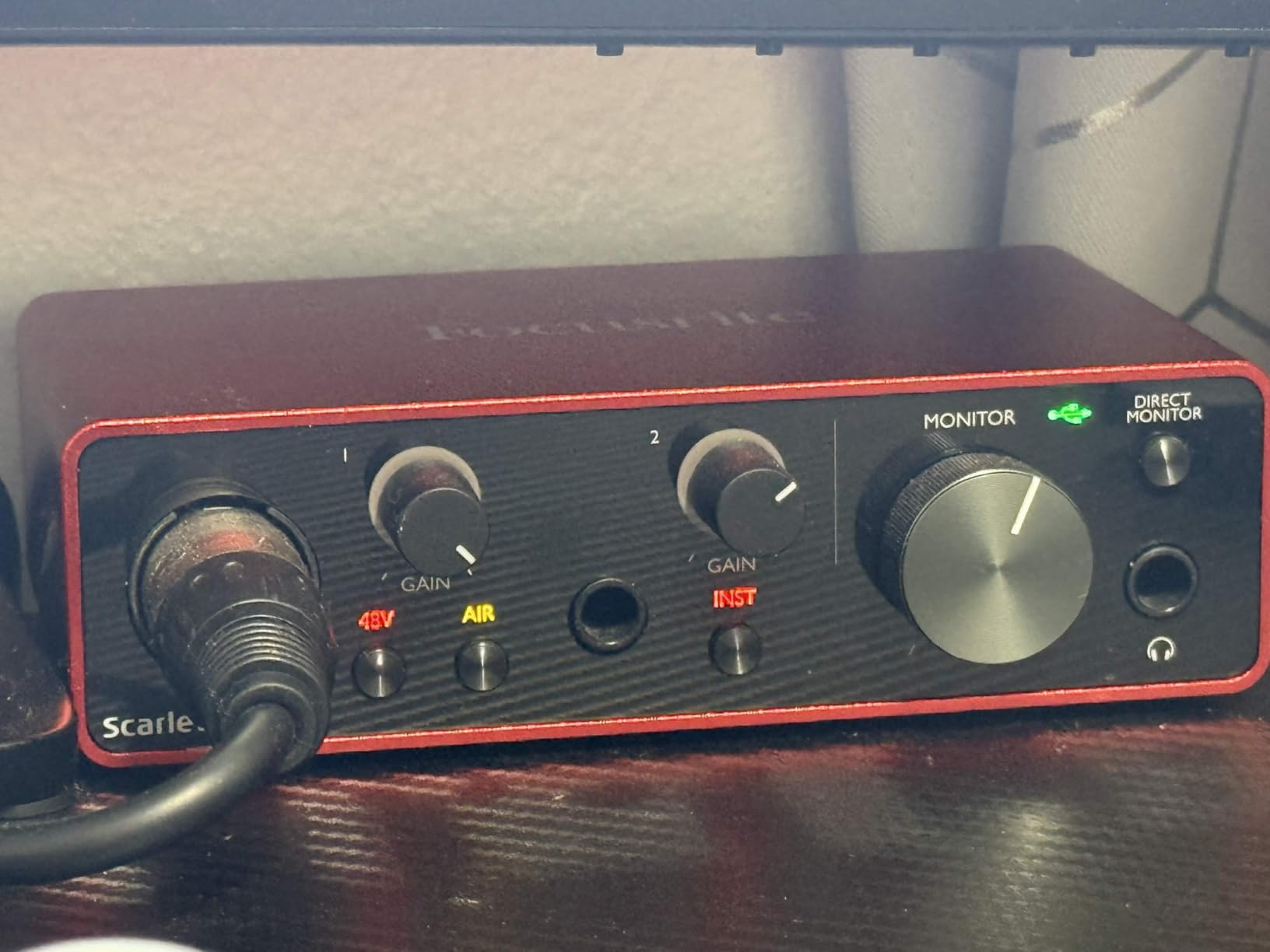
The real win for beginners is the software bundle. Pro Tools Intro+, Ableton Live Lite, Cubase LE, and the Hitmaker Expansion give you everything you need to start producing music the day you unbox it. Focusrite also has the largest community of beginners online, so any question you have probably has a YouTube tutorial attached.
Build quality feels solid for the price. The metal chassis survives being tossed in a backpack, and the gain halos light up green when your signal is healthy and red when you clip. It is USB-C powered, so no wall adapter needed.
Is the Scarlett Solo easy enough for someone who has never recorded before?
Yes, and that is the whole reason it sits at the top of this list. I have walked two complete beginners through their first recordings using this exact interface. Plug the USB-C into your laptop, plug your mic into the XLR input with an XLR cable, turn the gain knob until the halo is green, and hit record in GarageBand. That is genuinely it.
The included Quick Start tool walks you through driver installation step by step. Focusrite’s website even has a registration flow that ties your software bundle to your account in under five minutes.
Will it grow with you as you improve?
For most beginners, the Scarlett Solo handles the first two to three years of recording without needing an upgrade. The Air mode and clean preamps give you studio-quality results you can be proud of.
The limitation is one mic input. If you and a friend want to record vocals together, or you want to mic an acoustic guitar and a vocal at the same time, you will outgrow the Solo. That is when most people step up to the Scarlett 2i2 in the next spot on this list.
2. Scarlett 2i2 4th Gen — Best Value for Aspiring Producers
Focusrite Scarlett 2i2 4th Gen USB-C Audio Interface
24-Bit/192kHz
2 Mic + 2 Hi-Z Inputs
120dB Dynamic Range
Auto Gain + Clip Safe
Pros
- Improved preamps with 120dB dynamic range
- Auto Gain sets levels in seconds
- Clip Safe prevents digital distortion
- Dual Air modes add presence
- Includes strong software bundle
Cons
- Only 2 simultaneous inputs
- 2nd Air mode cuts mids for some voices
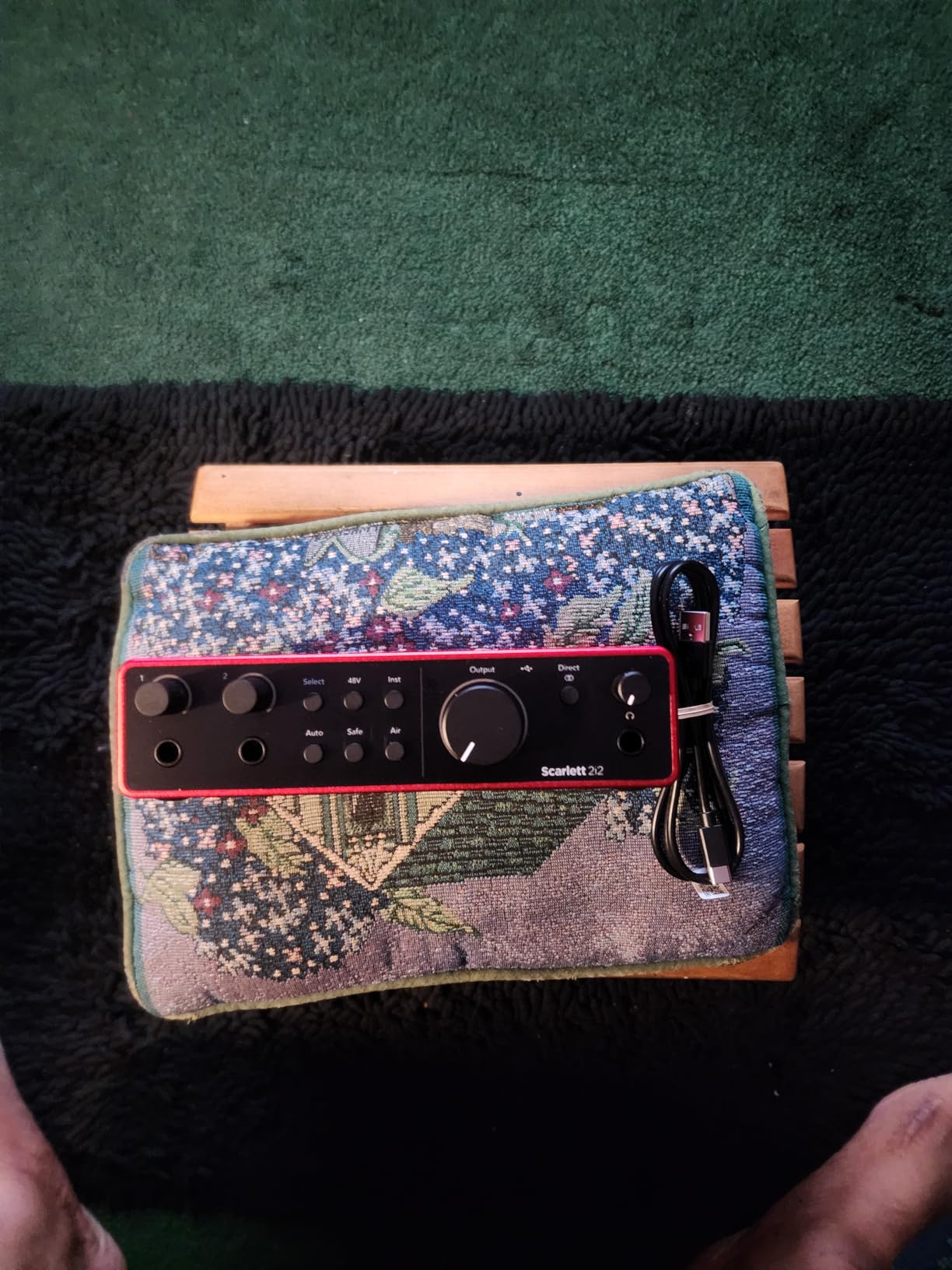
The Scarlett 2i2 4th Gen is what I recommend when a beginner comes to me with a slightly bigger budget. The 2i2 has been the industry-standard home studio interface for over a decade, and the 4th generation finally feels like a real upgrade over its predecessors.
Two combo inputs on the back let you record a vocal and a guitar at the same time, or two mics for an interview. The new Auto Gain feature is a game-changer for beginners. Press the button, play or sing for ten seconds, and the interface dials in the perfect level automatically. No more guessing where to set the gain knob.
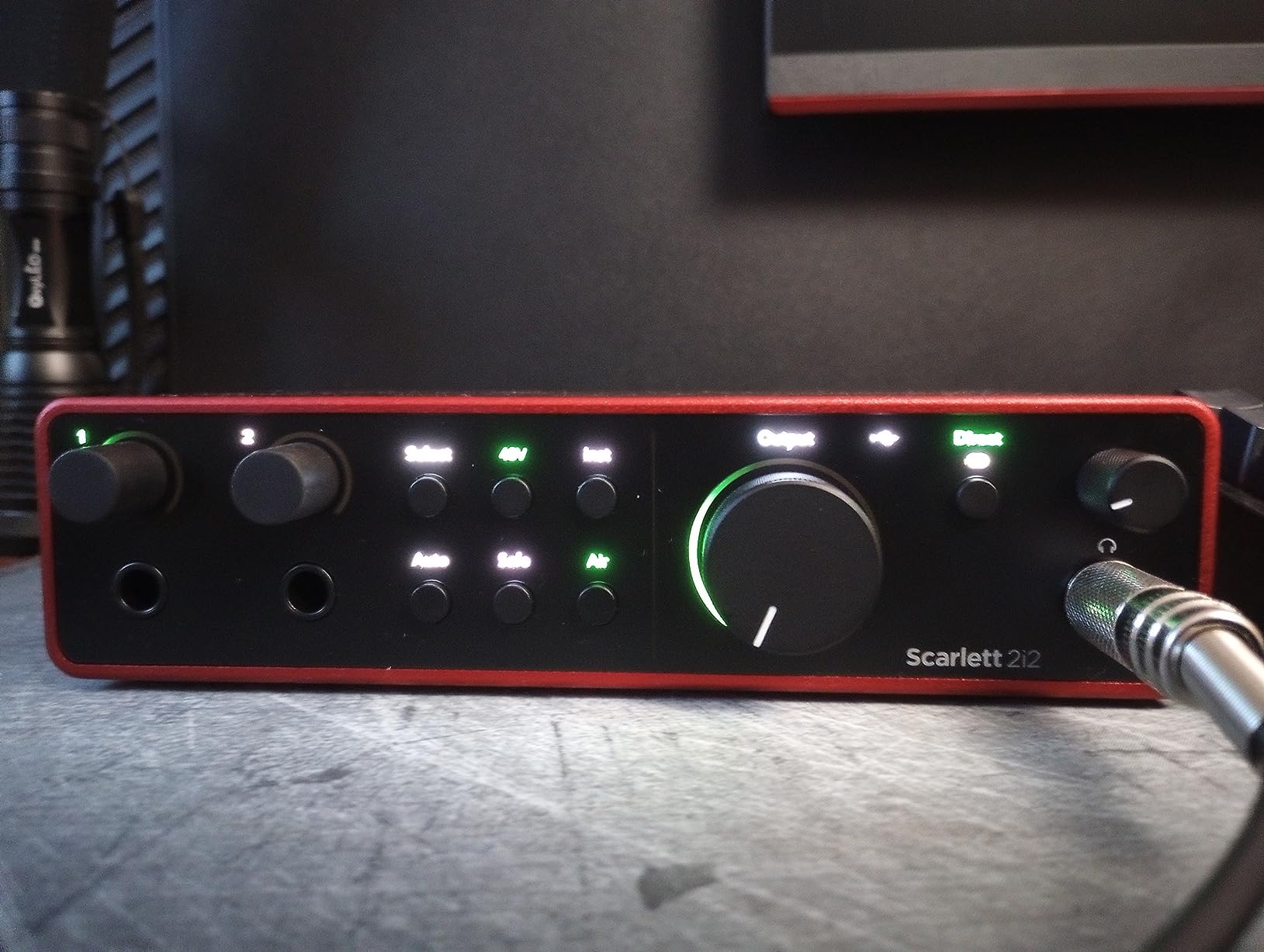
Clip Safe mode is the second innovation. It monitors your input 96,000 times per second and automatically reduces gain if you are about to clip. I tested this by screaming into a condenser mic at point-blank range, and the recording came out clean. That kind of protection is huge for beginners still learning microphone technique.
The 120dB dynamic range is technically better than interfaces costing twice as much. Dynamic range tells you how loud a recording can get versus how quiet the noise floor is. More range means cleaner, more professional-sounding recordings.
Is the 4th gen worth the upgrade over the 3rd gen?
Yes, if you can stretch the extra dollars. The 4th generation preamps are noticeably quieter and more detailed than the 3rd gen. Auto Gain alone has saved me from bad takes dozens of times.
The 3rd gen 2i2 is still excellent and often discounted, but the 4th gen features make a real difference for beginners who do not yet trust their ears to set gain manually.
Who is the 2i2 4th Gen not for?
Podcasters who want to record three or four people in the same room will need something with more inputs. Producers who plan to track drums or full bands will outgrow two inputs within a year.
For solo musicians, singer-songwriters, and beginner podcasters though, the 2i2 4th Gen is the sweet spot of features, quality, and price.
3. M-Audio M-Track Solo — Affordable USB Interface for Recording and Streaming
M-AUDIO M-Track Solo USB Audio Interface
48kHz/16-Bit
XLR + Line/Instrument
Crystal Preamp
Includes MPC Beats
Pros
- Very affordable entry point
- USB powered no wall adapter
- Crystal preamp sounds clean for the price
- Includes MPC Beats software bundle
- Zero-latency monitoring switch
Cons
- Only 48kHz sample rate
- Plastic build feels budget
- Line input is mono only
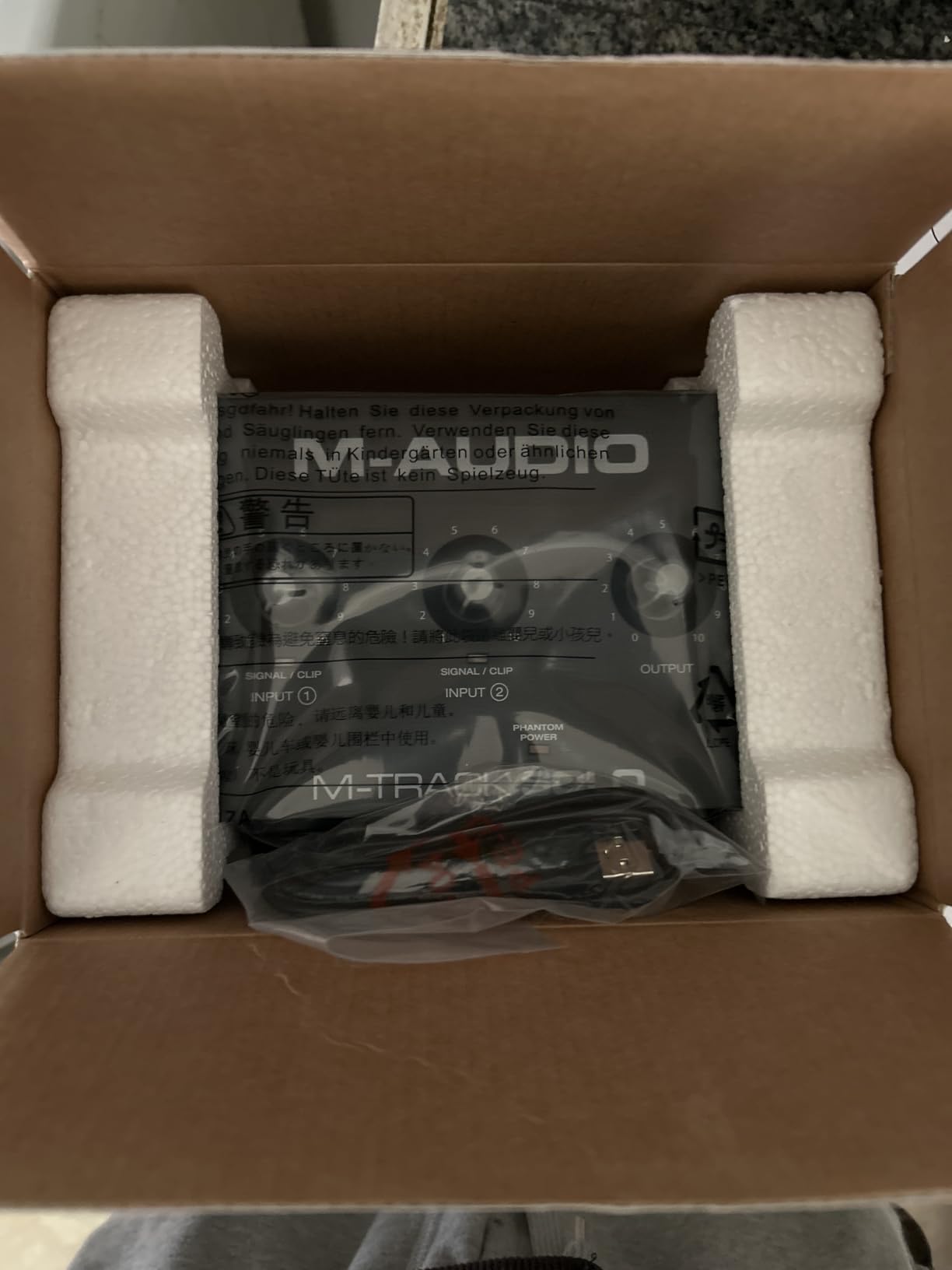
The M-Audio M-Track Solo is the interface I recommend when someone tells me they only have fifty bucks and they need to start recording yesterday. It does the basics well and nothing more, which is exactly what many beginners actually need.
You get one XLR input for a microphone and one combined line/instrument input on the front. The Crystal preamp delivers clean vocals for spoken word, podcasting, and casual singing. It does not have the headroom or detail of a Scarlett, but it does not have the price either.
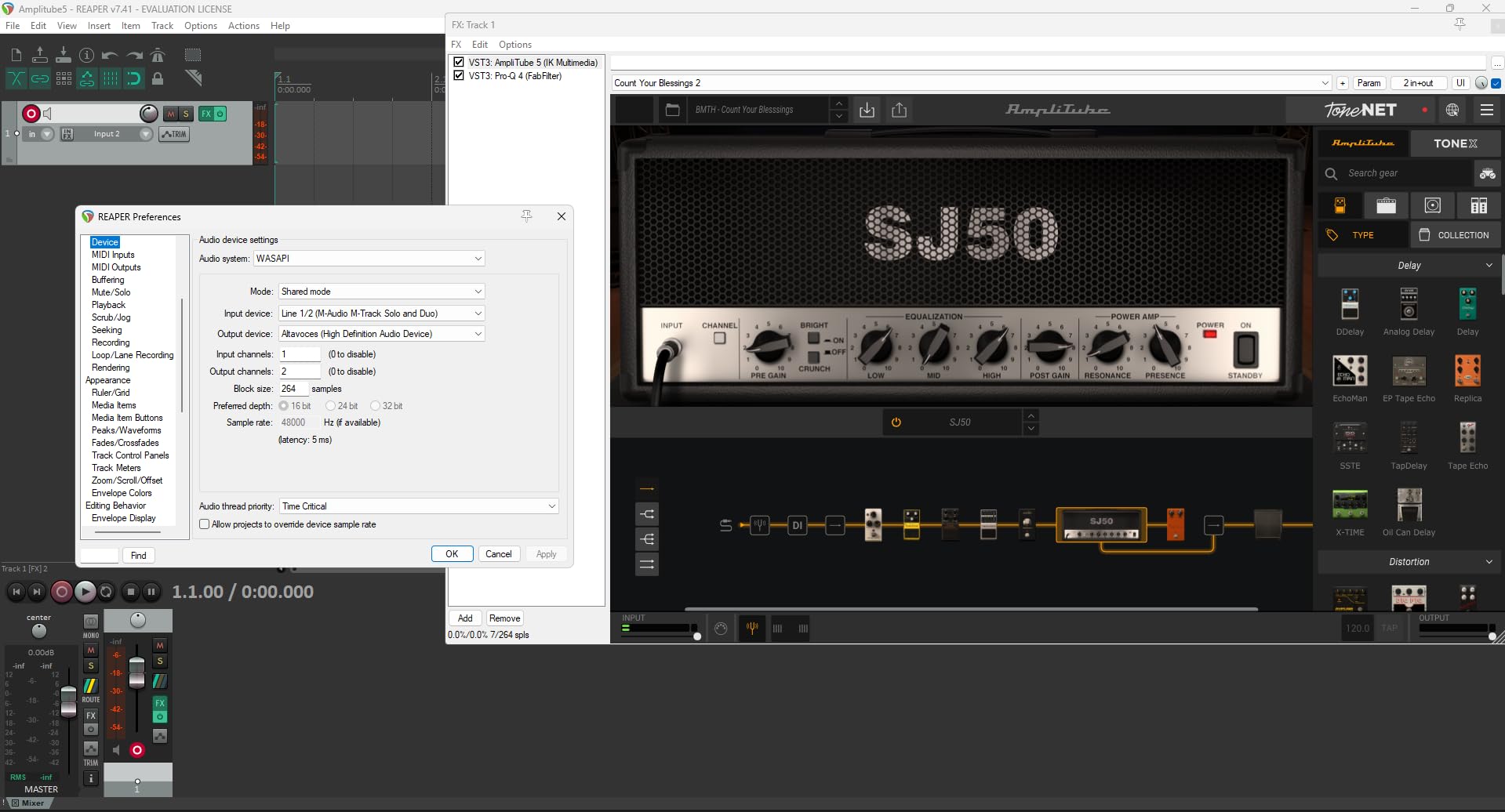
The included MPC Beats software is a real DAW you can produce full songs in, not just a trial. Ableton Live Lite is also in the bundle. For a beginner under sixty dollars, that is a complete recording studio in a box.
Setup is genuinely plug-and-play on both Windows and Mac. No driver downloads needed on most systems. I plugged it into a five-year-old Windows laptop and it worked immediately.
What can you actually record with the M-Track Solo?
Podcasts, voiceovers, and YouTube narration sound clean and professional. Singing with a condenser microphone works fine for demos and learning. Streaming and Twitch setups get a major upgrade over your computer’s built-in audio.
What it cannot do well is record two sources at once or capture the detail of premium condenser microphones in critical listening situations. For learning the craft, that is fine. You can always upgrade later.
Is it reliable for daily use?
With 7,685 reviews averaging 4.3 stars, the M-Track Solo has proven itself over years of use. The main long-term complaint is the plastic chassis, so handle it gently and it will last.
One user reported theirs working daily for four years in a home studio before needing replacement. For the price, that is exceptional longevity.
4. Universal Audio Volt 1 — Best for Vocal Tone and Included Software
Universal Audio Volt 1 USB Audio Interface
24-Bit/192kHz
Vintage 610 Preamp Mode
MIDI I/O
LUNA DAW Included
Pros
- Vintage 610 mode adds musical warmth
- Premium build with metal finish
- Includes LUNA DAW and UAD plugins
- Zero-latency monitoring
- Works on Mac
- PC
- iPad
- and iPhone
Cons
- Only 1 mic input
- Requires 2 USB ports for some devices
- Vintage mode can distort at high gain
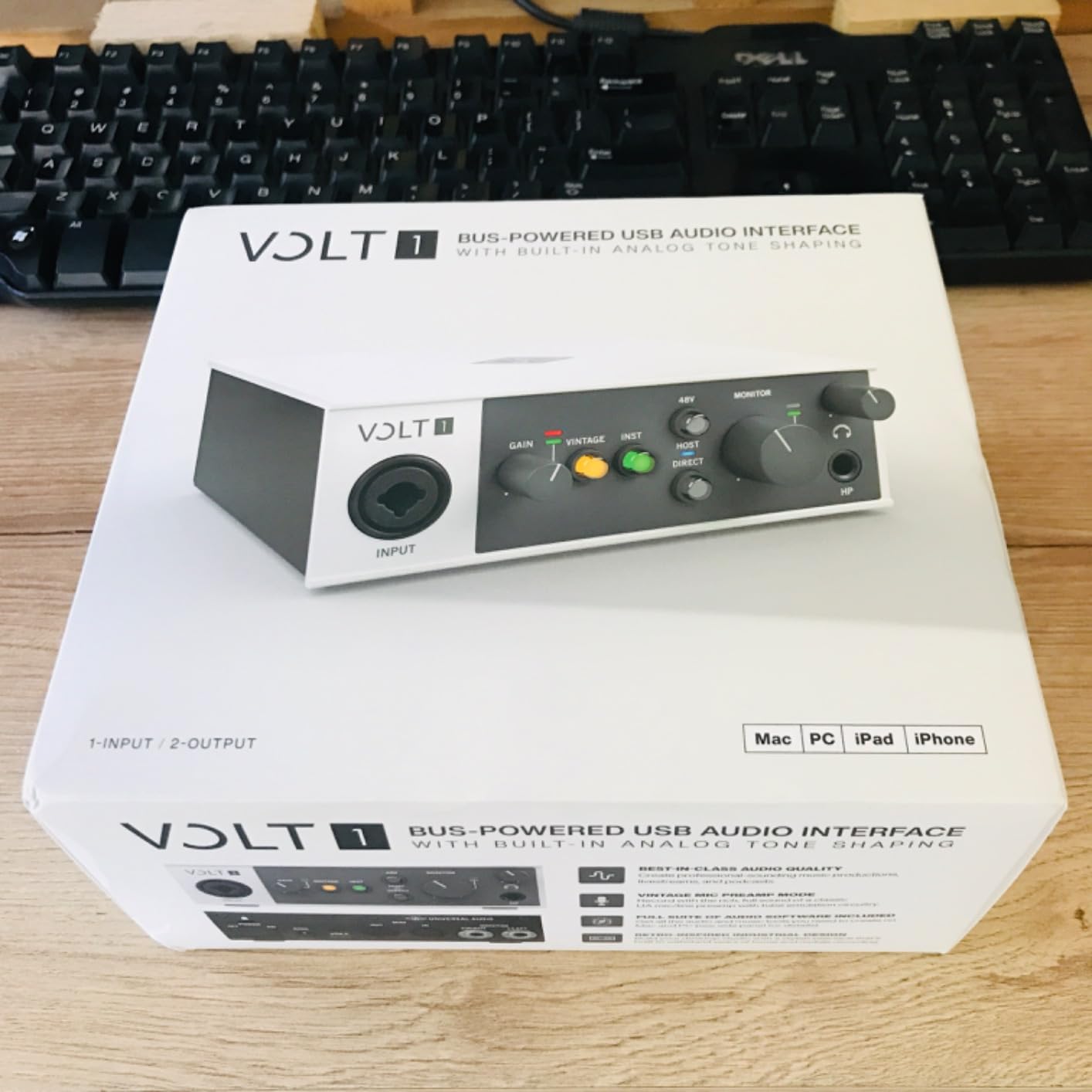
Universal Audio built their reputation on analog compressors and preamps used in professional studios for decades. The Volt 1 brings that heritage to beginners with a Vintage 610 mode that adds gentle tube-style warmth to vocals and acoustic instruments.
I tested the Volt 1 against the Scarlett Solo on the same acoustic guitar and condenser microphone. The Scarlett was cleaner and more accurate. The Volt had more character, with subtle saturation that made the recording feel warmer and more musical. Both sound excellent. The choice depends on whether you want clinical accuracy or vintage vibe.
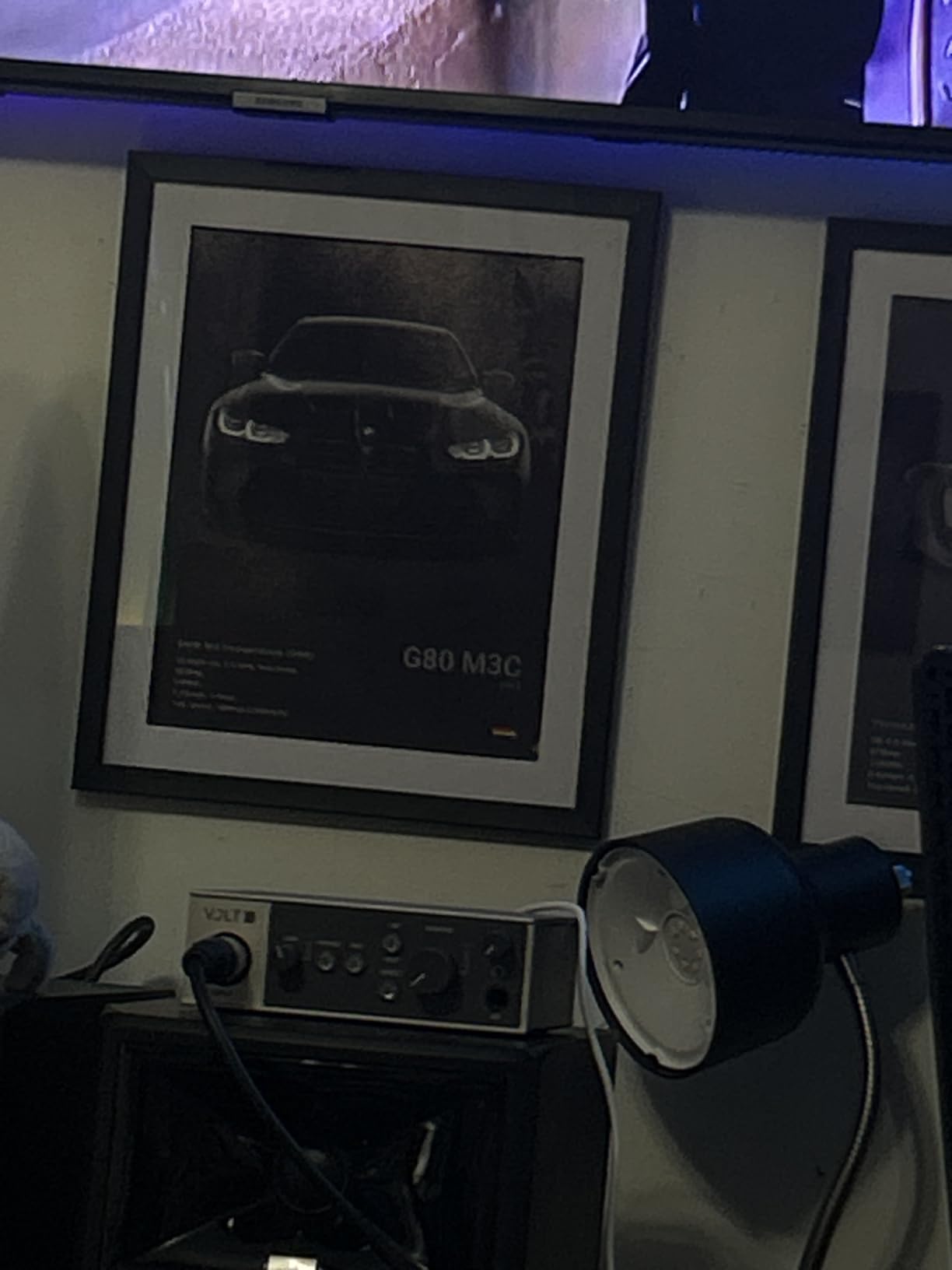
The included software bundle is where Universal Audio separates itself. You get LUNA, their full-featured DAW, plus UAD Spark subscriptions and Melodyne for pitch correction. Beginners using this interface have access to the same tools used on Grammy-winning records.
Build quality is noticeably more premium than most beginner interfaces. The metal chassis has weight to it, and the knobs feel substantial.
Is the Vintage mode worth choosing the Volt over a Scarlett?
For singer-songwriters and vocalists, yes. The Vintage 610 mode emulates Universal Audio’s classic 610 tube preamp, which has been used on records by artists ranging from Frank Sinatra to Taylor Swift. It adds subtle harmonic richness that makes vocals sit better in a mix without EQ.
For pure transparency, the Focusrite is more accurate. For musical character, the Volt wins.
What are the practical downsides for beginners?
The Volt 1 only has one mic input, same as the Scarlett Solo. Some users report needing two USB ports because the interface draws more power than a single port supplies on certain laptops. A powered USB hub solves this in seconds.
Software registration requires creating a UA account, which adds a step but unlocks years of free plugin content.
5. Behringer U-PHORIA UM2 — Cheapest Audio Interface That Actually Works
Behringer U-PHORIA UM2 Audiophile 2×2 USB Audio Interface with XENYX Mic Preamplifier | for Recording Microphones and Instruments
48kHz/16-Bit
XENYX Mic Preamp
48V Phantom Power
Includes Tracktion 4
Pros
- Cheapest interface worth buying
- Clean and noise-free XENYX preamps
- 48V phantom power for condenser mics
- Plug-and-play with no drivers needed
- Includes Tracktion 4 recording software
Cons
- Plastic build feels budget
- Temporarily out of stock at times
- Generic Windows drivers lack features
The Behringer U-PHORIA UM2 is the interface I recommend when someone’s budget is the deciding factor. With 17,721 reviews averaging 4.4 stars, it has been the gateway to home recording for over a decade.
You get one XLR input with phantom power and one instrument input. The XENYX preamp is not as detailed as a Focusrite, but it is clean and quiet enough for learning how to record vocals, podcasts, and acoustic instruments.
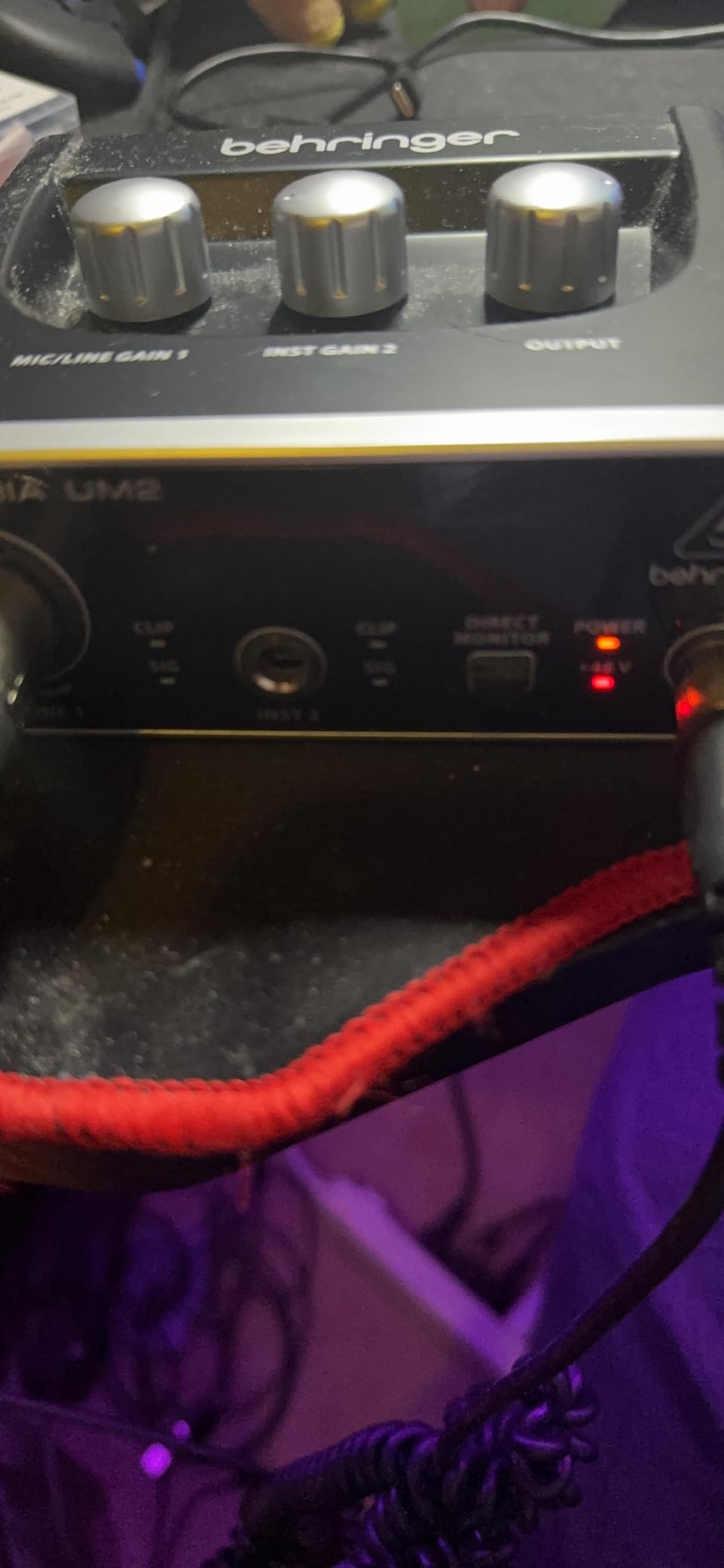
What makes the UM2 special is the price-to-performance ratio. At under fifty dollars, it is the cheapest interface I have tested that actually delivers usable, professional-sounding recordings. Beginners who cannot justify spending more get a real entry into the world of home recording.
Behringer includes Tracktion 4, a full DAW you can use forever at no extra charge. It is not the prettiest software, but it gets the job done.
Is the UM2 good enough to learn on without upgrading?
Yes, for the first six to twelve months of learning. Many beginners on Reddit report using the UM2 for their first album, podcast episodes, or YouTube channel. The recordings are not at the level of a Focusrite or Universal Audio, but they are absolutely good enough for online distribution.
When you outgrow it, the next step up is usually the Behringer UMC22 or UMC202HD, both also on this list. Your investment is not wasted.
What are the known weaknesses?
The plastic chassis feels cheap and creaks if you squeeze it. Driver support on Windows is functional but lacks the polish of Focusrite’s. The combo input limits you to one mic and one instrument at a time.
For under fifty dollars, these are reasonable trade-offs. Anyone spending serious money on a microphone should probably step up to a better interface.
6. Behringer UMC22 — Best for Beginners Recording on Windows 11
Behringer UMC22 Audiophile 2×2, 48 kHz USB Audio Interface with Midas Mic Preamplifier | For Recording Microphones and Instruments
24-Bit/48kHz
MIDAS Mic Preamp
Direct Monitor Select
Metal Body
Pros
- MIDAS preamp sounds clean and detailed
- Metal chassis feels sturdy
- Direct monitoring eliminates latency
- Plug-and-play on Mac and Linux
- Compatible with all major DAWs
Cons
- Limited to 48kHz/16-bit resolution
- Windows 11 requires manual driver install
- Headphone and monitor outputs hardwired
The Behringer UMC22 is the step-up from the UM2 that many beginners eventually buy. It uses MIDAS-designed preamps, which are noticeably quieter and more detailed than the XENYX preamps in the cheaper Behringer.
With 12,739 reviews averaging 4.5 stars, the UMC22 has earned its place as one of the most popular budget interfaces in the world. It punches well above its weight class.
Build quality is better than the UM2. The metal chassis feels like a piece of studio gear, not a toy. Direct monitoring lets you hear your input with zero latency, which is critical when recording vocals or instruments.
Compatibility is excellent on Mac and Linux with zero driver installation. Windows 11 users need to download drivers from Behringer’s website, but the process takes five minutes.
Why choose the UMC22 over the cheaper UM2?
The MIDAS preamps make a real audible difference. Vocals sound clearer, instruments have more detail, and the noise floor is lower. If you are using a condenser microphone that costs more than the interface itself, the UMC22 is the minimum you should pair it with.
The metal chassis also means it survives years of being moved around. Many users report UMC22 units working flawlessly for over a decade.
What should Windows 11 users know?
Out of the box, the UMC22 does not have drivers for Windows 11. Behringer’s website has the download. After installing, it works perfectly. The extra five minutes of setup is worth the better sound quality.
Mac users and Linux users get truly plug-and-play operation with no driver hunting.
7. Behringer UMC202HD — Best Budget 24-Bit/192kHz Interface
Behringer UMC202HD Audiophile 2×2, 24-Bit/192 kHz USB Audio Interface with Midas Mic Preamplifiers | For Recording Microphones and Instruments
24-Bit/192kHz
Dual MIDAS Mic Preamps
Zero-Latency Monitoring
2 XLR/TRS Inputs
Pros
- 24-bit/192kHz resolution at budget price
- Dual MIDAS preamps handle two mics
- Very low latency with ASIO drivers
- Solid build quality for the price
- Cross-platform Mac/Windows compatibility
Cons
- Direct monitoring is hard-panned L/R
- No bundled recording software
- Driver setup can confuse beginners
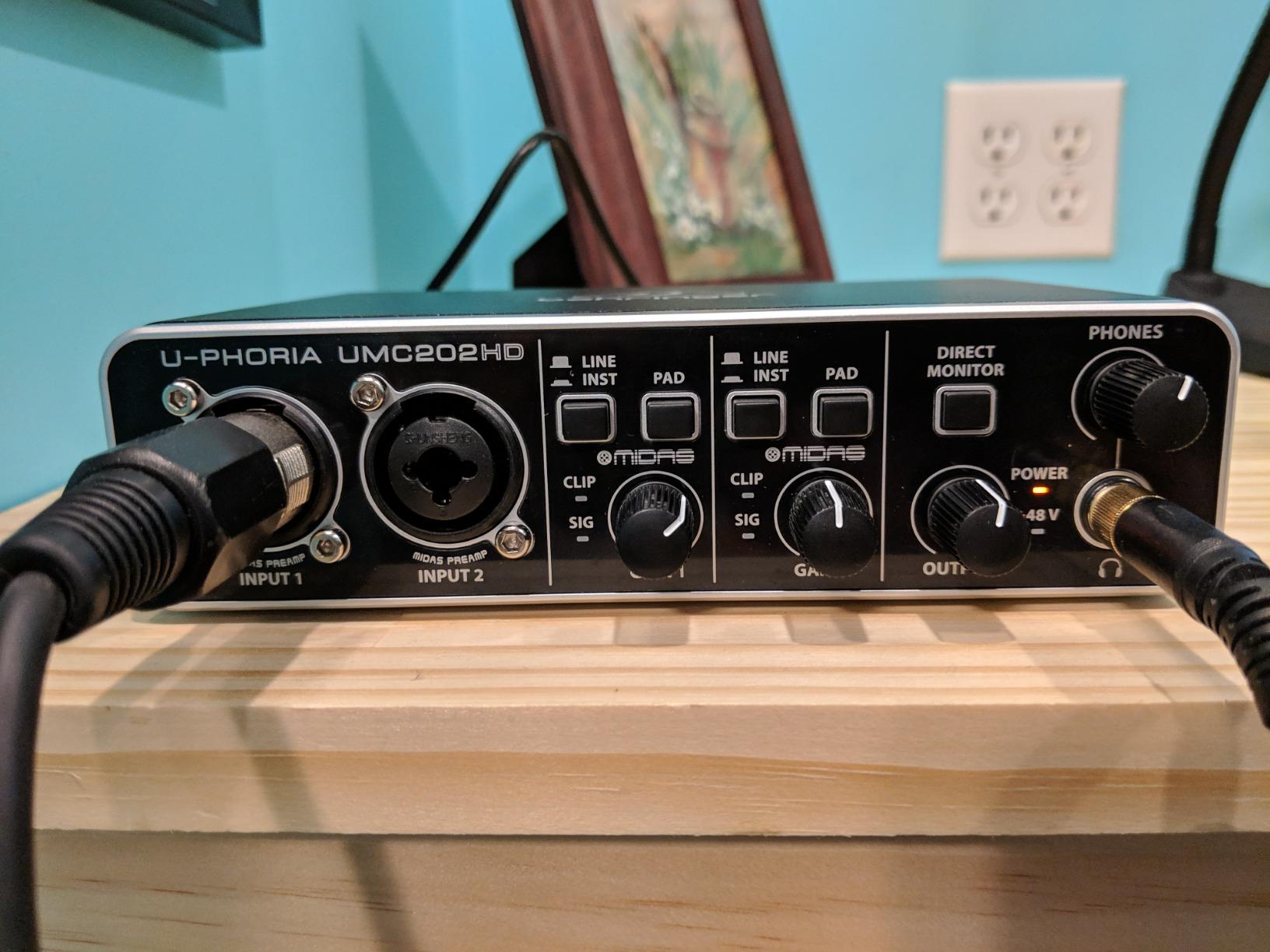
The Behringer UMC202HD is what happens when you take the budget UMC22 and give it two MIDAS preamps plus high-resolution 24-bit/192kHz converters. The result is an interface that competes with products costing three times as much.
Two combo inputs let you record a vocal and a guitar simultaneously, or two microphones for podcast interviews. The MIDAS preamps are the same ones used in much more expensive interfaces, and they sound excellent.
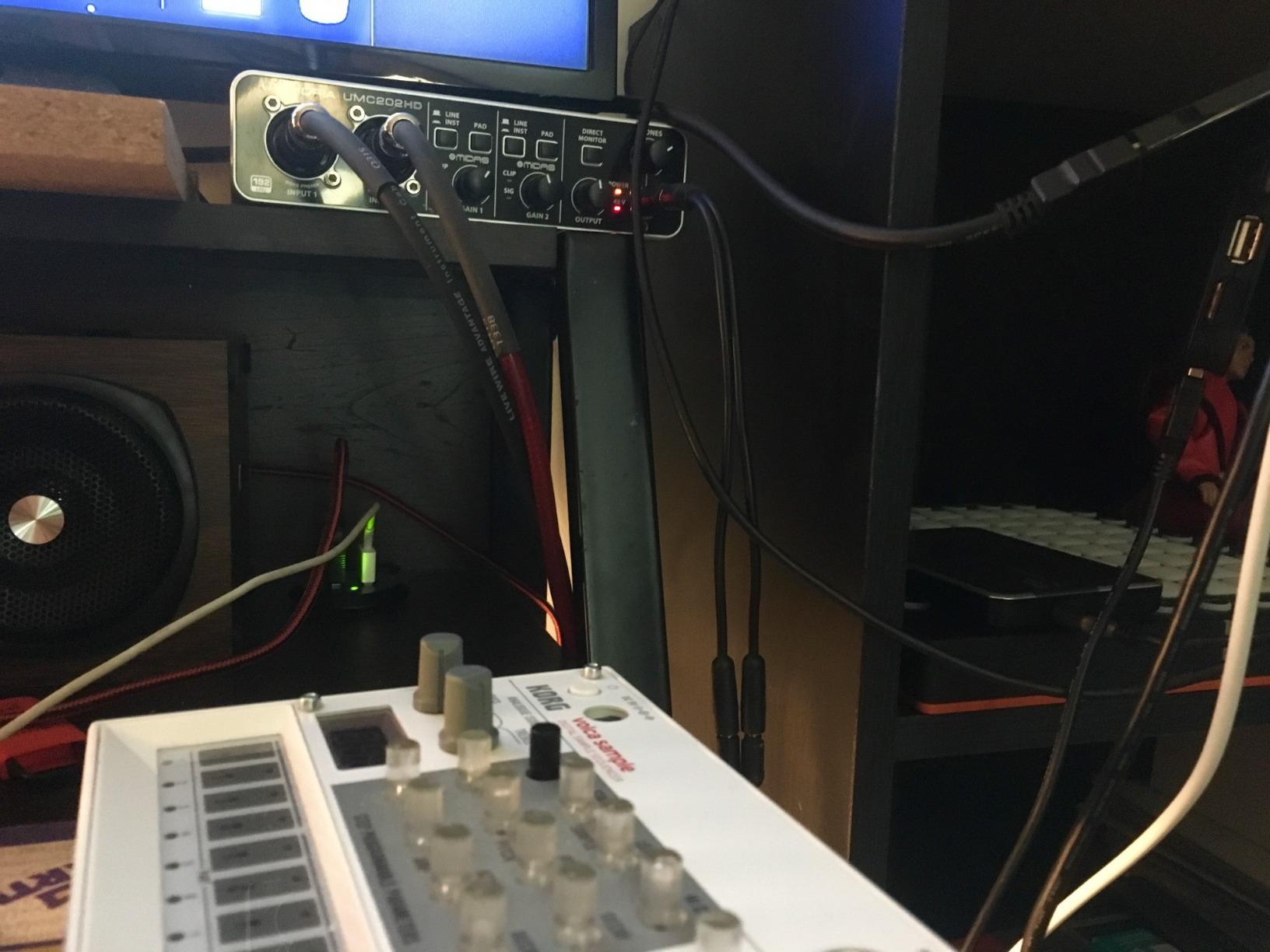
With 24-bit/192kHz resolution, you are recording at the same quality used in professional studios. Most people cannot hear the difference between 96kHz and 192kHz, but the higher bit depth gives your recordings more headroom and dynamic range.
Build quality is solid metal construction that survives daily use. The price-to-performance ratio is genuinely impressive.
How does the UMC202HD compare to the Focusrite Scarlett 2i2?
Spec-for-spec, the Behringer matches the Scarlett 2i2 for half the price. The MIDAS preamps are clean and quiet, and the 192kHz sample rate is identical. Where the Behringer falls short is software bundle and ecosystem support.
For beginners who already know which DAW they want to use and do not need hand-holding, the UMC202HD offers more value. For beginners who want maximum community support and tutorials, the Scarlett 2i2 has the edge.
What is the hard-panned direct monitoring issue?
When using direct monitoring on the UMC202HD, input 1 plays in the left ear and input 2 plays in the right ear. This is not a problem if you are only using one input, but it frustrates beginners recording stereo sources or two-person podcasts.
The workaround is to disable direct monitoring and monitor through your DAW, or use one input at a time. It is an annoyance, not a deal-breaker.
8. PreSonus AudioBox 96 25th Anniversary — Best Software Bundle Value
PreSonus AudioBox 96 25th Anniversary USB Audio Interface
24-Bit/96kHz
Class-A Mic Preamps
MIDI I/O
Includes Studio One Artist
Pros
- Studio One Artist DAW included free
- Class-A preamps sound musical
- MIDI I/O included for keyboards
- Metal chassis built to last
- Works with iOS via Camera Connection Kit
Cons
- Some users report input bleed-through
- Knobs feel crowded on the front panel
- Requires ASIO drivers for best performance
The PreSonus AudioBox 96 25th Anniversary Edition is a special release that bundles over $1,000 worth of software with a capable interface. For beginners who want everything in one box, this is the best deal on the list.
Studio One Artist is a professional-grade DAW used by serious musicians and producers. Getting it for free with a hundred-dollar interface is exceptional value. You also get the Studio Magic Plug-in Suite, which includes compressors, EQs, and reverbs from companies like Lexicon and Arturia.
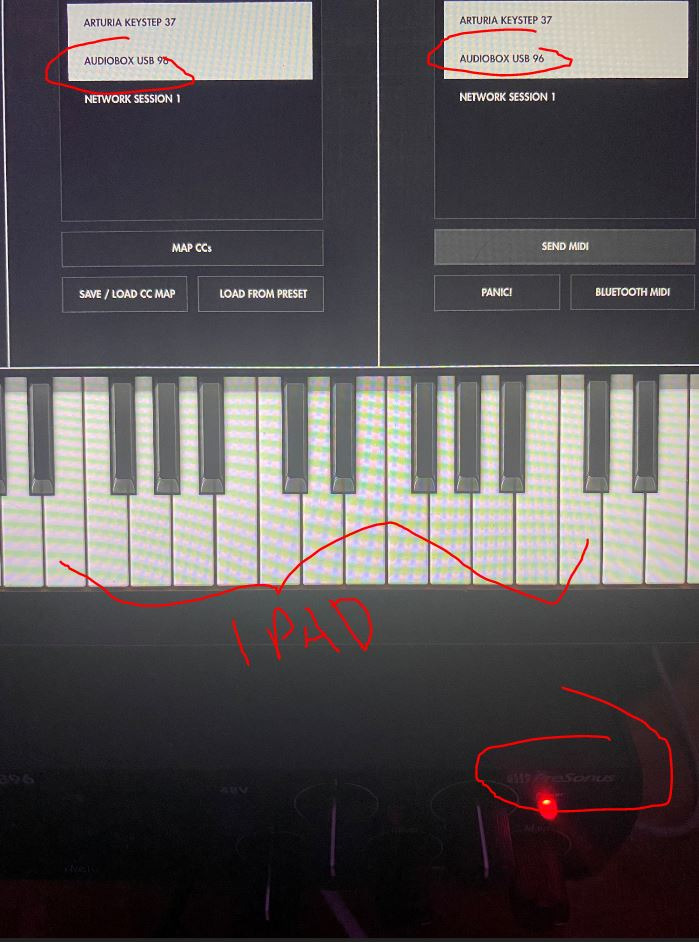
The interface itself is solid. Class-A preamps have a warmer character than the cleaner Focusrite preamps, which some users prefer for vocals and acoustic instruments. MIDI I/O is included, which is rare at this price point and perfect for anyone using a MIDI keyboard controller.
Build quality is excellent. The metal chassis feels substantial, and the inputs are mounted on the front for easy access.
What is MIDI I/O and why does it matter?
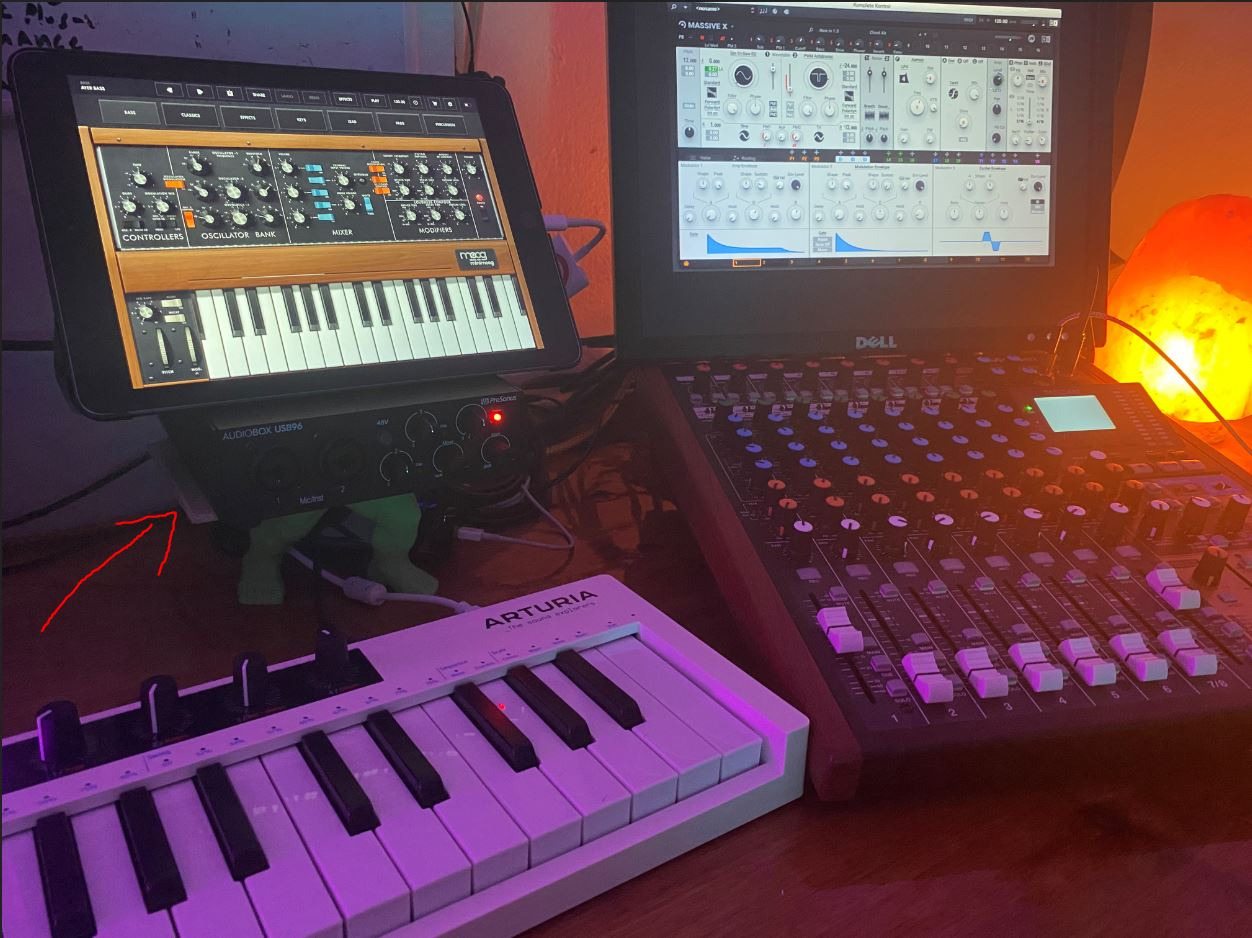
MIDI stands for Musical Instrument Digital Interface. It is how electronic keyboards, drum pads, and synthesizers communicate with your computer. Having MIDI I/O on your interface means you can plug in a MIDI keyboard and play virtual instruments in your DAW.
Many beginner interfaces skip MIDI because most beginners do not use it. But if you ever want to add a keyboard, the AudioBox 96 is ready. Most other interfaces in this price range would require you to buy a separate MIDI interface later.
Is Studio One Artist good for complete beginners?
Studio One has a gentle learning curve that beginners appreciate. The drag-and-drop workflow is intuitive, and there are hundreds of YouTube tutorials specifically for Studio One beginners. It also has a built-in audio recording template that handles routing and setup for you.
GarageBand is easier for Mac users, but Studio One works on both Windows and Mac, making it a better choice for PC beginners.
9. Mackie Onyx Artist 1X2 — Best Build Quality Under $70
Mackie Audio Interface, Onyx Artist 1X2 USB Audio Interface (Onyx Artist 1-2)
24-Bit/192kHz
Onyx Boutique Mic Preamp
MIDI I/O
Includes Pro Tools First
Pros
- Onyx preamp sounds clean and quiet
- MIDI I/O included for keyboards
- USB 2.0 bus-powered
- Plug-and-play on Windows 11
- Solid metal construction
Cons
- Mic preamp gain can be quiet on dynamics
- Inputs arrive as stereo not mono
- Stock knobs hard to read in low light
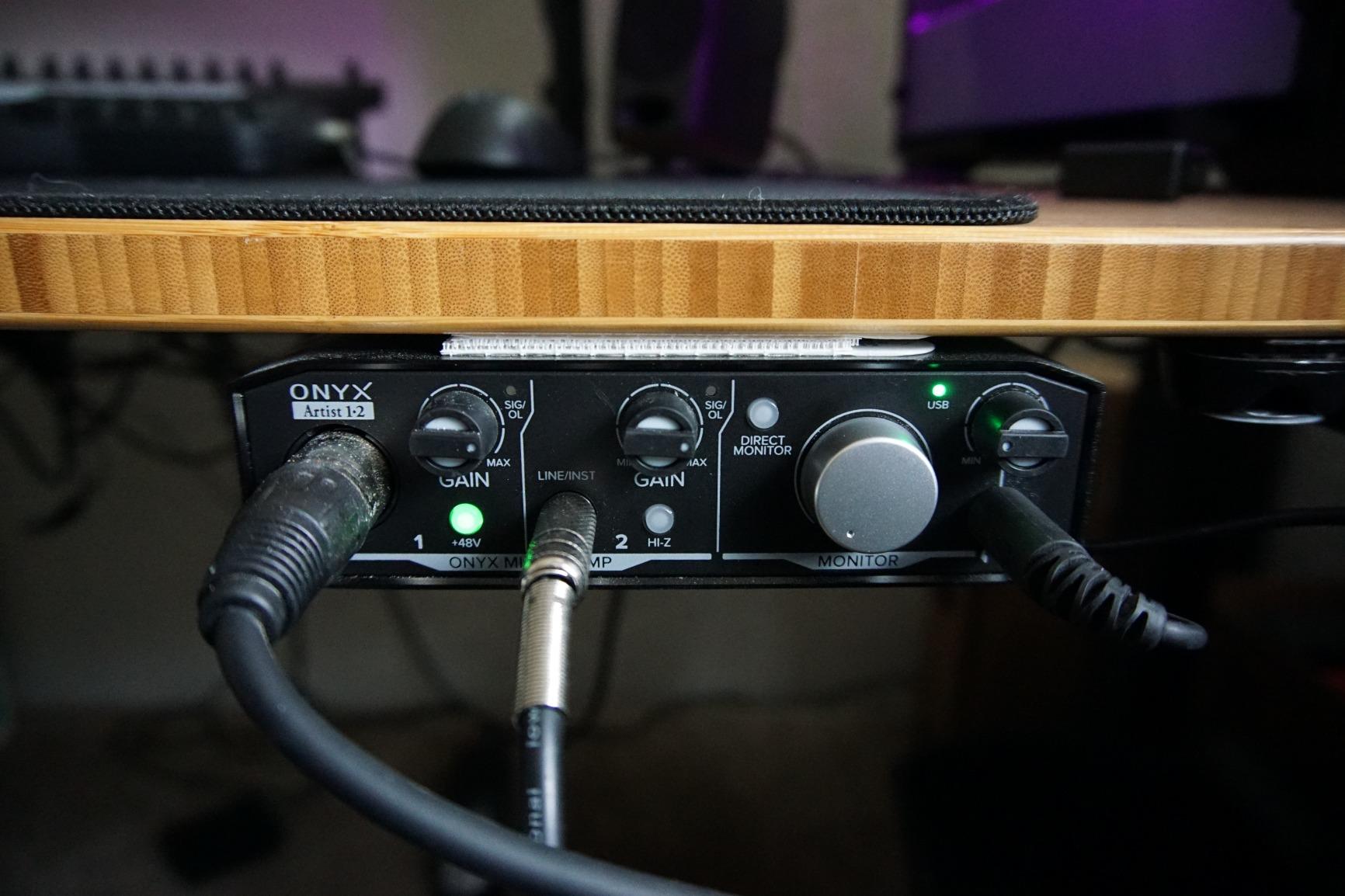
The Mackie Onyx Artist 1X2 is the hidden gem of beginner audio interfaces. Mackie is better known for studio mixers, and they brought that build quality to a budget-friendly interface.
The Onyx mic preamp is boutique-quality for the price. It sounds noticeably cleaner and quieter than similarly priced competitors. For under seventy dollars, the audio quality punches way above its weight.
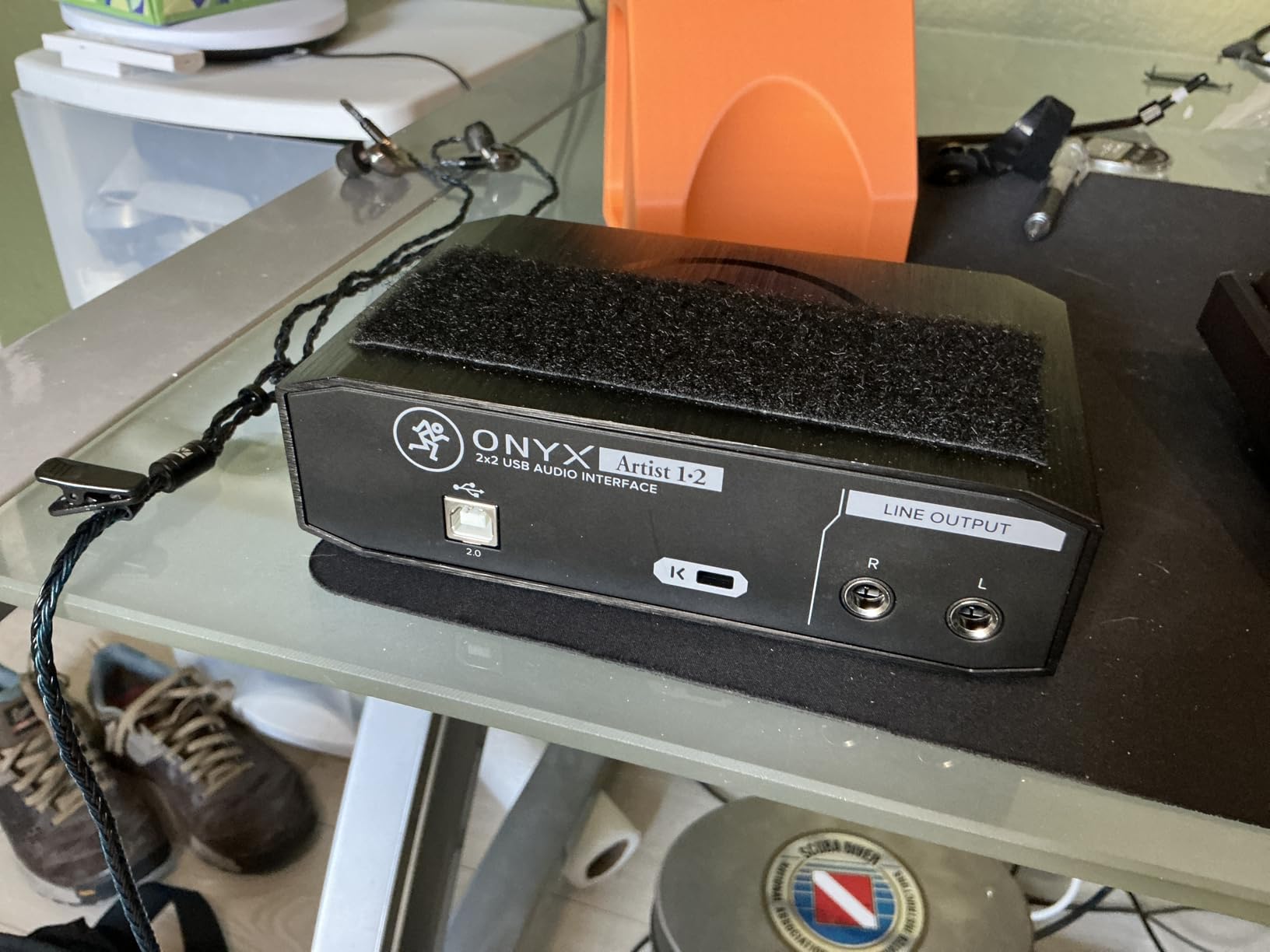
MIDI I/O is included, which is rare at this price. The metal chassis feels like it could survive a tour. Plug-and-play operation works flawlessly on Windows 11 and macOS without any driver hunting.
Pro Tools First comes in the bundle, which is the entry-level version of the industry-standard DAW used in major studios worldwide.
Why is the Mackie less popular than Behringer or Focusrite?
Mackie has a smaller marketing budget and less social media presence than Focusrite, so fewer beginners encounter it. With only 387 reviews, it flies under the radar compared to the 29,000+ reviews of the Scarlett Solo.
Those who do buy it consistently praise the build quality and clean preamps. It is an excellent alternative if you want something quieter than the Behringer UM2 or UMC22 at a similar price.
Are there any quirks to know about?
The two inputs show up as a stereo pair in your DAW, not as two independent mono channels. This is annoying if you want to record two microphones separately. The workaround is to disable the stereo link in your DAW.
The gain knob markings are hard to read in low light, which can lead to setting gain by ear rather than visually. Most beginners learn to set gain by ear quickly anyway.
10. Arturia MiniFuse 2 — Best Interface With USB Hub and 5-Year Warranty
Arturia MiniFuse USB Audio & MIDI Interface, MiniFuse 2
24-Bit/192kHz
2 Combo XLR/Inst Inputs
USB Hub (250mA)
5-Year Warranty
Pros
- 5-year warranty longest in market
- USB hub frees up a laptop port
- Comprehensive software bundle
- Modern design with illuminated knobs
- Loopback feature for streaming
Cons
- Phantom power is global not per-channel
- MIDI requires firmware update to work
- Driver installation slightly tedious
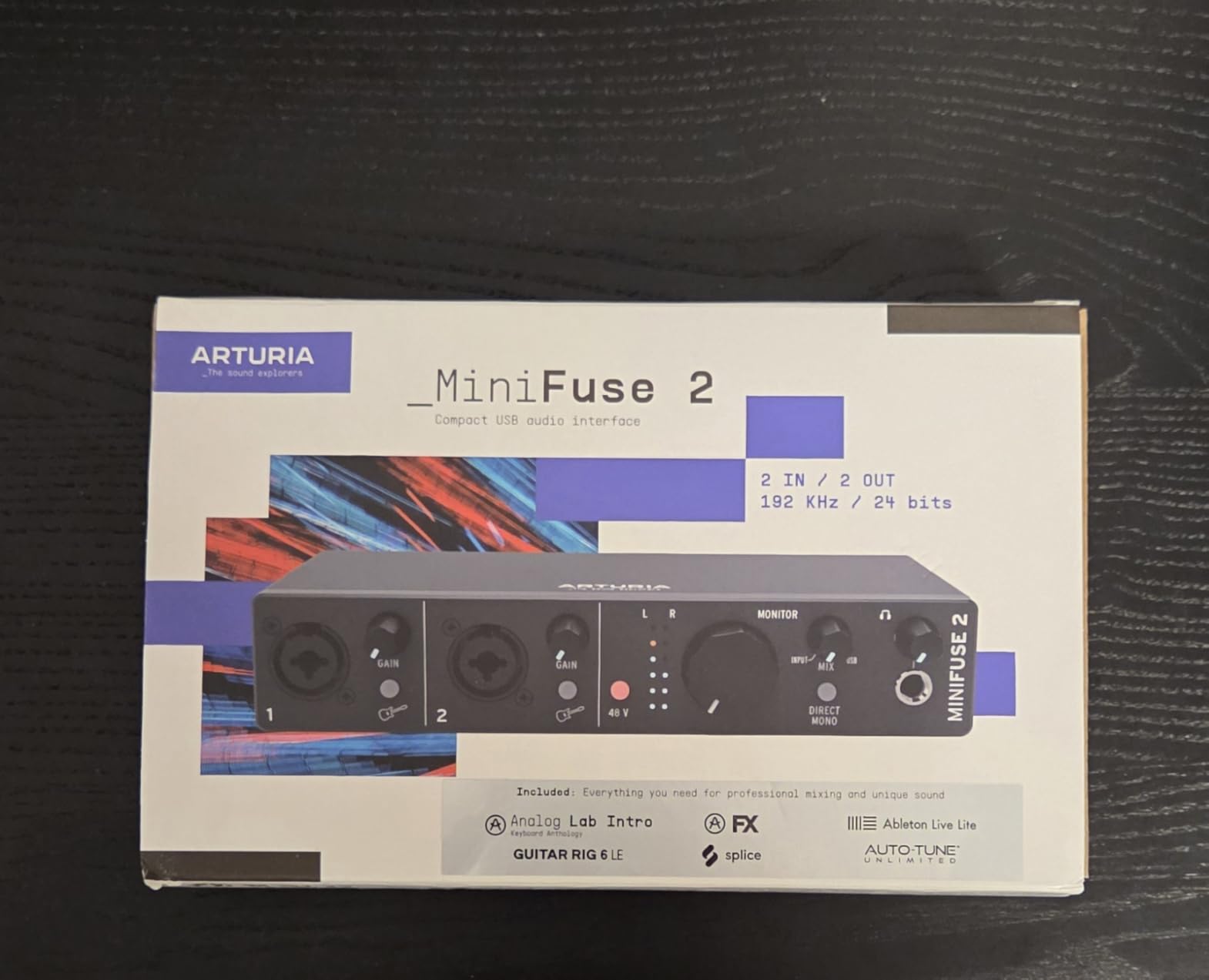
The Arturia MiniFuse 2 is the most modern interface on this list. Arturia is famous for software synths like Pigments and Analog Lab, and they brought that software pedigree to a hardware interface with a generous software bundle.
You get Ableton Live Lite, Analog Lab Intro, Arturia FX, Native Instruments Guitar Rig 6 LE, Auto-Tune Unlimited trial, and a Splice Creator Plan subscription. That is potentially over a thousand dollars of software included with a $199 interface.
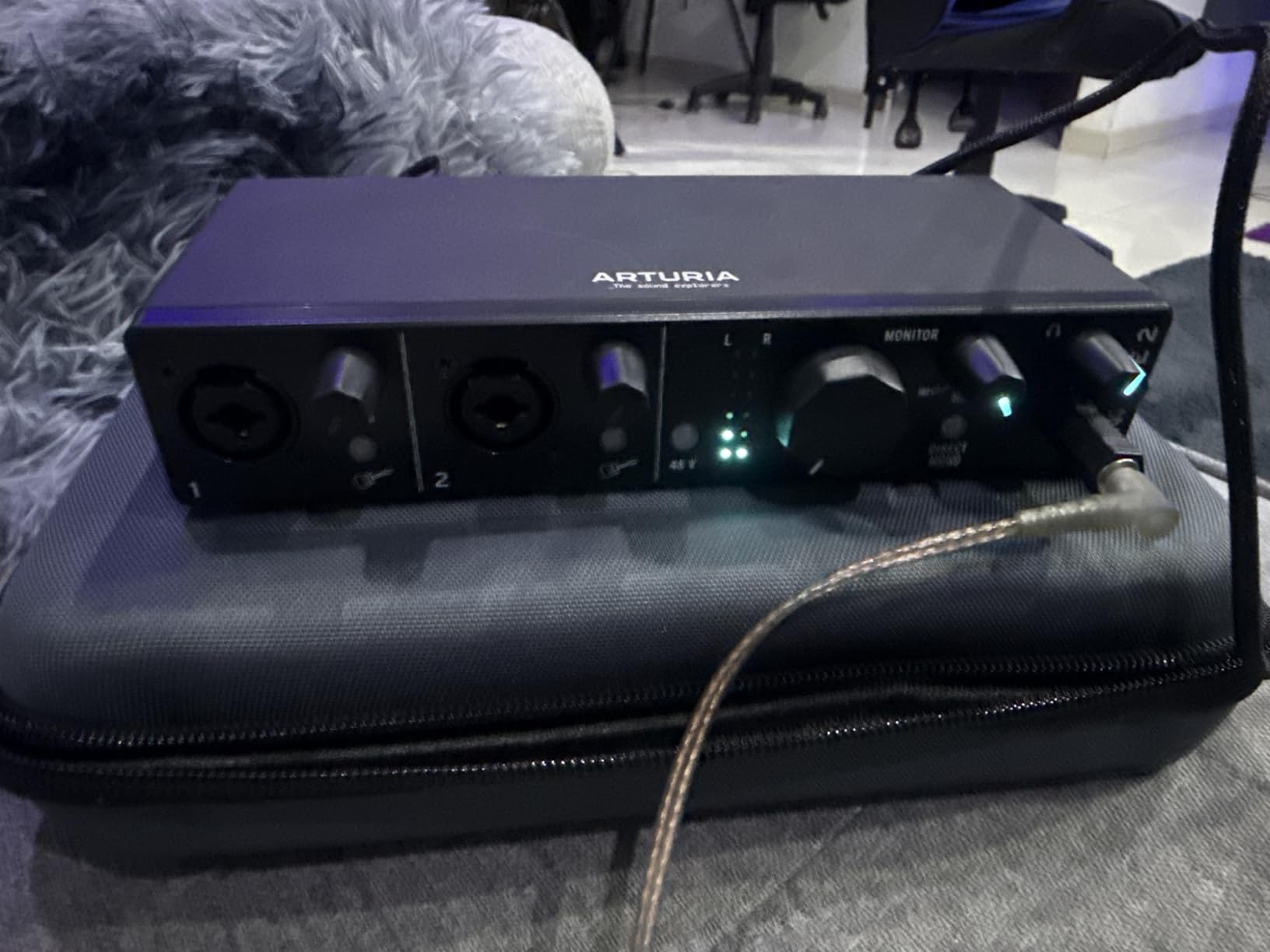
The USB hub on the back is a feature I wish every interface had. It delivers 250mA to charge a phone or power a small accessory. Modern laptops have so few USB ports that freeing one up matters more than people realize.
Loopback is built in for streamers and podcasters who want to capture computer audio along with their microphone. Most interfaces need third-party software to do this.
Why is the 5-year warranty so significant?
Most interfaces come with a one or two-year warranty. Arturia’s five-year coverage means beginners can record with confidence knowing their investment is protected for half a decade.
For someone buying their first interface who plans to stick with recording for years, this warranty removes the worry about defects or early failures.
What should buyers know about the quirks?
Phantom power is global, not per-channel. If you have one condenser mic and one dynamic mic, turning on phantom power affects both inputs. This is fine for most setups, but worth knowing.
MIDI requires a firmware update out of the box. The update is straightforward but takes an extra five minutes. After updating, MIDI works flawlessly.
What to Look for in a Beginner Audio Interface
Choosing your first audio interface is easier when you know which features actually matter for beginners. Here is the practical breakdown I give to anyone asking for advice.
How many inputs do you actually need?
Most beginners only need one or two inputs. If you are recording vocals and guitar separately, one input at a time is fine. If you want to record vocals and guitar at the same time, or two people podcasting together, get two inputs.
More inputs cost more money and add bulk. Beginners who buy a four or eight-input interface usually waste money on features they do not use yet. You can always upgrade later when you actually need more inputs.
What sample rate and bit depth should beginners choose?
24-bit/96kHz is more than enough for any beginner project. Higher numbers like 192kHz do not make recordings sound better. They just create larger files that eat up your hard drive faster.
What matters more is 24-bit depth versus 16-bit depth. The extra bits give you more headroom and dynamic range, which means fewer distorted recordings. Stick with 24-bit and you are good.
Do you need phantom power for condenser microphones?
If you plan to use a condenser microphone, yes. Condenser mics require 48V phantom power to operate. Dynamic microphones like the Shure SM58 do not need phantom power.
Most beginner interfaces include it. Just make sure the interface you choose has a phantom power button if you want to use a condenser mic.
What is direct monitoring and why does it matter?
Direct monitoring lets you hear your input directly from the interface with zero latency. Latency is the tiny delay between playing a note and hearing it back through your software. Even a few milliseconds of latency is distracting when recording.
All the interfaces on this list have direct monitoring. Without it, you would hear an echo when recording vocals, which makes pitching and timing nearly impossible.
How important is the included software bundle?
Very important for beginners. Free DAW software like Ableton Live Lite, Pro Tools First, or Studio One Artist gives you everything you need to start producing music the day you unbox the interface.
If a budget interface skips the software bundle, factor in the cost of buying a DAW separately. Logic Pro is $200, Ableton Live Intro is $99, and Pro Tools is $99 annually.
Should beginners care about MIDI I/O?
Only if you plan to use a MIDI keyboard. MIDI I/O lets you connect a keyboard controller or drum pad to your computer through the interface. If you do not currently own MIDI gear, skip it and save money.
If you already have a MIDI keyboard or plan to buy one, MIDI I/O on the interface saves you from buying a separate MIDI interface later.
What about USB-C versus USB-A?
Modern laptops increasingly only have USB-C ports. Make sure your interface comes with the right cable or adapter. Most current interfaces include USB-C, but older models may need a hub or adapter.
If your laptop is brand new, check the ports before buying. The last thing you want is to unbox your interface and realize you need an extra adapter.
Frequently Asked Questions
What is the best audio interface for beginners in 2026?
The Focusrite Scarlett Solo 3rd Gen remains the top choice for most beginners thanks to its simple setup, included software bundle, and massive community of users who share tutorials online. For those willing to spend a bit more, the Scarlett 2i2 4th Gen adds two mic inputs plus Auto Gain and Clip Safe features. Budget-conscious beginners should consider the Behringer U-PHORIA UM2 for under fifty dollars.
Do I really need an audio interface for home recording?
Yes, if you want better sound than your computer’s built-in microphone. Audio interfaces provide cleaner preamps, lower latency, and professional-grade analog-to-digital conversion. USB microphones are an alternative but cannot match the flexibility, upgrade path, or sound quality of an audio interface paired with a good XLR microphone.
Is Focusrite still the best brand for beginners?
Focusrite dominates the beginner market for good reason. Their Scarlett line is reliable, well-supported, and backed by the largest community of beginner recording enthusiasts. However, brands like Universal Audio, Arturia, and PreSonus offer competitive alternatives with unique strengths like Vintage preamp tones, longer warranties, or more comprehensive software bundles. The best brand depends on your specific needs and budget.
What is the difference between Focusrite and PreSonus for beginners?
Focusrite Scarlett interfaces are known for clean, transparent preamps and a straightforward user experience. PreSonus interfaces tend to have warmer, more colored preamps and include Studio One Artist, a professional-grade DAW, in the bundle. Focusrite has a larger community and more YouTube tutorials. PreSonus offers better value if you want to record MIDI keyboards thanks to included MIDI I/O on most models.
Final Verdict: Which Beginner Audio Interface Should You Buy?
After testing all ten interfaces in real recording sessions, here are my final recommendations for the best audio interfaces for beginners in 2026.
The Focusrite Scarlett Solo 3rd Gen wins for most beginners. It sounds great, works out of the box, and has the largest community to learn from. Spend a little more and the Scarlett 2i2 4th Gen gives you two inputs plus innovative Auto Gain features that prevent bad recordings. If your budget is tight, the Behringer U-PHORIA UM2 still delivers usable recordings for under fifty dollars.
Pick the interface that matches your recording goals. Solo musicians and vocalists will love the Scarlett Solo. Singer-songwriters recording together need the 2i2. Podcasters should consider the Volt 1 or Arturia MiniFuse 2 for the included software. MIDI producers should look at the PreSonus AudioBox 96 or Mackie Onyx Artist.
Whatever you choose, you are entering one of the most rewarding hobbies and careers possible. Welcome to home recording in 2026.
1 thought on “10 Best Audio Interfaces for Beginners (October 2026) Expert Reviews”