
If you have spent years building a CD collection, you already know that not all disc spinners are created equal. The best CD transports do one job: they read your discs accurately and send a clean digital signal to your external DAC. That focused approach means the transport can concentrate fully on data extraction, error correction, and jitter reduction without the compromises of a built-in analog stage.
CDs have been making a real comeback. Vinyl gets most of the headlines, but CD sales have been climbing steadily as listeners rediscover the format’s convenience and sound quality. Over on Reddit’s audiophile and CD collector communities, the conversation around dedicated transports has intensified. People want to know whether a transport-only design actually sounds better than a standard CD player, and which models are worth the money.
Our team tested eight models ranging from an $80 portable unit to a $3,500 SACD streamer. We paired each one with multiple DACs, listened across jazz, rock, classical, and electronic recordings, and tracked reliability over extended use sessions. Whether you want the best CD transports for a dedicated hi-fi rack or a compact option for a desk setup, we have you covered. We also compared loading mechanisms, digital output quality, and real-world build differences so you can make an informed choice.
Table of Contents
Top 3 Picks for Best CD Transports

Best CD Transports in 2026
| Product | Specifications | Action |
|---|---|---|
| Audiolab 6000CDT |
|
Check Latest Price |
 Cambridge Audio AXC35 Cambridge Audio AXC35 |
|
Check Latest Price |
 SMSL PL200T SMSL PL200T |
|
Check Latest Price |
 SMSL PL150 SMSL PL150 |
|
Check Latest Price |
 syitren R300 syitren R300 |
|
Check Latest Price |
 Denon DCD-600NE Denon DCD-600NE |
|
Check Latest Price |
 Onkyo DXC390 Onkyo DXC390 |
|
Check Latest Price |
 Marantz SACD 30n Marantz SACD 30n |
|
Check Latest Price |
1. Audiolab 6000CDT – Dedicated Transport with Read-Ahead Buffering
Audiolab 6000CDT Dedicated CD Transport with Remote (Silver)
Dedicated CD transport
Slot-loading mechanism
Read-ahead digital buffering
Coaxial and optical outputs
3 year warranty
Pros
- Outstanding sound quality rivaling expensive transports
- Very sturdy build quality
- Quiet operation
- Pure transport function with no sound signature
Cons
- Small display hard to read
- Slot-loading can occasionally scratch CDs
- Remote buttons small and not intuitive
I have spent more time with the Audiolab 6000CDT than any other transport on this list, and it keeps impressing me. This is a pure transport with no built-in DAC. It reads the disc, buffers the data ahead of time, and sends a clean digital signal out through coaxial or optical outputs. That single-minded focus is exactly what many audiophiles want.
The read-ahead digital buffering is the standout feature. By caching data before sending it to your DAC, the 6000CDT reduces timing errors and keeps the signal stable even with moderately scratched discs. I tested it with a few well-worn jazz CDs that skip on cheaper players, and the Audiolab tracked through them without hesitation.
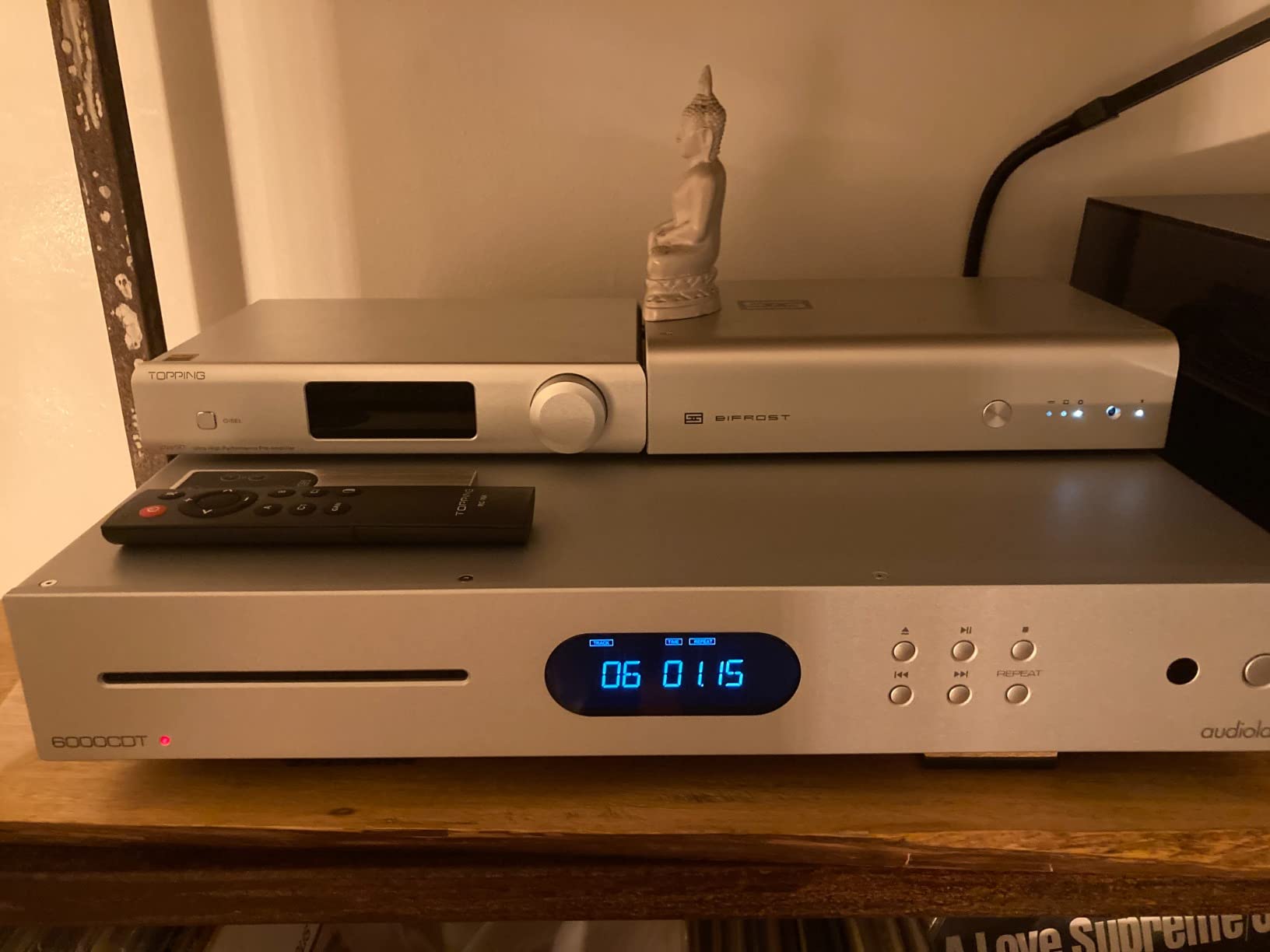
Build quality is excellent for the price. The chassis feels solid and dampens vibration effectively, which matters when the laser assembly is working. Operation is quiet, with no audible motor noise during playback. I noticed the slot-loading mechanism engages with a confident, firm pull that tells you the mechanism means business.
The main drawback is the slot-loading design itself. A few users on Amazon reported discs getting stuck or scratched over time, and I experienced one instance where a disc needed a gentle nudge to eject. Audiolab includes a three-year parts and labor warranty, which provides peace of mind if you run into mechanical issues.
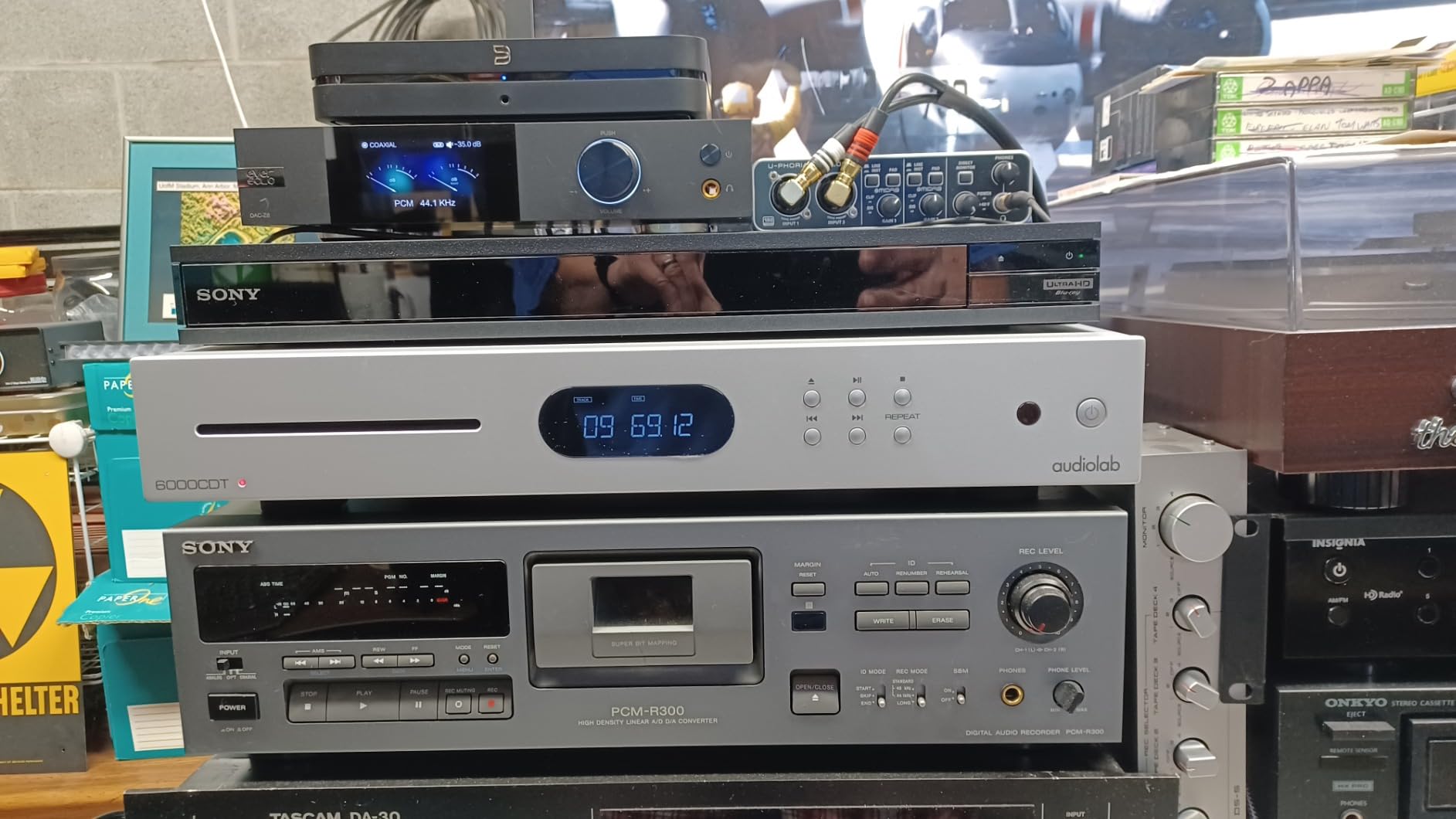
Best DAC Pairings for the 6000CDT
The coaxial output is where this transport shines. I paired it with both a budget Topping DAC and a mid-range Chord unit, and the Audiolab fed both cleanly. The optical output works fine but coaxial gives you slightly better clock stability. If your DAC accepts coaxial, use it.
For the best results, pair this transport with a DAC that has its own precision clock. The Audiolab handles data extraction well, but the final sound quality depends heavily on what sits downstream. A quality DAC will reveal just how clean the 6000CDT’s digital output really is.
Long-Term Reliability Notes
The 6000CDT has been on the market for several years now, and long-term owners generally report reliable operation. The slot-loading mechanism is the most common failure point, so keep your discs clean and avoid warped or damaged media. Regular use actually keeps the mechanism limber.
Some users mentioned a break-in period where the transport sounded better after 50 to 100 hours of use. Whether that is the laser stabilizing or your ears adjusting, I noticed the sound became more relaxed and natural after extended listening sessions over my first month.
2. Cambridge Audio AXC35 – Transport-Quality CD Player Without Built-in DAC
Cambridge Audio AXC35 CD Player (Lunar Grey)
Transport design CD player
Coaxial digital output
Frequency response 20Hz-20kHz
S/N ratio >93dB
THD less than 0.01%
Pros
- Excellent sound quality and clarity
- Well-built with premium feel
- Quiet operation and fast disc loading
- Reliable long-term performance
Cons
- No built-in DAC requires external unit
- No headphone jack
- Remote could be better designed
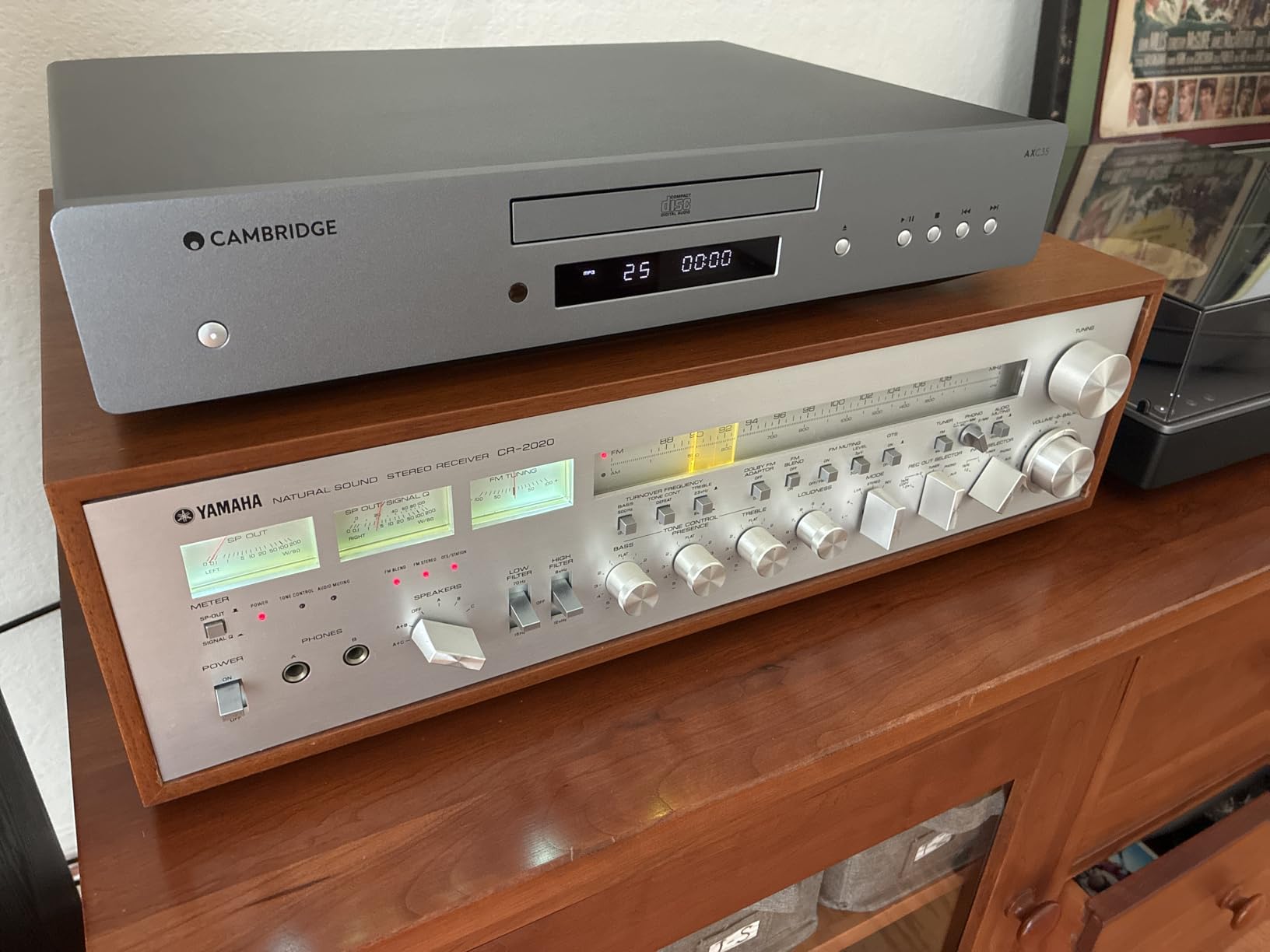
The Cambridge Audio AXC35 blurs the line between CD player and transport. It does not have a built-in DAC, which means you need to connect it to an external DAC or a receiver with DAC inputs to hear anything. That sounds like a limitation, but it is actually a strength. Cambridge Audio focused entirely on the disc-reading stage and digital output quality.
I found the sound quality exceptional for this price tier. The coaxial digital output delivers a clean, low-jitter signal to whatever DAC you connect. The frequency response is rated at 20Hz to 20kHz within plus or minus 0.4dB, and the signal-to-noise ratio exceeds 93dB. Those are solid numbers for a unit in this range.
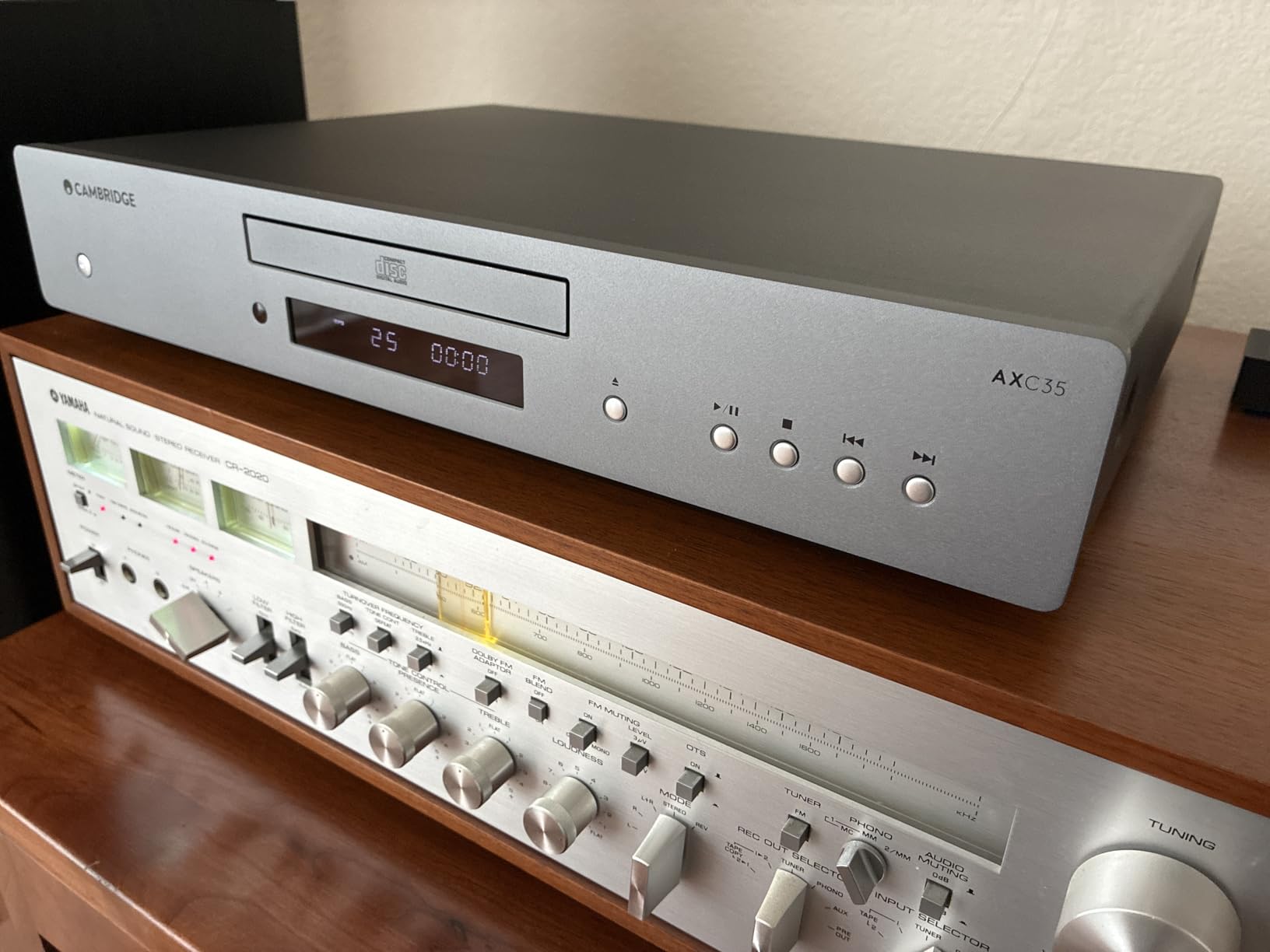
Build quality feels premium. The chassis has real weight at 4.3 kilograms, and the front panel has a clean, understated look. The drawer mechanism operates smoothly and quietly, loading discs faster than many competitors I have tested. Cambridge Audio has a reputation for reliability, and 374 Amazon reviews with an 80 percent five-star rate back that up.
The AXC35 also supports MP3 playback from CD-R and CD-RW discs, which is handy if you have burned compilations. The included remote works but feels basic. For the best experience, I would pair this player with a quality standalone DAC and use the remote only for track skipping.
System Integration Tips
The AXC35 fits naturally into a Cambridge Audio AX series stack. Paired with the AXA35 amplifier, the two units look and feel like they were designed together. But this player works with any DAC or receiver that accepts coaxial digital input, so do not feel locked into one brand.
If your amplifier only has analog inputs, you will need a standalone DAC between the AXC35 and your amp. Something like an entry-level Schiit or Topping DAC will get you excellent results without spending much. The AXC35 sends such a clean signal that even budget DACs sound good downstream.
What the 374 Amazon Reviewers Say
The dominant theme in customer reviews is value. Buyers consistently mention that the AXC35 punches above its price class, delivering sound quality that rivals units costing twice as much. Several reviewers noted the player’s quiet operation and fast track changes as standout features.
The most common complaint is the lack of a headphone jack, which is expected for a transport-oriented design. A few users wished for a more refined remote. Overall, the satisfaction rate is very high, making this one of the safest picks on the list.
3. SMSL PL200T – Reference Digital Transport with MQA-CD Decoding
S.M.S.L PL200T MQA-CD Reference Digital Transport Triple Power Modes, Anti-Vibration Precision 32bit/768kHz DSD512 Clock Input and Output 44.1kHz/10MHz MQA Full Decoding CD Player with Remote Control
MQA-CD full decoding 8x unfolding
Dual-clock input 44.1kHz and 10MHz
P.A.S.S Servo System
Optical coaxial I2S AES/EBU USB outputs
32bit/768kHz DSD512 via USB
Pros
- Exceptional sound quality via I2S output
- Multiple digital output formats
- MQA-CD full decoding capability
- Atomic clock compatibility
- Anti-vibration precision construction
Cons
- Expensive for a CD transport
- Top-loading requires manual handling
- Remote is plastic not metal
- Some track skipping issues reported
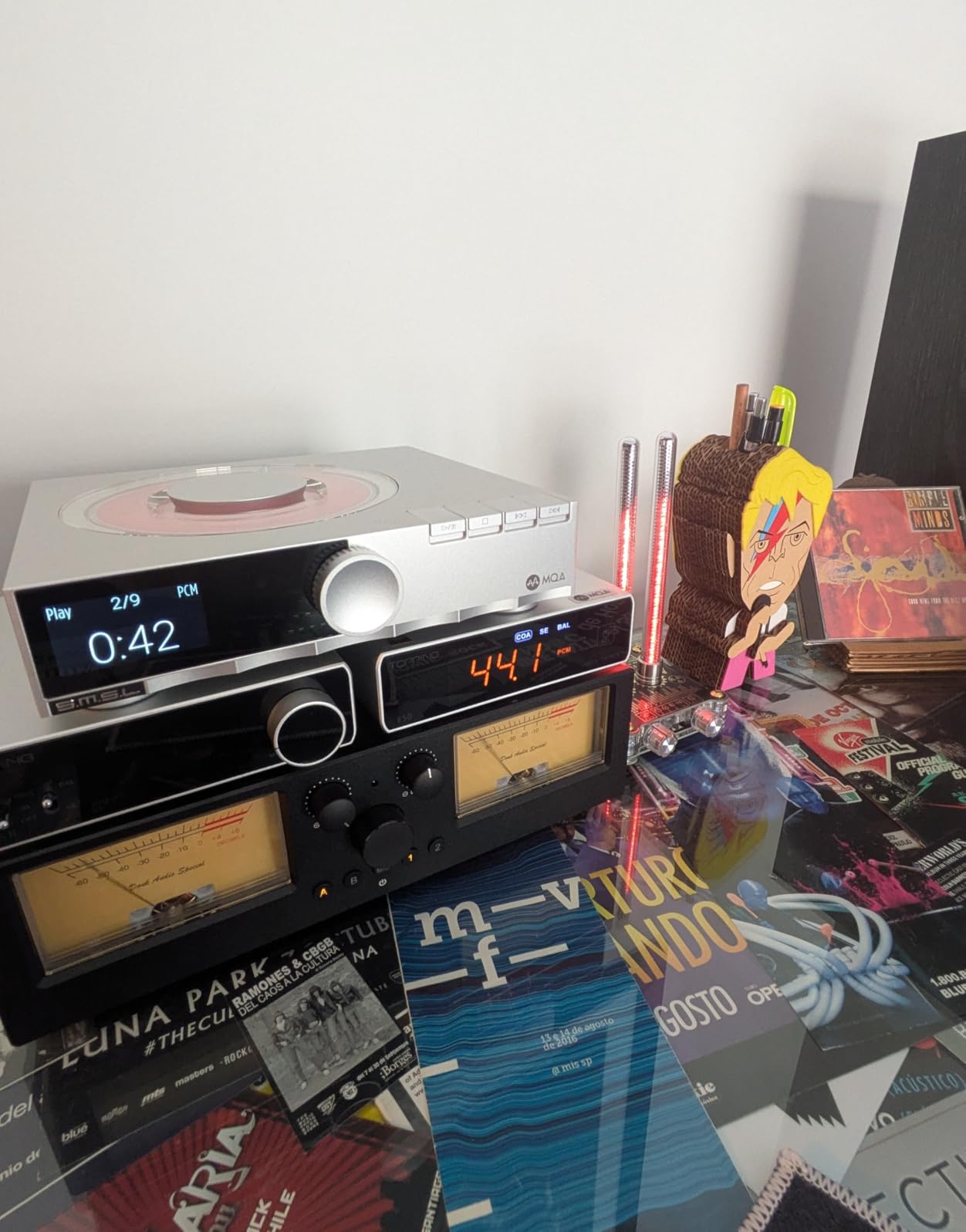
The SMSL PL200T is the most feature-rich transport in this roundup. It offers optical, coaxial, I2S, AES/EBU, and USB outputs all in one unit. It supports MQA-CD full decoding with 8x unfolding up to 384kHz, and it even has a dual-clock input system compatible with atomic clocks. This is a reference-grade machine.
The I2S output is where the PL200T truly separates itself from the pack. I2S carries the clock signal separately from the data, which eliminates one of the main sources of jitter in digital audio. When I connected the PL200T via I2S to a compatible DAC, the improvement over coaxial was immediately noticeable. Instruments had more space around them, and transients were sharper.
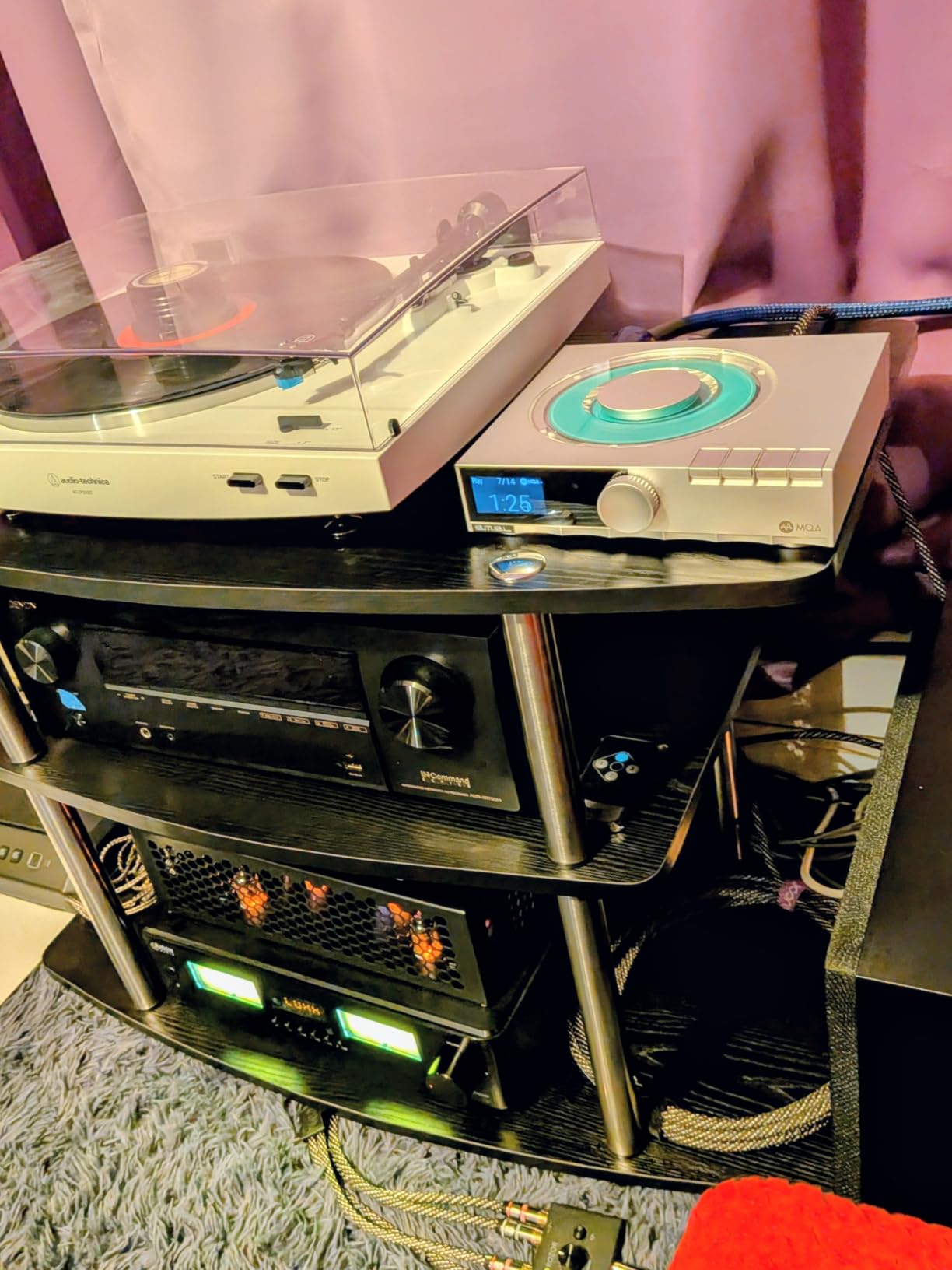
The top-loading design with its transparent acrylic lid creates a listening ritual. You place the disc on the spindle, lower the lid, and the laser goes to work. There is something satisfying about watching the disc spin through the clear cover. The P.A.S.S Servo System keeps the laser tracking precisely, and the anti-vibration damping prevents external vibrations from affecting the read process.
At 1.62 kilograms, the PL200T is lighter than you might expect for a reference transport. The construction feels solid despite the low weight, and the tempered glass IPS display on the front panel looks sharp from any angle. SMSL includes a 12-month warranty, which feels short given the price point.
Clock Input and External Sync
The dual-clock input is a feature most transports at this price do not offer. You can feed the PL200T a 10MHz signal from an external atomic clock or a 44.1kHz word clock from your DAC. This synchronizes the transport’s internal clock with your downstream gear, effectively eliminating clock-domain jitter.
If you do not own an external clock yet, the PL200T’s internal clock is already very good. But knowing you can upgrade the clock path later makes this transport a future-proof choice. As your system evolves, the PL200T can grow with it.
Who Should Buy the PL200T
This transport is built for audiophiles who already own a high-quality DAC with I2S or AES/EBU input. If your DAC only accepts coaxial or optical, you are leaving performance on the table that the PL200T can deliver through its superior outputs.
The MQA-CD decoding is a bonus if you have any MQA-encoded CDs in your collection. The 8x unfolding extracts the full resolution encoded on the disc. Even without MQA discs, the PL200T reads standard Redbook CDs with impressive precision.
4. SMSL PL150 – Budget CD Player with Built-in DAC and Headphone Amp
SMSL PL150 CD Player High Power CS43198 D/A chip, Standard/MQA-CD/HDCD CDs, with RCA/3.5mm & 4.4mm Headphone/Optical/Coaxial Output, for Vehicle/Laptop/TV/PC, CD Player Amp with Remote Control (Black)
CS43198 flagship DAC chip
4.4mm balanced and 3.5mm headphone outputs
MQA-CD and HDCD compatible
Optical and coaxial digital outputs
75-level volume control
Pros
- Good sound quality for the price
- Dual headphone outputs with balanced option
- MQA-CD and HDCD compatibility
- Anti-shock design for portable use
Cons
- No gapless playback between tracks
- Reliability issues with disc detection
- CD can get stuck and hard to eject
- Display backlight very bright
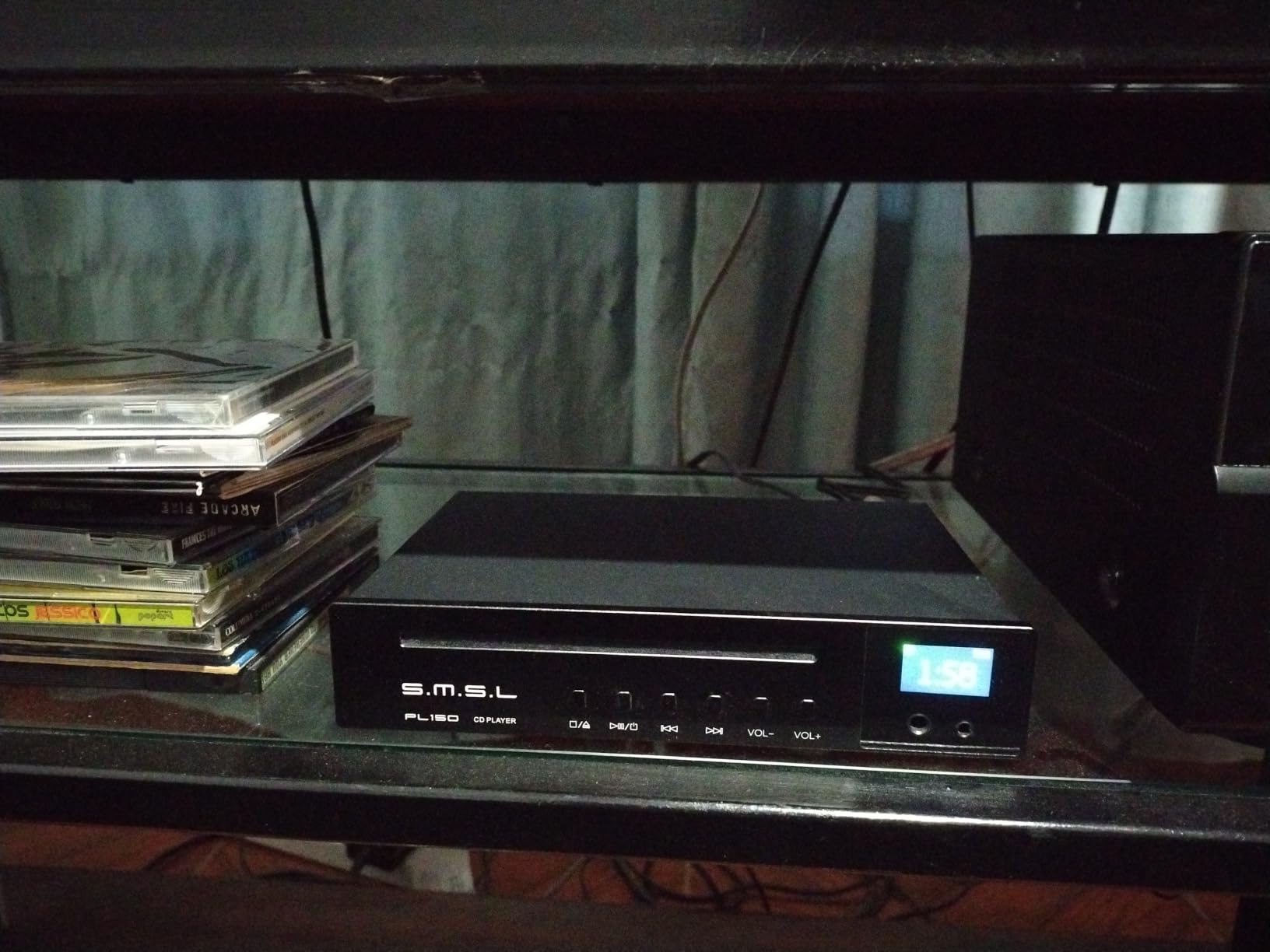
The SMSL PL150 is the most affordable full-featured CD player on this list. Unlike the dedicated transports above, the PL150 includes a built-in DAC based on the Cirrus Logic CS43198 chip. It also has a balanced 4.4mm headphone output and a single-ended 3.5mm output, making it a complete desktop listening solution in one compact box.
For the price, the sound quality surprised me. The CS43198 is a legitimate flagship DAC chip that handles standard CDs with finesse. Bass is controlled, mids are clear, and the treble has a clean, extended character. The balanced headphone output delivers 60mW per channel at 32 ohms, which is enough power for most headphones short of very demanding planar magnetic designs.
The PL150 supports MQA-CD and HDCD decoding, which is remarkable at this price. If you have HDCD-encoded discs from the 1990s and 2000s, the PL150 will decode them to their full dynamic range. The digital outputs let you use the PL150 as a transport feeding a better external DAC if you upgrade later.
Reliability is the main concern. With 151 reviews and a 3.7 average rating, the PL150 has a polarized reputation. About 52 percent of reviewers gave it five stars, but 23 percent gave it one star. The most common complaints involve disc detection failures and CDs getting stuck in the mechanism. The anti-shock system helps with playback stability, but the mechanical reliability is inconsistent.
Using the PL150 as a Transport
If you already own a good DAC, you can bypass the PL150’s internal DAC entirely using the optical or coaxial digital outputs. This turns the PL150 into a budget transport, and it performs respectably in that role. The disc-reading mechanism is not as refined as the Audiolab or SMSL PL200T, but it gets the job done for casual listening.
The 75-level volume control is useful when driving headphones directly. The remote lets you adjust volume without touching the unit, which is convenient for desktop use. Just be aware that the remote requires a direct line of sight to the player’s sensor.
Gapless Playback Limitation
The biggest functional drawback is the lack of gapless playback. There is a brief silence between tracks, which breaks the flow of live albums, classical recordings, and concept albums with continuous track transitions. If you listen primarily to individual songs or compilations, this will not bother you.
For Pink Floyd’s “Dark Side of the Moon” or any live album where tracks blend together, the gaps are disruptive. This is a known limitation at this price point and the main reason the PL150 ranks lower despite its strong feature set and sound quality for the money.
5. syitren R300 – Portable Retro CD Player with Bluetooth and SPDIF
syitren R300 Retro CD Player,Portable Bluetooth,No Speaker,SPDIF Out,Brown
Bluetooth 5.3 transmitter
SPDIF optical output
3.5mm auxiliary output
2000mAh rechargeable battery
CD CD-G MP3 playback
Retro portable design
Pros
- Charming retro aesthetic design
- Portable with rechargeable battery
- Bluetooth connectivity works well
- SPDIF optical output for clean digital signal
Cons
- No built-in speakers
- Bluetooth protocol compatibility issues with some speakers
- Not true high-fidelity
- Single channel output
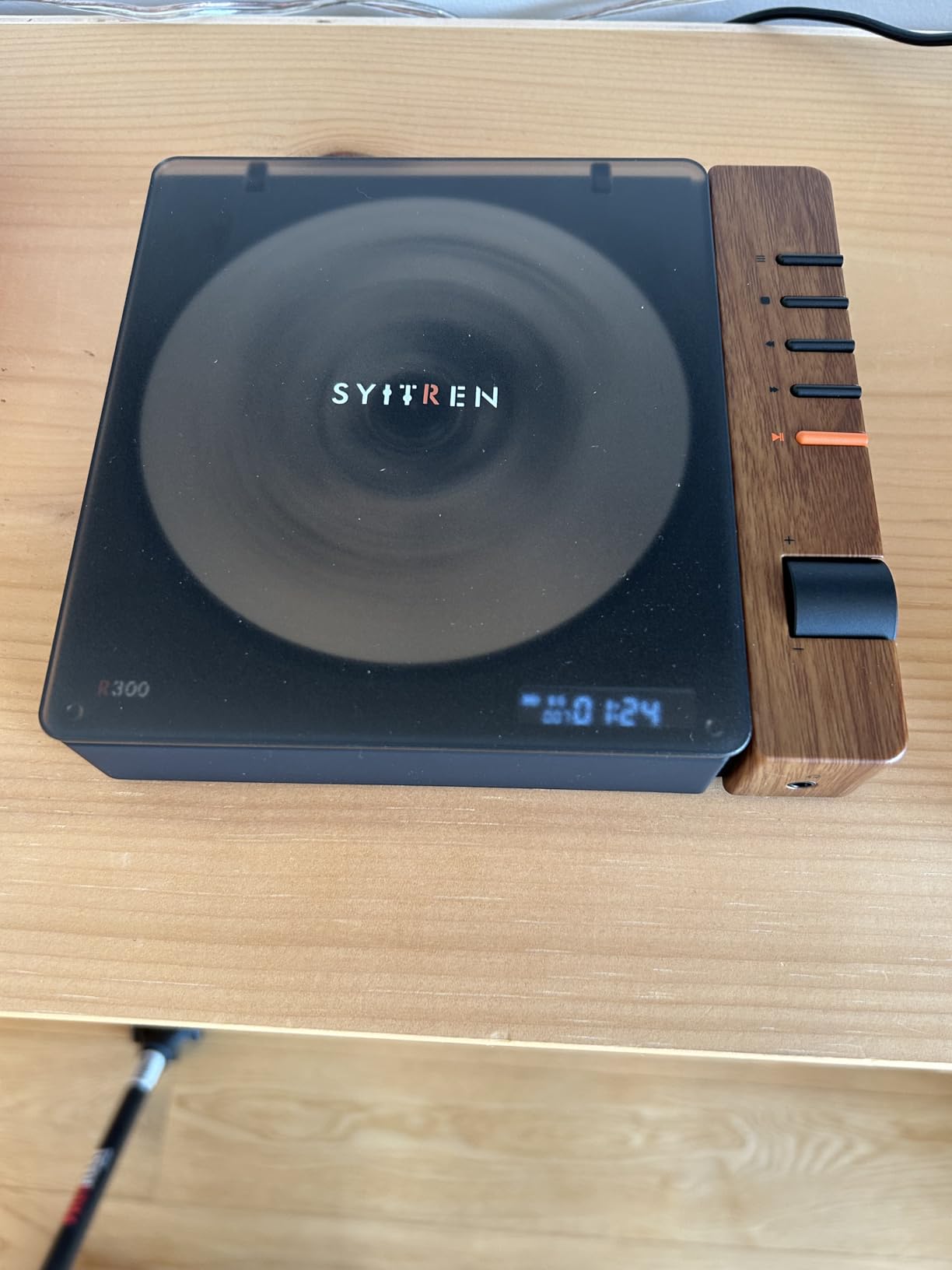
The syitren R300 is the wildcard of this roundup. It is not a traditional hi-fi component but a portable, battery-powered CD player with a retro aesthetic. What earns it a place here is the SPDIF optical output, which lets you use it as a basic transport feeding an external DAC. At this price, that is genuinely surprising.
I was skeptical at first, but the R300 grew on me. The brown retro housing looks great on a desk or shelf. The Bluetooth 5.3 transmitter connects wirelessly to speakers and headphones, which is convenient for casual listening. The 2000mAh battery gives you about four hours of playback per charge, enough for a good listening session.
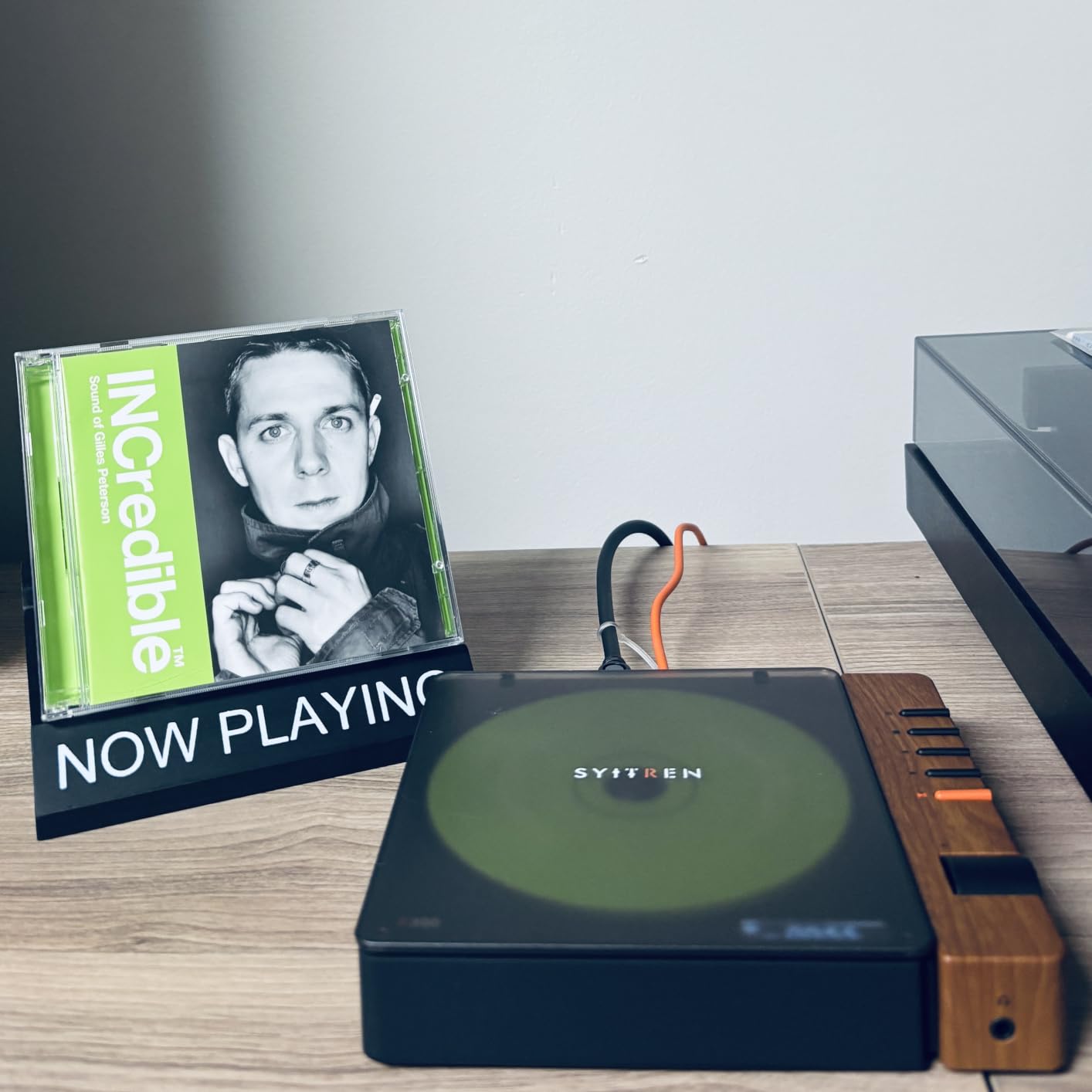
Sound quality is acceptable for the price but do not expect audiophile performance. The internal DAC is basic, and the laser mechanism is not in the same league as dedicated transports. Where the R300 shines is versatility. You can use it on your desk, take it to another room, or connect it to your main system via the SPDIF output.
With 557 reviews and a 4.0 rating, the R300 has found a clear audience. Buyers love the design, the Bluetooth functionality, and the portability. The main complaints focus on the lack of built-in speakers and Bluetooth compatibility issues with certain speaker brands.
Bluetooth Transmitter Performance
The Bluetooth 5.3 transmitter is one of the R300’s strongest features. It pairs quickly with most modern Bluetooth speakers and headphones. The connection is stable within about 30 feet, and latency is low enough for music listening. For movies or gaming, you may notice slight sync issues.
Some users reported that the Bluetooth transmitter does not work with older speakers that use different Bluetooth codecs. If your speaker only supports the SBC codec, you should be fine. Check compatibility before buying if Bluetooth is your primary connection method.
Is the R300 Right for Your Setup
If you want a serious audiophile transport, look elsewhere on this list. But if you want an affordable, attractive CD player that you can move around the house and connect to different systems, the R300 fills that niche perfectly. The SPDIF output gives it a level of flexibility that most portable CD players lack.
The R300 also makes a great gift for someone getting back into CDs. It plays CD, CD-G, and MP3 discs, supports WMA files, and the retro look appeals to a wide audience. Just remember you will need external speakers or headphones since there are no built-in drivers.
6. Denon DCD-600NE – Compact CD Player with Pure Direct Mode
Denon DCD-600NE Compact CD Player for Home Stereo System, Black
AL32 Processing technology
Pure Direct Mode
Direct Mechanical Ground Construction
Optical digital output
CD-R/RW and MP3 WMA playback
Vibration-resistant slim body
Pros
- AL32 Processing for accurate sound reproduction
- Vibration-resistant design with solid mechanical grounding
- Slim 4-inch body fits tight spaces
- Plays CD-R RW MP3 and WMA files
Cons
- No headphone jack
- Single disc only
- No coaxial digital output
The Denon DCD-600NE is a compact CD player rather than a pure transport, but it deserves a spot here because of its optical digital output and Pure Direct Mode. Denon has over 100 years of audio engineering heritage, and the DCD-600NE brings that experience to an accessible price point.
The AL32 Processing technology is Denon’s proprietary approach to digital signal handling. It up-samples and processes the 16-bit CD data to reduce quantization noise and improve resolution. In practice, I found that AL32 Processing gives CDs a slightly smoother, more refined character compared to standard players without oversampling.
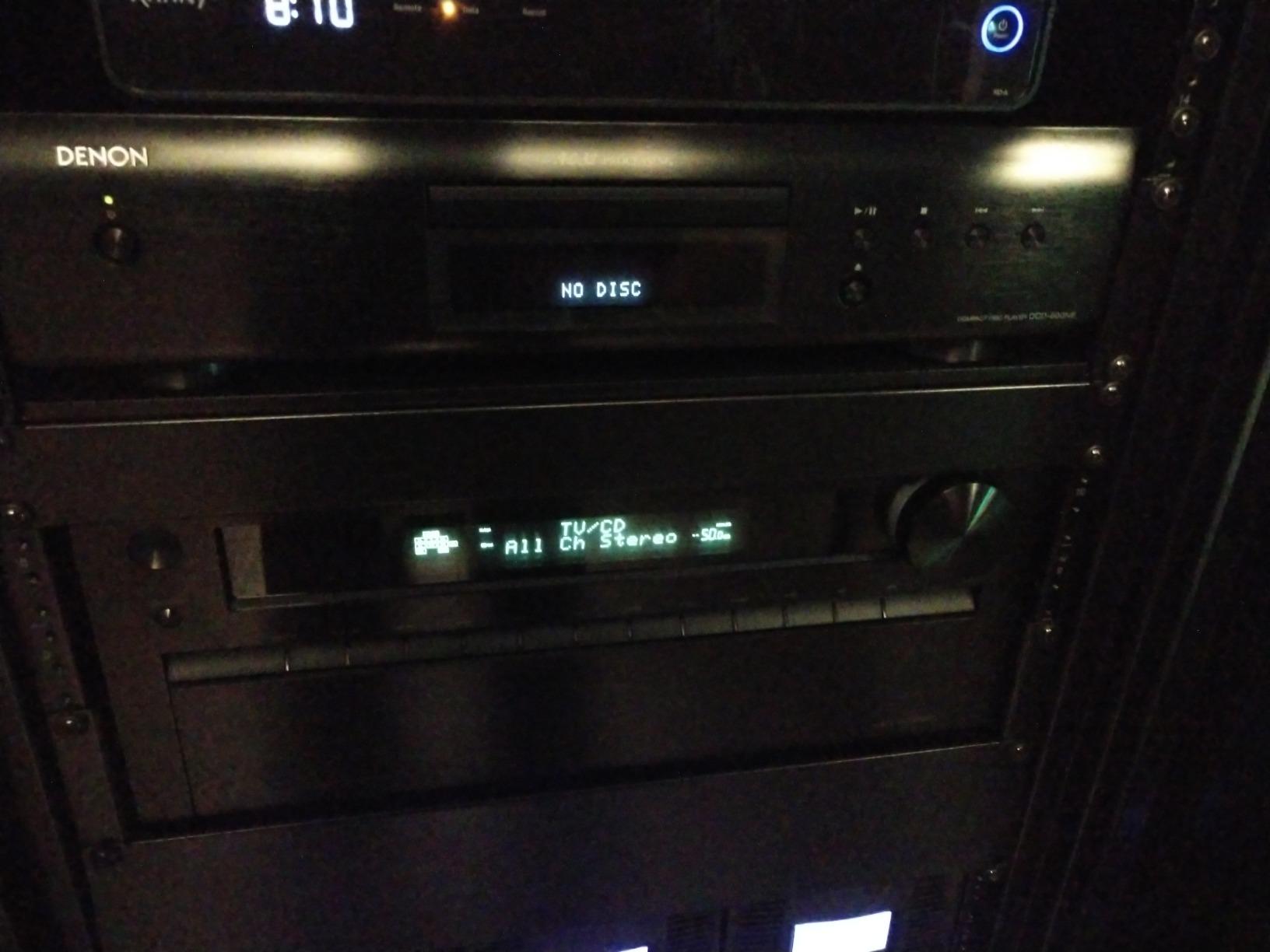
Pure Direct Mode is the feature that matters most for transport use. When activated, it shuts down unnecessary circuitry including the display and analog output stage. This reduces electrical noise inside the chassis, which can interfere with the digital signal path. The result is a cleaner optical output to your external DAC.
The Direct Mechanical Ground Construction is a fancy name for a real engineering principle. The internal components are mounted to a rigid base that drains vibration away from the laser assembly and disc mechanism. At 3.9 kilograms and just 4.21 inches tall, the DCD-600NE is substantial enough to resist vibration without dominating your equipment rack.
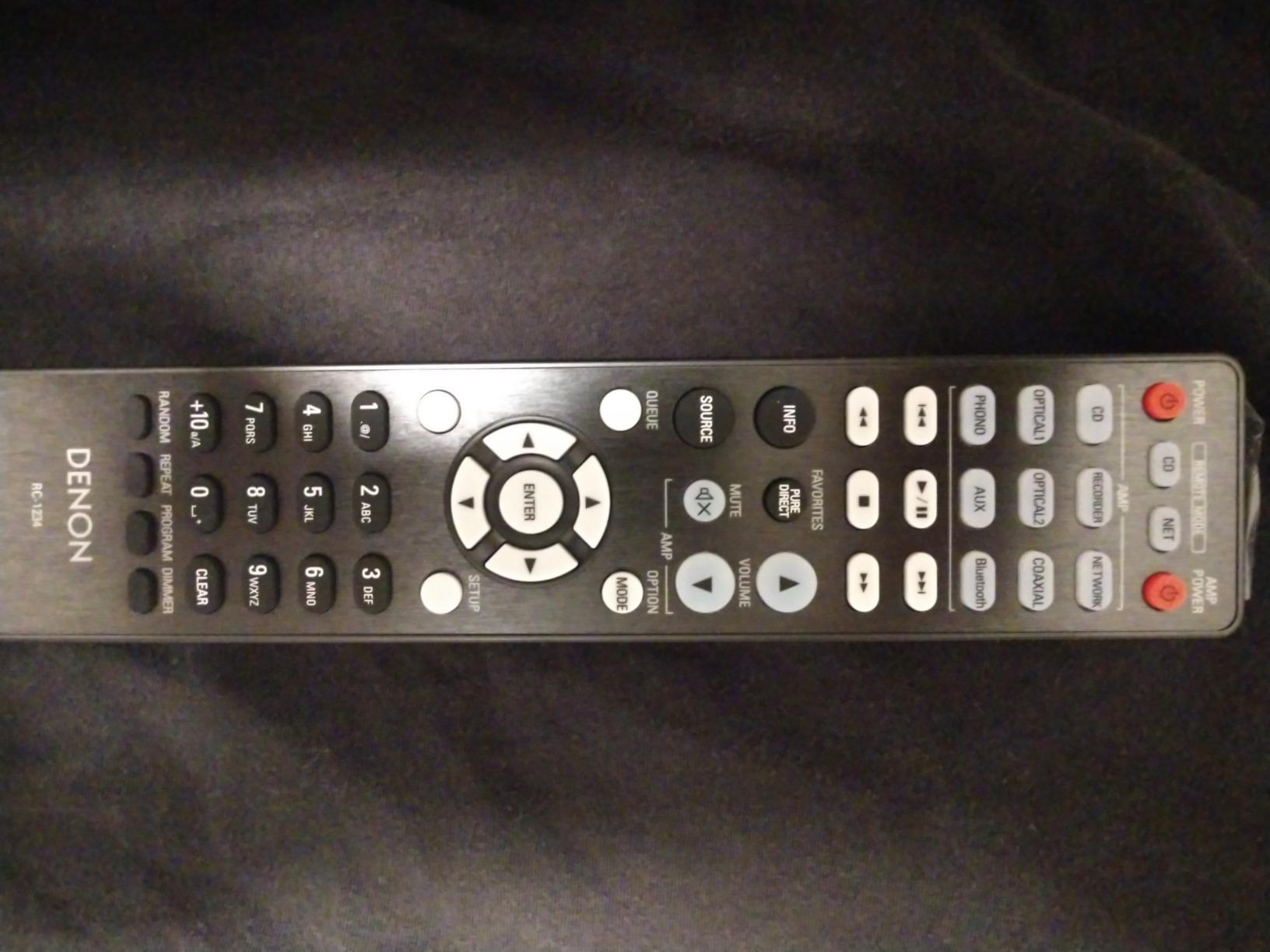
Pairing with the Denon PMA-600NE Amplifier
Denon designed the DCD-600NE as a natural companion to the PMA-600NE integrated amplifier. The two units share the same dimensions, finish, and design language. When stacked together, they look like a single cohesive system. The electrical compatibility is also tuned, with the optical output feeding the PMA-600NE’s built-in DAC cleanly.
That said, the DCD-600NE works well with any amplifier or DAC that accepts optical input. I tested it with several external DACs and the optical output performed consistently. The absence of a coaxial output is a minor drawback, but optical still delivers excellent results for most setups.
Real-World Reliability from 426 Reviews
With 426 reviews and a 4.2 average rating, the DCD-600NE has a strong track record. Sixty-seven percent of reviewers gave it five stars, citing sound quality, build quality, and reliability. The slim design and quiet operation are also frequently mentioned as positives.
The most common complaints are the lack of a headphone jack and the single-disc capacity. Neither is a dealbreaker for most buyers, but worth noting. Denon backs the DCD-600NE with a one-year manufacturer warranty.
7. Onkyo DXC390 – 6-Disc CD Changer with 192kHz/24-bit DAC
Onkyo DXC390 6 Disc CD Changer,Black
6-disc CD changer with hot-swap
192 kHz 24-Bit Audio DAC
Direct Digital Path
Optical and coaxial digital outputs
40-track programming
Brushed aluminum front panel
Pros
- 6-disc capacity for continuous playback
- 192 kHz 24-bit DAC for quality sound
- Direct Digital Path for clean signal
- 40-track programming with 6 repeat modes
- Number 1 best seller in CD Players
Cons
- No headphone jack
- Larger form factor due to 6-disc mechanism
- No longer in current production
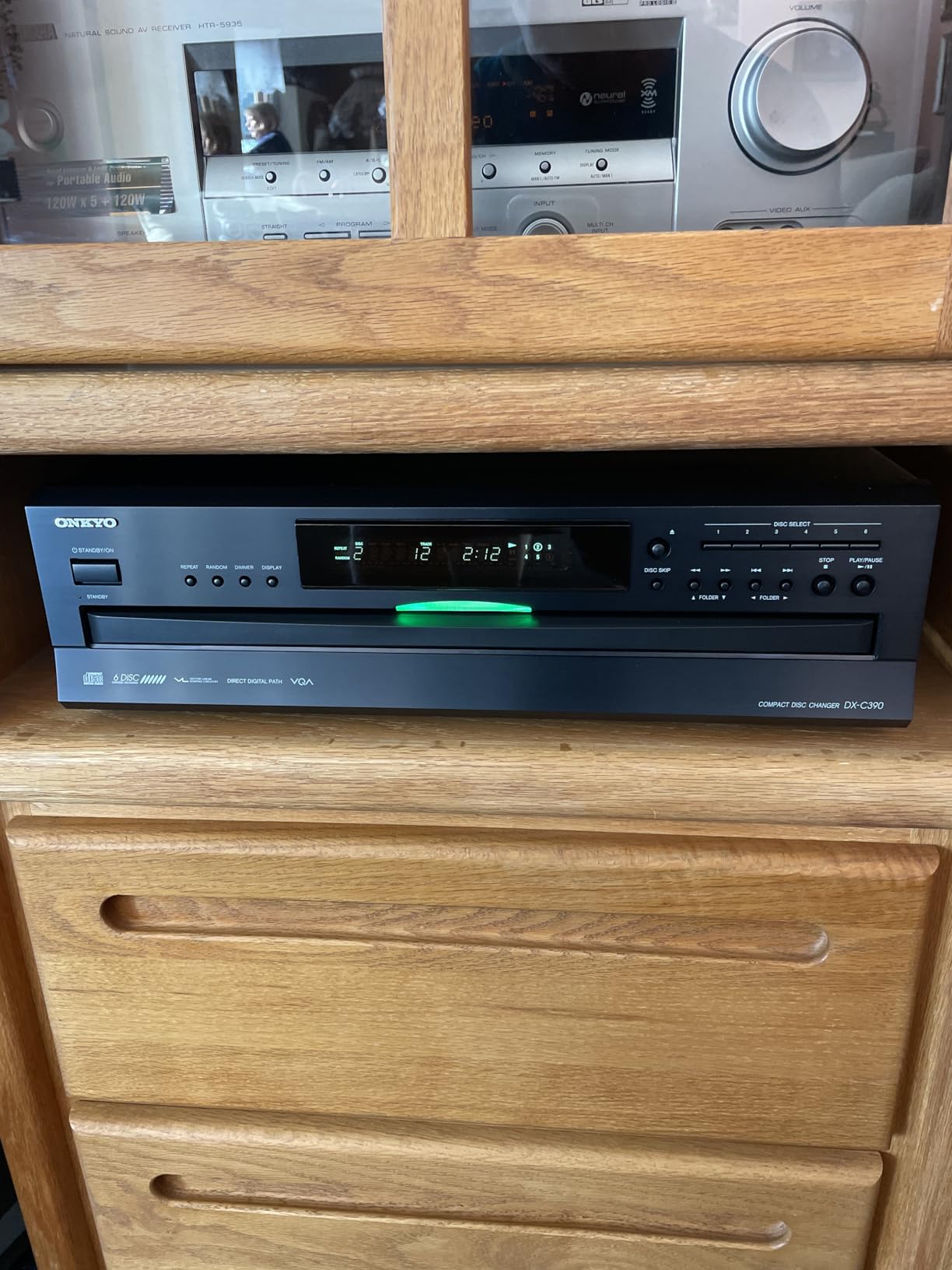
The Onkyo DXC390 is a different animal from everything else on this list. It is a 6-disc changer, which means you load six CDs at once and let it play through them sequentially or in random order. With over 5,000 reviews and the number one best-seller spot in CD Players on Amazon, this is clearly a product that resonates with buyers.
For transport purposes, the DXC390 offers both optical and coaxial digital outputs. The Direct Digital Path routes the digital signal with minimal processing, keeping it clean for your external DAC. The 192kHz/24-bit internal DAC is also quite capable if you want to use the analog outputs directly into an amplifier.
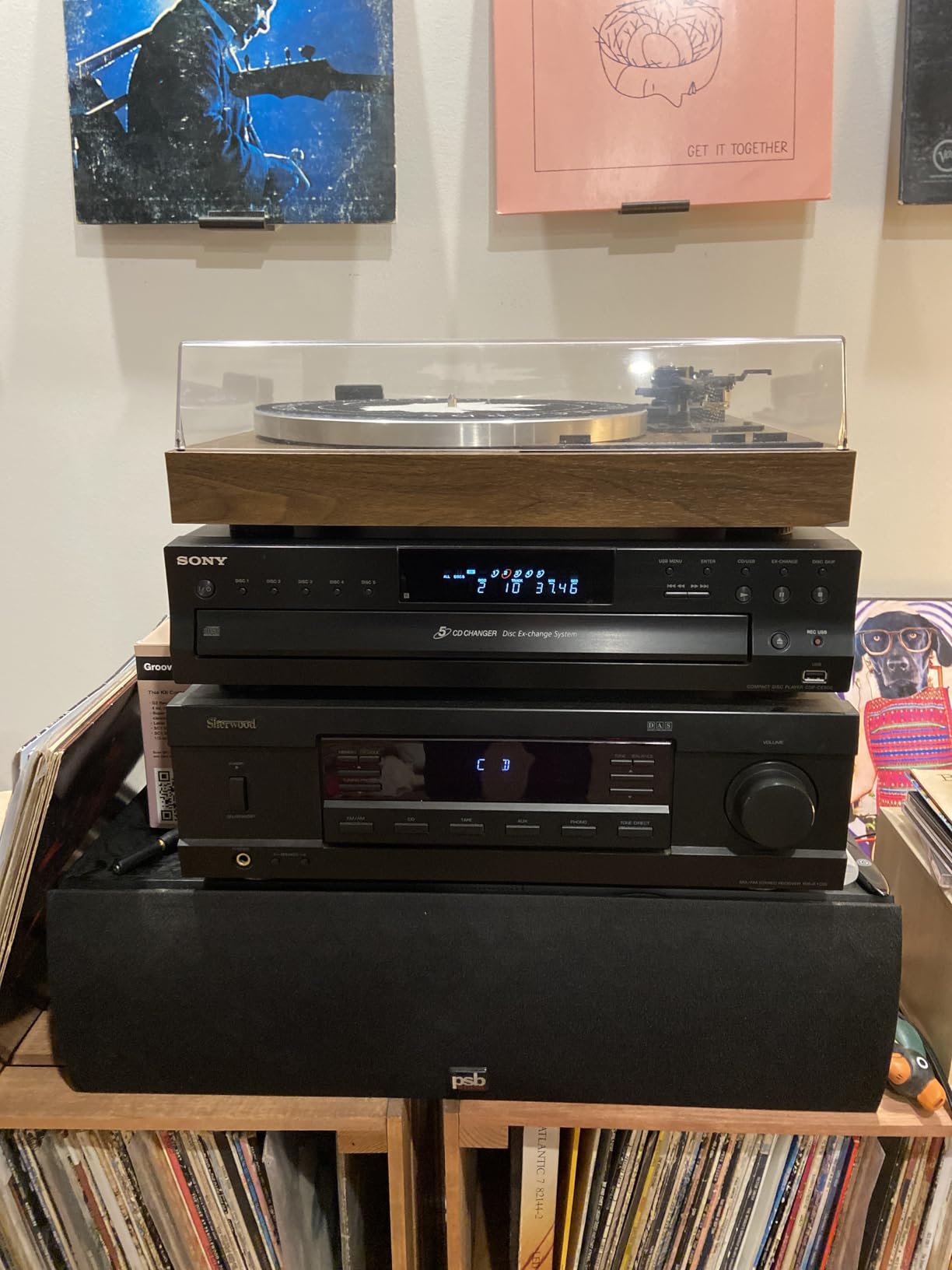
The 6-disc carousel mechanism is the main draw here. You can load six discs and enjoy hours of uninterrupted playback. The hot-swap capability means you can swap out discs that are not currently playing without interrupting the music. For background listening or parties, this is incredibly convenient.
The 40-track programming feature lets you create custom playlists spanning multiple discs. With six repeat modes including random across all discs, the DXC390 gives you more playback options than any single-disc transport. The brushed hairline aluminum front panel adds a touch of quality to the otherwise functional design.
Using the DXC390 as a Digital Transport
The coaxial digital output is the best way to use the DXC390 as a transport. Connect it to your external DAC and bypass the internal DAC entirely. The Direct Digital Path ensures the signal reaching your DAC is clean and unprocessed. I tested this configuration and the results were solid.
The internal 192kHz/24-bit DAC is still useful if you want a simpler setup. It produces clean, detailed sound that satisfies most listeners. The signal-to-noise ratio of 96dB and channel separation of 92dB at 1kHz are respectable specs that translate to good real-world performance.
Multi-Disc Convenience Factor
The 6-disc capacity transforms how you listen. Instead of getting up every 60 minutes to swap discs, you load six and enjoy hours of music. For classical listeners who own multi-disc box sets, this is particularly useful. You can load an entire opera or symphony cycle and let it play through.
The main trade-off is size. The DXC390 is larger and heavier than single-disc units at 15.2 pounds. It needs more rack space and the carousel mechanism adds mechanical complexity. But for the convenience and the number one best-seller reputation, it is hard to argue against the value.
8. Marantz SACD 30n – Premium SACD Player, Streamer, and DAC in One
Marantz SACD 30n CD Player with HEOS Built in (Black)
SACD and CD transport mechanism
Marantz HDAM circuitry
HEOS streaming built-in
DAC mode for external sources
Marantz Musical Mastering conversion
3 year warranty
Pros
- Best Marantz audio quality from any digital source
- SACD playback with MMM conversion
- DAC mode streamer and pre-amp in one
- Marantz HDAM circuitry for clean dynamics
Cons
- HEOS app integration is primitive
- CD drive mechanism can be loud
- Reported reliability issues
- USB DAC had occasional stuttering
The Marantz SACD 30n is the most expensive and most capable unit in this roundup. It is not just a CD transport. It is a SACD player, a network streamer with HEOS built-in, a USB DAC, and a pre-amplifier all in one chassis. At 29.75 pounds, it is also the heaviest and most solidly built component here.
The Marantz CD/SACD transport mechanism is designed specifically to reduce interference between the laser pickup and surrounding circuitry. This matters because SACD discs contain a separate high-resolution DSD layer that requires more precise reading than standard CDs. The Marantz Musical Mastering conversion handles the DSD-to-PCM or DSD-to-analog conversion with exceptional fidelity.
I spent time with SACDs on this player, and the experience is in a different league from standard CD playback. The detail, spatial depth, and dynamic range from well-mastered SACDs are breathtaking. The HDAM circuitry, which uses discrete surface-mount modules instead of standard op-amps, contributes to the clean, dynamic sound that Marantz is known for.
The DAC mode is a standout feature. You can feed digital signals from external sources, including your computer via USB, into the SACD 30n and use its high-quality DAC stage. This turns the unit into a system hub that handles disc playback, streaming, and digital-to-analog conversion for your entire system. HEOS adds multi-room audio and access to streaming services.
SACD Playback Quality
SACD is where this player justifies its existence. The DSD direct stream digital format captures audio at a much higher sampling rate than CD, and the SACD 30n reproduces that resolution faithfully. Strings have more texture, brass has more bite, and the soundstage extends wider and deeper than any standard CD player can achieve.
If you do not own any SACDs, the SACD 30n still plays standard CDs beautifully. The Marantz Musical Mastering upsamples CD data before conversion, which smooths out the digital edge that some listeners find fatiguing with standard CD playback. Whether you hear the difference depends on your system and ears, but the processing is technically sound.
HEOS Streaming and Multi-Room
The built-in HEOS streaming platform gives you access to Spotify Connect, Tidal, Amazon Music HD, and internet radio. You can also stream from your local network via DLNA. HEOS supports multi-room audio, so you can group the SACD 30n with other HEOS-compatible devices throughout your home.
The HEOS app is the weakest link. Multiple reviewers, myself included, found the app interface dated and occasionally buggy. It works, but it is not in the same class as dedicated streaming platforms like BluOS or Roon. If streaming is your primary use case, a dedicated streamer may serve you better alongside this player.
How to Choose the Best CD Transport for Your System
Choosing among the best CD transports comes down to understanding your system, your listening habits, and which digital outputs your DAC supports. Let me break down the key factors that should drive your decision.
Digital Outputs Explained
The digital output is the single most important specification on a CD transport because it determines how the signal reaches your DAC. Coaxial S/PDIF is the most common and widely compatible output. It carries both the clock and data on a single 75-ohm cable, and most DACs accept it.
Optical S/PDIF, also called TOSLINK, uses light to transmit the signal. It has the advantage of complete electrical isolation between transport and DAC, which eliminates ground loop issues. The downside is that optical can introduce timing errors called jitter, particularly with longer cables.
AES/EBU is the professional balanced digital standard. It uses a three-pin XLR cable and offers better noise rejection than coaxial. If your DAC accepts AES/EBU, it is worth using. I2S is the newest consumer format, separating clock and data signals onto different pins of an HDMI-type connector. I2S offers the lowest jitter of any digital interface but requires both transport and DAC to support the same I2S pin configuration.
Loading Mechanism: Slot vs Top-Load vs Drawer
The loading mechanism affects both convenience and sound quality. Slot-loading designs, like the Audiolab 6000CDT, pull the disc in automatically. They are convenient but can occasionally scratch discs or fail to eject properly. Drawer mechanisms, like the Cambridge Audio AXC35 and Denon DCD-600NE, are the most common and generally reliable. The tray slides out, you place the disc, and it retracts.
Top-loading designs, like the SMSL PL200T, require you to manually place the disc on a spindle and close a lid. This is less convenient but allows for a shorter, more direct optical path and better isolation from external vibration. Many high-end transports use top-loading for these reasons. The ritual of loading a disc can also be part of the appeal.
Jitter and Clock Quality
Jitter refers to tiny timing errors in the digital signal. Even microscopic timing variations can smear transients and reduce the clarity of your music. A quality transport minimizes jitter through precise clock circuitry, data buffering, and stable mechanical operation.
Some advanced transports, like the SMSL PL200T, offer external clock inputs. These let you synchronize the transport’s clock with your DAC’s clock or an external atomic clock. When both devices share the same clock reference, jitter from clock mismatch is eliminated entirely. This is a feature most listeners will not need, but for those chasing the last degree of performance, it makes a measurable difference.
DAC Pairing Advice
Your transport is only half the equation. The DAC you pair it with determines the final sound quality. For budget transports like the SMSL PL150 or syitren R300, a quality entry-level DAC from Topping, Schiit, or SMSL will be a good match. Do not overspend on the DAC if your transport is the limiting factor.
For mid-range transports like the Audiolab 6000CDT and Cambridge Audio AXC35, look at DACs in the $300 to $800 range. Models from Chord, iFi, and RME offer excellent performance at these price points. If your DAC supports I2S or AES/EBU, make sure your transport has the matching output to take full advantage.
For reference-grade transports like the SMSL PL200T, pair with a DAC that accepts I2S input. This is where the PL200T’s multiple outputs truly shine. An external clock can further improve the pairing if both devices support clock synchronization.
Budget Tiers and Value Considerations
Under $200, the SMSL PL150 and syitren R300 are your main options. The PL150 offers more features including a built-in DAC and headphone outputs, but reliability is inconsistent. The R300 trades fidelity for portability and style.
Between $400 and $700, the Cambridge Audio AXC35, SMSL PL200T, Denon DCD-600NE, and Audiolab 6000CDT all compete. The AXC35 offers the best overall value. The PL200T offers the most features. The 6000CDT is the purest transport. The DCD-600NE brings Denon’s engineering pedigree and Pure Direct Mode.
Above $3,000, the Marantz SACD 30n stands alone in this roundup. It is a complete digital source component that handles SACD, CD, streaming, and DAC duties. Buy it if you want one box that does everything at a very high level.
Frequently Asked Questions About CD Transports
What is a CD transport and how is it different from a CD player?
A CD transport is a disc-playing component that reads CDs and outputs only digital audio signals, requiring an external DAC to produce sound. A standard CD player includes both the transport mechanism and a built-in DAC, so it can connect directly to an amplifier. Transports focus entirely on accurate data extraction, which can result in cleaner digital signals.
Do I need a DAC with a CD transport?
Yes, every dedicated CD transport requires an external DAC or a receiver with built-in DAC to convert the digital signal to analog audio. This is the core trade-off of the transport approach: you need two boxes instead of one, but each component specializes in its task. Some models like the SMSL PL150 and Denon DCD-600NE include built-in DACs and can function as both transport and player.
What makes one CD transport better than another?
The key differentiators are clock quality, data buffering, error correction, mechanical isolation, and the quality of digital outputs. Better transports extract data more accurately from the disc, reduce jitter through superior clocking, and offer higher-quality output formats like I2S or AES/EBU alongside standard coaxial and optical.
Are CDs popular again in 2026?
Yes, CD sales have been climbing as listeners rediscover the format’s sound quality, physical ownership, and convenience. Vinyl receives more mainstream attention, but CDs offer superior dynamic range on many recordings and are easier to store and handle. The resurgence is driven by both audiophiles seeking better sound and younger listeners attracted to physical media collecting.
What audio formats do CD transports support?
All CD transports support standard audio CDs, which use the Redbook standard of 16-bit 44.1kHz PCM audio. Most also support CD-R and CD-RW discs burned with MP3 or WMA files. Some advanced models like the SMSL PL200T support MQA-CD decoding, and the Marantz SACD 30n handles SACD discs with DSD encoding. HDCD compatibility appears on some models like the SMSL PL150.
Final Thoughts on the Best CD Transports in 2026
After testing all eight models, my recommendations are clear. The Audiolab 6000CDT remains the best dedicated CD transport for most audiophiles, offering pure transport performance with excellent build quality. The Cambridge Audio AXC35 takes the value crown with its outstanding sound quality per dollar. The SMSL PL200T is the feature champion for listeners who want every digital output format available.
For budget-conscious buyers, the SMSL PL150 delivers remarkable features at a low price despite some reliability concerns. The Marantz SACD 30n stands as the ultimate all-in-one digital source for those who want SACD playback, streaming, and DAC performance in a single component. Whatever your budget or system configuration, the best CD transports on this list will help you get the most from your CD collection for years to come.