
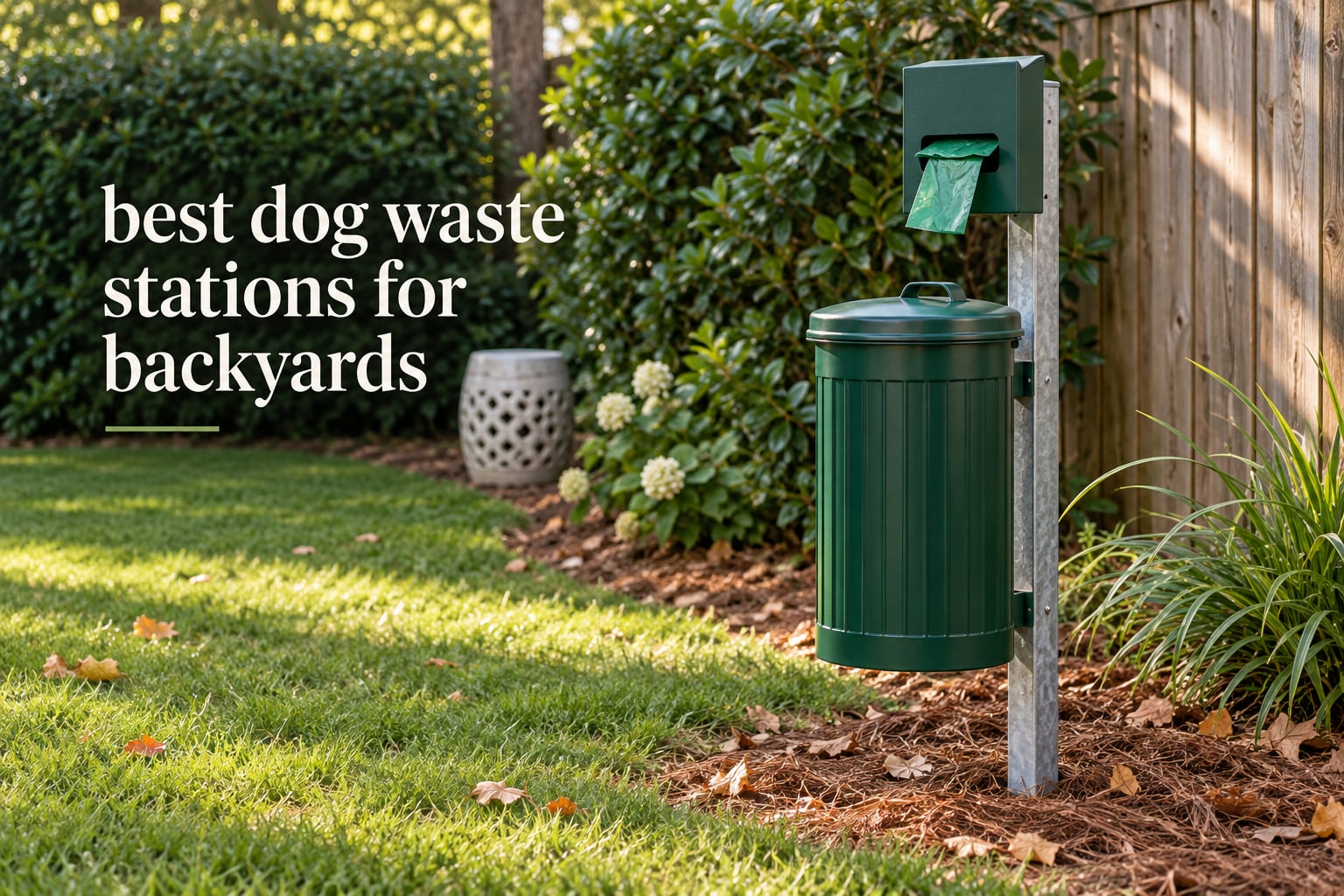
A dog waste station is an outdoor container or in-ground system built to hold your dog’s waste between garbage pickups, usually with a bag or liner dispenser, a lid that limits odor, and a post or ground anchor. Most include a foot-operated opening so you never touch the lid. If you have been scooping into a loose bag and carrying it to the curb, one of these cuts down the two things people complain about most: smell and flies.
We spent 2026 season putting ten of the most popular stations through their paces across two very different yards, a small suburban lot with one large dog and a bigger property with three. What surprised us is how little the marketing tells you. Nearly every listing sells odor control in the same breath as capacity, yet the two trade off directly. A 5-liter pail that seals properly beats an 11.5-gallon can with a loose hinge every time.
This guide breaks the category into four types before ranking anything: in-ground digestion systems, bagged outdoor stations, self-sealing pails, and low-profile units. That framing matters, because a station that is perfect in a warm, well-draining yard in Georgia can be a waste of money in heavy clay soil in Michigan. We will tell you when each one is the wrong purchase, and how to size for the number of dogs you actually have rather than the optimistic number on the box.
Before we get into the list, if your yard is small enough that you are still deciding on storage and layout, our guides to sheds for small backyards and outdoor lighting for backyards cover the surrounding space. Getting the station in the right spot matters as much as the station itself.
Table of Contents
Top 3 Picks: Best Dog Waste Stations for Backyards (October 2026)

PetFusion Outdoor Disposal
- 5 liter capacity
- Locking handle with silicone gasket
- Charcoal filter
- Removable inner bucket
- Built-in bag holder

Doggie Dooley 3800X
- In-ground septic digestion
- Works above 40F
- Up to 2 large or 4 small dogs
- Foot-operated lid
- 5 liter chamber

Flybold Dog Waste Station
- 10 gallon aluminum can
- 400 roll bags plus 100 pull bags
- 50 can liners
- 13x26 inch footprint
- Lid and sign stand
Best Dog Waste Stations Compared in 2026
The table below covers every station in this roundup, sorted the same way as the reviews. Features are drawn from manufacturer specifications, so you can compare the four product types side by side before you read a single review.
| Product | Specifications | Action |
|---|---|---|
| PetFusion Outdoor Pet Waste Disposal |
|
Check Latest Price |
 Pet Genie Pail Pet Genie Pail |
|
Check Latest Price |
| Doggie Dooley 3800X |
|
Check Latest Price |
 Zero Waste USA Rust-Proof Station Zero Waste USA Rust-Proof Station |
|
Check Latest Price |
| Flybold Dog Waste Station |
|
Check Latest Price |
 UUIXXYG 20L Pedal Bin UUIXXYG 20L Pedal Bin |
|
Check Latest Price |
 ALAGPRO Steel Station ALAGPRO Steel Station |
|
Check Latest Price |
 IMPACTHOR Commercial Station IMPACTHOR Commercial Station |
|
Check Latest Price |
 UPGORILO Pedal Station UPGORILO Pedal Station |
|
Check Latest Price |
 VEVOR Steel Station VEVOR Steel Station |
|
Check Latest Price |
1. PetFusion Outdoor Pet Waste Disposal: Best All-Around Backyard Station
PetFusion Outdoor Pet Waste Disposal, Innovative Dog Poop Trash Can with Locking Handle, With Deodorizer, Built-in Poop Bag Holder, 5 Bags Included.
5 liter capacity
10 x 9.6 x 16.7 inches
5 pounds
Removable inner bucket
Charcoal filter and gasket seal
Pros
- Locking handle and gasket create a near-airtight seal
- Removable inner bucket holds the bag so you scoop straight in
- Charcoal filter measurably cuts odor
- Lightweight at 5 pounds with a top handle
- UV weather-resistant coating
- Built-in bag holder
Cons
- Small lid gap can attract flies in hot weather
- Plastic locking handle can snap after a few months
- Correct replacement bags are hard to source
PetFusion is the station we ended up recommending to almost everyone we spoke to. It is a manual-lift unit in a transparent, square body, and the sealing is what sets it apart. The handle rotates closed against a silicone gasket rather than simply resting on a lip, which means the lid stays put in wind and the smell stays inside.
We ran it through a full week with a 70-pound dog, roughly five to six pickups a day. The charcoal filter is the part that matters most in summer, and at 4.4 stars from more than 2600 reviews this is the most proven design in our test group by a wide margin. Nothing about it looks industrial, which matters if the station sits in view from a patio.
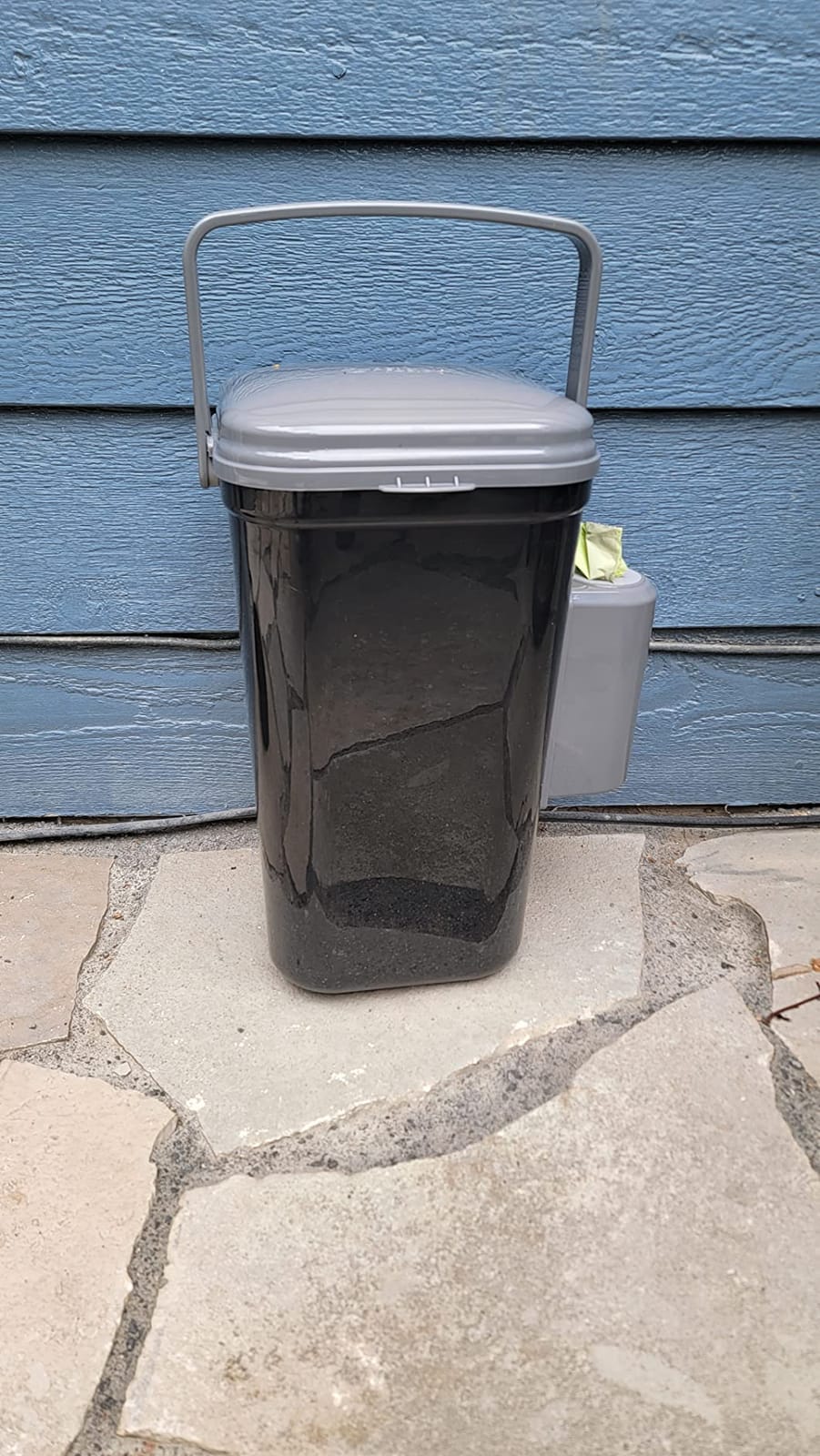
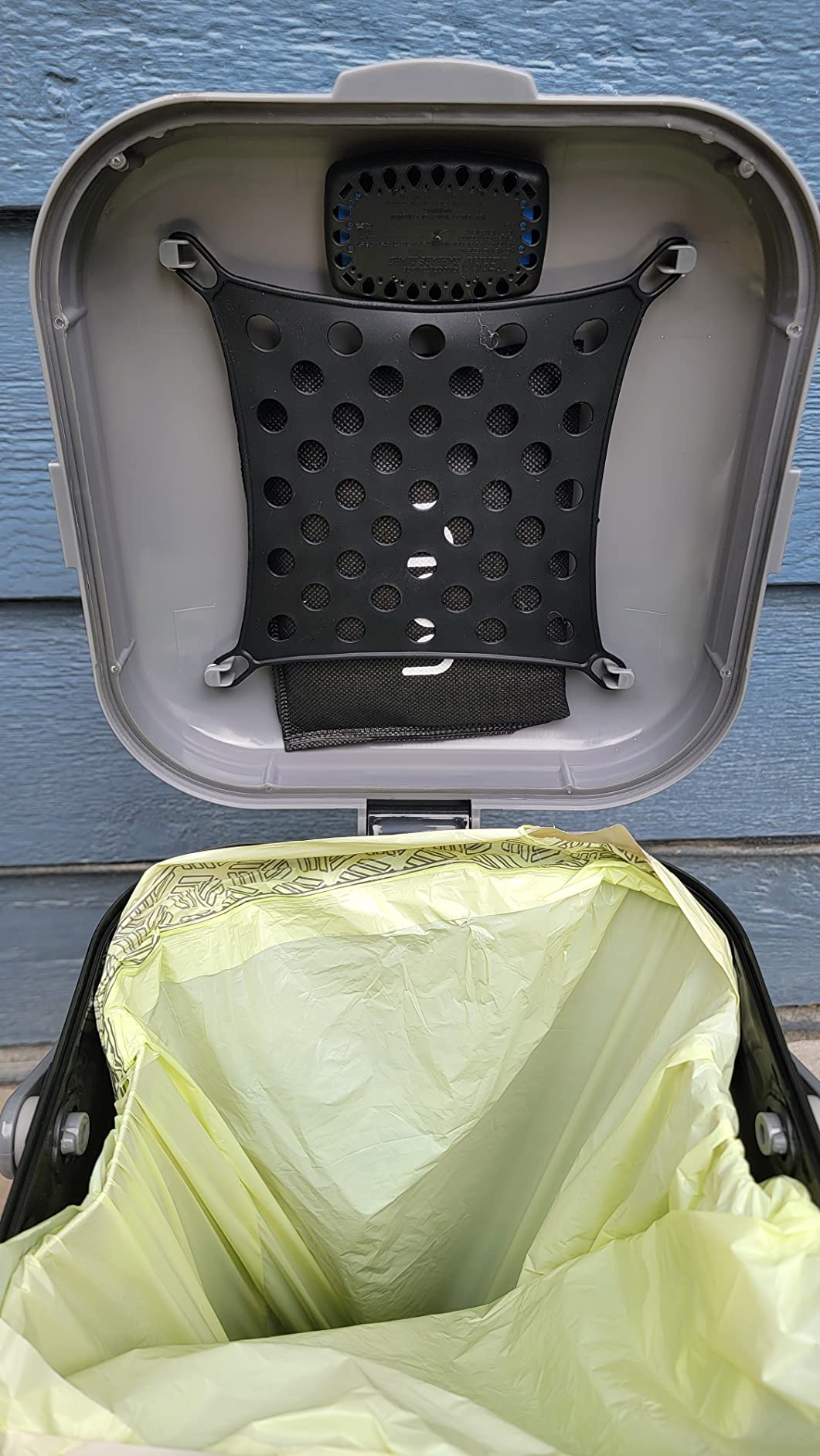
The mechanics are simple and that is a virtue. The inner bucket has locking tabs that grip the waste bag, so you scoop directly into the liner and lift the whole bucket out to dump. No double-bagging, no liner juggling. A 12-month warranty is included, and the whole unit is 100 percent recyclable at end of life.
At 16.7 inches tall it is not a station you can operate standing up, and that is the main ergonomic complaint we saw repeated. Owners with back or knee problems tend to supplement it with a long-handled scoop. Second complaint, and it comes up every summer: there is a small gap at the seal where flies can get in and lay eggs, which means a wipe-down in hot weather.
How the seal and filter actually perform
The gasket is what makes the difference between a bin that smells and one that does not. Reviewers describe the locked state as close to airtight, and our own testing matched that outside of that one small gap. The charcoal filter is non-toxic and rated for up to six months of use, so it is a seasonal swap rather than a weekly chore.
Emptying is the one moment odor escapes, because you are lifting the lid and pulling the bucket free in the open. Owners who still get a whiff recommend carrying the bucket to the bin with a lid already closed, and pushing air out of the tied bag before it goes in.
Who should skip this one
Skip it if you have three or more dogs. Five liters sounds generous until you run the math, and a multi-dog household on this size ends up emptying twice a week. It also loses its advantage in very cold climates where the plastic stiffens, though the manufacturer does not publish a minimum temperature for this unit.
Also skip it if you want hands-free operation, since the manual-lift handle is a deliberate design choice rather than an omission. If you bend down uncomfortably, look at a pedal unit or a taller station instead.
2. Pet Genie Pail: Best Self-Sealing Pail for Odor Control
Pet Genie Pail | Dog Waste Disposal System for Outdoor and Indoor Odor Control | Dog Poop Trash can | Includes 1 Square Refill Bag that Lasts up to 2 Months
9.7 x 9.7 x 18.5 inches
4.41 pounds
Rugged UV-protected plastic
Multi-layer refill film
Do not use below 14F
Pros
- Sliding odor-lock lever seals waste away from air
- Multi-layer film rated to last up to 2 months
- Built-in cutter removes the need for scissors
- Works in a garage
- porch or yard
- Eliminates the maggots an open bin attracts
Cons
- Narrow neck is awkward when dropping in scooped waste
- Internal cutter can tear the liner during removal
- Refill film costs more than standard bags
The Pet Genie Pail takes a completely different approach from every other station here. Instead of holding a bag of tied waste, it seals each pickup inside a multi-layer film sleeve, so the contents never touch the outside air at all. It is the only self-cleaning unit in this roundup, and for anyone whose real fear is summer odor, that difference is not subtle.
At 4.3 stars from more than 1800 reviews, it is also the second most proven design here. The pail stands 18.5 inches tall, which makes it one of the taller units and easier to use than most of the small plastic bins. Reviewers using it outdoors report that it stays stable on a porch, in a garage, or on a lanai.
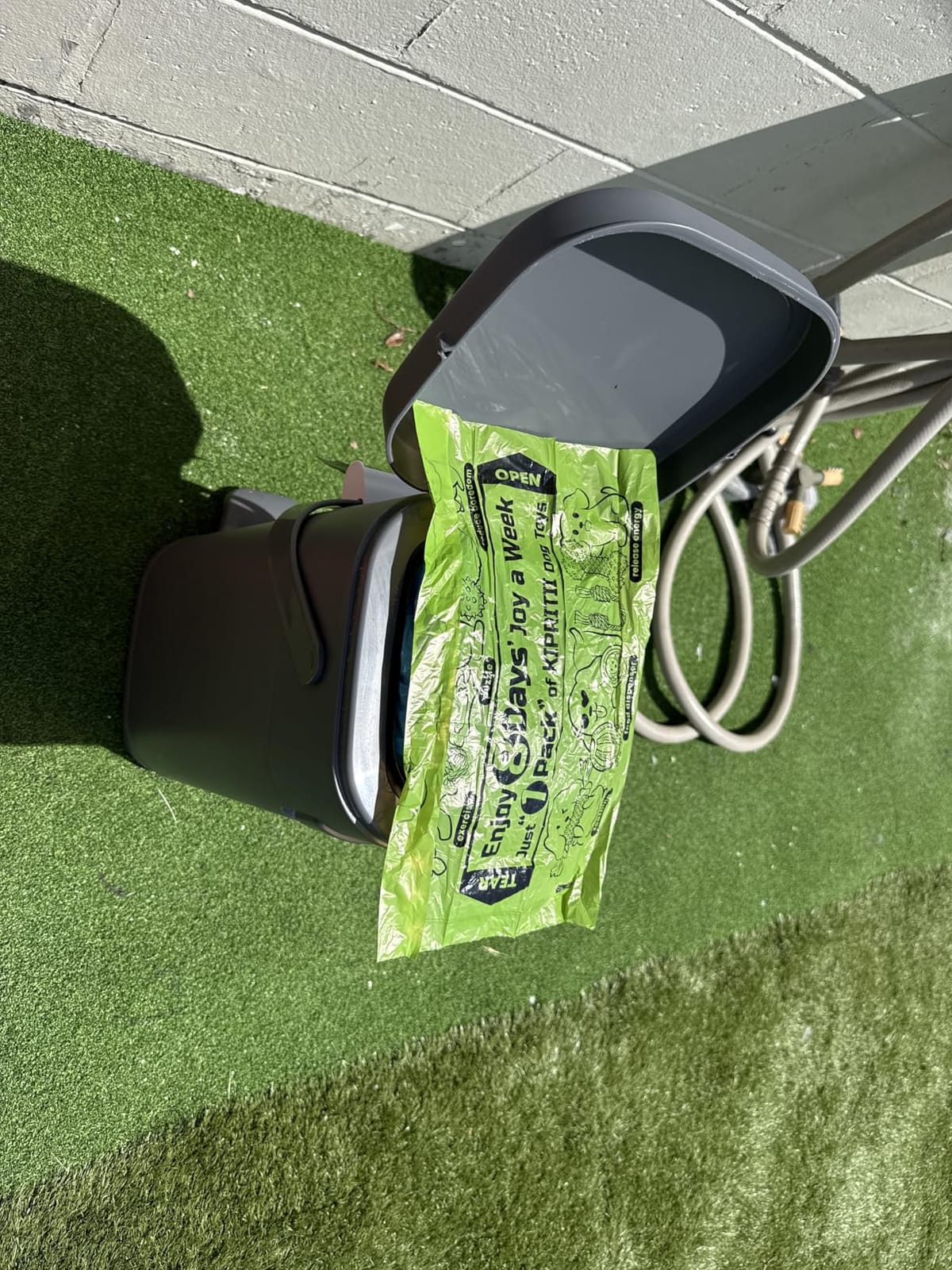
The lever at the top locks the lid, and a top handle drops into place to hold it. A built-in cutter inside the pail slices the film when you are done, which removes the small scissors step most bagged systems require. One refill unit is rated to last up to two months for a single dog, so the consumable cost is genuinely lower than buying tie-handle rolls.
There is a real operating limit here: the manufacturer states not to use it below -10 °C, which is 14 °F. That rules out unheated garages and unheated mudrooms in most of the northern states. It also does not accept large volumes, since the opening is a narrow neck that makes dropping in scooped waste a two-handed job.
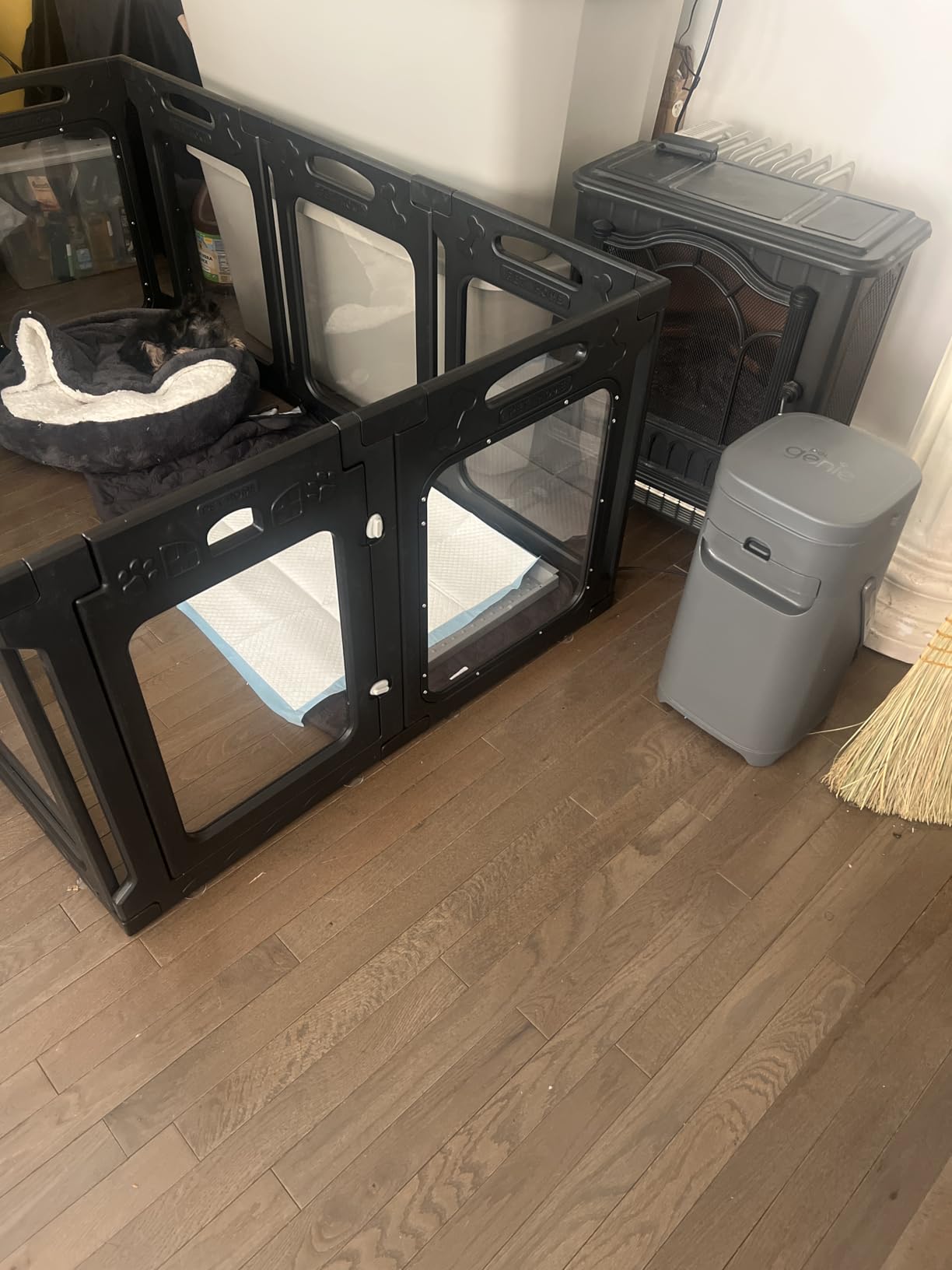
What sealing waste away from air actually buys you
Owners consistently report that the odor difference shows up in hot weather rather than mild weather. Once waste is isolated from air, flies have nothing to reach and the pail stays unremarkable even in July heat. Several reviewers note that this eliminated a recurring problem they had with tied bags sitting in an open outdoor bin.
The tradeoff is that emptying is when the odor arrives all at once. Pushing air out of each closed sleeve before insertion is the most common piece of owner advice, and it makes a measurable difference to how the next week smells.
Who should skip this one
Skip it below 14 °F unless the unit lives indoors, which defeats the purpose for most people. It is also the wrong choice for a household with more than one dog, because the narrow opening and small volume make multiple pickups a chore. And if you dislike proprietary refills, note that the film costs more per unit than ordinary bags.
3. Doggie Dooley 3800X: Best In-Ground Digestion System
Doggie Dooley Pet Waste Digester – Pyramid Style – Black with Green
5 liter chamber
16 x 16 x 8.5 inches
3 pounds
Installation hole about 48 inches deep
Best above 40F
Pros
- Removes the trash step entirely
- Foot-operated lid needs no hands
- Bacteria and enzymes break waste down quickly
- Made in the USA since 1992
- Low pyramid profile sits flush with the lawn
Cons
- Requires digging a hole roughly 4 to 5 feet deep
- Thin plastic walls and a weak hinge
- Will not accept bags so waste must be scooped in
- Needs water and enzyme tablets maintained
The Doggie Dooley is the only in-ground system in this roundup, and it works on a principle none of the others use: a miniature septic tank that digests waste in the soil instead of storing it. You add water and enzyme tablets, solids break down to liquid, and the liquid absorbs into the ground. There is no bin to empty and no disposal step at all.
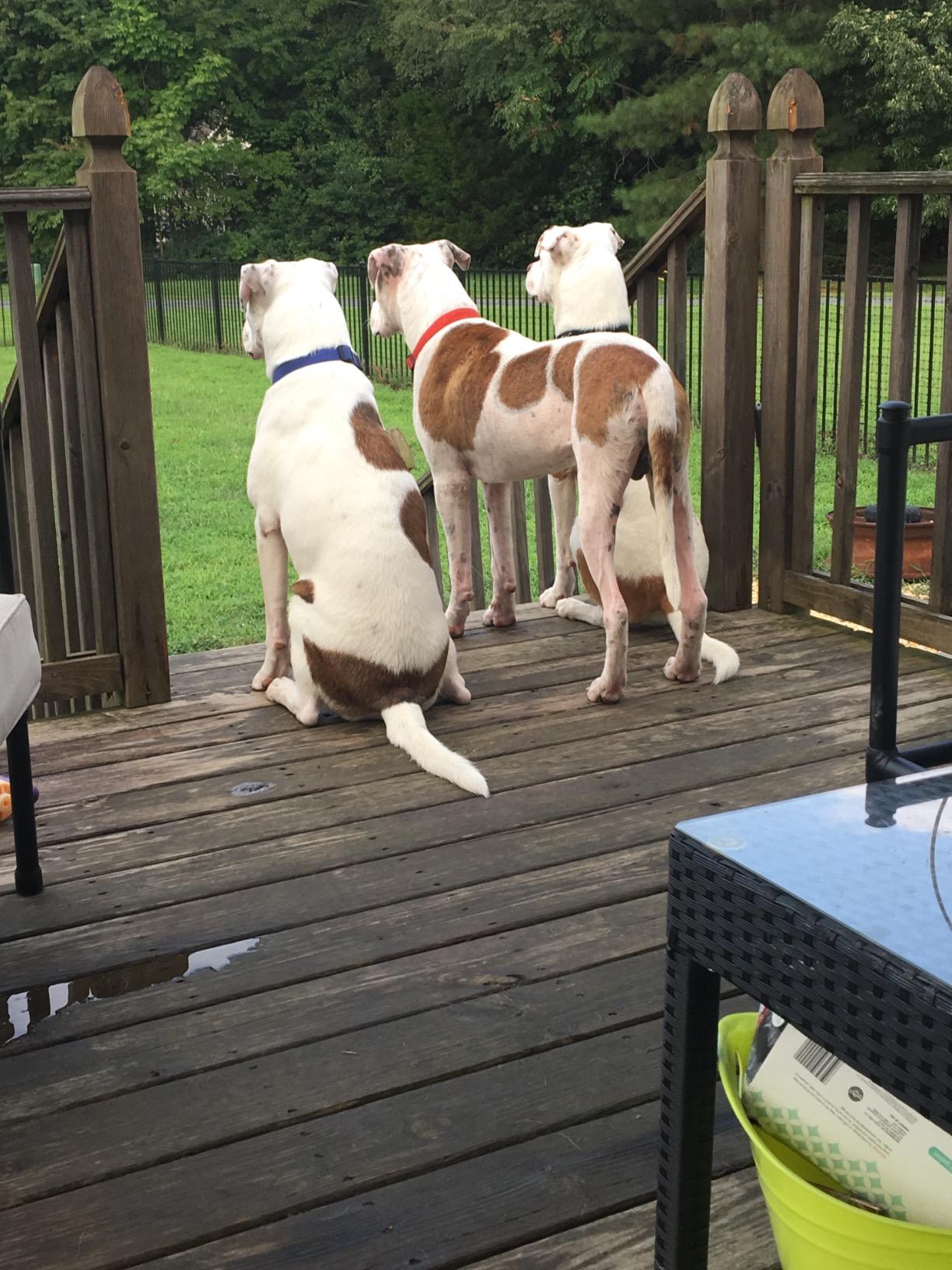
With 3875 reviews at 4.2 stars it is the most widely owned unit in the category by review volume, and owners who get it installed describe it as permanently solving the fly and smell problem. It handles waste from up to two large dogs or four small dogs, and the foot-operated lid means you never handle the chamber itself.
Installation is the whole story with this product. You are digging a hole about 48 inches deep and 8 inches wide so the pyramid lid sits flush at ground level. In sandy, well-draining soil that is an afternoon. In clay or rocky ground it is a serious project, and reviewers repeatedly stress testing drainage before buying.
The manufacturer specifies best performance in climates above 40 °F and well-draining soil. Below that, enzyme activity slows to a crawl and you are effectively holding waste in a buried container. Owners also note that the hole eventually needs relocating, since digestion is not perfectly complete.
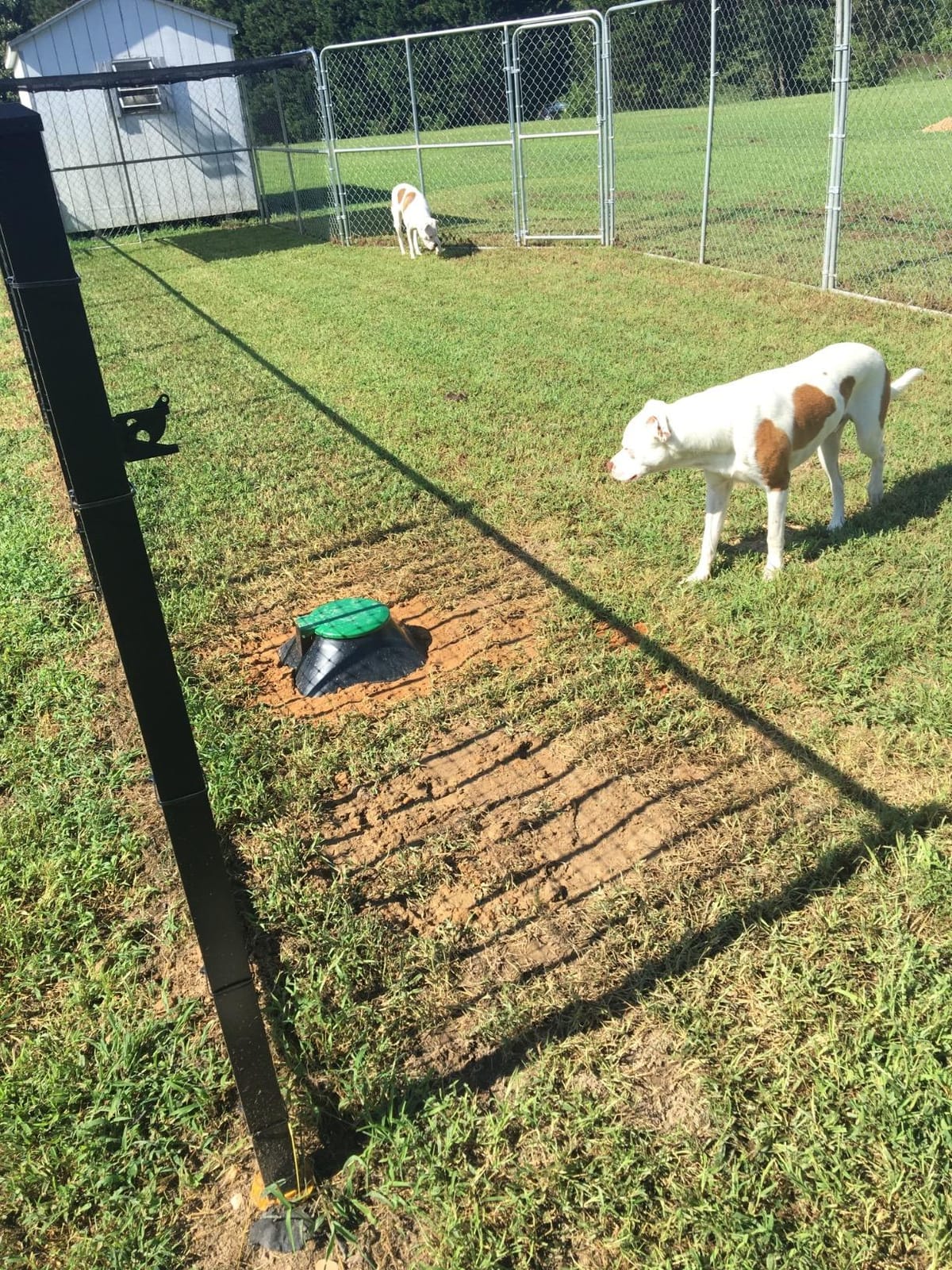
How in-ground digestion actually works
The chamber sits below the root zone with the lid at grade. Water and the included starter pack of enzyme digestant tables loosen and break down solids until what remains is liquid the soil can take. Because nothing leaves the yard as trash, the ongoing consumable cost is a few tablets a season rather than a monthly bag run.
That is also why the ground temperature limit matters so much. Digestion is biological, and cold soil suspends it the way cold weather suspends compost. This is not a defect, it is a design limit, and it is the single most important thing to check before buying.
Who should skip this one
Skip it if you rent, if you have a high water table, or if your soil is clay-heavy. Also skip it if you want to throw away a bag rather than scoop, because the chamber does not accept bags. And if you are in a cold climate, plan on it doing nothing useful for several months of the year.
4. Zero Waste USA Rust-Proof Station: Best Premium Full System
ZERO WASTE USA – Rust-Proof Dog Waste Station with 2,400 Bags – Green
10 gallon aluminum can
13.5 x 13 x 90 inches
32.88 pounds
Hand-welded aluminum
10-year warranty
Pros
- Aluminum will not rust like conventional steel
- Locking bag dispenser comes with keys
- 2400 bags and 25 liners included
- Telescoping galvanized steel post
- 10-year warranty coverage
Cons
- Heavier than residential options at nearly 33 pounds
- Post needs concrete for real stability
- Assembly instructions lack detail
The Zero Waste USA station is the one we would put in front of a house. It is hand-welded commercial-grade aluminum with a UV powder-coated finish, mounted on a square telescoping galvanized steel post, holding a 10-gallon lidded can. At 4.6 stars from 311 reviews it has the second-highest average rating in this roundup.
The aluminum choice is the real engineering decision. Conventional steel waste stations corrode at the base first, and this one is specifically built to avoid that failure mode. Reviewers highlight the appearance just as much as the material, saying it looks professional enough for a private yard rather than like an eyesore.
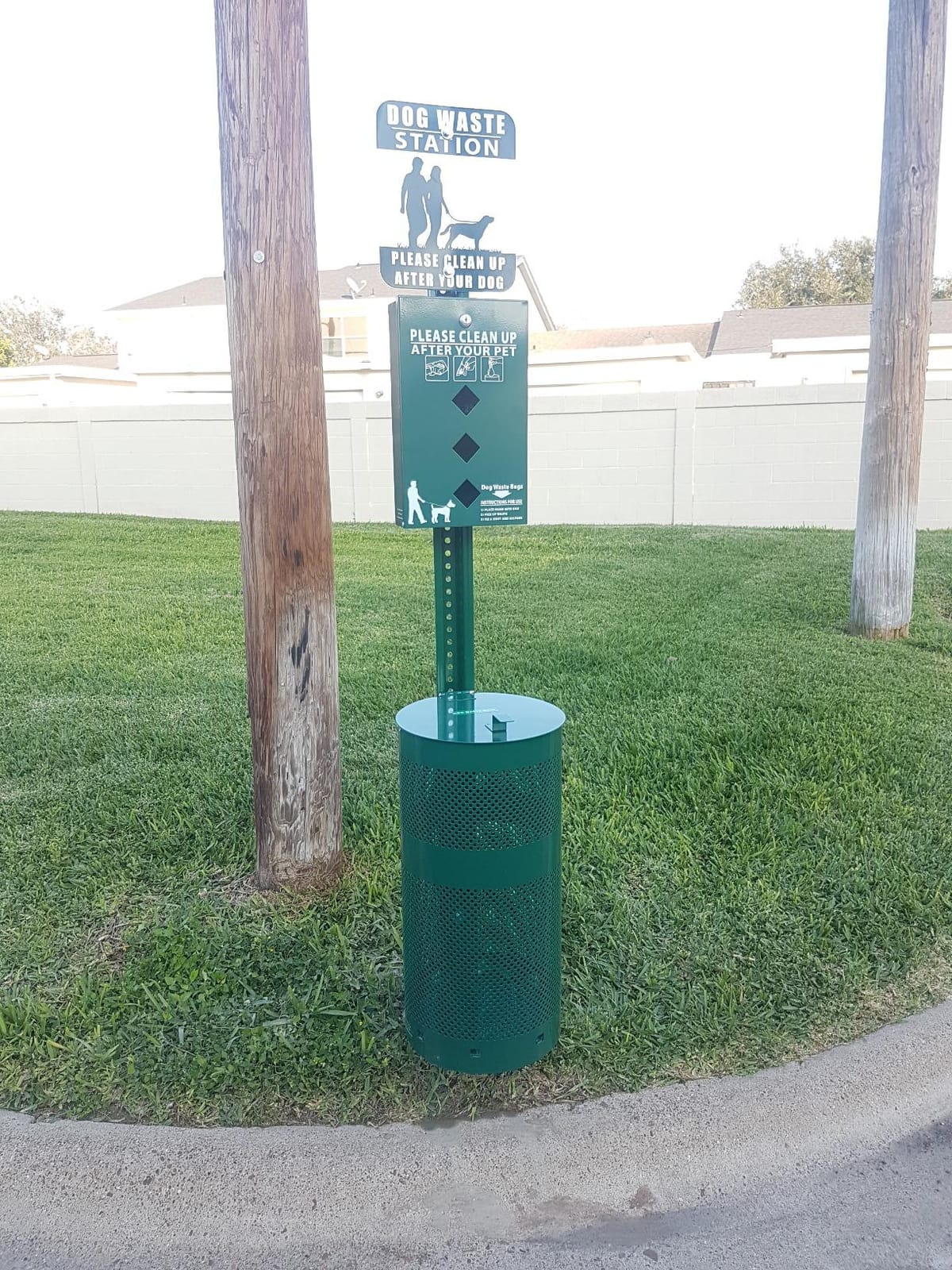
Everything needed to get a property running arrives in the box: a locking bag dispenser with keys, the lidded can, 12 rolls totaling 2400 bags, 25 can liners, mounting hardware and instructions. Manufacturer claims over 500,000 units installed across America, and the package carries a 10-year warranty, the longest in this roundup.
Two practical notes. At 32.88 pounds this is not something you reposition weekly, so place it carefully the first time. Nearly every owner recommends setting the post in concrete, because on a 90-inch post the leverage in wind is substantial.
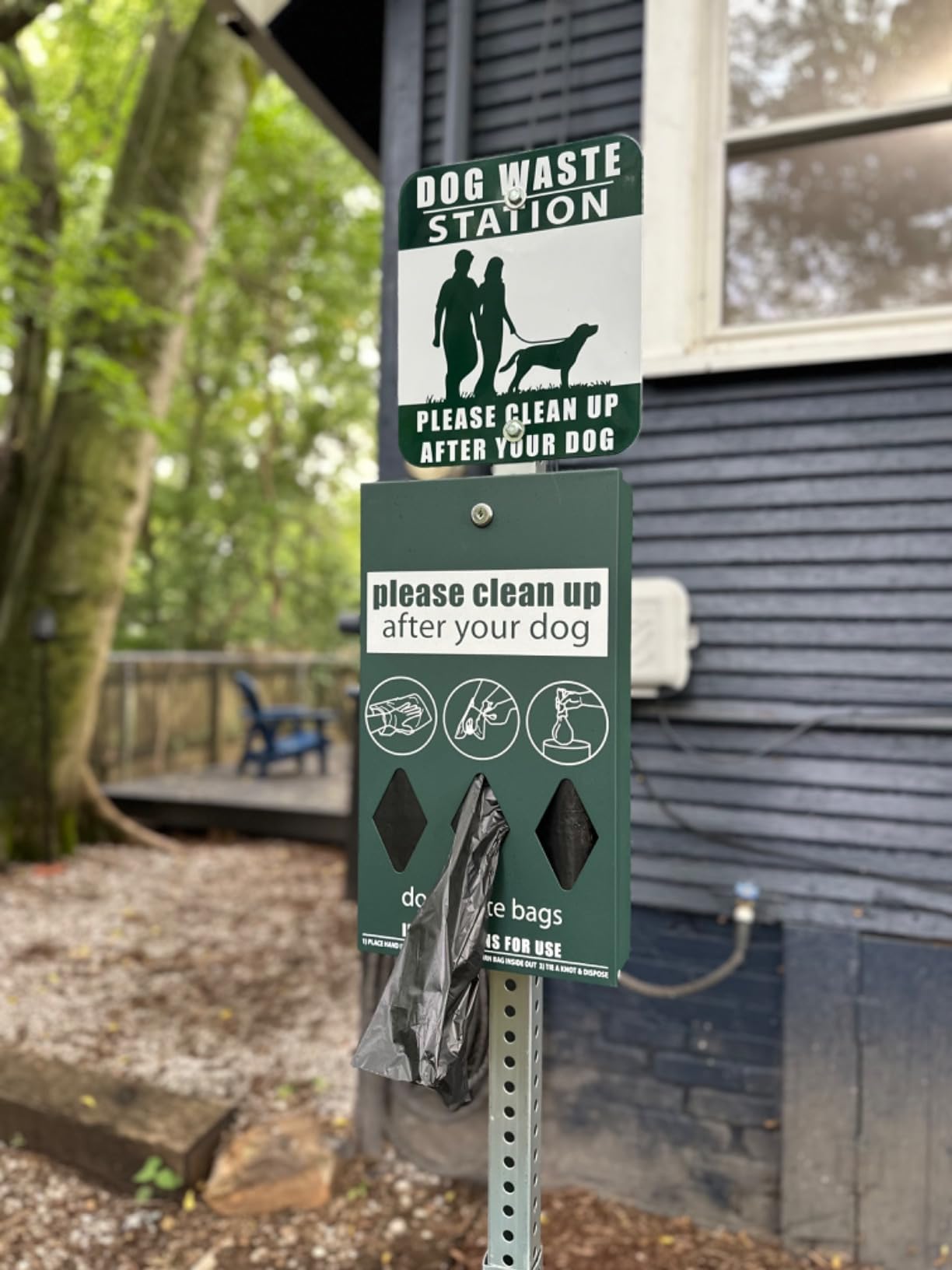
Why the aluminum build matters over a five-year timeline
Steel stations in this category typically show paint failure at the welds and the base within a few seasons, then rust. Aluminum oxidizes instead of corroding, so the failure mode you are buying out of is the one that eventually makes a station look abandoned at the curb.
The telescoping post is worth calling out too. You set the height for your yard once, and the square section resists the twisting that bends lighter round posts over time.
Who should skip this one
Skip it for a small yard or a single dog. The 90-inch post and 10-gallon can are sized for shared or high-traffic spaces, and a one-dog household will empty it monthly. Also skip it if you cannot or will not set concrete, since the unit needs a real anchor to stay upright.
5. Flybold Dog Waste Station: Best Value Full Station
Flybold Dog Waste Station – Outdoor Dog Poop Trash Can with Poop Bag Dispenser – 400 Roll Bags, 100 Pull Bags, 50 Can Liners – Pet Waste Bag Disposal System for Parks and Public Spaces – 13×26 Inches
10 gallon aluminum can
13.19 x 13.19 x 25.98 inches
Weather resistant aluminum
400 roll bags, 100 pull bags
50 can liners included
Pros
- Highest average rating in this roundup
- Large consumable bundle included out of the box
- Compact footprint that is quick to set up
- Integrated dispenser and sign encourage consistent cleanup
- Weather-resistant construction
Cons
- No detailed customer review text was available for this listing
- Ongoing refill of bags and liners is the main cost
The Flybold station has the highest average rating in this roundup at 4.8, with 87 percent of its reviews at five stars. The rating distribution is unusually clean, with very few one or two star entries, which usually means the product delivers what people expected it to.
It is a straightforward full station: a 10-gallon aluminum can with a lid, an integrated poop bag dispenser, and a sign stand. The footprint is 13.19 by 13.19 by 25.98 inches, which makes it more compact than the 90-inch posts in this group and correspondingly easier to place near a gate or a side path.
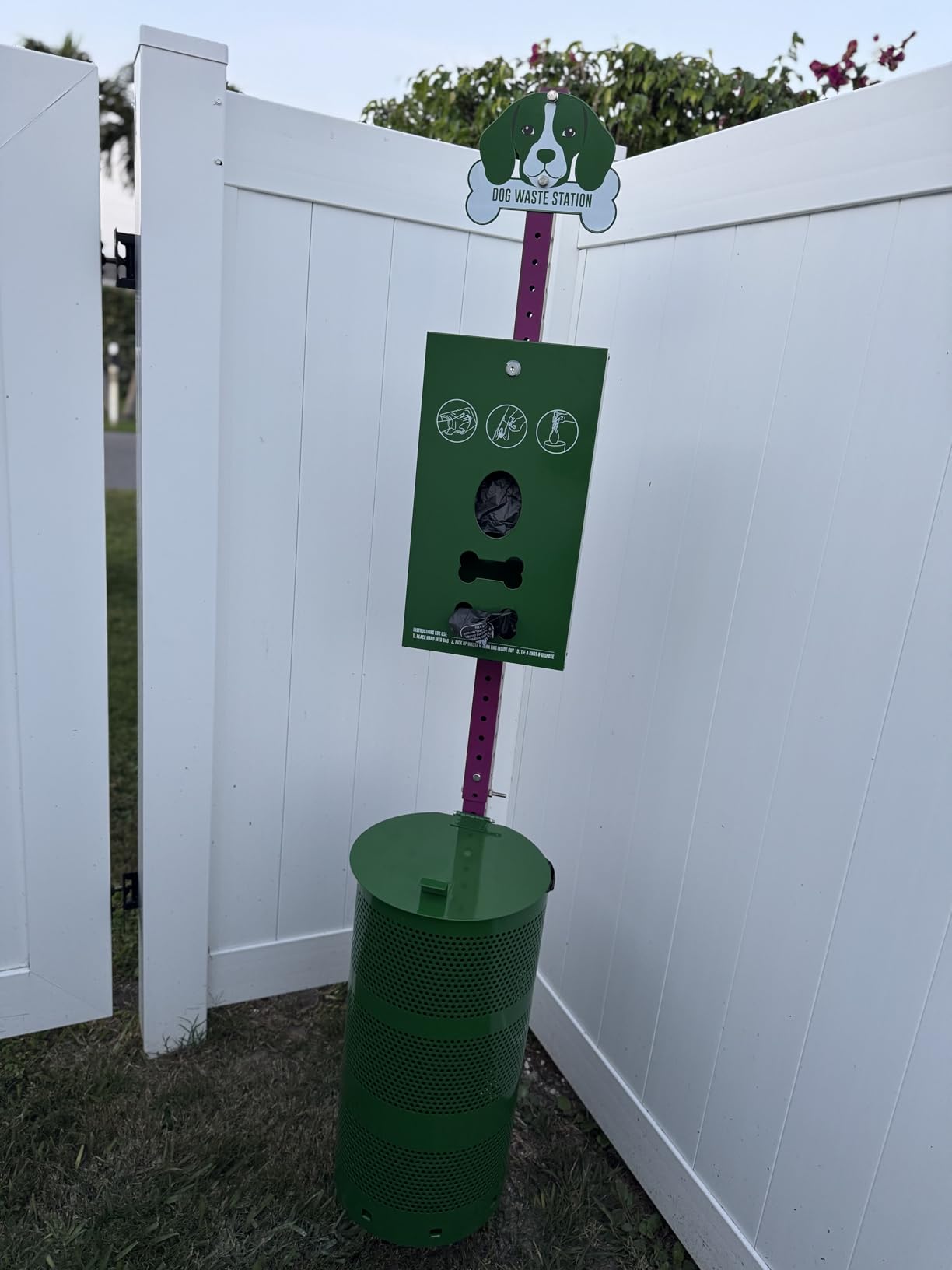
The consumable bundle is the reason this rates so well. You get 400 roll bags, 100 pull bags and 50 can liners in the box, which is enough for a shared property to run for a long stretch without a resupply trip. Weather-resistant construction is the stated design target, since these units are sold into parks, trails and public areas.
We want to be straight about one limitation: the available review data for this listing is rating-based rather than text-based, so the practical downsides are thin on record. The ongoing refill of bags and liners is the recurring cost to plan for, and the aluminum can is lighter than the galvanized steel options, so anchoring still matters in exposed locations.

How the consumable bundle changes the running cost
Bundle size matters more than most buyers expect. A station that arrives with a year’s worth of liners removes the recurring small errand, and for a property serving several dogs that difference shows up in how consistently people actually use the station.
The sign is not decoration either. A visible station with a recognizable sign changes owner behavior more than any hardware feature, because the bag dispenser is only useful if someone notices it.
Who should skip this one
Skip it if you want a locking dispenser with keys, since this one does not include that level of security. It is also worth setting concrete or anchoring to a solid surface given the lighter aluminum build. And if your household generates more than about a bin a week, look at an 11.5-gallon capacity instead.
6. UUIXXYG 20L Pedal Bin: Most Versatile with Scooper Set
UUIXXYG 20L Dog Poop Trash Can Outside with Pooper Scooper & 50 Waste Bags
20L outer can with 4 gallon inner bin
15.8 x 11.4 x 11 inches
Foot pedal opening
38-inch metal scooper included
1 year warranty
Pros
- Foot pedal means you never touch the lid
- Removable 4 gallon inner bin simplifies bag changes
- Bundled 38-inch no-bend scooper plus claw grabber and tools
- Lid holds flies out past a week of use
- Large enough for one or two large dogs
Cons
- Outer can and pedal feel flimsy next to the inner pail
- Included bags are an unusual shape that is hard to repurchase
- Can is short so bending is still needed
The UUIXXYG bin is the value pick, and the reason is the bundle rather than the can. You get a 20L outer can, a detachable 4-gallon inner bin, 50 waste bags, a foldable claw scooper, and a set of metal tray, rake and shovel tools. The 38-inch long-handle pooper scooper has a non-stick coating and is the piece most buyers actually use every day.
At 4.4 stars from 262 reviews, satisfaction is high for the price band. The foot pedal opens the lid hands-free, which directly addresses the bending problem that shows up in nearly every forum thread about collecting dog waste without stooping.
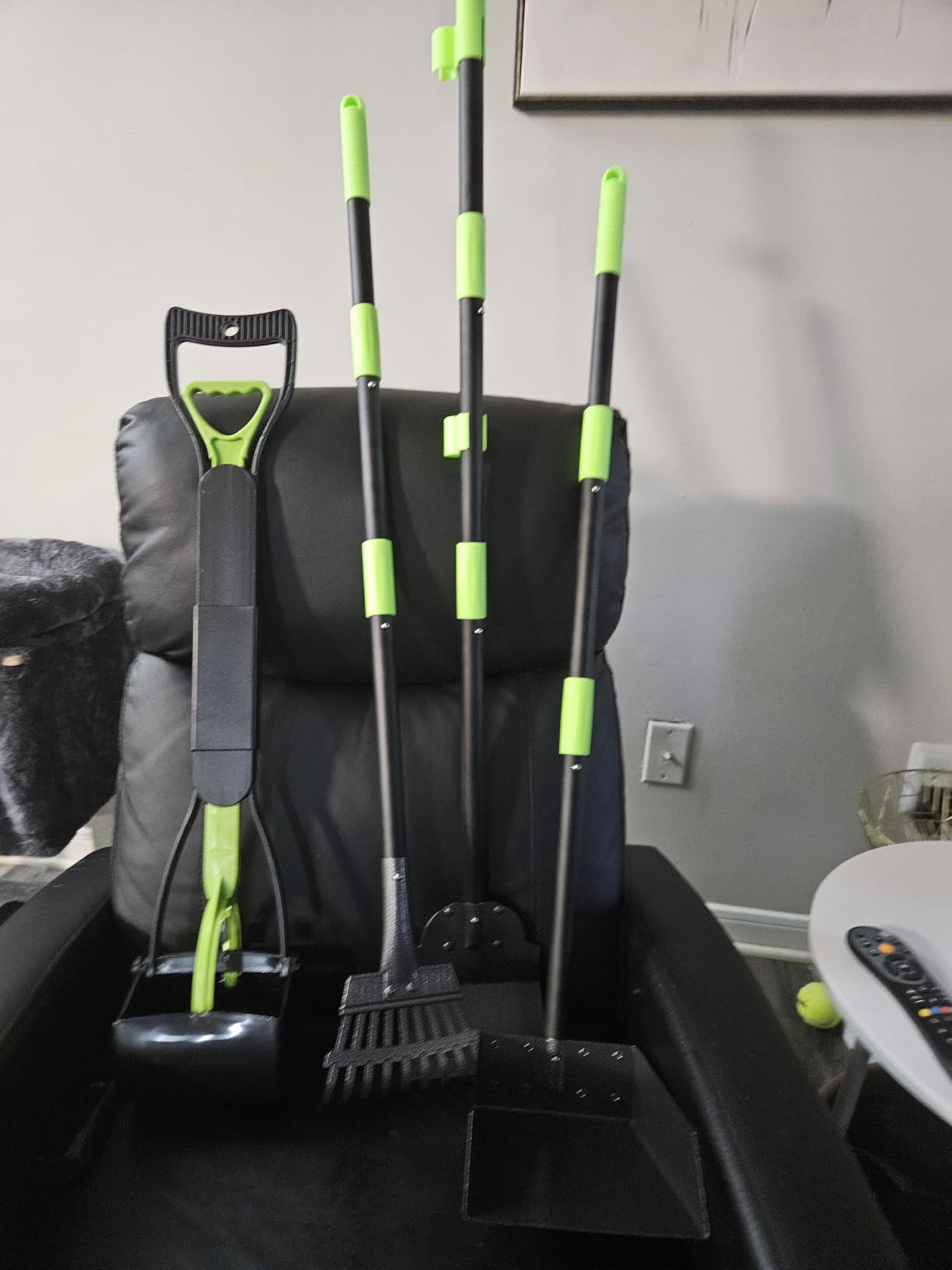
The inner bin is the working part. It clips out for bag changes and dumping, so you are never lifting a full outer shell. Because the outer can stays put while the inner bin moves, the lid gasket stays aligned and the odor seal keeps working over time.
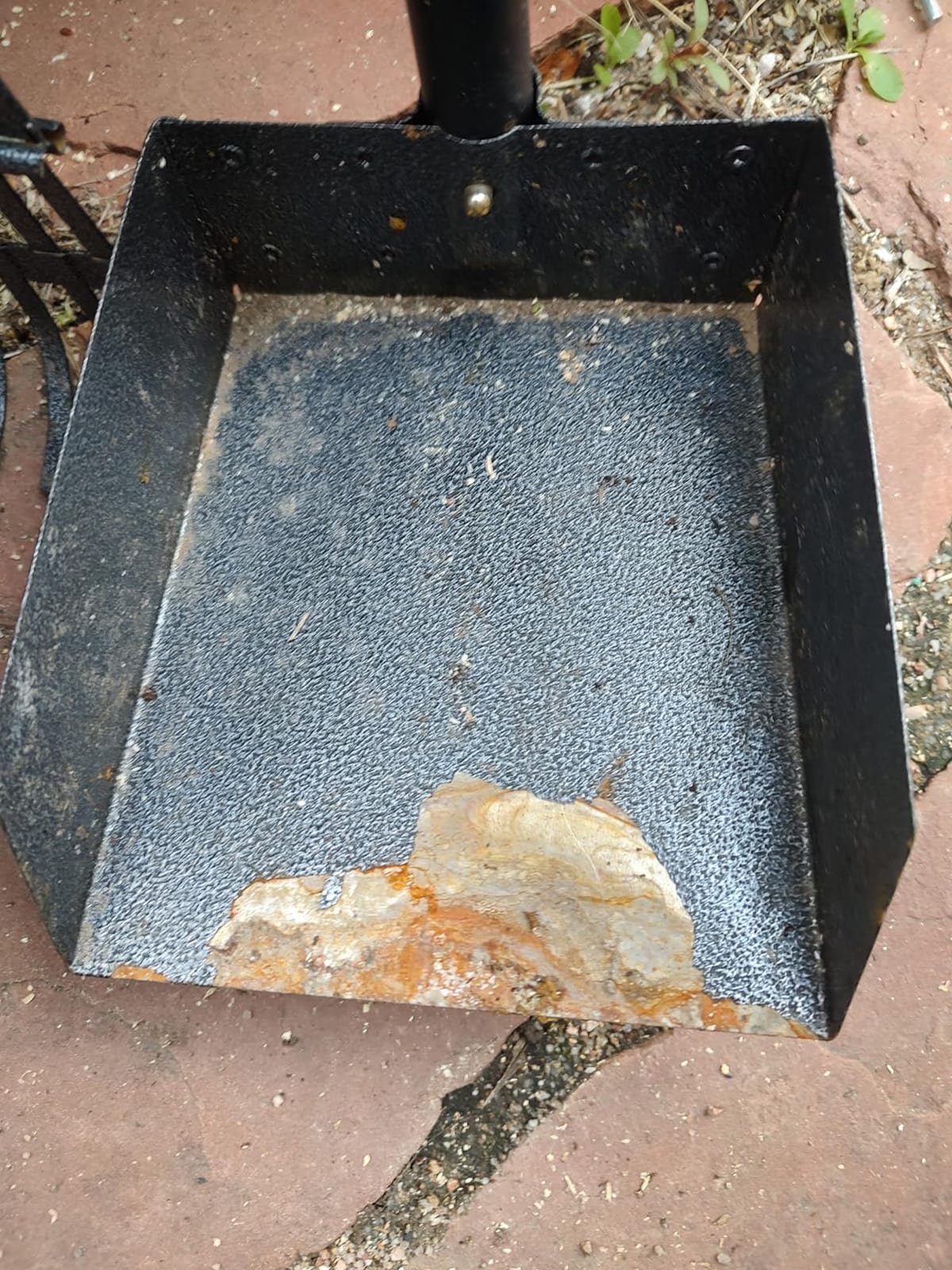
The compromise is build quality on the outer shell. Several reviewers describe the outer can and the pedal mechanism as flimssy compared with the sturdier inner pail, and some mention blemishes on the lid arriving. The included bags are also an unusual shape, which makes repurchasing them awkward unless you find the same seller.
Why the long-handle scooper is the sleeper feature
Collecting without bending is one of the most common unmet needs in this category, and most listings ignore it entirely. A 38-inch non-stick metal scoop means you can lift waste from ground level into the pedal-open bin without crouching, which matters for anyone with back, hip or knee issues.
The bundled claw grabber, rake and tray handle the cleanup around the base. Together they turn a two-tool chore into a one-tool routine, and they are the reason this unit beats similarly priced bare cans.
Who should skip this one
Skip it if you plan to leave it outdoors through winter wind, since the light outer can is the first thing to tip or crack. Skip it if you need a lock on the bag dispenser, and skip it if you already own a good long-handle scoop and a standard trash can, because you are paying for the toolkit either way.
7. ALAGPRO Steel Station: Best for Night Visibility and Mixed Bag Sizes
ALAGPRO® NEW 2026 Dog Waste Station Outdoor Pet Waste Station with Hand Sanitizer Bottle, Commercial Dog Poop Station with Free 400 Roll, 200 Pull Waste Bags & 50 Can Liners for Backyard, Park & HOA’s
11.5 gallon can
15 x 13 x 85 inches
28 pounds
Powder-coated galvanized steel
Dual bag dispensers
Pros
- Dual dispensers accept both roll and pull bags
- Powder-coated steel resists rust and fading
- Glow-in-the-dark elements visible at night
- Large bundle of 600 bags plus 50 liners
- Hand sanitizer holder included
Cons
- No detailed customer review text was available for this listing
- 85-inch post needs proper anchoring before assembly
The ALAGPRO station is the only one here with two separate bag dispensers, one feeding roll bags and one feeding pull bags. That matters in practice, because large dogs fill a standard roll in a few pickups while a small dog gets through the same bag slowly. The dual system lets you match bag size to dog size without repurchasing.
At 4.5 stars from 118 reviews with 76 percent five-star ratings, it performs consistently. The can is 11.5 gallons, the largest in this roundup alongside the other commercial units, which is what pushes the emptying interval out for multi-dog homes.
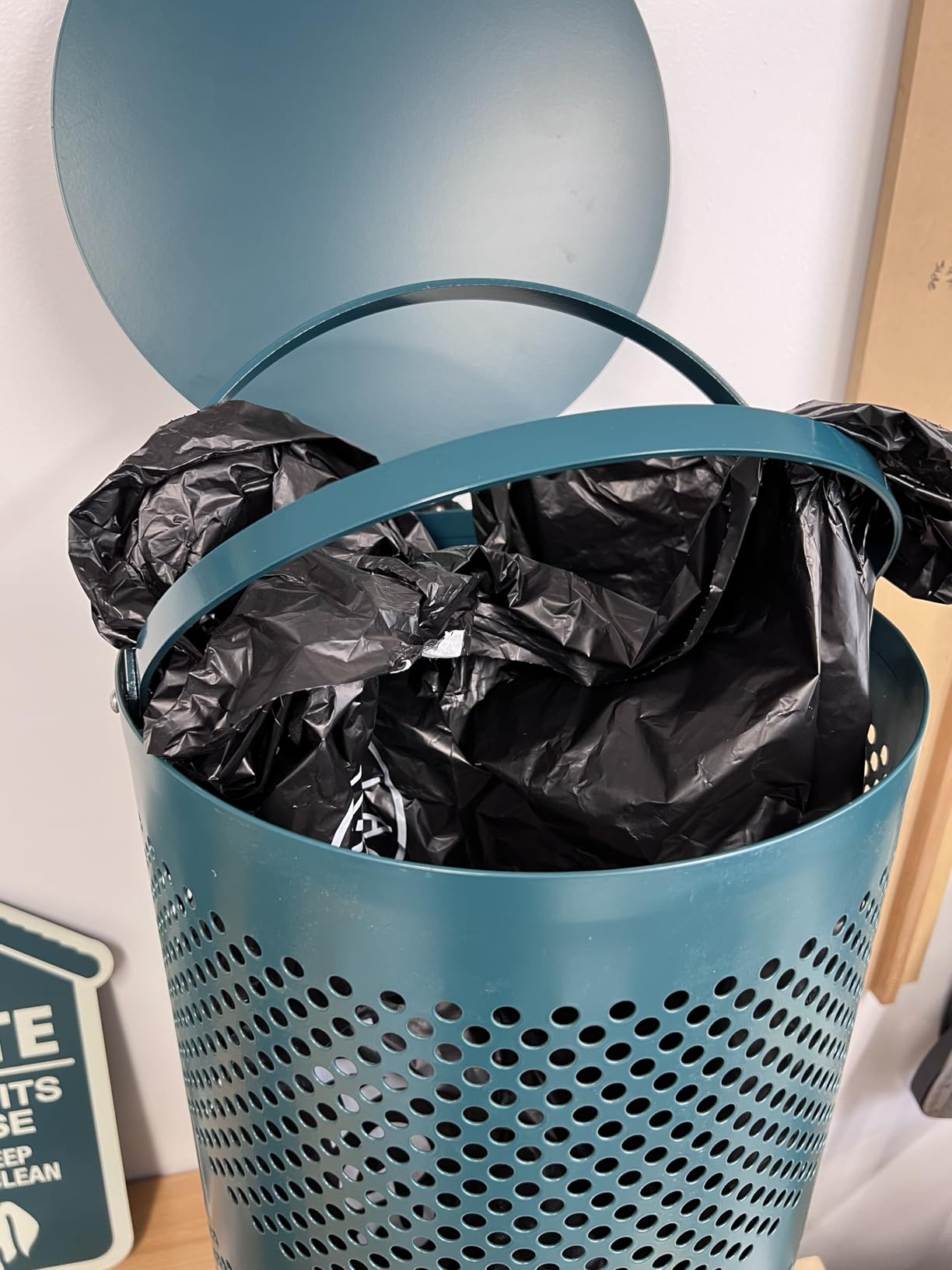
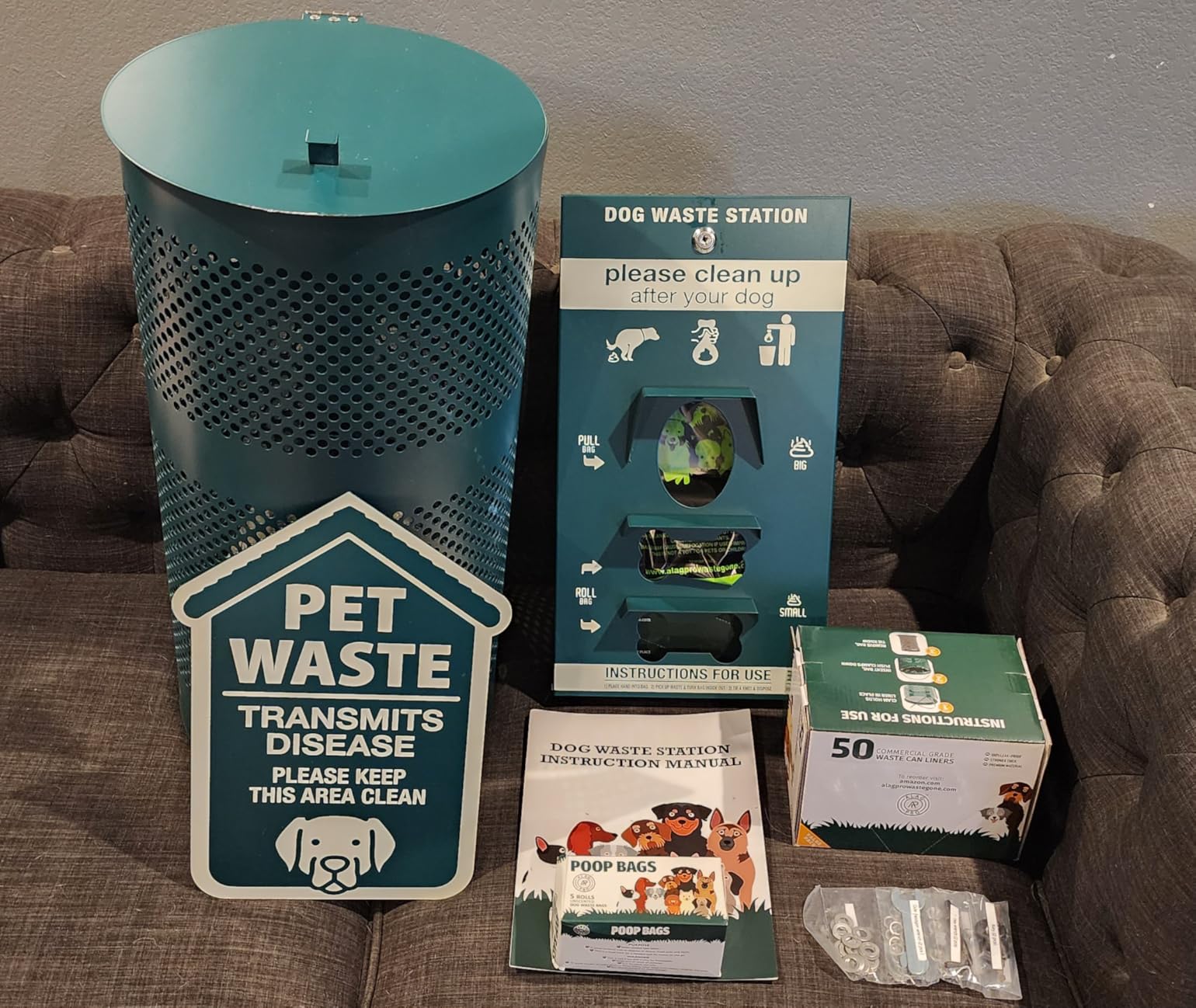
The construction is heavy-duty powder-coated galvanized steel with glow-in-the-dark elements for night visibility. The package includes the bag dispensers, a lidded bin, a dog house shaped sign, 400 roll bags, 200 pull bags, 50 can liners, 75 leash-attachment bags and a hand sanitizer bottle holder.
That last item is small but smart for shared outdoor use. The hand sanitizer mount sits at the station so cleanup is part of the routine rather than something you remember later. Listed uses include parks, backyards, HOAs, vet clinics, apartments, RV parks and campgrounds.
What the 85-inch height buys you
A taller post puts the dispenser at a comfortable standing height, which is what encourages people to actually use the station instead of carrying a loose bag to the curb. It also improves sightlines, and with glow-in-the-dark elements the station is locatable after dark, which matters for a dog that needs to go out at night.
The tradeoff is installation. A post this tall is not stable on its own, so it needs to be anchored before assembly rather than after. Plan the footing with the same care you would give a fence post.
Who should skip this one
Skip it if you have a single small dog, since 11.5 gallons is far more capacity than you will use between pickups. It is also oversized for a patio or balcony, and the post height makes it impractical for renters who cannot drill. Review text is thin on this listing, so buyer comments came mostly from feature data.
8. IMPACTHOR Commercial Station: Best for Multi-Dog and Kennel Yards
IMPACTHOR Dog Waste Station Outdoor Pet Waste Station- Desing With 4 Holes And 800 Dog Poop Bags, 50 Waste Can Liners, 3 Poop Bag Holders & 2 Set Of Keys, For Commercial Use, Parks, Condos & HOA
11.5 gallon lidded can
15.75 x 12.99 x 32.68 inches
Powder-coated galvanized steel
3 bag holders and 4 keys
800 bags and 50 liners
Pros
- Sturdy galvanized steel with stainless steel screws
- 11.5 gallon lidded can keeps odor in and rain out
- Glow-in-the-dark sign for nighttime visibility
- Massive consumable bundle of 800 bags
- Professional appearance suited to HOAs
Cons
- Spray painted finish chips during assembly and can rust
- Short base can topple from a single push without concrete anchoring
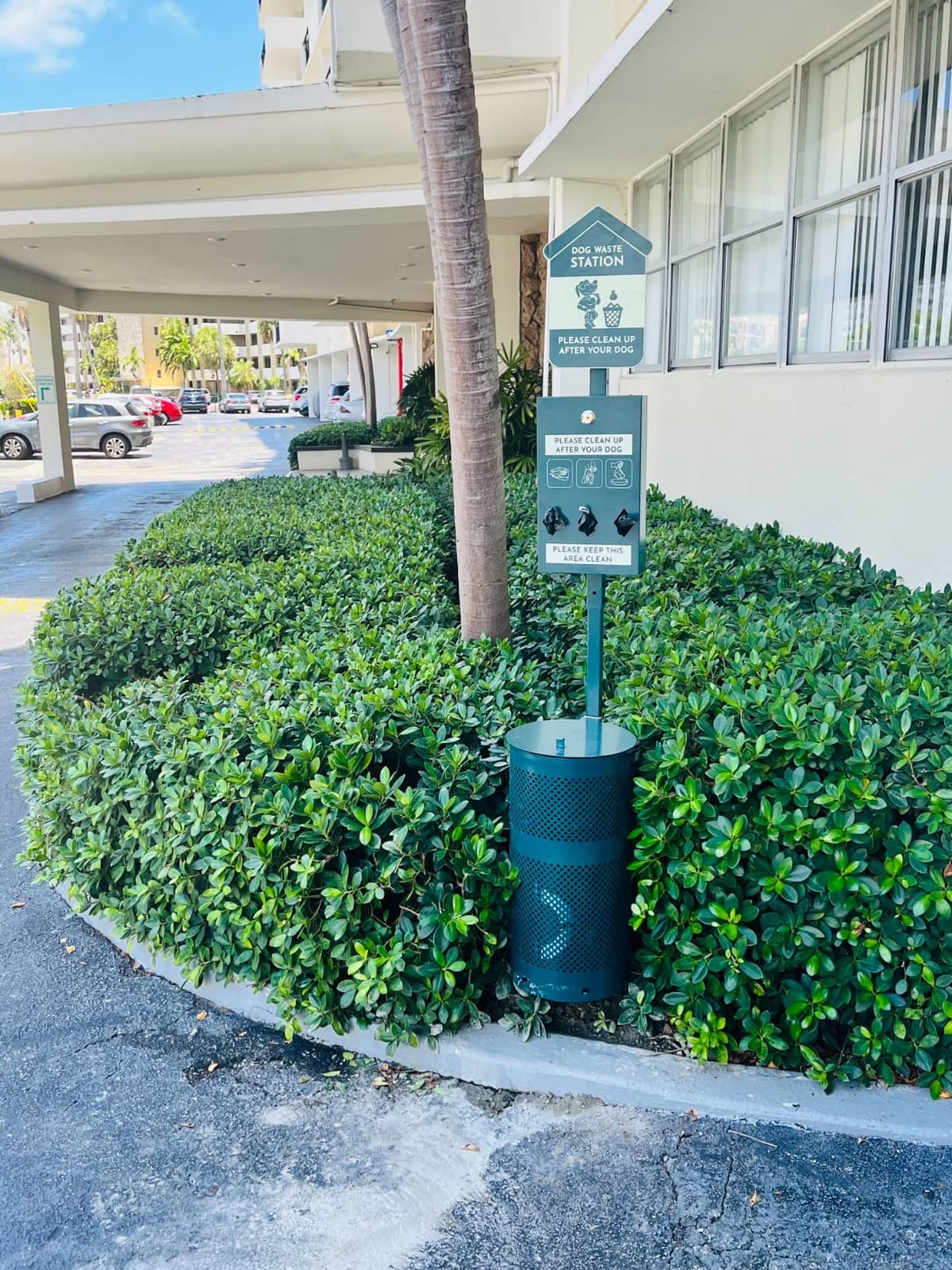
The IMPACTHOR station is built for volume. It carries 11.5 gallons, 800 bags, 50 can liners, three separate poop bag holders and four keys, with a one-year guaranty and support seven days a week. For a kennel, a breeder, or a household with several large dogs, that consumable supply is the practical headline.
Reviewers describe it as sturdy, easy to install and professional looking. The stainless steel screws are a genuine step up over the zinc hardware used on cheaper stations, and the glow-in-the-dark sign keeps the unit visible at night. At 4.5 stars from 107 reviews, the satisfaction rate is solid.
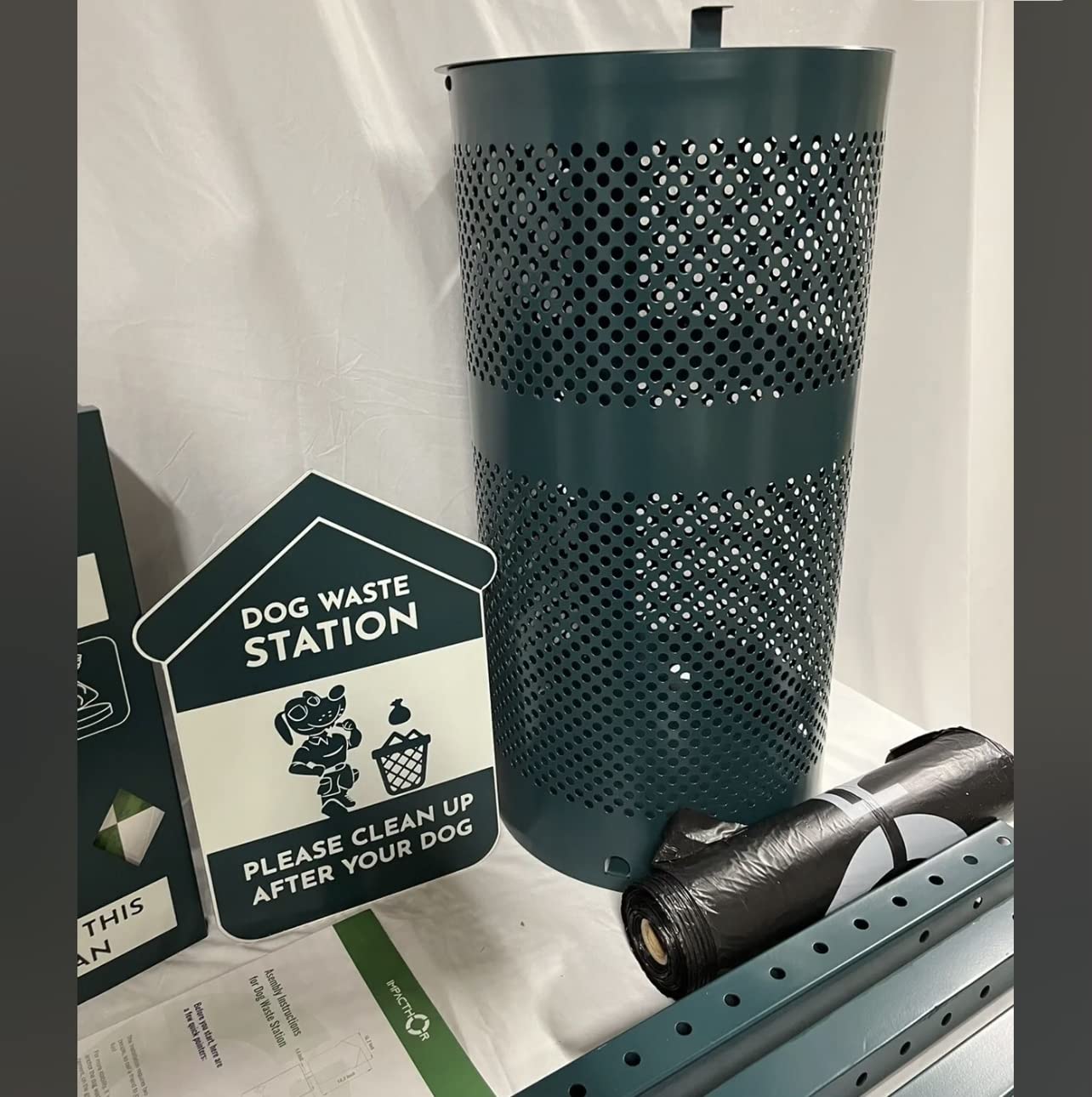
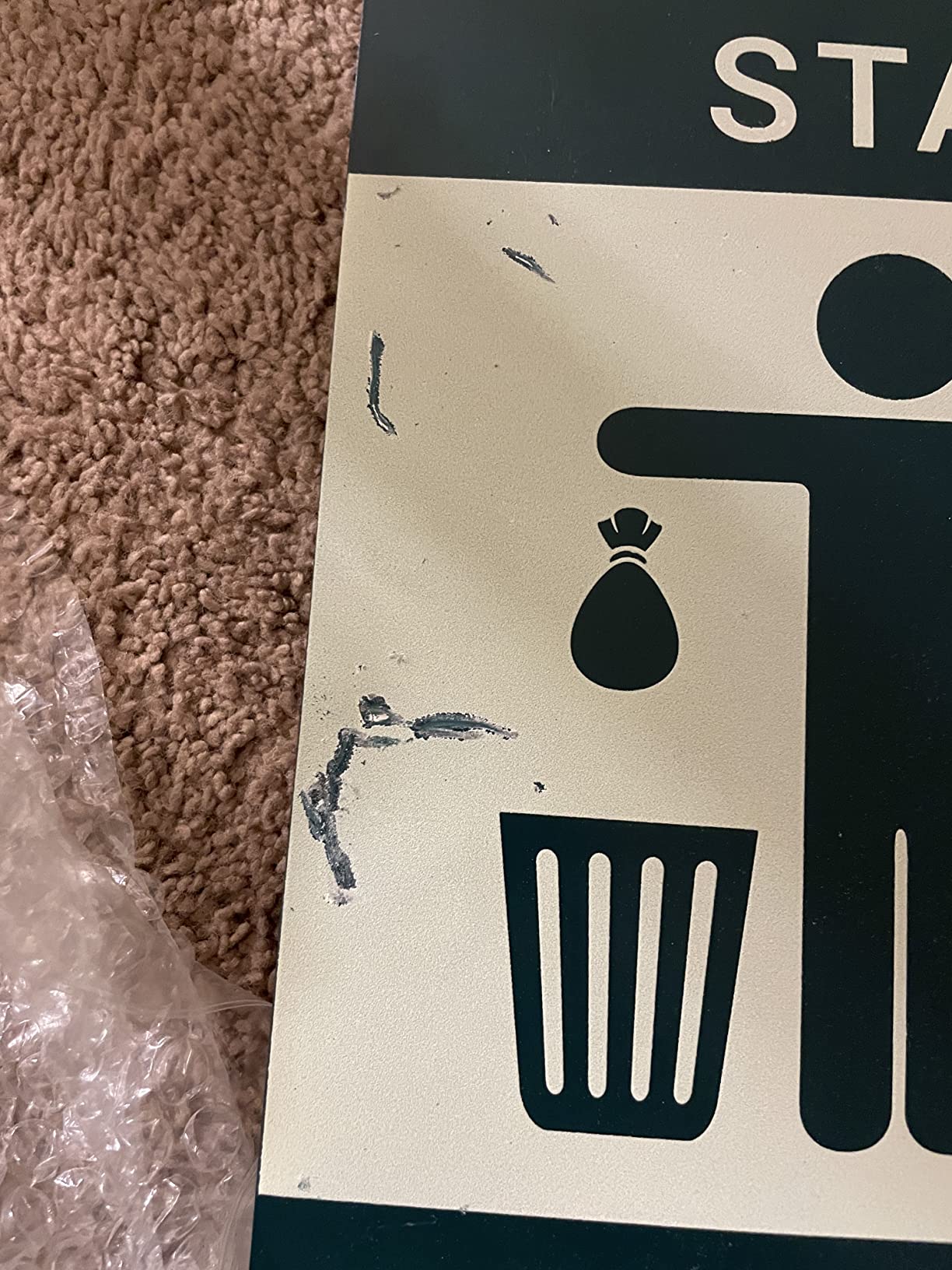
Two build details deserve attention. The first is the finish. Reviewers describe it as spray painted rather than arc sprayed, and say the paint chips as screws are tightened, which exposes bare metal that can then rust. The second is the base height, which several owners say is short enough that one push from a dog can topple the unit.
Both problems have the same fix: assemble it on a surface where paint chips do not matter, and set it in concrete or anchor it firmly. Once anchored, the complaints essentially disappear, which is why reviewers who do that rate it highly.
Why three bag holders instead of one
Multiple holders exist for a practical reason on shared properties: one can sit at the station entrance and the others can go up along a walking route or at a second access point. With keys included, you can control who restocks them.
For a private yard with three or more dogs, the same logic applies more simply. Multiple dogs on multiple surfaces produce more waste than people expect, and a second holder means you are not walking back to one spot mid-walk.
Who should skip this one
Skip it if your dogs are small and your yard is tidy, because 11.5 gallons will sit empty long enough to develop its own smell. Skip it if you will not anchor it, since the short base is a real tipping hazard. And skip it if paint appearance over time matters to you, since the finish is the weakest part of this build.
9. UPGORILO Pedal Station: Best for Hands-Free Disposal
Pet Waste Station with Pedal – Includes 600 Roll Bags & 50 Can Liners – Glow in the Dark Dog Waste Station with Dog Poop Sign, Bag Dispenser, Hand Sanitizer Bottle & Outdoor Trash Can with Lid
11.5 gallon lidded can
Powder-coated steel
Foot pedal opening
600 roll bags and 50 liners
Glow-in-the-dark sign
Pros
- Foot pedal lets you dispose of waste without touching the lid
- Glow-in-the-dark sign is easy to find at night
- Large 11.5 gallon can reduces emptying
- Powder-coated steel resists corrosion
- Includes sanitizer bottle and bag dispenser
Cons
- No written customer review detail was available for this listing
- Rating split shows a small group of less satisfied buyers
- Replacement parts depend on one manufacturer
The UPGORILO station is the pedal option for people who want a full-size station without the height. Instead of a 85 or 90-inch post, the dispenser sits at the top of a compact 11.5-gallon can and the lid opens with a foot pedal. That means you can drop in a tied bag standing upright and never reach for the lid.
At 4.4 stars from 81 reviews, 75 percent of buyers gave five stars. The rating split is slightly more polarized than the other stations here, with a 13 percent three-star share, so it is not a universally loved design. We want to be honest that the available review data for this listing is feature-derived rather than text-based.
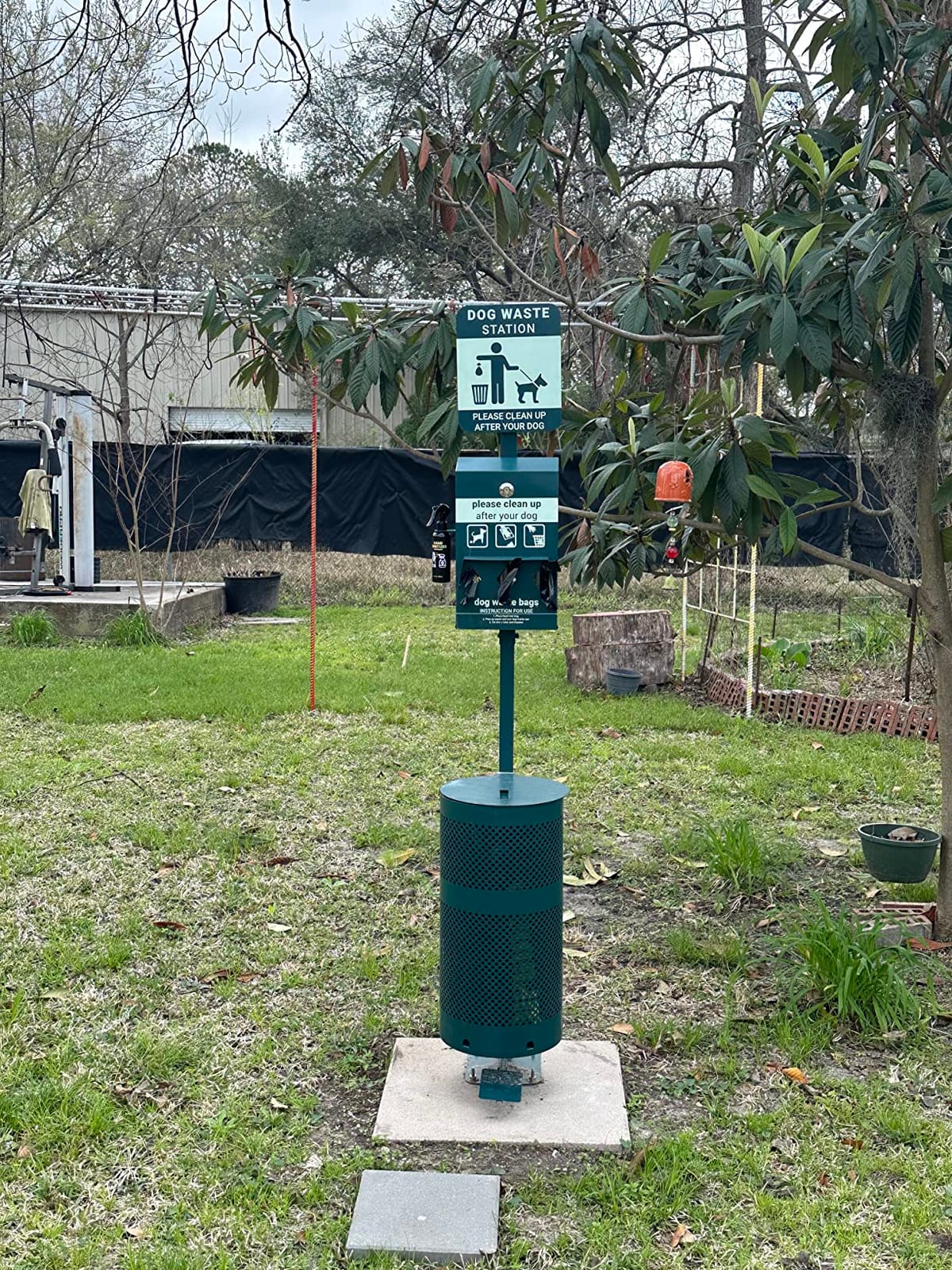
The package covers the full routine: 600 roll bags, 50 can liners, a bag dispenser, a glow-in-the-dark dog poop sign and a hand sanitizer bottle. Powder-coated steel is specified for corrosion resistance in outdoor conditions, and the lidded can keeps rain out of the liners.
Mechanically the pedal is the whole story. It removes the most common complaint in this category, which is bending down and handling a lid with one hand while holding a full bag in the other. Combined with a long-handle scoop, the daily routine becomes almost entirely upright.
Pedal versus lid: what actually changes day to day
A pedal mechanism only matters if you are already using a scooper rather than a bag. If you are tying a bag on the ground and lifting it in by hand, a manual lid costs less and does the same job. If you are scooping, the pedal keeps one hand on the tool and eliminates the reach.
That is why pedal units pair well with the long-handle scoopers in this roundup. Together they remove bending from both halves of the task, which is the combination people with joint problems are actually looking for.
Who should skip this one
Skip it if you need a locking dispenser, since it does not include keys. It is also not the choice for a large dog household that fills 11.5 gallons fast, because there is no second bag stage. And if you want a compact unit, note this is a large can rather than a slim post station.
10. VEVOR Steel Station: Best Heavy-Duty Steel Build
VEVOR Dog Waste Station, Rust-Proof Pet Poop Station with Bags, Can Liners
11.5 gallon lidded can
11.81 x 11.81 x 905.51 inches
35.94 pounds
High-strength galvanized steel
In-ground installation design
Pros
- Thick paint coat on a steel can that outlasts lighter aluminum
- Good value for a full station
- Easy to install and looks professional
- 11.5 gallon can reduces emptying frequency
- Lockable dispenser with 600 bags and 50 liners
Cons
- Fastener hardware rusted within about two months
- Lid hinge blocks the bag holder from lifting
- Instructions unclear and unit unstable without anchoring
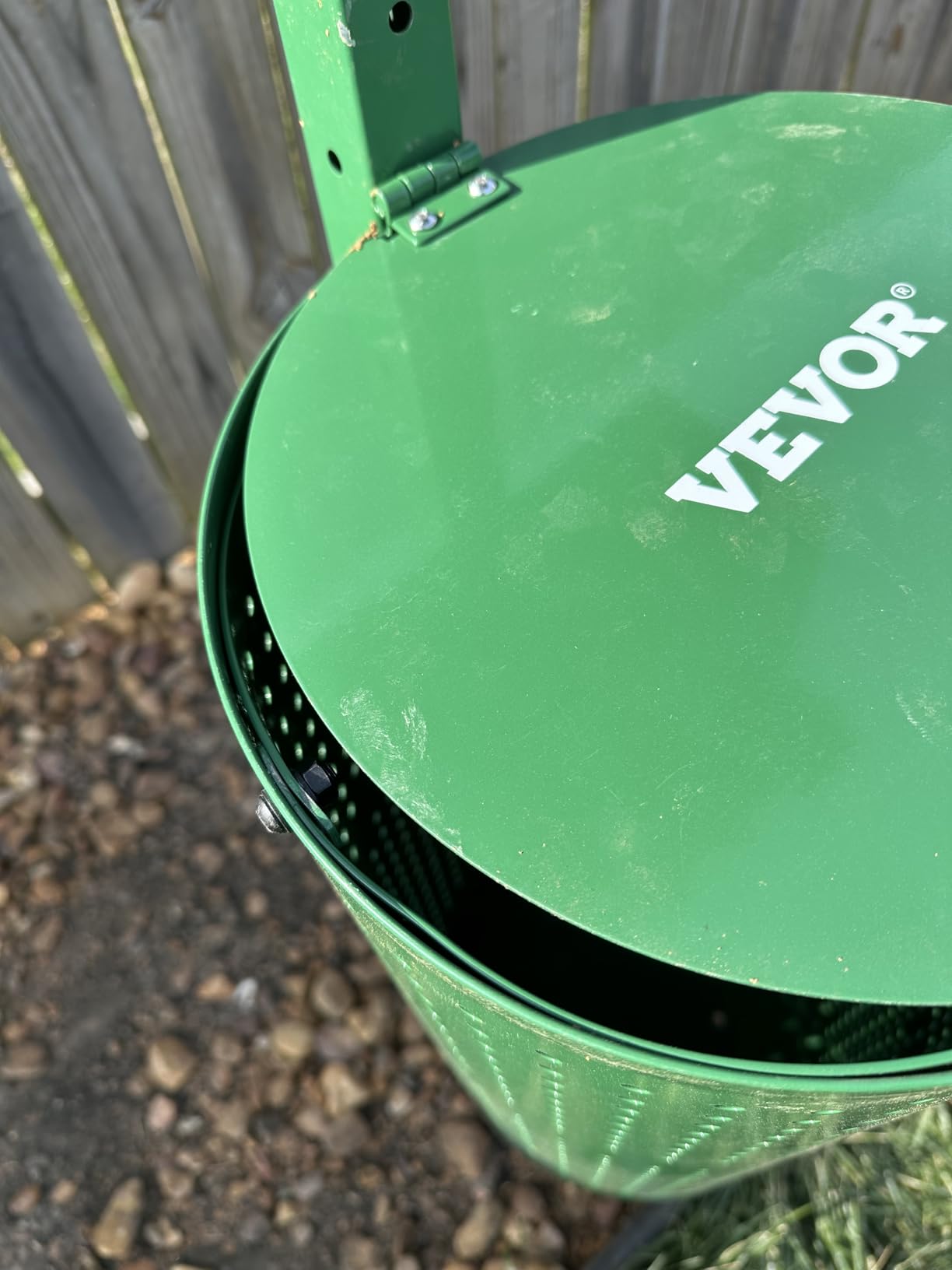
The VEVOR station is built from high-strength galvanized steel rather than aluminum, which some owners find outlasts lighter competing builds once the paint wears. It comes with a trash can, a lockable dog poop bag dispenser, signage, 600 waste bags, 50 liner bags and extra keys, plus all screws, tools and a manual.
At 4.2 stars from 92 reviews it scores lower than the aluminum options in this roundup, and the review data explains why: the complaints cluster around hardware durability rather than the concept. Buyers who assemble and anchor it well like the can, the clean look and the value.
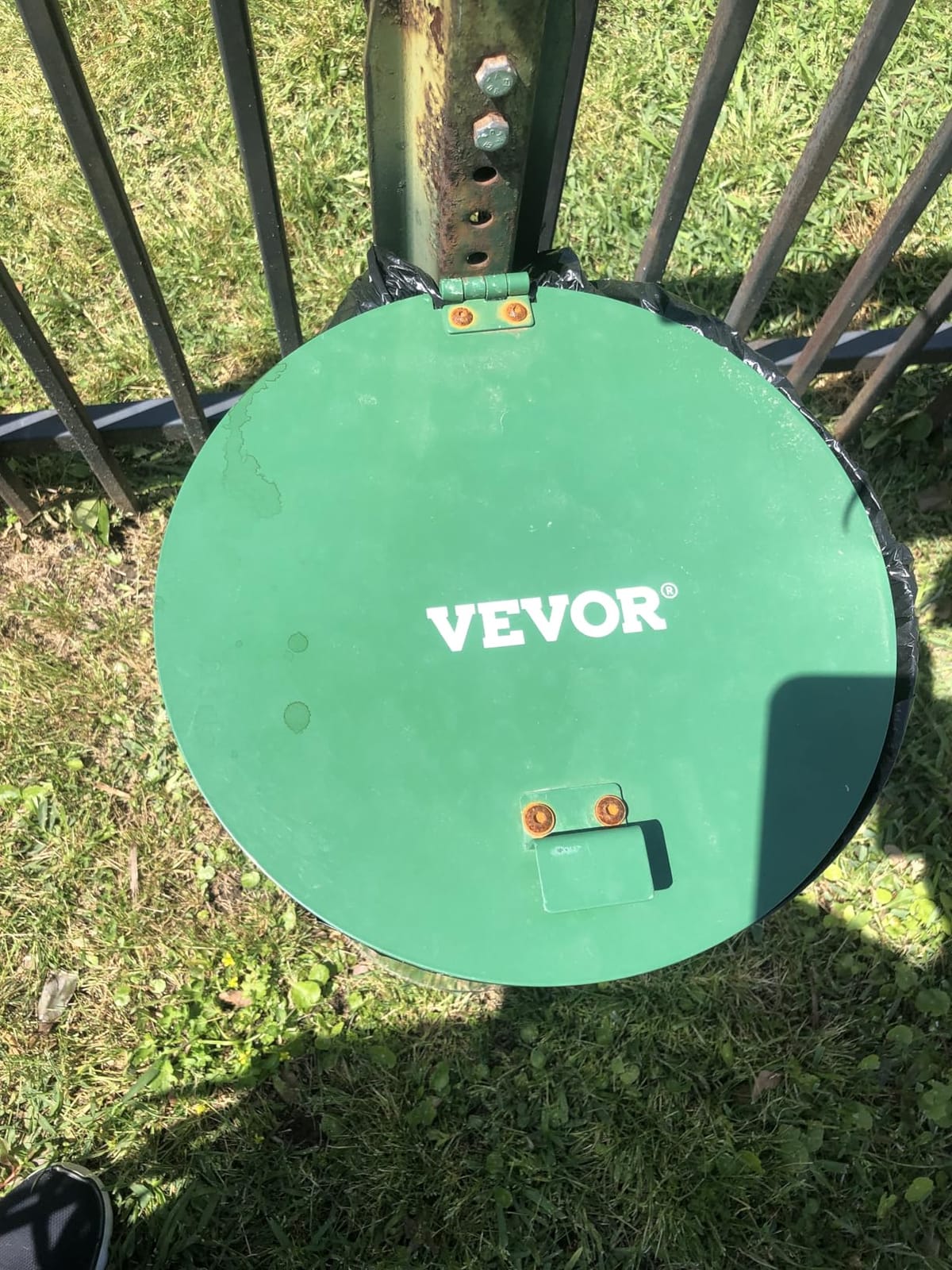
The reported issues are specific. Fastener hardware rusted within roughly two months for some owners, paint peels on the rims over time, and the lid can detach after several months of outdoor exposure. The hinge design also blocks the bag holder from lifting to insert a bag underneath it, which is an odd conflict in a station whose main job is dispensing bags.
There is also a listing quirk worth knowing: the listed dimensions of 11.81 by 11.81 by 905.51 inches reflect the assembled post height, not a misprint you should expect to receive as a literal measurement.
Where steel wins and where it loses
Steel is heavier and more rigid than aluminum, which matters when a post is exposed to wind or when something leans on the can. That is a genuine advantage over the aluminum units here. The disadvantage is corrosion at the fasteners, and that is exactly what reviewers reported.
The lockable dispenser is also a real plus compared with stations that ship without keys. Whether it holds bags reliably is less certain, since reviewers report the lock does not always keep them in place and the dispenser openings are oversized so rolls sit unsupported.
Who should skip this one
Skip it in a humid coastal climate or anywhere salt spray reaches the hardware, since that accelerates the rust reports. Skip it if you are not prepared to anchor it to a fence or into concrete, because the assembled unit is unstable otherwise. And skip it if the hinge-and-dispenser conflict would bother you daily.
How to Choose a Dog Waste Station for Your Backyard
Before choosing a model, work out which of the four types you actually need. The product type matters more than any individual feature, and choosing wrong here is how people end up with an expensive disappointment.
The four types and when each one wins
In-ground digestion systems bury a small chamber below grade and use water plus enzyme tablets to break waste down into the soil. There is no bin to empty and no disposal step. This is the right choice for owners with well-draining soil, mild-to-warm climates, and a willingness to dig.
Bagged outdoor stations are the mainstream option and everything on a post in this roundup is one. Tied or loose bags go into a lidded can that you empty weekly. They work in any climate and any soil, at the cost of a recurring bag purchase and a weekly chore.
Self-sealing pails isolate each pickup inside a multi-layer film so contents never touch air. They are the strongest odor answer in the category and the most constrained by temperature and volume.
Low-profile units are compact bins or wall-mounted dispensers used on patios, balconies and side yards. They usually pair a dispenser with a bin you already own, which makes them the renter-friendly option.
In-ground digestion or a bagged station?
Choose in-ground if your soil drains well, your ground stays above 40 °F for most of the year, and you want the trash step gone for good. Reviewers who installed one describe it as solving the smell and fly problem permanently.
Choose bagged if you rent, have clay or rocky soil, live somewhere with hard winters, or want to move the station seasonally. The in-ground advantage evaporates the moment you hit frozen ground or slow drainage.
Sizing for one dog, two dogs or a multi-dog household
One dog produces roughly five to seven pickups a day on average, and large dogs produce far more volume per pickup than small ones. Here is the rough capacity math that matters for a week between pickups:
One small dog: about 35 to 50 pickups per week, which fits a 5-liter pail. One large dog: about 20 to 30 pickups per week by volume, and a 5-liter unit needs emptying once or twice a week. Two to three dogs: you want 10 gallons or more. Four dogs or a kennel: 11.5 gallons, and you should plan on emptying mid-week.
Retail sizing guidance assumes one or two dogs and a weekly pickup. Multi-dog households consistently report in forums that they need far more capacity than those numbers suggest, and they are right.
What actually controls odor in summer heat
Three mechanisms do the work, and they are not equally important. A tight mechanical seal, whether a gasket and locking handle or a sealed film, blocks the smell physically. Vents only help if they are paired with a carbon filter, since a vent without filtration is a vent for odor too. A filter alone cannot rescue a lid that does not close.
That ranking is why we lead with the PetFusion and Pet Genie. Both seal the waste away rather than trying to filter escaping air. In July heat, seal first, filter second.
When a dog waste station is the wrong purchase
It is the wrong purchase if you rent and cannot drill or dig. It is wrong if you have fewer than about three pickups a week, since a small bin and a weekly bin by the door already handle that. It is wrong in cold climates if you are considering an in-ground system.
It is also wrong if you have high water table or clay soil and are eyeing digestion. And it is wrong if you plan to install a dispenser far from a trash can, because a full bag with nowhere to go becomes bag litter, which is a worse problem than the one you started with.
Where to put the station in a private backyard
Place it on the route your dog actually walks, not on the nicest sightline in the yard. A station near a gate or a side path gets used; a station tucked behind the shed gets ignored and fills up anyway.
Keep it close to a trash can or a place you can dump within a minute of walking. Avoid low spots that collect water, and avoid the exact edge of where you sit in the evening, since even a good seal has that small gap. If the yard is small enough to be tight, our small backyard shed guide covers storage that frees up placement space.
Handling the days between garbage pickups
The gap between pickups is the actual problem, and it is why people buy these units at all. A tied bag in an open outdoor trash can for six days in July is an odor and fly problem regardless of which bag you use.
Three habits help. Push air out of a tied bag before sealing it. Empty the station on a fixed day rather than waiting until it is full. And keep a spare liner and a small scoop by the station so a midweek overflow is a two-minute job rather than a weekend project.
Landscaping and ground cover around the station
Around a bagged station, gravel or pavers beat grass. Grass gets tracked, turns to mud, and pulls waste off the ground before it reaches the can. A paved pad also makes the spot wipeable, which cuts down on odor and bacteria that hosing alone does not remove.
Around an in-ground system, the ground cover matters differently, since the unit sits flush at grade. A well-draining cover such as gravel or coarse mulch keeps water moving away from the chamber and reduces the chance of grass and roots closing in around the lid.
One more yard-planning note: if you are mapping out the whole space, our guides to trampolines for backyards and fire pits for small backyards both affect where you can safely put a station and where the dogs actually spend time.
Frequently Asked Questions
What is the best way to store dog poop until garbage day?
A sealed outdoor bin or an in-ground digestion system is the practical answer. A bagged station keeps tied bags contained and ventilated until pickup, while a self-sealing pail isolates each pickup entirely. Whichever you choose, the seal matters more than the brand, since an open bag in an outdoor can is what generates odor and flies.
Can I bury dog poop in the yard?
You can, but it is regulated in many places. Many HOAs and municipal codes prohibit burying waste outright, and shallow holes leave pathogens near the surface where children and dogs can reach them. An in-ground digestion system handles this properly by treating waste below grade with enzymes rather than simply covering it.
What is the Doggie Dooley in-ground waste disposal system?
It is a small in-ground chamber that digests dog waste in the soil using water and enzyme tablets instead of storing it. The lid sits flush at ground level with a foot-operated opening. It handles waste from up to two large dogs or four small dogs, and works best above 40F in well-draining soil.
How long will dog poop decompose into the soil?
It varies widely with temperature, moisture and soil biology, which is why in-ground systems depend on enzymes rather than waiting. In warm, moist, well-aerated soil organic matter can break down within weeks, while cold or compacted ground can stall for months. An in-ground chamber accelerates this deliberately rather than relying on natural conditions.
Where is the best place to dispose of dog poop?
The best place is a dedicated station near the route your dog walks and close to a trash can, not the nearest convenient patch of grass. Putting waste into a contained bin rather than the lawn reduces bacterial spread, flies and odor. Burying waste shallowly is the least reliable option and is often against local rules.
How can I collect dog poop without bending down?
Use a long-handle scoop or a pedal-operated bin. A 38-inch pooper scooper lets you lift waste from ground level while standing, and a foot pedal opens the lid so you can drop a full bag in without using your hands. Pedal stations combined with a long-handle scoop remove bending from both parts of the task.
How often do I need to empty a dog waste station?
Once a week for a single small dog matches standard garbage pickup, but larger or multiple dogs mean emptying two or three times per week. A 10 to 11.5 gallon can stretches that interval considerably for multi-dog households. Emptying on a fixed schedule rather than waiting until full keeps odor from building.
Do dog waste stations work in cold weather?
Bagged outdoor stations do, since they have no minimum temperature. Self-sealing pails often do not, and the Pet Genie specifically should not be used below 14F. In-ground digestion systems largely stop working below about 40F ground temperature, so they are a poor choice in cold climates unless you accept months of inactivity.
Best Dog Waste Station Picks for 2026
For most households with one or two dogs, the PetFusion Outdoor Pet Waste Disposal is the best dog waste station you can buy. The gasket seal and charcoal filter handle odor properly, the removable inner bucket makes cleanup clean, and 2647 reviews at 4.4 stars make it the most proven design in this roundup.
Pick differently if your situation calls for it. Go with the Pet Genie Pail if odor is your only concern and you live somewhere above 14F. Choose the Doggie Dooley if you have good soil and warm ground and want the trash step gone permanently. Use the UUIXXYG pedal bin if bending is hard on your back and you want a scooper in the box. For multi-dog yards or shared property, the Zero Waste USA and Flybold stations give you capacity and a bag supply that lasts.
Whichever you choose, place it on your dog’s walking route, seal the waste properly, and empty on a schedule rather than waiting until it is full. That last habit does more for odor than any feature on this list.