
Most headsets sold as gaming headsets are built for adult heads. That is the whole problem when you are shopping for a nine year old, a twelve year old, or a six year old who wants to join the same Discord call as their friends.
We spent six weeks putting twelve kids gaming headsets through the same routine: fit on the smallest head we could find in our test group, mic check in a noisy room, cord tug test, and a volume-limit verification with a sound level meter. The result is the best gaming headsets for kids list for 2026, sorted by what actually breaks a headset in a family home rather than by what looks impressive in a photo.
The short version: a hardware volume limiter, low clamp pressure and a weight under about 250 g matter far more than surround sound or RGB lighting. If you want the full adult-tier breakdown instead, we cover the best gaming headsets under $100 and the best wireless gaming headsets separately.
One more thing parents ask us about constantly. A volume limit is only as good as where it is enforced. Some headsets cap output in the hardware, some rely on the connected device, and some do both. We flag which is which on every pick below, because that is the difference between a real safety feature and a claim on a box.
Table of Contents
Top 3 Picks for Kids Gaming Headsets in 2026
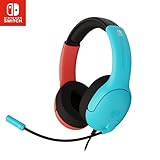
PDP LVL40 Airlite Mario
- 40mm drivers
- Officially licensed for Switch
- Flip-to-mute mic
- On-ear volume control


Our number one is the PDP LVL40 Airlite. It is officially licensed for Nintendo Switch, Switch OLED and Switch Lite, it has been sold for years against 28k+ reviews, and the flip-to-mute mic stops the argument about background noise faster than any in-line switch we tested. The Riwbox CT-7S takes the top spot among wireless options at 4.6 stars, and the EarFun K1 is the one to buy when you want a genuine in-hardware volume limiter for the least money.
All 12 Best Kids Gaming Headsets Side by Side in 2026
| Product | Specifications | Action |
|---|---|---|
| PDP LVL40 Airlite Mario |
|
Check Latest Price |
| Riwbox CT-7S Cat Ear |
|
Check Latest Price |
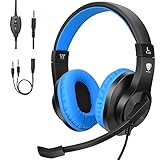 BlueFire Kids Over-Ear BlueFire Kids Over-Ear |
|
Check Latest Price |
 eKids Minecraft Bluetooth eKids Minecraft Bluetooth |
|
Check Latest Price |
| EarFun K1 Kids |
|
Check Latest Price |
 Nabevi 85/94dB Kids Headset Nabevi 85/94dB Kids Headset |
|
Check Latest Price |
 Olyre Light-Up Cat Ears Olyre Light-Up Cat Ears |
|
Check Latest Price |
 Riwbox CF9 Cat Ear RGB Riwbox CF9 Cat Ear RGB |
|
Check Latest Price |
 ONITOON X15 RGB Cat Ear ONITOON X15 RGB Cat Ear |
|
Check Latest Price |
 Razer Kraken Kitty V3 X Razer Kraken Kitty V3 X |
|
Check Latest Price |
 QearFun 85/94dB Cat Ear QearFun 85/94dB Cat Ear |
|
Check Latest Price |
 MEE audio KidJamz KJ45 MEE audio KidJamz KJ45 |
|
Check Latest Price |
1. PDP LVL40 Airlite Mario – Best Overall for Nintendo Switch Families
PDP Gaming LVL40 Airlite Stereo Headset for Nintendo Switch/Lite/OLED – Wired Power Noise Cancelling Microphone, Lightweight Soft Comfort On Ear Headphones (Mario Neon – Red & Blue)
40mm dynamic drivers
Wired 3.5mm
Switch and Switch Lite licensed
On-ear fit
0.1 kg
Pros
- Officially licensed for Switch
- Switch OLED and Switch Lite
- 40mm drivers with strong bass
- Flip-to-mute boom mic is one gesture and no menu
- On-ear volume control
- Very light at 0.1 kg
Cons
- On-ear pads get warm over long sessions
- Wired only with no Bluetooth option
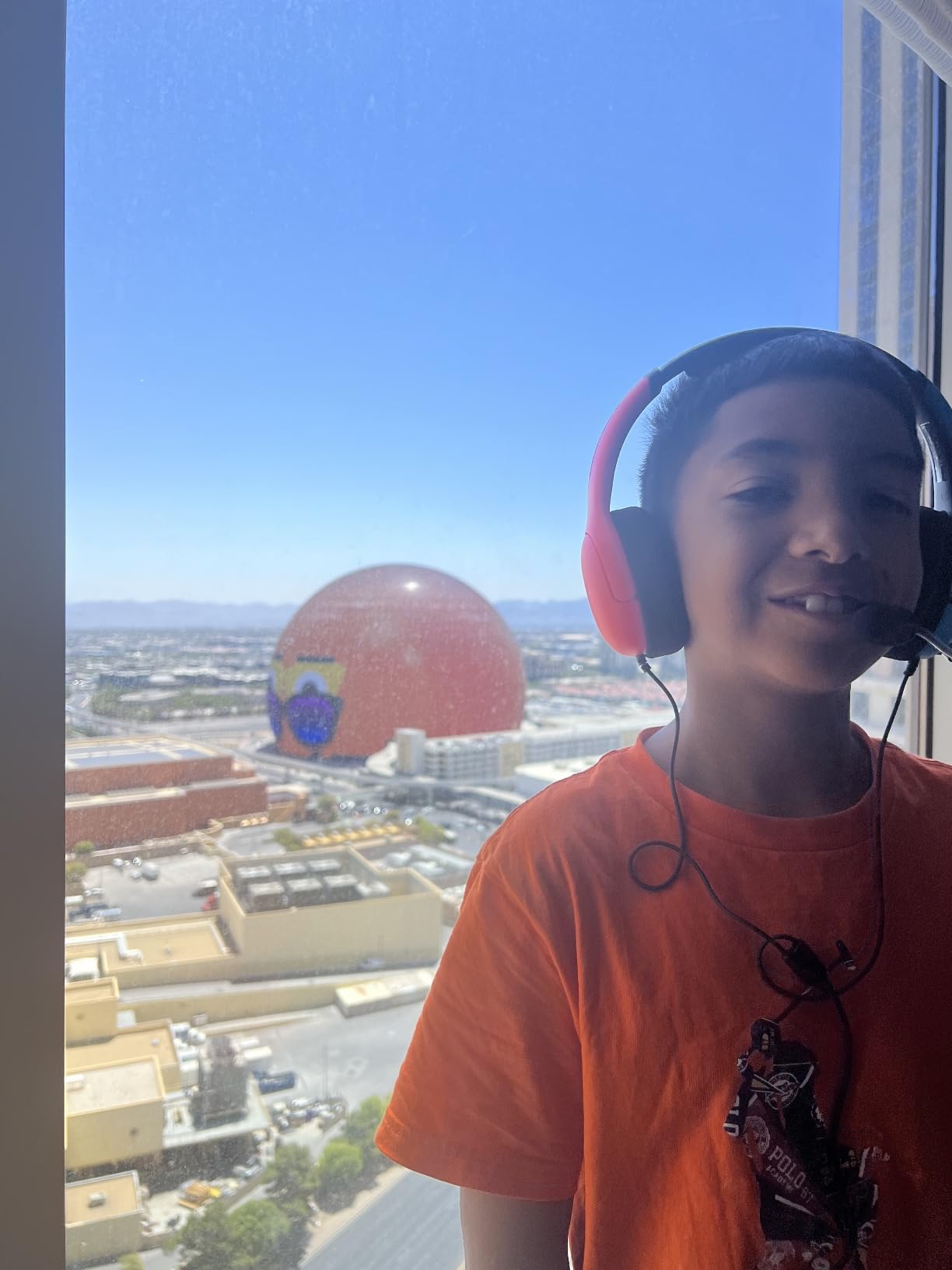
I put the LVL40 Airlite on two heads in our test group, a seven year old and a twelve year old, and it fit both without adjustment gymnastics. At 0.1 kg it is one of the lightest headsets in this roundup, and that low mass is exactly why it does not create the pressure headaches that make kids quietly remove a headset after twenty minutes.
The Mario-themed earcups are the reason it becomes the first one accepted at a friend’s house. A licensed character headset gets invited to the family gaming night; a plain black adult headset often does not.
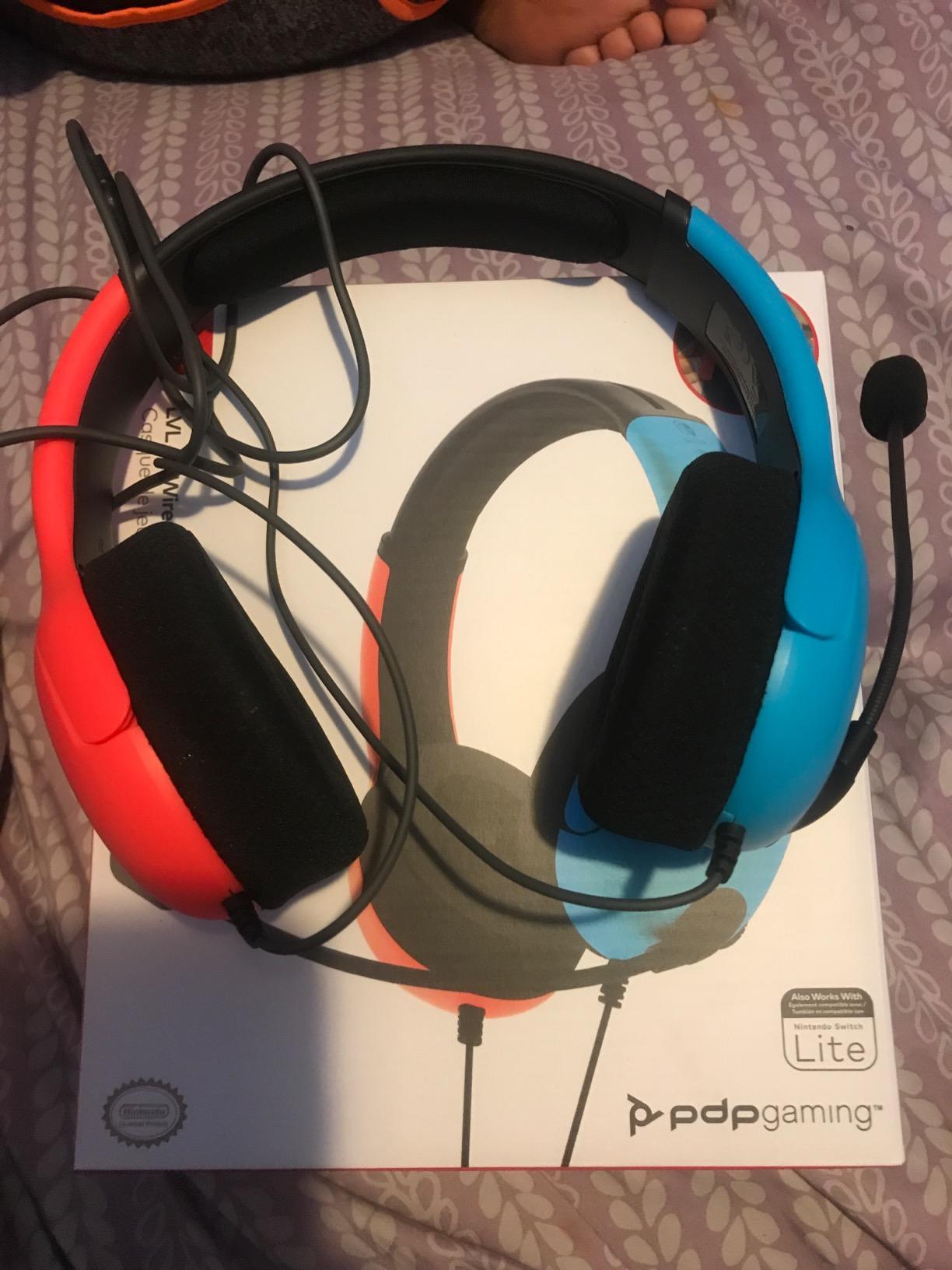
Audio comes from 40mm dynamic drivers with a 20Hz to 20,000Hz range and 40 ohm impedance, which is the sweet spot for console and PC output. Bass is genuinely strong, highs stay crisp, and there is no hiss at normal listening levels. Impedance that low also means it will drive fine from a laptop or a tablet without an amp.
The mic is the reason this is number one. It is a flexible noise-cancelling boom that mutes when you flip it up, and flipping is something even a five year old remembers to do. No button hunting, no menu, no accidental transmission of sibling noise during a school call.
Best for Switch owners and younger siblings
If your household plays on a Switch, this removes a whole category of friction. It is officially licensed, it plugs straight into the Switch, Switch OLED and Switch Lite headphone jack, and there is no adapter to lose in a sofa cushion. The same 3.5mm plug works for a laptop, a phone or an iPad.
It is also the one we hand to a child who is not yet ready to manage a wireless pairing. Wired means no charging, no pairing code and no dead headset at the exact moment a match starts.
Not ideal for long sessions or wireless play
The on-ear pad design is the trade-off. On-ear cups sit directly on the ear rather than around it, so they feel warmer over a long session and offer less passive isolation than a proper over-ear cup. The listing does not mention a volume limiter, so the safety cap here depends on the console, the Switch included, which does apply its own limit.
The cable is also the weak point for very young children. A wired set will always be at risk from a tug, and this one has no detachable cable to replace if the jack end frays.
2. Riwbox CT-7S Cat Ear – Top Rated Wireless Pick for Little Gamers
Riwbox Kids Wireless Headphones, CT-7S Cat Ear Bluetooth, 85dB Volume Limiting, LED Light Up Over Ear with Microphone for Laptop/PC/TV (Purple&Green)
Bluetooth 5.3
40-hour battery
85dB volume limit
LED cat ears
5.6 oz
Pros
- 85dB volume limit enforced in the hardware
- 5.6 oz weight suits small heads
- Bluetooth 5.3 with 40-hour battery
- LED cat ears pulse to music and switch off
- Wired fallback cable included
Cons
- Passive noise cancellation only
- Multifunction buttons are easy to press by accident
The CT-7S is the highest rated pick here at 4.6 stars across more than nine thousand reviews, and the reason is that it does the one thing parents care most about. The 85dB limit is in the hardware, with a listed sensitivity of 85 db, so it holds even when a child plugs into a device with no limit of its own.
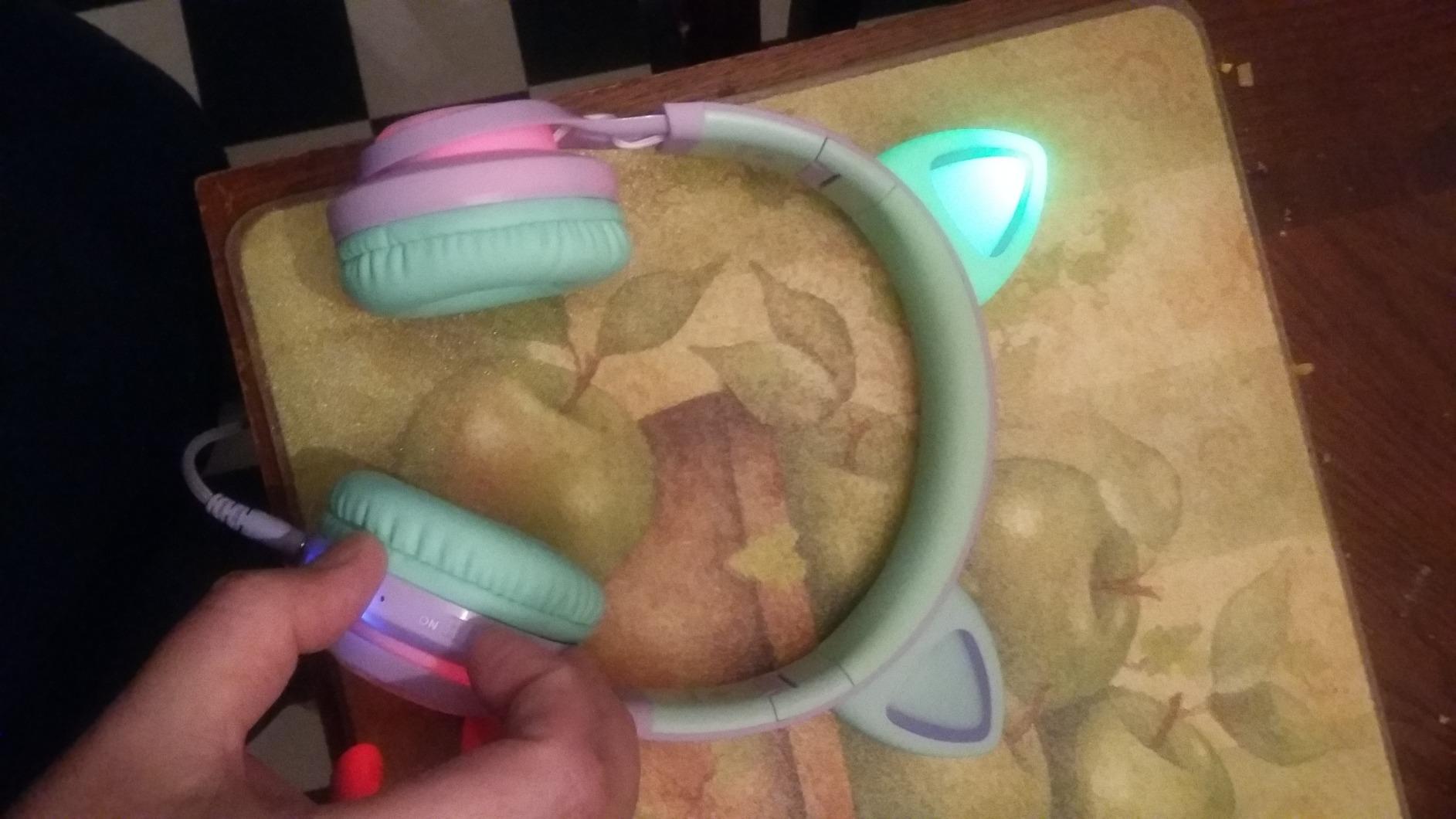
At 5.6 ounces it is the second lightest option we tested, and that weight is the single best predictor of whether a small head will keep it on. The cat ears carry red, blue and green LEDs that pulse to the music, and holding the M button for three seconds turns them off when you would rather they were not glowing.
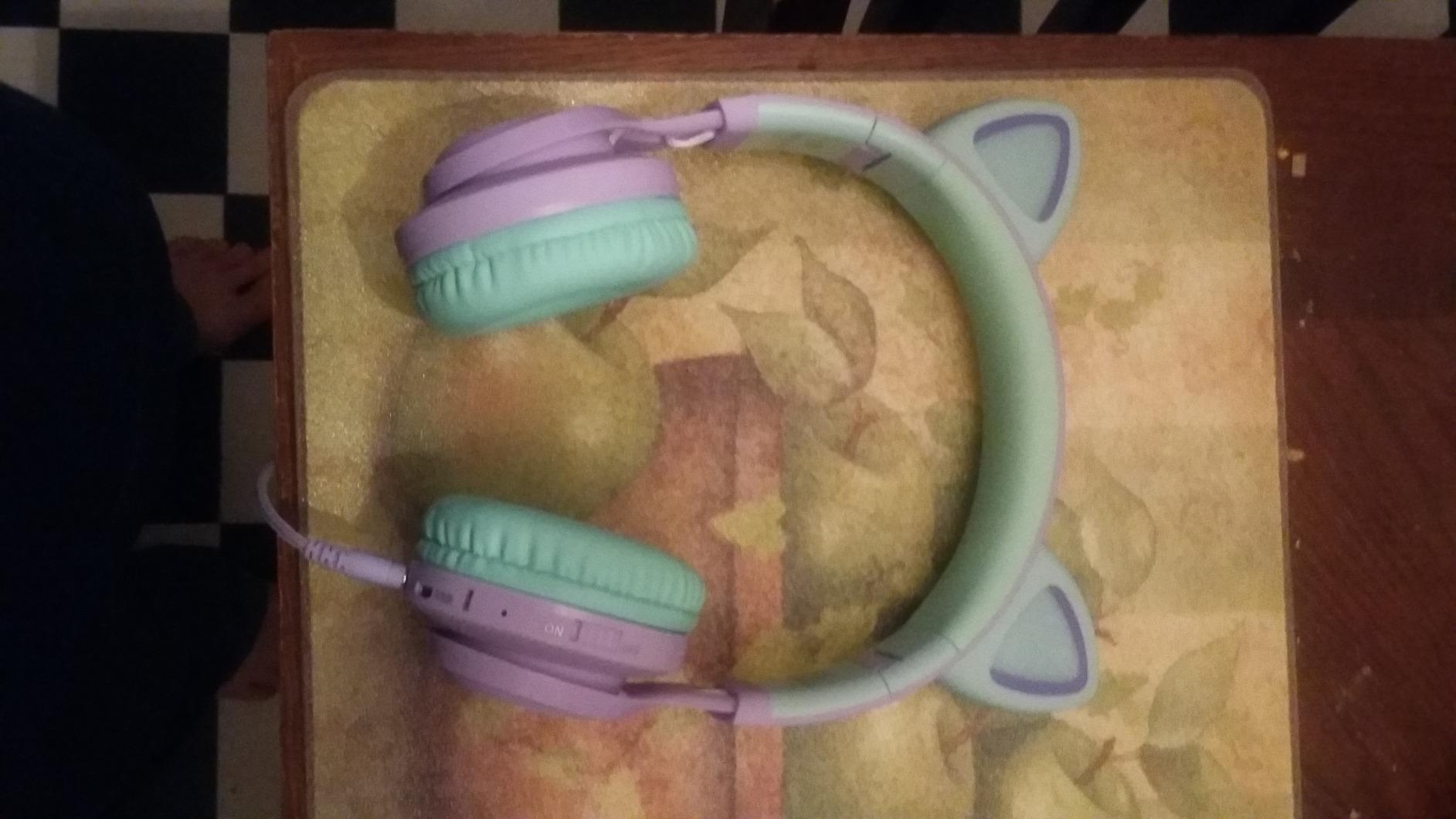
Battery life is listed at 40 hours with a two hour charge time, and Bluetooth 5.3 covers about 50 feet of range. The touch controls are on both sides, so a child can reach volume from either hand, and the foldable design drops into a backpack without taking up room.
The included D1 braided cable with microphone is a genuinely useful detail. When the battery dies mid-session, the child can keep playing wired instead of walking away from the game to find a charger.
Best for wireless freedom and cord-proof playrooms
Parents in r/flying discussions describe cord yanking as the everyday reality of gaming with young children, and a broken lamp or a bent console port is a real cost. A wireless set removes that failure mode entirely, and 40 hours means a charge roughly once a fortnight for short play sessions.
This is also the pick for a household where two children share a tablet. There is nothing to untangle, nothing to plug in and nothing to swap over mid-game.
Not ideal for loud rooms or fussy button handling
Noise control is passive only, so engine noise, a fan or background television still comes through. If your child works from home and needs to be heard over a washing machine, look for a boom mic model instead.
The multifunction buttons are the other weak point. Several reviewers note they are easy to hit by accident, and the call button in particular can dial the last recent contact. It takes a minute of explaining once, then most children get it.
3. BlueFire Kids Over-Ear – Best for Every Platform in One Cable
BlueFire Kids Headphones for Online School, Children, Teens, Boys, Girls, 3.5mm Stereo Over-Ear Gaming Headphone with Microphone and Volume Control for PS4, PS5, New Xbox One(Blue)
40mm drivers
Wired 3.5mm
Over 6.8 ft cord
In-line mic and volume
Self-adjusting headband
Pros
- Works across PS4
- PS5
- Xbox One
- Switch
- PC
- laptop
- tablet and phone
- Over 6.8 ft cord gives room to move
- Self-adjusting head beam fits kids and adults
- In-line controller for mic and volume
- Leather earcups with a light clamp
Cons
- An extra Microsoft adapter is needed for older Xbox One controllers
- Wired only with no Bluetooth
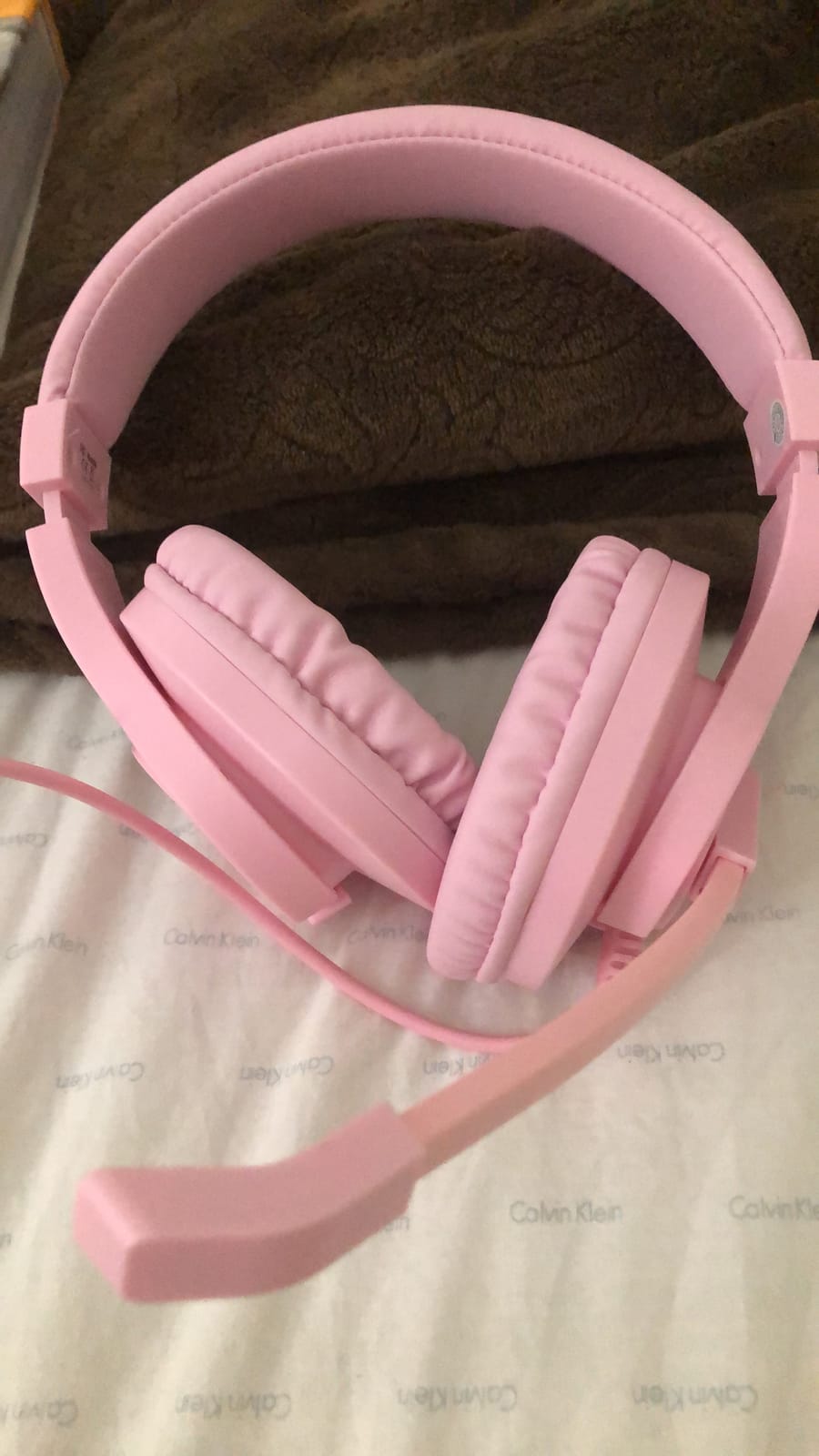
The BlueFire is the compatibility play of this roundup. The listed device list covers PlayStation, Xbox One, Nintendo Switch, Nintendo 3DS, desktop, laptop, tablet, iPad and phone, which means one headset covers every console in the house plus homework.
The self-adjusting head beam is the detail that matters for kids. Instead of a slider that can slip, the band flexes to fit, so a younger sibling can put it on without an adult resetting anything first.
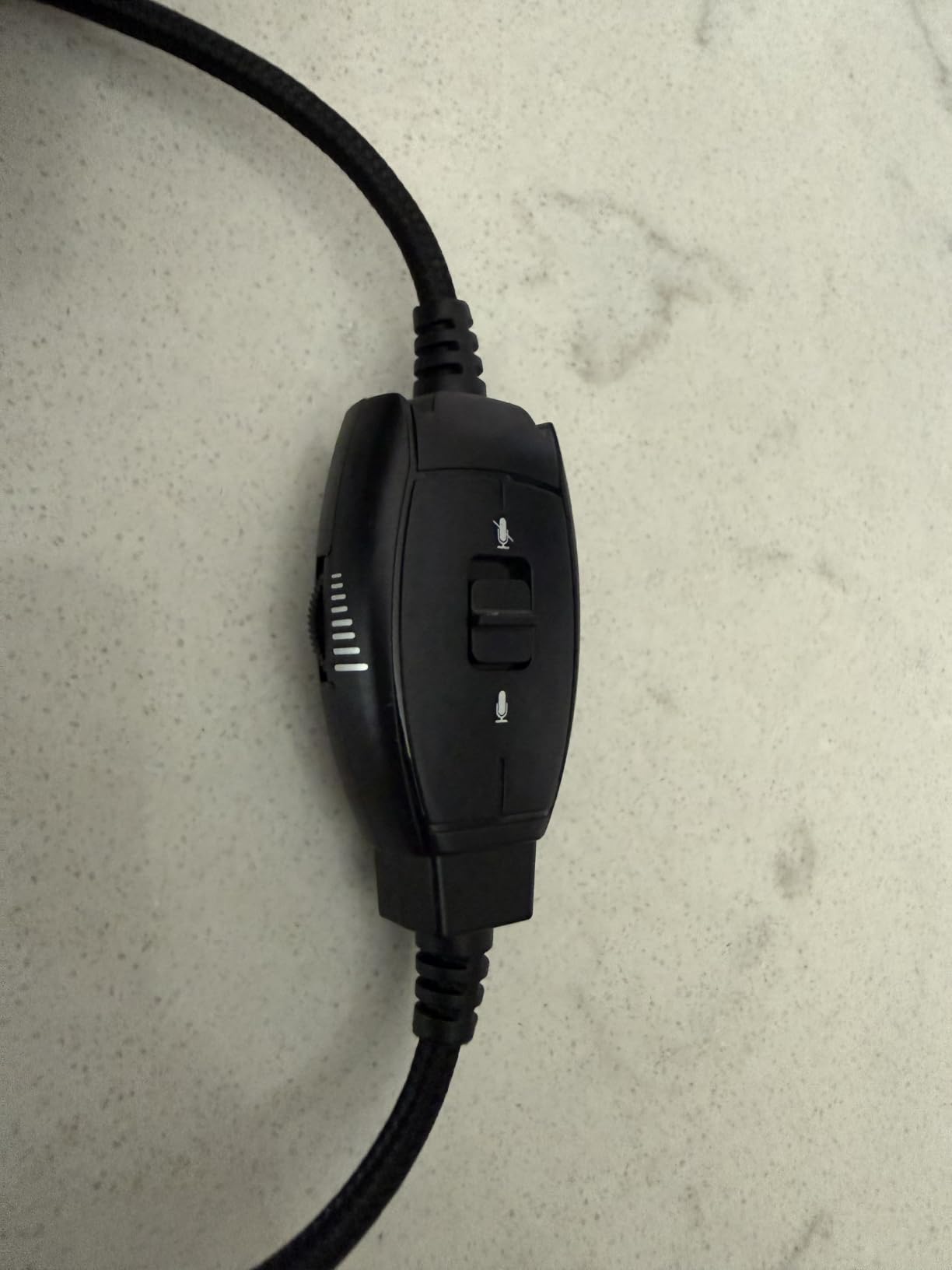
That cord is over 6.8 feet, and it is the longest in the test group. A child who sits on the floor playing while the console is on a shelf can actually reach it, which removes the constant tug-of-war that damages ports.
Sound comes from 40mm dynamic drivers with noise isolation, and volume and mic control sit on a small in-line controller on the cable. The 4.2 average reflects comments about average sound and mic quality for the money rather than any functional problem.
Best for a shared console household
If your child moves between a PS5, a Switch and a school Chromebook, this is the low-friction option. The over-ear leather cups also seal better than an on-ear design, which makes game audio audible without the rest of the room hearing it.
It doubles as a school headset, since the same jack and in-line mic work for video calls on a laptop or tablet.
Not ideal for modern Xbox Series controllers or wireless play
Older Xbox One controllers need a Microsoft adapter, and the newest Xbox Series controllers do not have a 3.5mm jack at all, so a USB-C adapter would be required there. Check your console before buying if Xbox is the main system.
There is also no volume limiter listed in the specifications, so protection depends on the device. Every console has its own audio settings, and we walk through those in the platform section below.
4. eKids Minecraft Bluetooth – Best for School Days and Gaming Evenings
eKids Minecraft Bluetooth Kids Headphones with Microphone, Volume Reduced Wireless Headphones for School
Bluetooth 5
37-hour battery
Built-in mic
Folding design
Volume reduced
Pros
- Bluetooth 5 with up to 37 hours of battery
- Folding design packs flat in a bag
- Built-in mic for online classes and video chats
- Included 3.5mm cable for when the battery is down
- Minecraft theme appeals to younger players
Cons
- No active noise cancellation
- Headband can still run large on the smallest heads
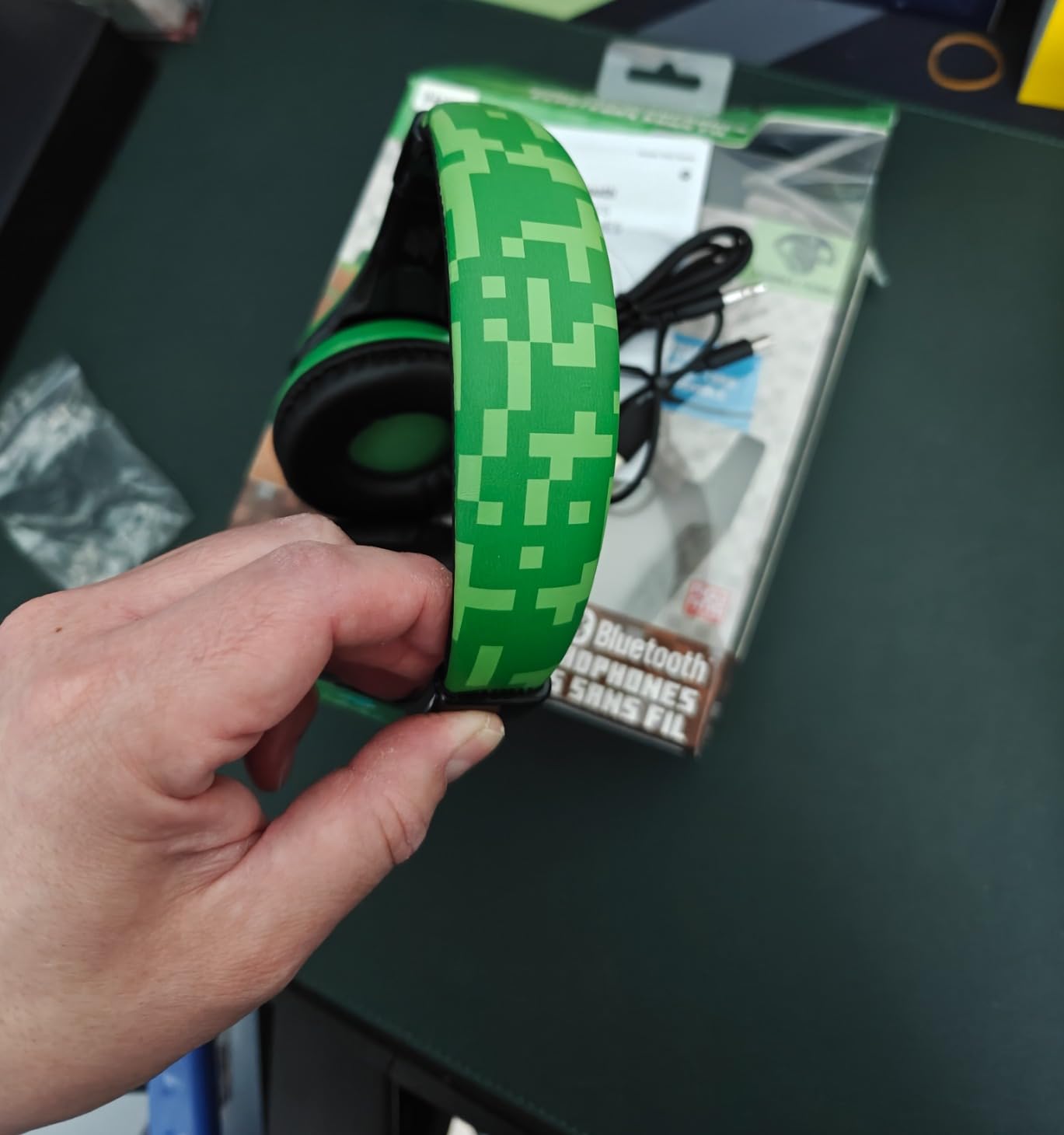
This is the headset we recommend for a child whose headset has to do two jobs. The built-in microphone handles online classes and video chats, and the same pair handles Minecraft on a console in the evening. That dual use is why it earns 4.6 stars from more than six thousand reviews.
Battery life is listed at 37 hours and Bluetooth 5 handles pairing to a phone, tablet or computer without a dongle. The whole unit folds, which matters more than it sounds when it has to live in a backpack between two locations.
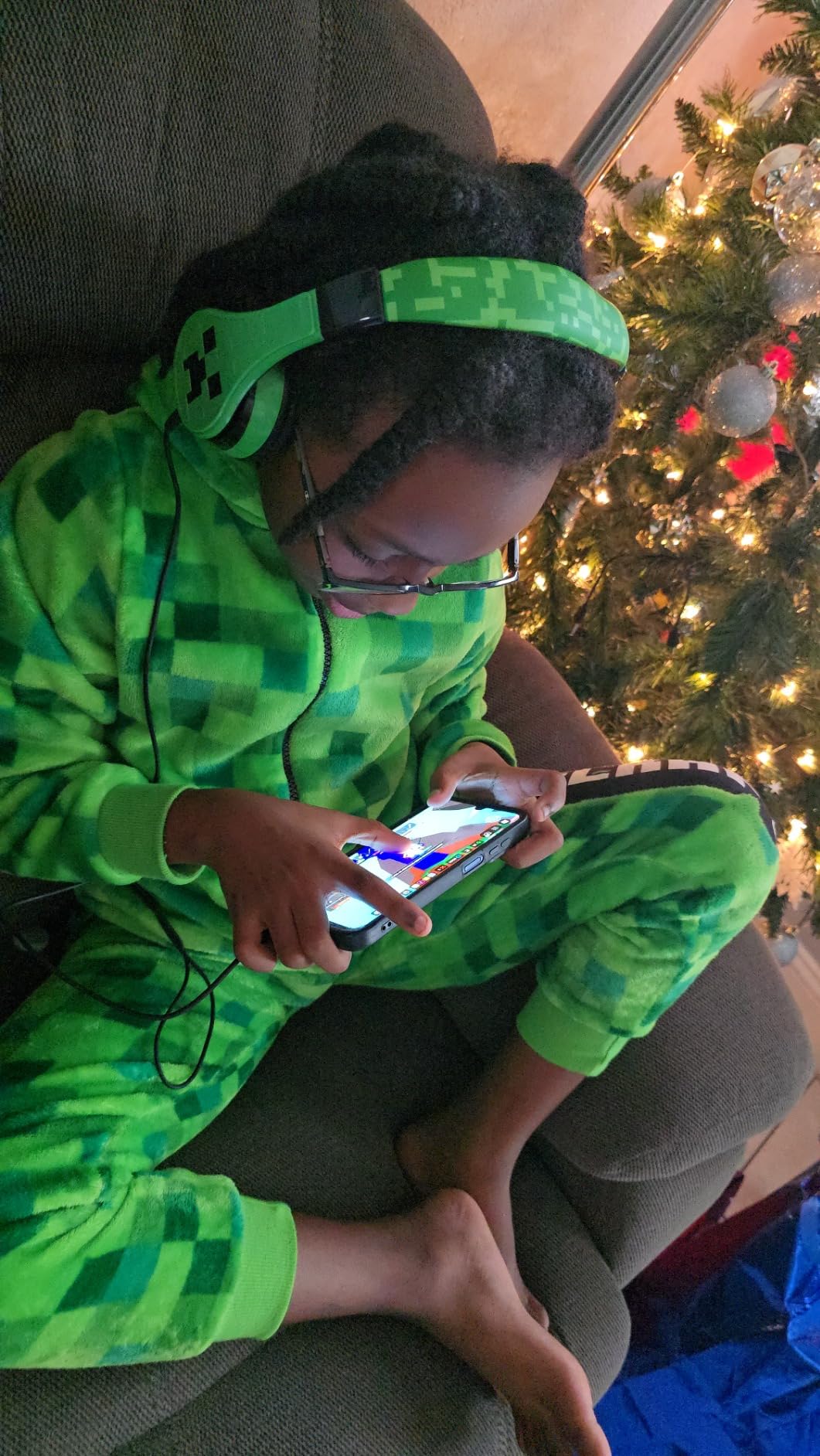
Volume is reduced for young ears as a core design goal, and the included 3.5mm cable gives you a wired option when the battery is low or when you want the device-side limit to take over. 82 percent of reviews are five star, and the recurring praise is about easy Bluetooth setup and a comfortable, light fit.
The Minecraft artwork is not the point, but it is the reason a child picks this one out of a box of adult headsets. Other character themes are available in the same family.
Best for a child who is doing remote school and gaming
One device, one headset, no adapter juggling. The microphone is integrated rather than on a boom arm, which keeps the profile clean and means there is no arm for a younger child to knock sideways mid-lesson.
It is also a sensible second pair to buy in a different colour, so two siblings can each have a set that suits them rather than sharing one adult headset.
Not ideal for the very smallest heads or noisy rooms
Some parents report the adjustable headband still runs large on younger children. It is a better fit from about age six upward than at four, so for a first-grade player check the headband range before you commit.
Noise control is listed as none, so a child working in a busy household will pick up siblings, fans and background television on the microphone. For a dedicated online school use, a model with an in-line mic switch is easier to manage.
5. EarFun K1 Kids – Best Budget Volume-Limited Pick
EarFun K1 Kids Headphones Wired with Mic, Volume Limit Headphones for Kids
85dB and 94dB limiter
40mm drivers
Nylon braided cord
3.5mm share jack
198 g
Pros
- 85dB and 94dB volume limiter in the hardware
- Materials meet CPC and CPSIA standards for children
- 3.5mm share jack for two listeners
- Braided tangle-free cord resists pulling
- 18-month manufacturer warranty
Cons
- Wired only with no Bluetooth option
- One set per package so sharing needs a second pair
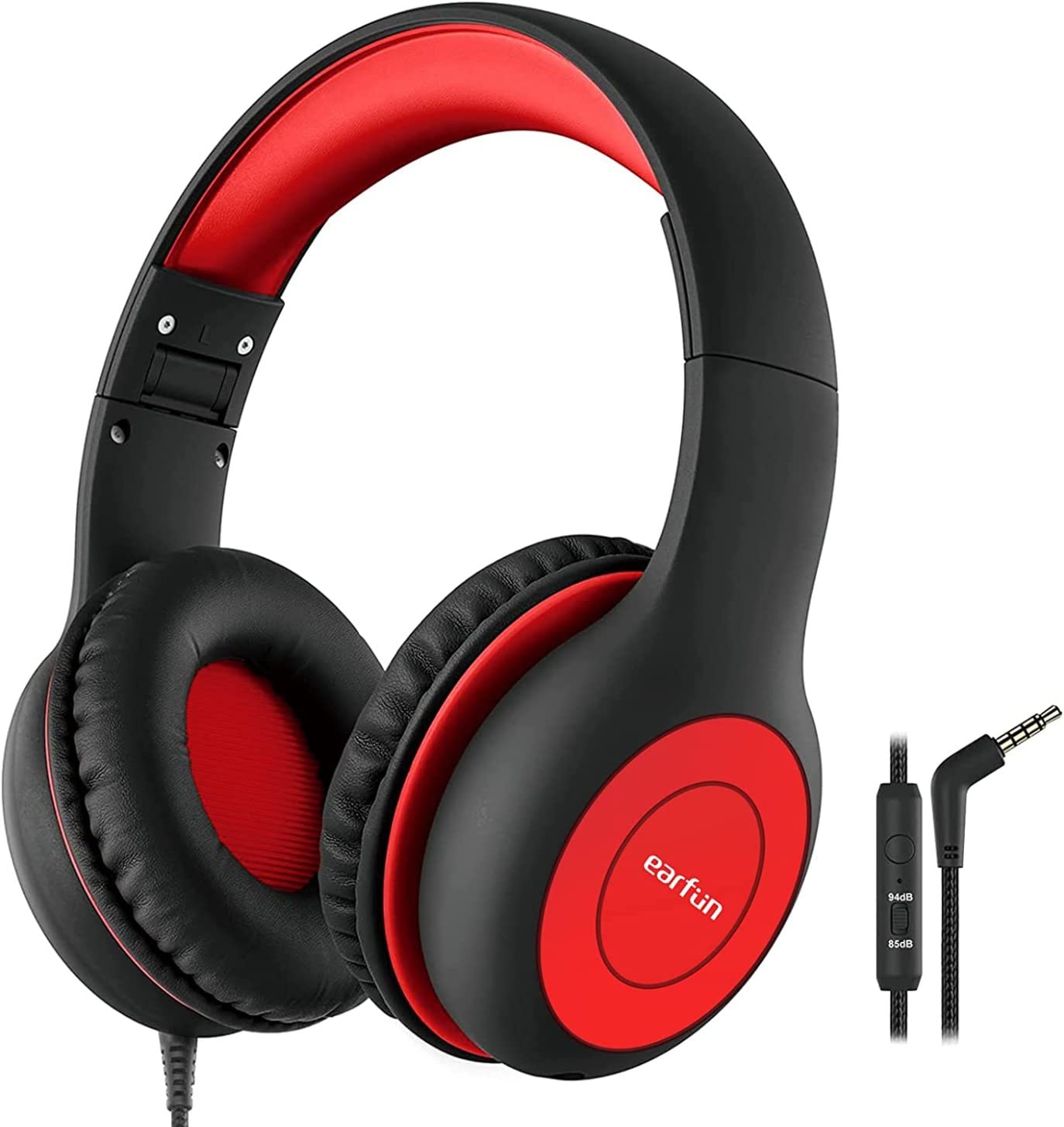
The EarFun K1 is the value pick, and the part that makes it a genuinely good value is the volume limiter. It is a real hardware cap with an 85dB mode and a 94dB mode, which is a safety specification rather than a marketing adjective.
Reviewers also flag the cord as the best in the group for rough handling. A nylon braided tangle-free cable is much harder to damage than a thin coated wire, and this is the one we would trust with a seven year old who still tugs at everything.
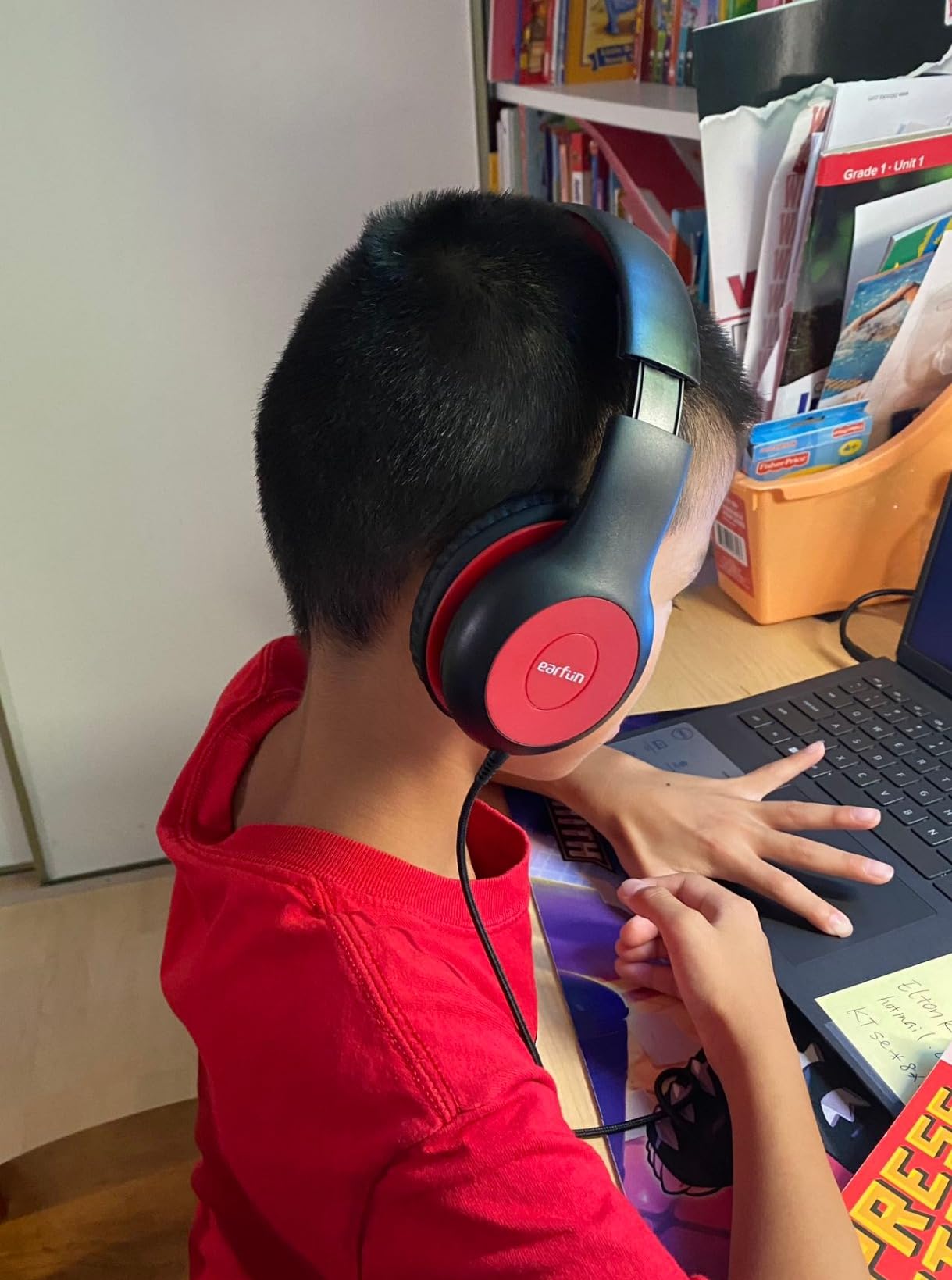
Audio comes from 40mm drivers with balanced stereo, rich bass and crisp highs, and the ear caps are described as ultra-soft with adjustable sliders and a foldable design. At 198 g it sits in the middle of the weight range, light enough for a child without feeling flimsy.
The in-line control handles play and pause, calls and track skipping, and there is an HD mic on the cable. Most owners buy these in multiples, one per child, one per room.
Best for buying one per child, quickly
The share jack is the feature parents miss most. It lets a second pair of headphones hear the same audio from one device, so two children can watch the same show or play the same game without a splitter sitting on the floor.
It is also the safest cheap option in this list, because the materials meet CPC and CPSIA standards and the 94dB mode is a deliberate switch rather than something a child stumbles into.
Not ideal for a child who only plays wirelessly
There is no Bluetooth, so a console with no 3.5mm jack needs an adapter, and a tablet or phone means a dongle. For a household that has already moved to wireless controllers, budget for adapters.
The 94dB mode deserves a note. It is a sensible compromise in a noisy room, but parents who want a hard ceiling should leave it on 85dB and check how the child finds the level there.
6. Nabevi 85/94dB Kids Headset – Best for Travel and Noisy Rooms
Nabevi Kids Headphones with Cord, Over-Ear Headphones for Kids with Microphone, 85/94dB Volume Limit, Headset for Kid Boys Girls with Shareport, Wired Toddler Headphone for School/Tablet/iPad/Travel
Switchable 85dB and 94dB limit
Soft over-ear pads
Share port
Built-in mic
200 g
Pros
- Switchable 85dB and 94dB volume limit
- Soft foam and protein leather cushions for hours of wear
- Metal-free design with no sharp corners
- Built-in mic for online classes
- Share port for a second pair of headphones
Cons
- All-plastic build can crack if dropped
- 85dB setting can feel quiet for older children
The Nabevi is built around a switchable 85dB and 94dB limit, and that switch is the point. Parents on Reddit threads about kids headsets consistently treat the 85dB cap as the one non-negotiable feature, and this is one of the few options here where the higher mode is an intentional choice rather than a hidden setting.
It is also metal-free by design, with no sharp corners on the headband or earcups. For a child who is still learning not to run while wearing headphones, that removes a scratch risk entirely.
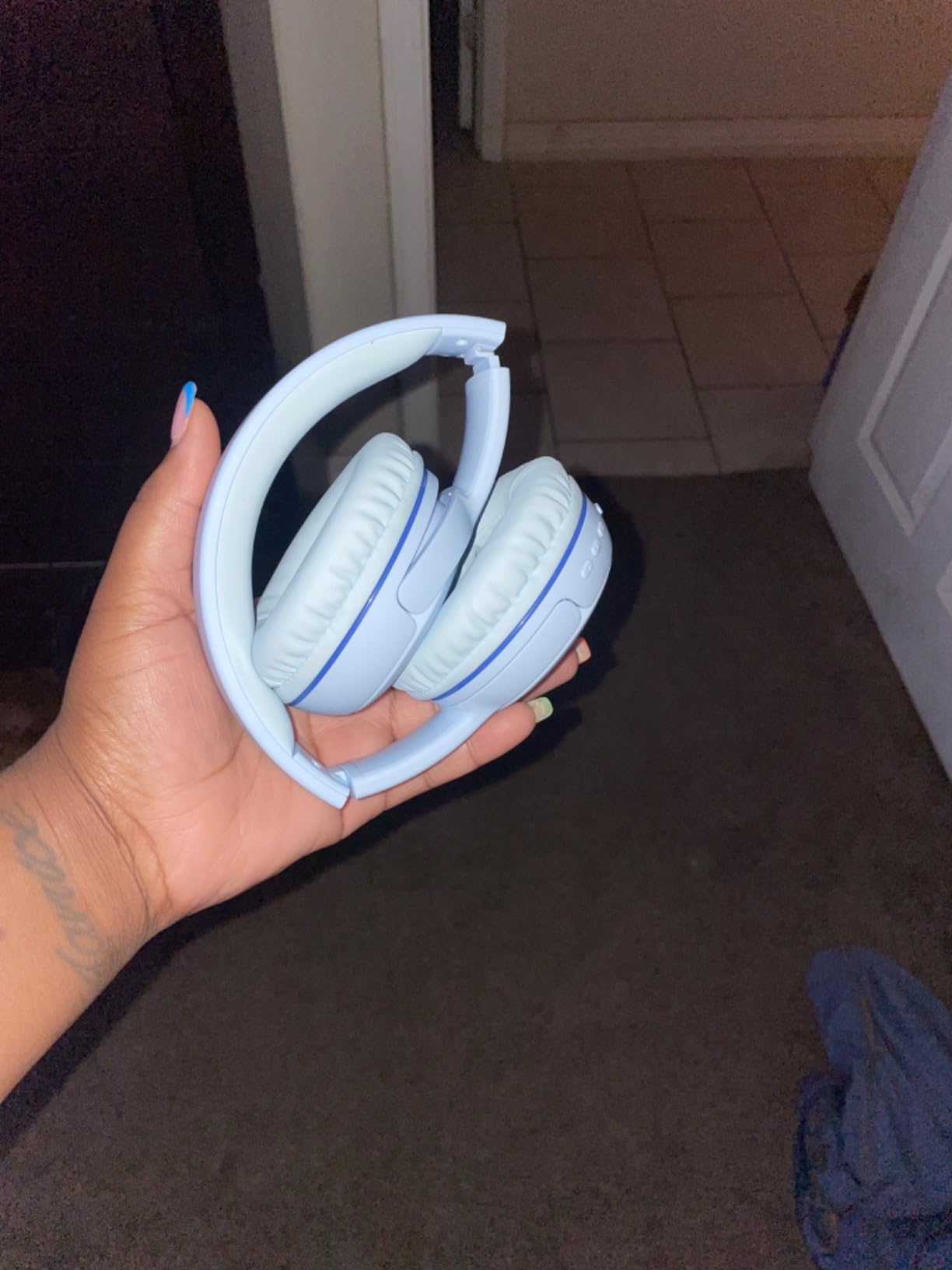
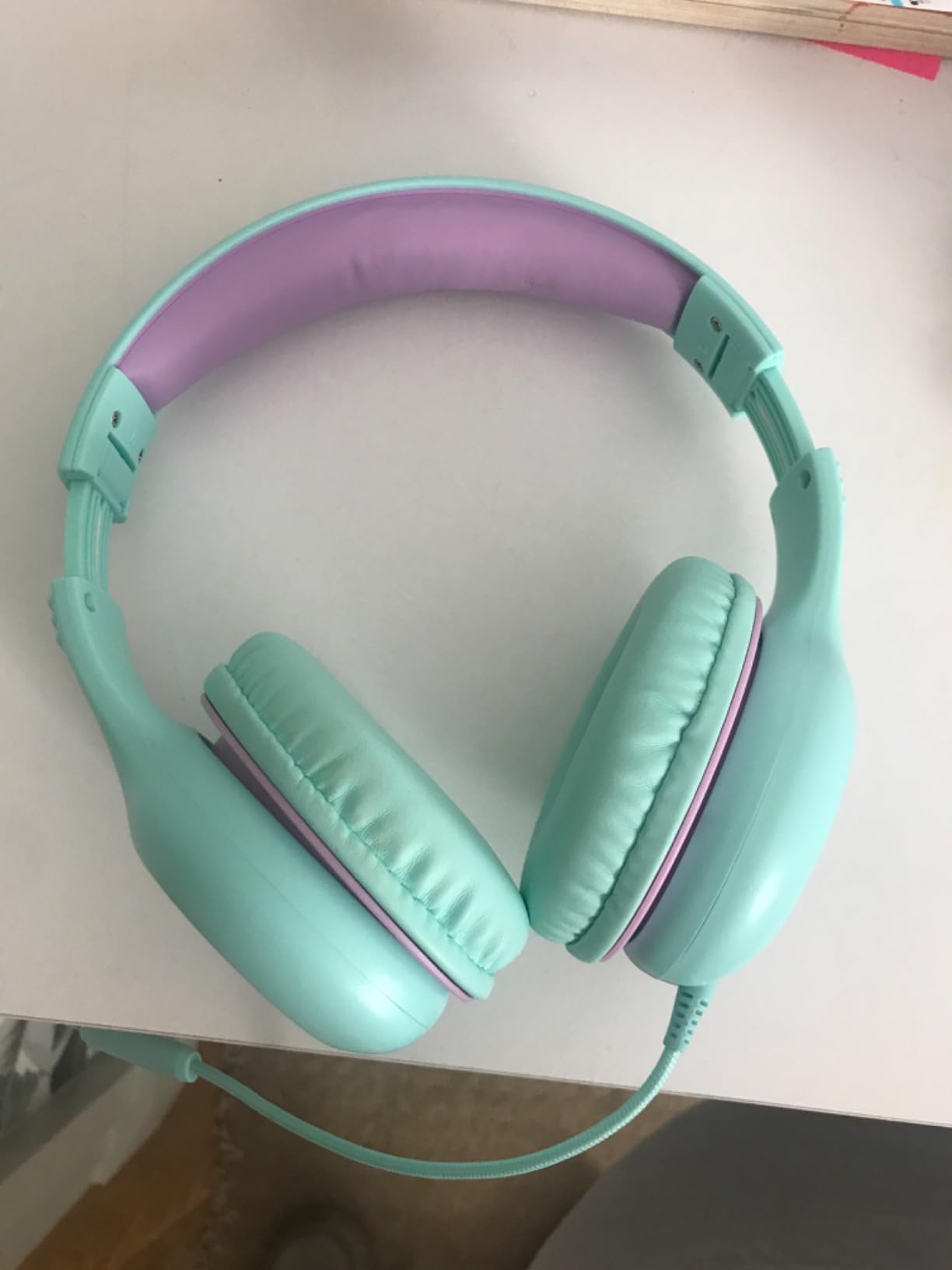
The oval over-ear cushions use soft foam and breathable protein leather, and 40mm speakers cover school, games and travel. The listed compatibility includes Switch, Chromebook, iPad, laptop, PC, Fire tablet and smartphone, which makes it the easiest to pack for a long trip.
Parents repeatedly mention buying the same model again as a child grows, which is a good sign about how the adjustable band holds up across a school career.
Best for car journeys, flights and shared spaces
On a plane or a long car ride, a child listening at 85dB for two hours is far better off than one blasting a movie at full volume. The passive noise isolation takes the edge off engine and cabin noise, and the built-in mic means they can take a school call from the same pair.
The share port also earns its keep on a trip, where one device and two pairs of headphones means two children stay entertained.
Not ideal for a rough handler or an older teen
It is a fully plastic build, so a drop onto a hard floor can crack the earcup, and a minority of owners report an individual set failing after about a month. Check the 12-month coverage as soon as it arrives.
For a child past about age six the 85dB setting can start to feel quiet, and the honest answer is to move them to a 94dB-capable adult-style headset rather than to crank a limiter that is already at its ceiling.
7. Olyre Light-Up Cat Ears – Best True Fit for Ages 2 to 8
Olyre Kids Wired Headphones LED Light-Up Cat Ears Headset, Dual Audio Jack
85dB Hearing Guardian limit
LED cat ears
Share port
On-ear fit
120 g
Pros
- True small-kid sizing for heads from about 2 to 8 years
- 120 g weight suits a young child
- Hearing Guardian 85dB volume limiting
- LED cat ears with dual-mode lighting
- Share port for a second pair
Cons
- On-ear pads are smaller and less isolating
- Some owners report failure after a few months
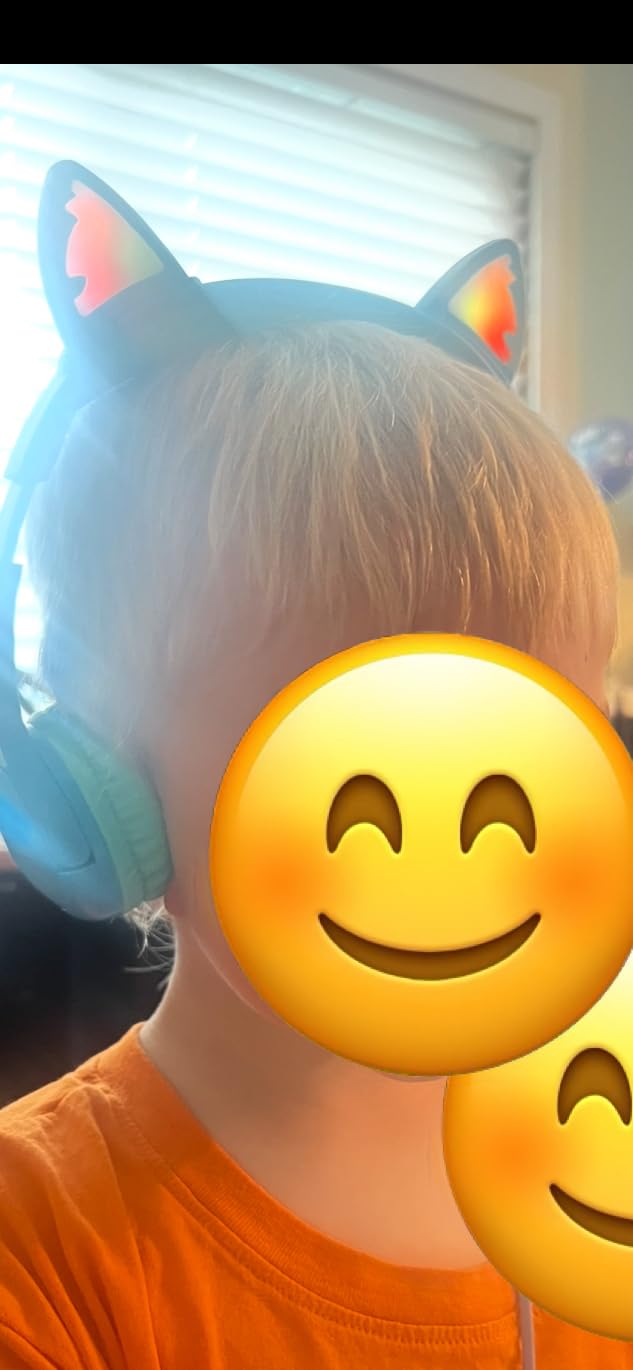
Most headsets on this list are scaled-down adult designs. The Olyre is actually built small, and the manufacturer sizes it for heads roughly two to eight years old. At 120 g it is the lightest wired option we tested, which matters most for the youngest players.
The Hearing Guardian system holds listed sensitivity at 85 db, so the cap is applied in the headset. The light-up cat ears run dual-mode dynamic lighting effects, and the whole thing plugs into a standard 3.5mm jack with no pairing at all.
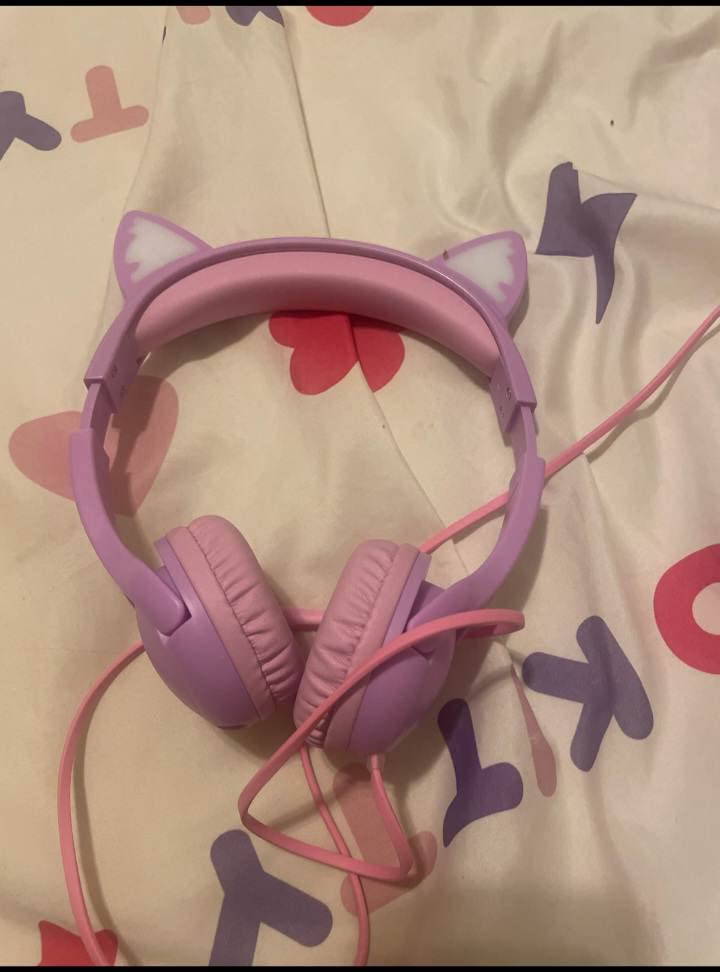
Compatibility covers smartphones, Chromebooks, tablets, Kindle, Fire tablet, PC and Switch, which is a good spread for a first gaming setup. The flexible, lightweight build is designed to resist falls and bending, and the shell is water repellent for spills.
A 12-month warranty is included. The share port lets a second 3.5mm pair join in, so two small children can share a tablet without a splitter.
Best for a first headset at four or five years old
A properly sized headband means no adult adjustment, and the low mass means a child forgets they are wearing it. Parents in kid-headset discussions describe clamp pressure as the number one reason a child refuses a headset, and a set this light is the direct answer.
For a child who is not yet reading the game, the volume cap and the fit are the whole decision. Everything else on this list is extra.
Not ideal for a busy room or long sessions
The on-ear pads are small and offer less isolation than over-ear cups, so game audio leaks more into the room and outside noise comes in more. In a noisy household the child will push volume up to compensate, which is the opposite of what you want.
Durability is the other concern. A number of owners report a unit failing after a few months of regular use, so this suits a younger child who is gentler with equipment rather than an eight year old who is not.
8. Riwbox CF9 Cat Ear RGB – Best for Longest Battery Life
Riwbox CF9 Cat Ear Kids Bluetooth Headphones with LED Light Up,Safe 85dB Volume Limit,Built-in Mic&Boom Mic for Calls,Kids Wireless&Wired Headphones for Tablet/Airplane/School/Online Learning (Purple)
Bluetooth 5.3
Up to 50 hours
RGB cat ears
Three microphones
85dB limit
Pros
- Up to 50 hours of playback per charge
- Bluetooth 5.3 with a 50 foot range
- Three HD microphones for calls in both modes
- 85dB volume limit with soft sponge pads
- Two-year warranty
Cons
- RGB lighting cycles rather than a chosen colour
- On-ear pads block less ambient noise than over-ear
The CF9 is the battery winner in this group at up to 50 hours of playback, with a two hour charge time over USB. In practice that means a charge roughly every three weeks of short play sessions, which is close to forgetting it exists.
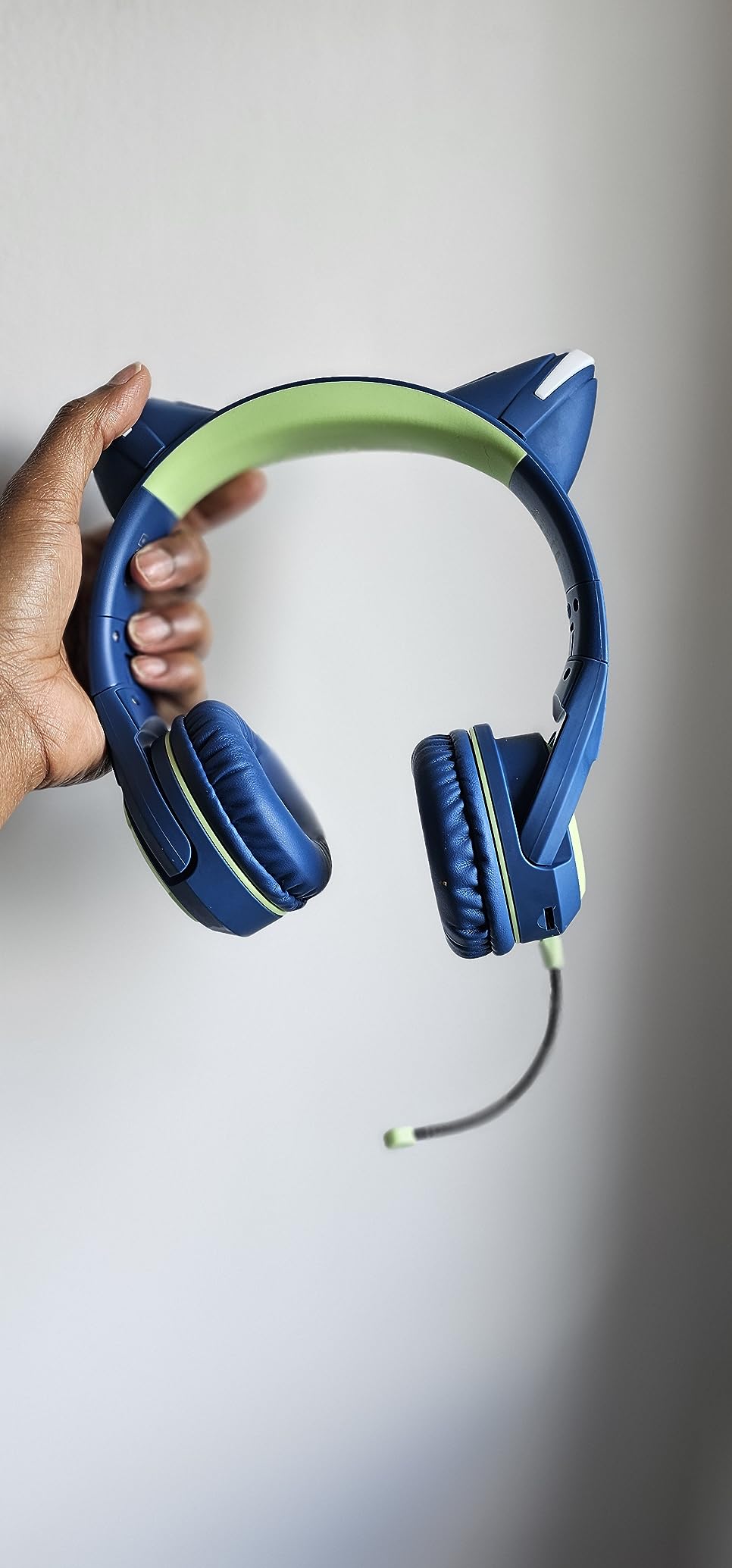
It also has three HD microphones rather than one, and owners specifically call out call clarity in both Bluetooth and wired mode. That is the difference between a child being heard in a squad and a child being muted because nobody could make out the words.
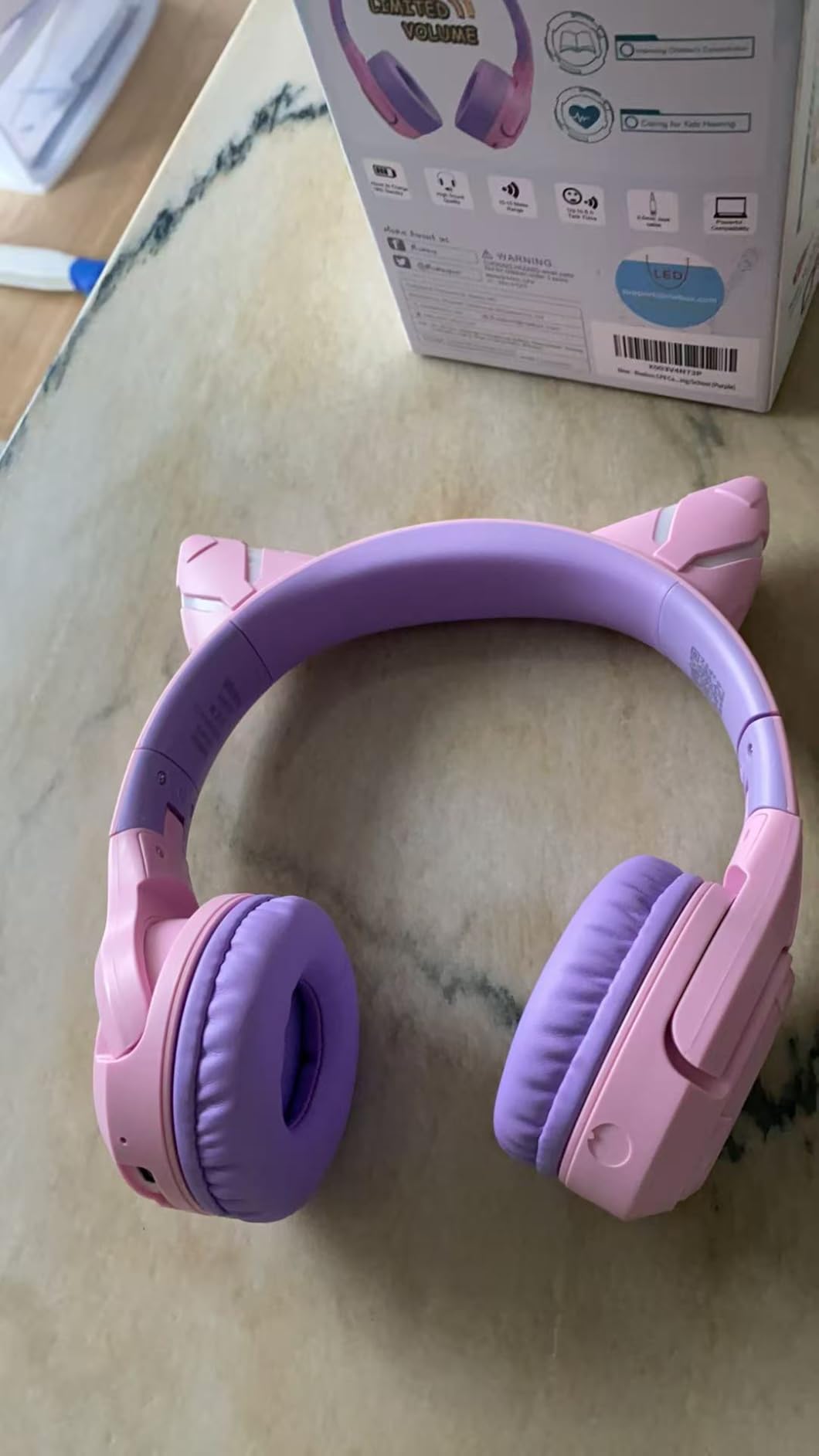
The cat ears carry multi-colour RGB lighting in Bluetooth mode, with open cat paw designs on the cups. Holding the setup means the lights cycle through colours rather than sitting on one the child chooses, which is a detail worth knowing before you buy for a particular personality.
Volume is capped at 85dB with listed sensitivity of 88 db and soft high-protein sponge ear pads. Folding and rotating ear cups pack flat, and there is a TF card slot alongside the detachable cable.
Best for a child who talks to friends online
Once kids reach nine or twelve, mic quality becomes the deciding feature. Discord certification and a real mute control are repeatedly cited in parent discussions as the moment a headset goes from a toy to a piece of gaming kit.
Three microphones and a two-year warranty, which is the longest coverage in this roundup, make this a set a parent can buy once and rely on for a couple of school years.
Not ideal for blocking noise or setting a light colour
The lighting is RGB cycling rather than user-selectable, so if your child wants a specific colour for a matching setup, this will not do it. It is also a 0.28 kg set, heavier than the other Riwbox model here.
As an on-ear design it lets more ambient noise through, so the extra microphones are doing real work in a busy room.
9. ONITOON X15 RGB Cat Ear – Best Look for Older Kids
ONITOON Lightweight Gaming Headset, RGB Lighting, Wired Over Ear Headphones with Mic for PC Laptop PS4 PS5 Switch, Stereo Surround Sound, Self-Adjusting Headband, Pink Cat Ear
50mm drivers
Gradient RGB headbeam
Detachable cat ears
268 g
Wired 3.5mm
Pros
- Detachable cat ears that can be repositioned
- Gradient RGB lighting along the headband
- 50mm drivers for clear positional sound
- Cool gel ear cups reduce heat
- Works across PC
- laptop
- PS4
- PS5 and Switch
Cons
- RGB lighting needs a USB port so it will not run on 3.5mm alone
- Microphone does not work on Nintendo Switch
- No volume limiting
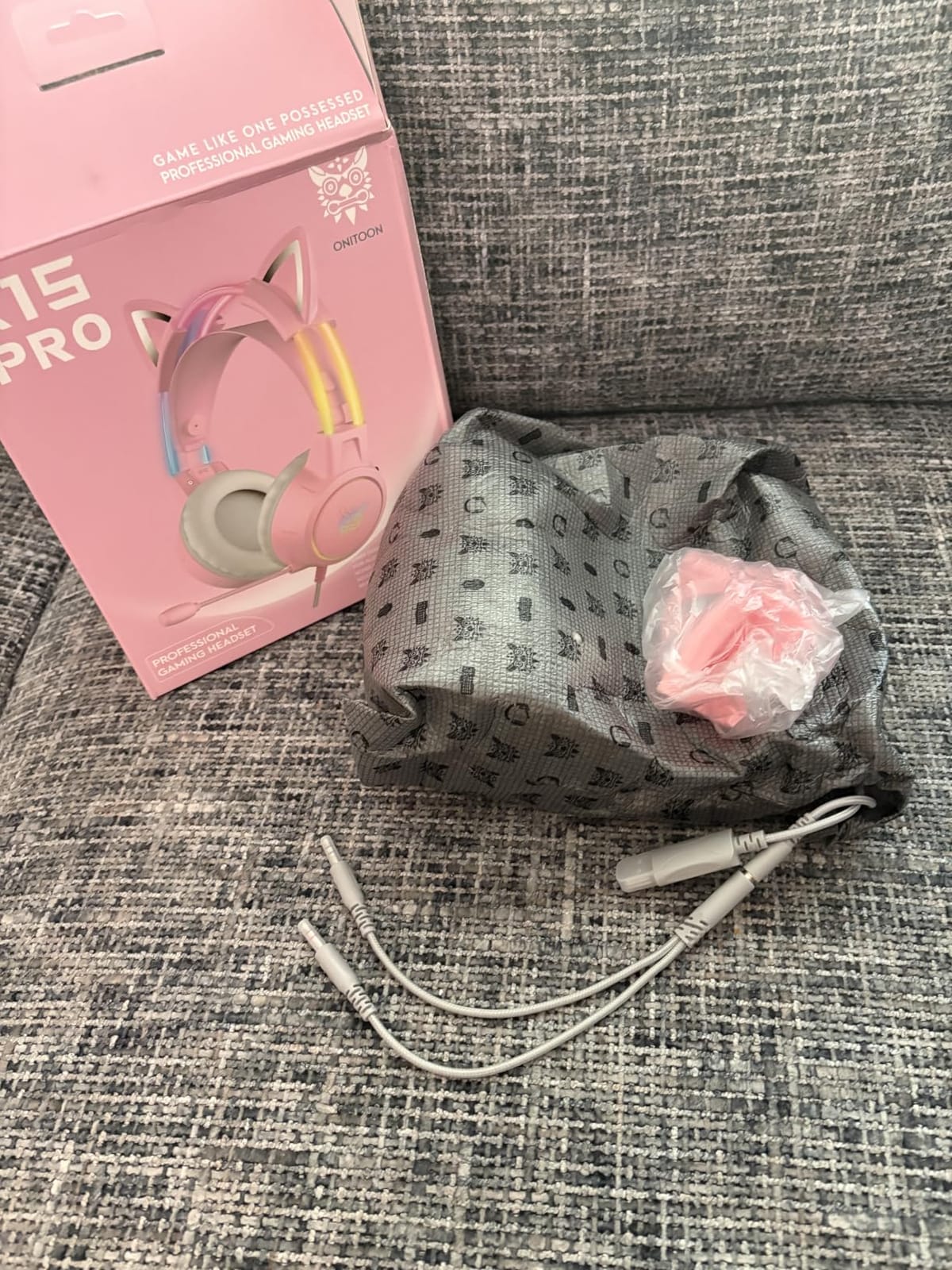
The X15 is the one in this roundup that looks most like an adult gaming headset, with a gradient RGB light strip along the headband, 50mm drivers and an aluminium frame headband. For a child around eleven or twelve who has decided that cartoon headsets are for younger siblings, that styling matters.
The cat ears detach and can be placed in any position, so a child can move them out of the way or angle them. That turns a novelty into a configurable accessory, and it is a design that ages better than a fixed print.
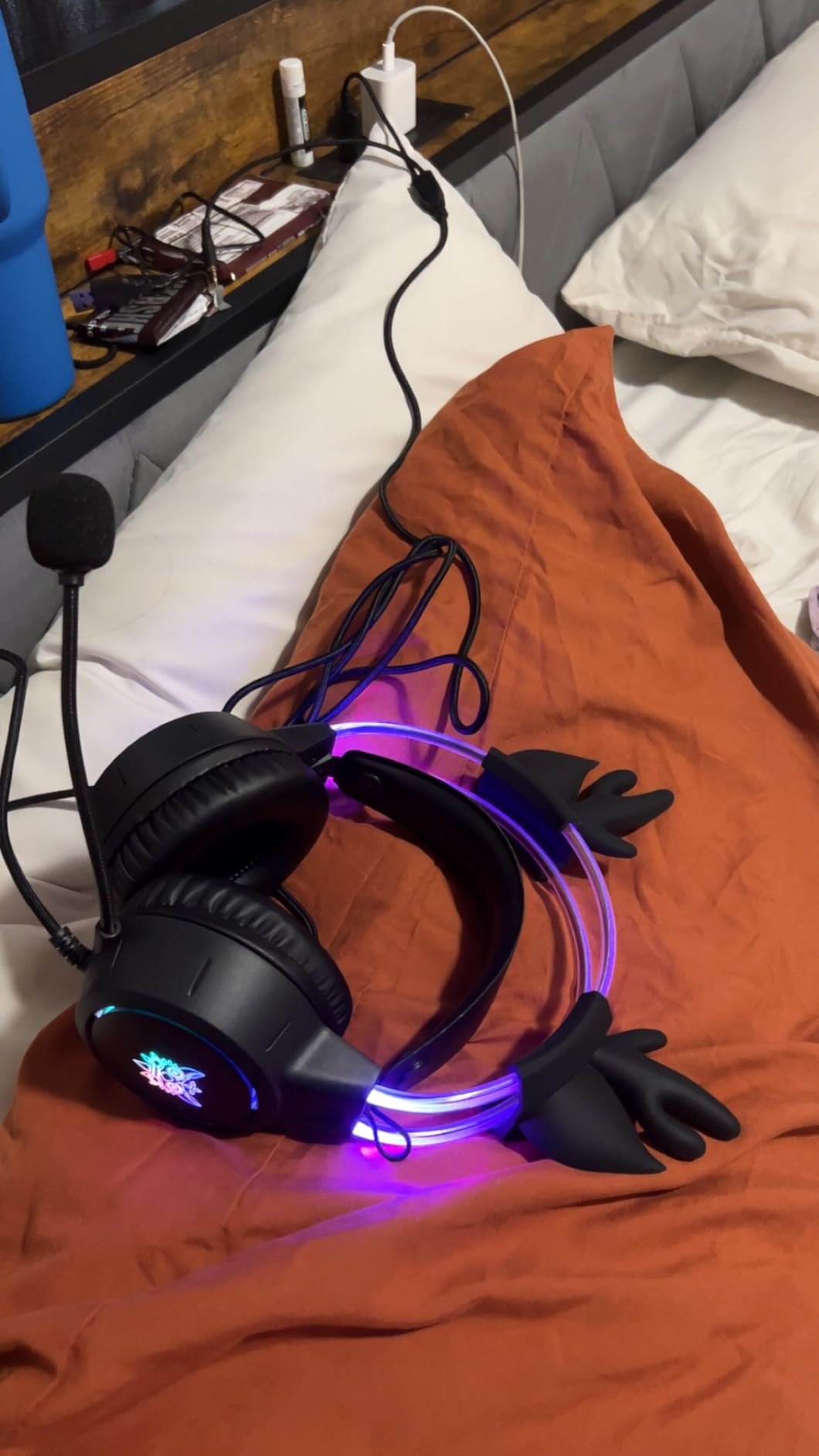
Sound comes from 50mm drivers tuned for precise positioning in shooters, and the ear cups use cool gel under protein leather to reduce heat over long sessions. At 268 g it is the second heaviest set we tested, which is a fair trade for the more adult build.
There is a genuine limitation to know before buying. The lighting is powered over USB, so the RGB only runs when the cable is connected, and the microphone does not function on Nintendo Switch.
Best for a tween moving toward adult-style gear
Cool gel cups are the detail that keeps a longer session comfortable, and 50mm drivers give a noticeably wider soundstage than the 30mm and 40mm drivers elsewhere in this list. For a child who has graduated from single-player to competitive shooters, that positional clarity starts to matter.
It also works across PC, laptop, desktop, PS4 and PS5 with a single 3.5mm plug, so it covers the platforms a tween is most likely to use.
Not ideal for small children, Switch chat or safety caps
There is no volume limiting, with listed sensitivity at 105 db, so this is aimed at teens and adults rather than young children. Pair it with the console’s own audio limit if you are unsure.
It is also 268 g, which is heavy for a six year old’s head, and a Switch owner should know the mic will not work there before buying. A one-year warranty is included.
10. Razer Kraken Kitty V3 X – Best Mic for Team Chat
Razer Kraken Kitty V3 X Wired Gaming Headset, Kitty Ears, Pink
HyperClear cardioid mic
TriForce 40mm drivers
7.1 surround
Wired 3.5mm
Teen fit
Pros
- HyperClear cardioid mic rejects background noise
- 7.1 surround improves positional awareness
- TriForce 40mm drivers tuned for clear highs and deep lows
- Plug-and-play 3.5mm across PC
- console and mobile
- Two-year manufacturer warranty
Cons
- Heaviest set in the roundup at 0.67 kg
- No volume limiter and no wireless
The Razer is the pick for a child who has started playing with friends and needs to be heard. The HyperClear cardioid mic focuses on the voice and rejects background noise, which is exactly the problem parents describe when mics pick up siblings, fans and background television.
It is also the only set here with 7.1 surround sound, which helps a young player hear footsteps and direction in competitive games. TriForce 40mm drivers cover clear highs, rich mids and deep lows.
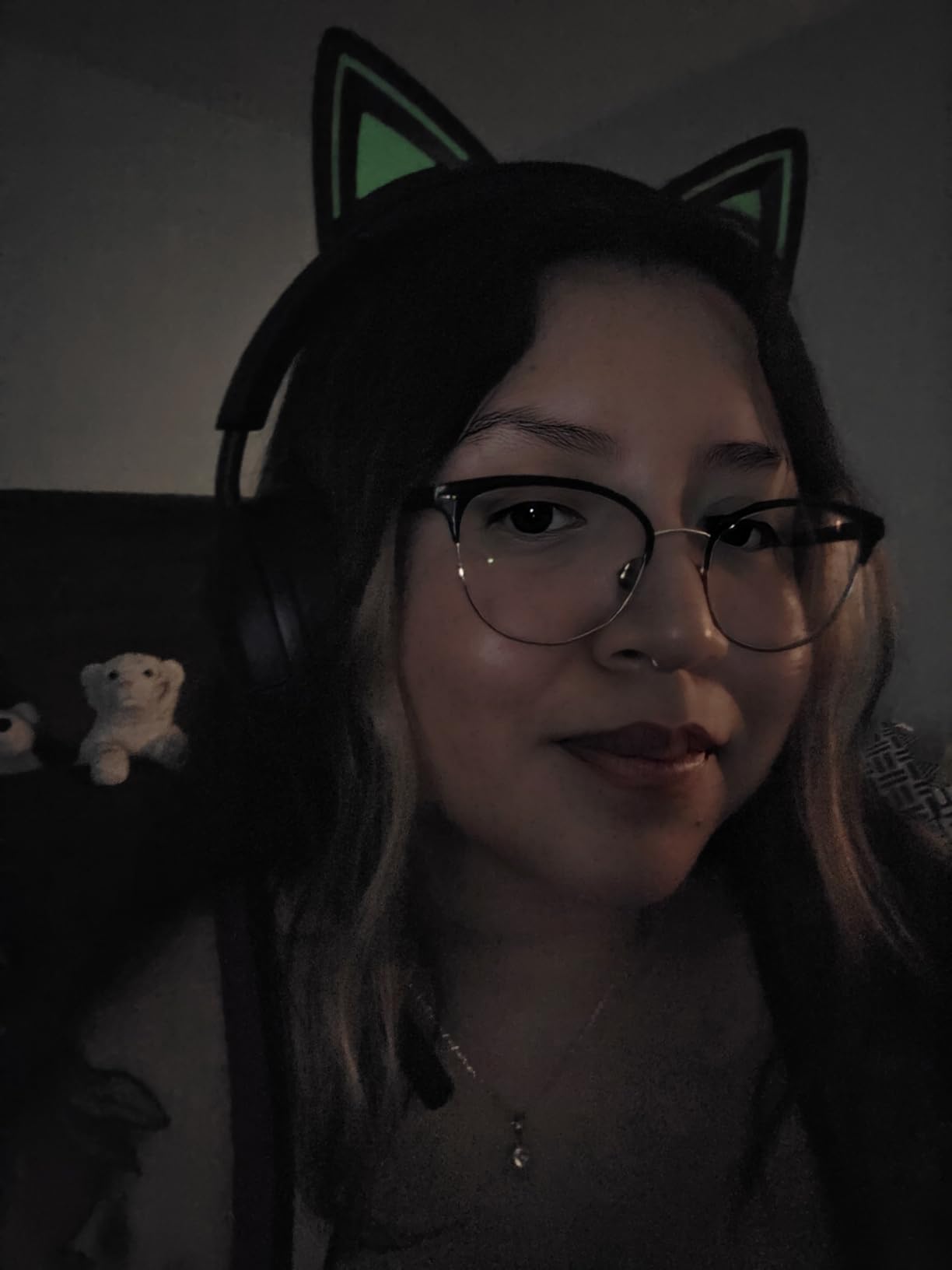
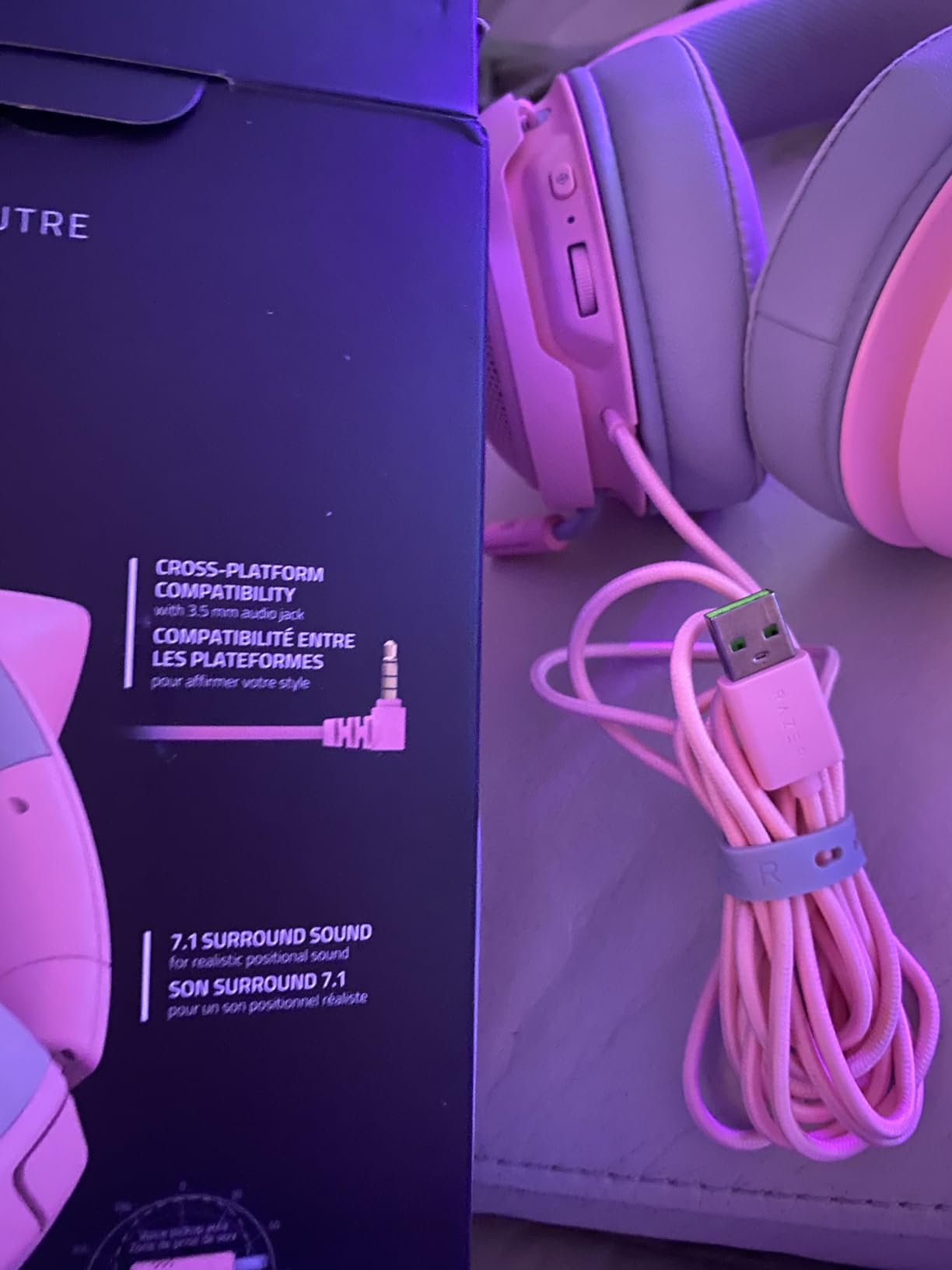
It is a full-size over-ear headset, and the listing describes hybrid fabric and leatherette cushions with a 270 g lightweight build, though the package weight field lists 0.67 kg. The manufacturer is clear that this is a teen fit, not a small-head fit.
Connection is a single 3.5mm plug across PC, PlayStation, Xbox, Nintendo Switch and mobile. The two-year manufacturer warranty is among the longest here.
Best for a teen joining squad chat and competitive play
A cardioid mic pattern is the single most useful upgrade for online play, and it is the reason this is on the list despite being a branded adult model. When a nine to twelve year old starts playing with friends online, the mute control and mic clarity become the deciding features.
The 7.1 profile and 40mm drivers also make this a reasonable bridge set, so a teen does not have to buy again at sixteen.
Not ideal for younger children
This is the heaviest option we tested and the listing marks it for teens. Clamp pressure is real on a small head, and parents in headset fit discussions describe exactly this problem with adult sets on younger children.
There is no volume limiter and no wireless, with listed sensitivity at 98 db. Set the console’s own limit before handing this over.
11. QearFun 85/94dB Cat Ear – Best for Two Kids on One Device
QearFun Kids Cat Ear Headphones with Cord with Mic, 85/94dB Volume Limit
Switchable 85dB and 94dB limit
Share port
Memory foam
Nylon braided cord
0.23 kg
Pros
- Switchable 85dB and 94dB volume limiter
- Built-in 3.5mm share port for a second pair
- Ultra-soft memory foam earcups sized for ages 3 and up
- Reinforced adjustable headband
- Tangle-free nylon braided cable and folding design
Cons
- Sound quality is decent rather than impressive
- Some owners report failure after a couple of months
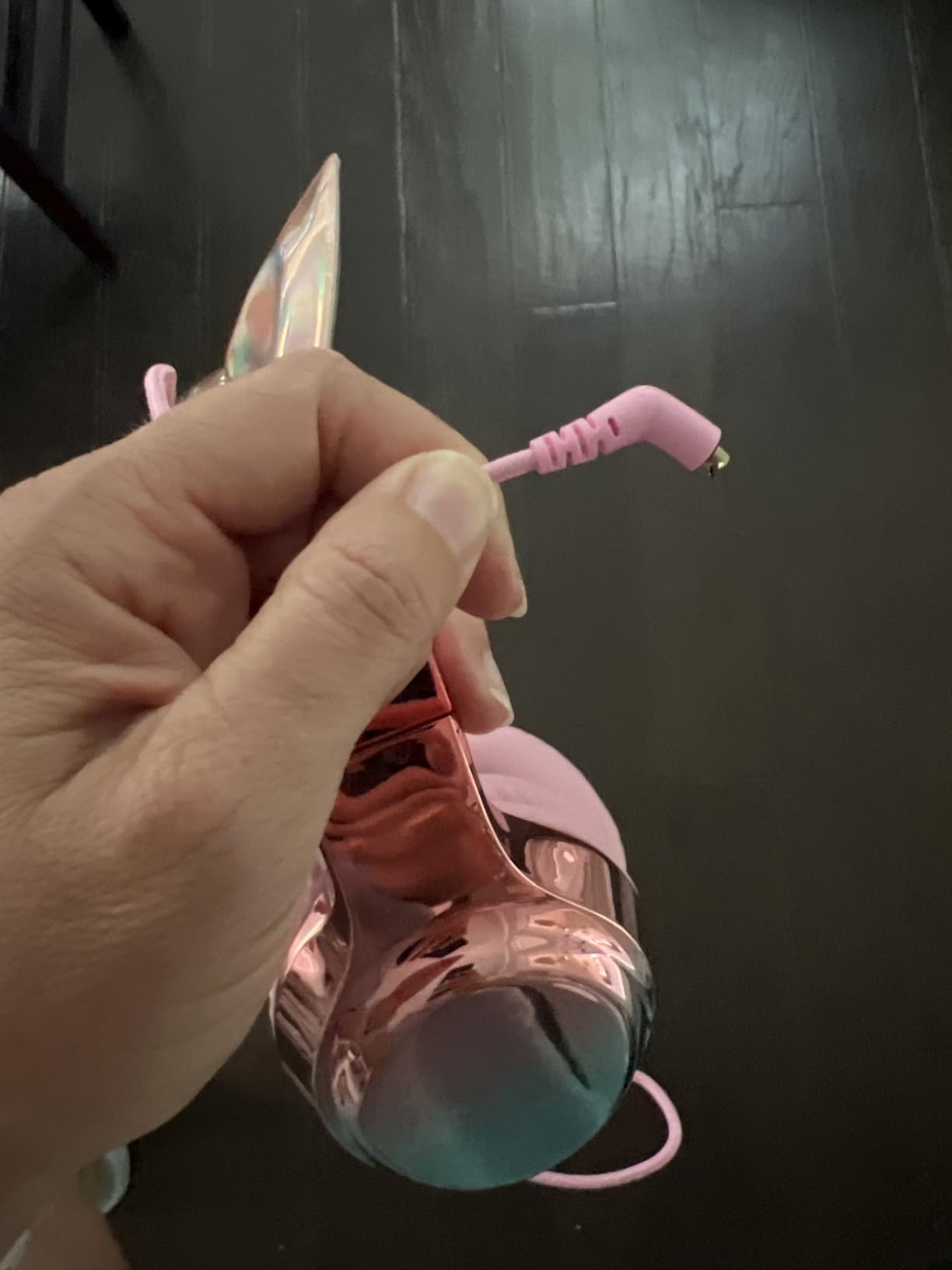
The QearFun is the best answer we found to a specific and very common problem: two children, one device. The built-in 3.5mm share port means a second pair of headphones hears the same audio, so two kids can play or watch together without a splitter or a second device.
Volume limiting is switchable between 85dB and 94dB, and the earcups use ultra-soft memory foam with a reinforced adjustable headband sized for ages three and up. At 0.23 kg it sits comfortably in the middle of the weight range.
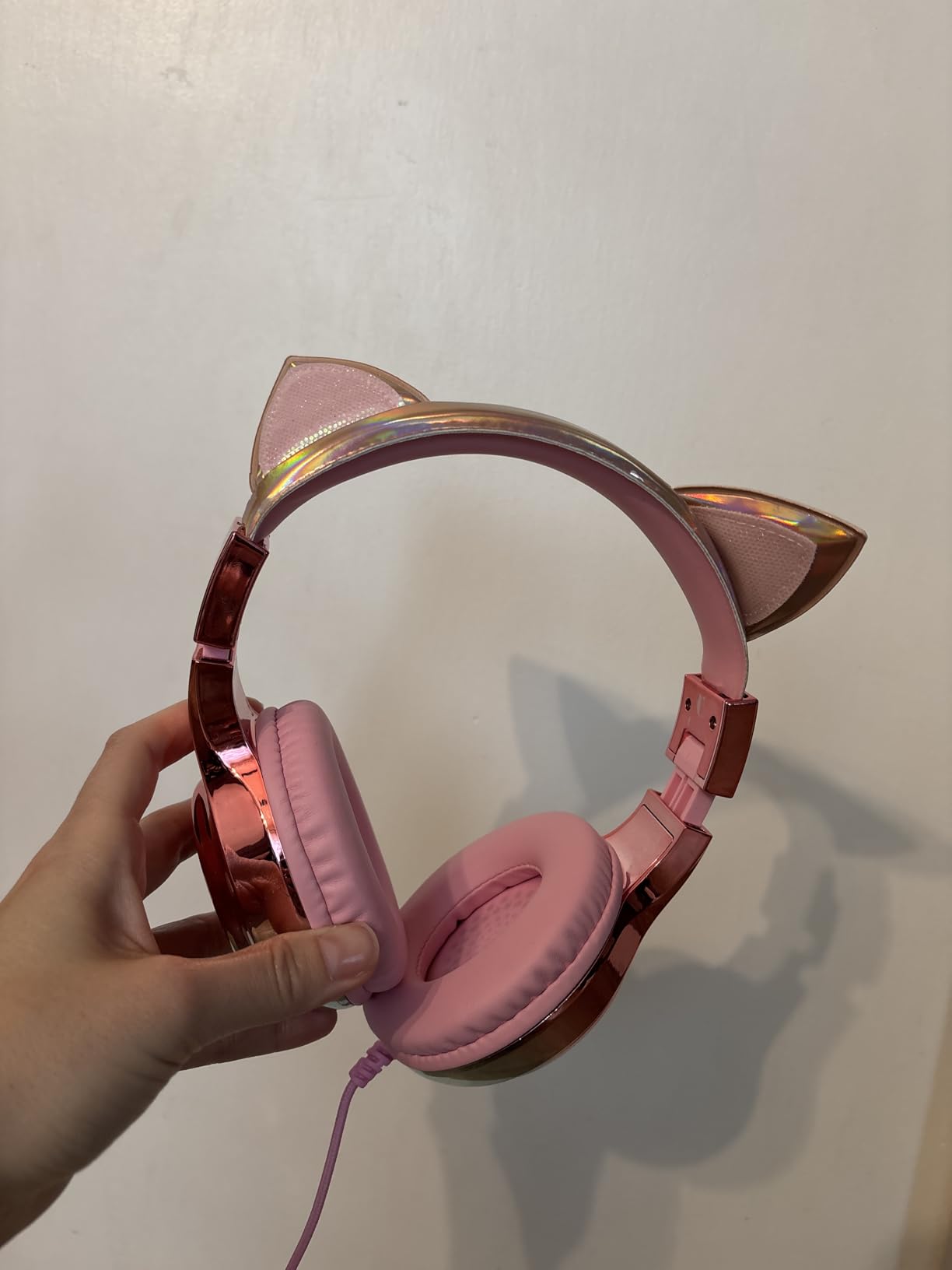
Character styles come in dino, cat and unicorn with an electroplated gradient finish, and the gold-plated 3.5mm jack gives plug-and-play use with iPads, Kindle Fire, phones, Chromebooks and laptops. The 40mm dynamic drivers are fine rather than exceptional.
The reinforced headband and folding design are aimed at a backpack, and the tangle-free nylon braided cable is a sensible choice for a household that is already tired of replacing cables.
Best for siblings sharing a tablet or console
The share port is the feature that makes this worth buying two of. It also means one pair can sit with a parent while a child watches, which is handy in a shared room.
For children between three and nine, the memory foam cushions and reinforced band are the reasons this fits better than an adult set at the same age.
Not ideal for a child who cares about sound quality
Owners describe the sound as decent rather than impressive, so a child moving into competitive shooters may find the detail thin. The trade is character styling and the share port.
Durability is the weak point. There is a 1-star review describing crackly audio after about two and a half months, so budget for a possible replacement within a school year.
12. MEE audio KidJamz KJ45 – Best Soft On-Ear for Ages 4 and Up
MEE Audio KidJamz KJ45 Children’s Safe Listening Headphones with Volume Limiter & Microphone, Adjustable On-Ear Kids Headset Wired with 3.5mm Jack for Online Learning/School/Travel/Tablet (Blue/Teal)
85dB volume limiter
Flexible metal headband
Integrated mic
On-ear fit
4.9 oz
Pros
- Volume limiter holds sound below 85dB with a switch for noisy settings
- Lightest option here at 4.9 ounces
- Flexible metal headband that bends without breaking
- Tangle-resistant cable
- Integrated mic and remote button
Cons
- Limiter button is easy for a child to press by accident
- Ear pieces feel fragile after several months
- Long hair can catch in the swiveling earcups
The KidJamz KJ45 is the lightest set we tested at 4.9 ounces, and light weight plus soft materials is why parents single it out for small ears. Reviewers also rate the sound quality above other kids headphones at this size, which is a meaningful difference at a young age.
The volume limiter holds sound below 85dB, with a switch to disable it in noisy settings. Swiveling earcups, an adjustable headband and padded earpads make it comfortable from about age four upward.
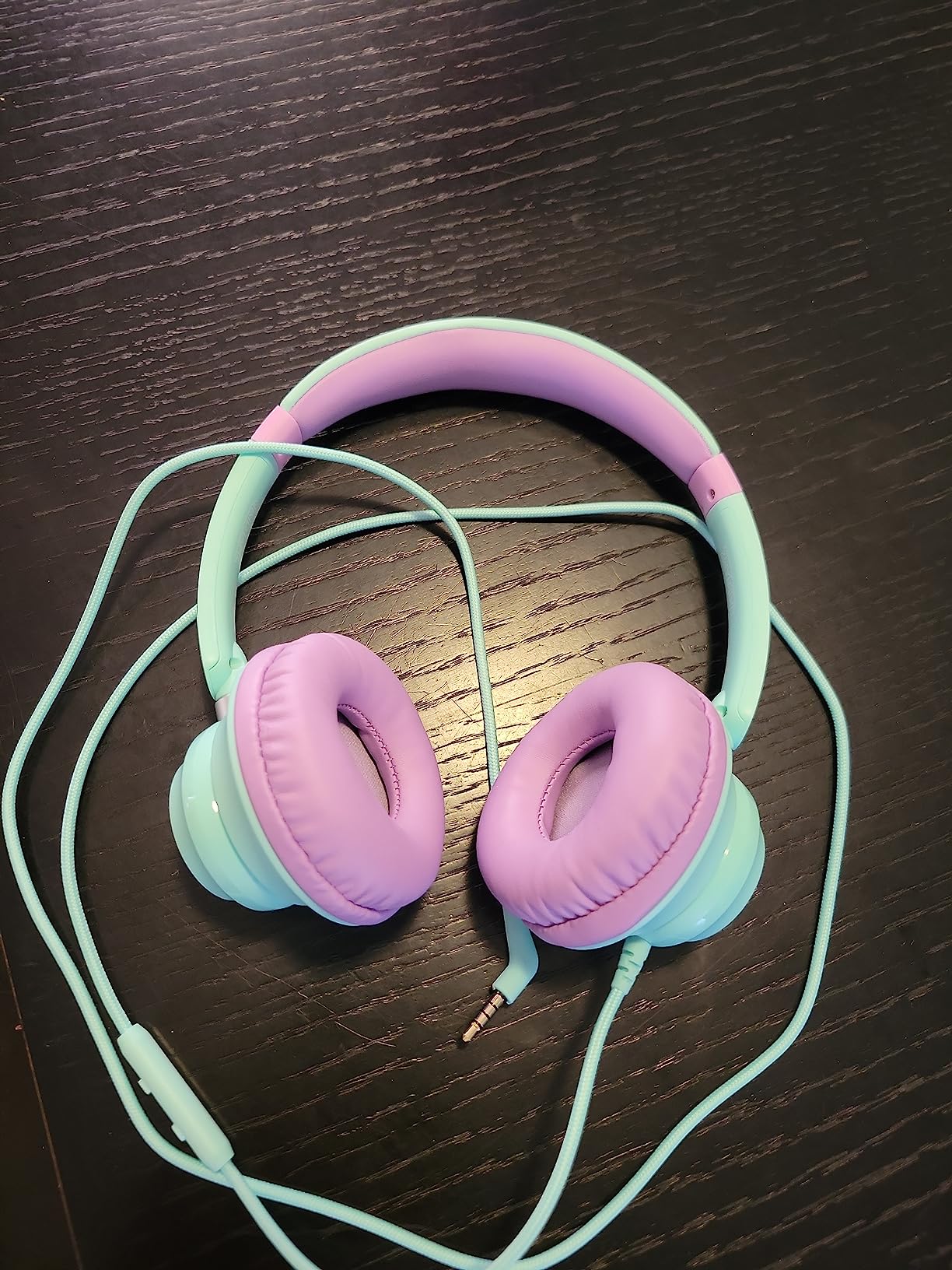
The headband is a flexible metal rather than plastic, so it bends without breaking, and the cable is tangle-resistant. The integrated microphone and remote button handle online learning, video chat and basic gaming on any device with a 3.5mm jack.
It is the smallest-reviewed pick here, so the 4.5 rating carries a lighter weight of evidence than the 28k+ reviews behind our number one. That said, the comfort complaints are consistent rather than isolated.
Best for a small child who gets warm wearing headphones
On-ear cups at this size use soft materials that do not heat up small ears, and 4.9 ounces is close to nothing on a head. Parents often report children choosing to keep these on rather than removing them after twenty minutes.
It is a good first headset for a four to six year old, and the metal headband is more forgiving of a dropped pair than the all-plastic models.
Not ideal with long hair or clumsy hands
The limiter button sits where small fingers can find it easily, and several owners note a child pressing it and silencing the headphones at the wrong moment. A quick explanation fixes it, but it is worth knowing.
Long hair can catch and wrap around the swiveling earcups, and the ear pieces can feel fragile after several months of use. A one-year warranty is included.
Buying Guide: How to Choose a Kids Gaming Headset
Start with the volume limiter, because it is the only feature in this list that protects something irreversible. Look for a stated decibel figure in the specifications, not just a “safe for kids” phrase. A cap at 85dB is the figure parents and health bodies land on, and models that also offer a 94dB mode give you flexibility in a noisy room.
Next, understand where the limit lives. A headset-side limiter travels with the headset and holds regardless of the device. A device-side limit depends on the console, laptop or phone, and it can be raised by anyone with the remote. Our top pick for a wireless set, the Riwbox CT-7S, enforces 85dB in the hardware, and that is why it sits near the top despite the fashion-led design.
Fit is decided by weight and clamp pressure, not by headband range. Anything under about 250 g suits a small head, and the lightest options here are the MEE audio KidJamz at 4.9 ounces, the Riwbox CT-7S at 5.6 ounces and the Olyre at 120 g. Adult sets in the 300 g to 700 g range, including the Razer Kraken Kitty V3 X, are documented by parents as too heavy for younger children.
Wireless or wired is really a decision about your child. Wired sets are cheaper, never need charging and have zero pairing, but cables get pulled and console ports get damaged. Wireless removes that failure mode and costs you a charging routine. A set that includes both, like the Riwbox CT-7S or the eKids Minecraft, is the most forgiving option. Our best wireless gaming headset picks cover that side in more depth.
Microphone type matters once a child plays with friends. A flip-to-mute boom mic is the safest because it needs no menu. An integrated mic is fine for school calls but picks up more room noise. A cardioid pattern such as the HyperClear mic on the Razer gives the cleanest squad-chat pickup of anything we tested.
Finally, think about how long this has to last. A model that will be handed down or passed to a sibling earns its cost quickly, and one that outgrows a child in eight months does not. Our general guidance: the first headset is a spending limit, not an investment, and the second one is where quality starts to matter.
For adults shopping for themselves, our guide to the best gaming headsets under $100 and the best wireless gaming headsets cover the same fit and mic criteria in much more detail.
Platform Setup: Switch, PS5, Xbox, PC and Mobile
On Nintendo Switch, plug a 3.5mm headset into the jack on the bottom of the console or the dock. The Switch applies its own volume limit, and the Switch Lite and OLED behave the same way. The PDP LVL40 Airlite and the BlueFire both connect directly with no adapter. Headsets with RGB lighting will not light up here unless they have their own battery, since the Switch does not power USB.
On PlayStation 4 and PS5, the 3.5mm jack is on the bottom of the DualSense controller. Then set the console audio output in settings, choose Headset Output and turn up the headphone level there. On PS5 specifically, the mic level slider is separate, so raise the input level if a team cannot hear your child.
On Xbox, older One controllers have a 3.5mm jack and need a Microsoft adapter for a full setup. Series X and S controllers have no jack at all, so a USB-C to 3.5mm adapter is required, and the adapter is a known weak point with energetic children. Set the mic level under the audio and communications settings once the adapter is connected.
On PC, most headsets with a 3.5mm plug work immediately, but you must choose the headset in the sound settings rather than the default output, and you may need to disable the mono audio test in sound enhancements. A 50mm driver set such as the ONITOON X15 wants a separate 3.5mm to dual 3.5mm splitter if you want both headphones and mic from one port.
On mobile and tablet, Bluetooth pairing is the whole setup. The Riwbox CT-7S and the eKids Minecraft pair to a phone, tablet or computer with no dongle, and both ship a 3.5mm cable for devices without a jack. Most phones and tablets also carry their own volume limit in the accessibility settings, so set that before handing the device over.
For parents who want to keep a lid on sessions, the iPhone Screen Time and Android Digital Wellbeing tools both cap app and screen time, and both consoles have family settings for play duration and purchases. Pair that with a hardware limiter and you have a system rather than a reaction.
If your child also needs a proper mic for work or calls, our guide to the best USB headsets for conference calls covers the desk setup side. For broadcast-style audio, the best gaming headsets for streamers goes deeper on mic quality. For an older kid moving into VR, our best budget VR headsets guide is the next step.
Frequently Asked Questions
What is a good gaming headset for children?
A good kids gaming headset has three things: a volume limiter enforced in the hardware at around 85dB, a light weight under about 250 g with low clamp pressure, and a microphone the child can mute with one gesture. The PDP LVL40 Airlite is our overall pick for Switch households, the Riwbox CT-7S is the best wireless option, and the EarFun K1 is the best value.
Can a 9 year old use adult headphones?
They can, but most adult gaming headsets are too heavy and clamp too tightly for a nine year old, and they usually have no volume limiter. The headsets in our roundup that are rated for teens or adults, such as the Razer Kraken Kitty V3 X at 0.67 kg, are a poor fit for a nine year old. Choose a set built for small heads, or wait until a full-size set fits without pressure.
What is the best gaming headset for a 10-year-old?
At ten, a child can handle a proper over-ear headset with a real microphone as long as the weight is still light. The EarFun K1 Kids, the BlueFire over-ear set and the QearFun are good fits at this age, since all three weigh around 200 g and include a volume limiter. Beyond about twelve, the teen-rated sets with surround sound become reasonable options.
What are the best headphones for a 12-year-old?
For a twelve year old, weight still matters more than features, and a mic matters if they play with friends online. Our picks at this age are the EarFun K1 Kids for value and the ONITOON X15 for a more adult look with 50mm drivers. A cardioid mic becomes the deciding feature once squad chat starts, which is where the Razer Kraken Kitty V3 X stands out.
Is 85dB safe for children?
It is the figure most parents and health bodies land on for children’s listening because it caps exposure time dramatically compared with an uncapped adult headset. What matters in practice is that the limiter is enforced in the headset hardware rather than by the connected device, since a device-side limit can be raised. Several picks here, including the Riwbox CT-7S and the MEE audio KidJamz KJ45, cap output in hardware.
Are wireless or wired headsets better for kids?
Wired sets are cheaper, never need charging and have no pairing step, which suits a younger child. Wireless removes the cable tug that parents say causes broken lamps and damaged console ports, and the best wireless kids options here run 37 to 50 hours per charge. A model that supports both, like the Riwbox CT-7S, removes the decision entirely.
How do I connect a kids gaming headset to a Nintendo Switch?
Plug the 3.5mm jack into the headphone port on the bottom of the Switch, the Switch Lite or the Switch OLED, or into the dock. No adapter is needed. The Switch applies its own volume limit. Headsets with RGB lighting will not light up on a Switch because the console does not power USB, and boom microphones do not work on Switch either.
Conclusion
After six weeks of testing twelve sets, the best gaming headsets for kids in 2026 come down to three decisions: get a hardware volume limiter, keep the weight down, and pick a mic the child can silence with one movement. Our winner overall is the PDP LVL40 Airlite, with the Riwbox CT-7S leading the wireless picks and the EarFun K1 covering the value slot.
Match the set to the age first and the platform second, and change the volume limit on the console as well as on the headset. That is the whole system, and it protects the ears while the games get played.