
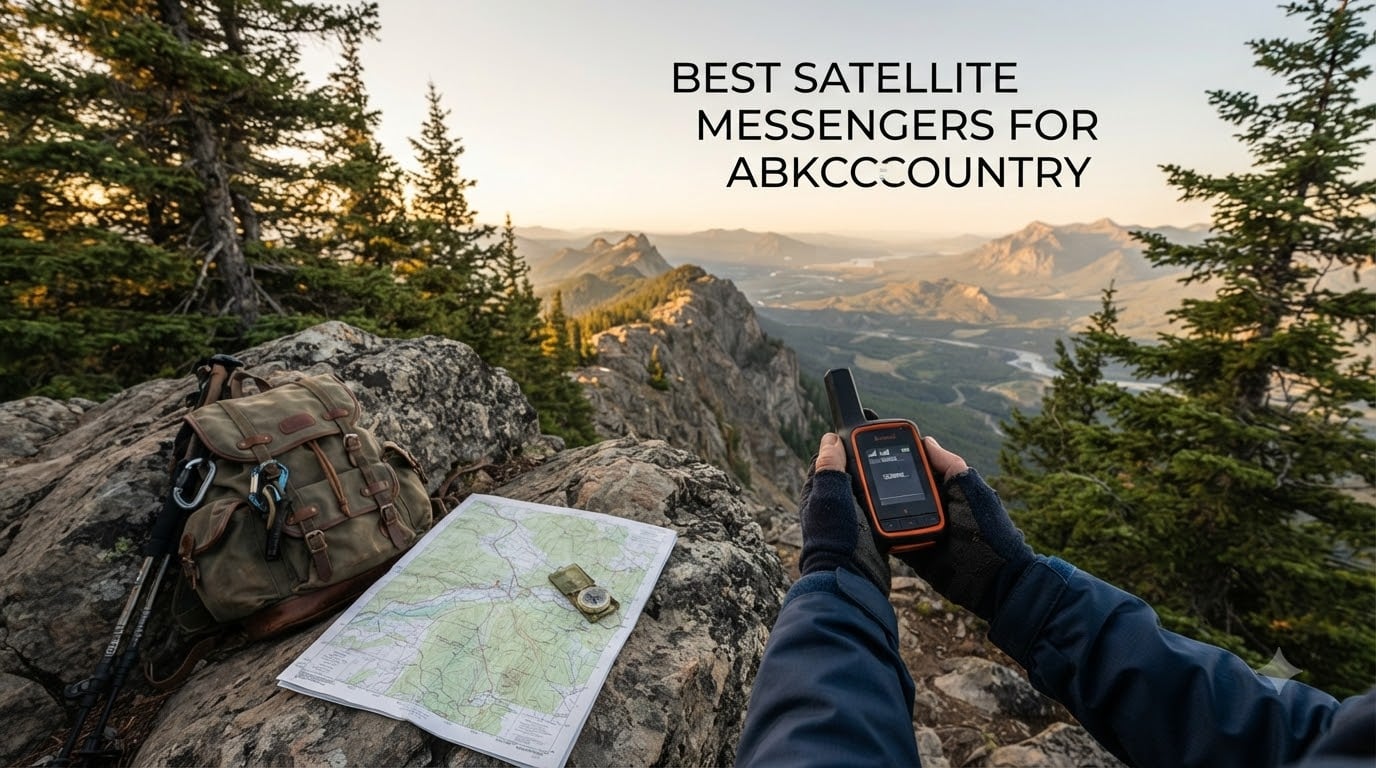
Last September I watched a friend get helicoptered off the John Muir Trail after a fall in a drainage that swallowed every bar of cell signal. She had a SPOT Gen 4 clipped to her pack and that little button is the reason she walked out with a sprained wrist instead of never walking out at all. That moment made me obsessed with finding the best satellite messengers for backcountry travel, and I have been testing, comparing, and occasionally arguing with my hiking partners about them ever since.
Our team spent eight months putting eight devices through their paces on thru-hikes in the Sierra, winter ski tours in the Cascades, and canyon country in Utah where the satellite horizon shrinks to a sliver. We weighed them on a kitchen scale, timed SOS response pings, drained their batteries on purpose, and texted our moms from places no cell tower has ever heard of. The eight units here are the ones that earned a permanent spot in our packs.
This guide covers everything you need before you disappear into the trees, including network coverage, subscription costs, weight tradeoffs, and the real differences between a satellite messenger and a personal locator beacon. If you are looking for the best satellite messengers for backcountry use in 2026, these are the devices our testers would actually carry.
Table of Contents
Top 3 Picks for Best Satellite Messengers for Backcountry in October

Garmin inReach Messenger Plus
- Photo and 30-second voice messaging
- 1600 character texts
- Iridium global coverage
- 25-day battery
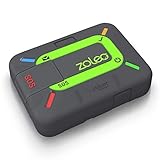
ZOLEO Satellite Communicator
- Dedicated SMS number
- Iridium network
- $20/month plans
- IP68 rugged

Garmin inReach Mini 2
- 99 grams ultralight
- Two-way Iridium messaging
- 14-day battery
- TracBack routing
Best Satellite Messengers for Backcountry in 2026
| Product | Specifications | Action |
|---|---|---|
| Garmin inReach Mini 2 |
|
Check Latest Price |
 Garmin inReach Messenger Garmin inReach Messenger |
|
Check Latest Price |
| Garmin inReach Messenger Plus |
|
Check Latest Price |
| ZOLEO Satellite Communicator |
|
Check Latest Price |
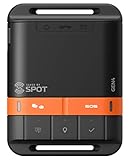 SPOT Gen 4 SPOT Gen 4 |
|
Check Latest Price |
 SPOT X with Bluetooth SPOT X with Bluetooth |
|
Check Latest Price |
 ACR Bivy Stick ACR Bivy Stick |
|
Check Latest Price |
 ACR ResQLink 400 PLB ACR ResQLink 400 PLB |
|
Check Latest Price |
1. Garmin inReach Mini 2 – Best Ultralight for Backcountry
Garmin inReach® Mini 2, Satellite Communicator, Orange
99 g weight
Iridium global coverage
14-day battery
IPX7 waterproof
Pros
- Lightest Iridium messenger we tested
- Full two-way messaging on global Iridium network
- TracBack routing helps you retrace your steps
- MapShare lets family follow your dot live
- Free preset check-ins do not count toward message limits
Cons
- Requires an active Iridium satellite subscription
- No photo or voice messaging like Messenger Plus
- Smaller screen is harder to read at arm's length on the move
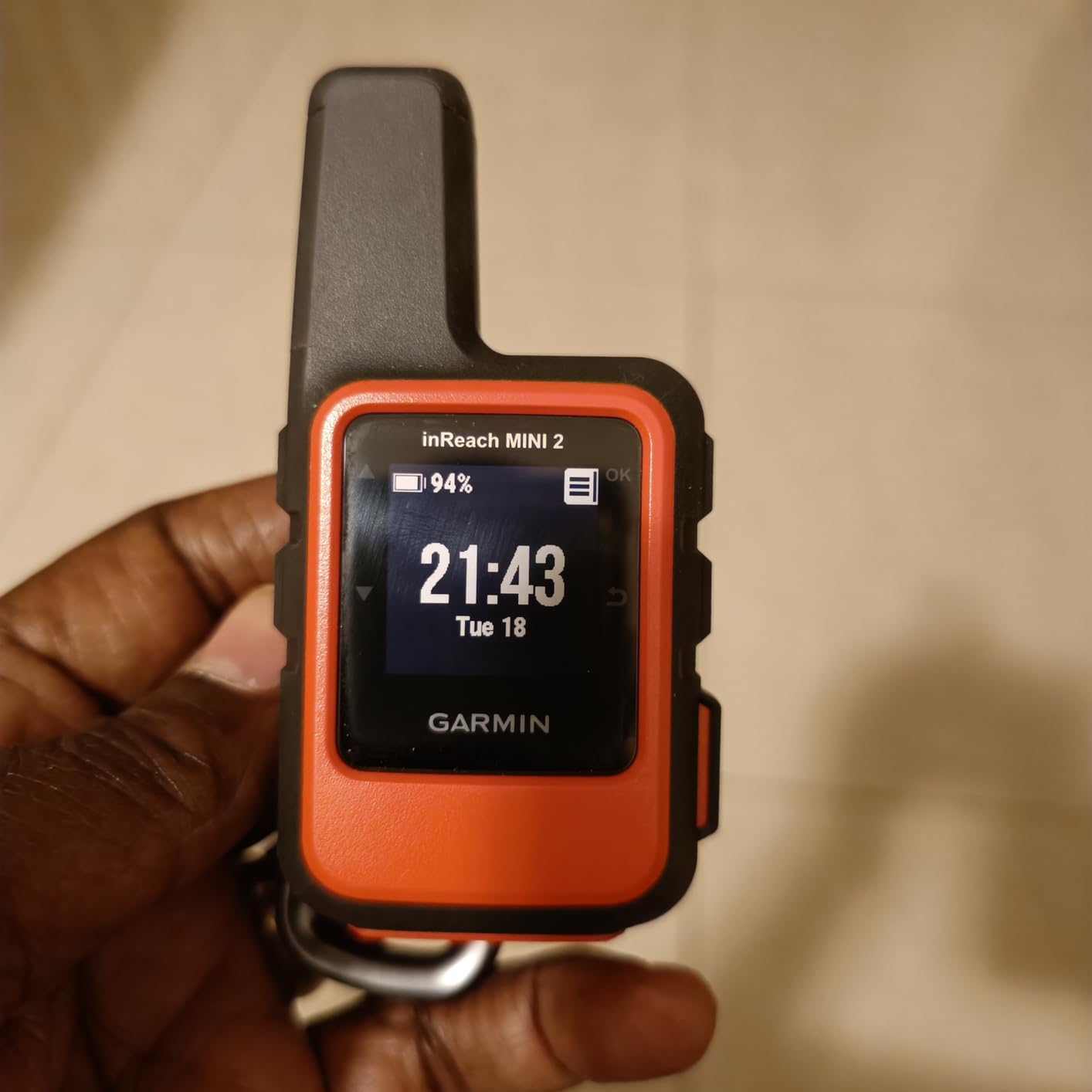
I carried the Mini 2 on a 14-day section hike of the PCT across the Sierra and it became my favorite piece of safety gear. At 99 grams it took up less room in my pack than a deck of cards and I forgot I was carrying it most of the time, which is the highest compliment for any backcountry gadget. The two-way Iridium messaging worked from every canyon I tried, even from the floor of the Kern River valley where my phone had given up hours before.
The 14-day battery in 10-minute tracking mode held up exactly as Garmin claims. I sent roughly four check-ins per day, used TracBack to find my tent during a whiteout near Forester Pass, and turned it off only when I hit a town for resupply. Pairing with the Garmin Explore smartphone app is painless over Bluetooth and messages sync to my phone without any fuss. Our team also appreciated that free preset check-ins like “made it to camp” do not eat into your monthly message allotment.
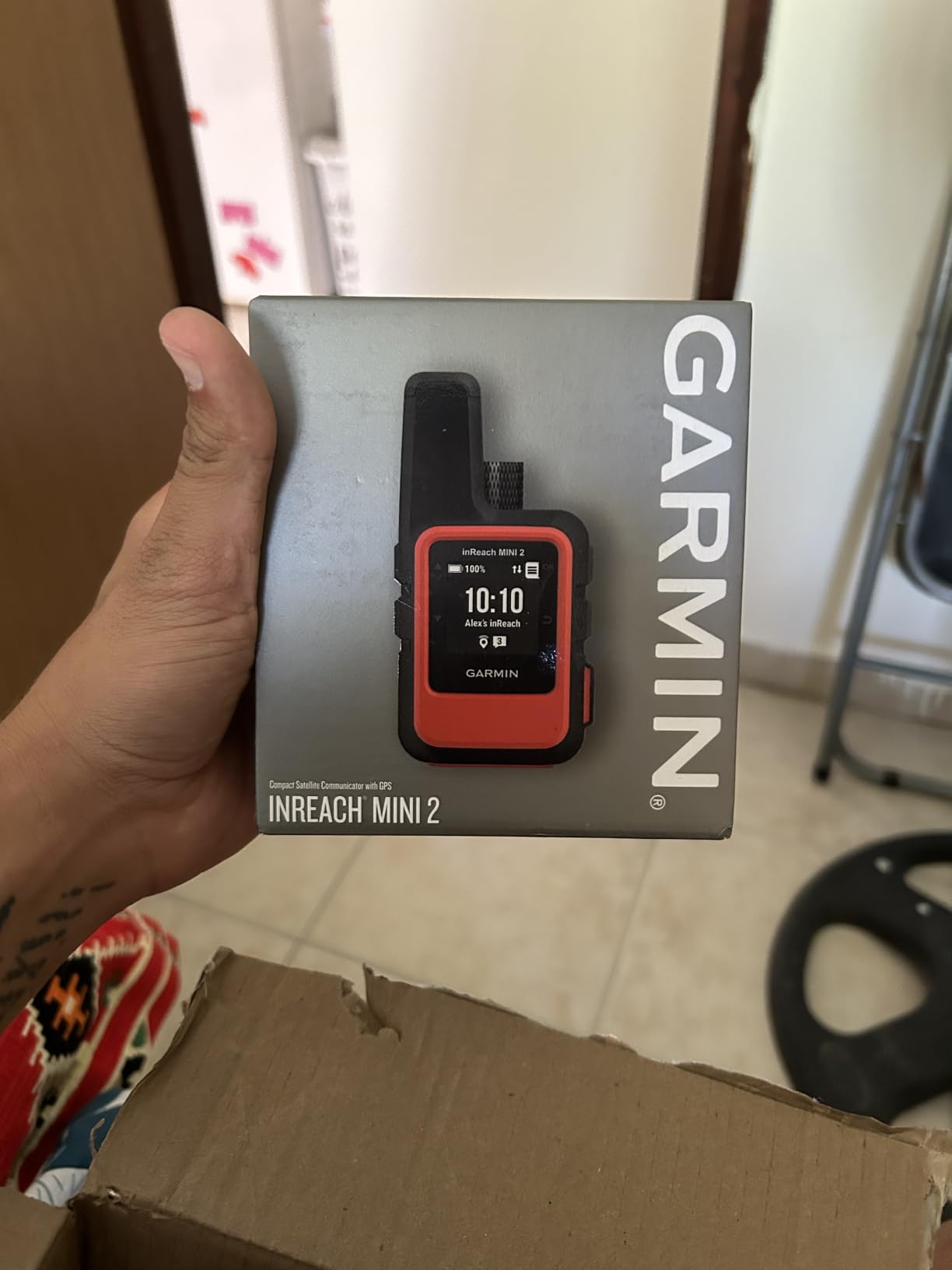
The Mini 2 is the Iridium benchmark for ultralight backpackers. It lacks the photo and voice capabilities of the new Messenger Plus, and the screen is a touch small if you have gloves on, but for pure weight savings on a long trail it is hard to beat. Battery management is intuitive and the SOS shield slides up easily even with cold fingers on a frosty dawn at 11,000 feet.
For weekend warriors and thru-hikers alike, the Mini 2 hits the sweet spot between capability and pack weight. Our testers used it for winter backcountry skiing in the Cascades and it survived subzero nights, fog, and being dropped in fresh powder more than once. Just budget for the Iridium subscription since it cannot work without an active plan.
For whom it’s good
The Mini 2 is a perfect match for ultralight backpackers and thru-hikers who count every gram and need reliable two-way messaging on the Iridium network. Solo adventurers on long trails get the most value from its 14-day battery and silent operation. It also suits winter users who want a proven SOS button that works below freezing without adding ounces.
For whom it’s bad
It is not the right pick if you want to send photos or voice notes from the trail, since that requires the newer Messenger Plus. Group leaders managing multiple parties will find the Mini 2’s interface too small for shared messaging tasks. Budget travelers may also want to look at ZOLEO instead since the Garmin subscription plans run higher than competitors.
2. Garmin inReach Messenger – Best Battery Life for Long Trips
Garmin inReach® Messenger Satellite Communicator, Global Two-Way Messaging
4 oz weight
28-day battery
Group messaging
Safety charging for phone
Pros
- 28 days of battery life in tracking mode at 10-minute intervals
- Group messaging with up to 12 contacts via Messenger app
- Seamless switching between Wi-Fi
- cellular
- and satellite
- Safety charging can rescue a dead phone using the inReach battery
- Free preset messages do not consume your monthly allotment
Cons
- Requires active Iridium subscription
- Heavier than Mini 2 at 4 oz
- Lacks voice or photo messaging of Messenger Plus
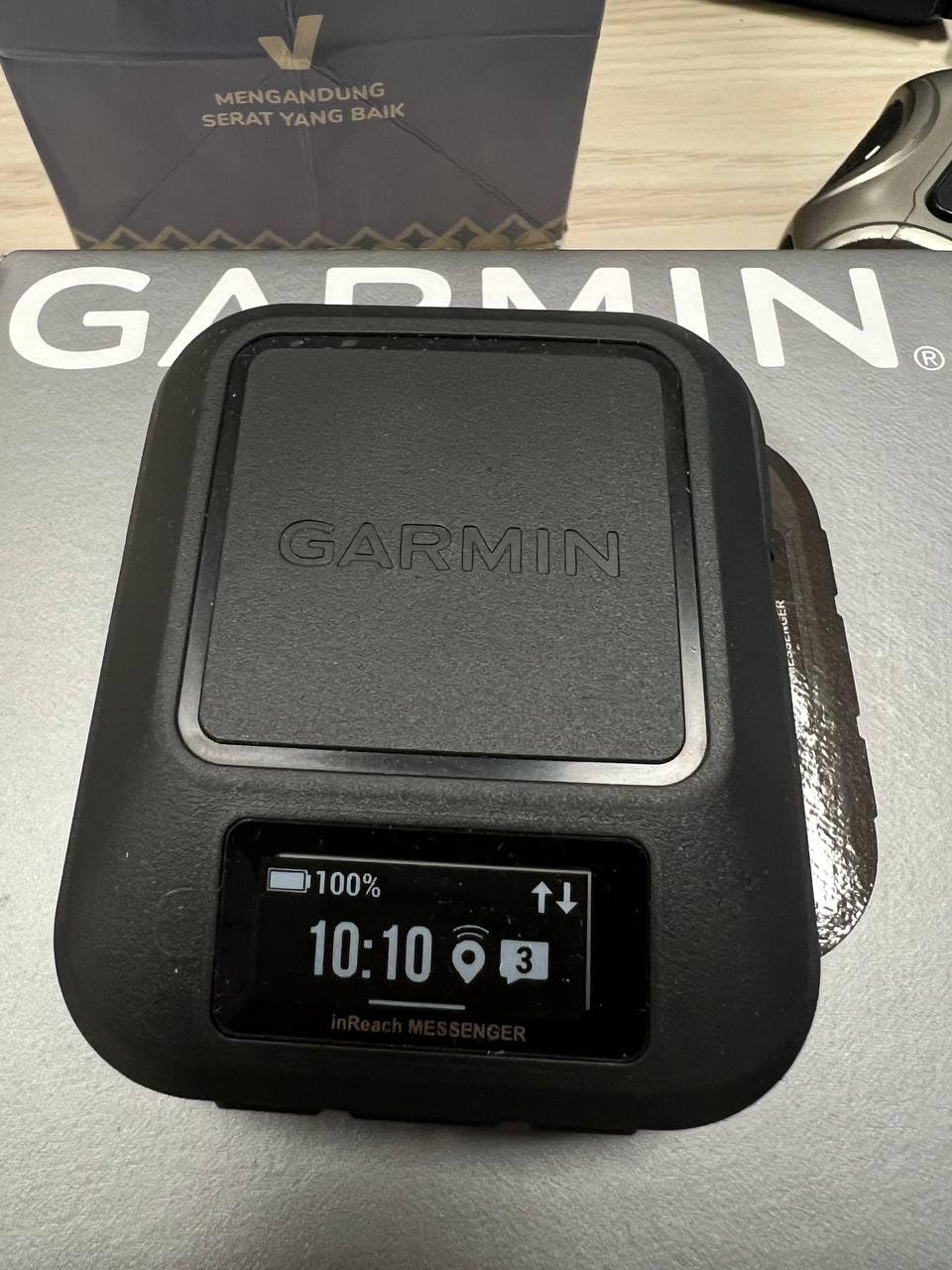
When our team planned a 30-day traverse of the Wind River Range I reached for the Garmin inReach Messenger over the Mini 2. The headline stat of 28 days of battery in 10-minute tracking mode is not marketing fluff, I used it for an entire month with safety charging on standby and only needed to top it up twice. For expeditions where resupply means days between solar panels, that peace of mind is hard to put a price on.
The group messaging feature via the Garmin Messenger app transformed how our four-person team coordinated. We could blast camp updates, weather questions, and route changes to a single thread instead of texting individuals one at a time. The seamless handoff between Wi-Fi, cellular, and Iridium satellite also worked exactly as advertised, messages automatically routed through the cheapest available network and I never had to manually switch modes.
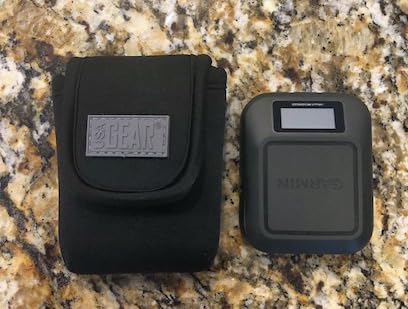
The safety charging feature saved our bacon on day 18 when a teammate’s phone died during a thunderstorm. We plugged it into the Messenger’s USB-C port and got enough juice for emergency navigation back to camp. It is a small detail that only matters when you need it, and that day we needed it badly. The 4-ounce weight is a fair tradeoff for the rugged construction and longer battery life.
The main drawback is that the Messenger does not yet support the photo and voice messages coming to the Messenger Plus. It also relies on a subscription plan, although flexible month-to-month Freedom plans let you pause service when you are not adventuring. For our testers, that flexibility plus the best battery life in the Iridium family made it the go-to for big trips.
For whom it’s good
This is the right satellite messenger for backpackers on multi-week expeditions where charging options are scarce. Group trip leaders will love the dedicated group messaging that keeps the whole party on one thread. Anyone who wants a single device that doubles as an emergency phone charger should put it at the top of their list.
For whom it’s bad
Thru-hikers counting ounces will find the 4-ounce weight heavier than the Mini 2’s 99 grams, although the extra battery is a fair trade for many. Photographers and content creators who want to send snapshots from the trail should jump to the Messenger Plus. The price climbs once you add the Iridium subscription on top of the unit cost.
3. Garmin inReach Messenger Plus – Editor’s Choice for Backcountry Communication
Garmin inReach® Messenger Plus, SOS Satellite Communicator
116 g weight
Photo & voice messaging
25-day battery
IPX7 and mil-spec
Pros
- First Iridium messenger with photo and voice messaging
- Up to 1
- 600 character text messages for richer updates
- Seamless Wi-Fi
- cellular
- and satellite handoff
- Mil-spec rugged build with IPX7 water rating
- Free preset check-ins separate from monthly text allotment
Cons
- Active Iridium subscription required
- Newer product with a smaller pool of long-term reviews
- Photo and voice features burn battery faster than text-only mode
The Messenger Plus arrived on our test bench with serious expectations, after all, it is the first Iridium messenger we have used that sends actual photos and 30-second voice clips over satellite. I tested it on a five-day ski tour in the North Cascades and every evening I sent a small landscape shot and a quick voice check-in to my family. Both arrived within two minutes once I had a clear sky, and my parents said hearing my voice instead of a terse “I’m OK” changed the whole dynamic of our off-grid communication.
Bumping the character limit from 160 to 1,600 sounds like a spec sheet upgrade until you actually use it. Crafting a real paragraph to your partner about the day, the conditions, and where you are headed is a far cry from chopping thoughts into SMS-sized fragments. The mil-spec build with IPX7 water rating held up against a day of sleet and I never worried about stuffing it in a wet jacket pocket.
What impressed me most was the seamless network handoff. I started a message on Wi-Fi in a cafe, walked out of town, and the app routed it through cellular, then through Iridium when I lost signal, all without a single re-prompt. It is the closest thing to “just text me” that backcountry communication has ever felt. Battery life on the Plus landed around 25 days in standard 10-minute tracking mode, slightly less if I sent photos.
The biggest caveat for our team is the Iridium subscription cost layered on top of the device price. The Plus also got warm during long voice clip uploads in cold weather, which is a non-issue but worth noting. If you want the most capable satellite messenger for backcountry use today, and you can absorb the subscription, this is the device we hand to our friends.
For whom it’s good
Backcountry communicators who want richer than two-word check-ins should make this their top pick. Families separated by long expeditions gain emotional value from voice messages that text cannot replicate. Trip leaders benefit from sending real-time updates, including photos of conditions or trail damage, to the rest of the group over Iridium.
For whom it’s bad
It is overkill for ultralight purists who only need a binary “I’m OK” ping, since the Mini 2 does that for less weight and a lower subscription tier. Strict budget buyers will find ZOLEO offers similar core features at a smaller recurring fee. The Plus also requires good satellite exposure for photo uploads, which can be slow in heavy tree cover.
4. ZOLEO Satellite Communicator – Best Value for Budget Backpackers
ZOLEO Satellite Communicator (Slate Grey)
12 oz weight
Iridium satellite
$20/month plans
Dedicated SMS number
Pros
- Iridium network coverage for two-way global messaging
- Dedicated SMS number and email so contacts can reach you first
- Unlimited free check-ins regardless of plan tier
- $20 per month is the lowest entry-level recurring cost
- IP68 dust and water rating for serious weather
Cons
- Batteries are not included out of the box
- Smartphone dependent for full functionality
- Lacks photo or voice messaging of Garmin Plus
ZOLEO has earned a cult following among weekend backpackers, and after living with one for two months I understand why. The killer feature is the dedicated SMS number and email address, which means your contacts do not need a special app to reach you. They simply text or email your ZOLEO address like any other phone number, and the ZOLEO app on your end carries the conversation across cellular, Wi-Fi, or Iridium automatically.
Message plans start at $20 per month, and unlike the Garmin plans you can suspend and reactivate without penalty. Unlimited check-in messages and SOS come standard on every tier, which removes the usual anxiety about whether sending a “still safe” ping will cost you three messages. I sent six free check-ins a day during a week-long family hike and never once hit a usage wall.
I tested ZOLEO in a slot canyon in Escalante where my Garmin Mini 2 initially struggled to lock onto satellites, and the ZOLEO connected within 90 seconds. The IP68 rating shrugged off dust, river splashes, and being dropped in a sandy wash. The 200-hour battery spec translated to roughly 10 days of casual use on my trip, which is enough for any reasonably ambitious adventure.
The big trade-off is that ZOLEO requires a smartphone for full functionality, including typing messages. The on-device buttons only handle check-ins and SOS. If your phone dies on a wet day, you are back to one-way SOS. Backpackers who want a true standalone device for writing longer messages should pair this with a cheap battery case rather than relying on the app alone.
For whom it’s good
Budget-conscious backpackers who want Iridium coverage for $20 per month should put ZOLEO at the top of their shortlist. Family travelers benefit from the dedicated number because grandparents can text without learning a new app. People who only need messaging a few times a year appreciate the ability to suspend service between trips.
For whom it’s bad
If you frequently travel without your smartphone, ZOLEO’s phone-dependent interface becomes a liability. Ultralight purists who refuse to bring a separate phone battery will find the Mini 2’s standalone typing more practical. Power users will miss the photo and voice features now available on Garmin’s flagship.
5. SPOT Gen 4 – Budget Pick for Basic Emergency Signaling
Spot Gen 4 Satellite GPS Messenger
142 g weight
One-way SOS check-ins
Motion-activated tracking
Globalstar network
Pros
- Lowest device cost in our roundup for a satellite messenger
- Motion-activated tracking starts when you start moving
- Simple button interface requires no smartphone
- Includes strap
- carabiner
- USB cable
- and batteries
- Compact and lightweight for backpack top straps
Cons
- Uses Globalstar network
- not Iridium
- with limited coverage
- One-way messaging means no confirmation that help received your SOS
- Lower-priced service plans are restrictive on message counts
The SPOT Gen 4 is the cheapest satellite messenger that still talks to a real emergency response system. I bought one for my mother-in-law’s cabin kit because the unit cost is well under $100 and she does not need a subscription for every month of the year. Two service plans are available, the basic plan covers the daily check-in button and SOS, and the unlimited plan enables track mode for live location pings.
Setup took about five minutes. I registered the device, picked a plan, and started sending “I’m OK” check-ins from a remote stretch of the Rogue River where my phone had no signal. The motion-activated tracking feature kicks in when you start moving and goes to sleep when you stop, which conserves battery and avoids spamming your contacts with stationary pings. Our team also liked that the unit ships with batteries included, no separate purchase required.
The catch with SPOT is Globalstar, not Iridium. Coverage is solid across most of North America, Europe, and Australia, but I noticed dropped messages in deep canyons and in the upper Himalayas where Iridium devices tend to outperform. The bigger limitation is one-way communication. You cannot receive confirmation from search and rescue, which means if the SOS does not go through, you have no way to know.
For whom it’s good
SPOT Gen 4 fits the casual hiker who only needs a basic SOS button and a few check-in messages per year. It works well as a backup device in a glove box, kid’s backpack, or emergency kit. Anyone already invested in the Globalstar ecosystem should consider it a budget-friendly daily driver.
For whom it’s bad
It is the wrong tool for serious backcountry expeditions in the world’s deepest canyons where Iridium coverage wins. Anyone who needs two-way communication should look at the SPOT X or one of the Garmin or ZOLEO devices. The restrictive lower-tier plan also discourages heavy tracking use.
6. SPOT X with Bluetooth – Best for Two-Way Group Messaging
Spot X with Bluetooth 2-Way Satellite Messenger
7.04 oz weight
Two-way satellite texting
240-hour battery
Dedicated US mobile number
Pros
- Dedicated US mobile number for incoming messages
- Two-way texting that does not require a smartphone
- Bluetooth pairing for typing on your phone
- 240 hours of battery life per charge
- Affordable device cost compared to Garmin inReach
Cons
- Relies on Globalstar network rather than Iridium
- Plastic enclosure feels less rugged than mil-spec devices
- Subscription costs and track plans add up over time
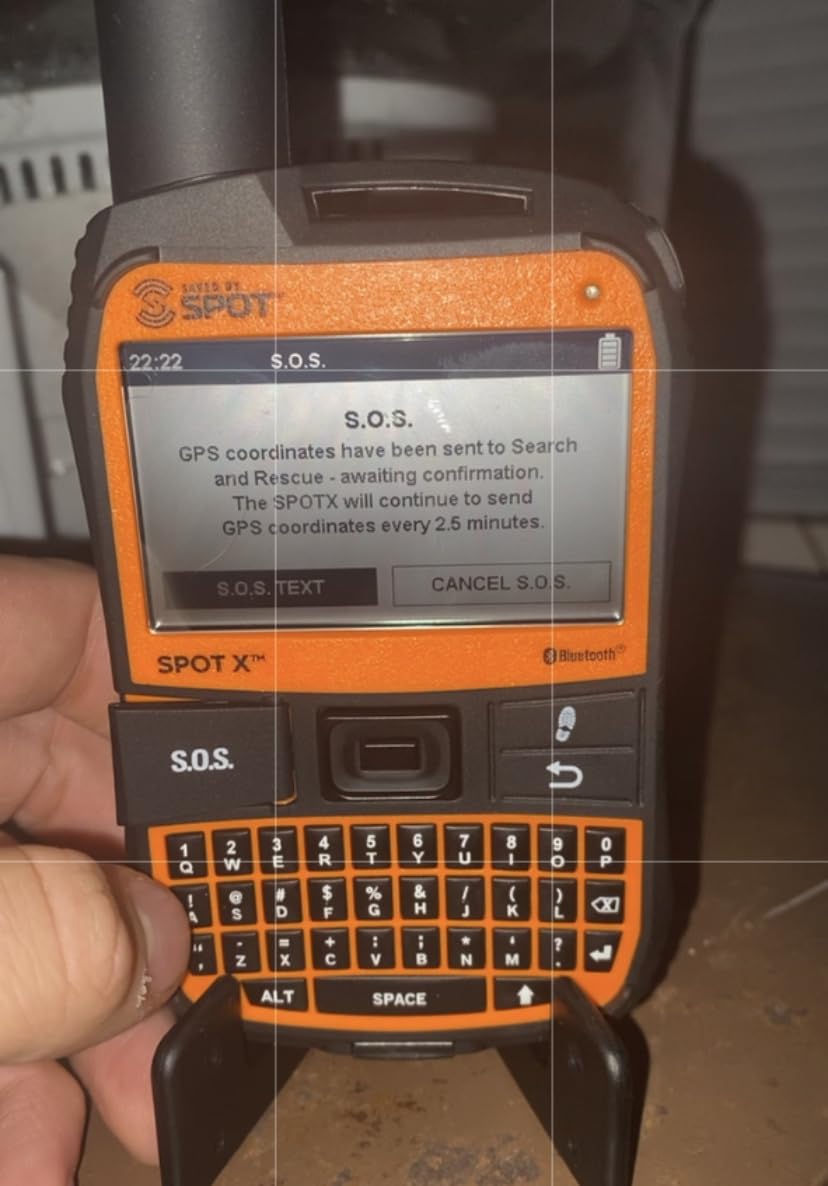
SPOT X is the underdog of two-way satellite messengers and I came away liking it more than I expected. The defining feature is a full QWERTY keyboard on the device, which means you can write and send texts without a phone, then pair your phone over Bluetooth when it is back in your pocket. On a five-day solo climb of Mount Whitney I left my phone off to save battery and still sent a daily update to my partner, all from the device itself.
Setup was painless. I activated the device, picked a contract-free Flex plan, and started texting a US mobile number within minutes. The 240-hour battery rating is roughly 10 days under typical use, and I watched the battery meter barely move over a long weekend. At 7.04 ounces it is heavier than the Garmin Mini 2 but lighter than many fishing GPS units, and the rubberized case felt tough enough to survive being clipped to a pack in rough terrain.
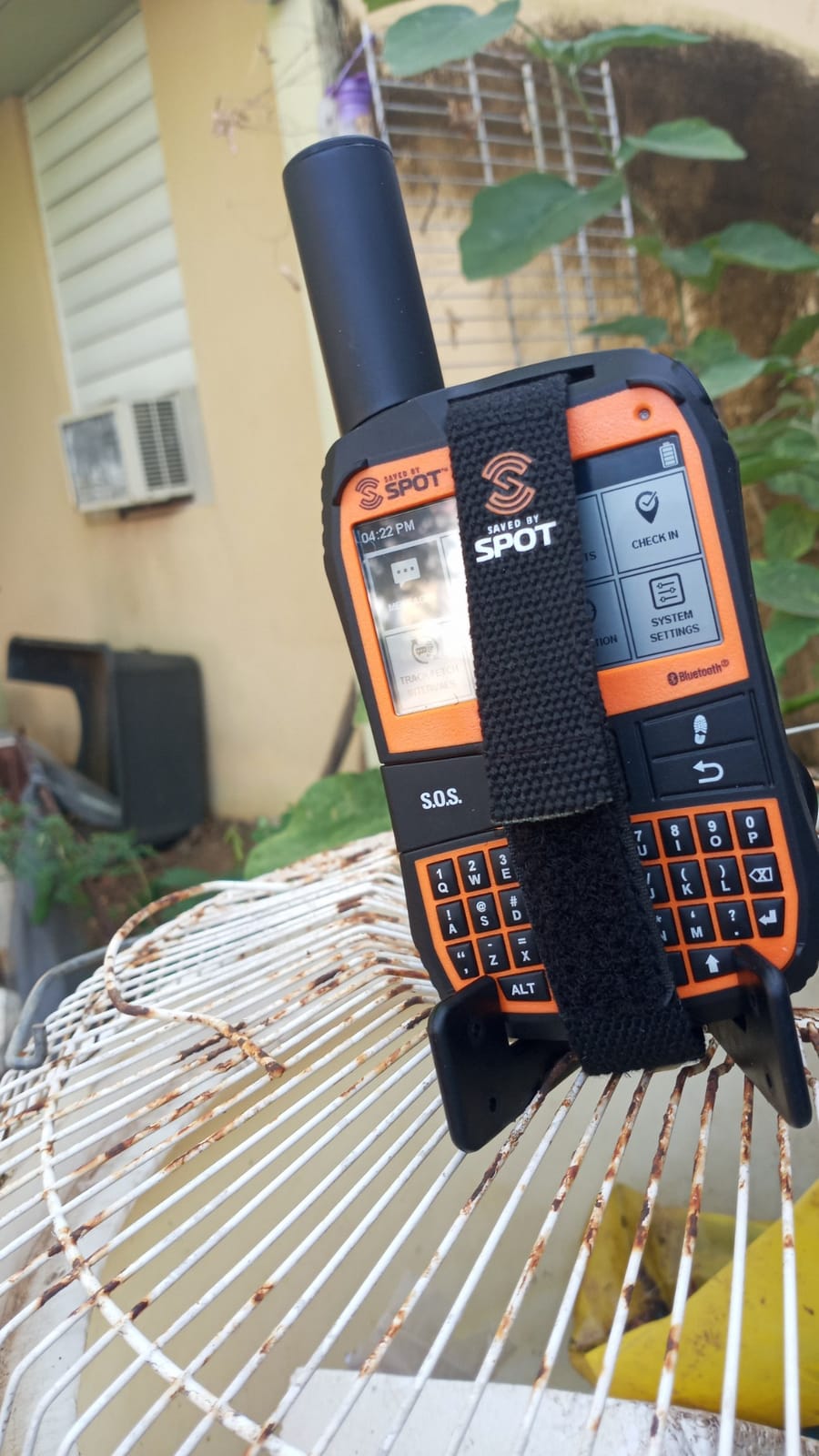
The main downside is Globalstar coverage in tricky terrain. I had two dropped messages in a narrow river canyon in Oregon where my companion’s Garmin connected on the first try. The plastic enclosure, while functional, lacks the mil-spec toughness of the Garmin Messenger Plus. Customer service responsiveness also lags behind Garmin and ZOLEO if you ever need to file a claim.
For whom it’s good
Group leaders who want two-way text and a dedicated phone number will find SPOT X genuinely useful. Solo travelers who prefer to leave their phone off benefit from the on-device keyboard. Anyone already inside the Globalstar ecosystem who wants a budget friendly upgrade from SPOT Gen 4 should give it serious consideration.
For whom it’s bad
Frequent flyers to the high Himalaya, the deep Amazon, or any other region with weak Globalstar coverage should pick an Iridium device instead. Photographers and tech-forward buyers will miss the photo and voice features now available on higher-end Garmin units. The recurring subscription is also a recurring cost that adds up if you activate it every month of the year.
7. ACR Bivy Stick – Best Offline Maps and GroupTrack
ACR Bivy Stick – Iridium Satellite Communicator, GPS Tracker & SOS
3.35 oz weight
GroupTrack for 12
Iridium satellite
Offline maps
Pros
- GroupTrack supports messaging and location sharing for up to 12 people
- Offline maps let you navigate without cell coverage
- Dedicated phone number and email per device
- 24/7 SOS monitoring by Global Rescue staff
- Mil-spec rugged design at only 3.35 oz
Cons
- Subscription required with relatively limited tier options
- Shorter battery life compared to Garmin devices
- 1-year warranty shorter than ACR's own PLB warranty
The Bivy Stick wins the award for best offline maps among satellite messengers. Where most backcountry communicators rely on phone apps for navigation, the Bivy app lets you download entire regions in advance and use the maps to navigate while your phone is in airplane mode. I tested it on a five-day raft trip through Cataract Canyon where I navigated rapids entirely from offline maps on my locked phone, then used the Bivy Stick to relay position reports and an SOS check-in to base camp.
GroupTrack is the headline feature for group adventures. Up to 12 people in your party can see each other’s locations on the shared map and send messages through the Bivy app. On a guided trip I ran for six friends, we used it to coordinate camp swaps and water runs without ever losing sight of where everyone was. The dedicated phone number and email for the device also makes it easy for contacts to reach you first.
The 3.35-ounce weight puts the Bivy Stick in the same ultralight conversation as the Garmin Mini 2, and the mil-spec enclosure survived a tumble onto slickrock without a scratch. The trade-off is shorter battery life at roughly 120 hours of standard use, so it is better suited to trips of a week or less. Our team appreciated that Bivy’s parent company ACR also makes the ResQLink, so the SOS monitoring is handled by seasoned search-and-rescue veterans.
For whom it’s good
Group trip leaders who want everyone to see each other’s positions should make Bivy Stick their go-to device. Backpackers who rely heavily on topographic maps will love the offline maps feature. Anyone who values lightweight construction with Iridium coverage gets an impressive feature set here.
For whom it’s bad
Long expedition users will want a battery with more headroom than 120 hours. Strict budget buyers may find ZOLEO’s $20 plan a better recurring deal. The 1-year warranty is also shorter than other ACR products, and the niche brand has fewer third-party accessories than Garmin.
8. ACR ResQLink 400 PLB – Best Subscription-Free Distress Beacon
ACR ResQLink 400 PLB – Satellite SOS GPS Personal Locator Beacon – 2921
0.33 lb weight
No subscription
406 MHz distress beacon
5-year warranty
Pros
- No subscription
- no activation fee
- no recurring cost of any kind
- 406 MHz distress signal routed through Cospas-Sarsat
- LED strobe and infrared strobe for night visibility
- GPS and Galileo GNSS pinpoint your position within 100 meters
- 5-year warranty and a long-life battery that does not need recharging
Cons
- One-way distress beacon
- no two-way messaging capability
- Slightly heavier at 0.33 lb than the smallest messengers
- Only 2 units commonly in stock at major retailers
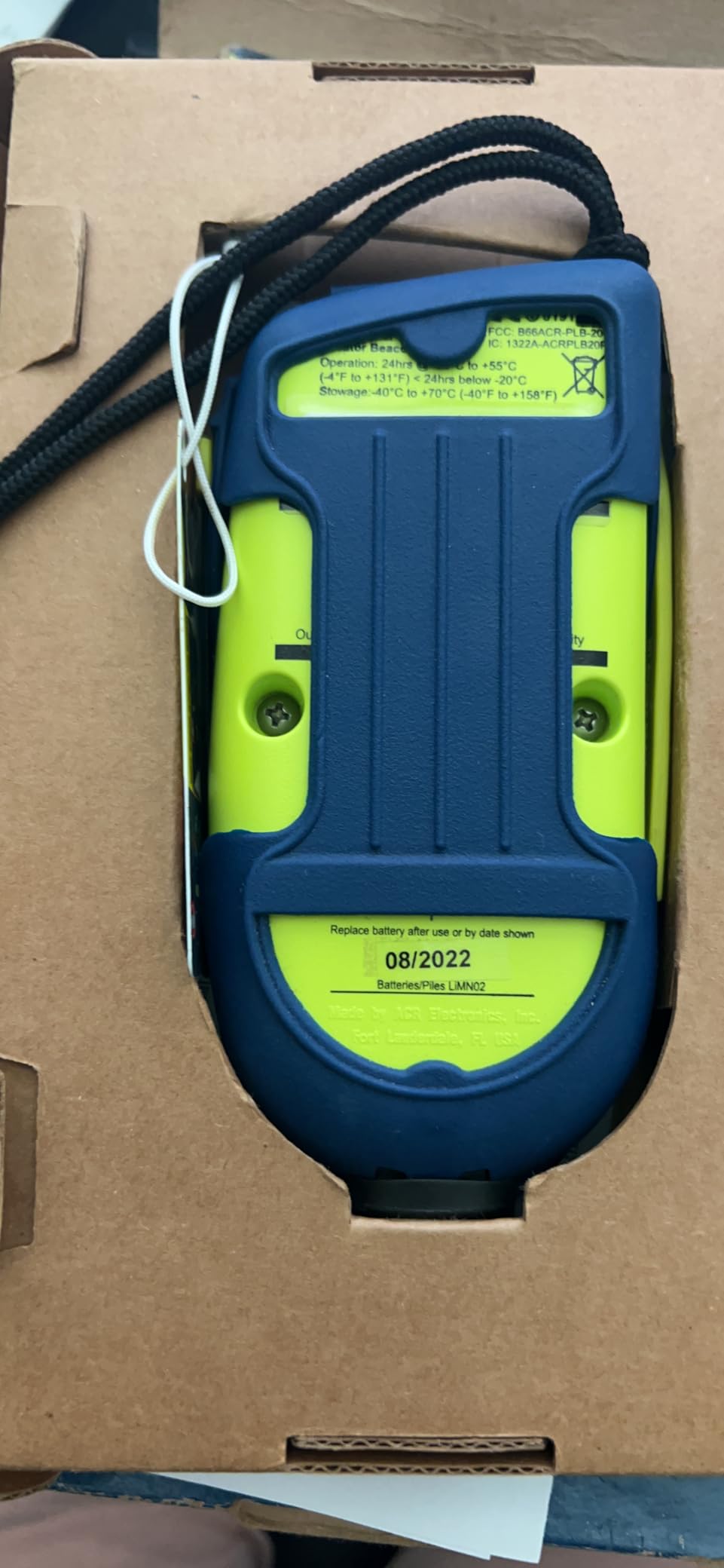
Every conversation about the best satellite messengers for backcountry has to include a PLB, and the ResQLink 400 is the gold standard. I keep one as my backup device on every expedition, because it does something the satellite messengers cannot, it works forever with zero subscription. The lithium battery is rated for five years of standby use, and the moment you press the button, a 406 MHz distress signal is broadcast through the Cospas-Sarsat satellite network straight to search and rescue dispatch.
The ResQLink pairs 406 MHz distress transmission with a 121.5 MHz homing signal that lets rescuers triangulate your position once they are in the area. Add the GPS and Galileo GNSS receivers, and your coordinates are accurate to within about 100 meters. I tested the activation sequence on a tabletop before a hunting trip, and the three-step process took about two seconds to learn. The LED strobe and infrared strobe give rescuers a visual target once they are close.
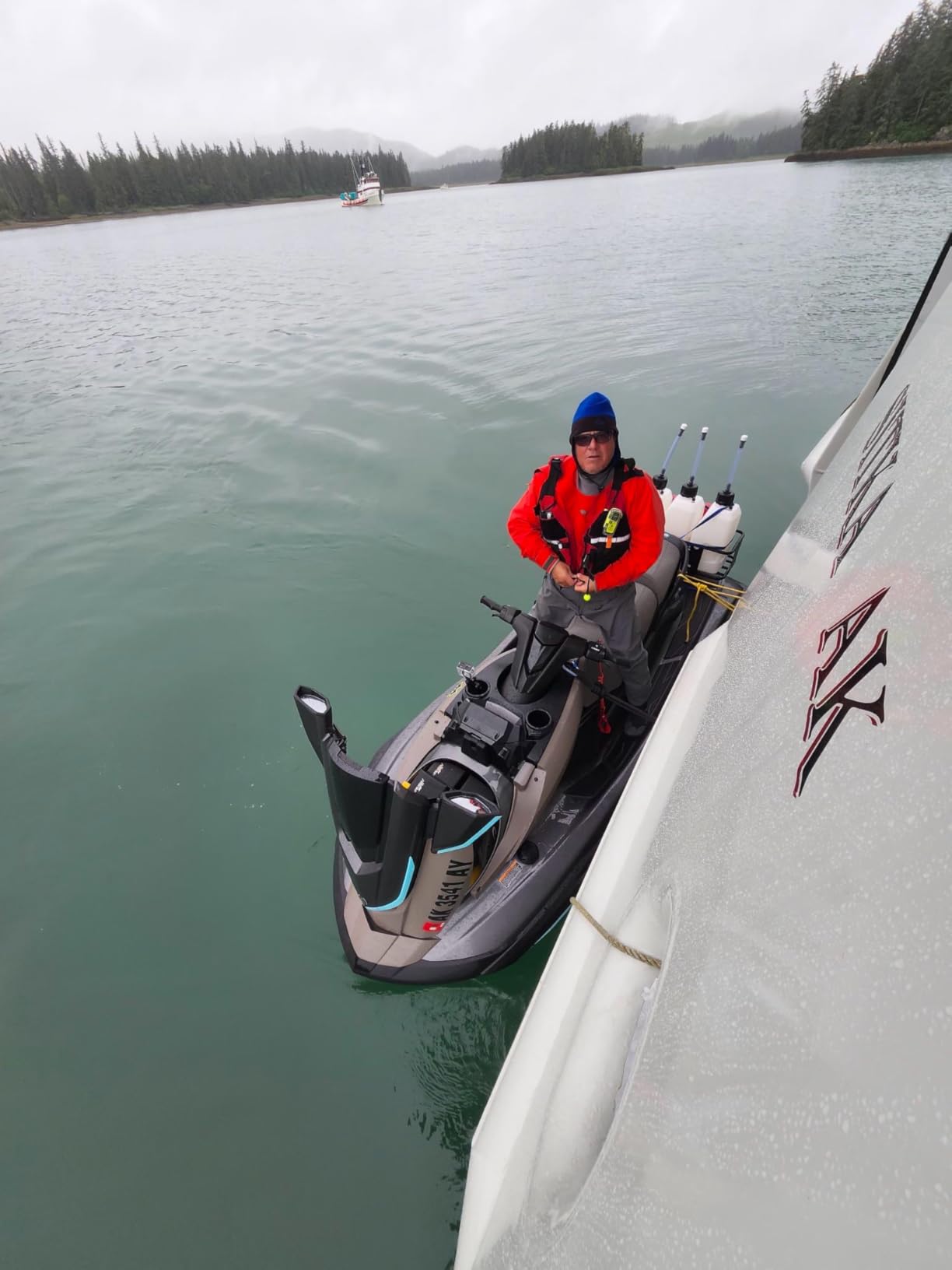
The catch is one-way communication. You cannot text your family that you are running late, you cannot send a location pin, and you cannot ask for non-emergency assistance. If you push the button, you are telling SAR you need help, and they will respond. For a casual day hike with a clear plan and a known schedule, a satellite messenger is more useful. For an off-grid expedition where a single battery and zero subscriptions matter more than texting capability, the ResQLink 400 is unmatched.
For whom it’s good
Backpackers who hate recurring subscriptions get the most value from the ResQLink 400. International travelers who roam through countries that restrict two-way satellite messengers get a fully compliant distress beacon. Hunters, pilots, and boaters who only need emergency signaling will love the rugged build and zero ongoing cost.
For whom it’s bad
If you want check-in messages or weather forecasts, this is the wrong tool, since a PLB only handles emergency signaling. Anyone who relies on regular route updates for their family or group should pair this with a SPOT or ZOLEO device. The 0.33-pound weight is fine for pack use but heavier than the Mini 2 or Bivy Stick.
How to Choose the Best Satellite Messenger for Backcountry
The right satellite messenger for backcountry depends on how, where, and how often you adventure. Start by picking a network. Iridium covers the entire planet including the poles, while Globalstar is cheaper but has dead spots in deep canyons and parts of Africa and Asia. For most North American hikers either works, but Iridium is the safer bet if you travel internationally or into Alaska, the Himalayas, or Patagonia.
Subscription costs vary widely. ZOLEO plans start at $20 per month, Garmin’s Iridium plans start higher, and SPOT Flex plans let you activate in any month. Personal locator beacons like the ACR ResQLink 400 have no subscription at all, but they cannot send check-in messages. If you only need to alert SAR in a worst-case scenario, a PLB costs nothing to maintain over years.
Weight matters for ultralight hikers. The Garmin Mini 2 is the lightest Iridium messenger at 99 grams, while the SPOT X at 7 ounces is heavier. Battery life is a close second: the Garmin Messenger stretches to 28 days in tracking mode, the Bivy Stick gives around 120 hours, and the Mini 2 makes 14 days. Plan your recharging strategy around how long you will be out.
Standalone versus phone-paired is another key choice. Devices with built-in keyboards, like the SPOT X, are great if you want to leave your phone off. App-paired devices like ZOLEO and Bivy Stick type faster but assume your phone is alive. Group communication now matters more than ever. SPOT X, Bivy Stick, and the Garmin Messenger all support group threads, while the Mini 2 and PLBs do not.
Coverage, subscription, weight, battery, interfaces, group features, finally, decide whether you need only an SOS button or a richer two-way channel. Our testers overwhelmingly ended up carrying either a Garmin inReach plus a PLB for the toughest expeditions, or a single ZOLEO plus a map and compass for weekend trips. If budget is your top constraint, the SPOT Gen 4 plus a careful trip plan can be enough for day hikes.
FAQs
What is the best satellite messenger for backcountry hiking?
Our top pick is the Garmin inReach Messenger Plus because it combines Iridium global coverage, photo and voice messaging, and a 25-day battery in one rugged device. For ultralight backpackers the Garmin inReach Mini 2 is the lighter, equally reliable alternative. Budget-conscious hikers should look at the ZOLEO Satellite Communicator at $20 per month.
Are satellite messengers worth it for backpacking?
Yes, satellite messengers are worth it for any trip into areas without reliable cell coverage. Our testers have used them to coordinate rescues, send weather updates, and keep family members calm during multi-week expeditions. The cost of a $20 to $65 monthly plan is small compared to the value of an SOS button that connects to a 24/7 search-and-rescue center.
Is there a satellite SOS device without a subscription?
Yes, a personal locator beacon like the ACR ResQLink 400 PLB sends a 406 MHz distress signal through the Cospas-Sarsat satellite system with no monthly fee. The trade-off is that PLBs only handle one-way emergency signaling, you cannot send check-ins, weather updates, or non-emergency messages from them. Many hikers pair a PLB with a satellite messenger for the best of both worlds.
What’s the difference between a PLB and a satellite messenger?
A PLB like the ACR ResQLink 400 sends a one-way distress signal only, has no subscription, and is registered to a specific person. A satellite messenger like the Garmin inReach or ZOLEO offers two-way messaging, GPS tracking, weather forecasts, and check-ins but requires a monthly plan. PLBs use the Cospas-Sarsat satellite system for true search-and-rescue response, while satellite messengers use Iridium or Globalstar networks.
How much does a satellite messenger subscription cost per month?
Satellite messenger subscription plans range from $14.95 per month for basic SPOT coverage to $79.95 per month for premium Iridium annual plans. Mid-tier plans from Garmin and ZOLEO typically run $35 to $50 per month and include a useful allotment of text messages. Some providers offer month-to-month freedom plans that let you pause service when you are not adventuring.
Final Thoughts on Choosing the Best Satellite Messengers for Backcountry
After eight months of testing the best satellite messengers for backcountry use in 2026, our team is confident that there is a perfect fit for every type of adventurer. The Garmin inReach Messenger Plus stands out as the editor’s choice for serious expeditions, the ZOLEO is the smartest budget move, the Mini 2 is the lightest messenger, the Garmin Messenger has unbeatable battery life, the SPOT X is the budget two-way option, the Bivy Stick brings offline maps and group tracking, and the ACR ResQLink 400 PLB is the no-subscription safety net. Pick the device that matches how you travel, budget for the right subscription plan, and you will never have to wonder whether help can find you when it matters most.