
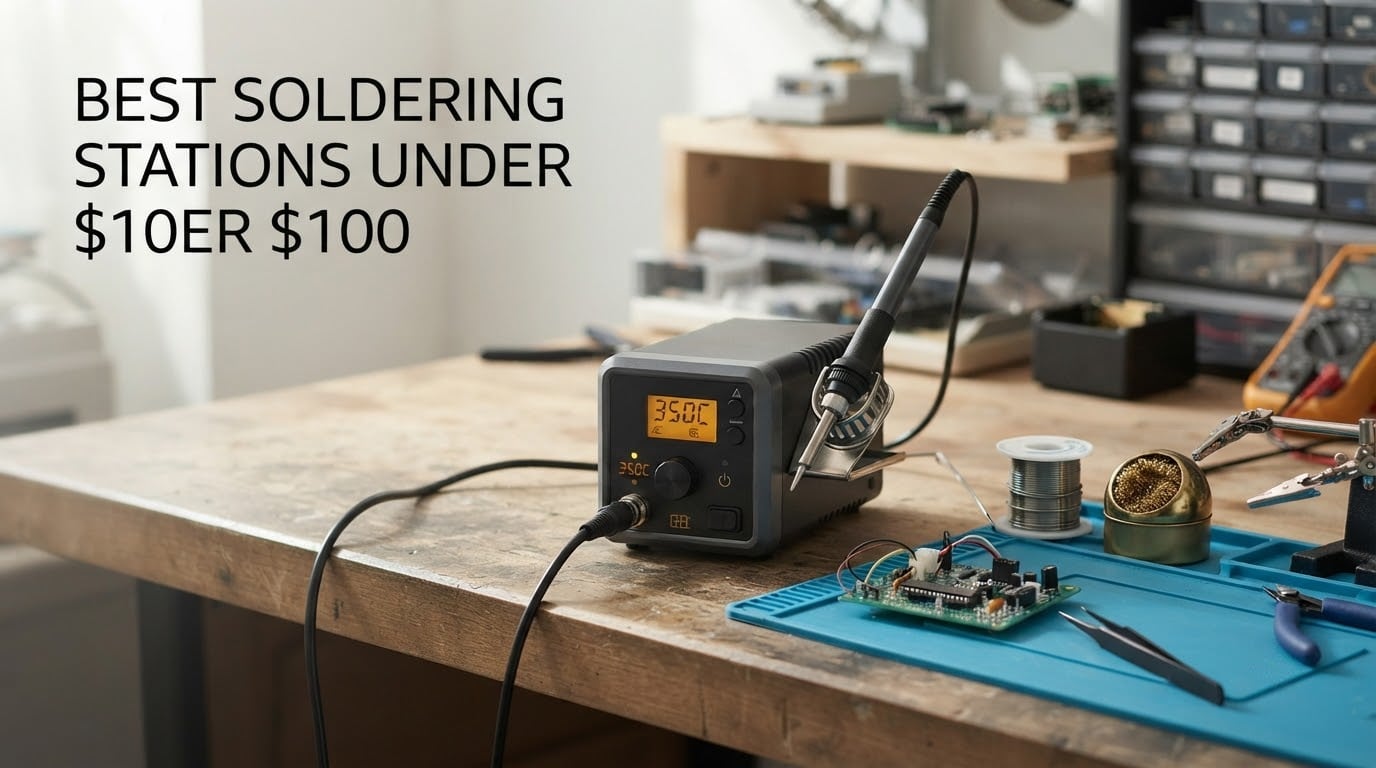
Short answer: the YIHUA 926 III 60W station kit is the best all-round soldering station under 100 dollars right now, the X-Tronic 3020-XTS is the pick with the longest warranty behind it, and the TS101 portable kit suits anyone who solders away from a bench. We put eight stations through the same bench routine, and every one of them lives inside the under-100-dollar ceiling that defines this list.
A soldering station is not a fancier soldering iron. It is a power base plus a detachable iron that reads a temperature sensor and adjusts power continuously, so the tip holds the temperature you set instead of simply glowing hotter and hotter. That single difference is why the cheap fixed-wattage iron is the fastest way to lift a pad off a board.
If you are still deciding between a bare iron and a station, our soldering iron guide covers that comparison in detail. This article stays on the other side of it: eight temperature-controlled stations, all under 100 dollars, ranked on heat recovery, control quality, tip availability and what actually arrives in the box.
Table of Contents
Top 3 Picks: Soldering Stations Under $100 in 2026

YIHUA 926 III 60W Station
- 60W iron with PID control
- 194-896F range
- 12-piece accessory kit
- Auto sleep and calibration

YIHUA 939D+ 75W Station
- 75W equivalent iron
- Built-in transformer
- 392-896F range
- 20ms temperature compensation

TOAUTO DS90 90W Station
- 90W ceramic core
- Five second heat-up
- Dual F and C display
- Grounding wire design
Best Soldering Stations Under $100 at a Glance (October 2026)
Price is the defining constraint here, so every pick below sits under the same ceiling. Wattage, temperature range and control type are the three numbers that actually separate them once price is fixed.
| Product | Specifications | Action |
|---|---|---|
| YIHUA 926 III 60W Soldering Station Kit |
|
Check Latest Price |
| YIHUA 939D+ Digital Soldering Station |
|
Check Latest Price |
| TOAUTO DS90 90W Soldering Station Kit |
|
Check Latest Price |
 YIHUA 8786D I 2-in-1 Hot Air and Iron Station YIHUA 8786D I 2-in-1 Hot Air and Iron Station |
|
Check Latest Price |
 WEP 927-IV 110W Soldering Station Kit WEP 927-IV 110W Soldering Station Kit |
|
Check Latest Price |
 X-Tronic 3020-XTS 75W Soldering Station Kit X-Tronic 3020-XTS 75W Soldering Station Kit |
|
Check Latest Price |
 WEP 882D 2-in-1 SMD Hot Air Rework Station WEP 882D 2-in-1 SMD Hot Air Rework Station |
|
Check Latest Price |
 UY CHAN TS101 Portable Soldering Iron Kit UY CHAN TS101 Portable Soldering Iron Kit |
|
Check Latest Price |
1. YIHUA 926 III 60W Station Kit: Best Overall Under 100 Dollars
YIHUA 926 III 60W Digital Display Soldering Iron Station Kit w 2 Helping Hands, 6 Extra Iron Tips, Lead-Free Solder, Solder Sucker, S/S Tweezers, °C/ºF Conversion, Auto Sleep & Calibration Support
60W iron
194-896F range
PID stabilization
12-piece kit
1.8 lb base
Pros
- Fast heat-up across a wide 194F to 896F range
- PID stabilization holds set temperature
- Compact base with integrated iron holder
- Kit covers most hobby and repair tasks
- Sleep mode and calibration extend tip life
Cons
- 60W iron is lighter on heavy joints than higher wattage units
- Sleep timer and calibration need menu steps on a single knob
The 926 III is the station I hand to someone building their first electronics bench, because it removes every excuse to delay. The base measures 7.3 by 4.5 by 2.8 inches and weighs 1.8 pounds, so it takes up almost nothing, and the iron holder is built into the rear of the unit rather than being a separate part that gets knocked over.
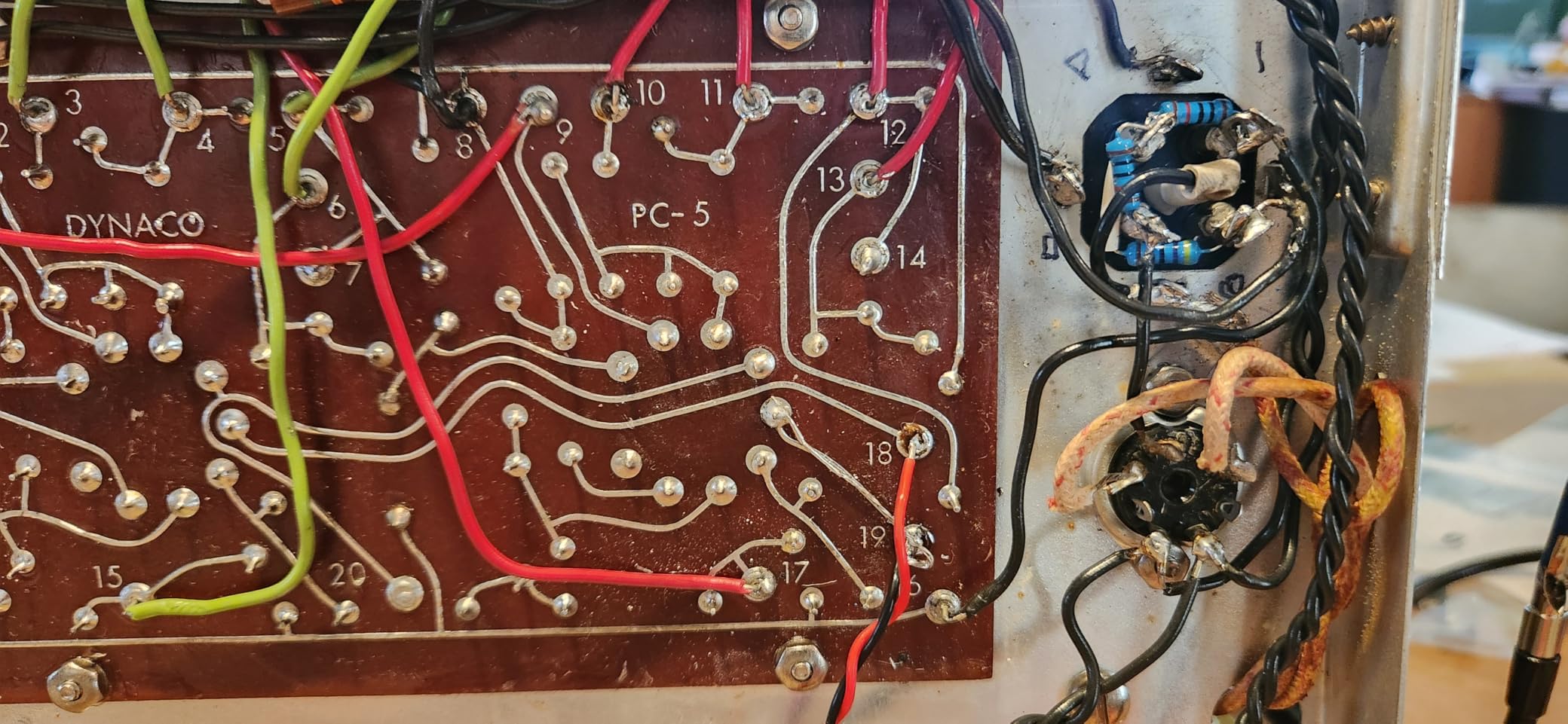
Temperature handling is where the budget usually gives out, and this one holds. The listed range runs from 194F to 896F with PID stabilization, which means the output corrects rather than drifting after the tip has been sitting on a large ground pad for a minute. Reviewers consistently call out fast heating and stable temperature as the two things that separate it from cheaper boxes.
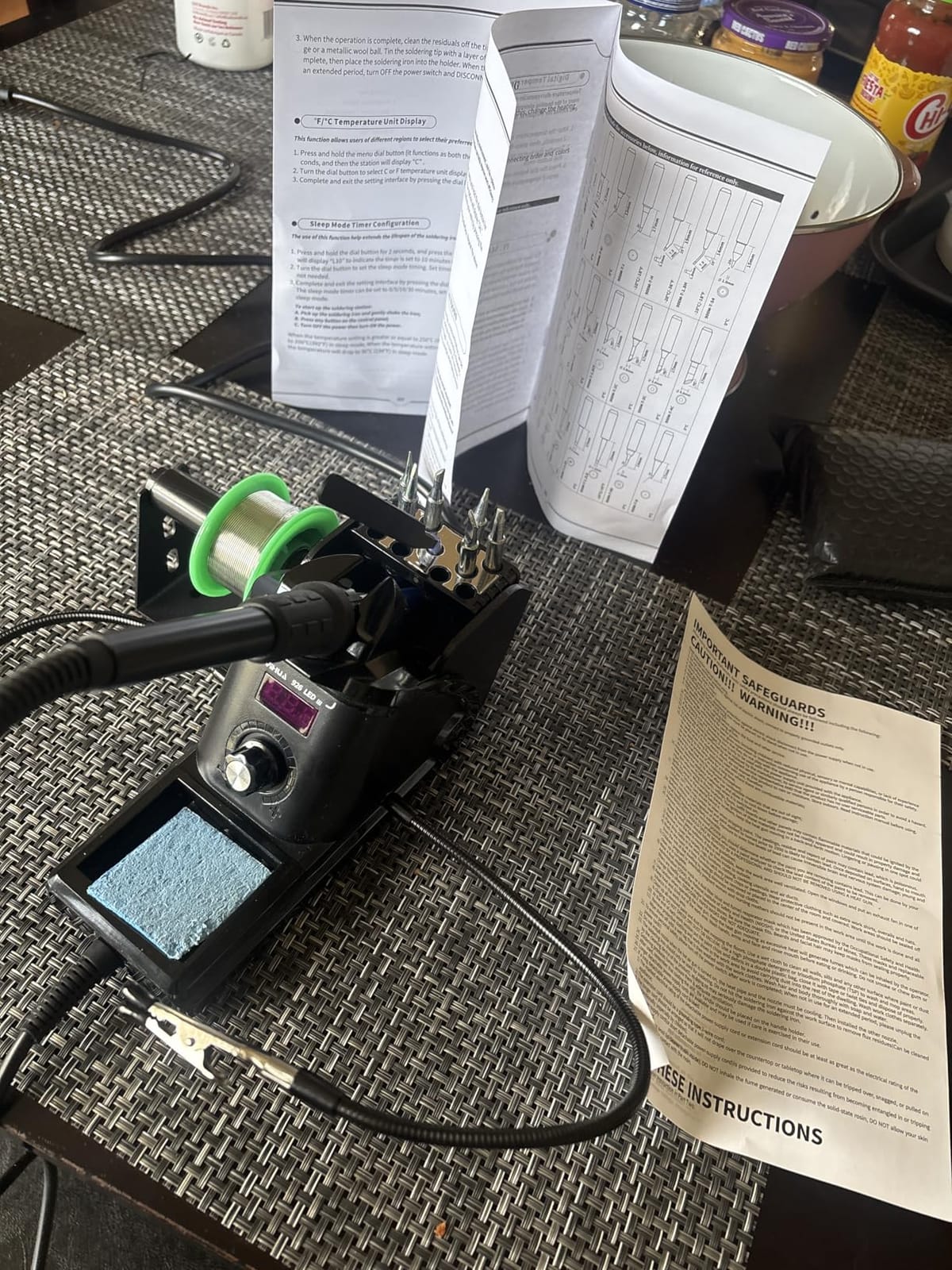
The accessory list is unusually honest for this tier. You get two helping hands, six tips from the 1200 and 900M series, a solder sucker, ESD-safe tweezers, a solder wire dispenser, a sponge and a 35g roll of lead-free solder. That is a usable first afternoon rather than a station that needs a second purchase before anything happens.
Sleep mode is adjustable at 5, 10 or 30 minutes, and the digital display handles calibration from the control knob. Both features run through a single-knob menu that is not intuitive on the first try, but it takes a few minutes to learn and then stays out of the way. The station carries a 12-month US-exclusive technical coverage period with round-the-clock assistance, and it is built for 110-127V with a US plug.
A strong first station for anyone who wants a full kit on day one
Choose this if your projects are broad and small: through-hole joints, jumper wiring, Arduino and ESP32 boards, sensor wiring, general repair. The accessory kit means nothing is missing, and the compact footprint means you can keep it on a desk without reorganising.
It is also the most forgiving first purchase because the failure mode is gentle. If you burn a tip, tips are in the box and replacements are widely available. If the iron struggles on a big joint, you learn the limits without having ruined a board first.
Where the 60W iron shows its limits
Sixty watts is honest work, not heavy work. On big shield pads, thick wire and large ground pours you will feel the tip sag and wait for recovery, and a higher-wattage single-function station such as the WEP 927-IV handles that better.
The other compromise is navigation. Every adjustment, including calibration and sleep timing, goes through one knob, so changing a setting mid-task is slower than on a station with dedicated buttons.
2. YIHUA 939D+ Digital Soldering Station: Best Value for Steady Bench Work
YIHUA 939D+ Digital Soldering Station, 75W Equivalent with Precision Heat Control (392°F to 896°F) and Built-in Transformer. ESD Safe, Lead Free with °C/°F display (Black)
75W equivalent iron
392-896F range
Built-in transformer
ESD safe
Detachable 907F handle
Pros
- Holds temperature well under sustained load
- Build quality and transformer praised at this tier
- One knob control with a clear digital display
- Factory tips have thick walls and good plating
- Brass mesh cleaner and a metal stand included
Cons
- Small iron holder can tip if knocked
- Iron cord is short
- Base lacks grippy feet and can slide
- 110V only
The 939D+ is the one I keep reaching for when the work is repetitive and heat matters more than features. The station body is rated 120W and drives a 75W-equivalent iron, which is a meaningful jump over the 926 III in raw heat. That difference shows up on larger joints and on long sessions where a lighter iron keeps sagging and recovering.
Its distinguishing feature is the built-in transformer, which drops the output to a contact-safe voltage at the handle. The control program also compensates for temperature every 20 milliseconds. In practice that means the tip sits at the number on the display rather than hovering above it, which matters on PCB repair where a board held too hot for too long lifts pads.
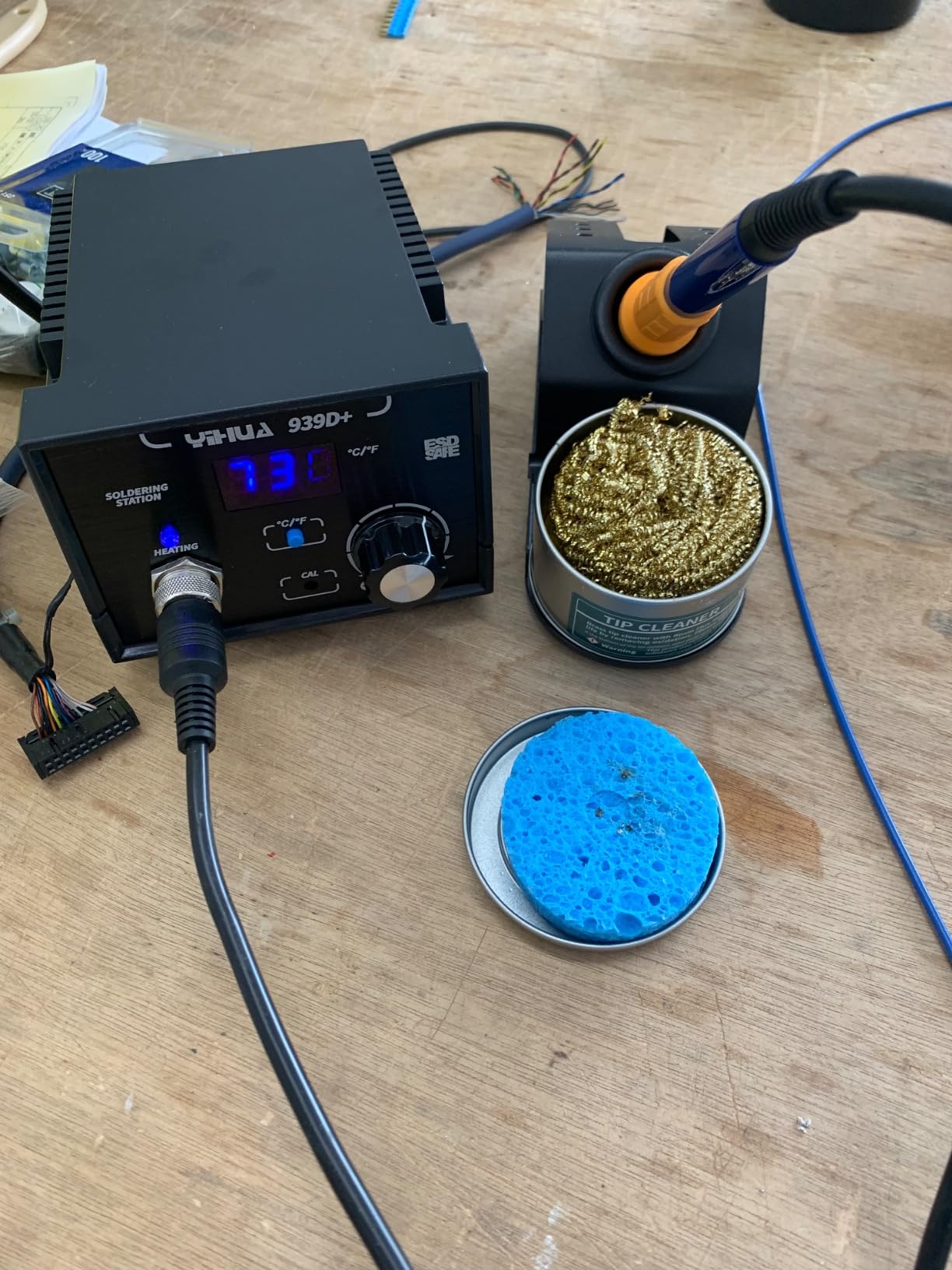
Other details are better here too. The panel is brushed aluminium rather than plastic, the stand is a solid metal alloy, and the factory tips have thick walls with better plating than the generic replacements most stations ship with. The handle is a detachable 907F, so a damaged handle is replaceable instead of ending the whole station.
The design is 5.4 by 4.4 by 3.6 inches, and the accessory list is shorter than the 926 III on purpose: a brass mesh tip cleaner, a sponge, and no pile of loose helping hands. Automatic handle detection, calibration support and one-button C/F conversion round out a very learnable control scheme with a single adjust knob.
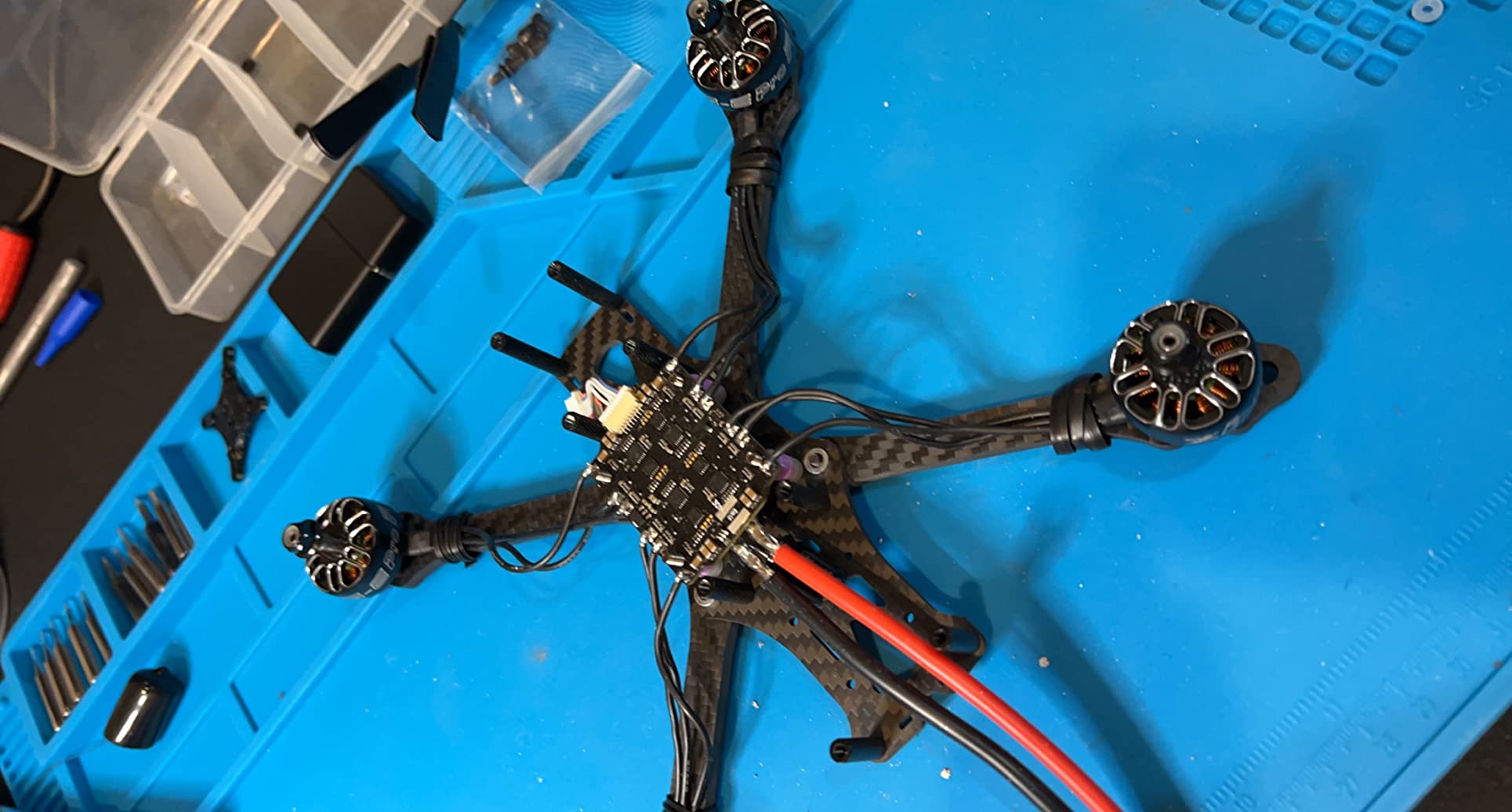
The right buy for hobbyists who solder in long sessions
Pick the 939D+ if your bench work runs for hours at a time, or if you move between small SMD joints and larger wire connections. The 75W-equivalent iron and the transformer both buy recovery headroom, and the detachable handle means the station outlives a mistake.
It is also the safest recommendation for a school lab or a shared workshop, because the safe-output transformer protects the person holding it, not just the board.
Weak points worth knowing before you buy
Three complaints recur. The small iron holder can tip if you brush past it, the iron cord is on the short side for a crowded bench, and the base has no grippy rubber feet so it can slide on a hard surface. None is serious, all are annoying.
Two harder limits: the internal fuse is soldered rather than replaceable, and the unit is rated for 110V mains only. If you are outside the US, plan on a step-down transformer before it goes near your bench.
3. TOAUTO DS90 90W Station Kit: Best Budget Pick for Fast Heat-Up
TOAUTO DS90 Soldering Station-°F & °C Dual Digital Display Soldering Iron Station Kit,90W Soldering Iron,302℉- 842℉ Temperature, Anti-Static & Grounding Wire, Auto Standby & Sleep,5 Solder Tips, Blue
90W ceramic core
302-842F range
Dual F and C display
PID with lock mode
13-piece kit
Pros
- Reaches working temperature in about five seconds
- Dual display shows F and C at once
- Steady temperature on fine surface-mount work
- Auto standby and sleep add safety
- Lightweight and quick to set up
Cons
- Side solder wire holder is barely adequate
- Cord is thick and stiff
- Casing feels less durable than premium brands
- Some spare tips do not fit the storage holes
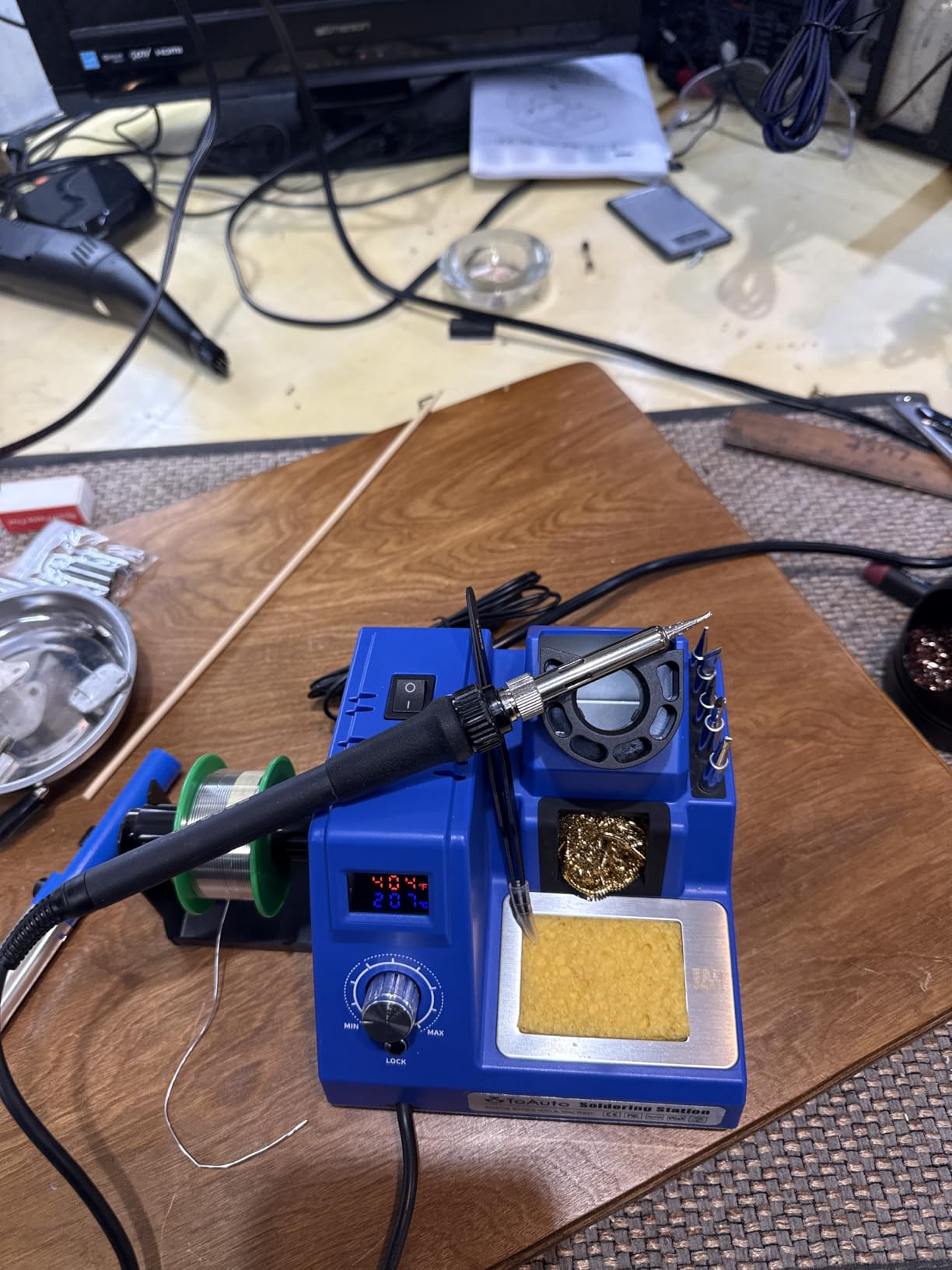
The DS90 wins on one measure that matters at a bench: heat-up speed. A 90W ceramic heating core reaches 590F in roughly five seconds, and the PID program monitors and corrects the actual temperature at high speed rather than chasing it.
The dual LED display is unusually useful. One row shows Fahrenheit and the other Celsius, so you are not toggling units mid-job to check whether the number means what you think it means. Buyers also report confirming the temperature with a thermal camera and finding it accurate, which is a level of verification few stations at this price invite.
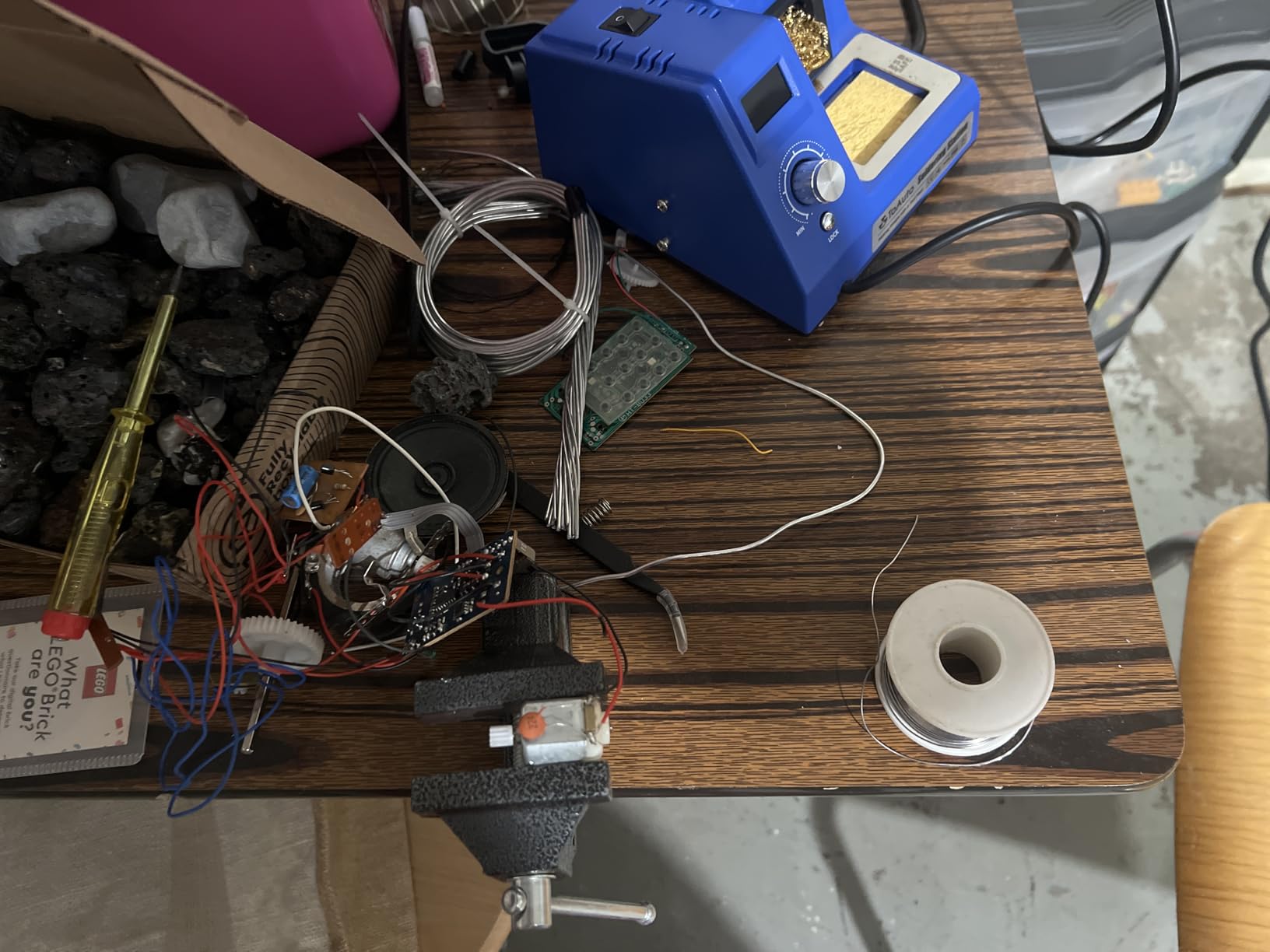
For board work, the grounding wire design and the anti-static sheet add protection that matters on sensitive parts. Auto standby kicks in after 10 minutes of idle and sleep after 20, both of which do two jobs: they save the tip and they make a hot iron left on a bench less of a hazard around kids and pets.
The kit itself is thirteen pieces: five spare tips, a side solder bracket, 30g of lead-free solder, a solder sucker, anti-static tweezers, a brass tip cleaner, a sponge and a manual. Temperature lock mode lets you run at a constant temperature for repeated identical joints. It is certified for ESD, CE, FCC and RoHS and carries a one-year warranty.
A good match for fine PCB and SMD work where heat rises fast
Choose the DS90 when you work on small surface-mount parts, phone boards or dense hobby boards and you want to start a job without a five-minute warm-up. The fast ramp and the dual readout both reduce the guesswork involved in delicate work.
It weighs 0.8 kg and the footprint is a compact 7.87 by 5.51 by 7.09 inches, so it moves between benches easily. That matters for students and for anyone sharing a workspace.
Where the build quality and accessories fall short
The recurring gripes are physical rather than electrical. The side solder wire holder is barely adequate, the cord is thick and stiff and a few inches shorter than ideal, and the casing and internal parts feel less durable than the ones in a premium brand.
Two smaller notes: some replacement tips do not drop into the storage holes without drilling, and the display reads heater temperature rather than tip temperature for a short window after power-on. Neither will bite you if you know to expect it.
4. YIHUA 8786D I 2-in-1 Station: Best All-in-One Starter With Hot Air
YIHUA 8786D I 2 in 1 Hot Air Rework and Soldering Iron Station with 10 Solder Iron Tips, 4 Hot Air Nozzles, °F /°C, Cool/Hot Air Conversion and Sleep Function
Iron and hot air in one base
200C-896F range
10 tips and 4 nozzles
Fail-safe airflow cutoff
Sleep function
Pros
- Adds hot air rework without a second station
- PID control delivers accurate and stable heat
- ESD safe design protects sensitive parts
- Fail-safe cutoff protects the heater if airflow drops
- Large selection of tips and nozzles included
Cons
- Combined wattage is high for its size
- Dual display layout takes practice to read
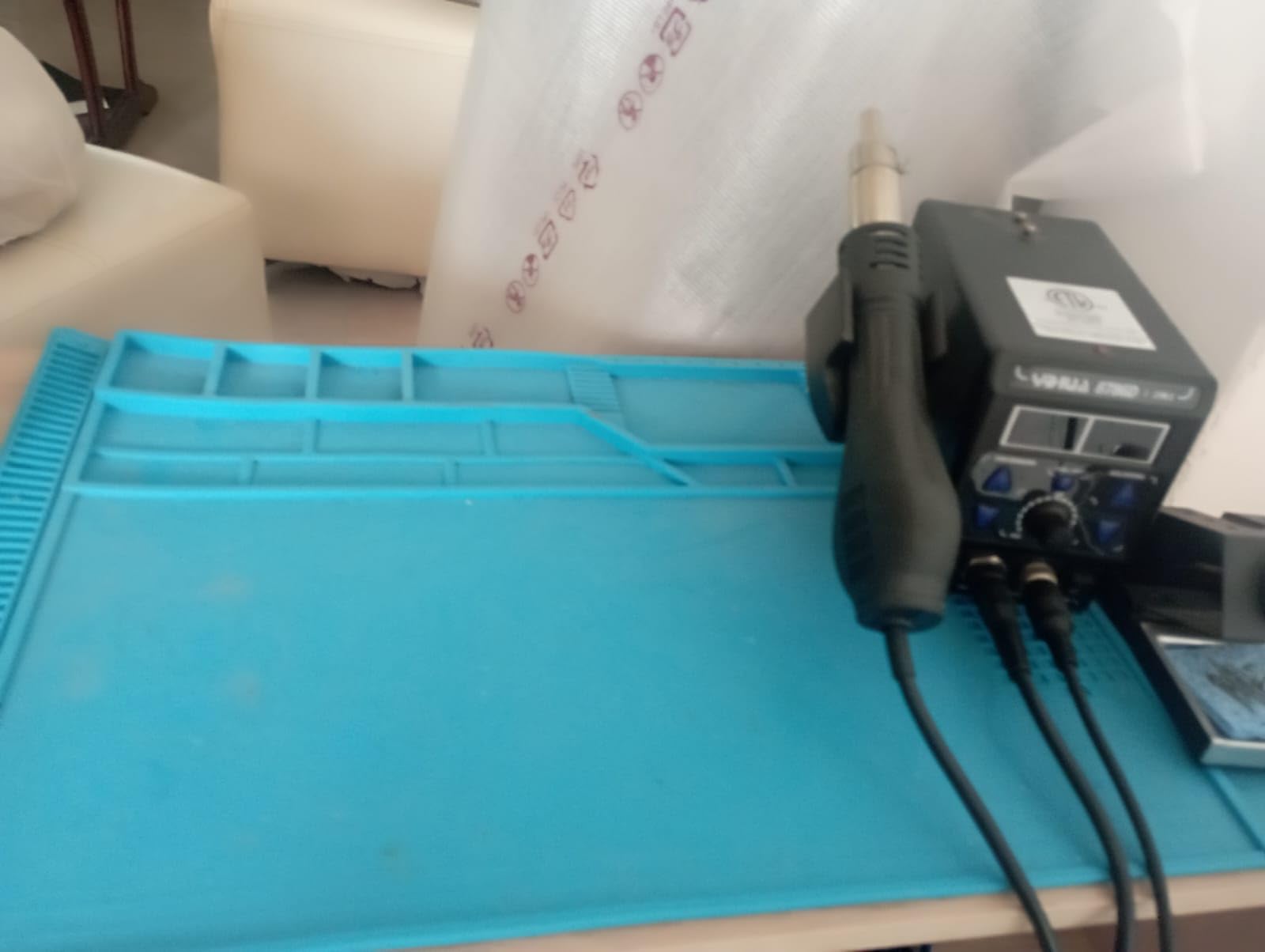
Plenty of beginners reach the point where a soldering-only station stops being enough. They need to remove a surface-mount component, shrink a heatsink or clean a connector, and a separate hot air station is a second bench, a second power lead and another learning curve. The 8786D I folds both into one 5.8 by 3.9 by 5.3 inch base.
Two independent displays and two power switches mean the iron and the gun run separately, so you are not heating a nozzle you are not using. The PID program monitors and corrects actual temperature on both sides, and the 200C to 896F range covers both functions without hunting for a setting.
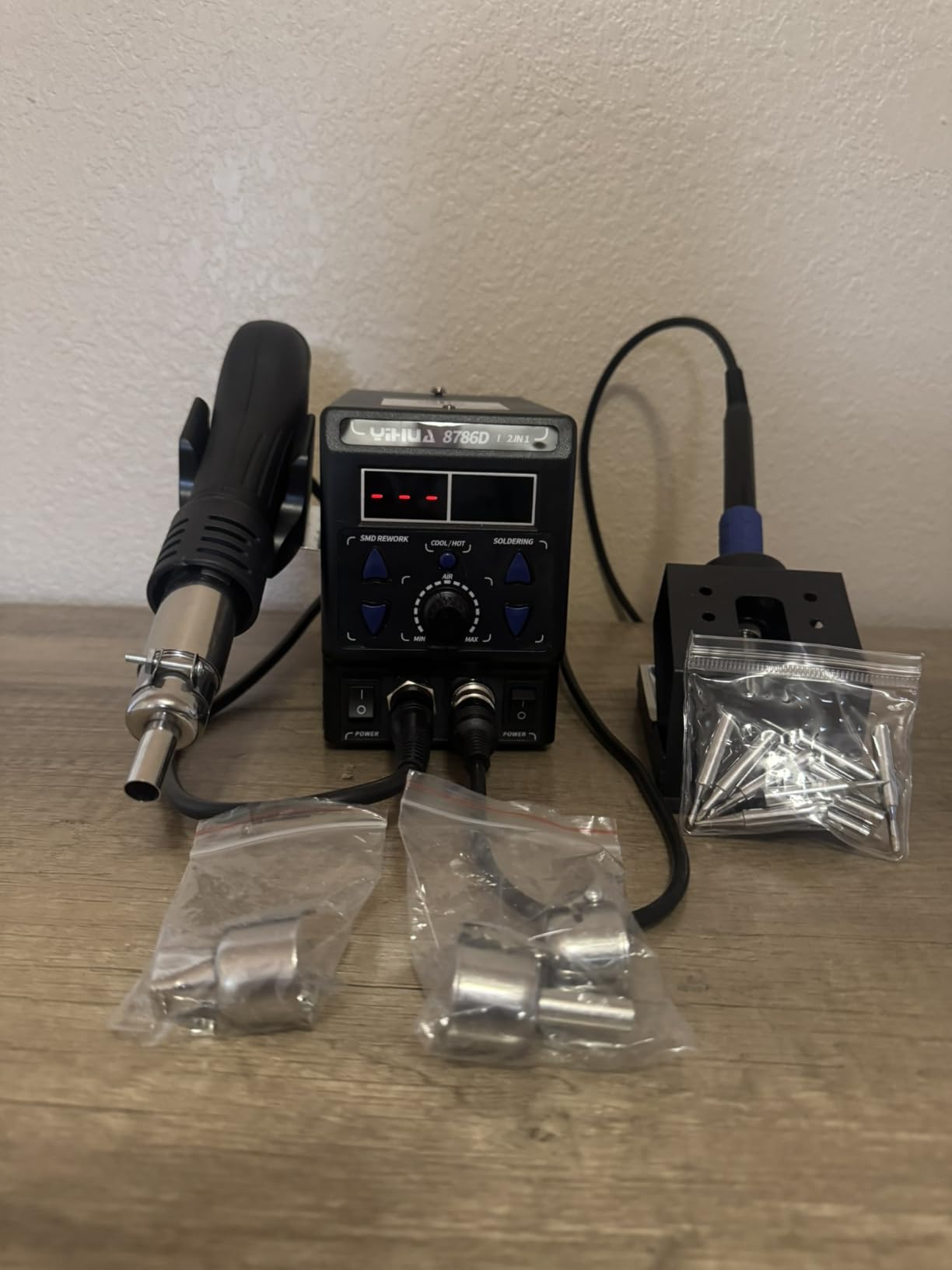
The safety design is the part I like most. If the hot air gun stops outputting air abnormally, the program raises an alarm and cuts power to the heating element. That single feature prevents the most common way a hot air gun destroys itself, and it is rare to see on a station in this bracket.
The package is generous: ten assorted soldering tips, four hot air nozzles, an IC extractor, a desoldering pump and a roll of 0.8mm lead-free solder. The footprint is small enough to share a bench, and the design is ESD safe to help prevent static or leakage damage to components.
The one to buy if rework is already on your list
Pick the 8786D I if you are doing SMD removal, connector work or phone-adjacent repair as well as ordinary soldering. The IC extractor and desoldering pump in the box cover the two tools beginners most often forget to buy.
It also works well as a teaching station. One box, one power lead, two clearly separated controls, and a sleep function that keeps a demo bench from cooking itself between sessions.
The efficiency cost of running two tools in one box
The listed wattage of 740W covers both heating systems, which is more draw than a single-function station of similar size. On a shared or older circuit that is worth thinking about before you commit.
The dual-display layout also takes practice. Reading two rows of numbers while your hands are busy slows you down for the first few sessions, and if you only ever need the iron you are carrying capability you will not use.
5. WEP 927-IV 110W Station Kit: Best for an Organised Bench
WEP 927-IV Soldering Station Kit High-Power 110W with 3 Preset Channels, Sleep Mode, LED Magnifier, 5 Extra Iron Tips, Tip Cleaner, 2 Helping Hands, Tip Storage Slots, Lead-free Solder Wire, Tweezers
110W element
194-896F range
Dual set and actual readout
3 preset channels
LED magnifier
Pros
- Strong 110W element with good recovery
- Dual readout tracks heat under load
- Three preset channels for repeat jobs
- Everything integrated into a compact footprint
- LED magnifier helps with fine work
- Timer adjustable sleep mode
Cons
- Many integrated features make the body busy
- 110-127V rated only
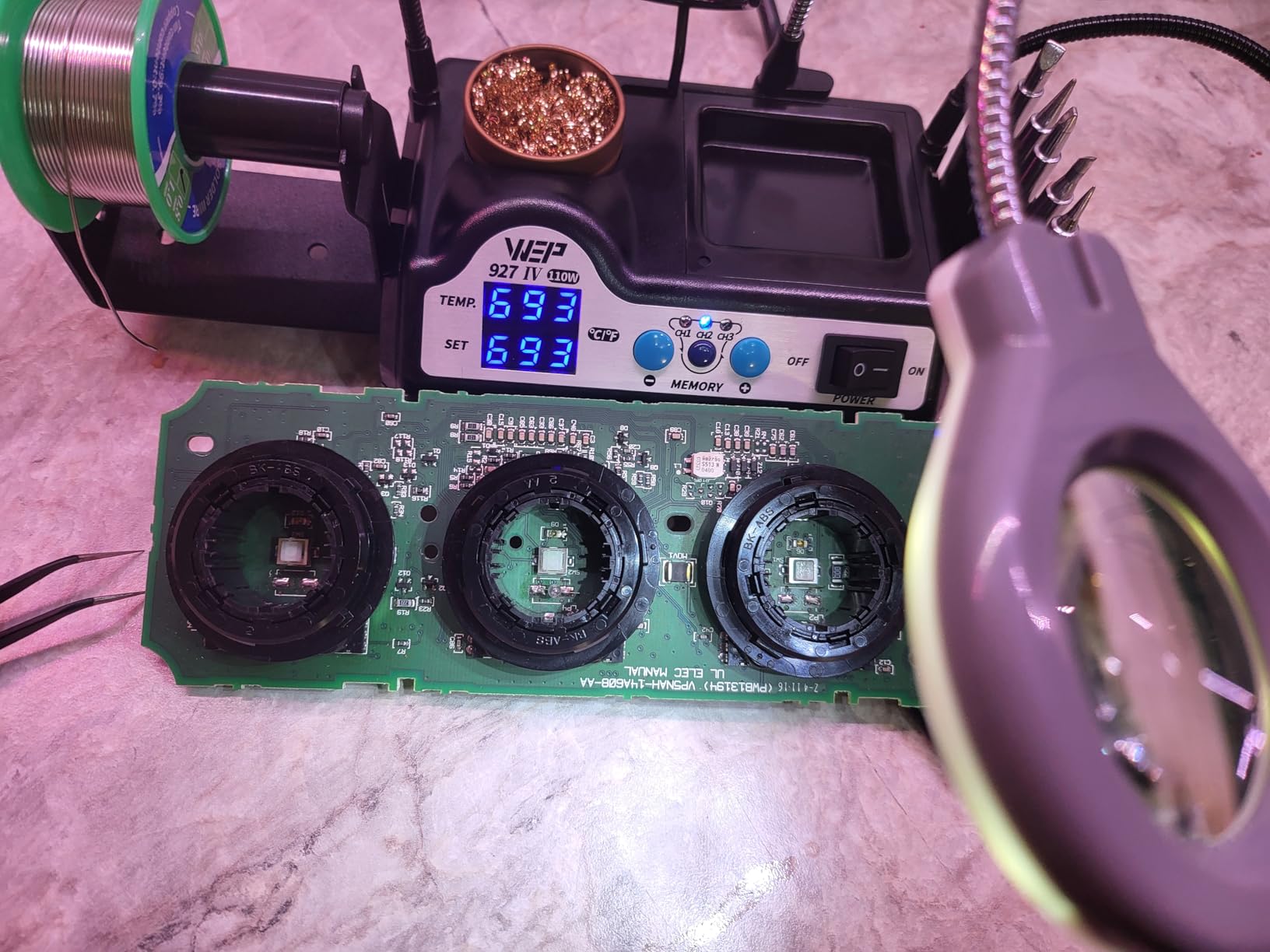
The 927-IV is built around a simple idea: if it lives on the bench, it should live in the base. The station is only 3.94 by 5.91 by 1.89 inches and it holds the iron, iron holder, tip cleaner, solder wire dispenser, helping hands, an LED magnifier and tip storage slots. Nothing needs a separate home on your desk.
The 110W heating element is the highest single-function wattage in this roundup, and it produces correspondingly good heat recovery. That matters more than headline wattage in most cases, because recovery is what stops you from dragging a cold tip across a joint waiting for it to catch up.
The display is genuinely different. It shows set temperature and actual temperature at the same time, so you can watch the number sag and recover while you work rather than guessing. Three preset channels store common temperatures, and the sleep timer is settable from 0 to 99 minutes. Temperature range is 90C to 480C, or 194F to 896F.
It uses WEP 1400-series tips, and five extras come in the box alongside brass wool with rosin flux, a sponge, tweezers, a desoldering pump and lead-free solder. The LED magnifier is a small touch that matters more than expected on fine micro-soldering.
The right station if you juggle several jobs at one bench
Preset channels suit someone who alternates between, say, 340F for delicate boards and 400F for wire connections. The dual readout and the magnifier both help with inspection work, and the high wattage covers the heavy ends of the range.
It is also a strong choice for a small lab or classroom bench where tool storage is limited, because the accessories live in the base rather than in a drawer.
Where the feature density becomes clutter
Everything integrated also means more to learn. Reviewers point out that the compact body is busier than a simple station, and it is fair. If you want a knob, a display and nothing else, this is not that.
It is also rated for 110-127V USA specifications only, which matters outside North America. Support is 1-year USA technical coverage.
6. X-Tronic 3020-XTS 75W Station Kit: Best for Warranty and Long Ownership
The Original X-Tronic 3020-XTS • 75W Soldering Iron Station Kit • 2 Helping Hands • Silicone Tool Mat • 5 Extra Tips • 50g Roll of Solder • Brass Sponge • Cleaning Flux • C/F Conversion • Auto Sleep!
75W digital station
392-896F range
PID compensation
Spring style iron holder
3 year warranty
Pros
- Reaches working heat in about 10 to 30 seconds
- Clear fast-updating display with simple knob
- 40 inch cord with virtually no memory
- Lightweight iron with a short tip for fine control
- Spring style iron holder is stable
- Backed by lifetime support and a 3 year warranty
Cons
- Temperature knob is very sensitive
- Light base can slide without a solder roll
- Iron is hard-wired so a dead element costs the whole unit
- Grip can get hot at very high setpoints
The 3020-XTS is the station we would keep the longest, and the reason is not a single spec. It is that the whole thing is built to be kept. The station is a US brand with teams in Lincoln, Nebraska, and it carries lifetime technical support, a 3-year warranty and three years of spare part availability.
Heat performance is strong. The 75W digital station goes from 200C to 480C, or 392F to 896F, in under 30 seconds, with 60W driving the iron and 15W running the mini motherboard inside it. PID temperature compensation keeps the tip at the set value, and temperature stability is rated at 2C.
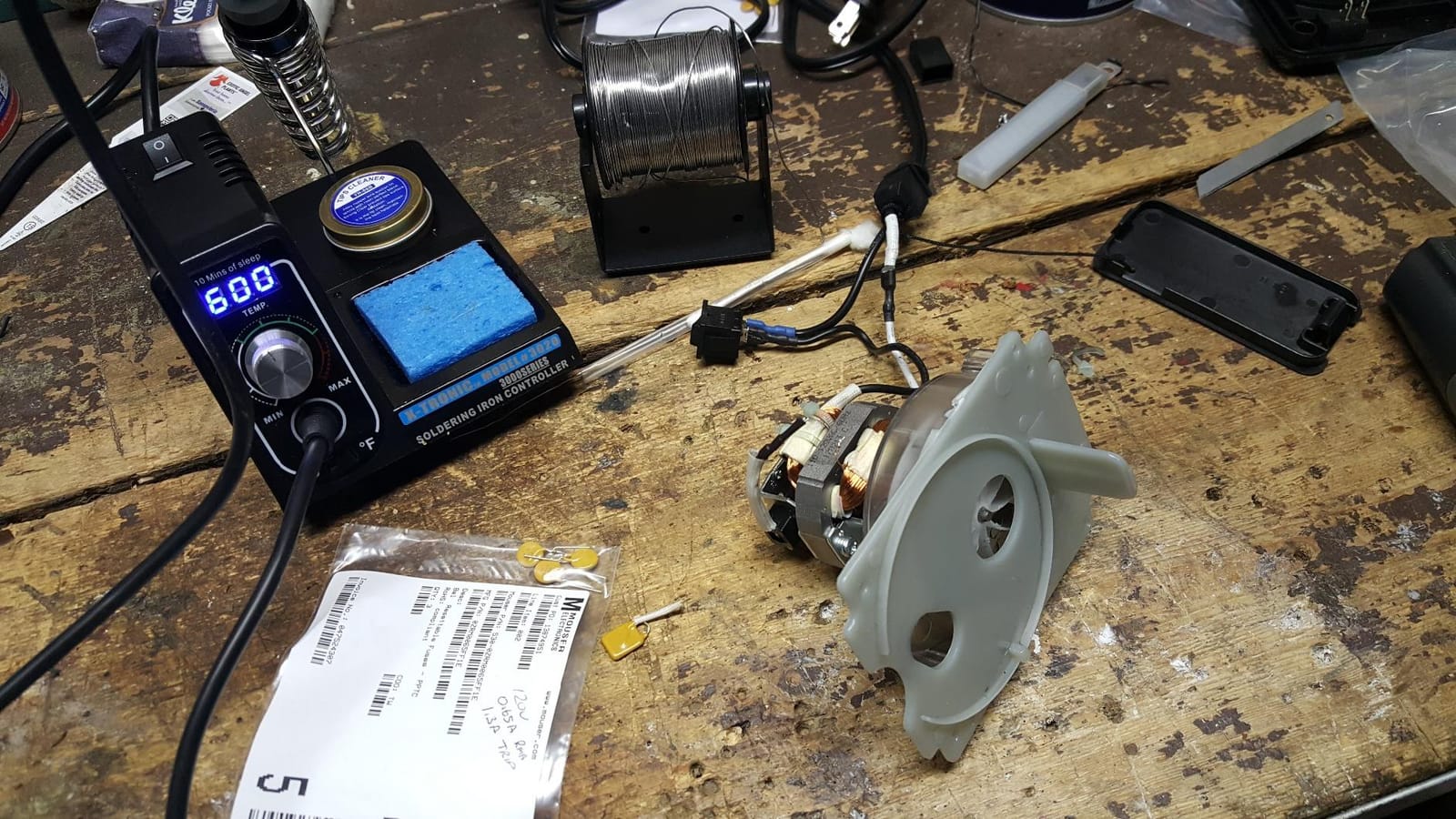
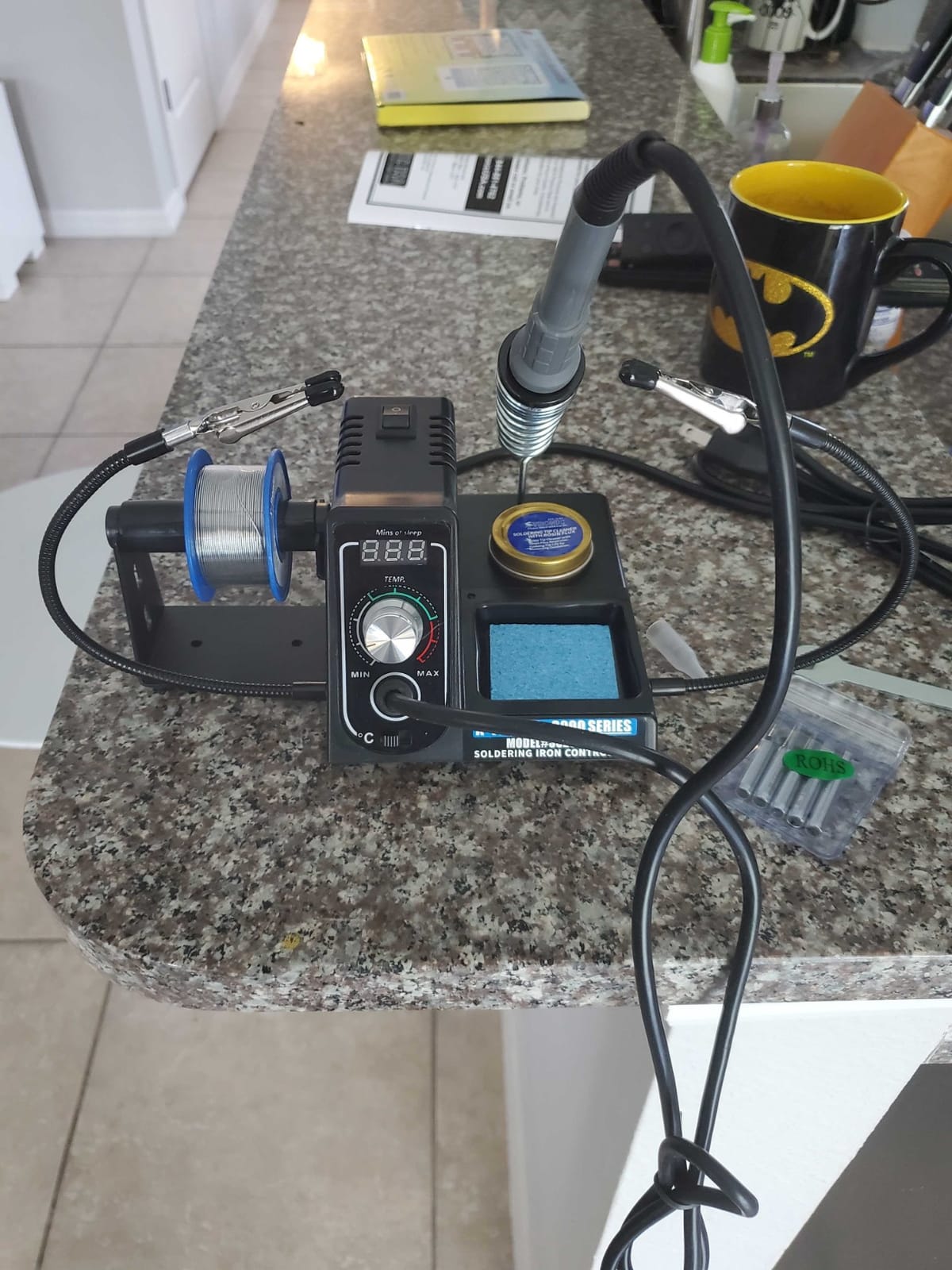
Cord handling is a detail almost nobody gets right at this price, and X-Tronic does. The 40 inch iron cord is described as very pliable with virtually no memory, and the 55 inch power cord gives you real reach from the wall. The spring-style iron holder is stable, and the iron itself is light with a short tip that gives fine control on small joints.
The kit is a proper one: two helping hands, a silicone tool mat, five extra tips, a side-mount solder roll holder, 50g of lead-free solder, a spring iron holder, a brass sponge tip cleaner with cleaning flux and a wet sponge. Long-term owners report multi-year continuous use, which is the strongest durability evidence available in this tier.
The pick for anyone who plans to keep a station for years
Warranty length, spare part availability and lifetime support are what set this one apart on ownership cost. If you expect soldering to stay part of your life, a supported iron with a documented spare-part path is worth more than a cheaper box with no parts path.
The short, light tip and the 10-minute auto sleep also make it a good daily driver for a small workbench where you solder in short bursts rather than long sessions.
The serviceability catch that costs you if a part fails
The iron is hard-wired to the base with no connector jack, so a failed heating element or a damaged handle means replacing the entire unit. One owner reported an element failure after about four years, and X-Tronic does not ship replacement elements outside the US.
Two smaller annoyances: the temperature knob is very sensitive, so a light touch swings the setting several degrees, and the light base can slide unless you weight it with the solder roll. The handle can also get hot at the grip at very high setpoints.
7. WEP 882D 2-in-1 SMD Hot Air Station: Best for Component Removal
WEP 882D Soldering Iron Station 2-IN-1 SMD Hot Air Rework Station with 2 Spools of Solder Wire, 5 Soldering Tips, 3 Hot Air Nozzles, Brass Wool Tip Cleaner, Tweezers, Desoldering pump
Iron and hot air gun
212-896F hot air range
PID on both sides
Variable air volume
Compact body
Pros
- Separate displays and switches for iron and gun
- PID control on both the iron and the gun
- Variable air volume matters for SMD removal
- Compact body saves bench space
- Two solder spools mean it works out of the box
Cons
- 750W combined draw is high for a compact unit
- Multiple buttons and displays take getting used to
- 110-127V rated only
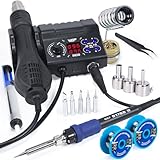
The 882D does the same job as the YIHUA 8786D I but organises it differently, and the difference matters if removal is your main job. It gives the hot air side a variable air volume control, which is the parameter that decides whether a multi-pin component lifts off cleanly or tears a pad on the way up.
Both sides get their own LED display, power switch and temperature control buttons. The soldering iron runs 392-896F and the hot air gun 212-896F. A built-in PID program manages both, with sleep mode on the iron, standby on the gun, C/F conversion, automatic shutdown and a calibration function.
The bundle is the more complete of the two 2-in-1 options in this list. It comes with two spools of solder wire so you can start immediately, five soldering tips covering I, B, K, 3.2D and 3C profiles, three hot air nozzles, brass wool, a desoldering pump and tweezers. You are not hunting for consumables on day one.
At 3.54 by 5.9 by 2.28 inches it is a low, flat box, which matters if you are working on a laptop bench or in a shared electronics lab where vertical space is tight.
The right choice for removing and replacing surface-mount parts
If your work is dominated by SMD removal, chip-level repair or heat-shrink and connector rework, the variable air volume and the 3.2D and 3C tips are the reason to pick this. The included pump and tweezers cover the rest of the removal workflow.
It is also a good compact two-function answer for a student or a lab where a second station would not fit on the bench.
Power draw and a crowded control panel
The listed 750W combined rating is high for something this compact. On an older circuit or a shared bench with other tools, that is a real consideration rather than a footnote.
Two displays and several buttons also take getting used to, and the unit is rated for 110-127V only with 1-year USA technical support. Reviewers also note it has a well established following in this price bracket, so it is easier to source than for the smaller brands.
8. UY CHAN TS101 Portable Iron Kit: Best for Work Away From a Bench
UY CHAN Original TS101 Soldering Iron Station Kit Upgraded from TS100 DC 65W PD 45W Power Programmable Smart Mini Electric Portable Soldering Pen with B2 Solder Tip USB Type C Cable
65W DC and 45W PD input
OLED display 122-752F
Heater built into the tip
100g pen at 16.8cm
Pros
- Reaches soldering heat in about 10 to 15 seconds
- Pen sized at 100g so it is genuinely portable
- Runs from a USB-C power bank as well as the DC supply
- Bright OLED display and a two-button interface
- Element lives in the tip so a failed part is a new tip
- Supports open source community firmware
Cons
- Not a bench station for sustained heavy work
- DC barrel connector is an uncommon size
- Power cord is short at roughly 2 to 2.5 feet
- Bundled Allen key is too tight and the sponge is thin
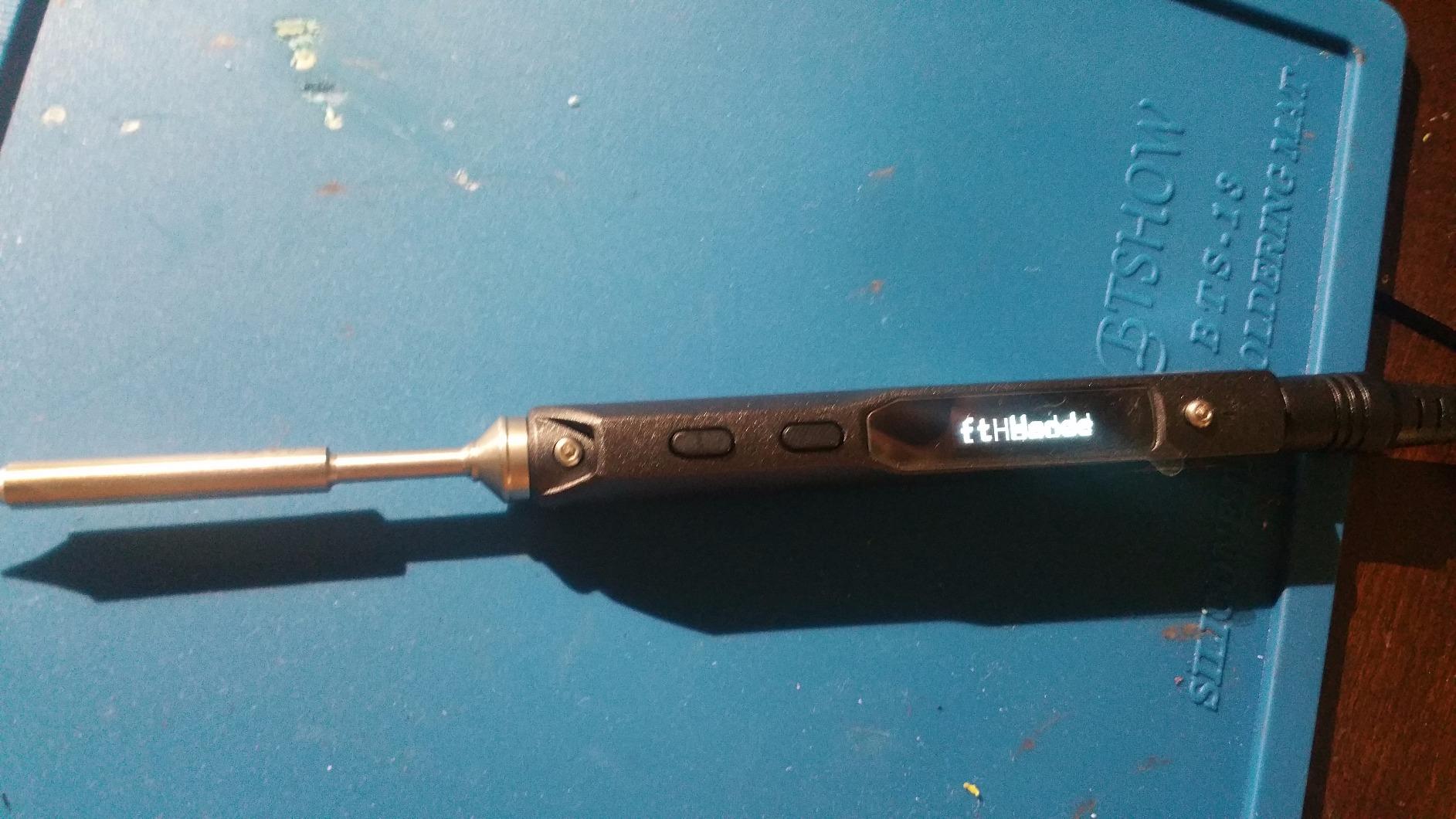
The TS101 is not a bench station and should not pretend to be one. It is a 100 gram pen that weighs almost nothing and runs from a USB-C power bank, which makes it the answer for field repair, travel kits, shared workspaces and anyone who does not have a permanent bench at all. The tip and handle together measure 16.8 centimeters.
Control is genuinely modern. Dual temperature sensors plus acceleration sensors drive the PID loop, an OLED display covers 122F to 752F, and a boost function shortens the ramp. It heats to soldering temperature in roughly 10 to 15 seconds, and it is reprogrammable by connecting it to a computer to reset temperature rise curves and custom functions.
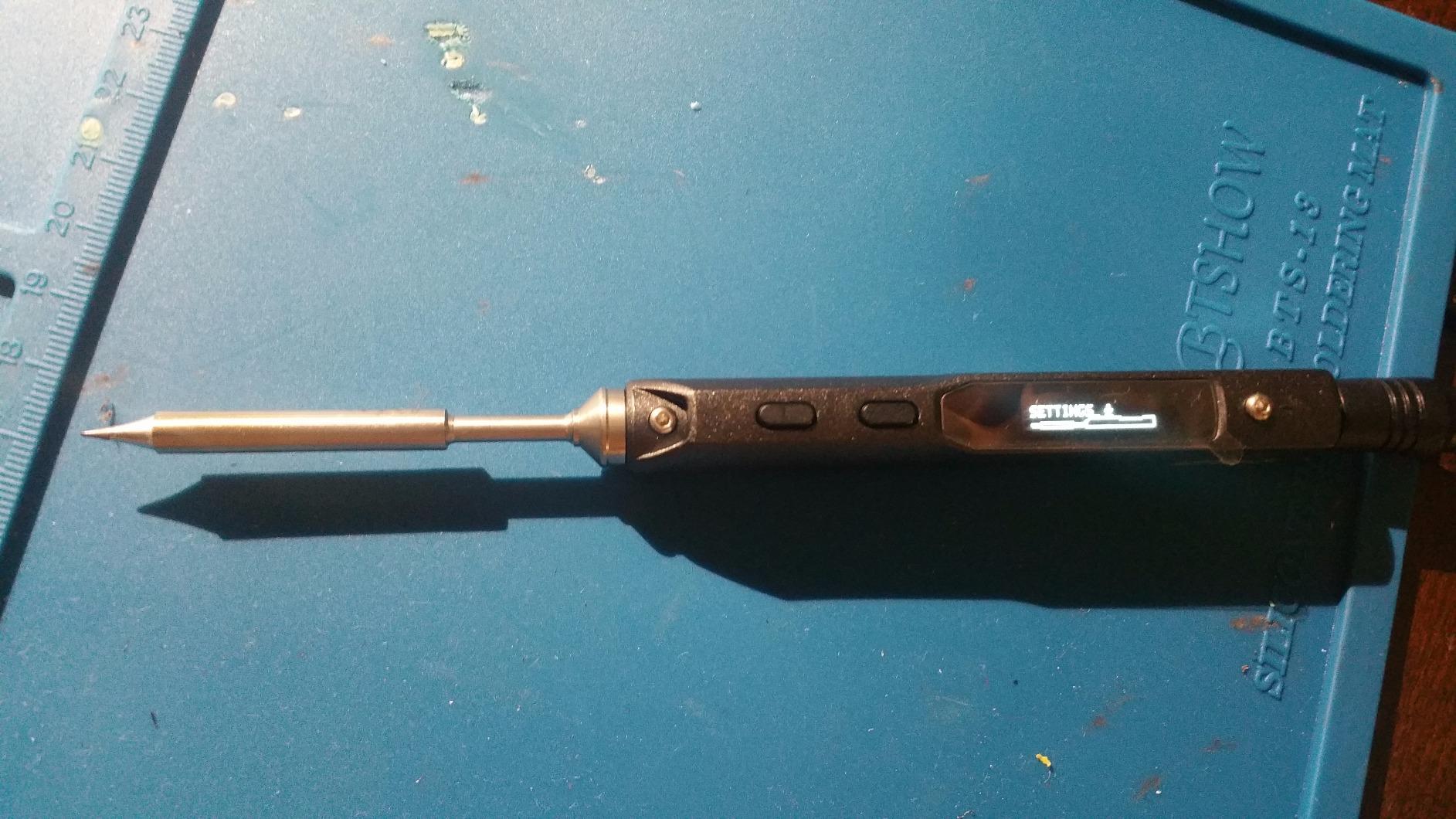
The design decision that sets it apart is that the heating element lives inside the tip rather than inside the handle. When an element fails, you change a tip, not an iron. It runs dual power: a DC5525 input extended to 9-24V at 65W, and a USB-C PD port accepting 12-24V at 45W.
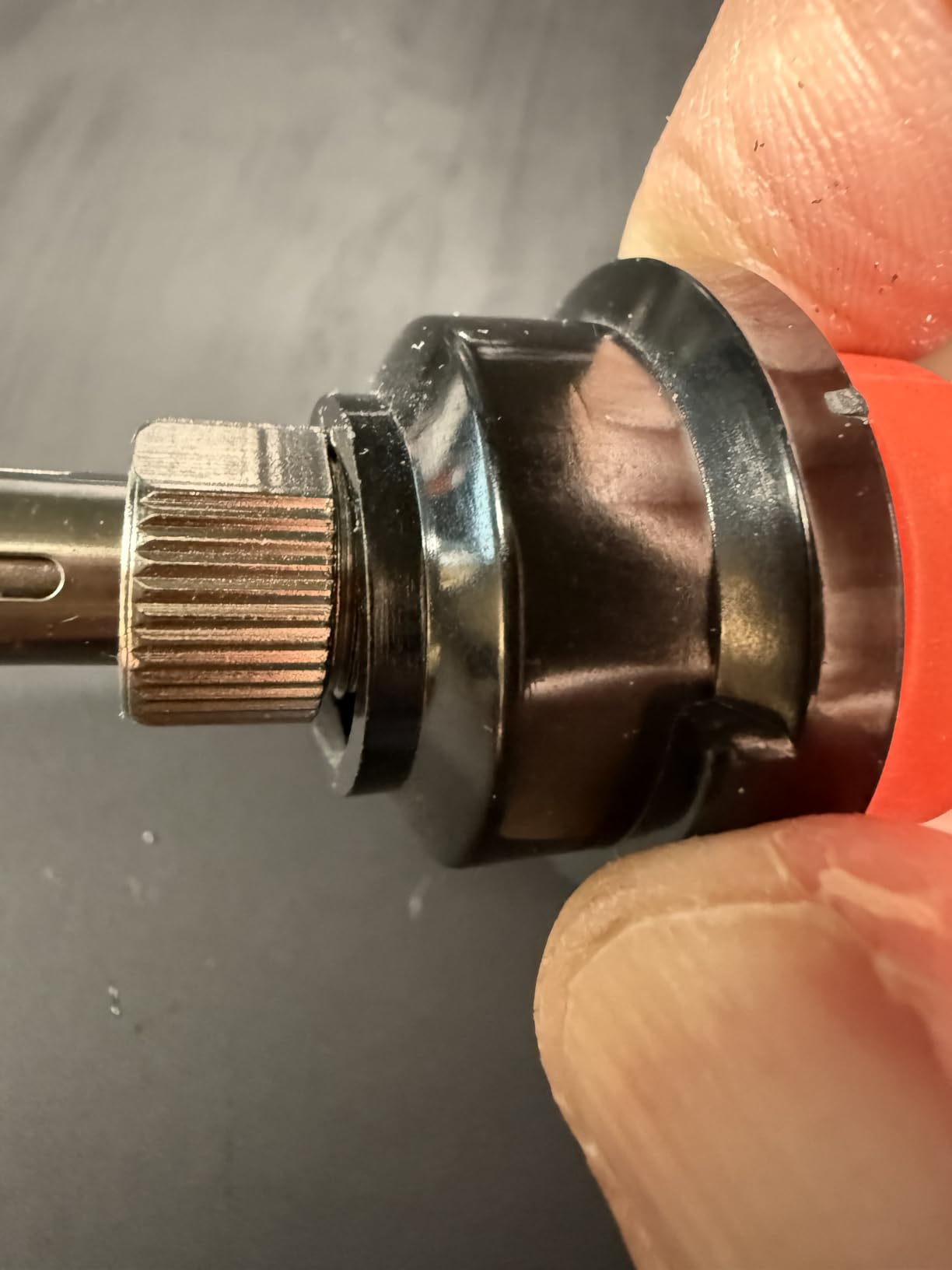
The kit includes the controller, a TS-B2 tip, a 24V DC supply, a Type-C to Type-C silicone cable, a stand and a manual, and the whole thing is easy to disassemble. Community firmware support gives you custom temperature curves and sleep behaviour. This platform and the Pinecil class are the portable options enthusiasts keep recommending, with the Miniware TS100 and Pine64 Pinecil cited on the Audio Science Review forum as the popular choices in the maker community.
Ideal for field repair, travel kits and shared workspaces
Choose the TS101 if you repair electronics away from a desk, if you need a backup iron that fits in a tool bag, or if you move between shared benches and do not want to commit to a base unit. The power bank compatibility is the feature that unlocks that use case, and it is the reason a lot of field kits carry a small portable power station alongside the pen.
Because the element is inside the tip, a failed heater is a cheap fix rather than a dead pencil, and the open firmware support means the iron can improve after you buy it.
Where it stops being enough
It is not a bench station. Sustained heavy work is better served by a mains unit, and a 45W PD ceiling is well below what the powered stations here deliver. The DC barrel connector is also an uncommon size, so some power supplies need an adapter.
Minor irritations: the included cord is roughly 2 to 2.5 feet, the bundled Allen key for the 1.5mm hex screws is too tight to work well, and the included sponge is about 1mm thick and of little use. Some buyers reported the B2 tip not seating properly, and the iron is barely usable for higher temperatures without a firmware update.
What to Know Before You Buy a Soldering Station
Price is fixed at this point, so the decisions that matter are control type, wattage, heat recovery, tip sourcing and power supply. Here is what actually separates a station you will keep from one you will replace in a year.
Closed-loop control is the upgrade that matters
Closed-loop or PID control means the base reads a temperature sensor and continuously adjusts power to hold your setting. Every station on this list except the most basic designs has it, and it is the single feature that separates a station from a fixed-wattage iron. Without it you are choosing between joints that melt and joints that barely warm.
Analog dial stations, such as the Weller WES51 that gets recommended on gearspace after 25 years of heavy-duty soldering, work on a different principle: you set an approximate power level and accept drift. For a first electronics bench, a regulated setpoint is worth more than simplicity.
Heat recovery beats headline wattage
Wattage tells you how fast the tip heats from cold. It says almost nothing about what happens after you touch the tip to a large ground pad and pull heat out of it. Recovery speed is the number that decides whether a joint flows properly or whether you wait.
This is why the 110W WEP 927-IV and the 90W ceramic core in the TOAUTO DS90 can outperform heavier-looking stations. A 60W iron with a small heating element recovers slowly; a 90W ceramic element recovers fast. If your work includes wire connections and shield pads, prioritise recovery over the wattage number.
Tip ecosystem and long-term cost
A cheap station with unavailable tips becomes expensive on year two. Every pick here uses replaceable tips in a well-documented format, and two of them go further: the X-Tronic 3020-XTS publishes three years of spare part availability alongside a 3-year warranty, and the TS101 puts the replaceable part in the tip itself.
The X-Tronic ships five spare 900M-series style tips and keeps parts available for three years after purchase. The TS101 puts the heating element inside the tip, so a failed element is a tip swap. The YIHUA 8786D I and the WEP 882D use proprietary tips as well, so check that replacements exist in your region before you commit.
The T12 platform question every buyer asks
The highest-frequency recommendation in enthusiast communities for this budget is the T12 platform, and it is worth understanding even though none of the eight stations here uses it. Regulars on r/soldering name Queeco, Quicko and KSGER as the clones to look at, and they specifically recommend genuine Hakko tips, since the T12 tip format is interchangeable with genuine Hakko tips. The same threads advise caution about buying T12 clones through Amazon, with the complaint being that marketplace pricing runs well above direct channels.
Other r/soldering posts put the practical reality plainly: the Hakko FX-888dx is a safe bet but generally beatable for the money, and GEEBOON TC22 is frequently named as a strong T12-based option. If you want a portable platform instead, our soldering iron guide covers the TS100 and Pinecil class in more depth.
Bench station or portable iron
If your work happens at a desk, buy a bench station. Mains power, a real iron holder, a defined setpoint and long sessions are what the powered units are for. If you repair electronics on other people’s equipment, in a classroom, or in different rooms, a pen-style iron like the TS101 is more useful than a better base unit.
The two categories also have different weak points. Bench stations are tied to 110V in most of the picks here, and portable irons cap out well below their wattage when run from USB-C power. Decide where the work happens before you compare specs.
What a 100 dollar budget does not buy
Being straight about the ceiling matters. A Hakko FX-888D usually sits a little above this budget, and the Weller WE1010NA sits just over it. What the extra money buys is a genuinely tip-integrated cartridge heater, faster recovery, a larger tip ecosystem and brand-level support – which is why people on r/soldering call the Hakko a safe bet that you can beat on value rather than on build.
What you give up at this budget is a known-brand service network, high-end ergonomic iron design, and hot air that reaches true rework temperatures quickly. For hobby electronics, a first workbench and most repair work, the eight stations here cover the gap at a fraction of the cost.
Accessories and First-Bench Setup
A station on its own is not a soldering setup. The good news is that four of the picks here bundle most of what you need, and the gaps are cheap to fill.
Solder is the one consumable you need on day one. For general electronics work, community advice is consistent: 63/37 or 60/40 leaded solder with a flux pen. Leaded solder flows at a lower temperature and is far more forgiving for a first project. Work in a ventilated space, wash your hands, and keep food out of the workspace.
A stand or helping hands is the second essential. Several picks here include them – the YIHUA 926 III ships with two, and the WEP 927-IV integrates helping hands into the base. A loose iron resting on a bench is the fastest way to damage a tip or a table.
Third is a tip cleaner, which keeps a tip tinned and conductive, and a desoldering pump, which you will need the first time you change a component. For the first ten minutes with any station here: heat to about 340F for leaded work, melt a little solder onto the new tip, wipe it on a damp sponge, and repeat. That tinning layer is what stops the tip from oxidising while it cools. Set the temperature before the job, not during it, and use the sleep mode when you step away.
Frequently Asked Questions
What is the best soldering station under 100 dollars that actually works?
The YIHUA 926 III 60W station kit is the strongest overall buy in this bracket, because the 12-piece accessory set means a first-time buyer needs almost nothing else. The X-Tronic 3020-XTS is the pick with the longest warranty and support behind it, and the TS101 kit wins if you need portability rather than a bench.
What is the best affordable soldering station?
Affordability depends on how complete the box is. The YIHUA 926 III 60W kit includes two helping hands, six tips, solder, a solder sucker, tweezers and a sponge, so it needs almost no add-on spending. The X-Tronic 3020-XTS bundles a silicone mat, five tips, 50g of solder and a spring holder. A bare station is cheaper, but you buy the accessories later anyway.
What is the best low-budget soldering station?
In the lower band, the TOAUTO DS90 90W kit is the strongest option because its ceramic core reaches 590F in about five seconds and the dual display shows Fahrenheit and Celsius at once. It also includes five tips, solder, a pump, tweezers and a brass cleaner. Below roughly 35 dollars you are choosing between fixed-wattage irons with far less control.
What is the best soldering station for hobbyists?
For general hobby electronics, the YIHUA 939D+ is the best fit because its 75W-equivalent iron recovers quickly across both small SMD joints and larger wire connections, and the built-in transformer keeps the handle at a contact-safe voltage. Its detachable 907F handle is also replaceable, so a mishap does not end the station.
Which is better, Hakko or Weller?
Both are trusted incumbents and both are honest choices, but they usually sit above this budget. Hakko is generally regarded as the stronger temperature control and tip ecosystem, while Weller is valued for simple analog operation and durability. The WES51 is recommended on gearspace by someone with 25 years of heavy-duty soldering who argues the digital display is unnecessary. For a first bench under this ceiling, the picks here deliver comparable control for less.
What is a soldering station for?
A soldering station is a temperature-controlled power base paired with a detachable iron. A sensor reads the tip temperature and the base adjusts power to hold the setting, so the iron heats quickly, stays stable and recovers after a joint draws heat away. A basic fixed-wattage iron has no such control, which is why it overheats small joints and stalls on large ones.
Final Recommendation
These are the best soldering stations under $100 in 2026, and the choice comes down to what you solder. Take the YIHUA 926 III 60W kit as the complete first bench, the YIHUA 939D+ for longer sessions and heavier joints, and the X-Tronic 3020-XTS if you want the longest support and warranty behind it.
Add the TOAUTO DS90 for the fastest heat-up, a WEP 882D or YIHUA 8786D I if rework is part of the plan, a WEP 927-IV for an organised bench, and the TS101 kit for work away from a desk. Budget a little for solder, flux, a stand and a tip cleaner, and any of the eight will outlast a fixed-wattage iron by years.