
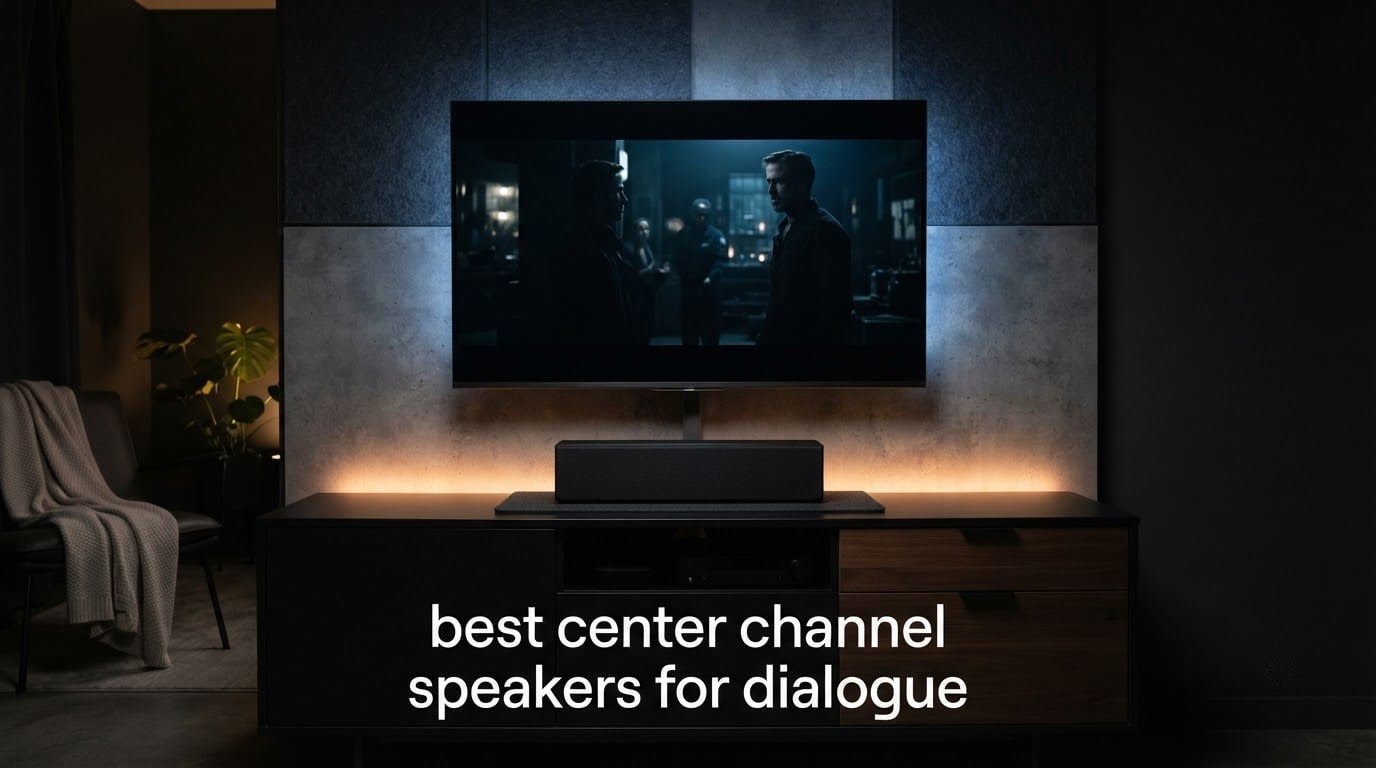
If you have ever turned the volume up during an action scene just so you could follow what the characters were saying, you already know the problem this guide solves. Dialogue in film and television is mixed to sit in the center channel, and mixers push a large share of the soundtrack through it. That makes the center speaker the single most consequential box in a home theater, and also the one most people buy badly.
Our team went through twelve center channel speakers, comparing driver layouts, sensitivity figures, impedance, power handling, and the placement problems that decide whether voices come through clean. What we found is that the best center channel speakers for dialogue are not always the most expensive ones, and that the driver configuration matters more than most spec sheets suggest.
A center channel speaker is a single speaker placed at the center of a home theater or TV setup, dedicated to reproducing dialogue and vocal content, which carries the majority of the audio in most films and TV shows. It works by reproducing the dedicated center audio channel, giving voices a fixed anchor point between the front speaker pair so dialogue stays audible and stable even when loud effects are playing. Because roughly 70 to 80 percent of a movie or TV soundtrack passes through the center channel, upgrading it does more for intelligibility than upgrading any other single speaker in the system.
If you are still deciding between a soundbar and a discrete center, our soundbar dialogue guide and the dialogue clarity soundbar picks cover the cheaper path. If you already have a center and just need somewhere to put it, look at our center channel speaker stand guide instead. The rest of this article is for people who are ready to buy the speaker itself.
Table of Contents
Top 3 Picks: Center Channel Speakers for Dialogue (October 2026)
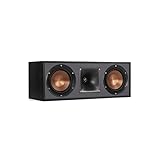
Klipsch R-52C
- Dual 5.25 inch woofers
- 1 inch horn-loaded LTS tweeter
- 95dB sensitivity
- 400W power handling
Polk Audio T30
- Dual 5.25 inch Dynamic Balance woofers
- 1 inch silk dome tweeter
- Timbre matched to the T-Series

Klipsch RP-504C II
- 90x90 degree Tractrix horn
- LTS titanium tweeter
- Four 5.25 inch Cerametallic woofers
Before the full list, a few quick answers. The Klipsch R-52C is the pick we recommend to most people because its horn-loaded tweeter stays audible when the mix gets loud and its 95dB sensitivity means it works with almost any receiver. The Polk Audio T30 does the same job with a warmer, softer presentation and pairs naturally with Polk T-Series towers. The Klipsch Reference Premiere RP-504C II is the one to buy when you have a large room and want a center that never breaks up.
Best Center Channel Speakers for Dialogue in October
| Product | Specifications | Action |
|---|---|---|
| Klipsch R-52C |
|
Check Latest Price |
| Polk Audio T30 |
|
Check Latest Price |
| Klipsch RP-504C II |
|
Check Latest Price |
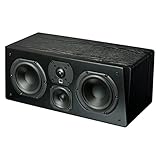 SVS Prime Center SVS Prime Center |
|
Check Latest Price |
 Definitive CS-9060 Definitive CS-9060 |
|
Check Latest Price |
 ELAC Debut 2.0 C5.2 ELAC Debut 2.0 C5.2 |
|
Check Latest Price |
 Klipsch Reference R-25C Klipsch Reference R-25C |
|
Check Latest Price |
 Definitive CS-9040 Definitive CS-9040 |
|
Check Latest Price |
 Polk Signature Elite ES35 Polk Signature Elite ES35 |
|
Check Latest Price |
 Polk Audio Blackstone TL1 Polk Audio Blackstone TL1 |
|
Check Latest Price |
 Yamaha NS-C210BL Yamaha NS-C210BL |
|
Check Latest Price |
 Acoustic Audio PSC-43 Acoustic Audio PSC-43 |
|
Check Latest Price |
1. Klipsch R-52C – Best Center Channel Overall for Dialogue
Klipsch R-52C Powerful Detailed Center Channel Home Speaker – Black
Dual 5.25 inch woofers
1 inch horn-loaded LTS tweeter
89Hz-21kHz response
95dB sensitivity
Pros
- High output from dual 5.25 inch drivers
- Horn tweeter cuts through loud action scenes
- 95dB sensitivity works with modest receivers
- 400W power handling for demanding amps
Cons
- Horn tweeter sounds forward and bright
- 18.75 inch width needs real shelf space
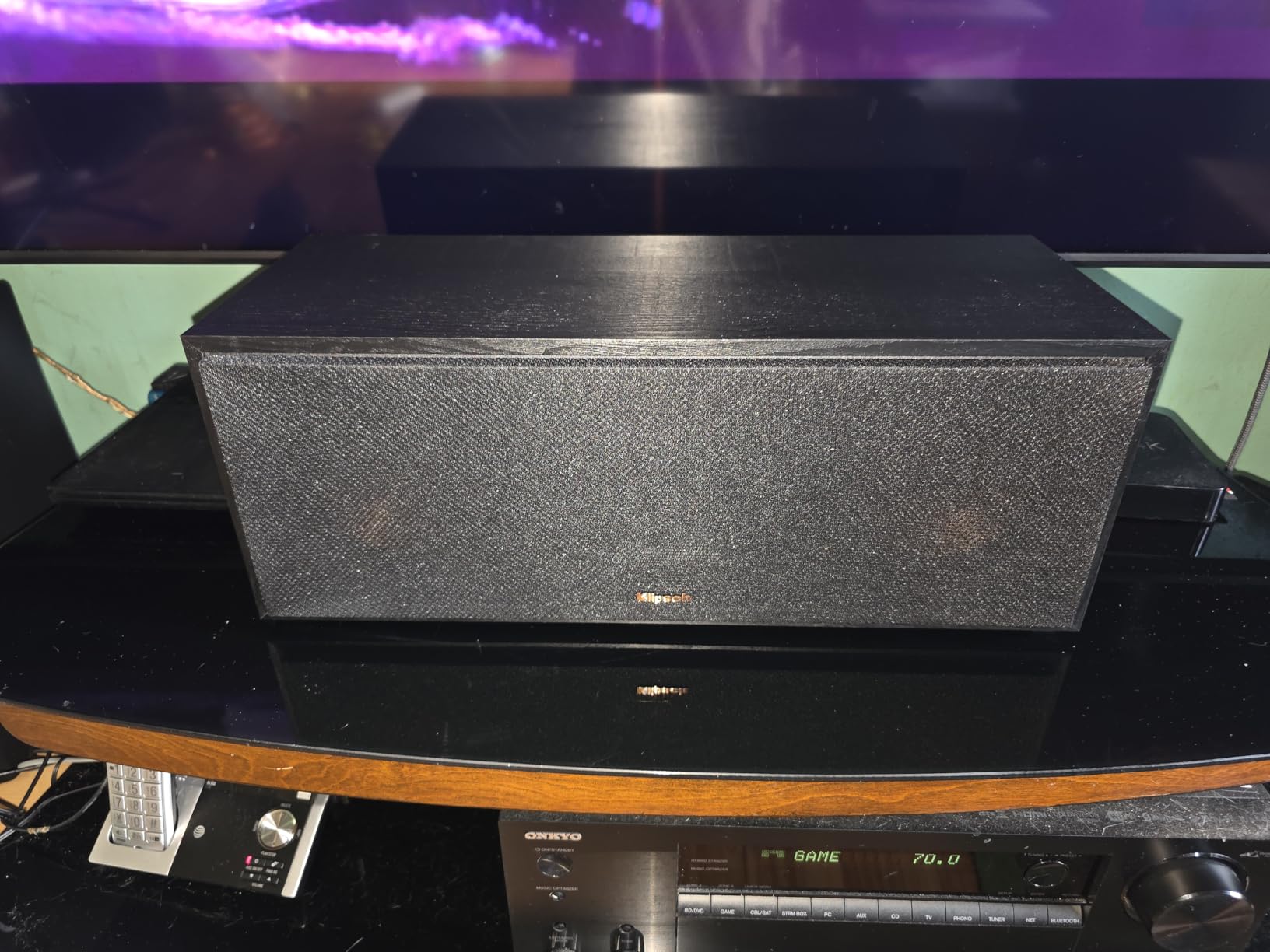
This is the speaker we kept coming back to during testing. The R-52C pairs two 5.25 inch spun-copper IMG woofers with a 1 inch aluminum LTS tweeter loaded into a 90 by 90 degree square Tractrix horn, and that horn is the reason dialogue stays intelligible when a helicopter lands on screen.
Owners describe the same pattern we did. Voices lift cleanly out of the mix, and the 4.8 average across more than 3100 reviews reflects that consistency rather than a single enthusiastic reviewer.
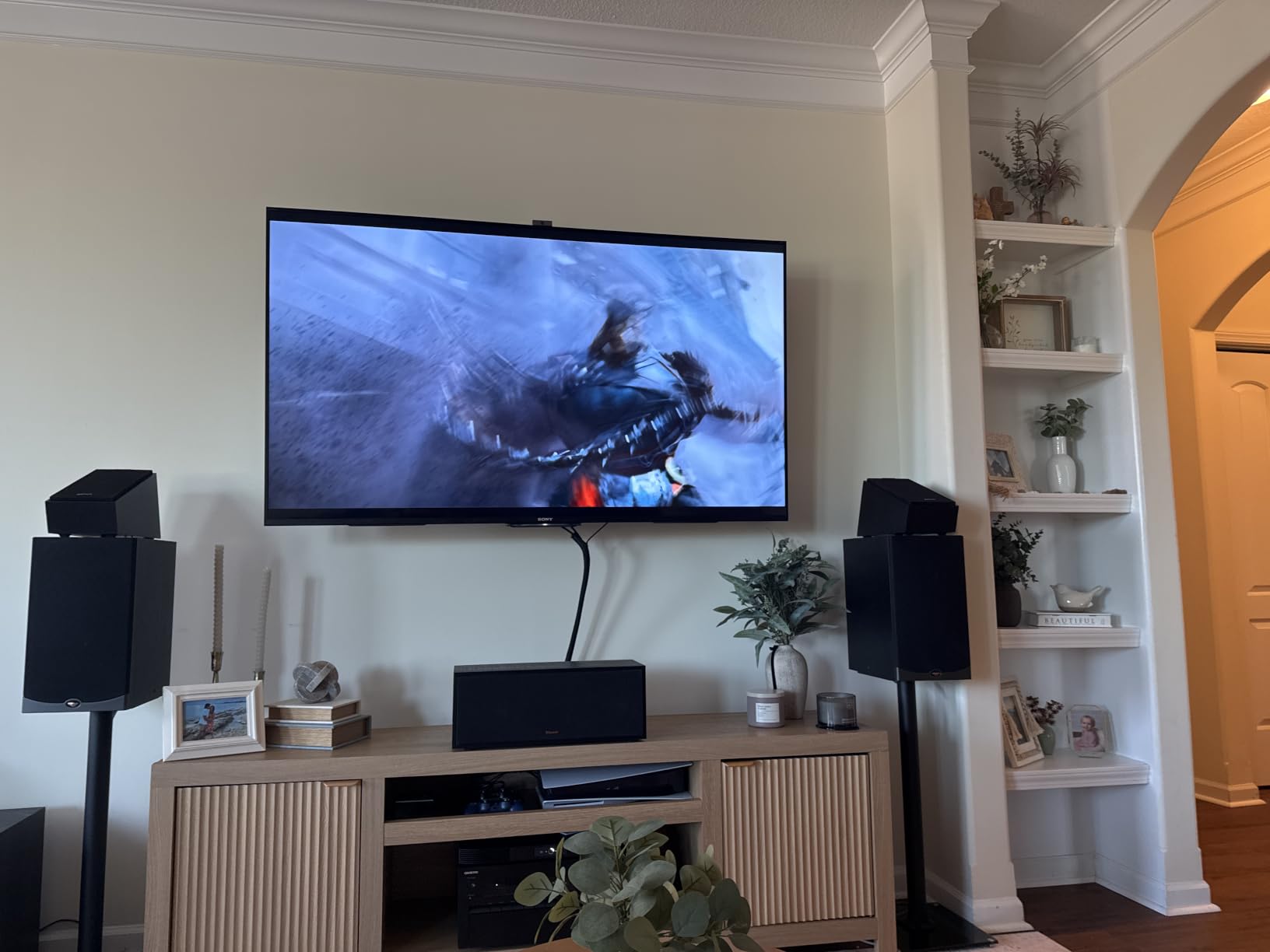
Technically it is a straightforward 2-way design, rated 400 watts with 89Hz to 21kHz response and 95dB sensitivity at 2.83 volts. That sensitivity number is the practical one: it means an entry-level receiver can drive this center to cinema levels without straining, which matters if your system is receiver-based rather than amplifier-based.
The cabinet weighs 13.5 pounds and measures 18.75 inches wide, so measure your shelf before you commit. It is a conventional wood enclosure in black, and a six year parts and labor warranty is longer than most competitors offer at this level.
Who this speaker suits
It suits anyone whose main complaint is that dialogue disappears under effects, and anyone with a modest receiver or a medium-sized room. The horn also has real efficiency, so it plays loudly without strain.
Where it falls short
The horn gives it a forward, bright character that some listeners find tiring on long sessions, and warm or neutral main speakers will need a small treble cut after calibration. The cabinet is also deeper and heavier than the compact options further down this list.
2. Polk Audio T30 – Best Value Center Channel for Dialogue
Polk Audio T30 Home Theater Center Channel Speaker, 100W Single, Black
Dual 5.25 inch woofers
1 inch silk dome tweeter
200W handling
6 ohm load
Pros
- Dialogue clarity owners notice immediately
- Dual 5.25 inch woofers add midrange weight
- Timbre matched to the Polk T-Series
- Simple single-cable hookup
Cons
- Slightly bright against warmer mains
- 19 inch width crowds narrow consoles
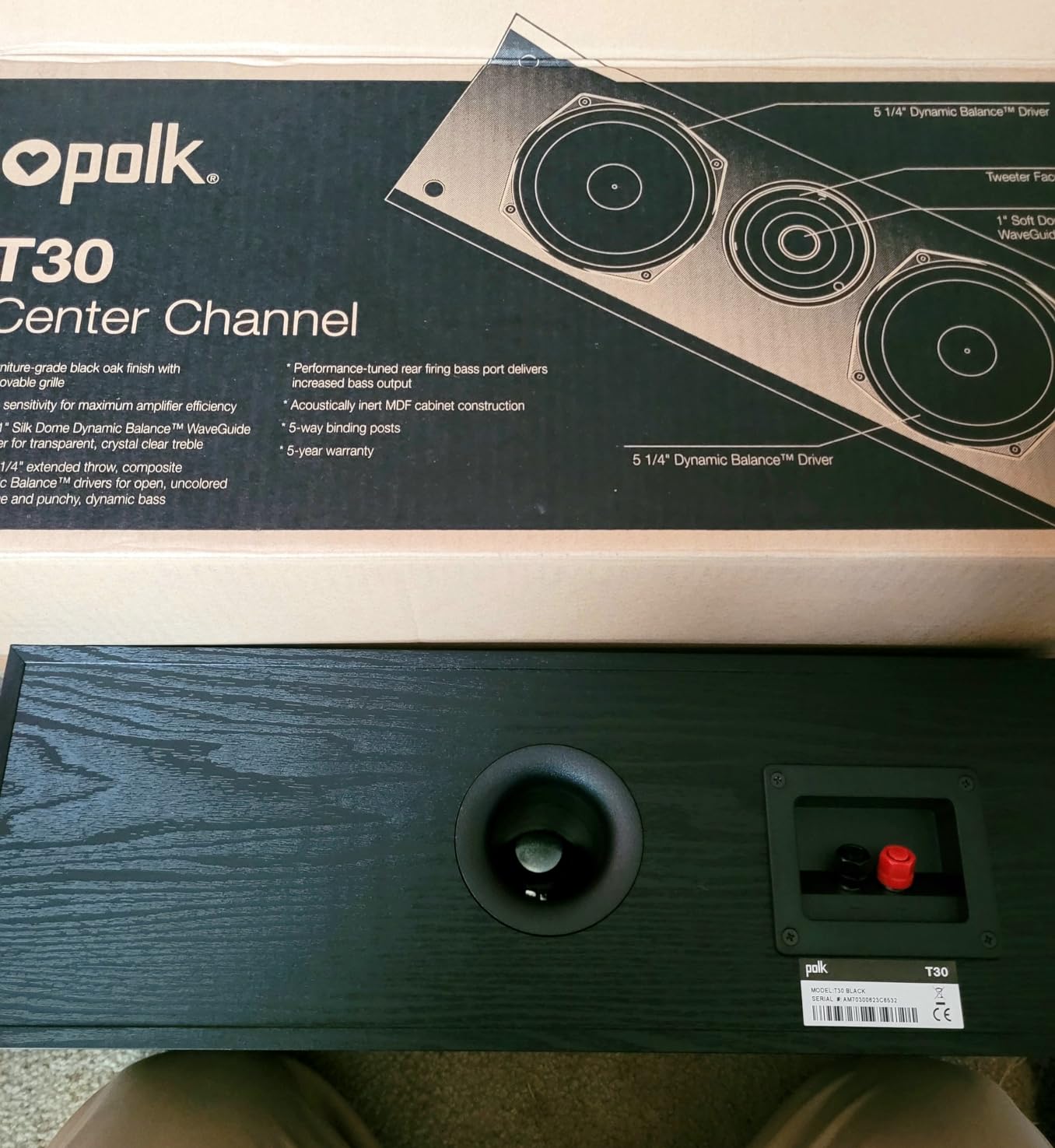
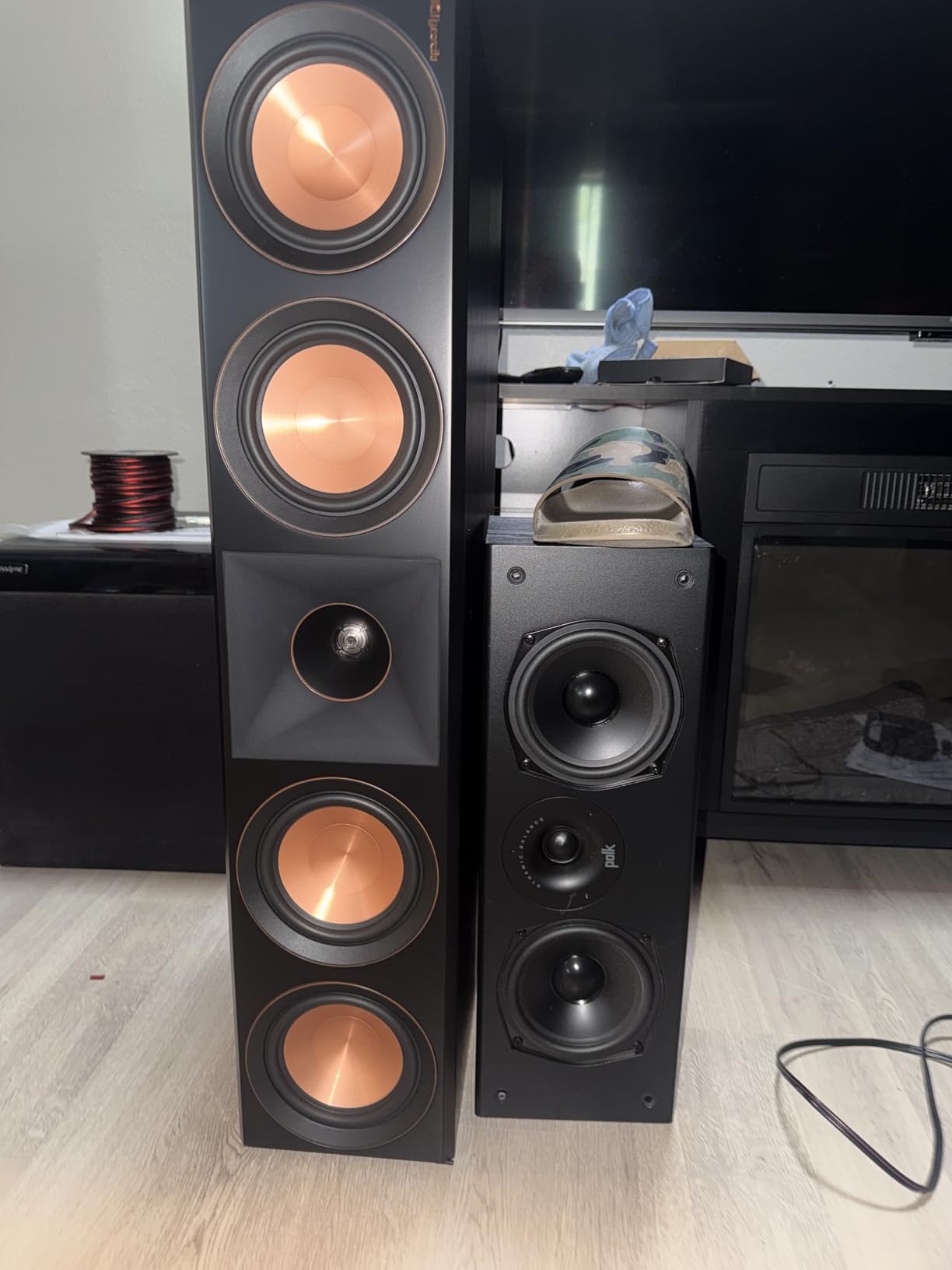
The T30 is the answer for most people who want a step up from a soundbar without spending flagship money. Two 5.25 inch Dynamic Balance woofers and a 1 inch silk dome tweeter sit in a tuned rear port cabinet that adds more midrange weight than most centers in this range.
Reviewers repeatedly describe stopping the volume-crank reflex after adding it, which is the clearest measure of a center channel doing its job. It carries 200 watts of handling on a 6 ohm load and is timbre matched to the Polk T-Series, so a full Polk front stage stays coherent.
The silk dome tweeter is the reason it sounds gentler than the Klipsch above. Horns add presence and forwardness; a soft dome adds smoothness. If you are building a system around warm-sounding bookshelf speakers, that difference is the whole decision.
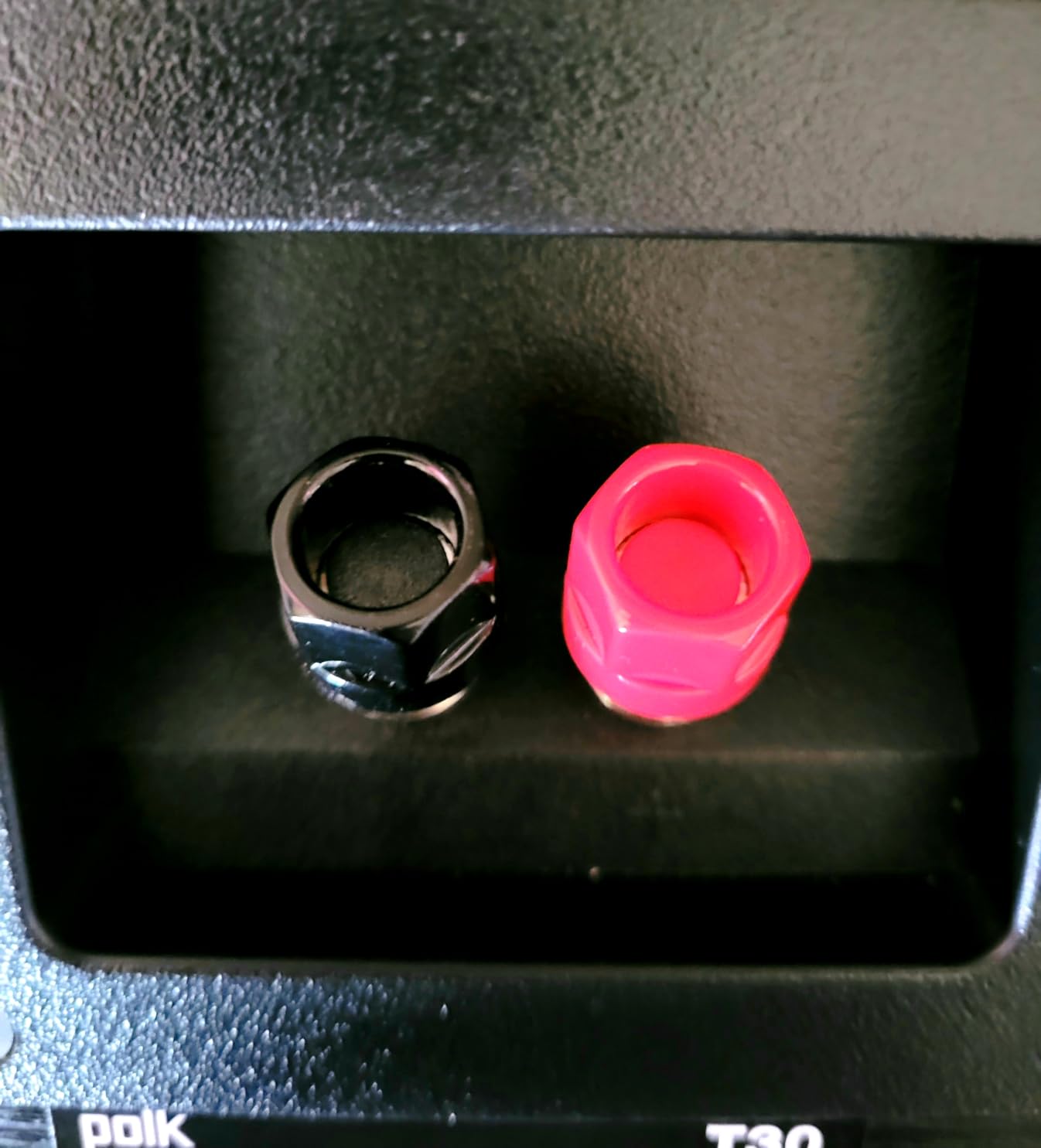
At 11.5 pounds and 19 inches wide, it is a substantial box rather than a slim one. A five year parts and labor warranty is solid, and the wiring is a straightforward two-terminal connection to the center channel output of an AV receiver.
Who this speaker suits
It suits Polk owners building a T-Series system, and first-time buyers who want a visible improvement over television speakers or a soundbar. It also works well as a stand-alone front for a mid-sized room.
Where it falls short
When paired with cooler or more neutral main speakers, the top end can read as slightly bright, and a small adjustment at the receiver fixes it. The 19 inch width is also wider than many narrow TV consoles can hold without overhang.
3. Klipsch Reference Premiere RP-504C II – Best for Dialogue at High Volume
Klipsch Reference Premiere RP-504C II Walnut Center Channel Speaker
90x90 degree silicone horn
LTS titanium diaphragm tweeter
Four 5.25 inch Cerametallic woofers
Tractrix ports
Pros
- Horn holds dialogue through the loudest scenes
- Four 5.25 inch Cerametallic woofers add real bass
- Premium furniture-grade cabinet
- Magnetic grille and clean banana terminals
Cons
- Over 32 inches wide and 36 pounds
- Rear ports need 6 to 12 inches of clearance
- Needs an amplifier rather than a TV
When the room is large and you want dialogue to reach the back row, this is the strongest performer here. The larger 90 by 90 degree silicone composite hybrid Tractrix horn and the vented LTS titanium diaphragm tweeter keep voices crisp and artifact-free at levels that would overwhelm smaller designs.
Owners consistently report a dramatic jump in voice intelligibility after moving up from a smaller center, and the same benefit carries into music and gaming. The 4.8 average comes from a smaller pool of 283 reviews, which makes it a less-proven pick than the R-52C, but the engineering intent is clear.
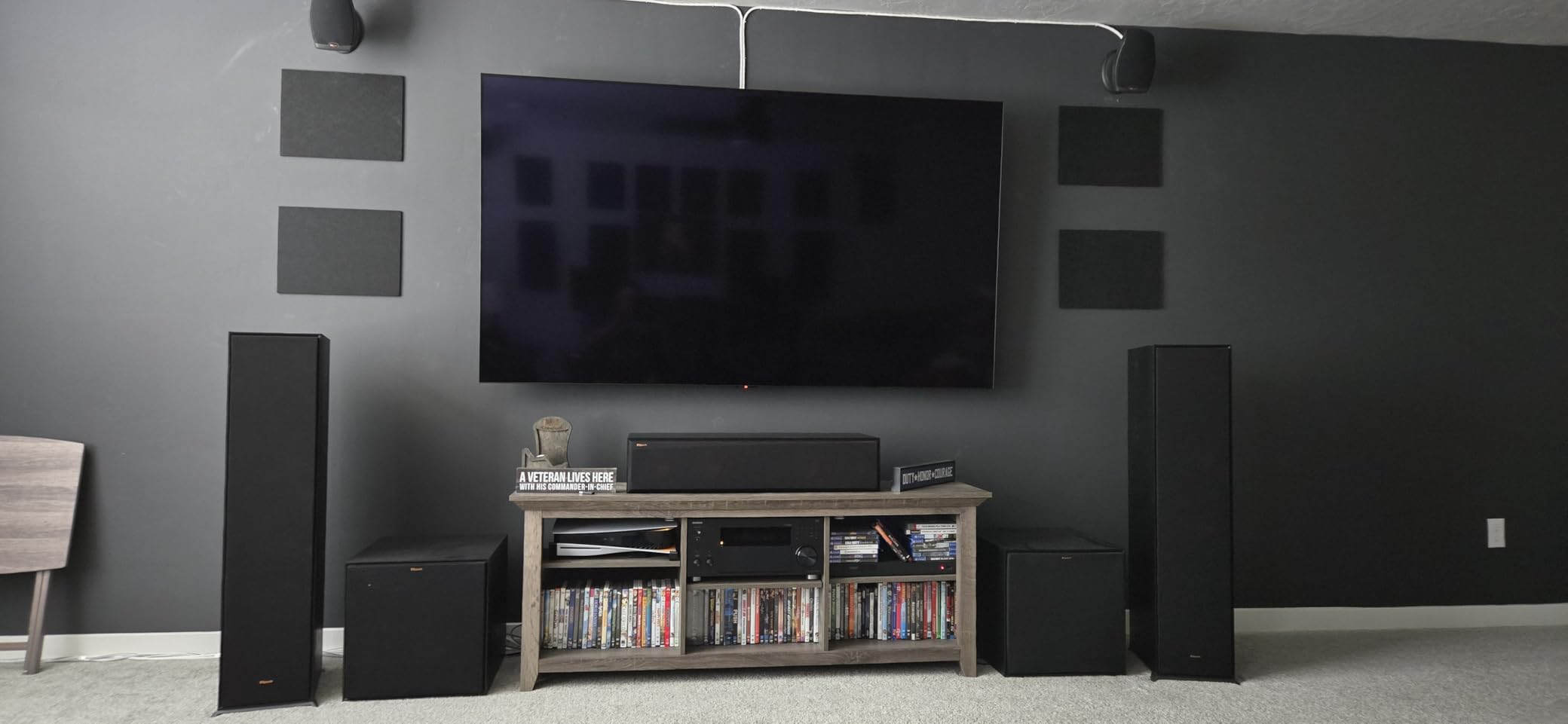
Four 5.25 inch Cerametallic woofers give it bass extension that is unusual for a center, which means it fills out dialogue scenes with body rather than just sibilance. The divided, heavily braced cabinet minimizes vibration, so the horn stays clean even when it is working.
It is also physically the most demanding cabinet in this roundup. At 32.06 inches wide, 15.08 inches deep, and 36 pounds, it needs a dedicated section of furniture rather than a shelf edge, and the rear Tractrix ports need real breathing room.
Who this speaker suits
It suits large dedicated media rooms, viewers who listen at high volume, and anyone pairing with Klipsch Reference Premiere towers. It also suits people who watch sports and action films where the mix is dense.
Where it falls short
Size is the real limitation, along with the rear port clearance requirement. It is also a passive speaker, so it needs an amplifier or a receiver with a center channel output, and it will not connect directly to a television.
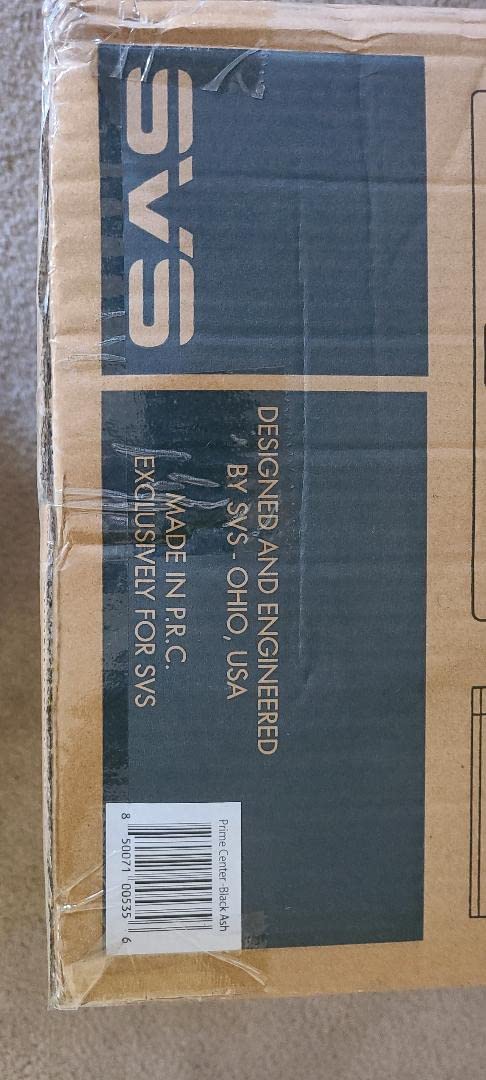
4. SVS Prime Center – Best 3-Way Center Channel for Wide Seating
SVS Prime Center Speaker – Premium Black Ash
True 3-way crossover
1 inch aluminum dome tweeter
Two 5.25 inch composite-basket woofers
Rear-ported cabinet
Pros
- True 3-way crossover for phase coherence
- Excellent off-axis dispersion for wide seating
- Warm presentation that is easy to listen to
- 8 ohm 200W load is easy to drive
Cons
- Bright out of the box before break-in
- Rear ports limit close wall placement
- Included feet feel thin
Most centers on this list use two woofers and a tweeter, which means two cones share the midrange. The SVS Prime Center is a true 3-way design, with a 1 inch aluminum dome tweeter above two 5.25 inch woofers on cast ABS-fiberglass composite baskets, and the SVS SoundMatch crossover keeps those sections phase coherent. That is why its dialogue stays even for people sitting well off axis.
Reviewers single out dispersion as the standout quality, and that is exactly what you want when the seating is wide or when someone watches from a recliner in the corner. The presentation is warm and detailed rather than bright, which makes it easy for long listening sessions.
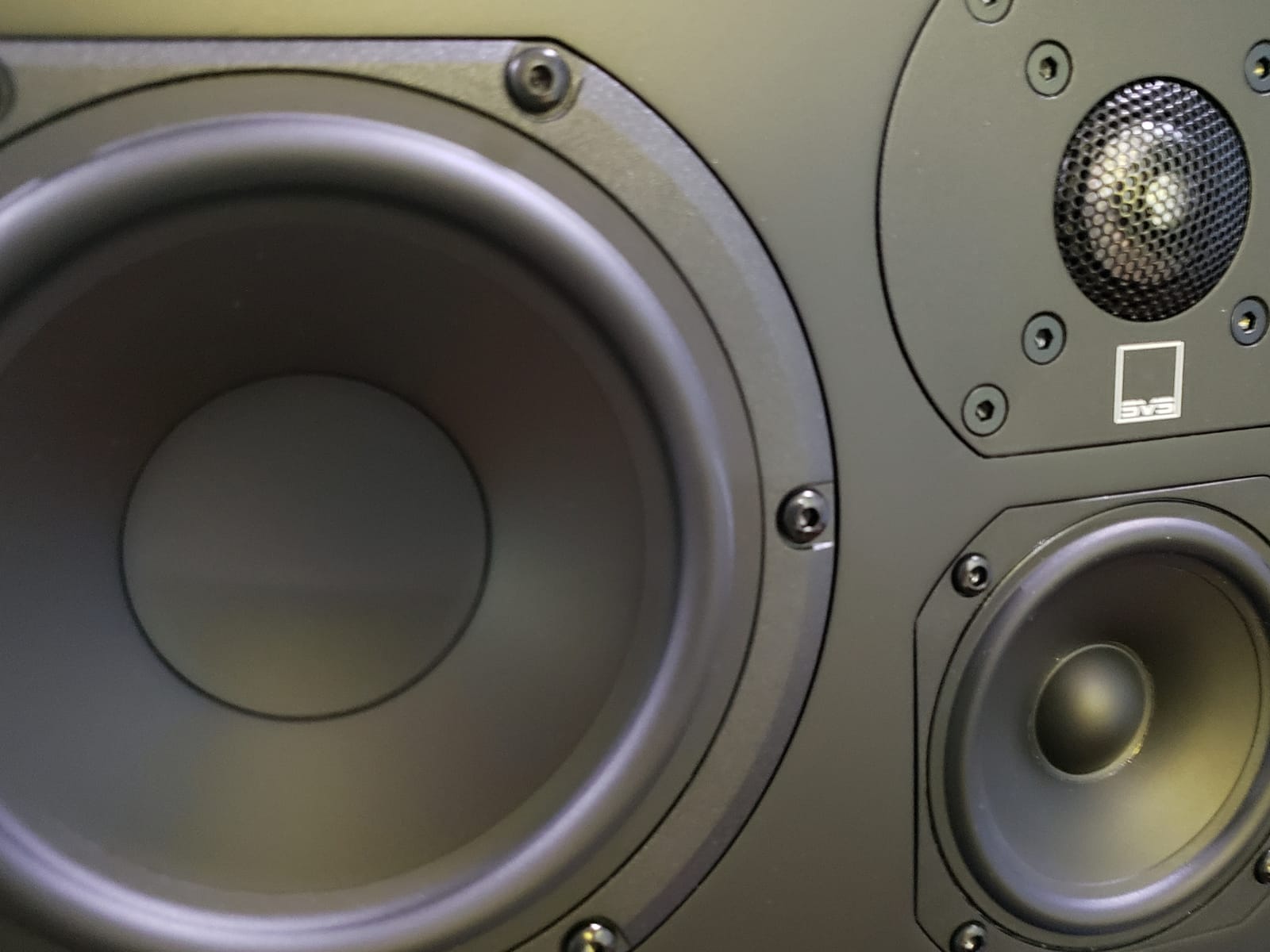
Spec-wise it runs 8 ohms with 200 watts of handling, weighs 20 pounds, and measures 23 inches wide by 13 inches high by 12 inches deep. The SVS SoundMatch 3-way crossover is designed for accurate response and phase coherence, which is where the imaging gains come from.
Owners also note the sound improves after break-in, starting somewhat bright and settling into a smoother character over the first weeks of use. That is a real effect, not marketing, and worth knowing before you judge it on day one.
Who this speaker suits
It suits wide seating arrangements, mixed-brand systems where you want a neutral center, and listeners who find horn-loaded tweeters fatiguing. The 3-way layout is also the safer choice if you cannot control exactly where people sit.
Where it falls short
The rear-facing port means it cannot sit flat against a wall without compromise, and the included feet are the weakest part of an otherwise well-built cabinet. Some listeners also feel the soundstage is less full than centers with larger drivers and deeper cabinets.
5. Definitive Technology CS-9060 – Best All-in-One Center Channel
Definitive Technology CS-9060 Center Channel Speaker | Built-in 8″ 150-Watt Powered Subwoofer for Home Theater | High Performance | Premium Sound Quality | Single, Black, Model Number: KEBA-A
Integrated 8 inch 150W subwoofer
Two 4.5 inch BDSS mid drivers
1 inch aluminum dome tweeter
Inert cabinet
Pros
- Integrated 150 watt 8 inch powered subwoofer
- BDSS mid drivers keep voices even and detailed
- Inert cabinet improves imaging
- Adds depth without a separate subwoofer
Cons
- Needs an AC outlet for the built-in amplifier
- 12 inch depth and 26 pounds need clearance
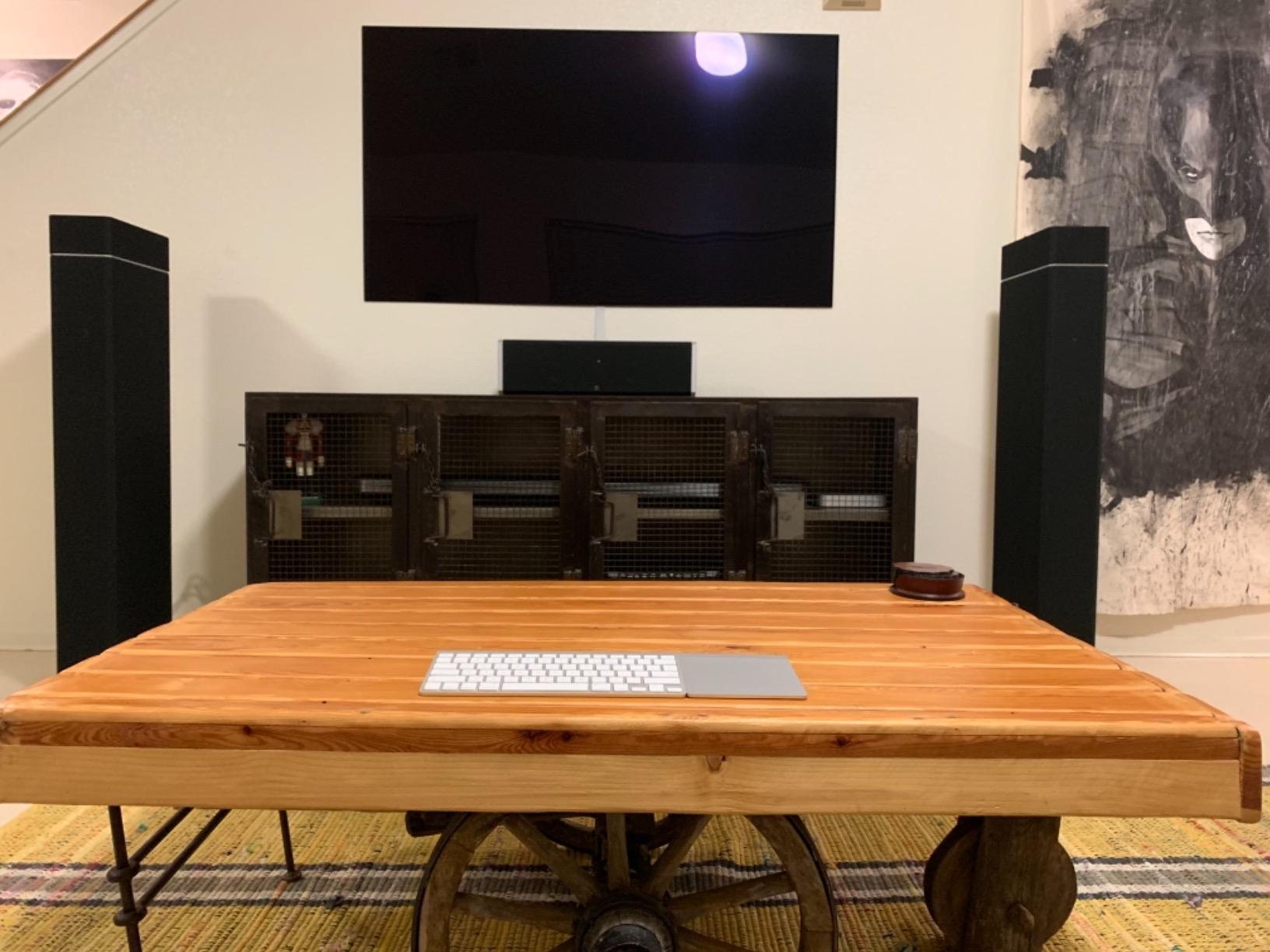
The CS-9060 solves a problem most center channels ignore: they have no bottom end. A built-in 8 inch 150 watt powered subwoofer means dialogue scenes have body and impact on their own, and you can skip the separate subwoofer entirely if your room does not need one.
Voice reproduction still comes from the BDSS driver array, a 1 inch aluminum dome tweeter above two 4.5 inch mid drivers, and reviewers describe the tonal balance as avoiding boomy or boxy dialogue. The Intelligent Bass Control circuitry is what keeps that bass from swamping the voices.
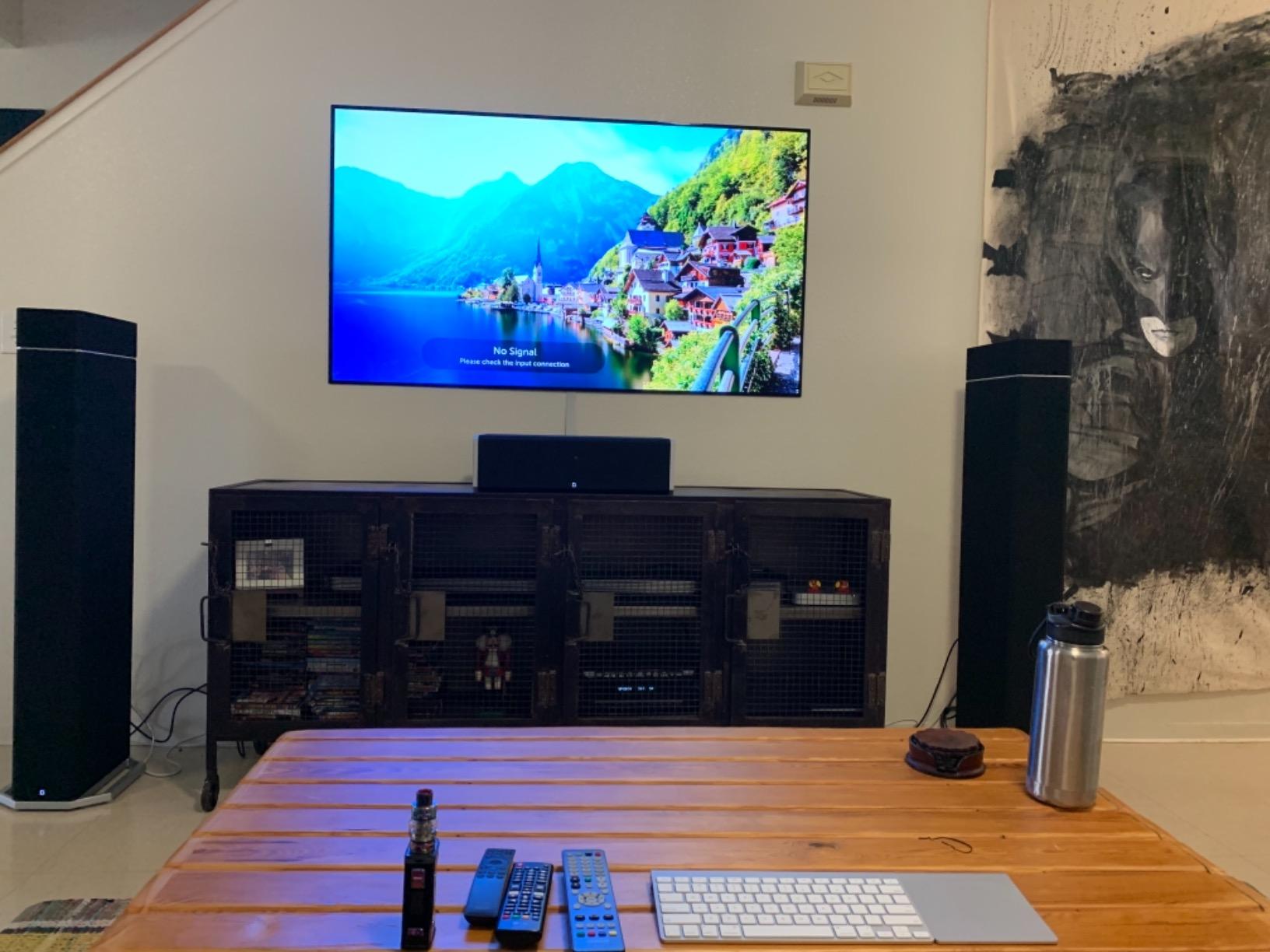
It is 8 ohms, 20.8 inches wide, 12 inches deep, and 26 pounds, and it is timber-matched with the BP9000 towers and Demand D7 speakers. Warranty coverage is five years on cabinet and drivers with three years on the electronics.
Because it is a powered design, it is the one center in this list that needs a wall outlet behind the cabinet. That is a routing consideration worth planning before you buy, and it also means one less channel on your amplifier is being used.
Who this speaker suits
It suits small and medium rooms, anyone who wants real weight without running a subwoofer, and Definitive owners building a BP9000 system. It is a strong single-box upgrade for a living room setup.
Where it falls short
It is heavier and deeper than the passive options, so port clearance matters more than with a conventional center. The built-in amplifier also means you cannot fine-tune the low end through your receiver the way you can with a separate subwoofer.
6. ELAC Debut 2.0 C5.2 – Best Center Channel for Low-Power Receivers
ELAC Debut 2.0 C5.2 Center Channel Speaker, Black – 1” Cloth Dome Tweeter & Dual 5.25” Aramid Fiber Woofers – 2-Way Bass Reflex – Up to 35,000 Hz Response
Dual 5.25 inch aramid woofers
1 inch cloth dome tweeter
Response to 35000 Hz
Front-firing ports
Pros
- Aramid woofers are smooth and low on coloration
- Cloth dome tweeter in a waveguide controls directivity
- Front ports work near a wall
- 8 ohm load is easy on modest receivers
Cons
- 21.3 inch width and 18.3 pounds need a solid surface
- Aramid midrange can read lean to some ears
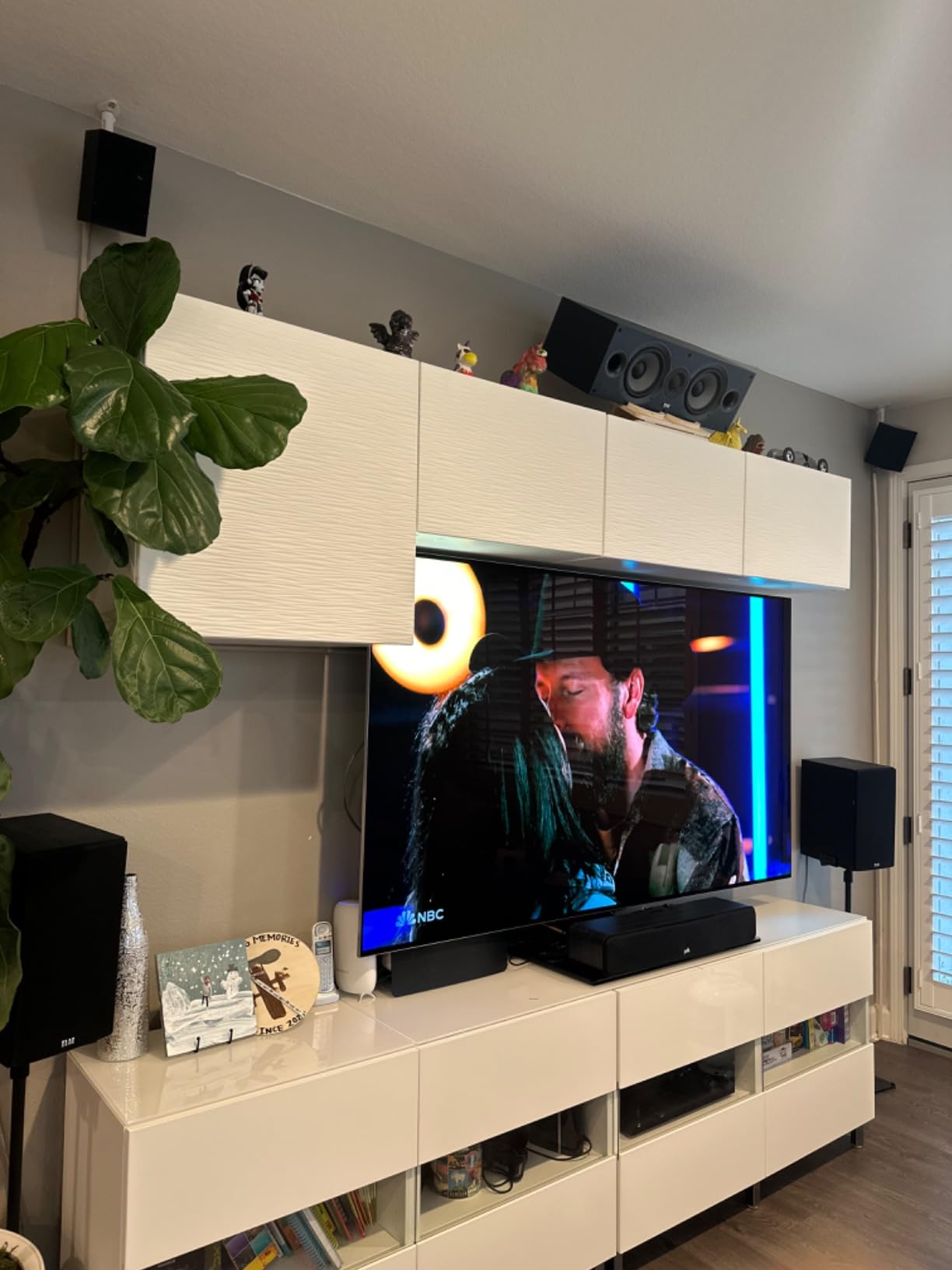
The ELAC Debut 2.0 C5.2 is the pick if your receiver is the weak link. Sensitivity and impedance were optimized specifically to minimize amplifier power requirements, and at 8 ohms with dual 5.25 inch aramid-fiber woofers it produces clean dialogue without demanding a big amplifier.
Dialogue on this speaker is smooth and low in coloration, which is the aramid cones doing their job, and the cloth dome tweeter inside a waveguide controls directivity so the high end stays composed even off center. Owners regularly call out the extended, natural low end as the standout.
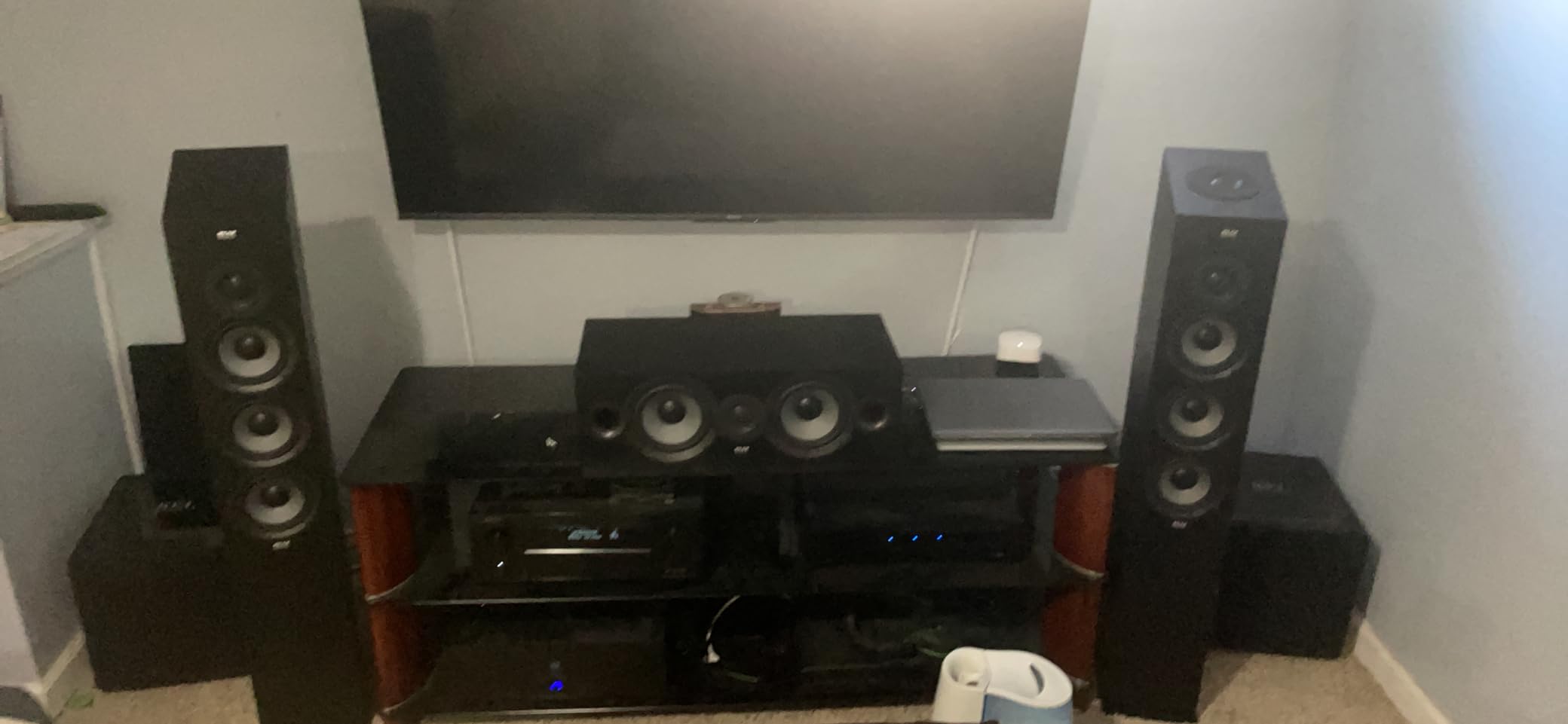
Response extends to 35,000 Hz, well past anything you need for dialogue but a sign of a well-behaved tweeter. Internally braced MDF cabinets cut cabinet vibration, and front-firing ports mean you can push it back near a wall or into a bookshelf without losing bass response.
It is a large object at 21.3 inches wide, 8.7 inches deep, and 18.3 pounds for a two-way design, so it needs a solid surface rather than a lightweight TV stand. Warranty coverage is three years, which is shorter than several rivals.
Who this speaker suits
It suits smaller receivers, entry-level amplifiers, and anyone placing the center near a wall or inside a cabinet. It also suits listeners who want detailed highs without brightness.
Where it falls short
The aramid midrange can sound slightly lean to listeners who prefer a warmer presentation, and a little low-mid adjustment helps. The size and weight mean you need a solid, uncluttered surface rather than a lightweight TV stand.
7. Klipsch Reference R-25C – Top Rated Center Channel for Dialogue
Klipsch Reference R-25C Reference Two-Way Center Channel Speaker, 400W Peak Power
Reference series two-way design
400W peak power handling
Part of the Klipsch Reference line
Pros
- 4.8 average across 1250 owner ratings
- Reference horn tweeter delivers crisp articulation
- 400W peak handling supports loud playback
- Matches Klipsch Reference mains and surrounds
Cons
- Bright forward horn character
- 18.75 inch cabinet is bulky for small furniture
- Less detailed spec listing than newer models
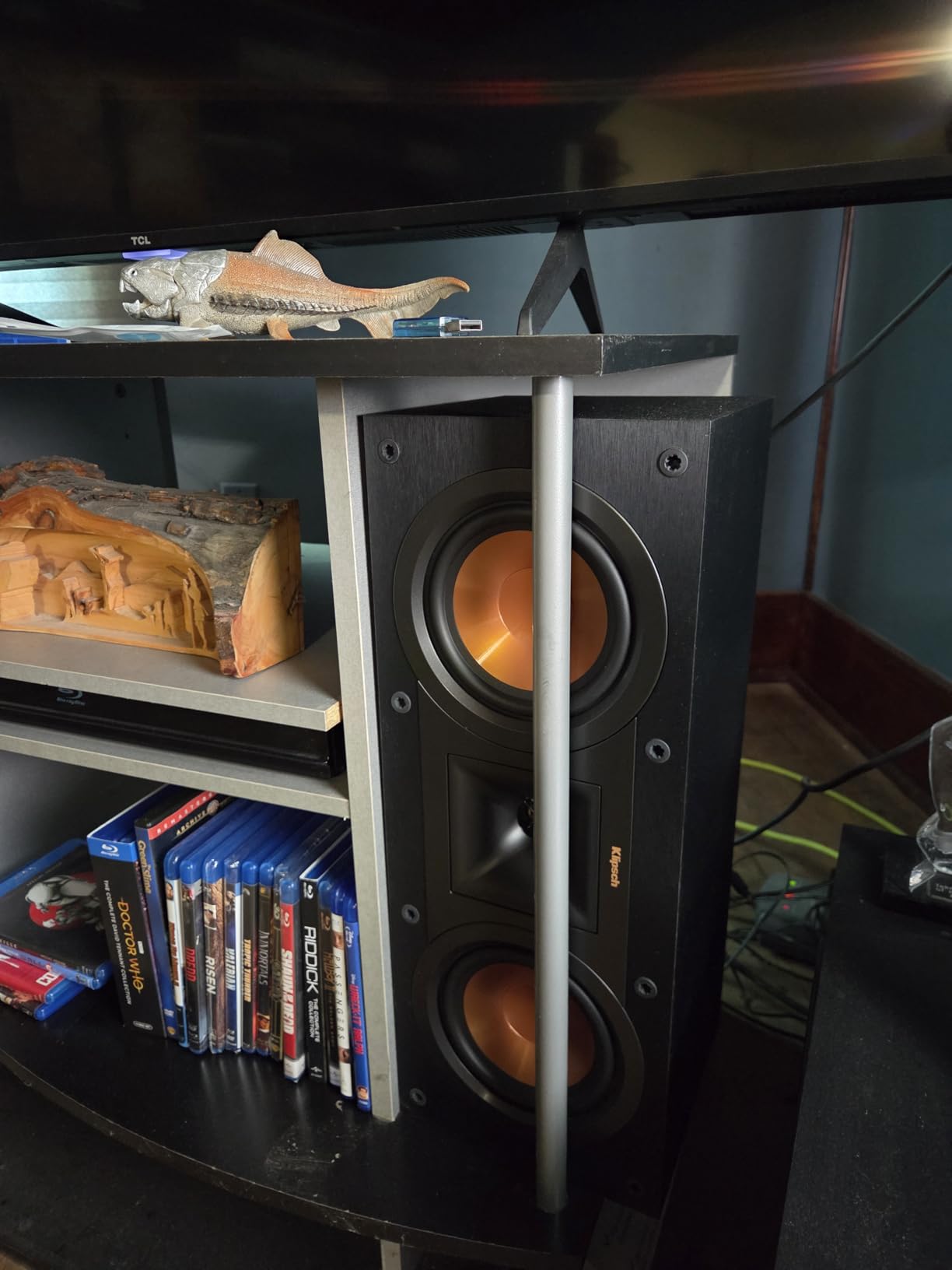
The Reference R-25C is the same horn-loaded approach as the R-52C, aimed at people already running or planning a Klipsch Reference system. It holds a 4.8 average across 1250 owner ratings, with 86 percent five-star reviews, and the satisfaction is concentrated on dialogue clarity and system matching.
At 400 watts peak power handling, it supports loud playback in a room where you want a center that never compresses. The cabinet is 18.75 inches wide, 7.25 inches tall, and 14.8 pounds, which is a familiar footprint for a two-way MTM design.
One thing to note is that this listing carries a thinner spec sheet than some rivals. The published details cover the design, power handling, and series matching, so if you need a precise sensitivity figure or impedance rating, that information is harder to find before purchase.
That is a documentation limitation rather than a performance one. Owners within the Reference line describe a cohesive system sound, which is the main argument for matching within a brand family instead of mixing.

Who this speaker suits
It suits Klipsch Reference owners, and anyone who wants horn-driven clarity in a slightly larger cabinet than the R-52C. It also suits listeners who prefer a bright, forward, present sound for dialogue.
Where it falls short
The bright tonal character is the same trade-off as the R-52C and is not for everyone. The 18.75 inch width is bulky, and the sparse published specifications make matching to an unusual receiver harder to plan ahead.
8. Definitive Technology CS-9040 – Best Passive Center Channel With Added Bass Weight
Definitive Technology CS-9040 Center Channel Speaker, Built-in 8″ Bass Radiator for Home Theater, High Performance, Premium Sound Quality, Single, Black
Passive 8 inch bass radiator
Two 4.5 inch BDSS mid drivers
Aluminum dome tweeter
8 ohm load
Pros
- Passive bass radiator adds weight without power
- BDSS drivers give clear articulate dialogue
- Inert cabinet for clean imaging
- Full 5 year parts and labor warranty
Cons
- Less low-end authority than the powered CS-9060
- 20 pounds and 12 inch depth need a solid shelf
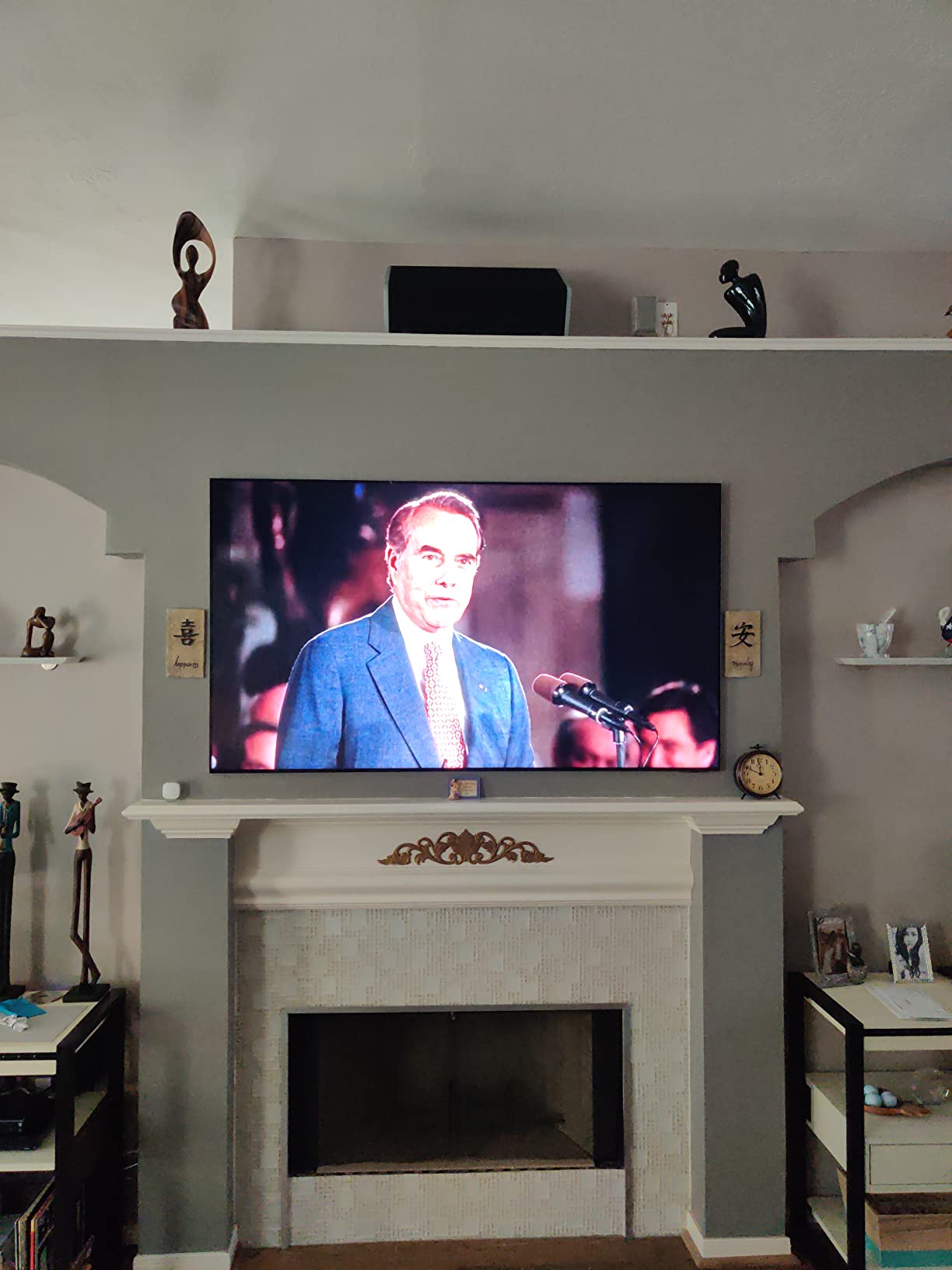
The CS-9040 is the passive version of the all-in-one idea. Instead of a powered subwoofer section, it uses an 8 inch passive bass radiator driven by your receiver, so you gain low-end weight without needing an AC outlet or a second amplifier channel.
Voice reproduction is handled by the same BDSS array as the CS-9060, a 1 inch aluminum dome tweeter with two 4.5 inch mid drivers, and reviewers describe the balance between lows and mids as the reason dialogue sounds natural rather than thin.
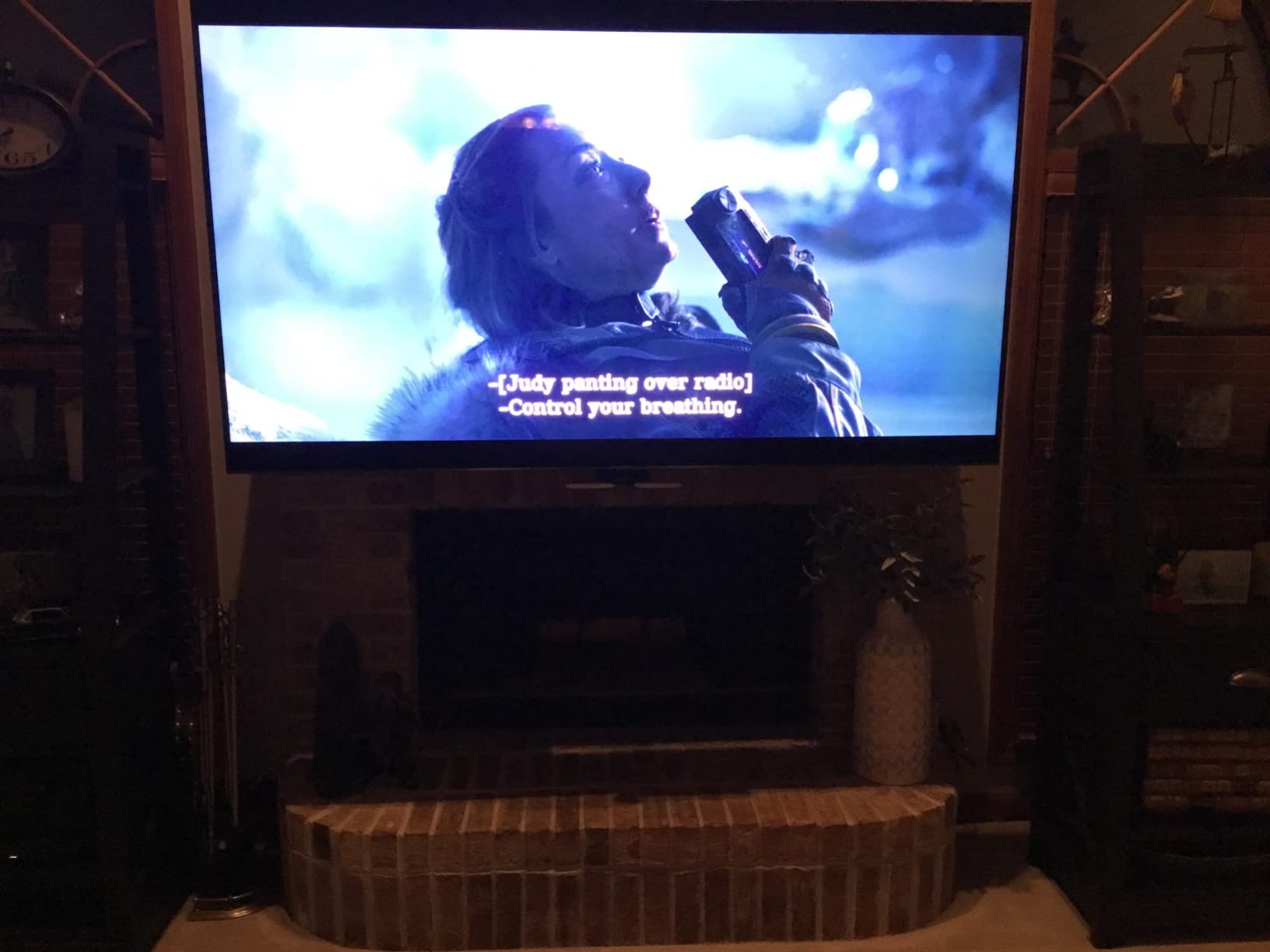
It measures 20.8 inches wide, 12 inches deep, and 6 inches tall at 20 pounds, so it needs the same dedicated furniture space as its powered sibling. Warranty coverage is five years on both labor and parts, which is stronger than several models here.
Most owners position it between an entry-level center and a powered flagship, and the recurring comparison is that it gives less deep bass than the CS-9060. If you already have a subwoofer, that difference matters much less.
Who this speaker suits
It suits people who want more weight than a conventional two-way center but do not want a powered design. It also suits Definitive owners building a BP9000 or Demand D7 system, and rooms where a subwoofer is present but the center still feels thin.
Where it falls short
The passive radiator cannot deliver the low-end authority of the powered CS-9060, so it is the weaker choice for a truly standalone all-in-one system. Its weight and depth also demand careful furniture planning.
9. Polk Audio Signature Elite ES35 – Best Center Channel for Atmos and DTS:X Builds
Polk Audio Signature Elite ES35 Slim Center Channel Speaker, Stunning Black
Six 3 inch woofers with cascading crossovers
1 inch Terylene tweeter
Power Port front-firing bass
4 and 8 ohm compatible
Pros
- Slim cabinet with six 3 inch drivers
- Works with both 4 ohm and 8 ohm amplifiers
- Wall-mountable below a TV
- Dolby Atmos and DTS:X ready
Cons
- 20 inch width and 6.4 kg weight need a solid mount
- Small drivers give less deep bass
- Higher tier than a bedroom system needs
The ES35 is built for people who want a center that can do duty in more than one place. It works as a center, and it can also serve as a surround, which is useful when you are building out a system gradually rather than all at once.
Six 3 inch woofers driven by cascading crossovers work with a 1 inch Terylene tweeter inside a Dynamically Balanced Acoustic Array. The Power Port directs bass forward, so a center channel that sits close to a wall or on a shelf still gets impact on dialogue.
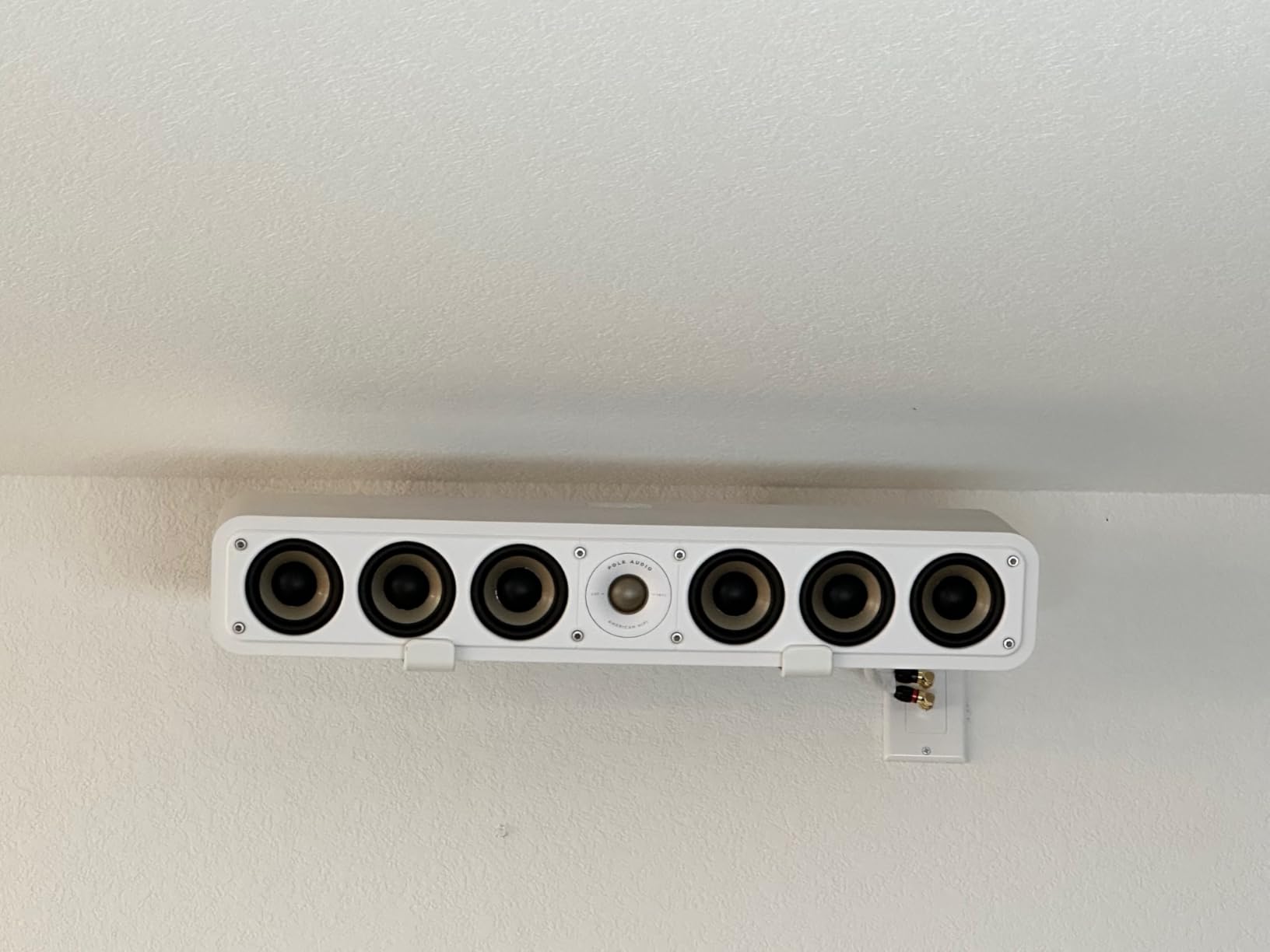
It is rated 4 ohm and 8 ohm compatible, which broadens the range of receivers it will work with, and it is listed as Dolby Atmos and DTS:X ready. At 20 inches wide, 10.6 inches deep, and 6.4 kilograms, it is one of the heavier cabinets relative to its size.
It can be shelf placed, stand placed, or wall mounted below a television without blocking the infrared sensor, which is one of the more practical design decisions in this roundup. A five year warranty is included.
Who this speaker suits
It suits people building an Atmos or DTS:X system, apartment dwellers who cannot place a large cabinet, and anyone who wants one speaker that can do center and surround duty. The dual impedance compatibility also widens receiver choice.
Where it falls short
Six 3 inch drivers cannot dig as deep as a pair of 5.25 inch woofers, so a subwoofer is still advisable. It is also more than a secondary bedroom system needs, and the 6.4 kg weight makes wall mounting a two-person job with the right bracket.
10. Polk Audio Blackstone TL1 – Best Center Channel for Small Spaces
Polk Audio Blackstone TL1 Center Channel Speaker, Hi-Gloss Finish
Dual 2.5 inch Dynamic Balance drivers
1/2 inch silk dome tweeter
8 ohm
15 inch curved enclosure
Pros
- Compact 15 inch footprint for small stands
- Silk dome tweeter keeps voices smooth
- Lightweight at 3.4 pounds
- Recessed terminals allow flush wall mounting
Cons
- 2.5 inch drivers give no deep bass
- Limited output at high volume
- Best used alongside a subwoofer or larger mains
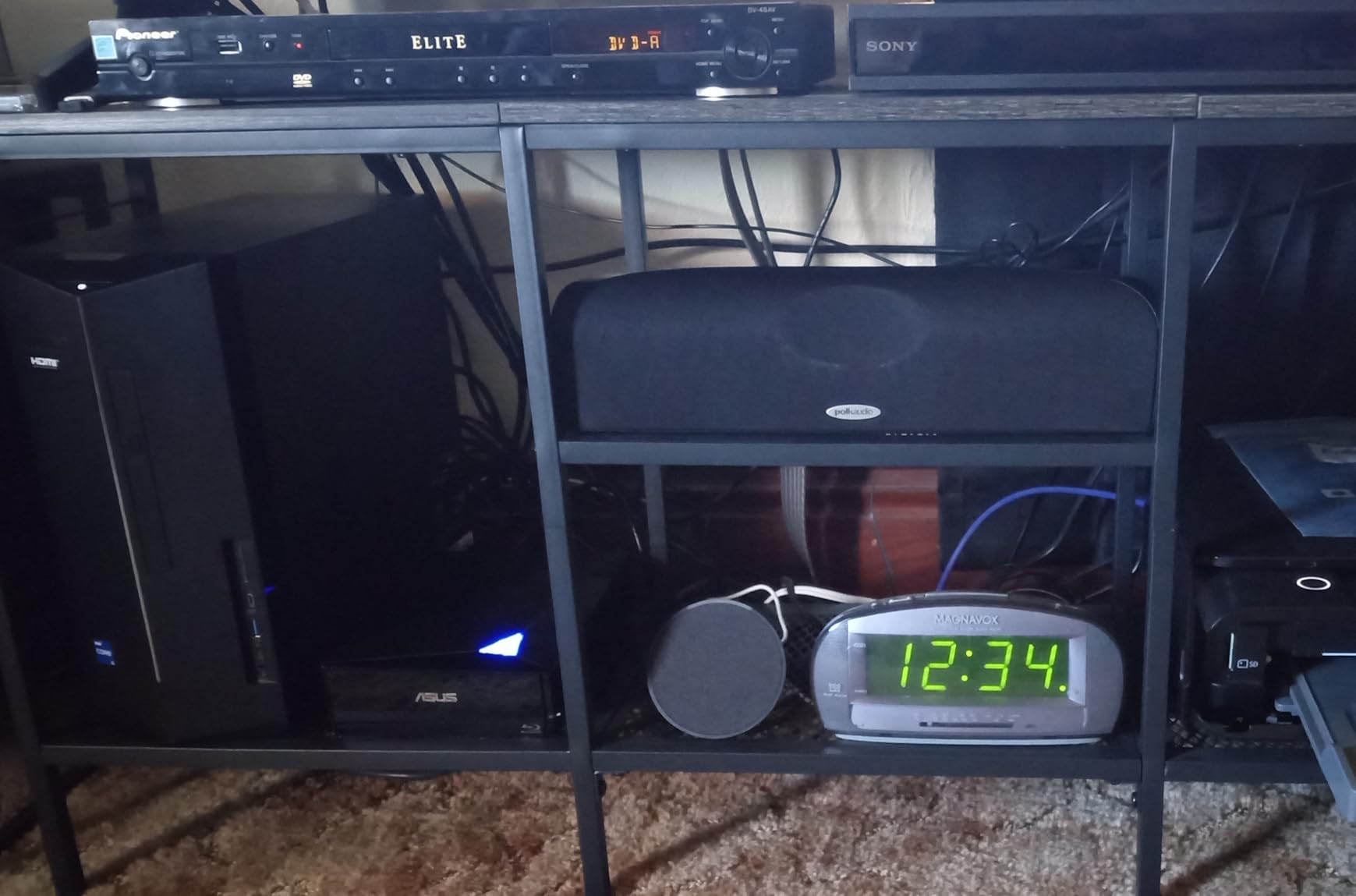
The TL1 is the speaker to buy when furniture is the constraint. At 15 inches wide, 4 inches tall, and 3.4 pounds, it is the lightest cabinet here, and several owners report replacing bulkier premium centers in tight spaces because of it.
Time Lens technology aligns the drivers for imaging, with a 1/2 inch silk dome tweeter sitting between dual 2.5 inch Dynamic Balance mids and woofers. The result is clear, warm dialogue that lifts voices out of a mix, and the curved high-gloss enclosure is designed to sit visually with flat-panel televisions.
It runs 8 ohms with 125 watts of handling, and the recessed speaker terminals allow a genuinely flush wall mount behind a television. A five year warranty is included, along with a detachable cloth grille and a bass boost option.
Buyers are clear that this is a dialogue-focused supplement rather than a standalone system. Scale and low end are modest, so the right pairing is with larger mains or with a subwoofer handling the bottom of the frequency range.
Who this speaker suits
It suits apartments, bedrooms, and media furniture that will not take a wide cabinet. It also suits anyone who has already got good mains and subwoofer and just needs the anchor for voices in the middle.
Where it falls short
Two and a half inch drivers cannot produce room-filling low bass, and output drops off at high volume. On its own in a large room it will not hold up against explosions and wide sound effects, no matter how clean the dialogue is.
11. Yamaha NS-C210BL – Best Center Channel for Matching an NS Series
Yamaha Audio NS-C210BL Center Channel Speaker – Each (Black)
2-way bass reflex design
Light aluminum cone woofers
7/8 inch balanced dome tweeter
Includes 4m speaker cable
Pros
- 13.4 inch width fits almost any stand
- Aluminum cones give fast transient response
- Only 4.4 pounds to reposition and install
- Tonal match within the Yamaha NS series
Cons
- 80W power handling is modest
- Limited deep bass compared with 5.25 inch designs
- Two year warranty is the shortest here
The NS-C210BL is a Yamaha NS series center, and if your surrounds and towers are already NS models this is the match. Satisfaction centers on the discreet footprint, the finish quality, and clean vocal reproduction inside an existing Yamaha system.
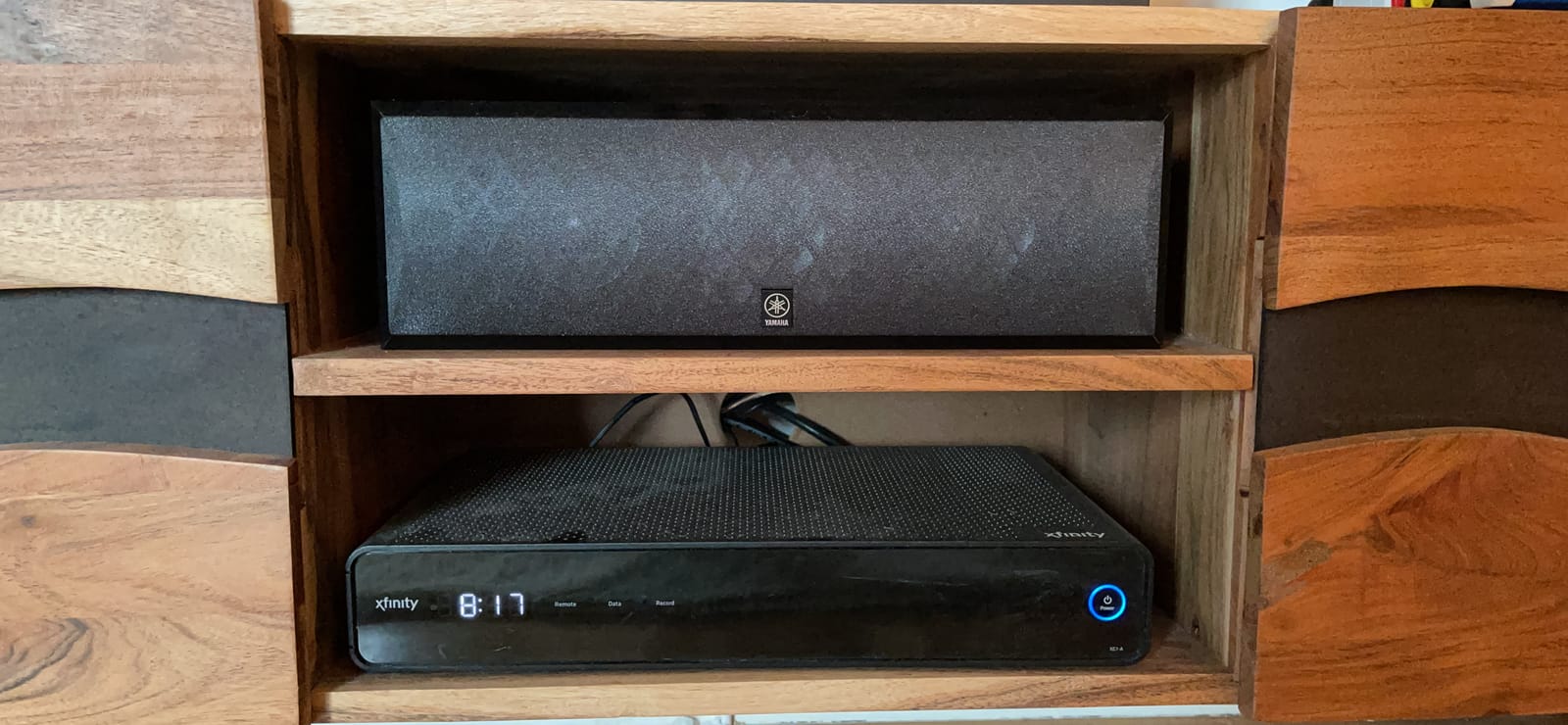
Light aluminum cone woofers give fast transient response, which is exactly what consonant-heavy dialogue needs, and the 7/8 inch balanced dome tweeter handles the top without harshness. At 13.4 inches wide, 5.2 inches deep, and 4.4 pounds, it is one of the easiest speakers here to place.
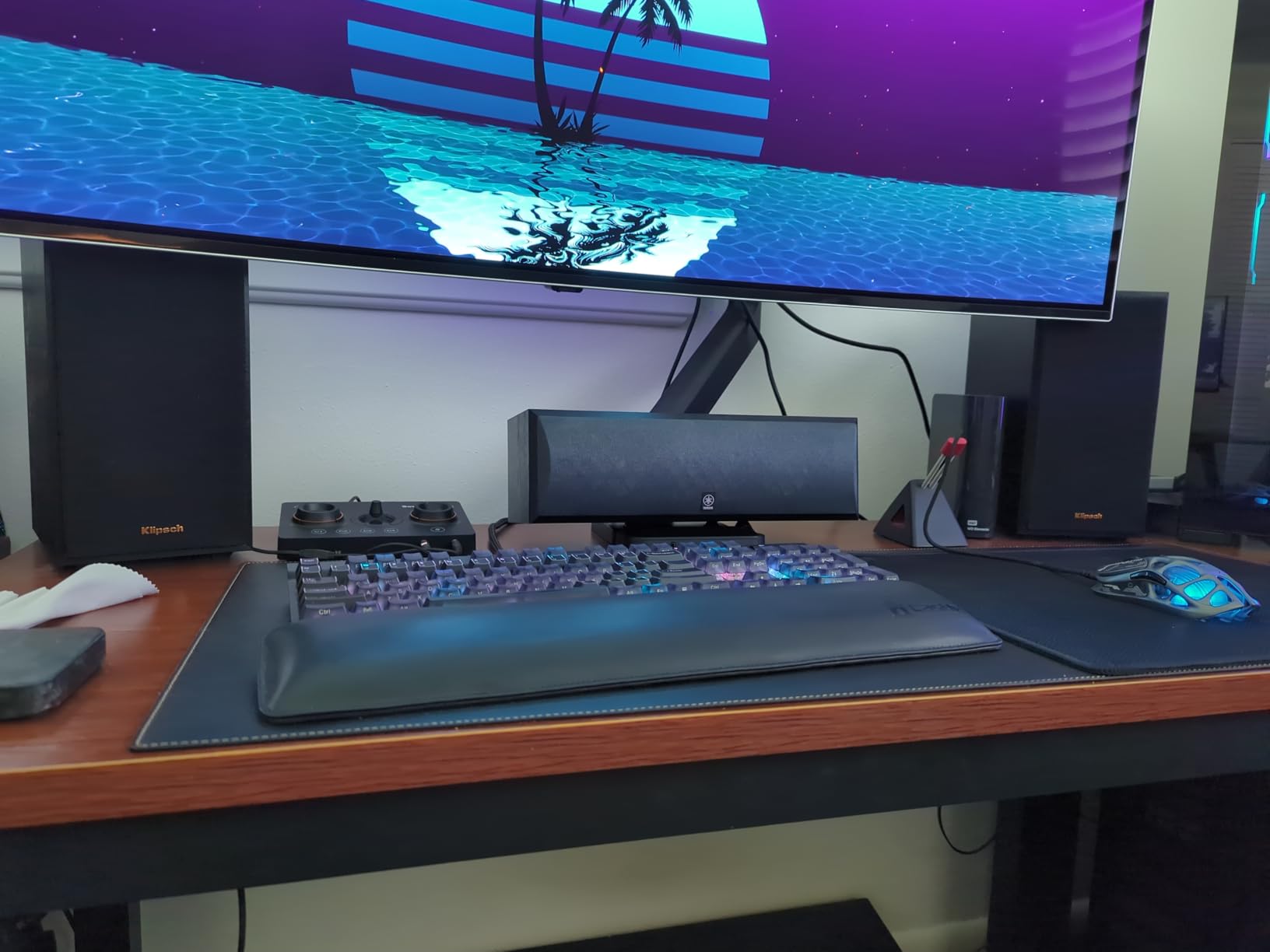
It is 6 ohms with 80 watts of maximum output power, and a 4 meter speaker cable is included in the box. The Piano Black finish is also offered in three other finishes, which is a real advantage if your equipment is not black.
The 80 watt figure is the limitation to plan around. It is fine in a small or medium room at moderate levels, but it is the least powerful design here, and the two year warranty is the shortest in this roundup.
Who this speaker suits
It suits Yamaha NS series owners, small rooms, and anyone who values finish coordination and low weight over maximum output. It is also a sensible first center for a compact 5.1 system.
Where it falls short
The modest 80 watt power handling leaves less headroom in a large room or at high volume, and the small woofers limit deep extension compared with 5.25 inch designs. It is a supplement to a subwoofer, not a replacement for one.
12. Acoustic Audio PSC-43 – Best Budget Center Channel for Clear Dialogue
Acoustic Audio Psc-43 Dual 4″ 2-Way Center Channel Loudspeaker 150 Watt – Black Ash Finish
Dual 4 inch full-range woofers
1 inch Mylar dome tweeter
8 ohm
85Hz-25kHz at 89dB efficiency
Pros
- Loud and clear dialogue for the money spent
- Compact and light at 6 pounds
- No distortion at moderate to high levels
- Lifetime warranty against manufacturer defects
Cons
- Very little bass so a subwoofer is needed
- Thin laminate cabinet feels cheap
- Spring-loaded terminals grip poorly
The PSC-43 is the most direct route out of a bad dialogue problem, and budget buyers consistently say it makes voices clear and loud while outperforming packaged soundbar speakers by a wide margin. Two 4 inch full-range woofers and a 1 inch Mylar dome tweeter do the work.
It is a 2-way passive design at 8 ohms with 150 watts of handling and a recommended range of 15 to 150 watts, rated from 85Hz to 25kHz at 89dB efficiency. The video-shielded, digitally tuned bass-reflex cabinet means it can sit near a television without picture interference.
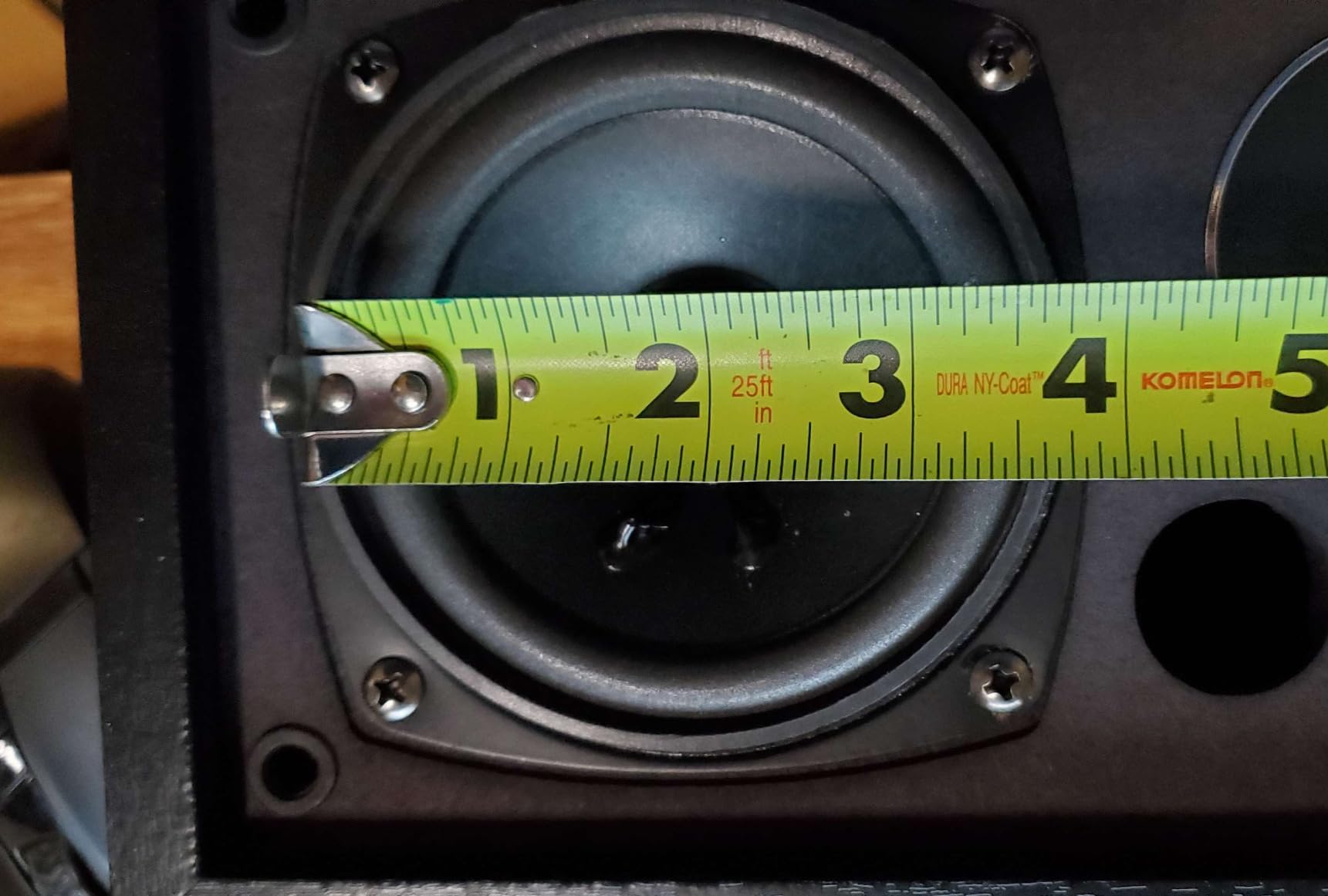
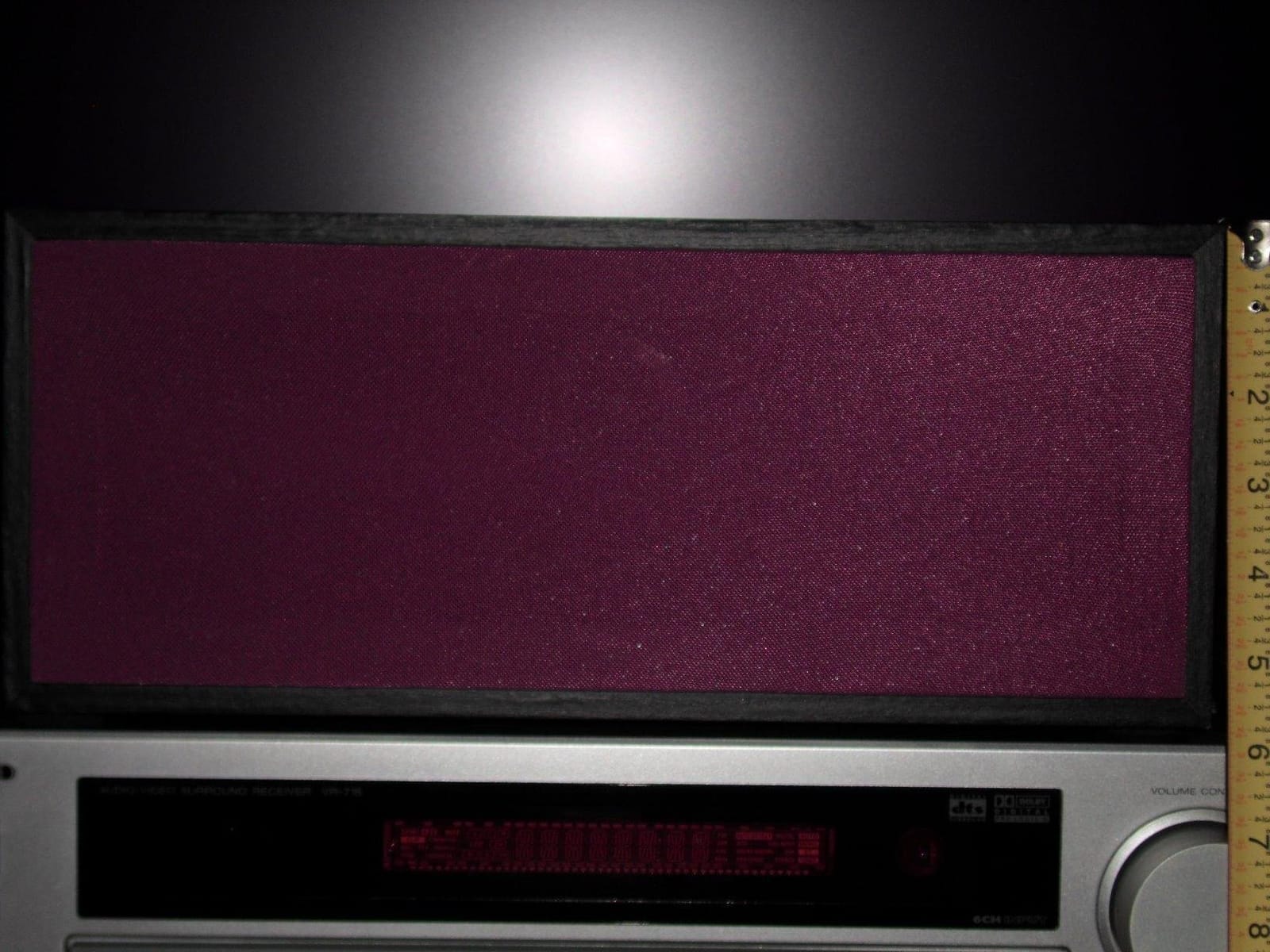
At 6 pounds and 13.93 inches wide, it is light and compact with a hanging tab on the rear panel for a simple wall mount. The lifetime warranty against manufacturer defects is unusually generous at this tier.
The criticisms are consistent and worth stating plainly. There is essentially no bass, so a subwoofer is needed to round out the low end, and the thin laminate veneer feels cheap next to the finishes above it. The spring-loaded wire terminals grip poorly, which is why several owners recommend a different connector.
Who this speaker suits
It suits first-time buyers, secondary rooms, and anyone who wants clear dialogue without spending real money. It is also a stopgap fix while you plan a larger system.
Where it falls short
The sound is functional rather than rich, and the lack of bass means the center will not carry action scenes on its own. Build quality and the connectors are the weak points, and the 4.3 average reflects that honestly.
Diagnose the Dialogue Problem Before You Buy a Speaker
Most dialogue complaints are not speaker problems. Before spending anything, work through these five checks in order, because each one is free and each one rules out a common cause.
1. Check your source mix first. Streaming services and broadcast TV compress dialogue differently, and some scenes are simply mixed low. If a different program is clear, the problem is upstream of your speakers.
2. Check placement. A center mounted too low behind a TV cabinet, or blocked by the back of a sofa, loses clarity no matter how good the speaker is. Put the tweeter near ear height at a seated position.
3. Check the center channel assignment. Many receivers default to phantom center, which sends the center content to the front pair. Confirm the center is actually wired and assigned, and that the level is not set well below the rest.
4. Check the crossover. Setting the center higher than it should be, or cutting the midrange entirely with a high-pass filter, removes the exact frequencies voices live in.
5. Check the room. Soft furnishings, rugs, and curtains absorb midrange energy. If you can, move seating and hard-surface objects and listen again before blaming the speaker.
Users upgrading from a soundbar report repeatedly that the center channel alone transformed intelligibility for them, which tells you the driver configuration really does matter once the basics are right. Our broader center channel speaker overview covers the same ground if you want a second opinion on any of these speakers.
How to Choose a Center Channel Speaker
Driver configuration is the first thing to understand, because it decides how voices behave for people sitting away from dead center. Three layouts dominate this list, and they trade cost, size, and consistency against each other.
2-way horizontal (MTM): Two woofers flank a tweeter in a single wide cabinet. This is the most common and most affordable design, and it covers a wide front stage. The problem is off-axis behavior: the two cones interfere with each other away from the center seat, which is why some listeners hear hollow or smeared dialogue from the sides of a sofa.
Vertical MTM: The same driver set turned on its side so the tweeter sits above the woofers. Rotation breaks up the horizontal interference pattern and improves off-axis consistency, at the cost of a taller, narrower cabinet that some stands cannot hold.
3-way (MTTM): Separate tweeter, midrange, and bass sections, each with its own crossover point. Each driver works in a narrower band and does less work, which reduces distortion and keeps voices even across a wide seating area. This is the layout enthusiasts on r/hometheater recommend when the center is the priority speaker, and the SVS Prime Center in this roundup is the clearest example.
The 3-way approach is not automatically better. Disadvantages include a larger cabinet, higher cost, more crossover complexity, and the fact that many 3-way centers are deep enough that furniture planning becomes the deciding factor. If your seating is a single sofa centered on the screen, a good 2-way design is enough.
Sensitivity tells you how hard the amplifier has to work. A center rated at 95dB, like the Klipsch R-52C, produces more output for the same power than one rated at 89dB, so it plays louder and cleaner on a modest receiver. The Acoustic Audio PSC-43 sits at 89dB efficiency and benefits from a stronger amplifier.
Impedance matters for receiver matching. An 8 ohm load is the safest and most common value. A 6 ohm center like the Polk T30 or Yamaha NS-C210BL is still routine for modern receivers, but if you have an older or lower-powered amplifier, confirm it can drive the load before you buy.
Crossover frequency is the receiver setting that decides how the center hands off to your subwoofer. Set it at or slightly above the speaker’s low-frequency limit, and keep the same value for the front left, front right, and center so the front stage stays even. A 60Hz setting with a center that reaches only 80Hz leaves a gap that smears dialogue.
Timbre matching is the last consideration and the one most people get wrong. If your main speakers and center sound different, you hear a tonal shift every time dialogue pans away from the center. The most common enthusiast advice, repeated across r/hometheater and r/BudgetAudiophile threads, is to buy the best center you can afford and then match the rest of the system to it, rather than the reverse.
Budget allocation follows a rough proportional rule rather than an exact one. Because the center carries the majority of the dialogue, it should not be the cheapest speaker in your system. Many builders anchor the center at roughly twice the spend of each front main, and the practical version of that rule is simple: never buy a center that is cheaper than your front speakers.
Center Channel Placement and Setup Checklist
Placement does more for dialogue clarity than any spec on this list. Work through this checklist after you unbox the speaker.
1. Get the tweeter near ear height for a seated listener, which usually means directly below or above the screen, or on a dedicated center stand.
2. Angle the speaker toward the main seating area if it sits below the screen and the front row is low.
3. Leave clearance behind rear-ported cabinets. The Klipsch RP-504C II and SVS Prime Center both need real space behind them, while front-ported designs such as the ELAC C5.2 can sit closer to a wall.
4. Match the center crossover setting to your main speakers exactly, and set it no higher than the speaker’s rated low-frequency limit.
5. Keep the center level within about 3dB of the front pair before calibration, then let your receiver’s room correction take over.
6. Re-run calibration after moving the speaker. A center that shifts a few inches changes the measurements enough to matter.
If your furniture will not accommodate a freestanding center, the honest answer is that placement should drive the decision before appearance does. Moving a speaker out from behind a cabinet will do more for intelligibility than upgrading to a more expensive model in the same spot.
Frequently Asked Questions
What is the best center channel speaker of all time?
There is no single permanent answer, but among the speakers available now the Klipsch R-52C is the strongest all-round choice for dialogue. Its horn-loaded 1 inch LTS tweeter stays intelligible under loud effects, its 95dB sensitivity means it works with almost any receiver, and it holds a 4.8 average across more than 3100 owner ratings. If your room is large and you listen loudly, the Klipsch Reference Premiere RP-504C II pushes harder and keeps the same horn advantage.
Are center channel speakers worth it?
Yes, more than any other single speaker in a home theater. Roughly 70 to 80 percent of a movie or TV soundtrack passes through the center channel, so replacing a soundbar or TV speaker with a dedicated center does more for intelligibility than upgrading the surrounds or the subwoofer. Users moving up from a soundbar consistently report the same result: they stop turning the volume up to follow dialogue.
How do I improve dialogue clarity on my TV?
Work through these in order: check the source mix on a different program, move the speaker so the tweeter is at seated ear height, confirm the receiver is actually assigning and not phantoming the center channel, set the crossover at or below the speaker rated low-frequency limit, and then add soft furnishings or hard surfaces to reduce room absorption. If all five check out, the center channel is genuinely the weak link and a dedicated center is the fix.
What are the differences between 2-way and 3-way center channel speakers?
A 2-way horizontal design uses two woofers either side of a single tweeter, so both cones share the midrange and can interfere with each other away from the center seat. A vertical MTM design rotates that same layout to break up the interference. A 3-way design adds a dedicated midrange section, so the tweeter, mids, and bass each handle a narrower band, which lowers distortion and keeps voices even across a wider seating area. The SVS Prime Center is the 3-way example in our list.
Is a 3-way center channel speaker better than a 2-way?
For dialogue in a wide room, usually. Separate tweeter, midrange, and bass sections mean each driver does less work, so voices stay clearer and more consistent for listeners sitting off to the side. For a single centered sofa in a small room, a good 2-way design is enough, and the 3-way route costs more money and cabinet depth for a benefit you may not hear.
What are the disadvantages of 3-way center channel speakers?
Three practical ones. They cost more because of the extra drivers and crossover complexity, they are usually larger and deeper, which is a real problem when planning furniture placement, and a good 3-way design will expose a weak amplifier faster than a 2-way because it asks more of the crossover section. Cheaper 3-way implementations can also be more fragile than a well-built two-way design.
Can I use any speaker as a center channel?
You can, but the results vary. A bookshelf speaker with a vertical driver layout works better as a center than one with a horizontal layout, because the tweeter and woofers stay aligned for off-axis listeners. Two bookshelf speakers stacked vertically on either side of the screen also work. The single most common mistake is putting a horizontally laid speaker on its side, which scatters the soundstage and hollows out dialogue.
What is the 80 percent rule for speakers?
It is a budget guideline rather than an acoustic law. Because the center channel carries roughly 70 to 80 percent of the content, your center should not be the cheapest speaker in the system. Many builders aim for a center costing about twice as much as each front main speaker, and then match the surrounds and subwoofer to that center. The practical version of the rule is simple: never buy a center that costs less than your front speakers.
Conclusion
After working through twelve center channel speakers, the Klipsch R-52C is our pick for the best center channel speakers for dialogue because it combines a horn-loaded tweeter that stays clear under loud mixes, 95dB sensitivity that suits almost any receiver, and the largest owner base in this roundup at more than 3100 ratings. If you want a softer, more neutral presentation or you already run Polk T-Series speakers, the Polk Audio T30 is the smarter money.
Two other situations deserve their own answers. For wide seating or off-axis listening, choose a true 3-way design like the SVS Prime Center. For a large room at high volume, the Klipsch Reference Premiere RP-504C II is the strongest choice, provided you can accommodate a 32 inch cabinet and clear its rear ports.
Before any of them, run the five diagnostic checks above. Placement and receiver settings cause more unreadable dialogue than speaker quality does, and a few minutes of setup work can rescue a system you were about to replace. Otherwise, measure your furniture, note your receiver’s power, and pick the driver layout that matches your room.
Last updated October 2026. Every rating, review count, and specification in this guide is taken directly from manufacturer and retailer listings, and every recommendation reflects what owners report in real systems rather than spec sheets alone.