
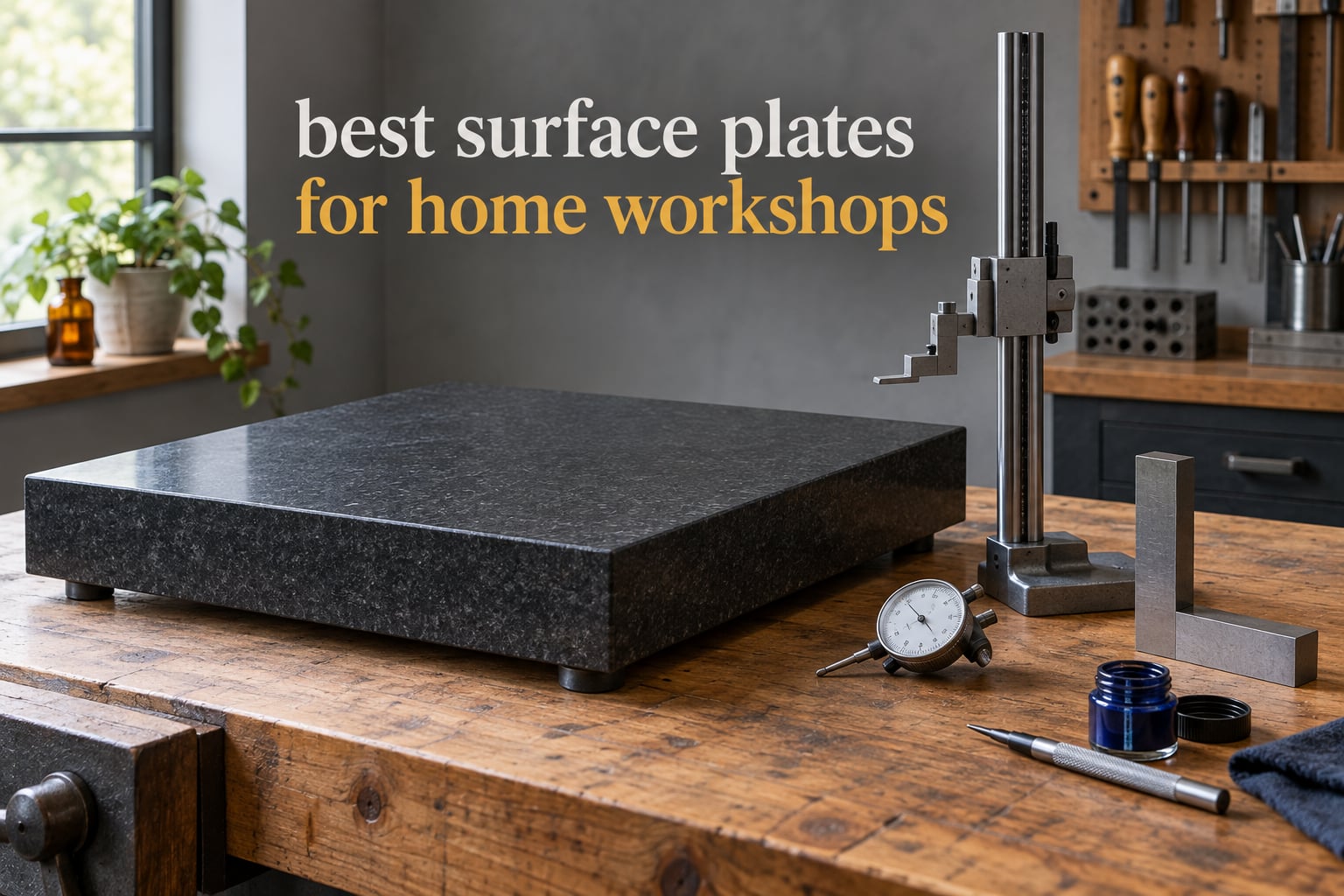
A surface plate is a precision-flat slab of granite or cast iron used as the fixed horizontal reference plane for layout, scribing, inspection and fixturing. One face is precision ground to a controlled flatness tolerance and certified to an accuracy grade, so gages and parts have a known, repeatable datum to measure and rest against.
Picking the best surface plates for home workshops is harder than it looks, because almost every plate in this category claims the same flatness figure and the differences are in size, thickness and how honestly the seller reports the grade. Our team read the specs and owner feedback on all nine plates below and set them against the work a real home shop actually generates.
The uncomfortable truth, which almost no buying guide tells you, is that most home shops do not need a laboratory-grade plate. A 9 x 12 inch Grade A or Grade B granite slab will carry you through layout, scribing, sharpening, inspection and fixturing for years, so buy the bigger cheap plate rather than the small expensive one.
A Garage Journal thread on the topic made exactly this point, with one poster noting that a known dead flat surface is always more useful than one with unknown flatness, and another bluntly arguing that if a tape measure will suffice, a surface plate adds nothing to the operation. Both positions are right, for different shops. So we split the picks three ways: a bench-top entry tier for hobbyists working on small parts, a middle tier for people doing serious layout and scribing, and a heavy tier for shops doing real precision work on larger assemblies. Everything below is granite except one cast iron lapping plate we include as the companion tool most home shops should buy instead of a second surface plate.
While you are sizing up bench space for these, our table saw picks for home workshops cover the other tool that defines your bench footprint.
Table of Contents
Top 3 Picks for Best Surface Plates for Home Workshops (October 2026)


HHIP 6×6 Grade B
- Grade B granite
- 6 x 6 x 2 inch
- Flatness plus or minus .0001 inch
- Autocollimator inspected
TTC 9×12 Grade B
- Grade B granite
- 9 x 12 x 2 inch
- Overall accuracy plus or minus .0003 inch
- 26 pounds
Best Surface Plates for Home Workshops (October 2026)
The table below puts every plate in this roundup on one screen. Sizes run from a 6 x 6 inch bench plate to a 24.8 x 15.7 inch shop slab, and grades run from workshop Grade B up to Grade A toolroom accuracy.
| Product | Specifications | Action |
|---|---|---|
| WoodRiver Granite Surface Plate 9 x 12 x 2 in A Grade |
|
Check Latest Price |
| HHIP 6 x 6 x 2 in Grade B Granite Surface Plate |
|
Check Latest Price |
| TTC 9 x 12 x 2 in Grade B Granite Surface Plate |
|
Check Latest Price |
 HHIP 15.7 x 15.7 x 2.36 in Grade A Granite Surface Plate HHIP 15.7 x 15.7 x 2.36 in Grade A Granite Surface Plate |
|
Check Latest Price |
| HHIP 24.8 x 15.7 x 3.15 in Grade A Granite Surface Plate |
|
Check Latest Price |
 LLDSIMEX 12 x 9 x 3 in Tool Room Grade B Granite Surface Plate LLDSIMEX 12 x 9 x 3 in Tool Room Grade B Granite Surface Plate |
|
Check Latest Price |
 LLDSIMEX 6 x 6 x 2 in Grade B Granite Surface Plate LLDSIMEX 6 x 6 x 2 in Grade B Granite Surface Plate |
|
Check Latest Price |
 Dasqua 400 x 250 x 70 mm Grade A Granite Surface Plate Dasqua 400 x 250 x 70 mm Grade A Granite Surface Plate |
|
Check Latest Price |
 CME Tools Cast Iron Lapping Plate 12 x 16 in CME Tools Cast Iron Lapping Plate 12 x 16 in |
|
Check Latest Price |
1. WoodRiver 9 x 12 x 2 in A Grade Granite – Best Overall for Home Workshops
Woodriver Granite Surface Plate 9″ X 12″ X 2″, A Grade
A Grade granite
Flat to .0001 inch
9 x 12 x 2 inch
23.6 pounds
Pros
- Owners measuring with a laser tracker report variation at or under .001 inch
- Very heavy and stable so work stays put
- Reported strong for sharpening and flattening plane soles
- Arrives in a reusable wooden crate
Cons
- Listed size is slightly off nominal per some owners
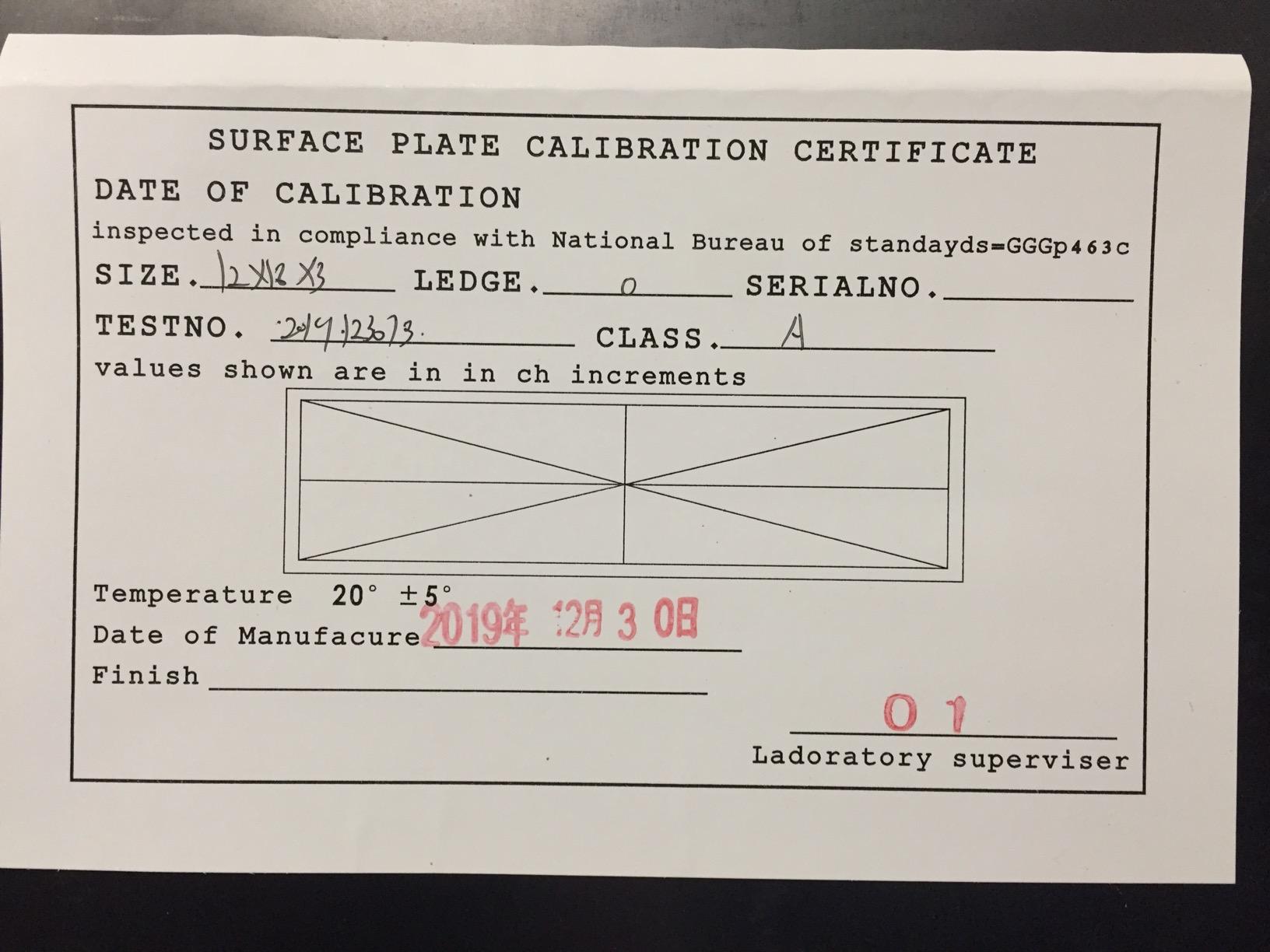
- Included certificate uses only nine measurement points
- Not precise enough for micron-level metrology
This is the plate we keep coming back to after reading every owner report in the group. It is a 9 x 12 x 2 inch slab of A Grade granite, specified flat to .0001 inch, and it weighs 23.6 pounds. That weight matters more than the spec sheet suggests: a plate that will not walk across the bench while you sweep a dial indicator over a part removes a whole category of frustration.
What owners consistently report is that it performs better than the specification implies. People measuring with a laser tracker found variation at or under .001 inch, and several note that it is the surface they use for sharpening, flattening plane soles and general layout. At 4.7 stars across 375 reviews, it also carries one of the two deepest owner histories in this roundup, which means the problems people hit are already known and documented rather than a surprise waiting for you.
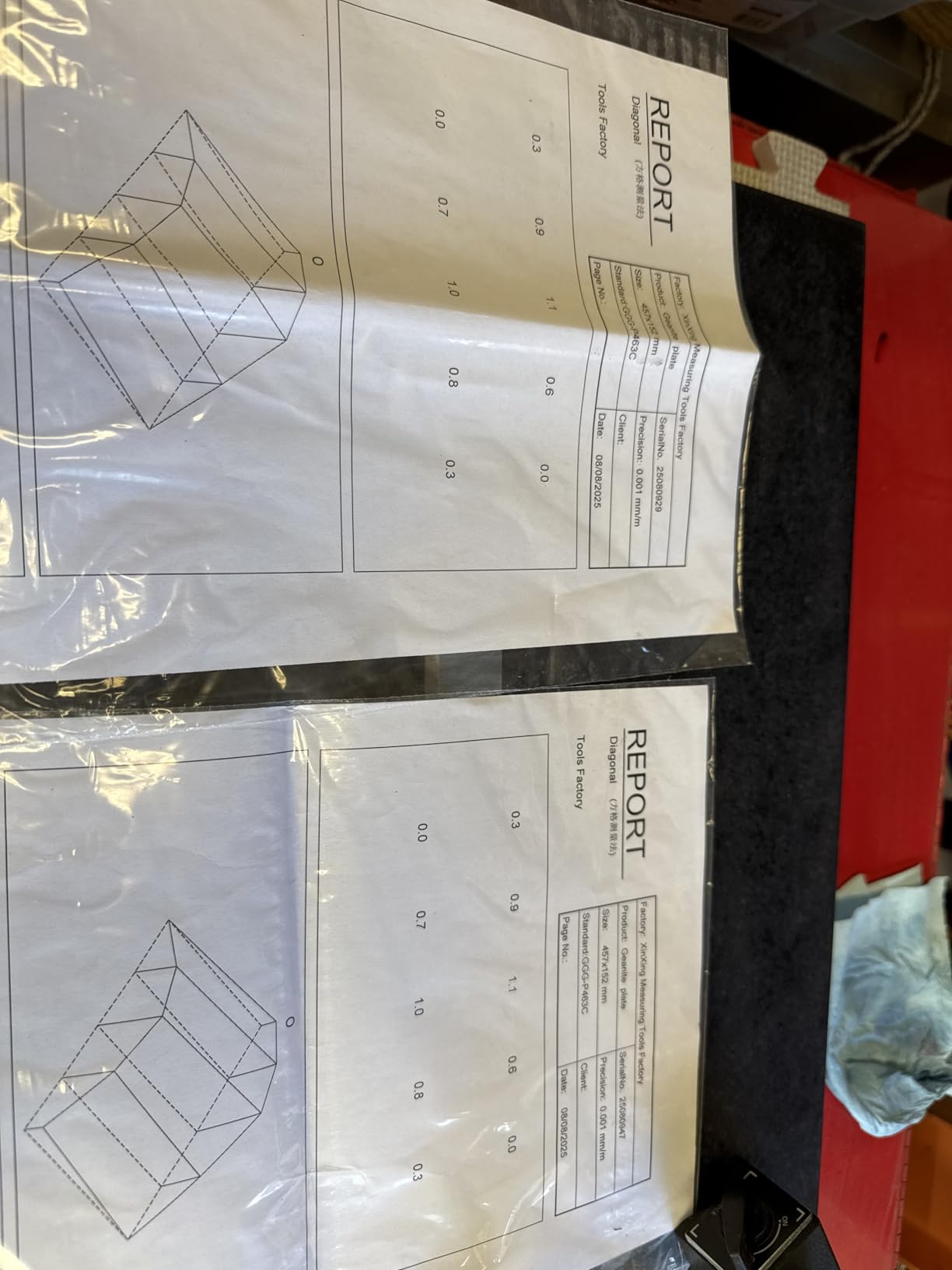
Two details deserve attention. First, the plate is crated in wood that owners reuse as storage, which matters for a stone slab you will move around. Second, the specification is written for a working shop rather than a metrology lab, and the certificate of inspection behind it uses only nine measurement points. That is honest short of a full grid, and it tells you exactly what class of measurement you are doing.
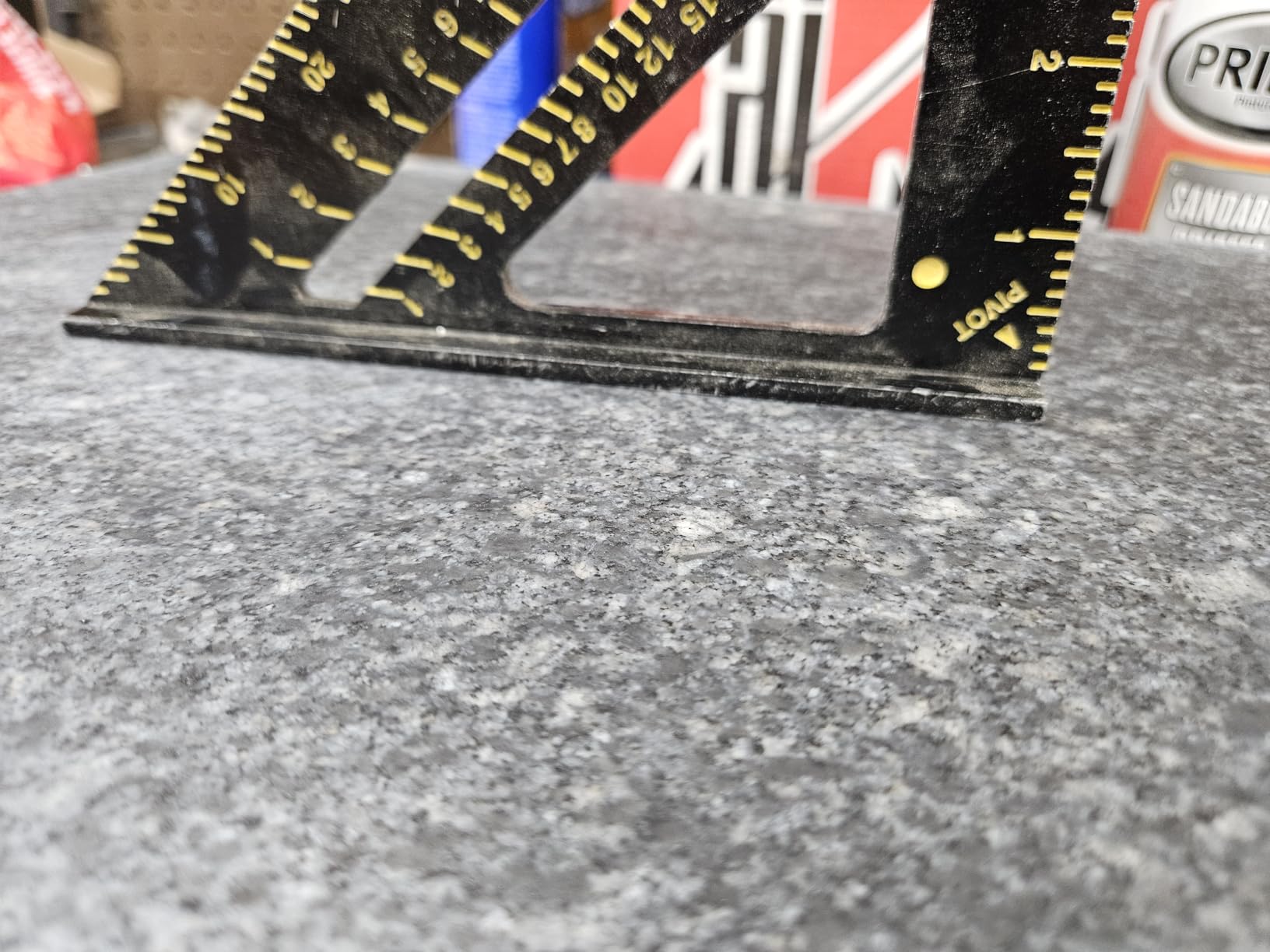
What you get when you check flatness yourself
Owners report that a spot reading or two can exceed .001 inch away from the working area, which is exactly what a nine-point certificate predicts. If your work is at the thousandth level, check the region you will actually use with a straightedge and indicator before you commit to a job.
If you only ever work in tenths, this plate is effectively overkill and you will never notice. If you scribe, inspect and sharpen, it is the sweet spot: big enough for most hobby parts, heavy enough to stay put, and accurate enough to trust.
Where this plate disappoints
The dimensional accuracy of the listed size is slightly off nominal according to some owners, so do not treat it as a calibrated master for length measurement. It is also not accurate enough for micron-level work in a lab sense, and the certificate will not satisfy anyone who needs NIST traceability.
For most home shops that is a non-issue. If your tolerance stack demands better than a thousandth of an inch over several inches, step up to the Grade A plates further down this list rather than expecting more from this one.
2. HHIP 6 x 6 x 2 in Grade B Granite – Best for a Crowded Bench
HHIP 4401-1596 6″ X 6″ X 2″ Granite Surface Plate, Grade B, 0 Ledge
Grade B granite
Flatness plus or minus .0001 inch
6 x 6 x 2 inch
No ledge
Pros
- Largest owner review base in this group
- Stated flatness of plus or minus .0001 inch
- Compact footprint that fits a small workbench
- Includes a certificate of inspection
Cons
- Grade B shop accuracy rather than metrology grade
- Certificate of inspection is not NIST traceable
- Small face limits the parts you can check
This is the plate to buy when your bench is the size it is. At 6 x 6 x 2 inches, it is one of the smallest footprints in the roundup, and the manufacturer lists it at about one pound, which makes it easy to move between benches or carry to the car. The top surface is precision ground to plus or minus .0001 inch, the same headline figure printed on plates several times its size.
That number needs context. It is a Grade B, or shop-grade, plate: fine for general inspection, layout, tool checking and sharpening, not fine for tight tolerance metrology. The maker is straight about this, calling it a practical and economical choice for everyday workshop tasks rather than a laboratory reference.
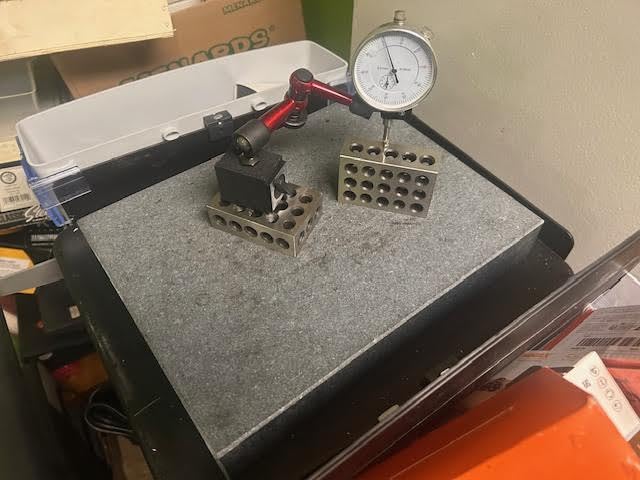
At 544 reviews and 4.6 stars, this is the most owner-tested plate in the group by a wide margin, and the pattern of feedback is remarkably consistent: people treat it as an economical shop-grade reference surface for general inspection, layout and tool checking, with the accuracy class as the standing caveat. That consistency is worth something on its own, because you are buying into a known quantity rather than a gamble.
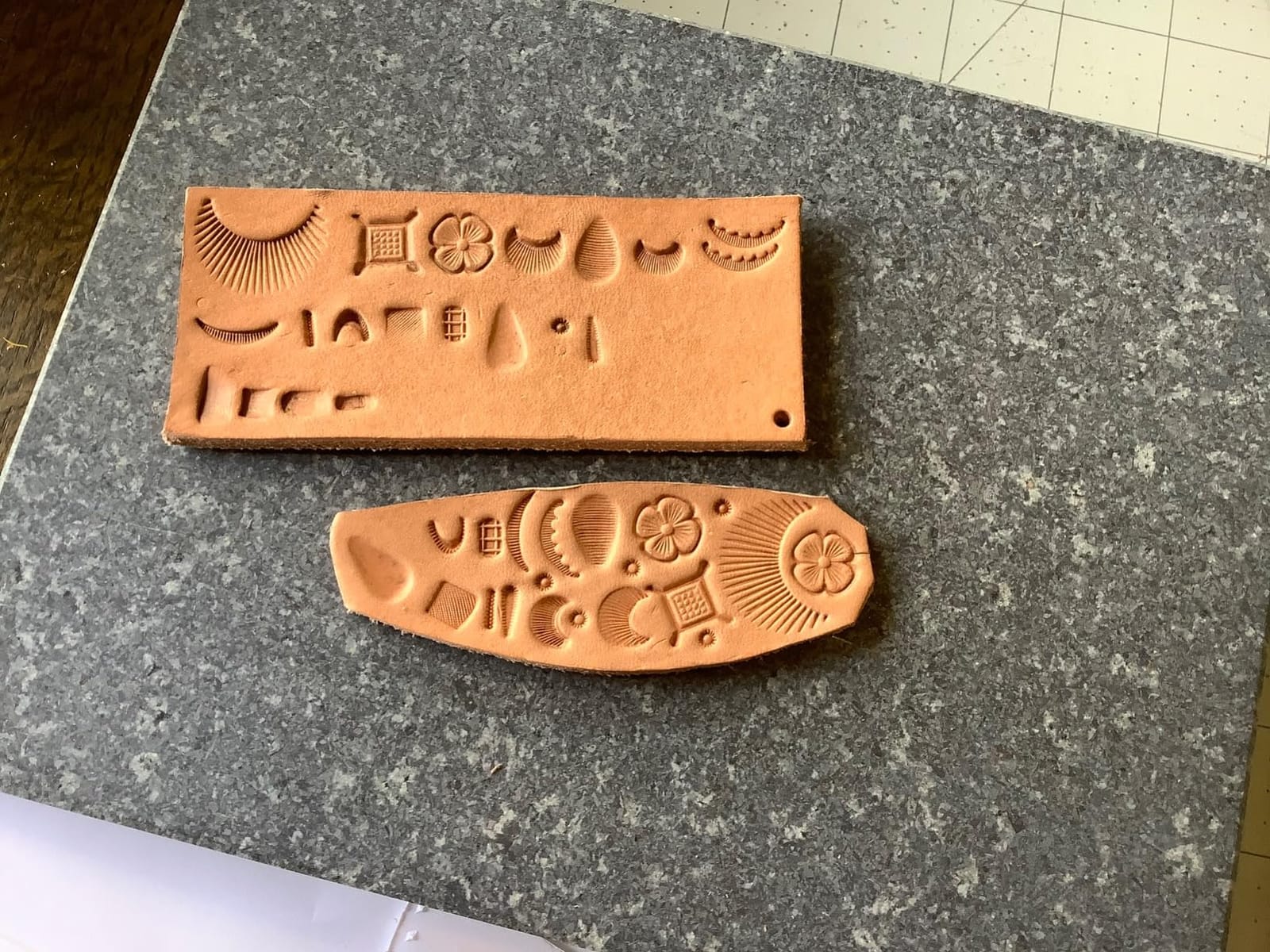
Where a plate this size actually earns its money
The practical uses are sharpening small tools, checking the flatness of small machined faces, gauging instrument setups, and any layout job where the part fits inside six inches. Owners use it for small-part inspection, tool checking and sharpening as a matter of routine.
The granite itself is non-magnetic, harder than steel and resistant to wear and corrosion, which means it will not rust and it will not draw a field into a sensitive instrument sitting on top of it.
Where it will disappoint you
A six inch working face is genuinely limiting. Anything larger than a small bracket or a hand tool simply will not fit, and the larger plates here give you three to ten times the working area.
The certificate of inspection that arrives with it is not NIST traceable, and the grade is a step below the A Grade plates in this list. If your work needs a Grade A surface and you only have a small bench, the compromise is to buy the smallest A Grade option rather than the smallest B Grade one.
3. TTC 9 x 12 x 2 in Grade B Granite – Best Specified Entry Plate
TTC 9″ x 12″ x 2″ Thick Grade B No Ledge Granite Surface Plate
Grade B granite
Overall accuracy plus or minus .0003 inch
9 x 12 x 2 inch
26 pounds
Pros
- Stated GGG-P-463C compliance for general shop inspection
- 2 inch thick body resists warping over time
- Holds its accuracy for years
- 9 x 12 inch working face suits most hobby parts
Cons
- The loosest overall accuracy figure in this roundup at plus or minus .0003 inch
- Limited published specification detail beyond the top surface
This plate has quietly become my default recommendation for anyone who wants a formally specified, thick slab at the entry end of the bench-top size range. It is 9 x 12 x 2 inches of Grade B granite at 26 pounds, and the maker states it meets or exceeds Federal Specification GGG-P-463C for general shop inspection work.
The accuracy figure to notice is plus or minus .0003 inch overall, which is looser than the .0001 inch headline on several plates in this roundup. Read honestly, that is a deliberate trade: you give up a little flatness and get a thick, stable, inexpensive slab with a formal specification behind it. For layout, inspection, scribing and general shop work, that is the correct trade.
At 4.7 stars from 118 reviews, this has a smaller owner base than the two picks above it, but the feedback pattern is stable. Buyers treat it as a dependable general-shop inspection plate whose 2 inch thickness keeps it stable and whose accuracy holds up for layout and checking work.
Why thickness matters more than the grade letter
The reason this plate does not feel like the cheapest option in the roundup is the 2 inch body. Thickness is what resists bow and twist, and a plate that stays flat under a clamping load is worth more day to day than a thinner plate with a nicer letter on the certificate.
Because the working face is 9 x 12 inches, it handles the same parts as the WoodRiver A Grade plate while giving you the mass and the GGG-P-463C compliance reference for layout work.
Where this plate disappoints
The published specification detail is thin beyond the top surface, so if you need documentation on side parallelism or squareness, ask before you commit. The plus or minus .0003 inch overall accuracy is also the loosest tolerance of the granite plates here, and it is a real limit for anyone measuring in thousandths over a long span.
For anyone working in tenths and a half tenths, none of this matters. For precision inspection at the thousandth level, look at the Grade A plates further down.
4. HHIP 15.7 x 15.7 x 2.36 in Grade A Granite – Most Versatile for Toolroom Work
HHIP 4401-4040 15.7 X 15.7 X 2.36″ Grade A Granite Surface Plate
Grade A Grade 00
400 x 400 x 60 mm
Accuracy plus or minus .0001 inch
68 pounds
Pros
- Owners measuring with indicators report deviation near .00016 inch
- Large 400 x 400 mm working area
- Heavy enough to stay put during indicator work
- Crate protects the plate during handling
Cons
- Some units arrive with an adhesive or sealant on the working face
- Sides are not precision ground square to the working face
- One owner reported residual grinding dust on the surface
This is the first plate in the roundup that genuinely changes what you can do rather than just doing the same things slightly flatter. It is a 400 x 400 x 60 mm slab, which is 15.7 x 15.7 x 2.36 inches, at 68 pounds, and the maker classifies it as Grade A, also sold as Grade 00, meeting GGG-P-463C and checked with an autocollimator.
The most useful data point in the reviews comes from owners measuring with calibrated indicators, who report a maximum deviation near .00016 inch, often better than the stated plus or minus .0001 inch tolerance. Real measurements beating the spec is rare enough that it tells you the manufacturing margin is there. For gage calibration, quality control and high-precision inspection, this is the plate in the group we would trust first.
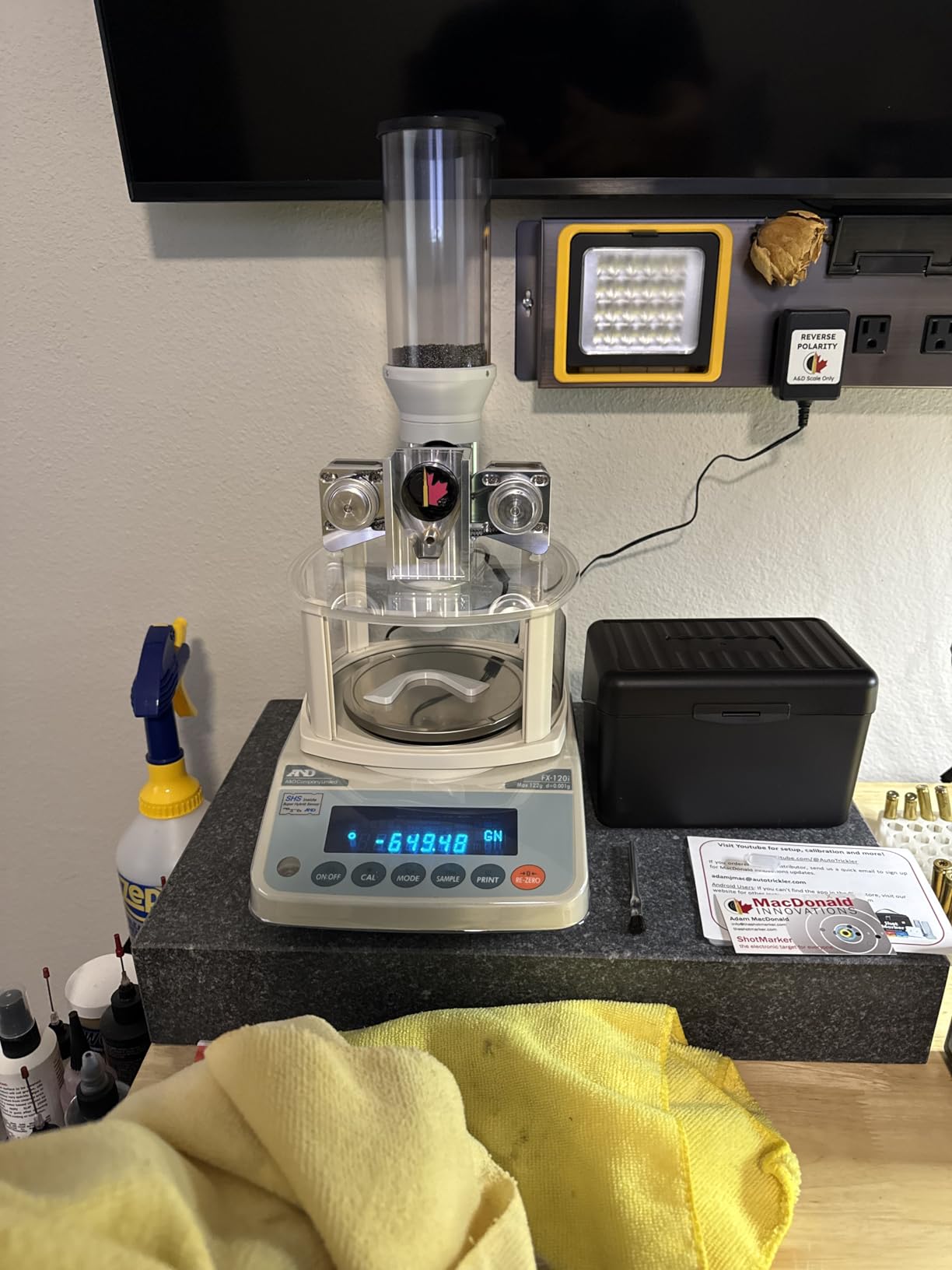
At roughly 400 x 400 mm you have a working area big enough for most assemblies, and at 68 pounds it will not slide when you lean on it with an indicator. Owners also report using it as a stable riser for rezeroing measuring equipment, which is a genuinely useful second job.
What to check the day it arrives
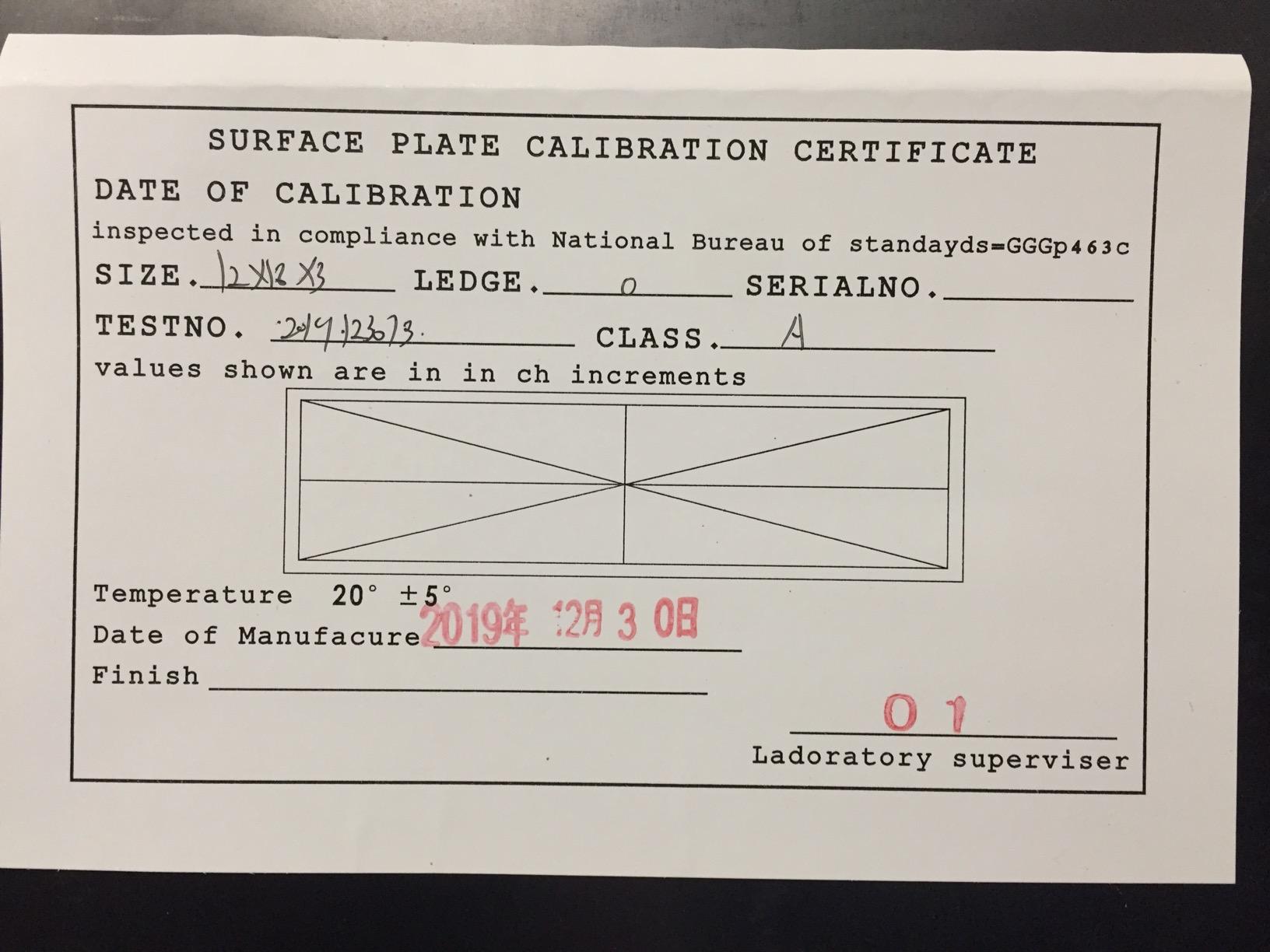
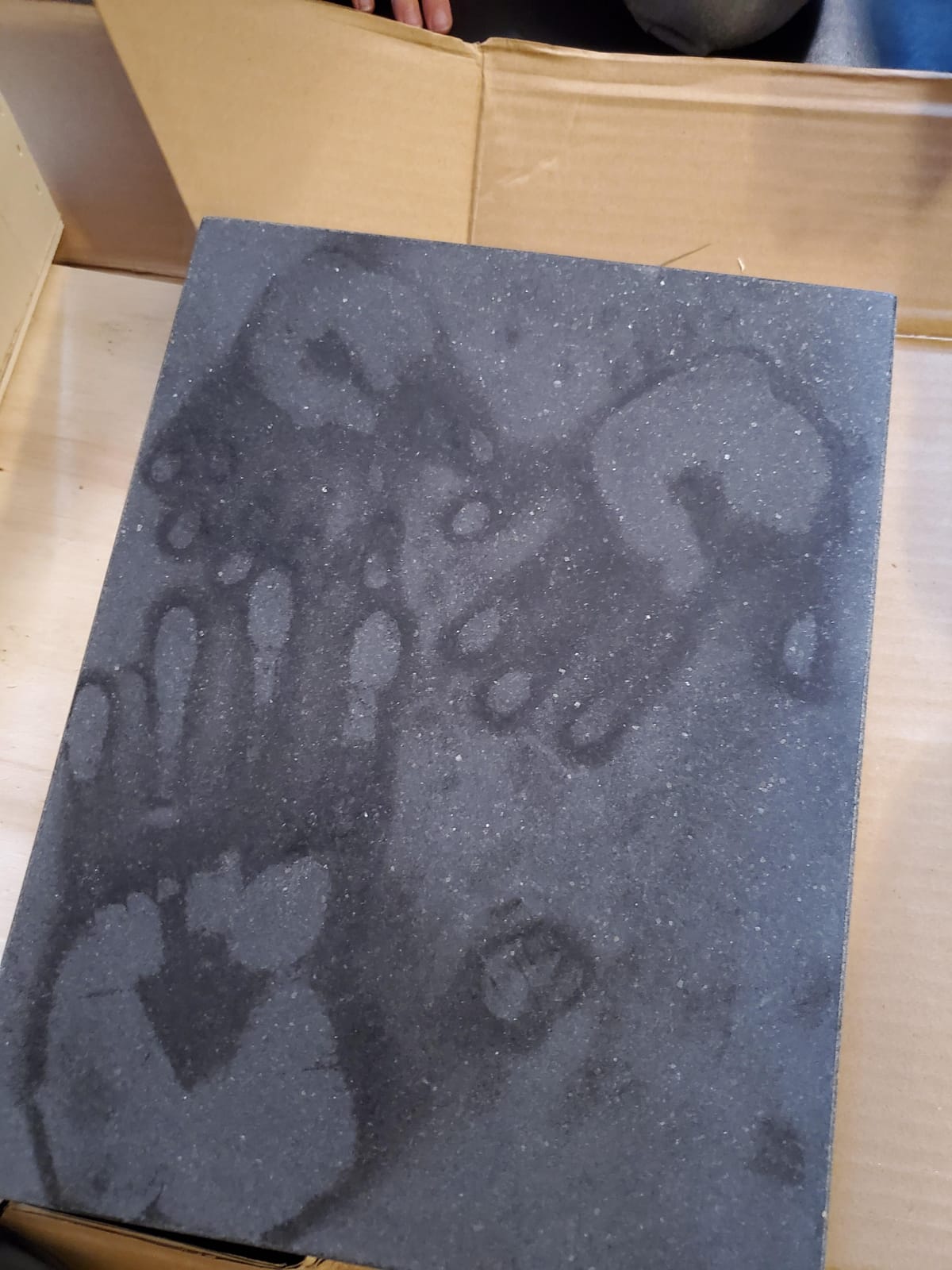
There are two arrival issues worth knowing about in advance. Some plates arrive with an adhesive or sealant on the working face that needs cleaning off before use, and one owner reported a dull surface with residual grinding dust and visible grinding arcs. Both are fixable, but neither is what you want to discover mid-job.
The other reported issue is that the sides are not precision ground square to the working face. That is normal for plates at this class and it does not affect flatness on the top, but do not stand a height gauge on an unground side and assume a vertical reference.
Where this plate disappoints
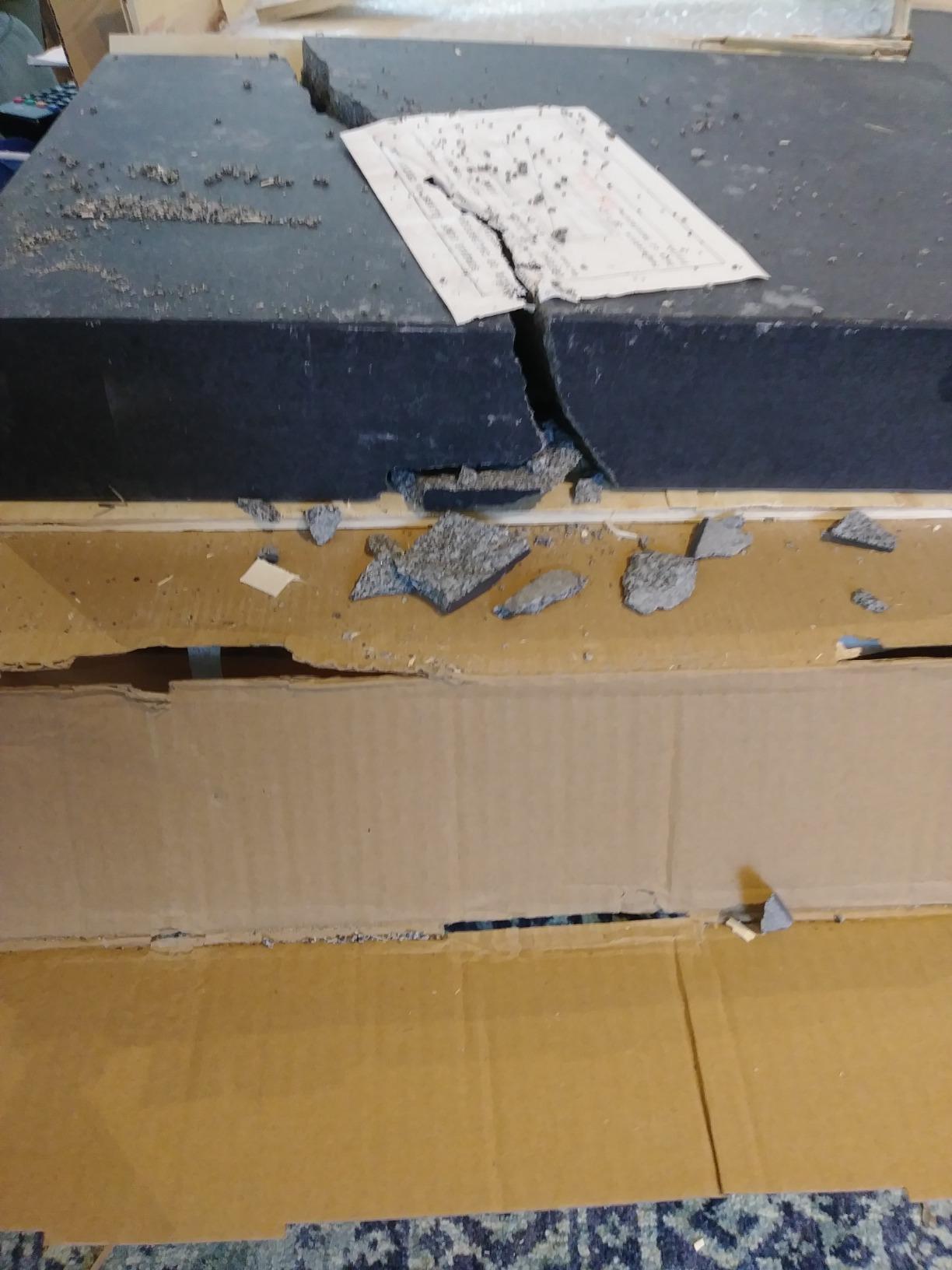
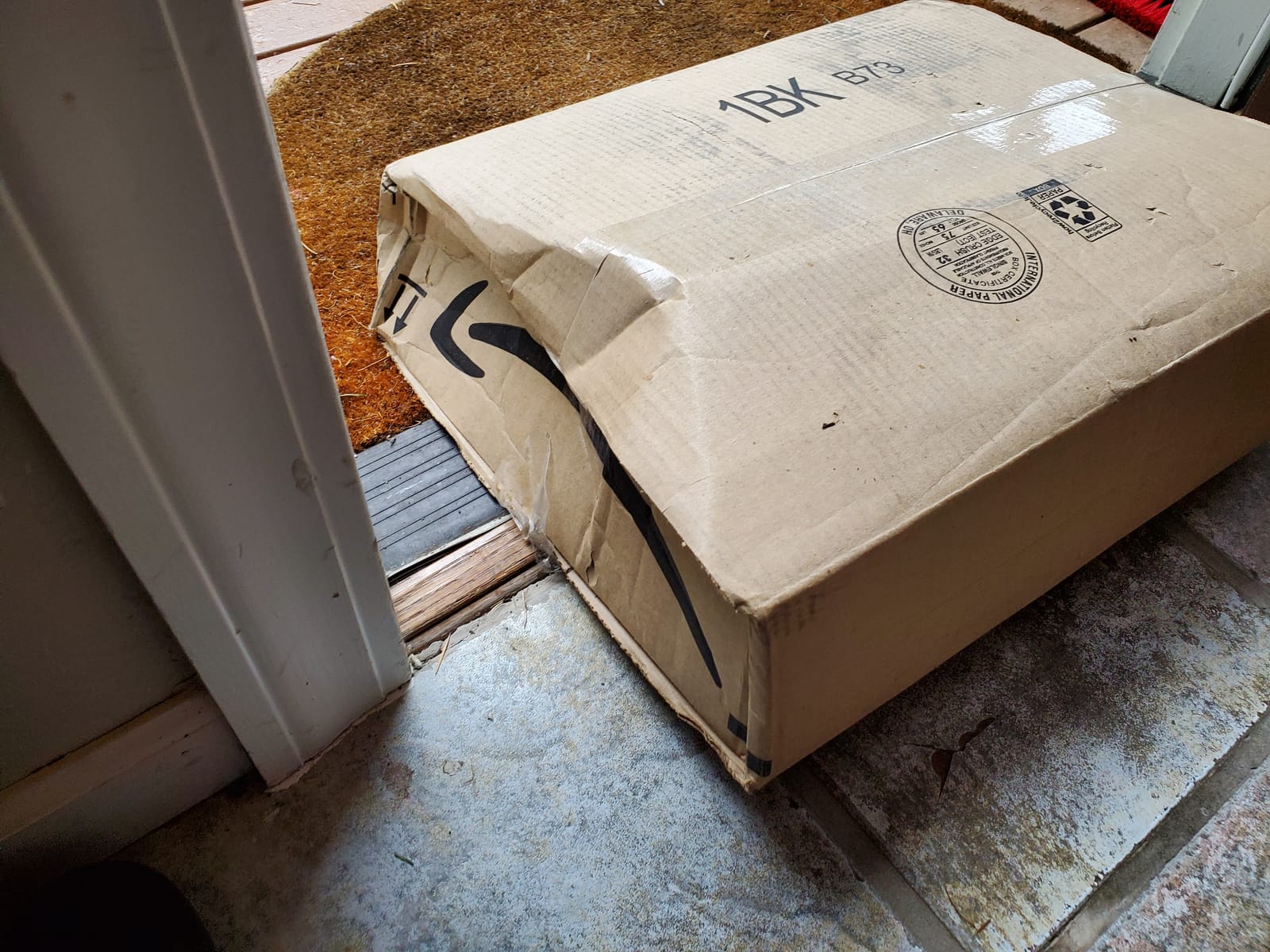
Packaging is a weak point: a rough wooden crate with exposed staples has caused damage reports, so inspect the plate on arrival and photograph the face before you remove anything. The certificate of inspection here is also not NIST traceable, so this is a shop-grade certificate attached to an A Grade surface, not a traceable calibration certificate.
At 68 pounds, this is no longer a casual bench plate. Plan where it lives before it lives there, because moving it is a two-person job in most shops.
5. HHIP 24.8 x 15.7 x 3.15 in Grade A Granite – Best for Large Assemblies
HHIP 4401-6340 Grade A Granite Surface Plate, (24.8 X 15.7 X 3.15″)
Grade A Grade 0
630 x 400 x 80 mm
Accuracy plus or minus .0001 inch
156.7 pounds
Pros
- Largest working surface in the roundup at 24.8 x 15.7 inch
- Grade A flatness verified by autocollimator
- 3.15 inch thickness gives serious stability
- Suited to layout and marking of larger assemblies
Cons
- At about 157 pounds it is impractical to reposition often
- Needs a two-person lift or a hoist to place on a bench
- Certificate of inspection is not NIST traceable
This is the largest plate in the roundup and the one that most clearly stops being a hobby accessory. It measures 630 x 400 x 80 mm, which is 24.8 x 15.7 x 3.15 inches, and it weighs 156.7 pounds. The maker lists it as Grade A, also sold as Grade 0, with accuracy of plus or minus .0001 inch and an autocollimator check.
What that weight buys you is stability nothing else in this list can match. At more than four times the mass of the 36.5 pound plate further down this list, you can lay out a large assembly, clamp a fixture to the edge and push a height gauge across the whole thing without the surface moving under you.
The stated uses are exactly the ones you would expect at this size: laying out parts, calibrating instruments, setting up tools, checking parallelism and perpendicularity, and measuring heights with a height gauge across a full-length part.
The honest framing is that at 156.7 pounds this is effectively a fixture, not a tool you reach for. Plan the bench or floor location, check the load rating of the surface, and confirm two people or a hoist can get it into place before it arrives. A slab this size on a bench rated for a few hundred pounds is a real conversation with your bench builder.
Who should actually buy this
Buy it if you routinely mark out and inspect assemblies longer than about 18 inches, if you are building a fixture table, or if you are running quality control work where a single part must be checked against a datum across its full length. The working surface makes those jobs practical rather than awkward.
The manufacturer describes the granite as non-magnetic, non-conductive, harder than steel, and importantly, not prone to nicking or raising a burr. That last point matters more than it sounds in a shop where steel tools and steel swarf are constantly landing on the surface.
Where this plate disappoints
Repositioning is the problem. At roughly 157 pounds it is impractical to move often, and getting it onto a bench needs a two-person lift or a hoist. If your layout work changes shape week to week, a smaller plate that you can slide to where the work is will serve you better.
Buying too large is the most common mistake in this category. A 24.8 x 15.7 inch surface you struggle to move is worth less to you than a 15.7 inch square one you use daily.
6. LLDSIMEX 12 x 9 x 3 in Grade B Granite – Best Thick Plate for General Shop Use
LLDSIMEX 12 Inch Length 9 Inch Width 3 Inch Thickness Granite Surface Plate, No Ledge 12x9x3 Inch
Tool Room Grade B
Bilateral accuracy plus or minus .0001 inch
12 x 9 x 3 inch
36.5 pounds
Pros
- Owners with a feeler gauge and indicator report no detectable deviation
- 3 inch thickness gives real heft so it does not slide
- Chamfered edges are safer to handle
- Usable as a lapping or stropping base with abrasive attached
Cons
- Bottom face is unfinished rather than ground
- Visible lapping marks show under wax or raking light
- Occasional reports of a cracked plate or scratched face on arrival
This plate answers a question the spec sheets never ask: do you want accuracy or mass. At 12 x 9 x 3 inches and 36.5 pounds, it is the thickest plate in its size class in this roundup, and owners with a .0015 inch feeler gauge and a dial indicator report no detectable deviation at all. The stated accuracy is bilateral, plus or minus .0001 inch, classified as Tool Room Grade B.
At 36.5 pounds it does not slide. That is the whole argument for it. A plate that stays exactly where you put it while you sweep an indicator, then rotate a part on, then scribe a line, removes a constant low-level source of error that no spec sheet mentions.
The chamfered corners on the working faces are a genuine safety improvement over sharp-cornered plates, and you will feel that every time you pick up a stone slab of this mass. The maker also describes it as practically maintenance free and notes it will not corrode like steel.
A plate that does double duty as a working tool
Because it is stone, harder than steel and stable, owners use it as a stropping or lapping base with abrasive paper attached. That makes it a sensible first plate if you sharpen, hone or hand finish as well as measure. If you also plan to lap on granite, taping wet or dry abrasive paper to the reference surface is the approach forum users recommend.
The 12 x 9 inch face also handles small plates and blanks that will not fit a 6 x 6 inch plate, which is where most entry plates start to feel small.
Where this plate disappoints
The bottom face is unfinished rather than ground, which is fine for a bench plate but means you should not flip it over and expect a second reference surface. Some owners notice visible lapping marks under wax or raking light; these are cosmetic and do not affect flatness, but they can look alarming the first time you see them.
There have also been occasional reports of a cracked plate or a scratched face on arrival, so inspect it before you start work. At 36.5 pounds it is a two-hand lift, which is the price of the stability.
7. LLDSIMEX 6 x 6 x 2 in Grade B Granite – Budget Pick for Small Parts
LLDSIMEX 6“x6″x2″ Granite Surface Plate, Grade B,No Ledge
Grade B Grade 1
Accuracy plus or minus .0001 inch
6 x 6 x 2 inch
8.58 pounds
Pros
- Light enough at about 8.6 pounds to move between benches
- Same precision-ground process and GGG-P-463C compliance as the maker's larger plates
- Useful for small-part inspection
- tool checking and sharpening
- Meets or exceeds GGG-P-463C
Cons
- 6 inch working area limits larger workpieces
- Grade B Grade 1 accuracy
- Certificate of inspection is not NIST traceable
This is the plate to buy if you want to find out whether a surface plate matters to you before committing bench space. It is a 6 x 6 x 2 inch Grade B granite plate, also classified as Grade 1, with stated accuracy of plus or minus .0001 inch and compliance with Federal Specification GGG-P-463C.
Two practical details make it a genuinely different product from the other small plate in this roundup. It weighs about 8.58 pounds, which is heavy enough that it will not slide during light indicator work, and light enough that one person can carry it to the car, the garage, or a different bench without planning a lift.
At 4.6 stars from 73 reviews, the owner feedback describes it as an inexpensive entry reference surface for small parts and tool checks, with the usual caveat that a plate this size and grade is not suitable for large or tight-tolerance work.
The honest use case for an 8 pound plate
Small-part inspection, tool checking, sharpening small hand tools, and keeping an instrument setup honest. At 6 x 6 inches you can check a small machined face, a cutter, a gauge block stack, or a heat sink contact surface, and you can put a small part on it without it wandering.
The stated uses from the manufacturer cover laying out parts, checking parallelism and perpendicularity, and measuring heights with a height gauge, as well as using the plate as a work surface for assembling, inspecting and marking parts. Granite is non-magnetic and non-conductive, so sensitive instruments and steel parts can both sit on it safely.
Where this plate disappoints
Six inches is the constraint. Larger workpieces simply do not fit, and when you outgrow it, you will be replacing it rather than upgrading it, because there is no larger version of this exact plate to move up to within the range.
The grade is Grade B, also sold as Grade 1, which sits below the A Grade plates here. The certificate of inspection is not NIST traceable, so this is a working surface with documentation rather than a traceable calibration plate. For general layout, tool checking and sharpening this is plenty; for precision inspection it is not the tool you want.
8. Dasqua 400 x 250 x 70 mm Grade A Granite – Best for Metric Work
Dasqua 8500-0043 Grade A Granite Surface Plate for Precision Measurement, 400 x 250 x 70 mm Size
Grade A Grade 00
400 x 250 x 70 mm
Flatness 0.0029 mm
51 pounds
Pros
- Flatness stated in metric at 0.0029 mm
- Meets DIN876 as well as GGG-P-463C
- Wooden crate protected a 51 pound slab with no damage
- Works for sharpening and checking head and deck surfaces
Cons
- One owner found the square variant rocks on a plate
- Some owners question the certificate because branding appears inverted
- 51 pounds is a two-person lift for most home shops
Almost every plate in this roundup quotes accuracy in inches, with one notable exception. This one is specified in millimetres: 400 x 250 x 70 mm, 51 pounds, flatness of 0.0029 mm, classified as Grade A and also sold as Grade 00, and meeting DIN876 as well as Federal Specification GGG-P-463C.
For anyone whose gages read in metric, that matters. The stated flatness of 0.0029 mm is a real number in the unit your instruments use, and it is the same order of magnitude as the plus or minus .0001 inch figure printed on the inch-rated plates in this roundup. You are not buying a lesser plate because the units changed.
Recent buyers largely treat it as the low-cost route to a Grade A surface for workshop checking and sharpening, rather than a premium metrology plate. At 4.5 stars from 30 reviews, this has the shallowest owner history of the granite plates here, so treat the pattern of feedback as indicative rather than settled.
What owners actually use it for
Users report dead-flat performance for sharpening and for checking cylinder head and deck surfaces, and several note it raises small machines to a comfortable working height, which is a legitimate secondary use for a 51 pound granite slab. It also works for scraping and lapping as well as measuring.
The wooden crate packaging protected a 51 pound slab with no damage for at least one owner, which is a good sign about how a plate at this weight should arrive.
Where this plate disappoints
There are two real cautions. One owner of the square variant found that it rocks on a surface plate and carries applied tags that prevent a true measurement, and some owners question the certificate because the branding on the plate appears inverted. Both are finish and labelling issues rather than flatness issues, but check your plate before trusting it as a datum.
At 51 pounds it is a two-person lift for most home shops, and it is not verified to metrology-lab standards. If you need traceability rather than a good working surface, buy a plate that offers it.
9. CME Tools 12 x 16 in Cast Iron Lapping Plate – Best for Hand Scraping
Machinist Cast Iron Lapping Plate 12×16″, 4″ Height #LP-1216-new
Cast iron construction
12 x 16 inch lapping face
4 inch side height
50 pounds
Pros
- Cast iron is machinable and can be trued up by hand scraping
- Deep 4 inch sides give it real stabilizing mass
- Large face suits broad lapping and scraping jobs
Cons
- No stated flatness tolerance or certificate of inspection
- Cast iron rusts if left wet and needs periodic oiling
- Lowest average rating in this roundup at 4.0 stars
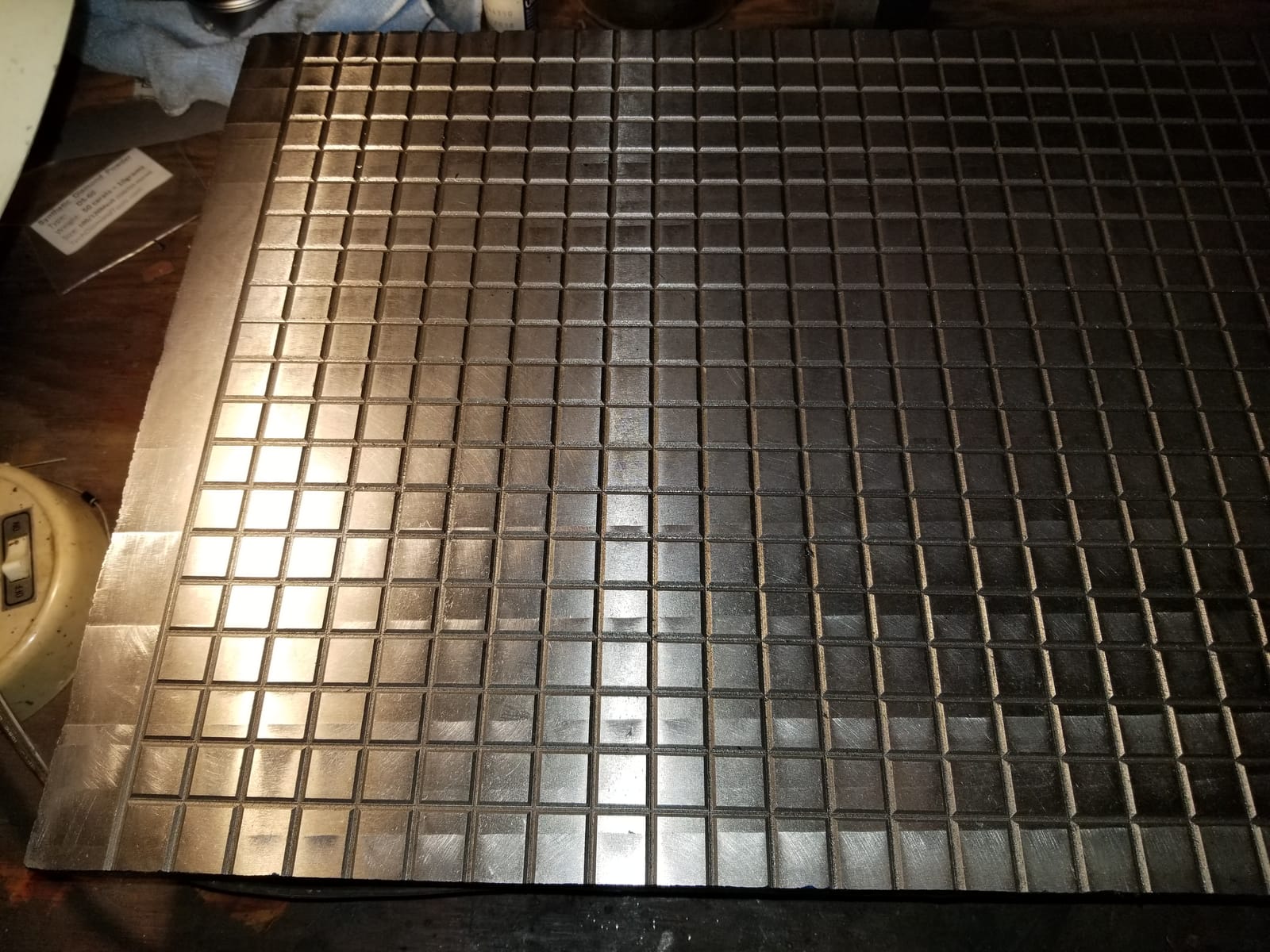
We include this one deliberately, and not as a surface plate. This is a machinist cast iron lapping plate with a 12 x 16 inch face and 4 inch side height, weighing 50 pounds. It is a working tool for flattening, scraping and lapping, not a certified reference surface, and we would rather explain that clearly than let it get compared against granite plates side by side.
The argument for owning one alongside a granite plate is straightforward. If you hand scrape, you need a reference surface that is itself flat and that you can work against without worry. Cast iron is machinable and can be trued up by hand scraping if it ever loses flatness, which is a repair path granite does not offer. The deep 4 inch sides give it the mass to stabilize broad lapping work.
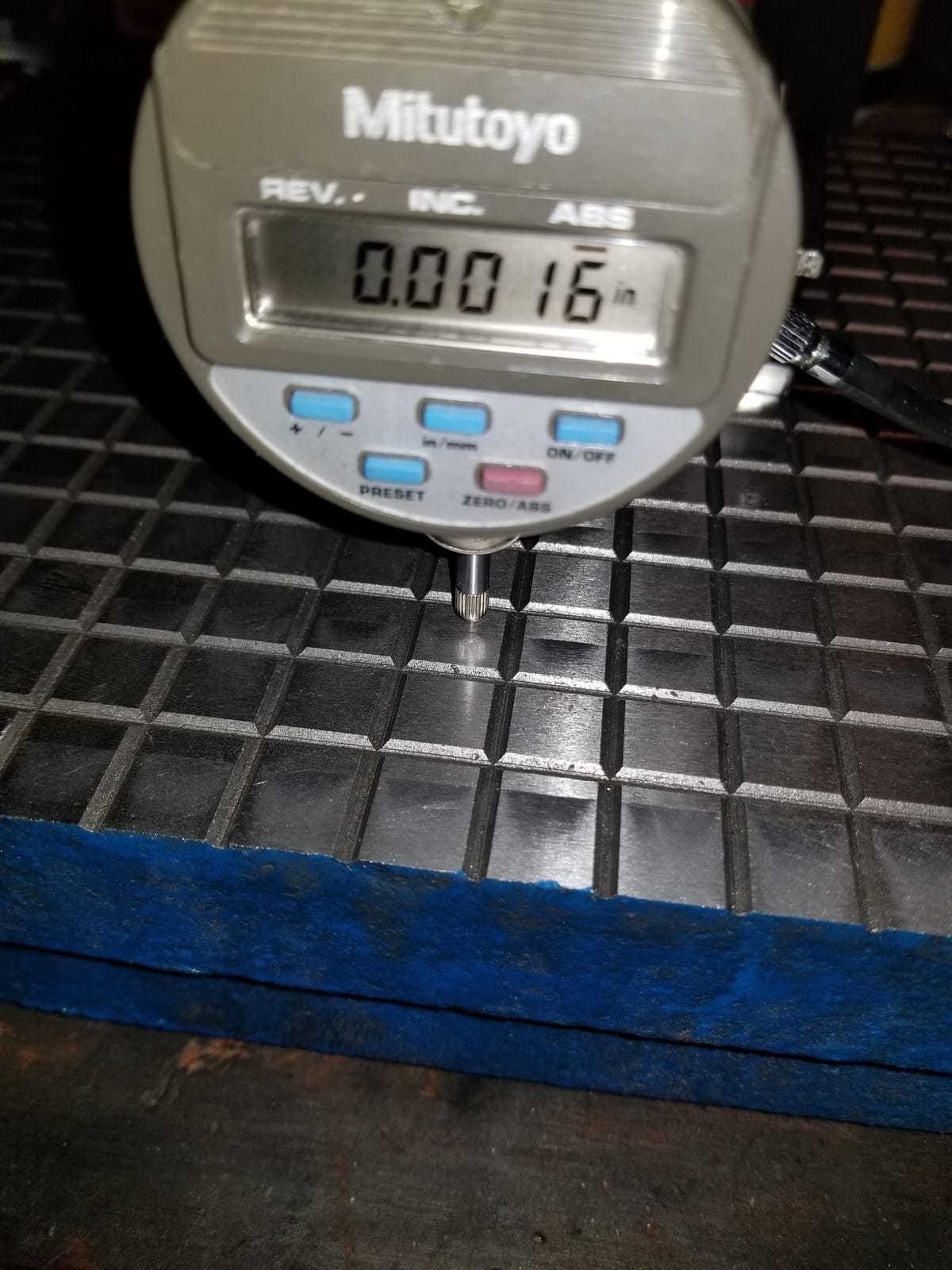
Owner feedback centres on its mass and machinability, with the reservation being rust care and the absence of a stated accuracy class. At 4.0 stars from 22 reviews, it has the lowest average rating and the smallest owner base in this roundup, and 10 percent of ratings are one star. Buy it for what it is, not as a cheaper granite substitute.
When a cast iron plate earns its place
If you build and maintain hand tools, flatten plane soles, produce bearing surfaces by scraping, or do general flattening work on cast or steel parts, this is a straightforward tool for it. A 12 x 16 inch face suits broad lapping and scraping jobs that a 9 x 12 inch granite plate would be too small to absorb.
Forum users running large shop plates treat cast iron as a low-grade reference surface for fabricating work, and describe a smaller plate of this size as very useful in a home shop. That matches what the owner reports here say.
Where this plate disappoints
There is no stated flatness tolerance and no certificate of inspection, so you cannot cite it in a quality document and you do not know its deviation from flat until you check it yourself. Cast iron rusts if it is left wet and needs periodic oiling, unlike granite which is effectively maintenance free.
Cast iron also burrs and raises material around impact damage rather than chipping the way granite does, and it is brittle enough to crack if struck hard. At 4.0 stars it is also the least well-regarded plate in this group. Treat it as a companion tool, not a reference standard.
How to Choose a Surface Plate: Size, Grade, and Stone Type
Size first, always. The largest part you expect to lay on the plate sets the minimum footprint, and everything else is secondary. A plate that is too small forces you to measure a part in two positions and stitch the results together, which introduces error exactly where you were trying to remove it. Our pick for most shops is the 9 x 12 inch format, because it handles brackets, small plates and blanks without dominating the bench.
Thickness comes next, and it is the criterion nobody writes about. Thickness is what resists bow and twist across the span. In this roundup the 3 inch plate at 36.5 pounds and the 3.15 inch plate at 156.7 pounds both exist for that reason. A thin plate that looks identical to a thick one from above will deflect under a clamping load, and a plate that deflects under load is not flat while you work.
Weight follows from thickness and size, and it is a bench design decision, not an accessory decision. The plates here run from about 8.58 pounds to 156.7 pounds. The 68 pound and 156.7 pound plates are effectively permanent installations. Check what your bench is rated for before a large stone slab lands on it, and make sure two people or a hoist can put it where it belongs.
Ledges and overhangs are the feature premium makers build around, and almost nobody explains them. A ledge, or overhang, is the rebate milled around the edge of a plate so a clamp or support can reach the underside without fouling the working face. If you plan to fixture parts to the plate rather than just rest them on it, a ledge plate is the right choice. Every granite plate in this roundup is a no-ledge design, which is worth weighing before you buy for clamping work.
Accessories decide how useful the plate actually is. A surface plate on its own is a very expensive very flat table, and to get real work out of it you want a height gauge, layout dye or marking blue, a scriber, a set of machinist parallels, an angle plate if you scribe in two planes, and a dial indicator with a suitable base. A dial indicator is also how you verify the plate for yourself.
Finally, consider a used cast iron plate before you spend heavily. Auction and estate cast iron plates exist in sizes no home seller offers new, and they can be trued up by scraping. The catch is that you will not know its flatness until you measure it, and community estimates put a home-shop inspection or relapping at roughly a couple hundred dollars. Decide whether you would rather pay that once and learn the true condition of the plate, or buy new granite with a stated tolerance.
One more practical note for anyone building the bench these plates live on. Bench hardware fails at the joints, not the surface, and our door kick plate picks cover another small hardware category where material and gauge decide everything.
Surface Plate Grades Explained – AA vs A vs B vs Workshop Grade
Surface plate grades are a flatness tolerance ladder, and the letters tell you how much deviation from flat you are allowed across the whole face. The rule of thumb for home shops: Grade B is enough for nearly all hobby and small-shop work, and Grade A is what you buy when you are measuring rather than checking.
Grade A, also sold in some markets as Grade 00 or Grade 0, is the working standard for toolroom and inspection work. In this roundup the Grade A plates carry stated accuracies of plus or minus .0001 inch or 0.0029 mm, and owners measuring with calibrated indicators report real deviations near .00016 inch. This is the tier to buy if you are calibrating gages, doing quality control, or holding parts to the thousandth.
Grade B, sometimes sold as Grade 1, is the shop and workshop tier, and it is the grade most home machinists should buy. The tolerance spread across Grade B plates in this roundup runs from plus or minus .0001 inch on several of them to plus or minus .0003 inch overall on the TTC plate, which shows that grade alone does not tell you everything. Always read the stated tolerance, not just the letter.
Workshop grade, sometimes printed simply as shop grade, is the entry tier and usually has no formal certificate behind it at all. It is fine for sharpening, tool checking and rough layout. If you are quoting a tolerance to anyone else, do not use one.
Grade AA sits at the top of the ladder and belongs to metrology labs and inspection rooms, not home shops. Nobody in this roundup needs one, and we have deliberately not padded this list with premium laboratory plates. Buying AA for a hobby shop is the clearest example of overbuying in this entire category.
Granite vs Cast Iron: Which Material Should You Buy?
Granite is the default choice for a home workshop, and the reason is physical rather than marketing. Granite is harder than steel, so it does not wear under normal use, and it is non-magnetic and non-conductive, so sensitive instruments and steel parts can both sit on it. It does not rust, needs no oiling, and is effectively maintenance free.
The most important behavioural difference is what happens when you damage it. Granite chips. Cast iron burrs and raises material around the impact. A chip leaves a small void that a flat can simply span, so the accuracy of the undamaged area survives. Raised burrs on cast iron change the surface around the damage and are more disruptive to measurement in a wider area. On a cast iron plate you are also working on, a dropped tool can leave a burr that the next lapping pass has to remove.
Cast iron wins on two counts. It is machinable and can be trued up by hand scraping, so you can maintain it yourself for as long as you own it, and it is heavy for its size, which is useful for stabilizing lapping and scraping work. It loses on rust, on burr-raising, and on brittleness under impact.
For a home shop, the sensible split is granite for anything you measure or scribe on, and cast iron for anything you work on, which is exactly how the cast iron plate in this roundup is positioned. If you are more interested in a bench-height platform than a precision tool, we covered a different category in our vibration plate guide.
Setting Up, Leveling, and Maintaining Your Surface Plate
Put the plate on the right support first. A plate resting on a sagging workbench is not flat regardless of how it was manufactured, and that is why forums consistently recommend levelling even a good plate. Level it at minimum, or finished parts will roll off the surface.
For the mount itself, forum users suggest several options. A plywood shim, horse stall rubber mat that does not compress much and comes in thick sections, or mounting directly to a steel stand. Each has a trade-off: shims are easy to adjust but can compress over time, rubber is stable and forgiving, steel is rigid and permanent. Pick one before the plate arrives, not after.
There is a subtlety worth knowing. In a Reddit r/Machinists thread on level calibration, a poster points out that a surface plate is only going to be accurate in one orientation, and that kinematically mounting it on three points interacts with the effects of gravity. In practice this means the plate should be set on three defined points rather than four, so it is not being forced flat by over-constraint. Practical advice: three adjustable points, checked level, is better than four fixed pads.
Cleaning depends on the material. Granite needs almost nothing beyond a wipe with a clean damp cloth, and if you want to remove handling marks, Scotch-Brite on a sheet sander is a method forum users recommend, with the observation that it takes a lot of work to remove actual measurable metal with it. Never grind the working face. Cast iron needs periodic oiling and should never be left wet, which is the whole maintenance argument for granite.
Keep abrasive dust off the plate, and pay attention to where your height gauge habitually sits, because concentrated abrasive dust in one spot accelerates local wear. When a scratch does appear, granite can usually be corrected by lapping. For lapping on a granite flat, the standard home approach is to tape the abrasive sheet to the reference surface and work it in a circular motion with compound until the colour is even, progressing through several grits.
Should you have it calibrated or re-lapped? Community estimates put a home-shop-sized plate inspection or relapping at roughly a couple hundred dollars, and most hobbyists are advised to skip it. It is worth it only if your work demands accuracy better than you can verify yourself with a straightedge and indicator.
Surface Plate vs Lapping Plate: What Is the Difference?
A lapping plate is a working tool that flattens something else; a surface plate is a reference surface that tells you how flat something already is. The lapping plate takes material away. The surface plate is the datum you measure against, and it carries a certified flatness tolerance.
They also differ in material and tolerance discipline. Lapping plates are commonly cast iron, machined and scraped, with no stated tolerance and no certificate. Surface plates in this roundup are granite, autocollimator or indicator inspected, and carry a stated flatness and a certificate of inspection, though not a NIST traceable one.
Overlapping job: a granite plate can serve as the reference for lapping abrasive taped to its face. Forum users on lapping construction recommend exactly that, noting that wet or dry abrasive paper taped to the reference surface is remarkably consistent. Just remember that work dulls the working face, so keep heavy lapping for a dedicated plate and reserve the certified surface for measuring.
Frequently Asked Questions
What is the difference between a lapping plate and a surface plate?
A lapping plate is a working tool that flattens other parts and usually removes material, while a surface plate is a reference surface with a certified flatness tolerance that you measure and scribe against. Lapping plates are commonly cast iron with no stated tolerance; surface plates are typically granite and come with an inspection certificate.
What do you use a granite surface plate for?
Home machinists use a granite surface plate for layout and scribing with a height gauge, checking flatness of machined and gasket faces, verifying parallelism and squareness, fixturing work, hand scraping and lapping reference, and sharpening. Granite is harder than steel so it will not dull an edge, and it does not rust or need oiling.
How much does it cost to calibrate a granite surface plate?
Community estimates put inspection or relapping of a home-shop-sized plate at roughly a couple hundred dollars. Most hobbyists should skip it and spend the money on a larger plate instead. It is worth doing only if your work demands accuracy you cannot verify yourself with a straightedge and a dial indicator.
Can granite surface plates be repaired?
Yes. Light scratches and surface wear are corrected by lapping, and a chip does not destroy accuracy because a flat can still make contact across the undamaged portion. Granite chips rather than raising a burr, so damage stays local. Cast iron is different: impact raises material around the damage and needs scraping or regrinding.
What is the grade of granite surface plates?
Grades are a flatness tolerance ladder: Grade AA is metrology laboratory work, Grade A is toolroom and inspection, Grade B is shop and workshop, and workshop grade is entry level with no formal certificate. Most home shops should buy Grade B or Grade A, and should read the stated tolerance in real units rather than trusting the letter alone.
How do I choose a granite surface plate size?
Choose the size of the largest part you expect to lay on it, since a plate that is too small forces you to measure in pieces and stitch the results together. A 9 x 12 inch plate handles most hobby work, 6 x 6 inch plates suit small parts and tool checks, and plates beyond 18 inches need bench load planning and a two-person lift.
Our other workshop and hardware guides cover adjacent bench decisions, including our keystone wall plate guide for AV installs, if you are planning the rest of the bench build.
Final Verdict
The WoodRiver 9 x 12 x 2 inch A Grade granite plate is our pick for the best surface plates for home workshops overall. It pairs a top owner rating in this group with the second-deepest review history, an A Grade classification, a .0001 inch stated flatness and enough mass at 23.6 pounds to stay put under an indicator. Owner measurements with a laser tracker come back at or under .001 inch, which is far tighter than hobby work demands.
Match the tier to your bench instead of overbuying. On a crowded bench, the HHIP 6 x 6 inch Grade B plate has the widest owner history of any plate here and moves between benches single-handed. For a formally specified, thick slab at the entry of the bench-top range, the TTC 9 x 12 Grade B plate is the pick. When your work turns to gages and tolerance, step up to the HHIP 15.7 inch Grade A plate for real inspection capability, and only consider the 24.8 inch slab if you routinely lay out full-length assemblies and can support and place it.
Buy one plate, make sure it is level on three points, get a height gauge and an indicator with it, and leave the laboratory grades to the laboratories.