
A first drone has one job above all others: come back. The cheapest beginner drones on the market have no obstacle sensors at all, which means the only thing standing between the aircraft and a tree trunk is your own reaction time on a first flight. That is exactly why the search for the best drones with obstacle avoidance for beginners is not a luxury question. It is the difference between a hobby that keeps growing and one that ends on day two.
Here is the pattern we kept hearing while reading reviews across these ten models: new pilots crash not because they fly fast, but because they fly slowly, fixate on the phone screen, and drift backwards into something while they are framing a shot. Slow speed plus a distracted pilot plus no rear sensor is the classic beginner crash. Every drone on this list has a real sensor suite, and every one of them has limits we name honestly below.
We reviewed all ten units that carry obstacle avoidance, grouped them by what the sensors actually cover, and pulled the comparison from published specs and owner reviews rather than marketing copy. Prices and availability change constantly, so each product card below carries a live look-up button instead of a stale figure. This guide was last reviewed in 2026 and reflects the model generations available at that time.
If you want the wider picture first, our beginner drone guide covers stick technique and the cheapest ways to build confidence before you touch any of these.
Table of Contents
Top 3 Picks: Best Drones With Obstacle Avoidance for Beginners (October 2026)
The DJI Neo 2 Fly More Combo takes the overall spot because it pairs omnidirectional sensing with full propeller guards, palm takeoff and a three-battery bundle in a 151 g body. The SKYROVER X1 earns the highest average rating in this group and adds a touchscreen remote plus three-axis gimbal at under 249 g. The DJI Mini 5 Pro is the premium choice for anyone who wants a genuine one-inch sensor and forward LiDAR.

DJI Neo 2 Fly More Combo
- Omnidirectional obstacle sensing
- 151 g with full prop guards
- 3 batteries plus RC-N3 remote included

SKYROVER X1 Screen Combo
- 360 degree obstacle sensing
- Under 249 g so no registration
- 3-axis gimbal and touchscreen remote

DJI Mini 5 Pro Fly More
- Forward LiDAR and all-direction vision
- 1-inch CMOS with 4K 60fps
- 36 minutes per battery
Best Drones With Obstacle Avoidance in 2026
The table below lists all ten drones in this roundup, and the first entry in each feature set is the coverage direction of the obstacle sensors. That single fact separates a drone that can see a wall behind you from one that only watches the nose.
| Product | Specifications | Action |
|---|---|---|
| DJI Neo 2 Fly More Combo |
|
Check Latest Price |
| SKYROVER X1 Screen Combo |
|
Check Latest Price |
| DJI Mini 5 Pro Fly More Combo |
|
Check Latest Price |
 RAIGNV V168 RAIGNV V168 |
|
Check Latest Price |
 DCX EZ Pro DCX EZ Pro |
|
Check Latest Price |
 Contixo F33 Professional Contixo F33 Professional |
|
Check Latest Price |
 DCX Volo X EZ AI DCX Volo X EZ AI |
|
Check Latest Price |
 SJsharp TT19LCD SJsharp TT19LCD |
|
Check Latest Price |
 SEKOsamrt TT19LCD-US SEKOsamrt TT19LCD-US |
|
Check Latest Price |
 SYMA X100 Indoor Drone SYMA X100 Indoor Drone |
|
Check Latest Price |
1. DJI Neo 2 Fly More Combo: Best Overall Drone With Obstacle Avoidance for Beginners
DJI Neo 2 Fly More Combo With RC-N3 Remote Controller
Weight: 151 g
Omnidirectional sensing
3 batteries plus RC-N3 remote
4K two-axis gimbal
Pros
- Omnidirectional sensing with an on-screen proximity radar display
- No calibration needed and very quick to set up
- ActiveTrack keeps up with a moving subject at speed
- Fully enclosed prop guards make it safe around people
- Bundle includes 3 batteries and a charging hub
Cons
- Roughly 12 to 17 minutes real flight per battery
- Weak low-light exposure
- Sport mode turns safety features off
The Neo 2 is the drone we would hand a nervous first-time pilot. At 151 g with full-coverage propeller guards, it can be flown indoors, flown low over a garden path, and flown towards people without the usual dread of a spinning blade at head height.
Its omnidirectional sensing shows a proximity radar on the screen, so you can watch the aircraft build its picture of the space around you. Owners fly it low among trees and near buildings specifically because of that display, and they report no calibration step before the first flight, which matters when you do not yet know what a compass calibration prompt means.
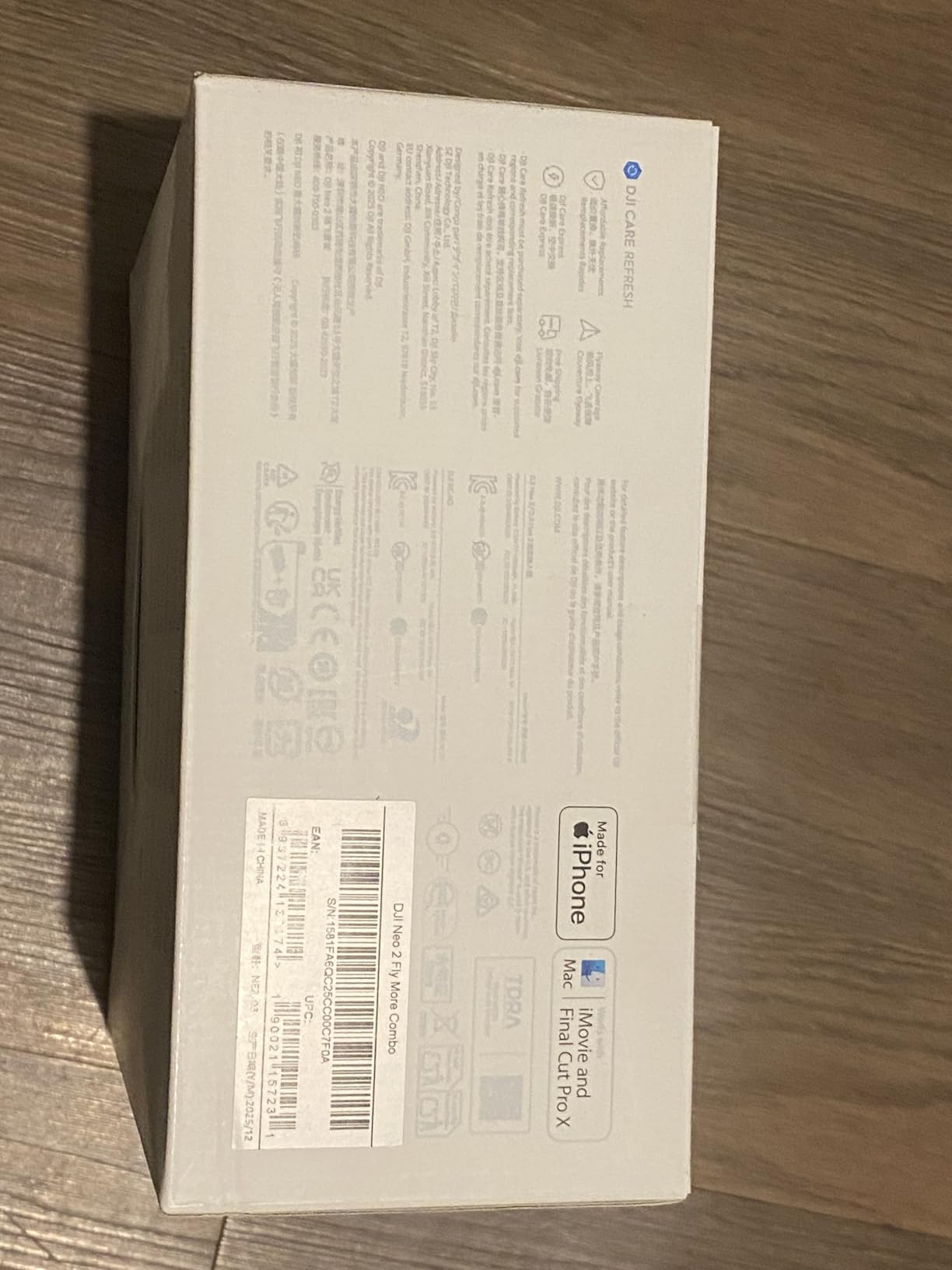
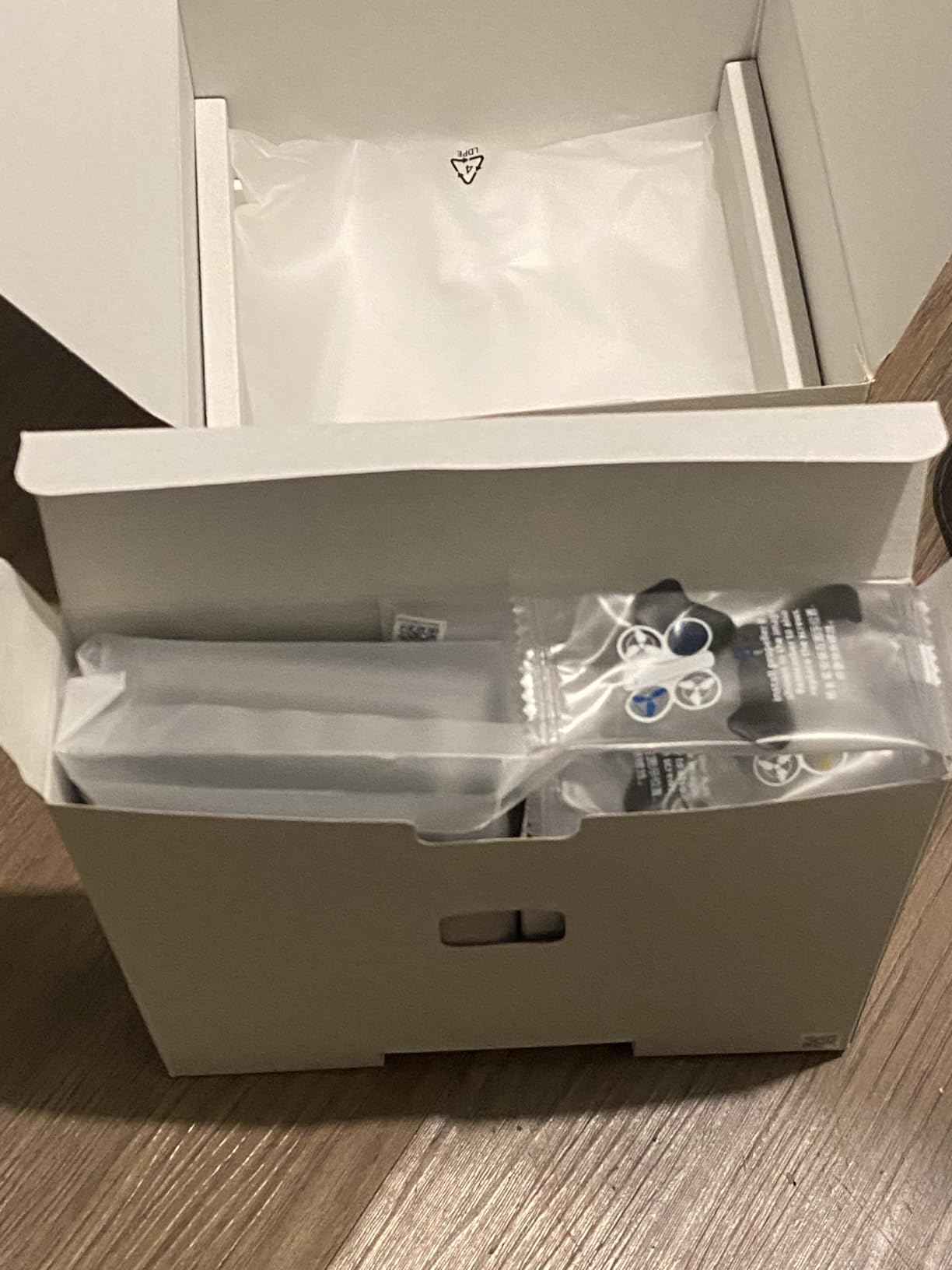
The Fly More Combo is the version worth having. It bundles three intelligent batteries, a two-way charging hub, spare props and the DJI RC-N3 remote with its digital transceiver, so nothing important is a separate purchase later. A buyer upgrading from a sub-300 g toy drone typically reports the jump in transmission reliability and image quality more than anything else.
Real battery life is the honest weak point. Owners report roughly 10 to 19 minutes per pack, with 12 to 17 minutes the most common figure in real conditions, which is why the three-battery bundle matters so much. Sport mode is genuinely fun and genuinely unwise for a beginner, because it disables the safety features the rest of this list is built around.
Who it suits
This is the pick for a first drone that will travel. The body is small enough for a jacket pocket, the prop guards make it a reasonable birthday gift for an adult, and ActiveTrack plus SelfieShot handle the social video that motivates most first purchases. Palm takeoff and landing also removes the single most common beginner crash, which is a botched landing on a desk.
Who should skip it
Skip it if your goal is real photography or night flying. The camera is closer to a good phone camera than to an imaging drone, exposure can hunt in low light, and the small internal storage fills fast when you shoot 4K. The limited gimbal tilt also restricts framing compared with a drone built on a three-axis gimbal.
2. SKYROVER X1 Screen Combo: Best Rated 360 Degree Obstacle Avoidance Drone Under 250 g
SKYROVER X1 Drone with Camera Combo with Screen Controller, 4K/60fps Video, 8K Photo, 360° Obstacle Avoidance, Under 249g, 9.32-Mi Transmission, AI Night Shot, 96-Min Flight Time with 3 Batteries
Weight: 249 g
360 degree obstacle sensing
3-axis gimbal
32 minutes per battery
Pros
- Highest average rating in this roundup
- Fixed 3-axis gimbal keeps the camera level
- 5.5 inch 700-nit touchscreen remote
- 96 minutes total flight across 3 batteries
- Under 249 g so no US registration needed
Cons
- Controller and fly software described as glitchy by one reviewer
- Operating app is not on Google Play
- Accessories harder to source than for DJI
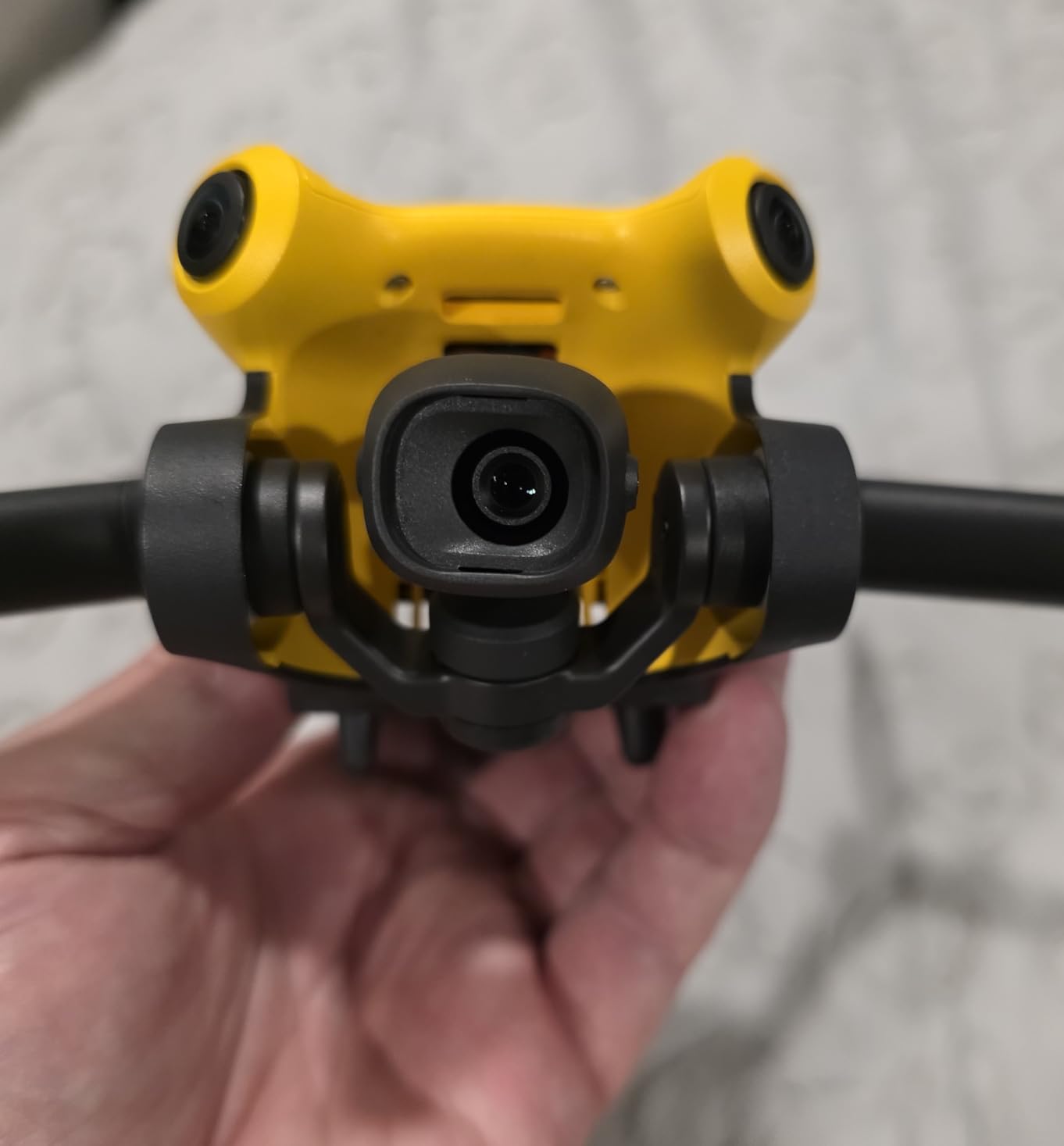
The X1 carries the highest average rating across these ten models and does something most sub-250 g drones cannot: it flies a genuine three-axis gimbal. That gimbal is fixed rather than tilting, so the camera stays level when you film past a building or follow a subject, and owners coming from FPV flying call it the standout feature.
Obstacle sensing covers 360 degrees and pairs with a Smart Return to Home and proximity beeping, which reviewers describe as the reason tight-space flying feels calm. The 1/1.32 inch CMOS sensor with an f/1.7 aperture produces 4K at 60 fps and 48 MP stills, and the Super Night Mode is repeatedly described as genuinely strong for the class.
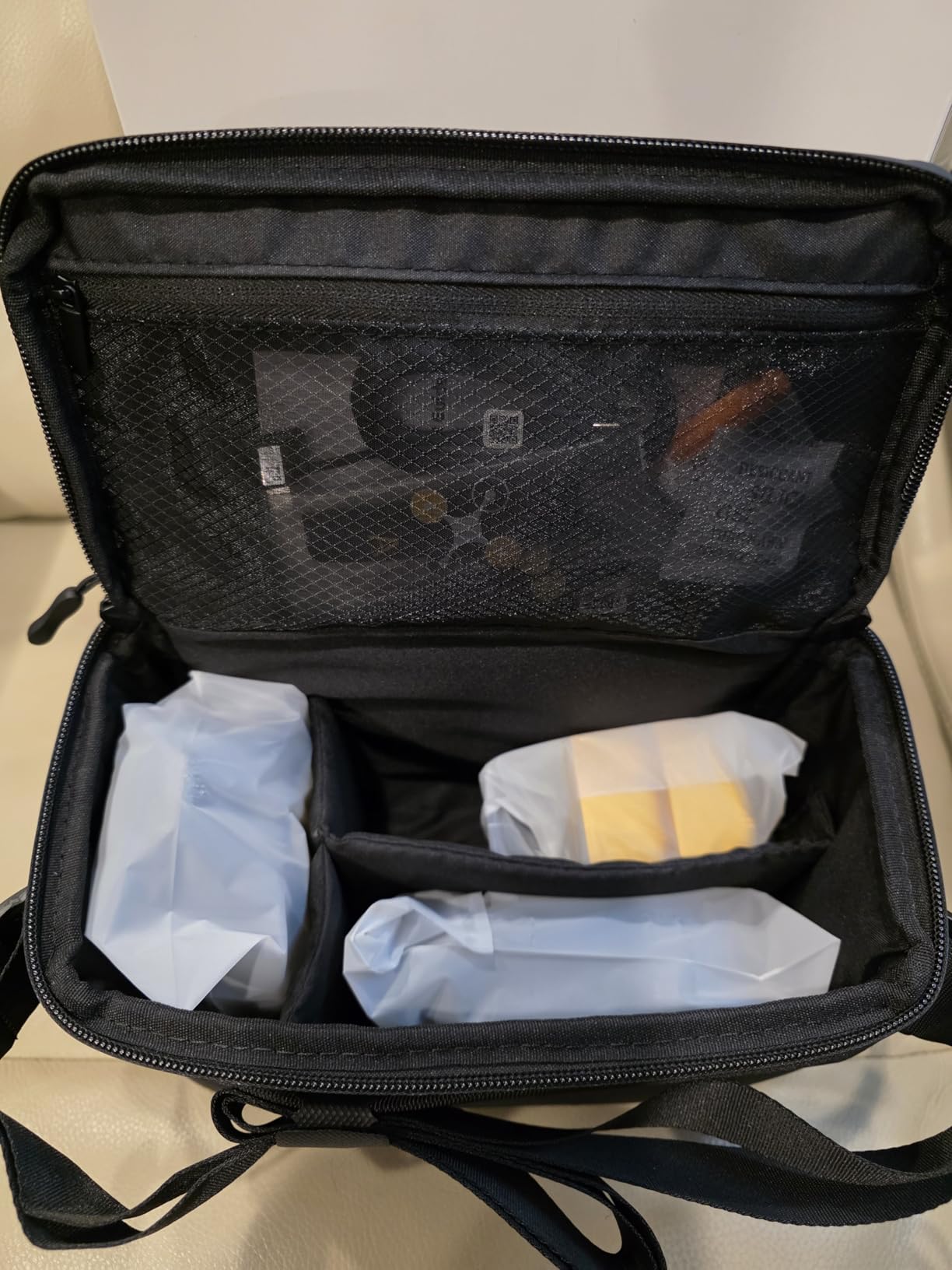
The bundle is unusually complete: three batteries giving up to 96 minutes of total flight time, a smart screen controller, a charging hub, a gimbal protector, three spare prop pairs and a shoulder bag. The 5.5 inch 700-nit screen stays readable in direct sunlight, so you do not need a phone in the field, and SkyBridge transmission is rated to 9.32 miles with a 1080p 60 fps live view.
Two practical notes. First, at 249 g it stays just under the US registration and Remote ID threshold, which is a real convenience for a casual pilot. Second, the operating app is not distributed through Google Play, and one reviewer described the controller and fly software as glitchy, so test the full setup before you travel with it. Manufacturer support was reported as fast and generous with free replacement parts after a crash.
Who it suits
Pick this if you want real gimbal footage, long total flight time, and freedom from registration paperwork, and you are willing to install an app outside the usual store. It also suits pilots moving up from FPV who want a camera drone without giving up the stick feel they already learned.
Who should skip it
Skip it if app ecosystem stability is a hard requirement for you. Batteries also need cooling time between charges, and the range figure unsettles buyers the moment the aircraft leaves visual line of sight, which is a rule you should be following regardless of the transmission range.
3. DJI Mini 5 Pro Fly More Combo: Best Premium Drone With Obstacle Avoidance
DJI Mini 5 Pro Fly More Combo With DJI RC 2, 1-Inch CMOS
Weight: 249 g
Forward LiDAR and vision sensors
1-inch CMOS
36 minutes per battery
Pros
- Nightscape omnidirectional sensing with forward LiDAR
- 1-inch sensor shoots 4K 60 fps HDR and 50 MP stills
- Gimbal rotates 225 degrees for true vertical filming
- 36 minutes per battery with 42 GB internal storage
- Fly More bundle includes RC 2 controller and ND filters
Cons
- Costs far more than every other beginner option here
- Bundle adds ND filters and a shoulder bag you may never use
- Night flying may need local permits in some regions
This is the reference point for obstacle avoidance in this roundup. The Nightscape sensing system pairs a forward LiDAR sensor with vision sensors in every direction, which is why it is the one model here that owners will confidently fly near structures in fading light.
The imaging is the reason most pilots end up buying it. A 1-inch CMOS sensor records 4K at 60 fps HDR and 50 MP stills, and the gimbal rotates 225 degrees so you can shoot true vertical framing without cropping. ActiveTrack 360 handles subject tracking with selectable modes, and 42 GB of internal storage means you do not need a memory card to begin.
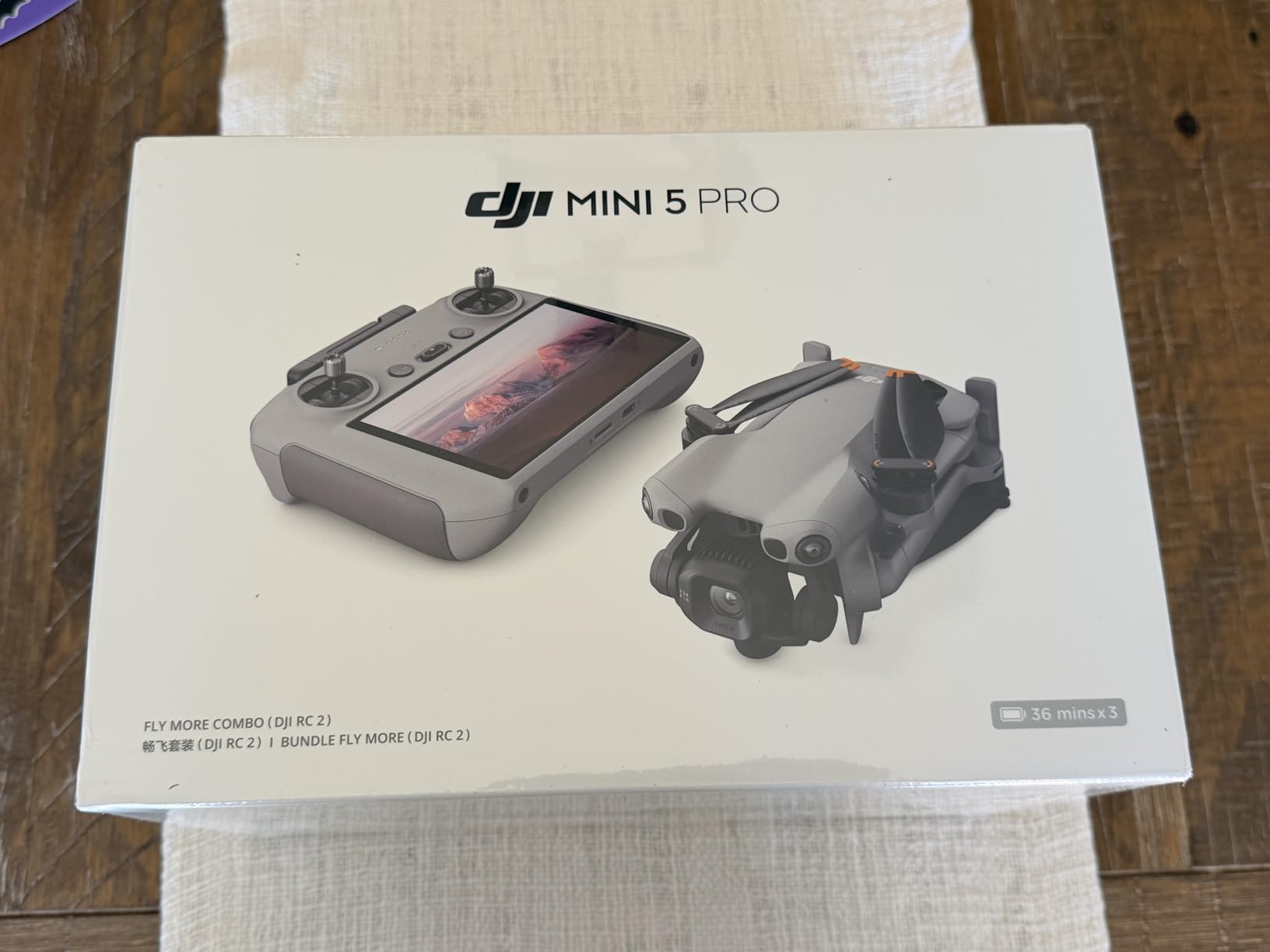
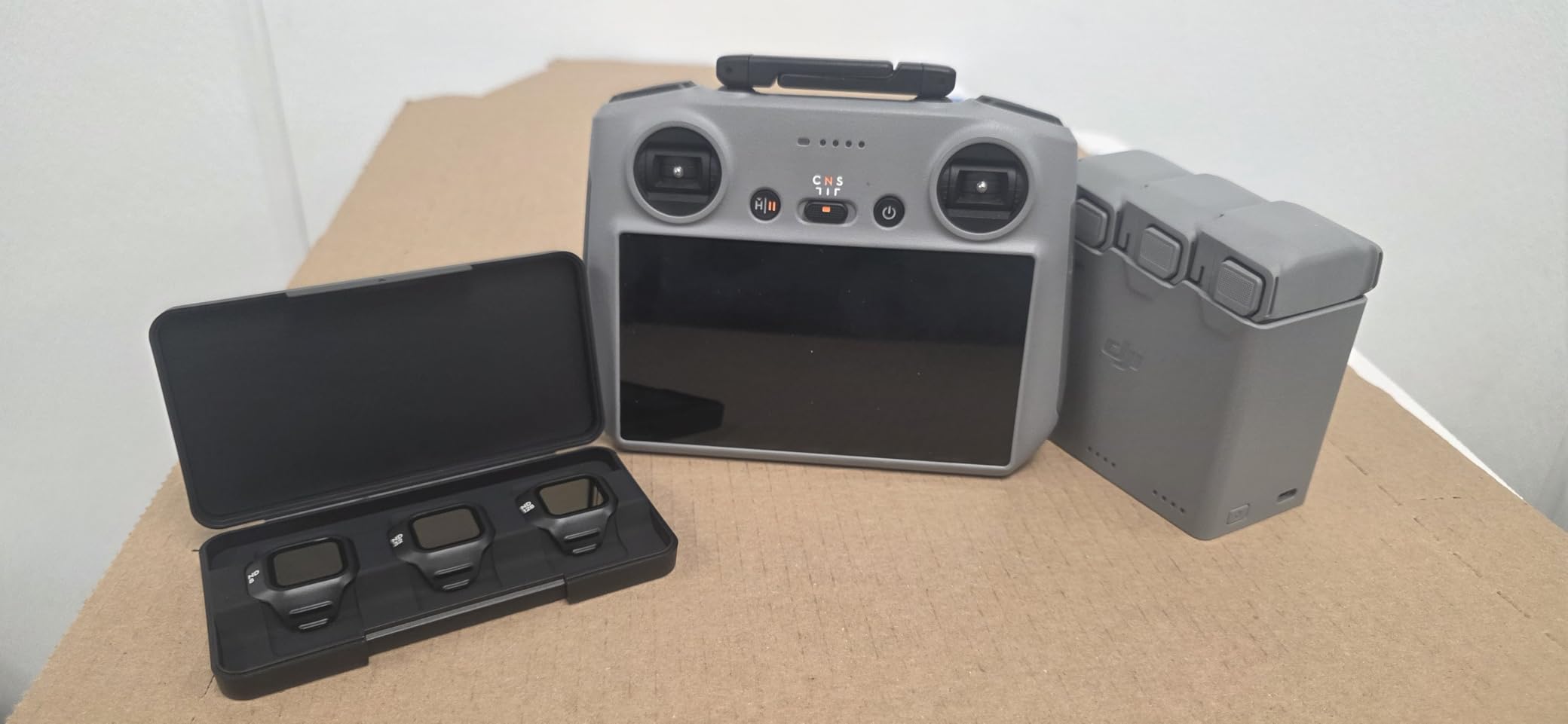
Battery life runs up to 36 minutes per cell, and the three included batteries recharge in roughly 115 minutes, which is the most workable pack-to-flight ratio on a drone this size. The body folds to palm size and the Fly More Combo includes the DJI RC 2 controller, a charging hub, spare props and an ND filter set.
The trade-offs are simple and worth stating plainly. This is far more expensive than every other beginner-friendly option here, so a first crash is a far more expensive lesson. Night flying also needs a local check in some regions, and the ND filters and shoulder bag make the bundle bulkier than a casual user needs.
Who it suits
It suits someone who already knows they will shoot real footage and wants a drone that grows with them rather than a placeholder. The flexible gimbal and the 1-inch sensor also make it the best choice in this list for social content shot in low light near dusk.
Who should skip it
Skip it if the goal is to learn stick control cheaply. There are less costly ways to build confidence, and a first-time pilot who crashes this drone learns the same lesson at a much higher cost. Our camera drone guide covers alternatives at several budgets.
4. RAIGNV V168: Best Value Drone With GPS Return and Obstacle Avoidance
V168 4K UHD Drone with GPS Return, 90° Adjustable Camera, 5G HD Transmission, 30 Min Flight, 3000M Range, Obstacle Avoidance, Brushless Motor, Follow Me & Waypoint Fly
Weight: 232 g
4-way obstacle avoidance
GPS auto return
Up to 30 minutes per battery
Pros
- Very broad feature set for the money
- Stable in size with altitude hold and headless mode
- Sunlight-readable controller screen
- Survives several learning crashes with spare blades included
- Under 249 g with a hard case in the box
Cons
- Camera is a fun extra rather than a real imaging tool
- Obstacle module is a detachable top part and was missing from one shipment
- Instructions are vague and a phone app is required
The V168 answers a question most roundups skip: what does a short feature list cost when you want GPS return, obstacle sensing and smart flight modes in a single beginner package? At 232 g it stays under the US registration threshold and still carries a full sensor suite.
Obstacle avoidance covers four directions and is paired with optical flow positioning for stable hovering. GPS auto return triggers on a one-key command, on low battery and on signal loss, which is the single most useful safety feature for someone who has not yet learned to orient the aircraft manually.
Owners describe it as unusually stable for its size, with altitude hold and headless mode making it easy for a child to learn on, and several report it kept flying after repeated learning crashes with the eight spare blades in the box. It arrives in a giftable box with a hard case, and one buyer reported seller support shipping a missing part plus extras within two days.
Who it suits
It suits a gift for a teenager or an adult who wants to practise indoors and outdoors without registration paperwork. Follow Me, waypoint flight, circle fly and gesture control give plenty of ways to stay engaged while stick control improves.
Who should skip it
Skip it if image quality matters, since reviewers consistently rate the camera as an extra rather than a tool. The obstacle avoidance module is also a detachable top unit, and at least one shipment arrived without it, which leaves a drone that is hard to control near anything solid. The vague instructions add friction, so budget time for the setup.
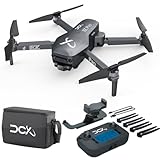
5. DCX EZ Pro: Best 4K Drone With 360 Degree LiDAR Obstacle Avoidance
DCX EZ Pro Drones with Camera for Adults 4K, Obstacle Avoidance, GPS Auto Return Home, Beginner-friendly, 3-axis Gimbal, Follow Me Mode, Long Flight Time, FAA Remote ID
Weight: 14.4 oz
360 degree LiDAR obstacle avoidance
True 4K on a 3-axis gimbal
Up to 30 minutes
Pros
- Four LiDAR sensors give true 360 degree obstacle avoidance
- True 4K capture on a 3-axis gimbal with EIS
- GPS auto return on signal loss or low battery
- Flight modes aimed squarely at first-time fliers
- Remote ID compliant with no geofencing or height limits
Cons
- Only 21 ratings so far
- listing gives conflicting 2 mile and 3 mile range figures
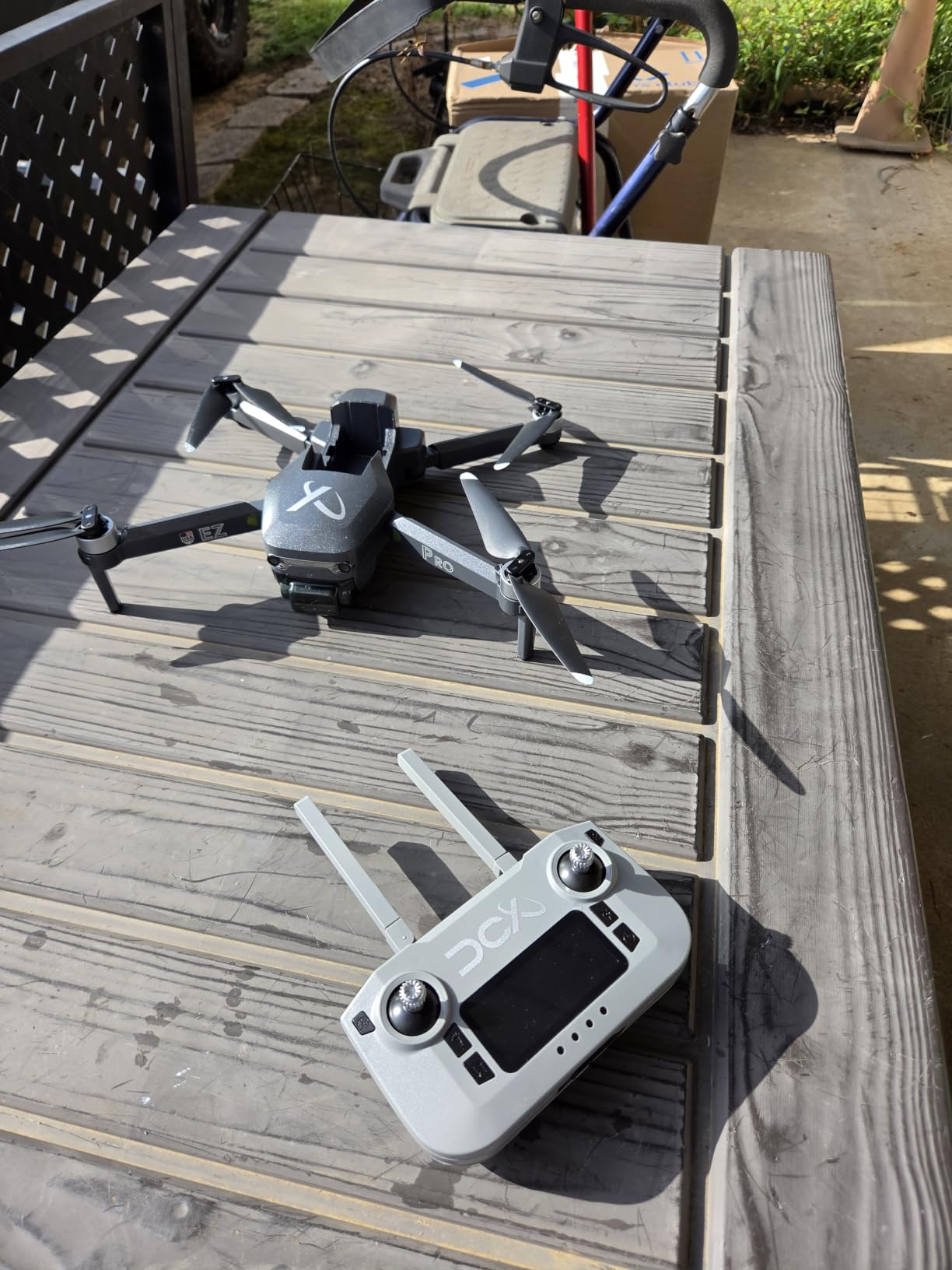
The EZ Pro stands out because its avoidance system is built from four LiDAR sensors rather than the usual stereo vision pair. LiDAR measures distance directly, which tends to hold up better against textureless surfaces such as a painted wall or a window frame at an angle.
It also pairs that sensing with a true 4K UHD camera on a three-axis gimbal with electronic image stabilisation, plus GPS auto Return to Home on signal loss or low battery. Speed reaches up to 30 mph and a single battery runs up to 30 minutes, with direct USB video transmission for live view at distance.
The flight modes are the reason this appears on a beginner list at all. Follow Me, waypoints, spiral and dronie are all automated paths that let a new pilot get useful footage before they can fly a smooth orbit manually. It is Remote ID compliant and carries no geofencing or height limits, which some buyers prefer.
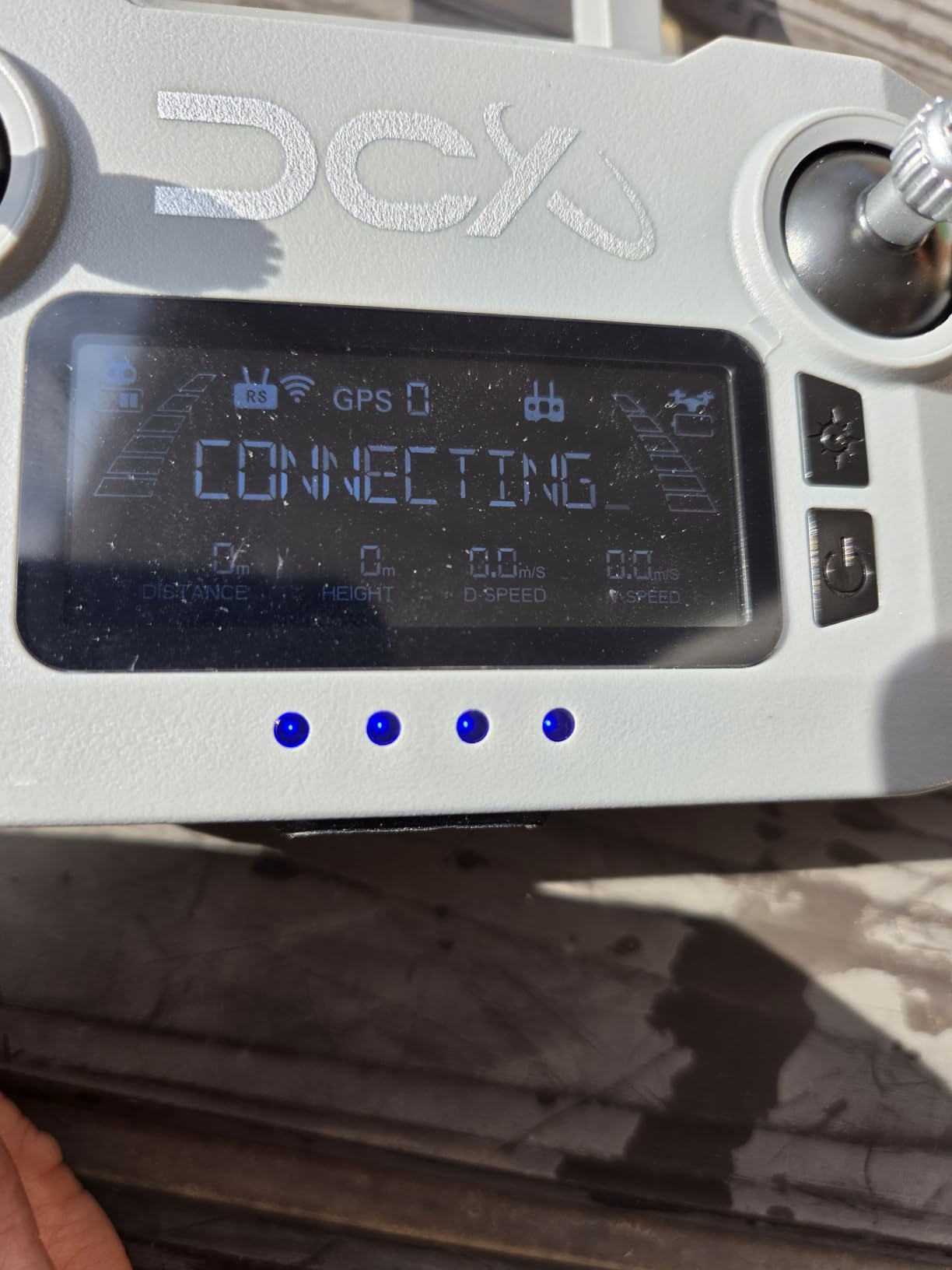
Be clear-eyed about the evidence. The review base is 21 ratings, so there is very little independent long-term owner feedback to lean on, and the listing itself gives 2 miles of range in one place and 3 miles in another. Treat the sensor claim as promising and the track record as thin.
Who it suits
It suits a pilot who wants LiDAR-based 360 degree coverage and 4K stabilisation without climbing to a premium tier. The automated modes also make it a reasonable second drone for a beginner moving up from a toy.
Who should skip it
Skip it if you want a long record of owner experience behind the electronics. With so few ratings, reliability questions stay open, and the conflicting range figure means you should not plan flights around the advertised number without testing it first.
6. Contixo F33: Best Drone With Obstacle Avoidance for Outdoor Tracking
Contixo F33 Professional Drone – 4K/30FPS Camera, GPS & Optical Flow, 2-Axis Gimbal + EIS, 5.5″ Touchscreen Remote, Obstacle Avoidance, 4-Mile FPV, 42-Min Flight, Hunting & Outdoor Tracking
Weight: not listed
Front-side laser obstacle avoidance
42 minutes per battery
5.5 inch touchscreen remote
Pros
- Laser obstacle avoidance supports outdoor and wildlife tracking
- 42 minutes per battery is among the longest single-pack runtimes here
- Screen remote plus included 32 GB SD card means no phone needed
- Brushless motors run quietly
- One-key takeoff
- landing and GPS return reduce the workload
Cons
- Avoidance covers the front and sides only
- Still resolution listed at only 8 mp
- Only 15 ratings so reliability is unproven
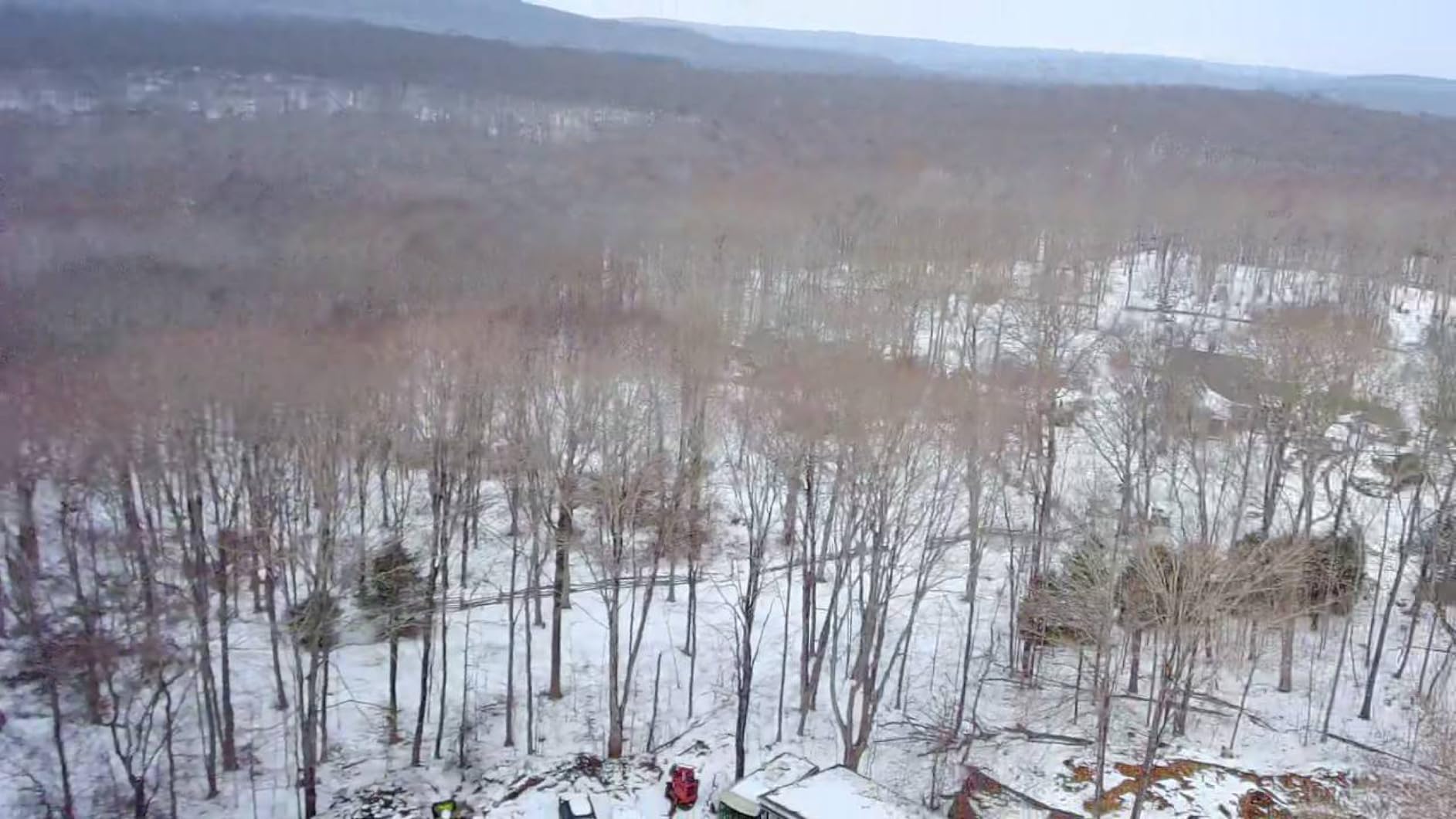
The F33 is aimed at a specific job rather than at beginners generally: following a subject outdoors over a long distance. Its laser obstacle avoidance covers the front and both sides, which lines up with the tracking use case because that is where the aircraft spends its time during a follow.
Battery endurance is the headline number. At 42 minutes per battery, it is among the longest single-pack runtimes in this roundup, and the 4-mile FPV range with 20,000 ft digital real-time transmission suits wide-open terrain. Quiet brushless motors matter when you are filming wildlife or working near people.
The package is complete out of the box: a 5.5 inch touchscreen HD remote, a 32 GB SD card in the box, batteries, spare blades, a carrying case and the manual. One-key takeoff and landing, GPS Return Home and optical flow positioning all reduce the amount of manual flying a beginner has to manage.

Understand the coverage gap before buying. Front-side avoidance leaves the rear and the overhead approach unprotected, and rear drift is the most common beginner error of all. The 8 mp still resolution also sits oddly beside the 4K video claim, so judge it as a video and tracking platform rather than a photography drone.
Who it suits
It suits pilots filming wildlife, vehicles or outdoor sports where the subject stays ahead of the aircraft and quiet motors matter. The included screen and card remove two common reasons new pilots lose a first flight to setup problems.
Who should skip it
Skip it if you will fly backwards often or want a camera you can print from. With 15 ratings there is not yet much owner evidence to lean on, so it is worth reading the most recent reviews carefully before you commit to a model this new.
7. DCX Volo X EZ AI: Best Obstacle Avoidance Drone for Long Flight Time
DCX Volo X EZ AI Drone – Drone with 4K Camera & 360° Obstacle Avoidance
Weight: 14.4 oz
360 degree LiDAR obstacle detection
Up to 47 minutes per battery
Touchscreen remote
Pros
- Longest single-pack flight time in this roundup at up to 47 minutes
- 360 degree LiDAR obstacle detection
- 4K capture on a 3-axis gimbal with EIS
- Built-in touchscreen remote needs no phone
- Smart Night Mode with LED spotlight
Cons
- Smallest review base here at 12 ratings
- Foam padding under the camera must be removed before first use
- Listing gives conflicting 5000mAh and 6000mAh battery figures
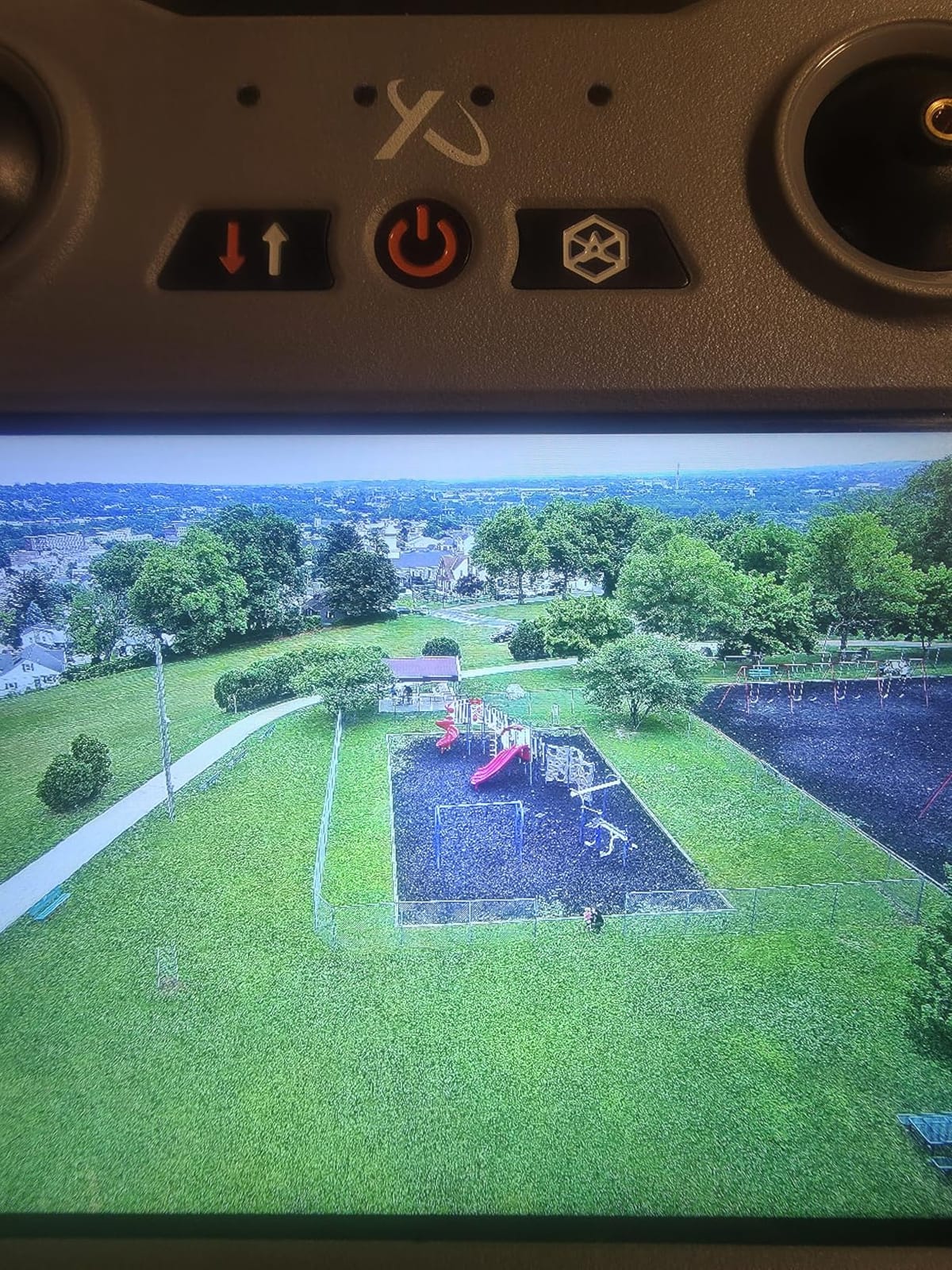
Flight time is the argument for this one. The upgraded 11.4V 6000mAh battery is rated at up to 47 minutes, the longest single-pack endurance among these ten models, and for a new pilot still learning to land, a long pack means fewer takeoffs and fewer chances to mishandle a battery.
Obstacle detection covers 360 degrees using LiDAR sensors, paired with AI-assisted flight control, Follow Me and automatic precision Return to Home. The camera records 4K on a three-axis gimbal with electronic image stabilisation, and the smart remote has a built-in touchscreen so no phone is required in the field.
There is a night option too, with a Smart Night Mode and an LED spotlight. It is Remote ID compliant and, like its sibling in this list, carries no geofencing, fly zone restrictions or height limits, which some pilots prefer for open-field work.
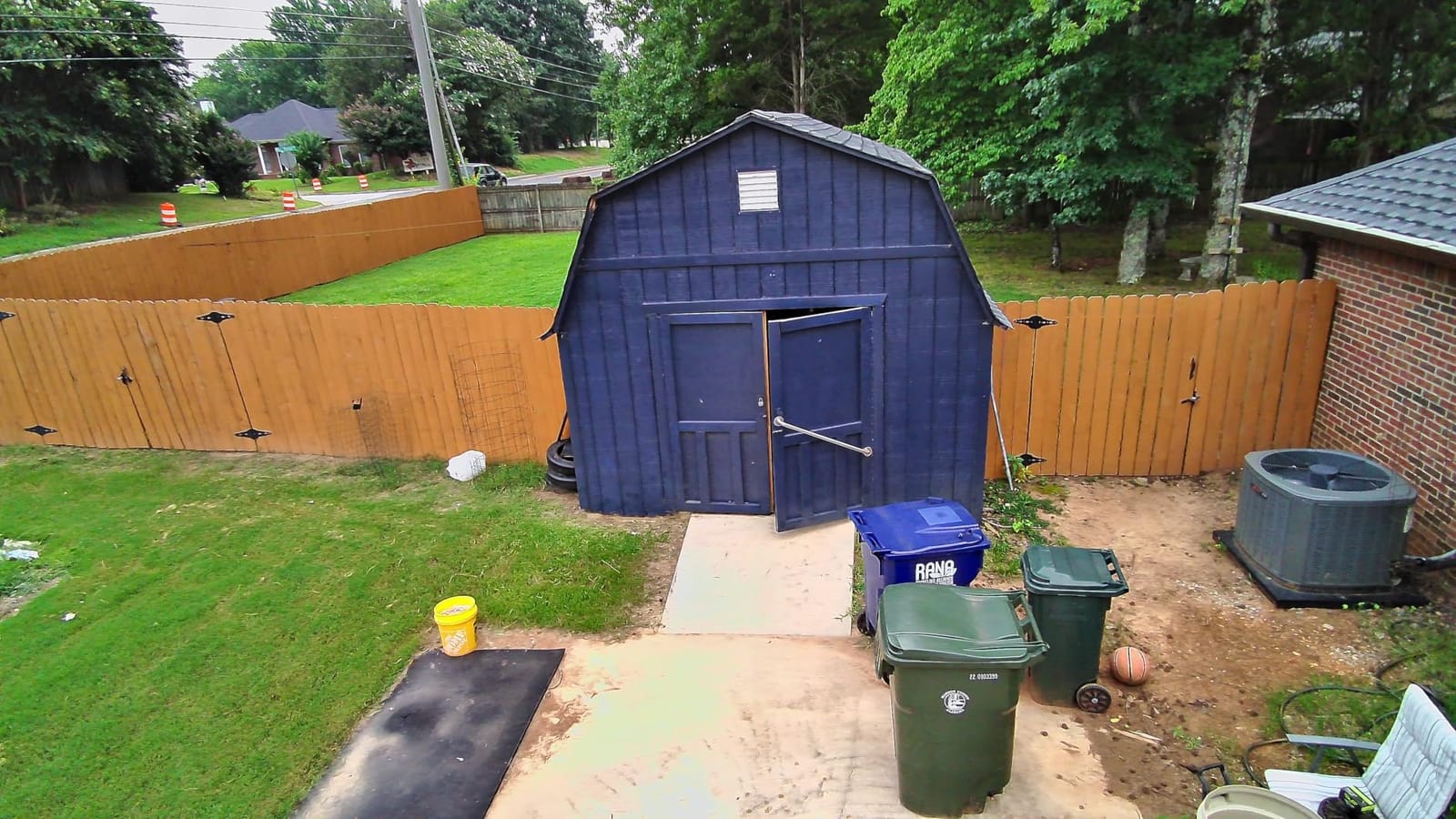
Two practical warnings. The foam padding under the camera must be removed before the first flight or the gimbal can be damaged, and the specifications section lists a 5000mAh battery while the description describes an upgraded 6000mAh pack. With 12 ratings, there is very little independent owner feedback to weigh against the feature list.
Who it suits
It suits a pilot who wants long single flights, a self-contained controller, and 360 degree LiDAR sensing in a foldable body. The touchscreen and night mode also make it a good travel companion for dusk shoots.
Who should skip it
Skip it if proven long-term reliability matters more than endurance figures. The smallest review base in the roundup means every claim here rests largely on the manufacturer’s own description, and the battery spec conflict is worth resolving with the seller first.
8. SJsharp TT19LCD: Best Budget Drone With Obstacle Avoidance and a Screen
Drone with Camera for Adults LCD Screen FPV Live Video, Brushless Motor 270° Obstacle Avoidance 3D Flips, Foldable RC Mini Drones for Kids Beginners 32G SD Card Max Under 250G Gifts for Boys and Girls
Weight: 179 g
270 degree obstacle avoidance
2.8 inch LCD on the remote
Optical flow hover
Pros
- Controller-mounted 2.8 inch LCD removes the need for a phone
- 270 degree obstacle avoidance adds protection near trees and buildings
- Foldable body fits a coat pocket
- Stable flight in moderate wind with a carrying case included
- Modular battery swaps quickly
Cons
- Camera is the most common complaint and sits well below HD
- Listing markets it as a camera drone despite lower resolution
- One buyer received a unit that would not power on
- Only one battery included in some packages
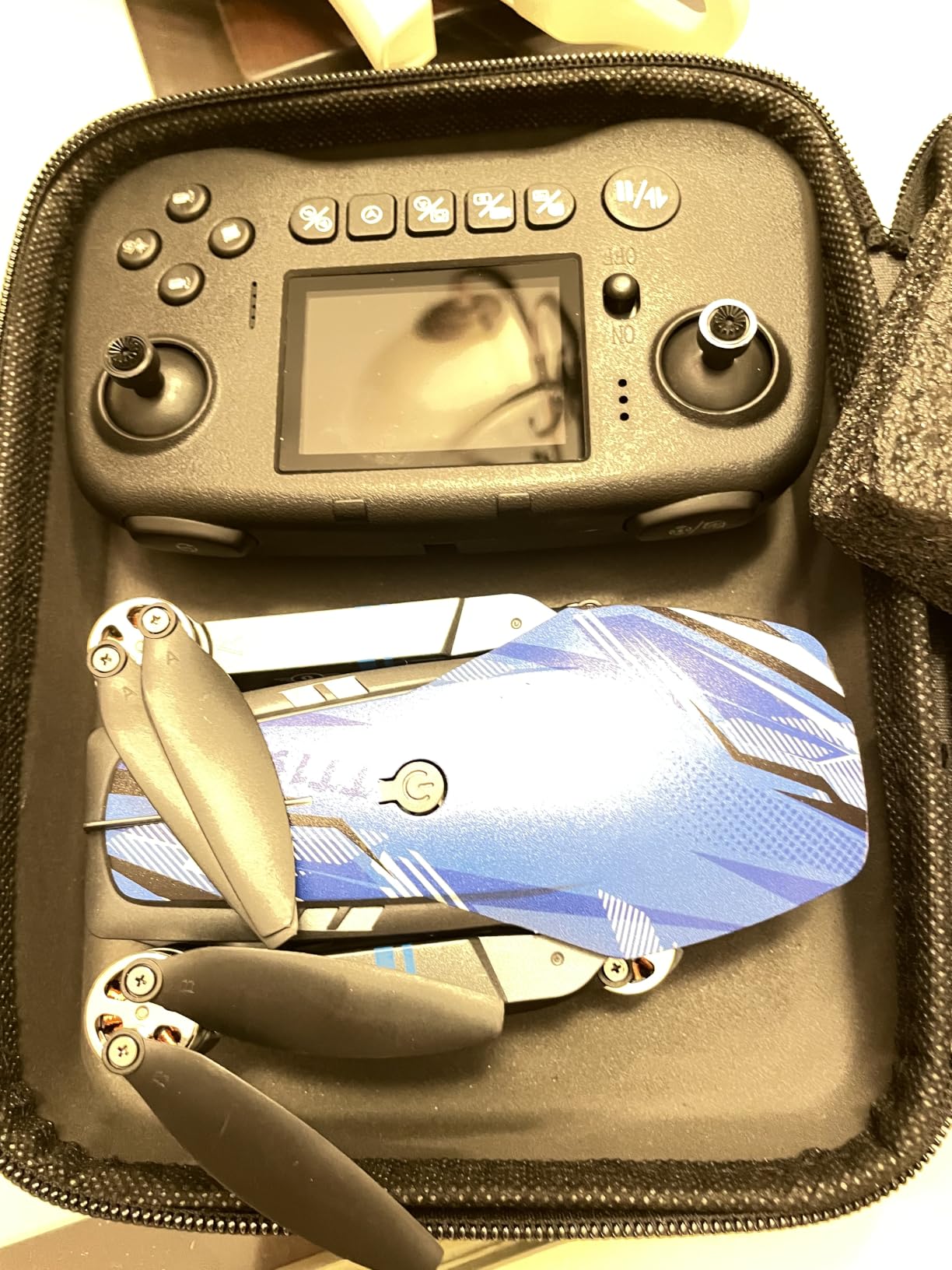
The screen on the controller is the reason this drone stands out at the budget end. A 2.8 inch HD LCD on the remote means no phone at all, which removes the overheating, dropped frames and incoming calls that derail first flights for most beginners.
Obstacle avoidance covers 270 degrees, so the front arc and both sides are protected while the rear stays open. Four protective propeller guards, brushless motors, foldable arms and a modular battery round out a package that includes a carrying case. A downward optical flow camera supports stable hover and accurate positioning indoors.
Responsive, predictable controls and stable flight in moderate wind are commonly praised, and the camera has a 90 degree electrically adjustable lens that is more useful than it sounds for framing a group shot.
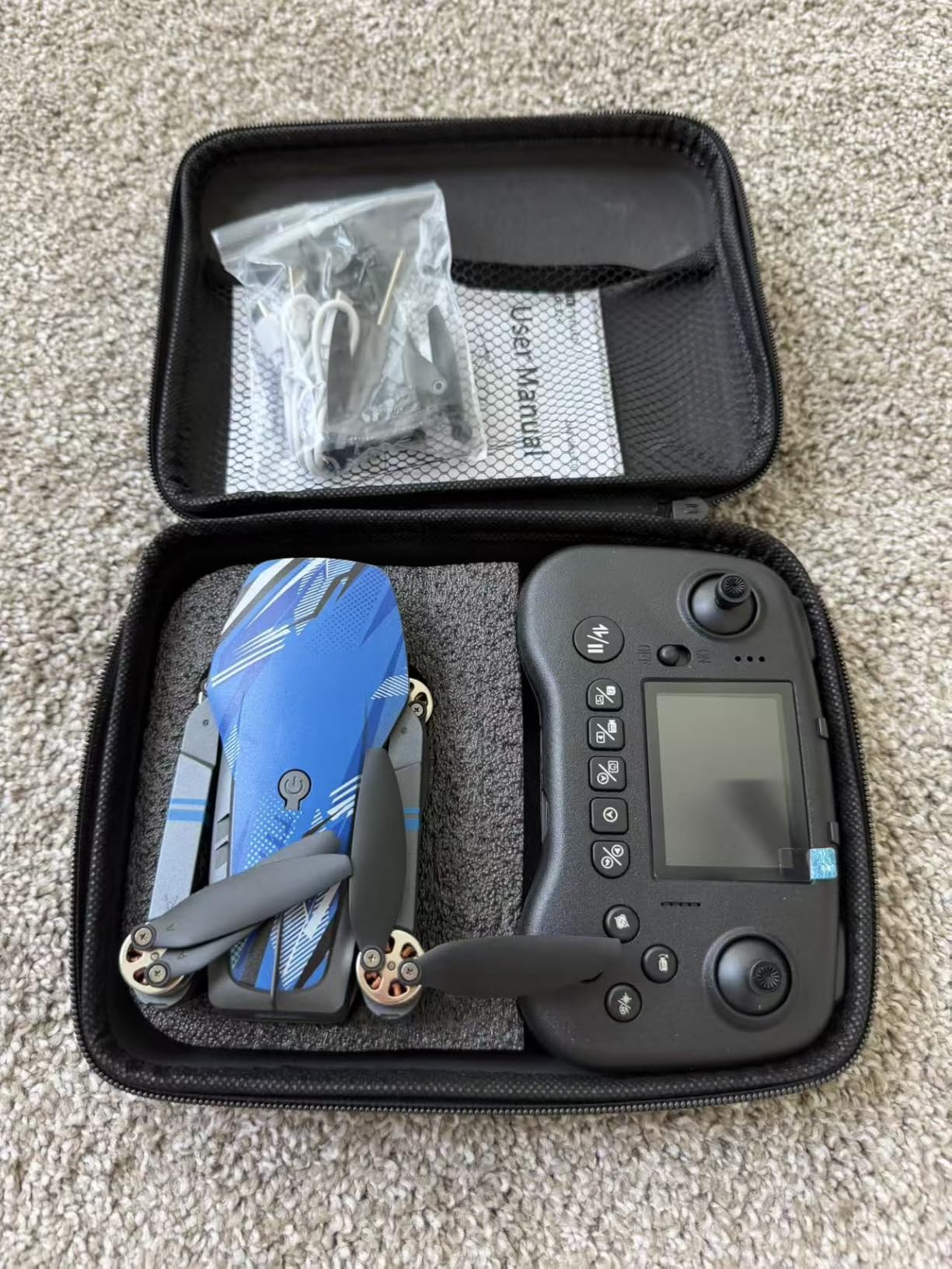
Be clear that this is not a photography drone. Reviewers describe the image quality as well below HD with a narrow field of view, and the listing itself is explicit that this is not a 4K camera even though the title markets it as one. Quality control problems have been reported in isolated cases, including a unit that would not power on.
Who it suits
It suits a first drone for a young pilot or a complete beginner who wants zero screen juggling and a body that fits anywhere. The guards and the 270 degree sensor make it a sensible indoor and small-garden aircraft.
Who should skip it
Skip it if you want footage anyone would frame, or if you fly often in open space where the rear arc is exposed. Confirm how many batteries are included in your package before you plan a session, because some packages include only one.
9. SEKOsamrt TT19LCD-US: Best Drone With Obstacle Avoidance for Older and Younger Pilots
FPV Drone with Camera for Adults LCD Screen on RC, Mini Drones for Beginner, Foldable Quadcopter with Brushless Motor Obstacle Avoidance, Support 32G SD Card Under 250 Grams
Weight: 179 g
270 degree obstacle sensing
2.8 inch LCD controller screen
Optical flow positioning
Pros
- 270 degree sensing gives beginners confidence near trees and buildings
- Controller screen removes phone overheating and interruptions
- Quick-install modular battery charges fast and lasts well
- Good maneuverability with older adults reporting easy control
- Foldable body with a carrying case included
Cons
- Speed modes can catch new users out
- Some functions need the manual to understand
- One buyer reported a dead controller screen and no support response
- Only 30 ratings so long-term reliability is unproven
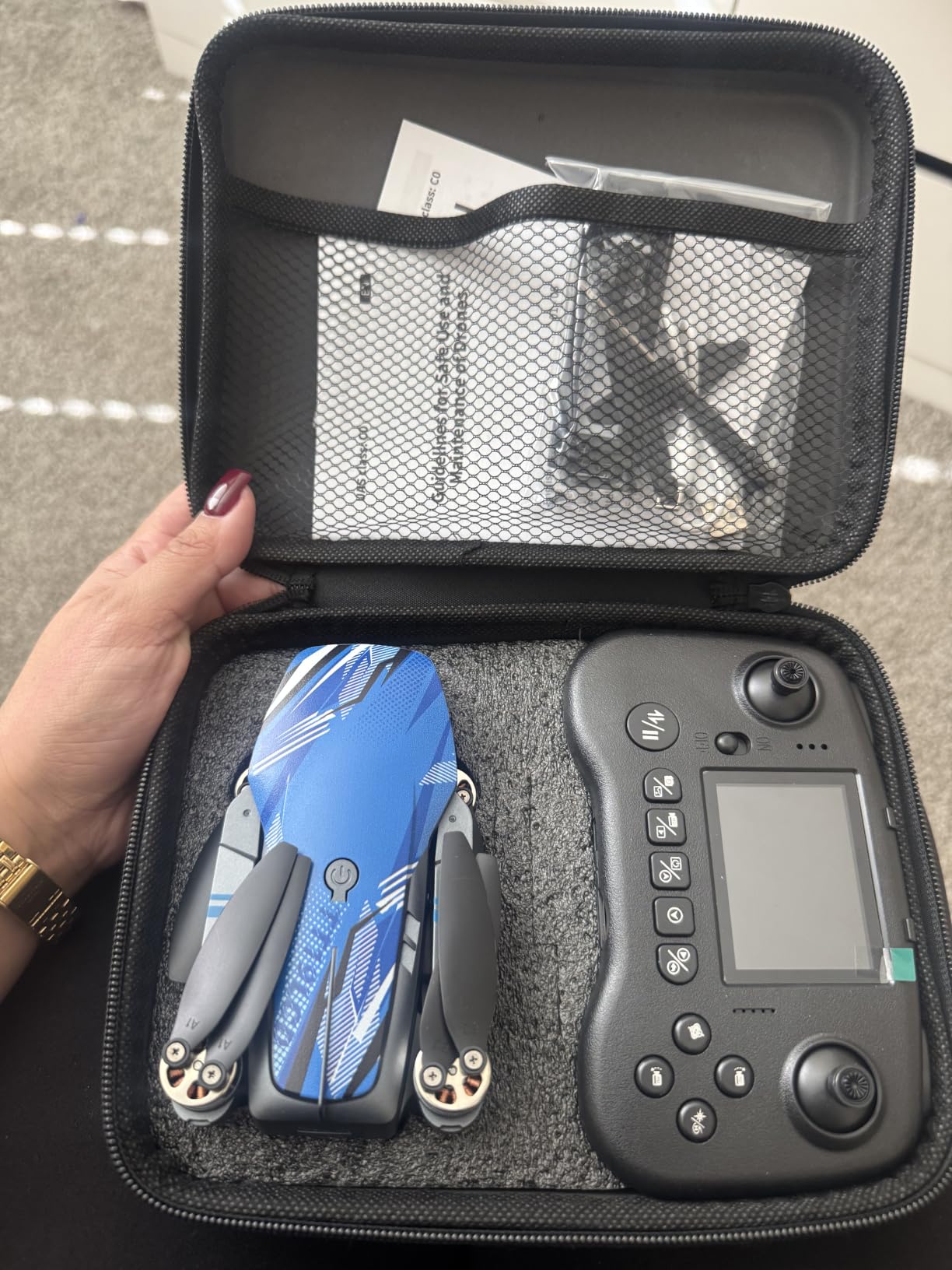
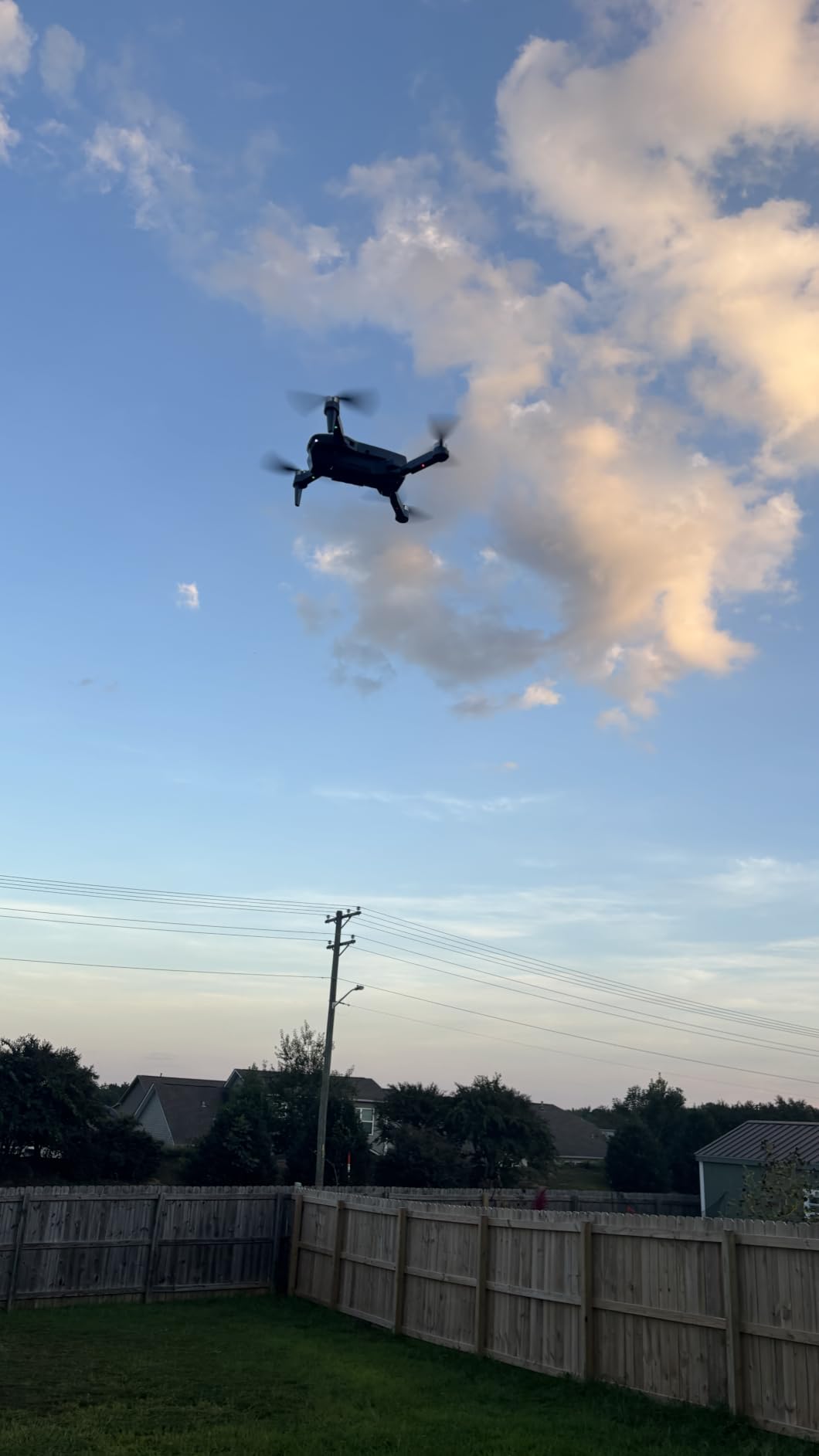
This listing covers the front and both sides with 270 degree intelligent obstacle sensing, and owners single that feature out as the confidence booster that matters most near trees and buildings. Optical flow positioning supports a stable hover when GPS signal is weak, which is common in a garden or a field.
The 2.8 inch HD display on the controller removes two problems at once: phones overheating mid-flight and calls interrupting a flight. Reviewers also note that the quick-install modular battery charges fast and lasts well, which suits a multi-drone family sharing one set of spares.
Maneuverability is the quiet strength. Owners across age ranges report easy control, including older adults who had not flown before. The foldable arms, four protective guards and included carrying case make it easy to move between a table indoors and a park outside.
The cautions are about pace rather than capability. The three speed levels can surprise a new user, with functions that make the drone move either very quickly or very slowly, so practise in an open area before flying near anything. Some modes need the manual to understand, and one buyer reported a controller screen that would not power on with no support response.
Who it suits
It suits an older adult buying a first drone, or a parent sharing one aircraft between children. The screen, the guards and the wide obstacle arc make it forgiving in exactly the situations beginners get into trouble.
Who should skip it
Skip it if you want a large body of owner evidence before spending. Thirty ratings is a small sample, and the unanswered support report is worth weighing against the otherwise strong owner sentiment in the reviews.
10. SYMA X100 Indoor Drone: Best Indoor Drone With Obstacle Avoidance for Kids 8-12
SYMA X100 Indoor Drone for Kids 8-12, Obstacle Avoidance, Full Guard
Weight: 58 g
4-way infrared sensors at about 12 inch
Fully enclosed prop guard
Two batteries
Pros
- 4-way infrared avoidance plus a fully enclosed guard make it safe indoors
- One-key takeoff
- altitude hold and headless mode shorten the learning curve
- Two batteries deliver close to the promised 20 minutes total
- One-key 360 degree flips are consistently a hit with kids
Cons
- Propeller cage plastic cracks after repeated bumps
- Indoor-only design that is hard to control outdoors
- No camera of any photographic value
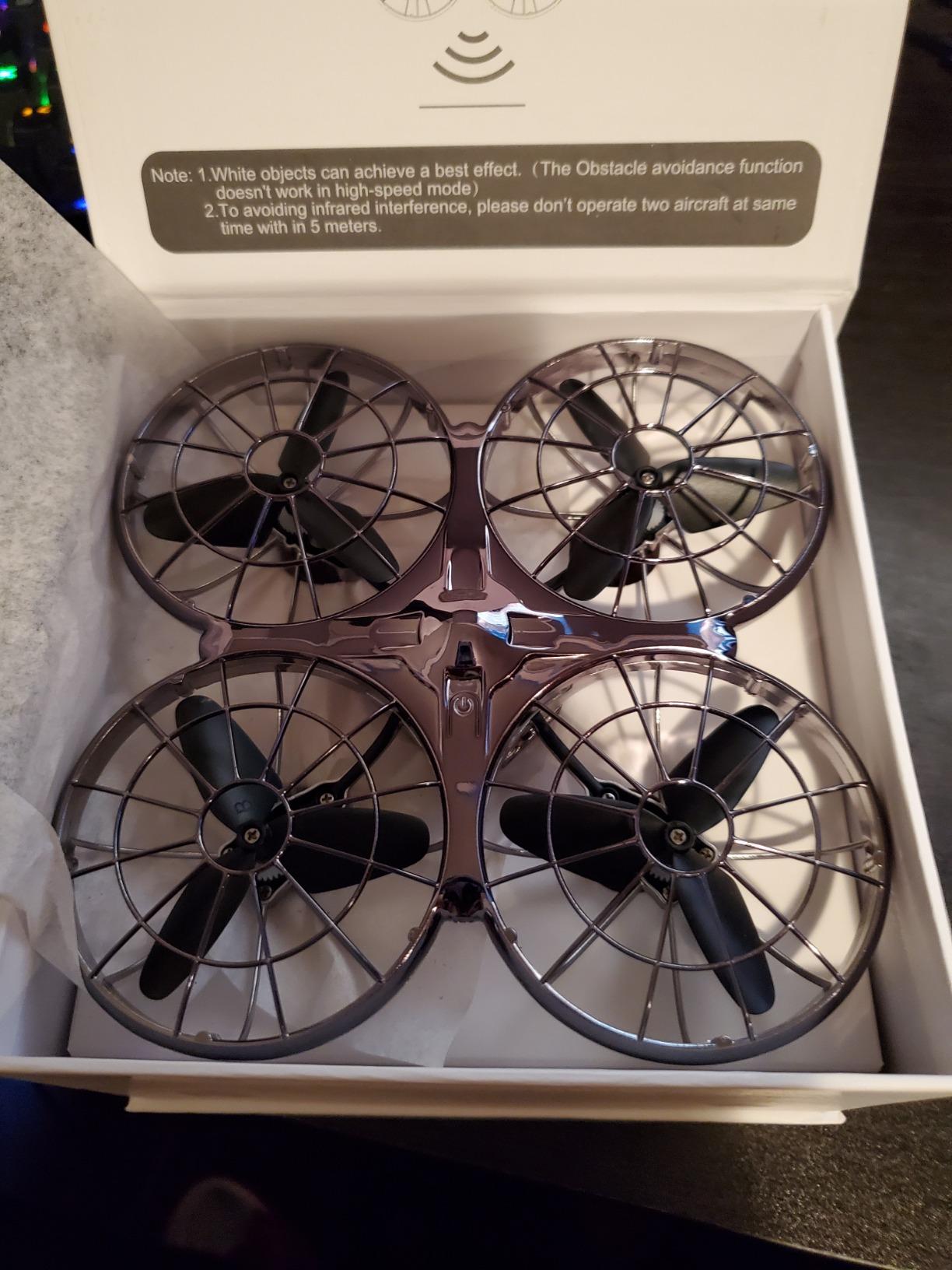
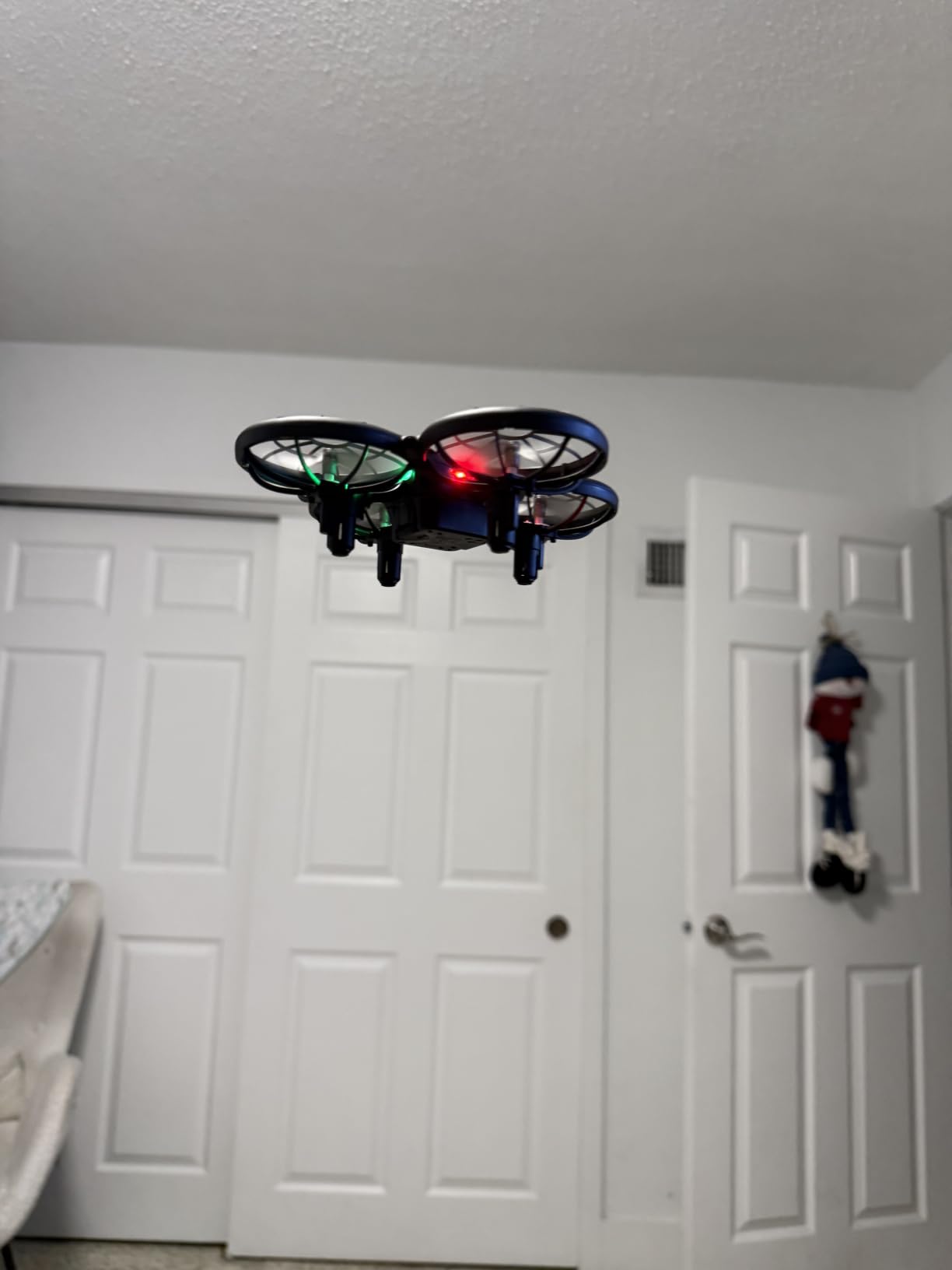
The X100 is the only aircraft here designed for a living room rather than a field, and for children aged roughly 8 to 12 it works. Four-way infrared sensors detect obstacles within about 12 inches, and the propeller cage is fully enclosed rather than four separate guards.
The learning curve is genuinely short. One-key takeoff and landing, altitude hold, headless mode and two speed modes mean a child can be flying a stable orbit within a few minutes. Gesture control and hand-guiding add a social element, and the one-key 360 degree flip stunt button is the most consistently praised feature in the reviews.
Two rechargeable batteries deliver close to the promised 20 minutes of total flight time, which matches the listing claims closely. At 58 g and 5.16 inches square, it is small enough to lose in a sofa cushion and safe enough to fly at head height.
Durability over time is the fair criticism. Several buyers report the cage plastic cracking after repeated collisions during ordinary indoor play, with one failure by the fourth or fifth impact. The camera records MP4 video but has no photographic value, and outdoor control is poor because the design assumes a small indoor space.
Who it suits
It suits a gift for a child between about 8 and 12 who wants to fly indoors, and parents who rank enclosed propellers and close-range sensors above camera quality. It also works as a calm practice drone before a child moves to a larger aircraft.
Who should skip it
Skip it for anything outdoors. There is no GPS, no return to home worth relying on, and no camera to speak of, so it cannot prepare a pilot for real flights. Expect to replace the cage eventually if the aircraft gets bumped hard.
How to Fly Your First Drone Without Losing It
Fly the first ten minutes in the slowest mode, in an open field with no people, in visual line of sight, with the aircraft pointing away from you. Set up before you power up rather than after, and keep the flight short enough that you always land with battery remaining.
Check for obstacles from the ground first, and note where the sun is. Sensor accuracy drops in low light, and a drone flown toward a bright sky will read the world as darker than it is, which makes it under-brake rather than over-cautious. Open fields with tall grass and no overhead wire are the safest first locations.
Stay out of gusty wind and away from water on early flights. A pilot cannot recover from a downdraft, and the forum consensus is consistent on this point, which is why several experienced owners recommend a pontoon or a cheap trainer rather than a full-size aircraft for a first excursion over a lake.
Decide before you fly whether you are relying on the sensors or on your own eyes, and never let the sensors be the only reason you felt safe. Our drone photography guide covers the slow, methodical flying style that produces usable footage.
What to Look for in a First Drone With Obstacle Sensing
Coverage direction first. Before anything else, check which directions the sensors watch. Omnidirectional or 360 degree coverage protects the rear approach, which is where beginners crash most. Front-side only sensing is fine for a tracking drone and a poor choice for a nervous learner.
Understand the sensor type. Stereo vision cameras build a depth map and work well against textured surfaces. LiDAR measures distance directly and holds up better against flat walls and low contrast. Short-range infrared sensors are effective indoors and effectively useless outdoors beyond a few feet.
Check propeller guards. Fully enclosed cages are worth more than you would expect for indoor flying around children. Guarded drones are the only sensible choice for a living room, and the enclosed prop design is the reason the SYMA X100 appears on this list at all.
Decide on weight and registration together. Under 250 g means recreational flying without FAA registration or Remote ID in the United States. Most obstacle avoidance drones push right up against that line because LiDAR and gimbals are heavy, so a list sorted purely by avoidance quality will keep drifting past the threshold.
Budget battery packs, not just flight time. A drone advertising 30 minutes rarely gives you 30 usable minutes, and a beginner needs a reserve for the flight home. Prefer bundles with three batteries and a charging hub, and remember that battery packs often carry the bulk and cost of the whole purchase.
Check the app situation. Some models in this roundup are controlled through a phone app, some have a screen built into the remote, and a small number are not distributed through the standard app store. A phone also overheats, drops frames and rings. Our FPV drone guide covers the opposite case, where racing drones have no obstacle avoidance at all and indoor practice in a large open space makes that acceptable.
Finally, accept that no sensor suite replaces stick skill. Obstacle avoidance buys you recovery time on the mistakes you will make; it does not make the mistakes go away, and it does not see glass, wire, thin branches or water.
Frequently Asked Questions
Which beginner drone has obstacle avoidance capabilities?
All ten drones in this roundup have obstacle avoidance. The DJI Neo 2 Fly More Combo is the best fit for most beginners because it pairs omnidirectional sensing with full propeller guards, palm takeoff and landing and a three-battery bundle at 151 g. The SKYROVER X1 offers 360 degree sensing with a three-axis gimbal at under 249 g. Budget options such as the SYMA X100 use short-range four-way infrared sensing that works indoors only.
Which drone has the best obstacle avoidance?
The DJI Mini 5 Pro has the most capable sensor suite here, combining forward LiDAR with vision sensors in every direction in a Nightscape mode that still performs as light fades. The DJI Neo 2 and SKYROVER X1 are close behind with full 360 degree coverage. Sensor type matters as much as coverage: LiDAR measures distance directly and holds up better against flat walls than stereo vision alone.
Which drone is the easiest for a beginner to fly?
The DJI Neo 2 is the easiest overall because it needs no calibration before first flight, supports palm takeoff and landing, includes full propeller guards and a controller in the bundle. For indoor practice, the SYMA X100 offers one-key takeoff, altitude hold and headless mode in a 58 g body. The SEKOsamrt and SJsharp models are also forgiving, with screens built into the controller so no phone is needed.
Does the Potensic Atom 2 have obstacle avoidance sensors?
No. The Potensic Atom 2 has no obstacle avoidance sensors at all, and that is the main reason it is not on this list despite looking comparable to several picks here on paper. Community buying guides and forum buyers repeatedly flag the missing sensors as the deciding factor for anyone who wants collision protection rather than only GPS return to home. A drone with return to home is not the same as a drone that sees obstacles.
What safety features should beginners look for in a drone?
Look for these in order: omnidirectional or rear obstacle sensing, fully enclosed or guarded propellers, return to home triggered by low battery and signal loss, altitude hold and headless mode for stable hovering, one-key takeoff and landing, and a clear proximity display on screen. Below 250 g avoids US registration and Remote ID requirements. A bright controller screen also helps, because a phone overheats, drops frames and interrupts flights.
Do I need a license to fly a drone as a beginner?
In the United States, recreational flying does not require a pilot licence. You must register any drone weighing more than 250 g, keep it within visual line of sight, stay below the 400 ft altitude ceiling and avoid controlled airspace and airports. Commercial work requires a Part 107 certificate with an exam, and a few states and cities add their own registration layers on top of the federal rules.
Can the FAA know you flew a DJI drone?
Any drone that requires registration must also broadcast Remote ID, which transmits its serial number, registration number and current position while flying. That broadcast is what makes a flight visible to the agency and to other airspace users. Registration details and flight records are shared with the FAA through the drone account, so treat the aircraft as identifiable rather than anonymous whenever the requirement applies.
Conclusion: The Best Drones With Obstacle Avoidance for Beginners in 2026
The DJI Neo 2 Fly More Combo is our pick for the best drones with obstacle avoidance for beginners, because omnidirectional sensing plus enclosed propellers plus three batteries is the combination that removes the most first-flight crash causes at once. The SKYROVER X1 takes over if gimbal quality and no registration paperwork matter more, and the DJI Mini 5 Pro is the answer if you want serious footage from day one.
Whatever you choose, fly it slowly, in an open field, within visual line of sight, and treat the sensors as a second layer rather than the first. Start with the look-up button on your pick, and check the local rules before your first flight.